Joint Pain Relief That Actually Works

Quick take
Inflammatory joint pain is not something you should “push through.” When a joint is inflamed, the body’s pain alarm is turned up, movement becomes guarded, and stiffness can build fast. The goal is not only to feel better today, but to keep a joint functional: less swelling, less stiffness, safer movement, and fewer flare cycles.
A strong plan combines targeted anti-inflammatory support, smart activity choices, and simple tracking. When those pieces work together, pain relief becomes predictable rather than random.
Why inflamed joints hurt
Joint inflammation increases heat, swelling, and sensitivity. Chemical messengers (including prostaglandins and cytokines) activate pain receptors, while fluid accumulation raises pressure inside the joint capsule. That is why people often describe a “tight,” “throbbing,” or “burning” feeling, especially after rest.
- Swelling pressure reduces comfortable range of motion.
- Nerve sensitization makes normal movement feel painful.
- Guarding (moving less) weakens support muscles and increases load on the joint.
In inflammatory joint conditions, pain is often a signal of active inflammation, not just mechanical strain. Early symptom control can help prevent a cycle of stiffness, fear of movement, and functional decline.
Common conditions behind inflammatory joint pain
The most effective relief strategy depends on what is driving inflammation. Some conditions are autoimmune, some are crystal-driven, and some are mechanical wear with inflammatory flare-ups. Knowing the pattern helps you choose safer steps and avoid mismatched treatment.
| Condition | Main driver | Typical pattern |
|---|---|---|
| Rheumatoid arthritis | Autoimmune synovitis | Morning stiffness, symmetrical joints, persistent swelling |
| Osteoarthritis (inflammatory flare) | Cartilage stress + local inflammation | Activity pain, stiffness after sitting, tender joints |
| Gout | Uric acid crystals | Sudden severe pain, redness, warmth, rapid onset |
| Post-traumatic inflammation | Prior injury | Localized swelling, pain after load, reduced motion |
Joint pain has different causes, and the treatment that works best depends on the underlying pattern. Matching the relief plan to the driver of inflammation improves results and reduces unnecessary risk.
What “good pain relief” really means
A useful plan does more than dull discomfort. Clinicians look for measurable signs that the joint is calming down: less swelling, shorter morning stiffness, better walking tolerance, and fewer flare days. These markers predict better long-term function.
Targeted relief for localized joint inflammation
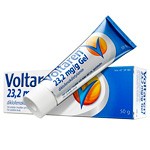
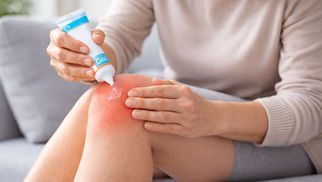
When pain is centered in one or two surface joints (hands, wrists, elbows, knees, ankles), a topical approach can provide targeted support. Diclofenac Gel is a topical NSAID used to reduce pain, inflammation, swelling, and stiffness associated with arthritis-related joint pain.
The practical advantage is focus: the medication acts where you apply it, and systemic exposure is typically lower than with oral NSAIDs. For many people, that means a better balance between relief and tolerability.
Consistent symptom control supports function. When pain is more manageable, patients move more, build strength more reliably, and often achieve better long-term outcomes than with a stop-start approach.
Practical use mindset for topical therapy
Topical anti-inflammatory treatment works best when applied with a clear routine rather than as an occasional rescue. Diclofenac Gel is intended for consistent use on the affected joint to help maintain lower inflammatory activity throughout the day.
Patients often see better results when application is paired with gentle movement and joint-friendly pacing, instead of waiting until pain becomes severe. This approach supports steadier pain control and more predictable daily function.
Apply topical therapy on a schedule you can maintain. Consistency matters more than intensity, especially for chronic or recurrent joint inflammation.
Local versus systemic strategies
People often jump straight to “stronger” medication without considering location. If inflammation is localized, local therapy can be an efficient first step. If multiple joints are involved or symptoms are severe, systemic treatment may be necessary under clinician guidance.
| Aspect | Topical approach | Oral/systemic approach |
|---|---|---|
| Primary effect | Focused on the treated joint | Acts across the body |
| Typical use case | Localized arthritis pain in surface joints | Multiple joints or severe inflammation |
| Systemic side effects | Often lower | More GI/cardiovascular considerations |
In daily practice, Diclofenac Gel is often considered when patients want localized relief while minimizing systemic burden.
What to do
- Warm up 5–8 minutes before activity.
- Use small daily movement to prevent stiffness.
- Apply cold after activity during flares.
- Strengthen support muscles 2–3 times weekly.
- Track triggers such as poor sleep or overload.
What not to do
- Do not push through sharp or escalating pain.
- Do not stack irritating products on one joint.
- Do not ignore hot, red, rapidly swelling joints.
- Do not rely only on rest.
Seek urgent medical evaluation if pain is accompanied by fever, severe redness, or sudden inability to bear weight.
Decision tree: symptoms and next action
Ask whether the joint is hot, very swollen, and worsening rapidly.
- Reassess triggers and diagnosis if no improvement after 1–2 weeks.
- Consider systemic causes if multiple joints are involved.
- Build a flare-prevention routine.
Small lifestyle upgrades that help
Pain perception and inflammation are influenced by daily habits. Small, consistent changes can significantly improve outcomes.
- Weight management reduces joint load.
- Strength training stabilizes joints.
- Sleep protection improves recovery.
- Movement pacing prevents flare cycles.
“Switching to short daily movement and tracking flare days helped me regain confidence and control.”
Summary
- Calm inflammation with a strategy matched to symptoms.
- Move consistently to prevent stiffness.
- Track progress instead of chasing perfect numbers.
- Escalate wisely when warning signs appear.
Drug Description Sources: U.S. National Library of Medicine, Drugs.com, WebMD, Mayo Clinic, RxList.
Reviewed and Referenced By:
Dr. David T. Felson – Medicine and Epidemiology.
Dr. Elena Losina – Orthopedic Outcomes Research.
Dr. Daniel J. Wallace – Rheumatology.
(Updated at Jan 6 / 2026)