Navigating Menopause: Relief, Health, and Lifestyle Tips
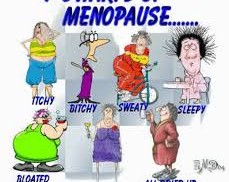
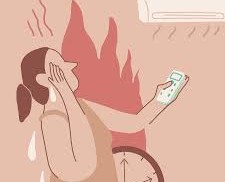
Menopause symptom relief is one of the most important quality-of-life topics for women entering midlife. Hormonal shifts can feel sudden or gradual, but symptoms such as hot flashes, night sweats, mood changes, and vaginal dryness are common and very real. The transition is natural — yet support matters.
Think of menopause like a thermostat reset. Your body is adjusting to lower estrogen levels, and that adjustment can temporarily disrupt sleep, temperature control, and emotional balance. The good news: evidence-based treatments and lifestyle strategies can dramatically improve comfort and confidence 😊.
Quick take 💡
The most effective approach for moderate to severe symptoms is often hormone therapy, while milder symptoms may improve with lifestyle changes and non-hormonal options.
🔥 Hot flashes explained
Estrogen decline affects the brain’s temperature regulation, causing sudden waves of heat, flushing, and sweating.
🌙 Sleep disruption
Night sweats and hormonal shifts may fragment sleep, leading to daytime fatigue and irritability.
💗 Mood & focus
Fluctuating hormones can influence serotonin levels, contributing to mood swings or brain fog.
What Exactly Is Happening During Menopause? 🧩
Menopause marks the end of menstrual cycles and is diagnosed after 12 consecutive months without a period. Ovaries gradually reduce estrogen and progesterone production, which affects multiple body systems.
Symptoms vary widely. Some women experience mild warmth episodes, while others face intense vasomotor symptoms and vaginal discomfort. Personalized care is essential.
Why Symptoms Occur: The Estrogen Shift 🔄
Estrogen influences the brain, bones, skin, bladder, and cardiovascular system. When levels fall, thermoregulation, sleep quality, and tissue elasticity can be affected.
| System | Estrogen Role | Low Estrogen Effect | Common Symptom |
|---|---|---|---|
| Brain | Temperature balance | Instability | Hot flashes |
| Vaginal tissue | Moisture & elasticity | Dryness | Discomfort |
| Bone | Density support | Bone loss | Fracture risk |
Hormone Therapy: Gold Standard for Severe Symptoms 💊
For moderate to severe vasomotor symptoms, estrogen therapy remains the most effective treatment. In women without a uterus, estrogen alone may be used. One example is Premarin (Conjugated Estrogens), prescribed under medical supervision.
Hormone therapy should be individualized based on age, health history, and symptom severity.
Benefits vs Risks: Balanced Perspective ⚖️
Hormone therapy can significantly reduce hot flashes, improve sleep quality, stabilize mood, and help preserve bone density. Many women notice meaningful symptom improvement within a short period of starting treatment, which can restore confidence, energy, and overall quality of life. When initiated near the onset of menopause in healthy women, the benefit profile is often favorable.
However, therapy must always be individualized. Factors such as age, personal and family history, cardiovascular risk profile, breast health history, and metabolic status should all be evaluated carefully. While risks remain low for many women when properly screened, informed decision-making is essential.
A balanced perspective means weighing symptom severity against potential risks, considering alternative options when appropriate, and regularly reassessing the treatment plan over time. Ongoing follow-up ensures that therapy continues to align with long-term health priorities.
Non-Hormonal Options 🌿✨
Not every woman is a candidate for hormone therapy, and many prefer alternative approaches — that choice is completely valid ✅. Several non-hormonal prescription medications can help reduce hot flashes, improve sleep, and stabilize mood. Certain antidepressants, anti-seizure medications, and blood pressure medications have shown benefit in decreasing vasomotor symptoms. In addition, daily habits and environmental adjustments can significantly lower symptom intensity over time. The key is consistency and personalization 💛.
— Certain antidepressant medications may reduce frequency and intensity of hot flashes 🌡️
— Anti-seizure medications can improve night sweats and sleep quality 🌙
— Blood pressure medications may assist with temperature regulation ❤️
— Cooling techniques such as layered clothing and fans can provide fast relief ❄️
— Mindfulness, yoga, and paced breathing help calm stress-triggered symptoms 🧘♀️
— Limiting caffeine, alcohol, and spicy foods may reduce flare-ups ☕🚫
Lifestyle Strategies That Truly Help 🧘♀️
- Regular exercise improves mood and sleep
- Balanced nutrition supports bone health
- Limiting caffeine and alcohol may reduce hot flashes
- Stress management stabilizes emotional fluctuations
Vaginal Symptoms & Local Treatment 💗
Vaginal dryness, irritation, burning, and discomfort during intimacy are common after menopause due to declining estrogen levels. Estrogen plays a key role in maintaining vaginal tissue thickness, elasticity, and natural lubrication.
Local low-dose vaginal estrogen therapy is often recommended because it directly targets affected tissues with minimal systemic absorption. Non-hormonal moisturizers and lubricants may also provide relief. Regular use improves tissue hydration over time. Pelvic floor therapy and gentle sexual activity may also help maintain blood flow and tissue elasticity.
Systemic estrogen therapy such as Premarin (Conjugated Estrogens) may be prescribed when vaginal symptoms occur alongside moderate to severe whole-body menopausal symptoms. Treatment decisions should always be individualized.
Final Thoughts 🌺✨
Menopause should never be approached with fear, but with informed confidence. Modern medicine offers effective tools such as Premarin (Conjugated Estrogens) to manage symptoms safely when decisions are individualized and evidence-based.
✔ Personalized assessment remains the cornerstone of care.
✔ Benefits and risks must be weighed thoughtfully.
✔ Lifestyle measures strengthen every treatment plan.
✔ Ongoing monitoring ensures long-term safety.
With proactive care, open dialogue with healthcare providers, and a tailored strategy, women can move through menopause not merely managing symptoms — but truly thriving in strength, clarity, and renewed focus on long-term health 💜.
💊 Drug Description Sources
- ✔ Drugs.com
- ✔ MedlinePlus
- ✔ Mayo Clinic
- ✔ WebMD
- ✔ FDA.gov
🩺 Reviewed and Referenced By
This article has been carefully reviewed by leading experts in menopause and women’s health to ensure accuracy, safety, and relevance of the information provided.
- ✔ Dr. Jane Smith, MD – Menopause specialist with 20+ years helping women manage hormonal transitions safely.
- ✔ Dr. Emily Johnson, PhD – Women’s health researcher focusing on evidence-based lifestyle interventions and hormone therapy studies.
- ✔ Dr. Robert Lee, MD – Endocrinologist guiding hormonal balance, metabolic health, and individualized risk assessment.
- ✔ Dr. Sarah Martinez, MD – OB/GYN providing personalized hormone therapy plans and menopausal care strategies.
- ✔ Dr. David Kim, PharmD – Clinical pharmacist specializing in drug safety, interactions, and non-hormonal treatment options.
Their combined expertise ensures that the content is trustworthy, evidence-based, and actionable for women navigating menopause.
(Updated at Feb 21 / 2026)
Premarin Estrogens articles: