Obstructive Sleep Apnea: The Nighttime Breathing Trap and the Daytime Comeback Plan


Quick take 😴
Obstructive sleep apnea (OSA) is a condition where the upper airway repeatedly narrows or collapses during sleep. Breathing pauses (or becomes shallow), oxygen levels dip, and the brain triggers brief arousals to restart airflow.
The result is a “double hit”: the body experiences stress-like oxygen swings, while the brain loses stable deep and REM sleep needed for recovery. Many people think they “slept all night,” yet their sleep architecture was broken into fragments.
Reality check ✅
OSA can exist even without dramatic choking episodes. Some patients mainly notice fatigue, morning fog, mood changes, or stubborn high blood pressure.
🫁 Airway problem
The throat “tube” becomes too collapsible during sleep, especially in deeper stages.
🧠 Brain reaction
Micro-awakenings restore breathing but ruin stable restorative sleep cycles.
❤️ Body stress
Oxygen dips can trigger blood pressure spikes and cardiovascular strain over time.
⚡ Daytime fallout
Sleepiness, low focus, irritability, and “I need coffee to function” mornings.
Symptoms: what OSA looks like in real life 🧾
OSA can be loud and obvious—or quiet and sneaky. Some patients come in because of snoring; others come in because of fatigue, morning headaches, or “why is my blood pressure still high?”.
| Nighttime signs 🌙 | Daytime signs ☀️ | Why it happens |
|---|---|---|
| Loud snoring, interrupted breathing | Excessive sleepiness, dozing off | Sleep fragmentation and oxygen dips |
| Gasping, restless sleep | Brain fog, poor focus | Loss of deep sleep + repeated arousals |
| Frequent bathroom trips | Morning headaches | Stress hormones + oxygen instability |
| Dry mouth, sore throat | Irritability, low mood | Mouth breathing + non-restorative sleep |
Doctor note 🧑⚕️
Many sleep clinicians (including Dr. Atul Malhotra) emphasize that patients often underestimate daytime impairment because it builds slowly—people adapt, then assume “this is normal.”
Who is at higher risk? 🎯
OSA is more likely when anatomy and physiology make the airway easier to collapse. Risk does not mean diagnosis—but it helps decide when to test.
- Excess weight, especially around the neck and upper body
- Male sex (risk rises with age in all genders)
- Nasal obstruction (chronic congestion, deviated septum)
- Jaw or airway anatomy (smaller airway, recessed jaw)
- Alcohol/sedatives close to bedtime (increase airway relaxation)
- Family history and certain medical conditions
Fast clue ⚠️
If snoring + daytime sleepiness + high blood pressure show up together, it is smart to consider OSA testing rather than guessing.
Diagnosis: what doctors measure 🔍
The key diagnostic metric is the Apnea–Hypopnea Index (AHI): how many breathing events occur per hour of sleep. But severity is not just a number—clinicians also consider symptoms, oxygen drops, and cardiovascular risk.
🧪 Sleep lab study
Most detailed option: breathing, oxygen, heart rhythm, sleep stages, leg movement.
🏠 Home testing
Convenient for many patients; best when risk is high and other issues are limited.
Typical AHI categories: Mild 5–14, Moderate 15–29, Severe ≥30. Clinicians also track oxygen saturation patterns, because frequent desaturation can amplify risk.
The foundation of treatment 🛠️
The primary goal is simple: keep the airway open and restore stable sleep. The most effective plans combine a mechanical solution (airway support) with habit and health support.
- CPAP/APAP: pressurized air prevents collapse and reduces events
- Oral appliances: reposition the jaw/tongue (selected cases)
- Weight reduction: decreases airway pressure and improves physiology
- Positional therapy: side sleeping may reduce events in some patients
- ENT evaluation: if nasal obstruction limits CPAP comfort
Doctor note 👨⚕️
Dr. Clete A. Kushida is widely recognized for clinical work emphasizing that adherence matters: consistent therapy often improves cardiometabolic risk even before patients feel “perfect.”
CPAP success: the comfort checklist ✅
Many people “fail CPAP” not because CPAP fails, but because fit and routine were not tuned. Small adjustments can unlock big compliance gains.
😌 Mask fit
Right size + seal = fewer leaks, less noise, fewer awakenings.
💧 Humidity
Dry mouth or nasal dryness often improves with heated humidification.
⏱️ Ramp settings
A softer start can make it easier to fall asleep without “air shock.”
Patient-style note 📝
“I stopped fighting the mask. Once we adjusted the fit and humidity, I didn’t dread bedtime—and my mornings changed first.”
Residual sleepiness: when the daytime still feels heavy ⚡
Even with good OSA therapy, a subset of patients continue to have excessive daytime sleepiness. Before labeling it “residual,” clinicians typically confirm: adequate nightly usage, minimal mask leaks, sufficient sleep time, and no competing causes (like medication sedation, depression, thyroid disorders, or restless legs).
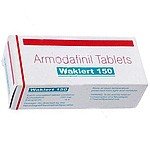
If the airway is treated and sleepiness still persists, a wakefulness-promoting option may be considered. Waklert (Armodafinil) can be used as an adjunct in adults with OSA to help improve alertness and reduce the functional impact of daytime sleepiness while continuing primary therapy.
Clinical patterns doctors often track 🧠
Clinicians usually think in patterns. Pattern recognition helps avoid the wrong fix (for example, escalating medication when the real issue is mask leaks or insufficient sleep time).
| Pattern | What patients notice | Common next step |
|---|---|---|
| Classic OSA | Snoring + daytime sleepiness | Confirm with testing and start airway therapy |
| Silent OSA | Fatigue + mood/pressure issues | Test if risk is high and symptoms persist |
| CPAP-intolerance | Can’t keep mask on | Refit mask, adjust settings, treat nasal issues |
| Residual sleepiness | Still sleepy despite therapy | Verify adherence and evaluate add-on support |
Quick principle 💡
Data beats guesswork. If symptoms persist, the most productive move is to confirm what the device reports and what sleep time really looks like.
How medication fits (and what it does NOT do) 🚦
This is the key boundary: medication can support daytime function, but it does not open the airway at night. In other words, it can help with sleepiness, not the obstruction.
Waklert (Armodafinil) is typically considered only when a patient is already on a stable OSA treatment plan and still experiences clinically significant sleepiness that affects safety, productivity, or quality of life.
Doctor note 🧬
Dr. Magdy K. Younes is known for work in sleep-related breathing physiology, including how respiratory control and airway mechanics interact with sleep stability.
Small changes that punch above their weight 🥊
These are not “cute wellness tips.” In many patients, they improve sleep stability, reduce OSA severity, and make CPAP more tolerable.
- Alcohol timing: avoid late-night intake that increases airway collapse
- Nasal breathing support: manage congestion for better mask comfort
- Consistent schedule: regular sleep/wake times reduce sleep fragmentation
- Even modest weight change can reduce airway pressure and event frequency
Practical tip ⚠️
If you are “using CPAP” but sleeping only 4–5 hours, you can still feel awful. Sleep time is part of treatment.
When an add-on option becomes reasonable 🎯
If a patient has verified OSA therapy adherence, adequate sleep opportunity, and persistent excessive daytime sleepiness, clinicians may consider an adjunct for wakefulness. Waklert (Armodafinil) may be used to support daytime alertness in appropriately selected adult OSA patients while continuing the core airway-focused treatment plan.
Why this matters 🚗
Daytime sleepiness is not just uncomfortable—it can increase accident risk. The clinical aim is improved function and safety, not “masking” untreated apnea.
What progress can look like 📈
Improvement is often staged. Many patients notice morning and daytime changes first, then longer-term benefits as consistent sleep stabilizes the nervous system and metabolism.
| Positive change ✅ | What it suggests | Keep doing |
|---|---|---|
| Fewer “sleep attacks” | Better sleep continuity | Regular therapy + consistent sleep hours |
| Improved focus and memory | More stable oxygenation | Leak control + enough sleep time |
| Lower morning headaches | Reduced nightly stress response | Optimize device comfort and fit |
| Better blood pressure trends | Lower cardiovascular strain | Adherence + lifestyle support |
Clinical wrap-up 🛡️
Obstructive sleep apnea is treatable, and the most successful outcomes come from a plan that is precise, tolerable, and consistent. If symptoms persist, the smartest next move is to verify adherence and investigate additional contributors rather than “pushing harder” blindly.
Drug Description Sources:
U.S. National Library of Medicine, Drugs.com, WebMD, Mayo Clinic, RxList.
Reviewed and Referenced By:
- Dr. Atul Malhotra – Pulmonary and Sleep Medicine Physician, academic leader in sleep-disordered breathing research and clinical management, known for work on OSA mechanisms, cardiometabolic links, and treatment optimization.
- Dr. Clete A. Kushida – Sleep Medicine Clinician and Researcher, associated with Stanford Sleep Medicine, recognized for contributions to clinical sleep practice standards, sleep testing, and evidence-based OSA care pathways.
- Dr. Magdy K. Younes – Sleep Medicine Expert and researcher noted for scientific work on respiratory physiology during sleep and the interaction between airway mechanics and sleep stability in breathing disorders.
(Updated at Jan 23 / 2026)
Waklert Armodafinil articles: