Panic Disorder: When Fear Hits Fast and How to Take Back Control


The tricky part? After a few attacks, many people start living “on alert,” scanning their body for signs of the next hit. That fear of fear can become the main problem and can shrink everyday life (work, travel, social plans, even sleep). The good news: panic disorder is very treatable, especially with a clear plan and steady steps. ✅
- ⚡ Panic attacks can be intense, but they usually peak within minutes.
- 🧠 Symptoms are real — they come from the nervous system, not imagination.
- 🧭 Avoidance and constant monitoring can keep the cycle going.
Dr. Elizabeth Hoge (psychiatrist and anxiety researcher) describes panic disorder as a treatable “fear-circuit” issue: the brain learns to interpret normal body sensations as danger — and treatment helps retrain that response.
🚨 What a Panic Attack Can Feel Like (Common Symptom Mix)
Panic attacks often show up as a “combo platter” of physical and mental symptoms. Some people feel mostly body symptoms, others feel mostly fear and unreality — many feel both. A key detail: the interpretation (“Something is terribly wrong!”) can amplify the sensations, making the wave stronger.
| Type | Examples | Why it feels scary |
|---|---|---|
| Body | Rapid heartbeat, sweating, shaking, chest tightness, nausea | Feels like a cardiac or breathing emergency |
| Breathing | Shortness of breath, “air hunger,” tingling | Makes the brain think “I’m not safe” |
| Mind | Fear of dying, fear of losing control, racing thoughts | Creates urgency and catastrophizing |
| Reality shift | Derealization (world feels unreal), depersonalization | Feels like “I’m going crazy,” but it’s a stress response |
If you track attacks, don’t only record “what happened.” Also note: sleep, caffeine, skipped meals, alcohol, stress spikes. Patterns often hide in the “before,” not the “during.”
🔁 The Panic Cycle (Why It Repeats)
Panic disorder often runs on a loop: sensation → scary interpretation → more adrenaline → stronger sensation → more fear. Over time, the brain starts treating certain places or sensations as “danger signals.”
Notice the sensation, name it (“panic signal”), slow the reaction, and let the wave pass. This teaches the brain: “uncomfortable is not unsafe.”
Checking pulse repeatedly, constant reassurance searches, avoiding all triggers, or treating every sensation as an emergency. It can make the brain more confident that panic equals danger.
“The moment I stopped fighting the sensations and started labeling them as panic, the attacks didn’t feel as ‘mystical’ and unstoppable.” (This is a common turning point in recovery.)
🧪 Getting the Right Diagnosis (and Why It Matters)
Because panic attacks can mimic other conditions, clinicians may recommend basic evaluation depending on symptoms and history. The goal is not to “prove it’s anxiety,” but to ensure nothing urgent is being missed. Once serious causes are ruled out, many people feel immediate relief — and treatment can move forward with confidence.
- ❤️ Heart rhythm issues (especially if palpitations are new or severe)
- 🫁 Asthma or breathing problems
- 🧠 Thyroid imbalance, anemia, low blood sugar
- 💊 Stimulants, excess caffeine, withdrawal effects
A diagnosis of panic disorder typically involves recurrent unexpected panic attacks plus ongoing worry or avoidance patterns.
🧰 Treatment That Actually Helps (A Practical Mix)
The most effective approach usually combines skills-based therapy with (when appropriate) medication support. Therapy helps you change the panic response and reduce avoidance. Medication can reduce baseline sensitivity so you can practice skills more successfully.
- 🧠 Cognitive-behavioral therapy (CBT) to reshape panic beliefs and reduce fear of sensations
- 🎯 Exposure-based practice to retrain the brain that triggers are not threats
- 😴 Lifestyle stability (sleep, meals, movement, caffeine limits) to calm the “baseline”
- 💊 Medication when symptoms are frequent, severe, or blocking progress
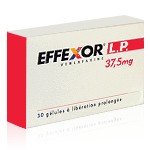
Effexor (Venlafaxine) is an SNRI used in panic disorder treatment, supporting neurotransmitter balance involved in stress and fear regulation. Effexor XR has an FDA indication for panic disorder (with or without agoraphobia).
Dr. Naomi M. Simon (psychiatrist focused on anxiety and stress-related disorders) emphasizes that consistent, stepwise care works best — panic improves when treatment is structured and progress is measured over time, not day-by-day mood swings.
🎛️ Skills That Make Panic Less “Bossy”
Panic disorder recovery isn’t about never feeling anxiety again. It’s about learning: “I can handle this wave.” Skills work best when practiced outside attacks too — like training before the match.
Use senses to anchor: name 5 things you see, 4 you feel, 3 you hear, 2 you smell, 1 you taste. This pulls attention from fear predictions into the present.
Aim for slower exhale than inhale. The goal is not “perfect breathing,” but lowering the body’s urgency signal.
Swap “This means danger” for “This is my nervous system overreacting.” That one sentence can reduce the spike.
Don’t aim for “zero panic.” Aim for shorter, softer, less frequent. Those are real wins — and they add up.
⏳ Timeline: What Improvement Often Looks Like
Panic treatment usually improves in layers. Many people notice fewer “out of nowhere” attacks first, then less anticipatory anxiety, then less avoidance. The process can feel uneven — progress often comes in steps, not a straight line.
| Phase | What may improve | What to keep doing |
|---|---|---|
| Early | Understanding triggers, reduced fear of symptoms | Practice skills even on good days ✅ |
| Middle | Less frequent attacks, better recovery after spikes | Gradual exposure, reduce avoidance patterns 🎯 |
| Long-term | More freedom (travel, social life), fewer “what if” thoughts | Maintain routine and follow-up care 🧭 |
When prescribed, Effexor (Venlafaxine) is typically used as part of a broader plan (skills + routine + follow-up), not as a “solo fix.” Many patients do best when medication supports their ability to practice therapy tools consistently.
🛡️ Staying Better: Relapse Prevention That Feels Doable
Panic disorder can flare during life stress, sleep disruption, illness, or major changes. Prevention doesn’t mean living cautiously — it means keeping a few “anchors” strong: sleep rhythm, steady meals, manageable caffeine, and regular coping practice.
- 😴 Protect sleep (even a small improvement helps nervous-system stability)
- ☕ Watch stimulants (caffeine can imitate panic sensations)
- 🚶 Move your body (gentle consistency beats occasional intensity)
- 🧩 Keep practicing the skills that worked — even when you feel fine
Dr. Michael R. Liebowitz (psychiatrist known for long-standing work in anxiety disorders) has described how anxiety conditions often persist when avoidance becomes the main coping strategy — long-term improvement usually involves gradually reducing avoidance and rebuilding confidence.
For some patients, a clinician may recommend maintenance treatment for a period of time and then a gradual adjustment plan. If your plan includes Effexor (Venlafaxine), changes are typically made stepwise under medical supervision to keep symptoms stable.
🆘 When to Seek Help (Don’t White-Knuckle It)
You deserve support if panic is disrupting life — even if it’s “only once in a while.” Consider professional help if you notice:
- 🚧 Avoiding places or activities because of panic fear
- 📉 Work, school, or relationships taking a hit
- 🔁 Recurrent attacks with ongoing worry between them
- 🌙 Sleep disruption or constant body-checking
Treatment works best when it’s customized: triggers, medical history, co-existing anxiety or depression, and daily routines all matter. A clinician can help build a plan that fits your real life — not a perfect-life fantasy.
Drug Description Sources: U.S. National Library of Medicine, Drugs.com, WebMD, Mayo Clinic, RxList.
Reviewed and Referenced By
Dr. Elizabeth Hoge – Psychiatrist and Anxiety Disorders Research Director (Georgetown University): Clinical focus on anxiety disorder treatment research, including biomarkers and therapeutic response patterns in anxiety and depression.
Dr. Naomi M. Simon – Professor of Psychiatry and Anxiety/Stress Disorders Specialist: Extensive clinical and translational work in anxiety and stress-related disorders, with leadership roles in specialized programs.
Dr. Michael R. Liebowitz – Psychiatrist and Anxiety Disorders Clinician-Researcher: Internationally recognized for decades of work in anxiety and affective disorders, including leadership and research contributions in diagnostic frameworks.
(Updated at Jan 30 / 2026)
Effexor Venlafaxine articles: