Understanding Urinary Incontinence
Core Medical Overview 💧
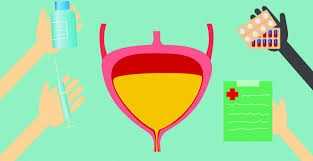
Urinary incontinence is a medical condition defined by the involuntary loss of urine. It may appear suddenly or progress slowly depending on physiological and neurological factors. Many patients delay treatment due to social stigma and misinformation. From a clinical perspective, the condition reflects impaired coordination between the bladder and nervous system. This dysfunction may involve weakened muscles or altered nerve signaling. Understanding these mechanisms allows clinicians to target therapy more precisely.
Modern medicine confirms that urinary incontinence is not an inevitable consequence of aging. Early medical attention significantly improves long-term outcomes. Individualized care plans allow patients to maintain independence and dignity. New diagnostic tools have improved early detection accuracy. As a result, treatment success rates continue to rise.
- ✔️ High prevalence worldwide
- ✔️ Treatable at all ages
- ✔️ Multiple management options
These characteristics highlight the importance of awareness and proactive care. Addressing symptoms early reduces complications and emotional distress. Patients benefit from structured education programs. Early action also lowers long-term healthcare burden.
Main Types of Urinary Incontinence 🧠
Proper classification is the foundation of effective treatment. Each type of urinary incontinence arises from a distinct mechanism. Incorrect classification may delay recovery. Mixed presentations are common in clinical practice. Careful evaluation ensures accurate identification.
Clinical evaluation focuses on symptom triggers and frequency. Patient-reported diaries improve diagnostic accuracy. Correct diagnosis enhances medication effectiveness. Imaging may be required in complex cases. Accurate categorization improves long-term outcomes.
- ✔️ Stress-related leakage
- ✔️ Urge-related contractions
- ✔️ Overflow due to retention
Understanding the subtype allows clinicians to tailor therapy precisely. This reduces unnecessary interventions. Treatment becomes more predictable. Patient satisfaction improves significantly.
Quick Clinical Framework ✅
This framework provides a concise overview for rapid understanding. It is commonly used during patient consultations. Key data points are summarized for clarity. Such tools simplify complex medical explanations. They also save consultation time.
| Aspect | Summary | Focus |
|---|---|---|
| Frequency | Very common condition | Early recognition |
| Impact | Quality of life affected | Symptom control |
| Management | Stepwise care | Patient-centered |
Framework-based explanations reduce confusion. They improve patient engagement. Visual summaries support informed decisions. This approach enhances adherence to therapy.
Underlying Causes and Risk Factors ⚠️
Urinary incontinence often develops due to multiple interacting causes. Neurological, hormonal, and anatomical factors all play a role. Lifestyle habits may worsen symptom severity. Aging amplifies these contributing elements. Identifying causes allows targeted intervention.
Weight control reduces pressure on the bladder. Medication review is an essential assessment step. Chronic diseases may exacerbate symptoms. Prevention is now emphasized in guidelines. Early action limits disease progression.
- ✔️ Neurological involvement
- ✔️ Hormonal influence
- ✔️ Medication-related triggers
Addressing modifiable risks improves treatment success. Preventive care lowers symptom severity. Education supports sustainable lifestyle change. Long-term outcomes improve significantly.
Diagnostic Pathway 🔍
Diagnosis begins with a comprehensive patient history. Symptom timing provides essential insights. Physical examination confirms functional issues. Over-investigation is avoided when unnecessary. Precision prevents misdiagnosis.
Bladder diaries are particularly valuable. Simple tests often provide sufficient clarity. Advanced diagnostics are reserved for complex cases. This approach reduces patient burden. Diagnostic efficiency improves care quality.
- ✔️ Structured evaluation
- ✔️ Non-invasive first
- ✔️ Targeted testing
Accurate diagnosis prevents overtreatment. It ensures appropriate medication selection. Early precision reduces long-term costs. Patient trust increases with clarity.
Treatment Strategies 🩺
Treatment follows a progressive clinical model. Conservative options are prioritized. Pharmacological therapy is introduced when needed. Surgical intervention remains a last resort. Safety guides all decisions.
Ditropan (Oxybutynin) is commonly prescribed for urge incontinence. It reduces involuntary bladder contractions. Symptom control improves daily functioning. Proper dosing enhances tolerability. Monitoring ensures optimal outcomes.
- ✔️ Stepwise management
- ✔️ Medication-supported care
- ✔️ Individualized planning
This approach balances effectiveness and safety. Patient preferences are respected. Long-term adherence improves results. Treatment satisfaction remains high.
Role of Medication 💊
Drug therapy targets bladder muscle overactivity. Ditropan (Oxybutynin) blocks muscarinic receptors. This action reduces urgency and frequency. Consistency improves therapeutic response. Patients report better symptom control.
Side effects depend on dosage. Extended-release formulations improve tolerability. Medical supervision ensures safe use. Education reduces discontinuation. Follow-up supports long-term success.
- ✔️ Reduces urgency
- ✔️ Improves control
- ✔️ Requires monitoring
Medication works best with behavioral therapy. Combined strategies enhance outcomes. Ongoing review ensures effectiveness. Care remains adaptive.
Clinical Comparison 📊
Treatment selection depends on severity. Each option has benefits and limitations. Shared decision-making improves satisfaction. Regular reassessment is essential. Long-term planning supports stability.
| Option | Indication | Limitation |
|---|---|---|
| Exercises | Mild cases | Slow response |
| Medication | Urge symptoms | Side effects |
| Surgery | Severe cases | Invasive risk |
- ✔️ Evidence-based
- ✔️ Severity-driven
- ✔️ Patient-focused
Clinical judgment ensures appropriate escalation. Individual response guides therapy changes. Long-term monitoring preserves benefits. Outcomes improve with continuity.
Quality of Life Considerations 🌱
Urinary incontinence affects emotional well-being. Social withdrawal is commonly reported. Effective treatment restores confidence. Education empowers patients. Support reduces isolation.
Lifestyle adjustments are often temporary. Sustained improvement is achievable. Self-management strategies build confidence. Ongoing support enhances resilience. Daily life normalizes over time.
- ✔️ Enhanced confidence
- ✔️ Better daily function
- ✔️ Improved independence
Quality-of-life outcomes guide care decisions. Patient feedback shapes therapy. Holistic care improves satisfaction. Long-term wellness is achievable.
Doctor Opinion 👨⚕️
Specialists emphasize early diagnosis. Ditropan (Oxybutynin) remains effective when prescribed appropriately. Monitoring reduces adverse effects. Patient education improves adherence. Outcomes improve with guidance.
Drug Description Sources 📚
Drug Description Sources: U.S. National Library of Medicine, Drugs.com, WebMD, Mayo Clinic, RxList. These references provide peer-reviewed clinical data. They are trusted globally. Information is regularly updated. Accuracy supports patient safety.
Reviewed and Referenced By 🧾
Dr. Amanda Lewis – Clinical Pharmacologist: Oxybutynin-based therapy remains a standard option for managing bladder overactivity when conservative methods are insufficient. Careful titration minimizes side effects.
Dr. Samuel Hart – Urology Specialist: Accurate diagnosis ensures pharmacological treatment is both effective and safe. Individualized plans improve long-term results.
Dr. Caroline Hayes – Pharmaceutical Health Outcomes Researcher: Generic formulations provide cost-effective, long-term management without compromising efficacy. Accessibility improves adherence.
(Updated at Jan 17 / 2026)
Ditropan Oxybutynin articles:

