When Desire Fades: Understanding and Treating Reduced Libido


Quick take ✅
Reduced libido is a persistent drop in sexual desire lasting weeks to months. It becomes clinically important when it affects confidence, mood, relationships, or quality of life.
Libido is not a single “switch.” It reflects your hormone signaling, stress load, sleep recovery, metabolic health, and mental well-being. When desire fades, the body is often signaling that one (or several) of these systems needs attention.
🕒 When it becomes a medical issue
When low desire is persistent, causes distress, or comes with fatigue, mood changes, or erectile problems, it deserves evaluation rather than guesswork.
🧭 What doctors look for first
Sleep quality, stress overload, medication effects, metabolic health, and hormonal status—because libido commonly declines when recovery capacity is low.
🎯 The treatment goal
The aim is not forced performance. It is the return of natural interest and comfort through targeted changes and safe, monitored therapy when needed.
Main contributors 🔍
Reduced libido is usually multifactorial. Several smaller drivers can combine and create a noticeable shift, especially during demanding periods of life.
- Hormonal changes, particularly declining testosterone in men
- Chronic stress, anxiety, or emotional conflict
- Metabolic strain (weight gain, insulin resistance)
- Sleep deprivation and irregular schedules
- Medication side effects (some antidepressants, blood pressure drugs, etc.)
A practical rule: when your body is in “survival mode,” desire is often deprioritized. Fixing recovery (sleep + stress + health) frequently improves libido even before medication is considered.
Doctor note 🧑⚕️
Dr. Shalender Bhasin emphasizes that libido decline rarely has a single cause and should be assessed within a broader hormonal and metabolic context.
How desire is regulated 🧠
Libido depends on the brain’s motivation pathways, emotional safety, hormone signaling, and vascular health. Testosterone supports sexual interest and responsiveness—especially in men—by influencing the brain’s reward circuits and energy regulation.
Chronic stress can elevate stress hormones, disrupt sleep, and lower testosterone signaling. Metabolic issues can impair blood flow and nerve sensitivity. The result is a “quieting” of desire even when attraction and relationship quality remain.
Clinical patterns doctors commonly see 🧾
Clinicians often recognize patterns that point to likely drivers. Pattern recognition helps guide testing and prevents chasing the wrong target.
| Pattern | What patients notice | Common drivers |
|---|---|---|
| Gradual decline | Slow loss of interest over years | Hormonal aging, weight gain, lower activity |
| Stress-dominant | Desire drops during burnout | Chronic stress, anxiety, poor sleep recovery |
| Metabolic-related | Low libido + fatigue | Insulin resistance, inflammation, low fitness |
| Medication-associated | Drop after starting a medicine | Neurochemical effects, sedation, hormonal shifts |
Doctor note 👨⚕️
Dr. Adrian Dobs notes that recognizing the pattern helps prioritize next steps—hormones, sleep, mental health, metabolic improvement, or medication review.
When hormones are the key factor ⚖️
Testosterone deficiency is one of the most objectively measurable biological contributors to reduced libido in men. Diagnosis requires morning blood testing (often repeated) plus symptom correlation—because levels vary by time of day, sleep quality, and illness.
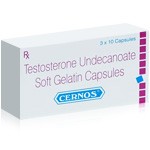
In confirmed deficiency, oral testosterone therapy such as Cernos (Testosterone Undecanoate Soft Gelatin) may be used to restore physiological testosterone levels and support sexual desire, energy, and mood under medical supervision.
Quick clarity 💡
Treatment is guided by both labs and symptoms. “Normal” numbers with strong symptoms can require deeper evaluation (sleep apnea, depression, medication effects), while low numbers without symptoms may not require therapy.
What to do first (practical ladder) 🪜
Many people improve by fixing the fundamentals before changing medication. This ladder helps you take action without turning the process into guesswork.
Step 1 ✅
Stabilize sleep and reduce overload. Aim for consistent bed/wake times and avoid late-night screens. Libido often improves when recovery improves.
Step 2 ⚠️
Review stress drivers and medications. If libido declined after a new prescription, a clinician can assess safer alternatives or dose timing.
Step 3 🚑
If symptoms persist, get structured testing (hormones, metabolic markers, sleep assessment). Avoid self-treating with random supplements.
Best principle ✅
Consistency beats intensity. A realistic routine you can maintain often improves libido more than aggressive changes you cannot sustain.
Patient diary style 📝
Patient observation 🙂
“My interest was lowest on weeks when I slept badly and skipped workouts. Once I fixed bedtime and added short walks, my mood improved first—then desire started to return.”
Clinical perspective 👩⚕️
Dr. Adrian Dobs notes that early improvement often shows up as better energy and mood before libido fully returns, because recovery systems stabilize first.
Medical evaluation before treatment 🧪
A structured evaluation ensures safer, evidence-based decisions and helps rule out conditions that can mimic hormonal symptoms (sleep apnea, depression, thyroid dysfunction, medication effects).
- Morning testosterone testing on at least two occasions
- Assessment of cardiovascular risk factors
- Prostate health review when clinically appropriate
- Medication and supplement review
- Screening for depression, anxiety, and sleep disorders
Boundary warning ⚠️
Do not self-prescribe hormones. Incorrect use can worsen cardiovascular risk, mood instability, or mask the real cause (sleep or medication effects).
Treatment goals 🎯
The goal is the return of natural motivation and comfort, not forced performance. Treatment often combines lifestyle recovery, stress reduction, relationship communication, and medical therapy when indicated.
When testosterone deficiency is confirmed, Cernos (Testosterone Undecanoate Soft Gelatin) may support physiological hormone restoration as part of a supervised plan. Many patients notice improved energy and mood first, followed by a gradual return of spontaneous interest.
When medication becomes appropriate 💊
Not every case of reduced libido requires medication. Pharmacological treatment is considered when:
- Symptoms are persistent and clinically significant
- Lab testing confirms hormonal deficiency
- Lifestyle and stress interventions are not enough
- Safety screening supports treatment initiation
In these defined situations, Cernos (Testosterone Undecanoate Soft Gelatin) may be prescribed as part of supervised care to restore testosterone levels and support normal sexual motivation and energy balance.
Doctor note 🩺
Dr. Abraham Morgentaler emphasizes that medication should support physiology, not replace comprehensive evaluation and monitoring.
What improvement may look like 📈
Improvement is often staged. Early signs can be subtle and not limited to sexual activity itself.
| Positive change | What it suggests | Practical next move |
|---|---|---|
| Higher daily energy | Recovery systems stabilizing | Keep sleep schedule consistent |
| Improved mood | Lower stress hormone burden | Continue stress management and movement |
| Return of spontaneous interest | Motivation pathways reactivating | Reduce performance pressure and over-monitoring |
| More relationship comfort | Less anxiety around intimacy | Communicate needs; keep expectations realistic |
Long-term safety and monitoring 🛡️
When medical therapy is used, monitoring keeps treatment safe and predictable. Clinicians may track symptom response and relevant lab markers over time, especially in patients with metabolic risk factors.
✅ Safer plan
Regular follow-up, symptom tracking, and dose decisions guided by a clinician.
⚠️ Biggest risk
Self-adjusting therapy or stacking supplements without testing and monitoring.
🎯 Best strategy
Focus on one change at a time so you can understand what truly helps.
Medical reviewers and contributors 👩⚕️👨⚕️
Dr. Abraham Morgentaler – Urologist specializing in testosterone deficiency and male sexual health, with extensive clinical work on evidence-based hormone care.
Dr. Shalender Bhasin – Endocrinologist and professor of medicine recognized for foundational research in hormone physiology and testosterone therapy standards.
Dr. Adrian Dobs – Endocrinology specialist focused on metabolic health, aging-related hormonal decline, and long-term safety monitoring strategies.
Drug Description Sources:
U.S. National Library of Medicine, Drugs.com, WebMD, Mayo Clinic, RxList.
(Updated at Jan 22 / 2026)