Buy Cernos Testosterone Undecanoate Online for Male Hypogonadism Treatment Oral Replacement Therapy Capsules

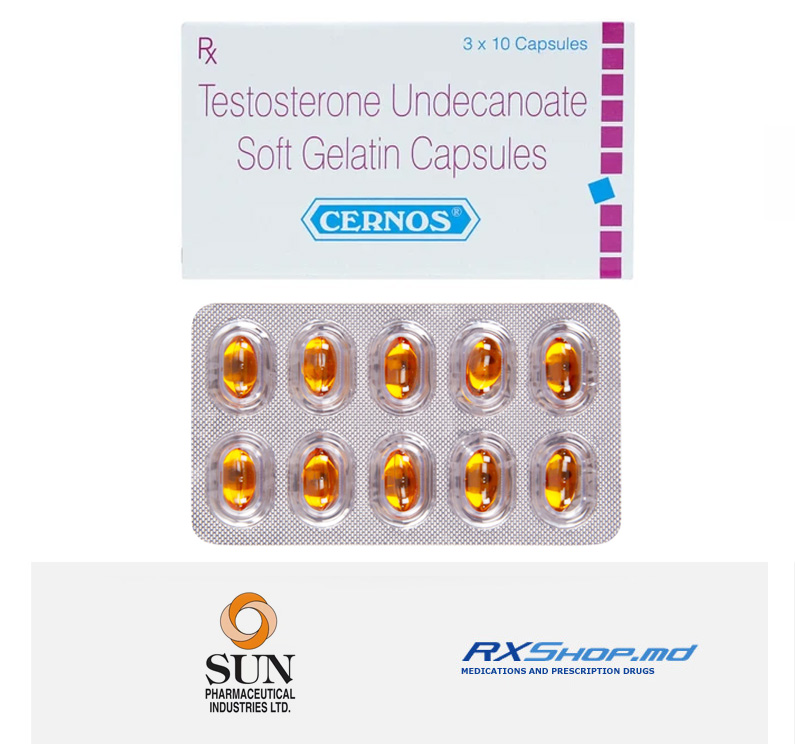
Cernos (Testosterone Undecanoate 40mg) stands as one of the most prescribed oral testosterone replacement therapy (TRT) medications worldwide — providing convenient at-home hormone replacement without the injections required by other testosterone products. Manufactured by Sun Pharmaceutical Industries India as a generic version of Andriol / Restandol (originally Organon), the 40 mg soft gelatin capsules deliver bioavailable testosterone through a unique lymphatic absorption pathway that bypasses the extensive first-pass hepatic metabolism which historically limited oral testosterone formulations. This makes Cernos particularly valuable for men who prefer oral dosing over injections or transdermal patches.
Testosterone Undecanoate works as a testosterone prodrug ester that undergoes distinctive pharmacokinetic processing. When taken with a meal containing dietary fat, the medication is absorbed into intestinal lymph rather than the portal circulation — completely bypassing first-pass hepatic clearance that would otherwise inactivate oral testosterone. The undecanoate ester is subsequently cleaved by lymphatic and systemic esterases releasing bioactive testosterone that binds to androgen receptors throughout the body. Testosterone then produces the full spectrum of androgen effects: increased libido and sexual function, improved muscle mass and strength, enhanced energy and stamina, better mood and cognitive function, improved bone density, increased red blood cell production, and maintenance of secondary sexual characteristics.
Cernos serves multiple clinical indications of testosterone deficiency. The primary use is male hypogonadism — including primary hypogonadism (testicular failure), secondary hypogonadism (pituitary/hypothalamic dysfunction), and late-onset hypogonadism (age-related testosterone decline in men over 40). The medication treats specific symptoms of low testosterone: reduced libido, erectile dysfunction (partial/mixed causes), chronic fatigue, loss of muscle mass, increased body fat particularly abdominal, mood disturbances including depression, and osteoporosis or low bone density. It also treats delayed puberty in adolescent males under specialist supervision.
Cernos requires oral dosing with meals containing dietary fat — typically 120-160 mg daily (3-4 capsules) split into 2 doses morning and evening. Serum testosterone monitoring at 4-6 week intervals guides dose titration. Peak testosterone at 4-5 hours post-dose, dose-related effect duration approximately 8-12 hours. Sun Pharma India manufactures under WHO-GMP and US FDA-inspected quality standards.
Free prescription
Discrete packaging
Have questions?
Quality Assurance

- Male Hypogonadism: Insufficient testosterone production requiring exogenous testosterone replacement;
- Primary Hypogonadism: Testicular failure producing insufficient testosterone despite normal or elevated LH;
- Secondary Hypogonadism: Pituitary or hypothalamic dysfunction reducing testosterone stimulation from LH;
- Late Onset Hypogonadism: Age-related testosterone decline in men over 40 with symptomatic low T levels;
- Andropause: Male menopause with progressive testosterone decline causing multi-system symptoms;
- Testosterone Deficiency Syndrome: Clinical syndrome with confirmed low serum testosterone and characteristic symptoms;
- Reduced Libido: Low sexual desire from testosterone deficiency responding to hormone replacement;
- Testosterone Related ED: Erectile dysfunction from testosterone deficiency component responding to TRT;
- Chronic Fatigue Low T: Persistent fatigue and low energy from testosterone deficiency responding to replacement;
- Muscle Mass Loss: Sarcopenia and muscle loss from testosterone deficiency improving with TRT;
- Increased Body Fat: Abdominal fat accumulation from low testosterone improving with hormone replacement;
- Testosterone Related Mood Symptoms: Depression irritability and cognitive fog from low T improving with TRT;
- Male Osteoporosis: Low bone density in hypogonadal men improving with androgen replacement;
- Delayed Puberty in Males: Delayed male puberty requiring supervised testosterone replacement for maturation;
- Klinefelter Syndrome: Genetic condition causing primary hypogonadism requiring lifelong TRT;
- Post Orchidectomy TRT: Testosterone replacement after testicular removal for cancer or other causes;
- Oral TRT Preference: Patients preferring oral dosing over injectable or transdermal testosterone formulations;
- Injection Averse TRT Patients: TRT candidates unwilling to receive injectable testosterone benefiting from oral form;
- Androgen Replacement Therapy: Drug class replacing insufficient endogenous androgens with exogenous testosterone.
- Better Libido: Sexual desire returns as testosterone reaches normal physiological levels;
- Better Sexual Function: Erectile function and sexual response improve with restored androgen signaling;
- Better Energy and Stamina: Chronic fatigue improves as testosterone-mediated cellular energy production restores;
- Better Muscle Mass: Lean muscle mass increases through androgen-mediated protein synthesis stimulation;
- Better Muscle Strength: Physical strength improves as muscle mass returns to healthy levels;
- Less Body Fat: Abdominal fat mass decreases through androgen-mediated metabolic effects;
- Better Mood: Depression irritability and mood swings improve as testosterone signaling normalizes;
- Better Mental Clarity: Cognitive fog and concentration issues improve with restored testosterone;
- Better Bone Density: Osteoporosis reverses through androgen-mediated bone formation stimulation;
- Better Red Blood Cell Production: Erythropoiesis increases improving oxygen-carrying capacity and endurance;
- Better Male Secondary Characteristics: Body hair muscle distribution and voice deepening maintained with adequate testosterone;
- Better Low T Depression: Depression associated with hypogonadism improves as testosterone normalizes;
- Better Sleep Quality: Sleep architecture and restoration improve with adequate testosterone levels;
- Better Oral Convenience: Capsule format avoids injection or patch application for TRT compliance;
- Better Lymphatic Absorption: Unique lymphatic uptake bypasses hepatic first-pass metabolism enabling oral testosterone;
- Less Injection Anxiety: Oral form eliminates needle phobia and injection site issues of injectable TRT;
- Better Self Confidence: Restored masculinity and vitality improve overall self-image and confidence;
- Twice Daily Dosing Convenience: Split morning and evening dosing with meals fits into daily routine easily;
- Better Quality of Life: Daily wellbeing improves dramatically as testosterone deficiency symptoms resolve.
Generic Cernos (Testosterone Undecanoate Soft Gelatin 40 mg) Medication guide:
📌 What Cernos Is and Testosterone Undecanoate Story
Cernos is an oral testosterone undecanoate soft gelatin capsule manufactured by Sun Pharmaceutical Industries in India. Each capsule contains 40 mg of testosterone undecanoate suspended in oleic acid, a formulation designed to deliver testosterone through the intestinal lymphatic system rather than through the standard gut-to-liver pathway. This design solves the fundamental problem that limits most oral testosterone products: destruction by first-pass liver metabolism.
Oral Testosterone Replacement
Cernos delivers testosterone orally through a lymphatic absorption route that bypasses the liver — the clinical workaround that makes oral testosterone pharmacologically viable.
For men with low testosterone who prefer oral dosing over injections, patches, or gels, Cernos provides a practical daily or twice-daily option.
The challenge with oral testosterone: plain testosterone taken by mouth is largely destroyed by the liver before reaching systemic circulation. Early attempts at oral testosterone (methyltestosterone) addressed this by chemical modification, but the modification created serious liver toxicity. Testosterone undecanoate solves the problem differently — by using an ester form dissolved in oil that is absorbed through intestinal lymphatics directly into systemic circulation, skipping the portal vein and liver pass entirely.
40 mg
Testosterone undecanoate per capsule
120-240
mg typical daily total dose
2x
Daily dosing with meals
1 h
Peak testosterone after dose
Cernos is the Indian generic equivalent of brand Andriol originally marketed by Organon. The active ingredient and absorption mechanism are identical. Testosterone undecanoate was developed in the 1970s and has been in continuous clinical use for over 40 years, with extensive post-marketing data and well-characterized pharmacokinetics.
What Makes Oral Undecanoate Distinctive
No injections required
Men who dislike needles or lack access to injection services can use oral TRT without the recurring clinic visits of intramuscular testosterone enanthate or cypionate.
No skin transfer concerns
Unlike topical testosterone gels, oral capsules carry no risk of inadvertent transfer to partners, children, or others through skin contact.
Smaller peaks and troughs
Daily or twice-daily oral dosing produces more stable testosterone levels than weekly or biweekly injections, which have sharp peaks and gradual declines.
Reversible quickly if issues develop
Short duration of effect means that if a problem develops (abnormal lab values, side effects), stopping the medication clears the testosterone within days rather than weeks.
Cernos is indicated for male hypogonadism — men with clinically significant testosterone deficiency confirmed by laboratory testing and symptoms. It is not indicated for men with normal testosterone levels seeking performance enhancement, bodybuilding, or anti-aging purposes. The medication is a prescription hormone replacement, not a supplement.
Cernos must be taken with a meal containing fat for proper absorption. The oleic acid vehicle requires dietary fat to be absorbed through the intestinal lymphatics. Taking the capsule on an empty stomach dramatically reduces testosterone bioavailability. This is the single most important practical factor in making Cernos work effectively.
💊 Oral Testosterone The Lymphatic Absorption Route
Understanding how Cernos achieves oral absorption requires looking at the intestinal lymphatic pathway — an alternative route for nutrient and drug uptake that bypasses the liver's first-pass metabolism. For lipophilic (fat-soluble) molecules like testosterone undecanoate, this route produces meaningful absorption; without it, oral testosterone would be destroyed before reaching the bloodstream.
Standard oral drugs
Hepatic Route
• Swallowed, dissolved in stomach
• Absorbed through intestinal mucosa
• Enter portal vein, travel to liver
• Liver metabolizes significant fraction
• Remainder reaches systemic circulation
For testosterone: destroyed heavily
Testosterone undecanoate
Lymphatic Route
• Swallowed with fat-containing meal
• Dissolved in intestinal fat micelles
• Absorbed into intestinal lymphatics
• Lymph joins venous circulation at thoracic duct
• Reaches systemic circulation first
Liver first-pass bypassed
The oleic acid vehicle in Cernos is essential to this route. Testosterone itself is only mildly lipophilic. Undecanoate ester significantly increases lipophilicity. Dissolution in oleic acid (an unsaturated fatty acid) ensures the molecule associates with intestinal fat processing. During digestion of a fat-containing meal, the testosterone undecanoate is packaged into chylomicrons — the lipoprotein particles that transport dietary fat through the lymphatic system.
🧬 Step-by-Step Lymphatic Absorption
Capsule reaches small intestine
The soft gelatin shell dissolves, releasing testosterone undecanoate in oleic acid into the intestinal lumen.
Bile acids and dietary fat form micelles
Fat from the meal triggers bile acid release. Micelles form, carrying both dietary fat and testosterone undecanoate toward the intestinal epithelial cells.
Absorbed into enterocytes
Intestinal cells absorb the testosterone undecanoate along with dietary fat. Inside the cells, chylomicrons are assembled and packaged with the drug.
Chylomicrons enter lymph vessels
Rather than entering the portal vein (which goes to the liver), chylomicrons enter intestinal lymphatic vessels (lacteals).
Travel through thoracic duct to venous blood
The lymphatic system drains into the subclavian vein via the thoracic duct, delivering testosterone directly to systemic circulation.
Hydrolyzed to free testosterone
In circulation, esterases cleave the undecanoate ester, releasing free testosterone which then acts normally as the natural hormone.
✔️ Why This Matters Clinically
The lymphatic absorption route is utterly dependent on dietary fat. Without fat in the meal, the micelles do not form, chylomicron packaging does not occur, and testosterone absorption drops dramatically. This is why Cernos must be taken with meals containing fat — the meal itself is the pharmaceutical mechanism, not just a convenience.
Testosterone undecanoate is also used in injectable form (brand Nebido/Aveed) with a different vehicle for intramuscular depot administration lasting 10-14 weeks. The oral formulation in Cernos is pharmaceutically distinct — same active ester but different delivery system optimized for daily oral dosing rather than long-acting depot.
💚 First-Pass Bypass Clinical Benefit
By bypassing hepatic first-pass metabolism, oral testosterone undecanoate avoids the liver toxicity that plagued earlier oral testosterone products (methyltestosterone, fluoxymesterone). Cernos has a benign hepatic safety profile comparable to injectable or topical testosterone, because the liver is not exposed to concentrated drug during absorption.
🧬 Testosterone Physiology Normal Production And Function
Testosterone is the principal male sex hormone, produced primarily by the Leydig cells of the testes under control of the hypothalamic-pituitary-gonadal axis. Understanding normal testosterone physiology clarifies what hypogonadism means and what testosterone replacement aims to restore.
In healthy adult men, testosterone production is approximately 5-7 mg per day, released into circulation in a diurnal rhythm with peak levels in early morning and lower levels in late afternoon and evening. This daily rhythm underlies the clinical practice of measuring testosterone in morning samples — afternoon measurements may underestimate the true level.
🧬 Testosterone Production and Regulation
Hypothalamus releases GnRH
Gonadotropin-releasing hormone pulsed from the hypothalamus signals the pituitary to produce LH and FSH.
Pituitary releases LH and FSH
Luteinizing hormone (LH) stimulates Leydig cells to produce testosterone. FSH acts on Sertoli cells supporting sperm production.
Testes produce testosterone
Leydig cells synthesize testosterone from cholesterol. Approximately 95% of circulating testosterone comes from testicular production; small amount from adrenal glands.
Negative feedback regulates production
High testosterone inhibits GnRH and LH release, closing the regulatory loop. External testosterone (TRT) suppresses this axis.
In circulation, testosterone exists in three forms: free testosterone (about 2%), albumin-bound testosterone (about 38%), and SHBG-bound testosterone (about 60%). Free testosterone plus albumin-bound represents bioavailable testosterone — the fraction readily available to tissues. Total testosterone measurements include all three fractions; free testosterone measurements specifically assess the unbound active portion.
Muscle and bone
Testosterone drives muscle protein synthesis, maintains bone mineral density, and supports physical performance capacity.
Sexual function
Supports libido, erectile function (via nitric oxide pathway), ejaculatory function, and sperm production in combination with FSH.
Mood and energy
Influences mood regulation, cognitive function, and energy levels. Hypogonadal men often report fatigue, mild depression, and reduced motivation.
Testosterone is also converted to other active hormones in tissue: dihydrotestosterone (DHT) by 5-alpha reductase, driving prostate growth and androgenic hair pattern; and estradiol by aromatase, affecting bone density, mood, and some sexual functions. These metabolic conversions explain why testosterone affects such a wide range of physiology and why TRT can produce both androgenic and estrogenic side effects.
📊 Normal Testosterone Ranges
Total testosterone: 300-1000 ng/dL in adult men (reference ranges vary slightly by lab)
Free testosterone: 5-21 ng/dL (varies by assay method)
SHBG: 10-80 nmol/L (affects total vs free testosterone interpretation)
LH: 1.5-9 IU/L (elevated in primary hypogonadism, low in secondary)
Testosterone levels decline with age in most men by approximately 1-2% per year starting around age 30-40. This gradual decline is distinct from pathologic hypogonadism, though at some age-specific levels the distinction becomes blurred. The clinical significance of age-related testosterone decline and whether to treat it with TRT is debated (covered in detail in Section 25).
📉 Low Testosterone Hypogonadism Symptoms And Causes
Male hypogonadism is clinically defined as low testosterone combined with symptoms attributable to androgen deficiency. The combination matters because asymptomatic low testosterone in older men is common and not necessarily a treatable condition; symptomatic low testosterone warrants evaluation and often responds to replacement.
Hypogonadism is classified by where in the hormonal axis the problem lies. Primary hypogonadism involves testicular failure — the testes cannot produce adequate testosterone despite normal signaling. Secondary hypogonadism involves hypothalamic or pituitary failure — the testes could produce testosterone but are not receiving adequate LH signal.
Testicular origin
Primary Hypogonadism
Pattern: Low testosterone, high LH
• Klinefelter syndrome (XXY chromosomes)
• Testicular trauma or torsion
• Mumps orchitis
• Chemotherapy or radiation damage
• Varicocele (severe cases)
• Age-related testicular dysfunction
Pituitary/hypothalamic origin
Secondary Hypogonadism
Pattern: Low testosterone, low/normal LH
• Pituitary tumor or dysfunction
• Hyperprolactinemia
• Chronic opioid use
• Chronic glucocorticoid use
• Severe systemic illness
• Obesity and metabolic syndrome
Hypogonadism symptoms vary by severity and duration of testosterone deficiency. Many are nonspecific and overlap with aging, depression, cardiovascular disease, and other conditions. The combination of multiple symptoms with confirmed low testosterone is more diagnostically meaningful than any single symptom.
📉 Common Hypogonadism Symptoms
Sexual symptoms (most specific)
Reduced libido, erectile dysfunction, reduced spontaneous morning erections, infertility.
Physical symptoms
Loss of muscle mass and strength; increased body fat (particularly abdominal); reduced bone density; reduced body hair; small or soft testes.
Psychological symptoms
Fatigue; mild depression; reduced motivation; cognitive changes; irritability; reduced vitality.
Non-specific symptoms
Hot flashes (uncommon but possible); gynecomastia; sleep disturbance; reduced exercise tolerance.
2-6%
Hypogonadism prevalence in general male population
20-30%
Prevalence in men with type 2 diabetes
25%+
Prevalence in obese men over 45
1-2%
Annual decline in testosterone after age 30-40
💡 Not Every Low Testosterone Needs Treatment
Many men with mildly low testosterone have no symptoms attributable to it. In such cases, TRT may not add benefit while introducing side effect risk and monitoring burden. The clinical standard requires both documented low testosterone and clinical symptoms before starting replacement therapy. Low testosterone alone is not sufficient reason to treat.
🧪 Diagnosing Low Testosterone Lab Workup Approach
Diagnosing testosterone deficiency requires a structured laboratory workup because testosterone values vary diurnally, between labs, and across measurement methods. Clinical guidelines from the Endocrine Society and AUA set specific standards for the diagnostic process to avoid both missing true hypogonadism and overtreating normal variation.
🧪 Standard Diagnostic Workup
Symptom assessment
Document specific hypogonadism symptoms. Validated questionnaires (AMS, qADAM, Massachusetts Male Aging Study scale) help structure the evaluation.
First morning total testosterone
Blood drawn between 7-11 AM. If low (typically below 300 ng/dL), repeat on a second morning to confirm. Afternoon measurements may underestimate the true level.
Confirm with second morning measurement
Single low value is not diagnostic. Testosterone varies day-to-day; brief illness, poor sleep, acute stress all lower it transiently. Two separate low morning values establish persistent hypogonadism.
Additional labs to classify
LH and FSH (to distinguish primary vs secondary hypogonadism); SHBG (to interpret total vs free testosterone); prolactin (to screen for pituitary disorder); free testosterone if SHBG is abnormal.
Baseline safety labs before starting TRT
PSA (prostate cancer screening); hematocrit (erythrocytosis baseline); lipid panel; liver function; comprehensive metabolic panel; TSH if indicated.
📊 Testosterone Thresholds in Guidelines
Below 300 ng/dL: Low; TRT candidate if symptomatic
300-400 ng/dL: Borderline; evaluate symptoms, free testosterone, SHBG
Above 400 ng/dL: Low testosterone unlikely to be driver of symptoms
Above 1000 ng/dL: Above normal range; may suggest exogenous use
SHBG considerations. Sex hormone binding globulin binds testosterone and affects the ratio of free to total testosterone. In men with abnormal SHBG (high in liver disease, hyperthyroidism, aging; low in obesity, hypothyroidism, diabetes), total testosterone can mislead. For these men, free testosterone measurement provides a more accurate assessment of biologically active hormone.
🤔 Conditions That Lower Testosterone Transiently
• Acute illness (viral infection, hospitalization)
• Sleep deprivation — even one night of inadequate sleep lowers testosterone
• Opioid medications — chronic use strongly suppresses testosterone
• Glucocorticoids (prednisone and similar)
• Severe stress
• Significant weight loss or caloric restriction
• Intensive exercise overtraining
• Alcohol binge acutely lowers testosterone
Repeating the testosterone measurement after addressing reversible causes (improving sleep, treating acute illness, reducing opioid dose if possible, moderating alcohol) often shows substantial improvement without needing TRT. This stepwise approach prevents overtreating transient suppression that would resolve on its own.
Testosterone replacement is often a long-term commitment that affects natural production, requires continuous monitoring, and has ongoing cost. Taking time to confirm the diagnosis properly — two morning values, addressing reversible contributors, considering free T if SHBG is abnormal — prevents starting therapy that may not actually be needed.
👩⚕️ Who Qualifies For Testosterone Replacement Therapy
Testosterone replacement therapy is appropriate for men who meet specific clinical criteria: documented low testosterone on at least two morning measurements, hypogonadism symptoms that are plausibly explained by the low testosterone, and no absolute contraindications. Men who do not meet these criteria generally should not be on TRT — the medication's long-term commitments and side effect profile outweigh benefits without clear indication.
Good Candidates
Cernos Fits When
✓ Two morning testosterone values under 300 ng/dL
✓ Hypogonadism symptoms present
✓ Reversible causes addressed
✓ Baseline PSA normal
✓ Baseline hematocrit normal
✓ No current prostate or breast cancer
✓ Prefers oral over injection or gel
Reconsider
TRT Not Appropriate When
✗ Normal testosterone with vague symptoms
✗ Active prostate cancer
✗ Breast cancer in men
✗ Elevated PSA requiring workup first
✗ Erythrocytosis
✗ Severe sleep apnea untreated
✗ Men desiring fertility soon
✗ Severe heart failure NYHA III-IV
Specific populations where TRT is particularly appropriate:
Primary TRT Target Groups
Classical hypogonadism
Men with Klinefelter syndrome, post-chemotherapy, testicular trauma, or clear pituitary disease. Benefit of TRT is well established.
Symptomatic late-onset hypogonadism
Older men with confirmed low T and multiple hypogonadism symptoms affecting quality of life. TRT benefit documented in TTRIAL studies.
Diabetes with hypogonadism
Men with type 2 diabetes have high hypogonadism prevalence; TRT in confirmed cases may improve metabolic parameters, sexual function, and quality of life.
HIV wasting syndrome
Men with HIV-associated hypogonadism and loss of lean body mass. TRT established benefit for body composition.
Men who are poor candidates for Cernos include those seeking testosterone for performance, bodybuilding, anti-aging, or vague "feeling off" complaints without confirmed low testosterone. These populations frequently self-request testosterone through non-standard clinics or online pharmacies. The therapy carries real risks and real monitoring requirements that make casual use inappropriate.
💡 TRT Is a Serious Medical Decision
Starting TRT is typically a long-term commitment. Exogenous testosterone suppresses natural production through negative feedback; stopping after extended use often leaves men temporarily (and sometimes permanently) more hypogonadal than before. The decision to start deserves careful consideration of alternatives (lifestyle changes, treating contributing factors) and realistic expectations about benefits and risks.
💊 Cernos Dose Schedule And Administration Technique
Cernos is prescribed in doses tailored to the individual's testosterone needs and lab response. The typical starting range is 120-160 mg per day (3-4 capsules of 40 mg each), divided between morning and evening meals. Dose is adjusted based on repeat testosterone levels after 1-3 months of therapy, aiming for stable mid-normal range values.
Typical dose patterns:
Dose Adjustment Considerations
Check level after 1-3 months
Testosterone measurement 3-5 hours after a dose gives peak reading; trough reading before next dose gives low point. Both inform dose adjustment.
Target mid-normal range
Aim for testosterone in the mid-normal range (approximately 500-700 ng/dL) during the peak after dosing. Supraphysiologic levels (above normal range) are not goal.
Elderly or hepatic impairment
Start at lower end (80 mg daily or 120 mg). Older men clear testosterone more slowly; hepatic impairment affects metabolism of the ester.
Symptom response matters alongside labs
Dose adjustment considers both testosterone values and clinical response. Men with lab levels at target but inadequate symptom relief may benefit from different TRT formulation.
Swallow capsules whole with a meal containing fat. Do not crush or chew (the oily contents are intended to be absorbed from the intestine, not the mouth). Take morning dose with breakfast and evening dose with dinner for most predictable absorption. Avoid taking all capsules at once — divided dosing produces more stable levels.
Missed dose: if a dose is missed, take it with the next meal (if the next meal is close) or skip and resume the normal schedule. Do not double up to make up for a missed dose. Because testosterone undecanoate has a short duration, missed doses do not have the same cumulative impact as missing a long-acting injection, but consistent daily dosing produces better overall outcomes than erratic dosing.
🍽️ Taking Cernos With Fat Containing Meals Essential
The food requirement for Cernos is not optional — it is the mechanism by which the drug works. The lymphatic absorption route depends on dietary fat triggering chylomicron formation. Without fat in the meal, testosterone undecanoate absorption drops to a small fraction of what the dose should deliver, producing inadequate testosterone levels regardless of how many capsules are taken.
Cernos taken on empty stomach or with a fat-free meal absorbs minimally. The result is treatment failure despite taking the medication. If testosterone levels on monitoring are inadequate, review of meal timing and composition is the first troubleshooting step before increasing the dose.
Good
Meals That Work
✓ Eggs and toast with butter
✓ Breakfast with cheese or avocado
✓ Sandwich with meat and cheese
✓ Meat and vegetables with olive oil
✓ Fish with any oil preparation
✓ Nuts and seeds as snack
✓ Full-fat dairy products
Poor
Meals That Fail
✗ Empty stomach / no food
✗ Fat-free yogurt alone
✗ Plain fruit only
✗ Dry toast or crackers alone
✗ Clear vegetable soup
✗ Protein shake without fat added
✗ Salad with fat-free dressing
How much fat is enough? Research suggests that at least 15-20 grams of fat in the meal provides adequate lymphatic absorption. This is readily achievable with:
Breakfast example
2 eggs + 1 tablespoon butter + toast = approximately 15-20 g fat. Adequate for morning dose.
Lunch example
Sandwich with cheese + mayo + side of chips = typically 20-25 g fat. Easily adequate.
Dinner example
Meat or fish + vegetables with olive oil = plenty of fat for evening dose. Standard dinner usually sufficient.
Men on low-fat diets may struggle to achieve adequate testosterone levels on Cernos. Options include adding specific fat sources (avocado, nuts, olive oil) specifically with Cernos doses, timing doses with the fattiest meals of the day, or switching to a non-oral TRT formulation that is not dependent on dietary fat for absorption.
💡 Consistency Is Key
For predictable testosterone levels, take Cernos with meals that have similar fat content each day. Dramatic day-to-day variation in meal fat produces fluctuating absorption and inconsistent clinical response. Establish regular meal patterns that reliably include fat and dose consistently with them.
The fat timing also matters. Taking the capsule at the start of the meal rather than at the end allows the dietary fat to be processed alongside the drug. Capsules taken 30+ minutes after a meal is already consumed may miss the chylomicron formation window and absorb less effectively.
💚 Practical Rule
Take Cernos with your regular morning and evening meals as long as both include some fat. Normal diet with reasonable fat content (butter, oil, cheese, meat, nuts) is adequate for most men. Attempt to establish consistent meal timing and composition for predictable absorption and testosterone response.
⏱️ Testosterone Levels Timing And Monitoring Pattern
Testosterone levels on Cernos follow a short-cycle pattern that differs from injection-based TRT (long peaks and troughs) and from topical gels (relatively steady with daily application). Oral undecanoate dosing produces rapid rise after each dose, peak around 3-5 hours, and decline back toward baseline before the next dose.
⏰ Typical Daily Pattern on Cernos
Morning dose with breakfast
80 mg (2 capsules) taken at start of breakfast containing fat. Capsule reaches small intestine, oleic acid vehicle enters lymphatic processing.
1-3 hours — Rising testosterone
Testosterone released from undecanoate ester after lymphatic absorption. Plasma testosterone rises steadily.
3-5 hours — Peak concentration
Testosterone reaches peak plasma level, typically mid-normal to upper-normal range at effective dose.
5-10 hours — Gradual decline
Testosterone declines as drug is cleared. Approximate 4-hour half-life means half-peak at 8-9 hours after dose.
Evening dose with dinner
Second dose maintains level through the evening and overnight.
Overnight — Testosterone trough
Lowest point before next morning dose. Still typically within acceptable range if daily dose adequate.
The short half-life of oral testosterone undecanoate (approximately 4 hours) is why twice-daily dosing is standard. A single morning dose would produce peak testosterone in the morning but trough back below hypogonadal threshold by evening — defeating the purpose. Twice-daily dosing maintains testosterone within acceptable range throughout the 24-hour cycle.
4 h
Testosterone half-life after dose
3-5 h
Time to peak concentration
12 h
Interval between doses
1-3 mo
First follow-up testosterone test
Monitoring testosterone level is best done 3-5 hours after a dose to capture peak concentration. Testing immediately before the next dose gives trough reading. Both are informative — a peak at target range and trough still within acceptable range indicates adequate dosing. If peak is too low, dose increase may be warranted; if trough falls below normal range, dose timing or frequency may need adjustment.
💡 Blood Draw Timing
When having testosterone levels checked, tell the lab when your last Cernos dose was taken. Timing of blood draw relative to dose dramatically affects the result. Ideally, take morning dose with breakfast at the usual time, then have blood drawn 3-5 hours later for peak reading, or omit morning dose and have blood drawn before dose for trough reading. The prescriber will specify preference.
⚖️ Oral Undecanoate vs Testosterone Injections Comparison
Intramuscular testosterone injections are the traditional TRT standard — typically testosterone cypionate or enanthate given every 1-2 weeks. The comparison between Cernos (oral daily) and injectable testosterone involves fundamentally different pharmacokinetic patterns with distinct practical implications.
Parenteral
Injection TRT
• Testosterone cypionate/enanthate
• 100-200 mg every 1-2 weeks
• Deep intramuscular injection
• Peak within days of injection
• Trough just before next injection
• Lower cost generally
• Established clinical track record
Oral
Cernos
• Testosterone undecanoate 40 mg
• 120-160 mg daily divided dose
• Swallowed with meals
• Peak 3-5 hours after each dose
• Trough between doses
• Modest cost premium
• Modern alternative
💚 When Each Fits Best
Choose injections if cost is a major factor, if you have a stable clinic routine supporting regular visits or self-injection, if you want long clinical track record, or if labs show poor absorption on oral despite good meal timing.
Choose Cernos if you dislike needles, have no clinic access, want stable day-to-day levels, want fast reversibility if issues develop, or want to try oral before committing to injections.
⚖️ Oral vs Topical Gel Testosterone Delivery Methods
Topical testosterone gels (AndroGel, Testim, Fortesta) applied daily to the skin represent the third major TRT delivery route. The comparison between Cernos and topical gels involves practical daily use factors — both are daily-use products with relatively steady blood levels but with distinct absorption pathways and side effect considerations.
Transdermal
Topical Gel
• Applied daily to skin (shoulders, upper arms)
• Absorbed through skin into bloodstream
• Dries in 5 minutes typically
• Risk of transfer to partners/children
• Steady levels through 24 hours
• No food requirement
Oral
Cernos
• Swallowed with meals twice daily
• Absorbed through intestinal lymphatics
• No skin application
• No transfer risk
• Modest peaks and troughs between doses
• Requires meal timing
The skin transfer risk of gels is a specific practical issue. Residue on skin after application can transfer to anyone who touches the treated area — partners during intimacy, children during contact, pets through close contact. Transferred testosterone can cause virilization in women and premature puberty in children. Gels require covering the application site with clothing after drying and avoiding skin contact with others.
Which Route Fits Which Man
Family with young children at home
Cernos fits better — no skin transfer risk. Topical gels require specific precautions and clothing coverage to prevent accidental exposure of children.
Partner at risk of virilization
Cernos fits better — partner cannot absorb testosterone through contact. Important for pregnant partners (where testosterone exposure poses fetal risk) and for partners with specific hormonal concerns.
Low-fat dietary pattern
Topical gel fits better — no dietary fat requirement for absorption. Cernos may produce inadequate levels in men with consistently low-fat meals.
Sensitive skin or application fatigue
Cernos fits better — no daily skin application. Some men develop skin irritation at gel application sites or tire of the daily application ritual.
Travel frequency
Both work for travel. Capsules are easier to pack and transport than gel sachets or pumps. Gels require airport screening awareness. Both are discreet.
💚 Honest Comparison
Topical gels and Cernos are both reasonable modern TRT options for men who dislike injections. Topical has longer market presence and more clinical data; oral has distinct practical advantages around transfer risk and daily application fatigue. Men who do not have specific preferences often start with whichever is more accessible and switch if the first choice does not work well for them.
💪 Testosterone Effects On Muscle Bone Energy
Testosterone has broad effects on muscle mass, bone density, body composition, and energy. These are the classic androgen effects that drive male physical characteristics during puberty and maintain them throughout adult life. In hypogonadal men, declining testosterone produces reductions across these dimensions that TRT can partially restore.
Muscle Mass
Testosterone drives protein synthesis in skeletal muscle. TRT in hypogonadal men typically increases lean body mass by 2-5 kg over 3-6 months and improves strength.
Bone Density
Testosterone (and its estradiol metabolite) maintain bone mineral density. Hypogonadal men have higher osteoporosis and fracture risk; TRT can improve or stabilize bone density.
Energy and Vitality
Many hypogonadal men report fatigue, reduced motivation, and low vitality. TRT typically produces subjective energy improvement within weeks to months.
Body composition changes. TRT typically produces increased lean body mass and decreased fat mass. The muscle gain is modest in sedentary men but can be more substantial when combined with resistance exercise. Fat loss occurs particularly in abdominal fat — the visceral fat associated with metabolic risk. Combined with glycemic and lipid improvements, TRT in metabolically compromised hypogonadal men often improves overall body composition and cardiovascular risk profile.
What TRT Does and Does Not Do
Restores normal physiology, not supraphysiologic
Properly dosed TRT returns testosterone to normal range. It does not produce bodybuilder-level strength gains unless pushed into supraphysiologic territory, which carries serious health risks.
Improvements take months to develop
Energy and libido improve within weeks. Muscle and body composition changes develop over 3-6 months. Bone density improvement takes 1-2 years to measure.
Response depends on starting point
Men with severely low testosterone experience bigger improvements than men with mildly low T. Younger hypogonadal men typically respond more robustly than older men.
Not substitute for exercise
TRT alone produces modest muscle gain. Combined with resistance exercise and adequate protein intake, improvements are substantially greater. Lifestyle matters.
📊 TTRIAL Study Findings
The Testosterone Trials in Older Men (Snyder, Bhasin and colleagues, NEJM 2016) tested TRT in older men with low testosterone across several outcome domains. Results: improved sexual function (modest effect), improved mood and depressive symptoms (modest), improved anemia, improved bone density. Mixed/neutral: cognitive function, cardiovascular markers. These findings shape realistic expectations about TRT benefits.
Beyond muscle, bone, energy, testosterone also affects hemoglobin and hematocrit (TRT corrects testosterone-related anemia but can push normal men into erythrocytosis), cardiovascular markers (improved HDL cholesterol in some; mixed effects on other lipids), mood (modest antidepressant effect in confirmed hypogonadism), and cognitive function (not consistently improved by TRT despite claims). The next sections explore specific domains in detail.
❤️ Testosterone Cardiovascular Health Research Debate
The relationship between testosterone and cardiovascular health has been one of the most intensely debated topics in TRT research. Earlier studies raised concerns about possible cardiovascular risk; more recent large trials have provided more reassuring data. The current understanding is nuanced and continues to evolve.
❤️ The Evolving Evidence Base
2013-2014 — Early concerning signals
Observational studies (Vigen, Finkle) and VA retrospective analyses suggested possible increased cardiovascular events on TRT. FDA issued a safety label change in 2015.
2015-2020 — Mixed findings, methodological concerns
Reanalysis of early studies revealed methodological problems. TTRIAL cardiovascular substudy showed non-concerning findings but was underpowered.
2023 — TRAVERSE trial
Large (over 5000 men) randomized placebo-controlled trial specifically designed to assess cardiovascular safety. Published New England Journal of Medicine 2023. Did NOT show increased cardiovascular events on TRT compared to placebo in men with hypogonadism and cardiovascular risk factors.
Current consensus
In appropriately selected hypogonadal men on properly dosed TRT, cardiovascular risk is not meaningfully elevated. Specific subpopulations and dose/formulation considerations still matter.
What TRAVERSE established and what it did not: the trial confirmed no increased risk of major cardiovascular events (heart attack, stroke, cardiovascular death) in the overall study population. It did show modest increases in atrial fibrillation and pulmonary embolism on testosterone compared to placebo, prompting continued caution in men with specific risk factors for those conditions.
💓 Specific Cardiovascular Considerations
Erythrocytosis (elevated hematocrit) can raise cardiovascular risk through blood viscosity. Monitor and manage — see Section 14.
Atrial fibrillation — slight increase on TRT per TRAVERSE. Men with history of AF need discussion with cardiologist.
Pulmonary embolism — slight increase on TRT. Men with prior VTE need careful consideration.
Blood pressure — TRT may modestly affect blood pressure; monitor.
The oral testosterone undecanoate formulation (Cernos) may have somewhat different cardiovascular profile than injection TRT because of the more stable blood levels. Peak testosterone with injections can transiently exceed normal range; oral dosing stays closer to physiologic range. Some researchers hypothesize this makes oral formulations preferable from a cardiovascular safety standpoint, though direct comparative data is limited.
Men with specific cardiovascular conditions who may be at higher risk on TRT include those with recent heart attack or stroke, uncontrolled heart failure, severe uncontrolled hypertension, significant arrhythmia, or history of venous thromboembolism. In these men, careful risk-benefit discussion with cardiologist and endocrinologist is warranted before starting Cernos.
💚 The Reasonable Position
For appropriately selected men (confirmed hypogonadism, no absolute cardiovascular contraindications, careful monitoring), properly dosed TRT does not meaningfully elevate cardiovascular risk. The TRAVERSE trial provides the most definitive evidence to date. However, individualized risk assessment remains essential, particularly for men with specific comorbid conditions.
🩸 Erythrocytosis Red Blood Cell Monitoring Concern
Erythrocytosis — elevated red blood cell count and hematocrit — is one of the most predictable side effects of testosterone therapy. Testosterone stimulates erythropoietin production and red blood cell formation. In hypogonadal men this is often beneficial (correcting mild anemia); when hematocrit rises above normal range it becomes a safety concern because of increased blood viscosity and thrombosis risk.
🩸 Hematocrit Thresholds on TRT
Normal (36-50%)
Routine monitoring. Continue therapy as planned.
High-normal (50-52%)
Watch closely; recheck in 1-2 months. Consider dose reduction if trending upward.
Elevated (52-54%)
Action needed. Reduce dose, hydrate aggressively, consider phlebotomy. Reassess in 4-6 weeks.
Significantly elevated (above 54%)
Hold TRT. Phlebotomy. Hematology consultation if persistent. Resume at lower dose only when hematocrit normalized.
The oral testosterone undecanoate route appears to have lower erythrocytosis risk than injectable testosterone because the peaks and troughs are smaller. Injections produce testosterone spikes that strongly stimulate erythropoiesis; oral dosing's more stable profile is gentler. In clinical practice, erythrocytosis is less commonly dose-limiting on Cernos than on cypionate or enanthate injections.
Who Has Higher Erythrocytosis Risk
Current smokers
Smoking raises baseline hematocrit; TRT amplifies the effect. Men who smoke should expect more erythrocytosis concerns.
Sleep apnea (untreated)
Chronic hypoxia from sleep apnea stimulates erythropoiesis. Untreated OSA plus TRT is a common cause of significant erythrocytosis.
COPD or lung disease
Chronic lung disease with hypoxia drives erythropoiesis independent of TRT. Combined effect can be substantial.
Supraphysiologic testosterone levels
Testosterone above normal range strongly stimulates erythropoiesis. Proper dosing to target normal range (not supraphysiologic) minimizes risk.
Elevated hematocrit thickens blood and increases viscosity, which raises risk of stroke, heart attack, and venous thromboembolism. Men who develop significant erythrocytosis on TRT need prompt action. Phlebotomy (controlled blood removal) is the fastest treatment; dose reduction prevents recurrence.
📋 Monitoring Schedule
Hematocrit should be checked at baseline before starting TRT, 3 months after starting, 6 months after starting, and annually thereafter if stable. If any value trends upward or exceeds thresholds, more frequent monitoring until stable. Dose adjustment or temporary hold may be needed if erythrocytosis develops.
👨 Prostate Health Monitoring During Testosterone Therapy
The relationship between testosterone and prostate health has evolved substantially over the past two decades. The historical concern that TRT drives prostate cancer growth has been largely revised by contemporary research. However, specific prostate monitoring remains part of safe TRT management because of benign prostatic hyperplasia and the general importance of prostate cancer screening in middle-aged and older men.
👨 Evolution of Prostate Cancer Concerns
Historical view (pre-2000)
Testosterone considered a potent driver of prostate cancer growth. TRT contraindicated in any man with history of prostate cancer. Men with elevated PSA excluded from TRT.
Modern view (post-Morgentaler)
Research by Morgentaler and others demonstrated that TRT does not increase prostate cancer risk in hypogonadal men. Saturation model shows prostate androgen receptors saturate at low testosterone levels — adding more testosterone does not further drive growth.
Current consensus
TRT does not cause prostate cancer. Selected men with history of treated prostate cancer can safely use TRT. However, baseline and ongoing prostate monitoring remains standard practice.
What TRT does do to the prostate is cause modest growth (benign prostatic hyperplasia or worsening of existing BPH). This is the normal androgen effect on prostate tissue. Men with pre-existing BPH may notice worsening of lower urinary tract symptoms when starting TRT. Men with severe BPH or urinary retention may need to delay or reconsider TRT until the urinary situation is managed.
📋 Prostate Monitoring on Cernos
Baseline PSA and digital rectal exam
Before starting TRT, document baseline PSA and DRE. If abnormal, urologic workup first; TRT deferred until clarity.
PSA at 3-6 months after start
Modest PSA rise is expected as testosterone normalizes (prostate glandular activity increases from hypogonadal low). Significant or progressive rise warrants urology referral.
Annual PSA thereafter
Continued annual monitoring per standard prostate cancer screening guidelines. TRT does not change screening frequency for the typical man.
LUTS assessment
Monitor lower urinary tract symptoms (urinary flow, frequency, nocturia). If worsening, BPH treatment with alpha blocker or 5-alpha reductase inhibitor may be needed alongside continued TRT.
💡 What Prostate Cancer History Means
Men with active prostate cancer should not take testosterone. Men with history of successfully treated prostate cancer can sometimes safely use TRT after careful discussion with urologist — particularly men with low-grade cancer treated with definitive therapy and prolonged undetectable PSA. This is a specialist decision, not primary care initiation.
💊 Testosterone For Erectile Dysfunction Treatment Role
The relationship between testosterone and erectile dysfunction is nuanced. Hypogonadism can contribute to ED, but most ED in men with normal or borderline testosterone is not primarily hormonal. Testosterone replacement treats the hormonal contribution to ED but typically does not fully resolve ED that has significant vascular or psychological components.
💊 What Testosterone Does for Erections
Restores libido
Low libido is often the first symptom of hypogonadism to improve with TRT. Many men with "ED" actually have reduced libido and secondary ED — TRT addresses the underlying desire problem.
Supports nitric oxide pathway
Testosterone upregulates nitric oxide synthase in penile tissue, supporting the biochemical cascade that produces erections. Hypogonadal men often have reduced nitric oxide production.
Enhances PDE5 inhibitor response
Men with hypogonadism often have poor response to sildenafil, tadalafil, or avanafil. TRT often restores PDE5 inhibitor responsiveness.
Does not treat vascular ED directly
ED from vascular disease (atherosclerosis of penile arteries) is not fundamentally testosterone-driven. TRT in these men may help modestly but does not restore erectile function if the underlying vascular pathology is significant.
Clinical practice: men presenting with ED should have testosterone measured as part of the standard workup. If hypogonadism is identified and treated, ED often improves. If ED persists despite normalized testosterone, PDE5 inhibitor therapy is added. The combination of TRT plus PDE5 inhibitor is highly effective for men with ED associated with hypogonadism.
💚 Cernos Plus PDE5 Inhibitor
For men with both hypogonadism and ED, Cernos combined with on-demand sildenafil, tadalafil, or avanafil often produces better results than either alone. The testosterone addresses underlying physiology; the PDE5 inhibitor supports the acute erection mechanism. This is a common combination in men's health clinics.
💡 TRT Is Not an ED Medication
Testosterone replacement should not be used as a primary ED treatment in men with normal testosterone. The medication's long-term commitments, monitoring burden, and side effect profile make it inappropriate for ED alone when testosterone is adequate. For normal-testosterone ED, PDE5 inhibitors (sildenafil, tadalafil, avanafil) remain first-line therapy.
Response pattern: men with hypogonadism-driven ED typically notice improvement in libido within 2-4 weeks of starting TRT. Erectile function improvement develops over 1-3 months as the underlying physiology normalizes. Men who do not experience libido improvement after 2-3 months of adequate TRT dosing often have ED from non-hormonal causes requiring different intervention.
👶 Fertility Impact Of Testosterone Replacement Therapy
Testosterone replacement suppresses sperm production and causes infertility in most men on therapy. This is a critical consideration for men who want to father children. The mechanism is predictable: exogenous testosterone suppresses the hypothalamic-pituitary-gonadal axis, reducing LH and FSH, which stops the testes from producing sperm along with their own testosterone.
Men on standard TRT doses become functionally infertile within weeks to months. Sperm counts drop dramatically; most men become azoospermic (zero sperm) on continuous TRT. For men who want to father children, standard TRT is not compatible with that goal.
The HPG axis suppression works like this: exogenous testosterone signals the hypothalamus that androgen levels are adequate; GnRH release decreases; pituitary LH and FSH decrease; LH no longer stimulates testicular Leydig cells to produce testosterone (natural production stops); FSH no longer supports Sertoli cells, so spermatogenesis fails. The testes become smaller and essentially dormant.
👶 Fertility Options for Hypogonadal Men
Delay TRT until after family building
If hypogonadism symptoms are tolerable, delaying TRT until after children are complete preserves fertility during the planning years.
Clomiphene or hCG instead of TRT
For men with secondary hypogonadism who want fertility preserved, clomiphene citrate or hCG can stimulate the testes to produce their own testosterone while supporting spermatogenesis.
TRT plus hCG combination
Some protocols combine exogenous testosterone (TRT) with hCG injections to maintain testicular function and spermatogenesis during ongoing testosterone therapy. Requires specialist management.
Sperm banking before starting TRT
For men who have borderline fertility concerns and want to start TRT, banking sperm beforehand provides insurance. Later use with assisted reproduction if needed.
Recovery of fertility after stopping TRT is variable. Most men recover sperm production within 6-12 months after stopping TRT; some recover faster, some slower. A minority of men have permanent impairment of spermatogenesis after extended TRT, particularly those with pre-existing testicular dysfunction. Younger men typically recover better than older men; short TRT courses recover faster than long courses.
💡 Honest Discussion Before Starting
Men who might want children in the future should have explicit discussion with their prescriber about fertility impact before starting Cernos or any TRT. The infertility is often reversible after stopping, but not reliably, and recovery may take a year or more. Alternative approaches (clomiphene, hCG, sperm banking) may be preferable for men planning families.
For men whose family building is complete, this fertility impact is not a concern. The majority of men starting TRT are in middle age or older with families already established, where testosterone's effect on sperm production is irrelevant to their life plans.
🩹 Side Effects From Cernos Therapy Overview
Cernos has a well-characterized side effect profile covering the predictable androgen effects of testosterone replacement. Most side effects are mild and manageable with dose adjustment, lifestyle changes, or targeted interventions. Serious adverse events are rare in appropriately selected men on properly dosed TRT with regular monitoring.
The oral testosterone undecanoate route of Cernos has somewhat different side effect profile than injectable testosterone. Oral dosing produces more stable blood levels with smaller peaks, which typically means lower erythrocytosis risk, less mood swinging, and less cycling of libido and energy. Side effects dependent on peak testosterone (acne, aggression in sensitive men) may be milder with oral dosing.
Managing Common Side Effects
Acne and oily skin
Standard acne skincare; consider topical retinoid if persistent. Usually improves after first few months as body adapts.
Erythrocytosis
Monitor hematocrit per schedule. If elevated, hydration first; dose reduction; phlebotomy if significant (see Section 14).
Worsening BPH symptoms
Add alpha blocker (tamsulosin, silodosin) or 5-alpha reductase inhibitor (finasteride, dutasteride). Review PSA and prostate workup.
Mood changes
Most men experience mood improvement. If agitation or anger, consider dose reduction. If depression, assess for other causes.
Gynecomastia
Related to estradiol production from testosterone. Dose reduction; sometimes aromatase inhibitor; early recognition improves reversibility (see Section 22).
💡 Side Effects Scale with Dose
Most testosterone side effects are dose-dependent. Pushing testosterone into supraphysiologic range (above normal) dramatically increases erythrocytosis, acne, aggression, prostate growth, and other effects. Keeping testosterone at target mid-normal range minimizes side effects while providing therapeutic benefit. "More is better" is not the rule with TRT.
😴 Sleep Apnea Risk With Testosterone Therapy
Sleep apnea is one of the specific conditions that can be worsened by testosterone therapy. Men with pre-existing untreated obstructive sleep apnea (OSA) may experience significant OSA worsening on TRT. The relationship cuts both ways — untreated OSA causes testosterone suppression, so hypogonadism and OSA often coexist.
😴 Why Testosterone Affects Sleep Apnea
Upper airway muscle effects
Testosterone may affect tone of pharyngeal muscles that keep the upper airway open during sleep. Effect may worsen airway collapse during sleep.
Weight and body composition
If TRT does not produce weight loss or body composition improvement, pre-existing OSA from obesity remains unchanged. Modest fat loss on TRT may partially offset.
Ventilatory response changes
Testosterone may affect central ventilatory drive during sleep. Some men experience worsening central sleep apnea or mixed events.
Erythrocytosis contribution
OSA causes chronic hypoxia and secondary erythrocytosis. TRT adds to this; combined effect can produce significant hematocrit elevation.
Men with suspected sleep apnea (loud snoring, witnessed apneas, daytime sleepiness) should have formal sleep study before starting TRT. Significant OSA should be treated (CPAP, oral device, weight loss, sometimes surgery) before adding testosterone. Starting TRT in untreated OSA often worsens sleep quality and increases cardiovascular risk.
Interestingly, treating OSA often improves testosterone levels on its own because the chronic hypoxia and sleep fragmentation of OSA suppress HPG axis function. Men whose hypogonadism is partly OSA-driven may find that CPAP therapy alone restores testosterone to normal range, obviating the need for TRT. This is why evaluating and treating OSA is often the first intervention in metabolically compromised hypogonadal men.
💡 If OSA Worsens on TRT
If sleep quality worsens, snoring increases, or daytime sleepiness develops after starting Cernos, consider sleep evaluation. Options include starting or optimizing CPAP therapy, reducing TRT dose, or reassessing whether TRT is appropriate for this individual at this time. Men with severe OSA and significant worsening on TRT may be better served by addressing OSA first and considering TRT only after OSA is well-controlled.
😠 Mood Changes And Testosterone Replacement Effects
Testosterone has significant effects on mood, motivation, and vitality. In confirmed hypogonadism, these effects are typically beneficial — TRT improves mood, reduces fatigue, and increases motivation. However, mood changes on TRT are variable, and in some men the changes include unwanted effects such as irritability, agitation, or aggression.
Beneficial
Typical Positive Effects
✓ Improved mood
✓ Reduced fatigue
✓ Better motivation
✓ Increased vitality
✓ Better sleep quality
✓ Modest depression improvement
Watch For
Unwanted Effects
✗ Irritability or short temper
✗ Mild aggression
✗ Agitation or restlessness
✗ Anxiety
✗ Sleep disturbance (paradoxically)
✗ Supraphysiologic levels: euphoria followed by crash
The beneficial mood effects often develop within 2-4 weeks of starting adequate TRT. Many hypogonadal men describe this as "feeling like myself again" — the return of baseline vitality and emotional stability. For men whose hypogonadism caused significant mood symptoms (fatigue, flat mood, low motivation), the subjective improvement can be substantial.
The unwanted mood effects are more common with supraphysiologic testosterone levels than with properly dosed TRT. Men who develop irritability or aggression often have testosterone levels pushed too high. Dose reduction typically resolves these effects. Oral testosterone undecanoate (Cernos) is less likely to produce supraphysiologic peaks than injectable testosterone because of the smoother absorption profile.
😠 If Mood Changes Develop
Check testosterone level
If peak testosterone is above normal range, dose reduction may resolve unwanted mood effects.
Partner feedback
Partners often notice mood changes before the man himself. Honest conversation about how one is coming across helps identify subtle changes.
Rule out other causes
Depression, anxiety, sleep disorders, relationship stress all affect mood. Attributing all mood changes to TRT may miss other treatable issues.
Consider professional help
If significant mood changes persist, mental health evaluation is appropriate. TRT does not substitute for depression or anxiety treatment when those conditions are present.
TRT should not be prescribed as primary treatment for depression or low mood in men with normal testosterone. The mood benefits of TRT are modest and specific to men with confirmed hypogonadism. For primary depression, standard antidepressant therapy and psychotherapy are first-line.
💆 Hair Loss Acne Oily Skin Testosterone Effects
Testosterone has predictable androgenic effects on skin and hair. Oily skin, acne, and acceleration of male pattern hair loss are the most common dermatologic side effects of TRT. These are driven by increased dihydrotestosterone (DHT) production from the testosterone, acting on sebaceous glands and hair follicles.
Acne and Oily Skin
Testosterone increases sebum production. New or worsened acne, particularly on face, back, and chest. Usually mild; manageable with skincare.
Male Pattern Hair Loss
Accelerated androgenetic alopecia in genetically susceptible men. Recession of hairline and thinning at vertex. DHT-driven.
Body and Facial Hair
Thicker body and facial hair growth. Usually welcomed if hypogonadism reduced normal body hair; may require more frequent shaving.
Managing acne on TRT involves standard dermatologic approaches: gentle skincare, benzoyl peroxide or salicylic acid topical treatments, retinoid creams for persistent cases, and occasional oral antibiotic courses for inflammatory acne. Most men adapt within 2-3 months as skin equilibrates to new testosterone levels. Severe acne that does not respond may indicate testosterone level too high; dose reduction often helps.
Managing Hair Loss Concerns
Genetic predisposition matters most
TRT accelerates androgenetic alopecia only in genetically susceptible men. Men with no family history of pattern baldness typically do not develop significant hair loss on TRT.
Finasteride can prevent/slow
5-alpha reductase inhibitors (finasteride 1 mg, dutasteride) block testosterone-to-DHT conversion. Added to TRT regimen if hair loss concerns are significant.
Topical minoxidil
Over-the-counter topical minoxidil 5% applied daily to scalp can help maintain hair in men who develop or progress androgenetic alopecia on TRT.
Hair transplantation
For men with significant hair loss, hair transplantation remains the most durable restoration option. Not affected by continuing TRT.
Body hair increase is a common positive effect for men who had reduced body hair from hypogonadism. More chest, back, and limb hair returns toward normal pattern. Facial hair growth may increase, requiring more frequent shaving. These changes are consistent with normal male androgenization and are not typically considered side effects.
💡 Pre-Treatment Discussion
Men with significant family history of male pattern baldness or who already have early androgenetic alopecia should discuss starting finasteride concurrently with TRT. Preventing hair loss is easier than treating established pattern baldness. For men who prioritize hair preservation, this combination makes sense.
👕 Gynecomastia Breast Changes On Testosterone Therapy
Gynecomastia — enlargement of male breast tissue — can develop on testosterone therapy. The mechanism involves conversion of testosterone to estradiol via aromatase enzyme in peripheral tissues. Elevated estradiol relative to testosterone drives breast tissue growth. Men with higher body fat have more aromatase activity and higher gynecomastia risk.
👕 Why Gynecomastia Occurs on TRT
Aromatase converts testosterone to estradiol
Normal physiology: a small fraction of testosterone is converted to estradiol in peripheral tissues. TRT increases both the testosterone and the estradiol produced from it.
Body fat tissue high in aromatase
Adipose tissue is the primary site of peripheral aromatization. Men with higher body fat convert more testosterone to estradiol, raising gynecomastia risk.
Breast tissue sensitivity
Men vary in breast tissue sensitivity to estradiol. Some develop gynecomastia with modest estradiol elevation; others do not even with higher estradiol.
Testosterone-to-estradiol ratio matters
Not just absolute estradiol level, but the ratio to testosterone. Supraphysiologic testosterone with high aromatization produces highest gynecomastia risk.
Presentations of gynecomastia include breast tenderness, subareolar enlargement (firm tissue beneath the nipple), nipple sensitivity, and sometimes diffuse breast enlargement. Early-stage changes are often reversible with intervention; established gynecomastia may become fibrotic and persistent.
Managing Gynecomastia
Early detection and action
Report breast tenderness or changes early. Gynecomastia treated in first 6 months of onset has best reversibility.
Dose reduction
Reducing testosterone dose decreases substrate for aromatization. Often first-line approach for mild gynecomastia.
Aromatase inhibitor
Anastrozole 0.5-1 mg twice weekly can reduce estradiol conversion. Specialist decision; monitor to avoid over-suppression of estradiol.
Weight loss
Reducing body fat decreases peripheral aromatization. Addresses root cause for men with gynecomastia related to obesity.
Surgical reduction
For established gynecomastia that does not respond to medical management, subcutaneous mastectomy or liposuction can restore chest contour.
Any unilateral breast mass, bloody nipple discharge, fixed firm nodule, skin changes, or axillary lymph node enlargement warrants evaluation to exclude male breast cancer. Although rare, male breast cancer can occur. Features that deviate from the typical bilateral soft symmetric gynecomastia pattern warrant workup with imaging and potentially biopsy.
💊 Testosterone Combined With PDE5 Inhibitors Benefit
Testosterone replacement therapy and PDE5 inhibitors are commonly combined in men with hypogonadism plus erectile dysfunction. The two treatments address different aspects of male sexual function and work synergistically. For men with both deficits, combination often produces better outcomes than either alone.
Cernos
What Testosterone Does
• Restores sexual desire (libido)
• Supports erectile tissue health
• Improves energy and vitality
• Supports nitric oxide pathway
• Takes weeks to months for effect
PDE5 Inhibitors
What Sildenafil/Tadalafil Do
• Enhance erection mechanism directly
• Increase blood inflow during arousal
• No effect on libido
• No effect on testosterone
• Fast on-demand effect
The synergy works because the two agents target different physiological steps. Testosterone restores the underlying biochemistry (libido, nitric oxide synthase activity, erectile tissue health). PDE5 inhibitors acutely amplify the erection mechanism during a specific sexual encounter. Men with both deficits often find that single-agent therapy produces incomplete response while combination restores full function.
💚 Common Combination Pattern
For men with ED + hypogonadism, the typical approach is: start Cernos first to restore testosterone to normal range (2-3 months); then assess erectile function. If ED persists despite normalized testosterone, add on-demand PDE5 inhibitor (sildenafil, tadalafil, or avanafil). Many men find that TRT alone restores sufficient function; others benefit from combination therapy.
Daily low-dose tadalafil (2.5-5 mg) is a particularly useful combination with TRT. The continuous presence of a mild PDE5 inhibitor supports the testosterone-driven improvement in erectile tissue health. The combination treats both the hormonal and the mechanical dimensions of ED continuously.
✔️ Safe Combination
Cernos and PDE5 inhibitors have no direct drug interaction. They can be used together safely in men who meet safety criteria for both. PDE5 inhibitor safety rules (no nitrates, cardiovascular clearance, etc.) apply as always; TRT monitoring continues as scheduled. The combination is a mainstay of men's health clinics worldwide.
🔗 Drug Interactions With Testosterone Therapy Regimen
Cernos has relatively few significant drug interactions compared to many other medications. The absorption through intestinal lymphatics bypasses hepatic first-pass metabolism, reducing some interactions. However, specific interactions do exist and warrant attention when combining Cernos with other medications.
The warfarin interaction is clinically important. Testosterone may enhance the anticoagulant effect of warfarin, potentially increasing bleeding risk. Men starting Cernos while on warfarin need close INR monitoring during the first few months, with warfarin dose adjustment if INR rises above therapeutic range.
The diabetes medication interaction is often beneficial. TRT in hypogonadal men with type 2 diabetes often improves insulin sensitivity, which can reduce blood glucose and require diabetes medication dose reduction to avoid hypoglycemia. This is a positive effect but requires monitoring and medication adjustment.
📋 Before Starting Cernos
Review your complete medication list with the prescriber, including prescription medications (particularly warfarin, insulin, diabetes medications, and corticosteroids), over-the-counter products, and supplements. Avoid combination with other androgens or anabolic steroids. Flag any changes in anticoagulation or glucose control after starting TRT.
Most routine medications (statins, ACE inhibitors, beta blockers, calcium channel blockers, SSRIs, PDE5 inhibitors, acid reducers, antibiotics) have no significant interaction with Cernos. The limited interaction profile is one of the practical advantages of oral testosterone undecanoate compared to many other medications.
👴 Age Related Testosterone Decline Treatment Debate
Testosterone naturally declines with age in most men, typically by 1-2% per year starting around age 30-40. Whether this age-related decline should be treated with TRT — late-onset hypogonadism (LOH) or andropause — has been one of the most contentious debates in andrology.
👴 The Age-Related TRT Debate
Position: TRT appropriate for symptomatic older men
Men with confirmed low testosterone and classic hypogonadism symptoms benefit from TRT regardless of age. TTRIAL and other studies show real improvements in sexual function, mood, bone, anemia.
Position: Caution with asymptomatic men
Testosterone decline alone without symptoms may be normal aging physiology, not pathology. TRT in these men introduces side effects without clear benefit.
Position: Age-related TRT often inappropriate
Direct-to-consumer "low T" marketing has pushed TRT into populations where benefit is unclear and risks accumulate. "Anti-aging" use lacks evidence base.
Current clinical standard
TRT appropriate when hypogonadism is confirmed (two low morning testosterone values) AND symptoms are present AND reversible causes have been addressed AND contraindications ruled out. Age is not an absolute barrier but needs careful selection.
What constitutes age-appropriate testosterone levels is itself debated. Some researchers argue testosterone in the lower end of normal range (300-400 ng/dL) in a 60-year-old man may represent normal physiology, not treatable deficiency. Others argue that any level below a threshold symptomatic value warrants intervention regardless of age.
💡 The Pragmatic Approach
For older men considering TRT: confirm low testosterone with two morning measurements, document specific hypogonadism symptoms, address reversible contributors (obesity, sleep apnea, medication effects), consider lifestyle interventions first (weight loss, exercise, sleep optimization). If symptoms persist despite these measures and testosterone remains low, TRT trial is reasonable with careful monitoring.
For many older men, lifestyle interventions produce substantial testosterone improvement without TRT. Weight loss alone can increase testosterone by 20-30% in obese men. Treating sleep apnea improves testosterone. Reducing chronic opioid use (when possible) restores testosterone. Exercise, particularly resistance training, modestly improves testosterone. These approaches address root causes rather than compensating with exogenous hormone.
TRT in older men produces modest clinical benefits in sexual function, mood, bone, and anemia. It does not reverse aging, dramatically improve cognition, prevent cardiovascular disease, or restore youthful vigor. Men expecting dramatic rejuvenation on TRT are often disappointed; men expecting measurable improvement in specific symptoms often achieve that modest goal.
🧪 Monitoring Schedule PSA Hematocrit Lipids
Men on Cernos require structured ongoing monitoring covering testosterone levels, prostate health, hematocrit, lipid profile, and liver function. The monitoring schedule is standardized across major guidelines and supports safe long-term TRT management.
🧪 Standard TRT Monitoring Schedule
Baseline (before starting)
Total testosterone (confirmed), free T if indicated, LH, FSH, SHBG, PSA, hematocrit, lipid panel, liver function, comprehensive metabolic panel.
3 months after starting
Testosterone level (adjust dose if needed), hematocrit, PSA. Clinical symptom assessment.
6 months after starting
Testosterone level, hematocrit, PSA, lipid panel, liver function. Reassess clinical response.
12 months after starting
Comprehensive review: testosterone, hematocrit, PSA, lipids, liver function. DRE for prostate. Document clinical outcomes.
Annually thereafter
Testosterone, hematocrit, PSA, lipids, liver function. DRE. Clinical review. Bone density every 2-3 years if indicated.
Specific lab targets:
📋 What Monitoring Catches
Monitoring aims to detect erythrocytosis early (adjust before significant risk), appropriate testosterone levels (not under-dosed or over-dosed), prostate changes (BPH worsening or rising PSA requiring workup), lipid shifts, and any new side effects. Men who skip monitoring may miss early warning signs that could be addressed with simple dose adjustments.
Clinical response assessment is equally important. The prescriber should review symptom improvement: libido, erections, energy, mood, body composition, strength. If symptoms improve on target testosterone levels, the dose is working. If testosterone is at target but symptoms do not improve, other contributors should be investigated rather than simply escalating testosterone dose.
🏃 Lifestyle Factors Supporting Natural Testosterone Levels
Before starting TRT — or alongside it — lifestyle factors that affect natural testosterone production deserve attention. For many men with mild hypogonadism, lifestyle intervention produces measurable testosterone improvement, sometimes obviating the need for replacement therapy. For men already on Cernos, these factors continue to influence overall health and TRT outcomes.
🏃 Lifestyle Factors That Raise Testosterone
Weight loss (if overweight)
Obese men typically see 20-30% testosterone increase with 10-15% weight loss. Visceral fat produces inflammation and aromatase activity that suppress testosterone.
Resistance exercise
Regular strength training 2-3 times per week modestly raises testosterone. Combined with adequate recovery and nutrition, the effect is meaningful over months.
Sleep optimization
Testosterone peaks during deep sleep. Chronic sleep deprivation suppresses testosterone significantly. 7-9 hours quality sleep nightly is foundational.
Treat sleep apnea if present
Untreated OSA suppresses testosterone through chronic hypoxia and sleep fragmentation. CPAP therapy often restores testosterone in these men.
Reduce alcohol
Chronic heavy alcohol intake lowers testosterone. Moderate drinking (1-2 drinks occasionally) is less impactful than regular heavy use.
Manage chronic stress
Chronic stress elevates cortisol which suppresses testosterone. Stress management (adequate rest, exercise, relationships, sometimes mental health support) matters for hormonal balance.
What does not reliably help: most "testosterone-boosting" supplements have minimal effect in placebo-controlled trials. Common ingredients (tribulus, D-aspartic acid, fenugreek, ashwagandha) show marginal effects at best. Zinc and vitamin D supplementation helps only if the man is deficient. Men should not rely on supplements as substitute for TRT when truly indicated.
💚 Lifestyle First for Borderline Cases
For men with mildly low testosterone (300-400 ng/dL) and modifiable lifestyle factors (obesity, poor sleep, sedentary pattern, chronic alcohol), a 3-6 month lifestyle intervention trial is often appropriate before committing to TRT. Many men see significant testosterone improvement with these changes, and the health benefits extend well beyond testosterone levels.
For men already on Cernos, these lifestyle factors continue to matter. Exercise improves outcomes on TRT (muscle gain, body composition, mood). Weight loss reduces aromatase and lowers gynecomastia risk. Good sleep supports general health and testosterone cycling. Treating sleep apnea reduces TRT-related erythrocytosis risk. TRT works best when supported by healthy lifestyle, not as substitute for it.
🔄 Switching Between Testosterone Delivery Methods
Men on TRT may want to switch between delivery routes based on response, side effects, convenience, or life circumstances changing. The main routes are oral (Cernos), injectable testosterone (cypionate/enanthate), topical gels, patches, and injectable long-acting undecanoate (Nebido/Aveed). Each has distinct features; switching between them is generally straightforward.
🔄 Common Switching Scenarios
Cernos to injectable testosterone cypionate
Common when oral absorption is inadequate (low-fat diet, GI issues) or lower cost preferred. Washout from Cernos is only 1-2 days before starting injections.
Injectable testosterone to Cernos
Common when men want to avoid needles or achieve more stable levels. Wait until the previous injection has substantially cleared (10-14 days for cypionate/enanthate) before starting Cernos.
Topical gel to Cernos
Common when transfer risk to family members is a concern or when daily skin application is inconvenient. Direct switch next day.
Cernos to topical gel
Common when oral absorption is suboptimal or dietary fat requirement is impractical. Direct switch next day.
Cernos to injectable long-acting undecanoate (Nebido)
Men who do well on undecanoate but prefer less frequent dosing may switch to injectable depot (every 10-14 weeks). Clinical equivalent in terms of ester; different pharmacokinetics.
Monitoring after switching is important. Testosterone levels, hematocrit, and PSA should be reassessed 3 months after switching to the new formulation. Side effect patterns may change — injection-based TRT may produce more erythrocytosis than oral; gel may produce skin reactions; oral may produce suboptimal levels if meal timing is poor.
💡 Finding the Right Fit
Men who are new to TRT often try multiple formulations before settling on their long-term choice. The initial formulation is a reasonable starting point, not a lifetime commitment. If one route is uncomfortable, inconvenient, or ineffective, switching to another is a legitimate step. The goal is sustainable long-term therapy with good quality of life.
Dose equivalence varies across formulations. Prescriber guidance is essential for appropriate conversion. Cernos 160 mg daily is roughly equivalent to testosterone cypionate 100-200 mg every 2 weeks or topical gel 50-100 mg daily — but individual response varies, and the new regimen may need titration based on labs and symptoms.
🛑 Discontinuing Testosterone Therapy Recovery Pattern
Stopping testosterone therapy produces a predictable but variable recovery pattern. The hypothalamic-pituitary-gonadal axis has been suppressed during TRT; after stopping, it must restart production. The recovery timeline depends on duration of TRT, age, baseline testicular function, and individual variation.
🛑 What Happens After Stopping Cernos
Days 1-7 — Exogenous testosterone clears
Cernos short half-life means testosterone from the medication is gone within days. Testosterone level drops quickly.
Weeks 1-4 — Hypogonadal state
HPG axis still suppressed; natural testosterone production not yet restarted. Men experience return of hypogonadism symptoms, sometimes worse than before TRT.
Months 1-6 — HPG axis recovery
Hypothalamic GnRH and pituitary LH release gradually restart. Testicular Leydig cells resume testosterone production. Recovery variable in rate.
6-12 months — Return to baseline
Most men recover to pre-TRT testosterone level by 6-12 months. Men with pre-existing testicular dysfunction may remain hypogonadal; TRT discontinuation reveals the underlying deficit.
Men with true primary hypogonadism cannot recover testosterone after stopping TRT — their testes do not have the capacity. These men need lifelong TRT or acceptance of hypogonadal state. Men with secondary hypogonadism or situational suppression often do recover after TRT discontinuation. The recovery potential depends on the underlying cause.
Reasons men stop TRT include developing side effects, loss of benefit, cardiovascular events, prostate cancer diagnosis, cost concerns, planning conception (TRT suppresses fertility), or simply deciding the medication is not worth continuing. The decision is appropriately personal and reversible — TRT can be restarted later if desired, though recovery and restart may take months.
💡 Managing the Transition
Men planning to stop TRT may want to coordinate with prescriber on strategies to support HPG recovery: lifestyle optimization (sleep, weight, exercise) is foundational; clomiphene or hCG can stimulate the recovery of the pituitary-testicular axis; testosterone measurement at 3 and 6 months after stopping documents recovery progress. Men planning conception should allow 6-12 months for sperm production recovery.
📈 Response Timeline What To Expect First Year
Response to Cernos develops across multiple timescales during the first year. Different symptoms and domains improve at different rates. Understanding the typical timeline helps men set realistic expectations and recognize whether their response is proceeding appropriately.
📈 First Year Response Timeline
Weeks 1-3 — Early signs
Testosterone levels rising. Mood may begin to improve. Fatigue may lessen. Libido often begins to return. Visible changes minimal.
Months 1-3 — Sexual function response
Libido substantially improved. Erectile function often improves. Energy and vitality more consistent. Morning erections may return.
Months 3-6 — Body composition changes
Lean body mass increase (2-5 kg typical). Fat loss particularly in abdominal area. Strength gains measurable (particularly with exercise). Mood and cognition more stable.
Months 6-12 — Full physical adaptation
Body composition changes consolidated. Red blood cell count stable at new level. Prostate volume modestly increased. Hair pattern changes if genetically predisposed.
Year 1-2 — Bone density improvement
Bone mineral density improves measurably at 1-2 years. Longer-term benefit on fracture risk accumulates with continued therapy.
Response is variable between individuals. Some men experience dramatic transformation; others experience modest improvement. Men with severe hypogonadism and classic symptoms typically respond more robustly than men with borderline levels and ambiguous symptoms. Younger men typically respond more fully than older men.
Setting Realistic Expectations
Not an overnight transformation
Benefits develop over weeks to months, not days. Men expecting dramatic immediate change are often disappointed; those with patient expectations are often satisfied.
Lifestyle amplifies response
TRT combined with resistance exercise, protein intake, and good sleep produces much better outcomes than TRT alone in a sedentary context.
Not all symptoms respond
Some symptoms attributed to low testosterone are actually driven by other factors (depression, sleep, cardiovascular disease). TRT may not improve these even when testosterone normalizes.
Measurable goals matter
Track specific improvements (energy, libido, erections, strength, mood) rather than vague "feeling better." Specific tracking supports realistic assessment of whether TRT is working.
💚 One-Year Reassessment
At the one-year mark, reassess whether TRT is providing the benefits that justified starting. If symptom improvement is meaningful and side effects are manageable, continue. If improvement is marginal or side effects dominate, consider dose adjustment, formulation change, or discontinuation. Not every man benefits enough from TRT to justify continuing.
📊 Long-Term Safety Data Testosterone Replacement
Testosterone replacement therapy has decades of post-marketing experience covering millions of men worldwide. The long-term safety data has evolved substantially, particularly in the past 10 years with large well-designed studies clarifying some of the earlier concerns and raising new specific considerations.
📊 Current Long-Term Safety Understanding
✓ Cardiovascular safety established in appropriately selected men (TRAVERSE trial 2023)
✓ No increased prostate cancer risk in men without prior cancer
✓ No cumulative hepatotoxicity from oral testosterone undecanoate
✓ No persistent cognitive effects
✓ Bone density benefit established in long-term use
✓ Modest sexual function improvement sustained
⚠️ Slightly increased atrial fibrillation risk per TRAVERSE
⚠️ Slightly increased pulmonary embolism risk per TRAVERSE
What has been clarified over time: the earlier concern about cardiovascular events on TRT was based on observational studies with methodological limitations. The large TRAVERSE randomized trial (5,246 men followed for about 3 years) showed no increase in major adverse cardiovascular events in men with hypogonadism and cardiovascular risk factors. This has substantially reassured the medical community about overall TRT cardiovascular safety.
What remains to be clarified: specific populations may still have higher or lower risk than the overall trial population. Men with specific comorbid conditions (heart failure, atrial fibrillation history, prior VTE) warrant individualized consideration. Very long-term effects (10+ years) continue to accumulate data.
📋 Long-Term Monitoring Rationale
The ongoing TRT monitoring schedule (PSA, hematocrit, lipids, liver function) is designed to detect concerns early before they become serious events. Men who maintain their monitoring schedule and respond to lab findings (dose adjustment for erythrocytosis, urology referral for rising PSA, etc.) have the safest long-term outcomes.
The oral testosterone undecanoate formulation specifically has decades of use in Europe since Andriol was introduced in the 1970s. The hepatic safety concerns that plagued earlier oral testosterone products (methyltestosterone) do not apply to the undecanoate ester because the lymphatic absorption route bypasses first-pass liver exposure. Cernos has a benign hepatic safety profile.
💚 The Reassurance
For appropriately selected men on properly monitored TRT at target doses, long-term use is reasonable with manageable risks. The current evidence base is substantial and reassuring. Men who have been successful on Cernos for years can typically continue with annual reassessment and standard monitoring without specific concern about accumulating harm.
Men who should reassess continuation periodically include those who develop new cardiovascular conditions during therapy, those who no longer have clear symptom benefit, those whose life circumstances change (planning fertility, developing contraindications), and those whose monitoring reveals problematic trends (progressive erythrocytosis, PSA rise, worsening sleep apnea). TRT is not a lifetime commitment that must be maintained indefinitely; it is a therapy that should continue to produce clear benefit relative to its risks and monitoring burden.
🏋️ Testosterone Abuse Supraphysiologic Doses Warning
🛑 Not for Performance Enhancement
Cernos is prescription testosterone replacement for diagnosed hypogonadism, not a bodybuilding supplement or anti-aging tonic.
Supraphysiologic testosterone doses used for athletic enhancement produce serious cardiovascular, hepatic, and psychiatric harm.
Testosterone and related anabolic androgenic steroids (AAS) are widely used in non-medical settings for muscle building, athletic performance enhancement, and body composition goals. These uses typically involve doses many times higher than therapeutic TRT, often combined with other drugs (other AAS, growth hormone, insulin), and without medical supervision or monitoring.
🏋️ Supraphysiologic Testosterone Risks
Severe erythrocytosis
Hematocrit frequently rises to 55-60%+ at supraphysiologic doses, dramatically increasing stroke, heart attack, and venous thromboembolism risk.
Cardiovascular events
Documented increased rate of early coronary disease, heart attack, and sudden cardiac death in anabolic steroid users. Oral alkylated AAS additionally cause direct heart muscle damage.
Hepatic toxicity
Oral alkylated steroids (methyltestosterone, oxymetholone, stanozolol) cause liver damage. Even non-alkylated testosterone at very high doses stresses liver function.
Psychiatric effects
"Roid rage" is real — aggression, mood swings, agitation, and sometimes psychosis at supraphysiologic doses. Depression common when cycling off.
Permanent testicular atrophy
Prolonged supraphysiologic testosterone with extensive HPG axis suppression can produce permanent testicular dysfunction and infertility that does not recover after stopping.
Cernos at therapeutic doses (120-160 mg daily) produces testosterone levels in normal physiological range. This dose does not cause the risks associated with supraphysiologic AAS use. Men who stay within the prescribed dose range and use the medication for its indicated purpose do not experience the dramatic adverse effects seen in anabolic steroid abusers.
Do not exceed the prescribed dose of Cernos. Taking more capsules than prescribed does not improve therapeutic benefit but introduces supraphysiologic risks.
Do not combine with other anabolic steroids or testosterone products. Stacking produces supraphysiologic exposure.
Do not use for performance enhancement or bodybuilding. If seeking these effects, understand the serious health consequences and the illegality of non-medical use in most jurisdictions.
Competitive athletes must also note that testosterone is a banned substance in most organized sports under World Anti-Doping Agency rules. Men on legitimate TRT for diagnosed hypogonadism may need to apply for Therapeutic Use Exemption to compete; details vary by sport and federation.
🚫 Who Should Not Use Cernos Contraindications
Certain medical conditions make testosterone therapy unsafe or inappropriate. The contraindication list for Cernos includes conditions where testosterone could worsen underlying disease, where TRT is likely to produce more harm than benefit, or where the diagnosis of hypogonadism is incorrect.
Androgen-sensitive cancers:
• Active prostate cancer
• Male breast cancer
• Known or suspected androgen-dependent neoplasia
Hematologic:
• Erythrocytosis (hematocrit above 54%)
• Severe sleep apnea (untreated, especially with existing erythrocytosis)
Cardiovascular:
• Recent myocardial infarction (within 6 months)
• Recent stroke (within 6 months)
• Severe heart failure (NYHA class III-IV)
• Uncontrolled severe hypertension
• History of significant venous thromboembolism
Fertility:
• Men desiring fertility soon (TRT suppresses spermatogenesis)
Other:
• Severe hepatic impairment
• Known hypersensitivity to testosterone or capsule components
• Women of any age (not approved for women)
• Men under 18 (not indicated except specific pediatric endocrine use)
• Pregnancy (not applicable; teratogenic to female fetus if exposed)
⚠️ Relative Contraindications
Elevated PSA requiring workup
Complete prostate cancer workup first; TRT deferred until clear.
Severe BPH with urinary retention
Address urinary situation before TRT; worsening possible.
Moderate hepatic impairment
Lower starting dose; monitor liver function.
History of atrial fibrillation
Discuss with cardiologist; TRAVERSE showed slight AF increase on TRT.
Severe depression or mood disorder
Address mental health treatment first; TRT may help modestly but is not primary treatment.
Low-fat dietary pattern
Cernos absorption depends on dietary fat; consider alternative formulation if dietary pattern cannot be adjusted.
Before starting Cernos, confirm that none of the absolute contraindications apply. Document hypogonadism with two morning testosterone values and classic symptoms. Baseline PSA and digital rectal exam normal. Baseline hematocrit normal. No prostate cancer history. Not planning fertility in near term. Cardiovascular condition stable. Review medications for interactions.
If any contraindication applies, there are alternative approaches to the underlying problem. For men with prostate cancer concerns, lifestyle interventions and treating specific symptoms with targeted medications (PDE5 inhibitors for ED, etc.) may address issues without TRT. For men with erythrocytosis, treating underlying cause (sleep apnea, smoking) may be more appropriate. For men with fertility concerns, clomiphene or hCG preserves fertility while addressing hypogonadism.
Discuss any uncertainty about contraindications with your prescriber. TRT is a serious long-term therapy that produces real benefits in appropriately selected men and real harms in inappropriately selected men. The contraindication list exists to protect against the latter scenario. For most men without specific contraindications who have confirmed symptomatic hypogonadism, Cernos provides an effective oral option for testosterone replacement with the extensive track record of testosterone undecanoate as reassuring background.
Cernos — Frequently Asked Questions
-
What is Cernos used for?
Cernos is used to treat men with low testosterone levels due to hypogonadism. It helps restore normal testosterone levels in the body, improving energy, muscle mass, mood, and sexual function. -
How does Cernos work in the body?
Cernos contains testosterone undecanoate, a long-acting form of testosterone. It gradually releases the hormone into the bloodstream, helping to maintain stable levels of testosterone over time. -
How should I take Cernos capsules?
Cernos capsules are taken orally with meals, usually twice a day. The presence of dietary fats helps enhance absorption. Always follow the dosing schedule prescribed by your healthcare provider. -
Can Cernos help with erectile dysfunction?
Yes, low testosterone levels can contribute to erectile dysfunction. Cernos may help improve sexual performance and libido by restoring natural testosterone levels. -
How long does it take for Cernos to show results?
Many users begin to notice improvements in energy, libido, and mood within 2 to 4 weeks. However, full benefits like muscle gain or fat reduction may take up to 3 months. -
What are the possible side effects of Cernos?
Common side effects may include acne, oily skin, increased red blood cell count, or mild gastrointestinal discomfort. More serious effects like mood swings or fluid retention are rare but possible. -
Can I take Cernos with other medications?
Cernos may interact with blood thinners, insulin, corticosteroids, or other hormonal drugs. Always inform your doctor about any other medications or supplements you are using.
📚 Drug Description Sources:
The information in this Cernos guide draws on authoritative endocrinology, andrology, and men's health sources covering testosterone undecanoate oral therapy, the diagnosis and classification of male hypogonadism, the pharmacokinetics of lymphatic-absorbed oral testosterone, the comparative features of oral and parenteral testosterone replacement, and the long-term monitoring framework for men on testosterone therapy including cardiovascular, prostate, and hematologic surveillance.
🏛️ Regulatory and Government Agencies
- FDA Testosterone Labeling and Safety Communications — cardiovascular and prostate warnings on testosterone products
- EMA Andriol Scientific Reference — European testosterone undecanoate marketing authorization
- CDSCO India Testosterone Product Information — Central Drugs Standard Control Organisation listings
- MHRA UK Testosterone Safety Information — United Kingdom regulatory position
- World Anti-Doping Agency testosterone references — competitive sport considerations
📚 Professional Societies and Clinical Guidelines
- Endocrine Society Clinical Practice Guideline on Testosterone Therapy in Men with Hypogonadism
- AUA Evaluation and Management of Testosterone Deficiency Guidelines
- European Academy of Andrology / ESSM Position Statements on male hypogonadism and TRT
- International Society for the Study of the Aging Male (ISSAM) Recommendations
- British Society for Sexual Medicine Guidelines on Adult Testosterone Deficiency
🔬 Landmark Clinical Research
- Bhasin Testosterone Trials in Older Men — benefits and risks across multiple outcome domains
- TRAVERSE Cardiovascular Outcomes Trial — large randomized cardiovascular safety study
- Nieschlag/Behre Testosterone textbook research base — comprehensive andrology reference
- Horst oral testosterone undecanoate pharmacokinetic studies — established the lymphatic absorption mechanism
- Morgentaler testosterone and prostate cancer research
📖 Medical References and Textbooks
- Nieschlag Behre Nieschlag — Testosterone: Action, Deficiency, Substitution — comprehensive andrology reference
- Williams Textbook of Endocrinology — standard endocrine medicine reference
- Harrison Principles of Internal Medicine — male hypogonadism evaluation
- Campbell Walsh Wein Urology — male reproductive and endocrine chapters
- UpToDate - Male hypogonadism and testosterone therapy — continuously updated reference
Note: This information is educational and does not substitute for consultation with qualified medical providers. Cernos is an oral testosterone undecanoate soft gelatin capsule produced in India by Sun Pharmaceutical Industries under CDSCO-licensed standards. Testosterone replacement therapy requires baseline laboratory evaluation (confirmed low morning testosterone, PSA, hematocrit, lipids), ongoing monitoring, and awareness of specific contraindications including prostate cancer, breast cancer, severe BPH, erythrocytosis, and uncontrolled sleep apnea. The medication is prescription-only.
🩺 Medical Expert Review:
Content reviewed for accuracy by international endocrinology, andrology, and men's health authorities with particular expertise in testosterone replacement therapy, male hypogonadism diagnosis, long-term TRT monitoring, and the clinical placement of oral testosterone undecanoate within the broader framework of androgen replacement.
Dr. Shalender Bhasin, MD
Director Research Program in Mens Health: Aging and Metabolism, Brigham and Womens Hospital; Professor of Medicine Harvard Medical School — Boston, Massachusetts
Dr. Bhasin led the Testosterone Trials in Older Men that defined contemporary understanding of TRT benefits and risks across sexual function, mood, bone, muscle, and cardiovascular dimensions. He chaired the Endocrine Society Clinical Practice Guideline on Testosterone Therapy and remains the leading US expert on male hypogonadism treatment.
Prof. Eberhard Nieschlag, MD
Emeritus Professor; past Director Center of Reproductive Medicine and Andrology, University of Munster — Munster, Germany
Prof. Nieschlag is co-editor of the Nieschlag Behre Testosterone textbook — the standard reference for male hormone replacement. His research established modern andrology as a clinical discipline, with particular focus on oral testosterone pharmacokinetics, hormonal substitution, and reproductive endocrinology.
Prof. T. Hugh Jones, MD, FRCP
Consultant Endocrinologist Barnsley Hospital; Honorary Professor of Andrology University of Sheffield — Barnsley, United Kingdom
Prof. Jones has published landmark research on testosterone in men with type 2 diabetes and metabolic syndrome, exploring the intersection of hypogonadism with cardiovascular and metabolic health. His BLAST and TIMES2 studies shaped international understanding of TRT in metabolically compromised men.
Dr. Abraham Morgentaler, MD, FACS
Founder Mens Health Boston; Associate Clinical Professor of Urology Harvard Medical School — Boston, Massachusetts
Dr. Morgentaler has published pivotal research reframing the historical concern about testosterone and prostate cancer, demonstrating that TRT does not increase prostate cancer risk and can be used in selected men with treated prostate cancer. His work shaped the modern safety framework for testosterone therapy.
Prof. Stefan Arver, MD, PhD
Founder Centre for Andrology and Sexual Medicine, Karolinska University Hospital; Associate Professor Karolinska Institute — Stockholm, Sweden
Prof. Arver has shaped Scandinavian andrology practice and published research covering testosterone replacement outcomes, male hypogonadism diagnosis, and the integration of endocrine therapy with men's sexual medicine. His editorial contributions inform European guidelines on TRT.
Disclosure: Expert names and credentials are cited for educational reference. This content is not endorsed by the named experts. Content prepared by the RXshop editorial team based on published literature, regulatory documents, and international guidelines current at the time of writing.
More Men's Health Medications