Chronic Bronchitis: When Cough Becomes a Long-Term Signal


Quick take ✅
Chronic bronchitis is not “just a cough.” It is a long-term airway inflammation pattern where the bronchi produce extra mucus and stay irritated. Clinically, it is often described as a productive cough lasting months (classically, 3 months per year for 2 years).
The big idea: chronic bronchitis is a signal—your airways are reacting to ongoing triggers (smoke, pollution, dust, repeated infections). The goal of care is to calm the airway, improve airflow, and prevent flare-ups, not to “power through” symptoms.
🕒 The timeline clue
If cough + mucus keeps showing up like an unwanted “season finale” every year, it may be chronic bronchitis rather than a single infection.
🫁 What’s happening inside
Airways swell, mucus becomes thicker, and the “self-cleaning” system slows—so breathing can feel heavier, especially during colds or cold air.
🎯 The real win
Fewer flare-ups, easier breathing, better sleep, more stamina—because symptom control is not vanity, it’s lung protection.
Chronic bronchitis vs “a normal cough” 🧩
A short cough after a cold is common. Chronic bronchitis is different: it behaves like a persistent airway “mood” that returns and lingers. People often notice morning cough, mucus (clear, white, or yellowish), and breathing that feels more limited during stairs, fast walking, or winter infections.
Important nuance: chronic bronchitis can exist on its own, but it often overlaps with COPD. That is why a structured assessment matters—because the best plan depends on whether airflow limitation is present and how often exacerbations happen.
Doctor note 🧑⚕️
Dr. MeiLan Han emphasizes that chronic symptoms deserve evaluation early—because action taken sooner often prevents severe limitations later.
Main drivers (the usual suspects) 🔍
Think of chronic bronchitis as the airways “complaining” after long exposure to irritants. The strongest driver is smoking, but other exposures can matter too—especially when they accumulate over years.
- Tobacco smoke (active or passive) — damages airway lining and increases mucus
- Dust, fumes, and chemicals at work — chronic irritation builds up
- Air pollution and indoor smoke — invisible trigger, real effect
- Recurring infections — each episode can amplify inflammation
- Individual susceptibility — some lungs are more “reactive” than others
Quick clarity 💡
The trigger is not always obvious. If symptoms improve noticeably away from a workplace, smoke exposure, or a polluted area—your environment may be part of the story.
Symptoms map: what people usually feel 🗺️
Chronic bronchitis symptoms are often predictable, but they can still surprise you during flare-ups. Common experiences include:
- Persistent productive cough (often worse in the morning)
- Mucus changes (thicker, more frequent, sometimes darker during infection)
- Wheezing or “tight” breathing in cold air or after exertion
- Shortness of breath that slowly becomes more noticeable
- Fatigue because breathing work increases
Red flags 🚨
Seek medical evaluation urgently if you have severe shortness of breath, chest pain, confusion, bluish lips, coughing blood, or a rapid worsening that feels different than your usual pattern.
How doctors confirm what’s going on 🧾
Diagnosis is not just “listening to the cough.” Clinicians look for pattern + triggers + lung function, because treatment changes when airflow obstruction is present.
| Step | What it checks | Why it matters |
|---|---|---|
| History + symptom pattern | Duration, triggers, mucus, infections | Distinguishes chronic irritation from single infection |
| Spirometry | Airflow limitation (obstruction) | Helps identify COPD overlap and severity |
| Oxygen saturation | How well lungs oxygenate | Guides urgency and safety planning |
| Imaging (if needed) | Other causes (pneumonia, masses) | Rules out look-alike problems |
Doctor note 👨⚕️
Dr. Gerard Criner highlights that lung function testing helps avoid under-treatment (living with unnecessary symptoms) and over-treatment (meds that don’t match the pattern).
Practical ladder: what to do first 🪜
Chronic bronchitis management works best when it’s simple, repeatable, and realistic. Think “systems,” not “hero mode.” Here’s a practical ladder many clinicians support.
Step 1 ✅ Trigger control
Remove smoke exposure, reduce dust/fume contact, ventilate indoor air. This is the “root fix” that makes every other step more effective.
Step 2 🧭 Baseline plan
Build a consistent routine: hydration, sleep, gentle activity, and clinician-directed maintenance therapy if indicated.
Step 3 🚑 Flare-up strategy
Have a plan for infections and sudden worsening (when to call, what to monitor). This reduces panic and delays.
Best principle ✅
Small consistent actions beat random intense actions. Your lungs prefer “steady support” over “weekend miracles.”
Medication roles (what each category is trying to achieve) 💊
In chronic bronchitis, medication is usually about airflow + inflammation + exacerbation prevention. Some medicines are “everyday stabilizers,” while others are “rescue tools.”
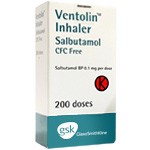
A common rescue option is Albuterol inhaler (Asthalin), which works by relaxing airway smooth muscle and helping open narrowed airways during episodes of wheeze or sudden tightness. It is typically positioned as symptom relief support, not as the whole strategy.
Doctor note 🧑⚕️
Dr. Stephen Rennard points out that medication works best when paired with trigger reduction—because uncontrolled exposure keeps re-igniting airway irritation.
Why people get stuck (and how to get unstuck) 🧠
Patient note 🙂
“I treated every flare-up like a separate cold. I didn’t realize my daily habits were feeding the problem.”
Clinician comment 🩺
The best plan is the one you can repeat. A stable baseline reduces flare-ups, and flare-ups are what accelerate decline.
Simple rule ⭐
Don’t “stack” random fixes. Adjust one variable at a time (sleep, triggers, technique, meds) so you can actually see what helps.
Exacerbations: the flare-up “storm” ⛈️
Exacerbations are episodes where symptoms suddenly worsen—more cough, more mucus, thicker mucus, increased breathlessness, or wheeze. They matter because frequent exacerbations can speed up lung function decline and increase the risk of hospital visits.
- Common triggers: viral infections, bacterial infections, smoke exposure, cold air, heavy pollution
- What to monitor: breathlessness trend, mucus changes, fever, energy drop, oxygen if available
- Why early action helps: delayed care can allow inflammation to escalate
Safety note 🚨
This article is educational. A clinician should guide flare-up treatment—especially if symptoms escalate quickly or feel “different than usual.”
Rescue inhalers: the “fire extinguisher,” not the “whole building plan” 🧯
Rescue inhalers are designed for quick symptom relief. The danger is psychological: when they help fast, people can forget about long-term control. If you need rescue relief frequently, that is often a signal to review your baseline plan with a clinician.
In many patient plans, Albuterol inhaler (Asthalin) is used to relieve sudden bronchospasm symptoms such as wheezing or acute tightness—especially during infections or trigger exposure. The “win” is easier breathing so you can keep moving, sleep better, and recover.
Small lifestyle moves that punch above their weight 🧩
Chronic bronchitis management is not about perfection. It is about the small levers that reduce airway irritation and improve recovery.
✅ Breathing comfort
Gentle pacing + nasal breathing when possible + avoiding cold-air shock can reduce “tight chest” episodes.
🌬️ Air quality
Ventilation, smoke avoidance, and reducing dust exposure can meaningfully decrease cough frequency over time.
🏃 Movement that helps
Regular light activity supports mucus clearance and stamina. The goal is consistency, not intensity.
Doctor note 🩺
Dr. MeiLan Han notes that pulmonary rehab and consistent activity often improve daily function even when lung damage cannot be “reversed.”
What improvement can look like (realistic milestones) 📈
Improvement in chronic bronchitis is often staged. You may notice changes in energy and sleep before the cough fully settles.
| Positive change | What it often means | What to keep doing |
|---|---|---|
| Less morning mucus | Reduced airway irritation | Trigger control + consistent routine |
| Fewer “bad weeks” | Exacerbations are less frequent | Vaccination + early evaluation during infections |
| Better stairs tolerance | Improved breathing efficiency | Regular activity and rehab-style pacing |
| Better sleep | Less night coughing and strain | Night-time trigger reduction and steady control |
Bottom line: calm the airway, protect the future 🛡️
Chronic bronchitis is manageable, but it rewards consistency. If you control triggers, follow a structured plan, and respond early to flare-ups, you can reduce symptom burden and protect long-term function.
When rescue therapy is part of a clinician-guided plan, Albuterol inhaler (Asthalin) can support breathing comfort during acute tightness. It works best when it is paired with baseline control and healthy trigger management rather than used as the only solution.
Doctor note 👨⚕️
Dr. Gerard Criner emphasizes that preventing exacerbations is a major priority because flare-ups accelerate decline more than day-to-day symptoms alone.
Reviewed and Referenced By 👩⚕️👨⚕️
Dr. MeiLan Han – Pulmonology Specialist and Professor of Medicine, University of Michigan. Her clinical and research work focuses on chronic bronchitis, COPD phenotypes, symptom burden, and long-term respiratory outcomes.
Dr. Gerard Criner – Pulmonologist and Chair of Thoracic Medicine and Surgery, Lewis Katz School of Medicine at Temple University. He is widely recognized for his work in advanced COPD management, chronic airway disease, and clinical guideline development.
Dr. Stephen Rennard – Pulmonologist and Clinical Researcher, University of Nebraska Medical Center. His research has contributed extensively to the understanding of chronic bronchitis mechanisms, inflammation, and disease progression.
Drug Description Sources:
U.S. National Library of Medicine, Drugs.com, WebMD, Mayo Clinic, RxList.
(Updated at Jan 27 / 2026)
Albuterol Ventolin articles: