Endometriosis: When Hormones Drive Pain and How Balance Restores Control

Endometriosis is a chronic, estrogen-sensitive condition where tissue similar to the uterine lining grows outside the uterus. These implants respond to monthly hormonal changes, but they cannot shed normally. The result is a repeating cycle of inflammation, pain signaling, scarring, and reduced organ mobility.
Many people expect a single “fix,” but endometriosis behaves more like an ongoing system problem: hormones influence lesion activity, inflammation influences nerves, and nerves influence how pain is felt day to day. The most effective care is usually not the most aggressive plan — it is the plan you can consistently follow.
Keep decisions structured: confirm pattern → choose one main strategy → track response for 8–12 weeks.
Random switching (meds, supplements, procedures) makes pain harder to interpret and delays real progress.
One main therapy at a time + supportive habits. Your clinician can adjust — but your baseline must be clear.
Dr. Hugh Taylor (Reproductive Endocrinologist): Endometriosis is not “just bad periods.” It is a long-term inflammatory condition influenced by hormones, and it often requires sustained management rather than short bursts of treatment.
How Endometriosis Shows Up in Real Life
Symptoms can be obvious, subtle, or confusing. Severity does not always match what imaging shows. That mismatch is a major reason endometriosis is underdiagnosed.
- Pelvic pain that worsens before or during menstruation
- Deep pain during intercourse
- Heavy bleeding, spotting, or cycle irregularity
- Cycle-linked bowel or bladder symptoms (pain with bowel movements, urgency, burning)
- Fatigue that tracks the cycle
- Difficulty conceiving or unexplained infertility
“My pain was called ‘normal cramps’ for years. When I started tracking symptoms on a calendar, the pattern was obvious: it peaked 1–2 days before my period and improved right after.”
Red Flags: When to Seek Medical Care Promptly
Endometriosis is chronic, but some symptom patterns should not be “waited out.” Seek timely evaluation if you notice the following:
| Red flag | Why it matters | What to do |
|---|---|---|
| Severe pain that disrupts work or sleep | May indicate deep disease, nerve involvement, or complications | Schedule gynecology review; document timing and triggers |
| Cycle-related bowel or urinary pain | Can reflect deep infiltrating lesions near bowel/bladder | Ask for targeted evaluation; share symptom calendar |
| Infertility after 6–12 months trying | Endometriosis can impair fertility even with ovulation | Request fertility-focused plan and imaging |
| Sudden worsening or new one-sided pain | May suggest ovarian cyst/endometrioma change | Urgent assessment if severe or persistent |
Why Diagnosis Is Often Delayed
Many patients are told symptoms are “normal,” especially if periods have always been painful. Another issue is that imaging can miss early lesions, while symptoms may resemble IBS, pelvic floor pain, bladder pain syndrome, or musculoskeletal problems.
A symptom calendar (pain, bleeding, bowel/urinary symptoms, fatigue) for 2–3 cycles.
“Normal ultrasound” = “nothing is happening.” Early endometriosis can still be clinically significant.
Dr. Linda Giudice (Gynecologic Research Specialist): Endometriosis is not only a structural problem. Hormonal response and inflammatory signaling often explain why symptoms can be severe even when imaging looks “quiet.”
Types of Endometriosis (Simple, Practical Overview)
Understanding the form of disease helps shape expectations and the treatment plan. Some types are more likely to impact fertility, while others correlate more with bowel or bladder symptoms.
| Type | Common locations | Typical symptom pattern |
|---|---|---|
| Superficial peritoneal | Pelvic lining | Cycle-linked pelvic pain, variable severity |
| Ovarian endometrioma | Ovaries | One-sided pain, pressure, fertility impact in some cases |
| Deep infiltrating endometriosis | Uterosacral ligaments, bowel, bladder | Bowel/urinary symptoms, deep pain, higher complexity |
Pain Mechanisms: Why It Can Feel “Out of Proportion”
Endometriosis pain is not only “tissue irritation.” Lesions can promote nerve growth and sensitization, and chronic inflammation can lower the pain threshold over time. This is why a plan often needs both disease suppression and pain pathway support.
Drives swelling, sensitivity, and pain flares around the cycle.
Pain signals become “louder” over time, even when lesions are stable.
Restricted organ movement can turn normal activity into pain triggers.
Core Treatment Logic (Like a Clean Roadmap)
Think in layers: confirm pattern → pick the main objective → choose the lowest-burden plan that can be sustained. The “best” plan is usually the one you can finish without repeated stop–start cycles.
| Goal | What it means | Typical tools (clinician-guided) |
|---|---|---|
| Reduce lesion stimulation | Limit estrogen-driven activity | Hormonal therapy, structured follow-up |
| Control inflammation & pain | Lower flare intensity and frequency | NSAIDs when appropriate, pelvic floor support, pacing |
| Protect fertility | Preserve ovarian reserve and timing options | Fertility planning, tailored surgery when needed |
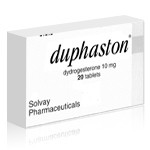
A commonly used progestogen option is Duphaston (Dydrogesterone), which supports progesterone signaling and may help stabilize endometrial-like tissue in selected treatment plans.
Hormonal Therapy: The “Consistency Over Intensity” Rule
Hormonal therapy aims to reduce cyclical stimulation. The key is not “maximal suppression,” but predictable control with tolerable side effects. In real-life care, consistency often beats aggressive regimens that patients cannot maintain.
Stable plan, clear tracking, gradual improvement over cycles.
Frequent switches, unclear triggers, stop–start cycles from intolerance.
If the plan is unclear, outcomes become unclear. One main hormonal approach at a time makes response easier to judge.
In some patients, Duphaston (Dydrogesterone) may be used as part of a progestogen-based strategy to support symptom control while maintaining a more physiologic hormonal profile than stronger suppressive options.
Fertility Planning: Practical Priorities
Endometriosis can affect fertility through inflammation, altered pelvic anatomy, reduced egg quality in some cases, and painful intercourse that disrupts timing. A fertility-aware plan focuses on your goal and timeframe.
| Situation | Priority | Practical move |
|---|---|---|
| Trying to conceive now | Timing and evaluation | Discuss fertility pathway early; avoid long delays |
| Planning pregnancy later | Symptom control + protection | Choose sustainable control strategy; track symptoms |
| Severe pain + suspected deep disease | Complexity assessment | Consider multidisciplinary evaluation when indicated |
Dr. Stacey Missmer (Women’s Health Epidemiologist): Earlier structured management is linked with better long-term quality of life, especially when patients avoid years of untreated cyclical inflammation.
Daily-Life Compatibility: What Helps and What Backfires
Lifestyle changes do not “cure” endometriosis, but they can strongly influence pain amplification. The key is to reduce friction in your routine — physical and psychological.
Prefer low-impact strength + walking. Consistency beats intensity during flares.
Overdoing activity on high-pain days can extend flare duration.
Pace your day: plan rest windows before pain forces a shutdown.
“I stopped trying to ‘push through’ every flare. When I planned lighter days around my cycle and tracked triggers, my pain felt less unpredictable.”
When Surgery Makes Sense (and What It Cannot Do)
Surgery can reduce lesion burden, restore anatomy, and improve function in selected cases — especially with deep disease, endometriomas, or infertility-related anatomy changes. However, surgery does not automatically remove the hormonal conditions that support recurrence.
| Scenario | What surgery can help | What still needs management |
|---|---|---|
| Endometrioma-related symptoms | Reduce cyst burden; address pain source | Recurrence prevention and symptom monitoring |
| Deep disease with organ symptoms | Improve bowel/bladder function in selected cases | Long-term plan to stabilize inflammation |
| Infertility with anatomical distortion | Restore pelvic anatomy when indicated | Fertility timeline and hormonal follow-up |
Postoperative strategies may include hormonal support, and in some plans Duphaston (Dydrogesterone) can be used as part of maintaining stability and reducing symptom return.
Special Populations: Teens, Pregnancy Plans, and Long-Term Care
Endometriosis is not limited to older patients. Adolescents can experience severe symptoms early. Pregnancy planning also changes priorities — not because symptoms disappear, but because the treatment approach must match the timeline and safety considerations.
Severe dysmenorrhea that misses school should be evaluated, not normalized.
Prioritize timing, fertility evaluation, and avoid long delays when symptoms are strong.
Stable symptom control and predictable cycles often matter more than short-term intensity.
Reviewed and Referenced By
Dr. Hugh Taylor – Reproductive Endocrinologist and academic clinician focused on endometriosis, infertility, and hormone-mediated disease mechanisms.
Dr. Linda Giudice – Gynecologic Research Specialist known for work on endometriosis biology, inflammatory pathways, and chronic pelvic pain mechanisms.
Dr. Stacey Missmer – Women’s Health Epidemiologist recognized for research on endometriosis outcomes, quality of life impact, and long-term disease patterns.
Drug Description Sources:
U.S. National Library of Medicine, Drugs.com, WebMD, Mayo Clinic, RxList.
(Updated at Jan 19 / 2026)
Duphaston Dydrogesterone articles: