Parkinsons Disease Related Fatigue: When Energy Disappears Before Noon


Parkinsons Disease is commonly associated with tremor, stiffness, and slowed movement. However, many patients report that the most disabling symptom is not motor impairment — it is persistent, neurologically driven fatigue.
This type of fatigue is not simply being tired after a long day. It is often described as a deep internal exhaustion, mental fog, reduced drive, and sudden loss of stamina that can appear without warning. Even after a full night of sleep, energy levels may remain low.
Studies suggest that up to half of individuals with Parkinsons experience significant fatigue. Importantly, this symptom can appear early in the disease and does not always correlate with the severity of tremor or motor symptoms.
Quick take 💡
Parkinsons related fatigue is a complex non motor symptom involving dopamine dysfunction, disrupted sleep cycles, autonomic changes, inflammatory processes, and psychological factors. It requires structured evaluation and a multi layered management plan.
🧠 Neurochemical disruption
Dopamine loss affects motivation, executive function, and reward systems — not just movement. Reduced neurotransmitter efficiency lowers perceived energy.
🌙 Sleep fragmentation
REM behavior disorder, restless legs, nocturnal rigidity, and frequent awakenings prevent restorative sleep.
⚡ Central fatigue loop
Chronic inflammation and altered autonomic signaling may create a feedback cycle of exhaustion and reduced activity.
Why Parkinsons Fatigue Feels So Different 🔬
Parkinsons fatigue is often categorized as central fatigue, meaning it originates within the brain rather than in the muscles themselves. Patients may feel physically capable but mentally unable to initiate action.
Neuroimaging research suggests involvement of frontal cortical circuits, basal ganglia pathways, and serotonin modulation. These systems regulate attention, effort perception, and motivation — all of which influence energy experience.
Importantly, fatigue may fluctuate during the day. It can worsen during medication “off” periods or when sleep quality declines.
Doctor insight 👨⚕️
Dr. Liana Rosenthal emphasizes that fatigue should be assessed separately from depression and sleepiness, as each requires different therapeutic strategies.
Clinical Characteristics and Impact 📊
| Domain | Manifestation | Patient Impact |
|---|---|---|
| Physical | Reduced stamina, slower recovery | Limits independence |
| Cognitive | Difficulty focusing, slowed thinking | Work productivity decline |
| Emotional | Low drive without sadness | Misdiagnosed as depression |
| Sleep related | Daytime drowsiness | Driving and safety concerns |
Management Strategy: Building Energy Stability 🧩
Treatment begins with identifying reversible contributors: untreated sleep apnea, medication timing imbalance, anemia, thyroid dysfunction, or mood disorders.
Structured daily planning helps conserve energy. Many specialists recommend scheduling cognitively demanding tasks during peak medication response periods.
- Sleep disorder screening
- Physical conditioning with gradual progression
- Nutritional optimization
- Hydration support
- Medication timing adjustments
Doctor insight 🩺
Dr. Jean Jacques Askenasy highlights that correcting REM sleep behavior disorder often improves daytime fatigue more than stimulants alone.
Pharmacologic Wakefulness Support 💊
In selected cases where excessive daytime sleepiness dominates, neurologists may consider wake promoting agents.
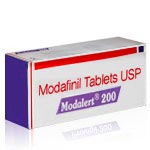
Modafinil (Modalert) has been studied as an off label option to improve alertness in Parkinsons patients with significant daytime sleepiness. It enhances wakefulness pathways without acting as a classic amphetamine stimulant.
Clinical trials show mixed but promising results, particularly in improving subjective alertness scores. It does not treat the underlying disease but may improve daily function.
Doctor insight 👨⚕️
Dr. Enrico Fazzini advises individualized dosing and careful monitoring, especially in patients with cardiovascular risk or anxiety.
Medication Overview 📑
| Therapy | Purpose | Clinical Note |
|---|---|---|
| Modafinil (Modalert) | Improve wakefulness | Off label use; specialist supervision required |
| Dopamine optimization | Stabilize motor fluctuations | May indirectly improve energy |
| Antidepressant therapy | Address mood component | Helpful when apathy overlaps |
In appropriate candidates, Modafinil (Modalert) may enhance cognitive stamina and daytime alertness, particularly when fatigue is driven by sleepiness rather than apathy.
Daily Energy Conservation Techniques ⚡
Beyond medication, structured pacing strategies can dramatically reduce energy crashes.
- Divide large tasks into smaller segments
- Use mobility aids when needed to reduce strain
- Alternate cognitive and physical activities
- Maintain consistent bedtime routines
- Monitor caffeine timing carefully
When non pharmacologic approaches remain insufficient, neurologists may incorporate Modafinil (Modalert) as part of a broader management strategy.
Closing Perspective 🌿
Parkinsons related fatigue is real, neurobiologically grounded, and often underestimated. Addressing it improves quality of life, independence, and safety.
Effective management combines sleep care, medication review, structured daily planning, and in selected cases wakefulness support.
Drug Description Sources:
U.S. National Library of Medicine, Drugs.com, WebMD, Mayo Clinic, RxList.
Reviewed and Referenced By
Dr. Liana Rosenthal – Neurologist at Johns Hopkins University, specializing in Parkinsons Disease and non motor symptom management.
Dr. Enrico Fazzini – Movement disorder specialist with extensive clinical research in Parkinsons therapies.
Dr. Jean Jacques Askenasy – Neurologist and sleep medicine expert focused on sleep disturbances in neurological disorders.
(Updated at Feb 11 / 2026)
Modafinil Modalert articles: