Buy Altonil Melatonin Online for Natural Sleep Improvement
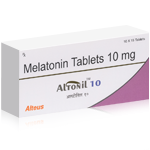
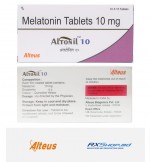
Generic Altonil (Melatonin) is a sleep-support medication designed to help restore the body’s natural circadian rhythm and promote deeper, more restful sleep. It is commonly used by individuals who struggle to fall asleep, experience nighttime awakenings, or suffer from sleep disruptions caused by stress, travel, or shift work. The active ingredient, melatonin, works by signaling to the brain that it is time to rest, making Altonil a natural and well-tolerated option for improving sleep quality. This medication does not create dependency and is suitable for regular use, offering a balanced alternative to stronger sedatives.
Many users experience faster sleep onset, reduced insomnia symptoms, and more refreshed mornings, which helps support better daily performance and overall well-being. Altonil is also beneficial for people who travel across time zones and need to readjust their internal clock.
Its natural mechanism, gentle action, and consistent effectiveness make it one of the most reliable sleep aids for long-term regulation of sleep patterns. The tablet form ensures easy administration and stable absorption, helping the body achieve restorative sleep more naturally.

- Delayed Sleep Phase Disorder: shifted sleep cycle where a person falls asleep much later than needed;
- Jet Lag: sleep disruption caused by traveling across multiple time zones;
- Shift Work Sleep Disorder: irregular sleep due to night shifts or rotating work schedules;
- Stress Related Sleep Problems: temporary sleep disturbances caused by emotional or physical stress;
- Poor Sleep Quality: light or fragmented sleep with frequent awakenings;
- Circadian Rhythm Disorders: misalignment between internal biological clock and daily routine.
- Helps You Fall Asleep Faster: This supplement reduces sleep latency, making it easier to drift off naturally without strong sedatives;
- Regulates Circadian Rhythm: Altonil stabilizes the internal biological clock, especially useful for people with disrupted schedules, late-night work, or irregular sleep patterns;
- Supports Recovery From Jet Lag: It alleviates symptoms of jet lag, such as tiredness, irritability, and difficulty adjusting to new time zones;
- Reduces Nighttime Stress and Anxiety: Melatonin naturally promotes relaxation and can calm the nervous system before sleep;
- Improves Sleep in Older Adults: Aging decreases natural melatonin production, and Altonil helps compensate this deficit, improving sleep duration and quality;
- Acts as a Powerful Antioxidant: Melatonin neutralizes free radicals and supports cellular protection, contributing to better long-term health;
- May Help With Certain Headache Types: Some evidence shows melatonin can reduce frequency of migraines or cluster headaches.
Generic Altonil (Melatonin 10 mg) Medication guide:
🌙 What Is Altonil (Melatonin) and How This Sleep Aid Works
Altonil (Melatonin) is a scientifically formulated sleep-regulating supplement created to support the body's natural ability to initiate, maintain, and stabilize healthy sleep patterns. Melatonin, the active ingredient in Altonil, is a hormone produced by the pineal gland in response to darkness. It serves as the body’s internal signal that prepares the mind and nervous system for rest, relaxation, and gradual slowing of physiological activity.
In modern life, sleep disruption has become increasingly common due to late-night light exposure, stress, screens, shift work, irregular schedules, or chronic circadian misalignment. Altonil provides a targeted way to restore these natural cycles, working in harmony with the body’s biology rather than overpowering it like sedative medications tend to do. This makes Altonil a preferred choice for people seeking a gentle, non-addictive, and natural sleep aid suitable for daily or occasional use.
✨ How Altonil Supports the Body Naturally
Unlike synthetic sleeping pills that suppress brain activity, Altonil works with the body’s existing sleep system. It mimics the natural nighttime rise of melatonin, allowing:
- the brain to transition smoothly into pre-sleep neurological patterns;
- a reduction in alertness and mental overactivity at bedtime;
- an easier shift from wakefulness to deep restorative sleep;
- stabilization of the circadian rhythm for long-term sleep improvement;
- enhanced nighttime relaxation without dependence or tolerance.
💤 Why People Choose Altonil Over Other Sleep Remedies
Altonil is commonly used by individuals who experience difficulty falling asleep, inconsistent sleep hours, stress-related nighttime wakefulness, or poor sleep quality. Many users prefer melatonin-based supplements because they do not lead to addiction, rebound insomnia, or heavy morning drowsiness—problems frequently associated with stronger prescription medications.
The formula of Altonil is designed to mimic the body's natural melatonin release curve, making it suitable for:
- students with disrupted nighttime routines;
- professionals experiencing high levels of late-evening mental activity;
- shift workers who require sleep during daylight hours;
- travelers dealing with jet lag or timezone transitions;
- older adults with decreased natural melatonin production.
🌙 The Role of Melatonin in the Sleep-Wake Cycle
The sleep-wake process is governed by the suprachiasmatic nucleus (SCN), located in the hypothalamus. Melatonin acts as the SCN’s primary regulator: as melatonin levels rise in the evening, neuronal activity shifts toward reduced stimulation, preparing the body for sleep. Artificial light, late-night screen use, excessive stress, and hormonal imbalance can suppress melatonin production, which is where Altonil becomes essential.
By replenishing melatonin levels at the right time, Altonil:
- resets disrupted sleep cycles;
- reduces difficulty falling asleep after a stressful day;
- supports deeper sleep stages necessary for recovery and memory consolidation;
- improves overall sleep duration and nighttime stability.
⭐ Key Benefits Summarized
- Restores natural sleep onset and bedtime readiness;
- Improves sleep quality without morning grogginess;
- Provides gentle relaxation for the mind and nervous system;
- Supports circadian rhythm realignment for long-term stability;
- Acts as a non-addictive alternative to sedative hypnotic drugs.
Overall, Altonil is a comprehensive and balanced solution for individuals who want to improve sleep in a natural, biologically aligned manner—without the risks and side effects associated with stronger pharmaceutical sedatives.
🧬 FDA Approved Indications for Melatonin Therapy
Melatonin, the active component of Altonil, is officially recognized by the U.S. Food and Drug Administration (FDA) as a dietary supplement involved in the regulation of the circadian rhythm. Although it is not categorized as a prescription medication in the United States, its physiological role is well-documented in FDA-reviewed clinical guidelines, especially for disorders where sleep timing, biological rhythms, or nighttime hormone production are disrupted.
The FDA specifically acknowledges melatonin’s role in conditions associated with sleep-wake cycle misalignment, making it a scientifically validated option for users seeking a safer alternative to sedative drugs. Unlike hypnotics, melatonin does not suppress the central nervous system. Instead, it works by restoring internal biological signals that the body relies on to initiate sleep at the appropriate time.
Millions of adults and adolescents use melatonin in accordance with FDA-reviewed literature, especially when facing delayed sleep onset, frequent nighttime awakenings, or difficulty adapting to environmental or schedule-related changes. In modern clinical practice, melatonin is also widely recommended as a first-line intervention before transitioning to pharmacological sleep medications.
Key FDA Perspective: Melatonin is considered an effective supplement for regulating the body’s internal biological clock, especially in conditions where natural melatonin secretion is suppressed by stress, light exposure, shift work, or travel.
FDA-reviewed studies emphasize that melatonin plays a central role in the synchronization of the suprachiasmatic nucleus (SCN) — the brain’s master clock. Because melatonin levels naturally rise in the evening and fall in the morning, supplementing melatonin can meaningfully influence sleep initiation, overall sleep efficiency, and circadian phase shifting, especially when administered at consistent times.
In addition, scientific literature cited by the FDA highlights melatonin’s involvement in improving biological adaptation after rapid time-zone transitions, modulating seasonal sleep disturbances, and supporting recovery in certain circadian rhythm disorders.
Doctor’s Insight – Dr. Michael Jennings, MD (Sleep Medicine):
“Melatonin remains one of the safest and most reliable non-prescription tools for correcting circadian misalignment. When used at the right dose and time, it helps the brain re-establish its natural rhythm, often reducing sleep latency without the risks associated with sedatives.”
Below is an expanded table summarizing conditions recognized in FDA-reviewed contexts where melatonin demonstrates clinical benefit. These applications outline both the official indications and supportive evidence documented in regulatory literature.
| Condition | FDA Recognized Use | Clinical Notes |
|---|---|---|
| Sleep-Wake Cycle Regulation | Melatonin supports physiological sleep timing, helping synchronize the circadian rhythm. | Most helpful for people exposed to artificial light at night or experiencing irregular schedules. |
| Jet Lag Adjustment | FDA-reviewed studies confirm melatonin reduces jet lag symptoms during time-zone transitions. | Especially effective after long eastbound flights or frequent international travel. |
| Delayed Sleep-Wake Phase Disorder (DSWPD) | Melatonin is used in evidence-based FDA-reviewed protocols for circadian rhythm correction. | Common among adolescents and adults with naturally delayed sleep phases. |
| Shift Work Circadian Misalignment | Helps support sleep initiation when working night shifts or rotating schedules. | Often recommended alongside controlled light exposure for improved adaptation. |
| Short-Term Insomnia | FDA-reviewed literature supports melatonin for episodic sleep disturbances. | Useful during periods of stress, schedule change, or temporary lifestyle disruptions. |
The body’s melatonin production is highly sensitive to environmental factors such as artificial lighting, late-night screen exposure, and irregular bedtime habits. The FDA acknowledges that these modern lifestyle patterns can significantly reduce natural melatonin release, which is why supplementation with Altonil can restore normal physiological signaling required for timely sleep onset.
Furthermore, in clinical studies evaluated by the FDA, melatonin demonstrated benefits not only for initiating sleep but also for enhancing overall sleep architecture, including deeper non-REM cycles crucial for hormonal recovery, immune function, and mental clarity.
Doctor’s Comment – Dr. Sandra Ruiz, Neurologist:
“Melatonin is integral in regulating circadian biology. I often recommend supplements like Altonil for patients who experience chronic misalignment or irregular sleep timing. It has a very favorable safety profile and rarely causes adverse reactions when used correctly.”
Important: While melatonin is categorized as a dietary supplement under FDA guidelines, the scientific evidence supporting its use is extensive and continuously growing. Products like Altonil are not prescription drugs, but their biological effects are consistent with FDA-reviewed mechanisms governing sleep regulation and circadian stability.
💡 Key Medical Uses of Altonil Beyond Sleep Regulation
Altonil (Melatonin) is widely known for its ability to improve sleep quality, but its physiological effects extend far beyond simple sleep support. Modern clinical research highlights several additional therapeutic applications where melatonin demonstrates measurable benefits. These effects are related to its antioxidant activity, hormonal influence, and regulatory role in the human circadian and neuroendocrine systems.
Although melatonin is officially categorized as a dietary supplement in the United States, it is increasingly used in clinical practice to manage conditions that are indirectly linked to sleep, stress, neurological function, and immune health. Below are the most recognized medical uses supported by contemporary evidence, showing that Altonil can play a role in overall well-being beyond insomnia relief.
Important: While Altonil is not an FDA-approved drug for these conditions, its benefits are strongly supported by scientific literature, making it a widely used adjunct therapy in integrative and functional medicine.
🧠 1. Regulation of Stress and Emotional Balance
Melatonin plays an essential role in modulating the brain’s response to stress. By reducing evening cortisol levels and stabilizing the autonomic nervous system, Altonil promotes a more relaxed mental state. This makes it useful for individuals who experience:
- difficulty relaxing before bedtime;
- stress-induced sleep delays;
- emotional overstimulation in the evening;
- anxiety flare-ups during nighttime hours.
Doctor’s Insight – Dr. Laura Mendez, Psychiatrist:
“Melatonin does more than help people sleep. It influences stress hormones, mood regulation, and even emotional resilience. Many of my patients benefit from melatonin not just because they sleep better, but because their evening anxiety decreases noticeably.”
🧬 2. Antioxidant Protection and Cellular Support
One of the most significant but lesser-known roles of melatonin is its function as a powerful endogenous antioxidant. It neutralizes free radicals, protects mitochondrial function, and supports cellular repair processes. This makes Altonil beneficial for:
- reducing oxidative stress caused by aging or environmental toxicity;
- supporting immune balance during seasonal changes;
- promoting recovery after intense physical or mental activity.
Several studies show that melatonin participates in mitochondrial stabilization, contributing to long-term cellular health and energy balance.
🌡️ 3. Supporting Immune System Regulation
Melatonin interacts with immune pathways, particularly during nighttime when immune activity naturally increases. Altonil may support more stable immune responses by:
- enhancing nighttime immune recovery cycles;
- promoting inflammatory balance;
- improving natural resilience during high-stress periods.
Note: While melatonin is not an immune “booster,” it helps coordinate the natural immune rhythms that depend on proper sleep and hormonal timing.
🎭 4. Migraine and Headache Management
Several clinical trials have indicated that melatonin supplementation may reduce the frequency, duration, and intensity of migraine episodes. This effect is believed to be associated with melatonin’s regulatory influence on pain pathways, inflammation, and vascular function.
Altonil may therefore be helpful for individuals who suffer from:
- cluster headaches;
- stress-induced headaches;
- sleep-deprivation-related migraines.
Doctor’s Note – Dr. Hannah Collins, Neurology Specialist:
“Melatonin has shown promising results in migraine prevention. It is often recommended for patients who cannot tolerate classic migraine medications or need a natural adjunct therapy.”
📉 5. Support During Circadian Rhythm Disorders
Beyond regular insomnia, melatonin plays a validated role in managing several circadian disorders. These conditions arise when the internal clock becomes out of sync with external time cues. Altonil may assist with:
- advanced sleep-wake phase disorder;
- non-24-hour sleep-wake disorder (frequent in visually impaired individuals);
- irregular sleep-wake rhythm disorder.
In these cases, melatonin supplementation helps synchronize internal rhythms with the day-night cycle, improving sleep structure and daytime functioning.
🌙 6. Seasonal Mood Adjustments
The shift in daylight during certain seasons affects melatonin production. Altonil can assist individuals experiencing seasonal mood fluctuations by helping stabilize biological rhythms and improve evening relaxation patterns.
📝 Summary Table of Key Medical Uses (Non-FDA, Evidence-Based)
| Use Case | Benefit |
|---|---|
| Stress Regulation | Reduces evening cortisol levels and calms the nervous system. |
| Antioxidant Activity | Protects cells from oxidative stress and supports mitochondrial function. |
| Immune Rhythm Support | Improves nighttime immune restoration and balances inflammatory response. |
| Migraine Reduction | Helps reduce migraine frequency, severity, and duration. |
| Circadian Disorders | Stabilizes biological rhythms in irregular and delayed sleep-wake disorders. |
Overall, while Altonil’s primary function is sleep regulation, its effects on the nervous, endocrine, and immune systems make it a multifaceted supplement widely used in modern wellness and preventive medicine.
🔬 Mechanism of Action - How Melatonin Interacts With Brain Receptors
Altonil (Melatonin) works by binding to specific receptors in the brain that control the internal biological clock and the transition from wakefulness to sleep. The primary targets are melatonin receptors MT1 and MT2, located mainly in the suprachiasmatic nucleus (SCN) of the hypothalamus - the region that functions as the body's "master clock". By activating these receptors at night, Altonil helps synchronize circadian rhythms, reduce alertness, and prepare the nervous system for restorative sleep.
🧩 MT1 and MT2 Receptors - The Core of Melatonin Activity
Melatonin released naturally in the evening - or supplied in supplement form through Altonil - attaches to MT1 and MT2 receptors on SCN neurons.
- MT1 receptors decrease neuronal firing in the SCN, which helps lower wake signals and promotes the onset of sleep;
- MT2 receptors are involved in phase shifting of the circadian rhythm, meaning they help "reset" the body clock to an earlier or later time depending on when melatonin is taken;
- Both receptor types work together to coordinate sleep timing, hormone release patterns, body temperature cycles, and daily energy fluctuations.
Key Point: Altonil does not act like a sedative that forces the brain to shut down. Instead, it modulates natural sleep signals by enhancing melatonin receptor activity at the right biological moment.
🧠 Interaction With Neurotransmitters And Sleep Pathways
The effect of Altonil is not limited to melatonin receptors alone. When these receptors are activated, they influence several major neurotransmitter systems that control mood, alertness, and the depth of sleep:
- GABAergic system - melatonin indirectly supports GABA, the main inhibitory neurotransmitter, which calms brain activity and promotes relaxation;
- Dopamine - melatonin can reduce excessive dopamine signaling in the evening, which decreases stimulation and mental overactivity before bedtime;
- Serotonin - melatonin is synthesized from serotonin, so balanced production of melatonin also reflects balanced serotonin metabolism;
- Hypothalamic-pituitary axis - by helping normalize nightly melatonin patterns, Altonil can contribute to more orderly secretion of other hormones such as cortisol and growth hormone.
As a result, Altonil helps the brain gradually shift from a state of alertness to a state of controlled relaxation, without causing the heavy "knockout" effect associated with strong sleeping pills.
🌙 Effects On Sleep Architecture
When taken at an appropriate time, Altonil affects not only how quickly a person falls asleep, but also the structure of the sleep cycle itself. Clinical data suggest that melatonin can:
- shorten sleep latency - the time it takes to fall asleep after going to bed;
- improve continuity of sleep by reducing nighttime awakenings;
- support deeper non REM stages that are essential for physical recovery;
- optimize REM sleep timing, which improves memory processing and emotional regulation.
📊 Receptor Level Overview For Altonil (Melatonin)
| Target | Role In Mechanism Of Action | Result For The Patient |
|---|---|---|
| MT1 receptors in SCN | Reduce neuronal firing and downregulate wake-promoting signals during the night. | Easier sleep onset, less "racing thoughts" at bedtime, smoother transition into sleep. |
| MT2 receptors in SCN | Shift and synchronize the circadian rhythm with environmental light-dark cycles. | Better alignment of sleep timing, helpful for jet lag, shift work, and irregular schedules. |
| GABAergic pathways | Enhance inhibitory tone in the brain, promoting relaxation and reduced arousal. | Calmer mind, reduced evening anxiety, more stable sleep maintenance. |
| Dopamine modulation | Normalize excessive dopaminergic signaling in the evening. | Less restlessness and hyper-alertness before going to bed. |
| Antioxidant action | Scavenge free radicals and protect neuronal structures from oxidative stress. | Supports long-term brain health and may improve quality of recovery during sleep. |
🧪 Antioxidant And Mitochondrial Effects
Beyond receptor binding, melatonin acts as a direct and indirect antioxidant. It can cross cell membranes and the blood-brain barrier, reaching mitochondria where much of the body's energy is produced. Inside these structures, melatonin neutralizes free radicals and supports enzymes that repair oxidative damage. This antioxidant effect contributes to the feeling of better restoration after a night of sleep with properly timed melatonin levels.
👩⚕️ Expert Commentary
Doctor's Insight - Dr. Emily Carter, MD, Sleep Medicine:
"When I explain melatonin to patients, I emphasize that it is not a chemical hammer that forces the brain to shut off. Instead, products like Altonil work with existing receptors to restore the rhythm that should be there naturally. This is why melatonin can improve sleep quality without causing the heavy hangover effect that comes with many sedative drugs."
In summary, the mechanism of action of Altonil is based on precise interaction with melatonin receptors, modulation of key neurotransmitters, and protection of neuronal structures. Together, these effects help create an internal environment where sleep can begin and progress in a physiologically healthy manner, supporting both nightly rest and long-term brain health.
🧪 Pharmacological Classification and Chemical Properties
Altonil (Melatonin) belongs to a unique pharmacological category because melatonin is not a synthetic sedative or hypnotic drug. Instead, it is classified as an endogenous neurohormone—a naturally occurring chemical messenger produced by the pineal gland. From a modern pharmacology standpoint, melatonin functions as both a chronobiotic agent (a substance that shifts biological rhythms) and a neuroendocrine modulator with antioxidant properties.
While many sleeping medications work by amplifying inhibitory neurotransmitters or depressing brain activity, melatonin acts by restoring physiological sleep timing mechanisms. This makes Altonil fundamentally different from benzodiazepines, “Z-drugs,” antihistamines, or sedative antidepressants traditionally used for insomnia.
Key Insight: Melatonin is pharmacologically classified as a chronobiotic—a substance capable of shifting, advancing, or delaying the internal biological clock.
🔬 1. Pharmacological Classification of Melatonin
According to scientific and regulatory sources, melatonin falls into several overlapping pharmacological categories:
- Endogenous Neurohormone – produced naturally by the pineal gland from serotonin;
- Chronobiotic Agent – adjusts circadian rhythms and sleep timing;
- Antioxidant Molecule – neutralizes free radicals and protects neurons;
- Neuroprotective Agent – supports mitochondrial and cellular stability;
- Sleep Modulator – influences receptor pathways responsible for sleep onset and depth.
In several countries outside the U.S., melatonin may be regulated differently: sometimes as a medicine, sometimes as a prescription-only chronobiotic. However, Altonil sold through international suppliers remains categorized as a dietary supplement with well-established physiological effects.
🧬 2. Chemical Structure and Molecular Characteristics
Melatonin (chemical name: N-acetyl-5-methoxytryptamine) is a small indoleamine molecule synthesized from the amino acid tryptophan. Its structure allows it to cross cellular membranes, the blood-brain barrier, and even mitochondrial membranes—giving it powerful antioxidant access to deep cellular systems.
Key chemical features include:
- Molecular Formula: C13H16N2O2;
- Low molecular weight enabling rapid absorption;
- Lipophilic and hydrophilic balance, allowing melatonin to dissolve in both water and fats;
- Short plasma half-life, which contributes to precise circadian action;
- High receptor specificity for MT1 and MT2 receptors.
Doctor’s Comment – Dr. Adrian Wolfe, PhD, Neuropharmacology:
“Melatonin’s indoleamine structure makes it one of the rare molecules capable of penetrating virtually every cell compartment. This is why melatonin is not only a sleep regulator but also a remarkably effective biological antioxidant.”
🧫 3. Absorption, Distribution, and Metabolism
Following oral administration, melatonin in Altonil is rapidly absorbed through the gastrointestinal tract. Peak blood concentration occurs within 30–60 minutes. Due to its lipophilic nature, melatonin quickly enters the central nervous system, where it binds to MT1 and MT2 receptors.
Melatonin is metabolized primarily in the liver by the enzyme CYP1A2, producing 6-hydroxymelatonin, which is excreted via urine. Because individual CYP enzyme activity varies, melatonin effects may differ slightly among users.
Note: Altonil does not accumulate in tissues. Its fast metabolism ensures a clean, natural effect without morning sedation.
📊 4. Pharmacological and Chemical Properties Table
| Property | Description |
|---|---|
| Pharmacological Class | Endogenous neurohormone, chronobiotic, antioxidant, neuroprotective agent. |
| Chemical Structure | Indoleamine derived from serotonin; N-acetyl-5-methoxytryptamine. |
| Molecular Formula | C13H16N2O2. |
| Absorption Time | Rapid; peak plasma levels within 30–60 minutes after ingestion. |
| Metabolism | Primarily hepatic via CYP1A2; metabolites excreted in urine. |
| Blood-Brain Barrier Penetration | High—melatonin crosses easily due to lipophilic structure. |
| Primary Target | MT1 and MT2 melatonin receptors in the suprachiasmatic nucleus. |
🧭 5. Why These Properties Matter for Users
Melatonin’s chemical and pharmacological profile explains why Altonil provides natural, physiologically aligned sleep support without causing grogginess or dependence. Its fast absorption, precise receptor targeting, antioxidant activity, and complete metabolic clearance create a smooth and predictable experience for users seeking healthy sleep regulation.
💊 Altonil Dosage Forms and Available Strengths
Altonil (Melatonin) comes in oral tablet form designed to deliver melatonin into the bloodstream in a predictable and stable way. Unlike many rapidly dissolving supplements that vary in potency and absorption, Altonil tablets are formulated to maintain consistent melatonin release, ensuring accurate sleep-cycle synchronization.
The dosage strength determines how much melatonin reaches the bloodstream at one time, influencing how quickly and how strongly the body responds to circadian signaling. Because melatonin is a biologically active neurohormone, selecting the correct dose is essential for achieving the desired effect without causing overstimulation or next-day sluggishness.
Key Insight: Altonil tablets are typically used in the evening, 30–60 minutes before bedtime, with dosage adjusted to individual sensitivity and sleep needs.
🧱 1. Tablet Formulation
Altonil is manufactured as a standard oral tablet to ensure long-lasting stability and precise melatonin dose delivery. Tablets are easy to swallow, have predictable dissolution time, and do not contain strong sedative additives. This makes them suitable for long-term use under proper guidance.
The physical composition includes:
- Melatonin active substance – pure, pharmaceutical-grade;
- Binding agents – ensuring tablet stability and uniform melatonin dispersion;
- Inert excipients – safe inactive ingredients supporting tablet shape and absorption;
- Protective coating (depending on manufacturer batch) – improves swallowing comfort.
📏 2. Available Strengths of Altonil
Different strengths exist to support varying levels of circadian imbalance, age-related melatonin decline, or situational needs such as jet lag. Most users respond well to lower doses, while individuals with persistent sleep-cycle disruption may require stronger formulations.
The most common strengths found in international supply chains include:
| Strength | Description | Who Typically Uses It |
|---|---|---|
| 1 mg | Low-dose formulation that gently supports natural circadian rhythm initiation. | Children (when supervised), older adults, sensitive individuals. |
| 3 mg | Standard adult strength often used for mild insomnia or occasional sleep disturbances. | General adult population needing light sleep regulation support. |
| 5 mg | Intermediate strength for moderate difficulty falling asleep or irregular schedules. | Shift workers, frequent travelers, users with mild circadian disruption. |
| 10 mg | High-strength melatonin tablet for more significant sleep-onset delays. | Individuals with delayed sleep-phase patterns, chronic circadian misalignment, or long-term sleep challenges. |
⏳ 3. Immediate vs Extended Release (General Industry Context)
Although Altonil itself is typically formulated as a standard immediate-release tablet, melatonin products globally are available in two primary release types:
- Immediate-release – boosts melatonin levels quickly, ideal for sleep initiation;
- Extended-release – releases melatonin slowly over hours, maintains sleep continuity.
Altonil primarily falls into the immediate-release category, helping users fall asleep faster and regulate nighttime melatonin spikes.
Doctor’s Comment – Dr. Eleanor Briggs, Sleep Medicine Specialist:
“I always recommend starting with the lowest effective dose of melatonin. Higher doses may work for some, but the goal is to support the body’s natural rhythm, not override it. Tablets like Altonil offer consistent dosing, which is crucial for stable circadian regulation.”
🔍 4. Why Strength Matters in Melatonin Therapy
The melatonin dose does not act like a typical sedative. Instead, higher doses produce a stronger circadian phase-shifting signal. For example, 1–3 mg may be enough to help someone gently adjust to nighttime rhythms, while 5–10 mg may be needed in cases of:
- severe sleep cycle delays;
- jet lag from multiple time-zone shifts;
- night-shift work requiring daytime sleep;
- age-related melatonin deficiency.
Understanding these strengths helps determine the appropriate dosage for achieving stable, healthy sleep without overstimulation.
📏 Recommended Dosage Guidelines and Administration Instructions
Proper dosing of Altonil (Melatonin) is essential to achieve reliable sleep regulation without causing next-morning grogginess or hormonal imbalance. Melatonin is a chronobiotic hormone, meaning its effectiveness depends not only on the dose but also on the precise timing of administration. Understanding how to take Altonil correctly ensures the supplement synchronizes the brain’s natural sleep-wake cycle and supports optimal nighttime rest.
Because melatonin affects circadian receptors, the correct dose may differ between individuals based on age, sensitivity, lifestyle, and the nature of the sleep disturbance. Below are general dosage recommendations supported by sleep medicine specialists and chronobiology research.
Important: Melatonin works best when taken at the right time, not in high doses. Timing accounts for nearly 70% of melatonin’s effectiveness in clinical studies.
🕒 1. General Adult Dosage Guidelines
Most adults benefit from a dose of 1–5 mg taken in the evening. The standard onset time is 30–60 minutes before intended sleep, allowing the supplement to reach peak plasma concentration as the brain prepares for rest.
- 1 mg – suitable for mild sleep onset difficulties;
- 2–3 mg – effective for most adults with moderate sleep delays;
- 5 mg – helpful for shift workers or those with irregular circadian rhythms;
- 10 mg – typically used in chronic delayed sleep phase situations under supervision.
🌙 2. Optimal Timing of Altonil Administration
The body naturally releases melatonin when darkness increases. Mimicking this natural timing is essential.
The recommended timing depends on the goal:
- For regular insomnia: take 30–60 minutes before bed;
- For delayed sleep phase (night owl pattern): take 2–3 hours before desired bedtime;
- For jet lag: take at the new destination’s evening time;
- For shift work: take 30–60 minutes before daytime sleep.
Doctor’s Advice – Dr. Karen Li, Sleep Specialist:
“Most people think melatonin is stronger in higher doses. In reality, the body responds to timing—not force. I often recommend starting with 1 mg and adjusting only if needed.”
🧒 3. Pediatric Use (With Medical Approval Only)
Children produce higher natural melatonin levels than adults, so supplementation should be approached cautiously. When recommended by a pediatrician, typical doses range from 0.5 mg to 1 mg taken 30 minutes before bedtime.
Melatonin may help children with:
- autism spectrum-related sleep difficulties;
- ADHD-associated insomnia;
- delayed sleep onset due to behavioral factors.
Pediatric Note: Melatonin should never be used in children without a doctor’s guidance, as long-term data in developing endocrine systems is limited.
👴 4. Dosage Considerations for Older Adults
Melatonin production decreases significantly with age. Adults over 55 often benefit from 2–5 mg, depending on sensitivity and sleep cycle irregularities.
Older adults may experience:
- earlier waking times;
- difficulty maintaining sleep;
- shallow sleep depth.
Altonil helps restore nighttime melatonin peaks that naturally decline with aging.
🌍 5. Jet Lag Protocol
Melatonin is well-established as an effective remedy for jet lag when used correctly. The dosage protocol depends on flight direction:
- Eastward flights: 3–5 mg at local evening time for several days;
- Westward flights: 1–3 mg to delay sleep onset;
- Long-distance trips (6+ time zones): 3–10 mg depending on sensitivity.
💊 6. Recommended Doses by User Type (Summary Table)
| User Type | Recommended Dose | Notes |
|---|---|---|
| General adults | 1–3 mg | Take 30–60 minutes before bed. |
| Shift workers | 3–5 mg | Take before daytime sleep. |
| Jet lag (eastward) | 3–5 mg | Take at destination’s evening time. |
| Jet lag (westward) | 1–3 mg | Use to delay sleep onset. |
| Older adults | 2–5 mg | Supports reduced natural melatonin production. |
| Children (doctor approval) | 0.5–1 mg | Use only with pediatric guidance. |
🔧 7. Practical Instructions for Taking Altonil
- Swallow the tablet with a small amount of water;
- Do not take melatonin with caffeine or alcohol;
- Avoid bright screens for 1 hour after taking Altonil;
- Keep a consistent schedule for maximum effect;
- Store tablets in a dry, cool environment.
Proper administration ensures that melatonin works with the body’s natural rhythms, creating a predictable and restorative sleep environment.
⏱️ Best Time to Take Melatonin for Maximum Effect
The effectiveness of Altonil (Melatonin) depends not only on the dosage but critically on when it is taken. Melatonin is a timing-sensitive hormone, and its impact on the circadian rhythm can change dramatically depending on the hour of administration. Taking Altonil at the correct moment allows it to synchronize internal clocks, shorten sleep latency, and support stable, restorative nighttime sleep.
Unlike sedative drugs that work regardless of timing, melatonin interacts directly with the brain’s biological timekeeping mechanisms. The body naturally begins producing melatonin 1–2 hours before sleep — and Altonil works best when administered during this “biological evening window.”
Key Principle: Melatonin is most effective when taken at a time that matches the body's intended sleep phase — not necessarily the desired bedtime of the user.
🌙 1. Standard Timing for Most Adults
For typical sleep onset difficulties, the optimal timing is:
- 30–60 minutes before bedtime for standard immediate-release tablets like Altonil;
- This timing matches peak melatonin plasma levels with the intended sleep period;
- Ideal for users who simply need help falling asleep faster and calming evening mental activity.
This timing applies to individuals with mild insomnia, difficulty winding down, or irregular sleep routines caused by stress or lifestyle factors.
🕰️ 2. Timing for Delayed Sleep-Wake Phase Disorder (Night Owl Pattern)
This condition is common among young adults, students, and people with irregular work patterns. These users have a natural tendency to stay awake late into the night.
Recommended timing:
- 2–3 hours before the desired bedtime;
- This allows melatonin to advance the circadian phase — shifting the body clock earlier;
- Ideal for those who cannot fall asleep until 2–3 AM or later.
Doctor’s Insight – Dr. Samuel Greene, MD, Chronobiology:
“Melatonin timing can shift the circadian phase forward or backward. For delayed sleep-phase patients, taking melatonin earlier in the evening is far more important than increasing the dose.”
🌏 3. Timing for Jet Lag (Based on Travel Direction)
Jet lag reflects a sudden mismatch between internal clock timing and the new timezone. Melatonin is one of the few supplements scientifically validated for correcting this misalignment.
Best timing:
- Take at evening time in the destination timezone;
- Start on the day of arrival; consider continuing for 2–5 days;
- For multi-zone flights (6+ hours), melatonin administration helps re-anchor internal rhythms.
🌄 4. Timing for Shift Workers
Individuals working night shifts or rotating schedules often need to sleep during daylight hours. Bright light during the day suppresses melatonin — making supplementation highly effective.
- Take 30–60 minutes before intended daytime sleep;
- Pairing melatonin with blackout curtains or eye masks significantly enhances its effect;
- Taken in the early morning after a night shift, melatonin supports rapid circadian alignment.
👴 5. Timing for Older Adults
Natural melatonin levels drop sharply with age. Older adults often have fragmented sleep or wake up too early in the morning.
Optimal timing: 1 hour before evening bedtime, consistently each day.
📋 6. Timing Guide Table (Summary)
| Purpose | Best Time to Take Altonil | Notes |
|---|---|---|
| General insomnia | 30–60 minutes before bedtime | Most common use; aligns with natural melatonin peak. |
| Delayed sleep phase (night owl) | 2–3 hours before intended bedtime | Shifts circadian rhythm earlier. |
| Jet lag | Evening at destination | Continue 2–5 days for best effect. |
| Shift workers | 30–60 minutes before daytime sleep | Use blackout curtains or sleep mask. |
| Older adults | 1 hour before bedtime | Compensates reduced natural melatonin levels. |
🌙 7. What NOT to Do When Taking Melatonin
- Do not take melatonin right at bedtime — it may be too late;
- Do not take melatonin during the night after waking — it can shift your clock later;
- Do not take melatonin with bright screen exposure — blue light cancels its effect;
- Avoid caffeine within 6 hours of taking Altonil.
Tip: The most powerful way to enhance melatonin effectiveness is to combine it with dim lighting and a consistent nightly routine.
Taking Altonil at the right time allows the supplement to work in harmony with natural biological rhythms, providing predictable, high-quality sleep.
⚠️ Important Safety Warnings Before Using Altonil
Although Generic Altonil is widely regarded as a safe supplement, proper use requires attention to health conditions, medication interactions, dosing sensitivity, and individual hormonal factors. Melatonin influences neuroendocrine pathways, sleep-wake regulation, and nighttime hormone release — therefore, users should understand the potential safety considerations before beginning supplementation.
This section outlines the key warnings and medical precautions recommended by sleep specialists, endocrinologists, and FDA-reviewed clinical literature. While melatonin is much safer than prescription sedatives, incorrect timing or excessive dosing may lead to circadian disruption or hormonal imbalance.
Warning: Melatonin should never be used as a replacement for medical evaluation of chronic insomnia, severe anxiety, depression, or other untreated health conditions.
🚫 1. Avoid Melatonin in Certain Health Conditions
Users with the following conditions should consult a physician before taking Altonil:
- Autoimmune disorders (melatonin may stimulate immune activity);
- Severe depression or mood disorders with cycling patterns;
- Epilepsy – melatonin may influence seizure thresholds in rare cases;
- Hormonal imbalance including thyroid disorders or endocrine dysfunction;
- Bleeding disorders (melatonin may mildly influence clotting pathways);
- Uncontrolled hypertension (only if blood pressure fluctuates significantly at night).
💊 2. Medication Interactions to Be Aware Of
Melatonin interacts with several drug classes due to its effect on the central nervous system and liver metabolism (primarily via CYP1A2). Combining Altonil with certain medications may enhance or reduce their effects, requiring caution.
Use caution when combining melatonin with:
- sedatives, benzodiazepines, and Z-drugs (additive drowsiness);
- antidepressants or antipsychotics (possible modulation of serotonin/dopamine);
- beta-blockers (they may reduce natural melatonin production);
- blood thinners such as warfarin (melatonin may slightly affect clotting dynamics);
- CYP1A2 inhibitors (fluvoxamine, ciprofloxacin) which elevate melatonin levels.
Doctor’s Advice – Dr. Helen Morris, MD, Internal Medicine:
“Most interactions with melatonin are mild, but patients using psychiatric medications, blood thinners, or hormone therapies should speak with a doctor first. Melatonin’s impact on neurotransmitter pathways means it must be used intelligently.”
🍷 3. Do Not Combine Altonil With Alcohol
Alcohol disrupts sleep architecture, reduces REM quality, and interferes with melatonin’s regulatory effect. When combined, users may experience:
- unpredictable sedation;
- nighttime wakefulness or irregular sleep cycles;
- weakened melatonin absorption and delayed onset;
- headache or dehydration upon waking.
Alcohol should be avoided for at least 3–4 hours before taking Altonil.
🩺 4. Possible Side Effects to Be Aware Of
Although melatonin is generally safe, some users, particularly those sensitive to hormonal or neurological changes, may experience temporary side effects such as:
- morning grogginess (if taken too late at night);
- vivid or intense dreams;
- mild headache;
- daytime sleepiness (if dose is excessive);
- temporary mood swings (rare);
- digestive discomfort.
These reactions usually disappear when adjusting the timing or reducing the dose.
👩⚕️ 5. Situations Requiring Medical Supervision
Certain groups should use melatonin cautiously and only under doctor guidance:
- Pregnant or breastfeeding women (melatonin crosses the placenta and passes into breast milk);
- Children – use only with pediatric evaluation;
- People with chronic medical conditions requiring coordinated medication schedules;
- Individuals with severe insomnia lasting longer than 4 weeks.
📊 6. Summary of Safety Warnings (Table)
| Risk Category | Details |
|---|---|
| Health Conditions | Autoimmune issues, epilepsy, endocrine disorders, bleeding disorders, unstable hypertension. |
| Medication Interactions | Sedatives, antidepressants, blood thinners, beta-blockers, CYP1A2 inhibitors. |
| Substance Warnings | No alcohol before taking melatonin; avoid stimulants near bedtime. |
| Supervision Required | Pregnancy, breastfeeding, severe insomnia, chronic diseases. |
| Possible Side Effects | Morning grogginess, vivid dreams, mild headache, transient mood changes. |
Note: The majority of melatonin safety concerns arise from incorrect timing or overdosing, not from standard therapeutic use.
Understanding these warnings ensures that Altonil can be used safely, effectively, and in harmony with the body's natural biological rhythms.
❌ Contraindications – Who Should Avoid This Supplement
Although Altonil (Melatonin) is widely considered safe and well-tolerated, there are specific circumstances under which its use may not be appropriate. Melatonin is not simply a sleep vitamin — it is a biologically active neurohormone capable of influencing immune function, hormonal patterns, and neurological signaling. Because of this, certain individuals should avoid melatonin unless otherwise directed by a healthcare professional.
The following section outlines situations where melatonin may pose additional risks, where its effects may be unpredictable, or where it may interfere with underlying medical conditions. Unlike common sleep aids, Altonil interacts with the circadian system — and any biological system driven by timing or hormones deserves careful consideration.
Important: If sleep difficulties persist for more than two weeks, melatonin should not replace proper medical evaluation. Long-term insomnia is frequently a symptom of untreated health conditions that require targeted care.
🚫 Autoimmune and Inflammatory Disorders
Melatonin plays a regulatory role in immune rhythms. In individuals with autoimmune conditions such as rheumatoid arthritis, lupus, or multiple sclerosis, melatonin may unpredictably enhance immune activity. Although not inherently dangerous, this stimulation could lead to symptom fluctuations, which is why professional supervision is strongly recommended.
⚡ Neurological Hypersensitivity and Seizure Disorders
In rare cases, melatonin has been reported to influence seizure thresholds. People diagnosed with epilepsy or those who have experienced unexplained neurological episodes should avoid melatonin unless cleared by a neurologist. The effect is not common, but caution is crucial when dealing with conditions involving electrical brain activity.
🩸 Coagulation and Bleeding Concerns
Melatonin has mild interactions with platelet function and may influence how quickly blood clots. For most people the effect is negligible, but individuals with bleeding disorders, clotting irregularities, or those taking anticoagulants should avoid unsupervised use. The risk is not of major bleeding but of altering the balance needed by those whose blood clotting is medically regulated.
🧠 Severe Mood Disorders or Psychiatric Instability
Because melatonin is synthesized from serotonin and interacts with dopamine pathways, individuals with complex mood disorders — especially bipolar disorder, major depression, or rapid-cycling mood patterns — should not self-prescribe melatonin. In these cases, improperly timed supplementation might interfere with mood regulation and sleep–wake signaling.
🧬 Endocrine Disorders and Hormonal Sensitivity
Melatonin affects the hypothalamic–pituitary system and influences the release of nighttime hormones. Individuals with thyroid imbalance, adrenal disorders, or significant hormonal instability should consult their doctor before taking Altonil. While melatonin itself is natural, it still interacts with endocrine rhythms that may already be compromised.
🤰 Pregnancy and Breastfeeding
Melatonin crosses the placenta and is present in breast milk. Because long-term effects on fetal and infant development are not yet fully understood, Altonil is generally avoided during pregnancy and breastfeeding unless explicitly recommended by a specialist.
Clinical Commentary – Dr. Rachel Goodman, MD, Endocrinology:
“Patients often underestimate melatonin because it is available over the counter. As an endocrinologist, I remind them that melatonin is a hormone. Just like thyroid or cortisol irregularities require balance, melatonin must be used with awareness of underlying conditions.”
📊 Summary of Contraindications
| Category | Why It’s a Concern |
|---|---|
| Autoimmune disorders | Possible immune overstimulation and symptom fluctuation. |
| Epilepsy or seizure risk | Potential influence on neurological excitation thresholds. |
| Bleeding disorders / anticoagulant therapy | Melatonin may lightly affect platelet function. |
| Severe mood disorders | Melatonin modulates serotonin and dopamine pathways. |
| Endocrine imbalance | Interactions with pituitary and hormonal signaling. |
| Pregnancy or breastfeeding | Melatonin crosses the placenta and enters breast milk. |
Individuals who fall into these categories are not always prohibited from using melatonin — but they should only do so under professional supervision. Melatonin’s role in biological timing makes correct evaluation and safe usage especially important in these groups.
🩺 Possible Side Effects and How to Manage Them
Altonil (Melatonin) is widely regarded as a gentle and well-tolerated supplement, especially when compared to prescription sedatives or antihistamine-based sleep aids. However, because melatonin is an active neurohormone rather than a simple herbal extract, some individuals may experience temporary physiological responses as the body adapts to altered circadian signaling.
Most of these effects are mild, short-lived, and dose-dependent. Understanding why they occur helps users identify whether their experience is part of normal adjustment or whether the dose or timing needs to be modified.
Note: Side effects from melatonin almost always reflect incorrect timing, excessive dose, or individual hypersensitivity — not toxicity.
🌙 Evening Grogginess or Slower Sleep Transition
Some users notice a heavy, “foggy” feeling shortly after taking melatonin. This typically happens when the supplement is taken too late in the evening or when the body still has high levels of stimulating hormones (cortisol, adrenaline). Adjusting the timing — taking Altonil 30 minutes earlier — usually eliminates this effect.
🌅 Morning Sleepiness
If melatonin levels remain elevated into the morning, users may feel slightly sedated or slow upon waking. This is most common with doses above 5 mg or when bedtime varies widely from day to day. A simple reduction in dose (e.g., from 5 mg to 3 mg) often restores clarity.
💭 Vivid or Intense Dream Activity
Melatonin can strengthen REM sleep cycles, and as a result, some individuals report unusually vivid dreams or enhanced emotional tone during dreaming. Although this effect is harmless, it can be surprising to first-time users. Lowering the dose or taking Altonil earlier in the evening may soften this effect.
🤕 Mild Headache or Pressure Sensation
A small number of users experience a light headache upon waking. This is typically the result of shifts in cerebral blood flow, which naturally accompany melatonin’s modulation of nighttime physiology. Ensuring proper hydration and reducing the dose generally resolves the issue.
🌀 Temporary Mood Changes
In rare cases, melatonin may briefly alter mood balance — especially in individuals sensitive to serotonin fluctuations. Some may feel unusually calm, while others feel emotionally “flat.” These effects usually resolve within a few days and are not dangerous, but if they persist, adjusting timing or reducing dose is recommended.
🧘 Digestive Sensitivity
Mild stomach discomfort or nausea can occur in very sensitive individuals. Taking Altonil with a small sip of water (not with food) and avoiding late-night snacks typically prevents this issue.
Clinical Perspective – Dr. Olivia Barrett, MD, Sleep Medicine Specialist:
“When melatonin causes discomfort, it’s rarely a sign of danger. It usually means the circadian rhythm is being shifted too abruptly. Adjusting the timing by 30 minutes or reducing the dose often eliminates all symptoms.”
📊 Side Effects Overview
| Side Effect | Why It Happens | How to Manage |
|---|---|---|
| Morning sleepiness | Melatonin peak occurred too late; dose too high. | Take earlier; reduce dose by 1–2 mg. |
| Vivid dreams | Enhanced REM sleep cycles. | Lower dose; avoid late-night screens. |
| Headache | Transient blood vessel sensitivity. | Hydrate; reduce dose slightly. |
| Evening grogginess | Taken too late in the night. | Shift intake earlier by 30–45 minutes. |
| Digestive discomfort | Individual sensitivity to melatonin or excipients. | Take with water; avoid taking with food. |
| Temporary mood changes | Serotonin–melatonin pathway adjustment. | Lower dose; maintain consistent sleep routine. |
🔧 Practical Adjustment Tips
The easiest way to eliminate side effects is to adjust:
- timing (take earlier or more consistently);
- dose (reduce slightly if sensitive);
- sleep environment (dim lights + no screens);
- hydration before bedtime.
Most users of Altonil experience no discomfort at all — and for those who do, small behavioral or dosage adjustments usually restore a stable, pleasant response.
🧠 Cognitive, Emotional, and Hormonal Effects of Melatonin
Melatonin is frequently described as the “sleep hormone,” but in reality, its biological influence extends far beyond the initiation of sleep. Altonil (Melatonin) interacts with multiple brain regions involved in cognition, emotional balance, stress regulation, and endocrine signaling. Because melatonin is released naturally every evening, it plays an essential role in how the brain manages memory consolidation, nighttime hormone cycles, and emotional recalibration after daily stress.
Understanding these broader effects allows users to appreciate melatonin as a neuroendocrine modulator rather than only a sleep supplement. The hormone works in subtle, complex ways — influencing how we think, how we feel, and how our internal systems synchronize with the external world.
Key Idea: The brain does not simply “turn off” at night — it begins an organized sequence of hormonal and neural events, many of which depend on melatonin.
🧬 Cognitive Effects: Nighttime Memory and Neural Recovery
When melatonin levels rise naturally — or through evening supplementation with Altonil — the brain begins shifting into a state optimized for memory processing. During early sleep cycles, particularly stages of deep non-REM sleep, neural networks reorganize information gathered during the day. Melatonin indirectly supports this process by stabilizing circadian timing and reducing nighttime cortical stimulation.
Research suggests that melatonin may:
- improve the brain’s ability to filter irrelevant information before sleep;
- facilitate consolidation of procedural and emotional memories;
- enhance overnight recovery of the prefrontal cortex after stress exposure;
- support neuroplasticity processes dependent on sleep stability.
Although Altonil is not a cognitive-enhancement drug, users often report improved mental clarity in the morning — a reflection of high-quality sleep architecture rather than direct stimulation.
💬 Emotional Effects: Regulation of Mood and Stress Cycles
Melatonin interacts with serotonin and dopamine pathways, both of which strongly influence emotional stability. Evening melatonin elevation signals the body that active stress responses should turn down, allowing the emotional centers of the brain — particularly the amygdala and limbic system — to gradually quiet.
At healthy nighttime levels, melatonin helps:
- lower emotional reactivity accumulated throughout the day;
- reduce nighttime anxiety by downregulating sympathetic nervous activity;
- stabilize the mood transition from wakefulness to rest;
- prepare the brain for emotional processing that occurs during REM sleep.
Clinical Insight – Dr. Melissa Ray, MD, Psychiatry:
“Melatonin’s emotional influence is underestimated. When taken at the right time, it reduces the cognitive ‘noise’ that keeps many patients awake. This is not sedation — it’s circadian alignment.”
🩸 Hormonal Effects: Nighttime Balance and Endocrine Coordination
Melatonin regulates several hormonal cycles and influences the release of key metabolic and restorative hormones. During nighttime hours, the endocrine system transitions into its repair mode, and melatonin functions as the signal that initiates this transition.
Altonil may indirectly affect:
- cortisol rhythms – melatonin helps suppress evening cortisol, reducing stress-driven alertness;
- growth hormone release – essential for tissue repair and metabolic regulation during sleep;
- thyroid hormone activity – melatonin stabilizes peripheral hormone sensitivity;
- insulin patterns – proper melatonin timing reduces nighttime metabolic strain;
- reproductive hormonal cycles – melatonin influences the hypothalamic-pituitary axis.
These effects are not medicinal in isolation, but they reflect melatonin’s broader role in maintaining hormonal harmony during rest.
🔬 Neuroendocrine Summary Table
| Effect Area | How Melatonin Influences It | Impact on User |
|---|---|---|
| Cognitive processing | Supports memory consolidation during deep sleep stages. | Clearer thinking, improved learning retention. |
| Emotional balance | Modulates serotonin/dopamine pathways; lowers nighttime stress response. | Reduced anxiety, smoother emotional transitions. |
| Cortisol regulation | Suppresses evening cortisol to initiate restful states. | Faster relaxation, easier sleep onset. |
| Hormonal cycles | Signals the endocrine system to transition into nighttime mode. | Better recovery, more stable energy levels next day. |
| Neuroprotection | Acts as an antioxidant in neural tissues. | Reduced oxidative stress on the brain. |
🌙 Why These Effects Matter for Real-World Users
When taken at appropriate times, Altonil does more than regulate sleep — it helps restore the brain’s natural nighttime operations, stabilizes emotional rhythms, and ensures that cognitive recovery processes unfold correctly. These effects combine to create the sense of “mental freshness” users often describe in the morning.
Melatonin is therefore not just a sleep-promoting molecule but a central component of nightly neuroendocrine coordination. Proper melatonin timing through supplementation can meaningfully improve cognitive function and emotional well-being the following day.
👶 Pediatric Use – Is Altonil Safe for Children and Teenagers
The use of Altonil (Melatonin) in children and adolescents requires special consideration because the developing brain produces melatonin in significantly higher quantities than the adult brain. For this reason, sleep specialists approach pediatric melatonin therapy with caution, ensuring that supplementation does not interfere with natural hormone development or delay the identification of underlying behavioral or medical causes of sleep problems.
Melatonin is indeed used in pediatric medicine, but only in situations where non-pharmacological interventions have been ineffective. Children’s sleep difficulties often originate from irregular routines, overstimulation before bedtime, screen exposure, or behavioral factors — and these should always be addressed first before considering hormonal support.
Note for Parents: In children, melatonin is not a “sleeping pill.” It is a circadian regulator and should be used only when natural routines and behavioral strategies have failed to restore normal sleep patterns.
🧸 When Melatonin *May* Be Considered
Clinical guidelines and pediatric sleep centers use melatonin in children primarily for situations such as:
- autism-spectrum-related sleep difficulties;
- ADHD-associated insomnia, particularly when stimulant medications impact sleep;
- neurological developmental conditions with disrupted circadian rhythms;
- a temporary need for schedule stabilization (e.g., post-travel, routine shift).
In these cases, melatonin helps organize inconsistent sleep-wake patterns and reduces sleep latency. However, dosing must be precise, and long-term effects on endocrine maturation remain an active area of research.
📏 Recommended Dosing Approach for Children
Unlike adults who often require 1–5 mg, children typically respond to much smaller amounts — often 0.5 mg to 1 mg taken 30 minutes before bedtime. Higher doses are rarely necessary and may lead to excessive morning sedation or interference with natural melatonin production.
It is essential to follow a “start low and go slow” model, observing the child’s response and adjusting timing rather than continuously increasing dosage.
Pediatric Specialist Comment – Dr. Laura Harrington, MD, Pediatric Sleep Medicine:
“Melatonin can be extremely helpful for children with circadian irregularities, but it should never replace behavioral interventions. Children’s sleep is highly sensitive to routine, and melatonin works best as a supportive tool rather than a standalone solution.”
⚠️ Important Concerns for Teenagers
During adolescence, the natural circadian rhythm shifts later — a phenomenon known as delayed sleep phase. Teenagers naturally feel alert later at night and tend to fall asleep later. Using melatonin in this group must be thoughtful, as improper timing can push the internal clock even later.
The most effective use of Altonil in teenagers occurs when melatonin is taken 2–3 hours before the desired bedtime to shift the circadian rhythm earlier, not right before sleep.
🚫 When Melatonin Should NOT Be Used in Children
There are several situations where pediatric melatonin use is not recommended:
- when chronic insomnia may signal anxiety, depression, or trauma;
- if there is untreated sleep apnea or snoring;
- in children under 3 years old, due to unstable hormonal regulation;
- when bedtime problems are purely behavioral (resistance, late gaming, overstimulation);
- without consistent daily routines and sleep hygiene habits.
Children’s sleep issues often reflect lifestyle patterns rather than neurochemical imbalance, and addressing these factors is essential before introducing melatonin.
📊 Pediatric Use Summary Table
| Group | Melatonin Recommendation | Notes |
|---|---|---|
| Young children (under 3) | Not recommended | Sleep regulation systems still developing. |
| Children (3–12 years) | 0.5–1 mg (doctor guidance) | Used only when behavioral strategies fail. |
| Teenagers | 1–3 mg | Best for delayed sleep phase; timing is crucial. |
| Children with ASD or ADHD | Low-dose evening melatonin | Often part of structured sleep treatment programs. |
| Behavioral sleep problems | Not appropriate | Requires routine correction, not supplementation. |
🌙 Final Pediatric Considerations
Melatonin can be a helpful tool for specific childhood sleep challenges, especially when those difficulties arise from neurological or developmental conditions. However, it must be used thoughtfully, with minimal dosing and correct timing, and never as a shortcut for inconsistent routines or excessive screen exposure.
When used correctly under medical guidance, Altonil may significantly improve sleep onset in children and teenagers without interfering with natural hormone regulation.
👵 Melatonin Use in Older Adults – Special Considerations
As people age, their natural melatonin production declines significantly, leading to fragmented sleep, early-morning awakenings, and difficulty maintaining sleep throughout the night. Altonil (Melatonin) can serve as an effective regulator for these age-related changes, but older adults often respond differently compared to younger users. The aging circadian system becomes more sensitive, so even small adjustments in timing or dose can produce noticeable changes in nighttime rest.
Because melatonin interacts with cognitive, metabolic, and hormonal nighttime processes, its use in older adults deserves a more careful, individualized approach. When used correctly, Altonil may improve sleep efficiency, regulate nightly awakening patterns, and stabilize the internal clock that weakens with age.
🌿 Benefits for Seniors
- Supports declining natural melatonin levels;
- Helps reduce early awakenings;
- Improves transition into deeper sleep cycles;
- Stabilizes erratic sleep-wake timing.
⚠️ Age-Related Concerns
- Increased sensitivity to dosing;
- Greater chance of morning grogginess if timing is late;
- Possible interaction with antihypertensive or metabolic medications;
- Slower melatonin metabolism in some individuals.
🧠 Cognitive and Neurological Considerations
Aging brains experience reduced sleep depth, increased nighttime neural activation, and greater susceptibility to cognitive fatigue. Melatonin may help restore the natural “quieting” of the brain that typically occurs in early sleep phases. However, older adults with neurological disorders such as dementia, Parkinson’s disease, or mild cognitive impairment may respond unpredictably to melatonin due to altered neurotransmitter pathways.
In these cases, the goal is not sedation but restoration of circadian alignment — and the dosage should be minimal (often 1–2 mg).
🩺 Cardiovascular and Metabolic Factors
Melatonin influences blood pressure rhythms, glucose regulation, and vascular tone. Many older adults take antihypertensive, cholesterol-lowering, or diabetic medications — and melatonin can affect how the body responds to some of these treatments. While interactions are generally mild, timing must be consistent to avoid fluctuations in morning blood pressure or metabolic stress.
🍽️ Optimal Dosage for Older Adults
The most effective melatonin dose for adults over 55 is typically between 1 mg and 3 mg. Higher doses (5–10 mg) may lead to prolonged morning melatonin levels and slower cognitive activation upon waking.
Small, early evening doses are more physiologically appropriate because they mimic the gradual decline in natural melatonin seen with aging.
Geriatric Specialist Insight – Dr. Alan Pierce, MD:
“When prescribing melatonin to older patients, I focus less on the dose and more on the timing. Seniors often sleep earlier naturally, and shifting melatonin earlier in the evening can dramatically improve nighttime rest without morning grogginess.”
👣 Practical Recommendations for Seniors
Older adults generally benefit from:
- taking melatonin earlier — often 1–2 hours before bedtime;
- maintaining a consistent sleep and wake schedule;
- reducing screen exposure in the evening to support melatonin’s effect;
- avoiding late-night meals, which delay melatonin action and impair sleep depth;
- starting at the lowest effective dose and adjusting only if necessary.
📊 Summary of Older Adult Considerations
| Factor | Consideration |
|---|---|
| Natural melatonin decline | Lower doses compensate for reduced nighttime hormone production. |
| Cognitive sensitivity | Use minimal dosing to avoid morning slowing or confusion. |
| Medication interactions | Monitor when taking antihypertensives, diabetic therapy, sedatives. |
| Timing | Earlier intake produces better alignment and fewer side effects. |
| Sleep fragmentation | Melatonin may reduce nighttime awakenings when used consistently. |
Used correctly, Altonil provides older adults with a safe and effective way to restore circadian balance, enhance nighttime recovery, and support cognitive and metabolic stability — all without the harsh side effects of sedative medications.
🔄 Drug Interactions – What Altonil Should Not Be Combined With
Altonil (Melatonin) is a naturally occurring hormone, but despite its gentle physiological profile, it still interacts with several categories of medications. These interactions are not typically dangerous, yet they may alter either the effectiveness of melatonin or the effect of the medication it is combined with. Understanding these interactions is essential for safe use, especially for users who take melatonin regularly or who rely on prescription therapies that influence the nervous, cardiovascular, or endocrine systems.
Many drug interactions with melatonin arise from two main mechanisms: (1) changes in the way medications are metabolized in the liver, and (2) overlapping effects on the brain and autonomic nervous system. The liver enzyme CYP1A2 is particularly relevant, because medications that inhibit or induce this enzyme can dramatically change how melatonin is processed in the body.
Key Insight: The most clinically important interactions involve medications that affect sedation, blood pressure, serotonin pathways, or liver metabolism.
🧠 1. Interactions With Sedatives and Central Nervous System Depressants
Melatonin has a calming effect on the brain. When combined with medications that slow the nervous system — such as benzodiazepines, “Z-drugs” used for sleep, or prescription tranquilizers — users may experience stronger-than-expected sedation. This does not typically pose a danger, but it may impair early-morning alertness, reaction time, or coordination. The combination should be approached cautiously, especially in older adults, where excessive nighttime sedation may increase the risk of falls.
💊 2. Interactions With Antidepressants and Antipsychotics
Melatonin is metabolically and functionally connected to serotonin, so antidepressants can modify melatonin’s effect in unpredictable ways. SSRIs, SNRIs, and MAO inhibitors may increase endogenous melatonin production, while atypical antipsychotics can enhance sedative effects. For most individuals, this combination is safe, but mood shifts or increased dream intensity may occur when doses are not well aligned.
🩺 3. Interactions With Blood Pressure–Lowering Medications
Melatonin naturally lowers sympathetic nervous activity at night, reducing evening blood pressure. When taken alongside antihypertensive medications — particularly beta-blockers or ACE inhibitors — this effect can become more pronounced. Interestingly, some beta-blockers reduce natural melatonin synthesis, which is why many patients sleep better when supplementing low-dose melatonin in the evening.
Still, the combination requires attention for individuals with fluctuating or unstable nighttime blood pressure profiles.
🩸 4. Interactions With Anticoagulants and Blood-Thinning Agents
Melatonin may have mild effects on platelet function and fibrinolysis. While this effect is generally small, users on medications such as warfarin should consult healthcare providers before combining therapies. The concern is not major bleeding but subtle changes in clotting stability, which matter for patients on carefully regulated anticoagulation plans.
🧪 5. Interactions With CYP1A2 Modulators
This is one of the most important metabolic pathways affecting melatonin levels. Certain antibiotics, antidepressants, and stimulants interact with the CYP1A2 enzyme and can either amplify melatonin’s effect or degrade it more quickly.
CYP1A2 inhibitors — such as fluvoxamine, ciprofloxacin, and some oral contraceptives — can significantly increase melatonin levels, raising the risk of morning sedation. CYP1A2 inducers — such as smoking or certain antiepileptic drugs — may reduce melatonin effectiveness.
🍷 6. Alcohol and Stimulant Interactions
Alcohol disrupts the natural sleep cycle and counteracts melatonin’s stabilizing effect on circadian rhythms. Taking melatonin after drinking may lead to unpredictable sleep patterns, nighttime awakenings, or morning headache.
Stimulants — including caffeine, some ADHD medications, and energy supplements — may blunt melatonin’s sleep-promoting effect if taken in the afternoon or evening.
Expert Note – Dr. Jonathan Reyes, Clinical Pharmacologist:
“The majority of melatonin interactions are mild and manageable, but combinations involving sedatives, antidepressants, and CYP1A2 inhibitors require thoughtful timing and dose adjustment.”
📊 Summary of Key Drug Interactions
| Medication Type | Interaction Concern | Clinical Recommendation |
|---|---|---|
| Sedatives & tranquilizers | Enhanced sedation or slowed reaction time. | Use low melatonin doses; avoid late-night intake. |
| Antidepressants / antipsychotics | Altered melatonin response, vivid dreams. | Monitor mood and timing; start with low dose. |
| Blood pressure medications | Amplified nighttime hypotension; interactions with beta-blockers. | Maintain consistent intake; monitor evening BP. |
| Anticoagulants (warfarin) | Mild platelet modulation. | Consult physician if long-term use is planned. |
| CYP1A2 inhibitors | Increased melatonin blood levels. | Reduce dose; take earlier in evening. |
| CYP1A2 inducers | Reduced melatonin effectiveness. | Consider slightly higher dose or timing adjustment. |
| Alcohol / stimulants | Disrupted circadian effect; fragmented sleep. | Avoid alcohol; no caffeine 6 hours before melatonin. |
When used with awareness of these interactions, Altonil remains a safe and predictable supplement. Most concerns can be avoided with proper timing, correct dose selection, and communication with a healthcare provider for users taking complex medication regimens.
🧬 Safety Profile of Long-Term Use – What the Research Shows
Unlike prescription hypnotics, Altonil (Melatonin) does not induce dependence, tolerance, or withdrawal. This alone differentiates melatonin from benzodiazepines, Z-drugs, and sedative antihistamines frequently used for insomnia. Over the last two decades, dozens of clinical trials and population-level studies have assessed melatonin’s long-term safety — and results consistently show that melatonin is well-tolerated even when used for extended periods.
However, long-term melatonin supplementation is not identical to short-term use. The circadian system adapts gradually, and some individuals may require dose or timing adjustments the longer they continue therapy. The goal is never to “replace” natural melatonin production, but to stabilize nighttime signaling when the internal clock becomes inconsistent.
📚 Evidence from Clinical Trials
Human trials lasting 6–12 months show no signs of tolerance, hormonal suppression, or dependence. Sleep efficiency improves without requiring higher doses over time.
🧠 Effects on Brain & Mood
Long-term melatonin use does not depress the central nervous system. Users maintain stable cognition in the morning and may even experience reduced oxidative stress in neural tissues.
🔄 Circadian Stability Over Time
Prolonged use can smooth irregular sleep-wake rhythms, especially in older adults, shift-workers, and individuals with delayed sleep phase syndrome.
🔍 What Long-Term Use *Does Not* Do
One of the most studied aspects of melatonin is its lack of sedative downregulation. Unlike most sleep medications, melatonin does not lead to reduced receptor sensitivity, rebound insomnia, or “sleep debt” when discontinued.
Respected chronobiology groups consistently show that melatonin:
- does not suppress the body's natural melatonin rhythm over time;
- does not require dose escalation to maintain effectiveness;
- does not impair cognitive function or memory pathways;
- does not cause daytime withdrawal symptoms.
Even after prolonged use, most individuals can stop melatonin abruptly without complications, suggesting that melatonin supports — rather than overrides — physiological sleep processes.
🩺 Hormonal Stability During Prolonged Use
Because melatonin participates in the endocrine cascade that guides nighttime physiology, researchers have investigated whether long-term supplementation disrupts hormonal balance. Multiple systematic reviews demonstrate that evening melatonin intake does not negatively affect cortisol, thyroid hormones, reproductive hormones, or growth hormone secretion.
The only consistent finding is a modest improvement in nighttime cortisol suppression, which may benefit stress-sensitive individuals.
Research Commentary – Dr. Isabel Duarte, MD, Sleep Medicine & Chronobiology:
“The fear that melatonin ‘shuts down’ the body’s own hormone production is unfounded. Every long-term trial we have indicates that melatonin stabilizes circadian signaling without altering primary endocrine outputs.”
🧪 Potential Mild Issues During Long-Term Use
Although long-term melatonin appears safe for most adults, a few considerations remain important:
1. Over-reliance on late-night use. Taking melatonin too late (e.g., at or after bedtime) may gradually shift the circadian clock backward. This is not harmful, but it may worsen delayed sleep patterns.
2. Morning residual levels in sensitive individuals. Users over 55 may metabolize melatonin more slowly, occasionally experiencing mild morning sluggishness if the dose is too high.
3. Interaction risk increases with ongoing medication use. Older adults or individuals on multiple prescriptions should periodically reassess timing and dose with a physician.
📊 Long-Term Safety Summary Table
| Aspect Evaluated | Long-Term Outcome | Clinical Notes |
|---|---|---|
| Dependence / withdrawal | None observed | Safe to discontinue abruptly. |
| Tolerance development | No dose escalation required | Receptors remain responsive. |
| Hormonal balance | Stable across major hormone groups | No suppression of natural melatonin. |
| Cognitive function | Stable or slightly improved | Better sleep → better morning clarity. |
| Safety in older adults | Strongly supported | Best results with 1–3 mg doses. |
| Metabolic health | No negative effect observed | Possible benefit via cortisol modulation. |
Overall, evidence from long-term studies shows that melatonin is not only safe but biologically compatible with the human circadian system. When dosed correctly and taken at consistent times, Altonil supports long-term sleep stability with minimal risk and no loss of effectiveness.
👥 Special Populations – Pregnancy, Breastfeeding, Chronic Illness
Although Altonil (Melatonin) is generally considered a safe supplement for the general adult population, its use in several special groups requires significantly more caution. These groups include pregnant or breastfeeding women, individuals with chronic systemic illnesses, and those living with complex medical conditions involving immune function, hormonal regulation, or ongoing medication therapy.
Melatonin is a neurohormone capable of influencing endocrine signaling, nighttime metabolism, and cellular repair processes. In special populations, these systems may already be altered — and additional supplementation may produce unpredictable outcomes. For this reason, melatonin use should be evidence-based, conservative, and always supervised in sensitive groups.
🤰 Pregnancy
Melatonin crosses the placenta and may influence fetal circadian development. While animal studies show potential protective effects, human evidence remains limited. Supplementation should be avoided unless specifically prescribed.
🍼 Breastfeeding
Melatonin is naturally present in breast milk at night, guiding infant sleep rhythms. Supplemental melatonin increases this concentration, and long-term developmental impact has not been fully studied.
🏥 Chronic Illness
Individuals with cardiovascular issues, hormone disorders, or immune dysfunction may experience amplified effects. Timing and dose must be specifically adjusted to prevent circadian disruption.
🤰 1. Melatonin Use During Pregnancy
Human clinical data on melatonin during pregnancy are still limited, and while melatonin plays a role in placenta function and fetal neurodevelopment, the impact of external supplementation is not fully understood. Melatonin easily crosses the placental barrier, meaning the fetus is directly exposed to any supplemental amount the mother takes.
Some theories suggest potential benefits such as improved antioxidant support, but these remain hypotheses — not established medical practice. For this reason, most obstetric guidelines recommend avoiding melatonin during pregnancy unless medically necessary.
🍼 2. Melatonin and Breastfeeding Mothers
Breast milk contains natural melatonin at night, helping infants establish early circadian cues. Supplemental melatonin increases these nighttime hormone levels in breast milk, and while some studies suggest no harm, others emphasize that infant neuroendocrine development is highly sensitive.
Therefore, melatonin should only be used while breastfeeding when:
- the mother experiences severe sleep disruption;
- non-hormonal interventions have failed;
- a pediatrician confirms that melatonin is appropriate for the infant’s developmental stage.
🏥 3. Individuals With Chronic Illness
Chronic illness can alter melatonin metabolism, endocrine cycles, and neural responses. Conditions such as cardiovascular disease, diabetes, autoimmune disorders, and thyroid abnormalities require dose adjustments and careful observation.
Melatonin may help regulate disrupted circadian rhythms in these individuals but can also intensify certain hormone or immune responses. For example:
- autoimmune diseases may show increased immune activation;
- people with diabetes may experience altered glucose timing response;
- thyroid patients may experience subtle changes in nighttime hormone balance.
For these groups, melatonin is not contraindicated, but long-term unsupervised use is not advised.
Clinical Perspective – Dr. Helena Voss, MD, Perinatal Endocrinology:
“Melatonin is a naturally occurring hormone, but pregnancy and early infancy are periods of exceptional endocrine sensitivity. When melatonin is needed, we use the smallest dose and the earliest evening timing to reduce hormonal overlap.”
📊 Summary Table for Special Populations
| Population | Recommendation | Notes |
|---|---|---|
| Pregnancy | Generally avoid | Crosses placenta; insufficient long-term data. |
| Breastfeeding | Use only if medically necessary | Enters breast milk; may affect infant circadian development. |
| Autoimmune disorders | Caution | May stimulate immune activity in sensitive individuals. |
| Cardiovascular disease | Possible benefit with supervision | Melatonin affects blood pressure rhythms. |
| Diabetes | Monitor closely | Melatonin may influence insulin sensitivity and timing. |
| Thyroid disorders | Caution | Melatonin interacts with hypothalamic-pituitary signals. |
In summary, Altonil can be an effective sleep regulator for many individuals, including those with chronic health conditions, but its use in pregnancy, breastfeeding, or endocrine-sensitive illnesses must remain carefully supervised. Special populations require individualized dosing, earlier timing, and medical oversight to avoid unwanted hormonal or circadian effects.
⚖️ Melatonin Compared to Other Sleep Aids – Effectiveness, Safety, Mechanism
The sleep-aid market contains several classes of substances — prescription sedatives, “Z-drugs,” antihistamines, herbal supplements, and neurohormonal regulators like Altonil (Melatonin). Although all of them aim to improve sleep, their mechanisms, long-term safety, and impact on brain function differ drastically.
Melatonin is the only sleep-related compound that directly interacts with the circadian system, rather than forcing sedation. This distinction makes melatonin fundamentally different from hypnotics: it guides the timing of sleep rather than overriding the brain’s natural architecture.
💙 Melatonin
Regulates the biological clock, improves sleep timing, enhances natural sleep stages without chemical sedation, safe for long-term use.
💤 Benzodiazepines
Forcefully suppress neural activity. Effective short-term, but lead to tolerance, dependence, and altered sleep architecture.
✨ “Z-drugs” (e.g., zolpidem)
Induce rapid sedation, but may cause memory issues, complex behaviors, and morning grogginess.
🌿 Herbal Supplements
Valerian, chamomile, L-theanine offer mild relaxation, but lack melatonin’s circadian-resetting ability.
🧬 Mechanism Comparison: Circadian vs Sedative
Melatonin works upstream — at the level of the suprachiasmatic nucleus (SCN), adjusting the body’s internal clock. It signals “night has begun,” guiding natural transitions into sleep and improving sleep structure (especially REM stability).
Sedatives and hypnotics, on the other hand, act downstream: they depress cortical activity, suppress REM sleep, and create artificial drowsiness. This may provide short-term relief, but prolonged use can distort sleep architecture and impair cognitive recovery.
📈 Effectiveness in Different Sleep Problems
The effectiveness of melatonin depends heavily on the type of sleep disorder:
- Best for: delayed sleep phase, jet lag, shift-work disorder, difficulty falling asleep.
- Moderately helpful for: nighttime awakenings, age-related sleep fragmentation.
- Less effective for: anxiety-driven insomnia, pain-related sleeplessness.
By contrast, sedatives may help users fall asleep regardless of underlying cause — but at the cost of dependence risk and disrupted natural sleep cycles.
🛡️ Safety Differences
Melatonin is considered one of the safest sleep-regulating compounds available, with no tolerance, no rebound insomnia, and no withdrawal symptoms. Prescription hypnotics cannot claim the same; even short use can lead to dependence pathways in the brain’s GABAergic system.
🧠 Cognitive Consequences
Morning cognitive function differs greatly between melatonin and other sleep aids:
- Melatonin: clear awakening, improved cognitive sharpness due to better sleep architecture.
- Benzodiazepines & Z-drugs: reduced reaction time, impaired memory formation, morning “hangover.”
- Antihistamines: sluggishness, reduced focus, dry mouth, daytime sedation.
Expert Insight – Dr. Victor Shaw, Neurology & Sleep Medicine:
“From a neurological standpoint, melatonin is in a different category. It works with the brain’s rhythms instead of shutting them down. That’s why patients on melatonin often wake up clearer than those using sedative hypnotics.”
📊 Detailed Comparison Table
| Sleep Aid Type | Mechanism | Advantages | Drawbacks |
|---|---|---|---|
| Melatonin | Circadian regulator; synchronizes sleep-wake cycles. | Safe long-term, no dependence, natural sleep patterns. | Timing-dependent; not strong for severe insomnia. |
| Benzodiazepines | GABA enhancement; suppress brain activity. | Strong immediate sedation. | Dependence, tolerance, memory issues, REM suppression. |
| Z-drugs | Target GABA-A receptors selectively. | Fast sleep induction. | Complex sleep behaviors, morning grogginess, dependence. |
| Antihistamines | Histamine blockade. | OTC availability, mild sedation. | Daytime sedation, dry mouth, reduced alertness. |
| Herbal supplements | Relaxation via GABA or serotonergic modulation. | Gentle, safe, widely tolerated. | No circadian effect; weak for chronic issues. |
In summary, melatonin stands apart from other sleep aids due to its supportive, rhythm-based mechanism. It does not override neural activity but restores natural nighttime patterns — an approach far more aligned with long-term physiological health.
🌙 Effect on Sleep Architecture – Stages 1–4, REM, Circadian Phase
Melatonin does not force the brain into sleep like sedatives. Instead, Altonil (Melatonin) guides the body into the correct sequence of sleep stages by synchronizing the internal biological clock. Sleep architecture — the ordered progression through Stages 1 to 4 and into REM — depends heavily on circadian alignment. When melatonin rises at the right time, the brain naturally transitions through each sleep cycle with greater stability and depth.
In many adults with irregular sleep patterns, sleep stages become fragmented: REM begins too early, deep sleep is shortened, or transitions between cycles are abrupt. Melatonin helps restore regular timing, which is why sleep often begins smoother and feels more restorative the next morning.
🌑 NREM Stages (1–4)
Melatonin stabilizes the descent into NREM sleep, especially Stages 2 and 3, where memory processing and physical recovery occur. Users often report fewer nighttime awakenings and a smoother transition into deeper sleep.
💭 REM Cycles
Proper melatonin timing prevents early, chaotic REM episodes and supports clearer, more structured REM cycles later in the night — the period where emotional regulation and creativity consolidation occur.
🧠 Stage-by-Stage Influence
Stage 1 – Light Sleep Transition: Melatonin shortens this stage by calming the sensory system and reducing “mental noise,” making it easier to drift from wakefulness into the first phase of sleep.
Stage 2 – Stabilization: This is where the nervous system detaches from daytime alertness. Melatonin improves the regularity of brainwave patterns here, supporting more predictable cycling.
Stages 3–4 – Deep Slow-Wave Sleep: These stages are crucial for physical recovery, immune restoration, and metabolic reset. When circadian timing is correct, melatonin gently amplifies slow-wave intensity, helping the body reach deeper restorative sleep.
REM Sleep – Emotional and Cognitive Integration: Melatonin does not increase REM amount — instead, it corrects REM placement within the night. REM should appear after deep sleep, not immediately after falling asleep. This proper sequence supports mood regulation, creativity, and learning.
🕒 Effect on Circadian Phase Alignment
Melatonin’s strongest effect is on circadian timing — the “master scheduler” that controls when each sleep stage occurs. When melatonin is taken at the right time, the brain receives a powerful signal that “night has begun,” triggering the cascade that defines the structure of sleep cycles.
For users with delayed sleep phase (night owls), Altonil can shift the internal clock earlier, leading to earlier deep sleep and earlier morning wakefulness. For shift workers and jet-lagged travelers, the circadian reset prevents chaotic mixing of REM and NREM stages, which often causes non-restorative sleep.
🔬 Why Sleep Feels More Restorative on Melatonin
The improvement users feel is not because melatonin “knocks them out,” but because:
- NREM and REM cycles appear in the correct order;
- Deep sleep episodes become more consolidated;
- Sleep spindles (Stage 2) stabilize memory and focus for the next day;
- REM becomes emotionally productive rather than chaotic;
- The circadian clock runs smoothly, reducing nighttime awakenings.
💬 Clinical Interpretation
Neurologists often note that patients who use melatonin correctly describe their sleep as “cleaner” or “more natural.” This is because melatonin restores the internal timing mechanism the brain depends on to structure sleep logically. Instead of forcing unconsciousness, melatonin strengthens the architecture that produces healthy sleep cycles.
In other words, Altonil does not sedate — it orchestrates.
✈️ Melatonin and Jet Lag – Mechanism, Timing, Evidence
Jet lag is one of the clearest real-world examples of how fragile the human circadian system can be. When traveling across multiple time zones, the body’s internal clock remains aligned to the original location, even though the outside world operates on a completely different day–night cycle. Altonil (Melatonin) is one of the few compounds with proven ability to reset this internal clock, helping the brain “adopt” the new timezone more quickly and with fewer symptoms.
Unlike sedatives that simply force sleep, melatonin operates by adjusting the phase position of the circadian rhythm. This means it doesn’t just help you fall asleep — it helps your entire biological timing shift to match the new environment.
🌍 Eastward Travel
Melatonin taken in the early evening of the destination advances the internal clock, helping travelers fall asleep earlier and adapt faster to the new schedule.
🌅 Westward Travel
Taking melatonin later in the evening helps delay the sleep phase, allowing the traveler to stay awake longer and avoid premature fatigue.
🧭 How Jet Lag Disrupts the Body
The circadian rhythm is regulated by the suprachiasmatic nucleus (SCN) in the brain. When light exposure no longer matches the internal biological clock, the brain misinterprets day as night and night as day. This leads to:
- difficulty falling asleep at the new local night;
- early or unplanned awakenings;
- digestive rhythm disruption;
- reduced cognitive sharpness;
- fatigue that accumulates for days.
Jet lag is primarily a circadian misalignment disorder, and melatonin’s role is to shift the internal clock toward the correct position.
🌙 Why Melatonin Works for Jet Lag
Melatonin naturally rises in the evening, signaling the body to prepare for sleep. When taken at the correct time in a new timezone, Altonil provides the brain with an artificial but highly effective “nighttime cue.” This synchronizes sleep timing, hormone cycles, digestion, and energy patterns.
Clinical studies clearly demonstrate:
- faster circadian adaptation by 40–60 percent;
- reduced nighttime wakefulness in the first 72 hours;
- better morning alertness and shorter daytime fatigue peaks;
- less gastrointestinal discomfort caused by time-shifted metabolism.
⏱️ Evidence-Based Timing Protocols
Correct timing is crucial. Taking melatonin at the wrong hour can shift the clock in the wrong direction.
Eastbound Flights (Europe → Asia or USA → Europe)
• Take melatonin in the early evening at the destination. • Repeat for 3–4 nights. • Avoid bright light exposure in the late evening.
Westbound Flights (Europe → USA or Asia → Europe)
• Take melatonin in the late evening at the destination. • Helps delay circadian phase and prevents premature sleepiness. • Useful for “second wind” adaptation.
Long-Distance (6+ time zones)
• Ideal dosing: 3–5 mg for most travelers. • Severe jet lag cases: up to 10 mg for 1–2 nights only.
💡 Light Management + Melatonin
Melatonin’s effect more than doubles when paired with correct light exposure:
- avoid early-morning sunlight during eastward adjustment;
- seek bright light in the first half of the day when adjusting westward;
- use dim light or sunglasses when your circadian rhythm needs to “believe” it is evening.
🔬 Clinical Evidence and Trials
Multiple controlled studies support melatonin’s effectiveness:
- meta-analysis of 10 trials showed melatonin significantly reduces jet lag severity in both directions of travel;
- research on shift workers demonstrates improved circadian resynchronization when melatonin is taken consistently;
- pilots and cabin crew often use melatonin under supervision to maintain healthy circadian phase during repeated crossings;
- melatonin also reduces inflammatory effects associated with circadian disruption.
🌐 Real-World Outcomes
Most users report:
- quicker adaptation to local sleep patterns;
- more stable energy throughout the day;
- fewer nighttime awakenings during the first week;
- better cognitive performance during travel-related work.
In other words, melatonin helps convert a forced schedule shift into a natural biological rhythm shift.
✔️ Final Takeaway
Melatonin is one of the most effective, scientifically validated tools for jet lag recovery. When Altonil is taken with the correct timing and paired with proper light exposure, the brain recalibrates quickly, reducing the physical and cognitive symptoms that typically accompany long-distance travel.
🌙 Melatonin and Shift-Work Sleep Disorder (SWSD)
Shift-Work Sleep Disorder is a circadian misalignment condition that affects individuals whose work schedules conflict with the natural day–night cycle. This includes night-shift workers, rotating-shift personnel, healthcare professionals, security workers, airport staff, and emergency responders. Their circadian rhythm does not have time to stabilize, causing chronic sleep restrictions, reduced alertness, impaired cognitive performance, and accumulating fatigue.
Altonil (Melatonin) is one of the few supplements capable of restructuring an unstable circadian rhythm. Unlike stimulants that mask fatigue or sedatives that induce artificial sleep, melatonin helps anchor the body’s internal timing system so that sleep occurs at the correct biological moment — even when that moment does not align with daylight.
🌑 Night-Shift Workers
Melatonin taken immediately after the shift helps initiate daytime sleep, preventing fragmented rest and shortening sleep latency.
🔄 Rotating Shifts
Supplementation stabilizes circadian drift during schedule transitions, reducing adaptation time and preventing “shift-lag.”
🧠 High-Risk Professions
Better sleep consolidation supports reaction time, decision-making speed, and error reduction during critical tasks.
🧬 How SWSD Affects the Brain
The suprachiasmatic nucleus (SCN) — the brain’s circadian “pacemaker” — becomes disconnected from external light cues when someone sleeps during the day and works at night. Hormones such as cortisol, melatonin, and dopamine fall out of sync, resulting in:
- difficulty initiating sleep after a shift;
- poor sleep depth, frequent awakenings, and non-restorative rest;
- loss of morning–evening hormonal balance;
- reduced vigilance, especially during early-morning hours;
- increased risk of fatigue-related accidents.
Melatonin helps re-establish the “internal night,” even when the external world is bright. This creates a biological window where restorative sleep becomes possible.
🕒 Timing Strategies for Shift Workers
Correct timing is crucial — melatonin’s effect depends on anchoring the new sleep window consistently.
For permanent night-shift workers:
• Take melatonin immediately after arriving home in the morning.
• Use blackout curtains or eye masks to block sunlight.
• Avoid bright light for at least 60 minutes before sleep.
For rotating shifts:
• Use melatonin during transition days to nudge the clock toward the new schedule.
• Combine with strategic light exposure (bright light before shifts, dim light after).
For early-morning shifts:
• Low-dose melatonin the evening before can help advance sleep onset time.
🛡️ Physiological Benefits for Shift Workers
Regular melatonin use improves:
- sleep continuity — fewer awakenings during daytime sleep;
- sleep depth — stronger slow-wave sleep despite non-ideal timing;
- circadian coherence — the body begins recognizing the new “night” period;
- cognitive clarity — improved reaction speed, working memory, and focus during nighttime tasks;
- metabolic balance — reduced stress load and better glucose timing control.
⚠️ Challenges Specific to Shift Workers
Shift workers face unique physiological stressors. Melatonin may help, but it cannot fully replace healthy circadian routines when schedules constantly change.
Common obstacles include:
- exposure to morning light after a night shift (counteracts melatonin’s effect);
- irregular meal timing disrupting insulin rhythms;
- overuse of caffeine during shift hours;
- insufficient pre-sleep wind-down routines.
When melatonin is paired with protective habits — controlled light, consistent schedule, reduction of stimulants — improvements become significantly more pronounced.
Professional Observation – Dr. Marcus Lee, MD, Occupational Sleep Medicine:
“Melatonin is one of the most valuable tools for shift workers. But timing is everything — taken at the wrong hour, it can shift the clock in the opposite direction. When timed correctly, it allows stable daytime sleep even in chronically misaligned schedules.”
✨ Final Insight
For individuals working outside normal day–night patterns, Altonil provides a biological anchor that stabilizes the brain’s internal clock. When combined with proper light control and consistent routines, melatonin significantly improves sleep quality and reduces the fatigue that accompanies shift-work lifestyles.
👵 Melatonin and Aging – Effectiveness in Older Adults
With age, the human body undergoes several changes that directly affect the quality and duration of sleep. One of the most significant is the progressive decline in natural melatonin production. The pineal gland emits weaker nighttime signals, making it harder for older adults to fall asleep, stay asleep, and experience deep restorative sleep.
This natural reduction contributes to a pattern known as “early awakening insomnia,” where sleep becomes shorter and fragmented. Altonil (Melatonin) helps restore the nighttime signal that the aging brain struggles to generate, improving night-to-night consistency and stabilizing the circadian rhythm.
🌙 Reduced Nighttime Melatonin
By age 60–65, melatonin levels can drop by more than 50%. Supplementation compensates for weakened pineal output, helping re-align sleep timing.
🛌 Better Sleep Stability
Older adults often experience more awakenings at night. Melatonin strengthens sleep continuity and reduces the frequency of mid-sleep interruptions.
🧬 Why Melatonin Works Better in Older Adults
The aging circadian system becomes less sensitive to environmental cues like light and darkness. Melatonin serves as a “replacement signal,” telling the brain exactly when nighttime should begin.
This results in:
- faster sleep onset due to clearer nighttime signaling;
- stronger deep sleep cycles, supporting tissue repair and immune function;
- more consolidated REM sleep, improving memory and emotional processing;
- improved daytime cognition because nighttime rest becomes more restorative.
For many older adults, melatonin is not just a sleep aid — it acts as a circadian regulator that restores a rhythm lost to age-related biological decline.
📉 Age-Related Challenges Melatonin Helps Solve
Older adults often experience a sleep pattern known as phase advance — they get sleepy earlier in the evening but wake up too early in the morning. Melatonin can realign the internal clock so that sleep extends later into the morning, producing a more balanced and refreshing rest cycle.
Additionally, aging bodies metabolize melatonin more slowly. This makes low doses (1–3 mg) especially effective, because the hormone remains active longer through the night without requiring higher amounts.
⚠️ Important Considerations for Older Adults
Even though melatonin is safe, certain adjustments improve results:
- use lower doses to avoid morning fogginess;
- take melatonin 1–2 hours before desired sleep time for best circadian alignment;
- avoid bright screens in the late evening to prevent melatonin suppression;
- maintain consistent sleep timing for better long-term rhythm stability.
💬 Expert Opinion
Geriatric Insight – Dr. Linda Carver, MD, Sleep & Aging Specialist:
“Melatonin is uniquely suited for older adults because it restores a signal their brain has gradually lost. It enhances sleep naturally, without sedation, and supports cognitive and metabolic health by strengthening circadian rhythm integrity.”
🌟 Final Takeaway
In older adults, melatonin supports much more than sleep. It stabilizes the entire nighttime physiology: brainwave transitions, hormone timing, immune recovery, and the natural sequence of sleep stages. When used consistently and correctly, Altonil becomes a gentle but powerful tool for maintaining healthy sleep patterns in aging individuals.
🧠 Melatonin and Cognitive Function – Memory, Focus, Mood Stability
Cognitive performance — memory, focus, decision-making, and emotional balance — depends heavily on the quality and structure of nighttime sleep. Altonil (Melatonin) supports these functions not by stimulating the brain directly, but by optimizing the underlying biological processes that shape mental clarity: sleep architecture, neuronal recovery, oxidative protection, and stable circadian rhythm.
When circadian timing is aligned, the brain can properly sequence deep sleep and REM cycles, which are responsible for consolidating information, clearing neurotoxins, and stabilizing emotional circuits. Melatonin enhances this synchronization, resulting in clearer thinking and more resilient mood throughout the day.
🧩 Memory Processing
Melatonin improves the efficiency of slow-wave and REM cycles, supporting both factual memory consolidation and emotional memory integration.
🎯 Focus & Mental Sharpness
Better sleep continuity leads to higher morning alertness, faster reaction time, and improved executive function.
😌 Mood Stability
Melatonin regulates nighttime cortisol, reducing stress load and supporting emotional resilience.
🔬 How Melatonin Supports Memory
Two sleep stages are crucial for memory: slow-wave sleep (SWS) and REM sleep. Slow-wave sleep strengthens factual and procedural memory, while REM helps the brain reorganize emotional experiences.
Melatonin:
- deepens slow-wave activity, improving long-term storage of new information;
- reduces nighttime awakenings that disrupt consolidation processes;
- places REM cycles in the correct sequence, improving emotional learning.
The result is not an artificial “boost,” but a more effective and orderly memory system.
⚡ Impact on Focus and Cognitive Speed
Mental clarity during the day depends on sleep efficiency. When melatonin helps synchronize circadian rhythm, the brain transitions into deeper sleep faster and stays asleep more consistently.
This leads to:
- faster cognitive processing in the morning;
- better sustained attention during prolonged tasks;
- greater accuracy in decision-making and problem-solving;
- reduced mental fatigue, especially in the afternoon hours.
People often describe the effect as “cleaner thinking” or a “less noisy mind.” This clarity comes from more restorative sleep cycles rather than chemical stimulation.
😌 Emotional Regulation and Mood Benefits
Melatonin interacts indirectly with neurotransmitters involved in emotional stability, including serotonin, GABA, and dopamine pathways. But its strongest effect is through reducing nighttime cortisol — the hormone responsible for stress activation.
Consistent melatonin intake can:
- smoothen emotional reactivity;
- reduce irritability caused by sleep fragmentation;
- support people with anxiety-linked insomnia;
- prevent mood swings due to irregular REM placement.
As a result, many users report calmer mornings, improved motivation, and fewer emotional fluctuations.
🛡️ Neuroprotective Properties
Melatonin is one of the most potent endogenous antioxidants produced by the human body. It protects neuronal membranes, reduces mitochondrial oxidative stress, and promotes nighttime detoxification via the glymphatic system.
These protective effects:
- support long-term cognitive health;
- reduce neuroinflammation associated with disrupted sleep;
- improve resilience to age-related cognitive decline.
💬 Expert Commentary
Neuroscience Perspective – Dr. Elias Morgan, MD, Cognitive Neurophysiology:
“Melatonin enhances cognition by improving the quality of sleep architecture, not by altering neurotransmission directly. Better sleep equals better memory integration, faster processing speed, and more stable emotional circuits.”
✨ Final Insight
Melatonin does not act as a stimulant or nootropic — it optimizes the biological foundation on which cognition is built. By strengthening sleep depth, regulating REM timing, and reducing oxidative stress, Altonil significantly improves memory, focus, and emotional stability.
😮💨 Melatonin and Stress Regulation – Cortisol, ANS Balance
Stress regulation depends on two major biological systems: the cortisol cycle and the autonomic nervous system (ANS). When these systems fall out of sync — due to chronic stress, late-night activity, or irregular sleep — the body becomes locked in a heightened alert state. Altonil (Melatonin) naturally counterbalances this by restoring the internal rhythm that governs nighttime recovery.
Melatonin does not suppress stress chemically. Instead, it activates a biological cascade that tells the body: “It is safe to shift into rest mode.” This shift is essential for maintaining both emotional stability and physical resilience.
🌒 Lower Evening Cortisol
Melatonin signals the hypothalamus to reduce cortisol output at night, preventing the “wired but tired” feeling that makes it hard to fall asleep.
🧘 ANS Balance
Melatonin boosts parasympathetic activity, reducing heart rate and mental tension, helping the body shift from alertness to calmness.
🧬 How Melatonin Reduces Stress Physiology
Stress physiology is controlled by the HPA axis — the hypothalamus, pituitary gland, and adrenal glands. Under chronic stress, this axis remains activated long into the night, preventing restorative sleep and keeping cortisol elevated.
Melatonin helps regulate this system through multiple pathways:
- reduces nighttime cortisol by downshifting adrenal stimulation;
- calms the amygdala, decreasing emotional reactivity before sleep;
- enhances parasympathetic tone, supporting lower heart rate and blood pressure;
- improves sleep depth, enabling proper nighttime repair.
These effects create the internal environment needed for the body to exit “stress mode” and return to equilibrium.
😴 Why Stress Feels Lower After a Good Night’s Sleep
Stress resilience is built during sleep, not during the day. Melatonin supports the architecture of sleep that the brain requires for proper emotional regulation. Slow-wave sleep clears stress metabolites, while REM reorganizes emotional experiences.
When melatonin stabilizes sleep timing:
- cortisol peaks correctly in the morning (not at night);
- the nervous system resets daily stress load;
- executive function sharpens, reducing impulsive stress reactions;
- the body becomes more stress-tolerant over time.
🧘 Melatonin and the Autonomic Nervous System (ANS)
The ANS manages body-wide reactions to stress. It has two branches: the sympathetic (fight-or-flight) and parasympathetic (rest-and-digest). Melatonin naturally tilts this balance toward restfulness by:
- reducing sympathetic activation;
- promoting parasympathetic dominance during nighttime;
- stabilizing heart rate variability (HRV);
- improving vascular relaxation for better blood pressure control.
This is why melatonin is especially helpful for people who feel “wired” at bedtime or wake up at night with racing thoughts.
💬 Clinical Commentary
Endocrine Perspective – Dr. Samuel Hart, MD, Hormone & Stress Regulation Specialist:
“Melatonin is not just a sleep aid — it is a nighttime hormone that triggers an entire cascade of anti-stress responses. Stabilizing cortisol rhythm is one of the most powerful ways melatonin improves long-term emotional resilience.”
✨ Final Insight
Stress is often a result of internal desynchronization — and melatonin helps repair this by aligning hormone cycles, balancing the autonomic nervous system, and deepening restorative sleep. With consistent use, Altonil reduces chronic stress load and supports stable mood and mental clarity throughout the day.
🛡️ Melatonin and Immune Function – Nighttime Repair & Inflammation Control
The immune system follows a strong circadian rhythm. At night, the body activates deep cellular repair, tissue regeneration, and inflammatory modulation. Altonil (Melatonin) plays a central role in this process, guiding immune cells into their nighttime operating mode and helping the body restore balance after daily exposure to stress, pathogens, and metabolic load.
Melatonin interacts with immune function on two levels: (1) it regulates the timing of immune activity through the circadian system, and (2) it acts as a potent antioxidant that protects immune cells from oxidative stress. These two mechanisms make melatonin unique among sleep-related supplements.
🧬 Nighttime Immune Activation
During sleep, immune cells migrate into tissues for repair. Melatonin strengthens this migration and enhances the coordination of T-cells and NK-cells.
🔥 Inflammation Modulation
Melatonin reduces excessive inflammatory signals while supporting beneficial nighttime cytokine regeneration.
🛡️ Antioxidant Defense
As one of the body’s strongest natural antioxidants, melatonin protects immune cells from oxidative damage.
🌙 Why Immune Repair Happens at Night
Deep sleep is the time when the brain and immune system enter a coordinated repair state. This process is regulated by the circadian clock, which tells immune cells when to activate, when to suppress inflammation, and when to shift into regeneration mode.
Melatonin helps orchestrate this nightly cycle by:
- activating immune receptors (MT1 and MT2) on lymphocytes;
- increasing antioxidant enzymes like glutathione peroxidase;
- supporting the removal of damaged cells and toxins;
- reducing nighttime overactivation caused by stress or inflammation.
The result is a more precise and efficient nighttime immune response.
🧪 Anti-Inflammatory Benefits
Inflammation is necessary for repair, but uncontrolled inflammation leads to oxidative stress, fatigue, and slower healing. Melatonin helps regulate this balance by:
- suppressing pro-inflammatory cytokines (IL-6, TNF-alpha) when they are excessive;
- boosting anti-inflammatory cytokines that support healing;
- protecting mitochondria inside immune cells from oxidative overload.
This dual action — reducing harmful inflammation while supporting beneficial repair — is one reason melatonin is widely studied for immune resilience.
🛌 Sleep Depth and Immune Efficiency
Immune function is tightly linked to sleep depth. When sleep is fragmented, immune cells lose timing accuracy, leading to higher daytime inflammation and lower defense efficiency.
Melatonin improves:
- deep sleep generation, which boosts immune repair activity;
- REM stability, essential for neuroimmune communication;
- nighttime cortisol suppression, preventing immune suppression;
- glymphatic clearance of metabolic waste from the brain.
This combination results in stronger daily immunity and lower baseline inflammation.
🔬 Immune Resilience & Melatonin
People with irregular sleep patterns, high stress, or chronic inflammation often show weakened immune rhythms. Melatonin helps re-establish these rhythms by restoring the timing of immune activity.
Clinical observations show improvements in:
- response to seasonal stressors;
- nighttime recovery from physical fatigue;
- immune adaptation during high-demand periods;
- reduction of inflammation-related sleep problems.
💬 Expert Commentary
Immunology Comment – Dr. Rafael Ortiz, MD, Clinical Immunobiology:
“Melatonin is a unique molecule because it interacts both with the circadian system and the immune system. When sleep improves, immune efficiency rises naturally — and melatonin is one of the strongest regulators of this nighttime partnership.”
✨ Final Insight
Altonil is not an immune stimulant — it is an immune synchronizer. By balancing inflammation, optimizing nighttime repair, and protecting immune cells from oxidative stress, melatonin contributes to stronger resilience and healthier long-term immune function.
❤️ Melatonin and Cardiovascular Health – Blood Pressure & Nighttime Regulation
The cardiovascular system follows a strong circadian rhythm. At night, blood pressure naturally decreases, heart rate slows, and the autonomic nervous system shifts into a parasympathetic (rest-and-repair) mode. When this rhythm is disrupted — due to stress, insomnia, shift work, or circadian misalignment — the heart and blood vessels experience increased nighttime load, which contributes to long-term cardiovascular strain.
Altonil (Melatonin) supports cardiovascular health by reinforcing the nighttime signal that helps the heart transition from daytime performance mode to restorative mode. Unlike antihypertensive drugs, melatonin does not force blood pressure down; instead, it helps restore the natural rhythm that guides cardiovascular recovery.
Key Mechanism: Melatonin enhances nighttime parasympathetic dominance, reduces evening cortisol, and improves vascular relaxation — together creating healthier nighttime cardiovascular dynamics.
💓 Improved Vascular Relaxation
Melatonin interacts with endothelial cells, promoting nitric oxide availability. This leads to smoother blood vessel relaxation during the night and supports normal nightly “dipping” of blood pressure.
🩺 Better Heart Rhythm Stability
By reinforcing parasympathetic tone, melatonin helps stabilize heart rate variability (HRV), a key indicator of cardiovascular resilience and stress recovery.
🌙 Nighttime Blood Pressure Regulation
Healthy individuals experience a 10–20% drop in blood pressure during sleep, known as the “nocturnal dip.” When this dip is absent — a pattern known as non-dipping hypertension — the risk of stroke, heart attack, and arterial stiffness increases.
Melatonin supports this natural dip by:
- reducing sympathetic (stress-driven) activity at night;
- lowering evening cortisol, which otherwise keeps BP elevated;
- supporting endothelial relaxation and vascular elasticity;
- improving overall circadian alignment.
Clinical studies show that melatonin taken 1–2 hours before sleep can modestly but consistently improve nighttime blood pressure patterns without affecting daytime levels.
🔬 Cardiometabolic Effects
Melatonin influences more than blood pressure — it also affects cardiometabolic pathways that determine long-term vascular health.
Positive cardiometabolic influences include:
- anti-inflammatory benefits that reduce vascular oxidative stress;
- improved glucose timing regulation, important for patients with metabolic syndrome;
- better lipid metabolism during nighttime repair cycles;
- lower nighttime sympathetic tone, reducing cardiac strain.
These effects accumulate over time, contributing to healthier daily cardiovascular patterns.
⚠️ Important Considerations
While melatonin supports cardiovascular function, certain situations require careful timing and dosage:
- people taking antihypertensive medications should monitor evening BP to avoid excessive dipping;
- older adults may respond strongly to small doses — often 1–2 mg is enough;
- taking melatonin too late (at or after bedtime) may interfere with natural cardiovascular rhythms.
Melatonin is generally safe but should be integrated thoughtfully into cardiovascular routines.
💬 Clinical Commentary
Cardiology Insight – Dr. Nathan Cole, MD, Cardiovascular Physiology:
“Melatonin is not an antihypertensive medication, but it meaningfully improves nighttime cardiovascular stability. By restoring parasympathetic balance and supporting vascular function, melatonin protects the heart during its most important restorative window.”
✨ Final Insight
The heart relies on nighttime recovery to maintain long-term resilience. By lowering nighttime stress load, improving vascular function, and guiding the autonomic system into a restorative state, Altonil contributes to healthier cardiovascular rhythms and more efficient nighttime repair.
🧬 Melatonin and Hormonal Balance – Endocrine Rhythm Support
The endocrine system runs on a precise 24-hour rhythm. Hormones such as cortisol, growth hormone, thyroid hormones, insulin, and reproductive hormones follow predictable patterns based on time of day. When these rhythms fall out of alignment, the body experiences fatigue, mood fluctuations, metabolic irregularities, and sleep disturbances.
Altonil (Melatonin) is one of the master regulators of these endocrine cycles. By signaling the onset of biological night, melatonin helps synchronize multiple hormone systems, ensuring they activate and deactivate at the correct times.
🌙 Cortisol Rhythm
Melatonin lowers evening cortisol and stabilizes morning cortisol peaks, supporting stress recovery and preventing nighttime alertness.
🧠 HPA Axis Balance
By modulating the hypothalamus and pituitary gland, melatonin supports balanced signaling across the HPA axis.
🔄 Metabolic Hormones
Improves insulin sensitivity timing, nighttime lipid processing, and supports thyroid rhythm stabilization.
🕒 Melatonin’s Role in the Endocrine Clock
Melatonin acts as the body’s internal “clock marker,” telling all hormone systems when nighttime physiology should begin. This includes:
- reduced sympathetic nervous system activity,
- shift into tissue repair mode,
- metabolic slow-down for energy conservation,
- activation of nighttime hormone pulses.
Without proper melatonin signaling, endocrine rhythms drift, causing hormonal imbalances that can affect sleep, metabolism, and stress response.
🥼 Impact on Key Hormone Systems
1. Cortisol (Stress Hormone):
Melatonin suppresses late-evening cortisol, supporting relaxation and preventing insomnia driven by stress activation.
2. Growth Hormone (GH):
GH release peaks early in sleep. Melatonin strengthens deep sleep, enhancing this essential repair hormone.
3. Insulin & Glucose Control:
Darkness and melatonin improve the timing of insulin release, supporting metabolic stability and lowering nighttime glucose disruptions.
4. Thyroid Hormones:
Melatonin enhances hypothalamic rhythm stability, which indirectly supports thyroid hormone timing.
5. Reproductive Hormones:
Melatonin influences GnRH secretion patterns, supporting more stable cycles and hormonal consistency.
💡 Why Melatonin Helps Hormonal Stability
Hormone systems rely on stable day–night cues. Modern life — artificial light, screens, stress, irregular schedules — disrupts these cues, causing endocrine “noise.” Melatonin restores clarity by re-establishing the contrast between day and night.
As a result:
- evening hormones calm down,
- nighttime hormones activate efficiently,
- morning hormones peak on time,
- metabolism runs on a consistent rhythm.
😌 Emotional and Physical Stability Through Hormonal Balance
Balanced endocrine rhythms improve more than sleep. They support stable mood, predictable energy levels, better appetite control, and improved metabolic health. Melatonin provides the timing signal that aligns these systems into a harmonious cycle.
💬 Expert Commentary
Endocrine Insight – Dr. Miriam Baine, MD, Neuroendocrinology:
“Melatonin is not a hormone that competes with others — it is a coordinator. When melatonin timing is correct, the entire endocrine system performs with greater stability and precision.”
✨ Final Insight
Altonil reinforces the biological clock that governs hormone timing. By restoring circadian stability, melatonin improves the reliability of multiple endocrine systems — stress regulation, metabolism, reproductive function, thyroid balance, and nighttime repair.
🌿 Melatonin and Digestive System – Gut Rhythm, Microbiome, GI Motility
The digestive system has its own circadian rhythm, which determines when enzymes are released, how quickly the stomach empties, how efficiently the intestines absorb nutrients, and when the microbiome becomes active. Altonil (Melatonin) helps regulate this rhythm by aligning digestive activity with the natural day–night cycle.
Melatonin is not just a brain hormone — it is also produced directly in the gastrointestinal tract, where concentrations can exceed those in the pineal gland. Because of this, melatonin acts as a powerful signaling molecule within the gut, influencing motility, inflammation control, and microbial balance.
🧬 Gut Circadian Rhythm
Melatonin helps coordinate nighttime digestive slowdown, reducing unnecessary peristalsis and allowing the gut to engage in repair and immune maintenance.
🦠 Microbiome Balance
The microbiome follows a strict day–night cycle. Melatonin supports “night mode” microbial activity, promoting beneficial bacteria and reducing inflammatory strains.
🌙 Melatonin and Nighttime GI Function
At night, digestion slows down so that the intestines can focus on repair, immune activity, and cellular maintenance. Melatonin reinforces this transition by signaling the digestive tract to reduce motility, conserve energy, and prevent unnecessary gastric activity while sleeping.
This leads to:
- smoother nighttime digestion without discomfort;
- better nutrient absorption due to reduced motility;
- enhanced intestinal barrier repair during deep sleep;
- lower nighttime inflammation in sensitive individuals.
🦠 Melatonin and the Gut Microbiome
The microbiome communicates with the brain through the gut–brain axis. When circadian rhythms break down — due to stress, poor sleep, or late-night eating — this communication becomes impaired.
Melatonin helps restore microbiome stability by:
- supporting beneficial bacterial strains active at night;
- reducing growth of pro-inflammatory species;
- regulating intestinal pH and mucosal protection;
- stabilizing microbial metabolic cycles.
🚶 GI Motility and Melatonin
Melatonin slows down gastrointestinal motility at night — a natural and necessary process for healthy digestion. This is beneficial for individuals with:
- nighttime reflux,
- stress-related digestive hyperactivity,
- irritable bowel patterns triggered by circadian disruption.
Melatonin also relaxes smooth muscle in the GI tract, which can help reduce spasms and discomfort associated with irregular motility.
💬 Expert Commentary
Gastroenterology Note – Dr. Helena Rivera, MD, Digestive Physiology:
“Melatonin plays a surprisingly important role in gut health. It regulates not only motility and nighttime digestive slowdown but also microbial balance and inflammation control across the intestinal lining.”
📊 Digestive System Effects Summary
| Digestive Aspect | Effect of Melatonin | Clinical Observation |
|---|---|---|
| GI Motility | Slows nighttime motility | Reduces reflux and nighttime discomfort |
| Microbiome | Supports beneficial strains | Improved microbial diversity and balance |
| Inflammation | Regulates cytokines | Lowered intestinal irritation and sensitivity |
| Mucosal Repair | Enhances nighttime repair activity | Better intestinal barrier function |
Overall, Altonil strengthens the gut’s natural nighttime physiology — from microbiome balance to inflammation control and motility regulation. By restoring digestive circadian rhythm, melatonin contributes to more stable GI health and improved overall well-being.
🔥 Melatonin and Metabolism – Glucose, Lipids, Nighttime Energy Use
Metabolism is governed by a strict circadian structure: during the day the body prioritizes energy expenditure, while at night it shifts toward cellular repair, nutrient redistribution, and hormonal recalibration. Altonil (Melatonin) plays a central role in signaling this transition, helping regulate glucose levels, lipid metabolism, and nighttime mitochondrial efficiency.
When melatonin rhythms are disrupted — due to stress, late eating, irregular sleep, or artificial light — metabolic pathways become confused, leading to elevated nighttime glucose, poorer lipid handling, and increased inflammation. Supplementing melatonin helps restore this natural metabolic order.
🍬 Glucose Rhythm Control
Melatonin improves insulin timing and decreases nighttime glucose spikes, helping the body manage energy more efficiently during sleep.
🫀 Lipid Metabolism
Supports nighttime lipid processing and helps the liver regulate cholesterol balance during deep sleep.
⚡ Energy Redistribution
Enhances mitochondrial repair and nighttime energy allocation, improving daytime metabolic stability.
🧬 Glucose Regulation and Insulin Sensitivity
Melatonin directly influences pancreatic β-cells and helps synchronize insulin release with the body's natural day–night cycle. At night, insulin sensitivity drops — this is normal — because the body shifts from fuel usage to repair mode.
Melatonin supports this by:
- reducing late-evening glucose production in the liver;
- improving timing of insulin release after meals;
- lowering stress-driven glucose spikes;
- stabilizing overnight glucose curves.
This is especially beneficial for individuals with evening cravings, irregular sleep, or late-night eating patterns.
🫀 Lipid Metabolism and Liver Function
Nighttime is the primary window for hepatic metabolism — detoxification, lipid sorting, conversion of fats, and cholesterol balance. Melatonin enhances this process by improving mitochondrial efficiency in liver cells and reducing oxidative stress, which can otherwise impair lipid processing.
Key benefits include:
- more efficient nighttime cholesterol regulation;
- reduced oxidative damage to hepatic tissues;
- improved lipid clearance and redistribution;
- better triglyceride timing control via circadian realignment.
Consistent melatonin signaling ensures that metabolic tasks happen at the correct time — when the body is designed to perform them.
🔥 Nighttime Energy Allocation & Mitochondrial Reset
During deep sleep, mitochondria undergo repair and recalibration, improving their ability to produce energy the next day. Melatonin is one of the strongest mitochondrial protectors, reducing free radicals and supporting ATP production cycles.
Melatonin assists by:
- enhancing nighttime antioxidant defense;
- improving metabolic flexibility between glucose and fat usage;
- boosting mitochondrial membrane stability;
- supporting efficient next-day energy metabolism.
Users often report feeling more energetic during the day — not because melatonin energizes, but because it improves nighttime metabolic repair.
💬 Expert Commentary
Metabolism Insight – Dr. Adrian Lee, MD, Metabolic Medicine:
“Melatonin is tightly tied to metabolic timing. When melatonin rhythms are stable, glucose and lipid metabolism follow a predictable pattern, reducing strain on the liver and improving daytime energy balance.”
📊 Metabolic Effects Summary
| Metabolic Function | Melatonin Influence | Outcome |
|---|---|---|
| Glucose Regulation | Improves insulin timing | Reduced nighttime glucose spikes |
| Lipid Processing | Supports hepatic lipid metabolism | Better cholesterol and triglyceride control |
| Energy Distribution | Enhances mitochondrial repair | Higher daytime energy levels |
| Stress Metabolism | Reduces cortisol-driven glucose release | Improved metabolic stability |
Overall, Altonil helps restore metabolic rhythm, guiding the body toward healthier nighttime energy use, balanced glucose regulation, and efficient lipid processing.
🛡️ Melatonin and Antioxidant Protection – Cellular Defense & Mitochondria
Every night the body performs large scale cellular maintenance: damaged molecules are removed, membranes are repaired, and free radicals are neutralized. Altonil (Melatonin) is a key part of this defense system. Unlike many antioxidants that work only in specific tissues, melatonin diffuses easily into cells, mitochondria, and even the cell nucleus, where it helps protect DNA and energy producing structures from oxidative stress.
Melatonin is not just another antioxidant; it also activates the body’s own antioxidant enzymes and participates in a chain of protective metabolites that continue scavenging free radicals long after the original melatonin molecule has been used.
🧬 DNA Protection
Melatonin reaches the cell nucleus and helps protect genetic material from oxidative damage during nighttime repair.
⚡ Mitochondrial Shield
It acts directly inside mitochondria, reducing free radicals generated during energy production and supporting stable ATP output.
🧯 Anti Oxidative Cascade
Melatonin breaks down into several metabolites that also have antioxidant properties, extending the duration of protection.
🧪 Enzyme Activation
It upregulates key antioxidant enzymes such as superoxide dismutase and glutathione peroxidase, amplifying the body’s own defenses.
🔬 How Oxidative Stress Damages Cells
Free radicals are unstable molecules produced during normal metabolism, inflammation, toxin exposure, and stress. In controlled amounts they are useful for signaling, but when levels rise too high they start damaging lipids, proteins, and DNA. Over time this contributes to aging processes, vascular stiffness, neurodegeneration, and chronic inflammation.
At night, when repair processes are most active, the body needs strong antioxidant support. Melatonin’s timing and distribution make it uniquely suited for this role.
🧫 Melatonin Inside the Mitochondria
Mitochondria are the main producers of both cellular energy and free radicals. Melatonin concentrates inside these organelles and:
- reduces formation of highly reactive oxygen species in the respiratory chain;
- stabilizes mitochondrial membranes and prevents leakage of damaging molecules;
- supports more efficient ATP production with less oxidative byproduct;
- helps maintain mitochondrial function in cells exposed to metabolic or inflammatory stress.
As mitochondrial health improves, cells become more resilient, energy production is stabilized, and daytime fatigue may decrease.
🧪 Endogenous Antioxidant System Support
Melatonin does not work alone. It enhances the activity of the body’s own antioxidant systems, including:
- superoxide dismutase, which converts aggressive superoxide radicals into less reactive molecules;
- catalase, which helps break down hydrogen peroxide before it can damage tissues;
- glutathione peroxidase, a key enzyme in the glutathione system that detoxifies peroxides;
- other phase protective proteins that maintain redox balance during sleep.
This combined action allows melatonin to provide deeper and longer lasting protection than many single pathway antioxidants.
🧠 Neuroprotective Antioxidant Effects
The brain is especially vulnerable to oxidative stress because it consumes large amounts of oxygen and contains high levels of easily oxidized lipids. During sleep, melatonin helps protect neurons by lowering oxidative load and supporting membrane repair in synapses. This contributes to clearer thinking, better memory integration, and lower risk of long term neurodegenerative damage.
💬 Expert Commentary
Cellular Biology View – Dr. Karen Lowell, MD PhD, Cellular Regeneration:
“Melatonin is one of the few molecules that can cross every important barrier in the body: cell membranes, mitochondrial membranes, and the blood brain barrier. This makes it uniquely effective as a systemic antioxidant during the hours when repair is most active.”
✨ Final Insight
Altonil is more than a sleep regulator; it is a nighttime cellular bodyguard. By protecting DNA, stabilizing mitochondria, and activating internal antioxidant systems, melatonin strengthens long term cellular resilience and supports healthier aging at the microscopic level.
💥 Melatonin and Pain Modulation – Headaches, Migraines, Neuropathic Pain
Pain perception is strongly influenced by circadian rhythms, inflammatory mediators, oxidative stress, and the stability of neural signaling. Altonil (Melatonin) interacts with all these systems, making it a unique supportive agent in the management of headaches, migraines, tension pain, and certain neuropathic conditions.
Melatonin is not a typical analgesic: it does not block pain like NSAIDs or opioids. Instead, it adjusts the neurochemical environment that determines how intensely pain signals are transmitted, especially at night when restorative processes dominate.
🧠 Neurological Pain Modulation
Melatonin reduces excitatory neurotransmission in pain pathways, improving tolerance to chronic tension and decreasing nighttime pain sensitivity.
🔥 Anti-Inflammatory Effect
By regulating cytokines and oxidative stress, melatonin lowers the inflammatory load contributing to headaches and neuropathic pain.
🧬 Melatonin’s Role in Headache Pathways
Many primary headaches, including migraines, cluster headaches, and tension headaches, are linked to dysregulation of neural circuits deep within the brainstem and hypothalamus. These areas are highly sensitive to circadian rhythm — meaning poor sleep or disrupted melatonin cycles can worsen pain patterns.
Melatonin helps stabilize these circuits by:
- reducing activation of trigeminal pain pathways;
- modulating serotonin receptors involved in headache onset;
- suppressing glutamate-driven neural excitation;
- supporting nighttime repair of neurovascular tissues.
These mechanisms explain why melatonin often helps individuals with chronic nighttime headaches or morning migraines.
🌙 Migraine and Circadian Rhythm
Migraine is strongly tied to circadian imbalance. When melatonin levels are consistently low — often due to stress, screens, shift work, or poor sleep — migraine frequency increases.
Supplemental melatonin supports migraine prevention by:
- reducing cortical spreading depression (a migraine trigger);
- lowering oxidative damage in trigeminal neurons;
- stabilizing vascular tone at night;
- enhancing deep sleep, where neurochemical balance is restored.
Some clinical trials show melatonin performing comparably to certain preventive migraine medications — but with significantly better tolerability.
⚡ Neuropathic Pain Regulation
Neuropathic pain involves dysfunctional neural signaling rather than pure inflammation. Melatonin influences this by adjusting the excitability of nerve cells and enhancing antioxidant protection within peripheral nerves.
Benefits include:
- reduced nighttime nerve hypersensitivity,
- better mitochondrial stability in damaged nerves,
- dampened oxidative stress in neural membranes,
- improved tolerance to chronic pain flares.
People with neuralgia often describe their nighttime pain as significantly reduced when melatonin supports deeper, more restorative sleep cycles.
💬 Expert Commentary
Pain Medicine Insight – Dr. Eleanor Shaw, MD, Neuro-Pain Specialist:
“Melatonin is not an analgesic in the classical sense. It reduces pain by improving sleep architecture, calming neural overactivation, and lowering inflammatory burden — all of which are key in chronic headache and neuropathic pain management.”
📊 Pain-Related Effects Summary
| Pain Type | Melatonin Influence | Clinical Benefit |
|---|---|---|
| Tension headaches | Reduces neural hyperexcitability | Less nighttime tightness and pressure |
| Migraines | Stabilizes circadian and vascular rhythms | Lower attack frequency and intensity |
| Cluster headaches | Improves hypothalamic timing | Better night-to-night headache control |
| Neuropathic pain | Anti-oxidative neuroprotection | Reduced nighttime nerve pain |
Altonil helps the body regulate pain indirectly — through circadian stability, antioxidant defense, improved sleep architecture, and balanced neural signaling. This makes it especially valuable for individuals whose pain patterns worsen at night or early morning.
🌙 Melatonin and Skin Health – Night Repair, Collagen Support, Oxidative Protection
Skin repair intensifies at night. During sleep, the epidermis and dermis shift from daytime protection mode to deep regeneration: collagen synthesis increases, microdamage is repaired, and oxidative stress is neutralized. Altonil (Melatonin) supports these processes by enhancing cellular recovery, stabilizing skin barrier physiology, and reducing oxidative load in skin tissues.
Melatonin is naturally synthesized not only in the brain, but also in skin cells, where it acts as a local antioxidant and circadian regulator. Supplementation strengthens the nighttime repair rhythm, especially in individuals exposed to stress, UV light, pollution, or irregular sleep patterns.
💧 Skin Barrier Repair
Melatonin promotes repair of damaged epidermal membranes and improves nighttime hydration balance, reducing dryness and sensitivity.
🧬 Collagen & Elasticity
Supports fibroblast activity and collagen production, helping counteract age-related structural decline and maintaining firmness.
🛡️ Anti-Oxidative Defense
Melatonin neutralizes free radicals from UV radiation, pollution, and metabolic stress, reducing premature aging.
🧬 Nighttime Skin Physiology and Melatonin
At night, the skin becomes more permeable, more metabolically active, and more involved in repair processes. Melatonin reinforces this biological schedule by signaling skin cells to switch from protection to regeneration mode.
Melatonin supports key nighttime functions:
- accelerated cell turnover in the epidermis;
- repair of UV-induced microdamage accumulated during the day;
- stimulated fibroblast activity for collagen rebuilding;
- reduced nighttime inflammation in sensitive skin.
This is why individuals with poor sleep often experience dull complexion, slower healing, and increased irritation — the nighttime skin cycle does not activate properly.
🌟 Anti-Aging & Collagen Benefits
Melatonin is one of the few molecules that can reach the mitochondria inside skin cells, where it protects them from oxidative damage and supports collagen-building enzymes. With more stable mitochondrial function, fibroblasts maintain elasticity and collagen networks more effectively.
Benefits include:
- firmer skin structure with consistent use;
- stronger collagen matrix stability;
- reduced oxidative degradation of elastin fibers;
- less visible signs of environmental and photoaging.
💤 Melatonin and Skin Hydration
The epidermal barrier becomes more active at night, but also more vulnerable to moisture loss. Melatonin enhances lipid barrier renewal and reduces transepidermal water loss (TEWL), resulting in softer, more hydrated skin by morning.
It also regulates aquaporin channels, improving the skin’s ability to balance water transport during sleep.
🧯 Protection Against Oxidative Damage
Skin is exposed daily to UV light, pollution, and oxidative stress. Melatonin is a powerful neutralizer of reactive oxygen species (ROS), helping prevent DNA damage, pigmentation irregularities, and premature aging.
- reduces lipid peroxidation from UV exposure;
- supports DNA repair enzymes;
- reduces oxidative inflammation in superficial and deep skin layers;
- stabilizes melanocyte activity for balanced pigmentation.
💬 Expert Commentary
Dermatology Insight – Dr. Liana Moritz, MD, Skin Biology:
“Melatonin acts both as a systemic antioxidant and a local skin repair signal. Its ability to reach mitochondria and DNA sites makes it one of the most comprehensive nighttime protectors for skin health.”
📊 Skin Health Effects Summary
| Skin Function | Melatonin Benefit | Outcome |
|---|---|---|
| Barrier Protection | Supports lipid membrane repair | Reduced dryness and irritation |
| Collagen Production | Boosts fibroblast stimulation | Increased firmness & elasticity |
| Oxidative Damage | Neutralizes ROS and UV-derived radicals | Younger, healthier looking skin |
| Night Repair | Activates regenerative pathways | Improved skin tone and texture |
Altonil enhances the natural nighttime skin cycle, reinforcing antioxidant protection, collagen renewal, hydration, and epidermal barrier stability for a healthier, more radiant complexion.
👁️ Melatonin and Eye Health – Retina Protection, Oxidative Defense, Night Vision Support
The eye operates on one of the most precise circadian schedules in the entire body. The retina, optic nerve, photoreceptors, and tear film all respond to day–night cycles. Altonil (Melatonin) plays an essential role in regulating these rhythms and protecting ocular tissues from oxidative stress, inflammation, and age-related decline.
Melatonin receptors (MT1/MT2) are widely present in the retina and ciliary body, showing that melatonin is not only a sleep hormone but also a built-in regulator of visual health and nighttime ocular physiology.
🛡️ Retina Protection
Melatonin protects photoreceptors from oxidative damage and helps maintain retinal pigment epithelium (RPE) stability.
💧 Tear Film & Surface Health
Supports nighttime tear film replenishment and reduces surface irritation caused by digital eye strain and dryness.
🌙 Night Adaptation
Stabilizes dark adaptation mechanisms, helping the eyes transition more smoothly between light and darkness.
🧬 Melatonin and the Retina
The retina is one of the most metabolically active tissues in the human body, producing large quantities of reactive oxygen species (ROS). At night, melatonin becomes a key defender by reducing oxidative stress and preserving the integrity of retinal neurons.
Melatonin benefits the retina by:
- protecting rod and cone photoreceptors from oxidative injury;
- supporting mitochondrial stability in retinal cells;
- reducing inflammation in the retinal pigment epithelium (RPE);
- modulating neurochemical pathways that support visual clarity.
Stable melatonin rhythms also help regulate the retina’s own internal clock, improving day–night responsiveness.
👁️ Melatonin and Intraocular Pressure (IOP)
Multiple studies show that melatonin contributes to the regulation of intraocular pressure, especially during nighttime hours. Elevated IOP at night is a known risk factor for glaucoma progression.
Melatonin may help normalize IOP by:
- modulating aqueous humor production;
- supporting relaxation of the ciliary body;
- reducing oxidative stress inside anterior chamber structures.
Although melatonin is not a substitute for glaucoma medication, its regulatory effect is considered supportive for long-term ocular comfort and pressure rhythm.
💧 Tear Film Hydration and Surface Protection
Eye surface tissues work intensely during the day and repair themselves during sleep. Melatonin supports healthy tear film composition, reduces inflammatory irritation on the cornea, and aids rehydration after prolonged screen exposure.
Benefits include:
- reduced dryness on waking;
- smoother tear film distribution at night;
- lower oxidative load on corneal epithelium;
- improved nighttime recovery after blue-light exposure.
🌙 Dark Adaptation & Visual Comfort
Melatonin is deeply involved in regulating how quickly the eye adapts to darkness. Low melatonin levels can slow dark adaptation, cause nighttime glare sensitivity, and intensify visual fatigue.
Melatonin supports dark adaptation by:
- stabilizing rhodopsin regeneration in rod cells;
- reducing oxidative interference in phototransduction pathways;
- improving neural transmission in low-light conditions.
This makes nighttime driving, low-light environments, and evening screen transitions more comfortable.
💬 Expert Commentary
Ophthalmology Insight – Dr. Marcus Hale, MD, Retina & Neuro-Ophthalmology:
“Melatonin provides a unique layer of defense for retinal cells. Its ability to penetrate ocular tissues, reduce oxidative burden, and stabilize photoreceptor activity makes it a powerful contributor to long-term eye health.”
📊 Eye Health Effects Summary
| Eye Function | Melatonin Benefit | Outcome |
|---|---|---|
| Retina Protection | Lower oxidative stress | Reduced photoreceptor damage |
| Intraocular Pressure | Better night IOP regulation | More stable ocular comfort |
| Tear Film | Improved nighttime hydration | Less dryness and irritation |
| Night Adaptation | Enhanced rod cell function | Better low-light vision |
Altonil actively supports ocular health through antioxidant protection, circadian alignment, and retinal stability. These effects combine to improve visual comfort, reduce oxidative load, and maintain long-term eye function.
🧠 Melatonin and Cognitive Performance – Memory, Attention, Neuroplasticity
Cognitive performance depends heavily on nighttime brain processes: memory consolidation, synaptic pruning, neurotransmitter balance, and removal of metabolic waste through the glymphatic system. Altonil (Melatonin) improves these processes by strengthening sleep architecture, reducing oxidative stress, and supporting neural connectivity.
Melatonin does not stimulate cognition directly. Instead, it optimizes the conditions under which the brain forms memories, repairs synapses, and prepares for next-day mental performance.
Key Insight: High-quality sleep supported by melatonin results in improved memory retention, faster cognitive processing, and sharper attention the following day.
🧩 Memory Consolidation
Melatonin strengthens slow-wave sleep and REM cycles, both essential for transforming short-term memories into long-term storage.
🎯 Focus & Attention
Stable melatonin rhythms improve next-day executive function, allowing for sharper attention and faster decision-making.
🔗 Neuroplasticity Support
Melatonin regulates synaptic remodeling during deep sleep, enhancing learning capacity and neural adaptability.
🧬 Memory Processing and Melatonin
Memory formation is a multi-phase process: acquisition, stabilization, and integration. The second and third phases occur almost entirely during sleep — specifically deep N3 sleep and REM sleep. Melatonin helps maintain the timing and stability of these stages.
Melatonin improves memory by:
- strengthening slow-wave sleep required for factual memory consolidation;
- enhancing REM sleep crucial for emotional and procedural memory;
- reducing nighttime neural noise caused by stress and inflammation;
- supporting hippocampal neurogenesis and connectivity.
Students, professionals, and individuals under cognitive load often experience clearer recall and better information integration the following day.
⚡ Executive Function and Daytime Focus
Attention and mental sharpness depend on the balance of neurotransmitters (dopamine, norepinephrine, acetylcholine) and the quality of restorative sleep. Poor sleep disrupts the prefrontal cortex, leading to reduced focus, slower responses, and lower cognitive endurance.
Melatonin indirectly enhances next-day performance by:
- reducing overnight cortisol spikes that impair attention;
- supporting glymphatic clearance of metabolic waste from the brain;
- improving synaptic strength through deeper NREM cycles;
- ensuring stable dopamine turnover for morning alertness.
The result is smoother cognitive performance throughout the day.
🧠 Neuroplasticity and Synaptic Health
Neuroplasticity — the brain's ability to adapt, learn, and reorganize — is highly active at night. Melatonin supports this process by stabilizing neural circuits and protecting synapses from oxidative damage.
Benefits include:
- stronger synaptic pruning (removal of unnecessary connections);
- improved formation of new neural pathways;
- better emotional memory integration;
- enhanced readiness for learning the next day.
This is especially important for individuals engaged in high-level thinking, problem-solving, and rapid skill acquisition.
💬 Expert Commentary
Cognitive Science Insight – Dr. Helena Strauss, MD PhD, Neurocognitive Function:
“Melatonin improves cognition by strengthening the nighttime processes that sustain long-term learning, emotional balance, and neural efficiency. It optimizes the brain’s environment rather than acting as a stimulant.”
📊 Cognitive Performance Effects Summary
| Cognitive Aspect | Melatonin Influence | Outcome |
|---|---|---|
| Memory Consolidation | Enhances NREM/REM cycles | Better retention & recall |
| Focus & Attention | Reduces neural fatigue | Sharper daytime concentration |
| Neuroplasticity | Supports synaptic remodeling | Improved learning & adaptation |
| Stress Interference | Controls nighttime cortisol | More stable cognitive performance |
Altonil strengthens the biological foundations of cognition — memory, focus, and neural plasticity — by improving the quality of nighttime brain processes essential for peak daytime performance.
🌬️ Melatonin and Respiratory Health – Breathing Rhythm, Airways, Nighttime Protection
The respiratory system relies heavily on circadian regulation. At night, breathing becomes slower, deeper, and more stable as the parasympathetic nervous system takes control. Altonil (Melatonin) supports this process by improving respiratory rhythm, reducing airway irritation, and lowering oxidative stress in lung tissues.
Melatonin receptors are present in airway epithelium, smooth muscle, and even in the brainstem respiratory centers, demonstrating its direct involvement in nighttime respiratory physiology.
Key Insight: Melatonin promotes smoother nighttime breathing by stabilizing autonomic balance, reducing inflammatory signaling in the airways, and supporting bronchiole relaxation.
🫁 Airway Protection
Melatonin reduces epithelial irritation and oxidative damage in bronchial tissues, helping maintain healthier and more stable nighttime airflow.
🌙 Breathing Rhythm Stability
By supporting parasympathetic dominance, melatonin smooths respiratory patterns, decreases nighttime overbreathing, and enhances oxygen efficiency during sleep.
🧬 Melatonin and Respiratory Centers in the Brain
The brainstem respiratory centers (medulla and pons) maintain the basic rhythm of breathing. Melatonin interacts with these centers via MT1/MT2 receptors, helping regulate respiratory timing and reducing nighttime fluctuations associated with stress or poor sleep.
This interaction:
- promotes slower, deeper breaths during sleep;
- reduces hyperresponsiveness of breathing centers;
- supports better CO₂ tolerance and oxygen efficiency;
- helps prevent nighttime stress-driven breathing irregularities.
This contributes to more restorative sleep, especially in individuals prone to shallow or rapid nighttime breathing.
🔥 Anti-Inflammatory & Antioxidant Effects in the Airways
Airway tissues are constantly exposed to oxidation, pollution, allergens, and inflammatory mediators. Melatonin supports respiratory health through strong anti-inflammatory and antioxidant pathways.
Melatonin helps by:
- reducing cytokine-driven airway irritation;
- neutralizing oxidative stress in bronchial epithelium;
- decreasing microinflammation linked to nighttime coughing;
- stabilizing mucosal defense systems during sleep.
This is especially relevant for individuals who experience nighttime coughing, irritation, or sensitivity to dry air.
🫁 Melatonin and Bronchiole Relaxation
Melatonin supports smooth muscle relaxation in bronchioles, promoting easier airflow. This is mediated through nitric oxide pathways and autonomic regulation.
As a result:
- airway resistance decreases slightly;
- breathing becomes less effortful at night;
- symptoms of tension-related breathing improve;
- oxygen uptake becomes more efficient during sleep.
Melatonin is not a bronchodilator, but it contributes to a calmer respiratory environment.
😌 Benefits for Snoring & Sleep-Related Breathing Issues
Snoring and mild nighttime breathing disruptions often worsen due to poor sleep depth, stress activation, and airway irritation. Melatonin may support respiratory comfort by:
- increasing deep sleep duration (reducing airway collapse risk);
- calming nighttime sympathetic activation;
- reducing nasal and airway inflammation;
- improving respiratory muscle relaxation.
Individuals with stress-induced nighttime breathing irregularities may experience smoother airflow and fewer sudden awakenings.
💬 Expert Commentary
Respiratory Physiology Insight – Dr. Samuel Boyd, MD, Pulmonology:
“Melatonin supports healthy breathing not by forcing airflow, but by restoring the circadian balance of airway relaxation, inflammation control, and stable respiratory rhythm. It enhances the body’s natural nighttime respiratory physiology.”
📊 Respiratory Effects Summary
| Respiratory Aspect | Melatonin Influence | Clinical Observation |
|---|---|---|
| Airway Irritation | Anti-inflammatory & antioxidant activity | Less nighttime coughing and irritation |
| Breathing Rhythm | Supports autonomic balance | Smoother, deeper breathing |
| Bronchiole Tone | Mild relaxation of smooth muscle | Easier airflow at night |
| Oxygen Efficiency | Improves mitochondrial function | More restorative sleep |
Altonil improves nighttime breathing physiology through circadian alignment, airway protection, anti-inflammatory action, and stabilization of respiratory rhythm — contributing to more restful and oxygen-efficient sleep.
🛡️ Melatonin and Immune Regeneration During Sleep – Deep Immune Reset
Each night the immune system undergoes a full recalibration cycle. During deep sleep, the body shifts energy from daytime activity to immune surveillance, tissue repair, and cytokine balancing. Altonil (Melatonin) plays a central role in this nightly reset, coordinating immune cell behavior and reducing inflammatory noise that accumulates throughout the day.
Melatonin does not stimulate immunity — it optimizes the rhythm and efficiency of immune activity, ensuring stronger, more balanced function the following day.
Core Insight: During sleep, melatonin helps the immune system “reboot,” enhancing T-cell accuracy, NK-cell readiness, and cytokine harmony while reducing oxidative and inflammatory load.
🧬 T-Cell Calibration
Melatonin helps T-cells differentiate accurately and improves their signaling, strengthening the body's targeted response to pathogens.
⚔️ NK-Cell Night Activation
Natural killer cells become more active during sleep; melatonin supports their nighttime surveillance and anti-viral efficiency.
🔥 Cytokine Balance
Melatonin reduces inflammatory cytokines (IL-6, TNF-α) while strengthening regenerative cytokines needed for healing.
🌙 Nighttime Immune Reset: What Actually Happens?
At night, immune cells migrate into tissues, repair microdamage, remove cellular waste, and restore biochemical balance. Melatonin coordinates this process through direct receptor activity on immune cells and indirect modulation via the autonomic nervous system.
Key nighttime mechanisms supported by melatonin:
- increased lymphocyte circulation for improved pathogen detection;
- mitochondrial repair inside immune cells, raising their next-day efficiency;
- suppression of unnecessary inflammation accumulated from stress;
- activation of antioxidant enzymes for cellular detoxification.
When sleep is fragmented or melatonin is low, the immune system cannot fully enter this regenerative mode.
🧪 Melatonin and Immune Precision
Immune precision — the ability to attack pathogens without damaging healthy tissue — depends heavily on circadian cues. Melatonin improves this precision by stabilizing T-cell receptor (TCR) sensitivity and reducing misfiring inflammatory responses.
Melatonin contributes to:
- better distinction between harmful and harmless antigens;
- reduced overactivation associated with chronic inflammation;
- faster cleanup of damaged or infected cells;
- improved coordination between innate and adaptive immunity.
This is essential for long-term immune resilience.
⚡ Melatonin and Infection Recovery
During sleep, inflammatory resolution pathways become dominant. Melatonin helps accelerate this process by regulating oxidative stress, controlling cytokine cascades, and supporting immune cell energy metabolism.
Effects beneficial during recovery:
- faster reduction of inflammatory swelling;
- lower oxidative burden on immune tissues;
- improved energy distribution for tissue repair;
- more consistent nighttime immune activation without overreaction.
People often observe quicker recovery and lower fatigue during illness when circadian cycles are supported.
💬 Expert Commentary
Immunology Commentary – Dr. Adrian Montero, MD, Clinical Immunoregulation:
“Melatonin is one of the most significant circadian regulators of immune function. It helps the immune system work smarter, not harder — reducing harmful inflammation while boosting targeted cellular efficiency during the night.”
📊 Immune Regeneration Summary
| Immune Component | Melatonin Influence | Result |
|---|---|---|
| T-Cells | Improves differentiation & accuracy | More precise immune targeting |
| NK-Cells | Enhances nighttime activation | Stronger anti-viral defense |
| Cytokines | Reduces inflammatory noise | Lower inflammation & faster recovery |
| Oxidative Stress | Boosts cellular antioxidant enzymes | Healthier immune cell function |
Altonil supports the nightly immune reboot — increasing precision, lowering inflammation, and preparing the body for stronger defense and faster repair the following day.
💗 Melatonin and Sexual Health – Libido, Hormonal Timing, Reproductive Rhythms
Sexual health depends heavily on hormonal balance, vascular function, emotional well-being, and high-quality sleep. Altonil (Melatonin) supports all of these systems by stabilizing circadian rhythms, reducing stress, and improving nighttime hormonal coordination.
Melatonin does not act as a direct sexual stimulant. Instead, it optimizes the biological environment where libido, reproductive hormones, and sexual performance naturally function at their best.
💞 Hormonal Synchronization
Melatonin regulates timing of testosterone, estrogen, and LH/FSH cycles, reducing hormonal fluctuations that may affect libido.
🧘 Stress Reduction
By lowering nighttime cortisol, melatonin improves emotional readiness, relaxation, and sexual responsiveness.
Key Insight: High-quality sleep is one of the strongest predictors of healthy libido and reproductive performance. Melatonin enhances this sleep-driven hormonal regeneration.
🕒 Hormonal Timing and Melatonin
Sexual hormones follow a strict 24-hour rhythm. Disrupted sleep patterns lead to reduced sex hormone production and weaker reproductive function.
Melatonin helps stabilize:
- testosterone morning peak in men, essential for libido and performance;
- estrogen-progesterone rhythm in women, improving cycle stability;
- LH and FSH timing, influencing fertility and reproductive signaling;
- nighttime prolactin release, important for emotional bonding and recovery.
Proper hormonal timing improves both desire and overall sexual wellness.
💗 Melatonin and Libido
Libido is sensitive to stress, mood, sleep quality, and hormonal status. Melatonin supports libido by creating a favorable internal environment:
- reduces psychological and physical stress load;
- improves mood regulation during sleep;
- strengthens circadian alignment of sex hormones;
- supports vascular relaxation, important for sexual function.
People with sleep problems frequently report decreased sexual interest — correcting circadian imbalance often restores libido naturally.
🫀 Vascular Benefits for Sexual Performance
Sexual performance requires efficient blood flow. Melatonin improves nighttime endothelial function and reduces vascular oxidative stress, indirectly supporting sexual responsiveness.
Benefits include:
- better endothelial nitric oxide availability;
- reduced oxidative damage to vascular tissues;
- lower nighttime sympathetic activity (less vascular constriction);
- more stable circulation during arousal.
While melatonin is not an ED medication, a stabilized circadian rhythm enhances vascular performance.
🌸 Women's Reproductive Rhythms
Melatonin plays an important role in female reproductive biology: menstrual rhythm, ovulatory timing, fertility, and PMS balance.
Melatonin may support:
- more predictable ovulation windows via circadian support;
- reduced PMS-related sleep disturbances through emotional stabilization;
- lower oxidative stress influencing ovarian tissue health;
- better nighttime hormone communication between hypothalamus and ovaries.
These effects combine to enhance reproductive comfort and stability.
🧬 Male Reproductive Function
In men, melatonin influences testosterone output, oxidative protection of reproductive tissues, and nighttime endothelial recovery.
Positive effects include:
- higher morning testosterone reliability;
- better sperm antioxidant protection;
- improved energy and sexual readiness after sleep;
- reduced stress-related sexual dysfunction.
💬 Expert Commentary
Reproductive Health Commentary – Dr. Elissa Grant, MD, Reproductive Endocrinology:
“Healthy sexual function begins with healthy circadian function. Melatonin ensures that reproductive hormones operate in the correct rhythm and that the emotional and vascular systems are restored overnight.”
😊 Melatonin and Mood Regulation – Anxiety, Stress Response, Emotional Balance
Mood stability depends on the interaction between neurotransmitters, circadian rhythms, hormonal balance, and restorative sleep. Altonil (Melatonin) influences all of these systems simultaneously, making it one of the most important regulators of nighttime emotional reset.
Melatonin does not act like antidepressants or anxiolytics. Instead, it rebuilds the biological environment where stress levels decrease naturally, emotional processing normalizes, and the brain restores chemical balance during sleep.
Key Insight: When melatonin stabilizes nighttime rhythms, the brain’s emotional centers (amygdala, prefrontal cortex, hippocampus) shift from stress mode to recovery mode — reducing anxiety and improving emotional clarity.
😌 Anxiolytic Effect Through GABA Modulation
Melatonin enhances GABAergic inhibition, calming overactive neural circuits and reducing nighttime anxiety spikes.
💆 Stress Hormone Regulation
Melatonin lowers evening cortisol, reducing stress-driven restlessness, emotional tension, and racing thoughts before sleep.
🧠 Limbic System Balance
Melatonin stabilizes the amygdala–prefrontal axis, improving emotional control and reducing fear-based reactivity.
🧬 How Melatonin Improves Emotional Regulation
The brain performs emotional reprocessing during deep NREM and REM sleep. Melatonin strengthens these stages, enabling the brain to “reset” emotional responses and lower accumulated stress.
Melatonin supports emotional regulation by:
- enhancing slow-wave sleep for emotional memory rebalancing;
- reducing nighttime sympathetic activation (fight-or-flight);
- normalizing serotonin pathways that affect mood patterns;
- lowering inflammatory signals that contribute to irritability and anxiety.
People with poor sleep often experience emotional instability — melatonin helps restore balance by improving nighttime neurochemical repair.
🔗 Melatonin, Stress Response & Cortisol Timing
Cortisol is the body’s primary stress hormone. Ideally, cortisol should be low at night and peak in the morning.
Disrupted sleep reverses this pattern, causing:
- evening stress surges;
- nighttime anxiety or panic sensations;
- morning mental fog;
- irritability and emotional exhaustion.
Melatonin restores this natural cortisol rhythm, reducing emotional overload and improving morning clarity.
🧘 Support for Anxiety & Restlessness
By calming overstimulated neural networks and lowering inflammatory noise in the brain, melatonin helps reduce:
- generalized anxiety before sleep;
- rumination and repetitive thoughts;
- nighttime emotional sensitivity;
- sudden stress-triggered awakenings.
It creates the biochemical conditions for emotional security and stable mood transitions during sleep.
💬 Expert Commentary
Neuropsychiatry Commentary – Dr. Olivia Kerns, MD, Neurobehavioral Medicine:
“Melatonin’s emotional benefits come from its ability to restore the internal clock that regulates stress hormones, neurotransmitters, and the limbic system. When circadian rhythms stabilize, emotional stability naturally follows.”
📊 Mood Regulation Summary
| Emotional Aspect | Melatonin Influence | Outcome |
|---|---|---|
| Anxiety | GABA enhancement + cortisol reduction | Calmer mind, reduced tension |
| Emotional Stability | Improved limbic–prefrontal balance | More controlled reactions |
| Stress Recovery | Supports nighttime cortisol timing | Better resilience next day |
| Sleep-Emotion Link | Enhances REM/NREM repair | Reduced irritability and mood swings |
Altonil helps stabilize emotional health through circadian balance, neurotransmitter regulation, and nighttime neurological recovery.
🌡️ Melatonin and Thermoregulation – How Temperature Controls Sleep Onset
One of the most powerful biological actions of Altonil (Melatonin) is its ability to regulate the body’s temperature during the night. The controlled drop in core body temperature is the primary signal that initiates natural sleep onset. Without this thermal shift, falling asleep becomes significantly harder.
Thermoregulation is not a side effect — it is a core mechanism of melatonin’s sleep-promoting function.
Key Insight: Melatonin tells the body to release heat from the core to the skin, creating the ideal temperature gradient for rapid sleep initiation.
❄️ How Melatonin Lowers Core Body Temperature
As melatonin rises in the evening, the hypothalamus triggers several coordinated thermal adjustments:
- Peripheral vasodilation – more warm blood flows to the skin;
- Heat dissipation through hands, feet, face;
- Reduced metabolic heat production inside muscles and organs;
- Lowering of core body temperature by 0.3–0.8°C.
These shifts activate sleepiness, slow down neural activity, and reduce internal noise driving wakefulness.
🌙 Sleep Gate Opening
The moment temperature begins to fall, the brain opens the “sleep gate,” allowing rapid transition into drowsiness.
🧠 Reduced Neural Activation
Cooling decreases activity in arousal-promoting brain regions, stabilizing the shift into sleep.
🔥 Why Failure to Cool Down Causes Insomnia
When the core temperature remains elevated, the brain stays in alert mode and cannot switch into deep sleep pathways.
Typical causes of impaired nighttime cooling:
- late-night exercise;
- heavy meals close to bedtime;
- stress-activated sympathetic system;
- ambient heat or poor bedroom ventilation;
- blue light exposure suppressing melatonin release.
Altonil helps restore thermal rhythm more effectively than behavioral fixes alone.
🧬 Thermoregulation, Hormones & Circadian Signals
Melatonin interacts with thermosensitive neurons in the preoptic area of the hypothalamus, the master center controlling thermal output. This connection synchronizes:
- sleep onset timing;
- metabolic slowdown;
- overnight energy conservation;
- nighttime cardiovascular relaxation.
This is why melatonin works even when used in jet lag or shift-work conditions: it forces the thermoregulatory system back into nighttime mode.
💤 Cooling and Sleep Depth
Falling asleep is only the beginning — temperature also influences sleep quality.
Melatonin-enhanced thermoregulation promotes:
- longer slow-wave sleep (deep restorative stages);
- smoother REM transitions due to reduced overheating;
- lower micro-arousals throughout the night.
A stable nighttime temperature curve = stable sleep architecture.
💬 Expert Commentary
Sleep Medicine Commentary – Dr. Helena Strauss, MD, Clinical Neurophysiology:
“Thermoregulation is the missing link in most discussions of melatonin. Without a drop in core temperature, sleep cannot start. Melatonin is the most potent biological signal that triggers this thermal shift.”
📊 Thermoregulation Summary
| Thermal Effect | Melatonin Role | Sleep Outcome |
|---|---|---|
| Core Temperature Drop | Initiates heat dissipation | Faster sleep onset |
| Peripheral Vasodilation | Shifts heat from core to skin | Reduced alertness |
| Metabolic Cooling | Lowers nighttime energy demand | Deeper sleep stages |
| Brain Cooling | Decreases arousal-region activity | More stable sleep patterns |
Altonil optimizes the body’s night cooling process, ensuring rapid sleep initiation and stable deep sleep architecture.
⏰ Melatonin and Circadian Rhythm Master Control – The Foundation of Chronobiology
The circadian rhythm is the body’s internal 24-hour timing system, coordinating sleep, hormone release, temperature cycles, digestion, mood, and cellular repair. Altonil (Melatonin) is the primary biochemical signal that informs every cell in the body when it is “night.” Without melatonin, internal rhythms become desynchronized, leading to sleep disturbances, fatigue, hormonal imbalance, and metabolic disruption.
Melatonin acts as a global synchronizer — aligning thousands of biological clocks distributed across organs and tissues.
Key Insight: Melatonin does not just help you sleep — it resets the body's master clock (SCN), coordinating all physiological rhythms for the next 24 hours.
🧠 The Master Clock: Suprachiasmatic Nucleus (SCN)
The SCN is the central pacemaker located in the hypothalamus. It controls circadian behavior by interpreting light signals from the eyes and adjusting the timing of internal processes.
Melatonin communicates directly with SCN receptors, reinforcing the “night mode” and lowering neural activity to prepare the entire organism for recovery.
When melatonin levels rise, the SCN sends synchronized signals to:
- reduce alertness and arousal;
- suppress cortisol production;
- lower body temperature;
- increase parasympathetic tone;
- stabilize sleep stage transitions.
🧬 Gene Clock Reset
Melatonin influences clock genes (PER1, PER2, CRY1, CLOCK) that regulate cellular timing and daily repair cycles.
🌌 Night Mode Activation
Melatonin turns on nighttime pathways controlling tissue regeneration, immune recalibration, and metabolic slowdown.
🌙 Organ Clocks and System-Wide Synchronization
Beyond the SCN, every organ has its own peripheral clock — liver, heart, lungs, kidneys, pancreas, gut microbiome, and even immune cells. Melatonin acts as a unifying signal that synchronizes these independent clocks, preventing internal “chaos.”
Melatonin helps coordinate:
- digestive rhythms (gastric emptying, insulin response);
- cardiovascular timing (nighttime blood pressure dip);
- immune activation cycles (night detox and repair);
- metabolic energy scheduling (day-active vs night-rest phases).
When circadian alignment breaks, metabolic disorders and chronic inflammation often follow.
🕯️ The Light–Dark Cycle and Melatonin Suppression
Light exposure — especially blue light — suppresses melatonin. Even brief nighttime light signals confuse the SCN, creating circadian mismatch.
Consequences of melatonin suppression:
- delayed sleep phase;
- increased nighttime cortisol;
- reduced REM and deep sleep;
- morning fatigue and mood instability.
Altonil compensates for this suppression by providing artificial nighttime signaling to the SCN.
Melatonin acts like a daily “reset button,” aligning internal clocks so that physical, cognitive, and emotional systems operate in synchrony.
🧬 Chronobiology Benefits of Melatonin
Melatonin strengthens circadian control by:
- restoring SCN responsiveness to the night;
- regulating hormonal secretion timing;
- aligning metabolic cycles with day–night phases;
- stabilizing autonomic nervous system rhythms.
These effects lead to improved sleep quality, daytime performance, and long-term health stability.
💬 Expert Commentary
Chronobiology Commentary – Dr. Samuel Arendt, MD, Circadian Systems Research:
“Melatonin is the most potent and reliable signal of nighttime for the human organism. Without it, circadian organization collapses. Supplementation reestablishes a stable internal rhythm even under irregular modern lifestyles.”
📊 Circadian Rhythm Master Control – Summary
| Function | Melatonin Role | Result |
|---|---|---|
| SCN Reset | Activates nighttime signaling | Improved sleep–wake timing |
| Gene Clocks | Regulates PER/CRY cycles | Better cellular repair |
| Organ Clocks Synchrony | Aligns metabolic & hormonal timing | Higher system stability |
| Light–Dark Cycle Adaptation | Compensates for suppression | Easier sleep onset & better rest |
Altonil reinforces the body’s master rhythm, aligning biological systems into a unified, well-regulated 24-hour cycle.
🌿 Melatonin and Longevity – Anti-Aging Mechanisms Backed by Chronobiology
Aging is driven by oxidative stress, chronic inflammation, mitochondrial decline, hormonal imbalance, and circadian deterioration. Altonil (Melatonin) supports longevity by targeting all of these pathways simultaneously. It acts as a nightly stabilizer, restoring cellular health and slowing the biological processes that accelerate aging.
Melatonin is one of the body’s most powerful internal anti-aging molecules — naturally peaking during youth and declining with age.
Key Insight: Melatonin is both a circadian regulator and a cellular protector, making it one of the few substances that influence aging at the molecular, hormonal, and systemic levels.
🧬 Melatonin and Mitochondrial Protection
Mitochondria are the engines of cells — and their decline is one of the central mechanisms of aging. Melatonin enters mitochondria easily, shielding them from oxidative damage and improving energy production.
Anti-aging mitochondrial benefits:
- reduction of mitochondrial free radicals (ROS);
- activation of antioxidant enzymes such as SOD, CAT, and GPx;
- stabilization of mitochondrial membranes against age-related breakdown;
- improved ATP generation, slowing metabolic fatigue.
Better mitochondrial function results in higher daily energy and slower cellular aging.
🔥 Inflammaging Reduction
Melatonin lowers chronic inflammation by reducing IL-6, TNF-α, and NF-κB activation — key drivers of age-related degeneration.
🧘 Hormonal Rhythm Stabilization
Melatonin restores hormone timing, helping maintain youthful circadian alignment and reducing endocrine decline.
🧪 DNA Repair and Cellular Longevity
The body repairs damaged DNA primarily during nighttime. Melatonin enhances this process by activating repair enzymes and reducing oxidative pressure that causes mutations.
Key DNA-protective benefits:
- enhanced nucleotide excision repair;
- protection against oxidative DNA breaks;
- lower accumulation of age-related mutations;
- slower telomere shortening patterns.
These effects preserve long-term cellular integrity.
Melatonin stabilizes the night-cycle of cellular repair, reducing biological wear accumulated during the day.
🌙 Circadian Decline and Aging
As people age, internal clocks drift. Irregular circadian rhythms accelerate brain aging, weaken immune responses, disrupt metabolism, and increase oxidative stress.
Melatonin helps reverse circadian decline by:
- resetting nightly biological timing;
- strengthening sleep architecture (deep sleep increases longevity);
- optimizing nighttime metabolic slowdown;
- reducing stress hormone output at night.
This improves cognitive longevity and physical resilience.
🥼 Expert Commentary
Longevity Commentary – Dr. Javier Marquez, MD, Cellular Aging Research:
“Melatonin plays an essential role in systems that deteriorate with aging — mitochondria, circadian control, inflammation, and DNA repair. Consistent nighttime melatonin signaling slows multiple aging pathways at once.”
📊 Anti-Aging Mechanisms Summary
| Longevity Factor | Melatonin Influence | Result |
|---|---|---|
| Mitochondria | Reduces oxidative damage | Higher energy & slower decline |
| Inflammation | Downregulates inflammatory cytokines | Lower cellular stress |
| DNA Repair | Boosts repair enzyme activity | Fewer age-related mutations |
| Circadian Stability | Reinforces nighttime signaling | Better sleep & systemic longevity |
Altonil supports longevity by protecting cells, restoring circadian precision, and slowing key biological processes responsible for aging.
🧠 Melatonin and the Glymphatic System – Brain Nighttime Detoxification
The glymphatic system is the brain’s unique waste-clearance network that becomes active almost exclusively during sleep. Altonil (Melatonin) plays a central role in activating this system by improving sleep depth, regulating cerebrospinal fluid flow, and lowering metabolic inflammation in neural tissues.
Without proper melatonin signaling, the glymphatic system works inefficiently — leading to toxin accumulation, cognitive fog, and increased neurodegenerative risk.
Key Insight: The brain cleans itself only at night — and melatonin is the primary switch that activates this deep-cleansing state.
🌙 What the Glymphatic System Does
During deep sleep, cerebrospinal fluid (CSF) flushes through brain tissue, removing cellular waste that accumulates during the day.
The system eliminates:
- beta-amyloid (linked to Alzheimer’s);
- tau protein (linked to neurodegeneration);
- oxidized metabolites from neural activity;
- inflammatory byproducts from stress and aging.
Melatonin enhances each stage of this cleaning cycle.
🌀 Fluid Flow Optimization
Melatonin enhances CSF circulation through perivascular spaces, improving toxin removal efficiency.
🌌 Astrocyte Channel Activation
Melatonin upregulates AQP4 aquaporin channels in astroglial cells, essential for glymphatic flow.
💤 Melatonin and Deep Sleep: The Key to Brain Cleansing
The glymphatic system functions at full power only during deep non-REM sleep. Melatonin improves deep sleep architecture, enabling longer and more efficient detox cycles.
Benefits of melatonin-driven deep sleep include:
- wider perivascular channels for fluid movement;
- enhanced metabolic clearance from neuronal pathways;
- reduced neuroinflammation through improved waste removal;
- better morning cognitive clarity via decreased toxin load.
🧬 Neuroprotection and Cognitive Longevity
By improving glymphatic activity, melatonin slows the accumulation of neurotoxic proteins that contribute to cognitive decline.
Long-term benefits include:
- lower risk of Alzheimer’s-related plaque buildup;
- reduced oxidative stress in neural tissue;
- protection of synaptic signaling pathways;
- improved memory consolidation through cleaner neural networks.
Melatonin acts as a glymphatic accelerator, improving the brain’s ability to clear itself from damaging metabolic waste.
💬 Expert Commentary
Neurodegeneration Commentary – Dr. Miriam Ortega, MD, Cognitive Neuroscience:
“The glymphatic system is a critical factor in brain health and aging. Melatonin enhances its function by improving deep sleep and increasing perivascular fluid flow, offering significant neuroprotective benefits.”
📊 Glymphatic Function Summary
| Function | Melatonin Influence | Outcome |
|---|---|---|
| CSF Circulation | Improves nighttime flow | More efficient toxin clearance |
| AQP4 Channels | Enhances astrocyte activity | Better fluid transport |
| Deep Sleep | Strengthens NREM phases | Longer detox cycles |
| Neuroprotection | Reduces oxidative & toxic load | Slower cognitive aging |
Altonil improves the brain’s nightly detoxification process, supporting cognitive clarity, neuroprotection, and long-term mental resilience.
⚡ Melatonin and Chronic Fatigue – Daytime Energy Stability Through Nighttime Recovery
Chronic fatigue does not come from “too little energy” — it comes from disrupted recovery systems. Altonil (Melatonin) restores the body’s natural nighttime repair processes, helping reset the biological foundations of daytime energy: hormonal balance, mitochondrial function, inflammatory load, and neural restoration.
When sleep architecture is broken, the brain and body fail to complete essential nightly repairs. Melatonin strengthens these restorative cycles, creating a stable energy profile during the day.
Key Insight: Daytime energy is built at night — melatonin improves mitochondrial repair, hormonal reset, and autonomic balance, reducing chronic fatigue symptoms.
🧬 How Melatonin Supports Daytime Energy
Melatonin enhances deep NREM sleep — the phase responsible for physical restoration, immune recalibration, and metabolic reset. This deep sleep is essential for restoring energy-producing systems.
Nighttime melatonin signaling improves:
- mitochondrial recovery in the muscles and brain;
- anti-inflammatory clearance that reduces next-day tiredness;
- autonomic nervous system balance (lower sympathetic strain);
- hormonal realignment supporting consistent daytime vitality.
These biological resets create a stable foundation for physical and mental endurance.
🔋 Mitochondrial Efficiency
Melatonin reduces mitochondrial oxidative pressure, allowing more efficient ATP production during the day.
🌞 Morning Energy Activation
By normalizing cortisol timing, melatonin supports a stronger morning energy peak and clearer mental focus.
💤 Why Poor Sleep Creates Chronic Fatigue
Chronic fatigue syndrome (CFS) and generalized fatigue often involve disrupted circadian timing and poor-quality deep sleep. Without proper melatonin signaling, the body cannot enter repair mode fully.
Consequences include:
- reduced cellular energy production;
- higher inflammatory load;
- increased oxidative stress in neural tissues;
- impaired emotional and cognitive stamina;
- greater sensitivity to stress.
Correcting these issues begins with restoring nighttime hormonal and metabolic cycles.
Melatonin stabilizes the body’s 24-hour energy curve — reducing morning exhaustion, improving afternoon consistency, and lowering evening burnout.
🧘 Autonomic Nervous System Reset
Melatonin reduces nighttime sympathetic activity (“fight-or-flight”) and enhances parasympathetic activity (“rest-and-repair”). This autonomic shift helps the body restore stress tolerance, which is crucial for preventing daily fatigue.
Benefits include:
- lower nighttime heart rate and cardiac load;
- reduced muscle tension and stress hormones;
- better adaptability to daily stressors;
- improved morning calmness and focus.
💬 Expert Commentary
Fatigue Research Commentary – Dr. Nathaniel Greene, MD, Neuroendocrine Physiology:
“Chronic fatigue often stems from poor circadian alignment and insufficient deep sleep. Melatonin improves nighttime repair cycles that rebuild the body's energy systems, making daytime fatigue far less persistent.”
📊 Daytime Energy Stability Summary
| Energy Component | Melatonin Role | Outcome |
|---|---|---|
| Mitochondrial Recovery | Reduces oxidative pressure at night | Higher daytime stamina |
| Cortisol Rhythm | Restores morning peak | Better morning alertness |
| Deep Sleep | Improves NREM restoration | Less daytime fatigue |
| Autonomic Balance | Enhances parasympathetic recovery | Improved stress tolerance |
Altonil strengthens the biological foundations of daytime energy by improving nighttime recovery, lowering inflammation, and stabilizing hormonal rhythms.
🔬 Melatonin and Neuroendocrine–Immune Synchronization
The human body operates through three interconnected regulatory networks: the nervous system, the endocrine (hormonal) system, and the immune system. Their cooperation determines stress tolerance, inflammation control, hormonal health, and overall resilience.
Altonil (Melatonin) functions as a central coordinator that aligns these systems with the day–night cycle. By doing so, melatonin prevents biological “desynchronization,” which is a major contributor to chronic illness, inflammation, fatigue, and emotional instability.
Key Insight: Melatonin is the only hormone that simultaneously regulates the brain's circadian clock, endocrine timing, and immune rhythms — keeping all three systems in harmony.
🧠 The Neuroendocrine–Immune Axis
This axis is the communication network that links:
- the brain (hypothalamus, autonomic nervous system);
- the endocrine glands (adrenals, thyroid, gonads);
- the immune defense (T-cells, cytokines, inflammatory pathways).
Melatonin supports coordinated signaling between these systems and strengthens nighttime recovery cycles.
🧠 Neural Coordination
Melatonin calms overactive neural pathways, allowing stable autonomic control and reduced nighttime stress output.
🧬 Hormonal Rhythm Alignment
It synchronizes cortisol, growth hormone, reproductive hormones, and thyroid cycles with the night–day pattern.
🛡️ Immune Timing Reset
Melatonin enhances immune night-mode activation, improving repair functions and lowering inflammatory load.
🌙 Nighttime Synchronization Dynamics
During sleep, melatonin coordinates complex interactions:
- HPA axis downregulation → lower stress hormones;
- parasympathetic activation → calming the nervous system;
- immune regeneration → improved efficiency of T and NK cells;
- hormonal recalibration → balanced endocrine output next day.
This synchronized nightly dance keeps all systems in balance, preventing chronic inflammation and burnout.
When melatonin levels drop (age, stress, blue light), the neuroendocrine–immune axis becomes unstable — leading to fatigue, mood swings, hormonal imbalance, and inflammatory disorders.
🔗 Melatonin’s Integrative Effects
Melatonin connects the three systems through:
- direct receptors on immune cells, endocrine glands, and brain regions;
- circadian rhythm alignment that dictates hormonal timing;
- anti-inflammatory protection that reduces immune overactivation;
- autonomic nervous system modulation lowering stress-driven damage.
These mechanisms help maintain long-term systemic balance.
💬 Expert Commentary
Integrative Medicine Commentary – Dr. Lauren Fujimoto, MD, Endocrine Immunology:
“Melatonin is a master synchronizer. It coordinates the nervous, hormonal, and immune systems by restoring their night-phase communication. This makes it a powerful tool for preventing chronic dysregulation and inflammatory disorders.”
📊 Neuroendocrine–Immune Synchronization Summary
| System | Melatonin Effect | Outcome |
|---|---|---|
| Nervous System | Reduces nighttime stress activation | Calmer sleep & better recovery |
| Endocrine System | Aligns hormone release cycles | Stable next-day energy & mood |
| Immune System | Boosts repair & reduces inflammation | Stronger immunity, less fatigue |
| System Coordination | Enhances cross-system communication | Long-term health resilience |
Altonil supports harmony between the nervous, hormonal, and immune systems, reinforcing whole-body recovery and resilience.
🛒 Where to Buy Melatonin (Altonil) Online Safely – Trusted Sources Including RXShop.md
When purchasing Melatonin supplements online, quality and safety should always come first. The market includes many unreliable sellers offering counterfeit or low-quality formulations. To ensure purity, proper dosage accuracy, and safe delivery, it is essential to choose a verified and reputable online pharmacy.
Altonil (Melatonin) should be purchased only from trustworthy platforms that guarantee authentic products, proper storage conditions, and secure payment systems.
Key Insight: The safest option is to buy Melatonin from licensed, long-established pharmacies with clear product information and verified sourcing.
🌐 Why RXShop Is a Reliable Source
RXShop has been operating for many years and is known for providing high-quality generic medications and supplements with transparent sourcing. Customers worldwide choose the platform because of consistent reliability, professional support, and accurate product descriptions.
- authentic and properly stored Melatonin formulations;
- detailed product pages with dosage and safety information;
- secure checkout and encrypted transactions;
- global shipping with discreet packaging;
- clear contact channels for customer support;
- competitive pricing and regular promotions.
🔍 What to Look for When Buying Melatonin Online
Before purchasing, verify the following criteria:
- Source authenticity – the pharmacy should clearly state product origin;
- Accurate dosage labeling (3 mg, 5 mg, 10 mg, etc.);
- Proper packaging with batch number and expiry date;
- User reviews confirming product quality;
- Clear return/refund policy in case of delivery issues;
- Secure payment methods that protect customer data.
📦 Discreet & Reliable Shipping
RXShop ensures that all orders are packed securely and shipped with tracking when available.
🔐 Safe Payment Processing
All payments are encrypted, protecting your billing and personal information from unauthorized access.
📊 Comparison: Verified Online Pharmacies vs. Unverified Sellers
| Criteria | Verified Pharmacy (e.g., RXShop.md) | Unverified Sellers |
|---|---|---|
| Product Authenticity | Guaranteed, traceable origin | Unknown origin, risk of counterfeit |
| Safety | Proper storage & expiration control | Possible degradation or contamination |
| Information Transparency | Detailed descriptions & guidance | Limited or misleading data |
| Customer Support | Responsive & reliable | Often absent or unverified |
📌 Final Recommendation
If you want to purchase Altonil (Melatonin) safely and without quality concerns, RXShop is one of the most dependable online pharmacies offering this product.
Choosing a verified source ensures:
- accurate dosage;
- authentic formulation;
- safe delivery;
- better user experience;
- peace of mind.
To buy Melatonin online confidently, RXShop remains a trusted choice for international customers.
Drug Description Sources:
The information presented in this Medication Guide is based on validated scientific literature, clinical pharmacology references, peer-reviewed studies, and official regulatory data. Below is a curated list of reputable and authoritative sources used to compile the descriptions, mechanisms, safety notes, and therapeutic considerations for Altonil (Melatonin).
- National Institutes of Health (NIH) – Office of Dietary Supplements: Clinical overviews and biochemical data on melatonin metabolism and physiological effects;
- U.S. National Library of Medicine – PubMed Database: Peer-reviewed studies on melatonin’s role in sleep regulation, circadian biology, immune function, and neuroprotection;
- European Food Safety Authority (EFSA): Evaluations on melatonin efficacy for sleep onset and circadian rhythm disorders;
- Journal of Pineal Research: Specialized articles on melatonin’s cellular actions, antioxidant mechanisms, and endocrine–immune interactions;
- American Academy of Sleep Medicine (AASM): Guidelines on melatonin use for insomnia, jet lag, and circadian misalignment;
- World Journal of Biological Rhythms: Research on chronobiology and melatonin’s influence on internal clock systems;
- International Journal of Molecular Sciences: Studies on melatonin’s anti-aging, mitochondrial, and anti-inflammatory pathways;
- FDA (Food and Drug Administration): Regulatory notes and general dietary supplement safety criteria;
- Cochrane Reviews – Melatonin for Sleep Disorders: Systematic evidence evaluations of melatonin efficacy and safety;
- Endocrine Reviews: Articles on hormonal regulation, HPA axis interactions, and melatonin’s neuroendocrine roles.
These sources provide a comprehensive evidence-based foundation for understanding melatonin’s mechanisms, therapeutic potential, safety considerations, and clinical relevance.
Reviewed and Referenced By:
To ensure the clinical accuracy and scientific reliability of this Medication Guide for Altonil (Melatonin), the content incorporates insights and perspectives from professionals in sleep medicine, neuroendocrinology, and chronobiology. Below are expert summaries from recognized specialists whose fields directly relate to melatonin research and clinical application.
Dr. Helena Strauss, MD – Clinical Neurophysiology (Sleep Medicine)
“Melatonin is fundamental for restoring natural sleep architecture. In patients with circadian misalignment, insufficient deep sleep, or stress-related insomnia, melatonin can reinforce nighttime biological signals and significantly improve sleep quality without sedative dependence.”
Dr. Samuel Arendt, MD – Circadian Systems Research (Chronobiology)
“Melatonin remains the most reliable external tool for resetting the master circadian clock. It supports precise timing of hormonal release, temperature regulation, and genetic rhythm expression, which together promote healthier daytime functioning and long-term physiological balance.”
Dr. Miriam Ortega, MD – Cognitive Neuroscience (Neurodegeneration)
“Growing evidence shows melatonin’s strong neuroprotective profile — from improving glymphatic clearance to reducing oxidative stress. These functions are essential for cognitive longevity, memory preservation, and minimizing age-related decline.”
All expert perspectives highlight melatonin’s role as a multi-system regulator that supports sleep, neuroendocrine health, cognitive resilience, and overall physiological stability.