Muscle Relaxer Medications - Skeletal and Smooth Muscle Relaxants
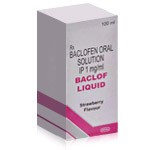

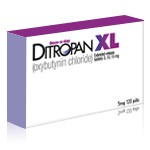

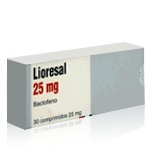

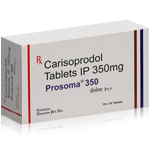


Skeletal muscle relaxants treat acute and chronic painful musculoskeletal conditions involving muscle spasm, stiffness, and reflexive guarding. They are most commonly used for acute low back pain, neck strain, myofascial pain syndromes, fibromyalgia, and spasticity from neurological conditions such as multiple sclerosis, cerebral palsy, spinal cord injury, and stroke. Choosing the right agent depends on whether the goal is short-term symptomatic relief, chronic management of spasticity, or specialised use such as overactive bladder.
The category splits into two functionally distinct subgroups: antispasmodics (cyclobenzaprine, methocarbamol, metaxalone, carisoprodol) used short-term for acute musculoskeletal pain; and antispastics (baclofen, tizanidine, dantrolene) used long-term for neurological spasticity. Many patients require combination therapy: muscle relaxant + NSAID or paracetamol for inflammation control, plus physiotherapy, heat or cold therapy, and graduated return to activity.
This catalogue also includes urinary antispasmodics — agents that relax bladder smooth muscle for overactive bladder syndrome (Ditropan / oxybutynin). Though pharmacologically distinct from skeletal muscle relaxants, they share the broader "antispasmodic" family. The right choice depends on diagnosis (skeletal vs. smooth muscle, acute vs. chronic, spasticity vs. spasm), comorbidities, sedation tolerance, and risk profile.
🦴 Conditions This Category Treats
Acute low back pain is one of the most common reasons for medical visits worldwide, affecting up to 80% of adults at some point. Most cases are non-specific muscular strain that responds to activity modification, paracetamol, NSAIDs, heat, and short courses of muscle relaxants (3-7 days). Bed rest beyond 24-48 hours actually delays recovery; early return to gentle activity is encouraged. Red flags requiring urgent assessment include: bowel/bladder dysfunction (cauda equina syndrome), saddle anaesthesia, progressive weakness, history of malignancy, IV drug use, fever, or unintentional weight loss.
Neck pain and whiplash injuries respond to similar regimens. Myofascial pain syndromes (chronic regional muscle pain with trigger points) and fibromyalgia (chronic widespread pain with characteristic tender points) often benefit from cyclobenzaprine, tizanidine, or low-dose amitriptyline alongside physical therapy and graded exercise. Acute muscle injuries during sport or work commonly need 5-7 days of muscle relaxant for symptomatic relief while inflammation resolves.
Spasticity from multiple sclerosis, cerebral palsy, spinal cord injury, and post-stroke presents quite differently — chronic involuntary muscle hypertonia interfering with movement, comfort, hygiene, and rehabilitation. Treatment is typically long-term with baclofen (Lioresal, Baclof) as first-line, optionally combined with tizanidine (Zanaflex) for additional control or to reduce baclofen dose. Severe focal spasticity may benefit from botulinum toxin injection or intrathecal baclofen pump under specialist care. Overactive bladder with urgency, frequency, and urge-incontinence responds to oxybutynin (Ditropan) — an anticholinergic that relaxes bladder detrusor smooth muscle.
💊 How Modern Muscle Relaxer Treatment Works
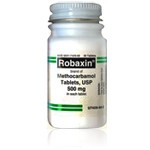
Antispasmodics like methocarbamol (Robaxin), metaxalone (Skelaxin), and carisoprodol (Prosoma) act primarily on the central nervous system (brainstem and spinal cord) rather than directly on muscle. The exact mechanisms are not fully understood — possibly through sedation and altered pain perception. Effects appear within 30-60 minutes and last 4-6 hours. Side effects include sedation, dizziness, dry mouth, and (with carisoprodol) potential for dependence. Generally used for 2-3 weeks maximum alongside NSAIDs and physiotherapy.
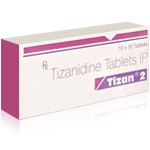
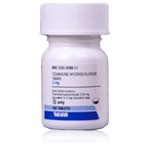
Baclofen (Lioresal, Baclof) is a structural analogue of GABA that activates GABA-B receptors in the spinal cord, reducing excitatory neurotransmission and reducing muscle spasticity. Onset is gradual (days to weeks at therapeutic dose); side effects include sedation, weakness, and rarely seizures or hallucinations during abrupt withdrawal. Tizanidine (Zanaflex) is an alpha-2 adrenergic agonist that reduces spinal excitatory release. It is shorter-acting than baclofen (peak 1-2 hours, duration 6 hours), causing dose-dependent sedation, dry mouth, and dose-related hypotension. Both agents are titrated gradually upward to balance benefit and side effects.
Oxybutynin (Ditropan) is an anticholinergic and direct smooth muscle relaxant that blocks muscarinic M2/M3 receptors on the bladder detrusor. Result: reduced involuntary bladder contractions, increased bladder capacity, reduced urgency and frequency. Side effects (dry mouth, constipation, blurred vision, urinary retention, cognitive effects in elderly) reflect the broad anticholinergic spectrum. Newer M3-selective agents (solifenacin, darifenacin) and beta-3 agonists (mirabegron) have better side-effect profiles but cost more.
💊 Drug Classes in This Category
| Class | Best For | Examples |
|---|---|---|
| Centrally-acting antispasmodics | Acute back/neck spasm, myofascial pain — short-term symptomatic relief | Robaxin (methocarbamol), Prosoma (carisoprodol) |
| GABA-B agonists (antispastics) | Chronic spasticity in MS, spinal cord injury, cerebral palsy, post-stroke | Lioresal, Baclof (baclofen) |
| Alpha-2 agonists (antispastics) | Spasticity add-on or alternative to baclofen; short half-life allows flexibility | Zanaflex, Tizanidine Tizan |
| Anticholinergic (bladder) | Overactive bladder, urge incontinence, neurogenic bladder | Ditropan (oxybutynin) |
✅ How to Choose
- 🦹 Acute low back or neck pain (under 2 weeks) → Robaxin (methocarbamol) 750-1500 mg three times daily for 5-7 days plus NSAID + activity modification.
- 🫠 Severe acute muscle spasm interfering with sleep → Prosoma (carisoprodol) 250-350 mg at bedtime for short course (under 2-3 weeks). Risk of dependence with longer use.
- ⛧ Multiple sclerosis spasticity → Lioresal / Baclof (baclofen) starting 5 mg three times daily, titrate to effect. Add Zanaflex if insufficient.
- 🫠 Severe spasticity at bedtime → Zanaflex (tizanidine) 2-4 mg at bedtime; titrate upward. Shorter half-life allows daytime activity without sedation.
- 💤 Overactive bladder, urge incontinence → Ditropan (oxybutynin) 5 mg twice daily. Extended-release version has fewer dry-mouth side effects.
- 👨🏻 Older adults (over 65) → minimise muscle relaxants; sedation, falls, and cognitive effects can be significant. If essential, use lowest dose; avoid carisoprodol entirely.
❓ Frequently Asked Questions about Muscle Relaxers
How long should I take a muscle relaxer for back pain?
Most guidelines recommend 3-7 days, maximum 2-3 weeks of muscle relaxant for acute back pain. Combine with NSAIDs (if not contraindicated), heat, gentle activity, and physiotherapy. Continued use beyond 2-3 weeks increases side effects without proportionate benefit and may delay return to function. If pain persists, the diagnosis should be re-evaluated.
Are muscle relaxants addictive?
Most are not strongly addictive. Carisoprodol (Prosoma) is the notable exception — metabolised to meprobamate, a controlled substance with abuse potential. Use carisoprodol only short-term and avoid in patients with substance-use history. Baclofen and tizanidine are not classically addictive but produce physical dependence requiring gradual taper. Methocarbamol, metaxalone, and cyclobenzaprine have low abuse potential.
Why do I feel so sleepy on baclofen?
Baclofen acts on GABA-B receptors throughout the CNS, including arousal centres. Sedation is dose-related and usually improves over 2-4 weeks as tolerance develops. Strategies: start at low dose, take larger doses at bedtime, gradually titrate up. If sedation remains intolerable, switch to tizanidine or combine smaller doses of each.
Can I drink alcohol on muscle relaxants?
No. Alcohol amplifies the sedative effect of all muscle relaxants and increases risk of dangerous over-sedation, falls, and respiratory depression. The combination is particularly risky with carisoprodol, baclofen, and tizanidine. If you must drink, wait until well after the medication peak effect and limit to small amounts.
What is the difference between a muscle relaxer and a painkiller?
Pain killers (paracetamol, NSAIDs, opioids) reduce pain perception directly. Muscle relaxants reduce muscle spasm and tension, which secondarily reduces the pain caused by that spasm. They are complementary rather than interchangeable: muscle spasm + inflammation often needs both. Used together they are more effective than either alone for typical back pain.
How fast does oxybutynin work for bladder symptoms?
Improvement begins within 1-2 weeks, with full effect by 4-8 weeks. If insufficient at 4 weeks, increase dose. If still inadequate at 8 weeks, switch to a different anticholinergic, add mirabegron (beta-3 agonist), or consider intravesical botulinum toxin or specialist intervention. Combine with bladder retraining, fluid management, and pelvic floor exercises for best results.
🩺 When to See a Healthcare Provider
Seek prompt evaluation for back pain with red flags: bowel or bladder incontinence, saddle (perineal) anaesthesia, progressive lower extremity weakness, severe night pain, unexplained weight loss, history of cancer, IV drug use, fever, or trauma. These can signal cauda equina syndrome, spinal infection, fracture, or malignancy — all requiring urgent imaging and intervention. Persistent pain beyond 4-6 weeks despite appropriate conservative measures warrants formal assessment.
For chronic spasticity from neurological conditions, neurology and physiatry input optimises therapy. Multiple sclerosis patients benefit from MS-specific care including disease-modifying therapy alongside symptomatic spasticity management. Spinal cord injury patients often need combined oral, intrathecal, or injectable therapy with specialist supervision. Tell all prescribers about your muscle relaxant use — interactions with opioids, sleep aids, alcohol, and other CNS depressants can be dangerous.