Cancer Medications - Anti-Estrogens, Antiandrogens, Chemotherapy




Cancer is not one disease but a vast group of conditions characterised by uncontrolled cell division and the ability to invade adjacent tissues or spread to distant sites. The global cancer burden is enormous: 20 million new cases and 9.7 million deaths in 2022 according to the International Agency for Research on Cancer (IARC), projected to rise to 35 million annual cases by 2050 as populations age. Despite this scale, cancer survival has steadily improved — modern multimodal therapy combining surgery, radiation, chemotherapy, hormonal therapy, targeted agents, and immunotherapy has transformed many cancers from rapidly fatal to chronic manageable conditions or even curable.
This catalogue covers oral cancer medications — primarily hormonal therapy for breast and prostate cancer, targeted small-molecule agents (tyrosine kinase inhibitors), and oral chemotherapeutic agents. It is important to understand that this category is a complement to oncologist-supervised treatment, not a substitute. All cancer therapy requires expert oversight for monitoring, dose adjustments, side-effect management, and coordination with surgery and radiation.
Modern oncology emphasises personalised treatment based on tumour-specific molecular features. Breast cancer treatment, for example, depends critically on estrogen receptor (ER), progesterone receptor (PR), and HER2 status, plus genomic risk scores like Oncotype DX. Chronic myeloid leukaemia is defined by the BCR-ABL fusion gene and treated with specific tyrosine kinase inhibitors like imatinib. Choosing the right oral agent depends on the exact diagnosis and tumour biology — never on cancer site alone.
🧐 Conditions This Category Treats
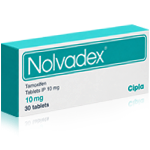
Breast cancer is the most common cancer in women globally (2.3 million new cases annually). Hormonal therapy is the foundation of treatment for hormone-receptor-positive disease (approximately 70% of all breast cancers). Premenopausal women typically receive tamoxifen (Nolvadex, Soltamox) for 5-10 years; postmenopausal women receive aromatase inhibitors like anastrozole (Arimidex), letrozole, or exemestane. These agents reduce recurrence risk by 30-50% and substantially improve long-term survival.
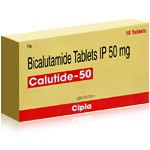
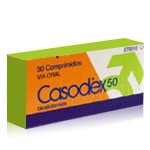
Prostate cancer is the second most common cancer in men. Hormonal therapy targets androgen signalling, the primary driver of most prostate cancer growth. Bicalutamide (Casodex) blocks androgen receptors and is combined with GnRH agonists (degarelix, leuprolide) for advanced disease. Newer-generation androgen receptor blockers (enzalutamide, apalutamide) are used in castration-resistant prostate cancer. Monitoring is via PSA, imaging, and clinical symptoms.
Chronic myeloid leukaemia (CML) revolutionised oncology in 2001 when imatinib (Gleevec, Imatib) transformed it from a fatal disease to a chronic condition managed with a daily pill — 10-year survival now exceeds 80%. Imatinib also treats gastrointestinal stromal tumours (GIST) and several rarer cancers. Thyroid cancer (medullary, anaplastic), renal cell carcinoma, hepatocellular carcinoma, and endometrial cancer are treated with newer multikinase inhibitors like lenvatinib (Lenvima). Colorectal, breast, and stomach cancers use oral fluoropyrimidines like capecitabine (Capnat), a prodrug of 5-FU that is preferentially activated in tumour tissue.
💊 How Modern Cancer Treatment Works
Hormonal therapy exploits the dependence of certain cancers on sex hormones for growth. Tamoxifen is a selective estrogen receptor modulator (SERM) — it blocks estrogen receptors in breast tissue (anticancer effect) while exerting estrogen-like effects elsewhere (preserves bone density, but unfortunately also increases endometrial cancer and thromboembolism risk). Aromatase inhibitors like anastrozole work differently — they block the enzyme that converts androgens to estrogens in postmenopausal women, achieving deeper estrogen suppression. Effectiveness is comparable; side effects differ.
Targeted therapy emerged in the 2000s as molecular biology revealed the genetic drivers of cancer. Imatinib blocks the BCR-ABL fusion protein that drives CML, the abnormal c-Kit receptor that drives GIST, and PDGFR signalling in dermatofibrosarcoma — selectively killing cancer cells while sparing most normal tissue. Lenvatinib inhibits multiple tyrosine kinases (VEGFR1-3, FGFR1-4, PDGFR) involved in tumour angiogenesis, slowing thyroid cancer, liver cancer, and renal cell carcinoma. These drugs are taken daily long-term, with continuous monitoring for cardiac, endocrine, and dermatological side effects.
Oral chemotherapy — agents like capecitabine — allows treatment at home rather than infusion centres, with comparable efficacy to intravenous regimens in many indications. Capecitabine is preferentially activated to 5-FU in tumour tissue through the enzyme thymidine phosphorylase, which is more abundant in cancer than in normal cells. This relative selectivity reduces (but does not eliminate) systemic toxicity. Hand-foot syndrome (painful palmar-plantar erythrodysesthesia), diarrhea, and mucositis are common side effects requiring dose adjustment and supportive care.
💊 Drug Classes in This Category
| Class | Primary Indication | Examples |
|---|---|---|
| SERMs | Hormone-receptor-positive breast cancer (pre- and postmenopausal) | Nolvadex, Soltamox (tamoxifen) |
| Aromatase inhibitors | Hormone-receptor-positive breast cancer (postmenopausal) | Arimidex (anastrozole) |
| Anti-androgens | Advanced prostate cancer (with GnRH agonist or post-castration) | Casodex (bicalutamide) |
| BCR-ABL / c-Kit inhibitors | Chronic myeloid leukaemia, GIST, certain leukaemias | Gleevec, Imatib (imatinib) |
| Multikinase inhibitors | Differentiated thyroid cancer, hepatocellular carcinoma, RCC, endometrial | Lenvima (lenvatinib) |
| Oral fluoropyrimidines | Colorectal, breast, gastric, pancreatic adenocarcinoma | Capnat (capecitabine) |
✅ How These Medications Are Used
- 🧑⚕️ Premenopausal HR+ breast cancer → Nolvadex (tamoxifen) 20 mg daily for 5-10 years. Sometimes combined with ovarian function suppression in high-risk cases.
- 👨🏻⚕️ Postmenopausal HR+ breast cancer → Arimidex (anastrozole) 1 mg daily for 5-10 years — superior to tamoxifen in this group. Monitor bone density.
- 👨 Advanced prostate cancer → Casodex (bicalutamide) 50 mg daily combined with GnRH agonist or after surgical castration.
- 🩸 Chronic myeloid leukaemia (Philadelphia chromosome positive) → Imatinib 400 mg once daily. Quarterly BCR-ABL transcript monitoring. Most patients achieve major molecular response.
- 🫘 Iodine-refractory differentiated thyroid cancer, advanced HCC or RCC → Lenvima (lenvatinib) as directed by oncologist. Monitor BP, urine protein, thyroid function.
- 🧮 Metastatic colorectal cancer or adjuvant therapy after surgery → Capnat (capecitabine) in cycles, often combined with oxaliplatin (CAPOX) or radiation. Monitor for hand-foot syndrome.
❓ Frequently Asked Questions about Cancer Medications
How long do I need to take tamoxifen?
Standard duration is 5 years, but the landmark ATLAS trial showed that extending to 10 years reduces recurrence and breast cancer mortality further in patients tolerating therapy. Postmenopausal women may switch from tamoxifen to an aromatase inhibitor at 2-5 years for additional benefit. Duration is individualised based on tumour size, lymph node status, grade, and tolerance — discuss with your oncologist.
What are the most common side effects of aromatase inhibitors?
Joint pain and stiffness (40-50% of patients), hot flushes, vaginal dryness, and accelerated bone loss are most common. Bone density monitoring (DEXA scan every 2 years), calcium 1200 mg + vitamin D 800-1000 IU daily, weight-bearing exercise, and sometimes bisphosphonates protect bones. Joint pain often improves with switching brands, regular exercise, or short NSAID courses.
Can imatinib be stopped if my CML is in deep molecular remission?
Recent evidence supports "treatment-free remission" trials in selected patients who maintain undetectable BCR-ABL transcripts for at least 2 years on imatinib — approximately 40-50% remain in remission without therapy. Strict ongoing monitoring is essential. Never stop imatinib without your haematologist supervision — relapse usually responds to restarting the drug.
What is hand-foot syndrome and how is it managed?
Hand-foot syndrome (palmar-plantar erythrodysesthesia) causes redness, swelling, tingling, pain, and skin peeling on palms and soles — common with capecitabine, sorafenib, sunitinib, and similar agents. Management: moisturise frequently with urea-containing creams, avoid hot water and friction, wear soft socks/gloves, use cooling pads. Severe cases require dose reduction or treatment break. Vitamin B6 (pyridoxine) may help, though evidence is mixed.
Are these medications considered chemotherapy?
Hormonal therapy (tamoxifen, anastrozole, bicalutamide) is generally NOT classified as chemotherapy — it works through hormone receptor blockade, not direct DNA damage. Targeted therapy (imatinib, lenvatinib) sits between hormonal and chemotherapy. Capecitabine is a true oral chemotherapy. The distinction matters for side-effect profile, monitoring, and insurance coverage in some jurisdictions.
Can I get pregnant after cancer treatment?
Many cancer survivors successfully conceive after completing treatment. Key considerations: wait at least 6-12 months after stopping tamoxifen and longer for some targeted agents (drug-specific guidance applies). Fertility preservation (egg or embryo freezing) should be discussed BEFORE starting therapy, especially for younger patients. Pre-pregnancy oncology and obstetric review is essential.
🩺 When to See a Healthcare Provider
Cancer therapy involves continuous specialist coordination, but contact your oncology team urgently for: fever above 38°C with cancer therapy (febrile neutropenia is a medical emergency in chemotherapy patients), severe diarrhea or vomiting, sudden severe abdominal or chest pain, new neurological symptoms, sudden vision changes, unusual bleeding or bruising, severe rash, or signs of allergic reaction. Many cancer drugs cause cardiac toxicity, hypothyroidism, hypertension, kidney impairment, or liver dysfunction that requires prompt detection.
Routine monitoring varies by drug but typically includes regular blood counts, kidney and liver function tests, tumour markers, imaging surveillance, ECGs (for QT-prolonging drugs), bone density (for aromatase inhibitors and androgen deprivation), and cardiac echocardiograms (for cardiotoxic agents). Maintain detailed medication lists for all healthcare providers. Inform your oncologist before any surgery, dental procedure, vaccination, or new medication.
📚 Related Articles
- 🔗 Browse all RXshop articles