Anti-Inflammatory Medications - IBD, RA, and Pulmonary Fibrosis
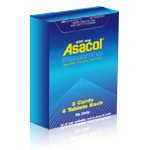

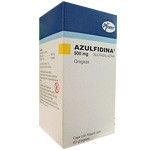

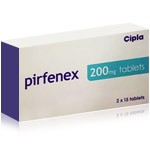

This category covers chronic anti-inflammatory medications for inflammatory bowel disease (IBD), rheumatoid arthritis, and idiopathic pulmonary fibrosis (IPF) — conditions where ongoing immune-mediated inflammation drives disease progression. Unlike NSAIDs which provide symptomatic pain relief, these drugs target the underlying inflammatory process to slow progression and reduce flare frequency.
💊 Drug Classes in This Category
| Class | Used For | Mechanism | Examples |
|---|---|---|---|
| 5-Aminosalicylic acid | Ulcerative colitis (UC), mild Crohn disease | Topical anti-inflammatory in colonic mucosa | Asacol (mesalamine) |
| Sulfa-based DMARD | UC, RA, ankylosing spondylitis, JIA | Cleaved in colon to 5-ASA + sulfapyridine | Azulfidine (sulfasalazine) |
| Antifibrotic | Idiopathic pulmonary fibrosis (IPF) | Inhibits TGF-? and fibroblast proliferation | Pirfenex (pirfenidone) |
✅ How to Choose the Right Medication
- 🩺 Mild-to-moderate ulcerative colitis ? Asacol (mesalamine) is first-line — well-tolerated, topical action.
- 🦴 UC with joint involvement or RA overlap ? Azulfidine (sulfasalazine) offers dual GI and joint benefit.
- 💊 Rheumatoid arthritis ? Azulfidine as DMARD; usually combined with methotrexate or hydroxychloroquine.
- 🫀 Idiopathic pulmonary fibrosis (IPF) ? Pirfenex (pirfenidone) is one of two FDA-approved antifibrotics that slow lung function decline.
- 🤰 Pregnancy planning ? consult a specialist; sulfasalazine reduces male fertility (reversible), 5-ASA generally considered safer.
❓ Frequently Asked Questions about Anti-Inflammatory Medications
How long until 5-ASA medications work for ulcerative colitis?
Mesalamine (Asacol) typically begins reducing UC symptoms within 2-4 weeks. Full mucosal healing assessed by colonoscopy may take 8-12 weeks. The medication must be continued long-term — stopping after symptom relief leads to relapse in 70% of patients within a year.
Is sulfasalazine safe in pregnancy?
Generally yes — sulfasalazine is one of the preferred DMARDs for women of childbearing age with RA. It does require folic acid supplementation (5 mg daily) because sulfasalazine interferes with folate absorption. Men should know it causes reversible reduction in sperm count.
What side effects should I monitor on Pirfenex?
Common pirfenidone side effects: photosensitivity (always use SPF 30+ sunscreen), nausea and GI upset (take with food), fatigue, decreased appetite. Serious: liver enzyme elevation (LFTs every 3 months), severe rash. Most side effects improve after 3 months as you build tolerance.
Can I take NSAIDs while on Asacol?
Use sparingly. NSAIDs (ibuprofen, naproxen, diclofenac) can worsen IBD and may trigger UC flares. Prefer acetaminophen (paracetamol) for pain or fever. If you must use an NSAID, COX-2 selective agents like celecoxib have lower IBD-flare risk.
Does Pirfenex cure pulmonary fibrosis?
No. Pirfenidone slows the rate of lung function decline by approximately 50% compared to placebo but does not reverse existing fibrosis or cure IPF. It is started at diagnosis and continued indefinitely. Lung transplant remains the only curative option for advanced disease.
Why do I need folic acid with sulfasalazine?
Sulfasalazine inhibits intestinal absorption of folate, which can cause anaemia and may worsen the increased homocysteine risk associated with chronic inflammation. Daily folic acid 1-5 mg prevents this and is standard alongside sulfasalazine therapy.