Buy Bone and Joint Care Medications Online — Alfacalcidol, Vitamin D Analogs
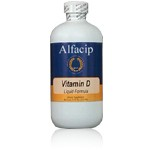

This section is dedicated to bones and joints health — covering the musculoskeletal conditions that affect mobility, function, and quality of life across the lifespan. While this specific section currently does not carry individual products, the medications most relevant to bone and joint care are organised in adjacent categories on our site — a quick navigation guide is below.
Musculoskeletal conditions affect over 1.7 billion people globally according to the WHO and are leading causes of disability and reduced quality of life. Most respond well to a combination of pharmacotherapy, physiotherapy, lifestyle modification, and (when appropriate) interventional or surgical management. Choosing the right medication depends on the specific diagnosis: arthritis, osteoporosis, acute injury, chronic pain, or spasticity each call for different approaches.
This educational summary helps direct you to the most appropriate category for your specific condition. For acute injuries or chronic conditions, professional medical assessment is essential before starting medication — many musculoskeletal symptoms have multiple possible causes that require specific diagnosis.
🦴 Where to Find the Right Medication for Your Condition
Depending on what you are managing, the relevant medications live in these categories:
| Condition | Where to look | Key drug classes |
|---|---|---|
| Osteoarthritis (hand, knee, hip, spine) | Arthritis category | Topical NSAIDs (Voltaren Gel), oral NSAIDs (Mobic, Celebrex), paracetamol |
| Rheumatoid arthritis | Arthritis + Immune | DMARDs (Plaquenil), methotrexate, biologics (Enbrel, Humira) |
| Gout (acute attack) | Arthritis | Colcrys (colchicine), Indocin (NSAID) |
| Gout (long-term prevention) | Arthritis + Other | Zyloprim (allopurinol), Adenuric (febuxostat) |
| Acute pain (back, neck, sprain) | Pain Medicine | NSAIDs, paracetamol, topical NSAIDs (Voltaren Gel, Emulgel) |
| Muscle spasm and back pain | Muscle Relaxers | Robaxin (methocarbamol), Prosoma (carisoprodol) |
| Spasticity (MS, spinal cord, stroke) | Muscle Relaxers | Lioresal, Baclof (baclofen), Zanaflex (tizanidine) |
| Osteoporosis (postmenopausal) | Women's Health | Fosamax (alendronate), Evista (raloxifene) |
| Vitamin D/calcium needs | Hormones + Other | Calcijex (calcitriol), Alfacip (alfacalcidol) |
| Peripheral vascular leg pain | Other | Pletal (cilostazol) |
🧠 Conditions Covered Across These Categories
Osteoarthritis (OA) — the most common joint condition globally, affecting more than 500 million people — involves progressive cartilage degeneration in weight-bearing joints. Treatment focuses on weight management, exercise, topical and oral NSAIDs, and intra-articular injections for symptomatic relief. Joint replacement surgery is highly effective for end-stage disease. Find pharmacotherapy in our Arthritis and Pain Medicine categories.
Rheumatoid arthritis (RA) — chronic autoimmune inflammatory arthritis affecting 1% of population — requires disease-modifying anti-rheumatic drugs (DMARDs) like methotrexate and hydroxychloroquine (Plaquenil) as foundation. Biologic DMARDs (Enbrel, Humira) achieve dramatic responses in moderate-severe disease unresponsive to conventional DMARDs. NSAIDs provide symptomatic relief while waiting for DMARD effect. Find these in Arthritis and Immune categories.
Osteoporosis — reduced bone density and increased fracture risk — affects 1 in 3 postmenopausal women and 1 in 5 men over 50. Bisphosphonates (alendronate / Fosamax) reduce vertebral and hip fracture risk by 30-50%. Calcium 1200 mg + vitamin D 800-1000 IU daily form the foundation alongside specific osteoporosis therapy. Bone health medications are in Women's Health and Hormones.
Acute musculoskeletal pain from sprains, strains, contusions, and overuse injuries typically responds to topical NSAIDs and short-course oral NSAIDs. Avoid prolonged NSAID use due to GI, renal, and cardiovascular risks. Combine with rest, ice, compression, elevation initially, then graduated return to activity. Physiotherapy is often crucial. See Pain Medicine for analgesics and Muscle Relaxers for spasm-related pain.
✅ Foundation Principles of Bone and Joint Care
- 🦹 Diagnosis first, medication second — many joint and bone symptoms have multiple possible causes requiring specific identification before treatment.
- 🏃 Exercise is medicine — appropriate physical activity strengthens bone, supports cartilage health, improves joint function, and reduces pain in most musculoskeletal conditions. Total inactivity worsens almost every condition in this space.
- 🍲 Nutrition matters — adequate protein, calcium 1200 mg daily, vitamin D 800-1000 IU daily, omega-3 fatty acids, anti-inflammatory diet (Mediterranean style) support musculoskeletal health.
- 🎉 Weight management reduces load on weight-bearing joints. Even 5-10% weight reduction substantially improves knee osteoarthritis symptoms.
- 🚬 Smoking accelerates bone loss and impairs healing. Smoking cessation is one of the most impactful interventions for bone health.
- 🤴 NSAIDs cautiously — effective but cause cumulative kidney, GI, and cardiovascular risk with prolonged use. Reserve for symptom flares; consider topical NSAIDs for localised issues.
- 💸 Bone health screening — DEXA scan from age 65 (women) or 70 (men), or earlier with risk factors (family history, prior fragility fracture, chronic glucocorticoid use, malabsorption).
❓ Common Questions About Bone and Joint Care
How can I prevent osteoporosis?
Foundation: regular weight-bearing exercise (walking, running, dancing, resistance training), adequate dietary calcium (1000-1200 mg daily from food first), vitamin D 800-1000 IU daily (sun exposure plus supplement if needed), avoid smoking and excess alcohol. DEXA screening from age 65 (women) or 70 (men); earlier if risk factors. Drug therapy (bisphosphonates) when T-score under -2.5 or with prior fragility fracture.
Does glucosamine work for arthritis?
Evidence is mixed. Some patients with knee osteoarthritis report meaningful improvement; trials show small or no average benefit. Glucosamine sulfate 1500 mg daily for 3 months is a reasonable trial — safe and well-tolerated. Stop if no clear benefit. Best evidence for glucosamine sulfate (not glucosamine HCl) at this dose for knee OA specifically.
Should I take collagen supplements?
Some emerging evidence suggests collagen peptides may modestly benefit joint comfort in athletes and OA patients. Effect is generally small and inconsistent across trials. Reasonable to try if affordable; not a substitute for evidence-based therapy. Adequate dietary protein (1.0-1.2 g/kg/day) supports musculoskeletal health more broadly.
What about CBD or cannabis for joint pain?
Evidence remains limited and quality of products variable. Some patients report symptomatic benefit; serious trials are ongoing. Legal status varies by jurisdiction. If used, prefer regulated products with stated CBD content. Not a substitute for evidence-based therapy when effective options exist.
When should I consider joint replacement?
For end-stage joint disease (severe pain, significant functional limitation, failed conservative treatment), joint replacement is highly effective — 95%+ of knee and hip replacements provide lasting pain relief and improved function. Timing balances ongoing disability against surgical risk. Modern joint prostheses last 15-25 years. Consult orthopaedic surgeon for assessment.
Can exercise worsen my arthritis?
Generally no — regular appropriate exercise improves most arthritic conditions. Acute injuries need brief rest then graduated return. Excessive high-impact loading can accelerate joint degeneration, but moderate activity (walking, swimming, cycling, tai chi, yoga) supports joint health and reduces pain. Physiotherapist input helps tailor programmes to specific conditions.
🩺 When to See a Healthcare Provider
Many musculoskeletal symptoms can be managed with self-care initially, but seek professional evaluation for: persistent pain over 4-6 weeks despite reasonable self-care, severe acute injury, joint swelling with redness or warmth (rule out septic arthritis or crystal arthritis), progressive functional limitation, suspected fracture, or any of the red-flag symptoms above. Early intervention often improves outcomes and prevents progression.
Specialist referral indicated for: suspected inflammatory arthritis (rheumatology), suspected osteoporosis (endocrinology or specialist clinic), persistent back pain (specialist spinal assessment), complex regional pain syndrome (pain medicine), and consideration of joint replacement (orthopaedics). Maintain detailed medication lists — many musculoskeletal medications interact with cardiovascular, GI, and other commonly prescribed agents.
📚 Related Articles
- 📖 Understanding Rheumatoid Arthritis: Causes, Symptoms, and Treatment
- 📖 Joint Fire: How to Stop Rheumatoid Arthritis Before It Spreads
- 📖 Moderate-to-Severe Rheumatoid Arthritis: Advanced Clinical Framework
- 📖 Osteochondrosis: Restoring Mobility and Breaking the Pain Cycle
- 📖 Periarthritis: When Joint Support Structures Become Inflamed
- 📖 Acute Muscle Pain: The Spasm Cycle and the Way Out
- 🔗 Browse all RXshop articles