Antispasmodic Medications - IBS and Abdominal Cramp Relief

Antispasmodic medications relax smooth muscle — the involuntary muscle lining the digestive tract, urinary bladder, bile ducts, and uterus. They are most commonly used for irritable bowel syndrome (IBS) with cramping pain, biliary or renal colic, painful bladder spasms, and dysmenorrhea. By targeting muscarinic acetylcholine receptors or calcium channels in smooth muscle, antispasmodics reduce involuntary contractions, easing the visceral pain that accompanies hyperactive gut, bladder, or uterine activity.
Modern antispasmodic prescribing emphasises targeted symptomatic relief alongside diagnosis and treatment of the underlying condition. They are particularly useful for colicky pain patterns — intermittent, cramping, gripping pain associated with smooth muscle spasm — rather than constant nociceptive pain. Combined with simple analgesics (paracetamol, NSAIDs), antispasmodics provide more complete relief than either approach alone in many cases.
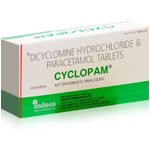
This catalogue includes Cyclopam, a fixed-dose combination of dicyclomine (an anticholinergic antispasmodic) plus paracetamol (acetaminophen) — widely used in many countries for colicky abdominal pain, IBS cramping, dysmenorrhea, and biliary colic. Other antispasmodic-style products appear throughout the catalogue: Bentyl (dicyclomine) in Gastrointestinal, Urispas (flavoxate) and oxybutynin (Ditropan) for bladder spasm in Men's Health and Muscle Relaxers.
🪿 Conditions This Category Treats
Irritable bowel syndrome (IBS) with predominant abdominal cramping is the most common indication. IBS affects roughly 10-15% of adults globally, more commonly in women, often beginning in young adulthood. The hallmark symptoms are recurrent abdominal pain associated with bowel habit changes (diarrhoea, constipation, or alternating), bloating, and often urgency or sense of incomplete evacuation. Antispasmodics reduce the cramping component while dietary modification (low-FODMAP), fibre adjustment, stress management, and sometimes antidepressants address other facets.
Primary dysmenorrhoea (painful periods without underlying pathology) involves prostaglandin-driven uterine contractions causing severe cramping. Treatment combines NSAIDs (mefenamic acid / Ponstel, ibuprofen) targeting the prostaglandin source with antispasmodics targeting the muscular spasm. Combined approach often more effective than either alone. Continuous combined hormonal contraceptive is another effective approach by eliminating menstruation altogether.
Biliary colic — intermittent right upper quadrant or epigastric pain from gallstone migration through the cystic duct — responds to antispasmodics combined with NSAIDs. Definitive treatment is usually cholecystectomy. Renal colic from kidney stones produces characteristic flank-to-groin colicky pain; treatment includes antispasmodics, NSAIDs (often parenteral), hydration, and sometimes alpha-blockers (tamsulosin) to facilitate stone passage. Painful bladder spasm from cystitis, post-catheterization, or post-procedural irritation responds to antispasmodics like Cyclopam alongside antibiotics if infection is present.
💊 How Antispasmodics Work
Anticholinergic antispasmodics like dicyclomine (in Cyclopam) block muscarinic M3 receptors on smooth muscle cells. M3 activation normally causes smooth muscle contraction; blocking it produces smooth muscle relaxation. Effect is felt within 30-60 minutes after oral dose, lasting 4-6 hours. Because muscarinic receptors are widespread throughout the body, anticholinergics produce predictable side effects: dry mouth, blurred vision, urinary retention, constipation, palpitations, drowsiness. These effects limit use, particularly in elderly patients.
Cyclopam combines dicyclomine with paracetamol — pairing smooth muscle relaxation with analgesic action. This multi-mechanism approach addresses both the spasm and the pain perception, providing more complete symptom relief than either alone. Standard dosing is typically 1-2 tablets two or three times daily as needed; do not exceed recommended paracetamol dose (4 g daily in healthy adults; lower in elderly, malnourished, or those with liver disease).
Other antispasmodic classes: Direct smooth muscle relaxants (mebeverine, peppermint oil capsules — popular in Europe for IBS) act directly on smooth muscle without anticholinergic side effects. Calcium channel blockers (pinaverium, otilonium — widely used in Europe) selectively affect gut smooth muscle. Combined preparations with NSAID, paracetamol, or other analgesics provide enhanced pain relief. The choice between classes depends on side-effect tolerance, comorbidities, and individual response.
💊 Available Products
| Class | Best For | Example |
|---|---|---|
| Anticholinergic + analgesic combination | IBS with cramping, biliary colic, dysmenorrhoea, painful bladder spasm | Cyclopam (dicyclomine + paracetamol) |
✅ How to Choose Antispasmodic Therapy
- 🪿 IBS with prominent cramping and abdominal pain → Cyclopam 1-2 tablets 2-3 times daily as needed; combine with dietary modification, fibre adjustment, low-FODMAP trial.
- 🪿 Severe period cramps (dysmenorrhoea) → Cyclopam combined with NSAID (mefenamic acid 500 mg three times daily starting 1-2 days before period).
- 🥩 Biliary colic (gallstone pain) → Cyclopam for acute episodes; specialist evaluation for definitive cholecystectomy if recurrent.
- 🥕 Renal colic (kidney stone passage) → Cyclopam as adjunct; main therapy is hydration, parenteral analgesia, alpha-blocker (tamsulosin), and sometimes urological intervention.
- 👨🏻 Older adults → minimise anticholinergic burden — sedation, confusion, urinary retention, falls. Consider direct smooth muscle relaxants instead.
❓ Frequently Asked Questions
How does Cyclopam differ from Bentyl?
Both contain dicyclomine as the antispasmodic active ingredient. Bentyl (US brand) contains dicyclomine alone. Cyclopam combines dicyclomine with paracetamol for added analgesic effect — useful when both spasm and pain are prominent. For pure spasm without major pain, single-agent dicyclomine may be preferred to avoid paracetamol dose concerns.
Can I take antispasmodics long-term for IBS?
Antispasmodics can be used regularly for IBS-related cramping, often as needed rather than continuous daily dosing. Anticholinergic side effects (dry mouth, constipation in IBS-C patients) may limit long-term use. For chronic IBS, address underlying triggers (dietary, stress, gut-brain axis) and consider non-anticholinergic alternatives (mebeverine, peppermint oil) for long-term use.
Why do I get dry mouth on antispasmodics?
Anticholinergic action affects salivary gland muscarinic receptors, reducing saliva production. Sip water frequently, use sugar-free gum or sweets to stimulate flow, consider oral moisturisers. Dry mouth is usually mild and tolerable for short courses; if severe, lower dose or switch to non-anticholinergic alternative.
Should I take Cyclopam with food?
Taking with or shortly after meals may slightly reduce absorption but improves GI tolerance for some users. For maximum effect on meal-triggered IBS, take 30-60 minutes before meals. For breakthrough cramping, take as needed. Avoid combination with grapefruit juice (may affect metabolism of some other medications you may be taking).
Can children take Cyclopam?
Anticholinergic antispasmodics are generally avoided in children under 6 months due to risk of CNS depression. Paediatric doses are weight-based. Discuss with paediatrician before use in children. Many gastrointestinal symptoms in children have other causes that need investigation rather than just symptomatic treatment.
Is Cyclopam safe in pregnancy?
Limited data on dicyclomine in pregnancy. Paracetamol is generally considered safe at standard doses. Anticholinergic component should be avoided in first trimester if possible. For mild IBS or dysmenorrhoea in pregnancy, lifestyle measures first; if pharmacotherapy needed, consult obstetric provider for safest options.
🩺 When to See a Healthcare Provider
Cramping abdominal pain typically warrants medical evaluation before assuming it is benign IBS, particularly if any of: onset after age 50, weight loss, blood in stool, nocturnal pain, family history of GI cancer or IBD, fever, severe constant pain. These features raise concern for inflammatory bowel disease, malignancy, or other serious pathology. Diagnostic workup may include blood tests, imaging, or colonoscopy.
For confirmed IBS, antispasmodics can be effective adjuncts but rarely sufficient as sole therapy. Address dietary patterns (FODMAP, gluten sensitivity in some), stress and gut-brain axis (CBT, mindfulness, low-dose tricyclic antidepressants in severe cases), and bowel habits. Bladder spasms warrant urological evaluation if recurrent or severe. Biliary or renal colic typically requires imaging and may need surgical intervention.