Antibiotic Medications - Penicillins, Cephalosporins, Fluoroquinolones, Macrolides












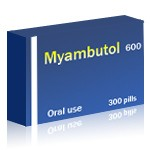








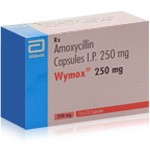

Antibiotics are prescription medications that kill or inhibit bacteria responsible for infections such as urinary tract infections, strep throat, sinusitis, bacterial pneumonia, skin abscesses, and many others. The discovery of penicillin in 1928 transformed medicine — conditions that were once routinely fatal became curable within days. Modern antibiotic therapy now spans more than a dozen drug classes, each targeting bacteria through a different mechanism.
Choosing the right antibiotic depends on the type of infection, the pathogen suspected or confirmed, patient allergies, kidney and liver function, pregnancy status, and the local resistance patterns in your community. The catalogue below covers all major drug classes used in modern outpatient and hospital antibiotic therapy, with FDA-equivalent generic options at affordable prices.
Understanding what antibiotics can and cannot do is essential. They work only against bacteria — they have no effect on viruses (colds, flu, most sore throats), fungi (yeast infections, ringworm), or parasites (worms, malaria). Taking antibiotics for a viral illness will not speed recovery, exposes you to side effects unnecessarily, and contributes to the global crisis of antibiotic resistance.
🩺 Conditions This Category Treats
Antibiotic therapy is the cornerstone of modern infectious-disease medicine, addressing a wide spectrum of bacterial conditions. Common respiratory infections include strep throat, acute sinusitis lasting more than 10 days with bacterial features, bacterial bronchitis with purulent sputum, and community-acquired pneumonia. Urinary tract infections — from uncomplicated cystitis in women to complicated pyelonephritis — are among the most frequent reasons antibiotics are prescribed.
Skin and soft-tissue infections such as cellulitis, impetigo, infected wounds, and abscesses respond to oral or intravenous antibiotics, sometimes combined with surgical drainage. Gastrointestinal infections include bacterial gastroenteritis, traveler diarrhea caused by enterotoxigenic E. coli, H. pylori eradication for peptic ulcers, and C. difficile colitis. Sexually transmitted infections like chlamydia, gonorrhea, and syphilis are routinely cured with antibiotics, often as a single dose.
Beyond these common scenarios, antibiotics treat dental abscesses, bone and joint infections (osteomyelitis, septic arthritis), endocarditis, meningitis, tuberculosis (long combination regimens), and serve as surgical prophylaxis before procedures with infection risk. Specific clinical scenarios call for specific drug classes — getting the right antibiotic for the right infection at the right dose for the right duration is what distinguishes effective care from harmful overuse.
🧠 How Modern Antibiotic Treatment Works
Each antibiotic class disables bacteria through a distinct mechanism. Penicillins and cephalosporins (beta-lactams) inhibit cell-wall synthesis, causing bacteria to burst as they grow. Macrolides, tetracyclines, and aminoglycosides bind to bacterial ribosomes and prevent protein synthesis. Fluoroquinolones block DNA replication enzymes. Sulfonamides and trimethoprim interfere with folate synthesis. Rifamycins stop RNA transcription. These differences explain why a drug effective against one organism may fail against another — bacterial species vary in which targets they have and how susceptible those targets are.
Modern prescribing is increasingly guided by antimicrobial stewardship principles: pick the narrowest-spectrum effective drug, give the shortest course supported by evidence, and de-escalate to oral therapy as soon as possible. Recent evidence has shortened many traditional courses — uncomplicated UTIs respond to 3-5 days, cellulitis to 5-6 days, and many pneumonias to 5-7 days. Longer is no longer always better — shorter courses reduce side effects, resistance development, and cost without sacrificing cure rates.
Resistance is bacteria adapting to survive antibiotic exposure. Each unnecessary or incomplete course selects for the most resistant survivors, which then multiply and spread. The World Health Organization classifies antimicrobial resistance among the top 10 global health threats. Multi-drug-resistant organisms (MRSA, VRE, ESBL-producing Enterobacteriaceae, carbapenem-resistant strains) already cause longer hospital stays, higher mortality, and force use of more toxic or expensive backup agents. Every patient who finishes their course as prescribed contributes to slowing this crisis.
💊 Drug Classes in This Category
| Class | First-Choice For | Examples |
|---|---|---|
| Penicillins | Strep throat, ear infections, sinusitis, dental abscess | Amoxil, Augmentin, Ampicillin, Wymox |
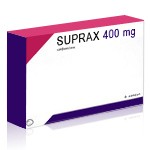
| Cephalosporins | Skin infections, UTI, respiratory; penicillin-allergic patients | Keflex, Duricef, Ceftin, Suprax, Vantin |
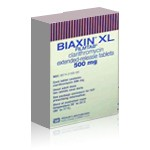
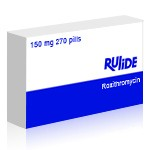
| Macrolides | Atypical pneumonia, chlamydia, penicillin allergy | Zithromax, Biaxin, Ilosone, Rulide |
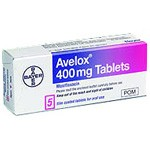
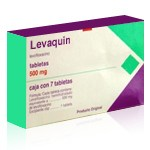
| Fluoroquinolones | Complicated UTI, prostatitis, anthrax, resistant respiratory infections | Cipro, Levaquin, Avelox, Floxin |
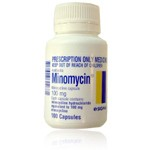
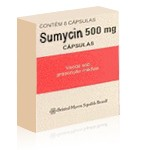
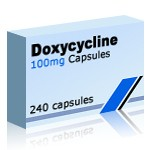
| Tetracyclines | Acne, Lyme disease, atypical respiratory, malaria prophylaxis | Doxycycline, Minomycin, Sumycin |
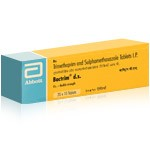
| Sulfonamides | Uncomplicated UTI, MRSA skin infections, PCP prophylaxis | Bactrim (TMP-SMX) |
| Lincosamides | Anaerobic, MRSA skin, dental, bacterial vaginosis | Cleocin (clindamycin) |
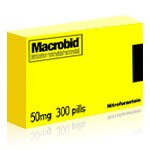
| Nitrofurans | Uncomplicated lower UTI, recurrent UTI prophylaxis | Macrobid (nitrofurantoin) |
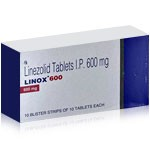
| Oxazolidinones | MRSA, vancomycin-resistant enterococci | Linox (linezolid) |
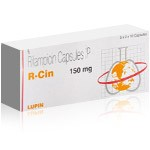
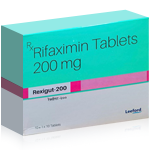
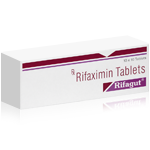
| Rifamycins | Tuberculosis, IBS-D, hepatic encephalopathy | Rifadin, R-Cin, Rifagut, Rexigut |
| Anti-tuberculosis | Active TB infection (combination RIPE therapy) | Myambutol (ethambutol) |
✅ How to Choose the Right Antibiotic
- 🩺 Strep throat or dental abscess → Amoxicillin / Amoxil is first-line. Use Augmentin (with clavulanate) for recurrent or treatment-resistant infections.
- 👄 Uncomplicated UTI in women → Macrobid (nitrofurantoin) or Bactrim. Reserve fluoroquinolones for complicated cases.
- 🫀 Community-acquired pneumonia → Zithromax (azithromycin) for typical and atypical coverage; Avelox or Levaquin for resistant cases.
- 🦴 Skin and soft-tissue infections (cellulitis) → Keflex (cephalexin). For suspected MRSA: Bactrim or Cleocin.
- 🥕 Acne → Doxycycline or Minomycin. Long-term low-dose for moderate-to-severe inflammatory acne.
- 🧘 Penicillin allergy → macrolides (Zithromax), modern cephalosporins (Keflex — low cross-reactivity), fluoroquinolones, or clindamycin. Document allergy details with your prescriber.
- 🤰 Pregnancy → safest options: penicillins, cephalosporins, azithromycin. Avoid tetracyclines (tooth/bone deposition), fluoroquinolones (cartilage concerns), and sulfonamides near term.
❓ Frequently Asked Questions about Antibiotics
Why must I finish the full course of antibiotics?
Bacterial populations contain a mix of susceptible and partially resistant individuals. The susceptible bacteria die quickly when you start the antibiotic; more resistant ones take longer to clear. Stopping early when you feel better leaves resistant survivors to multiply, which can cause relapse with a now-resistant infection. Always complete the prescribed duration even if symptoms resolve in the first few days.
Can I drink alcohol while on antibiotics?
For most antibiotics (amoxicillin, cephalexin, azithromycin, ciprofloxacin, doxycycline), moderate alcohol does not directly interact, though both can cause additive GI upset. Strictly avoid alcohol with metronidazole (Flagyl) and tinidazole — the combination causes severe nausea, vomiting, headache, and chest pain. Linezolid (Linox) also interacts with tyramine in beer and wine.
Should I take probiotics with my antibiotic?
Probiotics during and after antibiotic therapy may reduce the risk of antibiotic-associated diarrhea including the more dangerous C. difficile colitis. Best-evidence strains: Saccharomyces boulardii and Lactobacillus rhamnosus GG. Take probiotics at least 2 hours apart from the antibiotic dose and continue 1-2 weeks after the course ends.
What is the difference between bactericidal and bacteriostatic antibiotics?
Bactericidal antibiotics kill bacteria directly — penicillins, cephalosporins, fluoroquinolones, aminoglycosides, vancomycin. Bacteriostatic antibiotics inhibit growth and let the immune system clear them — tetracyclines, macrolides, sulfonamides, linezolid. Bactericidal agents are preferred for serious infections (sepsis, endocarditis, meningitis) where rapid bacterial killing is critical.
Why are antibiotics not prescribed for viral infections?
Antibiotics attack specific bacterial structures — cell walls, ribosomes, DNA-replication enzymes — that viruses do not have. Common viral illnesses (colds, flu, COVID-19, most sore throats, bronchitis, gastroenteritis) need supportive care or antivirals, not antibiotics. Prescribing antibiotics "just in case" increases resistance and exposes patients to side effects without benefit.
I am allergic to penicillin. What can I take?
True penicillin allergy affects fewer than 1% of patients. Cross-reactivity with modern cephalosporins is very low (under 2%). Safer alternatives: macrolides (Zithromax), fluoroquinolones (Cipro, Levaquin), clindamycin (Cleocin), doxycycline. If your "allergy" is a mild rash from childhood, ask about formal allergy testing — many people outgrow penicillin allergy.
🩺 When to See a Healthcare Provider
Seek medical attention promptly for fever above 39°C, rapidly spreading skin redness, severe abdominal pain, persistent vomiting, confusion, stiff neck, difficulty breathing, or sudden weakness — these can signal serious bacterial infections requiring urgent intravenous antibiotics. UTI symptoms with back pain or fever may indicate pyelonephritis (kidney infection), not just bladder infection. Wound infections that fail to improve in 48-72 hours need professional reassessment.
Always inform your prescriber about all current medications (especially blood thinners, oral contraceptives, statins, and other antibiotics), known allergies, kidney or liver disease, pregnancy or breastfeeding, and recent hospitalisations or international travel. These factors change which antibiotic is safe and effective for you. Self-medicating with leftover or shared antibiotics often results in inadequate dosing for the wrong organism, prolonging illness and accelerating resistance.