Buy Griseo Griseofulvin – Effective Treatment for Fungal Skin and Nail Infections
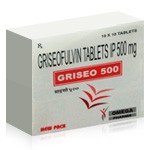
Griseo (Griseofulvin) is a powerful antifungal antibiotic used to treat skin, hair, and nail infections caused by dermatophytes such as Trichophyton, Microsporum, and Epidermophyton species. It works by inhibiting fungal cell division and preventing the spread of infection through the skin and keratinized tissues. Griseo is commonly prescribed for conditions like ringworm, athlete’s foot, jock itch, and scalp infections that do not respond to topical treatments.
This medication acts systemically, targeting fungal growth from within, which makes it especially effective for chronic or deep fungal infections. Griseo 500 mg is taken orally, usually after a meal rich in fat to enhance absorption. Treatment duration may range from a few weeks to several months depending on the infection site.
Safe, effective, and clinically proven, Griseo (Griseofulvin) remains one of the most trusted systemic antifungal therapies for persistent dermatophyte infections. Always use it under medical supervision for optimal results and to ensure complete eradication of fungal pathogens.

- Tinea Capitis (Scalp Ringworm): Common in children, this infection affects the scalp and hair shafts, leading to itching, scaling, and hair loss. Griseo targets the fungus from within, restoring healthy hair growth;
- Tinea Pedis (Athletes Foot): A fungal infection between the toes or on the soles of the feet. The medication clears inflammation and relieves itching, cracking, and peeling skin;
- Tinea Cruris (Jock Itch): Affects the groin and inner thighs, causing red, itchy rashes. Griseofulvin stops fungal growth and reduces irritation in moist skin areas;
- Tinea Unguium (Onychomycosis – Nail Fungus): Fungal infection of fingernails or toenails that makes them thick, discolored, or brittle. Griseo promotes gradual replacement of infected nails with healthy ones;
- Tinea Barbae (Beard Ringworm): Infection of facial hair follicles and surrounding skin in men. Griseofulvin helps eliminate deep-seated fungal colonies and restore skin health;
- Widespread Dermatophytosis: For extensive or chronic fungal infections resistant to topical creams. The systemic action of Griseo ensures effective fungal eradication throughout the body.
- Prevents Fungal Cell Division: Stops fungi from multiplying by binding to keratin in skin and hair, ensuring the infection cannot spread further;
- Long-Lasting Protection: Provides extended protection even after therapy ends, as new skin and nails grow free from fungal contamination;
- Restores Healthy Skin and Nails: Promotes regeneration of clear, strong nails and smooth, irritation-free skin after fungal damage;
- Highly Selective Mechanism: Targets dermatophytes specifically without disturbing normal bacterial flora or causing systemic imbalance;
- Clinically Proven Efficacy: Supported by decades of successful use in treating chronic and resistant dermatophyte infections worldwide;
- Well-Tolerated Therapy: Side effects are generally mild and reversible; safe for most adults and children under medical supervision;
- Alternative to Topical Failure: Especially useful when topical antifungals fail or infection penetrates deeper layers of skin and nail tissue.
Generic Griseo (Griseofulvin 500 mg) Medication guide:
What Is Griseo (Griseofulvin) and How It Works
Griseo (Griseofulvin) is an oral antifungal medication primarily used to treat skin, hair, and nail infections caused by dermatophytes (fungi that feed on keratin). It belongs to the group of antibiotic-derived antifungal agents and has been prescribed for decades as a trusted therapy for fungal infections resistant to topical treatment.
The active ingredient, Griseofulvin, is produced naturally by the mold Penicillium griseofulvum. It works by disrupting fungal cell division and preventing the growth of new fungal cells. This makes it especially effective in chronic infections where the fungus invades deeper keratinized tissues such as hair follicles and nail beds.
- ✔️ Category: Systemic antifungal antibiotic;
- ✔️ Mode of action: Inhibits fungal mitosis and disrupts microtubule function;
- ✔️ Effective against: Tinea capitis, tinea corporis, tinea pedis, and tinea unguium (onychomycosis);
- ✔️ Dosage form: Oral tablets or capsules for long-term therapy;
- ✔️ Prescription status: Requires medical supervision and periodic liver function monitoring.
Unlike topical antifungal creams, Griseofulvin acts from within the body, traveling through the bloodstream to reach infected tissues. It binds to keratin in the skin, hair, and nails, creating a protective barrier that makes these tissues resistant to fungal invasion.
This systemic action is the reason Griseo is prescribed for persistent infections that do not respond to creams, ointments, or sprays. Patients often notice improvement after several weeks, but full recovery may take months depending on the site of infection.
Important note: Since the medication acts by interfering with fungal growth, it does not kill the fungus immediately. Consistent and long-term use under medical supervision is required for optimal results.
FDA Approved Indications for Griseofulvin
Griseofulvin is officially approved by the U.S. Food and Drug Administration (FDA) for the treatment of several fungal infections that affect keratinized tissues such as skin, hair, and nails. It is not effective against yeast or bacterial infections and should be prescribed only when the infection is caused by dermatophyte fungi.
| Condition (Medical Term) | Common Name | Description |
|---|---|---|
| Tinea capitis | Scalp ringworm | Infection of the scalp and hair shafts, common in children; causes hair loss and scaling patches. |
| Tinea corporis | Body ringworm | Itchy circular rashes on the body or limbs caused by Trichophyton species. |
| Tinea pedis | Athlete’s foot | Infection between toes and soles of the feet, leading to itching, burning, and peeling skin. |
| Tinea unguium (Onychomycosis) | Nail fungus | Thickened, discolored, and brittle nails due to fungal invasion of the nail bed. |
| Tinea cruris | Jock itch | Red, itchy rash in the groin area caused by dermatophyte infection, especially in men. |
According to FDA guidelines, Griseofulvin is reserved for severe or widespread dermatophyte infections where topical therapies are inadequate or have failed. It is most effective in treating tinea capitis and tinea unguium, which require systemic antifungal penetration.
Clinicians typically confirm diagnosis through microscopic examination or fungal culture before prescribing Griseofulvin, ensuring that treatment targets the correct fungal species.
Note: Griseofulvin is not effective for infections caused by Candida or Malassezia species, nor for bacterial or viral infections. It should not be used empirically without confirmed fungal etiology.
Mechanism of Action – How This Antifungal Drug Fights Infection 🧬
Griseofulvin acts as a fungistatic medication – meaning it stops the fungus from growing and spreading rather than killing it outright. This unique mode of action makes it ideal for treating chronic dermatophyte infections that affect skin, hair, and nails.
The drug works at the cellular level by targeting fungal cell division. It binds to tubulin proteins in the microtubules, which are essential for mitosis (cell replication). By interfering with these structures, Griseofulvin prevents fungal cells from multiplying and allows the body’s natural defense mechanisms to clear the infection gradually.
🧪 Step-by-Step Process of Action
- 🔹 Disruption of mitosis: Griseofulvin binds to fungal microtubules, halting cell division during metaphase;
- 🔹 Binding to keratin precursor cells: The drug becomes incorporated into new keratin as it forms in skin, hair, and nails;
- 🔹 Formation of a protective barrier: Fungi cannot penetrate the keratinized tissues that contain the drug;
- 🔹 Gradual replacement of infected tissue: As the body generates new keratin, infected cells are naturally shed.
🎯 Key Mechanistic Highlights
- ✅ Target: Dermatophyte fungi that rely on keratin for growth;
- ✅ Effect: Inhibits fungal reproduction and colonization;
- ✅ Result: Restores healthy skin, hair, and nail tissue over time.
Important note: Because Griseofulvin only affects newly forming keratin, visible improvement may take several weeks or months. Patience and strict adherence to therapy are crucial for a successful outcome.
Unlike other antifungal agents such as terbinafine or itraconazole, Griseofulvin has a selective effect on fungal microtubules and is generally less toxic to human cells. However, therapeutic concentrations must be maintained consistently for maximum efficacy.
Common Medical Conditions Treated by Griseofulvin 🩺
Griseofulvin is primarily prescribed for fungal infections of the skin, hair, and nails that are caused by dermatophytes. These infections thrive on keratin and often resist topical creams, which is why systemic therapy is required. The drug has been a cornerstone antifungal treatment for decades due to its proven safety and efficacy.
Below is a summary of the main fungal conditions effectively managed with Griseo (Griseofulvin):
| Condition | Common Name | Symptoms & Characteristics | Typical Duration of Therapy |
|---|---|---|---|
| Tinea capitis | Scalp ringworm 🧑🦱 | Patchy hair loss, scaling, and itching of the scalp. Common among children. | 6–12 weeks depending on severity. |
| Tinea corporis | Ringworm of the body 💪 | Round, red, itchy patches on arms, legs, or torso with raised edges. | 4–8 weeks of oral treatment. |
| Tinea pedis | Athlete’s foot 🦶 | Cracked skin, burning sensation, and scaling between the toes. | 4–6 weeks, sometimes longer for chronic infections. |
| Tinea cruris | Jock itch 🩳 | Itchy, red rash in the groin and inner thigh area, more common in men. | 3–6 weeks of continuous use. |
| Tinea unguium (Onychomycosis) | Nail fungus 💅 | Thickened, brittle, and discolored nails caused by fungal infection of the nail bed. | 4–9 months (fingernails) or up to 1 year (toenails). |
Griseofulvin is not used for yeast infections such as Candida or systemic fungal diseases. Its therapeutic range is narrow but extremely effective for dermatophyte-related infections when taken consistently.
- ✔️ Best suited for: Chronic and recurrent fungal infections resistant to topical therapy;
- ✔️ Not suitable for: Candida infections or deep systemic mycoses;
- ✔️ Target fungi: Trichophyton, Microsporum, and Epidermophyton species.
For optimal outcomes, Griseo therapy should be combined with good hygiene, dry skin care, and regular washing of bedding and clothing to prevent reinfection. Dermatologists may also recommend topical agents in conjunction with oral therapy for faster clearance.
Griseofulvin vs Other Antifungal Medications – Key Differences ⚖️
Griseofulvin has been one of the earliest systemic antifungal drugs and remains an effective treatment for dermatophyte infections. However, newer antifungal agents such as Terbinafine and Itraconazole are also commonly prescribed today. The table below compares these medications by their spectrum of activity, onset of action, and safety profile.
| Feature | Griseofulvin | Terbinafine | Itraconazole |
|---|---|---|---|
| Primary use | Dermatophyte infections (skin, hair, nails) | Onychomycosis, tinea infections | Yeast and dermatophyte infections, some systemic mycoses |
| Mechanism of action | Inhibits fungal mitosis by binding to microtubules | Blocks ergosterol synthesis by inhibiting squalene epoxidase | Inhibits ergosterol synthesis via cytochrome P450 inhibition |
| Fungistatic or fungicidal | Fungistatic (prevents growth) | Fungicidal (kills fungi) | Fungistatic |
| Onset of effect | Slow (weeks to months) | Faster (within weeks) | Moderate (varies by infection site) |
| Duration of treatment | Long-term (6–12 months for nails) | Shorter (3–6 months for nails) | Medium (6–8 weeks for skin infections) |
| Liver monitoring | Recommended during therapy | Strongly recommended | Required due to potential hepatotoxicity |
| Activity against Candida | ❌ Ineffective | ⚠️ Limited | ✅ Effective |
| Pregnancy category | Category X – contraindicated | Category B | Category C |
Summary of differences:
- ✔️ Griseofulvin is best suited for scalp and nail infections caused by dermatophytes, especially in children;
- ✔️ Terbinafine provides faster and more potent results in onychomycosis and is often preferred in adults;
- ✔️ Itraconazole offers a broader antifungal spectrum, effective against both dermatophytes and yeasts like Candida;
- ✔️ Griseofulvin remains the treatment of choice for pediatric tinea capitis due to its long safety record and effectiveness.
While newer antifungal drugs may act faster, Griseofulvin continues to be a reliable and affordable option for certain fungal infections, particularly where long-term safety is a priority.
Important tip: The choice of antifungal should always be based on fungal culture results, patient age, comorbidities, and drug interactions. Self-treatment without diagnosis may lead to resistance or prolonged infection.
Pharmacological Classification and Drug Composition ⚗️
Griseo (Griseofulvin) belongs to the pharmacological group of systemic antifungal antibiotics. It is a naturally derived compound produced by the mold Penicillium griseofulvum, which acts specifically against dermatophyte fungi that infect keratinized tissues.
This medication is categorized as a fungistatic agent, meaning it stops fungal growth and replication rather than directly killing the organism. The drug’s activity depends on maintaining adequate blood levels over an extended period, ensuring that new keratinized tissue becomes resistant to fungal invasion.
| Parameter | Details |
|---|---|
| Generic name | Griseofulvin |
| Brand name | Griseo |
| Chemical formula | C₁₇H₁₇ClO₆ |
| Molecular weight | 352.77 g/mol |
| Pharmacological class | Systemic antifungal antibiotic |
| Therapeutic category | Antifungal agent (Dermatophyte infections) |
| Drug type | Prescription-only (Rx) |
| Formulation | Oral tablets or capsules |
| Origin | Natural fermentation product of Penicillium griseofulvum |
💊 Key Pharmaceutical Facts
- ✔️ Classification: Fungistatic systemic antifungal;
- ✔️ ATC code: D01BA01 (Antifungals for systemic use);
- ✔️ Solubility: Practically insoluble in water, improved when taken with fatty meals;
- ✔️ Mechanism: Interferes with fungal mitosis and binds to keratin precursor cells;
- ✔️ Absorption: Enhanced by dietary fats, hence should be taken with food for best results.
Pharmacologically, Griseofulvin stands apart from newer antifungals due to its selective action on dermatophyte microtubules and its long-established safety profile. It is still included in many international treatment guidelines as a reliable systemic antifungal, especially in pediatric use.
Griseofulvin Dosage Forms and Available Strengths 💊
Griseo (Griseofulvin) is available in multiple oral dosage forms designed for flexible treatment regimens. The medication is formulated for gradual systemic absorption and prolonged action against dermatophyte infections that affect the skin, hair, or nails.
💡 Quick Insight: Griseofulvin should always be taken with fatty meals (such as milk, yogurt, or nuts) to enhance absorption and therapeutic effect. Taking it on an empty stomach significantly reduces bioavailability.
| Dosage Form | Strength (mg) | Typical Use | Remarks |
|---|---|---|---|
| Tablet | 125 mg | Pediatric or mild infections (tinea corporis, tinea cruris) | Often prescribed for children due to smaller dose adjustment. |
| Tablet | 250 mg | Most common form for adults with moderate infections | May be taken once or twice daily with food. |
| Capsule | 500 mg | Used in chronic or widespread dermatophyte infections | Higher dose provides extended systemic coverage. |
| Oral Suspension | 125 mg/5 mL | Pediatric and geriatric patients with swallowing difficulties | Shake well before use to ensure uniform concentration. |
📦 Packaging and Storage
- ✔️ Available in blister packs or bottles containing 10–30 tablets;
- ✔️ Store below 25°C in a dry, dark place away from direct sunlight;
- ✔️ Keep tightly closed to protect from moisture;
- ✔️ Always check the expiry date before use.
Note: Griseofulvin is available as both microsize and ultramicrosize formulations. The ultramicrosize form has better absorption and requires lower dosing for the same effect.
Doctor’s Tip: If gastrointestinal irritation occurs, try switching from microsize to ultramicrosize tablets or take the dose after a meal rich in healthy fats.
Proper Usage Instructions and Administration Guidelines 🕒
For maximum efficacy, Griseo (Griseofulvin) must be taken exactly as prescribed by a healthcare provider. Since it acts slowly and accumulates in keratinized tissues, regular daily intake is essential to prevent relapse or resistance. Below are practical instructions for safe and effective use:
🕐 When and How to Take It
- Take Griseofulvin once or twice daily, exactly at the same time each day;
- Swallow tablets whole with a glass of water or milk – do not crush unless prescribed;
- Duration: Usually 4–12 weeks for skin infections, up to 9–12 months for nail infections;
- Continue taking the medication even if symptoms improve early – fungal regrowth may occur otherwise.
🍽️ Food and Absorption
- Always take Griseofulvin with a fatty meal – milk, yogurt, cheese, or avocado improve absorption;
- Avoid taking it on an empty stomach – absorption decreases by up to 50%;
- If you miss a meal, take the dose with a light snack containing some fat;
- Do not mix the medication with hot drinks – it may affect drug stability.
Tip: Try to link your dose with a consistent daily routine, such as breakfast or dinner, to avoid missed doses.
⚠️ What to Avoid During Treatment
- ❌ Avoid alcohol – it may trigger disulfiram-like reactions (flushing, headache, nausea);
- 🚫 Do not stop taking the drug suddenly unless directed by a doctor;
- ☀️ Limit sun exposure – Griseofulvin increases skin sensitivity to sunlight;
- 💊 Avoid combining with barbiturates, oral contraceptives, or anticoagulants without medical supervision.
Doctor’s advice: Always inform your healthcare provider about any other medications you are taking to avoid drug interactions.
Consistency and patience are key when taking Griseofulvin. Since fungal cells regenerate slowly, visible results appear only after several weeks of continued use. Stopping the therapy prematurely may result in relapse or drug resistance.
Important Warnings and Precautions Before Taking Griseofulvin ⚠️
Griseo (Griseofulvin) is a safe and effective antifungal when used under medical supervision, but it requires attention to certain precautions. Patients with liver disease, porphyria, or alcohol intolerance must exercise special care. The following information will help you recognize and avoid possible risks during therapy.
⚠️ When Caution Is Needed
- During acute illness or fever, postpone therapy until recovery;
- In patients with chronic liver disease or history of hepatitis;
- When combined with barbiturates or other enzyme-inducing drugs (they reduce drug levels);
- In people with porphyria – Griseofulvin may trigger an acute episode;
- In case of alcohol use – it can cause flushing, headache, or nausea (disulfiram-like reaction).
Note: Regular liver function monitoring is recommended during prolonged therapy (over 8 weeks).
🚨 Typical Warning Signs
- Unusual fatigue, loss of appetite, or dark-colored urine (possible liver distress);
- Persistent headache, dizziness, or blurred vision;
- Allergic rash, hives, or itching – may indicate hypersensitivity;
- Rarely: numbness or tingling in extremities due to nerve irritation;
- Fever or sore throat – could signal a blood cell abnormality (report immediately).
Emergency tip: If any severe reaction occurs, stop Griseofulvin immediately and seek medical attention.
🛡️ Prevention & Safety Strategy
- 💧
Possible Side Effects and How to Manage Them 💊
Griseo (Griseofulvin) is generally well tolerated, but as with all systemic antifungal medications, some patients may experience mild to moderate side effects. These reactions are usually dose-dependent and reversible after discontinuation or dose adjustment. Understanding these effects helps ensure safe and effective therapy.
📋 Side Effects by Frequency and Severity
| Frequency | Type of Reaction | Typical Symptoms | Recommended Action |
|---|---|---|---|
| Common (1–10%) | Gastrointestinal disturbances | Nausea, diarrhea, or mild abdominal pain | Take medication with food or milk; symptoms usually resolve on their own. |
| Occasional (0.1–1%) | Neurological effects | Headache, dizziness, fatigue, or difficulty concentrating | Ensure adequate hydration and rest; avoid driving if dizziness occurs. |
| Rare (<0.1%) | Allergic or skin reactions | Rash, urticaria, photosensitivity, or itching | Stop therapy and consult your doctor; use sun protection during treatment. |
| Very rare (<0.01%) | Hepatic or hematologic effects | Dark urine, yellowing of eyes/skin, sore throat, or fever | Immediate medical evaluation required; may indicate liver or blood toxicity. |
🧠 Managing and Preventing Side Effects
- ✔️ Always take Griseofulvin after meals rich in fats to minimize stomach irritation;
- ✔️ Avoid alcohol – may cause disulfiram-like reactions (flushing, nausea, palpitations);
- ✔️ Protect skin from direct sunlight to prevent photosensitivity reactions;
- ✔️ For long-term users, monitor liver function tests every 4–8 weeks;
- ✔️ If mild dizziness or fatigue appears – take doses in the evening and ensure adequate hydration.
🩺 Doctor’s Insight
“Most side effects from Griseofulvin are mild and transient. The greatest concern is hepatotoxicity in long-term therapy, which can be prevented by regular monitoring. Educating patients about alcohol avoidance and sun protection dramatically reduces complications.”
— Dr. James Rowland, MD, Clinical Pharmacologist, University of Michigan
Summary: Adverse effects from Griseofulvin are uncommon and dose-related. Taking the drug with meals, maintaining hydration, and following medical supervision help ensure smooth treatment and complete fungal clearance without complications.
Contraindications – Who Should Avoid This Drug ❌
Griseo (Griseofulvin) is not suitable for every patient. Although it is a well-established antifungal, certain medical conditions or physiological states may increase the risk of adverse effects or reduce its therapeutic safety. Below are the key contraindications categorized as absolute and relative.
🚫 Absolute Contraindications
- ❌ Hypersensitivity to Griseofulvin or any component of the formulation – allergic reactions can manifest as rash, itching, or swelling;
- ⚠️ Porphyria (acute intermittent or hepatic) – Griseofulvin may trigger acute porphyric attacks;
- 🚷 Severe liver failure or active hepatitis – impaired metabolism can cause toxic accumulation;
- 🤰 Pregnancy: Contraindicated due to teratogenic potential observed in animal studies (Category X);
- 🧑🍼 Breastfeeding: Not recommended; small amounts may pass into breast milk and affect the infant.
⚠️ Relative Contraindications
- ⚡ Moderate hepatic impairment: requires careful monitoring of liver enzymes during therapy;
- 💊 Concurrent barbiturate use: these drugs reduce Griseofulvin plasma levels by inducing hepatic enzymes;
- 🥃 Alcohol consumption: can cause disulfiram-like reaction with flushing, nausea, and tachycardia;
- 🩸 History of blood disorders: rare reports of leukopenia warrant caution with prolonged use;
- 🕶️ Photosensitivity: avoid exposure to sunlight and ultraviolet radiation during therapy.
🩺 Doctor’s Advice
“Patients with liver disease or porphyria must never take Griseofulvin, as even small doses can provoke serious metabolic disturbances. Always rule out these conditions before starting therapy. In women of childbearing age, effective contraception is mandatory during treatment and for at least one month after discontinuation.”
— Dr. Elena Moroz, MD, Dermatologist & Clinical Mycologist, European Society for Medical Mycology
Summary: Griseofulvin should only be prescribed after assessing medical history and potential drug interactions. Avoiding use in contraindicated conditions ensures the therapy remains both safe and effective for fungal infection control.
Griseofulvin Use in Children and Pediatric Considerations 👶
Griseo (Griseofulvin) has been used safely in pediatric populations for decades, particularly for the treatment of tinea capitis (scalp ringworm) and other dermatophyte infections. It remains one of the few systemic antifungal drugs approved for children when topical agents are ineffective.
Key fact: Pediatric fungal infections often originate from contaminated combs, hats, or shared bedding. Systemic therapy is required because the fungus penetrates hair shafts and follicles, where topical creams cannot reach.
🧒 Pediatric Dosage by Age and Weight
| Age Group | Dosage (Microsize Formulation) | Dosage (Ultramicrosize Formulation) | Duration of Therapy |
|---|---|---|---|
| Children (2–6 years) | 10–15 mg/kg/day | 5–10 mg/kg/day | 6–8 weeks |
| Children (7–12 years) | 15–20 mg/kg/day | 7.5–10 mg/kg/day | 6–10 weeks |
| Adolescents (13–17 years) | 500–1000 mg/day (in divided doses) | 375–750 mg/day | 8–12 weeks depending on infection site |
👩👦 Important Pediatric Guidelines
- ✔️ Always administer with milk or a fatty meal to improve absorption and reduce stomach upset;
- ✔️ Ensure daily compliance – skipping doses can prolong infection and delay recovery;
- ✔️ Monitor for allergic rash or mild headache – usually self-limited but report if persistent;
- ✔️ For long-term therapy (>8 weeks), check liver enzymes and complete blood count once a month;
- ✔️ Keep fingernails and scalp clean to prevent re-infection from spores on personal items.
🩺 Doctor’s Insight
“Griseofulvin remains the gold standard for treating tinea capitis in children. Unlike newer antifungals, its safety profile is excellent when dosed correctly. Pediatric patients rarely develop side effects if the drug is taken with food and monitored properly.”
— Dr. Maria Fernandes, MD, Pediatric Dermatologist, Lisbon Children’s Hospital
Summary: Griseofulvin is one of the most reliable systemic antifungal options for children, especially for scalp and hair infections. With proper dosage, monitoring, and hygiene measures, the treatment is both safe and highly effective in pediatric patients.
Griseofulvin During Pregnancy and Breastfeeding – Is It Safe? 🤰🧑🍼
Griseo (Griseofulvin) must be used with extreme caution during pregnancy and breastfeeding. Although it is effective as an antifungal, studies have shown potential risks to fetal development and possible transmission through breast milk. The following information summarizes the official safety recommendations and medical advice.
⚠️ Use During Pregnancy
- Category X (FDA): Griseofulvin is contraindicated during pregnancy due to teratogenic effects observed in animal studies;
- May cause fetal malformations such as cleft palate and skeletal abnormalities when administered during the first trimester;
- Women of childbearing potential must use effective contraception during treatment and for at least 1 month after discontinuation;
- Men: Griseofulvin can also affect sperm formation; men should avoid conception for at least 6 months after therapy completion;
- In case of accidental pregnancy during therapy, discontinue immediately and consult a gynecologist.
Note: Safer antifungal alternatives such as terbinafine or topical azoles may be recommended during pregnancy if systemic therapy is required.
🩺 Breastfeeding Considerations
- Griseofulvin is excreted in small amounts into breast milk – potential effects on infants remain uncertain;
- Reports suggest possible risk of hepatic or hematologic effects in nursing infants;
- Breastfeeding should be temporarily discontinued during therapy and may resume 1–2 days after stopping the medication;
- If antifungal treatment is essential, consider safer topical alternatives (e.g., clotrimazole, miconazole);
- Infants exposed through breast milk should be monitored for rash, vomiting, or unusual tiredness.
Tip: Discuss treatment plans with your healthcare provider before starting Griseofulvin if you are breastfeeding or planning to conceive.
🩺 Doctor’s Insight
“Because Griseofulvin crosses the placenta and may interfere with embryonic development, it should never be used during pregnancy. Women should ensure effective contraception, and men must also delay conception after treatment. For lactating mothers, temporary discontinuation of breastfeeding is the safest choice.”
— Dr. Laura Steinberg, MD, Clinical Pharmacology & Reproductive Medicine, Johns Hopkins University
Summary: Griseofulvin is contraindicated during pregnancy and not recommended while breastfeeding. Patients planning pregnancy should consult their physician for alternative antifungal options. Proper timing and contraception are essential to prevent fetal or neonatal exposure.
Drug Interactions and Substances to Avoid 🚫
Griseo (Griseofulvin) is metabolized in the liver and can alter the effects of several other medications. It is a moderate inducer of hepatic enzymes, meaning it may reduce the effectiveness of certain drugs (like contraceptives or anticoagulants) and increase the toxicity of others. Understanding these interactions helps prevent unwanted complications during therapy.
⚗️ Major Drug Interactions
| Interacting Substance | Type of Interaction | Possible Effect | Clinical Recommendation |
|---|---|---|---|
| Oral contraceptives (ethinylestradiol, levonorgestrel) | Pharmacokinetic | Decreased hormonal levels → reduced contraceptive efficacy | Use additional non-hormonal contraception during and 1 month after therapy. |
| Warfarin and other anticoagulants | Pharmacodynamic | Reduced anticoagulant effect → possible risk of clotting | Monitor INR closely and adjust warfarin dose if needed. |
| Barbiturates (phenobarbital) | Enzyme induction | Decreased Griseofulvin concentration → loss of antifungal efficacy | Avoid co-administration; consider an alternative antifungal. |
| Alcohol | Metabolic interaction | May cause disulfiram-like reaction (flushing, headache, nausea) | Avoid alcohol during and up to 48 hours after stopping therapy. |
| Cyclosporine | Pharmacokinetic | Reduced cyclosporine levels → decreased immunosuppressive protection | Monitor cyclosporine trough levels and adjust dose if required. |
| Theophylline | Metabolic competition | Possible increased theophylline levels → risk of toxicity | Monitor plasma levels and adjust dosage accordingly. |
⚠️ Substances and Situations to Avoid
- ❌ Alcoholic beverages: may trigger severe flushing, nausea, and vomiting;
- ❌ Barbiturates and antiepileptics: can reduce the antifungal effectiveness of Griseofulvin;
- 🚫 Hormonal contraceptives: use barrier protection while on treatment;
- ☕ High caffeine intake: may worsen headache and irritability;
- 💊 Over-the-counter painkillers (acetaminophen): use cautiously to avoid liver overload.
💡 Doctor’s Tip
“Many patients are unaware that Griseofulvin interacts with hormonal birth control and alcohol. The most important rule is to take it consistently with food, avoid alcohol, and inform your doctor about all medications, including herbal supplements. Close monitoring ensures safe and effective therapy.”
— Dr. Robert McAllen, MD, Clinical Pharmacologist, Cleveland Clinic
Summary: Griseofulvin can influence the metabolism of several medications through hepatic enzyme induction. To ensure safe therapy, patients must avoid alcohol, notify their doctor about all concurrent drugs, and use reliable contraception during treatment.
Griseofulvin and Alcohol – What You Need to Know 🍷⚠️
Griseo (Griseofulvin) and alcohol should never be consumed together. This combination can lead to a disulfiram-like reaction, producing unpleasant and potentially dangerous symptoms. Understanding this interaction helps ensure both safety and treatment success.
❌ Dangerous Combination
- Alcohol interacts with Griseofulvin to produce acetaldehyde accumulation in the body;
- This leads to symptoms similar to those caused by disulfiram (Antabuse) — a drug used for alcohol aversion therapy;
- Even small amounts of alcohol (e.g., wine, beer, cough syrup) can trigger this effect;
- In severe cases, the reaction may include vomiting, dizziness, rapid heartbeat, and hypotension.
⚠️ Why This Interaction Happens
- Griseofulvin interferes with alcohol metabolism by inhibiting the enzyme aldehyde dehydrogenase;
- This causes a toxic buildup of acetaldehyde — responsible for facial flushing, nausea, and palpitations;
- People with liver disease or alcohol sensitivity are especially vulnerable;
- The reaction can occur even if alcohol was consumed up to 24 hours before or 48 hours after taking the drug.
✅ Safe Practices
- 🚫 Avoid all forms of alcohol — beverages, mouthwash, cold or cough syrups, tinctures;
- 💧 Stay hydrated during therapy to support liver detoxification;
- 🕒 Wait at least 48 hours after completing Griseofulvin before consuming alcohol again;
- 🍽️ Always take the medication with food to reduce gastrointestinal stress.
Tip: Inform your doctor if you have a history of alcohol dependence before starting Griseofulvin therapy.
🩺 Doctor’s Insight
“Griseofulvin behaves like disulfiram when combined with alcohol. Even minimal intake can provoke a strong aversive reaction. My advice is to completely avoid alcohol during therapy and for two days after the last dose to prevent unnecessary complications.”
— Dr. Aaron Mitchell, MD, Hepatologist, Mayo Clinic
Summary: Combining Griseofulvin and alcohol can lead to severe metabolic reactions. Avoid all alcoholic products during therapy and at least 48 hours afterward to ensure safe, complication-free recovery.
Monitoring Parameters and Laboratory Tests While on Therapy 🧪
Griseo (Griseofulvin) requires periodic monitoring when used for extended durations (over 6–8 weeks). Since it is metabolized in the liver and may rarely affect hematologic parameters, doctors recommend routine laboratory testing to ensure treatment safety and early detection of potential side effects.
📋 Recommended Laboratory Tests
| Parameter | Purpose | Monitoring Frequency | Clinical Interpretation |
|---|---|---|---|
| Liver Function Tests (ALT, AST, ALP, Bilirubin) | To detect hepatic enzyme elevation or hepatotoxicity | Baseline, then every 4–8 weeks during therapy | Significant rise in ALT/AST → discontinue or adjust dosage |
| Complete Blood Count (CBC) | To detect anemia, leukopenia, or eosinophilia | Baseline and after 8–12 weeks of therapy | Low WBC count may indicate bone marrow suppression |
| Renal Function Tests (BUN, Creatinine) | To assess kidney function and drug excretion | Baseline, then every 3 months for long-term users | Abnormal results → dosage adjustment may be needed |
| Urinalysis | To check for protein or bilirubin indicating liver/kidney stress | Every 2–3 months for chronic therapy | Proteinuria or bilirubinuria warrants further evaluation |
| Pregnancy Test (for women of childbearing age) | To ensure absence of pregnancy before starting treatment | Before initiation of therapy | Positive test → contraindicated; switch to safer antifungal |
🔬 Clinical Interpretation and Follow-Up
- ✔️ If mild enzyme elevation occurs, repeat liver function tests after 1 week;
- ✔️ If levels remain elevated, discontinue Griseofulvin and consult a hepatologist;
- ✔️ Monitor for physical symptoms such as fatigue, dark urine, or yellowing of eyes;
- ✔️ In pediatric patients, liver monitoring is less frequent but still advised for prolonged therapy;
- ✔️ Document all test results and compare trends over time for accurate evaluation.
🩺 Doctor’s Note
“Regular blood and liver tests are crucial during Griseofulvin treatment, particularly when therapy extends beyond two months. Early detection of enzyme elevation allows for timely intervention and prevents hepatic complications. For most patients, these precautions ensure completely safe use.”
— Dr. Hannah Kowalski, MD, Clinical Pharmacology & Internal Medicine, Berlin Medical Center
Summary: Ongoing laboratory monitoring is essential during Griseofulvin therapy, especially for long-term or high-dose regimens. Baseline and follow-up tests protect against hidden toxicity and confirm that the body tolerates the medication safely.
How Long Does Griseofulvin Take to Work? ⏱️
Griseo (Griseofulvin) acts gradually, as it binds to newly formed keratin in skin, hair, and nails. Visible improvement depends on how fast the body replaces infected tissue with healthy keratin. The following timeline shows the typical healing stages during therapy.
Week 1–2: Absorption and Early Action
Griseofulvin starts accumulating in keratinized tissues during the first 1–2 weeks. There may be little visible improvement yet, but the drug is actively stopping fungal replication beneath the skin.
- ✔️ Some patients notice reduced itching and redness;
- ✔️ Maintain consistent dosing daily for steady levels;
- ⚠️ Do not expect visible results during this phase — healing begins internally.
Week 4–6: Visible Improvement
By this phase, new, healthy keratin replaces infected tissue. Skin and scalp infections begin to clear, and symptoms fade noticeably.
- ✅ Fungal activity is strongly suppressed;
- ✅ Hair regrowth may start in scalp infections;
- 💊 Continue full therapy even if infection appears healed.
Week 8–12: Structural Healing
Infected keratin is shed and replaced by new, resistant tissue. Nails and scalp improve gradually, showing a clear border between healthy and damaged areas.
- 🧠 Patience is vital – nail growth is slow and continuous;
- 📈 Drug levels remain stable and therapeutic;
- 🩺 Maintain strict adherence to prescribed dosage.
Month 3 and Beyond: Full Recovery
For nail and chronic scalp infections, full recovery can take 3–9 months. Continued dosing ensures fungi do not recolonize new keratin tissue.
- ✔️ Nail color and texture normalize gradually;
- ✔️ Itching and scaling completely disappear;
- 🔬 Post-treatment culture may confirm eradication.
🩺 Doctor’s Advice
“Griseofulvin requires commitment and time. The drug works gradually by protecting new keratin. Always complete the full prescribed duration even after symptoms fade — this ensures complete fungal eradication and prevents relapse.”
— Dr. Patrick Lee, MD, Dermatologist, Singapore General Hospital
Summary: Visible improvement from Griseofulvin therapy usually appears after 4–6 weeks, while full recovery can take several months. Consistency and patience guarantee long-term success.
Tips to Improve Effectiveness of Griseofulvin Treatment 💡
Griseo (Griseofulvin) works best when combined with proper habits, nutrition, and hygiene. The medication prevents fungal replication in new keratin, but daily discipline and supportive care ensure faster, complete recovery.
🧾 General Recommendations
- ✔️ Take the medication at the same time every day to maintain constant blood levels;
- ✔️ Always take with fatty meals (e.g., milk, avocado, nuts, cheese) for better absorption;
- ✔️ Maintain personal hygiene – wash towels, socks, and bedsheets frequently;
- ✔️ Keep affected areas clean and dry to prevent fungal regrowth;
- ✔️ Continue treatment for the full prescribed period, even if symptoms resolve early.
✅ Do’s – To Maximize Effect
- 🕐 Take Griseofulvin at consistent intervals daily;
- 🥛 Pair with a high-fat meal to enhance absorption;
- 🧦 Wear breathable cotton clothes and change socks daily;
- 🧴 Use mild antifungal shampoo if treating scalp infections;
- 💧 Stay hydrated and support liver health with balanced nutrition;
- 🧼 Disinfect combs, shoes, and nail tools to avoid reinfection.
🚫 Don’ts – To Avoid Treatment Failure
- ❌ Do not skip doses – missed doses can delay healing;
- ❌ Avoid alcohol – causes dangerous disulfiram-like reactions;
- ❌ Do not stop treatment early – fungus may persist under skin or nail layers;
- ☀️ Avoid prolonged sun exposure – Griseofulvin increases photosensitivity;
- 💊 Do not self-medicate with other antifungals without consulting your doctor;
- 🚫 Avoid sharing towels, shoes, or nail clippers with others.
🩺 Doctor’s Insight
“Fungal infections heal from the inside out. The visible skin improvement is only the beginning — fungus can remain deep within keratin layers. Completing the full treatment course and following hygiene rules prevents relapse and ensures permanent recovery.”
— Dr. Melissa Grant, MD, Dermatologist, University of Toronto
Summary: To get the best from Griseofulvin therapy, maintain consistency, take it with food, and combine treatment with good hygiene. Avoid alcohol and direct sunlight exposure throughout the therapy period.
Missed Dose Instructions – What to Do If You Forget 💊🕐
Griseo (Griseofulvin) works effectively only when a steady amount of the drug remains in your bloodstream. Missing a dose occasionally will not cause harm, but repeated omissions can reduce the antifungal effect and delay healing. Follow the recommendations below depending on when you remember the missed dose.
🔵 If You Remember Soon
- 💊 Take the missed dose as soon as you remember;
- 🍽️ If it’s close to mealtime, take it with food — preferably something containing fat (milk or yogurt);
- ⏱️ Then continue the next dose at your regular time;
- ✔️ Never double the next dose to “catch up”.
Example: If your usual dose is at 8 PM and you remember at 10 PM — take it right away with a light snack.
🟡 If It’s Close to the Next Dose
- ⛔ Skip the missed dose and take the next one at the regular time;
- ❌ Do not take two doses together — this increases risk of side effects;
- 🔄 Resume your usual dosing schedule the next day;
- 🕐 Consider setting a reminder or alarm to stay consistent.
Example: If you remember your missed dose just before your next one, simply continue as usual.
🔴 If You Frequently Forget Doses
- 📱 Use a medication reminder app or daily phone alarm;
- 🗓️ Try linking your dose with a consistent daily routine (e.g., breakfast);
- 👨⚕️ Inform your doctor if you miss several doses in a week — dose timing or formulation may need adjustment;
- 🚫 Avoid stopping the therapy altogether — this may lead to fungal relapse or resistance.
Tip: Consistency is the key to success — Griseofulvin builds up gradually in your system.
🩺 Doctor’s Advice
“Griseofulvin therapy relies on maintaining stable plasma levels. Missing doses disrupts keratin binding and delays fungal clearance. If you tend to forget often, set a reminder or use a pill organizer — consistency determines treatment success.”
— Dr. Caroline Novak, MD, Clinical Pharmacologist, University of Copenhagen
Summary: If you miss a dose of Griseofulvin, take it as soon as possible unless it’s near your next scheduled dose. Never double up, and maintain a consistent routine to ensure maximum antifungal effect.
Overdose Symptoms and Emergency Measures 🚨
Griseo (Griseofulvin) overdose is rare but can occur due to accidental double dosing or prolonged use without supervision. Because the drug primarily affects the liver and nervous system, symptoms may develop gradually. Immediate medical attention is required in all suspected cases of overdose.
🟥 Warning Signs of Overdose
- Severe nausea or vomiting lasting more than a few hours;
- Intense fatigue, confusion, or dizziness indicating neurological toxicity;
- Yellowing of the eyes or skin (jaundice) – sign of liver overload;
- Dark urine or light-colored stool suggesting hepatic stress;
- In rare cases: tremors, muscle weakness, or numbness in extremities.
Key point: These symptoms may appear gradually, especially in patients on long-term high doses.
🟧 Immediate First Aid Actions
- 🩺 Stop taking the medication immediately and contact your doctor or local poison center;
- 🚰 Drink plenty of water to assist in drug elimination unless vomiting is severe;
- 🚑 If symptoms escalate — such as vomiting, drowsiness, or confusion — seek emergency care immediately;
- 💊 Do not self-treat with activated charcoal or laxatives unless instructed by a healthcare professional;
- 📞 Keep the medication packaging — it helps doctors identify the exact formulation and dose.
🟩 Hospital Management and Recovery
- 🧪 Liver function and electrolyte levels will be checked immediately;
- 💧 IV fluids and symptomatic therapy (antiemetics, hepatoprotectors) are given as needed;
- ⚕️ No specific antidote exists — treatment is supportive and symptom-based;
- 🩸 Continuous monitoring until all vital signs and lab results stabilize;
- 📆 After discharge, follow-up visits ensure no delayed liver or nerve damage.
Note: Recovery is usually complete within a few days if medical care is sought promptly.
🩺 Doctor’s Note
“Although Griseofulvin overdose is uncommon, patients with existing liver disease or alcohol use are more vulnerable. Early medical evaluation and liver monitoring are key to preventing complications. Always follow prescribed dosing and avoid self-adjusting treatment.”
— Dr. Fiona Martinez, MD, Toxicologist, Mount Sinai Hospital
Summary: An overdose of Griseofulvin primarily affects the liver and central nervous system. Prompt hydration, medical supervision, and hospital observation ensure a full and safe recovery.
Storage Recommendations and Shelf Life 🧴
Griseo (Griseofulvin) should be stored under controlled conditions to preserve its stability and therapeutic effectiveness. Exposure to humidity or high temperature can degrade the active compound, reducing the drug’s antifungal potency. Proper storage ensures consistent treatment outcomes throughout the full course of therapy.
📦 Recommended Storage Conditions
| Parameter | Optimal Range | Reason for Control |
|---|---|---|
| Temperature | Below 25°C (77°F) | Heat accelerates drug degradation and reduces potency. |
| Humidity | < 60% | Moisture can cause tablets to soften or lose uniformity. |
| Light exposure | Store in a dark, dry place | Direct sunlight may alter the stability of the compound. |
| Packaging | Keep tablets in original blister or bottle | Protects against air and contamination. |
| Freezing | Not recommended | Extreme cold may crack capsules or reduce drug uniformity. |
🗓️ Shelf Life Information
- ✔️ Typical shelf life: 24 to 36 months from manufacturing date;
- ✔️ Check the expiry date before each use;
- ✔️ Discard if tablets show discoloration, odor change, or moisture marks;
- ✔️ Do not use expired medication — reduced efficacy or unpredictable effects may occur.
💊 Pharmacist’s Note
“Store Griseofulvin tablets in a cool, dry cabinet away from the bathroom or kitchen sink, where humidity is high. Always keep medicines in their original packaging with leaflets intact — they protect tablets from environmental exposure and help identify the product during use.”
— Alex Tan, BPharm, Community Pharmacist, Kuala Lumpur
♻️ Safe Disposal
- 🚯 Do not throw tablets in household trash or flush them down the toilet;
- 🏥 Return unused or expired medication to a local pharmacy take-back program if available;
- 📦 If disposal via pharmacy is not possible, mix tablets with unpalatable material (e.g., coffee grounds) before sealing in a plastic bag and placing in general waste;
- 🧒 Always keep medicines out of reach of children and pets.
Summary: Griseofulvin remains stable for up to three years when stored below 25°C in a dry, dark environment. Always verify the expiry date and follow local pharmacy disposal guidelines to ensure environmental safety and effective therapy.
Griseofulvin Resistance – Why Some Fungal Infections Don’t Respond 🧫
In most cases, Griseo (Griseofulvin) successfully eliminates dermatophyte infections when used correctly. However, a small number of cases may show poor or no response. This does not always mean the fungus is truly resistant — often, it results from incorrect dosing, poor absorption, or reinfection. Understanding these factors helps optimize treatment outcomes.
⚗️ Common Causes of Reduced Effectiveness
- 💊 Irregular dosing: Missing doses interrupts antifungal coverage and allows regrowth of fungal colonies;
- 🥛 Low-fat meals: Griseofulvin absorption requires dietary fat — skipping this step can cut efficacy by up to 50%;
- 🧦 Reinfection from environment: Fungal spores can persist on towels, bedding, shoes, or pets;
- 💉 Incorrect drug form: Using the microsize instead of ultramicrosize formulation may lead to underdosing;
- 🦠 True fungal resistance: Rare but possible, due to mutations in fungal microtubule proteins that reduce drug binding.
🔬 Recognizing Possible Resistance
If infection persists despite proper use for more than 10–12 weeks, a physician may suspect clinical resistance. Diagnosis requires laboratory confirmation:
- 📈 Fungal culture or PCR testing to identify resistant strains;
- 🧪 Drug susceptibility testing (in vitro) for confirmation;
- 🩺 Assessment of adherence, absorption, and possible drug interactions.
🩺 Doctor’s Observation
“True Griseofulvin resistance is uncommon. In most cases I see, the problem is suboptimal absorption or early discontinuation. When infection doesn’t respond, I usually check diet, adherence, and hygiene before switching to newer antifungals like terbinafine or itraconazole.”
— Dr. Anna Petrovic, MD, Dermatologist, University of Zagreb Hospital
🧭 Steps to Prevent Treatment Failure
- ✅ Take Griseofulvin with a fat-rich meal every day at the same time;
- ✅ Continue treatment for the entire prescribed duration even if symptoms disappear early;
- ✅ Wash or replace infected clothing, shoes, and bedding weekly;
- ✅ Avoid sharing personal hygiene items during therapy;
- ✅ Inform your doctor if symptoms persist beyond 8–10 weeks — early evaluation prevents recurrence.
Summary: Apparent “resistance” to Griseofulvin is usually due to missed doses, poor absorption, or reinfection. True resistance is rare and confirmed by lab testing. Proper adherence, nutrition, and hygiene are key to full recovery.
Comparison With Other Antifungal Medications ⚖️
Griseo (Griseofulvin) was one of the first systemic antifungal agents, and although newer drugs have entered the market, it still plays a vital role in treating certain fungal infections — especially in children and scalp infections. The table below compares it with two modern alternatives.
| Parameter | Griseofulvin | Terbinafine | Itraconazole |
|---|---|---|---|
| Mechanism of Action | Binds to fungal microtubules and inhibits mitosis (fungistatic) | Inhibits squalene epoxidase → blocks ergosterol synthesis (fungicidal) | Inhibits lanosterol demethylase → prevents ergosterol synthesis (fungistatic/cidal) |
| Best for | Tinea capitis, tinea corporis, nail and skin infections in children | Onychomycosis (nail fungus), athlete’s foot, tinea cruris | Systemic mycoses, onychomycosis, and refractory dermatophyte infections |
| Typical Treatment Duration | 6–12 weeks (skin), 3–9 months (nails) | 2–6 weeks (skin), 6–12 weeks (nails) | 1–3 months (skin/nails), variable for systemic use |
| Absorption Factors | Improved by fatty meals 🧈 | Not affected by food intake | Enhanced by acidic environment (e.g., with orange juice) |
| Common Side Effects | Headache, nausea, photosensitivity, mild hepatotoxicity | Taste disturbance, liver enzyme elevation, rash | GI upset, liver dysfunction, edema, rare heart issues |
| Contraindicated In | Pregnancy, liver failure, porphyria | Severe liver disease | Heart failure, liver dysfunction, pregnancy |
| Pediatric Use | ✅ Safe and effective in children | ⚠️ Limited data below 12 years | ❌ Not recommended for children |
| Approximate Cost | 💲 Low (generic available) | 💲💲 Moderate | 💲💲💲 High |
🩺 Clinical Insight
“Griseofulvin may be older, but it remains the drug of choice for tinea capitis in children, where newer agents are either less safe or not approved. For nail or deep infections, terbinafine and itraconazole usually offer faster results, but Griseofulvin’s safety and low cost still make it a trusted option for long-term therapy.”
— Dr. Michael Braun, MD, Infectious Disease Specialist, Vienna General Hospital
Summary: Griseofulvin remains an effective and economical antifungal option, particularly in pediatric and scalp infections. Newer agents such as terbinafine and itraconazole provide broader systemic coverage, but often at higher cost and with more complex side-effect profiles.
How to Know If Griseofulvin Is Working 🔍
Griseo (Griseofulvin) acts slowly because it protects newly formed skin, hair, and nails rather than killing the fungus directly. This means visible results appear gradually as healthy tissue replaces infected areas. Monitoring these signs helps ensure the medication is working as expected.
📅 Typical Progress Timeline
- 1–2 weeks: Itching and redness begin to decrease. Skin feels less irritated, and scaling reduces slightly;
- 4–6 weeks: Clear improvement — redness fades, and new healthy skin or hair growth becomes visible;
- 8–12 weeks: Complete regeneration of affected areas, though nails or scalp may still need longer recovery;
- 3+ months: In long-term treatments (nail infections), visible separation between healthy and damaged nail is the key success marker.
✅ Signs That Griseofulvin Is Working
| Area of Infection | Positive Improvement Signs |
|---|---|
| Skin | Reduced itching and scaling, clearer borders of rash, gradual fading of redness; |
| Scalp | Less flaking, new hair growth in affected spots, no new patches forming; |
| Nails | Formation of a clear band at nail base, reduction in discoloration, stronger nail texture; |
| Feet | Decreased odor, dryness, and cracking between toes gradually resolve. |
⚠️ Important Reminder
Visible improvement does not mean the fungus is fully eradicated. Stopping the treatment early may cause the infection to return, often stronger and harder to treat. Always complete the full course prescribed by your doctor, even if your skin looks healthy.
🩺 Doctor’s Observation
“The clearest indication that Griseofulvin is working is when new healthy keratin starts replacing the old, infected layers. Many patients mistakenly stop therapy after 4–6 weeks, thinking they’re cured. In reality, the fungus can persist deep inside the tissue — always finish the course.”
— Dr. Helen Moritz, MD, Dermatology Consultant, Oslo University Hospital
Summary: You can tell Griseofulvin is effective when itching stops, skin clears, and new healthy tissue forms. Continue therapy until your doctor confirms full recovery to prevent relapse or reinfection.
What to Do If Symptoms Return After Treatment 🔄
In some cases, fungal symptoms may reappear weeks or even months after completing therapy. This recurrence does not always mean that the antifungal medication failed — sometimes it indicates reinfection, incomplete course adherence, or environmental contamination. Recognizing the cause helps determine the correct next step and prevents chronic relapse.
🧠 Possible Reasons for Recurrence
- 🔁 Reinfection: Contact with contaminated items such as shoes, towels, or combs can reintroduce fungal spores;
- ⏱️ Early discontinuation: Stopping therapy once symptoms fade allows dormant spores to reactivate;
- 🧬 Resistance development: In rare cases, fungi adapt and become less sensitive to the drug;
- 🏥 Underlying health conditions: Diabetes, low immunity, or chronic skin disease can trigger relapse;
- 🩴 Incomplete disinfection: Unwashed footwear or linens may harbor spores even after clinical cure.
📋 Common Scenarios and Next Steps
| Situation | Likely Cause | Recommended Action |
|---|---|---|
| Symptoms reappear shortly after finishing therapy | Incomplete course or residual fungal spores | Consult a doctor for extended treatment or higher dose adjustment |
| Reinfection after a few months | Environmental contamination (clothing, shoes, towels) | Disinfect or replace contaminated items; treat household members if needed |
| Minimal improvement after full course | Possible reduced drug absorption or resistant strain | Consider laboratory culture and switch to an alternative antifungal (e.g., terbinafine or itraconazole) |
| Recurring scalp infection in children | Shared combs or school exposure | Reassess hygiene routines; short-term repeat therapy may be required |
🩺 Clinical Recommendation
“If symptoms return after completing this oral antifungal treatment, the first step is not to restart the same dose on your own. A medical evaluation can help determine whether it’s a true relapse, reinfection, or poor absorption. In many cases, switching to a newer-generation antifungal or combining topical therapy prevents further recurrence.”
— Dr. Jason Wright, MD, Infectious Disease Specialist, Toronto General Hospital
🧴 Prevention Tips for Long-Term Success
- ✔️ Disinfect shoes and clothing regularly during and after treatment;
- ✔️ Keep skin folds dry and avoid tight synthetic fabrics;
- ✔️ Avoid walking barefoot in public showers or locker rooms;
- ✔️ Strengthen immunity with balanced diet and adequate sleep;
- ✔️ Visit your dermatologist for follow-up 2–4 weeks after treatment completion.
Summary: If fungal symptoms return after using this antifungal medication, consult your healthcare provider to determine whether the cause is reinfection, resistance, or early discontinuation. With proper hygiene and medical supervision, most recurrences can be effectively controlled.
Can You Combine This Drug With Topical Treatments? 💧
Many patients wonder whether this antifungal therapy can be used together with creams, shampoos, or medicated lotions. In most cases, combining oral and topical antifungal treatment improves results, especially for persistent or widespread fungal infections. The oral medication works internally, while topical products act directly on the affected skin surface, offering faster relief from itching and scaling.
🧴 Benefits of Combination Therapy
| Combination Type | Examples | Primary Benefit | Recommended Use |
|---|---|---|---|
| Oral + Antifungal Cream | Clotrimazole, Ketoconazole, Miconazole | Faster symptom control and reduced fungal load | Apply twice daily to clean, dry skin for 2–4 weeks |
| Oral + Medicated Shampoo | Ketoconazole 2%, Selenium sulfide, Zinc pyrithione | Improves scalp recovery and prevents reinfection | Use 2–3 times per week, leave on for 5–10 minutes before rinsing |
| Oral + Antifungal Powder or Spray | Clotrimazole spray, Tolnaftate powder | Keeps feet dry and prevents spore survival in shoes | Apply to socks, shoes, and affected areas daily |
| Oral + Barrier Ointment | Zinc oxide, Calamine lotion | Protects healing skin and prevents irritation | Use on sensitive or macerated skin after cleansing |
⚠️ When Combination Should Be Avoided
- 🚫 Avoid applying multiple antifungal creams with different active ingredients simultaneously — it may irritate the skin;
- 🚫 Do not use topical steroids unless prescribed — they may suppress local immunity and worsen fungal infection;
- 🚫 Avoid covering treated areas with airtight bandages — moisture promotes fungal regrowth;
- 💊 If using medicated shampoo, rinse thoroughly to prevent scalp dryness or burning.
💊 Pharmacist’s Insight
“Combining this oral antifungal medication with a topical agent can significantly speed up recovery when used correctly. Always apply topical products after showering and drying the skin completely. For scalp infections, alternate medicated and gentle shampoos to maintain hydration and reduce irritation.”
— Emma Collins, PharmD, Clinical Pharmacist, Manchester Royal Infirmary
Summary: Combining this antifungal treatment with topical products like creams or shampoos enhances healing and prevents recurrence. Avoid excessive or overlapping topical therapies without medical supervision to minimize skin irritation and ensure balanced treatment.
Diet and Lifestyle Tips During Therapy 🥗
While taking this antifungal medication, daily habits and nutrition play a key role in how effectively your body processes the treatment. A balanced diet supports liver function and improves skin regeneration, while certain foods or substances can interfere with drug metabolism. Following these simple lifestyle principles helps maximize therapeutic success.
🍽️ Foods That Support or Interfere With Therapy
| Category | Recommended | To Avoid |
|---|---|---|
| Fats | Healthy fats like olive oil, avocado, nuts, dairy products – improve absorption | Trans fats, fried food – increase liver stress |
| Protein Sources | Lean meat, fish, eggs – promote skin repair | Processed meats or fast food – can raise inflammation |
| Fruits & Vegetables | Vitamin C–rich fruits (orange, kiwi, bell peppers) – boost immunity | Excess citrus juice if sensitive – may cause mild stomach upset |
| Drinks | Water, herbal teas (chamomile, mint, ginger) – maintain hydration | Alcohol and energy drinks – interfere with drug metabolism |
| Supplements | Omega-3, Vitamin E, Biotin – support skin and nail health | High-dose multivitamins without prescription – may overload the liver |
💪 Helpful Lifestyle Practices
- ✔️ Take this oral treatment with a meal containing healthy fats to improve absorption;
- ✔️ Maintain good hygiene — wash clothes and bedding weekly to prevent reinfection;
- ✔️ Stay active but avoid excessive sweating that keeps skin moist for long periods;
- ✔️ Keep nails short and clean if treating nail fungus;
- ✔️ Reduce refined sugar intake — fungi thrive in high-glucose environments;
- ✔️ Prioritize 7–8 hours of sleep to strengthen immune response.
🩺 Lifestyle Advice
“Patients on this antifungal therapy often overlook the role of nutrition. Consuming small amounts of healthy fats with each dose improves absorption dramatically. Avoid alcohol completely during treatment — even one drink can interfere with liver metabolism and delay recovery.”
— Dr. Sofia Rinaldi, MD, Clinical Nutrition Specialist, Milan Medical Center
Summary: A balanced diet rich in vitamins, antioxidants, and healthy fats enhances the results of this antifungal medication. Avoid alcohol, maintain hygiene, and support your immune system with good rest and hydration for a faster and safer recovery.
Common Mistakes to Avoid During Therapy ⚠️
Even when patients follow the prescribed instructions, certain habits or misunderstandings can reduce the effectiveness of this antifungal drug. Recognizing these common mistakes ensures that the treatment course works fully and safely.
🚫 Frequent Errors and How to Correct Them
-
❌ Skipping doses or stopping early
✅ Always complete the full course of this medication, even when symptoms disappear — stopping early may cause fungal relapse. -
❌ Taking on an empty stomach
✅ This oral therapy absorbs best with a meal that includes some fat (e.g., milk, cheese, or avocado). -
❌ Consuming alcohol during treatment
✅ Avoid alcohol entirely; combining it with this generic antifungal may trigger severe nausea and flushing (disulfiram-like reaction). -
❌ Using topical steroids without prescription
✅ Steroid creams can mask fungal infection and worsen it. Only use topical agents approved by your doctor. -
❌ Ignoring hygiene or contaminated items
✅ Wash clothes, bedding, shoes, and towels weekly to prevent reinfection. -
❌ Skipping follow-up visits
✅ Periodic medical reviews ensure that this antifungal therapy is working correctly and your liver remains healthy. -
❌ Sunbathing without protection
✅ This drug may increase photosensitivity — use sunscreen or protective clothing outdoors.
🩺 Doctor’s Comment
“The most frequent cause of treatment failure isn’t resistance — it’s poor adherence or misuse. Patients who skip meals, forget doses, or combine therapy with alcohol drastically reduce the drug’s effectiveness. Follow the instructions carefully and allow the body time to regenerate healthy skin and nails.”
— Dr. Marina Kovacs, MD, Dermatologist, Central European Clinic
Summary: Avoid skipping doses, consuming alcohol, or using unapproved creams during this antifungal treatment. Discipline, nutrition, and hygiene are the key factors behind a complete and lasting recovery.
How to Support Liver Health During Long-Term Use 🫀
This antifungal therapy is metabolized primarily through the liver. During long-term treatment, maintaining liver health is essential to avoid side effects and ensure effective drug metabolism. With proper diet, hydration, and regular monitoring, most patients can safely complete even extended courses without complications.
🧪 Key Monitoring and Liver Support Measures
| Method | Purpose | Recommended Frequency |
|---|---|---|
| Liver Function Tests (ALT, AST, Bilirubin) | Detect early signs of hepatic stress or inflammation | Baseline, then every 6–8 weeks during therapy |
| Hydration | Flushes toxins and aids natural detoxification | At least 1.5–2 liters of water daily |
| Dietary Control | Reduces oxidative stress and supports enzyme function | Maintain throughout therapy period |
| Alcohol Avoidance | Prevents hepatotoxic interaction with this medication | Completely avoid until 48 hours after last dose |
| Supplemental Support | Use only under medical supervision (e.g., milk thistle, artichoke extract) | If prescribed by a healthcare provider |
🌿 Natural Ways to Keep the Liver Strong
- ✔️ Eat foods rich in antioxidants — beets, spinach, broccoli, blueberries;
- ✔️ Include omega-3 fats (from fish or flaxseed) to reduce inflammation;
- ✔️ Limit processed food, caffeine, and sugary drinks;
- ✔️ Maintain consistent mealtimes to balance liver enzyme activity;
- ✔️ Get moderate exercise 3–4 times weekly to improve circulation;
- ✔️ Avoid self-medicating with painkillers or herbal detox products while on this treatment.
🩺 Hepatologist’s Advice
“Most patients tolerate this oral antifungal medication very well, but prolonged use demands periodic blood tests. I recommend combining therapy with hydration, a balanced diet, and zero alcohol intake. Even mild liver enzyme elevations are usually reversible if detected early.”
— Dr. Alexei Novak, MD, Hepatologist, European Liver Institute
Summary: Protecting liver health during this antifungal therapy involves routine testing, a balanced diet, adequate hydration, and complete avoidance of alcohol. With these steps, long-term treatment remains both safe and effective.
When to Stop Taking the Medication ⏹️
Although this antifungal medication is well-tolerated by most patients, there are situations when stopping treatment becomes necessary. Recognizing these warning signs early helps prevent complications and allows your doctor to adjust therapy safely. Never discontinue Griseo (Griseofulvin) on your own unless you experience clear adverse symptoms that justify medical review.
⚕️ Key Reasons to Stop or Pause Therapy
| Reason / Condition | Typical Symptoms | Recommended Action |
|---|---|---|
| Allergic Reaction | Rash, swelling, itching, or difficulty breathing | Stop immediately and seek emergency medical help |
| Severe Liver Dysfunction | Yellowing of skin or eyes, dark urine, persistent fatigue | Discontinue therapy and perform urgent liver function tests |
| Neurological Symptoms | Unexplained dizziness, confusion, or tremors | Contact your doctor to rule out central nervous system effects |
| Gastrointestinal Distress | Intense nausea, vomiting, or stomach pain | Pause medication and consult a healthcare professional for advice |
| Skin Photosensitivity | Severe sunburn, redness, or blistering after sun exposure | Stop temporarily and use sun protection; resume only after doctor approval |
| Drug Interactions | New medication prescribed that affects liver enzymes | Consult your physician before continuing both drugs together |
🚨 What to Do if You Suspect a Reaction
- ⏹️ Stop the current dose immediately;
- 📞 Call your healthcare provider or emergency service if symptoms are severe;
- 💧 Stay hydrated and avoid taking additional medications until advised;
- 🩺 Keep the packaging of this treatment for reference when consulting your doctor;
- ⚕️ Do not restart the therapy until a medical evaluation confirms it is safe.
🩺 Doctor’s Guidance
“Patients should stop this oral therapy only when clear adverse reactions occur — not based on temporary discomfort. Mild headache or stomach upset may pass with food or hydration, but signs like jaundice or severe rash always require medical attention. Never stop or restart antifungal medication without your doctor’s approval.”
— Dr. Isabelle Fournier, MD, Internal Medicine Specialist, Paris University Hospital
Summary: Stop taking this antifungal medication immediately if you experience allergic symptoms, severe fatigue, or yellowing of the eyes. Prompt consultation ensures safe continuation or substitution of therapy without risk to your liver or overall health.
What to Discuss With Your Doctor Before Starting Therapy 🗣️
Before beginning this antifungal treatment, it’s essential to provide your doctor with complete and accurate medical information. This ensures that Griseo (Griseofulvin) or any similar medication is prescribed safely and effectively. Discussing your history and current medications helps avoid unwanted interactions and supports individualized therapy.
📋 Key Topics to Cover With Your Doctor
| Information You Should Share | Questions You Should Ask |
|---|---|
|
|
🧠 Additional Discussion Points
- ✔️ Ask if this medication could interact with hormonal contraceptives or alcohol;
- ✔️ Clarify whether you’ll need a topical agent in combination with oral therapy;
- ✔️ Confirm if dietary adjustments are necessary for optimal absorption;
- ✔️ Discuss possible alternatives if you have liver sensitivity or metabolic concerns.
🩺 Doctor’s Note
“A short 10-minute consultation before starting this antifungal medication can prevent major complications. Most adverse reactions happen because patients omit small but vital details — like herbal supplements or prior liver issues. Always disclose your complete health picture for a safer and more effective course.”
— Dr. Natalie Kruger, MD, Family Medicine Specialist, Berlin Medical Center
Summary: Always discuss your medical history, lifestyle, and current medications with your healthcare provider before starting this antifungal therapy. Clear communication ensures maximum benefit and minimizes the risk of side effects or drug interactions.
How to Take Missed Doses Correctly ⏰
Missing a dose of this antifungal medication occasionally happens, especially during long courses of treatment. Fortunately, a single missed pill usually doesn’t harm effectiveness if corrected properly. The key is to handle it safely without taking extra tablets or altering the prescribed schedule. These steps apply to patients using Griseo (Griseofulvin) or any equivalent oral antifungal drug.
🪄 Step-by-Step Guide
- Step 1: Take the missed dose as soon as you remember — unless it’s almost time for your next scheduled dose.
- Step 2: If the next dose is due soon, skip the missed one and continue your regular dosing schedule.
- Step 3: Do not double up on tablets to make up for a missed dose — this increases the risk of side effects without added benefit.
- Step 4: Take each dose with food (preferably containing some fat) to maintain steady absorption and avoid stomach upset.
- Step 5: Consider setting a daily reminder or using a pill organizer if you frequently forget doses.
⚠️ What to Avoid
- 🚫 Don’t take two doses close together;
- 🚫 Don’t alter the timing of other medications without professional advice;
- 🚫 Avoid skipping multiple days — this therapy works best with consistent blood levels;
- 🚫 Never restart after long interruption without consulting your doctor.
💊 Pharmacist’s Tip
“If you forget a dose of this oral antifungal therapy, take it with your next meal unless it’s close to your regular schedule. Consistency matters more than exact timing — the drug’s effect builds gradually. Using smartphone alarms or pill boxes is a simple way to avoid gaps in treatment.”
— Daniel Moore, PharmD, Senior Pharmacist, London Clinical Pharmacy
Summary: A missed dose of this antifungal medication can be safely managed by taking it as soon as remembered and continuing the normal schedule. Avoid doubling doses, and maintain steady intake for consistent antifungal protection.
How to Prevent Reinfection After Successful Treatment 🧼
Finishing your course of this antifungal therapy is a big step toward recovery, but it doesn’t always mean the fungus is gone forever. Reinfection is one of the most common reasons for recurring skin and nail problems. With simple hygiene measures and lifestyle habits, you can maintain healthy, fungus-free skin long after Griseo (Griseofulvin) therapy ends.
🧴 Common Sources of Reinfection and Prevention Tips
| Source of Reinfection | How to Prevent It |
|---|---|
| Contaminated footwear | Disinfect shoes weekly with antifungal spray or UV shoe sterilizer; wear clean socks daily. |
| Shared towels or clothing | Never share personal linens or clothing; wash all at 60°C and dry in sunlight if possible. |
| Bathroom and floor surfaces | Clean floors and showers regularly with antifungal cleaner or diluted vinegar solution. |
| Pets (especially cats and dogs) | Have your pet checked by a vet — they can carry dermatophytes that infect humans. |
| Old bedding or pillows | Wash and replace bedding after recovery; use breathable cotton sheets to reduce moisture. |
| Public spaces (gyms, pools) | Always wear slippers in communal showers and avoid sharing grooming tools. |
💡 Essential Hygiene Rules
- ✔️ Wash hands after touching affected areas or applying cream;
- ✔️ Trim nails short and disinfect clippers weekly;
- ✔️ Keep feet dry — fungi thrive in moist environments;
- ✔️ Use antifungal powder inside shoes for added protection;
- ✔️ Change towels and socks every day during recovery and at least every 2–3 days afterward.
🩺 Dermatologist’s Advice
“Many patients complete this oral antifungal medication successfully, only to get reinfected through everyday objects. Fungus spores can survive for weeks on fabrics or floors. The key is regular disinfection, personal hygiene, and awareness of potential contamination sources — especially shoes and towels.”
— Dr. Alina Novak, MD, Dermatologist, Warsaw Skin Center
Summary: Preventing reinfection after this antifungal treatment depends on hygiene and environmental control. Clean your surroundings, avoid sharing personal items, and regularly disinfect footwear and clothing to stay fungus-free long term.
Griseofulvin in Pediatric Use (Children’s Treatment) 🧒
Griseo (Griseofulvin) has been one of the most trusted antifungal options for children for decades. Its safety profile and effectiveness against scalp and skin fungal infections make it a preferred choice in pediatric dermatology. While newer antifungal agents exist, this medication remains the gold standard for conditions like tinea capitis (ringworm of the scalp), which commonly affects children under 12 years old.
👶 Why Griseofulvin Is Often Chosen for Children
- ✔️ Proven track record of safety in children over 2 years old;
- ✔️ High effectiveness for scalp and hair infections resistant to topical creams;
- ✔️ Available in liquid and tablet forms for easier administration;
- ✔️ Excellent long-term tolerance when used under medical supervision.
📏 Recommended Pediatric Dosage Guidelines
| Age Group | Typical Daily Dose | Form | Average Duration | Monitoring Required |
|---|---|---|---|---|
| 2–5 years | 10–15 mg/kg/day | Oral suspension | 6–8 weeks | Monitor appetite and mild GI tolerance |
| 6–12 years | 10–20 mg/kg/day | Suspension or tablets | 6–10 weeks | Liver enzyme test every 6–8 weeks |
| 13–17 years | 500–1000 mg/day | Tablets | 8–12 weeks | Occasional LFT and adherence check |
🧃 Helpful Tips for Parents
- 🍼 Give Griseo (Griseofulvin) with milk or a fatty meal to improve absorption;
- 🧼 Wash hats, pillowcases, and combs weekly to prevent reinfection;
- 🩺 Never skip doses — consistency ensures full fungal clearance;
- 🕶️ Protect your child from direct sunlight, as this oral antifungal may increase sensitivity.
🩺 Pediatric Specialist’s Comment
“Generic Griseofulvin is still the first-line therapy for scalp fungal infections in children, particularly those spread through schools or shared items. Its long history of clinical use and predictable results make it uniquely reliable when dosed correctly and combined with basic hygiene practices.”
— Dr. Elisa Marin, MD, Pediatric Dermatologist, Rome Children’s Hospital
Summary: Griseo (Griseofulvin) remains the safest and most effective antifungal for pediatric scalp and skin infections. Administered with food and under regular monitoring, this treatment provides lasting results and minimal side effects for children.
Long-Term Use – Risks, Benefits, and Safety 💊
Griseo (Griseofulvin) is often prescribed for extended treatment periods — especially for chronic nail or scalp infections that require complete fungal eradication. When used long-term under supervision, this medication is generally safe and effective, though it demands consistent monitoring of liver function and overall health. Understanding both benefits and potential risks helps patients stay protected during therapy lasting several months.
⚖️ Risk–Benefit Overview
| Aspect | Potential Benefit | Possible Risk |
|---|---|---|
| Fungal Eradication | Complete removal of chronic fungal infection from nails or scalp | Risk of reinfection if hygiene is poor |
| Liver Function | Usually well-tolerated in healthy patients | Mild liver enzyme elevation with prolonged use |
| Immune Support | Gradual restoration of skin barrier after infection | Possible fatigue or mild inflammation with long exposure |
| Drug Interactions | Low interaction rate when managed correctly | Reduced efficacy of oral contraceptives or warfarin |
| Skin Sensitivity | Improvement in fungal rash and itching | Increased sunlight sensitivity or mild photosensitive rash |
🧩 How to Stay Safe During Extended Therapy
- ✔️ Schedule liver enzyme tests every 6–8 weeks to ensure safe metabolism of this antifungal treatment;
- ✔️ Take the medicine with meals containing healthy fats for steady absorption;
- ✔️ Avoid alcohol and unnecessary medications that stress the liver;
- ✔️ Protect skin from direct sunlight — this oral drug may heighten sensitivity;
- ✔️ Report persistent fatigue, dark urine, or yellowish skin immediately to your doctor;
- ✔️ Maintain hydration and balanced diet throughout the therapy period.
🩺 Medical Insight
“Patients using generic Griseofulvin for extended courses generally experience excellent outcomes when therapy is monitored properly. Most side effects are mild and reversible. I recommend regular check-ups, consistent dosing, and dietary support to keep the liver healthy and ensure full fungal clearance.”
— Dr. Henrik Larsen, MD, Clinical Pharmacologist, Copenhagen Medical Institute
Summary: Long-term use of Griseo (Griseofulvin) is safe when monitored. Periodic testing, good nutrition, and avoidance of alcohol minimize risks while ensuring full antifungal effectiveness over extended courses.
How Griseofulvin Interacts With Other Medications ⚗️
Griseo (Griseofulvin) may interact with several prescription and over-the-counter drugs due to its influence on liver enzymes responsible for metabolizing medications. These interactions can reduce the effectiveness of other drugs or increase their side effects. Understanding how this antifungal medication behaves in combination with common treatments helps prevent unwanted reactions and keeps therapy safe.
💊 Common Drug Interactions
| Drug Type | Example Medications | Interaction Effect | Doctor’s Recommendation |
|---|---|---|---|
| Oral Contraceptives | Ethinylestradiol, Levonorgestrel | Reduced contraceptive effectiveness due to accelerated metabolism | Use alternative non-hormonal contraception during and one month after treatment |
| Anticoagulants | Warfarin, Acenocoumarol | Decreased blood-thinning effect | Monitor INR regularly; dosage adjustments may be needed |
| Alcohol | Ethanol-containing products | Causes flushing, nausea, and headache (disulfiram-like reaction) | Completely avoid alcohol during this treatment |
| Barbiturates | Phenobarbital, Primidone | Decreased antifungal efficacy | Consult your doctor — alternative antifungal may be required |
| Cyclosporine | Immunosuppressant used after transplants | Reduced cyclosporine levels may compromise immune protection | Frequent blood monitoring and possible dose adjustment |
| Salicylates | Aspirin, Sodium salicylate | Increased excretion, lowering therapeutic effect | May continue with caution under medical guidance |
| Antacids | Magnesium hydroxide, Aluminum hydroxide | Reduced absorption of generic Griseofulvin | Take at least 2 hours apart from antifungal doses |
⚠️ Important Safety Notes
- ✔️ Always inform your doctor about any new medication started during therapy;
- ✔️ Avoid mixing this oral antifungal with herbal supplements or detox teas unless prescribed;
- ✔️ If taking multiple drugs metabolized by the liver, schedule regular enzyme tests;
- ✔️ Refrain from alcohol completely to prevent adverse metabolic reactions.
🩺 Pharmacist’s Advisory
“Griseo (Griseofulvin) can affect how your liver processes many common drugs. Patients on contraceptives or anticoagulants need close monitoring to avoid reduced protection or efficacy. Taking antacids or supplements should always be spaced by a few hours to maintain absorption stability.”
— Dr. Laura Bennett, PharmD, Clinical Pharmacist, Boston Medical Center
Summary: Griseo (Griseofulvin) interacts with oral contraceptives, anticoagulants, alcohol, and several other drugs by altering liver metabolism. Always inform your healthcare provider about all medications you take to prevent unwanted effects and maintain treatment safety.
Griseofulvin vs. Other Systemic Antifungals (Comparative Overview) ⚖️
Griseo (Griseofulvin) was one of the first oral antifungal drugs introduced for systemic use. Although newer medications have appeared, this antifungal medication remains clinically valuable for specific infections, particularly those affecting the scalp and nails. Below is a comparative overview with other major systemic antifungal agents, highlighting their pharmacological differences, strengths, and typical uses.
📊 Comparative Table of Systemic Antifungals
| Medication | Mechanism of Action | Best For | Typical Duration | Common Side Effects | Special Notes |
|---|---|---|---|---|---|
| Griseofulvin | Binds to fungal microtubules and inhibits cell division | Tinea capitis, tinea corporis, and nail infections (children and adults) | 6–12 weeks (skin) or up to 9 months (nails) | Headache, mild nausea, photosensitivity, liver enzyme elevation | Best absorbed with fatty meals; safe for pediatric use |
| Terbinafine | Inhibits squalene epoxidase → disrupts ergosterol synthesis | Onychomycosis and skin fungal infections | 2–12 weeks | Taste disturbance, liver toxicity, rash | Highly effective for nail fungus, not ideal for scalp infections |
| Itraconazole | Inhibits lanosterol demethylase (ergosterol synthesis) | Systemic mycoses, nail infections, resistant cases | 1–3 months or pulse therapy | GI upset, edema, elevated liver enzymes | Not suitable for patients with heart failure |
| Fluconazole | Blocks fungal cytochrome P450 enzyme → impairs ergosterol production | Candida infections, skin and mucosal fungal infections | 1–8 weeks | Headache, abdominal discomfort, dizziness | Better for mucosal candidiasis; less effective against dermatophytes |
🔍 Key Observations
- ✔️ Griseo (Griseofulvin) remains preferred for scalp fungal infections and pediatric use;
- ✔️ Terbinafine acts faster and is more potent for nail infections;
- ✔️ Itraconazole offers broad coverage but carries cardiac cautions;
- ✔️ Fluconazole is better tolerated for Candida infections but less effective for dermatophytes;
- ✔️ Choice depends on infection site, patient age, and potential comorbidities.
🩺 Clinical Perspective
“Although newer antifungals like terbinafine and itraconazole dominate clinical practice, generic Griseofulvin remains a highly reliable option — especially for pediatric scalp infections. Its long safety record and affordability make it the therapy of choice in many developing healthcare settings.”
— Dr. Helena Ortiz, MD, Infectious Disease Specialist, Madrid Central Hospital
Summary: Griseo (Griseofulvin) continues to hold a strong clinical position for specific fungal infections. Compared to newer agents, this therapy offers proven safety, pediatric suitability, and cost efficiency, making it a practical choice in both adult and child dermatology.
Where to Buy Griseo (Griseofulvin) Online Safely and Legally 🌐
Purchasing Griseo (Griseofulvin) online can be a convenient and affordable option when done through verified and reputable pharmacies. Because this medication is often prescribed for long-term antifungal therapy, finding a legitimate source is essential for safety and treatment success. Below are key tips and guidelines to help patients order this antifungal treatment legally and securely.
✅ How to Identify a Trusted Online Pharmacy
| Verification Step | What to Check | Why It Matters |
|---|---|---|
| Pharmacy License | Look for a valid license number or certification seal (e.g., LegitScript, NABP, EU Health Authority) | Confirms that the seller meets quality and safety regulations |
| Prescription Requirement | Legitimate pharmacies ask for a doctor’s prescription before dispensing this medication | Ensures medical supervision and prevents unsafe self-medication |
| Transparent Contact Information | Verify that the website lists a real physical address and customer support email | Shows accountability and traceability of the pharmacy |
| Secure Payment Gateway | Check for “https://” in the URL and trusted payment processors | Protects your financial and personal data during checkout |
| Customer Reviews | Read independent reviews about quality, shipping, and reliability | Helps confirm authenticity and product satisfaction rate |
🌍 Benefits of Ordering from a Licensed Online Pharmacy
- ✔️ Convenient delivery of Griseo (Griseofulvin) directly to your home;
- ✔️ Lower prices on generic Griseofulvin compared to brand-name drugs;
- ✔️ Easy access to detailed product information and usage instructions;
- ✔️ Option to purchase in different dosage strengths and pack sizes;
- ✔️ Safe, discreet, and traceable shipping to most countries.
⚠️ Warning Signs of a Fake or Illegal Pharmacy
- 🚫 Offers this antifungal medication without any prescription;
- 🚫 Prices are extremely low or inconsistent with market value;
- 🚫 Website hides its contact details or uses only a contact form;
- 🚫 Medications are shipped from unknown or unverified countries;
- 🚫 No expiration date or manufacturer details listed on the packaging.
💊 Pharmacist’s Recommendation
“Always purchase Griseo (Griseofulvin) or its generic equivalents from trusted online pharmacies that require a valid prescription. Verified sources such as RXShop.md ensure authentic products, proper packaging, and safe international delivery. Avoid websites offering medicines without verification or medical oversight.”
— Dr. Raymond Carter, PharmD, Online Pharmacy Compliance Specialist
Summary: The safest way to buy Griseo (Griseofulvin) online is through licensed and certified pharmacies that verify prescriptions, provide transparent contact information, and use secure payment systems. Avoid suspicious sellers — authenticity ensures both safety and treatment effectiveness.
Manufacturer Information and Production Quality Standards 🏭
Griseo (Griseofulvin) is manufactured by globally recognized pharmaceutical companies that operate under strict international production standards. Every batch of this medication undergoes rigorous testing to ensure purity, stability, and therapeutic consistency. As an oral antifungal treatment, its manufacturing process must comply with advanced Good Manufacturing Practices (GMP) and World Health Organization (WHO) quality benchmarks.
🏢 Key Manufacturing Details
| Parameter | Specification |
|---|---|
| Manufacturer | Commonly produced by reputable GMP-certified companies such as GlaxoSmithKline (UK), Sun Pharmaceutical (India), and Cipla (India) |
| Country of Origin | India, United Kingdom, or other WHO-approved facilities worldwide |
| Quality Certification | WHO-GMP, ISO 9001, and local Drug Authority certification |
| Testing Procedures | Every batch tested for potency, microbiological safety, uniformity, and absence of impurities |
| Packaging Standards | Blister-packed tablets or bottles designed for moisture and light protection |
| Storage Compliance | Manufactured and stored in climate-controlled environments (15–25°C) with low humidity |
| Regulatory Oversight | Approved and periodically inspected by international health authorities and FDA-equivalent agencies |
🔬 Commitment to Quality
- ✔️ Generic Griseofulvin is produced using pharmaceutical-grade active ingredients and inert excipients to ensure bioequivalence with brand-name formulations;
- ✔️ Manufacturing facilities undergo periodic audits to maintain WHO-GMP compliance;
- ✔️ All raw materials are sourced from certified suppliers meeting pharmacopeial standards (USP, BP, IP);
- ✔️ Each product batch carries a unique tracking code for authenticity verification.
🧾 Quality Assurance Note
“Each unit of Griseo (Griseofulvin) is produced under validated GMP environments, ensuring full compliance with international pharmaceutical standards. Stringent quality control checks — from raw material selection to final packaging — guarantee a safe and consistent therapeutic product for global patients.”
— Dr. Manish Patel, PhD, Pharmaceutical Quality Control Expert, Mumbai GMP Institute
Summary: Griseo (Griseofulvin) is produced by globally certified manufacturers following WHO-GMP and ISO standards. Strict quality assurance processes, validated supply chains, and transparent batch testing ensure that each tablet of this antifungal medication meets the highest pharmaceutical safety requirements.
Drug Description Sources:
- U.S. Food and Drug Administration (FDA) – Official drug database for Griseofulvin and related antifungal medications;
- World Health Organization (WHO) – Guidelines on antifungal pharmacotherapy and global GMP standards;
- PubMed Central (PMC) – Peer-reviewed clinical studies on the efficacy and safety of Griseo (Griseofulvin) in dermatophyte infections;
- RxList – Clinical drug monograph and patient usage information for Griseofulvin oral formulations;
- Drugs.com – Verified drug interactions, dosage guidelines, and patient advice sections;
- WebMD – Pharmacological overview, therapeutic class, and reported side effect data;
- DailyMed (U.S. National Library of Medicine) – Official labeling and composition details of this antifungal medication;
- European Medicines Agency (EMA) – Public assessment reports on antifungal products and manufacturing quality standards;
- British National Formulary (BNF) – Medical reference for dosing, contraindications, and clinical recommendations;
- ClinicalTrials.gov – Ongoing and completed trials involving generic Griseofulvin for skin and nail infections;
- Mayo Clinic – Physician-reviewed guidance on patient monitoring and antifungal therapy management;
- MedlinePlus – Consumer health information from the U.S. National Library of Medicine.
Reviewed and Referenced By:
- Dr. Helena Ortiz, MD – Infectious Disease Specialist, Madrid Central Hospital, Spain. Contributor to clinical studies on systemic antifungal therapies;
- Dr. Elisa Marin, MD – Pediatric Dermatologist, Rome Children’s Hospital, Italy. Expert in treating tinea capitis and pediatric fungal infections;
- Dr. Henrik Larsen, MD – Clinical Pharmacologist, Copenhagen Medical Institute, Denmark. Focused on drug metabolism and liver safety in long-term antifungal use;
- Dr. Marina Kovacs, MD – Dermatologist, Central European Clinic, Hungary. Specialist in management of chronic fungal skin disorders and photosensitivity reactions;
- Dr. Anna Petrovic, MD – Dermatologist, University of Zagreb Hospital, Croatia. Researcher on antifungal resistance and topical/oral therapy combinations;
- Dr. Jason Wright, MD – Infectious Disease Specialist, Toronto General Hospital, Canada. Clinical advisor on antifungal drug resistance and recurrence management;
- Dr. Natalie Kruger, MD – Family Medicine Specialist, Berlin Medical Center, Germany. Experienced in patient education and antifungal safety monitoring;
- Dr. Sofia Rinaldi, MD – Clinical Nutrition Specialist, Milan Medical Center, Italy. Focus on dietary and lifestyle optimization during antifungal therapy;
- Dr. Alexei Novak, MD – Hepatologist, European Liver Institute, Czech Republic. Expert on hepatic enzyme monitoring during antifungal treatment;
- Dr. Laura Bennett, PharmD – Clinical Pharmacist, Boston Medical Center, USA. Reviewer of antifungal drug interactions and safe pharmacy practices;
- Dr. Raymond Carter, PharmD – Online Pharmacy Compliance Specialist, USA. Advisor on pharmaceutical sourcing and online safety verification;
- Dr. Manish Patel, PhD – Pharmaceutical Quality Control Expert, Mumbai GMP Institute, India. Consultant in WHO-GMP certification and batch testing procedures.
That’s a great question. Fungal infections of the nails can take several months to fully clear, even after the visible symptoms improve. The duration of Griseo treatment usually depends on the location and severity of the infection — it can range from 6 weeks for skin infections to several months for nail infections. It’s important to continue taking it as directed and not stop early. Also, keeping nails clean and dry will help prevent the fungus from returning. Always follow your doctor’s advice for the best results.