Buy Diflucan (Fluconazole) Online — Trusted Triazole Antifungal for Yeast Infections, Thrush & Systemic Mycoses

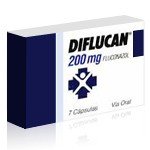
Diflucan is one of the most widely prescribed antifungal medications in the world — the original brand-name formulation of Fluconazole, a foundational triazole antifungal that has transformed the treatment of yeast infections, candidiasis, and life-threatening systemic mycoses. The active ingredient is Fluconazole, FDA-approved since 1990, and has provided over three decades of effective antifungal therapy across outpatient, inpatient, and emergency settings worldwide.
Fluconazole works by inhibiting fungal cytochrome P450 enzyme 14α-demethylase, an essential enzyme in the biosynthesis of ergosterol — the critical sterol component of fungal cell membranes. By blocking ergosterol production, Diflucan compromises the integrity and function of fungal cell membranes, leading to fungal cell death or growth inhibition. This selective targeting of fungal-specific enzymes gives Diflucan a relatively favourable safety profile compared to older antifungal agents.
A defining feature of Diflucan is its exceptional oral bioavailability — over 90% — which means oral therapy delivers comparable blood levels to intravenous administration. This pharmacokinetic advantage allows seamless transition from IV therapy in hospital settings to oral therapy in outpatient care. Combined with a long elimination half-life of approximately 30 hours, Diflucan supports convenient once-daily or even single-dose treatment regimens for many common indications.
Diflucan is FDA-approved for a broad range of fungal infections: vaginal candidiasis (treatable with a single 150 mg oral dose), oropharyngeal candidiasis (oral thrush), esophageal candidiasis, candidemia, systemic candidiasis, cryptococcal meningitis (a life-threatening infection in immunocompromised patients), cryptococcal infection maintenance therapy, and fungal infection prophylaxis in patients undergoing bone marrow transplantation. It is also widely used for other fungal infections including coccidioidomycosis and various dermatologic mycoses.
The medication is available in multiple formulations: oral tablets in strengths from 50 mg to 200 mg, oral suspension (10 mg/mL and 40 mg/mL) for pediatric and adult patients with swallowing difficulties, and intravenous solution for hospital and emergency use. Dosing is individualised based on the specific infection, severity, and patient factors.
Fluconazole is included on the WHO Model List of Essential Medicines, with extensive global use supporting its role as a foundation of modern antifungal therapy. Affordable generic Fluconazole is widely available, and Diflucan continues to serve as a cornerstone medication in infectious disease, gynaecology, oncology, and HIV medicine.


Free prescription
Discrete packaging
Have questions?
Quality Assurance


- Recurrent Yeast Infection: For women with 4+ episodes annually — weekly suppressive 150 mg dosing for 6 months reduces recurrence rates substantially;
- Oral Thrush: For Candida infection of the mouth and throat, particularly in immunocompromised, elderly, and patients on inhaled corticosteroids;
- Esophageal Candidiasis: For Candida infection extending into the esophagus causing painful swallowing — common in AIDS and chemotherapy patients;
- Candidemia: For bloodstream Candida infections in non-neutropenic adults — life-threatening condition requiring prompt treatment;
- Systemic Candidiasis: For deep-organ Candida infections involving abdomen, kidneys, heart valves, or other organs;
- Cryptococcal Meningitis: As consolidation and maintenance therapy after amphotericin B induction in HIV-associated cryptococcal CNS infection;
- Cryptococcal Maintenance: For ongoing prevention of cryptococcal relapse in HIV-positive patients until immune reconstitution on ART;
- BMT Prophylaxis: For prevention of invasive fungal infections in patients undergoing allogeneic stem cell or bone marrow transplantation;
- Valley Fever: For pulmonary, meningeal, and disseminated coccidioidal infections endemic to the American Southwest;
- Histoplasmosis: For selected forms of histoplasmosis, particularly maintenance therapy in immunocompromised patients;
- Tinea Versicolor: For extensive or recurrent pityriasis versicolor caused by Malassezia species;
- Cutaneous Candidiasis: For Candida intertrigo, diaper dermatitis with candidal component, and other superficial Candida skin infections;
- Onychomycosis: Off-label for Candida-related and selected dermatophyte nail infections when topical therapy fails;
- Pediatric Candidiasis: For Candida infections in children, including neonatal candidiasis, with weight-based dosing protocols;
- Neonatal Candidiasis: For invasive Candida infections in premature and term newborns, including disseminated forms;
- Diabetic Yeast Infection: For recurrent vulvovaginal or oral candidiasis associated with poorly controlled diabetes mellitus;
- Inhaler Thrush: For oral candidiasis caused by inhaled corticosteroid use in asthma and COPD patients;
- Antibiotic Yeast: For Candida flora overgrowth following broad-spectrum antibiotic courses, particularly in women;
- HIV Candidiasis: For recurrent or persistent Candida infections in HIV-positive patients with CD4 counts below 200.
- Itching Relief: Rapid relief from vaginal, oral, and skin candidiasis-related itching and burning;
- Single Dose Cure: One 150 mg tablet cures most uncomplicated vaginal yeast infections;
- Fast Recovery: Symptom improvement begins within 24 hours of dosing;
- Less Discomfort: Relief from burning, discharge, and irritation associated with vaginal candidiasis;
- Better Comfort: Resolution of oral thrush pain and difficulty swallowing in esophageal candidiasis;
- Convenient Dosing: Single oral tablet vs multi-day topical creams for vaginal yeast treatment;
- Reduced Recurrence: Suppressive weekly dosing reduces yeast infection relapse rates in chronic patients;
- Lifesaving Therapy: Foundation of cryptococcal meningitis treatment in HIV patients — dramatically reduced mortality in CNS fungal infections;
- Triazole Antifungal: Modern triazole class with broader spectrum and better safety than older imidazoles like ketoconazole;
- Generic Fluconazole: Affordable generic versions of Diflucan expand global access to standard antifungal therapy;
- Brand Diflucan: Original brand-name Fluconazole with established clinical reputation since 1990 FDA approval;
- Single Dose Yeast Treatment: One 150 mg dose cures uncomplicated vaginal candidiasis — unmatched simplicity in antifungal therapy;
- Oral Antifungal: Highly bioavailable oral therapy with comparable efficacy to intravenous administration;
- High Oral Bioavailability: Over 90% bioavailability allows oral therapy for infections previously requiring IV administration;
- Long Half Life Antifungal: 30-hour half-life means missed doses do not immediately reduce protection — real-world adherence advantage;
- CSF Penetration Antifungal: Crosses the blood-brain barrier effectively — lifesaving in cryptococcal meningitis and CNS fungal infections;
- Urine Concentration Antifungal: Excretion of unchanged drug in urine makes Fluconazole one of the few systemic antifungals effective for Candida urinary infections;
- Broad Candida Spectrum: Active against most Candida albicans strains plus many non-albicans species including C. parapsilosis and C. tropicalis;
- Cryptococcal Therapy: Reliable activity against Cryptococcus neoformans and gattii — essential for HIV-associated CNS infections;
- IV Oral Switch: Same dose works orally and intravenously — supports rapid hospital-to-home discharge in stable patients;
- Pediatric Antifungal: Authorised for neonates, infants, children, and adolescents with established weight-based dosing protocols;
- Neonatal Antifungal: One of few antifungals approved across the full pediatric age range from premature infants onwards;
- Multiple Formulations Antifungal: Tablets (50-200 mg), oral suspension, and IV solution — flexibility across outpatient, inpatient, and pediatric settings;
- HIV Antifungal Backbone: Foundation of antifungal therapy in HIV-positive patients with oropharyngeal, esophageal, and CNS fungal infections;
- Transplant Fungal Prophylaxis: Reduces invasive fungal infections in patients undergoing high-risk hematopoietic cell transplantation;
- Cancer Patient Antifungal: For chemotherapy-induced mucositis and Candida infections in oncology patients;
- Renal Adjusted Antifungal: Well-defined creatinine clearance-based protocols support safe use in chronic kidney disease;
- Predictable Pharmacokinetics Antifungal: Linear absorption, predominantly renal elimination — reliable dosing across patient populations;
- Outpatient Antifungal: Oral therapy at home replaces what previously required prolonged inpatient IV antifungal administration;
- Pregnancy Single Dose Antifungal: 150 mg single-dose use for vaginal candidiasis is considered acceptable in pregnancy when needed;
- Inhaler Thrush Treatment: Manages oral candidiasis from inhaled corticosteroid use in asthma and COPD patients;
- Antibiotic Yeast Treatment: Manages yeast overgrowth after broad-spectrum antibiotic courses;
- WHO Essential Medicine: Listed on the WHO Model List of Essential Medicines for both antifungal therapy and HIV-associated disease management;
- 30 Plus Year History: Extensive real-world safety and efficacy data since 1990 across hundreds of millions of patient courses;
- Well Tolerated: Mild headache, nausea, and rash are the most common reported effects — supports course completion;
- Stable Storage: No refrigeration required for oral formulations — convenient for travel and long-term home storage;
- Globally Available: Widely stocked across international markets in both branded (Diflucan) and generic forms supporting continuity of care.
Generic Diflucan (Fluconazole 50 mg) Medication guide:
💊 What is Diflucan (Fluconazole)
Diflucan is the brand name for fluconazole, a triazole antifungal medication. It was developed by Pfizer and received FDA approval in 1990. Since then, Diflucan has become one of the most widely prescribed antifungal medications worldwide, used for treating a broad range of fungal infections from common vaginal candidiasis to serious systemic infections like cryptococcal meningitis.
What makes Diflucan particularly valuable is its oral bioavailability. Unlike many antifungals that require intravenous administration, fluconazole is well absorbed when taken by mouth, producing drug levels equivalent to IV dosing. This allows treatment of serious systemic infections in outpatient settings and makes it practical for both short single-dose treatments and longer prophylactic courses.
- Generic name: Fluconazole
- Drug class: Triazole antifungal
- Original manufacturer: Pfizer (1990 FDA approval)
- Available forms: Tablets (50, 100, 150, 200 mg), oral suspension, IV
- Bioavailability: >90% oral absorption
- Primary uses: Candidiasis (vaginal, oral, esophageal, systemic), cryptococcal infections, tinea, prophylaxis
What makes Diflucan distinctive
Diflucan stands apart from earlier antifungals in several important ways. Older antifungals like ketoconazole had significant hepatotoxicity and required acidic stomach pH for absorption. Diflucan absorbs reliably regardless of stomach acidity, has a substantially better safety profile, and can be used in patients with various gastric conditions. The molecule is also water-soluble enough to penetrate tissues including the central nervous system, allowing treatment of brain and meningeal infections that ketoconazole cannot effectively reach.
Diflucan is a reliable, well-tolerated oral antifungal effective against the most common fungal pathogens. It treats infections ranging from simple vaginal yeast to life-threatening meningitis. For most patients, a short course or even a single dose is sufficient.
📚 Pfizer and the development of fluconazole
The development of fluconazole in the 1980s was a significant milestone in antifungal medicine. Pfizer researchers - particularly Kenneth Richardson and colleagues at the Sandwich, UK research facility - developed the molecule as part of a systematic effort to improve on existing triazole antifungals. The result was a compound with better water solubility, better tissue penetration, longer half-life, and a cleaner safety profile than the antifungals it eventually replaced as first-line therapy.
Diflucan's regulatory journey
Fluconazole received its first regulatory approvals in Europe in 1988 and FDA approval in the United States in 1990 under the brand name Diflucan. Initial approval covered oral and IV formulations for treatment of serious systemic candidiasis and cryptococcal meningitis - the most pressing fungal infection threats at the time, particularly in the context of the HIV/AIDS epidemic.
Over the following decade, additional indications were added through supplemental approvals. The single 150 mg oral dose for uncomplicated vaginal candidiasis - approved in 1994 - dramatically changed how women with yeast infections were treated, replacing weeks of topical creams with a single tablet. Pediatric formulations and indications followed in the late 1990s.
- 1980s: Development at Pfizer Sandwich (UK) by Richardson and team
- 1988: First European approvals
- 1990: FDA approval for systemic candidiasis and cryptococcal infections
- 1994: Single 150 mg dose for vaginal candidiasis approved
- Late 1990s: Pediatric formulations and indications
- 2004: Patent expiration; generic fluconazole becomes widely available
The generic transition
Diflucan's patent expired in 2004, allowing generic fluconazole to enter the market. Today, generic fluconazole is far more commonly prescribed than branded Diflucan in most markets, dramatically reducing the cost. The active ingredient and clinical effect are identical - generic fluconazole must demonstrate bioequivalence to the reference product before being approved.
This makes fluconazole one of the most affordable antifungals available globally. The combination of efficacy, oral availability, manageable side effect profile, and low cost has made it a foundational medication in fungal disease management, particularly important in resource-limited settings where injectable antifungals are impractical.
Whether you receive branded Diflucan or generic fluconazole, you receive the same medication. The choice typically comes down to availability and cost rather than any difference in clinical effect. Generic fluconazole is the practical choice for most patients globally.
🔬 How Diflucan compares to other antifungals
Diflucan is one of several major antifungal medications, each with different mechanisms, indications, and characteristics. Understanding where fluconazole fits in the broader antifungal landscape helps patients and providers make informed treatment choices. The major antifungal categories are azoles (which includes fluconazole), polyenes, echinocandins, and topical agents.
The major antifungal classes
The azole class includes fluconazole (Diflucan), itraconazole, voriconazole, posaconazole, and others. These work by inhibiting fungal ergosterol synthesis - the key component of fungal cell membranes. The azoles vary in spectrum (which fungi they cover) and pharmacology, but share this general mechanism.
Polyenes include amphotericin B and nystatin. Amphotericin B is a potent IV antifungal for serious infections but has significant toxicity (kidney damage, infusion reactions); nystatin is used topically or orally for local infections because it is not absorbed systemically.
Echinocandins - caspofungin, micafungin, anidulafungin - are newer IV-only agents that target fungal cell wall synthesis (a different mechanism than azoles). They are increasingly important for systemic candidiasis but lack oral formulations.
Why fluconazole is often first choice
For most common fungal infections, Diflucan is the practical first choice for several reasons. It is well absorbed orally, allowing treatment without IV access. It has excellent activity against Candida albicans (the most common yeast pathogen). It penetrates tissues including the central nervous system. It has a manageable side effect profile compared to amphotericin B. And it is widely available and affordable as generic fluconazole.
The main limitations are spectrum gaps. Some Candida species - particularly Candida glabrata and Candida krusei - have intrinsic or acquired resistance to fluconazole. Mold infections like aspergillosis are not effectively treated by fluconazole. For these situations, other agents are preferred. Voriconazole, posaconazole, and echinocandins fill these gaps in modern antifungal therapy.
For uncomplicated vaginal candidiasis, oral or esophageal candidiasis in most patients, cryptococcal infections in HIV, and many tinea infections, Diflucan is the standard first-line treatment. For invasive aspergillosis, severe systemic candidiasis, or fluconazole-resistant species, other antifungals are appropriate.
🧫 How Diflucan works at the molecular level
Diflucan works by inhibiting fungal ergosterol synthesis. This single, precise molecular mechanism explains why fluconazole kills fungi while sparing human cells, why it has the spectrum of activity it does, and why certain drug interactions occur. Understanding the mechanism helps explain why fluconazole works the way it does.
The ergosterol target
Fungal cell membranes contain a unique sterol called ergosterol. This molecule serves the same structural role in fungi that cholesterol serves in human cells - maintaining membrane integrity and regulating membrane fluidity. Fungi cannot survive without functional ergosterol. Human cells use cholesterol instead and do not have or need ergosterol. This biochemical difference is the basis for selective antifungal targeting.
Fluconazole inhibits a specific fungal enzyme called lanosterol 14-alpha-demethylase (also known as CYP51) that catalyses a critical step in ergosterol biosynthesis. When this enzyme is blocked, the fungus cannot produce ergosterol. Instead, abnormal sterols accumulate. The cell membrane loses its normal function, the fungus stops growing, and eventually dies.
- Step 1: Fluconazole binds to fungal CYP51 (lanosterol 14-alpha-demethylase)
- Step 2: Ergosterol synthesis is blocked at the demethylation step
- Step 3: Fungal cell membrane becomes dysfunctional; fungus stops growing
Why this mechanism matters clinically
Several clinically important properties follow directly from this mechanism. First, fluconazole is fungistatic rather than fungicidal for most organisms - it stops fungal growth but does not directly kill the fungus. The patient's immune system clears the now-non-growing fungus over time. This is why immunocompromised patients sometimes need longer courses or higher doses than immunocompetent patients.
Second, fluconazole has activity against fungi that depend on ergosterol synthesis - primarily Candida and Cryptococcus species. It is much less effective against organisms with different membrane biology, like Aspergillus (which has additional ergosterol synthesis pathways) or mucorales (which use different sterols entirely). This explains the spectrum limitations.
Third, fluconazole interacts with human CYP enzymes - particularly CYP3A4 and CYP2C9 - because they share evolutionary relationship with the fungal CYP51 target. This is the molecular basis for many of fluconazole's drug interactions, which are clinically significant and require careful attention.
Pharmacokinetic profile
Fluconazole's mechanism is elegant - it exploits a biochemical difference between fungi and humans (ergosterol vs cholesterol) for selective targeting. The drug interactions with human CYP enzymes are the unavoidable cost of this mechanism, since fungal and human enzymes share evolutionary relationship.
🌸 Diflucan for vaginal candidiasis
The single most common use of Diflucan is treatment of vulvovaginal candidiasis - what most people call a "vaginal yeast infection." This condition affects an estimated 75% of women at least once in their lifetime; about 5-8% experience recurrent infections. Diflucan revolutionised treatment of this condition when the single 150 mg oral dose was approved in 1994, replacing weeks of intravaginal cream or suppository therapy.
The single-dose approach
- One 150 mg tablet taken orally as a single dose
- No need for repeat dosing in uncomplicated cases
- Symptom improvement typically within 24-48 hours
- Complete symptom resolution within 4-7 days
The single-dose approach works because of fluconazole's long half-life (~30 hours) and tissue concentration. One 150 mg dose provides therapeutic drug levels in vaginal tissue for several days - long enough to eradicate the infecting Candida population. For uncomplicated infections caused by Candida albicans (the most common cause), this single dose is as effective as a 7-day course of vaginal cream.
Most women notice symptom relief - reduced itching, decreased discharge, less burning - within 24 to 48 hours of the dose. Complete resolution typically occurs within 4 to 7 days. If symptoms persist beyond a week, the diagnosis may be incorrect, the infection may be caused by a non-albicans species, or recurrence may be developing.
When single dose is not enough
Not every case responds to single-dose therapy. Complicated vulvovaginal candidiasis - which includes severe symptoms, recurrent infections (four or more per year), infection during pregnancy, immunocompromised patients, or infection caused by non-albicans Candida species - typically requires longer treatment.
Recurrent vaginal candidiasis
Recurrent vulvovaginal candidiasis - defined as four or more episodes per year - affects about 5-8% of women. For this group, Diflucan can be used in a maintenance regimen: an initial induction course (typically three doses of 150 mg every 72 hours) followed by 150 mg once weekly for six months. This approach prevents most recurrences during the treatment period; longer-term outcomes vary.
If recurrent infections persist despite proper Diflucan treatment, several factors should be considered: incorrect diagnosis (lichen sclerosus, contact dermatitis, and other conditions can mimic candidiasis), non-albicans Candida species that respond poorly to fluconazole, underlying conditions like diabetes or HIV, and rarely, fluconazole resistance.
For most women with a typical yeast infection, a single 150 mg Diflucan tablet is the standard treatment - effective, convenient, and well-tolerated. If symptoms persist or recur frequently, see your provider; the situation may need a different approach.
👅 Diflucan for oral and esophageal candidiasis
Oral candidiasis (commonly called "thrush") and its more serious form esophageal candidiasis are caused by overgrowth of Candida species in the mouth, throat, and esophagus. These infections are most common in immunocompromised patients - those with HIV, on chemotherapy, taking long-term steroids, or with poorly controlled diabetes - but can also occur in otherwise healthy people, particularly after antibiotic courses or in denture wearers.
Diflucan for oral candidiasis
For uncomplicated oral candidiasis, topical antifungals (nystatin suspension, clotrimazole troches) are often first-line. However, Diflucan is preferred when topical treatment is impractical, ineffective, or when the infection is more extensive. Many providers also use Diflucan first when patients have HIV or other immunocompromising conditions, since systemic absorption is more reliable than topical contact time.
- Day 1: 200 mg loading dose orally
- Days 2-14: 100 mg daily
- Typical course: 7-14 days depending on response
- Continue for at least 7 days after symptom resolution
Most patients see improvement within 2-3 days of starting Diflucan. White patches, tongue coating, redness, and burning typically resolve over the first week. Continue the medication for the full prescribed course even after symptoms improve - stopping early increases recurrence risk.
Esophageal candidiasis
When Candida infection extends into the esophagus, it becomes a more serious condition. Esophageal candidiasis typically presents with painful swallowing (odynophagia), difficulty swallowing (dysphagia), and chest pain. It is an AIDS-defining illness in HIV patients and requires aggressive treatment.
Diflucan is the standard first-line treatment for esophageal candidiasis. The dosing is higher and the course is longer than for oral candidiasis - typically 200-400 mg daily for 14-21 days. For patients unable to swallow oral medications, IV fluconazole is equivalent to oral. Most patients respond within 5-7 days; failure to respond by 7-10 days suggests resistance or alternative diagnosis and warrants endoscopy.
Combining with topical treatment
For oral candidiasis, adding topical treatment to Diflucan does not significantly improve outcomes in most cases - the systemic drug levels achieve adequate concentration in oral tissues. However, in patients with denture-related candidiasis, addressing the denture itself (cleaning, soaking in antifungal solution overnight, ensuring proper fit) is essential alongside Diflucan. The infection will recur without addressing the reservoir.
For patients with frequent recurrences due to ongoing immunosuppression, maintenance dosing may be appropriate. HIV patients with frequent thrush often benefit from 150 mg weekly or similar low-dose maintenance until immune function recovers (typically with antiretroviral therapy).
Diflucan is highly effective for both oral and esophageal candidiasis. Complete the full course even if symptoms resolve quickly. For patients with underlying immunosuppression, addressing the immune issue (HIV treatment, diabetes control, reducing steroids when possible) prevents recurrence better than maintenance antifungals alone.
🧠 Diflucan for cryptococcal infections
Cryptococcal meningitis is one of the most serious indications for Diflucan. Caused by the encapsulated yeast Cryptococcus neoformans (or less commonly C. gattii), this infection primarily affects immunocompromised patients - particularly those with advanced HIV disease - and can be rapidly fatal without treatment. Fluconazole is a cornerstone of cryptococcal disease management at multiple stages.
Cryptococcal meningitis remains a leading cause of HIV-related mortality globally, particularly in sub-Saharan Africa. Treatment requires combination antifungal therapy in the acute phase. Diflucan plays roles in induction (sometimes), consolidation, and long-term maintenance, but is not used alone for severe cases.
Treatment phases for cryptococcal meningitis
Modern treatment of cryptococcal meningitis follows a three-phase approach based on evidence from major clinical trials. Induction is the initial intensive phase - typically using amphotericin B (or amphotericin plus flucytosine for the best evidence-based regimen) for 2 weeks to rapidly reduce fungal burden in the central nervous system. Fluconazole may be used during induction in resource-limited settings where amphotericin B is not available, though this is less effective.
Consolidation follows induction - typically Diflucan 400-800 mg daily for 8 weeks. This phase clears the remaining infection from the CNS. Maintenance (or secondary prophylaxis) continues with Diflucan 200 mg daily for at least one year in HIV patients, until immune recovery is established with antiretroviral therapy.
Cryptococcal infection without meningitis
Sometimes Cryptococcus causes infection without meningeal involvement - cryptococcal antigenemia (positive blood test without symptomatic disease) or isolated pulmonary cryptococcosis. For these less severe presentations in immunocompromised patients, Diflucan monotherapy at 400 mg daily for several months is often appropriate. The approach is less intensive than for meningitis but treatment is still essential to prevent progression.
In otherwise healthy patients with isolated cryptococcal pneumonia (rare), treatment may be even less intensive or sometimes simply close monitoring. The clinical context matters enormously - the same organism in different hosts can require very different treatment.
Resource-limited settings
In many regions where cryptococcal meningitis is most common - sub-Saharan Africa, parts of Asia - access to amphotericin B is limited. WHO guidelines acknowledge this and provide alternative regimens using high-dose fluconazole alone or in combination with flucytosine when amphotericin is unavailable. These regimens are less effective than gold-standard treatment but represent the best feasible option in many real-world settings.
The development of single-dose amphotericin formulations (liposomal amphotericin B given as one dose) is changing this landscape - the AMBITION trial showed comparable outcomes to traditional 14-day amphotericin courses with much simpler administration. As access expands, treatment globally is moving toward this approach with subsequent fluconazole consolidation.
Cryptococcal disease is preventable in HIV patients through screening for cryptococcal antigen before starting antiretroviral therapy in advanced disease, followed by preemptive fluconazole treatment when antigen is positive. Identifying and treating subclinical disease prevents the severe meningitis cases that account for most cryptococcal deaths globally.
🦵 Diflucan for tinea and skin fungal infections
Diflucan is used for tinea (ringworm) and other dermatophyte infections, though it is generally a second-line option rather than first choice. Topical antifungals (clotrimazole, terbinafine cream) usually work well for limited skin involvement. Oral Diflucan becomes appropriate when topical treatment fails, when the infection is extensive, or when difficult-to-reach areas like the scalp are involved.
Common tinea indications
Tinea pedis (athlete's foot) and tinea cruris (jock itch) are usually treated with topical antifungal cream applied twice daily for 2-4 weeks. Diflucan is reserved for extensive or recurrent cases. Typical Diflucan dosing for these is 150 mg once weekly for 2-4 weeks, or 50 mg daily for 2-4 weeks - either approach works.
Tinea corporis (body ringworm) responds well to topical treatment in most cases. Extensive infection covering large body areas or infection in immunocompromised patients may warrant Diflucan. Same dosing as for other tinea infections - 150 mg weekly or 50 mg daily for 2-4 weeks.
Tinea capitis (scalp ringworm) is different - it requires oral antifungal treatment because topical agents cannot penetrate the hair follicle effectively. While terbinafine and griseofulvin are often preferred, Diflucan is also effective. Treatment requires longer courses - typically 4-6 weeks of daily dosing or weekly 150-300 mg doses for 6-8 weeks.
- Tinea pedis, cruris, corporis: 150 mg weekly for 2-4 weeks, OR 50 mg daily for 2-4 weeks
- Tinea capitis: 6 mg/kg daily for 4-6 weeks, or 150-300 mg weekly for 6-8 weeks
- Tinea versicolor: 300 mg weekly for 2 weeks, or 400 mg as single dose
Tinea versicolor
Tinea versicolor (also called pityriasis versicolor) is technically not a dermatophyte infection but is caused by Malassezia yeast. It causes patchy hypopigmentation or hyperpigmentation on the trunk and upper arms, often more visible after sun exposure. Diflucan effectively treats this condition - a single 400 mg dose or 300 mg weekly for 2 weeks usually clears the active infection. Color changes may take weeks to months to fully normalise after the infection is cleared.
When to choose Diflucan vs alternatives
For tinea capitis specifically, terbinafine is often preferred over Diflucan because of shorter treatment duration (2-4 weeks vs 4-6 weeks for fluconazole) and better cure rates against the most common pathogen (Trichophyton tonsurans). However, fluconazole is well-tolerated by children and remains a reasonable alternative.
For other tinea infections requiring oral treatment, terbinafine (Lamisil) is often the first systemic choice because of its excellent activity against dermatophytes and short treatment courses. Fluconazole's advantages include convenient weekly dosing in some situations and broader spectrum if the diagnosis is uncertain or mixed.
For limited skin tinea, try topical first. If it fails or the infection is extensive, Diflucan is a reasonable oral option, though terbinafine is often preferred for dermatophyte infections. For tinea versicolor or tinea capitis, Diflucan is a well-established choice.
📅 Diflucan for fungal nail infections
Fungal nail infections (onychomycosis) are notoriously difficult to treat because the nail bed and matrix are poorly accessed by topical antifungals and even systemic medications. Diflucan is used for nail infections, though terbinafine (Lamisil) is generally first-line for typical dermatophyte infections. Diflucan has a particular role in fluconazole-responsive Candida nail infections and in patients who cannot take terbinafine.
Why nail infections are hard to treat
Nails grow slowly - fingernails grow about 3 mm per month, toenails about 1 mm per month. A completely infected toenail takes 12-18 months to grow out entirely. Antifungal treatment must continue through this entire growth period to allow infected nail to be replaced by healthy new nail. This is why nail treatment courses are measured in months, not days or weeks.
The drug must reach therapeutic concentration in the nail matrix - the region under the cuticle where new nail forms - to be effective. Fluconazole concentrates in keratin (the protein that makes up nails), achieving useful levels for treatment. However, the concentration is generally lower than what terbinafine achieves, which is why terbinafine is often preferred for nail infections.
- Fingernail infections: 150-300 mg once weekly for 3-6 months
- Toenail infections: 150-300 mg once weekly for 6-12 months
- Treatment continues until the entire nail has regrown clear
- Some specialists use 150 mg daily for shorter courses but evidence is mixed
When Diflucan is the right choice
Terbinafine is generally first-line for nail infections caused by Trichophyton species (the most common dermatophyte pathogens). Diflucan becomes appropriate when terbinafine is contraindicated (liver disease, interaction with other medications), in pregnant patients (though both are generally avoided), or when the infection is caused by Candida species (which Diflucan covers better than terbinafine).
Cure rates for nail fungal infections are modest even with optimal treatment. Mycological cure (eradication of the fungus from nail samples) is achieved in 60-80% of patients with terbinafine and 40-60% with Diflucan. Clinical cure (return to entirely normal-appearing nails) is lower - around 30-50% even with the best treatment. Recurrence is common.
Setting realistic expectations
Nail infection treatment requires patience and realistic expectations. Even with successful eradication of the fungus, the visible nail changes will not improve until new nail grows out from the matrix. A completely infected toenail will not look normal until the new nail has fully replaced the old one - often 9-12 months. Patients sometimes stop treatment prematurely because they see no visible improvement; this allows the infection to recur.
Recurrence after successful treatment is common. Risk factors include diabetes, peripheral vascular disease, immunosuppression, and exposure to communal damp areas (gym showers, swimming pools). Long-term preventive measures - thorough drying of feet, breathable footwear, treating any tinea pedis promptly, and antifungal foot powder in shoes - help reduce recurrence.
Nail fungal infection treatment is a months-long commitment with modest cure rates and significant recurrence. For most patients with mild disease that is purely cosmetic, the risk-benefit calculation may favor not treating systemically. For symptomatic disease or extensive involvement, Diflucan is a reasonable choice when terbinafine cannot be used.
🛡️ Diflucan as antifungal prophylaxis
Diflucan is widely used for antifungal prophylaxis - preventing fungal infections before they occur in patients at high risk. This is particularly important in stem cell transplant recipients, patients receiving intensive chemotherapy for hematologic malignancies, patients with advanced HIV disease at risk for cryptococcal infection, and certain other immunocompromised populations.
Who benefits from antifungal prophylaxis
The decision to use prophylaxis depends on the risk of fungal infection in a specific patient population. Hematopoietic stem cell transplant recipients face very high risk during the neutropenic period after conditioning chemotherapy - typically 2-4 weeks before engraftment. Fluconazole prophylaxis (400 mg daily) during this period significantly reduces invasive Candida infections.
Acute leukemia patients receiving induction or consolidation chemotherapy similarly benefit from prophylaxis during neutropenic episodes. The intensity of immunosuppression and duration of neutropenia justify routine antifungal prophylaxis in this population.
Advanced HIV patients with CD4 counts below 100 and positive serum cryptococcal antigen test benefit from preemptive fluconazole therapy to prevent progression to symptomatic meningitis. This screen-and-treat approach has been shown to reduce mortality in resource-limited settings.
- Stem cell transplant: 400 mg daily through engraftment
- Acute leukemia induction: 400 mg daily during neutropenia
- HIV with positive cryptococcal antigen: 800 mg daily for 2 weeks, then maintenance
- Recurrent vaginal candidiasis: 150 mg weekly for 6 months
- Recurrent esophageal candidiasis in HIV: 200 mg three times weekly
Balancing benefits and concerns
Prophylactic antifungal use is not without considerations. The most significant concerns are development of resistance in fungal populations exposed to long-term fluconazole, selection for non-susceptible species (particularly Candida glabrata and C. krusei, which often have reduced fluconazole susceptibility), and drug interactions with the many other medications immunocompromised patients typically take.
Newer prophylactic strategies in some high-risk populations use posaconazole or other broader-spectrum azoles instead of fluconazole specifically to cover mold infections (especially aspergillosis) that fluconazole cannot prevent. This is the standard approach in modern stem cell transplant practice for patients with prolonged neutropenia. Fluconazole prophylaxis remains appropriate when the main concern is Candida infection rather than mold.
Duration of prophylaxis
Prophylaxis duration depends on how long the patient remains at high risk. In neutropenic patients, prophylaxis typically continues until neutrophil recovery (engraftment in transplant patients, or end of intensive chemotherapy). In HIV patients with cryptococcal antigenemia, induction-consolidation-maintenance dosing follows the same pattern as treatment of established cryptococcal infection. In recurrent vaginal candidiasis, maintenance is typically 6 months.
Prophylactic Diflucan use saves lives in high-risk populations but requires careful patient selection. Routine prophylaxis is not appropriate for low-risk patients - the risks of resistance, side effects, and drug interactions outweigh benefits when fungal infection risk is low.
📋 Standard Diflucan dosing schedules
Diflucan dosing varies considerably based on the type of infection being treated. Unlike many medications with a single standard dose, fluconazole uses doses ranging from a single 150 mg tablet (for vaginal candidiasis) to 800 mg daily (for severe systemic infections). Understanding the appropriate dose for each indication is essential for both effective treatment and avoiding unnecessary side effects or interactions.
Quick reference: standard doses by indication
- Vaginal candidiasis (uncomplicated): Single 150 mg dose
- Oral candidiasis: 200 mg day 1, then 100 mg daily for 7-14 days
- Esophageal candidiasis: 200-400 mg daily for 14-21 days
- Cryptococcal meningitis (consolidation): 400-800 mg daily for 8 weeks
- Cryptococcal maintenance: 200 mg daily for 1+ years
- Systemic candidiasis: 800 mg loading then 400 mg daily
- Tinea infections: 150 mg weekly for 2-4 weeks
- Nail infections: 150-300 mg weekly for 3-12 months
Dosing principles
Several general principles guide Diflucan dosing. Loading doses are common - a higher first-day dose followed by lower maintenance doses. This rapidly achieves therapeutic drug concentrations rather than waiting through steady-state buildup. The long half-life of fluconazole (~30 hours) means that once-daily dosing is sufficient for most indications.
Higher doses are used for more serious infections and for infections in less accessible body compartments. Vaginal candidiasis responds to 150 mg once because the infection is superficial and easily reached. Cryptococcal meningitis requires 400-800 mg daily because the central nervous system has tighter drug penetration and the infection is more serious.
Weight-based dosing is used in children - typically 6 mg/kg loading then 3 mg/kg daily. Adult dosing applies once patients reach approximately 50 kg in most clinical situations.
Dose adjustments needed
Practical use considerations
Diflucan can be taken with or without food - food does not affect absorption. Tablets should be swallowed whole rather than crushed, though they can be split if necessary. The oral suspension is available for patients who cannot swallow tablets, particularly young children. For inpatient use or patients unable to take oral medication, the IV formulation provides equivalent drug levels.
Most indications use once-daily dosing. Divided dosing has no advantage given the long half-life. The medication is taken at approximately the same time each day for consistency, but exact timing is not critical.
Always follow your specific prescription. Doses range widely based on what is being treated. If you have multiple prescriptions over time for different infections, the doses may be quite different - this is normal and reflects the appropriate dosing for each situation.
🥇 Single-dose vs multi-day Diflucan treatment
One of Diflucan's most distinctive characteristics is the option of single-dose treatment for vaginal candidiasis - one tablet replaces what would otherwise be weeks of topical therapy. For most other indications, however, Diflucan requires multi-day or even months-long courses. Understanding when single-dose treatment is appropriate versus when longer therapy is needed helps patients and providers make the right choice.
When single-dose treatment works
Single-dose Diflucan (150 mg) is the standard of care for uncomplicated vulvovaginal candidiasis in healthy adult women. The infection is superficial, the tissue is easily reached by drug, and the standard 150 mg dose provides therapeutic concentrations for several days due to fluconazole's long half-life. One dose effectively eradicates the typical infection.
A 400 mg single dose is also used for tinea versicolor in some treatment regimens, though weekly dosing for 2 weeks is sometimes preferred. The single dose works because the drug concentrates in keratin and provides sustained antifungal effect over several days.
- Uncomplicated vaginal candidiasis: 150 mg one time
- Tinea versicolor (alternative regimen): 400 mg one time
- Both rely on fluconazole's long half-life for sustained therapeutic effect
When multi-day treatment is needed
Most other Diflucan indications require multi-day courses. The reasons include greater infection burden, deeper tissue involvement, less accessible body compartments, or simply more aggressive pathogens. Single doses are insufficient for these situations because the infection cannot be cleared in the days of therapeutic drug concentration that one dose provides.
Why completing the full course matters
For multi-day Diflucan courses, completing the entire prescribed duration is essential - even if symptoms resolve early in treatment. Stopping antifungal treatment prematurely has several consequences. First, the infection may not be fully eradicated and can recur. Second, partial treatment can select for resistant organisms, making future infections harder to treat. Third, symptom resolution lags behind microbiological cure - feeling better does not mean the infection is gone.
This applies particularly to systemic infections, cryptococcal disease, and prophylactic courses. Vaginal candidiasis treated with a single dose obviously does not have this concern, but the longer multi-day courses absolutely do.
Repeated dosing for severe symptoms
Some patients with severe vaginal candidiasis symptoms benefit from two doses of 150 mg taken 72 hours apart rather than a single dose. This is not because the single dose is ineffective for the infection, but because the symptomatic relief is faster with the second dose continuing therapy as initial inflammation subsides. This is technically multi-day treatment but represents the simplest extension of single-dose therapy.
The duration of Diflucan treatment depends entirely on what is being treated. For vaginal candidiasis, one dose is often all that's needed. For most other infections, a multi-day course is appropriate. Always follow your specific prescription rather than assuming all Diflucan courses are short.
⏱️ How long does Diflucan take to work
One of the most common questions from patients starting Diflucan is how quickly they should expect relief. The answer depends significantly on what is being treated. Symptom improvement can range from within 24 hours for uncomplicated vaginal candidiasis to several weeks for chronic conditions like fungal nail infections. Understanding the typical timeline helps patients know what to expect and when non-response warrants concern.
Why timing varies so much
Several factors affect how quickly Diflucan produces noticeable improvement. The location of the infection matters - superficial mucosal infections respond faster than deep tissue infections. The fungal burden matters - small initial populations clear faster than established large infections. Patient factors matter - immunocompetent patients clear infections more quickly than immunocompromised ones, since the medication slows fungal growth and the immune system does the actual clearing.
Diflucan reaches peak plasma levels within 1-2 hours of dosing. Therapeutic concentrations are present in tissue within hours. However, the visible clinical response - symptoms improving - lags behind because tissue damage from inflammation takes time to resolve even after the infection itself is being controlled.
Typical timeline by indication
When to worry about non-response
For uncomplicated vaginal candidiasis, expect noticeable improvement within 2-3 days. If symptoms are unchanged or worse at day 5-7, contact the provider. Possible explanations include incorrect diagnosis (the symptoms may not be from yeast), non-albicans Candida species that respond poorly to fluconazole, or rarely, resistance.
For oral candidiasis, expect clear improvement within the first week. Lack of response by 5-7 days warrants reassessment - possibly endoscopic evaluation for esophageal involvement, culture for resistant species, or consideration of alternative diagnoses.
For nail infections, visible improvement takes months to become apparent because the existing nail is permanently affected and only new nail growth shows the cure. Patients sometimes stop treatment prematurely because they see no improvement - this is the wrong response. Continue treatment as prescribed; assessment of success comes after the nail has fully regrown.
Set realistic expectations based on what is being treated. Vaginal candidiasis: relief within days. Oral or skin infections: improvement within a week. Nail infections: improvement only as new nail grows. If you do not see expected improvement on the expected timeline, contact your provider rather than stopping or extending treatment on your own.
💊 Diflucan tablets vs oral suspension vs IV
Diflucan is available in three formulations: oral tablets, oral suspension, and intravenous (IV) solution. The three forms deliver the same active ingredient (fluconazole) and produce equivalent drug levels in the body, but each is suited to different clinical situations. Choosing the right formulation matters for patient adherence, practical administration, and clinical setting.
Oral tablets
Tablets are the most commonly prescribed form of Diflucan, available in 50, 100, 150, and 200 mg strengths. They are inexpensive, shelf-stable, easy to administer, and well absorbed regardless of food or stomach acidity. The 150 mg tablet is particularly notable as the single-dose treatment for vaginal candidiasis - many patients receive Diflucan only as this one tablet in their lifetime.
Tablets should be swallowed whole rather than crushed when possible, though they can be split if necessary for dose adjustment. Take with water; food does not need to be considered. The tablets work equally well at any time of day.
- 50 mg - pediatric and lower-dose adult regimens
- 100 mg - maintenance dosing for oral candidiasis
- 150 mg - single-dose for vaginal candidiasis (most common)
- 200 mg - loading doses and treatment of serious infections
Oral suspension
The oral suspension is particularly useful for patients who cannot swallow tablets - young children, elderly patients with swallowing difficulty, or patients with severe oral or esophageal candidiasis where swallowing is painful. The suspension comes in 10 mg/mL and 40 mg/mL concentrations. Dosing is by volume rather than tablet count.
For oral candidiasis specifically, the suspension provides an additional benefit - the patient can swish the medication in the mouth before swallowing, providing topical contact with the infected mucosa in addition to systemic absorption. This may improve outcomes in extensive oral infection, though evidence for this practice is mixed.
The suspension requires more storage attention than tablets - typically refrigeration after mixing, with limited shelf life once prepared. Patients receive a calibrated dosing device with the medication.
Intravenous formulation
IV fluconazole is used in hospitalised patients who cannot tolerate oral medication (severe nausea, post-operative status, mechanical ventilation), in critical illness where rapid achievement of therapeutic levels matters, and as the initial route for some serious systemic infections. Because oral bioavailability is so high (>90%), IV does not provide higher drug levels than oral - the main advantages are not depending on GI absorption and ensuring delivery in patients who cannot reliably take oral medication.
IV fluconazole is typically infused over 1-2 hours. The dose is the same as oral - 200 mg IV equals 200 mg oral. As soon as the patient can take oral medication reliably, switching to oral is appropriate without dose adjustment. This early IV-to-oral transition is common in hospital settings.
Bioequivalence between formulations
For most outpatient treatment, tablets are the right choice - convenient, affordable, and effective. Use suspension when swallowing is a problem. IV is reserved for hospitalised patients who cannot take oral medication. The transition between formulations is straightforward because doses are equivalent.
👥 Combining Diflucan with topical antifungals
A common question is whether combining Diflucan with topical antifungal treatment improves outcomes. For most indications the answer is no - oral Diflucan alone achieves adequate drug levels in the affected tissue and additional topical treatment does not meaningfully improve cure rates. However, several specific situations exist where combination treatment makes clinical sense.
When combination is not needed
For uncomplicated vaginal candidiasis, the single 150 mg Diflucan dose is sufficient. Adding topical antifungal cream does not improve cure rates or speed recovery. Some patients prefer to use a topical cream for immediate symptomatic relief while waiting for Diflucan to take effect; this is acceptable for symptom management but does not improve the eventual cure.
For oral candidiasis in immunocompetent patients, Diflucan alone is generally sufficient. The drug achieves good concentrations in oral tissue. Adding nystatin or clotrimazole troches does not meaningfully improve outcomes in most studies, though many practitioners do prescribe both.
For tinea infections being treated with oral Diflucan, simultaneous topical treatment is usually unnecessary. The systemic drug levels reach skin effectively, and the topical adds inconvenience without meaningful benefit.
When combination treatment helps
Several specific situations benefit from combined oral and topical antifungal treatment. Extensive tinea infections with very large surface area involvement may benefit from topical treatment to areas where systemic drug concentration may be inadequate, particularly thick keratinous areas like soles of feet. The combination provides both systemic and high local concentration.
Denture-related oral candidiasis absolutely requires combination treatment, but the "topical" component is treatment of the denture itself. The denture serves as a Candida reservoir, and antifungal treatment of the patient alone will be undermined by reinfection from the denture. Soaking dentures in antifungal solution overnight (or using nystatin paste on the denture-bearing surfaces) alongside Diflucan addresses both the infected mucosa and the reservoir.
Vulvovaginal candidiasis with severe vulvar symptoms sometimes benefits from topical antifungal cream for the vulvar component while Diflucan treats the vaginal infection. Severe vulvar candidiasis may not get full benefit from oral medication because keratinised skin reaches lower drug concentrations than mucosa.
- Denture-related candidiasis - treat both patient and denture
- Extensive tinea with thick keratinous areas (feet, palms)
- Severe vulvar candidiasis with thick skin involvement
- Tinea capitis - oral plus medicated shampoo to reduce shedding
- Recurrent infections where prevention of reinfection is a priority
Practical considerations
When using combination treatment, the timing of topical and oral medication does not need to be coordinated. They work through different administration routes and the timing of one does not affect the other. The convenience for the patient is more important than any specific schedule.
Cost is a practical consideration. Adding a topical antifungal to systemic Diflucan increases out-of-pocket cost (especially with brand-name topicals). For most cases where evidence does not show benefit, this added cost is not justified. For cases where combination treatment is appropriate, the cost is generally accepted as worthwhile.
Most Diflucan indications do not benefit from added topical antifungals. The clear exceptions are denture-related candidiasis (treat the denture), tinea capitis (medicated shampoo helps reduce shedding to others), and severe extensive skin involvement. Otherwise, oral Diflucan alone is appropriate.
🚨 Diflucan Side Effects Overview
Side Effects Overview
What to expect from Diflucan in routine use.
Diflucan is generally well-tolerated, particularly when used as a single dose or short course. The most common side effects are mild gastrointestinal effects and headache, typically transient and not requiring treatment interruption. Serious side effects are uncommon but include hepatotoxicity and QT prolongation - both of which warrant attention in higher-risk patients and longer-duration treatment.
Prevalence of common side effects
Approximate frequencies from clinical experience show that headache affects about 13% of patients, nausea about 7%, abdominal pain about 6%, diarrhea about 3%, and rash about 2%. These rates apply primarily to multi-day treatment courses. Single-dose treatment (the 150 mg vaginal candidiasis regimen) has substantially lower side effect rates because total drug exposure is much smaller.
Serious side effects are rare but require attention when they occur. Clinically significant hepatotoxicity occurs in approximately 1-2% of patients. QT prolongation that becomes clinically meaningful is uncommon at standard doses but increases with higher doses, longer courses, and concurrent medications that also prolong QT. Severe allergic reactions including Stevens-Johnson syndrome are very rare but documented.
Side effects by category
Very common (more than 10% of patients): Headache. This affects about 1 in 8 patients, typically mild, and usually resolves without specific treatment.
Common (1-10% of patients): Nausea, abdominal pain, diarrhea, vomiting, rash, taste disturbance, dizziness. These are usually mild and self-limiting.
Less common (less than 1%): Elevated liver enzymes (often asymptomatic, detected on routine monitoring), fatigue, photosensitivity, alopecia (with long-term use).
Rare but serious: Severe hepatotoxicity, QT prolongation with arrhythmia, severe allergic reactions, Stevens-Johnson syndrome.
- Headache: ~13% of patients
- Nausea: ~7%
- Abdominal pain: ~6%
- Diarrhea: ~3%
- Rash: ~2%
- Elevated LFTs: ~1-2%
- Significant hepatotoxicity: <1%
- QT prolongation: rare at standard doses
Single-dose treatment for vaginal candidiasis has very low side effect rates - most patients experience no side effects at all. Multi-day courses have somewhat higher rates of common minor effects. Long courses (cryptococcal maintenance, nail infections) require periodic monitoring but most patients complete treatment without significant problems.
🟢 Common Diflucan side effects
This section covers the day-to-day side effects most Diflucan patients may notice. Most are mild, develop early in treatment, and improve with time or do not require treatment interruption. Understanding each one - what it feels like, why it happens, and what helps - prevents unnecessary worry and supports completing the prescribed course.
Common side effects in detail
Headache is the most common side effect, affecting about 1 in 8 patients on multi-day courses. It is typically mild to moderate, responds to standard pain relievers like acetaminophen, and resolves either spontaneously or when treatment is completed. Most patients do not require any treatment modification.
Gastrointestinal side effects - nausea, abdominal pain, diarrhea - cluster together and affect smaller percentages of patients. Taking Diflucan with food can help reduce these symptoms. They are usually mild and self-limiting; persistent or severe GI symptoms may indicate a different problem and warrant evaluation.
Rash and skin reactions
Mild rash occurs in about 2% of patients. Most are nuisance-level eruptions that resolve when treatment ends. However, rash deserves more attention than other side effects because it can occasionally herald more serious reactions. Generalised rash with mucous membrane involvement, blistering, or peeling skin needs immediate evaluation - these features suggest Stevens-Johnson syndrome or related severe reactions that require stopping the medication and emergency care.
Photosensitivity has been reported with Diflucan, where sun exposure causes unusual reactions on treated skin. This is uncommon but worth knowing about, particularly with longer treatment courses. Standard sun protection (sunscreen, protective clothing) is reasonable if you notice this effect.
When to call vs manage at home
For most common side effects, the treatment course is short enough that the side effects also resolve quickly. Even moderate side effects often do not justify stopping treatment early - finishing the course matters for cure. Discuss bothersome side effects with your provider rather than self-discontinuing.
🟡 Less common and rare side effects
Beyond the common side effects covered in the previous section, Diflucan can cause less frequent but more serious reactions. These rare effects are the reason for monitoring during longer treatment courses and patient awareness of warning signs. Most serious effects can be detected early when patients know what to watch for and stay engaged with their treatment team.
Less common side effects (less than 1% of patients)
Alopecia (hair thinning or loss) deserves specific mention because it can occur with prolonged Diflucan treatment - particularly the months-long courses used for nail infections or cryptococcal maintenance. This is usually reversible after treatment ends. The hair loss is typically diffuse rather than patchy, affecting overall density rather than creating bald spots.
Rare but serious side effects
The most clinically important rare effects are severe hepatotoxicity and QT prolongation. Both are covered in dedicated sections (20 and 21 of this guide). Awareness of warning signs allows early detection while the situation is still manageable.
Severe allergic reactions are very rare but possible. Stevens-Johnson syndrome (SJS) and toxic epidermal necrolysis (TEN) are dermatologic emergencies characterised by widespread rash, blistering, mucous membrane involvement, and skin peeling. These are medical emergencies requiring immediate hospitalisation and stopping the offending medication. While very rare with fluconazole, they have been reported.
Anaphylaxis - immediate severe allergic reaction with airway involvement, hypotension, and systemic symptoms - is also rare but documented. This occurs within minutes to hours of dosing and requires immediate emergency care including epinephrine.
- Yellow skin or eyes (jaundice) - possible severe hepatotoxicity
- Dark urine or pale stools - may indicate liver injury
- Severe right upper abdominal pain - possible hepatic concern
- Widespread rash with blistering or mucous membrane involvement - possible SJS/TEN
- Difficulty breathing, facial swelling, severe rapid-onset reaction - possible anaphylaxis
- Palpitations, fainting, irregular heartbeat - possible QT-related arrhythmia
Why rare effects matter
Even though serious side effects are uncommon, they are the reason for monitoring during Diflucan treatment - particularly extended courses. Patients on multi-week or multi-month treatment should have liver function tests checked periodically. Patients with cardiac risk factors should be aware of QT-related warning signs. Patients with any history of severe drug reactions should be particularly attentive to skin changes.
The clinical experience is that most patients who develop serious side effects had warning signs before the severe phase appeared. Trust your sense that "something feels different" and contact your provider rather than dismissing subtle symptoms. Early detection allows the medication to be stopped while problems are still reversible.
For short Diflucan courses, no specific monitoring is usually needed - the duration is too brief for delayed effects to develop. For extended courses (multi-week or months), periodic liver function tests and clinical monitoring catch problems early. The system works when patients participate by reporting symptoms.
🚫 Diflucan Contraindications and Warnings
Contraindications and Warnings
Who must NOT take Diflucan - and when extra caution applies.
Diflucan has a relatively short list of absolute contraindications - situations where the medication must not be used at all. The most clinically important contraindications are specific drug combinations that create serious cardiac risk. A longer list of relative contraindications covers situations requiring caution, dose adjustment, or careful monitoring. Pre-treatment screening is straightforward but important.
Absolute contraindications
Diflucan must NOT be used in these situations. These are bright-line rules - exceptions are not appropriate.
- Known hypersensitivity to fluconazole or other azole antifungals - risk of serious allergic reaction
- Concurrent use of cisapride - serious QT prolongation; arrhythmia risk
- Concurrent use of pimozide - serious cardiac risk
- Concurrent use of erythromycin (when used in patients with QT risk) - additive QT prolongation
- Concurrent use of quinidine or terfenadine - cardiac risk
- High-dose use during pregnancy (relative absolute) - teratogenic risk with high-dose multi-day treatment
The drug interaction contraindications stem from Diflucan's CYP enzyme inhibition combined with QT-prolonging effects of certain medications. The combinations can produce dangerous prolongation of cardiac repolarisation, leading to torsades de pointes and other arrhythmias. These specific combinations are listed in the product labeling as absolutely contraindicated.
Relative contraindications
These situations require caution, dose adjustment, or careful weighing of risks versus benefits.
Pre-treatment screening
For single-dose Diflucan (the standard treatment for vaginal candidiasis), pre-treatment screening is minimal - confirming no contraindicated medications and no prior allergic reaction is usually sufficient. For multi-day or extended-duration courses, more careful screening is appropriate.
- Allergy history - fluconazole, other azole antifungals, drug allergies generally
- Current medications - check for QT-prolonging drugs and CYP-metabolised medications
- Liver function - baseline LFTs for extended courses
- Kidney function - creatinine for dose adjustment if impaired
- Cardiac history - QT prolongation history, electrolyte abnormalities
- Pregnancy status - confirm if applicable, especially for higher-dose treatment
- Patient education - what to watch for, when to call
Most safety concerns with Diflucan fall into two categories: (1) drug interactions creating QT prolongation or hepatotoxicity risk, and (2) extended treatment in patients with underlying organ impairment. Both are manageable with appropriate screening and monitoring.
🫀 Liver safety with Diflucan
Like other azole antifungals, Diflucan can occasionally affect liver function. Hepatotoxicity is the most clinically significant rare adverse effect. While severe liver injury is uncommon at standard doses, the risk is real - rare fatal cases have been reported, particularly in patients with serious underlying illness and higher cumulative doses. This makes liver function monitoring important during extended Diflucan treatment.
The spectrum of hepatic effects
Hepatic effects from Diflucan range across a wide spectrum. Asymptomatic liver enzyme elevation is the most common - mild increases in ALT or AST detected on routine blood tests, often without any symptoms. These usually resolve when treatment ends and rarely require stopping the medication. Clinical hepatitis with jaundice, abdominal pain, and significant enzyme elevation is less common but more concerning - requires stopping the medication and evaluation. Fulminant hepatic failure is very rare but has been reported.
The risk is dose-related. Single 150 mg doses for vaginal candidiasis essentially carry no hepatic risk. Multi-day courses at standard doses have low risk. High-dose treatment (400-800 mg daily for systemic infections), extended-duration treatment (months for cryptococcal maintenance or nail infections), and treatment in patients with other hepatotoxic medications all increase risk.
Understanding your LFTs
Monitoring schedule
For single-dose Diflucan treatment, no liver monitoring is needed. For courses of 1-2 weeks duration, baseline LFTs may be appropriate in patients with risk factors but routine monitoring is not required. For longer courses (more than 2 weeks), baseline LFTs and periodic rechecks become important.
For multi-month treatment (cryptococcal maintenance, nail infections), check LFTs at baseline, at 2-4 weeks, then monthly for the first three months, and quarterly thereafter. Patients with pre-existing liver disease or other risk factors warrant more frequent monitoring.
Warning signs of liver injury
Symptoms of significant hepatotoxicity can develop suddenly. Patients should be aware of and report immediately: yellow skin or eyes (jaundice), dark urine, pale stools, unusually severe nausea or vomiting beyond the early treatment phase, right upper abdominal pain, and significant fatigue or feeling unwell beyond what would be expected from the underlying infection.
Any of these symptoms warrant prompt provider contact rather than waiting for the next scheduled appointment or LFT check. Stop the medication if jaundice or severe symptoms develop pending evaluation.
- ALT or AST greater than 5 times upper normal limit
- Clinical hepatitis symptoms (jaundice, RUQ pain, dark urine)
- Rising trend across multiple checks even if each is mild
- Bilirubin elevation beyond mild
- Any of these warrants stopping and investigation
Risk factors for hepatotoxicity
Some patients have higher baseline risk for Diflucan-related liver injury. Pre-existing liver disease - hepatitis B or C, fatty liver disease, alcoholic liver disease - all increase risk. Concurrent hepatotoxic medications (acetaminophen at high doses, isoniazid, methotrexate, statins) add cumulative risk. Higher Diflucan doses and longer treatment durations both increase risk. Older age and advanced underlying illness contribute as well.
For patients with these risk factors, the standard approach is more frequent LFT monitoring rather than avoidance. Most patients with mild liver concerns can use Diflucan safely with monthly LFTs during extended treatment. Severe liver disease moves into the relative contraindication category - assess risks carefully and consider alternatives.
Single-dose and short-course Diflucan have minimal liver risk. Extended treatment requires monitoring. Most hepatic problems are detected early through LFT monitoring and reversible by stopping the medication. The risk is manageable with appropriate vigilance.
💓 QT prolongation and cardiac considerations
Diflucan can prolong the QT interval on the ECG - a measure of how long it takes the heart's ventricles to electrically reset between beats. Prolonged QT increases the risk of a dangerous arrhythmia called torsades de pointes, which can cause syncope, cardiac arrest, or sudden death. While this is uncommon at standard Diflucan doses, the risk increases with higher doses, longer treatment durations, and concurrent medications that also prolong QT.
Understanding the QT issue
The QT interval reflects ventricular repolarisation - the electrical recovery phase between heartbeats. When this interval is prolonged, an additional electrical impulse arriving during the vulnerable recovery phase can trigger torsades de pointes. Most healthy people have considerable safety margin; their QT intervals would have to be substantially prolonged before any clinical risk emerges.
Fluconazole prolongs QT through blockade of cardiac potassium channels (particularly hERG). This effect is dose-dependent and relatively modest at standard doses. The issue becomes clinically significant when other QT-prolonging medications are added, when electrolyte abnormalities are present, or when the patient has underlying cardiac conditions that already affect repolarisation.
Risk factors for QT prolongation
- Concurrent QT-prolonging medications - many antidepressants, antipsychotics, antiarrhythmics, some antibiotics
- Hypokalemia or hypomagnesemia - low electrolytes amplify QT effects
- Congenital long QT syndrome - genetic predisposition
- Bradycardia - slow heart rate makes QT prolongation more dangerous
- Heart failure or significant cardiac disease
- Older age - elderly patients more susceptible
- Female sex - women have baseline longer QT and higher risk
- Higher fluconazole doses - especially 400-800 mg daily
QT-prolonging medications to be aware of
Practical approach
For most patients receiving single-dose Diflucan or short courses, no specific cardiac evaluation is needed. The risk is too low to justify routine ECG testing. Patients with known cardiac disease, those taking multiple QT-prolonging medications, or those receiving high-dose extended Diflucan treatment may warrant baseline ECG and electrolyte assessment.
If a baseline ECG shows prolonged QT (QTc above 500 ms is generally considered concerning), consider an alternative antifungal if possible. If Diflucan must be used, correct electrolyte abnormalities, minimise other QT-prolonging medications, and monitor with periodic ECGs. The risk is manageable with vigilance.
Warning symptoms
Patients should be aware of symptoms suggesting possible arrhythmia: palpitations that feel different from normal, sudden lightheadedness or near-fainting, fainting episodes, or unexplained falls. These warrant immediate evaluation - emergency department visit if the symptoms occur, or prompt provider contact if the episode resolves.
QT prolongation is a real but uncommon concern with Diflucan at standard doses. The clinical issue is mostly relevant for patients with cardiac risk factors, electrolyte abnormalities, or concurrent QT-prolonging medications. For typical outpatient treatment of yeast infection, no specific cardiac concern exists.
🤰 Diflucan during pregnancy
Diflucan use during pregnancy is a nuanced topic. The clinical risk depends heavily on the dose and duration of treatment. Single low-dose treatment (the 150 mg vaginal candidiasis regimen) has generally been considered low-risk based on extensive use, while higher doses and longer courses have been associated with increased risk of birth defects and miscarriage in observational studies. Treatment decisions during pregnancy require careful weighing of risks and benefits.
Fluconazole at high doses (more than 400 mg daily) used during pregnancy has been associated with congenital malformations - particularly cardiac, skeletal, and craniofacial defects. Lower-dose single treatment carries lower theoretical risk but is still generally avoided when alternatives are available. Topical antifungals are preferred for vaginal candidiasis during pregnancy.
Dose-related risk
The most clearly established pregnancy risk involves high-dose fluconazole - typically 400-800 mg daily for prolonged periods. This dosing has been used historically for severe systemic infections including cryptococcal meningitis in pregnant patients with HIV. Studies have shown a pattern of birth defects in offspring of women who received high-dose multi-day fluconazole during the first trimester, with a particular pattern called "fluconazole embryopathy" including cardiac, skeletal, and facial abnormalities.
The risk from single-dose 150 mg treatment for vaginal candidiasis is less clear. Some observational studies have suggested a small increase in miscarriage risk; FDA labelling was updated in 2016 to reflect this concern. Most regulatory bodies now recommend avoiding even single-dose fluconazole during pregnancy when alternatives exist - using topical antifungal creams instead.
Trimester considerations
The first trimester is the period of organogenesis - when developing organ systems are forming - and the highest-concern phase for any teratogenic effect. The fluconazole embryopathy pattern has been described mainly with first-trimester exposure. Avoid Diflucan during this window when possible; use topical antifungals for any vaginal candidiasis that occurs.
The second trimester sees organ systems established but still developing. Diflucan use is still generally avoided. Topical treatment for vaginal candidiasis remains the preferred approach.
The third trimester sees fetal growth as the predominant developmental focus. Diflucan use is still avoided when alternatives exist. If treatment is essential, a single 150 mg dose is generally considered lower-risk than extended treatment.
Preferred alternatives during pregnancy
- Vaginal candidiasis: Topical clotrimazole or miconazole vaginal creams or suppositories (7-day courses preferred over single-dose during pregnancy)
- Oral candidiasis: Nystatin oral suspension (not absorbed systemically)
- Tinea infections: Topical antifungals (clotrimazole, miconazole, terbinafine cream)
- Severe systemic infections: Specialist consultation; lipid amphotericin B sometimes preferred
If Diflucan was taken before pregnancy was recognised
Many pregnancies are recognised at 4-8 weeks gestation. By that time, a woman may have already received a single dose or short course of Diflucan for vaginal candidiasis without knowing she was pregnant. This is a common clinical scenario.
For single 150 mg exposure in early pregnancy, the risk to the fetus is generally considered low but not zero. The patient should be informed and standard obstetric care should continue. No specific additional monitoring is typically warranted, though some providers offer slightly earlier or more detailed ultrasound based on individual circumstances.
For higher-dose or prolonged exposure during pregnancy, more careful obstetric consultation is appropriate. Specialist input - typically maternal-fetal medicine - helps clarify the specific risks and any additional monitoring recommendations.
During known pregnancy, prefer topical antifungals over oral Diflucan when treating common fungal infections. For severe systemic infections, specialist consultation helps weigh risks of treatment versus risks of untreated infection. Pre-pregnancy exposure to single-dose Diflucan is generally not cause for major concern.
🤱 Diflucan during breastfeeding
Diflucan use during breastfeeding has been more thoroughly studied than many medications. Fluconazole does pass into breastmilk, but the amount the infant receives is relatively small compared to therapeutic doses used in infants. Single low-dose treatment is generally considered compatible with breastfeeding by most authoritative sources. Higher doses and longer courses warrant more careful consideration.
What is known about breastmilk transfer
Fluconazole appears in breastmilk at concentrations approximately equal to maternal plasma levels - the milk-to-plasma ratio is roughly 1. After a single 150 mg maternal dose, the infant receives an estimated 1-3 mg/kg of fluconazole over the following days through breastmilk. This is below the therapeutic doses used directly in infants (typically 3-6 mg/kg daily for infant fungal infections).
This relatively low exposure has led most authoritative sources - including LactMed (the NIH lactation database) and major academic centers - to consider single-dose Diflucan for vaginal candidiasis as compatible with breastfeeding. The mother does not need to pump and discard milk after a single dose.
- Single 150 mg dose: Generally compatible with breastfeeding
- Short multi-day course: Generally acceptable; monitor infant
- Extended high-dose treatment: Discuss with provider; may warrant consultation
- Premature or unstable infants: More cautious approach; specialist input
When the breastfeeding question is more complex
The straightforward "single dose for yeast infection" is the most common breastfeeding scenario and the most clearly low-risk. More complex situations include extended treatment for mother's serious systemic infection, treatment of suspected mother-infant Candida transfer (where both have thrush), and treatment in premature infants who are more sensitive to medication effects.
For mother-infant Candida transfer - sometimes called "thrush" in nursing dyads, where both mother and infant have Candida infections affecting the breast and infant mouth respectively - both may need treatment. The mother may receive oral Diflucan; the infant typically receives oral nystatin. This combination addresses both halves of the cycle and is well-established practice.
What to watch for in the infant
For breastfeeding mothers taking Diflucan beyond a single dose, monitor the infant for any unusual signs - feeding changes, unusual fussiness, rash, diarrhea, or other changes from baseline. These are uncommon but worth being attentive to. Any concerning changes warrant pediatric evaluation, mentioning the maternal medication.
Single-dose Diflucan for vaginal candidiasis is generally considered safe during breastfeeding. For longer or higher-dose treatment, individual discussion with both the prescribing provider and the pediatrician is appropriate. The risk-benefit is usually favorable for treatment.
👴 Diflucan in older adults
Older adults (typically 65 and over) require some specific considerations when using Diflucan, though the medication is generally well-tolerated in this age group. The most important considerations involve kidney function, which declines naturally with age, concomitant medications (polypharmacy is common in older adults), and somewhat increased QT prolongation risk. With appropriate attention to these factors, Diflucan can be safely used in older patients.
Renal function and dosing
Kidney function declines naturally with age, even in patients without recognised kidney disease. Since fluconazole is primarily renally excreted, this matters for dosing. An older adult with "normal-for-age" creatinine may still have estimated glomerular filtration rate (eGFR) of 50-60 mL/min, which warrants dose adjustment per standard guidelines.
Check creatinine before starting Diflucan in older adults, and calculate eGFR (most labs report this automatically). For eGFR below 50, reduce dose by 50% after the loading dose. For eGFR below 20, reduce by 75% or extend the dosing interval. For older adults on hemodialysis, give the full dose after each dialysis session.
Polypharmacy and interactions
The average older adult takes five or more medications, increasing the likelihood of significant drug interactions with Diflucan. The most concerning categories are warfarin (very common in older adults; INR will rise on Diflucan), statins (also very common; rhabdomyolysis risk), benzodiazepines, sulfonylureas for diabetes, and certain cardiac medications.
- Warfarin (always - INR monitoring needed)
- Statins (consider dose reduction during Diflucan course)
- Benzodiazepines (increased sedation possible)
- Sulfonylureas (hypoglycemia risk increases)
- Phenytoin (toxicity risk)
- QT-prolonging antiarrhythmics or antipsychotics
- Calcium channel blockers (some interactions)
Cardiac considerations
QT prolongation risk increases with age, both because elderly patients have somewhat longer baseline QT intervals and because they are more likely to take other QT-prolonging medications and have underlying cardiac conditions. For older adults receiving high-dose or extended Diflucan treatment, baseline ECG and electrolyte assessment is reasonable. Correct any electrolyte abnormalities before starting.
Practical use in older adults
For single-dose Diflucan treatment of uncomplicated infections in healthy older adults, the standard 150 mg dose is appropriate and no special precautions are needed beyond confirming no contraindicated medications. For multi-day courses, the renal function check and medication review become important. For extended treatment, ongoing monitoring of liver function and clinical status matters more than in younger patients.
Older adults can safely use Diflucan with appropriate dose adjustments for kidney function and careful attention to drug interactions. The medication itself is generally well-tolerated. Most issues in this age group involve other medications interacting with Diflucan rather than direct fluconazole side effects.
🪷 Diflucan with kidney impairment
Fluconazole is primarily eliminated by the kidneys - approximately 80% of an administered dose is excreted unchanged in the urine. This makes kidney function a critical factor in Diflucan dosing. Patients with renal impairment can use Diflucan safely with appropriate dose adjustments based on creatinine clearance, but using standard doses in significant impairment leads to drug accumulation and increased side effects.
Dose adjustment by kidney function
The standard approach uses creatinine clearance (CrCl) or estimated glomerular filtration rate (eGFR) to guide dose modification. Most laboratories now report eGFR automatically with creatinine results, simplifying clinical use. The loading dose is given at the full intended dose; only subsequent maintenance doses are reduced.
Single-dose treatment in renal impairment
For single 150 mg treatment of vaginal candidiasis, dose adjustment for kidney function is generally not required - the brief total exposure does not lead to significant accumulation. Patients with even severe renal impairment can typically receive the standard single dose for this indication. The need for dose adjustment becomes important for multi-day courses where drug accumulates over days.
Dialysis considerations
Fluconazole is dialyzable - it crosses dialysis membranes and is removed during hemodialysis. This affects dosing strategy. For patients on intermittent hemodialysis, the standard approach is to give the full dose after each dialysis session. This ensures adequate drug remains for the inter-dialysis period. If a dose was given before dialysis, much of it would be removed during the procedure.
Peritoneal dialysis removes fluconazole less efficiently. For patients on peritoneal dialysis, 50% of the standard dose given normally is typically appropriate. Continuous renal replacement therapy (CRRT) in critically ill patients clears fluconazole at variable rates depending on flow rates - therapeutic drug monitoring is sometimes used when available.
- Loading dose is full size regardless of kidney function
- Maintenance doses adjusted based on CrCl/eGFR
- Single doses generally do not require adjustment
- Dialysis patients: full dose after each session
- Monitor for accumulation symptoms in severe impairment
What happens without dose adjustment
If standard Diflucan doses are used in patients with significant renal impairment, the drug accumulates over days. Higher plasma levels increase the risk of all dose-dependent side effects: more GI symptoms, more risk of hepatotoxicity, more QT prolongation, and more drug interactions. For short courses this may not become clinically apparent, but for extended treatment it can cause significant problems.
Conversely, under-dosing in renal impairment - using doses that would be appropriate for someone on dialysis but giving them at standard frequency - can lead to subtherapeutic drug levels and treatment failure. The goal is matched dosing to clearance, not just blanket reduction.
Diflucan is safe and effective in patients with kidney impairment when doses are appropriately adjusted. Always check kidney function before extended treatment courses. For single-dose treatment, standard dosing is acceptable regardless of renal status.
🫀 Diflucan with liver impairment
Fluconazole is metabolised in the liver to a lesser extent than many other azole antifungals - the kidneys do most of the elimination work. This means dose adjustment for liver impairment is generally less critical than for kidney impairment. However, liver impairment matters because hepatotoxicity from Diflucan itself becomes more concerning when the underlying liver is already compromised. Use of Diflucan in liver disease requires careful judgment.
Categories of liver impairment
Why liver impairment matters for Diflucan
Several considerations apply. First, the impaired liver is more vulnerable to drug-induced hepatotoxicity - the safety margin for hepatic damage is narrower. Second, although fluconazole has limited hepatic metabolism, some occurs, and impaired metabolism can slightly extend drug exposure. Third, liver disease often comes with other systemic problems (renal dysfunction in hepatorenal syndrome, ascites affecting drug distribution) that complicate medication use.
The clinically important issue is hepatotoxicity risk - not so much that Diflucan needs major dose reduction in liver disease, but that the underlying liver is less able to tolerate any further injury. The same severity of fluconazole-induced hepatitis that would be self-limiting in a healthy liver could push a marginal cirrhotic patient into decompensation.
Monitoring during treatment
For patients with any degree of liver impairment receiving Diflucan beyond a single dose, baseline LFTs are essential. The monitoring frequency depends on severity of underlying disease and duration of treatment. Mild impairment with brief treatment may need only baseline and end-of-course checks. Moderate impairment with extended treatment warrants weekly to monthly LFTs depending on the situation.
- ALT or AST rise to more than 3 times the patient's baseline
- New jaundice (yellow skin or eyes)
- Dark urine or pale stools
- Right upper abdominal pain
- Worsening of any underlying liver disease symptoms
- Bilirubin elevation beyond baseline
When alternatives are preferable
For patients with significant liver disease who need antifungal treatment, alternatives may be preferable to Diflucan. Topical antifungals (clotrimazole, nystatin) bypass systemic absorption entirely for accessible infections. For systemic fungal infections, echinocandins like caspofungin or micafungin have minimal hepatic effects and may be preferred when feasible (these are IV-only). Specialist consultation - infectious disease, hepatology, or both - helps select the best approach.
Decompensated cirrhosis is generally a contraindication to systemic azole antifungals. The combination of impaired liver function and azole-induced hepatotoxicity risk creates an unacceptable safety profile for routine use. Treatment of fungal infections in this population requires individualised decisions weighing serious risks on both sides.
Mild-to-moderate liver impairment is not a barrier to appropriate Diflucan use, but it warrants closer monitoring than in patients with normal liver function. Severe liver disease moves Diflucan into the alternatives-preferred category. Specialist input helps when the decision is uncertain.
🔄 Major Diflucan drug interactions
Diflucan has more clinically significant drug interactions than many medications - this is one of the most important practical aspects of using it. Fluconazole inhibits several important hepatic cytochrome P450 enzymes, particularly CYP3A4 and CYP2C9. Many medications are metabolised by these enzymes, so Diflucan can substantially increase blood levels of those drugs, sometimes to toxic levels.
The mechanism of Diflucan's interactions
Most of Diflucan's drug interactions follow a single pattern: fluconazole inhibits the enzyme that normally clears another medication, so that other medication accumulates to higher-than-usual levels in the body. The result is increased pharmacological effect and increased side effect risk from that medication while Diflucan is being taken.
This effect is dose-dependent and time-dependent. Higher Diflucan doses produce more enzyme inhibition. Longer Diflucan courses allow more accumulation of the interacting drug. The interactions begin when Diflucan starts and resolve over several days after Diflucan stops (the enzyme inhibition lifts gradually as fluconazole clears).
Categories of interaction concern
- Cisapride - serious cardiac arrhythmia risk
- Pimozide - QT prolongation and arrhythmia
- Quinidine - serious cardiac risk
- Terfenadine - cardiac risk (medication withdrawn in most markets)
- Erythromycin (in patients with QT risk factors)
The contraindicated combinations all involve drugs that themselves prolong QT, where Diflucan's additive QT effect plus accumulated drug levels create unacceptable arrhythmia risk. These combinations should not be used together under any circumstances.
Practical management
Before starting Diflucan, a complete medication review is essential. List all prescription medications, over-the-counter products, and supplements. Many interactions can be managed by temporarily reducing the dose of the interacting medication during the Diflucan course, with normal dosing resuming a few days after Diflucan ends.
Tell every prescriber - including those treating other conditions - that you are taking Diflucan. The information directly affects how other medications should be managed. Use one pharmacy when possible so the interaction-checking system catches potential problems automatically.
- Single-dose Diflucan has fewer interaction concerns than multi-day courses
- Higher Diflucan doses and longer durations have more interaction impact
- Most interactions are manageable with monitoring and dose adjustment
- A few combinations are absolutely contraindicated
- Effects persist for several days after Diflucan ends
Drug interactions are Diflucan's most important practical limitation. They are manageable with attention to detail - listing all current medications, checking each one for interaction potential, and adjusting dosing as needed. The interactions are also temporary - they resolve after the Diflucan course ends.
💉 Diflucan and warfarin - critical interaction
The interaction between Diflucan and warfarin deserves its own section because it is so clinically significant, so common (warfarin is widely used), and potentially serious. Fluconazole substantially increases warfarin levels through CYP2C9 inhibition, leading to a rise in INR (the measure of warfarin's anticoagulant effect). Without dose adjustment, the patient can develop dangerous over-anticoagulation with bleeding risk.
Adding Diflucan to warfarin can cause the INR to rise from a therapeutic 2-3 range to 5, 6, or higher within several days. This level of anticoagulation creates significant bleeding risk - from minor bleeds (excessive bruising, nosebleeds, gum bleeding) to major bleeds (gastrointestinal hemorrhage, intracranial bleeding). The interaction is predictable and well-documented.
Why the interaction matters
Warfarin is metabolised primarily by CYP2C9 - the same enzyme that fluconazole strongly inhibits. When Diflucan is added, warfarin clearance drops significantly, plasma concentrations rise, and the anticoagulant effect intensifies. The INR rises proportionally. The effect can develop within 1-3 days of starting Diflucan and persists for several days after Diflucan stops.
The clinical impact depends on Diflucan dose and duration. Even single 150 mg Diflucan can affect INR modestly. Multi-day courses produce more pronounced and longer-lasting effects. Patients on chronic warfarin who receive Diflucan need INR monitoring during and after treatment regardless of the course length.
Management approach
Specific INR monitoring strategy
For warfarin patients starting Diflucan, the standard approach is to check INR before starting (baseline), 3-5 days into the Diflucan course (to detect the rise), again later in the course if extended, and several days after Diflucan ends (when warfarin clearance returns to normal). Each INR result guides warfarin dose adjustment.
Many providers reduce the warfarin dose preemptively when adding Diflucan - 25-50% reduction for short courses, more for extended ones. This may slightly overshoot in the opposite direction (sub-therapeutic INR for a few days) but reduces the peak elevation. The choice between preemptive reduction and reactive adjustment depends on clinical context and patient factors.
After Diflucan ends
The interaction does not end immediately when Diflucan stops. Fluconazole has a long half-life and the enzyme inhibition resolves over several days. Warfarin metabolism gradually returns to normal over 5-10 days. During this transition, warfarin dose needs to be increased back to baseline - but doing this too quickly will cause sub-therapeutic INR.
A reasonable approach is to resume the patient's normal warfarin dose about 5-7 days after stopping Diflucan, with INR check 1-2 weeks later. Some patients require a slow titration back to baseline dosing. INR monitoring during this transition prevents both bleeding (from delayed dose increase) and clot formation (from premature return to full dose).
Warfarin and Diflucan can be used together, but it requires deliberate INR monitoring and willingness to adjust warfarin dose. Never assume "it's just a few days of antifungal" with warfarin - the interaction is real and clinically significant. When in doubt, check the INR.
💊 Diflucan and statins - what to know
The interaction between Diflucan and statins is another clinically important combination given how widely statins are prescribed for cardiovascular disease prevention. Fluconazole inhibits the CYP3A4 enzyme that metabolises several commonly used statins, leading to elevated statin levels and increased risk of muscle toxicity - particularly the rare but serious complication of rhabdomyolysis (severe muscle breakdown).
The interaction by statin
Not all statins are equally affected. The interaction depends on which CYP enzyme primarily metabolises the specific statin. Simvastatin and lovastatin are most strongly affected because they are heavily metabolised by CYP3A4. Atorvastatin is affected but to a lesser degree. Pravastatin, rosuvastatin, and pitavastatin have minimal interaction with fluconazole because they use different metabolic pathways.
What happens if statin levels rise
Elevated statin concentrations cause muscle-related side effects. Most patients experience nothing - the safety margin is wide enough that modest level elevations are not clinically apparent. Some patients develop muscle pain, weakness, or tenderness. In rare cases, severe muscle breakdown (rhabdomyolysis) develops, releasing muscle proteins into the bloodstream that can cause kidney damage.
The risk is dose-related on the statin side and dose-related on the Diflucan side. Higher statin doses combined with higher Diflucan doses produce the greatest risk. Single-dose Diflucan in a patient on high-dose simvastatin probably does not warrant statin interruption, but extended Diflucan treatment definitely does.
- New or worsening muscle pain
- Muscle weakness, particularly thigh or shoulder muscles
- Muscle tenderness with movement or pressure
- Dark cola-coloured urine (suggests rhabdomyolysis)
- Severe fatigue beyond expected from the underlying infection
Stop both medications and seek immediate evaluation if any of these develop.
Practical management
For most patients on simvastatin or lovastatin who need a multi-day Diflucan course, the simplest approach is to hold the statin during treatment and the few days after. Missing 1-2 weeks of statin therapy has minimal impact on cardiovascular risk; the brief interruption avoids the interaction entirely.
For patients on atorvastatin, options include continuing at reduced dose, holding briefly during Diflucan, or accepting the interaction with monitoring for symptoms. The decision depends on the statin dose, underlying cardiovascular risk, Diflucan duration, and patient preference.
For patients on the minimally affected statins (pravastatin, rosuvastatin, pitavastatin), no specific intervention is usually needed. The patient should still be aware of muscle symptom monitoring as standard practice.
For single-dose Diflucan
Single 150 mg Diflucan for vaginal candidiasis in a patient on statins is generally low-risk. The total drug exposure is brief enough that significant statin level elevation is unlikely to cause clinical problems. No specific statin adjustment is typically needed for this scenario, though awareness of muscle symptoms in the following week is reasonable.
If you take a statin, mention it when receiving Diflucan. For single-dose treatment, no specific intervention is usually needed. For longer courses, statin choice matters significantly - some statins can simply be continued, others should be held. Muscle symptom awareness is appropriate during and after the Diflucan course.
🔁 Diflucan and other CYP-metabolised medications
Beyond warfarin and statins, Diflucan interacts with many other medications metabolised by CYP3A4 and CYP2C9 enzymes. This section covers the most clinically important of these "other" interactions - drugs commonly used in patients who may also need antifungal treatment. Most are manageable with awareness and monitoring; a few are concerning enough to warrant specific consideration.
Immunosuppressants
Transplant patients and others on immunosuppressive therapy face significant Diflucan interactions. Tacrolimus and cyclosporine are both metabolised by CYP3A4 and have narrow therapeutic windows - too little risks rejection, too much risks toxicity. Diflucan elevates levels of both significantly. These patients require therapeutic drug monitoring with dose adjustment when Diflucan is added.
Sirolimus and everolimus show similar interactions. Mycophenolate has less interaction. For all transplant patients receiving antifungal prophylaxis or treatment, coordination with the transplant team is essential.
Antiepileptic medications
Phenytoin levels rise significantly with Diflucan due to CYP2C9 inhibition. Phenytoin has a narrow therapeutic window and significant toxicity - drowsiness, ataxia, nystagmus, and in severe cases coma. Patients on phenytoin should have levels monitored during Diflucan treatment with dose reduction as needed.
Carbamazepine is less affected. Valproic acid generally has minimal interaction. Levetiracetam and lamotrigine use different metabolic pathways and have minimal interaction with fluconazole.
Diabetes medications
Several oral diabetes medications interact with Diflucan. Sulfonylureas (glipizide, glyburide, glimepiride) accumulate and can cause hypoglycemia. Patients should monitor glucose more frequently during Diflucan treatment and be aware of hypoglycemia symptoms. Repaglinide and nateglinide are similarly affected.
Metformin, SGLT2 inhibitors, GLP-1 agonists, and insulin have minimal direct interaction with fluconazole - they are not CYP-metabolised. These can typically be continued at usual doses during Diflucan treatment.
Other significant interactions
What does NOT significantly interact
Some commonly used medications have minimal or no clinically significant interaction with Diflucan. These include most penicillins and cephalosporins, metformin, levothyroxine, most blood pressure medications other than calcium channel blockers, proton pump inhibitors and H2 blockers, most antihistamines (except terfenadine), acetaminophen, and most SSRIs at standard doses.
Practical principles
- List ALL medications, supplements, and OTC products before starting Diflucan
- Have a clinician or pharmacist review the list for interactions
- Most interactions are manageable with monitoring or temporary dose adjustment
- Interaction effects persist several days after Diflucan stops
- Single-dose Diflucan has fewer interaction concerns than extended courses
Diflucan's drug interactions are extensive but well-characterised. Most can be managed with attention to detail rather than avoidance. The key is comprehensive medication review before treatment and willingness to adjust dosing during and after the Diflucan course.
🆚 Diflucan vs ketoconazole and itraconazole
Diflucan is one of several triazole antifungals. The most important comparisons are with the older azoles - ketoconazole (the first azole antifungal approved) and itraconazole (introduced shortly before fluconazole). Understanding the differences helps explain why fluconazole became the first-line choice for many indications and what role the others retain.
Spectrum comparison
The three azoles overlap substantially in spectrum but have important differences. Fluconazole covers Candida species well (with the important exception of C. krusei which is intrinsically resistant), Cryptococcus, dermatophytes, and some endemic mycoses. It does NOT effectively treat Aspergillus, mucorales, or many other molds.
Itraconazole has broader spectrum including activity against Aspergillus, some dermatophytes that fluconazole misses, and endemic mycoses like histoplasmosis and blastomycosis. It also covers Candida and Cryptococcus.
Ketoconazole has activity against many of the same organisms but is now rarely used systemically due to safety concerns - particularly hepatotoxicity that proved more severe than initially recognised. Its systemic use has been substantially restricted by FDA. It remains useful as a topical antifungal.
Why fluconazole displaced ketoconazole
When ketoconazole was first approved in 1981, it was a major advance - the first oral antifungal effective against systemic fungal infections. However, several limitations became apparent over years of clinical use. Its absorption required acidic stomach contents, making it unreliable in patients on acid-blocking medications. Its hepatotoxicity was more frequent and severe than initial trials suggested. Its drug interactions were extensive.
Fluconazole, introduced in 1990, addressed each of these limitations. Reliable oral absorption regardless of stomach acid. Better tolerated with lower hepatotoxicity. Drug interactions still significant but less severe. Crucially, fluconazole reaches the central nervous system effectively while ketoconazole does not - allowing treatment of meningeal fungal infections impossible with ketoconazole.
Why itraconazole retains a specific role
Itraconazole was developed roughly in parallel with fluconazole and offers somewhat different advantages. Its spectrum includes Aspergillus and other molds that fluconazole misses entirely. For endemic mycoses (histoplasmosis, blastomycosis, sporotrichosis) common in specific geographic regions, itraconazole is often first-line therapy. It also has activity against some dermatophyte species that respond less well to fluconazole.
The trade-offs include variable oral absorption (depending on formulation and concurrent acid-blocking medications), poorer CNS penetration than fluconazole, and similar or worse drug interaction profile. Itraconazole remains an important option but for specific situations rather than general first-line use.
Fluconazole replaced ketoconazole as systemic antifungal first choice for most common indications because of better safety and reliability. Itraconazole retains importance for mold infections and endemic mycoses where its broader spectrum matters. Choose the right azole for the specific infection.
⚠️ Fluconazole resistance and what it means
Fluconazole resistance is an important and growing clinical issue. Some Candida species are intrinsically resistant to fluconazole; others acquire resistance after exposure. As fluconazole has been used more widely - including for prophylaxis in immunocompromised patients - resistance has become more common. Understanding resistance helps explain treatment failures and guides selection of alternative therapy.
Intrinsically resistant species
Candida krusei is intrinsically resistant to fluconazole - the species has a CYP51 enzyme that fluconazole cannot effectively bind. Patients with C. krusei infection require alternative antifungals (echinocandins, voriconazole, amphotericin B). This species is more common in heavily-treated hematology patients and immunocompromised hosts.
Candida glabrata has variable fluconazole susceptibility. Many strains require higher fluconazole doses (800 mg daily) to be effective, and a significant minority are fully resistant. Routine identification of Candida species in clinical specimens helps guide treatment decisions - C. glabrata identification should prompt consideration of higher dose or alternative therapy.
Candida auris is an emerging multidrug-resistant species causing increasing concern globally. Many isolates are resistant to fluconazole and sometimes to other antifungals as well. This species requires specialised infection control measures and individualised treatment decisions.
- C. albicans: Generally susceptible; most common
- C. tropicalis: Generally susceptible
- C. parapsilosis: Generally susceptible
- C. glabrata: Variable; often requires higher dose
- C. krusei: Intrinsically resistant
- C. auris: Often resistant; emerging concern
Acquired resistance
Even traditionally susceptible Candida species can develop resistance through multiple mechanisms after exposure to fluconazole. The most common mechanisms include increased CYP51 gene expression (more enzyme to inhibit), mutations in CYP51 that reduce fluconazole binding, and increased expression of efflux pumps that actively expel the drug from fungal cells.
Acquired resistance is particularly important in patients with HIV who receive long-term fluconazole prophylaxis or maintenance, in patients receiving repeated courses for recurrent vaginal candidiasis, and in patients in healthcare settings with high fluconazole use. The resistance is usually species-specific - a resistant C. albicans isolated from one patient does not predict resistance in another patient.
Clinical implications
Alternatives when fluconazole fails
When fluconazole cannot effectively treat an infection due to resistance, several alternatives are available. Echinocandins (caspofungin, micafungin, anidulafungin) are first-line for serious Candida infections including resistant species - they target a different fungal cell structure (the cell wall) so resistance mechanisms differ. Voriconazole may work against some fluconazole-resistant Candida species, though some cross-resistance exists. Amphotericin B remains effective against most Candida including resistant strains, though with greater toxicity.
For uncomplicated vaginal candidiasis caused by non-albicans Candida resistant to fluconazole, options include boric acid vaginal capsules (a topical treatment effective against many resistant species), nystatin vaginal tablets, and oral itraconazole. These alternatives are often successful when fluconazole fails for this specific indication.
Resistance is real but most Candida infections in non-hospitalised patients still respond to fluconazole. Treatment failure is the signal to investigate - culture for species identification, susceptibility testing, and consideration of alternative therapy. Antimicrobial stewardship - using antifungals only when needed - helps slow the spread of resistance.
🔄 Recurrent yeast infections - when Diflucan fails
For most women, vaginal yeast infections respond promptly to a single dose of Diflucan. For a meaningful minority - about 5-8% of women - infections recur frequently despite appropriate treatment. Recurrent vulvovaginal candidiasis is defined as four or more documented episodes in a year. Understanding why Diflucan sometimes "fails" - and what to do about it - is important for affected patients.
Why Diflucan may not work
Several distinct situations can cause apparent Diflucan failure. The most common is incorrect diagnosis - the symptoms are not actually from yeast infection. Bacterial vaginosis, trichomoniasis, contact dermatitis, lichen sclerosus, and other conditions can produce similar symptoms and obviously do not respond to antifungal treatment. Confirming the diagnosis with examination and laboratory testing (microscopy, culture, or molecular testing) is the first step.
Second is non-albicans Candida species. While Candida albicans causes most yeast infections, species like C. glabrata, C. parapsilosis, and rarely C. krusei can also cause vulvovaginal infection. These species respond poorly or not at all to standard Diflucan dosing. Culture-based identification helps determine when this is the issue.
Third is underlying conditions that predispose to recurrent infection. Diabetes mellitus (especially poorly controlled), HIV infection, immunosuppressive medications, and frequent antibiotic use all increase recurrence risk. Addressing the underlying issue may be necessary to break the cycle.
Recurrent vaginal candidiasis treatment
For confirmed recurrent C. albicans infections, the standard approach involves both induction and maintenance therapy. Induction uses Diflucan 150 mg every 72 hours for three doses to fully clear the existing infection. Maintenance then uses Diflucan 150 mg once weekly for 6 months to prevent recurrence during the suppression period.
- Induction: Diflucan 150 mg every 72 hours, three doses total
- Maintenance: Diflucan 150 mg once weekly for 6 months
- After maintenance: Many patients remain free of recurrence; others need extended therapy
Most patients have substantially reduced recurrence during the 6-month maintenance period - cure rates of 80-90% while on therapy. After stopping maintenance, recurrence is common - about half of patients have recurrences within a year. Longer maintenance courses may be appropriate for some patients with very frequent recurrence.
When non-albicans species are the issue
If cultures identify C. glabrata or other non-albicans species, the treatment approach changes. Options include higher-dose fluconazole (200-400 mg daily for 10-14 days) which sometimes works against C. glabrata, intravaginal boric acid (600 mg capsule daily for 14 days) which is effective against many resistant species, intravaginal nystatin tablets for several weeks, or oral itraconazole.
Addressing underlying issues
When to refer to specialist
Most recurrent yeast infections can be managed by primary care providers with the standard regimen. However, specialist consultation (typically gynecology, infectious disease, or both) becomes appropriate when standard treatment fails, when non-albicans species are identified, when complex underlying conditions are present, when symptoms are atypical raising concern for alternative diagnoses, or when patients are not improving despite appropriate care.
Recurrent yeast infections are frustrating but generally treatable. The keys are confirming the diagnosis, identifying the species when standard treatment fails, addressing underlying predisposing factors, and using appropriate induction-maintenance regimens rather than just repeating single-dose treatment.
📅 If you miss a dose of Diflucan
What to do when you miss a dose of Diflucan depends on what is being treated. For single-dose vaginal candidiasis treatment, "missing" the dose simply means delayed treatment - take it when remembered. For multi-day courses, the approach follows standard missed-dose principles: take it when remembered if within reasonable time, skip it and continue normally if too close to the next dose. Never double up.
Single-dose treatment
For the 150 mg single-dose treatment of vaginal candidiasis, missing the planned timing is not a clinical concern. Take the tablet when you remember. Symptom relief begins within 24-48 hours of the dose regardless of when the dose is taken. The infection does not get worse during the delay between when you intended to take it and when you actually did.
If you have not taken the single dose and symptoms are improving on their own (rare but possible), discuss with your provider whether the dose is still needed. Sometimes mild symptoms resolve spontaneously and treatment becomes optional.
Multi-day courses
- If you remember within a few hours of your usual time, take the dose then
- If you remember close to the next scheduled dose, skip the missed one and take the next at the usual time
- Never take two doses in the same day to "make up" for a missed one
- Continue the course as scheduled even after a missed dose
For 7-14 day courses (oral or esophageal candidiasis), one missed dose has minimal clinical impact because fluconazole's long half-life maintains therapeutic levels for more than 24 hours after the previous dose. The protection from one missed dose extends well beyond the time you would normally take the next.
For multi-month courses (cryptococcal maintenance, nail infections), the same principle applies. One missed dose has trivial impact on a months-long treatment. The risk is when missed doses become a pattern - several misses per week consistently undermines treatment effectiveness.
Common scenarios
Realised at lunchtime that morning dose was forgotten: Take it now. Resume normal schedule tomorrow.
Realised at bedtime: Take it before bed. Resume normal morning schedule next day.
Realised next morning that yesterday was missed: Take today's dose at normal time only. Do not take two doses. Continue normally.
Missed multiple days in a row: Resume daily dose at the next opportunity. Contact your provider to discuss whether the treatment course should be extended. For most infections, a few missed days during a longer course do not require extending the course; for short courses they may.
Patterns of missed doses
Occasional missed doses are human and have minimal impact. Patterns of missed doses are a signal worth investigating. Why is it happening? Schedule difficulties? Reminders not working? Side effects that make you want to skip? Each underlying cause has a different solution.
For pattern problems, several strategies help. Pairing the dose with a daily routine (breakfast, brushing teeth, morning coffee) creates an automatic prompt. A weekly pill organiser provides visual confirmation each day. Phone reminders help during early treatment when the habit is still forming. For multi-month courses, family or partner involvement creates external accountability.
For Diflucan specifically, the long half-life makes occasional missed doses less impactful than with many other medications. One missed dose rarely causes treatment failure. Patterns of missed doses should prompt discussion with your provider rather than self-extension of the treatment course.
🧊 Storing Diflucan safely
Diflucan is a stable medication that does not require refrigeration or special handling in tablet form. The oral suspension has more storage requirements. This section covers practical guidance for storing tablets and suspension at home, traveling with the medication, and handling expiration and disposal.
Storage of tablets
Store Diflucan tablets at room temperature - between 15 and 30 degrees Celsius (59 to 86 degrees Fahrenheit). Avoid direct sunlight and avoid humid environments. The bathroom is generally not a good storage location due to shower humidity. A bedside drawer or kitchen cabinet works well.
Keep the tablets in their original container with the label intact. This protects against light and humidity, preserves expiration date information, and makes identification easy in emergencies. Keep out of reach of children.
- Keep in original container with intact label
- Store at room temperature in a cool, dry location
- Keep out of reach of children
- Check expiration date periodically
- Use pill organiser for multi-day course adherence
Storage of oral suspension
The reconstituted oral suspension has different storage requirements than tablets. Once mixed by the pharmacist, the suspension typically requires refrigeration and has a limited shelf life (usually 14 days). Check the bottle label for specific storage and stability information for the product you received.
Shake the suspension well before each dose to ensure even distribution of the medication. Use the calibrated dosing device (oral syringe or measuring cup) provided with the medication for accurate dosing - household teaspoons are not reliable for medication measurement.
Traveling with Diflucan
Carry Diflucan tablets in their original container with the prescription label visible. This avoids customs and security questions about identifying the medication. Bring a copy of your prescription or a brief doctor's letter explaining the medication, particularly useful for international travel.
Pack Diflucan in your carry-on luggage rather than checked baggage. Checked bags can be lost, delayed, or exposed to temperature extremes. For multi-day courses requiring full treatment completion, bring 25-50% more than needed to cover unexpected delays.
The oral suspension has more travel complications due to refrigeration requirements. Coolers with ice packs can maintain temperature for several hours of travel. For longer journeys, consider switching to tablets if possible, or arranging refills at the destination.
Expiration and disposal
Diflucan tablets typically have a 2-3 year shelf life when stored properly. Check the expiration date before each use. Do not use expired tablets - potency may have declined. The oral suspension has much shorter shelf life once mixed (typically 14 days at refrigerator temperature).
For disposal of unused Diflucan, return to a pharmacy or medication take-back program. Do not flush down the toilet (environmental concerns about pharmaceutical contamination of waterways). Do not throw in regular trash where children or pets could access. Many pharmacies have medication disposal programs specifically for this purpose.
Proper storage protects both the medication's effectiveness and others around you. For tablets, simple room-temperature storage in the original container is all that is needed. For suspension, follow the refrigeration and shelf-life instructions on the bottle. Whatever the formulation, completing the prescribed course matters more than storage perfection.
Diflucan — Frequently Asked Questions
-
What is Diflucan (Fluconazole)?
Diflucan is an antifungal medication used to treat various fungal infections by inhibiting the growth of fungi. -
How Does Diflucan Work?
Diflucan works by interfering with the cell membranes of the fungi, preventing them from multiplying and causing infections. -
What Conditions Does Diflucan Treat?
Diflucan is commonly prescribed for yeast infections, including vaginal, oral, and esophageal infections, as well as cryptococcal meningitis. -
Is Diflucan Effective for Nail Fungus?
While Diflucan is not typically used for nail fungus, it may be prescribed in some cases. Consult with your healthcare provider for personalized advice. -
How is Diflucan Administered?
Diflucan is available in various forms, including oral tablets, oral suspension, and intravenous (IV) infusion. -
Can Diflucan Be Taken with Food?
Diflucan can be taken with or without food. Follow your doctor's instructions for the best results. -
How Fast Does Diflucan Work?
The onset of action varies, but improvement is often noticeable within the first 24 to 48 hours.
See all Diflucan questions (30)
📚 Drug Description Sources:
Information on fluconazole (the active ingredient in Diflucan) is drawn from regulatory approvals across major markets, internationally recognised treatment guidelines for fungal infections, and decades of clinical evidence including landmark trials that established fluconazole as a first-line antifungal. Diflucan was originally developed by Pfizer and remains one of the most widely prescribed antifungal medications worldwide.
- U.S. FDA - Fluconazole approved 1990; original Diflucan brand by Pfizer
- European Medicines Agency (EMA) - Widely approved across EU member states
- UK MHRA, Health Canada, Australia TGA - All major Western regulators recognise fluconazole
- WHO Essential Medicines List - Includes fluconazole for systemic fungal infections and HIV-associated cryptococcal disease
- DCGI (India) - Drug Controller General of India regulation for Indian generics
- Manufacturing standards - WHO-GMP certified facilities required for all marketed fluconazole products
- IDSA Candidiasis Guidelines - Infectious Diseases Society of America clinical practice guidelines
- IDSA Cryptococcal Disease Guidelines - Management of cryptococcal infections
- WHO Treatment Recommendations - Cryptococcal meningitis treatment standards
- ESCMID guidelines - European Society of Clinical Microbiology and Infectious Diseases
- CDC fungal disease guidance - U.S. Centers for Disease Control recommendations
- ACOG vaginitis guidelines - American College of Obstetricians and Gynecologists
- Landmark fluconazole trials (1990s) - Established efficacy in candidiasis and cryptococcal disease
- NIAID-funded clinical trials - Ongoing research on antifungal pharmacology
- Cochrane systematic reviews - Multiple meta-analyses on fluconazole for vulvovaginal candidiasis, oral candidiasis, and prophylaxis
- UpToDate, DynaMed - Clinical decision support databases
- FDA FAERS and EMA EudraVigilance - Post-marketing safety surveillance
- Antifungal resistance surveillance networks - SENTRY, ARTEMIS DISK programs tracking susceptibility patterns
- LactMed lactation safety database - Pregnancy and breastfeeding safety information
🩺 Medical Expert Review:
The Medication Guide content for Diflucan reflects published research and clinical guidance from internationally recognised authorities in medical mycology, infectious diseases, and antifungal pharmacotherapy. All listed authorities have substantial peer-reviewed publication records on fluconazole or fungal disease management.
University of Texas Health Science Center at San Antonio - Texas, USA
Professor of Medicine and Chief of the Division of Infectious Diseases at UT Health San Antonio. Internationally recognised mycology expert with foundational research on invasive fungal infections and antifungal therapy. Member of IDSA Practice Guideline development committees for fungal diseases.
University of Alabama at Birmingham - Alabama, USA
William E. Dismukes Professor of Medicine and Director of the UAB Mycoses Study Group. Lead author of the IDSA Clinical Practice Guideline for Management of Candidiasis. Decades of NIH-funded research on candidemia and invasive fungal infections.
University of Manchester / Global Action Fund for Fungal Infections - Manchester, UK
Professor of Infectious Diseases in Global Health at the University of Manchester and Founding Director of GAFFI (Global Action Fund for Fungal Infections). Major contributor to global mycology epidemiology and access to antifungal medications. Hundreds of peer-reviewed publications.
Wayne State University School of Medicine - Detroit, USA
Distinguished Professor of Medicine and former Dean of Wayne State University School of Medicine. Internationally recognised authority on vulvovaginal candidiasis - the most common Diflucan indication. Author of major clinical reviews and treatment guidelines on recurrent yeast infections.
University of Pittsburgh School of Medicine - Pittsburgh, USA
Professor of Medicine and Chief of Infectious Diseases at VA Pittsburgh Healthcare System. Major researcher on antifungal pharmacology, susceptibility testing, and antifungal stewardship. Active contributor to mycology guidelines and IDSA committees.
Note: this panel reflects published evidence and guidance from the listed authorities; it does not imply individual endorsement of this specific medication guide.
More Anti-Fungal Medications