Buy Blonitas Online - Order Blonanserin Tablets
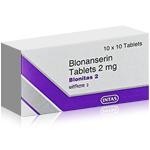
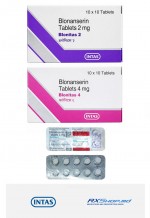
Blonitas is a generic form of blonanserin, an atypical antipsychotic primarily used for schizophrenia. It helps reduce core symptoms such as hallucinations, delusions, suspiciousness, agitation, and disorganized thinking by modulating dopamine and serotonin signaling in the brain. Many patients aim for improved social functioning, clearer cognition, and steadier mood during continuous therapy.
Typical effects are not instant - benefits often build gradually over days to weeks, and consistent dosing is important for stable symptom control. Common side effects may include drowsiness, dizziness, dry mouth, constipation, nausea, and weight changes; some people may experience restlessness or sleep disturbances.
Rare but serious risks can include movement-related symptoms (tremor, stiffness), significant sedation, or changes in blood pressure, especially when combined with alcohol or sedatives. Use requires medical supervision, particularly for people with heart rhythm issues, liver impairment, or a history of seizures.

- Acute schizophrenia exacerbation (acute psychosis): Used when schizophrenia symptoms suddenly worsen and rapid stabilization is needed under medical care;
- Schizophrenia maintenance therapy (relapse prevention): Continued long-term treatment to help keep symptoms controlled and reduce the risk of relapse after improvement;
- Other psychotic disorders: Sometimes considered when a clinician judges similar psychotic symptoms require an antipsychotic, but this may be off-label depending on local rules;
- Bipolar disorder - acute mania or mixed episode: In some clinical references it is listed as a possible use, often off-label depending on country and guidelines;
- Bipolar disorder - maintenance: Sometimes mentioned as a potential maintenance option in specialist references, typically off-label unless specifically approved locally.
- Reduces delusions and paranoia: Can lessen fixed false beliefs and suspiciousness, supporting more realistic thinking;
- Calms agitation and aggression: May reduce inner tension, irritability, and impulsive behavior during symptom flare ups;
- Improves thought organization: Helps make thinking feel less chaotic, which can improve conversation and decision making;
- Supports social functioning: By easing core symptoms, some people find it easier to engage with family, work, and routines;
- May help negative symptoms: In some patients, can support motivation, emotional responsiveness, and interest in activities;
- Promotes better sleep-wake stability: When symptoms and agitation decrease, sleep patterns may become more regular;
- Helps relapse prevention: Ongoing treatment can reduce the risk of symptom return when used consistently under supervision.
Generic Blonitas (Blonanserin 2 mg) Medication guide:
💊 Blonanserin Overview and Key Facts
What this medication is
Blonanserin is a second generation (atypical) antipsychotic designed to reduce the intensity of psychotic symptoms that can disrupt thinking, perception, and behavior. In practice, clinicians use this drug to help patients regain a more stable mental state, improve reality testing, and reduce distressing experiences such as hallucinations or fixed false beliefs. It is not intended as an occasional calming pill - it is part of a structured treatment plan that usually includes regular follow up, dose adjustments when needed, and support strategies that improve adherence. Because response varies from person to person, the most effective use focuses on realistic goals: fewer symptoms, fewer relapses, improved sleep-wake stability, safer behavior, and a better ability to participate in daily routines.
What problems it helps address
This medication is primarily associated with schizophrenia care. The aim is not only symptom reduction on paper, but practical improvements that matter in real life - less confusion, less fear, fewer episodes of agitation, and better ability to communicate. Some effects may be noticed earlier (for example, reduced tension), while other improvements (for example, clearer thinking and social engagement) can take longer to build.
- Hallucinations: may reduce hearing or seeing things that are not present, lowering distress and improving focus;
- Delusions and paranoia: can lessen fixed false beliefs and suspiciousness, supporting more realistic interpretation of events;
- Agitation and irritability: may calm inner tension and impulsive reactions, helping day to day safety;
- Disorganized thinking: can support more organized speech and decision making, improving communication;
- Negative symptoms (in some patients): may help with motivation, emotional responsiveness, and social participation.
Who typically uses this drug
This drug is usually prescribed to adults diagnosed with schizophrenia who need consistent symptom control and relapse prevention. It may be considered for people who experience repeated flare ups, poor functional stability, or persistent positive symptoms that interfere with relationships and work. The right candidate is not defined by one symptom alone - clinicians consider the whole picture: symptom pattern, previous medication response, sensitivity to sedation or movement related effects, co existing medical conditions (especially liver and heart issues), and the person’s ability to follow a daily dosing routine. In many treatment plans, the role of this medication is to create a stable baseline so that psychosocial therapy, sleep hygiene, structured daily activities, and family support can work more effectively.
Key facts at a glance
| Key fact | Details |
|---|---|
| Active ingredient (generic name) | Blonanserin |
| Drug class | Atypical antipsychotic (second generation) |
| Main clinical focus | Schizophrenia symptom management and stabilization |
| Common tablet strengths | 2 mg, 4 mg (availability can vary by market) |
| Chemical formula (active ingredient) | C₁₇H₁₉FN₄ |
How it works in plain language
Psychotic symptoms are strongly linked to disrupted signaling in brain networks that rely on dopamine and serotonin. This medication helps rebalance those signals. In simple terms, it can reduce the “volume” of hallucinations and delusional thinking, lower the likelihood of misinterpreting neutral events as threats, and improve the ability to stay grounded in reality. For many patients, the best outcome is a steadier mental baseline: fewer spikes of agitation, fewer frightening experiences, and a clearer ability to follow routines. The response is individualized, so the goal is not chasing an instant effect but achieving stable control with an acceptable side effect profile.
What makes this medication different from supplements
Supplements are often marketed for “brain support,” but they typically do not have a predictable, clinically validated impact on psychotic symptoms. Antipsychotic therapy is different because it targets specific receptor systems and is used within a medical framework that includes symptom monitoring, safety checks, and dose adjustments. That structure matters: schizophrenia symptoms can fluctuate, and untreated relapses can have major consequences. Supplements may support general wellbeing (sleep routine, stress resilience), but they should not be viewed as a replacement for evidence based antipsychotic treatment when psychosis is present.
Important safety context
Most people tolerate atypical antipsychotics with appropriate monitoring, but every drug in this class requires careful attention to safety. Some patients experience drowsiness or dizziness, which can increase fall risk and affect driving. Others may notice restlessness or movement related symptoms (such as tremor or stiffness). Gastrointestinal effects like constipation or dry mouth can occur and should be addressed early to keep treatment comfortable. Certain combinations (alcohol, sedatives, or interacting prescription drugs) can increase side effect risk. People with liver impairment, heart rhythm concerns, or a history of seizures usually require extra caution and a clinician guided plan.
- Call a clinician promptly if you develop severe stiffness, tremor, uncontrolled movements, or intense inner restlessness;
- Seek urgent help for fainting, severe dizziness, chest discomfort, or sudden shortness of breath;
- Do not mix with heavy alcohol use or unreviewed sedatives, because sedation and coordination problems can worsen.
Takeaway
Blonanserin is a prescription atypical antipsychotic mainly used for schizophrenia, aiming to reduce hallucinations, delusions, agitation, and thought disorganization while supporting gradual functional recovery. The best results typically come from individualized dosing, realistic expectations, and a safety focused approach that prioritizes stability over quick changes.
🧠 What This Medication Treats in Schizophrenia
Schizophrenia in practical terms
Schizophrenia is not just one symptom. It is a condition with symptom clusters that can change in intensity over time. Some people mainly struggle with hearing voices or suspicious thoughts, while others struggle more with low motivation, social withdrawal, or disorganized behavior. Clinicians choose antipsychotic therapy when symptoms cause meaningful impairment, safety concerns, repeated relapses, or persistent distress that prevents stable routine, relationships, or work.
The symptom clusters this drug is typically aimed at
Antipsychotics are most directly focused on symptoms driven by psychosis. However, by improving the baseline mental state, many patients also gain indirect benefits in sleep routine, communication, and everyday functioning.
- Hallucinations (hearing voices, seeing things);
- Delusions (fixed false beliefs);
- Paranoia and threat interpretation;
- Thought broadcasting, unusual beliefs.
These are often the main targets of treatment and may show earlier improvement compared with other symptom types.
- Agitation, irritability, inner tension;
- Impulsivity and unsafe behavior patterns;
- Sleep disruption linked to symptom flare ups;
- Escalation risk during acute episodes.
When agitation decreases, people often find it easier to follow routines and accept supportive care.
- Racing or fragmented thoughts;
- Difficulty staying on topic in conversation;
- Problems planning, focusing, or completing tasks;
- Confusion during symptom peaks.
Some patients experience clearer thinking as psychosis quiets down, but cognitive improvement is often slower and varies widely.
- Low motivation and low energy;
- Social withdrawal and reduced interest;
- Flat affect or reduced emotional expression;
- Reduced initiative in daily self care.
Negative symptoms may improve when relapses are prevented and daily structure returns, but they can also need psychosocial therapy and lifestyle rebuilding.
Indication map - what doctors are usually trying to achieve
- Acute stabilization: reduce intensity of hallucinations, paranoia, agitation, and disorganized behavior during an episode;
- Ongoing symptom control: keep positive symptoms at a lower level so daily routines become predictable;
- Relapse prevention: reduce the risk of future flare ups that can disrupt work, relationships, and safety;
- Functional recovery: improve the ability to communicate, sleep regularly, and participate in social or occupational life.
What you should not expect it to treat by itself
Some problems can look similar to schizophrenia symptoms but require different approaches. Also, many life impacts of schizophrenia improve only when medication is combined with supportive therapy and a stable routine.
- Substance induced psychosis without addressing the substance trigger;
- Severe depression or trauma related symptoms when they are the main driver of distress;
- Sleep deprivation caused primarily by lifestyle habits without a sleep plan;
- Long standing cognitive deficits without rehabilitation strategies and structure.
How to tell if it is helping
Progress is usually measured by real world changes, not only by how someone feels on a single day. Many patients see improvement in waves rather than a straight line.
| What to watch | What improvement can look like | Why it matters |
|---|---|---|
| Voices or hallucinations | Less frequent, less intense, easier to ignore | Reduces fear and improves focus |
| Paranoia and delusional beliefs | Less certainty in false beliefs, less threat interpretation | Improves safety and social trust |
| Agitation and irritability | Fewer escalations, calmer reactions, better sleep routine | Improves stability and adherence |
| Disorganized behavior | More organized speech, better task completion | Supports work and relationships |
When to seek urgent medical help
Schizophrenia treatment sometimes requires urgent evaluation, especially during major symptom changes or severe side effects. Use emergency services or urgent care if you see signs of danger to self or others, severe confusion, fainting, or serious movement problems.
- Suicidal thoughts, violent impulses, or inability to stay safe;
- Severe agitation with loss of control or confusion;
- Fainting, chest discomfort, or severe dizziness;
- Severe stiffness, uncontrolled movements, or high fever with confusion.
Takeaway
In schizophrenia, this medication is used mainly to reduce positive psychotic symptoms and improve stability. The real purpose is practical: fewer relapses, calmer behavior, clearer thinking, and a safer daily routine that supports long term recovery.
🧷 How to Take This Medication Correctly
Taking this medication correctly is less about perfection and more about creating a repeatable routine. When dosing is consistent, symptom control tends to be steadier, side effects are easier to predict, and the risk of stop-start instability drops.
🎯 The goal: steady levels, steady mind
Many people think the “right way” is complicated. It is not. The right way is the way you can repeat every day without stress. Consistency is the hidden power behind better outcomes.
⏱️ Timing rules that protect stability
- choose one dosing time and keep it daily;
- link the dose to a stable habit (breakfast, dinner, brushing teeth);
- use an alarm or weekly organizer if forgetting happens;
- log dose changes so you can track patterns.
- random timing from day to day;
- double dosing to catch up;
- mixing tablets from different packs into one bottle;
- stopping suddenly without a taper plan.
💊 How to swallow and handle tablets
Take tablets with water and swallow whole unless a clinician instructs otherwise. Do not crush or split unless the product is designed for splitting and your clinician approves. Changing tablet form can change tolerance and can increase confusion about strength.
🍽️ Food consistency - the quiet rule most people miss
Food timing can influence absorption. The most important approach is consistency: take it the same way each day, either with a similar meal pattern or consistently without food, unless your clinician tells you to change. This reduces unexpected swings in effect.
🚗 Driving, work, and safety during the first days
Until you know how you respond, treat the first days like a “caution zone.” If you feel sleepy, dizzy, or slowed, avoid driving and risky tasks. Once stable, many people return to normal activities, but the transition should be controlled.
If you feel sedated, dizzy, or mentally slowed, do not drive. Stability first, speed later.
🧠 What to do if you feel better (the temptation to stop)
Feeling better can make some patients think they no longer need treatment. That is a common trap. For many people, improvement is the result of stability, and sudden stopping can bring symptoms back fast. If a change is needed, it should be a planned taper or switch guided by a clinician.
🩺 Expert note - the most useful patient report
Clinicians can adjust treatment faster when patients report patterns: when the dose is taken, when symptoms or side effects peak, and what changed recently (sleep, alcohol, new medicines). This turns “I feel bad” into a solvable problem.
✅ Takeaway
Take this medication at the same time each day, keep your food pattern consistent, swallow tablets with water, avoid double dosing, and do not stop suddenly. Use practical tools like alarms or organizers to prevent missed doses, and avoid driving until you know how your body responds.
🎯 How Blonanserin Works - Dopamine and Serotonin Balance
The simple brain logic behind psychosis
Psychosis is often linked to disrupted communication between brain regions that interpret reality, assign meaning, and filter sensory information. When these networks become overactive or poorly regulated, neutral events can feel threatening, random thoughts can feel deeply significant, and perception can become distorted. Dopamine is strongly involved in how the brain assigns importance and urgency to signals. Serotonin influences mood, perception, and how dopamine systems are regulated. When these systems are out of balance, symptoms like hallucinations and delusions can become persistent and convincing.
What blonanserin targets in the brain
This drug is classified as an atypical antipsychotic because it is designed to reduce psychotic symptoms while aiming for a tolerable side effect profile. The main concept is receptor level regulation: the medication blocks or modulates specific receptors so abnormal signaling becomes less dominant. The result can be fewer false threat signals, less sensory distortion, and better ability to stay grounded during stress.
Dopamine can be thought of as a "salience" signal - it helps the brain decide what matters. In psychosis, dopamine signaling may label harmless inputs as urgent or meaningful.
- May reduce false urgency linked to paranoia and delusions;
- Can quiet excessive signal amplification behind hallucinations;
- Supports fewer spikes of agitation driven by threat misinterpretation.
Serotonin helps regulate perception, mood, and dopamine control. By modulating serotonin pathways, atypical antipsychotics can influence psychosis networks and side effect patterns.
- Can support perception stability and reduce sensory distortion;
- May improve tolerance compared with purely dopamine focused agents;
- Helps create a steadier baseline for sleep and daily routine rebuilding.
What this mechanism means for real symptoms
Mechanisms are useful only if they translate into outcomes that patients feel. When dopamine driven false signals decrease, hallucinations may become less vivid and less frequent, and delusional interpretations may feel less certain. When serotonin mediated regulation improves, perception may become less distorted, and emotional reactivity may soften. Many people describe this change as a reduction in "mental noise" or less threat sensitivity. Importantly, improvement is often uneven: agitation can drop earlier, while cognitive and social recovery may take longer.
Timeline: why improvement is usually gradual
Even though receptor changes can begin after the first doses, brain networks and behavior patterns take longer to reset. Schizophrenia symptoms also interact with sleep, stress, substance exposure, and daily structure. That is why clinical expectations are usually realistic: the medication helps build stability, and stability allows rehabilitation. Many clinicians assess progress over weeks rather than days, focusing on fewer crisis moments, better routine adherence, and reduced symptom intensity.
Why side effects can happen from the same pathways
The same dopamine and serotonin systems also influence movement control, alertness, blood pressure regulation, and gut function. That is why antipsychotics can sometimes cause sedation, dizziness, constipation, dry mouth, or movement related symptoms in sensitive individuals. Understanding the mechanism helps explain why dose selection is individualized: too little may not control symptoms, and too much can increase side effect burden.
| Pathway impact | Potential benefit | Possible trade off |
|---|---|---|
| Dopamine signal reduction | Less hallucinations, delusions, agitation | Movement related symptoms in some people |
| Serotonin modulation | Perception stability, improved tolerance profile | Sleep or GI changes in some people |
| Overall network calming | Fewer crisis spikes, better routine rebuilding | Sedation or dizziness if sensitivity exists |
Practical rule: what helps the mechanism work better
- Stable routine: consistent sleep schedule and daily structure lowers relapse risk;
- Avoid alcohol and sedatives: they can amplify dizziness and impair judgment;
- Monitor early side effects: addressing constipation, sedation, or restlessness early improves adherence;
- Reduce relapse triggers: sleep deprivation, substances, and major stress can overpower medication benefits.
Takeaway
Blonanserin works mainly by regulating dopamine and serotonin signaling. This can reduce psychosis intensity and support long term stability. The best outcomes usually come from a balanced plan: enough dose to control symptoms, early management of side effects, and lifestyle structure that reduces relapse triggers.
🧩 Who May Benefit Most From This Drug
🎯 The "good match" profile - in real life terms
Not every patient experiences schizophrenia the same way, so the best candidate is defined by patterns, not labels. Clinicians often look for a practical goal: reduce the intensity of psychosis, lower agitation, improve day-to-day functioning, and create a calm platform for therapy, routines, and relationships. If the main struggle is constant tension, paranoid interpretation, or disruptive thoughts that derail normal living, this drug may be considered as part of a structured plan.
- Hallucinations that interrupt focus or sleep;
- Delusions or paranoia that drive unsafe decisions;
- Agitation that escalates conflict or fear.
- Days feel unpredictable or chaotic;
- Difficulty keeping a stable schedule;
- Relapse history after stopping treatment.
- Wants a longer-term stability plan;
- Open to monitoring and follow up;
- Ready to build structure around treatment.
✨ When clinicians may see the biggest upside
The biggest benefit often appears when psychosis is not just present, but "sticky" - it keeps pulling the person away from reality and drains daily functioning. In those cases, the role of this medication is to quiet the noise so the person can reconnect with a normal rhythm: sleep, communication, work tasks, and social contact. Think of it like lowering the background storm so the mind can finally hear itself clearly.
| Benefit signal | What it may look like | Why it matters |
|---|---|---|
| Reduced threat sensitivity | Less paranoia, fewer fear-driven reactions | Improves safety and social stability |
| Quieter "mental noise" | Voices less intense or easier to ignore | Supports focus and sleep quality |
| More organized thinking | Clearer conversation, better task follow-through | Helps daily functioning and relationships |
| Fewer crisis spikes | Less agitation, fewer urgent episodes | Reduces relapse and hospital risk |
🧯 Who needs extra caution
This drug, like other antipsychotics, can affect alertness, blood pressure, movement control, and metabolism. Some people are more sensitive and need slower, more careful planning. Extra caution is typically important when the baseline medical situation increases the risk of dizziness, sedation, or movement-related symptoms.
- Heart rhythm concerns or frequent fainting episodes;
- Liver impairment that may change drug metabolism;
- History of seizures or neurologic sensitivity;
- High fall risk, severe dizziness history, or strong sensitivity to sedation;
- Use of alcohol, sedatives, or multiple interacting psychiatric medicines.
🚦When this may not be the right fit
Sometimes the main driver of symptoms is not schizophrenia itself, but a trigger that needs a different priority - for example, heavy substance use, severe sleep deprivation, or an untreated medical problem. In those situations, medication alone will not solve the core issue. Clinicians may focus first on removing the trigger, stabilizing sleep, and addressing co-existing conditions.
✅ Takeaway
This medication may benefit people with schizophrenia who struggle with persistent psychotic symptoms, agitation, or relapse patterns and who want a steadier baseline for real life recovery. The strongest outcomes usually come from the right match between symptom pattern, safety profile, and a structured long-term plan.
⏱️ How Fast It Works and What Improvements to Expect
🌱 The honest timeline: what can change first vs later
Even though receptor activity begins after the first doses, real life improvement usually unfolds in layers. The earliest changes are often subtle - less inner tension, fewer emotional spikes, slightly better sleep-wake rhythm. The deeper benefits (less conviction in delusions, more stable reality testing, better social function) typically require more time and consistency. Progress can be non-linear: good days, then a rough day, then steady improvement again.
- Less agitation and “inner pressure”;
- More predictable sleep onset in some people;
- Reduced emotional reactivity or irritability;
- Possible sedation or dizziness while the body adjusts.
- Hallucinations may feel less intense or less “urgent”;
- Paranoid interpretation can loosen gradually;
- Fewer spikes of conflict or panic behavior;
- Thinking may feel a bit more organized.
- Delusions may lose certainty and emotional power;
- Less “mental noise,” better ability to focus;
- More stable routine, fewer crisis moments;
- Better engagement with therapy and daily structure.
- Relapse risk can decrease with consistent treatment;
- Social function can improve when stability holds;
- Negative symptoms may improve indirectly for some people;
- Confidence in routine returns, step by step.
🎭 What improvement can feel like (real life descriptions)
Many people do not describe improvement as “being happy.” They describe it as being less haunted, less pulled into threat interpretations, and more able to stay in the present. The mind becomes quieter, choices feel less forced, and the day becomes more predictable. For families, a key sign is often fewer escalations and calmer conversations.
📈 A simple “improvement map” you can track
Symptoms fluctuate, so tracking helps you see the trend instead of judging a single day. Below is a simple way to measure progress in daily life.
| Area to track | Early improvement sign | Stronger improvement sign | Why it matters |
|---|---|---|---|
| Agitation | Fewer bursts of irritability | Fewer crises, calmer reactions | Safety and relationship stability |
| Hallucinations | Less intense, easier to ignore | Less frequent, less disruptive | Focus and sleep quality |
| Paranoia | Less threat interpretation | More reality checking, less certainty | Trust, communication, daily function |
| Thinking organization | More coherent conversations | Better task completion and planning | Work, routines, independence |
| Sleep-wake rhythm | Falls asleep easier | More regular schedule | Lower relapse trigger load |
🧩 Why it can feel slower than expected
Three common reasons make improvement feel delayed even when the medication is working: sleep disruption, alcohol or sedative exposure, and high stress with no daily structure. Psychosis can also flare when routines collapse, even if the dose is correct. This is why clinicians often focus on stabilizing the whole system: medication + sleep + predictable day plan.
⚠️ When to contact a clinician sooner
Some symptoms require quick review. The goal is to catch problems early, not to “push through” serious warning signs.
- Severe restlessness that feels unbearable or drives pacing and panic;
- New movement problems such as stiffness, tremor, or uncontrollable motions;
- Fainting, severe dizziness, or chest discomfort;
- Rapid symptom worsening with unsafe behavior or loss of control;
- Thoughts of self-harm or danger to others.
🧠 A mini “progress bar” infographic (use weekly)
Agitation control: ▮▮▮▮▮▮▯▯▯▯
Hallucination burden: ▮▮▮▮▯▯▯▯▯▯
Paranoia intensity: ▮▮▮▯▯▯▯▯▯▯
Daily functioning: ▮▮▮▮▮▯▯▯▯▯
Fill it once per week to see the trend. The story is in the direction, not the perfect score.
✅ Takeaway
Expect a layered, gradual improvement: early calming and routine stabilization, then reduced psychosis intensity, then stronger functional recovery over weeks to months. The most meaningful wins are often simple and powerful - fewer crises, more calm mornings, and a mind that feels quieter and safer to live in.
📈 Treatment Goals - Symptom Control and Functional Recovery
🎯 What treatment success actually looks like
When people hear “antipsychotic treatment,” they often imagine a single outcome: symptoms disappear. In real life, recovery is more human and more practical. Success is usually measured by fewer crisis moments, less fear-driven thinking, and more predictable days. The medication helps reduce symptom intensity, but the bigger win is what comes after: the ability to rebuild a stable rhythm, reconnect with goals, and regain confidence in daily living.
- Fewer hallucinations and less distress from them;
- Less delusional certainty and reduced paranoia;
- Lower agitation, fewer escalations and conflicts;
- Less disorganized thinking and more coherent speech;
- Relapse prevention by maintaining a stable baseline.
- More regular sleep-wake rhythm;
- Better self-care and daily structure;
- Improved family and social communication;
- More consistent work or study ability;
- Stronger ability to follow plans and appointments.
🧭 The 3-layer recovery model (easy to understand)
Many patients improve fastest when goals are organized into layers. You do not build a house from the roof - you build from the foundation.
Layer 2: Symptom stability ▮▮▮▮▮▮▯▯▯▯
Layer 3: Life rebuilding ▮▮▮▮▯▯▯▯▯▯
First stabilize safety and agitation, then control symptoms, then rebuild habits and goals. Each layer supports the next.
📌 Concrete targets doctors often track
To make progress visible, clinicians and families often track a small set of measurable targets. These indicators help distinguish a temporary bad day from a true relapse pattern.
| Target | What improvement can look like | Why it matters |
|---|---|---|
| Hallucination burden | Less frequent, less intense, less disruptive | Improves sleep, focus, and safety |
| Delusional conviction | More doubt, more reality checking, less fear | Reduces conflict and risky decisions |
| Agitation episodes | Fewer escalations, calmer reactions | Supports stability and adherence |
| Daily structure | Regular sleep, hygiene, meals, activity plan | Lowers relapse triggers dramatically |
| Social function | More communication, less isolation | Improves long-term recovery odds |
🔥 The hidden goal: reducing relapse triggers
Many relapses are not caused by one “bad thought.” They are often triggered by a chain: poor sleep, stress, missed doses, alcohol or sedatives, and daily chaos. When the medication reduces symptom intensity, it becomes easier to protect the brain from those triggers. This is where recovery becomes powerful: stability creates stability.
Breaking the chain early is often more effective than trying to fix everything during a crisis.
🌟 What patients often feel when goals are achieved
When treatment goals are met, people often describe changes that sound simple but are life-changing: “My mind is quieter,” “I can sit through a meal without panic,” “I can sleep,” “I can talk to my family without exploding,” “I can plan tomorrow.” These are not small changes - they are the building blocks of independence.
✅ Takeaway
The main goals are symptom control and functional recovery. This medication can quiet psychosis and reduce relapse risk, but the biggest success happens when stability is used to rebuild sleep, routines, relationships, and real-life skills - step by step, with realistic milestones.
🩺 How Doctors Decide If This Medicine Is Right for You
🧠 Step 1 - Confirm the real target problem
Before any medication decision, clinicians try to answer one critical question: what is truly causing the symptoms? Hallucinations, paranoia, agitation, and disorganized behavior can appear in schizophrenia, but also in substance-related psychosis, severe sleep deprivation, bipolar mania, trauma-related states, or certain medical conditions. A careful history (when symptoms started, what triggers them, how long they last, and what the person is like between episodes) helps avoid the biggest mistake in psychiatry: treating the wrong condition with the right medicine.
🎯 Step 2 - Match the symptom pattern (what is the loudest problem)
Schizophrenia is not one symptom - it is a mix of symptom clusters. Doctors often choose therapy based on what is most disruptive right now: distressing hallucinations, rigid delusions and paranoia, severe agitation, or disorganized thinking that breaks daily function. The goal is not “silence at any cost,” but stability with tolerable side effects, so the person can actually keep the plan going.
- Hallucinations that dominate attention;
- Delusions with high certainty;
- Paranoia and threat interpretation.
- Inner tension, irritability, impulsivity;
- Conflict spikes and unsafe behavior;
- Sleep collapse during symptom flares.
- Fragmented thinking and speech;
- Difficulty planning or completing tasks;
- Unstable routines and poor follow-through.
⚖️ Step 3 - Balance benefit vs tolerability (the “can you stay on it” test)
In psychiatry, the most effective medication is often the one that the patient can tolerate and use consistently. Doctors consider what side effects the person is most likely to struggle with: sedation and dizziness, movement-related symptoms (restlessness, stiffness), sleep disruption, constipation, or blood pressure drops. They also consider medical risks such as liver impairment, heart rhythm vulnerability, seizure history, or fall risk. The goal is a plan that is both effective and realistic.
| Decision factor | What is checked | Why it matters |
|---|---|---|
| Side effect sensitivity | Sedation, dizziness, restlessness, stiffness history | Improves adherence and daily functioning |
| Medical risks | Heart rhythm issues, liver problems, seizures, fall risk | Prevents avoidable complications |
| Relapse pattern | Frequency of flares, common triggers, past response | Guides intensity and follow-up frequency |
| Co-medications and substances | Sedatives, alcohol, other psychiatric drugs | Reduces interaction-driven side effects |
| Routine and support | Sleep schedule, caregiver support, appointment reliability | Makes the plan sustainable long-term |
🧪 Step 4 - Build a monitoring plan (pattern first, panic never)
Good clinicians avoid guesswork. They monitor patterns: when side effects appear, whether they are constant or dose-related, and how symptoms change week by week. This protects the patient from unnecessary switches and helps doctors adjust dosing safely. Monitoring is not only about side effects - it is also about progress: fewer crises, more stable sleep, calmer days, improved communication.
- Sedation, dizziness, sleep changes;
- Restlessness, stiffness, tremor signs;
- Constipation, dry mouth, appetite shifts;
- Falls, faint feelings, daytime alertness.
- Hallucination distress and frequency;
- Paranoia intensity and reality checking;
- Agitation episodes and conflict spikes;
- Sleep rhythm and daily routine stability.
🧭 The clinician decision logic (beautiful, simple, patient-friendly)
Readers often want to understand the logic, not medical jargon. Below is a clean decision flow that shows how doctors usually think when choosing and adjusting therapy.
Diagnosis and triggers
Symptom pattern
Safety and tolerability
Patterns over weeks
Symptoms improve + side effects acceptable → continue and consolidate stability.
Side effects or symptom control not enough → adjust dose, routine, or plan with clinician guidance.
🌟 What a good decision feels like (the human result)
A good medication choice often feels like the mind becomes less loud and less threatening. Days become more predictable. Conversations become less explosive. Sleep becomes less fragile. The person is not “changed into someone else” - they are simply given enough calm space to return to themselves and rebuild.
✅ Takeaway
Doctors decide if this medicine is right by confirming diagnosis, matching symptom pattern, balancing tolerability, and tracking progress with a clear monitoring roadmap. The strongest plans are calm, consistent, and data-driven - because stability is what allows real life to come back online.
💊 Dosage and Administration - How to Take This Medication Safely
🧭 The core rule: follow your prescriber, not the internet
Because this medication is not FDA-labeled in the U.S. and dosing practices can vary by region, the safest guidance is simple: use the dose and schedule your clinician prescribes. In schizophrenia care, consistency matters more than intensity. A stable routine gives your brain a steady baseline, and that stability is what allows improvement to build over weeks.
📈 How dose adjustments usually happen (the calm, smart approach)
Clinicians typically adjust dose in small steps based on two signals: symptom response and tolerability. If hallucinations, paranoia, or agitation remain intense, the dose may be increased gradually. If side effects become heavy (sedation, dizziness, restlessness, stiffness), the plan may pause, reduce, or shift timing. The goal is not “maximum dose” - it is maximum stability.
Think ladder, not elevator. Rushing up usually increases side effects and reduces adherence.
🕰️ When to take it - timing that supports real life
Some people feel more sleepy after taking an antipsychotic, while others feel more restless. Timing can be adjusted to match your pattern, but only with clinician guidance. If sedation is strong, dosing may be scheduled to reduce daytime impairment. If restlessness appears, timing and dose strategy may be reviewed to protect sleep and comfort.
- Track when sedation peaks after a dose;
- Discuss timing adjustments with your clinician;
- Avoid alcohol and sedatives that amplify drowsiness;
- Do not drive if alertness is impaired.
- Track whether it started after a dose increase;
- Report “inner motor” pacing feelings early;
- Protect sleep - sleep loss can magnify symptoms;
- Do not self-adjust - ask for a plan.
🍽️ With food or without food
Many patients find that taking medication with a small snack or meal can reduce stomach discomfort. If nausea occurs, clinicians often recommend simple routine adjustments first: consistent timing, gentle meals, steady hydration, and avoiding heavy alcohol. If symptoms persist, the plan should be reviewed rather than guessed.
⏳ Missed dose - what to do (simple, safer logic)
Missed doses happen. The key is to avoid panic decisions and avoid doubling without guidance. If you miss a dose, take the next step based on timing and safety. If you are unsure, contact a clinician or pharmacist for a clear rule.
| Situation | What you can do | What to avoid |
|---|---|---|
| Realize soon after the scheduled time | Follow your prescribed missed-dose instruction or ask your clinician | Do not improvise if you are sensitive to sedation or dizziness |
| It is close to the next dose | Skip the missed one and return to the normal schedule (if your clinician agrees) | Do not double up doses “to catch up” |
| Multiple doses missed | Contact a clinician for a restart plan | Do not restart at a higher dose without guidance |
🚫 Do not stop suddenly unless a clinician tells you to
Stopping antipsychotic therapy abruptly can lead to rebound symptoms, relapse risk, and severe instability. If treatment must change, clinicians usually taper or switch strategically. If there is a serious adverse reaction, urgent medical guidance is the safest path.
📦 Storage and handling basics
- Store at room temperature, away from excess heat and moisture;
- Keep tablets in original packaging until use to protect quality;
- Keep out of reach of children and pets;
- Do not use tablets past the expiration date.
✨ Mini routine builder - make adherence easier
✅ Takeaway
Dosage is individualized and usually adjusted gradually to balance symptom control with tolerability. The safest strategy is consistency, pattern tracking, and clinician-guided changes - because in schizophrenia care, stable routine is where progress becomes real.
🕒 Dosing Schedule Basics and Titration Principles
🧭 What "dosing schedule" really means
A dosing schedule is not just a time on a clock - it is a daily rhythm your brain can rely on. Antipsychotic therapy works best when the medication level in the body stays relatively steady. When doses are taken inconsistently (random times, skipped days, sudden doubling), the brain experiences swings: symptom control can weaken, side effects can spike, and relapse risk can rise. A stable schedule helps the brain settle into a safer baseline, which is where real recovery starts.
📈 What titration is (and why doctors love it)
Titration is the process of adjusting dose gradually to find the best balance between benefit and tolerability. Doctors prefer titration because psychosis symptoms and side effects are both dose-related and person-specific. If you raise dose too fast, the body may react with heavy sedation, dizziness, restlessness, or movement-related symptoms - and the patient may stop therapy completely. Slow and smart titration reduces dropouts and often leads to better long-term outcomes.
🎯 The two signals that guide titration
Clinicians usually titrate using two simple questions: Is symptom control improving? Are side effects acceptable? Everything else is detail. This approach is calm, rational, and patient-centered.
- Voices become quieter or less convincing;
- Paranoia intensity drops, more reality checking appears;
- Agitation episodes become less frequent;
- Thinking becomes more organized over weeks.
- Sedation that blocks work or driving safety;
- Dizziness, near-fainting, falls;
- Restlessness that feels unbearable;
- Stiffness, tremor, or unusual movements.
🗺️ A beautiful titration map (easy for patients)
⏱️ Why changing dose too fast can backfire
Rapid changes can make side effects louder than benefits. That can lead to missed doses, stop-start behavior, and symptom rebound. In schizophrenia, a rebound episode is not just uncomfortable - it can be dangerous and disruptive. A steady plan protects the brain from abrupt shifts, giving the medication time to work and the person time to adapt.
📌 Splitting doses vs taking once daily (what affects the decision)
Some dosing schedules use a single daily dose, while others may split dosing. The decision is often based on how the person experiences sedation, restlessness, or symptom return at certain times of day. The safest strategy is to treat schedule changes as a medical adjustment, not a personal experiment.
| Schedule style | Why it may be used | What to watch |
|---|---|---|
| Once daily | Simplifies adherence and routine | Daytime sedation or evening restlessness pattern |
| Split dosing | May smooth peaks and reduce side effect spikes | Complexity - missed doses can increase fluctuation |
🧯 When to contact a clinician during titration
During titration, it is smart to report problems early. That prevents “silent suffering” and reduces the chance of suddenly stopping treatment.
- Severe restlessness or pacing that feels unbearable;
- Stiffness, tremor, or new uncontrolled movements;
- Fainting, severe dizziness, or strong blood pressure drops;
- Rapid symptom worsening with unsafe behavior or confusion;
- Thoughts of self-harm or danger to others.
✨ The emotional truth: titration is a partnership
The best titration is not “doctor vs patient.” It is teamwork: the patient reports patterns honestly, the clinician adjusts calmly, and the plan becomes more precise over time. This is how stability is built - not by chasing the fastest change, but by stacking small wins until they become real life strength.
✅ Takeaway
Dosing schedules and titration are designed to create a steady baseline: consistent levels, fewer side effect spikes, and gradual symptom improvement. The smartest approach is slow, structured, and clinician-guided - because stability is what turns treatment into real recovery.
🍽️ Food Timing - With Food or Without Food
🧠 Why food timing matters at all
Even when a medicine can be taken with or without food, the body is still a living system. Meals affect stomach comfort, energy levels, hydration, and how we experience dizziness or sleepiness. In schizophrenia care, small things can have big effects: one day of nausea can turn into a missed dose, and missed doses can turn into symptom fluctuation. Food timing becomes a simple tool to keep the plan stable.
🥪 Taking it with food - when it can feel better
Some people feel mild stomach discomfort when they take psychiatric medication on an empty stomach. If nausea appears, a small snack or meal can make the experience smoother. This is not weakness - it is smart self-management. A simple breakfast, yogurt, toast, soup, or a light dinner can reduce stomach irritation and make dosing feel less “harsh.”
- Nausea or stomach sensitivity;
- Dizziness that feels worse when hungry;
- Low appetite but still need routine stability;
- A habit anchor like breakfast or dinner.
- Toast, oatmeal, or yogurt;
- Banana, crackers, or a light sandwich;
- Soup, rice, eggs, or simple pasta;
- Any familiar food that does not upset your stomach.
🥤 Taking it without food - when it can be fine
Some patients prefer taking medication without food because it feels simpler and avoids extra planning. If the stomach tolerates it and there is no nausea, this can be perfectly acceptable. The key is not the food itself - it is making the daily dose predictable. If you choose without food, keep hydration steady, and avoid taking it during extreme hunger if dizziness is a problem.
😴 Food timing and sleep - the hidden connection
Sleep is a major relapse trigger in schizophrenia. Food timing influences sleep because heavy meals late at night can disrupt rest, while an empty stomach can trigger early waking. If the medication causes drowsiness, pairing it with an evening routine may support sleep, but if it causes restlessness, taking it too late may backfire. The best approach is to notice patterns and keep the schedule stable once you find what works.
💧 Hydration, caffeine, and alcohol - the “silent influencers”
Food timing is only one part of the story. Hydration helps reduce constipation and dizziness. Excess caffeine can worsen anxiety or sleep problems. Alcohol can amplify sedation, reduce coordination, and increase the risk of unsafe behavior. If the goal is stability, it helps to keep these variables predictable and moderate.
| Factor | How it can affect treatment | Simple stability move |
|---|---|---|
| Hydration | Low fluids can worsen dizziness and constipation | Steady water intake across the day |
| Caffeine | Can worsen restlessness or sleep disruption | Keep morning-only, avoid late day use |
| Alcohol | Amplifies sedation and impairs judgment | Avoid or discuss with clinician |
🧯 When to seek advice about food timing
If food timing changes do not solve discomfort, do not guess endlessly. Report patterns and get a clear plan. The goal is to keep treatment sustainable.
- Persistent nausea that makes you skip doses;
- Severe dizziness especially when standing up;
- Constipation that becomes painful or prolonged;
- New insomnia or worsening sleep rhythm;
- Any side effect that feels strong enough to stop treatment.
✅ Takeaway
You may take this medication with food or without food, but the best strategy is consistency. If nausea appears, a light meal can help. If sleep or dizziness patterns shift, simplify the routine and review adjustments with a clinician. Stable routines are not just convenient - they are part of relapse prevention.
📊 Visual Progress Tools - Infographics, Trackers, and Decision Aids
🎯 Symptom Calm Meter (simple and clear)
Use this meter to show the overall direction. It is not a diagnostic tool. It is a friendly way to say: are we moving toward stability, or drifting toward relapse risk.
Tip: update once per week, not daily. The weekly trend matters more than one isolated day.
✅ Adherence Score Bar (weekly habit tracker)
This makes adherence visual and motivating. It is easier to improve a number than to fight a feeling.
Goal mindset: raise the score slowly. A small improvement in consistency can produce a big improvement in stability.
😴 Sleep Rhythm Stability Bar (relapse trigger guard)
Sleep disruption is a common relapse amplifier. This bar turns sleep into something trackable and actionable.
If this drops for several days in a row, treat it as an early warning and review the plan with a clinician.
📉 Micro Trend Snapshot (episodes over time)
Use these mini blocks to show direction across checkpoints. Values are illustrative. The purpose is to show the trend from baseline to now.
If the blocks trend upward again, review triggers first: sleep loss, substances, missed doses, new medications.
🗓️ Timeline (start, adjust, stabilize)
This timeline helps patients understand that improvement usually comes in phases, not as a single dramatic moment.
Use this to normalize the process: progress is built, not discovered.
🧠 Decision Tree (symptoms and next action)
This is a patient-friendly logic path. It helps people avoid two extremes: ignoring warning signs or panicking over mild, temporary effects.
- Severe restlessness that feels unbearable;
- Fainting, severe dizziness, or falls;
- New uncontrolled movements or severe stiffness;
- Unsafe behavior or rapid symptom worsening;
- Thoughts of self-harm or danger to others.
- Track timing and severity for 3 to 7 days;
- Protect sleep and hydration;
- Avoid alcohol and sedatives;
- Do not change dose without guidance.
🧾 One-page weekly tracker (copy/paste friendly)
This tracker keeps everything simple: symptoms, sleep, adherence, and side effects in one place.
| Weekly item | What to record | What it helps you notice |
|---|---|---|
| Adherence | Days taken out of 7 | Consistency patterns and missed-dose risk |
| Sleep rhythm | Stable nights out of 7 | Early relapse trigger load |
| Hallucination distress | Low, medium, high trend | Direction over time |
| Paranoia intensity | Low, medium, high trend | Reality-checking improvement |
| Side effects | Sedation, dizziness, restlessness notes | Titration and timing guidance |
✅ Takeaway
Visual tools turn treatment into something people can understand and track. Use these bars, timelines, and decision aids to keep focus on stability, protect sleep, improve adherence, and spot trends early - without fear-driven guessing.
💥 Side Effects - What You May Feel and How to Respond
🎭 The 3 side effect styles (so patients stop guessing)
Most people experience side effects in one of three patterns. Knowing the pattern helps you respond intelligently instead of emotionally. This is especially important in psychiatric care, where fear can trigger stop-start dosing and make symptoms worse.
Appears in the first days, then fades as the body adapts.
Worsens after dose increases and improves after adjustments.
Triggered by alcohol, sedatives, dehydration, or other medicines.
😴 Common side effects (patient-friendly, most often reported)
Many side effects are mild and manageable. The key is tracking timing, severity, and triggers. If something is persistent, intense, or scary, do not “push through” blindly - contact a clinician.
Drowsiness can occur, especially early. Track whether it peaks after dosing and whether timing changes help.
Often worsens with dehydration or standing quickly. Hydration and slow posture changes help.
Can improve with a small meal, consistent timing, and avoiding heavy alcohol.
A common hidden burden. Hydration, fiber, and movement matter. Report severe constipation early.
🏃 Restlessness (akathisia) - the one that needs fast attention
Some patients experience intense inner restlessness: pacing, inability to sit still, a “motor inside the chest.” This can feel emotionally unbearable and may be misread as anxiety or worsening psychosis. It deserves quick clinician attention because it is often treatable by dose strategy, timing changes, or supportive medications.
If restlessness is severe or rapidly worsening, contact a clinician promptly. Do not self-adjust dose in panic.
🧍 Movement-related side effects (EPS style symptoms)
Some antipsychotics can cause movement-related effects such as stiffness, tremor, slowed movement, or muscle tightness. These symptoms can be subtle at first and are sometimes mistaken for stress. Report early signs. Early management is usually easier than late management.
| What you may notice | What it can mean | What to do |
|---|---|---|
| Stiff muscles, slow movement | Possible EPS-type effect | Report early, clinician may adjust strategy |
| Tremor or shaking | Movement sensitivity | Track timing and dose changes, contact clinician |
| Jaw tightness or unusual facial movements | Needs evaluation | Do not ignore, seek medical review |
| Severe muscle spasm or neck twisting | Urgent reaction possible | Seek urgent care |
🚨 Serious side effects - when to seek urgent medical help
Some reactions are uncommon but important. When they occur, the correct response is speed, not bravery.
- Severe allergic reaction: swelling, breathing difficulty, widespread hives;
- Fainting, severe dizziness with falls, chest pain, or palpitations;
- Severe stiffness, high fever, confusion, heavy sweating;
- New uncontrolled movements or severe muscle spasms;
- Sudden severe behavioral danger, suicidality, or loss of self-control.
🧩 What makes side effects worse (the hidden amplifiers)
Many side effects are not “random.” They are amplified by predictable factors: dehydration, alcohol, sleep deprivation, and stacking sedating medications. This is empowering because it gives patients levers they can control.
🛠️ What you can try vs when to contact a clinician
This is a practical “do now” map. It keeps patients from either ignoring issues or panicking too early.
| Symptom | What you can try | When to contact a clinician |
|---|---|---|
| Mild nausea | Take with a small meal, keep hydration steady | Persistent vomiting, severe abdominal pain, dehydration signs |
| Sleepiness | Discuss timing adjustments, avoid alcohol, protect sleep routine | Dangerous drowsiness, falls, inability to function safely |
| Dizziness | Stand slowly, hydrate, avoid overheating | Fainting, repeated falls, chest symptoms |
| Constipation | Fluids, fiber, gentle movement | Severe pain, no bowel movement for days, blood in stool |
| Restlessness | Track timing and dose changes, reduce caffeine late day | Severe pacing, unbearable discomfort, rapid worsening |
✅ Takeaway
Most side effects can be managed when treated as patterns: early adaptation, dose-related changes, or interaction-driven amplification. Track timing and severity, protect sleep and hydration, avoid alcohol, and contact a clinician quickly for severe restlessness, fainting, uncontrolled movements, allergic reactions, or any safety risk.
⛔ Contraindications (Contradictories) - Who Should Not Use This Medication
Contraindications are the hard stop rules - situations where using this drug is unsafe without specialist decision, or should be avoided entirely. Many people confuse contraindications with “side effects” or “precautions.” This section separates them clearly so readers do not guess.
Clinicians prefer clarity: one list for “do not use,” another for “use only with close monitoring.” When patients mix these categories, they either panic-stop unnecessarily or ignore real danger.
🧱 Absolute contraindications (true hard stops)
- known allergy to blonanserin or any ingredient in the formulation;
- history of severe allergic reaction to a similar product.
If swelling, wheezing, or widespread hives occur - treat it as urgent.
If a patient had a past severe reaction to an antipsychotic but does not know which one, that uncertainty itself is a risk. A clinician should review the history before continuing.
⚠️ Strong avoid / specialist-only situations (not always labeled as absolute, but often treated as such)
Some situations are not “one-line absolute contraindications” in every country label, but in real clinical life they often require specialist-level justification or a different choice.
| Situation | Why it is risky | Safer approach |
|---|---|---|
| Dementia-related psychosis in elderly | higher serious outcome risk with antipsychotics in this population | specialist review, non-drug focus when possible |
| Severe liver impairment | drug exposure may rise and side effects can become stronger | specialist dosing plan or alternative option |
| History of severe movement reactions | higher likelihood of recurrence or worsening | close monitoring and early symptom reporting |
| Unstable heart rhythm history | some antipsychotics can affect cardiac stability in vulnerable patients | clinician screening and monitoring if indicated |
🧪 Medication conflict alert - when combinations become a “no” decision
The most common real-world contraindication-like event is a dangerous combination. If a new medication is added and the patient suddenly develops heavy sedation, fainting, severe dizziness, or uncontrolled restlessness, treat it as a combination problem until proven otherwise.
If these appear, contact a clinician promptly and share the full medication list, including alcohol and supplements.
✅ Quick self-check before starting or continuing
- Have I ever had an allergic reaction to this drug or similar medicines;
- Am I elderly with dementia-related psychosis concerns;
- Do I have serious liver disease or unexplained abnormal liver tests;
- Do I have a history of severe movement reactions or uncontrolled tremor;
- Am I mixing this medication with alcohol, sedatives, or multiple CNS drugs.
✅ Takeaway
The clearest absolute contraindication is hypersensitivity to blonanserin or formulation ingredients. Several situations function like “specialist-only” contraindications in practice - dementia-related psychosis in elderly, severe liver impairment, serious movement reaction history, and unstable cardiac rhythm concerns. When in doubt, treat medication combinations and sudden severe symptoms as a safety signal and contact a clinician early.
🔄 Drug Interactions - What Can Change Safety or Effect
🧩 The 3 interaction types (so it becomes easy to understand)
Not every interaction is chemistry. Some interactions are practical: they change sleep, hydration, coordination, or judgment - and that can be just as dangerous. This section groups interactions in a way patients can actually use.
Other drugs may change how fast the body processes medication, shifting exposure up or down.
Sedation, dizziness, and coordination problems rise when multiple CNS-active agents are combined.
Alcohol, dehydration, sleep loss, and stimulants can magnify side effects and relapse risk.
🚦 Interaction Risk Meter (fast patient-friendly view)
This meter helps readers understand risk intensity without memorizing drug names. If your combination sits in “High,” it deserves a clinician review.
The goal is not fear. The goal is to prevent “surprise” side effects by reviewing combinations early.
💤 CNS depressants and sedation stacking (the most common real-world issue)
Many problems happen when sedating agents are combined: the medication plus alcohol, sleeping pills, benzodiazepines, some antihistamines, opioids, or strong muscle relaxants. The effect can be heavy drowsiness, impaired coordination, slower reaction time, and increased fall risk. For psychiatric patients, sedation stacking can also disrupt routine and reduce adherence.
- Alcohol and binge drinking patterns;
- Benzodiazepines and strong sedatives;
- Opioid pain medications;
- Sleep medications and strong antihistamines;
- Multiple psychiatric medications that cause drowsiness.
⚡ Stimulants, caffeine spikes, and agitation risk
Stimulants can push the nervous system in the opposite direction: restlessness, anxiety, sleep breakdown, and symptom vulnerability. This does not mean all caffeine is forbidden, but big late-day caffeine and stimulant “stacks” can make psychosis management harder. Sleep loss is a powerful amplifier of paranoia and agitation.
🧠 Other antipsychotics, antidepressants, and polypharmacy
Sometimes patients are prescribed more than one psychiatric medication. This may be necessary, but it increases complexity. Combining agents can raise side effect burden (sedation, dizziness, movement symptoms), and it can also make it harder to identify which medicine caused a new issue. Clinicians often try to keep changes to one variable at a time so patterns become clear.
| Combination type | Why it matters | What to do |
|---|---|---|
| Multiple CNS-active drugs | Higher sedation, dizziness, cognitive slowing | Review regimen, avoid alcohol, monitor function |
| Multiple antipsychotics | Greater side effect complexity | Use clinician-guided plan, avoid self-changes |
| Antidepressants plus antipsychotics | May affect sleep, energy, restlessness patterns | Track sleep and agitation trends weekly |
🧂 Electrolytes, dehydration, and blood pressure drops
Some patients experience dizziness when standing, especially if they are dehydrated, overheated, or not eating regularly. This becomes more likely when combined with diuretics, aggressive dieting, vomiting, diarrhea, or intense workouts without fluid replacement. Dehydration does not only worsen dizziness - it can also worsen constipation and general weakness.
🍺 Alcohol - the simplest rule is the safest rule
Alcohol can worsen sedation, impair judgment, disrupt sleep, and increase impulsive behavior. For people managing psychosis, alcohol can be more than a side effect issue - it can destabilize the entire treatment plan. If alcohol use is part of a patient’s life, it should be discussed honestly so the clinician can build a realistic plan.
🌿 Supplements and herbal products (the overlooked category)
Supplements can change sleep, energy, blood pressure, or anxiety - and that can interact with psychiatric stability. Stimulant-type supplements may worsen restlessness. Sedating herbs may increase drowsiness. The safest approach is not to fear supplements, but to add them one at a time and track what changes.
add one new item only
track sleep and agitation for 7 days
if problems start, stop the new item first
🚨 When an interaction becomes an emergency
- Fainting, severe dizziness with falls, chest pain, or palpitations;
- Severe sedation with unsafe breathing, confusion, or inability to stay awake;
- Severe agitation, loss of control, or rapid symptom worsening;
- New uncontrolled movements or severe muscle spasms;
- Any situation where safety is at risk for the patient or others.
✅ Takeaway
Interactions often explain sudden side effects. The highest real-world risks come from sedation stacking, alcohol, sleep collapse, dehydration, and complex psychiatric polypharmacy. Add new medicines or supplements one at a time, track patterns for a week, and treat every major change as an interaction check moment.
⚠️ Warnings and Precautions - Safety Signals and Risk Management
🧠 The safety mindset - calm monitoring beats surprise problems
This medication is typically used in conditions where stability matters deeply. The safest approach is to treat side effects and relapse triggers as patterns you can track and manage. When patients know what to watch, they feel less fear and more control - and that confidence improves adherence and outcomes.
🚶 Orthostatic dizziness and falls - protect the first two weeks
Some patients can feel lightheaded when standing up, especially early in treatment or after dose changes. This can be amplified by dehydration, heat, intense workouts, or poor nutrition. The practical goal is simple: prevent falls, prevent panic, and keep the routine stable.
🍽️ Weight and metabolic changes - small habits, big protection
Some antipsychotics can affect appetite, weight, and metabolic markers. Not every patient experiences this, but it is worth respecting early because small changes become big over months. The best strategy is not extreme dieting - it is stable, repeatable habits that protect energy, sleep, and motivation.
- Regular meal timing and protein at meals;
- Fiber-rich foods to support satiety;
- Daily walking or light training routine;
- Sleep protection as a priority.
- Late-night binge eating patterns;
- High sugar drinks and snack grazing;
- All-or-nothing dieting that breaks routine;
- Sleep debt that drives cravings.
🌙 Sleep stability warning - insomnia can amplify symptoms
Sleep disruption is not just an annoyance - it is a powerful amplifier of agitation, paranoia, and emotional volatility. If sleep starts to collapse, treat it as a meaningful signal. Clinicians may adjust timing, dose strategy, or supporting routines to protect the sleep rhythm.
If sleep worsens for several nights in a row, report it early rather than waiting for symptoms to flare.
🧍 Movement and muscle warning signs - report early, not late
Movement-related symptoms can start subtly: stiffness, tremor, jaw tightness, or unusual restlessness. Early reporting matters because early adjustment is often simpler. This is not about “tolerating more” - it is about choosing the safest long-term plan.
| Early signal | Why it matters | Best next step |
|---|---|---|
| New stiffness or slowed movement | May increase over time if ignored | Track timing and contact clinician |
| Tremor or shakiness | Can affect function and confidence | Review dose changes and co-medications |
| Jaw tightness or facial tension | Needs evaluation for movement sensitivity | Do not wait - request medical review |
🔥 Heat, dehydration, and physical training - the underrated risk combo
Heat exposure, sweating, diarrhea, vomiting, or intense workouts without fluid replacement can worsen dizziness and fatigue. For active patients, the solution is not to stop training - it is to train smart, hydrate, and avoid extreme heat stress.
Normal day, hydrated;
Hot weather or long workout;
Heat + dehydration + dizziness;
Fainting, falls, confusion.
🚗 Driving and machines - safety before confidence
Until you know how you respond, be cautious with driving, climbing ladders, or operating machines. Sedation and dizziness can be strongest early or after dose changes. The safest habit is to test your alertness on low-risk days before trusting it on high-risk tasks.
🧯 Red flags vs yellow flags - a clean action map
Use this map to decide what is “watch and track” versus “act now.” It keeps patients from both extremes: ignoring danger or panicking over mild discomfort.
- Severe allergic reaction signs;
- Fainting, repeated falls, chest pain, palpitations;
- Severe stiffness with fever, confusion, heavy sweating;
- New uncontrolled movements or severe spasms;
- Danger to self or others, suicidality.
- Persistent daytime sedation;
- Restlessness that is growing over days;
- Sleep rhythm deterioration for multiple nights;
- Constipation that is not improving;
- Steady weight gain trend.
📅 Mini monitoring schedule (simple, realistic)
This is a patient-friendly schedule that keeps monitoring lightweight but meaningful. It is designed to reduce surprises and improve confidence.
✅ Takeaway
Warnings and precautions are about staying ahead of problems: protect against dizziness and falls early, monitor sleep as a relapse trigger, report movement symptoms early, respect heat and dehydration, and use red-flag logic for urgent situations. A calm monitoring plan turns treatment into something predictable and safe.
👥 Use in Special Populations - Pregnancy, Elderly, Liver, Kidneys, and More
Not every body reacts the same way to the same psychiatric medication. Age, pregnancy status, liver function, kidney health, and even dehydration risk can change how strongly a drug feels. This section is your “safety passport” - a practical way to understand who needs extra caution, closer follow-up, or specialist-only decisions.
🤰 Pregnancy - specialist-only decisions
Pregnancy changes everything: sleep, stress sensitivity, metabolism, and relapse risk. The most important message is calm and protective: do not make sudden changes alone. If pregnancy is planned or possible, a clinician should weigh the risks of relapse against potential fetal risks and create a step-by-step plan. Many complications in psychiatric care come from abrupt stopping, panic dosing, or untreated relapse.
🍼 Breastfeeding - risk-benefit discussion required
Breastfeeding decisions are personal and medical. The key practical risk is infant exposure combined with maternal stability needs. If breastfeeding is desired, the safest approach is a clinician-guided plan that monitors both mother and infant for sedation, feeding issues, or unusual irritability.
- Best approach: specialist discussion and infant monitoring;
- Avoid guessing: do not experiment with dose timing without guidance;
- Report early: unusual infant sleepiness, feeding problems, or poor weight gain.
🧓 Older adults - sensitivity increases, falls matter more
With age, the body can become more sensitive to dizziness, sedation, and blood pressure changes. That means the same dose may feel stronger. In older adults, the biggest real-world danger is not “a mild side effect” - it is a fall. Clinicians often focus on slower adjustments, hydration, posture safety, and avoiding sedative stacking.
no sudden posture jumps;
steady fluids daily;
reduce night falls;
avoid sedation stacking.
🧠 Dementia-related psychosis - high-risk category
In dementia-related psychosis, antipsychotics are generally a high-risk choice and require specialist-level justification. If this scenario applies, do not treat it as routine schizophrenia management. The decision must be individualized, closely monitored, and often prioritizes safety and non-drug strategies whenever possible.
🧒 Children and adolescents - not a self-managed area
Psychotic symptoms in younger patients demand careful diagnosis and specialist oversight. The developing brain is more sensitive to side effects, and misdiagnosis risk is higher. If the patient is under 18, the plan should be guided by a child and adolescent psychiatrist or an experienced specialist.
🧪 Liver impairment - metabolism caution zone
The liver is a major processing center for many medications. If liver function is reduced, drug exposure can rise and side effects can feel stronger. Patients should disclose hepatitis, cirrhosis, previous jaundice episodes, or abnormal liver tests. Clinicians may choose a different option, lower starting approach, or closer monitoring depending on severity.
🫀 Kidneys - disclose chronic kidney disease and dehydration risk
Even when a medication is not primarily cleared by the kidneys, kidney disease often travels with other risks: dehydration sensitivity, electrolyte shifts, blood pressure variability, and polypharmacy. If chronic kidney disease is present, the safest approach is to avoid improvisation, keep hydration steady, and coordinate the full medication list with a clinician.
| Population | Main practical risk | Best safety strategy | Category stamp |
|---|---|---|---|
| Pregnancy | Relapse vs fetal risk balance | Specialist plan, avoid sudden stopping | Specialist only |
| Breastfeeding | Infant exposure and sedation | Clinician guidance, monitor infant | Specialist only |
| Older adults | Falls, dizziness, sedation stacking | Slow changes, hydration, fall prevention | Use extra caution |
| Dementia-related psychosis | Higher serious outcome risk | Specialist review, non-drug focus when possible | Specialist only |
| Liver impairment | Higher exposure, stronger side effects | Disclose history, clinician monitoring plan | Use extra caution |
| Kidney disease | Polypharmacy, dehydration sensitivity | Medication list review, hydration stability | Use extra caution |
| Under 18 | Diagnosis and side effect sensitivity | Specialist-only treatment planning | Specialist only |
🧩 Mini decision guide - when to pause and ask first
- Pregnancy, breastfeeding, planning pregnancy;
- Age 65+ with dizziness or fall history;
- Known liver disease or past jaundice;
- Chronic kidney disease with multiple medications.
- Fainting or repeated falls;
- Severe sedation or confusion;
- Rapid symptom escalation or unsafe behavior;
- New uncontrolled movements or severe stiffness.
✅ Takeaway
Special populations require smarter guardrails. Pregnancy, breastfeeding, dementia-related psychosis, and under-18 care belong in the specialist-only category. Older age, liver disease, and kidney disease often mean extra caution, slower changes, and better monitoring. The safest habit is disclosure: medical history, full medication list, and real-life routines.
🧪 Overdose, Emergency Signs, and What to Do First
In mental health care, emergencies are not only about “too many tablets.” Emergencies can also come from mixing sedatives, alcohol, dehydration, heat stress, or sudden severe reactions. This section is written like a practical safety card - clear, direct, and action-focused.
🔍 What “overdose” can look like (not always obvious)
Overdose symptoms can range from heavy sedation to dangerous instability. In many real-world cases, the biggest risk comes from stacking: the medication plus alcohol, sleeping pills, benzodiazepines, opioids, or other CNS depressants. If the person is not behaving like themselves and the change is sudden, treat it as urgent until proven otherwise.
🚨 Red-flag symptoms - treat as emergency
- Loss of consciousness or inability to wake the person;
- Breathing problems, choking, slow or irregular breathing;
- Seizure or uncontrolled shaking;
- Severe confusion, delirium, extreme agitation, or violent behavior;
- Fainting, repeated falls, or severe dizziness;
- Chest pain, strong palpitations, or irregular heartbeat sensation;
- High fever with severe stiffness and confusion;
- Severe allergic reaction: swelling of face/throat, hives, wheezing.
🧠 Emergency pattern recognition - what likely happened
This quick panel helps a caregiver understand the most likely mechanism, so they stop guessing and act fast.
Very sleepy, slurred speech, unsteady walking, cannot stay awake.
Extreme restlessness, panic-like agitation, unsafe behavior, confusion.
🧯 First-aid steps - what to do immediately
Use this simple sequence. It is designed for real people under stress.
- Keep the person on their side if very sleepy (recovery position);
- Remove hazards and sharp objects if agitation is extreme;
- Stay with the person and keep them calm and warm;
- Bring medication packaging and list of other drugs/supplements.
- Do not force food or drinks (choking risk);
- Do not make the person walk if dizzy or sedated;
- Do not “cancel” overdose with random stimulants;
- Do not leave the person alone.
📦 What information helps emergency responders the most
In an emergency, details save time. Even if you feel unsure, share what you know. If the box is available, bring it.
| Information | Examples | Why it matters |
|---|---|---|
| Time of last dose | Today at 18:00 | Helps predict peak effects |
| Estimated amount | Number of tablets missing | Clarifies overdose severity |
| Other substances | Alcohol, sleep pills, opioids, supplements | Identifies interaction-driven danger |
| Medical history | Seizures, arrhythmia, liver disease | Improves triage and monitoring choices |
🌙 The relapse-vs-overdose confusion (common caregiver fear)
Sometimes caregivers cannot tell if they are seeing overdose or relapse. A practical clue is this: overdose often brings heavy sedation and coordination problems, while relapse often brings increasing paranoia, agitation, insomnia, and disorganized behavior. But these can overlap, especially if alcohol or missed doses are involved. If safety is unclear, treat it as urgent and get medical help.
- Cannot stay awake;
- Slurred speech, poor coordination;
- Slow breathing or collapse;
- Recent alcohol or sedatives.
- Escalating paranoia or fear;
- Insomnia and agitation building;
- Disorganized speech or behavior;
- Missed doses or major stress trigger.
✅ Takeaway
In suspected overdose or severe reaction, focus on safety: check breathing and wakefulness, call emergency services for red flags, protect against choking and falls, and provide responders with timing, dose estimate, and any other substances involved. When in doubt, treat it as urgent - fast action is the safest choice.
🧭 What to Expect - Timeline of Effects and When Results Usually Appear
Many readers secretly want one thing: a realistic map. Not fantasy promises, not panic. Just a clear answer to: “When will I notice change, and what kind of change is normal?” This section gives a practical timeline that makes sense for real life.
⏳ The truth about psychiatric timelines
Antipsychotic response is rarely instant. Some effects can be noticed early (sedation changes, agitation calming), while deeper benefits (less paranoia, fewer hallucination intrusions, better thinking organization) usually build over weeks. The most important concept is trend: improvement is often gradual, with small wins stacking into stability.
If dosing changes happen during this period, the timeline may “restart” for tolerance and adjustment.
📍 Day 1-3 - what people often notice first
Early effects are usually about the body, not the core psychosis symptoms. Some people feel more sleepy, some feel dizzy, some feel mild stomach upset, and some feel a slight calming of agitation. These early sensations do not predict the full long-term benefit. They are simply the body meeting something new.
- Possible early changes: sleepiness, dizziness, nausea, constipation starting, calmer agitation;
- Best focus: hydration, sleep protection, consistent timing, and avoiding alcohol.
🧩 Week 1-2 - tolerance forming and first “quiet moments”
As the body adapts, many early side effects become less intense. Some patients notice fewer fear spikes, less irritability, or slightly improved sleep stability. Families may notice fewer arguments, less tension, and less “edge” in the person’s voice. This phase is often the emotional turning point: the first proof that stability is possible.
more stable nights;
fewer escalation moments;
easier daily structure.
🎯 Weeks 3-6 - where true symptom improvement often shows
This is where many patients begin to notice deeper changes: hallucinations become less intrusive, paranoia loses intensity, and the person becomes more able to question irrational certainty. Thinking may feel more organized, and daily tasks may become easier to complete. Progress here is often uneven - two good days, then one rough day. That does not mean failure. It means the brain is stabilizing.
| Symptom area | What improvement can look like | What still can be normal |
|---|---|---|
| Hallucinations | Less distress, less frequency, less conviction | Occasional spikes during stress or sleep loss |
| Paranoia | More reality checking, less threat certainty | Some suspicious thoughts still appear sometimes |
| Agitation | Fewer escalations, calmer responses | Irritability during fatigue or caffeine spikes |
| Function | More routine, more task completion | Low motivation while rebuilding structure |
🏗️ Weeks 6-12 - stability becomes real life
When treatment works well and the schedule remains consistent, this phase often brings the most meaningful benefit: fewer crises, fewer emergency moments, and a stronger baseline that can handle stress without breaking. Families often describe it as “the person is back.” The long-term goal is not perfect symptom elimination - it is relapse prevention and functional recovery.
🧨 What can delay results (the common sabotage list)
- Missed doses or irregular timing;
- Alcohol and sedative stacking;
- Sleep collapse or overnight schedule chaos;
- Stimulant use or extreme caffeine patterns;
- Stress overload without support or routine protection.
📌 When to say “this is not working” (and what to do next)
If there is no meaningful improvement after adequate time and clinician-guided adjustments, the plan may need reassessment. “Not working” can mean symptoms are unchanged, side effects are unbearable, or adherence is impossible. The next step is not quitting in frustration - it is re-evaluating dose strategy, timing, interacting substances, and diagnosis fit.
✅ Takeaway
Early days often bring body-level effects, weeks 1-2 bring tolerance and the first calm moments, weeks 3-6 often show deeper symptom improvement, and weeks 6-12 can build strong stability. The fastest way to meaningful progress is not speed - it is consistency, sleep protection, and avoiding alcohol and missed doses.
🧠 Relapse Prevention - How to Protect Stability Long Term
Relapse prevention is not a “bonus topic.” It is the main game. The goal is to reduce crises, protect daily function, and keep the person’s life from being hijacked by sudden symptom storms. Think of it like building a stability shield: medication consistency is one layer, but sleep, stress, routine, and early warning recognition are equally powerful.
🛡️ The Stability Shield (4 layers that actually work)
🚦 Early warning signs - the “yellow light” list
Relapse rarely appears out of nowhere. It usually whispers first. These signs matter because they are earlier than hallucinations or full paranoia escalation.
- Sleep pattern shifts: fewer hours, late-night wakefulness, or reversed rhythm;
- Rising irritability or tension without clear reason;
- Social withdrawal: isolating, avoiding phone calls, avoiding family;
- Routine collapse: missed meals, missed showers, missed tasks;
- Suspicion growth: interpreting neutral events as threatening;
- Restlessness or pacing that builds day by day;
- Skipping doses or taking them at random times.
📍 The 7-day relapse risk tracker (simple, realistic)
This tracker is intentionally short. Patients actually use short trackers. The idea is to score each day quickly, then look at the weekly direction.
| Daily variable | Score idea | Why it matters |
|---|---|---|
| Sleep stability | 0-2 (unstable to stable) | Sleep loss is a strong relapse amplifier |
| Medication consistency | 0-2 (missed to on time) | Stop-start dosing creates symptom swings |
| Agitation level | 0-2 (high to calm) | Agitation often rises before psychosis spikes |
| Suspicion intensity | 0-2 (high to low) | Early paranoia is easier to manage than late paranoia |
| Alcohol or stimulant exposure | 0-2 (present to none) | Substances can destabilize sleep and judgment |
🧯 What to do when yellow lights appear (action plan, not panic)
This is the difference between a small wobble and a full relapse. The plan is boring on purpose - boring is what prevents emergencies.
🌙 The sleep rule (the most powerful non-drug relapse tool)
If you only protect one thing, protect sleep. When sleep collapses, the brain loses resilience. For many patients, two to three nights of poor sleep can push symptoms louder. A stable sleep schedule is not a lifestyle detail - it is relapse prevention.
- Fixed wake time daily;
- Morning light exposure;
- Evening wind-down routine;
- Consistent caffeine timing.
- Late-day caffeine spikes;
- Alcohol for sleep;
- All-night screens and gaming;
- Irregular weekend schedule shifts.
🍺 Substances - the relapse multiplier most people underestimate
Alcohol, stimulants, and recreational substances can disrupt sleep, increase paranoia sensitivity, and reduce judgment. Even when a person “feels fine,” these exposures can weaken the stability baseline. The best relapse plan is honest: if substance use exists, the plan must account for it rather than pretending it does not.
👨👩👧 Family and caregiver role - support without pressure
Caregivers help most when they focus on structure, not arguments. A calm routine, supportive reminders, and early contact with clinicians often prevent crises. Shaming, yelling, or forcing confrontation tends to increase stress and worsen symptoms. The goal is a stable environment that reduces threat feeling.
🚨 When relapse prevention becomes urgent
- Rapid symptom escalation with unsafe behavior or severe agitation;
- Several nights of worsening insomnia with growing paranoia;
- Stopping medication abruptly or repeated missed doses;
- Suicidality, threats, or danger to others;
- Severe confusion, hallucinations commanding harmful actions.
✅ Takeaway
Relapse prevention is built from four layers: consistent dosing, sleep protection, trigger control, and early response. Track yellow-light signals, use a 3-step reset when patterns worsen, and involve support early. Stability is not luck - it is a system you build and maintain.
🧩 Switching, Tapering, and Discontinuation - How Changes Are Done Safely
Medication changes should feel like a controlled landing, not a crash. In psychiatry, the biggest mistakes come from abrupt stops, chaotic switching, or “DIY dosing.” This section explains how clinicians typically handle switching or stopping so the brain stays protected and relapse risk stays low.
🔁 The 3 reasons clinicians change a plan
A switch is not a defeat. It is often a precision upgrade.
🪜 Tapering vs stopping - the difference that prevents chaos
Tapering means lowering dose gradually so the brain does not experience a sudden chemical drop. Stopping suddenly can trigger rebound insomnia, agitation, anxiety spikes, and relapse risk. If discontinuation is necessary, clinicians often taper or cross-taper depending on the patient’s history and stability level.
- Tapering: slow, structured dose reduction with monitoring;
- Sudden stop: higher risk of symptom rebound and instability;
- Best mindset: change one variable at a time and watch patterns.
🔀 Common switching strategies (how doctors actually do it)
There is no single “best” switching method. Clinicians choose a strategy based on symptom severity, relapse history, and side effect urgency. Below are the most common approaches.
| Strategy | What it means | When it is often used | Main risk to watch |
|---|---|---|---|
| Cross-taper | Gradually reduce one while increasing the other | When relapse risk is high | Temporary sedation or overlap side effects |
| Direct switch | Stop one and start another (clinician-guided) | When doses are low and stability is good | Rebound symptoms if done too fast |
| Slow taper then start | Taper off first, then introduce new agent | When side effects are tolerable and time allows | Symptom return during the gap |
| Urgent stop | Stop quickly due to serious reaction | Allergy, severe movement reaction, severe safety issue | Instability without rapid medical support |
🧠 The rebound illusion - when stopping feels like the illness “came back stronger”
Many patients stop medication and feel worse quickly, then assume the illness became more severe. Often, what they are experiencing is a combination of rebound insomnia, anxiety activation, and return of vulnerability before the brain stabilizes. This is why clinician-guided tapering and relapse planning matter. It reduces the shock to the system.
🧯 Red flags during taper or switching (do not ignore these)
During changes, the body and brain can become more sensitive. If any of the signals below appear, the safest move is early contact with a clinician.
- Rapid worsening insomnia for multiple nights;
- Escalating paranoia or hallucination distress;
- Severe agitation, aggression, or unsafe behavior;
- Severe restlessness or new uncontrolled movements;
- Fainting, repeated falls, chest symptoms.
📈 How to track a change week (so the clinician can help faster)
The best switching outcomes happen when patients track the right variables. No long diaries needed. Just the essentials.
hours and quality
calm vs escalated
distress trend
threat intensity
restlessness, dizziness
If 2 or more areas worsen for several days, contact a clinician early. Do not wait for a crisis.
🧱 The emotional part - why people stop, even when it helps
People discontinue for human reasons: feeling “too flat,” weight concerns, fatigue, embarrassment, or simply wanting to feel independent. This matters because shame can lead to secret stopping. The healthiest approach is honesty. Clinicians can often adjust timing, dose, or supportive routines to reduce side effects without losing stability.
🧭 If discontinuation is planned (how to do it smarter)
- Do it only when the person is stable and sleep is consistent;
- Avoid major life stressors during the taper window;
- Lock relapse prevention routines: sleep, meals, hydration, support;
- Have a clear “yellow light” action plan if symptoms rise;
- Never mix tapering with alcohol binges or stimulant spikes.
✅ Takeaway
Switching or stopping should be structured, clinician-guided, and pattern-tracked. Common strategies include cross-tapering, direct switching, or taper-then-start depending on urgency and relapse risk. The safest change plan protects sleep, avoids alcohol and missed doses, and treats red-flag signals as a reason to contact a clinician early.
🩺 Monitoring and Follow Up - What to Track and When
Monitoring is not about paranoia. It is about staying ahead of problems before they steal stability. The best monitoring system is simple enough to use, and strong enough to catch early warning signs.
📍 The Monitoring Map - 3 lanes that matter most
- hallucination distress trend;
- paranoia intensity trend;
- agitation and irritability trend;
- sleep stability.
- sedation or fatigue level;
- dizziness and fall risk;
- restlessness or pacing feelings;
- stiffness, tremor, unusual movements.
- basic self-care and routine;
- social interaction capacity;
- work or study ability;
- safe decision making.
🗓️ Follow up rhythm - a realistic schedule
Follow up frequency is individualized, but most monitoring follows a simple rhythm: closer check-ins early, then spaced check-ins once stable. Use the timeline below as a practical reference.
If the dose changes, treat the next 7 to 14 days as a tighter monitoring window.
🧾 What to measure at home vs what belongs in a clinic
| Category | Home monitoring | Clinic monitoring | Why it matters |
|---|---|---|---|
| Symptoms | sleep, agitation, paranoia trend | clinical interview, structured symptom review | catches relapse early |
| Safety | falls, fainting, severe sedation signs | vital signs, ECG if clinically indicated | prevents avoidable emergencies |
| Movement | stiffness, tremor, pacing, unusual movements | formal movement assessment if needed | early action is easier than late action |
| Metabolic | weight trend, appetite pattern | glucose and lipids if clinically indicated | protects long term health |
| Adherence | missed doses, timing drift | medication reconciliation and plan simplification | stability depends on consistency |
✅ The 60-second daily check (for patients who hate tracking)
This is the simplest useful routine. It is designed to be done quickly, once per day, without turning life into a spreadsheet.
stable or broken
calm or escalating
low or rising
mild or heavy
on time or missed
🧯 When to contact a clinician sooner (do not wait for the next visit)
- fainting, repeated falls, chest pain, or strong palpitations;
- severe restlessness that feels unbearable;
- new uncontrolled movements, severe stiffness, or spasms;
- high fever with confusion and severe rigidity;
- rapid symptom escalation with unsafe behavior;
- suicidality or danger to others.
🧩 The pattern rule - what matters most to clinicians
Clinicians can help faster when you report patterns instead of isolated moments. Use this structure when you message or visit:
- When it started: day and approximate time;
- What changed: dose increase, missed doses, alcohol, new meds, sleep loss;
- How strong: mild, moderate, severe, and whether it is worsening;
- What it affects: driving, work, safety, relationships;
- What helps: food, hydration, timing, rest, quiet environment.
✅ Takeaway
Monitoring works when it stays simple: track symptoms, side effects, and function as trends. Use a tighter check-in rhythm after starting or changing dose. Contact a clinician early when red flags appear, and report patterns with timing and triggers - that is what turns monitoring into real protection.
🧰 Lifestyle Support - Sleep, Stress, Nutrition, and Daily Routine
Medication can reduce symptom intensity, but lifestyle structure often decides whether stability holds. Think of routine as the “container” that keeps treatment working. When sleep, stress, food, and movement become predictable, the brain becomes less reactive and relapse risk drops.
🌙 Sleep is the foundation (not a hobby)
For many people with psychosis vulnerability, sleep disruption is the fastest way to trigger paranoia, agitation, and emotional volatility. A stable wake time is often more powerful than chasing a perfect bedtime. Protect the morning anchor, and the rest of the day becomes easier to shape.
🧠 Stress management that actually works (simple, not “motivational”)
Stress is not just an emotion - it is a biological pressure. When stress stays high, the brain becomes hyper-alert and symptoms can grow louder. The best stress plan is practical: reduce conflict, simplify decisions, and create predictable “quiet zones” during the day.
- Reduce conflict exposure: fewer arguments, fewer confrontations, less drama content;
- Lower decision load: meals, sleep, and tasks planned ahead;
- Daily quiet blocks: 20-30 minutes of calm time, no screens, no noise overload;
- Breathing routine: short and repeatable, not complicated.
🍽️ Nutrition - stabilize energy, stabilize mood
The goal is not strict dieting. The goal is steady blood sugar and predictable hunger signals. Big glucose swings can worsen irritability and sleep quality. Stable meals help adherence too: taking medication becomes part of a reliable routine.
| Goal | What helps | What tends to destabilize |
|---|---|---|
| Steady energy | protein at meals, fiber, regular timing | skipping meals, sugar drinks, late-night binges |
| Better sleep | lighter evenings, consistent dinner time | heavy late meals, alcohol as sleep aid |
| Weight protection | planned snacks, mindful portions | grazing all day, high-calorie liquid drinks |
| Constipation prevention | water, vegetables, fruits, movement | low fiber, dehydration, sedentary routine |
🚶 Movement - not gym perfection, just brain hygiene
Light movement reduces stress hormones, improves sleep depth, and supports metabolism. The best plan is not intense training once per week. The best plan is a small daily routine: walking, stretching, light resistance, or any safe movement that is repeatable.
15-30 minutes;
10 minutes;
2-3 days/week;
sun + calm.
☕ Caffeine and alcohol - stability killers when uncontrolled
Big caffeine spikes can cause restlessness and sleep loss. Alcohol can amplify sedation, worsen judgment, and disrupt sleep architecture. The safest approach is not moralizing - it is consistency. If caffeine is used, keep it morning-only and in a stable amount. Alcohol is best avoided, especially during initiation, dose changes, or unstable periods.
🧩 Building a daily routine that sticks (the “two anchors” method)
Most routines fail because they try to control everything at once. A better method uses two anchors: one morning anchor and one evening anchor. Everything else is optional, but anchors protect stability.
- fixed wake time;
- water + simple breakfast;
- short walk or sunlight;
- medication routine if scheduled.
- consistent dinner timing;
- reduced screens and noise late;
- simple calming ritual;
- sleep routine and safe environment.
👨👩👧 Family support style - protect, do not provoke
Caregivers can help by lowering stress and keeping structure, not by forcing debates about delusions. The most helpful tone is calm, practical, and predictable. “Let us protect sleep tonight” is more effective than arguing about what is real.
✅ Takeaway
Lifestyle support makes treatment stronger. Protect sleep with a fixed wake time and evening calm routine, stabilize stress with predictable quiet blocks, keep meals steady to protect energy and weight, use light daily movement as brain hygiene, and avoid chaotic caffeine and alcohol patterns. Routine is not rigid control - it is stability protection.
🗣️ Patient Tips and Expert Notes - Real World Advice for Better Outcomes
Sometimes the difference between success and failure is not the medication itself - it is how the person lives with it. This section is a collection of practical tips that reduce side effects, protect sleep, and make adherence easier. It also includes short expert-style notes that explain why certain habits matter.
💡 Patient tips that actually make life easier
- Choose one dosing time and defend it: the brain loves consistency and hates random timing;
- Use food as a comfort tool: if nausea appears, pair dosing with a light snack or meal;
- Hydrate like it is part of treatment: dehydration worsens dizziness and constipation;
- Stand up slowly: especially early, dizziness is often a posture and hydration issue;
- Protect sleep like a safety rule: two bad nights can amplify symptoms more than most people expect;
- Avoid alcohol during unstable periods: it can destabilize sleep, judgment, and adherence;
- Add new supplements one at a time: if something worsens, you will know what caused it.
🧠 Expert note - why sleep is the first priority
Psychiatrists often treat sleep disruption as an early relapse signal. In clinical practice, when sleep collapses, paranoia and agitation frequently intensify within days. Protecting sleep is not “self-care” - it is relapse prevention strategy.
🩺 Doctor perspective - what clinicians want patients to report
Many patients report only “I feel bad” or “it is not working.” That is understandable, but clinicians can act faster if the report includes timing and patterns. Use the structure below when you contact a clinic.
| What to report | Example | Why it helps |
|---|---|---|
| Start date | symptom started 3 days after dose increase | links effect to a trigger |
| Time pattern | dizziness peaks 1 hour after taking it | guides timing adjustments |
| Severity | mild vs moderate vs severe | helps triage urgency |
| Function impact | cannot drive safely, missed work | shows real-world risk |
| Triggers | poor sleep, alcohol, new medication | identifies interaction and relapse drivers |
🧯 Expert note - the most common reason treatment fails
A frequent cause of failure is stop-start dosing. Patients stop due to side effects, restart due to symptoms, then stop again. This creates instability and makes both symptoms and side effects feel worse. Clinicians usually prefer small adjustments and supportive strategies rather than abrupt quitting.
🧭 Mini routine blueprint (simple daily structure)
This blueprint is a practical routine example. It is not rigid. It is a model readers can copy and personalize.
- wake time fixed;
- water + light breakfast;
- 10-20 minutes daylight;
- review day plan in one minute.
- consistent dinner time;
- reduce screens late;
- quiet activity and calm lighting;
- sleep routine with stable bedtime window.
🎯 Patient tip - how to stay motivated without forcing yourself
Motivation often improves after stability improves. Many patients feel guilty because they do not feel motivated early. That is normal. Start with micro-goals: one shower, one short walk, one simple meal, one call. Momentum builds after the brain becomes less overwhelmed.
🚨 Doctor warning - when to seek urgent help
Clinicians generally advise urgent contact if safety is threatened or symptoms escalate rapidly. Do not wait for a scheduled appointment if any of the following occurs:
- fainting, repeated falls, chest pain, or strong palpitations;
- severe restlessness that feels unbearable;
- new uncontrolled movements or severe muscle stiffness;
- high fever with confusion and rigidity;
- danger to self or others, suicidality, or severe loss of control.
✅ Takeaway
Outcomes improve when patients use consistent timing, protect sleep, hydrate, and report pattern-based information. Expert experience highlights that stop-start dosing and sleep collapse are major stability threats. Small, repeatable routines and honest communication with clinicians can make long-term treatment safer and more effective.
⏰ Missed Dose - What to Do If You Forget a Tablet
Missing a dose happens to real people. The goal is not guilt - the goal is a calm, safe correction that protects stability. In psychosis treatment, the worst pattern is usually not one missed dose, but stop-start dosing that turns the brain into a roller coaster.
🧭 The decision in 10 seconds
📌 Common scenarios and the safest response
| Scenario | What to do | What to avoid |
|---|---|---|
| Missed dose, remembered the same day | Take it when you remember, then return to the usual schedule | Taking two doses close together |
| Remembered near the next scheduled dose | Skip the missed dose and take the next one on time | Doubling to compensate |
| Missed 2 doses in a row | Resume the regular schedule and watch symptoms and sleep closely | Making large self-changes without guidance |
| Missed several days | Contact a clinician for a restart plan | Restarting at random or taking extra doses |
| Missed dose plus alcohol or sedatives | Resume schedule and avoid stacking substances | Using alcohol to manage anxiety or sleep |
🩺 Doctor note - why doubling is risky
Clinicians usually warn against doubling because it can spike side effects like sedation, dizziness, and restlessness. A “catch-up” dose can feel worse than the original missed dose and may trigger panic stopping. A steady schedule is safer than aggressive correction.
🧠 What to monitor after a missed dose (the next 48 hours)
After a missed dose, do not stare at your thoughts all day. Track only the variables that actually predict instability.
- Sleep rhythm: late bedtime, early waking, or broken sleep;
- Agitation: rising irritability, pacing, inner tension;
- Suspicion: stronger threat interpretation, social withdrawal;
- Hallucination distress: louder, more intrusive, more convincing;
- Side effects after resuming: unusual dizziness or heavy sedation.
🧯 If symptoms start rising after missed doses
🧷 Adherence hacks that feel effortless
The best adherence tools are the ones that disappear into the day. Choose one or two and keep them forever.
- Two-anchor habit: link dosing to breakfast or tooth brushing;
- Single visible location: one safe place, same spot every day;
- Weekly organizer: visual proof that the dose was taken;
- Phone alarm: same time daily, labeled clearly;
- Travel mini-kit: a small backup dose plan for unexpected delays.
🚨 When a missed dose becomes urgent
- Rapid symptom escalation with unsafe behavior;
- Several nights of insomnia with growing paranoia;
- Severe restlessness that feels unbearable after resuming;
- Fainting, repeated falls, chest pain, or strong palpitations;
- Suicidality or danger to others.
✅ Takeaway
Missing a dose should be handled calmly: take it when remembered unless it is close to the next dose, then skip and continue. Do not double dose. If multiple doses are missed or symptoms begin rising, protect sleep, resume routine, and contact a clinician early for a safe restart strategy.
📦 Storage and Handling - Keep It Effective and Safe at Home
Storage looks boring until it is the reason a medication becomes less reliable. Heat, humidity, and careless placement can degrade tablets or create safety risks for children and pets. The goal is simple: stable potency + zero accidents.
🌡️ Temperature and humidity - the silent destroyers
Bathrooms, kitchens near the stove, window sills, and cars are the most common “danger zones.” Tablets can be damaged by heat spikes and humidity even if they still look normal.
Aim for the left side of the gauge - stable room conditions protect quality.
🚫 Where NOT to store it (common mistakes)
- Bathroom cabinets where steam from showers creates humidity spikes;
- Kitchen drawers near the stove or kettle where heat rises;
- Inside a parked car where temperature can jump dramatically;
- On a windowsill where sunlight can warm the package;
- Loose in a bag or pocket without the original protective packaging.
✅ Best places to store it (simple and safe)
🔒 Child safety and household safety
Psychiatric medications must be treated like “high importance” household items. Even one accidental ingestion by a child can be dangerous. If there is any risk of access, use a lockable container.
- Keep out of reach and out of sight of children;
- Do not leave tablets on countertops or bedside tables;
- Keep in original blister or container to prevent mix-ups;
- Never share tablets with anyone, even if symptoms look similar.
🧳 Travel handling - keep routine without damaging tablets
Travel is where doses are most often missed and where heat exposure is most likely. The best approach is to protect both timing and packaging.
| Travel situation | Best move | What to avoid |
|---|---|---|
| Airport and security checks | Carry in hand luggage, keep packaging and label | Putting all doses in checked baggage |
| Hot weather travel | Store in a cool inner bag, avoid direct sun | Leaving tablets in a car or on the dashboard |
| Time zone changes | Keep dosing consistent, ask clinician if large shifts | Random timing and catch-up double dosing |
🗑️ Disposal - what to do with expired or unused tablets
Expired or unused medication should not sit around “just in case.” It can be misused, accidentally taken, or confused with current therapy. Disposal should be safe and responsible.
- Use local pharmacy take-back programs if available;
- If no take-back exists, follow local disposal guidance for medications;
- Do not throw loose tablets where children or pets can reach them;
- Do not keep expired tablets mixed with current medication.
🩺 Doctor note - why packaging matters
Clinicians prefer patients keep tablets in the original packaging because it reduces dosing confusion, preserves protection from moisture, and makes it easier to verify the exact product and strength during emergencies or medication reviews.
✅ Takeaway
Store tablets in a cool, dry place away from heat, humidity, and sunlight. Avoid bathrooms, cars, and windowsills. Use child-safe storage when needed, keep original packaging to prevent mix-ups, protect tablets during travel, and dispose of expired or unused medication responsibly.
🧾 When to Call a Doctor - Practical Triggers for Medical Help
Patients often wait too long because they do not want to “bother” a clinician. But in psychiatry, early contact can prevent a crisis. This section gives clear triggers: when it is safe to watch, when it is smart to call soon, and when it is urgent.
🚦 The 3-level action system
Use this system to remove doubt. If your situation matches a level, follow the level. No overthinking.
✅ Level 1 - monitor and track (but stay alert)
These are common early issues that can be watched if they stay mild and improve over a few days.
- mild nausea or appetite changes;
- mild sleepiness that is improving;
- mild constipation that responds to fluids and fiber;
- mild dizziness that improves with hydration and standing slowly;
- mild headache without alarming features.
📞 Level 2 - call your clinician soon
These are not necessarily emergencies, but they deserve contact because they can undermine adherence or signal a problem that is easier to fix early.
| Trigger | What it can mean | Why calling helps |
|---|---|---|
| Persistent heavy sedation | dose or timing not fitting the person | adjustments can reduce risk and improve function |
| Restlessness that grows day by day | possible akathisia-type reaction | early treatment prevents panic stopping |
| New stiffness, tremor, or muscle tightness | movement sensitivity | early changes are easier than late changes |
| Sleep worsening for several nights | relapse vulnerability rising | sleep protection can prevent escalation |
| Weight gain trend or appetite surge | metabolic risk may increase over months | early lifestyle plan protects long term health |
| Missed multiple doses | treatment protection weakening | clinician can advise safe restart strategy |
🚨 Level 3 - urgent help (do not wait)
If any of the items below happen, urgent evaluation is appropriate. The priority is safety.
- fainting or repeated falls;
- chest pain or strong palpitations;
- breathing difficulty or severe sedation;
- high fever with severe stiffness and confusion;
- seizure or uncontrolled shaking.
- rapid paranoia escalation with unsafe behavior;
- severe agitation or loss of control;
- suicidality or threats;
- command hallucinations to harm self or others;
- severe confusion or delirium.
🩺 Doctor note - why early calls prevent hospitalizations
In clinical practice, many hospitalizations could be prevented if patients contacted care at the first signs of sleep collapse, growing agitation, or early movement symptoms. Small adjustments early can prevent escalation later.
🧠 What to say when you call (so you get help faster)
If you call a clinic, use this pattern-based script. It turns a vague complaint into a clear clinical signal.
- When it started: date and time window;
- What changed: dose change, missed doses, alcohol, new meds, sleep loss;
- How strong: mild, moderate, severe, and if worsening;
- Safety impact: driving, falls, confusion, self-control;
- What you tried: hydration, food, rest, calming routine.
✅ Takeaway
Use a simple 3-level system: monitor mild improving issues, call soon for persistent or worsening problems that affect sleep or function, and seek urgent help for any safety risk, severe reaction, fainting, chest symptoms, uncontrolled movements, high fever with stiffness, or rapid symptom escalation.
💊 Available Strengths and Tablet Identification (2 mg, 4 mg)
Choosing the correct strength is not just a dosing detail - it is a safety rule. Blonanserin tablets are commonly supplied in 2 mg and 4 mg strengths, and the safest identification method is to verify the printed strength on the blister or box first, then confirm the tablet appearance and packaging details.
🔎 Strength overview - what 2 mg vs 4 mg usually means
| Strength | Typical use in treatment plans | Why it matters | Practical tip |
|---|---|---|---|
| 2 mg | Often used for starting, fine-tuning, or sensitive patients | Allows smaller steps and smoother titration | Great for gradual dose adjustments |
| 4 mg | Often used for maintenance, or when higher daily dose is required | Fewer tablets may be needed per day | Reduces pill burden for some patients |
🧾 The safest identification rule - trust the blister label first
Tablet color and shape can vary by manufacturer and country, so relying only on appearance is risky. The most reliable identifier is the strength printed on the blister strip and the outer carton.
👀 Tablet appearance - helpful, but not the final proof
Appearance can support identification, but it should never be the only method. If the tablet looks different than expected, do not assume it is wrong - first confirm that the blister and box match and that the strength is correct.
- tablet color or shade;
- tablet shape and edge style;
- markings or imprint format;
- blister design layout.
- no strength printed on blister or carton;
- missing batch or expiry information;
- broken seals or damaged packaging;
- unusual odor, crumbling, or discoloration;
- mismatch between blister and box labeling.
🩺 Expert tip - what clinicians check when patients bring a pack
In clinical practice, doctors and pharmacists usually verify the strength, manufacturer, batch, and expiry first. If those are consistent and the patient is stable, minor appearance differences across regions are often not considered a problem.
🧩 Quick identity checklist (printable logic)
- Strength on blister and box matches the prescribed dose;
- Manufacturer name is present and consistent;
- Batch and expiry are printed and readable;
- Packaging integrity is intact and not tampered;
- Tablet condition looks normal, no crumbling or unusual discoloration.
⚠️ If you are unsure about the tablet
If there is any doubt, the safest move is to pause the next dose and confirm with a pharmacist or clinician, especially if the package lacks clear strength, batch, or expiry markings. Never mix tablets from different packs into one container because it increases the risk of confusion.
✅ Takeaway
The most reliable way to identify 2 mg and 4 mg tablets is to confirm the printed strength on the blister and box, then verify manufacturer, batch, expiry, and packaging integrity. Appearance can vary by manufacturer and region, so label verification should always come first.
🌡️ Temperature Regulation and Dehydration Risk
Antipsychotic therapy can make the body less flexible in heat. Some people sweat differently, feel thirst later than usual, or become dizzy faster. In real life this matters most in summer heat, saunas, hot gyms, and during intense workouts. The goal is not fear - it is smart prevention.
🔥 Why heat can feel harder on treatment
Your body normally cools itself using sweating, blood vessel changes, and thirst signals. With some psychiatric medications, these signals may not respond as strongly or as quickly. That can lead to overheating, dehydration, and drops in blood pressure that feel like weakness or “sudden crash.”
Clinicians often treat heat intolerance as a practical safety topic. It is not rare for patients to mistake dehydration dizziness for relapse or medication “toxicity.” The fix is usually hydration strategy and heat avoidance, not sudden stopping.
🧊 Heat stress risk zones (where problems start)
sun exposure, high humidity
intense training, sweating
rapid heat load, fluid loss
heat spikes, poor ventilation
💧 Hydration plan that works (simple, not obsessive)
Do not wait until you feel thirsty. In heat or workouts, thirst can lag behind dehydration. A small structured plan protects blood pressure, energy, and safety.
🧂 Electrolytes - when water alone is not enough
After heavy sweating, water-only can sometimes leave you feeling weak or “flat.” For long workouts or hot days, some people benefit from electrolytes, especially if they experience cramps, headaches, or strong fatigue. Avoid extreme electrolyte dosing without a medical reason, especially if you have blood pressure or kidney concerns.
⚠️ Early signs of dehydration and overheating
These are the “yellow lights.” If you catch them early, you can prevent the dangerous stage.
| Signal | What it can feel like | Best first move |
|---|---|---|
| Lightheadedness | dizzy on standing, seeing stars | sit down, hydrate slowly, cool environment |
| Dry mouth and low urine | dark urine, infrequent urination | increase fluids over 1-2 hours |
| Headache and fatigue | heavy tiredness, brain fog | rest, water, shade, light food |
| Heat discomfort | cannot cool down, hot skin | move to shade, cool cloths, hydrate |
🚨 Dangerous signs (do not wait)
If overheating progresses, symptoms can become urgent. These require immediate cooling and medical help.
- confusion, severe weakness, or collapse;
- fainting or repeated falls;
- very hot skin with little or no sweating;
- rapid heartbeat with chest discomfort;
- seizure or severe agitation in heat.
🏋️ Training and sport - how to stay safe
If you train, treat heat like a performance limiter. Adjust intensity, choose cooler hours, and take hydration seriously. If dizziness or unusual fatigue appears, stop early - pushing through heat stress is not “mental toughness,” it is risk.
✅ Takeaway
Heat and dehydration can hit harder during antipsychotic therapy. Protect yourself with consistent hydration, smart electrolyte use after heavy sweating, avoiding alcohol in heat, and reducing intensity during hot conditions. Watch for early warning signs like dizziness and dark urine, and treat confusion, collapse, or very hot skin as urgent.
🧬 Liver Metabolism and Dose Caution in Hepatic Impairment
The liver is the main “processing center” for many psychiatric medicines. When liver function is reduced, drug levels can rise, side effects can feel stronger, and small dose changes can hit harder than expected. This section explains why hepatic impairment matters and how clinicians typically approach safety.
⚙️ Why the liver matters for blonanserin
Blonanserin is primarily metabolized in the liver. If the liver is not working well, the body may clear the drug more slowly. That can lead to higher exposure, stronger sedation, more dizziness, and a higher chance of intolerance - especially after dose increases.
Clinicians often treat liver impairment as a “dose sensitivity” flag. The usual approach is not panic, but slower titration and closer monitoring because side effects can arrive faster and last longer.
🧪 What counts as hepatic impairment in real life
Hepatic impairment can be obvious (known cirrhosis) or subtle (abnormal liver tests). Some patients feel completely fine while liver enzymes are elevated. That is why clinicians pay attention to history and lab trends, not just symptoms.
slightly abnormal liver tests
persistent abnormalities, chronic liver disease
cirrhosis, significant functional impairment
📉 How hepatic impairment can change what you feel
| What may increase | How it may feel | Why it can happen |
|---|---|---|
| Sedation | sleepiness, slow thinking, low energy | slower clearance increases exposure |
| Dizziness | lightheadedness, unsteady feeling | stronger overall effect and blood pressure sensitivity |
| Movement sensitivity | stiffness, tremor, restlessness | higher exposure can raise neurologic side effect risk |
| Prolonged effects | side effects last longer after dose changes | delayed metabolism and elimination |
🪜 Dose caution - what clinicians usually do
There is no universal “one dose fits all” rule for hepatic impairment. Clinicians typically use a cautious strategy: start lower, increase slower, and evaluate tolerance carefully before moving upward.
- start with the lowest practical dose when impairment is present;
- increase slowly, with longer observation windows between changes;
- monitor sedation, dizziness, movement symptoms, and sleep stability;
- avoid adding strong interacting medicines without review.
💊 Medication interactions hit harder when liver function is reduced
When hepatic impairment exists, interactions can become more dramatic because the metabolic “buffer” is weaker. A new medicine that changes metabolism or adds sedation can suddenly turn a stable patient into a dizzy, over-sedated patient.
When liver function is reduced, clinicians often review every new medication and supplement because small interaction shifts may produce big clinical effects.
🚨 When liver issues should be suspected during treatment
Most patients will never have a serious liver event, but some symptoms deserve prompt attention, especially if combined with abnormal tests.
- yellow skin or yellow eyes appear;
- dark urine with unusual fatigue occurs;
- persistent nausea, vomiting, or abdominal pain develops;
- severe itching or unexplained bruising appears;
- confusion worsens unexpectedly.
🧾 What to tell your clinician (to avoid silent risk)
- history of hepatitis, fatty liver disease, cirrhosis, or alcohol-related liver injury;
- recent abnormal liver tests and any trend over time;
- all medications, supplements, and herbal products used;
- alcohol use pattern and any recent binge episodes.
✅ Takeaway
Because blonanserin is processed in the liver, hepatic impairment can raise drug exposure and increase side effects such as sedation and dizziness. Clinicians typically respond with lower starting doses, slower titration, and closer monitoring. Report signs of possible liver problems promptly and always share full medication and supplement lists.
🚽 Constipation, Dry Mouth, and GI Management Tips
GI side effects can feel “small” until they slowly steal comfort, sleep, appetite, and motivation. The good news is that most gastrointestinal issues are manageable with a smart routine. The goal is to prevent mild symptoms from turning into a reason to stop treatment.
🚽 Constipation - the side effect that grows quietly
Constipation can develop gradually and then suddenly become a major problem. Many patients tolerate medication well but stop because constipation becomes unbearable. Prevention is easier than rescue, so start the routine early.
steady intake
vegetables, fruits
walk daily
📉 Constipation severity ladder - what to do at each step
| Level | What it feels like | Best first move | When to call a clinician |
|---|---|---|---|
| Mild | slower frequency, slightly harder stools | increase water, add fiber, 20-30 min walking | if not improving in several days |
| Moderate | straining, discomfort, bloating | tighten routine, consider clinician-approved options | if pain increases or stools stop |
| Severe | no bowel movement, strong pain, swelling | urgent medical assessment | same day |
🥗 Food strategy - fiber without frustration
Some people add “fiber” too aggressively and feel worse because they do not add water. The best method is gradual: add fiber and fluids together. Think of fiber as a sponge - it needs water to work.
- oats and whole grains;
- berries, apples, pears;
- vegetables and legumes;
- prunes or prune juice in small amounts.
- adding fiber but not adding water;
- skipping breakfast, then overeating late;
- sedentary days with no walking;
- using heavy fast food patterns.
👄 Dry mouth - comfort and dental protection
Dry mouth can be annoying and can increase dental risk over time. The best approach is frequent small sips of water, sugar-free chewing gum, and good oral hygiene. Avoid relying on sugary drinks because they worsen tooth damage and weight gain risk.
🤢 Nausea and stomach upset - quick stabilization moves
Nausea often improves with consistent timing and taking doses with a light meal. Small meals, ginger tea, and avoiding heavy greasy foods can help. If vomiting occurs, hydration becomes the priority.
🧃 Appetite shifts and late-night eating
Some patients notice appetite changes. The best protection is not strict dieting - it is planning. If appetite rises, planned snacks and regular meals prevent night-time overeating and energy crashes.
🩺 Expert note - when GI symptoms signal something more serious
Clinicians become more concerned when constipation is severe, painful, or combined with vomiting, fever, or inability to pass stool. Early reporting prevents complications and reduces the chance a patient stops abruptly.
🚨 When to seek help quickly
- severe abdominal pain or swelling;
- no bowel movement for a prolonged period with discomfort;
- vomiting with dehydration or weakness;
- blood in stool or black tar-like stool;
- confusion or collapse with dehydration.
✅ Takeaway
Constipation and dry mouth are common but manageable with early routine: water, fiber, and daily movement, plus dental-friendly strategies like sugar-free gum and regular oral hygiene. Use a severity ladder for constipation and seek urgent help for severe pain, prolonged no-stool periods, vomiting with dehydration, or blood in stool.
🧩 Sleep Changes, Anxiety, and Restlessness Management
Sleep and anxiety are the “sensitivity meters” of recovery. When sleep improves, the brain often becomes calmer and symptoms feel less threatening. When sleep breaks down, suspicion, agitation, and emotional tension can rise fast. This section focuses on practical moves to stabilize sleep, reduce anxiety, and manage restlessness without panic stopping.
🌙 Sleep changes - what is normal vs what needs attention
If sleep moves toward “unstable” for several nights, treat it as a call soon signal, not a personal failure.
🧠 Anxiety - the body alarm that can be turned down
Anxiety may appear as tight chest, racing thoughts, irritability, or “something bad is coming.” Sometimes it is a symptom trend; sometimes it is a side effect; sometimes it is a life stress reaction. The key is pattern: when it started, what changed, and whether it is getting worse.
🏃 Restlessness - how to identify it clearly
Restlessness can feel like inner pressure, pacing, leg movement, inability to sit still, or an urgent need to move. Many patients describe it as “mental torture” because it is both physical and emotional. It should be reported early if it intensifies.
pacing, leg movement
inner tension, urge to escape
panic stopping, relapse
🧭 The calming sequence - what to do the same day
This sequence is designed to be simple and repeatable. The goal is to lower arousal first, then solve details later.
- Cool the environment: fresh air, lower room temperature, dim lights;
- Hydrate: slow water intake, light snack if needed;
- Reduce stimulation: no intense videos, loud music, arguments;
- Slow the body: gentle walking, stretching, breathing routine.
🧪 What helps sleep without overcomplicating life
| Sleep support | What to do | Why it works |
|---|---|---|
| Fixed wake time | wake at the same time daily | anchors circadian rhythm |
| Evening downshift | dim lights, calmer content 60-90 min before bed | reduces brain arousal |
| Food timing | avoid heavy late meals | reduces reflux and restlessness |
| Caffeine control | keep caffeine morning-only | protects sleep depth |
| Movement | light walking most days | improves sleep quality |
🩺 Expert note - why sleep collapse is treated as early warning
Many clinicians treat worsening sleep as an early relapse marker because agitation and paranoid thinking often intensify after several disrupted nights. Protecting sleep early is one of the most effective ways to prevent escalation.
📌 When to contact a clinician (without waiting)
Contact a clinician soon if sleep is worsening for several nights, if restlessness becomes distressing, or if anxiety is rising and beginning to distort thinking and safety.
- sleep breaks down for 3 or more nights;
- restlessness becomes strong or unbearable;
- anxiety rises with agitation and irritability;
- you feel unsafe or lose control over behavior.
🚨 Urgent red flags
- severe agitation with danger to self or others appears;
- command hallucinations to harm occur;
- confusion becomes severe or rapidly worsens;
- fainting or collapse happens during severe restlessness.
✅ Takeaway
Sleep and anxiety patterns are early stability signals. Protect sleep with fixed wake time and evening downshift, reduce stimulation when anxiety rises, and manage restlessness with a simple calming sequence. Report worsening sleep or severe restlessness early to prevent panic stopping and relapse risk.
🧴 Alcohol, Cannabis, and Other Sedatives - What to Avoid
Substances that calm you down can also destabilize you. Alcohol, cannabis, and sedative drugs may increase sleepiness, worsen judgment, amplify dizziness, and sometimes trigger anxiety or paranoia. The biggest danger is not only the substance itself, but the stacking effect when combined with this medication.
🚦 Risk zones - how dangerous is the combination
no alcohol, no cannabis, no sedatives - most stable path.
occasional use - higher risk of sleep disruption and relapse patterns.
mixing multiple sedatives or heavy use - fall risk, confusion, emergency risk.
🍷 Alcohol - the most common stability breaker
Alcohol can make you feel relaxed short-term, but it often damages sleep quality and increases next-day anxiety. It also increases sedation and dizziness when combined with psychiatric medications, which raises the risk of falls and poor decisions.
🌿 Cannabis - why it can backfire in schizophrenia
Cannabis is not one “thing.” THC-dominant products can increase anxiety, suspicious thinking, and cognitive slowing in vulnerable people. Even when someone feels calm at first, repeated use can weaken adherence and destabilize sleep. If a patient has a history of psychosis, cannabis is usually a high-risk choice.
Many psychiatrists consider cannabis a relapse accelerator in patients prone to psychosis, especially THC-heavy products. If symptoms worsen after use, the simplest conclusion is often the correct one - stop the trigger.
💤 Other sedatives - the stacking trap
Some sedatives are prescribed, some are over-the-counter, and some are taken casually. The risk grows when multiple sedating agents are combined, because sedation and dizziness can multiply, not just add.
| Substance group | What can happen | Smart response |
|---|---|---|
| Benzodiazepines or strong calming pills | heavy sedation, slowed thinking, falls | use only with clinician guidance |
| Sleep medications | next-day drowsiness, confusion, sleep-walking risk in some | avoid self-mixing, report morning fog |
| Opioid painkillers | dangerous sedation, breathing risk in vulnerable people | clinician must review the combination |
| First-generation antihistamines | strong drowsiness, dry mouth, constipation | ask pharmacist for safer alternatives |
| Herbal sedatives | unpredictable strength, interaction surprises | add only with clinician awareness |
🧭 If you are going to a party - the safer plan
- protect your sleep that night;
- avoid mixing alcohol with sedatives;
- hydrate and eat normally;
- leave early if anxiety or suspicion rises;
- do not skip doses and do not double dose the next day.
🧠 The quick self-check - stop the trigger or call for help
- did sleep worsen right after using alcohol or cannabis;
- did anxiety, paranoia, or agitation increase after using;
- did dizziness or near-fainting appear;
- did you miss doses or forget routines because of using;
- did you mix multiple sedatives at the same time.
If the answer is yes and the pattern repeats, the safest move is to remove the trigger and discuss it with a clinician.
🚨 Urgent red flags
- fainting, collapse, or repeated falls occur;
- severe confusion or breathing difficulty appears;
- extreme agitation with loss of control happens;
- danger to self or others appears;
- seizure occurs.
✅ Takeaway
Alcohol, cannabis, and sedatives can reduce stability by disrupting sleep, increasing sedation, and worsening judgment. Cannabis, especially THC-heavy products, may amplify anxiety or paranoid thinking in vulnerable patients. Avoid substance use during initiation and dose changes, avoid stacking sedatives, and contact a clinician early if symptoms rise after using.
🧷 Combining With Other Antipsychotics - When It Happens and Risks
Combining antipsychotics is not a “stronger is better” strategy. Sometimes it is used briefly for a specific clinical reason, but long-term combinations can raise side effects, increase confusion about what is working, and make stability harder to maintain. The goal of this section is simple: explain when combinations happen, why doctors do it, and what risks to watch.
🧭 When doctors actually combine antipsychotics
In real clinical practice, combinations usually happen for one of these reasons. Most of them are time-limited decisions, not “forever plans.”
One drug is being reduced while the other is being started. This overlap can prevent relapse during the change.
Symptoms improved but not enough, and the clinician is exploring options under close follow up.
Short-term stabilization in a crisis, usually with a clear plan to simplify later.
Rarely, a clinician tries to reduce one side effect by lowering one medicine and adding another, but this must be managed carefully.
⚠️ The main risks of combining antipsychotics
The risk is not only “more side effects.” The bigger danger is losing clarity: when something goes wrong, it becomes harder to identify the cause.
| Risk category | What can happen | How it feels to the patient | Why it matters |
|---|---|---|---|
| Sedation stacking | increased sleepiness, slowed thinking | brain fog, low motivation, unsafe driving | fall risk and adherence problems |
| Movement symptoms | higher EPS or restlessness risk | stiffness, tremor, pacing, discomfort | panic stopping becomes more likely |
| Metabolic burden | weight and appetite changes may worsen | hunger, weight gain, low energy | long-term cardiometabolic risk rises |
| Blood pressure and falls | orthostatic dizziness, faint feeling | unsteady walking, collapse fear | injury risk increases |
| Complexity and confusion | harder to identify what works | "I do not know which pill is doing what" | makes future optimization harder |
🧠 The emotional trap - why people stop suddenly
Combinations can create a “too much” feeling: heavy sedation, uncomfortable restlessness, or mental dullness. Patients may stop everything abruptly to escape the sensation. That sudden stop can trigger symptom rebound. The safer approach is to report the problem early so a clinician can simplify the plan gradually.
If you recently added a second antipsychotic and within days you feel much more sedated or unbearably restless, treat it as a combination intolerance signal and contact your clinician soon.
🩺 Expert note - what good combination plans look like
- a clear reason for the overlap;
- a clear target symptom or outcome;
- a planned end point (when to simplify);
- monitoring for sedation, movement symptoms, and blood pressure;
- a strategy if side effects increase.
📌 What to track if two antipsychotics are used
- sleep hours and sleep quality;
- sedation level and driving safety;
- restlessness or pacing;
- dizziness on standing.
- weight trend;
- appetite changes;
- overall function (work, social, self-care);
- symptom stability.
🚨 When it becomes urgent
- fainting, collapse, or repeated falls occur;
- severe confusion or inability to stay awake happens;
- chest pain or strong palpitations occur;
- high fever with severe stiffness and confusion appears;
- danger to self or others emerges.
✅ Takeaway
Combining antipsychotics is usually a short-term strategy during switching, partial response, or acute escalation, and it requires a clear plan to simplify later. Risks include sedation stacking, movement symptoms, metabolic burden, dizziness and falls, and treatment complexity. If side effects jump after adding a second antipsychotic, report it early instead of stopping abruptly.
🧠 Seizure History and Neurologic Precautions
For most patients, seizures are not expected. But if someone has a seizure history or neurologic vulnerability, safety becomes more intentional: protect sleep, avoid triggers, report warning signs early, and never “experiment” with dose changes. This section explains what matters, why it matters, and how to stay in the safe zone.
🧩 Who is considered higher risk (neurologic vulnerability)
Risk is not one single diagnosis. It is a pattern of factors that can lower the seizure threshold or destabilize the nervous system.
- past seizures or epilepsy;
- significant head injury or concussion history;
- stroke, brain infection, or brain tumor history;
- alcohol withdrawal seizures in the past;
- uncontrolled high fever episodes with confusion.
- sleep deprivation and irregular sleep schedule;
- heavy alcohol use or binge pattern;
- cannabis or stimulant use;
- severe dehydration or overheating;
- rapid medication changes without guidance.
🎛️ The seizure threshold idea (simple and practical)
Imagine the brain has a stability dial. When the dial is high, the nervous system is calm and resilient. When the dial drops, the system becomes excitable and more likely to misfire.
Your job is not to fear the dial - it is to stop pushing it downward with avoidable triggers.
⚠️ Neurologic warning signs that deserve attention
Not every neurologic symptom means a seizure is coming. But certain signals are worth reporting quickly, especially if they are new or escalating.
| Signal | What it can look like | Why it matters | What to do |
|---|---|---|---|
| New fainting or collapse | sudden drop, loss of awareness | can be neurologic or cardiac | urgent medical assessment |
| Severe confusion | disorientation, cannot follow simple steps | unsafe state, needs evaluation | seek help promptly |
| Uncontrolled shaking | rhythmic jerking or repeated spasms | possible seizure activity | urgent care |
| Extreme agitation with overheating | hot skin, severe restlessness | heat stress can escalate risk | cool down and seek help |
🧭 Decision path if you have a seizure history
confirm seizure history details
review triggers and other medicines
start cautiously and monitor closely
The focus is stability: avoid rapid changes, protect sleep, and keep your neurologic baseline predictable.
💊 Interactions with seizure medicines (why this matters)
Some antiseizure medications can change metabolism of psychiatric medicines, and some combinations can increase dizziness or sedation. The safest approach is simple: never add or stop seizure medicine without clinician oversight, and always report new neurologic symptoms early.
- your exact seizure diagnosis and last seizure date;
- all antiseizure medicines and doses;
- any recent dose changes in the last 30 days;
- alcohol pattern and sleep pattern;
- new supplements or herbal products.
- sleep deprivation and all-nighters;
- binge alcohol or abrupt alcohol stopping;
- overheating and dehydration;
- mixing sedatives casually;
- rapid self-titration.
🛡️ Stability protocol (simple daily protections)
This is the boring routine that keeps the brain strong. It is also the routine most people skip - until they learn the hard way.
🚨 If a seizure happens - what to do immediately
- protect from injury and place on the side if possible;
- do not restrain movements and do not put anything in the mouth;
- time the event if you can, and call emergency services if it is prolonged or repeated;
- after recovery, contact a clinician to review triggers and medications.
✅ Takeaway
Neurologic precautions matter most for patients with seizure history, brain injury, stroke history, or strong trigger exposure. Protect sleep, avoid binge alcohol and overheating, keep hydration steady, and avoid rapid self-changes. Report new collapse, severe confusion, or uncontrolled shaking urgently, and follow clear safety steps if a seizure occurs.
🩸 Blood Disorders and Rare Safety Signals to Know
Most patients never experience serious blood-related complications, but the rare events matter because they can become dangerous if ignored. The goal is not fear - it is recognition. When a rare safety signal appears, early action prevents escalation and protects long-term stability.
🧭 Why blood-related side effects are discussed (even if rare)
Some psychiatric medicines have been associated with uncommon blood abnormalities in post-marketing reports. The risk is usually low, but the consequences can be high if severe infection or bleeding develops. That is why clinicians teach patients to recognize warning patterns, especially when symptoms are new and unexplained.
🧪 What blood disorders can look like in real life
more infections, fever, sore throat, mouth ulcers that keep returning.
easy bruising, nosebleeds, bleeding gums, tiny red-purple skin dots.
unusual fatigue, shortness of breath, pale skin, fast heartbeat on mild effort.
📊 Symptom pattern table - what to watch and what it could mean
| Signal | What it may indicate | Why it matters | What to do |
|---|---|---|---|
| Fever with sore throat | possible low white cells or infection | infection risk can escalate quickly | contact a clinician promptly |
| Mouth ulcers that recur | immune suppression pattern | may signal low white cells | clinical review and possible blood test |
| Easy bruising or nosebleeds | possible platelet issue | bleeding risk if severe | do not ignore, request evaluation |
| Tiny red-purple dots on skin | possible platelet-related rash | can be an early warning | seek medical assessment |
| Unusual fatigue and breathlessness | possible anemia | affects safety and function | discuss and consider labs |
🧩 Rare safety signals beyond blood counts
Some rare events are not strictly “blood disorders” but are important safety signals that should never be dismissed as normal stress. If any of the signs below appear suddenly or intensely, treat them seriously.
fever, chills, weakness, sore throat
bruising, nosebleeds, gum bleeding
disorientation or rapid decline
swelling, rash, breathing trouble
🩺 Expert note - when clinicians order blood tests
Doctors typically order blood tests when symptoms suggest infection, bleeding, or unexplained fatigue. Many patients do not need routine frequent blood checks, but targeted testing is common when warning signs appear.
🧾 How to describe symptoms so you get fast help
Clinicians move faster when the report is clear. Use a simple structure: when it started, what changed, and how severe it is.
"Since (day), I have (fever/sore throat/bruising). It is (mild/moderate/severe). I also notice (bleeding spots/fatigue)."
🚨 When it is urgent
- fever is high or persistent with severe weakness;
- there is confusion or rapid mental decline;
- bleeding is heavy or does not stop;
- you see widespread bruising without clear cause;
- there is breathing difficulty or facial swelling.
✅ Takeaway
Blood disorders are rare, but warning signs like fever with sore throat, recurrent mouth ulcers, easy bruising, nosebleeds, tiny red-purple skin dots, and unexplained fatigue should be taken seriously. Targeted blood tests may be needed when these symptoms appear. Early reporting protects safety and prevents complications.
🧯 Managing Side Effects Without Stopping Treatment Suddenly
Side effects can feel personal - like your body is “rejecting” treatment. But most of the time, side effects are adjustment signals, not a disaster. The real danger is panic stopping: when a person quits suddenly to escape discomfort, and stability breaks. This section gives a calm, practical plan to reduce side effects while protecting progress.
🧠 The golden rule
If something feels wrong, the safest move is usually report + adjust, not “throw everything away.” Most side effects have solutions.
🚦Side effect response map - what to do in 60 seconds
mild, tolerable, not worsening;
stay consistent, use comfort tactics, track pattern.
moderate, annoying, affecting daily life;
contact clinician soon, do not self-change dose.
severe, unsafe, fast worsening;
urgent help now (safety first).
🧭 A clean decision flow (no panic, just logic)
name the side effect
rate it: mild/moderate/severe
check timing after dose
choose action: green/yellow/red
This flow prevents the most common mistake: changing everything at once and losing control of the pattern.
🧰 Comfort tactics - quick fixes that often help
| Side effect | What it feels like | What often helps | When to escalate |
|---|---|---|---|
| Sleepiness | heavy eyes, slow thinking | avoid alcohol, protect sleep, do not drive until stable | if it blocks daily function |
| Dizziness | lightheaded on standing | stand slowly, hydrate, avoid overheating | if fainting or repeated falls |
| Constipation | hard stools, bloating | water + fiber + walking routine | if severe pain or no stool |
| Dry mouth | sticky mouth, thirst | water sips, sugar-free gum, oral hygiene | if dental problems or severe discomfort |
| Restlessness | cannot sit still, inner pressure | reduce stimulation, gentle walking, contact clinician early | if unbearable or worsening rapidly |
📓 The 3-line symptom journal (this makes doctors move faster)
Many patients say “I feel bad” and the plan becomes slow. The journal turns chaos into a solvable pattern.
- Dose time and food pattern (with food or without);
- Peak time of side effect (how many hours after dose);
- Impact (sleep, driving, work, mood, walking).
🩺 What clinicians usually adjust (instead of stopping)
- timing changes (when you take the dose);
- slower titration steps;
- temporary support for sleep or nausea;
- reviewing new OTC medicines and supplements.
- double dosing to compensate;
- skipping several doses then restarting;
- mixing alcohol or sedatives to “calm down”;
- changing multiple things at once.
🔥 The danger zone - when stopping suddenly becomes tempting
The most dangerous moment is when side effects spike and the patient thinks: “I will quit today and feel free.” That impulse is understandable. But sudden stopping can trigger rebound symptoms and a stressful spiral. If you feel the urge to stop, treat it as a signal to contact support immediately and switch to a safer plan.
- fainting, collapse, or repeated falls;
- seizure, severe confusion, or cannot be awakened;
- high fever with severe stiffness and confusion;
- severe allergic reaction signs (swelling, breathing trouble);
- danger to self or others, loss of control.
✅ Takeaway
Most side effects can be managed with consistency, tracking, and targeted adjustments. Use the green/yellow/red map, keep a 3-line daily journal, and contact a clinician early for moderate symptoms. The safest strategy is almost always adjust, not abruptly stop.
✅ Practical Safety Checklist Before Starting Treatment
Before the first tablet, it helps to do one thing that feels surprisingly powerful - make a simple safety plan. This is not bureaucracy. It is how you avoid the most common problems: early dizziness, sudden sedation, confusing interactions, and panic stopping. Use this checklist like a pre-flight routine - calm, clear, and protective.
🧾 Step 1 - Confirm your baseline (what your clinician should know)
- history of fainting, heart rhythm problems, or unexplained palpitations;
- seizure history, serious head injury, stroke, or neurologic disease;
- liver disease, hepatitis, fatty liver disease, or abnormal liver tests;
- severe constipation history or bowel obstruction risk;
- allergies with swelling, breathing trouble, or severe rashes;
- past severe reaction to antipsychotics or extreme sensitivity to medications.
💊 Step 2 - Bring the full medication list (the interaction shield)
Most problems come from missing details, not from the medication itself. The safest move is to list everything - prescriptions, OTC products, supplements, and herbal items.
- sleep medicines and calming pills;
- pain medicines, especially sedating ones;
- allergy and cold products (many are sedating);
- antibiotics or antifungals you may start suddenly;
- supplements and herbal products.
- alcohol pattern (even if occasional);
- cannabis use or past cannabis reactions;
- caffeine pattern (especially late-day ????);
- night shift work, irregular sleep schedule;
- intense gym training or sauna habits.
🕒 Step 3 - Choose your dosing routine (consistency is safety)
- pick a stable time you can repeat every day;
- decide a consistent food pattern (with similar meals or consistently without food);
- set an alarm and a backup reminder;
- plan who you will contact if side effects feel scary.
🚗 Step 4 - Safety for the first week (do not rush your body)
The first days are the adjustment zone. Your goal is not to prove strength. Your goal is to protect stability.
| Area | First week rule | Why it matters |
|---|---|---|
| Driving and machinery | avoid until you know your sedation level | reaction time can be slower at start |
| Standing up fast | stand slowly, hydrate, pause if dizzy | orthostatic dizziness can trigger falls |
| Alcohol and sedatives | avoid completely during initiation | sedation stacking is the top real-world risk |
| Heat and workouts | avoid overheating, hydrate before and after | dehydration can amplify dizziness and fatigue |
| Sleep protection | fixed wake time, calmer evenings | sleep stability supports symptom stability |
🧠 Step 5 - Your emergency signals (know them before you need them)
- fainting, collapse, or repeated falls occur;
- severe confusion, extreme sedation, or inability to stay awake appears;
- chest pain or strong palpitations develop;
- high fever with severe stiffness and confusion occurs;
- facial swelling, breathing trouble, or widespread rash appears;
- danger to self or others emerges.
🩺 Expert note - why this checklist improves outcomes
Clinicians see better results when the first week is calm and predictable. Most early discontinuations happen from preventable issues - missed doses, alcohol mixing, dehydration dizziness, and panic stopping. A simple plan removes chaos and keeps the brain stable while the medication settles in.
✅ Takeaway
A safe start means: confirm baseline risks, share a complete medication and supplement list, choose a consistent dosing routine, avoid alcohol and sedative stacking, protect sleep, hydrate and avoid overheating, and know the urgent red flags. This checklist helps you start smoothly and stay stable.
🛒 Where to Buy Blonanserin Online Safely on rxshop.md
When you buy psychiatric medication online, safety is not only about price. It is about authentic packaging, correct strength, clear labeling, and proper storage during delivery. A safe purchase protects your treatment plan from the two biggest risks: receiving the wrong product or receiving a product that was handled poorly.
✅ What safe online ordering should include
- clear product name and strength labeling;
- sealed manufacturer packaging (box + blister);
- visible batch (lot) number and expiry date;
- consistent tablet count per strip and per box;
- discreet delivery and protected handling.
- simple product selection by strength and quantity;
- clear instructions to help reduce ordering mistakes;
- discreet packaging for privacy;
- support for common questions about shipping and handling.
🔎 Verify your pack after delivery (the 60-second safety check)
Do this the moment the package arrives. It is fast and it prevents weeks of confusion.
- Strength printed on the blister and outer carton matches your order;
- Manufacturer name is present and consistent on box and blister;
- Batch (lot) number and expiry date are printed clearly;
- Packaging integrity: no broken seals, no tampering, no moisture damage;
- Tablet condition: no crumbling, discoloration, or unusual odor.
📦 Storage during shipping - why it matters for effectiveness
Tablets are designed to remain stable, but extreme heat, moisture, or damaged packaging can reduce quality. If the pack arrives visibly damaged or exposed to moisture, treat it as a safety concern.
hot cars, summer sun
wet packaging, humidity
opened seals, damaged blisters
🧾 Choosing the right strength and quantity (avoid ordering mistakes)
Most ordering errors happen when a person selects the wrong strength or mixes packs at home. Always match your prescription plan and keep different strengths separated. If you are titrating, label your packs clearly.
| Situation | Common mistake | Safer choice |
|---|---|---|
| Starting therapy | ordering higher strength only | follow clinician plan and allow smaller steps |
| Titration phase | mixing tablets from different packs | keep strengths separated and labeled |
| Maintenance phase | running out and skipping doses | order early enough to avoid gaps |
🩺 Expert note - what pharmacists consider “safe supply”
From a professional viewpoint, safe supply means the pack is sealed, clearly labeled, and traceable by batch and expiry. If those details are missing or inconsistent, it becomes hard to trust the product even if the tablet looks normal.
🚨 When you should pause and ask for support
- strength is not printed or is unclear on the blister;
- expiry date or batch number is missing;
- packaging appears opened, wet, or damaged;
- tablets look crumbled, discolored, or smell unusual;
- the box and blister information does not match.
✅ Takeaway
To buy blonanserin online safely on rxshop.md, focus on authenticity and handling: choose the correct strength, verify sealed packaging, check batch and expiry, and inspect tablet condition at delivery. Keep different strengths separated at home, order early to avoid gaps, and pause for support if labeling or packaging integrity looks suspicious.
Drug Description Sources:
Common reference sources used to prepare this medication guide (for pharmacology, safety signals, dosing principles, and clinical context) include:
🏛️ Regulatory and labeling references
- Manufacturer prescribing information / patient leaflet - strength details, storage, contraindications, warnings, and official handling instructions;
- PMDA (Japan) - drug safety and labeling materials - Japan is a key reference market for blonanserin clinical use and official documentation;
- WHO resources (INN, ATC/DDD) - naming standards and classification references used in global medication documentation.
🔬 Medical literature and clinical evidence
- PubMed (U.S. National Library of Medicine) - peer reviewed studies, clinical trials, meta-analyses, and safety reports on blonanserin;
- Review articles in psychiatry journals - overview of efficacy, tolerability, EPS risk, sedation patterns, and comparative clinical insights.
🧪 Pharmacology and interaction databases
- DrugBank - mechanism of action, metabolism pathways, transporter/enzyme notes, and interaction framework;
- Micromedex / Lexicomp (professional references) - interaction screening logic and adverse effect monitoring structure;
- Martindale - The Complete Drug Reference (professional reference) - international drug monographs and clinical summaries.
🛡️ Safety monitoring references
- Pharmacovigilance bulletins - post-marketing safety signal formats and reporting principles used in clinical practice;
- Standard clinical psychiatry guidance - practical monitoring approaches for sedation, orthostatic dizziness, EPS, and relapse-risk patterns.
Reviewed and Referenced By:
This guide is written for patient education and practical safety. It is based on published clinical research and peer reviewed articles in psychiatry. The experts below are real clinicians and researchers who have authored major blonanserin studies or reviews in the medical literature (listed for transparency, not as a personal endorsement of this page).
🧑⚕️ Key clinical authors frequently cited in blonanserin research
Neuropsychiatry researcher and clinical author. Published a detailed profile review on blonanserin in schizophrenia.
Psychiatry researcher and coauthor of key review work describing clinical use, tolerability, and receptor profile.
Coauthor in foundational review literature used to summarize safety and effectiveness themes.
Clinical author involved in long term treatment discussions and Japanese phase 3 study context in published reviews.
Psychiatry clinician researcher (Chiba University). Lead author of a randomized controlled trial involving blonanserin as an adjunct option.
Psychiatry clinician researcher (Chiba University). Senior author listed on the ROADS study publication.
Psychiatry researcher (Fujita Health University). Lead author of comparative clinical trial work and multiple analyses in schizophrenia.
Psychiatry researcher (Fujita Health University). Coauthor on randomized trial publications evaluating blonanserin outcomes.
Lead author of a recent systematic review and meta-analysis of randomized controlled trials in schizophrenia.
International schizophrenia outcomes researcher and coauthor on modern meta-analytic work cited in evidence summaries.
🩺 What this expert review means for the reader
| What you see on this page | How it is grounded | Why it matters |
|---|---|---|
| Mechanism, dosing logic, safety warnings | summarized from peer reviewed studies and review articles | helps avoid preventable risks and confusion |
| Side effect and monitoring guidance | built around real world clinical patterns and published safety discussions | improves early detection and safer adjustments |
| Practical checklists and habits | based on common clinical decision frameworks | supports adherence and stability over time |
⚠️ Important note
This guide is educational and does not replace a clinician. If symptoms are severe, rapidly worsening, or feel unsafe, seek medical help immediately.