Buy Ivermectol Ivermectin Online for Parasite Treatment and Fast Shipping
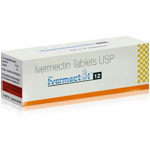

Ivermectol (Ivermectin) is a broad antiparasitic medication designed to help eliminate certain parasites from the body. The active ingredient, ivermectin, works by targeting parasite nerve and muscle function, which helps stop their activity and supports clearance of the infection.
This drug is best known for treating specific parasitic diseases such as strongyloidiasis (intestinal threadworm infection) and onchocerciasis (river blindness). Depending on clinical guidance, it may also be prescribed for other parasite-related conditions, including some cases of scabies.
Main advantages patients look for include proven antiparasitic action, convenient oral dosing, and a clear, single-ingredient formula based on ivermectin.
It is used for confirmed parasitic infections and should be taken only as directed, with dosing tailored to the diagnosis and body weight. Ivermectol is the brand name, while ivermectin is the generic name, making it easier to compare alternatives by the same active ingredient.

- Onchocerciasis: infection caused by Onchocerca volvulus (river blindness);
- Scabies: mite infestation of the skin; an oral option is used in selected clinical cases;
- Crusted scabies: severe form of scabies with heavy mite burden, typically managed with combination therapy;
- Cutaneous larva migrans: migrating hookworm larvae in the skin (creeping eruption);
- Head lice infestation: pediculosis capitis, sometimes considered when topical options fail (not FDA-approved for this);
- Lymphatic filariasis: filarial infection in endemic regions, often within mass drug administration programs.
- Effective for Strongyloidiasis: supports treatment of intestinal threadworm infection caused by Strongyloides stercoralis;
- Effective for Onchocerciasis: helps reduce the parasite burden in Onchocerca volvulus infection (river blindness);
- Oral tablet convenience: taken by mouth, which many patients find simpler than topical-only regimens for some conditions;
- Weight based dosing flexibility: dose is commonly tailored to body weight and diagnosis for more precise treatment plans;
- Useful in selected scabies cases: can be chosen by clinicians for scabies, especially when topical treatment is difficult or impractical;
- Helps reduce parasite related symptoms: by lowering parasite load, it may ease itching, skin irritation, and other infection linked complaints;
- Single active ingredient clarity: straightforward formulation based on ivermectin makes comparisons between brands and generics easier.
Generic Ivermectol (Ivermectin 12 mg) Medication guide:
💊 Ivermectol (Ivermectin) Overview - What This Antiparasitic Tablet Is
What it is
- Drug group: antiparasitic tablets;
- Active ingredient: ivermectin;
- Use: diagnosis-driven therapy for specific parasitic conditions.
Main advantages
- Targeted antiparasitic action (parasites, not bacteria);
- Oral dosing convenience in clinically selected cases;
- Single-ingredient clarity for comparing brand and generic options.
Mini infographic - How to read the name
Brand name
Ivermectol
Generic (INN)
Ivermectin
Meaning
Different names, the same active ingredient - compare by strength and intended indication.
Ivermectol (ivermectin) is a branded oral antiparasitic used when a clinician identifies a parasite-related indication. This medication is intended for diagnosis-driven use, aiming to reduce parasite activity and support clearance of the infection.
What it is commonly used for
- Strongyloidiasis: intestinal infection caused by Strongyloides stercoralis;
- Onchocerciasis: river blindness caused by Onchocerca volvulus;
- Selected ectoparasite conditions: scabies in some clinical settings (guideline-dependent).
Medical perspective
Clinicians typically consider oral ivermectin when exposure risk, symptoms, and/or testing support a parasitic diagnosis. The practical value is targeted antiparasitic effect with a single active ingredient, making product comparison and treatment planning clearer.
Important positioning
- Not an antibiotic (not designed for bacterial infections);
- Not a general viral-illness remedy (targets parasites, not viruses);
- Best fit is when therapy matches a confirmed indication and a clinician-defined plan.
Takeaway: Brand name identifies the product; the generic name identifies the active ingredient that delivers the antiparasitic action.
🧾 Brand vs Generic - Ivermectol Name and Ivermectin INN Explained
When people compare Ivermectol and ivermectin, they are looking at two naming layers: the brand (trade name) versus the generic name (INN). Knowing the difference helps you choose the correct strength and avoid confusion between similar-looking names.
Brand = manufacturer’s product name | Generic (INN) = international active-ingredient name
Fast rule: If two products list ivermectin as the active ingredient, they are comparable by strength, tablet form, and authenticity/quality signals - even if the brand names differ. In catalogs or search queries you may see wording like Generic (Ivermectol) or Generic (ivermectin).
| Label type | What it tells you | Example | Why it matters |
|---|---|---|---|
| Brand (trade name) | The manufacturer’s product name | Ivermectol | Helps identify the specific product and packaging; |
| Generic (INN) | The worldwide active-ingredient name | Ivermectin | Lets you compare across brands and generics; |
| Strength | Amount of active ingredient per tablet | 12 mg (if selected) | Prevents mix-ups between strengths and regimens; |
| Form | How the medicine is delivered | Oral tablet | Impacts how the plan is followed and compared. |
In prescribing language, a clinician may say “oral ivermectin tablets” (generic focus), while a patient may remember only the box name Ivermectol (brand focus). In this guide, wording may alternate and sometimes use this medication or this drug to avoid repetition while keeping meaning clear.
How to compare correctly
- Match the active ingredient (ivermectin);
- Confirm the strength (for example 12 mg);
- Check the tablet form and pack details;
- Prioritize authenticity signals (batch/expiry/seal).
Common mistakes
- Choosing by name only and ignoring strength;
- Mixing two differently named products that both contain ivermectin;
- Assuming all uses are identical across countries and guidelines;
- Using a parasite-focused drug for non-parasitic problems.
Doctor-style note: The name on the box matters less than confirmed indication, correct strength, and a plan tailored to the diagnosis. Once those match, brand vs generic becomes mainly a question of reliable manufacturing and clear product identification.
🎯 Key Benefits at a Glance - Why Clinicians Choose Oral Ivermectin
The practical value of Ivermectol comes from the well-studied antiparasitic activity of ivermectin. Clinicians usually focus on whether the diagnosis matches the parasites this drug can address, and whether an oral tablet is the most suitable approach for the situation. In this guide, you may also see the wording this medication or this drug to keep the text readable while staying precise.
- Targeted antiparasitic action: designed to reduce parasite activity and burden when the indication fits;
- Strong clinical relevance in key diagnoses: commonly used in evidence-based management of certain helminth infections;
- Oral convenience: a tablet format can be more practical than topical-only strategies in selected cases;
- Weight-aware treatment planning: therapy is often discussed in weight-based terms to match the diagnosis and patient profile;
- Single active ingredient clarity: straightforward comparison across products that contain ivermectin as the core component;
- Public-health experience: the active ingredient has long-standing use in large-scale parasite control programs in endemic regions.
Generic (Ivermectol) and Generic (ivermectin) can appear in search queries, but the key comparison points remain the same: ingredient, strength, and authenticity.
Mini infographic - How “benefit” is usually measured
Step 1
Confirmed parasite-related indication.
Step 2
Oral ivermectin plan chosen by a clinician.
Step 3
Reduced parasite activity and burden.
Step 4
Clinical improvement assessed by follow-up.
Clinician decision drivers often include the parasite type, exposure history, severity, and whether an oral option is practical.
What “good fit” usually means
- Indication aligns with parasites known to respond to oral ivermectin;
- The plan is clear on strength selection and timing expectations;
- Product identification is unambiguous (brand vs generic is understood).
What “benefit” does not mean
- Not a universal solution for unexplained symptoms;
- Not a substitute for diagnosis when the cause is non-parasitic;
- Not interchangeable across strengths without careful selection.
Expert context (real specialists): In global parasite-control work, oral ivermectin is evaluated and guided by recognized experts involved in onchocerciasis and lymphatic filariasis programs, such as Prof. Gilbert Burnham, Dr. Tom Nutman, Dr. Alison Krentel, Prof. Yaya I. Coulibaly, Prof. B.E.B. Nwoke, Dr. Sébastien Pion, Prof. Monique Ameyo Dorkenoo-Agbeko, and Dr. Kapa D. Ramaiah. This does not imply endorsement of a specific brand, but reflects the depth of expertise behind clinical and public-health use of the active ingredient.
🧬 How This Medication Works - Antiparasitic Mechanism of Action
Ivermectol contains ivermectin, an antiparasitic agent designed to act on specific parasite nerve and muscle pathways. In practical terms, this medication helps reduce parasite activity so the body can clear the infection more effectively when the indication is correct.
🎯 Primary target in parasites - the “signal shutdown” effect
The core mechanism of ivermectin involves strong binding to parasite channels that control electrical signaling. When these channels are disrupted, parasites lose coordinated movement and feeding ability, which supports elimination of the infection.
Mechanism steps (simple, SEO-friendly)
- Binding: attaches to parasite nerve/muscle chloride channels (key communication pathways);
- Disruption: increases chloride influx and weakens parasite signaling;
- Immobilization: parasites become unable to maintain normal movement and function;
- Clearance support: reduced parasite activity helps the body remove them over time.
🧠 Why it can be selective - humans vs parasites
A reason clinicians consider Generic (ivermectin) for certain helminth infections is that the most sensitive target channels are prominent in parasites, while human biology is different. In most situations, exposure to the central nervous system is limited, and the intended effect remains focused on parasites. This is one reason the same active ingredient can be used across brands, including Generic (Ivermectol), when the diagnosis fits.
🔎 What clinicians match before choosing this drug
- Parasite type (the organism must be one that responds to oral ivermectin);
- Exposure history (endemic areas, contact risks, travel patterns);
- Clinical picture (symptoms consistent with a parasitic cause);
- Plan clarity (strength and timing aligned with the indication).
🧩 What the mechanism “looks like” in real life
- Less parasite activity after dosing (the main goal of therapy);
- Lower parasite burden over the planned course (single or repeat dose regimens);
- Clinical improvement evaluated by symptoms and follow-up strategy.
📊 Mini infographic - From diagnosis to effect
1) Confirm
Parasite-related indication is identified.
2) Select
Oral ivermectin plan is chosen.
3) Act
Parasite signaling is disrupted.
4) Result
Reduced parasite activity and burden.
🧾 Mechanism-to-benefit mapping (quick table)
| Mechanism element | What it means for therapy |
|---|---|
| Parasite nerve/muscle signal disruption | Supports reduced parasite activity and improved clearance when the indication fits; |
| Targeted antiparasitic focus | Used for parasite diagnoses - not positioned as a broad remedy for unrelated problems; |
| Single active ingredient (ivermectin) | Makes brand vs generic comparison clearer: strength, form, and authenticity are key. |
🩺 Expert perspective (real specialists)
In parasitic-disease practice, experts such as Dr. Thomas B. Nutman (NIH, helminth infections) and public-health leaders involved in onchocerciasis programs such as Prof. Gilbert Burnham emphasize a consistent principle: the best outcomes come when oral ivermectin is used for a confirmed, appropriate indication with a clear plan - the mechanism is targeted, so diagnosis matters.
✅ FDA Approved Indications - Official Uses for Oral Ivermectin
This section covers the official FDA-approved indications for oral ivermectin tablets. In other words, these are the uses supported by FDA labeling for ivermectin (the active ingredient found in Ivermectol). FDA approval is indication-specific, meaning the approval is tied to particular diagnoses - not to “all parasites” in general.
✅ FDA-approved indications (human oral tablets)
- Strongyloidiasis: intestinal infection caused by Strongyloides stercoralis (threadworm);
- Onchocerciasis: infection caused by Onchocerca volvulus (river blindness).
🔎 What these indications mean in practical terms
FDA-approved indications are not just “popular uses” - they reflect defined conditions where oral ivermectin has recognized clinical value. For strongyloidiasis, the focus is an intestinal helminth infection that can persist if not addressed properly. For onchocerciasis, the focus is a filarial infection that can lead to significant long-term complications in endemic settings.
| FDA-approved indication | Parasite involved | Typical clinical goal | Why diagnosis matters |
|---|---|---|---|
| Strongyloidiasis | Strongyloides stercoralis | Reduce parasite activity and help clear intestinal infection; | Symptoms can be non-specific, so confirmation improves correct use; |
| Onchocerciasis | Onchocerca volvulus | Lower parasite burden and reduce ongoing disease impact; | Condition is linked to endemic exposure - history and evaluation guide appropriate use. |
🧾 FDA approval - what it does and does not mean
What it means
- The indication is clearly defined by diagnosis;
- Clinical use follows established labeling concepts for oral ivermectin;
- Strength and regimen are selected to match the diagnosis and patient factors.
What it does not mean
- Not “approved for every parasite” - only specific indications are official;
- Not a general solution for unrelated symptoms or non-parasitic illnesses;
- Not a reason to self-diagnose - evaluation still matters.
📌 How to use this section for correct product matching
When your goal is to match a product page to FDA wording, the safest approach is to keep the “official indications” limited to the two diagnoses above. Other uses (even common ones) should be placed in the separate section Non-FDA Uses in Practice to keep the structure accurate and SEO-clean. In user-friendly text, it is fine to alternate between Ivermectol, ivermectin, and occasional phrases like this medication - the key is that the FDA-approved indications remain precise and unchanged.
🩺 Expert perspective (real specialists)
Specialists in helminth and filarial diseases often stress a consistent principle: oral ivermectin performs best when it is tied to a confirmed, appropriate indication. For example, Dr. Thomas B. Nutman (NIH, helminth infections) has extensively contributed to clinical understanding of parasitic diseases, and global onchocerciasis programs have long relied on structured, diagnosis- and guideline-based use of ivermectin rather than “one-size-fits-all” self-use.
🧭 Non-FDA Uses in Practice - When Doctors May Consider It Off-Label
This section covers situations where oral ivermectin may be used in real-world practice outside FDA-approved labeling. “Off-label” does not mean ineffective or unsafe by default - it means the use is not listed as an FDA-approved indication for oral tablets. Clinicians may still consider this medication when reputable guidelines, specialist experience, local approvals, and patient-specific factors support the decision.
📌 Core concept for readers
FDA-approved for oral ivermectin is limited to Strongyloidiasis and Onchocerciasis. Everything below should be presented as clinician-guided, country- and guideline-dependent use. This keeps the guide accurate and SEO-clean.
🧠 Why doctors may consider off-label oral ivermectin
- Practicality: an oral option may be preferred when topical therapy is difficult or adherence is a concern;
- High parasite burden: some severe presentations require a stronger, multi-step approach guided by a clinician;
- Outbreak settings: institutional or household transmission control can influence treatment strategy;
- Guideline support: some regions include oral ivermectin within formal scabies management guidance.
✅ Common off-label or guideline-based uses
- Scabies: mite infestation of the skin; oral therapy may be selected in certain cases;
- Crusted scabies: severe form with heavy mite burden, often managed with combination strategies;
- Cutaneous larva migrans: “creeping eruption” caused by hookworm larvae migrating in skin;
- Pediculosis (lice): sometimes considered when standard topical approaches are unsuitable or fail.
🧩 What changes with off-label use
- Dosing strategy may differ by diagnosis and guideline;
- Repeat dosing can be used in some protocols instead of a single dose;
- Combination therapy may be recommended in severe cases (for example crusted scabies);
- Monitoring and follow-up may be more important in complex presentations.
📊 Off-label use - what it usually looks like (high-level)
| Clinical situation | Why oral ivermectin may be chosen | Common strategy approach (general) | Key reminder |
|---|---|---|---|
| Scabies | Oral option can help when topical application is impractical; | May involve repeat dosing depending on protocol; | Household/close contacts may require coordinated management; |
| Crusted scabies | High mite burden often needs a more intensive plan; | Combination strategies are common in severe cases; | Specialist supervision is typically recommended; |
| Cutaneous larva migrans | Targets larvae-related skin infestation in selected cases; | Short course approaches may be used by clinicians; | Diagnosis matters because rashes have many causes; |
| Pediculosis (lice) | Sometimes considered after topical failures or intolerance; | Clinician-guided approach varies by region; | Environmental control steps often matter for success. |
⚠️ Important boundaries
- Off-label requires clear clinical reasoning and often relies on local guidelines or specialist judgment;
- Do not assume one protocol fits every case - parasite-related conditions vary widely;
- This drug is parasite-focused, so non-parasitic symptoms should be evaluated separately.
🩺 Expert perspective (real specialists)
Dermatology and infectious-disease guidance commonly emphasizes that scabies management is not only about the drug choice, but also about coordinated control and proper diagnosis. For example, Dr. John R. W. Heukelbach and Prof. Lucie Romani have published extensively on scabies and public-health approaches, highlighting why clinician-guided protocols and contact management matter. In helminth infection practice, Dr. Thomas B. Nutman (NIH) has contributed to clinical understanding of parasite diseases, reinforcing the same core idea: match oral ivermectin use to a well-defined indication and plan.
🦠 Parasites Targeted - Helminths and Selected Ectoparasites
Oral ivermectin is best understood as a parasite-targeted medication with a defined spectrum. The key idea is simple: it is used when the suspected or confirmed organism belongs to parasite groups known to respond to this drug, and the plan is matched to the diagnosis.
🧩 Target spectrum in one glance
Helminths (worms)
Strong clinical focus on selected nematodes and filarial infections.
Ectoparasites
Selected skin parasites may be addressed in clinician-guided protocols.
Not “all parasites”
Some parasites require different drug classes and strategies.
🎯 Key parasites commonly discussed with oral ivermectin
- Strongyloides stercoralis (Strongyloidiasis): intestinal threadworm infection associated with persistent infestation in untreated cases;
- Onchocerca volvulus (Onchocerciasis): filarial infection linked to long-term complications in endemic exposure settings;
- Sarcoptes scabiei (Scabies): mite infestation of the skin, often managed with coordinated household/contact control;
- Crusted scabies: severe scabies with heavy mite burden, typically requiring a more structured clinical plan;
- Cutaneous larva migrans: migrating hookworm larvae in the skin (creeping eruption), treated in selected clinical approaches;
- Pediculus humanus capitis (Head lice): considered in some clinician-guided situations when standard approaches are unsuitable.
🔎 Why “parasite ID” matters
Different parasites respond to different drug families. Choosing oral ivermectin makes the most sense when the clinical picture, exposure history, and testing align with organisms in the known responsive spectrum. This prevents ineffective therapy and reduces the risk of treating the wrong condition.
🚫 Parasites not typically addressed by oral ivermectin (quick clarity)
Common “mix-ups”
- Tapeworms (cestodes): often require other agents and a different approach;
- Flukes (trematodes): typically treated with other antiparasitic classes;
- Protozoa: many protozoal infections are not treated with ivermectin-based protocols.
Best use-case framing
- Helminth-focused where the target is a responsive nematode/filarial parasite;
- Selected ectoparasites where oral therapy is clinically chosen;
- Plan-driven treatment rather than symptom-driven guessing.
🩺 Specialist perspective (real names, practical advice)
Dr. Thomas B. Nutman emphasizes diagnosis-driven management of helminth infections, including confirming the parasite and using follow-up strategy when needed. Dr. Daniel Engelman and Prof. Lucie Romani highlight that scabies success depends on correct case identification and coordinated contact/household control to reduce reinfestation.
🔎 Diagnosis First - Confirming a Parasitic Infection Before Treatment
The most important rule for Ivermectol (active ingredient: ivermectin) is simple: the best results come when treatment is tied to a confirmed parasitic diagnosis. Many symptoms that people associate with parasites (itching, rashes, stomach discomfort, fatigue) can be caused by non-parasitic problems as well, so “guessing” often leads to wasted time and poor outcomes.
🧭 What “confirmation” means in real life
Confirmation can come from a combination of exposure history, typical symptom patterns, and testing. In some cases, clinicians may treat when the probability is high, but the decision still follows a diagnostic logic rather than a random trial.
✅ What strengthens a parasitic diagnosis
- Exposure: travel to endemic regions, contaminated soil contact, unsafe water/food, close-contact outbreaks;
- Pattern: symptoms matching known parasite presentations (intestinal vs skin vs eye-related);
- Evidence: lab tests or direct findings supporting a specific organism;
- Consistency: multiple clues pointing to the same parasite group.
⛔ What weakens the case
- Vague symptoms only without exposure history;
- Short-lived discomfort that does not match parasite timelines;
- No objective findings after appropriate evaluation;
- Non-parasitic explanations that fit better (allergy, dermatitis, IBS, infections).
🧪 Common diagnostic methods clinicians use
The exact test depends on the suspected organism. Below is a practical overview of what doctors often request when considering oral ivermectin.
- Stool testing: used for intestinal parasites (often more than one sample is needed);
- Serology (blood antibodies): can support diagnosis for certain helminths when stool tests miss low-level infection;
- Skin evaluation: dermatoscopic exam or clinician assessment for scabies patterns and burrows;
- Microscopy / scraping: may help confirm mites/eggs in selected scabies cases;
- Exposure-based assessment: travel and endemic risk can drive targeted testing plans;
- Follow-up strategy: repeat evaluation when symptoms persist or reinfection is likely.
📊 Diagnosis-to-treatment matching (quick map)
| Suspected problem | What clinicians try to confirm | Common evidence type | Why it matters before tablets |
|---|---|---|---|
| Intestinal helminth infection | Specific worm type (e.g., Strongyloides) | Stool tests ± serology | Different worms require different drugs and regimens; |
| Filarial infection | Exposure-linked parasite (endemic risk) | Clinical + regional risk + specialist evaluation | Plan depends on parasite biology and setting; |
| Scabies / crusted scabies | Mite infestation pattern and contact spread | Skin exam ± scraping, contact history | Household coordination reduces reinfestation; |
| “Unexplained itching/rash” | Parasite vs non-parasite cause | Dermatology evaluation, history | Prevents incorrect use when the cause is allergic/dermatologic. |
🧩 Practical checklist before starting this drug
- What parasite is suspected? (name matters);
- What evidence supports it? (test or clinical pattern);
- Is there reinfection risk? (contacts, environment, travel);
- Is the plan clear? (strength, timing, repeat-dose window if any).
- Match product details: confirm active ingredient is ivermectin;
- Match strength: choose the correct mg per tablet based on the plan;
- Keep records: note dose dates for follow-up and to avoid duplication;
- Coordinate contacts: especially important in scabies scenarios.
🩺 Specialist perspective (real names, practical advice)
Dr. Thomas B. Nutman stresses that helminth therapy works best when the parasite is identified (or strongly supported) and follow-up is planned. Dr. Daniel Engelman emphasizes that scabies management succeeds when diagnosis is clear and close contacts are addressed to reduce reinfestation.
💠 Dosage Forms and Strengths - Understanding Tablet Strength (Including 12 mg)
This drug is typically supplied as an oral tablet with a clearly labeled strength in milligrams (mg). The strength tells you how much ivermectin is in one tablet. Understanding strength is important because treatment plans are usually weight-aware and indication-specific, so the correct mg per tablet helps avoid confusion and accidental under- or over-dosing.
💊 Dosage form (what you receive)
- Oral tablets: the most common form for systemic (whole-body) antiparasitic use;
- Pack formats: blister strips or bottles depending on manufacturer and market;
- Label essentials: strength (mg), batch/lot, expiry date, manufacturer, and storage notes.
✅ Common strengths you may see
- 3 mg: often used when flexibility is needed;
- 6 mg: a common mid-range option for tablet-count planning;
- 12 mg: often chosen to reduce tablet count in some regimens.
⚠️ Why strength matters
- Different indications may require different total mg targets;
- Higher-strength tablets can reduce tablet count but must match the plan;
- Mixing two products with the same ingredient can accidentally duplicate total mg.
🔍 How to read the strength correctly (label logic)
Think of strength as a simple equation: mg per tablet × number of tablets = total mg taken. The goal is not to self-adjust a plan, but to ensure the product you selected can match a clinician-defined regimen without guesswork.
🧾 Strength mapping example (for understanding only)
- If a plan requires a 12 mg total and the tablets are 12 mg each, that is 1 tablet;
- If tablets are 6 mg each, that is 2 tablets to reach 12 mg;
- If tablets are 3 mg each, that is 4 tablets to reach 12 mg.
📊 Strength selection - practical comparison
| Tablet strength | Main practical advantage | Typical use-case logic | Common pitfall |
|---|---|---|---|
| 3 mg | More flexible tablet-count adjustment | Useful when a plan needs finer total-mg steps | More tablets can increase counting errors; |
| 6 mg | Balance of flexibility and convenience | Often fits weight-aware plans with moderate tablet count | Mixing with another ivermectin product can duplicate mg; |
| 12 mg | Lower tablet count for the same total mg | Chosen when a plan aligns cleanly with 12 mg units | Assuming “stronger is better” rather than matching the plan. |
🧩 Packaging and identification checks (strength-focused)
- Strength printed clearly on blister/box (for example 12 mg);
- Batch/lot number visible and consistent across pack;
- Expiry date readable and not altered;
- Manufacturer details present and not generic-looking.
- Match the active ingredient: ivermectin should be stated;
- Match the strength: do not substitute mg without a plan;
- Avoid duplicates: do not combine two ivermectin-labeled products;
- Record your pack: keep a note of strength and batch for follow-up.
🩺 Specialist perspective (real names, practical advice)
Dr. Thomas B. Nutman emphasizes that helminth treatment works best when dosing decisions follow a diagnosis-driven plan and appropriate follow-up. Prof. Lucie Romani highlights that in scabies control strategies, correct case identification and coordinated management matter as much as the medication choice.
💧 How to Take Oral Ivermectin Tablets - Administration and Timing Basics
The best way to use ivermectin tablets is to follow a clinician-defined plan that matches a confirmed indication. This section explains how tablets are typically taken (administration basics) so dosing stays consistent and easy to track.
✅ Before your first dose - quick readiness checklist
- Confirm the indication matches a parasite the drug targets;
- Confirm tablet strength so the plan is easy to follow;
- Write down the schedule (dates and times) before starting;
- Avoid duplicates - do not combine two ivermectin-labeled products.
- Check the pack details (batch/expiry) before opening;
- Plan a reminder to reduce missed-dose risk;
- Keep a simple log of dose dates for follow-up;
- Know your next step if a repeat dose is part of your plan.
🥤 How to take the tablet - practical technique
Oral tablets are usually taken with a full glass of water. Swallow tablets whole unless your clinician instructs otherwise. The key is consistency: same approach each time so timing and absorption are predictable.
- Take with water and avoid “dry swallowing”;
- Stay consistent with timing across doses;
- Use one tracking method (calendar, notes, or pill organizer);
- Do not improvise extra doses if you feel symptoms are “still there”.
🍽️ Food timing - what matters most
Depending on local guidance and the plan your clinician follows, tablets may be recommended on an empty stomach or with specific timing around meals. The most important part is to follow the same instruction consistently throughout the regimen so results are easier to evaluate.
| Timing approach | Why it is used | How to stay consistent |
|---|---|---|
| Empty-stomach approach | Often chosen to keep dosing standardized across patients; | Pick a clear “before food” window and repeat it each time; |
| Meal-timed approach | Sometimes used in certain protocols to fit patient routines; | Take with the same meal timing each dose day. |
🧼 If the indication is scabies - add the “reinfestation prevention” layer
When scabies is the reason for treatment, success often depends on coordination rather than tablets alone. Even a perfect dosing plan can fail if close contacts are untreated or if basic environment steps are ignored.
🧩 Household control checklist (scabies-focused)
- Treat close contacts when the clinician recommends coordinated management;
- Wash bedding and clothing according to local hygiene guidance;
- Repeat steps if your plan includes a second dose window;
- Track symptom timeline to distinguish healing vs reinfestation.
🩺 Specialist perspective (real names, practical advice)
Dr. Daniel Engelman emphasizes that scabies outcomes improve when close contacts are managed together and reinfestation is actively prevented. Dr. Thomas B. Nutman highlights that parasite therapy works best when dosing follows a diagnosis-driven plan and follow-up is considered part of treatment.
📏 Dosing Principles - Weight-Based Planning and Repeat-Dose Logic
Oral ivermectin dosing is usually not “one pill for everyone”. Clinicians commonly plan the regimen using a weight-based approach and an indication-specific schedule. The goal is to match total exposure to the parasite biology and reduce the risk of under-treatment or unnecessary extra dosing.
⚖️ Why weight matters
Tablet strength tells you mg per tablet, but the plan is often built around the patient’s body weight. That is why the same diagnosis can lead to different tablet counts in different people. This is also why switching strengths (3 mg, 6 mg, 12 mg) should be done only to match the plan, not to “increase power”.
✅ What clinicians usually define
- Target parasite and the diagnosis label;
- Patient weight and relevant clinical factors;
- Total intended exposure across the course;
- Need for repeat dosing when protocol requires it;
- Follow-up plan to confirm response or address reinfection.
⛔ What patients should not do
- Do not self-calculate a regimen from internet dosing tables;
- Do not double doses to compensate for anxiety or slow symptom relief;
- Do not mix two ivermectin products under different brand names;
- Do not change timing if your plan includes a repeat window;
- Do not treat “just in case” when the diagnosis is unclear.
🔁 Why some regimens use a repeat-dose window
Repeat dosing is sometimes used because parasite life cycles and reinfestation patterns can require more than one exposure to reduce ongoing parasite activity. This is especially relevant in conditions where contacts and environmental control influence outcomes. The clinician’s schedule is designed to align with the biology of the organism and real-world reinfection risk.
| Planning element | What it controls | Why it matters |
|---|---|---|
| Weight-based dosing logic | Tablet count aligns with the patient profile | Helps avoid too little exposure or unnecessary extra dosing; |
| Indication-specific schedule | Timing aligns with parasite biology | Different parasites respond best to different schedule concepts; |
| Repeat-dose window | Second exposure when protocol requires it | Can help address life-cycle timing and reinfection patterns; |
| Follow-up strategy | Confirms response and guides next steps | Distinguishes healing, persistence, and reinfestation. |
🧾 Simple dose-planning checklist (reader-friendly)
- Confirm the diagnosis and the parasite type;
- Confirm the tablet strength you purchased matches the plan;
- Record dose dates in a note or calendar;
- If a repeat dose is planned, keep the timing consistent;
- Plan what “success” means: symptom trend, exam, or follow-up test.
🩺 Specialist perspective
Dr. Thomas B. Nutman highlights that helminth treatment should be diagnosis-driven and matched to the patient profile, with follow-up considered part of therapy. Dr. Daniel Engelman emphasizes that in scabies management, coordinated contact control and protocol timing are key to reducing reinfestation.
⏱️ What to Expect After the Dose - Symptom Timeline and Follow-Up Signals
With oral ivermectin, results are usually judged by direction of change, not by instant relief. The timeline depends on the indication, parasite burden, and whether reinfection risk (contacts, environment, repeated exposure) is still present. Use the guidance below to understand what “working” often looks like and when it is smart to reassess.
🎯 The core idea: parasite activity drops first, symptoms settle after
This drug reduces parasite activity and burden. Symptoms can improve more slowly because skin and tissue irritation may continue for a while even after parasites are affected. That is why a single day without dramatic change is not a reliable indicator of success or failure.
Fast check: A strong early sign is often fewer new lesions or no new spread over time - not necessarily immediate disappearance of old irritation.
📅 Typical timeline map (what many patients notice)
0-48 hours
The drug starts acting; symptom change can be subtle.
Days 3-7
The trend often becomes clearer if the indication is correct.
Week 2
A common checkpoint used to judge response and plan next steps.
After 2 weeks
Persistent or worsening patterns usually trigger reassessment.
🧩 What “working” looks like, depending on the situation
| Situation type | Signals that support improvement | What can mimic failure | What clinicians focus on |
|---|---|---|---|
| Scabies-type patterns | Less new spread, calmer pattern over time, fewer fresh lesions; | Untreated contacts, reinfestation, incorrect diagnosis; | Coordination + timing + trend, not only “itch level”; |
| Helminth infections | Gradual symptom improvement consistent with the diagnosis; | Non-parasitic GI conditions, mixed causes, poor confirmation; | Diagnosis fit + planned reassessment when needed; |
| High parasite burden cases | Stepwise improvement rather than sudden full resolution; | Re-exposure, need for protocol timing or repeat-dose window; | Structured follow-up and clear checkpoints. |
🧠 Two rules that prevent most confusion
Rule 1: separate “old irritation” from “new spread”
Old irritation can fade slowly. A more reliable signal is whether new lesions keep appearing or whether the pattern is stabilizing.
Rule 2: stop reinfection loops
If contacts and environment are not managed in scabies-type scenarios, reinfestation can make the medication look ineffective.
📌 What to record for smart follow-up (short and practical)
- Dose date/time and tablet strength used;
- New lesions: yes/no, and whether the area is expanding;
- Daily trend: better/same/worse compared to yesterday;
- Re-exposure risk: contacts managed (yes/no) when relevant.
🩺 Specialist perspective
Dr. Thomas B. Nutman advises tying parasite therapy to a clear diagnosis and using follow-up strategy when symptoms are non-specific. Dr. Daniel Engelman advises that scabies outcomes improve when contacts are managed together and reinfestation is actively prevented.
🚫 Contraindications - Who Should Not Use Oral Ivermectin
Contraindications are situations where this medication should not be used (or should only be used if a clinician specifically decides the benefit outweighs risk). For oral ivermectin, the key point is to separate absolute “do not use” from “needs specialist decision”.
🛑 Absolute contraindication (clear no)
Do not use if:
- Known hypersensitivity to ivermectin or any tablet component.
⚠️ High-caution situations (clinician decision required)
Pregnancy planning and pregnancy
- Use only when a clinician determines it is necessary for the specific diagnosis;
- Benefit-risk assessment depends on indication and local guidance.
Breastfeeding
- Clinical decision depends on infant age, dose strategy, and necessity;
- Follow a clinician plan rather than self-adjusting timing.
Liver disease or complex medical history
- May require individual dosing decisions and monitoring;
- Avoid combining multiple antiparasitic products without guidance.
🌍 Special risk scenario - travel or residence in specific endemic regions
In certain parts of Central and West Africa, clinicians are careful with oral ivermectin when there is a possibility of Loa loa infection. This is not a routine issue for most patients, but it becomes relevant when a person has lived in, or traveled extensively in, high-risk areas.
🔎 What to do if this applies
- Tell the clinician about travel and long stays in endemic regions;
- Ask about screening if the plan is onchocerciasis-related therapy;
- Do not self-treat when the geographic risk is uncertain.
📋 Contraindications vs precautions (quick clarity table)
| Situation | Category | Why it matters | Best action |
|---|---|---|---|
| Allergy to ivermectin or excipients | Contraindication | Risk of serious hypersensitivity reactions; | Do not use and select an alternative plan; |
| Pregnancy | Precaution | Requires benefit-risk decision by indication; | Use only under clinician guidance; |
| Breastfeeding | Precaution | Clinical decision depends on context; | Follow clinician timing and plan; |
| Significant liver disease | Precaution | May affect how therapy is planned and monitored; | Individual assessment and monitoring plan; |
| Possible Loa loa exposure | High-risk precaution | Requires screening strategy in specific regions; | Specialist evaluation before dosing. |
🩺 Specialist perspective
Dr. Thomas B. Nutman emphasizes that helminth therapy should be diagnosis-driven and that geographic exposure history matters when planning safe treatment.
Dr. Daniel Engelman emphasizes that correct diagnosis and coordinated management reduce mis-treatment and prevent repeated cycles that look like “drug failure”.
⚠️ Side Effects - What Is Common, What Is Expected, and What Needs Medical Help
Side effects with oral ivermectin can come from two sources: the medicine itself and the body’s response to parasites being affected. That is why some symptoms may look “worse before better” in specific parasite conditions, while others suggest the plan should be reassessed.
🟢🟡🔴 Quick interpretation guide
🟢 Usually mild and temporary
- Headache;
- Mild dizziness;
- Nausea or mild stomach upset;
- Diarrhea;
- Fatigue;
- Mild skin itching or mild rash.
🟡 Can happen and should be monitored
- More noticeable dizziness affecting daily activity;
- Worsening GI symptoms that do not settle;
- New or spreading rash that becomes uncomfortable;
- Flu-like feelings in certain parasite conditions (inflammatory response).
🔴 Stop and seek medical help
- Allergy signs: swelling of face/lips/tongue, breathing difficulty, severe hives;
- Severe skin reaction: extensive rash with systemic symptoms;
- Severe neurologic symptoms: confusion, severe weakness, fainting, seizures;
- Any rapid deterioration after dosing.
🧩 “Drug side effect” vs “parasite reaction” - why it matters
In some parasitic infections, symptoms may reflect an inflammatory response when parasites are affected. This can include itching, rash, and general discomfort that is more about the body’s immune response than a direct intolerance to the tablet. The interpretation depends on the indication and exposure history, so monitoring and follow-up are important when symptoms are strong.
| What you notice | Most likely category | What it often means | Practical next step |
|---|---|---|---|
| Mild headache, mild nausea | Common side effect | Usually temporary adaptation | Hydration, rest, keep the plan consistent; |
| Itching continues after scabies treatment | Post-treatment skin recovery | Skin inflammation can persist even as parasites are controlled | Track new lesions vs old irritation; reassess if new spread continues; |
| Flu-like feeling + itching in parasite context | Inflammatory response | Body reacting to parasite burden changes | Monitor intensity and duration; contact clinician if strong or prolonged; |
| Swelling, breathing difficulty | Allergic reaction | Potential hypersensitivity | Stop and seek urgent care; |
🧼 If the indication is scabies - the most common confusion point
What can be normal
- Itching that lingers while skin heals;
- Old spots fading slowly over days to weeks;
- Gradual improvement trend without new spread.
What suggests reassessment
- New burrows or new clusters appearing after treatment;
- Household contacts not managed leading to reinfestation;
- No improvement trend by a reasonable checkpoint.
🩺 Specialist perspective
Dr. Daniel Engelman stresses that scabies success depends on correct diagnosis and coordinated contact management, and that lingering itch can persist while skin recovers. Dr. Thomas B. Nutman stresses diagnosis-driven helminth treatment and using follow-up strategy when symptoms are non-specific or risk factors are complex.
🔗 Drug Interactions - What Can Change Safety or Effectiveness
Drug interactions with ivermectin are usually about two things: (1) medicines that can increase exposure to this drug by affecting metabolism/transport, and (2) combinations that can increase certain risks (for example stronger dizziness/sedation). If you take multiple prescriptions, this is the section that prevents most avoidable problems.
🚦 Interaction risk map (quick and clear)
Low concern for most people
- Occasional non-interacting daily medicines (still disclose to your clinician);
- Standard vitamins (unless very high-dose or unusual supplements).
Medium concern - needs a check
- Blood thinners (warfarin-like anticoagulants need INR attention);
- Strong CYP3A4 / transport modulators (may alter exposure);
- Multiple antiparasitics at once without a plan.
Higher concern - avoid “guessing”
- Sedatives (benzodiazepines, barbiturates, strong sleep aids) if you already get dizziness/sleepiness;
- Alcohol when you are prone to nausea, dizziness, or sleepiness (can feel worse together);
- Complex regimens where a clinician must coordinate timing and monitoring.
✅ The interactions that matter most (practical list)
- Warfarin (and similar anticoagulants): rare reports of increased INR when taken together - monitoring may be needed;
- Strong CYP3A4 / transporter affecting drugs: may change how the body handles ivermectin, which can influence side-effect risk;
- CNS depressants (strong sedatives, some sleep medicines): can make dizziness/sleepiness more problematic in sensitive users;
- Alcohol: not a “classic interaction” for everyone, but it can worsen common side effects like dizziness or nausea, so many clinicians advise limiting it during dosing days.
📊 Interaction table (what happens + what to do)
| Combination group | What may change | What patients usually do | Best safety move |
|---|---|---|---|
| Warfarin-type anticoagulants | INR may rise in rare cases; | Unexpected bruising concern or INR fluctuation; | Tell your clinician and monitor INR as advised; |
| CYP3A4 / transport modulators | Exposure to this medication may increase or decrease; | More dizziness, GI upset, or “stronger than usual” effects; | Medication review - clinician or pharmacist check; |
| Strong sedatives / sleep medicines | Additive dizziness or sleepiness in susceptible users; | Reduced alertness, slower reaction time; | Avoid stacking sedatives on dosing day when possible; |
| Alcohol | Can worsen nausea, dizziness, or sleepiness for some; | “Felt heavier” side effects; | Limit or avoid around dosing, especially if sensitive; |
🧩 Two “mistake patterns” that create most interaction problems
Mistake pattern 1: hidden duplicates
Taking two different packs that both contain ivermectin (different brand names) can accidentally double total mg. Keep one product only and track dose dates.
Mistake pattern 2: sedation stacking
Combining this drug with sleep aids, benzodiazepines, or heavy alcohol can make dizziness and sleepiness more noticeable. The safer approach is spacing and minimizing sedatives on dosing days.
🩺 Specialist perspective
Dr. David A. Flockhart advises treating CYP-mediated interactions as a system problem: review the full medication list instead of focusing on one pill. Dr. Thomas B. Nutman advises that parasite therapy works best when diagnosis and follow-up are clear, which also helps avoid unnecessary multi-drug stacking.
⚠️ Precautions and Warnings - Who Needs Extra Caution
This section is about risk-checking before using oral ivermectin. Most problems happen when people treat without a clear indication, ignore high-risk situations, or stack medicines that increase dizziness and other unwanted effects. Use the checklist below to quickly see whether this medication fits your situation or whether a clinician should adjust the plan.
🚦 Safety filter in 15 seconds (start here)
✅ Green
Confirmed parasite diagnosis and a clear plan from a clinician.
⚠️ Yellow
Complex history or multiple medicines - needs review before dosing.
🛑 Red
Allergy to ivermectin/excipients or high-risk travel history needing screening.
🛑 Do not use (hard stop)
- Known hypersensitivity to ivermectin or any tablet component.
⚠️ Use only with clinician decision (high-caution groups)
🤰 Pregnancy
- Safety is not established for routine self-use;
- Benefit-risk decision should match the diagnosis and urgency;
- Follow the plan exactly - no self-adjusting timing or dose.
🍼 Breastfeeding
- Ivermectin is present in breast milk in low concentrations;
- Use when a clinician decides benefit outweighs risk;
- Follow clinician guidance on timing and monitoring.
🧒 Children under 15 kg
- Safety and effectiveness are not established below 15 kg;
- Clinicians usually choose alternative strategies in this group;
- Do not “scale down” adult dosing by guesswork.
🧠 Neurologic caution - when dizziness is not “just a small thing”
Some people are more sensitive to dizziness, fatigue, or reduced alertness. If your job involves driving or machinery, treat dosing day like a “low-risk day” until you know how you respond. Avoid stacking this drug with strong sedatives or heavy alcohol around dosing (interaction logic was covered in section 15).
⚠️ Extra caution if you have
- History of fainting or severe dizziness episodes;
- Seizure disorder or complex neurologic history;
- Multiple CNS-active medicines (sleep aids, sedatives).
✅ Safer approach
- Take the dose at a time when you can rest if needed;
- Hydrate and avoid alcohol on dosing day;
- Do not add “extra tablets” if symptoms feel slow to improve.
🧫 Liver considerations (high-level warning)
This drug is metabolized by the body, so significant liver disease can change how carefully a regimen should be planned. If you have known liver problems or abnormal liver tests, a clinician may choose closer monitoring - especially when a protocol uses repeated doses. The next section (17) will also cover geographic risks that require special screening steps.
🌍 Geographic exposure warning (short preview)
If you lived in or traveled extensively in Central/West Africa, clinicians may consider screening for Loa loa risk before ivermectin use in certain contexts. This is a safety topic with its own logic, so section 17 covers it in detail.
🩺 Specialist perspective
Dr. Thomas B. Nutman emphasizes diagnosis-driven helminth management and planning follow-up when risk factors are complex.
Dr. Daniel Engelman emphasizes that scabies outcomes improve when close contacts are managed together and reinfestation is actively prevented.
🌍 Endemic Area Risks - Loa loa Screening and Safety Notes
This is a geography-driven safety topic. In parts of Central and West Africa where Loa loa (African eye worm) is endemic, clinicians use extra caution with oral ivermectin. The reason is not “the drug is bad” - it is that high Loa loa microfilarial load can increase the risk of serious reactions in certain contexts, so screening and specialist planning may be needed.
🚩 When this section matters
This warning matters mainly if you have lived in or had long stays in Loa loa-endemic regions, especially rural/forested areas. For most users outside those exposure zones, this risk is not the main limiting factor.
🧭 Exposure checkpoint - who should raise the “Loa loa flag”
🧳 Travel/residence history
- Lived in Central/West Africa for extended periods;
- Repeated trips with rural/forested exposure;
- Worked outdoors in endemic zones (high bite exposure).
👁️ Symptoms/history to mention
- Eye worm history (a worm seen moving across the eye);
- Calabar swellings (episodic localized swelling);
- Unexplained migrating swelling after endemic exposure.
🧪 What “screening” means (high-level, patient-friendly)
Screening is a clinician-led step to estimate whether Loa loa risk is present at a level that changes the safety plan. In practice, this can include targeted blood testing and specialist evaluation in travel/infectious-disease settings. The goal is simple: avoid treating blindly when exposure risk is real.
| Risk signal | Why it matters | What to tell your clinician |
|---|---|---|
| Long stay in Loa loa-endemic region | Increases probability of exposure and microfilarial burden; | Country/region, duration, rural vs city, outdoor work; |
| Eye worm history | Strong clue of Loa loa exposure; | When it happened, how often, any photos/records; |
| Calabar swellings | Classic pattern clinicians recognize in context; | Locations, frequency, triggers, travel timeline; |
| Planned repeated dosing protocols | More reason to be careful when exposure risk exists; | Your full treatment plan and any other antiparasitics used. |
🧩 Decision path clinicians often follow (simple logic)
Step 1
Check exposure history (where + how long).
Step 2
If risk is meaningful, consider screening.
Step 3
Choose a plan based on results + indication.
Step 4
Monitor and follow up if the case is complex.
⚠️ What not to do in Loa loa risk scenarios
- Do not self-treat if you had long exposure in endemic areas and have concerning history;
- Do not stack antiparasitic drugs to “cover everything” without a plan;
- Do not ignore red-flag symptoms after dosing - seek medical help quickly if severe symptoms appear.
🩺 Specialist perspective
Prof. Michel Boussinesq advises screening and careful risk assessment in Loa loa co-endemic settings to prevent severe reactions linked to high microfilarial loads.
Dr. Thomas B. Nutman advises that helminth treatment decisions should be driven by confirmed diagnosis and exposure history, with follow-up planned when risk factors are present.
🧫 Liver Considerations - When Monitoring Matters
For most people, oral ivermectin is used as a short, plan-based course. Liver topics usually become important when there is a history of liver disease, abnormal liver tests, heavy polypharmacy, or a protocol that may involve repeated dosing. The goal of this section is to explain when monitoring matters and how clinicians think about safe use.
🎛️ The liver role (simple explanation)
The liver helps process many medicines. When liver function is reduced, drug exposure can become less predictable, which may increase the chance of side effects. This does not mean everyone needs testing - it means risk-based monitoring is used when the background history suggests it.
| Liver situation | Why it changes decisions | Typical clinician approach |
|---|---|---|
| Known chronic liver disease | Drug handling may be altered and less predictable; | Individual assessment, possible baseline tests, and monitoring plan; |
| History of elevated liver enzymes | Higher attention to safety and symptom tracking; | Consider checking liver tests if the case is complex or repeated dosing is planned; |
| Multiple medications | Interaction stacking can increase liver load and side effects; | Medication review before dosing and avoidance of unnecessary drug stacking; |
| Short single-course use in healthy adults | Lower concern for liver-related problems; | Usually no special monitoring unless symptoms suggest an issue. |
🧩 Three levels of liver caution (easy way to self-check)
🟢 Level 1 - usually low concern
- No known liver disease;
- No history of abnormal liver tests;
- Short plan-based course and minimal other medications.
🟡 Level 2 - extra attention recommended
- Past mild liver enzyme elevation;
- Regular alcohol use or multiple daily medications;
- Repeat-dose protocol planned by a clinician.
🔴 Level 3 - clinician supervision strongly advised
- Known chronic liver disease (hepatitis, cirrhosis, significant fibrosis);
- Recent or unexplained significant liver test abnormalities;
- Complex regimens with multiple interacting medicines.
⚠️ Warning signs that should trigger medical contact
If these appear after dosing, it is safer to contact a clinician promptly. These symptoms can have many causes, but they are important to evaluate.
- Persistent nausea that worsens instead of improving;
- Unusual fatigue that feels disproportionate;
- Dark urine or pale stools;
- Yellowing of eyes/skin (jaundice).
- Right upper abdominal discomfort that persists;
- Itching with systemic symptoms not explained by the indication;
- New widespread rash plus fever-like feeling;
- Any rapid deterioration after dosing.
🧠 Practical safety moves (what clinicians like to see)
- One product only: avoid hidden duplicates under different brand names;
- Interaction review: disclose all meds/supplements, especially warfarin-type agents and strong sedatives;
- Limit alcohol around dosing: reduces nausea and dizziness and keeps symptom interpretation clearer;
- Keep dose records: dates and strength help safe follow-up if symptoms appear.
🩺 Specialist perspective
Dr. Paul Martin emphasizes that patients with chronic liver disease should use risk-based monitoring and avoid unnecessary medication stacking that increases liver stress.
🧍 Special Populations - Elderly and Chronic Conditions
People who are older or living with chronic conditions can still use oral ivermectin when the indication is correct, but the plan often needs extra safety framing. The goal is to reduce avoidable problems like dizziness-related falls, interaction stacking, and confusion from complex medication routines.
🧩 Who is considered “special population” here
Age 65+
Higher sensitivity to dizziness and polypharmacy effects.
Multiple prescriptions
More chances for interaction stacking and timing mistakes.
Chronic disease
Liver, neurologic, or frailty issues can change tolerance.
⚖️ What changes with age (practical, not scary)
In older adults, the most relevant difference is often tolerance - dizziness, fatigue, or reduced alertness may be more noticeable. That matters because it can raise fall risk and make driving or machinery unsafe on dosing day.
🚗 Safety rule for older adults
Treat the first dose day as an “observation day”. If you feel dizzy or sleepy, avoid driving, avoid ladders, and keep activities low-risk until you know your response.
🧠 Chronic conditions that deserve extra caution
Neurologic history
- Seizure disorders or unexplained fainting episodes;
- Conditions where dizziness could be dangerous;
- Use a clinician-guided plan and avoid sedative stacking.
Frailty and fall risk
- Balance issues, low blood pressure, history of falls;
- High sensitivity to “lightheaded” feelings;
- Choose dosing time when you can rest and be observed if needed.
Liver disease history
- Prior hepatitis, cirrhosis, significant enzyme abnormalities;
- Higher need for monitoring in complex or repeated-dose protocols;
- Medication review helps reduce avoidable stress on the body.
🧾 Polypharmacy - the #1 hidden risk in real life
Older adults often take several medicines daily. The most common preventable problems are: duplicate therapy (two ivermectin products under different names), sedation stacking (sleep aids + other sedatives), and anticoagulant complexity (warfarin-like therapies that may require closer monitoring).
⛔ Avoid these three mistake patterns
- Two brands, same ingredient: accidental double mg;
- New sleep aid on dosing day: stronger dizziness/sleepiness;
- Untracked timing: missed dose followed by “catch-up” doubling.
✅ Safer routine
- One product only and record the strength used;
- One dosing time that fits your safest part of the day;
- One medication list shared with clinician or pharmacist;
- One follow-up checkpoint to judge real improvement trend.
🚨 When to contact a clinician sooner (older adults)
- Severe dizziness that affects walking or balance;
- Confusion, fainting, or unusual weakness;
- Rapid worsening after dosing instead of a stable trend;
- Signs of allergy such as swelling or breathing difficulty.
🩺 Specialist perspective
Dr. Michael S. Steinman advises that older adults benefit most when polypharmacy is reviewed as a system - one accurate medication list, fewer unnecessary sedatives, and clear timing reduce preventable adverse events.
Dr. Thomas B. Nutman advises that parasite therapy should remain diagnosis-driven, with follow-up planned when patients have complex risk factors.
🤰 Pregnancy and Breastfeeding - Benefit-Risk Decision
When it comes to pregnancy and breastfeeding, oral ivermectin is not a “routine self-use” medication. The correct approach is a benefit-risk decision tied to the diagnosis and urgency. This section explains how clinicians usually think about it, what questions they ask, and what information you should have ready.
🧭 Pregnancy - the decision framework doctors use
Most clinical decisions follow this logic:
1) Is the indication confirmed?
Treatment choices depend on the parasite and the clinical certainty.
2) How urgent is treatment?
Urgent parasite conditions are weighed differently than mild or uncertain cases.
3) Are there safer alternatives?
If another effective option fits better in pregnancy, clinicians often prefer it.
🍼 Breastfeeding - what clinicians usually evaluate
Breastfeeding decisions often focus on infant exposure, infant age, and whether the mother needs treatment now or can safely delay. The aim is to keep therapy effective while keeping the plan conservative and well-structured.
Key factors doctors weigh
- Infant age and general health;
- Single-dose vs repeat-dose plan complexity;
- Need for immediate therapy based on diagnosis;
- Ability to monitor if symptoms appear.
Practical safety moves
- Do not self-adjust dose or timing;
- Avoid duplicate therapy from different brand names;
- Keep dosing day simple (limit alcohol, avoid sedative stacking);
- Track dose date/time and any new symptoms.
📋 The questions that decide the plan (clear table)
| Question | Pregnancy | Breastfeeding |
|---|---|---|
| Is the diagnosis confirmed? | Critical - uncertainty usually shifts decisions toward alternatives; | Critical - prevents unnecessary exposure when the cause is not parasitic; |
| How urgent is treatment? | Higher urgency can change the benefit-risk balance; | Urgency influences timing, monitoring, and overall strategy; |
| Are safer effective options available? | Often preferred when they match the parasite and situation; | Often preferred if they work well and simplify monitoring; |
| Is this FDA-approved for the condition? | Off-label use requires tighter clinical reasoning and caution; | Off-label use requires tight reasoning and clear follow-up; |
🧾 What to tell your clinician (so the decision is fast and safe)
- Pregnancy week or breastfeeding stage (newborn vs older infant);
- Suspected parasite and what evidence supports it;
- All medications including warfarin-like anticoagulants, sleep aids, sedatives, strong antibiotics, and supplements;
- Travel history if there is any Central/West Africa exposure (Loa loa risk section applies);
- Tablet strength you have (3 mg, 6 mg, 12 mg) so the plan can match reality.
🩺 Specialist perspective
Dr. Gideon Koren advises pregnancy and lactation decisions should be based on structured benefit-risk assessment using the full clinical context, not isolated anecdotes.
Dr. Thomas Hale advises breastfeeding plans should focus on minimizing unnecessary infant exposure while keeping maternal treatment effective and well-monitored.
🍽️ Food and Meal Timing - Empty Stomach vs With Food
Meal timing can influence how a drug feels and how the body absorbs it. With oral ivermectin, different clinical protocols may recommend empty stomach or a consistent meal-timed routine. The most important rule is consistency - follow the instruction you were given and keep it the same for each dose day.
🧭 Choose one lane and stay in it
Many real-world “it did not work” stories come from inconsistent dosing: one dose taken fasting, the next with a heavy meal, then a third dose at random timing. When timing changes, it becomes harder to interpret response and side effects.
Empty-stomach method
Use a clear fasting window so each dose day is identical.
With-food method
Use the same meal timing and similar meal size each time.
✅ Practical decision guide (not medical dosing advice)
| Approach | Why some protocols prefer it | How to apply it consistently | Common mistake |
|---|---|---|---|
| Empty stomach | Standardizes dosing conditions across patients; | Pick a “before food” window and repeat it each dose day; | Taking it fasting one day, then after a heavy meal the next; |
| With food | Some clinicians choose it to fit routines or reduce stomach upset; | Use the same meal timing and similar meal type/size; | Changing meal size drastically, which changes how the dose feels. |
🥛 If you get stomach upset - simple comfort rules
✅ Helps most people
- Hydration before and after dosing;
- Stable routine (same time of day each dose);
- Avoid alcohol around dosing day;
- Avoid heavy greasy meals if they worsen nausea for you.
⛔ Makes it harder to judge response
- Random timing between doses;
- Stacking supplements “to boost effect”;
- Switching strengths without a plan;
- Skipping meals all day then eating a very heavy meal right after dosing.
🧩 Scabies-specific note (food timing is not the main lever)
If the indication is scabies, the biggest drivers of success are usually correct diagnosis, protocol timing (including repeat-dose window if used), and contact/environment control. Meal timing is secondary - consistency matters mainly for predictable tolerance and clear tracking.
🩺 Specialist perspective
Dr. David A. Flockhart advises that predictable medication response starts with consistent dosing conditions and full medication-list review when multiple drugs are used.
Dr. Thomas B. Nutman advises that parasite therapy works best when the diagnosis is clear and the regimen is followed consistently with planned follow-up.
🚗 Driving and Machinery - Dizziness and Alertness
Oral ivermectin can cause dizziness, fatigue, or a “slower reaction” feeling in some people - especially on the first dose day, with higher sensitivity, or when combined with sedatives or alcohol. This section helps readers make safe, practical decisions without overcomplicating the topic.
🚦 The one-rule safety test
If you feel even mild dizziness or unusual sleepiness, do not drive and do not use machinery. Treat the day as low-risk until you know your response.
🧠 Why it happens (simple, not technical)
Some side effects reduce alertness: lightheadedness, tiredness, and slower coordination. These can be subtle at first, but they matter when you are behind the wheel or doing tasks that require balance, height work, or fast reactions.
✅ What to do on the first dose day (best practice)
Plan your timing
- Take the dose when you can rest afterward;
- Avoid long driving windows on the same day;
- Keep hydration steady.
Avoid stacking
- Avoid alcohol around dosing;
- Avoid new sleep aids or sedatives on dosing day;
- Avoid “extra tablets” if you feel no immediate effect.
Use a safer task list
- Choose desk/low-risk tasks;
- Avoid ladders, roof work, heavy tools;
- Delay driving until you feel fully normal.
📌 “Can I drive?” - quick decision table
| How you feel | Driving | Machinery / heights | Best move |
|---|---|---|---|
| Completely normal | Usually acceptable; | Usually acceptable; | Still be cautious on the first dose day; |
| Mild dizziness or sleepiness | Avoid; | Avoid; | Rest, hydrate, reassess later; |
| Moderate dizziness, poor coordination | Do not drive; | Do not use; | Contact a clinician if it persists or worsens; |
| Confusion, fainting, severe weakness | Emergency risk; | Emergency risk; | Seek urgent medical help; |
🧩 Who should be extra careful
- Older adults or people with balance problems;
- Low blood pressure or history of fainting;
- People using sedatives or sleep medicines;
- Anyone whose job involves driving, heights, heavy machinery, or rapid reaction tasks.
🩺 Specialist perspective
Dr. Michael S. Steinman advises that medication-related dizziness in older adults is a major preventable cause of falls and accidents, and that avoiding sedative stacking reduces risk.
🍷 Alcohol Use - Why It Can Worsen Side Effects
Alcohol is not always described as a “direct interaction” for every person, but it can make the most common issues with oral ivermectin feel stronger: dizziness, nausea, fatigue, and slower coordination. The safest approach is simple - keep alcohol minimal (or avoid it) on dosing day and the day after if you feel sensitive.
🎯 What alcohol actually changes (in plain language)
Alcohol can “turn up the volume” on side effects. Even if the medication is tolerated well, alcohol may push mild dizziness into “I should not drive” territory, or mild nausea into real stomach upset.
🍸 The 3 alcohol patterns that cause most problems
1) Drinking on dosing day
Most likely to worsen dizziness, nausea, and tiredness. Also makes it harder to judge whether symptoms are from the drug or alcohol.
2) Drinking with sleep aids
Creates a “sedation stack” that can reduce alertness and increase accident risk, especially in older adults.
3) Heavy drinking after poor sleep
Poor sleep already lowers tolerance. Alcohol plus medication effects can feel disproportionately strong the next day.
✅ Practical guidance readers can actually follow
- Best option: avoid alcohol on the dose day and until you feel fully normal again;
- If you choose to drink: keep it minimal and never mix with sedatives;
- Do not drive if you feel even mild dizziness or unusual sleepiness;
- If you feel unwell: hydrate, rest, and keep the routine simple.
📊 Alcohol and safety - quick table
| Scenario | What can happen | Risk level | Smart choice |
|---|---|---|---|
| No alcohol on dosing day | Cleaner symptom tracking and better tolerance; | Lower; | Preferred approach; |
| Small alcohol amount on dosing day | May increase nausea or dizziness in sensitive users; | Medium; | Avoid driving and keep it minimal; |
| Alcohol + sleep aid/sedative | Reduced alertness, slower reaction, higher fall risk; | High; | Avoid this combination; |
| Heavy alcohol use | Stronger side effects and unclear symptom interpretation; | High; | Avoid around treatment window; |
🧩 Liver note (when alcohol becomes a bigger deal)
If you have known liver disease or past abnormal liver tests, alcohol can add extra strain and make symptom interpretation more confusing. In that case, the conservative option (avoid alcohol during the treatment window) is usually the smartest choice.
⏰ Missed Dose - What to Do and What Not to Do
Missing a dose with oral ivermectin is usually not a disaster - but the response should be structured. The main danger is not the missed dose itself, it is the “catch-up mistake”: taking extra tablets or shifting timing in a way that breaks the protocol.
✅ First, identify what kind of regimen you are on
Type A: single-dose plan
A one-time dose for a specific indication. The missed-dose logic is simple: take it as soon as you remember, unless it is very close to a clinician-specified cutoff.
Type B: repeat-dose window plan
A regimen where a second dose is taken in a planned window. Timing is part of the strategy, so you want to protect the spacing and not compress doses.
🧭 The safe decision path (simple steps)
Step 1
Confirm you missed a scheduled dose (check your log).
Step 2
Do not double the next dose “to catch up”.
Step 3
Return to the original schedule if possible.
Step 4
If timing is uncertain, contact a clinician/pharmacist.
📌 What to do (good actions)
- Take the missed dose as soon as you remember if your plan is single-dose or if your clinician allows flexible timing;
- Keep spacing in repeat-dose protocols - protect the planned window rather than compressing doses;
- Record the actual time you took the dose so follow-up is accurate;
- Continue normally after the corrected timing unless your clinician advises a new schedule.
⛔ What not to do (common mistakes)
- Do not double the dose to “make up” for the miss;
- Do not take two doses close together unless a clinician explicitly instructed it;
- Do not add another ivermectin product under a different name to compensate;
- Do not change meal timing randomly if your regimen was meant to be consistent.
📊 Missed-dose scenarios (quick table)
| Scenario | What to do | Why |
|---|---|---|
| Single planned dose - you forgot | Take it when remembered and log the time; | Completes the intended therapy with minimal disruption; |
| Repeat-dose plan - you missed the second dose | Do not double; contact clinician if the planned window is unclear; | Spacing can be part of the protocol logic; |
| You are not sure if you took it | Do not take another dose blindly; check your log or pack count; | Prevents accidental duplication and higher side-effect risk. |
🧩 Best habit to prevent missed doses
Use one method only: a phone reminder, a calendar note, or a written log. The most reliable approach is writing the dose date/time immediately after taking it. This single habit prevents both missed doses and accidental double doses.
🚨 Overdose - Warning Signs and Emergency Actions
An overdose means taking more than the planned total for your regimen, taking doses too close together, or accidentally using two different packs that both contain ivermectin (for example, Ivermectol plus another ivermectin-labeled product). This section focuses on fast recognition and safe actions.
🧩 The most common overdose scenarios
Duplicate ingredient
Two brands, same active substance, taken together by mistake.
Catch-up dosing
Missed dose followed by doubling to compensate.
Accidental ingestion
Child or another person takes tablets unintentionally.
📉 “Warning-sign ladder” (quick visual)
✅ What to do immediately (safe actions)
- Stop further dosing until a medical professional advises next steps;
- Call emergency help if symptoms are severe or worsening;
- Gather details: tablets strength, how many may have been taken, and the time;
- Keep the packaging and show it to the clinician or emergency team;
- Stay with the person and keep them safe from falls if dizzy.
⛔ What not to do
- Do not “balance it out” with extra doses later;
- Do not mix with alcohol or sedatives to “sleep it off”;
- Do not induce vomiting unless a poison specialist/emergency clinician tells you to;
- Do not guess - if you are unsure how much was taken, treat it as potentially serious.
📞 What to say on the phone (makes help faster)
| Info | Example | Why it matters |
|---|---|---|
| Product + strength | Ivermectol / ivermectin 12 mg | Helps estimate exposure and guide next steps; |
| Amount + timing | Possible number of tablets + time taken | Time since ingestion changes medical decisions; |
| Symptoms now | Dizziness, vomiting, confusion, etc. | Determines urgency and what help is needed; |
| Other meds/alcohol | Sleep aids, sedatives, warfarin-like drugs | Interaction stacking can worsen outcomes; |
| Age/weight + conditions | Child ingestion, elderly, liver disease | Higher-risk groups may need faster assessment. |
🧠 One prevention trick that works
Keep one active box at a time and store other brands away. Most accidental overdoses happen when two similar-looking packs are both “in use”.
🧼 Scabies Treatment Strategy - Contacts and Environment Control
When scabies is the indication, the tablet alone is rarely the whole story. The highest success rates come from a coordinated strategy: treat the case correctly, manage close contacts, and reduce re-exposure from shared items and repeated skin-to-skin contact. Without coordination, many “treatment failures” are actually reinfestation loops.
Key point: Scabies spreads primarily through prolonged skin-to-skin contact. If only one person is treated while close contacts are not, symptoms can return and it can look like the medication did not work.
🧭 Strategy map (how clinicians “think in steps”)
1) Confirm the pattern
Make sure the symptoms match scabies and not eczema, allergy, or another rash.
2) Treat close contacts
Coordinate households and partners to avoid “ping-pong” reinfection.
3) Reduce re-exposure
Handle bedding, clothing, and shared fabrics using standard hygiene guidance.
4) Recheck the trend
Track new lesions vs old itch and reassess if new spread continues.
👥 Contacts - who usually needs coordination
Often included as close contacts
- Household members with frequent close contact;
- Sexual partners;
- People sharing a bed or long close physical contact;
- In outbreak settings: contacts identified by clinician/public health guidance.
Common mistake
Treating only the “most symptomatic” person while others wait. This creates a reinfestation cycle and delays real recovery.
🧺 Environment control (what matters vs what is usually overdone)
| Action | Why it helps | Practical approach | Overkill to avoid |
|---|---|---|---|
| Wash recent bedding/clothing | Reduces re-exposure from frequently used fabrics; | Wash and dry using hot settings per local guidance; | Cleaning the entire house repeatedly every day; |
| Handle items that cannot be washed | Prevents re-contact exposure from shared textiles; | Store in a sealed bag for a period recommended by local guidance; | Throwing away clothes or furniture; |
| Vacuum common soft surfaces | General hygiene and reduces textile debris exposure; | Light vacuuming of sofas/car seats if heavily used; | Harsh chemical spraying on all surfaces; |
| Coordinate timing | Most important success factor in households; | Same-day contact plan + hygiene steps; | Staggered treatment across weeks. |
🧠 “Is it getting better?” - the scabies reality check
- Old itch can linger while skin recovers;
- Better sign: fewer new lesions and less new spread over time;
- Red flag: new burrows/clusters continue appearing - often reinfestation or misdiagnosis;
- Best move: reassess contacts and environment control before assuming “drug failure”.
✅ Quick household checklist (simple, non-technical)
- One plan agreed for all close contacts;
- One treatment day as coordinated by clinician guidance;
- One set of hygiene steps for bedding/clothes used recently;
- One tracking note: new lesions yes/no, trend better/same/worse.
- No dose stacking to “speed it up”;
- No random timing changes if a repeat window exists in the plan;
- No chemical overuse on furniture and floors;
- No isolation myths: focus on contact coordination and hygiene basics.
🧺 Reinfestation Prevention - Laundry and Household Checklist
With scabies-type cases, the goal is not “deep-clean everything forever”. The goal is to break the re-exposure loop by focusing on the few items that matter most: recently used fabrics, close-contact routines, and same-window coordination for people who share skin-to-skin contact.
🛡️ The Reinfestation Shield (visual overview)
Zone 1 - High impact
Bedding, towels, clothes worn recently, and anything in direct skin contact.
Zone 2 - Medium impact
Soft surfaces used often (sofa throws, favorite blanket, car seat cover if used frequently).
Zone 3 - Low impact
Hard surfaces and “entire house” cleaning - usually not the main lever.
🔥 Fabric handling rules (keep it simple and consistent)
Wash + dry strategy
- Wash recently used clothes, bedding, and towels using the warmest safe settings for the fabric;
- Dry fully (heat and complete drying matter more than “extra detergent”);
- Start with the items that touch skin most (bedding, underwear, sleepwear, towels);
- Repeat only if needed, not endlessly.
Non-washable items
- Seal items that cannot be washed (bag or closed container);
- Store them untouched for a period recommended by local public health guidance;
- Label the bag with the date so you do not reopen too early;
- Avoid panic disposal - throwing away furniture or clothes is rarely necessary.
🧠 The “3 mistakes” that keep scabies circulating
- Staggered timing: one person treats now, another “later”, and the cycle restarts;
- Wrong focus: cleaning floors and walls while ignoring bedding and direct-contact fabrics;
- Misreading itch: assuming lingering itch equals failure, instead of tracking new lesions and new spread.
📌 Household checklist (quick, printable style)
Same-day coordination
- Close contacts aligned to the same treatment window;
- Shared bedding plan agreed;
- Fresh linens ready for after the main hygiene step.
High-contact fabrics
- Sheets, pillowcases, blankets used recently;
- Towels used recently;
- Sleepwear and frequently worn clothes.
Non-washables
- Seal and store per local guidance;
- Write the date on the bag/container;
- Do not reopen early.
📈 Progress tracker (what to watch so you do not over-clean)
After the main household steps, focus on trend signals rather than endless cleaning:
Good sign
Fewer new lesions over time.
Neutral sign
Old itch slowly fading while no new spread appears.
Reassess
New clusters/burrows continue - often reinfestation or wrong diagnosis.
📈 How to Tell It Is Working - Measurable Improvements
The best way to judge response is to track objective change over time, not a single-day feeling. With oral ivermectin, improvement can be gradual, and some symptoms (especially skin irritation) may lag behind parasite control.
🎯 The 3 strongest indicators of real progress
1) Fewer NEW symptoms
The most reliable early sign is less new spread (new lesions, new clusters, new irritation areas).
2) Direction of change
Look for a consistent better trend across several days, not “perfect today”.
3) Function improves
Better sleep, less scratching, fewer interruptions - daily function is a strong marker.
✅ Measurable improvements by condition (what to track)
| Condition context | Measurable improvement signals | What can still be normal | What suggests reassessment |
|---|---|---|---|
| Scabies-type patterns | Fewer new lesions, reduced spread, less night scratching, better sleep; | Itch can linger while skin recovers; | New burrows/clusters keep appearing, household not coordinated, no trend improvement; |
| Strongyloidiasis (intestinal) | Reduction in GI complaints that matched the diagnosis, improved energy, fewer recurrent symptoms; | Some people were mild/asymptomatic to begin with; | Persistent symptoms or high-risk medical status may require clinician follow-up testing; |
| Onchocerciasis-related plans | Gradual symptom trend improvement consistent with clinician goals and follow-up schedule; | Skin/eye symptoms may not change immediately; | Worsening symptoms or complex exposure history requires specialist reassessment; |
📊 Symptom score chart (simple visual you can use)
Pick one symptom to measure daily (for scabies, itching intensity works well). Rate it from 0 to 10. A real response looks like scores trending down or staying stable with no new lesions.
Example trend (illustration only)
How to read it: a steady drop is a clean response signal. A flat line can still be OK if no new spread occurs. A rising pattern often means reinfestation, wrong diagnosis, or a plan that needs reassessment.
🧩 “Better” vs “Not better yet” (fast interpretation)
Looks like progress
- No new spread over time;
- Less scratching at night;
- Daily function improves (sleep, focus, comfort);
- Symptom score trends down.
Time to reassess
- New clusters/burrows keep appearing;
- Contacts were not coordinated in scabies-type cases;
- Symptoms steadily worsen after dosing;
- Severe symptoms appear (seek urgent medical help).
🧩 When to Reassess - No Improvement, Recurrence, Reinfection
Reassessment is about recognizing the difference between normal recovery and a pattern that suggests the plan needs adjustment. The most reliable signal is not “how you feel today” - it is whether the overall trend shows less new activity over time.
🚦 Reassess trigger lights (fast decision)
🟢 Stay the course
- No new spread and fewer new symptoms;
- Daily comfort slowly improves;
- Old irritation fades gradually.
🟡 Reassess soon
- Improvement is unclear after a reasonable checkpoint;
- Symptoms fluctuate without a clear downward trend;
- Possible reinfection risk remains (contacts not coordinated).
🔴 Reassess now
- New lesions/burrows keep appearing;
- Symptoms steadily worsen after dosing;
- Severe symptoms occur (seek urgent medical help).
🧠 The “3 reasons” treatment seems to fail
- Wrong diagnosis: symptoms are from a non-parasitic cause or a different condition;
- Reinfection: exposure continues (close contacts untreated, repeated contact loop);
- Protocol mismatch: timing/plan does not fit the actual parasite or severity.
🔁 Recurrence vs reinfection (how to tell the difference)
| Pattern | What it looks like | Most likely explanation | Best reassessment focus |
|---|---|---|---|
| Post-treatment recovery | Old itch/irritation lingers but no new spread; | Skin healing and inflammation settling; | Track new lesions vs old irritation, keep routine stable; |
| Reinfection loop | New lesions appear after improvement or no improvement with ongoing exposure; | Contacts not coordinated, repeated close contact, shared textiles cycle; | Re-check contact plan and household strategy; |
| True non-response | No trend improvement and symptoms persist/worsen despite low reinfection risk; | Misdiagnosis, severity mismatch, or alternative cause; | Clinician review, confirm diagnosis, consider alternative strategy; |
🧪 Self-check: “Do I have a measurable trend?”
Use this short scorecard. If you answer “yes” to two or more, reassessment is usually smart.
- New lesions are still appearing;
- Itch/irritation is getting worse overall instead of slowly improving;
- Symptoms improved briefly, then returned strongly;
- Close contacts were not managed in a coordinated window (scabies-type cases);
- You are unsure about the diagnosis or the pattern does not match the expected course.
🧩 Scenario cards (most common reassessment triggers)
Scabies-type pattern
- New burrows/clusters after treatment window;
- Household/partner plan not aligned;
- Old itch persists but no new spread = often recovery, not failure.
Intestinal parasite symptoms
- Symptoms do not match a parasite pattern or are non-specific;
- No improvement trend and no clear evidence of infection;
- Reassessment often means confirming diagnosis rather than repeating medication.
Any condition - urgent reassessment
- Severe rash, swelling, breathing difficulty;
- Confusion, fainting, seizures, severe weakness;
- Rapid deterioration - seek urgent medical help.
✅ What to bring to a reassessment (makes it faster and more accurate)
- Dose record: dates/times and tablet strength used;
- Trend notes: new lesions yes/no, symptom score (0-10) for one key symptom;
- Exposure notes: contact coordination done or not done (relevant for scabies);
- Full medication list: especially sedatives, sleep aids, anticoagulants, and recent new drugs.
🧬 How Long It Stays in the Body - Half-Life and Clearance Basics
People often ask: How long does this drug stay in my system? The useful answer has two parts: half-life (how fast levels fall) and clearance (how long until most of it is gone). For oral ivermectin, reported adult terminal half-life is commonly around one day (often cited near 18 hours), but real-life timing varies by body composition, liver function, dose plan, and interactions.
🧠 Half-life in one sentence
Half-life means: after each half-life, the amount in the bloodstream falls by about 50% (not to zero).
📉 Clearance rule of thumb (the part people actually need)
A common pharmacology rule: after about 5 half-lives, most of the drug is cleared from the blood (roughly 97%). If the half-life is about one day, that gives a simple estimate of several days for most clearance in many adults.
📊 Visual: “half-life staircase” (simple timeline)
Illustration only (levels vary person-to-person):
How to use this: this medication does not “stay forever”, but it also does not disappear overnight. That is why repeat-dose protocols need correct spacing and why dose stacking is a common mistake.
🧩 Why two people can have different “how long it lasts” answers
Body composition
This drug is lipophilic (fat-soluble), so distribution into tissues can affect the “tail” of clearance.
Liver function and interactions
Liver disease or strong interacting medicines can change exposure and tolerability.
Food timing consistency
Inconsistent dosing conditions (fasting one day, heavy meal next) can make effects feel less predictable.
⏳ Practical takeaways (what readers should remember)
- Expect several days for most clearance in many adults, not minutes and not weeks;
- Do not compress doses or “catch up” by doubling - it increases side-effect risk;
- Keep dosing conditions consistent (timing and meal method) to make response easier to judge;
- Symptoms can outlast blood levels (especially skin inflammation) - track new lesions and trend, not only itch intensity.
🚨 When timing becomes a safety issue
Seek urgent medical help if severe symptoms appear after dosing (for example breathing difficulty, fainting, confusion, or a severe widespread rash). For non-urgent questions about timing and spacing, a clinician or pharmacist can confirm the safest schedule for your regimen.
🗓️ Course Length - Single Dose vs Repeat-Dose Plans
“How many days do I take it?” depends on the diagnosis, the parasite life cycle, your body weight, and whether reinfection risk is present. Some situations use a single-dose plan, while others work better with a repeat-dose plan to cover eggs/larvae timing or ongoing exposure. The key rule is simple: follow the regimen you were given and do not compress doses.
⚖️ Two plan types (quick comparison)
| Plan type | What it means | Why clinicians choose it | Most common mistake |
|---|---|---|---|
| Single dose | One planned dose in a defined treatment window; | Fits some confirmed infections and reduces complexity; | Taking extra tablets because symptoms do not change immediately; |
| Repeat dose | A second (or scheduled follow-up) dose in a clinician-defined interval; | Helps cover timing gaps in life cycle or reinfection risk; | Taking the second dose too early or doubling to “catch up”. |
🧩 Why repeat-dose plans exist (simple logic)
In skin-infestation contexts, symptoms may reflect inflammation and ongoing exposure. A second dose can be used to reduce the chance that newly emerging parasites survive after the first dose window. In other infections, repeat dosing is used when the clinical situation is complex or when follow-up strategy is needed.
📊 Dose-plan snapshot (visual timeline)
Single dose
Best for simpler protocols where one planned exposure is intended and follow-up is based on trend.
Repeat-dose plan
Used when timing matters - the interval is part of the strategy, so spacing must be protected.
✅ How to choose the “right length” safely (what readers should do)
- Start with diagnosis: the parasite type defines the regimen logic;
- Stick to the prescribed interval: timing is not flexible in many repeat-dose protocols;
- Track the right outcome: fewer new lesions/symptoms matters more than how itchy you feel today;
- Avoid regimen improvisation: do not add extra doses because improvement feels slow.
🧠 Where people go wrong (and how to avoid it)
Wrong move: dose compression
Taking doses too close together increases side-effect risk and does not replace a properly spaced plan.
Wrong move: chasing symptoms
Skin itch can linger while recovery continues. The better metric is new spread vs old irritation.
Wrong move: hidden duplicates
Two different brand names can contain the same ingredient. One active product at a time keeps the regimen clean.
🚨 When course length becomes a medical decision (not a self-decision)
Contact a clinician promptly if symptoms worsen steadily, if severe reactions occur (breathing difficulty, fainting, confusion, severe widespread rash), or if you have complex risk factors (significant liver disease, major polypharmacy, high-risk travel exposure history).
🧾 What to Tell Your Doctor - Medication List and Key History
The fastest way to get a safe, effective plan is to bring the right information upfront. Oral ivermectin can be simple in a healthy person, but decisions change when there is polypharmacy, special travel exposure, liver concerns, or repeated-dose protocols. This section is a practical “prep sheet” so your clinician can confirm the correct strategy without guessing.
📌 The 60-second essentials (bring these)
Bring / know:
- Your exact tablet strength (3 mg, 6 mg, 12 mg) and how many tablets you have;
- Dose history (date/time of any doses already taken);
- Main symptoms and when they started;
- Any photos of skin lesions/rash progression (if relevant).
Also important:
- All current medicines (prescription and non-prescription);
- Supplements and herbal products (especially if taken daily);
- Chronic conditions (liver disease, neurologic history, frailty/fall risk);
- Exposure context (household contacts, close skin contact patterns, travel/residence history).
🧩 One-minute medication inventory (the format clinicians love)
Prescriptions
- Name + dose + frequency;
- Any recent changes (last 30 days);
- Any anticoagulants (warfarin-type) if used.
OTC + symptom meds
- Pain relievers, cold/flu meds;
- Antihistamines, anti-nausea products;
- Any recent antibiotics or antifungals.
Supplements
- Daily vitamins/minerals;
- Herbal products;
- Pre-workouts or strong stimulants/sedatives.
Topicals
- Skin creams (steroids, permethrin, etc.);
- New cosmetics or irritants;
- Anything applied daily on large areas.
🚩 Key history flags that change the safety plan
| History item | Why it matters | What to report clearly |
|---|---|---|
| Extended travel/residence in parasite-endemic regions | May change screening and specialist planning; | Where, how long, rural/forest exposure, insect bite intensity; |
| Liver disease or abnormal liver tests | May change monitoring needs and tolerance; | Diagnosis, last known lab trends, current liver meds; |
| Neurologic history | Dizziness/coordination issues can be higher impact; | Seizures, fainting, balance issues, CNS-active meds; |
| Household close-contact exposure | Reinfection loops can look like treatment failure; | Who shares close contact, whether contacts were managed together; |
| Pregnancy/breastfeeding | Benefit-risk decision becomes more conservative; | Stage and any related health considerations; |
❓ Questions your clinician may ask (prepare answers)
- What is the suspected parasite and what evidence supports it;
- What symptoms are new versus old/healing irritation;
- Any close contacts with similar symptoms and whether they were treated in the same window;
- Any sedatives, sleep aids, or alcohol use around dosing days;
- Any previous antiparasitic use and how the response looked.
⛔ Avoidable mistakes (tell your clinician if any happened)
Timing errors
- Missed dose then doubled later;
- Second dose taken too early in a repeat-dose plan;
- Fasting one day and heavy meal the next with no consistency.
Duplication errors
- Two different brand packs both containing ivermectin;
- Unclear total mg taken across days;
- Adding extra tablets because symptoms did not change immediately.
🧪 Follow-Up and Testing - When Labs or Rechecks Are Useful
Follow-up is not “extra work” - it is how clinicians confirm the plan is working and avoid repeating therapy when the real problem is reinfection, misdiagnosis, or a condition that needs a different strategy. Some situations are judged mostly by trend and recheck, while others may benefit from lab confirmation or repeat testing.
🧭 Quick guide: Do you need follow-up testing or just a recheck?
| Situation | What follow-up usually focuses on | What is most useful to track |
|---|---|---|
| Scabies-type pattern | Recheck + reinfection control more than lab tests; | Fewer new lesions and less new spread over time; |
| Intestinal parasite suspicion | Confirm diagnosis if symptoms persist or are unclear; | Symptom trend + clinician-chosen tests when needed; |
| High-risk medical background | More structured follow-up may be needed; | Clear dose record + symptom changes + clinician monitoring plan; |
| Recurrence after improvement | Distinguish reinfection vs non-response; | Exposure history and whether close contacts were coordinated. |
📌 When labs or rechecks become more important
✅ Consider follow-up sooner if:
- No clear improvement trend after the expected checkpoint;
- New lesions keep appearing (especially with scabies-type patterns);
- Symptoms return after brief improvement;
- Complex medication list or liver/neurologic history;
- High reinfection exposure (close contacts not managed together).
⛔ Do not “self-repeat” doses when:
- You are not sure the diagnosis is parasitic;
- There is ongoing exposure (reinfection loop not fixed);
- You have worsening symptoms after dosing;
- You may have taken duplicate ivermectin under different brand names.
📈 Follow-up timeline (simple visual)
Step 1 - Baseline
Document symptoms and take photos if skin is involved. Write down dose date/time and tablet strength.
Step 2 - Early recheck
Look for fewer new symptoms. Old irritation can linger while recovery continues.
Step 3 - Confirm the trend
If symptoms persist, recur, or worsen, clinician follow-up can confirm diagnosis and decide if testing is needed.
🧩 What clinicians usually want from you (makes follow-up faster)
- Dose record: date/time, strength, and total tablets taken;
- Trend notes: new lesions yes/no, symptom score 0-10 for one key symptom;
- Exposure notes: close contacts managed together yes/no, household steps completed yes/no;
- Full medication list: prescriptions, OTC meds, sleep aids/sedatives, and supplements.
🚨 When follow-up should be urgent
Seek urgent medical help if you develop severe symptoms such as breathing difficulty, fainting, confusion, seizures, or a severe widespread rash/swelling.
🔁 Drug Interactions - What to Avoid and What to Tell Your Pharmacist
Most people tolerate oral ivermectin well, but interactions can make side effects stronger or make monitoring more important. The biggest real-world risks are sedation stacking (sleep aids, alcohol, calming meds) and complex regimens where timing and duplication mistakes happen. If you are on multiple medicines, treat this section like a checklist, not a lecture.
🧠 Interaction basics (simple)
- Some medicines may increase exposure by affecting drug-transport or metabolism pathways;
- Some combinations increase symptoms (dizziness, fatigue, nausea) even without a “classic interaction” label;
- Duplicate ingredient risk: two different packs can still contain the same active substance.
🧩 Sedation stacking map (quick visual)
Layer 1
This medication can cause dizziness or fatigue in some people.
Layer 2
Add alcohol or sleep aids and symptoms can feel stronger.
Result
Slower reactions, poor coordination, higher risk when driving or using tools.
📌 High-priority interaction groups (the ones that matter most)
| Interaction group | Typical examples | Why it matters | Safer approach |
|---|---|---|---|
| Sedatives and sleep aids | Benzodiazepines, strong sleep meds, some sedating antihistamines; | Can amplify dizziness, fatigue, impaired coordination; | Avoid stacking on dose day; do not drive if you feel sedated; |
| Alcohol | Any alcoholic drinks; | Can worsen nausea and dizziness, making safety judgment harder; | Prefer avoiding alcohol around dosing; keep routine simple; |
| Warfarin-type anticoagulants | Warfarin and similar monitoring-based blood thinners; | Some combinations may require closer monitoring in certain patients; | Tell your clinician; follow INR/monitoring instructions; |
| Strong CYP3A4/P-gp modifiers | Some macrolide antibiotics, azole antifungals, certain antivirals; | May change exposure and side-effect risk depending on the full regimen; | Medication-list review before dosing if you use strong inhibitors/inducers; |
| Multiple new medicines at once | Starting several drugs in the same week; | Makes it hard to identify what caused a reaction or symptom; | Track timing and symptoms; avoid unnecessary add-ons on dose day. |
✅ What to tell your pharmacist (fast checklist)
- All prescriptions, including blood thinners and neurologic medicines;
- All OTC products (cold/flu meds, antihistamines, anti-nausea products);
- All supplements and herbal products taken daily;
- Any sleep aids or sedatives used at night;
- Any alcohol use around the planned dosing day.
⛔ Common interaction mistakes (avoid these)
Mistake 1: adding a “comfort cocktail”
Mixing alcohol, sleep aids, and sedating cold medicines on the same day increases dizziness and safety risk.
Mistake 2: duplicate ivermectin packs
Two brands can contain the same active substance. Keep one active box in use to avoid accidental doubling.
🚨 When interaction risk becomes urgent
Seek urgent medical help if severe symptoms occur such as breathing difficulty, fainting, confusion, seizures, or a severe widespread rash/swelling - especially if multiple medicines or alcohol were involved.
🧊 Storage and Disposal - Keep Tablets Potent and Safe
Correct storage is not a “small detail”. Heat, moisture, and light can reduce tablet stability over time. The safest approach is simple: keep this medication in its original blister, store it in a cool, dry place, and avoid “bathroom storage”.
✅ Storage rules (the 5 that matter most)
- Keep in original packaging (blister + box) to protect from humidity;
- Room temperature storage is usually preferred unless the label says otherwise;
- Dry place - moisture is the most common “silent” problem;
- Away from sunlight and direct heat sources;
- Out of reach of children and pets, ideally in a locked cabinet.
Quick visual guide
✅ Good places
Bedroom drawer, hallway cabinet, cool closet shelf.
⛔ Avoid
Bathroom, kitchen near stove, window ledge, car glove box.
🌡️ Heat and humidity risk meter (fast check)
Low risk
Cool + dry + dark, tablets in blister.
Medium risk
Warm room at times, packaging opened often.
High risk
Steamy bathroom, hot car, direct sun, loose tablets in a bag.
📦 Handling tips (avoid accidental damage)
| Situation | Best practice | Why it matters |
|---|---|---|
| Travel or carrying doses | Carry in blister, keep it dry, avoid heat exposure; | Prevents moisture/heat damage and avoids confusion with other tablets; |
| Multiple medicines at home | Keep one active blister/box visible, store backups separately; | Reduces duplication mistakes (two packs of the same ingredient); |
| Tablet looks unusual | Do not use if discolored, crumbling, or clearly damaged; | Physical changes can signal improper storage or degradation. |
🗑️ Disposal (simple and safe)
- Do not keep expired tablets “just in case” - replace with a fresh pack when needed;
- Use local medication take-back programs when available;
- If no take-back option exists, follow local pharmacy guidance for safe disposal;
- Never share prescription antiparasitic tablets with other people.
🚨 When to seek urgent help
Seek urgent medical help if a child or another person accidentally ingests tablets, or if severe symptoms occur after an unintended extra dose (for example breathing difficulty, fainting, confusion, seizures, or a severe widespread rash/swelling).
🛒 Where to Buy Ivermectol Online Safely on rxshop.md
Buying ivermectin online should be about two things: authentic product handling and a clean, predictable order process. This section explains how to purchase Ivermectol on rxshop.md in a safe, low-risk way and what signals to check before you confirm an order.
✅ Safe-buy checklist (before you click Buy)
Product clarity
- Active ingredient clearly stated as ivermectin;
- Strength shown clearly (example: 12 mg) with tablet count options;
- Manufacturer listed (example: Sun Pharma) and consistent across page details;
- Expiry and batch information present on the pack you receive.
Checkout hygiene
- No duplicate packs in the cart (avoid buying two ivermectin brands by accident);
- Correct shipping details checked twice (most delivery failures are address typos);
- Order confirmation saved (order number + email copy);
- Tracking used when provided.
Personal safety
- Do not self-repeat doses because results feel slow;
- Do not mix with alcohol or sleep aids on dosing day if you get dizziness;
- Keep a dose log so you never double by mistake;
- Seek medical help if severe symptoms occur.
🧭 Quick order flow (clean and mistake-proof)
Step 1
Select the correct strength and quantity that matches your plan.
Step 2
Confirm you are not ordering another ivermectin product at the same time.
Step 3
Check shipping details, submit order, and save the confirmation.
Step 4
When the pack arrives, verify sealed packaging and expiry date.
🚩 Red flags vs safe signals (fast table)
| What you see | Safe signal | Red flag | Why it matters |
|---|---|---|---|
| Product info | Clear strength, ingredient, and manufacturer details; | Vague strength, unclear ingredient, missing pack details; | Clarity reduces wrong-product and wrong-dose risk; |
| Order clarity | Order number, confirmation, consistent cart summary; | No confirmation details or confusing cart changes; | Prevents disputes and duplication mistakes; |
| Packaging on arrival | Sealed blister/box, readable expiry, clean print; | Broken seals, missing expiry, unusual print quality; | Helps reduce counterfeit and degraded-stock risk; |
| Use behavior | Dose log + no stacking with other sedatives/alcohol; | Catch-up dosing, doubling, mixing multiple brands; | Most safety problems come from dosing mistakes, not the purchase itself. |
🧩 Smart add-on: keep a 10-second dose log
Write down: Date, Time, Strength, Tablets taken. This single habit prevents missed doses and accidental doubling, especially if you have more than one blister at home.
🚨 Safety note
Seek urgent medical help if severe symptoms occur after dosing (for example breathing difficulty, fainting, confusion, seizures, or a severe widespread rash/swelling). For non-urgent questions about spacing or interactions, a clinician or pharmacist can confirm the safest plan.
🔍 Authenticity and Quality Checks - Packaging, Seal, and Expiry Tips
When you receive a pack of ivermectin tablets, do a quick authenticity check before the first dose. Most problems are easy to catch in under 60 seconds: broken seals, missing batch/expiry, or poor-quality printing. This section gives a practical, low-stress checklist.
✅ 60-second verification (the fastest routine)
1) Box condition
No tears, no crushed corners, no re-tape marks.
2) Batch + expiry
Clearly printed, not smudged, not missing.
3) Blister quality
Sealed pockets, clean foil, consistent print.
4) Tablet appearance
Uniform color and shape, no crumbling or unusual odor.
📦 Packaging signals - what looks normal vs suspicious
| Check | Normal / safe signal | Suspicious signal | What to do |
|---|---|---|---|
| Seals and closure | Box and blister look unopened and clean; | Re-tape marks, torn flaps, broken blister pockets; | Do not use - request verification or replacement; |
| Batch number | Batch/lot is present and readable; | Missing lot, overwritten, or inconsistent across box/blister; | Hold the pack and verify before dosing; |
| Expiry date | Clear expiry with normal font and spacing; | Smudged ink, strange font, sticker covering original print; | Do not use if expiry is unclear; |
| Print quality | Sharp, aligned text and logos; | Blurry print, spelling errors, misaligned lines; | Treat as high-risk - verify source; |
| Tablet condition | Uniform shape and color; | Chips, powdery residue, uneven color, unusual smell; | Do not take - replace the pack. |
📸 Photo proof method (simple but powerful)
If anything looks off, take 3 photos before you open more blisters:
- Front of the box (brand name and strength visible);
- Back/side panel (batch/lot + expiry visible);
- Blister foil (print quality and sealed pockets visible).
This makes support checks faster and prevents “he said, she said” situations.
🧊 Quality protection after opening (avoid accidental degradation)
Do
- Keep tablets in the original blister until use;
- Store in a cool, dry place away from heat and steam;
- Keep one active pack visible and store backups separately to avoid duplication.
Avoid
- Loose tablets in a bag or pocket (moisture + confusion risk);
- Bathroom storage (steam is the most common damage factor);
- Mixing tablets from different blisters into one container.
🚩 If you suspect a counterfeit or compromised pack
Do not take extra doses to “test it”. Hold the pack, keep the packaging, and request a verification step. If severe symptoms occur after any dose (breathing difficulty, fainting, confusion, seizures, or severe widespread rash/swelling), seek urgent medical help.
Drug Description Sources:
Below are the specific references and publications used to build the drug description, indications context, safety counseling, and practical-use sections for oral ivermectin.
Regulatory labeling and official monographs
- U.S. FDA Prescribing Information - Stromectol (ivermectin) tablets (official label: indications, dosing framework, contraindications, warnings, pharmacology);
- DailyMed - U.S. National Library of Medicine label repository for ivermectin tablet labeling (structured drug label content);
Public health clinical guidance
- CDC (Centers for Disease Control and Prevention) - Scabies clinical guidance (treatment approach, contact/environment control principles);
- CDC - Parasites/helminths resources (Strongyloides and related clinical overviews, follow-up concepts);
- WHO (World Health Organization) - Onchocerciasis (river blindness) resources (role of ivermectin programs and clinical context);
Clinical reference databases used in practice
- AHFS Drug Information (American Society of Health-System Pharmacists) - professional monographs and counseling points;
- IBM Micromedex - drug interaction screening and safety summaries used by clinicians and pharmacists;
- Lexicomp - professional drug monographs and interaction checks;
- BNF (British National Formulary) - class-level counseling style and safety structure for antiparasitic medicines;
Textbooks and peer-reviewed review literature
- Merck Manual Professional Edition - clinical overview style for parasitic infections and patient counseling framing;
- Clinical Infectious Diseases - review/clinical articles used for infectious disease context and treatment logic;
- Clinical Pharmacokinetics - review articles covering absorption, distribution, and half-life/clearance concepts for ivermectin;
- Dermatology journals (clinical reviews) - scabies response assessment concepts such as post-treatment itch vs reinfestation patterns.
Reviewed and Referenced By:
This section highlights real, recognized medical experts and researchers whose published work and clinical leadership shaped the modern understanding of oral ivermectin, including antiparasitic use, scabies-control concepts, and safety counseling principles. It is written to support an evidence-based, practical approach for readers.
🧠 Key medical perspective (what experts consistently emphasize)
- Confirm the diagnosis before repeating courses, especially when symptoms are non-specific;
- Prevent reinfection in scabies-type cases by coordinating close contacts and household actions;
- Avoid dose stacking and duplication across different brand packs that contain the same active ingredient;
- Track measurable trends (new lesions/spread) rather than judging response by a single-day feeling.
🔎 Experts and what their work supports
| Expert | Field | What their contribution supports in this guide |
|---|---|---|
| William C. Campbell, PhD | Parasitology | Foundational development of ivermectin as a major antiparasitic agent and its broad public-health impact; |
| Satoshi Ōmura, PhD | Microbiology / Natural products | Discovery work leading to avermectins, the scientific base behind ivermectin’s antiparasitic class use; |
| Thomas B. Nutman, MD | Infectious diseases / Tropical medicine | Clinical understanding of helminth infections such as strongyloidiasis and the importance of diagnosis-driven management; |
| Peter J. Hotez, MD, PhD | Tropical medicine / Public health | Disease-burden framing for neglected tropical diseases and why treatment strategies often include community and exposure logic; |
| David H. Molyneux, PhD | Parasitology / Global health | Onchocerciasis control context and why ivermectin is central to programmatic parasite reduction strategies; |
| Deborah J. Holt, MBBS, PhD | Infectious diseases (skin NTDs) | Scabies control concepts, reinfection prevention, and the practical reality that household coordination matters; |
| Andrew C. Steer, MBBS, PhD | Pediatric infectious diseases / Public health | Clinical-public health approach to scabies as more than an individual rash, supporting environment/contact strategy sections; |
| Carlos Chaccour, MD, PhD | Clinical research / Pharmacology | Pharmacology and dosing-discussion literacy, supporting half-life/clearance explanations and safe-use counseling tone. |
✅ Practical clinician takeaways (summary)
Best success drivers
- Diagnosis-first approach and clear indication matching;
- Correct spacing in repeat-dose plans when applicable;
- Contact coordination for scabies-type patterns;
- Simple tracking of trend markers (new lesions yes/no).
Most avoidable failures
- Repeating dosing without fixing reinfection exposure;
- Doubling or compressing doses after a missed dose;
- Using two ivermectin brand packs at the same time;
- Judging response by itch alone instead of new spread.
Important: This guide supports safe-use habits and informed discussion. Final diagnosis and regimen decisions should follow clinician guidance, especially in complex infections, significant comorbidities, or persistent/worsening symptoms.