Buy Nizonide (Generic Nitazoxanide) Online — Broad-Spectrum Antiparasitic for Cryptosporidium & Giardia Infections

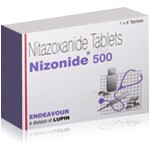
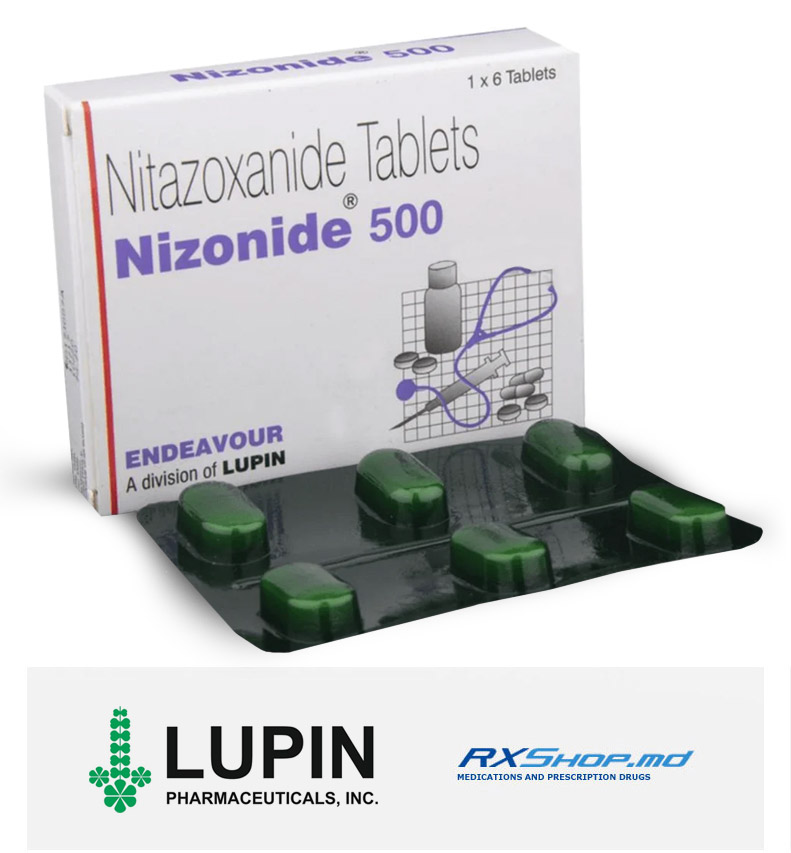
Nizonide is an affordable generic Nitazoxanide — the same broad-spectrum thiazolide antiparasitic molecule found in the branded medication Alinia. Nitazoxanide is one of the most clinically important antiparasitic medications of the 21st century — FDA-approved in 2002 and notably the first medication ever approved for treatment of Cryptosporidium parvum infection, previously an untreatable parasitic disease.
Generic Nitazoxanide works through a unique mechanism: it inhibits pyruvate:ferredoxin oxidoreductase (PFOR), an enzyme essential for anaerobic energy metabolism in many parasites and certain bacteria. By blocking PFOR, Nitazoxanide disrupts ATP production in protozoa, helminths, and anaerobic bacteria — leading to parasite death. Mammalian cells use different energy pathways, giving Nitazoxanide highly selective parasite toxicity with excellent human safety.
Nizonide is FDA-approved for the treatment of diarrhea caused by Cryptosporidium parvum and Giardia lamblia in adults and children aged 1 year and older. Beyond approved uses, generic Nitazoxanide is widely used worldwide for amebiasis, mixed protozoal infections, persistent diarrhea, traveler diarrhea, pediatric rotavirus diarrhea, and various helminth infections.
The standard adult dose is 500 mg twice daily for 3 days. Pediatric dosing is weight-based: children aged 1-3 years receive 100 mg twice daily, ages 4-11 receive 200 mg twice daily, and older children/adolescents receive 500 mg twice daily — all for 3 days. The medication should be taken with food for optimal absorption.
Nizonide is the Cipla Pharmaceuticals brand of generic Nitazoxanide, providing affordable access globally. The medication is particularly important in HIV-positive patients with cryptosporidiosis where it remains one of few effective options. Common side effects are mild and include abdominal pain, headache, and a characteristic harmless yellowing of urine (chromaturia).
Free prescription
Discrete packaging
Have questions?
Quality Assurance

- Giardiasis: FDA-approved for Giardia lamblia infection — second most common protozoal cause of diarrhea worldwide;
- Cryptosporidium Diarrhea: For watery diarrhea caused by Cryptosporidium in immunocompetent and selected immunocompromised patients;
- Giardia Diarrhea: For chronic watery diarrhea from Giardia infection acquired through contaminated water or food;
- Pediatric Cryptosporidiosis: Approved for children aged 1 year and older — weight-based dosing supports pediatric treatment;
- Pediatric Giardiasis: Approved for pediatric Giardia infection — suspension formulation supports young children;
- HIV Cryptosporidiosis: For cryptosporidiosis in HIV-positive patients where treatment options are historically limited;
- Amebiasis: Off-label use for Entamoeba histolytica intestinal infection causing amebic dysentery;
- Mixed Protozoal Infection: For polyparasitic intestinal infections involving multiple protozoa species;
- Persistent Diarrhea: For chronic watery diarrhea lasting weeks despite standard antimicrobial therapy;
- Traveler Diarrhea: For protozoal traveler's diarrhea acquired in tropical and developing regions;
- Rotavirus Diarrhea: Off-label pediatric use for rotavirus gastroenteritis with documented benefit in some studies;
- Norovirus Diarrhea: Off-label use for persistent norovirus infection particularly in transplant recipients;
- Helminth Infection: Active against selected intestinal helminths including Ascaris, Trichuris, and tapeworms;
- Tapeworm Infection: Off-label use for selected cestode infections including Hymenolepis nana;
- Hymenolepiasis: For dwarf tapeworm Hymenolepis nana infection common in school-age children;
- C Difficile Adjunct: Off-label investigational use for Clostridium difficile colitis as alternative or adjunct to vancomycin/fidaxomicin;
- Tropical Diarrhea: For protozoal diarrhea acquired in tropical regions where multiple pathogens are possible;
- Refugee Diarrhea: For protozoal diarrhea in displaced populations where waterborne parasites are endemic;
- Daycare Diarrhea Outbreak: For Cryptosporidium and Giardia outbreaks in childcare and preschool settings.
- Better Stool Consistency: Restoration of normal stool form as parasitic infection clears;
- Less Abdominal Pain: Calms cramping abdominal pain associated with protozoal intestinal infections;
- Better Hydration: Reduced diarrhea allows recovery from dehydration and electrolyte imbalance;
- Better Weight Gain: Pediatric weight recovery as parasitic malabsorption resolves;
- Better Growth: Improved childhood growth velocity following resolution of chronic protozoal infection;
- Less Dehydration Risk: Reduced fluid losses prevent progression to severe dehydration;
- Better Energy: Resolution of chronic protozoal infection restores energy levels and reduces fatigue;
- Better Nutrient Absorption: Restoration of normal nutrient uptake after parasite clearance;
- Less Spreading: Treated patients become non-infectious — breaks transmission cycles in families and daycares;
- Better Quality of Life: Resolution of chronic diarrhea supports return to work, school, and normal activities;
- Faster Recovery: 3-day course delivers rapid symptom resolution in most patients;
- Brand Nizonide: Cipla Pharmaceuticals generic of Nitazoxanide — established international generic with quality manufacturing standards;
- Generic Nitazoxanide: Affordable generic version of branded Alinia expanding global access to broad-spectrum antiparasitic therapy;
- Alinia Equivalent: Same Nitazoxanide molecule as branded Alinia with bioequivalent therapeutic profile;
- Thiazolide Antiparasitic: First-in-class thiazolide medication with unique mechanism distinct from other antiparasitics;
- PFOR Inhibitor: Targets parasite-specific anaerobic energy metabolism enzyme — selective toxicity to parasites;
- Broad Spectrum Antiparasitic: Active against protozoa, helminths, anaerobic bacteria, and some viruses — remarkable therapeutic breadth;
- Cryptosporidiosis Treatment: First and only FDA-approved medication for Cryptosporidium infection — addressed previously untreatable disease;
- Giardiasis Treatment: Effective alternative to metronidazole for Giardia infection with shorter treatment course;
- Pediatric Antiparasitic: Approved for children aged 1 year and older — weight-based dosing protocols established;
- Pediatric Suspension Antiparasitic: Liquid formulation supports accurate dosing in toddlers and young children;
- HIV Patient Antiparasitic: One of few effective options for cryptosporidiosis in immunocompromised AIDS patients;
- 3 Day Treatment Course: Short course supports adherence and reduces total treatment burden;
- Outbreak Management Antiparasitic: Practical for waterborne cryptosporidiosis and giardiasis outbreaks in communities;
- Traveler Diarrhea Therapy: Effective for protozoal traveler's diarrhea acquired in endemic regions;
- Persistent Diarrhea Therapy: For chronic diarrhea unresponsive to standard antibacterial therapy;
- Refugee Health Antiparasitic: Essential medication in displaced population health and humanitarian settings;
- Cipla Generic Quality: International quality manufacturing standards meeting bioequivalence requirements;
- Affordable Antiparasitic: Generic pricing makes essential broad-spectrum antiparasitic therapy financially accessible;
- Daycare Outbreak Antiparasitic: Practical for cryptosporidiosis and giardiasis outbreaks in childcare facilities;
- Take With Food: Food enhances absorption substantially — chewable tablet co-administration optimises efficacy;
- Mild Side Effects: Most patients tolerate well with mild abdominal pain, headache, and harmless urine yellowing;
- No Refrigeration: Room temperature stable — convenient for travel, home, and humanitarian distribution;
- Globally Available: Widely supplied across international markets in branded (Alinia, Nizonide, Daxon) and generic forms.
Generic Nizonide (Nitazoxanide 500 mg) Medication guide:
📖 What is Nizonide - the broad-spectrum antiparasitic
An oral broad-spectrum antiparasitic medication used primarily for Cryptosporidium and Giardia infections of the gastrointestinal tract, with documented activity against many other intestinal parasites, certain bacteria, and emerging research interest in viral infections. Nizonide is the Cipla generic formulation of nitazoxanide; the original US brand is Alinia (Romark Laboratories).
🔍 What makes Nizonide distinctive
- 🌍 Truly broad-spectrum coverage
- Unlike most antiparasitics that target a narrow pathogen class, nitazoxanide affects protozoa (Cryptosporidium, Giardia, Entamoeba), helminths (some species), certain bacteria (Clostridium difficile, Helicobacter pylori), and shows activity against several viruses in research settings. Few other oral medications have this range.
- 📅 Short 3-day standard course
- For uncomplicated Cryptosporidium or Giardia in immunocompetent patients, treatment is just 3 days of twice-daily dosing. Total exposure is 6 doses. This short course contrasts with many chronic medications and makes adherence straightforward.
- 🍽️ Mandatory food administration
- Food roughly doubles nitazoxanide bioavailability and significantly reduces gastrointestinal upset. Taking on an empty stomach reduces effectiveness AND increases side effects. Food is not optional - it is part of the therapy.
- 🟡 The yellow-green urine
- Nitazoxanide metabolites cause harmless yellow-green discoloration of urine during treatment. This is normal, expected, and resolves within days of completing the course. Patients should be warned about this in advance to avoid unnecessary concern.
Nizonide is Cipla affordable generic of nitazoxanide - a broad-spectrum oral antiparasitic that works through an unusual mechanism (anaerobic energy disruption). Effective against Cryptosporidium and Giardia as FDA-approved primary indications, with established off-label use for many other parasitic and some bacterial gut infections. Short 3-day course with food makes treatment straightforward.
🕰️ Nizonide heritage - from Rossignol invention to global use
Nitazoxanide has a focused development story compared to many medications. It was synthesized in 1976 by French chemist Jean-Francois Rossignol while working at Pfizer in the 1970s. Rossignol later founded Romark Laboratories to develop the compound for human use. After decades of clinical trials, FDA approval came in 2002 for paediatric Cryptosporidium - making nitazoxanide one of the first medications with significant activity against this parasite. Indian generic versions including Cipla Nizonide followed soon after.
⏱️ The nitazoxanide global timeline
India approved generic nitazoxanide soon after the US FDA approval. Cipla launched Nizonide in 200 mg and 500 mg tablets along with paediatric oral suspension. Indian generic manufacturers operate under different patent rules, allowing affordable production. This has provided access to effective antiparasitic therapy for patients globally who would face prohibitive costs with branded Alinia.
🧬 How nitazoxanide works - PFOR enzyme inhibition mechanism
Nitazoxanide targets a metabolic enzyme called pyruvate-ferredoxin oxidoreductase (PFOR). This enzyme is essential for anaerobic energy production in certain parasites and bacteria. Human cells do not use PFOR for energy. By inhibiting PFOR specifically, nitazoxanide disrupts parasite metabolism while leaving human cells unaffected. This selective targeting explains both the broad pathogen range and the relatively gentle side effect profile.
⚖️ PFOR-dependent vs aerobic organisms
Cryptosporidium, Giardia, Entamoeba histolytica, Trichomonas vaginalis, several helminths, Helicobacter pylori, Clostridium difficile, Campylobacter jejuni. These organisms depend on PFOR for anaerobic energy. Nitazoxanide blocks PFOR, starving them of usable energy.
Human cells use mitochondrial respiration for energy. They have no PFOR equivalent. The pathways nitazoxanide targets do not exist in human metabolism, which is why side effects are limited to GI tract effects rather than systemic toxicity from metabolic interference.
📝 How PFOR inhibition translates to clinical effect
🧬 Block at the enzyme level. Nitazoxanide rapidly converts to tizoxanide (the active metabolite) in the gut. Tizoxanide binds to PFOR and inhibits its function. Pyruvate (energy substrate) cannot be processed for anaerobic ATP production in the parasite.
📉 Parasite energy crisis. Without functional PFOR, the parasite cannot generate ATP through its anaerobic pathway. Energy demands cannot be met. The organism stops dividing and eventually dies.
🌀 Effect on multiple parasite life stages. Unlike some antiparasitics that work only on actively dividing cells, nitazoxanide affects multiple life stages including cysts and oocysts. This contributes to the high cure rates seen with short courses.
🌍 Why it works on bacteria too. Some bacteria like Helicobacter pylori and Clostridium difficile also depend on PFOR for energy. Nitazoxanide affects them similarly to protozoa. This is why the same drug treats some bacterial infections off-label.
Many antiparasitic medications cause significant side effects because they affect metabolic pathways shared between parasite and human cells. Nitazoxanide is unusual in targeting a metabolic enzyme (PFOR) that human cells simply do not have. This explains both the broad-spectrum activity (any organism using PFOR is potentially affected) AND the gentle side effect profile (human cells are biochemically immune to the mechanism). The mechanism is essentially a microbial-specific lock-and-key design.
🎯 Primary indications - Cryptosporidium and Giardia infections
Nitazoxanide has two FDA-approved primary indications: Cryptosporidium parvum diarrhoea and Giardia lamblia infection. Both are common protozoal causes of acute and persistent diarrhoea worldwide. Before nitazoxanide, treatment options for Cryptosporidium were essentially nonexistent for immunocompetent patients. For Giardia, metronidazole was the traditional option but with significant tolerability issues. Nitazoxanide changed both treatment landscapes.
📋 FDA-approved indications
🔍 Why nitazoxanide matters for these specific infections
🦠 Cryptosporidium parvum. Before nitazoxanide, no medication had documented efficacy in immunocompetent patients. Treatment was supportive only - hydration and symptom management while waiting for the immune system to clear the infection. For HIV patients with low CD4 counts, Cryptosporidium often caused chronic disabling diarrhoea with no medical option. Nitazoxanide is now the first-line therapy.
💧 Giardia lamblia. Metronidazole has been the traditional Giardia treatment for decades but causes significant nausea, metallic taste, and disulfiram-like reaction with alcohol. Nitazoxanide offers equivalent efficacy with better tolerability and is approved for younger children where metronidazole alternatives are limited.
📈 Outcomes. Cure rates for both infections approach 80-90 percent with the standard 3-day course in immunocompetent patients. For immunocompromised patients (HIV with low CD4) longer courses or combination therapy may be needed (covered in section 11).
The CDC and Infectious Diseases Society of America list nitazoxanide as the recommended first-line treatment for Cryptosporidium parvum infections in immunocompetent patients and as a first-line option (alongside metronidazole and tinidazole) for Giardia. Treatment guidelines worldwide reflect this same positioning.
🦠 Understanding the parasites that nitazoxanide treats
To understand why nitazoxanide matters, you need to understand the parasites it treats. Cryptosporidium and Giardia are the two most common protozoal causes of gastrointestinal infection in healthy adults worldwide. Both spread through contaminated water and food. Both cause prolonged diarrhoea that resists standard supportive care. Both were difficult to treat effectively before nitazoxanide became available.
🦠 Cryptosporidium parvum and Cryptosporidium hominis
Cryptosporidium is a microscopic single-celled parasite that infects the small intestine. The infective form is an oocyst (egg-like spore) that is extremely hardy - resistant to chlorine, can survive months in cold water, and can pass through many water filters. Common sources include swimming pools, recreational water (lakes, rivers), contaminated drinking water, daycare settings, and farm animal exposure.
- 📅 Disease course
- Incubation 2-10 days after exposure. Acute watery diarrhoea (often 10-20 bowel movements daily), abdominal cramps, nausea, low-grade fever, dehydration. Symptoms last 1-2 weeks in immunocompetent patients; longer in immunocompromised.
- 💧 Transmission
- Fecal-oral route through contaminated water (recreational and drinking), food, and direct contact. Oocysts survive standard water treatment and chlorination. Boiling or specialized filtration removes them.
- 🏥 Severity in immunocompromised
- In HIV patients with CD4 below 100, Cryptosporidium can cause chronic disabling diarrhoea lasting months or years. Wasting syndrome and significant mortality result if untreated. Nitazoxanide plus ART (covered in section 11) is essential.
💧 Giardia lamblia (also called Giardia intestinalis or Giardia duodenalis)
Giardia is another microscopic protozoan that infects the small intestine. The trophozoite (active form) attaches to the intestinal lining and disrupts nutrient absorption. The cyst form survives in the environment and spreads infection. Common sources are similar to Cryptosporidium: contaminated water, particularly mountain streams and untreated water sources, daycare settings, international travel.
- 📅 Disease course
- Incubation 1-3 weeks after exposure. Prolonged loose stools (often greasy, foul-smelling - steatorrhoea), abdominal bloating and cramps, weight loss, fatigue, occasional fever. Can persist for weeks without treatment.
- 💧 Transmission
- Fecal-oral route through contaminated water. Common in hikers drinking from streams ("beaver fever"), in international travellers, in daycare children, and in settings with poor sanitation.
- 🪱 Persistent symptoms
- Some Giardia patients develop post-infectious lactose intolerance lasting weeks-months after the parasite is cleared. Persistent fatigue and IBS-like symptoms can occur. Treatment of the active infection prevents these complications when caught early.
Cryptosporidium and Giardia together cause the majority of waterborne diarrhoea outbreaks worldwide. Both are present in every country. Both can affect any age group. Diagnosis requires stool testing (microscopy, antigen detection, or PCR). Treatment with nitazoxanide produces high cure rates with short course therapy. Untreated infections can cause prolonged morbidity, weight loss, dehydration in vulnerable populations, and rarely death.
🌍 Other infections nitazoxanide effectively treats
Beyond the FDA-approved Cryptosporidium and Giardia indications, nitazoxanide has established off-label uses for several other parasitic, bacterial, and possibly viral infections. The breadth of activity reflects the PFOR-targeting mechanism (section 3) - any organism that depends on this enzyme is potentially susceptible. Clinical experience varies by infection.
📋 Off-label and emerging uses
🔍 The main off-label uses in depth
🦠 Entamoeba histolytica (amebiasis). Causes both intestinal amebic dysentery and rarely systemic amebic liver abscess. Metronidazole or tinidazole are standard first-line treatments. Nitazoxanide is a documented alternative with comparable cure rates and better tolerability. Particularly useful in patients who cannot tolerate metronidazole.
🪱 Helminth infections. Nitazoxanide has documented activity against several worms including Ascaris lumbricoides (roundworm), hookworms, and certain tapeworms (Hymenolepis nana). Albendazole and mebendazole remain first-line for most helminthic infections, but nitazoxanide is useful when standard options are unavailable or contraindicated.
💩 Clostridium difficile colitis. Trials have shown nitazoxanide effective against C. difficile, including recurrent infections. Vancomycin and fidaxomicin remain first-line. Nitazoxanide is an alternative when first-line options have failed or are unavailable.
🤮 Acute viral gastroenteritis (norovirus, rotavirus). Several trials have evaluated nitazoxanide for symptomatic treatment of acute viral gastroenteritis with positive results showing reduced duration of illness. Not yet widely adopted as standard practice but evidence base growing.
While nitazoxanide has documented activity against many pathogens beyond the FDA approvals, off-label use should be guided by physicians with appropriate clinical experience. For most off-label indications, standard first-line therapies have stronger evidence bases. Nitazoxanide enters the picture as alternative when first-line options fail, are not tolerated, or are unavailable. The drug is not a generic anti-everything answer.
💊 Standard adult dosing for parasitic infections
Nitazoxanide adult dosing is one of the simplest in modern medicine. Twice daily for 3 days, with food. Six total doses complete the standard course. No complex titration, no escalation schedule, no extended duration for most patients. The simplicity is matched by high cure rates for the primary indications.
📋 Adult dosing reference
📝 Practical administration
- 🍽️ Always with food - food doubles bioavailability (section 9)
- ⏰ Approximately 12 hours apart - morning and evening with meals
- 💧 Adequate hydration - especially important during active diarrhoea
- 📝 Complete the full 3-day course even if symptoms improve before day 3
- 🟡 Expect yellow-green urine - harmless drug metabolite (section 18)
- 📞 Contact prescriber if no improvement by day 5-7 after completing course
Nizonide (Cipla) comes in 200 mg and 500 mg tablets plus paediatric 100 mg/5 mL oral suspension. The 500 mg tablet is the standard adult dose - one tablet twice daily completes the course efficiently. The 200 mg tablets allow finer dose adjustment for lower weight adults or specific indications. Oral suspension is primarily for paediatric use but can be used in adults who cannot swallow tablets.
👶 Pediatric dosing - age and weight-based schedules
Paediatric nitazoxanide dosing is age-based for the standard FDA-approved indications. The medication was originally approved for Cryptosporidium in paediatric patients (2002) and remains widely used in children with parasitic diarrhoea. Oral suspension formulation makes administration straightforward for younger children who cannot swallow tablets.
📋 Paediatric dosing by age
🔍 Paediatric-specific considerations
💧 Dehydration management. Paediatric diarrhoea has higher dehydration risk than adult. Oral rehydration solution alongside nitazoxanide is standard. Persistent dehydration despite oral rehydration warrants medical evaluation - children can deteriorate quickly.
🍽️ Administration tips for young children. Mix oral suspension with food the child likes for better tolerance (yogurt, apple sauce). Shake the bottle well before each dose - the active drug settles and inadequate shaking gives inconsistent dosing. Use the dosing syringe provided, not a household spoon.
📝 School and daycare communication. Cryptosporidium and Giardia are highly transmissible. Children should not attend daycare or school until at least 24 hours after diarrhoea resolves. Local public health authorities may have specific exclusion policies. Inform school/daycare of the diagnosis.
👪 Household measures. Other family members should be evaluated if they have similar symptoms. Hand hygiene is critical to prevent household spread. Avoid swimming pools and shared water for at least 2 weeks after symptoms resolve.
Nizonide oral suspension comes as a powder for reconstitution. Pharmacist or caregiver mixes with water to make 60 mL of liquid suspension. Once reconstituted, the suspension is stable at room temperature for 7 days. Discard any unused suspension after 7 days. Always shake well immediately before each dose. The yellow color of the suspension is normal.
🍽️ Taking nitazoxanide with food - the critical rule
Nitazoxanide must be taken WITH food. Food approximately doubles drug bioavailability (the amount of active medication absorbed into the bloodstream). Without food, plasma drug levels are reduced to potentially sub-therapeutic levels AND gastrointestinal side effects increase substantially. The 3-day course at proper dosing assumes adequate food intake at each dose.
🔍 Why food matters this much for nitazoxanide
🍽️ Enhanced absorption. Nitazoxanide is lipophilic - it dissolves better with fats and oils. Food in the stomach provides the fat solubility environment that enables effective absorption from the small intestine. Fasting administration results in poor and erratic absorption.
📉 Reduced GI side effects. Direct nitazoxanide contact with empty gastric mucosa causes nausea and stomach upset in many patients. Food provides a buffer between drug and stomach lining, dramatically reducing these effects.
📊 Therapeutic effectiveness. Without food, drug levels may not reach the threshold needed for parasite clearance. Treatment failure on standard 3-day course is more likely when food rule is ignored. Repeat courses or alternative drugs may be needed.
📝 FDA labeling requirement. The FDA prescribing information mandates with-food administration. This is not a suggestion - it is part of the approved use protocol.
📋 Practical food guidance
Patients with severe nausea or appetite loss face a dilemma - the diarrhoea makes food unappealing but food is needed for proper drug absorption. Strategies: try small frequent food intake (a few crackers, a slice of toast, a spoon of yogurt), use antiemetics (ondansetron 4-8 mg before dose) to enable food tolerance, time doses to whenever appetite is best in the day. If absolutely no food intake is possible, delay the dose by a few hours rather than taking on empty stomach. Severe inability to take food with medication warrants medical reassessment.
📅 Treatment duration - the 3-day standard course
Standard nitazoxanide therapy is short - just 3 days for the primary indications in immunocompetent patients. This compares favourably with many antibiotic courses (5-14 days typical) and dramatically with chronic medications that require lifelong therapy. The short course reflects nitazoxanide rapid action against susceptible parasites.
📋 Course duration by clinical scenario
📝 When to extend or repeat treatment
📅 Symptoms persisting at day 5-7. If diarrhoea has not improved within 2-4 days after completing the 3-day course, treatment failure should be considered. Re-test for the original parasite (stool studies), consider alternative diagnoses, and discuss extended or alternative therapy with prescriber.
🔁 Symptom recurrence after initial improvement. Some patients improve on therapy then relapse. Relapse may indicate inadequate parasite clearance (residual cysts) or reinfection from continued exposure. Repeat course often resolves the issue.
🩺 Immunocompromised status. Patients with HIV (especially CD4 below 200), organ transplant recipients on immunosuppressants, or other immunocompromised conditions need longer courses (covered in section 11). Standard 3-day course often inadequate in this population.
📝 Documented heavy parasite load. Patients with very high oocyst counts on initial stool studies may benefit from longer courses regardless of immune status. Discuss with prescriber.
Nitazoxanide acts quickly against susceptible parasites through PFOR enzyme inhibition. Within 24-48 hours of starting therapy, parasite metabolism is significantly disrupted. By day 3 of dosing, most susceptible organisms have been cleared or weakened to the point where the patient immune system can complete the work. The 3-day course leverages this rapid action - longer therapy in immunocompetent patients does not improve cure rates and unnecessarily increases side effect exposure.
🩺 Cryptosporidium in immunocompromised patients
Cryptosporidium infection in immunocompromised patients is a fundamentally different clinical problem from immunocompetent infection. In healthy adults, Cryptosporidium causes self-limited diarrhoea over 1-2 weeks. In HIV patients with CD4 counts below 100, Cryptosporidium can cause chronic disabling diarrhoea lasting months or years, severe wasting syndrome, and significant mortality. Nitazoxanide treatment in this population follows different rules.
Before effective antiretroviral therapy (ART) became widely available, Cryptosporidium was a leading cause of death in AIDS patients. Even with current ART, cryptosporidiosis in patients with CD4 below 200 requires aggressive management combining nitazoxanide with ART optimization. Treatment duration may extend to weeks or months rather than the standard 3 days.
📋 Treatment by HIV status / CD4 count
🔍 Why outcomes are challenging in immunocompromised hosts
🧬 Nitazoxanide alone is not curative. The drug suppresses parasite replication but immune system clearance is needed to complete eradication. Patients with severely impaired immunity cannot clear residual parasites even when drug therapy is optimal.
💉 ART is the key intervention. Antiretroviral therapy that restores CD4 count above 200 dramatically improves Cryptosporidium clearance. In some cases, ART alone (without nitazoxanide) has resolved chronic cryptosporidiosis once CD4 recovers. Nitazoxanide provides bridge therapy while ART takes effect.
📉 Trial data shows lower cure rates. Clinical trials in immunocompromised patients show nitazoxanide cure rates around 40-60 percent, compared to 80-90 percent in immunocompetent patients. The difference reflects the immune dependency of complete parasite clearance.
👥 Specialist management essential. Cryptosporidiosis in advanced HIV should be managed by infectious diseases specialists alongside the HIV care team. Standard 3-day primary care treatment is inadequate. Hospitalisation may be needed for severe cases with dehydration or wasting.
For immunocompromised Cryptosporidium patients, treatment integrates four components: (1) extended-course nitazoxanide at higher doses, (2) aggressive ART optimization to restore immune function, (3) supportive care including aggressive rehydration and nutritional support, (4) specialist management by ID and HIV care teams. Outcomes have improved substantially since effective ART became widely available - Cryptosporidium is no longer the death sentence it was in the 1990s, but it remains a serious infection requiring aggressive multimodal management.
💧 Giardia treatment specifics and considerations
Giardia treatment with nitazoxanide is one of the most straightforward antiparasitic regimens. Three days of twice-daily dosing produces cure rates of 80-90 percent in immunocompetent patients. The medication has replaced metronidazole as a first-line option in many practice settings due to better tolerability and equivalent effectiveness.
💧 Giardia treatment overview
🔍 Practical considerations for Giardia treatment
📝 Symptom improvement timeline. Most Giardia patients see significant improvement in diarrhoea within 48-72 hours of starting nitazoxanide. Complete symptom resolution may take an additional 1-2 weeks as the gut mucosa heals. Persistent loose stools after 1-2 weeks warrants reassessment.
🍽️ Post-infectious lactose intolerance. Giardia damages the intestinal lining, including the enzymes that digest lactose. Many patients develop temporary lactose intolerance lasting weeks-months after the parasite is cleared. Recommend reducing dairy intake during recovery and reintroducing gradually.
🔁 Treatment failure approach. If symptoms persist after the 3-day course, options include: (a) repeat the same 3-day course (often successful), (b) switch to metronidazole or tinidazole (different drug class), (c) confirm diagnosis with repeat stool testing (other causes may be present), (d) consider partial drug resistance (uncommon but documented). Most patients respond to one of these approaches.
👪 Household management. Giardia is highly transmissible within households. Symptomatic household contacts should be tested and treated if positive. Asymptomatic contacts generally do not need testing unless an outbreak is suspected. Hand hygiene and avoidance of shared water/food during active illness reduce spread.
Metronidazole was the traditional first-line Giardia treatment for decades. It works but causes significant nausea, metallic taste, and disulfiram-like reaction with alcohol (severe nausea and vomiting if any alcohol is consumed). Treatment courses are typically 5-7 days. Nitazoxanide offers comparable cure rates with a 3-day course, no metallic taste, no alcohol restriction, much milder GI side effects (when taken with food), and approved use down to age 1 (vs metronidazole limited use under age 8). For many patients, particularly children and those who consume any alcohol, nitazoxanide is the more comfortable choice.
🪱 Helminth infections - the off-label antiparasitic uses
Nitazoxanide has documented activity against several helminth (worm) infections in addition to its protozoal indications. While albendazole and mebendazole remain first-line treatments for most helminthic infections worldwide, nitazoxanide provides an alternative in specific clinical scenarios and is particularly useful for mixed parasitic infections where multiple parasites are present simultaneously.
🪱 Helminth infections where nitazoxanide is documented effective
🔍 When nitazoxanide is preferred for helminths
🌀 Mixed parasitic infections. Patients with concurrent protozoal AND helminth infections often benefit from single-drug therapy. Nitazoxanide treats both categories simultaneously, simplifying management. Common in patients from endemic regions where multiple parasite exposures are typical.
👶 Paediatric flexibility. Albendazole is restricted in children under 2 years and pregnancy. Nitazoxanide is approved down to age 1 with established safety record. For young children with helminthic infections, nitazoxanide may be more appropriate.
📝 Albendazole intolerance. Some patients cannot tolerate albendazole or have contraindications (liver dysfunction, low blood counts). Nitazoxanide provides an alternative with a different side effect profile.
🌐 Resource-limited settings. Where albendazole or mebendazole are unavailable, nitazoxanide can serve as the antiparasitic backbone. Its broader spectrum (covering both protozoa and helminths) makes it especially valuable when diagnostic resources are limited.
For most isolated helminth infections, albendazole or mebendazole remain first-line because of stronger evidence and lower cost. Nitazoxanide enters consideration as second-line therapy, for mixed parasitic infections, for very young children, and when first-line options are not available or tolerated. The drug is not a generic anti-worm answer but adds useful flexibility to the antiparasitic toolkit.
🤝 Combining nitazoxanide with other antiparasitic medications
Most nitazoxanide treatment is monotherapy - the drug alone is sufficient for FDA-approved indications. Combination therapy is occasionally considered for specific clinical scenarios including refractory infections, mixed pathogens, or empirical broad-spectrum coverage in resource-limited diagnostic settings.
📋 Combination scenarios
🔍 Key principles for combination therapy
🎯 Single drug suffices for most cases. Routine Cryptosporidium and Giardia infections in healthy adults respond to nitazoxanide monotherapy 80-90 percent of the time. Combinations are reserved for special situations rather than routine use. Adding drugs unnecessarily increases side effects and costs without proven benefit.
📝 Empiric broad coverage. In settings where parasite identification is not possible, empirical broad-spectrum treatment with nitazoxanide plus albendazole may be reasonable. This covers both protozoa and most helminths with two well-tolerated medications. Common practice in remote clinics and during travel medicine consultations.
👥 Specialist consultation for refractory cases. Patients failing initial therapy or with severe immune compromise should be managed by infectious disease specialists. Standard combinations may not be the best approach; specialised algorithms exist for specific refractory scenarios.
📊 Diagnostic clarity reduces combination need. Modern multiplex PCR stool testing can identify multiple parasites and bacteria from a single sample. When the exact pathogen mix is known, targeted single-drug therapy usually works. Combinations are most needed when diagnostic uncertainty exists.
Combination antiparasitic therapy is uncommon. Most patients respond to single-drug nitazoxanide. When combinations are used, they typically reflect either documented mixed infections, severe immunocompromised states with high parasite burden, or refractory cases failing initial therapy. The default approach for any nitazoxanide indication should be monotherapy - add additional drugs only with clear clinical justification.
⚖️ Nitazoxanide vs metronidazole - the alternatives compared
Metronidazole has been the traditional first-line treatment for Giardia and Entamoeba infections for over 60 years. It works well but has significant tolerability issues. Nitazoxanide became available in 2002 and offers a meaningfully different patient experience with comparable cure rates. Choosing between them depends on patient factors and clinical setting.
⚖️ Head-to-head comparison
Nitroimidazole class antibiotic. Active against anaerobic bacteria AND protozoa. First-line for Giardia, Entamoeba, Trichomonas for decades. Inexpensive, widely available. Significant side effects including nausea, metallic taste, disulfiram-like alcohol reaction, peripheral neuropathy with prolonged use. Typical course 5-7 days for Giardia.
Thiazolide class. Active against PFOR-dependent organisms (broader spectrum than metronidazole). FDA approved 2002. Better tolerability profile - milder GI effects, no metallic taste, no alcohol restriction. Shorter 3-day course. Higher cost than generic metronidazole but Cipla generic Nizonide is affordable.
📊 Detailed comparison
🎯 When each is preferred
Metronidazole preferred when: cost is the dominant factor (cheapest generic), patient has tolerated metronidazole before, anaerobic bacterial infection also present (mixed indication), no concurrent alcohol use, no paediatric age concern.
Nitazoxanide preferred when: Cryptosporidium is the target (metronidazole does not work), patient cannot tolerate metallic taste or GI effects of metronidazole, patient consumes any alcohol, paediatric patient (younger than 8), pregnancy second/third trimester, shorter course is logistically preferred.
Tinidazole as alternative: Tinidazole (same drug class as metronidazole) provides shorter course (single dose for Giardia) with similar profile to metronidazole. When considering metronidazole, also consider tinidazole. Both nitroimidazoles share the alcohol restriction.
Both medications cure Giardia and Entamoeba effectively. The patient experience differs significantly. Metronidazole patients commonly describe metallic taste lasting throughout the course, nausea worse than baseline GI symptoms, and severe reactions if any alcohol is consumed (even alcohol-containing mouthwash can trigger reactions). Nitazoxanide patients typically describe minor GI upset that resolves within days, no taste changes, no dietary restrictions. For patients who will actually take the medication as prescribed, nitazoxanide tolerability advantage matters more than absolute cure rate differences (which are minimal).
🚨 Side Effects Overview - nitazoxanide safety profile
🚨 Side Effects Overview
Nitazoxanide has one of the most favourable safety profiles among antiparasitic medications. The short 3-day course limits total drug exposure. The PFOR mechanism targets a parasite-specific pathway absent in human cells, avoiding many systemic side effects. Most patients tolerate treatment well. The most distinctive (but harmless) effect is yellow-green urine discoloration, covered separately in section 18.
Across clinical trials and post-marketing data covering millions of treatment courses, nitazoxanide has shown a benign side effect profile. The short 3-day standard course means total drug exposure is limited. Side effects, when they occur, are usually mild and self-limiting. Treatment discontinuation due to intolerable side effects is uncommon.
📊 Severity profile
- ✅ Common and benign (15-30 percent of patients)
- Yellow-green urine (essentially universal - drug excretion product), mild nausea, mild abdominal pain, mild headache, dizziness. Most resolve within 24 hours of completing the course. Rarely require any management.
- ⚠️ Notable but uncommon (1-5 percent)
- Vomiting requiring antiemetic, persistent diarrhoea worsening, mild rash, transient mild LFT elevation, fatigue. May warrant supportive care but rarely require treatment change.
- ⛔ Serious but rare (under 1 percent)
- Severe rash or Stevens-Johnson type reaction, significant hepatotoxicity, anaphylaxis. Require immediate discontinuation and medical evaluation.
📝 What sections 17-22 cover
- 🤢 Section 17 — common GI side effects and management
- 🟡 Section 18 — yellow-green urine, the distinctive harmless sign
- ⛔ Section 19 — contraindications and warnings (ANCHOR)
- 🟧 Section 20 — hepatic considerations during therapy
- 🫘 Section 21 — renal considerations and dose adjustment
- 🌐 Section 22 — drug interactions overview
🤢 Common gastrointestinal side effects
Gastrointestinal effects are the most common nitazoxanide side effects beyond the universal yellow-green urine. Mild nausea, abdominal pain, and headache occur in a minority of patients. The short 3-day standard course limits how long any side effect can persist. Most patients complete therapy without significant difficulty.
📋 Common side effects with management
⚖️ Manage at home vs see provider
- Yellow-green urine (expected, harmless)
- Mild nausea responding to food/timing
- Mild abdominal discomfort
- Headache responding to standard analgesics
- Slight dizziness on standing
- Localized small rash
- Persistent severe vomiting preventing oral intake
- Worsening abdominal pain rather than improving
- Widespread rash, blistering, or mucous membrane involvement
- Yellow skin or eyes (jaundice)
- Severe headache with neck stiffness
- Signs of dehydration despite oral rehydration
- Symptoms not improving 4-5 days after completing course
💡 Practical tips for tolerability
- 🍽️ Take with food always - the single biggest factor in tolerability
- 💧 Stay well hydrated - especially during active diarrhoea
- 📝 Track symptoms - keep mental note of GI status; helps distinguish drug effects from parasite symptoms
- 📞 Antiemetic if needed - ondansetron 4-8 mg before dose is effective for nausea breakthrough
- 📅 Complete the 3-day course - do not stop early even if symptoms improve quickly
- 🟡 Yellow-green urine is expected - do not panic when first noticed
🟡 Yellow-green urine - the distinctive harmless sign
Within hours of starting nitazoxanide, virtually all patients notice that their urine turns a bright yellow-green color. This is caused by harmless drug metabolites being excreted in the urine. It looks dramatic - sometimes alarming to patients who were not warned in advance - but it is completely benign and resolves within a few days of completing therapy. Patients should be told about this effect before starting treatment to avoid unnecessary anxiety.
🧬 The mechanism
Nitazoxanide is rapidly converted in the body to tizoxanide (the active metabolite). Tizoxanide and its glucuronide conjugates are then excreted in urine. These compounds have a characteristic yellow-green color visible at therapeutic concentrations. The color intensity depends on hydration status (more dilute urine appears paler, concentrated urine appears more intensely colored) and the drug clearance rate.
📅 Timeline
- 🌅 Hours after first dose
- First noticeable color change typically within 4-8 hours after the initial dose. Some patients notice it after the second dose.
- 📅 During the 3-day course
- Persistent yellow-green discoloration throughout active therapy. May appear lime-green, chartreuse, or bright yellow depending on dilution and individual variation.
- 📅 24-48 hours after last dose
- Color gradually fades as the drug and metabolites are eliminated. Most patients return to normal urine color within 48 hours of the final dose.
- 📅 3-5 days post-treatment
- Complete resolution. No long-term effect on urine color.
📝 Other harmless cosmetic effects
🍼 Oral suspension staining. The yellow paediatric oral suspension can stain clothing, fabrics, and surfaces if accidentally spilled. Clean immediately. The stain is from the drug pigment itself, not a harmful chemical, but it can be persistent on porous surfaces.
💐 Sweat or tear discoloration. Very rarely, patients on high doses may notice slight yellowing of sweat or tears. This is extremely uncommon at standard dosing and is harmless if it occurs.
👔 Clothing staining. If yellow-green urine contacts clothing, soak in cold water then wash normally. The pigment usually comes out with standard laundering. Bleach may help for stubborn stains.
🔍 Differentiating from concerning urine changes
While the bright yellow-green of nitazoxanide is harmless, some other urine color changes signal real medical concerns. Patients should learn to distinguish:
Before starting nitazoxanide, patients should be specifically warned about yellow-green urine. Otherwise, the first time they notice it (often within hours of the first dose), they may panic, contact emergency services, or stop the medication unnecessarily. A simple 30-second explanation prevents all of this - this is an expected harmless cosmetic effect from the medication; it resolves a few days after the course is complete; if any other urine color change occurs (dark amber, blood, etc.) THAT would warrant medical contact.
⛔ Contraindications and Warnings
⛔ Contraindications and Warnings
Nitazoxanide has a short contraindication list compared to many medications. The drug has been studied in millions of patients with minimal serious safety signals. Most relative cautions involve specific clinical scenarios where standard dosing should be adjusted or alternative therapy considered rather than absolute contraindications.
⛔ Absolute contraindications
⚠️ Relative contraindications
✅ Pre-treatment screening
- 📋 Confirmed diagnosis - stool studies positive for Cryptosporidium, Giardia, or other susceptible parasite
- 📝 Hypersensitivity history - prior allergic reactions to nitazoxanide or related compounds
- 🫀 Baseline hepatic function - especially if any concerning history or symptoms
- 🫁 Baseline renal function - especially in elderly or those with known kidney disease
- 🤰 Pregnancy status - confirm in women of reproductive age
- 👶 Age confirmation - especially important for paediatric dosing
- 👥 Concurrent medication review - warfarin, other highly protein-bound drugs
- 📝 Patient counseling - yellow-green urine, food rule, full 3-day course
🟧 Hepatic considerations during nitazoxanide therapy
Nitazoxanide undergoes some hepatic metabolism, primarily through conversion to the active metabolite tizoxanide. Hepatic side effects are uncommon during the standard short course of treatment. Severe hepatotoxicity is rare. Routine LFT monitoring is not typically required for a 3-day course in healthy adults, but baseline assessment in patients with known liver disease is reasonable.
🧬 The hepatic profile
- ✅ Mild asymptomatic LFT elevation (under 5 percent)
- Small increases in transaminases (ALT, AST) sometimes seen on routine labs. Usually transient and resolves after completing therapy. Rarely requires treatment change or specific intervention.
- ⚠️ Moderate LFT elevation (1-2 percent)
- More pronounced transaminase elevation (3-5x upper normal). Uncommon with standard short course. May warrant LFT recheck after completing therapy or earlier discontinuation if concerning.
- ⛔ Severe hepatotoxicity (under 0.1 percent)
- Very rare but documented in post-marketing reports. Severe transaminase elevation, jaundice, hepatitis-like presentation. Requires immediate discontinuation and hepatology evaluation. Most reported cases were patients with pre-existing significant liver disease.
📋 Hepatic monitoring approach
📈 Threshold-based actions
Mild elevation (1-3x upper normal): Continue therapy; recheck post-treatment.
Moderate elevation (3-5x upper normal, no symptoms): Continue cautiously; repeat in days; investigate other causes.
Severe elevation (over 5x upper normal) OR with symptoms OR with bilirubin elevation: Discontinue nitazoxanide immediately; hepatology evaluation.
- 🟡 Yellow skin or eyes (jaundice)
- 🍴 Dark amber urine (distinct from harmless yellow-green - section 18)
- 💩 Pale or clay-colored stools
- 🫀 Right upper abdominal pain
- 😴 Severe fatigue or malaise
- ✋ Unexplained itching
- 🍽️ Loss of appetite with abdominal symptoms
🫘 Renal considerations and dose adjustment
Nitazoxanide and its metabolites are primarily eliminated through the urine, but the drug has minimal direct nephrotoxicity. The short 3-day standard course further limits any cumulative renal stress. Routine dose adjustment for kidney function is not typically required for the standard course, though severe renal impairment warrants closer attention.
📋 Renal considerations by severity
🔍 Why renal considerations are limited
💊 Short course duration. Three days of therapy provides minimal opportunity for renal accumulation even in patients with impaired function. Most renal toxicity from medications develops with prolonged or repeated exposure, which does not apply to standard nitazoxanide use.
🧬 Metabolite excretion pattern. Nitazoxanide is metabolised to tizoxanide and tizoxanide glucuronide. These metabolites are eliminated through urine and bile. Even with renal impairment, biliary excretion provides an alternative elimination route.
🧪 No documented direct nephrotoxicity. Unlike some antibiotics (aminoglycosides) or older antiparasitics, nitazoxanide does not cause direct kidney damage. Renal function may decline from dehydration during the underlying diarrhoeal illness, but not from the medication itself.
📊 Trial data reassurance. Patients with mild-moderate renal impairment have been included in nitazoxanide trials with no signal of increased adverse events at standard doses. Severe renal impairment data are limited because these patients were generally excluded from trials.
The biggest renal-related concern in patients taking nitazoxanide is not the medication itself - it is the dehydration from underlying Cryptosporidium or Giardia diarrhoea. Patients with active diarrhoeal illness can develop pre-renal kidney injury from volume depletion. Aggressive oral rehydration during the illness protects renal function. Standard nitazoxanide dosing in this context is appropriate; the focus should be on hydration management.
🌐 Drug interactions overview
Nitazoxanide has a relatively clean drug interaction profile compared to many antibiotics and antiparasitics. The drug minimally affects most cytochrome P450 enzymes that mediate other drug metabolism. The main interaction concern is its high protein binding (over 99 percent), which theoretically can displace other highly protein-bound medications from binding sites. Most interactions are mild and manageable.
📋 Comprehensive interaction reference
🔍 Three interactions warranting extra attention
💉 Warfarin. The main interaction worth monitoring. Nitazoxanide and warfarin are both highly protein-bound. Theoretical displacement could increase free warfarin and INR. Some patients show modest INR increases; many show no change. Check INR within 1-2 weeks of starting nitazoxanide and post-treatment. Major warfarin dose changes are rarely needed.
🍽️ Food interaction. Not a traditional drug interaction but mandatory: nitazoxanide MUST be taken with food. Without food, bioavailability drops by approximately 50 percent and GI side effects increase. This is part of the dosing protocol, not optional. See section 9 for detail.
🍺 Alcohol. Unlike metronidazole (which causes severe disulfiram-like reactions with alcohol), nitazoxanide has no specific alcohol restriction. Patients can consume alcohol moderately during therapy without acute adverse reactions. Heavy alcohol use during diarrhoeal illness is unwise for other reasons (dehydration, hepatic stress) but not because of nitazoxanide specifically.
Nitazoxanide has one of the simpler drug interaction profiles in modern medicine. The drug does not significantly induce or inhibit major cytochrome P450 enzymes, does not affect P-glycoprotein transport, and has no specific contraindicated combinations beyond the highly protein-bound categories worth monitoring. For most patients on chronic medications, no medication changes or special precautions are needed during the 3-day nitazoxanide course beyond standard awareness.
🤰 Nitazoxanide during pregnancy and breastfeeding
Nitazoxanide carries a Category B pregnancy classification - animal studies have not shown harm, but human pregnancy data are limited because parasitic infections during pregnancy are typically not treated emergently unless severe. The decision to use nitazoxanide during pregnancy involves balancing the maternal benefit of clearing the infection against the limited safety data. Breastfeeding considerations are similar.
⚖️ Pregnancy vs breastfeeding considerations
Category B classification. Animal reproduction studies showed no evidence of fetal harm at typical therapeutic exposures. Human data limited. Specialist consultation recommended. Treatment usually deferred to second/third trimester if possible. For severe infections that cannot be deferred, benefits often outweigh theoretical risks.
Some excretion into breastmilk documented. Effects on nursing infant unknown. Often recommended to temporarily interrupt breastfeeding during the short 3-day course plus 24 hours after. Alternative approach: complete therapy, breastfeed normally, watch infant for any unusual symptoms.
📋 Recommendations by clinical scenario
Untreated severe diarrhoeal illness during pregnancy can cause dehydration, electrolyte abnormalities, weight loss, and rarely preterm labor - outcomes worse for the pregnancy than the theoretical risks of nitazoxanide exposure. For most clinically significant infections during pregnancy, treatment is the safer option. For asymptomatic or mild cases that can be observed, deferral is reasonable, especially in the first trimester. Specialist consultation (obstetrician + infectious diseases) guides individual decisions.
🆚 Nizonide vs Alinia - same drug different label
Nizonide (Cipla) and Alinia (Romark) contain the same active ingredient - nitazoxanide. The clinical effect is identical. Differences are in manufacturer, formulation availability, and most dramatically in price. For patients prescribed nitazoxanide, the choice between these brands often comes down to access and cost rather than clinical efficacy.
⚖️ Two brands, one active drug
Indian generic nitazoxanide. Available in 200 mg and 500 mg tablets plus paediatric oral suspension. Approved in India 2005, widely distributed globally through international pharmacy channels. Substantially lower cost than branded Alinia. Same active compound, same FDA-equivalent quality manufacturing under Indian regulatory oversight.
Original brand-name nitazoxanide. FDA approved 2002 (Cryptosporidium paediatric) and 2004 (Giardia + adult Cryptosporidium). 500 mg tablets plus oral suspension. Distributed through US specialty pharmacy channels. Insurance coverage variable. Higher cost than Cipla generic.
📊 Detailed comparison
Nizonide and Alinia deliver therapeutically equivalent nitazoxanide. Both are 500 mg tablets following the same 3-day twice-daily dosing schedule. Cure rates are equivalent. Side effects are equivalent. The dramatic price difference (often 10-30x lower for Nizonide) reflects patent protection and market positioning rather than any clinical difference. For patients without comprehensive insurance coverage, Cipla Nizonide provides genuine access to effective antiparasitic therapy at affordable cost. The clinical choice is straightforward when cost is a factor.
✈️ Nitazoxanide for traveller diarrhoea
Traveller diarrhoea (TD) affects 30-70 percent of travellers to high-risk destinations. Most cases are bacterial (E. coli, Campylobacter, Shigella, Salmonella). Parasitic causes including Giardia, Cryptosporidium, and Entamoeba account for a meaningful minority - especially in longer trips, certain geographic regions, and persistent post-travel diarrhoea. Nitazoxanide has a specific role in parasitic TD and provides empirical coverage in some clinical scenarios.
✈️ Nitazoxanide role in traveller diarrhoea
🔍 Practical traveller scenarios
🌊 Acute traveler diarrhea (first 1-2 weeks). Usually bacterial. First-line treatment is fluoroquinolone (ciprofloxacin 500 mg twice daily) or azithromycin 1 gram single dose. Nitazoxanide is NOT first choice for typical acute TD - it does not cover the common bacterial pathogens.
💧 Persistent post-travel diarrhea. Diarrhoea continuing 2+ weeks after travel often involves parasites. Stool studies for Giardia, Cryptosporidium, Entamoeba, microscopy, and antigen testing. Nitazoxanide is preferred treatment if Giardia or Cryptosporidium confirmed. Empirical treatment may be reasonable if stool studies negative but clinical suspicion high.
⛰️ Beaver fever from outdoor activities. Hikers, campers, and outdoor enthusiasts who drink from untreated streams or lakes have classic Giardia exposure. Symptoms appear 1-3 weeks after exposure. Nitazoxanide is appropriate first-line treatment given the typical Giardia presentation.
🏊 Recreational water exposure. Cryptosporidium is the most common cause of swimming pool and recreational water outbreaks. Oocysts resist chlorination. Travellers with pool or lake exposure followed by characteristic profuse watery diarrhoea should be tested - nitazoxanide is the standard treatment.
For travellers heading to high-risk regions, the travel kit traditionally includes a fluoroquinolone for acute bacterial TD plus loperamide for symptom control. Adding nitazoxanide makes sense for travellers with extended trips, those visiting regions with high parasite prevalence, or those engaging in activities with parasite exposure (hiking, recreational water). Nitazoxanide does not replace bacterial coverage - it supplements it. Pre-travel consultation with travel medicine specialist helps customize the right kit.
🤮 Norovirus and rotavirus - emerging viral uses
Beyond protozoa and helminths, nitazoxanide has shown activity against several common viral causes of gastroenteritis - particularly norovirus and rotavirus. Clinical trials in the 2010s-2020s evaluated nitazoxanide for symptomatic treatment of acute viral gastroenteritis with positive results. This is one of the more promising off-label uses but has not yet been adopted as standard therapy in most settings.
🤮 What we know about viral gastroenteritis treatment
🧬 Norovirus. Leading cause of acute viral gastroenteritis worldwide. Highly contagious. Outbreaks on cruise ships, in nursing homes, in restaurants. Typical course is 24-72 hours of severe nausea, vomiting, and diarrhoea. Traditionally treated with supportive care only - no specific antiviral exists. Multiple trials have shown nitazoxanide reduces duration of illness by approximately 24-36 hours in norovirus patients.
👶 Rotavirus. Major cause of severe paediatric diarrhoea historically. Vaccination has reduced incidence dramatically in many countries. Where vaccination is incomplete or vaccine-induced immunity wanes, rotavirus remains a clinical issue. Nitazoxanide trials in paediatric rotavirus have shown shortened illness duration and faster symptom resolution.
📊 Adenovirus, sapovirus, astrovirus. Less common viral causes of gastroenteritis. Limited trial data with nitazoxanide. Mechanism would be similar if activity confirmed.
📋 Trial evidence summary
🔍 Practical considerations for viral use
📅 Early treatment matters. Like most antivirals, nitazoxanide for viral gastroenteritis works best when started early (within 12-24 hours of symptom onset). Late initiation reduces the benefit window because most viral illnesses self-resolve within 2-3 days regardless.
📝 Standard 3-day course. Same dosing as for parasitic infections - 500 mg twice daily with food for 3 days. No separate viral dosing protocol exists.
👥 Patient population. Most benefit is documented in patients at risk of dehydration or complicated course - elderly, immunocompromised, those with significant comorbidities. Healthy adults with brief viral gastroenteritis usually do not need treatment beyond hydration.
📈 Adoption gap. Despite positive trial data, nitazoxanide for viral gastroenteritis is not standard practice in most clinical settings. Limitations include: cost (where branded), preference for supportive care alone in mild cases, lack of explicit guideline recommendations, and clinician inertia. The drug remains an option rather than a standard.
For severe or prolonged viral gastroenteritis where symptom reduction would meaningfully impact the patient - elderly nursing home outbreaks, severely affected children, immunocompromised patients with viral gastroenteritis, healthcare workers needing to return to work, severe norovirus during outbreak situations - nitazoxanide is reasonable to consider. For routine mild viral gastroenteritis in healthy adults, supportive care alone remains standard. The drug fills a niche between no treatment and ineffective alternatives.
🧫 Clostridium difficile colitis - the off-label option
Clostridium difficile (now Clostridioides difficile) infection is a serious cause of antibiotic-associated diarrhoea. Standard treatments are oral vancomycin and fidaxomicin. Nitazoxanide has documented anti-C. difficile activity and has been studied as alternative therapy - particularly useful when first-line options have failed, are unavailable, or are contraindicated.
🧫 C. difficile treatment positioning
🔍 Trial evidence for C. difficile
Multiple trials have evaluated nitazoxanide vs metronidazole and vs vancomycin for C. difficile. Cure rates for nitazoxanide are 80-90 percent for initial episodes, comparable to standard agents. Recurrence rates may be lower than metronidazole, comparable to vancomycin. The trials are smaller than those that established vancomycin/fidaxomicin as standard, which is why nitazoxanide remains alternative rather than first-line.
📋 Practical dosing for C. difficile
💊 Adult dose. 500 mg twice daily with food. Note this is the SAME dose as for parasitic infections but extended duration.
📅 Duration. 10 days (not 3 days). C. difficile spores persist in the gut and require extended therapy to clear.
📝 Concurrent measures. Stop any unnecessary concurrent antibiotics. Stop proton pump inhibitors if possible. Strict infection control to prevent spread.
🔁 If failure or recurrence. Switch to standard vancomycin pulsed taper or fidaxomicin. Specialist consultation for refractory cases.
Nitazoxanide is not a routine first-line treatment for C. difficile in 2026. Vancomycin and fidaxomicin remain the established gold standards. Nitazoxanide enters the conversation when standard options are unavailable (developing regions, supply shortages), when standard options have failed, or when cost is a dominant constraint. The drug works against C. difficile but other agents have stronger evidence bases and broader clinical experience.
🔬 Hepatitis C exploration - the research history
In the 2010s, nitazoxanide was extensively studied as a potential hepatitis C treatment. Early studies showed promising antiviral activity against hepatitis C virus replication. Combination trials with interferon and ribavirin were conducted. However, the emergence of direct-acting antivirals (DAAs) in 2014 dramatically changed hepatitis C treatment. With sofosbuvir-based and other DAA combinations producing cure rates over 95 percent in 12 weeks, nitazoxanide research for hepatitis C became largely obsolete.
📚 The hepatitis C research history
- 🧪 In vitro and animal studies
- Demonstrated nitazoxanide activity against hepatitis C virus replication in cell culture. Mechanism appeared related to host cell antiviral pathway activation rather than direct viral targeting. Promising preclinical foundation.
- 🧫 Phase II clinical trials
- Several trials studied nitazoxanide alone or combined with interferon and ribavirin (the standard treatment at the time). Combination showed improved sustained virologic response (cure) rates vs interferon plus ribavirin alone. Effect size was modest - perhaps 10-20 percent improvement in cure rates.
- 📅 The DAA revolution (2014+)
- Sofosbuvir approval in 2013 and subsequent DAA approvals transformed hepatitis C from a chronic incurable disease to a 12-week curable infection with 95+ percent cure rates. Nitazoxanide research lost relevance. Pharmaceutical investment shifted entirely to DAA development.
- 📊 Current status
- Nitazoxanide is no longer used or studied for hepatitis C in 2026. DAAs are the universal standard worldwide including in resource-limited settings where generic sofosbuvir-based combinations are affordable.
🔍 Why nitazoxanide history matters
📚 Mechanism insight. The hepatitis C research established that nitazoxanide has broad-spectrum antiviral activity beyond its anti-parasitic effects. This mechanistic understanding informed later research on norovirus, rotavirus, and COVID-19.
📈 Drug repurposing model. The hepatitis C exploration was an early example of repurposing an established antiparasitic for viral infections. The research framework was later applied to other potential indications.
❌ A lesson in obsolescence. Nitazoxanide for hepatitis C was promising research that became irrelevant within months when superior DAAs emerged. Highlights how quickly the pharmaceutical landscape can change. Investing heavily in incremental improvement of older therapies can be wasted when breakthrough alternatives appear.
For hepatitis C in 2026, direct-acting antivirals (sofosbuvir/velpatasvir, glecaprevir/pibrentasvir, others) are the established standard with cure rates approaching 100 percent in 8-12 weeks of treatment. Nitazoxanide has no role in modern hepatitis C management. The historical research is interesting context for understanding how the antiparasitic became studied for viral infections - but the clinical practice answer for any hepatitis C patient is DAA therapy under hepatology guidance.
🫁 Tuberculosis exploration - what trials showed
Nitazoxanide has shown activity against Mycobacterium tuberculosis in laboratory studies. This is mechanistically interesting because tuberculosis treatment regimens are long (6+ months), drug-resistant strains are an increasing concern, and new effective agents are needed. However, clinical research on nitazoxanide for TB remains in preliminary phases without established clinical use.
🧪 Current research status
- 🧫 In vitro evidence
- Cell culture studies show nitazoxanide activity against both replicating and non-replicating M. tuberculosis. Activity against persisters (the bacterial population responsible for TB requiring long therapy) is particularly interesting because most TB drugs work poorly against persisters.
- 🧬 Mechanism considerations
- M. tuberculosis has unusual metabolism with multiple anaerobic-like pathways. Nitazoxanide PFOR targeting may explain the laboratory activity. However, in vivo activity in animal TB models has been less impressive than in vitro suggested.
- 🫁 Small clinical trials
- A handful of small trials have evaluated nitazoxanide as adjunctive therapy in TB patients. Results have been mixed - some signals of improved early response but no clear long-term cure rate benefit.
- 🚫 Not used in clinical practice
- As of 2026, nitazoxanide is not part of any standard TB treatment regimen. Patients with TB receive standard regimens (isoniazid, rifampin, pyrazinamide, ethambutol for drug-sensitive TB; specialized regimens for drug-resistant TB).
Tuberculosis remains a major global health challenge with limited new drug development. Any agent showing in vitro activity gets attention as a potential repurposing candidate. Nitazoxanide is one such candidate that has received preliminary evaluation. The clinical evidence is not yet strong enough to recommend nitazoxanide for TB outside of research protocols. The mechanism is interesting and ongoing research may eventually identify niche roles (e.g., adjunctive treatment for drug-resistant TB), but standard TB therapy with established first-line agents remains the answer for any patient diagnosed with tuberculosis in 2026.
😷 COVID-19 trials - what was studied and learned
During the COVID-19 pandemic, nitazoxanide was one of dozens of existing medications evaluated as potential treatments. The drug had documented broad antiviral activity in laboratory studies plus a well-established safety profile - making it a reasonable repurposing candidate. Multiple clinical trials were conducted between 2020 and 2022 with mixed results. Despite considerable research effort, nitazoxanide did not become standard COVID-19 therapy.
🧪 The COVID-19 nitazoxanide story
- 🧫 Laboratory rationale
- Early laboratory studies showed nitazoxanide inhibits SARS-CoV-2 replication in cell culture. Mechanism appeared related to host cell antiviral response enhancement plus possible direct viral effects. Promising preclinical foundation similar to earlier hepatitis C research.
- 📊 Multiple clinical trials conducted
- Trials in Brazil, Mexico, USA, Bangladesh, and other countries evaluated nitazoxanide alone or combined with other agents for COVID-19 prevention, mild outpatient treatment, and hospitalized treatment. Total trial enrollment exceeded several thousand patients across studies.
- 📉 Mixed results
- Some trials showed modest benefits (shorter symptom duration, reduced viral load). Other trials showed no benefit. Meta-analyses suggested perhaps a small effect but inconsistent across studies. No trial demonstrated mortality reduction or other clinically dramatic benefit.
- 💊 Superseded by antivirals
- Approval of effective COVID-19 antivirals (nirmatrelvir/ritonavir, remdesivir, molnupiravir) and effective vaccines reduced clinical interest in nitazoxanide for COVID-19. Treatment guidelines focus on the approved options.
🔍 Why nitazoxanide did not become standard COVID-19 therapy
📊 Inconsistent trial results. Some positive signals but no decisive effect demonstrated across studies. Modern medicine requires robust replicable benefit to adopt new therapies, especially in high-stakes situations like pandemics.
📅 Timing. By the time nitazoxanide trial results matured, vaccines and approved antivirals had become available. The clinical urgency to repurpose existing drugs decreased dramatically.
💊 Better alternatives. Paxlovid (nirmatrelvir/ritonavir) and other approved antivirals showed clear and substantial COVID-19 efficacy. With better options available, nitazoxanide became unnecessary.
📚 Regulatory positioning. No regulatory authority approved nitazoxanide for COVID-19. The off-label use that occurred during the pandemic was not sustained as evidence accumulated.
The COVID-19 pandemic prompted unprecedented drug repurposing research. Nitazoxanide was one of many medications studied with mixed results. The experience highlighted important lessons: existing drugs with laboratory antiviral activity often disappoint in clinical trials, properly designed and large enough trials are needed to detect modest effects, repurposing efforts should complement rather than replace development of dedicated antiviral medications. For COVID-19 in 2026, vaccination and Paxlovid for high-risk patients are the established interventions. Nitazoxanide has no role in current COVID-19 management.
💰 The cost advantage - Nizonide vs branded Alinia pricing
The price difference between Nizonide and Alinia is one of the more dramatic in modern pharmaceuticals. Both deliver the same active ingredient with equivalent clinical effect. Branded Alinia costs 10-30 times more than Cipla Nizonide for the same therapeutic course. For a single 3-day treatment course, this difference is meaningful. For populations needing repeated treatment or empirical antiparasitic coverage, the cost advantage shapes global access to effective therapy.
📊 Cost comparison for 3-day adult course
🌍 Why the price gap exists
📜 Patent protection. Alinia (Romark) holds patent protection in the US and other regulated markets. This prevents generic competition. Indian patent laws allow generic production under different rules.
🇮🇳 Indian generic manufacturing. Cipla and other Indian manufacturers produce nitazoxanide at low cost. Manufacturing efficiency in India combined with absence of patent royalty payments enables dramatic price reductions.
📚 Specialty distribution. Alinia distributes through US specialty pharmacy channels which add operational costs. Cipla Nizonide flows through standard international pharmacy distribution.
💰 Market size. Cryptosporidium and Giardia are relatively uncommon in wealthy countries (clean water reduces incidence). The US market for nitazoxanide is small. Branded pricing reflects niche market positioning. Generic markets in countries where parasitic infections are more common drive higher volume at lower prices.
For Cryptosporidium and Giardia treatment globally, the cost difference between branded and generic nitazoxanide shapes who actually gets treated. In countries where Alinia is the only option and insurance does not cover it, many patients skip treatment due to cost. With Cipla Nizonide accessible at $15-40 per course, treatment becomes economically reasonable for almost anyone. The drug saved global access to effective therapy that branded pricing alone would have denied.
📉 When nitazoxanide treatment fails - next steps
Most nitazoxanide treatment courses succeed - cure rates approach 80-90 percent for immunocompetent Cryptosporidium and Giardia infections. When treatment fails, the next steps depend on the original diagnosis, patient immune status, suspected mechanism of failure, and available alternative therapies. Treatment failure requires reassessment rather than reflexive treatment continuation.
🔍 Defining treatment failure
📅 Symptoms persist beyond expected resolution. Most patients see meaningful improvement within 24-48 hours of starting nitazoxanide and complete symptom resolution by day 5-7 (2-4 days after completing the 3-day course). Persistent symptoms beyond day 7 warrant reassessment.
🔁 Symptoms return after initial improvement. Some patients improve during treatment then relapse within 1-2 weeks. May indicate inadequate parasite clearance, reinfection, or alternative diagnosis.
📊 Repeat stool testing positive. Follow-up stool testing showing persistent parasite suggests treatment failure rather than slow symptom resolution.
📝 Worsening despite treatment. Symptoms getting worse during therapy is concerning - prompt evaluation for alternative diagnosis or complication.
📋 Step-up approach after failure
📝 Common reasons for apparent failure
📝 Wrong diagnosis. Other causes of diarrhoea may be present - bacterial infection, viral gastroenteritis, inflammatory bowel disease, IBS, food intolerance. Stool studies and clinical reassessment help differentiate.
🍽️ Inadequate food administration. Patients who took nitazoxanide without food received approximately half the effective dose. The 3-day course may not have provided adequate parasite exposure. Repeat with strict with-food administration.
📅 Incomplete course. Patients who stop early when feeling better do not complete adequate therapy. Resistant parasites may emerge or persistent infection continues. Repeat full 3-day course.
🌀 Reinfection rather than treatment failure. Continued exposure (contaminated water, household contact, ongoing daycare exposure) means new infection rather than treatment failure. Identify and eliminate the source alongside repeat treatment.
True nitazoxanide treatment failure is uncommon. Most apparent failures reflect wrong diagnosis, suboptimal administration, premature stopping, or reinfection rather than drug resistance. Before declaring treatment failure: verify the diagnosis with repeat stool studies, confirm the patient took medication correctly with food for the full 3 days, identify and address any ongoing exposure source. After these steps, persistent positive stool testing or symptoms warrant alternative therapy. Most patients in this situation respond to a second course of nitazoxanide or switch to metronidazole/tinidazole for Giardia, or extended therapy for Cryptosporidium.
📦 Storing nitazoxanide safely
Nitazoxanide storage is straightforward for both tablets and oral suspension. Standard household conditions are appropriate. The oral suspension has specific reconstitution and stability considerations because it is reconstituted from powder at the pharmacy. Tablets are stable at room temperature for the full shelf life.
🏠 Home storage
- 🌡️ Room temperature (15-30 C / 59-86 F)
- 📦 Keep tablets in original container with label
- 💧 Dry location away from humidity
- 🌙 Reasonable protection from direct sunlight
- 👶 Out of reach of children
- 📅 Check expiration before each use
- 🔌 Close cap tightly after each use
- 🍼 Shake oral suspension well before each dose
- 🚿 Bathroom storage (humidity)
- 🔥 Near heat sources (radiators, stoves)
- ❄️ Refrigeration of suspension (not needed; some sources recommend room temperature)
- ❄️ Freezing temperatures
- 🔩 Transferring to unmarked containers
- 👥 Sharing leftover medication
- 🍼 Using oral suspension past 7 days after reconstitution
📅 Shelf life
🔍 Oral suspension specifics
📦 Pharmacy reconstitution. The oral suspension comes as a yellow powder. The pharmacist adds water to make a 60 mL liquid suspension at the time of dispensing. Patient receives the bottle ready to use.
📅 7-day stability after reconstitution. Once mixed, the suspension is stable for 7 days at room temperature. Discard any unused suspension after 7 days. This matches the typical 3-day course usage well - the bottle is finished before stability becomes an issue.
🌻 Shake well before each dose. The active drug settles at the bottom of the bottle. Without thorough shaking, early doses contain less drug than later doses (or vice versa). Shake vigorously for 15-20 seconds before each dose.
📐 Use the dosing syringe. The pharmacy provides a dosing syringe for accurate measurement. Household spoons are NOT accurate enough - a teaspoon can vary 50 percent in actual volume. Use the syringe for every dose.
Nitazoxanide tablets are among the easiest medications to store - room temperature, normal household conditions, no refrigeration needed. The 3-day standard course means most patients use the entire prescription within a week of receiving it. Long-term storage concerns rarely apply. Oral suspension has the 7-day post-reconstitution window which aligns naturally with the 3-day treatment course. Patients almost never need to worry about expired or degraded medication.
⏰ If you miss a dose of nitazoxanide
Nitazoxanide twice-daily dosing means doses are approximately 12 hours apart. Missing a dose occasionally happens. The 3-day total course allows some flexibility - one missed dose out of 6 total is unlikely to compromise the treatment outcome. The key principle is to never take two doses too close together because of overdose concerns.
🔍 Common scenarios
- 🌅 Forgot morning dose, remembered before noon
- Have a snack or small meal and take the dose now. Take evening dose at usual time. Resume normal schedule next day.
- 🌙 Forgot evening dose, remembered at bedtime
- If at least 4 hours before next morning dose, have a small snack and take the missed evening dose. Otherwise skip and take morning dose at usual time.
- 📅 Missed dose discovered next day
- Skip the missed dose entirely. Take today scheduled doses normally. Continue the 3-day count from when you started, not from skipped dose.
- 🤮 Vomited within 30 minutes of taking dose
- Take another dose with food if vomiting occurred within 30 minutes. If vomiting occurred 30 minutes to 2 hours after dose, do not retake (some absorption occurred). After 2 hours, definitely do not retake.
- 📝 Multiple doses missed
- If you missed 2 or more consecutive doses, contact prescriber. May need to restart course or extend treatment.
💡 Adherence strategies
- 🍽️ Anchor doses to meals - breakfast and dinner timing usually consistent
- 📱 Phone alarms - 2 daily alarms over a 3-day period
- 📝 Track on calendar - mark off each dose; simple 6-checkbox tracker
- 👪 Family reminders - household members can prompt during illness when patient feels poorly
- 📚 Complete the course - even if feeling better by day 2, finish the 3-day standard
🧳 Travel pharmacy considerations and prophylaxis
For travellers heading to regions with elevated parasitic infection risk, nitazoxanide can be a useful addition to the travel pharmacy. The drug provides treatment for Cryptosporidium and Giardia exposure, the most common protozoal causes of travellers diarrhoea. Including a 3-day course in the travel kit enables prompt self-treatment if appropriate symptoms develop in regions with limited medical access.
🌍 Destinations where nitazoxanide is most useful
📋 Travel kit considerations
📦 What to pack. One complete 3-day course (6 tablets of 500 mg) per traveller. Original prescription bottle with pharmacist label. Pharmacy receipt for customs documentation if needed.
📝 Pre-travel consultation. See a travel medicine specialist 4-6 weeks before departure. They can prescribe nitazoxanide along with other travel medications (fluoroquinolone for bacterial diarrhoea, loperamide for symptom control, possibly antimalarials). They will customize the kit to your destination and itinerary.
📅 When to use during travel. Reserve nitazoxanide for: persistent diarrhoea over 4-5 days (parasitic suspicion increases); diarrhoea following clear Giardia/Cryptosporidium exposure (untreated water, recreational water); diarrhoea not responding to empirical fluoroquinolone (bacterial causes ruled out by inadequate response).
🇲🇱 International availability. Nitazoxanide is available without prescription in some countries (Mexico, several South American countries) and with prescription in others. Researching local availability before travel helps. If you can purchase locally, you may not need to pack from home.
🔍 Prophylaxis considerations
🚫 Prophylactic use NOT recommended for routine travel. Nitazoxanide is not approved for parasitic infection prevention. Empirical prophylactic dosing during travel is not standard practice. Treatment is reserved for symptomatic infection rather than prevention.
🌊 Water and food precautions remain primary prevention. Drinking bottled or properly treated water, avoiding ice in drinks, eating well-cooked foods, fruits you peel yourself - these remain the cornerstone of parasite prevention. Nitazoxanide is backup for when prevention fails.
For most travellers, parasitic infections are uncommon and self-resolve. The travel kit nitazoxanide is insurance for the minority of trips where prevention fails. Having the medication available enables prompt treatment without finding medical care in unfamiliar settings. Combined with appropriate water/food precautions and a fluoroquinolone for bacterial diarrhoea, nitazoxanide rounds out a comprehensive travel pharmacy. Most travellers will not need to use it - but for those who do, having it available makes the difference between a ruined trip and a manageable inconvenience.
Nizonide — Frequently Asked Questions
-
What is Nizonide (Nitazoxanide) used for?
Nizonide (Nitazoxanide) is primarily used to treat diarrhea caused by certain infections such as Cryptosporidium or Giardia in the intestines. -
How does Nitazoxanide work?
Nitazoxanide works by interfering with the enzymes that help parasites to reproduce and spread, effectively stopping the infection. -
Who can take Nitazoxanide?
Nitazoxanide can be prescribed to both adults and children as young as one year old, depending on the specific medical guidelines. -
How should Nitazoxanide be taken?
It is usually taken with food to enhance absorption. Follow your healthcare provider's instructions on how to take this medication. -
Can Nitazoxanide be used during pregnancy?
Consult with your doctor if you are pregnant or plan to become pregnant before starting this medication. -
Is Nitazoxanide safe during breastfeeding?
It's essential to discuss the safety of using Nitazoxanide while breastfeeding with your healthcare provider. -
What are the side effects of Nitazoxanide?
Common side effects include nausea, abdominal pain, headache, and occasionally vomiting.
See all Nizonide questions (32)
📚 Drug Description Sources:
- FDA prescribing information for nitazoxanide (Alinia, Nizonide)
- CDC parasitic infection treatment recommendations and guidelines
- WHO recommendations on antiparasitic therapy for neglected tropical diseases
- Infectious Diseases Society of America (IDSA) practical guidelines for diarrheal disease
- Cochrane systematic reviews of antiparasitic therapy for Cryptosporidium and Giardia
- Original Rossignol publications documenting nitazoxanide development at Romark Laboratories
- New England Journal of Medicine — landmark antiparasitic trials
- Clinical Infectious Diseases — nitazoxanide clinical evidence
- American Journal of Tropical Medicine and Hygiene — parasitic infection epidemiology
- Cipla Nizonide product monograph and Indian regulatory documentation
🩺 Medical Expert Review:
Peter J. Hotez, MD, PhD — Dean of the National School of Tropical Medicine, Texas Children Hospital Endowed Chair of Tropical Pediatrics, Baylor College of Medicine.
Prof. Hotez is a globally recognised authority on neglected tropical diseases and parasitic infections. His extensive research and policy work on helminthic and protozoal diseases has shaped international treatment approaches for nitazoxanide-responsive conditions.
Expertise: Neglected tropical diseases · Parasitic infection epidemiology · Vaccine research
A. Clinton White Jr., MD, FACP, FIDSA — Paul R. Stalnaker, M.D. Distinguished Professor of Internal Medicine, Director of the Infectious Diseases Division, University of Texas Medical Branch at Galveston.
Dr. White is a leading clinical researcher on intestinal protozoal infections including Cryptosporidium, Giardia, and Entamoeba. His clinical trials have informed nitazoxanide positioning in modern parasitic disease management guidelines.
Expertise: Intestinal protozoal infections · Antiparasitic clinical trials · Parasitic disease guidelines
Theodore E. Nash, MD — Senior Investigator (Emeritus), Laboratory of Parasitic Diseases, National Institute of Allergy and Infectious Diseases, National Institutes of Health.
Dr. Nash spent decades at the NIH studying Giardia, Cryptosporidium, and other intestinal parasites. His work on nitazoxanide responsiveness in immunocompromised hosts has shaped the evidence base for treating cryptosporidiosis in patients with HIV.
Expertise: Giardia and Cryptosporidium biology · Antiparasitic resistance · Immunocompromised host infections
Jonathan I. Ravdin, MD — Professor and Dean Emeritus, Medical College of Wisconsin School of Medicine and Public Health.
Prof. Ravdin is internationally recognised for his contributions to amebiasis research and the broader field of intestinal protozoal infections. His textbook authorship and clinical research have informed modern antiparasitic practice including nitazoxanide use.
Expertise: Amebiasis research · Parasitic infection textbook authorship · Tropical medicine education
Karin Leder, MBBS, FRACP, PhD, MPH — Professor and Head of Infectious Diseases Epidemiology Unit, School of Public Health and Preventive Medicine, Monash University, Melbourne.
Prof. Leder leads research on infectious diseases epidemiology including traveller diarrhoea, intestinal parasites, and antiparasitic therapy outcomes. Her contributions to travel medicine guidelines inform nitazoxanide use for travel-related parasitic infections.
Expertise: Travel medicine · Parasitic infection epidemiology · Antiparasitic outcomes research
More Anti-Parasitic Medications