Buy Arava (Leflunomide) Online — Sanofi-Aventis DMARD Pyrimidine Synthesis Inhibitor for Rheumatoid Arthritis & Psoriatic Arthritis

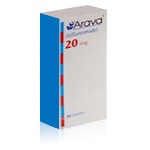
Arava is the original brand-name formulation of Leflunomide — a foundational disease-modifying antirheumatic drug (DMARD) for rheumatoid arthritis and one of the most widely prescribed oral DMARDs globally. Developed by Sanofi-Aventis (originally Aventis Pharma) and FDA-approved since 1998, Arava represents a key advance in oral DMARD therapy — offering an effective alternative to methotrexate for active rheumatoid arthritis with a distinct mechanism of action. Listed on the WHO Model List of Essential Medicines, Leflunomide is a cornerstone of modern rheumatoid arthritis management.
The active ingredient is Leflunomide, a pyrimidine synthesis inhibitor prodrug. After oral administration, Leflunomide is rapidly metabolized to its active metabolite teriflunomide (A77 1726), which inhibits dihydroorotate dehydrogenase (DHODH) — the rate-limiting enzyme in de novo pyrimidine synthesis. Activated lymphocytes (T-cells and B-cells) require de novo pyrimidine synthesis for proliferation and cannot survive on the salvage pathway alone — making Leflunomide selectively immunosuppressive for activated lymphocytes. Teriflunomide has a remarkably long half-life (~2 weeks) with active metabolite persisting in tissues for months.
Arava is FDA-approved for active rheumatoid arthritis (RA) in adults — both reducing signs and symptoms and slowing structural joint damage progression. Off-label uses include psoriatic arthritis (EU-approved), juvenile idiopathic arthritis, lupus arthritis, Felty's syndrome, and BK virus nephropathy in transplant patients. Teriflunomide, the active metabolite, is marketed separately as Aubagio for multiple sclerosis.
The medication is available as Arava 10 mg, 20 mg, and 100 mg tablets. Standard adult dosing: loading dose 100 mg once daily for 3 days, then maintenance 20 mg once daily (10 mg if not tolerated). Some clinicians skip loading dose to reduce GI side effects. Long elimination half-life supports once-daily dosing.
Critical safety considerations include THREE FDA boxed warnings: severe hepatotoxicity (requires baseline and ongoing LFT monitoring), immunosuppression with serious infection risk (TB, opportunistic infections), and embryo-fetal toxicity (Pregnancy Category X — major birth defects; women of childbearing potential require effective contraception, and drug elimination procedure with cholestyramine is required for pregnancy planning). Additional concerns: hypertension, diarrhea, alopecia, peripheral neuropathy, Stevens-Johnson syndrome (rare), interstitial lung disease (rare), bone marrow suppression (rare). Live vaccines contraindicated.
Free prescription
Discrete packaging
Have questions?
Quality Assurance

- Active RA Symptom Reduction: For reducing signs and symptoms of active rheumatoid arthritis;
- RA Structural Damage Prevention: For slowing structural joint damage progression in RA;
- RA Methotrexate Failure: For RA patients with inadequate response or intolerance to methotrexate;
- RA Combination Therapy: For combination with methotrexate or other DMARDs in moderate-severe RA;
- RA Early Aggressive: For early aggressive RA where disease activity is high;
- Psoriatic Arthritis (PsA): Off-label (EU-approved) for psoriatic arthritis;
- PsA Peripheral Joint Disease: For psoriatic arthritis with peripheral joint involvement;
- Juvenile Idiopathic Arthritis (JIA): Off-label for juvenile idiopathic arthritis (polyarticular);
- Lupus Arthritis: Off-label for systemic lupus erythematosus with prominent arthritis;
- Felty Syndrome: Off-label for Felty's syndrome (RA + splenomegaly + neutropenia);
- BK Virus Nephropathy: Off-label for BK virus nephropathy in kidney transplant patients — signature off-label use;
- CMV Immunocompromised: Off-label for CMV infection in immunocompromised patients (limited evidence);
- Polyomavirus Infections: Off-label for polyomavirus infections in immunocompromised hosts;
- Granulomatous Disease: Off-label adjunct for granulomatous diseases (sarcoidosis, Wegener's);
- Sarcoidosis Refractory: Off-label for refractory sarcoidosis (alternative to methotrexate);
- Wegener Granulomatosis Adjunct: Off-label adjunct in granulomatosis with polyangiitis (Wegener's);
- Atopic Dermatitis Refractory: Off-label for refractory atopic dermatitis;
- Long Term RA Maintenance: Suitable for long-term RA maintenance therapy with proper LFT monitoring.
- Less Morning Stiffness: Reduction in characteristic RA morning joint stiffness;
- Less Joint Swelling: Reduction in active joint swelling and inflammation;
- Less Tender Joints: Reduction in tender joint count on physical examination;
- Less Synovitis: Reduction in synovial inflammation in affected joints;
- Better Joint Function: Improvement in joint function and range of motion;
- Better Daily Activities: Improvement in activities of daily living (dressing, eating, hygiene);
- Less Disease Progression: Slowing of structural joint damage progression on imaging;
- Less Erosive Disease: Reduction in joint erosion progression on X-ray;
- Better DAS28 Scores: Improvement in DAS28 (Disease Activity Score) clinical assessments;
- Less ACR20/50/70 Response: Achievement of ACR20, ACR50, and ACR70 response criteria;
- Better HAQ-DI Scores: Improvement in Health Assessment Questionnaire Disability Index;
- Less Fatigue: Reduction in RA-related fatigue and constitutional symptoms;
- Better Quality of Life: Substantial improvement in quality of life with effective RA therapy;
- Less Psoriatic Arthritis Symptoms: Off-label reduction in psoriatic arthritis joint symptoms;
- Better Enthesitis Control: Off-label benefit for enthesitis in psoriatic arthritis;
- Less JIA Symptoms: Off-label reduction in juvenile idiopathic arthritis symptoms;
- Less Lupus Arthritis: Off-label benefit in lupus-associated arthritis;
- Less BK Virus Replication: Off-label reduction in BK virus replication in transplant patients;
- Better Transplant Outcomes: Off-label support for BK virus nephropathy in kidney transplant recipients;
- Less Refractory Sarcoidosis: Off-label benefit in refractory sarcoidosis;
- Better Long-Term RA Maintenance: Effective long-term RA maintenance with proper monitoring;
- Brand Arava: Original Sanofi-Aventis brand of Leflunomide with established global clinical reputation since 1998;
- Generic Leflunomide: Affordable generic versions expand global access to foundational DMARD therapy;
- DMARD Disease Modifying Antirheumatic: Foundational DMARD class member for RA — alters disease course;
- Pyrimidine Synthesis Inhibitor: Unique mechanism (DHODH inhibition) distinct from methotrexate or biologic DMARDs;
- Teriflunomide Active Metabolite: Active teriflunomide metabolite provides therapeutic effect — long half-life;
- DHODH Inhibition: Dihydroorotate dehydrogenase inhibition blocks de novo pyrimidine synthesis;
- Selective Lymphocyte Immunosuppression: Selective immunosuppression for activated lymphocytes — not broadly cytotoxic;
- Long 2 Week Half Life: Remarkably long ~2 week half-life supports stable serum levels and once-daily dosing;
- Once Daily DMARD Convenience: Once-daily dosing supports excellent adherence in chronic RA therapy;
- Methotrexate Alternative: Effective oral DMARD alternative to methotrexate with distinct mechanism;
- RA First Line DMARD: First-line DMARD option for active rheumatoid arthritis per ACR/EULAR guidelines;
- Aubagio MS Equivalent: Active metabolite teriflunomide marketed separately as Aubagio for multiple sclerosis;
- WHO Essential Medicine: Listed on the WHO Model List of Essential Medicines for RA care;
- 25 Plus Year DMARD History: Extensive real-world safety and efficacy data since 1998 across millions of patient courses.
Generic Arava (Leflunomide 10 mg) Medication guide:
📖 What Is Arava IPCA Leflunomide DMARD
Arava is the branded name for leflunomide - a disease-modifying antirheumatic drug (DMARD) that works through a distinctive pyrimidine synthesis inhibition mechanism. Originally developed by Hoechst Marion Roussel and FDA-approved in September 1998, Arava has been a well-established second-line DMARD for rheumatoid arthritis and psoriatic arthritis for over two decades. The Arava product available on RXshop is the IPCA Laboratories generic.
Leflunomide occupies a distinctive position among DMARDs. It has proven efficacy comparable to methotrexate in rheumatoid arthritis, but comes with two FDA boxed warnings - for hepatotoxicity and for embryo-fetal toxicity - that shape its clinical use. Understanding these safety considerations alongside the effectiveness benefits supports informed prescribing decisions.
💊 Arava at a glance
| Attribute | Detail |
|---|---|
| Generic name | Leflunomide |
| Drug class | DMARD; isoxazole prodrug of teriflunomide; pyrimidine synthesis inhibitor |
| Innovator | Hoechst Marion Roussel (later Sanofi-Aventis) |
| Generic sponsor | IPCA Laboratories (Mumbai, India) |
| FDA approval | September 1998 for rheumatoid arthritis |
| Formulations | 10 mg and 20 mg tablets |
| Standard adult dosing | Optional loading 100 mg daily x3 days; maintenance 10-20 mg daily |
| Primary indications | Active rheumatoid arthritis, psoriatic arthritis |
| Distinctive PK | Very long half-life (~14-18 days) via enterohepatic recirculation |
| FDA boxed warnings | Hepatotoxicity; embryo-fetal toxicity (Category X) |
🎯 Where Arava fits in modern rheumatology
Leflunomide is a well-established second-line DMARD for rheumatoid arthritis and psoriatic arthritis. It sits alongside methotrexate as one of the two main conventional synthetic DMARDs used across rheumatology practice globally. Modern treatment algorithms typically use methotrexate first-line with leflunomide as alternative for methotrexate-intolerant patients or in combination therapy.
✅ Clinical strengths
Efficacy comparable to methotrexate in RA. Oral once-daily dosing. Long track record (25+ years). Effective in both RA and psoriatic arthritis. Available as affordable generic. Alternative for methotrexate-intolerant patients.
⚠️ Safety considerations
Two boxed warnings - hepatotoxicity and embryo-fetal toxicity (Category X). Very long half-life requiring cholestyramine washout for emergency elimination. Enhanced monitoring for hepatic function and blood counts.
📌 Modern practice framework
- Second-line DMARD for RA: After methotrexate intolerance or inadequate response
- Combination with methotrexate: Can be combined for enhanced efficacy in specific scenarios
- Psoriatic arthritis alternative: Effective for both joint and skin manifestations
- Bridge to biologics: Often used before or alongside biologic DMARDs
- Contraindicated in pregnancy: Teratogenic - reliable contraception essential in reproductive-age women
Takeaway: Arava is a well-established DMARD with over 25 years of clinical use in rheumatoid and psoriatic arthritis. Its distinctive pharmacology - long half-life, pyrimidine synthesis inhibition - and important safety considerations shape appropriate use in rheumatology practice.
📜 History Leflunomide from Hoechst to Sanofi to Generics
The leflunomide story spans four decades - from initial synthesis in the 1980s through pivotal clinical development in the 1990s to modern generic availability. Understanding this historical arc illuminates why leflunomide became a well-established alternative to methotrexate in RA treatment.
🔬 From immunomodulator research to clinical DMARD
Leflunomide was originally developed by Hoechst AG (later Hoechst Marion Roussel, then Aventis, then Sanofi-Aventis) as part of immunomodulator research programs in the 1980s. The isoxazole compound was investigated for its ability to inhibit lymphocyte proliferation through pyrimidine synthesis blockade.
Clinical development for rheumatoid arthritis began in the early 1990s. Pivotal trials - US301 (Strand et al.), MN301 (Smolen et al.), and MN302 - demonstrated efficacy comparable to methotrexate and sulfasalazine, leading to FDA approval in September 1998. This made leflunomide the first new DMARD approved for rheumatoid arthritis in over a decade at that time.
📆 Development milestones
| Year | Milestone | Significance |
|---|---|---|
| 1980s | Hoechst leflunomide synthesis | Isoxazole immunomodulator research |
| Early 1990s | Preclinical DMARD development | DHODH mechanism established |
| 1993-1997 | US301 pivotal trial | Strand et al. leflunomide vs MTX vs placebo |
| 1997-1998 | MN301 European trial | Smolen et al. leflunomide vs sulfasalazine |
| September 1998 | FDA approval as Arava | First new RA DMARD in over a decade |
| 1999 | EMA European approval | Expanded international availability |
| 2000s | Aventis merger, then Sanofi-Aventis | Corporate consolidation |
| 2004 | Kaltwasser PsA trial | Psoriatic arthritis efficacy established |
| 2000s-2010s | Generic launches globally | IPCA and other manufacturers |
| 2012 | Teriflunomide (active metabolite) approved for MS | New indication for related molecule |
| Present | Established DMARD position | Second-line RA, PsA alternative |
🌟 The teriflunomide connection
An interesting historical footnote: leflunomide is a prodrug of teriflunomide (also called A77 1726) - the same active metabolite. In 2012, teriflunomide itself was approved by FDA for relapsing multiple sclerosis under the brand name Aubagio. This means the same molecular entity now treats two distinct autoimmune conditions - rheumatoid arthritis (as leflunomide/Arava) and multiple sclerosis (as teriflunomide/Aubagio).
🌍 From innovator to generic era
Leflunomide patent protection expired in most markets during the 2000s-2010s. Generic manufacturers including IPCA Laboratories, Teva, Sandoz, and others began producing generic leflunomide, substantially expanding access. Today generic Arava is widely available at accessible prices, supporting global rheumatology practice.
👤 Modern rheumatology positioning
Over its 25+ year history, leflunomide has settled into a stable position as a well-established second-line conventional synthetic DMARD. Modern rheumatology algorithms (ACR, EULAR, GRAPPA guidelines) all include leflunomide as an option for RA and PsA, typically after methotrexate first-line. The combination of proven efficacy, oral convenience, and accessible generic pricing supports continued relevance despite the emergence of many biologic and targeted synthetic DMARDs.
Takeaway: Leflunomide has evolved from 1980s immunomodulator research to a well-established DMARD used globally for rheumatoid arthritis and psoriatic arthritis. IPCA and other generic manufacturers support ongoing access to this important therapeutic option.
🧪 Chemistry Isoxazole Prodrug of Teriflunomide
Leflunomide is chemically an isoxazole prodrug. After oral absorption, it rapidly converts to its active metabolite teriflunomide (A77 1726) - the molecule responsible for essentially all clinical activity. Understanding this prodrug relationship illuminates leflunomide pharmacology and its distinctive properties.
🧪 Chemical identity
| Property | Leflunomide | Teriflunomide (active metabolite) |
|---|---|---|
| Chemical class | Isoxazole derivative | Malononitrile amide |
| Chemical name | N-(4-trifluoromethylphenyl)-5-methylisoxazole-4-carboxamide | 2-cyano-3-hydroxy-N-(4-trifluoromethylphenyl)but-2-enamide |
| Molecular formula | C12H9F3N2O2 | C12H9F3N2O2 (same after rearrangement) |
| Molecular weight | 270.21 g/mol | 270.21 g/mol |
| Role | Prodrug (largely inactive) | Active moiety - all pharmacology |
| MS indication | Not approved as MS therapy | Approved as Aubagio for relapsing MS (2012) |
🔬 The prodrug conversion
Leflunomide undergoes rapid non-enzymatic ring opening after absorption. The isoxazole ring opens to form the open-chain teriflunomide (A77 1726). This conversion is essentially complete during first-pass metabolism - very little intact leflunomide reaches systemic circulation. Peak teriflunomide concentrations are achieved within 6-12 hours of oral leflunomide dose.
🧬 Structural features
Both leflunomide and teriflunomide share the trifluoromethylphenyl group - a key pharmacophore that contributes to lipophilicity, tissue distribution, and target enzyme binding. The molecular weight is small (~270 g/mol) enabling good oral absorption and tissue penetration. Both molecules are highly protein-bound (approximately 99%) in plasma.
🔑 Structure-activity insights
- Isoxazole ring: Facilitates absorption; converts to open-chain form after ingestion
- Trifluoromethylphenyl: Key pharmacophore for DHODH binding
- Hydroxyl group in teriflunomide: Important for DHODH active site interaction
- Small molecular size: Enables good oral bioavailability and tissue distribution
- High protein binding: Contributes to distribution and clearance patterns
📦 Arava formulations
IPCA Arava is available in 10 mg and 20 mg film-coated tablets. The 10 mg tablet is used for maintenance therapy in patients who cannot tolerate higher doses or who are more sensitive to adverse effects. The 20 mg tablet is the standard maintenance dose for most adults. Both tablets are bioequivalent to the innovator Arava product per standard pharmacokinetic studies.
Takeaway: Leflunomide is an isoxazole prodrug that converts rapidly to its active metabolite teriflunomide after absorption. Understanding this prodrug relationship helps explain the pharmacology - all clinical effects (both benefits and adverse events) come from teriflunomide, not from the parent leflunomide molecule.
⚙️ Mechanism DHODH Inhibition Pyrimidine Synthesis Block
Leflunomide (via its active metabolite teriflunomide) works through a distinctive mechanism among DMARDs - inhibition of dihydroorotate dehydrogenase (DHODH), a mitochondrial enzyme essential for de novo pyrimidine synthesis. This mechanism differentiates leflunomide from methotrexate, sulfasalazine, and biologic DMARDs.
🔬 The DHODH target
Dihydroorotate dehydrogenase (DHODH) is a mitochondrial enzyme that catalyzes the fourth step in de novo pyrimidine synthesis - the oxidation of dihydroorotate to orotate. Pyrimidine nucleotides (uridine, cytidine, thymidine) are essential building blocks for DNA and RNA synthesis. Cells that undergo rapid proliferation - such as activated lymphocytes during immune responses - have particularly high demand for de novo pyrimidine synthesis.
🎯 Selective effect on rapidly proliferating cells
Most resting cells meet their pyrimidine needs through the salvage pathway (recycling existing nucleotides) rather than de novo synthesis. However, activated lymphocytes - the immune cells driving rheumatoid arthritis inflammation - require substantially more pyrimidines than the salvage pathway can provide. They depend on de novo synthesis via DHODH.
By inhibiting DHODH, teriflunomide selectively affects rapidly proliferating lymphocytes while sparing most other cell types. This creates a favorable therapeutic index - suppressing pathological lymphocyte proliferation with less impact on other cellular functions.
🧬 Mechanism cascade
Step 1
Leflunomide oral intake
Step 2
Rapid conversion to teriflunomide
Step 3
DHODH inhibition in lymphocytes
Step 4
Reduced pyrimidines - immunomodulation
🧠 Downstream immunological effects
DHODH inhibition produces several downstream immunological effects that contribute to leflunomide clinical benefit in autoimmune arthritis:
- Reduced T-cell proliferation: Activated T-cells cannot expand normally without adequate pyrimidines
- Reduced B-cell proliferation: Antibody-producing B-cells similarly affected
- Reduced pro-inflammatory cytokine production: Including IL-2, TNF-alpha, IL-17
- Cell cycle arrest: Lymphocytes arrest in G1/S phase without sufficient pyrimidines
- Anti-inflammatory effects: Multiple downstream mediators of inflammation reduced
🔬 Comparison to other DMARDs
Leflunomide mechanism differs importantly from other conventional synthetic DMARDs:
| DMARD | Primary mechanism |
|---|---|
| Leflunomide | DHODH inhibition - blocks de novo pyrimidine synthesis |
| Methotrexate | Dihydrofolate reductase inhibition - blocks purine synthesis and folate metabolism |
| Sulfasalazine | Multiple mechanisms - anti-inflammatory, immunomodulatory |
| Hydroxychloroquine | Lysosomal function, antigen processing effects |
| Biologics (anti-TNF, etc.) | Specific cytokine or receptor targeting |
| JAK inhibitors | Janus kinase pathway inhibition |
🕐 Time to clinical effect
Leflunomide clinical response typically develops over 4-12 weeks. The optional loading dose (100 mg daily for 3 days) reduces time to steady state - without loading, steady state teriflunomide concentrations take approximately 2 months to achieve. Some patients notice initial symptom improvement within 4-6 weeks; maximum response typically occurs by 3-6 months.
Takeaway: Leflunomide works by inhibiting DHODH (dihydroorotate dehydrogenase), blocking de novo pyrimidine synthesis and selectively affecting rapidly proliferating lymphocytes. This distinctive mechanism among DMARDs supports its role as alternative to methotrexate in RA and PsA treatment.
🔬 Pharmacokinetics Long Half-Life Enterohepatic Recirculation
Leflunomide pharmacokinetics are characterized by very long half-life due to enterohepatic recirculation - one of the most distinctive PK features in rheumatology. Understanding these parameters supports appropriate dosing decisions and explains the need for cholestyramine washout in emergencies.
📊 Pharmacokinetic profile
| Parameter | Value | Clinical implication |
|---|---|---|
| Oral bioavailability | Approximately 80% (as teriflunomide) | Reliable absorption |
| Time to peak (Tmax) | 6-12 hours | Peak teriflunomide concentration |
| Food effect | No clinically significant effect | Take with or without food |
| Protein binding | Approximately 99% | Very high - potential drug interactions |
| Volume of distribution | Approximately 0.13 L/kg | Distributes to plasma primarily |
| Elimination half-life | Approximately 14-18 days | Very long due to enterohepatic recirculation |
| Metabolism | Non-enzymatic ring opening to teriflunomide | Not CYP450 substrate for conversion |
| Elimination | Renal (~43%) and fecal (~48%) | Dual elimination pathways |
| Time to steady state | Approximately 2 months without loading dose | Loading dose accelerates to 3-5 days |
🕐 The enterohepatic recirculation
Leflunomide long half-life is a direct consequence of extensive enterohepatic recirculation. Teriflunomide is secreted into bile, delivered to the intestine, then reabsorbed and returned to systemic circulation. This cycle recycles the drug repeatedly, resulting in the characteristic 14-18 day half-life.
This distinctive PK has several clinical consequences:
- Slow steady state achievement: Without loading dose, approximately 2 months to steady state
- Slow elimination after discontinuation: Teriflunomide persists at detectable levels for months to years without intervention
- Cholestyramine washout needed: For pregnancy or severe adverse effects requiring rapid elimination
- Long treatment commitment: Effect builds slowly but persists after stopping
💊 Loading dose to accelerate onset
An optional loading dose of 100 mg daily for 3 days accelerates achievement of steady state teriflunomide concentrations from approximately 2 months to 3-5 days. The loading dose is not always used - clinicians balance faster onset against potential increased early adverse effects, particularly gastrointestinal effects.
🔬 Cholestyramine washout procedure
The very long half-life creates a clinical challenge when rapid elimination is needed - for pregnancy, severe adverse effects, or transition to other therapy. Cholestyramine (a bile acid sequestrant) binds teriflunomide in the intestine and prevents enterohepatic recirculation. Standard washout protocol:
- Cholestyramine 8 g three times daily for 11 days - reduces plasma teriflunomide to below 0.02 mg/L
- Activated charcoal 50 g every 12 hours for 11 days - alternative to cholestyramine
- Verify washout with two consecutive plasma teriflunomide measurements at least 14 days apart, both below 0.02 mg/L
🫀 Renal and hepatic considerations
Leflunomide has dual elimination pathways - approximately 43% renal and 48% fecal. This dual elimination reduces the impact of any single organ dysfunction. However, hepatic dysfunction can affect teriflunomide clearance since biliary excretion contributes substantially. Renal impairment has less impact given the alternative fecal pathway.
Takeaway: Leflunomide very long half-life (~14-18 days) via enterohepatic recirculation is its most distinctive PK feature. Loading dose accelerates steady state; cholestyramine washout enables rapid elimination when needed. These properties fundamentally shape appropriate clinical use and monitoring.
📋 FDA Indications Rheumatoid and Psoriatic Arthritis
Arava FDA-approved indications cover active rheumatoid arthritis in adults. Additional widely-accepted uses include psoriatic arthritis, though this remains an off-label indication in the US. Understanding the indication framework supports appropriate clinical positioning.
📋 FDA-approved indications
Arava is FDA-approved for the treatment of active rheumatoid arthritis in adults, indicated to:
- Reduce signs and symptoms
- Inhibit structural damage as evidenced by X-ray erosions and joint space narrowing
- Improve physical function
🦴 Widely-used off-label - psoriatic arthritis
Psoriatic arthritis (PsA) is a widely-used off-label indication for leflunomide. Evidence supporting PsA efficacy comes primarily from the Kaltwasser et al. 2004 randomized controlled trial and subsequent studies. Leflunomide effectively treats both joint symptoms and skin manifestations of psoriatic arthritis. Multiple international rheumatology guidelines (including GRAPPA and EULAR) recommend leflunomide as a treatment option for PsA.
🎯 Positioning within RA treatment
Leflunomide sits in the conventional synthetic DMARD (csDMARD) category alongside methotrexate, sulfasalazine, and hydroxychloroquine. Modern RA treatment algorithms typically use methotrexate as first-line csDMARD; leflunomide is a common alternative for methotrexate-intolerant patients or in combination therapy.
| Position | Scenario |
|---|---|
| First-line csDMARD | Methotrexate typically preferred; leflunomide occasionally used |
| Second-line csDMARD | Leflunomide after methotrexate intolerance or inadequate response |
| Combination therapy | Leflunomide + methotrexate for enhanced efficacy in selected patients |
| Alternative to biologics | Consider csDMARD combinations before escalating to biologics |
| Bridge to biologics | Continued during biologic initiation |
📋 Other off-label uses
Beyond RA and PsA, leflunomide has been used off-label for various other conditions with variable evidence:
- Juvenile idiopathic arthritis (JIA): Off-label use with some pediatric evidence
- Systemic lupus erythematosus (SLE): Limited use in selected cases
- Cytomegalovirus (CMV) infection: Off-label use in transplant recipients with resistant CMV
- BK virus nephropathy: Off-label use in kidney transplant recipients
These off-label applications typically involve specialist consultation and individualized decision-making.
❌ What Arava does not treat
Leflunomide is not indicated for:
- Osteoarthritis (mechanical joint disease, not autoimmune)
- Gout or crystal arthropathies
- Fibromyalgia (non-inflammatory pain condition)
- Non-arthritis autoimmune conditions unless specifically studied
- Cancer or infectious diseases (except off-label antiviral use)
Takeaway: Arava is FDA-approved for adult rheumatoid arthritis with well-established off-label use for psoriatic arthritis. Modern positioning is as second-line conventional synthetic DMARD after methotrexate, with combination and biologic sequencing frameworks supporting individualized treatment.
👤 Rheumatoid Arthritis Treatment Framework
Rheumatoid arthritis is the primary FDA-approved indication for Arava and represents the majority of leflunomide prescribing globally. Understanding the RA treatment framework and where leflunomide fits supports optimal individualized care.
🔬 Rheumatoid arthritis overview
Rheumatoid arthritis (RA) is a chronic autoimmune inflammatory joint disease affecting approximately 0.5-1% of adults worldwide. Women are affected 2-3 times more frequently than men. Peak onset is typically 40-60 years but can occur at any age. Untreated RA causes progressive joint damage, deformity, disability, and increased mortality.
Modern RA treatment aims for remission or low disease activity through early aggressive treatment and treat-to-target strategies. The evidence base supporting this approach comes from studies demonstrating that early effective treatment prevents long-term joint damage and functional decline.
🎯 Modern RA treatment framework
Contemporary RA management follows a structured framework across multiple international guidelines (ACR, EULAR):
| Phase | Approach |
|---|---|
| Diagnosis and staging | ACR/EULAR classification criteria; assess disease activity and damage |
| Initial treatment | Methotrexate first-line csDMARD (with folate); leflunomide alternative |
| Treat-to-target | Aim for remission or low disease activity; assess every 3-6 months |
| Inadequate response | Escalate - add DMARD, add biologic, or switch class |
| Combination options | MTX + leflunomide; triple therapy (MTX + sulfasalazine + hydroxychloroquine) |
| Biologic addition | Anti-TNF, IL-6 inhibitors, other biologics if csDMARDs inadequate |
| Targeted synthetic DMARDs | JAK inhibitors as alternative to biologics |
💊 Where leflunomide fits
Leflunomide occupies several distinct positions in modern RA treatment:
- Methotrexate alternative: Primary alternative csDMARD when methotrexate is contraindicated or not tolerated
- Combination with methotrexate: Evidence supports MTX + leflunomide for enhanced efficacy in selected patients (section 10)
- Post-biologic maintenance: May be continued alongside biologic DMARDs
- Cost-effective option: Generic leflunomide affordable alternative to biologics
📊 Efficacy evidence base
Leflunomide efficacy in RA is established by pivotal randomized controlled trials:
- US301 trial (Strand et al. 1999): Leflunomide vs methotrexate vs placebo - similar efficacy to methotrexate
- MN301 European trial (Smolen et al. 1999): Leflunomide vs sulfasalazine - similar efficacy
- MN302 long-term extension: Sustained benefits over multiple years
- Multiple observational cohorts: Real-world effectiveness confirmed
Vibeke Strand, MD, MACR — Stanford University School of Medicine
“The US301 trial established leflunomide as a legitimate alternative to methotrexate for RA - similar efficacy, different mechanism, different tolerability profile. That gave rheumatologists an important option, particularly for patients who could not tolerate methotrexate.”
💊 Typical leflunomide RA dosing
For rheumatoid arthritis, typical adult dosing:
- Optional loading dose: 100 mg daily for 3 days (accelerates steady state)
- Maintenance dose: 20 mg once daily (standard)
- Alternative maintenance: 10 mg daily for reduced adverse effect risk or dose reduction
- Time to clinical effect: 4-12 weeks, maximum by 3-6 months
- Duration: Long-term therapy - years to decades
Takeaway: Leflunomide is a well-established DMARD option for rheumatoid arthritis with proven efficacy comparable to methotrexate. Modern positioning includes second-line use after methotrexate intolerance, combination therapy, and cost-effective alternative to biologics in appropriate patients.
🦴 Psoriatic Arthritis Treatment Framework
Psoriatic arthritis (PsA) is the second major indication for leflunomide - widely used off-label with substantial evidence base. Leflunomide effectively addresses both joint and skin manifestations of PsA, making it a versatile option in this heterogeneous condition.
🦴 Psoriatic arthritis overview
Psoriatic arthritis is an inflammatory arthritis associated with psoriasis skin disease. It affects approximately 20-30% of psoriasis patients. Unlike rheumatoid arthritis, PsA is more heterogeneous - manifestations include peripheral arthritis, axial involvement (spine), enthesitis (tendon insertion inflammation), dactylitis (whole-digit swelling), and skin/nail disease.
PsA treatment requires addressing both joint and skin manifestations. This dual requirement makes leflunomide - which affects both - a valuable option.
📊 Efficacy evidence in PsA
The primary evidence for leflunomide in PsA comes from the Kaltwasser et al. 2004 pivotal randomized controlled trial - a 6-month study of leflunomide vs placebo in patients with active PsA. Key findings:
- PsARC response rate: Significantly higher with leflunomide (approximately 59%) vs placebo (approximately 30%)
- ACR20 improvement: Significantly better with leflunomide
- Skin PASI improvement: Modest but significant benefit for psoriasis skin lesions
- Overall function: Improved HAQ-DI scores
Subsequent studies including observational cohorts and comparative effectiveness research have supported these findings and established leflunomide as a well-recognized PsA treatment option.
🎯 PsA treatment framework
Modern PsA management follows guidelines from ACR/NPF, EULAR, and GRAPPA. Treatment approach depends on which manifestations dominate:
| Manifestation | Preferred approach |
|---|---|
| Predominant peripheral arthritis | csDMARD (methotrexate, leflunomide, sulfasalazine) |
| Predominant axial disease | Anti-TNF or IL-17 inhibitor typically (csDMARDs less effective for axial) |
| Predominant skin disease | Methotrexate or biologics with skin efficacy |
| Enthesitis/dactylitis | Biologics or targeted therapy typically |
| Severe polyarticular disease | Escalation to biologics if csDMARD inadequate |
💊 Leflunomide dosing for PsA
PsA dosing is similar to RA dosing:
- Optional loading dose: 100 mg daily for 3 days
- Maintenance: 20 mg once daily standard
- Alternative maintenance: 10 mg daily for tolerability
- Time to effect: 4-12 weeks, maximum by 3-6 months
👤 Combination and sequencing in PsA
Leflunomide can be combined with other therapies in PsA:
- Combination with methotrexate: Some evidence for enhanced efficacy in specific scenarios
- Combination with biologics: Continue leflunomide alongside anti-TNF, IL-17, IL-23 inhibitors
- Combination with JAK inhibitors: Continue leflunomide with tofacitinib or upadacitinib in PsA
- Sequential to biologics: Try leflunomide before escalating to biologics for cost and access reasons
🌟 Where leflunomide is particularly useful
- Methotrexate-intolerant PsA: Primary alternative csDMARD
- Cost-conscious therapy: Generic leflunomide affordable vs biologics
- Combination bridging: While assessing need for biologic escalation
- Peripheral joint predominant PsA: Where csDMARDs are most effective
Takeaway: Leflunomide is a well-established option for psoriatic arthritis based on Kaltwasser 2004 pivotal evidence. It effectively treats both joint and skin manifestations, providing a versatile DMARD option particularly for peripheral joint predominant PsA.
🔗 DMARD Positioning Among Available Options
Understanding leflunomide position among available DMARDs illuminates when it is preferred and when alternatives are better. Modern rheumatology has multiple DMARD classes - conventional synthetic (csDMARDs), targeted synthetic (tsDMARDs), and biologic (bDMARDs).
🗺️ The DMARD landscape today
| Category | Examples | Mechanism |
|---|---|---|
| Conventional synthetic (csDMARDs) | Methotrexate, leflunomide, sulfasalazine, hydroxychloroquine | Multiple immunomodulatory mechanisms |
| Targeted synthetic (tsDMARDs) | Tofacitinib, baricitinib, upadacitinib (JAK inhibitors) | Specific intracellular signaling inhibition |
| Biologic (bDMARDs) - anti-TNF | Etanercept, adalimumab, infliximab, golimumab, certolizumab | TNF-alpha neutralization |
| Biologic - other targets | Tocilizumab (IL-6), rituximab (CD20), abatacept (T-cell), IL-17/23 | Various specific targets |
🔬 Leflunomide vs methotrexate
The primary DMARD comparison for most clinicians is leflunomide vs methotrexate - both conventional synthetic DMARDs used first or second-line for RA.
| Feature | Leflunomide | Methotrexate |
|---|---|---|
| Mechanism | DHODH inhibition, pyrimidine synthesis | Dihydrofolate reductase, folate metabolism |
| Dosing | 10-20 mg daily oral | 7.5-25 mg weekly oral or SC |
| Onset | 4-12 weeks | 4-8 weeks |
| Signature adverse effect | Diarrhea, hepatotoxicity, hypertension | Nausea, hepatotoxicity, cytopenias |
| Pregnancy | Category X - contraindicated | Category X - contraindicated |
| Half-life | Very long (~14-18 days) | Short (~3-10 hours) |
| Elimination | Renal and fecal (dual) | Renal primary |
| Washout | Cholestyramine needed | Rapid clearance |
| Cost | Affordable generic | Very affordable generic |
🎯 When leflunomide is preferred
- Methotrexate intolerance: Nausea, hepatic effects, cytopenias with methotrexate
- Methotrexate contraindicated: Chronic kidney disease, severe hepatic disease, alcohol use
- Methotrexate inadequate response: As alternative single agent or in combination
- Patient preference: Daily oral tablet vs weekly methotrexate
- Combination scenarios: With methotrexate or other DMARDs for enhanced efficacy
🎯 When alternatives may be preferred
- Methotrexate first-line RA: Guidelines typically favor methotrexate first
- Pregnancy planned: Long half-life makes leflunomide problematic; cholestyramine washout needed before conception
- Severe hepatic disease: Boxed warning concern warrants alternative
- Reliable contraception unavailable: Category X pregnancy contraindication requires reliable contraception
- Severe hypertension: Hypertension adverse effect concern
- Interstitial lung disease history: Rare but serious pulmonary adverse effect
🌟 DMARD sequencing framework
Modern DMARD sequencing typically follows a stepped approach:
Step 1
Methotrexate first-line csDMARD (with folate supplementation)
Step 2
Add or switch to leflunomide or sulfasalazine if inadequate response
Step 3
Triple therapy (MTX + SSZ + HCQ) or add biologic if still inadequate
Step 4
Biologic (anti-TNF, IL-6, other) or JAK inhibitor if csDMARDs inadequate
Takeaway: Leflunomide is a well-established second-line conventional synthetic DMARD alongside methotrexate. Modern sequencing typically uses methotrexate first, with leflunomide as alternative or combination component. Biologic and JAK inhibitor escalation follows for inadequate response to csDMARDs.
🤝 Combination Therapy With Methotrexate
Combination therapy with methotrexate and leflunomide is a well-established option for patients with inadequate response to either agent alone. Understanding the evidence, benefits, and enhanced monitoring requirements supports appropriate use of this combination.
🤝 The combination rationale
Methotrexate and leflunomide have different mechanisms of action. Methotrexate primarily affects folate metabolism and purine synthesis. Leflunomide primarily inhibits DHODH and pyrimidine synthesis. Combined, they simultaneously block both purine and pyrimidine pathways in rapidly proliferating lymphocytes - creating enhanced immunomodulatory effect.
🔬 Evidence base for combination
Several studies have evaluated methotrexate + leflunomide combination therapy:
- Kremer et al. combination trials: Established combination efficacy and acceptable tolerability
- Observational cohorts: Real-world combination use with acceptable safety profile
- Comparative effectiveness studies: Combination superior to monotherapy in specific patient groups
👤 When combination is considered
- Inadequate methotrexate response: Add leflunomide instead of switching to biologic
- Inadequate leflunomide response: Add methotrexate
- Cost-conscious approach: Trial csDMARD combination before escalating to biologics
- Biologic-inaccessible settings: csDMARD combination as maximum affordable approach
- Bridging strategy: While evaluating biologic access or eligibility
⚠️ Enhanced monitoring requirements
⚠️ Combined hepatotoxicity risk
Both methotrexate and leflunomide carry hepatotoxicity risk. Combination therapy substantially elevates hepatic monitoring requirements. Both drugs also carry cytopenia risk (methotrexate more prominently).
Baseline hepatic panel and CBC required. Monthly monitoring for first 6 months of combination therapy. Ongoing every 2-3 months thereafter. Discontinue either or both agents for significant hepatotoxicity or cytopenia.
💊 Practical combination approach
- Start with existing therapy: Continue current drug at existing dose
- Add second agent gradually: Start second drug at lower dose initially
- Monitor closely first 3-6 months: Enhanced hepatic and hematologic monitoring
- Escalate if tolerated: Increase to target doses over 4-8 weeks
- Reassess at 3-6 months: Combination efficacy vs biologic escalation
🤴 Adverse effect considerations
Combination therapy amplifies certain adverse effect risks:
- Hepatotoxicity: Both drugs contribute - enhanced monitoring essential
- Diarrhea: Leflunomide-associated - may worsen with combination
- Cytopenias: Methotrexate primarily, but combined risk
- Infections: Combined immunosuppression may elevate infection risk
- Rare adverse events: Pancytopenia, interstitial lung disease - enhanced vigilance
Michael E. Weinblatt, MD — Harvard Medical School
“Combination methotrexate and leflunomide can achieve responses that either agent alone cannot. The key is careful patient selection, enhanced monitoring, and willingness to adjust or discontinue either agent if adverse effects emerge. In appropriate patients, this combination extends the value of conventional synthetic DMARDs.”
🎯 Decision framework
Consider combination methotrexate + leflunomide when:
- Single csDMARD inadequate response after 3-6 months
- Patient factors favor extended csDMARD trial (cost, access, patient preference)
- Biologic escalation not immediately feasible
- Enhanced monitoring is available
- Patient understands and accepts enhanced adverse effect risk
Takeaway: Combination methotrexate + leflunomide is a well-established option offering enhanced efficacy through complementary mechanisms. Enhanced hepatic and hematologic monitoring essential. Provides valuable option before or alongside biologic escalation in RA.
💉 Biologic Therapy Context and Sequencing
Understanding how leflunomide relates to biologic DMARDs (anti-TNF, IL-6 inhibitors, and others) and targeted synthetic DMARDs (JAK inhibitors) illuminates modern treatment sequencing. Leflunomide fits into a coordinated framework alongside these newer therapy classes.
💉 The biologic and targeted synthetic era
Since the late 1990s, RA and PsA treatment has been transformed by biologic DMARDs - large protein molecules that specifically target immune pathway components. More recently, targeted synthetic DMARDs (JAK inhibitors) have added oral options with specific mechanism targeting.
| Class | Members | Route |
|---|---|---|
| Anti-TNF biologics | Etanercept, adalimumab, infliximab, golimumab, certolizumab | SC or IV |
| IL-6 receptor inhibitors | Tocilizumab, sarilumab | SC or IV |
| T-cell co-stimulation modulator | Abatacept | SC or IV |
| B-cell depletion | Rituximab | IV |
| IL-17 inhibitors (PsA) | Secukinumab, ixekizumab | SC |
| IL-23 inhibitors (PsA) | Guselkumab, risankizumab | SC |
| JAK inhibitors (tsDMARDs) | Tofacitinib, baricitinib, upadacitinib | Oral |
🎯 Leflunomide sequencing with biologics
Leflunomide relates to biologics in several ways in modern practice:
🔝 Before biologic escalation
Try leflunomide (alone or combined with methotrexate) before adding biologic - often as second-line csDMARD trial.
🔗 Combined with biologic
Continue leflunomide alongside biologic - some evidence for enhanced efficacy vs biologic monotherapy.
🔄 Biologic bridging
Use leflunomide while awaiting biologic access or between biologic switches.
💰 Cost-conscious approach
In cost-limited settings, maximize csDMARD trials before escalating to expensive biologics.
👤 Leflunomide + biologic combination considerations
- Anti-TNF + leflunomide: Well-tolerated combination; some evidence for enhanced efficacy
- Tocilizumab + leflunomide: Compatible; standard combination
- Abatacept + leflunomide: Compatible; standard combination
- Rituximab + leflunomide: Compatible; leflunomide often continued
- JAK inhibitor + leflunomide: Generally compatible but enhanced monitoring for combined immunosuppression
✅ Access and cost considerations
✅ Leflunomide as cost-effective anchor
Generic leflunomide is substantially more affordable than biologics or JAK inhibitors. In cost-limited settings globally, leflunomide provides an effective DMARD option accessible to many more patients. This access advantage supports its continued relevance despite the availability of biologics and targeted synthetic DMARDs. IPCA and other generic manufacturers enable this affordable global access.
🌍 Global positioning
In high-income settings, biologics and JAK inhibitors are widely accessible and often used earlier in treatment. In middle-income and low-income settings, csDMARDs including leflunomide remain the backbone of RA treatment with biologics used more selectively due to cost. This differential access shapes global leflunomide utilization patterns.
Tsutomu Takeuchi, MD, PhD — Keio University Tokyo
“In Asia and many other regions, leflunomide remains a widely-used and important DMARD. Not every patient has access to biologics or JAK inhibitors. Leflunomide provides effective treatment for those who need affordable, oral DMARD therapy.”
Takeaway: Leflunomide fits into modern DMARD sequencing as a valuable second-line csDMARD, combination partner with biologics, and cost-effective option in access-limited settings. Its role continues to evolve alongside biologics and targeted synthetic DMARDs but remains substantial globally.
🌍 Modern Positioning IPCA Generic Access
The Arava product available on RXshop is an IPCA Laboratories generic leflunomide formulation. This section provides context for IPCA generic manufacturing and how the generic era has expanded global leflunomide access.
🌍 Modern leflunomide positioning
Leflunomide is a well-established second-line conventional synthetic DMARD for rheumatoid arthritis and psoriatic arthritis. Its position has remained stable for over two decades as biologics and JAK inhibitors have emerged - complementing rather than replacing csDMARDs like leflunomide.
🇮🇳 IPCA Laboratories overview
IPCA Laboratories is a leading Indian pharmaceutical company founded in 1949 and headquartered in Mumbai. IPCA has substantial rheumatology, cardiovascular, antimalarial, and other therapeutic portfolios. IPCA supplies generic medications to over 120 countries worldwide and has manufacturing approvals from major global regulatory authorities.
| Attribute | Detail |
|---|---|
| Company founding | 1949, headquartered in Mumbai, India |
| Global reach | Supplies to 120+ countries |
| Quality approvals | US FDA, WHO Prequalification, UK MHRA, EU EMA, others |
| Manufacturing scale | Large-scale generic production facilities |
| Arava strengths | 10 mg film-coated tablets (primary) |
| Therapeutic breadth | Rheumatology, cardiovascular, antimalarial, dermatology, more |
✅ Bioequivalence and quality
✅ Quality equivalent to innovator
IPCA generic leflunomide demonstrates bioequivalence to innovator Arava through standard pharmacokinetic studies. Peak concentration, AUC, and time to peak all fall within the 80-125% bioequivalence limits accepted by regulators worldwide.
Clinical outcomes with generic leflunomide match innovator product performance in rheumatoid and psoriatic arthritis. IPCA manufacturing facilities are approved by US FDA, WHO Prequalification, and multiple national regulatory authorities.
💰 Access-oriented pricing
Generic leflunomide - including IPCA Arava - is available at substantially more affordable prices than the innovator product. This has been transformational for global RA and PsA treatment access, particularly in settings where innovator pricing was prohibitive.
🌍 Global access framework
The generic leflunomide era has substantially expanded global RA and PsA treatment access:
- Multiple generic manufacturers: IPCA, Teva, Sandoz, Mylan, others provide competitive supply
- Accessible pricing: Generic prices substantially below original innovator pricing
- National procurement: National healthcare systems and insurance widely cover generic leflunomide
- Consistency of supply: Multiple sources support reliable availability
- Quality assurance: Bioequivalence and regulatory approval ensure product quality
🌟 Continued relevance in modern rheumatology
Despite the emergence of biologics and JAK inhibitors over the past two decades, leflunomide continues to occupy an important place in modern rheumatology practice. Its combination of proven efficacy, oral convenience, affordable generic pricing, and versatility across RA and PsA supports ongoing relevance. Modern practice guidelines from ACR, EULAR, and other bodies all continue to include leflunomide as a treatment option.
Takeaway: IPCA Arava provides affordable generic access to leflunomide - a well-established DMARD for rheumatoid and psoriatic arthritis. The generic era has substantially expanded global leflunomide access, supporting continued relevance in modern rheumatology practice alongside newer therapy classes.
📊 Adult Dosing Framework Loading vs Maintenance
Arava adult dosing follows a standardized approach with optional loading phase and daily maintenance. The very long half-life shapes the dosing framework - loading accelerates onset, while maintenance sustains steady-state teriflunomide levels for long-term therapy.
💊 Standard adult dosing framework
Two dosing phases apply for adults with rheumatoid arthritis or psoriatic arthritis:
| Phase | Dose | Rationale |
|---|---|---|
| Loading (optional) | 100 mg once daily for 3 days | Accelerates steady state from ~2 months to 3-5 days |
| Maintenance (standard) | 20 mg once daily | Long-term therapeutic dose - standard adult |
| Maintenance (reduced) | 10 mg once daily | Alternative for tolerability or dose reduction |
| Time to clinical effect | 4-12 weeks | Maximum response typically by 3-6 months |
| Duration | Long-term (years to decades) | DMARD therapy for chronic autoimmune disease |
🕑 The loading dose decision
The optional loading dose (100 mg daily for 3 days) is a clinical judgment. It accelerates achievement of steady-state teriflunomide concentrations but may increase early adverse effects, particularly gastrointestinal effects like diarrhea.
✅ Consider loading when
Faster onset needed for active disease. Patient can tolerate higher initial dose. Prior tolerability of similar agents. Committed to full trial of leflunomide.
⚠️ Skip loading when
Cautious start preferred. Elderly patient. Patient anxious about side effects. Trial period desired before commitment. Lower baseline tolerance expected.
🎯 Practical dosing considerations
- Take with or without food: No clinically significant food effect - patient preference determines timing
- Consistent daily timing: Same time each day supports adherence
- Missed dose: Take as soon as remembered same day; do not double up if next day
- Dose reduction: Consider 10 mg daily for hepatic enzyme elevations, hypertension, or GI intolerance
- Long-term commitment: DMARD therapy for chronic disease - months to years typical duration
- Reliable contraception essential: For reproductive-age women given Category X teratogenicity (section 19)
👤 Individualized dose adjustment
The 10 mg vs 20 mg dose choice depends on individual factors:
- Start with 20 mg: Standard efficacy dose for most patients
- Reduce to 10 mg: If mild adverse effects (particularly diarrhea, hepatic enzyme elevations) emerge but patient wants to continue therapy
- Alternative day dosing: Some clinicians use 20 mg every other day for enhanced tolerability - not FDA-approved regimen but sometimes used
- Do not exceed 20 mg daily: Higher doses not more effective and increase toxicity risk
Takeaway: Standard adult Arava dosing is 20 mg once daily maintenance, with optional 100 mg loading for 3 days to accelerate onset. Dose reduction to 10 mg is common for tolerability. Take with or without food. Long-term therapy commitment for chronic autoimmune disease management.
🧒 Pediatric Considerations for Leflunomide
Leflunomide is not FDA-approved for pediatric use. However, off-label use in juvenile idiopathic arthritis (JIA) occurs in specific scenarios under pediatric rheumatology specialist supervision.
🧒 Pediatric approval status
Arava is FDA-approved only for adults with rheumatoid arthritis. Pediatric use is off-label. The absence of pediatric approval reflects limited pediatric registration trials rather than specific pediatric contraindication.
👤 Off-label juvenile idiopathic arthritis use
Juvenile idiopathic arthritis (JIA) - the pediatric equivalent of RA - is the primary off-label indication for pediatric leflunomide. Use is typically in specific scenarios:
- Methotrexate intolerance: When methotrexate cannot be used or is not tolerated
- Combination therapy: With methotrexate for enhanced efficacy in specific patients
- Polyarticular JIA: More than in oligoarticular or systemic forms
- Specialist consultation: Pediatric rheumatologist supervision essential
💊 Pediatric dosing approach
Pediatric leflunomide dosing is weight-based - typical approach approximately 0.5 mg/kg daily (rounded to available tablet strengths). Loading dose usually omitted in pediatric use.
| Weight range | Approximate dose |
|---|---|
| Less than 20 kg | 10 mg every other day (rounded) |
| 20-40 kg | 10 mg once daily |
| Greater than 40 kg | 20 mg once daily (adult dose) |
Exact dosing should be individualized by pediatric rheumatology specialist per current pediatric guidelines.
⚠️ Enhanced pediatric considerations
⚠️ Enhanced monitoring needed in pediatrics
The same hepatotoxicity and other toxicity concerns apply in pediatric use. Enhanced monitoring is essential - baseline hepatic panel and CBC, then monthly for at least 6 months, ongoing periodic monitoring. Growth and development monitoring important. Same Category X pregnancy considerations apply to reproductive-age adolescents - reliable contraception required.
🧒 Pediatric-specific considerations
- Growth monitoring: Regular assessment of height and weight during long-term therapy
- Development monitoring: Cognitive and social development in growing children
- Vaccination coordination: Live vaccines complicated by immunosuppression - schedule around leflunomide
- Adherence support: Family caregiver involvement essential
- School accommodations: Chronic disease may require school health plan
- Transition to adult care: Structured transition during adolescence to adult rheumatology
- Reproductive counseling: Adolescents need age-appropriate contraception counseling given teratogenicity
👤 Preferred alternatives typically preferred
For most pediatric RA/JIA scenarios, methotrexate remains the preferred first-line csDMARD. Leflunomide is generally reserved for methotrexate-intolerant or refractory cases. Modern pediatric rheumatology also has increasing biologic options (etanercept, adalimumab, tocilizumab, others) approved for pediatric use.
Takeaway: Leflunomide pediatric use is off-label and requires pediatric rheumatology specialist involvement. Weight-based dosing with enhanced monitoring. Preferred alternatives (methotrexate, pediatric-approved biologics) typically favored. Same teratogenicity concerns apply to reproductive-age adolescents.
👴 Older Adult Considerations
Older adults represent a common leflunomide user population - rheumatoid arthritis prevalence peaks around ages 40-70 and long-term DMARD therapy often extends into older age. Understanding older adult-specific considerations supports safe and effective use.
👴 Age-related pharmacokinetic considerations
No specific age-related pharmacokinetic changes have been established requiring dose adjustment for older adults. Standard dosing applies for most patients. However, several practical considerations warrant attention:
- Renal function decline: Age-related decline may modestly affect elimination (though dual elimination pathway buffers impact)
- Hepatic function: Age-related hepatic changes may modestly affect metabolism
- Body composition changes: Reduced lean body mass may affect drug distribution
- Enhanced tolerability considerations: Older patients may be more sensitive to adverse effects
👤 Older adult considerations framework
| Consideration | Approach |
|---|---|
| Comorbidity assessment | Cardiovascular, hepatic, renal, other diseases common - comprehensive baseline |
| Polypharmacy review | Multiple medications common - review for interactions and additive toxicity |
| Infection risk | Age-related immune changes plus leflunomide immunosuppression - enhanced infection monitoring |
| Hepatic monitoring | Standard schedule; consider more frequent early monitoring |
| Blood pressure monitoring | Leflunomide hypertension effect may compound age-related hypertension |
| Cognitive function | Adherence and monitoring may need caregiver support |
❤️ Cardiovascular considerations in elderly
Older adults often have baseline cardiovascular disease and hypertension. Leflunomide-associated hypertension warrants attention:
- Baseline BP assessment: Document baseline before starting leflunomide
- Regular BP monitoring: Check at follow-up visits; consider home monitoring
- Antihypertensive adjustment: May need addition or intensification if BP elevates
- Cardiovascular risk factors: Standard management alongside leflunomide therapy
💉 Polypharmacy considerations
Older adults often take multiple medications. Key interaction considerations:
- Warfarin: Leflunomide can affect INR - enhanced monitoring
- Hepatotoxic medications: Combined hepatotoxicity risk
- Immunosuppressants: Combined infection risk
- NSAIDs: Renal and cardiovascular considerations
- Statins: Combined hepatic monitoring
💓 Fall prevention and mobility
Chronic arthritis and its treatment affects mobility in older adults. Comprehensive care includes:
- Fall risk assessment: Standard fall prevention approaches
- Physical therapy: Support mobility and function
- Assistive devices: As needed for safety and function
- Home safety: Environmental modifications where helpful
👤 Practical elderly framework
For older adult on leflunomide:
- Consider skipping loading dose: Reduces early adverse effect burden
- Start 10 mg daily: Consider lower starting dose, escalate if tolerated
- Enhanced monitoring first 6 months: Hepatic panel and CBC monthly initially
- BP monitoring at each visit: Track for leflunomide-associated hypertension
- Vaccination coordination: Address vaccination schedule given immunosuppression
- Family/caregiver involvement: Support adherence and monitoring
- Comorbidity coordination: Multi-provider communication
Takeaway: Older adults can safely use leflunomide with standard dosing and enhanced monitoring. Consider starting at 10 mg with slower titration. Enhanced attention to comorbidities, polypharmacy, cardiovascular effects, and infection risk. Family/caregiver involvement supports adherence and monitoring.
🫀 Renal Impairment Considerations
Leflunomide has a distinctive renal profile - no formal dose adjustment recommended for renal impairment due to dual elimination pathway (approximately 43% renal, 48% fecal). However, enhanced monitoring is appropriate in significant renal impairment.
🫀 Renal considerations framework
Unlike many DMARDs and other medications, leflunomide does not require formal dose reduction for renal impairment. The dual elimination pathway - roughly half renal and half fecal - provides some buffer when renal function is reduced.
| Renal function | Dosing approach |
|---|---|
| Normal renal function | Standard 10-20 mg daily |
| Mild renal impairment (CrCl 60-89) | Standard 10-20 mg daily; monitoring |
| Moderate renal impairment (CrCl 30-59) | Standard 10-20 mg daily; enhanced monitoring |
| Severe renal impairment (CrCl less than 30) | Use with caution; specialist consultation recommended |
| Hemodialysis | Limited data; teriflunomide not effectively removed by dialysis |
🔬 Why formal adjustment not required
Leflunomide dual elimination provides compensatory mechanism when renal function is reduced. As renal clearance decreases, fecal elimination (via biliary excretion) can partially compensate. Teriflunomide is also highly protein-bound (~99%), limiting the fraction available for glomerular filtration.
However, this does not mean renal impairment is irrelevant - it just means routine dose adjustment is not needed. Enhanced monitoring for potential accumulation, adverse effects, and drug interactions remains appropriate.
📊 Enhanced monitoring in renal impairment
- Baseline renal function: Serum creatinine, estimated GFR, urinalysis
- Periodic monitoring: Every 3-6 months in patients with baseline impairment
- Blood pressure monitoring: Leflunomide can elevate BP - important in CKD
- Concurrent nephrotoxin awareness: NSAIDs, contrast, aminoglycosides
- Hepatic panel: Standard monitoring regardless
👤 Special renal scenarios
- Diabetic nephropathy: Common comorbidity in RA - standard leflunomide use with monitoring
- Hypertensive nephropathy: Leflunomide hypertension can compound - BP control important
- Concurrent methotrexate: Methotrexate requires renal dose adjustment - important in combination
- NSAID use: Combined nephrotoxicity concern - minimize NSAID use where possible
💧 Hemodialysis considerations
Teriflunomide is not effectively removed by hemodialysis due to its high protein binding. Standard hemodialysis does not accelerate elimination. If rapid elimination is needed in a hemodialysis patient (for pregnancy or severe adverse effect), the standard cholestyramine washout protocol applies (see section 32).
Takeaway: Leflunomide requires no formal dose adjustment for renal impairment due to dual elimination pathway. Standard dosing appropriate for most levels of renal function. Enhanced monitoring in significant renal impairment; blood pressure monitoring particularly important. Hemodialysis does not accelerate elimination - cholestyramine washout needed if rapid clearance required.
🪶 Hepatic Impairment and Boxed Warning
Leflunomide hepatic considerations include an FDA boxed warning for hepatotoxicity - a critical safety consideration shaping clinical use. Understanding the boxed warning framework and appropriate monitoring supports safe leflunomide therapy.
🚨 FDA Boxed Warning - Hepatotoxicity
☠️ Severe hepatic injury - Boxed Warning
Severe liver injury, including fatal liver failure, has been reported in patients treated with leflunomide. Patients with pre-existing acute or chronic liver disease, or those with serum ALT greater than 2x ULN before initiating treatment, should not receive leflunomide.
Concomitant use with other potentially hepatotoxic drugs (including methotrexate) may increase risk. Baseline ALT required. Monthly ALT monitoring for first 6 months, then every 6-8 weeks thereafter. Discontinue leflunomide and institute cholestyramine washout if ALT elevation over 3x ULN occurs.
🔬 Hepatotoxicity spectrum
Leflunomide-associated hepatic effects range from mild asymptomatic transaminase elevations to rare severe hepatic failure:
| Severity | Frequency | Presentation |
|---|---|---|
| Mild ALT elevation (less than 3x ULN) | 10-15% | Asymptomatic; often self-limited or dose-reduction responsive |
| Moderate ALT elevation (3-5x ULN) | 2-5% | Usually asymptomatic; warrants dose adjustment or discontinuation |
| Severe ALT elevation (over 5x ULN) | Uncommon | May be symptomatic; requires discontinuation and cholestyramine washout |
| Severe hepatic injury | Rare | Fatal cases reported - boxed warning |
📋 Baseline evaluation before starting
- Serum ALT: Must be within 2x ULN before initiating - contraindicated if higher
- Hepatic panel: Complete panel including AST, alkaline phosphatase, bilirubin, albumin
- Hepatitis screening: Rule out chronic HBV, HCV, and other liver disease
- Alcohol use assessment: Significant alcohol use is relative contraindication
- Baseline liver disease: Preexisting acute or chronic liver disease contraindicates leflunomide
📅 Ongoing monitoring schedule
| Period | Frequency |
|---|---|
| First 6 months | Monthly ALT (and other hepatic parameters) |
| After 6 months | Every 6-8 weeks thereafter |
| ALT 3-5x ULN | Reduce dose to 10 mg daily; monitor more frequently; may resolve |
| ALT persistently over 3x ULN or over 5x ULN | Discontinue leflunomide; institute cholestyramine washout |
| Symptomatic hepatic injury | Discontinue immediately; hepatology consultation; cholestyramine washout |
🔴 Risk factors for hepatotoxicity
- Preexisting liver disease: Chronic HBV, HCV, NAFLD, alcoholic liver disease - avoid leflunomide
- Concurrent hepatotoxic drugs: Methotrexate combination substantially elevates risk
- Alcohol use: Significant alcohol elevates risk
- Older age: Age-related susceptibility
- Malnutrition or low BMI: May affect drug metabolism
- Genetic polymorphisms: CYP2C9 and other metabolic variants may affect susceptibility
🪶 Hepatic impairment as contraindication
Preexisting acute or chronic liver disease is a contraindication to leflunomide initiation. This includes:
- Active chronic viral hepatitis (HBV, HCV)
- Alcoholic liver disease
- Cirrhosis of any cause
- Elevated baseline ALT (over 2x ULN)
- History of severe drug-induced liver injury
💧 Management of hepatic adverse effects
When hepatic enzyme elevations occur:
- Mild elevation (less than 3x ULN): Continue with more frequent monitoring; often resolves
- Moderate elevation (3-5x ULN): Reduce dose to 10 mg daily; monitor closely
- Persistent moderate or severe (over 5x ULN): Discontinue leflunomide; institute cholestyramine washout
- Symptomatic hepatic injury: Immediate discontinuation; hepatology consultation; washout
- Never rechallenge after severe hepatic injury: Add to allergy/adverse reaction list
Takeaway: Leflunomide FDA boxed warning for hepatotoxicity requires baseline hepatic panel, monthly ALT monitoring first 6 months, ongoing 6-8 weekly thereafter. Preexisting acute or chronic liver disease is contraindication. Dose reduction for moderate elevations; discontinuation with cholestyramine washout for severe elevations.
🧬 Drug Interactions Framework
Leflunomide has a moderate drug interaction profile - manageable but requiring attention. Key considerations include warfarin, CYP2C9 substrates, hepatotoxic combinations, and vaccine timing.
🔬 CYP2C9 inhibition
Teriflunomide is a moderate CYP2C9 inhibitor. This creates potential interactions with drugs metabolized by CYP2C9 - most notably warfarin, phenytoin, and some NSAIDs. Enhanced monitoring appropriate when combined.
💉 Key drug interactions
| Interacting drug | Effect | Management |
|---|---|---|
| Warfarin | Increased INR possible | Enhanced INR monitoring; dose adjustment as needed |
| Methotrexate | Additive hepatotoxicity, cytopenias | Enhanced hepatic and CBC monitoring in combination |
| Other hepatotoxic drugs | Additive hepatotoxicity | Avoid where possible; enhanced monitoring if combined |
| Cholestyramine | Reduces teriflunomide levels dramatically | Used therapeutically for washout; avoid unintended use |
| Activated charcoal | Reduces teriflunomide levels | Alternative to cholestyramine for washout |
| Rifampin | May decrease teriflunomide levels | Monitor efficacy; possible dose adjustment |
| NSAIDs | Renal, hepatic considerations | Standard NSAID cautions apply |
| Live vaccines | Immunosuppression reduces efficacy; safety concern | Avoid live vaccines during and after leflunomide therapy |
💉 Warfarin specifically
⚠️ Enhanced warfarin monitoring
Leflunomide can affect warfarin metabolism via CYP2C9 inhibition, potentially increasing INR and bleeding risk.
If both drugs needed together: enhanced INR monitoring weekly for first month after leflunomide initiation or discontinuation. Warfarin dose adjustment may be needed. Communicate between rheumatology and anticoagulation providers.
💉 Methotrexate combination
Combining leflunomide with methotrexate is discussed extensively in section 10. Key drug interaction considerations:
- Additive hepatotoxicity: Both drugs carry hepatotoxicity risk - substantially enhanced monitoring required
- Additive cytopenias: Enhanced CBC monitoring appropriate
- Additive infection risk: Combined immunosuppression
- Manageable if monitored: Not contraindicated but requires enhanced vigilance
💉 Live vaccines
Live vaccines should be avoided during leflunomide therapy due to immunosuppression. This includes measles, mumps, rubella (MMR), varicella, yellow fever, live attenuated influenza (nasal), and BCG vaccines.
Given leflunomide long half-life, live vaccines should also be avoided for at least 6 months after discontinuation without cholestyramine washout. If cholestyramine washout completed, timing can be reduced.
Inactivated vaccines (influenza injection, pneumococcal, hepatitis B, etc.) are acceptable but may have reduced immunogenicity due to immunosuppression. Standard immunization recommendations apply.
💉 Other clinically relevant interactions
- Repaglinide: Teriflunomide inhibits OATP1B1 - may increase repaglinide levels
- Some statins: OATP1B1 substrate statins may have modestly increased exposure
- Cephalexin: Teriflunomide inhibits OAT3 - may increase cephalexin levels
- Rosuvastatin: Modest interaction - clinical significance limited
- Furosemide: Possible modest interaction via OAT3
✅ Generally compatible medications
✅ Compatible with most common medications
Leflunomide is generally compatible with most cardiovascular medications, most antihypertensives, most antidepressants, hormonal contraceptives (in fact reliable contraception essential), and most antibiotics. Standard prescription review supports safe combination therapy for most patients.
Takeaway: Leflunomide has moderate drug interaction profile requiring attention. Key interactions: warfarin (INR monitoring), methotrexate combination (enhanced hepatic/CBC monitoring), live vaccines (avoid), CYP2C9 substrates. Most other medications compatible with standard prescription review.
🤰 Pregnancy Considerations Boxed Warning
Leflunomide has an FDA boxed warning for embryo-fetal toxicity - the drug is Pregnancy Category X (contraindicated in pregnancy). This is one of the most important safety considerations for reproductive-age women. The very long half-life makes pregnancy planning particularly complex.
🚨 FDA Boxed Warning - Embryo-Fetal Toxicity
☠️ Pregnancy Category X - contraindicated
Leflunomide is contraindicated in pregnancy. Teratogenic in animal reproductive studies. Human data suggests risk of major birth defects and fetal death.
Women of reproductive potential should have negative pregnancy test before initiation, use reliable contraception during therapy, and complete cholestyramine washout before conception. Male patients should also consider contraception given seminal transfer potential (though evidence limited).
🔬 Teratogenicity mechanism
Leflunomide interference with pyrimidine synthesis is particularly critical during rapid cell proliferation of embryonic development. The developing embryo requires substantial de novo pyrimidine synthesis for organogenesis. DHODH inhibition during this critical period can cause major structural abnormalities.
Animal studies demonstrated teratogenicity at doses below therapeutic human exposure. Human case reports have suggested increased risk of birth defects with periconceptual leflunomide exposure, though the exact magnitude is difficult to quantify.
🕐 The long half-life complication
Leflunomide very long half-life (14-18 days) means the drug persists at detectable levels for months after discontinuation. This creates unique pregnancy planning challenges:
- Without washout: Teriflunomide detectable for approximately 2 years after discontinuation
- With cholestyramine washout: Rapid elimination to safe levels within 11 days
- Verification required: Two consecutive plasma teriflunomide measurements less than 0.02 mg/L, at least 14 days apart, before conception
🤰 Pre-conception planning protocol
For women desiring pregnancy who are or have been on leflunomide:
- Discontinue leflunomide
- Institute cholestyramine washout: 8 g three times daily for 11 days (alternative: activated charcoal 50 g every 12 hours for 11 days)
- Verify plasma teriflunomide levels: Two consecutive measurements less than 0.02 mg/L, at least 14 days apart
- Wait for confirmation of washout completion before attempting conception
- Continue reliable contraception until verified washout completion
- Preconception counseling: Discuss risks even after washout; standard preconception care
🚨 Accidental pregnancy while on leflunomide
⚠️ Emergency protocol required
If pregnancy occurs during leflunomide therapy or before completed washout:
- Immediately discontinue leflunomide
- Institute cholestyramine washout to rapidly reduce teriflunomide levels
- Verify washout completion with plasma teriflunomide measurements
- Refer to high-risk obstetrics for pregnancy counseling and monitoring
- Continue pregnancy monitoring with awareness of exposure timing and level
- Report to pregnancy registry where available
👤 Male fertility and reproduction
Leflunomide can be detected in seminal fluid. Although the clinical implications are less clear than for pregnant women, male patients desiring to father a child should also consider washout. The washout protocol is the same as for women. This is a topic warranting individualized discussion with the patient given uncertain evidence base.
👤 Contraception counseling
Reliable contraception is essential during leflunomide therapy. Options for reproductive-age women include:
- Combined oral contraceptives: No known interaction with leflunomide
- Progestin-only methods: Compatible
- IUDs: Compatible
- Barrier methods with backup: Less reliable alone
- Sterilization: For patients not desiring future pregnancy
Takeaway: Leflunomide is contraindicated in pregnancy (Category X boxed warning). Reproductive-age women require reliable contraception during therapy. Pregnancy planning requires cholestyramine washout with verified plasma teriflunomide clearance before conception. Emergency washout if accidental pregnancy occurs. Male patients also warrant washout consideration.
🍼 Breastfeeding Considerations
Leflunomide is contraindicated during breastfeeding. Teriflunomide passes into breast milk with potential for significant infant exposure. No safe threshold has been established.
🍼 Breastfeeding contraindication
⚠️ Not compatible with breastfeeding
Leflunomide is contraindicated during breastfeeding. Teriflunomide passes into breast milk with potential for significant infant exposure. Given the drug immunosuppressive and cytotoxic properties, no safe breastfeeding threshold has been established. Women needing leflunomide therapy should not breastfeed - and vice versa.
🔬 Why breastfeeding is contraindicated
Several concerns drive the breastfeeding contraindication:
- Teriflunomide passes into breast milk: Detectable levels transfer
- Long half-life persistence: Prolonged infant exposure possible
- Immunosuppressive properties: Could affect infant immune development
- DHODH inhibition: Could affect infant proliferating cells
- Lack of safety data: No established safe threshold
- Modern alternatives available: Other DMARDs with better breastfeeding profiles
👤 Practical considerations
For women with active RA or PsA who are breastfeeding or planning to breastfeed:
- Choose alternative DMARDs: Hydroxychloroquine and sulfasalazine have better breastfeeding profiles
- Consider biologic alternatives: Some biologics have reasonable breastfeeding safety data (certolizumab pegol, others)
- Discuss with rheumatologist: Individualized decision balancing maternal disease and infant safety
- Do not initiate leflunomide during breastfeeding: Standard prohibition
💓 Transitioning from leflunomide to breastfeeding
Women who were on leflunomide and now want to breastfeed need:
- Discontinue leflunomide
- Institute cholestyramine washout (same as for pregnancy - 8 g three times daily for 11 days)
- Verify plasma teriflunomide levels less than 0.02 mg/L on two consecutive measurements
- Only then consider breastfeeding
- Transition to alternative DMARD for continued RA management
🌍 RA in nursing mother scenarios
Rheumatoid arthritis often peaks in the postpartum period. Balancing effective RA treatment with breastfeeding goals requires individualized approach:
- Postpartum flare common: RA activity often increases after delivery
- Nursing goals discussion: Patient priorities regarding breastfeeding duration
- Alternative DMARDs: Hydroxychloroquine, sulfasalazine, certolizumab often used in nursing mothers
- Non-DMARD symptomatic treatment: Bridge therapy while treatment planning
- Rheumatology and lactation coordination: Multi-provider care
Takeaway: Leflunomide is contraindicated during breastfeeding due to teriflunomide passage into breast milk and lack of established safe threshold. Alternative DMARDs (hydroxychloroquine, sulfasalazine, certolizumab) have better breastfeeding profiles. Women transitioning from leflunomide to breastfeeding require completed cholestyramine washout with verified plasma levels first.
📋 Common Adverse Effects Profile
Leflunomide has a moderate adverse effect burden - most patients experience some adverse effects, though serious effects are less common than the boxed warnings might suggest. Understanding the common adverse effect profile supports patient counseling and monitoring.
📊 Common adverse effects overview
| Adverse effect | Frequency | Notes |
|---|---|---|
| Diarrhea | 17-27% | Most common - section 23 detail |
| Elevated hepatic enzymes | 10-15% | Section 24 detail; boxed warning framework |
| Alopecia (hair thinning) | 10-17% | Usually reversible - section 26 detail |
| Rash | 10-12% | Usually mild - section 26 detail |
| Nausea | 13% | Usually mild |
| Hypertension | 10% | Section 25 detail |
| Headache | 7-13% | Usually mild |
| Respiratory infection | 15-27% | Section 30 detail |
| Weight loss | 2-5% | Section 31 detail |
| Abdominal pain | 5-8% | Usually mild |
| Back pain | 5-9% | May be disease-related vs drug-related |
| Bronchitis | 7% | Immunosuppression contribution |
🎯 Managing common adverse effects
- Diarrhea: Most common; often improves with time or dose reduction (see section 23)
- Hepatic enzymes: Mandatory monitoring; dose reduction or discontinuation per protocol (section 24)
- Alopecia: Usually reversible after discontinuation (section 26)
- Rash: Usually mild; severe reactions require discontinuation (section 26)
- Nausea: Take with food if bothersome; usually improves
- Hypertension: BP monitoring; antihypertensive adjustment if needed (section 25)
- Headache: Standard headache management
- Respiratory infections: Enhanced infection vigilance (section 30)
👤 Adverse effect timing patterns
Different adverse effects tend to emerge at different points during therapy:
| Time point | Common adverse effects |
|---|---|
| First few weeks (loading period) | Diarrhea, nausea - most prominent early |
| 1-3 months | Hepatic enzyme elevations may emerge |
| 3-6 months | Hypertension, alopecia often present |
| 6+ months | Weight loss, chronic effects |
| Anytime | Serious rare effects (interstitial lung disease, severe hepatotoxicity) |
👤 Dose reduction as management strategy
Many common adverse effects respond to dose reduction from 20 mg to 10 mg daily:
- GI adverse effects: Often improve substantially with dose reduction
- Hepatic enzyme mild elevations: May normalize with dose reduction
- Hypertension: May improve with dose reduction
- Alopecia: May improve with dose reduction
- Efficacy maintained: Many patients maintain therapeutic response at 10 mg
👤 When to consider discontinuation
Discontinuation is warranted for:
- Severe hepatic enzyme elevation: ALT persistently over 3x ULN or greater than 5x ULN
- Symptomatic hepatic injury
- Severe skin reactions: Stevens-Johnson syndrome, TEN, DRESS
- Interstitial lung disease
- Severe cytopenias
- Serious infection
- Uncontrolled hypertension despite management
- Pregnancy or planned pregnancy without washout completed
- Patient intolerance despite dose reduction
👤 Serious rare adverse effects preview
Beyond common adverse effects, leflunomide can cause serious rare adverse events warranting attention:
- Severe hepatotoxicity: Boxed warning (section 24)
- Interstitial lung disease: Rare but potentially fatal (section 29)
- Severe skin reactions: SJS/TEN/DRESS rare
- Severe infections: Sepsis, opportunistic infections (section 30)
- Pancytopenia: Rare hematologic (section 27)
- Peripheral neuropathy: Uncommon (section 28)
Takeaway: Leflunomide has moderate common adverse effect burden - diarrhea, hepatic enzyme elevations, alopecia, rash, hypertension are most common. Many respond to dose reduction from 20 mg to 10 mg daily. Enhanced monitoring supports early detection of serious rare adverse effects. Patient counseling about expected effects supports adherence and appropriate reporting.
🚨 Arava Side Effects Navigation Guide
Understanding the Arava safety framework benefits from structured navigation of the specific adverse effect categories. Leflunomide has two FDA boxed warnings and several notable adverse effect categories requiring monitoring. This section provides an anchor navigation guide before detailed discussion in subsequent sections.
🚨 The two FDA boxed warnings
☠️ Critical safety warnings requiring vigilance
- Hepatotoxicity (section 24): Severe liver injury including fatal cases reported. Contraindication with preexisting liver disease. Mandatory monthly ALT monitoring first 6 months.
- Embryo-fetal toxicity (section 19): Pregnancy Category X. Teratogenic. Reliable contraception required. Cholestyramine washout before conception. Long half-life persistence creates unique pregnancy planning challenges.
🗺️ Adverse effect navigation map
| Section | Topic | Focus |
|---|---|---|
| 23 | Diarrhea and GI effects | Most common adverse effect - management framework |
| 24 | Hepatotoxicity and boxed warning | Boxed warning framework - monitoring and management |
| 25 | Hypertension and cardiovascular | Cardiovascular monitoring and management |
| 26 | Skin reactions and alopecia | From common alopecia to rare SJS/TEN |
| 27 | Hematologic effects | Cytopenias monitoring framework |
| 28 | Peripheral neuropathy | Uncommon but concerning - recognition and management |
| 29 | Interstitial lung disease | Rare but potentially fatal - critical recognition |
| 30 | Immunosuppression infection risk | Enhanced infection vigilance |
| 31 | Weight loss and metabolic | Common but usually manageable |
| 32 | Overdose and cholestyramine washout | Emergency elimination protocol |
| 33 | Contraception and reproduction | Boxed warning reproductive framework |
👤 Overall safety framework
Arava safety framework centers on:
- Baseline evaluation before starting: Hepatic panel, pregnancy test, contraception verification, preexisting condition assessment
- Structured monitoring: Monthly hepatic monitoring first 6 months, ongoing 6-8 weekly thereafter
- Patient education: Warning signs, contraception importance, avoiding live vaccines
- Enhanced attention to boxed warnings: Hepatotoxicity and pregnancy contraindication drive prescribing decisions
- Cholestyramine washout availability: For emergency elimination in pregnancy, severe adverse effects, or transition scenarios
✅ Overall safety framework - manageable with monitoring
✅ Reassuring reality for most patients
Despite the substantial safety profile requiring attention, most patients tolerate leflunomide well with appropriate monitoring. Common adverse effects (diarrhea, mild hepatic enzyme elevations, alopecia) often respond to dose reduction or resolve with time. Serious adverse effects are uncommon when appropriate monitoring is followed. The therapeutic benefits for active RA or PsA typically outweigh the risks for appropriately selected and monitored patients.
Takeaway: The following sections provide detailed information about each specific adverse effect category. Understanding the two boxed warnings (hepatotoxicity, pregnancy) and structured monitoring approach enables informed clinical decision-making. Most patients tolerate leflunomide well with appropriate baseline evaluation, monitoring, and adverse effect management.
💩 Diarrhea and Gastrointestinal Effects
Diarrhea is the most common adverse effect of leflunomide - affecting 17-27% of patients. Most cases are mild and manageable, but severe or persistent diarrhea can affect quality of life and adherence. Understanding management strategies supports continuation of effective therapy.
💩 Diarrhea characteristics
Leflunomide-associated diarrhea has several characteristic features:
- Onset: Often within first few weeks of therapy, particularly if loading dose used
- Frequency: Affects 17-27% of patients at some point
- Severity: Usually mild-moderate; severe diarrhea uncommon
- Duration: May improve with continued therapy; may persist requiring dose adjustment
- Character: Loose stools, increased frequency, sometimes urgency
🎯 Management strategies
| Severity | Management approach |
|---|---|
| Mild diarrhea | Symptomatic treatment - loperamide as needed, hydration; often improves with time |
| Moderate diarrhea | Consider dose reduction from 20 mg to 10 mg daily; enhanced symptomatic management |
| Severe or persistent diarrhea | Discontinue leflunomide; consider cholestyramine washout; investigate alternative causes |
| Diarrhea with weight loss | Evaluate for serious causes; consider discontinuation |
🍽️ Practical patient counseling
- Anticipate initial diarrhea: Warn patients diarrhea is common early in therapy
- Hydration emphasis: Maintain fluid intake to prevent dehydration
- OTC anti-diarrheal use: Loperamide (Imodium) available OTC for symptom management
- Dietary modifications: Bland diet, avoid triggers if identified
- Report severity: Report severe or persistent diarrhea for evaluation
- Improvement expected: Many patients find diarrhea improves after first few weeks
👤 Rule out other causes
Diarrhea may have causes other than leflunomide even in patients on the drug. Evaluate for:
- Infectious diarrhea: Bacterial (C. difficile, others), viral, parasitic causes
- Other medications: Antibiotics, other GI-affecting medications
- Coexisting conditions: IBS, IBD, malabsorption
- Combination therapy effects: Methotrexate combination can compound GI effects
- Dietary changes: New foods, supplements, dietary shifts
👤 Other GI adverse effects
Beyond diarrhea, other GI effects can occur:
- Nausea: 13% frequency; usually mild; take with food may help
- Abdominal pain: 5-8% frequency; usually mild
- Vomiting: Less common than nausea
- Dyspepsia: Occasional
- Anorexia: May contribute to weight loss (section 31)
- Stomatitis: Uncommon oral effects
Takeaway: Diarrhea is the most common leflunomide adverse effect - affects 17-27% of patients. Most cases mild and manageable with symptomatic treatment. Dose reduction from 20 mg to 10 mg daily helps for moderate cases. Severe or persistent diarrhea warrants discontinuation and evaluation for alternative causes. Patient counseling about anticipated early GI effects supports continued therapy.
🪶 Hepatotoxicity and Boxed Warning Framework
Hepatotoxicity is one of two FDA boxed warnings for leflunomide and the most important safety consideration for ongoing monitoring. Understanding the boxed warning framework and structured monitoring approach supports safe leflunomide therapy while maximizing benefit.
🚨 FDA Boxed Warning - Hepatotoxicity
☠️ Severe hepatic injury including fatal cases
Severe liver injury, including fatal liver failure, has been reported in patients treated with leflunomide. Preexisting acute or chronic liver disease is a contraindication. Baseline ALT above 2x ULN precludes initiation.
Concomitant use with other potentially hepatotoxic drugs increases risk. Discontinue leflunomide and institute cholestyramine washout if ALT elevation over 3x ULN occurs.
🔬 Hepatotoxicity spectrum
| Severity | Frequency | Typical management |
|---|---|---|
| Mild ALT elevation (less than 3x ULN) | 10-15% at some point | Continue with monitoring; often self-limited |
| Moderate ALT elevation (3-5x ULN) | 2-5% | Dose reduction to 10 mg; enhanced monitoring; may resolve |
| Severe ALT elevation (over 5x ULN) | Uncommon | Discontinue leflunomide; institute cholestyramine washout |
| Symptomatic hepatic injury | Rare | Immediate discontinuation; hepatology consultation; washout |
| Severe hepatic failure | Very rare | Fatal cases reported - boxed warning basis |
📋 Baseline evaluation
Before initiating leflunomide:
- Serum ALT within 2x ULN required - contraindicated if higher
- Complete hepatic panel: AST, ALT, alkaline phosphatase, bilirubin, albumin
- Hepatitis screening: HBV surface antigen, HCV antibody
- Alcohol use assessment: Significant alcohol use is relative contraindication
- Concurrent hepatotoxic medications review: Especially methotrexate
- Existing liver disease assessment: Contraindicates leflunomide
📅 Ongoing monitoring schedule
| Period | Monitoring frequency |
|---|---|
| First 6 months | Monthly ALT |
| Months 6-12 | Every 6-8 weeks |
| After year 1 | Every 2-3 months (or per clinical judgment) |
| Combination therapy with methotrexate | Enhanced monitoring - monthly ongoing |
| Any elevation detected | Repeat within 1-2 weeks; more frequent monitoring |
🎯 Management by elevation severity
- ALT less than 3x ULN: Continue leflunomide; repeat ALT in 1-2 weeks; often self-limited
- ALT 3-5x ULN: Reduce dose to 10 mg daily; monitor weekly; if resolves may continue at lower dose
- ALT persistently over 3x ULN or over 5x ULN: Discontinue leflunomide; institute cholestyramine washout
- Symptomatic hepatic injury: Immediate discontinuation; hepatology consultation; cholestyramine washout; supportive care
- Fulminant hepatic failure: Hospitalization; hepatology; consider liver transplant evaluation
🔴 Risk factors for hepatotoxicity
- Preexisting liver disease: Chronic HBV, HCV, NAFLD, alcoholic liver disease - contraindication
- Concurrent hepatotoxic drugs: Methotrexate combination substantially elevates risk
- Alcohol use: Significant alcohol elevates risk
- Older age: Age-related susceptibility
- Concurrent NSAIDs: May contribute in some patients
- Genetic factors: CYP2C9 polymorphisms may affect susceptibility
💧 Cholestyramine washout for hepatic emergencies
When severe hepatic injury emerges, standard cholestyramine washout accelerates teriflunomide elimination:
- Cholestyramine 8 g three times daily for 11 days
- Alternative: activated charcoal 50 g every 12 hours for 11 days
- Verify washout with plasma teriflunomide levels below 0.02 mg/L - two consecutive measurements at least 14 days apart
- Never rechallenge with leflunomide after severe hepatic injury
Takeaway: FDA boxed warning for hepatotoxicity requires baseline hepatic evaluation, structured ALT monitoring (monthly first 6 months, ongoing 6-8 weekly thereafter), and clear management protocols by severity. Preexisting liver disease and concurrent hepatotoxic drugs elevate risk. Cholestyramine washout enables rapid elimination for severe hepatic injury.
❤️ Hypertension and Cardiovascular Effects
Hypertension is a common leflunomide adverse effect - affecting approximately 10% of patients. Cardiovascular monitoring is an important part of ongoing leflunomide therapy, particularly given the frequent presence of baseline cardiovascular risk factors in RA patients.
❤️ Hypertension characteristics
Leflunomide-associated hypertension has characteristic features:
- Frequency: Approximately 10% of patients develop new or worsened hypertension
- Onset: Can emerge at any point during therapy - often within first few months
- Severity: Usually mild-moderate; severe hypertension uncommon
- Mechanism: Not fully elucidated - possibly related to sympathetic nervous system effects
- Reversibility: Usually improves after leflunomide discontinuation
🎯 Management framework
| BP finding | Management |
|---|---|
| Mild BP elevation (systolic 130-139 or diastolic 80-89) | Confirm with repeat measurements; lifestyle modification; recheck at follow-up |
| Stage 1 hypertension (systolic 140-159 or diastolic 90-99) | Antihypertensive therapy initiation or intensification; continue leflunomide with monitoring |
| Stage 2 hypertension (systolic 160+ or diastolic 100+) | Aggressive BP control; consider dose reduction; evaluate for leflunomide discontinuation if uncontrolled |
| Hypertensive urgency/emergency | Urgent BP management; consider leflunomide discontinuation and cholestyramine washout |
📋 Blood pressure monitoring
- Baseline BP assessment: Document before starting leflunomide
- Follow-up visit BP: Check at every follow-up appointment
- Home BP monitoring: Consider for high-risk patients
- 24-hour ambulatory monitoring: If office BP variable or "white coat" concern
- Standard hypertension evaluation: For persistent elevation
❤️ Other cardiovascular considerations
Beyond hypertension, several cardiovascular considerations apply:
- Baseline CV risk assessment: RA itself increases cardiovascular risk - important context
- Lipid monitoring: Standard cardiovascular risk factor management
- QT interval: No significant QT effect established
- Heart failure: Not a specific leflunomide effect but general CV monitoring important
- Vasculitis: Rare vasculitis reports - typically associated with RA rather than drug
💉 Antihypertensive medication considerations
Standard antihypertensive medications are generally compatible with leflunomide:
- ACE inhibitors: Compatible; standard first-line often appropriate
- ARBs: Compatible; alternative to ACE inhibitors
- Calcium channel blockers: Compatible; effective for many patients
- Beta blockers: Compatible; consider comorbidities
- Diuretics: Compatible; standard use
👤 RA and cardiovascular disease context
Rheumatoid arthritis itself is associated with elevated cardiovascular risk - approximately 50% higher than general population. Leflunomide-associated hypertension adds to this baseline risk. Comprehensive cardiovascular risk management includes:
- Blood pressure control
- Lipid management with statins as appropriate
- Diabetes screening and management
- Smoking cessation support
- Weight management
- Physical activity recommendations
- Effective RA control - reduces inflammation-mediated CV risk
Takeaway: Hypertension affects approximately 10% of leflunomide patients. BP monitoring at every visit is standard. Antihypertensive therapy initiation or intensification usually maintains leflunomide use. Comprehensive cardiovascular risk management important given RA-associated baseline CV risk.
🧪 Skin Reactions and Alopecia
Skin reactions to leflunomide range from common mild alopecia and rash to rare severe cutaneous adverse reactions. Most patients experience only mild effects; recognizing serious reactions early enables appropriate management.
📋 Skin reaction spectrum
| Reaction | Frequency | Notes |
|---|---|---|
| Alopecia (hair thinning) | 10-17% | Usually reversible - most common skin effect |
| Rash | 10-12% | Usually mild maculopapular |
| Pruritus | Occasional | Usually mild |
| Eczema | Occasional | Chronic skin changes |
| Nail changes | Uncommon | Onycholysis reported |
| Urticaria | Uncommon | May indicate hypersensitivity |
| Stevens-Johnson syndrome (SJS) | Rare | Life-threatening - immediate discontinuation |
| Toxic epidermal necrolysis (TEN) | Very rare | Life-threatening |
| DRESS syndrome | Rare | Drug reaction with eosinophilia and systemic symptoms |
👤 Alopecia (hair thinning)
Alopecia is the most common skin effect of leflunomide - affecting 10-17% of patients. Characteristics:
- Typical presentation: Diffuse hair thinning (not patchy alopecia areata)
- Onset: Often within first few months of therapy
- Severity: Usually mild-moderate; complete hair loss uncommon
- Reversibility: Usually improves after leflunomide discontinuation - hair regrows over months
- Psychological impact: Can significantly affect quality of life particularly for women
- Management options: Continue therapy if tolerable; consider dose reduction; discontinue if severe or bothersome
🧪 Common rash management
Most rashes are mild and manageable:
- Mild maculopapular rash: Antihistamines, topical corticosteroids; often self-limited
- Pruritus: Antihistamines, moisturizers
- Urticaria: Antihistamines; discontinue if severe or accompanied by systemic symptoms
- Persistent rash: Consider dose reduction or discontinuation
🚨 Severe cutaneous adverse reactions
☠️ Rare but life-threatening - recognize early
Stevens-Johnson syndrome (SJS), toxic epidermal necrolysis (TEN), and DRESS syndrome have all been reported with leflunomide, though rarely.
Warning signs: extensive rash, painful skin lesions, blistering, mucosal involvement (mouth, eyes, genitals), fever with rash, facial swelling, systemic symptoms. Any of these requires immediate discontinuation, cholestyramine washout, and specialist management. Never rechallenge after severe cutaneous reaction.
👤 Recognition and management
- Warning signs to report immediately: Extensive rash, blistering, mucosal involvement, fever with rash, facial swelling
- Immediate discontinuation: Suspicion of severe reaction requires stopping leflunomide immediately
- Cholestyramine washout: Accelerates elimination for severe reactions
- Specialist consultation: Dermatology urgent consultation for severe reactions
- Hospital management: SJS, TEN, DRESS require hospitalization
- No rechallenge: Never rechallenge with leflunomide after severe cutaneous reaction
✅ Reassuring frequency
The vast majority of leflunomide users experience no skin reactions or only mild alopecia/rash. Severe skin reactions (SJS, TEN, DRESS) are rare - much less common than with many other medications. Standard vigilance with patient education about warning signs supports early recognition and appropriate response.
Takeaway: Alopecia and mild rash are common (10-17%) leflunomide skin effects, usually manageable and reversible after discontinuation. Severe cutaneous reactions (SJS, TEN, DRESS) are rare but life-threatening - require immediate discontinuation, cholestyramine washout, and specialist management. Patient education about warning signs supports early recognition.
🧬 Hematologic Effects and Monitoring
Leflunomide can cause hematologic effects including cytopenias, though these are less prominent than with methotrexate. Baseline and periodic CBC monitoring detects clinically significant effects early.
📊 Hematologic effect spectrum
| Effect | Frequency | Clinical significance |
|---|---|---|
| Anemia | Uncommon | Usually mild; may reflect chronic disease |
| Leukopenia | Uncommon | May increase infection risk |
| Neutropenia | Uncommon | Increased infection risk if severe |
| Thrombocytopenia | Uncommon | Bleeding risk if severe |
| Pancytopenia | Rare but serious | Requires immediate discontinuation and washout |
| Agranulocytosis | Very rare | Emergency - severe infection risk |
📋 Monitoring framework
- Baseline CBC: Complete blood count before initiating leflunomide
- First 6 months: CBC monthly alongside hepatic monitoring
- Ongoing: Every 6-8 weeks with hepatic panel
- Enhanced monitoring: Combination therapy with methotrexate or immunosuppressants
- Symptomatic evaluation: Unexpected bleeding, easy bruising, infection frequency, fatigue
💉 Combination with methotrexate
Methotrexate has more prominent hematologic effects than leflunomide. Combination therapy requires enhanced hematologic monitoring due to potential additive cytopenias. Standard practice includes monthly CBC in combination therapy patients for at least 6 months.
🎯 Management of hematologic abnormalities
- Mild abnormalities: Continue with more frequent monitoring; often self-limited
- Moderate abnormalities: Consider dose reduction; enhanced monitoring; evaluate for other causes
- Severe cytopenias: Discontinue leflunomide; cholestyramine washout; hematology consultation
- Pancytopenia: Emergency - immediate discontinuation, washout, hematology, transfusion support
- Agranulocytosis: Emergency - hospital admission, infection prevention, colony-stimulating factors
🔴 Risk factors for hematologic effects
- Concurrent methotrexate: Combined marrow effects
- Concurrent immunosuppressants: Additive effects
- Preexisting cytopenias: Reduced reserve
- Advanced age: Reduced marrow reserve
- Renal impairment: Modestly elevated risk
- Combination with hepatotoxic drugs: May affect overall drug tolerance
Takeaway: Leflunomide hematologic effects are less prominent than methotrexate but require monitoring. Baseline and periodic CBC standard. Enhanced monitoring for combination therapy or high-risk patients. Severe cytopenias require discontinuation and cholestyramine washout. Most patients have stable blood counts during therapy.
🧠 Peripheral Neuropathy Considerations
Peripheral neuropathy is an uncommon but concerning leflunomide adverse effect. Recognition warrants prompt evaluation given the potential for irreversibility in some cases.
🧠 Peripheral neuropathy characteristics
- Frequency: Uncommon (less than 5% of patients)
- Presentation: Sensory symptoms - numbness, tingling, burning, particularly in feet and hands
- Onset: Can emerge at any time during therapy - often after months of use
- Character: Usually distal symmetric sensory neuropathy
- Progression: May progress if leflunomide continued
- Reversibility: Variable - may improve with discontinuation and washout, sometimes persistent
🔬 Mechanism considerations
The exact mechanism of leflunomide peripheral neuropathy is not fully elucidated. Proposed mechanisms include effects on nerve mitochondrial function, immunomodulatory effects on peripheral nerves, and possibly direct neurotoxic effects at high concentrations.
🔴 Risk factors
- Advanced age: Age-related nerve vulnerability
- Diabetes: Baseline diabetic neuropathy compounds risk
- Alcohol use: Independent neuropathy risk
- Longer therapy duration: Cumulative exposure may be relevant
- Concurrent neurotoxic medications: Combined risk
- Vitamin deficiencies: B12 or other deficiencies compound risk
- Preexisting peripheral neuropathy: Elevated baseline risk
📋 Assessment framework
- Baseline neurological assessment: Sensory examination, reflexes, foot exam
- Symptomatic patient inquiry: Ask about foot pain, tingling, numbness at follow-up
- Neurology consultation: Progressive or severe symptoms - nerve conduction studies may support diagnosis
- Rule out other causes: Diabetes, B12 deficiency, alcohol, other neurotoxic drugs
- Early recognition important: Earlier recognition supports better outcomes
🎯 Management framework
⚠️ Discontinuation warranted for confirmed neuropathy
Confirmed leflunomide-associated peripheral neuropathy typically warrants discontinuation and cholestyramine washout. Continued exposure risks progression to more severe or permanent neuropathy.
After washout, symptoms may partially improve over months. Symptomatic treatment (gabapentin, pregabalin, other neuropathic pain agents) supports patient comfort during recovery.
👤 Practical framework
- Baseline neurological assessment before starting therapy
- Ask about symptoms at follow-up visits - do not wait for spontaneous reporting
- Investigate emerging symptoms: Nerve conduction studies if indicated; rule out other causes
- Discontinue leflunomide for confirmed neuropathy
- Cholestyramine washout to accelerate elimination
- Symptomatic treatment during recovery
- Address contributing factors: Diabetes, B12, alcohol
- Never rechallenge after significant peripheral neuropathy
Takeaway: Peripheral neuropathy is uncommon but concerning leflunomide adverse effect - may progress or become irreversible if therapy continued. Ask patients about foot pain, tingling, numbness at follow-up. Discontinue and cholestyramine washout for confirmed neuropathy. Symptomatic treatment during recovery. Never rechallenge.
🫁 Interstitial Lung Disease Framework
Interstitial lung disease (ILD) is a rare but potentially fatal leflunomide adverse effect. Awareness of presentation and appropriate response are critical since untreated leflunomide-associated ILD can be devastating.
🫁 ILD framework
- Frequency: Rare (less than 1% of patients)
- Presentation: Progressive dyspnea, dry cough, fever, fatigue
- Radiographic findings: Bilateral interstitial infiltrates on chest CT
- Onset: Can emerge at any point during therapy - often within first few months
- Severity: Ranges from mild to severe/fatal
- Mortality: Fatal cases reported - particularly if diagnosis delayed
🔬 Clinical presentation
☠️ High clinical suspicion needed - can be fatal
Warning symptoms: new or worsening dyspnea on exertion, dry cough (usually non-productive), fever, fatigue, weight loss. Symptoms may be subacute (developing over weeks) or acute (rapid onset).
Any patient on leflunomide who develops respiratory symptoms warrants prompt evaluation. Do not attribute to RA lung involvement, respiratory infection, or unrelated causes without appropriate workup. Early recognition and management are critical.
🔴 Risk factors
- Preexisting lung disease: RA-associated ILD, other chronic lung disease
- Loading dose use: May increase early ILD risk
- Asian ancestry: Some data suggests elevated risk in Asian populations
- Smoking history: May contribute
- Concurrent methotrexate: Methotrexate itself has pulmonary effects - combined risk
- Older age: Age-related lung changes
- Male sex: Some studies suggest higher risk
🔬 Diagnosis
- Chest imaging: High-resolution CT scan showing bilateral interstitial infiltrates
- Pulmonary function tests: Restrictive pattern with reduced DLCO
- Rule out infection: Comprehensive infectious workup including atypical organisms
- Rule out other causes: RA-associated ILD, other drug-induced ILD, congestive heart failure
- Bronchoalveolar lavage: May show lymphocytic alveolitis
- Lung biopsy: Considered in complex cases - usually shows organizing pneumonia or non-specific interstitial pneumonia patterns
🏥 Management framework
☠️ Emergency management protocol
Immediate stavudine discontinuation upon suspicion.
Standard management includes: immediate leflunomide discontinuation, cholestyramine washout (accelerates elimination), high-dose corticosteroids (methylprednisolone typically), hospital admission for severe cases, pulmonology and rheumatology consultation, supportive care with oxygen therapy, mechanical ventilation for severe respiratory failure. Never rechallenge after leflunomide-associated ILD.
👤 Prevention framework
- Baseline pulmonary assessment: Consider in patients with lung disease history
- Chest imaging baseline: Not routinely required but consider in high-risk patients
- Patient education: Report new respiratory symptoms immediately
- Enhanced attention in Asian patients: Some data suggests elevated risk
- Avoid loading dose in high-risk patients: May reduce early ILD risk
- Combination therapy caution: Enhanced vigilance with methotrexate combination
🔬 Prognosis
Outcomes depend heavily on early recognition and prompt management. Best outcomes with rapid leflunomide discontinuation, cholestyramine washout, and corticosteroid therapy. Delayed recognition or continued leflunomide exposure worsens prognosis substantially. Some patients experience full recovery; others have residual pulmonary dysfunction; fatalities occur particularly with delayed recognition.
Takeaway: Leflunomide interstitial lung disease is rare but potentially fatal. Warning symptoms (dyspnea, dry cough, fever) warrant prompt evaluation. Management includes immediate discontinuation, cholestyramine washout, corticosteroids, and specialist consultation. Never rechallenge after ILD. Patient education about warning symptoms critical.
🛡️ Immunosuppression Infection Risk
Leflunomide immunosuppressive effects create elevated infection risk - a foundational consideration for ongoing therapy. Understanding infection risk framework and appropriate vaccination and screening supports safer leflunomide use.
🛡️ Infection risk framework
Leflunomide immunosuppression through DHODH inhibition and lymphocyte effects creates modestly elevated infection risk - similar to methotrexate. Common infection patterns:
- Respiratory infections: 15-27% frequency including bronchitis, pneumonia
- Urinary tract infections: Uncommon but elevated
- Skin and soft tissue infections: Occasional
- Herpes zoster (shingles): Modestly elevated risk
- Serious opportunistic infections: Rare
- Tuberculosis reactivation: Rare but reported
💉 Vaccination framework
Vaccination is essential for infection prevention in leflunomide patients:
| Vaccine type | Recommendation |
|---|---|
| Live vaccines | Avoid during leflunomide therapy (MMR, varicella, yellow fever, BCG, live influenza) |
| Inactivated influenza (annual) | Recommended - injectable form only |
| Pneumococcal (PCV13/PCV15, PPSV23) | Recommended per standard schedule |
| Recombinant zoster (Shingrix) | Recommended for adults 50+ - preferred over live zoster vaccine |
| Hepatitis B | If not immune - consider especially given hepatotoxicity concerns |
| COVID-19 | Recommended per current guidance |
| Tdap booster | Every 10 years standard |
🔬 Pre-treatment screening
- Tuberculosis screening: Consider baseline PPD or IGRA especially in high-prevalence populations or high-risk patients
- Hepatitis B and C screening: Already required per hepatotoxicity considerations
- HIV screening: Consider in patients with risk factors
- Vaccination assessment: Update needed vaccines before starting
🎯 Practical infection framework
- Patient education: Report new fever, respiratory symptoms, systemic illness promptly
- Prompt infection evaluation: Do not delay evaluation of suspected infection
- Antibiotic use: Standard antibiotic selection; standard interactions
- Consider treatment interruption: May be appropriate for serious infection
- Enhanced monitoring: Combination therapy with biologics or JAK inhibitors
- Hand hygiene, personal protective measures: Standard infection prevention
👤 Serious infection management
⚠️ Consider interruption for serious infection
Serious infections (requiring hospitalization, IV antibiotics, or with sepsis features) may warrant leflunomide interruption - though the long half-life means immediate discontinuation does not provide rapid effect. Cholestyramine washout may be considered for severe infection with immunosuppression contribution. Resume leflunomide after infection resolution based on individualized assessment.
💘 Combination therapy infection considerations
Combination with other immunosuppressants (methotrexate, biologics, JAK inhibitors) elevates infection risk substantially. Enhanced infection monitoring appropriate. Standard vaccination framework applies. Some combinations warrant additional screening or prophylaxis.
Takeaway: Leflunomide creates modestly elevated infection risk - respiratory infections most common. Comprehensive vaccination framework important (avoid live vaccines; recommended inactivated vaccines). Baseline TB screening in high-risk populations. Prompt infection evaluation and treatment. Consider interruption for serious infections.
⚖️ Weight Loss and Metabolic Effects
Weight loss is a common leflunomide adverse effect (2-5% of patients) - usually mild but can be substantial in some patients. Metabolic considerations extend beyond weight to include effects on appetite, nutrition, and body composition.
⚖️ Weight loss framework
- Frequency: 2-5% of patients experience significant weight loss
- Mechanism: Multifactorial - anorexia, nausea, diarrhea contribute
- Severity: Usually mild but can be substantial (5-10%+ of body weight)
- Onset: Often within first few months of therapy
- Reversibility: Usually improves with dose reduction or discontinuation
👤 Related metabolic effects
- Anorexia: Reduced appetite contributes to weight loss
- Nausea: Section 23 - contributes to reduced intake
- Diarrhea: Section 23 - contributes to caloric loss
- Stomatitis: Uncommon oral effects can affect eating
- Taste alterations: Occasional
- Muscle wasting: With substantial weight loss
🎯 Assessment and monitoring
| Assessment | Approach |
|---|---|
| Weight monitoring | Regular weight checks at follow-up visits |
| Nutritional assessment | Dietary intake, appetite, nutritional status |
| Body composition | Muscle mass, functional status |
| Serum markers | Albumin, prealbumin if concern about nutrition status |
| Contributing factor evaluation | GI effects, medication interactions, comorbidities |
👤 Management strategies
- Address contributing factors: Treat nausea, diarrhea; optimize other symptoms
- Dietary counseling: Nutritionist involvement for significant weight loss
- Nutritional supplementation: Oral nutritional supplements if needed
- Dose reduction: 20 mg to 10 mg daily may help
- Combination therapy review: Multiple contributors may compound weight loss
- Consider discontinuation: Severe weight loss unresponsive to other measures
- Age-appropriate considerations: Elderly patients particularly vulnerable to weight loss
👤 When to be concerned
- Rapid weight loss: More than 5% body weight in short time
- Substantial cumulative loss: Greater than 10% body weight over time
- Symptomatic weight loss: Fatigue, weakness, functional decline
- Nutritional deficiencies: Documentable protein or vitamin deficiencies
- Elderly patients: Lower threshold for concern
- Concurrent illness: Rule out other causes of weight loss
👤 Rule out other causes
Weight loss in leflunomide patients may have causes other than the drug:
- Underlying RA activity: Active inflammatory disease causes weight loss
- Depression: Common in chronic disease
- Malignancy: Rule out especially in older patients
- Thyroid disease: Screen if unexplained weight loss
- GI disease: Malabsorption, IBD
- Other medications: Combined effects
Takeaway: Weight loss is common (2-5%) leflunomide adverse effect - usually mild but can be substantial. Regular weight monitoring standard. Address contributing GI effects. Nutritional support for significant loss. Dose reduction may help. Rule out other causes especially in elderly. Substantial or symptomatic weight loss warrants evaluation and possible discontinuation.
☠️ Overdose and Cholestyramine Washout
Leflunomide overdose management centers on the cholestyramine washout protocol - the same procedure used for pregnancy preparation and severe adverse effects. This is a distinctive feature of leflunomide management given the very long half-life.
💧 The cholestyramine washout - the key intervention
Leflunomide 14-18 day half-life means the drug persists for months without intervention. Cholestyramine washout accelerates elimination dramatically:
- Without intervention: Teriflunomide detectable for approximately 2 years
- With cholestyramine washout: Rapid elimination to safe levels within 11 days
- Verification: Plasma teriflunomide levels less than 0.02 mg/L on two consecutive measurements at least 14 days apart
📋 Washout protocol
| Element | Detail |
|---|---|
| Primary agent | Cholestyramine 8 g three times daily for 11 days |
| Alternative agent | Activated charcoal 50 g every 12 hours for 11 days |
| Duration | Typically 11 days total |
| Verification | Plasma teriflunomide less than 0.02 mg/L on two consecutive measurements 14+ days apart |
| Mechanism | Bile acid sequestrant binds teriflunomide in intestine, prevents enterohepatic recirculation |
🎯 When washout is used
- Overdose (accidental or intentional): Emergency elimination
- Severe adverse effects: Hepatotoxicity, cytopenias, ILD, SJS/TEN, DRESS
- Pregnancy planning: Before conception (section 19)
- Unexpected pregnancy: Emergency washout to reduce fetal exposure
- Transition to breastfeeding: Before initiating nursing (section 20)
- Transition to other therapy: When rapid discontinuation needed
- Serious infection: When immunosuppression contribution problematic
☠️ Overdose considerations
- Overdose is uncommon: Small doses (10-20 mg tablets)
- Acute overdose effects: Enhanced typical adverse effects
- Not immediately life-threatening in most cases: Effects develop over time given long half-life
- Cholestyramine washout mainstay: Accelerates elimination
- Supportive care: Standard supportive care for symptoms
- Intentional overdose: Psychiatric evaluation - address underlying issues
👤 Practical washout considerations
- Cholestyramine tolerability: Constipation common; adequate hydration important
- Drug interactions during washout: Cholestyramine reduces absorption of many other medications - separate timing
- Adherence: 11 days of TID dosing challenging - support adherence for successful washout
- Follow-up teriflunomide levels: Verify washout completion before proceeding with pregnancy, breastfeeding, or other therapy
- Repeat washout if levels not adequately reduced
👤 Poison control resource
Poison control centers can provide consultation on leflunomide overdose management. In the United States: 1-800-222-1222. Similar resources available in most countries.
Takeaway: Cholestyramine washout is the distinctive leflunomide emergency intervention - 8 g TID for 11 days accelerates elimination from months to days. Used for overdose, severe adverse effects, pregnancy preparation, and other scenarios requiring rapid elimination. Verify washout completion with plasma teriflunomide levels.
🤰 Contraception and Reproductive Considerations
Reproductive considerations are among the most important safety framework elements for leflunomide given the Category X pregnancy contraindication and very long half-life. Reliable contraception is essential for reproductive-age women.
🤰 Contraception requirement
☠️ Reliable contraception essential
Reproductive-age women on leflunomide must use reliable contraception throughout therapy and until cholestyramine washout is completed if pregnancy planned.
Given leflunomide Category X teratogenicity and 14-18 day half-life, contraception failure creates significant fetal risk. Discuss contraception explicitly before initiating therapy and periodically thereafter.
👤 Contraception options
| Method | Compatibility and reliability |
|---|---|
| Combined oral contraceptives | Compatible with leflunomide; reliable if adherent |
| Progestin-only contraceptives | Compatible; reliable options |
| Long-acting reversible contraception (LARC) | IUDs (copper or hormonal), implants - preferred for reliability |
| Barrier methods | Less reliable alone - use with backup or as backup only |
| Sterilization | For patients not desiring future pregnancy |
| Abstinence | 100% effective if maintained |
🤰 Preconception planning protocol
For women desiring pregnancy who are or have been on leflunomide (see section 19 for detail):
- Discontinue leflunomide
- Institute cholestyramine washout: 8 g TID for 11 days
- Verify plasma teriflunomide levels: Two consecutive measurements less than 0.02 mg/L, at least 14 days apart
- Continue reliable contraception until verified washout completion
- Discontinue contraception after washout verified
- Preconception counseling and standard prenatal care
🤰 Pregnancy testing
- Baseline before initiating: Negative pregnancy test required
- Periodic during therapy: Consider periodic testing especially with contraception challenges
- Missed period: Immediate pregnancy test
- Any suspicion of pregnancy: Immediate testing and provider notification
👤 Male reproductive considerations
Male patients also have reproductive considerations, though less strict than for women:
- Teriflunomide detected in seminal fluid: Potential for exposure to female partner and conception
- Male fertility: No clear evidence of significant fertility effects
- Preconception washout for fathers: Considered though evidence base limited
- Individualized discussion: Patient-specific decision-making with rheumatologist
👤 Emergency contraception
If unprotected intercourse occurs during leflunomide therapy:
- Emergency contraception: Levonorgestrel-based emergency contraception standard use
- IUD placement: Copper IUD as emergency contraception if timing permits
- Follow-up pregnancy testing: To detect any resulting pregnancy for emergency washout
- Enhanced contraception discussion: Address why emergency contraception was needed
👤 Practical contraception framework
- Explicit discussion at initiation: Contraception discussion documented
- Method selection with patient: Individualized choice
- Reliable methods preferred: LARC (IUD, implant) or reliable hormonal methods
- Backup methods: Consider dual methods for maximum reliability
- Periodic contraception review: At follow-up visits
- Address barriers: Cost, access, side effects to contraception
- Preconception planning: If pregnancy desired, plan washout months in advance
Takeaway: Reliable contraception is essential during leflunomide therapy for reproductive-age women. LARC methods (IUD, implant) or reliable hormonal contraception preferred. Preconception planning requires cholestyramine washout with verified plasma clearance. Male patients also warrant washout consideration if fathering a child. Explicit contraception discussion at initiation and follow-up.
📈 Monitoring Framework for Arava Therapy
Arava monitoring is structured and mandatory given the boxed warnings and adverse effect profile. Systematic monitoring supports early detection of complications while enabling continued therapeutic benefit.
📊 Baseline evaluation
| Category | Baseline assessment |
|---|---|
| Hepatic | ALT (must be less than 2x ULN), AST, alkaline phosphatase, bilirubin, albumin |
| Hematologic | Complete blood count with differential |
| Renal | Serum creatinine, estimated GFR |
| Infectious | HBV and HCV screening; TB screening in high-risk populations |
| Reproductive | Pregnancy test in reproductive-age women; contraception verification |
| Cardiovascular | Blood pressure baseline |
| Metabolic | Weight, BMI |
| Neurological | Baseline neurological exam if any concerns |
| Pulmonary | Baseline pulmonary assessment if lung disease history |
| Vaccination | Update needed vaccines before starting |
📅 Ongoing monitoring schedule
| Period | Monitoring |
|---|---|
| Months 1-6 | Monthly ALT, CBC, BP; other parameters as clinically indicated |
| Months 6-12 | Every 6-8 weeks: ALT, CBC, BP |
| After year 1 | Every 2-3 months: ALT, CBC, BP (or per clinical judgment) |
| Combination with methotrexate | Enhanced monitoring - monthly ongoing |
| Any abnormality | More frequent monitoring; evaluation |
| Renal function | Periodic - every 6 months or per clinical judgment |
| Reproductive age women | Periodic contraception review; pregnancy test if concern |
👤 Symptomatic monitoring
Ask patients about specific symptoms at follow-up visits:
- Hepatic: Fatigue, jaundice, dark urine, abdominal pain, unexplained weight loss
- Respiratory: New or worsening dyspnea, dry cough, fever (ILD warning)
- Cardiovascular: Blood pressure changes, chest pain
- Neurological: Foot pain, tingling, numbness (peripheral neuropathy)
- Skin: Extensive rash, blistering, mucosal involvement, hair thinning
- Infection: New fever, respiratory symptoms, unusual infections
- GI: Diarrhea severity, weight loss, appetite
- Hematologic: Unexpected bleeding, easy bruising, infection frequency
👤 Long-term monitoring considerations
- Sustained response assessment: Treat-to-target with disease activity measures
- Cumulative toxicity awareness: Long-term therapy can accumulate effects
- Vaccination updates: Annual influenza; other vaccines per schedule
- Comorbidity management: Cardiovascular, diabetes, other conditions
- Reproductive counseling: Ongoing for reproductive-age women
- DMARD sequencing: Reassess if inadequate response
👤 Patient education for self-monitoring
Empower patients to recognize warning signs:
- Symptoms to report immediately
- Symptoms warranting urgent (same-day) evaluation
- Symptoms warranting routine follow-up call
- Importance of not missing scheduled monitoring
- Contraception importance for reproductive-age women
- Vaccination coordination
Takeaway: Structured Arava monitoring is essential given the boxed warnings and adverse effect profile. Baseline evaluation, monthly monitoring first 6 months, then reduced frequency. Enhanced monitoring for combination therapy or complications. Symptomatic assessment at each visit. Patient education for self-monitoring supports safe long-term therapy.
📦 Storage and Patient Counseling for Arava
Arava storage and patient counseling are essential components of safe therapy. Clear counseling about warning signs, contraception, monitoring adherence, and expectations supports optimal outcomes.
📦 Storage requirements
- Temperature: Store at 15-30 C (59-86 F) - controlled room temperature
- Moisture protection: Keep in original container tightly closed
- Light protection: Keep in original container - protect from light
- Child safety: Store safely away from children - especially important given teratogenicity
- Expiration date: Do not use past expiration
- Disposal: Pharmacy take-back programs preferred - special disposal for teratogenic drugs
📝 Patient counseling essentials
Comprehensive counseling should cover:
- Dosing instructions: 10 or 20 mg once daily; with or without food; same time each day
- Loading dose if used: 100 mg daily for 3 days, then maintenance
- Missed dose: Take when remembered same day; do not double up
- Long-term commitment: DMARD therapy for chronic disease - months to years
- Time to effect: 4-12 weeks for clinical response, maximum by 3-6 months
- Continue during illness: Do not stop without provider guidance - long half-life persists anyway
- Refill planning: Order before running out
🚨 Warning signs to report immediately
⚠️ Report these without delay
- Hepatic symptoms: Yellowing of skin or eyes, dark urine, right upper abdominal pain, unusual fatigue
- Respiratory symptoms: New or worsening breathlessness, dry cough, fever - possible ILD
- Skin reactions: Extensive rash, blistering, mucosal involvement, facial swelling, fever with rash
- Neurological symptoms: Foot pain, tingling, numbness that progresses
- Infection signs: Fever, chills, sore throat, unusual infections
- Bleeding or bruising: Unexpected bleeding, easy bruising
- Blood pressure changes: If home monitoring shows elevation
- Possible pregnancy: Missed period, positive pregnancy test
- Severe adverse effects: Any unusual severe symptoms
🤰 Reproductive counseling essentials
Reproductive-age women require explicit counseling about:
- Category X teratogenicity: Serious birth defect risk
- Reliable contraception requirement: Throughout therapy
- Preconception planning: Cholestyramine washout needed months before conception
- Emergency plan if pregnancy suspected: Immediate testing and provider contact
- Male partner considerations: Discussion with male patient about seminal transfer
👤 Monitoring adherence
Emphasize importance of not missing scheduled monitoring:
- Monthly ALT first 6 months: Mandatory for safe therapy
- CBC monitoring: Detect hematologic effects early
- Blood pressure checks: At every visit
- Consequences of missed monitoring: Delayed detection of complications
- Provider partnership: Working together for safety
💓 Living with RA/PsA counseling
Beyond the medication specifics, comprehensive counseling includes:
- Chronic disease management: Long-term commitment to therapy and monitoring
- Lifestyle factors: Exercise, weight management, smoking cessation, alcohol moderation
- Comorbidity management: Cardiovascular risk, diabetes, other conditions
- Vaccination importance: Annual flu, other routine vaccines
- Community resources: Arthritis support groups, patient education
- Mental health support: Chronic disease and mental health interconnection
Takeaway: Comprehensive patient counseling supports safe leflunomide therapy. Standard dosing instructions, warning sign education, reproductive counseling for women, monitoring adherence emphasis, and living with chronic disease framework. Written instructions supplement verbal counseling.
🚫 Arava Contraindications Absolute and Relative
Arava contraindications include specific absolute contraindications, relative contraindications reflecting the boxed warnings, and clear scenarios where alternatives should be preferred. Understanding this framework supports appropriate patient selection.
🔴 Absolute contraindications
☠️ These situations preclude leflunomide use
- Hypersensitivity to leflunomide or teriflunomide: Prior severe hypersensitivity reaction contraindicates use
- Preexisting acute or chronic liver disease: Boxed warning contraindication - HBV, HCV, cirrhosis, alcoholic liver disease
- Baseline ALT greater than 2x ULN: Boxed warning contraindication
- Pregnancy: Category X - teratogenic, embryo-fetal toxicity boxed warning
- Nursing (breastfeeding): Contraindicated - drug passes into breast milk
- Women of reproductive potential without reliable contraception: Category X requires reliable contraception
- Prior severe cutaneous adverse reaction (SJS, TEN, DRESS) to leflunomide: Never rechallenge
- Prior severe hepatic injury on leflunomide: Never rechallenge
- Severe immunodeficiency: Would compound immunosuppression risk
🔵 Strong relative contraindications
- Significant alcohol use: Enhanced hepatotoxicity risk - address before starting
- Recent significant infection: Consider delaying start until resolved
- Preexisting significant peripheral neuropathy: Enhanced neuropathy risk
- Preexisting significant lung disease: Enhanced ILD risk
- Preexisting significant cytopenias: Reduced hematologic reserve
- Renal impairment (severe): Enhanced monitoring; specialist consultation
- Older age with multiple comorbidities: Individualized risk-benefit assessment
- Concurrent hepatotoxic medications: Combined risk - manage carefully
✅ What is NOT a contraindication
✅ These situations do not preclude use but may require attention
- Mild renal impairment: No formal dose adjustment needed - dual elimination
- Moderate renal impairment: Enhanced monitoring; no dose adjustment
- Cardiovascular disease: Not contraindication - monitor BP for hypertension effect
- Diabetes: Not contraindication - standard management
- Advanced age itself: Not contraindication - enhanced monitoring appropriate
- Concurrent methotrexate: Combination therapy is established option with enhanced monitoring
- Adolescence (off-label): Specialist decision with same considerations
- Prior methotrexate use (successful or intolerant): Standard use
- Concurrent biologics (anti-TNF, IL-6, others): Compatible combination
- Well-controlled hypertension: Not contraindication - monitor for worsening
🎯 Practical patient selection framework
- Confirm diagnosis: Active RA or PsA warranting DMARD therapy
- Screen for absolute contraindications: Liver disease, ALT >2x ULN, pregnancy plans, hypersensitivity history
- Assess baseline hepatic function: Full panel and hepatitis screening
- Reproductive-age women: Pregnancy test, contraception verification and counseling
- Comorbidity assessment: Cardiovascular, renal, other conditions
- Vaccination update: Before starting immunosuppressive therapy
- TB screening: In high-risk populations
- Concurrent medication review: Warfarin, hepatotoxic drugs, live vaccines
- Explicit informed consent: Discussion of boxed warnings and monitoring requirements
- Establish monitoring plan: Monthly first 6 months, ongoing schedule
👤 Compared to alternative DMARDs
Leflunomide contraindication and caution profile is comparable to other DMARDs. Both leflunomide and methotrexate have Category X pregnancy contraindication and hepatotoxicity concerns. Both require reliable contraception in reproductive-age women. Choice between them often depends on specific patient factors - hepatic tolerance, GI tolerance, kidney function, patient preference, cost, availability.
Takeaway: For any Arava consideration - screen for absolute contraindications (liver disease, elevated ALT, pregnancy, hypersensitivity); verify contraception in reproductive-age women; assess comorbidities; explicit informed consent about boxed warnings; establish monitoring plan. Most RA and PsA patients can safely use leflunomide with appropriate baseline evaluation and monitoring.
Arava — Frequently Asked Questions
-
What is Arava (Leflunomide)?
Arava is a disease-modifying antirheumatic drug (DMARD) used to treat rheumatoid arthritis and psoriatic arthritis. -
How does Arava work?
It works by inhibiting the activity of immune cells that cause inflammation and joint damage in arthritis. -
What conditions does Arava treat?
Primarily used for rheumatoid arthritis and psoriatic arthritis to reduce symptoms and prevent joint damage. -
How should Arava be taken?
Take as prescribed, usually once daily. It can be taken with or without food. -
Can Arava be taken with food?
Yes, taking it with food may reduce stomach upset. -
What are common side effects of Arava?
These include diarrhea, nausea, and respiratory infections. It may also cause liver enzyme elevations. -
Are there any severe side effects?
Serious effects include severe liver damage, severe infections, and rare cases of lung problems.
📚 Drug Description Sources:
The information in this Arava (leflunomide) guide is compiled from authoritative pharmaceutical, medical, and regulatory sources covering leflunomide as a disease-modifying antirheumatic drug (DMARD), pyrimidine synthesis inhibitor mechanism, rheumatoid arthritis and psoriatic arthritis treatment frameworks, the Sanofi-Aventis innovator development, and IPCA generic manufacturing supporting global access.
🏛️ Regulatory and government agencies
- FDA (US Food and Drug Administration) - Arava (leflunomide) approval September 1998 for rheumatoid arthritis; boxed warnings for hepatotoxicity and embryo-fetal toxicity
- EMA (European Medicines Agency) - European regulatory framework for leflunomide
- Sanofi-Aventis (originally Hoechst Marion Roussel) - innovator sponsor of Arava
- IPCA Laboratories - Indian generic manufacturer of Arava product available on RXshop
- DailyMed (NIH/NLM) - current leflunomide prescribing information
- WHO (World Health Organization) - DMARD framework in rheumatology guidance
📚 Professional societies and clinical guidelines
- American College of Rheumatology (ACR) - RA treatment guidelines; DMARD sequencing framework
- European League Against Rheumatism (EULAR) - RA management recommendations; DMARD positioning
- British Society for Rheumatology (BSR) - UK rheumatology guidance
- Group for Research and Assessment of Psoriasis and Psoriatic Arthritis (GRAPPA) - psoriatic arthritis treatment recommendations
- Asia Pacific League of Associations for Rheumatology (APLAR) - regional guidance
🔬 Landmark clinical research
- US301 trial (Strand et al. 1999) - pivotal leflunomide RA efficacy vs placebo and methotrexate; foundational registration evidence
- MN301 European trial (Smolen et al. 1999) - leflunomide vs sulfasalazine in RA
- MN302 methotrexate comparison - leflunomide vs methotrexate long-term outcomes
- Kaltwasser et al. 2004 - leflunomide in psoriatic arthritis pivotal trial
- Kremer et al. combination trials - leflunomide + methotrexate combination evidence
- Long-term extension studies - durability of leflunomide response over years
📖 Medical references and platforms
- Kelley Firestein Textbook of Rheumatology - comprehensive rheumatology reference
- Harrison Principles of Internal Medicine - RA and DMARDs
- Goodman and Gilman Pharmacological Basis of Therapeutics - DMARD pharmacology
- UpToDate - leflunomide monograph and RA management
- Lexicomp and Micromedex - drug interaction references
Note: This information is educational and does not replace consultation with qualified healthcare providers. Leflunomide treatment requires rheumatology specialist involvement given the boxed warnings for hepatotoxicity and embryo-fetal toxicity, monitoring requirements, and DMARD sequencing considerations.
🩺 Medical Expert Review:
Content reviewed for accuracy by rheumatology authorities with expertise spanning DMARD clinical trials, RA treatment guidelines development, and leflunomide clinical positioning. The following experts represent authoritative international perspectives on rheumatoid arthritis and psoriatic arthritis treatment including modern DMARD sequencing.
Prof. Josef S. Smolen, MD
Emeritus Professor of Internal Medicine; Chairman, Division of Rheumatology, Medical University of Vienna — Vienna, Austria
Prof. Smolen is one of the world most influential rheumatology authorities and has chaired the EULAR recommendations for the management of rheumatoid arthritis for multiple editions. His contributions span RA pathogenesis, DMARD treatment strategies including leflunomide positioning, and treat-to-target approaches. He has been principal investigator on landmark RA clinical trials including foundational leflunomide studies.
Prof. Iain B. McInnes, CBE, PhD, FRCP, FMedSci
Vice Principal and Head of the College of Medical, Veterinary and Life Sciences; Muirhead Professor of Medicine, University of Glasgow — Glasgow, UK
Prof. McInnes is internationally recognized for his research on rheumatoid arthritis pathogenesis, inflammatory pathways, and modern DMARD and biologic therapy positioning. His work has substantially informed EULAR guidelines and clinical practice for RA. Past President of EULAR, he has been principal investigator on numerous landmark clinical trials shaping modern rheumatology practice.
Prof. Michael E. Weinblatt, MD
R. Bruce and Joan M. Mickey Distinguished Chair; Professor of Medicine, Harvard Medical School; Co-Director, Division of Rheumatology, Immunology and Allergy, Brigham and Women Hospital — Boston, USA
Prof. Weinblatt is a leading US rheumatology authority whose research has been central to RA clinical trials including foundational methotrexate studies and leflunomide combination therapy trials. He has published extensively on DMARD combination strategies and long-term RA outcomes. His work has shaped American College of Rheumatology guidelines for RA management.
Prof. Vibeke Strand, MD, MACR, FACP
Adjunct Clinical Professor, Division of Immunology and Rheumatology, Stanford University School of Medicine — Stanford, USA
Prof. Strand is internationally recognized for her DMARD outcomes research including leflunomide pivotal US301 trial - the foundational registration study for leflunomide in rheumatoid arthritis. Her contributions span RA outcome measures, patient-reported outcomes, and DMARD comparative effectiveness. She has been principal investigator on numerous landmark RA and PsA clinical trials.
Prof. Tsutomu Takeuchi, MD, PhD
Emeritus Professor; former Chair, Division of Rheumatology, Department of Internal Medicine, Keio University School of Medicine — Tokyo, Japan
Prof. Takeuchi is a leading Asian rheumatology authority whose research has substantially informed RA management in Asian populations including leflunomide and other DMARD positioning. Past President of the Japan College of Rheumatology and Asia Pacific League of Associations for Rheumatology (APLAR). His work has contributed to regional and international RA treatment guidance.
Disclosure: Expert names and credentials are cited for educational reference. This content is not endorsed by named experts. Content prepared by RXshop editorial team based on published literature and clinical guidelines.
More Arthritis Medications