Buy Casodex (Bicalutamide) Online — AstraZeneca ORIGINAL Selective Non-Steroidal Antiandrogen for Stage D2 Metastatic Prostate Cancer Combined Blockade

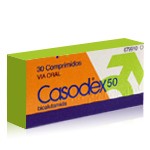
Casodex is the ORIGINAL brand-name formulation of Bicalutamide developed and manufactured by AstraZeneca — the first selective non-steroidal antiandrogen approved with the favorable receptor-binding profile that established the modern standard for hormonal prostate cancer therapy. FDA-approved in 1995, Casodex pioneered the approach of combined androgen blockade for metastatic prostate cancer and uniquely offers two strength options: 50 mg for combined therapy with LHRH analogs, and 150 mg for monotherapy in early-stage disease. The landmark Early Prostate Cancer (EPC) Programme — an 8,113-patient three-trial program — established the 150 mg monotherapy indication in many countries for locally advanced and early-stage disease. Listed on the WHO Model List of Essential Medicines. Three decades of continuous AstraZeneca development have made Casodex the global reference Bicalutamide product.
Mechanistically, Bicalutamide binds competitively to the androgen receptor in target tissues, blocking testosterone and dihydrotestosterone (DHT) from triggering downstream growth signals in androgen-dependent cancer cells. Unlike older steroidal antiandrogens, Bicalutamide does not directly suppress LHRH/FSH from the hypothalamic-pituitary axis — which is precisely why combined therapy with an LHRH analog is the standard approach for complete androgen blockade. Receptor binding affinity is approximately 4x higher than older non-steroidal antiandrogen flutamide. Long terminal half-life of approximately 6 days supports stable once-daily dosing. Hepatic CYP3A4 metabolism.
Casodex is FDA-approved for stage D2 metastatic prostate cancer (50 mg combined with LHRH analog) and internationally approved for locally advanced and high-risk early prostate cancer (150 mg monotherapy — EPC Programme supported). Off-label uses include LHRH-flare prevention (started 2 weeks before LHRH agonist initiation), hirsutism in women, transgender feminizing therapy, and selective use in precocious puberty.
Available as Casodex 50 mg and 150 mg film-coated tablets. Standard combined-androgen-blockade dosing: 50 mg once daily alongside LHRH analog. Monotherapy for early disease: 150 mg once daily. Take consistently at the same time daily.
Critical safety: ⚠️ Hepatotoxicity — baseline LFTs required, periodic monitoring; discontinue if significant elevation. Gynecomastia and breast pain (very common with 150 mg monotherapy — prophylactic measures may be considered), hot flashes, decreased libido, erectile dysfunction, asthenia, anemia.
Free prescription
Discrete packaging
Have questions?
Quality Assurance

- Combined Androgen Blockade CAB: Standard CAB therapy component with LHRH analog (Leuprolide, Goserelin) — 50 mg dose;
- Locally Advanced Prostate Cancer: For locally advanced prostate cancer — 150 mg monotherapy or adjunct to radiation/surgery;
- Early Prostate Cancer 150mg Mono: 150 mg monotherapy for early-stage prostate cancer — EPC Programme supported;
- EPC Programme 8113 Patients: Landmark Early Prostate Cancer Programme — 8,113-patient three-trial evidence base;
- Bicalutamide Monotherapy 150mg: 150 mg monotherapy — unique Casodex dosing option vs 50 mg-only generics;
- Advanced Prostate Cancer: For advanced hormone-sensitive prostate cancer;
- Metastatic Prostate Cancer: For metastatic prostate cancer first-line management;
- Flare Prevention LHRH Initiation: Critical — started 2 weeks before LHRH agonist initiation to block testosterone surge;
- Hormone Sensitive Prostate Cancer: For hormone-sensitive prostate cancer subtypes;
- Stage B2 C Prostate Cancer: For non-metastatic stage B2-C prostate cancer;
- High Risk Localized Prostate Cancer: For high-risk localized prostate cancer adjunct therapy;
- PSA Reduction Treatment: Reduces PSA levels in hormone-sensitive prostate cancer;
- Tumor Burden Reduction: Reduces tumor burden in metastatic prostate cancer;
- Bone Pain Palliation: Palliative bone pain reduction in metastatic prostate cancer with bone metastases;
- Hirsutism Women: Off-label for hirsutism in women — antiandrogen approach;
- Female Pattern Hair Loss: Off-label for androgenetic alopecia in women;
- Transgender Hormone Therapy: Off-label for transgender feminizing hormone therapy;
- Precocious Puberty Selective: Off-label selective use in precocious puberty (familial male-limited);
- Adjunct Surgical Castration: Adjunct to surgical castration (orchiectomy) for complete androgen blockade;
- Prostate Cancer Maintenance: Long-term maintenance therapy in hormone-responsive prostate cancer.
- Better Prostate Cancer Control: Effective control of hormone-sensitive metastatic prostate cancer;
- Less PSA Progression: Reduces PSA progression in advanced prostate cancer;
- Less Tumor Burden: Reduces tumor burden in metastatic prostate cancer;
- Better Survival Combined Blockade: Combined Androgen Blockade improves survival vs LHRH alone in selected patients;
- Better Early Disease Outcomes 150mg: 150 mg monotherapy improves early-stage outcomes — EPC Programme benefit;
- Less Disease Progression Metastatic: Slows disease progression in metastatic prostate cancer;
- Less Bone Pain Metastatic: Palliative bone pain reduction in patients with bone metastases;
- Better LHRH Flare Prevention: Critical — prevents testosterone surge "flare" when starting LHRH agonist therapy;
- Less Symptom Worsening LHRH Initiation: Prevents acute symptom worsening during LHRH agonist initiation;
- Better Quality of Life Advanced Disease: Improved quality of life with effective disease control;
- Better Sexual Function vs Castration: Better sexual function preservation with monotherapy vs surgical castration;
- Less Hirsutism Women: Off-label reduction in female hirsutism (excess hair growth);
- Better Female Hair Loss Off Label: Off-label benefit in female pattern hair loss;
- Better Transgender Feminization: Effective androgen blockade in transgender feminizing therapy;
- Better Daily Function: Once-daily dosing supports return to normal daily activities;
- Better Compliance Once Daily: Once-daily dosing improves long-term treatment compliance;
- Better Tolerability vs Steroidal Antiandrogens: Better tolerability profile vs older steroidal antiandrogens;
- Better Receptor Affinity vs Flutamide: ~4x higher androgen receptor binding affinity vs older flutamide;
- Brand Casodex AstraZeneca Original: ORIGINAL AstraZeneca brand of Bicalutamide — pioneer NSAA since 1995;
- Generic Bicalutamide: Affordable generic Bicalutamide alternatives expand global access to NSAA therapy;
- Two Strength Options Casodex: 50 mg AND 150 mg strength options — unique Casodex flexibility vs 50 mg-only generics;
- Original AstraZeneca Bicalutamide: Original AstraZeneca developer of Bicalutamide — established global reference;
- Selective Non Steroidal Antiandrogen: Pioneer selective non-steroidal antiandrogen (NSAA) class;
- Androgen Receptor Antagonist: Competitive androgen receptor antagonist — blocks testosterone/DHT activation;
- Combined Androgen Blockade CAB: Standard CAB therapy component with LHRH analog;
- EPC Programme 8113 Patients: Landmark EPC Programme — 8,113-patient three-trial evidence for 150 mg monotherapy;
- Flare Prevention LHRH Initiation: Critical flare prevention when initiating LHRH agonist therapy;
- Long Half Life 6 Days: Long half-life ~6 days supports stable once-daily dosing;
- Hepatic CYP3A4 Metabolism: Hepatic CYP3A4 metabolism — predictable pharmacokinetic profile;
- No LHRH FSH Suppression: Does NOT directly suppress LHRH/FSH — distinct from steroidal antiandrogens;
- Hormone Sensitive Prostate Standard: Established standard for hormone-sensitive prostate cancer treatment;
- Guideline Recommended NCCN EAU: NCCN, EAU guideline-recommended for advanced prostate cancer;
- WHO Essential Medicine: Listed on the WHO Model List of Essential Medicines for cancer care;
- 30 Plus Year Clinical History: 30+ years of clinical use since 1995 — established pioneer NSAA.
Generic Casodex (Bicalutamide 50 mg) Medication guide:
📖 Casodex - What It Is and How It Works
Casodex is the AstraZeneca brand of bicalutamide, launched in the mid-1990s as one of the first widely available oral antiandrogens for prostate cancer. The active molecule is identical across generic versions worldwide - what varies is the manufacturer, the packaging, and the price. Casodex itself has been on the market continuously since 1995, and generic bicalutamide has been available since 2009 when the patent expired.
Prostate cancer cells almost always carry receptors for male hormones. Testosterone circulates in the blood, enters cells, and inside the cell is often converted to the more potent dihydrotestosterone (DHT). Both testosterone and DHT bind the same androgen receptor. Once bound, the receptor moves into the cell nucleus and switches on genes that drive cell growth. Prostate cancer feeds on this signal - block it and the tumour slows.
You can attack this system in two places. You can lower testosterone in the bloodstream (surgical castration or an LHRH agonist injection). Or you can leave testosterone alone and block the receptor. Casodex does the second. It sits on the receptor and prevents testosterone and DHT from binding. Signalling stops even though testosterone is still there.
Three ways Casodex is used
Combined androgen blockade (CAB). Casodex 50 mg daily plus an LHRH agonist injection (leuprolide, goserelin, triptorelin) - the classical advanced prostate cancer regimen. Attacks the pathway from two directions.
Flare prevention. Casodex 50 mg daily started 3-7 days before the first LHRH agonist injection - covers the brief testosterone rise that LHRH agonists cause at start of therapy.
Monotherapy at 150 mg in locally advanced disease - keeps testosterone levels normal while blocking the receptor, preserving libido and physical function better than castration.
The drug is not new, not glamorous, and not the newest option in the prostate cancer toolkit. Since 2012, second-generation androgen receptor inhibitors - enzalutamide, apalutamide, darolutamide, and the CYP17 inhibitor abiraterone - have replaced Casodex in specific settings, particularly high-volume metastatic disease. But Casodex remains widely used because it is affordable, oral, once daily, and clinically well understood. Where cost, tolerability, or specific patient factors matter, bicalutamide is still the right choice.
This guide walks through what Casodex does, what to expect starting therapy, the side effects that come up most (breast changes, hot flushes, liver monitoring), and the practical questions that arise over months or years on the drug. Sections 3-5 cover the three clinical contexts. Section 31 covers when to switch to a newer agent.
💊 Why Doctors Choose Casodex for Prostate Cancer
Understanding your specific indication for Casodex shapes the dose, the duration, and what side effects to expect. Three main scenarios come up in daily practice.
Three prescribing contexts
Metastatic disease, combined androgen blockade. Casodex 50 mg daily plus a monthly or three-monthly LHRH injection. Continued indefinitely until progression. Modest survival benefit over LHRH alone.
LHRH agonist tumour flare cover. Casodex 50 mg daily started days before the first LHRH injection. Continued for 2-4 weeks after. Prevents the transient testosterone rise from worsening bone pain or triggering spinal cord compression in symptomatic disease.
Locally advanced monotherapy at 150 mg. An alternative to castration when the man wants to preserve testosterone-driven function - sexual, muscular, cognitive - and can accept the higher gynecomastia rate as a trade-off. Licensed in Europe and elsewhere; not licensed at this dose in the USA.
Who typically ends up on Casodex
- Men newly diagnosed with metastatic hormone-sensitive prostate cancer where a CAB approach is chosen (versus intensified therapy with a newer agent)
- Men with locally advanced disease wanting hormonal therapy without full castration
- Men with symptomatic bone metastases starting LHRH therapy - flare cover matters here
- Older or frailer men where the tolerability of Casodex outweighs the modest anti-cancer advantage of newer drugs
- Men who cannot tolerate second-generation antiandrogens due to falls, cognitive change, or seizure risk
- Men in resource-limited settings where newer agents are unaffordable
Where doctors reach for other drugs first
- High-volume metastatic hormone-sensitive disease: enzalutamide, apalutamide, or abiraterone give better survival than classical CAB
- Non-metastatic castration-resistant disease: PROSPER, SPARTAN, ARAMIS establish the newer agents here
- Aggressive disease with visceral metastases: docetaxel plus intensified hormonal therapy
- Prior progression on Casodex-based CAB: move to a next-line agent
Casodex is not an obsolete drug. It sits within a larger toolkit and gets chosen when it fits the patient and the disease. The specific reason for your Casodex prescription is worth understanding - it changes how long you take it, which monitoring your team wants, and what side effects matter most.
🔗 Casodex in Combined Androgen Blockade Explained
Combined androgen blockade means attacking the androgen pathway at two levels at the same time. Casodex at 50 mg is one of the classical partners in this strategy, alongside an LHRH agonist injection.
Why two drugs instead of one
The LHRH agonist: reduces testosterone production by the testes. After 3-4 weeks serum testosterone drops to castrate level (typically under 50 ng/dL). This eliminates the main source of androgen but does not eliminate all androgen - about 5-10 percent of circulating androgens still come from the adrenal glands, and intracellular DHT conversion continues.
Casodex 50 mg daily: blocks the androgen receptor. Any remaining androgen - adrenal in origin, or intracellular DHT - cannot signal because receptors are occupied. Together the two drugs approach complete androgen blockade.
What the meta-analyses have shown
The Prostate Cancer Trialists' Collaborative Group meta-analysis (Lancet 2000) pooled data from over 8 000 men across 27 trials. Combined androgen blockade with a non-steroidal antiandrogen added approximately 2-3 percent absolute survival benefit at 5 years versus LHRH agonist alone. Modest but real. This is the trial evidence that made CAB standard in many centres for decades.
The modern challenge to classical CAB
Since around 2015, several landmark trials have shown that newer androgen receptor inhibitors combined with an LHRH agonist outperform classical CAB with bicalutamide:
- ENZAMET (NEJM 2019) - enzalutamide + testosterone suppression versus standard antiandrogen (bicalutamide, nilutamide, or flutamide) + testosterone suppression; enzalutamide arm had better overall survival
- TITAN (NEJM 2019) - apalutamide + LHRH; substantial survival advantage
- ARCHES (JCO 2019) - enzalutamide added to standard ADT; better radiographic progression-free survival
- LATITUDE (NEJM 2017) - abiraterone + prednisone + LHRH in high-risk metastatic hormone-sensitive disease; large survival benefit
- STAMPEDE abiraterone comparison - similar magnitude survival advantage
So in high-volume newly diagnosed metastatic disease, modern practice often skips bicalutamide and uses enzalutamide, apalutamide, darolutamide, or abiraterone alongside the LHRH agonist.
Where Casodex-based CAB still fits in 2026
- Low-volume metastatic disease where newer agents show more modest benefit
- Older or frailer men who might not tolerate second-generation drugs well
- Men with prior falls, cognitive impairment, or specific comorbidities
- Cost-constrained settings where enzalutamide, apalutamide, or abiraterone are unaffordable
- As flare cover for the first weeks of LHRH therapy only, not indefinite CAB
- Patients already on stable long-term CAB with well-controlled disease - continued rather than switched preemptively
The Casodex-plus-LHRH combination remains a legitimate, widely used option in 2026. It is not the first choice everywhere it once was, but it retains a real place in the modern treatment landscape.
🎯 Casodex 150 mg Monotherapy in Locally Advanced Disease
Casodex 150 mg once daily as monotherapy - without an LHRH agonist - is a distinct clinical option. The dose is three times higher than the CAB dose. The goal is to preserve testosterone levels while still blocking the receptor.
The physiological difference from CAB
On combined androgen blockade with an LHRH agonist, testosterone drops to castrate levels. The patient becomes chemically castrated. The full menopause-equivalent picture develops: hot flushes, loss of libido, erectile dysfunction, muscle mass loss, bone loss, weight gain, cardiovascular changes, mood shifts.
On Casodex 150 mg monotherapy, testosterone stays normal or actually rises modestly (feedback from receptor blockade increases LH output). Libido and sexual function are largely preserved. Bone density is preserved. Muscle mass is preserved. Cardiovascular consequences are much milder. This is one of the significant quality-of-life advantages of the monotherapy approach.
The trade-off - what you accept
- Very high gynecomastia rates - roughly 70 percent of men develop breast enlargement, often bilateral, sometimes with tenderness. This is the biggest downside of monotherapy
- Modestly less anti-cancer effect than combined androgen blockade in aggressive disease
- Some hot flushes (much fewer than on castration - 12-15 percent versus 60-70 percent)
- Small but real liver toxicity risk requiring monitoring
What the evidence supports
The Early Prostate Cancer (EPC) Programme - three linked trials totalling 8 113 men - directly studied Casodex 150 mg in localised and locally advanced prostate cancer. In locally advanced disease (T3-T4 or high-grade tumours), Casodex 150 mg reduced disease progression and improved outcomes versus watchful waiting or standard care. This is the evidence base for the European licensing of monotherapy at 150 mg. Section 8 covers EPC in detail.
Not for localised low-risk disease
EPC data showed that Casodex 150 mg monotherapy in localised low-risk prostate cancer was harmful - no cancer benefit, and increased non-cancer mortality. The regulatory approval for this indication was withdrawn. Casodex monotherapy is not appropriate for early low-risk disease. Active surveillance, prostatectomy, or radiotherapy fit those settings instead.
Regulatory difference across countries
Casodex 150 mg is licensed in Europe, the UK, Canada, Australia, and many other markets for locally advanced prostate cancer monotherapy. It is not licensed at this dose in the USA - only 50 mg is FDA-approved. American oncologists use 50 mg only, in combination with LHRH agonists. This is a real regulatory difference that affects what your treating team can prescribe.
The choice between monotherapy at 150 mg and full CAB with castration is deeply personal. Some men value maintaining sexual function and physical energy highly enough to accept the gynecomastia risk. Others prioritise maximum anti-cancer effect and accept the castration-related trade-offs. This is a shared decision worth discussing thoroughly with the urologist or oncologist rather than accepting the first-suggested plan without conversation.
🔥 Using Casodex to Prevent LHRH Agonist Flare
This is the shortest but arguably most protective use of Casodex. LHRH agonists briefly raise testosterone before they suppress it. For most men that transient rise is harmless. For men with bone metastases or urinary obstruction from advanced disease, it can cause real problems. Casodex covers the first weeks.
The flare phenomenon
LHRH agonists (leuprolide, goserelin, triptorelin, histrelin) work through a paradox. Initially they overstimulate the pituitary's LH-releasing receptors, producing a surge of LH and a spike in testosterone. Testosterone can rise to 150 percent of baseline in the first 1-2 weeks. After that the pituitary receptors desensitise and testosterone falls to castrate level.
For asymptomatic men the transient spike causes nothing. For symptomatic men it can drive:
- Worsening bone pain from bone metastases
- Rare but serious spinal cord compression
- Urinary retention if there is significant prostatic obstruction
- Occasional cardiovascular events
How Casodex covers the flare
Bicalutamide occupies androgen receptors within days of starting. When the LHRH-induced testosterone surge arrives, receptors are already blocked. The extra testosterone cannot signal to the prostate cancer cells. The flare symptoms are largely prevented.
The standard flare cover regimen
- Start Casodex 50 mg daily 3-7 days before the first LHRH injection
- Continue for 2-4 weeks after the first injection
- Stop Casodex once testosterone is confirmed at castrate level, unless the plan is combined androgen blockade long-term
- If CAB is the intended long-term strategy, simply continue Casodex indefinitely at 50 mg
Men who especially need flare cover
- Symptomatic bone metastases - especially in the spine where cord compression could be catastrophic
- Significant urinary obstruction from prostate enlargement
- Very high PSA or heavy metastatic burden - more responsive tissue to protect
- Baseline pain from disease - flare would worsen this
- Any high-risk anatomical situation where sudden tumour flare could damage function
The LHRH antagonist alternative
LHRH antagonists such as degarelix (injection) and relugolix (oral) do not cause flare because they block the pituitary receptor directly rather than initially overstimulating it. Testosterone drops within a few days without any preceding rise. Men who need immediate testosterone suppression without any risk of flare are often started on an LHRH antagonist instead of an LHRH agonist plus Casodex flare cover. Both strategies work; the choice depends on cost, availability, and local practice patterns.
Flare cover is a short-course use. Once the flare window closes, Casodex can usually be stopped unless CAB is the long-term plan. Check with your treating team which pattern applies - the flare-only plan is a few weeks of tablets and then done, whereas CAB continues indefinitely.
🔬 How Bicalutamide Blocks the Androgen Receptor
Understanding how bicalutamide works at the molecular level explains almost every side effect and why the drug is dosed differently in different scenarios.
The androgen pathway in prostate cells
Circulating testosterone enters prostate cells through diffusion. Inside the cell, the enzyme 5-alpha reductase converts most of it into dihydrotestosterone (DHT) - a more potent androgen. Both testosterone and DHT bind the androgen receptor (AR), an intracellular receptor that acts as a transcription factor.
Ligand-bound AR undergoes a conformational change, releases from heat shock proteins, dimerises, and moves into the nucleus. There it binds specific DNA sequences called androgen response elements and activates gene transcription. The transcribed genes drive prostate cell survival and growth. In healthy prostate this maintains normal function. In prostate cancer it drives malignant proliferation.
What Casodex specifically does
Bicalutamide is a non-steroidal, competitive, reversible antiandrogen. It enters cells and binds the AR ligand-binding domain, competing with testosterone and DHT. When bicalutamide occupies the receptor:
- Testosterone and DHT cannot bind
- The receptor still moves into the nucleus but cannot activate target genes properly
- Cell proliferation slows or stops
- PSA production drops
- Tumour cell death (apoptosis) is triggered in responsive cells
Why the drug does not lower testosterone
Bicalutamide blocks the receptor. It does not touch the testes or the pituitary. Testosterone production continues at baseline (or actually increases slightly due to feedback effects when the drug is given as monotherapy - reduced androgen signalling makes the pituitary produce more LH, which drives more testicular testosterone). This is why monotherapy at 150 mg preserves masculine physiology in ways that castration cannot.
Pharmacokinetics that shape dosing
- Serum half-life around 6 days - one of the longest half-lives in oncology
- Steady state at 4-6 weeks after starting therapy
- Metabolised primarily by CYP3A4 then glucuronidated
- Excreted equally in urine and faeces as inactive metabolites
- Two enantiomers exist (R and S); the R form is pharmacologically active
- Absorption is unaffected by food; food does not shift efficacy
- Highly protein-bound (about 96 percent) - affects certain drug interactions
Why gynecomastia is such a common side effect
On monotherapy, testosterone stays normal or slightly elevated. Some of that testosterone is converted to estradiol by aromatase in fat tissue and breast tissue itself. Estrogen receptors in breast tissue are stimulated. Meanwhile, androgen receptors in the same breast tissue - which normally push back against estrogen-driven growth - are blocked by bicalutamide. Estrogen effects on breast tissue proceed unopposed. Result: gynecomastia in the majority of monotherapy patients. On CAB with an LHRH agonist, testosterone is low, aromatisation is low, and gynecomastia is much less common (still about 30 percent though).
Bicalutamide is a first-generation antiandrogen. It binds the receptor competitively but has relatively modest affinity. In some resistance settings the receptor mutates and starts responding to bicalutamide as an agonist rather than an antagonist - the "antiandrogen withdrawal response" is one clinical marker of this. Second-generation antiandrogens (enzalutamide, apalutamide, darolutamide) bind more tightly and prevent nuclear translocation of the receptor, which makes them more effective in resistance settings.
📊 Casodex Among First and Second Generation Antiandrogens
Antiandrogens as a drug family have expanded substantially in the last 15 years. Casodex sits in the first-generation class alongside older drugs like flutamide and nilutamide. The second-generation drugs - enzalutamide, apalutamide, darolutamide - have joined the toolkit since 2012 and taken over specific settings.
| Drug | Class | Launch | Frequency |
|---|---|---|---|
| Flutamide | 1st-gen non-steroidal | 1989 | Three times daily; largely replaced |
| Casodex (bicalutamide) | 1st-gen non-steroidal | 1995 | Once daily; still widely used |
| Nilutamide | 1st-gen non-steroidal | 1996 | Once daily; less common due to lung and vision effects |
| Cyproterone | Steroidal | 1970s | Progestin-like; less used in prostate cancer now |
| Enzalutamide | 2nd-gen | 2012 | Once daily; more potent AR blockade |
| Apalutamide | 2nd-gen | 2018 | Once daily; similar to enzalutamide |
| Darolutamide | 2nd-gen | 2019 | Twice daily; less CNS penetration |
What Casodex has going for it
- Three decades of clinical safety experience
- Once-daily oral dosing
- Cheap generic bicalutamide available since 2009
- Widely available worldwide including in low-resource settings
- Generally well tolerated at 50 mg
- 150 mg monotherapy option preserves libido and physical function
- Fewer CNS side effects than enzalutamide
- Fewer falls and less fatigue than second-generation agents in older men
- Well-known drug interaction profile
Where the newer drugs beat it
- High-volume metastatic hormone-sensitive disease - enzalutamide (ENZAMET), apalutamide (TITAN), abiraterone (LATITUDE, STAMPEDE) all beat classical CAB
- Non-metastatic castration-resistant disease - PROSPER (enzalutamide), SPARTAN (apalutamide), ARAMIS (darolutamide) established the newer agents
- Post-bicalutamide progression - second-generation drugs still work when Casodex has failed
- Aggressive disease with visceral metastases - maximum receptor blockade matters more than tolerability
The prostate cancer landscape in 2026 offers more options than ever. Casodex remains a legitimate choice for specific populations and clinical contexts. It has not become obsolete - global bicalutamide prescribing runs into the millions of tablets per year, mostly generic. But it now sits within a two-tier system where first-choice therapy depends on disease characteristics, patient factors, and resource availability.
⚖️ The Early Prostate Cancer Programme Evidence Base
The Early Prostate Cancer (EPC) Trialists' Programme is the largest bicalutamide clinical trial series ever conducted. It defined the monotherapy indication at 150 mg and established both what the drug can and cannot do.
The programme structure
- Three parallel trials conducted in North America; Scandinavia and rest of Europe; and Australia, Mexico, and Israel
- 8 113 men in total
- Enrolled men with T1-T4, N0/Nx, M0 prostate cancer - either localised or locally advanced
- Randomised to Casodex 150 mg daily or placebo
- Added to standard local therapy - watchful waiting, radical prostatectomy, or radiotherapy
- Long follow-up with primary publications 2005 and 2008, extended follow-up through 2010
Key findings by clinical setting
Locally advanced disease (T3-T4, higher grade):
- Casodex significantly reduced disease progression
- Overall survival benefit particularly in men on watchful waiting or radiotherapy
- Established the European licensed indication for 150 mg monotherapy
- Sustained benefit at long-term follow-up
Localised disease (T1-T2, low-risk):
- No benefit and possibly worse outcomes
- Increased non-cancer mortality signal
- Regulatory withdrawal of the localised disease indication followed
Adjuvant after radical prostatectomy:
- Reduced biochemical progression
- No clear overall survival benefit at long follow-up
- Substantial side effect burden; discontinuation rates high
Side effect profile from EPC (150 mg dose)
- Gynecomastia: 66-75 percent versus 5-8 percent on placebo
- Breast tenderness: 68-73 percent versus 4-8 percent
- Hot flushes: 12-15 percent (much lower than castration)
- Elevated liver enzymes: 3-4 percent
- Discontinuation for side effects: approximately 20 percent
- Sexual function largely preserved relative to castration
- Bone density largely preserved
Lasting impact on practice
EPC did three important things for how bicalutamide is used today. It established the licensed 150 mg monotherapy indication in locally advanced disease. It removed the drug from the localised low-risk setting where it caused net harm. And it quantified the gynecomastia rate at the higher dose, which led directly to widespread use of prophylactic breast radiotherapy or tamoxifen for men starting monotherapy (Section 29). Twenty years later, EPC still frames how Casodex is prescribed.
The EPC programme is also a reminder that "more drug over more time" is not always better. In localised low-risk disease, adding Casodex to standard care worsened outcomes. Regulatory bodies acted on that data. This is one of the clearer examples in oncology of a negative trial changing prescribing practice appropriately.
📏 Casodex Dose Choice - 50 or 150 mg
Casodex comes in two strengths and the choice between them is determined by clinical context, not personal preference or side effect tolerance.
The two doses and their uses
| Dose | Indication |
|---|---|
| 50 mg once daily | Combined androgen blockade with an LHRH agonist; LHRH flare prevention |
| 150 mg once daily | Monotherapy in locally advanced disease (Europe and elsewhere; not licensed at this dose in USA) |
Why the doses differ so much
On CAB, testosterone has already been suppressed by the LHRH agonist. There is very little androgen left to compete with bicalutamide at the receptor. 50 mg is sufficient to block the residual signal. Higher doses do not add benefit at castrate testosterone levels - they just add side effects.
On monotherapy, testosterone stays at normal or slightly elevated levels. 50 mg is not enough to compete with these physiological androgen concentrations. 150 mg gives the receptor occupancy needed to control the tumour. This is a real biological dose-response relationship, not a marketing distinction.
Practical dosing rules
- One tablet once daily - either strength
- Same time each day, with or without food
- Do not split or crush tablets
- If the treating team switches you from 50 mg to 150 mg or vice versa, this reflects a change in clinical strategy - ask why
- Duration ranges from weeks (flare cover) to indefinite (CAB or monotherapy)
Doses that are NOT used
- Twice-daily bicalutamide - the 6-day half-life makes this unnecessary
- Higher than 150 mg - no proven additional benefit, more toxicity
- Doses below 50 mg for prostate cancer in adult men
- Casodex in women, children, or premenopausal patients (except off-label transgender care under specialist supervision)
A prescription change from one strength to the other usually reflects a shift in the treating plan - from CAB to monotherapy, from flare cover to long-term therapy, or from monotherapy back to CAB in progressing disease. Understanding the reason matters. The tablets look similar and the changes are subtle, but the clinical implications differ meaningfully.
📅 Starting Casodex - The First Two Weeks
What happens during the first weeks on Casodex is quieter than many oncology therapies. The drug has one of the smoother onboarding profiles among hormonal cancer treatments.
Days 1-3. Absorption is complete within hours. Bicalutamide starts binding androgen receptors within a day. The clinical effect on PSA and cancer symptoms is not immediate - the receptor needs to be saturated and cells need time to respond. You will not usually feel anything from the drug itself in the first few days.
Week 1. Blood levels are still rising toward steady state, which takes 4-6 weeks due to the long half-life. If Casodex was started as LHRH flare cover before an injection, this is the protective window that matters most. For men on combined androgen blockade, the LHRH agonist is doing most of the initial work at this stage - testosterone starts to drop from day 3-7, reaching castrate level around week 3-4.
Week 2. Some early symptoms may begin. Hot flushes on CAB are mainly LHRH-driven and start appearing as testosterone falls. Breast tenderness may show up first, especially on monotherapy at 150 mg. Baseline blood tests are usually done around this time.
Baseline tests before starting
- PSA - main disease marker for tracking response
- Liver function tests (LFTs) - baseline before ongoing hepatotoxicity monitoring
- Serum testosterone - especially if CAB, to confirm castrate level once LHRH takes effect
- Full blood count and kidney function
- Lipid profile and fasting glucose if long-term therapy expected
- Bone density (DXA) if long-term castration-level testosterone is planned
- ECG in men with prior cardiac history or when QT-affecting drugs are also being started
What most men notice in the first two weeks
- Little or nothing in the first few days
- Some fatigue in the first weeks, more from the LHRH agonist than from Casodex
- Occasional breast fullness or tenderness, especially at 150 mg
- Hot flushes appearing within 2-4 weeks on CAB
- PSA usually falls in the first month if the disease is hormone-sensitive - this is a good sign
Symptoms to report to the team promptly
- Yellowing of eyes or skin - possible liver reaction
- Severe abdominal pain or dark urine
- New or worsening rash - especially with fever or systemic symptoms
- Sudden shortness of breath, chest pain
- Sudden worsening of bone pain - possible inadequate LHRH flare cover
- Any new leg weakness, sensory change, or bladder/bowel dysfunction - urgent, possible spinal cord compression
- Severe unexplained fatigue disproportionate to expectations
The vast majority of men complete the first two weeks without significant events. The larger side effect burden of Casodex - gynecomastia especially - develops over months rather than days, and comes up in later sections.
⏰ Timing and How to Take Casodex Each Day
Timing on Casodex is straightforward. One tablet, once a day. The 6-day half-life makes the exact time relatively unimportant - what matters is consistency over months and years of therapy.
The basic dosing rules
- One tablet once daily
- Same time each day, roughly within a few hours
- With or without food; your choice, be consistent
- Swallow whole with water; do not crush or split
- Morning or evening both work equally well
Anchor the dose to a daily habit
- With breakfast - common and easy to remember
- Weekly pillbox refilled every Sunday - the single most effective adherence habit
- Phone reminder labelled "Casodex" or "bicalutamide"
- Keep the pack visible; kitchen counter beats bathroom cabinet
- Refill the prescription 2 weeks before running out
- Travel supply with 30 percent extra
Coordinating with LHRH injections
Men on combined androgen blockade take Casodex daily orally and receive the LHRH agonist as a monthly or three-monthly injection at a clinic. The two do not need to be synchronised - Casodex is on its own daily rhythm; the injection is on a calendar schedule. A missed Casodex dose is a small issue (Section 24); a missed LHRH injection matters more and needs a call to the treating team to reschedule promptly. Book your next injection appointment before leaving the current one - the gaps are firm.
Long-term adherence is the real challenge
Adherence data for prostate cancer hormonal therapy show that around 30-40 percent of men either miss doses regularly or drop out entirely by year 2 of therapy. Side effects fade in urgency, life pressures rise, and it becomes easy to lapse. Missed doses on this scale meaningfully affect outcomes. If side effects or life pressures are making adherence hard, an honest conversation with the treating team almost always beats silent dropout - there are usually options short of stopping entirely.
Section 24 covers what to do about a missed dose. Short version: within 12 hours of usual time, take it now; more than 12 hours late, skip and take the next dose as normal. Never double up.
🍽️ Food, Diet and Weight Management on Casodex
Dietary considerations on Casodex fall into two areas - drug interactions with a couple of specific foods, and the broader question of weight and metabolic health over months of therapy.
Direct food effects on Casodex
- Take with or without food - your choice, be consistent
- Large amounts of grapefruit - caution; bicalutamide uses CYP3A4 which grapefruit inhibits
- Seville oranges - similar mechanism to grapefruit
- Occasional grapefruit slice or single juice glass - fine
- St John's Wort - avoid; enzyme induction lowers Casodex levels
Body composition changes on CAB
Men on Casodex plus LHRH agonist commonly gain 3-5 kg in the first year as loss of testosterone shifts body composition. The pattern is characteristic:
- Muscle mass declines (sarcopenia)
- Fat mass increases, especially visceral fat around the waist
- Insulin sensitivity worsens
- Risk of new-onset type 2 diabetes climbs
- Cholesterol drifts up
- Basal metabolic rate falls slightly
On monotherapy at 150 mg, testosterone stays normal and these changes are much smaller. This is one of the practical differences between the two regimens.
A sensible eating pattern
- Mediterranean-style pattern - vegetables, whole grains, oily fish, olive oil, moderate lean meat, legumes
- Protein at 1.0-1.2 g/kg body weight daily - supports muscle preservation, especially important on CAB
- Reduce ultra-processed food - the biggest source of hidden calories, refined carbohydrate, and salt
- Limit simple carbohydrates - insulin sensitivity is already impaired on CAB
- Adequate calcium and vitamin D for bone protection
- Fibre from vegetables, fruit, and whole grains
Exercise plus diet
Diet alone cannot fully counteract the metabolic shift from castration-level testosterone. Resistance training combined with adequate protein is the most effective way to preserve muscle mass and functional status. Weight machines, resistance bands, or bodyweight exercises 2-3 times weekly plus dietary attention beats either intervention alone. Section 27 covers exercise in more detail.
Supplements to avoid include large-dose antioxidant packs marketed for prostate health, saw palmetto in medicinal doses, DHEA supplements (can be aromatised to estrogen and worsen gynecomastia), and any "testosterone booster" or "male vitality" supplements marketed to men. Standard multivitamins and reasonable calcium and vitamin D are fine.
🍷 Alcohol Rules When Taking Casodex Long-Term
Alcohol interacts with Casodex in two ways worth knowing about. The first is hepatic - bicalutamide has a known liver enzyme rise pattern, and alcohol adds to the liver load. The second is general - alcohol has modest independent effects on cancer outcomes.
The liver interaction
Bicalutamide causes elevated liver enzymes in 3-5 percent of men, mostly asymptomatic and picked up on routine monitoring. Serious drug-induced liver injury is rare but reported. Heavy alcohol use compounds both the risk and the interpretation - a raised ALT could be the drug, the alcohol, or both, and untangling which is which delays clinical decisions.
Section 19 covers the specific liver monitoring schedule. On Casodex, LFTs are checked at baseline, at 1 and 3 months, then periodically.
Sensible drinking guidance
- Moderate drinking is compatible with Casodex for most men
- Up to 14 units per week, spread out with alcohol-free days (UK CMO guidance)
- Alcohol-free days most of the week
- Avoid binge drinking - especially damaging to liver
- Abstain if LFTs are elevated during any monitoring period
- Cut back during the first months while establishing a stable LFT baseline
Full abstinence indicated when
- Existing chronic liver disease of any cause
- History of alcohol dependence
- LFT rises on routine Casodex monitoring
- Concurrent chemotherapy such as docetaxel or cabazitaxel
- Advanced disease with liver metastases
- Multiple hepatotoxic drugs on board simultaneously
Alcohol and vasomotor symptoms
On combined androgen blockade, alcohol commonly triggers or worsens hot flushes and disrupts sleep. This effect is much less pronounced on monotherapy at 150 mg where testosterone stays normal and vasomotor symptoms are milder anyway. If flushes are troubling you on Casodex-based CAB, reducing alcohol is one of the easier levers to pull first.
Alcohol is not banned on Casodex. Moderate consumption is fine for most men with normal liver function and no dependence history. The specific reasons for caution are liver monitoring and, on CAB, hot flushes and sleep quality. Where the treating team has advised stricter limits for individual reasons, that guidance overrides the general position.
🚨 Casodex Side Effects - Complete Overview
Casodex has a well-characterised side effect profile after three decades of clinical use. Most effects trace back to the same mechanism - androgen receptor blockade in the target cancer tissue but also in normal tissues that use androgen signalling. On CAB, the profile combines Casodex effects with LHRH agonist effects. Below is the full picture; individual sections that follow cover the major effects in depth.
Common (over 10 percent of men)
- Gynecomastia (breast enlargement) - 30 percent on 50 mg CAB, 70 percent on 150 mg monotherapy; Section 15
- Breast tenderness - similar rates
- Hot flushes - especially on CAB; Section 16
- Reduced libido on CAB; largely preserved on monotherapy; Section 17
- Erectile dysfunction on CAB
- Fatigue - Section 18
Less common (1-10 percent)
- Elevated liver enzymes - Section 19
- Nausea, GI upset
- Diarrhoea or constipation
- Weight gain - especially on CAB
- Mood changes, depression
- Insomnia
- Rash
- Muscle mass loss on CAB
- Bone density loss on CAB - Section 20
Uncommon
- Anaemia on long-term CAB
- Fluid retention
- Hair thinning
- Dry skin
- Photosensitivity rash
- QT prolongation - Section 22
- Interstitial lung disease - rare
Rare but serious - stop and seek urgent care
- Drug-induced liver injury - yellowing of eyes or skin, dark urine, right upper abdominal pain
- Severe skin reaction - blistering, peeling, mucosal involvement
- Severe interstitial lung disease - progressive breathlessness, dry cough, fever
- Symptomatic QT prolongation - unexplained fainting, palpitations, near-fainting
- Anaphylactic reaction - facial swelling, difficulty breathing
- Severe depression or thoughts of self-harm
Tolerability compared with newer alternatives
Casodex has generally milder tolerability than enzalutamide (fatigue, cognitive effects), apalutamide (rash), or abiraterone (requires prednisone; blood pressure and electrolyte effects). It has more gynecomastia than any of the newer options. This tolerability advantage is one of the reasons Casodex remains widely used despite the newer alternatives - some men simply feel better on bicalutamide than on the next-generation drugs.
👤 Gynecomastia and Breast Symptoms on Casodex
Breast enlargement is the most distinctive Casodex side effect and the one many men worry about most. Understanding the physiology, the rates, and the prevention options helps in the decision-making before starting therapy.
Why it happens
Casodex blocks androgen receptors but does not lower testosterone. On monotherapy at 150 mg, testosterone stays normal or slightly elevated. Some of that testosterone is converted by aromatase in fat and breast tissue into estradiol. Estrogen effects on breast tissue proceed unopposed because the androgen counterbalance is blocked. Breast glandular tissue grows.
Rates by dose and regimen
- Casodex 50 mg + LHRH agonist (CAB): gynecomastia in 30-35 percent (testosterone is low, so less aromatisation)
- Casodex 150 mg monotherapy: gynecomastia in 65-75 percent
- Breast tenderness often precedes visible enlargement and occurs in a similar or higher percentage
Typical time course
- Onset within 2-3 months of starting therapy
- Bilateral in most cases
- Firm glandular tissue beneath the nipple - not just fat gain
- Tenderness often precedes visible enlargement
- Can be mildly painful, especially with friction from clothing or contact
- Progresses over 6-12 months then usually stabilises
- Only partial reversal on stopping, especially if well established
Prevention and treatment
Prophylactic breast irradiation: a single low-dose radiotherapy fraction (12-15 Gy) to each breast before starting Casodex monotherapy reduces gynecomastia rates by roughly half. Well-established option; Section 29 covers this.
Tamoxifen 10-20 mg daily: reduces both breast tenderness and enlargement. Best started prophylactically at the same time as Casodex, or as early as possible when symptoms emerge. Small VTE risk to weigh but generally well tolerated.
Anastrozole 1 mg daily: aromatase inhibitor. Less effective than tamoxifen for this specific problem in randomised trials.
Surgery: subcutaneous mastectomy or liposuction for established gynecomastia that persists after stopping Casodex.
When to raise this proactively
For men starting monotherapy at 150 mg, gynecomastia prevention should be part of the initial conversation. Waiting for established gynecomastia and then trying to reverse it is much less effective than preventing it. If your treating team has not raised prophylactic tamoxifen or breast radiotherapy, ask about it. For men on 50 mg CAB, rates are lower and prophylactic measures are less routine, but tamoxifen remains a reasonable option if breast symptoms become bothersome.
Not every breast change is drug-related
A hard, unilateral, non-tender lump - especially in an older man with a cancer history - warrants proper clinical assessment. Male breast cancer is rare but does occur, and Casodex is not the explanation for unilateral masses. Any unusual breast finding should be examined by the treating team rather than assumed to be gynecomastia.
🥵 Hot Flushes and Night Sweats on Casodex
Hot flushes on Casodex differ substantially between regimens. On combined androgen blockade with an LHRH agonist they are common and largely LHRH-driven. On monotherapy at 150 mg without LHRH they are much less common because testosterone stays normal.
Rates by treatment context
- Casodex + LHRH agonist (CAB): 50-70 percent of men, driven mainly by the LHRH agonist
- Casodex 150 mg monotherapy: 12-15 percent
- Casodex as flare cover: hot flushes appear when the LHRH agonist takes effect after 3-4 weeks
- Severity typically peaks in the first 6 months then eases somewhat over the following year
What they feel like
- A wave of heat starting in the chest or face and spreading upward
- Sweating - anywhere from mild facial flush to drenching night sweats
- Sometimes a racing or fluttering heart
- Duration usually 1-5 minutes per episode
- Night sweats disrupt sleep - often the more troubling form
- Triggers include hot drinks, spicy food, alcohol, and stress
Non-drug management
- Cool bedroom - 17-19 C; fan if a partner prefers warmer
- Cotton or bamboo bed linens and nightwear
- Layered daytime clothing - easy to shed at first sign of a flush
- Avoid triggers - alcohol, spicy meals, hot drinks in the evening, and stress-loaded days
- Regular aerobic exercise - reduces frequency and severity in trials
- Weight management - flushes are worse at higher BMI
- Paced breathing at flush onset - slow deep breaths can shorten episodes
Drug options when non-drug measures are insufficient
- Venlafaxine 37.5-75 mg daily - SNRI with the most trial data for androgen-deprivation flushes
- Gabapentin 300-900 mg at bedtime - particularly effective for night sweats
- Medroxyprogesterone acetate - progestin; effective but has its own side effects
- Cyproterone acetate - steroidal antiandrogen with progestin action; occasionally used specifically for hot flush relief
- Clonidine - older option; less effective than SNRIs
- Acupuncture - some evidence in men with androgen-deprivation flushes; low risk
Not to use for flushes on Casodex
- Testosterone replacement - contraindicated in prostate cancer therapy
- DHEA supplements - can be aromatised to estrogen and worsen gynecomastia
- Untested herbal "male balance" formulations
Hot flushes usually improve over the first year of therapy even without specific interventions. If they remain severe at 12 months, active management is worthwhile rather than continued endurance. Sleep quality matters as much as the flushes themselves - if night sweats are wrecking sleep, that is the priority to address.
💗 Sexual Function and Libido on Casodex Therapy
Sexual function on Casodex depends heavily on regimen. This is one of the areas where the choice between CAB and monotherapy affects daily life most directly - and one that is often not discussed openly enough before starting therapy.
On monotherapy at 150 mg
- Testosterone stays normal or slightly elevated due to pituitary feedback
- Libido is largely preserved in most men
- Erectile function is largely preserved - some reduction but well short of castration levels
- Ejaculation and orgasm are preserved
- This is one of the strongest arguments for monotherapy when clinically appropriate
On Casodex plus LHRH agonist (CAB)
- Testosterone at castrate level - under 50 ng/dL
- Libido substantially reduced in the majority
- Erectile dysfunction common - 70 percent or more of men
- Reduced ejaculate volume, occasionally anejaculation
- Effects typically appear within the first months and persist through therapy
Managing sexual side effects
- PDE-5 inhibitors (sildenafil, tadalafil, vardenafil) - most useful on monotherapy where libido remains; helpful even on CAB
- Intracavernosal injections (alprostadil) - work even when erectile function is severely impaired
- Vacuum erection devices - non-drug option
- Penile implants - definitive solution for erectile dysfunction when other approaches fail
- Couples counselling and psychosexual therapy - especially for libido and intimacy issues
- Broadening intimacy beyond penetrative sex - realistic and worthwhile conversation for many CAB patients
Raise this proactively
Sexual side effects are one of the most under-reported drug complaints in men. A mix of embarrassment and the assumption that "nothing can be done" keeps this problem in the dark. Both assumptions are wrong. Most urology and oncology teams have established pathways for helping with sexual function during and after prostate cancer therapy. Some centres have dedicated psychosexual clinics linked to the cancer service. Asking is the door that opens the options.
Partner considerations
Sexual side effects affect relationships as much as individuals. Involving a partner in early conversations about what to expect - and in the decision-making about CAB versus monotherapy where both options are clinically viable - avoids surprises and preserves relationships better than adapting silently after the fact.
🔋 Fatigue and Energy Levels on Casodex
Fatigue on Casodex is common and has multiple causes. Some comes from the drug directly. More - in men on CAB - comes from the low testosterone environment created by the LHRH agonist. Understanding the sources helps identify what can be addressed.
Where fatigue comes from
- Low testosterone effects on muscle mass and energy metabolism (CAB, not monotherapy)
- Muscle loss reducing baseline metabolic capacity and physical function
- Poor sleep from hot flushes and night sweats
- Anaemia - androgen deprivation drops haemoglobin by around 1 g/dL on average
- Reduced physical activity - deconditioning becomes self-reinforcing
- Cancer-related fatigue - especially in metastatic disease
- Mood effects and depression
- Concurrent chemotherapy where applicable
Interventions that make a real difference
- Regular aerobic and resistance exercise - by far the strongest evidence-based intervention
- Adequate protein and calorie intake - counters muscle loss
- Sleep hygiene and treatment of night sweats
- Address anaemia - iron, B12, folate correction; erythropoietin in specific settings
- Treat depression if present - SNRIs can help both mood and fatigue
- Optimise vitamin D - deficiency worsens fatigue
- Structured cognitive behavioural therapy for cancer-related fatigue - specific programmes exist and work
The exercise paradox
Fatigue makes exercise feel harder to start. But exercise consistently reduces fatigue better than rest does. This is counter-intuitive but well-supported by trial data. Start with what feels sustainable - a 10-15 minute daily walk is a foundation. Add strength training twice weekly after a few weeks. Group exercise programmes for men on prostate cancer therapy (survivorship clinics in some centres) help with both structure and social contact.
Fatigue that needs urgent assessment
- New or rapidly worsening breathlessness
- Fatigue with chest pain or palpitations
- Fatigue with pallor and rapid onset
- Fatigue with new severe bone pain - possible progression
- Fatigue with severe abdominal pain or jaundice
Fatigue is one of the side effects most often left unaddressed because it feels like a "soft" complaint rather than a "real" medical problem. It is real. Bringing it to the oncology or urology team, especially when it is affecting daily function, opens genuine treatment options rather than just endurance.
🧪 Casodex Liver Monitoring and Hepatic Safety
Liver monitoring is one of the reasons Casodex has a specific ongoing follow-up schedule. Elevated liver enzymes occur in about 3-5 percent of men on bicalutamide, and rarely serious drug-induced hepatitis has been reported. The monitoring catches trouble early.
What the drug does to the liver
- 3-5 percent of men develop elevated liver enzymes
- Usually asymptomatic and detected on routine bloods
- Serious drug-induced liver injury is rare (well under 1 percent) but reported
- Occurs at both 50 and 150 mg doses
- Most cases appear in the first 3-6 months of therapy
- Reversible on stopping the drug in almost all cases
Standard monitoring schedule
| When | What |
|---|---|
| Baseline | Full LFTs: ALT, AST, ALP, bilirubin, albumin |
| Month 1 | Repeat LFTs; particular attention to ALT |
| Month 3 | Repeat LFTs |
| Every 3-6 months first year | Ongoing LFT surveillance |
| Every 6-12 months thereafter | Long-term LFT surveillance |
| Any new symptom | Immediate LFT check regardless of schedule |
Symptoms needing urgent liver assessment
- Jaundice - yellowing of eyes or skin
- Dark urine - tea-coloured
- Pale stools - putty-coloured
- Right upper abdominal pain, especially new
- Persistent nausea or loss of appetite
- Unusual bruising or bleeding
- Itching without rash
Any of these need same-day medical review, urgent LFTs, and consideration of stopping Casodex until liver function is clarified.
Interpreting LFT results
- ALT under 3x upper limit of normal: monitor more frequently, usually continue
- ALT 3-5x upper limit: discuss stopping; look for other causes
- ALT over 5x upper limit or bilirubin rising: stop Casodex
- Any clinical hepatitis picture: stop and get specialist assessment
After a liver reaction
Most enzyme elevations resolve within weeks of stopping. Serious hepatitis is followed until full recovery. Rechallenge with bicalutamide after a significant hepatic reaction is not usually attempted - the same drug is likely to produce the same reaction. Enzalutamide or another agent replaces it if hormonal therapy is still needed.
🦴 Bone Density Loss During Casodex Therapy
Bone health on Casodex depends entirely on regimen. On monotherapy at 150 mg with normal testosterone, bone density is largely preserved. On combined androgen blockade with an LHRH agonist, bone loss is significant and requires active protection.
Why CAB damages bone
Testosterone (and estradiol converted from it) supports bone remodelling in men as estrogen does in women. Reducing testosterone to castrate level accelerates bone resorption. Men on long-term androgen deprivation lose bone density at approximately 2-5 percent per year in the hip and spine, particularly in the first years. Fracture risk climbs measurably.
Fracture data
Meta-analyses of men on long-term androgen deprivation show fracture rates approximately double compared with age-matched men not on ADT. Hip fractures particularly matter - one-year mortality after hip fracture in an older man reaches 20-25 percent. Bone protection is not a cosmetic concern.
Bone protection plan on CAB
Every man starting long-term Casodex-based CAB should have:
- Baseline DXA scan
- Vitamin D level - correct deficiency
- Calcium intake at 1 000-1 200 mg daily from food or supplements
- Vitamin D3 supplement 800-1 000 IU daily unless already replete
- Weight-bearing and resistance exercise regularly
- Repeat DXA every 2 years
- Falls risk assessment in older men
When to add a bone-modifying drug
- Baseline T-score below -2.0 on DXA
- T-score falling below -2.0 during therapy
- Any prior fragility fracture
- Rapid bone density loss between DXA scans
- Bone metastases (different indication and dosing regimen)
Options: denosumab (Prolia) 60 mg subcutaneous twice yearly; zoledronate 4-5 mg IV once yearly; oral alendronate or risedronate. In the bone metastases setting, higher-dose denosumab (Xgeva) or zoledronate every 3-4 weeks is used - a different indication with different dosing.
Monotherapy at 150 mg - the different picture
On Casodex monotherapy, testosterone stays normal and bone density is largely preserved. Some evidence even suggests slightly improved bone density from the higher estradiol resulting from unopposed testosterone-to-estrogen conversion. Fracture risk sits close to baseline. Bone monitoring and protective drugs are usually not needed unless there is prior osteoporosis. This is one of the significant quality-of-life advantages of the monotherapy approach.
Exercise matters enormously for bone health regardless of regimen. Weight-bearing aerobic activity plus progressive resistance training preserves bone density and reduces fall risk. Section 27 covers exercise in more depth.
❤️ Long-Term Cardiovascular Considerations on Casodex
Long-term cardiovascular effects of Casodex-based therapy depend on regimen. CAB with an LHRH agonist carries meaningful cardiovascular risk over years. Monotherapy at 150 mg has minimal cardiovascular impact.
CAB and cardiovascular risk
Long-term androgen deprivation carries a modest but real cardiovascular signal in observational studies:
- Weight gain and increased visceral fat
- Insulin resistance and higher new-onset type 2 diabetes rates
- Modest lipid changes - LDL rise, triglycerides up
- Small increase in coronary events, mainly in men with pre-existing cardiovascular disease
- Effect appears to accumulate over years of therapy
Monotherapy at 150 mg
Cardiovascular impact is much smaller because testosterone stays normal. The metabolic cluster that drives CAB-related cardiovascular risk is largely absent. Cardiovascular events on 150 mg monotherapy in the EPC trials were similar to placebo, with one exception - a small non-cancer mortality signal in low-risk localised disease that led to withdrawal of that indication.
Standard cardiovascular protection
- Baseline BP, lipids, fasting glucose or HbA1c before starting long-term therapy
- BP at each clinic visit
- Yearly lipids and HbA1c during long-term CAB
- Standard cardiovascular prevention - treat hypertension, statin if indicated, treat diabetes
- Smoking cessation - one of the biggest reversible risks
- Weight management and regular exercise - counters the metabolic drift
- Cardiovascular risk calculator (QRISK, ASCVD, SCORE2) to guide statin decisions
Cardiovascular disease often overtakes cancer
For men diagnosed with prostate cancer in their 60s and 70s, cardiovascular disease is a common eventual cause of death rather than the cancer itself - especially in men with lower-risk disease on long-term hormonal therapy. Managing cardiovascular risk factors during years on Casodex matters as much as taking the drug itself. Do not lose sight of general prevention while focused on the cancer plan.
Cardiovascular symptoms to flag urgently
- Chest pain or discomfort, especially on exertion
- Unusual breathlessness
- New ankle swelling
- Fainting or near-fainting during exertion
- Sustained palpitations
- Sudden severe headache with visual changes
⚡ QT Interval Prolongation Risk on Casodex
QT interval prolongation is a specific electrocardiographic effect that Casodex can produce modestly. Severely prolonged QT can lead to a dangerous arrhythmia called torsades de pointes. Understanding when to be careful helps prevent trouble in men with cardiac history or on other QT-affecting drugs.
The clinical picture
- Casodex prolongs the QT interval modestly
- Clinically significant arrhythmias are rare on Casodex alone
- Risk rises substantially when combined with other QT-prolonging medications
- Older men and those with structural heart disease are at higher risk
- Low potassium or low magnesium amplifies the risk
When to take extra care
- Baseline ECG recommended in men with cardiac history before starting long-term Casodex
- Baseline electrolytes - correct low potassium or magnesium before starting
- Congenital long QT syndrome - discuss with cardiology before starting
- Prior torsades or unexplained cardiac arrest - Casodex relative contraindication
- Second or third degree heart block, symptomatic bradycardia
Common QT-prolonging drugs to watch for
These add QT effect on top of Casodex - any combination should be checked with the pharmacist:
- Antiarrhythmics - amiodarone, sotalol, dronedarone, procainamide
- Certain antibiotics - macrolides (azithromycin, clarithromycin, erythromycin), fluoroquinolones (moxifloxacin especially), antifungals (fluconazole, ketoconazole)
- Antipsychotics - haloperidol, quetiapine, ziprasidone, thioridazine
- Some antidepressants - citalopram at higher doses, escitalopram, tricyclics
- Ondansetron at higher IV doses
- Methadone
- Hydroxychloroquine and chloroquine
The list is not exhaustive. Any new prescription in a man on Casodex should be checked for QT effect and general interaction potential.
Symptoms of dangerous QT prolongation
- Unexplained fainting - especially with exertion
- Palpitations with dizziness
- Fluttery sensations with near-fainting
- Seizure-like episode - arrhythmia-induced syncope can look like a seizure
Any of these need urgent ECG and cardiology assessment.
For most men on Casodex, QT prolongation is a theoretical concern rather than a practical clinical issue. Specific attention is warranted where there is pre-existing cardiac disease or where the drug is combined with other QT-affecting medications. The pharmacist's automatic check on new prescriptions catches most potential trouble.
⚠️ Casodex Drug Interactions Worth Knowing About
Casodex has a moderate drug interaction profile. The most clinically important interactions involve warfarin, CYP3A4 metabolism, and other QT-prolonging drugs.
Serious - manage carefully
- Warfarin and other coumarin anticoagulants - bicalutamide can potentiate warfarin, prolonging INR; more frequent INR monitoring after starting Casodex or dose changes
- Terfenadine, astemizole, cisapride - largely withdrawn drugs; contraindicated with Casodex (QT plus metabolism concerns)
- Strong CYP3A4 inhibitors - ketoconazole, itraconazole, ritonavir, clarithromycin - raise bicalutamide levels; use with caution
- Strong CYP3A4 inducers - rifampicin, phenytoin, carbamazepine, St John's Wort - lower bicalutamide levels; efficacy may be reduced
Moderate - inform prescriber
- Other QT-prolonging drugs - detailed in Section 22
- Other hepatotoxic drugs - stacked liver load
- Grapefruit and Seville orange in large quantities
- DOACs (apixaban, rivaroxaban, edoxaban, dabigatran) - less studied but interaction unlikely to be clinically important; watch for bleeding
- Antifungals and antivirals that share CYP3A4
- Some antiepileptics - dose adjustments may be needed
Usually safe together
- LHRH agonists (leuprolide, goserelin, triptorelin) - deliberately combined in CAB
- LHRH antagonists (degarelix, relugolix)
- Bone-modifying agents (denosumab, zoledronate)
- Most antihypertensive drugs
- Statins (atorvastatin, rosuvastatin, simvastatin, pravastatin)
- Most SSRIs and SNRIs for hot flushes or depression
- PDE-5 inhibitors (sildenafil, tadalafil) for erectile dysfunction
- Standard vitamins - D3, calcium, B12
- Paracetamol at usual doses - preferred pain reliever
The everyday reminder
Tell every pharmacist and every doctor that you take Casodex. Over-the-counter men's health formulations often contain saw palmetto, DHEA, tribulus, or other components that may interact or work against the drug's intended effect. Standard multivitamins are fine; anything marketed for hormonal or "vitality" effects should be checked with the treating team first.
⏱️ Missing a Casodex Dose - What to Do
Missing an occasional Casodex dose is common and rarely a clinical problem. Bicalutamide has one of the longest half-lives in the oncology pharmacopoeia (about 6 days), so drug levels change slowly. What matters more than any single missed dose is the pattern over months.
The rule
- Within 12 hours of usual time: take the missed dose now
- More than 12 hours late: skip it, take the next dose at the usual time
- Never double up
- One missed dose has no clinical consequence
- Two or three missed days - just restart at usual dose
The long half-life buffer
Bicalutamide takes about 6 days to halve in the bloodstream. A single missed dose barely shifts steady-state levels. This is very different from short-half-life drugs where a missed dose leaves you effectively untreated for the day. The pharmacokinetics of Casodex are forgiving of occasional lapses.
Longer gaps
- Missed a week: restart at usual dose without special action
- Missed 2-4 weeks: restart at usual dose but call the treating team at the next opportunity
- Stopped for months: call before restarting - the treating team may want a review and updated bloods before resumption
- If on CAB, the LHRH agonist injection schedule is separate - missing an injection matters more than missing Casodex tablets
When missed doses become a pattern
Isolated missed doses are fine. A recurring pattern over weeks or months does affect outcomes. If missed doses become habitual, it usually reflects one of:
- Side effects that make the drug feel intolerable - discuss with treating team
- Cost issues - generic bicalutamide is cheap; discuss options
- Ambivalence about continuing - honest conversation is better than silent dropout
- Life pressures - simplify the reminder system
Do not stop the drug quietly because of missed doses. One dose is nothing. Sustained non-adherence is the issue, and the solution is honest conversation with the treating team about what is going wrong.
👵 Casodex in Older Men - Frailty and Age
Prostate cancer is largely a disease of older men. Age-related adjustments to therapy matter and Casodex often earns its place in older populations precisely because of its tolerability compared with newer alternatives.
What changes with age
- Baseline bone density lower - fracture risk climbs faster on CAB
- Muscle mass lower - loss on CAB affects daily function sooner
- Falls risk higher - fractures more consequential
- Cardiovascular comorbidity common - metabolic effects of CAB more likely to matter clinically
- Polypharmacy interactions rise
- Cognitive reserve lower - fatigue and mood effects stack with age-related change
- Life expectancy calculation matters for whether long-term therapy fits the individual
Frailty over age
Age alone is a poor guide to what men will tolerate. A fit, active 78-year-old with newly diagnosed metastatic disease can do very well on CAB. A frail 68-year-old with multiple comorbidities may struggle disproportionately. Geriatric assessment tools such as G8, VES-13, or comprehensive geriatric assessment are used in many centres to guide decisions rather than birthdate alone.
Practical adjustments
- Same 50 mg or 150 mg dose - no age-based reduction
- Earlier bone protection - lower threshold to add bisphosphonate or denosumab on CAB
- Attention to falls - physiotherapy for balance work when energy drops
- Simplify medication regimens where possible
- Regular medication reviews - deprescribe unnecessary drugs to reduce interaction load
- Watch for cognitive change - do not attribute all fog to age; consider depression, sleep loss, medication side effects
- Consider monotherapy at 150 mg where disease allows - avoids most CAB-related problems in older men
Casodex versus newer agents in older men
Enzalutamide carries increased falls, seizure risk, and cognitive effects in older men. Apalutamide has similar concerns. Bicalutamide often tolerates better in this population despite modestly less anti-cancer effect. Where the newer drugs are affordable and available, the choice between Casodex-based CAB and a newer agent in an older man often comes down to a tolerability judgment - the treating team weighs individual factors carefully.
Older men deserve the same honest conversation as anyone else about what Casodex offers and what it costs. Age alone does not exclude therapy; frailty and comorbidities weigh into the individual balance.
🤒 Sick Days and Hospital Admissions on Casodex
Casodex is usually continued through routine illness. Some specific situations warrant a pause or adjustment. The long half-life gives some flexibility.
Common sick days
- Cold, flu, mild viral illness: continue Casodex if you can keep tablets down
- Stomach bug with vomiting: if you cannot keep tablets down for more than 24 hours, temporary hold is reasonable; the 6-day half-life means brief interruption has minimal clinical effect
- Fever without fluid loss: continue normally
- COVID-19 or similar systemic viral illness: continue Casodex; the drug does not affect infection outcome
Hospital admissions
- Tell the admitting team you are on Casodex - it can be missed on a busy admission
- The drug is usually continued through hospital stays
- If unable to swallow, bicalutamide can be paused for a few days without meaningful clinical effect
- Any new antibiotic or antifungal starting - check for QT and CYP3A4 interactions (Section 22, 23)
- Immobilisation during admission - matters if bone density is already low; discuss
Chemotherapy on top of Casodex
In advanced disease, docetaxel or cabazitaxel may be added to hormonal therapy. Casodex is typically continued alongside chemotherapy, though the treating team may adjust based on liver function and general tolerability. This is a specialist decision made with the medical oncology team.
When to hold Casodex temporarily
- Acute drug-induced liver injury (jaundice, dark urine, LFTs rising sharply)
- Severe skin reaction
- Severe interstitial lung symptoms
- Severe QT-related symptoms with cardiac assessment pending
- Severe fluid loss preventing oral intake for over 24-48 hours
- Under treating team guidance around major surgery or critical illness
Restarting after a temporary pause is usually straightforward - resume at the usual dose once the reason for pausing has resolved and the treating team is satisfied. Long pauses (over 2-4 weeks) warrant a treating team conversation before restart, particularly if the pause followed a significant side effect.
💪 Exercise and Rehabilitation on Casodex Therapy
Exercise is one of the highest-value non-drug interventions during Casodex therapy - especially during CAB with an LHRH agonist. It counters bone loss, muscle loss, fatigue, weight gain, metabolic changes, and mood effects.
The evidence base in prostate cancer
- Meta-analyses show reduced prostate cancer mortality in men who exercise regularly after diagnosis
- Randomised trials confirm reductions in ADT-related fatigue and improved quality of life
- Exercise preserves muscle mass and bone density on CAB
- Reduces long-term cardiovascular event risk
- Improves mood, cognitive function, and sleep quality
- Counteracts the muscle-to-fat body composition drift that CAB drives
What to aim for
ACS and ASCO exercise guidelines for cancer survivors recommend:
- 150 minutes weekly of moderate aerobic exercise - walking, swimming, cycling
- OR 75 minutes weekly of vigorous aerobic exercise
- Plus resistance training 2-3 times weekly - critical for preserving muscle mass on CAB
- Flexibility and balance work - important for older men at fall risk
- Any activity is better than none; scale up gradually
Resistance training specifics
For men on CAB, resistance training matters more than for the general population because of the muscle mass drift:
- Compound movements - squats, deadlifts, presses, rows
- Weights heavy enough that the last few reps feel challenging
- Progressive - increase gradually over weeks and months
- Adequate protein intake (1.0-1.2 g/kg body weight daily)
- Avoid overtraining - fatigue on CAB makes recovery matter more
- Supervised sessions initially if new to weights
Bone metastases and exercise
Men with bone metastases can and should exercise, but with modification. Physiotherapy-guided programmes reduce fracture risk and preserve function even in advanced disease. High-impact activities and heavy loading of affected bones are usually avoided; walking, cycling, swimming, and modified resistance training all remain valuable. Discuss with the treating team - a physiotherapist familiar with cancer bone disease can design a safe programme.
Stop exercise and get review if
- New chest pain or unusual shortness of breath
- Fainting or near-fainting
- Palpitations or irregular rhythm
- Sudden severe bone pain during activity - possible pathological fracture
- New leg weakness, dragging, or sensory change - urgent, possible spinal cord compression
💉 Casodex Combined With LHRH Agonist Injections
Combining Casodex with an LHRH agonist is the classical combined androgen blockade scenario. Understanding how the two drugs work together shapes what to expect over months of therapy.
The LHRH agonist options
- Leuprolide (Lupron, Prostap, Eligard) - monthly or 3-monthly injection; most widely used
- Goserelin (Zoladex) - monthly or 3-monthly subcutaneous implant
- Triptorelin (Decapeptyl) - monthly, 3-monthly, or 6-monthly injection
- Histrelin (Vantas) - yearly implant
How the combination works together
- LHRH agonist drops testosterone to castrate level over 3-4 weeks
- Casodex blocks residual androgen signalling from adrenal androgens and intracellular DHT
- Casodex also covers the transient testosterone rise (flare) from LHRH agonist start
- Combined effect approaches complete androgen blockade
- Meta-analysis shows modest survival benefit versus LHRH alone
Practical rhythm of CAB
Once established, therapy has two components on different schedules:
- Daily Casodex tablet - once every day at a consistent time
- Monthly or three-monthly clinic visit for LHRH injection - book ahead, do not miss
- Regular blood tests - PSA every 3-6 months, testosterone occasionally to confirm castrate levels, LFTs per Casodex monitoring, calcium and phosphate if on bone-modifying agents
- Bone density (DXA) every 1-2 years
- Yearly cardiovascular review
The LHRH antagonist alternative
LHRH antagonists (degarelix injection, relugolix oral tablet) do not cause a flare because they block the pituitary receptor directly rather than initially overstimulating it. Some men are treated with an LHRH antagonist plus Casodex, or with an LHRH antagonist alone. Relugolix is particularly interesting because it is oral (no injection needed) and has shown less cardiovascular event signal in the HERO trial. Where these newer options are available and affordable, some men and their teams prefer them.
When to consider stopping Casodex within CAB
After the initial flare cover period and stabilisation, the Casodex component can sometimes be stopped while the LHRH agonist continues. This "monotherapy with LHRH" works nearly as well as full CAB with fewer side effects. The decision depends on disease characteristics and treating team preference. Do not stop Casodex on your own - the decision is not automatic and needs discussion.
☢️ Prophylactic Breast Radiotherapy for Gynecomastia
Prophylactic breast radiotherapy is a small procedure with substantial impact for men starting Casodex monotherapy at 150 mg. A single low-dose fraction to each breast, given before or in the first weeks of drug therapy, roughly halves the gynecomastia rate.
What the procedure involves
- Single fraction of external beam radiotherapy, typically 12-15 Gy
- Given to each breast in an outpatient session of 15-30 minutes
- Done before starting Casodex or within the first 2-4 weeks - earlier gives better protection
- Localised to breast tissue with minimal deep dose
- No hospital admission required
The evidence
- Randomised trials show 50-60 percent reduction in gynecomastia rates
- Reduction in breast tenderness slightly less pronounced
- Better outcomes when done before starting bicalutamide than after
- Much less effective when delayed until gynecomastia has developed
Side effects of the radiotherapy itself
- Mild skin redness at the treatment site
- Transient breast discomfort
- Very small theoretical long-term risk of radiation-induced breast cancer - real but tiny at these doses
- Slight change in skin pigmentation possible
Who should consider this
Men starting Casodex 150 mg monotherapy should be offered this option. Some centres offer it routinely; others discuss it only when the patient raises breast concerns. Ask about it if you have not been offered it - especially if body image or clothing considerations matter to you. Prophylactic tamoxifen 10-20 mg daily is an alternative or additional option (Section 15).
Not indicated for men on CAB at 50 mg
Gynecomastia rates on 50 mg CAB (about 30 percent) are much lower than on 150 mg monotherapy (70 percent). The balance of benefit versus radiotherapy risk is less clearly favourable at the lower dose. Prophylactic tamoxifen is more commonly used at 50 mg if breast issues emerge.
The radiotherapy is a one-off intervention that pays back across years of therapy. Availability varies by centre and country - some radiotherapy departments offer it routinely, others need a specific referral. Worth asking about at the initial urology or oncology visit if 150 mg monotherapy is being planned.
📆 How Long to Stay on Casodex Therapy
How long you take Casodex depends on why you started it. Duration ranges from a few weeks (flare cover) to indefinite (long-term CAB in metastatic disease).
Typical durations by indication
| Indication | Typical duration |
|---|---|
| LHRH flare cover | 2-4 weeks |
| Locally advanced monotherapy at 150 mg | Indefinite until progression or intolerable side effects |
| CAB in metastatic disease | Indefinite until progression; then switch |
| Adjuvant after radical prostatectomy | Historically 2-5 years; less commonly used now |
| Combined with radiotherapy | Duration matches the LHRH agonist course (typically 6 months to 3 years) |
When Casodex stops working
Bicalutamide-resistant progression is signalled by:
- Rising PSA on therapy despite castrate testosterone
- New symptomatic disease (bone pain, urinary symptoms)
- New metastases on imaging
- Progressive lymphadenopathy on scans
At this point disease has become castration-resistant prostate cancer (CRPC) if testosterone is confirmed at castrate levels. Treatment moves to second-line therapies - Section 31.
The antiandrogen withdrawal response
In roughly 20 percent of men, stopping bicalutamide when PSA is rising produces a paradoxical PSA fall for weeks to months. This "antiandrogen withdrawal response" reflects receptor mutations that make bicalutamide act as an agonist rather than an antagonist. Historically this was tried before switching to second-line therapy. Modern practice often skips this step and moves directly to enzalutamide, abiraterone, or another next-line agent based on trial evidence.
Stopping mechanics
Casodex does not need tapering. Stopping is a simple cessation. Blood levels fall over 2-3 weeks. Testosterone signalling recovers over the same period. Side effects fade over weeks to a few months - gynecomastia often only partly reverses, especially if it was well established. There is no rebound cancer effect from stopping - the tumour does not accelerate faster than its natural trajectory.
The decision to stop Casodex, continue past a planned duration, or switch is a clinical decision made with the urologist or oncologist. It weighs PSA trajectory, symptoms, side effect burden, alternatives, and personal priorities. Do not stop on your own without discussion.
🔄 Casodex Versus Newer Second-Generation Antiandrogens
The prostate cancer therapy landscape has expanded substantially since Casodex first launched in 1995. Newer androgen receptor inhibitors and other targeted agents have specific roles - some in earlier disease, some at progression from bicalutamide-based therapy.
Second-generation androgen receptor inhibitors
| Drug | Main setting | Notes |
|---|---|---|
| Enzalutamide (Xtandi) | mHSPC, nmCRPC, mCRPC | Blocks receptor + prevents nuclear entry |
| Apalutamide (Erleada) | mHSPC, nmCRPC | Similar to enzalutamide; different rash profile |
| Darolutamide (Nubeqa) | nmCRPC, mHSPC + docetaxel | Less CNS penetration, fewer cognitive effects |
| Abiraterone (Zytiga) | mHSPC, mCRPC | Blocks androgen synthesis; needs concurrent prednisone |
mHSPC = metastatic hormone-sensitive; nmCRPC = non-metastatic castration-resistant; mCRPC = metastatic castration-resistant.
When to switch from Casodex to a newer agent
- Progression on Casodex-based CAB - PSA rising despite castrate testosterone
- New metastases on imaging
- Symptomatic progression
- High-risk newly diagnosed metastatic disease where newer agents give better first-line outcomes
- Non-metastatic castration-resistant disease where enzalutamide, apalutamide, and darolutamide have direct trial evidence
Trade-offs of the newer agents
Advantages:
- Better anti-cancer effect in most settings
- Much less gynecomastia
- Effective when bicalutamide has failed
Trade-offs:
- More expensive - meaningful for out-of-pocket costs
- Enzalutamide and apalutamide - increased falls, seizure risk, cognitive change (less with darolutamide)
- Abiraterone - needs concurrent low-dose prednisone; blood pressure, potassium, LFT monitoring
- Different rash profiles (apalutamide worst)
- Availability varies by country and insurance
The switching conversation
Whether to start with Casodex-based CAB and switch later, or start with a newer agent upfront, is a common question. In high-volume metastatic hormone-sensitive disease the evidence increasingly favours upfront enzalutamide, apalutamide, or abiraterone over classical CAB. In low-volume or asymptomatic disease, or in older frailer men, Casodex-based CAB remains a reasonable option. This is a treating team decision informed by individual factors including local availability and cost.
Casodex has not become obsolete. It remains widely used across the world for specific settings and populations. It now sits within a bigger landscape of options, and the choice of first-line therapy is more nuanced than it was 10 or 15 years ago.
🛑 Casodex Contraindications - When to Avoid
Situations where Casodex must not be started or must be stopped.
Absolute contraindications
- Known hypersensitivity to bicalutamide or excipients
- Women and children - not indicated
- Severe hepatic impairment at baseline
- Prior drug-induced hepatitis from bicalutamide - no rechallenge
- Concurrent terfenadine, astemizole, or cisapride (rarely encountered but firm interaction)
Relative contraindications - use with care
- Moderate hepatic impairment
- Congenital long QT syndrome or family history of sudden cardiac death
- Concurrent strong QT-prolonging drugs where combination cannot be avoided
- Bradycardia or heart block
- Severe uncontrolled cardiovascular disease
- Localised low-risk prostate cancer at 150 mg monotherapy dose (harmful per EPC data)
- Warfarin therapy without frequent INR monitoring
Reasons to stop Casodex
- Drug-induced liver injury of any severity
- Severe skin reaction
- Interstitial lung disease
- Symptomatic QT prolongation
- Disease progression despite therapy - switch to next-line agent
- Intolerable side effects despite management
- Completion of planned course (flare cover, defined-duration adjuvant)
- Change to newer androgen receptor inhibitor based on updated evidence or trial participation
Stopping mechanics
Casodex does not need tapering. The long half-life means the drug clears over 2-3 weeks after the last dose. Testosterone signalling recovers over the same period. Side effects fade over weeks to a few months. There is no rebound cancer risk from stopping - the concern is losing ongoing anti-cancer effect, not any drug withdrawal danger. Where continued androgen blockade is needed, the switch to another agent is planned before stopping bicalutamide rather than stopping first.
Stopping Casodex should be a proper clinical decision, not a silent choice. If side effects are pushing you toward stopping, raise this with the treating team well before you actually stop - the options usually include switching agents, adjusting doses, or adding symptom-relief drugs rather than complete withdrawal.
📦 Storage, Travel, Surgery, Yearly Casodex Review
Final practical topics for long-term Casodex therapy.
Storage
- Room temperature under 30 C, in original packaging
- Not in the bathroom - humidity degrades tablets
- Not in a hot car
- Out of reach of children and pets - bicalutamide in a small child would be dangerous
- Do not use past expiry date
- Return unused tablets to a pharmacy - do not flush or bin
Travel
- Pack Casodex in hand luggage, not checked baggage
- Take 30 percent more than you strictly need for the trip
- Original packaging with pharmacy label for customs
- Bring a letter from the treating team if travelling with a long supply
- Time zone changes - shift the dose gradually over a few days if the change is over 4 hours
- Coordinate LHRH injection schedule with travel dates - do not miss injections
- Travel insurance - declare prostate cancer and current therapy
Surgery on Casodex
- Tell every surgeon and anaesthetist about Casodex
- Major surgery - Casodex is usually continued, though the treating team may pause briefly around big procedures
- Minor surgery and dental work - continue normally
- Warfarin combined with Casodex - INR management around surgery needs careful coordination
- Anaesthetists should know about QT concerns if there is cardiac history
Yearly review checklist
A yearly Casodex review typically covers:
- PSA trend - the main disease marker
- Symptom review - hot flushes, gynecomastia, sexual function, fatigue, mood
- Adherence check - honest conversation about missed doses
- Full LFTs
- Full blood count
- Kidney function, calcium, phosphate
- Lipids, HbA1c or fasting glucose
- BP and cardiovascular risk assessment
- Bone density (DXA) every 1-2 years if on CAB
- Testosterone if uncertain about castrate status
- Imaging as clinically indicated
- Any new medications and interaction check
- Whether to continue, switch, or extend therapy
- Life issues - work, exercise, mental health, relationships
A closing thought
Casodex is an old, familiar, and thoroughly studied drug across many prostate cancer settings. It sits within an expanded therapy landscape that now includes enzalutamide, apalutamide, darolutamide, abiraterone, and other targeted agents. For many men - especially where cost, tolerability, or specific clinical context matter - bicalutamide remains a solid, dependable choice. Approaching it as a partnership over years rather than a passive prescription, taking side effects seriously enough to raise them with the treating team, and staying active and engaged with general health, are the elements that make long-term therapy work.
Casodex — Frequently Asked Questions
-
What is Casodex (Bicalutamide)?
Casodex is a medication used in the treatment of prostate cancer. It belongs to a class of drugs known as anti-androgens. -
How does Casodex work?
Casodex works by blocking the action of androgens (male hormones) in the prostate, slowing the growth of cancer cells. -
How should I take Casodex?
Take Casodex exactly as prescribed by your doctor, typically once a day, either with or without food. -
What if I miss a dose of Casodex?
If you miss a dose, take it as soon as you remember. If it's near the time for your next dose, skip the missed dose. -
Can Casodex be used during pregnancy?
Casodex is not typically used in pregnancy and should be used with caution in women. -
Does Casodex interact with other medications?
Yes, it can interact with warfarin, certain antifungals, and other medications. -
What are the common side effects of Casodex?
Side effects can include hot flashes, breast tenderness, nausea, and diarrhea.
See all Casodex questions (32)
📚 Drug Description Sources:
The information in this Casodex (bicalutamide) guide is drawn from pharmaceutical, medical, and regulatory sources covering prostate cancer hormonal therapy, non-steroidal antiandrogen pharmacology, and combined androgen blockade. The content reflects three decades of clinical experience with bicalutamide since AstraZeneca (then Zeneca) first launched Casodex in 1995. Modern positioning within urology and medical oncology guidelines has evolved substantially with the arrival of second-generation antiandrogens.
🏛️ Regulatory and government agencies
- FDA (US Food and Drug Administration) - Casodex US approval 1995 (Zeneca, now AstraZeneca) for advanced prostate cancer in combination with an LHRH analogue; generic bicalutamide launched 2009; current DailyMed prescribing information
- EMA (European Medicines Agency) - Casodex European authorisation framework; 50 mg for CAB and 150 mg licensed for locally advanced monotherapy in most European markets
- MHRA (UK Medicines and Healthcare products Regulatory Agency) - Casodex 50 mg and 150 mg summary of product characteristics
- PMDA (Japan) - Casodex approval; widely used in Japanese urology practice
- Health Canada - Casodex product monograph
- TGA (Australian Therapeutic Goods Administration) - Casodex product information
- WHO Model List of Essential Medicines - bicalutamide listed under antineoplastic and immunosuppressive medicines
📚 Professional societies and clinical guidelines
- APCCC (Advanced Prostate Cancer Consensus Conference) - biennial expert consensus on advanced disease treatment
- NCCN Clinical Practice Guidelines in Oncology: Prostate Cancer - bicalutamide positioning across disease stages
- EAU Guidelines on Prostate Cancer - non-steroidal antiandrogen use in metastatic and locally advanced disease
- ESMO Clinical Practice Guidelines on Prostate Cancer - contemporary hormonal therapy pathways
- ASCO Guideline on Initial Management of Metastatic Castration-Sensitive Prostate Cancer
- AUA Guidelines on Advanced Prostate Cancer
- NICE NG131 Prostate Cancer Diagnosis and Management - UK-specific recommendations
🔬 Landmark clinical research
- Early Prostate Cancer (EPC) Trialists' Programme (Lancet 2005, 2010) - 8 113 men across three linked trials; foundational data for Casodex 150 mg monotherapy in locally advanced disease
- Kaisary et al. (Urology 1991) - foundational Casodex phase III trials leading to 1995 approval
- Prostate Cancer Trialists' Collaborative Group Meta-analysis (Lancet 2000) - CAB with non-steroidal antiandrogens versus LHRH alone
- Boccardo et al. (Annals of Oncology 1999) - Casodex versus flutamide in CAB
- Iversen et al. (JCO 2000, BJU International 2004) - Casodex 150 mg monotherapy trials
- Wirth et al. (European Urology 2007) - Casodex as adjuvant after radical prostatectomy
- ENZAMET, TITAN, ARCHES, LATITUDE, STAMPEDE - contemporary trials defining where Casodex still fits versus newer androgen receptor inhibitors
📖 Medical references and textbooks
- Campbell-Walsh-Wein Urology - the definitive urology reference; prostate cancer chapters
- DeVita, Hellman and Rosenberg's Cancer Principles and Practice of Oncology - the definitive oncology reference
- Abeloff's Clinical Oncology - prostate cancer chapter
- Vogelzang Comprehensive Textbook of Genitourinary Oncology
- Goodman and Gilman Pharmacological Basis of Therapeutics - antiandrogen pharmacology
- UpToDate - bicalutamide clinical monographs
- Lexicomp and Micromedex - drug interactions, dosing, and monitoring tables
Note: This information is educational and does not replace consultation with a urologist or medical oncologist. Individual treatment decisions depend on cancer stage, PSA trajectory, comorbidities, and personal preferences. Always follow the treating team's instructions and report new symptoms promptly.
🩺 Medical Expert Review:
Content reviewed for accuracy by prostate cancer authorities with expertise in antiandrogen pharmacology, combined androgen blockade, hormonal therapy trials, and the ongoing repositioning of bicalutamide within a treatment landscape now including second-generation androgen receptor inhibitors. The following experts represent authoritative research and clinical practice perspectives on Casodex use within contemporary prostate cancer management.
Prof. Silke Gillessen, MD
Medical and Scientific Director, Oncology Institute of Southern Switzerland (IOSI); Professor, Universita della Svizzera Italiana — Bellinzona, Switzerland
Prof. Gillessen chairs the Advanced Prostate Cancer Consensus Conference (APCCC), the biennial international expert consensus meeting that shapes advanced prostate cancer practice worldwide. She has published over 300 peer-reviewed papers on hormonal therapy and androgen deprivation. Her scholarship on modern positioning of first-generation antiandrogens including bicalutamide versus second-generation options directly informs current European and international clinical practice.
Prof. Karim Fizazi, MD, PhD
Head, Department of Cancer Medicine, Institut Gustave Roussy; Professor of Oncology, University of Paris-Saclay — Villejuif, France
Prof. Fizazi serves as APCCC co-chair and led numerous landmark prostate cancer trials including LATITUDE (abiraterone in metastatic hormone-sensitive disease) and PEACE-1. He has authored more than 600 peer-reviewed papers on genitourinary oncology. His scholarship on modern hormonal therapy sequencing across castration-sensitive and castration-resistant disease substantially informs European clinical practice.
Prof. Fred Saad, MD, FRCS
Professor and Chair, Department of Surgery/Urology; Director, GU Oncology, Centre Hospitalier de l'Universite de Montreal — Montreal, Canada
Prof. Saad led the PROSPER trial (enzalutamide in non-metastatic CRPC) and has served as principal investigator on numerous other landmark trials including SPARTAN and ARAMIS. He is a founding member of the APCCC steering committee. His scholarship on bicalutamide positioning across the castration-sensitive to castration-resistant transition has shaped North American clinical practice.
Prof. Cora N. Sternberg, MD, FACP
Clinical Director, Englander Institute for Precision Medicine; Professor of Medicine, Weill Cornell Medicine — New York, USA
Prof. Sternberg has been a central figure in genitourinary oncology for over three decades. She led numerous practice-changing trials in advanced prostate cancer including work on abiraterone, enzalutamide, and the transition from classical CAB to modern intensified therapy. Her scholarship on hormonal therapy positioning substantially informed FDA registration studies and ESMO guidelines.
Prof. Ian F. Tannock, MD, PhD, DSc, FRCP
Emeritus Professor of Medical Oncology, Princess Margaret Cancer Centre and University of Toronto — Toronto, Canada
Prof. Tannock led the TAX 327 trial which established docetaxel as first-line therapy in castration-resistant prostate cancer, and has been a foundational figure in genitourinary oncology for four decades. He served as past President of ESMO. His scholarship spans the entire modern era of prostate cancer therapy from androgen deprivation through docetaxel to current combinations, providing rare historical continuity in clinical practice.
Disclosure: Expert names and credentials are cited for educational reference. This content is not endorsed by named experts. Content prepared by RXshop editorial team based on published literature and clinical guidelines.
More Cancer Medications