Buy Eulexin (Flutamide) Online — Schering-Plough/Merck FIRST Non-Steroidal Antiandrogen for Stage D2 Metastatic Prostate Cancer Combined Androgen Blockade

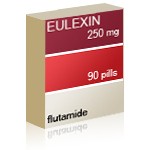
Eulexin is the original brand-name formulation of Flutamide developed by Schering-Plough (now Merck) — the FIRST FDA-approved non-steroidal antiandrogen (NSAA) and the historical pioneer of the entire NSAA drug class for prostate cancer hormonal therapy. FDA-approved in 1989, Eulexin established the clinical foundation that later antiandrogens (Bicalutamide 1995, Nilutamide 1996) built upon. Listed on the WHO Model List of Essential Medicines. International brand equivalent: Drogenil (Schering). While Bicalutamide and newer agents (Enzalutamide, Apalutamide, Darolutamide) have largely superseded Flutamide in routine modern oncology practice due to superior dosing convenience and tolerability profile, Eulexin retains established roles in specific patient populations and in off-label hirsutism management for women.
Pharmacology operates through competitive androgen receptor antagonism — Flutamide and its active metabolite 2-hydroxyflutamide bind the androgen receptor in target tissues (prostate, prostate cancer cells), blocking testosterone and dihydrotestosterone (DHT) from triggering downstream growth signals. As a non-steroidal antiandrogen, Flutamide does NOT directly suppress LHRH/FSH from the hypothalamic-pituitary axis — combined therapy with an LHRH analog (Leuprolide, Goserelin) achieves complete androgen blockade. Hepatic CYP1A2 metabolism distinguishes Flutamide pharmacokinetically from newer Bicalutamide (CYP3A4). Short half-life of approximately 5-6 hours requires three-times-daily dosing — a significant practical disadvantage vs once-daily newer NSAAs.
Eulexin is FDA-approved for stage D2 metastatic prostate cancer in combination with an LHRH analog (Combined Androgen Blockade). Off-label uses include hirsutism in women (excess facial/body hair from androgen excess), severe androgen-driven acne, female pattern hair loss (androgenetic alopecia), transgender feminizing hormone therapy, and selective use in polycystic ovary syndrome (PCOS) androgen symptoms.
Available as Eulexin 125 mg capsules. Standard combined androgen blockade dosing: 250 mg (2 capsules) three times daily — total daily dose 750 mg, alongside LHRH analog therapy. Off-label hirsutism: typically 125-250 mg/day, lower doses to minimize hepatotoxicity risk.
Critical safety: ⚠️ ⚠️ BLACK BOX hepatotoxicity warning — significantly higher rates than Bicalutamide, including reports of fatal hepatic failure. Baseline LFTs required, monthly monitoring first 4 months. Unique adverse effects include methemoglobinemia, hemolytic anemia, cholestatic jaundice.
Free prescription
Discrete packaging
Have questions?
Quality Assurance

- Combined Androgen Blockade CAB: Standard CAB therapy component with LHRH analog (Leuprolide, Goserelin);
- Advanced Prostate Cancer: For advanced hormone-sensitive prostate cancer;
- Metastatic Prostate Cancer: For metastatic prostate cancer first-line management;
- Flare Prevention LHRH Initiation: Started before LHRH agonist initiation to block testosterone surge;
- Hormone Sensitive Prostate Cancer: For hormone-sensitive prostate cancer subtypes;
- Hirsutism Women: Off-label for hirsutism in women — established antiandrogen application;
- Severe Androgen Acne: Off-label for severe androgen-driven acne in women;
- Female Pattern Hair Loss: Off-label for androgenetic alopecia in women;
- Transgender Hormone Therapy: Off-label for transgender feminizing hormone therapy — androgen blockade;
- PCOS Androgen Symptoms: Off-label selective use for PCOS androgen symptoms;
- PSA Reduction Treatment: Reduces PSA levels in hormone-sensitive prostate cancer;
- Tumor Burden Reduction: Reduces tumor burden in metastatic prostate cancer;
- Bone Pain Palliation: Palliative bone pain reduction in metastatic prostate cancer with bone metastases;
- Antiandrogen Therapy: Foundational antiandrogen therapy — pioneer NSAA class;
- Stage B2 C Prostate Cancer: Off-label for non-metastatic stage B2-C prostate cancer;
- Adjunct Surgical Castration: Adjunct to surgical castration (orchiectomy) for complete androgen blockade;
- Idiopathic Hirsutism: For idiopathic hirsutism without identifiable underlying cause;
- Bicalutamide Intolerant Alternative: Alternative for patients intolerant to newer NSAAs in specific scenarios;
- Hyperandrogenism Selective: Selective use in various hyperandrogenism syndromes.
- Better Prostate Cancer Control: Effective control of hormone-sensitive metastatic prostate cancer;
- Less PSA Progression: Reduces PSA progression in advanced prostate cancer;
- Less Tumor Burden: Reduces tumor burden in metastatic prostate cancer;
- Better Survival Combined Blockade: Combined Androgen Blockade improves survival vs LHRH alone in selected patients;
- Less Disease Progression Metastatic: Slows disease progression in metastatic prostate cancer;
- Less Bone Pain Metastatic: Palliative bone pain reduction in patients with bone metastases;
- Better LHRH Flare Prevention: Prevents testosterone surge "flare" when starting LHRH agonist therapy;
- Better Quality of Life Advanced Disease: Improved quality of life with effective disease control;
- Less Hirsutism Women: Effective reduction in female hirsutism — established off-label benefit;
- Better Female Hair Loss Off Label: Off-label benefit in female pattern hair loss;
- Better Acne Severe Androgen-Driven: Off-label reduction of severe androgen-driven acne;
- Better Transgender Feminization: Effective androgen blockade in transgender feminizing therapy;
- Better PCOS Androgen Symptoms: Off-label benefit for PCOS androgen-driven symptoms;
- Better Tolerability vs Steroidal Antiandrogens: Better tolerability profile vs older steroidal antiandrogens (Cyproterone Acetate);
- Less Cardiovascular Risk vs DES: Lower cardiovascular risk profile vs diethylstilbestrol (DES);
- Brand Eulexin Schering Plough: Original Schering-Plough/Merck brand of Flutamide — pioneer NSAA since 1989;
- Generic Flutamide: Affordable generic Flutamide versions expand global access to first-generation NSAA therapy;
- Drogenil International Brand: Same Flutamide molecule as international brand Drogenil (Schering);
- First FDA Approved NSAA: ⭐ ⭐ FIRST FDA-approved non-steroidal antiandrogen (1989) — pioneer of entire class;
- Non Steroidal Antiandrogen: Non-steroidal antiandrogen (NSAA) — competitive androgen receptor antagonist;
- Androgen Receptor Antagonist: Competitive androgen receptor antagonist — blocks testosterone/DHT activation;
- 2 Hydroxyflutamide Metabolite: Active metabolite 2-hydroxyflutamide provides primary therapeutic effect;
- Combined Androgen Blockade CAB: Standard CAB therapy component with LHRH analog;
- Hepatic CYP1A2 Metabolism: Hepatic CYP1A2 metabolism — distinct from Bicalutamide's CYP3A4;
- No LHRH FSH Suppression: Does NOT directly suppress LHRH/FSH — distinct from steroidal antiandrogens;
- Established Hirsutism Therapy: Established off-label hirsutism therapy in women;
- Hormone Sensitive Prostate Standard: Historic standard for hormone-sensitive prostate cancer treatment;
- WHO Essential Medicine: Listed on the WHO Model List of Essential Medicines for cancer care;
- 35 Plus Year Clinical History: 35+ years of clinical use since 1989 — foundational pioneer NSAA.
Generic Eulexin (Flutamide 250 mg) Medication guide:
📖 What Eulexin Is and How It Works
Eulexin is a brand of flutamide, an oral non-steroidal antiandrogen introduced in the late 1980s and approved in the United States by the FDA in 1989. It was one of the first oral drugs that could block the androgen receptor directly, and its arrival in clinical practice made combined androgen blockade a practical option for advanced prostate cancer. For nearly two decades flutamide was the workhorse antiandrogen worldwide before newer options largely displaced it.
Prostate cancer in most men depends on testosterone and its more potent cousin dihydrotestosterone (DHT) to grow. Both bind the same androgen receptor inside prostate cells. The bound receptor moves into the nucleus and switches on the genes that drive cell division. Flutamide occupies that receptor and prevents testosterone and DHT from binding. Signalling stops even though testosterone is still circulating.
Two main things to know from the start
1. Eulexin needs three doses a day. The short half-life (5-6 hours) means once-daily is not enough - you take 250 mg every 8 hours. Missed doses show up faster than on longer-half-life alternatives.
2. Eulexin has a black box warning for liver toxicity. Rarely, flutamide causes serious drug-induced hepatitis. Liver monitoring is standard throughout therapy. Newer antiandrogens (bicalutamide, enzalutamide) do not carry this warning, which is one reason flutamide use has declined.
Eulexin is almost always used combined with an LHRH agonist injection (leuprolide, goserelin, triptorelin) - the CAB regimen. Flutamide alone does not lower testosterone; the LHRH agonist does that. Together the two drugs attack the androgen pathway from opposite directions.
The drug is not obsolete. In many parts of the world flutamide remains widely used because it is cheap, oral, and clinically well characterised. Where bicalutamide is available at similar cost, most centres have switched. Where second-generation antiandrogens (enzalutamide, apalutamide, darolutamide) are affordable and accessible, they have replaced first-generation drugs in specific settings. But flutamide-based CAB continues to have a real place in prostate cancer treatment globally.
This guide walks through what Eulexin does, why doctors prescribe it, the three-times-daily rhythm and how to sustain it, the liver monitoring that matters most, the side effects to expect, and the modern comparisons against bicalutamide and the newer androgen receptor inhibitors. Treat it as a companion to what your treating team tells you.
💊 Why Doctors Still Prescribe Eulexin Today
Eulexin was launched at a time when advanced prostate cancer treatment relied heavily on either surgical castration or oestrogen therapy. The arrival of oral antiandrogens combined with LHRH agonists in the late 1980s was a genuine step forward - and flutamide led that generation of drugs.
Three decades later flutamide is no longer the first-choice antiandrogen in most well-resourced settings, but it is still widely prescribed for good reasons:
Where Eulexin continues to fit
- 🟢 Countries or health systems where bicalutamide, enzalutamide, apalutamide, or darolutamide are unavailable or unaffordable - flutamide is cheap generic in most markets
- 🟢 Combined androgen blockade with an LHRH agonist in metastatic disease
- 🟢 Flare prevention when an LHRH agonist is being started in a client with symptomatic bone metastases
- 🟢 Second-line hormonal therapy after progression on other agents
- 🟢 Clients who have tolerated flutamide well and prefer not to switch
- 🟢 Off-label hyperandrogenism in women - severe hirsutism, PCOS-related androgen excess (Section 7)
Where doctors now reach for something else
- 🔴 Newly diagnosed high-volume metastatic hormone-sensitive prostate cancer - enzalutamide, apalutamide, or abiraterone with an LHRH agonist beat flutamide-based CAB in survival
- 🔴 Non-metastatic castration-resistant prostate cancer - enzalutamide, apalutamide, and darolutamide have specific trial evidence
- 🔴 Any client with baseline liver disease or elevated LFTs - bicalutamide is a safer first-generation alternative
- 🔴 Anyone struggling with three-times-daily dosing - once-daily bicalutamide is easier
If Eulexin has been prescribed to you, the reason is usually one of the following: your treating team follows a protocol that predates the widespread bicalutamide switch; local formulary or cost considerations favour flutamide; you responded well to flutamide previously; or the specific clinical context (flare cover, second-line therapy) fits flutamide well. Ask your team specifically why flutamide rather than bicalutamide - the conversation is worth having openly, and the answer is usually straightforward.
🔗 Eulexin in Combined Androgen Blockade Explained
Combined androgen blockade means attacking androgen signalling at two levels at the same time. Flutamide plus an LHRH agonist was the original CAB regimen, and Fernand Labrie's 1985 paper introducing this approach shaped prostate cancer treatment for two decades.
The two arms of blockade
- LHRH agonist injection (leuprolide, goserelin, triptorelin) - stops the pituitary from telling the testes to make testosterone. Serum testosterone drops to castrate level over 3-4 weeks. Adrenal androgens are not affected.
- Eulexin 250 mg three times daily - blocks the androgen receptor. Adrenal androgens and any residual testicular testosterone cannot signal because their receptor is occupied.
- Combined effect approaches complete androgen blockade throughout the prostate cancer cell population.
What the trials showed
The NCI Intergroup 0036 trial (Crawford et al. NEJM 1989) randomised 603 men with metastatic prostate cancer to leuprolide plus flutamide versus leuprolide plus placebo. Result: survival benefit favouring the flutamide arm. This trial established the CAB paradigm in the USA.
The EORTC 30853 trial (Denis et al. 1993) confirmed the CAB advantage in European clients. The Prostate Cancer Trialists' Collaborative Group meta-analysis (Lancet 2000) pooled data from 27 trials and 8 275 men. CAB with a non-steroidal antiandrogen added approximately 2-3 percent absolute survival benefit at 5 years versus LHRH alone. Modest but real.
Flare prevention role
LHRH agonists briefly raise testosterone before they suppress it. In men with symptomatic bone metastases this transient rise can worsen bone pain or trigger spinal cord compression. Flutamide 250 mg TID started 3-7 days before the first LHRH injection and continued for 2-4 weeks after covers the flare period. Bicalutamide 50 mg once daily is now more commonly used for this purpose but flutamide remains an option.
The modern challenge to flutamide-based CAB
Since 2015 several trials have shown that second-generation androgen receptor inhibitors combined with an LHRH agonist outperform classical CAB with first-generation antiandrogens. The ENZAMET trial (NEJM 2019) directly compared enzalutamide against standard first-generation antiandrogens (flutamide, nilutamide, or bicalutamide) plus testosterone suppression - enzalutamide arm had better overall survival. In high-volume metastatic hormone-sensitive disease, modern practice often skips flutamide entirely.
Flutamide-based CAB remains a legitimate option in many settings but is no longer the automatic first-line choice everywhere it once was.
🔬 How Flutamide Blocks the Androgen Receptor
Understanding how flutamide works at the molecular level explains most of its side effects and its practical differences from bicalutamide.
The androgen pathway
Testosterone enters prostate cells and inside the cell is often converted to the more potent DHT by 5-alpha-reductase. Both testosterone and DHT bind the androgen receptor, an intracellular protein that acts as a transcription factor. Ligand-bound receptor moves into the nucleus and switches on genes driving cell proliferation. In prostate cancer this pathway drives malignant growth.
What flutamide does
Flutamide is a non-steroidal, competitive, first-generation antiandrogen. It enters cells and binds the androgen receptor ligand-binding domain, competing with testosterone and DHT. The receptor cannot activate target genes properly. Cell proliferation slows. PSA production falls.
Flutamide is a prodrug - the active form is 2-hydroxyflutamide, produced by liver CYP1A2 metabolism. The active metabolite has higher receptor affinity than the parent drug. This liver activation is one of the reasons flutamide is hepatotoxic in a minority of clients.
Pharmacokinetics that shape dosing
| Feature | Detail |
|---|---|
| Bioavailability | Well absorbed orally |
| Half-life (active metabolite) | 5-6 hours - short compared with bicalutamide (6 days) |
| Dosing frequency | Three times daily (every 8 hours) |
| Metabolism | Liver CYP1A2 to active 2-hydroxyflutamide |
| Excretion | Renal (mainly as metabolites) |
Why flutamide does not lower testosterone
Flutamide blocks the receptor. It does not touch the testes or the pituitary. Testosterone production continues at baseline. When flutamide is given as monotherapy (rarely done), the pituitary senses reduced androgen signalling and increases LH output, which drives higher testicular testosterone production. This is why monotherapy is not effective and why flutamide is always combined with an LHRH agonist for prostate cancer treatment.
Flutamide is a first-generation antiandrogen. It binds the receptor competitively with modest affinity. In some resistance settings the receptor mutates and starts responding to flutamide as an agonist rather than an antagonist - the classic "antiandrogen withdrawal response" was first described with flutamide in the 1990s. Second-generation antiandrogens (enzalutamide, apalutamide, darolutamide) bind more tightly, prevent nuclear translocation, and remain antagonists in most resistance settings.
⚖️ Eulexin Versus Bicalutamide - The Modern Comparison
Flutamide and bicalutamide are both first-generation non-steroidal antiandrogens. They share a mechanism but differ in several practical ways that have shaped clinical preference over the past 25 years.
Head-to-head comparison
| Feature | Eulexin (flutamide) | Casodex (bicalutamide) |
|---|---|---|
| Launch year | 1989 (US FDA) | 1995 (US FDA) |
| Half-life | 5-6 hours (active metabolite) | 6 days |
| Dosing | 250 mg three times daily (750 mg/day) | 50 mg once daily |
| Receptor affinity | Moderate | Higher |
| Hepatotoxicity risk | Black box warning; serious hepatitis rare | Modest LFT rises; serious hepatitis very rare |
| Diarrhoea rate | Higher (10-20 percent) | Lower |
| Gynecomastia rate on CAB | Modest | 30-35 percent at 50 mg CAB dose |
| Cost (generic) | Low | Low |
What the direct comparison trials showed
Randomised head-to-head trials in the 1990s (Schellhammer et al. Urology 1997; Boccardo et al. Ann Oncol 1999) compared flutamide with bicalutamide as part of CAB. Efficacy was similar. Bicalutamide had better tolerability - lower diarrhoea rate, less hepatotoxicity, and the huge practical advantage of once-daily dosing. Most centres switched to bicalutamide-based CAB by the early 2000s where cost allowed.
Why flutamide is still used
Generic flutamide is very cheap in some markets. In low-resource settings the choice may come down to what is available and affordable. Clinical outcomes are broadly comparable when flutamide is taken faithfully. The main obstacles are the three-times-daily dosing (adherence challenge) and the liver monitoring requirement.
If your treating team has options between flutamide and bicalutamide, most would recommend bicalutamide on tolerability grounds. If flutamide has been prescribed anyway, ask why - there may be a specific clinical or economic reason, and understanding it helps make the therapy feel like a plan rather than a legacy prescription.
🏥 Where Eulexin Fits in Prostate Cancer Treatment
Eulexin has three specific uses in prostate cancer treatment. All involve blocking the androgen receptor either alone briefly or in combination with an LHRH agonist longer-term.
The three prostate cancer scenarios
1. Combined androgen blockade in metastatic disease. Flutamide 250 mg TID plus a monthly or three-monthly LHRH injection. Continued indefinitely until disease progresses. This is the classical Labrie regimen from 1985 that established flutamide's place in prostate cancer.
2. LHRH agonist flare prevention. Flutamide 250 mg TID started 3-7 days before the first LHRH injection and continued for 2-4 weeks after. Covers the brief testosterone rise from LHRH agonist initiation. Bicalutamide is now more commonly used for this purpose but flutamide remains effective.
3. Second-line hormonal therapy. After progression on other agents, flutamide can occasionally produce a further PSA response, though the effect is usually modest and short-lived. This use has largely been superseded by enzalutamide and abiraterone in castration-resistant disease.
Who is a candidate
- Men with newly diagnosed metastatic hormone-sensitive prostate cancer where a CAB approach is being used
- Men with symptomatic bone metastases starting an LHRH agonist - flare cover matters here
- Men in health systems where flutamide is the available or affordable oral antiandrogen
- Men who have tolerated flutamide well from earlier therapy
- Men in whom bicalutamide caused specific side effects (rare cross-intolerance can happen)
Where doctors reach for other drugs first
- 🔴 Any liver dysfunction at baseline - bicalutamide is safer
- 🔴 High-volume metastatic disease - enzalutamide, apalutamide, or abiraterone give better survival
- 🔴 Adherence concerns - three-times-daily dosing is a real burden
- 🔴 Prior severe diarrhoea or bowel disease - flutamide worsens this
- 🔴 Progression after flutamide - move to second-generation agent
The specific clinical rationale for flutamide in any individual is worth discussing with the treating team. There is usually a specific reason - cost, availability, protocol continuity, or specific tolerability considerations. Once you understand the reason, the months of therapy feel more purposeful.
📋 Off-Label Uses of Eulexin
Flutamide has off-label uses in dermatology and women's health for conditions driven by excess androgen activity. These uses are less publicised than the prostate cancer indication and carry their own risk-benefit considerations.
Main off-label uses
- Severe hirsutism in women where standard therapies (spironolactone, oral contraceptives, cyproterone) have failed or are contraindicated
- Polycystic ovary syndrome (PCOS) with severe androgen excess - specialist use
- Female pattern hair loss (androgenetic alopecia) - occasional specialist use
- Congenital adrenal hyperplasia in specific paediatric endocrine contexts
- Transgender hormone therapy as an antiandrogen in some clinics; cyproterone or spironolactone are more common; specialist decision
The hepatotoxicity trade-off in off-label use
Serious hepatotoxicity is the reason flutamide off-label use has declined substantially. Case reports of fatal hepatitis in young women taking flutamide for hirsutism led regulators to strengthen liver warnings. Modern practice for hirsutism reaches for spironolactone or cyproterone first. Flutamide is reserved for severe refractory cases where the risk is judged acceptable, with monthly LFT monitoring and lower doses (often 62.5-125 mg once or twice daily rather than the prostate cancer dose).
Off-label dosing pattern
Off-label doses are typically much lower than the prostate cancer regimen. Hirsutism protocols often use 62.5-125 mg once or twice daily rather than 250 mg three times daily. Even at lower doses, LFT monitoring is essential. Effect on hair takes 4-6 months to become visible.
If you have been prescribed Eulexin for an off-label indication, ask the prescribing specialist why flutamide rather than a safer alternative, and confirm the LFT monitoring schedule. This is a specialist decision that should be revisited if any symptoms of liver trouble appear.
📏 Choosing Eulexin Dose - 250 mg Three Times Daily
Eulexin is a 250 mg tablet. The standard prostate cancer dose is one tablet three times daily - 750 mg per day total. This is fixed rather than weight-based, unlike many chemotherapy drugs.
Standard prostate cancer dosing
- 250 mg every 8 hours - morning, afternoon, evening
- Total daily dose 750 mg
- Same schedule for CAB and for flare prevention
- Can be taken with or without food
- Swallow whole with water
Why three times a day
Flutamide's active metabolite has a half-life of only 5-6 hours. Once-daily dosing would leave the drug undetectable in blood for many hours between doses, allowing androgen receptor signalling to resume. Bicalutamide has a much longer half-life (6 days) and works once daily; flutamide does not. This is one of the practical disadvantages of the drug and one of the main reasons bicalutamide has largely replaced it.
Dose adjustments
- Hepatic impairment - dose reduction or avoidance depending on severity
- Elevated LFTs during therapy - hold and reassess (see Section 15 and 30)
- Severe diarrhoea - dose reduction or supportive care
- Off-label indications - lower doses (Section 7)
- Older or frailer clients - occasional reduction to 125 mg TID or twice daily
Do not adjust the schedule yourself
The three-times-daily rhythm is not arbitrary - it exists because the drug clears rapidly. Taking two doses at breakfast to skip the afternoon dose does not work; blood levels crash between doses regardless. If the schedule is causing real practical difficulty, discuss with the treating team - a switch to bicalutamide once daily may be a better solution than fudging the flutamide schedule.
📅 Your First Two Weeks Starting Eulexin Therapy
The first two weeks on Eulexin set the pattern for how the therapy will feel over months. Most side effects that will appear appear in this window, and the three-times-daily rhythm has to become habitual quickly.
Days 1-3. Blood levels build over the first day of dosing. Antiandrogen effect on the receptor establishes within a couple of days. For men on CAB, the LHRH agonist is doing most of the initial work at this stage - testosterone starts to drop from day 3-7 and reaches castrate level around week 3-4.
Week 1. Some early symptoms may begin. If the treatment context is flare prevention, this is the protective window that matters most. Hot flushes on CAB are mainly LHRH-driven and appear as testosterone falls. Diarrhoea is one of the more distinctive early flutamide side effects and may appear in this first week.
Week 2. Baseline liver function tests done before starting are compared with an early follow-up test around now. Some clients have small LFT rises in the first month that settle spontaneously; larger rises need action (Section 15 and 30).
Baseline tests before starting Eulexin
- 💉 PSA - the main disease marker for tracking
- 💉 Full LFTs including ALT, AST, ALP, bilirubin - critical baseline given hepatotoxicity risk
- 💉 Serum testosterone - especially if CAB, to confirm castrate level after LHRH takes effect
- 💉 Full blood count and kidney function
- 💉 ECG in men with cardiac history
- 💉 Hepatitis B and C serology if any risk factors
Common early experiences
- Little in the first few days
- Diarrhoea or loose stools within the first week or two - one of the more distinctive flutamide effects
- Hot flushes appearing within 2-4 weeks on CAB regimens
- Fatigue - often more from the LHRH agonist than flutamide
- PSA usually falls in the first month if disease is hormone-sensitive - this is a good sign
Signs to report to the team promptly
- 🔴 Jaundice - yellowing of eyes or skin - urgent
- 🔴 Severe abdominal pain or dark tea-coloured urine
- 🔴 Persistent nausea or loss of appetite disproportionate to expectations
- 🔴 Rash - especially widespread or with fever
- 🔴 Persistent severe diarrhoea preventing normal intake
- 🔴 Sudden worsening of bone pain - possible inadequate LHRH flare cover
- 🔴 Any new neurological weakness or bladder or bowel change - urgent
Most men complete the first two weeks without major events. The bigger issues on Eulexin come from cumulative side effects (diarrhoea, gynecomastia) that build over months, and from the low-frequency but serious hepatotoxicity risk that liver monitoring is designed to catch early.
⏰ Timing and How to Take Eulexin Correctly
The three-times-daily rhythm is the practical challenge of Eulexin. Getting it right shapes both effectiveness and side effect experience.
Basic dosing rules
- One 250 mg tablet three times daily
- Aim for even 8-hour spacing - the short half-life makes consistent intervals matter
- With or without food - your choice, be consistent
- Swallow whole with water; do not crush or split unnecessarily
- Same schedule daily - do not batch doses to fewer times per day
Anchor the schedule to daily habits
The most effective 8-hour rhythm most men can sustain:
- 🌐 07:00 - with morning coffee or breakfast
- 🌐 15:00 - mid-afternoon; the trickiest one to remember
- 🌐 23:00 - just before bed
If a more standard mealtime schedule (breakfast, lunch, dinner) fits your life better, use that instead. What matters is consistency, not the exact time.
Making three-times-daily sustainable
- Three separate phone alarms - labelled "Eulexin" not just "pill"
- Pillbox with three compartments per day filled every Sunday
- Carry a small container of afternoon doses for when you are out
- Anchor doses to fixed daily events - not clock times you might drift from
- Family member cross-check for the afternoon dose specifically
- Refill prescription 2 weeks before running out
- Travel: pack extra supply and account for time zones
Long-term adherence is the honest challenge
Three-times-daily dosing has consistently poorer adherence than once-daily in every drug class studied. If you find yourself regularly missing the afternoon dose, this is worth raising with the treating team - either better reminder systems or switching to bicalutamide once daily may be the right answer. The therapy only works if the drug is actually in your body.
Section 23 covers what to do about a missed dose specifically. Short version: within 4 hours of the missed time, take it; more than 4 hours late, skip and take the next dose at the usual time. Never double up.
🍽️ Food, Diet and Weight Management on Eulexin
Diet on Eulexin does not need to be dramatic. Food does not meaningfully affect absorption. There are no fasting rules. But a couple of dietary areas matter for men on months of therapy.
Direct food effects
- Take with or without food
- Grapefruit - moderate; large amounts can affect CYP metabolism
- Alcohol - discussed in Section 12 in detail
- Adequate fluids matter for diarrhoea management
Body composition changes on CAB
Men on Eulexin plus LHRH agonist commonly gain 3-5 kg over the first year as loss of testosterone shifts body composition. Muscle mass drops. Fat mass rises, particularly around the waist. Insulin sensitivity worsens. Cholesterol drifts up. Basal metabolic rate falls. This is a CAB effect from the LHRH agonist rather than flutamide specifically, but it happens on any CAB regimen.
Sensible eating pattern
- 🟢 Mediterranean-style - vegetables, whole grains, oily fish, olive oil, moderate lean meat, legumes
- 🟢 Adequate protein - 1.0-1.2 g/kg body weight daily to support muscle
- 🟢 Reduce ultra-processed food - main source of hidden calories, refined carbs, salt
- 🟢 Fibre from vegetables, fruit, whole grains - helps normalise bowel function if diarrhoea is intermittent
- 🟢 Adequate calcium and vitamin D for bone protection on CAB
Exercise plus diet
Diet alone cannot fully counteract the metabolic shift from castration-level testosterone. Resistance training combined with adequate protein is the most effective way to preserve muscle mass and functional status. Section 26 covers exercise.
Supplements to avoid include large-dose antioxidant packs marketed for "prostate health", DHEA (can be aromatised to estrogen), and any hormonal-boosting supplements. Standard multivitamins and reasonable calcium and vitamin D are fine.
🍷 Alcohol Rules During Eulexin Therapy
Alcohol on Eulexin is a real conversation. Flutamide is metabolised by the liver. Alcohol is metabolised by the liver. Flutamide carries a black box warning for hepatotoxicity. Combining them adds hepatic load with no upside for the therapy.
The straightforward position
- 🔴 Abstinence is the safest position during Eulexin therapy
- 🔴 Absolute avoidance if LFTs are raised
- 🔴 Absolute avoidance if there is any history of liver disease
- 🟡 Occasional light drinking may be tolerable for stable clients with normal LFTs - discuss specifically with treating team
- 🔴 No binge drinking at any time
- 🔴 No alcohol if paracetamol is also being taken regularly - combined hepatic load
Why the caution is greater than for bicalutamide
Bicalutamide has modest LFT effects and no black box warning. Flutamide has serious hepatotoxicity reports including rare fatal hepatitis. On bicalutamide moderate drinking is often acceptable for stable clients. On Eulexin the threshold is much stricter - the specific hepatotoxicity concern makes any extra hepatic insult more consequential.
The vasomotor angle
On CAB with an LHRH agonist, alcohol commonly triggers or worsens hot flushes and disrupts sleep. If flushes are troubling on Eulexin-based CAB, reducing alcohol is one of the easier levers to pull first.
The default recommendation on Eulexin is abstinence during active therapy. Occasional very moderate drinking after LFT baseline stability may be acceptable but should be a specific conversation with the treating team, not an assumption.
☕ Coffee, Tea and Fluids on Eulexin
Fluids matter on Eulexin more than most drugs because diarrhoea is one of the more common side effects and hydration protects general health during therapy.
Fluid basics
- 💧 Aim for 2 litres of fluid daily on regular days
- 💧 Increase to 2.5-3 litres if diarrhoea is active
- 💧 Oral rehydration solutions (Dioralyte, Pedialyte) for significant diarrhoea
- 💧 Water, weak tea, diluted juice all count
- 💧 Watch urine colour - clear pale yellow is target
Coffee and tea
Coffee and tea are fine on Eulexin in normal amounts. No direct interaction. Under 400 mg caffeine daily is the general safe limit - roughly 4 cups of coffee or 6 cups of tea. Green tea is fine and may have modest independent benefits. Herbal teas are almost all fine except those marketed for "liver detox" or "cleansing" which sometimes contain hepatotoxic herbs and should be avoided during Eulexin therapy.
Drinks to avoid
- 🔴 Energy drinks with high caffeine plus taurine and stimulants
- 🔴 "Detox" or "cleansing" herbal teas
- 🔴 Kombucha in unpasteurised forms during any immunosuppressed period
- 🔴 Alcohol - Section 12
- 🔴 Grapefruit juice in large daily amounts - CYP interaction
Watch for dehydration during diarrhoea episodes. Symptoms include dark concentrated urine, dry mouth, dizziness on standing, reduced urine volume. Oral rehydration solutions work better than plain water when significant fluid loss is happening.
🚨 Eulexin Side Effects - Complete Overview
Eulexin has a well-characterised side effect profile after three decades of use. Most effects flow from androgen receptor blockade. On CAB the profile combines flutamide effects with LHRH agonist effects. Below is the whole picture; individual sections that follow cover the major issues in depth.
Common (over 10 percent)
- 🟡 Diarrhoea - the most distinctive flutamide side effect; Section 19
- 🟡 Hot flushes - on CAB regimens; Section 17
- 🟡 Reduced libido on CAB; Section 18
- 🟡 Erectile dysfunction on CAB
- 🟡 Gynecomastia and breast tenderness on monotherapy; less on CAB; Section 16
- 🟡 Nausea in some clients
Less common (1-10 percent)
- 🟡 Elevated liver enzymes; Section 15 and 30
- 🟡 Fatigue
- 🟡 Weight gain on CAB
- 🟡 Mood changes, depression
- 🟡 Insomnia
- 🟡 Rash
- 🟡 Photosensitivity
- 🟡 Anaemia on long-term CAB
- 🟡 Muscle mass loss on CAB
Uncommon
- 🟠 Methemoglobinaemia - bluish skin, sometimes mistaken for cyanosis
- 🟠 Hemolytic anaemia
- 🟠 Interstitial lung disease
- 🟠 Green or amber urine discolouration (usually harmless)
- 🟠 Hair thinning
- 🟠 Peripheral oedema
Rare but serious - stop and seek urgent care
- 🔴 Drug-induced hepatitis - the black box warning concern; jaundice, dark urine, right upper abdominal pain
- 🔴 Fulminant hepatic failure - rare but reported
- 🔴 Severe skin reaction - blistering, peeling, mucosal involvement
- 🔴 Anaphylactic reaction - facial swelling, difficulty breathing
- 🔴 Severe depression or thoughts of self-harm
- 🔴 Severe abdominal pain with vomiting
Tolerability compared with newer alternatives
Flutamide has more diarrhoea and more hepatotoxicity than bicalutamide, and requires three-times-daily dosing versus once daily. Second-generation antiandrogens (enzalutamide, apalutamide, darolutamide) have different side effect profiles - more fatigue, cognitive change, and (with enzalutamide/apalutamide) some falls and seizure risk - but far less GI and liver toxicity. The choice of antiandrogen involves balancing these tolerability trade-offs alongside efficacy and cost.
🔴 Hepatotoxicity - The Main Eulexin Safety Concern
Hepatotoxicity is the specific issue that gives Eulexin its black box warning and shapes practice around the drug. Understanding it drives the liver monitoring schedule (Section 30) and defines the situations that need urgent action.
The picture at a glance
- 🔴 Elevated liver enzymes in up to 30 percent of clients - usually mild and asymptomatic
- 🔴 Clinically significant hepatitis in 0.5-3 percent
- 🔴 Fulminant hepatic failure has been reported - rare but documented deaths
- 🔴 Onset typically within first 3-6 months of therapy
- 🔴 Usually reversible on stopping if caught early
Mechanism
Flutamide undergoes hepatic metabolism to active 2-hydroxyflutamide and further to reactive metabolites that can bind liver proteins and trigger idiosyncratic hepatic injury in susceptible individuals. Both hepatocellular and cholestatic patterns are described. Some genetic factors (CYP1A2 polymorphisms) may predispose but routine pretesting is not standard.
Symptoms that need same-day medical review
- 🔴 Jaundice - yellowing of eyes or skin
- 🔴 Dark tea-coloured urine
- 🔴 Pale putty-coloured stools
- 🔴 Right upper abdominal pain
- 🔴 Persistent nausea, loss of appetite
- 🔴 Itching without rash
- 🔴 Unusual bruising or bleeding
Any of these require immediate LFTs and consideration of stopping Eulexin. Do not wait for a scheduled appointment.
Monitoring schedule
| When | What |
|---|---|
| Baseline | Full LFTs before starting |
| Monthly for first 4 months | Full LFTs |
| Every 3 months thereafter | Full LFTs |
| Any new symptom | Immediate LFT check |
Interpretation of results
- ALT under 3x upper limit: continue with closer monitoring
- ALT 3-5x upper limit: discuss stopping; look for other causes
- ALT over 5x upper limit or rising bilirubin: stop Eulexin promptly
- Any clinical hepatitis picture: stop and specialist assessment
After a significant hepatic reaction to flutamide, rechallenge is not usually attempted - the same drug is likely to reproduce the same reaction. Bicalutamide or a second-generation agent replaces it if hormonal therapy remains needed.
👤 Gynecomastia and Breast Effects on Eulexin
Breast changes on Eulexin follow the same pattern as on bicalutamide - the drug blocks androgen receptors but does not lower testosterone (unless combined with an LHRH agonist). Estrogen effects on breast tissue proceed unopposed. Rates depend on whether flutamide is given as monotherapy or as part of CAB.
Rates by treatment context
- Flutamide monotherapy (rare in prostate cancer): gynecomastia in 40-60 percent
- Flutamide plus LHRH agonist (CAB): lower rate - testosterone is castrate so aromatisation to estrogen is minimal
- Breast tenderness often precedes visible enlargement
Timeline
- Onset within 2-3 months of starting therapy
- Usually bilateral
- Firm glandular tissue under the nipple, not just fat
- Tenderness often precedes enlargement
- Progresses over 6-12 months then usually stabilises
- Only partial reversal on stopping
Prevention and treatment
- Tamoxifen 10-20 mg daily - reduces breast tenderness and slows enlargement; best started at or before symptom onset
- Prophylactic breast radiotherapy - single low-dose fraction to each breast before starting; well studied for bicalutamide monotherapy but applied similarly here
- Aromatase inhibitors (anastrozole) - less effective than tamoxifen for this specific problem
- Surgical management - subcutaneous mastectomy or liposuction for established gynecomastia
Any unusual breast finding needs assessment
A hard, unilateral, non-tender lump in an older man with cancer history is not gynecomastia by default. Male breast cancer is rare but real. Any unusual breast finding warrants proper clinical assessment, not automatic attribution to the drug.
🥵 Hot Flushes and Vasomotor Symptoms on Eulexin
Hot flushes on Eulexin differ dramatically between regimens. On combined androgen blockade with an LHRH agonist they are common - driven mainly by the LHRH agonist. On flutamide monotherapy (rare in prostate cancer practice) they are much less common because testosterone stays normal.
Rates by treatment context
- Eulexin + LHRH agonist (CAB): 50-70 percent of men, mainly LHRH-driven
- Eulexin monotherapy: 10-15 percent
- Severity typically peaks in the first 6 months then eases
Non-drug strategies
- 🟢 Cool bedroom - 17-19 C; fan if needed
- 🟢 Cotton or bamboo bed linens and nightwear
- 🟢 Layered daytime clothing
- 🟢 Avoid triggers - alcohol, spicy food, hot drinks near bedtime, stress
- 🟢 Regular aerobic exercise reduces frequency in trials
- 🟢 Weight management - flushes worse at higher BMI
- 🟢 Paced breathing at flush onset
Drug options for troublesome flushes
- Venlafaxine 37.5-75 mg daily - most trial data for androgen-deprivation flushes
- Gabapentin 300-900 mg at bedtime - especially good for night sweats
- Medroxyprogesterone acetate - effective; has its own side effects
- Cyproterone acetate - steroidal antiandrogen with progestin action
- Clonidine - older option, less effective
- Acupuncture - some evidence, low risk
Do not use for flushes on Eulexin
- 🔴 Testosterone replacement - contraindicated
- 🔴 DHEA - aromatised to estrogen; worsens gynecomastia
- 🔴 Untested herbal "male balance" formulations
Hot flushes usually improve over the first year even without intervention. Persistent severe flushes deserve active treatment - sleep quality matters as much as the flushes themselves.
💗 Sexual Function and Libido on Eulexin
Sexual function on Eulexin depends heavily on regimen. Monotherapy at standard prostate cancer doses (rare in current practice) largely preserves libido and erectile function because testosterone stays normal. Combined androgen blockade produces castrate-level testosterone and the associated sexual side effects.
On Eulexin monotherapy (not standard prostate cancer use)
- Testosterone stays normal or slightly elevated
- Libido largely preserved
- Erectile function largely preserved
- Ejaculation and orgasm preserved
On Eulexin plus LHRH agonist (CAB)
- Testosterone at castrate level
- Libido substantially reduced in the majority
- Erectile dysfunction common - 70 percent or more
- Reduced ejaculate volume
- Effects appear within the first months and persist through therapy
Managing sexual side effects
- PDE-5 inhibitors (sildenafil, tadalafil, vardenafil)
- Intracavernosal injections (alprostadil) when severe
- Vacuum erection devices
- Penile implants when other options fail
- Couples counselling and psychosexual therapy
- Broadening intimacy beyond penetrative sex
Raise this proactively
Sexual side effects are among the most under-reported drug complaints in men. Most urology and oncology teams have systematic pathways for helping. Some centres have dedicated psychosexual clinics. Asking opens options.
🚽 Diarrhoea and GI Side Effects on Eulexin
Diarrhoea is one of the most distinctive Eulexin side effects and one of the main reasons some clients cannot tolerate the drug. Rates run 10-20 percent depending on the definition used.
The typical picture
- Loose stools or mild diarrhoea within the first weeks
- Ranges from occasional loose stool to daily watery diarrhoea
- Often intermittent rather than continuous
- Some clients settle after weeks; others do not
- Rarely severe enough to require hospital admission but does happen
- Higher rates than on bicalutamide - one of the main tolerability differences
Practical management
- 🟢 Adequate fluid intake - 2-3 litres daily during active symptoms
- 🟢 Oral rehydration solutions for significant losses
- 🟢 Bland diet during flares - BRAT (banana, rice, apple, toast)
- 🟢 Loperamide (Imodium) 2 mg after each loose stool up to 16 mg/day - effective
- 🟢 Probiotic supplements - some clients find these help
- 🟢 Reduce coffee and alcohol which can worsen
- 🟢 Report early rather than tolerating - team may consider bicalutamide switch
Signs that need medical review
- 🔴 Diarrhoea more than 6 loose stools per day for over 24 hours
- 🔴 Bloody diarrhoea
- 🔴 Fever with diarrhoea - infective cause needs excluding
- 🔴 Signs of dehydration - dizzy, dry mouth, reduced urine
- 🔴 Severe abdominal pain
- 🔴 Weight loss from persistent diarrhoea
When to switch drugs
If diarrhoea is meaningfully affecting quality of life or adherence despite loperamide and dietary measures, this is a strong reason to switch to bicalutamide which has much lower rates. The switch is straightforward - stop Eulexin, start bicalutamide 50 mg once daily. Anti-cancer efficacy is broadly comparable within the first-generation class.
🦴 Eulexin Effect on Bone Health
Bone health on Eulexin depends on the regimen. On flutamide monotherapy with normal testosterone, bone density is largely preserved. On combined androgen blockade with an LHRH agonist, bone loss is significant and needs active protection - like any castration regimen.
Why CAB damages bone
Testosterone and estradiol converted from it support bone remodelling in men. Reducing testosterone to castrate level accelerates bone resorption. Men on long-term androgen deprivation lose bone density at 2-5 percent per year in hip and spine, particularly in the first years. Fracture risk climbs measurably.
Bone protection plan on CAB
- Baseline DXA scan
- Vitamin D level checked and corrected
- Calcium intake 1 000-1 200 mg daily from food or supplements
- Vitamin D3 supplement 800-1 000 IU daily unless replete
- Weight-bearing and resistance exercise regularly
- Repeat DXA every 2 years
- Falls risk assessment in older men
When to add a bone-modifying drug
- Baseline T-score below -2.0 on DXA
- T-score falling below -2.0 during therapy
- Prior fragility fracture
- Rapid bone density loss between DXA scans
- Bone metastases (different indication with own dosing)
Options: denosumab (Prolia 60 mg SC twice yearly); zoledronate 4-5 mg IV once yearly; oral alendronate or risedronate.
Exercise matters for bone health regardless of regimen. Weight-bearing aerobic activity plus progressive resistance training preserves bone density and reduces fall risk. Section 26 covers exercise.
❤️ Cardiovascular Considerations During Eulexin Therapy
Long-term cardiovascular effects of Eulexin-based therapy depend on regimen. CAB with an LHRH agonist carries meaningful cardiovascular risk over years. Flutamide monotherapy has minimal cardiovascular impact.
CAB cardiovascular pattern
Long-term androgen deprivation carries a modest cardiovascular signal in observational cohorts:
- Weight gain and increased visceral fat
- Insulin resistance and higher new-onset diabetes
- Modest lipid changes - LDL up, triglycerides up
- Small increase in coronary events, mainly in men with pre-existing CVD
- Effect accumulates over years
Standard cardiovascular protection
- Baseline BP, lipids, fasting glucose or HbA1c
- BP at each clinic visit
- Yearly lipids and HbA1c during long-term CAB
- Treat hypertension, statin if indicated, treat diabetes
- Smoking cessation - biggest reversible risk
- Weight management and regular exercise
The bigger picture
For men diagnosed with prostate cancer in their 60s and 70s, cardiovascular disease is a common eventual cause of death rather than the cancer itself - especially in men with lower-risk disease on long-term hormonal therapy. Managing cardiovascular risk factors during years on Eulexin matters as much as taking the drug itself.
Cardiovascular red flags
- 🔴 Chest pain or discomfort on exertion
- 🔴 Unusual breathlessness
- 🔴 New ankle swelling
- 🔴 Fainting during exertion
- 🔴 Sustained palpitations
⚠️ Eulexin Drug Interactions You Need to Know
Eulexin has a handful of clinically important drug interactions worth knowing. The main ones involve warfarin and CYP450 metabolism.
Serious - manage carefully
- 🔴 Warfarin - flutamide can potentiate warfarin, prolonging INR; more frequent monitoring after starting or dose changes
- 🔴 Other hepatotoxic drugs - stacked liver injury risk (paracetamol chronic use, methotrexate, isoniazid, statins in high doses)
- 🔴 Herbal supplements with hepatotoxic potential - kava, comfrey, chaparral, "detox" formulations
Moderate - inform prescriber
- Strong CYP1A2 inhibitors (ciprofloxacin, fluvoxamine) - increased flutamide levels
- Strong CYP1A2 inducers (rifampicin, phenytoin, carbamazepine, tobacco smoking) - decreased flutamide levels
- Theophylline - flutamide affects clearance
- Grapefruit juice in large amounts
Usually safe together
- LHRH agonists (leuprolide, goserelin, triptorelin) - deliberately combined
- LHRH antagonists (degarelix, relugolix)
- Bone-modifying agents (denosumab, zoledronate)
- Most antihypertensives
- SSRIs and SNRIs for hot flushes or depression
- PDE-5 inhibitors (sildenafil, tadalafil)
- Standard vitamins - D3, calcium, B12
- Paracetamol at standard doses - preferred pain reliever
The everyday reminder
Tell every pharmacist and every doctor that you take Eulexin. Over-the-counter men's health formulations often contain herbs that can either interact or add hepatic load. Standard multivitamins are fine; anything marketed for "vitality" or "detox" should be checked with the team first.
⏱️ What to Do If You Miss Eulexin
Missing an Eulexin dose has different implications than missing a longer-half-life drug. Because the active metabolite clears in 5-6 hours, drug levels drop rapidly between doses.
The rule
- Within 4 hours of usual time: take the missed dose now, then continue with next scheduled dose at normal time
- More than 4 hours late: skip that dose, take the next dose at usual time
- Never double up
- One missed dose in isolation is not a clinical problem
- Frequent missed doses (regularly missing the afternoon dose) undermines the CAB effect
Why occasional misses matter more here than on bicalutamide
Bicalutamide has a 6-day half-life so a missed dose barely shifts blood levels. Eulexin's active metabolite has a 5-6 hour half-life so blood levels effectively return to baseline between missed doses. Pattern of adherence matters more with short-half-life drugs. If you regularly miss the afternoon dose, you are functionally on twice-daily flutamide - and that has been shown in trials to be less effective than three-times-daily.
When missed doses become a pattern
Frequent missed doses signal a bigger problem. Options to discuss with the treating team:
- 🔴 Better reminder systems (three phone alarms, weekly pillbox with three compartments per day)
- 🔴 Switch to bicalutamide once daily - practical adherence advantage
- 🔴 Family or partner cross-check for the afternoon dose
- 🔴 Address side effects that make dosing unpleasant (diarrhoea especially)
Do not stop the drug quietly because of adherence difficulty. Talking with the treating team almost always beats silent dropout - they have options short of stopping entirely.
👵 Eulexin in Older Men - Frailty Considerations
Older men need Eulexin dose considerations that reflect reduced organ reserve and higher susceptibility to specific toxicities.
What changes with age
- Baseline hepatic reserve lower - hepatotoxicity risk climbs
- Baseline bone density lower - fracture risk climbs faster on CAB
- Muscle mass lower - loss on CAB affects function sooner
- Falls risk higher
- Cardiovascular comorbidity common
- Polypharmacy interactions rise
- Cognitive burden of three-times-daily dosing higher - adherence often worse
Practical adjustments
- Same 250 mg tablet strength - no age-based reduction as standard
- Consider dose reduction to 125 mg TID in some frail clients under specialist guidance
- More frequent LFT monitoring - especially first few months
- Earlier bone protection on CAB - lower threshold to add denosumab or bisphosphonate
- Attention to falls - physiotherapy for balance work when energy drops
- Simplify medication regimens; deprescribe unnecessary drugs
- Consider bicalutamide once daily instead - simpler for older clients
Frailty over age
A fit 78-year-old can complete flutamide-based CAB successfully. A frail 68-year-old may struggle more with adherence and monitoring demands. Geriatric assessment tools (G8, VES-13) guide individual decisions rather than birthdate alone.
Older men deserve the same honest conversation about what Eulexin offers and what it costs. Age alone does not exclude therapy; frailty and comorbidities weigh into the individual balance.
🤒 Sick Days and Hospital Care on Eulexin
Eulexin can usually be continued through routine illness. Some specific situations warrant a pause or adjustment.
Common sick days
- Cold, flu, mild viral illness: continue if you can keep tablets down
- Stomach bug with vomiting: hold temporarily if you cannot keep tablets down for more than 24 hours; short half-life means brief pause is not clinically significant
- Fever without fluid loss: continue normally
- COVID-19 or similar viral illness: continue Eulexin; does not affect infection outcome
Hospital admissions
- Tell the admitting team you are on Eulexin
- The drug is usually continued through hospital stays
- If unable to swallow, brief pause is acceptable
- Any new antibiotic - check for CYP interactions (Section 22)
- Any new hepatotoxic drug - flag the flutamide concurrent use
When to hold Eulexin temporarily
- 🔴 Acute drug-induced liver injury (jaundice, LFTs rising sharply)
- 🔴 Severe skin reaction
- 🔴 Severe diarrhoea with dehydration
- 🔴 Severe fluid loss preventing oral intake over 24-48 hours
- 🔴 Under treating team guidance around major surgery or critical illness
Restarting after a temporary pause is usually straightforward. Long pauses (over 2-4 weeks) warrant a treating team conversation before restart.
💪 Exercise and Physical Activity on Eulexin
Exercise is one of the highest-value non-drug interventions during Eulexin-based therapy - especially during CAB with an LHRH agonist. It counters bone loss, muscle loss, fatigue, weight gain, metabolic drift, and mood effects.
The evidence in prostate cancer
- Meta-analyses show reduced prostate cancer mortality in men who exercise regularly after diagnosis
- Randomised trials confirm reductions in ADT-related fatigue and better quality of life
- Exercise preserves muscle mass and bone density on CAB
- Reduces cardiovascular event risk in the long term
- Improves mood, cognitive function, and sleep
What to aim for
- 🟢 150 minutes weekly moderate aerobic (walking, swimming, cycling)
- 🟢 OR 75 minutes weekly vigorous aerobic
- 🟢 Plus resistance training 2-3 times weekly
- 🟢 Flexibility and balance work - important for older men
- 🟢 Any activity better than none; scale up gradually
Resistance training specifics
On CAB, resistance training matters more than for general population because of muscle mass drift. Compound movements (squats, deadlifts, presses, rows), weights heavy enough that final reps are challenging, progressive increases, adequate protein intake (1.0-1.2 g/kg body weight daily), avoid overtraining given fatigue, supervised training initially if new to weights.
Bone metastases and exercise
Men with bone metastases can and should exercise, but with modification. Physiotherapy-guided programmes reduce fracture risk and preserve function. High-impact activities and heavy loading of affected bones are usually avoided; walking, cycling, swimming, and modified resistance training remain valuable.
💉 Eulexin Combined With LHRH Agonist Injections
Combining Eulexin with an LHRH agonist is the classical CAB approach. Understanding the two drugs together shapes what to expect over months of therapy.
LHRH agonist options
- Leuprolide (Lupron, Prostap, Eligard) - monthly or 3-monthly injection; most widely used
- Goserelin (Zoladex) - monthly or 3-monthly SC implant
- Triptorelin (Decapeptyl) - monthly, 3-monthly, or 6-monthly injection
- Histrelin (Vantas) - yearly implant
How the two drugs work together
- LHRH agonist drops testosterone to castrate level over 3-4 weeks
- Eulexin blocks residual androgen signalling from adrenal androgens and intracellular DHT
- Eulexin also covers the transient testosterone rise (flare) from LHRH agonist start
- Combined effect approaches complete androgen blockade
- Meta-analysis shows modest survival benefit versus LHRH alone
Practical rhythm of CAB
- Daily Eulexin tablets three times daily - the hardest part of the regimen to sustain
- Monthly or 3-monthly clinic visit for LHRH injection - do not miss
- Regular blood tests - PSA every 3-6 months, testosterone occasionally, LFTs monthly first 4 months then 3-monthly
- Bone density (DXA) every 1-2 years on long-term CAB
- Yearly cardiovascular review
LHRH antagonist alternative
LHRH antagonists (degarelix injection, relugolix oral tablet) do not cause a flare because they block the pituitary receptor directly. If antagonist therapy is used, flutamide flare cover is not needed. Some men are treated with an LHRH antagonist alone rather than in combination.
📆 Duration of Eulexin Therapy and When to Stop
How long you take Eulexin depends on why you started it. Duration ranges from a few weeks (flare cover) to indefinite (long-term CAB in metastatic disease).
Typical durations by indication
| Indication | Typical duration |
|---|---|
| LHRH flare cover | 2-4 weeks |
| CAB in metastatic disease | Indefinite until progression; then switch |
| Second-line hormonal therapy | Until PSA progression or intolerance |
| Off-label hirsutism | 3-12 months typically; monitored |
When Eulexin stops working
Flutamide-resistant progression is signalled by rising PSA on therapy despite castrate testosterone, new symptomatic disease, new metastases on imaging, or progressive lymphadenopathy. At this point disease has become castration-resistant. Treatment moves to second-line therapies - Section 29.
Antiandrogen withdrawal response
Flutamide was the first drug where the "antiandrogen withdrawal response" was described. In roughly 20 percent of men, stopping flutamide when PSA is rising produces a paradoxical PSA fall for weeks to months. This reflects receptor mutations that make flutamide act as an agonist rather than an antagonist. Historically this was tried before switching. Modern practice often skips this and moves directly to enzalutamide, abiraterone, or another next-line agent.
Stopping mechanics
Eulexin does not need tapering. Blood levels fall within 24-48 hours of the last dose. Testosterone signalling recovers over days. Side effects fade over weeks. There is no rebound cancer risk from stopping - the concern is losing ongoing anti-cancer effect, not any drug withdrawal danger.
🔄 Switching From Eulexin to Newer Antiandrogens
Progression on flutamide-based therapy triggers the switch to next-line agents. The prostate cancer landscape now offers substantial options.
The main switch destinations
| Drug | Setting |
|---|---|
| Bicalutamide | Same class; simple switch for tolerability; may have modest further response |
| Enzalutamide (Xtandi) | Second-generation AR inhibitor; better blockade in resistance settings |
| Apalutamide (Erleada) | Similar to enzalutamide; different rash profile |
| Darolutamide (Nubeqa) | Less CNS penetration; fewer cognitive effects |
| Abiraterone (Zytiga) | CYP17 inhibitor blocking androgen synthesis; needs prednisone |
When each switch fits
- To bicalutamide: tolerability issues with flutamide (diarrhoea, hepatotoxicity) while efficacy still adequate; simpler dosing
- To enzalutamide, apalutamide, darolutamide, or abiraterone: when flutamide-based therapy has failed, when high-volume metastatic disease demands more aggressive treatment, or when non-metastatic castration-resistant disease develops
- Modern first-line for metastatic HSPC: increasingly starts with enzalutamide/apalutamide/darolutamide/abiraterone rather than flutamide-based CAB where affordable
Trade-offs of newer drugs
Better anti-cancer effect. Less GI and liver toxicity than flutamide. But more expensive. Enzalutamide and apalutamide have some falls, seizure risk, and cognitive change. Abiraterone requires concurrent prednisone with BP, potassium, and LFT monitoring. Availability varies by country and insurance.
Switching from flutamide to a newer agent is a specialist decision informed by disease characteristics, prior response, tolerability, cost, and access. In many prostate cancer clients today, flutamide is where treatment starts (if it is used at all) and one of the newer agents is where it eventually moves.
🧪 Liver Function Monitoring on Eulexin
Liver function monitoring is the single most important ongoing test on Eulexin. The black box hepatotoxicity warning is not theoretical - it comes from documented cases of severe drug-induced hepatitis. The monitoring schedule catches trouble early.
Standard monitoring schedule
| When | What |
|---|---|
| Baseline | Full LFTs including ALT, AST, ALP, bilirubin, albumin |
| Monthly for first 4 months | Full LFTs - the highest-risk period |
| Every 3 months thereafter | Continue for as long as Eulexin is taken |
| Any new symptom | Immediate LFT check regardless of schedule |
Interpreting results
- ALT under 3x upper limit of normal: monitor more frequently; usually continue
- ALT 3-5x upper limit: discuss stopping; look for other causes (alcohol, viral hepatitis, other drugs)
- ALT over 5x upper limit or rising bilirubin: stop Eulexin promptly
- Any clinical hepatitis picture: stop and specialist assessment
Symptoms needing same-day medical review
- 🔴 Jaundice - yellowing of eyes or skin
- 🔴 Dark tea-coloured urine
- 🔴 Pale putty-coloured stools
- 🔴 Right upper abdominal pain
- 🔴 Persistent nausea or loss of appetite
- 🔴 Itching without rash
- 🔴 Unusual bruising or bleeding
After a hepatic reaction
Rechallenge with flutamide after a significant hepatic reaction is not usually attempted. Bicalutamide is a much safer alternative and can usually be substituted without loss of clinical benefit in the same class. Second-generation agents (enzalutamide, apalutamide, darolutamide) are further options.
The liver monitoring is not optional. Missing the scheduled tests removes the safety net that makes flutamide use responsible.
📊 Late Effects and Long-Term Follow-Up
Late effects and long-term follow-up after Eulexin depend on how long you took the drug and what regimen (monotherapy, CAB, flare cover). This section covers what to watch for in the years after therapy.
Effects that persist after stopping
- Bone density loss from CAB - partial recovery over years; may not fully return to baseline
- Gynecomastia - only partial reversal, especially if well established
- Body composition changes from CAB - muscle loss and fat gain slowly reverse with exercise
- Cardiovascular risk factors - metabolic changes may persist
- Sexual function - variable recovery depending on regimen and duration
Effects that fade after stopping
- Hot flushes - usually resolve within weeks to months
- Fatigue - improves as body composition recovers
- Diarrhoea - stops within days of stopping flutamide
- LFT abnormalities - normalise over weeks in most cases
Long-term monitoring
- PSA follow-up per oncology protocol
- Standard age-appropriate cancer screening
- Cardiovascular risk assessment - lipids, BP, glucose yearly
- Bone density assessment if long CAB course
- Note flutamide exposure in permanent medical record
Cancer survivorship clinics in many centres provide structured long-term follow-up. Late effects that emerge are treated on their own merits rather than as ongoing drug side effects.
🛑 Eulexin Contraindications - When to Avoid
Situations where Eulexin must not be given.
Absolute contraindications
- Known hypersensitivity to flutamide or excipients
- Severe hepatic impairment at baseline
- Prior drug-induced hepatitis from flutamide - no rechallenge
- Pregnancy - teratogenic; contraceptive measures for female partners of childbearing age when male is on therapy
- Breastfeeding in off-label female use
- Women without adequate contraception in off-label use
Relative contraindications
- Moderate hepatic impairment
- History of severe drug reactions
- Alcohol dependence
- Concurrent hepatotoxic drugs
- Inability to comply with three-times-daily dosing and monthly LFT monitoring
Reasons to stop Eulexin
- Drug-induced liver injury of any severity
- Severe skin reaction
- Severe diarrhoea despite management
- Interstitial lung disease
- Disease progression despite therapy - switch to next-line
- Intolerable side effects despite dose adjustment
- Completion of planned course (flare cover)
- Change to newer androgen receptor inhibitor
Stopping Eulexin should be a clinical decision made with the treating team. If side effects are pushing you toward stopping, raise this before actually stopping - switch options are usually preferable to complete withdrawal.
📦 Storage, Travel, Surgery and Yearly Review
Final practical topics for long-term Eulexin therapy.
Storage
- Room temperature under 25 C, in original packaging
- Protect from light where possible
- Not in bathroom - humidity
- Not in hot car
- Out of reach of children
- Do not use past expiry
- Return unused tablets to pharmacy
Travel
- Pack in hand luggage, not checked
- Take 30 percent extra supply
- Original packaging with pharmacy label for customs
- Travel letter from treating team for long trips
- Time zones - adjust three doses gradually across days
- Coordinate LHRH injection schedule with travel dates
- Travel insurance - declare prostate cancer and current therapy
Surgery on Eulexin
- Tell every surgeon and anaesthetist
- Major surgery - usually continued through unless team advises otherwise
- Minor surgery and dental work - continue normally
- Warfarin combined with Eulexin - INR management around surgery needs coordination
Yearly review checklist
- PSA trend
- Symptom review - diarrhoea, gynecomastia, sexual function, fatigue, mood
- Adherence honest conversation
- Full LFTs
- Full blood count
- Kidney function
- Lipids, HbA1c or fasting glucose
- BP and cardiovascular risk assessment
- Bone density (DXA) every 1-2 years on CAB
- Testosterone if uncertain about castrate status
- Imaging as clinically indicated
- Any new medications - interaction check
- Whether to continue, switch, or change duration
A closing thought
Eulexin is one of the older drugs in the modern prostate cancer toolkit. It has been substantially displaced by bicalutamide in most well-resourced settings and by second-generation antiandrogens in specific settings. But it retains a real place globally - cheap, widely available, clinically well characterised. The three-times-daily dosing and the hepatotoxicity concern make it more demanding than newer alternatives, but taken consistently with proper LFT monitoring it delivers reliable androgen receptor blockade at low cost.
Eulexin — Frequently Asked Questions
-
What is Eulexin (Flutamide)?
Eulexin is a medication used to treat prostate cancer. It belongs to a class of drugs known as antiandrogens. -
How does Eulexin work?
It works by blocking the action of androgens (male hormones), which can slow the growth of prostate cancer cells. -
What conditions is Eulexin used to treat?
It's primarily used to treat prostate cancer, particularly in advanced stages. -
How is Eulexin administered?
Eulexin is taken orally in the form of a tablet. -
What is the recommended dosage of Eulexin?
The dosage varies based on individual cases, but it's commonly taken three times a day. -
Can Eulexin be used in combination with other treatments?
Yes, it's often used alongside hormone therapy or after surgical procedures. -
What are the side effects of Eulexin?
Common side effects include hot flashes, loss of libido, nausea, and diarrhea.
See all Eulexin questions (33)
📚 Drug Description Sources:
The information in this Eulexin (flutamide) guide is drawn from pharmaceutical, medical, and regulatory sources covering prostate cancer hormonal therapy, non-steroidal antiandrogen pharmacology, and combined androgen blockade. Content reflects over three decades of clinical experience since flutamide became the first widely used oral antiandrogen for prostate cancer in the 1980s, and its later positioning as the drug that established the combined androgen blockade concept.
🏛️ Regulatory and government agencies
- FDA (US Food and Drug Administration) - flutamide US approval 1989 as Eulexin (Schering-Plough); one of the first oral antiandrogens approved in the USA; carries a black box warning for hepatotoxicity; current DailyMed prescribing information
- EMA (European Medicines Agency) - flutamide European regulatory framework and product monographs across member states
- MHRA (UK Medicines and Healthcare products Regulatory Agency) - Drogenil summary of product characteristics; UK-specific hepatic monitoring guidance
- Health Canada - Euflex and generic flutamide monographs
- TGA (Australian Therapeutic Goods Administration) - flutamide product information
- WHO Model List of Essential Medicines - flutamide listed under antineoplastic and immunosuppressive medicines
📚 Professional societies and clinical guidelines
- NCCN Clinical Practice Guidelines in Oncology: Prostate Cancer - flutamide positioning in combined androgen blockade
- EAU Guidelines on Prostate Cancer - non-steroidal antiandrogen use in metastatic disease
- ESMO Clinical Practice Guidelines on Prostate Cancer - contemporary hormonal therapy pathways
- ASCO Guideline on Initial Management of Metastatic Castration-Sensitive Prostate Cancer
- AUA Guidelines on Advanced Prostate Cancer
- NICE NG131 Prostate Cancer Diagnosis and Management - UK practice recommendations
- APCCC (Advanced Prostate Cancer Consensus Conference) - contemporary consensus
🔬 Landmark clinical research
- Labrie et al. Prostate 1985 - the foundational paper introducing combined androgen blockade (CAB) using flutamide plus LHRH agonist; Fernand Labrie's framework that shaped hormonal therapy for two decades
- NCI Intergroup 0036 Trial (Crawford et al. NEJM 1989) - 603 clients; flutamide plus leuprolide versus leuprolide alone in metastatic prostate cancer; established CAB survival advantage
- EORTC 30853 (Denis et al. 1993) - European confirmation of CAB with flutamide
- Prostate Cancer Trialists Collaborative Group Meta-analysis (Lancet 2000) - 27 trials, over 8 000 men; CAB with non-steroidal antiandrogens; small survival benefit
- Casodex vs Flutamide Trials (Schellhammer, Boccardo 1990s) - direct comparisons showing bicalutamide with similar efficacy and better tolerability
- ENZAMET Trial (NEJM 2019) - contemporary trial comparing enzalutamide against first-generation antiandrogens (flutamide, nilutamide, bicalutamide) - established second-generation superiority
📖 Medical references and textbooks
- Campbell-Walsh-Wein Urology - the definitive urology reference; prostate cancer chapters
- DeVita, Hellman and Rosenberg's Cancer Principles and Practice of Oncology - the definitive oncology reference
- Abeloff's Clinical Oncology - prostate cancer chapter
- Goodman and Gilman Pharmacological Basis of Therapeutics - antiandrogen pharmacology
- Harrison's Principles of Internal Medicine - genitourinary cancer chapters
- UpToDate - flutamide clinical monographs and hepatotoxicity discussions
- Lexicomp and Micromedex - drug interactions, dosing, monitoring
Note: This information is educational and does not replace consultation with a urologist or oncologist. Eulexin requires liver function monitoring throughout therapy. Always follow the treating team's instructions and report symptoms promptly.
🩺 Medical Expert Review:
Content reviewed for accuracy by prostate cancer authorities with expertise in antiandrogen pharmacology, combined androgen blockade, hormonal therapy trials, and the historical evolution of hormonal treatment. The following experts represent authoritative research and clinical practice perspectives on flutamide use across three decades of prostate cancer care.
Prof. Fernand Labrie, MD, PhD, OQ, FRSC
Professor of Molecular Medicine, Laval University; Founder, Endocrinology and Genomics Research Centre — Quebec City, Canada
Prof. Labrie is the originator of the combined androgen blockade concept, first proposed in his landmark 1985 paper demonstrating that adding flutamide to LHRH agonist therapy improved outcomes in advanced prostate cancer. He has published over 1 500 peer-reviewed papers on hormonal cancer therapy and steroid metabolism. His scholarship established the CAB paradigm that dominated prostate cancer hormonal therapy for two decades and shaped worldwide practice.
Prof. Frans M.J. Debruyne, MD, PhD
Emeritus Professor and former Chairman, Department of Urology, Radboud University Nijmegen Medical Centre — Nijmegen, Netherlands
Prof. Debruyne served as past Chairman of the EORTC Genito-Urinary Cancer Group and led the EORTC 30853 trial which confirmed the CAB survival advantage with flutamide in European clients. He founded and directed the International Prostate Health Council. His scholarship on first-generation antiandrogen positioning and dose selection substantially informed European prostate cancer practice.
Prof. Christopher J. Sweeney, MBBS, FRACP
Director, South Australian Immunogenomics Cancer Institute (SAiGENCI); University of Adelaide; formerly Dana-Farber Cancer Institute, Harvard Medical School — Adelaide, Australia
Prof. Sweeney led the CHAARTED trial which established docetaxel + androgen deprivation as first-line therapy in high-volume metastatic hormone-sensitive prostate cancer, reshaping the modern treatment landscape and defining where first-generation antiandrogens like flutamide still fit. His scholarship on hormonal therapy sequencing and intensification has directly informed international guidelines from ASCO through APCCC.
Prof. Peter Iversen, MD, DMSc
Emeritus Professor of Urology, University of Copenhagen; formerly Chief of Urology, Rigshospitalet — Copenhagen, Denmark
Prof. Iversen served as principal investigator on the Early Prostate Cancer Programme, the largest non-steroidal antiandrogen trial series ever conducted (8 113 men). He led major head-to-head comparisons of first-generation antiandrogens including flutamide, nilutamide, and bicalutamide. His scholarship on antiandrogen selection based on tolerability profiles continues to guide European practice.
Prof. Nicholas D. James, MBBS, PhD, FRCP
Professor of Prostate and Bladder Cancer Research, The Institute of Cancer Research & Royal Marsden Hospital — London, UK
Prof. James serves as Chief Investigator on the STAMPEDE trial, the largest randomised prostate cancer trial ever run (over 10 000 men). His scholarship on hormonal therapy intensification versus classical first-generation antiandrogen combinations has directly informed contemporary NICE and international guidelines on when flutamide-based therapy remains appropriate versus when newer agents should be used.
Disclosure: Expert names and credentials are cited for educational reference. This content is not endorsed by named experts. Content prepared by RXshop editorial team based on published literature and clinical guidelines.
More Cancer Medications