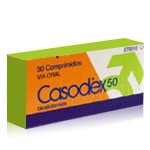
Buy Nolvadex (Tamoxifen) Online — AstraZeneca FIRST Selective Estrogen Receptor Modulator (SERM) for Hormone Receptor-Positive Breast Cancer & Prevention

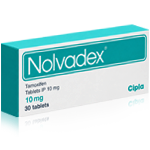
Nolvadex is the original brand-name formulation of Tamoxifen Citrate manufactured by AstraZeneca (originally developed at ICI Pharmaceuticals, UK) — the FIRST and foundational Selective Estrogen Receptor Modulator (SERM) ever developed. FDA-approved since 1977, Tamoxifen has accumulated nearly 50 years of continuous clinical use and remains the single most studied drug in oncology history, with over 50,000 patients enrolled across landmark trials. Listed on the WHO Model List of Essential Medicines. Available also as Soltamox oral solution for patients who cannot swallow tablets. Tamoxifen pioneered the entire concept of targeted endocrine cancer therapy and remains the gold-standard hormonal treatment for hormone receptor-positive breast cancer in pre-menopausal women globally.
Pharmacology operates through tissue-selective estrogen receptor modulation. In breast tissue, Tamoxifen acts as a competitive estrogen receptor antagonist, blocking estradiol from triggering growth signals in hormone-dependent cancer cells. In bone tissue, Tamoxifen acts as an estrogen agonist, preserving bone mineral density — a distinctive advantage. Tamoxifen is a prodrug requiring hepatic CYP2D6 activation to its highly potent active metabolites 4-hydroxytamoxifen and endoxifen, which provide the primary therapeutic effect. CYP2D6 genotype affects metabolism rate, with some clinical pharmacogenomic guidance available. Long terminal half-life of approximately 5-7 days supports stable once-daily dosing.
Nolvadex is FDA-approved for the full breast cancer spectrum: adjuvant treatment of hormone receptor-positive breast cancer in pre- AND post-menopausal women, metastatic breast cancer, ductal carcinoma in situ (DCIS) following surgery, and breast cancer chemoprevention in high-risk women (BRCA carriers, atypical hyperplasia, LCIS). Off-label uses include gynecomastia in men, mastalgia (cyclic breast pain), anovulatory infertility ovulation induction, McCune-Albright syndrome, and idiopathic retroperitoneal fibrosis.
Available as Nolvadex 10 mg and 20 mg tablets, plus Soltamox oral solution. Standard adjuvant breast cancer dosing: 20 mg once daily for 5-10 years (ATLAS and aTTom trials confirmed 10-year duration superior to 5-year for many patients). Metastatic disease: 20-40 mg daily.
Clinical evidence is extraordinary: EBCTCG meta-analyses confirm definitive mortality reduction across both pre- and post-menopausal women. NSABP P-1 trial established breast cancer chemoprevention. IBIS-I and IBIS-II trials supported continued chemoprevention guidance. ATLAS and aTTom trials established 10-year duration benefit. Recommended by NCCN, ASCO, ESMO, and St. Gallen Consensus guidelines globally.
Free prescription
Discrete packaging
Have questions?
Quality Assurance

- Pre Menopausal Breast Cancer: FDA-approved for HR+ breast cancer in pre-menopausal women — UNIQUE vs aromatase inhibitors;
- Post Menopausal Breast Cancer: FDA-approved for HR+ breast cancer in post-menopausal women;
- Metastatic Breast Cancer HR Positive: FDA-approved for metastatic HR+ breast cancer;
- Ductal Carcinoma In Situ DCIS: FDA-approved for ductal carcinoma in situ (DCIS) following surgery;
- Breast Cancer Chemoprevention: FDA-approved for breast cancer chemoprevention in high-risk women — NSABP P-1 signature indication;
- BRCA Mutation High Risk: For chemoprevention in BRCA mutation carriers and high-risk family history women;
- Atypical Hyperplasia LCIS: For chemoprevention in atypical hyperplasia and lobular carcinoma in situ (LCIS);
- NSABP P1 Chemoprevention Trial: Landmark NSABP P-1 trial established breast cancer chemoprevention indication;
- IBIS I IBIS II Trials: IBIS-I, IBIS-II trials supported continued chemoprevention guidance;
- Early Stage Breast Cancer: For early-stage hormone-receptor-positive breast cancer adjuvant therapy;
- Locally Advanced Breast Cancer: For locally advanced HR-positive breast cancer;
- Estrogen Receptor Positive ER Plus: For estrogen receptor-positive (ER+) breast cancer subtypes;
- Progesterone Receptor Positive: For progesterone receptor-positive (PR+) breast cancer subtypes;
- Gynecomastia Male: Off-label for male gynecomastia treatment;
- Mastalgia Cyclic Breast Pain: Off-label for cyclic mastalgia (breast pain) treatment;
- Anovulatory Infertility: Off-label for anovulatory infertility ovulation induction;
- Ovulation Induction Alternative: Alternative ovulation induction agent to Clomiphene;
- McCune Albright Syndrome: Off-label for McCune-Albright syndrome (precocious puberty in girls);
- Riedel Thyroiditis: Off-label for Riedel's thyroiditis;
- Retroperitoneal Fibrosis Idiopathic: Off-label for idiopathic retroperitoneal fibrosis;
- Desmoid Tumors: Off-label for desmoid tumors (aggressive fibromatosis);
- Combination With CDK46 Inhibitors: Combination with CDK4/6 inhibitors in select advanced disease scenarios.
- Better Disease-Free Survival: Definitive disease-free survival improvement — EBCTCG meta-analyses;
- Better Overall Survival: Definitive overall survival improvement in both pre- and post-menopausal women;
- Less Breast Cancer Recurrence: Significantly reduces breast cancer recurrence in adjuvant setting;
- Less Contralateral Breast Cancer: Reduces new breast cancer in opposite breast;
- Better 10-Year Duration Outcomes: 10-year duration superior to 5-year for selected patients — ATLAS, aTTom benefit;
- Less Metastatic Disease Progression: Effective in metastatic HR+ breast cancer;
- Better Response Rate Metastatic: Strong response rate in metastatic breast cancer treatment;
- Less DCIS Progression: Reduces DCIS progression to invasive breast cancer following surgery;
- Less Breast Cancer Risk High-Risk Women: ⭐ Chemoprevention benefit in high-risk women — NSABP P-1 signature;
- Less BRCA Risk Breast Cancer: Reduces breast cancer risk in BRCA mutation carriers;
- Better Bone Density Preservation: ⭐ Estrogen agonist in bone — preserves bone mineral density (unique vs aromatase inhibitors);
- Better Lipid Profile: Estrogen agonist effect produces favorable lipid profile changes;
- Better Pre-Menopausal Coverage: ⭐ Effective in pre-menopausal women — unique vs aromatase inhibitors;
- Better Gynecomastia Management: Off-label benefit in male gynecomastia;
- Less Mastalgia Cyclic Pain: Off-label reduction in cyclic breast pain;
- Better Ovulation Induction: Off-label alternative ovulation induction for anovulatory infertility;
- Less McCune-Albright Symptoms: Off-label benefit for McCune-Albright precocious puberty;
- Less Retroperitoneal Fibrosis: Off-label benefit for idiopathic retroperitoneal fibrosis;
- Less Desmoid Tumor Progression: Off-label benefit for desmoid tumors;
- Better Daily Function: Once-daily dosing supports return to normal daily activities;
- Better Quality of Life Long Term: Improved long-term quality of life with effective cancer control;
- Better Compliance Once Daily: Once-daily dosing improves long-term treatment compliance over 5-10 years;
- Brand Nolvadex AstraZeneca: Original AstraZeneca/ICI brand of Tamoxifen — pioneer SERM since 1977;
- Generic Tamoxifen: Affordable generic Tamoxifen versions expand global access to SERM therapy;
- Soltamox Oral Solution: Soltamox oral solution alternative for patients unable to swallow tablets;
- First SERM Selective Estrogen Receptor Modulator: ⭐ ⭐ FIRST Selective Estrogen Receptor Modulator ever developed (1977);
- Tissue Selective SERM Action: Tissue-selective action — antagonist in breast, agonist in bone, unique pharmacology;
- Pre And Post Menopausal Women: ⭐ Effective in both pre- AND post-menopausal women — broader population vs AIs;
- CYP2D6 Activation Endoxifen: CYP2D6-activated prodrug — endoxifen active metabolite provides primary effect;
- Endoxifen Active Metabolite: Highly potent endoxifen active metabolite — primary therapeutic agent;
- EBCTCG Meta Analyses Mortality: ⭐ EBCTCG meta-analyses — definitive mortality reduction across populations;
- NSABP P1 Chemoprevention Trial: Landmark NSABP P-1 — chemoprevention in high-risk women;
- ATLAS aTTom 10 Year Duration: ATLAS + aTTom trials — 10-year duration superior to 5-year for selected patients;
- Most Studied Oncology Drug: One of MOST studied drugs in oncology history — 50,000+ patients in trials;
- Guideline Recommended NCCN ASCO ESMO: NCCN, ASCO, ESMO, St. Gallen guideline-recommended foundational hormonal therapy;
- WHO Essential Medicine: Listed on the WHO Model List of Essential Medicines;
- 45 Plus Year Clinical History: 45+ years of clinical use since 1977 — foundational pioneer SERM with extensive evidence.
Generic Nolvadex (Tamoxifen 10 mg) Medication guide:
📖 What Nolvadex Is and How It Works
Nolvadex is the original brand of tamoxifen citrate, the first drug in a class called selective estrogen receptor modulators (SERMs). It has been prescribed continuously since 1973 in the UK and since 1977 in the US. Few drugs in the history of medicine have transformed a disease as thoroughly as tamoxifen has transformed hormone receptor-positive breast cancer.
The drug was originally developed by Imperial Chemical Industries (ICI, later Zeneca and AstraZeneca) in the late 1960s. The pharmacist Dora Richardson synthesised the molecule (ICI 46,474) and initial studies looked at it as a possible fertility drug. Only later did researchers appreciate its potential in breast cancer, and by the 1980s tamoxifen had reshaped the field completely. It sits on the WHO Model List of Essential Medicines and remains one of the most-prescribed cancer drugs globally.
The main modern uses of Nolvadex
- 🎗️ Adjuvant therapy after surgery for hormone receptor-positive early breast cancer - the largest single use
- 🎯 Treatment of metastatic hormone receptor-positive breast cancer
- 🔬 Adjuvant therapy after excision of ductal carcinoma in situ (DCIS)
- 🛡️ Reduction of breast cancer risk in women at high genetic or family-history risk
- ♂️ Male breast cancer - the standard endocrine therapy for men with HR+ disease
- 🌸 Off-label uses - gynecomastia, cyclic mastalgia, ovulation induction in specific fertility settings
The mechanism is elegant and unusual. Tamoxifen and its active metabolite endoxifen bind to the estrogen receptor in a way that partially blocks estrogen's effects in some tissues and mimics estrogen in others - hence the "selective" in SERM. In breast tissue tamoxifen blocks estrogen, which starves hormone receptor-positive breast cancer cells of the growth signal they depend on. In bone, tamoxifen behaves partly like estrogen and helps preserve bone density in postmenopausal women. In the endometrium tamoxifen also behaves partly like estrogen - which explains both its uterine side effects and its increased endometrial cancer risk.
Nolvadex comes in 10 mg and 20 mg tablets and as Soltamox oral solution for those who cannot swallow tablets. Standard adjuvant dosing is 20 mg once daily taken for 5 to 10 years depending on individual factors. Duration matters a lot - the ATLAS and aTTom trials showed clearly that extending adjuvant tamoxifen from 5 to 10 years produces further reduction in recurrence and mortality for many women.
This guide walks through how Nolvadex works, the different clinical settings where it fits, the practical realities of long-term daily dosing, the side effects that matter most (hot flashes, endometrial changes, blood clots, cataracts), the important drug interactions particularly with SSRIs and CYP2D6 inhibitors, and the contraindications of pregnancy and prior thromboembolic disease. Treat it as a companion to what your breast oncology team tells you.
💊 Why Doctors Prescribe Nolvadex Across Different Groups
Nolvadex is prescribed across several distinct settings. The clinical goals differ substantially between each - understanding your specific indication shapes everything else, from the duration of therapy to the side effects worth watching for and the monitoring schedule.
Adjuvant therapy for early breast cancer
The largest global use. After surgical removal of a hormone receptor-positive breast cancer (with or without chemotherapy and radiotherapy), Nolvadex is prescribed to reduce the risk of recurrence and improve long-term survival. For premenopausal women it is often the first choice; for postmenopausal women it competes with aromatase inhibitors (Section 29 covers the switch). Standard duration 5-10 years. Section 4 covers this in depth.
Metastatic breast cancer
Where breast cancer has spread beyond the breast and regional lymph nodes, Nolvadex remains an active option in hormone receptor-positive disease. Historically the first endocrine therapy of choice in this setting, it is now often used later in the sequence after aromatase inhibitors and CDK4/6 inhibitor combinations. Response can extend life meaningfully in indolent disease. Section 5 covers metastatic use.
Ductal carcinoma in situ (DCIS)
DCIS is a non-invasive breast lesion where cancerous cells are confined within the ducts. After lumpectomy (with or without radiotherapy), tamoxifen for 5 years reduces the risk of DCIS recurrence and future invasive breast cancer in the same or opposite breast. Section 7 covers DCIS.
Breast cancer risk reduction (chemoprevention)
For women at high risk of breast cancer - BRCA carriers, strong family history, prior lobular carcinoma in situ, atypical hyperplasia, or high Gail-model risk score - tamoxifen for 5 years reduces the future incidence of invasive breast cancer by roughly 40-50 percent. The trade-off is exposure to tamoxifen side effects in someone who does not currently have cancer. Section 6 covers this.
Male breast cancer
Breast cancer in men is rare (less than 1 percent of all breast cancer) but essentially always hormone receptor-positive. Tamoxifen is the standard endocrine therapy - aromatase inhibitors work less well in men because testicular estrogen production continues. Section 27 covers male-specific issues.
Off-label uses
- Gynecomastia - male breast enlargement; short courses can help
- Cyclic mastalgia (breast pain) - refractory cases
- Ovulation induction - occasional alternative to clomiphene in fertility medicine
- McCune-Albright syndrome and other rare precocious puberty conditions
- Retroperitoneal fibrosis - rare
- Desmoid tumours - rare aggressive fibromatosis
Why one drug for so many groups
Almost every use of tamoxifen shares a common thread - blocking estrogen's effect on breast tissue. Adjuvant, metastatic, DCIS, prevention, and male breast cancer all rely on the estrogen receptor blockade in breast cells. Gynecomastia and mastalgia work through the same mechanism. Even ovulation induction depends on the drug's partial estrogen antagonism at the hypothalamus, which triggers a compensatory rise in gonadotropins. One mechanism, many applications.
Ask your treating team which specific setting Nolvadex has been prescribed for and what the therapy plan looks like - dose, duration, monitoring schedule, expected side effects. The plan differs meaningfully across indications.
🎗️ Hormone Receptor Positive Breast Cancer and Nolvadex
Hormone receptor-positive breast cancer is the largest single indication for Nolvadex. Understanding what "hormone receptor-positive" means and why tamoxifen specifically targets this subtype makes sense of everything that follows.
What hormone receptor-positive means
Roughly 70-80 percent of breast cancers express the estrogen receptor (ER) on their cell surface. Many also express the progesterone receptor (PR). These cancers use estrogen circulating in the bloodstream as a growth signal - the estrogen binds the receptor, the receptor moves to the cell nucleus, and gene expression shifts toward cell proliferation. Cancers that lack these receptors do not respond to estrogen and do not respond to endocrine therapy either.
Testing for ER and PR
- Immunohistochemistry (IHC) on the tumour biopsy
- Percentage of tumour cells staining positive is reported
- ASCO/CAP threshold: 1 percent or more staining counts as hormone receptor-positive
- Higher percentage generally correlates with stronger response to endocrine therapy
- ER-low (1-9 percent) is a special category with intermediate behaviour
- HER2 status is tested separately and affects treatment plan
How tamoxifen works in breast cancer
- Binds the estrogen receptor in breast tissue with high affinity
- Blocks estrogen from binding its own receptor
- Alters receptor shape so that co-activator proteins cannot dock properly
- Recruits co-repressor proteins instead, silencing estrogen-driven gene expression
- Cancer cells stop dividing and many undergo apoptosis over weeks and months
- The active metabolite endoxifen is 30-100 times more potent than tamoxifen itself - Section 9 covers metabolism
How well tamoxifen works
The Early Breast Cancer Trialists Collaborative Group (EBCTCG) meta-analyses have quantified tamoxifen's benefit across hundreds of thousands of women. Five years of adjuvant tamoxifen in hormone receptor-positive early breast cancer:
- 🟢 Reduces the 15-year recurrence risk by roughly one-third
- 🟢 Reduces 15-year breast cancer mortality by roughly one-third
- 🟢 Continues to reduce recurrence for 10+ years after the drug is stopped (carryover effect)
- 🟢 Extended 10-year tamoxifen further reduces recurrence and mortality versus 5 years (ATLAS, aTTom trials)
Setting realistic expectations
Tamoxifen reduces recurrence risk but does not eliminate it. A person with hormone receptor-positive breast cancer who takes 5-10 years of tamoxifen still has some ongoing recurrence risk - just substantially lower than without endocrine therapy. Late recurrences (5-20 years after diagnosis) are a feature of ER-positive breast cancer specifically; this is why extended tamoxifen and extended aromatase inhibitor therapy matter.
Tamoxifen resistance can develop over years - a tumour that initially responded may stop responding. In metastatic disease this triggers a switch to another endocrine therapy (aromatase inhibitor, fulvestrant, CDK4/6 combinations, or targeted therapy). In adjuvant therapy the risk of resistance is one reason extended therapy provides additional benefit for many women.
⚕️ Adjuvant Nolvadex After Breast Cancer Surgery
Adjuvant tamoxifen after breast cancer surgery is the largest use of Nolvadex worldwide. The evidence supporting it is among the strongest in oncology - four decades of trials involving hundreds of thousands of women showing clear survival benefit.
Who gets adjuvant tamoxifen
The standard candidate:
- Early-stage hormone receptor-positive breast cancer (stage I-III)
- After breast-conserving surgery or mastectomy
- With or without chemotherapy and radiotherapy
- Premenopausal women - tamoxifen is often first choice (sometimes combined with ovarian suppression)
- Postmenopausal women - tamoxifen or aromatase inhibitor; often sequenced (see Section 29)
- Men with hormone receptor-positive breast cancer (Section 27)
- Node-negative or node-positive disease
- Cancers with 1 percent or more ER staining
The evidence in numbers
The EBCTCG 2011 meta-analysis in The Lancet combined data from adjuvant tamoxifen trials worldwide. For women with hormone receptor-positive early breast cancer, 5 years of tamoxifen versus none:
- Reduces 10-year recurrence rate by approximately 15 percentage points
- Reduces 15-year breast cancer death rate by approximately 9 percentage points
- Benefit accrues for at least 15 years after the last dose
- Benefit is independent of age, tumour grade, and use of chemotherapy
- Node-positive women gain more absolute benefit than node-negative (because baseline recurrence risk is higher)
5 years versus 10 years
Two landmark trials in 2013 changed practice on tamoxifen duration:
- ATLAS Trial (Davies et al. Lancet 2013) - 12,894 women randomised to 5 versus 10 years of tamoxifen after their first 5 years; extended tamoxifen further reduced recurrence by roughly 25 percent and breast cancer mortality by roughly 30 percent between years 10 and 15
- aTTom Trial (Gray et al. J Clin Oncol 2013) - 6,953 UK women, similar design and confirming ATLAS findings
- Combined evidence shifted guidelines toward considering 10 years of adjuvant tamoxifen in many women, particularly higher-risk cases
- Side effects accumulate with extended therapy - endometrial cancer, thromboembolism, cataracts - and are weighed against recurrence risk reduction individually
Practical adjuvant regimen
| Parameter | Standard |
|---|---|
| Dose | 20 mg once daily |
| Duration | 5-10 years; individualised |
| Start timing | After surgery; can be during radiotherapy; after chemotherapy if given |
| Take with | Water, with or without food |
| Same time daily | Improves adherence and steady endoxifen levels |
| Monitoring | See Section 25 |
Adherence matters more than most drugs
Real-world data show that up to 25-40 percent of women do not complete 5 years of adjuvant tamoxifen. Discontinuation raises recurrence risk. Side effect management, honest conversations with the treating team, and dose adjustments where appropriate can dramatically improve completion rates. Do not silently stop tamoxifen - talk about what is not working and what alternatives exist.
Adjuvant tamoxifen is one of the most effective, most affordable, most life-extending therapies in all of medicine. The trade-off - side effects over 5-10 years - is real but generally manageable. Later sections of this guide walk through the specific side effects and how to manage them.
🎯 Nolvadex for Metastatic Breast Cancer Treatment
Metastatic hormone receptor-positive breast cancer - cancer that has spread beyond the breast to distant sites like bone, liver, or lung - is treated with a sequence of endocrine therapies over years. Nolvadex has a place in this sequence, though its position has shifted over the decades as newer agents have emerged.
Where tamoxifen sits in metastatic HR+ breast cancer today
- Historical first-line option - throughout the 1980s and 1990s tamoxifen was the standard first endocrine therapy in advanced HR+ disease
- Modern first-line - aromatase inhibitor plus a CDK4/6 inhibitor (palbociclib, ribociclib, abemaciclib) has taken over first-line for postmenopausal metastatic HR+/HER2- breast cancer
- Premenopausal metastatic disease - ovarian suppression (LHRH agonist) plus tamoxifen or aromatase inhibitor plus CDK4/6 inhibitor; tamoxifen remains an option
- Later-line therapy - tamoxifen can produce durable responses even after progression on aromatase inhibitors and CDK4/6 combinations in some women
- Where CDK4/6 inhibitors are not accessible - endocrine monotherapy including tamoxifen remains standard
- Frail or older clients - tamoxifen's tolerability profile favours it over more toxic combinations for some
What response to expect
- Objective response rates 25-35 percent as monotherapy first-line
- Clinical benefit rate (response plus stable disease) 45-55 percent
- Median time to progression varies with prior therapy - months to years
- Some responses are dramatic and durable, particularly in bone-dominant indolent disease
- Response often improves quality of life more than modest survival gain
Endocrine therapy sequencing in metastatic disease
A typical metastatic HR+ breast cancer sequence in 2026:
- First-line: aromatase inhibitor + CDK4/6 inhibitor (postmenopausal) or ovarian suppression + AI/tamoxifen + CDK4/6 (premenopausal)
- Second-line: fulvestrant + alpelisib (if PIK3CA mutated), fulvestrant + everolimus, or switching CDK4/6 inhibitor
- Third-line and later: elacestrant, tamoxifen if not previously used, capivasertib combinations, chemotherapy
- Targeted therapies for specific mutations (ESR1, PIK3CA, AKT, BRCA)
- Every treatment decision individualised on disease burden, prior therapy response, tolerance, and preferences
Tumour flare phenomenon
A small proportion of clients started on tamoxifen for extensive metastatic disease experience a transient tumour flare in the first weeks - increased bone pain, hypercalcemia, or worsening skin metastases. This paradoxical response usually settles and often heralds subsequent good response. Distinguishing flare from progression can require weeks of observation and additional imaging.
Duration in metastatic disease
Unlike adjuvant therapy where treatment ends after 5-10 years, tamoxifen in metastatic disease is continued as long as it is working and tolerated. Progression on tamoxifen triggers a switch to the next line of endocrine or targeted therapy. Some women stay on the same endocrine therapy for years; others switch every few months.
Metastatic HR+ breast cancer is a chronic disease for many women, with median survivals now measured in years rather than months for many subgroups. Tamoxifen remains one of the tools in a growing toolkit.
🛡️ Nolvadex for Breast Cancer Risk Reduction
Tamoxifen for breast cancer risk reduction (chemoprevention) is a distinct use - the client does not currently have breast cancer but has a high enough risk that preventing it with medication is worth considering. This is one of the more nuanced conversations in preventive oncology.
Who benefits most
Chemoprevention makes sense when baseline breast cancer risk is high enough that the absolute risk reduction justifies the side effects:
- Strong family history of breast cancer, particularly in first-degree relatives at young age
- BRCA1 or BRCA2 pathogenic variant carriers (though risk-reducing surgery often preferred)
- Prior atypical ductal hyperplasia or atypical lobular hyperplasia on breast biopsy
- Prior lobular carcinoma in situ (LCIS)
- Prior chest wall radiotherapy (Hodgkin lymphoma survivors)
- Gail model 5-year risk over 1.66 percent (US threshold for FDA approval)
- Age over 35 - benefit accrues over years and side effects rise with age
The trial evidence
- NSABP P-1 Breast Cancer Prevention Trial (Fisher et al. 1998) - 13,388 high-risk women; tamoxifen reduced invasive breast cancer by 49 percent over 5 years compared with placebo
- Royal Marsden Trial (Powles et al. 1998, updated 2007) - reduced breast cancer incidence with residual effect after stopping
- Italian Tamoxifen Trial (Veronesi et al. 1998) - hysterectomised women; reduced HR-positive breast cancer
- IBIS-I Trial (Cuzick et al. 2007) - 7,154 women; roughly one-third reduction in invasive breast cancer
- Long-term follow-up shows continued protection well beyond the 5-year treatment period - the carryover effect
The trade-offs
Chemoprevention exposes a currently well person to tamoxifen side effects. Weighing these against future cancer risk reduction requires honest discussion:
- Endometrial cancer risk roughly doubles over 5 years (from about 1 in 500 to 2 in 500 per year in postmenopausal women)
- Deep vein thrombosis and pulmonary embolism risk roughly doubles
- Cataract risk somewhat increases
- Hot flashes affect a large fraction of women
- Vaginal effects common
- Bone density preserved in postmenopausal, slightly reduced in premenopausal
- No effect on all-cause mortality in prevention trials (breast cancer deaths reduced but overall balance neutral)
Alternative and complementary approaches
- Raloxifene - similar SERM, lower endometrial cancer risk, approved for postmenopausal chemoprevention only
- Aromatase inhibitors (exemestane, anastrozole) - IBIS-II and MAP.3 trials showed effectiveness; different side effect profile (bone loss instead of thromboembolism)
- Risk-reducing surgery (bilateral mastectomy or salpingo-oophorectomy) - larger risk reduction; for BRCA carriers often the preferred option
- Intensified screening - MRI plus mammography for high-risk women; detects but does not prevent
- Lifestyle - weight, alcohol, physical activity; smaller effect but no downside
Regional patterns
Chemoprevention uptake is low globally - many eligible high-risk women do not consider tamoxifen prevention despite meeting criteria. Reasons include underappreciation of individual risk, concern about side effects, and low awareness in primary care. If you meet high-risk criteria, request a formal discussion with a breast specialist - the conversation itself is worthwhile regardless of the eventual decision.
The decision to take tamoxifen for prevention is personal and depends on individual risk, side effect tolerance, and values. A breast risk clinic or genetic counselling service can help quantify individual risk and support the conversation.
🔬 Nolvadex for Ductal Carcinoma in Situ (DCIS)
Ductal carcinoma in situ (DCIS) is a non-invasive breast lesion where malignant cells are confined within the milk ducts. It does not metastasise as such - but a proportion of DCIS lesions progress over time to invasive breast cancer if left untreated. Tamoxifen after surgical excision reduces this progression risk.
Understanding DCIS
- Non-invasive - the basement membrane of the duct is intact
- Detected mostly by screening mammography (calcifications)
- Now accounts for roughly 20 percent of screen-detected breast cancer
- Not all DCIS behaves the same - grade and receptor status matter
- Untreated, some DCIS progresses to invasive cancer over years; some does not
- Standard care = surgical excision (lumpectomy) with or without radiotherapy
Role of tamoxifen in DCIS
For hormone receptor-positive DCIS after breast-conserving surgery:
- Reduces risk of DCIS recurrence in the same breast by roughly 30 percent
- Reduces risk of new invasive breast cancer in the same breast by roughly 30-40 percent
- Reduces risk of contralateral (opposite) breast cancer by roughly 50 percent
- Standard duration is 5 years in DCIS (10-year extension has less evidence in DCIS specifically)
- Standard dose 20 mg once daily
- Some centres use 5 mg daily "low-dose tamoxifen" based on Italian TAM-01 trial showing similar benefit with fewer side effects in DCIS
The trial evidence
- NSABP B-24 trial (Fisher et al. Lancet 1999) - tamoxifen after lumpectomy and radiotherapy for DCIS reduced ipsilateral and contralateral events
- UK/ANZ DCIS Trial (Cuzick et al. Lancet Oncol 2011) - tamoxifen effect confirmed; long-term follow-up shows durable benefit
- NSABP P-1 (Fisher et al. 1998) - prevention trial included women with prior LCIS demonstrating tamoxifen benefit in the wider hormone-related pre-cancer setting
- TAM-01 Italian trial (De Censi et al. J Clin Oncol 2019) - low-dose tamoxifen 5 mg daily for 3 years in DCIS or intraepithelial neoplasia; halved recurrence with fewer side effects
Who does not need tamoxifen after DCIS
- Hormone receptor-negative DCIS - no benefit from tamoxifen
- After bilateral mastectomy - already at very low risk; tamoxifen not needed
- Women with strong contraindications (prior thromboembolism, active endometrial pathology)
- Where risk of DCIS recurrence is very low and side effect risk is high (older, comorbid clients)
The DCIS decision
Tamoxifen after DCIS is a discretionary addition rather than a mandatory one. Absolute risk reduction is smaller than in invasive disease because baseline recurrence rates are lower. Discussion with the treating team should quantify individual recurrence risk and weigh it against tamoxifen's side effect burden. Low-dose 5 mg daily may become more widely adopted based on TAM-01 evidence for those wanting benefit with reduced side effects.
DCIS is a good news / uncertain news diagnosis - the cancer is caught before it invades but the natural history is variable. Tamoxifen adds one more layer of risk reduction for hormone receptor-positive DCIS. Discuss the trade-off with the breast specialist.
👩 Nolvadex in Premenopausal vs Postmenopausal Women
Whether a woman is premenopausal or postmenopausal shapes tamoxifen's clinical picture substantially. Different first-line choices, different side effect profiles, different bone effects, different pregnancy considerations. Understanding menopausal status is central to any tamoxifen conversation.
Definitions matter
- Postmenopausal - amenorrhoea for 12 months or more, or bilateral oophorectomy, or age over 60 with prior hysterectomy
- Premenopausal - ovaries still functioning and producing estrogen
- Perimenopausal - transitional period; menses irregular; ovaries still occasionally producing estrogen
- Chemotherapy-induced amenorrhoea is not equivalent to menopause - ovarian function may return; formal testing (FSH, estradiol) sometimes needed
- Ovarian suppression (LHRH agonist like goserelin) can induce a reversible menopausal state on tamoxifen
Tamoxifen in premenopausal women
- First-line adjuvant endocrine therapy - often preferred over aromatase inhibitors (which are ineffective monotherapy in premenopausal women)
- Combined with ovarian suppression (goserelin, leuprolide) in higher-risk premenopausal women per SOFT/TEXT trial evidence
- Contraception essential - tamoxifen can paradoxically stimulate ovulation; teratogenic if pregnancy occurs
- Menstrual changes - irregular menses, occasional amenorrhoea, ovarian cysts
- Bone density effects - modest bone loss (tamoxifen antagonises estrogen at bone in premenopausal state)
- Endometrial cancer risk lower than in postmenopausal women (baseline endometrial cancer rare in this age group)
- Fertility considerations - Section 31 covers this
Tamoxifen in postmenopausal women
- Alternative to aromatase inhibitor - often sequenced (Section 29)
- Bone density preserved or increased - tamoxifen acts as partial estrogen agonist in postmenopausal bone
- Higher endometrial cancer risk than premenopausal (Section 17)
- Higher thromboembolism risk (Section 18)
- Modest lipid benefit - LDL cholesterol tends to fall
- Hot flashes still very common - already present as menopausal symptom for many; tamoxifen amplifies
The tissue-selective paradox
Tamoxifen's striking feature is that it behaves as an antiestrogen in some tissues and as a partial estrogen agonist in others - depending on the specific co-activator and co-repressor proteins available in each tissue type. Breast: antagonist (blocks cancer growth). Endometrium: agonist (raises endometrial cancer risk). Bone in postmenopause: agonist (preserves density). Bone in premenopause: antagonist (mild loss). Liver: agonist (lipid changes). Coagulation: partial agonist (raised clotting risk). This tissue selectivity is what defines the SERM class.
Ovarian suppression combinations
The SOFT and TEXT trials in premenopausal women established that adding ovarian suppression (with LHRH agonist or oophorectomy) to endocrine therapy improves outcomes in higher-risk women - particularly those under 35 or those who received chemotherapy but retained ovarian function. Options:
- Ovarian suppression + tamoxifen
- Ovarian suppression + aromatase inhibitor (superior to OS+tamoxifen in some analyses)
- Tamoxifen alone (in lower-risk premenopausal women)
Discuss your menopausal status openly with your breast oncology team. The status affects almost every treatment decision from initial adjuvant choice through side effect prediction to duration of therapy.
🧬 Tamoxifen CYP2D6 Metabolism and Endoxifen Explained
Tamoxifen is a prodrug - the tablet swallowed does relatively little on its own. In the liver, tamoxifen is converted by the cytochrome P450 enzyme CYP2D6 into endoxifen (4-hydroxy-N-desmethyl-tamoxifen), which is 30-100 times more potent at the estrogen receptor. Individual differences in CYP2D6 activity explain some variation in tamoxifen response and side effects.
The metabolic pathway
- Tamoxifen - swallowed tablet; the parent drug
- N-desmethyl-tamoxifen - major metabolite via CYP3A4/5; moderate estrogen receptor affinity
- 4-hydroxy-tamoxifen - metabolite via CYP2D6; potent estrogen antagonist but low plasma levels
- Endoxifen - the main active metabolite; formed from N-desmethyl-tamoxifen by CYP2D6; the workhorse molecule that actually treats the cancer
CYP2D6 genetic variation
CYP2D6 has substantial genetic variation across populations. Individuals are classified:
| Metabolizer status | Approximate frequency |
|---|---|
| Ultrarapid metabolizer | 1-10 percent (higher in East African/Middle Eastern populations) |
| Extensive (normal) metabolizer | 70-80 percent |
| Intermediate metabolizer | 10-20 percent |
| Poor metabolizer | 5-10 percent (higher in East Asian populations) |
Does CYP2D6 status affect tamoxifen outcomes
This has been one of the most researched and debated questions in cancer pharmacogenetics. Early studies suggested that poor metabolizers might have worse outcomes with tamoxifen because they generate less endoxifen. Later large retrospective analyses gave mixed results - some finding modest effects, others none. Current major guideline bodies do not routinely recommend CYP2D6 genotyping before starting tamoxifen because the effect on clinical outcomes has been inconsistent and small. However, CYP2D6-inhibiting drugs (especially some SSRIs) are still avoided where possible.
Drugs that block CYP2D6 and reduce endoxifen formation
- 🔴 Paroxetine - strong CYP2D6 inhibitor; avoid with tamoxifen
- 🔴 Fluoxetine - strong CYP2D6 inhibitor; avoid with tamoxifen
- 🔴 Bupropion - strong CYP2D6 inhibitor
- 🔴 Quinidine - strong CYP2D6 inhibitor
- 🔴 Cinacalcet - strong CYP2D6 inhibitor
- 🟡 Duloxetine - moderate CYP2D6 inhibitor
- 🟡 Sertraline (higher doses) - moderate CYP2D6 inhibitor at doses over 100 mg
- 🟢 Citalopram and escitalopram - minimal CYP2D6 effect; preferred SSRI choices on tamoxifen
- 🟢 Venlafaxine - minimal CYP2D6 effect; often first choice for hot flashes on tamoxifen
Practical implications
- CYP2D6 genotyping is not routinely done in most centres
- Avoid strong CYP2D6 inhibitors where possible (Section 23 covers antidepressant choice)
- If a strong CYP2D6 inhibitor is essential (mental health, otherwise), consider whether tamoxifen alternative (aromatase inhibitor in postmenopausal) is possible
- Endoxifen has been developed as its own drug candidate to bypass CYP2D6 variability - not yet standard
Understanding the CYP2D6-endoxifen axis helps make sense of why some antidepressants are avoided on tamoxifen and why certain populations may have modest differences in tamoxifen response. Discuss any new medication with the treating team.
📅 Nolvadex Dose Schedule and Duration of Therapy
Nolvadex dosing is remarkably consistent across most indications - 20 mg once daily. Duration is where the interesting decisions happen, and duration has shifted meaningfully over the past decade based on new evidence.
Standard dosing by indication
| Indication | Dose | Duration |
|---|---|---|
| Adjuvant HR+ early breast cancer | 20 mg daily | 5-10 years |
| Metastatic breast cancer | 20 mg daily | Until progression or intolerance |
| DCIS after surgery | 20 mg daily (standard) or 5 mg daily (low-dose per TAM-01) | 5 years |
| Breast cancer prevention | 20 mg daily | 5 years |
| Male breast cancer | 20 mg daily | 5-10 years |
| Gynecomastia (off-label) | 10-20 mg daily | 3-6 months |
| Ovulation induction | 20-40 mg daily | 5 days of cycle |
The duration decision - 5 versus 10 years
The ATLAS and aTTom trials in 2013 established that extending adjuvant tamoxifen beyond 5 years continues to reduce recurrence and mortality. Current considerations:
- Higher risk of recurrence (node-positive, high grade, larger tumour, high genomic risk score) - favours 10 years
- Lower risk of recurrence (small node-negative, low grade, favorable genomics) - 5 years may be sufficient
- Higher risk of side effects (older, prior thromboembolism, endometrial concern) - favours 5 years
- Better tolerating tamoxifen after first 5 years - favours continuation
- Postmenopausal by year 5 - option to switch to aromatase inhibitor for extended therapy (Section 29)
Low-dose tamoxifen (5 mg daily)
The Italian TAM-01 trial tested 5 mg daily for 3 years in DCIS and intraepithelial neoplasia - half-dose tamoxifen halved recurrence with substantially fewer hot flashes, endometrial changes, and thromboembolic events. This has led to increasing use of low-dose tamoxifen in DCIS and chemoprevention in some centres, though the standard remains 20 mg daily for the majority of clients. Not yet standard in invasive adjuvant therapy.
When dose needs adjustment
- Severe hot flashes - some centres reduce to 10 mg daily temporarily; usually returns to 20 mg once tolerated or with symptom management
- Liver enzyme elevation - hold or reduce; investigate other causes
- Cytopenia - hold if severe; rare
- Renal impairment - no dose adjustment usually needed (tamoxifen is hepatically cleared)
- Hepatic impairment - use with caution; consider dose reduction in severe impairment
- Elderly frail client - no automatic adjustment; consider risk-benefit
Timing of dosing
Take Nolvadex at the same time each day. Morning is most common - some prefer evening to sleep through peak hot flash timing. Twice-daily splitting (10 mg twice daily) is sometimes used but the once-daily regimen has similar efficacy and better adherence. Miss a dose - see Section 24 for the rule.
Discuss the specific duration plan with your treating team. It is not fixed at 5 or 10 years but shaped by individual recurrence risk, tolerance, menopausal transition, and preferences. The decision at year 5 to continue or switch is one of the more important conversations in ongoing breast cancer care.
⏰ How to Take Nolvadex Tablets Properly
The practical routines around Nolvadex tablets are straightforward. The single most important habit is taking the tablet at the same time each day - both for steady endoxifen levels and to build the daily routine that supports 5-10 years of therapy.
Practical daily routine
- Same time each day - morning with breakfast is common; evening also fine; consistency matters more than the specific time
- With water - a full glass helps swallowing and reduces GI upset
- With or without food - food does not meaningfully affect absorption
- Do not crush or split tablets unless specifically instructed - 10 mg or 20 mg tablets should be swallowed whole; Soltamox oral solution is available if swallowing is difficult
- Store away from heat and moisture - kitchen counter beats bathroom cabinet
- Refill 2 weeks before running out - long-term prescriptions need active management
Anchor the dose to a daily habit
- With morning coffee or tea
- After breakfast alongside daily vitamins
- Before bed with nighttime routine
- Phone reminder labelled "Nolvadex" or "tamoxifen" - not just "medicine"
- Weekly pillbox refilled every Sunday - single most effective adherence tool
- Keep the pack visible - kitchen counter beats bathroom cabinet
- Family or partner cross-check for those with cognitive concerns
Adherence realities
Real-world data show tamoxifen adherence declines over time:
- Year 1: roughly 90 percent adherence
- Year 3: roughly 70-75 percent
- Year 5: roughly 50-60 percent completion
- Side effects are the biggest driver of discontinuation
- Hot flashes, sexual/vaginal effects, and mood changes account for most stops
- Discontinuation increases recurrence risk substantially
- Discussing side effects with the treating team almost always yields management options
Storage and handling
- Room temperature under 25 C in original packaging
- Protect from light and moisture
- Not in bathroom
- Not in hot car
- Out of reach of children and pets - tamoxifen is teratogenic and could harm a child
- Do not use past expiry
- Return unused tablets to pharmacy
Talk about side effects early
The most common reason women stop tamoxifen quietly is unmanaged side effects. Almost every side effect has some management option - venlafaxine or SNRI for hot flashes, vaginal moisturisers for dryness, dose reduction, timing changes, or switch to aromatase inhibitor for postmenopausal women. Speak up at appointments - the specialist and breast care nurse can help.
Nolvadex is a marathon rather than a sprint. Building a sustainable routine at the start pays dividends over 5-10 years. Section 24 covers what to do about missed doses.
🍽️ Food, Diet and Fluids on Nolvadex
Diet does not have major interactions with Nolvadex. The dietary considerations are practical rather than complicated - a few things worth watching, no major food restrictions.
Food and tamoxifen absorption
- Food does not meaningfully affect tamoxifen absorption
- Can take with meals to reduce nausea in the small proportion who experience it
- Or take on an empty stomach - either works
- Consistency helps steady blood levels
Foods and supplements worth flagging
- 🟡 Grapefruit and grapefruit juice - inhibit CYP3A4; may modestly alter tamoxifen and endoxifen levels; occasional grapefruit fine, but avoid daily large intake
- 🟡 Soy foods and phytoestrogens - long debated; current evidence suggests moderate dietary soy is safe; extremely high-dose soy isoflavone supplements have theoretical concern for estrogen receptor competition; whole soy foods (tofu, tempeh, edamame) in moderation are fine
- 🟡 Herbal supplements with estrogenic activity - black cohosh, red clover, dong quai; avoid or discuss with treating team
- 🟡 St. Johns wort - induces CYP3A4 and may alter tamoxifen levels; avoid
- 🟡 High-dose flaxseed - some estrogenic activity; moderate intake fine
- 🟢 Normal balanced diet - no methotrexate-style restrictions apply
Weight and body composition
Higher body mass index is associated with worse breast cancer outcomes and modestly reduced tamoxifen effectiveness in some analyses. Maintaining a healthy weight during and after tamoxifen therapy is beneficial. Weight gain is common during endocrine therapy - partly disease-related, partly treatment-related, partly lifestyle. Regular physical activity substantially helps with weight management and reduces cancer recurrence risk independently.
Mediterranean-style eating
Mediterranean-style dietary patterns - fish, olive oil, vegetables, legumes, whole grains, moderate wine (but see Section 13 for alcohol on tamoxifen), lower red meat and processed food - are associated with reduced breast cancer recurrence in some observational studies. This complements rather than replaces tamoxifen therapy.
Hydration and general habits
- Normal hydration - 2 litres of fluid most days
- Cool drinks help hot flashes
- Reducing caffeine and spicy foods can help hot flash frequency
- Regular meals steady blood glucose and mood
- Weight bearing exercise supports bone health (particularly relevant in premenopausal women)
Overall, Nolvadex allows a normal diet. Focus on healthy eating patterns for general wellbeing and breast cancer outcomes; avoid a few specific supplements; discuss any major dietary supplement additions with the treating team.
🍷 Alcohol Rules During Nolvadex Therapy
Alcohol and Nolvadex is more nuanced than a simple "yes" or "no". Alcohol has an independent role as a breast cancer risk factor, and it modestly affects tamoxifen metabolism and liver enzymes. The practical guidance shapes to individual circumstances.
Two separate considerations
- Alcohol is an independent breast cancer risk factor - even modest regular intake raises breast cancer risk; this is particularly relevant for women taking tamoxifen for hormone receptor-positive disease or for prevention
- Alcohol interacts modestly with tamoxifen liver metabolism - not a strict prohibition but higher intake worsens hot flashes and may modestly affect endoxifen levels
Practical guidance
| Situation | Suggested limit |
|---|---|
| Standard adjuvant tamoxifen, normal liver, otherwise healthy | Occasional moderate intake acceptable; ideally under 5-7 UK units per week; avoid daily drinking |
| Chemoprevention (currently well) | Stricter - since you are taking tamoxifen for prevention, minimising alcohol removes another risk factor |
| Metastatic disease | Quality of life focus; occasional drink within reason if enjoyed |
| Fatty liver disease | Abstinence advised - both tamoxifen and alcohol stress the liver |
| Elevated liver enzymes | Abstinence until resolved |
| Recent thromboembolism | Limit alcohol - both raise clotting risk |
Alcohol worsens hot flashes
One immediate practical effect - alcohol triggers hot flashes in most women on tamoxifen. Even one drink can bring on a flush within an hour. Red wine is often the strongest trigger. Reducing alcohol frequently improves hot flash burden. This alone is a practical reason for many women to cut back or stop.
Alcohol raises breast cancer risk directly
Meta-analyses show that even 10 grams of alcohol daily (one small glass of wine or half a pint of beer) raises breast cancer incidence by roughly 7 percent. The effect is dose-dependent. For a woman on tamoxifen for hormone receptor-positive breast cancer or for prevention, reducing alcohol is one of the most evidence-based lifestyle steps to reduce recurrence and new cancer risk.
Practical tips
- Alcohol-free days build up naturally
- Alcohol-free beers and wines have improved substantially
- Sparkling water with lemon or bitters replaces the ritual
- Cocktail alternatives - virgin mojito, non-alcoholic aperitivos
- If hot flashes bad, try cutting alcohol for 2 weeks and observe
- Discuss honest intake with your specialist - they cannot help manage what they do not know
Alcohol on Nolvadex is not a strict prohibition but reducing intake makes sense for multiple reasons - recurrence risk, hot flash burden, liver protection, and general wellbeing. Discuss your specific situation with the treating team.
🚨 Nolvadex Side Effects - Complete Overview
Nolvadex has a distinctive side effect profile. Most side effects are manageable and tolerated over 5-10 years by the majority of women. A small subset are serious enough to warrant careful monitoring and occasionally discontinuation. Sections 15-22 cover specific side effects in depth. This section is the overview and warning-signs summary.
Side effect frequency in adjuvant tamoxifen therapy
| Effect | Frequency |
|---|---|
| Hot flashes and vasomotor symptoms | 40-80 percent |
| Vaginal discharge | 25-55 percent |
| Vaginal dryness | 20-40 percent |
| Menstrual irregularities (premenopausal) | 30-50 percent |
| Mood changes, low mood | 10-25 percent |
| Fatigue | 15-30 percent |
| Weight gain | Common; hard to attribute solely to tamoxifen |
| Joint pain / arthralgia | 10-20 percent |
| Ovarian cysts (premenopausal) | Common; usually asymptomatic |
| Endometrial polyps or thickening | Common on imaging; often asymptomatic |
| Endometrial cancer (postmenopausal, over 5 years) | Roughly doubled (still uncommon in absolute terms) |
| Deep vein thrombosis | Roughly 2-3x baseline; higher in older, prior VTE, immobility |
| Pulmonary embolism | Roughly 2-3x baseline |
| Stroke | Modestly increased in older women |
| Cataracts | Modestly increased over long-term therapy |
| Discontinuation for side effects over 5 years | 25-40 percent |
Warning signs - contact treating team urgently
- 🔴 New leg swelling, pain, or redness - possible deep vein thrombosis
- 🔴 Sudden breathlessness or chest pain - possible pulmonary embolism
- 🔴 Sudden severe headache, arm/leg weakness, speech difficulty - possible stroke
- 🔴 Postmenopausal vaginal bleeding of any amount - possible endometrial pathology; urgent investigation needed
- 🔴 Heavy or prolonged premenopausal bleeding - endometrial evaluation
- 🔴 Pelvic pain or bloating - possible ovarian cyst or endometrial pathology
- 🔴 New vision changes - possible retinal or cataract issue
- 🔴 Yellow skin or eyes, dark urine - possible liver injury
- 🔴 Severe hot flashes preventing sleep - treatable; do not silently suffer
Side effect management is a partnership
The most preventable cause of tamoxifen failure is silent discontinuation because of unmanaged side effects. Almost every side effect has options - non-hormonal treatments for hot flashes, vaginal moisturisers for dryness, dose modification, switch to aromatase inhibitor for postmenopausal women, or psychological support for mood. Speak to your breast oncology team and breast care nurse - they see these problems daily and know what works.
Sections 15-22 walk through the specific side effects in more detail. The overall picture: most women complete their adjuvant course with manageable symptoms; a minority stop early; and a small minority develop serious complications requiring drug discontinuation. Careful monitoring and open communication with the treating team optimise the balance.
🔥 Hot Flashes and Vasomotor Symptoms on Nolvadex
Hot flashes and vasomotor symptoms are the single most common side effect of Nolvadex. Between 40 and 80 percent of women experience them at some point during therapy. For some the symptoms are mild and infrequent; for others they are frequent, drenching, and disruptive of sleep and quality of life.
What hot flashes feel like
- Sudden sensation of intense heat, usually starting in the chest and rising to face and neck
- Skin flushing, sweating, sometimes profuse
- Heart palpitations or racing
- Occasional chills or dizziness afterwards
- Lasts a few seconds to several minutes
- Can occur several times per day and multiple times per night (night sweats)
- Sleep disruption is often the most distressing consequence
Why tamoxifen causes hot flashes
Tamoxifen blocks estrogen's effect in the hypothalamus - the brain's thermostat. This narrows the temperature comfort zone. Small increases in core body temperature that would normally go unnoticed trigger heat-dumping responses (vasodilation and sweating). Reduced estrogen effect at the same location is the basis of natural menopausal hot flashes; tamoxifen recreates this effect pharmacologically.
First-line non-drug strategies
- Layered clothing that can be removed quickly
- Cool bedroom (16-18 C at night)
- Cooling pillow or mattress topper
- Handheld or desk fan
- Reduce triggers - alcohol, caffeine, spicy food, stress, hot environments
- Cool water or ice chips at first sensation of a flash
- Regular physical activity (small effect on frequency, larger effect on wellbeing)
- Weight management
- Cognitive behavioural therapy for hot flashes (CBT-HF) - trial evidence supports it
- Paced breathing at onset of flash
Second-line pharmacological options
| Drug | Notes |
|---|---|
| Venlafaxine 37.5-75 mg daily | First-line non-hormonal option on tamoxifen; no CYP2D6 concern; effective within 2-4 weeks |
| Gabapentin 300-900 mg at night | Particularly useful for night sweats; sedating (uses that as an advantage) |
| Pregabalin 75-150 mg daily | Similar to gabapentin |
| Clonidine 50-100 micrograms twice daily | Modest effect; lower blood pressure a limitation |
| Citalopram or escitalopram | Modest effect on hot flashes plus mood benefit; safe CYP2D6 profile with tamoxifen |
| Oxybutynin 2.5-5 mg twice daily | Recent trial evidence; can help; dry mouth side effect |
| Fezolinetant (NK3 antagonist) | Approved for menopausal hot flashes 2023; role in tamoxifen-related hot flashes evolving |
Drugs to avoid for hot flashes on tamoxifen
- 🔴 Hormone replacement therapy (estrogen or estrogen+progestin) - contraindicated in hormone receptor-positive breast cancer
- 🔴 Paroxetine and fluoxetine - strong CYP2D6 inhibitors; reduce endoxifen and may reduce tamoxifen efficacy
- 🔴 Bupropion - strong CYP2D6 inhibitor
- 🔴 Bioidentical hormones or compounded HRT - same concern as conventional HRT
- 🔴 Black cohosh, red clover, dong quai - phytoestrogen-containing herbs
Do not stop tamoxifen for hot flashes without trying management
Hot flashes are the most common reason women stop tamoxifen early - and often unnecessarily. Venlafaxine works well for many; layered non-drug strategies help; the intensity of flashes tends to reduce over 6-12 months for many. Speak to your breast care team before deciding tamoxifen is intolerable.
Some women continue to have significant hot flashes throughout their 5-10 years of tamoxifen. Others adjust and see gradual improvement. Do not silently suffer - management options exist.
🌸 Vaginal Effects and Sexual Function on Nolvadex
Vaginal effects and changes in sexual function are common on Nolvadex and often distressing. They are discussed less openly than hot flashes but affect similar numbers of women. Management options exist but require asking.
The range of vaginal effects
- Vaginal discharge - clear or milky; often the earliest change; usually not infection though can be mistaken for one
- Vaginal dryness - as tamoxifen exposure continues, dryness often develops
- Vaginal atrophy - thinning of vaginal walls, more fragile tissue, occasional bleeding with intercourse
- Vulval discomfort or itching
- Yeast (candida) infections - somewhat more common on tamoxifen; often mistaken for atrophy or vice versa
- Vaginal dyspareunia (painful intercourse) - direct consequence of dryness and atrophy
- Reduced libido - common; multifactorial including cancer psychological impact
First-line management
- 🟢 Vaginal moisturisers (Replens, Regelle, Yes) applied 2-3 times weekly - hyaluronic acid or polycarbophil-based; not the same as lubricants; safe long-term
- 🟢 Vaginal lubricants (water-based, silicone-based) for use at intercourse - separate purpose from moisturisers
- 🟢 Cotton underwear, avoid tight synthetic fabrics
- 🟢 Avoid perfumed soaps, bubble baths, feminine hygiene sprays
- 🟢 Address other contributors - sleep, stress, relationship dynamics
- 🟢 Yeast infections - short course of topical or oral antifungal; recurrence common
- 🟢 Pelvic floor physiotherapy can help dyspareunia
Vaginal estrogen - a nuanced conversation
Very low-dose topical vaginal estrogen (estradiol tablets, ring, or cream) is highly effective for vaginal atrophy in the general population. In women on tamoxifen for hormone receptor-positive breast cancer, systemic absorption from topical estrogen is minimal at low doses - and evidence suggests it does not increase recurrence risk in this setting. Guidelines and practice have shifted toward accepting vaginal estrogen use when non-hormonal measures fail. Discuss with the breast oncology team - a joint conversation with gynaecology often helps. Higher-dose vaginal estrogen and systemic HRT remain contraindicated.
Non-estrogen options for vaginal atrophy
- Ospemifene - a SERM approved for vaginal atrophy; use in breast cancer survivors requires specialist discussion (data limited but reassuring in HR+ setting)
- DHEA (prasterone) intravaginal - approved for vaginal atrophy; some use in breast cancer setting
- Vaginal laser therapy - promoted commercially but evidence limited; some short-term benefit
- Vaginal moisturisers plus lubricants remain first-line for most women
Report vaginal bleeding
Any postmenopausal vaginal bleeding on tamoxifen requires urgent evaluation for endometrial pathology (Section 17). Vaginal atrophy can also cause light bleeding with intercourse but this needs to be clearly distinguished from uterine bleeding.
Talk about it
Vaginal and sexual effects are under-discussed in breast cancer follow-up. Breast oncology clinics do not always ask, and clients often do not volunteer. Ask specifically for help - breast care nurses, gynaecologists specialising in menopause after cancer, and sexual health specialists have expertise. Do not silently accept these effects as unfixable.
Sexual function after cancer is a full topic in its own right - beyond physical vaginal effects to intimacy, body image, mood, and relationships. Support is available; specialist psychosexual counselling can help.
⚠️ Nolvadex and Endometrial Cancer Risk Explained
Tamoxifen's effect on the uterus is one of its most clinically significant long-term side effects. In postmenopausal women, tamoxifen behaves as a partial estrogen agonist on the endometrium, causing thickening, polyps, hyperplasia, and (over years) an increased risk of endometrial cancer.
The risk in numbers
- Baseline postmenopausal endometrial cancer risk: roughly 1 per 1,000 women per year
- On tamoxifen for 5 years: roughly 2 per 1,000 women per year
- Cumulative risk over 5 years of tamoxifen: roughly 1 percent in postmenopausal women
- Extended tamoxifen (10 years) further raises endometrial cancer risk
- Premenopausal women have much lower baseline risk and much smaller absolute increase
- Endometrial cancers on tamoxifen tend to be lower-grade and diagnosed earlier because of surveillance
Endometrial changes on tamoxifen
- Endometrial thickening - visible on ultrasound; common; usually asymptomatic
- Endometrial polyps - fibroid-like growths in the endometrium; common; can cause bleeding
- Endometrial hyperplasia - proliferation of endometrial glands; can be simple or complex, with or without atypia
- Endometrial cancer - the outcome to prevent through surveillance and prompt bleeding evaluation
- Sarcomas - very rare but tamoxifen-associated endometrial sarcomas occur; usually presents with bleeding
Postmenopausal vaginal bleeding needs urgent evaluation
Any vaginal bleeding after menopause in a woman on tamoxifen must be urgently evaluated. Contact the treating team immediately. Do not wait to see if it settles. Even one episode of light spotting requires assessment. The evaluation usually includes transvaginal ultrasound to measure endometrial thickness followed by hysteroscopy and endometrial biopsy if any abnormality is seen or if bleeding is significant.
Surveillance approach
| Client status | Endometrial surveillance |
|---|---|
| Asymptomatic postmenopausal on tamoxifen | No routine screening ultrasound recommended by ACOG; symptom-based approach; annual pelvic exam |
| Any postmenopausal bleeding | Urgent transvaginal ultrasound; endometrial biopsy; hysteroscopy if indicated |
| Premenopausal with irregular or heavy bleeding | Evaluation similar to any AUB workup |
| Endometrial polyp on imaging | Hysteroscopic polypectomy usually recommended |
| Endometrial hyperplasia with atypia | Specialist gynaecology; hysterectomy often considered; stopping tamoxifen discussed |
Why routine ultrasound is not recommended
Many women on tamoxifen have abnormal endometrial ultrasound appearances - thickening, cystic changes - that are benign but trigger unnecessary biopsies. Studies show that screening asymptomatic women with ultrasound leads to a lot of intervention without improving cancer outcomes. The symptom-based approach - urgent evaluation of any bleeding, no routine surveillance imaging - is what ACOG, ASCO, and most major guidelines endorse for asymptomatic women on tamoxifen.
After hysterectomy
Women who have had a hysterectomy do not need endometrial surveillance and are not at endometrial cancer risk. Tamoxifen can be given without endometrial concern in this group. Cervical stump remnants very rarely need attention.
Endometrial cancer risk from tamoxifen is real but small in absolute terms. For women with hormone receptor-positive breast cancer the survival benefit from tamoxifen far outweighs the endometrial cancer risk. Prompt evaluation of any bleeding is the essential safety net.
🩸 Nolvadex and Blood Clot Thromboembolism Risk
Tamoxifen increases the risk of venous thromboembolism (deep vein thrombosis and pulmonary embolism) roughly 2-3 fold. In older women and those with other risk factors this can become a clinically important issue. Understanding when to worry helps distinguish acceptable therapy from higher-risk situations.
Why tamoxifen raises clotting risk
Tamoxifen behaves partly like estrogen at the liver, raising production of some clotting factors (particularly reducing antithrombin and protein S). The overall effect mirrors combined oral contraceptive pills and HRT - a shift toward the pro-coagulant state. In someone with no other risk factors this rarely causes problems; in someone with additional risk factors it becomes more clinically significant.
Risk factors that stack with tamoxifen
- 🔴 Prior deep vein thrombosis or pulmonary embolism
- 🔴 Prior stroke
- 🔴 Known thrombophilia (Factor V Leiden, prothrombin gene mutation, antiphospholipid syndrome)
- 🔴 Age over 60
- 🔴 Obesity (BMI over 30)
- 🔴 Smoking
- 🔴 Immobility - surgery, long-haul travel, prolonged bed rest
- 🔴 Cancer itself (breast cancer raises VTE risk beyond tamoxifen's contribution)
- 🔴 Chemotherapy
- 🔴 Central venous catheter (port)
- 🔴 Family history of unprovoked VTE
Warning signs
- 🔴 New leg swelling, particularly unilateral, calf or thigh
- 🔴 Leg pain, particularly aching or cramping in the calf
- 🔴 Warm or red skin over the affected area
- 🔴 Sudden breathlessness unexplained
- 🔴 Chest pain, particularly with breathing (pleuritic)
- 🔴 Palpitations or racing heart
- 🔴 Coughing up blood
- 🔴 Sudden severe headache, arm/leg weakness, speech difficulty (possible stroke)
- 🔴 Loss of vision in one eye (possible retinal vein thrombosis or amaurosis fugax)
Risk reduction strategies
- Regular physical activity - reduces baseline VTE risk substantially
- Weight management
- Smoking cessation
- Compression stockings during long-haul flights or car journeys
- Walk every 1-2 hours during long travel
- Adequate hydration during travel
- Perioperative VTE prophylaxis for major surgery (usually low molecular weight heparin)
- Consider holding tamoxifen 2-4 weeks around major surgery in high-risk clients
If VTE occurs on tamoxifen
- Standard anticoagulation - direct oral anticoagulant (rivaroxaban, apixaban) or LMWH
- Discuss with breast oncology whether to continue tamoxifen
- Postmenopausal women can often switch to an aromatase inhibitor which does not raise VTE risk
- Premenopausal women - decision more complex; ovarian suppression plus AI possible; sometimes tamoxifen continued on long-term anticoagulation
- Anticoagulation duration depends on provoked versus unprovoked nature
Prior thromboembolism as relative contraindication
In women with a personal history of unprovoked VTE, tamoxifen is often avoided in favour of an aromatase inhibitor (if postmenopausal) or discussed carefully. Prior VTE is a relative contraindication to tamoxifen for prevention where the risk-benefit tips against therapy in a currently well person.
Thromboembolic complications are the most serious common side effect of tamoxifen. Fortunately most events are non-fatal and treatable. Awareness of warning signs and prompt medical care are the essential safeguards.
🦴 Nolvadex Bone Density Effects by Menopausal Status
Bone density effects of tamoxifen depend entirely on menopausal status. In postmenopausal women tamoxifen preserves or slightly increases bone density. In premenopausal women it modestly reduces bone density. Understanding which situation applies shapes fracture prevention strategy.
Postmenopausal women - bone preserved
- Tamoxifen behaves as a partial estrogen agonist in postmenopausal bone
- In a low-estrogen environment (postmenopause) any estrogenic activity supports bone
- Bone density maintained or modestly increased on tamoxifen
- Fracture risk not increased
- Contrast: aromatase inhibitors lower bone density and raise fracture risk
- This bone-sparing effect is one reason some postmenopausal women prefer or continue tamoxifen over aromatase inhibitor
Premenopausal women - modest bone loss
- Tamoxifen antagonises endogenous estrogen at premenopausal bone
- Modest reduction in bone mineral density over 5 years - typically 1-3 percent at lumbar spine
- Clinically significant fracture increase not usually observed
- Bone density often recovers after tamoxifen is stopped
- Combined ovarian suppression + tamoxifen adds greater bone loss - warrants active management
- Combined ovarian suppression + AI causes substantial bone loss - bisphosphonate or denosumab typically added
Baseline and follow-up DXA
Guidelines vary. For most postmenopausal women on tamoxifen alone, baseline DXA is worthwhile and follow-up every 2-3 years. For premenopausal women on tamoxifen alone, routine DXA is not universally recommended but reasonable in those with other risk factors. For women on tamoxifen + ovarian suppression, DXA baseline and follow-up every 1-2 years is more common. For AI + ovarian suppression, more intensive monitoring and pharmacological bone protection standard.
Bone health measures for all clients
- Vitamin D 800-1000 IU daily (higher if deficient)
- Calcium 1000-1200 mg daily from diet and supplements combined
- Weight-bearing exercise (walking, jogging, weight training) 3-4 times weekly
- Smoking cessation
- Moderate alcohol
- Fall prevention - lighting, hazards at home, balance exercises for older clients
- Fracture liaison service referral if any low-trauma fracture occurs
Pharmacological bone protection
- Bisphosphonates (alendronate, risedronate, zoledronic acid) - first-line for osteoporosis; also reduce breast cancer bone recurrence in some studies
- Denosumab (60 mg SC every 6 months) - alternative for those unsuited to bisphosphonates; effective in AI-associated bone loss (ABCSG-18 trial)
- Raloxifene - SERM used for osteoporosis; not appropriate concurrent with tamoxifen (both SERMs)
- Teriparatide, romosozumab - reserved for severe osteoporosis; specialist decisions
Bone health management is one of the areas where tamoxifen is meaningfully easier than aromatase inhibitors, particularly for postmenopausal women. This deserves weight in the treatment choice conversation.
🟡 Nolvadex Liver Effects and Monitoring Requirements
Tamoxifen's effects on the liver range from harmless (mild fatty change) through moderate (transaminase elevation) to rare severe (hepatitis, steatohepatitis). Most women complete years of therapy with no clinically significant liver problem. Monitoring is prudent.
Liver effects of tamoxifen
- 🟢 Mild transaminase elevation - common; usually asymptomatic; often self-limiting
- 🟢 Hepatic steatosis (fatty liver) - imaging finding in a significant proportion of long-term users
- 🟡 Non-alcoholic steatohepatitis (NASH) - less common but reported
- 🟡 Hepatic granulomas - occasional imaging finding
- 🔴 Cholestatic hepatitis - rare; may require drug cessation
- 🔴 Cirrhosis - very rare; usually with other contributing factors
- 🔴 Hepatocellular carcinoma - vanishingly rare; case reports only
Monitoring schedule
- Baseline LFTs before starting
- Repeat at 3-6 months
- Then annually at yearly review
- More frequently if any elevation seen or if other risk factors (fatty liver, alcohol, hepatitis)
- Ultrasound occasionally where liver enzymes elevated
- Not routine FibroScan on tamoxifen (unlike methotrexate in dermatology)
Managing raised liver enzymes on tamoxifen
| Situation | Action |
|---|---|
| ALT under 2x upper normal | Continue; repeat in 4-8 weeks |
| ALT 2-3x upper normal | Continue with closer monitoring; investigate other causes (alcohol, fatty liver, viral hepatitis, medications) |
| ALT 3-5x upper normal | Consider holding tamoxifen; recheck in 2 weeks; hepatology input |
| ALT over 5x upper normal or symptomatic | Stop tamoxifen; urgent hepatology; investigate for drug-induced liver injury |
Fatty liver management on tamoxifen
Hepatic steatosis on imaging in a woman taking long-term tamoxifen is common and usually not a reason to stop therapy. Contributing factors matter more - weight, metabolic syndrome, alcohol, other medications. Management: address contributing factors; monitor LFTs; consider hepatology if progression to steatohepatitis (elevated LFTs with imaging changes); rarely need to stop tamoxifen for steatosis alone.
Warning signs of hepatotoxicity
- 🔴 Yellow skin or eyes (jaundice)
- 🔴 Dark urine
- 🔴 Pale stools
- 🔴 Right upper quadrant pain
- 🔴 Nausea and vomiting
- 🔴 Marked new fatigue
- 🔴 Easy bruising or bleeding (advanced liver disease)
Overall, liver effects rarely limit tamoxifen therapy. Routine monitoring picks up the small subset who need attention. Discuss any new or worsening symptoms with the treating team.
👁️ Nolvadex Eye Effects and Cataract Surveillance
Tamoxifen has known eye effects. Cataracts are the most common and clinically relevant; other retinal and corneal changes are less common. Baseline and periodic eye checks are appropriate, particularly with long-duration therapy.
Cataracts
- Long-term tamoxifen use is associated with modestly increased cataract incidence
- Trial data: absolute cataract rate roughly doubled compared with placebo in some analyses
- Age is the main cataract risk factor - tamoxifen contribution is additive
- Cataract surgery is straightforward and effective if visually significant
- Does not usually warrant stopping tamoxifen
Tamoxifen retinopathy
- Uncommon at standard doses but well documented
- Refractile crystalline deposits in the retina - characteristic appearance on ophthalmoscopy
- Can cause reduced visual acuity, colour vision changes, or metamorphopsia
- More common at higher cumulative doses; case reports at standard doses too
- If suspected, urgent ophthalmology assessment
- May require stopping tamoxifen if progressive
Other eye effects
- Corneal opacities - occasional, mostly asymptomatic
- Dry eyes - can worsen; artificial tears help
- Macular oedema - rare
- Optic neuritis - very rare
- Retinal vein thrombosis - very rare; related to tamoxifen's pro-coagulant effect
Recommended eye monitoring
- Baseline eye check before starting long-term tamoxifen is prudent, particularly in women over 50 or with pre-existing eye disease
- Routine annual optometrist review during therapy
- Any new visual symptoms warrant prompt ophthalmology assessment
- Not all guidelines mandate baseline eye check but many centres recommend it
Warning signs
- 🔴 New or worsening blurred vision
- 🔴 Difficulty with night driving
- 🔴 Halos or starbursts around lights
- 🔴 Colours appearing washed out
- 🔴 Sudden vision loss in one eye
- 🔴 Straight lines appearing wavy (metamorphopsia)
- 🔴 Flashing lights or sudden new floaters
Eye effects rarely limit tamoxifen therapy. Cataracts are treatable with surgery when needed. Retinopathy is rare and reversible if detected early. Regular optometry and prompt reporting of new visual symptoms cover most concerns.
💉 Nolvadex Drug Interactions Worth Knowing About
Tamoxifen has an important drug interaction profile centred on CYP2D6 inhibition (which reduces endoxifen formation) and its own weak induction of CYP3A4. Section 23 covers the specific SSRI/antidepressant question in detail; this section is the broader interaction overview.
Strong CYP2D6 inhibitors to avoid
- 🔴 Paroxetine - avoid
- 🔴 Fluoxetine - avoid
- 🔴 Bupropion - avoid where possible
- 🔴 Quinidine - avoid (rarely used now)
- 🔴 Cinacalcet - discuss alternatives
- 🔴 Terbinafine (systemic) - use short-course alternatives where possible
- 🔴 Ritonavir and cobicistat - complex; specialist input
Moderate CYP2D6 inhibitors - use with caution
- 🟡 Duloxetine
- 🟡 Sertraline at doses over 100 mg
- 🟡 Amiodarone - moderate effect; often unavoidable in cardiac indications
- 🟡 Perphenazine and other typical antipsychotics
- 🟡 Diphenhydramine (Benadryl) chronic use
- 🟡 Cimetidine (H2 blocker; prefer famotidine or ranitidine equivalents)
Other important interactions
- 🟡 Warfarin - tamoxifen increases warfarin effect; INR monitoring needed; adjust warfarin dose downward
- 🟡 Direct oral anticoagulants (DOACs) - less problematic; monitor for bleeding
- 🟡 Rifampin and rifabutin - induce tamoxifen metabolism; may reduce efficacy
- 🟡 Phenytoin, carbamazepine, phenobarbital - induce metabolism; may reduce tamoxifen effect
- 🟡 St. Johns wort - induces metabolism; avoid
- 🟡 Aromatase inhibitors - not usually co-prescribed with tamoxifen (they are alternatives to it); sequenced instead
- 🟡 Hormonal contraceptives - not appropriate on tamoxifen (see Section 30)
- 🟡 Estrogen HRT - contraindicated in hormone receptor-positive breast cancer
Combinations that are usually fine
- 🟢 Paracetamol (acetaminophen)
- 🟢 NSAIDs at usual doses
- 🟢 ACE inhibitors, ARBs
- 🟢 Beta-blockers
- 🟢 Calcium channel blockers (except monitor with certain diltiazem/verapamil doses)
- 🟢 Statins
- 🟢 Metformin
- 🟢 SGLT2 inhibitors and GLP-1 agonists
- 🟢 Levothyroxine
- 🟢 Citalopram, escitalopram, venlafaxine (preferred antidepressants on tamoxifen)
- 🟢 Gabapentin, pregabalin
- 🟢 Vitamin D and calcium supplements
- 🟢 Vaccines (see Section for details)
Herbal and supplement caution
- Avoid St. Johns wort (CYP3A4 induction)
- Avoid phytoestrogen-heavy supplements (black cohosh, red clover, dong quai, high-dose soy isoflavone)
- Avoid grapefruit juice in large daily quantities
- Vitamin D and calcium safe and often recommended
- Discuss any new herbal or complementary product with the treating team
The interaction picture is manageable with good communication between prescribers and pharmacists. Tell every doctor and pharmacist that you take tamoxifen. Check every new prescription for interactions. Wear a medical alert or keep an updated medication list.
💊 SSRIs and Nolvadex - Which Antidepressants Are Safe
SSRIs (selective serotonin reuptake inhibitors) and SNRIs (serotonin-noradrenaline reuptake inhibitors) are commonly needed by women on tamoxifen - both for underlying anxiety and depression and specifically for hot flash management. The choice of antidepressant matters because some strongly inhibit CYP2D6 and reduce endoxifen formation.
Antidepressants to avoid on tamoxifen
- 🔴 Paroxetine (Seroxat, Paxil) - strongest CYP2D6 inhibitor among SSRIs
- 🔴 Fluoxetine (Prozac) - strong CYP2D6 inhibitor; long half-life prolongs the effect
- 🔴 Bupropion (Wellbutrin, Zyban) - strong CYP2D6 inhibitor
Antidepressants to use with caution
- 🟡 Duloxetine (Cymbalta) - moderate CYP2D6 inhibitor
- 🟡 Sertraline (Zoloft, Lustral) - minimal at low doses (50 mg); moderate CYP2D6 inhibitor at 100 mg or higher
Preferred antidepressants on tamoxifen
- 🟢 Venlafaxine (Effexor) - minimal CYP2D6 inhibition; strong evidence for hot flash relief; often first choice on tamoxifen for depression, anxiety, or hot flashes
- 🟢 Citalopram (Cipramil) - minimal CYP2D6 inhibition; effective for anxiety, depression, and modestly for hot flashes
- 🟢 Escitalopram (Cipralex, Lexapro) - similar to citalopram; minimal CYP2D6 effect
- 🟢 Mirtazapine (Remeron) - not a CYP2D6 concern; useful when sleep and appetite are issues
- 🟢 Desvenlafaxine - active metabolite of venlafaxine; similar profile
Practical scenarios
| Scenario | Suggested approach |
|---|---|
| Starting antidepressant while on tamoxifen for depression | Citalopram, escitalopram, venlafaxine, or mirtazapine preferred |
| Hot flashes without depression | Venlafaxine 37.5-75 mg daily typically first line |
| Already on paroxetine when tamoxifen recommended | Discuss switching to citalopram or venlafaxine before starting tamoxifen; do not stop paroxetine abruptly |
| Established on fluoxetine, stable for years | Weigh psychological stability of switch against tamoxifen efficacy concern; individualised discussion |
| Needs bupropion for smoking cessation | Consider varenicline or nicotine replacement instead; if bupropion essential, discuss with breast oncology |
The evidence for the CYP2D6 concern
Retrospective cohort studies have given mixed results on whether CYP2D6-inhibiting antidepressants actually reduce tamoxifen efficacy in clinical outcomes. Some studies show increased recurrence risk with paroxetine co-prescription; others find no signal. Given the biological plausibility and availability of alternatives, most guidelines still recommend avoiding strong CYP2D6 inhibitors. The bar for switching a stable long-term antidepressant is higher than for choosing a new one.
Other psychotropics
- Benzodiazepines - no significant interaction; short-term use for anxiety or sleep is acceptable
- Zopiclone, zolpidem - no significant interaction
- Trazodone - no significant CYP2D6 concern; option for sleep
- Antipsychotics - variable; olanzapine and quetiapine no major CYP2D6 effect; some typical antipsychotics are CYP2D6 substrates but not strong inhibitors
The take-home: mental health matters as much as physical health during breast cancer therapy. Do not tolerate untreated depression or severe anxiety because of medication concerns. Options exist that are safe alongside tamoxifen - discuss with the treating team and GP together.
⏱️ What to Do If You Miss Nolvadex
Missing a Nolvadex dose is common over years of daily therapy. The rules are straightforward.
The core rule
- Within 12 hours of usual time: take the missed dose now
- More than 12 hours late: skip it, take the next dose at usual time
- Never double up
- One or two missed doses have minimal clinical consequence - tamoxifen and its metabolites have long half-lives
- Consistent adherence over years matters more than perfect daily timing
Longer gaps
- Missed a week: restart at usual dose; no need to catch up
- Missed 2-4 weeks: restart at usual dose; contact treating team at next opportunity
- Stopped for months: call before restarting; team may want to review the plan
- Adjuvant course interrupted, considering not restarting: discuss - recurrence risk usually favours continuation for the full planned duration
When missed doses become a pattern
Frequent missed doses signal a bigger issue that deserves attention:
- 🔴 Side effects making the drug unpleasant - discuss management options
- 🔴 Hot flashes, sexual effects, mood changes account for most silent discontinuation
- 🔴 Reminder system failure - upgrade to weekly pillbox, phone alarm, family cross-check
- 🔴 Cost issues - generic tamoxifen is cheap in most markets
- 🔴 Cancer distress causing ambivalence about long-term therapy - psychological support helps
- 🔴 Considering aromatase inhibitor switch - discuss the option
Practical adherence tools
- Weekly pillbox refilled every Sunday - the single most effective adherence tool
- Phone alarm labelled "Tamoxifen" or "Nolvadex" with daily recurrence
- Anchor to an existing daily habit - morning coffee, teeth brushing, bedtime routine
- Adherence apps with daily reminders
- Auto-refill prescription 2 weeks before running out
- Travel pack with 2-3 weeks extra supply
- Partner or family cross-check for older or cognitively impaired clients
Do not silently stop Nolvadex because of adherence difficulty. Real-world completion rates for adjuvant tamoxifen are only 50-60 percent - which means half of women who could benefit are not completing therapy. Talking to the treating team almost always yields management options.
🩺 Nolvadex Monitoring Schedule and Yearly Checks
Long-term tamoxifen therapy needs periodic monitoring. Unlike drugs where blood tests are the main safety net, tamoxifen monitoring is more clinical - checking for symptoms, doing periodic bloods, and specific attention to bleeding, thromboembolism, eye changes, and bone health.
Baseline before starting
- Full blood count
- Liver function tests
- Renal function
- Lipid profile (postmenopausal)
- Vitamin D level
- Baseline DXA scan (particularly in postmenopausal women or premenopausal with ovarian suppression)
- Baseline eye check (optometrist) - particularly in women over 50
- Pelvic examination
- Pre-treatment discussion of contraception in premenopausal women
- Review of concurrent medications for CYP2D6 inhibitor issues
Ongoing monitoring schedule
| Time | Assessment |
|---|---|
| 3 months | Side effect check; symptom review; LFTs; adherence discussion |
| 6 months | Clinical review; side effect management review |
| Yearly | Full clinical review including LFTs; pelvic examination; annual mammogram (or MRI if BRCA); annual optometry check |
| Every 2-3 years | DXA scan (particularly if premenopausal + ovarian suppression, or borderline baseline) |
| Year 5 review | Decision point - stop tamoxifen, continue to year 10, or switch to AI (postmenopausal) |
| Year 10 review | Usual endpoint of extended adjuvant therapy |
Symptom-based surveillance (not routine imaging)
- Any postmenopausal bleeding - urgent evaluation (Section 17)
- New leg swelling or breathlessness - urgent evaluation for VTE (Section 18)
- New visual changes - ophthalmology (Section 21)
- New symptoms of possible recurrence - back pain, breathlessness, unexplained weight loss, new lumps - evaluated on their merits
- No routine imaging for asymptomatic surveillance in most adjuvant settings - mammography is the exception, done annually
Cancer recurrence surveillance
- Annual mammogram (bilateral if breast-conserving surgery; contralateral only if mastectomy)
- Consider annual breast MRI in BRCA carriers or dense breasts
- Clinical examination at yearly review
- Attention to symptoms suggesting recurrence
- Not routine bone scans, chest CT, or tumour markers in asymptomatic surveillance
The year 5 decision
Around year 5 the treating team should have a structured conversation about continuation. Options for postmenopausal women: stop; continue tamoxifen to year 10; switch to aromatase inhibitor for years 5-10 (extended AI therapy). Options for premenopausal women who have become postmenopausal during those 5 years: switch to AI for years 5-10 or continue tamoxifen. Options for premenopausal who remain premenopausal: continue tamoxifen to year 10 or stop. The decision individualises on recurrence risk, tolerance, and preferences.
Monitoring is a partnership between client, breast care nurse, GP, and specialist. Do not miss the yearly review - it is the coordinating anchor of long-term care.
👵 Nolvadex in Older Adults and Frailty
Older adults on Nolvadex are common. Breast cancer incidence rises with age. Postmenopausal hormone receptor-positive breast cancer in women over 70 remains a substantial population where endocrine therapy has clear benefit. Age-related considerations affect dose, monitoring, and risk profile.
What changes with age
- Higher thromboembolism risk at baseline; tamoxifen amplifies this
- Higher stroke risk at baseline
- Higher endometrial cancer risk at baseline; tamoxifen adds to this in postmenopausal women
- Higher cataract risk at baseline
- More comorbidities and polypharmacy - drug interactions become more relevant
- Cognitive change in some can affect adherence
- Falls risk higher
- Bone density often already reduced - fracture risk higher
Tamoxifen vs aromatase inhibitor in older women
The tamoxifen-versus-AI decision matters particularly in older women:
- Favours tamoxifen - prior fracture or osteoporosis, previous fracture, prior AI intolerance, cost/access constraint
- Favours AI - prior thromboembolism, prior stroke, uterus intact and any endometrial pathology risk, prior tamoxifen intolerance
- Both reasonable in many cases - individualise on frailty, comorbidities, preferences
- Sequential switch (tamoxifen for 2-5 years then AI to complete 5-10 years) is a common compromise
Practical adjustments
- Standard 20 mg daily dose usually appropriate; no automatic reduction for age
- Careful review of concurrent medications for CYP2D6 issues and warfarin/DOAC interactions
- More frequent clinical review in the first year
- Family or caregiver involvement in adherence for frail clients
- Baseline eye check and periodic optometry
- DXA scan and bone protection planning
- Fall risk assessment
- Simplify medication regimens where possible
- Consider AI for younger elderly with intact uterus who tolerate AI joint symptoms
Frailty over age
Age alone is a poor guide to what an individual client tolerates. A fit 82-year-old with early breast cancer can complete 5 years of tamoxifen with modest side effects and clear benefit. A frail 70-year-old with multiple comorbidities may struggle. Comprehensive geriatric assessment - looking at functional status, cognition, comorbidity burden, social support - guides better than chronological age. In severely frail clients with limited life expectancy the balance may tip against tamoxifen, particularly for prevention or DCIS indications.
Do not undertreat older women
Registry data show older women with HR+ breast cancer are less likely to receive endocrine therapy despite clear benefit. Age alone is not a reason to withhold tamoxifen. Individual assessment of benefit versus side effect burden, with respectful shared decision-making, is the right approach.
Discuss the specific plan with the treating team. Older women often do very well on tamoxifen for years - the drug does not need to be scaled back purely because of age.
♂️ Nolvadex in Men With Breast Cancer or Gynecomastia
Male breast cancer is rare - roughly 1 percent of all breast cancer - but the incidence is not zero and the specific management around Nolvadex differs from women in important ways. Off-label uses in men (particularly gynecomastia) are also important to understand.
Male breast cancer basics
- Median age of diagnosis around 65-70
- Roughly 90 percent are hormone receptor-positive
- BRCA2 mutation carriers have substantially increased risk
- Klinefelter syndrome (XXY) raises risk
- Estrogen exposure (obesity, cirrhosis, testicular disease) modest risk factor
- Presents as painless lump under or near the nipple
- Delayed presentation is common - awareness is lower
Why tamoxifen is standard for male breast cancer
- Aromatase inhibitors are less effective in men because testicular estrogen production continues unopposed
- Combining an AI with LHRH agonist to suppress testicular function has been used but data limited
- Tamoxifen blocks estrogen receptor regardless of source - so it works in men
- Adjuvant regimen 20 mg daily for 5-10 years, same as women
- Response rates in metastatic male breast cancer similar to women
Side effect differences in men
- Hot flashes and vasomotor symptoms - similar frequency to women, often less discussed
- Sexual side effects - reduced libido, erectile dysfunction, decreased ejaculate volume; common and often distressing
- Mood changes - some men experience low mood or depression
- Thromboembolism risk - present but no endometrial cancer concern
- Bone density - modest effect; men tend to have higher baseline density
- Weight gain - common
- Discontinuation rates comparable to women - side effects rather than access are the main driver
Gynecomastia and tamoxifen
Gynecomastia (male breast enlargement) has multiple causes - puberty, medications, testicular disease, cirrhosis, hyperthyroidism, obesity. Short-course tamoxifen (10-20 mg daily for 3-6 months) can help gynecomastia in specific settings, particularly medication-induced gynecomastia (androgen deprivation therapy for prostate cancer, spironolactone, digoxin). Tamoxifen for cosmetic gynecomastia in otherwise healthy young men is more controversial - the underlying cause should be evaluated first.
Tamoxifen for prostate cancer-related gynecomastia
Androgen deprivation therapy (LHRH agonists, antiandrogens, bicalutamide monotherapy) commonly causes bothersome gynecomastia. Options include:
- Prophylactic breast radiotherapy before ADT starts
- Tamoxifen 20 mg daily for symptomatic gynecomastia
- Anastrozole 1 mg daily as alternative
- Surgical breast reduction for refractory cases
Tamoxifen misuse concerns
Tamoxifen is sometimes misused by male bodybuilders as a post-cycle therapy after anabolic steroid use. This is off-label, not medically endorsed, and carries the full side effect spectrum with no medical benefit for that indication. Discourage this use in any male client presenting for "tamoxifen for PCT" without a proper medical indication.
Male breast cancer receives less research attention than female breast cancer, and management largely extrapolates from female data. If you are a man on Nolvadex, ensure your care team has experience with male breast cancer - specialist breast centres are best positioned to manage.
🤒 Sick Days and Illness on Nolvadex Therapy
Nolvadex can usually be continued through routine illness. Some specific situations warrant a pause. The rules are less strict than for chemotherapy or methotrexate but attention to specific scenarios matters.
Routine illness
| Illness | Nolvadex action |
|---|---|
| Common cold, mild viral illness | Continue as normal |
| Stomach bug with vomiting | Hold temporarily if unable to keep tablets down; resume when eating and drinking normally |
| Fever without other concerns | Continue tamoxifen; treat cause |
| Bacterial infection needing antibiotics | Usually continue; check antibiotic for CYP interaction |
| Serious hospital admission | Discuss with breast oncology; usually continue unless specific contraindication develops |
| Immobilisation - orthopaedic injury, prolonged bed rest | Consider VTE prophylaxis; continue tamoxifen with attention to clot risk |
Situations requiring extra thromboembolism prophylaxis
- 🔴 Major surgery - discuss holding tamoxifen 2-4 weeks before elective major surgery in higher-risk clients
- 🔴 Lower limb fracture requiring immobilisation - LMWH prophylaxis; often continue tamoxifen but review
- 🔴 Long-haul flight over 6 hours - compression stockings; walk regularly; hydration
- 🔴 Prolonged bed rest for any reason - VTE prophylaxis
- 🔴 Acute medical illness with immobility - LMWH prophylaxis
- 🔴 Central venous catheter placement - assess anticoagulation risk
Hospital admission checklist
- Tell the admitting team you are on tamoxifen for breast cancer or prevention
- Note the indication (adjuvant, metastatic, prevention) - affects urgency of restarting if held
- VTE assessment on admission - LMWH prophylaxis in most acute medical and surgical admissions
- Review new medications for CYP2D6 interactions
- Do not accept discharge without a clear plan for tamoxifen restart if held
- Any postmenopausal bleeding during admission - gynaecology consult
Nausea and vomiting
If tablets cannot be kept down for over 24 hours, hold tamoxifen and contact the treating team. Because tamoxifen has such a long half-life, brief interruptions of a few days have minimal clinical consequence. Restart when eating and drinking normally.
Elective surgery planning
- Minor surgery (dental, day-case procedures) - usually continue tamoxifen with standard VTE prophylaxis if immobility expected
- Moderate surgery (laparoscopic, orthopaedic day-case) - discuss with surgical team; often continue with LMWH
- Major surgery (bowel, joint replacement, spine, major vascular) - consider holding tamoxifen 2-4 weeks before and until mobilised; LMWH prophylaxis throughout
- Discuss the specific plan with breast oncology in advance where possible
Sick day and admission decisions on tamoxifen focus mainly on thromboembolism risk. Otherwise the drug is relatively forgiving - short interruptions do not undermine long-term efficacy the way missed cancer chemotherapy might.
🔄 Switching From Nolvadex to Aromatase Inhibitors
Switching from Nolvadex to an aromatase inhibitor (AI) is a common transition point in postmenopausal breast cancer therapy. The decision matters because AIs offer somewhat greater efficacy in postmenopausal disease while carrying a different side effect profile. Understanding when to switch and when to stay guides the year-5 conversation.
The aromatase inhibitors
- Anastrozole (Arimidex) - 1 mg daily; non-steroidal AI
- Letrozole (Femara) - 2.5 mg daily; non-steroidal AI
- Exemestane (Aromasin) - 25 mg daily; steroidal AI
- All three block aromatase - the enzyme that converts androgens to estrogens in peripheral tissues (adipose, muscle)
- Effective only in postmenopausal women (with no significant ovarian estrogen production)
- Not for premenopausal women unless combined with ovarian suppression
Tamoxifen vs AI - the trade-offs
| Feature | Tamoxifen | Aromatase inhibitor |
|---|---|---|
| Efficacy postmenopausal HR+ | Effective | Modestly better |
| Efficacy premenopausal | Effective | Ineffective without ovarian suppression |
| Endometrial cancer | Increased | Not increased |
| Thromboembolism | Increased | Not increased |
| Hot flashes | Very common | Very common |
| Joint pain / arthralgia | Uncommon | Common (a major reason for AI discontinuation) |
| Bone density | Preserved (postmenopausal) | Reduced |
| Cataract | Modestly increased | Not increased |
| Vaginal dryness | Common | More common |
| Cardiovascular | Modest LDL improvement | Modest cardiovascular signal in some analyses |
| Cost | Generic - very cheap | Generic - cheap |
Adjuvant sequencing strategies in postmenopausal women
- AI for 5 years upfront
- Tamoxifen 2-3 years then switch to AI to complete 5 years
- Tamoxifen 5 years then AI for extended therapy (years 5-10)
- AI 5 years then AI extended to years 5-10
- Tamoxifen 5-10 years without switch - reasonable in the right context
- All these are supported by trial evidence (ATAC, BIG 1-98, MA.17, and others)
When to prefer tamoxifen over AI
- Osteoporosis or prior fragility fracture
- AI intolerance from severe joint symptoms
- Premenopausal status (unless combining with ovarian suppression)
- Personal preference weighing side effect profiles
- Cost or access barrier to AI (in some settings)
When to prefer AI over tamoxifen
- Prior VTE or high VTE risk
- Prior stroke or TIA
- Prior endometrial pathology or cancer
- Preserved uterus with any concern about endometrial changes
- Higher-risk breast cancer (large, node-positive, high grade) where the modest AI efficacy advantage matters
- Concurrent CYP2D6 inhibitor that cannot be switched (paroxetine, fluoxetine)
The year-5 switch conversation
If tamoxifen has been well tolerated for 5 years and you are postmenopausal, the choice at year 5 is: stop, continue tamoxifen to year 10, or switch to AI for years 5-10. The MA.17 trial showed extended AI after tamoxifen improved outcomes. Individual balance of recurrence risk versus AI side effect risk guides. Ask specifically for this conversation at year 5.
Endocrine therapy choice in HR+ breast cancer is not one-size-fits-all. The right answer depends on menopausal status, recurrence risk, side effect tolerance, comorbidities, and personal values. A good breast oncology team walks through the trade-offs individually.
🚫 Pregnancy Warning - Nolvadex Is Contraindicated
Tamoxifen is teratogenic. Pregnancy during tamoxifen therapy is contraindicated. This is an absolute rule for both premenopausal women taking tamoxifen and for women planning conception after therapy.
Fetal risks of tamoxifen exposure
- Goldenhar-like syndrome - craniofacial anomalies in some case reports
- Ambiguous genitalia and reproductive tract anomalies - tamoxifen exposure in utero has hormone-disrupting effects on developing fetus
- Increased miscarriage rate
- DES-like changes in female offspring exposed in utero - concerns extrapolated from diethylstilbestrol experience
- Fetal growth restriction
Contraception rules
- Premenopausal women: reliable non-hormonal contraception throughout tamoxifen and for at least 2-3 months after stopping
- Hormonal contraceptives are contraindicated in hormone receptor-positive breast cancer clients
- Copper IUD - preferred contraception; effective, no hormones
- Barrier methods (condoms, diaphragm) - effective if used consistently
- Tubal ligation or partner vasectomy - definitive options if family complete
- Levonorgestrel IUD (Mirena) - controversial; the local progestin may not raise systemic exposure but data mixed; discuss individually
Planning pregnancy after breast cancer
- Discuss pregnancy plans at diagnosis before starting tamoxifen if fertility is a priority
- Consider fertility preservation - egg or embryo cryopreservation before therapy
- Standard adjuvant tamoxifen 5-10 years - long delay in fertility
- The POSITIVE trial (Partridge et al. NEJM 2023) showed that pausing tamoxifen after 18-30 months for pregnancy attempt was safe - 3-year recurrence rate not different from continuous therapy
- Wait 2-3 months after stopping tamoxifen before conception attempts
- Resume tamoxifen after breastfeeding is complete to complete the planned adjuvant duration
- Multidisciplinary care - breast oncology, fertility specialist, obstetrics
If pregnancy is confirmed on tamoxifen
- Stop tamoxifen immediately
- Contact breast oncology and obstetrics urgently
- Referral to maternal-fetal medicine specialist
- Detailed fetal imaging - anatomic scan and echocardiography
- Options discussion based on gestational age and individual circumstances
- Restart tamoxifen only after pregnancy and breastfeeding complete
Paradoxical ovulation induction
Tamoxifen can paradoxically stimulate ovulation in premenopausal women through hypothalamic estrogen antagonism triggering compensatory FSH release. This is why tamoxifen is occasionally used as a fertility drug in specific contexts - and why relying on menstrual irregularity as contraception is unsafe. Effective non-hormonal contraception is essential throughout.
Pregnancy after breast cancer safety
Overall data show that pregnancy after breast cancer treatment does not appear to worsen breast cancer outcomes. Historically clients were told to wait 2-5 years after diagnosis before conceiving. The POSITIVE trial and other studies support pregnancy during a tamoxifen pause. Breast cancer during pregnancy is a separate topic - specialist obstetric oncology teams manage this with modified chemotherapy and surgical approaches.
Pregnancy planning is one of the more emotional conversations in breast cancer care, particularly for younger women. Take the time - fertility preservation, tamoxifen pause options, and pregnancy safety after cancer are all supportable options. Discuss with the breast oncology team early and involve fertility specialists proactively.
🍼 Breastfeeding and Fertility Effects of Nolvadex
Breastfeeding and fertility effects of tamoxifen are important considerations distinct from pregnancy contraindication. Understanding these helps navigate family planning during and after breast cancer therapy.
Breastfeeding on tamoxifen - not compatible
- 🔴 Tamoxifen and its metabolites pass into breast milk
- 🔴 Effects on nursing infant unclear but concerning given the drug's hormone-disrupting nature
- 🔴 Additionally, tamoxifen suppresses lactation in postpartum women
- 🔴 Complete breastfeeding before restarting tamoxifen after pregnancy pause
- 🔴 If tamoxifen restart cannot be delayed, formula feeding is the alternative
Tamoxifen and fertility
- Tamoxifen itself does not damage ovarian follicles the way chemotherapy does
- Fertility usually returns after tamoxifen is stopped
- The duration of therapy is the main fertility issue - 5-10 years of tamoxifen postpones childbearing
- Anti-Mullerian hormone (AMH) levels may fall during tamoxifen but often recover
- Prior chemotherapy (especially cyclophosphamide-based) has larger fertility impact than tamoxifen
- Age at start of therapy matters more than the therapy itself for long-term fertility
Fertility preservation before starting tamoxifen
- Egg (oocyte) cryopreservation - after ovarian stimulation and retrieval
- Embryo cryopreservation - with partner or donor sperm
- Ovarian tissue cryopreservation - alternative for those unable to delay treatment
- Letrozole-based stimulation protocols - reduce estrogen exposure during IVF stimulation in breast cancer clients
- GnRH agonist during chemotherapy - some evidence of ovarian protection, though controversial
- These require rapid referral to a fertility specialist - do not delay chemotherapy or surgery to arrange
The POSITIVE trial data
The POSITIVE trial (Partridge et al. NEJM 2023) enrolled women aged 42 or younger with HR+ breast cancer who wanted pregnancy. Participants took 18-30 months of adjuvant endocrine therapy, then paused for pregnancy attempt (up to 2 years), then resumed therapy for the remaining duration. Three-year breast cancer-free interval was 8.9 percent versus 9.2 percent in a matched external control - no meaningful excess recurrence. 74 percent achieved pregnancy; 64 percent had a live birth. This trial has changed practice - pregnancy attempts during a planned adjuvant tamoxifen pause are now considered reasonable in eligible women.
Practical pathway for wanting pregnancy on adjuvant tamoxifen
- Complete at least 18-24 months of adjuvant tamoxifen (as per POSITIVE)
- Discuss with breast oncology team and get formal recommendation
- Stop tamoxifen; use effective non-hormonal contraception for 2-3 months during washout
- Attempt conception
- If conception successful, complete pregnancy and breastfeeding
- If not conceiving after up to 2 years, consider fertility investigation and treatment
- Resume tamoxifen after pregnancy and breastfeeding to complete planned adjuvant duration
Fertility and family planning are core to breast cancer care in young women. The choices are more open than they were even 5 years ago. Discuss them openly with the breast oncology team and involve reproductive specialists early.
🛑 Nolvadex Contraindications - When to Avoid
Situations where Nolvadex should not be given, or must be stopped, or requires special caution.
Absolute contraindications
- Pregnancy - teratogenic
- Breastfeeding - drug transfers and lactation is suppressed
- Known hypersensitivity to tamoxifen
- Concurrent use with anticoagulant coumarins in cancer chemoprevention setting - severe warfarin interaction
- History of DVT or PE in chemoprevention setting - risk usually outweighs prevention benefit
Relative contraindications - use with caution and specialist input
- Personal history of DVT or PE (in adjuvant setting, still often used with prophylaxis)
- Known thrombophilia (Factor V Leiden, prothrombin gene mutation, antiphospholipid syndrome)
- Prior stroke or TIA
- Severe hepatic impairment
- Endometrial hyperplasia with atypia or prior endometrial cancer
- Very high BMI (both raises baseline VTE risk and modestly reduces tamoxifen effectiveness)
- Uncontrolled hypertension
- Concurrent strong CYP2D6 inhibitor that cannot be switched (may reduce efficacy)
- Poor adherence potential - cognitive impairment without adequate support
Reasons to stop Nolvadex permanently once started
- New venous thromboembolism (many switch to AI if postmenopausal)
- New stroke
- Endometrial cancer or high-grade hyperplasia
- Severe drug-induced hepatitis
- Progressive tamoxifen retinopathy
- Pregnancy planning (temporary pause)
- Breast cancer recurrence on tamoxifen - triggers switch to next-line therapy
- Persistent severe intolerance despite optimisation
- Completion of planned adjuvant duration (5 or 10 years)
Do not stop Nolvadex on your own without discussion
Silent discontinuation of adjuvant tamoxifen substantially raises recurrence risk. In metastatic disease, stopping without an alternative in place risks disease progression. Almost every reason to consider stopping has an alternative - dose reduction, symptom management, switch to AI (postmenopausal), or specific supportive care. Always discuss before stopping.
Situations that need extra vigilance
- Long-haul travel over 6 hours
- Immobility for any reason
- Major surgery (consider tamoxifen hold)
- Starting warfarin or DOAC for another indication
- Starting a strong CYP2D6 inhibitor
- Pregnancy planning conversations
- Any postmenopausal vaginal bleeding
- Any new visual disturbance
Contraindications look intimidating but for the great majority of hormone receptor-positive breast cancer clients tamoxifen is safe long-term. The contraindication list guides careful selection at the start and vigilance during therapy - it is not a barrier to using the drug when it is right for the person.
📦 Storage, Travel, Surgery and Yearly Review
Final practical topics for long-term Nolvadex therapy - storage and travel logistics, surgical considerations, and the yearly review checklist that keeps years of treatment on track.
Storage
- Room temperature under 25 C in original packaging
- Protect from light and moisture
- Not in bathroom
- Not in hot car
- Out of reach of children and pets - tamoxifen is teratogenic and hormone-active
- Weekly pillbox helps with daily adherence and travel
- Do not use past expiry
- Return unused tablets to pharmacy
Travel
- Pack in hand luggage - not checked
- Take 30 percent extra supply
- Original packaging with pharmacy label for customs
- Travel letter from treating team for long trips or overseas
- Time zones - shift dose gradually if crossing more than 4 hours; the exact time is less critical than daily consistency
- Compression stockings for flights over 6 hours - VTE prevention
- Walk every 1-2 hours during long flights
- Hydration during travel
- Travel insurance - declare cancer diagnosis and tamoxifen
- Vaccinations - most are safe (Section 30); check specific destinations with treating team
Surgery on Nolvadex
- Tell every surgeon and anaesthetist about tamoxifen and breast cancer
- Minor surgery - usually continue tamoxifen with standard perioperative VTE prophylaxis
- Major surgery - discuss holding tamoxifen 2-4 weeks before surgery until mobilised
- LMWH prophylaxis for all significant surgery
- Compression stockings and mechanical prophylaxis
- Early mobilisation after surgery
- Warfarin/DOAC restart timing coordinated with tamoxifen restart
- Discuss with breast oncology in advance for planned major operations
Yearly review checklist
- Full clinical review with breast oncology or breast care nurse
- Liver function tests
- Full blood count
- Renal function
- Lipid profile
- Bone health - DXA if indicated; vitamin D level
- Annual mammogram (bilateral or contralateral as appropriate)
- Consider MRI in BRCA carriers
- Pelvic examination
- Any postmenopausal bleeding history - urgent workup
- Optometry review
- Cardiovascular risk assessment (BP, lipids, glucose)
- VTE risk assessment
- Contraception discussion in premenopausal women
- Alcohol intake conversation
- Medication reconciliation - flag CYP2D6 issues
- Side effect management review - hot flashes, vaginal effects, mood, sexual function
- Year 5 review - stop, continue, or switch to AI decision
- Cancer-specific screening for other primary cancers
A closing thought
Nolvadex is one of the most transformative drugs in the history of medicine. It converted hormone receptor-positive breast cancer from a slowly fatal disease into a highly manageable one. It has extended the lives of millions of women worldwide and prevented breast cancer altogether in many more. It sits on the WHO Essential Medicines List and remains affordable everywhere. Taken faithfully for 5-10 years with careful attention to hot flashes, vaginal effects, thromboembolism risk, endometrial surveillance, and yearly review, it delivers meaningful benefit that carries forward for decades. Few drugs justify such loyalty. The half-century since ICI 46,474 emerged from a British laboratory as an experimental fertility drug has been kind to that molecule - and the women it now treats.
Nolvadex — Frequently Asked Questions
-
What is Nolvadex (Tamoxifen)?
Nolvadex, known generically as Tamoxifen, is a medication primarily used to treat and prevent breast cancer. -
How does Nolvadex work?
It works by blocking estrogen receptors on breast cancer cells, hindering the effects of estrogen, which can promote the growth of certain breast cancer cells. -
What types of breast cancer is Nolvadex used for?
It's mainly used for estrogen receptor-positive breast cancer in both premenopausal and postmenopausal women. -
Can Nolvadex prevent breast cancer?
Yes, it's prescribed for women at high risk of breast cancer to help prevent the disease. -
How is Nolvadex taken?
It is taken orally, usually as a tablet. -
What is the typical dosage of Nolvadex?
The dosage varies, but a common dose is 20 mg daily for 5-10 years. -
Can men use Nolvadex?
Yes, it's also used to treat breast cancer in men.
See all Nolvadex questions (33)
📚 Drug Description Sources:
The information in this Nolvadex (tamoxifen citrate) guide is drawn from pharmaceutical, medical, and regulatory sources covering breast oncology, endocrinology, gynaecology, and cancer prevention. Content reflects nearly five decades of clinical experience since tamoxifen's first UK approval in 1973, its US FDA approval for advanced breast cancer in 1977, and its landmark expansion into adjuvant, preventive, and DCIS indications through the great trial programmes of the 1980s, 1990s, and 2000s.
🏛️ Regulatory and government agencies
- FDA (US Food and Drug Administration) - tamoxifen US approval 1977 for advanced breast cancer (Nolvadex, ICI/AstraZeneca); 1998 approval for breast cancer risk reduction; current DailyMed prescribing information
- EMA (European Medicines Agency) - tamoxifen European authorisation across breast cancer indications
- MHRA (UK Medicines and Healthcare products Regulatory Agency) - tamoxifen was first approved in the UK in 1973; summary of product characteristics
- Health Canada - tamoxifen product monographs
- TGA (Australian Therapeutic Goods Administration) - tamoxifen product information
- WHO Model List of Essential Medicines - tamoxifen listed as core essential medicine for hormone-responsive breast cancer
- Nobel Foundation - Sir James Black (who worked on beta-blockers and H2 antagonists, not tamoxifen) is often confused; the tamoxifen story instead centres on Dora Richardson and V. Craig Jordan
📚 Professional societies and clinical guidelines
- ASCO (American Society of Clinical Oncology) Adjuvant Endocrine Therapy Guidelines - tamoxifen positioning across pre- and postmenopausal HR+ breast cancer
- ESMO (European Society for Medical Oncology) Breast Cancer Clinical Practice Guidelines - tamoxifen in early and advanced disease
- NCCN Guidelines: Breast Cancer - tamoxifen across adjuvant, metastatic, DCIS, and risk reduction indications
- NCCN Guidelines: Breast Cancer Risk Reduction - tamoxifen and raloxifene for chemoprevention
- St. Gallen International Consensus on Early Breast Cancer - endocrine therapy sequencing
- NICE (UK) Breast Cancer Guidelines - tamoxifen in early and metastatic disease and risk reduction
- USPSTF Recommendation on Breast Cancer Prevention Medications - tamoxifen and raloxifene for high-risk women
- ACOG Committee Opinion on Tamoxifen and Uterine Cancer - endometrial surveillance guidance
🔬 Landmark clinical research
- Cole, Jones and Todd Br J Cancer 1971 - the original clinical report of ICI 46,474 (tamoxifen) in advanced breast cancer; the trial that started everything
- NSABP B-14 (Fisher et al. NEJM 1989) - adjuvant tamoxifen in node-negative HR+ breast cancer; established the modern adjuvant paradigm
- NSABP P-1 (Fisher et al. J Natl Cancer Inst 1998) - the Breast Cancer Prevention Trial; tamoxifen reduced invasive breast cancer by 49 percent in high-risk women
- Royal Marsden Tamoxifen Chemoprevention Trial (Powles et al. Lancet 1998, updated 2007) - long-term prevention data from the UK cohort
- IBIS-I (Cuzick et al. Lancet 2007) - International Breast Cancer Intervention Study; tamoxifen for prevention
- ATLAS Trial (Davies et al. Lancet 2013) - 10 years versus 5 years of adjuvant tamoxifen; extended therapy reduces recurrence and mortality
- aTTom Trial (Gray et al. J Clin Oncol 2013) - parallel UK trial confirming ATLAS findings
- EBCTCG (Early Breast Cancer Trialists Collaborative Group, Peto et al. Lancet 2011) - the global meta-analysis establishing tamoxifen's survival benefit across trials and decades
- STAR Trial (Vogel et al. JAMA 2006) - tamoxifen versus raloxifene for breast cancer prevention
📖 Medical references and textbooks
- Harris, Lippman, Morrow and Osborne Diseases of the Breast - the standard breast oncology reference; tamoxifen and endocrine therapy chapters
- DeVita, Hellman and Rosenberg's Cancer Principles and Practice of Oncology - breast cancer and endocrine therapy chapters
- Jordan V. C. Tamoxifen (ICI 46,474) as a Targeted Therapy to Treat and Prevent Breast Cancer - British Journal of Pharmacology historical review
- Goodman and Gilman Pharmacological Basis of Therapeutics - antiestrogen and SERM chapter
- UpToDate - tamoxifen clinical monographs across breast cancer settings
- Lexicomp and Micromedex - tamoxifen drug interactions and dosing databases
- NCI Physician Data Query (PDQ) - authoritative breast cancer treatment summaries
- Cancer Research UK and Breast Cancer Now - patient-facing tamoxifen guides
Note: This information is educational and does not replace consultation with a breast oncologist, endocrinologist, or specialist nurse. Tamoxifen therapy typically extends over 5-10 years and requires periodic monitoring for endometrial changes, thromboembolic risk, and other effects. Always follow the treating team's instructions and report symptoms promptly.
🩺 Medical Expert Review:
Content based on the published research and clinical practice of authorities in breast oncology, cancer prevention, and endocrine therapy - the three main disciplines where Nolvadex sits in daily practice. The following experts represent authoritative research and clinical practice perspectives on tamoxifen use across its full range of indications.
Prof. V. Craig Jordan, OBE, PhD, DSc, FMedSci
Dallas/Fort Worth Living Legend Chair of Cancer Research; Professor of Breast Medical Oncology and Molecular and Cellular Oncology, The University of Texas MD Anderson Cancer Center — Houston, Texas, USA
Prof. Jordan is known worldwide as the father of tamoxifen as breast cancer treatment. His pioneering research from the 1970s onward defined tamoxifen's mechanism as a selective estrogen receptor modulator (SERM), an entirely new drug class. His scholarship on SERM tissue selectivity, prevention, and endocrine resistance mechanisms shaped the drug's adjuvant, preventive, and long-duration uses. He established the conceptual framework that led to raloxifene and later SERMs.
Prof. Sir Richard Peto, FRS
Professor of Medical Statistics and Epidemiology, Nuffield Department of Population Health; Co-Director, Clinical Trial Service Unit and Epidemiological Studies Unit, University of Oxford — Oxford, UK
Prof. Peto co-founded and continues to lead the Early Breast Cancer Trialists Collaborative Group (EBCTCG), the definitive global meta-analyses of adjuvant breast cancer therapy trials. His work established the magnitude of tamoxifen's survival benefit across dozens of trials involving hundreds of thousands of women. His scholarship on duration of tamoxifen therapy (5 versus 10 years), long-term follow-up, and combined endocrine and chemotherapy effects has directly shaped the current tamoxifen prescribing approach worldwide.
Prof. Jack Cuzick, PhD, FMedSci
John Snow Professor of Epidemiology; Director, Wolfson Institute of Population Health, Queen Mary University of London — London, UK
Prof. Cuzick led the IBIS-I and IBIS-II international chemoprevention trials establishing tamoxifen and later anastrozole as options for breast cancer risk reduction in high-risk women. His scholarship on long-term prevention outcomes, adherence to prevention therapy, and risk-benefit analysis in unaffected women has directly shaped chemoprevention guidelines from ASCO, NICE, and USPSTF.
Prof. C. Kent Osborne, MD
Dudley and Tina Sharp Chair for Cancer Research; Director Emeritus, Dan L Duncan Comprehensive Cancer Center, Baylor College of Medicine — Houston, Texas, USA
Prof. Osborne is one of the most cited breast cancer researchers in the world and has led decades of scholarship on estrogen and progesterone receptor biology, tamoxifen resistance mechanisms, and endocrine therapy sequencing. His research on ER positive breast cancer subtypes, tamoxifen versus aromatase inhibitor selection, and management of endocrine-resistant disease shapes contemporary breast oncology practice from adjuvant through metastatic settings.
Prof. Nadia Harbeck, MD, PhD
Head, Breast Center; Chair for Conservative Oncology, Department of Obstetrics and Gynecology, LMU University Hospital — Munich, Germany
Prof. Harbeck is a leading European voice on early and metastatic breast cancer management and has co-authored ESMO Clinical Practice Guidelines on adjuvant endocrine therapy sequencing. Her scholarship on premenopausal endocrine therapy, ovarian suppression combined with tamoxifen, and personalised endocrine therapy duration directly informs European breast oncology practice.
More Cancer Medications