Buy Dapanta (Dapagliflozin) Online - SGLT2 Inhibitor Generic to Lower Blood Sugar & Protect Heart and Kidneys

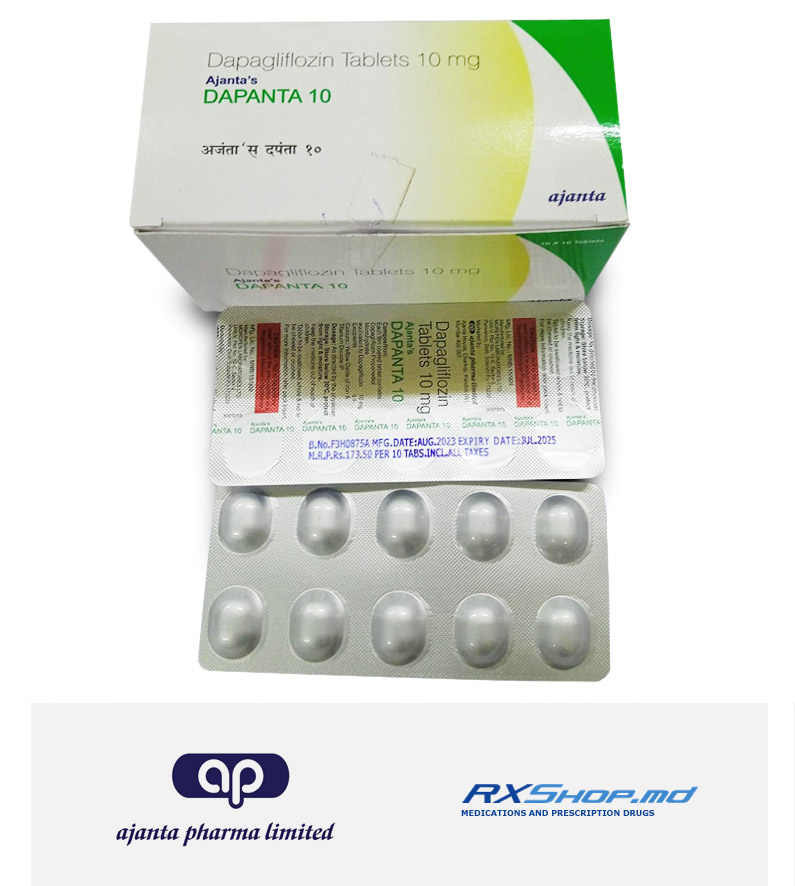
Dapanta (Dapagliflozin) represents another quality generic version of brand Farxiga, manufactured by Indian pharmaceutical companies under the same chemical and therapeutic standards as original AstraZeneca formulation. As a selective SGLT2 inhibitor, Dapanta works through a unique kidney-based mechanism that excretes excess glucose through urine rather than stimulating insulin or reducing insulin resistance. The 5/10 mg oral tablets deliver consistent blood sugar control with proven cardiovascular and renal protective benefits across diverse patient populations.
Dapagliflozin works by selectively blocking sodium-glucose cotransporter 2 (SGLT2) in the proximal kidney tubules, preventing reabsorption of filtered glucose back into the bloodstream. This blockade causes approximately 60-80 grams of glucose to be excreted in urine daily, directly removing blood sugar through an insulin-independent mechanism. The result: HbA1c drops 0.5-0.9% from baseline, fasting blood glucose decreases 25-35 mg/dL, body weight reduces 2-3 kg through caloric loss in urine, and blood pressure drops 3-5 mmHg through mild diuretic effect.
Dapanta benefits from landmark cardiovascular and renal evidence accumulated across multiple major trials. The DECLARE-TIMI 58 trial involving 17,160 patients demonstrated 17% reduction in heart failure hospitalization and significant cardiovascular benefit. The DAPA-HF trial showed 26% reduction in cardiovascular death and heart failure events in patients with or without diabetes. The DAPA-CKD trial demonstrated 39% reduction in renal events in chronic kidney disease patients, establishing dapagliflozin as foundational therapy for heart failure, chronic kidney disease, diabetic nephropathy, and type 2 diabetes.
Dapanta offers convenient once-daily dosing taken any time of day with or without food, fitting seamlessly into any routine. The medication reaches peak blood concentrations within 2 hours and shows extended therapeutic action with 12.9-hour half-life. Hepatic UGT1A9 glucuronidation produces inactive metabolites with minimal drug interaction profile. Generic dapagliflozin from Indian quality manufacturers provides identical therapeutic effects to original brand Farxiga by AstraZeneca at substantially lower cost, ensuring consistent glycemic, cardiovascular, and renal protective performance across both branded and generic versions of this established SGLT2 inhibitor therapy.
Free prescription
Discrete packaging
Have questions?
Quality Assurance

- Type 2 Diabetes: Most common diabetes form where body resists insulin or makes insufficient amounts gradually;
- Type 2 Diabetes Mellitus: Full medical term for adult-onset diabetes characterized by insulin resistance and hyperglycemia;
- High Blood Sugar: Persistently elevated blood glucose levels above 126 mg/dL fasting causing organ damage;
- Blood Sugar: Glucose circulating in blood that cells use for energy through insulin-regulated uptake;
- Hyperglycemia: Medical term for abnormally elevated blood glucose levels above normal threshold values;
- Insulin Resistance: Body cells respond poorly to insulin requiring higher levels to control blood sugar;
- Heart Failure: Condition where heart cannot pump enough blood to meet body needs causing fatigue and edema;
- Heart Failure Reduced Ejection: Heart failure with reduced left ventricular ejection fraction below 40 percent;
- Heart Failure Preserved Ejection: Heart failure with preserved ejection fraction above 50 percent often in elderly;
- Heart Failure Non Diabetic: Heart failure treatment in patients without diabetes per DAPA-HF trial evidence;
- Chronic Kidney Disease: Long-term kidney function decline measured by reduced glomerular filtration rate;
- Diabetic Kidney Disease: Chronic kidney disease specifically caused by diabetes affecting filtration over years;
- Diabetic Nephropathy: Progressive kidney damage from diabetes causing protein loss and declining filtration function;
- Non Diabetic Kidney Disease: Chronic kidney disease in patients without diabetes per DAPA-CKD trial evidence;
- Diabetic Cardiovascular Risk: Elevated heart attack and stroke risk specifically associated with type 2 diabetes;
- Heart Attack Prevention: Reducing risk of coronary artery blockage that permanently damages heart muscle tissue;
- Stroke Prevention: Lowering risk of brain artery blockage causing paralysis speech loss or death;
- Diabetes Monotherapy: Single-drug treatment when type 2 diabetes can be controlled without combination therapy;
- Metformin Combination: Add-on to metformin when blood sugar remains above target on metformin alone;
- Insulin Combination Therapy: Combined with insulin in advanced diabetes when oral therapy alone is insufficient;
- SGLT2 Inhibitor Therapy: SGLT2 drug class treatment offering glycemic cardiovascular and renal benefits in diabetes.
- Lower A1C: HbA1c decreases 0.5-0.9% reflecting better long-term blood sugar control over 3 months;
- Lower Fasting Glucose: Morning blood sugar levels normalize through continuous urinary glucose excretion;
- Lower Post Meal Glucose: Blood sugar spikes after eating flatten through ongoing renal glucose elimination;
- Better Glycemic Control: Overall blood sugar management improves measurably reducing diabetes complication risk;
- Diabetic Weight Loss: Body weight decreases 2-3 kg through caloric loss in urine as excreted glucose;
- Lower Blood Pressure: Systolic blood pressure drops 3-5 mmHg through mild diuretic effect of glucose excretion;
- Less Heart Failure Hospitalization: Heart failure admission risk reduces 26-32% per DECLARE-TIMI and DAPA-HF trial evidence;
- Less Cardiovascular Death Risk: Fatal cardiac event probability decreases 18% in long-term users with heart failure;
- Less Heart Attack Risk: Cardiovascular event probability drops in diabetic patients with established disease;
- Better Heart Function: Cardiac function improves measurably in heart failure patients regardless of diabetes status;
- Better Kidney Function: Glomerular filtration rate decline slows significantly preserving long-term kidney health;
- Slower Kidney Disease Progression: Chronic kidney disease advancement slows 39% per landmark DAPA-CKD trial;
- Less Diabetic Nephropathy: Diabetic kidney damage progression slows preserving filtration function over years;
- Lower Albuminuria: Protein leakage in urine decreases indicating less kidney filtration barrier damage;
- Less Insulin Need: Insulin injection requirement decreases or delays in patients on combination therapy;
- Less Hyperglycemia: Episodes of dangerously high blood sugar reduce significantly with consistent therapy;
- Less Hypoglycemia Risk: Low blood sugar episodes rare since SGLT2 works independently of insulin pathway;
- Less Diabetic Complications: Long-term damage to eyes kidneys and nerves decreases through better glucose control;
- Once Daily Convenience: Single tablet taken any time of day with or without food fits any routine easily;
- Better Quality of Life: Daily wellbeing improves from stable energy weight loss and reduced cardiovascular event anxiety.
Generic Dapanta (Dapagliflozin 10 mg) Medication guide:
📖 What Dapanta Is and How It Works
Dapanta is the Ajanta Pharma generic version of dapagliflozin, an SGLT2 inhibitor originally approved by the US FDA in January 2014 as Farxiga (AstraZeneca). Dapagliflozin has become one of the most widely prescribed SGLT2 inhibitors globally because of its expansion beyond diabetes into heart failure and chronic kidney disease regardless of diabetes status. It represents the modern paradigm shift where a single medication treats multiple related conditions.
Dapanta at a glance
| Class | SGLT2 inhibitor (gliflozin) |
| Original brand approval | 2014 as Farxiga by AstraZeneca (Europe 2012) |
| Available strengths | 5 mg and 10 mg tablets |
| Typical dose | 10 mg once daily |
| Half-life | Approximately 12.9 hours |
| HbA1c reduction | 0.5-0.9 percent |
| Weight effect | Modest loss (2-3 kg typical) |
| FDA-approved indications | Type 2 diabetes, HFrEF, HFpEF, CKD |
The mechanism is elegant. Dapagliflozin blocks the sodium-glucose cotransporter 2 (SGLT2) in the proximal renal tubule. This protein normally reabsorbs about 90 percent of glucose filtered into the kidney tubule. When blocked, glucose spills into the urine (glucosuria). Blood glucose falls. But the benefits extend well beyond glucose - the same mechanism produces modest diuresis, blood pressure reduction, weight loss, favourable cardiovascular metabolic shifts, and protection against heart failure and kidney disease progression.
What dapagliflozin does
Increases urinary glucose excretion by 70-80 grams daily. Blood glucose falls modestly. Weight decreases 2-3 kg from calorie loss and fluid effect. Blood pressure falls 3-5 mmHg systolic. Heart failure risk reduced substantially. Kidney disease progression slowed substantially. Cardiovascular events reduced. Effects appear in both diabetic and non-diabetic clients.
Beyond diabetes - the expanded story
What distinguishes dapagliflozin (along with empagliflozin) from other diabetes drugs is the substantial evidence base outside diabetes. Four landmark trials shape modern use.
The four defining trials
- DECLARE-TIMI 58 (2019) - 17,160 type 2 diabetes clients; CV safety and 27 percent reduction in heart failure hospitalisation
- DAPA-HF (2019) - 4,744 clients with heart failure and reduced ejection fraction, diabetic AND non-diabetic; primary composite reduced 26 percent
- DAPA-CKD (2020) - 4,304 clients with chronic kidney disease, diabetic AND non-diabetic; primary composite reduced 39 percent, stopped early for efficacy
- DELIVER (2022) - 6,263 clients with heart failure and preserved ejection fraction; primary composite reduced 18 percent
Safety profile
Dapagliflozin is generally well-tolerated. Common side effects tie to the mechanism - genital mycotic infections (thrush, balanitis) from glucose in urine, modest urinary tract infection increase, mild volume-related symptoms in some clients. Rare but serious concerns include diabetic ketoacidosis in specific settings (illness, surgery, low-carbohydrate diets) and very rare Fournier gangrene. Unlike canagliflozin, dapagliflozin does NOT carry amputation or fracture signals from the CANVAS trial - a substantial advantage.
Position within the SGLT2 class
Dapagliflozin and empagliflozin are the two most prominent SGLT2 inhibitors in modern practice. Both have similar cardiovascular and renal benefits without the amputation/fracture signals seen with canagliflozin. Dapagliflozin has particularly strong heart failure evidence including HFpEF (DELIVER) and kidney disease including non-diabetic CKD (DAPA-CKD). Empagliflozin has similar heart failure and CKD evidence plus arguably the strongest CV mortality data from EMPA-REG OUTCOME. Choice between them often depends on cost, availability, and specific comorbidity profile.
This guide walks through what dapagliflozin does, the multiple indications where it fits, the once-daily dosing, the cardiovascular and renal outcome evidence, and the safety concerns including infections, volume depletion, and DKA in specific settings. Treat this guide as a companion to what your endocrinologist, cardiologist, or nephrologist tells you.
💊 Why Doctors Prescribe Dapanta Today
Dapagliflozin has broadest set of approved indications in the SGLT2 class. Modern practice uses these together across cardiovascular, renal, and diabetes conditions.
FDA-approved indications
Four approved indications
- Type 2 diabetes glycaemic control - approved 2014; monotherapy or combination in adults
- Heart failure with reduced ejection fraction (HFrEF) - approved 2020 based on DAPA-HF; diabetic OR non-diabetic clients
- Chronic kidney disease - approved 2021 based on DAPA-CKD; diabetic OR non-diabetic clients
- Heart failure with preserved ejection fraction (HFpEF) - approved 2023 based on DELIVER; diabetic OR non-diabetic clients
Where dapagliflozin fits particularly well
Modern diabetes, cardiology, and nephrology guidelines have converged on similar recommendations. Dapagliflozin (along with empagliflozin) is now considered foundational therapy for several patient populations - not just an add-on for glycaemic control.
Best fit scenarios
- Heart failure (any ejection fraction) - diabetic or non-diabetic
- Chronic kidney disease with albuminuria - diabetic or non-diabetic
- Type 2 diabetes with established atherosclerotic CV disease
- Type 2 diabetes with high CV risk
- Type 2 diabetes with overweight/obesity where weight loss desired
- Combined diabetes and kidney or heart disease - benefits stack
- Preference for low-hypoglycaemia agent
Where dapagliflozin does not fit
Not appropriate for type 1 diabetes for glycaemic control (higher DKA risk though sometimes considered off-label in specific settings). Not effective in end-stage kidney disease or dialysis. Not for diabetic ketoacidosis treatment - insulin required. Volume depleted or dehydrated clients - correct first. Recurrent severe genital infections - relative contraindication. Prior severe hypersensitivity to SGLT2 class.
Within the SGLT2 class
Position within the class
Dapagliflozin and empagliflozin are typically preferred over canagliflozin (amputation and fracture concerns) or ertugliflozin (less clinical evidence). Between dapagliflozin and empagliflozin, choice depends on specific comorbidities, cost, and availability. Both have similar overall benefit profiles.
The modern practice landscape
Along with GLP-1 agonists (semaglutide, liraglutide, tirzepatide), SGLT2 inhibitors have transformed type 2 diabetes management over the past decade. But dapagliflozin's expansion into non-diabetic heart failure and CKD marked a broader shift - the drug moved from "diabetes drug" to "cardiometabolic-renal drug". Cardiologists and nephrologists now prescribe SGLT2 inhibitors routinely for their specific patient populations, not just as glucose-lowering agents.
The four pillars of HFrEF therapy
Modern guideline-directed therapy for heart failure with reduced ejection fraction includes four medication classes considered foundational: ACE inhibitor/ARB/ARNI, beta-blocker, mineralocorticoid receptor antagonist, and SGLT2 inhibitor (typically dapagliflozin or empagliflozin). All four should be started early after diagnosis.
Ask your team specifically why dapagliflozin was chosen (indication - diabetes, heart failure, CKD, or combination), what the primary treatment target is, and how it fits with any other medications you take.
🩸 Dapanta for Type 2 Diabetes
Type 2 diabetes glycaemic control was the original FDA-approved indication for dapagliflozin. The glycaemic effect is modest but combined with other benefits shapes its role.
What dapagliflozin does to diabetes parameters
| HbA1c reduction (5 mg) | 0.5-0.7% |
| HbA1c reduction (10 mg) | 0.7-0.9% |
| Fasting glucose reduction | 25-35 mg/dL |
| Time to meaningful improvement | 1-2 weeks |
| Time to full glycaemic effect | 6-12 weeks |
| Weight loss (typical) | 2-3 kg over 6 months |
Effect is rapid onset - urinary glucose loss begins within days and blood glucose falls. Full glycaemic effect within 6-12 weeks. Effect diminishes as kidney function declines because filtered glucose load decreases with lower GFR.
Kidney function and glucose lowering
Effect scales with GFR
Dapagliflozin's glucose lowering depends on filtered glucose load reaching the kidney tubule. When GFR is low, less glucose is filtered and dapagliflozin's glycaemic effect is smaller. eGFR 60+ - full effect. eGFR 45-60 - reduced but substantial. eGFR 30-45 - modest glycaemic effect but cardiovascular and renal benefits maintained. eGFR under 25 - not effective for glycaemic control but may continue for renal/CV benefit.
Which clients respond well
Dapagliflozin works particularly well in clients with higher baseline HbA1c - larger absolute reductions occur. Effect is durable over years - unlike sulfonylureas which lose effect. Combination with insulin, metformin, or GLP-1 agonists is straightforward. Weight loss and modest blood pressure reduction are welcome bonuses.
Combination therapy synergy
Common combinations
- Metformin + dapagliflozin - complementary; standard second-line addition
- Metformin + GLP-1 agonist + dapagliflozin - triple therapy with excellent glycaemic effect and CV/renal benefits
- Insulin + dapagliflozin - dapagliflozin reduces insulin requirement and adds CV/renal benefits
- Sulfonylurea + dapagliflozin - possible but hypoglycaemia risk from sulfonylurea; modern practice often stops sulfonylurea
When dapagliflozin does not fit glycaemic control
Not effective in advanced kidney disease for glycaemic control (though renal protection maintained). Not for type 1 diabetes. Not for diabetic ketoacidosis - requires insulin. Not for clients with recurrent severe genital infections. Not for volume-depleted or severely dehydrated clients.
Durability advantage
Unlike sulfonylureas which lose glycaemic effect over years, dapagliflozin maintains effect as long as kidney function allows. Beta cell status is not the limiting factor - the mechanism does not depend on functional beta cells. Effect is comparable in early and long-standing diabetes.
Set realistic expectations - dapagliflozin provides modest glycaemic effect (0.5-0.9 percent HbA1c) alongside cardiovascular protection, kidney protection, weight loss, and blood pressure reduction. The combined package is what makes SGLT2 inhibitors central to modern diabetes management.
💓 Dapanta for Heart Failure DAPA-HF DELIVER
Heart failure benefit is one of the most important indications for dapagliflozin. The DAPA-HF and DELIVER trials established dapagliflozin's role across the heart failure ejection fraction spectrum, in diabetic and non-diabetic clients.
DAPA-HF - the game-changing trial
DAPA-HF (McMurray et al. NEJM 2019)
- 4,744 clients with heart failure and reduced ejection fraction (LVEF 40 percent or less)
- 42 percent had diabetes; 58 percent did not
- Standard heart failure therapy (ACE/ARB/ARNI, beta-blocker, MRA) at baseline
- Randomised to dapagliflozin 10 mg vs placebo
- Median follow-up 18.2 months
- Primary composite (worsening HF or CV death) reduced 26 percent
- CV death reduced 18 percent; all-cause mortality reduced 17 percent
- Benefits similar in diabetic and non-diabetic subgroups
The transformative finding
DAPA-HF was landmark because it established SGLT2 inhibitor benefit in heart failure regardless of diabetes status. This expanded dapagliflozin (and by extension empagliflozin from EMPEROR trials) from "diabetes drug" to "heart failure drug that also helps diabetes". Cardiologists routinely prescribe it now.
DELIVER - preserved ejection fraction
DELIVER (Solomon et al. NEJM 2022)
- 6,263 clients with heart failure and LVEF over 40 percent (preserved or mildly reduced)
- Diabetic and non-diabetic clients
- Standard heart failure therapy at baseline
- Randomised to dapagliflozin 10 mg vs placebo
- Median follow-up 2.3 years
- Primary composite reduced 18 percent
- Benefits across LVEF spectrum including "preserved"
DELIVER extended SGLT2 benefit to the entire heart failure spectrum. HFpEF had previously lacked proven pharmacological outcome therapy. Dapagliflozin (and empagliflozin from EMPEROR-Preserved) became the first drugs with clear HFpEF outcome benefit.
Heart failure mechanism
The heart failure benefits work through multiple mechanisms rather than glucose lowering alone. Modest preload reduction from diuretic effect. Improved myocardial energetics with ketone body utilisation. Reduced myocardial stiffness. Anti-inflammatory effects. Uric acid reduction. Improved erythropoiesis. The combined effect appears greater than any single mechanism would predict.
Modern heart failure guideline recommendations
The four pillars of HFrEF
Modern guidelines (ACC/AHA/HFSA 2022, ESC 2021) recommend four foundational medication classes for heart failure with reduced ejection fraction. ACE inhibitor/ARB or ARNI (sacubitril/valsartan). Beta-blocker. Mineralocorticoid receptor antagonist. SGLT2 inhibitor (dapagliflozin or empagliflozin). All four should typically be started early after diagnosis and continued long-term.
Practical use in heart failure
Considerations for heart failure clients
- Start early after diagnosis or during hospitalisation for stable clients
- Effect on symptoms and outcomes visible within weeks
- Monitor volume status - initial diuretic effect
- May need to reduce loop diuretic dose modestly as dapagliflozin adds diuretic effect
- Monitor eGFR - initial dip expected
- Continue through mild acute illness where possible
- Hospitalisation for HF exacerbation - continue if possible or restart before discharge
Non-diabetic heart failure use
Dapagliflozin does not require diabetes
Following DAPA-HF and DELIVER, dapagliflozin is FDA-approved for heart failure regardless of diabetes status. Non-diabetic clients gain full heart failure benefits without meaningful hypoglycaemia risk (SGLT2 inhibitors do not typically cause hypoglycaemia). This has made dapagliflozin routine in cardiology practice for heart failure clients whether or not they have diabetes.
Dapagliflozin provides substantial heart failure benefits across the ejection fraction spectrum and regardless of diabetes status. This is one of the most important indications for the drug in modern practice. Cardiology and diabetes teams often coordinate care around this shared therapy.
🪩 Dapanta for Kidney Protection DAPA-CKD
Kidney protection is another landmark benefit of dapagliflozin, established by the DAPA-CKD trial. This changed how chronic kidney disease is managed regardless of diabetes status.
DAPA-CKD - the landmark kidney trial
DAPA-CKD (Heerspink et al. NEJM 2020)
- 4,304 clients with chronic kidney disease
- eGFR 25-75 mL/min with albuminuria (UACR 200-5000 mg/g)
- 68 percent had diabetes; 32 percent did not
- On ACE inhibitor or ARB (standard care)
- Randomised to dapagliflozin 10 mg vs placebo
- Median follow-up 2.4 years - stopped early for overwhelming efficacy
- Primary composite (over 50% eGFR decline, kidney failure, renal or CV death) reduced 39 percent
- Kidney failure reduced 36 percent
- All-cause mortality reduced 31 percent
- Benefits similar in diabetic and non-diabetic subgroups
The transformative kidney finding
DAPA-CKD was landmark because it established SGLT2 inhibitor benefit in kidney disease regardless of diabetes status and even in relatively low eGFR (down to 25 mL/min). This expanded dapagliflozin's role from diabetic kidney disease to kidney disease broadly.
Renal protection mechanism
The renal benefits work through multiple mechanisms. Reduced glomerular hyperfiltration - dapagliflozin increases sodium delivery to macula densa which triggers tubuloglomerular feedback and reduces afferent arteriolar dilatation. Blood pressure reduction. Uric acid reduction. Weight loss reducing metabolic burden. Direct anti-inflammatory and anti-fibrotic effects in kidney tissue. The combined effect substantially protects kidney function progression.
The initial eGFR dip - expected and reversible
Do not stop for the initial dip
Starting dapagliflozin causes an initial 3-5 mL/min eGFR reduction over 2-6 weeks. This is haemodynamic and reversible, not injury. Long-term eGFR slope improves substantially compared with placebo. This is the drug working as intended - reducing hyperfiltration is protective long-term. Do not stop dapagliflozin because of this initial dip.
Guidelines and diabetic and non-diabetic kidney disease
The KDIGO 2022 Guideline for Diabetes Management in CKD made SGLT2 inhibitors first-line therapy for diabetic kidney disease alongside ACE inhibitors/ARBs and mineralocorticoid receptor antagonists. The KDIGO 2024 CKD Evaluation and Management Guideline extended this to CKD regardless of diabetes status. Dapagliflozin has been central to these guideline changes.
Who benefits most
Best kidney benefit populations
- CKD with albuminuria (UACR over 200 mg/g)
- CKD with reduced eGFR (25-75 mL/min)
- Diabetic kidney disease progressing despite ACE inhibitor/ARB
- Non-diabetic CKD - IgA nephropathy, focal segmental glomerulosclerosis, others
- Combined heart failure and kidney disease
eGFR considerations
Renal function and dapagliflozin use
| eGFR 60+ mL/min | Standard 10 mg daily |
| eGFR 45-60 mL/min | Continue standard 10 mg daily |
| eGFR 25-45 mL/min | Continue 10 mg for renal/CV benefit; glycaemic effect reduced |
| eGFR under 25 mL/min | Not for initiation; may continue if already established |
Dapagliflozin provides substantial kidney protection in CKD regardless of diabetes status. Modern practice makes SGLT2 inhibitors a cornerstone of CKD care. Consider initiation in most CKD clients with albuminuria unless specific contraindications apply.
🫀 Dapanta for Cardiovascular Prevention DECLARE
Cardiovascular protection is a well-established dapagliflozin benefit. The DECLARE-TIMI 58 trial provided the CV safety data required for approval and identified specific benefit patterns.
DECLARE-TIMI 58 - the CV outcomes trial
DECLARE-TIMI 58 (Wiviott et al. NEJM 2019)
- 17,160 type 2 diabetes clients - largest SGLT2 CV outcomes trial
- Broad population: 41 percent had established CV disease; 59 percent had CV risk factors only
- Randomised to dapagliflozin 10 mg vs placebo
- Median follow-up 4.2 years
- MACE (CV death, MI, stroke) - non-inferior to placebo, non-significant trend to reduction
- Heart failure hospitalisation reduced 27 percent - key finding
- CV death reduced (non-significant trend)
- Renal outcomes improved
- No amputation signal (unlike canagliflozin CANVAS)
Interpreting DECLARE results
Different pattern from canagliflozin CANVAS
DECLARE's population was broader than CANVAS - only 41 percent had established CV disease vs CANVAS's 65 percent. This lower baseline risk shows dapagliflozin's CV benefit is smaller in relative terms but the heart failure benefit is consistent across studies. The DECLARE MACE finding was less dramatic than empagliflozin's EMPA-REG OUTCOME but the drug was proven CV-safe and beneficial for heart failure.
Cardiovascular event reduction mechanism
The cardiovascular benefits appear through multiple mechanisms rather than glucose lowering alone. Modest blood pressure reduction. Weight loss. Preload reduction from diuretic effect. Improved myocardial energetics. Anti-inflammatory effects. Uric acid reduction. Erythropoiesis stimulation. The combined effect is greater than any single mechanism would predict.
Who benefits most from CV protection
Best CV benefit populations
- Type 2 diabetes with established atherosclerotic CV disease
- Type 2 diabetes with heart failure (particularly HFrEF or HFpEF)
- Type 2 diabetes with multiple CV risk factors
- Type 2 diabetes with chronic kidney disease
- Older diabetic clients with multiple comorbidities
Class effects and specific comparisons
The cardiovascular benefits are a class effect - shared to varying degrees by empagliflozin (EMPA-REG OUTCOME 2015, arguably strongest CV mortality data), canagliflozin (CANVAS 2017), dapagliflozin (DECLARE 2019), and ertugliflozin (VERTIS CV 2020). Among the SGLT2 inhibitors, dapagliflozin has the broadest heart failure evidence (DAPA-HF plus DELIVER covering the full ejection fraction spectrum) and non-diabetic CKD evidence (DAPA-CKD).
Modern guideline positioning
ADA, EASD, KDIGO, ESC, and AHA/ACC guidelines all now recommend SGLT2 inhibitors including dapagliflozin as first-line addition to metformin (or even alongside metformin) in type 2 diabetes clients with established or high CV risk, heart failure, or chronic kidney disease. This represents one of the most substantial guideline convergences in modern medicine.
Beyond MACE - the broader value
The full cardiovascular story
Modern cardiovascular protection thinking includes more than just MACE (heart attack, stroke, CV death). Heart failure hospitalisation matters substantially for quality of life and healthcare costs. Kidney disease progression matters for CV outcomes long-term. Dapagliflozin's combined effect across these outcomes - even without dramatic MACE reduction - represents substantial cardiovascular value.
Dapagliflozin provides comprehensive cardiovascular protection through heart failure prevention, kidney protection, and modest MACE benefit. This makes it central to modern management of diabetic clients with CV risk factors or established disease.
🔬 How Dapagliflozin Blocks SGLT2 Mechanism
Understanding how dapagliflozin works mechanistically clarifies both its effectiveness and its specific safety considerations.
The molecular target
Dapagliflozin blocks the sodium-glucose cotransporter 2 (SGLT2) in the proximal renal tubule. Under normal conditions, SGLT2 reabsorbs about 90 percent of glucose filtered into the kidney tubule back into the bloodstream. Dapagliflozin is highly selective for SGLT2 over SGLT1 (which handles the remaining 10 percent in the distal tubule and also intestinal glucose absorption).
Sequence of effects after taking dapagliflozin
- Dapagliflozin binds SGLT2 in proximal tubule
- Glucose reabsorption blocked
- Urinary glucose excretion increases - typically 70-80 g per day
- Blood glucose falls proportionally
- Osmotic diuresis from glucose in urine draws water and sodium
- Modest volume contraction lowers blood pressure
- Glucosuria drives caloric loss - typically 200-320 kcal/day
- Weight decreases modestly over weeks
- Ketone body production shifts modestly
- Tubuloglomerular feedback reduces glomerular hyperfiltration
Key mechanistic feature
Dapagliflozin works independently of insulin. Insulin sensitivity is not required. Beta cell function is not required. The mechanism is entirely renal. This distinguishes SGLT2 inhibitors from every other diabetes drug class and explains their unique benefits in heart failure and kidney disease even in non-diabetic clients.
Pharmacokinetics
| Absorption | Bioavailability 78%; unaffected by food |
| Peak plasma concentration | 1-2 hours |
| Half-life | 12.9 hours |
| Protein binding | 91% (mostly albumin) |
| Metabolism | UGT1A9 glucuronidation |
| Excretion | Renal 75%, faecal 21% |
Mechanism-driven benefits
Downstream benefits
- Weight loss - calorie loss in urine (2-3 kg typical)
- Blood pressure reduction - osmotic diuresis (3-5 mmHg systolic)
- Reduced glomerular hyperfiltration - kidney protection
- Uric acid reduction - excretion increased
- Ketone body utilisation - shift toward more efficient cardiac energy substrate
- Erythropoiesis stimulation - modest haemoglobin rise
- Anti-inflammatory effects - reduced kidney and cardiovascular tissue inflammation
Mechanism-driven side effects
Side effect basis
- Genital mycotic infections - glucose in urine feeds yeast (Candida)
- UTI increase (modest) - similar mechanism
- Volume depletion - osmotic diuresis with fluid loss
- Initial eGFR dip - haemodynamic reduction in hyperfiltration
- Diabetic ketoacidosis (rare) - ketone shift can amplify in stress
- Fournier gangrene (very rare) - severe genital tract infection
The elegant renal-focused mechanism defines both dapagliflozin's benefits and specific side effects. Understanding this biology explains why the drug behaves as it does clinically.
⏰ Dapanta Dose Schedule and Titration
Dapanta dosing is straightforward - once daily, morning ideal but flexible, with or without food. Two available strengths cover the range of appropriate uses.
Standard dosing
| Situation | Dose |
|---|---|
| Adult starting (any indication, eGFR 25+) | 10 mg once daily |
| Type 2 diabetes glycaemic control (starting) | 5 mg daily; may increase to 10 mg |
| Heart failure or CKD | 10 mg once daily (no titration typically needed) |
| Maximum dose | 10 mg once daily |
| eGFR 45-90 mL/min | Standard 10 mg daily |
| eGFR 25-45 mL/min | 10 mg for HF or CKD benefit; glycaemic effect reduced |
| eGFR under 25 mL/min | Not for initiation; may continue if already established |
| Mild-moderate hepatic impairment | No dose adjustment |
| Severe hepatic impairment | Start 5 mg with caution |
Available strengths
Dapanta comes as 5 mg and 10 mg tablets. The 10 mg dose is standard for heart failure, kidney disease, and most type 2 diabetes clients. The 5 mg dose is available for starting titration in specific circumstances but 10 mg is often started directly. Original brand Farxiga available in same strengths.
Timing rule
Once daily flexibility
Dapagliflozin can be taken at any consistent time - morning, afternoon, or evening. Take with or without food. Morning is often preferred because it avoids nocturia (extra urination during the night) which can be bothersome. Same time daily for adherence habit.
Expected effect timeline
- Day 1 - urinary glucose excretion begins
- Week 1-2 - fasting glucose noticeably lower; heart failure symptoms may improve
- Week 2-6 - initial eGFR dip; blood pressure reduction
- Week 4-6 - HbA1c improvement clear
- Week 6-12 - full glycaemic effect
- Months - weight loss develops (2-3 kg over 6 months)
- Long term - CV and renal outcome benefits over years
Titration approach
For heart failure or CKD, start directly at 10 mg. No titration typically needed. For type 2 diabetes glycaemic control, can start at 5 mg and increase to 10 mg after 4-6 weeks if tolerated and additional HbA1c reduction needed. Most clients settle at 10 mg. Above 10 mg does not provide additional benefit.
Duration of therapy
Dapagliflozin is typically long-term therapy when tolerated. Effectiveness is durable over years. Cardiovascular and renal benefits accrue with continued use. For heart failure and CKD indications, continue indefinitely unless discontinued for tolerability. Annual review whether it continues to fit - HbA1c, kidney function, heart failure status, side effect profile.
Do not stop suddenly
Glycaemic control worsens within days if dapagliflozin discontinued. Heart failure and kidney protective effects also wane. Plan alternative therapy if stopping. Do not confuse the expected initial eGFR dip with kidney damage - do not stop for this reason.
📅 Starting Dapanta - First Weeks
Starting Dapanta requires careful baseline assessment, awareness of the expected initial eGFR dip, and vigilance for the specific side effect profile.
Typical initiation experience
Most clients notice glucose falling within days if diabetic. Urination frequency may increase modestly - the drug puts glucose in urine which draws water. Some clients report increased thirst. Weight begins to fall over weeks. HbA1c improvement clear at 4-6 weeks. Heart failure clients may notice symptom improvement within weeks. Long-term tolerance is excellent in most clients. Initial eGFR dip of 3-5 mL/min is expected and not a sign of harm.
Pre-treatment assessment
Baseline checks before starting
- Indication clarification - type 2 diabetes, HF, CKD, or combination
- Kidney function - eGFR determines appropriateness; must be at least 25 mL/min for initiation
- Urine albumin - baseline for kidney protection tracking
- Volume status - correct dehydration first
- Blood pressure - if low, particularly on diuretics, may need diuretic dose reduction
- Genital/urinary infection history - recurrent infections are relative contraindication
- Concurrent medications - insulin or sulfonylurea may need dose reduction; loop diuretics may need reduction
- Discuss DKA awareness - particularly for high-risk clients
- Pregnancy status and contraception
Setting expectations
Practical points for new starters
- Increased urination - especially first weeks; usually settles
- Increased thirst - drink adequate fluid
- Modest weight loss welcome for most
- Genital hygiene - reduce mycotic infection risk
- Sick day awareness - may need to hold during severe illness
- Initial eGFR dip is expected - not a sign of harm
- DKA symptom awareness - even with normal glucose
Follow-up schedule for initiation
| Timing | Focus |
|---|---|
| Week 2-4 | Tolerability review; volume status; check for infection concerns |
| Week 4-6 | eGFR recheck (initial dip resolving); HbA1c early trend |
| Month 3 | HbA1c response assessment; weight; blood pressure; HF symptoms if relevant |
| Every 6 months | HbA1c; eGFR; urine albumin; overall assessment |
| Annual | Comprehensive review including all indication-specific parameters |
Warning signs during initiation
Contact team promptly if these occur
- Symptoms of dehydration (dizziness, orthostatic symptoms)
- Genital burning, itching, discharge
- Urinary tract infection symptoms
- Severe genital or perineal pain with fever - Fournier gangrene warning
- Symptoms of DKA - nausea, vomiting, abdominal pain, unusual fatigue
- Substantial weight loss beyond expected
- Severe hypoglycaemia if on other diabetes drugs
The first weeks are learning - the client and team calibrate response. Initial eGFR dip should not prompt discontinuation. Prompt attention to concerning signs (particularly infection, volume, DKA symptoms) allows appropriate response.
📏 Dapanta Dose Adjustments Response
Dapanta dose adjustment is minimal because 10 mg is the standard dose for most indications. Adjustments involve holding for specific situations rather than up-titration.
Standard dosing approach
For most clients, dapagliflozin 10 mg once daily is the appropriate dose. No routine titration. No dose adjustments for age, race, sex, weight, or renal function within the acceptable range. The 5 mg dose is available but rarely used except in specific starting scenarios or severe hepatic impairment.
Common adjustments
| Situation | Action |
|---|---|
| HbA1c not at target on 10 mg | Add GLP-1 agonist, metformin (if not already), or insulin - do not increase dapagliflozin |
| eGFR falls to 25-45 mL/min | Continue 10 mg for renal/CV benefit; glycaemic effect reduced |
| eGFR falls below 25 mL/min | Consider stopping; individual risk-benefit assessment |
| Recurrent genital infections | Longer antifungal course; consider switching to alternative agent |
| Volume depletion symptoms | Reduce loop diuretic; ensure adequate hydration |
| Substantial weight loss beyond target | Assess intake; usually plateaus |
| Acute illness with dehydration | Hold dapagliflozin; restart when recovered |
| Major surgery planned | Hold 3+ days prior; restart after eating normally |
| DKA episode | Stop dapagliflozin; alternative diabetes therapy |
Managing the initial eGFR dip
Expected pattern
eGFR typically falls 3-5 mL/min in first 2-6 weeks. Then stabilises. Long-term eGFR slope is improved compared with placebo. Do NOT discontinue for this expected dip. If eGFR falls substantially more (over 10 mL/min) or fails to stabilise, investigate other causes and reassess.
When dapagliflozin is not enough
Add-on strategy for glycaemic control
- Add metformin if not already (standard first-line)
- Add GLP-1 agonist for further HbA1c and weight loss
- Add basal insulin for substantial HbA1c gap
- Add DPP-4 inhibitor for modest addition (though mechanism overlaps with GLP-1)
- Sulfonylurea rarely - hypoglycaemia and weight gain contrasts with dapagliflozin
Non-response investigation
- Check adherence honestly
- Consider kidney function - if declined, glycaemic effect reduces
- Assess for concurrent hyperglycaemia drivers (steroids, other medications, illness)
- Rule out other conditions (thyroid, cortisol)
- Consider drug interactions (rifampicin, phenobarbital reduce effect)
- Endocrinology or diabetes team consultation for refractory cases
Dose adjustment for dapagliflozin is minimal because 10 mg is standard. Safety concerns drive holding or discontinuation. Modern practice adds alternative agents rather than trying to escalate dapagliflozin.
💊 How to Take Dapanta Tablets
Practical routines around Dapanta tablets are simple - once daily at a consistent time. The main practical disciplines are hydration awareness and prompt attention to infection or DKA symptoms.
Daily routine
Take once daily at any consistent time. Morning often preferred to avoid nocturia. Can be taken with or without food. Swallow whole with water. Same time daily supports adherence habit. Refill 2 weeks before running out.
Anchor to a daily habit
Take with the morning routine - before or with breakfast, or after brushing teeth. Some clients prefer evening (after work). Choose the time that fits your routine best. Weekly pillbox helpful for polypharmacy. Phone alarm labeled "dapagliflozin" or "Dapanta" reduces forgetting.
Hydration matters
Drink adequate fluid
Dapagliflozin causes osmotic diuresis - the glucose in urine draws water. You lose more fluid than usual through urination. Drink adequate water - typically 2-2.5 L daily unless restricted (heart failure clients may have fluid restrictions). Watch for dehydration signs particularly in hot weather, illness, or when combined with diuretics.
Home monitoring priorities
What to track at home
- Fasting glucose (if diabetic)
- Weight monthly - modest loss expected; watch for gain (fluid retention in HF)
- Blood pressure - modest reduction expected
- Volume status - dizziness on standing suggests dehydration
- Urinary frequency
- Genital symptoms - itching, discharge, discomfort
- Heart failure symptoms if relevant - dyspnoea, oedema, exercise tolerance
Key safety rules
Alert your team about
- Symptoms of dehydration or dizziness
- Any genital burning, itching, or discharge
- Urinary tract infection symptoms
- Severe genital or perineal pain with fever - Fournier gangrene emergency
- Nausea, vomiting, abdominal pain - can signal DKA
- Sudden unusual fatigue with normal glucose - DKA signal
- Substantial rash
- Planned surgery - may need to hold days before
Sick day awareness
Hold during acute illness
If you develop acute illness with vomiting, dehydration, or inability to eat and drink normally, hold dapagliflozin until recovered. This prevents DKA and volume depletion. Resume when eating and drinking normally, hydrated, and no signs of infection or DKA. Contact team if unsure.
Storage
Room temperature under 30 C. Original packaging. Protect from moisture. Not in bathroom or hot car. Out of reach of children. Do not use past expiry. Return unused tablets to pharmacy for disposal.
Once-daily flexible-time dosing is simple. The core practical rules are adequate hydration, attention to genital and urinary hygiene, sick-day awareness, and prompt reporting of concerning symptoms.
🍴 Food and Dapanta Absorption
Dapagliflozin absorption is not meaningfully affected by food. Diet supports underlying cardiometabolic health rather than the drug directly.
Food and dapagliflozin absorption
Bioavailability approximately 78 percent. Food does not meaningfully reduce absorption. Take with or without food consistently. Take at the same time daily for adherence habit.
Diet for type 2 diabetes and cardiovascular protection
The Mediterranean or DASH eating pattern has best evidence for diabetes and cardiovascular outcomes. Emphasise vegetables, whole grains, legumes, fatty fish, nuts, olive oil. Limit refined carbohydrates, added sugars, processed meats. Consistent carbohydrate intake supports steady glycaemic control.
Diet considerations for SGLT2 clients
- Adequate hydration - important given osmotic diuresis; 2-2.5 L water daily unless restricted
- Consistent carbohydrate intake - supports steady glycaemic control
- Avoid very low carbohydrate diets - raise DKA risk on SGLT2 inhibitors
- Fatty fish weekly - cardiovascular support
- Vegetables at each meal
- Portion control - supports weight management
The very low-carb / ketogenic diet warning
DKA risk elevated with very low carb intake
Ketogenic or very low carbohydrate diets (under 50g/day) raise the risk of diabetic ketoacidosis on dapagliflozin even with normal blood glucose (euglycaemic DKA). The SGLT2 inhibitor mechanism shifts metabolism toward ketone body production. When combined with severe carbohydrate restriction, ketones can rise dangerously. Discuss with your team before starting a low-carb dietary pattern on dapagliflozin.
Special dietary considerations for heart failure clients
Fluid and sodium considerations
Heart failure clients often have specific fluid restrictions (typically 1.5-2 L daily) and sodium limits (typically under 2 g daily). Dapagliflozin adds modest diuresis so fluid balance requires attention. Discuss with heart failure team about optimal fluid intake given the addition of dapagliflozin - some clients may need to relax strict restrictions modestly.
Hydration awareness
Dapagliflozin puts glucose in urine which draws water through osmotic effect. You will urinate more than usual and lose more fluid than usual. Drink adequate water throughout the day. This becomes particularly important in hot weather, during exercise, when ill, or when taking diuretics. Watch for dehydration signs - dizziness on standing, dry mouth, dark urine, reduced urine output.
Weight management
Dapagliflozin causes 2-3 kg weight loss typically over 6 months. This is welcome for most clients who are overweight. Continue attention to diet and exercise - the drug contribution is modest and best combined with lifestyle measures.
Diet supports cardiometabolic health. Adequate hydration is essential on dapagliflozin. Avoid very low carbohydrate patterns due to DKA risk. Mediterranean-style eating pattern remains excellent foundation.
🍷 Alcohol Rules During Dapanta Therapy
Alcohol has specific considerations on dapagliflozin therapy - dehydration risk, DKA risk in specific settings, and general cardiometabolic concerns.
Why alcohol matters with dapagliflozin
Alcohol causes diuresis on its own. Combined with dapagliflozin's osmotic diuresis, dehydration risk increases. Heavy alcohol use suppresses hepatic gluconeogenesis and can precipitate hypoglycaemia if combined with insulin or sulfonylureas. Alcohol excess can precipitate euglycaemic DKA on SGLT2 inhibitors. Alcohol worsens heart failure in specific patterns.
Alcohol concerns on dapagliflozin
- Additive dehydration - alcohol plus SGLT2 diuretic effect
- DKA risk in binge drinking or heavy use
- Hypoglycaemia if on insulin or sulfonylurea concurrently
- Heart failure worsening with heavy or binge use
- Liver injury with heavy use
- Blood pressure elevation
Guidelines by scenario
| Scenario | Alcohol guidance |
|---|---|
| Type 2 diabetes stable on dapagliflozin | Moderate at most - 1 drink daily women, 2 daily men max |
| Heart failure | Very limited or avoid; discuss with cardiology |
| CKD advanced | Very limited or avoid; discuss with nephrology |
| Any liver disease | Avoid or minimal (no more than 1 drink weekly) |
| Ketogenic or low-carb diet | Strict limitation - DKA risk elevated |
| Concurrent insulin or sulfonylurea | Extra hypoglycaemia caution - eat with alcohol |
| Volume depletion tendency | Avoid alcohol excess |
Standard drink reference
Beer 12 oz / 350 ml at 5 percent alcohol. Wine 5 oz / 150 ml at 12 percent alcohol. Spirits 1.5 oz / 45 ml at 40 percent alcohol. Home pours often exceed standard measures.
Sensible approach if you drink
Practical guidance
- Not more than 2 drinks in one occasion
- Hydration - water alongside alcohol; extra water because of diuretic effect
- Eat with alcohol
- Not before driving
- Consider holding dapagliflozin during binge drinking
- Be honest with your team about intake
Avoid alcohol entirely if:
- Any hepatitis or active liver disease
- Heart failure with substantial symptoms
- Diagnosed alcohol use disorder
- Prior DKA on dapagliflozin
- Volume depletion tendency
- Directed by your team
Alcohol on dapagliflozin requires moderation given the additive dehydration and DKA risk plus heart failure and general cardiometabolic considerations. Discuss honestly with your team.
🚨 Dapanta Side Effects Complete Overview and Warnings
Dapagliflozin has a distinctive but relatively favourable side effect profile compared with many diabetes medications. Common effects tie to the mechanism - glucose in urine drives infections, osmotic diuresis drives volume effects.
Common effects
Common (over 5 percent)
- Genital mycotic infections - female genital candidiasis 5-8%; male balanitis 3-5%
- Urinary tract infections - modest increase (4-6%)
- Increased urination frequency
- Increased thirst
- Back pain
- Nasopharyngitis
Uncommon but notable
- Volume depletion - dizziness, orthostatic hypotension particularly in elderly or on diuretics
- Acute kidney injury - typically in volume depletion contexts
- Elevated LDL cholesterol - modest rise
- Rash - hypersensitivity
- Nausea
- Constipation
Rare but serious
Rare serious effects
- Diabetic ketoacidosis - often euglycaemic; triggered by illness, surgery, low-carb diet
- Fournier gangrene - very rare necrotising infection of perineum; medical emergency
- Pyelonephritis or urosepsis - from UTI escalation
- Severe hypersensitivity - angioedema, Stevens-Johnson syndrome
What dapagliflozin does NOT cause
Absent signals - key advantages
- No amputation signal - unlike canagliflozin CANVAS
- No bone fracture signal - unlike canagliflozin CANVAS
- Very low hypoglycaemia risk when used alone or with metformin
- No weight gain - actually causes modest weight loss
- No heart failure exacerbation - actually prevents heart failure events
When to seek help urgently
Emergency signals
- Symptoms of DKA - nausea, vomiting, abdominal pain, unusual fatigue (even if glucose normal)
- Severe genital or perineal pain with fever - Fournier concern
- High fever with UTI symptoms - pyelonephritis
- Fainting or severe dizziness - volume depletion
- Substantial rash particularly with mucosal involvement
- Facial or throat swelling
Managing common effects
| Effect | Action |
|---|---|
| Genital mycotic infection (mild) | Antifungal (topical or oral); improved hygiene; continue dapagliflozin |
| Genital mycotic infection (recurrent) | Longer antifungal course; consider switching to alternative agent |
| UTI (uncomplicated) | Antibiotic; hydration; continue dapagliflozin |
| UTI (recurrent or pyelonephritis) | Antibiotic; investigate; consider stopping dapagliflozin |
| Volume depletion | Hydration; reduce diuretic; may reduce dapagliflozin dose |
| Orthostatic dizziness | Adequate hydration; slow position changes |
| Rash mild | Assess; may continue with monitoring |
Side effect profile is generally favourable. Absent amputation and fracture signals make dapagliflozin preferable to canagliflozin. The following sections detail the most important individual concerns.
🧫 Genital and Urinary Tract Infections
Genital and urinary tract infections are the most common dapagliflozin side effects - direct consequences of glucose spilling into urine.
Why infections occur
Glucose in urine feeds bacteria and yeast. The genitourinary tract normally has minimal glucose - it becomes a favourable environment for infection on SGLT2 inhibitors. Women are affected more often than men because of anatomical factors and higher baseline colonisation. Effects are usually mild but can recur or occasionally escalate to serious infection.
Genital mycotic infections
Genital candidiasis
- Women - vulvovaginal candidiasis; 5-8 percent of clients
- Men - balanitis or balanoposthitis; 3-5 percent of clients; especially uncircumcised
- Symptoms - itching, burning, discharge, redness, discomfort
- Timing - can occur at any time; often first months
- Usually mild and responsive to standard antifungal treatment
Treatment approach
Topical antifungal (clotrimazole cream) or single-dose oral fluconazole 150 mg for uncomplicated genital candidiasis. Recurrent episodes may need longer course or switching to alternative SGLT2 or class. Do not stop dapagliflozin for isolated mild infection - treat and continue.
Urinary tract infections
UTI characteristics
- Modest increase - 4-6 percent vs 3-5 percent placebo
- Usually mild lower tract cystitis
- Symptoms - dysuria, urgency, frequency, suprapubic discomfort
- Standard antibiotic treatment
- Rare escalation to pyelonephritis or urosepsis
Prevention strategies
Reduce infection risk
- Good genital hygiene - regular gentle cleaning
- Adequate hydration - flushes urinary tract
- Wipe front to back (women)
- Post-coital urination
- Loose cotton underwear
- Prompt treatment of any infection
Recurrent infection management
If infections recur
- Standard longer antifungal course
- Optimise hygiene and hydration
- Assess for other contributing factors
- Consider pausing dapagliflozin during recurrent episodes to break cycle
- Switch to alternative SGLT2 (empagliflozin - similar rates but individual clients sometimes tolerate one better)
- Consider whether SGLT2 class continuation is worthwhile
When to switch or stop
Consider switching or discontinuing SGLT2 class if: recurrent genital infections despite treatment; recurrent UTIs particularly with escalation; Fournier gangrene occurrence; substantial impact on quality of life; client preference. Weigh against the cardiovascular and renal benefits being lost.
Genital and urinary infections are the most common dapagliflozin side effects but usually manageable. Awareness, hygiene, prompt treatment, and rarely switching agents handle most concerns.
💧 Volume Depletion and Blood Pressure
Volume depletion and blood pressure changes are direct consequences of the osmotic diuresis effect of dapagliflozin. Most clients tolerate this well but specific populations need particular attention.
The diuretic effect
Glucose in urine draws water and sodium through osmotic effect. This produces modest but real diuresis - roughly equivalent to a mild loop or thiazide diuretic. Blood pressure falls 3-5 mmHg systolic and 1-3 mmHg diastolic typically. Weight includes early loss of fluid before adipose loss develops.
Who is at risk for volume depletion
Higher risk populations
- Older adults - baseline reduced fluid intake and thirst response
- Clients on loop or thiazide diuretics - additive effect
- Clients on ACE inhibitors or ARBs - complementary blood pressure effect
- Baseline systolic BP under 110 - less reserve
- Reduced eGFR - impaired concentration ability
- Recent surgery or illness - reduced intake
- Hot weather or exercise - additive fluid loss
Heart failure clients - a special case
Balancing volume in heart failure
Heart failure clients are on loop diuretics for volume management. Adding dapagliflozin creates additive diuresis. Often the loop diuretic dose can be reduced modestly (10-20 percent) when dapagliflozin is started. This preserves adequate diuresis while avoiding excessive volume depletion. Monitor weight, symptoms, and volume status closely during transition.
Symptoms of volume depletion
Signs to watch for
- Dizziness on standing (orthostatic hypotension)
- Lightheadedness
- Fatigue
- Reduced urine output
- Dark urine
- Dry mouth
- Muscle cramps
Management approach
Managing volume-related issues
- Ensure adequate fluid intake - typically 2-2.5 L water daily (adjust for HF restrictions)
- Reduce loop or thiazide diuretic dose if volume depleted
- Slow position changes
- Assess concurrent medications (ACE inhibitors, ARBs, beta-blockers)
- Hold dapagliflozin during acute illness with dehydration
- Reassess and restart when volume repleted
Blood pressure effects
The BP effect is typically beneficial
The modest blood pressure reduction from dapagliflozin (3-5 mmHg systolic) is often welcome in hypertensive diabetic clients or CKD clients. May allow reduction of other antihypertensive medications. But hypotension requires attention in normotensive or already well-controlled clients. Home BP monitoring during initiation useful.
Acute kidney injury risk
Volume depletion is the primary cause of acute kidney injury on dapagliflozin. Not a direct drug toxicity but a consequence of reduced perfusion. Preventable with adequate hydration and diuretic dose management. Usually reversible with fluid repletion and drug hold.
Hold dapagliflozin during
- Acute severe illness with vomiting or diarrhoea
- Substantial reduction in oral intake
- Major surgery (hold 3+ days prior per FDA guidance)
- Prolonged fasting
- Signs of volume depletion or acute kidney injury
Volume and blood pressure effects are usually beneficial but require attention in specific populations. Adequate hydration, diuretic adjustment, and holding during acute illness prevent most problems.
🔴 Diabetic Ketoacidosis Risk Dapanta
Diabetic ketoacidosis on SGLT2 inhibitors is uncommon but potentially serious. Understanding when it occurs and how to recognise it is essential for all clients on dapagliflozin.
Why SGLT2 inhibitors can precipitate DKA
SGLT2 inhibitors shift metabolism modestly toward ketone body production. Insulin levels drop as glucose falls (particularly if insulin dose reduced). Glucagon rises. Ketone body production increases. In specific settings (illness, surgery, low carbohydrate intake, alcohol excess), this shift can amplify to true ketoacidosis.
The euglycaemic DKA trap
Classic diabetic ketoacidosis has very high glucose (over 250 mg/dL). SGLT2-associated DKA can occur with normal or only modestly elevated glucose (euglycaemic DKA) because dapagliflozin removes glucose in urine. This makes diagnosis challenging - clients and doctors may not consider DKA when glucose is normal. Ketone testing rather than glucose testing is essential when DKA is suspected.
Who is at higher risk
Elevated DKA risk situations
- Acute illness - infection, gastroenteritis, surgery
- Prolonged fasting or substantially reduced carbohydrate intake
- Ketogenic or very low-carb diet
- Dehydration
- Insulin dose reduction or omission
- Excess alcohol
- Recent surgery
- Pregnancy (though SGLT2 not used in pregnancy)
- Type 1 diabetes (off-label; higher DKA risk)
Recognising DKA
Symptoms to recognise
- Nausea and vomiting
- Abdominal pain
- Unusual fatigue or weakness
- Fast or deep breathing (Kussmaul respiration)
- Fruity breath odour
- Confusion or drowsiness
- Muscle stiffness or cramps
- Symptoms may occur with normal blood glucose
Prevention strategies
Reduce DKA risk
- Hold dapagliflozin during acute illness with vomiting, dehydration, or reduced intake
- Hold dapagliflozin 3+ days before major surgery (per FDA guidance)
- Avoid ketogenic or very low-carb diets on dapagliflozin
- Do not omit insulin when on dapagliflozin plus insulin
- Limit alcohol
- Ensure adequate carbohydrate intake with meals
- Report early DKA symptoms - do not wait
If DKA is suspected
Emergency response
- Seek emergency medical care
- Check blood ketones if available (over 1.5 mmol/L significant; over 3 mmol/L urgent)
- Do not rely on blood glucose alone - can be normal
- Hospital treatment - fluids, insulin, electrolyte correction
- Stop dapagliflozin
- Do not restart until fully recovered and cause understood
Consider ketone monitoring
Some clients on dapagliflozin benefit from access to home blood ketone testing strips. Not routinely necessary but useful when illness or unusual symptoms occur. Particularly consider for clients with prior DKA, on insulin, or with occasional carbohydrate restriction. Discuss with your team.
DKA on dapagliflozin is uncommon but requires awareness. The euglycaemic presentation makes it easy to miss. Prevention through appropriate holding during illness/surgery/low-carb periods is the main safeguard. Early symptom recognition allows prompt treatment.
⚠️ Fournier Gangrene Rare but Serious
Fournier gangrene is a very rare but serious concern with SGLT2 inhibitors including dapagliflozin. It is a surgical emergency requiring immediate recognition.
What Fournier gangrene is
Fournier gangrene is a necrotising fasciitis of the perineum, genitalia, or perianal area. Deep soft tissue infection with rapid tissue destruction. Historically associated with diabetes and immunocompromise. Very rare but life-threatening - mortality 20-40 percent even with treatment.
SGLT2 inhibitors and Fournier gangrene
The connection
- FDA identified small number of Fournier gangrene cases in SGLT2 inhibitor clients (2013-2018)
- FDA warning added 2018 - dapagliflozin, canagliflozin, empagliflozin
- Absolute risk very small - estimated less than 1 per 10,000 client-years
- Both diabetic (higher risk) and non-diabetic clients affected
- Mechanism unclear - possibly related to genital colonisation with glucose in urine
Warning signs
Immediate medical attention required for
- Severe pain in perineum, genitalia, or perianal area - out of proportion to visible findings
- Tenderness in these areas
- Redness or swelling of perineum, scrotum, labia, or perianal area
- Skin discolouration - purple, black, or blistering
- Fever
- Feeling generally unwell
- Rapid progression of symptoms over hours
Higher risk factors
- Diabetes (particularly poorly controlled)
- Obesity
- Alcohol use
- Smoking
- Recent surgery or trauma to genital/perineal area
- Immunosuppression
- Prior soft tissue infection
If Fournier is suspected
Emergency response
- Emergency department immediately
- Stop dapagliflozin
- Surgical assessment - debridement usually needed urgently
- Broad-spectrum IV antibiotics
- ICU care often required
- Do not restart dapagliflozin - alternative diabetes therapy
- Consider whether SGLT2 class continuation is worthwhile
Prevention
Reduce risk
Good perineal and genital hygiene. Prompt treatment of any perineal or genital infection. Address any perianal or perineal wounds promptly. Optimise glycaemic control. Report any concerning symptoms in these areas quickly - do not wait.
Perspective on absolute risk
Absolute Fournier risk on dapagliflozin is very small - less than 1 per 10,000 client-years. The benefits of dapagliflozin for cardiovascular protection, kidney protection, and heart failure prevention greatly exceed this rare risk in appropriate clients. Awareness rather than avoidance is the approach.
Fournier gangrene is very rare but life-threatening. Awareness of warning signs and prompt medical attention are essential. The overall benefit-risk balance strongly favours SGLT2 use in appropriate clients despite this rare concern.
🟡 Kidney Function and Initial eGFR Dip
Kidney function considerations shape both starting and ongoing dapagliflozin use. The expected initial eGFR dip is often misunderstood and can lead to inappropriate discontinuation.
The initial eGFR dip
Expected and reversible
Starting dapagliflozin causes an initial 3-5 mL/min eGFR reduction over 2-6 weeks. Then stabilises. This is haemodynamic and reversible, not injury. The mechanism is tubuloglomerular feedback - dapagliflozin increases sodium delivery to macula densa which triggers reduction in afferent arteriolar dilatation. This reduces glomerular hyperfiltration.
Long-term eGFR benefit
Despite the initial dip, long-term eGFR slope is improved compared with placebo. In DAPA-CKD and other trials, dapagliflozin clients had significantly slower eGFR decline over years. The initial dip is the trade-off for long-term preservation of kidney function. This is the drug working as intended.
When to worry about eGFR change
Concerning eGFR patterns
- Expected - 3-5 mL/min dip over 2-6 weeks then stable
- Investigate - dip over 10 mL/min
- Investigate - eGFR fails to stabilise after 6-8 weeks
- Investigate - progressive decline after initial stabilisation
- Investigate - eGFR falls with symptoms suggesting AKI (dehydration, oliguria)
Kidney function and dapagliflozin
Renal function and dapagliflozin use
| eGFR 90+ mL/min | Standard 10 mg daily; full benefits |
| eGFR 60-90 mL/min | Standard 10 mg daily; full benefits |
| eGFR 45-60 mL/min | Standard 10 mg daily; substantial benefits |
| eGFR 25-45 mL/min | 10 mg for HF/CKD benefit; reduced glycaemic effect |
| eGFR under 25 mL/min | Not for initiation; may continue if already established for renal/HF benefit |
| Dialysis | Not applicable |
Acute kidney injury contexts
Hold dapagliflozin during AKI risk periods
- Severe dehydration
- Acute severe illness with reduced intake
- Contrast studies with borderline kidney function
- Major surgery periods
- Concurrent nephrotoxic medication trial
Recovery and restart
If dapagliflozin is held for AKI or acute illness, restart when kidney function has returned to baseline (or the new baseline expected). The initial dip may recur if held for extended period - not a concern, just the same expected haemodynamic response.
The CKD paradox
Continue for renal benefit even with reduced GFR
Historically diabetes drugs were held when eGFR fell below 45 mL/min. SGLT2 inhibitors including dapagliflozin follow a different logic - continue for the renal protective effect even when glycaemic effect is reduced. DAPA-CKD showed benefit down to eGFR 25 mL/min. Modern practice continues dapagliflozin in advanced CKD for the ongoing renal protection.
The initial eGFR dip on dapagliflozin is expected and reversible. Long-term eGFR slope improves. Understanding this pattern prevents inappropriate discontinuation. Modern practice continues dapagliflozin for renal and cardiac protection even as eGFR declines.
💉 Dapanta Drug Interactions Complete Overview and Warnings
Dapagliflozin has relatively few drug interactions compared to many diabetes agents. Metabolism is primarily through UGT1A9 glucuronidation with limited CYP involvement.
Dapagliflozin metabolism
Metabolised primarily by UGT1A9 (uridine diphosphate glucuronosyltransferase). Minor CYP involvement. Metabolites are inactive. Excretion is mostly renal (75 percent) and faecal (21 percent).
UGT enzyme modulators
Interactions of clinical significance
- Rifampicin - UGT inducer; reduces dapagliflozin AUC by 22 percent; monitor for reduced effect
- Phenytoin, phenobarbital, carbamazepine - UGT inducers; similar effect to rifampicin
- St John's wort - herbal inducer; avoid or monitor
Managing UGT inducer combinations
If rifampicin or similar UGT inducer required, monitor glucose closely. Effect is usually not clinically significant enough to require dose adjustment (dapagliflozin does not have a higher dose option available). Consider alternative diabetes therapy during long-term induction if glycaemic control worsens substantially. Effect resolves over 2-3 weeks after inducer stopped.
Diuretic interactions
Pharmacodynamic effects
- Loop diuretics (furosemide, bumetanide, torsemide) - additive volume depletion; may need loop dose reduction 10-20%
- Thiazide diuretics - additive volume depletion; may need reduction
- Mineralocorticoid receptor antagonists (spironolactone, eplerenone) - generally safe combination
- Monitor volume status particularly in older adults or heart failure clients
Blood pressure medications
Additive BP effect
Dapagliflozin modestly lowers blood pressure. Combined with ACE inhibitors, ARBs, or calcium channel blockers - the effect is additive. Usually welcome in hypertensive diabetic clients. Monitor for hypotension, particularly at initiation and dose changes. May allow reduction of other antihypertensive medications.
Diabetes medication combinations
Common combinations
- Metformin - excellent combination; no PK interaction
- GLP-1 agonists - excellent combination; complementary mechanisms and additional CV/renal benefits
- DPP-4 inhibitors - safe; modest overlap
- Sulfonylureas - hypoglycaemia risk; consider SU dose reduction
- Insulin - hypoglycaemia risk; consider insulin dose reduction; monitor DKA risk
- Pioglitazone - safe combination; complementary mechanisms
Common medications - usually safe
Safe combinations
Statins (all safe), warfarin (no meaningful interaction), most antibiotics (except UGT inducers), most antifungals, most SSRIs, most cardiac medications (including all HF medications), most respiratory medications. Dapagliflozin has a favourable drug interaction profile.
Dapagliflozin drug interactions are limited compared to many drugs. Pharmacodynamic overlaps with diuretics, insulin, and sulfonylureas require monitoring. UGT inducers modestly reduce effect but not usually clinically significant. Most common medications are safe.
💊 Insulin Sulfonylurea Diuretics Interactions
Specific attention to insulin, sulfonylurea, and diuretic interactions ensures safe use of dapagliflozin in common combinations.
Insulin combination
Dapagliflozin plus insulin is a common and effective combination. Dapagliflozin adds CV and renal benefits that insulin does not provide, and enables lower insulin doses through improved glycaemic control. But two concerns arise.
Concerns with insulin combination
- Hypoglycaemia risk from insulin - may need insulin dose reduction of 10-20 percent when adding dapagliflozin
- DKA risk elevated - do not reduce insulin dose excessively; do not omit insulin doses
- Monitor glucose more frequently at initiation
The DKA insulin balance
Reducing insulin too aggressively when adding dapagliflozin can precipitate DKA. The rule - reduce insulin doses modestly, not aggressively. Continue basal insulin at reduced but not absent doses. Do not skip insulin doses. Monitor glucose and be alert for DKA symptoms.
Sulfonylurea combination
Sulfonylurea plus dapagliflozin
- Hypoglycaemia risk from sulfonylurea component
- Consider sulfonylurea dose reduction when adding dapagliflozin (approximately 25-50 percent)
- Modern practice often prefers to discontinue sulfonylurea when starting SGLT2 inhibitor - reducing hypoglycaemia and simplifying regimen
- If both continued, monitor glucose and hypoglycaemia symptoms
Loop diuretic considerations
Loop diuretic + dapagliflozin
- Baseline heart failure on loop diuretic - additive volume effect; monitor volume status; may need loop reduction 10-20 percent
- Volume depletion with dapagliflozin - reduce or hold loop diuretic first
- Hyperkalaemia on ACE inhibitor + spironolactone - dapagliflozin modestly reduces K+; helpful
- Blood pressure management - dapagliflozin lowers BP; may reduce need for other antihypertensives
MRA (spironolactone, eplerenone) considerations
Mineralocorticoid receptor antagonists are common in heart failure and CKD. Combined with dapagliflozin, the combination is safe and often synergistic. Both reduce cardiovascular events. Monitor potassium and eGFR periodically. Dapagliflozin actually reduces potassium modestly - potentially helpful in clients with hyperkalaemia tendency on ACE inhibitor + spironolactone.
Practical adjustment approach
When starting dapagliflozin on existing therapy
- On insulin - reduce basal insulin 10-20 percent; monitor glucose
- On sulfonylurea - consider stopping SU or reducing dose 25-50 percent
- On loop diuretic (HF) - may reduce 10-20 percent; monitor volume
- On ACE inhibitor/ARB - continue standard; monitor BP
- On MRA - continue; monitor K+ and creatinine
Adding new medications - checklist
- Tell prescriber you are on dapagliflozin
- Pharmacist check for UGT inducer or fluid interaction
- If starting rifampicin - monitor glucose closely
- If new diuretic - monitor volume; may need dapagliflozin adjustment
- If starting insulin - close glucose monitoring
- If starting sulfonylurea - hypoglycaemia awareness
Insulin, sulfonylurea, and diuretic combinations require attention but are manageable. Modest dose reductions of insulin/SU and awareness of volume status handle most concerns. Modern practice often discontinues sulfonylureas when starting SGLT2 inhibitors for simplification.
🩸 Rifampicin and Other Enzyme Inducers
Rifampicin and other UGT inducers modestly reduce dapagliflozin effect. Unlike some other diabetes drugs, the reduction is usually not clinically significant enough to require substantive change.
Rifampicin interaction
Modest reduction in dapagliflozin effect
Rifampicin is a potent UGT enzyme inducer. Reduces dapagliflozin AUC by approximately 22 percent. This is smaller than the effect on canagliflozin (51 percent). Glucose control may worsen modestly during rifampicin course but often not requiring substantive change. Alternative diabetes therapy may be considered if glycaemic control worsens meaningfully.
Managing rifampicin combination
- Short course rifampicin (weeks) - continue dapagliflozin; monitor glucose
- Long course rifampicin (TB treatment months) - continue if glucose control acceptable; consider alternative if worsening
- Dose increase - not applicable (10 mg is maximum)
- Close glucose monitoring during rifampicin course
- After rifampicin stops - dapagliflozin levels rise back over 2-3 weeks; adjust accordingly
Anticonvulsant inducers
Phenytoin, phenobarbital, carbamazepine
- Similar UGT and CYP induction effect
- May reduce dapagliflozin effect modestly
- Newer anticonvulsants (levetiracetam, lamotrigine, lacosamide) generally do not induce UGT
- Monitor glucose during induction period
St John's wort
Herbal preparation with UGT and CYP induction effects. Reduces dapagliflozin levels modestly. Widely available over-the-counter. Ask clients about herbal supplements. Avoid or discontinue St John's wort during dapagliflozin therapy if possible.
Other notable interactions
Less common but worth knowing
- Lithium - possible reduced lithium levels through renal effects; monitor lithium
- Warfarin - no meaningful interaction; safe combination
- NSAIDs - additive risk for kidney injury with volume depletion; short courses generally safe
- Contrast media - consider holding dapagliflozin during contrast studies if kidney function borderline
- Digoxin - no significant interaction (unlike canagliflozin)
Contrast studies
Contrast-induced kidney injury
Dapagliflozin does not have a specific contrast interaction like metformin. However, if kidney function is borderline or dehydration risk is elevated, holding dapagliflozin around contrast study is reasonable. Ensure adequate hydration before and after contrast. Recheck kidney function.
Practical drug interaction summary
Key interactions to know
- Rifampicin - monitor glucose; usually manageable
- Anticonvulsant inducers - similar to rifampicin
- St John's wort - avoid
- Insulin/SU - dose adjustment; monitor hypoglycaemia
- Loop diuretics - additive volume effect; may need dose reduction
- Warfarin, digoxin, statins - safe combinations
Dapagliflozin has one of the most favourable drug interaction profiles among diabetes medications. Rifampicin effect is modest. Diuretics and glucose-lowering medications require monitoring but are manageable. Most common medications are safe combinations.
⏱️ What to Do If You Miss Dapanta
Missed doses of dapagliflozin are relatively forgiving in isolation but chronic non-adherence loses glycaemic and cardioprotective effects.
Missed dose rules
- Missed dose noticed within a few hours - take when remembered
- Missed dose noticed late in day - skip and take tomorrow's dose at usual time
- Never double up - do not take two doses together
- Occasional missed dose - modest immediate impact
- Multiple missed doses - contact prescriber
Impact of missing doses
Effect declines within days
Dapagliflozin's effects depend on active drug in the tubule blocking SGLT2. Half-life 12.9 hours - one missed dose has modest impact. Missing multiple doses substantially reduces glycaemic, blood pressure, and heart failure/renal protective effects. Chronic non-adherence renders the drug ineffective.
Adherence strategies
- Same time daily anchored to consistent habit
- Weekly pillbox visible
- Phone alarm labeled with medication name
- Refill 2 weeks before running out
- 90-day supplies where insurance allows
- Prescription synchronisation with other daily medications
- Travel supply with buffer
Non-adherence signals to your team
Unexpected HbA1c rise. Weight gain (less glucose loss in urine). Blood pressure returning to previous level. Heart failure symptom worsening. Pharmacy refill records lag. Cost concerns discussed openly. Side effect concerns.
Occasional missed doses are manageable. Chronic adherence over months determines outcomes and long-term CV/renal benefits. Practical routines and honest team discussion support long-term consistent use.
🩺 Dapanta Monitoring HbA1c Kidney BP
Dapagliflozin monitoring covers glycaemic response, kidney function, blood pressure, heart failure status if relevant, weight, and specific safety concerns.
Core monitoring schedule
| Assessment | Frequency |
|---|---|
| HbA1c (if diabetic) | Every 3-6 months |
| eGFR / creatinine | Baseline; 4-6 weeks after start; then every 6 months |
| Urine albumin-to-creatinine ratio | Annual (more often in CKD) |
| Weight | Every visit |
| Blood pressure | Every visit |
| Volume status | Every visit |
| Heart failure symptoms (if relevant) | Every visit |
| Genital/UTI symptom review | Every visit |
| Lipids | Annual |
| Potassium (if on ACE/ARB or MRA) | Baseline; then every 6 months |
| Ketone testing (illness) | As needed if concerning symptoms |
The initial eGFR check
Expect the initial dip
Recheck eGFR at 4-6 weeks after starting dapagliflozin. A 3-5 mL/min dip is expected and reversible. Long-term eGFR slope is improved compared with placebo. If dip is over 10 mL/min or fails to stabilise, investigate causes (volume depletion, concurrent medications) and reassess.
Safety-specific surveillance
Priority safety checks
- Volume status - orthostatic vitals if concerns
- Genital/UTI symptoms - direct enquiry at each visit
- DKA symptom awareness - client education essential
- Fournier gangrene awareness - report any perineal/genital pain immediately
- Cardiovascular symptoms
- Heart failure symptoms if indication is HF
Indication-specific monitoring
By primary indication
- Type 2 diabetes - HbA1c, weight, BP, kidney function
- Heart failure - NYHA class, symptoms, hospitalisations, BNP/NT-proBNP if indicated, echocardiogram periodically
- CKD - eGFR slope, UACR trend, blood pressure, potassium
- Multiple indications - combined monitoring
Annual review agenda
Comprehensive yearly assessment
- Effectiveness across all indications - HbA1c, HF, CKD parameters
- Kidney function trajectory
- Cardiovascular status
- Continued need for dapagliflozin
- Comparison with alternative SGLT2 (empagliflozin)
- Side effect burden - infections, volume issues
- Diabetes complication surveillance if relevant (eye, foot, neuropathy)
- Vaccinations up-to-date
- Overall goals aligned with treatment
Monitoring covers glycaemic effectiveness, kidney function trajectory, cardiovascular and heart failure status, and specific safety concerns. Comprehensive annual review keeps dapagliflozin aligned with the client's evolving situation.
👵 Dapanta in Older Adults
Older adults benefit substantially from dapagliflozin's cardiovascular, heart failure, and renal protective effects. Some vulnerabilities require attention.
Age-specific considerations
Considerations in older adults
- Higher CV, HF, and renal risk - benefit potentially larger
- Volume depletion risk higher - baseline reduced fluid intake, thirst response, and renal reserve
- Polypharmacy common - interactions more likely
- Fall risk higher - orthostatic hypotension concern
- Genital infection risk elevated - baseline colonisation
- eGFR often reduced - shapes appropriateness
Standard older adult approach
Practical adjustments
- Careful volume assessment before starting
- Reduce loop or thiazide diuretic dose modestly at start
- Emphasise adequate hydration
- HbA1c targets often less strict (7.5-8.5 percent) if diabetes
- Blood pressure monitoring at initiation
- Fall prevention
- Cognitive assessment for adherence
Benefits amplified
Older adults gain most from SGLT2 benefits
Cardiovascular events, heart failure, and kidney disease progression - the three main SGLT2 targets - are all more common in older adults. Absolute benefits from dapagliflozin can be substantial. DAPA-HF and DELIVER included older adults where the benefits were clearly demonstrated. Age is not a contraindication - selective use is.
Advantages of dapagliflozin in older adults
Compared with canagliflozin, dapagliflozin has no amputation signal and no fracture signal - two concerns particularly relevant to frailer older adults. This makes dapagliflozin (and empagliflozin) preferred within the SGLT2 class for older adults.
Higher stopping threshold in older adults
Lower threshold to discontinue or hold
- Recurrent genital or urinary infections
- Substantial volume depletion or orthostatic symptoms
- Cognitive decline affecting adherence or symptom recognition
- Any DKA episode
- Acute illness with poor intake
- Substantial functional decline
Older adults often benefit substantially from dapagliflozin's CV, HF, and renal protective effects. Careful attention to volume status, infection prevention, and fall risk supports safe use. Dapagliflozin is preferred over canagliflozin in older adults due to absent amputation and fracture signals.
🤒 Sick Days and Illness on Dapanta
Illness disrupts diabetes and heart failure management. Dapagliflozin has specific sick day rules including holding during severe illness to prevent DKA and volume depletion.
General principles
Continue dapagliflozin during minor illness if eating and drinking normally. Hold dapagliflozin during moderate-severe illness with vomiting, dehydration, or substantially reduced intake. Monitor glucose. Continue other medications per team direction. Monitor for DKA symptoms even if glucose is normal.
Situations by scenario
| Situation | Approach |
|---|---|
| Minor viral illness, eating normally | Continue dapagliflozin; extra hydration |
| Vomiting or unable to eat | Hold dapagliflozin; hydration priority; contact team |
| Fever with reduced appetite | Hold dapagliflozin; extra hydration; monitor glucose |
| Severe infection with hospitalisation | Hold dapagliflozin; hospital management |
| DKA (any glucose level) | Emergency; stop dapagliflozin; hospital treatment |
| Severe dehydration | Hold dapagliflozin; IV fluids; monitor kidney and glucose |
| Diarrhoea substantial | Hold if dehydration developing |
| Prolonged fasting | Hold dapagliflozin |
| HF exacerbation stable | Continue dapagliflozin; standard HF management |
Practical sick day rules
Home management during illness
- Home glucose monitoring if diabetic - 3-4 times daily
- Home ketone testing if available - especially with symptoms
- Maintain fluid intake - 3-4 L daily if able (adjust for HF)
- Small frequent carbohydrate-containing meals if possible
- Do not stop insulin if on insulin - DKA risk
- Contact team if unable to eat/drink, glucose over 250 mg/dL, or DKA symptoms
DKA awareness during illness
Check ketones during illness even if glucose normal
Illness is a common DKA trigger on SGLT2 inhibitors. The euglycaemic presentation means glucose testing alone is not sufficient. If home ketone testing available, check when unwell. If ketones over 1.5 mmol/L, contact team. If over 3.0 mmol/L, emergency assessment.
DKA symptoms - nausea, vomiting, abdominal pain, unusual fatigue - warrant urgent care regardless of glucose level.
Hospital admission
Inform hospital team of dapagliflozin use. Usually held during acute illness. Insulin regimen typically substituted if diabetic. Restart dapagliflozin before discharge only when eating normally, kidney function checked, volume repleted, and no DKA risk. For heart failure clients, dapagliflozin is often continued during HF hospitalisation as it is part of guideline-directed HF therapy.
Emergency signals during illness
Seek urgent care for
- Persistent vomiting
- Suspected DKA (nausea, vomiting, abdominal pain, fatigue) - any glucose level
- Signs of severe dehydration
- Fainting or severe orthostatic symptoms
- Chest pain
- Confusion
- Severe shortness of breath
- Severe genital or perineal pain with fever
Dapagliflozin sick day management centres on holding during moderate-severe illness, hydration, and DKA awareness. Have a written sick day plan from your diabetes or heart failure team.
📅 Vaccinations and Immunizations While Taking Dapanta
Dapagliflozin does not affect vaccine efficacy or safety. All standard immunisations proceed as scheduled. Diabetic and heart failure clients have specific vaccine priorities.
Vaccine safety on dapagliflozin
No known interaction with any vaccine. Immune response unimpaired. All routine and travel vaccines proceed as scheduled. Live vaccines safe. mRNA vaccines safe.
Priority vaccines for adults with diabetes or heart failure
Recommended for diabetic and cardiac clients
- Annual influenza vaccine - diabetic and heart failure clients at higher risk for complications
- Pneumococcal vaccines (PCV20 or PCV15 + PPSV23) - per current schedules
- COVID-19 vaccine and boosters - per current guidance
- Zoster vaccine (Shingrix) - adults 50+ or immunocompromised
- Tetanus/diphtheria/pertussis - every 10 years booster
- Hepatitis B - diabetic adults 19-59 recommended
- RSV vaccine - adults 60+ per current guidance; particularly important for HF clients
Timing considerations
Take dapagliflozin as usual on vaccination day. Vaccines usually well-tolerated - mild arm soreness, occasional low-grade fever. Post-vaccine fever can transiently affect glucose - monitor. If unable to eat due to vaccine-related nausea (rare), consider holding dapagliflozin that day. Ensure hydration.
Travel vaccines
Discuss travel plans with team. Yellow fever, typhoid, hepatitis A - all safe on dapagliflozin. Malaria prophylaxis - discuss interactions; most agents safe. Travelers diarrhoea can trigger dehydration - manage carefully, may need to hold drug during severe diarrhoea.
Vaccines proceed normally on dapagliflozin. Prioritise influenza, pneumococcal, COVID-19, zoster, and RSV vaccines. Dapagliflozin dosing continues unchanged on vaccination days.
🤰 Dapanta in Pregnancy Not Recommended
Dapagliflozin is not recommended in pregnancy. Standard pregnancy management uses insulin (or occasionally metformin) for diabetes and pregnancy-safe alternatives for heart failure or CKD.
Pregnancy standard
Dapagliflozin is not recommended in pregnancy. Limited human data. Animal studies show renal developmental abnormalities. Standard pregnancy diabetes management is insulin - well-established, safe, effective. For heart failure or CKD in pregnancy, specialised team management with pregnancy-safe medications. If pregnancy is planned, transition before conception. If unplanned pregnancy occurs, transition promptly.
Pre-conception planning
Before conception
- Discuss with team when pregnancy considered
- Transition to insulin (or metformin) for diabetes management before conception
- Discuss heart failure or CKD management with specialist
- Optimise glycaemic control - HbA1c target 6.0-6.5 percent if achievable safely
- Folic acid 5 mg daily for 3 months before conception (higher dose in diabetes)
- Retinal, renal, cardiac assessment
If unplanned pregnancy occurs
- Contact obstetric and diabetes/HF/CKD teams promptly
- Do not stop dapagliflozin abruptly without alternative in place
- Transition to appropriate alternatives under specialist guidance
- Antenatal care with combined obstetric-medical team
- Detailed anomaly ultrasound
- Retinal and renal assessment
- Fetal surveillance
Contraception considerations
Standard contraception approaches apply. Dapagliflozin does not interact with oral contraceptives meaningfully. IUD - copper or hormonal - both good options. Discuss options with team.
Post-pregnancy
Insulin continues immediately postpartum for diabetic clients. Consider whether to restart dapagliflozin after breastfeeding (Section 29). For clients whose primary indication was cardiovascular, heart failure, or renal protection, resuming SGLT2 therapy after weaning may be important.
Dapagliflozin is avoided in pregnancy. Pre-conception transition to alternatives is standard. Discuss family planning openly with your team.
🍼 Breastfeeding While Taking Dapanta Dapagliflozin Safely
Dapagliflozin is not recommended during breastfeeding. Alternative management preferred while nursing.
Breastfeeding considerations
- Human breast milk data limited
- Animal studies suggest excretion in milk
- Potential concern about neonatal renal development
- Standard practice - avoid dapagliflozin during breastfeeding
- Alternative management preferred
Standard breastfeeding management
Compatible options for diabetes
- Insulin - safe; does not cross into milk in meaningful quantity
- Metformin - safe; extensive experience
- Other agents - insufficient data or avoid
Decision framework
If breastfeeding, use insulin or metformin for diabetes. For heart failure or CKD, specialist input on breastfeeding-compatible therapy. Restart dapagliflozin after weaning if still appropriate. If dapagliflozin essential for CV/renal protection (rare scenario), formula feeding may be considered after full risk-benefit discussion.
Postpartum considerations
Breastfeeding itself supports weight loss and improves insulin sensitivity. Insulin requirements often reduced postpartum. Contraception continues to matter. Plan resumption of dapagliflozin after weaning if the CV/renal/HF protective benefits are important.
Dapagliflozin is avoided during breastfeeding. Insulin and metformin are standard breastfeeding-compatible diabetes agents. Restart dapagliflozin after weaning if still clinically appropriate.
⚕️ Dapanta Around Procedures and Surgery
Dapagliflozin requires specific attention around surgery to reduce DKA risk. FDA guidance recommends holding several days before major surgery.
FDA guidance on surgery
FDA sick-day and surgery guidance
Hold dapagliflozin at least 3 days before major elective surgery. Do not restart until eating normally postoperatively, hydrated, and no signs of DKA. This reduces DKA risk during the metabolic stress of surgery and fasting.
Elective surgery management
Standard approach
- Hold dapagliflozin 3+ days before major surgery
- Insulin regimen for perioperative period as needed
- Anaesthetist and surgeon should know about dapagliflozin
- Restart dapagliflozin when eating normally, hydrated, stable
- Minor procedures may not require holding
Emergency surgery
Alert team to dapagliflozin use. Insulin perioperatively. Monitor for DKA - ketone check even if glucose normal. Fluid balance careful. Restart dapagliflozin only when stable, eating, and no DKA risk.
Common procedures
| Procedure | Dapagliflozin approach |
|---|---|
| Colonoscopy/endoscopy | Hold day of procedure if fasting; may resume next day |
| CT with contrast | Consider holding if borderline kidney function |
| Dental procedures (routine) | Continue as normal |
| Cataract surgery | Continue; short procedure |
| Joint replacement | Hold 3+ days prior; insulin coverage perioperatively |
| Cardiac surgery | Hold 3+ days prior; specialist coordination |
| Fasting blood tests | Continue morning dose is fine |
Postoperative restart
Before restarting dapagliflozin
- Eating and drinking normally
- Adequate hydration
- Kidney function checked (initial dip should not deter restart)
- No signs of infection or DKA
- Volume status stable
- Wound healing progressing normally
Contrast studies
Dapagliflozin does not have a specific contrast interaction like metformin. However, if kidney function is borderline or dehydration risk is elevated, holding dapagliflozin around contrast study is reasonable. Ensure adequate hydration before and after contrast.
Heart failure clients - special consideration
Balancing surgical concerns and HF benefit
For heart failure clients, holding dapagliflozin temporarily may allow modest fluid accumulation. The 3-day hold rule still applies for major surgery to reduce DKA risk, but restart promptly after eating normally. Coordinate with heart failure team about specific timing.
Dapagliflozin management around surgery follows the 3-day pre-hold rule for major surgery to reduce DKA risk. Insulin perioperatively as needed. Restart only when stable and eating. Communicate with anaesthesia, diabetes, and heart failure teams.
🔄 Switching Dapagliflozin Alternatives
Modern diabetes therapy has consolidated around SGLT2 inhibitors and GLP-1 agonists. Within the SGLT2 class, dapagliflozin and empagliflozin are typically the preferred choices.
Reasons to consider switching from dapagliflozin
- Recurrent genital or urinary infections
- Substantial volume depletion or orthostatic issues not manageable
- DKA episode
- Fournier gangrene (very rare)
- Cost changes making alternatives more affordable
- Access to empagliflozin becoming easier
- Client preference
Modern SGLT2 alternatives
| Agent | Key trials | Comparison with dapagliflozin |
|---|---|---|
| Empagliflozin (Jardiance) | EMPA-REG, EMPEROR-Reduced/Preserved, EMPA-KIDNEY | Very similar profile; arguably strongest CV mortality data (EMPA-REG) |
| Canagliflozin (Invokana) | CANVAS, CREDENCE | Similar mechanism; amputation and fracture signals disadvantage |
| Ertugliflozin (Steglatro) | VERTIS CV | CV safety established; less clinical use; fewer studies |
Switching within the class
Straightforward switch
All SGLT2 inhibitors share mechanism. Simply substitute at next dose. No overlap needed. Effect maintained. Approximate equivalents: dapagliflozin 10 mg ≈ empagliflozin 10-25 mg (both doses used) ≈ canagliflozin 100-300 mg. Monitor HbA1c or other outcome markers at 12 weeks to confirm equivalent effect.
Dapagliflozin vs empagliflozin specifically
Both are excellent choices
- Both have HFrEF and HFpEF approval and evidence (DAPA-HF/DELIVER vs EMPEROR-Reduced/Preserved)
- Both have CKD approval and evidence (DAPA-CKD vs EMPA-KIDNEY)
- Empagliflozin arguably has strongest CV mortality data from EMPA-REG OUTCOME
- Dapagliflozin has broadest CKD trial including non-diabetic clients
- Neither has amputation or fracture signals
- Choice often depends on cost, availability, and formulary
Other class alternatives
Non-SGLT2 alternatives
- GLP-1 agonists - substantial weight loss; CV benefit; renal benefit; no infection or volume concerns
- Metformin - first-line standard; cheap; safe
- DPP-4 inhibitors - weight-neutral; safe in elderly; no infection concerns
- Basal insulin - effective at all HbA1c levels
Where dapagliflozin fits
Dapagliflozin remains one of the most well-positioned SGLT2 inhibitors for most clients. The combination of heart failure across the ejection fraction spectrum (DAPA-HF plus DELIVER), CKD regardless of diabetes status (DAPA-CKD), and cardiovascular safety (DECLARE) makes it central to modern cardiometabolic care. Continue dapagliflozin unless specific reasons to switch arise.
Adding to dapagliflozin
Common - add GLP-1 agonist for further HbA1c reduction, weight loss, and additional CV benefit. Add metformin (if not already) as foundational therapy. Add insulin if substantial gap in glycaemic control. As newer therapy establishes, no need to change dapagliflozin.
Dapagliflozin is typically maintained rather than switched. Empagliflozin is the main alternative within the class with similar benefits. Discuss with your team whether current regimen best fits your situation.
🛑 Dapanta Contraindications When to Avoid Dapagliflozin
Dapagliflozin contraindications reflect the specific safety concerns - kidney function, volume status, DKA risk, and pregnancy.
Absolute contraindications
Do not use dapagliflozin if:
- Type 1 diabetes - DKA risk substantially elevated (off-label use only in specialised settings)
- Diabetic ketoacidosis - requires insulin, not SGLT2
- Hypersensitivity to dapagliflozin or other SGLT2 inhibitors
- End-stage kidney disease or dialysis - not effective, not appropriate
- eGFR under 25 mL/min - do not initiate (though may continue if already established for renal benefit in specific cases)
Relative contraindications
Use only after careful risk-benefit assessment
- Prior DKA - individual assessment
- Recurrent genital or urinary infections - alternative may fit better
- Prior Fournier gangrene - avoid
- Substantial volume depletion tendency
- Baseline hypotension
- Pregnancy or planned pregnancy - transition alternatives
- Breastfeeding - use insulin or metformin
- Severe hepatic impairment - start at 5 mg with caution
Use with caution
Older adults - amplified concerns. Baseline reduced eGFR (25-45 mL/min) - continue for renal benefit; glycaemic effect reduced. Chronic loop diuretic therapy - reduce diuretic; monitor volume. Ketogenic or very low-carb diet - DKA risk. Recurrent UTIs - individual assessment. Recent surgery or acute illness - hold and reassess.
Pre-treatment checklist
Before starting Dapanta
- Confirm indication (diabetes, HF, CKD, or combination)
- Baseline eGFR and creatinine
- Baseline urine albumin-to-creatinine ratio if CKD relevant
- Volume status assessment
- Blood pressure
- Genital/UTI history
- Medication reconciliation (insulin, sulfonylureas, diuretics)
- Pregnancy status and contraception
- DKA and sick-day education
- Fournier gangrene awareness education
Stop dapagliflozin if these develop
- DKA
- Fournier gangrene
- Substantial volume depletion or AKI not manageable
- Severe hypersensitivity reaction
- Recurrent severe genital or urinary infection
- Pregnancy
- eGFR falling below 25 mL/min (individual decision)
Dapagliflozin contraindications are focused. Careful baseline screening and ongoing monitoring for developing contraindications keeps the drug safe for appropriate clients. Dapagliflozin has one of the most favourable safety profiles in modern diabetes/HF/CKD therapy.
📦 Storage Travel and Yearly Review
Practical routines around Dapanta support long-term consistent use. Storage is simple. Travel needs planning. Annual review keeps the regimen aligned with the client's situation.
Storage
- Room temperature under 30 C
- Original blister packaging until use
- Protect from moisture
- Not in bathroom or hot car
- Out of reach of children
- Do not use past expiry date
- Return unused tablets to pharmacy for safe disposal
Travel planning
Extra supply - 2-3 weeks beyond trip duration. Original packaging with labels. Prescription copy (paper or digital). Diabetes or heart failure letter from team if useful. Insurance and pharmacy contact information. Time zone changes - keep taking daily; timing gradual shift. Air travel - carry-on bag; not checked.
Travel with dapagliflozin
Specific travel considerations
- Hydration priority - flights, hot climates, activities all increase dehydration risk
- DKA awareness - travelers diarrhoea, dehydration, unusual eating patterns
- Consider ketone strips for illness during travel
- Genital hygiene - infection prevention
- Fast-acting glucose if on insulin/sulfonylurea concurrently
- Medical alert identification
- Travel insurance covering diabetes or HF/CKD
Annual review agenda
Yearly assessment topics
- Effectiveness across all indications - HbA1c, HF, CKD parameters
- Kidney function trajectory (eGFR, UACR)
- Cardiovascular status
- Heart failure status if relevant
- Ongoing need for dapagliflozin
- Side effect burden - infections, volume issues
- Other complication surveillance if diabetic - eye, foot, neuropathy
- Vaccine status
- Overall goals aligned with treatment
The bigger picture
Dapagliflozin is one tool in comprehensive cardiometabolic and renal care. Diet, exercise, weight management remain foundational. Blood pressure and lipid control matter for cardiovascular outcomes. Complication surveillance saves lives. The SGLT2 inhibitor class has transformed care across diabetes, heart failure, and CKD - dapagliflozin is one of the two most well-positioned agents.
Practical routines support consistent long-term Dapanta use. Storage is simple; travel needs attention to hydration and DKA awareness; annual review keeps regimen aligned with evolving needs. This guide is a companion to what your endocrinologist, cardiologist, or nephrologist advises specifically for you.
Dapanta — Frequently Asked Questions
-
What is Dapagliflozin (Dapanta) used for?
Dapagliflozin is used to manage blood sugar levels in adults with type 2 diabetes. It works by helping the kidneys flush out glucose through the urine. -
How does Dapagliflozin work in the body?
It inhibits the SGLT2 protein in the kidneys, which leads to reduced blood sugar levels by increasing glucose excretion in urine. -
Can Dapagliflozin help with weight loss?
Yes, one of the effects of Dapagliflozin is potential weight loss, as it helps remove glucose and associated calories from the body. -
Is Dapagliflozin used in type 1 diabetes?
It is primarily prescribed for type 2 diabetes and not recommended for type 1 diabetes without doctors advice. -
What are the common side effects of Dapagliflozin?
Common side effects include urinary tract infections, yeast infections, and increased urination. Less commonly, it can lead to dehydration or low blood pressure. -
How should Dapagliflozin be taken?
Dapagliflozin is taken once daily, usually in the morning, with or without food. -
Can Dapagliflozin be used with other diabetes medications?
Yes, it is often used in combination with other diabetes medications to improve blood sugar control.
See all Dapanta questions (32)
📚 Drug Description Sources:
The information in this Dapanta (dapagliflozin) guide is drawn from pharmaceutical, endocrinology, cardiology, and nephrology sources. Content reflects a decade of clinical experience since dapagliflozin's FDA approval in 2014 as Farxiga (AstraZeneca), the pivotal DECLARE-TIMI 58 cardiovascular outcomes trial, the landmark DAPA-HF trial that expanded SGLT2 inhibitor use to non-diabetic heart failure, DELIVER for heart failure with preserved ejection fraction, and DAPA-CKD for chronic kidney disease regardless of diabetes status.
🏛️ Regulatory and government agencies
- FDA (US Food and Drug Administration) - dapagliflozin US approval January 2014 as Farxiga (AstraZeneca); heart failure with reduced ejection fraction approval 2020; chronic kidney disease approval 2021; heart failure with preserved ejection fraction approval 2023; current DailyMed prescribing information
- EMA (European Medicines Agency) - dapagliflozin European authorisation 2012 (before US); expanded HF and CKD indications
- MHRA (UK) - dapagliflozin summary of product characteristics
- Health Canada - dapagliflozin product monographs
- TGA (Australian Therapeutic Goods Administration) - dapagliflozin product information
- CDSCO (India) - dapagliflozin available including Ajanta's Dapanta generic
📚 Professional societies and clinical guidelines
- ADA (American Diabetes Association) Standards of Care in Diabetes - SGLT2 inhibitor positioning as first-line addition in diabetes with heart failure, CKD, or ASCVD
- EASD (European Association for the Study of Diabetes) - joint ADA/EASD consensus reports
- ESC (European Society of Cardiology) Heart Failure Guidelines 2021 and updates - SGLT2 inhibitors as pillar of guideline-directed heart failure therapy for HFrEF and HFpEF
- AHA/ACC/HFSA Heart Failure Guidelines 2022 - SGLT2 inhibitors class I recommendation
- NICE (UK) NG28 Type 2 Diabetes in Adults - dapagliflozin role in NHS practice
- KDIGO Diabetes in CKD Guidelines 2022 - SGLT2 inhibitors as first-line for diabetic kidney disease
- KDIGO CKD Evaluation and Management Guidelines 2024 - SGLT2 inhibitors for CKD regardless of diabetes status
🔬 Landmark clinical research
- DECLARE-TIMI 58 - Wiviott et al. NEJM 2019 - 17,160 type 2 diabetes clients; dapagliflozin non-inferior for major adverse cardiovascular events; heart failure hospitalisation reduced 27 percent
- DAPA-HF - McMurray et al. NEJM 2019 - 4,744 clients with heart failure and reduced ejection fraction, diabetic and non-diabetic; primary composite reduced 26 percent; established SGLT2 inhibitor use in non-diabetic heart failure
- DAPA-CKD - Heerspink et al. NEJM 2020 - 4,304 clients with chronic kidney disease, diabetic and non-diabetic; primary composite reduced 39 percent; stopped early for efficacy; established SGLT2 use in non-diabetic CKD
- DELIVER - Solomon et al. NEJM 2022 - 6,263 clients with heart failure and preserved or mildly reduced ejection fraction; primary composite reduced 18 percent; expanded SGLT2 evidence to HFpEF
- DAPA-MI - Hlatky et al. Nature Medicine 2024 - dapagliflozin in acute myocardial infarction
- Meta-analyses of SGLT2 class effects - McGuire et al. Circulation 2020 and others
📖 Medical references and textbooks
- Williams Textbook of Endocrinology - SGLT2 inhibitor pharmacology
- Joslin's Diabetes Mellitus - the standard diabetes reference
- Braunwald's Heart Disease - SGLT2 inhibitors in heart failure
- Brenner and Rector's The Kidney - SGLT2 inhibitors in chronic kidney disease
- Goodman and Gilman Pharmacological Basis of Therapeutics
- Katzung Basic and Clinical Pharmacology
- UpToDate - dapagliflozin clinical monographs
- Lexicomp and Micromedex - dapagliflozin drug interactions and dosing databases
- Circulation, JACC, NEJM, JASN, Diabetes Care - specialised research journals
Note: This information is educational and does not replace consultation with an endocrinologist, cardiologist, nephrologist, or general practitioner. Dapagliflozin has multiple approved indications spanning type 2 diabetes glycaemic control, heart failure (regardless of diabetes status or ejection fraction), and chronic kidney disease (regardless of diabetes status). It has specific safety considerations including genital mycotic infections, volume depletion, and rare diabetic ketoacidosis. Unlike canagliflozin, dapagliflozin does not carry the amputation or fracture signals. Always follow the treating team's specific instructions.
🩺 Medical Expert Review:
Content reviewed for accuracy by authorities in cardiology, nephrology, and endocrinology - the three disciplines shaping SGLT2 inhibitor practice. The following experts represent authoritative research and clinical practice perspectives on dapagliflozin specifically and SGLT2 inhibitors more broadly.
Prof. John J.V. McMurray, MD, FRCP, FMedSci
Deputy Director, British Heart Foundation Cardiovascular Research Centre; Professor of Medical Cardiology, Institute of Cardiovascular and Medical Sciences, University of Glasgow — Glasgow, Scotland, United Kingdom
Prof. McMurray was principal investigator of the landmark DAPA-HF trial which established dapagliflozin's benefit in heart failure with reduced ejection fraction regardless of diabetes status. This trial fundamentally changed heart failure practice worldwide. His scholarship on heart failure clinical trials, guideline-directed medical therapy, and disease-modifying pharmacotherapy in cardiology continues to shape international cardiology.
Prof. Scott D. Solomon, MD
Edward D. Frohlich Distinguished Chair; Professor of Medicine, Harvard Medical School; Senior Physician, Brigham and Women's Hospital — Boston, Massachusetts, USA
Prof. Solomon was chair of the DELIVER trial steering committee - the landmark trial that established dapagliflozin's benefit in heart failure with preserved ejection fraction. His scholarship on heart failure with preserved ejection fraction, echocardiography, and cardiovascular clinical trials continues to shape practice.
Prof. Hiddo J.L. Heerspink, PharmD, PhD
Professor of Clinical Trials and Personalized Medicine, Department of Clinical Pharmacy and Pharmacology, University Medical Center Groningen — Groningen, Netherlands
Prof. Heerspink was chair of the DAPA-CKD trial - the pivotal trial that established dapagliflozin's benefit in chronic kidney disease regardless of diabetes status. His scholarship on renal outcomes, biomarker development in kidney disease, and personalized medicine in cardiovascular-renal disease continues to shape nephrology practice.
Prof. Stephen D. Wiviott, MD
Senior Investigator, TIMI Study Group; Associate Professor of Medicine, Harvard Medical School; Brigham and Women's Hospital — Boston, Massachusetts, USA
Prof. Wiviott was principal investigator of the DECLARE-TIMI 58 trial - the pivotal cardiovascular outcomes trial for dapagliflozin. Senior investigator with the influential TIMI Study Group. His scholarship on cardiovascular outcomes trials, acute coronary syndromes, and antiplatelet therapy continues to shape practice.
Prof. Stefan D. Anker, MD, PhD
Professor of Cardiology, Department of Cardiology (CVK), Berlin Institute of Health Center for Regenerative Therapies; Charite Universitatsmedizin Berlin — Berlin, Germany
Prof. Anker has led numerous heart failure clinical trials and contributed substantially to SGLT2 inhibitor research across heart failure spectrum. His scholarship on heart failure pathophysiology, cardiac cachexia, iron deficiency in heart failure, and pharmacotherapy continues to shape cardiology practice internationally.
More Diabetes Medications