Hormones Guide — Prednisolone Corticosteroid Uses and Safety
Hormone medications encompass a wide range of drugs that replace, mimic, or modify natural body hormones. This category focuses on corticosteroids - specifically Predniheal (Prednisolone 40mg) - one of the most widely prescribed anti-inflammatory hormone medications globally. Prednisolone treats dozens of conditions from severe allergic reactions to autoimmune diseases, but requires careful management to balance therapeutic benefits with potential risks. This comprehensive guide covers mechanism, uses, dosing, side effects, tapering, and safety considerations.
🧬 Understanding Corticosteroids
Corticosteroids are synthetic versions of hormones naturally produced by the adrenal glands. They mimic cortisol - the body master stress hormone - and play crucial roles in metabolism, immune function, and inflammation control.
Two Main Types of Corticosteroids
- Glucocorticoids - affect glucose metabolism, immune function, inflammation (prednisolone, prednisone, dexamethasone, hydrocortisone)
- Mineralocorticoids - regulate salt and water balance (fludrocortisone, aldosterone)
Natural Cortisol Function
- Produced by adrenal cortex
- Regulated by ACTH from pituitary gland
- Follows daily circadian rhythm (highest morning)
- Released in response to stress
- Regulates blood sugar
- Modulates immune response
- Controls inflammation
- Affects protein and fat metabolism
- Maintains blood pressure
- Essential for survival
Key facts about corticosteroids:
- First isolated in 1935 (cortisone)
- First clinical use 1948 - miraculous effect on arthritis
- Nobel Prize awarded 1950 for cortisone discovery
- Over 20 different corticosteroid formulations available
- Millions of prescriptions annually worldwide
- Treat 100+ different conditions
- Available in multiple forms - oral, injectable, topical, inhaled, eye drops
- Life-saving in emergencies (anaphylaxis, adrenal crisis)
📊 Corticosteroid Usage Statistics
| Statistic | Numbers |
|---|---|
| US corticosteroid prescriptions annually | Approximately 100 million |
| Adults on long-term corticosteroids (US) | Approximately 1 percent (2.5 million) |
| Conditions treatable with corticosteroids | Over 100 conditions |
| Autoimmune disease patients often needing steroids | Approximately 50 million Americans |
| Asthma patients occasionally using | Over 25 million Americans |
| Long-term users with adrenal suppression | Approximately 40 percent |
| Steroid-induced diabetes risk | Approximately 10-20 percent long-term users |
| Fracture risk increase with long-term use | Approximately 50 percent |
💊 Prednisolone - Detailed Overview
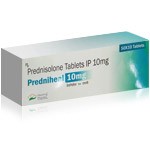
Predniheal (Prednisolone 40mg) is a synthetic glucocorticoid with approximately 4x the anti-inflammatory potency of natural cortisol. It is one of the most versatile medications in medicine.
How Prednisolone Works
- Enters cells throughout body
- Binds glucocorticoid receptors in cytoplasm
- Receptor complex enters nucleus
- Modifies gene expression
-
Reduces production of inflammatory mediators:
- Prostaglandins
- Leukotrienes
- Cytokines (TNF, IL-1, IL-6)
- Adhesion molecules
-
Suppresses immune cell activity:
- Reduces lymphocyte activation
- Decreases macrophage function
- Inhibits antibody production
- Multiple systemic effects throughout body
Prednisolone vs Prednisone
- Prednisone converted to prednisolone in liver
- Prednisolone is active form
- Same effects clinically
- Prednisolone preferred with liver disease
- Dose equivalency 1:1
- Both widely prescribed
Potency Comparison of Corticosteroids
| Steroid | Anti-inflammatory Potency | Duration |
|---|---|---|
| Hydrocortisone | 1 (baseline) | Short (8-12 hours) |
| Prednisolone/Prednisone | 4 | Intermediate (12-36 hours) |
| Methylprednisolone | 5 | Intermediate |
| Triamcinolone | 5 | Intermediate |
| Dexamethasone | 25-30 | Long (36-72 hours) |
| Betamethasone | 25 | Long |
🏥 Medical Uses of Prednisolone
Prednisolone 40mg is used for numerous conditions - the 40mg dose is typically for moderate to severe conditions requiring significant anti-inflammatory effect.
Autoimmune Diseases
- Rheumatoid arthritis - reduces joint inflammation
- Lupus (SLE) - controls flares
- Vasculitis - various forms
- Polymyalgia rheumatica
- Giant cell arteritis
- Sarcoidosis
- Autoimmune hepatitis
- Multiple sclerosis flares
- Myasthenia gravis
Allergic and Immunologic Conditions
- Severe allergic reactions
- Anaphylaxis (adjunct)
- Severe asthma exacerbations
- Angioedema
- Drug reactions
- Severe hives (urticaria)
- Contact dermatitis severe
Respiratory Conditions
- Asthma flares
- COPD exacerbations
- Chronic obstructive pulmonary disease
- Pulmonary sarcoidosis
- Interstitial lung disease
- Certain pneumonias
Skin Conditions
- Severe eczema
- Psoriasis (severe)
- Pemphigus
- Bullous pemphigoid
- Severe drug eruptions
- Erythema multiforme
Gastrointestinal Conditions
- Inflammatory bowel disease (IBD)
- Ulcerative colitis flares
- Crohns disease exacerbations
- Autoimmune hepatitis
- Eosinophilic esophagitis
Kidney Conditions
- Nephrotic syndrome
- Various glomerulonephritis
- Minimal change disease
- Membranous nephropathy
Hematologic Conditions
- Immune thrombocytopenia (ITP)
- Autoimmune hemolytic anemia
- Certain leukemias/lymphomas (as part of protocols)
Ophthalmologic Conditions
- Uveitis
- Optic neuritis
- Various inflammatory eye conditions
Other Uses
- Cerebral edema
- Adrenal insufficiency (physiologic replacement)
- Congenital adrenal hyperplasia
- Certain cancers (adjunct to chemotherapy)
- Transplant rejection prevention
- Symptom relief in various conditions

📋 Dosing Principles
General Dosing Approach
Prednisolone dosing is highly individualized based on:
- Condition being treated
- Severity of disease
- Patient weight
- Age and other health factors
- Treatment response
- Side effect tolerance
Dose Categories
| Dose Range | Category | Typical Uses |
|---|---|---|
| 5-7.5 mg daily | Physiologic replacement | Adrenal insufficiency |
| 5-15 mg daily | Low dose | Maintenance therapy |
| 20-40 mg daily | Moderate dose | Active disease control |
| 40-60 mg daily | High dose | Severe disease/flares |
| Above 60 mg daily | Very high dose | Severe conditions, transplant, cancer |
| 250-1000 mg IV pulse | Pulse therapy | Severe flares, rejection |
How to Take Prednisolone
- Take with food to reduce stomach irritation
- Morning dosing preferred to match natural cortisol rhythm
- Same time daily for consistency
- Do NOT stop suddenly if on long-term therapy
- Do NOT miss doses - can cause disease flare
- Take with full glass of water
- Do NOT crush unless specifically directed
Dosing Schedules
- Daily dosing - most common
- Alternate day dosing - reduces side effects for long-term use
- Divided doses - for some conditions
- Pulse therapy - high dose intermittently
- Tapering schedules - gradual dose reduction
⚠ Side Effects
Prednisolone effects the entire body. Side effects are dose and duration dependent - short courses at low doses have minimal side effects while long-term high-dose therapy has substantial effects.
Short-term Side Effects (Days to Weeks)
Common short-term effects:
- Increased appetite and weight gain
- Insomnia - especially with evening doses
- Mood changes - anxiety, irritability, mild euphoria
- Fluid retention
- Stomach upset or heartburn
- Elevated blood sugar
- Elevated blood pressure
- Acne breakouts
- Increased sweating
- Facial flushing
Long-term Side Effects (Months to Years)
Serious long-term effects:
- Osteoporosis and fractures - bone thinning
- Diabetes mellitus - steroid-induced
- Cataracts
- Glaucoma - increased eye pressure
- Adrenal suppression - HPA axis
- Cushingoid features - moon face, buffalo hump, central obesity
- Skin thinning - easy bruising, poor wound healing
- Muscle weakness (steroid myopathy)
- Increased infection risk
- Peptic ulcer disease
- Depression and psychosis
- Growth suppression in children
- Menstrual irregularities
- Avascular necrosis - hip and other joints
- Cardiovascular disease risk
Cushingoid Features
With long-term high-dose use, patients may develop signs of Cushing syndrome:
- Moon face - round facial appearance
- Buffalo hump - fat deposit at back of neck
- Central obesity - trunk weight gain
- Slim arms and legs - muscle wasting
- Purple stretch marks (striae)
- Thin skin
- Easy bruising
- Facial hair growth in women
Rare but Serious
- Psychosis - hallucinations, delusions (rare)
- Severe depression
- Pancreatitis
- Steroid myopathy - severe muscle weakness
- Avascular necrosis - joint bone death
- Pseudotumor cerebri
- Anaphylactic reactions (rare)
🔄 Tapering and Discontinuation
NEVER stop prednisolone abruptly if you have been taking it for more than 1-2 weeks. Sudden discontinuation can cause life-threatening adrenal crisis.
Why Tapering Is Essential
- Long-term use suppresses natural cortisol production
- Adrenal glands "sleep" during steroid use
- Sudden stopping = adrenal insufficiency
-
Symptoms of withdrawal:
- Severe fatigue
- Weakness
- Body aches
- Joint pain
- Nausea
- Vomiting
- Loss of appetite
- Low blood pressure
- Low blood sugar
- Confusion
- Can progress to adrenal crisis
Tapering Principles
- Gradual dose reduction over weeks to months
- Longer therapy = slower taper
- Individual response guides speed
- Watch for disease flare
- Monitor for adrenal insufficiency symptoms
- Physiologic dose (5-7.5 mg) most sensitive point
- Below physiologic requires slowest taper
Typical Tapering Schedule
Example for someone on 40mg daily long-term:
- Week 1-2: 30mg daily
- Week 3-4: 20mg daily
- Week 5-6: 15mg daily
- Week 7-8: 10mg daily
- Week 9-10: 7.5mg daily
- Week 11-12: 5mg daily
- Then slowly to 2.5mg
- Then alternate day dosing
- Then discontinuation
- Adrenal function testing may be needed
🤝 Drug Interactions
Prednisolone has numerous drug interactions requiring careful management.
Medications That Increase Prednisolone Levels
- Erythromycin/clarithromycin
- Ketoconazole/itraconazole
- HIV protease inhibitors
- Cyclosporine
- Estrogen/oral contraceptives
- Diltiazem
Medications That Decrease Prednisolone Effect
- Rifampin
- Phenobarbital
- Phenytoin
- Carbamazepine
- Barbiturates
- Cholestyramine
Prednisolone Affects Other Medications
- Increases anticoagulant risk with warfarin
- Reduces vaccine effectiveness
- Increases NSAID bleeding risk
- Enhances potassium loss with diuretics
- Alters diabetes medication needs
- May reduce salicylate levels
- Affects live vaccines - contraindicated at higher doses
Critical Interactions
- NSAIDs - significantly increased GI bleeding risk
- Live vaccines - avoid at immunosuppressive doses
- Warfarin - INR changes possible
- Digoxin - hypokalemia increases toxicity
- Cyclosporine - immunosuppression additive
👩 Special Populations
Pregnancy
- Category C (some risk possible)
- Use if benefits outweigh risks
- Prednisolone crosses placenta poorly (metabolized)
- Preferred over other steroids in pregnancy
- Fetal effects with high dose long-term
- Cleft lip/palate association (small)
- Growth restriction possible
- Adrenal suppression in newborn
- Continue if essential for mother
Breastfeeding
- Small amounts in breast milk
- Generally considered compatible
- Wait 4 hours after dose to breastfeed if possible
- Higher doses may need discussion
- Monitor infant for effects
Children
- Weight-based dosing
- Growth suppression concern with long-term use
- Monitor growth carefully
- Bone development effects
- Alternative-day dosing when possible
- Regular pediatric follow-up
Elderly
- More sensitive to side effects
- Higher fracture risk (osteoporosis)
- More diabetes risk
- More infection risk
- Cognitive effects more common
- Careful monitoring
- Lower doses often effective
Diabetes Patients
- Blood sugar will increase
- May need medication adjustment
- More frequent glucose monitoring
- Diet considerations
- Endocrinologist consultation helpful
Hypertension Patients
- Blood pressure may rise
- May need BP medication adjustment
- Regular BP monitoring
- Salt restriction helpful
🛡 Preventing Side Effects
Bone Health
- Adequate calcium (1200 mg daily)
- Vitamin D (800-1000 IU daily)
- Weight-bearing exercise
- Bone density scan (DEXA) baseline and periodic
- Bisphosphonates if osteoporosis risk high
- Avoid smoking
- Limit alcohol
Blood Sugar Management
- Monitor blood glucose regularly
- Balanced diet
- Regular exercise
- Weight management
- Diabetes screening
- HbA1c monitoring
Cardiovascular Protection
- Blood pressure monitoring
- Cholesterol screening
- Weight management
- Regular exercise
- Heart-healthy diet
- Address other risk factors
Infection Prevention
- Vaccinations up-to-date (inactivated)
- Avoid sick contacts when possible
- Hand hygiene
- Prompt evaluation of fever
- PJP prophylaxis if high dose long-term
Eye Care
- Annual eye examinations
- Watch for vision changes
- Glaucoma screening
- Cataract monitoring
Muscle and Overall Health
- Regular exercise (strength training)
- Adequate protein intake
- Stress management
- Adequate sleep
- Regular medical follow-up
🤔 Common Myths About Corticosteroids
- Myth: All steroids are the same as bodybuilding steroids
- Fact: Corticosteroids (prednisolone) are COMPLETELY DIFFERENT from anabolic steroids used illicitly for muscle building. Different chemical structure, different effects, different uses.
- Myth: Steroids always cause weight gain
- Fact: Weight gain most common with long-term high-dose use. Short courses may cause minimal weight change. Diet and exercise help manage weight during treatment.
- Myth: Once you start prednisolone, you cannot stop
- Fact: Many patients complete short courses without issues. Long-term users need gradual tapering. Stopping requires medical supervision.
- Myth: Natural alternatives work just as well
- Fact: For serious inflammatory conditions, natural remedies rarely match prednisolone effectiveness. May complement but not replace when medically indicated.
- Myth: Low-dose prednisolone is completely safe
- Fact: While lower doses have fewer effects, long-term low-dose therapy still requires monitoring. All doses have some effect on adrenal function.
- Myth: I can adjust my own dose based on symptoms
- Fact: Dose adjustments should be made with medical guidance. Improper changes can cause disease flares or adrenal problems.
🚨 When to Seek Medical Care
EMERGENCY - seek immediate care for:
- Signs of severe allergic reaction
- Signs of adrenal crisis (severe weakness, low BP, confusion)
- Severe abdominal pain (possible ulcer)
- Vomiting blood or black tarry stools
- Severe psychiatric symptoms (psychosis, severe depression)
- Severe infection signs
- Severe vision changes
- Signs of pancreatitis (severe upper abdominal pain)
- Sudden hip or joint pain (avascular necrosis)
Contact doctor promptly for:
- Signs of infection (fever, chills)
- Persistent mood changes
- Elevated blood sugar readings
- Elevated blood pressure
- New muscle weakness
- Vision changes
- Weight gain significant
- Menstrual irregularities
- Growth concerns in children
- Missing doses
Regular Monitoring Needed
- Regular clinical assessment
- Blood pressure monitoring
- Blood glucose testing
- Bone density (DEXA)
- Eye examinations
- Weight tracking
- Blood tests (potassium, sodium)
- Growth (children)
🌟 Key Takeaways
Essential points about prednisolone:
- Prednisolone (Predniheal) - potent anti-inflammatory glucocorticoid
- Treats over 100 conditions
- 4x more potent than natural cortisol
- Take with food, morning dosing preferred
- Short courses generally safe with minimal effects
- Long-term use requires careful monitoring
- NEVER stop suddenly if on long-term therapy
- Adrenal crisis is life-threatening emergency
- Gradual tapering essential for chronic use
- Many drug interactions - complete med list important
- Bone protection with calcium, vitamin D, exercise
- Blood sugar and BP monitoring
- Infection prevention important
- Regular eye examinations needed
- Cushingoid features with prolonged high-dose use
- Different from anabolic bodybuilding steroids
- Life-saving for many conditions
- Requires medical supervision throughout
Important Medical Disclaimer: This educational guide provides general information about corticosteroids and prednisolone and does not constitute individualized medical advice. Prednisolone (Predniheal) is a potent medication requiring prescription and appropriate medical evaluation. The 40mg dose is significant and typically reserved for serious inflammatory conditions requiring high-potency treatment. Corticosteroids affect virtually every organ system - benefits must be weighed against substantial side effect potential. Long-term use requires comprehensive monitoring including blood pressure, blood glucose, bone density, eye examinations, and infection surveillance. NEVER discontinue prednisolone abruptly after long-term use - can cause life-threatening adrenal crisis. Gradual tapering under medical supervision essential. Numerous drug interactions require complete medication disclosure to all healthcare providers including OTC medications, supplements, and herbal products. Live vaccines contraindicated at immunosuppressive doses. Special populations (pregnant women, children, elderly, immunocompromised, diabetics) require specialized approach. Signs of adrenal crisis, severe infection, severe psychiatric changes, or gastrointestinal bleeding require immediate emergency evaluation. Long-term users should wear medical alert identification indicating chronic corticosteroid use. Not to be confused with anabolic steroids - completely different medications with different uses and effects. Information here should complement but never replace direct professional guidance from qualified healthcare providers.
More Hormone Medications
