Buy Alzheimer’s & Dementia Medications Online — Cholinesterase Inhibitors and NMDA Antagonist Drugs for Memory Loss & Cognitive Decline



The medications in this category target the two most clinically established pharmacological approaches to slowing cognitive decline in Alzheimer's disease and dementia: cholinesterase inhibitors (which boost acetylcholine signaling) and NMDA receptor antagonists (which protect neurons from glutamate excitotoxicity). These are the only two drug classes with broad FDA approval for symptomatic treatment of Alzheimer's, with extensive real-world data spanning 25+ years of clinical use across hundreds of millions of patient courses worldwide.
💡 Key Insight: Choose cholinesterase inhibitors (Donepezil, Rivastigmine) for mild-to-moderate Alzheimer's. Add or switch to Memantine (NMDA antagonist) for moderate-to-severe stages. The combination of a cholinesterase inhibitor + Memantine in moderate-to-severe disease is supported by clinical guidelines and shows better cognitive, functional, and behavioral outcomes than either drug alone.
🧠 Two Drug Classes — Two Mechanisms
Alzheimer's disease is characterized by progressive loss of cholinergic neurons in the basal forebrain and excessive glutamate signaling in cortical and hippocampal regions. Dementia medications target one or both of these pathological processes:
Cholinesterase inhibitors (Donepezil, Rivastigmine, Galantamine) — block the enzyme that breaks down acetylcholine, increasing acetylcholine availability at remaining synapses. These are first-line therapy for mild-to-moderate Alzheimer's disease. Typical benefit window: 6-12 months of cognitive stabilization or slowed decline. Common side effects: nausea, diarrhea, bradycardia (cholinergic).
NMDA receptor antagonists (Memantine) — partially block excessive glutamate signaling that contributes to neuronal injury. Indicated for moderate-to-severe Alzheimer's disease, often added to a cholinesterase inhibitor in advanced stages for synergistic benefit. Generally well-tolerated with low side effect burden.
💊 Available Medications
RXShop.md carries the three most-prescribed Alzheimer's and dementia medications worldwide — all available as FDA-approved generic equivalents manufactured to international pharmaceutical quality standards:
- Aricept (Donepezil) — the most widely used cholinesterase inhibitor globally. Once-daily oral dosing (5-23 mg). First-line for mild-to-moderate Alzheimer's; can be continued into severe stages. Listed on the WHO Model List of Essential Medicines.
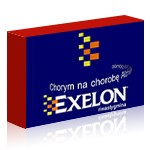
- Exelon (Rivastigmine) — cholinesterase inhibitor uniquely FDA-approved for both Alzheimer's disease dementia and Parkinson's disease dementia. Available as oral capsules and transdermal patches (better GI tolerability).
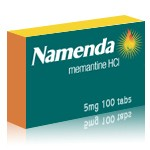
- Namenda (Memantine) — the only FDA-approved NMDA receptor antagonist for Alzheimer's. Used for moderate-to-severe disease, frequently combined with Aricept or Exelon. Available as standard and extended-release formulations.
💊 Drug Classes in This Category
| Class | What It Treats | Stage | Examples |
|---|---|---|---|
| Cholinesterase Inhibitor (oral) | Alzheimer's, Lewy body dementia, vascular dementia | Mild to Moderate | Aricept (Donepezil), Exelon (Rivastigmine) |
| Cholinesterase Inhibitor (patch) | Alzheimer's, Parkinson's dementia (better GI tolerability) | Mild to Moderate | Exelon Patch (Rivastigmine) |
| NMDA Receptor Antagonist | Moderate-to-severe Alzheimer's, refractory cases | Moderate to Severe | Namenda (Memantine) |
| Combination Therapy | Moderate-to-severe Alzheimer's with synergistic benefit | Moderate to Severe | Donepezil + Memantine, Rivastigmine + Memantine |
✅ How to Choose the Right Medication
- 🌅 Mild Alzheimer's (MMSE 21-26) ? Start with a cholinesterase inhibitor (Donepezil once daily, or Rivastigmine). Donepezil preferred for simplest dosing.
- 🌗 Moderate Alzheimer's (MMSE 10-20) ? Continue cholinesterase inhibitor and add Memantine for combination therapy. Better cognitive, functional, and behavioral outcomes than monotherapy.
- 🌑 Severe Alzheimer's (MMSE <10) ? Continue Memantine; consider continuing cholinesterase inhibitor based on family/caregiver assessment of benefit.
- 🅿 Parkinson's Disease Dementia ? Rivastigmine (Exelon) — only medication with FDA approval for this indication.
- 🍽 GI intolerance to oral cholinesterase (nausea, diarrhea) ? Switch to Exelon transdermal patch — bypasses GI tract.
- ❤ Cardiac concerns (bradycardia, conduction issues) ? Memantine preferred — no cholinergic cardiac effects.
- 💊 Polypharmacy / drug interactions ? Memantine has minimal CYP450 interactions and is renally cleared.
🩺 Conditions Treated
| Condition | Stage | Preferred Drug Class |
|---|---|---|
| Alzheimer's Disease | Mild to Moderate | Cholinesterase inhibitor (Donepezil, Rivastigmine) |
| Alzheimer's Disease | Moderate to Severe | NMDA antagonist (Memantine) ± cholinesterase inhibitor |
| Parkinson's Disease Dementia | Any stage | Rivastigmine (FDA-approved indication) |
| Lewy Body Dementia | Any stage | Cholinesterase inhibitor (off-label, strong evidence) |
| Vascular Dementia | Mild to Moderate | Off-label cholinesterase inhibitor (modest evidence) |
| Mixed Dementia | Variable | Combination therapy based on dominant pathology |
⏰ Why Early Treatment Matters
Clinical pearl for caregivers: Starting Alzheimer's medication earlier in the disease course generally produces better outcomes than starting later. The medications work by supporting remaining functional neurons — once those neurons are lost to disease progression, the drugs have less substrate to act on. If a family member has received a diagnosis of mild cognitive impairment or early Alzheimer's, discussing pharmacological options with the treating neurologist promptly is recommended.
🤝 Combination Therapy
In moderate-to-severe Alzheimer's disease, the combination of a cholinesterase inhibitor + Memantine is supported by clinical guidelines and large randomized trials. The two drug classes work through complementary mechanisms (acetylcholine boost + glutamate modulation), and combined therapy is generally well-tolerated. A typical regimen pairs Aricept or Exelon with Namenda extended-release for once-daily dosing of each.
⚠ Avoid Anticholinergic Medications: Drugs with strong anticholinergic activity (oxybutynin for overactive bladder, diphenhydramine in OTC sleep aids, tricyclic antidepressants) directly oppose the action of cholinesterase inhibitors. Combining them defeats the purpose of Alzheimer's therapy and may accelerate cognitive decline. Always review all medications (including OTC) with the prescribing physician when starting cholinesterase inhibitor therapy.
💰 Why Choose Generic Alzheimer's Medications
All medications in this category are available as FDA-approved generic equivalents. Generic Donepezil, Memantine, and Rivastigmine deliver identical therapeutic activity to brand-name Aricept, Namenda, and Exelon — at substantially lower cost. For chronic conditions requiring long-term medication like dementia, the cumulative savings from generic therapy over months and years can be substantial without any clinical compromise. RXShop.md sources from manufacturers meeting international quality standards.
❓ Frequently Asked Questions about Alzheimer's & Dementia Medications
What is the difference between cholinesterase inhibitors and NMDA antagonists?
Cholinesterase inhibitors (Donepezil, Rivastigmine) work by boosting acetylcholine signaling — they block the enzyme that breaks down acetylcholine, raising its availability at synapses. Best for mild-to-moderate stages. NMDA receptor antagonists (Memantine) work by modulating excessive glutamate signaling — they protect neurons from glutamate-induced excitotoxicity. Best for moderate-to-severe stages. The two classes act through complementary mechanisms and are often combined in advanced disease.
How long does it take to see effects?
Cognitive benefit develops gradually over 6-12 weeks of consistent dosing. Some families notice subtle improvements (better attention, less confusion, less repetition) within the first 4-8 weeks. Others observe stabilization rather than improvement — meaning the patient holds steady rather than continues to decline. Both are valid positive responses. The natural course of untreated Alzheimer's is steady decline, so even stabilization represents meaningful benefit.
Can these medications cure Alzheimer's disease?
No. Current FDA-approved medications provide symptomatic benefit and may modestly slow cognitive decline progression. They do not cure the disease, reverse pathology, or stop disease progression. The realistic goal is to maintain function and quality of life for as long as possible. Newer anti-amyloid antibody therapies (Lecanemab, Donanemab) modestly slow progression but do not cure either; they are not yet widely available globally.
Is combination therapy (cholinesterase inhibitor + Memantine) better than single drug?
Yes, in moderate-to-severe Alzheimer's disease. Multiple large randomized trials show that combining a cholinesterase inhibitor with Memantine produces better outcomes on cognition, daily function, and behavior than either drug alone. The two drug classes have non-overlapping side effect profiles, so combination is generally well-tolerated. In mild stages, single-drug therapy with a cholinesterase inhibitor is usually sufficient.
What are the most common side effects?
Cholinesterase inhibitors (Aricept, Exelon): nausea, diarrhea, decreased appetite, dizziness, vivid dreams, bradycardia. Most common during dose titration. Mitigation: take with food, slow titration, switch to Exelon patch for GI intolerance. Memantine (Namenda): generally very well-tolerated — dizziness, headache, constipation, mild confusion (rare). Lower side effect burden than cholinesterase inhibitors.
Can I switch between cholinesterase inhibitors?
Yes. Switching from one cholinesterase inhibitor to another is common practice when the first is not tolerated or response is inadequate. Donepezil and Rivastigmine are interchangeable in clinical practice, though dose adjustments and brief washout periods are sometimes recommended. Always discuss switching with the treating physician.
When should the medication be stopped?
This is an individualized decision with the treating physician. Generally medications are continued as long as the patient derives meaningful benefit. In very advanced disease where the patient no longer recognizes family or engages with surroundings, discontinuation may be considered as part of palliative care planning. Abrupt discontinuation should be avoided — gradual taper is preferred to assess withdrawal effects.
Are generic versions as effective as brand names?
Yes. FDA-approved generic Donepezil, Memantine, and Rivastigmine deliver the same therapeutic activity as brand-name Aricept, Namenda, and Exelon at substantially lower cost. Generic equivalents must meet identical FDA bioequivalence standards (same active ingredient, same strength, same route of administration, same therapeutic effect within 80-125% of brand). For chronic conditions requiring long-term medication, generic therapy is the standard recommendation.
📋 Important note: Alzheimer's and dementia medications do not cure the disease — they provide symptomatic benefit and may slow progression. All medications in this category require physician supervision, regular monitoring, and individualized dose titration. They are most effective as part of a comprehensive care plan that may include cognitive stimulation, caregiver support, safety modifications, and management of comorbid conditions (depression, sleep, behavioral symptoms).