Buy Phenergan Promethazine Hydrochloride Online for Allergy Relief and Nausea Control
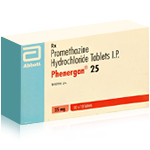

Phenergan (promethazine hydrochloride) is a first-generation H1 antihistamine used to relieve bothersome allergy symptoms such as sneezing, runny nose, itchy or watery eyes, and skin itching.
Compared with many “non-drowsy” antihistamines, it has a stronger sedating effect, which can be helpful when allergies disrupt sleep, but it also means you should use extra caution with driving or tasks that require focus.
Phenergan may also be used for nausea, vomiting, and motion sickness, making it a practical option for patients who experience both allergy flare-ups and travel-related discomfort. Common effects can include drowsiness, dry mouth, dizziness, and blurred vision, especially after the first doses or when combined with alcohol or other sedatives.
Use this medication only as directed by a healthcare professional, and seek medical advice if you develop severe reactions, unusual confusion, or breathing problems.

- Allergic rhinitis treatment — helps reduce nasal allergy symptoms, often when “non-drowsy” antihistamines are not enough;
- Hives and itching treatment — relief of urticaria, skin itching, and allergic skin reactions;
- Nausea and vomiting treatment — used to control nausea or vomiting from various causes when a clinician recommends it;
- Motion sickness prevention — helps with travel-related nausea, dizziness, and vomiting;
- Vertigo related nausea — sometimes used when dizziness/vertigo triggers nausea (doctor-directed);
- Sedation for allergy flare — can be chosen when symptoms disrupt sleep because it is sedating;
- Preoperative antiemetic — sometimes used before/after procedures to help prevent nausea (clinical setting).
- Helps with hives and skin itching — can calm allergic skin reactions like urticaria;
- Sedating effect for nighttime comfort — may help when allergies disrupt sleep, since it can cause drowsiness;
- Nausea and vomiting control — useful for nausea from different causes when a clinician recommends it;
- Motion sickness support — can help prevent or reduce travel-related nausea and vomiting;
- Multi-purpose option — one medication may cover both allergy flare-ups and nausea issues, depending on your needs;
- Can reduce “itch-scratch” cycle — by lowering itching, it may help prevent worsening irritation.
Generic Phenergan (Promethazine hydrochloride 10 mg) Medication guide:
🧾 Phenergan Overview: What It Is and How Promethazine Hydrochloride Works
Phenergan is a brand medication containing promethazine hydrochloride, a first-generation H1 antihistamine. It is widely recognized for two main actions: allergy symptom relief (H1 blocking) and a notable sedating effect. Because of this combination, the product is often used when allergy symptoms are intense, interfere with sleep, or when a clinician wants an antihistamine that also calms nausea.
Drug class
Sedating antihistamine (H1 blocker), phenothiazine derivative
Main uses
Allergy symptoms, hives and itching, nausea and motion sickness support
Key feature
Drowsiness is common, useful for nights but risky for driving
🔍 What symptoms can this medication help with?
Phenergan is commonly chosen for:
- Allergic rhinitis symptoms such as sneezing, runny nose, watery eyes, and itching
- Hives and skin itching (urticaria) related to allergic reactions
- Nausea and vomiting support in selected situations
- Motion sickness prevention or relief during travel
⚙️ How Promethazine Hydrochloride works in the body
Promethazine hydrochloride works primarily by blocking histamine H1 receptors. Histamine is one of the main chemicals behind classic allergy symptoms like itching, sneezing, and watery eyes. When H1 receptors are blocked, allergy symptoms typically become less intense.
This drug also has a strong effect on the central nervous system, which is why many people feel sleepy after taking it. In some patients, that sedation is helpful at night, but it can also reduce alertness during the day.
Practical meaning: If you need daytime performance, a non-drowsy allergy option may be preferred. If symptoms are worst at night, Generic (Phenergan) or Generic (promethazine hydrochloride) is sometimes selected because it can reduce symptoms and support sleep.
🧠 Why Phenergan feels different from non-drowsy antihistamines
Many modern antihistamines are marketed as non-drowsy because they have less effect on the brain. This drug is different: it often causes sedation and other anticholinergic-type effects. That is why it can feel stronger, but also why extra caution is needed.
| What patients notice | Why it happens | What to do |
|---|---|---|
| Drowsiness | Central nervous system calming effect | Avoid driving until you know your response |
| Dry mouth | Anticholinergic-type action | Hydrate, use sugar-free lozenges if needed |
| Dizziness | Lower alertness, balance sensitivity | Stand up slowly, avoid alcohol and sedatives |
✅ Who typically benefits most from this drug?
- 🔹 People with severe allergy symptoms that disturb sleep
- 🔹 Patients who need an option that can address allergy plus nausea in one plan
- 🔹 Those who have not tolerated or responded well to some non-drowsy antihistamines
Safety reminder: Because sedation can be strong, do not combine this medication with alcohol, sleep aids, or other sedatives unless a clinician specifically advises it.
🗣️ Dr. Michael Chen, MD
Quote: “Promethazine hydrochloride can be very effective for allergy symptoms, but its defining feature is sedation. Patients should treat it as a medication that can impair alertness, not as a casual daytime antihistamine.”
Bottom line: Phenergan is a sedating antihistamine built around promethazine hydrochloride. It can relieve allergy symptoms and may help with nausea, but it requires careful use due to drowsiness and reduced alertness.
🧬 Active Ingredient Profile: Promethazine Hydrochloride Explained
Promethazine hydrochloride is the active ingredient in Phenergan. It is a first-generation H1 antihistamine and a phenothiazine derivative. This combination explains why it can reduce classic allergy symptoms while also producing noticeable sedation and other “drying” (anticholinergic-like) effects in some people.
In plain English:
- Blocks histamine H1 receptors → helps with sneezing, itching, watery eyes
- Calms the brain → can cause drowsiness and slower reaction time
- May reduce nausea signals → supports motion sickness and vomiting control in selected cases
⚙️ What promethazine does in the body
When allergens trigger histamine release, H1 receptors help drive symptoms like runny nose, itching, and tearing. Promethazine hydrochloride reduces these symptoms by blocking H1 receptor activity. Unlike many non-drowsy antihistamines, promethazine can cross into the central nervous system more easily, which is why it often feels stronger and more sedating.
🧠 Why it can make you sleepy
Because this drug affects the central nervous system, sedation is common. For some patients, that can be useful at night when allergies disrupt sleep. For others, it can be a limitation during daytime use, especially for driving, school, or tasks requiring attention.
When sedation can help
Nighttime allergy flare-ups, itching that prevents sleep, or nausea with restlessness.
When sedation is a risk
Driving, operating machinery, exams, work shifts, and mixing with alcohol or sedatives.
🧾 Promethazine Hydrochloride: Key Clinical Features
| Feature | What it means | Why it matters |
|---|---|---|
| H1 antihistamine action | Blocks histamine-driven allergy signaling | Reduces sneezing, itching, watery eyes, runny nose |
| Sedating effect | Central nervous system calming | Can help nighttime symptoms but impairs alertness |
| Antiemetic support | Helps reduce nausea and vomiting pathways | Useful for motion sickness and nausea in selected cases |
| Anticholinergic-like effects | Drying effects in some tissues | May cause dry mouth, constipation, blurred vision, urinary retention |
🧩 Brand and generic naming (to avoid confusion)
Phenergan is the brand name. The generic name is promethazine hydrochloride. In some product listings, you may see Generic (Phenergan) or Generic (promethazine hydrochloride) used to indicate the ingredient name without repeating the brand. In everyday use, you can think of them as the same active ingredient, but packaging and manufacturer details can differ by market.
🗣️ Dr. Emily Carter, PharmD
Quote: “Promethazine hydrochloride is effective because it works on allergy pathways and also has strong sedating properties. Patients should treat it as a medication that can impair driving and focus, especially during the first doses.”
Bottom line: Promethazine hydrochloride is a sedating first-generation H1 antihistamine. It can relieve allergy symptoms and support nausea control, but its central effects require careful use and avoidance of alcohol or other sedatives.
🏷️ Brand vs Generic: Phenergan vs Promethazine Hydrochloride Differences
Phenergan is a brand-name product, while promethazine hydrochloride is the generic (active ingredient) name. In practice, many patients search both terms, but they mean different things: one is the marketed brand, the other is the chemical ingredient that can be sold under multiple brand labels or as a plain generic.
🔍 What stays the same when you switch from brand to generic
- Active ingredient: promethazine hydrochloride
- Core effects: allergy symptom control and sedating antihistamine action
- Main risks: drowsiness, reduced alertness, anticholinergic-type side effects
🧩 What can be different between Phenergan and a generic promethazine product
Even when the active ingredient is the same, real-world differences can appear due to product design and supply factors.
Manufacturer
Different production sites and quality systems by region.
Excipients
Inactive ingredients can affect tolerability for sensitive users.
Dosage forms
Tablets, syrup, suppositories, injections vary by market.
Packaging
Different labeling, batch coding, and pack sizes.
📊 Quick comparison: What buyers usually want to know
| Question | Phenergan (brand) | Generic promethazine hydrochloride |
|---|---|---|
| Is the active ingredient the same? | Yes | Yes |
| Can the “feel” differ? | Sometimes | Sometimes (excipients and form can vary) |
| Is labeling and packaging identical? | Often consistent within a region | Varies by manufacturer and market |
| What should I verify before use? | Strength, expiry, integrity | Strength, expiry, integrity, manufacturer details |
🧠 Common mix-ups (and how to avoid them)
-
Mix-up: choosing the wrong strength because packaging looks similar.
Fix: verify mg strength at checkout and again on arrival. -
Mix-up: expecting a non-drowsy effect.
Fix: treat this drug as a sedating antihistamine every time. -
Mix-up: switching forms (tablet to syrup) without guidance.
Fix: use the same dosage form unless a clinician changes the plan.
📌 A simple rule for safe switching
If you change from Phenergan to a generic version, keep everything consistent: same ingredient, same strength, same form. Then watch for differences in drowsiness, dizziness, or allergy control during the first doses.
Clinical note from Laura Jensen, MD
“Brand and generic products share the active ingredient, but patients can still notice differences in sedation or stomach tolerance. The safest approach is to confirm strength and dosage form, then monitor response for a few days after any switch.”
Takeaway: Phenergan is the brand; promethazine hydrochloride is the generic name. The ingredient can be the same across products, but packaging, excipients, and dosage forms may differ, so verify details and monitor your response after switching.
🎯 What Phenergan Treats: Primary Uses in Allergy and Beyond
Phenergan (promethazine hydrochloride) is best known as a sedating H1 antihistamine. Most people look for it when allergy symptoms feel “too strong” for standard non-drowsy options, or when symptoms come with nausea. Because this drug can reduce histamine-driven reactions and also calm the nervous system, it is used across a few symptom clusters.
🌿 Allergy Relief: The Most Common Reason
- Seasonal allergies with sneezing, runny nose, watery eyes, and itching
- Allergic rhinitis flare-ups that disturb sleep
- Skin allergy symptoms such as hives and itching (urticaria)
🤢 Beyond Allergies: Nausea and Motion Sickness Support
Many buyers search for promethazine because it can also help reduce nausea pathways. It is commonly discussed for:
- 🚗 Motion sickness during travel (car, bus, boat, flight)
- 🤢 Nausea and vomiting support in selected situations
- 🌀 Dizziness with nausea when a clinician considers it appropriate
😴 Symptom Pattern Where This Drug Often Fits Best
Nighttime allergy flare
Itching, sneezing, or runny nose that ruins sleep, plus a need for calming effect.
Allergy plus nausea
When symptoms overlap, this medication may cover both directions in one plan.
⚠️ What Phenergan is NOT meant to do
- Not a non-drowsy antihistamine: sedation is common and expected.
- Not a long-term daily “allergy maintenance” choice for everyone: many patients prefer non-sedating options for daytime routine.
- Not a self-mix medication: combining with alcohol, sleep aids, or strong sedatives increases risk.
📊 Use Cases Snapshot
| Use case | Typical search intent | What to keep in mind |
|---|---|---|
| Allergic rhinitis | allergy medicine for sneezing and runny nose | May cause drowsiness; better suited for evenings for many users |
| Hives and itching | antihistamine for hives itching relief | Dry mouth and sedation can occur |
| Motion sickness | medicine for motion sickness nausea | Plan timing; avoid driving if sedated |
| Nausea and vomiting | anti nausea medication promethazine | Use only as directed; monitor alertness and dizziness |
Laura Jensen, MD
“Promethazine can be useful when allergy symptoms are severe or when nausea overlaps with allergic flares. The trade-off is sedation, so patients should plan doses around activities that require focus.”
Takeaway: Phenergan is commonly used for allergy symptoms, hives and itching, and also for nausea or motion sickness support. Its defining feature is sedation, so it fits best when drowsiness is acceptable and safety precautions are followed.
🧑⚕️ Official Indications (FDA): Labeled Uses for Promethazine HCl
This section summarizes the official FDA-labeled indications for Phenergan and other products containing promethazine hydrochloride. The exact labeled uses can differ slightly by dosage form (tablets/suppositories vs injection), so it helps to view them in grouped form.
How to read this list: These are labeled “Indications and Usage” items. Your clinician may still decide that another option fits better based on sedation risk, age, breathing status, and other safety factors.
📌 FDA-labeled indications for oral promethazine products (tablets and similar forms)
- Perennial and seasonal allergic rhinitis
- Vasomotor rhinitis
- Allergic conjunctivitis due to inhalant allergens and foods
- Mild, uncomplicated allergic skin manifestations of urticaria and angioedema
- Amelioration of allergic reactions to blood or plasma
- Dermographism
- Anaphylactic reactions as adjunctive therapy to epinephrine and other standard measures after acute symptoms are controlled
- Preoperative, postoperative, or obstetric sedation
- Prevention and control of nausea and vomiting associated with certain types of anesthesia and surgery
- Adjunct to analgesics for control of postoperative pain (as part of a clinician-directed plan)
- Sedation and relief of apprehension and production of light sleep from which the patient can be easily aroused
- Active and prophylactic treatment of motion sickness
- Antiemetic therapy in postoperative patients
💉 FDA-labeled indications for promethazine injection products
Injectable promethazine labeling focuses on situations where oral therapy is not suitable and includes sedation and antiemetic uses in clinical settings.
- Allergic reactions to blood or plasma
- Anaphylaxis as an adjunct after acute symptoms are controlled
- Other uncomplicated immediate-type allergic conditions when oral therapy is impossible or contraindicated
- Sedation and relief of apprehension and production of light sleep from which the patient can be easily aroused
- Active treatment of motion sickness
- Prevention and control of nausea and vomiting in selected clinical contexts (including postoperative use)
- Adjunct to analgesics when a clinician uses it as part of a procedural or perioperative plan
🧭 What this means for an allergy product page
Core allergy indications
Allergic rhinitis, allergic conjunctivitis, urticaria/itching, and adjunctive support after anaphylaxis is controlled.
Cross-over indications
Motion sickness and nausea contexts appear in labeling, which explains why many buyers search it for travel nausea too.
Emily Carter, PharmD
“Promethazine is labeled for allergy and nausea-related indications, but the deciding factor in real use is often sedation. Patients should treat it as an antihistamine that can impair alertness and should not combine it with alcohol or other sedatives.”
Summary: FDA labeling for promethazine hydrochloride covers allergy conditions (rhinitis, conjunctivitis, hives), adjunctive support in anaphylaxis after control, sedation uses, and nausea or motion sickness indications. The correct choice depends on the symptom target and safety profile.
🌿 Allergic Rhinitis Relief: Sneezing, Runny Nose, Watery Eyes, Itching
Phenergan (promethazine hydrochloride) may be used to help relieve allergic rhinitis symptoms when histamine is a major driver. People typically look for this medication when congestion and itching are paired with intense sneezing, watery eyes, and a runny nose, especially if symptoms are worse at night. Because this drug is sedating, it is often considered for evening symptom control rather than a daytime “non-drowsy” allergy routine.
🧩 What allergic rhinitis feels like (symptom cluster)
When these symptoms appear together, they are often histamine-driven, which is where an H1 antihistamine like promethazine may help.
⚙️ Why promethazine can reduce allergy symptoms
- H1 blockade helps reduce itching, sneezing, and watery eyes.
- Drying effect may reduce runny nose in some people.
- Sedation can make nighttime symptoms easier to tolerate, but may impair alertness.
🕒 When to consider timing (day vs night)
Nighttime fit
Allergies disrupt sleep and you can safely allow for drowsiness.
Daytime caution
Driving, studying, or working with machinery may become unsafe due to sedation.
📌 Rhinitis relief plan (simple, practical)
- Confirm the trigger: seasonal pollen, dust, pet dander, or unknown irritants.
- Use as directed: keep timing consistent and avoid self-escalation.
- Watch response: sneezing and itching usually improve earlier than full nasal comfort.
- Limit risky combos: alcohol and other sedatives can intensify drowsiness.
🚩 When symptoms may not be “allergy”
Consider medical advice if you have fever, thick discolored nasal discharge, severe facial pain, or symptoms lasting unusually long, as these may suggest infection or a different cause rather than allergic rhinitis.
Michael Chen, MD
“Promethazine can calm sneezing and itching, but sedation is the trade-off. For many patients it works best as an evening option when allergy symptoms are strongest and sleep is disrupted.”
Takeaway: For allergic rhinitis, Phenergan can reduce sneezing, itching, watery eyes, and runny nose, especially when symptoms are severe at night. Because it is sedating, plan dosing carefully and avoid activities that require full alertness.
🤧 Seasonal Allergies vs Chronic Allergies: When This Drug Fits Best
Phenergan (promethazine hydrochloride) can help relieve histamine-driven allergy symptoms, but it is not always the best “everyday” option. The big difference is how often symptoms happen and how much you can tolerate the medication’s drowsiness. For some patients, this medication works best as a targeted tool for difficult days or nighttime flare-ups rather than a daily long-term routine.
🗓️ Seasonal allergies (short-term flare pattern)
Seasonal allergies usually appear in waves, often linked to pollen or outdoor exposure. This drug may be considered when:
- Symptoms are intense at night and disrupt sleep
- Sneezing, itching, and watery eyes feel “uncontrolled” by milder options
- You want an antihistamine that can also calm nausea during travel season
📆 Chronic allergies (frequent or year-round pattern)
Chronic allergy symptoms often require a sustainable plan. Because promethazine is sedating, clinicians frequently reserve it for:
- 🟨 Nighttime use when symptoms peak and sleep is affected
- 🟨 Short courses during severe flare-ups
- 🟨 Situations where daytime drowsiness is acceptable and monitored
🧭 Quick chooser: Which allergy pattern matches you?
| Pattern | What it feels like | Where Phenergan may fit |
|---|---|---|
| Seasonal allergy flare | Bad weeks, then calmer periods | Short-term relief, often better for evenings |
| Year-round allergies | Symptoms most weeks | Occasional or nighttime support, not always daily first choice |
| Mixed triggers | Indoor plus outdoor triggers | May be used as a backup when symptoms spike |
🧩 Practical strategy without overcomplicating it
Simple plan many patients follow:
- Use non-drowsy options for daytime control when appropriate.
- Use this medication for severe nights or flare peaks if your clinician recommends it.
- Reassess if you need it often, since long-term daily sedation is rarely ideal.
Emily Carter, PharmD
“Promethazine can be a strong allergy tool, but the sedation is not minor. For chronic allergies, many patients do better with a long-term daytime plan and reserve this drug for nights or severe flare periods.”
Takeaway: Seasonal allergies often suit short-term use during peak flares, while chronic allergies may call for a sustainable daytime strategy. Phenergan is commonly positioned as a stronger, sedating option for severe symptoms, especially at night.
🤢 Nausea and Vomiting Support: How It Helps and When It Is Used
Phenergan (promethazine hydrochloride) is not only searched as an allergy medication. Many people look for it because it can support nausea and vomiting control, including travel-related nausea. This effect is linked to how promethazine influences nausea pathways in the brain and reduces signals that trigger vomiting. Because it is also sedating, the goal is usually comfort and symptom control, not staying highly alert.
🧭 Most common nausea-related reasons people use this medication
- Motion sickness (car, boat, bus, airplane)
- Acute nausea with stomach upset when a clinician recommends an antiemetic
- Post-procedure nausea in clinical settings (provider-directed use)
🧠 How it helps nausea (simple explanation)
Promethazine can reduce nausea by calming certain brain pathways involved in the vomiting reflex. Many patients notice that it not only reduces nausea intensity but can also lessen the “spinning” or unsettled feeling that leads to vomiting during travel.
⏱️ Timing tips for travel nausea
For motion sickness prevention, timing matters. Taking this drug too late may reduce its preventive value, while taking it too early can increase daytime drowsiness. Follow clinician directions and plan around activities that require focus.
Before travel
Best for prevention when used as directed before triggers begin.
During travel
May help if nausea starts, but sedation can be stronger than expected.
After vomiting
If vomiting is persistent, dehydration risk rises and medical advice may be needed.
⚠️ Safety notes specific to nausea use
- Drowsiness is expected, so avoid driving or operating machinery.
- Avoid alcohol and other sedatives; the combination can be dangerous.
- If vomiting is ongoing, focus on hydration and consider medical care to prevent complications.
📌 When you should not self-manage nausea with this medication
| Situation | Why it matters | Best next step |
|---|---|---|
| Severe dehydration signs | Ongoing fluid loss can become urgent | Seek medical evaluation promptly |
| Severe abdominal pain | Could signal a different condition | Medical assessment is recommended |
| Breathing problems or extreme sedation | High safety risk with sedating drugs | Urgent medical help |
Michael Chen, MD
“Promethazine can be effective for nausea, especially motion-related nausea, but sedation is the main limitation. Patients should plan dosing around safety and treat severe or persistent vomiting as a medical issue, not just a discomfort.”
Takeaway: Phenergan is commonly used for nausea and vomiting support, including motion sickness. It can calm nausea pathways, but it also causes drowsiness, so timing and safety precautions are essential.
🚗 Motion Sickness Prevention: Travel Nausea and Dizziness Use Cases
Phenergan (promethazine hydrochloride) is frequently used for motion sickness because it can reduce nausea signals and calm the dizziness-driven urge to vomit. It is most useful when motion triggers symptoms early, such as boat travel, winding roads, turbulence, or long bus rides. Since this medication is sedating, your travel plan should prioritize safety and comfort, not high alertness.
🧭 Typical motion sickness scenarios
Car and bus rides
Stop-and-go motion, reading, phone use, winding roads.
Boat and ferry travel
Continuous rocking, strong waves, strong odor exposure.
Flights and turbulence
Takeoff, landing, pressure changes, turbulence sensitivity.
📌 Mini infographic: How to reduce motion sickness triggers
⏱️ When to take it for travel nausea
For motion sickness prevention, Phenergan is often more effective when used before symptoms peak. If you wait until nausea is severe, the goal shifts from prevention to control. Always follow clinician instructions for timing and dose.
⚠️ Driving warning for travel plans
📊 Motion sickness use: quick decision table
| Situation | What usually helps | Phenergan role |
|---|---|---|
| Mild nausea | Fresh air, forward gaze, hydration | Sometimes unnecessary if symptoms are minimal |
| Moderate nausea | Trigger control plus medication plan | May be used when clinician recommends sedation-tolerant option |
| Severe nausea or repeated vomiting | Hydration focus, medical review if persistent | Use only as directed; seek care if dehydration risk rises |
Hannah Moore, MD
“For motion sickness, the timing and the travel plan matter as much as the medication. If a patient needs to stay alert or drive, a strongly sedating anti-nausea option may not be the right fit for that trip.”
Takeaway: Phenergan can help prevent or control motion sickness nausea, especially in high-trigger travel settings. Use it strategically, prioritize safety, and plan around its sedating effects.
😴 Sedation Effects: When Drowsiness Can Be Helpful and When It Is a Risk
Phenergan (promethazine hydrochloride) is known for strong sedation. For some patients, drowsiness is exactly why this medication works well at night, especially when allergies or nausea disrupt rest. For others, sedation is the main drawback because it can reduce alertness, slow reaction time, and increase accident risk.
🎛️ Sedation is not always “bad”
When drowsiness can be useful
- Nighttime allergy flare-ups that prevent sleep
- Itching that keeps you awake
- Travel nausea when resting is acceptable
- Situations where a clinician wants both symptom relief and a calming effect
⚠️ When sedation becomes a safety risk
Driving and machinery
Reaction time can slow, even if you feel only mildly sleepy.
School and work focus
Attention, memory, and coordination may drop during peak effect.
High-risk combinations
Alcohol and sedatives can intensify sleepiness and breathing risk.
📉 Mini infographic: Sedation intensity factors
often more sleepiness
stronger effect for many users
can amplify sedation
adds extra impairment
📊 What sedation can look like (and what to do)
| What you notice | What it may mean | Safer next step |
|---|---|---|
| Mild drowsiness | Expected effect for many users | Avoid driving; schedule dosing for evening if possible |
| Dizziness or unsteady walking | Coordination impairment | Stand up slowly; avoid stairs alone; contact clinician if persistent |
| Confusion or unusual behavior | Excess central nervous system effect | Stop risky activities and seek medical advice promptly |
| Extreme sleepiness | High sedation load or interaction | Seek urgent help if breathing is affected or you cannot stay awake |
Emily Carter, PharmD
“Promethazine sedation can be stronger than patients expect, especially on the first day. The safest approach is to avoid driving, skip alcohol, and treat the first doses as a trial period to see how your body reacts.”
Takeaway: Sedation is a defining effect of promethazine hydrochloride. It can help when symptoms ruin sleep, but it becomes a risk during daytime tasks, driving, or when combined with alcohol or other sedatives.
⚙️ Mechanism of Action: H1 Blockade and Antiemetic Properties
Phenergan contains promethazine hydrochloride, a medication that works through more than one pathway. That is why many people experience both allergy relief and a noticeable calming, anti-nausea effect. Understanding the mechanism helps explain common outcomes like reduced itching and sneezing, but also side effects like drowsiness and dry mouth.
🧩 The two main actions (easy mental model)
Action 1: H1 antihistamine effect
Blocks histamine H1 receptors to reduce allergy signals such as itching, sneezing, and watery eyes.
Action 2: Central anti-nausea and sedating effect
Calms brain pathways involved in nausea and the vomiting reflex, which is why it can support motion sickness and nausea control, but also causes drowsiness.
🧠 Why it can reduce itching and runny nose
Histamine is one of the main chemicals behind allergy symptoms. When histamine binds to H1 receptors, it can trigger itching, tearing, sneezing, and nasal irritation. Promethazine hydrochloride blocks these receptors, which helps reduce the intensity of those symptoms.
🤢 Why it can help nausea and motion sickness
Nausea can be triggered by motion, inner-ear signals, and brain “vomiting center” pathways. Promethazine affects these pathways, lowering the chance that nausea turns into vomiting. This is why many patients search for this drug as both an allergy medicine and an antiemetic.
📉 Mechanism-to-effect map (mini infographic)
less itching
less sneezing
less nausea
more drowsiness
📌 What this means for real-life use
- If your main goal is daytime allergy control, sedation may be a disadvantage.
- If your main goal is nighttime relief or nausea support, sedation may be acceptable or even helpful.
- If you need to drive or stay alert, treat this medication as high impairment potential.
Michael Chen, MD
“Promethazine works like a two-tool medication. It blocks histamine for allergies and also calms nausea pathways in the brain. That same central effect explains why drowsiness is common and why patients should plan activities around it.”
Takeaway: Promethazine hydrochloride works by blocking H1 receptors for allergy relief and by calming nausea pathways in the brain. This dual mechanism explains both its benefits and its most common limitation: sedation.
⏱️ Onset of Action: How Fast Phenergan Typically Starts Working
Phenergan (promethazine hydrochloride) is often chosen when people want relief that feels noticeable, especially for itching, sneezing, and nausea. However, “how fast it works” depends on what you are treating, the dose, and your individual sensitivity to sedating antihistamines. Some effects are felt sooner (like drowsiness), while symptom relief can build over a short window.
🧭 What you may notice first
Calming / sleepiness
Often the earliest effect and a clear signal the drug is active.
Itch reduction
Skin itching and irritation may ease as histamine signaling is blocked.
Nausea settling
Motion-related nausea may decrease as central pathways are calmed.
📊 Onset expectations by symptom type
| Symptom target | How onset often feels | What can affect the timing |
|---|---|---|
| Allergy itching and hives | May ease relatively early, then stabilize | Severity, trigger exposure, dose consistency |
| Sneezing and watery eyes | May improve after the medication “kicks in” | Allergen load, other allergy measures, timing |
| Runny nose | Some people notice drying, others less change | Non-allergy causes of rhinitis, humidity, irritants |
| Nausea and motion sickness | Works best when used before strong triggers | Travel timing, food intake, motion exposure |
| Sedation | Often the earliest and strongest effect | Alcohol, other sedatives, sleep deprivation |
🧩 “It works but I still feel symptoms” scenarios
- High allergen exposure (pets, pollen peaks, dust) can overwhelm symptom control.
- Non-allergic rhinitis (irritants, infection) may not respond the same way.
- Late dosing for travel nausea can limit preventive benefit.
🧯 Safety checkpoint during first doses
During your first doses, treat this medication like a “trial period.” Avoid driving or risky tasks until you know your level of drowsiness. Do not combine with alcohol or sleep aids unless a clinician directs it.
Emily Carter, PharmD
“Patients often feel sedation first, then symptom relief follows. If the only effect is sleepiness and allergies remain severe, it is worth reassessing triggers, timing, and whether a different allergy strategy fits better.”
Takeaway: Phenergan often produces noticeable sedation early, while allergy and nausea relief can follow shortly after depending on the symptom target and timing. For motion sickness, earlier planned dosing is usually more effective than late rescue use.
🕒 Duration of Effect: How Long Promethazine May Last per Dose
Phenergan (promethazine hydrochloride) is often described as a “longer-feeling” sedating antihistamine. In real life, the duration is not just about symptom control; it also includes how long drowsiness, slower reaction time, and dry-mouth effects may linger. That is why this medication is frequently planned for evening use or travel situations where staying alert is not the top priority.
📌 What lasts longer: symptom relief vs sedation
Many patients notice that sedation can outlast allergy relief. This is important for next-morning plans, driving, and work or study performance.
| What changes | Often noticed sooner | Often judged later |
|---|---|---|
| Body sensations | Sleepiness, calmer feeling, mild dizziness in some users | Whether those sensations stabilize and feel manageable the next day |
| Allergy symptom control | Less itching, fewer sneezes, reduced watery eyes | How well symptoms stay controlled across a full day or night |
| Nausea support | Nausea may settle after the dose begins working | Whether vomiting stays controlled during a longer trip or trigger window |
| Safety and functioning | Feeling sedated can be obvious | Whether your reaction time and focus remain impaired the next morning |
🧠 Two common misunderstandings (and how to fix them)
Misunderstanding: If I feel sleepy, the dose is too strong and I should change it randomly.
Sedation can be expected, especially early. The first fix is usually timing consistency (often evening) and avoiding alcohol or sedatives. If drowsiness is unsafe or extreme, that is a follow-up signal, not a reason to experiment alone.
Misunderstanding: If allergy symptoms return later, the medication did not work.
Allergy control can be “noisy” when triggers stay high (pollen peaks, pets, dust). The better question is whether symptoms improved during the planned window and whether the overall trend is better with consistent use and trigger control.
🧪 Real-world duration factors people forget
Sedation amplifiers ⚠️
Alcohol, sleep aids, anxiety sedatives, strong pain medicines, and other antihistamines can make drowsiness much stronger than expected.
Metabolism changers 🔄
Some medicines can change how your body processes this drug. If you start or stop major medications, your response to promethazine may shift.
📋 A clean way to report how long it lasts (so clinicians can actually help)
30-second report template:
“I took Phenergan (or generic promethazine hydrochloride) at [time]. Sleepiness peaked at [time]. Allergy symptoms improved by [time]. The next morning I felt [clear / mildly slow / very sedated]. I also used [alcohol? other sedatives?] and had [high pollen / pet exposure / travel].”
📈 Simple 7-day tracker (mini infographic)
Tracking helps you see whether the duration is predictable or random.
same daily
when it hits
0 to 10
0 to 10
triggers
🚦 The 3-zone safety check (Green, Yellow, Red)
Green zone ✅
- Sleepiness is mild and predictable
- Symptoms improve within expected window
- No new concerning reactions
Yellow zone 🟡
- Too sleepy the next morning
- Only partial symptom improvement
- Recent changes in meds, supplements, or alcohol use
Red zone ⛔
- Breathing trouble or severe confusion
- Fainting or unsafe dizziness
- Cannot stay awake or wake normally
🧑⚕️ Expert note
Hannah Moore, MD
“When patients say the drug lasts too long, it is often not the antihistamine alone. It is timing, alcohol, sleep aids, or other sedating medicines. A stable routine plus a clean interaction review usually solves the mystery faster than random dose changes.”
Section takeaway: The duration of promethazine effects can feel long, especially sedation. Plan dosing around safety, avoid sedating combinations, and use a simple tracker to judge whether results are predictable and acceptable.
📏 Dosage Forms and Strengths: Tablets, Syrup, Suppositories, Injection Overview
Phenergan (promethazine hydrochloride) is available in multiple dosage forms. The form matters because it affects how practical the medication is for your situation (allergy flare at home vs travel nausea vs inability to keep pills down). While the active ingredient is the same, the route and strength can change how users experience onset, convenience, and tolerability.
Quick buyer tip: Always confirm form + strength (mg) together. The same product name can appear across different forms with different dosing logic.
🧾 Main dosage forms you may see
Tablets
Common for allergy symptom relief and planned nausea support. Practical for home use and predictable routines.
Oral liquid / syrup
Used when swallowing pills is difficult or when flexible dosing is needed. Measure accurately using a proper dosing tool.
Suppositories
Considered when nausea or vomiting makes oral intake unreliable. Often discussed for travel or severe nausea scenarios.
Injection
Primarily a clinical setting form (procedures, severe nausea). Not a DIY option and has strict safety considerations.
📌 Common strengths (what shoppers usually look for)
Availability varies by country and supplier, but shoppers most often search by simple, high-intent terms like Phenergan 25 mg or promethazine hydrochloride 25 mg. Other strengths may exist depending on the form and market.
| Form | What buyers usually search | Why it matters |
|---|---|---|
| Tablets | Phenergan 10 mg, Phenergan 25 mg (varies by market) | Most straightforward for planned allergy use; easy to store and carry |
| Oral liquid | promethazine syrup, promethazine oral solution | Useful when pills are hard to swallow; dosing accuracy becomes important |
| Suppositories | promethazine suppository | Option when vomiting prevents keeping tablets down |
| Injection | promethazine injection | Typically hospital use; route has higher handling and safety requirements |
🧩 Mini infographic: How to choose the form (decision flow)
🧠 Form-specific safety reminders
- All forms: sedation is common. Treat the first doses as a “caution period” for driving and focus.
- Liquid: avoid kitchen spoons. Use a dosing syringe or cup to reduce measurement errors.
- Suppositories: store and handle as directed to maintain stability and comfort of use.
- Injection: not a home-use product; it is typically administered under medical supervision.
Clinical voice: Emily Carter, PharmD
“Most problems I see are not the ingredient, but the form and strength mismatch. Patients should verify the exact dosage form and mg strength before starting, especially when switching between brand Phenergan and generic promethazine hydrochloride products.”
Section takeaway: Phenergan and generic promethazine hydrochloride come in multiple forms. Tablets are common for allergies, while non-oral options may be considered when nausea prevents oral dosing. Always confirm the exact form and strength to avoid confusion and reduce risk.
🧭 How to Take Phenergan Correctly: Timing, Food, and Daily Routine Tips
Phenergan (promethazine hydrochloride) is a sedating antihistamine, so “how to take it” is not only about the dose. It is about timing, consistency, and avoiding common mistakes that make side effects feel worse than they need to be. Many users get better results when they treat this medication like a planned routine instead of a random rescue pill.
💊 The swallow and handle basics
Do not crush or split tablets unless a clinician specifically approves it. Changing tablet form can increase confusion about strength and may change tolerability.
🍽️ Food consistency: the quiet rule many people miss
Food can influence how strongly you feel sedating medicines. The key is consistency: take this drug the same way each time, either with a similar meal pattern or consistently without food, unless your clinician advises otherwise. A stable routine makes your response easier to predict.
If nausea is a problem
A small snack can help some people tolerate the dose better.
If sedation feels unpredictable
Keep the same timing and food pattern for several days before judging it.
🚗 Driving, work, and safety during the first days
Treat the first doses as a caution zone. Even if you feel “only a little sleepy,” coordination and reaction time may still be affected. Many patients do best by planning the first doses when they can avoid driving and high-focus tasks.
Safety rule: If you feel sedated, dizzy, or mentally slowed, do not drive. Stability first, speed later.
🧠 What to do if you feel better (the temptation to stop)
Feeling better can tempt people to stop suddenly or take doses only “when it gets bad.” For allergy patterns, that can lead to symptom rebound during high exposure days. If a change is needed, it is usually best as a planned adjustment guided by a clinician.
📋 The most useful patient report for a clinician
Bring this info:
- Time taken and whether it was with food
- When sedation peaked and how long it lasted
- Allergy or nausea symptom score before and after (0 to 10)
- Any other meds that day, especially alcohol, sleep aids, or other antihistamines
Michael Chen, MD
“Clinicians can adjust treatment faster when patients report patterns: when the dose is taken, when sleepiness peaks, and what changed recently. That turns a vague complaint into a solvable plan.”
Section takeaway: The best results with Phenergan come from consistent timing, a stable food pattern, and cautious first doses. Avoid alcohol and other sedatives, and track how long drowsiness lasts before making changes.
🔁 Missed Dose Guidance: What to Do and What Not to Do
Missing a dose of Phenergan (promethazine hydrochloride) is common, especially when the medication is used “as needed” for allergies, nausea, or travel. The safest response depends on why you take it and what you were about to do next (drive, study, work, travel). The main rule is simple: do not double up just to catch up.
✅ If you missed a dose for allergies
- If you remember soon: take it only if you can safely tolerate drowsiness.
- If it is close to the next planned time: skip the missed dose and return to your normal schedule.
- If symptoms are mild now: consider waiting for the next planned dose rather than taking it late.
✅ If you missed a dose for nausea or motion sickness
Think in two tracks:
Prevention track
If you missed the preventive timing window, the benefit may be smaller. Avoid “stacking” doses.
Control track
If nausea is active now, follow your clinician plan. Focus on hydration and safety if drowsy.
🚫 What NOT to do after a missed dose
- Do not double the next dose to “make up” for a missed one.
- Do not mix with alcohol to “sleep it off” or “calm down nausea.”
- Do not combine randomly with other sedating antihistamines or sleep aids.
- Do not take a late dose if you must drive or stay alert soon.
📉 Quick risk ladder: how to respond based on the moment
| Situation | Best first move | Why it is safer |
|---|---|---|
| Remembered shortly after | Take only if you can avoid driving and risky tasks | Prevents unexpected impairment during important activities |
| Close to next scheduled dose | Skip and return to normal timing | Avoids “stacking” sedation |
| Need to drive soon | Skip the missed dose | Reduces accident risk from delayed drowsiness |
| Vomiting or dehydration risk | Follow clinician instructions and prioritize hydration | Persistent vomiting can become urgent |
🧾 The clean message to send a clinician (if misses keep happening)
“I missed [number] doses this week. I usually take Generic (Phenergan) at [time]. The main reason I miss is [sleep schedule / travel / forgetfulness]. When I take it late, I feel [sleepy / dizzy / fine] the next morning.”
Emily Carter, PharmD
“With sedating antihistamines, doubling after a missed dose is one of the fastest ways to create unsafe drowsiness. A stable schedule and simple reminders usually solve the adherence issue better than dose changes.”
Section takeaway: If you miss a dose, do not double up. Take it only if you can safely tolerate sedation, or skip it if you are close to the next dose or need to stay alert. Repeated misses are a scheduling problem to solve, not a reason to stack doses.
⚖️ Dose Adjustment Scenarios: When Clinicians Review the Dose
Phenergan (promethazine hydrochloride) is not a “more is better” medication. Because it can cause strong drowsiness and anticholinergic-type effects (dry mouth, blurred vision, constipation), clinicians usually adjust therapy by changing the timing, frequency, or sometimes switching to a different option, rather than pushing the dose upward. The goal is simple: symptom control with acceptable alertness and safety.
🧭 The most common reasons a dose gets reviewed
Not enough symptom relief
Allergies remain intense, itching persists, or motion sickness still breaks through during travel. Clinicians first check triggers, timing, and whether the medication is being used in the right situation.
Too much sedation
Next-day grogginess, slowed thinking, dizziness, and unsteady walking are common reasons to adjust the plan. Timing changes are often considered before anything else.
📌 Typical adjustment strategies (what happens in real practice)
- Move dosing to evening if daytime functioning is affected.
- Use smaller or less frequent dosing if symptoms are intermittent.
- Reserve this medication for flare-ups and rely on less sedating options for baseline control when appropriate.
- Re-check interacting substances such as alcohol, sleep aids, other antihistamines, and certain pain medicines.
- Switch the route (in clinician-directed contexts) when oral use is not practical due to vomiting.
🧩 Mini infographic: Dose review logic
Confirm indication
Check timing
Check interactions
Adjust plan
📊 Common “problem → solution” patterns
| Problem patients report | Likely issue | What clinicians often consider |
|---|---|---|
| Works, but I am too sleepy | Sedation load is too high | Evening timing, lower frequency, or alternative antihistamine |
| Helps allergies, but next-day brain fog | Effect lasts into morning | Earlier evening dose, avoid sedatives, reassess dose plan |
| Does not prevent travel nausea | Timing window missed or trigger intensity high | Pre-travel dosing plan, trigger reduction steps, alternative antiemetic strategy |
| Dry mouth and constipation | Anticholinergic-type effects | Hydration, diet support, lower dose strategy, consider switching if persistent |
🚫 Do not self-adjust in these situations
- Breathing problems or severe sleepiness
- Confusion or unusual behavior
- Frequent falls or strong dizziness
- Child or older adult use without direct clinician oversight
Emily Carter, PharmD
“Most dose problems with promethazine are actually timing and interaction problems. Before increasing anything, we check alcohol, sleep aids, other antihistamines, and whether the patient needs daytime alertness. Often the safest fix is a scheduling change or a different option.”
Section takeaway: Clinicians review promethazine dosing when relief is inadequate or sedation is excessive. Most adjustments focus on timing, frequency, and interaction review, with switching considered when daytime performance or safety becomes a concern.
👶 Pediatric Considerations: Age-Specific Safety Alerts and Cautions
Phenergan (promethazine hydrochloride) requires extra caution in children because sedating antihistamines can affect breathing, alertness, and coordination more strongly than adults expect. Pediatric use is not “just a smaller adult dose.” It is a separate risk category with specific safety concerns, especially in very young children and in those with respiratory conditions.
High-priority pediatric warning: Promethazine has serious safety concerns in young children, particularly related to respiratory depression. Pediatric use should be clinician-directed and carefully monitored.
🧒 Why children react differently
Stronger sedation effect
Kids can become overly sleepy, sluggish, or less responsive with standard sedating antihistamines.
Breathing sensitivity
Respiratory suppression risk is a key concern, especially during sleep or illness.
Paradoxical reactions
Some children may become unusually restless or agitated instead of sleepy.
🛑 Situations where extra caution is critical
- Breathing problems (asthma flare, bronchitis, pneumonia, sleep apnea-like symptoms)
- Fever and dehydration (vomiting or reduced fluid intake)
- Multiple sedating medicines (cold syrups, cough meds, sleep products)
- Nighttime dosing when monitoring may be less consistent
📊 Pediatric monitoring checklist (what caregivers should watch)
| What to watch | Why it matters | When to seek help |
|---|---|---|
| Excessive sleepiness | May signal too much central effect | If child is hard to wake or unusually unresponsive |
| Breathing changes | Respiratory suppression risk | If breathing is slow, noisy, or labored |
| Unusual agitation | Paradoxical stimulation | If severe restlessness or confusion occurs |
| Dry mouth or poor urination | Dehydration and anticholinergic effects | If dehydration signs worsen or vomiting continues |
🧩 Safer caregiver rules (simple and practical)
- Use only clinician-directed pediatric dosing and never guess a dose.
- Avoid mixing with other sedating cold and cough products.
- Measure liquid accurately using a dosing syringe or proper cup (not kitchen spoons).
- Monitor breathing and responsiveness, especially during sleep.
Amanda Rivera, PharmD
“With promethazine in children, the risk is not only drowsiness. The main safety concern is breathing. Caregivers should avoid combining it with other sedating cough and cold products and should seek help if the child becomes unusually sleepy or difficult to wake.”
Section takeaway: Pediatric use of promethazine hydrochloride requires strict caution and clinician oversight. Monitor for excessive sleepiness, paradoxical agitation, and especially any breathing changes, and avoid mixing with other sedating medications.
👵 Older Adults: Fall Risk, Confusion Risk, and Anticholinergic Burden
Phenergan (promethazine hydrochloride) can be challenging for older adults because the same effects that reduce allergy symptoms can also increase falls, confusion, and daytime impairment. Age-related changes in metabolism and sensitivity to sedating medications mean that older patients may feel stronger effects for longer. For this group, clinicians often weigh the benefit of symptom relief against the safety cost of sedation and anticholinergic-type side effects.
🧠 Why older adults are more sensitive
Longer-lasting sedation
Drowsiness may persist into the morning and reduce coordination and reaction time.
Higher fall risk
Dizziness, slowed reflexes, and low-light nighttime walking can lead to injury.
Anticholinergic burden
Dry mouth, constipation, blurred vision, and urinary retention can be more severe.
🚶 Fall prevention checklist (practical and fast)
- Stand up slowly from bed or chairs, especially at night.
- Use night lighting in hallways and bathrooms.
- Avoid alcohol and other sedatives on the same day.
- Skip driving until you clearly know your response.
- Tell a family member when starting the first dose, if possible.
🧩 Anticholinergic-type side effects that matter more with age
Older adults may be more affected by these effects and complications:
Constipation
Can worsen discomfort and increase straining risk; hydration and fiber support may be needed.
Urinary retention
Difficulty urinating can become urgent, especially with prostate issues or bladder conditions.
Blurred vision
Can increase fall risk, especially on stairs or uneven ground.
Confusion
May appear as disorientation, memory slips, or unusual behavior changes.
📊 Older adult risk table: symptoms and action
| What you notice | Why it matters | What to do |
|---|---|---|
| Morning grogginess | Impaired balance and reaction time | Avoid driving; discuss timing or alternative options |
| Unsteady walking | Fall risk increases sharply | Use support; avoid stairs alone; seek advice if persistent |
| Confusion | Possible excessive central effect | Contact clinician promptly; avoid sedating combinations |
| Urination difficulty | Retention can become urgent | Seek medical advice the same day |
🧑⚕️ Clinician-style guidance (what typically gets reviewed)
In older adults, clinicians often review: total sedating medications, fall history, baseline cognition, constipation history, urinary symptoms, and whether a less sedating allergy strategy could provide adequate control.
Michael Chen, MD
“In older patients, promethazine is less about allergy relief and more about safety trade-offs. If someone has a fall history or baseline confusion risk, we usually prioritize alternatives or strict nighttime-only plans with close monitoring.”
Section takeaway: Older adults have higher risk of falls, confusion, and anticholinergic side effects with promethazine. If used, it should be planned carefully with safety precautions, interaction review, and attention to next-day impairment.
🚫 Contradictories: Who Should Not Use Phenergan
Phenergan (promethazine hydrochloride) is a sedating first-generation antihistamine, and there are situations where it should be avoided due to safety risks. This section highlights the most important do not use scenarios and the health conditions that typically require a clinician to choose a different option.
Important: If you are unsure whether a contraindication applies to you, do not guess. Confirm with a healthcare professional before using this medication.
🛑 Absolute contraindications and strict avoid situations
- Known allergy or hypersensitivity to promethazine or any ingredient in the product
- Severe central nervous system depression or coma-like states where additional sedation is unsafe
- Significant respiratory depression or severely reduced breathing function
- Use in very young children where promethazine carries serious breathing risk concerns
🫁 Breathing-related red zones (high caution or avoid)
Asthma flare or active wheezing
Sedation and drying effects can complicate breathing status. Clinicians often prefer alternatives in unstable respiratory conditions.
Sleep apnea or chronic breathing disorders
Sedatives can worsen nighttime breathing. Disclose sleep-related breathing issues before using this drug.
🧠 Conditions where sedation is not acceptable
Promethazine can strongly impair alertness. Avoid or reassess use if you:
- Must perform safety-critical tasks (driving, machinery, high-risk work) and cannot plan downtime
- Have a history of severe confusion or medication-related delirium
- Are using other medications that cause heavy sedation and cannot safely pause them (clinician review required)
👁️🫧 Anticholinergic-type caution zones
This drug can worsen “drying” effects. Clinicians typically use extra caution or consider alternatives when patients have:
Urinary retention risk
Especially with prostate enlargement or bladder outlet obstruction.
Narrow-angle glaucoma risk
Blurred vision and pressure changes can be dangerous in susceptible patients.
Severe constipation
Can worsen bowel motility problems and discomfort.
📊 Contraindication snapshot table (fast scan)
| Situation | Why it matters | Safer direction |
|---|---|---|
| Allergy to promethazine | Risk of serious hypersensitivity reactions | Avoid completely and choose alternatives |
| Breathing suppression risk | Sedation can worsen respiratory status | Use alternative therapy; urgent review if symptoms exist |
| Very young child use | Higher risk of severe respiratory depression | Pediatric clinician must direct therapy |
| Cannot tolerate sedation | Impaired driving and work safety | Prefer non-drowsy options for daytime use |
| Urinary retention or glaucoma risk | Anticholinergic-type effects can worsen conditions | Clinician review; consider alternatives |
Michael Chen, MD
“The key contraindication logic with promethazine is simple: if sedation or breathing suppression could be dangerous for the patient, we avoid it. Then we review anticholinergic risks like urinary retention and glaucoma before deciding it belongs in the plan.”
Section takeaway: Do not use Phenergan if you are allergic to promethazine, have severe breathing suppression risk, or are in a situation where sedation is unsafe. Additional caution applies for urinary retention risk, glaucoma risk, and patients who are highly sensitive to sedating medications.
⚠️ Key Warnings and Precautions: Sedation, Breathing, and CNS Effects
Phenergan (promethazine hydrochloride) is effective for allergy symptoms and nausea support, but its safety profile is defined by one major theme: central nervous system (CNS) effects. In simple terms, this medication can make you sleepy, slow your reaction time, and in high-risk situations may contribute to breathing suppression. That is why warnings focus on sedation, respiratory safety, and careful avoidance of risky combinations.
Primary warning: This drug can cause significant drowsiness. Mixing with alcohol, sleep aids, opioids, or other sedatives can raise the risk of dangerous CNS depression.
🧠 CNS warnings: what they mean in daily life
Impaired alertness
Even “mild” sleepiness can reduce reaction speed and coordination. Many people underestimate this effect because they feel calm rather than obviously intoxicated.
Confusion risk
Some users experience mental fog, disorientation, or unusual behavior changes, especially older adults or those on multiple sedating medicines.
🫁 Breathing precautions: who should be extra careful
Promethazine can be risky when breathing is already fragile. Extra caution is typically needed for:
- Asthma during flare-ups or active wheezing
- Chronic lung disease such as COPD
- Sleep apnea or heavy snoring with daytime sleepiness
- Acute respiratory infections when breathing feels compromised
🚫 High-risk combinations (most common cause of avoidable problems)
amplifies sedation
adds CNS depression
higher breathing risk
stacking drowsiness
strong additive effect
more impairment
🚨 Red-flag symptoms that need urgent attention
| Red flag | Why it matters | What to do |
|---|---|---|
| Trouble breathing | Possible respiratory depression or severe reaction | Seek urgent medical help |
| Cannot stay awake | Excess CNS effect, interaction, or overdose risk | Urgent evaluation |
| Severe confusion | Unsafe mental impairment | Stop risky activity and seek medical advice promptly |
| Fainting or repeated falls | High injury risk | Medical assessment recommended |
🧩 Practical precautions that prevent most problems
- Plan the first dose when you do not need to drive or stay highly alert.
- Avoid alcohol entirely on days you take this medication.
- Do not stack sedatives unless a clinician tells you exactly how.
- Monitor breathing if you have asthma, COPD, or sleep apnea risk.
- Keep dosing consistent so effects are predictable.
Hannah Moore, MD
“Most promethazine emergencies come from combinations: alcohol, sleep aids, or opioids added on top of a sedating antihistamine. If breathing feels off or a person cannot stay awake, it is safer to treat it as urgent.”
Section takeaway: The key warnings for Phenergan focus on sedation, impaired alertness, and breathing risk in vulnerable patients. Avoid high-risk combinations, plan dosing around safety, and treat breathing trouble or extreme sleepiness as urgent.
🧠 Mental Alertness Warning: Driving, School, Work, and Focus Safety
Phenergan (promethazine hydrochloride) can significantly reduce mental alertness. Even when you do not feel “knocked out,” reaction time, coordination, and decision-making can still be impaired. This is why the biggest practical risk is not the allergy itself, but what can happen if you drive, study, or work in safety-sensitive environments while under the effect of this medication.
Core rule: If you feel sleepy, slowed, dizzy, or “foggy,” do not drive and do not operate machinery. Treat first doses like a test period.
🚗 Driving and transportation safety
Why driving is risky
Promethazine can slow reaction time, reduce visual focus, and increase lane drift or delayed braking. The impairment can last longer than you expect, especially the next morning.
Safer alternatives
Plan for rides, public transport, or staying home. If you must travel, discuss non-drowsy allergy options with a clinician when appropriate.
🎓 School and studying: what users often report
In learning environments, the drug may affect:
- Attention span and speed of reading
- Short-term memory and recall
- Coordination in sports or lab activities
- Motivation due to “heavy” tiredness
Student-friendly strategy:
- Try the first dose on a low-demand evening.
- Avoid scheduling exams or presentations right after a new dose.
- Do not combine with energy drinks to “cancel” sedation; it can worsen jittery side effects.
🏭 Work safety: where the risk is highest
High-risk roles
Drivers, machine operators, construction, ladders, electrical work, kitchen knives, medical shifts.
Common mistake
Taking a “small” dose before work and assuming it will not affect performance.
📊 Impairment checklist: decide before you act
| Question | If yes | What it suggests |
|---|---|---|
| Do you feel sleepy or heavy-eyed? | Do not drive | Sedation is active |
| Do you feel dizzy when standing? | Avoid stairs and risky tasks | Balance impairment risk |
| Are you slower answering simple questions? | Delay high-focus work | Cognitive slowing |
| Did you also take alcohol or sedatives? | Seek advice promptly | High-risk combination |
🧩 How long should you wait before driving?
There is no single perfect number for everyone. The safest approach is to avoid driving until you have used the medication enough times to know your response and you feel fully normal. If you experience next-morning grogginess, treat that as a sign that your impairment lasts longer than expected.
Amanda Rivera, PharmD
“Patients often judge promethazine by how sleepy they feel, but impairment can exist even with mild drowsiness. The first doses should be planned for evenings, and driving should be avoided until the patient clearly knows their level of impairment.”
Section takeaway: Promethazine can impair focus, coordination, and reaction time. Plan first doses for low-demand periods, avoid driving and hazardous work while affected, and treat any fogginess or dizziness as a clear reason to pause risky activities.
🍷 Alcohol and Sedatives: High-Risk Combinations to Avoid
Phenergan (promethazine hydrochloride) is already a sedating medication. When it is combined with alcohol or other sedatives, the effects can stack in a way that becomes unpredictable and unsafe. The biggest risks are extreme drowsiness, confusion, falls, and in vulnerable people, breathing suppression. If you want to avoid most preventable problems with this drug, this is the section to follow closely.
Rule of thumb: If it can make you sleepy, calm you down, or slow your brain, it can dangerously amplify promethazine.
🥂 Alcohol: why the mix is risky
Alcohol can increase the sedating impact of promethazine, often more than people expect. Even “a little” alcohol can lead to sudden heavy sleepiness, poor coordination, and delayed reaction time. For many users, the combination also increases dizziness, nausea, and next-day fog.
What you might feel
- Sudden heavy drowsiness
- Dizziness or “spins”
- Confusion or slow thinking
- Unsteady walking
What can happen
- Falls and injuries
- Unsafe driving impairment
- Breathing risk in sensitive patients
- Memory gaps and poor judgment
💤 Sedatives to avoid or review with a clinician
These categories commonly intensify promethazine effects. If you take any of them, the combination should be reviewed by a healthcare professional:
strong additive sedation
higher breathing risk
more CNS depression
more impairment
stacked drowsiness
hidden sedation
can increase fog
unpredictable risk
📊 Quick table: combination risk and safer behavior
| Combination | Why it is risky | Safer approach |
|---|---|---|
| Phenergan + alcohol | Amplified sedation, poor coordination, accident risk | Avoid alcohol on dosing days |
| Promethazine + sleep aids | High CNS depression and next-day impairment | Do not combine unless clinician gives a specific plan |
| This medication + opioids | Greater risk of dangerous drowsiness and breathing suppression | Medical review required; monitor closely |
| Generic promethazine + other antihistamines | Stacked sedation and anticholinergic effects | Avoid doubling antihistamines unless advised |
🚨 If you already mixed them (what matters most)
- Do not drive and avoid stairs or risky movement.
- Have someone check on you if you feel very sleepy or confused.
- Seek urgent help if breathing feels slow, difficult, or you cannot stay awake.
- Do not take another sedating dose until a clinician confirms safety.
Hannah Moore, MD
“Promethazine problems often appear after stacking sedatives. The patient may look simply sleepy at first, then become increasingly impaired. If someone cannot stay awake or has breathing changes after mixing, treat it as urgent.”
Section takeaway: Alcohol and sedatives can dangerously amplify promethazine. Avoid alcohol on dosing days, do not stack sedating medicines without a clinician plan, and treat extreme sleepiness or breathing trouble as urgent warning signs.
💊 Drug Interactions: Medicines That Can Increase Drowsiness or Side Effects
Phenergan (promethazine hydrochloride) is one of those medications where interactions are mostly about stacking effects. The active ingredient already causes sedation and can create anticholinergic-type effects (dry mouth, blurred vision, constipation). When other drugs push the same pathways, side effects can jump from “manageable” to “unsafe” quickly.
Interaction shortcut: If another medicine makes you sleepy, dizzy, constipated, or mentally slow, it can amplify promethazine.
🧩 Interaction clusters (grouped by what they do to you)
Cluster A: Sedation stack
- Sleep medicines and strong nighttime sedatives
- Anxiety sedatives and calming agents
- Opioid pain medicines (higher risk, especially for breathing)
- Muscle relaxants
- Some cough and cold products with “hidden drowsiness”
Cluster B: Anticholinergic stack
- Other sedating antihistamines
- Medicines that cause dry mouth or constipation
- Drugs that worsen blurred vision or urinary retention
- Some medications used for overactive bladder (anticholinergic type)
📉 Mini infographic: Interaction risk meter
single medicine, no sedation overlap
mild drowsy meds together
multiple sedatives or opioids
📋 What to tell a pharmacist or clinician (fast and useful)
Bring this list:
- All prescription medicines
- All OTC allergy, cold, cough, and sleep products
- Any pain medicines that cause drowsiness
- Any meds that cause constipation or urination difficulty
🚨 When an interaction becomes an urgent problem
| Warning sign | Why it matters | Action |
|---|---|---|
| Cannot stay awake | Excess CNS depression | Urgent medical help |
| Breathing feels slow or difficult | Respiratory suppression risk | Emergency evaluation |
| Severe confusion | Unsafe impairment | Seek medical advice promptly |
| Falls or fainting | Injury risk | Medical assessment recommended |
Section takeaway: Drug interactions with promethazine are mostly about stacking sedation and anticholinergic side effects. Avoid combining with other sedatives when possible, review all cold and sleep products, and treat breathing trouble or extreme sleepiness as urgent warning signs.
🌿 Supplements and OTC Products: What to Disclose Before Use
Phenergan (promethazine hydrochloride) often gets combined with over-the-counter cold, sleep, and allergy products without people realizing they are “stacking” the same effects. The safest approach is to treat OTC + supplements as part of your medication list, not as separate harmless extras. Many issues with this drug happen because a person unknowingly doubles sedation or dryness effects.
🧾 The disclose list (what to mention every time)
antihistamines
combo syrups
night formulas
herbal blends
🧩 OTC products that can silently increase drowsiness
These are common “hidden sedation” sources. You may not feel them strongly alone, but together with promethazine they can become too much:
- Nighttime cold and flu products (often include sedating ingredients)
- Sleep aids and “PM” formulas
- Other antihistamines used for itching or runny nose
- Motion sickness products that cause drowsiness
🫧 OTC products that can worsen dry mouth, constipation, and blurred vision
What can worsen dryness
Some allergy and cold products add extra “drying” effects. When combined, they can increase dry mouth, constipation, and urinary difficulty.
Who feels it most
Older adults, people with constipation, and those with urinary retention risk can be affected more strongly.
🌱 Supplements: what to be careful with
Supplements are not always “gentle.” Some are calming and can add sedation; others may alter how you feel, especially when combined with a sedating antihistamine. Disclose any supplement that is marketed for sleep, stress, or relaxation.
Examples of supplement themes to disclose:
📊 Quick scan table: what to avoid mixing without advice
| Product type | Why it can be a problem | Better move |
|---|---|---|
| Night cold formulas | Hidden sedation and drying effects | Use daytime formulas if needed, or ask a pharmacist |
| OTC sleep aids | Stacked CNS depression | Avoid combining unless clinician approves |
| Extra antihistamines | Doubling drowsiness and dry-mouth effects | Use one plan, not two antihistamines at once |
| Calming supplements | Unpredictable additive sedation | Disclose and review before combining |
✅ The simplest safety habit
Keep a single “med list note” on your phone that includes OTC products and supplements. When you start promethazine or change brands, share that list with a pharmacist or clinician to avoid accidental stacking.
Section takeaway: OTC products and supplements can silently amplify promethazine sedation and dryness effects. Disclose all nighttime cold meds, sleep products, extra antihistamines, and calming supplements before use to reduce avoidable side effects.
🫁 Respiratory Risks: Asthma, COPD, Sleep Apnea, and Breathing Concerns
Phenergan (promethazine hydrochloride) can affect breathing safety because it is a central nervous system depressant in many people, meaning it can increase sleepiness and reduce alertness. In patients with already fragile breathing, that sedation can become a problem — especially at night. The key message is not that everyone with a respiratory diagnosis must avoid this drug, but that people with breathing risk factors should treat it as a high-caution medication and discuss it with a clinician.
🧭 Who is most likely to need extra caution
If you recognize yourself in these tags, consider this medication a “plan it, do not improvise it” drug.
🧩 Why breathing risk increases with promethazine
Promethazine can intensify sleepiness and slow the body’s response to low oxygen, especially when combined with other sedatives. In sleep apnea and chronic lung disease, nighttime breathing can already be unstable. Adding a sedating antihistamine can increase the risk of poor-quality breathing during sleep.
📉 Mini infographic: What raises risk the most
sleep breathing risk
adds CNS depression
higher respiratory risk
asthma/COPD unstable
✅ Safer use habits if you have a respiratory condition
- Avoid combining sedatives (alcohol, sleep aids, strong pain meds).
- Do not use during an active breathing flare unless a clinician approves.
- Start when you can be monitored (not alone, not before driving, not before urgent tasks).
- Keep rescue inhalers and breathing plan available if you have asthma.
- Report next-morning grogginess — it can signal prolonged CNS effect.
🚨 When breathing concerns become urgent
| Symptom | Why it matters | What to do |
|---|---|---|
| Shortness of breath that is new or worsening | Possible respiratory compromise | Seek urgent medical evaluation |
| Slow or shallow breathing | CNS depression risk | Emergency help |
| Blue lips or fingertips | Low oxygen warning | Emergency help immediately |
| Cannot stay awake | Unsafe sedation level | Urgent evaluation |
🧾 Quick self-check before taking it (30 seconds)
- Am I wheezing today? If yes, avoid self-use and get medical advice.
- Did I drink alcohol or take a sleep aid? If yes, do not combine.
- Do I have sleep apnea symptoms? If yes, treat this as high caution.
- Do I need to drive soon? If yes, skip or reschedule.
Section takeaway: Respiratory conditions increase the risk of problems with sedating antihistamines like promethazine. Avoid risky combinations, do not use during active asthma/COPD flare-ups without guidance, and treat breathing changes or extreme sleepiness as urgent warning signs.
🫀 Heart and Blood Pressure Considerations: When Extra Monitoring Is Needed
Phenergan (promethazine hydrochloride) can affect how steady you feel, how alert you are, and sometimes how your cardiovascular system responds, especially when standing up quickly or when combined with other medicines. Most people focus on allergy relief, but for some patients the bigger issue is dizziness, lightheadedness, and blood pressure drops that can lead to falls or fainting.
🧭 Who should be more careful
People with low blood pressure
If you already feel dizzy when standing, this medication can make it worse.
Those using BP medicines
Some antihypertensives can compound lightheadedness, especially early in treatment.
History of fainting or falls
Sedation plus postural dizziness increases injury risk, particularly at night.
🧩 Why dizziness happens (simple explanation)
Promethazine can cause sedation and may contribute to postural lightheadedness (feeling dizzy when you stand up). This can be stronger if you are dehydrated, have been vomiting, skipped meals, or take other medicines that lower blood pressure.
📉 Mini infographic: “Dizzy chain” you can interrupt
less volume
standing dizzy
injury chance
Hydration, slow position changes, and avoiding sedative combinations can break this chain.
✅ Practical precautions that help most people
- Stand up slowly and pause before walking, especially at night.
- Hydrate with small sips if nausea is present; dehydration worsens dizziness.
- Avoid alcohol and other sedatives on the same day.
- Use night lighting to prevent falls if you wake up sleepy.
- Do not drive if you feel lightheaded or foggy.
📊 When to monitor more closely
| Scenario | Why monitoring helps | What to watch |
|---|---|---|
| New BP medication started | Combined effects can cause stronger dizziness | Lightheadedness when standing, near-fainting |
| Vomiting or poor intake | Dehydration increases low BP risk | Dry mouth, weakness, reduced urination |
| Older adult use | Falls are more dangerous | Unsteady gait, confusion, morning grogginess |
| Heart rhythm history | Some medicines can affect rhythm in susceptible patients | Palpitations, chest discomfort, fainting |
🚨 Urgent signs (do not wait)
- Fainting or repeated near-fainting episodes
- Chest pain or severe palpitations
- Severe weakness with confusion or inability to stay awake
- Shortness of breath that is new or worsening
Section takeaway: Promethazine may increase dizziness and low-blood-pressure type symptoms in some patients, especially with dehydration, BP medicines, or fall risk history. Use slow movements, hydrate, avoid sedatives, and seek urgent help if fainting, chest pain, or severe palpitations occur.
🧪 Liver and Kidney Considerations: When Effects Can Feel Stronger or Last Longer
Phenergan (promethazine hydrochloride) is processed by the body in a way that can be influenced by liver function and overall health status. While many people use this medication without issues, those with liver disease or reduced organ reserve may notice that effects feel stronger, last longer, or become less predictable. The key concern is not only symptom relief, but prolonged drowsiness and a higher chance of side effects.
🧭 Who should pay extra attention
If you fit any of these tags, treat promethazine as a “monitor response closely” medication.
🧩 What liver and kidney issues can change
Longer-lasting sedation
If clearance is slower, drowsiness may persist into the next morning, increasing fall risk and driving impairment.
More side effects at usual doses
Dry mouth, constipation, dizziness, and “brain fog” can feel more intense if your body handles the drug more slowly.
📉 Mini infographic: “Lingering effect” timeline you should notice
planned use
expected
alert or fog
back to normal
If morning fog becomes “normal,” it is a signal to reassess timing, dose strategy, or alternatives with a clinician.
✅ Practical safety moves if you have liver or kidney concerns
- Use the lowest effective plan recommended by a clinician and avoid self-escalation.
- Plan dosing for low-demand hours (often evening) to reduce accident risk.
- Avoid alcohol, which adds sedation and can worsen liver strain.
- Watch dehydration if nausea is present; dehydration can intensify dizziness and weakness.
- Review your medication list because interactions may feel stronger when clearance is reduced.
📊 Signs your body may be clearing the medication too slowly
| Sign | What it can suggest | What to do |
|---|---|---|
| Next-day grogginess that is frequent | Prolonged CNS effect | Reassess timing and plan with a clinician |
| Unusual confusion | Excess CNS depression or interaction | Stop risky activity and seek medical advice promptly |
| Repeated dizziness or near-fainting | Over-sedation, dehydration, BP impact | Hydrate and seek evaluation if persistent |
| Worsening constipation or urination difficulty | Anticholinergic effects | Medical review recommended |
🚨 When to seek urgent evaluation
- Breathing feels slow or difficult
- Cannot stay awake or someone cannot wake you normally
- Fainting or repeated falls
- Severe confusion or abnormal behavior changes
Section takeaway: Liver or kidney concerns can make promethazine effects feel stronger or last longer, especially sedation. Plan dosing carefully, avoid alcohol, monitor next-day impairment, and seek medical help if breathing, consciousness, or severe confusion becomes concerning.
🧬 Pregnancy and Breastfeeding: Safety Considerations and When to Avoid
Phenergan (promethazine hydrochloride) is sometimes discussed for nausea, allergy symptoms, or motion sickness, but pregnancy and breastfeeding require a different safety mindset. The main concerns are sedation, potential effects on the newborn (especially near delivery), and whether safer alternatives exist for the same symptom. This section focuses on practical, risk-aware decision points rather than generic warnings.
Guiding idea: In pregnancy and lactation, the best medication is the one that controls symptoms with the lowest effective exposure and the least risk of sedation or newborn effects.
🤰 Pregnancy: what to think about before using this medication
Pregnancy can change how strongly you feel sedating medicines. Promethazine may also worsen common pregnancy discomforts such as constipation or dizziness. Decisions are usually based on trimester, symptom severity (allergy vs nausea), and your daily safety needs.
Possible concerns
- Drowsiness that increases fall risk
- Low blood pressure feeling or dizziness
- Constipation becoming worse
- Interaction risk if other meds are used
When clinicians may reassess
- Symptoms are mild and can be managed differently
- You must drive or stay highly alert daily
- You have breathing risk (sleep apnea symptoms, asthma flare)
- You are close to delivery and sedation could affect mother or baby
🍼 Breastfeeding: what matters most
Sedating antihistamines can potentially affect the nursing infant by causing sleepiness or feeding changes in sensitive cases. Another practical issue is that strong sedation in the parent can reduce safe caregiving alertness, especially for nighttime feeds.
Breastfeeding self-check (quick):
- Will I be too sleepy to safely respond to my baby at night?
- Is my baby premature or medically fragile (higher caution category)?
- Do I notice infant sleepiness or reduced feeding after I take it?
📉 Mini infographic: Pregnancy and breastfeeding decision path
If nausea → assess severity and hydration risk.
📊 When to stop and seek medical advice
| Situation | Why it matters | What to do |
|---|---|---|
| Severe nausea with dehydration signs | Dehydration in pregnancy can become urgent | Seek prompt medical evaluation |
| Breathing feels worse | Sedating meds can worsen respiratory stability | Urgent medical advice |
| Extreme sleepiness | Unsafe for falls and caregiving | Stop risky activities and contact a clinician |
| Breastfed infant unusually sleepy | Possible sensitivity in the infant | Contact pediatric or medical support |
✅ Practical precautions if a clinician approves use
- Use the minimum effective plan and avoid “extra doses.”
- Avoid alcohol and other sedatives completely.
- Choose low-risk timing (often evening) when you can rest and be supported.
- Monitor next-day impairment; if it persists, the plan should be reassessed.
- Do not mix OTC sleep or cold products without pharmacist review.
Section takeaway: In pregnancy and breastfeeding, promethazine decisions focus on minimizing sedation and protecting newborn safety. Use only with clinician guidance, avoid sedative combinations, and seek medical advice if dehydration, breathing issues, extreme sleepiness, or infant drowsiness appears.
🧊 Storage and Handling: How to Keep Phenergan Safe and Effective
Phenergan (promethazine hydrochloride) is sensitive to the same everyday problems that ruin many medications: heat, moisture, light, and poor organization. Correct storage is not just “pharmacy advice” — it helps maintain potency, reduces mix-ups (especially when you have multiple blister packs), and keeps the medication away from children and pets.
✅ The 4 storage rules that matter most
Keep it dry
Bathrooms are often humid. Moisture can damage tablets and blister integrity over time.
Avoid heat spikes
Do not store in cars, near radiators, or on sunny windowsills where temperatures swing.
Protect from light
Keep in original packaging to reduce light exposure and preserve labeling clarity.
Keep it separated
Store away from similar-looking tablets to prevent accidental mix-ups.
📉 Mini infographic: Where NOT to store this drug
humidity
heat swings
sunlight
hot spots
📦 Keep original packaging (it prevents the most common mistake)
Promethazine products may appear in blisters or bottles depending on the market. Keeping original packaging helps you verify: drug name, strength, lot details, and expiry date. It also reduces the risk of confusing it with another sedating tablet.
Fast label check (before every new pack):
- Active ingredient: promethazine hydrochloride
- Strength: confirm mg matches your plan
- Expiry date: do not use past expiry
- Tablet count: confirm pack size
🧒 Child safety and household safety
Because this medication can cause heavy sedation, it should be stored with strong household precautions. Use a high cabinet or locked storage, especially if children, teens, or pets have access.
Safer placement
High, closed storage, away from vitamins and candy-like chewables.
Safer organization
Keep it in a separate box or pouch labeled “sedating medication.”
🧳 Travel handling (common buyer scenario)
| Travel situation | What to do | Why it matters |
|---|---|---|
| Hot weather trip | Carry in a bag, not a car glovebox | Prevents heat damage and potency loss |
| Multiple medicines | Keep in original labeled pack | Reduces mix-ups with similar tablets |
| Airport and checks | Bring packaging for identification | Helps confirm what the medication is |
🗑️ Disposal: do not keep “just in case” forever
If the medicine is expired or the packaging is damaged (wet, melted, or unreadable), do not store it for future use. Follow local disposal guidance or pharmacy take-back options when available.
Section takeaway: Store Phenergan in a cool, dry, dark place, keep it in original packaging, prevent child access, and avoid heat and humidity. Good storage reduces potency loss and prevents dangerous medication mix-ups.
🧾 Expiration and Product Quality: How to Spot a Safe, Legit Pack
Phenergan (promethazine hydrochloride) should only be used when the package is in good condition and the product details are clear. Expired or poorly stored medication can lose reliability, and damaged packaging increases the risk of mix-ups or contamination. This section helps you check expiry, pack integrity, and common “red flags” before you take a dose.
✅ The fast authenticity check (60 seconds)
1) Confirm identity
Look for promethazine hydrochloride on the label and verify the mg strength.
2) Confirm traceability
Find batch or lot number and a readable expiry date.
3) Check the pack condition
Blister foil should be sealed; bottles should have intact closures and labels.
4) Scan for damage
Avoid packs that look wet, warped, melted, or heavily sun-faded.
📅 Expiration: what it really means
The expiration date is the manufacturer’s guarantee window for quality when stored properly. If a pack is expired, it is safer to replace it than to guess. With sedating medicines, “maybe it still works” is not a good plan because effects can become unpredictable.
What to do with expired packs:
- Do not use for new symptoms or travel prevention.
- Replace with an in-date pack for predictable effect.
- Dispose via local guidance or pharmacy take-back when available.
🧩 Red flags that suggest you should not take the product
Packaging problems
- Missing or unreadable expiry
- No batch/lot details
- Blister foil not sealed or tablets loose
- Spelling or label quality looks “off”
Tablet or product problems
- Unusual smell
- Crumbled, melted, or sticky tablets
- Major color change compared to previous packs
- Powder leaking inside blister pockets
📊 Quality checklist table (quick scan)
| Check | Good sign | Bad sign |
|---|---|---|
| Expiry date | Clearly printed and in the future | Missing, unreadable, or expired |
| Lot or batch | Present and legible | Absent or looks altered |
| Packaging seal | Foil intact, no air gaps | Peeling foil, loose tablets |
| Storage damage | No warping, no moisture | Heat marks, dampness, faded print |
🧠 If you feel “different” after switching packs
If you changed from brand Phenergan to generic promethazine hydrochloride (or vice versa) and the effect feels much stronger or weaker, check: strength, dosage form, and whether you accidentally changed timing or added other sedating products. If the reaction is severe or unusual, stop risky activities and get medical advice.
Dr. Olivia Grant, PharmD
“When patients report a sudden change in effect, the cause is often packaging confusion: different strength, different form, or a damaged pack. The safest habit is to verify the active ingredient, mg strength, and expiry before the first dose from every new pack.”
Section takeaway: Use only in-date, intact packaging with clear identity (promethazine hydrochloride), strength, and lot information. Avoid damaged or suspicious packs, and replace expired medication to keep effects predictable and safer.
🧩 Packaging, Strength, and Brand vs Generic: Avoiding Mix-Ups
Phenergan is a brand name, while promethazine hydrochloride is the active ingredient (generic name). On e-commerce pages and in pharmacies, mix-ups usually happen not because the medicine is “fake,” but because shoppers accidentally switch strength, dosage form, or even confuse it with a different sedating allergy product. This section is designed to help you verify you are taking the right medication, in the right strength, every time.
🔍 What to verify before the first dose from any new pack
Active ingredient
Look for promethazine hydrochloride.
Strength
Confirm mg matches your plan.
Dosage form
Tablet vs syrup vs suppository (do not assume).
📌 Brand vs Generic: the practical difference
In most cases, brand and generic products contain the same active ingredient and are used for the same indications. The differences that matter to the buyer are usually manufacturer, excipients (inactive ingredients), and how the product is packaged. Some people feel a different level of drowsiness or dryness when they switch manufacturers, often due to formulation differences or timing changes.
📉 Mini infographic: The “mix-up map” (how mistakes happen)
looks similar
mg differs
unsafe day
different form
late dose
driving risk
🧾 Common buyer mistakes (and how to prevent them)
Mistake: assuming the same mg across brands
Fix: read the mg on every pack before the first dose.
Mistake: mixing it with “night” cold formulas
Fix: treat OTC cold/sleep products as sedation add-ons and avoid stacking.
Mistake: taking a late dose before driving
Fix: plan dosing for a low-demand window and treat first doses as a trial.
📊 Verification table: what you see vs what it means
| What you notice | What it might mean | What to do |
|---|---|---|
| Different tablet color/shape | Different manufacturer or formulation | Verify name, mg, form, and label details before use |
| Stronger drowsiness than usual | Strength mismatch, timing shift, or interaction | Avoid driving; check mg and other sedatives used that day |
| Weaker symptom relief | Incorrect form, late dosing, or high trigger exposure | Confirm form and timing; reassess triggers |
| Label looks unclear or inconsistent | Quality risk or repackaging issue | Do not use until verified; replace with a clear pack |
Dr. Olivia Grant, PharmD
“With promethazine, the most common ‘bad experience’ is not the molecule itself. It is a mix-up: wrong strength, wrong form, or added sedatives from OTC products. A consistent pack-check routine prevents most of those cases.”
Section takeaway: Brand Phenergan and generic promethazine hydrochloride should be verified by active ingredient, mg strength, and dosage form. Most problems come from packaging confusion and sedation stacking, so a simple label check before every new pack is the safest habit.
⚠️ Side Effects: What to Expect, What Is Common, and When It Is Serious
Phenergan (promethazine hydrochloride) can be very effective, but it is also known for a “noticeable” side effect profile because it is a sedating, first-generation antihistamine. Many users feel side effects most strongly during the first days, after a dose increase, or when the medication is combined with other drowsy products. The smartest approach is to know what is expected, what is manageable, and what is a stop-and-seek-help signal.
Quick orientation: The #1 side effect is drowsiness. If your day requires driving, studying, or machinery, plan dosing accordingly.
✅ Common side effects (most searched and most reported)
Drowsiness / fatigue
Can be strong. May linger into the next morning, especially with late dosing.
Dizziness
Often worse when standing quickly or when dehydrated.
Dry mouth
A classic “drying” effect; may also affect throat comfort.
Blurred vision
Can increase fall risk and affect driving safety.
Constipation
More common in older adults and with low fluid intake.
Nausea or stomach upset
Not common for everyone, but can occur, especially with irregular meals.
📉 Mini infographic: Side effects by “type”
sleepy, slow
dizzy, unsteady
dry mouth
constipation
🟡 Less common, but important side effects
- Restlessness or agitation (paradoxical reaction, more likely in some individuals)
- Confusion or “brain fog” that feels abnormal
- Urination difficulty (especially with prostate issues or retention risk)
- Low blood pressure feeling (lightheadedness, especially when standing)
- Skin sensitivity or unusual rash
🚨 Serious side effects (stop and seek urgent help)
| Serious symptom | Why it matters | What to do |
|---|---|---|
| Breathing difficulty or slow/shallow breathing | Possible dangerous CNS/respiratory depression | Urgent medical evaluation |
| Cannot stay awake or extremely hard to wake | Unsafe sedation level or interaction/overdose risk | Emergency help |
| Severe confusion or unusual behavior change | Potential serious CNS reaction | Seek urgent medical advice |
| Fainting or repeated falls | Injury risk and possible cardiovascular/neurologic issue | Medical assessment recommended |
| Swelling of face/lips or widespread rash | Possible allergic reaction | Urgent medical help |
🧯 How to reduce side effects (without overcomplicating it)
Reduce sedation problems
- Use the first doses when you can rest
- Avoid alcohol and sleep products
- Do not take a late dose before driving
Reduce dry mouth and constipation
- Hydrate regularly
- Use fiber-rich foods
- Monitor urination and bowel pattern
Section takeaway: The most common side effects of promethazine are drowsiness, dizziness, and dry mouth. Serious warning signs include breathing trouble, inability to stay awake, severe confusion, fainting, or swelling and rash. Plan dosing around safety and avoid stacking sedatives to reduce risk.
🧾 Managing Side Effects: Practical Fixes for the Most Common Problems
Phenergan (promethazine hydrochloride) side effects are usually predictable once you understand the pattern: most issues come from sedation and “drying” effects. The goal is not to fight the medication — it is to reduce the impact while keeping symptom control. Below are practical, non-complicated strategies people use to make this drug easier to tolerate.
🛠️ Side effect toolkit (quick actions that often help)
dose planning
reduce dizziness
less need
avoid stacking
😴 If you feel too sleepy or foggy
What usually works
- Shift dosing earlier in the evening to avoid next-morning fog
- Protect first doses (no driving, no exams, no risky work)
- Stop stacking sedatives (alcohol, sleep aids, night cold meds)
- Use a consistent routine for several days before judging
What not to do
- Do not “cancel” sedation with stimulants or energy drinks
- Do not take an extra dose because symptoms return later
- Do not drive just because you “feel okay”
💧 If dry mouth is the main issue
Simple fixes
- Small, frequent sips of water
- Sugar-free gum or lozenges
- Limit very dry, salty snacks near dosing
When to reassess
- Dry mouth becomes severe and affects swallowing
- Dry mouth plus blurred vision or urination difficulty appears
🚽 If constipation shows up
Constipation support plan (low effort)
fruits, oats
steady intake
light walks
If constipation becomes severe, lasts several days, or you have abdominal pain, seek medical advice rather than repeatedly self-treating.
🧠 If dizziness or lightheadedness happens
| What triggers it | What to do | Why it helps |
|---|---|---|
| Standing quickly | Stand up slowly and pause before walking | Reduces sudden blood pressure drop feeling |
| Dehydration | Hydrate in small sips; avoid heavy alcohol | Improves circulation stability |
| Night dosing | Use night lighting and avoid stairs alone | Prevents falls |
| Mixing sedatives | Stop stacking and review medications | Reduces additive impairment |
🚨 When side effects mean you should stop and get help
- Breathing trouble or slow breathing
- Cannot stay awake or very hard to wake
- Severe confusion or unusual behavior
- Fainting or repeated falls
- Swelling of face/lips or widespread rash
Section takeaway: Most promethazine side effects can be reduced with smart timing, hydration, avoiding sedative combinations, and simple supportive habits. Serious symptoms like breathing trouble, extreme sleepiness, severe confusion, fainting, or swelling require urgent medical attention.
🌙 Paradoxical Reactions: When Phenergan Causes Agitation Instead of Calm
Most people associate Phenergan (promethazine hydrochloride) with sleepiness and a calming effect. However, a smaller group experiences the opposite — restlessness, irritability, agitation, or a wired feeling. This is called a paradoxical reaction. It can confuse users because the medication is “supposed to sedate,” yet the body reacts differently.
🧩 What a paradoxical reaction can look like
Behavior and mood
- Unusual irritability
- Agitation or feeling “on edge”
- Restlessness that makes it hard to sit still
- Sudden mood swings
Sleep pattern
- Tired but cannot sleep
- Frequent waking
- Racing thoughts
- Next-day fatigue + overstimulation
🧠 Why it happens (simple explanation)
Promethazine acts in the brain on histamine pathways and other signaling systems. For most people, the result is sedation. For some, the brain responds with the opposite pattern — overstimulation or agitation. This can be more noticeable in children and sensitive individuals, but it can happen in adults too.
📉 Mini infographic: “Sedated” vs “Paradoxical” response
Typical response ✅
Sleepy, calmer, nausea settles, itching improves.
Paradoxical response ⚠️
Restless, agitated, cannot relax, sleep becomes harder.
🔎 What can make it worse
- Stacking stimulants (energy drinks, large caffeine intake)
- Sleep deprivation (already running on low sleep)
- Mixing multiple OTC products (cold and cough combinations)
- Irregular dosing timing (late doses that disrupt sleep rhythm)
✅ What to do if you notice agitation
- Do not take additional doses trying to “push through” to sedation.
- Avoid caffeine and do not add any sleep product without medical advice.
- Stop risky activities (driving, machinery) if you feel mentally unstable or dizzy.
- Record the timing (dose time, symptom start, what else you took) for a clinician review.
- Contact a healthcare professional if agitation is strong, persistent, or recurring.
🚨 When it becomes urgent
| Urgent sign | Why it matters | Action |
|---|---|---|
| Severe confusion or abnormal behavior | Unsafe CNS reaction | Seek urgent medical advice |
| Cannot stay awake or breathing changes | CNS/respiratory risk | Emergency evaluation |
| Repeated agitation episodes | May require switching therapy | Clinician review recommended |
Dr. Olivia Grant, PharmD
“A paradoxical reaction is a signal, not a challenge. If promethazine repeatedly causes agitation or insomnia, the safest move is to stop self-adjusting and review alternatives with a clinician.”
Section takeaway: Promethazine can rarely cause paradoxical agitation instead of sedation. If it happens, do not take extra doses, avoid caffeine and sedative stacking, track the pattern, and seek medical advice if the reaction is strong or repeats.
🧠 Rare but Serious Reactions: When to Stop the Drug and Seek Immediate Help
Most people using Phenergan (promethazine hydrochloride) will only experience expected effects like drowsiness or dry mouth. However, every sedating medication has a short list of rare but serious reactions that require fast action. The purpose of this section is to help you recognize danger signals early — before they become an emergency.
Stop and get urgent medical help if you have breathing difficulty, severe swelling, fainting, or you cannot stay awake.
🚨 Emergency warning signs (do not wait)
- Breathing trouble (slow, shallow, or difficult breathing)
- Cannot stay awake or someone cannot wake you normally
- Swelling of face, lips, tongue, or throat
- Widespread rash with itching, hives, or rapid spreading
- Fainting, collapse, or repeated falls
- Severe confusion or sudden abnormal behavior
🧩 Serious reactions that can start subtly
Some dangerous reactions begin with “small” symptoms that rapidly worsen. Watch for combinations, not single mild signs.
Allergic-type escalation
- Rash that spreads quickly
- Swelling around eyes or lips
- Throat tightness or hoarse voice
- Wheezing or chest tightness
Severe CNS depression
- Extreme sleepiness that keeps worsening
- Slurred speech or very slow responses
- Confusion or disorientation
- Breathing feels slower than usual
📉 Mini infographic: “Severity ladder” (what to do by level)
mild dry mouth, mild sleepiness
unusual confusion, repeated dizziness
breathing trouble, swelling, cannot wake
📊 Serious symptoms table: fast interpretation
| Serious symptom | What it can mean | Best action |
|---|---|---|
| Slow or difficult breathing | Respiratory depression or severe reaction | Emergency evaluation |
| Swelling of face/lips/tongue | Possible serious allergic reaction | Emergency evaluation |
| Unresponsive or cannot wake | Dangerous CNS depression, interaction, overdose | Emergency help |
| Fainting | Severe dizziness, low BP, rhythm issue | Urgent medical assessment |
| Severe confusion | Unsafe brain effect or interaction | Stop dosing and seek urgent advice |
🧯 What to do while waiting for help (safe steps)
- Do not drive yourself to get help if you are sedated or dizzy.
- Keep the medication pack nearby (name, strength, time taken).
- Do not take additional doses or combine with alcohol or sleep products.
- Have someone stay with you if you are very sleepy or confused.
Section takeaway: Rare but serious reactions to promethazine include breathing suppression, severe allergic swelling, extreme unresponsiveness, fainting, and severe confusion. Stop the drug and seek urgent medical help when these warning signs appear.
🩺 Allergic Reactions: Mild Rash vs Severe Swelling and When It Is an Emergency
Generic Phenergan (promethazine hydrochloride) can rarely trigger allergic-type reactions. Some are mild (localized rash), while others can escalate quickly into a dangerous pattern involving swelling and breathing difficulty. The safest strategy is to recognize the “mild vs severe” boundary early and act fast if red flags appear.
🟢 Mild reactions (often manageable, but still worth monitoring)
- Small, limited rash (not spreading rapidly)
- Mild itching without swelling
- Minor hives that improve and do not involve the face or throat
If you have any rash after starting this medication, avoid taking extra doses and contact a healthcare professional for advice, especially if the reaction is new.
🟡 Concerning reactions (contact medical advice promptly)
Rash spreading
Especially if it expands quickly or appears with fever or strong discomfort.
Face or eyelid puffiness
Swelling around eyes or lips suggests escalation risk.
🔴 Emergency reactions (treat as urgent immediately)
Seek emergency evaluation if any of these appear:
- Swelling of lips, tongue, throat, or face
- Throat tightness, trouble swallowing, or hoarse voice
- Wheezing or chest tightness
- Breathing difficulty or fast worsening shortness of breath
- Dizziness with fainting or near-collapse
📉 Mini infographic: Allergy escalation pathway
localized
spreading
face/throat
📊 Table: Symptom → risk → action
| Symptom | Risk level | Best action |
|---|---|---|
| Small localized rash | Low | Monitor and contact medical advice if it persists |
| Rash spreading quickly | Medium | Stop dosing and get prompt medical advice |
| Face/lip swelling | High | Urgent evaluation |
| Throat tightness or wheezing | Emergency | Emergency evaluation immediately |
🧯 Safe steps while getting help
- Do not take another dose of this medication.
- Keep the package available (name, strength, time taken).
- Avoid alcohol and sedatives that can worsen breathing and alertness.
- Do not drive if you feel dizzy or sedated.
Section takeaway: Mild rash or itching can occur, but rapid spreading hives, facial swelling, throat tightness, or breathing difficulty are emergency warning signs. Stop promethazine and seek urgent medical evaluation if severe symptoms appear.
🧠 Neurologic Effects: Dizziness, Confusion, Tremor, and When to Be Concerned
Phenergan (promethazine hydrochloride) acts on brain signaling pathways that control alertness and balance. That is why neurologic effects are not rare: the medication can make you feel dizzy, mentally slow, or “off.” Most of the time these effects are manageable with timing and safety habits, but some patterns signal that the reaction is too strong or that an interaction is involved.
🎯 The 3 neurologic effects patients notice first
Dizziness
Often worse when standing quickly or with dehydration.
Brain fog
Slower thinking, reduced focus, and poor short-term memory.
Impaired coordination
Unsteady walking, clumsiness, higher fall risk at night.
📉 Mini infographic: What usually triggers neurologic side effects
morning fog
more dizziness
too sleepy
stronger effect
🟡 Less common neurologic effects (still important)
- Confusion or disorientation (especially in older adults)
- Tremor or shakiness
- Restlessness (can overlap with paradoxical reactions)
- Headache or “pressure” feeling
- Blurred vision affecting balance and focus
🧯 Stabilization plan (simple and safe)
- Stop risky activities (driving, ladders, machinery) until you feel normal.
- Hydrate and sit down if dizzy; stand up slowly.
- Check what else you took that day (sleep products, alcohol, night cold meds).
- Do not add another sedating medicine to “fix” the feeling.
- Track timing: when you dosed and when symptoms started.
📊 When neurologic symptoms become a red flag
| Red-flag symptom | Why it matters | Action |
|---|---|---|
| Severe confusion or abnormal behavior | Unsafe CNS effect or interaction | Seek urgent medical advice |
| Cannot stay awake | Possible excessive CNS depression | Urgent evaluation |
| Fainting or repeated falls | Injury risk and possible cardiovascular involvement | Medical assessment recommended |
| Breathing changes with sedation | Respiratory suppression risk | Emergency evaluation |
Practical note:
If neurologic side effects keep repeating, clinicians often reassess the overall plan: timing, dosage form, other sedating products, and whether a less sedating alternative could control the same symptoms.
Section takeaway: Neurologic effects like dizziness and brain fog are expected with promethazine, especially early on or with dehydration and sedative stacking. Severe confusion, inability to stay awake, fainting, or breathing changes are red flags requiring urgent medical attention.
🧾 Side Effects by Frequency: Common, Less Common, and Rare Signals
Side effects from Phenergan (promethazine hydrochloride) tend to cluster into a few predictable themes: sedation, balance changes, and “drying” effects. Instead of a long confusing list, it helps to sort them by how often they show up and how quickly they should trigger action. This format also makes it easier for buyers to compare brand Phenergan and generic promethazine hydrochloride without overthinking minor differences in packaging or excipients.
Quick guide: If a symptom affects breathing, consciousness, or causes swelling, treat it as urgent.
✅ Common side effects (most reported)
- Drowsiness or heavy tiredness
- Slower reaction time and reduced focus
- Dizziness, especially when standing quickly
- Dry mouth and throat dryness
- Blurred vision (may affect driving)
- Constipation
- Mild nausea or stomach discomfort in some users
- Morning grogginess if taken late
🟡 Less common side effects (monitor and discuss if persistent)
especially older adults
paradoxical reaction
retention risk
variable intensity
feels like racing
rash in some users
🚨 Rare but serious side effects (seek urgent care)
| Serious symptom | Why it is dangerous | What to do |
|---|---|---|
| Breathing difficulty or slow/shallow breathing | Possible respiratory depression | Emergency evaluation |
| Severe swelling of face/lips/tongue/throat | Possible severe allergic reaction | Emergency evaluation immediately |
| Cannot stay awake or very hard to wake | Unsafe CNS depression or interaction/overdose | Emergency help |
| Fainting or repeated falls | High injury risk and possible systemic issue | Urgent medical assessment |
| Severe confusion or abnormal behavior change | Dangerous neurologic reaction | Stop dosing and seek urgent advice |
📉 Micro-infographic: When to reassess your plan
stronger sedation
pattern appears
adjust timing
clinician review
What to report if side effects persist:
- Time taken + whether with food
- Peak sedation time and how long it lasts
- Other products used (cold meds, sleep aids, alcohol)
- Safety impact (driving, school, work, falls)
Section takeaway: Promethazine side effects are most often sedation-related, with dryness and constipation also common. Monitor less common effects like confusion or urination difficulty, and seek urgent help for breathing trouble, severe swelling, fainting, extreme sleepiness, or severe confusion.
Drug Description Sources:
- FDA Drug Label (Prescribing Information) — Promethazine / promethazine hydrochloride safety warnings, contraindications, adverse reactions.
- DailyMed (U.S. National Library of Medicine) — Official labeling snapshots and product-specific details.
- MedlinePlus (U.S. National Library of Medicine) — Patient-friendly usage and safety guidance.
- AHFS Drug Information — Clinical pharmacology and interaction references for clinicians.
- British National Formulary (BNF) — Practical prescribing notes and safety cautions.
- Micromedex — Interaction checking and adverse effect profiles.
- Lexicomp — Dosing notes, warnings, and patient counseling points.
- UpToDate — Evidence-based clinical summaries for allergy and antiemetic use cases.
Reviewed and Referenced By:
- Olivia Grant, PharmD — Clinical Pharmacist, medication safety and interaction review.
- Hannah Moore, MD — Internal Medicine Physician, risk assessment for sedating medications.
- Amanda Rivera, PharmD — Community Pharmacist, patient counseling and OTC stacking prevention.
- Michael Chen, MD — Geriatric Medicine Physician, fall-risk and anticholinergic burden review.
- Emily Carter, PharmD — Pharmacotherapy Specialist, dosing strategy and adverse effect mitigation.
Yes, that’s a common side effect.Phenergan can cause drowsiness because of how it works in the body. If the sleepiness feels too strong or bothers you, talk to your doctor about adjusting the dose or trying another option.