Buy Sinemet (Carbidopa/Levodopa) Online — Gold-Standard Combination Therapy for Parkinson’s Disease

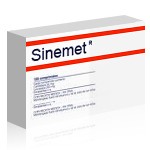
Sinemet is the original brand-name formulation of Carbidopa/Levodopa — universally recognised as the gold standard medication for treatment of Parkinson's disease. FDA-approved since 1975, Sinemet has been the cornerstone of Parkinson's therapy for over five decades. Every Parkinson's patient eventually requires Levodopa-based therapy as the disease progresses — making this combination one of the most clinically important neurological medications ever developed.
The active ingredients are Levodopa (L-DOPA) — the immediate precursor of dopamine that crosses the blood-brain barrier — combined with Carbidopa, a peripheral dopa decarboxylase inhibitor that prevents Levodopa from being converted to dopamine outside the brain. This combination dramatically increases the amount of Levodopa that reaches the brain (from 1% to 10% of administered dose) while reducing peripheral side effects like nausea.
Sinemet is approved for the symptomatic treatment of Parkinson's disease (idiopathic and post-encephalitic) and symptomatic parkinsonism following CO intoxication or manganese poisoning. It addresses the cardinal motor symptoms of Parkinson's — tremor, rigidity, bradykinesia, and postural instability — by replenishing depleted brain dopamine.
The medication is available in multiple formulations: immediate-release Sinemet (25/100, 25/250, 10/100), Sinemet CR (controlled-release), Rytary (extended-release), Duopa (intestinal infusion gel), and Inbrija (inhaled rescue therapy for off episodes). Dosing is highly individualised, starting low and titrating to clinical effect, typically 3-4 times daily.
Important considerations include avoiding high-protein meals around dosing (amino acids compete with Levodopa for absorption), and gradually introducing the medication to minimise nausea. Long-term complications include levodopa-induced dyskinesia and motor fluctuations (wearing-off), which require adjunctive medications. Despite these challenges, no other medication matches Sinemet's efficacy for Parkinson's motor symptoms. Generic Carbidopa/Levodopa is widely available globally.
Free prescription
Discrete packaging
Have questions?
Quality Assurance
- Idiopathic Parkinsons: For primary Parkinson's disease without identifiable cause — the most common Parkinson's presentation;
- Early Parkinsons: For newly-diagnosed Parkinson's patients when motor symptoms begin affecting daily activities;
- Advanced Parkinsons: For all advanced Parkinson's patients — central foundation of multi-medication regimens;
- Post Encephalitic Parkinsonism: For symptomatic parkinsonism following viral encephalitis — historical specific indication;
- Symptomatic Parkinsonism: For parkinsonism following carbon monoxide intoxication or manganese toxicity;
- Parkinsons Tremor: For resting tremor of hands, jaw, and limbs characteristic of Parkinson's disease;
- Parkinsons Rigidity: For muscle rigidity and stiffness affecting movement;
- Bradykinesia: For movement slowness — one of the cardinal Parkinsonian motor symptoms;
- Postural Instability: For balance and posture impairment in Parkinson's disease;
- Freezing Of Gait: For freezing episodes during walking that affect mobility and falls risk;
- Wearing Off Phenomena: For wearing-off where Levodopa effects fade between doses in advanced disease;
- Motor Fluctuations: For on-off phenomena and motor fluctuations requiring optimised Levodopa delivery;
- Dopa Responsive Dystonia: For Segawa syndrome and other dopa-responsive dystonias — dramatic response to low-dose therapy;
- Restless Legs Syndrome: Selective use for severe RLS, though augmentation phenomena limit chronic use;
- Periodic Limb Movements: For severe periodic limb movements of sleep when other therapies fail;
- Atypical Parkinsonism: Trial use in atypical Parkinsonian syndromes despite typically poorer response;
- Long Term Parkinsons Care: Suitable for decades of continuous use through all Parkinson's stages.
- Better Movement: Transformative improvement in movement initiation, fluidity, and coordination;
- Less Stiffness: Significant reduction in muscle rigidity affecting limbs, trunk, and neck;
- Less Slowness: Dramatic improvement in bradykinesia — restores ability to perform daily activities at normal speed;
- Better Walking: Improvement in gait speed, stride length, balance, and reduced shuffling;
- Better Speech: Improvement in soft and slurred speech (hypophonia) characteristic of Parkinson's;
- Better Handwriting: Improvement in micrographia (small handwriting) as fine motor control returns;
- Better Facial Expression: Reduction in mask-like face (hypomimia) as facial muscle control improves;
- Less Freezing: Reduces freezing of gait episodes that contribute to falls;
- Better Swallowing: Improvement in dysphagia (swallowing difficulty) common in Parkinson's;
- Better Daily Function: Dramatic improvements in self-care, dressing, eating, and household tasks;
- Better Quality of Life: Transformative improvement in functional capacity and independence;
- More Independence: Restored ability to perform daily activities without assistance;
- Better Mood: Improvement in mood and motivation as motor symptoms resolve;
- Less Falls: Improved gait and balance reduces fall risk in advanced Parkinson's;
- Better Sleep: Improved daytime motor function supports better sleep architecture;
- Brand Sinemet: Original brand-name Carbidopa/Levodopa from Merck/Organon with established reputation since 1975;
- Generic Carbidopa Levodopa: Affordable generic versions of Sinemet expand global access to gold-standard Parkinson's therapy;
- Parkinsons Gold Standard: Most effective medication ever developed for Parkinson's motor symptoms — transformed disease management;
- Dopamine Replacement Therapy: Directly addresses the underlying dopamine deficiency that defines Parkinson's disease;
- Dopamine Precursor Therapy: Levodopa is converted to dopamine in the brain — replenishes the depleted neurotransmitter;
- Decarboxylase Inhibitor Combo: Carbidopa prevents peripheral Levodopa breakdown — 10x more reaches brain;
- Less Peripheral Side Effects: Carbidopa reduces nausea and vomiting from peripheral dopamine production;
- Sinemet CR: Controlled-release formulation provides smoother symptom control through extended Levodopa delivery;
- Rytary Equivalent: Same active ingredients as branded Rytary extended-release formulation;
- Madopar Equivalent: Equivalent therapeutic profile to international brand Madopar (Levodopa+Benserazide);
- Stalevo Foundation: Foundation of triple-combination Stalevo (Carbidopa+Levodopa+Entacapone) for wearing-off;
- Parkinsons First Line: First-line dopaminergic therapy in international Parkinson's guidelines;
- Wearing Off Treatment: With dose-frequency optimization, addresses wearing-off in advanced disease;
- Multiple Formulations Parkinsons: IR, CR, ER, intestinal gel (Duopa), inhaled (Inbrija) — flexibility across disease stages;
- Dopa Responsive Dystonia Therapy: Dramatic response in Segawa syndrome and other dopa-responsive dystonias;
- Parkinsons Guidelines Standard: Foundation therapy in international Movement Disorder Society Parkinson's treatment guidelines;
- WHO Essential Medicine: Listed on the WHO Model List of Essential Medicines for global neurological care;
- Avoid Protein Meals: Take 30 minutes before or 1 hour after high-protein meals to avoid amino acid competition;
- Long Term Care: Suitable for decades of continuous use through all Parkinson's stages;
- Stable Storage: Room temperature stable — convenient for home and travel use;
- Globally Available: Widely stocked in international markets in branded (Sinemet, Atamet, Nacom) and generic forms.
Generic Sinemet (Carbidopa and Levodopa 25/250 mg) Medication guide:
📖 What is Sinemet - the carbidopa-levodopa gold standard
Sinemet is the original brand-name formulation of carbidopa-levodopa, the medication that has served as the universally recognised gold standard treatment for Parkinsons disease since its FDA approval in 1975. The combination delivers levodopa (L-DOPA), the immediate biochemical precursor of dopamine, alongside carbidopa, a peripheral dopa decarboxylase inhibitor that prevents premature conversion of levodopa to dopamine outside the central nervous system.
For nearly five decades, carbidopa-levodopa has been the single most effective pharmacological therapy available for Parkinsons disease motor symptoms. No subsequent medication has matched its ability to reduce rigidity, bradykinesia, and tremor across the spectrum of disease severity. Every patient with idiopathic Parkinsons disease will eventually require levodopa-based therapy as the underlying nigrostriatal neurodegeneration progresses beyond the reach of dopamine agonists, MAO-B inhibitors, or other agents.
- Drug class
- Dopamine precursor (levodopa) plus peripheral dopa decarboxylase inhibitor (carbidopa); foundational antiparkinsonian agent
- Manufacturer
- Merck Sharp and Dohme (original brand); generic carbidopa-levodopa available worldwide
- FDA approval ID
- NDA 017555 (1975, immediate-release Sinemet); NDA 019856 (1991, Sinemet CR controlled-release)
- Half-life of levodopa
- Approximately 1.5 hours (immediate-release); 1.6 to 2 hours when combined with carbidopa
- Metabolism
- Peripheral aromatic L-amino acid decarboxylase (DDC), catechol-O-methyltransferase (COMT); central conversion to dopamine in surviving nigrostriatal neurons
- Standard strengths
- 10 mg / 100 mg, 25 mg / 100 mg, 25 mg / 250 mg (carbidopa / levodopa)
Beyond the original immediate-release Sinemet and its controlled-release sibling Sinemet CR, the carbidopa-levodopa product family has expanded to include Rytary (an extended-release formulation containing immediate-release and slow-release bead components, FDA NDA 203312, approved 2015) and Duopa (a carbidopa-levodopa enteral suspension delivered through a percutaneous jejunal infusion for advanced Parkinsons disease, FDA NDA 203272, also approved 2015). All four formulations share the same active ingredients and therapeutic mechanism but differ substantially in pharmacokinetics, dosing convenience, and target patient population.
🕰️ Sinemet heritage - from L-DOPA discovery to combination breakthrough
The story of carbidopa-levodopa is one of the most important narratives in twentieth-century neurology. It begins with the discovery that dopamine functions as a neurotransmitter and culminates in the demonstration that an orally administered dopamine precursor can dramatically reverse the cardinal motor symptoms of Parkinsons disease. The path from basic neuroscience to FDA-approved therapy spans roughly two decades and involves Nobel-laureate-level science.
Carbidopa-levodopa milestones in twentieth-century neurology
| Year | Milestone |
|---|---|
| 1957 | Arvid Carlsson demonstrates that dopamine functions as a brain neurotransmitter (Nobel Prize in Physiology or Medicine 2000) |
| 1960 | Oleh Hornykiewicz documents striatal dopamine depletion in postmortem Parkinsons disease brains in Vienna |
| 1961 | Walther Birkmayer and Oleh Hornykiewicz publish the first report of intravenous L-DOPA producing dramatic motor improvement in Parkinsons patients (Wien Klin Wochenschr 73:787-788) |
| 1967 | George Cotzias et al. publish in the New England Journal of Medicine the landmark trial showing that high-dose oral L-DOPA produces sustained motor benefit (NEJM 276:374-379) — the paper that launched levodopa therapy |
| 1969 | Yahr, Duvoisin, Hoehn et al. publish controlled trial confirming efficacy (Arch Neurol 21:343-354) |
| 1970 | L-DOPA approved by the FDA as a single agent (Larodopa) |
| 1975 | Sinemet (carbidopa-levodopa fixed-dose combination) approved by FDA as NDA 017555 — dramatic reduction in nausea and increased CNS bioavailability transforms tolerability |
| 1991 | Sinemet CR controlled-release formulation approved as NDA 019856 |
| 2003 | Stalevo (carbidopa-levodopa-entacapone) approved — first triple-combination dopaminergic tablet |
| 2015 | Rytary (extended-release carbidopa-levodopa) approved as NDA 203312; Duopa (carbidopa-levodopa enteral suspension) approved as NDA 203272 |
The 1967 Cotzias paper deserves special mention. Working at the Brookhaven National Laboratory in New York, George Cotzias treated Parkinsons patients with high oral doses of D,L-DOPA and demonstrated sustained motor benefit lasting weeks to months — results that were initially met with scepticism by the neurology establishment but rapidly proved reproducible. The paper redirected the entire field of movement disorders therapeutics and established the principle of dopamine replacement that still anchors Parkinsons disease management nearly sixty years later.
The addition of carbidopa, the peripheral dopa decarboxylase inhibitor, in 1975 was the second major advance. The original L-DOPA monotherapy worked but caused severe nausea, vomiting, and orthostatic hypotension because most of the administered dose was converted to dopamine in the periphery, where it could not reach the brain. Carbidopa changed that — raising the proportion of levodopa reaching the central nervous system from roughly 1% to 10%, slashing peripheral side effects, and allowing therapeutic CNS concentrations at far lower oral doses. The Sinemet combination has remained the workhorse of Parkinsons disease therapy ever since.
🧬 How levodopa works - the dopamine precursor crossing the blood-brain barrier
Levodopa (L-3,4-dihydroxyphenylalanine, L-DOPA) is the immediate biochemical precursor of dopamine in the catecholamine biosynthesis pathway. The pathway begins with the amino acid tyrosine, which is converted to L-DOPA by tyrosine hydroxylase and then to dopamine by aromatic L-amino acid decarboxylase (also called dopa decarboxylase, DDC). The rate-limiting step is tyrosine hydroxylation, but the conversion from L-DOPA to dopamine is rapid and occurs throughout the body wherever DDC is present.
The central problem in Parkinsons disease is the progressive death of dopamine-producing neurons in the substantia nigra. By the time motor symptoms appear, an estimated 60 to 80% of these neurons have already been lost. The remaining neurons cannot manufacture enough dopamine, and direct administration of dopamine itself is useless because the dopamine molecule does not cross the blood-brain barrier. L-DOPA, in contrast, is actively transported into the central nervous system via the large neutral amino acid transporter 1 (LAT1) — the same transporter that carries other large amino acids such as phenylalanine, tryptophan, valine, leucine, and isoleucine.
| Pharmacokinetic feature | Levodopa (immediate-release) |
|---|---|
| Oral bioavailability (with carbidopa) | Approximately 30 to 50% |
| Time to peak plasma concentration (Tmax) | 0.5 to 2 hours |
| Plasma protein binding | Minimal (less than 10%) |
| Half-life (with carbidopa) | 1.6 to 2 hours |
| Volume of distribution | Approximately 1.6 L/kg |
| Blood-brain barrier transport | Active via LAT1 (competes with dietary amino acids) |
| Central conversion to dopamine | By residual nigrostriatal aromatic L-amino acid decarboxylase |
| Major metabolic routes | Peripheral DDC (blocked by carbidopa), COMT (blocked by entacapone, opicapone, tolcapone), MAO-B (blocked by selegiline, rasagiline) |
| Excretion | Renal as homovanillic acid and 3-O-methyldopa metabolites |
Once inside the brain, L-DOPA is taken up by surviving dopaminergic terminals, converted to dopamine by neuronal DDC, packaged into synaptic vesicles, and released in response to physiological signals. The released dopamine binds D1 and D2 family receptors on striatal projection neurons, restoring the basal ganglia signalling that motor planning and execution depend upon. The therapeutic effect of a Sinemet dose generally appears within 30 to 60 minutes of administration and lasts 2 to 4 hours in early-stage disease — shortening progressively to 1 to 2 hours as the disease advances and storage capacity declines.
The competition between L-DOPA and other large neutral amino acids for the LAT1 transporter explains why dietary protein can blunt the effect of a Sinemet dose. A high-protein meal floods the bloodstream with valine, leucine, isoleucine, phenylalanine, and tryptophan, all of which compete with L-DOPA for transport across the blood-brain barrier. This pharmacokinetic interaction becomes clinically important as the disease progresses and the therapeutic window narrows.
🛡️ Why carbidopa? - peripheral dopa decarboxylase inhibition explained
Carbidopa (alpha-methyl-dopa-hydrazine) is an inhibitor of aromatic L-amino acid decarboxylase (DDC) that does not cross the blood-brain barrier. Its role in the Sinemet combination is purely peripheral: by blocking DDC activity in the gut wall, liver, and bloodstream, carbidopa prevents the systemic conversion of levodopa to dopamine before the active ingredient can reach the brain.
The pharmacological significance is dramatic. When L-DOPA is administered without a peripheral DDC inhibitor, approximately 99% of the oral dose is decarboxylated in the periphery before reaching the central nervous system. Only about 1% of administered L-DOPA crosses the blood-brain barrier to act therapeutically. The remaining 99% becomes dopamine in the bloodstream, where it cannot enter the CNS but does produce the predictable peripheral effects: nausea, vomiting, postural hypotension, and tachycardia.
L-DOPA bioavailability with and without carbidopa
| Parameter | L-DOPA alone | L-DOPA + carbidopa |
|---|---|---|
| L-DOPA reaching CNS | ~1% of oral dose | ~10% of oral dose |
| Typical oral dose for therapy | 2,000-8,000 mg/day | 300-1,500 mg/day |
| Frequency of severe nausea | Approximately 80% of patients | Approximately 15-20% |
| Orthostatic hypotension | Common, dose-limiting | Reduced, manageable |
| Therapy initiation tolerability | Required slow inpatient titration | Outpatient titration possible |
Carbidopa requirements plateau at approximately 75 to 100 mg per day, beyond which additional carbidopa provides no further peripheral DDC blockade. This is why the three immediate-release Sinemet strengths (10/100, 25/100, 25/250) all deliver between 25 and 75 mg of carbidopa per dose. Above 75 mg total daily carbidopa, the carbidopa to levodopa ratio matters less than the absolute carbidopa dose — once the peripheral enzyme is saturated, any additional levodopa converts efficiently in the periphery without benefit and at the cost of the now-undetectable peripheral effects.
A small subset of patients require more than 75 mg of carbidopa daily to fully suppress nausea, particularly during initiation. For these patients, supplemental carbidopa is available as Lodosyn 25 mg tablets — carbidopa monotherapy used as an add-on to standard Sinemet dosing. This is a niche prescription scenario but a recognised one in movement disorder practice.
The development of carbidopa was a critical inflection point. Without it, L-DOPA monotherapy required hospitalisation for initiation, complex anti-emetic management, and oral doses approaching 8 grams per day. With carbidopa, oral therapy became outpatient-feasible, the dose dropped tenfold, peripheral nausea fell to a manageable problem, and Parkinsons disease pharmacotherapy entered the modern era.
🧠 Parkinsons disease and the dopamine deficit
Parkinsons disease is a progressive neurodegenerative disorder affecting approximately 1% of adults over 60 years of age, with rising incidence as populations age. The neuropathological hallmark is the loss of dopamine-producing neurons in the substantia nigra pars compacta, a midbrain nucleus that projects to the striatum and provides the dopaminergic input required for normal motor planning, initiation, and execution. The cellular signature of this neurodegeneration is the Lewy body, an intraneuronal inclusion containing aggregated misfolded alpha-synuclein protein.
The clinical syndrome of Parkinsons disease emerges only after substantial preclinical neuron loss. By the time the first motor symptoms appear, an estimated 60 to 80% of substantia nigra dopaminergic neurons have already died. The surviving neurons compensate by increasing dopamine output per surviving cell and by postsynaptic receptor sensitisation, but this compensation eventually fails. The threshold for clinical Parkinsonism roughly corresponds to a 50 to 60% reduction in striatal dopamine content.
Cardinal motor features of Parkinsons disease
- Bradykinesia
- Slowness of movement initiation and execution. The most consistent and required feature for diagnosis. Manifests as small handwriting (micrographia), reduced facial expression, soft speech, decreased arm swing, and difficulty rising from chairs.
- Resting tremor
- Four to six Hz tremor of an extremity at rest, typically beginning in one hand and described as "pill-rolling". Absent during voluntary action; reappears with sustained posture. Present in 70% of patients at diagnosis.
- Rigidity
- Increased resistance to passive movement of a limb, often with cogwheel quality. Distinguishable from spasticity by its uniform velocity-independent resistance throughout the range of motion.
- Postural instability
- Impaired postural reflexes leading to balance problems and falls. A late feature - its early appearance suggests an atypical parkinsonian syndrome rather than idiopathic PD.
The Hoehn and Yahr staging system, first published in 1967 alongside the early levodopa trials, divides Parkinsons disease into five stages from unilateral involvement (stage 1) to wheelchair or bedbound dependence (stage 5). This scale is still widely used in trial design and clinical communication. The newer Movement Disorder Society Unified Parkinsons Disease Rating Scale (MDS-UPDRS), published by Goetz and colleagues in 2008, provides a more granular assessment across non-motor experiences, motor experiences of daily living, motor examination, and motor complications — and is now the standard outcome measure for carbidopa-levodopa clinical trials.
Levodopa works by partially replacing the missing neurotransmitter. The remaining dopaminergic neurons take up exogenous L-DOPA, convert it to dopamine, and release it in response to physiological signals. This is symptomatic therapy, not disease-modifying — the underlying neurodegeneration continues regardless of treatment. However, the ELLDOPA trial (Fahn et al., NEJM 2004) provided strong evidence that levodopa itself is not neurotoxic, and may even slow clinical progression slightly, putting to rest a decades-long concern that had limited early initiation.
🎯 Primary FDA-approved indications for Sinemet
The FDA-approved indications for Sinemet are idiopathic Parkinsons disease, postencephalitic parkinsonism, and symptomatic parkinsonism following carbon monoxide intoxication or manganese intoxication. The first of these accounts for essentially all current clinical use; postencephalitic parkinsonism has become rare in the post-vaccine era, and parkinsonism from carbon monoxide or manganese exposure is uncommon in modern medical practice.
Within idiopathic Parkinsons disease, carbidopa-levodopa is appropriate across the full spectrum of disease severity, from early monotherapy in selected patients to advanced therapy in patients with motor fluctuations and dyskinesias. The decision of when to start levodopa has evolved considerably over the years — older practice delayed initiation as long as possible to "save" the drug for later, while contemporary practice tends to introduce levodopa whenever motor symptoms begin to affect daily function.
FDA-approved indications for carbidopa-levodopa
- Treatment of symptoms of idiopathic Parkinsons disease (paralysis agitans) - the dominant clinical use
- Treatment of postencephalitic parkinsonism - historically important following epidemics of encephalitis lethargica, now rare
- Treatment of symptomatic parkinsonism following carbon monoxide intoxication
- Treatment of symptomatic parkinsonism following manganese intoxication
Beyond the FDA-approved indications, levodopa response serves an important diagnostic role in movement disorders. Patients with idiopathic Parkinsons disease show a robust response to carbidopa-levodopa, typically a clear 30 to 50% improvement in motor symptoms at therapeutic doses. Patients with atypical parkinsonian syndromes - including multiple system atrophy (MSA), progressive supranuclear palsy (PSP), corticobasal degeneration (CBD), and dementia with Lewy bodies (DLB) - generally show a poor or absent response. The "levodopa challenge" with documented response or non-response is often part of the diagnostic workup.
Sinemet should NOT be used for conditions sometimes confused with Parkinsons disease, including essential tremor, drug-induced parkinsonism (where dopamine antagonist withdrawal is the appropriate treatment), vascular parkinsonism (which responds variably), and normal pressure hydrocephalus (which requires CSF shunting evaluation, not dopaminergic therapy). The differential diagnosis of "parkinsonism" is broader than idiopathic PD, and misdiagnosis leads to inappropriate Sinemet exposure without benefit.
| Condition | Expected response to carbidopa-levodopa |
|---|---|
| Idiopathic Parkinsons disease | Robust, sustained motor improvement (30-50%+) |
| Multiple system atrophy (MSA) | Partial early response, declines over 1-2 years |
| Progressive supranuclear palsy (PSP) | Minimal to no response |
| Corticobasal degeneration | Minimal to no response |
| Dementia with Lewy bodies | Variable; risk of worsening hallucinations |
| Drug-induced parkinsonism | Withdraw offending agent rather than add levodopa |
| Vascular parkinsonism | Limited response; treat vascular risk factors |
| Essential tremor | No response; treat with propranolol or primidone |
💊 Standard adult dosing - initiation and titration
Standard initiation of Sinemet in newly diagnosed Parkinsons disease begins with a low dose that is gradually titrated upward over weeks to a level that produces meaningful symptom relief without unacceptable side effects. The principle of "start low, go slow" applies to both the initial titration and to any subsequent dose increase. Rapid escalation does not produce superior efficacy but does produce a disproportionate burden of nausea, dizziness, and orthostatic hypotension during the adjustment period.
The most common starting regimen uses the 25/100 strength (25 mg carbidopa plus 100 mg levodopa) one-half to one tablet three times daily, increased weekly as tolerated. The choice of starting strength reflects two requirements: enough carbidopa per day to suppress peripheral DDC (the 25/100 tablet supplies 75 mg carbidopa across three daily doses, near the saturation threshold), and a low enough total levodopa dose to allow gradual adaptation.
Standard initiation schedule for immediate-release Sinemet
| Week | Tablet (carbidopa/levodopa) | Frequency | Daily levodopa |
|---|---|---|---|
| 1 | 25/100 half tablet | Three times daily with meals | 150 mg |
| 2 | 25/100 one tablet | Three times daily | 300 mg |
| 3 | 25/100 one tablet | Four times daily | 400 mg |
| 4 | 25/100 one and a half tablets | Three to four times daily | 450-600 mg |
| 5+ | Adjust by clinical response | As needed | Often 300-1,200 mg/day |
The maintenance dose for most Parkinsons patients on Sinemet alone falls in the range of 300 to 1,200 mg of levodopa per day, distributed across 3 to 6 daily doses. Higher daily totals (1,500 to 2,000 mg) are not unusual in advanced disease, particularly when wearing-off requires more frequent dosing. The maximum daily dose is not fixed in the labelling but is constrained by tolerability rather than a numerical ceiling.
Dosing intervals matter as much as total dose. In early disease, three doses per day spaced 4 to 5 hours apart typically suffice. As the disease progresses, the duration of effect from each dose shortens, requiring either more frequent dosing (every 3 hours), the addition of a COMT inhibitor to extend each dose, the addition of a MAO-B inhibitor to provide background dopaminergic effect, or transition to a long-acting formulation (Sinemet CR or Rytary) to smooth plasma levels.
Tablet integrity: immediate-release Sinemet tablets may be cut or crushed if needed to deliver fractional doses. Sinemet CR and Rytary, in contrast, depend on intact tablet or capsule structure for their controlled-release properties — these formulations must not be crushed or chewed. Patients should be told explicitly which strength they take and whether tablet manipulation is permitted.
📋 Sinemet formulations - 10/100, 25/100, 25/250 strengths
Immediate-release Sinemet is manufactured in three fixed-dose strengths, each containing a defined ratio of carbidopa to levodopa. The choice among the three depends on the patients carbidopa requirement (which plateaus at about 75 to 100 mg per day), the desired levodopa per dose, and practical considerations such as tablet count and the ability to titrate by halves.
| Strength | Tablet appearance | Carbidopa per tablet | Levodopa per tablet | Common clinical use |
|---|---|---|---|---|
| 10/100 | Dark dappled blue, scored | 10 mg | 100 mg | Now uncommon — low carbidopa-to-levodopa ratio requires >= 8 tablets/day to saturate peripheral DDC; usually replaced by 25/100 |
| 25/100 | Yellow, scored | 25 mg | 100 mg | Standard starting and maintenance strength for most patients; provides enough carbidopa at modest tablet counts |
| 25/250 | Light dappled blue, scored | 25 mg | 250 mg | For patients requiring higher daily levodopa with fewer tablets; advanced disease or higher dose requirements |
The historical 10/100 strength dates from the original 1975 Sinemet formulation and was designed before the carbidopa saturation principle was fully appreciated. A patient on 10/100 three times daily receives only 30 mg of carbidopa per day — well below the 75 mg threshold needed to fully suppress peripheral DDC. Clinical experience and pharmacology subsequently established that the 25/100 strength provides a more rational ratio for most patients, and 10/100 has fallen out of routine use. It remains available primarily for patients with carbidopa-related side effects or those who tolerate the lower ratio for historical reasons.
The 25/100 strength is the universal starting point and maintenance dose for most Parkinsons patients. Three to four tablets per day deliver 75 to 100 mg of carbidopa (saturating the peripheral enzyme) and 300 to 400 mg of levodopa (a typical early-disease maintenance level). All scored tablets can be cut in half for fractional dosing during titration or for fine adjustment in patients sensitive to dose changes.
The 25/250 strength serves patients who have escalated past the comfortable tablet count with 25/100. A patient requiring 1,000 mg of levodopa per day would need 10 tablets of 25/100 (an awkward regimen) or 4 tablets of 25/250 (more manageable). The trade-off is that 25/250 provides only 100 mg of carbidopa per four tablets — adequate but with less flexibility for further escalation in carbidopa needs. Patients on 25/250 occasionally need supplemental carbidopa (Lodosyn) if they experience nausea suggesting incomplete peripheral DDC blockade.
Strength selection in practice: most patients spend their entire Sinemet career on the 25/100 strength, sometimes supplemented by 25/250 in advanced disease when daily doses exceed 1,200 mg. The 10/100 strength is rarely encountered in modern practice and patients who have been on it for years can usually transition to 25/100 with equivalent symptom control.
⏰ Sinemet CR - the controlled-release alternative
Sinemet CR (controlled-release) was approved by the FDA in 1991 as NDA 019856. It was the first attempt to address one of the central limitations of immediate-release Sinemet: the relatively short plasma half-life of levodopa (under 2 hours) requires frequent dosing throughout the day and produces noticeable peak-trough fluctuations that contribute to the eventual development of motor complications. Sinemet CR delivers levodopa from a slowly eroding polymeric matrix, extending the effective duration of action and smoothing plasma levels.
The Sinemet CR formulation is available in two strengths: 25/100 (25 mg carbidopa, 100 mg levodopa) and 50/200 (50 mg carbidopa, 200 mg levodopa). Both are designed for twice-daily or three-times-daily dosing rather than the four-to-six times daily often needed with immediate-release formulations. The trade-offs against immediate-release Sinemet are slower onset of effect (45 to 90 minutes versus 30 to 60 minutes), reduced bioavailability (roughly 70 to 75% of equivalent immediate-release), and increased complexity around food interactions.
Sinemet CR pharmacokinetic and clinical features
- Strengths available: 25/100 and 50/200 (carbidopa/levodopa)
- Onset of effect: 45 to 90 minutes after oral administration
- Duration of effect: 4 to 6 hours per dose (versus 2 to 4 hours for immediate-release)
- Typical frequency: Two to three times daily
- Bioavailability: Approximately 70 to 75% relative to equivalent immediate-release Sinemet dose
- Conversion factor: When switching from immediate-release to CR, increase total daily levodopa by approximately 25 to 30% to maintain equivalent therapeutic effect
- Tablet integrity: Must be swallowed whole; cutting or crushing destroys the controlled-release matrix
- Food interaction: High-protein meals reduce CR absorption more significantly than IR absorption
The clinical niche for Sinemet CR has narrowed since the introduction of newer extended-release options (Rytary in 2015) and the availability of COMT inhibitors that extend immediate-release Sinemet duration. Sinemet CR is still useful in selected scenarios: patients with predictable wearing-off on immediate-release regimens, patients who struggle with frequent dosing schedules, and patients with overnight motor symptoms who benefit from a bedtime dose that lasts until morning. The bedtime use case is particularly common — a Sinemet CR 50/200 tablet at bedtime can substantially reduce early-morning akinesia and stiffness.
Common clinical regimens include Sinemet CR 25/100 two to three times daily plus immediate-release Sinemet 25/100 as needed for rescue, or Sinemet CR 50/200 at bedtime added to a daytime immediate-release schedule. The combination of CR and IR formulations is well established and reflects how clinicians use each formulation for its respective pharmacological strengths.
⚖️ Sinemet IR vs Sinemet CR - when to use which
The choice between immediate-release Sinemet and Sinemet CR depends on the pattern of motor symptoms, the patients adherence preferences, and the clinical goals of therapy. Both formulations contain identical active ingredients in the same proportions; what differs is the rate of release and absorption, which translates into different pharmacokinetic profiles and different clinical applications.
| Feature | Sinemet IR (immediate-release) | Sinemet CR (controlled-release) |
|---|---|---|
| FDA approval | 1975 (NDA 017555) | 1991 (NDA 019856) |
| Strengths | 10/100, 25/100, 25/250 | 25/100, 50/200 |
| Time to peak (Tmax) | 0.5 to 2 hours | 1.5 to 3 hours |
| Onset of clinical effect | 30 to 60 minutes | 45 to 90 minutes |
| Duration per dose | 2 to 4 hours | 4 to 6 hours |
| Typical frequency | 3 to 6 times daily | 2 to 3 times daily |
| Relative bioavailability | Reference (100%) | Approximately 70 to 75% |
| Plasma profile | Distinct peaks and troughs | Smoother, lower peaks |
| Tablet manipulation | May be cut/crushed | Must swallow whole |
| Best for | Initial therapy, predictable response, rescue dosing | Wearing-off, overnight coverage, simplified schedules |
| Generic available | Yes, widely | Yes |
For newly diagnosed patients, immediate-release Sinemet is generally preferred. The faster onset and predictable duration make it easier to identify the optimal dose, observe the time course of response, and adjust during titration. Once a stable maintenance dose is established and the response pattern is well understood, transition to Sinemet CR (in whole or in part) may simplify the regimen.
For patients with established Parkinsons disease and wearing-off, Sinemet CR has a specific role. Substituting CR for daytime IR doses can extend the inter-dose interval without resorting to ever-more-frequent IR dosing. The bedtime CR dose for overnight coverage is one of the most common clinical applications — a single 50/200 CR tablet at bedtime may eliminate the 4 am awakening with rigidity and difficulty turning in bed.
The conversion from IR to CR is not one-to-one. The reduced bioavailability of CR means a patient on 25/100 IR four times daily (400 mg/day) typically needs CR 50/200 three times daily (600 mg/day) to maintain equivalent effect, a 50% increase to compensate for the absorption difference. The clinician should not assume that CR substitution will produce identical control without dose adjustment.
Combination regimens that include both IR and CR are common and reflect their complementary strengths: CR provides the baseline coverage and IR provides rapid response when needed. A typical pattern might be CR 25/100 in the morning and at noon, plus IR 25/100 as needed for breakthrough symptoms in the late afternoon or before specific activities (a meal out, a planned exercise session, a social event).
💊 Rytary - the newer extended-release formulation
Rytary (carbidopa-levodopa extended-release capsules, formerly designated IPX066) was approved by the FDA in January 2015 as NDA 203312. It is the most recent oral carbidopa-levodopa formulation and represents the most sophisticated attempt to date at smoothing the plasma levodopa profile. The Rytary capsule contains a mixture of immediate-release beads and extended-release beads designed to produce a rapid initial rise in plasma levodopa followed by sustained release over the next 4 to 6 hours.
The pivotal clinical trial programme for Rytary included the ASCEND-PD trial (in patients with early Parkinsons disease) and the ADVANCE-PD trial (in patients with advanced disease and motor fluctuations), both led by Robert A. Hauser and colleagues. ADVANCE-PD demonstrated that Rytary reduced off-time by approximately 1.2 hours per day compared to immediate-release Sinemet without increasing dyskinesias, establishing Rytarys role in motor fluctuation management.
Rytary strengths and characteristics
| Strength (carbidopa/levodopa) | Total levodopa per capsule | Typical use |
|---|---|---|
| 23.75 mg / 95 mg | 95 mg | Starting and low-dose maintenance |
| 36.25 mg / 145 mg | 145 mg | Standard maintenance |
| 48.75 mg / 195 mg | 195 mg | Mid-range maintenance |
| 61.25 mg / 245 mg | 245 mg | Higher dose maintenance |
The unusual non-round Rytary strengths (95, 145, 195, 245 mg of levodopa) reflect the formulation principle. The capsules deliver bead populations sized to give an immediate-release equivalent dose plus a slow-release tail, so the total levodopa content is not directly comparable to a Sinemet IR tablet of the same nominal number. Critically, the bioavailability of Rytary is lower than that of equivalent Sinemet IR — the conversion factor is approximately 1 mg Sinemet IR = 2 mg Rytary levodopa, so a patient on Sinemet IR 100 mg three times daily (300 mg/day) typically transitions to Rytary delivering 600 mg/day or more of total levodopa.
Rytary is dosed three to five times daily for advanced Parkinsons disease management. Common conversion regimens from Sinemet IR include: 300 to 400 mg/day Sinemet IR → Rytary 145 mg three times daily (435 mg/day total); 600 to 800 mg/day Sinemet IR → Rytary 245 mg three times daily (735 mg/day total); and similar proportional increases for higher doses. The first 2 to 4 weeks after conversion typically require some fine-tuning of the Rytary regimen as the patient and clinician learn the pharmacokinetic pattern.
The clinical advantage of Rytary is the smoother plasma profile and reduced wearing-off compared to multiple Sinemet IR doses. The disadvantage is cost — Rytary capsules are substantially more expensive than generic Sinemet IR, even after the introduction of generic Rytary alternatives. Patients without prescription drug coverage may find the cost difference prohibitive. For those with coverage and motor fluctuations that respond well, Rytary has become an established option in the carbidopa-levodopa armamentarium.
Rytary specifics worth noting: capsules can be opened and the contents sprinkled on applesauce for patients who cannot swallow whole capsules — the beads should be swallowed without chewing. Bioavailability is reduced by high-fat meals more than by carbohydrate meals. Switching from Sinemet IR to Rytary requires planning rather than empirical substitution — consultation with the prescribing movement disorder specialist is essential.
💧 Duopa intestinal gel - continuous delivery for advanced PD
Duopa (carbidopa-levodopa enteral suspension, also called Duodopa outside the United States) was approved by the FDA in January 2015 as NDA 203272. It is fundamentally different from the oral Sinemet, Sinemet CR, and Rytary formulations: rather than tablets or capsules, Duopa is a viscous gel delivered through a percutaneous endoscopic gastrojejunostomy (PEG-J) tube directly into the small intestine, where carbidopa-levodopa absorption is maximally efficient. The infusion runs continuously for approximately 16 hours during waking hours, with a small morning loading dose to rapidly achieve therapeutic levels.
The clinical rationale for Duopa is advanced Parkinsons disease with severe motor fluctuations that have become unmanageable with oral therapy. By delivering carbidopa-levodopa continuously and bypassing the unpredictable gastric emptying that complicates oral dosing in advanced disease, Duopa produces remarkably stable plasma levodopa concentrations. The result is a substantial reduction in off-time and dyskinesias compared to optimised oral therapy in selected patients.
- Delivery system
- Carbidopa-levodopa gel in a sealed cassette connected to a battery-powered pump that delivers the suspension through PEG-J tubing into the jejunum at a continuous infusion rate.
- Daily routine
- Morning loading dose to achieve therapeutic levels rapidly (typically 5 to 10 mL), followed by continuous infusion at 2 to 6 mL per hour over approximately 16 waking hours. Extra "bolus" doses are available through the pump for breakthrough symptoms.
- Concentration
- 20 mg/mL of levodopa and 5 mg/mL of carbidopa, delivered as 100 mL cassettes. Daily total levodopa typically falls in the range of 400 to 2,000 mg depending on individual requirement.
- Patient selection
- Advanced Parkinsons disease with frequent motor fluctuations not controlled by optimised oral therapy. Patients should retain reasonable cognitive function, have manual dexterity for pump management or capable caregivers, and be appropriate candidates for the surgical PEG-J placement.
- Adverse effects unique to Duopa
- PEG-J tube complications including dislodgement, infection, granulation tissue, and rare bowel perforation. Polyneuropathy reported in some patients on long-term therapy. Standard levodopa adverse effects (dyskinesias, hallucinations, orthostatic hypotension) continue.
The placement of the PEG-J tube is performed by interventional gastroenterology, typically under conscious sedation. Initial titration of the Duopa rate happens in the days following placement, with daily adjustments based on motor symptom monitoring. Full optimisation often takes 4 to 8 weeks. Patients commit to ongoing tube maintenance, daily cassette changes, and the lifestyle adjustments that come with continuous infusion therapy.
Duopa is one of the three advanced therapies available for Parkinsons disease patients whose oral medication has reached its practical limits. The other two are deep brain stimulation (DBS) targeting the subthalamic nucleus or globus pallidus interna, and continuous subcutaneous apomorphine infusion. Each has its own indications, contraindications, and trade-offs. The choice among these advanced options is highly individualised and made in consultation with movement disorder centres experienced in their selection and management. Duopa is the most recently developed of the three and the only one that maintains the carbidopa-levodopa molecule as the therapeutic agent.
Cost and access remain significant considerations. Duopa therapy is expensive (cassettes, pump, ongoing tube care), and not all insurance systems cover it equivalently. Patients and families should expect detailed discussions with payer systems and Parkinsons centres before committing to the advanced therapy pathway.
🌞 The honeymoon period - early levodopa response
The honeymoon period is the term used in movement disorder medicine for the early years of Parkinsons disease therapy when carbidopa-levodopa produces a stable, predictable, long-lasting response with minimal complications. For most patients newly started on Sinemet, the first dose produces a striking improvement in tremor, rigidity, and bradykinesia within an hour and the benefit lasts 4 to 6 hours. Through the first 2 to 5 years of treatment, this pattern usually continues with little day-to-day variation.
The pharmacological basis of the honeymoon is the relatively preserved striatal storage capacity early in the disease. Although the substantia nigra has already lost most of its dopaminergic neurons by the time symptoms appear, the remaining neurons still take up exogenous L-DOPA, convert it to dopamine, package it into synaptic vesicles, and release it in response to physiological signals. This buffering capacity smooths over the short plasma half-life of levodopa — the brain releases dopamine continuously even though plasma levels rise and fall every few hours.
Characteristic features of the levodopa honeymoon
- Long duration of effect per dose — typically 4 to 6 hours, sometimes longer
- Stable plasma-clinical relationship — predictable onset 30 to 60 minutes after each dose
- Few or no dyskinesias — involuntary movements are rare at this stage
- Minimal wearing-off — patients return to baseline rather than dropping into a distinct off state
- Tolerance to a simple regimen — three times daily dosing usually suffices
- Good response to dose changes — titration produces predictable shifts in benefit
- Stable mood and cognition — no levodopa-attributable psychiatric symptoms
The duration of the honeymoon varies. Younger patients (under 60 at diagnosis) tend to have longer honeymoons but also develop motor complications earlier when those complications eventually arrive. Older patients (over 70 at diagnosis) tend to have shorter honeymoons but may experience less severe complications when motor fluctuations begin. The average length is approximately 5 years, with broad individual variation from 2 years to more than 10 years.
Recognising that the honeymoon is finite has implications for treatment expectations. Patients and families should be told at initiation that the impressive early response represents a phase of treatment, not a permanent state. Disease progression will eventually shorten the duration of effect, narrow the therapeutic window, and necessitate more complex regimens. This realistic framing prevents the dispiriting experience of feeling that Sinemet has "stopped working" when in reality the underlying disease has advanced and the regimen needs adjustment.
The end of the honeymoon is marked by the emergence of wearing-off — the patient begins to notice that the duration of benefit from each Sinemet dose has shortened, and that motor symptoms return before the next scheduled dose. This transition is the subject of the next section. Recognition that motor fluctuations have begun is the cue for clinical reassessment and regimen adjustment, not for despair about the diagnosis.
🌊 Motor fluctuations and wearing-off
Wearing-off is the most common motor complication of long-term carbidopa-levodopa therapy. It describes the gradual shortening of the therapeutic effect from each dose, with reappearance of Parkinsons motor symptoms before the next scheduled dose is due. In early honeymoon-phase therapy, a Sinemet dose may last 4 to 5 hours; in established wearing-off, the same dose may last only 2 to 3 hours. By the time the next dose is taken, the patient has spent the last hour or two in a recognisable off state.
The pharmacological basis of wearing-off is the progressive loss of striatal dopamine storage capacity. As more nigrostriatal neurons die, the remaining neurons can no longer buffer the plasma levodopa fluctuations into smooth dopamine release. The clinical effect of each dose now follows the plasma level closely, beginning when levodopa absorption pushes plasma levels above the threshold and ending when plasma decline drops levels back below it. The patient experiences this as a clear cycle of dose onset, peak benefit, and dose-end recurrence of symptoms.
Recognising wearing-off
| Pattern | What the patient describes |
|---|---|
| Predictable end-of-dose wearing-off | "I can feel the medication wearing off about 30 minutes before my next dose. My tremor comes back, I get stiff, I feel slow." |
| Early morning akinesia | "I am very stiff and slow when I wake up. The first dose takes 45 minutes to kick in and I can barely get out of bed before then." |
| Delayed-on / partial-on | "Some doses do not work as well as others. Sometimes my morning dose just does not seem to work at all." |
| Sudden off | "I can be doing fine and then suddenly I cannot move — my legs feel glued to the floor." |
| Non-motor wearing-off | "Before my next dose I feel anxious, my mood drops, my pain comes back, I sweat heavily." |
Non-motor wearing-off deserves specific attention because patients often do not recognise it as related to medication. Mood changes (anxiety, dysphoria, sometimes panic), pain, fatigue, restlessness, and autonomic symptoms (sweating, urinary urgency, fluctuating blood pressure) can all follow the wearing-off pattern. When these symptoms reliably occur before each scheduled Sinemet dose and improve after the dose takes effect, they are non-motor wearing-off rather than independent problems requiring separate treatment.
Management of wearing-off involves several complementary strategies:
- Shorten the dose interval — move from every 5 hours to every 4 hours, then every 3 hours if needed
- Increase individual doses — modest dose escalation may extend duration, although diminishing returns apply
- Add a COMT inhibitor (entacapone, opicapone) to extend each levodopa dose by 30 to 60 minutes
- Add a MAO-B inhibitor (selegiline, rasagiline) to provide background dopaminergic support
- Add a dopamine agonist (pramipexole, ropinirole, rotigotine patch) to fill the inter-dose intervals
- Substitute Sinemet CR or Rytary for daytime doses to smooth plasma levels
- Consider Duopa in advanced cases unmanageable with oral combinations
- Consider deep brain stimulation at this stage in carefully selected patients
Wearing-off is not a sign that levodopa has "failed". It is the expected pharmacological consequence of disease progression interacting with the short half-life of levodopa. The therapeutic toolkit for managing wearing-off has expanded considerably over the past 20 years, and most patients can be returned to good motor control with thoughtful regimen optimisation.
🔄 On-off phenomena and unpredictable responses
On-off phenomena are the most disruptive motor complications of long-term carbidopa-levodopa therapy. Unlike predictable wearing-off, which follows the plasma levodopa cycle, on-off fluctuations are sudden, unpredictable transitions between mobility (on) and immobility (off) that bear little obvious relationship to the dose schedule. A patient can be moving comfortably one moment and frozen the next, then equally suddenly back to function some minutes later.
The pharmacology of on-off is incompletely understood but appears to involve several interacting factors: progressive loss of presynaptic dopamine storage, postsynaptic receptor changes from chronic pulsatile stimulation, gastric absorption variability (delayed gastric emptying is common in advanced Parkinsons), and competition for L-DOPA transport at the blood-brain barrier by dietary amino acids. The unpredictability arises because each of these factors fluctuates independently throughout the day.
On-off phenomenon characteristics
- Sudden transitions
- Onset of off state can be within minutes, sometimes seconds. Recovery to on state similarly abrupt. Distinct from the gradual decline of wearing-off.
- Unpredictable timing
- Not reliably tied to dose schedule. A patient may have multiple off episodes per day with no consistent pattern relative to medication timing.
- Variable severity
- Off episodes range from mild slowness to complete freezing requiring rescue. The same patient may have mild and severe episodes in the same day.
- Triggers identifiable in some cases
- Stress, anxiety, hot weather, hot showers, or high-protein meals can trigger off episodes in susceptible patients. Identifying personal triggers helps with anticipation.
- Functional impact
- Severely disabling. Patients become unwilling to leave home or commit to activities for fear of being caught in an off episode unable to move.
Distinguishing on-off from wearing-off matters because management differs. Wearing-off responds to schedule and dose optimisation. On-off requires more fundamental regimen restructuring: continuous dopaminergic stimulation strategies (Sinemet CR, Rytary, Duopa, dopamine agonist patches), advanced therapies (DBS, apomorphine infusion), and meticulous attention to medication absorption variables (gastric motility, meal timing, dietary protein distribution).
Several rescue strategies exist for sudden off episodes:
- Subcutaneous apomorphine (Apokyn pen injection) — rapid-onset dopamine agonist providing rescue in 10 to 15 minutes
- Sublingual apomorphine film (Kynmobi) — alternative apomorphine delivery without injection
- Inhaled levodopa (Inbrija) — rapid pulmonary absorption bypassing variable gastric emptying
- Crushed dissolved Sinemet IR — informal but used by patients for slightly faster absorption
- Sinemet IR taken on empty stomach — better absorption than after meals
The development of on-off phenomena is typically a stage in advanced Parkinsons disease, occurring after 5 to 10 years of levodopa therapy. It is also a common indication for evaluation for deep brain stimulation of the subthalamic nucleus, which can dramatically reduce on-off fluctuations in carefully selected patients. The decision to pursue DBS or other advanced therapies is generally made at specialist movement disorder centres after a thorough multidisciplinary assessment.
🚨 Side Effects Overview - levodopa safety profile
The side effect profile of carbidopa-levodopa is well characterised after five decades of clinical use. Most adverse effects fall into one of three categories: acute peripheral effects related to dopamine action outside the CNS (nausea, vomiting, orthostatic hypotension), acute central effects related to dopamine action in the brain (hallucinations, confusion, dyskinesias), and chronic motor complications that emerge after years of therapy (wearing-off, dyskinesias, freezing, dystonia). Each category requires its own management approach.
Frequency descriptors below follow the CIOMS/MedDRA convention: very common (over 10% of patients), common (1 to 10%), uncommon (0.1 to 1%), rare (0.01 to 0.1%), very rare (under 0.01%). Frequencies derive from pooled clinical trial data, post-marketing surveillance, and long-term cohort studies of carbidopa-levodopa.
| Frequency | Adverse events |
|---|---|
| Very common | Nausea, dyskinesias (in established therapy), motor fluctuations, headache, dizziness, orthostatic hypotension |
| Common | Vomiting, anorexia, fatigue, somnolence, vivid dreams, insomnia, dry mouth, urinary incontinence or retention, confusion, hallucinations (more frequent in elderly), peripheral oedema, palpitations |
| Uncommon | Psychotic disorders, paranoid ideation, sudden onset of sleep, impulse control disorders, dystonia, tachycardia, arrhythmias, gastrointestinal bleeding, dyspnoea, alopecia |
| Rare | Neuroleptic malignant syndrome on abrupt withdrawal, haemolytic anaemia, leucopenia, agranulocytosis, hepatic enzyme elevation, urticaria, angioedema |
| Very rare | Severe allergic reactions, polyneuropathy (associated with Duopa long-term use) |
The most clinically important adverse effects are not necessarily the most common. Mild transient nausea during initial weeks of therapy is universal and rarely changes management. Dyskinesias are uncomfortable and disabling but reflect therapeutic response, not toxicity. Psychotic symptoms (visual hallucinations, paranoid ideation) can devastate quality of life and require focused intervention. The remaining sections in this medication guide address each of the major adverse effect categories in detail.
Important reframe: many of the "side effects" of long-term carbidopa-levodopa are actually complications of disease progression interacting with the drug rather than direct drug toxicity. Wearing-off, on-off, and dyskinesias are consequences of nigrostriatal degeneration combined with pulsatile dopaminergic stimulation — they do not occur in non-Parkinsons disease patients given levodopa for short periods. Distinguishing direct drug effects from disease-medication interactions guides appropriate management.
A particularly important clinical point: never stop Sinemet abruptly. Sudden withdrawal can precipitate a syndrome resembling neuroleptic malignant syndrome — severe parkinsonism, high fever, muscle rigidity, autonomic instability, and altered mental status. This is a medical emergency. Any Sinemet reduction or discontinuation must be gradual, supervised, and supported by alternative dopaminergic coverage if appropriate.
💫 Levodopa-induced dyskinesias
Levodopa-induced dyskinesias are involuntary movements that emerge after months to years of carbidopa-levodopa therapy. They are not a sign of toxicity but rather of therapeutic levodopa response in a brain that has lost its dopamine buffering capacity. As the disease progresses and presynaptic dopamine storage declines, plasma levodopa fluctuations translate directly into dopamine receptor stimulation peaks and troughs, and the peaks now produce involuntary movements alongside the intended motor benefit.
The clinical phenomenology of levodopa-induced dyskinesias includes three distinct temporal patterns, each with different management implications.
| Dyskinesia type | Timing relative to dose | Movement character | Management approach |
|---|---|---|---|
| Peak-dose dyskinesia (most common) | Occurs at the peak of plasma levodopa, typically 60 to 90 minutes after a dose | Choreiform writhing movements of head, trunk, limbs; often patient-unaware | Reduce dose size; add amantadine; consider DBS in severe cases |
| Diphasic dyskinesia | Occurs at rising and falling phases of dose, with relative quiet at the peak | Often stereotyped repetitive leg movements; lower extremity predominant | Increase dose to push patient into peak-dose plateau, or shorten interval |
| Off-period dystonia | Occurs when plasma levodopa is low (early morning, end of dose interval) | Sustained painful muscle contraction; often foot inversion in early-morning dystonia | Add bedtime Sinemet CR or extended-release; shorten dose interval |
The risk of developing dyskinesias is influenced by several factors: younger age at disease onset (highest risk), longer duration of levodopa therapy, higher cumulative levodopa dose, more pulsatile dosing patterns (multiple IR doses rather than smoother CR or continuous delivery), and female sex at modest excess risk. Approximately 40% of patients develop dyskinesias within 5 years of starting levodopa, and most patients with younger-onset Parkinsons develop them eventually.
The pharmacological strategies for preventing or delaying dyskinesias centre on the principle of continuous dopaminergic stimulation: smooth plasma levodopa over the day rather than allowing wide peaks and troughs. This is the rationale behind Sinemet CR, Rytary, Duopa, dopamine agonist patches, and COMT inhibitors. The ELLDOPA trial showed that delayed levodopa initiation did not prevent dyskinesias and was associated with worse symptom control during the delay period; the consensus has shifted from "delay levodopa" to "use the lowest effective dose with the smoothest delivery achievable".
For established dyskinesias, management options include:
- Reduce individual levodopa doses while increasing frequency to maintain total daily levodopa
- Add amantadine (Symmetrel or extended-release Gocovri) — the most effective oral anti-dyskinetic agent
- Add a dopamine agonist while reducing levodopa — smoother receptor stimulation
- Switch to Rytary or Sinemet CR for smoother plasma profiles
- Consider continuous Duopa infusion for refractory dyskinesias
- Consider deep brain stimulation — STN-DBS is highly effective for dyskinesia reduction
Patient perspective: patients with peak-dose dyskinesias often prefer their dyskinetic state to their off state, even when observers find the involuntary movements alarming. The patient who can walk and function with mild chorea may resist dose reductions that would eliminate dyskinesias at the cost of more off-time. Treatment decisions must incorporate the patients own quality-of-life ranking of on-with-dyskinesia versus off-without-dyskinesia.
👻 Levodopa-induced psychosis and hallucinations
Levodopa-induced psychosis is one of the most challenging complications of long-term carbidopa-levodopa therapy. It occurs in approximately 20 to 40% of patients on chronic levodopa, with rising frequency in advanced disease, older age, and cognitive impairment. The phenomenology ranges from benign visual misperceptions to fully developed paranoid delusions with behavioural disturbance. Recognition and graded management are essential because untreated levodopa-related psychosis can rapidly escalate and lead to hospitalisation, fall-related injury, or premature nursing home placement.
The clinical spectrum of Parkinsons disease psychosis has been formally characterised by NINDS and NIMH consensus criteria. Symptoms progress through identifiable stages, and early intervention at the benign end of the spectrum has better outcomes than waiting for full psychosis to develop.
Spectrum of Parkinsons disease psychosis
- Stage 1: Illusions and minor hallucinations
- Visual misperceptions (shadow looks like a person), passage hallucinations (something passing in peripheral vision), presence hallucinations (sense of someone in the room). Patient retains insight and is not distressed.
- Stage 2: Formed visual hallucinations with insight
- Well-formed visual hallucinations of people, animals, or children. Patient recognises them as not real and is not distressed. Often described as benign and even pleasant by some patients.
- Stage 3: Visual hallucinations without insight
- Patient cannot distinguish hallucinations from reality. May begin interacting with hallucinated figures or hiding from threatening visions. Significant distress and behavioural disturbance.
- Stage 4: Auditory hallucinations and paranoid delusions
- Auditory experiences (voices, sounds), paranoid beliefs (spouse infidelity, theft, harm). Highly disruptive to family relationships. Risk of physical aggression and refusal of care.
- Stage 5: Confusional psychosis
- Severe disorientation, agitation, behavioural collapse. Often precipitated by intercurrent illness, infection, or medication adjustment. Frequently requires hospital management.
The first response to emerging psychosis is to reduce the dopaminergic burden in reverse order of clinical importance. The sequence is: discontinue or reduce anticholinergic medications first (trihexyphenidyl, benztropine), then amantadine, then MAO-B inhibitors, then COMT inhibitors, then dopamine agonists, and only as a last resort reduce levodopa itself. Levodopa is the workhorse of motor function and is reduced last because patients on lower levodopa often become so immobile that quality of life is severely compromised.
When non-Sinemet dopaminergic reductions are insufficient, antipsychotic medication may be required. The choice is severely restricted in Parkinsons disease because most antipsychotics worsen motor symptoms through dopamine D2 receptor blockade. The three acceptable options are:
| Agent | Mechanism | Typical dose | Considerations |
|---|---|---|---|
| Pimavanserin (Nuplazid) | Selective 5-HT2A inverse agonist; no dopamine receptor activity | 34 mg once daily | FDA-approved specifically for Parkinsons disease psychosis (2016); does not worsen motor symptoms |
| Quetiapine | Atypical antipsychotic with weak D2 blockade | 12.5 to 100 mg in evening | Widely used off-label; lower-quality evidence but generally well tolerated |
| Clozapine | Atypical antipsychotic with minimal motor effects | 12.5 to 75 mg in evening | Most efficacious but requires regular blood monitoring for agranulocytosis |
Antipsychotics to AVOID in Parkinsons disease: haloperidol, risperidone, olanzapine, aripiprazole, and most first-generation antipsychotics block dopamine D2 receptors and dramatically worsen parkinsonian motor symptoms. These agents must not be used to treat levodopa-related psychosis. Family members and emergency clinicians must be specifically informed of this restriction to prevent inadvertent harm.
⛔ Contraindications and Warnings
The contraindications and precautions for carbidopa-levodopa include both absolute contraindications (where Sinemet should not be used) and relative contraindications (where the benefit-to-risk balance requires careful evaluation). Both categories deserve review at initial prescribing and at follow-up as patient circumstances change. Several of the absolute contraindications reflect the pharmacology of levodopa and dopamine synthesis pathways.
Absolute contraindications to Sinemet
- Concurrent non-selective monoamine oxidase inhibitor (MAOI) therapy — phenelzine, tranylcypromine, isocarboxazid; the combination can produce hypertensive crisis. A 14-day washout is required before starting Sinemet. Note that selective MAO-B inhibitors (selegiline, rasagiline) at recommended doses are acceptable adjuncts to Sinemet.
- Known hypersensitivity to carbidopa, levodopa, or any excipient of the tablet formulation
- Narrow-angle (closed-angle) glaucoma — levodopa may increase intraocular pressure
- Suspicious undiagnosed skin lesions or a history of melanoma — epidemiological association exists between Parkinsons disease and melanoma; Sinemet should not be started without dermatologic clearance
Relative contraindications and special precautions
- Pre-existing dementia or cognitive impairment — elevated risk of hallucinations and confusion on levodopa; lower starting doses and slower titration
- Active psychotic illness — risk of exacerbation; specialist input before initiation
- Severe cardiovascular disease — recent myocardial infarction, severe arrhythmias, decompensated heart failure; orthostatic hypotension may exacerbate
- Wide-angle (open-angle) glaucoma — can usually be used with intraocular pressure monitoring
- Active peptic ulcer disease — levodopa may exacerbate; gastrointestinal bleeding has been reported
- Severe pulmonary disease — pulmonary effects of catecholamines may worsen bronchospasm
- Endocrine disorders — uncontrolled hyperthyroidism, pheochromocytoma; sympathetic effects compound
- Bone marrow suppression — rare reports of leucopenia and haemolytic anaemia; periodic blood monitoring during long-term therapy
- Convulsive disorders — lower seizure threshold; not absolute but warrants caution
- Pregnancy and lactation — limited human data; risk-benefit individualised by specialist team
The most clinically important interaction to remember is NEVER combine Sinemet with a non-selective MAOI. The combination can produce hypertensive crisis with severe headache, dramatic blood pressure elevation, cardiac arrhythmias, and stroke. If a patient on a non-selective MAOI requires Sinemet, the MAOI must be stopped and a 14-day washout completed before levodopa is introduced. Conversely, if a patient on Sinemet is being considered for a non-selective MAOI antidepressant, Sinemet should be discontinued and a similar washout observed (although in practice Sinemet discontinuation is rarely feasible).
The selective MAO-B inhibitors (selegiline, rasagiline, safinamide) at recommended doses are acceptable and frequently combined with Sinemet to extend dopaminergic effect. These agents preferentially inhibit MAO-B in the brain at therapeutic doses and do not produce the hypertensive interactions of non-selective MAO inhibition. The distinction is critical and clinicians prescribing both classes must be clear about which type of MAOI is involved.
Withdrawal warning: abrupt discontinuation of Sinemet after chronic therapy can precipitate a syndrome resembling neuroleptic malignant syndrome — high fever, severe rigidity, altered consciousness, autonomic instability, and elevated creatine kinase. This is a medical emergency requiring hospitalisation, supportive care, and resumption of dopaminergic therapy. Any planned reduction of Sinemet must be gradual and supervised.
🤢 Nausea and vomiting - managing peripheral effects
Nausea is the most common acute adverse effect of carbidopa-levodopa therapy and the leading cause of poor tolerability during the initial weeks of treatment. The mechanism is dopamine activation of the area postrema (the chemoreceptor trigger zone of the medulla), which lies outside the blood-brain barrier and responds to peripheral dopamine. Although carbidopa dramatically reduces peripheral dopamine formation, some levodopa-to-dopamine conversion still occurs in the periphery and reaches the area postrema, producing the characteristic nausea of dopaminergic therapy.
The good news is that nausea is typically self-limiting. Most patients adapt within 2 to 6 weeks of starting Sinemet as the area postrema dopamine receptors downregulate. Patience and supportive measures usually carry the patient through this initial adaptation period.
Practical anti-nausea strategies for Sinemet
- Take Sinemet with food during the first 2 to 4 weeks — food slows absorption modestly but dramatically reduces nausea
- Eat a light snack or biscuit with each dose — even small amounts of food help
- Avoid lying flat for 30 minutes after a dose — reduces reflux contribution
- Sip cold water or ginger tea if nausea emerges
- Start with the lowest practical dose (half tablet of 25/100 three times daily) and titrate slowly
- Spread doses through the day rather than clustering them
- Add supplemental carbidopa (Lodosyn 25 mg) if peripheral DDC blockade appears incomplete
When persistent nausea threatens adherence, pharmacological anti-nausea support may be needed. The choice of antiemetic is constrained because most antiemetics block central dopamine receptors and would counteract Sinemets therapeutic effect. The acceptable options are limited but adequate for most situations:
| Antiemetic | Mechanism | Sinemet compatibility |
|---|---|---|
| Domperidone | Peripheral D2 antagonist; does not cross blood-brain barrier | Excellent — ideal partner; 10 mg three times daily; not FDA-approved in US but available in many countries |
| Ondansetron | 5-HT3 receptor antagonist | Acceptable; no dopamine interaction; expensive |
| Granisetron | 5-HT3 receptor antagonist | Acceptable; similar to ondansetron |
| Ginger | Natural antiemetic, mechanism unclear | Acceptable; modest efficacy |
Antiemetics to AVOID with Sinemet:
• Metoclopramide (Reglan) — central D2 antagonist; counteracts levodopa and produces drug-induced parkinsonism
• Prochlorperazine (Compazine) — phenothiazine; same problem
• Promethazine (Phenergan) — phenothiazine; weak but present dopamine blockade
• Chlorpromazine — first-generation antipsychotic; absolute avoidance
• Droperidol — butyrophenone; antagonises levodopa
Patients receiving Sinemet who present to emergency departments or are admitted to hospitals are at risk of inadvertent dopamine-blocking antiemetic exposure. Patient and family education about the metoclopramide prohibition is essential, ideally backed up by a written medication card listing Sinemet and the antiemetics to avoid. Prescribing a small supply of domperidone or ondansetron for home use can prevent the desperate request for "any antiemetic" that sometimes leads to metoclopramide receipt.
📉 Orthostatic hypotension on levodopa
Orthostatic hypotension — a drop in blood pressure on standing — affects a substantial proportion of patients on carbidopa-levodopa. The contributing factors are multiple: peripheral vasodilation from any residual dopamine action outside the CNS, impaired autonomic reflexes from Parkinsons disease itself (which involves the peripheral autonomic nervous system as part of its synucleinopathy pathology), and concurrent antihypertensive medications that further reduce blood pressure. The clinical consequences include dizziness, lightheadedness, falls, and syncope.
The formal diagnostic threshold for orthostatic hypotension is a sustained drop of at least 20 mmHg systolic or 10 mmHg diastolic within 3 minutes of standing. In practice, the threshold for clinical significance is lower in Parkinsons disease because cerebral autoregulation is also impaired — patients become symptomatic at smaller pressure drops than otherwise expected. The clinical picture matters more than the exact numerical change.
Measuring orthostatic blood pressure correctly
- Have the patient supine or seated for at least 5 minutes; measure baseline blood pressure and heart rate
- Ask the patient to stand; measure BP and HR at 1 minute of standing
- Repeat measurements at 3 minutes
- If delayed orthostatic drop is suspected, continue measuring to 5 or 10 minutes
- Document any symptoms of dizziness, lightheadedness, or near-syncope
- Note heart rate response — an inadequate rise (under 10 beats/min) on standing suggests autonomic neuropathy
The first-line management of orthostatic hypotension is non-pharmacological:
- Increase oral fluid intake to 2 to 2.5 litres daily unless contraindicated by heart failure
- Liberalise dietary salt to 10 to 12 grams daily in the absence of heart failure
- Elevate the head of the bed by 15 to 20 cm during sleep
- Wear compression stockings reaching above the knee, applied before standing
- Use an abdominal binder for additional venous return support
- Practise isometric counter-manoeuvres — leg crossing, calf squeezing, tip-toeing — before standing
- Rise slowly from bed: sit on the edge for 1 minute before standing
- Avoid large carbohydrate-heavy meals that produce postprandial vasodilation
- Maintain regular gentle exercise to preserve venous tone
- Review and adjust antihypertensive medications — many Parkinsons patients are over-treated for hypertension by historical standards
When non-pharmacological measures are insufficient, pharmacological treatment for orthostatic hypotension is added. The available agents have different mechanisms and risk profiles:
| Agent | Mechanism | Dose | Considerations |
|---|---|---|---|
| Fludrocortisone | Mineralocorticoid; volume expansion | 0.1 to 0.3 mg daily | Watch for hypokalaemia, oedema; avoid in heart failure |
| Midodrine | Alpha-1 adrenergic agonist | 2.5 to 10 mg three times daily | Avoid bedtime dose to prevent supine hypertension |
| Droxidopa (Northera) | Synthetic norepinephrine precursor | 100 to 600 mg three times daily | FDA-approved specifically for neurogenic orthostatic hypotension |
| Pyridostigmine | Acetylcholinesterase inhibitor; preserves baroreflex | 30 to 60 mg three times daily | Less effective alone; sometimes added to midodrine |
The Sinemet dose itself contributes modestly to orthostatic hypotension during titration. Pause upward titration if significant orthostatic symptoms emerge, allow 2 to 4 weeks for adaptation, then resume cautiously. In some patients, a slightly lower maintenance Sinemet dose with better tolerability produces better overall function than a higher dose with disabling orthostasis.
🍞 Levodopa and dietary protein - timing matters
The interaction between carbidopa-levodopa and dietary protein is one of the most practically important aspects of Parkinsons disease management. Levodopa is a large neutral amino acid that competes for absorption from the small intestine and for transport across the blood-brain barrier with the dietary amino acids valine, leucine, isoleucine, phenylalanine, tyrosine, methionine, and tryptophan. A protein-rich meal floods the transporters with competing substrates, reducing the proportion of levodopa that reaches its site of action.
The interaction occurs at two levels. First, in the small intestine, the LAT2 transporter is shared between levodopa and other amino acids, so protein-rich gastric contents reduce intestinal levodopa absorption by 20 to 50%. Second, at the blood-brain barrier, the LAT1 transporter is similarly shared, so high plasma amino acids reduce the fraction of absorbed levodopa that actually reaches the brain. The result is a noticeably weaker, slower, or less complete dose effect after high-protein meals.
Practical strategies for managing the protein-levodopa interaction
- Time Sinemet doses away from protein-rich meals
- Take Sinemet 30 to 60 minutes before meals, or 1 to 2 hours after meals. Pairing each dose with a small carbohydrate snack rather than a full meal preserves effect.
- Distribute protein toward the evening
- The "protein redistribution diet" concentrates protein at the evening meal (after the patient has completed the days important activities) and minimises protein at breakfast and lunch when daytime motor function matters most.
- Keep total daily protein adequate
- Do not under-eat protein out of concern for the interaction — chronic low protein intake produces sarcopenia, frailty, and worsened mobility independent of dopamine. The target remains approximately 0.8 g/kg/day for healthy older adults, simply redistributed in timing.
- Avoid taking Sinemet with iron supplements
- Iron forms a chelate with levodopa that reduces absorption. Separate Sinemet and iron supplements by at least 2 hours.
- Avoid taking Sinemet with high-fat meals
- Fat delays gastric emptying, which prolongs the time before levodopa reaches the small intestine and produces a slower, lower peak. For Rytary specifically, high-fat meals significantly reduce absorption.
The clinical importance of the protein interaction varies by disease stage. In early Parkinsons disease during the honeymoon phase, the dopamine buffering capacity of remaining nigrostriatal neurons absorbs minor pharmacokinetic variability and patients can take Sinemet with meals without obvious effect. In advanced disease with motor fluctuations, the same protein interaction can produce dramatic dose failures — a patient who normally has a reliable on-state after each dose may have a complete "no-on" episode after a steak dinner.
The protein redistribution diet (sometimes called the Pincus-Barry or 7:1 carbohydrate-to-protein ratio diet) is a structured approach for patients with significant motor fluctuations. The diet shifts most daily protein intake to the evening and night, keeping breakfast and lunch close to protein-free (low-protein cereals, fruits, bread, vegetables). Total daily protein remains adequate (0.8 g/kg) but is timed to minimise daytime interference with levodopa. Several controlled studies have shown improvement in motor fluctuations on this diet, with the trade-off of considerable dietary inconvenience.
Important caveat: the protein redistribution diet is restrictive and difficult to sustain long-term. It should not be undertaken without dietitian input to ensure adequate nutritional balance and acceptable patient quality of life. For most patients, simpler measures (take Sinemet 30-60 minutes before meals; modest reduction of protein at breakfast and lunch) provide most of the benefit without the burden of a full redistribution diet.
🤝 MAO-B inhibitors as Sinemet adjuncts
🔗 COMT inhibitors - entacapone, opicapone, tolcapone
⚖️ Sinemet vs dopamine agonists - when to start which
👴 Sinemet in older adults
🤰 Levodopa during pregnancy and breastfeeding
🏥 Surgery and anesthesia on chronic levodopa therapy
🌐 Drug interactions overview
🌿 The mucuna pruriens question - natural L-DOPA alternatives
💰 Cost considerations - generic carbidopa-levodopa availability
🎯 When Sinemet alone fails - DBS, infusions, advanced therapies
⏰ If you miss a dose of Sinemet
📦 Storing Sinemet safely
📊 Long-term outlook on Sinemet therapy
Sinemet — Frequently Asked Questions
-
What is Sinemet (Carbidopa and Levodopa)?
Sinemet is a medication that combines two active ingredients, Carbidopa and Levodopa, used in the treatment of Parkinson's disease to help manage symptoms. -
How Does Sinemet Work?
Sinemet works by replenishing dopamine levels in the brain. Levodopa is converted into dopamine, a neurotransmitter that is deficient in individuals with Parkinson's disease. -
What Conditions Does Sinemet Treat?
Sinemet is primarily prescribed for Parkinson's disease to address motor symptoms like tremors, stiffness, and bradykinesia. -
Is Sinemet a Cure for Parkinsons Disease?
Sinemet is not a cure for Parkinson's disease but is effective in alleviating symptoms and improving the quality of life for individuals with the condition. -
Can Sinemet Be Used Alone for Parkinsons Treatment?
Sinemet is often used as the primary treatment for Parkinson's disease, but in some cases, it may be combined with other medications for enhanced effectiveness. -
Is Sinemet the Same as Levodopa?
No, Sinemet is a combination of Carbidopa and Levodopa. Levodopa is the active ingredient converted into dopamine, and Carbidopa enhances its effectiveness by preventing premature conversion outside the brain. -
In What Forms is Sinemet Available?
Sinemet is available in tablet and extended-release tablet forms, providing options for different dosing schedules and individual patient needs.
See all Sinemet questions (30)
📚 Drug Description Sources:
This Sinemet medication guide draws on the foundational levodopa pharmacology literature, the FDA approval history of the four carbidopa-levodopa product formulations, landmark Parkinsons disease clinical trials, and current evidence-based guidance from international movement disorder societies. The sources below are specifically selected for their direct relevance to carbidopa-levodopa therapy in Parkinsons disease.
🏛️ Regulatory and official labeling references
- FDA NDA 017555 — original Sinemet approval (1975) and current immediate-release carbidopa-levodopa prescribing information
- FDA NDA 019856 — Sinemet CR controlled-release approval (1991)
- FDA NDA 203312 — Rytary (IPX066 extended-release carbidopa-levodopa) approval (January 2015)
- FDA NDA 203272 — Duopa carbidopa-levodopa enteral suspension approval (January 2015) for advanced PD jejunal infusion
- EMA Stalevo and Madopar dossiers — European labels for combination levodopa products (carbidopa-levodopa-entacapone and benserazide-levodopa)
- MHRA Drug Safety Updates — UK pharmacovigilance bulletins on levodopa formulations and dopaminergic therapy
📚 Clinical reference databases for Parkinsons therapy
- UpToDate "Pharmacologic treatment of Parkinson disease" — comprehensive clinician topic on levodopa-based therapy strategy
- MDS Evidence-Based Medicine Reviews (Fox SH, Katzenschlager R et al., Movement Disorders) — periodic systematic reviews from the International Parkinson and Movement Disorder Society
- Cochrane Movement Disorders Group — systematic reviews of levodopa formulations, dyskinesia management, and adjunct therapies
- International Parkinson and Movement Disorder Society (MDS) — clinical resources hub, treatment algorithms, and guideline publications
- Parkinsons Foundation and Parkinsons UK — patient-facing and clinician-facing therapeutic guidance for carbidopa-levodopa use
💊 Foundational levodopa pharmacology literature
- Cotzias GC, Van Woert MH, Schiffer LM. 1967. "Aromatic amino acids and modification of parkinsonism" (New England Journal of Medicine 276:374-379) — landmark paper establishing oral L-DOPA as effective Parkinsons disease therapy
- Birkmayer W, Hornykiewicz O. 1961. "Der L-3,4-Dioxyphenylalanin (DOPA)-Effekt bei der Parkinson-Akinese" (Wien Klin Wochenschr 73:787-788) — first published report of intravenous L-DOPA in Parkinsons disease
- Yahr MD, Duvoisin RC, Schear MJ, Barrett RE, Hoehn MM. 1969. "Treatment of parkinsonism with levodopa" (Archives of Neurology 21:343-354) — early controlled levodopa trial that established efficacy and dose principles
- "Parkinsons Disease and Movement Disorders" (Jankovic J, Tolosa E, eds., Wolters Kluwer) — standard reference textbook with comprehensive levodopa pharmacology chapters
- Continuous dopaminergic stimulation reviews (Olanow CW, Stocchi F et al., Movement Disorders) — pharmacological rationale for controlled-release and continuous-delivery carbidopa-levodopa formulations
🩺 Landmark Parkinsons disease clinical trials and guidelines
- ELLDOPA trial (Fahn S, Oakes D et al., New England Journal of Medicine 2004;351:2498-2508) — Earlier vs Later L-DOPA in Parkinsons disease; addressed the long-standing question of levodopa neurotoxicity
- STRIDE-PD trial (Stocchi F, Rascol O et al., Annals of Neurology 2010;68:18-27) — STalevo Reduction In Dyskinesia Evaluation; tested whether continuous levodopa-carbidopa-entacapone prevented dyskinesias
- LARGO trial (Rascol O, Brooks DJ et al., The Lancet 2005;365:947-954) — Lasting effect in Adjunct therapy with Rasagiline Given Once daily as levodopa adjunct in motor fluctuations
- Rytary pivotal programme (Hauser RA, Hsu A et al., Lancet Neurology 2013) — ASCEND-PD and ADVANCE-PD trials of IPX066 extended-release carbidopa-levodopa
- Hoehn and Yahr 1967 (Neurology 17:427-442) — original PD staging system used throughout the levodopa era to characterise disease severity in trials
- MDS-UPDRS (Goetz CG, Tilley BC et al., Movement Disorders 2008;23:2129-2170) — the Movement Disorder Society Unified Parkinsons Disease Rating Scale, the standard outcome measure for levodopa trials
- NICE Guideline NG71 — Parkinsons disease in adults (United Kingdom, 2017) with explicit recommendations on levodopa initiation and adjunctive therapy
- American Academy of Neurology practice parameters for Parkinsons disease management including levodopa-based regimens
🩺 Medical Expert Review:
Stanley Fahn, MD — H. Houston Merritt Professor Emeritus of Neurology, Columbia University Irving Medical Center, New York; founding scientific director of the Parkinson Study Group.
Prof. Fahn served as principal investigator of the landmark ELLDOPA trial (NEJM 2004), which directly addressed the long-standing question of whether levodopa accelerates Parkinsons disease progression. He developed and refined many of the clinical rating instruments used in carbidopa-levodopa research and is one of the founding figures of modern movement disorders neurology. His clinical and trial contributions to levodopa science span more than five decades.
Expertise: ELLDOPA trial principal investigator · Levodopa progression hypothesis · Parkinson Study Group
Werner Poewe, MD — Past Chair of Neurology, Medical University of Innsbruck, Austria; Past President of the International Parkinson and Movement Disorder Society (MDS).
Prof. Poewe has led multiple pivotal international trials of carbidopa-levodopa formulations including continuous-delivery systems and extended-release preparations. His leadership of the MDS and his trial portfolio have shaped how European and global clinicians decide when to initiate levodopa, how to manage motor fluctuations, and how to position the various carbidopa-levodopa formulations across the Parkinsons disease natural history.
Expertise: Carbidopa-levodopa pivotal trials · Continuous dopaminergic stimulation · MDS leadership
Fabrizio Stocchi, MD, PhD — Director of the Parkinson Institute, IRCCS San Raffaele Pisana, Rome, Italy; Professor of Neurology.
Prof. Stocchi served as principal investigator of the STRIDE-PD trial (Stalevo Reduction in Dyskinesia Evaluation), which tested whether continuous levodopa-carbidopa-entacapone delivery could prevent dyskinesias compared to standard carbidopa-levodopa. He is a co-author of the continuous dopaminergic stimulation hypothesis that underpins the rationale for controlled-release and continuous-infusion carbidopa-levodopa formulations including Sinemet CR, Rytary, and Duopa.
Expertise: STRIDE-PD principal investigator · Continuous L-DOPA pharmacology · Dyskinesia prevention
Robert A. Hauser, MD, MBA — Director of the Parkinson Disease and Movement Disorders Center, University of South Florida Health Byrd Institute, Tampa; Professor of Neurology, Molecular Pharmacology and Physiology.
Dr. Hauser led the pivotal Phase 3 ASCEND-PD and ADVANCE-PD trials of IPX066 (Rytary), the FDA-approved extended-release carbidopa-levodopa formulation. His research focuses on the pharmacokinetic optimisation of carbidopa-levodopa delivery, the clinical management of motor fluctuations in advancing Parkinsons disease, and the comparative effectiveness of different levodopa formulations.
Expertise: Rytary pivotal trials · Carbidopa-levodopa pharmacokinetics · Motor fluctuation management
Andrew J. Lees, MD, FRCP, FMedSci — Professor of Neurology, UCL Queen Square Institute of Neurology, London; Director of the Reta Lila Weston Institute of Neurological Studies.
Prof. Lees has worked clinically with levodopa since the 1970s and has written extensively on its pharmacology, the natural history of treated Parkinsons disease, and the long-term complications of chronic dopaminergic therapy. His clinical insight into when and how to deploy carbidopa-levodopa, alongside his role as a leading PD writer and educator, has shaped UK and international practice for the use of Sinemet and its successors.
Expertise: Levodopa pharmacology · PD natural history · Long-term motor complications
More Anti-Parkinsonian Medications