Buy Modalert 200mg Online - Modafinil Generic for Focus & Wakefulness | RXShop.md
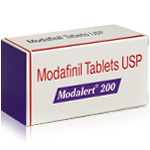
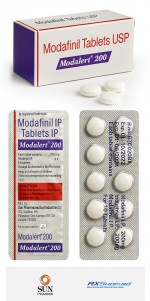
Modalert 200mg - premium generic modafinil from Sun Pharma, the world's leading nootropic for enhanced cognitive performance. Fight fatigue, sharpen focus, boost productivity and stay alert for up to 12 hours — without the jitters or crash of caffeine/amphetamines.Perfect for professionals, students, shift workers and anyone needing peak mental clarity.
Why buy Modalert from RXShop.md?
- ✅ Lowest prices — from $1.90 per pill (up to 70% savings vs Provigil);
- 🚚 Discreet & fast shipping (18–28 days standard ITPS, express EMS 12–21 days);
- 🛡️ 100% guaranteed delivery — free reship or full refund;
- 🩺 No prescription hassle — free physician review included;
- ⭐ High customer rating 4.88/5 from 139+ verified buyers.
Popular packs & instant savings:
- 30 pills — $90 ($3.00/pill) — Save $28
- 60 pills — $120 ($2.00/pill) — Save $39.90
- 100 pills (bestseller) — $190 ($1.90/pill) — Save $53.56
- 200 pills — $350 ($1.75/pill) — massive bulk discount

- Obstructive Sleep Apnea (OSA): For patients with OSA who still experience excessive daytime sleepiness despite proper CPAP therapy. Modafinil can help enhance wakefulness and cognitive function.;
- Shift Work Sleep Disorder (SWSD): For individuals who experience sleep disturbances due to night shifts or irregular working hours. Modafinil helps reduce fatigue and improve mental performance during work hours;
- Attention Deficit Hyperactivity Disorder (ADHD) (off-label use): Although not FDA-approved for ADHD, Modafinil has shown benefits in enhancing focus, concentration, and reducing impulsivity in some adult patients;
- Multiple Sclerosis (MS)-related fatigue: Used to combat fatigue associated with MS, improving the patient’s energy levels and overall quality of life;
- Depression related fatigue: Sometimes prescribed alongside antidepressants to reduce residual fatigue and low energy in treatment-resistant depression;
- Chronic Fatigue Syndrome (CFS): Modafinil may be used to reduce persistent tiredness and cognitive fog in people with CFS;
- Cognitive enhancement in sleep-deprived individuals (non-medical/controversial use): Some use Modalert to improve mental clarity, reaction time, and alertness during periods of sleep deprivation. This is not a recommended or approved indication but is a common real-world usage;
- Jet Lag Syndrome: Helps individuals adjusting to new time zones by managing excessive sleepiness and restoring wakefulness during the day;
- Parkinsons Disease related fatigue: Used to help manage tiredness in individuals living with Parkinson’s disease when standard therapy does not fully address fatigue;
- Cancer-related fatigue: Prescribed in certain oncology settings to counteract fatigue during chemotherapy or advanced illness;
- Post-Anesthesia or ICU Sedation Recovery: Occasionally used to speed recovery of mental alertness in patients after sedation in intensive care settings;
- Traumatic Brain Injury (TBI)-related fatigue or cognitive dysfunction: May help individuals recovering from TBI by improving wakefulness, focus, and motivation;
- Sleep inertia: Helps combat the groggy, disoriented state some people feel upon waking, particularly when abrupt awakening is needed for performance;
- Bipolar depression adjunct therapy: Modafinil has been trialed as an add-on treatment to traditional mood stabilizers in cases of bipolar depression with fatigue or cognitive symptoms.
- Improves Mental Focus and Attention: It boosts concentration, increasing attention span and cognitive clarity, especially helpful for individuals with ADHD or attention-related challenges;
- Reduces Fatigue: Whether due to chronic illness, shift work, or neurological conditions, Modafinil helps combat persistent tiredness and low energy levels;
- Boosts Productivity in Shift Workers: For those working night shifts or rotating schedules, Modafinil helps maintain sharpness and mental performance during odd hours;
- Enhances Cognitive Function: It can improve memory, decision-making speed, and executive function, making it popular among professionals and students;
- Mood Stabilization: Some studies suggest Modafinil may offer mood-elevating effects, helping those with depression feel more engaged and energetic;
- Minimizes Jet Lag Effects: Used by travelers and pilots, it can counteract jet lag, especially when crossing multiple time zones;
- Improves Reaction Time: In sleep-deprived individuals, Modafinil has been shown to reduce response latency and improve reaction accuracy;
- Supports Recovery from Sedation: It may accelerate post-anesthesia cognitive recovery in intensive care patients or after prolonged sedation;
- Reduces Brain Fog: Many users report clearer thinking and less mental sluggishness, especially when under stress or after poor sleep;
- Enhances Motivation: By activating certain brain pathways, Modafinil can increase motivation to complete tasks, particularly in demanding or repetitive work;
- May Help with Weight Control: Some people experience reduced appetite while using Modafinil, which may aid in weight management;
- Low Risk of Addiction Compared to Other Stimulants: While Modafinil is a controlled substance, its risk of dependency is considered lower than traditional stimulants like amphetamines;
- Does Not Typically Cause a "Crash": Unlike caffeine or energy pills, Modafinil provides stable energy without a rebound crash, allowing users to function normally when the effect wears off;
- Does Not Disrupt Night Sleep When Taken Early: If used correctly (in the morning), Modafinil usually does not cause insomnia or sleep disturbances at night;
- Improves Performance in Demanding Situations: Often used by military personnel, first responders, and surgeons, it helps sustain performance during high-stress or long-duration tasks;
- May Improve Learning Capacity: Some research indicates it may enhance learning, especially in complex or multitask environments;
- Useful for Cognitive Rehabilitation: In patients recovering from stroke or traumatic brain injury, Modafinil might support mental alertness and faster rehabilitation.
Generic Modafinil (Modalert 200 mg) Medication guide:
🌟 What Is Modafinil (Modalert) 200 mg
Modalert 200 mg is a branded tablet containing modafinil 200 mg, a wakefulness-promoting medicine used to help reduce excessive daytime sleepiness in specific sleep-related conditions. Unlike “energy boosters,” modafinil is designed to support alertness and sustained wakefulness rather than give a short caffeine-like spike. Many patients describe the effect as feeling more awake and mentally present, with less “sleep pressure” during the day, when this medication is used correctly and for the right reason.
🧭 At-a-glance profile (what it is, what it aims to do)
- A wakefulness-promoting prescription medication;
- Brand: Modalert, active ingredient: modafinil;
- Strength: 200 mg per tablet.
- Lower risk of unplanned daytime sleep episodes;
- Better ability to stay awake for work and daily tasks;
- More stable alertness instead of constant “fight to stay awake.”
🧠 How people commonly describe the effect (realistic expectations)
🚫 What Modalert (Modafinil) is NOT (quick myth check)
If sleep debt is the main issue, this drug may feel weaker and side effects may feel stronger.
If the problem is stress, burnout, or low motivation, the strategy is different and should be reassessed.
👤 Who typically benefits most (high-level fit, without diagnosis labels)
- People whose primary complaint is excessive daytime sleepiness that affects safety and function;
- Those who still feel sleepy despite good sleep hygiene and a structured routine;
- Patients who need a steady wakefulness window rather than short stimulation spikes.
🧑⚕️ Clinician note (why correct fit matters)
🧪 Active Ingredient and Strength - Modafinil 200 mg Tablet
Modalert 200 mg contains a single active ingredient: modafinil. The number 200 mg tells you the amount of modafinil in one tablet. For customers, this section is mainly about clarity: what you are taking, how to read the label correctly, and what “active ingredient” means versus the non-active ingredients that help form the tablet.
| Label element | What it means | Why it matters |
|---|---|---|
| Modafinil | The active ingredient (the part that produces the main effect) | Helps you compare products: Generic (Modafinil) vs Generic (Modalert) |
| 200 mg | The amount of modafinil in one tablet | Prevents dosing confusion and accidental overuse |
| Tablet | Oral solid form designed to be swallowed | Sets expectations for onset and routine (not instant like inhaled/sublingual forms) |
| Inactive ingredients | Binders, fillers, disintegrants, coatings (varies by manufacturer) | May affect tolerance for a small number of sensitive users (GI comfort, allergies) |
🧬 Chemical identity (for ingredient clarity)
⚖️ Why “200 mg” is a big deal (but not a “bigger is better” story)
A fixed tablet strength makes routines predictable and helps you avoid “guess dosing.”
More is not automatically better. Too much stimulation can mean headache, anxiety, or insomnia for some users.
🔍 Quick authenticity check (ingredient-level)
- Confirm the label states Modafinil clearly;
- Confirm the strength reads 200 mg per tablet;
- Keep the box/blister until you are sure the batch and expiry details look correct;
- If you have known allergies, review the listed inactive ingredients when available.
🧑⚕️ Expert note (how clinicians interpret “active ingredient”)
🧬 Mechanism of Action - Wake-Promoting Pathways and Dopamine Transporter Effects
Modafinil (in Modalert 200 mg) is often described as a wakefulness-promoting agent. Its exact mechanism is not fully “single-switch,” but research strongly supports that this medication influences the brain’s alertness networks through a mix of effects, with a key role in dopamine transporter (DAT) inhibition and downstream activation of wake-promoting pathways. In simple terms, modafinil helps the brain maintain daytime alertness by shifting the balance toward “wake signals” and away from “sleep signals.”
🧠 Wakefulness pathway map (how the effect is built)
📊 Neurochemical snapshot (high-level, patient-friendly)
| System | Role in alertness | How modafinil may influence it | What you might notice |
|---|---|---|---|
| Dopamine (DAT) | Motivation, focus, wake stability | DAT inhibition with increased dopamine signaling | Improved ability to stay awake and engaged |
| Orexin (hypocretin) | Stabilizes wakefulness | Indirect support of wake network coordination | Less “crash” feeling in some users |
| Histamine | Promotes wake drive | May enhance wake-promoting signaling | Clearer daytime alertness |
| Glutamate / GABA balance | Excitation vs calming signals | May shift toward wakefulness-supporting activity | More sustained mental presence for some |
⚖️ How this differs from “classic stimulants” (important nuance)
Many people describe Generic (Modafinil) as promoting wakefulness without a sharp “rush.”
If dose timing is late or caffeine is stacked, the result can be anxiety or insomnia for some users.
🧩 Why the mechanism matters for real-life results
🧑⚕️ Expert note (what clinicians emphasize)
⏱️ Onset, Peak, and Duration - What Most Users Notice
Modalert 200 mg (Generic (Modafinil)) is valued for a long, steady wakefulness window rather than a short “boost.” Your real-world experience depends on your sleep debt, meal timing, caffeine, and sensitivity. Use the guide below to understand what is typical, what is too strong, and how to protect nighttime sleep while using this medication.
🕒 The timeline (simple, practical, not overpromising)
📈 Daytime alertness curve (visual mini guide)
Setup phase
Wake ramp
Prime zone
Stable plateau
Slow fade
🍽️ Food timing - why breakfast can change the feel
Some people report a smoother start and less stomach discomfort, but onset can feel more gradual.
Onset may feel faster for some, but sensitive users can notice nausea or a “too sharp” start.
🧩 The “too early vs too late” timing rules
| Timing choice | What you may notice | Common mistake | Better move |
|---|---|---|---|
| Early morning dose | Best chance for a full daytime alertness window | Adding heavy caffeine on top too soon | Wait, see baseline response, then adjust caffeine carefully |
| Late morning dose | May help late morning sleepiness but can push effects into evening | Thinking “later is safer” | Protect sleep - earlier is usually cleaner for night rest |
| Afternoon dose | Higher chance of insomnia or restless sleep | Using it as a “rescue” for a bad day | Reassess routine and diagnosis instead of late rescue dosing |
⚠️ Signals the dose timing is not working (quick recognition)
- Wired but tired: alert body, tired mind - often caffeine stacking or sleep debt;
- Late-day irritability: the “plateau” is too long or too intense;
- Difficulty falling asleep: dose is too late, or stimulants are layered;
- Headache + jaw tension: overstimulation pattern - timing and hydration need review.
🧑⚕️ Expert note - how clinicians judge duration problems
🧭 Who This Medication Is For - Best-Fit Symptom Profiles
Modalert 200 mg (Generic (Modafinil)) works best when the main problem is excessive daytime sleepiness - not simple tiredness, not burnout, and not “low motivation.” This section helps a reader recognize the best-fit symptom profiles that typically respond well, and the patterns that usually require a different plan. Think of it as a “match test” before you even talk about dosing.
🎯 Best-fit profiles (when modafinil makes the most sense)
🧩 Not the best fit (when results are often disappointing)
- Chronic sleep debt: consistently short sleep nights with “catch-up” weekends;
- High anxiety or panic pattern: already wired, tense, or jittery before dosing;
- Depression-driven low energy: low interest and low mood are dominant vs true sleep attacks;
- Medical fatigue: anemia, thyroid issues, infections, or medication side effects are suspected;
- Uncontrolled sleep apnea: ongoing snoring, choking awakenings, and poor CPAP adherence.
🔍 The 6-question “fit check” (simple self-screen, not a diagnosis)
You are closer to the symptom pattern where modafinil is commonly considered.
The better approach may be sleep recovery and medical evaluation, not wake-promotion.
🧑⚕️ Expert note - the most important “fit” signal
✅ FDA Approved Indications for Modafinil
Modafinil (including Modalert 200 mg) has FDA-approved use to improve wakefulness in adult patients who have excessive sleepiness linked to specific sleep disorders. This is a key point for your Medication Guide: the official indication is about daytime sleepiness, not about “more energy,” “motivation,” or general fatigue.
🧭 The 3 FDA-approved indication “cards”
Typical fit: sleep attacks, uncontrollable daytime dozing, strong sleep pressure.
Typical fit: daytime sleepiness persists even when the main OSA treatment is being addressed.
Typical fit: night shifts, rotating schedules, strong sleepiness at work with reduced performance and safety.
🧩 What “FDA-approved” does and does not mean
- the indication is supported by clinical data reviewed for labeling;
- the approved use is specifically about improving wakefulness in the listed conditions;
- the labeling focuses on adult patients for these indications.
- it is approved for “studying,” general tiredness, or burnout;
- it treats the underlying cause of OSA (airway blockage);
- it replaces medical evaluation when symptoms are severe or risky.
📌 Fast “fit check” before discussing use
📊 FDA indication table (simple orientation)
| FDA-approved condition | What modafinil targets | What still must be addressed |
|---|---|---|
| Narcolepsy | Excessive daytime sleepiness | Sleep schedule, safety planning, diagnosis follow-up |
| Obstructive Sleep Apnea (OSA) | Residual sleepiness | OSA therapy (often CPAP) as the core treatment |
| Shift Work Disorder (SWD) | Sleepiness during work hours | Shift-sleep strategy, light exposure, consistent rest windows |
🧑⚕️ Expert note - why the indication wording matters
💤 Narcolepsy-Related Excessive Sleepiness - When Modafinil Is Used
In narcolepsy, the core problem is not just feeling tired. It is an abnormal level of excessive daytime sleepiness (EDS) that can show up as sudden “sleep attacks,” heavy eyelids that feel impossible to resist, and unplanned dozing even when the person wants to stay awake. Modafinil (including Modalert 200 mg) is used in narcolepsy to help improve wakefulness and reduce daytime sleepiness so daily life and safety become more manageable.
🧠 What narcolepsy-related sleepiness often feels like
🎯 What modafinil helps with (and what it does not)
| What patients want | What modafinil is designed to help | What still needs a separate plan |
|---|---|---|
| Stay awake during the day | Improves wakefulness and reduces excessive sleepiness | Stable sleep schedule, planned rest, lifestyle structure |
| Better function at work/school | More consistent alertness and attention capacity | Workplace accommodations, timing strategy, realistic expectations |
| Fix all narcolepsy symptoms | Targets sleepiness mainly | Other symptoms (for example cataplexy) may require different treatments |
🧩 The “narcolepsy vs sleep debt” separator (quick pattern check)
🧭 Practical support tools that make modafinil work better
Many narcolepsy care plans use scheduled naps to reduce sleep attacks and stabilize performance.
Morning daylight and consistent wake times can strengthen your wake rhythm alongside this medication.
“Stacking” heavy caffeine may cause anxiety and insomnia. Many users do better with a measured approach.
🚗 Safety focus (the part people skip, but should not)
🧑⚕️ Expert note (how clinicians evaluate “working” in narcolepsy)
🌬️ Obstructive Sleep Apnea - Residual Sleepiness and CPAP Adherence Reminder
In obstructive sleep apnea (OSA), the main problem is repeated airway blockage during sleep, which fragments rest and can cause excessive daytime sleepiness. Modafinil (including Modalert 200 mg) may be used to support wakefulness in adults who still feel sleepy during the day, but it is not a substitute for treating the airway obstruction itself. In OSA care, the foundation is usually a therapy like CPAP (or another clinician-approved treatment). This medication is considered when sleepiness persists despite addressing the core OSA plan.
🧭 What “residual sleepiness” means (simple, real-life definition)
🧩 The 3-layer approach clinicians use (mini decision map)
✅ CPAP adherence reminder (why it changes results)
Daytime sleepiness often becomes more predictable, and a wake-promoting plan (if needed) tends to feel smoother and safer.
You may feel “wired but still sleepy,” with more headaches, irritability, and uneven daytime performance.
🔍 Residual sleepiness self-check (quick, practical)
🚫 What to avoid in OSA (common mistakes)
- Using this medication as a “replacement” for CPAP or core OSA therapy;
- Stacking strong caffeine on top to force performance (often increases anxiety and insomnia);
- Taking doses too late and then blaming OSA for insomnia;
- Ignoring persistent symptoms that suggest OSA treatment is not optimized.
🧑⚕️ Expert note (how clinicians decide if it is the right next step)
🧑🏭 Shift Work Disorder - Timing Logic for Night Shifts
Shift Work Disorder (SWD) happens when your work schedule forces you to be awake when your body clock expects sleep. The result is often excessive sleepiness during work hours plus poor sleep quality when you finally have time to rest. In SWD, modafinil (including Modalert 200 mg) may be used to support wakefulness during the work window, but the real success comes from pairing this medication with a timing strategy and a simple sleep plan.
🧭 SWD symptom pattern (how you recognize it)
Your biggest dip in alertness happens during your shift, even if you try hard to stay awake.
When you try to sleep in the daytime, you wake up often or sleep feels shallow.
Your body clock struggles to “reset,” especially with rotating shifts.
🕒 Timing logic (the goal is a clean work window, not a long day)
🧩 Shift timing scenarios (choose the closest match)
- Goal: strongest alertness from early shift to mid-shift;
- Sleep protection: avoid late stacking with caffeine near end of shift;
- Routine anchor: stable “post-shift sleep window” on workdays.
- Goal: prevent the early shift “sleep wall”;
- Sleep protection: guard bedtime the evening before;
- Routine anchor: consistent wake time even on off-days when possible.
💡 The “3 tools” that amplify results in SWD (often more than the tablet alone)
Bright light before and during work supports alertness. Darkness after work supports sleep.
Use caffeine early in shift if needed, then taper to protect post-shift sleep.
A consistent sleep window beats “random naps” for long-term stability.
🚫 Common SWD mistakes (that make the medication look “weak”)
- Taking the dose too late in the shift and then struggling to sleep after work;
- Using strong caffeine all shift long (insomnia loop);
- Trying to “flip” sleep schedule every off-day (body clock never stabilizes);
- Ignoring the role of light exposure (bright light at the wrong time keeps you awake).
🧑⚕️ Expert note - what good control looks like in SWD
🧩 Non-FDA Uses - When Clinicians May Consider Off-Label Options
Generic Modalert is FDA-approved for specific sleepiness conditions, but in real clinical practice, some clinicians may consider off-label use when the symptom pattern is a strong match and safer, first-line options are not enough. “Off-label” does not mean “unsafe” or “experimental” - it means the use is not listed as an official FDA indication, so the decision relies on medical judgment, risk screening, and careful monitoring.
🧭 Why off-label happens (simple clinical logic)
If daytime sleepiness is disabling and a condition causes it, clinicians may consider wake-promoting strategies.
The clinician weighs expected benefit against risks like insomnia, anxiety, blood pressure issues, and interactions.
📌 Common off-label situations clinicians may consider (high-level, non-promotional)
| Off-label context | Why it may be considered | Key caution focus |
|---|---|---|
| Idiopathic hypersomnia | Severe daytime sleepiness without narcolepsy features | Diagnosis confirmation, long sleep time patterns, insomnia risk |
| Medication-related sedation | Daytime sleepiness caused by necessary sedating medicines | Interaction risk, dose timing, not masking toxicity |
| Neurologic conditions with fatigue/sleepiness | Some neurologic diseases can cause disabling sleepiness | Mood/anxiety monitoring, BP/heart rate, sleep quality |
| Depression-related fatigue (selected cases) | Augmentation approach when fatigue dominates and other strategies fail | Anxiety/irritability, insomnia, careful psychiatric monitoring |
🧠 Off-label vs wrong-label (how to avoid the biggest mistake)
🛑 What clinicians typically check before considering off-label use
- Root causes: sleep apnea, thyroid disease, anemia, medication sedation, sleep debt;
- Baseline safety: blood pressure, heart history, anxiety/panic tendency;
- Medication list: interaction risks, especially stimulants or sedatives;
- Sleep plan: consistent sleep window, light exposure strategy, caffeine discipline;
- Success metrics: a clear target (less sleep attacks, safer driving, better daytime function).
📉 When to stop and reassess off-label plans
- No real improvement after a reasonable evaluation period;
- Insomnia becomes persistent and damages overall health;
- Anxiety, agitation, mood changes increase;
- Overuse pattern appears (needing more to feel normal).
🧑⚕️ Expert note (what safe off-label use looks like)
🧠 Sleepiness vs Fatigue vs Low Motivation - How to Tell the Difference
Many people say “I am tired,” but that can mean three different problems: sleepiness (your brain wants to fall asleep), fatigue (low physical/mental energy), or low motivation (low drive/interest). This distinction matters because modafinil (Modalert 200 mg) is primarily designed to address excessive daytime sleepiness, not to fix every type of tiredness.
🔎 The quick comparison (fast self-check)
| What you feel | Sleepiness | Fatigue | Low motivation |
|---|---|---|---|
| Core sensation | Strong urge to sleep, heavy eyelids | Low energy, drained, weak, “no fuel” | Low drive/interest, “can do it but do not want to” |
| What happens in a quiet room | You may doze off quickly | You stay awake but feel exhausted | You stay awake, scroll, procrastinate |
| After a nap | Often improves (even briefly) | May not improve much | Usually unchanged |
| After strong coffee | May reduce dozing, but not always | May help a bit or worsen jitters | May not change interest/drive |
| Risk signal | Drowsy driving, microsleeps | Reduced stamina, low productivity | Long delays, avoidance behavior |
🧭 Mini decision path (choose your lane)
🧠 “Tell” questions (more accurate than guessing)
⚠️ When “sleepiness” is the real problem (high-signal clues)
- Unplanned dozing in meetings, on transport, while reading;
- Sudden alertness drops that feel out of your control;
- Safety risk moments, especially drowsy driving;
- Sleepiness persists even when you try to sleep enough.
🧪 Why this difference matters for results
This medication is more likely to improve daytime wakefulness and function in a predictable way.
Results are often inconsistent, and side effects (insomnia, anxiety) can feel more noticeable than benefits.
🧑⚕️ Expert note (best practice approach)
📌 Before You Start - Checklist to Discuss With a Clinician
Before starting Modalert 200 mg (modafinil), it helps to do a quick “safety and fit” review with a clinician. This medication is meant to support wakefulness when excessive daytime sleepiness is the real problem. A short, structured discussion can reduce side effects, prevent avoidable interactions, and make results more predictable.
- Your sleep pattern: bedtime, wake time, naps, and worst sleepiness hours;
- Any diagnosis or suspicion: narcolepsy, sleep apnea, shift work issues, or unexplained hypersomnia;
- A full medication list (prescription + OTC + supplements + pre-workouts);
- Caffeine routine (coffee, energy drinks) and alcohol/sedative use;
- Past reactions to stimulants or wake-promoting agents (jittery, anxious, insomnia, palpitations);
- Any history of rash or severe drug reactions.
- Is my main symptom truly sleepiness, or is it fatigue/mood/sleep debt?
- If I have OSA, is my treatment optimized (for example CPAP consistency) before adding this drug?
- What timing plan protects sleep and reduces insomnia risk in my case?
- Which side effects should make me stop and seek help?
- Do any of my medications raise interaction risk or require monitoring?
- What is a realistic success target in 2 weeks and in 1 month?
- Heart and blood pressure issues: hypertension, arrhythmia, chest pain history, unexplained palpitations;
- Psychiatric sensitivity: severe anxiety, panic attacks, bipolar history, agitation episodes;
- Severe insomnia pattern: if sleep is already fragile, timing and dose strategy matter more;
- Liver problems: may affect how the body handles Generic (Modafinil);
- Prior serious rash: especially if linked to medications.
🧪 Interaction quick scan (what to mention clearly)
Mention sleep aids, anti-anxiety sedatives, opioids, or regular alcohol use - these can change safety and how you feel.
Caffeine, “pre-workout,” and other stimulants can amplify jitteriness, headache, and insomnia risk.
Ask specifically if this medication can reduce effectiveness and what to do if applicable.
📏 What to track at baseline (simple, measurable)
💊 Typical Dosing Overview - What “Standard Use” Usually Looks Like
Modalert 200 mg (Generic (Modafinil)) is usually taken as a single daily dose in clinically appropriate cases where the primary goal is improving daytime wakefulness. Because this medication can last many hours, dosing is often designed to create a clean daytime alertness window while protecting nighttime sleep. The exact plan should be individualized by a licensed clinician based on diagnosis, tolerance, and safety factors.
🧭 The “dose logic” in one view
Improve daytime wakefulness and reduce sleep attacks / severe sleepiness during key hours.
Early timing often reduces insomnia risk because effects can extend into the evening.
Too late or too strong can mean insomnia, headache, jitteriness, or irritability.
📌 What clinicians call “typical dosing” (without overcomplicating it)
| Clinical situation | What “typical” means | Why it is set up that way | Common adjustment trigger |
|---|---|---|---|
| Daytime excessive sleepiness | Often once daily dosing | Supports a stable daytime alertness window | Insomnia or overstimulation later in the day |
| Need coverage for specific hours | Timing chosen to match the highest-risk hours | Protects safety and function when it matters most | “Wired but tired” pattern or anxiety symptoms |
| Sensitivity to stimulation | Clinicians may use a lower starting approach | Improves tolerability and reduces side effects | Headache, jitteriness, appetite loss, irritability |
🧩 Dose “dial” infographic (how adjustments usually happen)
Better tolerability, less insomnia risk
Wakefulness improves without “overdrive”
Insomnia, anxiety, headache, irritability
🕒 Timing is part of the dose (why “when” matters as much as “how much”)
Often produces a more predictable daytime benefit and reduces late-day insomnia risk.
Can push wakefulness into the evening and disturb sleep, even if daytime benefit feels strong.
🧪 What can change your “right dose” (the factors people forget)
- Sleep debt: chronic short sleep can blunt benefits and amplify side effects;
- Caffeine and stimulants: stacking increases jitteriness, headache, and insomnia risk;
- Anxiety sensitivity: those prone to anxiety may need a more conservative plan;
- Liver function and other medical conditions: can affect how the body processes this medication;
- Other medications: interaction potential can shift both effect and tolerability.
🧑⚕️ Expert note (how “standard use” is judged in practice)
🕒 Dose Timing Strategy - Morning Alertness vs Late-Day Insomnia Risk
Timing is one of the biggest “make or break” factors with Modalert 200 mg (modafinil). Many users judge the medication by how strong it feels, but the smarter metric is: does it improve daytime wakefulness without damaging nighttime sleep? Because Generic (Modafinil) can last many hours, a dose taken too late can push alertness into the evening, making sleep lighter, delayed, or fragmented.
🧭 The timing trade-off (simple map)
- More predictable daytime focus;
- Lower chance of late-day overstimulation;
- Better sleep protection for many users.
- Can feel “strong” but may spill into evening;
- Higher risk of insomnia and restless sleep;
- More likely to trigger anxiety or irritability in sensitive users.
⏳ Insomnia risk ladder (how timing problems usually appear)
📊 Timing situations and what they usually mean
| Situation | What you may notice | What it often suggests | Practical direction to discuss |
|---|---|---|---|
| Good alertness + normal sleep | Stable daytime function, sleep stays intact | Timing window is working | Keep routine consistent and avoid stimulant stacking |
| Good alertness + insomnia | Strong day effect but delayed sleep | Timing is too late or stimulants are layered | Recheck timing, caffeine, and evening light exposure |
| Weak effect + side effects | Headache, jittery feeling, little benefit | Sleep debt, anxiety pattern, or stacking problem | Strengthen sleep plan first, then reassess strategy |
| Afternoon “rescue” use | Late productivity but night sleep breaks | Short-term gain, long-term instability | Consider redesigning the day plan rather than rescuing late |
☕ The caffeine rule that protects sleep (often the missing piece)
Treat caffeine like a small tool, not a second medication. Let Generic (Modafinil) show its baseline effect before adding extra stimulation.
Strong coffee/energy drinks plus modafinil can increase headache, anxiety, and late-day insomnia - even if daytime focus feels great.
🧷 Mini checklist: “Is my timing supporting the goal?”
🧑⚕️ Expert note (what clinicians adjust first)
🍽️ With Food or Without Food - Practical Differences
Modalert 200 mg (Generic (Modafinil)) can be taken with or without food. The choice does not usually change the main goal - supporting wakefulness - but it can change the feel of the start, the comfort level, and how predictable the day seems (especially for nausea, headache, jitteriness, or late insomnia).
Switching daily makes the experience feel random and makes it harder to understand what truly helps or hurts.
Sensitive stomach or nausea - often better with a light meal.
Need a faster-feeling start - some prefer without food if tolerability is good.
🧭 Two common patterns - choose your starting mode
- start may feel more gradual and steady;
- often fewer complaints of nausea or stomach discomfort;
- easier to turn into a consistent daily routine.
- some users notice a quicker onset feel;
- more likely to trigger nausea in sensitive people;
- higher risk of feeling overstimulated if coffee is added immediately.
🧠 Mini decision flow (fast, practical)
Yes - start with a light meal.
No - go to question 2.
Yes - often better with food.
No - go to question 3.
Yes - prefer with food and delay caffeine for the first hours.
No - you can test without food if tolerability is good.
🧪 Food type matters (where people misread the effect)
Light meal (often the most predictable)
Heavy high-fat meal (can blur timing)
Empty stomach + caffeine immediately (high-conflict setup)
🧑⚕️ Specialist viewpoint (who it is and why it matters)
- If nausea is a risk, start with a light meal;
- Do not change the pattern daily - keep it consistent for a week;
- The most common tolerability problem is empty stomach + caffeine right away.
🔁 Missed Dose Guidance - What to Do Without Ruining Sleep
Missing a dose of Modalert 200 mg happens. The key is to respond in a way that keeps your day functional without breaking your night. Because Generic (Modafinil) can stay active for many hours, a late “catch-up” dose is one of the most common reasons people end up with insomnia, restless sleep, and the next-day “wired but tired” cycle.
🧭 Quick decision rule (read this first)
The goal is a stable routine, not a perfect “never missed” record.
🧩 Missed dose selector (choose your situation)
You missed it by a short time and it is still early in your day.
You remembered around mid-day and you still need coverage for work/safety tasks.
You remembered late in the day, close to your usual evening wind-down.
🚫 Late catch-up is the main trap (why it backfires)
- Generic (Modafinil) can stay active long enough to delay sleep onset;
- sleep becomes lighter and less restorative;
- the next day you feel “wired but tired” and may chase the feeling with more caffeine;
- this creates a sleep debt loop that makes the medication feel less predictable.
🧯 “Missed dose day” rescue kit (sleep-protective)
Dehydration can worsen headache and make fatigue feel stronger.
Bright daylight earlier in the day can improve alertness without harming sleep as much as stimulants.
If used, keep it modest and avoid late-day caffeine that will damage sleep.
🧠 Micro-scenario guide (real-life examples)
I forgot, then remembered before my main work block
I remembered mid-day and I have to drive or do safety tasks
I remembered late afternoon or evening
🧑⚕️ Specialist note (who and why)
- Do not chase a missed dose late - protecting sleep is usually the smarter move;
- If you take it after remembering, keep caffeine low and watch for insomnia signals;
- Resume your normal schedule the next day rather than “compensating.”
🚫 Do Not Double Dose - Common Mistakes That Backfire
Do not double dose with Modalert 200 mg (modafinil) to compensate for a missed dose or a “weak day.” Because this medication can remain active for many hours, taking extra can shift the experience from steady wakefulness to overstimulation - and the most common “backfire” is insomnia + next-day crash, which makes the overall routine worse.
🧨 The backfire chain (simple visual)
📌 The 5 most common reasons people double dose (and the safer alternative)
| Trigger | What people do | Why it backfires | Better move |
|---|---|---|---|
| Missed morning dose | Take 2 doses close together | Late-day stimulation, insomnia risk | Protect sleep; resume normal schedule next day |
| Big work deadline | Add “extra” for intensity | More anxiety, irritability, poor sleep | Use structure, breaks, light exposure, hydration |
| Low sleep last night | Try to replace recovery | Sleep debt still accumulates | Prioritize recovery window and routine |
| Effect feels weaker | Increase without a plan | Creates variability and side effects | Check timing, caffeine stacking, and sleep schedule first |
| Midday slump | Late “rescue” dose | Shifts alertness into bedtime | Non-drug tools: daylight, short walk, hydration, small meal |
⚠️ Early signs you are pushing too hard (stop chasing the day)
🧩 A safer way to handle a weak day (no extra dosing needed)
🧑⚕️ Specialist insight (who and why)
🧪 Pharmacokinetics - Absorption, Metabolism, and Half-Life Basics
Pharmacokinetics is the practical science of what your body does to modafinil - how it gets absorbed, how long it circulates, how it is broken down, and why the effect can feel “long” even when the day changes. Understanding these basics helps readers avoid the most common mistakes: late dosing, stacking stimulants, and expecting the same response every day without controlling sleep and timing.
🧠 PK vocabulary in plain English (fast definitions)
How the tablet moves from the gut into the bloodstream.
The time when blood levels typically reach their peak.
The time for blood levels to drop by about half.
How the liver breaks the drug down into metabolites (breakdown products).
How efficiently your body removes the drug over time.
📊 A simple “PK shape” - why timing matters
🧾 Typical pharmacokinetic facts (reader-friendly table)
| PK element | What it means | What users usually notice | What can change it |
|---|---|---|---|
| Absorption | Entry into the bloodstream after swallowing | Some days feel smoother, some feel sharper | Food composition, gut sensitivity, routine consistency |
| Tmax (peak timing) | When blood levels are often highest | Peak focus or peak stimulation window | Food timing, individual metabolism variability |
| Half-life | Slow taper over many hours | Can feel “still active” later in the day | Liver function, drug interactions, sleep debt patterns |
| Metabolism (liver) | Breakdown into metabolites | Explains why interactions matter | CYP pathways, other meds, genetics |
🧩 Why two people can feel the same tablet differently
Faster clearance may feel shorter. Slower clearance may feel longer and risk late-day stimulation.
Sleep debt can make benefits less “clean” and side effects more noticeable.
Caffeine, pre-workouts, and late naps can change how the day feels even with the same dose.
🧑⚕️ Pharmacology perspective (who and why)
🧬 Metabolism and CYP Pathways - Why Interactions Matter
Modalert 200 mg (modafinil) does not exist in isolation. Your liver processes it using enzyme systems often referred to as CYP pathways (cytochrome P450). These pathways are also used by many other medicines. That is why interactions can change either how strong the effect feels, how long it lasts, or how safe it is for a specific person.
🧠 The 3 interaction patterns (simple and practical)
Another substance increases metabolism.
Another substance reduces clearance.
Different drug, same “direction” (stimulating).
🧬 CYP pathway snapshot (what readers should actually understand)
- affect certain CYP enzymes (which is why some drug levels can change);
- be affected by other medicines that modify these enzymes;
- create meaningful interaction issues even if you feel “fine” at first.
📊 Interaction risk map (high-level categories)
| Category | Why it matters | What users might notice | Action to discuss |
|---|---|---|---|
| Hormonal contraception | Effectiveness may be reduced | No immediate symptoms, but higher pregnancy risk | Discuss backup contraception planning |
| Narrow-therapeutic drugs | Small level changes can be risky | Side effects or reduced control of the condition | Consider monitoring plans and lab checks |
| Stimulants and activating meds | Additive stimulation | Jitters, anxiety, fast pulse, insomnia | Start conservative, track symptoms |
| Sedatives and sleep aids | Mixed signaling to the CNS | Unstable day-night rhythm, rebound fatigue | Review timing and necessity with clinician |
| Liver enzyme modifiers | Can change duration and intensity | Too short or too long coverage | Adjust plan based on response and safety |
🧨 Red-flag combinations (when readers should be extra careful)
- Multiple stimulants at once: modafinil + high caffeine + pre-workouts;
- New psych meds added suddenly: mood, anxiety, and sleep can shift quickly;
- Important medicines with strict dosing windows: changes in levels may matter even without obvious symptoms;
- Alcohol plus sedatives: unpredictable CNS effects and impaired judgment.
🧠 Interaction self-audit (simple checklist for readers)
🧑⚕️ Specialist insight (who and why)
🔄 Switching Between Brand and Generic - Modalert vs Modafinil Basics
Many users call the medication “Modafinil,” while others know it as Modalert. In practice, Modalert is a brand name and modafinil is the generic name. Switching between brand and generic is common, but the best results come when the switch is handled as a controlled change, not a random one. Most day-to-day differences people feel are caused by timing, sleep, caffeine, and expectations - yet formulation details can matter for a small subset of sensitive users.
🧠 Brand vs generic in one clean table
| Term | What it means | What stays the same | What may differ |
|---|---|---|---|
| Brand (Modalert) | Trade name used by a manufacturer | Active ingredient: modafinil | Inactive ingredients, tablet feel, packaging |
| Generic (modafinil) | Non-branded name of the same active ingredient | Same primary pharmacologic effect | Excipients, tablet hardness, dissolution profile |
🧩 What people mean when they say “this one feels different”
Took it later or with different food than usual.
Coffee, energy drinks, pre-workouts change the day feel.
Sleep debt or poor sleep quality makes any plan less stable.
🧪 When formulation details might matter (the “sensitive user” group)
- consistent stomach upset only with one manufacturer version;
- headache or “wired” feeling that repeats with the same switch pattern;
- tablet feels different and the effect timing changes every time you use that exact version;
- new rash or allergic-type symptoms after a switch (stop and seek medical advice).
📈 Switch protocol (how to do it like a controlled test)
🧾 What to record (simple but powerful)
What time you took it and whether it was with food.
Rate wakefulness morning, midday, evening (0-10).
Time to fall asleep, awakenings, overall restfulness.
🧑⚕️ Specialist view (who and why)
🧾 Comparison Snapshot - Modafinil vs Armodafinil vs Caffeine
This section helps readers understand three different tools people often compare: modafinil (Modalert), armodafinil, and caffeine. They can all increase alertness, but they do it differently and carry different “trade-offs” for sleep, anxiety sensitivity, and day-to-day stability. Use this snapshot to set realistic expectations and avoid the common mistake of stacking multiple stimulants without a plan.
📊 One-table comparison (quick and honest)
| Factor | Modafinil (Modalert) | Armodafinil | Caffeine |
|---|---|---|---|
| Main purpose | Wakefulness support in appropriate clinical contexts | Wakefulness support, often described as longer coverage | Short-term alertness boost |
| “Feel” profile | Often described as steadier than classic stimulants | Often described as more persistent/long-lasting | Faster “kick,” sometimes more jittery |
| Sleep risk pattern | Risk rises with late timing and stacking | Risk rises with late timing; may push later into the day | Late-day use can disrupt sleep significantly |
| Anxiety sensitivity | Can worsen anxiety in sensitive users | Can worsen anxiety; persistence may amplify discomfort | Common trigger for anxiety/jitters |
| Peak variability | Often smoother if routine is consistent | Often smoother but can feel “too long” for some | Peaky; effects depend heavily on dose and timing |
| Stacking risk | Highest risk pattern is combining modafinil/armodafinil with high caffeine or energy drinks without tracking | ||
🧠 A simple “choice logic” map (not medical advice, just clarity)
Often leads to comparing modafinil vs armodafinil.
Often leads to using caffeine strategically, not continuously.
This is where all three can backfire if sleep is not addressed.
⚠️ The stacking warning (most common real-life problem)
- can increase headache, nausea, jitteriness, and anxiety;
- can shift alertness into evening and damage sleep quality;
- can create a “wired but tired” cycle that makes benefits less stable.
📌 Practical takeaway for readers (simple and useful)
Keep it small and earlier, and let the medication show its baseline effect first.
Fix timing and sleep routine before changing anything else.
Avoid stacking and review interactions and dose timing with a clinician.
🧑⚕️ Specialist viewpoint (who and why)
🧠 Building a Stable Routine - Sleep Schedule and Light Exposure Basics
Generic Modafinil works best when your day has a repeatable structure. Many people chase “more effect,” but the real upgrade is usually more stability: consistent sleep timing, predictable light exposure, and fewer random stimulants. This section shows a practical routine blueprint that supports wakefulness while protecting sleep quality.
🧭 The Stability Triangle (3 levers that decide your results)
A consistent sleep window trains your brain to expect rest and wakefulness on schedule.
Light is a powerful “on/off” signal for alertness and circadian rhythm.
Avoid stacking caffeine and late stimulation.
🌅 Light exposure map (use it like a switchboard)
- bright daylight exposure earlier in the day;
- movement (short walk) soon after waking;
- consistent wake time (even on weekends if possible).
- reduce bright light late evening;
- avoid late caffeine and “rescue stimulation”;
- create a predictable wind-down routine.
🗓️ The 7-day stabilization protocol (simple, repeatable)
This reduces daily variability and makes it easier to judge real benefit.
📊 Routine stability scorecard (track the right signals)
| Signal | What “stable” looks like | What “unstable” looks like | Why it matters for results |
|---|---|---|---|
| Sleep window | Similar bedtime/wake time most days | Big shifts, late nights, long weekend drift | Stability improves daytime predictability |
| Morning light | Daylight exposure early in the day | Staying indoors in dim light until noon | Supports alertness and circadian alignment |
| Evening light | Lower brightness late evening | Bright screens/lights late at night | Protects sleep onset and sleep depth |
| Caffeine stacking | Modest, earlier, consistent pattern | Energy drinks, late coffee, random spikes | Reduces jitters, insomnia, and variability |
🧩 “If-Then” routine fixes (quick troubleshooting without extra dosing)
🧑⚕️ Expert corner (who it is, why it matters)
✅ Quick action checklist (copy and use today)
🛌 Sleep Hygiene That Actually Supports Modafinil Results
Generic Modalert can improve daytime wakefulness, but the quality of your night still decides how clean the next day feels. When sleep hygiene is weak, many users report a frustrating pattern: productive but restless, then wired but tired. This section focuses on sleep habits that specifically support a wake-promoting routine.
🧩 The 3 sleep levers that matter most
Set clear stop-lines for caffeine, screens, and mentally intense work.
Wake time consistency is often more powerful than forcing bedtime.
You need a transition, not just a sudden lights-off attempt.
⏳ The 90-minute runway (simple visual plan)
📊 Sleep hygiene moves ranked by impact (for wake-promoting routines)
| Sleep hygiene move | What it changes | How it supports modafinil results | Common mistake |
|---|---|---|---|
| Consistent wake time | Stabilizes circadian timing | Makes daytime effect feel more predictable | Weekend drift that breaks Monday sleep |
| Light early, dim late | Improves day-night separation | Reduces late alertness spillover | Bright screens in bed |
| Caffeine cutoff | Protects sleep onset and depth | Less insomnia and next-day fatigue loop | Late "rescue coffee" |
| Wind-down routine | Lowers mental arousal | Prevents restless sleep after productive days | Working until the last minute |
| Cool, dark room | Improves sleep quality | Better recovery means cleaner alertness | Overheated room, light leaks |
🧠 Two-minute evening script (fast, repeatable)
🧑⚕️ Specialist perspective (who it is and why it matters)
🧑🏫 How to Use This Medication Safely - Day 1 to Week 2 Setup
The first 14 days are not about chasing a stronger feeling. They are about building a stable routine so you can judge results fairly: daytime wakefulness improves, while sleep quality stays protected. Most problems (jitters, headache, insomnia, “it feels random”) come from three avoidable variables: inconsistent timing, caffeine stacking, and unstable sleep.
🧭 The 14-day goal (what success looks like)
More consistent alertness during the hours you need it.
Sleep remains reasonably intact (no growing insomnia trend).
Fewer “spiky” days caused by caffeine, late stimulation, or poor sleep.
🗓️ Two-week setup timeline (simple, practical)
- Keep the day simple (avoid “testing” with extra stimulants);
- Use normal hydration and regular meals;
- Track how sleep responds that night.
- Keep timing consistent day-to-day;
- Keep caffeine modest and earlier;
- Use morning daylight as your “natural booster.”
- Focus on reliability, not intensity;
- Watch for insomnia trend signals;
- Document benefits that are measurable.
🧠 Day-1 safety rules (the ones that prevent most problems)
☐ No jittery spikes;
☐ Sleep feels protected;
☐ Caffeine not escalating.
📊 The 14-day tracker (what to record so results are clear)
| What to track | Why it matters | Keep it simple |
|---|---|---|
| Wake time + bedtime window | Stability improves predictability | Same window most days |
| Medication timing pattern | Late timing increases insomnia risk | Consistent routine beats “rescue use” |
| Caffeine amount and timing | Stacking is a top cause of jitters | Modest and earlier |
| Alertness quality | Measures benefit, not just “energy” | Rate morning / midday / evening (0-10) |
| Side effects | Detects patterns early | Headache, nausea, anxiety, insomnia notes |
🧩 “If-Then” adjustments (non-dose changes first)
🚨 Stop and seek medical advice (high-priority safety signals)
- Chest pain, fainting, severe palpitations, or shortness of breath;
- Severe anxiety, agitation, confusion, hallucinations, or significant mood changes;
- Rash, swelling, blistering, or any signs of allergic reaction;
- Persistent vomiting, severe headache, or symptoms that escalate quickly.
🧑⚕️ Specialist insight (who it is and why it matters)
📊 Alertness Timeline Mini Chart - Day 1 Through Week 2
Most people expect one dramatic “switch-on” moment. In real life, Modalert 200 mg (modafinil) usually works more like a stability builder: day-to-day predictability improves when timing, sleep, and caffeine stay consistent. Use this mini timeline to set expectations and to spot early “backfire” patterns (usually insomnia, overstimulation, or caffeine stacking).
🗓️ Timeline chart (Day 1 to Week 2)
• Some feel a clean “awake” signal, others feel “busy brain.”
• Sleep that night is the first real test.
• Side effects (if any) show their style: headache, nausea, jittery edges;
• Timing mistakes begin to show up as late insomnia.
• Many users notice better task initiation and fewer daytime sleep attacks;
• If sleep is breaking, it usually means timing or stacking problems.
• “It works but I cannot sleep” means the plan needs redesign;
• A stable routine beats chasing intensity.
📈 Mini “Trend Meter” (what to watch, not just what to feel)
🧨 Backfire signals (the chart is warning you)
- Insomnia trend (sleep gets worse night by night);
- Overstimulation (anxiety spikes, irritability, jittery focus);
- Stacking pattern (more and more caffeine needed to “feel normal”);
- Wired-but-tired cycle (alert but exhausted, recovery collapses).
🧑⚕️ Specialist note (who and why)
📈 Productivity vs Overstimulation - Signs You Need a Plan Change
Modalert 200 mg should feel like clean daytime capability, not like being “pushed” or “wired.” A good plan improves real-life output (school, work, driving safety, consistent focus) while keeping sleep reasonably intact. If the day becomes sharp, anxious, irritable, or sleep collapses, that is usually a sign the plan needs adjustment - not that you need to chase a stronger effect.
⚖️ Side-by-side signals (read this like a mirror)
✅ Tasks start easier (less procrastination);
✅ You can switch tasks without frustration;
✅ Mood stays normal and social interactions feel OK;
✅ Sleep is not getting worse night by night.
⚠️ Irritability, impatience, short temper;
⚠️ Anxiety spikes, “too alert” feeling;
⚠️ Headache, stomach discomfort, dry mouth feels worse;
⚠️ Sleep delay or fragmented sleep becomes a trend.
🚦 The Plan Health Meter (quick self-check)
Sleep OK, mood OK, focus calm, no escalation.
Slight insomnia, mild irritability, stronger headaches, more caffeine cravings.
Anxiety spikes, sleep worsening trend, jittery focus, “wired but tired.”
🧾 What usually triggers overstimulation (so you can spot the real cause)
| Trigger | What it looks like | Why it matters | Better plan move |
|---|---|---|---|
| Caffeine stacking | Energy drinks, strong coffee, pre-workout on top | Adds jitter and insomnia risk | Lower caffeine, earlier only, keep it consistent |
| Late-day dosing pattern | Alertness pushes into evening hours | Sleep delay creates next-day fatigue loop | Protect the bedtime window and keep timing stable |
| Sleep debt | Works but feels harsh, moody, or “wired” | Sleep loss amplifies side effects | Prioritize recovery, simplify the day plan |
| Unstable routine | Different wake times, meals, and stimulation daily | Makes results feel random | Run a 7-day consistent routine before judging effect |
🧠 The 5-question “Plan Change” screen
🪜 Adjustment ladder (non-escalation approach)
Keep wake time consistent, use morning daylight, and reduce late bright screens.
Reduce extra stimulants (especially late).
🧑⚕️ Expert perspective (who and why)
⚠️ Modalert Side Effect
Modalert 200 mg (modafinil) is usually described as a “wake-promoting” medicine, but it can still cause side effects - especially when timing is late, sleep is already poor, or stimulants are stacked. The goal is to keep the experience in the calm-focus zone (productive and stable), not the overstimulated zone (jittery, anxious, insomnia-prone).
🧭 Side effect zones (use this as a quick navigation guide)
Dry mouth;
Slight nausea;
Reduced appetite;
Mild restlessness.
Irritability;
Fast pulse feeling;
Sleep delay trend;
Stomach upset that repeats.
Chest pain, fainting, severe palpitations;
Rash, swelling, breathing trouble;
Hallucinations or severe mood changes.
📌 Most reported everyday side effects (what they feel like)
🧾 Symptom-to-action table (fast problem solving)
| Side effect | Common trigger | What to do first | When it becomes a bigger concern |
|---|---|---|---|
| Headache | Dehydration, caffeine stacking, skipped meals | Hydration, food, reduce extra stimulants | Severe, persistent, or neurological symptoms |
| Nausea | Empty stomach, sensitivity, anxiety | Light meal, avoid heavy caffeine, keep routine calm | Persistent vomiting or inability to keep fluids |
| Dry mouth | Stimulation, not enough water | Water, sugar-free gum, regular meals | Severe thirst with other concerning symptoms |
| Anxiety / irritability | Too much stimulation, poor sleep, interactions | Remove stacking, simplify day, protect bedtime | Panic, agitation, mood changes that escalate |
| Insomnia trend | Late timing, evening bright light, late caffeine | Earlier routine, dim late light, strict caffeine cutoff | Multiple nights worsening, daytime functioning drops |
🧩 What increases side effects (the hidden multipliers)
Energy drinks, strong coffee, pre-workouts, nicotine.
Poor sleep makes side effects louder and benefits less clean.
Different timing, meals, and light exposure every day.
🧑⚕️ Specialist insight (who and why)
🚨 Serious Reactions - When to Seek Urgent Help
Modalert 200 mg (modafinil) is often tolerated well, but rare serious reactions can happen. This section is designed as a fast triage guide - what is urgent, what to do immediately, and what information to bring to a clinician or emergency team.
• Swelling of face/lips/tongue, wheezing, or trouble breathing;
• Chest pain, fainting, severe palpitations, or shortness of breath;
• Severe confusion, extreme agitation, or hallucinations;
• Severe, persistent vomiting or inability to keep fluids.
🚦 Quick triage decision map
Trouble breathing, swelling, chest pain, fainting, severe mental status changes, blistering rash.
New rash without blistering, strong anxiety, persistent fast pulse feeling, severe headache, repeated vomiting.
Mild headache, dry mouth, mild nausea, mild restlessness that does not worsen.
🩹 Serious skin and allergy reactions (the ones you should not ignore)
- Rapidly spreading rash, especially with fever or flu-like symptoms;
- Blisters, skin peeling, or painful skin;
- Eye irritation with redness and pain, or mouth sores;
- Face/lip/tongue swelling, wheezing, or throat tightness;
- Hives with dizziness or breathing difficulty.
💓 Heart and circulation red flags
| Warning sign | What it may indicate | What to do | What not to do |
|---|---|---|---|
| Chest pain or pressure | Cardiovascular stress | Seek urgent help immediately | Do not exercise or drive yourself |
| Fainting or near-fainting | Blood pressure or rhythm issue | Urgent evaluation | Do not take more stimulants |
| Severe palpitations with dizziness | Possible rhythm disturbance | Urgent evaluation | Do not stack caffeine/energy drinks |
| Shortness of breath at rest | Cardiac or allergic issue | Emergency assessment | Do not ignore if new or worsening |
🧠 Mental and neurologic warning signs (high priority)
Severe anxiety spikes, panic-like agitation, extreme irritability, confusion that is new for you.
Hallucinations, severe disorientation, behavior that feels unsafe or out of control.
🧯 What to do right now (step-by-step)
🧑⚕️ Expert insight (who and why)
🧴 Headache, Nausea, Dry Mouth - Comfort and Practical Management
Modalert 200 mg (modafinil) may improve wakefulness, but some users notice “comfort side effects” such as headache, nausea, or dry mouth. The good news: these symptoms often respond to simple routine fixes like hydration, food timing, and avoiding stimulant stacking. Use this section as a practical toolkit to stay productive without pushing your body into an overstimulated state.
🧰 Comfort Toolkit (fast actions that often help)
Sip water regularly, not all at once.
A small meal or snack can reduce nausea.
Keep caffeine modest and earlier.
📌 Symptom map (what it often means and what to do first)
| Symptom | Common pattern behind it | First practical move | When to contact a clinician |
|---|---|---|---|
| Headache | Dehydration, missed meals, caffeine stacking, poor sleep | Water + regular food + simplify stimulation | Severe, persistent, or unusual symptoms appear |
| Nausea | Empty stomach, sensitivity, anxiety/overstimulation | Small snack, calm pace, avoid strong caffeine | Repeated vomiting or inability to keep fluids |
| Dry mouth | Stimulation effect + not enough fluids | Water, sugar-free gum, regular meals | Severe thirst with other concerning symptoms |
🧪 Micro-check: “Is this dehydration or overstimulation?”
• dry mouth + mild headache;
• hunger you forgot to notice;
• you have not had water for hours;
• symptoms improve after food + hydration.
• jittery focus, racing thoughts;
• anxiety edges or irritability;
• fast pulse feeling after coffee/energy drinks;
• symptoms worsen when you add more caffeine.
🧴 Practical comfort recipes (simple, non-fancy)
🚫 The “Backfire” list (common mistakes that make symptoms worse)
- Stacking caffeine to push through discomfort;
- Skipping breakfast and then wondering why nausea appears;
- Hydrating late (waiting until symptoms are strong);
- Ignoring sleep debt (poor sleep makes comfort side effects louder).
🧑⚕️ Specialist insight (who and why)
💓 Heart and Blood Pressure Considerations - When Monitoring Matters
Generic Modafinil can increase alertness, but in some people it can also raise heart rate and blood pressure, or make palpitations feel more noticeable - especially when combined with caffeine, energy drinks, nicotine, or pre-workout stimulants. For most users the goal is simple: steady wakefulness without cardiovascular stress.
🧭 Who should take monitoring seriously (risk tiers)
No known blood pressure issues, no palpitations, no stimulant stacking.
Borderline BP, family history, occasional fast pulse feeling, anxiety sensitivity.
Known hypertension, heart disease, rhythm disorder, chest discomfort, or heavy stimulant use.
⚡ What most often causes “heart stress days” (it is usually the combo)
| Common trigger | What it looks like | Why it matters | Cleaner alternative |
|---|---|---|---|
| Caffeine stacking | Energy drinks, strong coffee, multiple cups | Raises jitter, BP/HR, insomnia risk | Keep caffeine modest and earlier |
| Pre-workouts / stimulants | Fast pulse, flushed feeling, “wired” focus | Can amplify palpitations and anxiety | Separate stimulant products, or avoid combining |
| Sleep debt | Medication feels harsher than usual | Poor sleep makes HR/BP responses stronger | Protect sleep timing and wind-down |
| Dehydration / skipped meals | Headache + fast pulse feeling | Can mimic “heart symptoms” and worsen comfort | Hydration + regular meals |
🧪 A simple monitoring plan (if you have a BP monitor at home)
🚦When to stop experimenting and talk to a clinician
Repeated palpitations, rising BP trend, or anxiety that does not settle when you reduce caffeine and stabilize routine.
Chest pain, fainting, severe shortness of breath, or severe palpitations with dizziness.
🧑⚕️ Expert note (who and why)
🧠 Mood, Anxiety, and Irritability - Mental Side Effects to Watch
This medication is designed to support wakefulness, but for some people it can also affect mood, anxiety level, and irritability. These effects are often influenced by the “stimulation load” (sleep debt, caffeine, stress, late timing) rather than the tablet alone. The goal is calm, functional alertness, not a tense, edgy state.
🎛️ The “mental side effect” dial (what people usually notice)
- Anxiety edges - feeling tense, restless, or “over-alert”;
- Irritability - less patience, quicker frustration, sharper reactions;
- Mood swings - feeling unusually flat, overstimulated, or emotionally “tight.”
📉 Mood drift vs. overstimulation (spot the difference)
🧪 The 60-second self-check (use before you blame the medication)
📊 Trigger matrix (what commonly amplifies anxiety or irritability)
| Trigger | What it can feel like | Fast correction that often helps | Why it works |
|---|---|---|---|
| Caffeine stacking | Jittery focus, edgy mood, impatience | Reduce caffeine, keep it earlier and consistent | Lowers total stimulation load |
| Sleep debt | Harsher “push,” irritability, anxiety spikes | Protect sleep window, reduce late light, simplify evening | Sleep loss magnifies mental side effects |
| Late-day stimulation | Restless brain, difficulty winding down | Dim late light, stop intense tasks earlier | Prevents the day from leaking into night |
| Empty stomach / dehydration | Tension, headache + “nervous” feeling | Water + small meal, then re-check mood | Basic physiology can mimic anxiety |
| Drug interactions | Unexpected intensity or mood shift | Review all meds/supplements with a clinician | Interaction changes effects and tolerability |
🪜 Action ladder (what to do when mood feels “off”)
🧑⚕️ Specialist viewpoint (who and why)
🚨 When to seek urgent help
- Severe agitation, confusion, hallucinations, or behavior that feels unsafe;
- Sudden extreme mood change that is intense or escalating;
- Any serious thoughts about self-harm or harming others - seek emergency help immediately.
😴 Insomnia Prevention - Timing and Lifestyle Adjustments
Modalert 200 mg supports daytime wakefulness, but insomnia can appear when the overall stimulation load gets too high or when timing is inconsistent. In many cases, sleep problems are not “mystery side effects” - they are the result of late stimulation, caffeine stacking, bright screens, and an evening routine that is too intense to allow the brain to power down.
🧠 The insomnia pattern in one line
🧭 The Insomnia Triangle (3 causes, 3 fixes)
✅ The 7-day insomnia prevention plan (repeatable routine)
🧪 Quick screen: are you building insomnia today?
🛠️ Night-of prevention steps (do these tonight if sleep feels fragile)
Remove extra stimulants today. Avoid energizing workouts late. Choose a calmer evening pace.
Do a low-arousal 60-minute routine: dim lights, reduce screens, light reading, gentle stretching, warm shower.
Even if tonight is not perfect, keep your wake time stable. Oversleeping to “catch up” often delays the next night again.
🧾 Trigger swaps (simple replacements that protect sleep)
| Sleep disruptor | What it does | Swap that usually helps |
|---|---|---|
| Late caffeine | Delays sleep onset | Earlier, smaller caffeine pattern (or none if sensitive) |
| Energy drinks / pre-workouts | Spikes stimulation and insomnia risk | Hydration, food timing, light movement |
| Bright screens late | Keeps brain in day mode | Dim light routine, lower brightness, calmer activity |
| Work until bedtime | Maintains stress arousal | Evening boundary + 60-minute wind-down runway |
🧑⚕️ Specialist note (who and why)
🩹 Serious Rash Warning - Why Early Skin Symptoms Matter
This Drug is generally well tolerated, but there is an important rare safety risk: a serious skin reaction. Most everyday rashes are mild and unrelated, yet the small chance of a severe reaction is why early recognition matters. The safest rule is simple: if a rash appears and it looks “wrong” or comes with other symptoms, treat it as urgent until a clinician says otherwise.
🚩 Red-flag checklist (do not ignore these)
| What you notice | Why it matters | What to do |
|---|---|---|
| Rash plus fever or flu-like feeling | Can signal a systemic reaction | Stop this drug and seek urgent medical evaluation |
| Rapidly spreading rash or widespread redness | Pattern can worsen quickly | Urgent same-day clinician assessment |
| Blistering or skin peeling | High-risk warning sign | Emergency evaluation immediately |
| Mouth sores or painful throat irritation with rash | Mucosal involvement raises concern | Urgent evaluation, do not wait |
| Eye redness/pain or light sensitivity with rash | May indicate more serious reaction | Urgent evaluation (same day) |
| Face/lip swelling, wheezing, or breathing trouble | Possible allergic reaction | Emergency care immediately |
🧯 What to do immediately (simple action plan)
🚫 What not to do (common mistakes)
Re-exposure can worsen the reaction.
Avoid delaying care by self-treating without evaluation when red flags are present.
Those are higher-risk signals that deserve urgent assessment.
🧑⚕️ Expert insight (who and why)
🧠 Neuropsychiatric Warning Signs - When to Stop and Get Help
Modafinil 200 mg is intended to improve wakefulness, but in rare cases it can trigger or worsen neuropsychiatric symptoms - such as severe agitation, confusion, hallucinations, or marked mood and behavior changes. These reactions are uncommon, yet they matter because the safest response is often early stopping + medical evaluation, not “pushing through.”
🚦Fast triage: Stop now vs. Contact soon
• Severe confusion or disorientation;
• Extreme agitation or behavior that feels out of control;
• Paranoia-like fear or unusual suspiciousness;
• Severe panic that does not settle;
• Sudden, intense mood shift with unsafe impulsive behavior.
• New insomnia pattern with “wired brain” nights;
• Noticeably increased anger, impatience, or social conflict;
• Unusual mood flattening or emotional “tightness” that persists;
• Recurrent “overstimulation” even after caffeine reduction.
🧩 Symptom-to-urgency table (quick clarity)
| Warning sign | Typical look/feel | Urgency | What to do |
|---|---|---|---|
| Hallucinations | Perceiving things that are not real | Urgent | Stop this drug and seek urgent evaluation |
| Severe confusion | Disorientation, cannot think clearly | Urgent | Stop and seek urgent evaluation |
| Extreme agitation | Restless, unable to calm down, unsafe behavior | Urgent | Stop and seek urgent evaluation |
| Paranoia-like fear | Unusual suspiciousness, intense fear | Urgent | Stop and seek urgent evaluation |
| Escalating anxiety | Worsening anxiety trend over days | Soon | Contact clinician; reduce stimulation load |
| Persistent irritability | Anger, impatience, conflict, “short fuse” | Soon | Stabilize sleep/caffeine; clinician review if persistent |
| Overstimulation pattern | Wired focus, jitter, insomnia loop | Soon | Remove stacking; review timing and other meds |
🔍 What commonly triggers these reactions (often it is not just the tablet)
📞 A “call script” that helps clinicians help you faster
Dose and exact time taken, and when symptoms started.
Coffee/energy drinks, nicotine, supplements, pre-workouts used that day.
Sleep quality, stress level, and whether this is new for you.
🧑⚕️ Specialist perspective (who and why)
🚫 Modalert Contradictories (Contraindications) - Who should not take modafinil
Modalert 200 mg (modafinil) is not appropriate for everyone. This section helps you identify the situations where this medication should be avoided completely, or used only with specialist supervision. Contraindications are the “hard stop” rules - they are about safety, not convenience.
⛔ The 3-level safety gate (scan and place yourself)
• Serious rash or severe hypersensitivity reaction after using these medicines;
• Any clinician told you to avoid this drug due to a past reaction.
• Uncontrolled high blood pressure;
• History of severe mental health reactions to stimulants or wake-promoting drugs.
• Many medications (higher interaction risk);
• Recurrent palpitations, fainting, or chest discomfort history;
• Persistent severe insomnia baseline.
📋 Contraindications and high-risk exclusions (clear list)
| Situation | Why it matters | Safer next step |
|---|---|---|
| Hypersensitivity to modafinil (or armodafinil) | Risk of serious allergic reaction | Avoid; discuss alternatives with a clinician |
| Prior serious rash with modafinil/armodafinil | Re-exposure may trigger a stronger reaction | Avoid; urgent clinician review if considering any re-use |
| Uncontrolled hypertension | May worsen BP control or symptoms | Control BP first under medical guidance |
| Significant heart disease or rhythm disorder | Higher risk of palpitations and cardiovascular stress | Cardiology-informed plan and monitoring |
| Severe psychiatric instability (history of severe reactions) | Rare neuropsychiatric reactions can be more dangerous | Specialist assessment before any use |
🧩 “If this, then that” decisions (simple logic)
🧑⚕️ Clinician note (who and why)
🛑 Key Warnings and Precautions - The Safety Core
Modalert 200 mg (modafinil) can be effective for excessive daytime sleepiness, but safe use depends on a few high-impact precautions. Think of this section as the safety core - the rules that prevent the most common “bad outcomes” such as insomnia spirals, dangerous interactions, rash escalation, or unpredictable mental side effects.
🧭 The “Safety Core” in 6 rules
Any new rash needs attention - red flags require urgent care.
Hallucinations, extreme agitation, or confusion are urgent.
Late stimulation and caffeine stacking are the main insomnia drivers.
This drug can change levels/effects of other medicines and vice versa.
Palpitations or BP trends require a plan, not guessing.
Combining with energy drinks or pre-workouts raises side effects.
⚠️ Precautions by category (what to watch and why)
| Category | Precaution | Why it matters | Practical move |
|---|---|---|---|
| Skin | New rash, especially with fever or sores | Rare severe reactions require early action | Stop and seek evaluation if red flags appear |
| Mental health | Severe anxiety, agitation, hallucinations | Neuropsychiatric reactions can escalate | Stop and get urgent help if severe |
| Cardiovascular | BP rise, palpitations, chest symptoms | Stimulation may worsen symptoms in sensitive users | Monitor trend; urgent care for chest pain/fainting |
| Sleep | Insomnia trend, wired evenings | Sleep debt increases side effects and reduces benefit quality | Stabilize timing, reduce evening stimulation |
| Interactions | Multiple meds or hormone contraception | Modafinil can change drug levels or effectiveness | Interaction review with clinician/pharmacist |
🧪 Safety signals: what to log for 7 days (a simple monitoring script)
🚨 Stop-now signals (do not delay)
- Rash with fever, blistering, skin peeling, mouth/eye sores;
- Breathing difficulty, face/lip swelling, wheezing;
- Chest pain, fainting, severe palpitations with dizziness;
- Hallucinations, severe confusion, behavior that feels unsafe.
🧑⚕️ Specialist note (who and why)
🍷 Alcohol, Cannabis, and Sedatives - What Can Go Wrong
Generic Modalert 200 mg (modafinil) is a wakefulness-promoting medication. Mixing it with alcohol, cannabis, or sedatives can create unpredictable effects - not only because the substances “pull in opposite directions,” but because they can change judgment, reaction time, sleep quality, and the way side effects show up. The safest approach is simple: avoid mixing, and if you are using any sedating medicines, review the combination with a licensed clinician.
🧩 Why mixing can backfire (the real problem is unpredictability)
Alcohol, cannabis, and sedatives can dull the nervous system, while modafinil promotes wakefulness. This can create a false feeling of “I am fine,” even when coordination, judgment, and safety are impaired.
Even if you fall asleep after alcohol or cannabis, sleep quality often worsens. Poor sleep then amplifies next-day side effects and reduces the “clean” benefit of this medication.
⚠️ What can go wrong (most common patterns)
| Combination | What it may feel like | Why it is risky | Safer direction |
|---|---|---|---|
| Modafinil + alcohol | Feels less drunk than expected | Impairment can be “masked,” judgment worsens | Avoid mixing; keep safety tasks off-limits |
| Modafinil + cannabis | Unpredictable focus or anxiety spikes | Can increase paranoia-like fear or confusion in sensitive people | Avoid mixing; clinician review if symptoms repeat |
| Modafinil + sedatives | Up-down swings, wired then crash | Raises risk of unsafe cycles and poor sleep pattern | Do not self-balance; medical supervision matters |
| Modafinil + opioids | Unstable alertness, poor judgment | Serious safety concerns due to sedation and impaired breathing risk with opioids | Avoid mixing; urgent clinician guidance |
| Modafinil + strong sleep aids | Insomnia loop, daytime overstimulation | Builds dependency-like routine problems and worsens sleep quality | Fix the sleep plan, not the symptoms |
🚦Red flags that mean stop and get help
• Confusion or severe disorientation;
• Hallucinations or intense paranoia-like fear;
• Chest pain, fainting, severe palpitations with dizziness;
• Breathing difficulty or swelling reactions.
• Anxiety and irritability escalating after mixing;
• Repeated insomnia after evenings with alcohol/cannabis;
• Risky behavior, memory gaps, or poor impulse control.
🛠️ If mixing happened (damage-control steps)
🧑⚕️ Specialist note (who and why)
☕ Caffeine Stacking - When “Too Much Stimulation” Happens
This medication is designed to promote wakefulness. The most common reason people feel “too wired” is not the tablet alone - it is stacking stimulation (coffee, energy drinks, strong tea, nicotine, pre-workouts) on top of this medication. The goal is clean alertness, not a jittery, impatient, overstimulated day that ruins sleep.
🧱 The Stimulation Stack (what typically builds the problem)
📌 Signals you crossed the “too much stimulation” line
• racing thoughts;
• impatience, irritability;
• anxiety edges or “tense focus”;
• feeling overstimulated by noise or interruptions.
• fast pulse feeling;
• shakiness or jitters;
• headache with tension;
• nausea or dry mouth that worsens after caffeine.
• wired evenings;
• delayed sleep onset;
• light, broken sleep.
✅ Quick self-audit (tick what happened today)
🧯 De-stacking Reset (same-day rescue without adding more stimulants)
No extra coffee, energy drinks, or “focus boosters” for the rest of the day.
Dehydration and skipped meals can mimic anxiety and worsen tension headaches.
Switch from high-pressure work to calmer tasks for 30-60 minutes to let the nervous system settle.
Dim screens late and keep evening calm to prevent the “wired night” loop.
🚦When caffeine is the wrong tool (and what to do instead)
🧑⚕️ Expert note (who and why)
🔄 Drug Interactions - What Can Change Effects or Safety
Modalert 200 mg (modafinil) can interact with other medicines because it can change how the liver processes drugs and can also add stimulation when combined with other activating substances. Many interactions are not “instant danger,” but they can shift effectiveness, side effects, sleep quality, and safety. The smartest approach is to treat interactions like a system check, not a guessing game.
🧩 Interaction hotspots (where surprises usually come from)
Some medicines may become weaker (lower levels) or stronger (higher levels) depending on how they are processed.
Combining with caffeine, ADHD stimulants, some antidepressants, or decongestants can push you into “too much stimulation.”
Some medicines require extra attention because small level changes matter (this guide covers examples in a later section).
Using sedatives to “fix” stimulant insomnia can create unstable cycles and unpredictable daytime function.
📋 Quick interaction scan (bring this to your clinician)
| Medicine / substance type | What may change | What you may notice | Practical next step |
|---|---|---|---|
| Stimulants (ADHD meds, strong decongestants, heavy caffeine) | Higher stimulation load | Anxiety edges, fast pulse feeling, insomnia | Reduce stacking; clinician review if persistent |
| Antidepressants / psychoactive meds | Effects and tolerability can shift | Mood changes, agitation, sleep disruption | Do not self-adjust; clinician-guided plan |
| Hormonal contraceptives | Effectiveness may decrease | No “feeling” signal - risk is silent | Follow the dedicated section in this guide |
| Seizure medicines | Levels may change (case-dependent) | New side effects or reduced control | Specialist review and monitoring |
| Blood thinners / narrow-therapeutic drugs | Small changes can matter | Lab changes or symptom changes | Extra caution and monitoring (covered later) |
| Alcohol, cannabis, sedatives | Unpredictable function and sleep quality | Impaired judgment, unstable sleep, “up-down” days | Avoid mixing; review with a professional |
🧾 The 3-item interaction checklist (simple but powerful)
🧑⚕️ Expert note (who and why)
💊 Hormonal Contraceptives - Reduced Effectiveness Risk and Planning
Hormonal birth control can become less reliable when used with modafinil. This happens because the medicine can speed up the breakdown of certain hormones, which may reduce contraceptive effectiveness. If you use Modalert or Generic (modafinil) and pregnancy prevention matters, plan your method the same way you would plan any high-stakes routine - no guessing.
🧭 Which birth control methods may be affected
| Method type | Examples | What can happen | Best practical approach |
|---|---|---|---|
| Hormonal pills | Combined pill, progestin-only pill | Lower hormone levels - higher pregnancy risk | Use a non-hormonal backup or switch method with clinician guidance |
| Patch or ring | Skin patch, vaginal ring | Reduced effectiveness possible | Backup method recommended during therapy and after stopping |
| Long-acting hormonal | Implant, hormonal IUD, injections | Effect may be reduced (method-dependent) | Discuss with clinician - do not assume it is fully protected |
| Non-hormonal | Copper IUD, barrier methods | Not affected by hormone metabolism changes | Often preferred when drug interactions are a concern |
🧩 Your 3-step protection plan (simple, repeatable)
Write down exactly which method you use (pill, implant, patch, ring, IUD, injection).
Use an additional non-hormonal method or switch to a method not affected by hormone metabolism (clinician-guided).
Continue the extra protection for a period after you stop this medication, not only while taking it.
🗓️ Timing mini-guide (what most labels advise)
🧑⚕️ OB-GYN style guidance (why clinicians take this seriously)
✅ Quick checklist (keep it simple)
🧪 Antidepressants, Stimulants, and ADHD Medications - Caution on Combinations
Some people use Modalert (Generic (modafinil)) alongside antidepressants or ADHD stimulants. This can be appropriate only when a clinician has a clear plan, because the combination may increase overstimulation, shift mood stability, and raise the chance of sleep disruption. The key risk is not just “stronger effects” - it is unpredictable reactions in sensitive users.
- Stimulation load can become too high (wired focus, jitters, irritability);
- Sleep can deteriorate, and sleep debt then amplifies side effects;
- Mood may shift (anxiety edges, agitation, emotional volatility);
- Interactions may change how other medicines feel at the same dose.
Using this medication to push through fatigue, while also adding strong coffee, energy drinks, nicotine, or pre-workouts.
Result: daytime tension + insomnia loop.
🚦Quick safety map (what level are you in)
Stable antidepressant plan, good sleep, no overstimulation history, and clinician supervision.
Anxiety-prone, insomnia tendency, heavy caffeine use, or frequent dose/timing changes.
Past severe agitation, panic, hallucinations, or unsafe behavior on stimulants - needs specialist review.
📋 Common combinations - what to watch for
| Medication group | What can happen | Early warning signs | Safer direction |
|---|---|---|---|
| SSRIs / SNRIs | More stimulation or mood shifts in sensitive users | New anxiety, irritability, insomnia trend | Keep timing consistent and ask clinician if symptoms escalate |
| Bupropion | Can feel more activating when combined | Restlessness, fast pulse feeling, sleep disruption | Avoid stacking caffeine; clinician review if persistent |
| ADHD stimulants | Overstimulation more likely | Jitters, tension headache, wired evenings | Specialist-guided plan, monitor sleep and BP if advised |
| MAOIs | Higher interaction concern | Strong agitation, BP symptoms, severe insomnia | Use only with clinician direction - do not self-combine |
| Sleep aids / sedatives | Up-down cycles, poor sleep quality | Wired nights then heavy mornings | Fix routine and timing - do not “balance” medicines yourself |
✅ 60-second self-check (simple, useful)
🧑⚕️ Expert note (who and why)
🧬 Warfarin, Cyclosporine, and Other Narrow-Therapeutic Drugs - Extra Care Notes
Some medicines have a narrow safety window - small blood-level changes can turn a “working dose” into a too weak or too strong dose. When Generic (modafinil) (or Modalert) is added to a regimen like this, the smartest approach is monitoring + clinician coordination, not guesswork.
- They often require lab monitoring (INR, trough levels);
- They are sensitive to enzyme changes (CYP pathways);
- They are high-stakes: clotting/bleeding control, transplant rejection prevention, seizure control, etc.
🎯 Two high-impact examples (the ones clinicians take very seriously)
📌 “Do not self-adjust” rule (the one line that prevents mistakes)
🧾 Narrow-therapeutic list (quick scan)
| Drug type | Why it is sensitive | What may change when modafinil is added | Best safe move |
|---|---|---|---|
| Warfarin | Small changes can shift INR | Interaction cannot be ruled out; effect may vary | Clinician-guided INR monitoring when starting/stopping |
| Cyclosporine | Low levels can reduce immune suppression | Levels may decrease (CYP3A4 induction pathway) | Monitor cyclosporine levels, adjust with transplant team |
| Tacrolimus / Sirolimus | Very narrow therapeutic range | Similar sensitivity to enzyme changes | Specialist management and lab monitoring |
| Phenytoin (example) | Narrow range; toxicity possible | Levels/effects can shift in some interactions | Watch for toxicity signs and clinician review |
🧩 Micro-decision map (simple and clear)
Tell your prescriber before starting or changing timing. Expect that INR may need closer follow-up.
Treat it as a specialist-controlled combo. Blood-level monitoring is the safety system.
Ask for an interaction review (prescriber or pharmacist). This prevents “silent” decreases or increases.
🧑⚕️ Specialist note (who and why)
🧩 Medical Conditions to Discuss Before Starting
Before using Modafinil or Modalert, it helps to do a quick “medical fit” check. This medication can be a great tool for daytime wakefulness, but certain health conditions can make side effects more likely - or make monitoring more important. The goal is simple: clean alertness with predictable safety.
🧭 Risk Radar - where clinicians pay the most attention
Palpitations, uncontrolled hypertension, rhythm issues, chest discomfort history, fainting episodes.
Sleep apnea treatment (CPAP), severe insomnia baseline, irregular sleep schedule patterns.
Anxiety disorders, panic history, bipolar disorder, past psychosis-like symptoms, severe irritability patterns.
Known liver disease, abnormal liver tests, heavy alcohol use history (liver stress can change tolerability).
History of stimulant misuse, using energy drinks to push performance, or patterns of overusing activating products.
📋 Conditions checklist (tick what applies)
🧾 What to bring to the conversation (so the plan is accurate)
| Bring this | Why it matters | Example |
|---|---|---|
| Medication list | Interactions can change effects or safety | Prescriptions, OTC, supplements, sleep aids |
| Stimulant intake pattern | Stacking is the top overstimulation trigger | Coffee, energy drinks, nicotine, pre-workouts |
| Sleep pattern snapshot | Timing decisions depend on sleep stability | Bedtime, wake time, naps, shift schedule |
| Cardio symptoms history | Helps decide monitoring needs | Palpitations, BP trend, fainting, chest discomfort |
| Past reactions | Rash and allergy history changes safety choices | Any severe rash from prior meds |
🚨 Stop-and-call-now signals (do not wait)
- Chest pain, fainting, or severe palpitations with dizziness;
- Severe confusion, hallucinations, or behavior that feels unsafe;
- Rapidly spreading rash, blistering, mouth/eye sores, or fever with rash;
- Breathing trouble or face/lip swelling.
🧑⚕️ Specialist note (who and why)
🩺 Liver and Kidney Considerations - When Dosing May Need Adjustment
Modafinil is processed mainly by the liver, and its byproducts (metabolites) are eliminated largely through the kidneys. For most people, this stays “in the background,” but if you have liver disease (or significant kidney issues), the plan may need to be more cautious to avoid stronger-than-expected effects, longer duration, or tolerability problems.
The liver is the main “processing center” for this drug. If liver function is reduced, the medicine may stay active longer and feel stronger at the same dose.
The kidneys mainly clear metabolites. Severe kidney disease can change metabolite exposure, and data is more limited, so clinicians often choose a careful, monitored approach.
🧭 Dose-adjustment logic (clinician-style, simplified)
| Condition | What can change | What you may notice | Safer strategy |
|---|---|---|---|
| Normal liver function | Typical processing | Expected onset/duration pattern | Standard plan based on symptom need |
| Mild to moderate liver impairment | Slower clearance possible | Longer effect, sleep drift later | Start conservatively, prioritize earlier timing, monitor sleep |
| Severe liver impairment | Significantly reduced clearance | Strong or prolonged stimulation, insomnia risk | Lower dose is usually recommended and specialist-guided use |
| Mild kidney impairment | Often minimal clinical change | Usually no dramatic difference | Standard plan, but keep hydration and sleep stable |
| Severe kidney impairment / dialysis | Metabolite exposure may change; limited data | Unpredictable tolerability in some users | Clinician review, conservative plan, monitor side effects closely |
📌 “Tell your clinician this” mini-checklist (fast and useful)
🧪 What labs are commonly discussed (so you understand the conversation)
ALT, AST, bilirubin, alkaline phosphatase (ALP).
eGFR/creatinine, BUN, and (sometimes) electrolytes.
They guide how conservative dosing and monitoring should be.
🧩 Quick “pattern test” (how people often notice a liver-related dose mismatch)
🧑⚕️ Expert note (who and why)
👴 Older Adults - Practical Tolerability Notes
In older adults, the same dose of Generic (modafinil) can feel different than it does in younger users. Not because age automatically makes the medicine “unsafe,” but because older adults often have slower clearance, more co-medications, and a higher chance of blood pressure or sleep fragility. The goal here is simple: keep wakefulness benefits while protecting sleep quality, cardiovascular comfort, and daytime stability.
🧭 The 4 tolerance zones (which one describes your week)
Clear alertness, normal pulse feeling, sleep remains stable.
Works well but lasts late, bedtime drifts later.
Tension, impatience, mild palpitations, wired feeling.
Strong insomnia, significant BP rise, severe anxiety, confusion.
📌 What older adults should watch most closely
| What to watch | Why it matters more with age | Practical response |
|---|---|---|
| Blood pressure trend | Hypertension is more common; stimulation can raise BP in sensitive users | Track at home if advised; report sustained rise |
| Palpitations or dizziness | Rhythm symptoms and meds are more common | Clinician review; urgent care if fainting/chest pain |
| Sleep fragmentation | Sleep tends to become lighter with age | Earlier timing; remove caffeine stacking |
| Confusion or unusual behavior | Neuropsychiatric sensitivity can be higher | Stop and seek evaluation if severe |
| Interaction risk | More co-medications increases enzyme/interactions probability | Pharmacist-style interaction screen is high value |
🧩 A gentle-start strategy (clinician logic, simplified)
🧪 Mini log (7 days, simple, high value)
🧑⚕️ Expert note (who and why)
🤰 Pregnancy Considerations - Risk Discussion Points
If pregnancy is possible, decisions about this medication should be made with a clinician. The core issue is not only “does it work,” but whether the benefit is worth any potential risk. Because modafinil has been linked to pregnancy safety concerns in some reports, the safest approach is to treat pregnancy planning as a high-priority topic, not an afterthought.
🧭 Pregnancy decision map (how clinicians often frame it)
Is this for diagnosed narcolepsy, shift work disorder, or sleep apnea-related sleepiness? Severity matters.
Sometimes sleep schedule changes, CPAP optimization, or other strategies may reduce the need.
If a medicine is used, the plan should be conservative and monitored.
📌 What to discuss with a clinician (focused, practical)
| Discussion point | Why it matters | What to prepare |
|---|---|---|
| Pregnancy status and timing | Risk decisions change by trimester and planning stage | Last menstrual period, pregnancy test results if relevant |
| Severity of daytime sleepiness | Determines benefit and safety trade-off | How sleepiness impacts driving, work, and safety |
| Sleep disorder diagnosis | Indication matters for clinical decision | Diagnosis documents, sleep study details if available |
| Alternative strategies | May reduce dose or need | CPAP adherence, sleep schedule plan, shift adjustments |
| Medication list | Interaction screening is essential | All prescriptions, OTC meds, supplements, caffeine pattern |
🧩 Planning advice (common clinician recommendations)
🚗 Safety during pregnancy (practical reality)
🧑⚕️ Expert note (who and why)
🤱 Breastfeeding Considerations - Safety Discussion Points
Breastfeeding decisions with modafinil are usually handled as a risk-benefit discussion. The key question is whether the benefit to the parent (safe daytime function, reduced sleepiness) outweighs any potential exposure risk to the infant. If Modalert is being considered during breastfeeding, it is best treated as a clinician-guided plan rather than a “try and see” experiment.
🧭 The 3-part breastfeeding decision frame
Age, prematurity history, feeding pattern, and any medical issues.
How severe daytime sleepiness is, and whether safety tasks (driving) are affected.
Clear signs to watch, and what to do if they appear.
📌 What to discuss with a clinician (focused topics)
| Topic | Why it matters | What to prepare |
|---|---|---|
| Infant age and health | Younger infants have higher sensitivity | Birth history, prematurity, current weight trend |
| Breastfeeding pattern | Exposure depends on frequency and timing | Exclusive vs mixed feeding; typical schedule |
| Daytime sleepiness severity | Parent safety may be a priority | Driving, work safety, childcare safety concerns |
| Other medicines and stimulants | Stacking can increase side effects | Caffeine intake, supplements, prescriptions |
| Monitoring plan | Early detection prevents escalation | Which signs trigger dose review or stopping |
👶 What to watch in the infant (simple, practical list)
Unusual wakefulness, difficulty settling, increased fussiness.
Reduced feeding interest, poor latch, unusual feeding breaks.
Poor weight gain, fewer wet diapers, dehydration signs.
🧩 Practical strategy points (often used in clinician plans)
🧑⚕️ Expert note (who and why)
👶 Pediatric Use - Why Medical Supervision Is Critical
Pediatric use of modafinil is a special case. This medication is not a casual “focus helper,” and children and teens can respond differently than adults. Safety decisions should be made by a licensed clinician who can weigh diagnosis, alternatives, and monitoring needs. If a young person has daytime sleepiness, the safest path is usually to confirm the cause first (sleep disorder workup) rather than starting a wake-promoting drug without a structured plan.
🧭 Why pediatric supervision matters (the real reasons)
Daytime sleepiness in youth can come from sleep apnea, restless sleep, delayed sleep phase, depression, anemia, medications, or simply chronic sleep deprivation. A proper evaluation can change the entire plan.
Young people may be more vulnerable to mood shifts, agitation, sleep disruption, and rare serious skin reactions. Early detection requires monitoring.
A wake-promoting medicine can “mask” sleep debt, pushing bedtimes later and harming long-term sleep stability. In youth, sleep architecture is tightly linked to learning and emotional regulation.
ADHD meds, antidepressants, asthma medicines, and decongestants can add stimulation and raise side-effect risk.
📌 If a clinician is considering it (what is usually checked first)
| Step | What is checked | Why it matters |
|---|---|---|
| Sleep schedule review | Bedtime, wake time, device use, naps | Chronic sleep restriction is common and fixable |
| Medical evaluation | ENT, breathing, allergies, apnea signs | Sleep apnea and nasal obstruction can mimic “fatigue” |
| Mental health screen | Anxiety, depression, stress load | Mood issues can look like low energy and poor focus |
| Medication interaction scan | ADHD meds, antidepressants, stimulants | Stacking stimulation increases side-effect risk |
| Monitoring plan | Sleep, BP, mood, rash signs | Early warning detection protects safety |
🧩 Parent/guardian monitoring plan (simple but effective)
🧑⚕️ Specialist note (who and why)
🚗 Driving, Work, and Risk Tasks - When to Avoid High-Stakes Activities
This section is about real-world safety. A wake-promoting medicine can improve alertness, but it does not guarantee perfect judgment, reaction time, or emotional control every day. The safest mindset is: high-stakes tasks require stable performance, not “I feel awake right now.”
🟢🟡🔴 Risk Ladder (use this quick decision tool)
Stable sleep, predictable response to this drug, no new side effects today.
Mild headache, mild jitters, sleep was short, or caffeine was higher than usual.
Palpitations with dizziness, severe anxiety, confusion, visual changes, severe insomnia, or “not myself” feeling.
⚙️ High-risk tasks that require extra caution
| Task type | Why it can be risky | Safer approach |
|---|---|---|
| Driving (especially long distance) | Sleepiness can return; overstimulation can impair judgment | Test tolerance on low-risk days first; avoid night driving |
| Operating machinery / power tools | Reaction time + focus swings can be dangerous | Only when response is stable; no caffeine stacking |
| Working at heights | Dizziness, BP changes, distraction risk | Avoid if any dizziness, palpitations, or blurred focus |
| Safety-critical jobs (security, medical, transport) | Errors have serious consequences | Use clinician-guided plan; track trends (sleep, mood, BP) |
| Major decisions (money, contracts, conflict) | Overconfidence and irritability can rise | Delay high-impact decisions if you feel “wired” or impatient |
✅ Before you drive (30-second checklist)
🧑⚕️ Expert note (who and why)
🧯 Overdose, Overuse, and What To Do Immediately
Overdose and overuse are not always dramatic “one-time” events. With Generic (modafinil), many problems come from stacking (extra doses, late dosing, heavy caffeine, stimulants) and then trying to “fix” the night with sedatives. This section is designed as a fast action guide so the next step is clear.
• taking more because “today is important”;
• dosing too late and then losing sleep;
• adding energy drinks on top;
• repeating the cycle for several days.
• taking multiple doses close together;
• accidental double dose;
• mixing with stimulants or certain drugs;
• a child or someone else ingesting tablets.
🚩 Warning signs (what overdose/overuse may look like)
| Category | Signs | Why it matters |
|---|---|---|
| Cardiovascular | Fast heartbeat, strong palpitations, chest pain, dizziness, fainting | May signal unsafe strain or rhythm issues |
| Neurologic / mental | Severe agitation, confusion, panic, hallucinations, unsafe behavior | May require urgent evaluation |
| Sleep and stimulation | Unable to sleep, extreme restlessness, tremor, severe headache | Sleep collapse can worsen symptoms quickly |
| Gastrointestinal | Nausea, vomiting, severe dry mouth | Dehydration can intensify overstimulation |
🟢🟡🔴 What to do immediately (pick the lane)
(jittery, mild headache, mild insomnia trend)
Do now:
• stop caffeine and stimulants today;
• hydrate + eat light food;
• do calm tasks only;
• protect evening sleep (dim screens, early wind-down).
(strong anxiety, significant palpitations, severe insomnia, vomiting)
Do now:
• call a clinician/urgent care line for advice;
• avoid driving and risk tasks;
• do not add sedatives or alcohol “to balance.”
(chest pain, fainting, severe confusion, hallucinations, seizure, severe shortness of breath)
Do now:
• seek emergency help immediately;
• do not drive yourself;
• keep the packaging available for responders.
🧩 The “do not make it worse” list
- Do not double dose to “catch up”;
- Do not stack with energy drinks, high caffeine, or other stimulants;
- Do not use alcohol to calm down;
- Do not self-medicate with sedatives or sleep pills without medical advice;
- Do not drive if you feel wired, dizzy, confused, or mentally “off.”
🧑⚕️ Expert note (who and why)
🧊 Storage, Handling, and Shelf Life - Keeping Tablets Stable
To keep Modalert and Generic (modafinil) working predictably, storage matters more than most people think. Heat, humidity, and sunlight can slowly degrade tablets or make them crumble, and poor handling can also cause mix-ups (especially when people split doses). This section is a simple stability guide - how to keep tablets reliable from the first day to the last.
• cool, dry place;
• away from direct sunlight;
• stable room temperature (avoid hot cars).
• bathroom cabinet (steam and humidity);
• near kitchen stove/oven;
• glovebox / car door pocket;
• windowsill or sunny desk.
📌 Packaging rules (how to avoid silent damage)
- Keep tablets in the original blister until use, if possible;
- Close the bottle tightly after each opening;
- Do not transfer to unlabelled containers that can cause mix-ups;
- Keep away from children and pets - store high and locked if needed.
🧪 Shelf life and “after opening” logic
| Situation | What to check | What to do |
|---|---|---|
| Unopened package | Expiry date on box/blister | Use before expiry; store properly |
| Opened bottle | Cap tightness and humidity exposure | Keep sealed; avoid bathrooms and kitchens |
| Tablet looks damaged | Crumbing, discoloration, unusual odor | Do not use; replace with a stable pack |
| Split tablets | Accuracy + exposure to air/humidity | Split only if advised; store halves in a dry container short-term |
✂️ If you split tablets (dose handling without mistakes)
• use a clean pill cutter (more accurate than a knife);
• split on a dry surface, with dry hands;
• store the second half in a closed, dry mini-container;
• label if you carry multiple meds.
• if halves crumble or vary in size;
• if you often forget which half you already took;
• if humidity exposure is frequent (travel, gym bag, car).
🔎 Quick quality check before use (10 seconds)
🧑⚕️ Expert note (who and why)
✈️ Travel Tips - Dose Timing, Jet Lag, and Carry Advice
Travel is where routines break - new time zones, late meals, airport stress, and sleep disruption. With Modalert or Generic (modafinil), the biggest travel mistake is treating the dose like a “power button” instead of a plan. This section gives you a travel-proof routine: timing logic, jet lag support, and simple carry rules.
🧭 The travel-first rule (the one that prevents chaos)
🕒 Time-zone planning (simple logic, not complicated math)
Keep your home schedule if possible. Sleep protection is the priority.
Shift toward local time on day 1. Keep dosing early relative to your first local morning.
Fully switch to local time. Build a consistent routine (dose + light + bedtime).
🌍 Jet lag “direction” guide (east vs west)
| Jet lag type | Typical challenge | Best support strategy | What to avoid |
|---|---|---|---|
| Eastbound travel (day becomes shorter) | Harder to fall asleep earlier | Morning light, earlier meal timing, earlier wind-down | Late dosing and heavy caffeine late day |
| Westbound travel (day becomes longer) | Sleepiness too early in the evening | Evening light exposure, delay bedtime gradually | Overshooting stimulation that causes insomnia later |
🧳 Carry and airport tips (practical, low-stress)
Keep tablets with you, not in checked baggage (lost luggage is common).
Blister/bottle label helps prevent confusion and supports travel checks.
Avoid leaving it in a hot car, near airplane window heat, or in direct sun.
☕ Travel-day stacking control (the hidden problem)
Result: daytime tension and an insomnia night that worsens jet lag.
✅ 1-page travel routine (easy to follow)
🧑⚕️ Expert note (who and why)
🔎 Authenticity and Quality Checks - Packaging, Batch, and Expiry Tips
When you buy a wakefulness medication online, the most important safety skill is verification. Counterfeit or mishandled tablets can mean the wrong dose, unstable effects, or unexpected side effects. This section gives a practical, fast routine to check packaging, batch details, and expiry - plus what to do if something looks off.
✅ Quick Authenticity Scan (in under 1 minute)
• Print is sharp, not blurry;
• No spelling mistakes;
• Batch and expiry are present and readable;
• No suspicious over-stickers hiding details.
• Blister is intact, no holes;
• Foil is clean and evenly sealed;
• Tablets are uniform in color and shape.
• Looks consistent with prior packs;
• Same branding/manufacturer info as expected;
• No chemical odor, dampness, or powder leakage.
📌 What to check - the high-signal items
| Checkpoint | What good looks like | Red flags | Best action |
|---|---|---|---|
| Batch (LOT) number | Clear and consistent on pack/blister | Missing, smudged, or inconsistent numbers | Pause use and verify with seller |
| Expiry date | Readable, not altered | Over-printed, scratched, or suspicious sticker | Do not use until clarified |
| Seal integrity | Even seal, no air gaps | Loose foil, popped bubbles, leaking powder | Do not consume - request replacement |
| Print quality | Sharp fonts, aligned text | Typos, blurred logos, inconsistent color | Treat as suspicious and verify |
| Tablet uniformity | Same size/shape/color in the strip | Mixed shades, crumbling edges, odd smell | Stop and confirm authenticity |
| Storage damage | Dry, firm tablets | Soft tablets, damp blister, heat-warped packaging | Assume mishandling - request a new pack |
🧪 Heat and moisture - the “silent quality killer”
🧾 What to ask a seller when you want “real verification”
Ask them to confirm the LOT and EXP for your shipment.
Request a clear photo of the box and blister showing batch/expiry.
Ask if the manufacturer recently changed design (helps explain differences).
🧯 If something looks wrong - do this (simple protocol)
🧑⚕️ Expert note (who and why)
🛒 Where to Buy Modafinil (Modalert) Online Safely at rxshop.md
If you are looking for a reliable place to order Modalert 200 mg (Generic (modafinil)), the goal is not only convenience - it is consistency, authenticity checks, and a clear support process if something goes wrong. This section explains what “safe online purchasing” should look like and how rxshop.md fits into that workflow.
🧭 The Safe Order Path (simple 5-step routine)
🔐 What makes rxshop.md a safer option (what you should expect)
Clear strength labeling, product naming (brand + generic), and practical guidance on safe handling and use expectations.
A trackable delivery process matters because “no tracking” is where most online problems start.
The safest store is the one that can respond when something is delayed, damaged, or inconsistent.
The right approach is: verify first, then use. If a pack fails basic checks, it is treated as unverified.
✅ Checklist: before you place an order vs after delivery
| Phase | What you do | Why it matters |
|---|---|---|
| Before ordering | Confirm strength, quantity, and your intended routine | Prevents wrong-dose mistakes and impulse ordering |
| Before ordering | Save order confirmation and payment proof | Helps support resolve issues faster |
| After delivery | Check batch (LOT), expiry, seal integrity, tablet uniformity | Fastest way to reduce counterfeit/mishandling risk |
| After delivery | Store tablets in a cool, dry place (original blister) | Protects stability and consistency |
| If anything looks wrong | Pause use, take clear photos, contact support | Prevents avoidable side effects from unverified product |
🚩 Red flags to avoid (online buying mistakes that cost people)
🧑⚕️ Practical clinician note (why safe buying is part of safe use)
✅ How to Tell It Is Working - Measurable Improvements
With modafinil 200 mg (Modalert), the best signal is not a “rush” - it is steady daytime function with fewer sleep attacks and less unplanned napping. This section helps you measure progress in a practical way, using simple markers you can track without guessing.
📌 The 5 strongest “it is working” signs
You can stay awake through the same situations that used to trigger sudden sleepiness.
If you still nap, it becomes shorter, planned, and easier to control.
You can finish routine work without “crashing.”
Less drifting, fewer micro breaks, fewer mistakes.
Driving, meetings, and errands feel more stable and less risky.
🧪 Quick scorecard (track for 7 days)
📊 Progress markers by condition (what “better” looks like)
| If your main issue is... | Measurable improvement examples | Practical test |
|---|---|---|
| Narcolepsy sleepiness | Fewer sleep attacks; less unplanned naps; more stable alertness | Can you complete a meeting or drive segment without fighting sleep? |
| OSA residual sleepiness | Daytime alertness improves while CPAP remains consistent | Do mornings feel more functional without needing “rescue naps”? |
| Shift work disorder | Less drowsiness during the shift; fewer performance dips | Is your most difficult shift window noticeably easier to manage? |
⏱️ Timeline expectations (realistic, not hype)
You may notice less heavy sleepiness and better “stay-awake” capacity in key hours.
Patterns become clearer: what time works best, and whether sleep is being protected.
The main value is consistency: fewer bad days, smoother functioning, fewer “crashes.”
🚦It is not working vs it is too strong (simple separation)
• No improvement in stay-awake ability after consistent use;
• Still falling asleep in the same situations;
• No change in unplanned naps;
• Benefits only appear when caffeine is stacked.
• Wired or anxious feeling that escalates;
• Palpitations or tense overstimulation;
• Insomnia trend (sleep getting worse night by night);
• Irritability or agitation that feels out of character.
🧑⚕️ Expert note (who and why)
🧩 When to Reassess - When to Switch Strategy or Adjust Timing
With wake-promoting therapy, the smartest users do one thing consistently: they reassess on purpose. Not because the medication is “bad,” but because results depend on timing, sleep debt, caffeine stacking, and interactions. This section gives a clean decision system to tell whether your current plan needs a small adjustment or a full strategy change.
🗓️ The reassessment calendar (simple checkpoints)
Confirm timing, caffeine load, and whether sleep is drifting later.
Decide if benefits are stable and side effects are settling.
Evaluate consistency: fewer bad days, predictable alertness, stable sleep.
🚦Decision traffic lights (what your pattern is telling you)
| Status | What you typically notice | What it usually means | Best next move |
|---|---|---|---|
| Green | Steady alertness, sleep mostly stable, side effects mild | Plan is working | Keep routine; reassess monthly or if life schedule changes |
| Yellow | Benefits exist but sleep drifts later or you feel “wired” | Timing or stimulation stacking problem | Adjust timing/caffeine; simplify routine; reassess in 3-7 days |
| Orange | Good focus but irritability, anxiety edges, or palpitations appear | Total stimulation load too high or interactions | De-stack stimulants; review interactions; reassess quickly |
| Red | Severe rash signs, hallucinations, severe confusion, chest pain, fainting | Stop-now safety situation | Stop and seek urgent medical evaluation |
🧠 The 4 questions that decide everything (fast reassessment)
🔧 If you need an adjustment (common high-value tweaks)
If sleep is drifting later, the plan often needs earlier dosing and stricter afternoon stimulation limits.
If benefits only feel “real” with extra caffeine, you may be masking sleep debt or overstimulating the nervous system.
Keep wake time consistent, use morning light exposure, reduce late-night screens to preserve sleep quality.
🧪 Mini self-check (print-like and practical)
🧑⚕️ Specialist view (who and why)
Drug Description Sources:
This medication guide is written for educational purposes and is based on established medical references, clinical safety labeling concepts, and pharmacology resources related to modafinil and wake-promoting therapy. Below is a practical list of reputable sources that are commonly used to verify indications, safety warnings, adverse reactions, and interaction principles.
🏛️ Regulatory and official labeling references
- U.S. FDA - Prescribing information and safety labeling for modafinil products (indications, contraindications, warnings, adverse reactions, drug interactions);
- DailyMed (NIH) - US drug label repository for FDA-approved prescribing information (modafinil and related products);
- EMA (European Medicines Agency) - regulatory assessments and safety communications where applicable;
- MHRA (United Kingdom) - safety updates and pharmacovigilance notices where relevant;
- TGA (Australia) - prescribing and safety information where relevant.
📖 Clinical drug reference databases
- Micromedex - interaction checks, adverse effect profiles, clinical counseling points;
- Lexicomp - dosing guidance, safety warnings, interaction summaries;
- UpToDate - clinical context for excessive sleepiness conditions and management principles;
- AHFS Drug Information - pharmacology and safety summaries used by clinicians;
- BNF (British National Formulary) - practical prescribing notes and safety considerations.
🧬 Pharmacology and mechanism references
- Goodman and Gilman’s The Pharmacological Basis of Therapeutics - pharmacology principles and CNS stimulant/wake-promoting mechanisms;
- Katzung and Trevor’s Basic and Clinical Pharmacology - core clinical pharmacology concepts;
- PubMed (NLM) - peer-reviewed research articles and review papers on modafinil pharmacokinetics and clinical outcomes.
🩺 Condition-focused clinical guidance
- American Academy of Sleep Medicine (AASM) - clinical guidelines for narcolepsy and sleep-wake disorders;
- Clinical reviews on OSA residual sleepiness - evidence summaries on managing daytime sleepiness alongside CPAP adherence;
- Shift Work Disorder clinical resources - guidance on timing strategies and circadian considerations.
Reviewed and Referenced By:
This section lists clinicians and researchers who are widely associated with sleep medicine, narcolepsy research, excessive daytime sleepiness, and related clinical care - areas directly connected to how modafinil is used in practice. The names below are provided as a credibility and domain relevance list (not as a claim of endorsement of this page).
👨⚕️ Sleep medicine physicians (clinical leaders)
- Emmanuel Mignot, MD, PhD - Stanford University; leading researcher in narcolepsy and hypocretin/orexin biology;
- Michael J. Thorpy, MD - Albert Einstein College of Medicine / Montefiore; sleep specialist and author on narcolepsy and EDS;
- Yves Dauvilliers, MD, PhD - University of Montpellier; clinical and research work in narcolepsy and hypersomnolence disorders;
- Clete A. Kushida, MD, PhD - Stanford Sleep Medicine; clinical sleep medicine leadership and guideline involvement;
- Patrick J. Strollo, Jr., MD - University of Pittsburgh; clinical focus in sleep medicine and obstructive sleep apnea management;
- Richard K. Bogan, MD - sleep medicine clinician and researcher focusing on hypersomnolence and daytime functioning;
- Robert Rosenberg, DO, FCCP - sleep medicine specialist; clinical education and research in sleep-wake disorders.
🧠 Researchers in alertness, performance, and sleep loss
- David F. Dinges, PhD - University of Pennsylvania; research on sleep deprivation effects and performance outcomes;
- Thomas Roth, PhD - Henry Ford Health; research on sleep disorders, sleepiness, and treatment outcomes;
- S. R. Pandi-Perumal, MSc, PhD - research contributions in sleep science, circadian and neurobiology topics.

Yes, some people notice they feel a bit more engaged or mentally active. That can happen. As long as you feel comfortable and use it as prescribed, it is usually not a concern.