Buy Benoquin (Monobenzone 20% Cream) Online - Permanent Depigmentation Therapy for Extensive Universal Vitiligo Treatment

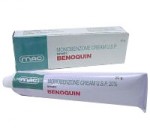
Benoquin (Monobenzone 20% Cream) represents the only medically indicated permanent depigmentation therapy for extensive vitiligo — a specialized dermatologic medication providing uniform skin appearance for patients whose vitiligo affects more than 50 percent of body surface area where repigmentation therapies prove impractical. Originally developed by ICN Pharmaceuticals (later Valeant/Bausch Health) and FDA-approved for depigmentation therapy, Benoquin established itself as the definitive treatment for extensive vitiligo achieving cosmetic uniformity through permanent and irreversible destruction of melanocytes in remaining pigmented skin. While the original Valeant brand was discontinued in the United States around 2010-2012, generic monobenzone remains available worldwide including MAC Labs India manufactured Benoquin providing gold-standard 20 percent monobenzone concentration in 20 gram cream tubes. As bioequivalent generic under WHO-GMP quality standards, MAC Labs Benoquin ensures consistent therapeutic delivery at accessible cost.
Monobenzone (monobenzyl ether of hydroquinone, MBEH) works through selective cytotoxic action against melanocytes — the pigment-producing cells of the epidermis. Unlike hydroquinone which temporarily inhibits melanin synthesis (reversible depigmentation), monobenzone permanently destroys melanocytes through oxidative stress mechanisms producing irreversible depigmentation. This distinctive mechanism explains why monobenzone therapy is exclusively reserved for extensive vitiligo where achieving cosmetic uniformity through depigmenting remaining normal skin is preferable to inadequate repigmentation attempts. The clinical response develops gradually over 1-4 months with initial visible effects, progressing to substantial depigmentation over 6-12 months. Notably, monobenzone can produce distant site depigmentation beyond application areas — a therapeutic characteristic that enables treatment of large body surface areas without requiring application to every skin site.
Benoquin serves the highly specific clinical indication of extensive universal vitiligo where more than 50 percent of body surface area is affected. Not appropriate for partial vitiligo, cosmetic skin lightening, or hyperpigmentation treatment. Requires psychological evaluation and informed consent before initiation.
Benoquin applied 2-3 times daily to pigmented areas until desired depigmentation achieved. Maintenance therapy may be required. Lifetime broad-spectrum SPF 50+ sunscreen required after depigmentation due to loss of natural UV protection. MAC Labs India under WHO-GMP standards.
Free prescription
Discrete packaging
Have questions?
Quality Assurance

- Vitiligo Skin Discoloration: Uneven skin coloration from progressive melanocyte loss creating conspicuous contrast between affected and normal skin;
- Universal Vitiligo: Nearly complete loss of skin pigmentation with only small remaining pigmented areas suitable for depigmentation;
- Vitiligo Vulgaris Extensive: Most common vitiligo form when it progresses to affect majority of body surface area;
- Vitiligo of Face and Hands: When highly visible facial and hand vitiligo cannot be adequately repigmented despite extensive treatment attempts;
- Recalcitrant Vitiligo: Vitiligo unresponsive to topical steroids calcineurin inhibitors phototherapy and repigmentation attempts;
- Cosmetic Uniformity in Vitiligo: Achieving uniform depigmented skin appearance when repigmentation cannot create acceptable cosmetic result;
- Extensive Segmental Vitiligo: Unilateral vitiligo covering large body area where depigmentation improves cosmetic appearance;
- Failed Repigmentation Therapy: Patients who exhausted repigmentation options including PUVA narrowband UVB topical calcineurin inhibitors and steroids;
- Progressive Vitiligo Depigmentation: When repigmentation impossible due to rapid disease progression and extensive melanocyte loss;
- Adult Vitiligo Treatment: Adults with extensive vitiligo where depigmentation therapy provides best cosmetic outcome;
- Dark Skin Type Vitiligo: Darker skin types with high contrast between pigmented and affected areas benefit substantially from cosmetic uniformity;
- Psychosocial Impact Vitiligo: Extensive vitiligo causing severe psychological distress where cosmetic uniformity improves quality of life;
- Melanocyte Destruction Therapy: Selective cytotoxic destruction of melanocytes providing permanent depigmentation;
- Permanent Depigmentation Therapy: Only medically indicated agent providing permanent skin depigmentation for extensive vitiligo;
- Cosmetic Match for Vitiligo Areas: Depigmentation of remaining pigmented skin achieves uniform appearance matching vitiligo areas;
- Distant Site Depigmentation: Systemic effect enables treatment of large body areas without applying to every skin location;
- Uniform Skin Appearance: Achieving consistent depigmented appearance across entire body providing psychosocial benefit;
- Long Standing Extensive Vitiligo: Patients with years of extensive vitiligo who have accepted depigmentation as preferred outcome;
- Generic Depigmentation Therapy: Bioequivalent MAC Labs generic alternative to discontinued brand Benoquin at accessible cost.
- Better Cosmetic Uniformity: Achieves consistent skin color across entire body providing profound cosmetic benefit for extensive vitiligo patients;
- Permanent Depigmentation Effect: Irreversible depigmentation through melanocyte destruction eliminates need for continued maintenance therapy;
- Better Psychosocial Wellbeing: Uniform skin appearance dramatically improves self-esteem confidence and psychological quality of life for extensive vitiligo patients;
- Less Visible Contrast: Eliminates conspicuous color contrast that draws attention to vitiligo affected areas particularly in dark skin types;
- Better Extensive Vitiligo Response: Effective specifically for extensive vitiligo affecting more than 50 percent body surface area;
- Better When Repigmentation Fails: Provides definitive cosmetic solution when repigmentation therapies prove impractical or unsuccessful;
- Better Facial Vitiligo Cosmetic Outcome: Uniform facial appearance eliminates highly visible facial vitiligo contrast improving social interactions;
- Better Hand Vitiligo Cosmetic Outcome: Eliminates conspicuous hand vitiligo contrast providing consistent appearance for professional and social contexts;
- Better Distant Site Depigmentation: Systemic effect enables treatment of large body areas without requiring application to every skin location saving time;
- Better Single Course Definitive Treatment: Achieves permanent depigmentation in single treatment course without lifetime maintenance therapy requirements;
- Better Universal Vitiligo Match: Achieves complete uniform appearance for near-universal vitiligo cases where partial pigmentation remains;
- Better Dark Skin Type Outcome: Provides substantial cosmetic benefit for darker skin types where vitiligo contrast is most visible;
- Better Quality of Life: Uniform skin appearance transforms daily functioning eliminating vitiligo-related social anxiety and self-consciousness;
- Better Standard 20 Percent Concentration: Established therapeutic concentration proven effective for melanocyte destruction across decades of clinical use;
- Better Selective Melanocyte Action: Targets pigment-producing cells specifically without affecting other skin cell types or barrier function;
- Better Topical Application Convenience: Simple topical cream application eliminates need for systemic medications injections or invasive procedures;
- Better MAC Labs Manufacturing: WHO-GMP quality standards ensure consistent bioequivalent generic quality for reliable therapeutic response;
- Better Generic Affordability: Substantially lower cost than historical brand-name Benoquin makes specialized therapy accessible;
- Better Cosmetic Acceptance: Elegant cream formulation provides good cosmetic acceptance for daily long-term application during depigmentation process.
Generic Benoquin (Monobenzone 20% 20 g) Medication guide:
CRITICAL WARNING - PERMANENT AND IRREVERSIBLE: Benoquin (Monobenzone 20%) causes PERMANENT AND IRREVERSIBLE skin depigmentation through destruction of melanocytes. This medication is exclusively indicated for extensive vitiligo covering more than 50 percent of body surface area where repigmentation therapy is impractical. This is NOT a cosmetic skin lightening product. FDA has warned against monobenzone misuse for cosmetic skin whitening. Requires psychological evaluation and informed consent before treatment. Lifetime broad-spectrum SPF 50+ sun protection required after depigmentation. Consult a qualified dermatologist experienced in vitiligo depigmentation therapy.
Benoquin (Monobenzone 20% Cream) is the only medically indicated permanent depigmentation therapy for extensive vitiligo, providing uniform skin appearance for patients whose vitiligo affects more than 50 percent of body surface area where repigmentation therapies prove impractical. Originally developed by ICN Pharmaceuticals (later Valeant/Bausch Health) and FDA-approved for depigmentation therapy, Benoquin established itself as the definitive treatment for extensive vitiligo achieving cosmetic uniformity through permanent and irreversible destruction of melanocytes in remaining pigmented skin. While the original Valeant brand was discontinued in the United States around 2010-2012, generic monobenzone remains available worldwide including MAC Labs India manufactured Benoquin providing gold-standard 20 percent monobenzone concentration in 20 gram cream tubes. Unlike hydroquinone which temporarily inhibits melanin synthesis (reversible depigmentation), monobenzone permanently destroys melanocytes through selective cytotoxic mechanisms producing irreversible depigmentation. This comprehensive medication guide covers every aspect of Benoquin therapy from vitiligo pathophysiology through mechanism of action, strict patient selection criteria, psychological considerations, application protocols, time course of depigmentation, lifetime sun protection requirements, and long-term follow-up recommendations.
💊 Introduction to Benoquin
Benoquin is a prescription topical medication containing monobenzone 20% as its active ingredient in cream formulation manufactured by MAC Labs India. Monobenzone chemical name is monobenzyl ether of hydroquinone (MBEH) — a specialized depigmenting agent developed for the specific purpose of permanent skin depigmentation. The original Benoquin brand was developed by ICN Pharmaceuticals (later acquired by Valeant Pharmaceuticals, now Bausch Health) and received FDA approval for depigmentation therapy of extensive vitiligo. The original US Benoquin brand was discontinued in the United States around 2010-2012 when Valeant ceased production, but generic monobenzone remains available worldwide including MAC Labs India as the Benoquin brand.
Benoquin occupies a highly specialized clinical position as the only medically indicated permanent depigmentation therapy. This distinguishes it fundamentally from other pigment-affecting medications:
- Hydroquinone (2-4 percent): Temporarily lightens hyperpigmentation through reversible enzyme inhibition
- Azelaic acid: Mild reversible pigment reduction
- Kojic acid: Mild reversible skin lightening
- Tretinoin: Retinoid effects on pigmentation are reversible
- Monobenzone (Benoquin 20 percent): PERMANENT IRREVERSIBLE depigmentation through melanocyte destruction
The clinical use of Benoquin is restricted to a very specific patient population — those with extensive vitiligo affecting more than 50 percent of body surface area where achieving cosmetic uniformity through depigmenting remaining normal skin is preferable to inadequate repigmentation attempts. This medication should NEVER be used for cosmetic skin lightening, treating hyperpigmentation, melasma, or any purpose other than medically indicated depigmentation of extensive vitiligo under specialist dermatology supervision.
🔬 Understanding Vitiligo Pathophysiology
Understanding vitiligo pathophysiology is essential for appreciating when depigmentation therapy is clinically appropriate versus repigmentation approaches.
What Is Vitiligo
Vitiligo is a chronic acquired depigmenting disorder characterized by progressive loss of functional melanocytes producing patchy white areas of skin. Key facts:
- Affects approximately 0.5-2 percent of global population
- Autoimmune destruction of melanocytes is primary pathophysiology
- Genetic predisposition combined with environmental triggers
- Progressive disease that may spread over years
- No cure exists but various treatments can improve outcomes
- Associated with other autoimmune conditions like thyroid disease diabetes and alopecia areata
- Significant psychosocial impact particularly in dark skin types where contrast is high
Vitiligo Clinical Classification
Major vitiligo types:
- Segmental vitiligo: Unilateral distribution along dermatomal pattern - often stable
- Non-segmental (generalized) vitiligo: Bilateral symmetric distribution - most common form
- Vitiligo vulgaris: Widely distributed non-segmental form
- Acrofacial vitiligo: Affects fingers toes and periorificial areas
- Universal vitiligo: Nearly complete loss of pigmentation - candidate for depigmentation therapy
- Focal vitiligo: Small localized areas of depigmentation
- Mucosal vitiligo: Involves mucous membranes
Body Surface Area Assessment
Vitiligo extent is quantified using body surface area (BSA) measurement:
- Limited vitiligo: Under 10 percent BSA - repigmentation preferred
- Moderate vitiligo: 10-25 percent BSA - repigmentation typically preferred
- Extensive vitiligo: 25-50 percent BSA - individualized approach
- Very extensive vitiligo: Over 50 percent BSA - depigmentation may be preferred
- Universal vitiligo: Over 80-90 percent BSA - depigmentation strongly considered
⚖️ Repigmentation vs Depigmentation Decision
The clinical decision between attempting repigmentation versus proceeding with permanent depigmentation therapy involves complex considerations weighing patient values, disease characteristics, and treatment feasibility.
When Repigmentation Is Preferred
Repigmentation approaches preferred when:
- Vitiligo affects less than 50 percent body surface area
- Recent onset disease (within 2 years) with potential for response
- Active disease with follicular repigmentation potential
- Patient prefers restoration of natural pigmentation
- Sun-exposed areas responsive to phototherapy
- No contraindications to phototherapy or systemic immunomodulators
When Depigmentation Is Considered
Depigmentation therapy considered when:
- Extensive vitiligo affecting more than 50 percent body surface area
- Universal or near-universal vitiligo with only small pigmented patches remaining
- Failed repigmentation therapy after adequate trial
- Stable long-standing disease without active progression
- Adult patient with capacity for informed consent
- Psychological stability with realistic expectations
- Willingness to accept permanent depigmentation and lifetime sun protection
- Cosmetic contrast causing significant psychosocial distress
Available Repigmentation Options
Before considering depigmentation, patients should have adequate trial of repigmentation approaches:
- Topical corticosteroids: First-line for limited disease
- Topical calcineurin inhibitors: Tacrolimus pimecrolimus for face and folds
- Narrowband UVB (NB-UVB): Standard phototherapy for widespread disease
- PUVA (psoralen UVA): Alternative phototherapy option
- Excimer laser (308 nm): Targeted UVB for localized lesions
- Systemic corticosteroids: Short courses for rapidly progressive disease
- JAK inhibitors: Emerging targeted therapy option
- Surgical techniques: Melanocyte transplantation for stable localized areas
🧬 Chemistry of Monobenzone
Monobenzone has the chemical formula C13H12O2 with molecular weight approximately 200.2 g/mol. Chemically, monobenzone is monobenzyl ether of hydroquinone (MBEH) — the monobenzyl ether derivative of hydroquinone with distinctive properties different from hydroquinone itself.
How Monobenzone Differs from Hydroquinone
| Property | Monobenzone (Benoquin) | Hydroquinone |
|---|---|---|
| Chemical structure | Monobenzyl ether of hydroquinone | Hydroquinone (parent compound) |
| Standard concentration | 20 percent | 2-4 percent typical |
| Mechanism | Melanocyte destruction (cytotoxic) | Tyrosinase enzyme inhibition |
| Reversibility | PERMANENT IRREVERSIBLE | Reversible upon discontinuation |
| Primary indication | Extensive vitiligo depigmentation | Hyperpigmentation, melasma |
| Distant site effect | Yes - can depigment distant untreated skin | Localized to application area |
| Onset of effect | 1-4 months | Weeks to months |
| Full effect timeline | 6-12 months | 3-6 months |
| Cosmetic use | Prohibited | Regulated cosmetic uses exist |
🎯 Mechanism of Action
Monobenzone mechanism of action at cellular level:
- Melanocyte uptake: Monobenzone absorbed into melanocytes through membrane transporters
- Metabolic activation: Metabolized within melanocytes to reactive intermediates
- Reactive oxygen species generation: Produces oxidative stress specifically within melanocytes
- Melanocyte-specific cytotoxicity: Selective damage to melanocytes due to unique melanin biosynthesis machinery
- Apoptotic destruction: Triggers programmed cell death in affected melanocytes
- Immune response amplification: Released melanocyte antigens may trigger immune response against distant melanocytes
- Permanent depigmentation: Melanocyte destruction is irreversible - cells cannot regenerate
- Distant site effect: Immune-mediated component causes depigmentation beyond application areas
Distant Site Depigmentation Phenomenon
One of the most distinctive characteristics of monobenzone is its ability to produce depigmentation at sites distant from application. This phenomenon has significant clinical implications:
- Immune-mediated mechanism: Melanocyte antigens released during destruction trigger immune response
- Confetti-like pattern: Small depigmented areas may appear at distant untreated sites
- Therapeutic advantage: Enables treatment of large body surface areas without applying to every location
- Unpredictable spread: Cannot predict exactly which distant sites will depigment
- Progressive effect: Depigmentation may continue after treatment cessation
- Considered advantageous: Since goal is complete depigmentation, distant effect helps achieve uniformity
Pharmacokinetic Profile
| Parameter | Value | Clinical Significance |
|---|---|---|
| Onset of initial depigmentation | 1-4 months | Slow gradual effect |
| Time to substantial depigmentation | 6-12 months | Requires patience and adherence |
| Time to complete depigmentation | 12-24 months typically | Long treatment course |
| Duration of effect | PERMANENT | Irreversible melanocyte destruction |
| Systemic absorption | Minimal through intact skin | Local action predominant |
| Metabolism | Local within melanocytes | Site of action metabolism |
| Distant site effect timeline | Weeks to months after start | Immune-mediated component |
| Maintenance requirement | Not required after complete depigmentation | Single course typically sufficient |
🎯 Approved Indication and Patient Selection
Sole Medical Indication
Only medically indicated use:
Permanent depigmentation therapy for extensive vitiligo affecting more than 50 percent of body surface area where repigmentation therapies have failed or are impractical, and cosmetic uniformity through depigmentation of remaining pigmented skin is preferred by the patient.
Strict Patient Selection Criteria
Appropriate patient must meet ALL criteria:
- Extensive vitiligo: Over 50 percent body surface area affected (ideally over 80 percent)
- Adult status: Age 18 or older with capacity for informed consent
- Failed or impractical repigmentation: Adequate trial of repigmentation therapies
- Disease stability: Long-standing stable vitiligo (typically 2+ years without significant change)
- Psychological stability: Realistic expectations without unrealistic body image expectations
- Understanding of permanence: Complete comprehension that depigmentation is irreversible
- Acceptance of lifetime sun protection: Willingness to strictly adhere to lifetime broad-spectrum SPF 50+
- Acceptance of skin cancer risk: Understanding of increased skin cancer risk without natural pigment protection
- No active dermatologic conditions: No competing skin conditions affecting treatment area
- Willingness for long treatment course: Understanding treatment takes 6-24 months
- Ability to attend follow-up: Regular dermatology monitoring available
Psychological Evaluation Requirement
Psychological evaluation strongly recommended before treatment:
- Assess understanding of permanent nature of depigmentation
- Evaluate realistic expectations about post-treatment appearance
- Screen for body dysmorphic disorder and other psychiatric conditions
- Assess coping skills and social support
- Evaluate psychosocial impact of current vitiligo
- Discuss potential regret and irreversibility
- Confirm decision-making capacity
- Address family and social considerations
- Establish post-treatment support plan
🚫 Contraindications
Absolute Contraindications
- Cosmetic skin lightening intent - NOT indicated for cosmetic use
- Limited or moderate vitiligo - repigmentation should be attempted first
- Hyperpigmentation treatment - use hydroquinone or other appropriate agents instead
- Melasma treatment - completely wrong indication
- Age under 18 years - not appropriate for minors
- Pregnancy - contraindicated during pregnancy
- Breastfeeding - contraindicated during lactation
- Hypersensitivity to monobenzone or excipients
- Active vitiligo progression - wait for stabilization
- Body dysmorphic disorder - unrealistic expectations
- Inability to comply with lifetime sun protection
- Unrealistic expectations about post-treatment appearance
FDA Warnings Against Cosmetic Use
FDA has issued warnings against monobenzone misuse:
The FDA has specifically warned against the illegal sale of monobenzone as "skin whitening" or cosmetic lightening products. Monobenzone is a prescription medical drug indicated only for permanent depigmentation therapy of extensive vitiligo under medical supervision. Cosmetic use is dangerous, unpredictable, and produces permanent irreversible changes that can cause substantial psychological and physical harm.
📝 Informed Consent Process
Comprehensive informed consent must address:
- Permanent nature: Depigmentation is irreversible and cannot be reversed by any current treatment
- Time course: Full depigmentation typically takes 6-24 months
- Distant site effect: Depigmentation may spread to distant untreated skin
- Uneven initial appearance: Depigmentation progresses unevenly - temporary patchy appearance during treatment
- Lifetime sun protection: Strict SPF 50+ broad-spectrum sunscreen required for life
- Skin cancer risk: Increased risk of skin cancer without natural pigment protection
- Photoaging: Accelerated photoaging without pigment protection
- No return to natural color: Cannot restore natural skin tone once depigmentation occurs
- Psychological adjustment: Adaptation to new appearance requires psychological adjustment
- Social and cultural implications: Impact on identity family and community relationships
- Alternative treatments: Discussion of alternatives including no treatment
- Right to discontinue: Patient can stop treatment but partial depigmentation is permanent
💉 Dosage and Administration
Standard Application Protocol
Standard Benoquin application:
- Frequency: 2-3 times daily
- Amount: Thin layer covering pigmented areas
- Duration: Continue until desired depigmentation achieved (typically 6-24 months)
- Application to: Remaining pigmented skin areas
- Coverage strategy: Systematic application to progressively depigment specific areas
- Rest periods: May include planned rest periods between treatment areas
Application Technique
Proper application technique:
- Wash hands thoroughly with soap and water before application
- Clean and dry treatment area - remove any lotions or other topicals
- Apply thin layer of cream to pigmented skin areas
- Massage gently until absorbed
- Wash hands thoroughly after application to prevent inadvertent transfer
- Avoid contact with eyes, lips, and mucous membranes
- Do not cover with occlusive dressing unless directed
- Avoid touching other people especially children until absorbed
- Wait before dressing to prevent transfer to clothing or others
- Space applications throughout the day
- Continue application even after initial changes visible
- Document progress with periodic photographs
Treatment Timeline
| Timeframe | Expected Changes |
|---|---|
| Weeks 1-4 | No visible changes; possible mild irritation |
| Months 2-4 | Initial subtle lightening visible in treated areas |
| Months 4-8 | Substantial depigmentation progresses; patchy appearance |
| Months 6-12 | Extensive depigmentation with distant site effect |
| Months 12-24 | Complete or near-complete depigmentation typically achieved |
| After treatment | Permanent depigmentation maintained without further treatment |
☀️ Lifetime Sun Protection Requirements
CRITICAL LIFETIME REQUIREMENT:
After monobenzone-induced depigmentation, skin loses its natural UV protection from melanin. This creates lifetime sun protection requirements essential for skin cancer prevention and photoaging prevention.
Mandatory lifetime sun protection includes:
- Broad-spectrum sunscreen SPF 50+ daily - even on cloudy days and indoors near windows
- Reapplication every 2 hours during sun exposure
- Protective clothing: Long sleeves, long pants, wide-brimmed hats
- UV-protective sunglasses to protect eyes
- Sun avoidance during peak hours (10 AM to 4 PM)
- Seek shade whenever outdoors
- Avoid tanning beds absolutely
- Window UV protection at home and in vehicles
- Annual dermatology skin cancer screening
- Vitamin D supplementation may be needed since sun exposure limited
Skin Cancer Risk Considerations
Increased skin cancer risk after depigmentation:
- Melanin loss: Removes primary natural UV protection
- Increased UV penetration: DNA damage risk substantially increased
- Basal cell carcinoma: Increased risk with cumulative UV exposure
- Squamous cell carcinoma: Increased risk particularly in chronic sun-exposed areas
- Melanoma risk: Complex relationship - some studies suggest changes in risk
- Photoaging: Accelerated skin aging without pigment protection
- Annual dermatology examination: Essential lifetime commitment
- Sun exposure awareness: Vigilance required throughout life
📊 Clinical Effectiveness Data
| Metric | Response Data |
|---|---|
| Complete depigmentation success rate | Approximately 70-90 percent at 12-24 months |
| Substantial depigmentation rate | Over 90 percent achieve substantial improvement |
| Distant site effect occurrence | Approximately 50-70 percent of patients |
| Time to visible initial change | 1-4 months |
| Time to substantial depigmentation | 6-12 months |
| Patient satisfaction (appropriately selected) | Approximately 80-90 percent |
| Regression to original color | Does not occur - permanent effect |
| Maintenance therapy requirement | Not required after complete depigmentation |
⚠️ Side Effects
Common Local Side Effects
- Contact dermatitis: Common - itching, redness, irritation at application site
- Burning or stinging sensation: Common initially - usually diminishes
- Skin irritation: Common particularly early in treatment
- Dryness and scaling: Occasional - may benefit from moisturizer
- Erythema: Occasional temporary skin redness
- Pruritus: Common local itching
- Allergic contact dermatitis: Possible in sensitized individuals
Uneven Depigmentation During Treatment
During the treatment course, depigmentation progresses unevenly producing temporary patchy appearance:
- Islands of remaining pigmentation: Some areas depigment before others
- Repigmentation attempts: Rare temporary repigmentation may occur
- Progressive resolution: Continued treatment achieves uniformity
- Emotional adjustment: Patients need support through transitional appearance
- Follow-up crucial: Regular monitoring to guide treatment adjustments
Serious Adverse Events
Seek medical attention for:
- Severe allergic reactions: Angioedema, urticaria, difficulty breathing
- Severe contact dermatitis: Extensive rash beyond application area
- Signs of secondary infection in irritated areas
- Severe psychological distress during depigmentation process
- Suspected pregnancy - discontinue immediately
- Unexpected depigmentation pattern that concerns patient
- Suspicious skin lesions potentially requiring cancer evaluation
🔄 Drug Interactions
Given minimal systemic absorption, clinically significant drug interactions with Benoquin are limited. Key considerations:
- Other topical products on same area: May reduce effectiveness - separate applications
- Retinoids on same area: May increase irritation - use with caution
- Corticosteroids on same area: May reduce effectiveness
- Hydroquinone concurrent use: Not recommended
- Photosensitizing medications: Increased UV damage risk during and after treatment
- Cosmetics on treated area: Wait for absorption before applying
🛡️ Special Populations
- Pediatric Patients
- NOT indicated for use in children under 18 years. Pediatric vitiligo should focus on repigmentation therapy and psychological support. Permanent depigmentation not appropriate for minors who cannot provide fully informed consent for irreversible cosmetic change.
- Adolescents
- Not recommended even for older adolescents with extensive vitiligo. Focus on repigmentation, psychological support, and body image counseling. Depigmentation decisions best deferred to adulthood.
- Pregnancy
- Contraindicated during pregnancy. Discontinue immediately if pregnancy suspected or confirmed. Insufficient safety data for pregnancy exposure.
- Lactation
- Contraindicated during breastfeeding. Not established safety in nursing infants.
- Elderly Patients
- May be considered for elderly with extensive vitiligo. Consider skin cancer risk carefully as elderly patients have accumulated UV damage. Comprehensive assessment of expectations and life circumstances.
- Dark Skin Types
- Depigmentation therapy particularly beneficial for dark skin types where vitiligo contrast is most visible. However increased attention to sun protection needed as depigmented skin loses substantial UV protection.
- Body Dysmorphic Disorder History
- Contraindicated for patients with body dysmorphic disorder. Unrealistic expectations and irreversible nature make this population inappropriate. Refer for psychiatric care.
- Psychological Vulnerability
- Requires psychiatric evaluation before treatment. Depression, anxiety, and other conditions may affect decision-making capacity. Delay treatment until psychological status optimized.
- Active Vitiligo
- Wait for disease stabilization before starting depigmentation. Active progressive vitiligo may complicate treatment planning and outcome prediction.
- Occupational Sun Exposure
- Careful assessment of ability to maintain lifetime sun protection. Outdoor workers face substantial challenges requiring workplace accommodations and enhanced sun protection strategies.
- Family and Cultural Considerations
- Discuss decision with family. Cultural context affects appropriateness and support. Some cultures may view depigmentation differently - important consideration for identity and community relationships.
📆 Long-Term Follow-Up
Post-depigmentation lifetime follow-up:
- Annual dermatology examination: Skin cancer screening critical throughout life
- Sun protection reinforcement: Regular counseling on ongoing sun protection needs
- Photoaging assessment: Monitor for accelerated aging changes
- Vitamin D monitoring: Reduced sun exposure may affect vitamin D status
- Psychological adjustment: Support for adaptation to new appearance
- Suspicious lesion evaluation: Prompt evaluation of any new or changing skin lesions
- Occupation adaptations: Address workplace sun protection needs
- Family screening: Address familial vitiligo risk in relatives
- Continued cosmetic support: Options for adapting to depigmented appearance
📦 Storage and Handling
- Store at room temperature between 15°C and 30°C (59°F and 86°F)
- Protect from direct sunlight and heat
- Keep tube tightly capped when not in use
- Keep out of reach of children - critical given permanent effects
- Do not use past expiration date
- NEVER share with others - can cause unwanted permanent depigmentation
- NEVER apply to normal healthy skin for cosmetic purposes
- Return unused medication to pharmacy for proper disposal
- Prevent accidental contact through careful storage and handling
- Consider labeling clearly to prevent confusion with cosmetic products
👨⚕️ When to Contact Your Doctor
- Severe skin irritation, burning, or persistent stinging at application sites
- Signs of allergic reaction: severe rash, swelling, difficulty breathing
- Signs of secondary bacterial infection in irritated skin
- Unexpected depigmentation pattern or distribution concerning patient
- Severe psychological distress during treatment course
- Depression, anxiety, or regret about treatment decision
- Suspected pregnancy - discontinue immediately
- Any new suspicious skin lesions potentially requiring cancer evaluation
- Changes in existing pigmented lesions during treatment
- Difficulty maintaining lifetime sun protection requirements
- Development of new medical conditions
- Questions about treatment progress or effectiveness
- Considerations about stopping or continuing treatment
- Time for scheduled monitoring appointments
- Occupational challenges with sun protection
- Post-treatment psychological adjustment concerns
🌟 Key Takeaways
Essential points about Benoquin (monobenzone) therapy:
- Benoquin is MAC Labs India generic monobenzone 20% cream in 20 gram tubes
- Only medically indicated permanent depigmentation therapy for extensive vitiligo
- Reserved for vitiligo affecting more than 50 percent body surface area
- PERMANENT AND IRREVERSIBLE - cannot be reversed by any current treatment
- Mechanism: selective melanocyte destruction through cytotoxic action
- Distinct from hydroquinone - completely different mechanism and outcome
- Distant site depigmentation - unique property enables treatment of extensive areas
- Application: 2-3 times daily to pigmented areas 6-24 months
- Time to initial effect: 1-4 months; full effect 6-24 months
- NOT for cosmetic skin lightening - FDA has warned against misuse
- NOT for treating hyperpigmentation or melasma
- Requires psychological evaluation and informed consent before treatment
- Lifetime broad-spectrum SPF 50+ sun protection required after depigmentation
- Increased skin cancer risk without natural pigment protection
- Annual dermatology skin cancer screening lifetime requirement
- Contraindicated: pregnancy, breastfeeding, children under 18, body dysmorphic disorder
- Common side effects: contact dermatitis, burning, itching at application site
- Uneven depigmentation during treatment produces temporary patchy appearance
- Complete depigmentation success 70-90 percent at 12-24 months
- Original US brand discontinued 2010-2012 - MAC Labs Indian generic available
CRITICAL Medical Disclaimer: This medication guide provides general information about Benoquin (monobenzone 20% cream) and does not constitute individualized medical advice. Benoquin causes PERMANENT AND IRREVERSIBLE skin depigmentation through destruction of melanocytes. This medication is exclusively indicated for extensive vitiligo covering more than 50 percent of body surface area where repigmentation therapy is impractical. This is NOT a cosmetic skin lightening product - the FDA has specifically warned against monobenzone misuse for cosmetic skin whitening. Benoquin therapy requires comprehensive evaluation by a qualified dermatologist experienced in vitiligo depigmentation, psychological evaluation, and thorough informed consent about the permanent nature of the treatment. Every patient situation is unique and requires individualized assessment. Do not use Benoquin without dermatologist prescription and appropriate monitoring. After depigmentation, lifetime broad-spectrum SPF 50+ sun protection is mandatory including protective clothing, sunglasses, sun avoidance during peak hours, and annual dermatology skin cancer screening. Increased skin cancer risk exists throughout life due to loss of natural pigment protection. NEVER share this medication with others - can cause unwanted permanent depigmentation. NEVER apply to normal skin for cosmetic purposes. Discontinue immediately if pregnancy suspected. Report severe skin irritation, allergic reactions, psychological distress, or suspicious skin lesions promptly. The information provided here should complement but never replace direct professional dermatology guidance from specialists experienced in vitiligo management and depigmentation therapy.
More Skin Care Medications