Buy Antabuse (Disulfiram) Online — First FDA-Approved Medication for Chronic Alcohol Use Disorder

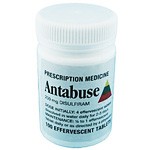
Antabuse is one of the most clinically important medications in the long-term treatment of chronic alcoholism — the first medication ever approved by the FDA for the management of alcohol use disorder, authorised in 1951. The active ingredient is Disulfiram, a unique deterrent agent that has supported millions of patients in their recovery from alcohol dependence over more than 70 years of continuous clinical use. With its inclusion on the WHO Model List of Essential Medicines, Antabuse remains a foundational treatment option in addiction medicine worldwide.
Disulfiram works through an unusual but highly effective mechanism: it inhibits aldehyde dehydrogenase, the enzyme that normally breaks down acetaldehyde — a toxic intermediate produced when the body metabolises alcohol. When a patient on Antabuse consumes even small amounts of alcohol, acetaldehyde rapidly accumulates in the bloodstream and triggers the well-known "Antabuse reaction": facial flushing, intense nausea and vomiting, headache, rapid heartbeat, sweating, and shortness of breath. This deeply unpleasant reaction creates a strong psychological deterrent against drinking, supporting behavioural change in motivated patients.
Antabuse is FDA-approved as part of a comprehensive management programme for chronic alcoholism — including behavioural therapy, counselling, support groups (such as Alcoholics Anonymous), and family involvement. It is most effective in motivated patients who have already decided to maintain abstinence and want pharmacological reinforcement for their commitment. Disulfiram is not a cure for alcoholism — it is a tool that supports recovery alongside other therapeutic interventions.
The standard dose is 250-500 mg once daily, typically taken in the morning. Disulfiram has a remarkably long duration of action: the enzyme inhibition persists for approximately 2 weeks after the last dose. This means even after stopping the medication, patients must remain alcohol-free for 14 days to avoid potential reactions.
An important practical aspect of Antabuse therapy is the need to avoid all sources of alcohol — not only alcoholic beverages, but also alcohol-containing mouthwash, cough syrups, cooking wine, vanilla extract, certain aftershaves, and some OTC medications. Patients must be carefully educated about hidden sources of alcohol exposure.
Antabuse is most commonly used in partnership with family-supervised dosing protocols, where a spouse, family member, or counselor witnesses daily administration — significantly improving adherence and long-term outcomes in early recovery.
Free prescription
Discrete packaging
Have questions?
Quality Assurance

- Alcohol Recovery: For long-term management of moderate-to-severe alcohol use disorder as part of comprehensive treatment;
- Early Recovery: Particularly valuable in the critical first 6-12 months of sobriety when relapse risk is highest;
- Relapse Prevention: Behavioural deterrent that increases days of continuous abstinence in patients at high relapse risk;
- Family Supervised Therapy: Optimal when spouse, family member, or counsellor witnesses daily administration — significantly improves adherence;
- Court Ordered Sobriety: For DUI repeat offenders and other judicial system requirements for alcohol abstinence monitoring;
- Workplace Recovery: For safety-sensitive professions where workplace return depends on documented sobriety;
- Pre Transplant Sobriety: Documented support for the 6-month abstinence requirement before liver transplant evaluation in alcohol-related cirrhosis;
- Severe Cravings: As part of multi-modal therapy combining with naltrexone, acamprosate, or counselling for high-craving patients;
- Cocaine Use Disorder: Off-label use with emerging evidence supporting Disulfiram through dopamine beta-hydroxylase inhibition;
- Dual Addiction: Particularly valuable in patients with concurrent alcohol and cocaine use disorders;
- Co Occurring Disorders: As part of dual-diagnosis treatment in alcohol use disorder with depression, anxiety, or bipolar disorder;
- Family Healing: Supports rebuilding trust in families affected by alcoholism through witnessed daily dosing;
- Pathological Gambling: Off-label investigational use in compulsive gambling associated with alcohol use;
- High Functioning Alcoholism: For working professionals seeking pharmacological support for sustained sobriety alongside outpatient counselling;
- Probation Sobriety: As verifiable treatment commitment for parole, probation, and child custody arrangements requiring documented abstinence;
- Alcoholic Hepatitis Recovery: As part of long-term management after acute alcoholic hepatitis to prevent recurrent liver injury;
- Vocational Recovery: For patients in occupational recovery programmes requiring documented abstinence treatment.
- More Sober Days: Documented increase in cumulative abstinent days, particularly with supervised dosing protocols;
- Reduced Relapse: Lower relapse rates compared to unsupervised behavioural therapy alone in motivated patients;
- Better Recovery Outcomes: Improvements in treatment retention, abstinence days, and recovery programme completion;
- Stable Sobriety: Daily medication-taking ritual supports the cognitive identity shift from "drinker" to "person in recovery";
- Better Family Life: Successful abstinence supports family healing, child welfare, and relationship recovery;
- Better Work Life: Sustained sobriety improves workplace performance, attendance, and career advancement;
- Better Liver Health: Successful abstinence prevents ongoing alcoholic hepatic injury and reduces progression to cirrhosis;
- Better Cardiovascular Health: Abstinence reduces alcohol-related cardiomyopathy, hypertension, and stroke risk;
- Better Mental Health: Continued sobriety improves outcomes in co-occurring depression, anxiety, and PTSD;
- Once Daily Dosing: Simple morning regimen supports adherence in busy recovery patients juggling work, therapy, and support groups;
- First Alcohol Medication: Original 1951 FDA approval — the foundational pharmacotherapy that defined medication-assisted treatment for alcohol use disorder;
- Alcohol Deterrent: Unique aversion mechanism creates strong psychological reinforcement of the decision to remain alcohol-free;
- Aldehyde Dehydrogenase Inhibitor: Unique mechanism of action distinct from naltrexone or acamprosate — complementary therapy option;
- Long Acting Enzyme Block: Active enzyme blockade persists up to 2 weeks after the last dose — provides resilience against missed doses and impulse-driven relapse;
- Generic Disulfiram: Highly affordable generics across multiple manufacturers expand access in cost-sensitive recovery settings;
- Esperal Equivalent: Same Disulfiram molecule as European brand Esperal — familiar option across international markets;
- Non Controlled Recovery: Not a controlled substance — no abuse potential, no withdrawal risk, no dependence development;
- Behavioural Therapy Adjunct: Designed to support — not replace — psychological treatments like CBT, motivational interviewing, and 12-step programmes;
- Family Supervised Adherence: Witnessed dosing by spouse or family member doubles treatment effectiveness — rare among addiction medications;
- Probation Compatible: Provides verifiable treatment commitment for legal and family proceedings requiring documented sobriety;
- Pre Transplant Support: Helps maintain the 6-month sobriety requirement for liver transplant evaluation in alcohol-related liver disease;
- Cocaine Recovery Adjunct: Emerging evidence supports off-label use for cocaine use disorder through dopamine beta-hydroxylase inhibition;
- Combinable Naltrexone: Can be combined with anti-craving medications for multi-modal AUD management;
- Combinable Acamprosate: Pairs effectively with acamprosate for patients needing both deterrent and craving-reduction approaches;
- Workplace Recovery Tool: Supports return-to-work programmes in safety-sensitive professions requiring documented abstinence;
- Custody Sobriety Documentation: For court-ordered or family-court-required documented abstinence therapy in custody arrangements;
- Recovery Identity Reinforcement: Daily medication-taking ritual supports cognitive identity shift to "person in recovery";
- Hidden Alcohol Awareness: Helps patients learn about hidden alcohol exposure sources (mouthwash, cooking, OTC products) — building broader recovery skills;
- Verifiable Sobriety Treatment: Adherence can be confirmed through clinical follow-up and witnessed dosing protocols;
- WHO Essential Medicine: Listed on the WHO Model List of Essential Medicines for addiction medicine globally;
- 70 Plus Year History: One of the longest clinical track records of any medication still in routine modern use;
- Stable Storage: No refrigeration required — practical for home, travel, and long-term medication management;
- Globally Available: Widely available in international markets under multiple brand names (Antabuse, Antabus, Esperal) and generic Disulfiram.
Generic Antabuse (Disulfiram 500 mg) Medication guide:
💊 What is Antabuse (Disulfiram) and what it treats
Antabuse is the brand name for disulfiram, a medication used in the treatment of alcohol use disorder (AUD). Unlike most medications which treat symptoms or correct an underlying problem, disulfiram works as a chemical deterrent: it makes drinking alcohol immediately and severely unpleasant. By creating a powerful physical reason to avoid alcohol, Antabuse helps motivated individuals maintain sobriety as part of a comprehensive treatment plan. It was the first medication approved for alcohol use disorder in the United States (1951) and remains in clinical use today.
What Antabuse is used for
- 🍺 Alcohol use disorder (AUD) - the primary FDA-approved indication
- 👮 Court-ordered or supervised abstinence programs
- 💚 Recovery from severe alcohol dependence - as adjunct to counseling
- 🚻 Prevention of relapse in early recovery
- 🏥 Inpatient and outpatient addiction treatment programs
- 💨 Cocaine use disorder (off-label; some clinical evidence)
- 🔥 Nickel hypersensitivity (off-label rarely used)
- Active ingredient: disulfiram
- Drug class: aldehyde dehydrogenase inhibitor (aversive therapy)
- Tablets: 250 mg or 500 mg
- FDA approval: 1951 - first medication for AUD
- Standard adult dose: 250 mg once daily (range 125-500 mg)
- Onset of full effect: 12 hours after first dose
- Duration of effect after stopping: 7-14 days
- Mechanism: blocks alcohol metabolism at the acetaldehyde stage
- Reaction trigger threshold: even small amounts of alcohol
- Not addictive: no abuse potential
- Not a controlled substance
What makes Antabuse fundamentally different
- Antabuse does not reduce alcohol cravings
- Antabuse does not change brain chemistry of addiction
- Antabuse does not treat the underlying disorder
- What Antabuse does: creates an immediate, severe physical reaction if alcohol is consumed
- The deterrent effect gives motivated individuals time to recover, attend counseling, and build new coping skills
- This is fundamentally different from medications like naltrexone (reduces cravings) or acamprosate (modulates brain chemistry)
The three FDA-approved medications for AUD
| Medication | FDA approval | Mechanism |
|---|---|---|
| Disulfiram (Antabuse) | 1951 | Aversive - blocks alcohol metabolism |
| Naltrexone (ReVia, Vivitrol) | 1994 oral; 2006 injection | Opioid antagonist - reduces reward |
| Acamprosate (Campral) | 2004 | NMDA/GABA modulation - reduces craving |
Key advantages of Antabuse
- Long clinical track record: 70+ years of clinical use
- Inexpensive: very affordable generic worldwide
- Powerful deterrent: makes drinking immediately unpleasant
- Predictable effect: works reliably when taken
- Long residual action: protection lasts up to 14 days after stopping
- No abuse potential: cannot be misused
- Once-daily dosing: simple regimen
- Useful for high-motivation patients: many feel it gives them control
- Can be supervised: improves adherence
Important: what Antabuse is NOT
- People who are still drinking and not committed to stopping
- Active alcohol use within last 12 hours (will trigger reaction)
- People with severe liver disease
- People with significant cardiovascular disease
- Patients with psychosis or severe mental illness without psychiatric supervision
- Pregnant women
- Patients unwilling to avoid hidden alcohol sources (mouthwash, cooking wine, sanitizers, etc.)
- Use without comprehensive treatment including counseling
- As a "punishment" for drinking - it should be a chosen tool
Antabuse represents one of the oldest and most distinctive approaches to alcohol use disorder treatment. Rather than altering brain chemistry or reducing cravings, it acts as a chemical safeguard - making drinking immediately and severely unpleasant. For the right patient (highly motivated, committed to recovery, no contraindications, supported by counseling), Antabuse can be a powerful tool. For others, alternative medications (naltrexone, acamprosate) or non-pharmacological approaches may be better choices. The decision should always be made in consultation with an addiction medicine specialist.
🧬 The disulfiram-alcohol reaction explained
The core feature that defines Antabuse is the disulfiram-alcohol reaction (DER) - a powerful, immediate physical response that occurs within minutes of consuming alcohol while on disulfiram. This reaction is not a side effect of the medication itself - it is the intended therapeutic mechanism. Understanding what happens during this reaction explains both how Antabuse works and why it must be used carefully.
Normal alcohol metabolism (without disulfiram)
- Step 1: Ethanol (the alcohol you drink) is converted to acetaldehyde by alcohol dehydrogenase (ADH) in liver
- Step 2: Acetaldehyde is rapidly converted to acetate by aldehyde dehydrogenase (ALDH2) in liver mitochondria
- Step 3: Acetate is metabolized to water and CO2, eventually excreted
- Result: blood acetaldehyde stays at low levels because Step 2 is fast and efficient
- Key insight: acetaldehyde is highly toxic, but normally cleared quickly
Alcohol metabolism on disulfiram
- Step 1 unchanged: Ethanol still converts to acetaldehyde normally
- Step 2 blocked: Disulfiram inhibits ALDH2, so acetaldehyde cannot be cleared
- Step 3 cannot happen: with Step 2 blocked, acetate is not generated
- Result: blood acetaldehyde rises to 5-10 times normal levels
- High acetaldehyde causes: facial flushing, rapid pulse, low blood pressure, nausea, vomiting, headache, weakness, and other symptoms
- This is the disulfiram-alcohol reaction
Symptoms of the disulfiram-alcohol reaction
| Symptom | Typical timing | Cause |
|---|---|---|
| Facial flushing | 5-15 minutes | Acetaldehyde-induced vasodilation |
| Throbbing headache | 10-30 minutes | Vasodilation and blood pressure changes |
| Rapid heart rate (tachycardia) | 10-30 minutes | Sympathetic activation |
| Drop in blood pressure | 15-30 minutes | Vasodilation |
| Nausea and vomiting | 15-45 minutes | Acetaldehyde toxicity |
| Sweating | 15-30 minutes | Sympathetic response |
| Difficulty breathing | Variable | Bronchial reaction |
| Weakness and fatigue | 30-60 minutes | Generalized response |
| Anxiety, confusion | Variable | CNS effects of acetaldehyde |
| Chest pain | Variable | Cardiovascular strain |
Severity depends on multiple factors
- Amount of alcohol consumed: even tiny amounts trigger reaction; more alcohol = stronger reaction
- Disulfiram dose: higher doses produce stronger reactions
- Time since last disulfiram dose: maximum effect at steady state
- Individual sensitivity: varies between patients
- Coexisting conditions: cardiovascular disease worsens severity
- Type of alcohol exposure: drinks vs incidental exposure (sanitizer, mouthwash)
- Fed vs fasting state: minor effect
The deterrent psychology
- Immediate severe physical consequence: removes ambiguity about whether to drink
- No "good drink" possible: every sip causes severe reaction
- Decision moment moved: from "should I drink?" (in the moment) to "should I take Antabuse?" (when sober)
- Time advantage: deciding to skip a dose requires 7-14 days for effect to wear off
- Disrupts impulsive drinking: even strong urges meet immediate consequence
- Frees mental space: many patients report less mental energy spent on "should I drink?"
The reaction is not just unpleasant - it can be dangerous
- Cardiovascular collapse: severe hypotension
- Arrhythmias: dangerous heart rhythm disturbances
- Heart attack: in vulnerable patients
- Respiratory depression: in severe cases
- Death: rare but documented, especially with high alcohol intake
- This is why patients must thoroughly understand the medication and commit to avoiding all alcohol
- This is why medical supervision is recommended
The disulfiram-alcohol reaction is the intentional therapeutic mechanism of Antabuse - not a side effect but the entire purpose of the medication. By blocking the normal pathway that clears acetaldehyde, disulfiram makes drinking alcohol immediately and severely unpleasant. The reaction can range from uncomfortable to dangerous, which is precisely what makes it an effective deterrent. Patients must understand the reaction thoroughly before starting Antabuse and commit fully to avoiding all alcohol exposure.
🌍 Antabuse global availability and brands
Disulfiram is available worldwide for the treatment of alcohol use disorder, though brand names and availability vary by region. As an inexpensive generic medication available since the 1950s, disulfiram reaches patients globally. Some countries have additional formulations like implants that are not available in the United States.
Major brand names by region
| Region | Brand names | Status |
|---|---|---|
| United States | Antabuse (generic disulfiram) | Prescription |
| UK | Antabuse | Prescription |
| European Union | Antabus, Esperal, Disulfiramum | Prescription |
| Russia, Eastern Europe | Esperal, Teturam, Antabus | Prescription |
| France | Esperal | Prescription; implant available |
| Germany | Antabus | Prescription |
| India | Dizone, Antabuse | Prescription |
| Latin America | Antabuse, Refusal | Prescription |
| Australia | Antabuse | Prescription |
| Generic name | Disulfiram | Consistent internationally |
Available formulations
| Formulation | Strength | Availability |
|---|---|---|
| Oral tablet | 250 mg | Worldwide |
| Oral tablet | 500 mg | USA and others |
| Effervescent tablet | 200-400 mg | Europe (some countries) |
| Subcutaneous implant | 100 mg tablets x 10 | France, Russia, some Eastern Europe; NOT USA |
The implant formulation - a regional difference
- Surgically implanted: small tablets placed under abdominal skin
- Slow release: provides disulfiram for several months
- Available in: France (Esperal), Russia, parts of Eastern Europe
- NOT available in: United States, UK, most Western countries
- Reason: questionable evidence for sustained therapeutic blood levels
- Theoretical advantage: no daily adherence needed
- Theoretical concern: drug levels may not be high enough for reliable disulfiram reaction
- Some use as "psychological commitment" tool more than pharmacological
Prescription status worldwide
Unlike Periactin or some other medications, disulfiram is virtually always prescription-only worldwide. This reflects:
- Safety concerns: disulfiram-alcohol reaction can be dangerous
- Need for medical evaluation: liver, cardiac, psychiatric screening
- Need for patient education: thorough understanding required
- Treatment program context: most effective with counseling support
- Monitoring requirement: liver function tests
- This is appropriate: disulfiram is not a casual-use medication
The Soviet-era Esperal legacy
- Esperal implants were popular in Soviet and Eastern European medicine for AUD
- Concept: "code" or "torpedo" implanted to prevent drinking
- Some implants were placebo or contained only minimal disulfiram
- The psychological commitment ("I have an implant, I cannot drink") was sometimes more powerful than the pharmacology
- This raises interesting questions about the role of belief and commitment in addiction treatment
- Modern evidence-based practice generally favors supervised oral disulfiram
Cost considerations
| Market | Cost characteristics |
|---|---|
| USA generic disulfiram | Low to moderate (about $30-60/month) |
| USA brand Antabuse | Moderate; insurance varies |
| European generics | Low; often reimbursed for AUD treatment |
| Latin America | Variable; generally affordable |
| India | Very low (about $5-15/month) |
| Russia, Eastern Europe | Low for tablets; implants moderate cost |
Disulfiram is available worldwide, almost always as a prescription medication, with consistent oral tablet formulations. The notable regional difference is the availability of subcutaneous implants in some Eastern European and European markets but not in the United States or UK. As a 70+ year old generic medication, disulfiram is generally affordable. For patients seeking treatment, finding disulfiram is rarely a problem regardless of location, but accessing a qualified addiction medicine provider for proper supervision is essential.
📜 Disulfiram history - the 1948 accidental discovery
The discovery of disulfiram's anti-alcohol properties is one of the most famous "accidental discoveries" in pharmaceutical history. The story involves Danish researchers at the pharmaceutical company Medicinalco, parasitic worms, rubber factory workers, and a cocktail party. Understanding this history helps appreciate why disulfiram became the first medication approved for alcohol use disorder.
The industrial origins of disulfiram
- Disulfiram (tetraethylthiuram disulfide) was originally developed as an industrial chemical
- Main industrial use: vulcanization accelerator in rubber manufacturing
- 1881: First synthesized as a chemical compound
- Early 20th century: Widely used in rubber industry
- Workers in rubber factories: occasionally exposed to disulfiram dust
- Observation: factory workers became unusually ill if they drank alcohol
- This observation: was largely dismissed as coincidence for decades
The 1948 Danish discovery
- 1948: Erik Jacobsen and Jens Hald at Medicinalco pharmaceutical company in Copenhagen
- Original research goal: testing disulfiram as an antiparasitic medication (for intestinal worms)
- The crucial moment: the researchers tested the drug on themselves
- Jacobsen attended a cocktail party while taking disulfiram
- After consuming alcohol: he became severely ill with intense flushing, palpitations, nausea
- Hald independently confirmed the reaction in himself
- Recognition: this might be useful for alcoholism treatment
- The accidental discovery redirected the research entirely
Development as alcoholism treatment (1948-1951)
| Year | Milestone |
|---|---|
| 1948 | Jacobsen and Hald discover the disulfiram-alcohol reaction |
| 1948-1950 | Initial clinical studies in Denmark |
| 1949 | First reports published |
| 1950 | Marketed in Europe as Antabuse |
| 1951 | FDA approval in United States - first medication for alcohol use disorder |
| 1952 | Wide adoption in alcoholism treatment programs |
The era when disulfiram stood alone (1951-1994)
- For over 40 years, disulfiram was the only FDA-approved medication for alcohol use disorder
- Treatment philosophy: focus on aversive deterrent + counseling + Alcoholics Anonymous
- Implant developments: in some European markets
- Research continued: optimal dosing, supervised vs unsupervised
- 1994: Naltrexone approved - second AUD medication
- 2004: Acamprosate approved - third AUD medication
- 2006: Vivitrol (extended-release naltrexone) approved
- The 1990s-2000s brought neuroscience-based alternatives to disulfiram's behavioral approach
Modern context (2000s-today)
In modern addiction medicine, disulfiram occupies a specific niche:
- Not first-line in many treatment guidelines (naltrexone often preferred)
- Still valuable for highly motivated patients seeking commitment
- Particularly used in supervised programs (court-ordered, family-supervised, professional monitoring)
- Active research on novel applications (cocaine addiction, cancer therapy adjunct)
- Ongoing debate about effectiveness in unsupervised settings
- Continued availability as affordable generic
Research on new applications
- Cocaine use disorder: disulfiram inhibits dopamine beta-hydroxylase, affecting dopamine metabolism; clinical trials underway
- Cancer treatment: research on disulfiram + copper as cancer adjunct
- HIV latency reversal: explored in cure research
- Anti-protozoal effects: leishmaniasis, giardiasis research
- None of these are FDA-approved uses currently
- All remain investigational
The disulfiram-cocaine story
- Disulfiram inhibits dopamine beta-hydroxylase (an enzyme in catecholamine metabolism)
- This affects how cocaine produces its effects
- Initial trials showed reduced cocaine use in patients with co-occurring alcohol and cocaine problems
- Mechanism may differ from the alcohol effect
- Still investigational: not FDA-approved for cocaine use disorder
- Active research area with mixed results
The story of disulfiram's discovery illustrates how unexpected observations - factory workers becoming ill after alcohol, researchers experiencing reactions at cocktail parties - can lead to important therapeutic discoveries. From its 1948 accidental finding through 1951 FDA approval and 40+ years as the sole approved medication for alcohol use disorder, disulfiram has played a central role in addiction medicine history. While newer medications now offer alternatives, the simple but powerful aversion mechanism that Jacobsen and Hald stumbled upon continues to help patients today.
🔬 How Antabuse works - ALDH inhibition at the molecular level
Disulfiram works through a precise pharmacological mechanism: irreversible inhibition of aldehyde dehydrogenase 2 (ALDH2), the mitochondrial enzyme responsible for clearing acetaldehyde from the body. Understanding this molecular mechanism explains why the disulfiram-alcohol reaction is so consistent, why disulfiram's effects last for days after stopping, and how it differs from other alcohol use disorder medications.
Normal alcohol metabolism in detail
- Step 1 - Alcohol Dehydrogenase (ADH): in liver cytoplasm, converts ethanol to acetaldehyde (toxic intermediate)
- Step 2 - Aldehyde Dehydrogenase 2 (ALDH2): in liver mitochondria, rapidly converts acetaldehyde to acetate (non-toxic)
- Step 3 - Acetate metabolism: enters Krebs cycle, ultimately becomes CO2 and water
- Speed: under normal conditions, Step 2 is so fast that acetaldehyde never accumulates significantly
- Result: blood acetaldehyde stays at very low levels (typically less than 1 micromolar)
How disulfiram disrupts the pathway
| Step in metabolism | Normal | On disulfiram |
|---|---|---|
| Ethanol absorption | Normal | Normal |
| ADH (Step 1) | Fast conversion to acetaldehyde | Fast conversion to acetaldehyde |
| ALDH2 (Step 2) | Fast clearance of acetaldehyde | BLOCKED - cannot clear acetaldehyde |
| Acetaldehyde levels | Less than 1 micromolar | 5-10 times normal |
| Symptoms | Normal alcohol effects | Disulfiram-alcohol reaction |
The molecular biology of inhibition
- Disulfiram (parent compound): technically a "prodrug"
- Metabolized: in body to diethyldithiocarbamate (DDC) and other metabolites
- DDC: chelates copper and zinc ions essential for ALDH2 function
- Active metabolites bind ALDH2: at its active site or essential cysteine residues
- Irreversible binding: enzyme cannot resume function
- New enzyme must be synthesized: this takes time (days to weeks)
- This is why disulfiram effects persist 7-14 days after stopping
Why acetaldehyde is so unpleasant
- Acetaldehyde is a known carcinogen (linked to esophageal and oral cancers in chronic drinkers)
- Highly reactive: binds to proteins, DNA, lipids forming adducts
- Causes vasodilation: flushing, hypotension
- Triggers histamine release: from mast cells; contributes to flushing
- Affects autonomic nervous system: tachycardia, sweating
- Crosses blood-brain barrier: contributes to headache, confusion
- Stimulates vomiting center: causes nausea and emesis
- This collection of effects: is the disulfiram-alcohol reaction
The Asian "flush response" - a natural parallel
- About 50% of East Asian populations carry the ALDH2*2 genetic variant
- This variant produces an enzyme with reduced or absent function
- People with this variant experience natural disulfiram-like reactions when drinking
- Common in: Chinese, Japanese, Korean populations
- "Asian flush": facial flushing after small amounts of alcohol
- This natural deterrent: associated with lower rates of alcohol use disorder in these populations
- Cancer protection: these individuals have higher rates of esophageal cancer if they DO drink (more acetaldehyde exposure)
- This natural model: validated the disulfiram approach
Pharmacokinetics of disulfiram
| Parameter | Value |
|---|---|
| Absorption | 80-95% from gut |
| Time to peak plasma | 8-10 hours |
| Plasma half-life (parent) | 60-120 hours |
| Time to full ALDH2 inhibition | 12 hours after first dose |
| Duration of inhibition after stopping | 7-14 days |
| Metabolism | Liver (multiple metabolites) |
| Excretion | Urine and breath (carbon disulfide) |
| Steady state | 10-14 days of daily dosing |
Other enzymes affected by disulfiram
Beyond ALDH2, disulfiram inhibits several other enzymes, contributing to its varied effects and side effects:
- Dopamine beta-hydroxylase (DBH): affects dopamine/norepinephrine metabolism; basis for cocaine research
- Hepatic CYP enzymes (CYP2E1, CYP3A4): causes drug interactions
- Other aldehyde dehydrogenases: ALDH1A1, ALDH3A1 also inhibited
- Carbonic anhydrase: minor inhibition
- Various sulfhydryl-containing enzymes
- This polypharmacology: explains many side effects beyond the alcohol reaction
Disulfiram works by irreversibly blocking ALDH2, the enzyme that clears acetaldehyde during alcohol metabolism. When you drink alcohol on disulfiram, acetaldehyde accumulates to 5-10 times normal levels, producing the unpleasant reaction. The irreversible nature of the inhibition means new enzyme must be synthesized after stopping the drug, which is why effects last 7-14 days. This precise mechanism gives disulfiram its predictability and reliability as a deterrent, while also explaining why timing of starting and stopping the medication matters so much.
🍺 Antabuse for alcohol use disorder - the role in treatment
Antabuse occupies a specific role in the modern treatment of alcohol use disorder (AUD). It is one of three FDA-approved medications for this condition, alongside naltrexone and acamprosate, and works through a completely different mechanism. Understanding where Antabuse fits in contemporary addiction medicine helps clarify when it is the appropriate choice.
What alcohol use disorder is
- A medical condition: not a moral failing or character weakness
- Characterized by: impaired ability to stop or control alcohol use despite consequences
- Diagnostic criteria: 11 specific symptoms; 2+ in 12 months = AUD
- Severity levels: mild (2-3 symptoms), moderate (4-5), severe (6+)
- Affects: about 14% of U.S. adults at some point in their lives
- Brain disease: involves changes in reward circuits, stress systems, executive function
- Treatable: with medications, counseling, and support
The treatment toolkit for AUD
| Treatment component | Role |
|---|---|
| Medical detoxification | Safe withdrawal management (severe cases) |
| Pharmacotherapy | Disulfiram, naltrexone, acamprosate |
| Counseling/psychotherapy | CBT, motivational enhancement, family therapy |
| Mutual support groups | AA, SMART Recovery, Refuge Recovery |
| Intensive outpatient/residential | For severe cases |
| Long-term recovery support | Sober living, peer support |
| Co-occurring disorder treatment | Depression, anxiety, PTSD often coexist |
Where Antabuse fits in the toolkit
- Adjunct, not standalone treatment: most effective with counseling and support
- For motivated patients: those committed to abstinence
- Early recovery support: when cravings are strongest
- Relapse prevention: provides additional barrier to drinking
- External commitment device: helps when motivation wavers
- Crisis prevention: makes spontaneous drinking impossible
- "Time bought": gives 7-14 days warning before drinking possible
- Often time-limited: 3-12 months during early recovery
The COMBINE study and modern evidence
- Largest U.S. study of AUD pharmacotherapy
- NIAAA-funded multi-site trial
- Compared: naltrexone, acamprosate, combinations, behavioral therapies
- Did NOT include disulfiram in main analysis
- Result: naltrexone + medical management approximately as effective as more intensive behavioral therapy
- This shifted treatment guidelines: toward naltrexone as often first-line
- Subsequent disulfiram studies: showed it works well in SUPERVISED settings
- Cochrane systematic reviews: support disulfiram in supervised contexts
When Antabuse is appropriate
| Patient situation | Why Antabuse |
|---|---|
| Highly motivated patient | Wants external commitment device |
| Court-ordered abstinence | DUI, custody requirements |
| Family-supervised treatment | Spouse/partner monitors dosing |
| Professional monitoring programs | Physician health programs, pilots |
| Failure on naltrexone or acamprosate | Different mechanism may help |
| Cannot use opioid antagonists | Chronic pain patients on opioids |
| Specific high-risk periods | Holidays, stressful events, travel |
When Antabuse is not appropriate
- Patient is still drinking and not committed to abstinence
- Cannot avoid hidden alcohol exposures reliably
- Severe liver disease present
- Significant cardiovascular disease
- Psychosis or active severe mental illness
- Recent alcohol use (within 12-24 hours)
- Pregnancy
- Patient refuses or cannot understand the risks
- No supportive treatment available
The goal of treatment
- For Antabuse: complete abstinence (not reduction)
- This is different from naltrexone (can support reduction in drinking)
- For early recovery: typically several months to a year of Antabuse use
- Eventual goal: sustained recovery without medication
- For some patients: long-term Antabuse use is appropriate
- Decision to stop: should be made with treatment team
- Relapse: is not failure - it is part of recovery for many people
Antabuse plays a specific and valuable role in alcohol use disorder treatment when used appropriately. It is not a standalone cure, but rather a tool that supports motivated individuals in their recovery journey. For the right patient - committed to abstinence, supported by counseling, free of contraindications - Antabuse can be a powerful aid. For others, alternative medications (naltrexone, acamprosate) or non-pharmacological approaches may be more appropriate. The decision should always be made collaboratively with an addiction medicine specialist who can help match the treatment to the individual.
🎯 Who benefits from Antabuse - patient selection criteria
Antabuse is highly effective for the right patient but inappropriate for the wrong one. Patient selection is the single most important factor determining whether Antabuse therapy succeeds. Unlike some medications that can be tried broadly, disulfiram requires careful matching to specific patient characteristics, motivations, and circumstances.
The ideal Antabuse candidate
- Strongly motivated for abstinence: not ambivalent
- Understands the medication thoroughly: reaction, hidden alcohol, residual effect
- Stable medically: no liver disease, cardiovascular disease, severe mental illness
- Stable living situation: can avoid alcohol environments
- Treatment support: counseling, AA, family
- Insight into addiction: recognizes it as a problem
- History of relapse: despite wanting to stay sober
- Pattern of impulsive drinking: external deterrent helpful
- Willing to be supervised: improves outcomes significantly
- Has tried other approaches: counseling alone insufficient
Patient profiles where Antabuse particularly helps
| Patient profile | Why Antabuse fits |
|---|---|
| The "controlled drinker" who can't stay sober | Eliminates ability to drink, removes choice |
| Pattern of "I'll just have one" leading to binges | No "one drink" possible |
| Family/spouse-supported treatment | Spouse can witness dosing |
| Professional facing license loss | Physician/pilot health programs |
| Court-mandated abstinence | DUI, family court |
| Failed naltrexone/acamprosate | Different mechanism |
| Specific high-risk events | Vacation, holidays, work trip |
| Patient who feels "in control" with Antabuse | Psychological benefit of commitment |
The poor candidate
- Still actively drinking and not committed to stopping
- Ambivalent about sobriety
- Hidden alcohol use intended: "I'll just hide it from my doctor"
- Severe liver disease
- Significant cardiovascular disease
- Psychotic illness
- Pregnancy or trying to conceive
- Cannot understand risks: cognitive impairment
- No social support
- Lives where drinking is unavoidable: certain occupations, social contexts
- Severe sensitivity to side effects: prior bad experience
- Drinking is the only coping mechanism: needs other skills first
Medical screening before starting Antabuse
- Complete medical history: all conditions and medications
- Physical examination: cardiovascular assessment
- Liver function tests: AST, ALT, bilirubin
- Complete blood count
- Comprehensive metabolic panel
- EKG: in patients with cardiac risk factors
- Psychiatric evaluation: especially if mental illness history
- Pregnancy test: in women of childbearing age
- Alcohol-free verification: must be 12-24 hours sober before first dose
- Patient education: thorough understanding before starting
Patient education essentials
- The disulfiram-alcohol reaction: symptoms, severity, potential dangers
- Effect lasts 7-14 days: stopping doesn't immediately allow drinking
- Hidden alcohol sources: mouthwash, cooking wine, sanitizers, perfumes, etc.
- Drug interactions: various medications affected
- Liver effects: need for monitoring
- Mental Identification: medical alert bracelet for emergencies
- What to do if reaction occurs
- When to seek emergency care
- Importance of combined treatment: counseling/AA
The motivation question
- Is patient taking Antabuse because they want to or because someone else wants them to?
- Intrinsic motivation: dramatically better outcomes
- External motivation: court, spouse, employer - still can work but harder
- Ambivalence is normal: motivational interviewing helps
- The patient's own reasons matter most
- "Hitting bottom": clarity about needing change often helps
- Patients who request Antabuse themselves: typically do well
Treatment readiness signs
| Ready | Not ready |
|---|---|
| Acknowledges alcohol is a problem | Minimizes consequences |
| Wants to be sober | Wants others to stop nagging |
| Plans for sober activities | No replacement activities planned |
| Engaged in counseling/AA | Refuses counseling |
| Realistic about challenges | Overconfident or fatalistic |
| Welcomes accountability | Avoids accountability |
Antabuse is not a medication to be casually prescribed for anyone who drinks too much. The treatment works when matched to the right patient: someone who is motivated, understands the medication, has no medical contraindications, has support systems in place, and is engaged in comprehensive treatment. With proper selection, outcomes can be very good. With inappropriate selection, the medication is either ineffective (poor adherence) or dangerous (drinking through the reaction). Take time to assess fit before starting.
👮 Supervised vs unsupervised Antabuse - what works better
One of the most important findings in disulfiram research is that supervised dosing dramatically improves outcomes compared to unsupervised use. Multiple studies and Cochrane reviews have consistently shown that disulfiram works far better when someone witnesses the patient taking each dose. Understanding why supervision matters - and how to implement it - is crucial for successful Antabuse treatment.
The adherence problem
- Disulfiram only works if taken
- The medication makes drinking impossible: but only while it's in your system
- Unsupervised patients: may stop taking it for several days before planned drinking
- The 7-14 day residual effect: protects against impulsive use even after stopping
- But planned cessation: can defeat the medication
- Adherence to disulfiram: often as low as 20% in unsupervised settings
- This explains: mixed results in studies of unsupervised use
The supervision advantage
- Removes the daily decision: someone else ensures adherence
- Eliminates the "I'll skip today" option: planning to drink becomes more obvious
- Provides accountability: helps motivated patients stay accountable
- Reduces impulsive sabotage: stopping requires explanation
- External commitment: patient explicitly chose this accountability
- Studies show 2-3x better outcomes in supervised vs unsupervised
- Cochrane review: supervised disulfiram supported by evidence
Types of supervision
| Supervisor type | Setting | Effectiveness |
|---|---|---|
| Spouse/partner | Home | Excellent if relationship supportive |
| Family member | Home | Very good |
| Probation officer | Office visits | Good but limited frequency |
| Counselor or therapist | Outpatient program | Good in intensive programs |
| Pharmacy | Daily pharmacy visit | Good in some healthcare systems |
| Workplace health | Employer health program | Good for physicians/professionals |
| Sponsor (AA) | Daily contact | Variable; depends on relationship |
| Court program | Drug court | Effective with consequences |
How supervised dosing works practically
- Patient comes to supervisor: at agreed time daily
- Tablet placed in mouth: in front of supervisor
- Patient drinks water with tablet
- Brief inspection: confirm tablet swallowed (some programs use crushed tablets in water)
- Brief check-in: how is the patient doing?
- Documentation: log of doses witnessed (in formal programs)
- The whole interaction: takes 1-5 minutes
The spousal/partner supervision model
- Requires healthy relationship: not adversarial
- Patient must consent: not unilateral spouse demand
- Spouse must understand: not their job to "make" patient sober
- Couples counseling: helpful to structure roles
- Avoid making spouse the enforcer: damages relationship
- Patient remains responsible: for own treatment
- Spouse role: witnessing dosing, not policing
- When it works well: powerful tool for recovery
Professional supervision programs
Several professional supervision programs exist:
- Physician Health Programs: monitor physicians with AUD; often include disulfiram
- Airline pilot programs: HIMS (Human Intervention Motivation Study) program
- State licensure programs: nurses, lawyers, other professionals
- Court-ordered supervision: drug courts, DUI programs
- Outcomes: 70-80% sustained recovery rates in these programs
- This success: combines supervision + comprehensive treatment + professional consequences
The supervision-effectiveness evidence
| Setting | Typical outcomes |
|---|---|
| Unsupervised disulfiram alone | ~15-25% abstinence at 1 year |
| Disulfiram + counseling, unsupervised | ~30-40% abstinence at 1 year |
| Supervised disulfiram + counseling | ~50-70% abstinence at 1 year |
| Professional health programs | ~70-80% sustained recovery |
The unsupervised use question
- Highly motivated patients who set up their own routines
- Patients who incorporate dosing into structured AA program
- Time-limited use for specific risky periods
- Patients with strong recovery skills who use disulfiram as backup
- Honest with treatment team about adherence
- Regular pill counts: at clinic visits
- This works: but supervised generally better
Supervised dosing is the single most important factor improving disulfiram treatment outcomes. The evidence is clear: witnessed dosing dramatically increases abstinence rates compared to unsupervised use. For patients considering Antabuse, building in supervision from the start - whether by spouse, family, pharmacy, or professional program - significantly improves the likelihood of success. The supervision doesn't have to be intrusive or punitive; it just needs to be reliable.
🤝 Antabuse in combination with counseling and recovery support
Antabuse is not a standalone treatment for alcohol use disorder. The strongest evidence supports its use as part of a comprehensive treatment program that includes counseling, mutual support groups, and other recovery resources. Understanding why combination matters - and how to structure it - is essential for getting the most from disulfiram treatment.
Why combination treatment is essential
- Cannot teach coping skills: for stress, emotions, social situations
- Cannot address underlying issues: trauma, depression, anxiety
- Cannot rebuild social network: that doesn't revolve around drinking
- Cannot teach relapse prevention: identifying triggers, warning signs
- Cannot provide ongoing support: when motivation flags
- Cannot help when stopped: skills must transfer beyond medication
- Provides time and protection: but the work must happen during that time
Major counseling approaches for AUD
| Therapy | Focus |
|---|---|
| Cognitive Behavioral Therapy (CBT) | Identify triggers, develop coping strategies, change thinking patterns |
| Motivational Enhancement Therapy | Strengthen commitment to change; resolve ambivalence |
| Twelve-Step Facilitation | Engage with AA and similar programs |
| Contingency Management | Reward sustained abstinence with tangible incentives |
| Family/Couples Therapy | Address family system issues; rebuild relationships |
| Group Therapy | Peer support and accountability |
| Co-occurring disorder treatment | Treat depression, anxiety, trauma alongside AUD |
The role of mutual support groups
- Alcoholics Anonymous (AA): 12-step program, free, worldwide availability
- SMART Recovery: science-based, cognitive-behavioral approach
- Refuge Recovery: Buddhist-inspired, meditation-based
- LifeRing: secular, abstinence-based
- Women for Sobriety: women-only, empowerment-focused
- Online forums and groups: increasing in popularity
- Different approaches: work for different people
- What matters: regular attendance and engagement
How Antabuse fits with counseling
- Antabuse provides the "shield": prevents impulsive drinking during early recovery
- Counseling builds the foundation: skills for long-term sobriety
- The medication buys time: weeks or months to develop new habits
- Counseling addresses why: drinking happened in the first place
- Together they work: better than either alone
- Eventually goal: skills developed in counseling sustain sobriety beyond medication
- Medication can be tapered: when skills are solid
The Alcoholics Anonymous question
- Some AA members have traditional skepticism about medications
- AA's official stance: doesn't oppose medical treatment
- "Pamphlet 3 - The AA Member: Medications and Other Drugs": clarifies position
- Antabuse is generally accepted: it's not psychoactive, doesn't cause "high"
- Most AA meetings: support members on Antabuse
- Individual chapters may have different cultures
- Patients can attend AA: while on Antabuse comfortably
- Disclosure to other AA members: personal choice
Building a comprehensive treatment plan
- Pharmacotherapy: Antabuse (or naltrexone, acamprosate)
- Individual counseling: weekly initially
- Group therapy or AA: multiple times per week initially
- Medical monitoring: liver function, vital signs
- Family involvement: when possible
- Address co-occurring disorders: depression, anxiety
- Lifestyle changes: sleep, exercise, nutrition
- Social network changes: distance from drinking friends
- Sober activities: replace drinking with meaningful alternatives
- Relapse prevention planning: identify warning signs
- Crisis plan: what to do if relapse occurs
Typical treatment timeline
| Phase | Duration | Focus |
|---|---|---|
| Initial phase | 1-3 months | Stabilization; intensive support; medication titration |
| Active treatment | 3-12 months | Skill building, relationship repair, lifestyle changes |
| Maintenance | 1-2+ years | Sustaining recovery, less intensive support |
| Long-term recovery | Lifetime | Continued engagement, addressing new challenges |
When Antabuse can be discontinued
- Sustained sobriety: typically 6-12 months minimum
- Solid coping skills: demonstrated through challenges
- Strong support system: in place
- Insight into triggers: and management
- Patient choice: ready to face life without medication
- Gradual taper: usually not needed pharmacologically but psychologically helpful
- Continued support: counseling and AA continue
- Plan for relapse: clear protocol if drinking resumes
Antabuse works best as part of a comprehensive treatment plan that includes counseling, mutual support, and lifestyle change. The medication provides protection and time, but recovery skills must be built during that protection. Patients who use Antabuse without engaging in counseling, AA, or other support typically have poorer long-term outcomes than those who combine treatments. The most successful patients are those who view Antabuse as one important tool in a broader recovery program, not as a standalone solution.
📋 Standard Antabuse dosing for adults
Antabuse dosing is relatively simple compared to many medications: once daily oral tablets, with the dose chosen based on the patient's clinical situation. Understanding the standard dosing approach, timing considerations, and adjustment factors helps patients use the medication effectively.
Standard adult dosing
| Phase | Dose | Duration |
|---|---|---|
| Initial dose | 500 mg daily | 1-2 weeks |
| Maintenance dose (standard) | 250 mg daily | Ongoing treatment |
| Range | 125-500 mg daily | Adjusted to individual |
| Maximum recommended | 500 mg daily | Should not exceed |
| Low dose | 125 mg daily | For sensitive patients or elderly |
Why the initial-then-maintenance approach
- Initial higher dose (500 mg): rapidly achieves complete ALDH2 inhibition
- Loading effect: ensures protection from day 1
- Maintenance dose (250 mg): sustains the inhibition
- Lower maintenance: reduces side effect risk
- Tolerability: many patients do well on 250 mg long-term
- Some patients: respond to even lower doses (125 mg)
- Individual variation: sensitivity varies
Dose adjustment factors
| Factor | Adjustment |
|---|---|
| Age over 65 | Start at 125 mg; may stay at lower dose |
| Mild hepatic impairment | Reduce dose; monitor LFTs carefully |
| Significant side effects | Reduce dose |
| Insufficient deterrent effect | Reassess adherence first; rarely need higher dose |
| Drug interactions | May need adjustment depending on interaction |
| Pregnancy (uncommon) | Not recommended; if used, lowest effective dose |
Time of day to take Antabuse
- Once daily timing: same time each day
- Morning common: easier to remember with breakfast
- Bedtime alternative: if drowsiness from medication
- With or without food: either works
- Food may reduce stomach upset
- Consistency more important than specific time
- For supervised dosing: time may be set by supervisor availability
Starting Antabuse - the timing requirement
- Minimum 12 hours alcohol-free before first dose
- Many providers require 24 hours for safety
- Why: residual alcohol will trigger immediate reaction
- This is important: explains the gap between detoxification and Antabuse start
- For inpatient programs: easier to ensure
- For outpatient start: patient must honestly report
- Breathalyzer check: sometimes performed
- Don't start if recent alcohol: dangerous
The first dose
- Often given in clinic: medical supervision available if reaction occurs
- Some providers: have patient remain in clinic 1-2 hours after first dose
- Patient must understand: full effect builds over 12 hours
- If accidentally exposed to alcohol: clinic should be informed
- Subsequent doses: can be at home with normal supervision
- Comprehensive education: should occur at first dose visit
Practical adherence tips
- Same time every day: builds routine
- With breakfast or bedtime: natural anchor points
- Phone alarm: helpful for consistency
- Pill organizer: but for supervised dosing, take from supervisor
- Don't take if recently drank: wait 24 hours after any alcohol
- Don't skip planning to drink: residual effect 7-14 days
- Tell prescriber: if doses missed for any reason
The maintenance dose question
| Dose | Adequate ALDH2 inhibition? |
|---|---|
| 500 mg | Yes - maximal |
| 250 mg | Yes - standard maintenance |
| 125 mg | Usually sufficient in most patients |
| Less than 125 mg | May not be enough |
Antabuse dosing is straightforward: 500 mg daily for the first 1-2 weeks, then 250 mg daily for maintenance. Some patients do well on lower doses (125 mg). The dose is taken once daily at a consistent time. The critical timing requirement is being alcohol-free for at least 12-24 hours before the first dose. Once initiated, daily dosing maintains the disulfiram-alcohol reaction protection.
🏋️ Loading vs maintenance phase of Antabuse therapy
Antabuse therapy follows a two-phase approach: an initial loading phase to rapidly establish full ALDH2 inhibition, followed by a maintenance phase at a lower dose to sustain the effect. Understanding these phases helps patients know what to expect from treatment and why the dose changes over time.
The loading phase
- Duration: 1-2 weeks
- Dose: 500 mg daily (standard); some start at 250 mg
- Purpose: rapidly achieve full ALDH2 inhibition
- Building drug concentrations: in blood and tissues
- Most side effects: experienced during this phase
- Sedation often prominent: improves with tolerance
- Patient adapting: to feeling of being on the medication
- Important time for support: regular check-ins helpful
Daily progression during loading
| Day | What's happening |
|---|---|
| Day 1 | First dose taken; absorption beginning; full effect at 12 hours |
| Day 2-3 | Drug accumulating; full disulfiram-alcohol reaction protection established |
| Day 4-7 | Steady-state approaching; side effects most noticeable; sedation may peak |
| Day 8-14 | Steady-state reached; tolerance to side effects developing |
| Day 14+ | Transition to maintenance phase |
The transition to maintenance
- Reduce dose: from 500 mg to 250 mg daily
- Effect maintained: full ALDH2 inhibition continues
- Side effects often improve: less sedation, less stomach upset
- Tolerance has developed: to most side effects
- Easier to take long-term
- Patient feels more normal: not "drugged"
- Some patients: can reduce further to 125 mg
The maintenance phase
- Duration: weeks to years depending on individual
- Dose: 250 mg daily (some on 125 mg)
- Purpose: sustain ALDH2 inhibition long-term
- Minimal side effects for most patients
- Routine becomes natural: like brushing teeth
- Less mental energy on medication: focus shifts to recovery
- Liver monitoring: periodic LFTs
- Adherence support: continues
How long to stay on maintenance
| Patient situation | Typical duration |
|---|---|
| Stable recovery, no relapses | 6-12 months minimum |
| History of relapse | 12-24 months or longer |
| Professional monitoring program | 3-5 years |
| Court-ordered abstinence | Duration of court order |
| Severe AUD with high relapse risk | Long-term, sometimes years |
| Patient prefers ongoing protection | As long as desired and safe |
Monitoring during loading phase
- Liver function tests (LFTs): baseline, 2 weeks, then monthly initially
- Side effect tracking: log to identify problems
- Adherence verification: especially in supervised programs
- Symptoms of liver toxicity: jaundice, abdominal pain, dark urine
- Mood changes: depression, anxiety
- Psychotic symptoms: rare but possible
- Drug interactions: review any new medications
- Recovery progress: counseling engagement, sobriety
Monitoring during maintenance phase
| Monitoring item | Frequency |
|---|---|
| Liver function tests | Every 3-6 months |
| Clinical assessment | Monthly to quarterly |
| Side effect screening | Every visit |
| Adherence verification | Ongoing |
| Recovery progress | Each counseling session |
| Medication review | When new medications added |
Dose adjustment scenarios
- Persistent side effects: reduce to 125 mg
- Liver enzyme elevation: reduce or hold
- Increased risk period (vacation, stress): maintain standard dose
- Step-down before discontinuation: optional psychological tool
- Resumption after stop: typically start at maintenance dose if recently stopped
The taper question
- Pharmacologically: no taper needed
- Stopping: can be abrupt without physical issues
- Effects continue: 7-14 days after last dose
- Some patients prefer: gradual reduction (250 mg to 125 mg) for psychological reasons
- Step-down: helps process emotional transition
- Discuss with prescriber: timing of discontinuation
- Have plan: for relapse prevention without medication
The two-phase Antabuse approach - loading to establish full effect, maintenance to sustain it - is well-established and effective. The loading phase requires more support due to higher dose and side effects, but rapidly establishes full protection. The maintenance phase is easier to tolerate and can continue for months to years depending on individual recovery progress. Regular monitoring throughout both phases ensures safety and supports continued recovery.
⏳ How quickly Antabuse takes effect
Antabuse works on a precise timeline: full effect develops within 12 hours of the first dose and persists 7-14 days after stopping. This timing is fundamental to how the medication is used and represents one of its distinctive features compared to other treatments. Understanding the onset and duration helps patients use Antabuse safely.
The onset timeline
| Time after first dose | What's happening |
|---|---|
| 0-2 hours | Drug being absorbed from gut |
| 2-4 hours | Drug entering bloodstream; metabolism beginning |
| 4-8 hours | Active metabolites forming; ALDH2 inhibition increasing |
| 8-12 hours | Full ALDH2 inhibition; complete protection from alcohol |
| 12-24 hours | Full deterrent effect established |
| Day 2-7 | Drug levels building toward steady state |
| Day 7-14 | Steady-state achieved; maximal sustained effect |
What "full effect" means
- By 12 hours after first dose: ALDH2 enzyme is essentially fully blocked
- Any alcohol consumed: would cause severe disulfiram-alcohol reaction
- This is why: patients must be alcohol-free before starting
- This is why: counseling about hidden alcohol sources is critical
- Protection is reliable: not partial or variable
- Cannot drink "safely": at any point on the medication
The duration after stopping
- After stopping disulfiram: ALDH2 inhibition persists
- Reason: irreversible enzyme inhibition
- New enzyme must be synthesized: by the body
- This takes: 7-14 days typically
- During this period: drinking alcohol still triggers reaction
- This residual effect: is therapeutically important
- It means: deciding to stop and drink requires planning days ahead
- Impulsive decisions: are still deterred
Why the residual effect matters
| Scenario | Why it matters |
|---|---|
| Patient stops to plan a drink | Must wait 7-14 days; gives time for recovery thoughts to return |
| Forgets dose accidentally | Still protected for several more days |
| Decides to stop treatment | Cannot immediately drink; time for reconsideration |
| Surgery or medication change | Effect persists; must be considered for procedures |
| Discontinuation for travel | 2-week protection window after last dose |
Why disulfiram acts so quickly
- Good oral absorption: 80-95% bioavailability
- Rapid metabolism: liver converts disulfiram to active metabolites quickly
- Active metabolites: bind ALDH2 within hours
- Irreversible binding: once bound, enzyme stays inhibited
- No need for high blood levels: enzyme inhibition is what matters
- This explains: rapid onset of effect
- Compare to medications that need steady-state for effect (some antidepressants take weeks)
Why disulfiram lasts so long after stopping
- Irreversible enzyme inhibition: bound ALDH2 stays bound
- Body must synthesize new enzyme: through normal protein turnover
- ALDH2 turnover: relatively slow process
- Half-life of enzyme regeneration: about 5-7 days
- Two half-lives: 10-14 days for significant recovery
- This is biological, not pharmacological
- Cannot be hastened: by any medication
Comparison with other AUD medications
| Medication | Onset of effect | Duration after stopping |
|---|---|---|
| Disulfiram | 12 hours | 7-14 days |
| Naltrexone oral | Within hours | 1-3 days |
| Naltrexone injection | Days | 1 month |
| Acamprosate | Days to weeks | 1-2 days |
Setting expectations
- Day 1: protection starts within hours
- Day 2: full protection in place
- Week 1: steady state developing; side effects most prominent
- Week 2: full steady state; side effects often improving
- If you forget a dose: still protected for days
- If you stop: protection continues for 7-14 days
- Cannot drink "soon" after stopping: must wait weeks
- For surgery or medication changes: factor in the 14-day window
Antabuse's pharmacology gives it a distinctive timeline: rapid 12-hour onset of full effect, with persistence for 7-14 days after stopping. This timing is therapeutically valuable - it provides immediate protection from impulsive drinking and prevents quick discontinuation followed by relapse. Patients planning surgery, taking new medications, or considering stopping treatment should plan around this two-week window. Understanding this timing helps patients use the medication effectively and safely.
🕑 How long Antabuse stays active after stopping treatment
One of the most clinically important features of Antabuse is its extended duration of action after stopping. Unlike most medications which clear from the body within days, disulfiram's effects persist 7 to 14 days after the last dose due to the irreversible nature of ALDH2 inhibition. Understanding this prolonged effect is essential for safe use and for planning medical procedures, medication changes, or any controlled discontinuation of treatment.
Why disulfiram lasts so long
- Disulfiram metabolites bind ALDH2 irreversibly
- The drug itself clears from blood within days
- But the inhibited enzyme remains inhibited
- Recovery requires the body to synthesize new ALDH2 enzyme
- This is a biological process, not pharmacological
- Half-life of enzyme regeneration: approximately 5-7 days
- Significant clearance requires 2-3 enzyme half-lives
- Result: 7-14 days before alcohol metabolism returns to normal
Day-by-day post-discontinuation timeline
| Time after last dose | ALDH2 status | Alcohol reaction |
|---|---|---|
| Day 1-3 | Almost fully inhibited | Full severe reaction |
| Day 4-7 | Mostly inhibited; some recovery beginning | Still severe reaction |
| Day 8-10 | Partial recovery | Significant but variable reaction |
| Day 11-14 | Mostly recovered | Possible mild reaction; variable |
| Day 14-21 | Essentially recovered | Normal alcohol metabolism returning |
| After day 21 | Fully recovered | Normal response to alcohol |
Why this matters therapeutically
- Forgetting a dose: still protected for many days
- Impulsive decision to skip and drink: prevented by lingering effect
- Time for reflection: between deciding to stop and actually drinking safely
- Forgiveness for occasional missed doses: practical advantage
- Travel disruption: brief gaps in dosing don't compromise protection
- Stronger commitment psychology: "I am protected for two weeks" rather than "I am protected today"
Why this matters medically
- Elective surgery: many surgical preparations contain alcohol (skin prep, hand sanitizer)
- Medication changes: some medications contain alcohol or interact with disulfiram
- Anesthesia: must inform anesthesia team about active disulfiram
- Endoscopy/colonoscopy: bowel prep contains no alcohol typically, but premedications might
- IV medication delivery: some IV preparations have small alcohol amounts
- Mouthwash before procedures: dental work, often alcohol-containing
- Stopping for 2-3 weeks often required before procedures
Inform medical providers
| Provider/Situation | What they need to know |
|---|---|
| Any new physician | Current Antabuse use |
| Surgeon | Active use plus 14-day washout planning |
| Anesthesiologist | Current status and last dose |
| Dentist | Avoid alcohol-containing mouthwash |
| Emergency department | Current use; medical alert bracelet helps |
| Pharmacist | Check all new medications for interactions |
| Travel medicine | Some vaccines/medications contain alcohol |
The medical alert recommendation
- Medical alert bracelet recommended for patients on Antabuse
- Should indicate: "On Antabuse - do not give alcohol-containing medications"
- Emergency situations: medical personnel might not know to avoid alcohol exposures
- Unconscious patient: cannot warn medical team themselves
- Available: medical ID jewelry, wallet cards, smartphone health apps
- Especially important: for patients with cardiovascular conditions
Restarting Antabuse after a gap
- If gap was less than 14 days: still have residual effect; can restart at maintenance dose
- If gap was 14+ days: full reload may be needed (500 mg for 1-2 weeks)
- If you drank during the gap: must wait 12-24 hours after last drink before restart
- Liver function check: before restarting if liver concerns
- Patient counseling: about why you stopped and what's changed
- Adherence support: review supervision arrangements
Practical implications for daily life
- Vacation planning: cannot use vacation as "drinking holiday" after stopping
- Wedding or special event: planning to drink requires stopping 2+ weeks in advance
- Medical procedures: factor 2-3 week window into scheduling
- Job interview or important meeting: protection continues even if you forget
- Stressful periods: cannot impulsively decide to stop and drink
- Travel for work: still protected even if you can't take medication
Antabuse's 7-14 day residual effect is therapeutically valuable but requires careful medical management. The extended action provides protection from impulsive drinking decisions but also means that medical procedures, medication changes, and any planned discontinuation must account for this two-week window. Patients should inform all medical providers about active Antabuse use and consider medical identification jewelry. This long duration is one of disulfiram's most distinctive pharmacological features.
🚨 The disulfiram-alcohol reaction - what to expect
The disulfiram-alcohol reaction (DER) is the central therapeutic feature of Antabuse. While Section 2 explained the pharmacology, this section provides the practical patient-facing information: what the reaction feels like, how quickly it develops, how long it lasts, and what factors affect intensity. This is critical knowledge for anyone taking Antabuse.
What the reaction feels like
- Within 5-10 minutes of alcohol: face becomes flushed, hot, red
- Heart starts pounding: rapid pulse felt
- Throbbing headache develops
- Feeling of dread or anxiety
- Nausea building: often leads to vomiting
- Profuse sweating
- Difficulty breathing: sometimes
- Dizziness, weakness, fatigue
- Blurred vision: in some patients
- Sense of being very ill: profoundly unpleasant
Timeline of a typical reaction
| Time after alcohol | What happens |
|---|---|
| 0-5 minutes | Alcohol being absorbed; acetaldehyde forming |
| 5-10 minutes | First flushing; warm feeling; heart rate increases |
| 10-30 minutes | Peak symptoms; nausea, vomiting, severe headache |
| 30-60 minutes | Symptoms intense; potential cardiovascular effects |
| 1-2 hours | Beginning to fade if alcohol amount small |
| 2-6 hours | Gradual recovery; exhaustion remains |
| 6-24 hours | Mostly resolved; patient feels drained and exhausted |
How small amounts can trigger it
- One sip of beer: can trigger noticeable reaction
- A small glass of wine: full reaction
- Even 7 grams of alcohol: can produce significant symptoms
- Mouthwash swallowed accidentally: can trigger reaction
- Cooking with wine: even after burning off, traces can react
- Vanilla extract in baking: small amounts may react
- The reaction is dose-dependent: more alcohol = stronger reaction
- But the threshold for ANY reaction: is much lower than for normal intoxication
The "I'll just have one to see" mistake
- Some patients think: "I'll just have one drink to see what happens"
- This is dangerous: even small amounts trigger full reaction
- The reaction: is not proportional to amount of alcohol in normal way
- Cardiovascular effects: can occur even with small amounts
- Deaths have been reported: from patients testing the reaction
- The reaction is not: like a hangover or food poisoning
- It is: a potentially dangerous toxic state
- Trust the warning: do not test
Variation between individuals
| Factor | Effect on reaction |
|---|---|
| Disulfiram dose | Higher dose = stronger reaction |
| Time on disulfiram | Steady state = full reaction; early days variable |
| Amount of alcohol | More alcohol = stronger reaction |
| Individual sensitivity | Significant variation between people |
| Body weight | Smaller patients = more sensitive |
| Coexisting cardiovascular disease | Worse outcomes from same reaction |
| Stomach contents | Empty stomach = faster reaction |
| Concurrent medications | Some increase or decrease reaction |
The psychological dimension
- Patients often describe: a sense of impending doom
- Anxiety amplifies: physical symptoms
- Feeling of loss of control: distressing for many
- This psychological component: contributes to deterrent effect
- Memory of reaction: persists; deters future attempts
- For some patients: the anticipation alone is deterrent enough
- Reaction is not: pleasant in any way
What does NOT happen during reaction
- You do not get "high": this is not intoxication
- You do not feel relaxed: opposite is true
- The desire to drink does not stop: the protection is physical, not psychological
- You don't develop tolerance: each reaction is similar to previous
- It doesn't "fix" the addiction: only deters the behavior
After a reaction occurs
- Reaction usually resolves in 2-6 hours
- Patient feels exhausted: for 24-48 hours after
- Cardiovascular effects: may need monitoring
- Liver enzymes: may rise temporarily
- Antabuse continues: protection maintained
- Counseling session: important - what led to the drinking?
- This is not failure: it's data about what to address in treatment
- Treatment plan adjustment: based on what happened
The disulfiram-alcohol reaction is profoundly unpleasant and potentially dangerous. It develops within minutes of alcohol consumption, peaks at 30-60 minutes, and gradually resolves over hours. Even small amounts of alcohol trigger full reactions - this is not a "test one drink to see" situation. The reaction is the entire therapeutic mechanism of Antabuse, and patients must thoroughly understand what to expect before starting the medication. For most patients on Antabuse, knowing exactly what would happen provides powerful incentive to avoid all alcohol exposure.
🍷 Hidden sources of alcohol to avoid on Antabuse
Alcohol exposure on Antabuse is not limited to drinking - it can come from many unexpected sources in everyday products. Patients are often surprised to discover how many common items contain alcohol that could trigger a disulfiram reaction. Becoming familiar with hidden alcohol sources is an essential part of safe Antabuse use.
The hidden alcohol problem
- Disulfiram is triggered by ethanol: any form of drinking alcohol
- Ethanol is in many products: not just beverages
- Even small amounts: can trigger reaction
- Absorption routes: oral, inhalation, skin (rarely)
- Patients must learn: to read labels carefully
- Family members: should also know to help patient avoid exposure
Personal care products
| Product | Why concerning |
|---|---|
| Mouthwash (most brands) | Often 20-30% alcohol; if swallowed or significant oral absorption |
| Hand sanitizers | 60-70% alcohol; mainly skin absorption is minimal but heavy use risky |
| Aftershave/cologne | High alcohol; skin absorption minimal but possible |
| Hair sprays | Alcohol-based; inhalation possible |
| Some shampoos/conditioners | Vary by brand; check label |
| Lotions | Alcohol content varies; skin absorption usually minimal |
| Deodorants/antiperspirants | Often alcohol-based; check label |
| Perfume | High alcohol content |
Food and food-related products
| Product | Concern |
|---|---|
| Cooking wine | Even after cooking, traces remain |
| Vanilla extract | 35-50% alcohol; pure vanilla extract |
| Other flavoring extracts | Almond, lemon, etc.; alcohol-based |
| Rum cake or alcoholic desserts | Significant alcohol content |
| Chocolate liqueurs | Filled candies |
| Kombucha | Contains alcohol (0.5-2%) |
| Non-alcoholic beer/wine | Trace alcohol (less than 0.5%); still can trigger |
| Some sauerkraut, vinegar | Fermented foods; usually minimal |
| Fruit cake/fruit preserves | May contain rum/brandy |
| Some sauces (Worcestershire, soy) | Usually minimal; check label |
Medications and supplements
- Cough syrups: many contain 5-30% alcohol
- Liquid medications: check labels carefully
- Herbal tinctures: alcohol-based extraction
- Some nighttime cold medications: NyQuil, etc.
- Cannabis tinctures: alcohol-based
- IV medications: some have small alcohol content
- Mouthwash medications: oral antiseptics
- Always check with pharmacist: about alcohol content
Household and cleaning products
| Product | Risk level |
|---|---|
| Some cleaning products | Inhalation possible in enclosed spaces |
| Paint thinners | Different alcohols; some risk |
| Some adhesives | Inhalation risk in poor ventilation |
| Antifreeze (don't drink!) | Methanol, ethylene glycol - extreme danger |
| Some pet products | Some sprays alcohol-based |
Recommended safe alternatives
- Mouthwash: alcohol-free brands (CloSYS, ACT, Tom's of Maine, Crest Pro-Health alcohol-free)
- Hand sanitizer: minimize use; soap and water preferred
- Aftershave: alcohol-free balms (some brands)
- Cough medicine: alcohol-free formulations exist
- Vanilla extract: vanilla powder or vanilla-flavored substitutes
- Cooking: skip recipes calling for wine; use broth instead
- Personal care: read labels; many alcohol-free options exist
- Travel: bring own safe products; don't assume hotel toiletries
Reading labels effectively
- Ethanol: drinking alcohol form
- Ethyl alcohol: same as ethanol
- Alcohol denat./SD alcohol: denatured alcohol
- Specially denatured alcohol: industrial alcohol
- Isopropyl alcohol: different alcohol; rubbing alcohol
- USP alcohol: pharmaceutical grade
- Alcoholic strength: usually percentage
- Specifically labeled "alcohol-free": safest choice
Restaurants and social situations
- Ask about ingredients: dishes with wine sauce, beer, etc.
- Be specific with servers: "I cannot have any alcohol, including in cooking"
- Avoid risky dishes: cherries jubilee, beef bourguignon, flamb? desserts
- Be cautious at parties: punch, dips, desserts may contain alcohol
- Carry safe snacks: when uncertain about food
- Tell hosts in advance: about your situation
- Order familiar foods: in unfamiliar restaurants
- Plain water or non-alcoholic beverages: safe choices
What to do if exposed accidentally
- If reaction develops: see Section 18 (emergency protocol)
- If suspect exposure but no reaction yet: monitor closely for 1-2 hours
- If skin contact only: wash thoroughly with soap and water
- If small accidental oral exposure: drink water; monitor
- If significant exposure suspected: contact provider or poison control
- For severe symptoms: emergency department
- Don't panic: most accidental small exposures cause minimal reaction
- Learn from incident: identify the source to avoid in future
Living on Antabuse requires becoming alert to alcohol in many unexpected places. From mouthwash and cough syrup to cooking ingredients and certain personal care products, alcohol is more pervasive than most people realize. With education, label reading, and substitution of safe alternatives, the risk of accidental exposure can be minimized. This vigilance becomes routine over time and is a manageable part of using Antabuse safely.
⚠️ Severity range of disulfiram reactions
Disulfiram reactions vary considerably in severity, from mild facial flushing to life-threatening cardiovascular collapse. Understanding the range helps patients, families, and medical providers recognize what level of reaction requires which response. While most reactions are uncomfortable but not dangerous, severe reactions are real and require immediate medical attention.
The severity spectrum
| Severity | Symptoms | Typical trigger |
|---|---|---|
| Mild | Mild flushing, slight headache, mild nausea | Trace alcohol (mouthwash, food) |
| Moderate | Significant flushing, throbbing headache, vomiting, tachycardia, sweating | Small drink (e.g., 1 beer) |
| Severe | Severe headache, projectile vomiting, hypotension, chest pain, anxiety | Larger amount (multiple drinks) |
| Life-threatening | Cardiovascular collapse, arrhythmia, MI, respiratory depression, seizures | Large alcohol or vulnerable patient |
Mild reactions
- Onset: 5-15 minutes after exposure
- Symptoms: facial flushing, warmth, mild headache
- Pulse increase: modest (10-20 bpm above baseline)
- Often no vomiting: just nausea
- Duration: typically 30-60 minutes
- Self-limited: resolves without intervention
- Triggers: tiny amounts of alcohol (mouthwash, food traces)
- Action: monitor, rest, hydrate; medical attention not usually needed
Moderate reactions
- Onset: 5-10 minutes after exposure
- Symptoms: prominent flushing, throbbing headache, vomiting
- Pulse: significantly elevated (often 100-130 bpm)
- Blood pressure: may drop noticeably
- Profuse sweating
- Duration: 1-4 hours
- Triggers: 1-3 standard drinks of alcohol
- Action: rest, hydrate, monitor; medical evaluation if symptoms severe
Severe reactions
- Onset: rapid (5-10 minutes)
- Symptoms: severe headache, projectile vomiting, chest tightness
- Blood pressure: significant drop (systolic less than 90)
- Pulse: very rapid (often greater than 130 bpm)
- Difficulty breathing
- Confusion or anxiety: prominent
- Duration: several hours; recovery slow
- Triggers: significant alcohol intake
- Action: emergency medical care needed
Life-threatening reactions
- Severe hypotension: shock state
- Cardiac arrhythmias: dangerous heart rhythm disturbances
- Myocardial infarction: especially in vulnerable patients
- Respiratory depression
- Loss of consciousness
- Seizures: rare but reported
- Cardiovascular collapse
- Death: rare but documented
- Action: immediate emergency response; 911/emergency services
Factors that worsen severity
| Risk factor | Effect on reaction |
|---|---|
| Larger alcohol amount | Proportionally worse reaction |
| Higher disulfiram dose | More intense reaction |
| Cardiovascular disease | Worse outcomes from cardiovascular effects |
| Coronary artery disease | Increased MI risk |
| Hypertension | Greater BP swings |
| Elderly | Reduced cardiovascular reserve |
| Concurrent medications | Various interactions |
| Empty stomach | Faster onset, intense reaction |
| Drinking quickly | Acute alcohol load |
Factors that may reduce severity
- Lower disulfiram dose: 125 mg vs 500 mg
- Trace exposure only: e.g., mouthwash spit out
- Time since last disulfiram dose: recovery beginning
- Days into post-treatment: 10+ days off Antabuse
- Larger body mass: dilution effect
- Food in stomach: slower absorption
Reactions are not predictable
- Same amount of alcohol: can cause different reactions in different patients
- Same patient: may have varying reactions at different times
- "Last time I had a small reaction": doesn't mean this time will be mild
- Cardiovascular events: can occur even with seemingly mild reactions
- Cannot test the reaction safely: never advisable
- Treat any exposure: with appropriate caution
When to seek emergency care
- Chest pain: any chest pain during reaction
- Severe shortness of breath
- Feeling of impending loss of consciousness
- Confusion or altered mental state
- Pulse over 150 or under 50
- Systolic BP under 90
- Severe headache with neurological symptoms
- Severe vomiting: unable to keep fluids down
- Any seizure activity
- Severe weakness or collapse
While many disulfiram reactions are mild to moderate, the potential for severe and life-threatening reactions is real. This is precisely why disulfiram is an effective deterrent - the risk of a severe reaction provides powerful incentive to avoid alcohol. However, this same risk requires medical screening before starting, education about hidden alcohol sources, and willingness to seek emergency care if a severe reaction occurs. Patients should not test the reaction "just to see" - the consequences can be serious.
💔 Cardiovascular dangers of the disulfiram reaction
The most concerning consequences of the disulfiram-alcohol reaction are cardiovascular complications. While most reactions resolve without serious cardiovascular events, the potential for life-threatening cardiac effects is the main reason for careful patient screening before starting Antabuse. Understanding these dangers helps patients and providers make informed treatment decisions.
The cardiovascular mechanism
- Acetaldehyde causes vasodilation: blood vessels widen
- Blood pressure drops: sometimes dramatically
- Heart rate increases: to compensate for hypotension
- Cardiac workload increases: increased oxygen demand
- Coronary perfusion may decrease: reduced filling pressure
- Combined effect: relative myocardial ischemia
- In vulnerable hearts: can trigger acute coronary syndrome
- Acetaldehyde itself: may have direct cardiotoxic effects
Specific cardiovascular complications
| Complication | Mechanism |
|---|---|
| Severe hypotension | Vasodilation causes BP drop |
| Reflex tachycardia | Heart racing to compensate |
| Acute coronary syndrome/MI | Cardiac stress in vulnerable patients |
| Cardiac arrhythmias | Electrolyte shifts, hypoxia, direct effects |
| Heart failure exacerbation | In patients with reduced cardiac function |
| Stroke | In hypertensive patients with vascular disease |
| Cardiovascular collapse | Severe combined effect |
Who is at highest cardiovascular risk
- Coronary artery disease: significant CV history
- Recent MI: within 6 months (typically contraindicated)
- Heart failure: reduced cardiac reserve
- Severe hypertension: uncontrolled
- Severe valvular disease
- Cardiac arrhythmia history
- Pulmonary hypertension
- Elderly: reduced cardiovascular reserve
- Multiple cardiac risk factors: diabetes, hyperlipidemia, smoking
Cardiovascular screening before Antabuse
- Complete cardiac history: any cardiovascular conditions
- Physical examination: heart, lungs, BP
- EKG: in patients with cardiac risk factors
- Echocardiogram: if heart disease suspected
- Stress testing: in some cases
- Cardiology consultation: for borderline cases
- Risk stratification: low/moderate/high CV risk
- Patient education: about cardiac warning signs
Cardiovascular warning signs during reaction
- Chest pain or pressure
- Pain radiating to arm, jaw, back
- Severe shortness of breath
- Feeling faint or actual fainting
- Rapid irregular pulse
- Profound weakness
- Cool clammy skin: sign of shock
- Severe pallor
- Confusion
- Slow capillary refill: sign of poor circulation
Why cardiovascular contraindications exist
- A patient with coronary disease: at substantial risk from any disulfiram-alcohol reaction
- Even small accidental exposure: could trigger cardiac event
- The deterrent value: doesn't justify the risk
- Alternative AUD medications: don't have this risk
- This is why screening matters: identifies who shouldn't have Antabuse
- Severe heart disease + Antabuse: usually contraindicated combination
Patient education about cardiac warning
- The cardiac symptoms to watch for: during any reaction
- When to call 911: not wait for reaction to resolve
- Medical alert bracelet: helps emergency responders
- Have plan for emergency: know nearest hospital
- Tell family about plan
- Don't try to "tough out" cardiac symptoms
- Cardiac risk increases: with each subsequent reaction
Cardiovascular management of severe reaction
| Issue | Emergency treatment |
|---|---|
| Hypotension | IV fluids; vasopressors if needed |
| Arrhythmia | Cardiac monitoring; antiarrhythmics |
| Acute coronary syndrome | Standard ACS protocol |
| Severe headache | Acetaminophen; antiemetic |
| Bronchospasm | Bronchodilators |
| Severe vomiting | IV antiemetics; fluid replacement |
| Continued monitoring | Until reaction fully resolved |
Long-term cardiovascular considerations
- Each severe reaction: temporary stress on cardiovascular system
- Repeated reactions: may have cumulative cardiac impact
- Patients with multiple reactions: cardiology follow-up advisable
- Stable patients on Antabuse: no specific cardiac monitoring beyond routine
- If new cardiac symptoms develop: evaluate; consider stopping Antabuse
- Age-related cardiac decline: increased risk; reassess therapy
The cardiovascular risks of the disulfiram-alcohol reaction are the primary safety concern with Antabuse therapy. While serious cardiovascular events are uncommon in screened patients, they are not rare enough to ignore. This is why pre-treatment cardiac evaluation matters, why certain patients should not use Antabuse, and why all patients should know cardiac warning signs and emergency response. With appropriate screening and education, cardiovascular complications are unusual; without these precautions, the medication can be dangerous.
🛟 What to do during a disulfiram-alcohol reaction
Despite best efforts, disulfiram-alcohol reactions sometimes occur. Knowing exactly what to do when a reaction happens can prevent serious complications and help patients recover safely. Both patients and family members should be familiar with the emergency response protocol before any reaction occurs.
Immediate steps when reaction begins
- Stop all alcohol exposure immediately: don't continue drinking
- Notify someone: family, friend, anyone available
- Sit or lie down: prevent falls from hypotension
- Loosen tight clothing
- Stay calm if possible: anxiety worsens symptoms
- Drink water: small sips to stay hydrated
- Monitor symptoms: assess severity
- Don't take other medications: without medical advice
- Call for help if severe: 911 or emergency services
Decision tree - when to call for help
| Symptom level | Response |
|---|---|
| Mild flushing only | Rest, monitor, call provider for advice |
| Significant flushing, headache, nausea | Call provider; consider urgent care |
| Vomiting, severe headache | Urgent care or emergency department |
| Any chest pain or shortness of breath | Call 911 immediately |
| Feeling like fainting | Call 911 immediately |
| Confusion or weakness | Call 911 immediately |
| Unconscious or seizing | Call 911 immediately |
Information to communicate to emergency responders
- "I am on Antabuse (disulfiram)": critical to mention
- "I had an alcohol exposure": state clearly
- How much alcohol: best estimate
- How long ago: time of exposure
- Symptoms experienced: list current symptoms
- Time since last Antabuse dose: relevant for severity assessment
- Other medications: list anything else taken
- Medical history: especially cardiac issues
- Medical alert bracelet: should also identify Antabuse use
What family and friends should do
- Stay with the patient: don't leave alone
- Help them sit/lie down: prevent injury from falls
- Monitor breathing and pulse: if able
- Note time of onset: for medical providers
- Call 911 if severe: don't hesitate
- Provide information: to emergency responders
- Stay calm: panic doesn't help
- Don't blame: this is a medical emergency, not moral failure
- Don't try home remedies: aspirin, antacids, etc. without medical advice
Emergency department treatment
- Triage: usually rapid given symptoms
- Vital sign monitoring: continuous
- IV access: established
- EKG: cardiac assessment
- Blood work: alcohol level, electrolytes, cardiac markers
- Supportive care: IV fluids for hydration and BP support
- Specific medications: anti-nausea, blood pressure management
- Observation: until symptoms resolve and vitals stable
- Discharge planning: usually with continued addiction medicine follow-up
What providers typically do NOT do
- No specific antidote: no medication reverses disulfiram-alcohol reaction directly
- Activated charcoal: not useful once alcohol absorbed
- Gastric lavage: rarely indicated
- Specific anti-disulfiram: doesn't exist
- Treatment is supportive: managing symptoms while reaction runs course
- Time: is the main treatment
- Severe cases: may need ICU-level support
Recovery after reaction
| Time after reaction | What to expect |
|---|---|
| First 6 hours | Symptoms resolving; need close monitoring |
| 6-24 hours | Exhaustion, mild residual symptoms |
| 1-3 days | Gradual full recovery |
| After recovery | Continue Antabuse if continued; counseling session |
Follow-up after the reaction
- Contact addiction medicine provider: within 1-3 days
- Counseling session: process what led to drinking
- Sponsor or AA contact: support reconnection
- Liver function tests: check for liver effects from reaction
- Treatment plan review: what needs adjustment
- Identify triggers: what led up to this
- Strengthen support: family, sponsor, supervisor involvement
- Continue Antabuse: usually appropriate to maintain
- Avoid self-blame: relapse is part of many recoveries
Preventing future reactions
- Identify what led to drinking: triggers, opportunities
- Strengthen relapse prevention plan
- Increase counseling frequency temporarily
- Address hidden alcohol exposures: review products
- Communicate with treatment team: honestly about challenges
- Consider supervised dosing: if not already in place
- Re-engage with support system
- Address co-occurring conditions: depression, anxiety
Knowing what to do during a disulfiram-alcohol reaction can save lives. The protocol is straightforward: stop exposure, sit down, monitor symptoms, and call for emergency help if symptoms are severe or include any cardiovascular warning signs. Family and friends play important roles. Recovery is mostly supportive - the reaction must run its course. Most reactions resolve without lasting harm when handled appropriately. After the immediate medical issue, addressing what led to the alcohol exposure is important for sustaining recovery.
🚨 Antabuse Side Effects Overview
Beyond the intentional disulfiram-alcohol reaction (which only occurs when alcohol is consumed), Antabuse itself has a distinct side effect profile that can occur even without alcohol exposure. Most side effects are mild and improve over time, but some require monitoring. Understanding the realistic side effect spectrum helps patients prepare for treatment.
🔔 Side effect zones (quick reference)
Green zone - common, manageable
What helps: usually improves with continued use; bedtime dosing for drowsiness. |
Yellow zone - monitor
Best move: contact prescriber; dose adjustment may help. |
Red zone - seek care
Action: stop drug; emergency evaluation. |
📌 Most common side effects (no alcohol exposure)
| Drowsiness/fatigue | ~20-30% initially; tolerance develops |
| Metallic or garlic taste | ~15-20% |
| Headache | ~10-15% |
| Body odor (sulfurous) | ~10% |
| Reduced libido | ~5-15% |
| GI upset | ~5-10% |
| Skin rash | ~5% |
| Liver enzyme elevation | ~5-10% (mild, usually self-resolving) |
Distinguishing drug side effects from disulfiram-alcohol reaction
| Feature | Drug side effect | Disulfiram-alcohol reaction |
|---|---|---|
| Onset | Gradual over days | Minutes after alcohol |
| Severity | Usually mild | Often severe |
| Duration | Constant while on drug | Hours, resolves after |
| Trigger | Just taking medication | Alcohol exposure |
| Cardiac effects | Rare | Common |
Time course of side effects
| Time | What to expect |
|---|---|
| Week 1-2 (loading) | Drowsiness most prominent; metallic taste noticed |
| Week 3-4 | Tolerance to drowsiness; other side effects emerging or improving |
| Month 2-3 | Most patients well-tolerated; chronic side effect pattern established |
| Long-term | Stable; monitor for cumulative effects |
Rare serious side effects
- Severe hepatitis: 1 in 30,000 risk of fulminant hepatitis
- Psychosis: rare; in vulnerable patients
- Optic neuritis: very rare; vision changes
- Peripheral neuropathy: with prolonged use
- Severe allergic reaction: rare
- Severe disulfiram-alcohol reaction: life-threatening
- Encephalopathy: very rare
- Severe skin reactions: Stevens-Johnson rare
Side effects in special populations
| Population | Specific considerations |
|---|---|
| Elderly | More side effects; reduce dose; monitor cognition |
| Liver disease | Higher hepatotoxicity risk |
| Psychiatric history | Watch for mood changes, psychosis |
| Pregnancy | Generally avoided |
| Cardiovascular disease | Increased risk from any alcohol exposure |
What requires immediate medical attention
- Jaundice (yellow skin or eyes)
- Severe abdominal pain
- Dark urine
- Severe fatigue with other symptoms
- Vision changes
- Severe rash or skin reactions
- Hallucinations or psychotic symptoms
- Severe peripheral numbness or weakness
- Severe disulfiram-alcohol reaction
- Any allergic reaction signs
🟢 Common side effects of Antabuse without alcohol exposure
Most patients on Antabuse experience some side effects in the early weeks of treatment, particularly during the loading phase at higher doses. Most of these are mild and improve over time as the body adapts to the medication and as the dose is reduced to maintenance levels. Understanding what to expect helps patients prepare and continue treatment through the initial adjustment period.
The most common side effects
| Side effect | Frequency | Course |
|---|---|---|
| Drowsiness/fatigue | 20-30% | Most prominent first 1-2 weeks; tolerance develops |
| Metallic or garlic taste | 15-20% | Often persists; manageable |
| Headache | 10-15% | Usually improves with continued use |
| Body odor (sulfurous/garlic) | 10% | From breath and skin; constant while on drug |
| Mild stomach upset | 5-10% | Usually improves with food |
| Mild dizziness | 5-10% | Usually transient |
| Reduced libido | 5-15% | May persist; varies |
| Mild skin rash | 5% | Usually mild allergic; may resolve |
Drowsiness - the most common
- Most prominent: first 1-2 weeks on 500 mg dose
- Tolerance develops: over 2-4 weeks
- Often resolves: with dose reduction to 250 mg
- Strategies:
- - Take at bedtime
- - Reduce dose if persistent
- - Maintain adequate sleep
- - Limit other sedating medications
- - Caffeine in moderation
- Driving caution: until adapted
- If persistent: alternative medication may be needed
Taste alterations - characteristic of Antabuse
- Often described: metallic, garlic-like
- Cause: sulfur compounds from disulfiram metabolism
- May affect: food enjoyment
- Strategies:
- - Use plastic utensils for cold foods
- - Rinse mouth before eating
- - Strong-flavored foods less affected
- - Citrus or mint can help
- - Stay hydrated
- Tends to persist: but patients adapt
- Rarely severe enough: to stop medication
Body odor concern
- Common complaint: from family/coworkers
- Source: sulfur metabolites excreted through breath and skin
- Smells like: garlic, onion, or sulfur
- Cannot be fully eliminated: while on medication
- Mitigation:
- - Good hygiene; daily showering
- - Strong deodorants (alcohol-free!)
- - Frequent teeth brushing
- - Alcohol-free mouthwash
- - Mints between activities
- For some patients: this is the most bothersome side effect
- Trade-off: small inconvenience for major treatment benefit
Sexual side effects
| Effect | Frequency |
|---|---|
| Reduced libido | 5-15% |
| Erectile dysfunction | 5% |
| Difficulty with orgasm | Less common |
| Note | May also relate to alcohol abstinence and recovery itself |
GI side effects
- Nausea: usually mild; often improves with food
- Mild abdominal discomfort
- Loss of appetite: occasional
- Constipation or diarrhea: less common
- Taking with food: reduces GI effects
- Severe GI symptoms: should be investigated (could indicate liver issue)
Headache
- Usually mild: dull headache
- Most common: first 1-2 weeks
- Improves: with continued use
- Severe persistent headache: should be evaluated
- Treatment: acetaminophen (NOT alcohol-containing remedies)
- Hydration: helps
- Avoid alcohol-containing OTC products: check labels
Side effect management strategies
| Side effect | First steps | When to escalate |
|---|---|---|
| Drowsiness | Bedtime dosing; wait for tolerance | If disabling beyond 2 weeks |
| Metallic taste | Citrus, mint; hydration | If affecting nutrition significantly |
| Headache | Acetaminophen; hydration | Severe or persistent |
| Body odor | Hygiene; deodorants | Rarely needs medical attention |
| GI upset | Take with food | If severe or persistent |
| Sexual effects | Discuss with provider | If significantly affecting life |
| Skin rash | Antihistamine for itching | If severe or spreading |
Why mild side effects are usually worth it
- Mild drowsiness: tolerable for treatment of life-threatening addiction
- Taste alteration: minor inconvenience
- Tolerance develops: most side effects improve
- Dose reduction: often resolves issues
- For motivated patients: side effects worth the deterrent benefit
- Compare to alcohol use disorder consequences: drug side effects pale by comparison
The common side effects of Antabuse - drowsiness, taste changes, body odor, mild headaches - are usually manageable and often improve with time or dose adjustment. For most patients, these are minor compared to the treatment benefit. Bedtime dosing helps with drowsiness, good hygiene addresses odor concerns, and dose reduction often resolves multiple issues simultaneously. Patients should communicate with their treatment team about side effects so adjustments can be made.
💧 Less common and rare Antabuse side effects
Beyond the common side effects, Antabuse can cause less common but more serious adverse effects that warrant prompt attention. While these are unusual, awareness helps patients recognize early warning signs. Some can be severe and require immediate medical evaluation and discontinuation of therapy.
Less common but documented side effects
| Side effect | Frequency | Notes |
|---|---|---|
| Peripheral neuropathy | 1-2% | With prolonged use; may be reversible |
| Optic neuritis | Rare | Vision changes; emergency |
| Psychiatric effects | 2-5% | Depression, mood changes, rarely psychosis |
| Severe hepatitis | Rare (1/30,000) | Fulminant hepatic failure possible |
| Allergic skin reactions | 2-5% | Range from mild to severe |
| Confusion | Less than 1% | Especially in elderly |
| Polyneuritis | Less than 1% | Multiple nerve involvement |
| Cholestatic jaundice | Rare | Different from hepatocellular damage |
| Acne | Occasional | Reversible with discontinuation |
| Restlessness, insomnia | 2-5% | Less common than drowsiness |
Peripheral neuropathy
- Disulfiram can affect peripheral nerves: with chronic use
- Onset: usually after months of treatment
- Symptoms: numbness, tingling in hands or feet; "stocking-glove" distribution
- Risk factors: higher dose, longer duration, underlying alcohol-related neuropathy
- Mechanism: possibly related to dithiocarbamate metabolites
- Reversibility: often improves after stopping; sometimes incomplete
- Action: report numbness/tingling to provider; may require stopping
- Pre-existing neuropathy: relative contraindication
Optic neuritis - eye warning
- Optic neuritis: inflammation of optic nerve
- Symptoms: blurred vision, color vision changes, vision loss
- Usually one eye: but can be both
- Eye pain: especially with eye movement
- Severity: can lead to permanent vision loss if not treated
- Action: stop Antabuse and seek emergency ophthalmology care
- Treatment: steroids; may not fully recover vision
- Very rare: but serious enough to warrant patient awareness
Psychiatric effects
| Effect | Notes |
|---|---|
| Depression | May be drug-related or recovery-related |
| Anxiety | Often improves with sobriety overall |
| Mood lability | Especially early in treatment |
| Confusion | Especially elderly; may indicate liver effects |
| Psychosis | Rare; in vulnerable patients |
| Hallucinations | Rare; may indicate excessive dopamine effects |
| Disorientation | Should prompt evaluation |
The disulfiram-psychosis connection
- Disulfiram inhibits dopamine beta-hydroxylase: enzyme that converts dopamine to norepinephrine
- This causes dopamine to accumulate: similar mechanism to some psychiatric medications
- In vulnerable patients: can trigger psychotic symptoms
- Schizophrenia history: relative contraindication
- Recent psychotic episode: caution
- Substance-induced psychosis history: caution
- If psychosis develops on Antabuse: discontinue; psychiatric evaluation
- Symptoms usually resolve: with stopping
Skin reactions spectrum
- Mild rash: most common; manageable
- Itching: with or without rash
- Acneiform eruption: pimple-like lesions
- Severe allergic reactions: rare; require stopping
- Stevens-Johnson syndrome: very rare but severe
- Erythema multiforme: target-like skin lesions
- Action: mild rash - antihistamines; severe - stop and seek care
- Nickel allergy: disulfiram metabolites contain similar groups; may cross-react
Reasons people stop Antabuse
| Reason | Frequency |
|---|---|
| Wanted to drink | Most common reason |
| Side effects intolerable | Less common with good management |
| Successful sustained recovery | After 1+ years stable |
| Liver enzyme elevation | Required by monitoring |
| Switched to alternative | Different mechanism preferred |
| Pregnancy | Discontinued during pregnancy |
| Serious adverse effect | Rare but important |
Long-term use considerations
- Cumulative side effects: peripheral neuropathy more common with prolonged use
- Regular monitoring: continues throughout therapy
- Periodic reassessment: still needed? Still tolerated?
- Years of use: appropriate for some patients
- Patient preference: often guides duration
- Recovery progress: informs when to consider stopping
While common Antabuse side effects are usually manageable, less common but serious adverse effects exist and warrant attention. Peripheral neuropathy, optic neuritis, psychiatric effects, and severe hepatitis are rare but real possibilities that require prompt recognition. Patients should report any concerning symptoms - especially vision changes, numbness or tingling, mood changes, or signs of liver problems - to their treatment team immediately. With appropriate monitoring, most serious effects can be identified early.
🚫 Antabuse Contraindications and Warnings
Antabuse has a relatively extensive list of contraindications compared to many medications, reflecting both the potential severity of the disulfiram-alcohol reaction and the medication's own toxicity profile. Careful pre-treatment screening identifies patients for whom the risks outweigh the benefits.
🚫 Absolute contraindications
- Known hypersensitivity to disulfiram or thiuram derivatives
- Severe heart disease: severe CAD, recent MI, severe heart failure
- Severe hypertension: uncontrolled
- Psychosis: active or history
- Pregnancy
- Active drinking: alcohol exposure within 12-24 hours
- Severe liver disease: cirrhosis, hepatic failure
- Rubber allergy: cross-reactivity with disulfiram
- Metronidazole concurrent use: causes severe reactions
- Paraldehyde concurrent use
- Inability to understand the medication: cognitive impairment
- Refusal to commit to abstinence
🟡 Relative contraindications
- Mild-moderate cardiovascular disease
- Diabetes mellitus
- Hypothyroidism
- Brain damage or seizure disorder
- Chronic renal failure
- Cerebral damage
- Coronary occlusion history
- Hepatic cirrhosis or insufficiency
- Multiple drug dependence
- Peripheral neuropathy history
- Psychiatric disorders (other than psychosis)
- Elderly patients (over 65)
- Lower dose may be appropriate
🟢 NOT contraindications
- Stable adults with mild-moderate medical conditions
- Mild kidney impairment
- Mild liver dysfunction (with monitoring)
- Most psychiatric conditions (with care)
- Mild hypertension
- Stable diabetes
- Hypothyroidism (treated)
- Past alcohol use disorder in remission seeking maintenance
- Patients with co-occurring depression (controlled)
- Stable anxiety disorders
- Most chronic medical conditions
Decision guide
| Patient situation | Recommendation |
|---|---|
| Highly motivated, healthy patient | Proceed with standard dose |
| Elderly with mild conditions | Caution: lower dose; close monitoring |
| Mild liver dysfunction | Caution: monitor LFTs frequently |
| Severe liver disease | Contraindicated |
| Coronary artery disease severe | Contraindicated |
| Recent MI (within 6 months) | Contraindicated |
| Pregnancy | Avoid; use alternatives |
| Active psychosis | Contraindicated |
| History of psychosis | Significant caution; specialist input |
| Patient on metronidazole | Contraindicated during course |
| Patient unwilling to abstain | Inappropriate; alternative needed |
| Cannot avoid alcohol exposures | Inappropriate; alternative needed |
Critical drug contraindications
- Metronidazole (Flagyl): severe reactions described
- Paraldehyde: contains alcohol component
- Cefoperazone, ceftriaxone: some cephalosporins cause disulfiram-like reactions; combination dangerous
- Alcohol-containing medications: even small amounts
- Various vaccines containing alcohol: as preservative
- IV preparations with alcohol: check carefully
Pre-prescription checklist
- Last alcohol use (must be 12-24+ hours)
- Complete medication list
- Cardiovascular history
- Liver disease history
- Psychiatric history
- Pregnancy status or planning
- Allergies to medications
- Rubber allergy
- Cognitive function
- Living situation (alcohol-free environment?)
- Support system for treatment
- Counseling engagement
- Willingness to avoid hidden alcohol
- Commitment to abstinence
Patient consent considerations
- Patient must understand: the disulfiram-alcohol reaction
- Patient must understand: hidden alcohol sources
- Patient must understand: 14-day residual effect
- Patient must understand: cardiovascular risks
- Patient must understand: liver monitoring need
- Patient must commit: to abstinence
- Patient must commit: to combined treatment
- Written consent: often required
- Family involvement: often valuable in consent process
The contraindication list for Antabuse is more extensive than for many medications, reflecting both the risks of the disulfiram-alcohol reaction and the medication's own potential effects. Careful pre-treatment screening - including cardiovascular, hepatic, psychiatric, and medication review - identifies patients who should not use Antabuse. For appropriate candidates, the treatment is safe and effective. The screening process itself is part of providing safe, appropriate addiction medicine care.
🫀 Antabuse and the liver - hepatotoxicity concerns
Hepatotoxicity (liver toxicity) is one of the most serious potential complications of Antabuse therapy. While severe liver injury is rare, the potential for fulminant hepatitis is significant enough to warrant routine monitoring and patient awareness throughout treatment. Understanding the liver effects helps patients use Antabuse safely.
The hepatotoxicity profile
- Mild LFT elevations: 5-10% of patients
- Symptomatic hepatitis: 1-2%
- Severe hepatitis: rare
- Fulminant hepatic failure: 1 in 30,000 estimated
- Most cases: appear within first 60 days of treatment
- Idiosyncratic reaction: not dose-dependent
- Reversible if caught early: with prompt discontinuation
Mechanism of liver toxicity
| Mechanism | Notes |
|---|---|
| Direct hepatocyte injury | From metabolites |
| Immune-mediated | In some cases; allergic mechanism |
| Cholestatic | Bile flow obstruction in some cases |
| Combined patterns | May overlap |
| Pre-existing alcohol-related | Liver may be already compromised |
Pre-treatment liver assessment
- Liver function tests: AST, ALT, bilirubin, alkaline phosphatase
- Complete blood count: includes platelets
- Coagulation studies: PT/INR if liver disease suspected
- Hepatitis screening: B and C if risk factors
- Abdominal ultrasound: if liver disease suspected
- Patient history: hepatitis, cirrhosis, fatty liver
- Risk stratification: low/medium/high hepatic risk
Ongoing liver monitoring schedule
| Time | Tests |
|---|---|
| Baseline | Full LFT panel |
| 2 weeks | AST, ALT, bilirubin |
| 1 month | AST, ALT, bilirubin |
| 2 months | AST, ALT, bilirubin |
| 3 months | AST, ALT, bilirubin |
| Every 3 months ongoing | LFTs |
| If symptoms | Full evaluation |
Warning signs of liver problems
- Jaundice: yellow skin or whites of eyes
- Dark urine: tea or cola colored
- Pale stools: clay-colored
- Right upper quadrant pain: under right ribs
- Severe fatigue: more than expected from medication
- Loss of appetite: persistent
- Nausea and vomiting: persistent
- Itching: especially without rash
- Easy bruising: sign of clotting issues
- Mental confusion: could indicate encephalopathy
What LFT levels mean
| Test result | Interpretation |
|---|---|
| Normal LFTs | Continue treatment; continue monitoring |
| Mild elevation (under 2x normal) | Continue; recheck more frequently |
| Moderate elevation (2-3x normal) | Consider reducing dose; close monitoring |
| Significant elevation (3-5x normal) | Hold medication; investigate |
| Severe elevation (>5x normal) | Discontinue immediately |
| Bilirubin rising | Stop medication; hepatology consultation |
If liver problems develop
- Stop Antabuse: immediately
- Hepatology consultation: for evaluation
- Supportive care: hydration, rest
- Rule out other causes: viral hepatitis, other drugs, recurrent alcohol use
- Monitor closely: LFTs every few days initially
- Most cases: resolve over weeks after stopping
- Severe cases: may require liver transplantation
- Do not restart: Antabuse after hepatotoxicity
Risk factors for hepatotoxicity
- Pre-existing liver disease: cirrhosis, fatty liver
- Heavy prior alcohol use: may have damaged liver
- Hepatitis B or C: chronic viral hepatitis
- Other hepatotoxic medications: cumulative risk
- Higher disulfiram doses: relative effect
- Longer treatment duration: cumulative exposure
- Older age
- Concurrent NSAIDs or acetaminophen: additive risk
The fulminant hepatitis concern
- Fulminant hepatic failure: rapid liver failure
- Occurs in approximately 1 in 30,000 patients
- Usually within first 60 days of treatment
- Idiosyncratic: cannot be predicted
- Mortality: high without liver transplant
- This is why monitoring matters: catch early
- Warning signs: any of the symptoms listed
- Symptoms develop quickly: hours to days
- Why patient education matters: family must know warning signs
Special considerations for high-risk patients
| Patient | Approach |
|---|---|
| History of mild liver disease | More frequent monitoring |
| Moderate liver disease | Caution; consider alternatives |
| Severe liver disease | Contraindicated |
| Chronic hepatitis (controlled) | Close monitoring possible |
| Recent alcohol-related liver injury | Allow time for recovery first |
| Multiple hepatotoxic medications | Risk evaluation; reduce burden |
Liver toxicity is the most serious potential adverse effect of Antabuse therapy. While severe hepatitis is rare (approximately 1 in 30,000), the potential for fulminant hepatic failure makes routine monitoring essential. Pre-treatment liver evaluation identifies high-risk patients, and ongoing LFT monitoring catches problems early when they're most reversible. Patients must understand warning signs and seek immediate care if jaundice, severe fatigue, or other liver symptoms develop. With appropriate monitoring, hepatotoxicity is usually identified before becoming severe.
🤰 Antabuse during pregnancy
Antabuse during pregnancy is generally not recommended. While alcohol use disorder during pregnancy is itself a serious concern (alcohol exposure causes fetal alcohol spectrum disorders), disulfiram carries significant risks that usually outweigh the benefits. For pregnant women with alcohol use disorder, alternative treatment approaches are typically preferred.
What we know about Antabuse in pregnancy
- FDA pregnancy Category C (older classification): risk cannot be ruled out
- Limited human data: relatively few documented exposures
- Case reports: of congenital abnormalities (clubfoot, limb defects, cleft palate)
- Animal studies: showed some teratogenic effects
- Crosses placenta: fetal exposure occurs
- Concern about disulfiram-alcohol reaction: catastrophic if accidental exposure during pregnancy
- Hepatotoxicity risk: increased pregnancy concern
- Most experts: recommend avoiding when possible
The complex picture of AUD in pregnancy
- Maternal alcohol use during pregnancy: causes fetal alcohol spectrum disorders
- FAS prevention: is critical priority
- Continued drinking: causes intellectual disability, growth restriction, facial anomalies, heart defects
- The risk of continued drinking: often greater than risk of treatment
- This creates difficult clinical decisions
- Pregnancy is often motivating: many women want to stop for the baby
- Specialized treatment programs: often the best approach
Trimester-specific considerations
| Trimester | Antabuse status |
|---|---|
| First trimester | Avoid - highest concern for teratogenicity |
| Second trimester | Avoid unless absolutely necessary |
| Third trimester | Avoid; if drinking continues, may be considered with extreme caution |
| Near term / labor | Avoid - delivery preparations contain alcohol |
Alternative AUD approaches during pregnancy
- Intensive behavioral counseling: cornerstone of pregnancy AUD treatment
- Specialized perinatal addiction programs: when available
- Naltrexone: limited pregnancy data; sometimes used cautiously
- Acamprosate: limited pregnancy data
- Intensive outpatient or residential: in severe cases
- Twelve-step support: AA throughout pregnancy
- Mental health treatment: address depression, anxiety, trauma
- Social support enhancement: housing, prenatal care, food
If pregnancy occurs on Antabuse
- Don't panic: exposure has occurred; decisions now matter
- Don't stop abruptly without consulting obstetrician
- Discuss with obstetrician immediately
- Document exposure for prenatal care
- Generally transition off Antabuse: gradually if possible
- Strengthen behavioral support: to prevent relapse without medication
- Genetic counseling: may be offered
- Detailed ultrasound: for fetal anomalies
- Continue prenatal care: rigorously
Pre-conception planning
| Situation | Recommendation |
|---|---|
| Women planning pregnancy | Discontinue Antabuse 2-4 weeks before conception attempts |
| Stable recovery on Antabuse | Plan transition with addiction medicine and obstetrics |
| High relapse risk if stop | Specialized care; consider alternatives |
| Birth control while on Antabuse | Strongly recommended throughout treatment |
| Postpartum return to Antabuse | Possible after delivery if not breastfeeding |
Special situations
- Pregnant woman continuing to drink heavily despite efforts: complex ethical situation
- Some specialists: consider Antabuse cautiously after first trimester
- The reasoning: FAS prevention may outweigh disulfiram risks
- Must be informed decision: with full disclosure
- Specialist input required: maternal-fetal medicine, addiction specialist
- Not first-line: even in these cases
- Behavioral approaches first: always
For pregnant women with alcohol use disorder, the treatment landscape is complex. Antabuse is generally not recommended due to teratogenicity concerns and risks from accidental alcohol exposure. However, untreated AUD in pregnancy is also dangerous due to FAS risk. Pregnant women requiring AUD treatment should work with specialized perinatal addiction programs that can provide intensive behavioral support and consider alternative pharmacotherapy when needed. Women on Antabuse who become pregnant should immediately consult their obstetrician.
🤱 Antabuse during breastfeeding
Antabuse during breastfeeding is generally not recommended. Disulfiram passes into breast milk, potentially exposing the infant to the medication and its metabolites. The combination of unknown infant safety, potential for alcohol-related concerns in breastfeeding mothers, and existence of alternative AUD treatments makes Antabuse a less preferred choice during breastfeeding.
What we know about Antabuse in breastfeeding
- Disulfiram passes into breast milk: extent unclear
- Metabolites also pass: into milk
- LactMed (NIH database): recommends considering alternatives
- Long half-life: of disulfiram and metabolites
- Limited safety data: in nursing infants
- Infant exposure: cumulative over time
- Manufacturer label: not recommended for nursing
- AAP: avoid when possible
Specific concerns during breastfeeding
- Direct infant exposure: through breast milk
- Theoretical infant disulfiram effects: if alcohol-containing infant medications used
- Hepatic effects on developing infant liver: theoretical concern
- Neurological effects: developing nervous system vulnerability
- Long-term exposure: accumulates over months of nursing
- Maternal sedation: may affect infant care
- Some advocate continued treatment: if mother at high relapse risk
Preferred alternatives during breastfeeding
- Intensive behavioral therapy: cornerstone
- Cognitive-behavioral therapy
- Mutual support groups: AA, SMART Recovery
- Naltrexone: limited but better lactation data; sometimes used cautiously
- Acamprosate: limited lactation data
- Outpatient counseling programs: intensive support
- Mental health treatment: address co-occurring depression, anxiety
- Family support intervention
The relapse-prevention dilemma
- Risk of maternal relapse: postpartum is high-risk period
- Alcohol passes into breast milk: also harmful to infant
- Maternal mental health: critical for infant well-being
- Some specialists consider Antabuse: in high-relapse-risk mothers
- If used: infant should be formula-fed instead
- Discontinuing breastfeeding: may sometimes be appropriate
- This is a complex decision: requires specialist input
If breastfeeding mother is on Antabuse
| Situation | Recommendation |
|---|---|
| Established lactation, low risk | Transition off Antabuse; behavioral support |
| High relapse risk if discontinued | Specialist consultation; consider formula feeding |
| Continued Antabuse necessary | Pediatrician aware; monitor infant |
| Brief Antabuse course | Pump and dump during treatment; resume after 14 days |
| Infant medications | Check for alcohol content carefully |
Postpartum considerations
- Highest relapse risk period: many factors
- Sleep deprivation, hormonal changes: increase vulnerability
- Postpartum depression: often comorbid
- Social isolation: can occur
- Recognition of risk: by treatment team essential
- Intensive monitoring: needed
- Re-engagement with treatment: especially counseling and AA
- If transitioning off Antabuse: needs more support
- Antabuse can be restarted: postpartum if not breastfeeding
For breastfeeding mothers with alcohol use disorder, Antabuse is generally not the preferred treatment due to infant exposure concerns. Intensive behavioral approaches, mutual support groups, and possibly other AUD medications are typically chosen. The postpartum period is a particularly vulnerable time for relapse, and treatment teams must balance the goals of breastfeeding promotion with maternal AUD treatment needs. Specialized maternal addiction programs offer the best support for navigating these complex decisions.
👴 Antabuse in older adults
Antabuse use in older adults requires careful consideration and modified approaches. Age-related changes in metabolism, increased comorbidities, polypharmacy, and greater vulnerability to side effects all affect how disulfiram is used in patients over 65. While not absolutely contraindicated, Antabuse in older adults requires extra caution and monitoring.
Why older adults need special consideration
- Slower metabolism: higher plasma drug levels
- Reduced cardiovascular reserve: more vulnerable to disulfiram-alcohol reactions
- More comorbidities: cardiac, liver, kidney conditions common
- Polypharmacy: more drug interactions
- Cognitive changes: may affect medication management
- Slower recovery from side effects
- Increased fall risk: with drowsiness
- Greater hepatotoxicity risk
- Higher rates of late-life alcohol use disorder: actually treating real problem
Dosing modifications for elderly
| Adjustment | Rationale |
|---|---|
| Start at lower dose (125-250 mg) | Reduced metabolism |
| Maximum 250 mg/day usually | Side effect minimization |
| More frequent monitoring | Watch for adverse effects |
| Slower titration if increasing | Allow adaptation |
| Consider alternative if comorbid concerns | Risk-benefit calculation |
Cardiovascular risks heightened
- Higher baseline CV disease prevalence
- Disulfiram-alcohol reaction: more dangerous
- Reduced cardiac reserve: less ability to compensate
- More likely to have CAD: subclinical or known
- Hypertension common: BP swings more dangerous
- Even small alcohol exposures: more concerning
- Cardiac workup: more extensive before starting
Multiple side effect concerns
| Side effect | Increased concern in elderly |
|---|---|
| Drowsiness | Falls risk; cognitive impact |
| Confusion | May trigger or worsen delirium |
| Peripheral neuropathy | May exacerbate falls; mobility issues |
| Liver toxicity | Higher risk and worse outcomes |
| Drug interactions | More medications in regimen |
| Hidden alcohol vulnerability | More medications contain alcohol |
Late-life alcohol use disorder context
- Late-onset AUD: often triggered by loss, retirement, isolation
- Long-standing AUD aging: continued from younger years
- Often underrecognized: in elderly
- Drinking patterns differ: from younger patients
- Treatment outcomes: generally good when treated
- Specialized geriatric addiction programs: best when available
- Family involvement: often important
- Co-occurring depression: very common
Alternatives often preferred
- Naltrexone: well-tolerated in elderly
- Acamprosate: minimal interactions; renal dosing
- Counseling and AA: cornerstone
- Treatment of comorbid depression: SSRIs typically
- Social engagement: address loneliness
- Family support: when available
- Medical case management: helps coordinate care
When Antabuse may be appropriate in elderly
| Situation | Considerations |
|---|---|
| Severe AUD not responding to other approaches | May be considered with monitoring |
| Specific high-risk events ahead | Short-term use possible |
| Patient preference and motivation | If understands risks |
| Court mandate | May require careful evaluation |
| No comorbid cardiac/liver disease | Better candidate |
| Stable cognition | Can understand medication |
Family and caregiver involvement
- Adult children often involved: in elderly AUD care
- Caregiver education: about Antabuse and hidden alcohol
- Supervised dosing: easier with family present
- Watch for signs of cognitive decline: medication management capacity
- Coordination with primary care: essential
- Address driving safety: especially with sedation
- Home safety assessment: alcohol-containing products at home
Antabuse can be used in older adults but requires extra caution due to increased risks from cardiovascular complications, slower metabolism, more comorbidities, polypharmacy, and greater side effect vulnerability. For most elderly patients with alcohol use disorder, alternatives like naltrexone or intensive behavioral approaches are often preferred. When Antabuse is used in elderly patients, lower doses, more frequent monitoring, and family/caregiver involvement help ensure safe use. Late-life AUD is treatable and worth treating.
🪷 Antabuse with kidney or liver impairment
Antabuse use in patients with kidney or liver impairment requires careful evaluation. Liver impairment is the more critical concern, since the liver both metabolizes disulfiram and is the primary target of disulfiram's most serious side effect (hepatotoxicity). Renal impairment is less directly problematic but still requires consideration.
Liver impairment - the major concern
- Liver metabolizes disulfiram: impairment slows clearance
- Higher plasma levels: with reduced metabolism
- Increased side effects: at standard doses
- Increased hepatotoxicity risk: in already-damaged liver
- Difficulty distinguishing: drug-induced vs disease-progression liver issues
- Patient population overlap: many AUD patients have alcoholic liver disease
Liver impairment dosing/use guidance
| Severity | Antabuse approach |
|---|---|
| Normal liver function | Standard dose with routine monitoring |
| Mildly elevated LFTs (under 2x normal) | Standard dose; close monitoring |
| Moderate elevations (2-3x) | Reduce dose; very frequent monitoring |
| Significant liver disease | Avoid - consider alternative |
| Cirrhosis | Contraindicated |
| Hepatic failure | Absolutely contraindicated |
| Active hepatitis | Treat hepatitis first; reassess |
The alcoholic liver disease conundrum
- Patients with AUD often have: alcoholic liver disease
- This is exactly the population: needing treatment
- But also the population: at higher Antabuse hepatotoxicity risk
- Decision becomes complex
- Mild to moderate fatty liver: often acceptable
- Compensated cirrhosis: generally avoid Antabuse
- Active alcoholic hepatitis: stop drinking first; reassess later
- Sober period before starting often improves liver function
Renal impairment considerations
- Disulfiram metabolites excreted: through kidneys
- Renal impairment causes: slower elimination
- Less of an issue than liver: but still relevant
- Mild renal impairment: standard dose
- Moderate impairment: caution; possible dose reduction
- Severe impairment: significant caution; lower doses
- End-stage renal disease: limited data; specialist input
- Hemodialysis: limited removal of disulfiram
Renal impairment dosing/use guidance
| Renal function | Antabuse approach |
|---|---|
| Normal (CrCl > 80) | Standard dose |
| Mild (CrCl 50-80) | Standard dose |
| Moderate (CrCl 30-50) | Consider lower dose; monitor |
| Severe (CrCl < 30) | Significant caution; lower doses |
| End-stage renal disease | Specialist input; alternative often better |
| Hemodialysis | Coordinate with nephrologist |
Combined hepatic and renal impairment
- Hepatorenal syndrome: liver failure causing kidney failure
- Multiorgan failure: both impaired
- Severely advanced alcoholic disease: both organs damaged
- Antabuse contraindicated: in this setting
- Focus instead: on supportive care, transplant evaluation
- Behavioral interventions only: until liver recovers if possible
Monitoring in organ impairment
| Monitoring | Frequency in liver disease |
|---|---|
| LFTs | Every 2-4 weeks initially |
| Clinical symptoms | Every visit |
| Coagulation tests | If significant liver disease |
| Renal function | Every 3-6 months |
| Hepatology consultation | If significant liver disease |
| Mental status | Watch for encephalopathy |
Alternatives for organ-impaired patients
- Naltrexone: hepatic considerations but often preferred
- Acamprosate: renal cleared, may need dose adjustment in CKD
- Intensive behavioral approaches: when medications problematic
- Treatment of underlying disease: hepatitis B/C therapy if applicable
- Liver transplant evaluation: for end-stage disease
- Specialized hepatology/addiction collaboration
Liver impairment is the major concern with Antabuse therapy and contraindicates the medication in severe forms. For patients with alcohol use disorder and alcoholic liver disease - a common clinical situation - careful liver assessment, monitoring, and alternative consideration are essential. Mild renal impairment usually allows standard dosing, while severe impairment requires significant caution. The choice of AUD medication should always consider the patient's organ function in detail.
🧠 Antabuse in patients with mental illness or psychiatric history
The intersection of Antabuse therapy and psychiatric illness deserves careful consideration. Alcohol use disorder and psychiatric conditions frequently co-occur, and treatment decisions for both must account for the other. While Antabuse can be used in many psychiatric patients, certain conditions are absolute contraindications and others require special precautions.
The psychiatric comorbidity landscape
- About 30-40% of patients with AUD: have major depression
- About 25%: have anxiety disorders
- About 15-20%: have PTSD
- About 10%: have bipolar disorder
- About 3-5%: have schizophrenia/schizoaffective disorder
- "Self-medication": often plays role in AUD development
- Both conditions need treatment: ignoring either worsens outcomes
- Integrated treatment: addresses both simultaneously
Absolute psychiatric contraindications
- Active psychosis
- Schizophrenia (active or recent): risk of psychotic exacerbation
- Severe psychotic depression
- Manic episode: untreated or active
- Severe paranoid ideation
- Active suicidal patient: without treatment
- Substance-induced psychosis: until resolved
- Cognitive impairment: severe; can't understand medication
Why psychotic disorders are concerning
- Disulfiram inhibits dopamine beta-hydroxylase: enzyme that converts dopamine to norepinephrine
- Result: dopamine accumulates
- Increased dopamine: implicated in psychosis
- Can trigger psychotic symptoms: in vulnerable patients
- Can worsen existing psychotic illness
- Risk highest in schizophrenia
- Even in remission: theoretical risk persists
Conditions requiring caution
| Condition | Approach |
|---|---|
| Major depression (stable) | Usually acceptable; monitor mood |
| Anxiety disorders | Usually acceptable |
| PTSD | Usually acceptable; integrated treatment |
| Bipolar (stable on medication) | Cautious use; mood stabilizer continuation |
| Schizophrenia history | Significant caution; usually avoid |
| Past suicide attempt | Careful evaluation; address suicide risk |
| Eating disorder | Specialist input |
| Personality disorders | Individual assessment |
Co-occurring depression - the most common
- Very common in AUD patients
- Often "drinks to feel better": but alcohol worsens depression
- Antabuse may worsen depression initially: by removing self-medication
- Treating depression alongside: essential
- SSRIs commonly used: generally compatible with Antabuse
- Watch for mood worsening: in early treatment
- Suicide risk assessment: important
- Improved mood often follows: sustained sobriety
Suicide risk considerations
- AUD patients: elevated suicide risk
- Higher in early recovery: when not yet stable
- Antabuse itself: not associated with increased suicide
- But potential for misuse: drinking large amounts to trigger fatal reaction
- Pre-treatment screening: should include suicide assessment
- Ongoing monitoring: during treatment
- Safety planning: standard practice
- Family awareness: of warning signs
Psychiatric medication considerations
| Medication class | Compatibility with Antabuse |
|---|---|
| SSRIs (fluoxetine, sertraline, etc.) | Generally compatible |
| SNRIs (venlafaxine, duloxetine) | Generally compatible |
| Tricyclic antidepressants | Use with caution; may need dose adjustment |
| MAOIs | Avoid combination |
| Antipsychotics | Generally OK if needed for psychosis |
| Mood stabilizers (lithium, valproate) | Compatible |
| Benzodiazepines | Additive sedation; care needed |
| Buspirone | Compatible |
| Stimulants (for ADHD) | Usually compatible |
Integrated treatment approach
- Dual diagnosis approach: treat both AUD and psychiatric condition
- Integrated treatment teams: psychiatry and addiction medicine
- Psychiatric medication management: continues during AUD treatment
- Therapy addressing both: not sequential
- Improved psychiatric outcomes: with AUD treatment
- Improved AUD outcomes: with psychiatric treatment
- Recovery from both: often parallel processes
The intersection of Antabuse and psychiatric illness is common and complex. While psychosis and severe psychiatric instability are absolute contraindications, most psychiatric conditions are not contraindications and can be appropriately treated alongside AUD with Antabuse. The dopamine effects of disulfiram make psychotic disorders the main concern. For patients with co-occurring conditions, integrated dual-diagnosis treatment provides the best outcomes - addressing both the addiction and the psychiatric illness simultaneously.
🧴 Hidden alcohol in everyday products - the complete guide
While Section 15 introduced hidden alcohol sources, this section provides a comprehensive product-by-product reference for patients on Antabuse. Understanding where alcohol hides in everyday products and learning to identify safe alternatives is one of the most important practical skills for safe Antabuse use.
The label-reading skill
- Ethanol: drinking alcohol - main concern
- Ethyl alcohol: same as ethanol
- Alcohol denat. (denatured): poisonous but still triggers reaction if absorbed
- SD alcohol (specially denatured): industrial form
- USP alcohol: pharmaceutical grade ethanol
- Spirit (in some lists): usually ethanol
- Wine, beer, liquor: obvious sources
- "Fermented" anything: may contain alcohol
- "Alcohol-free" labeled: safest choice
Personal care products - comprehensive list
| Product category | Risk level | Safe alternatives |
|---|---|---|
| Mouthwash | High (often 20-30% alcohol) | CloSYS, ACT alcohol-free, Tom's of Maine |
| Hand sanitizer | High concentration; minimal skin absorption normally | Soap and water; benzalkonium chloride sanitizers |
| Aftershave/cologne | Moderate-high; skin absorption usually minimal | Alcohol-free balms; coconut oil-based products |
| Perfume | High alcohol content; skin absorption minimal | Solid perfumes; alcohol-free options |
| Hair spray | Inhalation possible | Alcohol-free hair gel/products |
| Shampoo (most) | Usually safe; some have small amounts | Most are fine; check label |
| Conditioner | Usually safe | Generally OK |
| Lotions | Varies; skin absorption minimal | Cetaphil, CeraVe varieties |
| Deodorant | Often alcohol-based; skin absorption minimal | Crystal deodorants; baking soda-based |
| Sunscreen | Some have alcohol | Mineral-based zinc oxide products |
| Nail polish remover | Acetone; not ethanol but check | Acetone-based usually OK; check label |
| Wet wipes | Some have alcohol | Alcohol-free wipes |
Food and ingredients - comprehensive list
| Food/Ingredient | Alcohol content | Action |
|---|---|---|
| Cooking wine | Significant even after cooking | Avoid |
| Beer in cooking | Significant residual | Avoid |
| Vanilla extract | 35-50% alcohol | Use vanilla powder or alcohol-free extract |
| Flavoring extracts (almond, lemon, mint) | Usually alcohol-based | Alcohol-free versions or substitutes |
| Rum cake, beer bread, wine sauce | High alcohol | Avoid |
| Chocolates with liqueur | Significant content | Avoid |
| Kombucha | 0.5-2% naturally fermented | Avoid |
| Non-alcoholic beer/wine | Less than 0.5%; trace amounts | Avoid - can still trigger reaction |
| Beer-battered foods | Variable | Avoid |
| Sauerkraut, kimchi (some) | Fermented; usually minimal | Usually OK; commercial brands safer |
| Vinegars | Trace; usually safe | Generally fine |
| Fruit cake (some) | May contain brandy/rum | Check carefully |
| Flamb? desserts | Variable residual | Avoid |
| Tiramisu | Contains rum/marsala | Avoid |
| Ice cream with rum, etc. | Significant content | Avoid |
| Stew/casserole with wine | Variable residual | Avoid; use broth instead |
Medications - comprehensive list
- Cough syrups: many contain 5-30% alcohol (Robitussin DM has alcohol-free versions)
- NyQuil: alcohol content; use Vicks alcohol-free or alternative
- Many liquid OTC medications: check label
- Herbal tinctures: alcohol-based extraction
- Mouthwash medications: oral antiseptics
- Some pediatric liquids: even for adults
- IV medications: some preparations
- Vaccines (rare): alcohol as preservative
- Inhalers: some propellants
- Cannabis tinctures: alcohol-based
- Always ask pharmacist: about alcohol content
Household and other products
| Product | Concern |
|---|---|
| Some cleaning products | Inhalation in enclosed spaces; use with ventilation |
| Glass cleaners | Some contain alcohol; ventilation |
| Disinfectant sprays | Usually isopropyl but can have ethanol |
| Some paints | Inhalation risk; ventilation |
| Pet products (some sprays) | Various; check label |
| Anti-fungal sprays | Some alcohol-based |
The dietary advice
- Cook at home: easier to control ingredients
- Read packaged food labels: especially desserts, sauces
- Ask at restaurants: specifically about alcohol in dishes
- Avoid risky dishes: when uncertain
- Bring snacks: to events where food is uncertain
- Tell hosts in advance: about restrictions
- Order familiar foods: in unfamiliar venues
- Be especially careful with desserts: rum, brandy common
Practical shopping guide
- Use a smartphone app: scan barcodes to check ingredients
- Stock alcohol-free alternatives: at home
- Travel kit: own toiletries, OTC meds
- Educate family: about what to avoid
- Create a "safe list": of personal favorites
- Check products before buying: build habit
- Don't trust assumptions: products change formulations
- Maintain awareness: especially during travel
Living on Antabuse requires becoming a careful label reader and developing habits to avoid hidden alcohol exposures. The list of products containing alcohol is extensive but manageable once familiar. Building safe routines, maintaining safe products at home, and asking questions when in doubt becomes second nature over time. With these skills, accidental alcohol exposure on Antabuse becomes rare, allowing patients to focus on recovery rather than constant vigilance.
🔄 Antabuse with other medications - drug interactions
Antabuse has multiple clinically significant drug interactions that go beyond the alcohol-containing medications discussed earlier. Disulfiram inhibits several liver enzymes (CYP2E1, CYP3A4) and affects metabolism of many other drugs. Understanding these interactions is essential for safe Antabuse use, particularly in patients on multiple medications.
The interaction overview
- Disulfiram inhibits CYP enzymes: slowing metabolism of other drugs
- Result: higher plasma levels: of affected medications
- Multiple metabolites: each may have effects
- Effect persists 14 days: after stopping
- Patient population: often on multiple medications
- This requires careful: medication review
Critical interactions - avoid or use extreme caution
| Drug | Interaction | Action |
|---|---|---|
| Metronidazole | Severe psychiatric reactions; confusion, hallucinations | Avoid completely |
| Paraldehyde | Contains alcohol; severe DER | Contraindicated |
| Isoniazid | Psychotic episodes, ataxia, gait disturbance | Avoid or monitor very carefully |
| Warfarin | Increased INR; bleeding risk | Frequent INR monitoring; dose adjustment |
| Phenytoin | Elevated levels; toxicity risk | Monitor levels; dose adjustment |
The metronidazole interaction
- Combination causes: severe psychiatric symptoms
- Symptoms include: confusion, psychotic episodes, hallucinations
- Can occur with: oral or topical metronidazole
- Including Flagyl gel: for skin conditions
- Including topical for rosacea
- If metronidazole needed: stop Antabuse with 14-day washout first
- Or use alternative antibiotic: if possible
- Don't restart Antabuse: until metronidazole cleared
Warfarin interaction
- Disulfiram inhibits warfarin metabolism
- Result: higher INR; increased bleeding risk
- Effect may take days: to develop fully
- Frequent INR checks: when starting Antabuse
- Warfarin dose: often needs reduction
- When stopping Antabuse: INR may decrease over 14 days
- Communication between providers: essential
Common medications - other interactions
| Medication | Interaction |
|---|---|
| Tricyclic antidepressants | Increased plasma levels |
| Theophylline | Toxicity risk; monitor levels |
| Caffeine | Slowed metabolism; jitteriness |
| Benzodiazepines (some) | Effect may be prolonged |
| Marijuana | Some reports of paranoia in combination |
| Cocaine | Disulfiram affects cocaine metabolism |
| Some cephalosporin antibiotics | Cefoperazone, ceftriaxone have disulfiram-like effects; avoid combination |
| Amitriptyline | Increased levels |
| Chlorzoxazone | Increased toxicity |
| CNS depressants | Additive sedation |
Generally compatible medications
| Medication | Notes |
|---|---|
| Most antibiotics (except those mentioned) | Generally safe; check for alcohol in liquid forms |
| Antihypertensives | Generally safe |
| Statins | Safe |
| Diabetes medications | Safe |
| Thyroid medications | Safe |
| SSRIs (most) | Generally compatible |
| Asthma inhalers | Safe |
| Birth control | Safe |
| PPIs | Safe |
| Acetaminophen, NSAIDs | Generally safe; mind liver burden |
Disclosure to providers
- Primary care physician
- Specialists: all of them
- Dentist: especially about mouthwash use
- Pharmacist: review all medications
- Emergency departments: medical alert bracelet
- Anesthesiologists: before any procedure
- Travel medicine: for vaccines
- Mental health providers: psychiatric interactions
Before any new medication
- Ask pharmacist: about Antabuse interaction
- Check for alcohol content: in liquid forms
- Review drug interactions: prescription and OTC
- Don't take new herbal supplements: without checking
- Be cautious with international purchases: different formulations
- Keep updated medication list: with provider
Antabuse has significant drug interactions that require careful management. The combination with metronidazole is particularly dangerous, and warfarin requires close monitoring. Disulfiram's enzyme inhibition can affect many other medications. Patients should inform all healthcare providers about Antabuse use, work with pharmacists to review medications, and be cautious about adding new medications without checking for interactions. With appropriate awareness and communication, interactions can be safely managed.
🆚 Antabuse vs Naltrexone (Vivitrol, ReVia)
The comparison between Antabuse (disulfiram) and Naltrexone (Vivitrol, ReVia) is one of the most important treatment decisions in alcohol use disorder pharmacotherapy. Both are FDA-approved for AUD but work through completely different mechanisms with distinct advantages, disadvantages, and patient suitability profiles.
Side-by-side comparison
| Feature | Antabuse | Naltrexone |
|---|---|---|
| FDA approval | 1951 | 1994 oral; 2006 injection |
| Mechanism | Aversive (ALDH2 inhibitor) | Opioid receptor antagonist |
| Goal | Complete abstinence | Reduction or abstinence |
| Effect on cravings | No direct effect | Reduces cravings |
| Effect on reward | None | Reduces reward from alcohol |
| Dose | 250 mg daily | 50 mg daily oral; 380 mg monthly IM |
| What happens if drink | Severe physical reaction | Reduced "buzz"; no reaction |
| Onset | 12 hours | Within hours |
| Duration after stopping | 7-14 days | 1-3 days oral; 1 month injection |
| Hepatotoxicity | Rare fulminant hepatitis | Mild LFT elevations possible |
| Cardiovascular risk | Significant if drinks | No significant CV concerns |
| Cost | Very affordable generic | Oral affordable; injection expensive |
| Opioid concerns | No effect on opioids | Blocks opioid pain relief |
Where Antabuse has advantages
- Patient wants commitment device: external deterrent
- Cannot use opioid antagonists: chronic pain, on opioids
- Highly motivated for abstinence
- Family-supervised treatment: spouse can witness
- Court-ordered abstinence: clear evidence of compliance
- Failed naltrexone: different mechanism may work
- Cost is concern: less expensive than injection
- Once daily simple dosing
Where Naltrexone has advantages
- Patient not committed to total abstinence: reduction goal acceptable
- Targeted approach desired: take before risky situations
- Significant medical comorbidities: cardiac, liver disease
- Cannot avoid hidden alcohol
- Concerned about Antabuse side effects
- Monthly injection appeals: removes daily decision
- Recent research support: better evidence base for unsupervised use
- Pregnancy considerations: somewhat more data
Naltrexone basics
- Mu-opioid receptor antagonist: blocks endorphin effects
- Alcohol-induced endorphin release: blocked
- Reduces "buzz" and reward from drinking
- Less motivation to drink heavily
- Also reduces cravings
- Oral form (ReVia): 50 mg daily
- Long-acting injection (Vivitrol): 380 mg monthly
- Cannot use with opioids: blocks them too
The "Sinclair Method"
- Take naltrexone 1 hour: before planned drinking
- Drinking still allowed: but less rewarding
- Over time, "extinguishes": drinking behavior
- Goal: reduction or abstinence
- Different from total abstinence required for Antabuse
- Better fit for some patients: especially harm reduction
- Patients can attempt social drinking: without devastating reaction
Combination treatment
- Generally not used together: different goals
- Disulfiram prevents drinking entirely
- Naltrexone reduces drinking pleasure
- Combination would be unusual
- One typically chosen: based on patient situation
- Sometimes sequential: switch from one to other
- Some research: explores combinations
Patient profile matching
| Patient situation | Better choice |
|---|---|
| Strong abstinence commitment | Antabuse |
| Goal of moderation | Naltrexone |
| Cardiac disease | Naltrexone |
| Severe liver disease | Neither; behavioral approaches |
| On chronic opioids | Antabuse |
| Family supervision available | Antabuse |
| Wants long-acting injection | Vivitrol (naltrexone) |
| Concerned about Antabuse reaction | Naltrexone |
| Failed one medication | Try the other |
| Most patients | Naltrexone first; Antabuse selected cases |
The choice between Antabuse and naltrexone reflects fundamentally different approaches to alcohol use disorder treatment. Antabuse provides a powerful deterrent through aversion - if you drink, you become severely ill. Naltrexone reduces the reward from drinking, making continued drinking less attractive. For most patients, naltrexone is often the first-line choice in modern practice due to its safety profile and growing evidence base. Antabuse retains an important role for highly motivated abstinence-committed patients, especially in supervised treatment contexts. The best medication is the one matched to the individual patient's needs and goals.
🆚 Antabuse vs Acamprosate (Campral)
Acamprosate (Campral) is the third FDA-approved medication for alcohol use disorder, joining disulfiram and naltrexone. Compared to Antabuse, acamprosate works through a completely different mechanism - modulating brain neurotransmitter systems to reduce post-acute withdrawal symptoms and cravings. Understanding the differences helps patients and providers choose appropriately.
Side-by-side comparison
| Feature | Antabuse | Acamprosate |
|---|---|---|
| FDA approval | 1951 | 2004 |
| Mechanism | Aversive (ALDH2 inhibitor) | NMDA/GABA modulator |
| Goal | Total abstinence | Maintain abstinence |
| Dose | 250 mg once daily | 666 mg three times daily (2 tablets TID) |
| What it does | Makes drinking unpleasant | Reduces post-withdrawal symptoms; helps abstinence |
| Cravings | No effect | Reduces protracted withdrawal symptoms |
| Reaction to alcohol | Severe physical reaction | No reaction |
| Liver effects | Significant concern | Minimal hepatic concerns |
| Kidney effects | Some concern | Primarily renally excreted; needs dose adjustment |
| Common side effects | Drowsiness, metallic taste, body odor | Diarrhea (most common); anxiety, headache |
| Drug interactions | Many | Very few |
| Onset | 12 hours | Several days to weeks |
| Pregnancy concern | Significant | Less data; sometimes used |
How acamprosate works
- Chronic alcohol use: alters NMDA and GABA receptor balance
- When alcohol stopped: imbalance persists - "post-acute withdrawal"
- Symptoms include: anxiety, insomnia, irritability, drinking urges
- These symptoms drive relapse
- Acamprosate modulates: NMDA and GABA systems
- Reduces post-acute withdrawal: makes early sobriety more tolerable
- Helps maintain abstinence: by reducing biological pull back to drinking
Where Antabuse has advantages
- External commitment device wanted
- Once-daily dosing simpler
- Family/court supervision available
- Significant relapse risk with severe consequences
- Cost is concern: cheaper than acamprosate often
- Court-mandated abstinence: clear deterrent
- Acamprosate didn't work: different mechanism
Where Acamprosate has advantages
- Liver disease present: acamprosate minimally affects liver
- Cardiovascular concerns: no CV risk from acamprosate
- Cannot guarantee no alcohol exposure: no reaction with acamprosate
- Concerned about Antabuse side effect profile
- Severe protracted withdrawal symptoms: anxiety, sleep issues
- Recently detoxed: helps early abstinence
- Patient on many other medications: fewer interactions
- Cannot adhere to dietary/product restrictions: hidden alcohol concerns
Dosing comparison
| Aspect | Antabuse | Acamprosate |
|---|---|---|
| Daily dose | 1 tablet (250 mg) | 6 tablets (333 mg each) |
| Frequency | Once daily | Three times daily |
| Total daily mg | 250 mg | 1998 mg |
| Adherence challenge | Lower (once daily) | Higher (TID) |
When to start each medication
- Antabuse: requires 12-24 hours alcohol-free first
- Acamprosate: can start during late detox; ideally after acute withdrawal
- Acamprosate first weeks: especially important for protracted withdrawal
- Antabuse: maintenance over months
- Some practitioners: start acamprosate during detox; add Antabuse later
- Sequential approach: sometimes used
Combination treatment
- Can be combined: different mechanisms
- Disulfiram prevents drinking: deterrent
- Acamprosate reduces urge: makes abstinence easier
- Theoretical synergy: addresses multiple aspects
- Some studies: suggest combination effective
- Practical considerations: pill burden, costs
- Not standard first-line: but acceptable approach
Side effect comparison
| Side effect | Antabuse | Acamprosate |
|---|---|---|
| Drowsiness | Common | Uncommon |
| Diarrhea | Uncommon | Most common (10-20%) |
| Taste changes | Metallic taste common | Rare |
| Body odor | Yes | No |
| Liver effects | Significant rare risk | Minimal |
| Anxiety | Less common | Reported |
Acamprosate offers an entirely different therapeutic approach than Antabuse - addressing the biological underpinnings of post-acute withdrawal rather than creating an aversive consequence. For patients with liver disease, cardiovascular concerns, multiple medications, or significant protracted withdrawal symptoms, acamprosate often offers safer and more targeted treatment. The three-times-daily dosing and lack of dramatic deterrent are trade-offs. For some patients, the medications can be combined to address different aspects of recovery.
🆚 Antabuse vs newer alcohol use disorder treatments
Beyond the three FDA-approved medications (Antabuse, naltrexone, acamprosate), newer treatment approaches are entering use for alcohol use disorder, though most remain off-label or limited to specific regions. Understanding these emerging options helps put Antabuse in modern context and identify when alternatives might be preferred.
The newer medications
| Medication | Mechanism | Status |
|---|---|---|
| Nalmefene | Opioid antagonist | Approved in EU; not FDA approved |
| Baclofen | GABA-B agonist | Off-label; approved France |
| Gabapentin | Calcium channel modulator | Off-label; growing evidence |
| Topiramate | Multiple effects (GABA, glutamate) | Off-label; growing evidence |
| Ondansetron | 5-HT3 antagonist | Off-label; some research |
| GLP-1 agonists | Diabetes/weight drugs | Emerging research |
| Psilocybin/MDMA-assisted therapy | Hallucinogen-assisted therapy | Research only |
Nalmefene - the European option
- Approved: EMA for alcohol use disorder
- NOT FDA approved: for AUD in United States
- Mechanism: similar to naltrexone (opioid antagonist) but different receptor profile
- Used "as needed": before potential drinking situations
- Goal: reduction in heavy drinking, not abstinence
- Brand name: Selincro in Europe
- Different approach: from total abstinence model
- Harm reduction philosophy
Baclofen - the French experience
- Approved in France: for AUD
- Off-label use elsewhere
- Mechanism: GABA-B agonist
- May reduce cravings
- Useful in liver disease: not hepatotoxic
- Dosing complex: varies widely (30-300 mg/day in studies)
- Side effects: sedation, dizziness
- Withdrawal concerns: with sudden discontinuation
Gabapentin - growing evidence
- Off-label for AUD: but growing use
- Studied for alcohol withdrawal: and post-withdrawal symptoms
- Particularly helpful for: anxiety, sleep, cravings
- Dosing: 600-1800 mg daily typically
- Safe in liver disease: minimal hepatic metabolism
- Few drug interactions
- Some abuse potential: increasing recognition
- Often used with other AUD medications
Topiramate - another off-label option
- Off-label for AUD: but supported by clinical trials
- Mechanism: GABA and glutamate effects
- Reduces drinking: heavy drinking days
- Dose: 75-300 mg daily; titrate slowly
- Cognitive side effects: "topa-stupids"
- Weight loss: side effect
- Kidney stones risk
- Often considered for: AUD with co-occurring conditions
GLP-1 agonists - emerging research
- Diabetes/weight medications: semaglutide, liraglutide
- Emerging research: anti-craving effects across substances
- Patient reports: reduced interest in alcohol
- Mechanism: brain reward system effects
- Still investigational for AUD
- Clinical trials underway
- Not standard practice yet
- Future possibility as approved AUD treatment
Where Antabuse fits in modern context
| Modern context | Antabuse position |
|---|---|
| First-line for most patients | Often no - naltrexone preferred |
| Specific situations | Court-ordered, supervised, highly motivated abstinence |
| Resource-limited settings | Often only option due to cost |
| Patient preference | Some specifically want deterrent |
| Failure of other medications | Try Antabuse with different approach |
| Combination therapy | May be added to other meds |
Treatment selection algorithm
- Comprehensive assessment: medical, psychiatric, social
- Treatment goal clarification: abstinence vs reduction
- First-line consideration: usually naltrexone for most
- Acamprosate consideration: especially if hepatic concerns or protracted withdrawal
- Antabuse consideration: for selected patients
- Off-label medications: for treatment failure or specific situations
- Combination: when single agent insufficient
- Always combined: with behavioral treatment
The landscape of alcohol use disorder pharmacotherapy continues to evolve. Newer medications like nalmefene (in Europe), baclofen (in France), gabapentin, and topiramate offer additional options, especially for patients not well-served by the three FDA-approved medications. Even newer approaches like GLP-1 agonists may eventually transform treatment. In this evolving context, Antabuse retains its unique role as a powerful deterrent for specific patient situations, even as alternatives expand.
📅 If you miss a dose of Antabuse
Antabuse is more forgiving of occasional missed doses than many medications due to its long duration of action (7-14 days). However, consistent daily dosing remains important for sustained therapeutic effect and the psychological commitment to recovery. Understanding what to do when doses are missed helps patients maintain treatment effectively.
The general rules
- If remembered same day: take it when remembered
- If remembered next day: take regular dose; do not double
- Never double-dose: increases side effect risk without benefit
- Protection continues: for 7-14 days from last dose
- Single missed dose: minimal impact on protection
- Multiple missed doses: discuss with provider
Different scenarios
| Scenario | What to do |
|---|---|
| Forgot morning dose, remembered at lunch | Take it now; tomorrow morning as usual |
| Forgot, remembered at bedtime | Take it or skip; tomorrow morning normal |
| Forgot whole day | Resume next day; do not double |
| Missed 2-3 days | Resume; still protected from residual effect |
| Missed week+ | Discuss with provider; may need to restart loading |
| Missed because drank | Wait 12-24 hours after last drink; contact provider |
Adherence patterns
- Single missed dose: minimal impact
- Occasional missed doses: still therapeutic
- Frequent missed doses: may signal problems
- Skipping in anticipation of drinking: serious adherence problem
- Long gaps before resuming: defeats medication purpose
- Trust between patient and provider: relies on honest reporting
Building adherence strategies
- Same time daily: builds routine
- Link to existing habits: meals, brushing teeth
- Phone alarms: helpful first weeks
- Pill organizer: visual tracking
- Smartphone medication apps
- Supervised dosing: removes daily decision
- Calendar marking: each day taken
- Refills tracking: count remaining
- Counseling appointment alignment: regular check-ins
The 7-14 day protection - reassuring
- Forgetting a dose: doesn't immediately remove protection
- Missing a few days: protection continues
- Travel disruption: brief gaps OK
- Surgery preparation: 14-day washout enables this
- Cannot plan around: 1-2 day stop to drink
- This forgiveness: makes adherence less stressful
- Different from medications: requiring strict daily dosing
What happens when you stop
- No withdrawal syndrome: no physical dependence
- No taper needed: pharmacologically
- Effect continues 7-14 days: irreversible enzyme inhibition
- Cannot drink safely: during this period
- Side effects resolve: relatively quickly
- Recovery skills should be solid: before stopping
- Plan discussion with provider: before stopping
Restarting Antabuse
| Gap length | Approach |
|---|---|
| Less than 14 days | Still protected; resume at maintenance dose |
| 14 days to 1 month | Resume at maintenance; full effect within 12 hours |
| 1+ month gap | May benefit from loading dose week |
| Drank during gap | Wait 12-24 hours after last alcohol; LFTs first |
| Long-term stopped | Full re-evaluation; pre-treatment workup |
Travel and Antabuse
- Pack enough for trip + extra
- Carry on plane: never checked luggage
- Maintain dosing schedule: across time zones
- If gap due to travel: still protected
- International travel: bring prescription documentation
- Beware hidden alcohol sources: in unfamiliar locations
- Hotel toiletries: check for alcohol
- Restaurant inquiries: more important
Antabuse's long residual effect makes occasional missed doses much less impactful than for many medications. Single missed doses or brief gaps don't undermine protection. However, building consistent daily adherence remains important for both pharmacological protection and recovery commitment. The medication's pharmacology forgives occasional misses, but psychological consistency in the recovery process benefits from reliable daily routine. Discuss any extended gaps with your treatment team.
🧊 Storing Antabuse safely
Antabuse storage is straightforward but requires standard precautions. The medication is stable at room temperature and has typical pharmaceutical storage requirements. The main considerations are protecting the medication from environmental damage and ensuring it's not accidentally taken by others, particularly children.
Standard storage requirements
- Temperature: room temperature 15-25°C (59-77°F)
- Humidity: dry location; protect from moisture
- Light: protect from direct sunlight
- Original container: keep tablets in original bottle
- Tightly closed: cap secure between uses
- Out of reach: of children and others
- Out of sight: of those who might accidentally take
- Shelf life: typically 2-3 years from manufacture
Temperature considerations
| Temperature | Effect |
|---|---|
| Below 0°C (freezing) | Avoid; can affect drug |
| 15-25°C (room temperature) | Ideal |
| 25-30°C (warm) | Acceptable; within label |
| Above 30°C (hot) | Avoid prolonged exposure |
| Above 40°C | Discard if exposed |
Storage location recommendations
- Bedroom drawer or shelf: cool, dry, secure
- Kitchen cabinet away from stove: not bathroom
- Medicine cabinet: if not in bathroom
- Office desk drawer: if not in direct sun
- Locked container: if children present
Where NOT to store
- Bathrooms: humidity degrades medication
- Kitchen near stove: heat exposure
- Direct sunlight: light damage
- Cars (especially in summer): extreme heat
- Above heat-producing appliances
- Visible places where children may reach
- Freezer: too cold
Child safety considerations
- Particularly important: child accidentally takes Antabuse
- Children may then drink alcohol: in juice, cough syrup, food
- Severe reaction risk: dangerous in children
- Lock medication: if children in home
- Don't transfer to other containers: original bottle has warnings
- If child takes Antabuse: poison control immediately
- Family safety planning: teach children medication is dangerous
Travel with Antabuse
- Carry on plane: never checked luggage
- Bring extra week supply: as backup
- Original prescription bottle: for customs
- Doctor's letter: for international travel
- Medical alert documentation
- Cool bag if hot climate
- Generic name "disulfiram": universally recognized
- Available in many countries: replacement possible if needed
- Consider time zones: maintain dosing schedule
Signs of medication problems
- Tablets stuck together: humidity exposure
- Color change: degradation
- Unusual smell or taste: discard
- Past expiration date: discard
- Damaged packaging: discard if questionable
- Exposed to extreme conditions: discard if uncertain
Disposal of expired or unused Antabuse
- Pharmacy take-back program: first choice when available
- Drug collection events: many communities
- Household trash: mix with absorbent material; seal in bag
- Do NOT flush: down toilet or sink
- Remove personal information: from prescription label
- Don't store unused supply: indefinitely - dispose properly
- Concerns about misuse: pharmacy take-back safest
Quantity considerations
| Setting | Typical quantity |
|---|---|
| Standard prescription | 30-day supply |
| Maintenance therapy | 90-day supply often appropriate |
| Travel | Trip plus extra week |
| Supervised treatment | Often weekly pickup |
| Avoid hoarding large quantities | Safety concern |
Antabuse storage requirements are standard for prescription medications: room temperature, dry location, original container, out of reach of children. The medication is generally stable when stored appropriately. Special attention to child safety is important - accidental ingestion could lead to dangerous reactions if the child then encounters alcohol-containing substances. With reasonable storage practices, Antabuse maintains its effectiveness throughout its shelf life, and patients can use the medication safely both at home and during travel.
Antabuse — Frequently Asked Questions
-
What is Antabuse, and how does it work?
Antabuse (Disulfiram) is a medication used to support the treatment of chronic alcoholism by inducing a sensitivity to alcohol. It works by inhibiting the enzyme acetaldehyde dehydrogenase, causing unpleasant effects when alcohol is consumed. -
What are the effects of drinking alcohol on Antabuse?
Consuming alcohol while on Antabuse can lead to symptoms like flushing, headache, nausea, vomiting, chest pain, weakness, blurred vision, mental confusion, sweating, choking, breathing difficulty, anxiety, and a severe reaction known as the disulfiram-alcohol reaction. -
How long after taking Antabuse can you drink?
You should wait at least 12 hours after your last dose of Antabuse before consuming alcohol. However, some reactions can occur up to two weeks after the medication has been stopped, so consult with your healthcare provider for guidance. -
Can Antabuse be used for conditions other than alcohol dependency?
While primarily used to treat alcohol dependency, research has explored its use in treating certain other conditions, like cocaine dependence and some types of cancer, though these uses are not widely adopted or approved. -
What should I do if I accidentally consume alcohol on Antabuse?
Seek immediate medical attention if you consume alcohol while taking Antabuse. The reaction can be severe and potentially life-threatening. -
How is Antabuse administered?
Antabuse is taken orally in tablet form, usually once daily. The dosage and treatment schedule should be determined by your healthcare provider. -
Are there any foods or products I should avoid while taking Antabuse?
Yes, you should avoid all alcoholic beverages, including those found in some sauces, vinegars, mouthwashes, cough syrups, cosmetics, and other products that might contain alcohol.
See all Antabuse questions (32)
📚 Drug Description Sources:
📚 Drug Description Sources
The clinical information for disulfiram on this page draws on the addiction medicine evidence base: FDA approvals, U.S. National Institute on Alcohol Abuse and Alcoholism (NIAAA) treatment guidance, American Psychiatric Association practice guidelines for alcohol use disorder, World Health Organization substance use treatment frameworks, and peer-reviewed clinical evidence including Cochrane systematic reviews. Approved in 1951, disulfiram has over 70 years of clinical use in supervised alcohol use disorder treatment.
- U.S. Food and Drug Administration (FDA) - disulfiram approved 1951; one of three FDA-approved medications for alcohol use disorder
- European Medicines Agency (EMA) - long-standing European approval and pharmacovigilance
- UK MHRA - Medicines and Healthcare products Regulatory Agency
- Health Canada - Therapeutic Products Directorate
- TGA Australia - Therapeutic Goods Administration
- WHO Pharmacopoeia - quality standards for disulfiram
- Drug Enforcement Administration (DEA) - not a controlled substance; standard prescription drug
- NIAAA (National Institute on Alcohol Abuse and Alcoholism) - U.S. authoritative guidance on alcohol use disorder pharmacotherapy
- American Psychiatric Association (APA) - Practice Guideline for the Treatment of Patients With Alcohol Use Disorder
- SAMHSA (Substance Abuse and Mental Health Services Administration) - Treatment Improvement Protocols
- NICE Guidelines (UK) - alcohol use disorder treatment recommendations
- WHO Substance Use Treatment Guidelines - global framework
- ASAM (American Society of Addiction Medicine) - National Practice Guideline
- European Alcohol Treatment Guidelines - WFSBP (World Federation of Societies of Biological Psychiatry)
- VA/DoD Clinical Practice Guideline - U.S. Veterans Affairs alcohol use disorder management
- Cochrane Library - systematic reviews of disulfiram in alcohol use disorder (multiple updates)
- COMBINE Study - landmark NIAAA-funded combined pharmacotherapy and behavioral intervention trial
- UpToDate - clinical decision support reference
- DynaMed - peer-reviewed clinical reference
- Drugs and Lactation Database (LactMed) - NIH-maintained breastfeeding safety data
- JAMA, NEJM, Addiction - peer-reviewed pharmacotherapy trials
- FDA pharmacovigilance database (FAERS) - ongoing adverse event monitoring since 1951
- NIAAA Database of Alcohol Treatment Programs
🩺 Medical Expert Review:
👨⚕️ Medical Expert Review Panel
The Medication Guide content for Antabuse reflects published research and clinical guidance from recognised authorities in addiction psychiatry, alcohol use disorder pharmacotherapy, and addiction neuroscience. Because disulfiram has a specific role in supervised alcohol use disorder treatment, the panel includes experts who have shaped modern understanding of pharmacological treatment of alcohol dependence.
Distinguished Professor of Psychiatry at UCSD School of Medicine and one of the most cited alcoholism researchers worldwide. Author of the seminal textbook "Drug and Alcohol Abuse: A Clinical Guide to Diagnosis and Treatment" and director of the Alcohol Research Center at UCSD for over four decades. Past Editor-in-Chief of the Journal of Studies on Alcohol and Drugs.
Chair of the Department of Psychiatry at Yale School of Medicine and Director of the Yale Center for Translational Research on Alcohol Use Disorders. Internationally recognized addiction psychiatrist with extensive publications on alcohol use disorder neurobiology and pharmacotherapy. Past President of the American College of Neuropsychopharmacology.
Professor of Psychiatry and Founder of the Center for Studies of Addiction at the University of Pennsylvania. One of the original developers of naltrexone for alcohol use disorder treatment and a major figure in establishing addiction as a treatable medical condition. Past President of the American College of Neuropsychopharmacology and recipient of numerous lifetime achievement awards in addiction medicine.
Director of the National Institute on Alcohol Abuse and Alcoholism since 2014. One of the world's leading addiction neuroscientists with foundational research on the neurobiology of addiction including the brain reward systems, stress systems in addiction, and the dark side of addiction theory. His work has shaped contemporary understanding of pharmacological treatment targets for alcohol use disorder.
Professor of Psychiatry at Penn and Director of the Center for Studies of Addiction. Past President of the American Academy of Addiction Psychiatry. Hundreds of peer-reviewed publications on pharmacotherapy for alcohol use disorder including extensive work on disulfiram, naltrexone, and acamprosate. Member of the American Society of Addiction Medicine Practice Guideline writing committee.
Note: this panel reflects published evidence and guidance from the listed authorities; it does not imply individual endorsement of this specific medication guide.
More Anti-Alcohol Medications