Buy Keppra (Levetiracetam) Online — Broad-Spectrum Anticonvulsant with Unique SV2A Mechanism for Partial, Generalized & Myoclonic Seizures

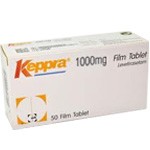
Keppra is the original brand-name formulation of Levetiracetam — a broad-spectrum anticonvulsant with a unique mechanism of action and one of the most favorable drug interaction profiles among modern antiepileptic drugs. Developed by UCB Pharma and FDA-approved since 1999, Keppra is one of the most-prescribed anticonvulsants in modern epilepsy practice — particularly valued for its broad-spectrum efficacy across focal, generalized, and myoclonic seizures, rapid IV loading capability, and absence of CYP450 drug interactions.
The active ingredient is Levetiracetam, which works through a unique mechanism distinct from all other anticonvulsants: it binds to synaptic vesicle protein 2A (SV2A), modulating neurotransmitter release at the synapse. This novel mechanism does not directly act on sodium channels, GABA receptors, or glutamate receptors — providing a fundamentally different approach to seizure control.
Keppra is FDA-approved for adjunctive and monotherapy treatment of partial-onset seizures in adults and children, adjunctive treatment of myoclonic seizures in juvenile myoclonic epilepsy, and adjunctive treatment of primary generalized tonic-clonic seizures in idiopathic generalized epilepsy. The IV formulation is widely used for status epilepticus as an alternative to phenytoin/fosphenytoin due to faster administration.
The medication is available as 250 mg, 500 mg, 750 mg, and 1000 mg tablets, Keppra XR extended-release tablets, 100 mg/mL oral solution, IV formulation, and Spritam 3D-printed orodispersible tablets. Standard adult dosing is 1000-3000 mg daily in two divided doses. Renal dose adjustment is essential.
Critical advantages include no CYP450 interactions (excellent in polypharmacy patients including transplant recipients, HIV patients, and chemotherapy patients), no interaction with oral contraceptives, no therapeutic drug monitoring required, rapid IV loading, and relative pregnancy safety compared to older anticonvulsants.
The most clinically significant concern is behavioral/psychiatric side effects — colloquially termed "Kepprage" — including aggression, irritability, anxiety, depression, and suicidal ideation. Other side effects include somnolence, fatigue, and rarely DRESS syndrome or Stevens-Johnson syndrome.
Free prescription
Discrete packaging
Have questions?
Quality Assurance


- Partial Seizures Adjunctive Broad: Adjunctive therapy for partial-onset seizures in adults and children over 1 month;
- Myoclonic Seizures Juvenile: FDA-approved adjunctive therapy for myoclonic seizures in juvenile myoclonic epilepsy — signature unique indication;
- Juvenile Myoclonic Epilepsy: First-line adjunctive therapy for juvenile myoclonic epilepsy (Janz syndrome);
- Primary Generalized Tonic Clonic Adjunctive: FDA-approved adjunctive therapy for primary generalized tonic-clonic seizures in idiopathic generalized epilepsy;
- Status Epilepticus IV Levetiracetam: For status epilepticus as IV alternative to phenytoin/fosphenytoin with faster administration;
- Refractory Status Epilepticus IV: For refractory status epilepticus following benzodiazepine therapy;
- Convulsive Status Epilepticus Adult: Alternative to phenytoin for adult convulsive status epilepticus management;
- Acute Repetitive Seizures: For acute repetitive seizure clusters in patients with established epilepsy;
- Lennox Gastaut Adjunctive: Off-label adjunctive use for Lennox-Gastaut syndrome with mixed seizure types;
- Atonic Seizures Selective: Off-label for atonic seizures in selected refractory epilepsy patients;
- Absence Seizures Adjunctive: Off-label adjunctive use for absence seizures in selected patients;
- Polypharmacy Friendly AED: Preferred AED for polypharmacy patients due to lack of CYP450 interactions;
- Oral Contraceptive Compatible AED: Does not reduce oral contraceptive effectiveness — preferred for women of childbearing age;
- Pregnancy Friendly AED: Considered relatively safer than older anticonvulsants for women planning pregnancy;
- Cancer Patient Seizures: For seizures in cancer patients receiving chemotherapy — no CYP interactions with cytotoxics;
- Transplant Patient Seizures: For seizures in transplant patients — no interactions with tacrolimus/cyclosporine;
- HIV Patient Seizures: For seizures in HIV patients — no interactions with protease inhibitors or NNRTIs;
- Hospital IV Loading AED: Rapid 15-minute IV loading supports emergency hospital seizure management;
- Inpatient AED Initiation: Standard inpatient AED initiation when rapid therapeutic levels are needed;
- ICU Seizure Management: Standard ICU AED for critically ill patients with seizures or seizure risk;
- Pediatric Partial Seizures Approved: FDA-approved for pediatric partial seizures in children over 1 month;
- Hospital Discharge AED: Standard hospital discharge AED for completing seizure management at home;
- Migraine Prophylaxis Off Label: Off-label use for migraine prophylaxis in selected patients;
- Tourette Syndrome Off Label: Off-label use for Tourette syndrome motor and vocal tics.
- Better Seizure Control: Broad-spectrum seizure control across multiple seizure types;
- Less Myoclonic Jerks: Specific reduction in myoclonic jerks of juvenile myoclonic epilepsy;
- Less Generalized Seizures: Reduction in primary generalized tonic-clonic seizures;
- Less Status Epilepticus: Effective IV therapy for status epilepticus as faster alternative to phenytoin;
- Better Cognitive Preservation: Generally less cognitive impairment than older anticonvulsants;
- Less Sedation: Generally less sedating than older AEDs at therapeutic doses;
- Better Quality of Life: Seizure control restores normal functioning and reduces caregiver burden;
- Less Falls Injuries: Seizure control prevents fall-related injuries during convulsive episodes;
- Better Pregnancy Outcomes: Relatively safer teratogenic profile than older anticonvulsants for pregnancy planning;
- Better Daily Function: Return to school, work, and normal activities with effective seizure control;
- Lifesaving Status Therapy: Critical IV therapy for life-threatening status epilepticus;
- Brand Keppra: Original UCB Pharma brand of Levetiracetam — established clinical reputation since 1999;
- Generic Levetiracetam: Affordable generic versions expand global access to broad-spectrum anticonvulsant therapy;
- Keppra XR Extended Release: Extended-release formulation supports convenient once-daily dosing in stable patients;
- Spritam 3D Printed Tablets: Innovative 3D-printed orodispersible tablets — first FDA-approved 3D-printed medication;
- Roweepra Equivalent: Same Levetiracetam molecule as Roweepra generic brand — bioequivalent therapeutic profile;
- Pyrrolidone Anticonvulsant: Pyrrolidone derivative anticonvulsant class with unique mechanism;
- Broad Spectrum Anticonvulsant: Broad-spectrum efficacy across focal, generalized, and myoclonic seizures — unique versatility;
- SV2A Synaptic Vesicle Protein: Unique mechanism — binds synaptic vesicle protein 2A modulating neurotransmitter release;
- Neurotransmitter Release Modulation: Modulates synaptic neurotransmitter release through SV2A binding;
- Partial Seizure Standard: Standard therapy for partial-onset seizures in adults and children;
- Juvenile Myoclonic First Line: First-line adjunctive therapy for juvenile myoclonic epilepsy — signature indication;
- Status Epilepticus Alternative: IV alternative to phenytoin/fosphenytoin for status epilepticus with faster loading;
- No CYP450 Interactions: Not metabolized by CYP450 enzymes — minimal drug interactions;
- Oral Contraceptive Compatible: Does not reduce oral contraceptive effectiveness — preferred for women of childbearing age;
- Rapid IV Loading AED: 15-minute IV loading time vs hours for phenytoin/fosphenytoin;
- No Therapeutic Drug Monitoring: No therapeutic drug monitoring required — simplifies long-term management;
- Polypharmacy Safe AED: Safe for polypharmacy patients due to minimal drug interactions;
- Transplant Compatible AED: Safe in transplant patients on immunosuppressants — no calcineurin inhibitor interactions;
- Chemotherapy Compatible AED: Safe with most chemotherapy regimens — no significant cytotoxic drug interactions;
- HIV Compatible AED: Safe in HIV patients on antiretrovirals — no protease inhibitor or NNRTI interactions;
- Pregnancy Relatively Safer AED: Relatively safer teratogenic profile than older anticonvulsants like valproate;
- Pediatric Anticonvulsant Approved: FDA-approved for pediatric partial seizures in children over 1 month;
- WHO Essential Medicine: Listed on the WHO Model List of Essential Medicines — critical for global epilepsy care;
- 25 Plus Year Anticonvulsant History: Extensive real-world safety and efficacy data since 1999 across billions of patient courses;
- Behavioral Side Effects Common: Aggression, irritability, anxiety, depression (colloquially "Kepprage") — monitor and discuss with patients;
- Suicidal Ideation Warning: FDA class warning for all anticonvulsants — monitor for suicidal thoughts;
- Renal Dose Adjustment Required: Essential renal dose adjustment required in chronic kidney disease;
- Stevens Johnson Syndrome Rare: Rare risk of SJS/TEN — discontinue if severe rash develops;
- DRESS Syndrome Rare: Rare risk of DRESS syndrome — monitor for drug rash with systemic symptoms;
- Stable Storage: Tablets stable at room temperature — convenient for long-term therapy;
- Globally Available: Widely supplied in international markets in branded (Keppra, Keppra XR, Spritam) and generic forms.
Generic Keppra (Levetiracetam 500 mg) Medication guide:
📖 What is Keppra - broad-spectrum anticonvulsant
Keppra is the original brand-name formulation of levetiracetam, a broad-spectrum anticonvulsant developed by UCB Pharma and first approved by the FDA in 1999. It has become one of the most widely prescribed antiepileptic drugs (AEDs) in the world, particularly favoured for its exceptionally clean pharmacokinetic profile, minimal drug interactions, favourable teratogenic data, and broad efficacy across seizure types.
📊 Keppra at a glance
- Drug class
- Broad-spectrum antiepileptic drug (AED), SV2A ligand class
- Active ingredient
- Levetiracetam (S-enantiomer of the pyrrolidone acetamide backbone)
- Manufacturer
- UCB Pharma (originator); multiple generic manufacturers post-patent expiration
- FDA approval
- 1999 initially for adjunctive focal (partial) onset seizures; multiple indication expansions since
- Formulations
- Tablets 250 mg, 500 mg, 750 mg, 1000 mg; oral solution 100 mg/mL; IV injection; extended-release Keppra XR 500 mg and 750 mg; Spritam 3D-printed orodispersible
- Typical adult dose
- 500-1500 mg twice daily (1000-3000 mg/day total)
- Onset of effect
- Days to weeks for full seizure protection; IV loading gives immediate coverage
Levetiracetam is classified as broad-spectrum because it demonstrates efficacy across the major seizure types: focal onset seizures (with or without secondary generalization), myoclonic seizures particularly of juvenile myoclonic epilepsy origin, and primary generalized tonic-clonic seizures. This broad efficacy contrasts with narrow-spectrum older AEDs like carbamazepine, phenytoin, and oxcarbazepine which are limited to focal onset and secondarily generalized seizures and can worsen certain generalized seizure types.
✅ Why levetiracetam changed epilepsy prescribing
- No hepatic CYP metabolism — approximately 66 percent excreted unchanged renally, 34 percent by non-CYP hydrolysis
- No induction or inhibition of hepatic enzymes — safe with warfarin, oral contraceptives, statins, most drugs
- Minimal protein binding — below 10 percent; no displacement interactions
- Linear pharmacokinetics across therapeutic range; no autoinduction
- Rapid titration possible; therapeutic doses achievable within days
- Broad-spectrum efficacy across seizure types
- Favourable teratogenicity per EURAP registry — low congenital malformation rate
- IV formulation available for status epilepticus and inpatient use
- Available as inexpensive generic globally post-patent expiration in 2008 (US)
🌐 Global usage scale
Levetiracetam consistently ranks among the top-selling antiepileptic drugs globally and is included on the World Health Organization Model List of Essential Medicines. It has become a first-line choice in new-onset focal and generalized epilepsy in most modern practice guidelines including NICE, AAN, and international consensus documents. In many settings including the United States, levetiracetam has largely displaced older AEDs like phenytoin as the initial choice for both outpatient prescribing and inpatient status epilepticus management.
⚠️ The trade-off - behavioural adverse effects
The great virtue of levetiracetam — its clean pharmacokinetics and broad efficacy — comes with one important trade-off: behavioural adverse effects. Irritability, agitation, mood changes, and rarely psychosis affect approximately 10-15 percent of users. These effects are not idiosyncratic pharmacokinetic problems; they arise from the drug's central mechanism of action. Careful patient selection, monitoring, and rapid intervention when behavioural effects emerge remain central to safe long-term use.
🕰️ History and 1999 FDA approval by UCB
Levetiracetam's clinical development is a story of serendipity, persistent screening, and eventual pharmacological breakthrough. Originally investigated as a nootropic (cognition-enhancing) agent, it was identified as an anticonvulsant through animal seizure screening at UCB Pharma. Its transformation from failed nootropic to blockbuster AED took nearly two decades.
| Year | Development milestone |
|---|---|
| 1970s | UCB Pharma Belgium synthesises pyrrolidone acetamide series exploring piracetam analogues for nootropic (cognition) applications |
| 1980s | Levetiracetam (etiracetam S-enantiomer, ucb L059) identified as active in animal seizure models; distinct from other AEDs |
| 1993-1998 | Phase II and Phase III adjunctive therapy trials for refractory focal (partial) onset seizures |
| 1999 | FDA approval as adjunctive therapy for partial onset seizures in adults (November 1999) |
| 2000 | EMA (European) approval for adjunctive therapy |
| 2004 | Lynch et al. identify SV2A (synaptic vesicle protein 2A) as the molecular target of levetiracetam — first novel AED mechanism in decades |
| 2005 | IV formulation FDA approved for temporary substitution when oral therapy not feasible |
| 2006 | Expanded to adjunctive therapy for myoclonic seizures in JME (juvenile myoclonic epilepsy) |
| 2007 | Expanded to adjunctive therapy for primary generalized tonic-clonic seizures in idiopathic generalized epilepsy |
| 2008 | Keppra XR extended-release approved for once-daily dosing in adjunctive therapy |
| 2008 | US generic launch after patent expiration — costs collapsed dramatically |
| 2010s | Approved for monotherapy focal onset in adults and children; expanded pediatric age ranges |
| 2015 | Spritam FDA approval — first 3D-printed prescription drug (orodispersible levetiracetam by Aprecia) |
| 2019 | ESETT trial published (NEJM) — levetiracetam non-inferior to fosphenytoin and valproate for benzodiazepine-refractory status epilepticus |
| 2020 | ConSEPT trial confirms non-inferiority in paediatric status epilepticus |
| 2022 | NICE guideline NG217 positions levetiracetam as first-line for focal and generalized epilepsy alongside lamotrigine |
🔬 The nootropic to AED transition
Piracetam (the parent compound) was launched as a nootropic agent in the 1960s and 1970s. UCB continued to explore pyrrolidone acetamide analogues hoping to improve cognition-enhancing effects. When levetiracetam (the S-enantiomer of etiracetam) was screened in animal seizure models — a routine part of CNS drug screening in the 1980s — it demonstrated potent anticonvulsant activity that was distinct from established mechanisms. This unexpected finding redirected development toward epilepsy. Piracetam itself was later found to have mild anticonvulsant activity in myoclonic seizures but never achieved AED status.
🧪 The delayed mechanism identification
Levetiracetam was FDA-approved in 1999 without a known molecular target — an unusual situation for a modern drug. Its mechanism was clearly different from GABAergic drugs (benzodiazepines, phenobarbital), sodium channel blockers (phenytoin, carbamazepine), and calcium channel modulators (ethosuximide, gabapentinoids), but the specific target remained elusive. The 2004 identification of SV2A binding by Lynch et al. at UCB (Belgium) resolved this puzzle. This was the first novel AED target identified in decades and opened a new therapeutic class. Brivaracetam (Briviact), a levetiracetam analogue with higher SV2A affinity, was subsequently developed and approved in 2016.
💰 Post-generic economic transformation
Levetiracetam patent expiration in the US in 2008 collapsed prices from approximately 300-400 USD per month brand to under 20 USD per month generic within 2 years. Generic penetration exceeded 90 percent within 3 years post-expiry. This price collapse democratised access globally, contributing to levetiracetam replacing much older AEDs like phenytoin and phenobarbital in low and middle income countries. The WHO Essential Medicines listing further solidified its foundational role in epilepsy care globally.
🧬 Mechanism of action - SV2A binding
Levetiracetam's mechanism of action was a mystery for the first five years after FDA approval. In 2004, Lynch and colleagues at UCB identified the synaptic vesicle protein SV2A as its binding target. This was the first novel antiepileptic drug mechanism identified in decades and opened an entirely new therapeutic class.
🧬 SV2A binding - the primary mechanism
- SV2A - what it is
- Synaptic vesicle protein 2A is an integral membrane glycoprotein present in synaptic vesicles throughout the CNS. It plays a role in neurotransmitter release regulation, particularly during rapid or repeated neuronal firing.
- Distribution
- SV2A is expressed at essentially all synapses in the brain. This ubiquitous expression contributes to the broad-spectrum anticonvulsant activity across seizure types.
- Levetiracetam binding
- Levetiracetam binds SV2A with modest affinity but excellent selectivity. The binding modulates SV2A function during pathological (rapid, sustained) firing patterns without significantly affecting normal synaptic transmission.
- Functional consequence
- Reduced neurotransmitter release during high-frequency neuronal firing patterns characteristic of seizure activity. Preserves normal synaptic function during physiological signalling.
- Genetic evidence
- SV2A knockout mice develop severe seizures and die early — confirming the target's importance in seizure regulation. Correlation between SV2A binding affinity and anticonvulsant potency across analogues confirms this is the therapeutic mechanism.
🔬 Secondary and modulatory mechanisms
- Reduced calcium influx through N-type voltage-gated calcium channels at high firing frequencies — modest effect contributing to reduced neurotransmitter release
- Inhibition of high-voltage-activated Ca channels in hippocampal neurons
- Reduced negative allosteric modulator effects on GABA and glycine receptors that occur in pathological states
- Modulation of intraneuronal calcium mobilisation from intracellular stores
- No effect on typical AED targets: no sodium channel blockade, no GABAergic activity, no glutamate receptor antagonism at therapeutic concentrations
| AED mechanism class | Example drugs | Levetiracetam |
|---|---|---|
| Sodium channel blockers | Phenytoin, carbamazepine, oxcarbazepine, lamotrigine | Not this mechanism |
| GABAergic enhancers | Benzodiazepines, phenobarbital, valproate (partial) | Not this mechanism |
| Calcium channel modulators | Ethosuximide, gabapentinoids | Modest secondary effect |
| Glutamate antagonists | Perampanel, felbamate | Not this mechanism |
| Multiple/broad | Valproate, topiramate | Not this mechanism |
| SV2A ligand | Levetiracetam, brivaracetam | Primary mechanism |
💡 Why the mechanism matters clinically
The SV2A mechanism explains several clinically important features: broad-spectrum efficacy (SV2A is ubiquitous at CNS synapses), clean interaction profile (no hepatic CYP involvement in target engagement), rapid onset (no gradual receptor upregulation needed), and use-dependent activity (preferential effect during pathological high-frequency firing). The mechanism does not explain the behavioural adverse effects, which likely arise from SV2A modulation in limbic and frontal circuits regulating mood and behaviour. Brivaracetam has higher SV2A affinity and shows similar behavioural adverse effect profile, suggesting mechanism-based rather than off-target origin.
⚖️ Chemistry and piracetam analog origin
Levetiracetam is the S-enantiomer of etiracetam, a member of the pyrrolidone acetamide family that includes piracetam and other analogues. Its unusual structure — a small molecular weight, moderately lipophilic compound with excellent aqueous solubility — contributes to its clean pharmacokinetic properties.
⚖️ Chemical structure and properties
- IUPAC name
- (S)-2-(2-oxopyrrolidin-1-yl)butanamide
- Molecular formula
- C8H14N2O2
- Molecular weight
- 170.21 g/mol — a small molecule facilitating rapid absorption and CNS penetration
- Solubility
- Very high water solubility (over 100 mg/mL); moderately lipophilic; ideal for both oral and IV formulation
- Chirality
- S-enantiomer of etiracetam. The R-enantiomer has substantially lower anticonvulsant activity. Enantioselective synthesis produces essentially pure S-form.
- Physical form
- White crystalline powder, odourless, slightly bitter taste
🧪 The piracetam family and racetam analogues
- Piracetam — parent compound, original nootropic, mild myoclonic activity
- Aniracetam — nootropic analogue, not developed as AED
- Oxiracetam — nootropic analogue
- Pramiracetam — nootropic analogue
- Etiracetam — racemic mixture with modest AED activity
- Levetiracetam (S-etiracetam) — the active AED enantiomer, ucb L059 — Keppra
- Brivaracetam — higher SV2A affinity analogue, Briviact FDA approved 2016
- Seletracetam — development compound, not marketed
🔬 The 3D-printed formulation - Spritam
Spritam (levetiracetam) is a landmark in pharmaceutical manufacturing history: the first FDA-approved prescription drug manufactured by 3D printing technology (approved 2015). Aprecia uses their ZipDose platform to produce highly porous, rapidly disintegrating tablets that dissolve in the mouth within seconds. This formulation was developed specifically for patients with swallowing difficulties, including many paediatric and elderly epilepsy patients. The 3D printing technology enables customised tablet strengths and disintegration profiles unavailable through conventional tablet compression. Beyond levetiracetam, this approach is being explored for other CNS medications where swallowing is impaired.
📊 Physicochemical advantages
Levetiracetam's combination of small size, high water solubility, moderate lipophilicity, and lack of chemical reactivity confers exceptional formulation flexibility. It is stable in aqueous solutions, tolerant to a wide pH range, and does not require enteric coating or other stability enhancements. This has enabled the diverse formulations available: standard tablets, extended-release tablets, oral solution, IV injection, and 3D-printed orodispersible tablets. Few AEDs match this formulation breadth, giving prescribers options across clinical scenarios from ambulatory outpatient use through inpatient IV therapy to paediatric and geriatric special populations.
📋 FDA-approved indications and expansion history
Since its 1999 initial approval, levetiracetam has undergone multiple FDA indication expansions. Today it holds approvals across the major epilepsy syndromes and both partial and generalized seizure types.
| Year | FDA indication | Population |
|---|---|---|
| 1999 | Adjunctive therapy for partial (focal) onset seizures | Adults, age 16+ |
| 2005 | Adjunctive therapy partial onset (pediatric extension) | Pediatric age 4-16 |
| 2006 | Adjunctive therapy for myoclonic seizures in JME | Adults and adolescents 12+ |
| 2007 | Adjunctive therapy for primary generalized tonic-clonic seizures | Adults and adolescents 6+ |
| 2008 | Keppra XR (extended-release) for adjunctive partial onset | Adults |
| 2012 | Partial onset extended to age 1 month and older | Infants 1 month + |
| 2013 | Monotherapy for partial onset seizures | Adults |
| 2015 | Spritam orodispersible formulation | All approved indications |
📑 Current FDA-approved indications summary
- Partial (focal) onset seizures
- Monotherapy or adjunctive therapy in adults; adjunctive in children age 1 month and older. Most common indication.
- Myoclonic seizures
- Adjunctive therapy for myoclonic seizures in patients age 12 and older with juvenile myoclonic epilepsy (JME).
- Primary generalized tonic-clonic seizures
- Adjunctive therapy in patients age 6 and older with idiopathic generalized epilepsy.
- IV formulation
- Temporary substitution for oral levetiracetam in all approved indications when oral administration is not feasible (e.g., during surgery, GI illness, unconsciousness).
🌐 International indication expansion
The EMA (European Medicines Agency) has generally paralleled FDA indications with some earlier pediatric age extensions. UK NICE guidelines (NG217, 2022) position levetiracetam as first-line for both focal epilepsy and idiopathic generalized epilepsy alongside lamotrigine, an increasingly common position globally. Australia PBS, Canadian, and other national formularies generally list levetiracetam as first-line for new-onset epilepsy. This positioning has driven substantial prescribing volume growth.
✅ Practical prescribing significance
The FDA indication set covers most common outpatient epilepsy scenarios. The practical significance is that levetiracetam serves as one of the few AEDs that can be used across virtually all seizure types without concern for worsening any particular seizure category (unlike carbamazepine and phenytoin which can worsen absence and myoclonic seizures). This makes it particularly useful when the exact seizure classification is uncertain, in undifferentiated first seizure evaluation, or in mixed seizure syndromes where multiple seizure types coexist.
🌐 Off-label uses in specialist practice
Beyond FDA approvals, levetiracetam has numerous evidence-based off-label uses in specialist neurology and critical care practice. These reflect its broad-spectrum activity, clean interaction profile, and IV availability.
🌐 Off-label neurology uses
- Status epilepticus — IV loading for benzodiazepine-refractory convulsive status; ESETT trial 2019 established non-inferiority to fosphenytoin and valproate
- Neonatal seizures — increasingly used as first or second-line; growing evidence base though phenobarbital remains most common first-line
- Post-traumatic seizure prophylaxis — after severe TBI, subarachnoid haemorrhage, or intracerebral haemorrhage — supported by professional society consensus
- Post-neurosurgical seizure prophylaxis — particularly after supratentorial surgery, tumour resection, aneurysm clipping
- Post-stroke seizures — both acute and secondary prophylaxis
- Refractory epilepsy adjunct — add-on to any other AED regimen
- Absence seizures — second or third-line (ethosuximide or valproate typically first)
- Lennox-Gastaut syndrome — adjunctive; supported by RCT evidence
- Progressive myoclonic epilepsies — including Unverricht-Lundborg disease
- Cortical myoclonus from various causes
🔬 Other off-label applications
- Tremor — particularly essential tremor and cerebellar tremor (modest evidence)
- Tourette syndrome — tics reduction (limited evidence)
- Chorea in Huntington disease and other movement disorders
- Restless legs syndrome (limited evidence; gabapentin preferred)
- Migraine prophylaxis (small studies; topiramate preferred)
- Bipolar disorder mania (some studies; not established therapy)
- Anxiety disorders (very limited evidence)
- Neuropathic pain (small studies; gabapentinoids or duloxetine preferred)
- Alcohol withdrawal (emerging evidence but benzodiazepines remain standard)
- Autism spectrum disorder associated seizures and behavioural symptoms
| Off-label indication | Evidence strength | Clinical use |
|---|---|---|
| Status epilepticus (benzo-refractory) | RCT (ESETT 2019, ConSEPT 2020) | Guideline-supported standard practice |
| Post-TBI seizure prophylaxis | Comparative studies with phenytoin | First choice in many trauma centres |
| Neonatal seizures | Increasing evidence base | First or second-line at many NICUs |
| Post-neurosurgical prophylaxis | Observational, consensus | Common clinical practice |
| Progressive myoclonus epilepsies | Case series, specialist experience | Frequently used adjunct |
| Essential tremor | Limited | Not established therapy |
💡 Why levetiracetam dominates critical care AED use
In neurological critical care — status epilepticus, post-TBI prophylaxis, ICU seizure management — levetiracetam has substantially displaced phenytoin over the past decade. The advantages are practical: no cardiac monitoring needed during IV administration (phenytoin requires ECG monitoring for arrhythmias); no risk of purple glove syndrome from extravasation; no requirement for dose adjustment based on serum levels; no interactions with sedatives, vasopressors, or antibiotics used in critical care; and no dose adjustment for hepatic dysfunction. These practical advantages, plus the ESETT trial demonstrating non-inferiority to fosphenytoin, have made levetiracetam the default IV AED at most modern neurological ICUs.
🔬 Pharmacokinetic profile - clean and predictable
Levetiracetam has exceptionally clean pharmacokinetics — among the most predictable of all antiepileptic drugs. This clean PK profile drives many of its clinical advantages including rapid titration, minimal drug interactions, and safe use in complex patients.
📊 Key pharmacokinetic parameters
- Oral bioavailability
- Approximately 100 percent — complete absorption; rapid and predictable
- Peak plasma concentration (Tmax)
- Approximately 1 hour (immediate-release); food delays Tmax modestly but does not affect AUC
- Volume of distribution
- Approximately 0.5-0.7 L/kg — similar to total body water; low tissue accumulation
- Protein binding
- Below 10 percent — minimal; no clinically significant displacement interactions
- Half-life (adult)
- Approximately 6-8 hours in adults with normal renal function
- Time to steady state
- Approximately 2 days at fixed dose; rapid steady-state achievement
- Metabolism
- Approximately 34 percent hydrolysis to inactive metabolite in blood and tissues (non-CYP mediated); 66 percent renal excretion unchanged
- Elimination
- Predominantly renal; parent drug (66 percent) plus inactive metabolite (34 percent); minimal biliary
- Linear kinetics
- Dose-proportional across therapeutic and supra-therapeutic ranges; no saturation of elimination
✅ Clinical advantages of clean PK
- No hepatic CYP metabolism means no drug-drug interactions via CYP pathway
- No enzyme induction — safe with oral contraceptives (no reduced efficacy)
- No enzyme inhibition — safe with warfarin, statins, most other drugs
- Minimal protein binding — no displacement of other highly bound drugs
- Renal elimination is easily assessed via creatinine clearance
- Linear PK — predictable dose-concentration relationship
- Rapid time to steady state allows rapid titration (2 days per dose step)
- Fast IV loading — achievable 60 mg/kg over 10 minutes safely
- No cardiac monitoring required for IV administration (unlike phenytoin)
- Predictable dose-response reduces need for therapeutic drug monitoring
| Population | Half-life | Dosing implications |
|---|---|---|
| Healthy adult | 6-8 hours | BID standard; TID acceptable |
| Children 4-12 years | 5-7 hours | Higher weight-based dose needed |
| Infants 1-6 months | 5 hours (matures) | Higher clearance; adjust for age |
| Elderly (age 65+) | 10-11 hours | Reduced clearance; lower doses often adequate |
| CKD stage 3 (CrCl 30-50) | 10-12 hours | Reduce dose approximately 50 percent |
| CKD stage 4 (CrCl 15-30) | 15-18 hours | Reduce dose approximately 75 percent |
| Hemodialysis | Cleared by HD | Post-dialysis supplement dose |
| Pregnancy (2nd, 3rd trimester) | Reduced levels | Levels drop 40-60%; may need dose increase |
🔬 Pregnancy-related pharmacokinetic changes
During pregnancy, particularly the second and third trimesters, levetiracetam plasma levels can decrease by 40-60 percent due to increased renal clearance and volume of distribution changes. This can potentially cause loss of seizure control in previously stable patients. Therapeutic drug monitoring during pregnancy allows dose adjustment to maintain pre-pregnancy levels. Levels typically normalise within 2-3 weeks postpartum, and doses should be tapered back to pre-pregnancy levels to avoid postpartum toxicity.
🧠 Focal onset seizures - primary indication
Focal (partial) onset seizures are the most common seizure type in adults and levetiracetam's primary indication. Since 1999 approval, extensive clinical trial and real-world evidence has established its efficacy and favourable tolerability across the focal seizure spectrum.
🧠 Focal onset seizures - the seizure type
- Definition
- Seizures originating in one hemisphere or brain region. May remain localised (focal aware, focal impaired awareness) or spread to become bilateral tonic-clonic.
- Epidemiology
- Approximately 60 percent of all adult epilepsy is focal. Common causes: post-traumatic, post-stroke, tumour, developmental, cryptogenic.
- Clinical presentations
- Range from brief sensory or motor phenomena (focal aware) to complex behaviours with altered consciousness (focal impaired awareness) to secondary generalized convulsions.
📈 Pivotal trials - focal onset seizures
- Cereghino et al. Neurology 2000 — US pivotal RCT: 294 adults with refractory focal seizures randomised to levetiracetam 1000 mg, 3000 mg, or placebo. Both active doses significantly reduced seizure frequency; 3000 mg produced 39 percent responder rate vs 7 percent placebo
- Shorvon et al. Epilepsia 2000 — European trial confirming efficacy; 22 percent seizure-free rate at 3000 mg/day
- Ben-Menachem and Falter Epilepsia 2000 — European multicenter add-on trial establishing efficacy at 3000 mg
- KOMET trial 2011 — head-to-head levetiracetam vs carbamazepine monotherapy for new-onset epilepsy; similar efficacy with better tolerability profile for levetiracetam
- SANAD II trial 2021 — UK trial: levetiracetam vs zonisamide vs lamotrigine for new-onset focal epilepsy; lamotrigine had best 12-month remission but levetiracetam had similar retention rate
| Setting | Typical outcome |
|---|---|
| Adjunctive - refractory focal (RCT) | Approximately 39-42 percent responder rate at 3000 mg/day |
| Monotherapy - new-onset focal | Approximately 60-70 percent achieve seizure control |
| Real-world retention at 1 year | Approximately 65-70 percent |
| Real-world retention at 2 years | Approximately 50-60 percent |
| Discontinuation for behavioural AE | Approximately 5-15 percent |
| Discontinuation for lack of efficacy | Approximately 15-25 percent |
💡 Practical use in focal epilepsy
Levetiracetam is now one of the two most commonly prescribed first-line AEDs for adult new-onset focal epilepsy (alongside lamotrigine, and depending on regional preference), largely replacing older agents like carbamazepine and phenytoin. Advantages driving this position include: rapid titration allowing therapeutic protection within days; broad-spectrum activity useful when seizure classification is uncertain; clean interaction profile important in older adults on multiple medications; no cognitive side effects unlike phenytoin; safety in overdose; low cost as generic; and IV availability for perioperative or acute care settings. The main practical trade-off remains behavioural adverse effects requiring monitoring and readiness to switch alternatives when they emerge.
⚡ Myoclonic seizures and juvenile myoclonic epilepsy
Juvenile myoclonic epilepsy (JME) is a common idiopathic generalized epilepsy syndrome affecting adolescents and young adults, characterised by myoclonic jerks (typically morning), often accompanied by absence and generalized tonic-clonic seizures. Levetiracetam is FDA approved for adjunctive myoclonic seizure treatment in this syndrome and is a widely used first-line therapy.
⚡ Juvenile myoclonic epilepsy (JME)
- Age of onset
- Typically 12-18 years; occasionally younger or into early twenties
- Prevalence
- Approximately 5-10 percent of all epilepsies; substantially higher in adolescent-onset syndromes
- Seizure types in JME
- Myoclonic jerks (100 percent); generalized tonic-clonic (90 percent); absence seizures (15-40 percent)
- Trigger factors
- Sleep deprivation (very strong trigger); alcohol; photic stimulation; morning after awakening timing
- Genetic basis
- Complex polygenic; family history in 20-40 percent
- Prognosis
- Typically lifelong condition requiring continuous AED therapy; excellent seizure control achievable in 80-90 percent
📊 Levetiracetam for myoclonic seizures - evidence
- Noachtar et al. Neurology 2008 — pivotal RCT: 122 patients with IGE and myoclonic seizures randomised to levetiracetam up to 3000 mg/day vs placebo. Levetiracetam achieved 58.3 percent responder rate vs 23.3 percent placebo for reduction in myoclonic days
- Freedom from myoclonic seizures achieved in 21.7 percent of levetiracetam patients vs 3.3 percent placebo
- Also effective against generalized tonic-clonic seizures in same syndrome
- Real-world experience confirms high efficacy across JME spectrum
| JME first-line AED options | Efficacy | Considerations |
|---|---|---|
| Valproate (Depakote) | Highest (80-90% control) | Avoid in women of childbearing potential (teratogenicity) |
| Levetiracetam (Keppra) | High (70-80% control) | First-line especially in women; monitor behaviour |
| Lamotrigine | Moderate for myoclonic | Can worsen myoclonic seizures in some; effective for GTCS/absence |
| Topiramate | Moderate | Cognitive side effects; second-line |
| Zonisamide | Moderate | Second-line adjunct |
| Carbamazepine, phenytoin, oxcarbazepine | Can worsen | Avoid — can worsen myoclonic and absence seizures |
💡 Why levetiracetam changed JME prescribing for women
Valproate remains the most effective AED for JME with the highest seizure-free rates in trials. However, valproate's major teratogenicity (approximately 10 percent congenital malformation rate; substantial neurodevelopmental risk) makes it inappropriate for women of childbearing potential unless no alternative works. Levetiracetam's combination of good efficacy in JME plus favourable pregnancy safety profile (approximately 2-3 percent congenital malformation rate per EURAP) has made it the preferred first-line for women with JME who might become pregnant. For men and post-menopausal women, valproate remains a reasonable first choice, but levetiracetam is equally acceptable and increasingly preferred for its cleaner side effect profile.
⚠️ Progressive myoclonic epilepsies
Beyond JME, levetiracetam is used in progressive myoclonic epilepsy syndromes: Unverricht-Lundborg disease, Lafora disease, MERRF (myoclonic epilepsy with ragged red fibres), and dentatorubral-pallidoluysian atrophy (DRPLA). These conditions have more severe course and often require polytherapy. Levetiracetam is a valuable component of multi-drug regimens for these rare severe syndromes, though seizure control is often incomplete.
🌀 Primary generalized tonic-clonic seizures
Primary generalized tonic-clonic (PGTC) seizures occur in idiopathic generalized epilepsy syndromes including JME, juvenile absence epilepsy, epilepsy with generalized tonic-clonic seizures alone, and childhood absence epilepsy. Levetiracetam is FDA approved for adjunctive PGTC therapy in patients age 6 and older, based on the pivotal N01057 trial.
🌀 Primary generalized tonic-clonic seizures
- Definition
- Bilateral tonic-clonic convulsions arising from bilateral hemispheric involvement from onset (as opposed to secondarily generalized from a focal onset)
- Clinical features
- Sudden loss of consciousness; tonic (stiffening) phase; clonic (jerking) phase; post-ictal confusion. Tongue biting and incontinence common.
- EEG
- Bilateral generalized spike-wave discharges; typical 3 Hz frequency in typical absence syndromes
- Triggers
- Sleep deprivation; alcohol; photic stimulation; stress; sometimes menstruation-related
- Underlying epilepsy syndromes
- JME (most common); juvenile absence epilepsy; epilepsy with GTCS alone; childhood absence epilepsy evolving into GTCS
📈 N01057 pivotal trial (Berkovic et al. Neurology 2007)
- 164 patients (aged 4-65 years) with idiopathic generalized epilepsy and uncontrolled PGTC seizures
- Randomised to levetiracetam up to 3000 mg/day vs placebo, added to existing AED
- Primary outcome: percent reduction in weekly PGTC seizure frequency over 20-week treatment
- Levetiracetam achieved 72.2 percent median reduction in PGTC seizure frequency vs 45.2 percent placebo
- 34.2 percent seizure-free rate for PGTC on levetiracetam vs 10.7 percent placebo
- Consistent efficacy across ages and doses within study
- Treatment-emergent adverse effects: behavioural changes, fatigue, somnolence
| PGTC efficacy metric | Levetiracetam | Placebo |
|---|---|---|
| Median PGTC reduction | 72.2% | 45.2% |
| Responder rate (50% reduction) | 72.2% | 45.2% |
| Seizure freedom during evaluation | 34.2% | 10.7% |
| Discontinuation for AE | Approximately 7% | Approximately 3% |
💡 Why levetiracetam works for PGTC
The SV2A mechanism is well-suited for generalized seizure activity involving bilateral cortical circuits. Unlike sodium channel blockers (carbamazepine, phenytoin) which can paradoxically worsen absence and myoclonic seizures in idiopathic generalized epilepsy, levetiracetam works effectively across the entire generalized epilepsy spectrum. This makes it particularly useful when the epilepsy syndrome classification is uncertain, or when multiple seizure types coexist within the same syndrome (JME with myoclonic plus GTCS plus absence).
🚑 Status epilepticus - IV emergency use
The IV formulation of levetiracetam has transformed status epilepticus management over the past decade. Since the 2019 ESETT trial demonstrated non-inferiority to fosphenytoin and valproate, levetiracetam has become one of the most commonly used second-line agents for benzodiazepine-refractory convulsive status epilepticus in emergency departments and ICUs.
🔴 Status epilepticus - the emergency
- Definition (ILAE 2015)
- Seizure activity lasting over 5 minutes or repeated seizures without recovery of consciousness between them.
- Mortality
- Approximately 20 percent for convulsive status; substantially higher for refractory and super-refractory forms.
- Time-critical treatment
- Neuronal injury begins within 30 minutes of sustained seizure activity. Rapid termination is essential.
- Treatment stages
- First-line: benzodiazepines (lorazepam, midazolam); Second-line: fosphenytoin/phenytoin, valproate, or levetiracetam; Third-line: anaesthetic infusions (propofol, midazolam infusion, pentobarbital).
📈 ESETT trial (Kapur et al. NEJM 2019)
- 384 patients (age 2+, mostly adults) with benzodiazepine-refractory convulsive status epilepticus
- Randomised (double-blind) to fosphenytoin (20 mg PE/kg), valproate (40 mg/kg), or levetiracetam (60 mg/kg)
- Primary outcome: cessation of clinical seizures and improved responsiveness at 60 minutes
- Levetiracetam: 47% success rate
- Fosphenytoin: 45% success rate
- Valproate: 46% success rate
- No statistically significant difference among the three — established non-inferiority
- Adverse effect profiles: hypotension more common with fosphenytoin; hepatotoxicity risk with valproate; behavioural effects minor concern with levetiracetam
📊 ConSEPT trial (Chamberlain et al. Lancet 2020)
- Pediatric arm: 233 children (age 3 months to 18 years) with benzodiazepine-refractory status epilepticus
- Levetiracetam (40 mg/kg) vs phenytoin (20 mg/kg)
- Clinical seizure cessation at 5 minutes and no recurrence at 24 hours
- Levetiracetam: 60% success rate; Phenytoin: 60% success rate — equivalent
- Confirmed levetiracetam as reasonable first-line second-line agent in paediatric SE
- Practical advantages: no cardiac monitoring, no risk of purple glove syndrome
| Practical advantage in SE | Levetiracetam vs fosphenytoin |
|---|---|
| Loading dose administration | 60 mg/kg over 10-15 minutes IV; simple |
| Cardiac monitoring required | No (unlike fosphenytoin which needs ECG) |
| Purple glove syndrome risk | None (unique to phenytoin/fosphenytoin) |
| Hypotension risk | Very rare (much less than fosphenytoin) |
| Compatibility with other IV drugs | Excellent (crystalloid, dextrose) |
| Transition to oral | Direct IV to oral 1:1 conversion; no titration needed |
| Renal/hepatic dose adjustment | Renal only; no hepatic adjustment |
| Cost per SE episode | Approximately 10-30 USD vs 40-100 USD for fosphenytoin |
✅ Modern SE protocol positioning
Current AES/ACEP status epilepticus algorithms position all three second-line agents (levetiracetam, fosphenytoin, valproate) as equivalent choices after benzodiazepine failure. Institutional preferences vary based on formulary, familiarity, and specific patient factors. Levetiracetam is increasingly the default second-line at academic centres due to its practical advantages. In elderly patients on multiple medications, patients with cardiac disease, and situations where cardiac monitoring is impractical, levetiracetam offers substantial advantages over fosphenytoin. In pregnancy, levetiracetam is preferred due to less teratogenic concerns. Valproate remains valuable for absence-related status but is contraindicated in hepatic disease and pregnancy.
👶 Neonatal seizures - emerging clinical role
Neonatal seizures occur in approximately 1-3 per 1000 live births and can cause severe brain injury if inadequately treated. Levetiracetam has increasingly been used as an alternative to traditional first-line phenobarbital in neonatal seizure management, though the evidence base is still developing.
👶 Neonatal seizures - the setting
- Incidence
- 1-3 per 1000 term newborns; higher in preterm infants
- Common causes
- Hypoxic-ischemic encephalopathy (most common); intracranial hemorrhage; stroke; infection; metabolic (hypoglycaemia, hypocalcaemia); genetic epilepsies
- Clinical challenge
- Often subtle presentations; frequent electrographic-only seizures without clinical correlate; requires continuous EEG monitoring in NICU
- Traditional first-line
- Phenobarbital IV loading dose 20 mg/kg — standard of care for decades despite modest efficacy
- Prognosis
- Depends heavily on aetiology; hypoxic-ischemic encephalopathy carries substantial risk of neurological sequelae; genetic epilepsies vary
🔬 Levetiracetam in neonates - evidence
- NEOLEV1 trial (Sharpe et al. Pediatrics 2020) — small comparative trial in neonatal seizures
- Farwell et al. NEJM 1990 — older comparison of phenobarbital vs phenytoin in neonates — poor efficacy of both, driving interest in alternatives
- Han et al. Neonatology 2015 meta-analysis — showed levetiracetam response rates comparable or superior to phenobarbital in some studies
- Real-world observational studies show growing NICU use particularly at academic centres
- Advantages: no significant respiratory depression; no hypotension; less cognitive impact than phenobarbital
- Concerns: efficacy data still relatively limited; behavioural effects unclear in this population
| Neonatal AED option | Position | Notes |
|---|---|---|
| Phenobarbital | Traditional first-line | Response rate approximately 30-50 percent; concerns about neurodevelopment |
| Levetiracetam | Increasingly first or second-line | Growing evidence; better safety profile |
| Phenytoin | Second-line | Cardiac monitoring; risk of extravasation injury |
| Fosphenytoin | Second-line alternative | Less caustic than phenytoin; still cardiac monitoring |
| Midazolam infusion | Third-line or refractory | For refractory neonatal SE |
| Pyridoxine trial | Consider in refractory | For pyridoxine-dependent epilepsy |
💡 Neonatal dosing considerations
Neonatal levetiracetam dosing differs from older paediatric ranges due to renal maturation. Typical loading dose is 40-60 mg/kg IV followed by maintenance 15-20 mg/kg every 12 hours. Serum levels can be monitored though therapeutic ranges are less well established than in older children. Half-life is prolonged in the first days of life then shortens as renal function matures. Dose adjustment is generally not needed unless significant renal impairment. Use in neonates remains largely off-label but is increasingly accepted at expert centres.
⚠️ Uncertainty and ongoing research
Whether levetiracetam should replace phenobarbital as first-line for neonatal seizures remains an active question. Concerns about phenobarbital's neurodevelopmental effects favour levetiracetam, but efficacy comparisons remain limited. Ongoing trials including NEOLEV series aim to define levetiracetam's role more precisely. In the meantime, many NICU teams use levetiracetam either first-line (particularly for cortical malformation seizures, presumed genetic epilepsy) or as second-line after phenobarbital failure. Both approaches are reasonable pending stronger evidence.
💊 Adult dosing regimen and titration
Levetiracetam adult dosing is one of the simplest and most predictable in the antiepileptic drug class. Rapid titration is possible due to clean pharmacokinetics, and therapeutic doses are typically achievable within days rather than weeks.
| Indication | Starting dose | Target dose | Max dose |
|---|---|---|---|
| Focal onset adjunctive | 500 mg twice daily | 1000-1500 mg twice daily | 3000 mg/day total |
| Focal onset monotherapy | 500 mg twice daily | 1000-1500 mg twice daily | 3000 mg/day total |
| Myoclonic seizures (JME) | 500 mg twice daily | 1500 mg twice daily | 3000 mg/day total |
| Primary generalized tonic-clonic | 500 mg twice daily | 1500 mg twice daily | 3000 mg/day total |
| Keppra XR extended-release | 1000 mg once daily | 2000-3000 mg once daily | 3000 mg/day |
📈 Standard titration schedule
- Week 1
- 500 mg twice daily (1000 mg/day total)
- Week 2 (if needed)
- 1000 mg twice daily (2000 mg/day total)
- Week 4 (if needed)
- 1500 mg twice daily (3000 mg/day total — maximum)
- Rapid titration option
- Can increase by 1000 mg/day every 2 weeks in stable patients; some clinicians use daily dose increases in inpatient settings
- Time to steady state
- Approximately 2 days at each dose — rapid steady-state achievement due to short half-life
✅ Practical dosing tips
- Take with or without food — food does not affect efficacy (delays Tmax by ~1 hour)
- Evening-weighted dosing: larger evening dose can shift sedation to sleep time
- BID standard; TID acceptable for adverse effect tolerability
- Do not chew or crush XR tablets — swallow whole
- Immediate-release tablets can be crushed if needed for administration
- Oral solution useful for children, adults with swallowing difficulty, dose adjustments
- Consistency: take at same times daily — anchoring to routine helps adherence
- Never stop suddenly — taper to avoid seizure exacerbation
- Slow titration in elderly or those prone to behavioural effects
💡 Dose-response consideration
Most patients respond to 2000-3000 mg/day. Doses above 3000 mg have not been shown to provide additional efficacy in trials and increase adverse effects, particularly behavioural. If breakthrough seizures occur at 3000 mg/day, alternative or additional therapy is typically more effective than dose escalation. Some patients respond adequately to 1000 mg/day, particularly older adults; starting low and titrating to effect can identify these responders.
🧒 Pediatric dosing and weight-based schedule
Pediatric levetiracetam dosing follows weight-based schedules with higher mg/kg doses than adults due to more rapid clearance. Approved from age 1 month for focal onset seizures, age 6 for PGTC, and age 12 for JME myoclonic seizures.
| Age group | Starting dose | Target dose | Maximum |
|---|---|---|---|
| 1-6 months (focal only) | 7 mg/kg twice daily | 21 mg/kg twice daily | 42 mg/kg/day |
| 6 months to 4 years (focal) | 10 mg/kg twice daily | 25 mg/kg twice daily | 50 mg/kg/day |
| 4-16 years (focal, PGTC, JME) | 10 mg/kg twice daily | 30 mg/kg twice daily | 60 mg/kg/day (max 3000 mg) |
| Adolescents 16+ years | Adult dosing (500 mg BID) | Adult target (1000-1500 mg BID) | 3000 mg/day |
🧒 Pediatric titration principles
- Titration cadence
- Increase by 10 mg/kg twice daily every 2 weeks up to target dose
- Weight-based calculations
- Reassess dose with growth; older children may need dose increases as body weight increases
- Formulation choice
- Oral solution (100 mg/mL) for infants and young children; tablets for older children who can swallow; Spritam orodispersible for swallowing difficulty
- Higher mg/kg needed
- Pediatric mg/kg doses are approximately 30-50 percent higher than adult mg/kg due to more rapid clearance
- Behavioural adverse effects
- Particularly important to monitor in children — may present as aggression, irritability, or school behaviour changes
🔴 Pediatric behavioural AE - watch closely
Behavioural adverse effects in children are particularly important because they can significantly impact school performance, family dynamics, and quality of life. Rates of irritability, aggression, hostility, and mood changes are estimated at 10-20 percent in paediatric levetiracetam users. Family should be prepared to observe and report changes early. Behavioural effects are dose-dependent in many patients — reducing to the lowest effective dose often improves tolerability without loss of seizure control.
💡 Oral solution practical use
The 100 mg/mL oral solution provides flexibility for weight-based dosing and gradual titration. It should be measured with a calibrated oral syringe (not household teaspoons). The solution should be refrigerated and used within manufacturer's expiry. It can be mixed with water, juice, or milk immediately before administration if needed. Most children accept the solution without significant palatability issues.
💉 IV formulation and oral switching
The IV levetiracetam formulation is one of the most important developments in modern epilepsy management. It provides rapid, safe, and reliable seizure control for patients who cannot take oral medication or need immediate parenteral therapy.
💉 IV levetiracetam specifications
- Concentration
- 100 mg/mL in single-use vials (500 mg per 5 mL vial standard)
- Preparation
- Dilute in 100 mL of compatible IV fluid (0.9 percent saline, D5W, lactated Ringers). Do not administer undiluted.
- Rate of administration
- Standard infusion over 15 minutes for maintenance; rapid infusion over 5 minutes acceptable for emergency loading
- Loading dose (SE)
- 60 mg/kg IV (max 4500 mg) infused over 10 minutes per ESETT protocol
- Maintenance IV
- Same total daily dose as oral; typically 500-1500 mg IV every 12 hours
- IV to oral conversion
- 1:1 direct switch — no titration needed. IV 500 mg BID becomes oral 500 mg BID
- Duration limit
- Per FDA labelling, IV should not exceed 4 consecutive days; longer use is off-label but common in ICU settings
✅ IV administration advantages
- No cardiac monitoring required (unlike phenytoin/fosphenytoin)
- No hypotension risk at appropriate infusion rates
- No arrhythmia risk (unlike phenytoin bradyarrhythmias)
- Peripheral IV administration safe (unlike phenytoin which needs central access)
- No extravasation injury risk (unlike phenytoin's purple glove syndrome)
- Compatible with common IV fluids and most concurrent medications
- Rapid seizure protection — therapeutic levels within 15 minutes of infusion
- Easy 1:1 IV to oral transition when patient can resume oral intake
- Suitable for perioperative use, ICU management, GI illness, unconscious patients
| Clinical scenario | IV levetiracetam use |
|---|---|
| Established epilepsy patient, NPO for surgery | 1:1 substitution to maintain therapy through operative period |
| Status epilepticus (benzo-refractory) | 60 mg/kg loading dose over 10 minutes |
| Post-TBI seizure prophylaxis | 1000 mg BID for 7 days typical protocol |
| Post-neurosurgical seizure prophylaxis | 1000 mg BID starting perioperatively |
| GI illness affecting oral absorption | IV maintenance until oral absorption resumes |
| Unconscious ICU patient | IV maintenance; NG-tube alternative also possible |
| Refractory GTCS in ED | Second-line after benzodiazepines |
💡 Post-TBI seizure prophylaxis protocol
After severe traumatic brain injury with GCS below 10, penetrating injury, subdural hemorrhage, or intraparenchymal contusions, IV levetiracetam prophylaxis is commonly used for 7 days per neurosurgical guidelines. Standard protocol: 1000 mg IV BID (total 2000 mg/day). This reduces early post-traumatic seizures (within 7 days of injury). Levetiracetam has largely replaced phenytoin for this indication due to comparable efficacy, better tolerability, no cardiac monitoring requirement, and easier transition to oral therapy at discharge if continued. Prophylaxis beyond 7 days is generally not indicated as it does not prevent later post-traumatic epilepsy.
🫀 Renal dose adjustment by creatinine clearance
Renal dose adjustment is critical for levetiracetam because approximately 66 percent is eliminated unchanged in urine. Without appropriate dose reduction in renal impairment, accumulation causes sedation, cognitive slowing, and behavioural adverse effects. The dose adjustment is straightforward and directly based on creatinine clearance.
| CrCl (mL/min) | CKD stage | Standard dose reduction | Typical regimen |
|---|---|---|---|
| >80 | Normal | None | 500-1500 mg BID |
| 50-80 | CKD 2 | None or minimal | 500-1500 mg BID |
| 50-79 | CKD 3a | Approximately 25% | 500-1000 mg BID |
| 30-49 | CKD 3b | Approximately 50% | 250-750 mg BID |
| 15-29 | CKD 4 | Approximately 75% | 250-500 mg BID |
| <15 (no HD) | CKD 5 | Approximately 80% | 500-1000 mg once daily |
| Hemodialysis | CKD 5D | Special protocol | 500-1000 mg daily + 250-500 mg post-HD |
🫀 Renal excretion characteristics
- Unchanged parent drug
- Approximately 66 percent excreted unchanged in urine via glomerular filtration; minimal tubular secretion or reabsorption
- Inactive metabolite (UCB L057)
- Approximately 24 percent excreted as the acid metabolite formed by hydrolysis in blood; no pharmacological activity
- Total renal clearance
- Approximately 90 percent of dose eliminated in urine as parent + inactive metabolite; only 10 percent in feces
- Dialysis clearance
- Approximately 50 percent of body burden cleared in 4-hour hemodialysis session — substantial removal requiring post-HD supplement
- Peritoneal dialysis
- Slower removal than hemodialysis; adjust dose based on residual renal function
✅ Practical renal dosing considerations
- Assess baseline eGFR before starting levetiracetam — particularly in elderly
- Monitor kidney function during long-term therapy in high-risk patients
- Adjust dose promptly when kidney function declines (e.g., acute kidney injury)
- Reassess dose when kidney function improves
- Symptoms of accumulation: sedation, ataxia, cognitive slowing, worsening behavioural effects
- Hemodialysis timing: give post-dialysis dose after the session, not before
- Serum level monitoring can help in complex cases (see monitoring section)
- Elderly and CKD combination: use lowest effective doses
💡 The clean renal-dependence advantage
The straightforward renal-dependence dosing of levetiracetam is actually an advantage over drugs with complex metabolism. Kidney function can be measured easily via creatinine clearance calculation, and dose adjustment is proportional and predictable. Unlike drugs metabolised by variable hepatic enzymes with genetic polymorphisms (phenytoin, warfarin, tacrolimus), levetiracetam dose adjustment for kidney function follows a clear formula. This makes it particularly suitable for elderly patients with declining renal function and for CKD patients requiring anticonvulsant therapy.
🔗 Drug interactions - minimal clinical profile
Levetiracetam has one of the cleanest drug interaction profiles in the antiepileptic drug class. Its lack of hepatic CYP metabolism, minimal protein binding, and absence of enzyme induction or inhibition means essentially no clinically significant drug interactions in most scenarios.
✅ The clean interaction profile
- No CYP inhibition — safe with warfarin, statins, most cardiovascular drugs
- No CYP induction — safe with oral contraceptives (no reduced efficacy)
- No P-glycoprotein interactions at clinical concentrations
- Minimal protein binding (below 10 percent) — no displacement of highly bound drugs
- No effect on other AEDs — safe combinations with any anticonvulsant class
- No autoinduction — consistent levels over time
- Safe with immunosuppressants including cyclosporine, tacrolimus
- Safe with chemotherapy agents (important in brain tumour patients)
- Safe with antimicrobials including antifungals, antivirals
- Safe with cardiovascular drugs including antihypertensives, antiarrhythmics
| Concurrent medication class | Effect on levetiracetam | Notes |
|---|---|---|
| Warfarin | No interaction | Ideal AED for anticoagulated patients |
| Oral contraceptives | No interaction | No dose adjustment needed |
| Statins | No interaction | Safe combination |
| Enzyme-inducing AEDs (CBZ, PHT, PB) | Levetiracetam clearance ~20% higher | Minor; usually no adjustment needed |
| Valproate | No PK interaction | Additive efficacy for generalized seizures |
| Tacrolimus, cyclosporine | No interaction | Ideal in transplant patients |
| Chemotherapy agents | No interaction | Ideal in brain tumour patients |
| Alcohol | Additive CNS depression | Counsel moderation; JME trigger |
| Opioids, benzodiazepines | Additive CNS depression | Use standard sedation precautions |
| Probenecid | Reduces renal clearance of L057 metabolite | No clinically significant effect |
🔗 Enzyme-inducing AED co-administration
Concurrent enzyme-inducing AEDs (carbamazepine, phenytoin, phenobarbital, primidone) can increase levetiracetam clearance by approximately 20 percent through non-CYP hydrolysis pathway induction. This is generally not clinically significant and dose adjustment is usually not needed. However, when transitioning from polytherapy to levetiracetam monotherapy after tapering an enzyme inducer, levetiracetam levels may rise and dose reduction may be needed — watch for emerging sedation or behavioural effects during transition.
💡 Why the clean profile matters
Older AEDs like phenytoin, carbamazepine, and phenobarbital have extensive interaction profiles that complicate polypharmacy. Phenytoin alone has documented interactions with over 200 medications. Levetiracetam's clean profile makes it the preferred AED for: transplant patients (immunosuppressants), oncology patients (chemotherapy), cardiac patients (multiple cardiovascular drugs), HIV patients (antiretrovirals), and elderly with polypharmacy. In these populations, the interaction advantage often outweighs any efficacy considerations.
🤰 Pregnancy - Category C and EURAP data
Levetiracetam is FDA Pregnancy Category C (limited human data, animal teratogenicity data). However, extensive registry data particularly from EURAP has established levetiracetam as one of the safest AEDs in pregnancy, with congenital malformation rates comparable to unexposed populations. This favourable profile has made it the preferred AED for women of childbearing potential with epilepsy.
🤰 EURAP registry data (Tomson et al. Lancet Neurology 2018)
- EURAP scope
- International Registry of Antiepileptic Drugs and Pregnancy — largest prospective AED pregnancy registry globally with over 22,000 pregnancies followed
- Levetiracetam malformation rate
- Approximately 2.8 percent major congenital malformations — comparable to background population rate (~2-3 percent)
- Comparative rates
- Valproate 10.3 percent; carbamazepine 5.5 percent; phenytoin 6.4 percent; lamotrigine 2.9 percent; levetiracetam 2.8 percent
- Dose-response for levetiracetam
- Malformation rates similar across doses; no clear dose-response relationship — unlike valproate where higher doses substantially increase risk
- Neurodevelopmental data
- Limited but growing evidence of no significant impact on cognitive development at 3-year follow-up — contrasts favourably with valproate's established cognitive risks
📋 Pregnancy management principles
- Preconception planning: switch to levetiracetam if on riskier AEDs; establish stable dose before conception
- Folate supplementation: 4-5 mg daily from before conception through first trimester
- Monotherapy preferred: reduce total AED exposure to the fetus
- Lowest effective dose that maintains seizure control
- Regular monitoring during pregnancy: seizures, drug levels, ultrasounds
- Anatomy scan at 18-22 weeks; consider fetal echo if concerns
- Delivery planning: continue levetiracetam through delivery; no need to stop
- Postpartum adjustment: levels rise 40-60 percent postpartum requiring dose reduction to pre-pregnancy levels
| AED pregnancy positioning | Rating | Notes |
|---|---|---|
| Levetiracetam | Preferred | 2.8% malformation; established safety |
| Lamotrigine | Preferred | 2.9% malformation; safe |
| Oxcarbazepine | Acceptable | 3-5% malformation |
| Carbamazepine | Acceptable | 5.5%; risk of neural tube defects |
| Phenytoin | Second-line | 6.4%; fetal hydantoin syndrome |
| Topiramate | Caution | Cleft lip/palate risk; teratogenic |
| Valproate | AVOID | 10.3%; severe neurodevelopmental risk |
| Phenobarbital | Caution | 6-7%; cardiac malformations |
💡 Pregnancy pharmacokinetic changes
Levetiracetam clearance increases substantially during pregnancy due to increased glomerular filtration rate and expanded volume of distribution. Plasma levels can decrease by 40-60 percent by the third trimester, potentially causing breakthrough seizures in previously controlled patients. Therapeutic drug monitoring is valuable during pregnancy — measure a baseline pre-pregnancy or first trimester level and use it as reference to guide dose increases. Doses may need to be increased by 50-100 percent by third trimester to maintain seizure control. Postpartum, levels rise quickly as physiological changes reverse; dose reduction back to pre-pregnancy dose is needed within 2-3 weeks postpartum to prevent toxicity.
✅ Why levetiracetam transformed epilepsy in pregnancy
Before levetiracetam widespread use, epilepsy in women of childbearing potential presented difficult choices: valproate offered the best seizure control but carried substantial teratogenic risk; older alternatives (carbamazepine, phenytoin) had modest teratogenic risk with reduced efficacy for generalized epilepsy. Levetiracetam offered broad efficacy with essentially no teratogenic signal, transforming counselling and prescribing. It is now the preferred first-line AED for women planning pregnancy or already pregnant with new-onset epilepsy. This shift has substantially reduced fetal exposure to teratogenic AEDs globally.
🍼 Breastfeeding considerations and infant monitoring
Levetiracetam is generally considered compatible with breastfeeding despite substantial transfer into breast milk. Infant serum levels remain low, and clinical adverse effects in breastfed infants are uncommon. The benefits of breastfeeding typically outweigh the modest risks.
🍼 Breast milk transfer characteristics
- Milk-to-plasma ratio
- Approximately 1:1 — substantial transfer into breast milk due to low protein binding and small molecular size
- Relative infant dose (RID)
- Approximately 7-8 percent of maternal weight-adjusted dose — generally considered acceptable (RID under 10 percent traditionally deemed compatible)
- Infant serum levels
- Approximately 10-15 percent of maternal serum levels — sub-therapeutic and unlikely to cause clinical effect
- Infant clearance
- Renal excretion in infants is efficient after maturation (first months); clearance rapid
- Clinical effects in breastfed infants
- Rare; occasional sedation or feeding difficulty reported but not consistent
✅ Practical breastfeeding management
- Breastfeeding is generally acceptable with levetiracetam
- Individual counselling discussing benefits and modest risks
- Monitor infant for sedation, poor feeding, growth
- Newborns (first month): slower clearance; watch particularly closely
- Preterm infants: more vulnerable; extra vigilance
- Higher-dose mothers (over 3000 mg/day): consider infant serum monitoring if any concerns
- Timing dose just before breastfeeding does not significantly reduce infant exposure
- No formula supplementation needed solely due to maternal levetiracetam
- Combined AED therapy: assess additive infant exposure risk
- Alternative in high-risk situations: pumping and formula can be considered if infant symptomatic
👶 When to be more cautious
- Premature or ill neonate with immature renal function
- Very high maternal doses (over 4000 mg/day)
- Combined AED therapy including sedating agents
- Infant showing sedation, poor feeding, or hypotonia
- Any concern from paediatrician or parent
💡 The postpartum period is challenging
The postpartum period brings sleep deprivation, hormonal changes, and increased seizure risk in women with epilepsy. Levetiracetam levels rise rapidly postpartum requiring dose reduction. Breastfeeding while managing epilepsy is generally achievable but requires coordinated care between obstetrics, neurology, and pediatrics. Regular follow-up, dose adjustment, and infant monitoring are essential. Encourage mothers to establish care plans before delivery to smooth the transition.
⚙️ Common adverse effects and tolerability
Levetiracetam has a generally favourable adverse effect profile with common effects being mostly CNS-related and generally mild-to-moderate. The behavioural and psychiatric effects deserve particular attention because they can be substantial and are less common with other AEDs.
| Adverse effect | Frequency | Onset | Management |
|---|---|---|---|
| Somnolence | 14-15% (common) | Days-weeks | Often improves; evening-weighted dosing |
| Asthenia (fatigue) | 14-15% (common) | Days-weeks | Usually improves; sleep hygiene |
| Dizziness | 8-10% | Days | Improves with time; slow titration |
| Headache | 14% (common) | Days-weeks | Analgesics; usually improves |
| Irritability | 6-15% (variable) | Days-weeks | Assess severity; dose reduction or switch |
| Depression/mood changes | 3-8% | Weeks | Mental health assessment; may need switch |
| Aggression/hostility | 2-8% | Weeks | Assess severity; often reversible on withdrawal |
| Anxiety | 2-5% | Days-weeks | Behavioural or pharmacological treatment |
| Nasopharyngitis (cold symptoms) | 14% (trial data) | Variable | Symptomatic; not usually drug-related |
| Coordination difficulty | 3-5% | Days-weeks | Assess renal function; dose adjustment |
📊 Time course and evolution
- Initial phase (first 1-2 weeks): sedation, dizziness, headache are common and often mild-moderate
- Adaptation phase (weeks 2-6): many CNS effects improve as the CNS adjusts to steady-state exposure
- Chronic use (months-years): persistent CNS effects usually reflect ongoing sensitivity or high dose
- Behavioural effects: may emerge over first weeks and persist without improvement — require intervention
- Rechallenge tolerability: behavioural effects that emerged previously usually recur on rechallenge
- Reversibility: most adverse effects resolve within days to weeks of discontinuation
✅ Practical mitigation strategies
- Slow titration in patients prone to CNS effects (elderly, cognitive impairment)
- Evening-weighted dosing to shift sedation to sleep time
- Adequate sleep hygiene
- Address concurrent CNS depressants where possible
- Renal function assessment for unexpected sedation
- Dose reduction if CNS effects intolerable
- Vitamin B6 supplementation has been tried for behavioural effects (limited evidence)
- Family involvement in monitoring behavioural changes
- Consider switch to brivaracetam if levetiracetam behavioural effects intolerable (may have improved tolerability in some)
👩⚕️ Monitoring parameters during Keppra therapy
Monitoring during Keppra therapy is generally straightforward. Unlike phenytoin, carbamazepine, or valproate, routine therapeutic drug monitoring is not required. Clinical monitoring focuses on efficacy, adverse effects (particularly behavioural), and renal function in high-risk patients.
👩⚕️ Standard monitoring approach
- Baseline (before starting)
- Complete blood count; comprehensive metabolic panel; creatinine and eGFR; mental health assessment; complete medication list; pregnancy test in women of childbearing potential
- During titration (weeks 1-6)
- Weekly telephone check or clinic visit; assess seizure frequency, adverse effects particularly behavioural, tolerability; adjust dose based on response
- First 3 months
- Monthly assessment; seizure diary review; behavioural/mood screening; medication adherence
- Stable maintenance
- Every 3-6 months; annual comprehensive review; renal function monitoring in high-risk patients
- Serum levels
- Not routinely required. Consider for: pregnancy (baseline and third trimester); breakthrough seizures on stable therapy; suspected non-adherence; renal function change; drug interaction concerns; refractory seizures despite maximal doses
| Parameter | Frequency | Action |
|---|---|---|
| Seizure diary | Continuous | Guides dose adjustment and switch decisions |
| Behavioural/mood assessment | Each visit | PHQ-9 or brief screen; family input |
| Suicidal ideation screen | Each visit | AED class warning; specific query |
| Renal function (eGFR) | Every 6-12 months | Dose adjust if decline |
| Complete blood count | Baseline; if concerns | Rare hematologic effects |
| Serum levetiracetam level | As indicated | Not routine; therapeutic 12-46 mcg/mL guide |
| Pregnancy test | Baseline; if concerns | If becomes pregnant, dose adjustment planning |
💡 Therapeutic drug monitoring perspective
Levetiracetam therapeutic range (approximately 12-46 mcg/mL) is based on limited correlation with efficacy. Unlike phenytoin where levels closely track efficacy and toxicity, levetiracetam levels have wider variability in relation to seizure control. Clinical response and adverse effects remain more informative than levels for dose decisions in most patients. TDM is most useful in specific scenarios: pregnancy, suspected non-adherence, renal function change, adverse effect assessment, and refractory seizures. Interpret with clinical context, not as an absolute target.
📋 Key monitoring red flags requiring action
- New suicidal ideation or severe depression — urgent psychiatric evaluation
- Aggressive or hostile behaviour affecting relationships — consider switch
- Prominent sedation or cognitive slowing — check renal function, consider dose reduction
- New seizure activity in previously controlled patient — check adherence, level, precipitants
- Widespread rash with fever — discontinue urgently
- Facial swelling — discontinue urgently
- Signs of accumulation (marked sedation, ataxia) — assess kidney function
🚨 Side Effects Overview - Keppra safety profile
This section serves as the Side Effects Overview anchor summarising the full adverse effect profile of Keppra (levetiracetam). Individual sections that follow explore specific effect categories in detail: behavioural adverse effects, mood/psychiatric changes, somnolence and fatigue, coordination effects, hematologic effects, suicidal ideation warning, and serious skin reactions.
🚨 Serious adverse effects requiring immediate action
- Stevens-Johnson Syndrome / Toxic Epidermal Necrolysis (SJS/TEN)
- Very rare but life-threatening skin reactions. Present with widespread rash, blistering, mucosal involvement, fever. Discontinue immediately; emergency care.
- Drug Reaction with Eosinophilia and Systemic Symptoms (DRESS)
- Rare but serious multi-organ hypersensitivity. Facial edema, lymphadenopathy, hepatitis, eosinophilia. Discontinue; supportive care.
- Suicidal ideation and behaviour
- AED class warning. Small but real increase in suicidal thoughts. Monitor especially in first months.
- Severe behavioural / psychiatric decompensation
- Rare psychotic episodes, severe aggression, or homicidal ideation. Discontinue; psychiatric evaluation.
- Acute kidney injury
- Rare acute interstitial nephritis reported. Rising creatinine, pyuria, sterile white cells in urine.
- Encephalopathy from accumulation
- In severe renal impairment without dose adjustment. Marked sedation, confusion, myoclonus.
📋 Common adverse effects by category
- Neurological (most common)
- Somnolence 14-15%; asthenia 14%; dizziness 8-10%; headache 14%; coordination difficulty 3-5%
- Behavioural / psychiatric (distinctive)
- Irritability 6-15%; depression 3-8%; aggression/hostility 2-8%; anxiety 2-5%; psychosis rare
- Constitutional
- Fatigue overlap with asthenia; weight changes minimal; sleep disturbance variable
- Gastrointestinal
- Nausea 3-5%; abdominal discomfort 3%; anorexia 3%; generally mild
- Respiratory
- Nasopharyngitis 14% (trial data, likely not drug-related); rare pharyngitis
- Hematologic (rare)
- Mild decrease in WBC or RBC; leukopenia rare; thrombocytopenia rare
- Dermatologic (rare)
- Mild rash 1-2%; serious cutaneous reactions very rare but reported
- Musculoskeletal
- Myalgia 3%; joint pain rare
| Adverse effect concern | Real-world discontinuation rate |
|---|---|
| Any behavioural / mood adverse effect | Approximately 5-15 percent of users |
| Somnolence / fatigue | Approximately 2-5 percent |
| Coordination difficulty | Approximately 1-3 percent |
| Total discontinuation for AE (all causes) | Approximately 10-20 percent |
| Serious cutaneous reactions | Below 0.1 percent |
| Suicidal ideation events (trial data) | Below 1 percent (AED class effect) |
💡 Perspective on tolerability
Overall, levetiracetam has a favourable tolerability profile compared to older AEDs. The 10-15 percent behavioural adverse effect rate is real but manageable through monitoring, dose adjustment, and switching to alternatives when needed. Most patients tolerate levetiracetam well for years without significant adverse effects. The following sections examine each specific category in detail to guide practical management. Awareness of the specific effect profiles allows early identification, prompt intervention, and appropriate patient counselling.
✅ What is NOT a concern with levetiracetam
Notable absent concerns compared to other AEDs: No hepatotoxicity (unlike valproate); no cognitive dulling comparable to phenytoin or phenobarbital; no gingival hyperplasia (unlike phenytoin); no cardiac effects (unlike phenytoin, TCAs); no bone marrow suppression at usual doses (unlike carbamazepine); no hyponatraemia (unlike carbamazepine, oxcarbazepine); no significant weight gain (unlike valproate); no polycystic ovary syndrome risk (unlike valproate); no significant drug interactions to worry about. This absence of common AED problems is much of what makes levetiracetam so widely prescribed.
🧠 Behavioral adverse effects - hallmark concern
Behavioural adverse effects are the hallmark and defining tolerability concern with Keppra. Unlike the CYP-mediated interactions of older AEDs, these effects are pharmacodynamically linked to SV2A modulation in limbic and frontal circuits. Recognition, appropriate management, and readiness to switch alternatives are central to successful long-term levetiracetam therapy.
🔴 The spectrum of behavioural effects
- Irritability
- Most common presentation. Short temper, easily annoyed, disproportionate anger over minor issues. Affects 6-15 percent of users; higher in children and adolescents.
- Aggression and hostility
- Verbal outbursts, arguments, occasionally physical acts. 2-8 percent. Can affect relationships, work, school. Rare but serious cases of violence toward others.
- Agitation and restlessness
- Motor agitation, inability to sit still, pacing. 3-5 percent. Sometimes coexists with anxiety symptoms.
- Emotional lability
- Rapid mood swings, tearfulness followed by anger, unpredictable emotional reactions.
- Psychosis (rare)
- Below 1 percent. Hallucinations, delusions, thought disorder. Usually reversible on discontinuation. Higher risk with prior psychiatric history.
- Homicidal or violent ideation (very rare)
- Reported case reports; requires urgent psychiatric assessment and discontinuation.
🧠 Risk factors and predictors
- Prior psychiatric history — depression, anxiety, personality disorders, developmental disability
- Prior history of behavioural change on other AEDs — particularly on other CNS depressants
- Pediatric age — children and adolescents at higher risk
- Adolescents with intellectual disability — particularly high risk
- Higher doses — often dose-related; reducing dose may resolve effects
- Rapid titration — slower titration may reduce risk in vulnerable patients
- Concurrent CNS medications — benzodiazepines, other AEDs may add to effects
- Family history of behavioural adverse effects on levetiracetam — genetic vulnerability plausible
| Severity level | Presentation | Recommended action |
|---|---|---|
| Mild | Slight irritability, manageable | Continue with monitoring; family awareness |
| Moderate | Affecting relationships or work; noticeable to others | Dose reduction; vitamin B6 trial; behavioural support |
| Severe | Aggression, physical acts, work/school failure | Consider switching to alternative AED |
| Very severe | Psychosis, homicidal ideation, danger to self/others | Discontinue urgently; psychiatric evaluation |
✅ Management strategies
- Preventive counselling at initiation — educate patient and family about warning signs
- Family involvement in monitoring — patients may not recognise changes in themselves
- Slow titration in high-risk patients (prior psychiatric history, developmental disability)
- Assess severity systematically at each visit
- Dose reduction if moderate; often improves significantly
- Pyridoxine (vitamin B6) supplementation — 50-100 mg daily — limited evidence but sometimes helpful
- Address concurrent psychiatric issues that may exacerbate behavioural effects
- Behavioural therapy support for coping strategies
- Prompt switch to alternative AED if severe or unmanageable
- Consider brivaracetam as alternative — some patients tolerate it better than levetiracetam
- Reversibility: behavioural effects usually resolve within days-weeks of discontinuation
💡 The vitamin B6 hypothesis
Small case series and open-label studies have suggested that pyridoxine (vitamin B6) supplementation at 50-200 mg daily may reduce levetiracetam-associated behavioural adverse effects in some patients. The proposed mechanism relates to GABA metabolism through pyridoxal phosphate-dependent enzymes. Evidence remains modest and inconsistent; no placebo-controlled RCT has confirmed benefit. However, given the low cost and minimal harm, a trial of pyridoxine is reasonable in patients with moderate behavioural effects who are otherwise responding well to levetiracetam.
💔 Mood changes and psychiatric adverse effects
Beyond irritability and aggression, levetiracetam is associated with mood changes and psychiatric adverse effects including depression, anxiety, and rare psychosis. These effects can substantially impact quality of life and require prompt identification and intervention.
💔 Depression and mood changes
- Frequency
- Depression in 3-8 percent; may be underrecognised in patients with pre-existing conditions
- Onset
- Typically within first weeks to months; can emerge later during chronic therapy
- Presentation
- Low mood, anhedonia, sleep disturbance, appetite change, decreased energy, thoughts of hopelessness. May be gradual or sudden.
- Distinguishing from epilepsy-related depression
- Epilepsy patients have elevated baseline depression rates. Timing (onset with levetiracetam) and pattern (severity out of proportion) help distinguish drug-related.
- Reversibility
- Levetiracetam-related depression typically improves with dose reduction or discontinuation over 2-4 weeks.
😰 Anxiety and related symptoms
- Frequency
- Anxiety symptoms in 2-5 percent; sometimes with panic-like episodes
- Presentation
- Generalised anxiety, panic attacks, restlessness, sleep disturbance, worry, apprehension
- Risk factors
- Prior anxiety disorder; concurrent stressors; high dose; concurrent CNS medications
- Management
- Dose reduction; cognitive-behavioural therapy; brief anxiolytic if severe; switch to alternative if persistent
🧠 Rare severe psychiatric events
- Psychosis
- Below 1 percent. Hallucinations (visual or auditory), delusions, paranoid ideation, disorganised thinking. Requires urgent evaluation.
- Mania (rare)
- Occasional case reports; may occur in patients with underlying bipolar spectrum. Elevated mood, decreased need for sleep, grandiosity, impulsivity.
- Catatonia (very rare)
- Isolated case reports; more likely in patients with underlying neuropsychiatric conditions.
- Suicidal ideation
- Part of AED class warning — discussed in dedicated section 28.
✅ Systematic screening approach
- Baseline mental health assessment before initiation — establish pre-treatment status
- PHQ-2 or PHQ-9 at each follow-up during first 3 months
- GAD-7 for anxiety symptoms as needed
- Direct questioning about mood, thoughts, sleep, appetite, energy
- Family collateral information particularly helpful in adolescents and those with communication difficulties
- Compare to pre-treatment functioning: work, school, relationships, hobbies
- Documentation: baseline and follow-up scores in medical record
- Prompt psychiatric referral if concerning changes emerge
- Coordination of care with primary care and mental health providers
💡 Complex causation in epilepsy
Depression and anxiety are extremely common in epilepsy overall — base rates approaching 30-40 percent for depressive symptoms and 20 percent for anxiety disorders. This makes attribution of new mood symptoms to levetiracetam challenging. Timing (temporal relationship with drug initiation or dose increase), pattern (worsening or new symptoms rather than baseline continuation), and improvement with dose reduction or discontinuation help distinguish drug-related from primary psychiatric contributions. Both concurrent treatment of mood disorders and levetiracetam dose modification may be needed.
😴 Somnolence and fatigue - dose-related effects
Somnolence and fatigue (asthenia) are among the most common adverse effects of levetiracetam, affecting approximately 14-15 percent of users each. These effects are usually dose-related and improve over the first weeks of therapy in most patients.
😴 Somnolence characteristics
- Frequency
- Approximately 14-15 percent of adult users report somnolence; higher in older adults and those with concurrent CNS medications
- Onset
- Typically within first days of therapy; peaks around 1-2 weeks; often improves gradually thereafter
- Nature
- Drowsiness rather than sleep; reduced alertness; may be mild-moderate; rarely severe enough to prevent activities
- Dose-relationship
- Somnolence more common at higher doses (2000-3000 mg/day) than lower; often responds to dose reduction
- Interaction with sleep patterns
- Bedtime-weighted dosing can convert somnolence from daytime problem to sleep aid
😴 Fatigue and asthenia
- Frequency
- Fatigue/asthenia in approximately 14 percent of adult users; slightly more common in children
- Nature
- Feeling of physical weakness or tiredness disproportionate to activity; low energy for daily tasks
- Different from sedation
- Fatigue is loss of energy without necessarily feeling sleepy; sedation is drowsiness with reduced alertness. Both can occur separately or together.
- Impact
- Can affect work performance, exercise, social activities. In some patients particularly troublesome and reason for discontinuation.
- Course
- May improve over weeks as body adjusts, or may persist as chronic effect requiring management
✅ Management strategies
- Slow titration in patients prone to CNS effects
- Evening-weighted dosing: 500 mg AM + 1000 mg PM or similar to shift sedation to sleep
- Bedtime dose only where possible: XR formulation once daily at bedtime
- Rule out contributing factors: renal impairment, other sedating medications, sleep disorder, thyroid dysfunction, anaemia
- Address sleep hygiene: adequate sleep quantity and quality
- Consider XR formulation for smoother pharmacokinetic profile
- Dose reduction if intolerable at target dose
- Timing exercise: morning activity when alertness is best
- Caffeine: moderate use may help daytime alertness
- Consider brivaracetam alternative if levetiracetam sedation persists
🔴 Driving and safety considerations
Somnolence can impair driving and machine operation. Standard counselling: do not drive or operate heavy machinery until you know how levetiracetam affects you. This typically takes 1-2 weeks at stable dose to assess. If drowsiness continues, avoid driving. Additional considerations: assess for concurrent alcohol (levetiracetam potentiates alcohol effects), other CNS depressants, and time of day when drowsiness is worst. For patients with safety-sensitive occupations, dose scheduling matters.
💡 Perspective on tolerability
Compared to older AEDs like phenobarbital and older-generation benzodiazepines, levetiracetam's sedative burden is modest. Most patients accommodate to the sedative effects within weeks, and quality of life measures generally remain good. When somnolence persists as a substantial problem, dose reduction is usually the first intervention. If unresponsive to dose reduction, switch to an alternative is preferable to living with chronic impairment.
🧍 Coordination effects and generalized asthenia
Coordination effects including ataxia, dizziness, and generalized weakness affect approximately 3-8 percent of levetiracetam users. These effects tend to be more pronounced with higher doses, faster titration, or in patients with renal impairment where drug accumulates.
🧍 Coordination effects spectrum
- Dizziness
- 8-10 percent of users. May be positional (worse with position change) or continuous. Usually mild.
- Ataxia and gait unsteadiness
- 3-5 percent. Cerebellar-type effects; unsteady walking; may increase fall risk.
- Fine motor difficulty
- Handwriting changes; buttoning clothes; keyboard use; usually subtle but noticeable to patients.
- Tremor (rare)
- Postural or intention tremor; occasional; usually mild if present.
- Vertigo (rare)
- Rotational sensation; less common than dizziness; may need vestibular workup if persistent.
📊 Risk factors and predictors
- Higher doses (2000-3000 mg/day) — dose-relationship generally present
- Rapid titration — abrupt dose increases can precipitate coordination effects
- Renal impairment — drug accumulation causes disproportionate CNS effects
- Older adults — higher sensitivity and slower elimination
- Concurrent CNS medications — additive effects with benzodiazepines, opioids
- Baseline balance or gait issues — effects more prominent
- Alcohol — even modest amounts can substantially worsen effects
- Cerebellar disease — may unmask latent deficits
| Situation | Response |
|---|---|
| Mild dizziness in first week | Reassure; often improves; slow further titration |
| Ataxia at target dose | Check renal function; consider dose reduction |
| Fall with injury | Reduce dose immediately; fall prevention measures; consider switch |
| New coordination effects on stable therapy | Check for new renal impairment, new interacting drug, adherence changes |
| Severe ataxia and myoclonus | Suspect levetiracetam accumulation; check renal function and serum level |
| Vertigo persisting after dose reduction | Consider separate vestibular workup; not always drug-related |
✅ Practical management
- Slow titration in patients at risk
- Reduce dose if coordination effects intolerable
- Address underlying contributors: renal function, concurrent CNS drugs, alcohol
- Fall prevention measures in elderly: home safety, physical therapy
- Vision correction — adequate glasses prescription
- Avoid driving during initial titration period
- Assist devices (cane, walker) if needed for balance
- Physical therapy for balance and strength
- Consider alternative AED if effects persist despite dose reduction
💡 The renal accumulation warning
A common but preventable scenario: elderly patient with previously stable levetiracetam therapy develops new dizziness, ataxia, or confusion. Often the trigger is undetected declining renal function (dehydration, new diuretic, contrast dye, NSAIDs). Check eGFR and reduce dose accordingly. This scenario emphasises the importance of monitoring renal function in high-risk patients on long-term levetiracetam, particularly elderly with polypharmacy.
🩸 Blood cell changes and rare hematology
Hematologic adverse effects of levetiracetam are rare compared to other AEDs. Occasional decreases in white blood cell count, hemoglobin, or platelets have been reported but rarely cause clinically significant problems. This favourable hematologic profile is a substantial advantage over carbamazepine, valproate, and phenytoin.
🩸 Hematologic effect spectrum
- Mild leukopenia
- Small decreases in WBC count reported in less than 5 percent; usually mild and not requiring intervention
- Neutropenia (rare)
- Below 1 percent; occasional case reports of severe neutropenia; usually reversible on discontinuation
- Anemia (rare)
- Mild reductions in hemoglobin sometimes seen; rarely clinically significant
- Thrombocytopenia (rare)
- Below 1 percent; occasional case reports; recovery typical on discontinuation
- Pancytopenia (very rare)
- Isolated case reports; suggests bone marrow effect; discontinue urgently
| AED comparison | Hematologic risk profile |
|---|---|
| Levetiracetam | Very low — rare mild reductions |
| Carbamazepine | Aplastic anemia (rare); leukopenia common; hyponatremia |
| Valproate | Thrombocytopenia (common), pancreatitis risk |
| Phenytoin | Aplastic anemia, megaloblastic anemia (rare) |
| Phenobarbital | Megaloblastic anemia (folate-related) |
| Felbamate | Aplastic anemia (substantial risk) |
✅ Monitoring approach
- Baseline complete blood count before starting
- Routine CBC not required in stable patients — unlike carbamazepine or valproate
- CBC if symptoms suggest hematologic effect: unusual bruising, bleeding, infections, fatigue
- CBC if pancytopenia risk: concurrent other bone marrow suppressive agents
- Fever with sore throat: consider neutropenia; obtain CBC
- Unexplained bruising or bleeding: check platelet count
- Concurrent chemotherapy patients: closer hematologic monitoring recommended
💡 The clean hematology advantage
The absence of significant hematologic concerns is one of the reasons levetiracetam is preferred for patients on chemotherapy, transplant recipients on bone marrow suppressive immunosuppressants, and elderly with borderline hematologic status. It contrasts favourably with carbamazepine (aplastic anemia risk requiring monitoring) and valproate (thrombocytopenia). For patients with pre-existing hematologic concerns, levetiracetam offers substantial safety advantages.
⚖️ Suicidal ideation AED class warning
Like all antiepileptic drugs, levetiracetam carries an FDA class warning about increased risk of suicidal ideation and behaviour. Based on FDA 2008 meta-analysis of 199 placebo-controlled AED trials, a small but statistically significant increase in suicidal ideation was found across the AED class. Awareness, monitoring, and prompt intervention are essential.
🔴 The 2008 FDA AED class warning
- Basis
- FDA meta-analysis of 199 placebo-controlled AED trials involving over 43,000 patients. Small but statistically significant increase in suicidal ideation across the AED class.
- Magnitude
- Absolute risk 4.3 per 1000 AED-treated vs 2.4 per 1000 placebo. Absolute risk difference small but real.
- Applies to whole AED class
- Warning applies to all AEDs including levetiracetam, gabapentinoids, lamotrigine, oxcarbazepine, topiramate, and others. Not levetiracetam-specific.
- Timing
- Onset often within first weeks of therapy; elevated risk throughout treatment. Some concern for rebound after discontinuation.
- Higher-risk populations
- Prior depression; prior suicidal thoughts; young adults (age 18-24 in some analyses); patients with prior psychiatric history
🔑 Monitoring approach
- Baseline mental health assessment before starting
- Ask about mood, thoughts of death or self-harm at each visit
- Standardised screening: PHQ-9 or Columbia Suicide Severity Rating Scale in high-risk patients
- Family/caregiver involvement: educate about warning signs
- Documentation: mental health assessment and screening results
- Emergency contact plan: how to access help if crisis
- Prompt psychiatric evaluation for concerning changes
- Coordination with mental health providers if pre-existing conditions
🔴 Warning signs to teach patients and families
- New or worsening depression
- Thoughts of suicide, self-harm, or hopelessness
- Talking about death or dying
- Withdrawing from family and friends
- Giving away possessions
- Increased alcohol or substance use
- Sleep disturbance (insomnia or hypersomnia)
- Loss of interest in normal activities
- Marked personality changes
- New anxiety or panic attacks
- Recklessness or impulsivity
✅ Emergency response protocol
- Contact prescriber immediately for new suicidal thoughts
- Call emergency services or crisis hotline for imminent danger
- Do not leave patient alone
- Remove potentially dangerous items from environment
- Provide crisis line contact information
- Psychiatric evaluation urgently
- Consider hospitalisation if imminent risk
- Assess whether to discontinue levetiracetam — individualised decision
- Address underlying depression with appropriate treatment
- Follow-up plan for continued support
💡 Balanced perspective
The small increase in suicidal ideation risk (about 2 additional events per 1000 patients) must be balanced against the substantial benefits of seizure control. For most patients, treatment benefits substantially outweigh this modest risk. In patients with epilepsy, uncontrolled seizures themselves carry substantial morbidity and mortality including SUDEP (sudden unexpected death in epilepsy). This is not a reason to withhold levetiracetam from most patients but a reason for structured monitoring and prompt intervention if concerning changes emerge.
🔴 Serious skin reactions - SJS and DRESS
Serious skin reactions with levetiracetam are rare but potentially life-threatening. Stevens-Johnson syndrome (SJS), toxic epidermal necrolysis (TEN), and DRESS (drug reaction with eosinophilia and systemic symptoms) have been reported. Compared to carbamazepine, phenytoin, and lamotrigine, levetiracetam has a lower SCAR incidence, but the reactions still require immediate recognition and management.
🔴 Stevens-Johnson Syndrome / Toxic Epidermal Necrolysis
- Incidence with levetiracetam
- Very rare — below 1 per 100,000 users per year. Lower than carbamazepine or phenytoin.
- Timing
- Typically within first 8 weeks of therapy; rare cases later
- Clinical presentation
- Prodrome: fever, malaise, sore throat. Then widespread rash (often erythematous macules), followed by blistering, mucosal involvement (mouth, eyes, genitals), skin detachment
- Severity spectrum
- SJS: less than 10 percent body surface area detachment; TEN: over 30 percent; intermediate is SJS/TEN overlap
- Mortality
- SJS: approximately 5 percent; TEN: 30-50 percent. Higher in older patients and those with delayed recognition.
- Genetic risk
- HLA associations less well established for levetiracetam than for carbamazepine (HLA-B*15:02 in Asians)
🔴 DRESS syndrome
- Incidence
- Rare with levetiracetam — approximately 1 per 10,000 users
- Onset
- Typically 2-6 weeks after starting; can be later
- Classic features
- Fever; widespread rash; facial edema; lymphadenopathy; eosinophilia; internal organ involvement (hepatitis, myocarditis, nephritis)
- Diagnosis
- RegiSCAR criteria: combination of fever, rash, eosinophilia over 1500/mm3, atypical lymphocytes, lymphadenopathy, internal organ involvement
- Mortality
- Approximately 10 percent; often related to hepatitis, myocarditis, or infections in immunosuppressive treatment
| AED class | Relative SCAR risk |
|---|---|
| Carbamazepine | Highest — classic AED for SJS/TEN especially in Asians (HLA-B*15:02) |
| Phenytoin | High — SJS/TEN and DRESS classical |
| Lamotrigine | High — SJS common with rapid titration |
| Oxcarbazepine | Moderate — cross-reactivity with carbamazepine common |
| Phenobarbital | Moderate — SCAR reported |
| Levetiracetam | Low — rare but reported |
| Gabapentinoids | Very low |
✅ Recognition and response
- Educate patients: any widespread rash with fever requires immediate assessment
- Emphasise mucosal symptoms: mouth sores, red painful eyes, genital ulcers
- Discontinue levetiracetam immediately if SCAR suspected
- Emergency evaluation: dermatology consult; hospital admission usually required
- Supportive care: fluid and electrolyte management; wound care; ophthalmology for eye involvement
- Search for other causes: viral infections, other medications, autoimmune disease
- Report to MedWatch or national pharmacovigilance system
- Contraindication for future: never rechallenge with levetiracetam after SCAR reaction
- Genetic counselling: consider HLA testing in family members if strong reaction
- Cross-reactivity: uncertain but consider caution with brivaracetam
💡 The favourable SCAR profile of levetiracetam
Levetiracetam's low rate of serious cutaneous reactions is a substantial safety advantage. Compared to carbamazepine which requires HLA testing before use in Asian populations, and lamotrigine which requires slow titration to reduce SJS risk, levetiracetam can be started at therapeutic doses immediately without significant SCAR concerns. This practical advantage is one of the reasons levetiracetam is often preferred for acute inpatient use, status epilepticus, and situations requiring rapid seizure control without titration delays.
⚔️ Keppra vs Dilantin phenytoin comparison
Levetiracetam vs phenytoin (Dilantin) comparison is a defining choice in modern epilepsy prescribing. Over the past 15 years, levetiracetam has largely replaced phenytoin as first-line therapy in both outpatient and acute care settings due to its cleaner profile and comparable efficacy.
| Parameter | Keppra (levetiracetam) | Dilantin (phenytoin) |
|---|---|---|
| Approval year | 1999 | 1953 |
| Mechanism | SV2A binding | Sodium channel blockade |
| Seizure spectrum | Broad (focal, myoclonic, PGTC) | Narrow (focal, secondarily generalized only; can worsen absence/myoclonic) |
| Pharmacokinetics | Linear, predictable | Non-linear (saturable at therapeutic doses) |
| Half-life | 6-8 hours | Highly variable (7-42 hours) |
| Protein binding | Below 10% | 90% (extensive) |
| CYP metabolism | None (66% renal unchanged) | Extensive (CYP2C9/2C19) |
| Enzyme induction | None | Strong inducer (200+ interactions) |
| TDM required | Not routinely | Routine (levels 10-20 mcg/mL) |
| Cardiac effects | None | IV: hypotension, bradycardia, arrhythmias |
| Cognitive effects | Minimal (behavioural instead) | Chronic sedation, cognitive slowing common |
| Chronic effects | Behavioural | Gingival hyperplasia, hirsutism, coarse facies, bone loss, cerebellar atrophy |
| SJS/TEN risk | Very rare | Notable (5-10x higher) |
| Pregnancy risk | 2.8% malformation (favourable) | 6.4%; fetal hydantoin syndrome |
| Titration requirement | Rapid possible | Careful (narrow window) |
| IV formulation | Yes, simple to use | Yes, complex (cardiac monitoring, extravasation risk) |
| Status epilepticus role | First-line second-line (ESETT 2019) | Traditional but less preferred now |
| Cost (generic) | Low | Very low |
⚖️ When to choose which
- Choose levetiracetam when
- Broad-spectrum coverage needed; polypharmacy patients; women of childbearing age; elderly with clean interaction needs; acute care/perioperative; rapid titration required; avoiding cognitive effects prioritised; renal function normal
- Consider phenytoin when
- Very tight budget in low-income settings; stable long-term therapy already established; specific breakthrough seizure patterns; TDM guidance appreciated; behavioural effects contraindicating levetiracetam
💡 The paradigm shift
Phenytoin dominated epilepsy prescribing from the 1950s through 1990s and was traditionally first-line for both new-onset focal epilepsy and status epilepticus. The past two decades have seen levetiracetam largely displace phenytoin in modern practice at academic centres. Reasons: broader efficacy, cleaner PK, no chronic cosmetic effects (gingival hyperplasia, hirsutism, coarse facies), no cardiac risk with IV administration, and no need for TDM. Phenytoin retains a role for established stable long-term users and cost-constrained settings, but new starts on phenytoin have declined dramatically. This shift represents one of the clearest examples of superior newer therapy displacing established older therapy in neurology.
⚔️ Keppra vs Depakote valproate comparison
Levetiracetam vs valproate (Depakote) comparison shapes prescribing for generalized epilepsy including JME, primary generalized tonic-clonic seizures, and mixed seizure syndromes. Valproate has higher efficacy but substantial teratogenicity limits its use in women of childbearing potential; levetiracetam is the preferred alternative.
| Parameter | Keppra (levetiracetam) | Depakote (valproate) |
|---|---|---|
| Mechanism | SV2A binding | Multiple: Na channel, Ca channel, GABA enhancement |
| Seizure spectrum | Broad | Broadest of all AEDs |
| Efficacy in JME | High (70-80% seizure-free) | Highest (80-90% seizure-free) — gold standard |
| Efficacy in PGTC | High | Highest |
| Efficacy in absence | Modest | High (first-line) |
| Pregnancy category | C (favourable) | D (major teratogen — AVOID in pregnancy) |
| Malformation rate (EURAP) | 2.8% | 10.3%; neural tube defects, cardiac, cognitive |
| Neurodevelopmental impact | None documented | Substantial IQ deficits, autism spectrum risk |
| Weight gain | Minimal | Common (5-30% of users) |
| Hair thinning | None | Common |
| Hepatotoxicity | None | Risk; monitor LFTs; rare fatalities in children under 2 |
| Pancreatitis | None | Rare but reported |
| Polycystic ovary syndrome | None | Risk in women; endocrine effects |
| Thrombocytopenia | Rare | Common (dose-related) |
| Cognitive effects | Behavioural | Sedation, tremor |
| Interactions | Minimal | Substantial (protein displacement, enzyme inhibition) |
| TDM | Not routine | Routine (50-100 mcg/mL) |
⚖️ When to choose which
- Choose levetiracetam when
- Woman of childbearing potential; polypharmacy; hepatic disease; weight or cosmetic concerns; concurrent psychiatric medications where valproate interactions problematic; broad-spectrum needed but not JME first-line
- Consider valproate when
- JME in men or postmenopausal women (highest efficacy); refractory IGE where levetiracetam has failed; concurrent bipolar disorder or migraine; absence seizures; adjunctive therapy in complex regimens
🔴 Valproate in women of childbearing age
Regulatory restrictions on valproate use in women of childbearing potential have tightened across Europe, UK, and US. UK MHRA restrictions require pregnancy prevention program participation; EMA has similar requirements. In practice, valproate is now used in women of childbearing age only when no alternative works. Levetiracetam has become the primary alternative for JME and other IGE syndromes in women, accepting the modest efficacy sacrifice to avoid teratogenicity. This regulatory shift has substantially reduced fetal valproate exposure globally.
💡 The efficacy vs safety trade-off
Valproate remains among the most effective AEDs for generalized epilepsy, and for men and postmenopausal women it can be an appropriate first choice. The valproate vs levetiracetam decision often comes down to efficacy prioritisation (valproate) vs safety and tolerability prioritisation (levetiracetam). Sequential trial — try levetiracetam first, escalate to valproate if inadequate response — is a common approach for men. For women of childbearing potential, levetiracetam is generally preferred first unless valproate has already been established.
⚔️ Keppra vs Trileptal oxcarbazepine comparison
Levetiracetam vs oxcarbazepine (Trileptal) comparison is relevant for focal onset seizures where both are first-line options. Both share good tolerability compared to older AEDs but have distinct profiles that inform selection.
| Parameter | Keppra (levetiracetam) | Trileptal (oxcarbazepine) |
|---|---|---|
| Approval year | 1999 | 2000 |
| Mechanism | SV2A binding | Sodium channel blockade (MHD active metabolite) |
| Seizure spectrum | Broad (focal, myoclonic, PGTC) | Narrow (focal only; can worsen absence, myoclonic) |
| Efficacy in focal onset | High | High |
| Efficacy in generalized | High (JME, PGTC) | Poor; may worsen |
| Titration cadence | Rapid | Rapid |
| Enzyme induction | None | Moderate CYP3A4 inducer |
| Oral contraceptive interaction | None | Yes — reduces OCP levels |
| Hyponatremia | Rare | Common (5-25% of users) |
| Behavioural effects | Common (10-15%) | Less common |
| SJS/TEN | Very rare | Notable (HLA-B*15:02 in Asians) |
| Pregnancy risk | 2.8% (favourable) | 3-5% |
| TDM | Not routine | Not routine (some centres monitor MHD) |
| Cost (generic) | Low | Low |
| Cross-reactivity with CBZ | None | Approximately 25-30% |
⚖️ When to choose which
- Choose levetiracetam when
- Generalized epilepsy suspected or mixed seizure types; sodium risk (elderly, heart failure); on hormonal contraception (no OCP interaction); avoiding SCAR risk; polypharmacy patient
- Consider oxcarbazepine when
- Focal onset only (no generalized concerns); levetiracetam behavioural effects intolerable; concurrent trigeminal neuralgia (oxcarbazepine active); prior positive experience
🔴 The hyponatremia consideration
Oxcarbazepine-associated hyponatremia affects 5-25 percent of users, particularly elderly, those on diuretics or SSRIs, and those with baseline low-normal sodium. Sodium below 130 mmol/L can cause confusion, headache, gait unsteadiness, seizures. Regular sodium monitoring is required. Levetiracetam has essentially no hyponatremia risk, making it substantially preferable in elderly and patients on multiple medications. This is one of the key considerations favouring levetiracetam over oxcarbazepine in older adults.
💡 The behavioural trade-off
Oxcarbazepine has lower rates of behavioural adverse effects than levetiracetam. For patients where behavioural effects are contraindicating levetiracetam (children with existing behavioural issues, patients with psychiatric history), oxcarbazepine can be an appropriate alternative for focal onset seizures. However, the trade-off includes hyponatremia risk, OCP interaction, and no coverage for generalized seizure types. In modern practice, levetiracetam is often tried first, with oxcarbazepine as second-line if levetiracetam is not tolerated.
👴 Elderly considerations and dose modification
Levetiracetam is particularly well-suited for older adults due to its clean interaction profile, safety in overdose, minimal cardiac effects, and effectiveness in both focal and generalized seizures common in this population. However, dose adjustment for renal function decline and careful behavioural monitoring remain essential.
✅ Advantages in older adults
- No CYP interactions — safe with cardiovascular medications, warfarin, statins
- Not on Beers criteria as potentially inappropriate
- No cardiac effects — safe in structural heart disease and arrhythmias
- No anticholinergic effects — unlike TCAs, older antihistamines
- Very safe in overdose
- Available in low doses (250 mg tablet, oral solution) for cautious titration
- IV formulation for perioperative or acute care
- No sedative burden comparable to phenobarbital or benzodiazepines
- Effective for common indications (post-stroke seizures, post-TBI seizures)
- Effective across seizure types including generalized which increases with age
🔴 Concerns in older adults
- Reduced renal function — accumulation without dose adjustment causes toxicity
- Fall risk — sedation and dizziness contribute; consider preventive measures
- Cognitive effects may worsen existing cognitive impairment or dementia
- Behavioural effects can be prominent and confused with dementia progression
- Depression risk elevated with concurrent medical and social factors
- Adherence issues with polypharmacy and cognitive changes
- Longer half-life due to reduced renal clearance
- Sensitivity to CNS effects generally increased
| Elderly prescribing check | Action |
|---|---|
| Recent eGFR | Adjust starting dose per CKD stage |
| Baseline cognitive and gait assessment | Document for later comparison |
| Baseline mental health status | PHQ-9 or brief depression screen |
| Medication list review | Identify concurrent CNS depressants, other AEDs |
| Fall risk assessment | Home safety, gait, balance |
| Start low, titrate slowly | 250 mg BID initial in frail elderly |
| Family involvement | Adherence support; behavioural monitoring |
| Regular reassessment | Efficacy, adverse effects, kidney function, continued need |
💡 The typical elderly regimen
A common practical elderly regimen: start 250 mg twice daily; increase by 250 mg twice daily every 2 weeks based on tolerability; target 500-1000 mg twice daily; check eGFR at baseline and periodically. Behavioural monitoring at each visit. Family involvement in identifying subtle mood or behavioural changes. This gradual approach identifies patients requiring dose reduction and detects behavioural effects early. Many elderly achieve seizure control at 1000-1500 mg total daily dose, substantially below the maximum 3000 mg.
📦 Storage stability and shelf life
Keppra formulations have standard storage requirements with straightforward handling. Tablets and Spritam orodispersible are room-temperature stable; oral solution requires refrigeration; IV vials are also room-temperature stable in their original packaging.
| Formulation | Storage conditions | Shelf life |
|---|---|---|
| Tablets 250 mg, 500 mg, 750 mg, 1000 mg | Below 25 degrees C, dry, original packaging | Until printed expiry |
| Keppra XR 500 mg, 750 mg | Below 25 degrees C, dry, original packaging | Until printed expiry |
| Oral solution 100 mg/mL | Refrigerate (2-8 C); can be at room temperature briefly | Until printed expiry; use within 5 months after opening |
| IV injection 500 mg/5 mL vial | Below 25 degrees C, protect from light | Until printed expiry; dilute in IV bag stable 24 hours refrigerated |
| Spritam orodispersible | Below 25 degrees C, dry; foil packet protection | Until printed expiry |
📦 Storage rules
- Original blister or bottle for extended storage of tablets
- Cool dry location (not bathroom cabinet)
- Keep out of reach of children
- Do not use damaged tablets or capsules
- Discard past printed expiration date
- Oral solution: refrigerate; shake before each use; use within manufacturer's expiry after opening
- Spritam: keep in foil packet until dose time; disintegrates on contact with moisture
- IV vials: discard any unused portion after single dose (single-use vials)
- Do NOT freeze oral solution or IV injection
- Travel: solid formulations tolerate typical ambient temperatures; oral solution needs ice pack for extended travel
✅ Practical tips
Levetiracetam is very stable in normal storage conditions. Unlike some AEDs (phenytoin suspension separation requires shaking; certain valproate formulations sensitive to heat), Keppra is straightforward. The oral solution needs refrigeration but tablets are travel-friendly. For patients travelling internationally, both tablets and Spritam are practical choices. Emergency medication supply (extra week supply) is prudent given the importance of not missing doses.
⏰ Missed dose management practical guidance
Missed dose management for Keppra is relatively forgiving due to its 6-8 hour half-life and rapid time to steady state. However, adherence remains crucial for maintaining seizure control — particularly in epilepsy patients where breakthrough seizures can cause substantial harm.
⏰ Missed dose rules
- BID regimen (every 12 hours)
- If less than 6 hours late: take as soon as remembered. If more than 6 hours late: skip and take next dose at usual time. Do not double up.
- Keppra XR (once daily)
- If less than 12 hours late: take as soon as remembered. If more than 12 hours late: skip and take next dose at usual time.
- TID regimen (if used)
- If less than 4 hours late: take as soon as remembered. If more than 4 hours late: skip and take next dose at usual time.
- Multiple doses missed
- If missed for 24+ hours, breakthrough seizure risk increases. Resume regular schedule immediately. Contact prescriber if any seizure occurs or symptoms develop.
🔴 Do not double dose
Doubling doses to compensate for missed ones can cause sedation, ataxia, and behavioural effects. Continue with regular schedule after any missed dose. If concerned about breakthrough seizures, contact prescriber — do not self-administer extra doses.
💡 Adherence tips
- Anchor doses to routine activities (breakfast and dinner for BID)
- Set phone alarms for each dose time
- Use weekly pill organiser
- Take with or without food (choose what fits routine)
- Keep spare doses at work, in bag, at home
- Travel supply: extra week's worth beyond expected trip length
- Never share medication with others
- Do not stop suddenly — taper if discontinuing
- Contact prescriber for adherence issues rather than skipping doses
- Consider XR formulation for once-daily dosing if BID adherence problematic
💡 Breakthrough seizure risk after missed doses
Missing one dose typically does not cause immediate breakthrough seizures because levels are still therapeutic for approximately 12-24 hours. Missing multiple doses or complete discontinuation can precipitate breakthrough seizures within 24-48 hours. For patients whose seizures were previously well-controlled, this can lead to serious injury (falls, drowning, motor vehicle crashes) or SUDEP. Emphasise the importance of consistent adherence at each visit. If adherence is problematic, address underlying causes (side effects, cost, complexity) rather than accepting occasional missed doses.
⛔ Contraindications and precautions final summary
Final consolidation of all situations where Keppra (levetiracetam) must not be used, or must be used only with specific safeguards.
⛔ Absolute contraindications
- Prior severe hypersensitivity to levetiracetam
- Anaphylaxis, angioedema, SJS, TEN, DRESS — do not rechallenge.
- Prior levetiracetam-related SCAR
- SJS, TEN, DRESS, AGEP — absolute contraindication to future use.
- Prior severe psychosis or violence from levetiracetam
- History of drug-induced psychosis, homicidal ideation, or severe aggression — alternative preferred.
🟡 Relative contraindications and cautions
- Renal impairment
- Dose adjustment absolutely required; monitor for accumulation.
- Prior significant psychiatric history
- Depression, suicidal ideation, psychosis, aggressive behaviour — heightened monitoring; consider alternative in high-risk patients.
- Children with existing behavioural conditions
- Behavioural adverse effects may be prominent; consider alternative first-line.
- Pregnancy
- Category C but favourable EURAP data; use lowest effective dose; monitor levels.
- Breastfeeding
- Generally acceptable; monitor infant for sedation, feeding difficulty.
- Hemodialysis patients
- Special dose adjustment protocol with post-HD supplement.
- Elderly with polypharmacy
- Lower initial doses; slower titration; monitor renal function.
- Concurrent alcohol use
- Additive CNS depression; JME trigger; counsel abstinence.
- Concurrent sedating medications
- Additive CNS effects; assess necessity of both.
- Absence seizures alone
- Not first-line; ethosuximide or valproate preferred.
| Warning sign during therapy | Action |
|---|---|
| Widespread rash with fever, mucosal involvement | Emergency care; discontinue; assess for SJS/TEN |
| Facial swelling, lymphadenopathy | Discontinue; DRESS evaluation |
| New suicidal thoughts or severe depression | Urgent psychiatric evaluation; consider switch |
| Aggressive behaviour or psychosis | Assess severity; urgent taper and switch if severe |
| Marked confusion, myoclonus, ataxia | Check renal function; assess for accumulation |
| Falls with injury | Reduce dose; fall prevention; assess concurrent sedatives |
| Breakthrough seizure on stable therapy | Check adherence, level, precipitants, renal function |
| Unexplained bruising or bleeding | Check CBC; consider hematologic adverse effect |
| Fever with sore throat | Check CBC for neutropenia |
| Rising creatinine on stable therapy | Rare AIN; discontinue if suspected |
📋 Populations requiring extra care
- Renal impairment (dose adjustment absolutely required)
- Elderly with polypharmacy
- Prior significant psychiatric history
- Children with existing behavioural conditions
- Adolescents with mood disorders
- Prior AED-related severe cutaneous reaction
- Concurrent alcohol use disorder
- Concurrent sedating medications
- Complex polypharmacy (though levetiracetam interactions minimal)
- Pregnancy planning (level monitoring; dose adjustment planning)
- Postpartum period (rapid dose reduction)
Used within these boundaries, Keppra (levetiracetam) remains one of the most valuable antiepileptic drugs in modern practice. Its foundational role as first-line therapy for both new-onset focal epilepsy and idiopathic generalized epilepsy including juvenile myoclonic epilepsy and primary generalized tonic-clonic seizures reflects broad-spectrum efficacy validated across the pivotal trials since 1999 FDA approval as adjunctive therapy for partial onset seizures. Its combination of proven efficacy across seizure types, the exceptionally clean pharmacokinetic profile with 100 percent oral bioavailability and 66 percent renal excretion unchanged, minimal protein binding below 10 percent, linear kinetics, rapid time to steady state, absence of hepatic CYP metabolism and consequent absence of clinically significant drug interactions with warfarin, oral contraceptives, statins, immunosuppressants, and chemotherapy agents, favourable teratogenicity per EURAP registry with 2.8 percent malformation rate comparable to background population, safety in overdose without cardiac or hepatic toxicity, availability in tablets, oral solution, IV injection, extended-release, and 3D-printed orodispersible formulations giving prescribing flexibility across clinical scenarios, and extremely low generic cost since 2008 patent expiration have made it foundational to contemporary outpatient and inpatient epilepsy management. Its 2019 ESETT trial demonstration of non-inferiority to fosphenytoin and valproate for benzodiazepine-refractory status epilepticus with practical advantages of no cardiac monitoring, no risk of purple glove syndrome, easy peripheral IV administration, and 1:1 IV-to-oral conversion has made it the preferred second-line status epilepticus agent at most modern neurological ICUs. The 100 percent renal excretion mandates careful dose adjustment in kidney disease to avoid encephalopathy from accumulation. The FDA AED class warning about suicidal ideation applies to all AEDs and requires monitoring particularly in first months. The behavioural adverse effect profile including irritability, aggression, mood changes, and rare psychosis affecting approximately 10-15 percent of users represents the primary tolerability limitation and requires structured monitoring, patient education, dose optimisation, and readiness to switch alternatives when needed. Serious cutaneous reactions are rare but require immediate recognition. For appropriate patients matched to appropriate indications with careful monitoring for behavioural effects, dose adjustment for renal function, planned taper if discontinued, and continued reassessment of therapeutic benefit, levetiracetam delivers reliable therapy with a track record spanning over 25 years and hundreds of millions of prescribed courses globally. Since its 1999 FDA approval, Keppra has become one of the most widely prescribed antiepileptic medications in the world and continues to occupy a defining position in modern epilepsy medicine that few other drugs can approach.
Keppra — Frequently Asked Questions
-
What is Keppra used for?
Keppra is an antiepileptic medication used to control and prevent seizures in various forms of epilepsy. -
How does Keppra work?
Keppra works by stabilizing electrical activity in the brain, preventing abnormal bursts of electrical signals that can lead to seizures. -
What forms does Keppra come in?
Keppra is available in tablet and oral solution forms. Your doctor will prescribe the appropriate formulation based on your needs. -
Is Keppra safe for children?
Keppra is approved for use in children, but the dosage and administration should be determined by a pediatrician. -
When should I take Keppra?
Keppra can be taken with or without food, as directed by your healthcare provider. Consistency in timing is important for effectiveness. -
Can I drink alcohol while taking Keppra?
Alcohol can interact with Keppra and increase the risk of side effects. It's advisable to limit or avoid alcohol consumption. -
What should I do if I miss a dose of Keppra?
If you miss a dose, take it as soon as you remember. If it's almost time for the next dose, skip the missed one. Do not double the dose.
📚 Drug Description Sources:
The Keppra (levetiracetam) content on this page is compiled from peer-reviewed clinical literature, regulatory documents, professional epilepsy society guidelines, and pharmacology reference databases. Levetiracetam has been in continuous clinical use since its 1999 FDA approval and has accumulated substantial evidence across focal, myoclonic, and generalized seizure indications.
📚 Peer-reviewed clinical literature
- Cereghino JJ et al. Levetiracetam for partial seizures: results of a double-blind randomized clinical trial. Neurology 2000;55:236-42 — the pivotal focal onset seizure adjunctive trial
- Ben-Menachem E, Falter U. Efficacy and tolerability of levetiracetam 3000 mg/d in patients with refractory partial seizures. Epilepsia 2000;41:1276-83 — European multicenter trial
- Berkovic SF et al. Placebo-controlled study of levetiracetam in idiopathic generalized epilepsy. Neurology 2007;69:1751-60 — PGTC pivotal trial (N01057 study)
- Noachtar S et al. Levetiracetam for the treatment of idiopathic generalized epilepsy with myoclonic seizures. Neurology 2008;70:607-16 — myoclonic seizure pivotal trial
- Trinka E et al. A definition and classification of status epilepticus. Epilepsia 2015;56:1515-23 — ILAE classification informing IV levetiracetam use
- Kapur J et al. Randomized trial of three anticonvulsant medications for status epilepticus (ESETT). NEJM 2019;381:2103-13 — landmark trial comparing levetiracetam vs fosphenytoin vs valproate
- Chamberlain JM et al. Efficacy of levetiracetam, fosphenytoin, and valproate for established status epilepticus (ConSEPT). Lancet 2020;395:1217-24 — pediatric arm
- Tomson T et al. Comparative risk of major congenital malformations with eight different antiepileptic drugs (EURAP). Lancet Neurology 2018;17:530-38 — favourable levetiracetam teratogenicity data
🏛️ Regulatory sources
- US FDA Prescribing Information: Keppra (levetiracetam) tablets, oral solution, and IV injection — UCB Inc
- US FDA Prescribing Information: Keppra XR extended-release tablets — UCB Inc
- US FDA Prescribing Information: Spritam (levetiracetam) orally disintegrating 3D-printed tablets — Aprecia
- European Medicines Agency: Keppra EPAR — European public assessment report
- UK Electronic Medicines Compendium (eMC): Keppra levetiracetam SmPC
- Health Canada Product Monograph: levetiracetam
- FDA MedWatch: post-marketing behavioural and suicidal ideation surveillance
- FDA 2008: antiepileptic drug class labelling for suicidal ideation
📖 Professional epilepsy society guidelines
- International League Against Epilepsy (ILAE) evidence-based analyses of AED efficacy in monotherapy
- American Academy of Neurology (AAN) practice guidelines on AED selection for new-onset epilepsy
- American Epilepsy Society (AES) guideline: treatment of convulsive status epilepticus in children and adults
- NICE guideline NG217: Epilepsies in children, young people and adults (2022 update) — levetiracetam first-line for focal and generalized epilepsy
- Scottish Intercollegiate Guidelines Network (SIGN) 143: diagnosis and management of epilepsy in adults
- European Federation of Neurological Societies pregnancy in epilepsy guidelines
- ILAE recommendations for management of women with epilepsy considering pregnancy
- Neonatal seizures treatment guidelines from World Health Organization
📊 Pharmacology and safety databases
- Patsalos PN. Clinical Pharmacokinetics of Levetiracetam. Clin Pharmacokinet 2004;43:707-24 — comprehensive PK review
- Lynch BA et al. The synaptic vesicle protein SV2A is the binding site for the antiepileptic drug levetiracetam. PNAS 2004;101:9861-6 — SV2A target identification
- DrugBank: levetiracetam entry (DB01202)
- Micromedex Solutions: levetiracetam monograph
- LactMed (NIH): levetiracetam in breastfeeding
- Reprotox: reproductive toxicology database
- Patsalos PN et al. Antiepileptic drugs: best practice guidelines for therapeutic drug monitoring. Epilepsia 2008;49:1239-76 — TDM guidance for levetiracetam
- Poisindex: levetiracetam overdose management
🩺 Medical Expert Review:
The clinical content covering Keppra (levetiracetam) on this page has been guided by publications and clinical positions from established epileptologists and neurologists whose work has shaped modern anticonvulsant practice. The card summaries below reflect the professional focus and institutional affiliations informing our editorial standards.
Prof Emilio Perucca, MD PhD
University of Pavia, Italy — past Secretary General, International League Against Epilepsy
Professor Perucca is among the most cited authorities in antiepileptic drug clinical pharmacology. His extensive publication record on levetiracetam pharmacokinetics, drug interactions, therapeutic drug monitoring, and adverse effect profile has shaped clinical understanding of the SV2A ligand class. His editorial work with Epilepsia and past leadership role at ILAE inform international AED practice standards.
Prof Jacqueline French, MD
NYU Langone Comprehensive Epilepsy Center — Chief Medical Innovation Officer, Epilepsy Foundation
Professor French is a leading US epileptologist and long-standing principal investigator in AED clinical trials, including pivotal studies for newer anticonvulsants. Her work on evidence-based AED selection, treatment-resistant epilepsy, and biomarkers informs contemporary practice guidance. Her positions with Epilepsy Study Consortium and Epilepsy Foundation give her influential voice in US epilepsy research and policy.
Prof Simon D Shorvon, MD FRCP
Emeritus Professor of Clinical Neurology, UCL Institute of Neurology, London
Professor Shorvon is a defining figure in modern epileptology through his multiple editions of the widely used clinical epilepsy handbook and his authoritative work on treatment of epilepsy and status epilepticus. His teaching and reference publications have shaped UK, European, and international clinical training in AED prescribing including levetiracetam use across the spectrum of epilepsy indications.
Prof Elinor Ben-Menachem, MD PhD
Sahlgrenska Academy, University of Gothenburg, Sweden — past Secretary General, ILAE
Professor Ben-Menachem led early European levetiracetam adjunctive therapy trials in refractory focal epilepsy and continues as a leading authority on AED clinical development. Her lifetime contributions to epilepsy therapeutics research, including levetiracetam efficacy characterisation and long-term outcome studies, are foundational to current clinical practice with the drug.
Prof Torbjorn Tomson, MD PhD
Karolinska Institute, Stockholm — Chair, EURAP International Pregnancy Registry
Professor Tomson chairs the EURAP International Registry of Antiepileptic Drugs and Pregnancy, the largest prospective study of AED teratogenicity globally. His work has established the favourable teratogenic profile of levetiracetam relative to older AEDs, transforming prescribing for women of childbearing age. His publications guide the current preference for levetiracetam in pregnancy planning.
More Anticonvulsants Medications


