Buy Tonact Online - Atorvastatin Calcium for Cholesterol Control
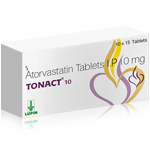
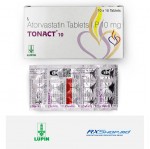
Tonact is a cholesterol lowering medication that contains atorvastatin calcium, a widely used statin designed to help reduce LDL bad cholesterol and support healthier lipid balance.
By limiting cholesterol production in the liver, this treatment can also help lower triglycerides and modestly raise HDL good cholesterol, which may reduce long term cardiovascular risk when combined with lifestyle changes.
Tonact is commonly chosen for people who need dependable daily control for conditions such as hypercholesterolemia, mixed dyslipidemia, or prevention of heart related events in higher risk patients. For best results, use it consistently, follow a heart smart diet, and keep regular lab monitoring for lipid levels and liver enzymes.
Like other statins, it may interact with certain medicines and is not suitable for everyone, so review medical history before use. This product page provides clear guidance for safe dosing, expected benefits, and practical precautions.

- Mixed dyslipidemia: It can improve an unhealthy lipid profile where LDL is high and triglycerides are elevated, while also supporting a modest increase in HDL in some patients;
- Hypertriglyceridemia: Tonact may be prescribed to lower high triglycerides, especially when lifestyle changes alone are not enough and overall cardiovascular risk is increased;
- Familial hypercholesterolemia (Inherited high cholesterol): It is used for genetic cholesterol disorders where LDL is very high and requires consistent long term statin therapy;
- Primary prevention of cardiovascular disease in high risk patients: It may be used to reduce the risk of heart attack or stroke in people with multiple risk factors such as hypertension, diabetes, smoking history, obesity, or strong family history;
- Secondary prevention after cardiovascular events: Tonact is commonly prescribed after a heart attack, stroke, or established atherosclerotic disease to reduce the chance of future events;
- Atherosclerotic cardiovascular disease (ASCVD): It is indicated for patients with confirmed plaque related disease such as coronary artery disease or peripheral arterial disease to reduce LDL aggressively and stabilize plaques;
- Diabetes with elevated cardiovascular risk: Many patients with diabetes are prescribed atorvastatin to reduce cardiovascular risk even when cholesterol is not extremely high, depending on age and risk profile;
- Metabolic syndrome with abnormal lipids: It may be used when abdominal obesity, insulin resistance, and lipid abnormalities create higher long term cardiovascular risk;
- Elevated non-HDL cholesterol or ApoB driven risk: Tonact may be chosen when the goal is to reduce total atherogenic particles beyond LDL alone, based on lab markers and clinician targets.
- Reduces triglycerides: Can lower elevated triglycerides, improving overall lipid balance in mixed dyslipidemia;
- Modestly raises HDL cholesterol: May slightly increase good cholesterol, supporting a more favorable lipid profile;
- Helps stabilize atherosclerotic plaque: Supports plaque stabilization, which can reduce the chance of plaque rupture linked to heart attack or stroke;
- Lowers risk of heart attack and stroke: Used in many patients to reduce cardiovascular event risk, especially with existing risk factors;
- Supports secondary prevention: Commonly prescribed after cardiovascular events to reduce recurrence risk with long term therapy;
- Improves non-HDL cholesterol targets: Helps lower total atherogenic cholesterol beyond LDL alone for better risk control;
- Fits long term prevention plans: Works best as a consistent daily medication combined with heart healthy diet, weight control, and regular activity.
Generic Tonact (Atorvastatin Calcium 10 mg) Medication guide:
🩺 Tonact Overview - Atorvastatin Calcium for Cholesterol Control
Quick take: Tonact is a statin containing atorvastatin calcium, used to improve cholesterol levels and reduce long term cardiovascular risk when paired with lifestyle changes.
✅ What Tonact Is
Tonact is a brand name medication that contains atorvastatin calcium, one of the most widely prescribed statins for managing unhealthy lipid profiles. It is designed to lower LDL bad cholesterol, reduce triglycerides in many patients, and sometimes raise HDL good cholesterol modestly. This medication is commonly used when diet and exercise alone are not enough to reach safer lipid targets, especially in people with higher risk for plaque buildup in arteries.
🎯 What Problems It Helps Address
This treatment is typically chosen for people with hypercholesterolemia or mixed dyslipidemia, and for those who need stronger prevention strategies due to risk factors such as hypertension, diabetes, smoking history, obesity, or family history of early heart disease. In higher risk patients, lowering LDL is not only about lab numbers - it is about reducing the chance of future events linked to atherosclerosis.
- High LDL cholesterol: supports lowering LDL to safer targets;
- Mixed lipid problems: can improve LDL and triglyceride patterns;
- ASCVD prevention: helps reduce long term risk of heart attack and stroke;
- Familial lipid disorders: supports long term control in inherited high cholesterol.
🧠 What Makes This Medication Different From “Supplements”
Unlike over the counter supplements, atorvastatin has a clear mechanism and predictable impact on LDL reduction. It targets cholesterol production in the liver and has strong clinical evidence for lowering cardiovascular risk in appropriate patients. Supplements can support a heart healthy lifestyle, but they usually do not deliver the same magnitude of LDL reduction as a properly dosed statin therapy.
Practical expectation: The biggest benefit comes from consistent daily use plus a heart smart routine, not from occasional dosing.
📌 Who Typically Uses Tonact
Tonact is often used by adults who need reliable lipid control and want a structured plan. It is especially common in prevention programs for people with established atherosclerotic disease or those with multiple risk factors. Your clinician may set specific targets such as LDL, non-HDL cholesterol, or ApoB depending on your risk profile.
⚠️ Important Safety Context
Most people tolerate statins well, but Tonact is still a prescription lipid medication with important precautions. Muscle symptoms, liver enzyme changes, and drug interactions can occur in some patients. That is why many treatment plans include baseline labs, follow up lipid panels, and clear guidance on what warning signs require medical review.
👨⚕️ Expert Note
Clinical perspective: For most patients, the goal is not only lowering cholesterol on paper. The goal is reducing atherosclerotic risk over years. Consistency, appropriate dose intensity, and managing interactions matter more than chasing short term changes.
✅ Takeaway
Tonact, powered by atorvastatin calcium, is a proven statin option to lower LDL cholesterol, improve lipid balance, and support long term cardiovascular protection when used consistently with diet, exercise, and appropriate monitoring.
🧬 How This Statin Works - HMG-CoA Reductase Inhibition
Simple explanation: Tonact (atorvastatin calcium) lowers LDL bad cholesterol mainly by reducing how much cholesterol the liver makes and by increasing how efficiently the liver removes LDL from the blood.
🏭 The Liver Is the Control Center
Your liver is the main “factory” for cholesterol production. Even if you eat perfectly, the liver can still produce large amounts of cholesterol, especially if genetics, insulin resistance, or inflammation are present. Atorvastatin targets a key step in the cholesterol production pathway. When the liver produces less cholesterol, it responds by pulling more LDL particles out of the bloodstream. This is why LDL can drop significantly in many patients.
🧩 What HMG-CoA Reductase Inhibition Means
HMG-CoA reductase is an enzyme the liver uses to make cholesterol. Atorvastatin inhibits this enzyme, which decreases cholesterol synthesis. This triggers a compensatory increase in LDL receptors on liver cells, so the liver “captures” LDL particles more actively. The outcome is a lower concentration of atherogenic lipoproteins circulating in the blood.
- Step 1: less cholesterol production in the liver;
- Step 2: more LDL receptors appear on liver cells;
- Step 3: more LDL particles are removed from the blood;
- Step 4: plaque forming cholesterol exposure is reduced over time.
🧠 Beyond LDL - Other Lipid Effects
Although LDL reduction is the main target, atorvastatin often improves other lipid markers as well. Many patients see triglycerides drop, particularly when baseline triglycerides are elevated. HDL may increase slightly in some individuals, but HDL change is not the primary goal. The more important goal is reducing atherogenic particle load, often reflected by LDL, non-HDL cholesterol, and sometimes ApoB.
| Lipid marker | Typical direction of change | Why it matters |
|---|---|---|
| LDL cholesterol | Down | Main driver of plaque formation and long term risk. |
| Triglycerides | Often down | High levels can signal metabolic risk and atherogenic remnants. |
| HDL cholesterol | Sometimes up slightly | Not the main target, but part of overall lipid balance. |
| Non-HDL cholesterol | Down | Captures total atherogenic cholesterol particles beyond LDL alone. |
🛡️ Plaque Stabilization - The Quiet Benefit
Many people think statins only change lab numbers, but the clinical value is bigger than the lipid panel. Lower LDL reduces cholesterol delivery into artery walls. Over time, this can make plaque less “active” and less likely to rupture. Plaque rupture is a common mechanism behind heart attacks and some strokes. A stable, long term reduction of LDL is one of the most practical strategies to lower event risk for patients with higher cardiovascular burden.
Key insight: The main benefit is not a short term number change. It is long term reduction of LDL exposure, which reduces atherosclerotic risk over years.
⚠️ Why Interactions Matter
Atorvastatin is processed through liver pathways that can be affected by other medicines. Some drugs can increase atorvastatin levels, raising the risk of muscle related adverse effects. This is why medication review is important, especially if you use certain antibiotics, antifungals, HIV therapies, or cyclosporine. Food interactions like grapefruit can also influence metabolism in some people.
✅ Takeaway
Tonact works by inhibiting HMG-CoA reductase, reducing liver cholesterol production and increasing LDL clearance from blood. The result is lower LDL, often lower triglycerides, and long term support for plaque stability and cardiovascular protection.
🎯 What Results to Expect - LDL, Triglycerides, HDL Changes
Main expectation: Tonact is designed to lower LDL bad cholesterol significantly, often reduce triglycerides, and sometimes produce a modest rise in HDL good cholesterol, with best results seen after consistent use and follow up testing.
🧪 When Changes Usually Become Visible
Lipid changes are not instant because the body needs time to reach a new steady state. Many patients see meaningful improvement on a repeat lipid panel after several weeks of consistent daily dosing. The exact timing depends on baseline cholesterol, diet, dose intensity, and individual metabolism. The most common mistake is stopping early because you do not feel anything - cholesterol control is usually silent until it causes problems, so lab monitoring is the proof.
📉 LDL - The Primary Target
The core goal is lowering LDL, because LDL exposure drives plaque growth in arteries. The bigger your baseline LDL and the higher your risk, the more aggressive your target may be. For higher risk patients, clinicians often focus on reaching a certain LDL level and sometimes non-HDL or ApoB, rather than a small percentage improvement. Results are best when dosing is consistent, diet is heart smart, and interacting drugs are reviewed.
📊 Triglycerides - Often Improve With Routine
Triglycerides often improve when atorvastatin is paired with weight control, reduced sugar intake, and improved insulin sensitivity. If triglycerides are very high, diet changes like reducing refined carbs and alcohol can make a dramatic difference in addition to statin therapy. If you see triglycerides remain high, it often indicates that metabolic factors such as insulin resistance, fatty liver, or alcohol intake are still active.
📈 HDL - Usually a Small Shift
HDL may increase modestly in some people, but it is not the main reason statins are prescribed. The main risk reduction comes from lowering atherogenic particles like LDL. Many people over focus on HDL while ignoring LDL and triglycerides. A better strategy is to track LDL and non-HDL targets and keep lifestyle improvements consistent.
| Marker | What usually happens | Why it matters | How to improve it further |
|---|---|---|---|
| LDL cholesterol | Decreases noticeably with consistent therapy | Main driver of plaque and ASCVD risk | Adherence, dose optimization, diet quality |
| Triglycerides | Often decreases, especially if elevated at baseline | Signals metabolic risk and remnant particles | Reduce sugar, alcohol, improve weight control |
| HDL cholesterol | May increase slightly or stay similar | Part of overall profile, not primary target | Exercise, weight control, smoking cessation |
| Non-HDL cholesterol | Decreases along with LDL | Captures total atherogenic cholesterol | Same strategy as LDL, plus triglyceride control |
🧠 What “Good Progress” Looks Like
Good progress is not only one lab number. It is a stable pattern: LDL trending down, triglycerides improving if they were elevated, and the plan staying easy to follow. The best measurement is a repeat lipid panel done at the interval your clinician recommends. If you make major diet changes at the same time you start therapy, tell your clinician, because lifestyle can amplify medication effects and may change your final target dose.
Tracking tip: Use the same lab, fast consistently if requested, and compare results trend to trend. One isolated test is less informative than a consistent series.
🚦 What If Results Are Smaller Than Expected
If LDL does not drop enough, the most common causes are missed doses, wrong timing habits, diet that still contains hidden saturated fats, or drug interactions that reduce effectiveness or limit dose changes. Some people also have genetic cholesterol patterns that require stronger intensity or combination therapy. The fix is structured: confirm adherence, review diet, check for interactions, and adjust therapy rather than guessing.
- Adherence review: missed doses reduce results quickly;
- Diet audit: saturated fats and ultra processed foods can keep LDL high;
- Interaction check: some drugs change statin exposure and tolerability;
- Risk based targets: higher risk patients often need lower LDL goals;
- Combination options: add-ons may be used when targets are not met.
👨⚕️ Doctor Style Summary
Clinical perspective: The key outcome is LDL reduction and long term risk lowering, not how you feel day to day. Use consistent daily dosing, recheck labs on schedule, and adjust intensity based on your risk profile and targets.
✅ Takeaway
Expect the strongest change in LDL, often improvement in triglycerides, and a smaller effect on HDL. Confirm success with follow up lipid panels and keep adherence and diet consistent for stable long term protection.
✅ FDA Approved Indications for Atorvastatin Calcium
🧾 Clinical Purpose Snapshot
Atorvastatin calcium is officially indicated to improve cholesterol and triglyceride levels and to reduce the risk of cardiovascular events in appropriate patient groups. The exact indication depends on your lipid profile and cardiovascular risk category.
🏷️ Indication Map
Below are the official indication categories commonly described in U.S. labeling for atorvastatin. In practice, clinicians pick the indication that matches your diagnosis and risk profile, then set treatment targets and intensity.
Important: Indications describe who may benefit. Your dose intensity and LDL target are individualized based on risk factors and lab results.
1) Lipid Lowering Indications
Goal: Improve abnormal cholesterol patterns when lifestyle changes alone are not enough.
- Primary hypercholesterolemia: lowering elevated LDL cholesterol to safer levels;
- Mixed dyslipidemia: improving combined abnormalities such as high LDL with elevated triglycerides;
- Hypertriglyceridemia: reducing high triglycerides as part of broader lipid management;
- Primary dysbetalipoproteinemia: improving abnormal remnant particle patterns under clinician direction;
- Homozygous familial hypercholesterolemia: supporting LDL reduction in severe inherited cholesterol disorders;
- Heterozygous familial hypercholesterolemia in pediatric patients: used in certain adolescents with inherited high LDL when appropriate.
2) Cardiovascular Risk Reduction Indications
Goal: Lower the risk of heart attack, stroke, and other major cardiovascular events in high risk groups.
- Primary prevention in high risk adults: for people with multiple risk factors where reducing LDL exposure can reduce future events;
- Secondary prevention in established disease: for patients with known coronary or vascular disease to reduce recurrence risk;
- Risk reduction in specific high risk conditions: often includes diabetes or other combinations of risk factors where LDL lowering is a key preventive strategy.
📌 What This Means for Tonact Users
Tonact uses the same active ingredient class and clinical logic: treating abnormal lipids and lowering cardiovascular risk over time. Your clinician may describe your indication as “high cholesterol,” “mixed dyslipidemia,” “familial hypercholesterolemia,” or “cardiovascular risk reduction.” The labeling provides the framework, but your plan should include target setting, lab monitoring, and interaction checks.
🧪 Proof That It Is Working
FDA indications are tied to measurable outcomes. The way you confirm benefit is not by symptoms, but by repeat lipid testing and risk based targets. Many plans also include monitoring liver enzymes and reviewing muscle symptoms if they occur.
👨⚕️ Doctor Note
If your LDL is not dropping as expected, the solution is usually structured: confirm adherence, review diet saturated fat intake, check interacting drugs, and adjust intensity or add combination therapy rather than guessing.
✅ Takeaway
FDA approved indications for atorvastatin calcium cover cholesterol and triglyceride lowering and cardiovascular risk reduction across specific lipid disorders and risk profiles. Your clinician matches the indication to your diagnosis and sets dose intensity and lab targets accordingly.
👥 Who Benefits Most - Risk Profiles and Treatment Goals
⭐ Who this is for
Tonact is most useful for people who need reliable LDL reduction and have either confirmed lipid disorders or a cardiovascular risk profile where lowering atherogenic cholesterol can prevent future events.
🎯 Think in Risk Levels, Not Only Cholesterol Numbers
Two people can have the same LDL value but very different risk. One may be young with no other risk factors. Another may have diabetes, hypertension, or existing plaque. Tonact is often selected when the goal is not just “better labs,” but a meaningful reduction in long term cardiovascular risk. Your clinician may define goals using LDL, non-HDL cholesterol, and sometimes ApoB, then match the intensity of therapy to your category.
🧩 Best Candidate Groups
🛡️ People with established ASCVD
If you have coronary artery disease, a previous heart attack, stroke, or peripheral arterial disease, lowering LDL aggressively is a core prevention strategy. The goal is to reduce recurrence risk and stabilize plaque over years.
🧠 High risk without prior events
People with multiple risk factors such as hypertension, diabetes, smoking history, obesity, or strong family history may benefit even before any event occurs. The treatment goal is primary prevention, reducing the chance of the first major event.
🧬 Familial hypercholesterolemia
Inherited high LDL often requires long term therapy. Here, Tonact supports consistent control because diet alone usually cannot achieve target LDL levels. Monitoring and target setting become very structured.
🧾 Mixed dyslipidemia and metabolic syndrome
If LDL is high and triglycerides are elevated, the best results often come from combining medication with weight control, refined carb reduction, and exercise. The benefit is broader improvement in atherogenic particle burden.
📌 Treatment Goals That Are Commonly Used
Goals vary by risk category. Some people focus on percentage LDL reduction, while higher risk patients often aim for a specific LDL target. Non-HDL cholesterol is useful when triglycerides are elevated, because it captures total atherogenic cholesterol beyond LDL alone.
| Risk profile | Typical goal focus | What gets monitored | What usually improves outcomes |
|---|---|---|---|
| Established ASCVD | More intensive LDL lowering | LDL, non-HDL, ApoB when used | High adherence, dose optimization, add-ons if needed |
| High risk primary prevention | Meaningful LDL reduction to reduce future events | Lipid panel and risk factors | Diet quality, exercise, consistent dosing |
| Familial hypercholesterolemia | Lower LDL as much as feasible | Frequent lipid checks, family screening | Combination therapy when targets are hard |
| Mixed dyslipidemia | Lower non-HDL and triglycerides plus LDL | Lipid panel, glucose markers when relevant | Reduce sugar and alcohol, weight control |
🧠 Quick Self Check - You Might Benefit If
- Your LDL is persistently elevated despite diet and exercise efforts;
- You have diabetes and your clinician considers you higher risk;
- You have known plaque disease or a history of heart or stroke events;
- You have strong family history of early cardiovascular disease;
- Your lipid profile is mixed with high LDL plus high triglycerides.
👨⚕️ Expert style perspective
The best candidate is someone who treats statin therapy as a long term risk management tool, not a short project. When dosing is consistent and lifestyle is realistic, the risk reduction benefit becomes meaningful over time.
✅ Takeaway
Tonact benefits people who need consistent LDL reduction and have either confirmed lipid disorders or higher cardiovascular risk. The most important step is matching dose intensity and monitoring to your risk profile and treatment goals.
🧾 Before Starting - Baseline Labs, History, and Target Setting
Start smart: Before taking Tonact, the best outcomes come from a clear baseline - your lipid profile, key safety labs, current medications, and a defined LDL goal based on risk.
🧪 Baseline Testing Checklist
Tonact is usually started with a baseline lipid panel so you can measure true response. Many clinicians also evaluate liver enzymes because statins are processed in the liver. In selected patients, additional tests can help identify muscle risk factors or metabolic drivers that keep cholesterol high.
| Test | Why it matters | When it is commonly used | What it helps decide |
|---|---|---|---|
| Lipid panel | Baseline LDL, HDL, triglycerides, non-HDL | Before start and follow up checks | Target setting and response tracking |
| Liver enzymes | Safety monitoring and liver health context | Baseline, then as clinically indicated | Whether therapy is appropriate and tolerated |
| Glucose markers | Metabolic risk and triglyceride drivers | Diabetes or suspected insulin resistance | Lifestyle priorities and overall risk plan |
| CK in selected cases | Muscle risk context if symptoms or high risk | Not routine, used when indicated | How to interpret muscle symptoms later |
| Thyroid evaluation when needed | Hypothyroidism can worsen lipids and myopathy risk | If symptoms or abnormal history | Fixing the driver instead of increasing dose |
🧠 Medication and Supplement Audit
One of the most important steps is reviewing everything you take, not only prescriptions. Some antibiotics, antifungals, HIV therapies, and immunosuppressants can raise statin levels and increase side effect risk. Grapefruit can also affect metabolism in some people. Supplements are not always safe either, especially if they affect liver function or interact with blood thinners.
- List all medicines: prescriptions, OTC products, and herbal supplements;
- Flag interaction risk: antibiotics, antifungals, HIV therapies, cyclosporine;
- Food habits: grapefruit intake and alcohol pattern;
- Muscle history: prior statin muscle symptoms or unexplained cramps;
- Liver history: hepatitis, fatty liver, heavy alcohol use.
🎯 Target Setting - What You Are Aiming For
Targets are based on overall risk. Some plans aim for a percentage LDL reduction. Higher risk plans often aim for specific LDL and non-HDL goals. If triglycerides are high, non-HDL is especially useful because it includes cholesterol carried in other atherogenic particles beyond LDL.
Best practice: Decide your goal before you start. A clear target makes follow up labs meaningful and helps prevent random dose changes.
🧩 Personal Risk Factors That Change the Plan
Some factors increase cardiovascular risk and also influence how aggressively LDL should be reduced. Other factors increase intolerance risk. The best plan balances both.
| Factor | Why it matters | What it changes |
|---|---|---|
| Diabetes | Higher ASCVD risk over time | Often more intensive LDL goals |
| Existing ASCVD | High recurrence risk | Higher intensity and closer monitoring |
| Hypothyroidism | Worsens LDL and myopathy risk | Treat thyroid issue to improve tolerance |
| Kidney or liver disease | Higher side effect vulnerability | More cautious dosing and monitoring |
🧾 A Simple Pre Start Plan
- Get baseline lipid panel and relevant safety labs;
- Write your risk factors and why you are taking therapy;
- Set a measurable target for LDL and or non-HDL with your clinician;
- Review interactions including grapefruit and high risk medications;
- Plan follow up testing so you can confirm response and adjust properly.
👨⚕️ Expert Note
Many statin problems are avoidable. When baseline labs are documented and interactions are checked upfront, dose adjustments become simple, and muscle or liver concerns can be interpreted accurately rather than guessed.
✅ Takeaway
Before starting Tonact, document baseline labs, review medicines and diet habits that affect statin metabolism, and set a clear LDL goal based on your risk. This makes therapy safer, easier to monitor, and more effective long term.
💊 Dosage Strengths and Typical Titration Strategy
Key point: Tonact dosing is individualized. Clinicians choose a starting strength based on baseline LDL, your risk profile, and how aggressively LDL needs to be reduced.
🧱 Common Strengths You May See
Atorvastatin products are commonly available in multiple tablet strengths. The practical purpose of multiple strengths is simple: start at a reasonable intensity, then adjust based on follow up lipid results and tolerance.
- Lower strengths: often used for moderate LDL reduction goals or sensitive patients;
- Mid strengths: common for routine LDL lowering with measurable targets;
- Higher strengths: used when more intensive LDL reduction is needed in higher risk groups.
📈 Titration - How Dose Adjustments Usually Happen
Tonact titration is guided by follow up lipid panels. Dose changes are typically based on whether the current dose reaches your LDL and non-HDL targets, and whether you tolerate the medication without meaningful muscle or liver issues. Increasing the dose is not automatic. It should be structured and evidence driven.
Practical routine: Start - recheck lipids - adjust dose - recheck again until targets are met.
🧭 Dose Intensity Concept (Not Just Milligrams)
Clinicians often think in “statin intensity,” meaning how strongly LDL is expected to drop. If you are higher risk, the goal may be high intensity LDL lowering. If you are primary prevention with moderate risk, the plan may be moderate intensity. This helps match treatment strength to risk rather than guessing.
| Plan style | Typical goal | Who it often fits | What guides adjustment |
|---|---|---|---|
| Moderate intensity approach | Meaningful LDL reduction without max dosing | Many primary prevention patients | Lipid targets, tolerance, risk factors |
| Higher intensity approach | More aggressive LDL lowering | ASCVD or very high risk profiles | Goal achievement, side effects, interactions |
| Stepwise titration | Gradual increases until target is reached | Sensitive patients or complex histories | Repeat labs and symptom monitoring |
🔁 Common Reasons a Dose Is Increased
- LDL target not reached: lipid panel shows insufficient LDL lowering;
- Non-HDL remains high: especially if triglycerides are elevated;
- ASCVD risk is higher than first assessed: new findings or new event history;
- Familial hypercholesterolemia: often requires stronger intensity;
- Combination therapy not preferred: dose optimization attempted first.
🔻 Common Reasons a Dose Is Reduced or Changed
Not all patients tolerate the same intensity. When muscle symptoms occur or interacting medications are required, the plan may be adjusted. That can mean reducing the dose, switching timing, changing the statin, or using add on therapy to reach targets safely.
- Muscle pain or weakness: persistent symptoms need evaluation;
- Liver enzyme elevation: clinically significant change may require adjustment;
- Drug interactions: certain medicines can increase statin exposure;
- Age and frailty factors: lower intensity may be safer;
- Adherence issues: simplifying the plan can improve consistency.
👨⚕️ Expert Note
Dose changes should follow evidence: lipid results and risk status first, then tolerance. If you change dose without labs, you lose the feedback loop that makes statin therapy precise.
✅ Takeaway
Tonact dosing is adjusted to your LDL goals and risk profile. The best strategy is structured titration: start appropriately, confirm response with lipid panels, and adjust intensity based on targets, interactions, and tolerance.
🕒 How to Take It - Best Time, With or Without Food
Bottom line: Tonact is taken once daily on a consistent schedule. For most people it can be taken with or without food. The best time is the time you can follow every day.
⏱️ The Consistency Rule
Cholesterol management is a long game. The most important factor is not an “ideal hour,” but stable daily use. Many patients lose effectiveness simply because they forget doses. Pick a time linked to an existing habit, and keep it the same every day. If your routine changes, adjust the habit, not the medication plan.
Habit hack: Link Tonact to a daily anchor, for example brushing teeth, breakfast, or bedtime.
🍽️ With Food or Without Food
For many users, Tonact can be taken with or without meals. If you notice stomach discomfort, taking it with a small meal may help. If you take multiple medicines, spacing and simplicity often matter more than food itself. The goal is a routine that is easy to repeat without stress.
- With food: useful if you feel mild stomach upset or prefer a meal linked habit;
- Without food: convenient for people who want a clean daily routine;
- Same way daily: stable habits make lab response more predictable.
🌙 Morning vs Evening - What Is Practical
Some statins are traditionally recommended at night, but atorvastatin has a longer activity profile, so many regimens work well in the morning or evening. What matters most is adherence. If you always forget at night, morning is better. If mornings are chaotic, bedtime is better. Choose the slot with the highest reliability in your life.
| Timing choice | Why people choose it | Best for | Potential downside |
|---|---|---|---|
| Morning | Easy habit with breakfast or coffee routine | People who forget at night | Busy mornings can still cause missed doses |
| Evening | Quiet routine, fewer interruptions | People with stable bedtime habits | Late nights and travel can disrupt schedule |
| Any consistent time | Focus on adherence and routine | Most users | Changing time often can create forgetfulness |
🍊 Grapefruit and Daily Habits
Grapefruit can affect certain liver enzymes that process some statins, potentially increasing exposure and side effect risk in some people. If you consume grapefruit regularly, it is best to keep intake consistent and discuss it with a clinician rather than changing intake randomly. The safest approach is often to avoid grapefruit or keep it minimal if you are unsure.
👨⚕️ Expert Note
If you struggle with missed doses, do not chase perfect timing. Choose the most reliable daily habit and protect it. Consistency is usually the biggest driver of lipid improvement.
✅ Takeaway
Take Tonact once daily at a time you can follow consistently. It can be taken with or without food. Choose morning or evening based on adherence, and be cautious with grapefruit and interacting medicines.
⏭️ Missed Dose Rules and Safe Restart
Rule #1: Do not double the next dose. A missed statin dose is handled by returning to your normal schedule, not by taking extra tablets.
🧭 What to Do When You Miss a Dose
Tonact is built for long term consistency. Missing one dose usually does not erase progress, but doubling can increase side effect risk. The safest approach is simple: take the missed tablet only if you remember soon enough, otherwise skip it and continue with your regular time the next day.
Practical guide: If it is close to your usual time and you remember, take it. If it is close to your next dose time, skip.
📊 Missed Dose Scenarios
| Scenario | Best action | Why this is safer | Avoid |
|---|---|---|---|
| Forgot today, remembered the same day | Take the dose when you remember | Restores routine without stacking doses | Taking two later to catch up |
| Remembered near the next dose time | Skip the missed dose | Prevents dose overlap and adverse effects | Doubling the next day |
| Missed several days | Restart with your usual daily dose | Safe return to routine | Loading doses or rapid catch up |
| Missed frequently | Fix the habit trigger | Improves long term effectiveness | Changing dose times every day |
🔁 Safe Restart After a Break
If you stopped Tonact for a few days due to travel or forgetfulness, restarting is usually straightforward: resume your normal daily dose at your chosen time. If you stopped because of muscle pain, weakness, dark urine, or unusual fatigue, do not restart blindly. In that case, medical review is important because the plan may need labs, interaction review, dose adjustment, or a different statin strategy.
- Stopped due to routine problems: restart your usual dose and rebuild habit;
- Stopped due to side effects: seek evaluation before restarting;
- Stopped due to a new medication: check interaction risk before resuming;
- Stopped due to illness or dehydration: restart once stable and hydrated.
🧠 Habit Design to Prevent Missing Doses
Most missed doses come from relying on memory. Build a simple trigger that makes taking Tonact automatic. Choose one anchor habit and never change it unless you intentionally redesign your routine.
🪥 Toothbrush trigger
Place the medication near your toothbrush and take it after brushing.
☕ Breakfast trigger
Take it with your first daily meal or morning drink to build consistency.
🛏️ Bedtime trigger
Use bedtime because it is quieter and easier to repeat daily.
👨⚕️ Expert Note
Missing a dose is not a crisis. Doubling is the real mistake. The best solution is designing a routine that makes doses nearly impossible to forget.
✅ Takeaway
If you miss Tonact, do not double. Take it when you remember if it is not close to the next dose, otherwise skip and return to your schedule. Restart normally after routine breaks, but seek medical guidance if you stopped due to concerning symptoms or drug interactions.
🧪 Monitoring Plan - Lipid Panel, Liver Enzymes, CK When Needed
Monitoring is the proof: Tonact is judged by lab trends, not by feelings. A simple monitoring plan helps confirm LDL response, catch rare safety issues early, and guide dose adjustments with confidence.
📌 What Gets Monitored and Why
Most people start with a baseline lipid panel, then repeat testing to confirm the expected LDL reduction. Liver enzyme checks are often done at baseline and as clinically indicated, because statins are processed in the liver. CK testing is not routine for everyone, but it can be useful if significant muscle symptoms appear or if you have higher myopathy risk factors.
🧾 Monitoring Checklist
- Lipid panel: confirms LDL response and triglyceride changes;
- Liver enzymes: provides safety context, especially with liver risk factors;
- CK when indicated: helps evaluate muscle injury risk if symptoms occur;
- Glucose markers when relevant: useful in diabetes or metabolic syndrome plans;
- Medication review: repeated when new drugs are started that can interact.
📊 Suggested Lab Rhythm (Practical)
Exact timing depends on your clinician and your risk category, but most monitoring follows a simple logic: establish baseline, confirm early response, then check periodically to ensure targets remain controlled. If the dose changes, labs are rechecked after the adjustment window.
| Stage | What is checked | Main purpose | What it influences |
|---|---|---|---|
| Before starting | Lipid panel, liver enzymes | Baseline and safety context | Target setting and starting dose choice |
| After starting | Lipid panel | Confirm expected LDL reduction | Keep dose or adjust intensity |
| After dose change | Lipid panel, sometimes liver enzymes | Verify new steady state and tolerability | Finalize dose and long term plan |
| Maintenance | Lipid panel periodically | Keep targets stable long term | Detect drift from adherence or lifestyle changes |
| Symptom triggered | CK, liver enzymes, clinical evaluation | Assess muscle or liver warning signs | Pause, adjust, or switch therapy if needed |
💪 CK Testing - Only When It Matters
CK is a muscle enzyme that can rise when muscle is injured. Most people on statins never need CK testing. It becomes useful if you develop persistent muscle pain, significant weakness, cramps that do not match training, or dark urine. It is also relevant if you have risk factors such as interacting drugs, kidney disease, hypothyroidism, or advanced age. CK helps clinicians decide whether symptoms are likely benign soreness or a safety issue requiring pause and reassessment.
Do not ignore: muscle pain with weakness, unusual fatigue, or dark urine needs medical review.
🧫 Liver Enzymes - What You Should Understand
Mild liver enzyme changes can occur and may be transient. Clinically significant elevations are less common but are important to recognize, especially if you have fatty liver, viral hepatitis, or heavy alcohol use. If warning signs appear such as jaundice, dark urine, pale stools, or severe persistent abdominal pain, stop self management and seek evaluation. Safety monitoring helps separate common minor effects from true red flags.
📈 When Monitoring Helps Improve Results
Lab tracking is not only for safety. It also improves effectiveness. If LDL is not dropping enough, the monitoring plan helps identify why: missed doses, saturated fat intake, or need for higher intensity or combination therapy. Without monitoring, people often guess and change doses randomly, which is the fastest way to create confusion and poor outcomes.
👨⚕️ Clinician Style Takeaway
Best practice: Use labs as your feedback system. Baseline first, follow up to confirm LDL response, then periodic checks to keep targets stable. Use CK and extra testing only when symptoms or risk factors justify it.
✅ Takeaway
Tonact monitoring focuses on lipid panels to confirm LDL control, liver enzymes for safety context when appropriate, and CK testing only when muscle symptoms or high risk conditions appear. A simple lab rhythm improves both safety and long term results.
🥗 Heart Smart Diet Tips That Improve Statin Results
Reality: Tonact lowers LDL, but diet decides how easy it is to reach targets. A heart smart routine can make medication work better and may allow lower intensity for some patients.
🧠 The Two Things Diet Changes Fastest
Diet impacts cholesterol through two big levers: saturated fat and soluble fiber. Many people focus on “cholesterol foods,” but saturated fat often has the bigger effect on LDL. Soluble fiber helps reduce cholesterol absorption and supports healthier lipid patterns over time.
⬇️ Reduce saturated fat
Less butter, fatty meats, processed meats, pastries, and high fat dairy often means lower LDL.
⬆️ Increase soluble fiber
Oats, beans, lentils, apples, and psyllium can support LDL lowering alongside statins.
✅ The Plate Method for Cholesterol Control
If you want a simple structure that works, use a repeatable plate strategy. It keeps calories controlled, improves fiber, and reduces saturated fat without complex tracking.
- Half plate: vegetables and salads, with olive oil measured;
- Quarter plate: lean protein such as fish, chicken, turkey, legumes;
- Quarter plate: high fiber carbs such as oats, brown rice, quinoa, beans;
- Fat choice: choose unsaturated fats in controlled portions instead of saturated fats.
🧾 Swap List - Small Changes That Move LDL
| Replace this | With this | Why it helps |
|---|---|---|
| Butter and cream sauces | Olive oil in measured amount, tomato based sauces | Lower saturated fat load |
| Fatty red meats | Fish, lean poultry, legumes | Improves fat quality and reduces LDL drivers |
| White bread and pastries | Oats, whole grains, high fiber foods | More soluble fiber and better metabolic control |
| Processed meats | Unprocessed proteins and beans | Less saturated fat and better overall diet quality |
| Fried foods | Baked, grilled, steamed meals | Reduces harmful fat patterns and excess calories |
🐟 Foods That Usually Help Lipids
You do not need a perfect diet. You need a repeatable pattern. These foods tend to support better lipids and better adherence.
- Oats and barley: soluble fiber support;
- Beans and lentils: fiber plus protein, great for satiety;
- Fatty fish: useful for triglycerides and anti-inflammatory patterns;
- Vegetables and fruit: volume, micronutrients, fiber;
- Nuts in measured portions: better fats, but portion control matters.
🍷 Alcohol and Sugar - Triglyceride Traps
If triglycerides are elevated, the biggest triggers are often refined carbs, sweet drinks, and alcohol patterns. Many people lower LDL yet keep triglycerides high due to weekend alcohol and sugar. If your triglycerides are the weak point, focus here first. Statins can help, but lifestyle changes can be dramatic for triglycerides.
Triglyceride rule: Cut sweet drinks and limit alcohol. This often improves triglycerides faster than any supplement.
👨⚕️ Expert Note - Diet and Statin Work as a Team
Clinical perspective: If a patient keeps saturated fat high, LDL targets become harder. When diet is heart smart, statin therapy becomes smoother, side effects feel less confusing, and the long term plan is easier to maintain.
✅ Takeaway
To improve Tonact results, reduce saturated fat, increase soluble fiber, and use a repeatable plate method. If triglycerides are high, focus on cutting sugar and alcohol patterns, because lifestyle can move triglycerides quickly.
🏃 Exercise Strategy for Lipids and Vascular Health
Why it matters: Exercise does not replace Tonact, but it can make lipid control easier by improving triglycerides, insulin sensitivity, blood pressure, and overall vascular function.
🧭 What Exercise Changes in a Lipid Panel
Statins primarily lower LDL. Exercise often has the strongest impact on triglycerides, waist size, glucose control, and overall metabolic health. HDL may increase modestly over time, especially when activity is consistent. The best approach is not extreme training. It is a weekly routine that is realistic and sustainable.
✅ The 3 Pillars Routine
🚶 Daily walking
Improves calorie burn, triglycerides, and blood pressure with low injury risk. Most people can do it consistently.
🏋️ Strength training
Protects muscle, supports metabolism, and improves glucose control. Helps body composition while weight changes.
❤️ Cardio sessions
Improves endurance, heart function, and triglycerides. Use moderate intensity for long term adherence.
🗓️ A Simple Weekly Plan (Most People Can Follow)
This is a practical template that supports lipid control without burnout. Adjust based on your baseline fitness and schedule.
| Weekly element | Frequency | Duration | Main benefit |
|---|---|---|---|
| Walking | Most days | 30 to 60 minutes | Triglycerides, blood pressure, consistency |
| Strength training | 2 to 3 days per week | 30 to 50 minutes | Muscle retention, glucose control, body composition |
| Cardio sessions | 2 to 3 days per week | 20 to 40 minutes | Cardiovascular endurance, triglycerides |
| Mobility work | Daily or after training | 5 to 10 minutes | Joint comfort and injury prevention |
🎯 If Your Triglycerides Are High, Prioritize This
Triglycerides often respond quickly when you combine consistent walking with reduced sugar and alcohol. If you can only do one exercise habit, walking is the highest return on investment because it is easier to sustain and improves multiple metabolic markers at once.
High impact combo: Daily walking + cutting sweet drinks + limiting alcohol often produces fast triglyceride improvement.
⚠️ Statin and Training - Understanding Muscle Signals
Many active people worry about muscle soreness while on statins. Training soreness is common and usually predictable: it follows a hard workout and improves in days. Statin muscle symptoms are more concerning when they feel unusual, persistent, or linked with weakness. If you are training hard, avoid sudden large jumps in volume, stay hydrated, and sleep well. If you have severe muscle pain, weakness, or dark urine, seek medical evaluation.
- Normal training soreness: predictable after workouts, improves in days;
- Concerning pattern: persistent pain, unusual weakness, dark urine;
- Risk increases: dehydration, interacting drugs, hypothyroidism, kidney disease.
👨⚕️ Expert Note
Clinical perspective: Exercise helps lipids most when it is consistent and moderate. The best plan is one you can repeat for months, not one you can survive for one week.
✅ Takeaway
Use Tonact plus a sustainable exercise plan: daily walking, 2 to 3 strength sessions weekly, and moderate cardio. This combination improves triglycerides, vascular health, and long term cardiovascular protection while supporting better overall metabolism.
🍊 Grapefruit, Alcohol, and Food Interactions
Quick take ✅
With Tonact, the most practical “food interaction” topics are grapefruit and alcohol patterns. Grapefruit can raise statin exposure in some people, and heavy alcohol can increase liver stress. The safest strategy is consistency and moderation, plus a simple rule set you can follow long term.
🍋 Grapefruit - What Matters in Real Life
Grapefruit (and grapefruit juice) can interfere with enzymes that help process certain statins. When that happens, atorvastatin levels may rise, which can increase the chance of muscle symptoms in susceptible people. Not everyone is affected the same way, and occasional small intake may be tolerated by some patients, but “large amounts” or frequent juice can create avoidable risk.
Boundary warning ⚠️
If you drink grapefruit juice regularly or eat grapefruit often, do not improvise. Keep intake minimal or consistent and discuss it with a clinician, especially if you ever notice new muscle pain, weakness, or dark urine.
🍷 Alcohol - The Pattern Is the Risk
Alcohol is not a classic direct interaction for everyone, but it can increase liver stress and worsen triglycerides, sleep, appetite control, and hydration. For many patients, the problem is not one drink, it is the repeated weekend pattern that drives triglycerides up and makes lab targets harder to reach.
Safe principle ✅
Keep routine stable - moderate intake, steady hydration, and no binge patterns.
Biggest risk ⚠️
Binge drinking plus dehydration can amplify muscle complaints and increases liver strain.
Best strategy 🎯
If you drink, keep it small, predictable, and paired with a heart smart meal plan.
🥩 Food Choices That Quietly Fight or Help Your Results
Tonact works best when daily diet lowers LDL drivers. The two biggest levers are saturated fat (often raises LDL) and soluble fiber (supports LDL lowering). Many people think “avoid cholesterol foods,” but saturated fat and ultra processed patterns are usually more influential than dietary cholesterol alone.
| Food or drink | Impact level | Why it matters | Practical guidance |
|---|---|---|---|
| Grapefruit or grapefruit juice | Potentially significant | May increase atorvastatin exposure and muscle risk in some users | Avoid large amounts; keep intake minimal or consistent; review if symptoms appear |
| Alcohol (especially binges) | Pattern dependent | Increases liver stress and can worsen triglycerides and adherence | Limit frequency and quantity; avoid dehydration; do not mix with risky meds |
| High saturated fat meals | Common negative driver | Can keep LDL high even on therapy | Reduce butter, fatty meats, pastries; use lean proteins and measured olive oil |
| Soluble fiber foods | Helpful | Supports LDL lowering and improves metabolic profile | Oats, beans, lentils, apples, psyllium - add gradually and hydrate |
| Refined sugar and sweet drinks | Often harmful | Raises triglycerides and worsens insulin resistance | Cut sweet drinks first; choose water, tea, or unsweetened options |
🧩 “Compatibility” Guide - What to Do if You Want Simple Rules
- Grapefruit rule: avoid frequent juice and large servings; keep intake minimal and consistent;
- Alcohol rule: avoid binges; keep intake small, hydrate, and do not let alcohol drive high fat snacks;
- Diet rule: reduce saturated fat; increase soluble fiber; keep sugar low if triglycerides are elevated;
- Symptom rule: new muscle pain, weakness, or dark urine requires medical review;
- Routine rule: consistency beats perfection - repeat the same “good week” pattern.
🚨 When Food Habits Become a Safety Issue
Most food topics are about results, but some are about safety. If you have liver disease history, heavy alcohol use, or you start new interacting medicines, the safety margin changes. The most important red flags are muscle symptoms that are unusual for you and signs that suggest liver stress.
Stop and seek medical guidance 🚑
Severe muscle pain with weakness, dark urine, fainting, or jaundice symptoms such as yellow skin or eyes, dark urine, and pale stools.
👨⚕️ Clinical Perspective
Most “statin problems” blamed on the tablet are actually routine problems - inconsistent dosing, weekend saturated fat spikes, alcohol driven overeating, or grapefruit habits that were never mentioned. A stable pattern makes Tonact easier to tolerate and easier to judge on labs.
✅ Takeaway
Keep grapefruit minimal, avoid binge alcohol patterns, and build a heart smart diet that reduces saturated fat and raises soluble fiber. If unusual muscle symptoms or liver warning signs appear, treat it as a medical review issue, not a lifestyle experiment.
🔄 Drug Interactions Overview - What to Check First
Quick take ✅
Most atorvastatin interaction issues come from medicines that increase statin exposure in the body. Higher exposure can raise the risk of muscle symptoms and, less commonly, liver related issues. The safest habit is simple: review interactions whenever a new prescription is added.
🧭 The 3 Things to Check Before You Combine Anything
1) Does it increase statin levels?
Some drugs slow down the metabolism of atorvastatin and may increase side effect risk.
2) Does it stress muscles or kidneys?
Other medicines can add muscle stress, dehydration risk, or kidney vulnerability, amplifying symptoms.
3) Will it change monitoring needs?
Some combinations require closer symptom tracking or labs, especially if risk factors exist.
📌 What “Interaction” Means for Tonact
Drug interactions can be direct or practical. Direct interactions increase atorvastatin concentration, raising the chance of muscle related issues. Practical interactions include anything that increases dehydration, reduces appetite control, worsens sleep, or adds liver burden. The goal is not to fear medicines, but to avoid preventable risk and make therapy stable.
🧾 Common Interaction Categories (High Yield)
| Interaction category | Why it matters | What you should do | Risk signal to watch |
|---|---|---|---|
| Strong metabolism inhibitors | Can raise atorvastatin exposure | Tell your clinician before combining | New muscle pain, weakness, cramps |
| Other lipid medicines | Some combinations increase muscle risk | Use clinician guided combination therapy | Persistent muscle symptoms |
| Immunosuppressants | May raise exposure and increase toxicity risk | Require careful review and monitoring | Weakness, dark urine, unusual fatigue |
| Alcohol heavy use patterns | Adds liver burden and worsens triglycerides | Limit, avoid binges, hydrate | Right upper abdominal pain, jaundice signs |
| Grapefruit habits | Can increase statin levels in some people | Keep minimal or consistent, avoid large amounts | Unusual muscle symptoms |
🧩 The “New Prescription” Rule
If you get a new antibiotic, antifungal, HIV medication, or an immunosuppressant, treat it as an interaction check moment. Many problems occur when people keep taking the statin without mentioning the new drug, then interpret muscle symptoms as “random.” A quick review prevents most issues.
Best strategy 🎯
One change at a time. If a new medicine is added, keep everything else stable so you can identify what caused any new symptom.
🚨 Warning Signs That Suggest an Interaction Problem
- New muscle pain that is unusual for you and not linked to training;
- Weakness that affects daily activity or climbing stairs;
- Dark urine, severe fatigue, feverish feeling;
- Severe abdominal pain or jaundice type symptoms;
- Symptoms soon after starting an antibiotic, antifungal, or other new prescription.
Stop and seek medical guidance 🚑
Severe muscle pain with weakness or dark urine should be treated as urgent, especially after adding a new interacting medication.
👨⚕️ Clinical Perspective
Most interaction issues are preventable. The safest routine is to treat Tonact like a “core medication” and run an interaction check whenever any new prescription is started, especially short term antibiotics or antifungals.
✅ Takeaway
Tonact interactions matter most when other medicines increase atorvastatin exposure or add muscle and liver stress. Review interactions whenever a new prescription starts, keep grapefruit minimal, avoid binge alcohol, and seek medical advice if unusual muscle symptoms appear.
🚫 High Risk Interactions - Antibiotics, Antifungals, HIV Meds, Cyclosporine
High risk zone ⚠️
Some medicines can significantly increase atorvastatin exposure in the body. This can raise the risk of myopathy and rare but serious rhabdomyolysis. If any of the categories below apply, treat it as a clinician guided combination, not a DIY mix.
🧠 Why These Interactions Are Higher Risk
Atorvastatin is processed through liver pathways that can be strongly affected by certain drugs. When metabolism is blocked, statin concentration can rise. The most important practical outcome is higher chance of muscle pain, weakness, cramps, and in rare cases muscle breakdown. Risk becomes more relevant if you also have dehydration, kidney disease, hypothyroidism, older age, or heavy training.
🧾 High Risk Categories (What to Recognize)
| Category | Why it is high risk | Common examples | What you should do |
|---|---|---|---|
| Macrolide antibiotics | Can increase statin exposure | Clarithromycin, erythromycin | Tell your clinician you take atorvastatin; monitoring or adjustment may be needed |
| Azole antifungals | Strong metabolism inhibition, raises statin levels | Itraconazole, ketoconazole, posaconazole, voriconazole | High caution; clinician guided plan is recommended |
| HIV or HCV antivirals | Some regimens strongly increase statin exposure | Protease inhibitor based therapies, boosting agents | Requires expert review; dose limits or alternatives may apply |
| Cyclosporine | Can significantly raise exposure and toxicity risk | Cyclosporine (immunosuppressant) | Do not self combine; clinician monitoring is essential |
| Other strong inhibitors | May raise statin concentration | Some calcium channel blockers, other inhibitors depending on regimen | Interaction check is recommended before starting or changing |
📌 Real Life Situations Where People Get Into Trouble
- Short antibiotic course: a clinician prescribes clarithromycin for a week, and the patient keeps the statin without mentioning it;
- Antifungal treatment: oral azole therapy is started, then muscle symptoms appear and are ignored;
- Transplant or autoimmune therapy: cyclosporine is used and statin choice and dose are not reviewed carefully;
- HIV therapy changes: regimen is modified and statin interaction is not reassessed.
🧩 How to Protect Yourself (Simple Checklist)
- Always disclose Tonact when you receive antibiotics or antifungals;
- Ask one question: does this interact with atorvastatin;
- Keep hydration stable during infections and fever illnesses;
- Avoid heavy training if you feel weak, dehydrated, or ill;
- Watch muscle signals especially in the first days after the new drug starts.
🚨 Warning Signs That Require Action
These symptoms are not “normal soreness” if they appear suddenly after adding a high risk interacting drug.
Stop and seek medical guidance 🚑
Severe muscle pain, muscle weakness, dark urine, extreme fatigue, feverish feeling, or symptoms that rapidly worsen.
👨⚕️ Clinical Perspective
High risk interactions are predictable. The safest approach is not fear, but structure: disclose your statin, let the clinician choose the safest combination, and monitor symptoms during short courses of strong inhibitors.
✅ Takeaway
The most important high risk interaction categories for Tonact include certain macrolide antibiotics, azole antifungals, some HIV or HCV regimens, and cyclosporine. Do not self combine these without clinical review, and treat new muscle pain or dark urine as urgent warning signs.
💉 Interactions With Blood Thinners and Antiplatelets
Quick take ✅
Tonact is often used together with blood thinners and antiplatelet medicines in cardiovascular prevention plans. Most combinations are manageable, but the key is monitoring for bleeding signals and confirming that your medication list is reviewed whenever anything changes.
🧠 First, Understand the Two Categories
🩸 Anticoagulants (blood thinners)
Reduce clot formation. Often used for atrial fibrillation, DVT, PE, mechanical valves, or other clotting risks.
🧷 Antiplatelets
Reduce platelet stickiness. Common after stents, heart attack, stroke prevention, or vascular disease.
📌 Why Tonact Is Common in These Plans
In many cardiovascular prevention strategies, lowering LDL and stabilizing plaque is paired with preventing clot formation. That is why statins and blood thinning therapies often appear together. The interaction concern is not usually “statin toxicity,” but making sure changes in therapy do not increase bleeding risk and that monitoring remains appropriate.
🧾 Practical Interaction Overview
| Medication type | Common examples | What to watch | Practical guidance |
|---|---|---|---|
| Anticoagulants | Warfarin and other anticoagulants | Easy bruising, nosebleeds, gum bleeding | Keep medication list stable; monitor as directed, especially after changes |
| Antiplatelets | Aspirin, clopidogrel and similar agents | Bleeding risk, stomach irritation | Use exactly as prescribed; avoid adding NSAIDs without approval |
| NSAIDs added on top | Ibuprofen, naproxen | Bleeding risk increases when stacked | Avoid routine use without clinician guidance |
| Herbal add-ons | Some herbs and supplements | Unpredictable bleeding effects | Disclose supplements, especially if bruising starts |
⚠️ The Real World Trap: Adding OTC Painkillers
Many bleeding events are not caused by the statin. They happen when someone on antiplatelets or anticoagulants adds over the counter NSAIDs for pain or inflammation. That stacking effect increases bleeding risk. If you need pain relief, ask a clinician which option is safest for your exact regimen.
Practical caution ⚠️
If you are on aspirin, clopidogrel, or anticoagulants, avoid self adding ibuprofen or naproxen as a daily habit. This is a common cause of avoidable bleeding.
🧩 Monitoring Habits That Keep You Safe
- Keep your medication list updated: include prescriptions, OTC products, and supplements;
- Report bruising changes: sudden bruising can signal over-anticoagulation or stacking effects;
- Follow lab or check routines: especially if you use warfarin or have dose adjustments;
- Do not change doses alone: cardiovascular prevention plans are balanced systems.
🚨 Bleeding Warning Signs
Seek medical guidance 🚑
Black or tarry stools, vomiting blood, persistent nosebleeds, blood in urine, severe unexplained bruising, faintness, or any bleeding that does not stop.
👨⚕️ Clinical Perspective
Tonact is commonly combined with antiplatelets and anticoagulants in high risk patients. The safety strategy is not avoiding the combination, it is avoiding unplanned stacking with NSAIDs, keeping medication lists accurate, and monitoring for bleeding signals when therapy changes.
✅ Takeaway
Tonact usually fits well alongside blood thinners and antiplatelets in cardiovascular prevention. The key is medication list accuracy, avoiding OTC NSAID stacking, and recognizing bleeding warning signs that require medical review.
🧠 Diabetes and Blood Sugar Changes on Statins
Quick take ✅
Some people notice small changes in blood sugar markers while using statins. For most patients who actually need Tonact, the cardiovascular risk reduction benefit outweighs this potential effect. The practical goal is simple: monitor glucose trends and strengthen lifestyle habits that protect insulin sensitivity.
🧩 What This Means in Plain Terms
Statins are mainly used to lower LDL and reduce cardiovascular risk. In some patients, blood sugar levels may rise slightly over time. This does not mean the medication “causes diabetes” in everyone. It means that in people already close to the threshold, statin therapy may reveal an underlying metabolic tendency. That is why risk assessment and monitoring matter, especially if you have prediabetes, metabolic syndrome, or a family history of diabetes.
📍 Who Should Pay Closer Attention
- Prediabetes: elevated fasting glucose or borderline HbA1c;
- Abdominal obesity: waist driven metabolic risk patterns;
- High triglycerides: often linked to insulin resistance;
- Family history: strong genetic risk for type 2 diabetes;
- Sedentary routine: lower insulin sensitivity baseline.
🧪 What to Monitor
Monitoring does not need to be complicated. Track the markers that reflect your metabolic trend rather than reacting to one isolated reading.
| Marker | What it tells you | How often it is commonly checked | What improves it |
|---|---|---|---|
| Fasting glucose | Short term baseline and day to day trend | As clinically indicated | Weight control, exercise, lower sugar intake |
| HbA1c | Average glucose over months | Periodic monitoring in at risk patients | Consistency in diet and activity |
| Triglycerides | Often reflects insulin resistance and diet pattern | With lipid panels | Cut sweet drinks, reduce refined carbs, limit alcohol |
| Weight and waist | Metabolic risk driver | Weekly or monthly self tracking | Walking, resistance training, portion control |
✅ The “Protect Your Glucose” Action Plan
- Walk daily: consistent movement improves insulin sensitivity;
- Strength train 2 to 3 times weekly: muscle supports better glucose control;
- Cut sweet drinks: this is often the fastest win for triglycerides and glucose;
- Balance carbs: choose high fiber carbs and limit refined snacks;
- Sleep and stress: poor sleep and chronic stress worsen glucose trends.
⚖️ Risk vs Benefit - The Practical Truth
For patients with high LDL and cardiovascular risk, lowering LDL reduces heart attack and stroke risk. Even if blood sugar shifts slightly, many clinicians still prioritize statin therapy because cardiovascular outcomes are a more immediate threat in higher risk groups. The best approach is not stopping therapy due to fear, but tightening lifestyle habits and monitoring glucose markers.
What not to do ⚠️
Do not stop Tonact based on one higher glucose reading. Confirm trends, review diet and activity, and discuss results with a clinician.
👨⚕️ Clinical Perspective
If statin therapy slightly increases glucose, it usually signals that lifestyle needs reinforcement. In most high risk patients, the cardiovascular benefit remains dominant, and the safest plan is monitoring and metabolic risk reduction, not stopping therapy.
✅ Takeaway
Tonact may be associated with small blood sugar changes in some people, especially those already at metabolic risk. Monitor glucose trends, strengthen daily walking and resistance training, reduce sugar and refined carbs, and keep LDL management consistent for long term cardiovascular protection.
🧍 Muscle Pain and Weakness - What Is Common vs Concerning
Quick take ✅
Muscle symptoms can happen with statins, but most aches people feel are actually from training, posture, dehydration, or stress. The skill is separating normal soreness from warning signs that need medical evaluation.
🧠 The Two Buckets: Normal vs Concerning
Tonact users often ask about muscle pain because it is the most talked about statin issue. In reality, mild aches can occur, but severe muscle injury is rare. The most important factor is the pattern: timing, severity, and whether there is weakness or dark urine.
✅ Often common or explainable
- predictable soreness after workouts;
- tightness in one area from posture;
- mild aches that improve in a few days;
- cramps linked to dehydration or low electrolytes.
⚠️ More concerning patterns
- persistent pain that does not match activity;
- weakness that affects daily tasks;
- dark urine or extreme fatigue;
- rapid worsening after a new interacting medicine.
🕒 Timing Clues That Help You Judge
Training soreness has a rhythm: it follows a hard session and improves. Statin related myalgia often feels “different,” may be more generalized, and can persist beyond a normal recovery window. Interaction related symptoms often begin after you start a new medicine that raises atorvastatin exposure.
| Clue | More like training soreness | More like statin related problem |
|---|---|---|
| Trigger | hard workout, new exercise, increased volume | appears without a clear physical trigger |
| Location | specific muscles used in training | more generalized or symmetric muscle aching |
| Duration | improves within days | persistent or progressive over days to weeks |
| Strength | strength mostly preserved | weakness or difficulty climbing stairs or lifting |
| System signals | none | dark urine, feverish feeling, profound fatigue |
🧩 Risk Factors That Make Muscle Symptoms More Likely
Muscle symptoms become more likely when additional stressors exist. This does not mean you will have problems. It means you should monitor more carefully and avoid stacking risks.
- Interacting drugs: macrolide antibiotics, azole antifungals, HIV therapies, cyclosporine;
- Dehydration: fever, heavy sweating, low fluid intake;
- Kidney disease: reduced ability to handle muscle breakdown byproducts;
- Hypothyroidism: increases myopathy risk and can worsen lipids;
- High training loads: sudden increases in intensity or volume;
- Older age: generally higher vulnerability to muscle issues.
✅ What to Do If You Feel Mild Muscle Aches
- Audit your week: did training volume jump, did you sleep poorly, were you dehydrated;
- Hydrate and recover: fluids, electrolytes if needed, lighter training for a few days;
- Check new medicines: antibiotics or antifungals often explain sudden changes;
- Track pattern: location, severity, and whether weakness appears.
🚨 When to Stop and Seek Medical Guidance
Get urgent medical review 🚑
Severe muscle pain, weakness, dark urine, faintness, or rapidly worsening symptoms, especially after starting a new interacting drug.
👨⚕️ Clinical Perspective
Most patients tolerate atorvastatin well. The best approach is structured: do not ignore warning patterns, but also do not panic about normal training soreness. If symptoms are persistent or include weakness, clinicians may use labs and interaction review to decide whether to pause, adjust dose, or switch therapy.
✅ Takeaway
Common aches are usually mild and explainable. Concerning symptoms include persistent pain with weakness, dark urine, or rapid worsening after new medications. Use recovery and hydration for mild issues, and seek medical evaluation for red flags.
🚨 Rhabdomyolysis - Warning Signs and Emergency Steps
Critical safety topic ⚠️
Rhabdomyolysis is a rare but serious condition where muscle tissue breaks down rapidly. It can lead to kidney injury. Most Tonact users will never experience this, but everyone should know the warning signs and what to do immediately.
🧠 What Rhabdomyolysis Means
When muscle breaks down, proteins and pigments can flood the bloodstream. The kidneys must filter these byproducts, which can overwhelm kidney function. Statins can rarely contribute to this risk, especially when combined with high risk interacting drugs, dehydration, severe illness, or underlying kidney problems.
🚦 The Key Warning Signs
Top red flags: severe muscle pain + weakness + dark cola colored urine.
Other concerning signals: extreme fatigue, feverish feeling, nausea, confusion, reduced urination, swelling, or rapid symptom worsening.
🧩 Who Is More Vulnerable
Risk is still low, but it rises when multiple factors stack together. The most common scenario is a strong inhibitor drug added on top of atorvastatin, combined with dehydration or illness.
| Risk factor | Why it increases risk | Examples | What to do |
|---|---|---|---|
| Strong interacting drugs | Raises atorvastatin exposure | Clarithromycin, azole antifungals, HIV boosters, cyclosporine | Clinician review before combining |
| Dehydration or severe illness | Kidneys become more vulnerable | High fever, vomiting, diarrhea, heat exposure | Hydrate and seek guidance if symptoms start |
| Kidney disease | Lower reserve to clear breakdown products | Chronic kidney impairment | Closer monitoring and conservative strategy |
| Hypothyroidism | Increases myopathy risk | Untreated low thyroid function | Treat thyroid issues, reassess symptoms |
| Extreme training stress | Muscles already damaged or inflamed | Sudden high volume training, endurance events | Avoid sudden spikes, recover well, hydrate |
🆘 Emergency Steps - What to Do Right Away
- Stop taking Tonact temporarily if you have severe muscle pain with weakness or dark urine;
- Seek urgent medical care the same day - emergency evaluation is appropriate;
- Tell clinicians all medicines you take, especially antibiotics, antifungals, antivirals, and supplements;
- Do not train or push through symptoms;
- Hydrate only if safe - if you have vomiting, confusion, or severe symptoms, medical care first.
🧪 What Clinicians Typically Check
Medical teams often confirm muscle injury and kidney stress using labs. This is not something to diagnose at home. Testing helps determine severity and the safest next steps.
- CK level: indicates muscle injury extent;
- Kidney markers: assesses kidney strain and filtration;
- Urinalysis: checks for pigment from muscle breakdown;
- Electrolytes: monitors complications that can affect heart rhythm;
- Medication interaction review: identifies the trigger and prevents recurrence.
✅ Prevention - The Smart Way
Most prevention is about not stacking risks. The highest yield prevention strategies are interaction awareness, hydration during illness, and avoiding sudden extreme training spikes when on new medications.
Prevention checklist ✅
Disclose Tonact before antibiotics or antifungals, avoid dehydration, keep thyroid issues controlled, and seek advice if severe muscle symptoms appear.
👨⚕️ Clinical Perspective
Rhabdomyolysis is rare, but it is the reason clinicians take severe muscle symptoms seriously. The safety plan is not fear, it is knowledge: recognize warning signs early and act fast, especially when interacting drugs or dehydration are involved.
✅ Takeaway
Rhabdomyolysis is rare but urgent. Severe muscle pain with weakness and dark urine requires same day medical evaluation. Prevent risk by avoiding high risk interactions, staying hydrated during illness, and not pushing through alarming symptoms.
🧫 Liver Safety - When to Pause and Get Tested
Quick take ✅
Tonact is processed in the liver. Most people never develop serious liver problems, but smart therapy includes knowing the warning signs, avoiding preventable stressors, and using labs to confirm safety when needed.
🧠 Why the Liver Topic Exists at All
Atorvastatin can cause changes in liver enzymes in some patients. Many changes are mild and temporary, but significant elevations are treated seriously because they may signal liver stress or an underlying condition that needs attention. The goal is not fear - the goal is a clear plan: baseline context, stable habits, and testing when indicated.
🧪 What Clinicians Usually Monitor
- Baseline liver enzymes: helps interpret future changes accurately;
- Repeat tests if clinically indicated: especially after dose changes or symptoms;
- Medication and alcohol review: because stacking liver stressors matters.
🍷 Alcohol and Liver Risk - The Practical Truth
For many patients, the biggest liver issue is not the statin - it is alcohol patterns and fatty liver. Heavy or binge patterns can raise liver stress, worsen triglycerides, and make it harder to interpret labs. If you drink, the safest approach is moderation and consistency, not weekend spikes.
Practical caution ⚠️
If you have known liver disease or heavy alcohol use, do not improvise with dosing. Your clinician may recommend closer monitoring or a modified plan.
🚨 Liver Warning Signs You Should Not Ignore
Many liver issues are silent, which is why labs help. But some symptoms can signal a problem that needs prompt medical evaluation.
| Possible warning sign | What it can suggest | What to do |
|---|---|---|
| Yellow skin or eyes (jaundice) | Possible liver dysfunction | Seek urgent medical evaluation |
| Dark urine with fatigue | Liver issue or muscle breakdown signal | Medical evaluation the same day |
| Pale stools | Bile flow problem | Medical evaluation promptly |
| Severe right upper abdominal pain | Liver or gallbladder concern | Medical evaluation |
| Persistent nausea, loss of appetite | Non specific but can be liver related | Contact clinician, consider labs |
🧩 Who Needs Extra Caution
- History of hepatitis or chronic liver disease;
- Fatty liver or elevated baseline enzymes;
- Heavy alcohol intake or binge patterns;
- Multiple medications that can affect liver metabolism;
- Older age or complex medical conditions.
Stop and seek medical guidance 🚑
Jaundice symptoms, dark urine with weakness or severe fatigue, severe abdominal pain, or rapidly worsening nausea should be treated as urgent.
👨⚕️ Clinician Note
When liver enzymes change, clinicians usually confirm the pattern, review alcohol and new medications, and decide whether to pause, adjust, or continue with monitoring. The safest approach is data driven, not guesswork.
✅ Takeaway
Liver safety with Tonact is mostly about awareness and smart monitoring. Keep alcohol patterns moderate, disclose all medications, and treat jaundice, dark urine, or severe abdominal symptoms as reasons for immediate medical review.
🤕 Other Side Effects - Digestive, Sleep, Headache Patterns
Quick take ✅
Many side effects attributed to statins are mild and temporary. The best approach is to track the pattern (timing, severity, triggers) and use simple adjustments. Escalate only when symptoms are persistent, severe, or linked with red flags.
🧠 Pattern First, Panic Never
Side effects are easiest to manage when you treat them like a pattern problem. Ask: did it start after the first dose or after a dose increase? Is it daily or occasional? Does it match sleep disruption, alcohol, dehydration, or a new medication? These questions often explain symptoms better than blaming the statin automatically.
📌 Common Non Muscle Side Effects People Report
🍽️ Digestive discomfort
Mild nausea, stomach upset, or changes in bowel habits can occur, especially early on. Taking the dose with food may help.
🧠 Headache or light dizziness
Often temporary. Hydration, sleep quality, and caffeine swings frequently contribute.
🌙 Sleep changes
Some people report vivid dreams or sleep disruption. If it happens, routine fixes or timing changes can be discussed with a clinician.
🧾 What to Do vs When to Call
| Symptom | What you can try | When to contact a clinician |
|---|---|---|
| Mild nausea or stomach upset | Take with food, avoid heavy fatty meals, keep hydration stable | Persistent vomiting, severe abdominal pain, dehydration signs |
| Headache | Hydration, sleep consistency, avoid alcohol spikes | Severe headache, neurologic symptoms, persistent daily headaches |
| Sleep disturbance | Stable bedtime routine, reduce late caffeine, track pattern | Severe insomnia, major mood changes, persistent disruption |
| Fatigue | Check sleep, nutrition, hydration; review other meds | Extreme fatigue, weakness, dark urine, feverish feeling |
| Skin rash or itching | Stop new non essential products, observe progression | Swelling, hives, breathing difficulty, rapid spread |
🧩 The Most Common Hidden Triggers
- Dehydration: worsens headaches, dizziness, muscle complaints;
- Alcohol weekends: worsens sleep and triglycerides, increases symptoms confusion;
- New medications: antibiotics and antifungals can shift tolerance;
- Diet swings: heavy saturated fat meals can make results look worse and increase discomfort;
- Poor sleep: amplifies fatigue and pain perception.
Mini check ✅
If symptoms appear, keep everything else stable for a few days: hydration, diet routine, sleep routine. This makes it easier to identify the true cause.
👨⚕️ Clinician Note
Most mild side effects improve with time or simple routine fixes. Persistent symptoms should be evaluated so the plan can be optimized, including reviewing interactions, timing, dose intensity, or switching strategies if needed.
✅ Takeaway
Non muscle side effects of Tonact are usually mild and manageable. Track patterns, stabilize hydration and sleep, and contact a clinician if symptoms are severe, persistent, or linked with red flags like dark urine, jaundice, or major weakness.
🧯 Allergic Reactions and Intolerance - What to Watch For
Quick take ✅
True allergy to atorvastatin is uncommon, but skin reactions and intolerance symptoms can happen. The priority is recognizing urgent allergy signs early and knowing when to stop and seek medical help.
🟢 Mild Intolerance vs 🔴 True Allergy
Mild intolerance may look like stomach upset, mild headache, or general discomfort that improves with time. Allergy usually shows up as rash, hives, itching, swelling, or breathing symptoms. The difference matters because true allergy requires immediate action, while mild intolerance is often manageable with routine changes or clinician guided adjustments.
| Symptom pattern | More likely | What to do | Urgency |
|---|---|---|---|
| Mild nausea, mild headache | Intolerance or routine factors | Track pattern, take with food, stabilize sleep and hydration | Low |
| Itching, mild rash | Possible hypersensitivity | Contact clinician, review other new products and medicines | Medium |
| Hives, facial or lip swelling | Allergic reaction | Stop and seek urgent medical guidance | High |
| Breathing difficulty, throat tightness | Severe allergy | Emergency care immediately | Emergency |
🚨 Emergency Red Flags
Seek emergency care 🚑
Trouble breathing, throat tightness, swelling of face or tongue, widespread hives, fainting, or rapidly worsening rash.
🧩 What Often Confuses People
Not every rash is caused by Tonact. New antibiotics, antifungals, supplements, soaps, detergents, and foods can trigger reactions. The key is timing: if symptoms start soon after adding a new drug or product, do not assume the statin is the only cause. Keep a simple timeline of what changed.
- New prescription: antibiotics and antifungals commonly trigger rashes;
- New supplement: herbal blends can cause itching or hives;
- Skin products: new soap, fragrance, or laundry detergent;
- Illness: viral infections can cause rash independent of medicines.
🧠 What to Do if a Rash Appears
- Check severity: any swelling or breathing symptoms equals urgent care;
- Document timing: when it started and what changed in the last 7-10 days;
- Do not stack guesses: avoid adding multiple new products while reacting;
- Contact a clinician: especially if rash spreads, itches intensely, or persists.
🔁 Restart Decisions After a Suspected Allergy
If there were signs of a true allergy (hives, swelling, breathing symptoms), restarting should not be done without medical guidance. If symptoms were mild and unclear, clinicians often review the medication timeline, consider other triggers, and may choose a supervised re-challenge or a different lipid strategy depending on risk level and alternatives.
Doctor style checklist ✅
If you had swelling or breathing symptoms, treat it as allergy until proven otherwise. If it was mild rash only, the plan is usually evaluation, timeline review, and a safer decision on next steps.
✅ Takeaway
True allergy to Tonact is uncommon but important to recognize. Mild intolerance can often be managed, but hives, swelling, or breathing symptoms require urgent care. Track timing, avoid self experiments, and use clinician guidance for any restart decision after suspected hypersensitivity.
🤕 Other Side Effects - Digestive, Sleep, Headache Patterns
Quick take ✅
Many side effects attributed to statins are mild and temporary. The best approach is to track the pattern (timing, severity, triggers) and use simple adjustments. Escalate only when symptoms are persistent, severe, or linked with red flags.
🧠 Pattern First, Panic Never
Side effects are easiest to manage when you treat them like a pattern problem. Ask: did it start after the first dose or after a dose increase? Is it daily or occasional? Does it match sleep disruption, alcohol, dehydration, or a new medication? These questions often explain symptoms better than blaming the statin automatically.
📌 Common Non Muscle Side Effects People Report
🍽️ Digestive discomfort
Mild nausea, stomach upset, or changes in bowel habits can occur, especially early on. Taking the dose with food may help.
🧠 Headache or light dizziness
Often temporary. Hydration, sleep quality, and caffeine swings frequently contribute.
🌙 Sleep changes
Some people report vivid dreams or sleep disruption. If it happens, routine fixes or timing changes can be discussed with a clinician.
🧾 What to Do vs When to Call
| Symptom | What you can try | When to contact a clinician |
|---|---|---|
| Mild nausea or stomach upset | Take with food, avoid heavy fatty meals, keep hydration stable | Persistent vomiting, severe abdominal pain, dehydration signs |
| Headache | Hydration, sleep consistency, avoid alcohol spikes | Severe headache, neurologic symptoms, persistent daily headaches |
| Sleep disturbance | Stable bedtime routine, reduce late caffeine, track pattern | Severe insomnia, major mood changes, persistent disruption |
| Fatigue | Check sleep, nutrition, hydration; review other meds | Extreme fatigue, weakness, dark urine, feverish feeling |
| Skin rash or itching | Stop new non essential products, observe progression | Swelling, hives, breathing difficulty, rapid spread |
🧩 The Most Common Hidden Triggers
- Dehydration: worsens headaches, dizziness, muscle complaints;
- Alcohol weekends: worsens sleep and triglycerides, increases symptoms confusion;
- New medications: antibiotics and antifungals can shift tolerance;
- Diet swings: heavy saturated fat meals can make results look worse and increase discomfort;
- Poor sleep: amplifies fatigue and pain perception.
Mini check ✅
If symptoms appear, keep everything else stable for a few days: hydration, diet routine, sleep routine. This makes it easier to identify the true cause.
👨⚕️ Clinician Note
Most mild side effects improve with time or simple routine fixes. Persistent symptoms should be evaluated so the plan can be optimized, including reviewing interactions, timing, dose intensity, or switching strategies if needed.
✅ Takeaway
Non muscle side effects of Tonact are usually mild and manageable. Track patterns, stabilize hydration and sleep, and contact a clinician if symptoms are severe, persistent, or linked with red flags like dark urine, jaundice, or major weakness.
🚫 Contraindications - Who Should Not Use This Medication
Quick take ⚠️
Contraindications are situations where this statin should not be used because risk outweighs benefit. These are different from “use with caution” conditions, which may still allow therapy with monitoring.
🧾 Absolute Contraindications
- Hypersensitivity: known allergy to atorvastatin or any tablet component;
- Active liver disease: ongoing liver inflammation or clinically active hepatic disease;
- Unexplained persistent liver enzyme elevation: when significant enzyme elevation is present and not clarified;
- Pregnancy: statin therapy should not be used during pregnancy;
- Breastfeeding: therapy is generally avoided during lactation.
🤰 Pregnancy and Breastfeeding - Why It Matters
Cholesterol is essential for fetal development. Because this medication alters cholesterol pathways, it is not used during pregnancy. During breastfeeding, avoidance is recommended because exposure risk to the infant is not considered acceptable for routine lipid management. If pregnancy occurs, clinicians typically reassess the plan and choose safer alternatives based on risk.
Clinical note ✅
If cardiovascular risk is high, clinicians may use non-statin strategies during pregnancy and re-start statin therapy after pregnancy and breastfeeding are completed, as appropriate.
🧫 Active Liver Disease - What Counts as a Contraindication
“Active liver disease” usually means an ongoing liver condition where the liver is currently inflamed or struggling. In this setting, adding a statin can complicate safety monitoring and increase risk. This does not mean every person with fatty liver automatically cannot use a statin, but active disease and unexplained persistent enzyme elevation require medical evaluation before therapy is considered.
📊 Contraindications vs What To Do
| Contraindication | Why it is unsafe | What to do instead |
|---|---|---|
| Allergy to atorvastatin | Risk of hypersensitivity reactions | Stop and seek clinician guidance for alternatives |
| Active liver disease | Higher risk of clinically significant liver issues | Stabilize liver condition first, then reassess lipid plan |
| Unexplained persistent enzyme elevation | Unclear liver safety baseline | Investigate cause before therapy decisions |
| Pregnancy | Cholesterol pathways are essential for fetal development | Use clinician selected non-statin strategies when needed |
| Breastfeeding | Infant exposure risk is not acceptable for routine therapy | Delay therapy or use clinician guided alternatives |
🧩 Not a Contraindication, But Still Important
Many situations are not absolute “no,” but they change the monitoring plan. Examples include kidney disease, untreated hypothyroidism, heavy alcohol patterns, and high risk drug interactions. Those belong in “caution” and “warnings” sections, not in absolute contraindications.
Simple rule 🎯
Contraindication means do not use. Caution means you may use with a clinician guided plan and monitoring.
✅ Takeaway
Absolute contraindications for this medication include hypersensitivity, active liver disease or unexplained persistent enzyme elevation, pregnancy, and breastfeeding. Conditions that require caution are handled in separate sections with monitoring guidance.
⚠️ Medical Conditions That Require Caution or Avoidance
Quick take ✅
“Caution” means Tonact may still be used, but only with a smarter plan: lower starting intensity when appropriate, closer monitoring, and interaction control. This is different from contraindications, where the drug should not be used at all.
🧠 Why Caution Matters
Most statin problems happen when multiple risks stack together: dehydration plus heavy training, kidney disease plus interacting medicines, or untreated hypothyroidism plus a higher dose. Caution conditions do not automatically block therapy, but they change how therapy should be started, monitored, and adjusted.
🧾 Key Conditions That Change the Plan
| Condition | Why it matters | What changes in the plan | What to watch |
|---|---|---|---|
| Kidney disease | Lower reserve if muscle breakdown occurs | More conservative approach, monitor symptoms closely | Weakness, dark urine, dehydration |
| Untreated hypothyroidism | Increases myopathy risk and worsens lipids | Treat thyroid issue first when possible | Persistent cramps, fatigue, intolerance |
| Heavy alcohol use | Adds liver stress and worsens triglycerides | Alcohol reduction plan, consider closer liver monitoring | Right upper abdominal pain, jaundice signs |
| History of liver enzyme elevation | Harder to interpret new changes | Baseline labs and symptom guided follow up | Nausea, dark urine, appetite loss |
| Older age or frailty | Higher sensitivity to side effects | Lower start, slow titration, emphasize adherence | Weakness, falls, appetite decline |
| High training load | Muscles are already stressed and inflamed | Avoid sudden training spikes, hydrate, monitor soreness patterns | Unusual soreness, reduced performance, weakness |
| Diabetes or prediabetes | Small glucose changes possible | Monitor HbA1c when indicated, strengthen lifestyle plan | Rising glucose trend |
| Polypharmacy (many medications) | Higher interaction and confusion risk | Medication audit and interaction checks at every change | New symptoms after new prescriptions |
🧩 The “Avoidance” Situations Inside Caution
Some situations are not absolute contraindications, but they are moments where clinicians often pause therapy temporarily or avoid dose escalation until the risk factor is corrected.
- Acute severe illness with dehydration: high fever, vomiting, or diarrhea may justify a temporary pause and medical advice;
- Starting a strong interacting drug: certain antibiotics or antifungals require review before continuing;
- Unexplained muscle symptoms: persistent pain with weakness should be evaluated before continuing heavy training;
- Uncontrolled hypothyroidism: treat thyroid first to improve tolerance and lipid response.
🧠 Self Check - Do You Belong to a Caution Group
- I have had kidney or thyroid problems;
- I take multiple prescriptions and sometimes add antibiotics or antifungals;
- I drink alcohol more than occasionally or have fatty liver history;
- I train intensely and have frequent dehydration or cramps;
- I had muscle symptoms on a statin before.
👨⚕️ Clinician Note
Caution conditions do not mean the medication is “bad.” They mean the plan must be more deliberate: fix reversible risks, avoid interaction stacking, and use labs and symptom patterns to guide decisions. This is how high benefit therapy stays safe.
✅ Takeaway
Medical conditions such as kidney disease, hypothyroidism, heavy alcohol use, high training load, and multiple medications require caution with Tonact. These conditions usually call for interaction checks, baseline labs, and closer monitoring rather than automatic avoidance.
🧓 Use in Older Adults - Dose Sensitivity and Fall Risk
Quick take ✅
Older adults can benefit greatly from LDL lowering, especially with vascular disease risk, but they may be more sensitive to side effects, drug interactions, and dehydration. The goal is effective LDL control with a plan that protects function, strength, and safety.
🧠 Why Age Changes the Strategy
As people age, they are more likely to take multiple medications and may have reduced kidney reserve, fluctuating hydration, and lower muscle mass. These factors can increase vulnerability to muscle symptoms and dizziness, which can indirectly raise fall risk. This does not mean Tonact is inappropriate. It means therapy should be individualized, started thoughtfully, and monitored with attention to function, not only lab numbers.
📌 Common Age Related Factors That Affect Tolerance
- Polypharmacy: more prescriptions means higher interaction probability;
- Lower muscle reserve: weakness impacts daily independence faster;
- Hydration variability: dehydration increases dizziness and muscle complaints;
- Kidney function changes: less reserve if muscle breakdown occurs;
- Frailty: low body weight and low reserve increase sensitivity.
📈 Dose Approach - Start Smart, Adjust With Proof
In older adults, clinicians often focus on a conservative start and structured titration based on lipid response and symptoms. The goal is not always maximum intensity. The goal is the right intensity for the person, especially if the patient is older, frail, or has many interacting medications.
| Scenario | Common approach | Why it is used | What guides next steps |
|---|---|---|---|
| Older adult with high ASCVD risk | Use effective intensity with monitoring | High benefit from LDL reduction | Lipid targets, tolerance, interactions |
| Frail or low body weight | Lower start, slow titration | Reduces adverse effect risk | Function, muscle symptoms, labs |
| Many medications | Interaction first strategy | Prevents exposure stacking | Medication changes and symptom pattern |
| History of statin intolerance | Stepwise plan or alternative strategy | Improves adherence and success | Symptoms, dose response, clinician plan |
🚶 Fall Risk - The Hidden Concern
Statins do not directly “cause falls” in most people, but side effects like weakness, dizziness, sleep disruption, or dehydration can increase fall risk in vulnerable patients. This is why clinicians sometimes ask older adults about leg weakness, balance changes, or new fatigue patterns after starting or increasing dose. If such changes appear, the plan should be reviewed rather than ignored.
Safety tip ⚠️
New weakness, balance instability, or repeated near falls after starting or increasing dose should be reported. It may signal intolerance, interaction stacking, or dehydration.
🧩 Practical Safety Checklist for Older Adults
- Keep hydration stable: especially during heat, illness, or diuretic use;
- Review new prescriptions: antibiotics and antifungals can change statin exposure;
- Track function: stairs, walking speed, grip strength, and balance changes;
- Protect sleep: sleep disruption amplifies dizziness and fatigue;
- Do not self double doses: simplify routine and use reminders.
👨⚕️ Clinician Note
In older adults, the best statin plan is the one that preserves function. Labs matter, but so does mobility. If a patient meets LDL targets yet becomes weaker or unsteady, clinicians reassess dose, interactions, hydration, and alternative strategies.
✅ Takeaway
Older adults can benefit strongly from Tonact, but may need a more cautious start, slower titration, and closer attention to interactions, hydration, and functional changes. Report new weakness or balance issues early to keep therapy both effective and safe.
🧒 Use in Teens - When Specialists Consider Therapy
Quick take ✅
Statin therapy in teenagers is not a casual decision. It is usually considered by specialists when LDL levels are persistently high, especially in familial hypercholesterolemia, or when cardiovascular risk is unusually elevated for age.
🧠 Why Teen Use Is Different From Adult Use
In adults, statins are often used for long term risk reduction. In teenagers, the focus is typically on genetic lipid disorders and preventing decades of LDL exposure. Because adolescence is a period of growth and development, clinicians prefer a structured plan: confirm diagnosis, try lifestyle optimization, and use medication only when it is clearly justified.
📍 Common Reasons Specialists Start Statins in Teens
- Familial hypercholesterolemia (FH): genetically driven high LDL that remains elevated despite healthy habits;
- Very high persistent LDL: confirmed on repeat testing, not a one time spike;
- Strong family history: early heart attacks or strokes in close relatives;
- Multiple risk factors: obesity, diabetes, hypertension, smoking exposure combined with abnormal lipids;
- Evidence of early vascular risk: specialist evaluation suggests accelerated risk.
🧾 What the Specialist Usually Does First
Before medication, clinicians typically verify the lipid pattern, rule out secondary causes, and confirm that lifestyle basics are addressed. In teens, secondary causes can include thyroid problems, kidney disorders, and diet patterns that cause major triglyceride elevation.
| Step | What is checked | Why it matters | What it changes |
|---|---|---|---|
| Repeat lipid panels | LDL persistence and overall pattern | Confirms real chronic elevation | Diagnosis confidence and intensity decision |
| Secondary cause review | Thyroid, kidney, diet, medications | Correctable causes should be fixed first | May reduce or eliminate need for statin |
| Family history | Early cardiovascular events | Suggests genetic risk and early intervention benefit | Supports specialist treatment plan |
| Lifestyle foundation | Diet quality, activity, weight pattern | Reduces LDL drivers and improves long term outcomes | Improves response and reduces dose pressure |
🥗 Lifestyle Still Matters (Even With Genetics)
Even in familial hypercholesterolemia, diet and activity are not “optional.” They do not fully normalize LDL, but they improve overall cardiovascular health and reduce additional risk factors. For teenagers, the most important lifestyle targets are reducing saturated fat, improving fiber intake, and building consistent activity routines rather than extreme dieting.
Teen friendly focus ✅
Replace high saturated fat snacks with fiber rich options, build walking or sports routines, and reduce sugary drinks for triglyceride control.
⚠️ Pregnancy Consideration for Teen Girls
Because statins are not used during pregnancy, clinicians place special emphasis on pregnancy prevention counseling and planning for adolescent girls who may become pregnant. This topic is handled carefully and privately in clinical settings, and it is one reason statin therapy in teens is managed by specialists rather than self directed use.
👨⚕️ Clinician Note
In teenagers, the most common statin indication is familial hypercholesterolemia with persistently high LDL. The plan is always structured: confirm diagnosis, optimize lifestyle, then use medication with monitoring and family education.
✅ Takeaway
Tonact or other atorvastatin products may be considered in teenagers mainly for familial hypercholesterolemia or very high persistent LDL with strong risk factors. This is typically specialist guided therapy with careful monitoring, lifestyle foundation, and pregnancy related counseling where relevant.
🧬 Familial Hypercholesterolemia - When LDL Is High Even With a Clean Lifestyle
Quick take ✅
Familial hypercholesterolemia (FH) is a genetic condition where LDL stays high regardless of a healthy routine. In FH, statin therapy is often used earlier and more consistently because the lifelong LDL burden raises cardiovascular risk.
🧠 What Makes FH Different From “Regular High Cholesterol”
Many people can lower LDL with diet changes, weight loss, and exercise. In FH, LDL is elevated because the body has trouble clearing LDL from the bloodstream. This means that even disciplined lifestyle habits may only modestly improve LDL. The goal shifts from “try harder” to “use a structured medical plan that reduces lifetime LDL exposure.”
🔍 Clues That Suggest FH
FH is often suspected when LDL is very high and stays high on repeat tests, especially if there is a family pattern of early cardiovascular events. Some people also develop physical signs of cholesterol deposition, although many do not.
- Very high LDL on repeat testing: not a one time spike;
- Family history: heart attack or stroke at a young age in close relatives;
- High LDL despite good lifestyle: healthy weight, good diet, regular activity;
- Tendon xanthomas: cholesterol deposits in tendons (not always present);
- Corneal arcus at young age: may be a clue, especially with high LDL.
🧪 How FH Is Usually Confirmed
Diagnosis may be based on clinical scoring systems, family history, lipid values, and sometimes genetic testing. Even without genetic confirmation, the pattern can be strong enough to justify early treatment, especially when LDL is persistently very high.
| Tool | What it uses | What it helps with | Limitations |
|---|---|---|---|
| Repeated lipid panels | LDL pattern over time | Confirms persistence and severity | Does not identify the genetic mutation |
| Family history review | Early cardiovascular events in relatives | Supports genetic risk pattern | History can be incomplete |
| Clinical scoring systems | LDL level + family history + physical signs | Estimates likelihood of FH | May misclassify borderline cases |
| Genetic testing | Known FH mutations | Confirms diagnosis and helps family cascade screening | Not always available, not always positive even in clinical FH |
🎯 Why Early Treatment Matters
Think of LDL exposure like “years of pressure” on blood vessels. In FH, LDL exposure starts high from childhood, so the cumulative burden is much higher than in someone who develops high cholesterol at age 45. Early treatment aims to reduce this lifetime exposure and lower the risk of early heart disease.
Key concept ⚠️
In FH, the issue is not only today’s LDL. It is the total LDL load across decades.
🧩 Treatment Strategy in FH
FH treatment often uses higher intensity statin therapy and sometimes combination therapy when LDL goals are difficult to reach. Lifestyle is still important because it reduces additional risk factors and supports better overall vascular health.
- Medication foundation: statins are commonly first line for LDL lowering;
- Structured titration: dose decisions are guided by lipid targets and tolerance;
- Combination therapy: may be used if LDL remains high on statin alone;
- Family screening: close relatives may need lipid testing and assessment;
- Lifestyle: heart smart diet and exercise reduce overall cardiovascular burden.
👨⚕️ Clinician Note
When LDL is very high despite excellent lifestyle, FH should be considered. The most effective management combines early pharmacologic LDL reduction with family screening and long term adherence, because the goal is lowering lifetime vascular exposure.
✅ Takeaway
Familial hypercholesterolemia is a genetic high LDL condition that often requires earlier and stronger LDL lowering than lifestyle alone can deliver. Persistent very high LDL, strong family history, and poor response to lifestyle are key clues, and structured therapy aims to reduce lifetime cardiovascular risk.
🧾 Secondary Causes of High Cholesterol - What to Rule Out
Quick take ✅
Not all high cholesterol is genetic or diet driven. “Secondary causes” are medical conditions or medicines that push lipids up. If you treat the cause, LDL and triglycerides may improve dramatically, sometimes reducing how aggressive your statin plan needs to be.
🧠 Why This Section Matters
Many people take a statin and still struggle with targets because the real driver was never addressed, for example untreated hypothyroidism or kidney disease. Ruling out secondary causes helps avoid unnecessary dose escalation and makes results more predictable. It also helps explain sudden changes in lab values when your lifestyle has not changed.
🔍 Common Secondary Causes (High Yield List)
🦋 Hypothyroidism
Low thyroid function can raise LDL and increase muscle symptom risk on statins. Treating thyroid often improves lipids and tolerance.
🧫 Liver and bile issues
Certain liver and bile flow problems can change cholesterol handling and require medical evaluation.
🧊 Kidney disease and nephrotic patterns
Kidney conditions can raise LDL and triglycerides and affect medication safety strategy.
🍬 Diabetes and insulin resistance
Often linked with high triglycerides and low HDL. Improving glucose control can improve lipid patterns.
💊 Medications That Can Worsen Lipids
Some drugs can raise LDL or triglycerides. If lipids suddenly worsen after starting a new medicine, that is a strong clue. Never stop important therapy alone, but do request a medication review.
| Medication group | What it can do to lipids | Examples | What to do |
|---|---|---|---|
| Hormonal therapies | May affect LDL and triglyceride patterns | Some contraceptives or hormonal regimens | Discuss lipid impact if labs change |
| Steroids | Can raise glucose and triglycerides | Prednisone type therapies | Use only as needed, monitor metabolic markers |
| Some diuretics and beta blockers | May shift lipid and glucose balance in some users | Depends on agent and dose | Review choices if metabolic issues develop |
| Antipsychotics | Can worsen weight and triglycerides | Some atypical antipsychotics | Metabolic monitoring and lifestyle reinforcement |
| Immunosuppressants | Can affect lipid metabolism | Some transplant or autoimmune regimens | Specialist guided lipid strategy |
🧪 What Tests Are Commonly Used
The evaluation is usually simple and targeted. Clinicians combine lab patterns with symptoms and medical history to identify what is driving the lipid profile.
- TSH and thyroid hormones: to detect hypothyroidism;
- Liver enzymes and bile markers: when liver risk is suspected;
- Kidney function tests: creatinine based measures and urine protein when indicated;
- Glucose markers: fasting glucose and HbA1c for insulin resistance and diabetes;
- Medication review: hidden driver in many “unexplained” cases.
🧩 When Secondary Causes Are Likely
Consider deeper review ⚠️
LDL or triglycerides rise suddenly without lifestyle change, you have fatigue or cold intolerance, swelling or kidney issues, major weight change, or you started new medicines within the last months.
👨⚕️ Clinician Note
Secondary causes are one of the most overlooked reasons lipid targets are missed. A short checklist - thyroid, kidney, diabetes markers, liver context, and medication review - often explains “mysterious” cholesterol changes and makes statin therapy more predictable.
✅ Takeaway
Before escalating therapy, rule out secondary causes such as hypothyroidism, kidney disease, diabetes patterns, liver or bile issues, and medication effects. Fixing the driver can improve lipids and reduce the need for higher intensity dosing.
🧪 Labs That Matter - LDL, Non HDL, ApoB, Lp a, hs CRP
Quick take ✅
The standard lipid panel is the foundation, but modern cardiovascular risk assessment often benefits from extra markers like non HDL, ApoB, and Lp(a). These labs help explain why some people have events despite “acceptable” LDL, and they help clinicians choose the right intensity and add-on strategies.
🧠 The Big Picture: One Number Is Not the Whole Story
LDL is the most common target, but it is not the only risk lens. Some people have normal LDL yet high particle burden, high inflammation, or genetically elevated Lp(a). Others have high triglycerides that distort LDL calculation. Using additional labs can clarify risk and guide therapy decisions when the standard lipid panel does not tell the full story.
📌 What Each Marker Means (Plain English)
| Marker | What it measures | Why it matters | When it is useful |
|---|---|---|---|
| LDL C | Cholesterol carried by LDL | Main statin target for risk reduction | Most patients as baseline and follow up |
| Non HDL C | All atherogenic cholesterol (total minus HDL) | Captures LDL plus other harmful particles | High triglycerides, mixed dyslipidemia |
| ApoB | Number of atherogenic particles | Often stronger risk signal than LDL alone | Metabolic syndrome, diabetes, discordant labs |
| Lp(a) | Genetic LDL like particle with added risk | Explains risk in families with early events | Family history of early heart disease or stroke |
| hs CRP | Low grade inflammation marker | Inflammation can amplify plaque risk | Risk refinement, lifestyle and prevention planning |
🧩 “Discordance” - When LDL Looks Fine but Risk Is Not
Discordance happens when LDL seems acceptable but ApoB or non HDL suggests a higher particle burden. This is common in insulin resistance and high triglyceride patterns. In those cases, a person can appear “controlled” by LDL alone while still carrying many atherogenic particles. That is why ApoB is often used in patients with metabolic syndrome and diabetes.
Important clue ⚠️
If triglycerides are high and HDL is low, ask about non HDL and ApoB. These can reveal hidden particle risk.
🧬 Lp(a) - The Genetic Risk Marker
Lp(a) is largely genetic and does not change much with lifestyle. It matters most when there is a strong family history of early heart disease or stroke, especially when standard LDL is not extremely high. Measuring Lp(a) once can help explain inherited risk and motivate more aggressive prevention strategies.
One time test ✅
Many clinicians treat Lp(a) as a “measure once” genetic marker, especially if family history is significant.
🔥 hs CRP - Inflammation as a Risk Amplifier
hs CRP does not diagnose heart disease by itself, but it can show inflammatory risk. Inflammation can make plaque more active and vulnerable. If hs CRP is high, clinicians often review lifestyle factors such as smoking, obesity, sleep, gum disease, and chronic inflammatory conditions. It can also help guide overall prevention intensity.
🗓️ How Often to Check These Labs
LDL and non HDL are commonly followed with lipid panels. ApoB may be checked when risk is unclear or when triglycerides are high. Lp(a) is often measured once for genetic risk assessment. hs CRP is used for risk refinement or to confirm improvement after lifestyle changes.
Practical rhythm 🎯
Start with lipid panel. Add ApoB and non HDL when triglycerides are high or results do not match risk. Add Lp(a) when family history suggests genetic risk. Use hs CRP to understand inflammatory contribution.
👨⚕️ Clinician Note
The strongest prevention plans use the right markers for the right patient. LDL is the core target, but ApoB and Lp(a) often explain why risk feels higher than LDL suggests. Using these labs wisely helps avoid both under-treatment and unnecessary escalation.
✅ Takeaway
LDL is the main target for Tonact, but non HDL, ApoB, Lp(a), and hs CRP can refine cardiovascular risk and guide intensity decisions. These markers are most useful in metabolic syndrome, high triglycerides, and strong family history situations.
📊 Monitoring Schedule - When to Retest Lipids and Safety Labs
Quick take ✅
A good monitoring plan keeps Tonact effective and safe without overtesting. Most patients retest lipids after starting or changing dose, then move to periodic follow ups once targets and tolerance are stable.
🧭 The Logic of Monitoring
Monitoring has two goals: confirm LDL response and detect safety issues early when risk is highest, usually in the first weeks after starting therapy or after dose changes. After stability is proven, testing becomes less frequent. If you add interacting drugs, develop muscle symptoms, or have liver or kidney concerns, monitoring becomes more individualized.
🗓️ Typical Monitoring Timeline
| Moment | Common labs | Why it is done | What it changes |
|---|---|---|---|
| Baseline (before start) | Lipid panel, liver enzymes when indicated | Sets a reference point | Target planning and safety context |
| After start or dose change | Lipid panel (often within weeks) | Confirms LDL response and adherence | Adjust intensity if needed |
| Stable phase | Lipid panel periodically | Ensures targets remain met | Reinforces long term plan |
| Symptoms appear | Symptom guided labs | Investigates muscle or liver signals | Decide pause, adjust, or continue |
| New interacting medication | Interaction and symptom review | Prevents exposure stacking | May change dose or monitoring |
🧪 Safety Labs - When They Are Usually Needed
Routine safety lab frequency varies by patient risk. Many clinicians do not check muscle enzymes unless symptoms exist. Liver enzymes may be checked when baseline risk is present or when symptoms suggest liver stress. Kidney labs become relevant if rhabdomyolysis is suspected or if kidney disease exists.
🦵 CK (muscle enzyme)
Often checked when there is unusual muscle pain, weakness, or dark urine, not as routine for everyone.
🧫 Liver enzymes
Used for baseline context in some patients and checked when symptoms suggest liver stress or after clinical concern.
🧊 Kidney function
Important if severe muscle injury is suspected or in patients with known kidney disease.
🎯 Retesting Lipids - The Most Practical Rule
If you want a simple and safe rule, retest after starting or dose changing once enough time has passed for the drug effect to stabilize. After that, repeat testing periodically to confirm long term control. The exact interval is individualized, but the concept is always the same: verify response, then maintain.
Practical checklist ✅
If LDL is not improving, the first step is usually adherence and lifestyle review, not automatic dose escalation. If LDL improves but symptoms appear, check interactions and symptom guided labs.
🚨 When to Test Immediately
- Severe muscle pain with weakness or dark urine;
- Jaundice symptoms or severe abdominal pain;
- Rapid symptom onset after starting a macrolide antibiotic or azole antifungal;
- Severe dehydration illness with muscle complaints.
👨⚕️ Clinician Note
Monitoring should be structured: confirm LDL response after initiation or titration, then reduce frequency once stable. Safety labs are symptom guided for many patients, with extra monitoring when risk factors or interacting drugs are present.
✅ Takeaway
Retest lipids after starting or changing dose to confirm response, then check periodically once stable. Use symptom guided safety labs for muscle or liver signals, and increase monitoring when new interacting medications or high risk conditions appear.
🩺 What to Do if LDL Does Not Drop Enough
Quick take ✅
If LDL does not fall as expected, it is usually not “failure.” It is a signal to run a simple checklist: adherence, timing, secondary causes, and diet patterns. After that, clinicians adjust intensity or add therapy when appropriate.
🧠 Step 1: Confirm the Basics (High Yield Checklist)
Most LDL “non-response” cases are explained by routine factors: missed doses, inconsistent timing, lifestyle swings, or a lab taken too soon after starting. Before changing the plan, confirm the foundation is solid.
- Was the test done too early after starting or changing dose;
- Were doses missed (even 2-3 missed per week can reduce effect);
- Is the routine inconsistent due to travel, weekends, or late nights;
- Did diet change toward saturated fat or ultra processed patterns;
- Any new medicine that changes metabolism or adherence.
🧩 Step 2: Find the “LDL Anchors” in Diet
Some dietary habits can keep LDL high even with medication. The biggest anchors are saturated fat, trans fats, and frequent ultra processed foods. Many people focus only on “cholesterol foods” but saturated fat patterns often matter more.
| Diet factor | Typical effect on LDL | Hidden sources | Best replacement |
|---|---|---|---|
| Saturated fat overload | Pushes LDL upward | Butter, pastries, fatty meats, cheese heavy snacks | Lean proteins, measured olive oil, nuts in portions |
| Ultra processed patterns | Worsens lipids and inflammation | Fast food, packaged snacks, processed meats | Whole foods and simple meal prep |
| Low fiber intake | Reduces natural LDL lowering support | Low vegetables, low legumes, low oats | Oats, beans, lentils, vegetables, psyllium |
| High sugar intake | Raises triglycerides and worsens metabolic profile | Sweet drinks, desserts, hidden sugars | Water, unsweetened drinks, fruit in portions |
🧪 Step 3: Rule Out Secondary Causes
If adherence is strong and diet is reasonable, secondary causes become more likely. Untreated hypothyroidism, kidney disorders, diabetes patterns, and certain medications can blunt improvement or change the lipid profile. Fixing the driver can improve response without increasing statin intensity.
Common “hidden driver” ✅
Hypothyroidism can keep LDL high and also increases muscle symptom risk. If LDL response is weak, thyroid testing is often a smart step.
📈 Step 4: Optimize the Medication Plan (Clinician Guided)
If the foundation is strong and LDL is still above target, clinicians may adjust intensity or add another lipid lowering therapy. This is especially common in FH or high cardiovascular risk patients. The plan should remain individualized to risk level, tolerance, and lab response.
📌 Intensify statin strategy
Dose adjustments or regimen optimization may be used if tolerance is good and LDL remains above goal.
➕ Add on therapy
Combination therapy may be considered when LDL goals are strict or genetic risk is high.
🚫 What Not to Do
- Do not self double doses to force faster LDL reduction;
- Do not stop abruptly because of one lab value without confirming adherence and timing;
- Do not ignore interactions if you started new medicines recently;
- Do not judge progress by one test if there were lifestyle swings that week.
👨⚕️ Clinician Note
When LDL response is less than expected, clinicians first confirm adherence and retesting timing, then check for secondary causes. Only after that do they intensify therapy. This stepwise approach prevents unnecessary dose escalation and improves long term success.
✅ Takeaway
If LDL does not drop enough, start with the basics: consistent dosing, correct retest timing, and diet anchors like saturated fat. Then rule out secondary causes and review medication interactions. If needed, clinicians adjust intensity or add therapy based on risk and targets.
🥗 Diet Plan That Works With Statins - Saturated Fat, Fiber, Omega 3
Quick take ✅
Tonact lowers LDL, but diet still shapes your results. The most effective nutrition strategy is not extreme restriction, it is a stable routine: lower saturated fat, increase soluble fiber, and use targeted fats like omega 3 when triglycerides are high.
🧠 The 3 Diet Levers That Move Your Lipids
Most people obsess over “cholesterol foods,” but the biggest LDL driver is often saturated fat. Fiber acts like a natural LDL support tool by reducing cholesterol absorption and improving gut processing. Omega 3 fats mainly help triglycerides rather than LDL, but triglycerides and insulin resistance often travel together, so it is a powerful lever in mixed dyslipidemia.
🥩 Saturated fat
Main LDL driver. Lowering saturated fat often improves LDL even on statins.
🌾 Soluble fiber
Supports LDL reduction and improves metabolic profile.
🐟 Omega 3
Best for triglycerides. Helps when TG are high and diet is sugar heavy.
📌 What to Eat More Of (High Yield Foods)
| Category | Best choices | Why it helps | Simple daily target |
|---|---|---|---|
| Soluble fiber | Oats, beans, lentils, chickpeas, psyllium, apples | Reduces LDL absorption and improves gut lipid processing | Include 1-2 fiber focused servings daily |
| Lean proteins | Fish, chicken breast, turkey, legumes, low fat dairy | Supports satiety without saturated fat overload | Use lean protein in each main meal |
| Healthy fats | Olive oil (measured), nuts (portions), avocado | Improves fat quality and supports HDL patterns | Use small portions daily |
| Omega 3 rich fish | Salmon, sardines, mackerel | Helps triglycerides and vascular inflammation signals | 2 servings weekly if possible |
| Vegetables | Leafy greens, cruciferous vegetables, mixed colors | Fiber, micronutrients, lower calorie density | Half plate vegetables most days |
🚫 What to Reduce (The LDL Anchors)
- Butter and pastries: saturated fat heavy and easy to overeat;
- Fatty red meats and processed meats: LDL raising patterns and inflammation signals;
- Cheese heavy daily snacks: often pushes saturated fat intake too high;
- Sweet drinks and desserts: raise triglycerides and worsen insulin resistance;
- Fast food patterns: stacked saturated fat plus refined carbs.
🧩 Omega 3 - Food First, Supplements When Needed
Omega 3 from fish is a strong baseline. Supplements can be useful when triglycerides are high, but they are not a substitute for reducing sugar and alcohol. In many people, the biggest triglyceride improvement comes from cutting sweet drinks and weekend alcohol patterns, then adding omega 3 on top.
Trick that works ✅
If triglycerides are elevated, cut sweet drinks first. That single change often improves labs more than any supplement.
🗓️ Simple One Day Example (No Extreme Dieting)
- Breakfast: oats with fruit and a spoon of yogurt, or eggs with vegetables and whole grain bread;
- Lunch: chicken or legumes with salad and olive oil, plus a fiber side like beans;
- Dinner: fish with vegetables and a moderate portion of complex carbs;
- Snack: apple, nuts in a portion, or yogurt instead of pastries.
👨⚕️ Clinician Note
The best diet for cholesterol is the one you can repeat. Lower saturated fat, raise soluble fiber, keep sugar low for triglycerides, and keep the plan stable enough that lab changes reflect real progress.
✅ Takeaway
Combine Tonact with a diet that reduces saturated fat, increases soluble fiber, and uses omega 3 strategically when triglycerides are high. Stable habits beat extreme plans, and consistency makes both tolerance and lab results easier to manage.
📈 Visual Progress Tools - Infographics, Trackers, and Decision Aids
Quick take ✅
This section shows optional “visual helpers” you can embed into the Tonact guide: LDL meter, progress bars, micro charts, timeline, and a decision tree. They work as lightweight infographics inside one HTML block.
🎯 LDL Goal Meter (simple and clear)
Use as a visual cue for patients: “moving toward goal” matters more than one isolated number.
✅ Adherence Score Bar (weekly habit tracker)
📊 Micro Bar Chart (LDL trend snapshots)
LDL trend (example mini chart - values are illustrative)
Use this to show direction: baseline to follow ups.
🗓️ Timeline (start, retest, stabilize)
This makes monitoring intuitive for patients.
🧭 Decision Tree (symptoms and next action)
Muscle pain appears
Is there weakness or dark urine?
This reduces confusion and prevents dangerous delays.
🧾 Myth vs Fact (fast education block)
Myth
All muscle pain means the statin is dangerous.
Fact
Most aches are mild or unrelated. Red flags are weakness and dark urine.
✅ Takeaway
You can use any of these blocks inside the Tonact medication guide to make the page more visual: meters, trackers, mini charts, timelines, decision trees, and myth vs fact cards. Tell me which ones you like most, and I will integrate them into the next medical sections consistently.
🏃 Exercise and Training - How to Lift, Run, and Stay Safe on Tonact
Quick take ✅
You do not need to stop sport while using Tonact. The safest approach is to avoid sudden spikes in load, keep hydration stable, and treat unusual weakness or dark urine as red flags rather than “training pain.”
🧠 The Main Risk Is Not Training - It Is Stacking Stressors
Most active people tolerate atorvastatin well. Problems become more likely when training stress is combined with dehydration, illness, poor sleep, and interacting medicines. The smart strategy is to manage the stack: train consistently, recover, and reduce intensity temporarily when your body is under extra stress.
📈 Training Load Meter (simple self check)
If you move into “very hard” weeks, protect hydration and avoid adding new medications without interaction checks.
✅ What Usually Works Best (Safe Training Principles)
- Progress slowly: avoid sudden increases in weight, volume, or intensity;
- Hydrate and salt smart: dehydration increases cramps and muscle complaints;
- Respect illness: do not push hard training during fever, vomiting, or diarrhea;
- Separate extremes: avoid combining max intensity workouts with alcohol weekends or poor sleep;
- Warm up and recover: consistent recovery lowers injury noise that can mimic medication issues.
🧩 The “Bad Combo” List (most avoidable problems)
- Heavy training + dehydration: cramps, weakness, dark urine risk rises;
- Heavy training + new antibiotic/antifungal: interaction stacking can increase muscle risk;
- Heavy training + severe sleep debt: pain perception increases and recovery drops;
- Heavy training + binge alcohol: worsens hydration and can confuse symptom interpretation;
- Sudden extreme volume week: creates soreness that looks like “statin pain.”
🏋️ Strength Training Tips (practical and realistic)
Strength training is beneficial for cardiovascular health and glucose control. The safest approach is consistent training with controlled progression. If you increase load, do it in steps. If you test a max lift, avoid doing it during a week with travel, poor sleep, or illness.
| Training choice | Safer approach | Why it helps |
|---|---|---|
| Increasing weights | Small jumps, not sudden leaps | Reduces confusing soreness and injury risk |
| High volume weeks | Add volume gradually | Prevents excessive muscle breakdown |
| Training during illness | Deload or rest | Protects kidneys and recovery capacity |
| Recovery | Sleep and hydration focus | Improves tolerance and performance |
🏃 Cardio Tips (LDL support and endurance safety)
Cardio supports weight control, blood pressure, and insulin sensitivity. Zone 2 style cardio is easier to maintain consistently and is less likely to cause extreme muscle stress than repeated all out sessions. If you do high intensity intervals, keep them limited and balanced with recovery days.
🚨 Red Flags for Athletes and Active People
Stop and seek medical guidance 🚑
Severe muscle pain with weakness, dark urine, rapidly worsening symptoms, or symptoms starting after a new antibiotic or antifungal.
👨⚕️ Clinician Note
Active patients often report muscle soreness, but the safest plan is pattern recognition. Training soreness matches workload and improves. Red flag symptoms are weakness, dark urine, and rapid progression, especially when dehydration or interacting medicines are involved.
✅ Takeaway
You can train normally on Tonact. Avoid sudden spikes, manage hydration and recovery, and treat weakness or dark urine as urgent warning signs. If symptoms appear after new antibiotics or antifungals, request an interaction review immediately.
💊 Drug Interactions - What Can Increase Side Effects Risk
Quick take ✅
The biggest interaction risk with atorvastatin is not “food,” it is other medications that raise atorvastatin levels. When exposure rises, muscle and liver side effects become more likely. Always review new antibiotics, antifungals, antivirals, and transplant medicines.
🧠 Why Interactions Matter With This Statin
Tonact is metabolized through liver pathways that many other drugs can block. When that pathway is inhibited, atorvastatin stays higher in the body for longer. The result can be more muscle symptoms, higher CK risk in rare cases, and greater liver enzyme changes. The practical goal is simple: avoid stacking high risk drugs without clinician guidance.
🚦 Interaction Risk Meter (fast patient friendly view)
Risk rises sharply when strong inhibitors are added, especially during dehydration or heavy training weeks.
📌 High Risk Interaction Groups (most important)
The groups below are commonly recognized as higher risk because they can significantly increase atorvastatin exposure. This does not mean they can never be used, but they require clinician decision making and monitoring.
| Drug group | Typical interaction effect | Examples | Common safety action |
|---|---|---|---|
| Macrolide antibiotics | Can raise statin levels | Clarithromycin, erythromycin | Temporary pause or alternative antibiotic plan |
| Azole antifungals | Can raise statin exposure | Itraconazole, ketoconazole, posaconazole | Interaction review before combining |
| HIV and hepatitis antivirals | Some regimens strongly increase levels | Boosted protease inhibitors and certain combinations | Specialist guided lipid strategy |
| Immunosuppressants | Higher myopathy risk | Cyclosporine | Specialist monitoring and dose strategy |
| Other lipid drugs | May increase muscle risk in combination | Some fibrates, high dose niacin | Careful selection and monitoring |
🍊 Grapefruit - The Simple Rule
Grapefruit can increase atorvastatin exposure in some people. The safest rule is to avoid large amounts of grapefruit or grapefruit juice while using Tonact. Occasional small intake may not matter for everyone, but predictable daily consumption is more likely to create issues.
Easy guideline ✅
Avoid grapefruit as a daily habit. If you already consume it often, discuss it so dosing and monitoring can be planned.
🧩 Supplements and “Hidden” Interaction Triggers
Many supplements are safe, but some can create confusion because they affect liver enzymes, cause muscle symptoms, or change hydration and electrolyte balance. The most important rule is not guessing: if you add a new supplement and symptoms start, stop the new item first and document timing.
- Red yeast rice: can act like a statin and stack side effect risk;
- High dose niacin: may add flushing and liver stress in some plans;
- Stimulant stacks: can worsen sleep and dehydration, amplifying muscle complaints;
- Herbal blends: variable quality and unpredictable reactions.
🧭 Decision Tree - New Medication Added
New antibiotic or antifungal started
Is it a known strong inhibitor?
🚨 When Interactions Become an Emergency
- Severe muscle pain with weakness or dark urine after starting a new medicine;
- Jaundice symptoms or severe abdominal pain;
- Rapid worsening fatigue with systemic symptoms.
👨⚕️ Clinician Note
Most serious statin side effects are interaction driven. A patient can tolerate a statin for years and develop problems only after a new strong inhibitor is added. That is why medication review at every change is a core safety rule.
✅ Takeaway
Drug interactions are a top driver of side effects with Tonact. High risk groups include certain macrolide antibiotics, azole antifungals, some antivirals, and cyclosporine. Avoid heavy grapefruit intake, be careful with red yeast rice, and seek guidance quickly if severe muscle symptoms appear after adding new medications.
⏰ Missed Dose, Late Dose, and Overdose - Practical Steps
Quick take ✅
If you miss a dose of Tonact, the safest rule is simple: take it when you remember unless it is close to the next dose, then skip. Do not double doses. Consistency beats perfection.
🧭 Decision Tree - What to Do Right Now
You missed Tonact
How close is the next scheduled dose?
📌 Common Scenarios (fast answers)
| Scenario | Best action | What to avoid |
|---|---|---|
| Forgot yesterday | Skip the missed dose and take todays dose as usual | Do not take two doses at once |
| Remembered later the same day | Take it when you remember, then return to normal schedule | Do not change the whole routine for one miss |
| Missed several days | Restart your normal daily dose and focus on consistency | Do not self increase dose to catch up |
| Travel or shift work | Pick one daily anchor time in the new schedule | Do not create random dosing times each day |
🧠 Why Doubling Is a Bad Idea
Doubling does not create “double benefit” for LDL control, but it can increase side effect risk. LDL reduction is built on steady exposure over time, not short bursts. If you missed doses, the fix is returning to routine, not compensating with extra pills.
🚨 Overdose or Accidental Double Dose
If you accidentally took an extra dose ✅
Many people will have no symptoms, but you should monitor for unusual muscle pain, weakness, or significant stomach upset. If you took a large amount or feel unwell, contact medical services or a poison control resource in your country.
🧯 When to Seek Urgent Medical Help
- Severe muscle pain with weakness or dark urine;
- Fainting, severe dizziness, or confusion;
- Jaundice symptoms or severe abdominal pain;
- Large accidental intake or uncertainty about how much was taken.
🧩 Make Adherence Easy (small systems that work)
📦 Pill routine
- keep medicine near a daily habit cue;
- use a weekly pill box;
- set one alarm, not many alarms.
📱 Simple reminders
- phone calendar notification;
- refill reminder 7 days before empty;
- travel kit with a few spare doses.
👨⚕️ Clinician Note
When LDL response looks weak, missed doses are a common reason. The best fix is a realistic routine that fits your life, not a perfect plan you cannot maintain.
✅ Takeaway
If you miss a dose, take it when you remember unless it is close to the next dose, then skip. Never double. If you accidentally take too much, monitor symptoms and seek urgent help for severe muscle pain with weakness, dark urine, or serious systemic symptoms.
🧩 Switching Statins or Adjusting the Plan - When and How Clinicians Do It
Quick take ✅
If Tonact causes persistent side effects or LDL goals are not reached, clinicians do not usually “give up.” They optimize: adjust dose, change timing, switch statin, or use combination therapy. Most patients can find a plan that works.
🧠 Why Switching Can Help
Not all statins behave the same. People can tolerate one statin but not another, even if the drugs have the same overall goal. Differences in metabolism, potency, and interaction profile can change how the body responds. Switching is a normal clinical strategy, not a sign that therapy failed.
🔁 Common Reasons to Modify Therapy
- Muscle symptoms that persist or recur;
- LDL not at goal despite consistent use;
- Interaction issues with needed antibiotics, antifungals, or antivirals;
- Liver enzyme concerns or significant intolerance;
- Complex risk profile where combination therapy makes more sense.
🧭 Strategy Map (what clinicians typically try)
This stepwise approach keeps benefit high while reducing side effect risk.
📌 Switching Options (clinical logic, not brand promotion)
When switching is needed, clinicians often choose a statin with a different metabolism profile or potency. The selection depends on LDL target intensity, interaction risk, and prior intolerance pattern.
| Situation | Typical adjustment | Why it can work | Key monitoring focus |
|---|---|---|---|
| Mild muscle symptoms | Lower dose or different dosing schedule | Reduces exposure while keeping some benefit | Symptom pattern and function |
| Recurrent symptoms on atorvastatin | Switch to another statin profile | Different metabolism may improve tolerance | Symptoms after restart and retest lipids |
| High interaction risk | Choose a strategy less affected by inhibitors | Prevents exposure stacking | Interaction review with every new drug |
| LDL far from goal | Increase intensity or combine therapy | More predictable LDL reduction | LDL response and tolerance |
| FH or very high risk | Combination therapy planning | Targets multiple lipid mechanisms | Targets, adherence, long term control |
➕ Combination Therapy - When One Tool Is Not Enough
In high risk patients or FH, LDL goals can be strict. If Tonact alone cannot reach target, clinicians may add another lipid lowering medicine. This can reduce the need to push statin dose aggressively, which sometimes improves overall tolerance.
Practical idea ✅
Sometimes a moderate statin dose plus add-on therapy is better tolerated than forcing a high statin dose alone.
🚫 What Not to Do When Switching
- Do not self switch products without a plan;
- Do not stop long term because of a single bad week without reviewing triggers;
- Do not restart at maximum intensity if you had symptoms previously;
- Do not ignore interactions with antibiotics, antifungals, or antivirals.
🧪 Retesting After a Change
After any switch or significant adjustment, clinicians typically retest lipids after enough time has passed for the new regimen to stabilize. If symptoms were the reason for switching, symptom tracking is as important as the lab number.
Tracking tip 🎯
If muscle symptoms were the issue, track: location, severity, relation to workouts, hydration, and new medications. This makes the next decision easier and safer.
👨⚕️ Clinician Note
Most statin intolerance is manageable with structured adjustments. Switching statins, lowering dose, or using combination therapy preserves cardiovascular benefit while reducing symptoms. The key is a stepwise approach, not random changes.
✅ Takeaway
If Tonact is not tolerated or LDL goals are not met, clinicians adjust dose and timing, switch statins, or add therapy based on risk level. Most patients can achieve a safe, effective plan with structured changes and monitoring.
🧠 Statins and Blood Sugar - Diabetes and Prediabetes Considerations
Quick take ✅
Statins can slightly raise blood glucose in some people, especially those with prediabetes or metabolic syndrome. For most patients, the cardiovascular benefit still outweighs this effect, but it is smart to monitor glucose trends and strengthen lifestyle habits.
🧬 Why Glucose Can Change
The exact mechanism is complex, but the real world pattern is simple: people who already have insulin resistance are more likely to show a small glucose rise on statin therapy. This does not mean Tonact “causes diabetes” in everyone. It means the medication may reveal or slightly accelerate an existing metabolic tendency in a subset of patients.
📌 Who Is Most Likely to Notice a Change
- Prediabetes: fasting glucose already borderline or HbA1c elevated;
- Central obesity: belly fat pattern and metabolic syndrome features;
- High triglycerides and low HDL: classic insulin resistance signal;
- Family history of diabetes: genetic vulnerability;
- Sedentary lifestyle: low muscle activity reduces glucose buffering.
📊 Glucose Monitoring Snapshot
If you have prediabetes markers, focus on lifestyle and track HbA1c periodically.
🧾 What to Monitor (Simple and Useful)
| Marker | What it tells you | When it is useful | What to do if rising |
|---|---|---|---|
| Fasting glucose | Short term glucose baseline | Screening and trends | Improve diet, activity, retest |
| HbA1c | Average glucose over months | Best for long term trend | Strengthen lifestyle, clinician plan |
| Triglycerides | Insulin resistance signal | Metabolic syndrome pattern | Reduce sugar and alcohol, increase activity |
| Waist size | Central fat pattern | Risk tracking | Weight and activity plan |
🥗 The Best Countermove (Lifestyle That Protects Glucose)
If glucose trends up, the most effective response is usually lifestyle, not panic stopping the statin. The strongest moves are reducing sweet drinks, improving sleep, adding resistance training, and keeping protein and fiber consistent. These changes often improve both glucose and triglycerides, making the overall lipid profile better.
Highest impact ✅
Cut sweet drinks and desserts first. Add consistent walking or strength training. This usually improves glucose faster than any supplement.
⚖️ Benefit vs Risk (How Clinicians Think)
For patients with cardiovascular risk, LDL lowering reduces heart attack and stroke risk. A small glucose rise is usually considered acceptable compared with the benefit of plaque risk reduction. In patients with low cardiovascular risk and borderline metabolic status, clinicians individualize therapy, including intensity and lifestyle emphasis.
🚨 When to Contact a Clinician
- Symptoms of high glucose: unusual thirst, frequent urination, blurred vision;
- HbA1c rising consistently across repeat tests;
- Rapid weight gain or metabolic deterioration;
- New diabetes diagnosis while on therapy, to optimize the whole plan.
👨⚕️ Clinician Note
A small increase in glucose can occur, particularly in insulin resistant patients. Most of the time, the cardiovascular benefit of statin therapy outweighs this effect. The best response is targeted lifestyle improvement and periodic HbA1c monitoring.
✅ Takeaway
Tonact may slightly raise glucose in some people, especially those with prediabetes. Monitor fasting glucose and HbA1c trends, reinforce lifestyle habits, and discuss changes with a clinician rather than stopping therapy abruptly.
🧠 Memory, Mood, and Sleep - What Patients Report and How to Respond
Quick take ✅
Some patients report changes in sleep, mood, or mental clarity while using statins. For most people, these effects are mild, inconsistent, and reversible. The best approach is pattern tracking, ruling out common causes, and clinician guided adjustments if symptoms persist.
🧠 What People Commonly Describe
Reports vary widely. Some people notice vivid dreams or lighter sleep. Others describe “brain fog” or irritability. These symptoms are not specific to statins and can be driven by sleep debt, stress, alcohol, dehydration, diet changes, or other medications. That is why a structured pattern review is more useful than guessing.
🌙 Sleep changes
Vivid dreams, lighter sleep, or occasional insomnia patterns.
🙂 Mood shifts
Irritability, lower motivation, or feeling “off,” often mixed with stress factors.
🧩 Mental clarity
Brain fog style complaints, difficulty concentrating, usually reversible if related.
🧭 The Pattern Method (the most useful tool)
Instead of asking “is it the statin,” use a pattern method: when did it start, how often does it happen, and what else changed. If symptoms started after a new medication, travel, night shifts, or alcohol pattern changes, those are often the real drivers.
| Question | What it helps identify | Example clue | Next step |
|---|---|---|---|
| When did it start? | Cause timing | Started after dose increase | Discuss adjustment plan |
| Is it daily or occasional? | Trigger vs constant effect | Only on weekends | Review sleep and alcohol pattern |
| What else changed? | Hidden drivers | New supplement or antibiotic | Interaction review |
| Any sleep debt? | Primary contributor | Late nights for 2 weeks | Fix sleep and retest symptoms |
| Any anxiety or high stress? | Mood overlap | Work stress spike | Stress management plan |
🧩 The Most Common Non Drug Causes
- Sleep debt: reduces memory and mood stability quickly;
- Alcohol patterns: disrupts REM sleep and worsens anxiety;
- Dehydration: increases headaches and cognitive fatigue;
- High caffeine late: sleep fragmentation that feels like “brain fog”;
- New meds: antihistamines, pain meds, antidepressants changes, antibiotics.
✅ Practical Fixes Before You Blame the Statin
- Stabilize bedtime for 7-10 days;
- Reduce alcohol for at least one week;
- Hydrate consistently, especially with training;
- Avoid adding new supplements while evaluating symptoms;
- Track symptoms in a simple daily note.
🔁 Clinician Guided Adjustments If Symptoms Persist
If symptoms remain consistent and clearly linked to therapy, clinicians may adjust timing, lower intensity, or switch statin strategy. The goal is to preserve cardiovascular benefit while improving daily quality of life.
Quality of life rule ✅
If sleep and mood changes are persistent and clearly medication linked, the plan should be optimized rather than ignored. Most patients can find a tolerable strategy.
🚨 When to Seek Medical Help
- Severe mood symptoms or new depression signals;
- Confusion, major memory disruption, or neurologic symptoms;
- Severe insomnia that affects functioning;
- Any red flag symptoms combined with weakness or systemic illness.
👨⚕️ Clinician Note
Neurocognitive complaints can happen, but they are often multifactorial. A structured timeline and a short lifestyle stabilization period usually clarifies the cause. If the medication is the driver, switching strategy can preserve benefit while improving symptoms.
✅ Takeaway
Sleep, mood, and memory complaints are sometimes reported on statins, but they are often driven by sleep debt, stress, alcohol, dehydration, or new medications. Track patterns first, correct common causes, and use clinician guided adjustments if symptoms persist.
🛒 Where to Buy Tonact Online Safely - Why rxshop.md Matters
Quick take ✅
When buying a cholesterol medication online, the priority is authentic product sourcing, clear labeling, and safe delivery. A reliable pharmacy experience should also include transparent product information and practical guidance, which is why patients look for established stores like rxshop.md.
🧠 The Real Risk Online Is Not Price - It Is Unverified Supply
Many online offers focus on discounts, but the main safety issue is supply uncertainty: unknown manufacturer chain, unclear storage conditions, missing batch information, and inconsistent packaging. With cardiovascular medications, reliability matters because therapy is long term and results depend on consistency.
✅ Safety Checklist Before You Purchase
- Clear product identity: active ingredient and strength are easy to verify;
- Manufacturer transparency: packaging shows consistent, professional labeling;
- Batch and expiry: visible batch number and expiration date on the box or blister;
- Storage logic: shipping and storage conditions are reasonable for tablets;
- Stable availability: product is not “mysteriously changing” every order;
- Customer support: you can ask questions about delivery and product details.
📦 What a Good Shipment Should Look Like
A safe online purchase is not only the pill. It is also packaging integrity and labeling. A legitimate shipment typically arrives with intact box and blisters, readable printing, and no obvious signs of repacking. If anything looks inconsistent, the correct action is to pause and contact support rather than continuing the course blindly.
| What you check | What you want to see | Why it matters | What to do if unusual |
|---|---|---|---|
| Box condition | Clean print, intact seals, no heavy damage | Reduces repack risk | Contact support and document |
| Blister printing | Clear text, consistent layout | Helps verify identity | Do not start until clarified |
| Batch and expiry | Visible and consistent | Quality control marker | Request replacement or clarification |
| Tablet appearance | Consistent shape and color | Detects odd variability | Pause and confirm |
🧾 Why Patients Choose rxshop.md for Tonact
Patients who buy long term cardiovascular medications online usually want three things: a predictable ordering process, consistent product information, and reliable delivery. rxshop.md is positioned for shoppers who value a structured experience, clear product presentation, and guidance oriented content that supports correct use.
Practical point ✅
For long term therapy, consistency is everything. Choosing a stable, established online pharmacy reduces interruptions and helps keep LDL control steady.
⚠️ Red Flags - When to Avoid a Seller
- No clear product details: missing active ingredient or strength information;
- Suspiciously changing brands: the listing switches names frequently;
- No batch or expiry info: unclear packaging and missing identifiers;
- Overly aggressive promises: unrealistic claims or “miracle” marketing;
- No support contact: no clear way to ask questions or resolve shipment issues.
🧠 If You Need to Switch Brands Mid Therapy
Sometimes availability changes and a pharmacy provides an equivalent product. If the active ingredient and dose remain the same, many patients can continue smoothly, but it is still wise to confirm the details and monitor tolerance. If you notice new side effects after switching packaging, treat it like a “new start” and track patterns for the first weeks.
👨⚕️ Clinician Note
Consistency in statin therapy improves outcomes. Online purchasing is reasonable when sourcing is reliable and product identity is clear. Patients should prioritize verification and continuity over short term discounts.
✅ Takeaway
Buying Tonact online should be about safety and reliability: clear labeling, batch and expiry visibility, intact packaging, and predictable supply. Established pharmacies like rxshop.md matter because long term LDL control depends on consistent access and a stable, transparent ordering experience.
Drug Description Sources:
- U.S. FDA - prescribing information (labeling) for atorvastatin (Lipitor) and class safety information for statins;
- National Library of Medicine - MedlinePlus drug monograph for atorvastatin and patient-use guidance;
- National Center for Biotechnology Information - StatPearls clinical summaries on atorvastatin and statin safety considerations;
- American Heart Association - patient and clinician education materials on cholesterol, LDL targets, and cardiovascular prevention;
- American College of Cardiology - guideline-based resources for lipid management and ASCVD risk reduction;
- European Society of Cardiology - dyslipidemia guidance and prevention framework used internationally;
- PubMed indexed clinical reviews - peer reviewed articles on atorvastatin efficacy, adverse effects, and drug-drug interactions;
- Drug interaction references - recognized clinical interaction frameworks for CYP3A4 inhibitors, macrolides, azole antifungals, antivirals, and grapefruit effects.
Reviewed and Referenced By:
Note ✅
Below is a list of real clinicians and researchers widely recognized for work in lipidology, preventive cardiology, and statin therapy.
- Prof. Steven E. Nissen, MD - Cardiologist, Cleveland Clinic; clinical researcher in cardiovascular prevention and lipid-lowering therapies;
- Prof. Christie M. Ballantyne, MD - Cardiologist and lipid specialist; extensive work on dyslipidemia, statins, and preventive cardiology;
- Prof. Robert H. Eckel, MD - Endocrinologist; major contributions to lipid metabolism, metabolic syndrome, and guideline education;
- Prof. Daniel J. Rader, MD - Physician-scientist in lipid genetics and atherosclerosis; research on inherited lipid disorders;
- Prof. Joseph L. Witztum, MD - Atherosclerosis researcher; widely cited for work on lipoproteins and vascular inflammation;
- Prof. Sergio Fazio, MD, PhD - Lipidologist; academic leader in atherosclerosis and cholesterol management research;
- Prof. Kausik K. Ray, MD, MPhil - Cardiologist; major publications in lipid lowering outcomes and prevention strategies;
- Prof. John J.P. Kastelein, MD, PhD - Lipid specialist; recognized for work in familial hypercholesterolemia and lipid trials;
- Prof. Peter P. Toth, MD, PhD - Preventive cardiology and lipid management educator; publications on practical statin use and risk reduction;
- Prof. Paul M. Ridker, MD - Cardiologist; well known for research on inflammation markers such as hs-CRP in cardiovascular risk.