Buy Tricor (Fenofibrate) Online - Powerful Fibrate to Lower Triglycerides 50% & Prevent Diabetic Eye Damage


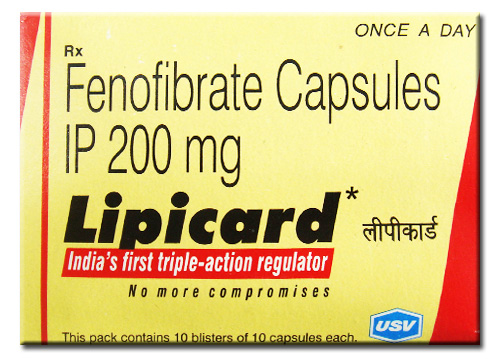
Tricor (Fenofibrate) stands as one of the most widely prescribed fibrate medications for managing elevated blood triglycerides and mixed lipid disorders. As a PPAR-alpha agonist, Tricor effectively addresses cholesterol, triglyceride, and HDL imbalances simultaneously when diet and exercise alone fall short. The 48/145 mg oral tablets deliver consistent lipid-modifying effects with proven benefits unique to fenofibrate among lipid medications.
Fenofibrate works through activation of peroxisome proliferator-activated receptor alpha (PPAR-alpha) in the liver, which fundamentally reprograms blood fat processing. This activation reduces hepatic very low-density lipoprotein (VLDL) synthesis while accelerating triglyceride clearance from circulation. The result: triglyceride levels drop by 30-50% from baseline, HDL good cholesterol rises 5-20%, LDL bad cholesterol decreases 5-25%, and overall lipid profile improves significantly within weeks of starting treatment.
Tricor provides unique therapeutic benefits beyond pure lipid management. The landmark FIELD trial (Fenofibrate Intervention and Event Lowering in Diabetes) demonstrated 31% reduction in diabetic retinopathy progression in patients with type 2 diabetes. The ACCORD-Lipid trial confirmed slowing of microvascular complications when combined with statin therapy. Fenofibrate also lowers uric acid levels by 25%, providing dual benefit for patients with concurrent gout. The medication benefits people with hypertriglyceridemia, mixed dyslipidemia, type IV hyperlipidemia, diabetic dyslipidemia, familial combined hyperlipidemia, and severe hypertriglyceridemia above 500 mg/dL for pancreatitis prevention.
Tricor offers convenient once-daily dosing taken with food for optimal absorption, fitting seamlessly into regular meal schedules. The medication shows excellent oral bioavailability when taken with meals and reaches peak blood concentrations within 4-7 hours with long 20-hour half-life of active fenofibric acid metabolite. Generic fenofibrate from quality manufacturers including Cipla, Sun Pharma, and Lupin provides identical therapeutic effects to brand Tricor at substantially lower cost. The active ingredient remains chemically identical to original Abbott formulation across both branded and generic versions of this established cholesterol and triglyceride management therapy.
Free prescription
Discrete packaging
Have questions?
Quality Assurance


- Triglycerides: Main type of fat in blood stored from excess calories for later energy use;
- High Triglycerides: Elevated blood triglyceride levels above 200 mg/dL increasing cardiovascular and pancreatitis risk;
- High Cholesterol: Elevated blood cholesterol levels increasing cardiovascular disease risk over time;
- Hypertriglyceridemia: Medical condition with abnormally elevated blood triglycerides above safe threshold values;
- Severe Hypertriglyceridemia: Very high triglyceride levels above 500 mg/dL with serious pancreatitis risk;
- Mixed Dyslipidemia: Combined abnormal pattern of elevated cholesterol and triglycerides increasing heart disease risk;
- Mixed Hyperlipidemia: Inherited disorder with simultaneously elevated cholesterol and triglyceride blood levels;
- Hyperlipidemia: General medical term for elevated blood fats including cholesterol and triglycerides;
- Type IV Hyperlipidemia: Inherited disorder with very elevated triglycerides and reduced HDL cholesterol levels;
- Familial Combined Hyperlipidemia: Inherited disorder with elevated cholesterol triglycerides or both running in families;
- Low HDL Cholesterol: Reduced good cholesterol levels increasing cardiovascular disease risk independently;
- Diabetic Dyslipidemia: Characteristic abnormal blood fat pattern common in type 2 diabetes patients;
- Diabetic Retinopathy: Eye damage from diabetes causing vision loss through retinal blood vessel deterioration;
- Metabolic Syndrome: Cluster of conditions including high triglycerides low HDL and insulin resistance;
- Pancreatitis Prevention: Reducing risk of pancreas inflammation triggered by extremely high triglyceride levels;
- Heart Disease Prevention: Reducing coronary artery disease risk through improved blood fat profile management;
- Gout: Painful joint inflammation from uric acid crystal buildup in joints especially big toe;
- High Uric Acid: Elevated blood uric acid levels causing gout attacks and kidney stone formation;
- Statin Alternative: Treatment option for patients who cannot tolerate statin medications safely;
- Fibrate Therapy: Fibrate drug class treatment for elevated triglycerides and mixed lipid disorders.
- Lower VLDL Cholesterol: Very low-density lipoprotein particles carrying triglycerides decrease substantially in blood;
- Higher HDL Cholesterol: Good HDL cholesterol levels increase by 5-20% strengthening cardiovascular protection;
- Lower LDL Cholesterol: Bad LDL cholesterol decreases by 5-25% from baseline values during therapy;
- Lower Total Cholesterol: Overall blood cholesterol level decreases improving general lipid profile measurements;
- Lower Uric Acid Levels: Blood uric acid drops 25% providing dual benefit for patients with gout;
- Less Gout Attacks: Painful gout flare frequency reduces from lower circulating uric acid levels;
- Less Diabetic Retinopathy Progression: Diabetic eye damage progression slows 31% per landmark FIELD trial in diabetics;
- Better Diabetic Vision Preservation: Vision loss from diabetic retinopathy slows significantly with long-term therapy;
- Less Pancreatitis Risk: Pancreas inflammation risk drops significantly in patients with very high triglyceride levels;
- Less Heart Disease Risk: Coronary artery disease probability reduces from improved blood fat profile over time;
- Better Blood Lipid Profile: Overall blood fat panel improves across triglyceride HDL and LDL measurements;
- Lower Apolipoprotein B: ApoB particles carrying harmful fats decrease in number reducing artery damage;
- Higher Apolipoprotein A1: ApoA1 particles forming protective HDL cholesterol increase in circulating blood;
- Less Small Dense LDL Particles: Harmful small dense LDL particles convert to less atherogenic larger particles;
- Slower Atherosclerosis Progression: Progressive arterial plaque buildup slows down over years of consistent therapy use;
- Better Diabetic Lipid Control: Diabetes patients see significant improvement in characteristic abnormal blood fat patterns;
- Less Microvascular Diabetes Complications: Small blood vessel damage from diabetes slows in retina kidney and nerve tissues;
- Less Visual Blood Lipemia: Milky appearance of blood from extreme triglyceride elevation resolves with treatment;
- Once Daily Convenience: Single tablet taken with food fits naturally into regular meal routine;
- Better Quality of Life: Daily wellbeing improves from reduced cardiovascular events and pancreatitis attack anxiety.
Generic Tricor (Fenofibrate 160 mg) Medication guide:
📖 What Tricor Is and How It Works
Tricor is a brand of fenofibrate, a fibric acid derivative (fibrate) that acts as a PPAR-alpha agonist. Fenofibrate was originally developed by Groupe Fournier in France in the 1970s. The Tricor brand was introduced in the US by Abbott Laboratories (later AbbVie) and has been reformulated multiple times over the decades to improve bioavailability and reduce dose. Modern Tricor formulations include the nanocrystallised 48/145 mg tablets and older micronised 54/160 mg tablets.
Fenofibrate sits alongside gemfibrozil (Lopid), bezafibrate, and the newer pemafibrate in the fibrate class. What distinguishes fenofibrate from gemfibrozil in modern practice is one critical clinical fact: fenofibrate is the preferred fibrate for statin combination therapy because it does not carry the substantial muscle interaction risk that gemfibrozil has. This makes fenofibrate the default choice when a fibrate is added to statin therapy for residual atherogenic dyslipidaemia.
The main modern uses of Tricor
- 🔥 Severe hypertriglyceridaemia - triglycerides over 500 mg/dL (5.6 mmol/L); pancreatitis prevention
- ⚕️ Very severe hypertriglyceridaemia - over 1000 mg/dL; pancreatitis urgent risk
- 🩸 Mixed dyslipidaemia in type 2 diabetes - atherogenic pattern
- ⚖️ Statin add-on for residual atherogenic dyslipidaemia - the safer fibrate choice
- 🧬 Familial dysbetalipoproteinaemia - fibrate first-line
- 🌍 HIV lipodystrophy dyslipidaemia - specific scenarios
Understanding fenofibrate's effects on lipids explains its clinical role. It lowers triglycerides by 30-50 percent, raises HDL cholesterol by 10-15 percent, and lowers LDL cholesterol by 10-25 percent (may paradoxically rise briefly in severe hypertriglyceridaemia as triglyceride-rich particles convert to LDL). It shifts LDL particles from small-dense to larger, less atherogenic. It modestly reduces apolipoprotein B. Effects are similar to gemfibrozil in magnitude but the drug interaction profile is very different.
The most important practical fact about fenofibrate is what it does NOT cause. Unlike gemfibrozil, fenofibrate does not significantly inhibit OATP1B1 or interfere with statin glucuronidation. Statin plasma levels are not substantially raised by fenofibrate coadministration. Rhabdomyolysis risk in fenofibrate-statin combination is only modestly higher than statin alone - far lower than the gemfibrozil-statin combination. Additionally, fenofibrate does not inhibit CYP2C8 - so no repaglinide contraindication (unlike gemfibrozil where the combination is prohibited).
Tricor comes in various formulations. Modern nanocrystallised Tricor: 48 mg and 145 mg tablets. Older micronised fenofibrate: 54 mg and 160 mg tablets. Fenofibric acid (Trilipix): 45 mg and 135 mg capsules. Choline fenofibrate 43 mg and 135 mg. Standard adult dose is one 145 mg Tricor tablet daily (or equivalent). Time to effect on triglycerides: 2-4 weeks. Half-life approximately 20 hours - much longer than gemfibrozil (1.5 hours) - allowing once-daily dosing.
Common side effects include gastrointestinal upset (less than gemfibrozil in some data), modest ALT elevation, and the distinctive fenofibrate creatinine rise - a modest reversible increase in serum creatinine that reflects reduced tubular secretion of creatinine rather than true kidney injury. Gallstone risk is a class effect of all fibrates. Rare severe reactions include hepatotoxicity, immune-mediated pulmonary reactions, and blood dyscrasias.
This guide walks through what fenofibrate does, the specific settings where it fits well, the practical dosing (formulation matters), the important safety issues including the creatinine rise phenomenon, why fenofibrate is safer than gemfibrozil in statin combinations, and how it fits alongside modern alternatives like icosapent ethyl. Treat this guide as a companion to what your lipid specialist, endocrinologist, or general practitioner tells you.
💊 Why Doctors Prescribe Tricor - Modern Indications
Fenofibrate has narrower and more specific indications than statins. Understanding which indication drove your prescription helps you and your treating team share the same goals for therapy.
Severe hypertriglyceridaemia - pancreatitis prevention
The clearest, most established, and often most urgent fenofibrate indication. Triglycerides above 1000 mg/dL (11.3 mmol/L) carry substantial acute pancreatitis risk. Triglycerides above 500 mg/dL (5.6 mmol/L) still carry meaningful pancreatitis risk. Fenofibrate typically lowers these levels by 30-50 percent - often enough to move a client out of the acute-risk zone. Section 3 covers this indication.
Mixed dyslipidaemia in diabetes
The classic atherogenic dyslipidaemia pattern in type 2 diabetes: elevated triglycerides, low HDL, small dense LDL particles. FIELD trial subgroup analysis and ACCORD-Lipid subgroup analysis both showed cardiovascular benefit in this specific phenotype. Section 4 covers this indication.
Statin add-on for residual atherogenic dyslipidaemia
In clients on statin whose LDL is at target but triglycerides remain elevated and HDL low, fenofibrate can be added. This is where fenofibrate has particular advantage over gemfibrozil - the muscle safety profile in combination with statin is much better. However, ACCORD-Lipid showed the overall benefit of this strategy is modest and largely restricted to specific subgroups. Icosapent ethyl (per REDUCE-IT) has become a preferred alternative for many of these clients. Section 5 covers this indication.
Familial genetic dyslipidaemia scenarios
- Familial dysbetalipoproteinaemia (Type III) - fenofibrate first-line; ApoE2/E2 phenotype
- Familial hypertriglyceridaemia - lifelong high triglycerides; fenofibrate central
- Familial combined hyperlipidaemia - mixed pattern; often needs statin plus fibrate
- Familial chylomicronaemia syndrome - specialist management; fenofibrate part of approach
Diabetic microvascular disease
FIELD trial showed fenofibrate reduced progression of diabetic retinopathy and possibly nephropathy. This has led to fenofibrate use in some diabetic clients specifically for microvascular benefit, though this is not a routine indication. Ophthalmology and endocrinology specialist input for this scenario.
HIV lipodystrophy dyslipidaemia
Antiretroviral therapy - particularly older regimens - can cause severe mixed dyslipidaemia. Fenofibrate addresses this specific pattern. Modern integrase-based ART is much less lipogenic. HIV specialist input needed.
Not appropriate uses
- Elevated LDL alone - statin much better
- General cardiovascular prevention without specific lipid indication
- Mildly elevated triglycerides without other risk factors - lifestyle first
- Statin-intolerant client whose problem is LDL - ezetimibe, bempedoic acid, PCSK9 inhibitor more appropriate
Where fenofibrate fits vs gemfibrozil
When a fibrate is needed, modern practice generally chooses fenofibrate over gemfibrozil. Fenofibrate has: better safety with statin coadministration, no repaglinide contraindication, once-daily dosing, better tolerability. Gemfibrozil retains a place only in very specific scenarios or where fenofibrate is contraindicated. The historical Helsinki Heart Study and VA-HIT evidence for gemfibrozil is often extrapolated to fenofibrate given similar mechanism, though direct fenofibrate cardiovascular outcome trials have been less positive.
Ask your treating team specifically why fenofibrate was chosen, what lipid targets are being pursued, and whether it is monotherapy or added to statin. The specific plan differs substantially between severe hypertriglyceridaemia (perhaps lifelong), atherogenic dyslipidaemia in diabetes, and statin add-on scenarios.
🔥 Tricor for Severe Hypertriglyceridaemia and Pancreatitis Prevention
Severe hypertriglyceridaemia is the clearest fenofibrate indication. The acute pancreatitis risk explains why fibrate therapy is often urgent rather than elective in this setting.
Triglyceride categories
| Level (mg/dL) | Level (mmol/L) | Category |
|---|---|---|
| Under 150 | Under 1.7 | Normal |
| 150-199 | 1.7-2.2 | Borderline high |
| 200-499 | 2.3-5.6 | High |
| 500-999 | 5.7-11.2 | Very high; pancreatitis risk |
| 1000+ | 11.3+ | Extreme; substantial pancreatitis risk |
🔴 The acute pancreatitis connection
Triglycerides above 1000 mg/dL (11.3 mmol/L) carry approximately 5 percent risk of acute pancreatitis. Above 2000 mg/dL, the risk rises to 20 percent. Acute pancreatitis from hypertriglyceridaemia can be severe - haemorrhagic pancreatitis, multi-organ failure, and death. Rapid triglyceride reduction with fibrate therapy is often the primary intervention to reduce this risk.
Causes of severe hypertriglyceridaemia
- Primary genetic disorders - familial hypertriglyceridaemia; familial chylomicronaemia; lipoprotein lipase deficiency
- Uncontrolled diabetes - particularly type 2 with insulin resistance
- Alcohol excess - large contributor
- Nephrotic syndrome
- Hypothyroidism
- Medication-induced - oestrogens, steroids, some antipsychotics (olanzapine, clozapine), retinoids, protease inhibitors, tamoxifen, thiazides
- Cushing syndrome
- Combination of factors is common
Standard management approach
- Identify and address contributors - alcohol, uncontrolled diabetes, hypothyroidism, offending medications
- Low-fat diet - especially if triglycerides very high; may need under 15 percent fat calories initially
- Weight loss - highly effective
- Optimise diabetic control - especially insulin if needed
- Fibrate therapy - fenofibrate 145 mg daily (or equivalent formulation)
- Omega-3 fatty acids - high-dose EPA/DHA (2-4 g daily) or prescription icosapent ethyl
- Rarely - insulin infusion for extreme cases in hospital
- Rarely - plasmapheresis for extreme cases with pancreatitis
Realistic response expectations
- Fenofibrate typically reduces triglycerides by 30-50 percent
- Onset within 1-2 weeks; near-full effect by 6-8 weeks
- Combined with lifestyle changes, reductions of 50-70 percent typical
- Extreme cases may need multiple modalities
- Follow-up triglyceride check at 6-8 weeks
- Long-term therapy usually required
Severe hypertriglyceridaemia is where fenofibrate has clearest role. Combined with lifestyle changes and cause-targeted treatment, most clients achieve safer triglyceride levels within 1-2 months.
🩸 Tricor for Mixed Dyslipidaemia in Diabetes
Mixed dyslipidaemia - elevated triglycerides, low HDL, small dense LDL, often modestly elevated LDL - is common in type 2 diabetes and metabolic syndrome. Fenofibrate addresses several aspects simultaneously.
The atherogenic dyslipidaemia pattern
- Elevated triglycerides - 150-500 mg/dL typically
- Low HDL cholesterol - under 40 mg/dL in men, under 50 in women
- Small dense LDL particles - phenotype B; more atherogenic than large buoyant particles
- Elevated apolipoprotein B - reflects total atherogenic particle number
- Elevated non-HDL cholesterol
Underlying drivers in diabetes
- Insulin resistance
- Central obesity
- Metabolic syndrome
- NAFLD (non-alcoholic fatty liver disease)
- Sedentary lifestyle
- High-carbohydrate, high-refined-sugar diet
- Alcohol contribution
Fenofibrate effects on mixed dyslipidaemia
| Parameter | Fenofibrate effect |
|---|---|
| Triglycerides | Reduced 30-50 percent |
| HDL cholesterol | Increased 10-15 percent |
| LDL cholesterol | Reduced 10-25 percent typically; may rise in severe hypertriglyceridaemia |
| Non-HDL cholesterol | Reduced 15-25 percent |
| Apolipoprotein B | Reduced modestly |
| LDL particle size | Shifts from small dense to larger, less atherogenic |
Combined therapy approach for diabetic mixed dyslipidaemia
- Statin as foundation - even if LDL not dramatically elevated; cardiovascular benefit strong in diabetes
- Add fenofibrate if triglycerides remain over 200-500 with low HDL - fenofibrate strongly preferred over gemfibrozil for combination
- Add icosapent ethyl if triglycerides 150-500 with established CV disease per REDUCE-IT
- Optimise diabetes control - improves lipids substantially
- Weight management and diet - independently effective
The FIELD and ACCORD-Lipid subgroup story
Both the FIELD trial (fenofibrate monotherapy in T2DM) and ACCORD-Lipid (fenofibrate added to simvastatin in T2DM) were neutral in overall composite endpoint. However, both showed substantial subgroup benefit in the atherogenic dyslipidaemia phenotype (elevated triglycerides plus low HDL). ACCORD-Lipid subgroup: 31 percent reduction in cardiovascular events in the specific dyslipidaemia phenotype. This means fenofibrate benefit in mixed dyslipidaemia in diabetes is real but restricted to the specific phenotype - not universal add-on.
Mixed dyslipidaemia in diabetes responds well to fenofibrate. Modern practice generally reserves fibrate add-on for the specific atherogenic dyslipidaemia phenotype rather than routine use in all diabetic clients. Optimise underlying diabetes and metabolic health alongside pharmacotherapy.
⚖️ Tricor as Statin Add-on for Residual Risk
Adding fenofibrate to statin therapy is the scenario where fenofibrate's clinical advantage over gemfibrozil matters most. Safety in combination is much better with fenofibrate.
Why fenofibrate is safer than gemfibrozil with statins
- Does not inhibit OATP1B1 - statin levels not raised
- Does not interfere with statin glucuronidation - statin metabolism preserved
- Does not inhibit CYP2C8 - no repaglinide concern
- Rhabdomyolysis risk in combination only modestly elevated
- Compared with gemfibrozil-statin combination which raises rhabdomyolysis risk 15-30 fold
When statin add-on is considered
- Diabetic client on statin with LDL at target but residual atherogenic dyslipidaemia (elevated triglycerides plus low HDL)
- Established ASCVD on statin with persistent hypertriglyceridaemia contributing to residual risk
- Familial combined hyperlipidaemia where statin alone insufficient
- Severe hypertriglyceridaemia where statin plus fibrate combination needed
The ACCORD-Lipid lesson
The ACCORD-Lipid trial (2010) tested fenofibrate added to simvastatin in 5,518 clients with type 2 diabetes. Overall composite cardiovascular endpoint was neutral. However, in the pre-specified subgroup with atherogenic dyslipidaemia (triglycerides over 204 mg/dL and HDL under 34 mg/dL), a 31 percent reduction in cardiovascular events was seen. This suggests fenofibrate add-on benefit is real but limited to the specific dyslipidaemia phenotype - not universal add-on in all diabetes clients on statin.
Practical statin plus fenofibrate approach
- Continue statin at optimal dose
- Add fenofibrate 145 mg once daily (or equivalent formulation)
- No statin dose reduction needed (unlike gemfibrozil combination)
- Monitor CK if muscle symptoms; baseline creatinine and LFTs
- Recheck lipids at 6-12 weeks after adding fenofibrate
- Assess for creatinine rise (expected modest reversible change)
- Ongoing symptom review
Alternative to fenofibrate add-on
- Icosapent ethyl - REDUCE-IT trial cardiovascular benefit in this scenario is arguably stronger than fenofibrate
- Omega-3 acid ethyl esters - mixed EPA/DHA; some evidence
- Higher-intensity statin if not already at maximum
- Ezetimibe for additional LDL reduction if that is limiting factor
- PCSK9 inhibitor for very high-risk if triglycerides not dominant
Fenofibrate remains a valid statin add-on option, particularly in atherogenic dyslipidaemia phenotypes. Modern practice increasingly considers icosapent ethyl as a preferred alternative given REDUCE-IT cardiovascular outcome data.
📊 FIELD ACCORD-Lipid and Modern Fibrate Evidence
Fenofibrate has a specific and rich evidence base. Understanding the individual trials and their combined message defines its modern place.
FIELD - the main fenofibrate CV outcome trial
- Fenofibrate Intervention and Event Lowering in Diabetes
- Published Lancet 2005, Keech and colleagues
- 9,795 clients with type 2 diabetes aged 50-75
- Total cholesterol 3.0-6.5 mmol/L (average 5.0)
- Fenofibrate 200 mg (older formulation) vs placebo
- Mean follow-up 5 years
- Primary composite (coronary events): reduced 11 percent (nonsignificant)
- Total cardiovascular events: reduced 11 percent (significant)
- Non-fatal MI reduced 24 percent
- Coronary mortality unchanged
- Overall neutral result but multiple secondary signals
- Substantial statin drop-in during trial complicated interpretation
FIELD microvascular findings
Beyond cardiovascular endpoints, FIELD showed reduced progression of diabetic retinopathy (particularly need for laser treatment - 30 percent reduction) and modest reduction in amputation (24 percent). Renal effects were mixed - initial creatinine rise but stable long-term. These microvascular effects have kept fenofibrate in specific diabetic care scenarios where such benefits are prioritised.
ACCORD-Lipid - fenofibrate added to statin
- Action to Control Cardiovascular Risk in Diabetes - Lipid arm
- Published NEJM 2010, Ginsberg and colleagues
- 5,518 clients with type 2 diabetes already on simvastatin
- Fenofibrate 160 mg added vs placebo added
- Mean follow-up 4.7 years
- Primary composite: no significant benefit overall
- Subgroup with atherogenic dyslipidaemia (triglycerides over 204, HDL under 34): 31 percent reduction
- Defined the specific phenotype where fenofibrate benefit is real
DAIS - Diabetes Atherosclerosis Intervention Study
- Published Lancet 2001
- 418 clients with type 2 diabetes and coronary disease
- Fenofibrate vs placebo
- Angiographic study
- Fenofibrate slowed coronary atherosclerosis progression
- Early angiographic evidence for fibrate atheroma modification
PROMINENT - the modern reset
- Published NEJM 2022, Das Pradhan and colleagues
- Not fenofibrate but pemafibrate - newer selective PPARalpha modulator
- 10,497 clients with type 2 diabetes, mild-to-moderate hypertriglyceridaemia, and low HDL
- Pemafibrate added to statin vs placebo
- Neutral cardiovascular outcome despite substantial triglyceride reduction
- Reshaped how the community views fibrate cardiovascular benefit broadly
- Contributed to preferring icosapent ethyl over fibrates for CV-focused triglyceride management
The overall picture
Fenofibrate's trial evidence supports use in severe hypertriglyceridaemia (pancreatitis prevention) and in the specific atherogenic dyslipidaemia phenotype in diabetes. Broad cardiovascular prevention benefit added to statin is not established. PROMINENT further tempered enthusiasm for fibrate cardiovascular add-on. Modern practice matches fenofibrate to specific scenarios rather than routine use.
Fenofibrate's evidence is more nuanced than the historical gemfibrozil landmark trials. Understanding subgroup benefits vs overall neutral results guides appropriate contemporary use.
🔬 How Fenofibrate Activates PPAR-alpha Pathway
Fenofibrate works through PPAR-alpha activation - the same mechanism as other fibrates but with pharmacokinetic and drug interaction differences that matter clinically.
PPAR-alpha activation and downstream effects
- Fenofibrate (via active metabolite fenofibric acid) binds and activates PPAR-alpha in hepatocytes
- Activated PPAR-alpha binds DNA response elements
- Multiple genes involved in lipid metabolism are transcribed
- Fatty acid oxidation is upregulated
- Lipoprotein lipase (LPL) expression increases - triglyceride-rich lipoprotein clearance accelerates
- ApoC-III (an LPL inhibitor) expression decreases - LPL activity further enhanced
- ApoA-I and ApoA-II (main HDL apolipoproteins) synthesis increases - HDL rises
- Hepatic VLDL secretion slows
Downstream metabolic effects
- Triglyceride-rich VLDL and chylomicron remnants cleared more efficiently
- Circulating triglycerides fall 30-50 percent
- HDL rises through increased synthesis of apolipoproteins
- LDL particle size shifts from small dense to larger buoyant
- LDL cholesterol may fall modestly or rise briefly in severe hypertriglyceridaemia
- Non-HDL cholesterol overall falls
Beyond lipids - PPAR-alpha broader effects
- Anti-inflammatory effects - modest reduction in inflammatory markers
- Endothelial function improvement
- Modest fibrinogen lowering
- Improved insulin sensitivity - modest
- Retinal effects - basis for FIELD retinopathy findings
- Whether these pleiotropic effects contribute to cardiovascular benefit is debated
Key pharmacokinetic differences vs gemfibrozil
| Feature | Fenofibrate | Gemfibrozil |
|---|---|---|
| Half-life | ~20 hours | ~1.5 hours |
| Dosing frequency | Once daily | Twice daily |
| CYP2C8 inhibition | Minimal | Strong (repaglinide contraindicated) |
| OATP1B1 inhibition | Minimal | Substantial (raises statin levels) |
| Glucuronidation interference | Minimal | Substantial |
| Statin combination safety | Acceptable | Contraindicated with several statins |
| Creatinine rise | More prominent (reversible) | Less prominent |
| Elimination | Renal (fenofibric acid) | Renal |
Fenofibrate pharmacokinetics
- Absorption - improved with food; modern formulations (nanocrystallised) have better absorption; food dependency reduced
- Prodrug hydrolysis - fenofibrate converted to active fenofibric acid
- Peak plasma fenofibric acid - 4-8 hours after dose
- Half-life fenofibric acid - approximately 20 hours
- Protein binding - highly bound (99 percent)
- Metabolism - primarily glucuronidation; minimal CYP involvement
- Elimination - primarily renal as fenofibric acid glucuronide
- Renal impairment - dose adjustment needed
PPAR-alpha activation is the shared mechanism across fibrates. What makes fenofibrate different from gemfibrozil is the pharmacokinetic profile - longer half-life, once-daily dosing, and much cleaner drug interaction profile. These differences drive the clinical preference for fenofibrate when a fibrate is needed.
⏰ Tricor Dose Schedule and Formulation Guide
Tricor dosing requires understanding the formulation. Multiple fenofibrate products exist with different strengths and bioequivalence.
Fenofibrate formulations - dose equivalence
| Formulation | Low dose | Standard dose |
|---|---|---|
| Tricor (nanocrystallised fenofibrate) | 48 mg | 145 mg |
| Micronised fenofibrate (older Tricor and generics) | 54 mg | 160 mg |
| Standard fenofibrate (older) | 67 mg | 200 mg |
| Fenofibric acid (Trilipix) | 45 mg | 135 mg |
| Choline fenofibrate | 43 mg | 135 mg |
Standard adult dosing
- Standard dose - Tricor 145 mg once daily (or equivalent)
- Reduced dose - Tricor 48 mg for renal impairment or milder dyslipidaemia
- Renal impairment - dose reduce; consult specialist for eGFR under 30
- End-stage renal disease - contraindicated
- Hepatic impairment - contraindicated
- Elderly - assess renal function; may need dose reduction
Timing rule
Standard fenofibrate absorption improves with food. Take with a meal. Modern nanocrystallised Tricor has less food dependency but still often recommended with meals for practical dosing habit. Once daily - most commonly with the main meal of the day (varies by client preference and culture). Consistent timing supports adherence.
Expected effect timeline
- Triglyceride reduction begins within days
- Substantial effect by 2-4 weeks
- Full effect by 6-8 weeks
- HDL rise gradual - visible by 6-12 weeks
- Creatinine rise appears in first 2-4 weeks (expected; reversible)
- Recheck lipids and creatinine at 6-12 weeks after starting
Duration of therapy
- Severe hypertriglyceridaemia - often long-term (years to lifelong)
- Mixed dyslipidaemia - long-term while indication persists
- Statin add-on for CV prevention - individualised; reassess annually
- Do not stop suddenly without discussion
Fenofibrate dosing is once daily. Formulation-specific dose adjustment matters for switching between products. Renal function guides dose reduction. Once optimal regimen established, most clients continue same schedule long-term.
📅 Starting Tricor - First Weeks Approach
Starting fenofibrate is generally uneventful. Its favourable interaction profile and once-daily dosing make it easier to start than gemfibrozil.
Pre-treatment assessment
- Baseline lipid profile including triglycerides
- Baseline liver function tests (ALT)
- Baseline renal function (creatinine, eGFR)
- Baseline complete blood count
- TSH - treat hypothyroidism first
- Diabetes screen; optimise if diabetic
- History of gallbladder disease
- History of pancreatitis
- Review of concurrent medications - particularly warfarin, cyclosporine, statin dose
- Alcohol history
- Pregnancy status if reproductive-age
Typical initiation experience
- Most clients notice nothing subjectively in first days
- Some early GI symptoms - dyspepsia, mild nausea (less than gemfibrozil in some data)
- Triglycerides begin to fall within 1-2 weeks
- Substantial lipid effect by 4-6 weeks
- Creatinine rises modestly by 4-8 weeks - expected finding
- Long-term tolerance for the great majority
Setting expectations
- No immediate symptom improvement - not for symptoms
- Triglyceride reduction is main marker of success
- Long-term cardiovascular event reduction may accrue in specific dyslipidaemia phenotypes
- Take with meals for best absorption
- Expected small creatinine rise is not kidney injury
- Muscle symptoms - report but investigate carefully
- Yellow skin/eyes or severe abdominal pain warrants urgent contact
- Diet and lifestyle remain essential
Follow-up schedule for initiation
- 6-12 weeks after start - lipid panel; LFTs; renal function; symptom review
- Assess creatinine change - expect small rise; investigate if substantial
- If at target and creatinine stable: continue current dose
- Symptom review at each contact
- CK check if muscle symptoms reported
- Annual monitoring once stable
Warning signs during initiation
- 🔴 Severe upper right abdominal pain (gallbladder)
- 🔴 Severe unexplained muscle pain or weakness
- 🔴 Dark tea-coloured urine (rhabdomyolysis)
- 🔴 Yellow skin or eyes - liver concern
- 🔴 Severe abdominal pain radiating to back (pancreatitis)
- 🔴 Unexplained bruising or bleeding (blood effects)
- 🔴 New respiratory symptoms (rare pulmonary reactions)
- 🔴 Substantial creatinine rise (over 30 percent) - investigate
- 🔴 Severe rash or allergic reaction
Fenofibrate initiation is usually smooth. Realistic expectations, appropriate baseline testing, and understanding of the expected creatinine rise phenomenon make transition to long-term therapy straightforward.
📏 Tricor Dose Adjustments and Renal Considerations
Fenofibrate dose adjustment centres on renal function assessment and response monitoring. Unlike gemfibrozil which is largely fixed-dose, fenofibrate has multiple dose steps enabling more precise adjustment.
Factors affecting individual response
- Baseline triglycerides - very high baseline yields larger absolute reduction
- Underlying cause - primary vs secondary hypertriglyceridaemia
- Diabetes control - poor control resists fibrate effect
- Alcohol - continued heavy alcohol limits response
- Diet - high-carbohydrate diet limits triglyceride reduction
- Weight - continued obesity limits response
- Renal function - affects clearance
- Adherence
Renal function-based dosing
| eGFR (mL/min/1.73m2) | Approach |
|---|---|
| Over 60 | Standard dose (145 mg or equivalent) |
| 30-60 | Reduced dose (48 mg or equivalent); reassess |
| 15-30 | Specialist input; consider alternative |
| Under 15 (or dialysis) | Contraindicated |
Common adjustments
| Situation | Action |
|---|---|
| Triglycerides not at target | Check adherence; optimise lifestyle; add omega-3 or icosapent ethyl |
| Muscle symptoms mild | Check CK; review other medications; often resolves |
| Muscle symptoms on statin combination | Check CK; less concern than gemfibrozil but still monitor |
| Creatinine rise up to 30 percent | Expected reversible finding; continue |
| Creatinine rise over 30 percent | Investigate; consider reducing dose or stopping; check for other causes |
| GI intolerance | Try taking with different meal; usually settles |
| Gallstone symptoms develop | Investigate; stop if confirmed cholelithiasis |
| LFTs elevated significantly | Investigate; reduce dose or stop as needed |
Non-response investigation
If triglycerides not falling as expected:
- Check adherence and formulation (with meals if immediate-release)
- Review diet - carbohydrates, alcohol, weight
- Rule out hypothyroidism
- Optimise diabetes control
- Review offending medications
- Consider genetic causes (familial chylomicronaemia)
- Add omega-3 fatty acids or icosapent ethyl
- Endocrinology or lipid clinic referral for refractory cases
Fenofibrate dose adjustment is guided by renal function and response. The expected creatinine rise is a distinctive feature that should be understood as pharmacological rather than pathological unless substantial.
💊 How to Take Tricor Tablets Properly
Practical routines around Tricor tablets are straightforward - once daily with a meal, consistent timing, standard medication safety.
Practical daily routine
- Once daily at same time each day
- With a meal - improves absorption for immediate-release formulations; less critical for nanocrystallised Tricor but still recommended
- With water - a full glass
- Swallow whole - do not crush or chew
- Consistency matters more than exact time
- Refill 2 weeks before running out
Anchor doses to daily habits
- Morning breakfast dose common
- Or evening main meal
- Alongside statin if both taken
- Weekly pillbox helpful for polypharmacy
- Phone alarms labelled "Tricor" or "fibrate"
Common medication safety issues
- 🔴 Combine with statin only if the combination is intended; monitor CK if symptoms
- 🔴 Check INR closely if on warfarin
- 🔴 Alert medical team about cyclosporine coadministration
- 🔴 Report new muscle pain or weakness
- 🔴 Report severe abdominal pain (biliary or pancreatitic)
- 🔴 Report yellow skin or eyes
- 🔴 Never double up on missed dose
- 🔴 Alert medical team if pregnancy considered
- 🔴 Do not switch fenofibrate formulations without dose equivalence check
Storage
- Room temperature under 25 C
- Original packaging
- Protect from moisture
- Not in bathroom or hot car
- Out of reach of children
- Do not use past expiry
- Return unused tablets to pharmacy
Once-daily dosing with meals makes Tricor easier to take than gemfibrozil (twice daily). Main practical points are consistency, food, and awareness of the specific drug interactions that matter.
🍴 Food Diet and Tricor Absorption Rules
Diet is at least as important as fenofibrate itself in managing hypertriglyceridaemia. Food also matters for fenofibrate absorption - particularly older formulations.
Dietary contributors to high triglycerides
- Refined carbohydrates - white bread, pastries, sugary drinks, fruit juice - raise triglycerides substantially
- Alcohol - large contributor even at modest amounts
- Saturated fat - red meat, high-fat dairy, tropical oils
- Trans fats - hydrogenated oils
- Excess total calories - contribute regardless of source
- Concentrated sweets - honey, syrup, jam
- Sugary beverages - soft drinks, sweetened coffee, juice
Triglyceride-lowering dietary pattern
- Mediterranean pattern - broad evidence base
- Substantial vegetables and legumes
- Whole grains rather than refined
- Fish 2-3 times weekly - fatty fish for omega-3
- Olive oil as main added fat
- Nuts and seeds in moderation
- Limit added sugars aggressively
- Water rather than sweetened drinks
Extreme hypertriglyceridaemia dietary rules
For triglycerides over 1000 mg/dL:
- Very low total fat - under 15 percent of calories initially
- No alcohol
- Minimal simple sugars
- Dietitian input essential
- Once triglycerides fall, liberalise gradually to sustainable pattern
Fenofibrate absorption and food
- Micronised fenofibrate absorption substantially improved with food
- Nanocrystallised Tricor less food-dependent but still recommended with meals
- Fenofibric acid formulations (Trilipix) least food-dependent
- Consistent timing relative to meals matters
- No grapefruit interaction (unlike lipophilic statins)
Practical portion cues
- Half of the plate vegetables at main meals
- Quarter plate whole grain
- Quarter plate protein
- One small added-fat serving (olive oil, nuts)
- Snack: fruit, plain yoghurt, small handful nuts
- Avoid: bakery, chips, sweets between meals
Diet does much of the work in triglyceride management. Fenofibrate amplifies dietary improvement. Take with meals for best absorption regardless of formulation.
🍷 Alcohol Rules During Tricor Therapy
Alcohol on fenofibrate warrants specific attention because alcohol independently raises triglycerides - working against the medication.
Alcohol effects relevant to Tricor clients
- Raises triglycerides substantially - opposes the drug's effect
- Can precipitate pancreatitis alongside hypertriglyceridaemia
- Adds to liver injury risk alongside fibrate hepatic effects
- Compounds muscle injury risk
- Contributes to obesity and metabolic syndrome - the underlying dyslipidaemia driver
- Complicates diabetes control
Practical guidance
| Situation | Recommendation |
|---|---|
| Triglycerides over 1000 mg/dL | Abstain from alcohol |
| Triglycerides 500-999 mg/dL | Abstain or minimise strongly |
| Triglycerides 200-499 with mixed dyslipidaemia | Minimise significantly; occasional drink acceptable |
| Prior pancreatitis history | Abstain |
| Fatty liver disease | Minimise significantly |
| Alcohol use disorder | Address as separate condition |
🔴 Alcohol and severe hypertriglyceridaemia
In clients with triglycerides over 500 mg/dL, even modest alcohol can precipitate a rapid rise to pancreatitis-risk range. This is a specific medical concern - not general lifestyle advice. Abstinence during triglyceride optimisation is often needed.
If alcohol reduction is needed
- Set a specific target - not vague "cutting down"
- Track drinks honestly
- Address triggers - stress, social situations, habit
- Alcohol-free alternatives
- Support - GP, counselling, groups
- Medical management for alcohol use disorder if needed
Alcohol restriction is often the single most impactful lifestyle change in fibrate clients. The medication works best when the underlying dietary and alcohol drivers of hypertriglyceridaemia are addressed simultaneously.
🚨 Tricor Side Effects Complete Overview
Fenofibrate side effects centre on gastrointestinal, gallbladder, muscle, and the distinctive creatinine rise. Most are manageable; a few warrant specific vigilance.
Common side effects (over 5 percent)
- ALT elevation - roughly 5-10 percent modest elevation
- Creatinine rise - modest reversible rise; distinctive fenofibrate effect
- Dyspepsia - less common than gemfibrozil
- Abdominal discomfort
- Rhinitis - occasional
Uncommon side effects (1-5 percent)
- Constipation or diarrhoea
- Headache
- Back pain
- Rash
- Muscle symptoms (less common than with gemfibrozil)
- Modest CK elevation
- Fatigue
Uncommon-important effects
- Cholelithiasis - class effect; modest excess over baseline
- Photosensitivity - rare but well-recognised
- Reversible reductions in white cell counts - rare
- Sexual dysfunction - rare reports
- Deep vein thrombosis and pulmonary embolism signal - modest in FIELD; controversial
Serious rare
- 🔴 Rhabdomyolysis - much less common than with gemfibrozil-statin combination
- 🔴 Severe hepatitis (very rare)
- 🔴 Acute pancreatitis (rare; irony given the indication)
- 🔴 Acute cholecystitis from cholelithiasis
- 🔴 Severe skin reactions - Stevens-Johnson, TEN (extremely rare)
- 🔴 Interstitial pneumonitis (very rare)
- 🔴 Angioedema (very rare)
- 🔴 Aplastic anaemia (extremely rare)
General approach to side effects
- Report new symptoms - do not assume drug-related
- GI effects often improve after first weeks
- Take with food if any GI intolerance
- Muscle symptoms warrant investigation - less concern than gemfibrozil
- Expected creatinine rise not treated as injury unless substantial
- True intolerance is uncommon
Most fenofibrate side effects are minor and well-tolerated. Serious effects are rare. Better tolerability than gemfibrozil in some data alongside the safer statin combination profile makes fenofibrate the modern preferred fibrate.
💪 Muscle Symptoms - Lower Risk Than Gemfibrozil
Muscle safety with fenofibrate is much better than with gemfibrozil, particularly when combined with statins. This is the most important pharmacological difference between the two fibrates.
Why fenofibrate is safer than gemfibrozil for muscles
- Does not inhibit OATP1B1 - statin uptake into hepatocytes preserved
- Does not interfere with statin glucuronidation - statin metabolism preserved
- Statin plasma levels not raised in combination
- Rhabdomyolysis risk in combination only modestly elevated
- Compared with gemfibrozil-statin combination which raises rhabdomyolysis risk 15-30 fold
Spectrum of muscle findings
- Myalgia - muscle pain without CK elevation; common as complaint
- Myopathy - muscle symptoms with CK 5-10x upper limit
- Severe myopathy - CK over 10x upper limit
- Rhabdomyolysis - CK over 40x with myoglobinuria and AKI risk
Frequency perspective
- Fenofibrate monotherapy myopathy - roughly 1 percent complaint rate
- Fenofibrate monotherapy rhabdomyolysis - very rare
- Fenofibrate + statin combination rhabdomyolysis - approximately 2-3 fold elevation vs statin alone
- Gemfibrozil + statin combination rhabdomyolysis - 15-30 fold elevation
- Fenofibrate is the fibrate of choice for statin combination
Rhabdomyolysis warning signs
- 🔴 Severe muscle pain, unlike ordinary aches
- 🔴 Muscle weakness - difficulty walking, rising
- 🔴 Dark tea-coloured urine - myoglobinuria
- 🔴 Reduced urine output
- 🔴 Malaise, fever, confusion
- Action: Stop drug; attend emergency department without delay
Risk factors for fenofibrate myopathy
- Renal impairment - fenofibrate renally cleared
- Advanced age
- Hypothyroidism
- Heavy alcohol
- Statin coadministration (much smaller signal than gemfibrozil)
- Colchicine coadministration
- Cyclosporine coadministration
- Genetic predisposition
Management approach
- Assess symptom characteristics and severity
- Check CK, creatinine, TSH
- Review other medications
- Consider mechanical causes
- Mild symptoms with normal CK: continue and monitor
- Moderate CK elevation: reduce dose or pause; recheck
- Severe symptoms or CK over 10x: stop
- Consider non-fibrate alternatives for muscle-sensitive clients
Muscle safety with fenofibrate is one of its main advantages over gemfibrozil. Statin combination is much safer with fenofibrate. Monotherapy myopathy is uncommon.
🪨 Gallbladder Disease and Cholelithiasis Risk
Fenofibrate increases gallstone risk. This is a class effect of fibrates related to increased biliary cholesterol saturation. Awareness prevents surprise.
Why gallstones increase
- Fibrates increase cholesterol content of bile
- Supersaturated bile predisposes to cholesterol gallstone formation
- The gallbladder becomes a cholesterol-precipitation reservoir
- Effect is well-established across the fibrate class
- Absolute excess risk modest but real
Frequency
- Baseline population gallstone prevalence: 10-15 percent
- Fenofibrate users: modestly higher rate
- Longer-term therapy: higher absolute risk
- Symptomatic disease requiring cholecystectomy: uncommon but does occur
Additional gallstone risk factors
- Female sex
- Age over 40
- Obesity
- Rapid weight loss
- Diabetes
- Family history
- Multiparity
- Native American or Mexican ancestry
- Certain medications - oestrogens, octreotide, ceftriaxone
Symptoms of gallstones
- Biliary colic - severe right upper quadrant or epigastric pain, radiating to right shoulder or back
- Postprandial pain particularly after fatty meals
- Nausea and vomiting during attacks
- Pain lasting 1-5 hours typically
- If prolonged, with fever or jaundice - cholecystitis or cholangitis; urgent
Management approach
- History of gallbladder disease - relative contraindication to fenofibrate; consider alternative
- Prior cholecystectomy - no gallbladder to form stones in; fenofibrate acceptable
- Suggestive symptoms during therapy - ultrasound investigation
- Confirmed symptomatic cholelithiasis - stop fenofibrate; cholecystectomy typically
- Asymptomatic gallstones found incidentally - individual discussion; may continue with monitoring
Alternative fibrates and gallstones
Gemfibrozil carries the same class effect. All fibrates share this concern. Prior gallbladder disease is a caution for all fibrates. Non-fibrate triglyceride-lowering options (icosapent ethyl, omega-3 fatty acids, insulin optimisation, strict lifestyle) do not carry gallstone risk.
Gallstone risk is a specific fibrate class concern including fenofibrate. Awareness allows earlier symptom recognition and appropriate management. Prior gallbladder disease shifts the balance against fibrate therapy.
🟡 Liver Enzyme Elevation on Tricor
Modest liver enzyme elevation is not uncommon on fenofibrate. Severe hepatotoxicity is very rare.
Transaminase pattern
- ALT elevation to under 3x upper normal - roughly 5-10 percent; not usually clinically significant
- ALT 3x upper normal - roughly 1-3 percent; investigate and may reduce or stop
- ALT over 3x normal persistent - requires action
- Symptomatic hepatotoxicity - very rare
- Severe hepatitis or hepatic failure - extremely rare
Monitoring approach
- Baseline ALT before starting
- Recheck at 6-12 weeks after initiation
- Periodic monitoring appropriate (annual)
- More frequent if concurrent liver disease or heavy alcohol
- If new ALT elevation - investigate other causes (alcohol, viral hepatitis, NAFLD progression)
If ALT rises
- Verify with repeat testing
- Assess alcohol intake honestly
- Review new medications and herbal products
- Check viral hepatitis serology
- Consider NAFLD progression
- If clearly fenofibrate-related and severe - stop
- If mild and reversible - often continue with monitoring
Baseline liver considerations
- Fatty liver (NAFLD) - common in hypertriglyceridaemia; fenofibrate not contraindicated
- Compensated cirrhosis - use with caution
- Decompensated cirrhosis - contraindicated
- Active hepatitis - avoid until stable
- Primary biliary cholangitis - use with specialist input
- Alcohol-related liver disease - address alcohol first
Mild ALT elevation on fenofibrate is common and usually not clinically important. Severe hepatotoxicity is rare. Investigate rising ALT for causes beyond the drug alone.
🩸 Creatinine Elevation on Fenofibrate Explained
Fenofibrate causes a distinctive creatinine rise that is important to understand. It reflects reduced tubular secretion of creatinine, not true kidney injury.
The fenofibrate creatinine rise phenomenon
Fenofibrate reduces renal tubular secretion of creatinine. This raises serum creatinine by 10-20 percent (occasionally more) without any actual decline in glomerular filtration rate. It is a pharmacological effect, not kidney injury. It appears in the first 4-8 weeks of therapy and stabilises. It reverses fully within days-weeks of stopping. This distinctive effect is important to communicate to clients and other clinicians who might misinterpret the finding as kidney damage.
Practical implications
- Expected creatinine rise up to 30 percent - typically not concerning
- Cystatin C is not affected by fenofibrate and gives true GFR if uncertain
- Substantial rise over 30 percent warrants investigation
- Rise stabilises within few months of starting
- Reverses on stopping
- FIELD trial: creatinine rose but no long-term renal outcome difference
When to investigate rising creatinine
- Rise more than 30 percent from baseline
- Progressive rise rather than stable elevation
- Associated with other AKI signs (proteinuria, oliguria, electrolyte disturbance)
- Concurrent nephrotoxic medications
- Volume depletion or intercurrent illness
- Investigate as would any AKI when clinical picture warrants
Renal function-based fenofibrate use
- eGFR over 60 - standard dose acceptable; expect small creatinine rise
- eGFR 30-60 - reduced dose; monitor closely
- eGFR 15-30 - specialist input; consider alternative
- eGFR under 15 or dialysis - contraindicated
- If creatinine rises more than expected - re-check eGFR, consider cystatin C, reduce dose or discontinue if concern for true injury
The fenofibrate creatinine rise is a distinctive pharmacological finding that should be recognised and not confused with kidney injury. Explanation to clients avoids unnecessary alarm.
🫁 Rare Blood Effects and Pulmonary Signals
Rare severe reactions to fenofibrate include blood dyscrasias, pulmonary reactions, and severe skin reactions. All are uncommon but warrant recognition.
Blood dyscrasias
- Mild haemoglobin decrease - occasionally in first months; usually stable
- Mild leukopenia - occasional; usually not clinically significant
- Thrombocytopenia - rare
- Aplastic anaemia - extremely rare case reports
- Agranulocytosis - extremely rare
Pulmonary reactions
- Interstitial pneumonitis - rare; typically hypersensitivity pattern
- Pulmonary fibrosis - very rare
- Presents with: dry cough, dyspnoea, fever, sometimes rash and eosinophilia
- Resolves usually with drug discontinuation and corticosteroids
- Deep vein thrombosis and pulmonary embolism signal - modest excess in FIELD; mechanism unclear
Severe skin reactions
- Photosensitivity - well-recognised; typically appears within days-weeks of starting; sun avoidance and stopping usually manages
- Erythema multiforme - rare
- Stevens-Johnson syndrome - extremely rare
- Toxic epidermal necrolysis - extremely rare
- Drug reaction with eosinophilia and systemic symptoms (DRESS) - rare
Practical monitoring
- Baseline complete blood count
- Recheck at 6-12 months
- Annual monitoring in stable clients
- More frequent monitoring if abnormal counts develop
- Investigate any significant fall in cell counts
🔴 Warning signs of rare severe reactions
- Unusual fatigue or shortness of breath (anaemia or pulmonary)
- Dry cough plus fever (interstitial pneumonitis)
- Recurrent or unusual infections (low white cells)
- Easy bruising or unusual bleeding (low platelets)
- Widespread rash with mucous membrane involvement (severe skin reaction)
- Sun-exposed rash after starting drug (photosensitivity)
- Unilateral leg swelling or sudden shortness of breath (DVT/PE)
Serious blood, pulmonary, and skin effects on fenofibrate are rare. Awareness allows prompt evaluation of any suggestive symptoms. Most cases resolve fully with drug discontinuation.
💉 Tricor Drug Interactions Overview
Fenofibrate has a much cleaner drug interaction profile than gemfibrozil. This is one of the main advantages driving the modern preference for fenofibrate.
Statin combinations - the main modern use
- Fenofibrate is the preferred fibrate for statin combination
- Only modest additive muscle risk
- No statin dose reduction needed
- Section 21 covers this in detail
Warfarin
- Fenofibrate potentiates warfarin effect
- INR often rises when starting fenofibrate
- Reduce warfarin dose by 30 percent approximately when starting
- Check INR frequently in first 2-4 weeks
- Ongoing monitoring more frequent than baseline
Cyclosporine
- Cyclosporine may increase fenofibrate levels
- Combined myopathy risk elevated
- Use with caution; consider dose reduction
- Monitor renal function closely
- Transplant physician input
Bile acid sequestrants
- Cholestyramine, colestipol, colesevelam - reduce fenofibrate absorption
- Separate dosing by at least 1 hour before or 4-6 hours after bile acid sequestrant
Other interactions
- Colchicine - additive myopathy risk; use with caution
- Rosiglitazone, pioglitazone - possible modest interactions
- Repaglinide - NO contraindication (unlike gemfibrozil); may be used together
- Sulfonylureas - minimal interaction (unlike gemfibrozil)
- Alcohol - additive liver and pancreatitis concerns
Drugs where fenofibrate is FINE (unlike gemfibrozil)
- Statins - acceptable combination (gemfibrozil has strong warnings)
- Repaglinide - no contraindication (gemfibrozil is contraindicated)
- Selexipag, dasabuvir - no contraindication
- CYP2C8 substrates broadly - much less concern than gemfibrozil
Practical approach
- Any new medication - check for interaction
- Monitor INR closely if on warfarin
- Renal function monitoring if on cyclosporine
- Take separate from bile acid sequestrants
- Pharmacist review helpful in polypharmacy
Fenofibrate has a substantially cleaner drug interaction profile than gemfibrozil. Warfarin and cyclosporine are the main interactions requiring attention. Otherwise fenofibrate tolerates polypharmacy well.
⚖️ Statin Combinations - The Safer Fibrate
Statin combination is where fenofibrate's advantage over gemfibrozil is most clinically important. Modern practice for fibrate-statin combination almost always uses fenofibrate.
Why fenofibrate is preferred with statins
- Does not inhibit OATP1B1 - statin uptake preserved
- Does not interfere with statin glucuronidation - statin metabolism preserved
- Rhabdomyolysis risk only modestly elevated in combination
- No statin dose reduction needed
- Once-daily dosing convenience
Compatible statin combinations
| Statin | With fenofibrate | With gemfibrozil |
|---|---|---|
| Atorvastatin | Acceptable | Avoid |
| Rosuvastatin | Acceptable | Extreme caution |
| Simvastatin | Acceptable | Contraindicated |
| Lovastatin | Acceptable | Contraindicated |
| Pravastatin | Acceptable | Use with caution |
| Fluvastatin | Acceptable | Modest concern |
Practical combination approach
- Continue statin at optimal dose
- Add fenofibrate 145 mg once daily (or 48 mg reduced dose)
- Baseline CK, creatinine, ALT
- Recheck at 6-12 weeks: lipids, CK if symptoms, creatinine (expected small rise), ALT
- Symptom review at each contact
- Monitor for muscle symptoms with lower threshold than either alone
When statin plus fenofibrate is considered
- Diabetic client with atherogenic dyslipidaemia (triglycerides over 200, HDL under 40)
- Familial combined hyperlipidaemia insufficient on statin alone
- Severe hypertriglyceridaemia in high-CV-risk client
- Persistent atherogenic dyslipidaemia phenotype where ACCORD-Lipid subgroup benefit rationale applies
Modern alternative for CV-focused triglyceride management
For clients with elevated triglycerides plus established cardiovascular disease, icosapent ethyl (per REDUCE-IT trial) has 25 percent cardiovascular event reduction vs placebo added to statin. This is arguably stronger evidence than fenofibrate for cardiovascular add-on. Many modern lipidologists prefer icosapent ethyl over fenofibrate for the specific goal of cardiovascular risk reduction beyond LDL. Fenofibrate remains useful for triglyceride reduction magnitude and pancreatitis risk reduction where those are the primary goals.
Fenofibrate is the safe choice when a fibrate is added to statin. The combination has been used successfully for years in practice. Modern alternatives (icosapent ethyl) may offer better cardiovascular outcome evidence for this specific clinical scenario.
💊 Warfarin Cyclosporine and Other Cautions
Beyond statin combinations, specific fenofibrate drug interactions warrant detailed attention - warfarin, cyclosporine, and colchicine top the list.
Warfarin - INR management
- Fenofibrate displaces warfarin from protein binding and may affect metabolism
- Typical INR rise of 20-40 percent when starting fenofibrate
- Bleeding risk correspondingly increases
- Reduce warfarin dose by 30 percent when starting fenofibrate
- Check INR at 3-5 days; adjust further as needed
- Weekly INR for first month
- Then usual monitoring frequency once stable
- If stopping fenofibrate later, warfarin may need increasing again
Direct oral anticoagulants (DOACs)
- Apixaban, rivaroxaban, dabigatran, edoxaban - no clinically significant fenofibrate interaction
- DOACs are convenient alternative for clients whose warfarin management is complicated by fenofibrate
- Choice depends on indication and renal function
Cyclosporine - renal and muscle concerns
- Cyclosporine can raise fenofibrate levels and vice versa
- Combined renal impairment risk elevated
- Combined muscle risk elevated
- Consider dose reduction of fenofibrate
- Monitor CK, renal function closely
- Transplant specialist input essential
- Pravastatin often preferred over fenofibrate in cyclosporine clients
Colchicine
- Both drugs can cause muscle injury
- Combination increases myopathy risk
- Use with caution
- Monitor CK if symptoms
- Consider alternatives
Bile acid sequestrants
- Cholestyramine, colestipol, colesevelam - reduce fenofibrate absorption
- Take fenofibrate at least 1 hour before or 4-6 hours after bile acid sequestrant
Diabetes medications
- Metformin, SGLT2 inhibitors, GLP-1 agonists, DPP-4 inhibitors - no direct interaction
- Sulfonylureas - minimal interaction (unlike gemfibrozil which raises hypoglycaemia risk)
- Repaglinide - NO contraindication with fenofibrate (contraindicated with gemfibrozil)
- Insulin - no direct interaction
- Monitor glucose; may see improved control from fibrate metabolic effects
Not clinically significant interactions
- Grapefruit juice - no significant interaction
- Most antimicrobials - no significant interaction (unlike lovastatin/simvastatin with macrolides)
- Most CYP-substrate drugs - no significant interaction
- Alcohol - not pharmacokinetic but liver additive risk
Warfarin, cyclosporine, and colchicine are the main fenofibrate drug interactions requiring attention. The overall interaction profile is much cleaner than gemfibrozil, allowing more flexibility in combination therapy.
⏱️ What to Do If You Miss Tricor
A missed dose of fenofibrate is easier to manage than gemfibrozil because of the once-daily schedule and longer half-life. Rules are straightforward.
The rules
- Take when you remember same day - within a few hours of usual time is fine
- If closer to next dose - skip the missed dose - resume regular schedule
- Never double up - two doses at once do not compensate
- Occasional missed doses do not derail therapy
- Frequent misses reduce effectiveness
If several days missed
- Restart at usual dose with next meal
- No dose increase or catch-up needed
- Triglycerides may rise transiently during gap
- Effect restored within 1-2 weeks of resumption
- Note the cause of gap and address
Improving adherence
- Anchor dose to daily habits - meals, waking, sleeping
- Weekly pillbox with clear labelling
- Phone alarms
- Order refills before running out
- Address side effect concerns openly
Once-daily fenofibrate is more forgiving of missed doses than twice-daily gemfibrozil. Consistent daily habit maintains best lipid effect over time.
🩺 Tricor Monitoring - Triglycerides Renal Liver
Lipid monitoring on Tricor centres on triglycerides. Additional monitoring for the distinctive creatinine rise, and standard safety monitoring.
Typical monitoring schedule
| Timepoint | Tests |
|---|---|
| Baseline | Lipid panel, ALT, creatinine, CBC, TSH, HbA1c |
| 6-12 weeks post-start | Lipid panel, ALT, creatinine; symptom review |
| Annual (stable) | Lipid panel, ALT, creatinine, CBC, HbA1c; symptom review |
| If symptoms | CK if muscle; ultrasound if biliary; targeted investigation |
Triglyceride targets
- Ideal: under 150 mg/dL (1.7 mmol/L)
- Acceptable for cardiovascular purposes: under 200 mg/dL (2.3 mmol/L)
- Pancreatitis prevention: under 500 mg/dL (5.7 mmol/L) minimum; under 200 preferred
- Above 500 mg/dL: continued pancreatitis risk; escalate therapy
- Fasting sample ideally (non-fasting acceptable per newer guidelines but affects interpretation)
Interpreting creatinine rise
- 10-20 percent rise - expected pharmacological effect; not injury
- Up to 30 percent rise - still likely pharmacological; monitor
- Over 30 percent rise - investigate; consider dose reduction or discontinuation
- Progressive rise - suggests true injury; stop and investigate
- Cystatin C is not affected by fenofibrate - useful if uncertainty
Other markers to track
- HDL cholesterol - target improvement toward normal range
- Non-HDL cholesterol - total minus HDL; captures atherogenic burden
- LDL cholesterol - may fall, be unchanged, or rise transiently
- HbA1c - diabetes control affects lipids
- ALT - liver monitoring
- CK - only if muscle symptoms
- Creatinine and eGFR - renal function; understand expected rise
Monitoring on fenofibrate is driven primarily by triglyceride response with attention to liver and renal safety. Understanding the expected creatinine rise avoids unnecessary dose changes.
👵 Tricor in Older Adults and Renal Assessment
Fenofibrate in older adults raises specific issues around renal function, polypharmacy, and safety monitoring.
Key considerations
- Renal function decline - common with age; fenofibrate renally cleared; dose reduction needed
- Polypharmacy - fewer interactions than gemfibrozil
- Muscle vulnerability - sarcopenia; monitor if statin coadministered
- Warfarin use - more common; interaction important
- Cognitive challenges - once-daily easier than gemfibrozil twice-daily
- Gallstone risk - modestly higher baseline
- Creatinine rise interpretation - important not to attribute to age-related decline
Practical approach
- Confirm indication - is fenofibrate truly warranted?
- Check renal function - dose reduce for eGFR under 60; avoid for eGFR under 15
- Reconcile all medications
- Monitor creatinine at baseline and periodically
- More frequent monitoring for first 6 months
- Educate on muscle symptoms and warning signs
- Simplify dosing with pillbox
Deprescribing considerations
- Life expectancy under 2-3 years - cardiovascular benefit unlikely to materialise
- Advanced dementia - discuss with family
- Palliative situations - stop
- If added purely for cardiovascular prevention in low-risk elderly - reassess
- If severe hypertriglyceridaemia with pancreatitis risk - usually continue
- If renal function significantly declined - reassess dose or stop
Fenofibrate in older adults requires careful renal assessment. Dose reduction is common. The favourable interaction profile compared with gemfibrozil makes it manageable in polypharmacy.
🤒 Sick Days and Illness on Tricor Therapy
Everyday illness while on fenofibrate rarely requires stopping. A few situations warrant temporary pause or medical review.
Continue fenofibrate during
- Common cold, mild viral illness
- Mild bacterial infections
- Simple stomach upset
- Vaccination (Section 27)
- Routine dental work
- Uncomplicated urinary infections
- Skin infections not requiring interacting antibiotic
Consider temporary pause
- Severe illness with muscle involvement
- Severe hepatitis with clearly elevated ALT
- Major surgery or trauma with prolonged NPO
- Acute kidney injury during severe illness
- Acute pancreatitis - hold and reassess
- Acute cholecystitis - stop
Seek medical review during illness if
- 🔴 Severe muscle pain or weakness
- 🔴 Dark urine
- 🔴 Yellow skin or eyes
- 🔴 Severe abdominal pain
- 🔴 Right upper quadrant pain (biliary)
- 🔴 Epigastric pain radiating to back (pancreatitis)
- 🔴 New respiratory symptoms
- 🔴 Unexplained bruising or bleeding
Most everyday illnesses need no change to fenofibrate. Severe illnesses affecting muscles, liver, kidneys, or pancreatic-biliary system may warrant pause and review.
📅 Vaccinations During Tricor Therapy
Vaccinations proceed normally on fenofibrate. There is no meaningful interaction.
Standard vaccinations to prioritise
- Annual influenza vaccine - reduces cardiovascular events during flu season
- Pneumococcal vaccines - age or condition based
- COVID-19 vaccines - per current recommendations
- Shingles (herpes zoster) - Shingrix from age 50
- RSV vaccine - for eligible older adults
- Td/Tdap - tetanus booster every 10 years
Cardiovascular benefit of vaccination
Multiple studies show influenza vaccination reduces cardiovascular events in clients with atherosclerotic disease. Clients on fenofibrate for cardiovascular indications should prioritise annual flu vaccination.
Practical points
- Continue fenofibrate around vaccination
- Post-vaccination muscle soreness at injection site is not fibrate muscle problem
- Fever after vaccination is normal
- Travel vaccinations proceed normally
- Live vaccines have no fenofibrate interaction
Vaccination is part of cardiovascular care for clients on fenofibrate. Prioritise annual flu vaccine, keep pneumococcal and shingles up to date.
🤰 Tricor in Pregnancy - Avoidance Standard
Fenofibrate is generally avoided in pregnancy. Precautionary avoidance is standard given limited human data.
The evidence base
- Limited human pregnancy data
- Animal data suggests possible fetal effects at high doses
- Trials excluded pregnant women
- Case series small
- Precautionary avoidance is standard
Current approach
- Most women: stop fenofibrate during pregnancy planning
- Reliable contraception for reproductive-age women on fenofibrate
- Inadvertent early pregnancy exposure: reassure; discuss with specialist
- Severe hypertriglyceridaemia in pregnancy: lipid clinic input; usually diet and omega-3 first-line; fibrate considered only for pancreatitis prevention
- Restart after delivery and breastfeeding period
Pregnancy hypertriglyceridaemia
Pregnancy raises triglycerides physiologically. Women with familial hypertriglyceridaemia can experience dramatic rises during pregnancy - sometimes into pancreatitis-risk range. Management involves strict dietary fat restriction, omega-3 fatty acids, and rarely, cautious fibrate use in the third trimester if pancreatitis risk is imminent. Specialist input essential.
Preconception planning
- Discuss pregnancy plans well in advance
- Stop fenofibrate when trying to conceive
- Address dyslipidaemia through diet and lifestyle during preconception
- Specialist input for high-risk cases
- Postpartum plan for restarting therapy
Fenofibrate in pregnancy remains a scenario of avoidance except in exceptional circumstances with specialist input. Preconception planning and reliable contraception during therapy are standard.
🍼 Breastfeeding While Taking Tricor
Breastfeeding while on fenofibrate is generally avoided.
The concern
- Fenofibrate and fenofibric acid transfer into breast milk not well characterised
- Theoretical risk of infant effects
- Manufacturer recommends avoidance
- Precautionary approach standard
Practical approach
- Default recommendation: avoid fenofibrate during breastfeeding
- Duration: throughout breastfeeding, restart after weaning
- Alternative for severe hypertriglyceridaemia: strict diet, omega-3 fatty acids
- Discuss with lipid specialist for exceptional cases
- Postpartum: plan for restarting after weaning
Postpartum planning
- Continued attention to diet and lifestyle
- Weight management
- Reassess lipids 6-12 weeks postpartum
- Restart fenofibrate at weaning if indication persists
- Reliable contraception continues
Standard practice is to avoid fenofibrate during breastfeeding, restarting after weaning. Exceptional cases warrant specialist input.
⚕️ Tricor Around Procedures and Surgery
Fenofibrate around surgery and procedures rarely requires specific adjustment. A few situations warrant temporary pause.
General approach
- Continue fenofibrate up to day of surgery in most cases
- Take with sip of water on morning of surgery if oral intake permitted
- Resume same day or next day post-op when oral intake resumes
- Extended NPO - hold for days as needed
Specific situations
- Cholecystectomy - stop fenofibrate; discuss whether to restart afterward or switch to alternative
- Cardiac surgery - continue perioperatively usually
- Extended fasting - hold during NPO period
- Post-op AKI - reassess; hold if severe (interpret creatinine carefully)
- Perioperative severe muscle injury - hold
- Warfarin bridging - remember interaction; INR management adjusted around any warfarin change
- Dental work - no change
- Endoscopy - no change usually
Communication with surgical team
Include fenofibrate in medication list. Note the specific drug interactions (particularly warfarin, cyclosporine). Note the expected creatinine rise so post-op creatinine is interpreted correctly. Note history of gallbladder issues since fibrate is causally relevant.
Fenofibrate generally continues around surgical care. Communicate the medication and its interactions to surgical teams. Specific situations (cholecystectomy, extended NPO) warrant pause.
🔄 Switching Fenofibrate and Modern Alternatives
Modern lipid management provides multiple alternatives to fenofibrate. Understanding when to switch guides therapy optimisation.
Icosapent ethyl - modern preferred for triglycerides and CV risk
- Pure EPA (eicosapentaenoic acid) formulation
- REDUCE-IT trial cardiovascular benefit in clients with elevated triglycerides on statin
- 2 g twice daily
- Modest triglyceride reduction (20 percent)
- Cardiovascular event reduction 25 percent in REDUCE-IT
- Preferred over fenofibrate for CV-focused triglyceride management
- Small increase in atrial fibrillation
Omega-3 acid ethyl esters
- Mixed EPA/DHA formulation
- 2-4 g daily
- Substantial triglyceride reduction (30 percent)
- Cardiovascular outcome data less positive than icosapent ethyl
- Useful in severe hypertriglyceridaemia alongside fenofibrate
Higher-intensity statin therapy
- Foundation of most cardiovascular prevention
- Modest triglyceride reduction (10-30 percent at high dose)
- Substantial LDL reduction
- First-line for most cardiovascular indications
- Combined with icosapent ethyl or ezetimibe for escalation
Gemfibrozil - only in specific scenarios
- Not preferred over fenofibrate in most scenarios
- Contraindicated with several statins
- Contraindicated with repaglinide
- May be considered when fenofibrate specifically contraindicated (rare)
Emerging agents
- Volanesorsen - antisense against ApoC-III; approved for familial chylomicronaemia syndrome
- Evinacumab - anti-ANGPTL3 antibody; approved for homozygous FH
- Vupanorsen - antisense against ANGPTL3; development
- Olezarsen and other APOC-III antisense agents - emerging for hypertriglyceridaemia
When to switch from fenofibrate
- Significant renal function decline - dose reduce or switch to icosapent ethyl
- Persistent GI intolerance - try omega-3
- Cardiovascular prevention focus - consider switching to icosapent ethyl for stronger evidence
- Gallstones developing - stop; use non-fibrate options
- Severe creatinine rise beyond expected range - reduce or stop
Modern lipidology has multiple alternatives to fenofibrate. Icosapent ethyl has stronger CV outcome evidence for triglyceride-focused CV management. Fenofibrate retains a place for severe hypertriglyceridaemia and specific dyslipidaemia scenarios.
🛑 Tricor Contraindications - When to Avoid
Absolute contraindications to fenofibrate are fewer than for gemfibrozil. Understanding them ensures safe practice.
🔴 Absolute contraindications
- Severe hepatic dysfunction including primary biliary cholangitis
- Severe renal dysfunction - eGFR under 15 mL/min or dialysis
- Pre-existing gallbladder disease - gallstones, chronic cholecystitis
- Known hypersensitivity to fenofibrate
- Prior photosensitivity reaction to fibrates
- Pregnancy (relative but strong)
- Breastfeeding (relative)
Relative contraindications - careful assessment
- Moderate CKD - dose reduce; monitor closely
- Prior fibrate-associated myopathy
- History of pancreatitis (though this is often an indication too)
- Alcohol use disorder
- Concurrent warfarin - use with INR management adjustment
- Advanced age - reassess benefit; dose reduce
- Concurrent cyclosporine - use with caution and dose adjustment
Not contraindications (unlike gemfibrozil)
- Statin coadministration - acceptable (gemfibrozil often contraindicated)
- Repaglinide - no contraindication
- Mildly elevated ALT alone
- Fatty liver disease (NAFLD)
- Diabetes - actually often an indication
- Mild CKD (eGFR over 60)
- Prior cholecystectomy - no gallbladder to affect
- Older age alone
Comparison to gemfibrozil
Fenofibrate has fewer contraindications than gemfibrozil - notably, statin combination and repaglinide use are not contraindicated with fenofibrate. This is one of the main reasons fenofibrate is preferred for modern practice. Renal impairment is the specific area where fenofibrate needs more attention than gemfibrozil due to renal excretion.
Fenofibrate contraindications include severe liver and kidney disease, gallbladder disease, and hypersensitivity. The absence of statin and repaglinide contraindications makes fenofibrate the preferred fibrate for modern polypharmacy scenarios.
📦 Storage, Travel and Yearly Review
Practical routines around storage, travel, and yearly review keep long-term fenofibrate therapy safe and effective.
Storage rules
- Room temperature under 25 C
- Original packaging protects from light and moisture
- Not in bathroom, kitchen shelf near stove, or hot car
- Out of sight of children
- Do not use past printed expiry
- Return unused tablets to pharmacy at end of treatment or if expired
Travel tips
- Enough tablets for the whole trip plus 5-7 extra days
- Split supply between carry-on and checked luggage on flights
- Keep in original box with prescription label at customs
- Time zone changes - take at usual local meal time; missing one dose acceptable
- Travel insurance including chronic medication cover
- Note pharmacies at destination for emergency refill
- Sun protection important - fenofibrate can cause photosensitivity
- Maintain diet discipline while travelling
Yearly review checklist
- Lipid panel - triglycerides at target? LDL, HDL, non-HDL?
- ALT and creatinine (interpret creatinine with fenofibrate rise in mind)
- CBC (blood counts)
- HbA1c or fasting glucose
- Weight and lifestyle status
- Alcohol pattern review
- Symptom review - GI, muscle, biliary, respiratory, skin
- Medication reconciliation - any new statin? new interacting drugs?
- Overall cardiovascular risk reassessment
- Consider whether icosapent ethyl or other alternatives fit better for CV goal
- Vaccination status - flu, pneumococcal, shingles
- Diet and exercise coaching
Long-term outlook
Tricor therapy is typically long-term for severe hypertriglyceridaemia and other established indications. Fenofibrate is well-tolerated in most clients over years. Modern alternatives (icosapent ethyl for CV-focused triglyceride management) may replace fibrate use in some scenarios as cardiovascular outcome evidence evolves. Regular annual review keeps therapy tuned to modern practice.
Fenofibrate remains the preferred fibrate for most modern scenarios where a fibrate is warranted - severe hypertriglyceridaemia, atherogenic dyslipidaemia in diabetes, safe statin combination therapy. With attention to renal function, interactions, gallbladder health, and periodic monitoring, most clients enjoy long-term dyslipidaemia control without significant issue.
Tricor — Frequently Asked Questions
-
What is Tricor?
Tricor, known generically as Fenofibrate, is a medication used to treat high cholesterol and triglyceride levels. -
How does Tricor work?
It works by increasing the natural substance (enzyme) that breaks down fats in the blood, effectively reducing triglyceride levels and increasing HDL (good) cholesterol. -
What conditions does Tricor treat?
It's primarily used for hypercholesterolemia (high cholesterol) and hypertriglyceridemia (high triglycerides). -
How is Tricor taken?
Tricor is taken orally, with or without food, usually once a day. -
What is the usual dosage for Tricor?
Dosages vary, but commonly it's prescribed from 48 mg to 145 mg once daily. -
Are there any dietary restrictions while on Tricor?
A low-fat, low-cholesterol diet is recommended to enhance the drug's effectiveness. -
What are the side effects of Tricor?
Common side effects include gastrointestinal discomfort, headache, and increased liver enzymes.
📚 Drug Description Sources:
The information in this Tricor (fenofibrate) guide is drawn from pharmaceutical, medical, and regulatory sources covering lipidology, preventive cardiology, endocrinology, and nephrology. Content reflects four decades of clinical experience with fenofibrate across evolving formulations, the landmark FIELD trial (2005), ACCORD-Lipid (2010), long-standing angiographic evidence (DAIS), and its position as the preferred fibrate for statin combination therapy.
🏛️ Regulatory and government agencies
- FDA (US Food and Drug Administration) - fenofibrate US approval; Tricor micronised form 1998; reformulated over years including 48/145 mg (nanocrystallised) and 40/120 mg (choline salt / Trilipix fenofibric acid); current DailyMed prescribing information
- EMA (European Medicines Agency) - fenofibrate European authorisation across formulations
- MHRA (UK Medicines and Healthcare products Regulatory Agency) - fenofibrate summary of product characteristics
- Health Canada - fenofibrate product monographs
- TGA (Australian Therapeutic Goods Administration) - fenofibrate product information
- ANSM (French Agency for Medicines and Health Products Safety) - fenofibrate has strong European heritage; developed by Groupe Fournier
📚 Professional societies and clinical guidelines
- 2018 ACC/AHA Cholesterol Management Guidelines - fenofibrate positioning in severe hypertriglyceridaemia
- 2019 ESC/EAS Dyslipidaemia Guidelines - fenofibrate use in mixed dyslipidaemia
- Endocrine Society Guideline on Hypertriglyceridaemia - fibrate first-line for severe cases; pancreatitis prevention
- NLA (National Lipid Association) Recommendations - fenofibrate role in atherogenic dyslipidaemia
- NICE (UK) CG181 Cardiovascular Disease Guidelines - fibrate positioning after statin
- ADA Standards of Care in Diabetes - fenofibrate in diabetic dyslipidaemia
- AACE Lipid Guidelines - fenofibrate in triglyceride management
- KDIGO Guidelines - fibrate use with renal function considerations
🔬 Landmark clinical research
- FIELD Trial (Keech et al. Lancet 2005) - Fenofibrate Intervention and Event Lowering in Diabetes; 9,795 clients with type 2 diabetes; fenofibrate vs placebo; primary composite endpoint neutral; subgroup benefit in atherogenic dyslipidaemia
- ACCORD-Lipid (Ginsberg et al. NEJM 2010) - Action to Control Cardiovascular Risk in Diabetes; 5,518 clients on simvastatin; fenofibrate added; overall neutral; benefit in atherogenic dyslipidaemia subgroup (triglycerides over 204 mg/dL, HDL under 34 mg/dL)
- DAIS Trial (Diabetes Atherosclerosis Intervention Study Lancet 2001) - angiographic study in type 2 diabetes; fenofibrate slowed coronary atherosclerosis progression
- LEADER Study (Lower Extremity Arterial Disease Event Reduction) - fenofibrate in peripheral arterial disease
- SENDCAP (St Marys Ealing Northwick Park Diabetes Cardiovascular Prevention Study) - bezafibrate in type 2 diabetes; historical comparator
- PROMINENT (Das Pradhan et al. NEJM 2022) - pemafibrate (newer selective PPARalpha modulator); neutral cardiovascular outcome; reshaped how community views fibrate cardiovascular benefit broadly
- FIELD 5-year post-trial follow-up - persistence of benefit signals in subgroups
📖 Medical references and textbooks
- Ballantyne Clinical Lipidology - dedicated lipid reference including fibrate chapters
- Braunwald's Heart Disease - lipid therapy chapters
- Williams Textbook of Endocrinology - diabetic lipid metabolism
- Goodman and Gilman Pharmacological Basis of Therapeutics - fibrate pharmacology
- Katzung Basic and Clinical Pharmacology
- UpToDate - fenofibrate clinical monographs
- Lexicomp and Micromedex - fenofibrate drug information databases
- Journal of Lipid Research, Atherosclerosis, Diabetes Care - specialised research
Note: This information is educational and does not replace consultation with a lipid specialist, endocrinologist, or general practitioner. Fenofibrate is the preferred fibrate for statin combination therapy because it does not carry the significant muscle interaction risk that gemfibrozil (Lopid) does. Renal function matters - dose adjustment needed for CKD. Fenofibrate causes a modest creatinine rise that is not true kidney injury. Always follow the treating team's instructions.
🩺 Medical Expert Review:
Content based on the published research and clinical practice of authorities in lipidology, diabetic dyslipidaemia, and cardiovascular clinical trials - the disciplines shaping fenofibrate practice worldwide. The following experts represent authoritative research and clinical practice perspectives on fenofibrate and broader fibrate therapy.
Prof. Anthony C. Keech, MB BS, MSc(Epid), FRACP, FCSANZ
Professor of Medicine, Cardiology and Epidemiology; Deputy Director, National Health and Medical Research Council Clinical Trials Centre, University of Sydney — Sydney, New South Wales, Australia
Prof. Keech led the FIELD trial that tested fenofibrate for cardiovascular prevention in 9,795 clients with type 2 diabetes. Though the primary composite was neutral, subgroup benefit in atherogenic dyslipidaemia guided subsequent practice. His scholarship on large-scale trials in diabetic dyslipidaemia, statin therapy in diabetes, and cardiovascular risk stratification continues to define contemporary lipid practice.
Prof. Marja-Riitta Taskinen, MD, PhD
Emeritus Professor of Internal Medicine; Research Programs Unit Diabetes and Obesity, University of Helsinki — Helsinki, Finland
Prof. Taskinen is one of the foundational authorities on diabetic dyslipidaemia and postprandial lipid metabolism. Her scholarship on triglyceride-rich lipoproteins, apolipoprotein B kinetics, insulin resistance and lipid handling, and the mechanistic basis for fibrate therapy in diabetes shaped modern understanding of why atherogenic dyslipidaemia matters for cardiovascular risk in type 2 diabetes.
Prof. Robert S. Rosenson, MD, FACC, FAHA, FACP, FNLA
Professor of Medicine (Cardiology); Director of Metabolism and Lipids, Mount Sinai Heart, Icahn School of Medicine at Mount Sinai — New York, New York, USA
Prof. Rosenson is a leading authority on lipid disorders and cardiovascular prevention. He edits Journal of Clinical Lipidology (past). His scholarship on HDL biology, apolipoprotein B-based risk stratification, fibrate cardiovascular effects, and residual cardiovascular risk beyond LDL continues to shape contemporary lipid practice worldwide.
Prof. Peter H. Jones, MD, FACP, FNLA
Associate Professor of Medicine; Chief Science Officer, Center for Cardiovascular Disease Prevention, Methodist DeBakey Heart and Vascular Center — Houston, Texas, USA
Prof. Jones is a widely-published clinical lipidologist and has served on multiple lipid guideline writing groups. Past President of the National Lipid Association. His scholarship on combination lipid therapy, statin selection, fibrate positioning, and clinical management of complex lipid disorders shapes practice across US preventive cardiology.
Prof. Vera Bittner, MD, MSPH, FACC, FAHA
Professor of Medicine; Section Head of General Cardiology, Prevention and Imaging, University of Alabama at Birmingham School of Medicine — Birmingham, Alabama, USA
Prof. Bittner is a distinguished cardiologist with expertise in lipid disorders, women's cardiovascular health, and clinical trials in prevention. She has led writing groups for multiple national guidelines and has been principal investigator on numerous cardiovascular prevention studies. Her scholarship on residual cardiovascular risk, triglycerides and cardiovascular outcomes, and integrated risk factor modification continues to inform contemporary practice.
More Cholesterol Medications