Buy Zetia (Ezetimibe) Online - Non-Statin Cholesterol Absorption Inhibitor to Lower LDL & Prevent Heart Disease

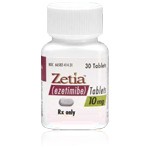
Zetia (Ezetimibe) stands as the first-in-class cholesterol absorption inhibitor medication, introduced by Merck/Schering-Plough in 2002 as a revolutionary non-statin approach to lowering blood cholesterol. Unlike statins that block hepatic cholesterol synthesis, Zetia works directly in the small intestine to prevent dietary and biliary cholesterol absorption. The 10 mg oral tablets deliver consistent LDL reduction either as monotherapy for statin-intolerant patients or as combination therapy with statins for enhanced cholesterol lowering.
Ezetimibe works through selective inhibition of the Niemann-Pick C1-Like 1 (NPC1L1) transporter located on intestinal brush border cells. This blockade prevents cholesterol uptake from the gut while sparing absorption of fat-soluble vitamins, triglycerides, and bile acids. The result: LDL cholesterol drops 18-20% from baseline as monotherapy, LDL falls additional 25% when added to existing statin therapy, and overall lipid profile improves significantly within 2-4 weeks of starting treatment.
Zetia earned major validation through the landmark IMPROVE-IT trial involving 18,144 patients with recent acute coronary syndrome, demonstrating 6.4% relative reduction in cardiovascular events when ezetimibe was added to simvastatin therapy. The SHARP trial confirmed cardiovascular benefit in chronic kidney disease patients. These results established Zetia for statin-intolerant patients, statin combination therapy, familial hypercholesterolemia, homozygous familial sitosterolemia, mixed hyperlipidemia, and residual cholesterol management after maximal statin doses.
Zetia offers convenient once-daily dosing taken any time of day with or without food. The medication reaches peak blood concentrations within 4-12 hours and shows extensive enterohepatic recirculation extending therapeutic effect with long 22-hour half-life. Minimal hepatic metabolism through glucuronidation produces an active metabolite. Generic ezetimibe from quality manufacturers including Cipla, Sun Pharma, and Glenmark provides identical therapeutic effects to brand Zetia at substantially lower cost. The active ingredient remains chemically identical to original Merck formulation across both branded and generic versions of this established cholesterol management therapy.
Free prescription
Discrete packaging
Have questions?
Quality Assurance

- High Cholesterol: Elevated blood cholesterol above 240 mg/dL increasing cardiovascular disease risk significantly;
- LDL: Low-density lipoprotein particles that deposit harmful cholesterol into arteries causing blockages;
- Bad Cholesterol: Harmful LDL cholesterol particles that drive plaque buildup in coronary and brain arteries;
- Hypercholesterolemia: Medical condition with persistently elevated blood cholesterol above healthy threshold values;
- Mixed Hyperlipidemia: Inherited disorder with simultaneously elevated cholesterol and triglyceride blood levels;
- Hyperlipidemia: General medical term for elevated blood fats including cholesterol and triglyceride particles;
- Familial Hypercholesterolemia: Inherited genetic disorder causing extremely elevated LDL cholesterol from birth onwards;
- Homozygous Familial Hypercholesterolemia: Severe inherited form with two defective genes causing very high LDL from early childhood;
- Homozygous Familial Sitosterolemia: Rare inherited disorder with abnormally high plant sterol absorption in blood;
- Statin Intolerant Patients: Patients unable to tolerate statin medications due to muscle pain or other side effects;
- Statin Combination Therapy: Add-on therapy to statins for greater LDL reduction beyond maximal statin doses;
- Residual Cholesterol Risk: Remaining elevated LDL despite maximum tolerated statin therapy requiring additional treatment;
- Heart Attack Prevention: Reducing risk of coronary artery blockage that permanently damages heart muscle tissue;
- Stroke Prevention: Lowering risk of brain artery blockage causing paralysis speech loss or death;
- Heart Disease Prevention: Slowing cholesterol plaque buildup in arteries supplying oxygen to heart muscle;
- Acute Coronary Syndrome: Sudden critical reduction in blood flow to heart muscle from artery blockage;
- Atherosclerosis: Progressive hardening and narrowing of arteries from accumulated cholesterol plaque deposits;
- Chronic Kidney Disease Cholesterol: Cholesterol management in kidney disease patients reducing cardiovascular complications;
- Diabetic Dyslipidemia: Characteristic abnormal cholesterol pattern common in patients with type 2 diabetes;
- Non Statin Cholesterol Therapy: Alternative cholesterol lowering approach for patients avoiding or unable to use statins.
- Lower Total Cholesterol: Overall blood cholesterol decreases substantially within 2-4 weeks of starting treatment;
- Lower Bad Cholesterol: Harmful LDL particles in bloodstream reduce through intestinal absorption blockade;
- Lower Non HDL Cholesterol: Combined harmful cholesterol fractions decrease improving comprehensive lipid panel measurements;
- Lower Apolipoprotein B: ApoB particles carrying harmful fats decrease in number reducing artery damage;
- Less Cholesterol Absorption: Dietary and biliary cholesterol uptake from intestine drops 50% blocking new cholesterol entry;
- Less Heart Attack Risk: Risk of coronary blockage causing heart muscle damage decreases when added to statin;
- Less Stroke Risk: Ischemic stroke probability reduces through lower LDL and plaque stabilization effects;
- Less Cardiovascular Events: Major cardiac event probability drops 6.4% when combined with simvastatin per IMPROVE-IT trial;
- Less Artery Plaque Buildup: Atherosclerotic plaque accumulation slows through reduced cholesterol availability;
- Better Plaque Stability: Existing vulnerable plaques become less likely to rupture and cause clots;
- Less Muscle Problems: Non-statin mechanism avoids muscle side effects that limit statin therapy in many patients;
- Less Drug Interactions: Minimal CYP enzyme involvement avoids most drug interactions affecting statins;
- Better Statin Intolerance Alternative: Patients unable to take statins gain effective cholesterol-lowering through different mechanism;
- Better Statin Combination Results: Combined with low-dose statin matches or exceeds high-dose statin LDL reduction;
- Better Kidney Disease Outcomes: Chronic kidney disease patients see cardiovascular event reduction per SHARP trial evidence;
- Less Diabetic Cardiac Events: Diabetes patients with prior coronary disease see major reduction in repeat events;
- Slower Atherosclerosis Progression: Progressive arterial hardening process slows down over years of consistent use;
- Once Daily Convenience: Single tablet taken any time of day with or without food fits any routine;
- Better Long Term Survival: Life expectancy improves in high-risk patients with prior cardiovascular events;
- Better Quality of Life: Daily wellbeing improves from reduced cardiovascular event anxiety and progression worry.
Generic Zetia (Ezetimibe 10 mg) Medication guide:
📖 What Zetia Is and How It Works
Zetia is the original brand of ezetimibe, a cholesterol absorption inhibitor developed by Merck/Schering-Plough and approved by the US FDA in 2002. Unlike statins (which block cholesterol synthesis in the liver) and unlike fibrates (which alter triglyceride metabolism), ezetimibe works by blocking cholesterol absorption in the small intestine. This distinctive mechanism makes it a valuable partner to statin therapy and a useful option when statins alone are insufficient or not tolerated.
The molecular target of ezetimibe is the Niemann-Pick C1-Like 1 (NPC1L1) transporter on intestinal enterocytes. NPC1L1 is the main gateway for dietary and biliary cholesterol entry into the body. Blocking it substantially reduces the amount of cholesterol reaching the liver from the gut. The liver compensates by upregulating LDL receptors on hepatocyte surfaces - increasing clearance of circulating LDL. The result is meaningful LDL reduction that adds to whatever statin therapy is providing.
The main modern uses of Zetia
- ⚖️ Statin add-on for additional LDL reduction - the standard first-line escalation when statin alone insufficient
- 💔 Statin-intolerant clients - well-tolerated non-statin option
- 🧬 Familial hypercholesterolaemia - part of combination therapy for very high LDL
- ❤️ Post-ACS clients on statin not at very-low LDL target - IMPROVE-IT evidence
- 🩹 Chronic kidney disease - SHARP trial evidence for simvastatin/ezetimibe combination
- 👶 Paediatric HeFH from age 10 - useful add-on in adolescent lipid management
- 🦬 Sitosterolaemia - rare genetic disorder; ezetimibe is specific therapy
Ezetimibe's LDL-lowering effect is modest as monotherapy - roughly 15-20 percent reduction. Added to a statin, ezetimibe adds another 20-25 percent LDL reduction beyond what the statin achieves. This complementary effect makes the combination approach particularly effective. Combined with high-intensity statin (atorvastatin 80 mg or rosuvastatin 40 mg), ezetimibe helps most clients reach very-low LDL targets that would otherwise require PCSK9 inhibitor therapy.
The IMPROVE-IT trial (2015) was the landmark cardiovascular outcome study. In 18,144 post-acute-coronary-syndrome clients already on simvastatin, adding ezetimibe reduced major cardiovascular events by 6.4 percent - modest in relative terms but meaningful given the modest LDL reduction (17 mg/dL further reduction from an already-treated baseline). IMPROVE-IT established that lower LDL is better even beyond statin monotherapy, and validated ezetimibe combination therapy as evidence-based. The SHARP trial (2011) demonstrated benefit specifically in chronic kidney disease clients where statin data is otherwise limited.
Zetia comes as 10 mg tablets - the only dose. Simple once-daily dosing. Absorption is not affected significantly by food, so timing is flexible. Half-life is approximately 22 hours - among the longest of lipid drugs, making adherence forgiving. Metabolism is primarily glucuronidation with minimal CYP involvement. This means very few drug interactions compared with statins and fibrates.
Side effects are minimal - one of the best-tolerated lipid medications. Most clients notice nothing. Rare effects include modest liver enzyme elevation (often when combined with statin), muscle symptoms (very rare with monotherapy), diarrhoea in some clients, and rare severe reactions including angioedema, pancreatitis, and cholecystitis. Substantial post-marketing surveillance over more than two decades has been reassuring.
This guide walks through what ezetimibe does, the specific settings where it fits well, the practical simplicity of once-daily 10 mg dosing, the clean drug interaction profile, the modest side effect profile, the modern combination approaches, and how ezetimibe fits alongside statins, PCSK9 pathway agents, bempedoic acid, and inclisiran. Treat this guide as a companion to what your lipid specialist, cardiologist, or general practitioner tells you.
💊 Why Doctors Prescribe Zetia - Main Indications
Ezetimibe has multiple established indications across cardiovascular prevention and specific lipid disorders. Understanding which indication drove your prescription shapes what you are trying to achieve.
Statin add-on for LDL reduction
The most common modern use. When statin at maximum tolerated dose does not achieve LDL target, ezetimibe is the first-line add-on per most guidelines. IMPROVE-IT trial established cardiovascular outcome benefit. Section 3 covers this indication.
Statin-intolerant clients
For clients who genuinely cannot tolerate any statin, ezetimibe monotherapy provides modest but useful LDL reduction (15-20 percent). Well-tolerated with minimal muscle risk. Often combined with bempedoic acid or PCSK9 inhibitor for greater effect. Section 4 covers this indication.
Familial hypercholesterolaemia
Genetic disorder causing very high LDL and premature ASCVD. Ezetimibe is standard part of combination therapy - typically added to maximum-tolerated statin. Often further combined with PCSK9 inhibitor. Approved for paediatric HeFH from age 10. Section 5 covers this indication.
Post-acute coronary syndrome secondary prevention
The IMPROVE-IT population specifically. Post-ACS clients on statin whose LDL is not at very-low targets benefit from ezetimibe addition. Cardiovascular event reduction 6.4 percent relative in IMPROVE-IT. Standard component of post-ACS lipid regimen when target not achieved on statin alone.
Chronic kidney disease
The SHARP trial demonstrated simvastatin plus ezetimibe reduced major atherosclerotic events by 17 percent in CKD clients (including those on dialysis). This is one of the few positive lipid trials in CKD populations. KDIGO guidelines support this combination for eligible CKD clients.
Homozygous familial hypercholesterolaemia
Very rare severe FH. Ezetimibe is standard part of multi-drug combination alongside high-dose statin, PCSK9 inhibitor, evinacumab, lomitapide, and LDL apheresis. Specialist paediatric or lipid centre management.
Sitosterolaemia
Rare autosomal recessive disorder causing hyperabsorption of plant sterols (sitosterol) and cholesterol due to ABCG5/ABCG8 gene mutations. Presents with premature ASCVD despite modest LDL elevation. Ezetimibe is specific first-line therapy because it directly blocks the NPC1L1-mediated absorption pathway involved.
Where ezetimibe does not fit
- First-line LDL reduction (statin much better if tolerated)
- Isolated hypertriglyceridaemia (fibrate or omega-3 more targeted)
- Low HDL alone
- Very short life expectancy - LDL benefit accrues over years
Ezetimibe as the modern add-on default
Since IMPROVE-IT (2015) and generic availability (2016), ezetimibe has become the standard first-line add-on when statin alone does not achieve LDL target. It is well-tolerated, inexpensive as generic, evidence-based for cardiovascular outcomes, and combines with essentially any statin. Modern practice generally tries statin plus ezetimibe combination before escalating to PCSK9 inhibitor.
Ask your treating team what specific indication drove your ezetimibe prescription, whether it is monotherapy or statin add-on, what LDL target is being pursued, and whether combination with other lipid agents is planned.
⚖️ Zetia Added to Statin - Standard Escalation
Adding ezetimibe to statin is the most common modern use. This section covers the practical approach, evidence, and expected results.
The complementary mechanism
- Statins reduce hepatic cholesterol synthesis
- Ezetimibe reduces intestinal cholesterol absorption
- Combined effect: substantial LDL reduction with different molecular targets
- No competition between mechanisms
- Adherence to combination generally straightforward
Additional LDL reduction from adding ezetimibe
- Ezetimibe monotherapy: 15-20 percent LDL reduction
- Added to statin: approximately 20-25 percent additional reduction beyond statin effect
- Equivalent to roughly doubling the statin dose - but without doubling statin side effects
- Effect within 2 weeks; full effect by 4-6 weeks
- Consistent across statin types
IMPROVE-IT - the outcome evidence
The IMPROVE-IT trial (Cannon et al. NEJM 2015) enrolled 18,144 clients within 10 days of acute coronary syndrome. Median follow-up 6 years. Simvastatin 40 mg plus ezetimibe 10 mg vs simvastatin 40 mg alone. LDL achieved: 54 mg/dL on combination vs 70 mg/dL on simvastatin alone. Primary composite reduced 6.4 percent (cardiovascular death, MI, unstable angina requiring rehospitalisation, coronary revascularisation, stroke). Established that adding ezetimibe to statin provides cardiovascular outcome benefit beyond the statin alone. Also confirmed "lower LDL is better" principle even at low achieved LDL levels.
When to add ezetimibe to statin
- LDL not at target on maximum-tolerated statin - standard first add-on
- Very high-risk clients where target under 55 mg/dL not achievable on statin alone
- Familial hypercholesterolaemia - very high baseline LDL requiring multi-drug approach
- Post-ACS clients not at very-low LDL target
- Statin dose limited by side effects - ezetimibe adds without increasing statin dose
- Chronic kidney disease - SHARP evidence
Practical combination approach
- Continue statin at optimal or maximum tolerated dose
- Add ezetimibe 10 mg once daily
- Available as fixed-dose combination with simvastatin (Vytorin) and atorvastatin (Liptruzet) for convenience
- Recheck LDL at 6-12 weeks
- If still not at target - consider PCSK9 inhibitor addition or higher-intensity statin
- Monitor for muscle symptoms (minimal additive risk vs statin alone)
Alternative: RACING trial approach
The RACING trial (Lancet 2022) tested moderate-intensity statin plus ezetimibe vs high-intensity statin monotherapy in Korean clients with ASCVD. Noninferior for cardiovascular outcomes at 3 years. Better tolerability with the combination approach. This provides an alternative framing - some clients may do better on moderate statin plus ezetimibe than high-dose statin alone, particularly if concerned about statin side effects.
Adding ezetimibe to statin is the standard first escalation step when LDL target not achieved. Modest but meaningful additional LDL reduction with excellent tolerability makes this approach broadly appropriate.
💔 Zetia for Statin-Intolerant Clients
Statin intolerance is a key indication for ezetimibe. When statins are truly not tolerated, ezetimibe provides useful LDL reduction with minimal side effects.
What is true statin intolerance
- Muscle symptoms with two or more different statins
- Symptoms resolve on stopping and recur on rechallenge
- Alternative causes ruled out (hypothyroidism, vitamin D deficiency, other medications)
- Non-statin explanation for the symptoms considered
- Nocebo effect ruled out with blinded rechallenge in some cases
- True intolerance is uncommon - SAMSON trial showed 90 percent of complaints are nocebo
Before declaring intolerance - systematic approach
- Try lower dose of same statin
- Try different statin (rotate through 3-4 options - hydrophilic like rosuvastatin/pravastatin often better tolerated)
- Try alternate-day dosing
- Try weekly rosuvastatin (long half-life allows)
- Address vitamin D deficiency if present
- Consider blinded rechallenge to assess nocebo contribution
Ezetimibe monotherapy for statin-intolerant clients
- LDL reduction 15-20 percent
- Well-tolerated - muscle symptoms rare
- Once-daily 10 mg dosing
- Minimal drug interactions
- Generic and inexpensive
- Cardiovascular outcome evidence indirect - benefit inferred from LDL reduction consistent with statin evidence
Combination options for statin-intolerant clients
- Ezetimibe + bempedoic acid - additive LDL reduction; CLEAR Outcomes trial evidence for CV benefit; the modern preferred combination for statin-intolerant clients
- Ezetimibe + PCSK9 inhibitor - substantial LDL reduction; FOURIER, ODYSSEY OUTCOMES evidence
- Ezetimibe + inclisiran - convenient twice-yearly PCSK9 pathway
- Ezetimibe + bile acid sequestrant - additive but poorly tolerated combination
- Ezetimibe monotherapy when the above are unavailable or contraindicated
Typical statin-intolerant regimen
- Ezetimibe 10 mg once daily
- Add bempedoic acid 180 mg daily if LDL target not achieved on ezetimibe alone
- Fixed-dose combination available (Nexlizet - bempedoic acid/ezetimibe)
- If still not at target and very high risk - PCSK9 inhibitor
- Attempt low-dose statin (rosuvastatin 2.5 mg weekly, atorvastatin 5-10 mg alternate day) if truly cannot tolerate
Ezetimibe is a foundation of statin-intolerant lipid therapy. Combined with bempedoic acid or PCSK9 inhibitor, it can achieve substantial LDL reduction even when statins cannot be used.
🧬 Zetia for Familial Hypercholesterolaemia
Familial hypercholesterolaemia (FH) is a genetic disorder of very high LDL requiring intensive multi-drug lipid therapy. Ezetimibe is a standard component of the FH regimen.
Heterozygous familial hypercholesterolaemia (HeFH)
- Prevalence roughly 1 in 250-500 in general population
- Usually caused by LDL receptor gene mutation
- Baseline LDL typically 190-500 mg/dL
- Marked premature ASCVD risk - MI in 30s-50s untreated
- Cascade family testing recommended
- Physical signs sometimes: xanthomas, corneal arcus (early), tendon xanthomas
Adult HeFH treatment approach
- Maximum-tolerated statin - atorvastatin 40-80 mg or rosuvastatin 20-40 mg
- Add ezetimibe 10 mg - typically needed to reach LDL target
- Add PCSK9 inhibitor (evolocumab or alirocumab) if still not at target
- Add inclisiran as PCSK9 siRNA alternative
- Consider bempedoic acid for additional lowering
- LDL apheresis for very severe or homozygous cases
- Target: under 55 mg/dL if established ASCVD; under 70 mg/dL otherwise
ENHANCE trial - the imaging controversy
The ENHANCE trial (Kastelein et al. NEJM 2008) tested simvastatin/ezetimibe vs simvastatin alone in 720 clients with HeFH. Carotid intima-media thickness (imaging endpoint) did not differ despite substantial additional LDL reduction with ezetimibe. This generated substantial controversy about whether ezetimibe's LDL reduction translated to atherosclerosis modification. Later trials (SHARP for outcomes, IMPROVE-IT for outcomes) resolved this by showing outcome benefit. The imaging discordance likely reflected limitations of carotid IMT as a short-term surrogate rather than lack of ezetimibe benefit.
Paediatric HeFH from age 10
- Ezetimibe FDA-approved for children with HeFH from age 10
- Typically added to paediatric statin therapy
- Growth, puberty, long-term safety well-documented
- Paediatric lipid specialist involvement
- Family and paediatrician commitment essential
Homozygous familial hypercholesterolaemia
- Rare (roughly 1 in 300,000 to 1 in a million)
- LDL often 500-1000 mg/dL untreated
- Presents in childhood with xanthomas and premature ASCVD
- Statin plus ezetimibe alone insufficient - LDL receptor function largely absent
- Combination with PCSK9 inhibitor, evinacumab (anti-ANGPTL3), lomitapide
- LDL apheresis in severe cases
- Specialised paediatric lipid centre management
- Ezetimibe still contributes to combination regimen
Familial hypercholesterolaemia requires multi-drug combination therapy. Ezetimibe is a standard component of the regimen at every level of severity. Modern practice increasingly integrates PCSK9 pathway agents for the most severe cases.
📊 IMPROVE-IT SHARP and Modern Evidence Base
Ezetimibe has one of the most focused evidence bases in cardiovascular medicine. Understanding the individual trials and their combined message defines contemporary practice.
IMPROVE-IT - the definitive CV outcome trial
- Improved Reduction of Outcomes: Vytorin Efficacy International Trial
- Published NEJM 2015, Cannon and colleagues
- 18,144 clients within 10 days of acute coronary syndrome
- LDL 50-125 mg/dL at randomisation
- Simvastatin 40 mg plus ezetimibe 10 mg vs simvastatin 40 mg alone
- Median follow-up 6 years
- Primary composite reduced 6.4 percent (relative)
- Absolute risk reduction 2 percent
- LDL: 54 mg/dL on combination vs 70 mg/dL on simvastatin alone
- Established cardiovascular benefit of adding ezetimibe to statin
SHARP - lipid therapy in kidney disease
- Study of Heart and Renal Protection
- Published Lancet 2011, Baigent and colleagues
- 9,270 clients with CKD (including those on dialysis)
- Simvastatin 20 mg plus ezetimibe 10 mg vs placebo
- Median follow-up 4.9 years
- Major atherosclerotic events reduced 17 percent
- Established lipid therapy benefit in CKD populations
- One of the few positive lipid trials in this population
RACING - the RCT alternative to high-intensity statin
- Randomised Comparison of Moderate-Intensity Statin plus Ezetimibe with High-Intensity Statin
- Published Lancet 2022, Kim and colleagues
- 3,780 Korean clients with ASCVD
- Rosuvastatin 10 mg plus ezetimibe 10 mg vs rosuvastatin 20 mg alone
- Follow-up 3 years
- Composite cardiovascular endpoint noninferior
- Better tolerated combination arm (fewer discontinuations)
- Established alternative to statin dose escalation
ENHANCE - the imaging controversy
- Published NEJM 2008, Kastelein and colleagues
- 720 clients with heterozygous FH
- Simvastatin plus ezetimibe vs simvastatin alone
- Carotid intima-media thickness at 2 years
- No difference in IMT despite substantial LDL reduction
- Generated substantial controversy at the time
- Resolved by later IMPROVE-IT and SHARP outcome data
- Highlighted limitations of imaging surrogates
Other supporting evidence
- PRECISE-IVUS - Japanese imaging trial; atorvastatin plus ezetimibe reduced plaque volume more than atorvastatin alone
- Mendelian randomisation of NPC1L1 variants - genetic evidence that lower LDL from ezetimibe pathway translates to lower cardiovascular risk
- Post-hoc analyses of IMPROVE-IT - consistent benefit across baseline LDL, age, sex subgroups
- Long post-marketing surveillance - reassuring safety over two decades
The overall picture
IMPROVE-IT firmly established ezetimibe combination therapy as evidence-based. SHARP validated the approach in CKD populations. RACING provided the modern option of moderate statin plus ezetimibe as alternative to high-intensity statin monotherapy. Genetic evidence from NPC1L1 variants supports the mechanism. Together, this evidence positions ezetimibe as the standard first-line non-statin add-on for LDL reduction with real cardiovascular benefit.
Ezetimibe evidence is focused but strong. Modern practice draws on this evidence to make ezetimibe the default first escalation step in lipid therapy.
🔬 How Ezetimibe Blocks NPC1L1 Uniquely
Ezetimibe's mechanism is unique among lipid drugs. Understanding NPC1L1 biology explains both its LDL-lowering effect and its distinctive clean safety profile.
The NPC1L1 pathway
- NPC1L1 (Niemann-Pick C1-Like 1) transporter located on brush border of enterocytes in small intestine
- Also expressed on hepatocyte canalicular membranes
- Main gateway for dietary and biliary cholesterol absorption
- Also handles plant sterols (sitosterol) - relevant for sitosterolaemia
- Ezetimibe (via active glucuronide metabolite) binds to NPC1L1 and blocks cholesterol transport
- Cholesterol delivery to liver falls approximately 50 percent
- Liver responds by upregulating LDL receptors on hepatocyte surface
- More circulating LDL cleared from blood
- Result: 15-20 percent LDL reduction on monotherapy
Why ezetimibe complements statins
Statins reduce cholesterol synthesis in the liver. The liver responds by pulling more cholesterol from other sources - including from intestinal absorption. Ezetimibe blocks this compensatory absorption pathway. The two mechanisms attack cholesterol supply from different angles - synthesis (statin) and absorption (ezetimibe). Combined, they achieve LDL reduction greater than either alone with no molecular interference between the two drugs.
What ezetimibe does NOT do
- Does not inhibit cholesterol synthesis (unlike statins)
- Does not activate PPAR-alpha (unlike fibrates)
- Does not affect triglyceride metabolism significantly
- Does not affect HDL substantially
- Does not affect insulin sensitivity
- Does not concentrate in muscle tissue
- Does not require significant CYP metabolism
- Does not create significant drug interactions
Effects on lipids at 10 mg daily
| Parameter | Effect (monotherapy) | Effect (statin add-on) |
|---|---|---|
| LDL cholesterol | Reduced 15-20 percent | Additional 20-25 percent |
| Total cholesterol | Reduced 13-15 percent | Additional 15-20 percent |
| Triglycerides | Reduced 5-8 percent | Additional modest reduction |
| HDL cholesterol | Increased 1-4 percent | Minimal additional change |
| Non-HDL cholesterol | Reduced 12-16 percent | Additional 15-20 percent |
Pharmacokinetics
- Oral bioavailability - variable but sufficient
- Peak plasma concentration - 4-12 hours after dose
- Half-life - approximately 22 hours (parent and active glucuronide combined)
- Metabolism - primarily hepatic glucuronidation to active ezetimibe-glucuronide
- Minimal CYP involvement - clean drug interaction profile
- Enterohepatic recirculation - repeated exposure to intestinal target site
- Elimination - primarily biliary/faecal
- No renal dose adjustment needed
- Not affected by food - flexible timing
The NPC1L1 mechanism explains ezetimibe's specific profile - modest LDL lowering, minimal side effects, clean drug interactions, and complementary effect with statins. Understanding this biology guides appropriate clinical use.
⏰ Zetia Dose Schedule and Timing Rules
Zetia dosing is the simplest of any lipid drug - one 10 mg tablet once daily. No titration, no dose ranges, no formulation choices.
Standard dosing
| Situation | Dose |
|---|---|
| All adults | 10 mg once daily |
| Adolescents (age 10-17) with HeFH | 10 mg once daily |
| Elderly | 10 mg once daily (no adjustment) |
| Renal impairment | 10 mg once daily (no adjustment) |
| Mild hepatic impairment (Child-Pugh A) | 10 mg once daily |
| Moderate/severe hepatic impairment (Child-Pugh B/C) | Not recommended |
Fixed-dose combination products
- Vytorin - ezetimibe/simvastatin combinations: 10/10 mg, 10/20 mg, 10/40 mg, 10/80 mg
- Liptruzet - ezetimibe/atorvastatin combinations: 10/10 mg, 10/20 mg, 10/40 mg, 10/80 mg
- Nexlizet/Nustendi - bempedoic acid/ezetimibe combination: 180/10 mg
- Fixed-dose combinations improve adherence and often reduce cost
Timing flexibility
Take at any consistent time of day - morning, afternoon, or evening all acceptable. Food does not significantly affect absorption. If combined with statin, take at the same time as the statin for convenience (though not required). The long half-life (22 hours) makes timing very forgiving. Same time daily supports adherence habit.
Expected effect timeline
- LDL reduction begins within 1-2 weeks
- Substantial effect by 2-4 weeks
- Full effect by 4-6 weeks
- Recheck lipids at 6-12 weeks after starting
Duration of therapy
- Lifelong for established ASCVD or FH
- Continued as long as LDL benefit is desired
- Effect ends within 1-2 weeks of stopping
- Reassess annually whether continuation justified
Zetia dosing is uniquely simple among lipid drugs. Once optimal use established, most clients continue same regimen for years.
📅 Starting Zetia - First Weeks Approach
Starting Zetia is generally uneventful. It is one of the smoothest lipid medications to initiate.
Typical initiation experience
- Most clients notice nothing subjectively in first days or weeks
- LDL reduction begins within 1-2 weeks
- Full effect by 4-6 weeks
- Side effects rare
- Adherence typically good given easy dosing
- Long-term tolerance for the great majority
Pre-treatment assessment
- Baseline lipid profile
- Baseline liver function tests (ALT) - particularly if combining with statin
- Renal function (for baseline; ezetimibe does not need renal adjustment)
- Review of concurrent medications - clean interaction profile means less concern
- Discussion of expected benefits
Setting expectations
- No immediate symptom improvement - not for symptoms
- LDL reduction is the marker of success
- Long-term cardiovascular event reduction is the outcome
- Side effects very rare
- Once-daily anytime dosing
- Food and grapefruit juice not concerns
- Combines easily with statin if added
Follow-up schedule for initiation
- 6-12 weeks after start - lipid panel
- If at target: continue current regimen
- If not at target: consider adding PCSK9 inhibitor or increasing statin
- Symptom review at each contact
- Annual monitoring thereafter
- LFTs periodic if on statin combination
Uncommon warning signs during initiation
- 🔴 Severe muscle pain, weakness (rare on monotherapy; slightly more common with statin combination)
- 🔴 Dark tea-coloured urine (very rare rhabdomyolysis)
- 🔴 Yellow skin or eyes - liver concern
- 🔴 Persistent nausea and abdominal pain (rare pancreatitis or cholecystitis signals)
- 🔴 Facial or lip swelling (very rare angioedema)
- 🔴 Severe rash or allergic reaction
Zetia initiation is straightforward. Realistic expectations, appropriate monitoring, and prompt attention to the uncommon warning symptoms make transition to long-term therapy smooth.
📏 Zetia Dose Adjustments and Combination Options
Zetia dose adjustment is not really a concept - the drug is fixed-dose at 10 mg once daily. Adjustments in Zetia therapy mean combination with other agents rather than dose changes.
Factors affecting individual response
- Baseline LDL - higher baseline allows more absolute reduction
- Concurrent statin dose - higher statin reduces additional ezetimibe effect somewhat but combined still substantially lower
- Adherence - most common cause of non-response
- Diet - high-cholesterol diet may reduce percentage effect
- Genetics - NPC1L1 variants explain some inter-individual response variation
- Concurrent bile acid sequestrants - reduce ezetimibe absorption
When LDL target not achieved on statin plus ezetimibe
- Check statin dose - increase if not at maximum tolerated
- Add PCSK9 inhibitor (evolocumab or alirocumab) - substantial additional LDL reduction
- Consider inclisiran as PCSK9 siRNA alternative
- Consider bempedoic acid - additional LDL lowering
- Consider LDL apheresis for very severe FH
- Reassess whether ezetimibe was appropriate - statin dose optimisation may address issue
Combination options with ezetimibe
| Combination | Additional LDL reduction | Notes |
|---|---|---|
| Ezetimibe + statin | 20-25 percent additional | Most common; IMPROVE-IT evidence |
| Ezetimibe + bempedoic acid | 15-25 percent additional | Fixed-dose Nexlizet available; statin-intolerant |
| Ezetimibe + PCSK9 inhibitor | Substantial | Powerful combination for high-risk clients |
| Ezetimibe + inclisiran | Substantial | Twice-yearly PCSK9 siRNA |
| Statin + ezetimibe + PCSK9 inhibitor | Very substantial | FH; very high-risk |
| Ezetimibe + bile acid sequestrant | Modest additional | Rarely used; separate dosing needed |
The modern lipid escalation ladder
- High-intensity statin
- Add ezetimibe
- Add PCSK9 inhibitor or inclisiran
- Consider bempedoic acid
- LDL apheresis for severe FH not responding
Zetia adjustment is really about combination therapy rather than dose changes. Once ezetimibe is added, the next escalation step is typically PCSK9 inhibitor if further LDL reduction needed.
💊 How to Take Zetia Tablets Properly
Practical routines around Zetia are the simplest of any lipid drug. Truly once-daily anytime, food-flexible, minimal restrictions.
Practical daily routine
- Once daily at any consistent time
- With or without food - absorption not significantly affected
- With water - a full glass
- Swallow whole - do not crush or chew
- Any time of day - morning, afternoon, evening equally acceptable
- Grapefruit juice acceptable - no interaction (unlike lipophilic statins)
- Consistency supports adherence but timing forgiving
- Refill 2 weeks before running out
Anchor the dose to a daily habit
- Alongside statin if both taken
- Morning with breakfast or coffee
- Evening with dinner
- Bedtime with nighttime routine
- Weekly pillbox helpful for polypharmacy
- Phone alarm labelled "Zetia" or "lipid"
Bile acid sequestrant timing separation
- If also taking cholestyramine, colestipol, colesevelam
- Bile acid sequestrant can reduce ezetimibe absorption
- Take ezetimibe at least 2 hours before or 4 hours after bile acid sequestrant
- The only real timing restriction with Zetia
Common medication safety issues
- 🔴 Do not stop suddenly without discussion if it is part of LDL management plan
- 🔴 Report new muscle pain or weakness (rare on monotherapy)
- 🔴 Report yellow skin or eyes
- 🔴 Report severe abdominal pain
- 🔴 Never double up on missed dose
- 🔴 Alert medical team if starting cyclosporine (interaction)
- 🔴 If pregnancy considered - discuss (Section 28)
Storage
- Room temperature under 25 C
- Original packaging
- Protect from moisture
- Not in bathroom or hot car
- Out of reach of children (except when prescribed for adolescent HeFH)
- Do not use past expiry
- Return unused tablets to pharmacy
Zetia is one of the easiest lipid medications to take. Once-daily anytime dosing with food flexibility makes adherence straightforward. Only real timing rule is bile acid sequestrant separation if applicable.
🍴 Food Diet and Zetia Absorption Rules
Food and diet interactions with ezetimibe are minimal. This is one of the most food-flexible lipid medications available.
Good news - minimal food restrictions
Ezetimibe is not metabolised by CYP3A4, so grapefruit juice does not interact. Absorption is not significantly affected by food, so timing relative to meals is flexible. No specific food to avoid for medication reasons. This gives ezetimibe substantial advantages in real-world adherence compared with drugs that require specific timing.
Ezetimibe absorption
- Absorption similar with or without food
- High-fat meals may modestly increase peak concentration - not clinically significant
- Consistent timing relative to meals matters more than fed/fasted state
- No specific food to avoid
- Grapefruit juice acceptable
- No dairy interaction
Cardioprotective dietary pattern
- Mediterranean-style eating - fruits, vegetables, whole grains, legumes, nuts, fish, olive oil
- Reduce saturated fat - limit red and processed meat, high-fat dairy, tropical oils
- Avoid trans fats - hydrogenated oils, some processed foods
- Sodium under 2,300 mg daily (1,500 mg if hypertensive)
- Soluble fibre - oats, barley, legumes, fruits (aids LDL reduction)
- Plant stanols/sterols - roughly 2 g daily can add 5-10 percent LDL reduction
- Fish twice weekly for omega-3
- Sugar limitation - especially sugar-sweetened beverages
Ezetimibe and dietary cholesterol
Because ezetimibe blocks NPC1L1-mediated cholesterol absorption, one might expect its effect to be smaller in clients on very low-cholesterol diets. In practice, this effect is modest - biliary cholesterol reabsorption is a larger source of NPC1L1 traffic than dietary cholesterol. Ezetimibe works well regardless of dietary cholesterol content.
Statin does not replace diet
- Diet independently affects LDL, HDL, triglycerides, glucose, blood pressure
- Diet effects add to statin plus ezetimibe effects
- Poor diet may attenuate LDL reduction from combined therapy
- Diet plus drug therapy better than either alone
Ezetimibe's food and dietary interaction profile is one of the cleanest of any lipid drug. No grapefruit avoidance needed. Standard cardioprotective eating supports the drug's LDL-lowering effect.
🍷 Alcohol Rules During Zetia Therapy
Moderate alcohol on ezetimibe is generally acceptable. Ezetimibe itself does not interact with alcohol in a meaningful way, but general cardiovascular advice applies.
Alcohol considerations
- No direct pharmacological interaction with ezetimibe
- Liver - heavy alcohol raises ALT independently; may compound if combined with statin
- Triglycerides - alcohol raises triglycerides significantly
- Cardiovascular disease - heavy drinking increases cardiovascular risk
- Weight and blood pressure - alcohol contributes
Practical guidance
| Situation | Recommendation |
|---|---|
| Occasional social drinking | Generally acceptable within official limits |
| Daily 1 drink | Usually acceptable if liver normal |
| Daily 2 drinks | Upper limit; monitor LFTs |
| Regular binge drinking | Avoid strongly |
| Fatty liver or hepatitis | Minimise significantly |
| High baseline triglycerides | Reduce or avoid |
| Alcohol use disorder | Address as separate condition |
Standard drink definitions
- US: 14 g pure alcohol - 12 oz beer, 5 oz wine, 1.5 oz spirits
- UK unit: 8 g pure alcohol - about 76 ml of 12 percent wine
- Weekly limits: 14 units UK; roughly similar for daily 1 US drink
- WHO 2023: No level of alcohol is without health impact
Reasonable moderate drinking is compatible with ezetimibe therapy. The general cardiovascular advice on alcohol applies rather than a drug-specific concern.
🚨 Zetia Side Effects Complete Overview
Ezetimibe has one of the cleanest side effect profiles of any lipid medication. Most clients notice nothing during therapy.
Common side effects (1-10 percent)
- Diarrhoea - occasional; usually mild
- Upper respiratory tract infections - trials showed slight excess; often coincidental
- Sinusitis
- Fatigue - occasional; often not drug-related
- Arthralgia - occasional
- Modest ALT elevation - particularly with statin combination
Uncommon side effects (0.1-1 percent)
- Nausea
- Abdominal pain
- Headache
- Rash
- Dizziness
- Increased CK (with statin combination)
- Cough
Serious rare (under 0.1 percent)
- 🔴 Rhabdomyolysis (very rare monotherapy; slightly more with statin combination)
- 🔴 Angioedema
- 🔴 Severe hypersensitivity reactions
- 🔴 Pancreatitis (rare)
- 🔴 Cholelithiasis and cholecystitis (rare)
- 🔴 Elevated ALT over 3x upper limit (rare)
- 🔴 Thrombocytopenia (rare)
- 🔴 Depression signals (rare)
Trial safety profile
The IMPROVE-IT trial provided the most comprehensive ezetimibe safety data. Across 18,144 clients over 6+ years, the ezetimibe/simvastatin combination showed adverse event rates broadly similar to simvastatin monotherapy. No new safety signals identified. Slight excess of ALT elevation with combination arm as expected. Reassuring long-term safety profile supports the drug's widespread modern use.
General approach to side effects
- Report new symptoms - do not assume drug-related given clean baseline profile
- Investigate other causes for new symptoms
- Diarrhoea often settles with time
- Muscle symptoms warrant workup particularly if on statin
- True intolerance is very rare
- Serious effects are very rare and warrant urgent action
Ezetimibe is remarkably well-tolerated. Most clients experience no side effects. Serious reactions are rare across two decades of widespread use.
💪 Muscle Symptoms - Minimal Signal on Zetia
Muscle symptoms are among the smallest concerns with ezetimibe. Unlike statins, ezetimibe does not directly affect muscle tissue.
Why muscle risk is minimal
- Ezetimibe acts on intestinal NPC1L1 - not on muscle tissue
- Not lipophilic (unlike lipophilic statins)
- Does not concentrate in muscle
- Trials show muscle complaint rates similar to placebo on monotherapy
- Statin combination adds statin-related muscle risk but not much extra
Ezetimibe monotherapy muscle profile
- Myalgia rate approximately 4 percent - similar to placebo
- Serious myopathy very rare
- Rhabdomyolysis extremely rare (much less than statins)
- CK elevation uncommon
- One of the best-tolerated lipid drugs from muscle perspective
Statin plus ezetimibe muscle profile
- Muscle complaint rates similar to statin monotherapy
- IMPROVE-IT showed no meaningful excess muscle events with combination
- Rare case reports of rhabdomyolysis in combination
- Ezetimibe does not substantially raise statin levels
- Combination is safe alternative to higher statin dose
Statin-intolerant clients on ezetimibe
For clients who cannot tolerate statins due to muscle symptoms, ezetimibe monotherapy is well-tolerated in most cases. This is why ezetimibe is a key part of statin-intolerant lipid management. Combined with bempedoic acid (also low muscle risk), it provides useful LDL reduction without the muscle concerns of statins.
Approach to muscle symptoms on ezetimibe
- Assess symptom characteristics
- Check CK if suggestive
- Consider other causes (statin if combined, other drugs, hypothyroidism, mechanical)
- If truly ezetimibe-related and troublesome - stop and reassess
- Modern alternatives (bempedoic acid, PCSK9 inhibitor) available if needed
Ezetimibe carries minimal muscle risk. Even when muscle symptoms occur on statin plus ezetimibe combination, the statin is typically the cause. Ezetimibe monotherapy is a good option for statin-muscle-intolerant clients.
🔴 Diarrhoea and Gastrointestinal Effects on Zetia
Gastrointestinal effects are the most common side effect category with ezetimibe. Most are mild and settle with time.
Common GI complaints
- Diarrhoea - most commonly reported GI effect; mild to moderate
- Abdominal pain - occasional; vague discomfort
- Flatulence
- Nausea - uncommon
- Constipation - less common than diarrhoea
Why diarrhoea occurs
Ezetimibe blocks intestinal cholesterol absorption. Unabsorbed cholesterol and biliary lipids reach the colon and can cause osmotic and secretory effects. Most clients tolerate this without issue but some develop mild diarrhoea, especially in the first weeks. Usually settles as the intestine adapts.
Timing pattern
- Most GI symptoms appear in first 2-4 weeks
- Often improve after 6-8 weeks as body adjusts
- Persistent symptoms after 3 months less common
- New GI symptoms months into therapy warrant investigation for other cause
Management strategies
- Reassure that mild GI effects usually settle
- Take with meals if not already
- Adequate hydration if diarrhoea
- Consider if the effect is truly ezetimibe or another concurrent factor
- Reduce dose is not an option (only 10 mg available)
- Consider alternate-day dosing as temporary trial
- Investigate other causes if symptoms severe or persistent
- Discontinue and try alternative if persistent intolerance
🔴 Symptoms that need urgent evaluation
- Severe upper right quadrant pain - gallstones (rare with ezetimibe)
- Severe epigastric pain radiating to back - pancreatitis (rare)
- Vomiting with blood or coffee-ground material
- Black tarry stools - upper GI bleeding
- Persistent severe diarrhoea with dehydration
- Yellow skin or eyes with GI symptoms - liver/bile duct
- Fever with abdominal pain - infection or acute abdomen
GI intolerance is uncommon with ezetimibe. Simple measures usually manage; persistent problems argue for switching to alternative lipid therapy.
🟡 Liver Enzyme Elevation on Zetia
Liver enzyme elevation on ezetimibe is uncommon on monotherapy and modestly more common with statin combination. Serious hepatotoxicity is very rare.
Transaminase pattern
- Ezetimibe monotherapy: ALT elevation 3x upper normal in less than 1 percent
- Ezetimibe plus statin: ALT elevation 3x upper normal in approximately 1-3 percent (statin-driven mostly)
- Elevations often transient
- Symptomatic hepatotoxicity very rare
- Fulminant hepatic failure extremely rare
Monitoring approach
- Baseline ALT before starting (particularly if combined with statin)
- Recheck at 6-12 weeks if starting statin combination
- Symptomatic testing thereafter
- Modern approach does not require routine periodic LFT monitoring for lipid drugs alone
If ALT rises
- Verify with repeat testing
- Assess alcohol intake honestly
- Review new medications and herbal products
- Check viral hepatitis serology if concerning
- Consider NAFLD progression
- If clearly medication-related and severe - assess statin vs ezetimibe contribution
- Statin is more likely culprit than ezetimibe when combination is used
- If ALT over 3x upper normal - reduce or stop
Baseline liver considerations
- Fatty liver (NAFLD) - ezetimibe acceptable with monitoring
- Compensated cirrhosis (Child-Pugh A) - acceptable
- Moderate hepatic impairment (Child-Pugh B) - not recommended
- Severe hepatic impairment (Child-Pugh C) - not recommended
- Active hepatitis or acute liver failure - avoid
Liver monitoring for ezetimibe is straightforward. Serious hepatotoxicity is very rare. Statin combination monitoring follows standard statin monitoring principles.
❗ Rare Serious Adverse Effects on Zetia
Rare serious adverse effects on ezetimibe include hypersensitivity reactions, pancreatitis, cholelithiasis, and blood cell abnormalities. All are uncommon but warrant recognition.
🔴 Angioedema and hypersensitivity
- Rare but well-documented
- Presents with facial, lip, tongue, throat swelling
- May develop within hours to weeks of starting
- Urgent evaluation warranted
- Discontinuation and antihistamine typically manages
- Do not rechallenge
- Severe anaphylaxis extremely rare
🔴 Pancreatitis
- Rare but reported in post-marketing surveillance
- Presents with severe epigastric pain radiating to back
- Elevated lipase and amylase
- Urgent evaluation and hospitalisation
- Stop ezetimibe if suspected
- Investigate for other causes (alcohol, gallstones, hypertriglyceridaemia)
🔴 Cholelithiasis and cholecystitis
- Rare signal in post-marketing surveillance
- Mechanism uncertain - possibly altered biliary composition
- Absolute risk very low
- Less concerning than with fibrates (which have established gallstone risk)
- Symptoms warrant ultrasound evaluation
🔴 Rhabdomyolysis
- Very rare on ezetimibe monotherapy
- Slightly more common when combined with statin (mostly statin-driven)
- Presents with severe muscle pain, weakness, dark urine
- Emergency evaluation warranted
- Stop drugs; hydration and monitoring
🔴 Blood cell effects
- Thrombocytopenia - rare reports
- Anaemia - rare
- Investigate if unexplained cytopenias develop
🔴 Depression signals
- Rare post-marketing reports
- Causality uncertain
- New mood symptoms warrant assessment
Long-term safety perspective
Over two decades of ezetimibe post-marketing surveillance globally, no unexpected serious safety signals have emerged. The rare events noted here are known but very uncommon. IMPROVE-IT provided comprehensive long-term safety data confirming an acceptable profile. Ezetimibe remains one of the best-tolerated lipid medications available.
Rare serious effects on ezetimibe warrant awareness but should not deter appropriate use. The overall long-term safety profile is reassuring across two decades of widespread global use.
⚖️ Zetia and Weight or Blood Sugar Effects
Ezetimibe does not meaningfully affect body weight or blood sugar. This distinguishes it from some other lipid drugs and makes it particularly suitable for metabolically complex clients.
Weight
- Ezetimibe is weight-neutral in trials
- No appetite effects
- No metabolic effects that alter body composition
- Weight changes on ezetimibe reflect lifestyle and other factors
Blood sugar
- Ezetimibe does not raise blood glucose (unlike statins, niacin)
- Does not increase new-onset diabetes risk
- HbA1c not significantly affected
- Safe in prediabetic and diabetic clients
- Diabetic clients often benefit from LDL reduction without additional glucose concern
Metabolic advantage vs statins
Statins slightly raise new-onset diabetes risk. Niacin substantially worsens glycaemic control. Fibrates modestly improve some metabolic parameters. Ezetimibe is neutral on all these - no diabetes risk elevation, no weight effects, no metabolic burden. This makes ezetimibe particularly useful in metabolically complex clients (prediabetes, insulin resistance, metabolic syndrome) where every drug matters.
Clinical implications
- Ezetimibe useful in diabetic clients without glucose concerns
- Useful in prediabetic clients trying to avoid diabetes progression
- Combined with statin can help achieve LDL targets without maximising statin dose (and its slight diabetes risk)
- No monitoring of weight or glucose specifically for ezetimibe (standard monitoring for underlying conditions)
Ezetimibe is metabolically neutral - one of its underappreciated advantages. Weight and blood sugar are not affected. This makes it a comfortable choice in diabetic and prediabetic clients.
💉 Zetia Drug Interactions - Clean Profile
Ezetimibe has one of the cleanest drug interaction profiles of any medication. Minimal CYP metabolism means most drug interactions common to other lipid agents do not apply.
The favourable interaction profile
Ezetimibe is metabolised primarily by glucuronidation with minimal CYP involvement. Grapefruit juice does not interact. Macrolide antibiotics do not interact. Azole antifungals do not interact. HIV medications generally do not interact substantially. This makes ezetimibe unusually flexible in polypharmacy compared with statins.
Interactions that DO matter
- Cyclosporine - raises ezetimibe levels (roughly 2-fold); reduces ezetimibe modestly by ciclosporin levels; use with caution and monitoring
- Bile acid sequestrants (cholestyramine, colestipol, colesevelam) - reduce ezetimibe absorption; separate dosing by at least 2 hours before or 4 hours after
- Fibrates - modest interaction; monitor if combined
- Warfarin - possible modest INR change; monitor
- Section 21 covers statin combinations in detail
- Section 22 covers bile acid sequestrants, cyclosporine, and fibrates
Drugs where ezetimibe is FINE (unlike many lipid drugs)
- Grapefruit juice - no interaction
- Clarithromycin, erythromycin, azithromycin - no interaction
- Itraconazole, ketoconazole, fluconazole - no significant interaction
- HIV protease inhibitors - generally compatible
- HCV direct-acting antivirals - generally compatible
- Diltiazem, verapamil, amiodarone - no interaction
- Digoxin - no interaction
- Oral contraceptives - no interaction
- Most CYP-substrate drugs - no interaction
Modern PCSK9 pathway combinations
- Evolocumab, alirocumab (PCSK9 monoclonal antibodies) - no interaction; compatible combination
- Inclisiran (PCSK9 siRNA) - no interaction; compatible combination
- Bempedoic acid - no significant interaction; compatible combination (available as fixed-dose Nexlizet)
Herbal and supplement considerations
- St John Wort - no significant ezetimibe interaction
- Red yeast rice - contains lovastatin-like compounds; do not stack with statin (not with ezetimibe)
- Plant sterols and stanols - complementary mechanism; can be used together
- Fibre supplements - may modestly reduce absorption; separate dosing if concern
Practical approach
- Ezetimibe rarely creates new interaction concerns when added to a complex regimen
- Cyclosporine, bile acid sequestrants, and warfarin are the specific interactions to watch
- Grapefruit juice fine
- Most antimicrobials fine
- Combines seamlessly with all statins
Ezetimibe's clean interaction profile is one of its main advantages. Vigilance around cyclosporine, bile acid sequestrants, and warfarin covers the specific concerns. Otherwise the drug tolerates complex polypharmacy remarkably well.
💊 Statin Combinations and Fixed-Dose Products
Statin combination is the most common ezetimibe use. Understanding fixed-dose combinations and combination approaches guides practice.
Fixed-dose combination products
| Brand | Components | Available strengths |
|---|---|---|
| Vytorin | Ezetimibe/simvastatin | 10/10, 10/20, 10/40, 10/80 mg |
| Liptruzet | Ezetimibe/atorvastatin | 10/10, 10/20, 10/40, 10/80 mg |
| Roswind Ezetimibe (Europe) | Ezetimibe/rosuvastatin | 10/5, 10/10, 10/20, 10/40 mg |
| Nexlizet/Nustendi | Ezetimibe/bempedoic acid | 10/180 mg |
Compatibility with all statins
- Atorvastatin - excellent combination; IMPROVE-IT era standard
- Rosuvastatin - excellent combination; RACING trial evidence
- Simvastatin - Vytorin combination; IMPROVE-IT proof
- Pravastatin - compatible; useful in transplant clients
- Lovastatin - compatible
- Fluvastatin, pitavastatin - compatible
- No pharmacokinetic interaction with any statin
Advantages of fixed-dose combinations
- Improved adherence (one pill vs two)
- Often reduced cost vs two separate prescriptions
- Simpler pill routine
- Same dosing timing rules as component drugs
- Less flexibility for dose adjustment (must switch products vs adjust one)
Practical combination approach
- Start statin first at appropriate intensity
- Recheck LDL at 6-12 weeks
- If not at target - add ezetimibe 10 mg
- Consider fixed-dose combination for convenience
- Recheck LDL at 6-12 weeks after ezetimibe addition
- If still not at target - add PCSK9 inhibitor or increase statin dose
- Monitor CK if muscle symptoms
Ezetimibe combines seamlessly with any statin. Fixed-dose combinations improve adherence. Modern practice routinely uses statin plus ezetimibe combination as first escalation step.
🔴 Bile Acid Sequestrants Cyclosporine and Fibrates
Bile acid sequestrants, cyclosporine, and fibrates are the specific ezetimibe drug combinations requiring particular attention.
Bile acid sequestrants - the timing rule
- Cholestyramine, colestipol, colesevelam - bind ezetimibe in intestine
- Reduce ezetimibe absorption by roughly 50 percent
- Take ezetimibe at least 2 hours before or 4 hours after bile acid sequestrant
- Timing separation preserves full ezetimibe effect
- Modern practice rarely combines both since bile acid sequestrants have limited additional benefit and poor tolerability
Cyclosporine
- Cyclosporine raises ezetimibe AUC roughly 2-fold
- Ezetimibe may modestly increase cyclosporine trough levels
- Effect not usually clinically significant but warrants monitoring
- Cyclosporine trough monitoring should continue as usual
- Ezetimibe useful in transplant clients where higher-intensity statin therapy is limited by interactions
- Transplant physician input for combination decisions
Fibrates
- Fenofibrate + ezetimibe - possible modest interaction; monitor
- Gemfibrozil + ezetimibe - avoid; some evidence for increased ezetimibe exposure and possible gallstone risk
- Modern combination rarely needed - if triglycerides need targeting alongside LDL, icosapent ethyl or omega-3 usually preferred over fibrate + ezetimibe
Warfarin
- Possible modest INR change with ezetimibe
- Effect smaller than with fibrates
- Check INR more frequently when starting ezetimibe
- DOACs (apixaban, rivaroxaban, dabigatran, edoxaban) - no significant interaction
Modern PCSK9 pathway combinations - all safe
- Evolocumab, alirocumab - no interaction
- Inclisiran - no interaction
- These combinations are standard for very high-risk clients not at LDL target on statin plus ezetimibe
Bempedoic acid combination
- Compatible combination
- Fixed-dose Nexlizet/Nustendi available (bempedoic acid 180 mg + ezetimibe 10 mg)
- Additive LDL reduction
- Both non-statin; useful in statin-intolerant clients
- CLEAR Outcomes trial evidence for bempedoic acid CV benefit; ezetimibe adds established LDL reduction
Ezetimibe combinations mostly work smoothly. Bile acid sequestrant timing separation and cyclosporine monitoring are the specific practical points. Modern combinations with PCSK9 pathway agents and bempedoic acid are important escalation options.
⏱️ What to Do If You Miss Zetia
A missed dose of Zetia is minor given the long half-life and flexible dosing. Rules are simple.
The rules
- Take when you remember same day - anytime is fine
- If closer to next dose - skip the missed dose - resume regular schedule
- Never double up - two doses at once do not compensate
- Occasional missed doses do not derail therapy - long half-life is forgiving
- Frequent misses reduce effectiveness over time
If several days missed
- Restart at usual dose
- No dose increase or catch-up needed
- LDL will re-fall within days-weeks
- Note the cause of the gap
Improving adherence
- Anchor dose to daily habit
- Consider fixed-dose combination with statin for pill reduction
- Weekly pillbox helpful
- Phone alarms
- Order refills before running out
- Address any side effect concerns openly
Zetia is highly forgiving of occasional missed doses. Long half-life and once-daily dosing make adherence relatively easy. Persistent poor adherence is what undermines LDL benefit.
🩺 Zetia Monitoring and LDL Target Tracking
Zetia monitoring is straightforward. LDL is the primary target; standard safety monitoring alongside.
Typical monitoring schedule
| Timepoint | Tests |
|---|---|
| Baseline | Lipid panel, ALT (particularly if with statin) |
| 6-12 weeks post-start | Lipid panel; assess LDL reduction |
| Annual (stable) | Lipid panel; symptom review; HbA1c if diabetic |
| If symptoms | Targeted investigation |
LDL targets summary
- Primary prevention (moderate risk) - under 100 mg/dL (2.6 mmol/L)
- Primary prevention (high risk, diabetes) - under 70 mg/dL (1.8 mmol/L)
- Secondary prevention (established ASCVD) - under 70 mg/dL (1.8 mmol/L)
- Very high risk (recent event, polyvascular) - under 55 mg/dL (1.4 mmol/L)
- Very very high risk (recurrent events) - under 40 mg/dL (1.0 mmol/L) considered
Expected response
- Monotherapy: LDL reduction 15-20 percent
- Added to statin: 20-25 percent additional reduction
- Full effect by 4-6 weeks
- Sustained as long as therapy continues
- Effect reverses within 1-2 weeks of stopping
Other markers to consider
- Non-HDL cholesterol - alternative target
- ApoB - better measure of atherogenic particle number
- Lipoprotein(a) - measure once in adult life
- hsCRP - not routine
- Triglycerides - if elevated, address separately
Monitoring on Zetia is largely LDL-driven with minimal additional safety monitoring needed compared with statins. Straightforward long-term management.
👵 Zetia in Older Adults and Frailty
Ezetimibe in older adults is one of the safest lipid options given its clean interaction profile and metabolic neutrality.
Key advantages in older adults
- Minimal drug interactions - reduces polypharmacy concerns
- No dose adjustment for renal impairment
- Very low muscle risk - unlike statins
- Weight- and glucose-neutral
- Once-daily anytime dosing supports adherence
- Well-tolerated across age spectrum
Practical approach
- Standard 10 mg once daily
- No age-specific dose adjustment
- Useful as statin add-on for LDL target
- Useful as statin alternative in true statin intolerance
- Modest LDL benefit but real cardiovascular outcome benefit
- Suitable for elderly polypharmacy
Deprescribing considerations
- Life expectancy under 2-3 years - lipid benefit unlikely to materialise
- Advanced dementia - simplification of regimen usually appropriate
- Palliative situations - stop
- Consider whether higher-intensity approach worthwhile for LDL benefit
- Do not automatically continue - reassess actively
Ezetimibe is one of the most comfortable lipid drugs in older adults. Clean interaction profile, metabolic neutrality, and low side effect burden make it well-suited to geriatric populations.
🤒 Sick Days and Illness on Zetia Therapy
Everyday illness while on Zetia rarely requires stopping. The drug has minimal interaction with illness or antibiotic therapy.
Continue ezetimibe during
- Common cold, mild viral illness
- Mild bacterial infections including those needing any antibiotic (unlike statins with macrolide concerns)
- Simple stomach upset
- Vaccination (Section 27)
- Routine dental work
- Uncomplicated urinary infections
- Fungal infections including those needing antifungals
Consider temporary pause
- Severe illness with prolonged NPO
- Severe hepatitis with clearly elevated ALT
- Major surgery with extended fasting
- Acute pancreatitis - stop and reassess (rare on ezetimibe)
- Suspected angioedema - stop immediately
Seek medical review during illness if
- 🔴 Facial or lip swelling (angioedema)
- 🔴 Yellow skin or eyes
- 🔴 Severe abdominal pain (pancreatitis or biliary rare signal)
- 🔴 Severe muscle pain or weakness (especially with statin combination)
- 🔴 Dark tea-coloured urine
- 🔴 Severe rash
Most everyday illnesses need no change to ezetimibe therapy. The clean interaction profile means antibiotic and antifungal concerns are minimal.
📅 Vaccinations During Zetia Therapy
Vaccinations proceed normally on ezetimibe. There is no meaningful interaction.
Standard vaccinations to prioritise
- Annual influenza vaccine - reduces cardiovascular events during flu season
- Pneumococcal vaccines - age or condition based
- COVID-19 vaccines - per current recommendations
- Shingles (herpes zoster) - Shingrix from age 50
- RSV vaccine - for eligible older adults
- Td/Tdap - tetanus booster every 10 years
Cardiovascular benefit of vaccination
Multiple studies show influenza vaccination reduces cardiovascular events in clients with atherosclerotic disease. Clients on ezetimibe for cardiovascular indications should prioritise annual flu vaccination.
Practical points
- Continue ezetimibe around vaccination
- Post-vaccination muscle soreness at injection site not lipid drug related
- Fever after vaccination is normal
- Travel vaccinations proceed normally
- Live vaccines have no ezetimibe interaction
Vaccination is part of cardiovascular care for clients on ezetimibe. Prioritise annual flu vaccine, keep pneumococcal and shingles up to date.
🤰 Zetia in Pregnancy - Current Guidance
Ezetimibe in pregnancy has less established guidance than statins. Precautionary avoidance is the standard approach.
The evidence base
- Limited human pregnancy data
- Animal data at high doses shows possible fetal effects
- Trials excluded pregnant women
- Precautionary avoidance is standard
- Cardiovascular benefit accrues over years so brief pause for pregnancy is acceptable
Current approach
- Most women: stop ezetimibe during pregnancy planning
- Reliable contraception for reproductive-age women on ezetimibe
- Inadvertent early pregnancy exposure: reassure; discuss with specialist
- Severe FH: individual specialist input; may consider continuing bile acid sequestrant instead
- Restart after delivery and breastfeeding period
Preconception planning
- Discuss pregnancy plans in advance
- Stop ezetimibe when trying to conceive
- Address dyslipidaemia through diet and lifestyle during preconception
- Consider bile acid sequestrant if severe FH needs treatment during pregnancy
- Specialist input for high-risk cases
- Postpartum plan for restarting therapy
Ezetimibe in pregnancy remains a scenario of avoidance except in exceptional circumstances with specialist input. Preconception planning and reliable contraception during therapy are standard.
🍼 Breastfeeding While Taking Zetia
Breastfeeding while on ezetimibe is generally avoided.
The concern
- Ezetimibe milk transfer not well characterised
- Theoretical concern about infant cholesterol absorption
- Infant needs cholesterol for growth and brain development
- Manufacturer recommends avoidance
- Precautionary approach standard
Practical approach
- Default recommendation: avoid ezetimibe during breastfeeding
- Duration: throughout breastfeeding, restart after weaning
- Alternative for severe FH: bile acid sequestrant not systemically absorbed and safe during breastfeeding
- Discuss with lipid specialist for exceptional cases
- Postpartum: plan for restarting after weaning
Postpartum planning
- Diet, weight, exercise attention during breastfeeding
- Blood pressure management
- Plan for restarting ezetimibe at weaning
- Lipid reassessment 6-12 weeks postpartum
- Reproductive planning discussion
Standard practice is to avoid ezetimibe during breastfeeding, restarting after weaning. Bile acid sequestrants are the alternative for the exceptional case needing lipid therapy during breastfeeding.
⚕️ Zetia Around Procedures and Surgery
Ezetimibe around surgery and procedures rarely requires specific adjustment. A few situations warrant temporary pause.
General approach
- Continue ezetimibe up to day of surgery in most cases
- Take with sip of water on morning of surgery if oral intake permitted
- Resume same day or next day post-op when oral intake resumes
- Extended NPO - hold for the period
Specific situations
- Cardiac surgery - continue perioperatively usually
- Vascular surgery - continue perioperatively usually
- Extended NPO or bowel surgery - hold; resume when eating
- Post-op AKI - continue (no dose adjustment for renal)
- Perioperative infection with any antibiotic - no adjustment needed (clean interaction profile)
- Dental work - no change
- Endoscopy - no change usually
Communication with surgical team
Include ezetimibe in medication list. Note the clean interaction profile - most perioperative medications will not interact. No renal dose adjustment. Combines with statin without issue perioperatively.
Ezetimibe generally continues around surgical care with no special adjustments. The clean profile makes perioperative management straightforward.
🔄 Switching Ezetimibe and Modern Alternatives
Ezetimibe fits well into modern lipid combination therapy. Understanding when to add, switch, or combine with other agents guides ongoing management.
Modern lipid escalation ladder
- Statin at optimal intensity - first-line
- Add ezetimibe - first escalation step (IMPROVE-IT evidence)
- Add PCSK9 inhibitor or inclisiran - major additional LDL reduction
- Consider bempedoic acid - modest additional reduction; useful in muscle-sensitive
- LDL apheresis - for severe refractory FH
When to switch or adjust ezetimibe
- Persistent intolerance - very rare; if truly intolerant, discontinue
- LDL target not achieved on max statin plus ezetimibe - add PCSK9 inhibitor
- Statin discontinued for intolerance - continue ezetimibe as part of non-statin combination
- Switch to fixed-dose combination for adherence
- Rarely need to switch - ezetimibe is broadly compatible with other agents
Modern non-statin lipid alternatives
- Bempedoic acid - 15-25 percent LDL reduction; CLEAR Outcomes trial CV benefit; complements ezetimibe (Nexlizet combination)
- PCSK9 inhibitor (evolocumab, alirocumab) - 50-60 percent additional LDL; injections every 2-4 weeks; FOURIER, ODYSSEY trial CV benefit
- Inclisiran - PCSK9 siRNA; twice-yearly injection; ORION trial evidence
- Icosapent ethyl - if high triglycerides + CV risk; REDUCE-IT evidence
- Bile acid sequestrants - modest additional; often poorly tolerated
Emerging Lp(a)-targeted therapies
- Pelacarsen - antisense against apolipoprotein(a); in phase 3
- Olpasiran - siRNA against apolipoprotein(a); in phase 3
- Both substantially reduce Lp(a) (80+ percent)
- Cardiovascular outcome trials underway (HORIZON, OCEAN(a))
- Ezetimibe may be combined with these emerging agents
Ezetimibe as combination foundation
Ezetimibe combines seamlessly with essentially every other lipid drug class. This makes it a reliable foundation for combination therapy across scenarios - statin combination, statin-intolerant combination with bempedoic acid, PCSK9 pathway addition, familial hypercholesterolaemia multi-drug regimens. Modern lipid clinics use ezetimibe across virtually every high-LDL scenario.
Ezetimibe rarely requires switching. It combines with essentially every modern lipid alternative to build effective combination therapy. Position it as combination foundation rather than choice between alternatives.
🛑 Zetia Contraindications - When to Avoid
Absolute contraindications to ezetimibe are few. Understanding them ensures safe practice.
🔴 Absolute contraindications
- Known hypersensitivity to ezetimibe or excipients
- Prior angioedema attributed to ezetimibe
- Moderate/severe hepatic impairment (Child-Pugh B or C) - use not recommended
- Pregnancy (precautionary)
- Breastfeeding (precautionary)
Relative contraindications - careful assessment
- Active liver disease with substantially elevated ALT
- Prior ezetimibe-attributed pancreatitis
- Very advanced frailty or short life expectancy
- Concurrent cyclosporine - monitor levels of both
Not contraindications
- Renal impairment - no dose adjustment; safe across CKD stages
- Mild hepatic impairment (Child-Pugh A)
- Fatty liver disease (NAFLD)
- Diabetes - actually often benefits
- Older age alone
- Mild ALT elevation
- Statin therapy (compatible combination)
- Any of the many drugs that interact with statins (ezetimibe does not interact)
One of the most permissive lipid drug profiles
Ezetimibe has fewer contraindications than most other lipid medications. The absence of significant drug interactions, the renal-safety across CKD stages, and the clean cardiovascular safety record make it acceptable across most clinical scenarios where LDL reduction is needed.
Ezetimibe contraindications are limited primarily to hypersensitivity and moderate/severe hepatic impairment. Most clients considered for ezetimibe can safely take it.
📦 Storage, Travel and Yearly Review
Practical routines around storage, travel, and yearly review keep long-term ezetimibe therapy safe and effective.
Storage rules
- Room temperature under 25 C
- Original packaging protects from moisture
- Not in bathroom, kitchen shelf near stove, or hot car
- Out of sight of children (except when prescribed for adolescent HeFH)
- Do not use past printed expiry
- Return unused tablets to pharmacy at end of treatment or if expired
Travel tips
- Enough tablets for the whole trip plus 5-7 extra days
- Split supply between carry-on and checked luggage on flights
- Keep in original box with prescription label at customs
- Time zone changes - take at usual local time; missing one dose acceptable
- Travel insurance including chronic medication cover
- Note pharmacies at destination for emergency refill
- No specific food or interaction concerns while travelling
Yearly review checklist
- Lipid panel - LDL at target?
- HbA1c or fasting glucose if diabetic
- ALT if on statin combination
- Blood pressure
- Weight and lifestyle status
- Symptom review
- Medication reconciliation
- Overall cardiovascular risk reassessment
- Consider if next escalation step (PCSK9 inhibitor) needed
- Vaccination status - flu, pneumococcal, shingles
- Alcohol pattern review
- Diet and exercise coaching
Long-term outlook
Zetia therapy is typically long-term for most clients on it. LDL benefit is maintained as long as therapy continues. Most clients tolerate it well and remain on stable therapy for years. Regular annual review keeps therapy tuned and reinforces adherence.
Ezetimibe remains one of the best-tolerated, most-flexible lipid medications available. With its clean interaction profile, minimal side effects, and reliable LDL-lowering effect, it fits comfortably into most modern lipid regimens. Most appropriately-selected clients enjoy long-term LDL benefit without significant issues.
Zetia — Frequently Asked Questions
-
What is Zetia?
Zetia, or Ezetimibe, is a medication used to lower cholesterol levels in the blood. -
How does Zetia work?
It works by reducing the amount of cholesterol absorbed by the body from the diet. -
What conditions does Zetia treat?
It's primarily used to treat high cholesterol, including familial hypercholesterolemia. -
How is Zetia administered?
Zetia is taken orally, usually as a once-daily tablet. -
What is the usual dosage for Zetia?
The typical dose is 10 mg once daily. -
Are there any dietary restrictions while on Zetia?
A cholesterol-lowering diet is recommended to enhance the medication's effectiveness. -
What are the side effects of Zetia?
Common side effects include muscle pain, diarrhea, and fatigue.
📚 Drug Description Sources:
The information in this Zetia (ezetimibe) guide is drawn from pharmaceutical, medical, and regulatory sources covering lipidology, preventive cardiology, and nephrology. Content reflects over two decades of clinical experience since ezetimibe's FDA approval in 2002, the landmark IMPROVE-IT cardiovascular outcome trial (2015), SHARP trial in chronic kidney disease (2011), and its position as the standard first-line non-statin option for LDL cholesterol reduction in modern practice.
🏛️ Regulatory and government agencies
- FDA (US Food and Drug Administration) - ezetimibe US approval 2002 as Zetia (Merck/Schering-Plough joint venture); generic ezetimibe available since 2016; fixed-dose combinations with simvastatin (Vytorin) and atorvastatin (Liptruzet)
- EMA (European Medicines Agency) - ezetimibe European authorisation across monotherapy and combination products
- MHRA (UK Medicines and Healthcare products Regulatory Agency) - ezetimibe summary of product characteristics
- Health Canada - ezetimibe product monographs
- TGA (Australian Therapeutic Goods Administration) - ezetimibe product information
- WHO Model List of Essential Medicines - complementary listing for combination lipid therapy
📚 Professional societies and clinical guidelines
- 2018 ACC/AHA Cholesterol Management Guidelines - ezetimibe as first-line non-statin add-on
- 2019 ESC/EAS Dyslipidaemia Guidelines - ezetimibe first-line statin add-on
- NICE (UK) TA385 Ezetimibe Technology Appraisal - ezetimibe positioning in NHS practice
- NICE (UK) CG71 Familial Hypercholesterolaemia Guidelines - ezetimibe in FH combination therapy
- ADA Standards of Care in Diabetes - ezetimibe in diabetic dyslipidaemia
- USPSTF Cardiovascular Prevention Recommendations
- NLA (National Lipid Association) Recommendations
- KDIGO Guidelines - lipid management in chronic kidney disease per SHARP evidence
- AAP (American Academy of Pediatrics) - ezetimibe in paediatric FH (from age 10)
🔬 Landmark clinical research
- IMPROVE-IT Trial (Cannon et al. NEJM 2015) - 18,144 clients after acute coronary syndrome; ezetimibe/simvastatin vs simvastatin alone; 6.4 percent reduction in cardiovascular events; established outcome benefit of adding ezetimibe to statin
- SHARP Trial (Baigent et al. Lancet 2011) - Study of Heart and Renal Protection; 9,270 clients with chronic kidney disease; simvastatin/ezetimibe vs placebo; 17 percent reduction in major atherosclerotic events; established lipid therapy in CKD
- ENHANCE Trial (Kastelein et al. NEJM 2008) - carotid intima-media thickness in familial hypercholesterolaemia; controversial neutral imaging result despite LDL reduction; led to reassessment of imaging surrogates
- ARBITER 6-HALTS (Taylor et al. NEJM 2009) - ezetimibe vs niacin added to statin; carotid IMT better with niacin at time; interpretation nuanced
- RACING Trial (Kim et al. Lancet 2022) - moderate-intensity statin plus ezetimibe vs high-intensity statin monotherapy; noninferior cardiovascular outcome; better tolerated
- PRECISE-IVUS Study - imaging evidence for ezetimibe added to statin
- Cholesterol Treatment Trialists Collaboration (CTT) meta-analyses - the broader lipid intervention evidence context
📖 Medical references and textbooks
- Ballantyne Clinical Lipidology - dedicated lipid reference
- Braunwald's Heart Disease - lipid therapy chapters
- Hurst's The Heart - preventive cardiology
- Goodman and Gilman Pharmacological Basis of Therapeutics - ezetimibe pharmacology
- Katzung Basic and Clinical Pharmacology
- UpToDate - ezetimibe clinical monographs
- Lexicomp and Micromedex - ezetimibe drug information databases
- Journal of Lipid Research, Atherosclerosis, Circulation - specialised research
Note: This information is educational and does not replace consultation with a lipid specialist, cardiologist, or general practitioner. Ezetimibe is one of the best-tolerated lipid medications with minimal drug interactions. It has a modest LDL-lowering effect on its own but is highly effective as a statin add-on. Most clients continue therapy long-term without significant issues. Always follow the treating team's instructions.
🩺 Medical Expert Review:
Content based on the published research and clinical practice of authorities in lipidology, cardiovascular prevention, and nephrology - the disciplines shaping ezetimibe practice worldwide. The following experts represent authoritative research and clinical practice perspectives on ezetimibe and modern lipid combination therapy.
Prof. Colin Baigent, MB BS, FMedSci, FRCP
Professor of Epidemiology; Director, Medical Research Council Population Health Research Unit, University of Oxford — Oxford, UK
Prof. Baigent led the SHARP trial establishing lipid therapy benefit in chronic kidney disease. He co-directs the Cholesterol Treatment Trialists (CTT) Collaboration that has synthesised statin evidence across trials. His scholarship on large-scale cardiovascular trials, individual patient data meta-analysis, and evidence synthesis has profoundly shaped how the community understands lipid therapy benefit across populations.
Prof. Alberico L. Catapano, PharmD, PhD
Emeritus Professor of Pharmacology; former President European Atherosclerosis Society; Department of Pharmacological and Biomolecular Sciences, University of Milan — Milan, Italy
Prof. Catapano chaired the 2019 ESC/EAS Dyslipidaemia Guidelines and multiple prior editions. Past President of European Atherosclerosis Society. His scholarship on ezetimibe positioning, combination lipid therapy, PCSK9 pathway, and European lipid guidelines development has shaped how ezetimibe is used across European practice.
Prof. Erik S.G. Stroes, MD, PhD
Professor of Medicine; Department of Vascular Medicine, Amsterdam University Medical Centers — Amsterdam, Netherlands
Prof. Stroes has led multiple lipid intervention trials and mechanistic studies. He co-led the ENHANCE trial of ezetimibe/simvastatin in familial hypercholesterolaemia. His scholarship on ezetimibe mechanism, familial hypercholesterolaemia treatment, HDL biology, and lipid intervention design continues to shape contemporary understanding.
Prof. Karol E. Watson, MD, PhD, FACC
Professor of Medicine and Cardiology; Co-Director, UCLA Center for Cholesterol and Lipid Management; David Geffen School of Medicine at UCLA — Los Angeles, California, USA
Prof. Watson is a leading authority on preventive cardiology, lipid management, and cardiovascular disease in diverse populations. She has served on multiple ACC/AHA guideline writing groups. Her scholarship on ezetimibe in combination therapy, statin selection, lipid disorder management across ethnic groups, and women's cardiovascular health shapes contemporary practice.
Prof. James A. Underberg, MD, MS, FACPM, FACP, FNLA
Clinical Assistant Professor of Medicine, Division of General Internal Medicine and Clinical Innovation; New York University Grossman School of Medicine; Bellevue Hospital — New York, New York, USA
Prof. Underberg is a widely recognised clinical lipidologist and cardiovascular preventive specialist. Past President of the National Lipid Association. His scholarship on ezetimibe clinical use, combination lipid therapy, PCSK9 pathway agents in practice, and cardiovascular risk stratification continues to inform daily practice in US preventive cardiology.
More Cholesterol Medications