Buy Choltran (Cholestyramine) Online — Cipla Bile Acid Sequestrant for Primary Hypercholesterolemia (LDL Reduction) & Cholestatic Pruritus Relief

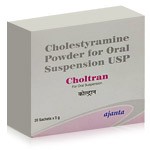
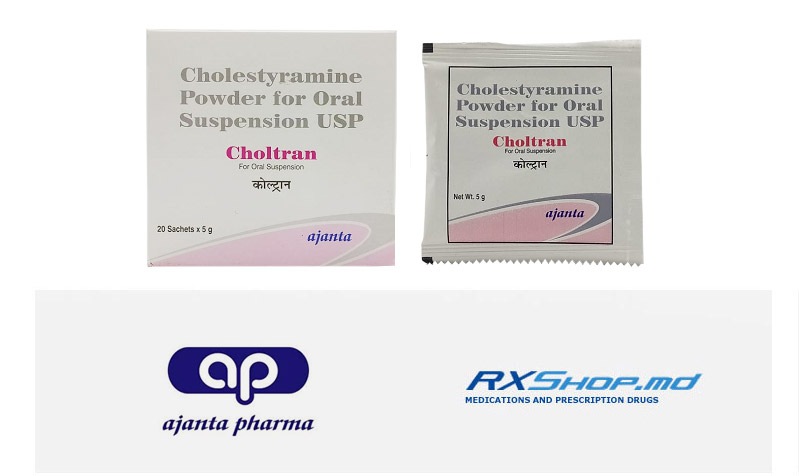
Choltran is the brand-name formulation of Cholestyramine Resin manufactured by Cipla Limited (India) — one of the world's largest generic pharmaceutical companies. Choltran delivers the same active molecule as the original Questran brand (Bristol-Myers Squibb), providing cost-effective access to the foundational bile acid sequestrant used in cholesterol management and cholestatic pruritus treatment. Cholestyramine FDA-approved since 1973, making it the OLDEST lipid-lowering medication still in continuous clinical use — predating the introduction of statins by 14 years. Listed on the WHO Model List of Essential Medicines. Choltran's distinctive position spans both hypercholesterolemia management AND cholestatic pruritus relief, with multiple established off-label applications across hepatology, infectious disease, and toxicology.
Pharmacology operates through anion exchange resin chemistry. Cholestyramine binds bile acids in the intestinal lumen, preventing their normal reabsorption and interrupting the enterohepatic circulation. The liver responds by consuming more cholesterol to synthesize new bile acids, producing a net reduction in serum LDL cholesterol of approximately 15-30%. Critically, Cholestyramine is NOT absorbed systemically — the resin works entirely within the gastrointestinal tract, producing minimal systemic side effects and supporting safe use during pregnancy and pediatric populations. For cholestatic pruritus, Cholestyramine binds excess bile acids causing the itch, providing rapid symptom relief.
Choltran is FDA-approved for primary hypercholesterolemia (Type IIa hyperlipidemia) as adjunct to dietary therapy for reducing elevated LDL cholesterol, and for cholestatic pruritus — the disabling itching caused by partial biliary obstruction. Off-label uses include bile acid diarrhea (post-cholecystectomy, terminal ileal disease), Clostridium difficile colitis (binds C. difficile toxins), Digoxin toxicity (binds digoxin), Leflunomide elimination in transition off therapy, pediatric familial hypercholesterolemia, and selective pesticide poisoning.
Available as Choltran 4 g powder packets, mixed with water, juice, or soft food before administration. Standard adult dosing for hypercholesterolemia: 4-24 g/day in 1-6 divided doses. Cholestatic pruritus: 4-16 g/day. Pediatric familial hypercholesterolemia: weight-based dosing.
Clinical evidence: foundational Lipid Research Clinics Coronary Primary Prevention Trial (LRC-CPPT) 1984 first established that LDL reduction reduces CHD events — using Cholestyramine as the study drug. This established the entire field of LDL-lowering as cardiovascular prevention. Continues to be guideline-recommended by NLA, AHA, ESC as adjunct or statin-alternative therapy.


Free prescription
Discrete packaging
Have questions?
Quality Assurance

- High Cholesterol: Effective management of elevated cholesterol levels in adults;
- LDL: Reduces bad LDL cholesterol by 15-30% from baseline;
- Bad Cholesterol Reduction: Lowers low-density lipoprotein cholesterol effectively;
- Hypercholesterolemia: FDA-approved for primary hypercholesterolemia condition;
- Hyperlipidemia: Effective for mixed dyslipidemia conditions in adults;
- Familial Hypercholesterolemia: For inherited high cholesterol disorders in adults;
- Pediatric Familial Hypercholesterolemia: Safe pediatric use for inherited cholesterol disorders;
- Cardiovascular Prevention: Cardiovascular risk reduction through cholesterol lowering;
- Heart Attack Prevention: Coronary heart disease event prevention through LDL reduction;
- Atherosclerosis: Slows atherosclerotic plaque progression in arteries;
- Statin Alternative: Effective option for statin-intolerant cholesterol patients;
- Statin Combination Therapy: Enhanced LDL reduction when combined with statins;
- Pregnancy Cholesterol Therapy: Safe pregnancy use as not absorbed systemically;
- Bile Acid Diarrhea: Off-label standard for bile acid malabsorption diarrhea;
- Cholestatic Pruritus: For itching from bile duct obstruction in liver disease;
- Itching from Liver Disease: Relief of bile-related skin itching in liver patients;
- Crohns Disease Diarrhea: Off-label for diarrhea in Crohns disease with bowel involvement;
- Digoxin Toxicity Antidote: Off-label for digoxin overdose binding in gut.
- Better Cardiovascular Outcomes: Reduces coronary heart disease events — LRC-CPPT landmark trial established benefit;
- Less CHD Events: LRC-CPPT 1984 demonstrated CHD event reduction with Cholestyramine LDL reduction;
- Better Primary Prevention Cholesterol: Effective primary prevention for elevated cholesterol;
- Better Familial Hypercholesterolemia Control: Effective for familial hypercholesterolemia management;
- Better Pediatric FH Treatment: Safe pediatric use for familial hypercholesterolemia (not absorbed systemically);
- Less Cholestatic Pruritus: ⭐ Rapid relief of cholestatic pruritus — signature second indication;
- Better Itching Biliary Obstruction: Effective relief of disabling itching from partial biliary obstruction;
- Better Primary Biliary Cholangitis Pruritus: Effective for pruritus in primary biliary cholangitis (PBC);
- Better Sleep PBC Pruritus: Improved sleep quality with cholestatic pruritus relief;
- Less Bile Acid Diarrhea: STANDARD therapy for bile acid malabsorption diarrhea — signature off-label use;
- Better Post Cholecystectomy Diarrhea: Effective for post-cholecystectomy chronic diarrhea;
- Better C. Difficile Toxin Binding: Binds C. difficile toxins as adjunct in selected C. difficile colitis cases;
- Better Digoxin Toxicity Management: Antidote for Digoxin toxicity — binds digoxin in gut, enhances elimination;
- Better Leflunomide Elimination: STANDARD accelerated elimination protocol for Leflunomide (rheumatology);
- Better Teriflunomide Elimination: Accelerated Teriflunomide (Aubagio) elimination — MS therapy transition;
- Better Pesticide Poisoning Selective: Selective use for organochlorine pesticide poisoning;
- Better Mycophenolic Acid Diarrhea: Effective for transplant-related mycophenolic acid diarrhea;
- Less Cancer Pruritus Selective: Selective benefit in cancer-related pruritus;
- Better Statin Combination LDL: Greater LDL reduction when combined with statins;
- Safe Pregnancy Use: ⭐ Safe in pregnancy — not absorbed systemically (rare advantage);
- Better Daily Function: Powder formulation flexibility supports daily use compliance;
- Better Quality of Life: Quality-of-life improvement in cholestatic pruritus and bile acid diarrhea;
- Brand Choltran Cipla: Cipla Indian brand of Cholestyramine — cost-effective alternative to original Questran;
- Generic Cholestyramine: Affordable generic Cholestyramine versions expand global access to bile acid sequestrant therapy;
- Cipla Generic Manufacturer: Cipla Limited — one of world's largest generic pharmaceutical manufacturers;
- Powder Formulation Mixed: Powder formulation (4 g packets) mixed with water/juice/food — administration flexibility;
- Anion Exchange Bile Acid Resin: Anion exchange resin / bile acid sequestrant — foundational lipid-lowering mechanism;
- Not Absorbed Systemically: ⭐ ⭐ NOT absorbed systemically — minimal systemic effects, pediatric/pregnancy safe;
- LDL Cholesterol Reduction 15 30: LDL cholesterol reduction 15-30% — solid lipid-lowering efficacy;
- Interrupts Enterohepatic Circulation: Interrupts enterohepatic circulation of bile acids — targeted mechanism;
- LRC CPPT Landmark Trial 1984: ⭐ LRC-CPPT 1984 landmark trial — first proved LDL reduction reduces CHD events;
- NLA AHA Guideline Recommended: NLA, AHA, ESC guideline-recommended adjunct or statin-alternative therapy;
- WHO Essential Medicine: Listed on the WHO Model List of Essential Medicines for cardiovascular care;
- 50 Plus Year Clinical History: 50+ years of clinical use since 1973 — OLDEST lipid-lowering drug still in continuous use.
Generic Choltran (Cholestyramine 5 g) Medication guide:
📖 What Choltran Is and How It Works
Choltran is a brand of cholestyramine, an anion-exchange resin that works entirely within the gut. Approved by the US FDA in 1973 as Questran (Bristol-Myers Squibb), cholestyramine belongs to the family of bile acid sequestrants (BAS) - drugs that bind bile acids in the intestinal lumen and prevent their reabsorption. Unlike almost every other prescription medication, cholestyramine is not absorbed into the bloodstream at all. It works locally in the gut, then passes out with the stool, taking the bound bile acids with it.
This unusual mechanism explains both cholestyramine's specific therapeutic uses and its distinctive side effect profile. Binding bile acids forces the liver to make more from cholesterol - lowering circulating LDL cholesterol by 15-30 percent. Binding bile acids reduces bile acid stimulation of skin itch receptors - relieving pruritus in cholestatic liver disease. Binding bile acids in the colon reduces bile acid-induced diarrhoea in clients with ileal disease or post-cholecystectomy. And binding non-selectively also removes some drugs and toxins - the basis of leflunomide washout and specific toxicology uses.
The main modern uses of Choltran
- 🩸 Primary hypercholesterolaemia, particularly familial hypercholesterolaemia as add-on to statin therapy - the original FDA indication
- 🫀 Pruritus (itch) in cholestatic liver disease - primary biliary cholangitis, primary sclerosing cholangitis, cholestasis of pregnancy - first-line pharmacological therapy
- 🚽 Bile acid diarrhoea (bile acid malabsorption) - post-cholecystectomy, terminal ileal disease, idiopathic BAM - first-line therapy
- 💉 Leflunomide washout - rapid elimination of leflunomide before pregnancy or in toxicity
- 💔 Digoxin toxicity adjunct - binds digoxin in gut to accelerate elimination
- 🧬 Clostridioides difficile colitis adjunct - occasional use to bind toxin (evidence limited)
The mechanism is chemical rather than pharmacological in the usual sense. Cholestyramine is a large polymer (styrene-divinylbenzene copolymer) with quaternary ammonium chloride groups. The positively charged quaternary ammonium groups attract negatively charged bile acid molecules in the gut. The resin-bile acid complex is too large to be absorbed and passes out with the stool. The liver responds by making new bile acids from cholesterol, drawing cholesterol out of blood and tissue stores. Circulating LDL falls. This is why the drug lowers cholesterol.
Choltran is supplied as sachets of powder containing standard cholestyramine anhydrous (typically 4 g cholestyramine per sachet in most formulations, though the total powder weight varies with excipients). Standard adult dose is 1 sachet 3-4 times daily, mixed with water or juice, taken before or with meals. Dose can be titrated up depending on indication and tolerance.
The distinctive practical issue with cholestyramine is drug interactions. Because it binds many negatively charged molecules in the gut, it interferes with absorption of numerous prescription medications - statins, warfarin, thyroid hormone, digoxin, thiazides, some antibiotics, and more. Other medications must be taken 1 hour before or 4-6 hours after cholestyramine. This timing discipline is one of the most important aspects of successful long-term use.
This guide walks through what cholestyramine does, the specific settings where it fits, the practical realities of powder dosing with meals, the specific drug interactions that require timing separation from cholestyramine, the constipation and vitamin malabsorption issues from long-term use, and the specific rules around pregnancy and cholestasis. Treat this guide as a companion to what your lipid specialist, hepatologist, gastroenterologist, or general practitioner tells you.
💊 Why Doctors Prescribe Choltran - Main Indications
Cholestyramine has a specific set of indications where its unique gut-binding mechanism provides real benefit. Understanding your specific indication shapes the dose, timing, and what side effects matter most.
Primary hypercholesterolaemia
The original FDA indication. Cholestyramine lowers LDL cholesterol by 15-30 percent depending on dose. In the modern era statins are first-line for most clients, but cholestyramine remains useful in:
- Familial hypercholesterolaemia - as add-on to statin plus ezetimibe when further LDL reduction needed
- Statin intolerance - as alternative or add-on to lower-dose statin
- Pregnancy where statins are contraindicated - cholestyramine is not absorbed and can be used
- Paediatric familial hypercholesterolaemia - long safety record; can be started young
- Where PCSK9 inhibitors and other newer drugs are unavailable or unaffordable
Section 3 covers this indication.
Cholestatic pruritus
Chronic liver diseases where bile does not flow properly (primary biliary cholangitis, primary sclerosing cholangitis, cholestasis of pregnancy, drug-induced cholestasis) cause circulating bile acid accumulation. Bile acids stimulate skin itch receptors causing intense pruritus that can severely affect sleep and quality of life. Cholestyramine binds bile acids in the gut, reduces enterohepatic circulation, lowers circulating bile acid levels, and provides itch relief. First-line pharmacological therapy in international guidelines. Section 4 covers this.
Bile acid diarrhoea (bile acid malabsorption)
In the normal gut, bile acids released into the small intestine to help digest fats are almost entirely reabsorbed in the terminal ileum for reuse. When the terminal ileum is diseased (Crohns disease), resected, or when bile acid production and turnover is dysregulated (idiopathic BAM, post-cholecystectomy), bile acids reach the colon in excess. There they cause chronic watery diarrhoea by stimulating colonic secretion and motility. Cholestyramine binds these excess bile acids and relieves diarrhoea within days. Section 5 covers BAM.
Leflunomide washout and digoxin toxicity
Cholestyramine binds many drugs undergoing enterohepatic circulation. Two specific uses have become established:
- Leflunomide washout - leflunomide has extremely long half-life (weeks); cholestyramine 8 g three times daily for 11 days accelerates elimination; used before planned pregnancy or in leflunomide toxicity
- Digoxin toxicity - cholestyramine binds digoxin undergoing enterohepatic circulation; adjunct to Digibind and supportive care in severe cases
Section 6 covers these toxicology uses.
Other and off-label uses
- Clostridioides difficile colitis adjunct - to bind toxin; evidence limited; not standard
- Cholestasis of pregnancy - specific pregnancy indication for pruritus
- Hyperoxaluria (older use)
- Some organic acidurias - specialist paediatric use
- Amiodarone-induced hyperthyroidism - occasional adjunct
- Non-specific claims for "mould illness", chronic Lyme, or CIRS - contested and outside mainstream evidence
Why one drug for so many uses
Cholestyramine binds bile acids and other negatively charged molecules in the gut without being absorbed. This single mechanism explains everything - lowering cholesterol (bile acid depletion drives hepatic conversion of cholesterol), relieving cholestatic itch (removes circulating bile acids), stopping bile acid diarrhoea (removes colonic bile acid load), and accelerating specific drug elimination (removes enterohepatically recycled drugs). One mechanism, many applications.
Ask your treating team which specific indication cholestyramine has been prescribed for. Timing rules and dose can differ between indications, and specific monitoring focuses on the relevant clinical outcome.
🩸 Choltran for High Cholesterol and Familial Dyslipidaemia
Cholesterol lowering is the historical primary indication for cholestyramine. The Lipid Research Clinics Coronary Primary Prevention Trial (LRC-CPPT) in 1984 was one of the first randomised trials to prove that lowering LDL cholesterol reduces coronary events - a foundational result in cardiovascular medicine. Modern lipid therapy has moved on but cholestyramine retains a specific niche.
The LRC-CPPT trial in one paragraph
The Lipid Research Clinics Coronary Primary Prevention Trial published in JAMA 1984 enrolled 3,806 middle-aged men with elevated LDL cholesterol. Half received cholestyramine 24 g daily; half placebo. Over 7.4 years: cholestyramine reduced LDL by 12 percent (limited by tolerability), and reduced coronary death or non-fatal MI by 19 percent. This was one of the founding trials of the cholesterol-heart hypothesis clinical era, paving the way for statins and modern lipid therapy.
Where cholestyramine fits in modern lipid therapy
The lipid therapy landscape has expanded dramatically since 1984. Modern hierarchy of LDL-lowering:
- Statins - first-line for almost everyone needing LDL lowering; established mortality benefit
- Ezetimibe - add-on if statin insufficient; blocks intestinal cholesterol absorption
- PCSK9 inhibitors (evolocumab, alirocumab) - for very high-risk clients not at target
- Bempedoic acid - newer non-statin oral option
- Inclisiran - PCSK9 siRNA; twice-yearly injection
- Bile acid sequestrants (cholestyramine, colestipol, colesevelam) - specific niches (see below)
- LDL apheresis - severe familial hypercholesterolaemia refractory to drugs
Where cholestyramine is chosen today
- Familial hypercholesterolaemia - as add-on to statin plus ezetimibe when further LDL reduction needed and PCSK9 inhibitor unavailable
- Statin intolerance - as alternative when statin cannot be taken
- Pregnancy planning or during pregnancy - statins contraindicated; cholestyramine acceptable
- Paediatric FH - long safety record from before statins were widely used in children
- Cost-constrained settings
- Combined with statin in FH - additive LDL reduction beyond what monotherapy achieves
Expected LDL reduction
| Dose | LDL reduction |
|---|---|
| 4 g (1 sachet) daily | 10-15 percent |
| 8-12 g daily (2-3 sachets) | 15-20 percent |
| 16-24 g daily (4-6 sachets) | 20-30 percent |
| Higher doses | Limited by GI tolerability |
Additional lipid effects
- LDL down - main effect; 15-30 percent typical
- HDL modestly up - 3-5 percent
- Triglycerides may rise - important consideration; avoid if triglycerides over 400
- Apolipoprotein B down
Avoid if triglycerides high
Cholestyramine can raise triglycerides substantially - occasionally into the range causing pancreatitis. Do not use in clients with triglycerides over 400 mg/dL (4.5 mmol/L). Combined familial hyperlipidaemia with high triglycerides is not an appropriate target for cholestyramine.
For primary hypercholesterolaemia, cholestyramine occupies a specific niche in the modern era - most useful in familial hypercholesterolaemia as add-on therapy, in pregnancy, and where statins cannot be used. The lipid landscape favours statins first for most clients.
🫀 Choltran for Pruritus in Cholestatic Liver Disease
Pruritus (itch) in cholestatic liver disease is one of the most distressing symptoms in hepatology. Chronic itch can severely affect sleep, mood, work capacity, and quality of life. Cholestyramine is first-line pharmacological therapy in international guidelines for this indication.
Cholestatic liver diseases causing pruritus
- Primary biliary cholangitis (PBC) - autoimmune bile duct disease; pruritus is a hallmark symptom
- Primary sclerosing cholangitis (PSC) - inflammatory scarring of bile ducts
- Intrahepatic cholestasis of pregnancy (ICP) - specific pregnancy condition
- Drug-induced cholestasis
- Chronic viral hepatitis with cholestasis
- Alcohol-related liver disease with cholestasis
- Cholestasis in advanced liver disease from any cause
- Post-liver transplant cholestasis
The mechanism of cholestatic itch
Bile acids accumulate in blood and skin when bile flow is impaired. Bile acids stimulate MRGPRX4 and other itch-sensing receptors on skin nerve endings. Also possibly involved: lysophosphatidic acid (LPA), opioid pathways, serotonin. Cholestyramine reduces enterohepatic bile acid recirculation, lowers plasma bile acids, and reduces itch stimulation. The mechanism is not perfectly targeted (autotaxin-LPA pathway may matter more than bile acids in some), but empirically cholestyramine helps a substantial proportion of clients.
Practical use for pruritus
- Standard dose 4 g once or twice daily initially
- Titrate up to 4 g four times daily if needed
- Response usually within days to 1-2 weeks
- Take before meals - bile acids concentrated in duodenum after meals
- Continue as long as pruritus present and drug tolerated
Second-line and combination therapy for refractory itch
- Rifampicin - 150-300 mg daily; enzyme induction; monitor liver enzymes
- Naltrexone or nalmefene - opioid antagonists; effective in cholestatic pruritus
- Sertraline - some evidence of benefit
- Antihistamines - modest benefit; can help with sleep
- UV phototherapy - specialist use
- Molecular adsorbent recirculating system (MARS) - severe refractory cases
- Liver transplantation - definitive for advanced disease
- Newer agents - ileal bile acid transporter inhibitors (odevixibat) approved for specific paediatric cholestatic conditions
Cholestasis of pregnancy - specific role
Intrahepatic cholestasis of pregnancy typically presents in third trimester with severe itch (particularly palms and soles). Ursodeoxycholic acid is first-line and often sufficient. Cholestyramine can be added if ursodeoxycholic acid alone is insufficient - both are pregnancy-compatible (cholestyramine is not absorbed). Vitamin K supplementation important because malabsorption plus cholestasis increases fat-soluble vitamin depletion.
Cholestyramine relieves cholestatic pruritus for many clients. Where inadequate, combination or alternative therapy is available. Modern hepatology has multiple options beyond cholestyramine for refractory cases - discussion with your specialist hepatologist covers the full range.
🚽 Choltran for Bile Acid Diarrhoea Explained
Bile acid diarrhoea (also called bile acid malabsorption, BAM) is an under-recognised cause of chronic watery diarrhoea. Cholestyramine is first-line treatment and often produces dramatic improvement within days.
The pathophysiology
- Bile acids produced by liver, stored in gallbladder, released into duodenum with meals
- Bile acids emulsify fats for digestion
- Normally 95 percent reabsorbed in terminal ileum for reuse (enterohepatic recirculation)
- When reabsorption fails, bile acids reach colon in excess
- Colonic bile acids stimulate water secretion and increase motility - watery diarrhoea
Types of bile acid diarrhoea
- Type 1 - terminal ileal disease (Crohns disease, radiation enteritis, resection)
- Type 2 - idiopathic BAM; increased bile acid production; often diagnosed as "IBS-diarrhoea"
- Type 3 - post-cholecystectomy diarrhoea; loss of gallbladder storage; continuous bile acid delivery
- Chronic pancreatitis - reduced bile acid conjugation and pH-related mechanisms
- Small intestinal bacterial overgrowth - bacterial deconjugation of bile acids
- Postgastrectomy or short bowel
Diagnosis
- SeHCAT scan (75Se-homocholic acid taurine) - gold standard where available (UK, some European centres); measures bile acid retention
- Serum 7-alpha-hydroxy-4-cholesten-3-one (C4) - available in some centres; marker of bile acid synthesis
- Fasting serum bile acids - occasional use
- Empirical cholestyramine trial - if diagnostic tests unavailable, trial of cholestyramine for 2-4 weeks; substantial improvement supports diagnosis
- Diagnostic approach varies by country
Cholestyramine dosing for BAM
- Starting dose 4 g once daily (before breakfast)
- Titrate to 4 g twice or three times daily if needed
- Response often within 1-3 days
- Doses higher than 12 g daily rarely needed for BAM
- If no response, review diagnosis
- Long-term use often needed
Alternatives when cholestyramine intolerable
- Colesevelam (Welchol) - newer BAS; tablets instead of powder; less palatability issue; more expensive
- Colestipol (Colestid) - similar mechanism; alternative BAS
- Elobixibat - ileal bile acid transporter inhibitor; opposite mechanism but different indication
Under-recognised diagnosis
Bile acid diarrhoea is estimated to affect roughly 30 percent of clients labelled as "IBS-diarrhoea". Many go undiagnosed for years. A therapeutic trial of cholestyramine is a reasonable step in chronic watery diarrhoea when other causes have been excluded. Response within days strongly suggests BAM.
Bile acid diarrhoea is one of the most rewarding cholestyramine indications - dramatic response in appropriately selected clients. Discussion with a gastroenterologist experienced in BAM helps establish diagnosis and manage therapy.
💉 Choltran for Digoxin and Leflunomide Reversal
Cholestyramine has specific toxicology and drug-elimination uses beyond its main cholesterol and cholestasis indications. Two are particularly important - leflunomide washout and digoxin toxicity binding.
Leflunomide washout
- Leflunomide - a DMARD used for rheumatoid arthritis; long half-life (weeks) due to enterohepatic recirculation of active metabolite teriflunomide
- Reasons to accelerate elimination - planned pregnancy (leflunomide teratogenic; needs elimination before conception), severe toxicity, planned major surgery, transition to newer DMARD
- Washout protocol - cholestyramine 8 g three times daily for 11 days
- Alternative: activated charcoal 50 g four times daily for 11 days
- Confirm elimination by checking plasma teriflunomide levels below 0.02 mg/L on two occasions 14 days apart
- Without washout, leflunomide takes up to 2 years to fully eliminate
Digoxin toxicity adjunct
- Digoxin undergoes enterohepatic circulation
- Cholestyramine binds digoxin in gut lumen and interrupts recirculation
- Accelerates digoxin elimination
- Used as adjunct to Digibind (specific antidote) and supportive care
- Not first-line for severe digoxin toxicity (Digibind is)
- Useful for mild-moderate chronic toxicity where Digibind not indicated
- Typical dose 4 g every 6-8 hours during acute period
Other drug elimination uses
- Amiodarone - some evidence in amiodarone-induced hyperthyroidism to accelerate elimination
- Warfarin overdose - occasional adjunct; usual reversal is vitamin K and PCC
- Chlordane, DDT, other lipid-soluble pesticides - occasional occupational medicine use
- Some organic acids in metabolic disease - specialist paediatric use
- Clostridioides difficile toxin - historically used as adjunct; evidence limited; not standard
Contested indications
Cholestyramine has been promoted in various alternative medicine settings - "mould illness", chronic Lyme disease, biotoxin illness, chronic inflammatory response syndrome. These uses lack robust evidence and are outside mainstream medicine. Not covered by standard prescribing information or hepatology/gastroenterology guidelines. Clients considering cholestyramine for these reasons should have honest discussion with a treating physician about evidence, risks, and alternatives.
Toxicology uses of cholestyramine are specialist territory. The main practical ones are leflunomide washout (for rheumatology and reproductive medicine) and adjunctive digoxin management. Other uses are less well established.
🔬 How Cholestyramine Binds Bile Acids in the Gut
Cholestyramine's mechanism is chemical rather than pharmacological in the usual sense. Understanding what the drug does molecularly explains both its therapeutic effects and its side effect profile.
The chemistry
- Cholestyramine is a polymer - styrene-divinylbenzene copolymer
- Coated with quaternary ammonium chloride groups - positively charged
- Large molecule - not absorbed from GI tract
- Positive charges attract negatively charged molecules in the gut lumen
- Bile acids are negatively charged at intestinal pH
- Resin-bile acid complex too large to be absorbed
- Complex passes out with stool
The bile acid cycle
- Liver synthesises bile acids from cholesterol (roughly 500 mg daily)
- Bile acids stored in gallbladder, released into duodenum with meals
- Bile acids emulsify dietary fats for digestion
- 95 percent reabsorbed in terminal ileum
- Portal venous blood returns bile acids to liver
- Liver re-secretes bile acids into bile
- Cycle repeats 4-12 times daily (enterohepatic recirculation)
- Cholestyramine intercepts step 4, forcing bile acids out with stool
Why LDL falls
Depleting the bile acid pool signals the liver to make more bile acids. Bile acid synthesis uses cholesterol as substrate. The liver upregulates LDL receptors to pull more cholesterol from blood for bile acid synthesis. Circulating LDL cholesterol falls by 15-30 percent. This is exactly the same mechanism as statins operate through (upregulating hepatic LDL receptors) but via a different intermediate step.
Why pruritus improves
In cholestatic liver disease, plasma and skin bile acids are elevated. Bile acids stimulate itch receptors on peripheral nerve endings. Depleting the bile acid pool (as cholestyramine does) reduces plasma bile acids and lowers the itch stimulus. The mechanism is not perfect - some cholestatic itch is driven by lysophosphatidic acid or opioid pathways rather than bile acids - but many clients experience meaningful relief.
Why bile acid diarrhoea stops
When excess bile acids reach the colon (from ileal disease, resection, or increased hepatic production), they stimulate colonic secretion and motility - watery diarrhoea. Cholestyramine binds these excess colonic bile acids, neutralising their effect. Diarrhoea often resolves within days of starting cholestyramine.
Why drug interactions are broad
Cholestyramine's positive charges attract many negatively charged or lipophilic molecules in the gut - not just bile acids. Statins, warfarin, thyroid hormone, digoxin, thiazides, some antibiotics, propranolol, phenobarbital, and many others can be bound by cholestyramine and their absorption reduced. This is why strict timing separation from cholestyramine is required for most concurrent medications (Section 20).
Pharmacokinetics - the non-drug drug
- Cholestyramine is not absorbed at all
- No plasma level; no measurable metabolism
- Works entirely within the gut
- Passes out with stool
- Onset - therapeutic effect on LDL within 1-2 weeks; on diarrhoea within days; on pruritus within days to 2 weeks
- Offset - effect reverses within days of stopping
- No renal or hepatic dose adjustment needed (not absorbed)
The gut-only mechanism is what makes cholestyramine unusual - safe in pregnancy, safe in children, no plasma drug interactions, but universal binding of other drugs that must be taken with meal timing separated. Understanding this shapes every practical decision about the drug.
⏰ Choltran Dose Schedule and Timing Rules
Cholestyramine timing rules matter more than for almost any other drug. The powder must be taken correctly relative to meals for the drug's own effect, and other medications must be timed carefully around cholestyramine.
Standard dosing by indication
| Indication | Dose |
|---|---|
| Hypercholesterolaemia | 4 g twice to four times daily (8-24 g total) |
| Cholestatic pruritus | 4 g once to four times daily |
| Bile acid diarrhoea | 4 g once to three times daily |
| Leflunomide washout | 8 g three times daily for 11 days |
| Digoxin toxicity adjunct | 4 g every 6-8 hours |
Timing rule 1 - meal-related dosing
Take cholestyramine immediately before or with meals. This is when bile acids are concentrated in the duodenum after gallbladder contraction - maximising binding. Taking on an empty stomach far from meals reduces effectiveness because there is less bile acid to bind.
Timing rule 2 - CRITICAL for other medications
Take other medications 1 hour before OR 4-6 hours after cholestyramine. Cholestyramine binds most oral medications in the gut and reduces their absorption. Failure to separate timing leads to reduced drug effect - loss of anticoagulation, statin, thyroid replacement, contraceptive, digoxin, and many others. This is one of the most consequential timing rules in medicine. Section 20 covers this in more detail.
Practical daily schedule for typical hypercholesterolaemia dosing
- 7:00 AM - take other essential morning medications (levothyroxine, warfarin, statin)
- 8:00 AM - cholestyramine 4 g mixed in water/juice, with breakfast
- 12:00 noon - cholestyramine 4 g with lunch (or take other lunchtime medications 1 hour before)
- 6:00 PM - cholestyramine 4 g with dinner
- 10:00 PM - other evening medications (well past 4-hour window from evening cholestyramine)
Titration approach
- Start 4 g once daily to assess tolerance
- Increase gradually over 1-2 weeks to twice daily
- Further increase if needed based on indication and response
- Higher doses limited by GI tolerance (constipation, bloating)
- Modest doses often adequate for pruritus and BAM
- Higher doses needed for maximal LDL reduction
Duration
- Cholesterol - long-term/lifelong for chronic hypercholesterolaemia
- Cholestatic pruritus - as long as itch present; often years
- Bile acid diarrhoea - long-term for chronic BAM
- Leflunomide washout - 11 days as protocol dictates
- Digoxin toxicity - short course during acute episode
The two timing rules - with meals for cholestyramine, separated from other medications - are the essential practical framework for cholestyramine therapy. Get these right and long-term use is straightforward.
📅 Starting Choltran - First Weeks Approach
Starting cholestyramine has a distinctive initial pattern. Palatability is the first challenge - the powder has a distinct texture and taste. GI adaptation takes 1-2 weeks. Response develops over days to weeks depending on indication.
The initiation experience
- Day 1 - first taste; adjust to texture
- Days 1-3 - possible bloating, gas, constipation
- Days 3-7 - GI symptoms often peak then improve
- Days 3-14 - therapeutic response begins
- Weeks 2-6 - full therapeutic response established
Response timeline by indication
| Indication | Time to response |
|---|---|
| Bile acid diarrhoea | 1-3 days often dramatic |
| Cholestatic pruritus | 3-14 days |
| LDL reduction | 1-2 weeks; steady state 4-6 weeks |
| Leflunomide washout | 11 days with confirmed level check |
Palatability strategies
- Mix with cold liquid - fruit juice, apple sauce, yogurt, thickened water
- Do not take dry - always mix in liquid or moist food
- Stir vigorously - suspension, not solution
- Let stand a few minutes to fully hydrate
- Drink whole preparation
- Rinse glass and drink rinse water to get remaining powder
- Consistent daily approach helps tolerance
- Some clients prefer specific juice combinations
Managing initial GI symptoms
- Constipation - increase fibre intake; adequate hydration; consider fibre supplement
- Bloating and gas - usually improves over 1-2 weeks; simeticone for symptomatic relief
- Nausea - take with more food; consider antiemetic
- Gradual titration - start 1 sachet daily, increase to full dose over 2 weeks
- Persistence often pays off - symptoms usually improve substantially
Warning signs during initiation
- 🔴 Severe constipation or bowel obstruction symptoms
- 🔴 Persistent severe abdominal pain
- 🔴 Any bleeding (may indicate vitamin K depletion in cholestasis)
- 🔴 Weight loss
- 🔴 New rash or allergic reaction
- 🔴 Signs of interaction affecting other medication (loss of anticoagulation effect, thyroid symptoms, etc.)
Get through the first 1-2 weeks and long-term cholestyramine becomes routine. Palatability and GI adaptation are the main initial challenges. Response to the underlying condition often begins even during the adjustment period.
📏 Choltran Dose Adjustments and Individual Response
Cholestyramine dose is titrated based on response and tolerance. The narrow therapeutic window of some drugs does not apply here - cholestyramine has substantial dose flexibility.
Factors affecting individual response
- Underlying indication - BAM often responds to low dose; hypercholesterolaemia needs higher
- Baseline severity - higher pretreatment values allow more room to improve
- GI tolerance - individual variation in constipation and bloating tolerance
- Concurrent medications - if binding interferes with other essential drugs, dose or timing may need adjustment
- Compliance with meal timing - non-compliant timing reduces effectiveness
Dose adjustment principles
| Situation | Action |
|---|---|
| LDL response inadequate | Increase dose; check compliance and timing; consider adding statin or ezetimibe |
| Pruritus persists after 2 weeks | Increase dose; consider adding rifampicin or other second-line agent |
| BAM diarrhoea persists | Increase to twice or three times daily; if no response, reconsider diagnosis |
| Severe constipation | Reduce dose temporarily; increase fibre and fluid; consider laxative |
| Palatability intolerance | Try different mixing liquids; consider colesevelam tablets as alternative |
| Triglycerides rise significantly | Consider stopping; alternative lipid therapy |
Monitoring during adjustment
- Lipid profile - repeat at 6-12 weeks; adjust dose to target
- Symptom diary for pruritus or BAM
- Bowel pattern - watch for constipation
- Vitamin K - INR check if on warfarin; particularly during titration
- Other drug levels where relevant - digoxin, thyroid function, INR
Long-term stability
- Once optimal dose found, stable long-term
- Periodic reassessment of ongoing need
- Consider whether newer alternatives (PCSK9 inhibitor, colesevelam, colestipol) fit better
- In pregnancy, may need to increase dose in third trimester for ICP
- Monitor for fat-soluble vitamin deficiencies over years
Cholestyramine dose adjustment is straightforward - increase for response, decrease for tolerance. The main limits are GI side effects rather than any narrow safety margin.
🥄 How to Take Choltran Powder Properly
Practical routines around cholestyramine powder are distinct from tablet medications. Mixing technique, palatability strategies, and drinking hygiene all matter for successful daily use.
Basic preparation steps
- Empty one sachet contents into a glass
- Add 60-120 mL (2-4 oz) of water, fruit juice, or other cold liquid
- Stir vigorously for at least 30 seconds until powder is fully mixed - never fully dissolves (it is a suspension)
- Let stand 1-2 minutes to fully hydrate
- Stir again briefly
- Drink the entire preparation
- Rinse glass with more liquid and drink rinse water to get residual powder
- Take before or with breakfast/lunch/dinner as scheduled
Palatability options for mixing
- Water - simplest; some find bland
- Apple juice - popular; masks flavour well
- Orange juice - popular
- Cranberry juice - some prefer
- Grapefruit juice - fine for cholestyramine (does not have the CYP interaction concern since cholestyramine is not absorbed)
- Yogurt - some clients mix into yogurt
- Apple sauce or moist cereal - alternative
- Iced tea - if tolerated
- Experiment to find preferred combination
Do not take powder dry
Never swallow cholestyramine powder without mixing in liquid. Dry powder can cause severe oesophageal irritation or obstruction. Always mix and hydrate before drinking. Rinse mouth after drinking to reduce dental erosion from residual acidic components (particularly with juice mixing).
Dental care
- Rinse mouth with water after drinking cholestyramine
- Regular dental hygiene
- Reduces dental erosion from acidic mixing liquids
- Some clients use a straw to reduce contact with teeth
- Report any tooth discomfort or discolouration
Timing discipline for other medications
Take other prescription medications:
- At least 1 hour before cholestyramine, OR
- At least 4-6 hours after cholestyramine
- This applies to statins, warfarin, thyroxine, digoxin, contraceptive pills, and many others
- Section 20 covers this in detail
Storage and handling
- Room temperature under 25 C in original packaging
- Sachets are moisture-resistant but store in dry place
- Do not use if packet damaged or powder clumped
- Keep out of reach of children
- Do not use past expiry
- Return unused sachets to pharmacy
Travel considerations
- Individual sachets travel well
- Bring 30 percent extra supply
- Access to clean water or juice for mixing needed
- Time zone shifts - maintain approximate meal-timed pattern
- Section 33 covers travel in detail
Powder-based dosing is different from tablet medications but becomes routine with practice. Palatability is often the biggest initial challenge - experiment to find a preferred mixing liquid.
🥗 Food, Diet and Fibre on Choltran Therapy
Diet on cholestyramine involves specific considerations for both the drug's effect and side effect management. Fibre and fluid particularly matter for constipation prevention.
Fibre and fluid - critical
- High-fibre diet essential - prevents cholestyramine-induced constipation
- 25-35 g fibre daily - fruit, vegetables, whole grains, legumes
- 2-3 litres fluid daily - critical for stool softening
- Fibre supplements if dietary fibre insufficient - psyllium (Metamucil), ispaghula, methylcellulose
- Take fibre supplements at different times from cholestyramine (they can bind to each other)
- Combined effect substantially reduces constipation burden
Cholesterol-lowering diet for hypercholesterolaemia clients
- Mediterranean diet - olive oil, fish, vegetables, whole grains, nuts, legumes
- Reduced saturated fat - less red meat, butter, processed food
- Trans fat avoidance
- Plant sterols and stanols - fortified foods can add modest cholesterol reduction
- Weight management
- Diet plus cholestyramine additive
Fat-soluble vitamin considerations
- Cholestyramine can reduce absorption of vitamins A, D, E, K over long-term therapy
- Vitamin D supplementation often prudent (bone health)
- Vitamin K deficiency risk particularly in cholestasis clients (bleeding risk)
- Section 17 covers fat-soluble vitamin management in detail
- Multivitamin without iron acceptable; timing separated from cholestyramine
Grapefruit juice - fine with cholestyramine (unusual exception)
Unlike most drugs where grapefruit juice inhibits CYP3A4 and raises drug levels, cholestyramine is not absorbed - so CYP inhibition does not matter. Grapefruit juice as a mixing liquid is fine. Note that this exception applies to cholestyramine specifically; if you take other medications concurrently, standard grapefruit warnings for those drugs still apply.
Foods and supplements to be aware of
- 🟡 Iron supplements - cholestyramine reduces iron absorption; take iron 4 hours away from cholestyramine
- 🟡 Calcium supplements - similar timing consideration
- 🟡 Multivitamins - fat-soluble vitamins particularly affected; timing separation helps
- 🟡 Very high-fat meals - fine but may bind more cholestyramine
- 🟡 Phenylketonuria - some cholestyramine formulations contain aspartame (phenylalanine); check specific product
Diet on cholestyramine is straightforward with attention to fibre and fluid. Long-term monitoring for fat-soluble vitamin sufficiency is worthwhile.
🍷 Alcohol Rules During Choltran Therapy
Alcohol on cholestyramine has no direct interaction. General considerations for the underlying condition guide overall recommendations.
Direct interactions
- Cholestyramine does not affect alcohol metabolism
- Alcohol does not affect cholestyramine binding
- No timing rule specific to alcohol
Indication-specific considerations
| Indication | Recommendation |
|---|---|
| Hypercholesterolaemia | Modest intake (up to 14 UK units per week) acceptable; excess raises triglycerides |
| Cholestatic liver disease | Substantial restriction; alcohol worsens cholestasis; complete abstinence if PBC/PSC advanced |
| Cholestasis of pregnancy | Abstinence (standard pregnancy recommendation) |
| Bile acid diarrhoea | Modest intake acceptable; excess can worsen diarrhoea |
| Leflunomide washout | Follow leflunomide guidance - typically no alcohol during |
Cholestatic liver disease specifics
Chronic cholestatic liver diseases progress with alcohol exposure. Any client with primary biliary cholangitis or primary sclerosing cholangitis should have thoughtful discussion with hepatology about alcohol - abstinence often advised. This has more to do with the underlying liver condition than with cholestyramine itself.
Alcohol on cholestyramine is not directly restricted by the drug. Underlying condition guides overall recommendations - particularly cholestatic liver disease where abstinence is often best.
🚨 Choltran Side Effects - Complete Overview
Cholestyramine's side effect profile is distinctive - dominated by GI effects (constipation, bloating, gas) and long-term concerns around fat-soluble vitamin absorption. No systemic drug effects because the drug is not absorbed. Sections 15-22 cover specific issues in depth.
Side effect frequency
| Effect | Frequency |
|---|---|
| Constipation | Very common - 30-40 percent; dose-related |
| Bloating and flatulence | Common - 20-30 percent |
| Abdominal pain or discomfort | 10-20 percent |
| Nausea | 10-15 percent |
| Steatorrhoea (fatty stools) at high doses | Occasional |
| Fat-soluble vitamin deficiency (long-term) | Long-term risk; particularly vitamin K in cholestasis |
| Iron deficiency | Occasional long-term |
| Triglyceride rise | Common; usually modest but occasionally significant |
| Interactions reducing effect of other drugs | Universal risk without timing separation |
| Bowel obstruction | Rare; more concern in existing partial obstruction |
| Rash or hypersensitivity | Rare |
| Discontinuation for side effects | 20-30 percent within first year - substantial; mainly palatability and GI |
Warning signs - urgent evaluation
- 🔴 Severe abdominal pain or distension
- 🔴 No bowel movement for days with abdominal pain
- 🔴 Vomiting inability to keep down
- 🔴 Unusual bleeding (may indicate vitamin K deficiency)
- 🔴 Loss of anticoagulation control (INR change on warfarin)
- 🔴 Loss of thyroid control (symptoms of hypothyroidism return)
- 🔴 Loss of contraceptive protection (breakthrough bleeding, missed periods)
- 🔴 New rash or allergic reaction
The good news
Because cholestyramine is not absorbed, it has essentially no systemic drug effects. No liver toxicity, no kidney toxicity, no drug-induced organ damage. Side effects are entirely local (gut) or indirect (drug interactions, vitamin absorption). This makes it uniquely safe in pregnancy, breastfeeding, and children. The trade-off is the daily GI adaptation and drug interaction discipline.
Sections 15-22 walk through the specific side effects in more detail. The dominant issues - constipation and drug interactions - are manageable with dietary and timing discipline.
🛑 Constipation on Choltran - Prevention and Management
Constipation is the most common side effect of cholestyramine and the main reason some clients stop the drug. Prevention is much easier than management. Understanding the mechanism helps design effective strategies.
Why cholestyramine causes constipation
- Bile acid depletion removes one of the natural stool-softening factors
- The resin itself adds bulk without much water-holding capacity
- Reduced fat digestion in some clients (from bile acid depletion) can affect stool consistency
- Overall - stool becomes firmer and slower
Prevention strategies (start from day 1)
- Increase dietary fibre substantially - 25-35 g daily from fruit, vegetables, whole grains, legumes
- Increase fluid intake - 2-3 litres daily
- Consider fibre supplement - psyllium (Metamucil), ispaghula, methylcellulose; take separated from cholestyramine timing
- Regular physical activity - supports bowel motility
- Prunes, prune juice - natural laxative effect
- Regular toilet routine
- Do not delay bowel movements when urge occurs
Management if constipation develops
- Osmotic laxative - macrogol (Movicol, MiraLAX) or lactulose; safe long-term
- Stimulant laxative - senna, bisacodyl; short-term use
- Docusate - stool softener
- Glycerin suppository for occasional impaction
- Enema - severe cases
- Persistent difficult constipation - reduce cholestyramine dose or reconsider therapy
Warning signs
- 🔴 No bowel movement for 3-5 days with abdominal pain
- 🔴 Severe abdominal distension
- 🔴 Vomiting
- 🔴 Bowel obstruction symptoms
- 🔴 Faecal impaction
Special caution in specific populations
- Older adults - baseline constipation risk higher
- Immobilised clients
- Neurological conditions affecting bowel motility
- Prior bowel surgery
- Concurrent opioids or other constipating drugs
- Dehydration
Constipation prevention from day 1 is far easier than management once established. Fibre and fluid are the two most important daily habits for anyone starting cholestyramine.
💨 Bloating Flatulence and GI Effects on Choltran
Bloating, flatulence, and other GI effects are common early in cholestyramine therapy. Most improve over 1-2 weeks. Understanding what is expected versus concerning guides response.
Common GI effects
- Bloating and abdominal distension - 20-30 percent early; improves
- Increased flatulence - common early
- Abdominal cramping - 10-20 percent
- Nausea - 10-15 percent
- Heartburn or reflux - occasional
- Steatorrhoea (fatty stools) - at higher doses; reflects reduced fat digestion
- Nutritional malabsorption - long-term concern
Management
- Simeticone for gas symptoms
- Adequate hydration
- Meal timing consistency
- Avoid carbonated drinks with cholestyramine
- Slow initial dose titration
- Reassure most improve with time
- Consider dose reduction if persistent severe
Warning signs
- 🔴 Severe abdominal pain
- 🔴 Vomiting inability to keep tablets down
- 🔴 Blood in stool
- 🔴 Persistent weight loss
- 🔴 Steatorrhoea with weight loss (significant fat malabsorption)
- 🔴 Signs of bowel obstruction
GI adaptation to cholestyramine usually takes 1-2 weeks. Persistence through initial symptoms often yields sustained tolerance. Severe or persistent symptoms warrant reconsideration or dose reduction.
🍀 Fat-Soluble Vitamin Malabsorption on Choltran
Long-term cholestyramine can reduce absorption of fat-soluble vitamins A, D, E, and K. Understanding which clients are at highest risk and how to monitor and supplement is important for years-long use.
The mechanism
- Fat-soluble vitamins depend on bile acids for absorption
- Cholestyramine depletes bile acid pool
- Reduced fat and fat-soluble vitamin absorption
- Effect proportional to dose and duration
- Worse in clients with cholestatic liver disease (already reduced bile flow)
- Cholestyramine also directly binds some vitamins if taken concurrently
Vitamin-by-vitamin considerations
| Vitamin | Considerations |
|---|---|
| Vitamin A | Modest depletion; check level periodically in long-term high-dose therapy |
| Vitamin D | Common depletion; supplementation typically 1000-2000 IU daily; check 25(OH)D level |
| Vitamin E | Modest depletion; usually adequate from normal diet |
| Vitamin K | Critical - depletion causes bleeding; particularly concerning in cholestatic clients and on warfarin |
Vitamin K deficiency - the most important
- Cholestyramine can substantially reduce vitamin K absorption
- Vitamin K needed for clotting factor synthesis
- Deficiency causes bruising, bleeding gums, easy bleeding, elevated INR
- Particularly dangerous in cholestasis clients (already reduced vitamin K absorption)
- Particularly relevant in clients on warfarin (need stable vitamin K for INR)
- Monitor INR closely if on warfarin and starting cholestyramine
- Vitamin K supplementation (5-10 mg orally weekly) may be needed
Monitoring approach
- Baseline vitamin D level
- Baseline vitamin A and vitamin E in cholestasis clients
- Coagulation profile (PT/INR) baseline
- Repeat vitamin D annually or if symptoms suggest deficiency
- Check for symptoms - night blindness (A), bone pain (D), neuropathy (E), bleeding (K)
- More intensive monitoring in cholestasis clients or long-term high-dose therapy
Supplementation approach
- Multivitamin without iron - reasonable for most
- Take at different time from cholestyramine (at least 4 hours separation)
- Vitamin D 1000-2000 IU daily particularly relevant
- Higher doses may be needed in cholestasis clients
- Water-soluble vitamin K (menadione) sometimes needed in cholestasis
- Specialist advice for complex cases
Fat-soluble vitamin management is one of the specific long-term considerations for cholestyramine. Regular monitoring and appropriate supplementation prevent most clinically significant deficiencies.
🩸 Iron Deficiency and Choltran Long Term
Iron deficiency is a specific long-term concern with cholestyramine. The drug reduces iron absorption both through direct binding and through effects on gut environment.
Why iron absorption falls
- Cholestyramine binds iron in the gut
- Reduces intestinal absorption
- Long-term effect on iron balance
- Particularly relevant in menstruating women and clients with GI blood loss
Monitoring
- Baseline full blood count and ferritin
- Repeat annually or if symptoms suggest anaemia
- Watch for symptoms - fatigue, pallor, breathlessness on exertion, pica
- Higher risk in women, vegetarians, and long-term users
Iron supplementation approach
- Take iron at least 4 hours separated from cholestyramine
- Vitamin C alongside iron improves absorption
- Ferrous sulfate 200 mg daily or ferrous fumarate for deficiency
- Alternate-day dosing improves absorption vs daily
- IV iron if oral not tolerated or absorption inadequate
Iron deficiency on cholestyramine is manageable with monitoring and timing-separated supplementation. Long-term users benefit from periodic checks.
🔗 Choltran Drug Interactions - Universal Binder
Cholestyramine has the broadest drug interaction profile of almost any medication - it binds numerous concurrent drugs in the gut and reduces their absorption. Understanding this universal-binder property drives the practical timing rules.
The central timing rule
Take other medications 1 hour BEFORE OR 4-6 hours AFTER cholestyramine. Applies to essentially every oral prescription medication. Failure to separate leads to reduced drug effect - loss of INR, thyroid, contraceptive, statin, digoxin control among many others. This is one of the most consequential timing rules in medicine.
Common medications affected
- Anticoagulants - warfarin (INR falls), DOACs
- Statins - reduced absorption of most statins
- Thyroid hormone - levothyroxine substantially reduced
- Digoxin
- Thiazide diuretics - chlorothiazide, hydrochlorothiazide
- Loop diuretics - furosemide
- Beta-blockers - propranolol particularly
- Amiodarone
- Oral contraceptives - can lead to unplanned pregnancy
- Anticonvulsants - phenobarbital, phenytoin
- Antibiotics - some (tetracyclines, penicillins, vancomycin oral)
- NSAIDs - reduced absorption of some
- Iron and other supplements
- Fat-soluble vitamins (A, D, E, K)
- Hydrocortisone, prednisone
- Ursodeoxycholic acid (paradoxically)
- Mycophenolate
Not affected (few examples)
- Topical medications
- Inhaled medications
- Injections and IV medications
- Rectal medications
- Transdermal patches
Practical timing schedule example
| Time | Medication |
|---|---|
| 7:00 AM | Levothyroxine, warfarin, statin (empty stomach) |
| 8:00 AM | Cholestyramine with breakfast |
| 12:00 noon | Cholestyramine with lunch |
| 6:00 PM | Cholestyramine with dinner |
| 10:00 PM (bedtime) | Other evening medications (past 4-hour window) |
Consequences of failed timing separation
- 🔴 Loss of anticoagulation - stroke, VTE recurrence
- 🔴 Loss of thyroid replacement - hypothyroid symptoms return
- 🔴 Loss of contraceptive protection - unplanned pregnancy
- 🔴 Loss of statin effect - LDL rises again
- 🔴 Reduced antibiotic absorption - treatment failure
- 🔴 Reduced antihypertensive effect
The timing rule is the single most important practical consideration with cholestyramine. Section 20 covers timing planning; Sections 21 and 22 cover specific important drug combinations.
⏱️ Timing Other Medications Around Choltran
Timing other medications around cholestyramine is a daily discipline. Practical strategies help clients maintain the 1-hour-before or 4-hour-after rule sustainably.
The rule restated
Take other oral medications either:
- At least 1 hour BEFORE cholestyramine, OR
- At least 4-6 hours AFTER cholestyramine (6 hours preferred for narrow-therapeutic-window drugs)
- Applies to essentially all oral medications
Sample daily plans
Two-dose cholestyramine (8 AM and 6 PM) with morning meds:
- 7 AM - other morning medications (warfarin, statin, levothyroxine)
- 8 AM - cholestyramine with breakfast
- Noon - lunch (no medications timing issue)
- 5 PM - other evening medications (well before dinner cholestyramine)
- 6 PM - cholestyramine with dinner
- 10 PM - any bedtime medications (4 hours past cholestyramine)
Three-dose cholestyramine with tightly spaced meds:
- 7 AM - other morning medications
- 8 AM - cholestyramine 1
- Noon - cholestyramine 2 with lunch
- 6 PM - cholestyramine 3 with dinner
- 11 PM - evening medications (5 hours past)
Practical tips
- Set phone alarms at exact times
- Weekly pillbox for other medications
- Separate storage - other meds by bedside for morning; cholestyramine near kitchen
- Consistency is easier than optimality - same times every day
- Once daily medications easier than multiple daily doses
- Extended-release formulations of concurrent drugs may help
- Family or partner cross-check
Special situations
- Antibiotic course - if starting antibiotic, check timing; separate from cholestyramine
- Emergency medication needed - take now; add cholestyramine adjustment later
- Missed cholestyramine dose - skip; other medications timing unchanged
- Hospital admission - clearly declare cholestyramine and timing rule
The timing discipline becomes routine with practice. First month is the hardest; then habit takes over.
💊 Choltran With Warfarin Digoxin and Thyroid Hormone
Three specific drug combinations deserve highlighting - warfarin, digoxin, and thyroid hormone. Each requires specific vigilance because loss of effect has significant clinical consequences.
Warfarin - two mechanisms of interaction
- Reduced warfarin absorption - if warfarin taken with cholestyramine, INR falls
- Reduced vitamin K absorption - depletes body vitamin K stores; can raise INR unpredictably
- Net effect - INR variability common; frequent monitoring needed
- Timing rule - warfarin 1 hour before cholestyramine or 4-6 hours after
- INR check schedule - weekly initially, then every 2 weeks until stable; extra checks after cholestyramine dose change
- Vitamin K supplementation may be needed - discuss with anticoagulation clinic
Levothyroxine - the classic interaction
- Cholestyramine dramatically reduces levothyroxine absorption
- Failure to separate leads to hypothyroid symptoms return
- Timing rule - levothyroxine at least 4 hours before or after cholestyramine (many prefer 6 hours)
- Levothyroxine best taken empty stomach on rising anyway
- Check TSH 6-8 weeks after starting cholestyramine to confirm dose
- Dose adjustment may be needed
- Same issue for T3 (liothyronine)
Digoxin - complex interaction
- Cholestyramine binds digoxin in gut
- Reduces both absorption and enterohepatic recirculation
- Digoxin serum levels fall
- Can be used therapeutically to accelerate digoxin elimination in toxicity
- For chronic co-prescription (uncommon): timing separation and level monitoring
- Digoxin 1 hour before or 4-6 hours after cholestyramine
- Check serum digoxin 1-2 weeks after cholestyramine start
Other important specific combinations
- Oral contraceptives - loss of contraceptive protection possible; use additional method or take with strict timing separation; consider non-oral option (IUD)
- Immunosuppressants (mycophenolate, cyclosporine) - dose adjustments and level monitoring needed
- Antiepileptics - level monitoring where levels available
- Antivirals for HIV or hepatitis B/C - specialist advice
- PPIs - can take concurrent with timing separation
Warfarin, thyroid hormone, and digoxin are the three most commonly encountered narrow-therapeutic-window drugs affected by cholestyramine. Extra monitoring in the first weeks confirms the timing rules are being followed effectively.
🔴 Choltran With Statins and Other Lipid-Lowering
Cholestyramine combined with statins is common in lipid clinics - the two drugs work through complementary mechanisms and produce additive LDL reduction. Understanding the combination guides sequencing and monitoring.
Complementary mechanisms
- Statin - inhibits hepatic cholesterol synthesis (HMG-CoA reductase); upregulates LDL receptors
- Cholestyramine - depletes hepatic bile acid pool; upregulates LDL receptors through different signal
- Combined effect - both cause LDL receptor upregulation; overall LDL reduction 40-50 percent (vs 30 percent statin alone)
- Useful for familial hypercholesterolaemia and refractory cases
Timing rules for statin plus cholestyramine
- Statin 1 hour before cholestyramine, or 4-6 hours after
- Most statins - practical evening dosing after evening cholestyramine wears off
- Atorvastatin and rosuvastatin - long half-life; timing less critical
- Simvastatin, pravastatin, fluvastatin - shorter half-life; timing more important
- Bedtime statin dosing separated from cholestyramine typically works
Modern combination therapy pattern
For familial hypercholesterolaemia or high-risk not at target:
- High-intensity statin (atorvastatin 40-80 mg, rosuvastatin 20-40 mg) first
- Add ezetimibe 10 mg daily if not at target
- Add bile acid sequestrant (cholestyramine, colesevelam) or PCSK9 inhibitor if still not at target
- Bempedoic acid as another option
- Inclisiran (PCSK9 siRNA) newer option
Ezetimibe with cholestyramine
- Ezetimibe blocks intestinal cholesterol absorption
- Complementary to cholestyramine bile acid depletion
- Timing separation needed (ezetimibe absorption affected)
- Ezetimibe 1 hour before or 4 hours after cholestyramine
- Combined can substantially reduce LDL
Fibrates plus cholestyramine
- Fibrate absorption reduced by cholestyramine
- Timing separation required
- Combination not usually used - different targets (fibrates for triglycerides; cholestyramine can raise triglycerides)
Statin plus cholestyramine remains a useful combination for familial hypercholesterolaemia and refractory LDL elevation. Timing discipline preserves both drugs' effects.
⏱️ What to Do If You Miss Choltran
Missing a Choltran dose has limited immediate consequence. Consistency over weeks matters more than perfect daily timing.
The core rule
- Within a few hours of usual meal time: take the missed dose with a snack or small meal
- More than 4 hours late: skip missed dose; take next dose at usual time
- Never double up
- Single missed doses have minimal consequence
- Consistent adherence over weeks maintains effect
Longer gaps
- Missed a day: restart next day
- Missed several days: restart at usual dose; effect returns within days
- Stopped for weeks: effect on cholesterol reverses over weeks; discuss restart with team
Practical adherence tools
- Prepare sachet at same time daily
- Phone alarms at meal times
- Store sachets near typical mixing location
- Bring extra sachets when travelling or eating out
- Refill 2 weeks before running out
Cholestyramine adherence over months and years matters more than perfect daily consistency. Single missed doses do not require compensation.
🩺 Choltran Monitoring and Follow-up Schedule
Monitoring on Choltran depends on the indication. Lipid targets, symptom control, and vitamin/mineral surveillance form the main follow-up focus.
Baseline before starting
- Full lipid profile (LDL, HDL, triglycerides)
- Full blood count with iron studies
- Renal and liver function
- Vitamin D level
- Coagulation profile (INR) - particularly if on warfarin
- TSH if on levothyroxine
- Medication reconciliation for timing separation planning
- Review of contraception if reproductive-age woman
Follow-up schedule
| Time | Assessment |
|---|---|
| 2-4 weeks | Tolerability; adherence; timing rules understood; if on warfarin - INR check |
| 6-8 weeks | Lipid profile; TSH if on levothyroxine; response assessment |
| 3-6 months | Full clinical review; dose adjustment if needed |
| Annually thereafter | Lipids; full blood count; ferritin; vitamin D; renal/liver function |
| Long-term (yearly) | Consider vitamin A, E, K in high-dose or cholestasis clients |
| New medication | Review interaction and timing |
Indication-specific monitoring
- Hypercholesterolaemia - LDL to target; triglyceride check (can rise); other cardiovascular risk factors
- Cholestatic pruritus - symptom score; underlying liver disease monitoring; fat-soluble vitamins
- Bile acid diarrhoea - symptom diary; bowel function tracking
- Leflunomide washout - teriflunomide plasma levels every 14 days until below 0.02 mg/L
What clients should track
- Bowel pattern - watch for constipation
- Symptom response (itch, diarrhoea, cholesterol goal)
- Any unusual bleeding or bruising (vitamin K deficiency signal)
- Any signs of loss of other drug effects
- Palatability and adherence issues
- Weight changes
Cholestyramine monitoring is indication-driven with attention to the specific practical issues around vitamin and mineral absorption in long-term use.
👵 Choltran in Older Adults and Frailty
Older adults on cholestyramine face specific challenges - baseline constipation risk, polypharmacy complicating timing rules, and vitamin K vulnerability.
What changes with age
- Higher constipation risk at baseline
- Reduced thirst response - dehydration risk
- Polypharmacy - timing rules more complex
- Cognitive change may affect timing compliance
- Vitamin K depletion easier - reduced intake and absorption
- Fall risk if postural issues
- Adherence challenges with powder mixing
- Bone health considerations - vitamin D deficiency has more consequences
Practical adjustments in older adults
- Aggressive constipation prevention from day 1
- More generous fibre and fluid emphasis
- Consider starting with 1 sachet daily; slower titration
- Simplify timing schedule where possible
- Family or caregiver involvement
- Weekly pillbox for other medications; visible schedule chart
- Vitamin D supplementation prophylactically
- Vitamin K awareness if on warfarin
- Consider whether alternative (colesevelam tablets) fits better
Deprescribing considerations
In advanced age or terminal illness, aggressive lipid management may not proportionately extend life. Discussion of deprescribing cholesterol-lowering therapy including cholestyramine is reasonable as part of periodic review. Cholestyramine for pruritus or bile acid diarrhoea often remains valuable for symptom control even in advanced age.
Older adults benefit from cholestyramine but need more attention to constipation prevention, timing simplification, and vitamin monitoring. Individual assessment matters.
🤒 Sick Days and Illness on Choltran Therapy
Illness on cholestyramine is usually straightforward. Some situations warrant attention - particularly around vomiting, GI illness, and antibiotic use.
Sick day rules
| Illness | Cholestyramine action |
|---|---|
| Cold, mild viral illness | Continue as usual |
| Vomiting | Hold until able to eat; brief interruption acceptable |
| Diarrhoea (from illness, not BAM) | If cholestyramine for BAM - continue; if for other indication - can hold if worsening |
| Constipation with illness | Hold cholestyramine until resolved; laxative if impacted |
| Bacterial infection needing antibiotics | Continue but separate antibiotic timing; some antibiotics affected by binding |
| Fever with poor intake | Reduce dose or hold; adequate hydration |
| Hospital admission | Declare cholestyramine and timing rules for concurrent meds |
Emergency scenarios
- 🔴 Bowel obstruction symptoms
- 🔴 Faecal impaction
- 🔴 Vomiting inability to keep down and dehydration
- 🔴 Unusual bleeding (vitamin K deficiency)
- 🔴 Loss of other drug effect (INR spike or crash, thyroid symptoms return, etc.)
Hospital admission checklist
- Tell admitting team about cholestyramine
- Emphasise the timing rule for other medications
- Note interactions with common hospital drugs
- Confirm restart plan at discharge
- Watch for new medications interacting
Cholestyramine is forgiving of common illnesses. The main considerations are avoiding constipation worsening and ensuring timing rules for concurrent medications are maintained.
📅 Vaccinations and Immune Function on Choltran
Vaccinations are safe on cholestyramine. No interference with vaccine response.
Recommended vaccines
- 🟢 Annual influenza vaccine
- 🟢 Pneumococcal vaccines
- 🟢 COVID-19 vaccines
- 🟢 Shingrix for over 50
- 🟢 Tdap booster
- 🟢 Travel vaccines as needed
- 🟢 MMR (live) - not contraindicated by cholestyramine
- 🟢 Hepatitis A and B - particularly relevant in cholestatic liver disease
Vaccination is straightforward on cholestyramine. Priorities depend on underlying condition - liver disease clients particularly benefit from hepatitis A/B and pneumococcal vaccination.
🤰 Choltran in Pregnancy - Special Considerations
Cholestyramine is one of the few lipid-lowering drugs safe in pregnancy. Because it is not absorbed, it does not reach the fetus. It has specific uses in pregnancy - hypercholesterolaemia management (when statins contraindicated) and cholestasis of pregnancy pruritus.
Cholestyramine in pregnancy - established uses
- 🟢 FDA Pregnancy Category C (not absorbed - theoretical rather than actual concern)
- 🟢 No fetal effects documented
- 🟢 Alternative when statins contraindicated in pregnancy
- 🟢 Used for intrahepatic cholestasis of pregnancy pruritus
- 🟢 Long track record of safe use
Intrahepatic cholestasis of pregnancy (ICP)
- Third-trimester condition with severe pruritus (particularly palms and soles)
- Elevated bile acids and mild transaminase elevation
- Risk of preterm delivery and rarely stillbirth
- Ursodeoxycholic acid is first-line (safe and effective)
- Cholestyramine can be added if UDCA insufficient
- Vitamin K supplementation essential - cholestyramine reduces absorption; malabsorption plus cholestasis raises bleeding risk
- Newborn also given vitamin K after delivery
Hypercholesterolaemia in pregnancy
- Statins contraindicated in pregnancy (teratogenicity concern)
- Cholestyramine acceptable alternative
- Used in familial hypercholesterolaemia during pregnancy
- Typical dose 4 g twice or three times daily
- Monitor lipids each trimester
Practical considerations in pregnancy
- Nausea often worse in pregnancy - palatability harder
- Constipation risk higher in pregnancy - aggressive prevention
- Vitamin K supplementation particularly important
- Folate absorption may be affected - continue folate supplement
- Multidisciplinary care - obstetrics, hepatology, lipid specialist as relevant
- Prenatal vitamins timed separated from cholestyramine
Fertility and contraception
- Cholestyramine has no direct fertility effect
- However - reduces oral contraceptive absorption
- If wanting to prevent pregnancy on cholestyramine, use non-oral contraception (IUD, injection, patch) or strict timing separation
- Unplanned pregnancy from failed OCP absorption is a documented complication
Cholestyramine is one of the more pregnancy-friendly medications given its non-absorption. Its role in ICP and hypercholesterolaemia during pregnancy is established. Vitamin K attention and constipation prevention matter particularly.
🍼 Breastfeeding While Taking Choltran Safely
Breastfeeding on cholestyramine is compatible. Because the drug is not absorbed, it does not enter breast milk.
Cholestyramine is compatible with breastfeeding
- 🟢 Not absorbed - cannot enter breast milk
- 🟢 No infant exposure
- 🟢 LactMed considers acceptable
- 🟢 No monitoring of infant needed
- 🟢 Consider maternal vitamin sufficiency for milk quality (particularly fat-soluble vitamins)
Postpartum women who need cholestyramine can safely combine it with breastfeeding. Vitamin sufficiency for the mother matters for maternal health and milk quality.
⚕️ Choltran Around Procedures and Surgery
Procedures and surgery on cholestyramine are usually straightforward. The drug has no systemic bleeding or clotting effects itself, but attention to vitamin K, other medication effects, and constipation matters.
General principles
- Cholestyramine itself does not need to be held for procedures
- Concurrent medications with timing separation continue normally
- NPO (nil by mouth) for surgery means holding cholestyramine that day
- Resume when eating and drinking
- Perioperative constipation risk from opioids plus cholestyramine warrants aggressive prevention
Vitamin K consideration
If planned surgery is major and client has been on long-term cholestyramine (particularly cholestatic liver disease client), consider checking coagulation profile pre-operatively and supplementing vitamin K if any deficiency signs. Vitamin K depletion can cause unexpected surgical bleeding.
Peri-operative timing rules
- Tell surgeon and anaesthetist about cholestyramine and timing rules for other medications
- Post-operative resumption when eating
- Post-operative constipation prevention critical (opioids plus cholestyramine)
- Extra fluid and fibre post-op
- Laxatives from day of surgery if opioids continued
Procedures on cholestyramine are usually uncomplicated. Attention to concurrent medication timing and post-operative constipation covers the main practical issues.
🔄 Switching From Choltran to Newer Alternatives
Switching cholestyramine to alternatives may happen for palatability, side effects, or evolving evidence. Understanding options helps guide the choice.
Alternative bile acid sequestrants
- Colestipol (Colestid) - similar mechanism; slightly better palatability; comparable efficacy
- Colesevelam (Welchol) - newer; comes as tablets (no powder mixing); better tolerated; more expensive; fewer drug interactions
- Colesevelam often preferred in modern practice when cost allows
For hypercholesterolaemia - modern alternatives
- Statins - first-line; often more effective than cholestyramine
- Ezetimibe - complementary mechanism
- PCSK9 inhibitors (evolocumab, alirocumab) - injection every 2-4 weeks; very effective
- Bempedoic acid - oral non-statin option
- Inclisiran - siRNA injection every 6 months
For cholestatic pruritus - alternatives
- Rifampicin - second-line
- Naltrexone - opioid antagonist
- Sertraline
- UV phototherapy
- Odevixibat (paediatric specific cholestatic conditions)
- MARS (extracorporeal liver support) - severe refractory cases
For bile acid diarrhoea - alternatives
- Colesevelam - alternative BAS in tablet form
- Colestipol - alternative
- Aluminium hydroxide - occasional use
- Address underlying cause where possible (ileal disease treatment, post-cholecystectomy dietary changes)
Cholestyramine has multiple alternatives depending on indication. Colesevelam has largely replaced cholestyramine in Western practice for tolerability reasons where cost allows. Discussion with the treating specialist guides individual choice.
🛑 Choltran Contraindications - When to Avoid
Situations where Choltran should not be given.
Absolute contraindications
- Complete biliary obstruction - no bile flow means no bile acids to bind; drug ineffective and worsens vitamin absorption
- Bowel obstruction - existing or high risk
- Known hypersensitivity to cholestyramine
- Phenylketonuria (PKU) - some formulations contain aspartame; check specific product
- Triglycerides over 400 mg/dL (4.5 mmol/L) - risk of pancreatitis
Relative contraindications - use with caution
- Constipation-predominant conditions
- Prior bowel obstruction or surgical history
- Haemorrhoids (constipation risk exacerbates)
- Severe hypertriglyceridaemia
- Existing fat-soluble vitamin deficiencies (need supplementation)
- Cognitive impairment without support (timing rules complex)
- Complex polypharmacy with many time-sensitive drugs
Reasons to stop
- Persistent severe constipation despite management
- Bowel obstruction
- Persistent hypertriglyceridaemia
- Significant fat-soluble vitamin deficiency not responsive to supplementation
- Palatability intolerance
- Cannot maintain timing separation of critical concurrent medications
- Successful alternative therapy started
- Symptom control achieved with underlying disease treatment (e.g., surgery for ileal disease)
Contraindications for cholestyramine are relatively limited. The main practical issues are constipation risk and timing separation for other medications.
📦 Storage, Travel and Yearly Review
Final practical topics for long-term Choltran therapy.
Storage
- Room temperature under 25 C
- Store in dry place
- Sachets remain sealed until use
- Do not use if damaged or clumped
- Out of reach of children
- Do not use past expiry
- Return unused to pharmacy
Travel
- Pack sachets in hand luggage
- Take 30 percent extra supply
- Original packaging for customs
- Travel letter for overseas trips
- Access to water or juice for mixing needed
- Portable mixing cup helpful
- Time zone shifts - maintain meal-timed pattern
- Constipation risk higher in travel - extra fluid and fibre
- Timing separation of other medications on itinerary
- Travel insurance
Yearly review checklist
- Confirm ongoing indication and continuation appropriate
- Lipid profile (particularly for hypercholesterolaemia indication)
- Full blood count with ferritin
- Vitamin D level
- Fat-soluble vitamin assessment in cholestasis clients
- Renal and liver function
- Coagulation (INR if on warfarin)
- TSH if on levothyroxine
- Symptom review - constipation, bowel pattern, indication-specific
- Medication reconciliation - timing separation working
- Fibre and fluid intake review
- Dental health check (mixing liquid acidity)
- Consider alternative agent (colesevelam) if palatability issue
- Vaccination status
- Advance care planning where appropriate
A closing thought
Cholestyramine is one of pharmacology's more unusual drugs - a large polymer that works entirely within the gut without ever being absorbed. Since 1973 it has helped families with familial hypercholesterolaemia lower their LDL, provided relief for the miserable itch of cholestatic liver disease, resolved the diarrhoea of bile acid malabsorption, and served as antidote in specific toxicology settings. The LRC-CPPT trial in 1984 was one of the founding studies of the cholesterol-heart hypothesis clinical era - proof that lowering LDL reduces cardiovascular events, paving the way for statins and modern lipid therapy. Modern lipid options have narrowed cholestyramine's cholesterol niche but its role in cholestatic pruritus, bile acid diarrhoea, pregnancy, and paediatric lipid disorders remains. The daily discipline of powder mixing and medication timing separation is real but manageable. For the right client with the right indication, cholestyramine delivers benefit uniquely - safe in pregnancy, safe in children, no systemic drug effects, working entirely on the biology of the bile acid cycle in the gut.
Choltran — Frequently Asked Questions
-
What is Choltran (Cholestyramine)?
Choltran, known by its generic name Generic Cholestyramine, is a bile acid sequestrant used to lower cholesterol levels and treat itching caused by liver diseases. -
How does Choltran work?
Choltran works by binding to bile acids in the intestines, preventing their reabsorption. This promotes their excretion, which helps lower cholesterol levels in the blood. -
Who should take Choltran?
Choltran is typically prescribed for individuals with high cholesterol levels, especially those with elevated low-density lipoprotein (LDL) cholesterol. It is also used to treat pruritus (itching) due to partial biliary obstruction or liver diseases. -
How should I take Choltran?
Choltran is taken orally, usually in powder form that is mixed with water or other non-carbonated beverages. It is essential to follow the dosage instructions provided by your healthcare provider. -
When is the best time to take Choltran?
Choltran is typically taken 1 to 2 times a day with meals. Consistency in timing helps maintain steady medication levels in your body. -
Can Choltran be taken with other medications?
Choltran can interfere with the absorption of other medications. It is usually recommended to take other medications at least 1 hour before or 4-6 hours after taking Choltran. -
What are the common side effects of Choltran?
Common side effects include constipation, stomach pain, bloating, and gas. These side effects are generally mild and manageable.
See all Choltran questions (32)
📚 Drug Description Sources:
The information in this Choltran (cholestyramine) guide is drawn from pharmaceutical, medical, and regulatory sources covering lipidology, hepatology, gastroenterology, and toxicology. Content reflects more than five decades of clinical experience since cholestyramine's original US FDA approval in 1973 as Questran (Bristol-Myers Squibb), its landmark role in the Lipid Research Clinics Coronary Primary Prevention Trial (LRC-CPPT) that established cholesterol lowering as an approach to reducing cardiovascular events, and its continued use across a specific set of indications where its unique mechanism (bile acid binding in the gut) provides benefit.
🏛️ Regulatory and government agencies
- FDA (US Food and Drug Administration) - cholestyramine US approval 1973 as Questran (Bristol-Myers Squibb); current DailyMed prescribing information; multiple bioequivalent generic products available
- EMA (European Medicines Agency) - cholestyramine European authorisation for hyperlipidaemia and cholestatic pruritus
- MHRA (UK Medicines and Healthcare products Regulatory Agency) - cholestyramine summary of product characteristics
- Health Canada - cholestyramine product monographs
- TGA (Australian Therapeutic Goods Administration) - cholestyramine product information
- WHO - cholestyramine on the WHO Model List of Essential Medicines under lipid-lowering agents
📚 Professional societies and clinical guidelines
- ACC/AHA Cholesterol Management Guidelines - bile acid sequestrants (including cholestyramine) as add-on therapy in specific settings, particularly familial hypercholesterolaemia and statin intolerance
- ESC/EAS Dyslipidaemia Guidelines - similar recommendations
- NICE (UK) Familial Hypercholesterolaemia Guidelines - cholestyramine as second-line adjunct
- AASLD (American Association for the Study of Liver Diseases) Primary Biliary Cholangitis Guidelines - cholestyramine as first-line pharmacological therapy for cholestatic pruritus
- EASL (European Association for the Study of the Liver) Cholestatic Liver Disease Guidelines - similar recommendation
- British Society of Gastroenterology Bile Acid Diarrhoea Guidelines (2020) - cholestyramine as first-line therapy
- ACR (American College of Rheumatology) Leflunomide Washout Protocol - cholestyramine for accelerated leflunomide elimination
- National Poisons Information Service resources - cholestyramine role in specific toxicology settings
🔬 Landmark clinical research
- LRC-CPPT (Lipid Research Clinics Coronary Primary Prevention Trial, JAMA 1984) - the landmark 3,806-man cholestyramine primary prevention trial; cholestyramine reduced LDL by 12 percent and coronary events by 19 percent; established the cholesterol-heart hypothesis clinically
- NHLBI Type II Coronary Intervention Study (Brensike et al. Circulation 1984) - cholestyramine slowed angiographic coronary disease progression
- Kremer J.M. et al. Rheumatology 2004 - cholestyramine washout accelerates leflunomide elimination
- BAM Cochrane Review 2020 - cholestyramine effective for bile acid malabsorption diarrhoea
- Datta and Sherlock Br Med J 1966 - foundational description of cholestyramine for cholestatic pruritus
- Kreek M.J. et al. Ann Intern Med 1968 - early bile acid biology work supporting cholestyramine use
📖 Medical references and textbooks
- Braunwald's Heart Disease - lipid therapy chapters
- Sleisenger and Fordtran Gastrointestinal and Liver Disease - bile acid physiology and bile acid diarrhoea
- Sherlock's Diseases of the Liver and Biliary System - cholestatic disease and pruritus management
- Goodman and Gilman Pharmacological Basis of Therapeutics - bile acid sequestrant pharmacology
- Katzung Basic and Clinical Pharmacology - lipid-lowering agents
- UpToDate - cholestyramine clinical monographs across indications
- Lexicomp and Micromedex - cholestyramine drug interactions and dosing databases (this drug has more drug interactions than most)
- Journal of Lipid Research, Hepatology, Gut - specialised research
Note: This information is educational and does not replace consultation with a lipid specialist, hepatologist, gastroenterologist, or general practitioner. Cholestyramine has an unusually broad drug interaction profile - it binds many concurrent medications in the gut and reduces their absorption. Timing rules around other medications matter more than for most drugs. Always follow the treating team's instructions.
🩺 Medical Expert Review:
Content based on the published research and clinical practice of authorities in lipidology, hepatology, and gastroenterology - the three main disciplines where Choltran sits in daily practice. The following experts represent authoritative research and clinical practice perspectives on cholestyramine use across its full range of indications.
Prof. Neil J. Stone, MD, MACP, FAHA, FACC
Bonow Professor of Medicine; Robert Bonow Professor of Cardiology, Feinberg Cardiovascular and Renal Research Institute, Northwestern University Feinberg School of Medicine — Chicago, Illinois, USA
Prof. Stone chaired the writing committee of the 2013 ACC/AHA Cholesterol Guidelines that reshaped modern lipid management. His scholarship on lipid pharmacotherapy, cardiovascular risk assessment, and add-on therapy for high-risk clients including bile acid sequestrants continues to inform practice through subsequent guideline updates.
Prof. Scott M. Grundy, MD, PhD (in memoriam)
Former Chair, Center for Human Nutrition; Distinguished Chair in Human Nutrition, University of Texas Southwestern Medical Center — Dallas, Texas, USA
Prof. Grundy was one of the founders of modern lipidology. He chaired multiple NCEP and ATP cholesterol guideline panels and shaped how bile acid sequestrants, statins, and other lipid-lowering therapies were integrated into practice from the LRC-CPPT era onwards. His legacy continues to inform lipid management approaches globally.
Prof. Julian R.F. Walters, MD, FRCP
Emeritus Professor of Gastroenterology, Department of Metabolism, Digestion and Reproduction; Imperial College London and Hammersmith Hospital — London, UK
Prof. Walters is the leading global authority on bile acid diarrhoea (bile acid malabsorption). He led the British Society of Gastroenterology guidelines on BAM and has established the pathophysiology of ileal bile acid transport disorders. His scholarship on diagnosis, treatment with bile acid sequestrants, and management of the surprisingly common but under-recognised BAM shapes gastroenterology practice worldwide.
Prof. Michael Trauner, MD
Head, Division of Gastroenterology and Hepatology, Department of Internal Medicine III, Medical University of Vienna — Vienna, Austria
Prof. Trauner is a leading European authority on cholestatic liver diseases including primary biliary cholangitis and primary sclerosing cholangitis. His scholarship on bile acid biology, cholestatic pruritus mechanisms, and pharmacological management including cholestyramine has shaped hepatology practice across Europe and beyond.
Prof. Marc S. Sabatine, MD, MPH
Chair of the TIMI Study Group; Lewis Dexter, MD Distinguished Chair in Cardiovascular Medicine, Brigham and Women's Hospital, Harvard Medical School — Boston, Massachusetts, USA
Prof. Sabatine has led the major modern lipid trials including FOURIER (evolocumab) and IMPROVE-IT (ezetimibe). His scholarship on modern lipid pharmacotherapy sequencing, LDL targets, and when bile acid sequestrants fit in the era of statins, ezetimibe, and PCSK9 inhibitors shapes contemporary lipidology globally.
More Cholesterol Medications