Parlodel 2.5mg Bromocriptine Tablets by Serum Pharmaceuticals - Buy for High Prolactin, Prolactinoma and Acromegaly

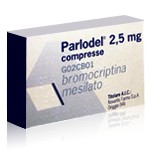
Parlodel (Bromocriptine Mesylate 2.5 mg) represents the foundational first-generation ergot-derived dopamine agonist - the reference dopamine receptor agonist established over 45 years for hyperprolactinemia treatment, prolactinoma management, comprehensive fertility restoration, lactation suppression, Parkinson disease therapy, and acromegaly management. Originally developed by Sandoz Pharmaceuticals (now Novartis following the 1996 merger with Ciba-Geigy) and FDA-approved as Parlodel in 1978 for hyperprolactinemia and other prolactin-related disorders, bromocriptine established the pharmacological approach to dopamine agonist therapy across multiple therapeutic areas. Parlodel on rxshop.md is manufactured by Serum Pharmaceuticals - established Indian pharmaceutical manufacturer with quality standards and reproductive medicine focus.
Bromocriptine works as a non-selective ergot-derived dopamine agonist providing potent dopamine D2 and moderate D1 receptor agonism. First, bromocriptine binds pituitary lactotroph dopamine D2 receptors mimicking natural dopamine inhibition of prolactin. Second, this suppresses prolactin secretion normalizing elevated prolactin levels. Third, bromocriptine induces prolactinoma cell size reduction and progressive tumor shrinkage over weeks to months of therapy. Fourth, normalized prolactin restores hypothalamic-pituitary-gonadal axis function re-establishing normal reproductive hormone patterns. Fifth, bromocriptine provides additional therapeutic effects in Parkinson disease (dopamine replacement) and acromegaly (paradoxical growth hormone suppression).
Parlodel addresses comprehensive dopamine-related indications. Primary uses include hyperprolactinemic disorders from idiopathic causes or prolactinomas, amenorrhea from elevated prolactin, galactorrhea, infertility from hyperprolactinemia, lactation suppression (postpartum where clinically indicated), Parkinson disease as adjunct or alternative therapy, and acromegaly for growth hormone reduction. Bromocriptine remains widely used first-line therapy in many settings due to established efficacy, extensive safety data over 45 years, particular safety experience during pregnancy for prolactinoma continuation, and cost-effectiveness.
Parlodel is available in four pack sizes at the 2.5 mg strength - 30, 60, 90, and 120 tablets. The 60-tablet pack is the bestseller reflecting typical monthly to bi-monthly supply for continuous therapy. Standard dosing initiates at 1.25 mg (half tablet) at bedtime to minimize orthostatic hypotension and nausea, escalating gradually to standard maintenance of 2.5-15 mg daily in divided doses. Contraindicated in uncontrolled hypertension, cardiac valvular disease, fibrotic disorders history, and ergot alkaloid hypersensitivity. Requires endocrinology or neurology specialist supervision.


Free prescription
Discrete packaging
Have questions?
Quality Assurance

- Prolactinoma: Prolactin-secreting pituitary tumors requiring medical suppression of prolactin and tumor size reduction therapy;
- Hyperprolactinemic Amenorrhea: Absent menstruation caused by elevated prolactin suppression of hypothalamic-pituitary-gonadal axis function;
- Galactorrhea: Inappropriate milk production in non-pregnant non-lactating women or men from prolactin elevation;
- Infertility from Hyperprolactinemia: Reproductive dysfunction from elevated prolactin blocking normal ovulation and fertility mechanisms;
- Oligomenorrhea: Infrequent menstruation from prolactin-induced hypothalamic dysfunction affecting normal ovulatory cycles;
- Parkinson Disease: Neurodegenerative disorder with dopamine deficiency causing motor symptoms responding to dopamine agonist therapy;
- Acromegaly: Growth hormone excess disorder with paradoxical GH suppression response to bromocriptine in selected patients;
- Lactation Suppression: Suppression of postpartum milk production where clinically indicated (not FDA approved in US for this indication);
- Chiari Frommel Syndrome: Post-partum amenorrhea-galactorrhea syndrome with prolonged lactation-related hormonal dysfunction;
- Male Hyperprolactinemia: Elevated prolactin in men causing sexual dysfunction infertility and hypogonadism responding to dopamine agonist therapy;
- Menstrual Disorders: Cycle irregularities from prolactin-related hormonal imbalance responding to dopamine agonist correction;
- Premenstrual Syndrome: Selected use for PMS with elevated prolactin component contributing to cyclic symptoms;
- Benign Breast Disease: Selected use for fibrocystic breast disease and cyclic mastalgia responding to prolactin suppression;
- Dopamine Agonist Therapy: First-generation ergot-derived non-selective D2 receptor agonism for multiple therapeutic indications;
- Microprolactinoma: Small pituitary prolactin-secreting tumors under 10 mm requiring medical therapy over surgery;
- Macroprolactinoma: Large pituitary prolactin-secreting tumors over 10 mm requiring both prolactin normalization and tumor shrinkage;
- Drug Induced Hyperprolactinemia: Selected cases where causative medication cannot be discontinued requiring dopamine agonist therapy;
- Idiopathic Hyperprolactinemia: Unknown cause elevated prolactin with normal imaging requiring symptomatic dopamine agonist treatment;
- Prolactin Related Sexual Dysfunction: Sexual dysfunction from hyperprolactinemia responding to prolactin normalization restoring sexual function.
- Shrinks Prolactinomas: Substantial tumor size reduction in prolactinoma patients over weeks to months of continuous therapy;
- Restores Menstruation: Return of regular ovulatory cycles in women with hyperprolactinemic amenorrhea through prolactin normalization;
- Restores Fertility: Reestablishment of ovulation and fertility in women with prolactin-related infertility;
- Resolves Galactorrhea: Substantial improvement in inappropriate milk production through prolactin suppression therapy;
- Restores Sexual Function: Improvement in libido erectile function and sexual response in prolactin-related sexual dysfunction;
- Suppresses Postpartum Lactation: Effective lactation suppression where clinically indicated postpartum for medical reasons;
- Improves Parkinson Motor Symptoms: Reduction in bradykinesia rigidity and tremor in Parkinson disease patients through nigrostriatal dopamine agonism;
- Reduces Growth Hormone: Paradoxical growth hormone suppression in acromegaly patients providing biochemical control;
- Pregnancy Continuation Safety: Extensive safety data during pregnancy in prolactinoma patients where continuation is necessary;
- Reduces Visual Field Defects: Macroprolactinoma shrinkage improves optic chiasm compression restoring visual field function;
- Male Testosterone Restoration: Restoration of testosterone production in male hyperprolactinemia through normalized gonadotropin release;
- Oral Tablet Administration: Simple oral therapy avoiding injections or complex administration for chronic dopamine agonist therapy;
- Cost Effective Therapy: Substantially more affordable than newer selective dopamine agonists for hyperprolactinemia management;
- Original Sandoz Brand Heritage: FDA-approved 1978 with over 45 years continuous clinical use worldwide;
- Serum Manufacturing Quality: Established Indian pharmaceutical manufacturing providing bioequivalent generic quality worldwide;
- First Line Hyperprolactinemia Therapy: Traditional first-line therapy for hyperprolactinemia with established efficacy and safety documentation;
- Fertility Preservation Option: Enables fertility restoration in prolactinoma patients preferring medical over surgical management;
- Four Pack Size Options: 30 to 120 tablet packs accommodate monthly through 4-month therapy supplies for continuous management;
- Better Quality of Life: Successful hyperprolactinemia treatment restoration of reproductive function and Parkinson symptom control dramatically improves quality of life.
Parlodel — Frequently Asked Questions
-
What is Parlodel?
Parlodel is a medication containing Bromocriptine, which mimics dopamine's action in the brain. It's used to treat disorders like hyperprolactinemia, prolactinomas, Parkinson's disease, and conditions associated with excessive growth hormone. -
How does Parlodel work?
It works by activating dopamine receptors, which can decrease the production of prolactin by the pituitary gland and improve symptoms of Parkinson's disease by balancing dopamine levels. -
What conditions does Parlodel treat?
Parlodel is used for treating hyperprolactinemia, prolactinomas, Parkinson's disease, acromegaly, and conditions requiring the suppression of lactation, among others. -
How is Parlodel taken?
Parlodel is taken orally, with the dose depending on the specific condition being treated. It's often started at a low dose to minimize side effects, then gradually increased. -
What are the side effects of Parlodel?
Common side effects include nausea, headache, dizziness, fatigue, and, less commonly, low blood pressure. Severe side effects should be reported to a healthcare provider immediately. -
Can Parlodel be used during pregnancy?
Parlodel may be used in certain conditions during pregnancy under a doctor's supervision. However, its use should be reviewed and closely monitored. -
How quickly does Parlodel work?
The response time can vary. Some symptoms may improve within days, while others might take several weeks to notice a significant change.
See all Parlodel questions (32)
More Women's Health Medications


