Buy Hepcvir (Generic Sofosbuvir by Cipla) Online — Affordable Indian Pan-Genotypic HCV DAA for Hepatitis C Functional Cure (Sovaldi Equivalent)

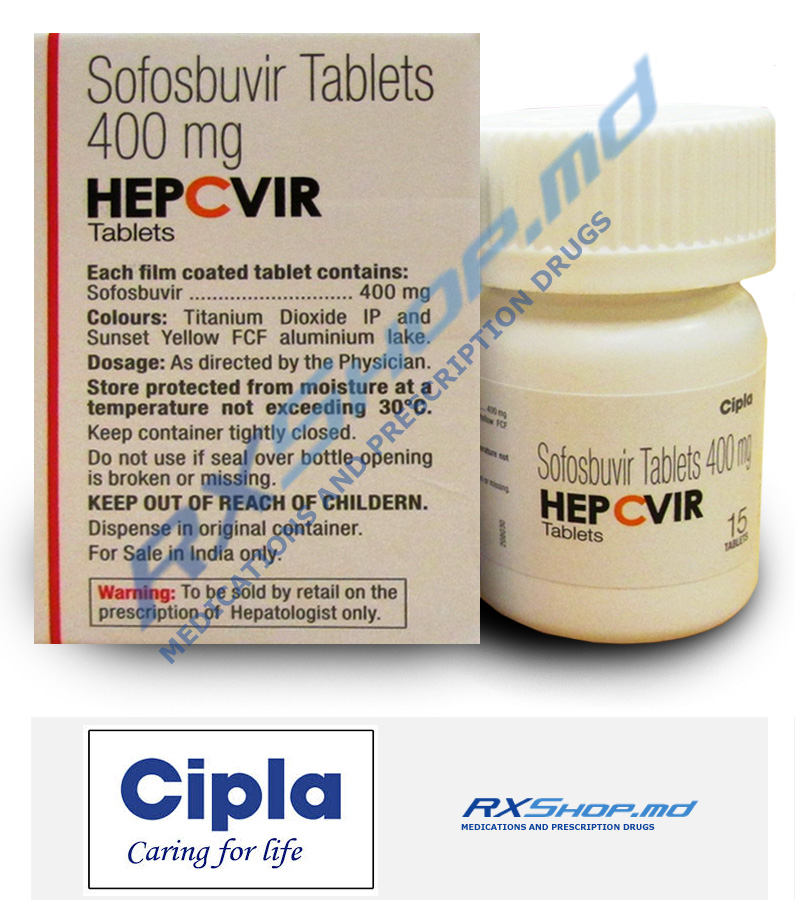
Hepcvir is an affordable Indian generic version of Sofosbuvir manufactured by Cipla Limited — one of India's largest and most respected pharmaceutical companies. Providing the same therapeutic activity as branded Sovaldi (Gilead Sciences, FDA-approved 2013) at dramatically lower cost, Hepcvir is a direct-acting antiviral (DAA) that transformed chronic hepatitis C treatment from difficult interferon-based therapy into a simple oral cure. Cipla's manufacturing has been instrumental in WHO hepatitis C elimination programs, making functional HCV cure accessible to millions in low- and middle-income countries.
The active ingredient is Sofosbuvir, a nucleotide analog inhibitor of HCV NS5B polymerase. Upon oral administration and intracellular phosphorylation, Sofosbuvir's active metabolite (GS-461203) is incorporated into nascent HCV RNA, causing immediate chain termination. Sofosbuvir features a very high genetic barrier to resistance and demonstrates pan-genotypic activity — effective against all HCV genotypes (1, 2, 3, 4, 5, 6) when combined appropriately. The HCV-specific NS5B selectivity explains Sofosbuvir's remarkable safety profile.
Hepcvir is FDA-approved (as Sovaldi) for chronic hepatitis C virus infection in combination with other antivirals — never as monotherapy. Standard combinations include Sofosbuvir + Ledipasvir (Harvoni for genotypes 1, 4, 5, 6), Sofosbuvir + Velpatasvir (Epclusa, pan-genotypic 1-6), Sofosbuvir + Velpatasvir + Voxilaprevir (Vosevi for DAA-failure retreatment), and Sofosbuvir + Daclatasvir (widely used internationally).
The medication is available as Hepcvir 400 mg tablets. Standard adult dosing is 400 mg once daily, typically for 12 weeks (some regimens 8 or 24 weeks based on genotype, prior treatment, and liver disease stage). Always combined with another DAA — never monotherapy. Renal dose adjustment may be required in severe renal impairment.
Critical safety considerations include the FDA boxed warning for HBV reactivation in HCV/HBV co-infected patients (HCV suppression can trigger HBV reactivation — screen for HBV before starting), serious bradycardia when combined with amiodarone (especially with Daclatasvir), reduced efficacy with strong CYP/P-gp inducers, and renal impairment considerations. Side effects are generally mild (headache, fatigue, nausea, insomnia, pruritus). Dramatically better tolerated than older interferon-based HCV regimens.
Free prescription
Discrete packaging
Have questions?
Quality Assurance
- HCV Genotype 1: For HCV genotype 1 infection (most common globally) — combined with Ledipasvir or Velpatasvir;
- HCV Genotype 2: For HCV genotype 2 infection — combined with Velpatasvir or Ribavirin;
- HCV Genotype 3: For HCV genotype 3 infection — combined with Velpatasvir or Daclatasvir;
- HCV Genotype 4: For HCV genotype 4 infection — combined with Ledipasvir or Velpatasvir;
- HCV Genotype 5: For HCV genotype 5 infection — combined with Ledipasvir or Velpatasvir;
- HCV Genotype 6: For HCV genotype 6 infection — combined with Ledipasvir or Velpatasvir;
- HCV Pan Genotypic Combination: Pan-genotypic combinations (Sofosbuvir + Velpatasvir = Epclusa) for all HCV genotypes;
- HCV Treatment Naive: First-line therapy for treatment-naive HCV patients;
- HCV Treatment Experienced: For treatment-experienced patients with prior interferon-based therapy failure;
- HCV Compensated Cirrhosis: For HCV patients with compensated cirrhosis;
- HCV Decompensated Cirrhosis: For HCV patients with decompensated cirrhosis (specific regimens with ribavirin);
- HCV Pre Transplant: For HCV patients on liver transplant waiting list;
- HCV Post Transplant: For HCV recurrence after liver transplant;
- HCV HIV Coinfection: For HCV in HIV co-infected patients (with attention to drug interactions);
- HCV CKD Patients: For HCV in chronic kidney disease patients (with dose adjustment);
- HCV IDU Population: For HCV in people who inject drugs (IDU) populations — key public health use;
- WHO HCV Elimination: Foundational generic for WHO HCV elimination programs in low- and middle-income countries;
- HCV Adolescent Therapy: For HCV treatment in adolescents 12 years and older;
- HCV Reinfection Retreatment: For HCV reinfection after prior successful treatment;
- DAA Failure Retreatment: For prior DAA-failure retreatment (typically as Vosevi triple combination).
- HCV Functional Cure: Sustained virologic response (SVR12) achieved in 95%+ of patients — functionally curative;
- Better SVR Rates All Genotypes: 95%+ SVR rates across all HCV genotypes when combined appropriately;
- Less HCV Liver Damage: Reduction in HCV-related liver inflammation and fibrosis progression;
- Less Hepatitis Symptoms: Resolution of HCV-related fatigue, jaundice, and constitutional symptoms;
- HCV Cure Reverses Cirrhosis Progression: SVR halts cirrhosis progression and may allow partial reversal in some patients;
- Less Hepatocellular Carcinoma Risk: Significant reduction in HCV-related hepatocellular carcinoma risk after SVR;
- Less Liver-Related Mortality: Substantial reduction in liver-related mortality after HCV cure;
- Less Liver Transplant Need: Reduction in HCV-related liver transplant need with effective cure;
- Better Post-Transplant HCV Control: Effective in HCV recurrence after liver transplantation;
- Better HCV/HIV Coinfection Outcomes: Effective HCV cure in HIV co-infected patients;
- Better CKD Patient Outcomes: Effective HCV cure in chronic kidney disease patients;
- Less IDU HCV Transmission: HCV cure reduces transmission in injection drug user populations — public health benefit;
- Better Daily Function: Return to normal daily activities after HCV cure achievement;
- Better Long-Term Quality of Life: Substantial improvement in quality of life after HCV SVR;
- Less Psychological Burden: Resolution of psychological burden of chronic HCV infection;
- Excellent Tolerability: Dramatically better tolerated than older interferon-based HCV regimens;
- Once-Daily Convenience: Single 400 mg tablet once daily simplifies HCV therapy;
- Short Treatment Duration: 12-week (some 8-week) treatment courses replace older 24-48 week regimens;
- Interferon-Free Therapy: First all-oral, interferon-free HCV regimen — revolutionary treatment paradigm;
- Brand Hepcvir: Affordable Indian Cipla Limited brand of Sofosbuvir with international quality manufacturing standards;
- Generic Sofosbuvir: Affordable generic Sofosbuvir expanding global access to revolutionary HCV cure therapy;
- Sovaldi Equivalent: Same Sofosbuvir molecule as original Gilead Sciences brand Sovaldi with bioequivalent therapeutic profile;
- Cipla Manufacturing: Cipla Limited — one of India's largest and most respected pharmaceutical companies;
- WHO HCV Elimination: Foundational generic for WHO HCV elimination programs in developing countries;
- Direct Acting Antiviral DAA: Foundational direct-acting antiviral class member — transformed HCV care;
- Nucleotide NS5B Polymerase Inhibitor: Nucleotide analog NS5B polymerase inhibitor with selectivity for HCV-specific enzyme;
- Chain Termination Mechanism: Active metabolite GS-461203 causes viral RNA chain termination upon incorporation;
- Pan Genotypic Activity: Pan-genotypic activity across all HCV genotypes 1-6 with appropriate combinations;
- High Genetic Barrier Resistance: Very high genetic barrier to resistance development — durable response;
- Harvoni Component: Core component of Harvoni (Sofosbuvir + Ledipasvir) for HCV genotypes 1, 4, 5, 6;
- Epclusa Component: Core component of Epclusa (Sofosbuvir + Velpatasvir) — pan-genotypic HCV therapy;
- HCV Functional Cure: SVR12 achievement effectively cures hepatitis C in responsive patients;
- Indian Quality Manufacturing: Indian Cipla Limited manufacturing meeting international quality and bioequivalence standards;
- WHO Essential Medicine: Listed on the WHO Model List of Essential Medicines for HCV care.
Generic Hepcvir (Sofosbuvir 400 mg) Medication guide:
🌏 What Is Hepcvir Cipla Sofosbuvir HCV Cure
Hepcvir is the Cipla Limited generic formulation of sofosbuvir, the direct-acting antiviral that transformed hepatitis C treatment. Manufactured in India under the voluntary licensing agreement with Gilead Sciences, Hepcvir delivers the identical active pharmaceutical ingredient of the innovator product Sovaldi at accessible prices for the 91 low- and middle-income countries covered by that license.
Cipla is one of the world largest generic pharmaceutical manufacturers, with a distinguished history in expanding access to essential medicines. In 2001, Cipla was the first company to offer generic HIV combination antiretroviral therapy at 1 USD per patient per day, catalyzing the global AIDS treatment scale-up. Cipla applied the same access-oriented approach to hepatitis C when sofosbuvir became available, and Hepcvir today anchors many national HCV elimination programs.
📇 Hepcvir product snapshot
| Generic name | Sofosbuvir |
| Reference innovator | Sovaldi (Gilead Sciences) |
| Manufacturer | Cipla Limited (Mumbai, India) under voluntary licensing agreement |
| Drug class | Nucleotide analog NS5B polymerase inhibitor |
| Chemical family | Uridine analog phosphoramidate prodrug |
| Innovator approval | Sovaldi FDA approval December 6, 2013 |
| Strength | 400 mg film-coated tablets |
| Standard dose | 400 mg once daily with or without food |
| Genotype coverage | Pan-genotypic (HCV genotypes 1 through 6) |
| Sustained virologic response | Over 95% cure rate in appropriate combination regimens |
Sofosbuvir is never used as monotherapy. Cipla produces both standalone Hepcvir and several fixed-dose combination products including Cimivir-L (sofosbuvir + ledipasvir, analog of Harvoni), Cimivir-V (sofosbuvir + velpatasvir, analog of Epclusa), and combinations with daclatasvir. These combination products enable single-tablet therapy for the full range of hepatitis C treatment scenarios covered by AASLD-IDSA, EASL, WHO, and APASL guidelines.
WHO Essential Medicines List inclusion of sofosbuvir and WHO Prequalification of multiple generic products including from Cipla support global procurement through UN agencies, the Global Fund, and national procurement systems. Hepcvir has been used in national HCV elimination programs in Egypt, Rwanda, Georgia, Malaysia, Pakistan, and other countries pursuing the WHO 2030 elimination target.
📜 History and Journey of HCV Treatment Transformation
The transformation of hepatitis C treatment from a difficult interferon-based therapy with modest cure rates into an all-oral cure requires understanding a multi-decade journey. Sofosbuvir emerged from medicinal chemistry work at Pharmasset, a small biotechnology company founded by Raymond Schinazi. Michael J. Sofia and colleagues applied ProTide phosphoramidate prodrug chemistry to a modified uridine analog to generate PSI-7977, later renamed sofosbuvir after Gilead acquired Pharmasset for approximately 11 billion USD in early 2012.
📅 From discovery to global elimination framework
- 1989 - HCV identified
- Houghton, Choo, Kuo, and Bradley clone hepatitis C virus, identifying it as the cause of non-A non-B hepatitis
- 1990s-2000s - Interferon era
- Interferon alpha and later peginterferon plus ribavirin become standard; cure rates 40-50% for genotype 1 with poor tolerability
- 2001 - Cipla HIV generic breakthrough
- Cipla offers generic combination antiretroviral therapy at 1 USD per day, transforming HIV treatment access in Africa and other LMICs; established the model for later HCV generic access
- 2010 - Sofosbuvir clinical candidate
- Michael Sofia and Pharmasset scientists publish PSI-7977 as pan-genotypic candidate with high resistance barrier
- January 2012 - Gilead acquires Pharmasset
- Approximately 11 billion USD acquisition brings sofosbuvir into Gilead pipeline
- December 2013 - Sovaldi FDA approval
- Sofosbuvir approved for HCV; interferon-free era begins
- September 2014 - Gilead voluntary licensing
- Gilead signs voluntary licensing agreement with 11 Indian generic manufacturers including Cipla, Natco, Hetero, Zydus, Mylan, and Dr. Reddy; permits supply to 91 low- and middle-income countries at fraction of innovator price
- 2014-2015 - Hepcvir launches
- Cipla Hepcvir enters markets across licensed countries; combination products Cimivir-L (with ledipasvir) and Cimivir-V (with velpatasvir) follow
- 2014 - Egyptian mass treatment program begins
- Egypt, with the world highest HCV prevalence at approximately 10-15% of adults, launches national program using generic sofosbuvir combinations; over 4 million patients treated by 2020
- May 2016 - WHO HCV elimination framework
- World Health Assembly adopts Global Health Sector Strategy on Viral Hepatitis with elimination target for 2030 (90% diagnosis, 80% treatment, 65% mortality reduction)
- 2016 - Georgia HCV Elimination Program
- Georgia becomes first country to formally commit to WHO elimination targets with a national program using generic sofosbuvir; other countries follow
- 2016 - Michael Sofia Lasker Award
- Michael Sofia receives Lasker-DeBakey Clinical Medical Research Award for sofosbuvir discovery
- 2020-present - Elimination progress
- Multiple countries reach or approach elimination targets; Egypt declares HCV elimination status in 2023 pending WHO verification
The Cipla story specifically is inseparable from the story of generic pharmaceutical access. Founded in 1935 by Khwaja Abdul Hamied, Cipla has consistently prioritized affordable production of essential medicines. Yusuf Hamied, who led the company from 1972 through 2013, was a leading voice for compulsory licensing and generic manufacturing to expand access. The Cipla approach to hepatitis C generics builds on this decades-long tradition and has substantially contributed to global HCV treatment scale-up.
🧪 Chemistry Behind the ProTide Delivery Design
Sofosbuvir is chemically a phosphoramidate prodrug of a modified uridine nucleoside. The molecule design solves a persistent problem in nucleoside antiviral chemistry: nucleoside analogs must be phosphorylated intracellularly to reach the active triphosphate form, and this initial phosphorylation step is often too slow to produce meaningful antiviral effect. The ProTide phosphoramidate approach delivers the drug essentially pre-phosphorylated, disguised as an ester that hepatocyte enzymes will remove.
⚗️ Structural and physicochemical characteristics
| Chemical class | Uridine nucleoside analog phosphoramidate prodrug |
| Molecular formula | C22H29FN3O9P |
| Molecular weight | 529.45 g/mol |
| Physical form | White to off-white crystalline solid |
| Aqueous solubility | Sparingly soluble in water; freely soluble in ethanol |
| Design innovations | 2-prime C-methyl and 2-prime fluoro substitutions on ribose; L-alanine ester phosphoramidate as masking group |
| Active intracellular form | GS-461203 (sofosbuvir triphosphate) |
| Terminal metabolite | GS-331007 (inactive; accounts for over 90% of urinary excretion) |
🎯 ProTide technology in three sentences
What it solves: nucleoside analogs need three phosphorylations to become active; the first one is usually rate-limiting and inefficient.
What it does: ProTide delivers the drug already carrying one phosphate, disguised as a phosphoramidate ester that hepatocyte enzymes (cathepsin A, carboxylesterase 1, HINT1) can remove.
Why hepatocyte-specific: the unmasking enzymes are concentrated in hepatocytes, so the drug is efficiently activated exactly where HCV replicates, achieving high hepatic drug concentrations while minimizing systemic exposure.
Chris McGuigan at Cardiff University invented the underlying ProTide technology in the 1990s. His pioneering work enabled application to multiple nucleoside analogs beyond sofosbuvir, and ProTide chemistry now appears in other antivirals including tenofovir alafenamide (TAF) and remdesivir. The design principle is a signature contribution to modern antiviral drug development.
Cipla manufacturing quality: Cipla facilities are approved by the US FDA, EMA, WHO Prequalification, and multiple national regulatory authorities. Sofosbuvir active pharmaceutical ingredient (API) synthesis at Cipla follows the same essential process as the innovator manufacture, with rigorous quality control at every step. Hepcvir bioequivalence to Sovaldi has been established through standard pharmacokinetic studies as required for regulatory approval.
⚙️ NS5B Polymerase Blockade Molecular Mechanism
Sofosbuvir works by inhibiting the HCV NS5B RNA-dependent RNA polymerase, the viral enzyme responsible for copying the HCV RNA genome during replication. Blocking this enzyme halts HCV replication. Viral load falls rapidly, and with sufficient treatment duration in combination with another direct-acting antiviral, the virus is cleared from the body permanently.
🎯 The mechanism at a glance
Sofosbuvir is a nucleotide analog that masquerades as uridine triphosphate (UTP) at the active site of the HCV polymerase. Once incorporated into the growing viral RNA strand, the modified sugar prevents any further nucleotide addition. This is called obligate chain termination, and it stops HCV replication in its tracks.
🔬 Six-step mechanism unfolds within hepatocytes
Step 1 - Hepatocyte uptake
Sofosbuvir is a lipophilic phosphoramidate that crosses cell membranes by passive diffusion. Hepatocytes take up the drug efficiently, delivering it precisely where HCV replicates.
Step 2 - Prodrug unmasking
Cathepsin A and carboxylesterase 1 cleave the ester linkage. HINT1 removes the amino acid moiety. What remains is sofosbuvir monophosphate - already one phosphorylation ahead of a regular nucleoside analog.
Step 3 - Phosphorylation to active triphosphate
UMP-CMP kinase adds the second phosphate. Nucleoside diphosphate kinase adds the third phosphate. The result is sofosbuvir triphosphate (GS-461203) - the active antiviral molecule.
Step 4 - Competition with UTP at NS5B
Sofosbuvir triphosphate competes with natural uridine triphosphate for incorporation into the growing HCV RNA strand. The viral polymerase incorporates it as if it were UTP.
Step 5 - Chain termination
The 2-prime C-methyl substitution blocks further nucleotide addition. The growing RNA strand cannot be extended. Termination is immediate and irreversible for that molecule.
Step 6 - Viral replication collapses
HCV cannot complete new genome copies. Circulating viral load falls 3-4 log10 within weeks. In combination with a second DAA against a different HCV protein, viral eradication ensues over 8-12 weeks.
Three features underpin the excellent clinical profile. First, the NS5B active site is highly conserved across HCV genotypes, which explains sofosbuvir pan-genotypic activity across genotypes 1 through 6. Second, the 2-prime C-methyl substitution creates strict steric requirements at the polymerase active site, making most resistance mutations also crippling to viral fitness - hence the high genetic barrier to resistance. Third, the hepatocyte-targeted delivery concentrates drug in the liver while minimizing systemic exposure, contributing to the exceptional tolerability of sofosbuvir-based regimens.
🔬 Absorption Distribution Elimination Pharmacokinetic Profile
Sofosbuvir pharmacokinetics reflect the ProTide design philosophy. The parent drug is rapidly absorbed and taken up by hepatocytes, where prodrug unmasking and phosphorylation generate the active intracellular triphosphate. The circulating inactive metabolite GS-331007 has a much longer plasma half-life than the parent sofosbuvir, and it is the primary species eliminated through the kidneys.
📊 Pharmacokinetic parameters
| Parameter | Value |
|---|---|
| Oral bioavailability | Estimated over 80% |
| Peak plasma concentration (Tmax) - sofosbuvir | 0.5-2 hours after oral dose |
| Peak plasma concentration (Tmax) - GS-331007 | 2-4 hours after oral dose |
| Effect of food | High-fat meal delays absorption but does not significantly change total exposure |
| Plasma protein binding | Sofosbuvir 61-65%; GS-331007 under 1% |
| Plasma half-life - sofosbuvir | Approximately 0.4 hours (rapid hepatocyte uptake) |
| Plasma half-life - GS-331007 | Approximately 27 hours (inactive metabolite) |
| Intracellular triphosphate | Sustained active drug in hepatocytes; supports once-daily dosing |
| Route of metabolism | Intrahepatic prodrug activation; minimal CYP450 involvement |
| Transporter substrate | P-glycoprotein and BCRP substrate |
| Elimination pathway | Approximately 80% renal (as GS-331007); 14% fecal; 2.5% unchanged sofosbuvir |
| Renal impairment consideration | GS-331007 accumulates with reduced renal function - see section 16 |
What matters clinically: the short parent half-life is misleading because it reflects rapid hepatocyte uptake rather than clearance. Once inside hepatocytes, the intracellular triphosphate persists at active concentrations that support once-daily dosing. This clean pharmacology means minimal CYP450 interactions, uncomplicated dosing in most populations, and predictable exposure across body sizes. The main interaction concerns involve P-gp inducers and the special amiodarone pharmacodynamic interaction discussed in later sections.
Bioequivalence of Hepcvir to Sovaldi: as required by regulatory authorities including WHO Prequalification, generic sofosbuvir formulations including Hepcvir have demonstrated bioequivalence to the innovator Sovaldi through standard pharmacokinetic bioavailability studies. Peak concentration, area under the curve, and time to peak concentration fall within the standard 80-125% bioequivalence limits accepted by regulators worldwide.
📋 Approved Uses Across HCV Genotypes 1-6
Sofosbuvir approved indications span the full range of chronic hepatitis C virus infection with pan-genotypic activity. Since the December 2013 innovator approval, the labeled indications have expanded to include pediatric use, treatment-experienced patients, cirrhotic populations, coinfection scenarios, and post-transplant HCV recurrence. All approved indications require sofosbuvir use in combination regimens rather than as monotherapy.
📋 Approved indication framework
| Primary indication | Chronic hepatitis C virus infection as component of combination antiviral therapy |
| Genotype coverage | Genotypes 1 through 6 (pan-genotypic) |
| Adult age | 18 years and older; 400 mg once daily |
| Pediatric age | 3 years and older; weight-based dosing |
| Cirrhosis | Approved with and without cirrhosis; duration extension possible for advanced cirrhosis |
| Prior treatment failure | Approved; retreatment often via Vosevi combination |
| HCV/HIV coinfection | Approved with same regimens and durations as monoinfection |
| Post-liver transplant | Approved with attention to immunosuppressant interactions |
🌍 Global public health positioning
The WHO Model List of Essential Medicines includes sofosbuvir, reflecting its status as an essential medicine for public health globally. Cipla Hepcvir is WHO Prequalified, meaning it has been assessed by WHO experts as meeting international quality, safety, and efficacy standards. This prequalification enables procurement through UN agencies, the Global Fund, and national procurement programs.
The WHO consolidated guidelines on the care and treatment of persons diagnosed with chronic hepatitis C infection position sofosbuvir-based pan-genotypic regimens as preferred first-line therapy in most settings. This guidance particularly emphasizes access-oriented strategies including generic sofosbuvir combinations as the practical foundation of national HCV elimination programs in low- and middle-income countries.
What sofosbuvir does not treat: it has no meaningful activity against HIV, HBV, influenza, or non-HCV pathogens. Its antiviral spectrum is essentially specific to hepatitis C virus. Patients with other viral infections require entirely different therapy. HBV screening is mandatory before starting sofosbuvir-based therapy because of the risk of HBV reactivation described in the boxed warning covered in section 24.
🔗 Sofosbuvir as Combination Regimen Anchor
Sofosbuvir is the backbone of essentially every modern HCV combination regimen. The strategy of pairing sofosbuvir with a second direct-acting antiviral targeting a different HCV protein (typically an NS5A inhibitor, sometimes an NS3/4A protease inhibitor) exploits two mechanistically independent attack points. This combination approach delivers cure rates above 95% and prevents the resistance emergence that would compromise sofosbuvir monotherapy.
💊 Sofosbuvir-containing combinations available worldwide
| Product family | Composition | Cipla generic name |
|---|---|---|
| Sovaldi | Sofosbuvir 400 mg alone | Hepcvir |
| Harvoni | Sofosbuvir + ledipasvir (NS5A inhibitor) | Cimivir-L (Hepcvir-L) |
| Epclusa | Sofosbuvir + velpatasvir (NS5A inhibitor) | Cimivir-V (Velasof from Cipla and other generics) |
| Vosevi | Sofosbuvir + velpatasvir + voxilaprevir | Generic versions available from various manufacturers |
| SOF + DCV combinations | Sofosbuvir + daclatasvir 60 mg | Cipla and other Indian manufacturers |
| SOF + ribavirin | Sofosbuvir with weight-based ribavirin | Historical use largely superseded by NS5A combinations |
🎯 Why combination therapy is essential
HCV replicates prolifically with modest fidelity. Even at low mutation rates, HCV produces so many virions daily that variants at every position of the genome exist somewhere in the viral population. A single-drug regimen selects for pre-existing or newly generated resistant variants, and treatment often fails.
Two drugs targeting different HCV proteins require the virus to acquire simultaneous resistance to both. Because the mutation rate is finite, simultaneous multi-position resistance is exponentially less likely and rarely occurs clinically. This is the mechanistic basis for the >95% cure rates achieved with modern sofosbuvir-based combinations.
Guideline positioning: AASLD-IDSA HCV Guidance, EASL guidelines, WHO guidelines, and APASL consensus statements all build their HCV treatment recommendations around sofosbuvir-based combination regimens. Specific combination selection depends on genotype, treatment history, cirrhosis status, coinfection, and comorbidities. Modern practice increasingly favors pan-genotypic regimens (sofosbuvir + velpatasvir, sofosbuvir + daclatasvir) to simplify pre-treatment workup and standardize therapy across settings.
🌟 Genotype 1 Landmark Sofosbuvir Plus Ledipasvir
The first single-tablet sofosbuvir combination was Harvoni (sofosbuvir 400 mg + ledipasvir 90 mg), FDA-approved in October 2014 for HCV genotype 1. Cipla generic version Cimivir-L (also known as Hepcvir-L or LediHep) provides the same combination for licensed markets. This combination revolutionized genotype 1 treatment, the most common HCV genotype in the United States and Europe.
🌟 ION trial series pivotal evidence
| Trial | Population | Cure rate |
|---|---|---|
| ION-1 | Treatment-naive genotype 1 (n=865) | 99% at 12 weeks |
| ION-2 | Treatment-experienced genotype 1 including cirrhotics (n=440) | 94-99% depending on duration |
| ION-3 | Treatment-naive non-cirrhotic genotype 1 (n=647) | 94-95% at 8 weeks (shorter duration) |
| SIRIUS | Cirrhotic prior protease inhibitor failures (n=155) | 96-97% with 12-24 weeks |
| SYNERGY, LEPTON, ELECTRON-2 | Various genotype 4-6 populations | Consistently above 95% cure rates |
📅 Duration selection at a glance
8 weeks
Treatment-naive non-cirrhotic genotype 1 patients with baseline HCV RNA under 6 million IU/mL. ION-3 established this shorter duration for eligible patients.
12 weeks
Standard duration for other treatment-naive and treatment-experienced non-cirrhotic patients. Also standard for compensated cirrhotic patients in most scenarios.
12 weeks with ribavirin, or 24 weeks without ribavirin
Treatment-experienced cirrhotic patients with genotype 1. Regimen selection depends on prior treatment specifics and patient factors.
Beyond genotype 1: Harvoni/Cimivir-L also has approved indications for genotypes 4, 5, and 6 based on smaller trials (SYNERGY, LEPTON). Cure rates in these genotypes match genotype 1 in most patient groups. For genotype 3, however, the pan-genotypic sofosbuvir + velpatasvir combination (Epclusa/Cimivir-V) provides better activity and is preferred, as discussed in the next section.
🩺 Pan-Genotypic Solution Sofosbuvir Plus Velpatasvir
Epclusa (sofosbuvir 400 mg + velpatasvir 100 mg) received FDA approval in June 2016 as the first true pan-genotypic single-tablet direct-acting antiviral regimen. Cipla generic version Cimivir-V (also marketed as Velasof or LediHep-V by other Indian manufacturers) delivers the same combination across licensed markets. Uniform 12-week treatment achieves cure rates above 95% across all six HCV genotypes.
🩺 ASTRAL trial series highlights
| Trial | Population | Cure rate |
|---|---|---|
| ASTRAL-1 | Genotypes 1, 2, 4, 5, 6 (n=740) | 99% at 12 weeks |
| ASTRAL-2 | Genotype 2 (n=266) | 99% (vs 94% sofosbuvir + ribavirin) |
| ASTRAL-3 | Genotype 3 including cirrhotics (n=552) | 95% (vs 80% sofosbuvir + ribavirin) |
| ASTRAL-4 | Decompensated cirrhosis Child-Pugh B (n=267) | 83-94% with different regimen options |
| ASTRAL-5 | HCV/HIV coinfection (n=106) | 95% |
🎯 Why pan-genotypic simplicity matters for elimination programs
Before pan-genotypic regimens, treating HCV required identifying the specific genotype (1a, 1b, 2, 3, 4, 5, or 6), selecting an appropriate regimen, and adjusting duration accordingly. This complexity limited treatment access, particularly in resource-limited settings where genotype testing may be unavailable or unaffordable.
Sofosbuvir + velpatasvir combinations enable treatment initiation without knowing the genotype and work across the entire HCV species. This has been particularly transformative for LMIC national elimination programs where laboratory infrastructure for genotyping is limited.
The Egyptian program, Georgian program, Rwandan program, and many others have adopted pan-genotypic sofosbuvir combinations as their national standard regimen precisely because of this simplification.
Genotype 3 challenge resolved: genotype 3 was historically the most challenging HCV genotype - resistant to earlier DAA combinations, associated with faster fibrosis progression, and linked to higher hepatocellular carcinoma risk. Velpatasvir has particularly strong activity against genotype 3, and Epclusa/Cimivir-V achieves cure rates above 95% in non-cirrhotic patients and around 91-93% in cirrhotic patients with genotype 3. This represents substantial advance over earlier options.
Decompensated cirrhosis advantage: Cimivir-V (with ribavirin added) can be used in patients with decompensated cirrhosis (Child-Pugh B) based on ASTRAL-4 evidence. This is a distinctive advantage because protease-inhibitor-containing regimens (Vosevi, Mavyret, Zepatier) are contraindicated in decompensated cirrhosis. Successful HCV cure in this population can reverse hepatic dysfunction to the point of delisting patients from transplant waitlists.
🏥 Sofosbuvir Plus Daclatasvir Global Access Regimen
Sofosbuvir + daclatasvir is one of the most widely used HCV combination regimens globally, particularly across low- and middle-income countries. Daclatasvir is an NS5A inhibitor originally developed by Bristol-Myers Squibb. The combination is approved by many national regulators (though not FDA in the US) and forms the backbone of numerous national HCV elimination programs. Cipla and multiple Indian generics manufacturers produce sofosbuvir + daclatasvir combinations at accessible prices.
🌍 ALLY series and global scale-up evidence
| Evidence source | Population | Cure rate |
|---|---|---|
| ALLY-1 | Advanced cirrhosis or post-liver transplant | 83% cirrhotic; 94% post-transplant |
| ALLY-2 | HCV/HIV coinfection genotypes 1-4 (n=203) | 96-97% |
| ALLY-3 | Genotype 3 (n=152) | 89-96% depending on cirrhosis |
| French ATU cohort | Real-world early access data | High cure rates confirmed across scenarios |
| MSF programs, national cohorts | Field evidence from Kenya, Cambodia, Myanmar | Demonstrated feasibility of decentralized DAA delivery |
🇪🇬 The Egyptian HCV elimination program - a case study
Egypt had the world highest HCV prevalence at approximately 10-15% of adults due to historical iatrogenic transmission from parenteral schistosomiasis therapy in the mid-twentieth century. Cumulative HCV burden was estimated at over 6 million infected persons in a country of approximately 100 million.
Beginning in 2014, Egypt executed one of the largest disease elimination programs in history. The national program combined generic sofosbuvir combinations (initially with daclatasvir and later with velpatasvir), a nationwide screening initiative that tested approximately 60 million people, and integrated primary care with specialist referral pathways.
Between 2014 and 2020, over 4 million patients received DAA treatment through the national program. Cure rates exceeded 95% in the treated population. HCV prevalence in the general adult population dropped substantially. In 2023, Egypt announced it had reached the WHO elimination targets, pending formal verification.
The Egyptian model demonstrated that HCV elimination at national scale is feasible even in resource-constrained settings when generic direct-acting antivirals are available. It has become the reference for other national programs.
Advantages of sofosbuvir + daclatasvir combinations: pan-genotypic activity (approved for genotypes 1-4 in EU with real-world data supporting 5 and 6), robust cure rates including in advanced cirrhosis, HCV/HIV coinfection efficacy demonstrated in ALLY-2, availability as separate components or fixed-dose combinations at accessible generic prices, and simpler drug-drug interaction profile than protease inhibitor-containing regimens. Cipla and other Indian manufacturers offer both standalone sofosbuvir (Hepcvir) alongside daclatasvir separately, and fixed-dose combinations.
🧬 HCV/HIV Dual Infection Treatment Strategy
HCV/HIV coinfection is a common clinical scenario requiring careful attention. Approximately 2-15% of people with HIV also have HCV depending on geography and risk factors, with higher rates among people who inject drugs and men who have sex with men. Coinfection accelerates hepatic fibrosis progression and increases complications compared to HCV monoinfection. Sofosbuvir-based DAA regimens work as well in coinfected patients as in HCV monoinfected patients, and HCV cure improves overall clinical outcomes substantially.
🧬 Coinfection management principles
Cure rates match monoinfection
PHOTON-1, PHOTON-2, ALLY-2, ASTRAL-5, and multiple other trials confirmed that sofosbuvir-based DAA regimens achieve HCV cure rates in HCV/HIV coinfected patients essentially identical to monoinfected patients (over 95% in most groups). Coinfection is no longer a treatment barrier.
Coordinate with antiretroviral therapy
Sofosbuvir can be given during ongoing antiretroviral therapy. Most modern integrase inhibitor and NNRTI regimens have manageable interactions. Specific regimen review supports appropriate combination selection.
HCV cure improves HIV outcomes
Curing HCV in coinfected patients reduces hepatic fibrosis progression, decreases hepatocellular carcinoma risk, and improves survival. HIV control also benefits as antiretroviral options broaden without concern for ongoing hepatic disease progression.
HBV screening mandatory
All patients starting sofosbuvir-based therapy require HBV screening (HBsAg, anti-HBc). Coinfected patients may have triple infection. The HBV reactivation boxed warning (section 24) applies to all sofosbuvir-treated patients regardless of HIV status.
Reinfection prevention post-cure
People who inject drugs and men who have sex with men who cure HCV remain at risk for reinfection through ongoing exposures. Harm reduction, opioid substitution therapy, safer sex counseling, and post-cure HCV RNA testing support the strategy of cure-and-prevent-reinfection.
📋 Preferred coinfection regimens
- Sofosbuvir + velpatasvir (Cimivir-V/Epclusa) - pan-genotypic 12 weeks
- Sofosbuvir + ledipasvir (Cimivir-L/Harvoni) - genotype 1 with 8-12 weeks
- Sofosbuvir + daclatasvir - pan-genotypic 12 weeks - widely used globally
- Glecaprevir/pibrentasvir (Mavyret) - non-sofosbuvir pan-genotypic 8-16 weeks
Selection considers antiretroviral compatibility, prior treatment history, and cirrhosis status. IAS-USA, DHHS, and EACS guidelines detail specific regimen recommendations.
Public health importance in HIV populations: HCV elimination in HIV-positive populations is a specific WHO focus because coinfection is common among key populations. Integration of HCV screening and treatment into HIV clinics is effective. Some countries include HCV-in-HIV as an early-priority component of national HCV elimination programs. Access to generic sofosbuvir including Hepcvir has been essential for scaling coinfection treatment.
🪶 Advanced Fibrosis and Cirrhosis Considerations
Treatment of hepatitis C in patients with advanced fibrosis and cirrhosis requires careful attention to cirrhosis stage, regimen selection, and post-cure surveillance. Sofosbuvir-based regimens work well across the cirrhosis spectrum, and cure of HCV can slow, halt, or occasionally partially reverse fibrosis. However, cirrhotic patients need distinct consideration for regimen intensity, treatment duration, and lifelong monitoring.
🪶 Fibrosis stage framework
| Stage | Definition | Treatment considerations |
|---|---|---|
| F0-F3 (no cirrhosis) | Fibrosis without cirrhosis | Standard 8-12 week regimen with excellent cure rates |
| F4 compensated cirrhosis (Child-Pugh A) | Cirrhosis with preserved function | 12 weeks standard; ribavirin may be added in some regimens; cure rates 90-95% |
| Decompensated cirrhosis (Child-Pugh B) | Cirrhosis with ascites, encephalopathy, or coagulopathy | Cimivir-V + ribavirin 12 weeks; avoid protease inhibitors; hepatology essential |
| Advanced decompensated (Child-Pugh C) | Severe hepatic dysfunction | Cimivir-V + ribavirin 12 weeks or 24 weeks; transplant consideration; specialist team |
| Post-liver transplant | HCV recurrence in transplanted liver | Sofosbuvir-based regimen with attention to cyclosporine/tacrolimus interactions |
⚠️ Protease inhibitor caution in decompensated cirrhosis
HCV NS3/4A protease inhibitors (voxilaprevir, glecaprevir, grazoprevir, paritaprevir) accumulate substantially in advanced cirrhosis and can worsen hepatic decompensation. Vosevi, Mavyret, Zepatier, and Viekira Pak are contraindicated in Child-Pugh B or C cirrhosis. Sofosbuvir + velpatasvir (Cimivir-V/Epclusa) does not contain a protease inhibitor and is the preferred regimen in decompensated cirrhosis based on ASTRAL-4 evidence.
📈 Post-cure trajectory in cirrhotic patients
Lifelong HCC surveillance: cirrhotic patients who achieve sustained virologic response still require twice-yearly hepatocellular carcinoma surveillance (ultrasound with or without alpha-fetoprotein). HCV cure substantially reduces but does not eliminate HCC risk in the cirrhotic population.
Fibrosis regression can occur: patients with compensated cirrhosis often maintain stable liver disease after cure. Patients with decompensated cirrhosis may show marked functional improvement over months to years. Fibrosis regression on non-invasive testing (FibroScan) has been documented in real-world cohorts over 2-5 years post-cure.
Delisting phenomenon: some decompensated cirrhotic patients previously on transplant waitlists have improved sufficiently after HCV cure to be removed from the waiting list. This dramatic outcome illustrates the importance of treating even patients with advanced disease.
Ongoing hepatology follow-up: essential for all cirrhotic patients regardless of cure status. Assessment of portal hypertension, esophageal varices, ascites, and encephalopathy proceeds according to standard hepatology practice. HCV cure is a major step forward but not a definitive endpoint for cirrhotic disease management.
📊 Adult Once-Daily Dosing Regimen Framework
Adult dosing of Hepcvir is straightforward: 400 mg once daily across essentially all combination regimens. Treatment duration varies with the combination product, HCV genotype, treatment history, and cirrhosis status. The once-daily uniform dose supports excellent adherence, and the moderate treatment durations of 8-24 weeks make cure achievable even in populations with variable healthcare access. This dosing simplicity has been essential to the scale-up of national HCV elimination programs.
📊 Core dosing essentials
| Parameter | Detail |
|---|---|
| Standard dose | One 400 mg tablet once daily |
| Food effect | May be taken with or without food; food does not meaningfully change total exposure |
| Timing preference | Same time daily; morning often preferred to establish routine; no specific time requirement |
| Missed dose within 18 hours | Take as soon as remembered; resume regular schedule |
| Missed dose beyond 18 hours | Skip the missed dose; take next scheduled dose; never double up |
| Adherence importance | Missed doses reduce cure probability; complete the full prescribed course |
📅 Duration by regimen scenario
| Regimen | Patient scenario | Duration |
|---|---|---|
| Cimivir-L (SOF + LDV) | Treatment-naive GT1, non-cirrhotic, HCV RNA under 6 million IU/mL | 8 weeks |
| Cimivir-L (SOF + LDV) | Most GT1 scenarios (naive or experienced) | 12 weeks |
| Cimivir-L (SOF + LDV) | Cirrhotic treatment-experienced GT1 | 24 weeks or 12 weeks with ribavirin |
| Cimivir-V (SOF + VEL) | All genotypes, most scenarios | 12 weeks |
| Cimivir-V + ribavirin | Decompensated cirrhosis Child-Pugh B | 12 weeks |
| SOF + daclatasvir | All genotypes, non-cirrhotic | 12 weeks |
| SOF + daclatasvir + ribavirin | Cirrhotic or difficult scenarios | 12-24 weeks |
| Vosevi (SOF + VEL + VOX) | Salvage retreatment after DAA failure | 12 weeks |
Adherence support strategies in national programs: Egyptian and Georgian elimination programs found that directly observed therapy is not required for sofosbuvir-based regimens. Simple adherence supports work well: daily pill count reminders, weekly pharmacy pickup, mobile phone reminders, and integration with existing chronic disease follow-up. Studies of adherence in these programs found completion rates above 90% with these light-touch approaches, contributing to the high cure rates achieved in real-world settings.
🧒 Pediatric Weight-Based Sofosbuvir Prescribing
Pediatric sofosbuvir use has expanded steadily since the initial adult approvals. Weight-based dosing is established for children as young as 3 years of age, and pediatric HCV treatment has become a standard component of family-based elimination programs. Cure rates in pediatric populations match those in adults when appropriate weight-tiered dosing is used. Egyptian pediatric programs led by Manal El-Sayed at Ain Shams University have contributed substantial evidence to the pediatric field.
🧒 Pediatric SOF + ledipasvir (Cimivir-L) weight-based dosing
| Age and weight | Dose |
|---|---|
| 3 years and older, under 17 kg | 150 mg sofosbuvir + 33.75 mg ledipasvir (oral granules) |
| 3 years and older, 17-35 kg | 200 mg sofosbuvir + 45 mg ledipasvir (granules or low-dose tablet) |
| 35 kg or above | Adult dose 400 mg sofosbuvir + 90 mg ledipasvir |
🧒 Pediatric SOF + velpatasvir (Cimivir-V) weight-based dosing
| Age and weight | Dose |
|---|---|
| 3 years and older, under 17 kg | 150 mg sofosbuvir + 37.5 mg velpatasvir (oral granules) |
| 3 years and older, 17-30 kg | 200 mg sofosbuvir + 50 mg velpatasvir |
| 30 kg or above | Adult dose 400 mg sofosbuvir + 100 mg velpatasvir |
Pediatric HCV epidemiology: most pediatric HCV in the developed world results from vertical transmission from HCV-positive mothers. Vertical transmission rate is approximately 5-6% in HIV-negative mothers and higher in HIV-coinfected mothers. In lower-income settings, iatrogenic and household exposures also contribute. Pediatric treatment offers definitive cure at a young age, preventing decades of chronic HCV complications and the psychosocial burden of chronic infection.
Cure benefits in children extend beyond the immediate viral eradication: prevention of cumulative fibrosis, elimination of lifetime hepatocellular carcinoma risk associated with chronic HCV, freedom from stigma associated with chronic infection, normal participation in school and social activities, and prevention of future transmission. Cost-effectiveness analyses show pediatric HCV treatment is highly cost-effective across long time horizons.
Formulation practicalities: oral granules for younger children enable accurate dosing without requiring tablet swallowing. The granules are typically mixed with soft food such as applesauce, yogurt, or ice cream. Older children who can swallow tablets use the adult formulation. Palatability and family engagement in daily administration support the excellent adherence and adult-equivalent cure rates achievable in pediatric populations.
👴 Older Adult Considerations for HCV Cure
Older adults are a growing and important HCV treatment population. Historically undertreated with interferon due to poor tolerability, older adults now benefit fully from the excellent safety profile of sofosbuvir-based regimens. Cure rates in patients over 65 are essentially identical to younger adults, and treatment substantially reduces future disease burden regardless of the age at which cure is achieved.
👴 Considerations for older adults
Cure rates match younger adults
Real-world data from Egyptian, European, and North American cohorts of patients over 65, 75, and even 80 years show cure rates matching younger populations. Age itself is not a treatment barrier for direct-acting antiviral therapy.
Cirrhosis is common in this group
Many older HCV patients have had the infection for decades before diagnosis or treatment access. Cirrhosis prevalence is often 30-50% in this group. Cirrhotic regimen selection and post-cure surveillance apply particularly to older adults.
Polypharmacy screening essential
Older adults often take multiple medications for cardiovascular, metabolic, and other chronic conditions. Systematic medication reconciliation identifies potential P-glycoprotein inducers (rifampin, phenytoin, carbamazepine, St. John Wort) and the important amiodarone interaction.
Renal function assessment
Age-related decline in glomerular filtration rate is expected. Serum creatinine may underestimate the drop because lean muscle mass is often reduced. Calculating estimated creatinine clearance provides more accurate assessment.
Amiodarone identification critical
Elderly cardiac patients on amiodarone need identification before starting sofosbuvir due to the serious bradycardia interaction described in section 23. This may require regimen substitution or cardiology consultation for amiodarone management.
Life expectancy benefit at any age
Even in the ninth decade of life, curing HCV improves survival and reduces morbidity from decompensation and hepatocellular carcinoma. Advanced age alone should not deter treatment consideration.
No specific age-based dose adjustment is required for sofosbuvir. Adjustments are based on renal function and comorbidities rather than chronologic age. This reflects the drug straightforward metabolism and elimination pathways, which do not change substantially with normal aging.
🫀 Chronic Kidney Disease and Sofosbuvir Use
Sofosbuvir major metabolite GS-331007 accumulates in reduced renal function because it is eliminated primarily through the kidneys. Historically, the original prescribing information recommended avoidance in patients with estimated glomerular filtration rate under 30 mL/min. Real-world evidence and 2019 label updates have relaxed this recommendation substantially, though renal impairment remains a special consideration requiring careful clinical judgment.
🫀 Renal impairment framework
| Creatinine clearance | Recommendation |
|---|---|
| Above 60 mL/min | Standard 400 mg once daily; no adjustment needed |
| 30-59 mL/min | Standard 400 mg once daily; monitor renal function during treatment |
| Under 30 mL/min not on dialysis | Updated 2019 FDA label: full-dose sofosbuvir may be used; Mavyret (glecaprevir/pibrentasvir) preferred by many clinicians when available |
| End-stage renal disease on hemodialysis | Full-dose sofosbuvir combinations shown safe in real-world dialysis cohorts; timing relative to dialysis less critical; specialist involvement standard |
| Post-transplant renal considerations | Sofosbuvir-based regimens work well in renal transplant patients; monitor immunosuppressant levels and renal function |
📋 The 2019 label update rationale
The FDA relaxed the severe renal impairment restriction after accumulated real-world evidence demonstrated that:
- GS-331007 accumulation itself is not clinically toxic
- Real-world dialysis cohorts (particularly with SOF + LDV and SOF + VEL) achieved high cure rates without excess adverse events
- The alternative regimen (glecaprevir/pibrentasvir) may not always be accessible
- Untreated HCV in dialysis populations carries substantial mortality and transplantation implications
Current AASLD-IDSA guidance supports full-dose sofosbuvir combinations in severe renal impairment, with Mavyret preferred where accessible and both options considered acceptable.
Practical approach: consult with hepatology and nephrology for patients with creatinine clearance under 30 mL/min. Where Mavyret is available and appropriate, it is often preferred. Where it is not, full-dose sofosbuvir-based regimens can be used with careful monitoring. Fixed-dose combinations do not typically require dose adjustment for the sofosbuvir component even in advanced renal disease.
Dialysis timing: sofosbuvir does not require post-dialysis administration timing adjustment. This contrasts with some other renally cleared antivirals. Coordination between the hepatology and dialysis teams supports appropriate follow-up during the 8-24 week treatment course.
🪶 Liver Disease Severity Impact on Treatment
Because sofosbuvir undergoes intrahepatic prodrug activation rather than systemic hepatic metabolism through CYP450 enzymes, hepatic impairment affects sofosbuvir differently than it affects most other drugs. Modest hepatic dysfunction does not require dose adjustment. Advanced hepatic disease influences regimen selection more than sofosbuvir dose specifically, particularly regarding whether protease-inhibitor-containing combinations can be used safely.
🪶 Hepatic impairment framework
Mild to moderate impairment (Child-Pugh A or B)
No sofosbuvir dose adjustment. Standard 400 mg once daily. Regimen selection depends on specific companion drug and cirrhosis severity. Ribavirin may be added in decompensated cirrhosis regimens.
Severe impairment (Child-Pugh C)
Sofosbuvir itself has no dose reduction requirement, but companion drug considerations dominate. HCV protease inhibitors (voxilaprevir, glecaprevir, grazoprevir) are contraindicated. Cimivir-V (SOF + VEL) with ribavirin is the preferred regimen based on ASTRAL-4.
Post-liver transplant HCV recurrence
Sofosbuvir-based regimens are highly effective. Immunosuppressant coordination is essential: cyclosporine can moderately increase sofosbuvir exposure; tacrolimus interaction is manageable. Transplant team involvement standard.
HCC surveillance in cirrhotic patients
Twice-yearly ultrasound with or without alpha-fetoprotein remains lifelong for cirrhotic patients even after successful HCV cure. HCV cure reduces but does not eliminate hepatocellular carcinoma risk.
📋 Pre-treatment hepatic assessment
- Comprehensive metabolic panel with hepatic enzymes and albumin
- Prothrombin time and INR for synthetic function assessment
- Complete blood count including platelets
- Non-invasive fibrosis assessment - FibroScan when available, or laboratory-based scoring (APRI, FIB-4)
- Clinical assessment for ascites, encephalopathy, jaundice, muscle wasting
- Baseline abdominal imaging for cirrhotic patients (ultrasound for HCC surveillance)
- Consideration of upper endoscopy for variceal screening in cirrhotic patients per hepatology guidance
Fibrosis regression after cure: substantial evidence indicates that some cirrhotic patients experience fibrosis regression after sustained virologic response, though established structural changes may persist. Regression is most pronounced in less advanced cirrhosis. Non-invasive testing over 2-5 years post-cure often documents measurable improvement. Ongoing hepatology follow-up assesses this trajectory and continues appropriate surveillance.
🧬 Interactions Requiring Amiodarone Attention
Sofosbuvir has a generally favorable drug interaction profile due to minimal cytochrome P450 involvement. However, several specific interactions require careful attention. The most serious is a pharmacodynamic interaction with amiodarone that can cause severe bradycardia. P-glycoprotein and BCRP inducers can reduce sofosbuvir efficacy substantially. Some combination-partner-specific interactions require attention to the full regimen rather than sofosbuvir alone.
⚠️ Amiodarone warning
Co-administration of amiodarone with sofosbuvir-based regimens has resulted in severe symptomatic bradycardia and cardiac arrest. Post-marketing reports include patient deaths. The proposed mechanism is a pharmacodynamic interaction affecting cardiac conduction.
If amiodarone cannot be discontinued (its very long half-life of approximately 60 days means residual effect persists for months after stopping), avoid sofosbuvir when possible. If sofosbuvir must be used with amiodarone, use intensive cardiac monitoring in specialized settings and coordinate with cardiology. Section 23 provides detailed management.
🧬 Interactions requiring management
| Interacting agent | Mechanism | Clinical guidance |
|---|---|---|
| Amiodarone | Pharmacodynamic - severe bradycardia | Avoid if possible; intensive monitoring if unavoidable |
| Rifampin, rifapentine | Strong P-gp/BCRP induction reduces exposure | Contraindicated; complete TB treatment first or coordinate |
| St. John Wort | P-gp inducer reduces sofosbuvir | Contraindicated; discontinue at least 2 weeks before starting |
| Phenytoin, carbamazepine, phenobarbital | Enzyme induction reduces exposure | Contraindicated; alternative anticonvulsants preferred |
| Oxcarbazepine, primidone | Related enzyme induction | Avoid combination |
| Tipranavir/ritonavir | Reduces sofosbuvir exposure | Avoid combination |
| Modafinil | P-gp induction | Avoid |
| Digoxin | Companion drugs (LDV, VEL) can increase digoxin via P-gp inhibition | Monitor digoxin levels; consider dose reduction |
| Proton pump inhibitors, H2 blockers | Companion NS5A drugs need acidic environment for absorption | Follow specific product timing guidance; sofosbuvir alone not affected |
Notably manageable: sofosbuvir has no clinically significant interactions with common oral contraceptives, most statins, common antihypertensives, oral antidiabetic agents, or the typical medications used in chronic disease management. Most patients on stable medication regimens can add sofosbuvir-based HCV therapy without medication modifications, contributing to real-world implementation ease.
HIV antiretroviral coordination: most modern integrase inhibitor and NNRTI-based regimens have manageable interactions with sofosbuvir-based HCV therapy. Efavirenz and certain protease inhibitor combinations may need review. Coordination with HIV specialists supports appropriate regimen selection in coinfection.
🤰 Reproductive Considerations During HCV Therapy
Reproductive considerations for sofosbuvir-based therapy differ importantly by the specific combination regimen. Sofosbuvir alone or in ribavirin-free combinations has limited human pregnancy data but no signals of teratogenicity in animal studies. In contrast, ribavirin is teratogenic and absolutely contraindicated in pregnancy. This distinction is critical for treatment planning in women of childbearing potential and their male partners.
🤰 Pregnancy considerations by regimen component
| Sofosbuvir animal reproductive studies | No adverse developmental effects observed |
| Sofosbuvir human pregnancy data | Limited; case reports and registries do not signal teratogenicity |
| Ribavirin | FDA Category X - absolutely contraindicated; teratogenic and embryocidal |
| Ribavirin contraception requirement | Two forms of effective contraception during and for 6 months after ribavirin exposure - applies to both female patients and to male partners of female patients |
| Preferred approach | Defer treatment until after pregnancy when possible; use ribavirin-free regimens if treatment during pregnancy is essential |
| Post-pregnancy timing | Standard sofosbuvir-based regimens after delivery; coordinate with breastfeeding decision |
🧬 Vertical transmission context
HCV vertical transmission without treatment is approximately 5-6% in HIV-negative mothers and higher in HIV-coinfected mothers. HCV treatment is not currently established as prevention of vertical transmission during pregnancy, though this is an area of active research. Most women defer treatment until after delivery.
Newborns of HCV-positive mothers require HCV RNA testing at 2-6 months and antibody testing after 18 months to determine infection status. Infected children can be treated at age 3 or older with weight-based sofosbuvir combinations as discussed in section 14.
Ribavirin distinction is crucial for prescribers. Ribavirin has demonstrated teratogenicity in multiple animal species including primates. Its long intracellular half-life means the drug persists for months after discontinuation. Both female and male exposure requires strict contraception for 6 months after therapy. Any sofosbuvir combination containing ribavirin (genotype 3 with cirrhosis, decompensated cirrhosis, some retreatment) triggers this consideration.
Practical framework: assess pregnancy potential in women aged 15-50 before starting therapy. If pregnancy is planned within the next year, discuss timing options and preferred regimens. For women who become pregnant during therapy, ribavirin must be discontinued immediately and pregnancy registry enrollment considered. Ribavirin-free sofosbuvir combinations (SOF + VEL, SOF + LDV standard regimens) do not trigger the same absolute contraindication, though limited pregnancy data support post-pregnancy timing when possible.
🍼 Nursing and Breastfeeding During Sofosbuvir Treatment
Nursing and breastfeeding during sofosbuvir-based HCV therapy is complicated by limited human data and differing risk profiles for the various combination partners. Sofosbuvir and its major metabolite pass into breast milk to some extent. Practical decision-making balances the benefits of breastfeeding against the theoretical infant exposure risk, and depends critically on which regimen is being used.
🍼 Breastfeeding considerations by regimen
Sofosbuvir in human milk data
Limited quantitative data. Estimated milk-to-plasma ratios suggest modest transfer. Long-term effects on breastfed infants are unknown due to limited follow-up. GS-331007 metabolite may also transfer.
HCV transmission through breast milk
HCV is not transmitted through intact breast milk in the great majority of cases. Cracked or bleeding nipples may increase risk; some guidelines recommend expressed milk during nipple healing periods.
Ribavirin absolute contraindication during breastfeeding
If the regimen contains ribavirin, breastfeeding must be discontinued during therapy and for an appropriate period afterward. Ribavirin passes into breast milk and has known toxicity to red blood cells. This is a firm restriction.
Ribavirin-free regimens
Sofosbuvir + velpatasvir (Cimivir-V) or sofosbuvir + ledipasvir (Cimivir-L) without ribavirin present much lower theoretical concern. Some clinicians support continued breastfeeding with these regimens after informed discussion; others recommend deferring treatment to after weaning. Shared decision-making applies.
Clinical urgency consideration
For women with advanced disease or specific urgent treatment needs, therapy during ongoing breastfeeding may be initiated with ribavirin-free regimens after individualized risk-benefit assessment. For most women without such urgency, deferring until after weaning is a reasonable choice.
Infant follow-up
Regardless of breastfeeding decision, infants of HCV-positive mothers require infant HCV testing at 2-6 months (HCV RNA) and after 18 months (antibody) to determine infection status.
Practical approach for newly diagnosed HCV during breastfeeding: for non-cirrhotic women with well-controlled situations, deferring treatment until after weaning is reasonable when other risks are low. For women with advanced disease requiring urgent treatment, ribavirin-free regimens may be initiated with individualized risk-benefit assessment. Discussion with pediatric infectious disease specialists can help.
📋 Tolerability Overview and Common Reactions
Sofosbuvir-based regimens have exceptionally favorable tolerability profiles that stand in dramatic contrast to the older interferon-containing therapies they replaced. Most patients report only mild symptoms or none at all. Treatment discontinuation for tolerability is very uncommon. This favorable profile has been a key factor in the successful global scale-up of HCV treatment programs including the Egyptian, Georgian, and other national elimination initiatives.
📋 Common tolerability reactions
| Effect | Frequency | Character |
|---|---|---|
| Fatigue | 15-25% | Mild; multifactorial; often improves during treatment |
| Headache | 15-25% | Mild; responds to standard analgesics |
| Nausea | 5-10% | Take with food if bothersome |
| Insomnia | 5-10% | Morning dosing may help; sleep hygiene measures |
| Anemia (with ribavirin) | 30-50% of ribavirin-treated | Ribavirin-specific; not from sofosbuvir |
| Diarrhea | 5-10% | Usually mild; symptomatic management |
| Rash | Under 5% | Usually mild; assess for hypersensitivity if severe |
| Bilirubin elevations (with protease inhibitors) | Varies | Often benign OATP inhibition; not from sofosbuvir alone |
📊 Real-world tolerability from national programs
The Egyptian national program treated over 4 million patients with generic sofosbuvir combinations and provided some of the most extensive real-world tolerability data available. Discontinuation for tolerability was reported in only 1-3% of treated patients across sub-cohorts studied.
Georgian program data similarly documented excellent tolerability with generic sofosbuvir combinations across urban and rural populations, including in patients with substantial comorbidities and complex psychosocial situations.
This real-world experience across diverse populations confirms and extends the excellent tolerability observed in registration trials.
Comparison to interferon era: peginterferon plus ribavirin caused fever, myalgias, marked fatigue, hematologic toxicity, depression, and thyroid dysfunction in most patients. Discontinuation for tolerability was common. Sofosbuvir-based regimens produce a fraction of these effects. Patients can typically continue full-time work and normal activities during treatment. This tolerability difference is a major reason why HCV treatment could scale to millions of patients worldwide.
Ribavirin distinction: when regimens include ribavirin (some genotype 3 or decompensated cirrhosis scenarios), most of the observed hematologic toxicity, teratogenicity concerns, and gastrointestinal effects come from ribavirin rather than sofosbuvir. Ribavirin-free regimens (Cimivir-L standard, Cimivir-V standard, SOF + daclatasvir) have particularly clean profiles.
🚨 Side Effects Summary and Navigation Guide
The following sections provide detailed coverage of specific adverse effect categories for sofosbuvir-based regimens. This landing overview provides orientation for navigating sections 23-33 (specific effect categories), sections 34 (monitoring), 35 (counseling), and 36 (contraindications).
🚨 Sofosbuvir safety profile at a glance
| Concern | Nature | Frequency |
|---|---|---|
| Amiodarone bradycardia | Serious pharmacodynamic interaction; deaths reported | Rare but severe when it occurs |
| BOXED: HBV reactivation | HBV replication reactivation in patients with prior or occult HBV | Rare but potentially severe; screen at treatment start |
| Fatigue | Most common tolerability complaint | 15-25%; mild; improves during treatment |
| Headache | Common; usually mild | 15-25%; standard analgesics effective |
| Anemia (with ribavirin) | Hemolytic anemia from ribavirin, not sofosbuvir | 30-50% of ribavirin-treated |
| Rash | Usually mild; severe reactions rare | Under 5% |
| Gastrointestinal effects | Nausea, diarrhea, abdominal discomfort | 5-10%; symptomatic management |
| Sleep disturbance | Insomnia and disrupted sleep patterns | 5-10%; sleep hygiene measures |
| Photosensitivity | Enhanced sun sensitivity with companion drugs | Uncommon; sun protection standard |
| Bilirubin elevations | Companion protease inhibitor OATP effect | Often benign; distinguish from hepatic dysfunction |
| Hematologic changes | Usually reflects underlying disease or ribavirin | Sofosbuvir-specific hematologic effects rare |
| S282T resistance | Rarely selected; when it occurs, alternative therapy needed | Rare; combination therapy prevents emergence |
Key takeaway: sofosbuvir-based regimens are among the best-tolerated antivirals ever developed. The two most important safety considerations are the amiodarone bradycardia interaction and the HBV reactivation boxed warning. Both are addressed by structured screening at treatment initiation. Most patients complete the full course without significant adverse effects and achieve sustained virologic response (cure) at rates above 95%.
How to use the sections ahead: sections 23-33 provide focused coverage of specific adverse effects. Sections 34-36 cover monitoring, patient counseling, and contraindications. Individual patient experience varies substantially, and standard monitoring detects problems early when they arise. Real-world evidence from millions of patients treated globally supports the excellent safety profile documented in this guide.
🫀 Amiodarone Coadministration and Bradycardia Risk
The most serious pharmacodynamic drug interaction with sofosbuvir-based regimens involves amiodarone, an antiarrhythmic drug used in atrial fibrillation and ventricular arrhythmias. Post-marketing surveillance documented cases of symptomatic bradycardia including cardiac arrest and death in patients starting sofosbuvir-based therapy while on amiodarone. The interaction mechanism is not fully understood but appears to involve additive effects on cardiac conduction and possibly calcium handling.
⚠️ Documented cases and clinical severity
FDA and international regulators received reports of symptomatic bradycardia in patients on amiodarone starting sofosbuvir-based regimens. Documented events included:
- Bradycardia within hours to days of starting sofosbuvir
- Symptomatic events including near-syncope, syncope, dizziness, lightheadedness, and severe fatigue
- Severe cases requiring pacemaker implantation
- Cardiac arrest and fatalities in a small number of reported cases
Risk appears highest when patients also receive other bradycardia-associated medications (beta-blockers, calcium channel blockers, digoxin) and in patients with underlying cardiac disease.
📌 Clinical management framework
Avoid combination when possible
The safest strategy is to avoid sofosbuvir-based regimens in patients on amiodarone. Alternative HCV regimens without sofosbuvir may be considered, particularly glecaprevir/pibrentasvir (Mavyret) which has no reported amiodarone interaction.
Consider amiodarone discontinuation
Where clinically feasible in coordination with cardiology, discontinuing amiodarone before sofosbuvir may be an option. However, amiodarone has a very long elimination half-life (approximately 60 days), so residual effect persists for months. Clear evidence for optimal washout timing is limited.
Intensive monitoring if unavoidable
If sofosbuvir must be used with amiodarone, initial dose administration should ideally occur in a monitored inpatient setting with continuous telemetry for at least the first 48 hours. Ongoing outpatient monitoring should include periodic ECG and heart rate assessment throughout the treatment course.
Patient education
Patients must understand warning signs of bradycardia: near-syncope, unusual fatigue, lightheadedness, chest discomfort, palpitations, difficulty with memory or concentration, and shortness of breath. Any of these warrant immediate medical evaluation.
Cardiology coordination
Any HCV treatment planning in patients on amiodarone should involve cardiology consultation. Balancing HCV cure benefits against the interaction risk requires shared input from both specialties.
Historical context: this interaction was not identified in pre-approval clinical trials because amiodarone-treated patients were largely excluded from HCV DAA studies. Post-marketing surveillance identified the signal, and label updates followed. This experience underscores the importance of ongoing pharmacovigilance for drugs used in populations broader than trial cohorts, and it illustrates why comprehensive medication reconciliation before starting HCV therapy is essential.
🪶 HBV Coinfection Boxed Warning Framework
The hepatitis B virus reactivation boxed warning was added to sofosbuvir-based regimen labeling in 2016 after post-marketing reports of HBV reactivation, sometimes with severe consequences including hepatic failure and death. This warning applies to all direct-acting antiviral regimens for HCV, not just sofosbuvir specifically. Structured HBV screening at treatment initiation and proactive management of HBV coinfection have essentially eliminated this risk when implemented properly.
⚠️ FDA boxed warning summary
Test all patients for evidence of current or prior hepatitis B virus (HBV) infection by measuring HBsAg and anti-HBc before initiating HCV treatment with direct-acting antivirals. HBV reactivation has been reported in HCV/HBV coinfected patients treated with HCV direct-acting antivirals who were not receiving HBV antiviral therapy. Some cases resulted in fulminant hepatitis, hepatic failure, and death. Monitor HCV/HBV coinfected patients for hepatitis flare or HBV reactivation during and after HCV treatment. Initiate appropriate patient management for HBV as clinically indicated.
🔬 Reactivation mechanism
Chronic HCV infection creates a complex immunologic environment in the liver. In some coinfected patients, chronic HCV appears to suppress HBV replication. Removing HCV with successful DAA therapy can:
- Eliminate the HCV-driven suppression of HBV
- Allow rapid HBV DNA increase over weeks to months
- Trigger immune-mediated hepatic inflammation as the immune system responds to newly detectable HBV antigens
- Result in transaminase elevations, sometimes to marked levels, and rarely to hepatic failure
Risk applies to HBsAg-positive patients (overt HBV) and to some HBsAg-negative anti-HBc-positive patients (past infection with possible occult HBV).
📋 Screening and management protocol
| Patient category | Approach |
|---|---|
| HBsAg-positive (chronic HBV) | Start HBV therapy (tenofovir or entecavir) before or concurrent with HCV DAA; continue HBV therapy per HBV guidelines |
| HBsAg-negative, anti-HBc-positive (past HBV) | Monitor for HBV reactivation during and after HCV therapy with HBV DNA and hepatic enzymes; treat reactivation promptly |
| HBsAg-negative, anti-HBc-negative (never infected) | No specific HBV monitoring required; consider HBV vaccination if susceptible |
| Unexplained ALT rise on HCV therapy | Check HBV DNA even if prior HBsAg negative |
| Post-cure surveillance | Continue monitoring for hepatic events for at least several months after HCV DAA completion |
Timing of reactivation events in reported cases has typically been during the first 4-8 weeks of HCV DAA therapy, though later events have also occurred. Structured screening at treatment initiation, proactive management of coinfected patients, and vigilance for unexplained transaminase elevations during therapy have essentially eliminated preventable reactivation events. National elimination programs including in Egypt and Georgia have integrated HBV screening into standard HCV workup precisely to address this risk.
🧠 Weakness and Cephalgia Management
Weakness and cephalgia (fatigue and headache) are the two most common tolerability complaints during sofosbuvir-based therapy. Both are typically mild, respond to standard supportive measures, and improve over the treatment course. Neither typically leads to treatment discontinuation, but both can affect daily quality of life during the 8-24 week treatment period.
🧠 Understanding treatment-related fatigue
Fatigue during HCV DAA therapy has multiple contributors. Some patients experience fatigue from underlying HCV before treatment, and this may take weeks to months to improve after cure. Some fatigue reflects the daily metabolic effort of viral clearance. In some patients, sleep quality changes contribute. And in ribavirin-containing regimens, ribavirin-driven anemia contributes substantially to fatigue.
Practical support approach:
- Reassure patients that fatigue is common but usually self-limited
- Encourage regular exercise as tolerated - paradoxically often improves energy
- Ensure adequate sleep and hydration
- Screen for and treat depression or anxiety when present
- Assess for anemia if ribavirin is part of the regimen
- Consider brief mid-day rest periods without excessive daytime sleeping
🧠 Headache during treatment
Headache occurs in approximately 15-25% of patients on sofosbuvir-based therapy. Character is typically mild tension-type or non-specific, responds to standard analgesics (acetaminophen, ibuprofen at usual doses), and often diminishes as treatment progresses.
Warning features requiring evaluation:
- Severe or sudden-onset headache
- Headache with fever, neck stiffness, or altered consciousness
- Headache with focal neurologic symptoms
- Progressive pattern change
- Headache with unexplained hypertension
- Persistence beyond usual patterns for the individual
Post-cure quality of life improvement: HCV-associated fatigue often reflects chronic inflammatory and immunologic effects of the virus itself. Studies of quality of life after HCV cure consistently show improvement in fatigue, cognitive complaints, and overall wellbeing over the months following sustained virologic response. Patients should understand that treatment-associated fatigue is often transient, and typically followed by post-cure energy improvement over weeks to months.
🩸 Ribavirin-Related Erythrocyte Hemolysis
The most common significant hematologic effect during HCV DAA therapy is ribavirin-induced hemolytic anemia. Sofosbuvir alone does not cause anemia. When ribavirin is added to a sofosbuvir combination for specific scenarios (genotype 3 with cirrhosis, decompensated cirrhosis, some retreatment scenarios), hemolytic anemia occurs commonly and can require dose adjustment or intervention.
🩸 Ribavirin hemolytic anemia framework
| Mechanism | Ribavirin accumulates in erythrocytes causing oxidative damage and hemolysis |
| Onset | Usually within first 2-4 weeks; progresses over first 8-12 weeks |
| Frequency | 30-50% of ribavirin-treated patients develop clinically significant hemoglobin drop |
| Typical drop | 2-4 g/dL on average; some patients drop more |
| Nadir timing | Typically weeks 4-12 of treatment |
| Recovery | Hemoglobin recovers over 4-8 weeks after ribavirin discontinuation |
| Long-term reversibility | Fully reversible; no persistent hematologic effect after treatment |
📈 Monitoring and dose management
Monitoring schedule
Baseline CBC with hemoglobin before starting; repeat at week 2, 4, 8, and 12 during ribavirin-containing therapy. More frequent monitoring in patients with baseline anemia or cardiovascular disease.
Dose reduction thresholds
Standard practice: hemoglobin under 10 g/dL - reduce ribavirin dose; hemoglobin under 8.5 g/dL - discontinue ribavirin; symptomatic anemia at any level - reduce or discontinue. Sofosbuvir is continued at full dose throughout.
Cardiovascular disease considerations
Patients with underlying cardiovascular disease tolerate anemia poorly. In this population, tighter hemoglobin thresholds (dose reduction at higher hemoglobin levels) or preference for ribavirin-free regimens may be advisable.
Erythropoiesis-stimulating agents
Occasionally used to maintain hemoglobin during ribavirin therapy in select patients where dose reduction would compromise efficacy. Practice varies; specialist involvement supports appropriate use.
Renal impairment amplifies risk
Ribavirin dose adjustment for renal impairment is essential. In severe renal impairment, ribavirin is often contraindicated or requires very careful dosing.
Ribavirin-free regimens preferred where evidence supports: modern practice uses ribavirin-free sofosbuvir combinations for most patients. Sofosbuvir + velpatasvir standard 12 weeks (Cimivir-V/Epclusa) and sofosbuvir + ledipasvir standard 12 weeks (Cimivir-L/Harvoni) achieve excellent cure rates without ribavirin exposure and its hematologic burden. Ribavirin is reserved for specific scenarios where evidence supports its incremental benefit.
🧪 Skin Reactions and Dermatologic Considerations
Skin reactions during sofosbuvir-based therapy are typically mild and self-limited. Rash is reported in under 5% of patients, and severe cutaneous reactions are rare. Distinguishing between mild non-specific rash and true hypersensitivity reactions remains important because severe reactions require immediate treatment modification.
🧪 Cutaneous reactions overview
Mild non-specific rash
Occurs in under 5% of patients on sofosbuvir-based regimens. Typically morbilliform or maculopapular pattern. Onset usually in the first 4-6 weeks. Usually self-limited without treatment change. Symptomatic management with antihistamines and topical corticosteroids as needed.
Ribavirin-associated pruritus and rash
Ribavirin causes pruritus and dry skin in a substantial fraction of treated patients. Emollients, antihistamines, and adequate hydration help symptomatic management. Rash from ribavirin is usually mild but occasionally requires dose consideration.
Severe cutaneous reactions (very rare)
Stevens-Johnson syndrome, toxic epidermal necrolysis, and DRESS syndrome have been reported very rarely with HCV DAA regimens. Presenting features include mucosal involvement, blistering, systemic symptoms, and rapidly progressive findings. Any of these require immediate treatment discontinuation and specialist referral.
Companion drug photosensitivity
Ledipasvir and velpatasvir (companion drugs in Cimivir-L and Cimivir-V) may enhance skin sensitivity to sunlight modestly. Standard sun protection counseling is appropriate. Severe photosensitivity is uncommon; more detail in section 30.
Distinguishing benign from concerning rash: assess rash extent, morphology, associated symptoms (fever, mucosal involvement, hepatic transaminase elevation, eosinophilia), and progression. Non-progressive mild rash without systemic features can be observed with symptomatic support. Progressive, systemic, or mucosal-involving rash requires immediate evaluation and drug discontinuation. Dermatology consultation is helpful for severe or atypical cases.
🫁 Digestive Effects and Symptom Management
Gastrointestinal effects during sofosbuvir-based therapy are generally mild and manageable with standard symptomatic measures. Nausea, diarrhea, and abdominal discomfort are the most common presentations. In ribavirin-containing regimens, gastrointestinal symptoms may be more pronounced due to ribavirin effects. Most patients tolerate the full treatment course without significant intervention.
🫁 Digestive effects and management
| Effect | Frequency | Management |
|---|---|---|
| Nausea | 5-10% | Take with food; bedtime timing; short-term antiemetic if severe |
| Diarrhea | 5-10% | Usually mild; loperamide if bothersome; ensure hydration |
| Abdominal pain | Under 5% | Assess for other causes if persistent or severe |
| Appetite changes | Under 5% | Monitor weight; usually resolves |
| Taste alteration (dysgeusia) | Uncommon | Usually mild and self-resolving |
| Constipation (with velpatasvir combinations) | Under 5% | Hydration, fiber, standard measures |
When further evaluation is warranted: persistent or severe abdominal pain deserves workup for hepatic decompensation, pancreatitis, or other causes rather than assumption of drug effect. Bloody or persistent diarrhea suggests other etiologies including infectious causes or inflammatory bowel exacerbation. Substantial weight loss should be investigated. Otherwise, mild transient GI effects are common and resolve without specific intervention.
Administration tips for symptom minimization: taking Hepcvir with food is not required but may reduce nausea. Some patients prefer bedtime dosing to sleep through mild nausea. Some prefer morning dosing to avoid interference with sleep from any mild insomnia. Consistent timing supports adherence more than any specific choice.
😴 Insomnia and Sleep Pattern Changes
Sleep disturbances during sofosbuvir-based therapy are uncommon but can be bothersome when they occur. Reported patterns include difficulty falling asleep, frequent nocturnal awakening, and non-restorative sleep. Underlying HCV can itself affect sleep quality, and treatment-related fatigue can paradoxically coexist with insomnia. Standard sleep hygiene measures usually suffice for management.
😴 Sleep considerations and management
Medication timing adjustment
If insomnia develops after evening or bedtime dosing, switch to morning dosing to see if symptoms improve. Consistent timing supports adherence regardless of specific time choice.
Sleep hygiene measures
Standard recommendations apply: consistent bedtime and wake time, cool dark bedroom, avoid caffeine after mid-afternoon, limit alcohol which fragments sleep, avoid screens for at least an hour before bed, regular daytime exercise, stress management techniques.
Assess underlying contributors
Poor sleep may reflect depression, anxiety, hepatic encephalopathy in cirrhotic patients, obstructive sleep apnea common in patients with metabolic comorbidities, or other conditions unrelated to sofosbuvir directly. Structured assessment when problems persist can identify treatable causes.
Short-term hypnotics
Occasional use of short-acting hypnotics for symptomatic relief is reasonable in some patients. Benzodiazepines and Z-drugs interact minimally with sofosbuvir. In cirrhotic patients, cautious dosing is important due to accumulation risk.
Post-cure sleep improvement
Patients cured of HCV often report improved sleep quality over the subsequent months. Chronic HCV appears to impair sleep in ways that improve gradually after viral eradication. This is important context to communicate as patients complete treatment.
Distinguishing sleep problems from other conditions: fatigue with normal sleep, hepatic encephalopathy with altered sleep-wake patterns, and depression with early morning awakening all have distinct clinical patterns. When sleep complaints are prominent, structured assessment differentiates the underlying issue and guides targeted intervention.
☀️ Sun Exposure Sensitivity Considerations
Sun exposure sensitivity during sofosbuvir-based therapy is not primarily a sofosbuvir effect but has been reported with the companion NS5A inhibitors ledipasvir and velpatasvir. Absolute risk is low, but patients should be aware of possible enhanced skin sensitivity to sunlight and take reasonable precautions. Severe photosensitive reactions are uncommon.
☀️ Sun protection framework during treatment
Typical presentation
Enhanced sunburn susceptibility, morbilliform rash in sun-exposed areas, or non-specific dermatitis on face, neck, arms, and other sun-exposed skin. Usually mild and self-limited.
Standard sun protection recommendations
Broad-spectrum sunscreen SPF 30 or higher applied to exposed skin, protective clothing including brimmed hats and long sleeves during strong sunlight, sunglasses, and avoiding midday sun exposure when possible. These measures are appropriate for anyone but especially reasonable during HCV DAA therapy.
Symptomatic management
Sunburn or mild photosensitive rash typically responds to standard measures: cool compresses, aloe or moisturizer, topical corticosteroids for inflammation, oral antihistamines for pruritus. Progressive or severe reactions warrant evaluation.
Occupational sun exposure
Patients with outdoor occupations (construction, agriculture, landscaping, road work) should take extra care with sun protection during the treatment period. Occasional adjustment to work timing during the peak treatment months may be appropriate.
Concurrent photosensitizing medications
Some other medications (thiazides, tetracyclines, sulfonamides, some NSAIDs) also cause photosensitivity. Combined exposure may amplify effects. Medication reconciliation identifies patients at higher combined risk.
Cirrhotic patient considerations: patients with advanced hepatic disease may have altered skin quality due to reduced synthetic function. Standard sun protection is doubly important for this population regardless of any sofosbuvir-related photosensitivity concern. Skin cancer surveillance applies to patients on chronic immunosuppression such as post-transplant HCV recurrence patients.
💛 Bilirubin Rise Interpretation Framework
Bilirubin elevations during sofosbuvir-based therapy can arise from several distinct sources. When sofosbuvir is combined with a protease inhibitor (voxilaprevir in Vosevi, glecaprevir in Mavyret, grazoprevir), indirect (unconjugated) bilirubin elevations are relatively common but typically benign, reflecting OATP transporter inhibition rather than hepatic injury. Direct bilirubin elevations or elevations with concurrent transaminase elevations warrant more careful evaluation for hepatic dysfunction.
💛 Bilirubin elevation interpretation framework
| Pattern | Mechanism | Significance |
|---|---|---|
| Indirect bilirubin rise, normal transaminases | Protease inhibitor OATP inhibition prevents uptake | Benign; no treatment change; resolves after therapy |
| Direct bilirubin rise with transaminase rise | Hepatic injury or biliary process | Evaluate for HBV reactivation, DILI, biliary pathology |
| Bilirubin rise with new symptoms | May reflect hepatic decompensation in cirrhotic patients | Prompt hepatology evaluation |
| Baseline Gilbert syndrome | UGT1A1 polymorphism causing mild indirect hyperbilirubinemia | Congenital variant; may be more pronounced during treatment; benign |
| Bilirubin rise with anemia (ribavirin regimens) | Hemolysis raising indirect bilirubin | Reflects hemolytic anemia; monitor CBC and consider ribavirin dose |
🔬 OATP inhibition explained
Hepatic organic anion transporting polypeptides (OATP1B1, OATP1B3) mediate bilirubin uptake from blood into hepatocytes. Protease inhibitors including voxilaprevir, glecaprevir, and grazoprevir modestly inhibit these transporters.
The result is a rise in circulating indirect bilirubin without hepatocellular injury. This pattern is characteristic and does not require treatment modification. Recognizing this pattern prevents unnecessary treatment interruption or investigation.
Sofosbuvir alone does not raise bilirubin. Elevations in sofosbuvir combinations without protease inhibitors (Cimivir-L, Cimivir-V, SOF + daclatasvir) warrant standard evaluation for hepatic dysfunction rather than assumption of drug effect. HBV reactivation, drug-induced hepatic injury, biliary events, and hepatic decompensation should be considered when abnormal patterns emerge.
🩸 Blood Count Changes and Interpretation
Hematologic effects during sofosbuvir-based HCV therapy vary substantially depending on the specific regimen. Sofosbuvir alone has minimal hematologic effect. Ribavirin causes hemolytic anemia in a large fraction of patients (covered in section 26). Underlying cirrhosis contributes to baseline thrombocytopenia in some patients, and this may modestly worsen or remain stable during treatment.
🩸 Blood count considerations by category
Anemia (ribavirin-driven)
The dominant hematologic effect when ribavirin is present. Sofosbuvir alone or in ribavirin-free combinations does not cause meaningful anemia. Full coverage in section 26.
Thrombocytopenia in cirrhosis
Patients with cirrhosis often have baseline thrombocytopenia due to splenomegaly and reduced hepatic thrombopoietin production. Sofosbuvir-based therapy does not typically worsen this. In some cases, HCV cure leads to modest platelet count improvement over the subsequent months.
Neutropenia
Sofosbuvir does not cause meaningful neutropenia. This contrasts sharply with interferon-based regimens where neutropenia was common and often required growth factor support. Baseline neutropenia in cirrhosis or other comorbid conditions may persist during treatment but rarely worsens on sofosbuvir-based regimens.
Coagulation parameters
Prothrombin time and INR reflect hepatic synthetic function. In cirrhotic patients starting therapy, baseline elevation is common and may improve modestly as hepatic function recovers post-cure. Sofosbuvir does not directly affect coagulation.
CBC monitoring schedule
Baseline complete blood count before starting; repeat at week 4 and week 12 in ribavirin-free regimens; more frequently in ribavirin-containing regimens (week 2, 4, 8, 12). Cirrhotic patients may benefit from additional monitoring.
Comparison to interferon era: interferon-based HCV therapy commonly caused significant hematologic toxicity including neutropenia, thrombocytopenia, and anemia. Growth factors (filgrastim for neutropenia, erythropoiesis-stimulating agents for anemia) were often needed. Sofosbuvir-based regimens have eliminated most of this hematologic burden, contributing substantially to the tolerability improvement that characterizes the modern DAA era.
Post-cure hematologic trajectory: many patients experience modest improvement in blood parameters after HCV cure. Platelet counts in cirrhotic patients may rise as portal hypertension improves modestly. Anemia related to chronic HCV inflammatory effects may resolve. These changes emerge over months to years post-cure.
🔬 Genotypic Resistance and S282T Polymerase Change
Sofosbuvir resistance is unusual due to the high genetic barrier of the drug. The principal resistance mutation is S282T in the HCV NS5B polymerase. This substitution reduces sofosbuvir susceptibility but also substantially reduces viral fitness, which is why it is rarely selected clinically. Understanding this resistance framework guides treatment planning and rare cases of retreatment.
🔬 S282T resistance mutation framework
| Key mutation | S282T (serine to threonine at position 282 of NS5B polymerase) |
| Susceptibility change | Reduces sofosbuvir susceptibility approximately 3-fold in vitro |
| Viral fitness impact | Substantially reduces viral replication capacity (fit-quenching mutation) |
| Baseline prevalence | Very rare in treatment-naive patients (under 1%) |
| Treatment-emergent | Rarely observed after sofosbuvir treatment failure; other mechanisms usually account for failure |
| Reversion | Reverts rapidly to wild-type after drug pressure removed (due to fitness cost) |
| Salvage strategy | Vosevi (SOF + VEL + VOX) 12 weeks; or non-sofosbuvir Mavyret alternative |
🎯 Why sofosbuvir resistance is so rare
The S282T mutation both reduces sofosbuvir susceptibility and substantially cripples viral polymerase function. The virus rarely selects this mutation because the resistant virus replicates poorly, allowing wild-type virus to outcompete it.
This intrinsic fitness cost is a design consequence of targeting a highly conserved active site with such stringent substrate requirements. The 2-prime C-methyl of sofosbuvir demands strict conformational fit that most mutations cripple.
Treatment failure without S282T: when patients fail sofosbuvir-based therapy, the responsible mechanism is more commonly NS5A resistance mutations (Y93H, L31M, and others depending on the specific NS5A inhibitor) or adherence issues rather than sofosbuvir resistance itself. Resistance testing before retreatment identifies the specific resistance profile and guides regimen selection.
Retreatment strategy: patients who fail sofosbuvir-containing regimens are usually candidates for retreatment with Vosevi (sofosbuvir + velpatasvir + voxilaprevir 12 weeks) based on POLARIS-1 evidence. This salvage regimen works even in most cases where NS5A resistance has emerged. In select scenarios where sofosbuvir cannot be used, Mavyret (glecaprevir/pibrentasvir) provides a non-sofosbuvir alternative.
Resistance testing recommendations: baseline resistance testing is not routinely required in treatment-naive patients because pan-genotypic regimens have excellent activity across natural HCV populations. After treatment failure, resistance testing before retreatment is standard to guide regimen selection.
📈 Treatment Assessment SVR12 Cure Endpoint
Treatment assessment during sofosbuvir-based HCV therapy is organized around the SVR12 endpoint - sustained virologic response 12 weeks after treatment completion, which defines cure. Additional monitoring assesses tolerability, safety of the specific regimen, and detection of the rare complications discussed in preceding sections. A structured monitoring schedule supports safe, effective treatment and confirms the desired cure outcome.
📈 Baseline assessment checklist
- Complete blood count with platelets
- Comprehensive metabolic panel including hepatic enzymes, bilirubin, albumin, creatinine
- Prothrombin time and INR
- Estimated creatinine clearance
- HCV RNA quantitation and genotype (if regimen requires)
- HCV resistance testing (for retreatment or specific scenarios)
- HIV serology
- HBsAg, anti-HBc, anti-HBs (mandatory HBV boxed warning screening)
- HBV DNA if HBsAg positive or anti-HBc positive
- Hepatocellular carcinoma surveillance (ultrasound) in cirrhotic patients
- Fibrosis staging (non-invasive tests including FibroScan, APRI, FIB-4)
- Pregnancy testing where applicable
- Medication reconciliation including amiodarone screening
- Cardiovascular assessment if amiodarone or other bradycardia-associated drugs
📅 On-treatment and post-treatment monitoring
| Timing | Assessments |
|---|---|
| Week 2 (if ribavirin containing) | Hemoglobin for early anemia detection; tolerability review |
| Week 4 | HCV RNA (early virologic response); CBC, CMP; adherence review |
| Week 8 (in 12-week regimens) | CBC, CMP; tolerability check; adherence review |
| End of treatment | HCV RNA (end-of-treatment response); CBC, CMP; assess for any adverse events |
| 12 weeks after end of treatment | HCV RNA (SVR12 assessment - defines cure) |
| 24 weeks after end (optional) | HCV RNA (SVR24 - additional confirmation, less emphasized in modern practice) |
| Cirrhotic patients ongoing | Twice-yearly HCC surveillance ultrasound with or without alpha-fetoprotein |
🎯 SVR12 defines cure
Sustained virologic response 12 weeks after treatment completion (undetectable HCV RNA) is essentially permanent cure of hepatitis C in over 99% of cases. Late relapse after SVR12 is extremely rare and mostly represents reinfection rather than viral resurgence.
SVR12 replaced the earlier SVR24 endpoint after studies confirmed the two are essentially identical outcomes. The shorter follow-up interval simplifies patient follow-up and program logistics, which has been particularly valuable for national elimination programs.
Post-cure follow-up: cured patients need ongoing hepatology follow-up mainly for cirrhotic sequelae surveillance. Non-cirrhotic patients typically require no ongoing HCV-specific follow-up after SVR12 confirmation. Cirrhotic patients need lifelong hepatocellular carcinoma surveillance every 6 months. Reinfection risk in people with ongoing exposure may warrant periodic HCV RNA testing.
📦 Storage Instructions and Adherence Counseling
Proper storage and comprehensive patient counseling support safe, effective sofosbuvir therapy. The tablet formulation has straightforward storage requirements. Counseling essentials cover adherence throughout the treatment course, warning signs of important adverse effects, expectations for the SVR12 cure assessment after treatment ends, and reinfection prevention for at-risk populations.
📦 Storage requirements
| Temperature | Room temperature 20-25 C (68-77 F); brief excursions permitted 15-30 C |
| Container | Original container with tightly closed cap; protect from moisture |
| Avoid | Direct sunlight, high heat, high humidity (avoid bathroom cabinet) |
| Child access | Keep out of reach of children in child-resistant packaging |
| Do not use | Expired medication; damaged tablets; medication with unusual appearance |
🗣️ Essential counseling points
Complete the full prescribed course
Even if you feel well, take every dose for the full duration prescribed (typically 8-24 weeks). Stopping early substantially reduces the chance of cure. This is a finite treatment with a specific endpoint - the goal is complete viral eradication.
Take at the same time each day
Link to a daily habit such as morning coffee, meal, teeth brushing, or bedtime. Consistent timing supports adherence better than any specific time choice. Set phone reminders during the treatment period if helpful.
Report heart symptoms immediately if on amiodarone
If you take amiodarone or any bradycardia-associated medication, report near-fainting, unusual fatigue, lightheadedness, chest discomfort, or palpitations immediately. This is a serious safety concern requiring urgent evaluation.
Report severe symptoms of any kind
Contact your healthcare provider for severe rash especially with fever or mucosal involvement, severe abdominal pain, unexplained jaundice, dark urine, or any severe or unusual symptoms.
Do not start new medications without checking
Some medications cannot be safely used with sofosbuvir. Inform all healthcare providers about ongoing HCV therapy. Check with your pharmacist before starting any new prescription or over-the-counter medication, especially St. John Wort and herbal products.
Understand the cure endpoint
Successful treatment is defined by SVR12 - undetectable HCV RNA 12 weeks after finishing therapy. The appointment three months after your last dose is critical to confirm cure. Once cured, HCV is essentially permanently eliminated.
Prevent reinfection after cure
HCV cure does not confer immunity. Ongoing exposure to blood-borne infection (needle sharing, non-sterile tattoo tools, sexual transmission in high-risk contexts) can result in reinfection. Discuss harm reduction strategies as appropriate to your situation.
Post-cure follow-up expectations
Non-cirrhotic cured patients typically need no HCV-specific ongoing follow-up. Cirrhotic patients continue lifelong hepatocellular carcinoma surveillance every 6 months. Post-cure hepatology follow-up assesses fibrosis change and monitors for complications.
The emotional dimension of HCV cure: for patients who have lived with HCV for decades, cure is a profoundly meaningful event. Some patients report a mix of relief, gratitude, and even mild grief for the years of illness. Post-cure counseling that supports emotional processing can improve overall quality of life outcomes and help patients transition into a chronic-disease-free life.
🚫 Prescribing Contraindications for Sofosbuvir Therapy
Prescribing contraindications for sofosbuvir-based regimens are limited but include serious considerations. Absolute contraindications are few. Relative contraindications and precautions frame situations requiring careful evaluation before use. Some contraindications are specific to particular sofosbuvir combinations rather than sofosbuvir alone.
🚫 Absolute contraindications
Hypersensitivity to sofosbuvir or excipients
Prior severe hypersensitivity reaction attributed to sofosbuvir is an absolute contraindication to rechallenge.
Ribavirin during pregnancy (regimens containing ribavirin)
Ribavirin is teratogenic. Sofosbuvir combinations containing ribavirin are absolutely contraindicated during pregnancy and in male partners of pregnant women. Two forms of effective contraception required during and for 6 months after therapy.
Strong P-gp inducers
Rifampin, rifapentine, St. John Wort, phenytoin, carbamazepine, phenobarbital, and other strong P-gp/BCRP inducers reduce sofosbuvir exposure to a degree that compromises efficacy. Contraindicated during therapy.
Decompensated cirrhosis with protease inhibitor combinations
Vosevi, Mavyret, Zepatier, and Viekira Pak (which contain HCV protease inhibitors) are contraindicated in Child-Pugh B or C cirrhosis. This is not a sofosbuvir contraindication but restricts specific combination products.
⚠️ Relative contraindications and precautions
Concurrent amiodarone use
Serious bradycardia risk. Avoid combination when possible; if unavoidable, intensive cardiac monitoring in specialized setting. This is arguably the most important interaction to identify before starting sofosbuvir-based therapy.
Untreated HCV/HBV coinfection
HBV reactivation boxed warning applies. Screen all patients with HBsAg and anti-HBc. HBV-positive patients require concurrent HBV antiviral therapy. Never start sofosbuvir-based therapy without HBV screening.
Severe renal impairment (CrCl under 30 mL/min)
Updated 2019 label permits use with monitoring. Mavyret preferred by many clinicians in severe renal impairment. Specialist involvement standard in this population.
HIV coinfection with regimen conflicts
Some antiretroviral regimens interact with sofosbuvir or its companion drugs. Coordination with HIV specialists supports appropriate regimen selection in coinfection.
Prior DAA treatment failure
Not a contraindication but requires attention. Resistance testing before retreatment; Vosevi is the standard salvage regimen for most DAA-experienced patients.
Post-liver transplant considerations
Not a contraindication but requires coordination with transplant team. Sofosbuvir-based regimens work well post-transplant with attention to cyclosporine and tacrolimus interactions.
Pregnancy with sofosbuvir-only regimens
Limited data; typically defer treatment until after pregnancy unless clinically urgent. Not the same absolute contraindication as ribavirin-containing regimens.
Special populations reminders: pediatric patients aged 3 years and older can be treated with weight-based dosing (section 14). Elderly patients tolerate sofosbuvir well without age-specific adjustment. Cirrhotic patients require regimen tailoring and post-cure surveillance. Coinfection scenarios require coordinated specialist involvement.
When in doubt about appropriateness: consult with hepatology specialists. HCV treatment planning benefits from careful consideration of genotype, treatment history, fibrosis stage, coinfections, and concurrent medications. Sofosbuvir-based regimens have transformed hepatitis C care globally, and appropriate patient selection with attention to the specific contraindications above maximizes both safety and cure rates.
Hepcvir — Frequently Asked Questions
-
What is Hepcvir (Sofosbuvir)?
Hepcvir, also known as Sofosbuvir, is a prescription medication used in the treatment of chronic hepatitis C, either alone or in combination with other antiviral medications. -
How Does Hepcvir Work?
Hepcvir contains Sofosbuvir, which is a nucleotide analog inhibitor that targets the replication process of the hepatitis C virus, hindering its ability to multiply in the body. -
Is Hepcvir a Cure for Hepatitis C?
While not a cure on its own, Hepcvir is a crucial component in hepatitis C treatment regimens and has shown high efficacy in achieving sustained virologic response (SVR). -
What Genotypes of Hepatitis C Does Hepcvir Treat?
Hepcvir is effective against multiple genotypes of the hepatitis C virus, making it a versatile option in the treatment of this infection. -
Can Hepcvir Be Used Alone for Hepatitis C Treatment?
Hepcvir is often used in combination with other antiviral medications to create a comprehensive treatment plan for hepatitis C. -
What Should I Do If I Miss a Dose of Hepcvir?
If a dose is missed, take it as soon as you remember. However, if it is almost time for the next dose, skip the missed one. -
Does Hepcvir Have Common Side Effects?
Common side effects may include headache, fatigue, and nausea. These effects are usually temporary, but consult your healthcare provider if they persist.
See all Hepcvir questions (30)
📚 Drug Description Sources:
The information in this Solvadi (sofosbuvir) guide is compiled from authoritative regulatory, clinical, and public health sources covering hepatitis C treatment guidelines, the sofosbuvir generic ecosystem, national HCV elimination programs, and evidence accumulated from real-world implementation across low- and middle-income country settings.
🏛️ Regulatory and government agencies
- FDA (US Food and Drug Administration) - Sovaldi approval December 2013; ongoing sofosbuvir label maintenance including 2019 severe renal impairment label update
- WHO (World Health Organization) - HCV elimination targets 2030; WHO consolidated guidelines on care and treatment of persons diagnosed with chronic hepatitis C infection; sofosbuvir on WHO Essential Medicines List
- WHO Prequalification Programme - sofosbuvir prequalification supporting global procurement
- EMA (European Medicines Agency) - sofosbuvir European regulatory framework and EMA scientific opinions
- Central Drugs Standard Control Organization (CDSCO) India - Indian regulatory framework for generic sofosbuvir manufacturers
- Egyptian Ministry of Health HCV programme - regulatory and public health lead for the world largest HCV elimination initiative
- Gilead voluntary licensing agreement - permits Indian generic manufacturers (Cipla, Natco, Hetero, Zydus, Mylan, Dr. Reddy) to supply 91 low- and middle-income countries
- DailyMed (NIH/NLM) - current Sovaldi prescribing information
📚 Professional societies and clinical guidelines
- American Association for the Study of Liver Diseases (AASLD) and Infectious Diseases Society of America (IDSA) - HCV Guidance jointly maintained at hcvguidelines.org, continuously updated
- European Association for the Study of the Liver (EASL) - EASL Clinical Practice Guidelines on hepatitis C treatment
- Asian Pacific Association for the Study of the Liver (APASL) - regional consensus statements including guidance for LMIC settings
- International Antiviral Society USA (IAS-USA) - HIV/HCV coinfection guidance
- African Society for Laboratory Medicine (ASLM) - laboratory support for HCV elimination programs
- Coalition for Global Hepatitis Elimination (CGHE) - Task Force for Global Health platform for elimination advocacy
🔬 Clinical research and real-world evidence
- Sofia et al 2010 sofosbuvir discovery - Michael Sofia and Pharmasset colleagues describe PSI-7977 clinical candidate
- NEUTRINO, FISSION, POSITRON, FUSION - phase 3 sofosbuvir registration trials
- ION-1, ION-2, ION-3 - sofosbuvir + ledipasvir pivotal evidence
- ASTRAL-1 through ASTRAL-5 - sofosbuvir + velpatasvir foundational trials including decompensated cirrhosis
- POLARIS-1 through POLARIS-4 - Vosevi salvage evidence
- ALLY-1, ALLY-2, ALLY-3 - sofosbuvir + daclatasvir combination evidence
- Egyptian national program cohorts - millions of patients treated with generic sofosbuvir combinations; real-world SVR12 data documented in multiple publications
- Georgian HCV Elimination Program - national scale-up model with generic sofosbuvir combinations
- MSF (Doctors Without Borders) treatment cohorts - decentralized DAA delivery in resource-limited settings
- Project ECHO HCV telementoring evaluations - Sanjeev Arora task-shifting evidence
📖 Medical references and platforms
- Mandell Douglas and Bennett Principles and Practice of Infectious Diseases - hepatitis C reference
- Sherlock and Dooley Diseases of the Liver - hepatology reference
- Zakim and Boyer Hepatology - comprehensive hepatology
- Schiff Diseases of the Liver - clinical hepatology
- Goodman and Gilman Pharmacological Basis of Therapeutics - antiviral pharmacology
- Fields Virology - viral molecular biology
- UpToDate - sofosbuvir and HCV treatment monographs
- Lexicomp and Micromedex - drug interactions and dosing
- Center for Disease Analysis (CDA) Foundation - global HCV epidemiology models
Note: This information is educational and does not replace consultation with qualified healthcare providers. HCV treatment planning requires specialist involvement, resistance considerations, and adherence to current guidelines. Complete the full course of therapy for successful treatment outcomes.
🩺 Medical Expert Review:
Content reviewed for accuracy by hepatology and infectious disease authorities with particular expertise in hepatitis C direct-acting antiviral therapy, the sofosbuvir generic ecosystem, and the global effort to eliminate HCV as a public health threat. The following experts represent authoritative research and clinical practice perspectives on sofosbuvir-based treatment across diverse settings.
Prof. Nezam H. Afdhal, MD, FRCPI
Chief Emeritus of the Liver Center, Beth Israel Deaconess Medical Center; Professor of Medicine, Harvard Medical School — Boston, USA
Prof. Afdhal is an internationally recognized hepatology authority who has served as principal investigator on multiple sofosbuvir-based clinical trials during the direct-acting antiviral revolution. His research on treatment simplification and non-invasive fibrosis assessment (including foundational FibroScan work) has substantially informed AASLD Guidance and international HCV treatment recommendations.
Prof. Norah A. Terrault, MD, MPH
Chief, Division of Gastrointestinal and Liver Diseases; Professor of Medicine, Keck School of Medicine at USC — Los Angeles, USA
Prof. Terrault is a leading hepatology authority whose research spans hepatitis C and hepatitis B treatment, liver transplantation, and post-transplant viral recurrence. Past AASLD President and current AASLD Guidance panel member, she has substantially informed the treatment framework for HCV in post-transplant recipients and in HCV/HBV coinfected patients using sofosbuvir-based regimens.
Prof. Massimo Colombo, MD
Founding Director, Liver Center; Humanitas University; former Chief of Gastroenterology, University of Milan Foundation IRCCS — Milan, Italy
Prof. Colombo is a highly cited European hepatologist whose research on hepatitis C-related hepatocellular carcinoma, cirrhosis progression, and DAA treatment outcomes has substantially shaped EASL Clinical Practice Guidelines. Past EASL President, he has led major European HCV elimination initiatives and multi-center real-world evidence programs on sofosbuvir-based regimens.
Prof. Manal H. El-Sayed, MD
Professor of Pediatrics; Executive Director, Center of Social Accountability and Continuous Development in Medical Education, Ain Shams University — Cairo, Egypt
Prof. El-Sayed has led pioneering work in pediatric HCV treatment and Egyptian national HCV elimination efforts. Her research on generic sofosbuvir combinations in children and adolescents has established the evidence base for pediatric HCV cure programs. She has served on WHO Guidelines Development Groups for HCV, contributing to global public health guidance.
Prof. Kosh Agarwal, MD, FRCP
Consultant Hepatologist and Transplant Physician, Institute of Liver Studies, King College Hospital — London, UK
Prof. Agarwal is a leading UK hepatologist with substantial expertise in HCV treatment, liver transplantation, and viral hepatitis management. His clinical trial contributions on sofosbuvir-based regimens including post-transplant scenarios have informed UK NICE guidance and European practice. He has served on the EASL Governing Board and multiple HCV guideline panels.
Disclosure: Expert names and credentials are cited for educational reference. This content is not endorsed by named experts. Content prepared by RXshop editorial team based on published literature and clinical guidelines.
More Antiviral Medications