Buy Ribasure (Generic Ribavirin by Cipla) Online — Affordable Indian Broad-Spectrum Nucleoside Antiviral for Hepatitis C & Viral Hemorrhagic Fevers (Copegus Equivalent)

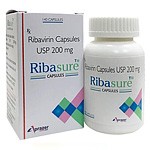
Ribasure is an affordable Indian generic version of Ribavirin manufactured by Cipla Limited — one of India's largest pharmaceutical companies — providing the same therapeutic activity as the original branded Copegus (Roche) and Rebetol (Merck/Schering-Plough) at significantly lower cost. Cipla's Ribasure has been instrumental in WHO hepatitis C elimination programs and is frequently paired with Cipla's Sofosbuvir generics (Cimivir, Hepcvir, Hepcvel) in affordable DAA + Ribavirin combination kits for developing countries. Listed on the WHO Model List of Essential Medicines.
The active ingredient is Ribavirin, a guanosine nucleoside analog with broad-spectrum antiviral activity against many RNA and some DNA viruses. Ribavirin works through multiple complementary mechanisms: inhibition of viral RNA polymerase, lethal mutagenesis of viral RNA, inhibition of cellular IMP dehydrogenase (depleting GTP pools), and immunomodulatory effects.
Ribasure is FDA-approved (as Copegus/Rebetol) for chronic HCV infection in combination with interferon alfa or peginterferon alfa, and (as Virazole inhaled formulation) for severe RSV in hospitalized pediatric patients. Modern use also includes Sofosbuvir + Ribavirin combination regimens for specific HCV genotypes and DAA-failure salvage. Off-label uses include viral hemorrhagic fevers (Lassa fever), hantavirus, Crimean-Congo hemorrhagic fever, influenza in immunocompromised, hepatitis E in immunocompromised, and parainfluenza pneumonia.
The medication is available as Ribasure 200 mg tablets. Standard adult HCV dosing is weight-based: 800-1400 mg/day in two divided doses with food. Pediatric HCV dosing uses weight-based regimen (15 mg/kg/day in two divided doses). Treatment duration ranges from 12 to 48 weeks depending on regimen and genotype.
Critical safety considerations include FIVE FDA boxed warnings: severe hemolytic anemia (dose-dependent), severe teratogenic and embryocidal effects (Pregnancy Category X — requires TWO forms of effective contraception in BOTH male and female patients during therapy and 6 months after), cardiac events in CAD patients, pulmonary symptoms, and pancreatitis. Additional: suicidal ideation, lactic acidosis with concurrent NRTI use, hyperbilirubinemia, hyperuricemia, drug interactions with didanosine and zidovudine.
Free prescription
Discrete packaging
Have questions?
Quality Assurance

- HCV Interferon Combination: Combination with interferon alfa or peginterferon alfa for chronic HCV;
- HCV DAA Plus Ribavirin: Modern combination with direct-acting antivirals (Sofosbuvir + Ribavirin) for specific genotypes;
- HCV Genotype 2 DAA: Sofosbuvir + Ribavirin x 12 weeks for HCV genotype 2 (historic regimen);
- HCV Genotype 3 DAA: Sofosbuvir + Ribavirin x 24 weeks for HCV genotype 3 (historic regimen);
- HCV DAA Failure Salvage: For DAA-failure salvage regimens with Vosevi + Ribavirin or Mavyret + Ribavirin;
- HCV Decompensated Cirrhosis: Added to DAA regimens for HCV with decompensated cirrhosis;
- Pediatric HCV Therapy: For pediatric HCV treatment (weight-based dosing);
- Respiratory Syncytial Virus / RSV: FDA-approved (as Virazole inhaled) for severe RSV in hospitalized infants;
- Severe RSV Immunocompromised: For severe RSV in immunocompromised patients;
- Lassa Fever: Off-label for Lassa fever — WHO-recommended therapy;
- Viral Hemorrhagic Fever (VHF): Off-label for viral hemorrhagic fevers caused by sensitive arenaviruses and bunyaviruses;
- Hantavirus Pulmonary Syndrome: Off-label for hantavirus pulmonary syndrome and HFRS;
- Crimean Congo Hemorrhagic Fever (CCHF): Off-label for Crimean-Congo hemorrhagic fever;
- Influenza Severe Immunocompromised: Off-label for severe influenza in immunocompromised patients;
- Adenovirus Immunocompromised: Off-label for adenovirus infection in immunocompromised patients;
- Hepatitis E Immunocompromised: Off-label for hepatitis E in immunocompromised (transplant recipients);
- Measles Immunocompromised: Off-label for severe measles in immunocompromised patients;
- Parainfluenza Pneumonia: Off-label for parainfluenza pneumonia in immunocompromised patients;
- WHO HCV Elimination: Foundational generic for WHO HCV elimination programs in developing countries;
- Bioterrorism Preparedness: Strategic stockpile use for bioterrorism preparedness against hemorrhagic fever viruses.
- Better HCV SVR Rates: Improved sustained virologic response (SVR) rates in HCV combination therapy;
- Less HCV Liver Damage: Reduction in HCV-related liver inflammation and fibrosis progression;
- Less Hepatitis Symptoms: Reduction in fatigue, jaundice, and constitutional symptoms of chronic HCV;
- HCV Cure Possible: SVR achievement effectively cures HCV in responsive patients;
- Less Cirrhosis Progression: Reduction in HCV-related cirrhosis progression with successful therapy;
- Less Hepatocellular Carcinoma Risk: Reduction in HCV-related hepatocellular carcinoma risk with SVR;
- Better DAA Combination Outcomes: Improved outcomes in difficult-to-treat HCV when added to DAA regimens;
- Better Decompensated Cirrhosis Treatment: Improves HCV cure rates in decompensated cirrhosis when added to DAAs;
- Better DAA-Failure Salvage: Critical component of salvage regimens after DAA failure;
- Less Severe RSV: Reduction in severe RSV bronchiolitis and pneumonia in hospitalized infants;
- Less Lassa Fever Mortality: WHO-recommended reduction in Lassa fever mortality with early therapy;
- Less Viral Hemorrhagic Fever Severity: Off-label reduction in VHF severity caused by sensitive viruses;
- Less Hantavirus Mortality: Off-label reduction in hantavirus mortality with early therapy;
- Less Severe Influenza in Immunocompromised: Off-label benefit in severe influenza in immunocompromised patients;
- Less Hepatitis E Persistence: Off-label benefit in chronic hepatitis E in transplant recipients;
- Better Daily Function After HCV Treatment: Return to normal daily activities after successful HCV cure;
- Better Long-Term Quality of Life HCV: Substantial improvement in quality of life after HCV SVR;
- Brand Ribasure: Affordable Indian Cipla Limited brand of Ribavirin with international quality manufacturing standards;
- Generic Ribavirin: Affordable generic versions expand global access to broad-spectrum antiviral therapy;
- Copegus Equivalent: Same Ribavirin molecule as Roche brand Copegus with bioequivalent therapeutic profile;
- Rebetol Equivalent: Same Ribavirin molecule as Merck/Schering-Plough brand Rebetol;
- Cipla Manufacturing: Cipla Limited — one of India's largest and most respected pharmaceutical companies;
- WHO HCV Elimination: Instrumental in WHO HCV elimination programs in developing countries;
- DAA Plus Ribavirin Kit: Frequently co-packaged with Cipla's Sofosbuvir generics (Cimivir, Hepcvir, Hepcvel) in affordable HCV combination kits;
- Broad Spectrum Nucleoside Antiviral: Broad-spectrum nucleoside antiviral class — active against many RNA viruses;
- Guanosine Nucleoside Analog: Guanosine nucleoside analog with multi-target mechanism;
- Multi Mechanism Antiviral: Multiple complementary antiviral mechanisms (RNA polymerase inhibition, lethal mutagenesis, IMP dehydrogenase inhibition);
- Lethal Mutagenesis Viral RNA: Lethal mutagenesis incorporation into viral RNA causes catastrophic replication errors;
- IMP Dehydrogenase Inhibition: IMP dehydrogenase inhibition depletes GTP pools needed for viral replication;
- HCV Combination Therapy Backbone: Foundational backbone of HCV combination therapy regimens;
- Modern DAA Adjunct: Important DAA adjunct in difficult HCV cases (decompensated cirrhosis, prior DAA failure);
- Lassa Fever WHO Standard: WHO-recommended standard therapy for Lassa fever;
- Indian Quality Manufacturing: Indian Cipla Limited manufacturing meeting international quality and bioequivalence standards;
- Affordable Antiviral Therapy: Cost-effective Ribavirin globally — supports access in resource-limited settings;
- WHO Essential Medicine: Listed on the WHO Model List of Essential Medicines for viral diseases.
Generic Ribasure (Ribavirin 200/50 mg) Medication guide:
🌏 What Is Ribasure Cipla Ribavirin Global Access Antiviral
Ribasure is an Indian generic formulation of ribavirin, marketed by Aprazer Health Care and associated with the broader Cipla Limited generic pharmaceutical ecosystem. It delivers the same active ingredient - ribavirin - as the original innovator brands (Rebetol from Merck/Schering-Plough and Copegus from Roche) at accessible prices supporting national HCV programs across low- and middle-income countries covered by voluntary licensing arrangements and generic manufacturing capacity.
Ribavirin is a broad-spectrum nucleoside analog antiviral discovered in 1972. It has been used for over three decades in chronic hepatitis C combination therapy, historically as the cornerstone of interferon-based regimens (1998-2013) and currently as an adjunct in specific sofosbuvir-based direct-acting antiviral scenarios. Ribavirin also has an approved role for severe respiratory syncytial virus (RSV) infection via aerosolized delivery. Ribasure oral capsules are used specifically for the HCV indication.
📇 Ribasure product snapshot
| Generic name | Ribavirin |
| Chemical class | Guanosine nucleoside analog (broad-spectrum antiviral) |
| Manufacturer | Aprazer Health Care (India); associated with Cipla Limited generic ecosystem |
| Reference innovators | Rebetol (Merck/Schering-Plough); Copegus (Roche); Virazole aerosol (originally ICN) |
| Discovery | Synthesized 1972 by Witkowski, Robins, and Sidwell at ICN Pharmaceuticals |
| Available formulation | Ribasure 200 mg capsules |
| Typical HCV dose | Weight-based 800-1400 mg daily divided BID (with food) |
| Current role | Adjunct in sofosbuvir + velpatasvir + ribavirin for decompensated cirrhosis; select genotype 3 and retreatment scenarios |
| Boxed warnings | Category X teratogenicity; hemolytic anemia |
| Never as monotherapy | Ribavirin alone has minimal HCV efficacy; always used as combination component |
🎯 Aprazer Health Care and Cipla context
Aprazer Health Care is one of several Indian pharmaceutical manufacturers producing ribavirin under generic access frameworks. The broader Cipla Limited ecosystem, which includes multiple therapeutic areas and generic products, exemplifies the Indian generic pharmaceutical industry contribution to global HCV therapy access. Cipla was the first company to offer generic combination antiretroviral therapy at approximately 1 USD per patient per day in 2001, transforming HIV treatment access in Africa. This access-oriented approach has extended to hepatitis C therapy including generic sofosbuvir combinations and ribavirin - supporting affordable pan-genotypic HCV cure globally.
Modern clinical positioning: since sofosbuvir-based direct-acting antiviral regimens became available in 2013, ribavirin has retreated from cornerstone HCV role to specific adjunct scenarios. In current AASLD-IDSA and EASL guidance, ribavirin is added to sofosbuvir + velpatasvir for decompensated cirrhosis (Child-Pugh B) based on ASTRAL-4 evidence. Additional scenarios include some genotype 3 cirrhotic patients and complex retreatment situations. Most modern HCV patients receive ribavirin-free DAA regimens.
📜 Ribavirin Ecosystem from Indian Generic Manufacturers
Ribavirin is manufactured by multiple Indian pharmaceutical generic companies, forming an ecosystem of accessible ribavirin products supporting national HCV programs globally. Understanding this ecosystem helps contextualize Ribasure as one of several equivalent options within a well-established Indian generic manufacturing framework that emerged after the innovator patents expired.
📋 Indian generic ribavirin ecosystem
| Manufacturer | Ribavirin product brand names | Positioning |
|---|---|---|
| Aprazer Health Care | Ribasure | Widely distributed Indian generic; connection to Cipla ecosystem |
| Cipla Limited | Various ribavirin products alongside HCV DAA offerings | Anchoring generic HCV portfolio including sofosbuvir combinations |
| Zydus Cadila (now Zydus Lifesciences) | Virazide and other ribavirin brands | Major Indian generic manufacturer with global reach |
| Sun Pharmaceutical Industries | Various ribavirin products | Large generic manufacturer |
| Hetero Drugs | Various ribavirin products alongside HIV and HCV generics | Substantial generic HIV/HCV portfolio |
| Mylan (now Viatris) | Multiple ribavirin generics globally | International generic manufacturer with Indian production |
🎯 Yusuf Hamied and the Cipla legacy
The Indian generic pharmaceutical industry contribution to global disease treatment access owes much to Yusuf Hamied, who led Cipla from 1972 through 2013. In February 2001, Hamied famously announced that Cipla would offer combination antiretroviral therapy for HIV at approximately 1 USD per patient per day - a dramatic reduction from the roughly 10,000 USD annual price of branded HIV therapy at the time.
This announcement transformed the global HIV treatment landscape. Similar generic access approaches subsequently applied to hepatitis C therapies including generic sofosbuvir under voluntary licensing arrangements with Gilead (starting 2014) and to ongoing generic manufacture of ribavirin. The Indian generic pharmaceutical ecosystem including Aprazer Health Care operates within this broader framework of expanding essential medicine access.
Bioequivalence framework: Indian generic ribavirin including Ribasure meets bioequivalence standards established through pharmacokinetic studies as required by regulatory authorities. WHO Prequalification of multiple generic ribavirin products supports global procurement. Peak concentration, area under the curve, and time to peak concentration fall within the standard 80-125% bioequivalence limits accepted by regulators worldwide. Clinical outcomes with generic ribavirin match innovator products.
Global procurement pathways: generic ribavirin products including Ribasure are procured through UN agencies (UNITAID, WHO), the Global Fund to Fight AIDS Tuberculosis and Malaria, national procurement systems, and NGO health programs. This procurement infrastructure has been essential for supporting Egyptian, Georgian, Rwandan, Pakistani, and other national HCV elimination programs where ribavirin-containing combinations are prescribed for specific patient populations.
🧪 Ribavirin Molecular Design and Physical Properties
Ribavirin is chemically a synthetic guanosine nucleoside analog. The molecule combines a modified triazole base (1,2,4-triazole-3-carboxamide) with a natural D-ribose sugar. This structural design allows ribavirin to enter cellular nucleoside metabolism where it can be phosphorylated to mono-, di-, and triphosphate forms that mediate its antiviral effects through multiple mechanisms.
⚗️ Ribavirin physical and chemical characteristics
| IUPAC name | 1-(beta-D-ribofuranosyl)-1H-1,2,4-triazole-3-carboxamide |
| Molecular formula | C8H12N4O5 |
| Molecular weight | 244.20 g/mol |
| Physical form | White crystalline solid |
| Aqueous solubility | Freely soluble in water (approximately 142 mg/mL) |
| Chemical class | Synthetic guanosine analog |
| Base structure | 1,2,4-triazole-3-carboxamide (unnatural nucleobase mimicking purines) |
| Sugar | Natural D-ribose (unlike many antivirals with modified sugars) |
🎯 The distinctive triazole base
The unnatural triazole base is the defining structural feature of ribavirin. It resembles both guanine and adenine to varying degrees, allowing ribavirin triphosphate to be misincorporated by viral polymerases in positions where G or A should appear. This structural ambiguity is central to the viral mutagenesis mechanism (error catastrophe) that contributes to ribavirin antiviral activity. The natural ribose sugar allows efficient uptake by cellular nucleoside transporters and phosphorylation by cellular kinases.
Ribasure formulation: Ribasure 200 mg capsules for oral HCV combination therapy. Multiple generic ribavirin oral solutions are available from other manufacturers (typically 40 mg/mL) for pediatric or specialized dosing. Virazole aerosol powder for reconstitution is used for severe RSV via specialized delivery equipment (a separate formulation not typically supplied as Ribasure).
Bioequivalence of Indian generic ribavirin: Ribasure and other Indian generic ribavirin capsules have demonstrated bioequivalence to the innovator Rebetol and Copegus products through standard pharmacokinetic studies. This bioequivalence ensures equivalent clinical outcomes at accessible prices. WHO Prequalification of multiple manufacturers supports this quality-assured procurement framework.
Manufacturing quality frameworks: Aprazer Health Care and other Indian generic manufacturers operate under Good Manufacturing Practice (GMP) standards enforced by the Central Drugs Standard Control Organization (CDSCO) of India and often additional international regulatory bodies. Multiple Indian manufacturing sites have received US FDA approvals, EMA inspections, and WHO Prequalification for various products, supporting global procurement.
⚙️ Four Concurrent Mechanisms of Antiviral Action
Ribavirin antiviral activity operates through four concurrent mechanisms rather than one dominant pathway. This multi-mechanism activity is distinctive among antivirals - most modern antivirals target a single viral enzyme. Understanding these mechanisms helps explain both ribavirin unusual absence of clinical resistance and its modest single-agent activity that requires combination use for meaningful HCV suppression.
🔬 Four mechanism framework
Mechanism 1 - Inosine monophosphate dehydrogenase (IMPDH) inhibition
Ribavirin monophosphate inhibits inosine monophosphate dehydrogenase (IMPDH), the cellular enzyme responsible for converting inosine monophosphate to xanthosine monophosphate in the guanine nucleotide synthesis pathway. Reduced GTP pools limit viral RNA replication and may also perturb host cell functions.
Mechanism 2 - Viral RNA mutagenesis (error catastrophe)
Ribavirin triphosphate is misincorporated into viral RNA by viral polymerases in positions where G or A should appear. Because the triazole base can pair with both C and U, this causes an unusually high mutation rate in viral progeny. Beyond a certain mutation threshold, viruses accumulate lethal mutations faster than they can produce viable virions (error catastrophe).
Mechanism 3 - Immunomodulation shifting T-helper response
Ribavirin shifts T-helper cell responses toward Th1 phenotype favoring antiviral effector function. This mechanism was particularly important during the interferon era where synergy between exogenous interferon and endogenous immunomodulation supported HCV clearance. Immunomodulatory effects remain relevant in some ribavirin uses.
Mechanism 4 - Direct viral polymerase interaction
Ribavirin triphosphate can act as a partial competitive inhibitor of viral RNA-dependent RNA polymerases including HCV NS5B, contributing modest direct antiviral effect independent of mutagenesis. This effect appears clinically weak and does not translate to meaningful viral suppression when ribavirin is used alone.
🎯 Why combination therapy is essential
Because ribavirin acts through multiple modest-effect mechanisms rather than one strong direct antiviral effect, monotherapy typically fails to achieve meaningful HCV suppression. Ribavirin does not produce the rapid viral load decline seen with sofosbuvir or other direct-acting antivirals. Its clinical value in HCV therapy emerges only when it augments a partner drug that provides the primary antiviral effect - interferon historically, sofosbuvir-based DAAs currently. This is why Ribasure is prescribed only as part of combination regimens.
Mechanism-specific implications: ribavirin lack of a single high-potency target means viral resistance to ribavirin is essentially not observed clinically. There is no dominant mutation that could confer meaningful escape from the multi-pronged mechanism. This has been a durable feature of ribavirin therapy across decades and supports its continued utility as a combination component.
Mechanism-based adverse effects: the same mechanisms that provide antiviral activity also contribute to adverse effects. IMPDH inhibition contributes to bone marrow suppression. Viral mutagenesis in host cells contributes to teratogenicity. Understanding these mechanistic bases helps explain the specific adverse effect profile discussed in later sections.
🔬 Ribavirin Pharmacokinetic Profile and Distribution
Ribasure pharmacokinetics reflect the properties of the ribavirin active ingredient. Ribavirin is characterized by extensive erythrocyte accumulation that drives the characteristic hemolytic anemia and extends effective drug persistence. Ribavirin monophosphate produced intracellularly cannot cross the erythrocyte membrane back into plasma, causing progressive accumulation in red blood cells over weeks of therapy.
📊 Ribavirin pharmacokinetic parameters
| Parameter | Value |
|---|---|
| Oral bioavailability (fasting) | Approximately 45-65% |
| Effect of food | High-fat meal increases exposure by approximately 70%; take consistently with food |
| Peak concentration (Tmax) | 1-2 hours after oral dose |
| Plasma protein binding | Minimal (under 5%) |
| Volume of distribution | Very large (approximately 5,000 L) reflecting extensive tissue and RBC distribution |
| Single-dose plasma half-life | Approximately 44 hours |
| Multiple-dose effective half-life | Approximately 200-300 hours (over one week) reflecting RBC accumulation |
| Steady state achievement | Approximately 4 weeks of continuous dosing |
| Intracellular half-life in RBCs | Approximately 40 days (essentially the RBC lifespan) |
| Metabolism | Cellular metabolism to phosphorylated forms; minimal CYP450 involvement; deribosylation to triazole carboxamide |
| Elimination pathway | Renal excretion of ribavirin and metabolites; some fecal excretion |
| Post-discontinuation elimination | Detectable for several weeks; RBC-bound drug releases as erythrocytes turn over |
🎯 Clinical implications of the extended half-life
The unusually long effective half-life reflects RBC accumulation and has several practical consequences:
- Missed dose tolerance: single missed doses have modest impact because circulating ribavirin persists
- Delayed anemia peak: hemolytic anemia typically peaks weeks after starting therapy, reflecting time to steady-state RBC accumulation
- Slow recovery after stopping: hemoglobin recovers over 4-8 weeks post-discontinuation as ribavirin slowly clears from RBCs
- Six-month contraception requirement: reflects need for complete clearance before pregnancy would be safe (see teratogenicity section)
- Renal impairment amplifies: reduced renal function extends already-long half-life substantially
Food administration is important: unlike sofosbuvir which can be taken with or without food, ribavirin exposure is meaningfully increased by food. Consistent administration with food is recommended to standardize exposure. Most guidelines allow either consistent with-food or consistent without-food dosing, but not variable timing.
📋 Approved Ribavirin Uses HCV and Severe RSV
Ribavirin (in various formulations including Ribasure oral capsules) has two formally approved indications: chronic hepatitis C in combination with interferon-alpha or direct-acting antivirals, and severe respiratory syncytial virus (RSV) infection via aerosolized delivery. Off-label uses in selected viral hemorrhagic fevers add limited additional clinical roles.
📋 Approved indications framework
| Indication | Formulation | Modern status |
|---|---|---|
| Chronic HCV in combination with sofosbuvir | Ribasure 200 mg capsules (oral) | Current adjunct role in decompensated cirrhosis (ASTRAL-4) |
| Chronic HCV in combination with peginterferon (historical) | Oral ribavirin capsules | Superseded by DAA regimens 2013+; historical standard 1998-2013 |
| Severe RSV in hospitalized infants at high risk | Virazole aerosol powder for reconstitution (separate formulation) | Restricted current use per AAP guidance |
| HCV pediatric use in combination therapy | Oral ribavirin syrup (from various manufacturers) | Modern pediatric HCV typically uses ribavirin-free DAA regimens |
🌍 Current specific HCV scenarios for ribavirin adjunct
- Decompensated cirrhosis (Child-Pugh B or C) - sofosbuvir + velpatasvir + ribavirin 12 weeks per ASTRAL-4 (arguably the strongest current indication)
- Genotype 3 cirrhotic patients - some sofosbuvir + velpatasvir regimens add ribavirin per AASLD-IDSA guidance
- Retreatment scenarios with resistance - some Vosevi retreatment protocols include ribavirin in complex resistance situations
- Post-liver-transplant HCV recurrence - some post-transplant regimens use ribavirin as adjunct component
- Resource-limited settings using older regimens - generic ribavirin remains component of some national HCV programs where newer DAA-only regimens are unavailable
What ribavirin does not treat effectively: despite broad-spectrum in vitro activity, ribavirin does not have meaningful clinical efficacy against most viruses. It does not treat HIV, HBV, herpes viruses, or common respiratory viruses beyond specific RSV scenarios. Historical enthusiasm for ribavirin in influenza and other conditions has not translated to established clinical utility.
Ribasure specifically for HCV: Ribasure 200 mg capsules are marketed specifically for the HCV combination therapy indication. Patients receiving Ribasure for HCV should be under specialist supervision (hepatology or infectious disease) with attention to the specific combination partner drug and monitoring requirements including hemoglobin and pregnancy screening.
WHO Essential Medicines status: ribavirin is on the WHO Model List of Essential Medicines for use in chronic HCV therapy and RSV. This status supports procurement through UN agencies, the Global Fund, and national procurement programs. Multiple generic manufacturers including Aprazer Health Care produce quality-assured ribavirin supporting these ongoing indications.
🔗 Interferon Era Ribavirin Foundation of HCV Care
From 1998 through approximately 2013, ribavirin combined with interferon-alpha (later pegylated interferon) served as the foundational standard of care for chronic hepatitis C. Understanding this era provides essential context for the modern adjunct role of Ribasure and helps explain why ribavirin remains part of the HCV therapeutic armamentarium even after direct-acting antivirals transformed the treatment landscape.
📜 Interferon era HCV therapy evolution
| Period | Standard therapy | Cure rate context |
|---|---|---|
| Early 1990s | Interferon-alpha monotherapy for 48 weeks | Approximately 15-20% cure for genotype 1 |
| 1998-2001 | Interferon-alpha plus ribavirin (McHutchison 1998) | Cure rates approximately doubled to 30-40% for genotype 1 |
| 2001-2011 | Peginterferon-alpha-2b plus ribavirin (Manns 2001); peginterferon-alpha-2a plus ribavirin (Fried 2002) | 40-50% for genotype 1; 75-85% for genotype 2 |
| 2011-2013 | Boceprevir/telaprevir + peginterferon + ribavirin (first DAA era) | 60-70% for genotype 1 with substantial toxicity |
| December 2013 onward | Sofosbuvir-based interferon-free regimens; ribavirin retreated to adjunct role | Over 95% cure rates with modern DAA combinations |
🎯 Ribavirin critical role in the combination
Interferon monotherapy alone achieved only 15-20% cure rates for the most common HCV genotype (1). Adding ribavirin approximately doubled these rates. The mechanistic synergy involves interferon-induced immune activation combined with ribavirin immunomodulation, viral mutagenesis, and modest direct antiviral effects. Neither drug alone provided adequate HCV suppression; the combination was essential.
This synergy justified the substantial tolerability burden - fever, myalgias, marked fatigue, hematologic toxicity, depression, thyroid dysfunction, and autoimmune complications from interferon combined with ribavirin-driven anemia and other effects. Discontinuation for tolerability was common (10-20%) and many patients were considered too ill or medically fragile to attempt interferon-based therapy at all.
Legacy in modern practice: many practicing hepatologists trained in the interferon-plus-ribavirin era. This clinical experience shaped current understanding of ribavirin tolerability, monitoring practices, and patient management. The Michael Fried 2002 landmark trial establishing peginterferon-alpha-2a plus ribavirin as standard therapy represents one of the pivotal contributions of this era. Modern DAA-plus-ribavirin combinations benefit from this historical knowledge even though the overall treatment paradigm has transformed.
Cipla and generic manufacturers during the interferon era: Cipla, Aprazer Health Care, and other Indian generic manufacturers provided affordable ribavirin during the peginterferon-plus-ribavirin era, supporting HCV therapy in national programs across low- and middle-income countries. The generic ribavirin ecosystem that produced Ribasure emerged during this era and continues to support modern ribavirin-containing combination therapy where appropriate.
🌟 Modern DAA Adjunct Role for Ribavirin
Since sofosbuvir approval in December 2013, ribavirin role in HCV therapy has contracted to specific adjunct scenarios. Most patients now receive ribavirin-free direct-acting antiviral combinations. However, ribavirin retains an important role in scenarios where evidence supports its incremental benefit. Ribasure is prescribed in these specific modern adjunct scenarios rather than as broadly first-line therapy.
🌟 Modern ribavirin adjunct scenarios framework
| Scenario | Combination regimen | Evidence |
|---|---|---|
| Decompensated cirrhosis (Child-Pugh B) | Sofosbuvir + velpatasvir + ribavirin 12 weeks | ASTRAL-4 pivotal trial (flagship indication) |
| Decompensated cirrhosis (Child-Pugh C) | Sofosbuvir + velpatasvir + ribavirin 12 weeks (or SOF + VEL 24 weeks) | ASTRAL-4 extension and clinical experience |
| Genotype 3 cirrhotic | Sofosbuvir + velpatasvir + ribavirin 12 weeks in some scenarios | ASTRAL-3 subgroup analysis |
| Vosevi retreatment with resistance | Vosevi + ribavirin in specific salvage scenarios | Case series and specialist guidance |
| Post-liver-transplant HCV recurrence | DAA plus ribavirin in select scenarios | ALLY-1 and post-transplant cohort data |
| Historical sofosbuvir + ribavirin (superseded) | SOF + RBV 12-24 weeks for genotypes 2 and 3 | FISSION, POSITRON, FUSION, VALENCE - now largely obsolete |
🎯 ASTRAL-4 as flagship modern indication
The ASTRAL-4 study evaluated sofosbuvir + velpatasvir in patients with decompensated cirrhosis (Child-Pugh B). Three arms compared:
- SOF + VEL for 12 weeks: 83% cure rate
- SOF + VEL for 24 weeks: 86% cure rate
- SOF + VEL + RBV for 12 weeks: 94% cure rate
The 12-week regimen with ribavirin outperformed 24 weeks without ribavirin, establishing ribavirin as a meaningful contributor in this challenging population. This finding underlies current AASLD-IDSA guidance for decompensated cirrhosis and represents the primary current indication for prescribing Ribasure.
Tolerability trade-off in modern era: adding ribavirin to a modern DAA regimen improves cure rate in specific scenarios but at the cost of hemolytic anemia in 30-50% of patients. This tradeoff must be individualized. Some clinicians favor SOF + VEL 24 weeks without ribavirin in decompensated cirrhosis for tolerability, accepting the modestly lower cure rate. Others favor the shorter ribavirin-containing regimen for its higher efficacy despite hematologic burden.
Ribavirin dose reduction strategy: in modern practice, ribavirin dose reduction to manage anemia is much more common than complete discontinuation. Standard practice reduces ribavirin dose when hemoglobin falls below 10 g/dL and discontinues when hemoglobin falls below 8.5 g/dL. Sofosbuvir and other DAA companion drugs continue at full dose throughout. Real-world data suggest that reduced-dose ribavirin maintains most of the cure benefit while improving tolerability.
Generic combination availability: Ribasure and other Indian generic ribavirin products alongside Cipla generic sofosbuvir (Hepcvir) and velpatasvir combinations (Cimivir-V, Velasof) enable affordable access to modern ribavirin-containing regimens in low- and middle-income countries. This access framework supports the ASTRAL-4 preferred regimen even in resource-constrained settings.
👶 Aerosolized Ribavirin for Severe Respiratory Infection
Aerosolized ribavirin (marketed as Virazole) was ribavirin first FDA-approved indication in 1985 for severe respiratory syncytial virus (RSV) infection. Ribasure oral capsules are not the aerosol formulation - aerosolized delivery uses a separate specialized preparation. Understanding the RSV role provides context for the broader ribavirin therapeutic profile even though Ribasure specifically serves the HCV indication.
👶 Virazole aerosolized ribavirin framework
Indication
Severe lower respiratory tract infection due to RSV in hospitalized infants and young children at high risk. High-risk conditions include underlying congenital heart disease, chronic lung disease of prematurity, immunocompromise, or other conditions that increase risk of complicated RSV.
Delivery via specialized equipment
Small particle aerosol generator (SPAG) delivers ribavirin as an aerosol continuously over 12-18 hours daily for 3-7 days. Delivery requires specialized equipment, negative-pressure isolation room, and careful staff protection given ribavirin teratogenicity.
Ongoing efficacy debate
Original approval was based on modest reductions in viral shedding and clinical improvement measures. Subsequent meta-analyses questioned the magnitude of benefit for standard RSV cases. American Academy of Pediatrics guidance has evolved to recommend restricted use in specifically high-risk populations rather than routine use.
Immunocompromised patients
In severely immunocompromised patients including hematopoietic stem cell transplant recipients and pediatric oncology patients, aerosolized ribavirin is used for progressive RSV lower respiratory tract disease. This represents perhaps the strongest current indication for Virazole use.
Practical delivery limitations
Requires specialized aerosol equipment, negative-pressure isolation, healthcare worker exposure precautions given ribavirin teratogenicity, and prolonged daily delivery sessions. These practical burdens limit routine use even where clinical benefit is considered.
🎯 Modern RSV landscape changes
The RSV prevention and treatment landscape has changed substantially in recent years with the introduction of nirsevimab (long-acting monoclonal antibody prophylaxis for infants) and maternal RSV vaccines to reduce infant infection risk. For confirmed severe RSV disease, supportive care remains the mainstay. Aerosolized ribavirin retains a specific role in select immunocompromised patients where evidence supports its use, but is not a routine RSV therapy for most infants.
Ribasure oral capsules specifically: Ribasure oral capsules are not designed or approved for aerosolized RSV delivery. Patients or families should not attempt to use Ribasure for RSV. RSV treatment when indicated uses the specific Virazole aerosol preparation with appropriate specialized equipment and hospital-based delivery.
Systemic ribavirin for RSV in adults: intravenous or oral ribavirin has been investigated for severe RSV in immunocompromised adults including some hematopoietic transplant recipients. Evidence is limited and not FDA-approved, but some specialized centers use systemic ribavirin off-label in this population when aerosolized delivery is impractical. This off-label use is separate from Ribasure standard HCV indication.
🩺 Ribavirin Off-Label Uses for Selected Viruses
Beyond HCV combination therapy and severe RSV, ribavirin has been studied and occasionally used for a limited number of selected viral infections. Evidence quality varies substantially across these off-label uses. Most off-label applications require specialist involvement and reflect historical enthusiasm about ribavirin broad-spectrum activity that has not been fully validated in modern clinical trials.
🩺 Ribavirin off-label uses framework
- Lassa fever
- Intravenous or oral ribavirin recommended for confirmed or highly suspected Lassa fever based on limited but consistent evidence. Early initiation appears to reduce mortality. WHO and CDC guidance supports use in endemic areas of West Africa.
- Crimean-Congo hemorrhagic fever
- Intravenous ribavirin used in some settings with moderate evidence supporting mortality reduction when given early. WHO tentative recommendations support consideration in endemic areas.
- Hantavirus infection
- Intravenous ribavirin has been used for hantavirus pulmonary syndrome and hemorrhagic fever with renal syndrome; evidence is mixed and current guidance uncertain about efficacy.
- Historical SARS and MERS use
- Ribavirin was used empirically during SARS and MERS outbreaks; subsequent analysis suggested limited benefit and some possible harm from ribavirin monotherapy in these settings.
- Hepatitis E in immunocompromised patients
- Oral ribavirin has been used for chronic hepatitis E infection in immunocompromised hosts (solid organ transplant recipients) with case series and small trials supporting benefit.
- Adenovirus in immunocompromised patients
- Investigational use in select severely immunocompromised patients with limited evidence.
🎯 The Lassa fever indication specifically
Lassa fever is endemic in parts of West Africa. Intravenous ribavirin initiated within the first 6 days of symptoms has been associated with substantial mortality reduction in the McCormack et al. 1986 series and subsequent observational data. Current WHO guidance for Lassa fever includes ribavirin as recommended therapy alongside supportive care. Oral ribavirin has been used as substitute where intravenous is unavailable. This represents one of the most established off-label uses of ribavirin.
What ribavirin does not treat effectively: despite considerable historical investigation, ribavirin has failed to demonstrate meaningful clinical utility for influenza (except perhaps in specific severe immunocompromised scenarios), Ebola (contemporary trials did not show benefit), routine respiratory viral infections, or most other infections where it was hopefully tested. The broad-spectrum in vitro activity has not translated to broad clinical utility.
Ribasure specifically for HCV: Ribasure is marketed for HCV combination therapy. Off-label uses of ribavirin for other conditions typically use ribavirin from other sources (including specialized formulations for intravenous delivery in Lassa fever). Ribasure oral capsules are not typically the formulation used for these off-label indications.
Prescribing practical considerations: off-label ribavirin use should be reserved for scenarios with reasonable evidence base and specialist oversight. The teratogenicity boxed warning applies to any use, and the hemolytic anemia risk requires monitoring regardless of indication. Consultation with infectious diseases specialists familiar with the specific pathogen supports appropriate use decisions.
🌍 HCV Genotype Response Patterns Historical Framework
During the interferon-plus-ribavirin era, HCV genotype was a dominant determinant of treatment success. Understanding these historical patterns helps contextualize current adjunct ribavirin decisions - some current adjunct scenarios (genotype 3 cirrhotic, decompensated cirrhosis) map to what were historically difficult populations where additional pharmacologic effort provides incremental benefit.
🌍 Historical genotype response patterns with peginterferon plus ribavirin
Genotype 1 - most challenging
Genotype 1 (further divided into 1a and 1b) had cure rates of only 40-50% with 48 weeks of peginterferon plus ribavirin. Genotype 1 predominates in North America and Europe, meaning most Western patients faced this challenging outcome. This poor response drove much of the DAA research urgency.
Genotype 2 - most responsive
Genotype 2 achieved cure rates of 75-85% with just 24 weeks of peginterferon plus ribavirin. This favorable response continued into the early sofosbuvir era where sofosbuvir plus ribavirin without interferon achieved high cure rates for genotype 2.
Genotype 3 - responsive but complicated
Genotype 3 achieved cure rates of 65-75% with 24 weeks but had distinctive features including higher steatosis, faster fibrosis progression, and elevated hepatocellular carcinoma risk. Genotype 3 remained challenging even in the DAA era until velpatasvir provided robust activity.
Genotype 4 - between genotypes 1 and 2
Genotype 4 (common in Egypt and North Africa) had cure rates of 50-70% with 48 weeks - intermediate between genotype 1 and genotypes 2 and 3.
Genotypes 5 and 6 - limited data
Genotypes 5 (Southern Africa predominantly) and 6 (Southeast Asia predominantly) had limited but generally favorable interferon-era data, though geographic distribution meant fewer patients were treated in the interferon era.
🎯 IL28B polymorphism and treatment response
In the interferon era, host genetics via the IL28B (interleukin 28B) polymorphism substantially influenced treatment response. The favorable CC genotype at rs12979860 was associated with much higher cure rates than the CT or TT genotypes. This host genetic variation partly explained differences in interferon-plus-ribavirin response across populations. In the DAA era, IL28B has become largely irrelevant because DAAs achieve high cure rates regardless of host genetics, but the historical importance of IL28B illustrates how the interferon era differed fundamentally from modern practice.
Modern implications for Ribasure adjunct decisions: understanding historical genotype patterns illuminates why some modern ribavirin adjunct scenarios (genotype 3 cirrhotic, decompensated cirrhosis) map to what were historically difficult populations. The clinical intuition that these populations benefit from additional pharmacologic effort has been validated in modern trials like ASTRAL-4 that support ribavirin adjunct use in specific scenarios.
Genotype testing in modern practice: with pan-genotypic DAA regimens available, genotype testing has become less critical for treatment planning than in the interferon era. WHO guidelines actually recommend pan-genotypic sofosbuvir combinations without pre-treatment genotyping in many settings. This simplification has been essential for national HCV elimination programs. Ribavirin adjunct decisions in modern practice are based more on cirrhosis stage and treatment history than genotype specifically.
Egyptian context - genotype 4 predominance: Egypt has predominantly HCV genotype 4 - unlike most Western countries. The Egyptian national HCV elimination program used generic sofosbuvir combinations including with daclatasvir and with ribavirin adjunct in specific scenarios. The program success demonstrated that pan-genotypic modern DAA regimens work effectively across the specific genotype distribution encountered in each country. Ribasure and other generic ribavirin products supported the specific scenarios in this program requiring ribavirin adjunct.
📈 Ribavirin Global Access via Cipla and Generic Manufacturers
Ribasure exemplifies how Indian generic pharmaceutical manufacturing has expanded HCV therapy access globally. Cipla, Aprazer Health Care, and other Indian generic manufacturers produce quality-assured ribavirin at accessible prices, supporting national HCV programs across low- and middle-income countries. This global access framework has been essential to progress toward WHO 2030 HCV elimination targets.
📈 Ribavirin global access framework
WHO Essential Medicines status
Ribavirin is on the WHO Model List of Essential Medicines for use in chronic HCV therapy and RSV. This status supports procurement through UN agencies, the Global Fund, and national procurement systems.
WHO Prequalification
Multiple Indian generic ribavirin manufacturers have received WHO Prequalification of their products, meaning they have been assessed by WHO experts as meeting international quality, safety, and efficacy standards. This prequalification enables procurement through UN agencies including UNITAID and the Global Fund.
Egyptian national program integration
Egypt used generic ribavirin including from Cipla and other Indian manufacturers in scenarios requiring ribavirin adjunct within its national HCV elimination program. Over 4 million Egyptians received DAA treatment between 2014 and 2020, with generic sofosbuvir + daclatasvir as core regimen and ribavirin added in decompensated cirrhosis and specific difficult scenarios.
Project ECHO decentralized delivery model
Sanjeev Arora Project ECHO model has demonstrated that HCV combination therapy including ribavirin-containing regimens can be safely delivered in rural and underserved areas by primary care providers with specialist telementoring support. This decentralized model, applied globally, has expanded HCV treatment access substantially.
Cipla legacy of access
Cipla, under Yusuf Hamied leadership from 1972 through 2013, pioneered generic manufacturing of essential medicines including the 2001 offer of HIV combination antiretroviral therapy at 1 USD per patient per day. This access-oriented approach applied to HCV therapy has supported the affordable generic ribavirin and generic sofosbuvir ecosystem that enables modern HCV elimination programs.
Modern trajectory
As DAA-only regimens become the standard for most HCV patients, ribavirin adjunct role may contract further. However, its Lassa fever indication, RSV role in specific immunocompromised patients, and continued role in decompensated cirrhosis will support continued availability. Indian generic manufacturers including Aprazer Health Care continue to produce quality-assured ribavirin supporting these ongoing indications.
🎯 The Center for Disease Analysis Foundation perspective
Homie Razavi and the Center for Disease Analysis Foundation have quantified national and global HCV burden, forecasted progress toward WHO 2030 elimination targets, and evaluated the impact of generic ribavirin-containing regimen scale-up in low- and middle-income countries. Their modeling has consistently shown that generic pharmaceutical availability is a key enabler of national elimination program success. Countries with sustained access to affordable DAA therapy including ribavirin adjunct combinations have achieved substantially better elimination trajectory than those without.
Ribasure specific role in global access: Ribasure from Aprazer Health Care is one component of the Indian generic ribavirin ecosystem supporting global HCV therapy access. Multiple bioequivalent generic products from different manufacturers ensure supply continuity and pricing competitiveness. This ecosystem, embedded within the broader Cipla-affiliated Indian generic pharmaceutical framework, exemplifies how essential medicines access has been expanded globally over the past two decades.
Future outlook: as tenofovir alafenamide-based and other next-generation therapies become more universally available, the specific role of Indian generic ribavirin will continue to evolve. However, the essential access framework represented by Ribasure and similar generic products will likely persist for ribavirin ongoing indications - decompensated cirrhosis, Lassa fever, specific immunocompromised RSV, and other clinical scenarios where ribavirin retains value.
📊 Weight-Based Adult Ribasure Dosing Framework
Adult Ribasure dosing for HCV combination therapy is weight-based and delivered twice daily with food. The weight-tiered dosing framework emerged from interferon-era trials that demonstrated better cure rates when ribavirin dose was proportional to body weight. Modern sofosbuvir + ribavirin combinations retain this weight-based dosing framework with structured dose reduction thresholds for tolerability management.
📊 Weight-based adult Ribasure dosing
| Body weight | Total daily dose | Administration |
|---|---|---|
| Under 66 kg (145 lb) | 800 mg/day (400 mg BID) | Two 200 mg capsules AM + two 200 mg capsules PM |
| 66-80 kg (145-176 lb) | 1000 mg/day (400 mg AM + 600 mg PM) | Two capsules AM + three capsules PM |
| 81-105 kg (177-231 lb) | 1200 mg/day (600 mg BID) | Three capsules AM + three capsules PM |
| Over 105 kg (over 231 lb) | 1400 mg/day (600 mg AM + 800 mg PM) | Three capsules AM + four capsules PM |
📋 Ribasure administration essentials
Take consistently with food
Food increases ribavirin exposure meaningfully. Take with meals to standardize absorption. Consistent food timing supports predictable exposure and reduces variability. Fatty food particularly enhances bioavailability.
Twice-daily divided dosing
Total daily dose is divided into morning and evening doses approximately 12 hours apart. This maintains steady exposure and improves gastrointestinal tolerability compared to once-daily dosing.
Missed dose guidance
If a dose is missed and remembered within 4 hours of scheduled time, take it. Beyond 4 hours, skip and resume next scheduled dose. The long effective half-life makes single missed doses less impactful than for many other medications.
Swallow capsules whole
Ribasure capsules should be swallowed whole. Do not crush or open capsules - crushed material presents teratogenicity exposure risk to caregivers. If unable to swallow capsules, alternative ribavirin oral solution formulations from other manufacturers may be considered under specialist guidance.
Careful handling for pregnancy prevention
Broken capsules require careful cleanup. Pregnant women should not handle Ribasure at all. Standard precautions minimize environmental exposure to household members.
Dose reduction protocol for anemia: hemoglobin below 10 g/dL - reduce daily dose by 200 mg (standard first-step reduction). Hemoglobin below 8.5 g/dL - discontinue Ribasure. Symptomatic anemia or cardiovascular disease patients - tighter thresholds. Sofosbuvir and other DAA companion drugs continue at full dose. Once hemoglobin recovers after dose reduction, some clinicians resume original dose; others maintain reduced dose for remainder of therapy.
Duration of Ribasure therapy: matches the duration of the sofosbuvir or other combination component. For most modern indications this is 12 weeks (sofosbuvir + velpatasvir + ribavirin per ASTRAL-4). Some scenarios extend to 24 weeks. Ribasure should not be continued after the DAA component ends; the combination duration is what matters for cure.
Adherence support in national programs: Egyptian and Georgian elimination programs demonstrated that structured adherence support enables high completion rates for ribavirin-containing combinations. Simple approaches - pill count reminders, weekly pharmacy pickup, mobile phone reminders, integration with chronic disease follow-up - work well. Directly observed therapy is not required for successful HCV combination therapy.
🧒 Pediatric Weight and Body Surface Dosing
Pediatric ribavirin dosing uses body surface area (BSA) calculations or weight-based dosing depending on the specific formulation and product labeling. Ribasure 200 mg capsules are best suited for older children able to swallow capsules; younger children requiring ribavirin combination therapy typically use oral solution formulations from other manufacturers (typically 40 mg/mL).
🧒 Pediatric ribavirin dosing framework
| Parameter | Detail |
|---|---|
| Age approval | 3 years and older per original oral ribavirin labeling; DAA combinations may extend age ranges per specific product framework |
| Weight-based dosing | 15 mg/kg/day divided BID, or approximately 400 mg/m2/day divided BID |
| Ribasure capsule practical limit | Children weighing at least approximately 20-25 kg who can swallow capsules (typically age 7+) |
| Younger children | Oral solution formulations from other manufacturers (40 mg/mL) enable accurate BSA-based dosing |
| Maximum pediatric dose | Adult maximum by weight tier (1400 mg/day for children over 105 kg) |
| Duration | Depends on combination regimen and genotype; typically 12 weeks in modern DAA combinations, historically 24 weeks in interferon combinations |
| Take with food | Same requirement as adults; enhances absorption and reduces nausea |
🎯 Modern pediatric HCV context
Modern pediatric HCV therapy is dominated by ribavirin-free DAA combinations. Sofosbuvir + ledipasvir or sofosbuvir + velpatasvir are approved for children aged 3 and older and achieve cure rates above 95% without ribavirin exposure. Ribavirin-containing pediatric regimens are largely historical or reserved for specific difficult scenarios. Pediatric HCV specialists should be involved in treatment planning when ribavirin is considered.
Pediatric adverse effect considerations: children experience the same ribavirin adverse effects as adults - hemolytic anemia, fatigue, gastrointestinal symptoms, and cutaneous effects. Growth impact during prolonged pediatric ribavirin therapy was documented historically and contributed to preference for pediatric ribavirin-free DAA regimens in the modern era. Any growth concerns during treatment warrant hepatology and pediatric endocrinology consultation.
Adolescent considerations: adolescents transitioning to adult care require dedicated attention to adherence, contraception counseling (essential given ribavirin teratogenicity), and mental health support during treatment. The Category X pregnancy warning applies from menarche in females and applies to male adolescents once sexually active. This counseling requires age-appropriate framing and, where appropriate, private discussion separate from parents.
Vertical transmission context: HCV vertical transmission occurs in approximately 5-6% of HCV-positive mothers. Infected infants and children can be treated with modern DAA combinations from age 3. Ribavirin-containing regimens are rarely needed in this population given the excellent cure rates achievable with ribavirin-free approaches.
👴 Older Adult Ribasure Prescribing Considerations
Older adult Ribasure prescribing requires attention to anemia tolerance, renal function, and cardiovascular comorbidities. The hemolytic anemia risk from ribavirin can be particularly consequential in older adults who tolerate anemia poorly due to reduced cardiovascular reserve. Modern practice often prefers ribavirin-free DAA regimens in older adults when clinically appropriate.
👴 Considerations for older adults on Ribasure
Anemia tolerance reduced
Older adults tolerate hemolytic anemia less well than younger patients. Cardiovascular reserve declines with age, and coexisting coronary disease amplifies risk. Tighter hemoglobin thresholds for dose reduction may be prudent, and preference for ribavirin-free regimens is often reasonable.
Renal function assessment
Age-related glomerular filtration rate decline is expected. Serum creatinine may underestimate the drop given reduced lean muscle mass. Ribavirin requires meaningful dose adjustment for renal impairment (unlike sofosbuvir), so accurate renal assessment before starting Ribasure is essential.
Cardiovascular disease as specific concern
Coronary artery disease, heart failure, and other cardiac conditions increase the consequences of anemia. Consider baseline ECG in patients with cardiovascular history. Consider ribavirin-free regimens when possible; if Ribasure is essential, use tighter monitoring thresholds.
Polypharmacy assessment
Older adults often take multiple medications. While ribavirin has a favorable interaction profile, comprehensive medication reconciliation ensures no problematic combinations. The companion DAA (sofosbuvir plus NS5A inhibitor) also requires review for amiodarone and other interactions.
Cognitive and adherence support
Twice-daily Ribasure dosing may be challenging for patients with cognitive impairment or complex medication regimens. Caregiver involvement, pill organizers, and simplified regimens where clinically appropriate support adherence.
Cure benefit remains substantial
Despite these considerations, HCV cure in older adults produces meaningful survival and quality-of-life benefits. Age alone should not exclude appropriate treatment. When ribavirin is genuinely indicated (decompensated cirrhosis particularly), the benefits often outweigh the tolerability challenges with appropriate monitoring.
No specific age-based dose adjustment. Ribasure dose modifications are based on renal function and anemia thresholds, not chronologic age. This reflects the drug pharmacology which does not change meaningfully with normal aging beyond the renal function considerations noted above.
Practical framework in modern practice: for decompensated cirrhosis in older adults where ribavirin is the guideline-preferred regimen component (ASTRAL-4 supported), balance the incremental cure benefit against the anemia risk. In many cases the 24-week ribavirin-free sofosbuvir + velpatasvir alternative may be preferred for tolerability. Individualized decision-making with hepatology involvement supports appropriate selection.
🫀 Renal Impairment Ribasure Dose Modification
Because ribavirin is eliminated primarily through the kidneys and has an already long half-life that extends further with reduced renal function, renal impairment requires specific Ribasure dose adjustment. Unlike sofosbuvir which needs no meaningful dose adjustment, ribavirin dose reduction for renal impairment is essential to avoid excessive accumulation and consequent severe anemia. Severe renal impairment or dialysis are relative contraindications to Ribasure use in many scenarios.
🫀 Ribasure renal dose modification framework
| Creatinine clearance | Recommendation |
|---|---|
| Above 50 mL/min | Standard weight-based dose; no adjustment |
| 30-50 mL/min | Alternate 200 mg and 400 mg every other day (approximately 300 mg/day average) |
| Under 30 mL/min | 200 mg once daily |
| Hemodialysis | 200 mg once daily after dialysis on dialysis days; ribavirin is not effectively removed by dialysis |
| Alternative approach | Consider ribavirin-free DAA regimen (SOF + LDV or SOF + VEL without ribavirin) where clinically acceptable |
🎯 Why renal impairment amplifies Ribasure risk
Ribavirin renal elimination is the primary clearance route. With reduced renal function:
- Plasma exposure increases proportional to the reduction in clearance
- RBC accumulation reaches higher steady-state levels
- Hemolytic anemia is more severe and progresses faster
- Recovery after discontinuation is even more prolonged
Standard dose without adjustment in renal impairment can produce severe or life-threatening anemia. The dose reductions above prevent excessive accumulation.
Monitoring in renal impairment: more frequent hemoglobin monitoring is essential - weekly for the first month, then every 2 weeks. Any hemoglobin drop warrants prompt dose reconsideration. Early Ribasure discontinuation is often more appropriate in renal impairment than aggressive dose maintenance.
End-stage renal disease considerations: patients on dialysis with HCV need careful hepatology consultation. Where possible, ribavirin-free sofosbuvir combinations are preferred. If Ribasure must be used, the reduced 200 mg once daily dose with careful hemoglobin monitoring is standard. Coordination between hepatology and nephrology is essential.
Post-transplant renal considerations: renal transplant recipients with HCV recurrence can be treated with sofosbuvir-based regimens. If Ribasure is included, dose adjustment based on the transplant renal function applies. Immunosuppressant management coordination with the transplant team is standard practice.
🪶 Hepatic Impairment Ribasure Framework
Ribavirin undergoes minimal hepatic metabolism, so hepatic impairment does not require specific Ribasure dose adjustment. However, hepatic impairment context is highly relevant for Ribasure because decompensated cirrhosis is one of the strongest current indications for adding ribavirin to sofosbuvir-based regimens (ASTRAL-4 evidence). The clinical framework focuses on the balance between benefit and tolerability in advanced hepatic disease.
🪶 Hepatic impairment framework for Ribasure
Mild to moderate impairment (Child-Pugh A or B)
No Ribasure dose adjustment. Standard weight-based dosing. In fact, Child-Pugh B decompensated cirrhosis is a primary current indication for adding Ribasure to sofosbuvir + velpatasvir per ASTRAL-4.
Severe impairment (Child-Pugh C)
No specific Ribasure dose adjustment, but overall regimen and clinical framework require specialist input. Ribasure may still be included in specific regimens per ASTRAL-4 extension data, though patient selection is critical. Hepatology involvement essential.
Anemia particularly consequential in decompensated cirrhosis
Patients with decompensated cirrhosis often have baseline anemia from multiple contributors including chronic disease, hypersplenism, and variceal bleeding history. Ribasure-induced additional anemia may push these patients to require transfusion. Monitor hemoglobin frequently.
Baseline thrombocytopenia common
Decompensated cirrhotic patients often have marked thrombocytopenia from portal hypertension and splenomegaly. Ribasure itself does not worsen thrombocytopenia meaningfully, but the coexistence complicates overall clinical management.
Cure benefit substantial in decompensated cirrhosis
HCV cure in decompensated cirrhosis can substantially improve hepatic function, sometimes to the point of delisting from transplant waitlists. The clinical benefit of appropriate Ribasure-containing regimens (per ASTRAL-4) often justifies the anemia risk in this population.
Pre-treatment assessment in decompensated cirrhosis: comprehensive metabolic panel including hepatic enzymes and albumin; PT/INR; complete blood count with platelets; clinical assessment for ascites, encephalopathy, and jaundice; recent variceal screening endoscopy per hepatology guidelines; baseline hepatocellular carcinoma surveillance imaging; MELD score calculation for transplant candidacy assessment.
Post-cure hepatic function trajectory: HCV cure in decompensated cirrhosis often produces meaningful functional improvement over weeks to months. Ascites may improve, encephalopathy may resolve or become less frequent, synthetic function may recover somewhat. This clinical improvement, along with reduced future HCV-driven decompensation risk, provides the rationale for treating even severely decompensated patients with Ribasure-containing regimens when appropriate.
🧬 Ribasure Drug Interaction Profile
Ribasure has a favorable drug interaction profile due to minimal cytochrome P450 involvement. Most clinically significant interactions involve competition at cellular nucleoside pathways or pharmacodynamic overlap. When Ribasure is used in a sofosbuvir combination, the amiodarone interaction that affects sofosbuvir is the dominant concern for the full regimen - not a ribavirin-specific interaction, but relevant to overall treatment planning.
🧬 Ribasure-specific interactions
| Interacting agent | Mechanism | Guidance |
|---|---|---|
| Didanosine (ddI) | Ribavirin increases didanosine active metabolite levels, causing severe mitochondrial toxicity including lactic acidosis and pancreatitis | Contraindicated; use alternative NRTI in HIV coinfection |
| Zidovudine (AZT) | Additive myelosuppression - both cause anemia | Avoid combination when possible; use alternative NRTI |
| Stavudine (d4T) | Ribavirin reduces stavudine intracellular activation; also mitochondrial toxicity concerns | Avoid; stavudine now rarely used regardless |
| Azathioprine | Ribavirin inhibits IMPDH which affects azathioprine metabolism; increased myelosuppression risk | Enhanced monitoring; possible dose adjustment |
| Warfarin | Unpredictable INR changes reported | Enhanced INR monitoring; adjust warfarin as needed |
| Interferon-alpha | Historical intended combination partner; additive tolerability effects | Coordinated combination therapy; monitoring for hematologic and psychiatric effects |
⚠️ Full regimen consideration
When Ribasure is added to a sofosbuvir combination, the full regimen interaction profile applies. Amiodarone with sofosbuvir carries serious bradycardia risk. Strong P-gp inducers (rifampin, St. John Wort, phenytoin, carbamazepine) reduce sofosbuvir efficacy. Digoxin management may need adjustment with velpatasvir or ledipasvir. Assess the entire regimen not just Ribasure alone.
Notably manageable: Ribasure has no clinically significant interactions with common oral contraceptives, statins, most antihypertensives, oral antidiabetic agents, or the typical medications used in chronic disease management. Most patients on stable medication regimens can add Ribasure without medication modifications beyond the specific concerns above.
HIV antiretroviral coordination: the didanosine, zidovudine, and stavudine interactions are the most important antiretroviral concerns. Modern HIV therapy has largely moved beyond these older NRTIs in favor of tenofovir + emtricitabine or lamivudine plus integrase inhibitors. This has substantially reduced the practical relevance of the classic ribavirin-NRTI interactions in the current era.
🚫 Category X Absolute Pregnancy Contraindication
Ribasure is FDA Pregnancy Category X - absolutely contraindicated in pregnancy. Extensive animal reproductive toxicity data and mechanistic understanding of ribavirin viral mutagenesis effects support the contraindication. This is one of the strictest reproductive contraindications in modern pharmacotherapy, requiring absolute pregnancy prevention during and for 6 months after Ribasure exposure - and the requirement applies equally to female patients AND to male partners of pregnant or potentially pregnant women.
⚠️ FDA Boxed Warning: Pregnancy Category X
Ribavirin may cause birth defects and death of the unborn child. Ribasure therapy should not be started until a report of a negative pregnancy test has been obtained immediately before initiation of therapy. Patients must use at least two forms of effective contraception during treatment and during the 6-month post-treatment follow-up period.
Extreme care must be taken to avoid pregnancy in female patients and in female partners of male patients taking Ribasure. Ribavirin demonstrated significant teratogenic and embryocidal effects in all animal species in which adequate studies have been conducted, occurring at doses as low as one-twentieth of the recommended human dose.
🤰 Pregnancy prevention framework
Baseline pregnancy testing
Negative pregnancy test required immediately before initiating Ribasure in female patients of reproductive potential. Monthly pregnancy tests during therapy per standard prescribing recommendations.
Two forms of contraception required
Both female patients of reproductive potential and male patients with female partners of reproductive potential must use two forms of effective contraception simultaneously. Acceptable methods include hormonal contraception, intrauterine devices, tubal ligation, vasectomy, and barrier methods. Barrier methods alone are insufficient because of failure rates.
Duration - during therapy AND 6 months after
The extended half-life of ribavirin (200-300 hours effective, up to 40 days in erythrocytes) means the drug persists for months after discontinuation. The 6-month post-treatment contraception requirement reflects the time needed for complete clearance before pregnancy would be safe.
Male partner requirement
Because ribavirin appears in semen, male patients whose female partners could become pregnant must maintain the same contraception standards. This applies during therapy and for 6 months after discontinuation. This requirement is often underemphasized in counseling and requires explicit attention.
If pregnancy occurs during therapy
Immediate Ribasure discontinuation. Pregnancy registry enrollment (Ribavirin Pregnancy Registry). Enhanced fetal monitoring throughout pregnancy. Coordination with maternal-fetal medicine specialist. Counseling about the range of potential outcomes.
Preferred alternative when pregnancy is planned
If treatment is desired but pregnancy is planned within the next year, prefer ribavirin-free DAA regimens where clinically appropriate. Defer ribavirin-requiring scenarios until after pregnancy plus 6 months, or use alternative regimens without ribavirin.
Ribavirin Pregnancy Registry: an ongoing registry collecting data on pregnancies inadvertently exposed to ribavirin. Enrollment recommended for any pregnancy occurring during or within 6 months of ribavirin therapy. The registry has documented birth defects consistent with animal teratogenicity data, though absolute numbers are limited by the small number of exposed pregnancies. Data continues to inform counseling.
Contraception counseling in practice: the pregnancy prevention requirements must be explicitly discussed at every clinic visit during Ribasure therapy. This is not a routine matter to be handled by handouts alone. Adherence to the two-form contraception standard requires ongoing patient education, addressing barriers to specific methods, and confirming continued compliance.
🍼 Ribasure Nursing Framework
Ribavirin and its metabolites appear in breast milk in measurable amounts. The extended elimination profile means ribavirin remains detectable for weeks after Ribasure discontinuation. Because ribavirin has known toxicity to red blood cells and unclear long-term safety in infants, breastfeeding during and after Ribasure therapy typically requires restriction.
🍼 Nursing framework during Ribasure therapy
Ribavirin in breast milk
Ribavirin passes into breast milk based on animal data; limited direct human milk data. Given the long intracellular half-life of ribavirin (approximately 40 days in erythrocytes) and known erythrocyte toxicity, transfer of meaningful ribavirin exposure to breastfed infants is plausible.
Breastfeeding discontinuation recommended
Current guidance recommends against breastfeeding during Ribasure therapy. Prescribing information advises stopping breastfeeding before initiating ribavirin or choosing not to breastfeed given the potential for adverse effects in the nursing infant.
Duration of restriction
The restriction should continue during Ribasure therapy and for an appropriate period afterward given the extended elimination profile. Specific duration is not firmly established, but the 6-month contraception requirement suggests similar caution about breastfeeding through complete drug clearance.
Alternative approach - defer treatment
For non-cirrhotic women with well-controlled HCV who wish to breastfeed, deferring Ribasure-containing treatment until after weaning is reasonable. Ribavirin-free DAA regimens (which most modern first-line therapies are) can typically be used during breastfeeding after informed discussion.
Urgent treatment scenarios
For women with decompensated cirrhosis requiring urgent HCV cure who are breastfeeding, the Ribasure-containing regimen may be necessary despite the need to stop breastfeeding. Individualized risk-benefit assessment with hepatology and pediatric input.
Practical framework: when Ribasure is genuinely indicated in a breastfeeding woman, discussion focuses on either deferring treatment or accepting the need to stop breastfeeding. Ribavirin-free DAA alternatives should be preferred where clinically acceptable. For women whose scenario absolutely requires Ribasure (decompensated cirrhosis urgently needing treatment), coordinated hepatology and pediatric consultation supports the difficult decision-making.
HCV in breast milk itself: HCV is not transmitted through intact breast milk in the great majority of cases. Cracked or bleeding nipples may increase transmission risk. Most HCV-positive mothers can breastfeed safely with attention to nipple integrity. When Ribasure is not needed (which is most modern HCV therapy scenarios), breastfeeding by HCV-positive mothers is typically supported.
📋 Common Ribasure Adverse Effects Overview
Ribasure tolerability is a mixed picture. When used with modern DAAs (sofosbuvir combinations without interferon), tolerability is much better than the interferon era but still substantially more burdensome than DAA monotherapy or ribavirin-free combinations. Hemolytic anemia is the dominant tolerability issue; other adverse effects are typically mild to moderate and manageable with standard supportive care.
📋 Common Ribasure adverse effects
| Effect | Frequency | Character |
|---|---|---|
| Hemolytic anemia | 30-50% clinically significant | Dose-limiting; peaks weeks 4-12; reversible |
| Fatigue | 30-40% | Often related to anemia; multifactorial |
| Headache | 20-30% | Usually mild; standard analgesics effective |
| Nausea | 20-30% | Take with food; usually mild |
| Pruritus and skin dryness | 15-25% | Emollients, antihistamines |
| Cough and dyspnea | 15-20% | Usually mild; assess for other causes if severe |
| Insomnia | 15-25% | Sleep hygiene; morning dosing may help |
| Rash | 10-20% | Usually mild; distinguish from hypersensitivity |
| Weight loss | 10-15% | Monitor; ensure adequate nutrition |
| Elevated indirect bilirubin | Common with hemolysis | Reflects RBC breakdown; not hepatic injury |
🎯 Modern DAA era vs interferon era tolerability
Interferon-plus-ribavirin era (1998-2013): profound fatigue, fever, myalgias, depression, thyroid dysfunction, marked hematologic toxicity. Discontinuation for tolerability common (10-20%).
Modern sofosbuvir-plus-ribavirin (2013-present): primarily hemolytic anemia; other effects mild. Discontinuation for tolerability under 5% in most cohorts. Substantially better patient experience.
This tolerability improvement is why Ribasure can still be used as adjunct in specific scenarios despite the interferon-era reputation. The removal of interferon transformed the tolerability calculation.
Real-world data from national programs: Egyptian and Georgian national HCV elimination programs treated thousands of patients with sofosbuvir + ribavirin combinations and provided extensive real-world tolerability data. Complete Ribasure discontinuation for tolerability occurred in approximately 3-8% of patients. Dose reduction (usually for anemia) occurred in 20-40%. Sofosbuvir and NS5A inhibitor companion drugs were continued at full dose throughout, and most patients completed the full course with SVR achievement even after Ribasure dose modification.
Comparison to ribavirin-free DAA regimens: ribavirin-free sofosbuvir combinations (SOF + LDV as Cimivir-L/Harvoni, SOF + VEL as Cimivir-V/Epclusa) have essentially no anemia risk and much lower burden of the other ribavirin-related effects. This is why modern practice favors ribavirin-free approaches for most patients, reserving Ribasure for scenarios where evidence supports incremental benefit.
🚨 Ribasure Side Effects Navigation Guide
The following sections provide detailed coverage of specific adverse effect categories for Ribasure. This landing overview provides orientation for navigating sections 23-33 (specific categories), 34 (monitoring), 35 (counseling), and 36 (contraindications). Given the extensive Ribasure adverse effect profile compared to modern DAAs, this navigation guide helps direct attention to the categories most relevant to individual patient circumstances.
🚨 Ribasure safety profile at a glance
| Concern | Nature | Frequency |
|---|---|---|
| BOXED: Hemolytic anemia | Dose-limiting hemolytic anemia from RBC accumulation | 30-50% clinically significant |
| BOXED: Category X teratogenicity | Absolute contraindication in pregnancy; 6-month washout both sexes | Confirmed in animal studies; applies to any dose |
| Fatigue | Multifactorial including anemia contribution | 30-40%; often improves with dose reduction |
| Pruritus and cutaneous | Dry skin, itching, mild rash | 15-25%; emollients and antihistamines |
| Cough and dyspnea | Usually mild; sometimes bronchospasm | 15-20%; assess for other causes if severe |
| Digestive effects | Nausea, anorexia, weight loss | 20-30%; symptomatic management |
| Neuropsychiatric | Insomnia, irritability, concentration difficulty | 15-25%; monitor and address |
| Cardiac (secondary to anemia) | Chest pain, exertional dyspnea, arrhythmia risk | Reflects anemia severity and cardiac reserve |
| Thyroid dysfunction (with interferon) | Historical concern with interferon-based regimens | Less relevant in modern DAA era |
| Ocular effects | Rare retinal effects reported historically | Uncommon; specialist referral if concerns |
| Ribavirin resistance | Essentially not observed clinically | Multi-mechanism activity prevents resistance |
Key takeaway: Ribasure has a more extensive adverse effect profile than modern DAAs but is well-characterized. The two dominant concerns - hemolytic anemia and Category X teratogenicity - both carry boxed warnings and require structured management. Most other adverse effects are mild to moderate and manageable with standard supportive care. Modern DAA-plus-Ribasure combinations achieve better tolerability than the historical interferon-plus-ribavirin regimens, though ribavirin-free DAA regimens remain the preferred option when clinically acceptable.
How to use the sections ahead: sections 23-33 provide focused coverage of specific adverse effects. Section 23 addresses hemolytic anemia in depth. Section 24 covers the Category X teratogenicity boxed warning. Subsequent sections address individual categories. Sections 34-36 cover monitoring, counseling, and contraindications. Individual patient experience varies substantially, and standard monitoring identifies problems early when they arise.
🩸 Hemolytic Anemia Dose-Limiting Toxicity Deep Dive
Hemolytic anemia is the dose-limiting toxicity of Ribasure and the most important non-pregnancy safety consideration. Ribavirin monophosphate accumulates in erythrocytes where it cannot cross back to plasma, producing progressive intracellular buildup that drives oxidative damage and shortens red blood cell lifespan. This mechanism causes predictable, manageable hemolytic anemia that shapes clinical monitoring and dose adjustment framework.
⚠️ Boxed warning summary
The primary clinical toxicity of Ribasure is hemolytic anemia. The anemia associated with ribavirin therapy may result in worsening of cardiac disease and lead to fatal and non-fatal myocardial infarctions. Patients with a history of significant or unstable cardiac disease should not be treated with Ribasure. Assess hemoglobin at baseline and at week 4 or more frequently if clinically indicated.
🔬 Hemolytic anemia mechanism and timeline
| Mechanism | Ribavirin monophosphate accumulates in erythrocytes causing oxidative damage; damaged RBCs are cleared prematurely by spleen (extravascular hemolysis) |
| Onset | First hemoglobin decline visible by week 2; progresses through weeks 4-12 |
| Nadir | Typically week 4-12 of therapy |
| Typical drop | 2-4 g/dL average decrease in hemoglobin; some patients drop 4-6 g/dL |
| Clinically significant drops | 30-50% of Ribasure-treated patients require dose modification or intervention |
| Reversibility | Fully reversible; hemoglobin recovers over 4-8 weeks after Ribasure discontinuation as RBCs turn over |
| Elevated indirect bilirubin | Common laboratory finding reflecting extravascular hemolysis; not hepatic injury |
| Elevated reticulocyte count | Compensatory response indicating intact bone marrow function |
📈 Ribasure dose modification protocol
Hemoglobin under 10 g/dL (or drop over 2 g/dL from baseline in cardiac patients)
Reduce daily Ribasure dose by 200 mg. Continue sofosbuvir and other DAA components at full dose. Recheck hemoglobin in 2 weeks.
Hemoglobin under 8.5 g/dL
Discontinue Ribasure permanently. Continue DAA components. Consider whether shorter overall duration or transfusion may be indicated based on clinical status.
Symptomatic anemia at any level
Fatigue, exertional dyspnea, chest discomfort, tachycardia - reduce or discontinue based on severity. Symptomatic anemia is more consequential than laboratory hemoglobin values.
Cardiovascular disease patients - tighter thresholds
Reduce dose at hemoglobin 12 g/dL if drop over 2 g/dL from baseline; discontinue at hemoglobin under 12 g/dL if symptomatic. Preferential use of ribavirin-free regimens in this population when clinically feasible.
Erythropoiesis-stimulating agents (ESAs)
Occasionally used to maintain hemoglobin during Ribasure therapy in select patients where dose reduction would compromise efficacy. Practice varies; specialist involvement supports appropriate use.
Monitoring schedule: baseline CBC before starting Ribasure; week 2, week 4, week 8, and week 12 during therapy. More frequent monitoring (weekly) in cardiovascular disease patients, renal impairment, or after dose modification. Post-treatment monitoring at week 2-4 after discontinuation to confirm recovery.
Cardiovascular risk from anemia: the boxed warning about cardiac events reflects the physiologic stress of anemia on the coronary circulation. Patients with underlying coronary disease may develop angina, arrhythmia, or myocardial infarction as compensation for hemoglobin loss demands increased cardiac output. This is why cardiovascular disease is a specific consideration for tighter monitoring or Ribasure avoidance.
⚠️ Teratogenicity Boxed Warning Six-Month Washout
The Category X teratogenicity boxed warning is arguably the most consequential Ribasure safety consideration and the strictest reproductive contraindication in modern pharmacotherapy. This section provides detailed treatment of the teratogenicity evidence, the six-month washout rationale, the male partner requirement often underemphasized, and practical counseling framework specific to Ribasure prescribing.
⚠️ FDA boxed warning - pregnancy Category X
Ribavirin has demonstrated significant teratogenic and embryocidal effects in all animal species in which adequate studies have been conducted. These effects occurred at doses as low as one-twentieth of the recommended human dose of ribavirin. Ribasure is contraindicated in women who are pregnant and in the male partners of women who are pregnant.
Extreme care must be taken to avoid pregnancy in female patients and in female partners of male patients taking Ribasure. Two forms of effective contraception must be used during treatment and during the 6-month follow-up period.
Ribasure therapy should not be started until a report of a negative pregnancy test has been obtained immediately before initiation.
🔬 Teratogenicity evidence base
Animal reproductive toxicity
Ribavirin caused significant teratogenic and embryocidal effects in multiple animal species including mice, rats, hamsters, rabbits, and primates. Effects occurred at doses as low as 1/20th of the recommended human dose. Observed anomalies included skull, palate, eye, jaw, limb, skeletal, and gastrointestinal tract defects.
Mechanism of teratogenicity
Ribavirin viral mutagenesis mechanism (RNA mutation induction) applies also to cellular DNA and RNA. During embryonic development, when cellular replication is rapid and error-free replication is essential, ribavirin-induced mutations can produce severe developmental abnormalities.
Ribavirin Pregnancy Registry
Ongoing registry collecting data on pregnancies inadvertently exposed to ribavirin. Documented birth defects consistent with animal data, though the small number of exposed pregnancies limits precise quantitative risk estimates. Enrollment recommended for any pregnancy occurring during or within 6 months of Ribasure therapy.
Semen exposure and male partners
Ribavirin appears in semen at concentrations reflecting plasma exposure. Male partners of women who could become pregnant require the same contraception standards as female patients. This male partner requirement is often underemphasized in counseling but is explicit in the FDA labeling.
📋 Practical pregnancy prevention checklist
- Negative pregnancy test documented immediately before initiating Ribasure
- Two forms of effective contraception (hormonal + barrier, IUD + barrier, tubal ligation + barrier, vasectomy + hormonal, or similar dual combinations)
- Barrier methods alone insufficient - always combined with another method
- Monthly pregnancy tests during therapy for females of reproductive potential
- Male partners of females of reproductive potential subject to same requirements
- Continue contraception for 6 months after Ribasure discontinuation
- Explicit counseling at every clinic visit during therapy - not just at initiation
- Written informed consent regarding pregnancy prevention often obtained
- Immediate contact if pregnancy occurs during or within 6 months of therapy
- Enrollment in Ribavirin Pregnancy Registry if pregnancy occurs
Why the 6-month washout: ribavirin RBC accumulation gives it an intracellular half-life of approximately 40 days (essentially the RBC lifespan). Complete clearance requires multiple RBC turnovers plus additional time for slow release from other tissues. The 6-month period provides a safety margin ensuring complete elimination before pregnancy would be safe.
Preferred alternative when pregnancy planned: for patients planning pregnancy within the next 12-18 months, Ribasure-containing regimens should generally be deferred. Modern DAA-only regimens (sofosbuvir + velpatasvir standard, sofosbuvir + ledipasvir standard) achieve excellent cure rates for most HCV scenarios without ribavirin exposure. Reserving Ribasure-containing regimens for post-family-completion or truly urgent scenarios simplifies reproductive planning.
🧠 Constitutional Symptoms During Ribasure Therapy
Constitutional symptoms - fatigue, malaise, and general weakness - are the most commonly reported non-hematologic complaints during Ribasure therapy. These symptoms are multifactorial and often improve with dose adjustment for anemia. Understanding the contributors helps guide supportive management and distinguishes drug-related fatigue from other causes.
🧠 Constitutional symptoms framework
Anemia as major contributor
Hemolytic anemia is the leading modifiable cause of Ribasure-associated fatigue. Progressive hemoglobin decline correlates with worsening fatigue. Dose reduction to manage anemia often improves fatigue proportionally.
Chronic HCV fatigue
Chronic HCV itself causes fatigue in a substantial fraction of patients through inflammatory and neurologic mechanisms. This fatigue often persists during treatment and improves over the months following HCV cure.
Sleep disturbance contribution
Ribasure can cause insomnia in 15-25% of patients. Poor sleep worsens daytime fatigue. Sleep hygiene measures, morning dosing, and short-term hypnotics in select cases can help.
Depression and psychological effects
Chronic illness, treatment demands, and possible direct drug effects can contribute to depressed mood and fatigue. Screening for depression during treatment is appropriate; standard interventions apply when identified.
Weakness beyond fatigue
Weakness that is disproportionate to anemia, focal, or accompanied by other neurologic features warrants evaluation for other causes rather than assumption of Ribasure effect. Ribavirin does not typically cause meaningful muscle weakness independent of anemia-related fatigue.
Support approach
Reassure patients that fatigue is common and often manageable. Encourage regular exercise as tolerated - paradoxically often improves energy. Ensure adequate sleep, hydration, and nutrition. Screen for anemia and treat as indicated. Address depression when present.
Distinguishing serious causes: fatigue with fever suggests infection. Fatigue with chest pain suggests cardiac concern related to anemia. Fatigue with new neurologic symptoms warrants evaluation. Otherwise, routine treatment-associated fatigue is expected and typically self-limited.
Post-cure improvement: fatigue often improves substantially after HCV cure over the following months. Chronic HCV inflammatory and neurologic effects gradually resolve after viral eradication. This provides motivation to complete Ribasure-containing therapy and reassures patients experiencing treatment fatigue.
🧪 Skin Effects Pruritus and Dryness Management
Skin effects of Ribasure include pruritus, dry skin, and mild rash in a substantial fraction of patients. Skin manifestations are usually mild and manageable with standard supportive measures. Severe cutaneous reactions are rare but should be recognized promptly. Proactive skin care during Ribasure therapy reduces symptomatic burden.
🧪 Skin effects framework
Pruritus - most common skin complaint
Itching without visible rash occurs in 15-25% of Ribasure-treated patients. Often generalized. Emollients for skin hydration; oral antihistamines (loratadine, cetirizine) for symptomatic relief. Sedating antihistamines at bedtime if itching interferes with sleep.
Dry skin (xerosis)
Ribasure can cause skin dryness. Regular moisturizer use, avoiding hot showers, using mild fragrance-free soaps helps. This dryness contributes to pruritus in some patients.
Mild rash
Non-specific morbilliform or maculopapular rash in 10-20% of patients. Usually mild and self-limited. Topical corticosteroids provide symptomatic relief. Distinguish from severe hypersensitivity.
Alopecia
Mild diffuse hair thinning occurs in some patients during prolonged Ribasure therapy. Usually reversible after treatment discontinuation. Not typically severe enough to warrant treatment modification.
Photosensitivity
Enhanced sun sensitivity has been reported. Standard sun protection with broad-spectrum SPF 30 or higher sunscreen, protective clothing, and avoiding midday sun exposure is prudent during therapy.
Severe cutaneous reactions - very rare
Stevens-Johnson syndrome, toxic epidermal necrolysis, and DRESS syndrome have been reported very rarely. Presenting features include mucosal involvement, blistering, systemic symptoms, or rapidly progressive skin findings. Any of these require immediate discontinuation and specialist evaluation.
Warning signs requiring urgent evaluation: rash with fever, mucosal involvement (mouth, eyes, genitals), blistering or skin sloughing, systemic symptoms including lymphadenopathy or hepatic enzyme elevation, or rapidly progressive presentation. Any of these features warrant immediate Ribasure discontinuation and specialist referral. Standard mild rash does not require treatment change and can be managed symptomatically.
Skin care during therapy: establish regular moisturizer routine before initiating Ribasure. Use mild soaps and avoid harsh cleansers. Address pruritus proactively rather than waiting for severe symptoms. Sun protection routine including SPF 30+ sunscreen and protective clothing throughout therapy.
🫁 Respiratory Effects Cough and Dyspnea Framework
Respiratory effects of Ribasure include cough, dyspnea, and rarely bronchospasm. These effects occur in 15-20% of oral Ribasure patients. Systemic ribavirin respiratory effects are generally mild. Aerosolized ribavirin (Virazole, a separate formulation) has a distinct respiratory adverse effect profile requiring specific caution during aerosol delivery - Ribasure is not the aerosol formulation.
🫁 Respiratory effects framework
Cough - common but usually mild
Non-productive cough in 15-20% of oral Ribasure patients. Usually mild and manageable with symptomatic measures. Distinguish from cough due to other causes (URI, GERD, ACE inhibitor if applicable, cardiac dyspnea from anemia).
Dyspnea - assess for anemia contribution
Exertional dyspnea in 10-15% of patients. Often reflects anemia rather than direct pulmonary effect. Check hemoglobin; consider whether Ribasure dose reduction for anemia would improve symptoms.
Bronchospasm (rare)
Bronchospasm has been reported rarely with oral ribavirin. Patients with underlying asthma or COPD may be at higher risk. Standard bronchodilator therapy for symptomatic episodes; assess whether Ribasure should be continued if severe.
Sinusitis and upper respiratory symptoms
Nasal congestion, sinusitis-type symptoms, and pharyngitis have been reported. Usually mild and manageable with symptomatic measures. Distinguish from viral illness.
Ribasure is oral formulation only
Ribasure oral capsules are systemic therapy. Aerosolized ribavirin (Virazole) is a distinct specialized formulation for severe RSV in hospitalized patients requiring specialized equipment. Patients receiving Ribasure should not have aerosolized ribavirin concerns.
Warning signs requiring evaluation: severe or progressive dyspnea, chest pain with breathing, hemoptysis, fever with respiratory symptoms, or new hypoxia. Any of these warrant workup for pulmonary embolism, pneumonia, or other conditions rather than assumption of Ribasure effect.
Assessment approach: distinguish anemia-related exertional dyspnea (check hemoglobin, evaluate cardiac response) from direct respiratory effects (assess pulmonary function if progressive). Standard supportive care for mild cough and dyspnea. Escalate evaluation for progressive or severe symptoms.
🫁 Gastrointestinal Symptoms and Nutrition
Gastrointestinal effects of Ribasure include nausea, anorexia, dyspepsia, and weight loss. These effects are typically mild to moderate and manageable with supportive measures. Taking Ribasure with food (which is recommended for both absorption and tolerability) helps reduce gastrointestinal symptoms substantially. Adequate nutrition support is important during Ribasure therapy.
🫁 Gastrointestinal effects and management
| Effect | Frequency | Management |
|---|---|---|
| Nausea | 20-30% | Take with food; small frequent meals; antiemetic if severe |
| Anorexia (decreased appetite) | 15-25% | Small frequent meals; nutritional counseling; caloric supplementation if needed |
| Weight loss | 10-15% | Monitor weight; nutritional support; typically modest (few kg over treatment course) |
| Diarrhea | 10-15% | Usually mild; loperamide if bothersome; ensure hydration |
| Dyspepsia | 5-15% | H2 blocker or PPI for symptomatic relief |
| Taste alteration (dysgeusia) | 5-10% | Usually mild; self-resolving; oral hygiene attention |
| Abdominal pain | 5-10% | Usually mild; assess for other causes if severe or persistent |
Weight loss monitoring: routine weight assessment at each visit. Modest weight loss (few kg over 12-24 weeks) is common and generally acceptable. Substantial weight loss (over 5% of body weight) warrants nutritional assessment and consideration of enhanced supportive intervention. In decompensated cirrhosis patients where nutritional status is already compromised, weight loss can be particularly consequential and warrants attention.
Nutritional support in HCV treatment: adequate caloric and protein intake supports treatment tolerance and hepatic recovery. Registered dietitian consultation is helpful in patients with baseline nutritional concerns or during weight loss. High-quality protein intake is particularly important. Alcohol avoidance is standard given HCV liver disease.
When further evaluation warranted: severe abdominal pain, bloody stools, persistent vomiting, or dramatic weight loss deserve workup for other causes rather than assumption of Ribasure effect. Cirrhotic patients may develop ascites, encephalopathy, or variceal bleeding independent of Ribasure therapy - these require standard evaluation.
😴 Sleep Disturbance and Neuropsychiatric Effects
Sleep disturbance and neuropsychiatric effects during Ribasure therapy are mild in DAA-only combinations but were prominent during the interferon-plus-ribavirin era. Insomnia, irritability, and concentration difficulty represent the most common current concerns. Depression is uncommon with Ribasure alone but was a major issue with interferon combinations. Understanding this distinction helps set appropriate expectations for modern therapy.
😴 Sleep and neuropsychiatric considerations
Insomnia
Difficulty falling or maintaining sleep in 15-25% of Ribasure-treated patients. Consider morning dosing if evening dose contributes. Sleep hygiene measures. Short-term hypnotics (benzodiazepines or Z-drugs) in select cases for symptomatic relief.
Irritability and mood lability
Reported in 10-20% of patients. Usually mild. Address contributors including sleep disruption and anemia. Support systems and communication with family members can help. Escalate concerns to mental health support if significant.
Concentration difficulty
Difficulty concentrating on tasks, mild cognitive fog in some patients. Multifactorial including fatigue, sleep disruption, anemia contribution. Usually improves after treatment completion.
Depression - mostly with interferon
Significant depression during HCV therapy was primarily an interferon effect. Ribasure alone or DAA + Ribasure combinations have much lower depression rates. In modern practice, new depression during Ribasure-containing therapy should be evaluated for other causes rather than assumed to be drug-related.
Anxiety
Situational anxiety related to treatment burden, adherence concerns, and health uncertainty is common. Support and reassurance often suffice; formal treatment for anxiety in select cases.
Suicidal ideation - urgent evaluation
Any expression of suicidal ideation or intent warrants immediate psychiatric evaluation. This was a specific concern during the interferon era and remains a reason for careful mental health screening even in modern DAA + Ribasure combinations.
Pre-treatment mental health screening: assess baseline depression, anxiety, and psychiatric history before starting therapy. Patients with active untreated depression may benefit from mental health optimization before initiating combination therapy. Ongoing psychiatric care coordination for patients with known mental health conditions.
Post-treatment psychological trajectory: many patients experience improved mood and cognitive function after HCV cure over the following months. Chronic HCV effects on mood and cognition often resolve with viral eradication. This provides motivation to complete Ribasure-containing therapy and reassures patients experiencing treatment-associated psychological effects.
🫀 Cardiac Considerations from Ribasure-Related Anemia
Cardiac considerations during Ribasure therapy relate primarily to the consequences of hemolytic anemia rather than direct cardiac toxicity. Patients with underlying cardiovascular disease tolerate anemia poorly, and Ribasure-induced anemia can precipitate angina, arrhythmia, or myocardial infarction. The boxed warning about cardiac events reflects this important indirect mechanism.
🫀 Cardiac considerations framework
Anemia-driven cardiac stress
Progressive hemoglobin decline increases cardiac output demand for oxygen delivery. In patients with coronary artery disease, this can produce myocardial ischemia, angina, arrhythmia, or infarction. Preexisting cardiac disease amplifies the consequences.
Symptomatic warning signs
Chest pain, exertional dyspnea, palpitations, near-syncope, or syncope during therapy warrant immediate evaluation. Consider both anemia consequences and other cardiac causes. Assess hemoglobin urgently along with cardiac workup.
Baseline cardiac assessment
Patients with cardiovascular history warrant baseline ECG and specialist assessment before starting Ribasure. Recent stress testing or angiography may be relevant. Cardiology consultation supports appropriate patient selection.
Tighter monitoring in cardiovascular patients
More frequent hemoglobin monitoring (weekly for first month). Lower thresholds for dose reduction (typically at hemoglobin 12 g/dL if drop over 2 g/dL from baseline). Lower thresholds for discontinuation (typically at hemoglobin under 12 g/dL if symptomatic).
Ribavirin-free preferred when possible
For patients with significant cardiovascular disease, ribavirin-free DAA regimens should be preferred where clinically appropriate. Modern DAA-only regimens achieve excellent cure rates without the anemia burden that concerns cardiovascular patients.
Amiodarone with sofosbuvir remains critical
Note that the amiodarone bradycardia interaction with sofosbuvir applies regardless of whether Ribasure is included. Full regimen assessment for amiodarone is essential.
Direct Ribasure cardiac effects are minimal: unlike some other antivirals, ribavirin itself does not typically cause direct cardiac toxicity. The cardiac concerns are essentially all indirect via anemia. Understanding this distinguishes Ribasure from drugs with intrinsic cardiac effects and guides appropriate monitoring focus.
Unstable cardiac disease as contraindication: patients with unstable coronary syndromes, recent myocardial infarction (within 6 months), decompensated heart failure, or serious arrhythmias should generally not receive Ribasure. Cardiology consultation supports individualized decision-making in stable cardiovascular disease patients where HCV treatment is important.
🦋 Thyroid and Endocrine Monitoring
Endocrine effects during Ribasure combination therapy - particularly thyroid dysfunction - were prominent during the interferon era. Modern DAA-plus-Ribasure combinations have much lower endocrine effect rates because the primary driver was interferon rather than ribavirin. Baseline thyroid assessment remains reasonable in Ribasure-containing regimens.
🦋 Endocrine considerations framework
Thyroid dysfunction - mostly interferon-era
Both hypothyroidism and hyperthyroidism were reported in 5-10% of interferon-plus-ribavirin patients. Ribasure alone or with DAAs has much lower thyroid effect rates. Screening for thyroid dysfunction is still reasonable given the historical association.
Baseline TSH assessment
Check TSH before starting Ribasure-containing therapy. Identify pre-existing thyroid conditions and treat appropriately. Baseline abnormalities may warrant endocrinology consultation before proceeding.
Monitoring during therapy
TSH assessment at week 12 (end of treatment for standard 12-week regimens) or if new symptoms develop. Symptoms suggesting hypothyroidism include fatigue (may be masked by other causes), cold intolerance, weight gain despite decreased appetite, hair changes, constipation. Symptoms suggesting hyperthyroidism include tachycardia, tremor, heat intolerance, unexpected weight loss.
Pre-existing thyroid disease
Patients with pre-existing hypothyroidism on stable replacement therapy should continue their thyroid medication and have TSH monitored during Ribasure therapy. Dose adjustment of thyroid replacement may be needed. Endocrinology coordination is helpful.
Post-treatment recovery
Treatment-emergent thyroid dysfunction often improves after treatment discontinuation but may require ongoing thyroid replacement in some cases. Long-term endocrine follow-up appropriate for identified thyroid abnormalities.
Other endocrine effects: mild hyperglycemia has been reported occasionally. Impact on adrenal function has not been clearly established. Diabetes mellitus should continue to be managed per standard care during HCV therapy. Glucose monitoring in diabetic patients is standard.
Autoimmune thyroid disease was particularly associated with interferon therapy. Ribasure alone or with DAAs has minimal autoimmune thyroid impact. However, chronic HCV itself is associated with mixed cryoglobulinemia and other autoimmune phenomena, so baseline autoimmune assessment in patients with clinical suspicion is reasonable.
👁️ Ocular and Visual Effect Considerations
Ocular effects of Ribasure are uncommon but well-characterized. Retinal changes including cotton wool spots, retinal hemorrhages, and rare cases of retinal vein occlusion have been reported historically with interferon-plus-ribavirin regimens. Modern DAA-plus-Ribasure combinations appear to have lower ocular effect rates. Baseline ocular assessment and awareness of visual symptoms remain reasonable considerations.
👁️ Ocular considerations framework
Retinal changes
Cotton wool spots, retinal hemorrhages, and rarely retinal vein occlusion have been reported. Most cases were during interferon-plus-ribavirin era. Modern Ribasure without interferon has lower incidence. Usually asymptomatic when mild.
Visual disturbance symptoms
Blurred vision, decreased visual acuity, visual field changes, or floaters warrant ophthalmologic evaluation. Retinal examination assesses for treatment-related changes. Baseline ophthalmology consultation before treatment in patients with pre-existing eye disease or diabetes.
Diabetic retinopathy patients
Patients with diabetic retinopathy may be at higher risk for treatment-related retinal changes. Baseline ophthalmology assessment and ongoing monitoring during treatment supports appropriate management. Discontinuation of Ribasure if progressive retinal changes emerge.
Hypertensive retinopathy patients
Similar considerations for patients with hypertensive retinopathy. Baseline assessment and monitoring during treatment. Blood pressure control optimization is standard.
Dry eye symptoms
Reported occasionally during Ribasure therapy. Artificial tears provide symptomatic relief. Usually mild and self-limited.
Severe visual loss - urgent evaluation
Sudden vision loss, marked visual field defect, or persistent severe visual disturbance warrants urgent ophthalmology evaluation and Ribasure discontinuation pending workup.
Ophthalmologic monitoring practical approach: routine baseline ophthalmology examination not required for all patients, but reasonable in patients with pre-existing eye disease, diabetes, hypertension, or other risk factors. Ophthalmology assessment during treatment if visual symptoms develop. Patient counseling to report visual changes promptly.
Contact lens users: no specific Ribasure restriction for contact lens use. Standard eye hygiene and appropriate contact lens care apply. Report any eye discomfort or visual changes promptly.
🔬 Ribavirin Resistance Absence and Implications
Unlike direct-acting antivirals such as sofosbuvir, ribavirin resistance is essentially not observed clinically. The multi-mechanism activity of ribavirin (IMPDH inhibition, viral mutagenesis, immunomodulation, and modest direct polymerase interaction) prevents the emergence of a single dominant resistance mutation that would compromise antiviral effect. This is a distinctive feature of Ribasure among antiviral agents and one of its enduring advantages as a combination component.
🔬 Ribavirin resistance framework
| Clinical resistance | Essentially not observed; ribavirin has retained activity across decades of clinical use |
| Mechanistic basis | Multi-mechanism activity requires simultaneous escape from multiple pressures - not achievable with practical mutation frequency |
| In vitro resistance | Rare in vitro selection of variants with reduced ribavirin susceptibility, but variants have poor fitness and do not translate to clinical resistance |
| Treatment failure mechanisms | When Ribasure combinations fail, the failure typically reflects resistance to the partner drug (interferon in historical use, DAA in modern use) or adherence issues, not ribavirin resistance |
| Cross-resistance considerations | Not applicable given absence of clinically meaningful resistance |
| Testing recommendations | Ribavirin resistance testing is not performed clinically; not needed for treatment planning |
🎯 Why ribavirin resistance does not emerge
Several factors explain the durable ribavirin activity:
- Multiple targets: acting on cellular IMPDH, viral polymerase, and immune response makes single-mutation escape mechanistically impossible
- Cellular target: IMPDH is a human cellular enzyme, not a viral target, so viral evolution cannot escape this component of activity
- Mutagenesis paradox: attempting to escape ribavirin viral mutagenesis by improving polymerase fidelity would itself require mutations that compromise fitness
- Modest per-mechanism potency: each individual mechanism provides only modest antiviral effect, so escaping any single mechanism would not confer meaningful clinical resistance
Practical implication for treatment planning: Ribasure can be used repeatedly in the same patient without concern about resistance emergence. Retreatment scenarios that include Ribasure do not require ribavirin resistance testing. This differs fundamentally from DAA-based components where resistance testing before retreatment is standard.
When Ribasure combinations fail: focus resistance analysis on the DAA component. Vosevi (SOF + VEL + VOX) is the standard salvage regimen for most DAA failure scenarios; ribavirin may or may not be added based on specific circumstances. Consultation with hepatology specialists supports retreatment planning.
📈 Ribasure Combination Therapy Monitoring Plan
Monitoring during Ribasure combination therapy focuses on hemolytic anemia surveillance, treatment response assessment via HCV RNA, tolerability review, and specific parameters based on individual patient factors. A structured monitoring schedule supports safe therapy delivery and confirms the desired cure outcome via SVR12 assessment.
📈 Baseline assessment checklist
- Complete blood count with platelets (essential baseline for anemia monitoring)
- Comprehensive metabolic panel including hepatic enzymes, bilirubin, albumin, creatinine
- Prothrombin time and INR
- Estimated creatinine clearance (essential given renal dose adjustment)
- HCV RNA quantitation and genotype
- HCV resistance testing (for retreatment or specific scenarios)
- HIV serology
- HBsAg, anti-HBc, anti-HBs (mandatory HBV boxed warning screening for the DAA companion)
- HBV DNA if HBsAg positive or anti-HBc positive
- Pregnancy test in females of reproductive potential (mandatory before starting)
- Contraception counseling and documentation for both sexes of reproductive potential
- TSH for baseline thyroid assessment
- Fasting lipids and glucose
- Urinalysis
- Cardiovascular assessment in patients with cardiac history
- Ophthalmologic assessment in patients with diabetic or hypertensive retinopathy
- Fibrosis staging (FibroScan, APRI, FIB-4) for cirrhosis assessment
- Hepatocellular carcinoma surveillance ultrasound in cirrhotic patients
- Medication reconciliation for amiodarone (with sofosbuvir) and other interactions
📅 On-treatment monitoring schedule
| Timing | Assessments |
|---|---|
| Week 2 | Hemoglobin (early anemia detection); tolerability review; pregnancy test in females |
| Week 4 | HCV RNA (early virologic response); CBC with focus on hemoglobin; CMP; pregnancy test in females; contraception counseling |
| Week 8 | CBC; CMP; adherence review; pregnancy test in females |
| Week 12 (end of most regimens) | HCV RNA (end-of-treatment); CBC; CMP; TSH; final pregnancy test |
| 12 weeks after end of treatment | HCV RNA (SVR12 assessment - defines cure); confirm hemoglobin recovery |
| 6 months post-treatment | End of contraception requirement (confirm pregnancy prevention successful) |
| Cirrhotic patients ongoing | Twice-yearly HCC surveillance ultrasound with or without alpha-fetoprotein |
Cardiovascular disease patients - enhanced monitoring: weekly hemoglobin for first month, then every 2 weeks. Lower thresholds for dose reduction as noted in section 23. Cardiology coordination for symptomatic events.
Renal impairment patients - enhanced monitoring: weekly hemoglobin for first month, then every 2 weeks. Ribasure dose adjusted per section 16. More frequent monitoring for accumulation effects.
Post-cure follow-up: cured patients need ongoing hepatology follow-up mainly for cirrhotic sequelae surveillance. Non-cirrhotic cured patients need no HCV-specific follow-up beyond SVR12 confirmation. Cirrhotic patients continue lifelong HCC surveillance every 6 months. Continued attention to pregnancy prevention through 6 months post-treatment given ribavirin persistence.
📦 Ribasure Storage and Patient Counseling
Proper storage and comprehensive patient counseling support safe Ribasure therapy. Counseling for Ribasure is more extensive than for most modern DAAs due to the boxed warnings (hemolytic anemia and Category X teratogenicity), the extended elimination profile, and specific handling requirements. Structured counseling at every visit is standard practice.
📦 Storage and handling requirements
| Temperature | Room temperature 20-25 C (68-77 F); brief excursions 15-30 C permitted |
| Container | Original container with tightly closed cap; protect from moisture |
| Do not crush capsules | Swallow Ribasure capsules whole; broken capsules present teratogenicity exposure risk |
| Pregnant persons should not handle | Pregnant caregivers or household members should not handle Ribasure capsules |
| Child access | Keep out of reach of children in child-resistant packaging |
🗣️ Essential patient counseling points
Absolute pregnancy prevention
Ribasure causes birth defects. Use two forms of effective contraception during treatment AND for 6 months after. This applies whether you are male or female. Male partners of women who could become pregnant must also comply. Never miss contraception. Report any pregnancy immediately.
Take with food consistently
Take Ribasure capsules with meals to improve absorption and reduce nausea. Twice-daily dosing approximately 12 hours apart. Do not skip meals when taking Ribasure.
Complete the full course
Even if you feel well, take every dose for the full duration prescribed (typically 12 weeks). Stopping early substantially reduces the chance of HCV cure.
Recognize anemia symptoms
Increasing fatigue, unusual weakness, shortness of breath with exertion, dizziness, or pale skin may reflect anemia. Report these symptoms; regular blood tests monitor for anemia development. Dose adjustment often improves symptoms while allowing treatment continuation.
Report heart symptoms immediately
Chest pain, palpitations, near-fainting, or unusual shortness of breath require immediate medical evaluation. These symptoms can reflect anemia effects on the heart or other cardiac concerns.
Do not start new medications without checking
Some medications interact with Ribasure or its companion drugs. Inform all healthcare providers about ongoing HCV therapy. Check with pharmacist before starting any new prescription or over-the-counter medication.
Handle carefully to protect others
Do not break capsules. Do not allow pregnant women to handle. Wash hands after handling. Store securely away from children.
Understand the cure endpoint
Success is defined by undetectable HCV RNA 12 weeks after finishing therapy (SVR12). This means an appointment three months after your last dose is critical to confirm cure. Once cured, HCV is essentially permanently eliminated.
Prevent reinfection after cure
HCV cure does not confer immunity. Ongoing exposure to blood-borne infection can result in reinfection. Discuss harm reduction strategies as appropriate to your situation.
Written informed consent: many programs use written informed consent documents specifically addressing the boxed warnings for Ribasure (hemolytic anemia and Category X teratogenicity). This ensures documentation of the counseling provided and patient understanding of the specific risks.
🚫 Ribasure Contraindications Absolute and Relative
Contraindications for Ribasure are more extensive than for modern DAAs due to the boxed warnings and specific comorbidity concerns. Absolute contraindications reflect situations where Ribasure should not be used at all. Relative contraindications frame situations requiring careful evaluation before use.
🚫 Absolute contraindications
Pregnancy
Category X - absolutely contraindicated in pregnancy given established teratogenicity. Extends to male partners of pregnant women due to semen ribavirin content. Two forms of effective contraception required during therapy AND for 6 months after.
Male partners of pregnant women
Ribavirin appears in semen. Male Ribasure patients whose female partners are pregnant should not receive Ribasure. This restriction is often underemphasized in counseling.
Hypersensitivity to ribavirin
Prior severe hypersensitivity reaction attributed to ribavirin is an absolute contraindication to rechallenge with Ribasure.
Hemoglobinopathies (thalassemia major, sickle cell anemia)
Patients with hereditary hemoglobinopathies have limited ability to tolerate additional hemolysis. Ribasure therapy is contraindicated or requires extreme caution with specialist involvement.
Concurrent didanosine (ddI)
Ribavirin increases didanosine active metabolite levels, causing severe mitochondrial toxicity including lactic acidosis and pancreatitis. Fatal cases have been reported. Never combine.
Severe autoimmune hepatitis
In the historical interferon-plus-ribavirin era, autoimmune hepatitis was a specific contraindication given interferon effects. Modern DAA-plus-Ribasure combinations have less concern for autoimmune activation, but severe autoimmune hepatitis still requires specialist assessment before Ribasure use.
⚠️ Relative contraindications and precautions
Significant cardiovascular disease
Unstable coronary syndromes, recent MI, decompensated heart failure, or serious arrhythmias warrant careful evaluation. Anemia from Ribasure can precipitate cardiac events. Ribavirin-free DAA regimens should be preferred where clinically appropriate.
Severe renal impairment (CrCl under 30 mL/min)
Requires dose reduction as detailed in section 16. Very close hemoglobin monitoring. Consider ribavirin-free alternatives where clinically appropriate.
Baseline severe anemia (hemoglobin under 10 g/dL)
Address baseline anemia cause before starting Ribasure. Persistent baseline anemia at levels that would trigger dose reduction is often reason to prefer ribavirin-free regimen.
Uncontrolled psychiatric disease
Active severe depression, psychosis, or suicidal ideation warrants stabilization before starting therapy. Modern DAA-plus-Ribasure has much lower psychiatric burden than interferon-plus-ribavirin, but pre-existing severe psychiatric conditions still require optimization.
Uncontrolled thyroid dysfunction
Optimize thyroid replacement before starting therapy. Baseline TSH assessment standard.
Concurrent zidovudine or stavudine
Additive myelosuppression risk. Modern HIV regimens have largely moved beyond these older NRTIs, but if encountered, alternative NRTI selection is standard.
Concurrent azathioprine
Ribavirin inhibits IMPDH affecting azathioprine metabolism; enhanced myelosuppression risk. Careful monitoring or alternative immunosuppressant.
Special populations reminders: pediatric patients aged 3 and older can receive weight-adjusted ribavirin per section 14 (though Ribasure capsule size may limit use in smaller children). Elderly patients tolerate Ribasure with careful monitoring per section 15. Cirrhotic patients (particularly decompensated) may benefit from Ribasure adjunct per ASTRAL-4 despite the challenges.
When in doubt about appropriateness: consult with hepatology specialists. Ribasure has an important but focused role in modern HCV therapy. Appropriate patient selection with attention to the specific contraindications above maximizes both safety and cure rates. Given the availability of excellent ribavirin-free DAA options, Ribasure should be used only when clear clinical rationale supports it.
Ribasure — Frequently Asked Questions
-
What is Ribasure (Ribavirin)?
Ribasure is a prescription medication containing ribavirin, used in combination with other antiviral drugs for the treatment of chronic hepatitis C. -
How Does Ribasure Work?
Ribasure inhibits the replication of the hepatitis C virus, helping to reduce viral load and slow down the progression of the disease. -
Is Ribasure a Cure for Hepatitis C?
Ribasure is not a cure on its own but is a crucial component of combination therapy for achieving sustained virologic response (SVR). -
Can Ribasure Be Used Alone for Hepatitis C Treatment?
Ribasure is typically used in combination with other antiviral medications for a more effective and comprehensive approach to hepatitis C treatment. -
What Should I Do If I Miss a Dose of Ribasure?
If a dose is missed, take it as soon as possible. However, if the next scheduled dose is near, skip the missed one and continue with the regular dosing schedule. -
Does Ribasure Have Common Side Effects?
Common side effects of Ribasure may include fatigue, nausea, and anemia. Consult your healthcare provider if these side effects persist. -
Can Ribasure Cause Allergic Reactions?
While rare, allergic reactions to Ribasure may occur. Seek medical attention if you experience rash, itching, or swelling.
See all Ribasure questions (30)
📚 Drug Description Sources:
The information in this Ribasure (ribavirin) guide is compiled from authoritative pharmaceutical, medical, and regulatory sources covering ribavirin clinical use, HCV treatment guidelines across the interferon and direct-acting antiviral eras, the Indian generic ribavirin ecosystem, and evidence supporting global HCV elimination through affordable generic therapy access.
🏛️ Regulatory and government agencies
- FDA (US Food and Drug Administration) - Virazole aerosol approval 1985 for RSV; Rebetol capsules approval 1998 for HCV combination; regulatory framework applies to generic ribavirin equivalents
- WHO (World Health Organization) - HCV treatment guidelines and ribavirin on WHO Model List of Essential Medicines
- WHO Prequalification Programme - ribavirin generic prequalification supporting global procurement
- Central Drugs Standard Control Organization (CDSCO) India - Indian regulatory framework for Aprazer Health Care and other generic ribavirin manufacturers
- EMA (European Medicines Agency) - ribavirin European regulatory framework
- DailyMed (NIH/NLM) - current ribavirin prescribing information reference
📚 Professional societies and clinical guidelines
- American Association for the Study of Liver Diseases (AASLD) and Infectious Diseases Society of America (IDSA) - HCV Guidance jointly maintained at hcvguidelines.org
- European Association for the Study of the Liver (EASL) - EASL Clinical Practice Guidelines
- Asian Pacific Association for the Study of the Liver (APASL) - regional HCV consensus
- International Antiviral Society USA (IAS-USA) - HIV/HCV coinfection guidance
- Coalition for Global Hepatitis Elimination (CGHE) - Task Force for Global Health elimination platform
- Egyptian Ministry of Health National HCV Committee - largest national elimination program using generic sofosbuvir + ribavirin combinations
🔬 Clinical research and real-world evidence
- Witkowski, Robins, Sidwell 1972 ICN Pharmaceuticals discovery - original synthesis and characterization of ribavirin
- McHutchison et al. 1998 pivotal HCV trial - interferon plus ribavirin foundational evidence
- Manns et al. 2001 peginterferon plus ribavirin trial - pivotal genotype 1 combination evidence
- Fried et al. 2002 peginterferon-alpha-2a plus ribavirin - alternate pegylated interferon combination
- NEUTRINO study (Lawitz 2013) - transitional sofosbuvir + peginterferon + ribavirin regimen
- FISSION, POSITRON, FUSION, VALENCE studies - sofosbuvir + ribavirin interferon-free regimens
- ASTRAL-4 study - sofosbuvir + velpatasvir + ribavirin in decompensated cirrhosis (modern flagship ribavirin indication)
- Egyptian national program cohorts - millions of patients treated with generic sofosbuvir + ribavirin combinations
- Georgian HCV Elimination Program - national model with generic ribavirin combinations
📖 Medical references and platforms
- Mandell Douglas and Bennett Principles and Practice of Infectious Diseases - HCV and hemorrhagic fever
- Sherlock and Dooley Diseases of the Liver - hepatology reference
- Zakim and Boyer Hepatology - comprehensive hepatology
- Schiff Diseases of the Liver - clinical hepatology
- Goodman and Gilman Pharmacological Basis of Therapeutics - antiviral pharmacology
- Fields Virology - viral molecular biology
- UpToDate - ribavirin monographs across indications
- Lexicomp and Micromedex - drug interactions and dosing
- Center for Disease Analysis (CDA) Foundation - global HCV epidemiology modeling
Note: This information is educational and does not replace consultation with qualified healthcare providers. Ribavirin treatment planning requires specialist involvement given the teratogenicity boxed warning, hemolytic anemia risk, and the modern adjunct role of ribavirin in specific sofosbuvir-based combination scenarios.
🩺 Medical Expert Review:
Content reviewed for accuracy by hepatology and infectious disease authorities with particular expertise in HCV clinical trials spanning the interferon and direct-acting antiviral eras, global HCV elimination epidemiology, and access-oriented HCV care delivery. The following experts represent authoritative perspectives on ribavirin role in modern HCV therapy.
Prof. Michael W. Fried, MD
Chief Medical Officer, TARGET PharmaSolutions; former Professor of Medicine and Director of the University of North Carolina Liver Center — Chapel Hill and Durham, USA
Prof. Fried is a leading HCV clinical trials authority whose career has spanned pivotal peginterferon plus ribavirin trials, direct-acting antiviral registration studies, and real-world evidence programs through TARGET. His research including the landmark 2002 peginterferon-alpha-2a plus ribavirin trial has substantially informed HCV treatment paradigms across the ribavirin combination therapy eras.
Prof. Andrew J. Muir, MD, MHS
Chief, Division of Gastroenterology; Professor of Medicine, Duke University School of Medicine — Durham, USA
Prof. Muir is a leading HCV clinical trialist whose work spans the transition from interferon-based combination therapy through modern pan-genotypic direct-acting antiviral regimens. His trials with sofosbuvir-based regimens including ribavirin-containing combinations have informed AASLD-IDSA HCV Guidance and current understanding of ribavirin adjunct role.
Prof. Wahid Doss, MD
Professor of Tropical Medicine, Cairo University; Chair of the National Committee for Control of Viral Hepatitis, Ministry of Health — Cairo, Egypt
Prof. Doss has led the Egyptian National Committee for Control of Viral Hepatitis during the largest HCV elimination program in history. Under his leadership, Egypt treated over 4 million patients with generic sofosbuvir + daclatasvir and sofosbuvir + ribavirin combinations, reducing national HCV prevalence dramatically. His work exemplifies the practical application of generic ribavirin in national HCV elimination.
Prof. Homie A. Razavi, PhD
Founder and Managing Director, Center for Disease Analysis Foundation; Adjunct Assistant Professor, University of Colorado School of Medicine — Lafayette, USA
Prof. Razavi leads global HCV epidemiological modeling and elimination program analysis through the Center for Disease Analysis Foundation. His work quantifies national and global HCV burden, forecasts progress toward WHO 2030 elimination targets, and evaluates the impact of generic ribavirin-containing regimen scale-up in low- and middle-income countries.
Prof. Sanjeev Arora, MD, MACP
Distinguished Professor of Medicine; founder and Director, Project ECHO (Extension for Community Healthcare Outcomes), University of New Mexico Health Sciences Center — Albuquerque, USA
Prof. Arora founded Project ECHO, the telementoring model that transformed HCV treatment access in rural and underserved areas by empowering primary care providers to deliver specialist-level HCV care. His work with ribavirin-containing regimens across the interferon and DAA eras has demonstrated that generic ribavirin therapies can be safely delivered in decentralized settings with appropriate provider training.
Disclosure: Expert names and credentials are cited for educational reference. This content is not endorsed by named experts. Content prepared by RXshop editorial team based on published literature and clinical guidelines.
More Antiviral Medications