Buy Aciphex (Rabeprazole) Online - Proton Pump Inhibitor Generic for GERD Acid Reflux and Stomach Ulcers


Aciphex (Rabeprazole) stands as one of the most effective proton pump inhibitor (PPI) medications for managing acid reflux, GERD, and peptic ulcer disease. As a selective H+/K+ ATPase inhibitor, Aciphex works directly on stomach parietal cells to suppress gastric acid production at its source, providing rapid symptom relief and proven healing of acid-damaged esophageal and gastric tissues. The 10/20 mg oral tablets deliver consistent acid control with decades of clinical use across millions of patients worldwide.
Rabeprazole works by irreversibly binding to the hydrogen-potassium ATPase enzyme on the secretory surface of parietal cells, the final common pathway for stomach acid production. This binding shuts down both basal and stimulated acid secretion regardless of the trigger. The result: gastric acid secretion drops 80-95% from baseline, intragastric pH rises to therapeutic levels above 4 for 18-21 hours daily, ulcer healing rates exceed 85% at 4 weeks, and GERD symptoms resolve within 2-4 days of starting treatment.
Aciphex benefits from a uniquely faster onset of action compared to other PPIs due to its higher activation rate in the acidic environment of parietal cells. The medication treats multiple acid-related conditions including gastroesophageal reflux disease (GERD), erosive esophagitis, duodenal ulcers, gastric ulcers, Zollinger-Ellison syndrome with pathological hypersecretion, and serves as essential component in Helicobacter pylori eradication therapy when combined with appropriate antibiotics. The medication also prevents NSAID-induced ulcers in patients requiring chronic anti-inflammatory therapy.
Aciphex offers convenient once-daily dosing taken in the morning before breakfast for optimal absorption and acid suppression throughout the day. The medication reaches peak blood concentrations within 2-5 hours and shows short 1-2 hour plasma half-life but provides 24-48 hour clinical effect through irreversible enzyme binding. Generic rabeprazole from quality manufacturers including Cipla, Sun Pharma, and Dr Reddy's provides identical therapeutic effects to brand Aciphex at substantially lower cost. The active ingredient remains chemically identical to original Eisai/Janssen formulation across both branded and generic versions of this established PPI therapy.
Free prescription
Discrete packaging
Have questions?
Quality Assurance

- GERD: Gastroesophageal reflux disease where chronic acid backflow damages esophageal lining over time;
- Heartburn: Burning chest sensation caused by stomach acid irritating esophageal lining after meals;
- Stomach Ulcer: Open sore in stomach lining caused by acid damage and Helicobacter pylori bacterial infection;
- Gastric Ulcer: Medical term for stomach ulcer requiring acid suppression for healing and recurrence prevention;
- Duodenal Ulcer: Open sore in first part of small intestine causing burning abdominal pain between meals;
- Peptic Ulcer Disease: Broader category covering both stomach and duodenal ulcers from acid and bacterial causes;
- Erosive Esophagitis: Inflammation and erosion of esophageal lining from chronic acid exposure visible on endoscopy;
- Ulcerative GERD: Severe gastroesophageal reflux causing tissue erosion requiring potent acid suppression;
- Zollinger Ellison Syndrome: Rare condition with gastrin-secreting tumors causing extreme acid hypersecretion and severe ulcers;
- Helicobacter Pylori: Stomach bacteria causing chronic gastritis and ulcers eradicated through PPI-antibiotic combination;
- NSAID Ulcer Prevention: Preventing stomach ulcers in patients requiring chronic NSAID anti-inflammatory therapy;
- Indigestion: Persistent upper abdominal discomfort with bloating belching and acid sensation;
- Dyspepsia: Medical term for indigestion including burning pain fullness and acid reflux symptoms;
- Acid Hypersecretion: Excessive stomach acid production causing chronic damage to upper GI tract;
- Barrett Esophagus: Precancerous esophageal cell changes from chronic GERD requiring long-term acid suppression;
- Reflux Cough: Chronic cough caused by acid reflux irritation of upper airways and larynx;
- Laryngopharyngeal Reflux: Acid reaching throat and voice box causing hoarseness throat clearing and chronic cough;
- PPI Therapy: Proton pump inhibitor drug class treatment for acid-related upper GI conditions;
- Acid Suppression Therapy: Therapeutic approach reducing stomach acid for healing and symptom control in GI disorders.
- Less Heartburn: Burning chest sensation from acid reflux resolves typically within 2-4 days of starting therapy;
- Less Acid Reflux Episodes: Frequency and severity of acid backflow into esophagus decrease dramatically;
- Less Reflux Chest Pain: Non-cardiac chest pain from acid reflux improves significantly with consistent PPI therapy;
- Better Ulcer Healing: Stomach and duodenal ulcer healing rates exceed 85% at 4 weeks of treatment;
- Faster Symptom Relief: Rabeprazole activates faster than other PPIs providing earlier acid suppression onset;
- Better Erosive Esophagitis Healing: Acid-damaged esophageal lining heals as continuous acid suppression allows tissue repair;
- Less Ulcer Recurrence: Maintenance therapy prevents recurrent peptic ulcers in high-risk patients long-term;
- Better H Pylori Eradication: Eradication rates above 80% when combined with appropriate antibiotic therapy;
- Less Nighttime Acid Reflux: Sleep-disrupting acid reflux episodes reduce as 24-hour acid control sustains overnight;
- Better Sleep Quality: Restful sleep returns as nighttime heartburn and regurgitation episodes stop;
- Less Acid Regurgitation: Sour or bitter fluid backflow into throat and mouth decreases significantly;
- Less Dyspepsia Symptoms: Upper abdominal pain bloating and acid sensation improve with consistent therapy;
- Less NSAID Ulcer Risk: Stomach ulcer development risk drops in patients on chronic NSAID therapy with PPI protection;
- Less Reflux Related Cough: Chronic cough from acid irritation of airways resolves over weeks of treatment;
- Less Throat Symptoms: Hoarseness throat clearing and globus sensation from laryngopharyngeal reflux improve;
- Better Eating Tolerance: Ability to eat varied foods returns without triggering symptoms or discomfort;
- Less Barrett Esophagus Progression: Long-term acid control slows progression of precancerous esophageal cell changes;
- Once Daily Convenience: Single morning tablet before breakfast provides 24-hour acid control fitting any routine;
- Better Quality of Life: Daily wellbeing improves dramatically as constant acid-related symptoms and dietary restrictions resolve.
Generic Aciphex (Rabeprazole 20 mg) Medication guide:
📖 What Aciphex Is and How Rabeprazole Works
Aciphex is rabeprazole sodium, a proton pump inhibitor (PPI). Introduced in 1999, rabeprazole has been in continuous clinical use for over 25 years. Aciphex is manufactured by Eisai and Janssen. Rabeprazole is a widely prescribed PPI worldwide. Standard therapy for gastroesophageal reflux disease (GERD), peptic ulcer disease, H. pylori eradication, and hypersecretory conditions. Rapid-onset acid suppression with once-daily dosing.
Aciphex at a glance
| Active ingredient | Rabeprazole sodium |
| Class | Proton pump inhibitor (PPI) |
| FDA approval | 1999 |
| Available strengths | 20 mg delayed-release tablets |
| Standard adult dose | 20 mg once daily typical |
| Onset of action | 1-4 hours (rapid for class) |
| Duration | 24+ hours |
| Half-life | 1-2 hours (biological effect much longer) |
| Metabolism | Mostly non-enzymatic; less CYP2C19 dependence |
| Manufacturer | Eisai/Janssen; generics from Cipla and others |
How rabeprazole works
Blocking gastric acid production
Rabeprazole binds and irreversibly inhibits H+/K+ ATPase (the proton pump) in gastric parietal cells - final step of acid secretion. Substantially reduces both basal and stimulated gastric acid secretion. Very potent acid suppression. Multiple hours of effect from once-daily dosing.
Primary indications
Where rabeprazole is standard therapy
- Gastroesophageal reflux disease (GERD) - most common use; symptomatic and erosive
- Duodenal ulcers - healing 4-8 weeks
- Gastric ulcers - healing 4-8 weeks
- H. pylori eradication - part of triple/quadruple therapy
- Zollinger-Ellison syndrome - hypersecretory conditions
- NSAID-induced ulcer prevention - high-risk clients
- Barrett esophagus - chronic acid suppression
- Erosive esophagitis maintenance
The PPI class
Widely prescribed globally
PPIs (omeprazole, esomeprazole, lansoprazole, dexlansoprazole, pantoprazole, rabeprazole) - among most widely prescribed drug classes worldwide. Very effective acid suppression. Modern practice emphasizes appropriate indication and duration. Long-term use warrants periodic reassessment.
Where Aciphex does NOT fit
Not appropriate for
- Hypersensitivity to rabeprazole or other PPIs
- Concurrent rilpivirine (HIV medication) - contraindicated
- Non-acid-related GI symptoms - PPI ineffective
- Undiagnosed alarm symptoms (dysphagia, weight loss, bleeding) - workup first
- Long-term without indication - deprescribing indicated
The rapid-onset advantage
Faster than other PPIs
Rabeprazole has faster onset than most PPIs - substantial symptom relief often within 1-4 hours vs 2-4 days for older PPIs. Related to different chemistry and less CYP2C19 dependence. Section 7 covers detail.
Modern PPI use considerations
Appropriate use principles
- Clear indication
- Appropriate duration
- Regular reassessment for long-term use
- Consider deprescribing when indication resolves
- Aware of long-term risks
- Lowest effective dose
This guide covers what rabeprazole does, its major indications (GERD, ulcers, H. pylori, Zollinger-Ellison), dosing, side effects and monitoring, long-term considerations, and modern positioning.
🔥 Aciphex for GERD Symptomatic and Erosive Reflux
GERD (gastroesophageal reflux disease) is primary Aciphex indication.
GERD background
Very common condition
GERD - reflux of stomach contents into esophagus causing symptoms or complications. Very common - affects approximately 20 percent of adults in Western countries. Chronic condition typically. Modern PPI therapy substantially improves symptoms and heals erosive disease.
GERD symptoms
Typical presentation
- Heartburn - burning behind sternum; classic symptom
- Regurgitation - acid taste in mouth
- Chest discomfort - can mimic cardiac
- Dysphagia - difficulty swallowing (concerning symptom)
- Chronic cough - extraesophageal manifestation
- Laryngitis - hoarseness
- Dental erosion - long-term
Alarm symptoms
Warrant urgent workup
- Dysphagia (difficulty swallowing)
- Odynophagia (painful swallowing)
- Weight loss unintentional
- GI bleeding - hematemesis, melena
- Anemia unexplained
- Persistent vomiting
- Age over 50 with new symptoms
- Family history of upper GI cancer
Non-erosive vs erosive GERD
Different presentations
- Non-erosive reflux disease (NERD) - symptoms without visible esophageal damage; 60-70 percent of GERD
- Erosive esophagitis - visible esophageal damage on endoscopy; 30-40 percent
- Barrett esophagus - metaplasia; chronic complication
- Esophageal strictures - complication
- Different treatment durations may apply
Rabeprazole for GERD
Effective therapy
Rabeprazole 20 mg once daily - standard GERD dose. Substantial symptom relief typically within days. Erosive esophagitis healing over 4-8 weeks. NERD typically responds to symptomatic treatment. Substantial evidence base.
Treatment duration for GERD
Individualized
- Symptomatic GERD - 4-8 weeks initially; then reassess
- Erosive esophagitis - 4-8 weeks healing; maintenance may follow
- Barrett esophagus - long-term maintenance
- Maintenance therapy - lowest effective dose
- Consider step-down after symptom control
- On-demand therapy for mild GERD after initial healing
Lifestyle modifications
Foundation of therapy
Lifestyle changes central to GERD management - weight loss if overweight, head-of-bed elevation, avoid meals within 3 hours of bedtime, avoid trigger foods (spicy, acidic, chocolate, mint, fatty), smoking cessation, alcohol moderation. Combined with PPI - optimal outcomes.
Combination therapy
Optimizing response
- PPI plus lifestyle - standard approach
- H2 blocker addition - nighttime symptoms if PPI inadequate alone
- Baclofen - reflux inhibitor; specific scenarios
- Alginate - Gaviscon; symptomatic relief
- Surgical (fundoplication) - refractory GERD; specific scenarios
Refractory GERD
When PPI inadequate
Refractory GERD - persistent symptoms despite standard PPI. Reassess diagnosis. Confirm compliance and timing (before breakfast). Consider twice daily dosing. Add H2 blocker at bedtime. Consider workup - endoscopy, pH monitoring, manometry. Non-acid reflux, functional heartburn, eosinophilic esophagitis differential.
On-demand therapy
Mild GERD approach
Mild GERD after initial healing - on-demand PPI acceptable. Take when symptoms return. Effective for mild non-erosive disease. Client-controlled. Preferred over unnecessary chronic use.
Barrett esophagus
Chronic PPI indication
- Barrett esophagus - metaplastic change from chronic reflux
- Small risk of adenocarcinoma progression
- Chronic PPI reduces symptoms and possibly cancer risk
- Long-term maintenance therapy
- Surveillance endoscopy
- Section discussed by Sharma authority
Extraesophageal GERD
Complex management
Chronic cough, laryngitis, asthma - possible extraesophageal GERD manifestations. PPI trial reasonable. Response variable. May need higher doses or longer trials. Workup for other causes if inadequate response.
GERD - primary Aciphex indication. Standard 20 mg once daily. Rapid symptom relief typical. Erosive esophagitis healing 4-8 weeks. Combined with lifestyle modifications. Refractory GERD needs workup. Barrett esophagus long-term therapy. Modern practice - appropriate duration with regular reassessment.
🩹 Aciphex for Duodenal and Gastric Ulcers Healing
Duodenal and gastric ulcers - important Aciphex indications for healing and prevention.
Peptic ulcer disease background
Substantial reduction in incidence
Peptic ulcer disease - erosions in stomach (gastric) or duodenum (duodenal). H. pylori infection and NSAIDs are two main causes. PPI era plus H. pylori treatment substantially reduced incidence. Still important condition.
Duodenal ulcers
Common features
- Ulcer in duodenum (first part of small intestine)
- Approximately 95 percent H. pylori-related historically
- Symptoms - epigastric pain, often relieved by food
- Night pain typical
- Complications - bleeding, perforation
- Rabeprazole heals over 4 weeks typical
Gastric ulcers
Malignancy concern
Gastric ulcers - in stomach. Substantial concern for malignancy differential. All gastric ulcers require biopsy and follow-up endoscopy to confirm healing. Symptoms - epigastric pain often worsened by food. Longer healing typical - 8 weeks.
Rabeprazole for ulcer healing
Standard therapy
- Duodenal ulcer - 20 mg daily for 4 weeks
- Gastric ulcer - 20 mg daily for 4-8 weeks
- H. pylori positive - add antibiotic eradication therapy
- NSAID-related - discontinue NSAID if possible
- Confirm healing - repeat endoscopy for gastric ulcers
- Complete prescribed course
H. pylori workup
Test all peptic ulcers
All peptic ulcer clients tested for H. pylori. Options - urea breath test, stool antigen, biopsy urease test, histology. Positive result triggers eradication therapy. Modern approach - test and treat.
NSAID-related ulcers
Multiple considerations
- NSAIDs (ibuprofen, naproxen, aspirin) cause ulcers
- Discontinue NSAID if possible
- PPI heals ulcer
- If NSAID continued - PPI co-therapy for gastroprotection
- COX-2 inhibitors (celecoxib) - lower ulcer risk
- High-risk clients on NSAIDs - PPI prophylaxis
NSAID prophylaxis
Prevention
High-risk clients on chronic NSAIDs - PPI prophylaxis reduces ulcer risk. Risk factors - age over 65, prior ulcer, concurrent anticoagulation, high-dose NSAIDs, corticosteroids, significant comorbidities. Rabeprazole 20 mg daily for prophylaxis.
Complications management
Bleeding and perforation
Ulcer bleeding - substantial emergency. IV PPI (high-dose bolus plus infusion) after endoscopic hemostasis. Perforation - surgical emergency. Post-treatment - continued PPI plus H. pylori eradication if positive. Substantial mortality in older adults with complications.
Post-healing considerations
After ulcer healed
- H. pylori eradicated + no NSAID - typically discontinue PPI
- Continued NSAIDs needed - continue PPI prophylaxis
- Recurrent ulcers despite eradication - continue PPI, investigate
- Confirm H. pylori eradication (breath test 4 weeks after treatment)
Idiopathic ulcers
Uncommon
Approximately 5-10 percent of ulcers - no H. pylori, no NSAID use. Idiopathic. Consider Zollinger-Ellison syndrome. Investigate other causes. Continued PPI may be needed. Specialist evaluation.
Confirmed healing
Gastric ulcers require
All gastric ulcers require repeat endoscopy at 8-12 weeks to confirm healing and rule out malignancy. Duodenal ulcers - typically no repeat endoscopy needed unless symptoms persist. Different from gastric approach.
Modern outcomes
Substantial improvement
Modern era - PPI plus H. pylori eradication dramatically reduced ulcer incidence and recurrence. Surgery for ulcers now rare. Complications from NSAID ulcers remain concern in older adults. Outcomes typically excellent with appropriate therapy.
Peptic ulcer disease - Aciphex standard therapy. Duodenal ulcers 4 weeks; gastric ulcers 4-8 weeks. Test and treat H. pylori. NSAID discontinuation if possible. NSAID prophylaxis for high-risk continued users. Gastric ulcers - confirm healing by endoscopy. Modern PPI plus H. pylori eradication dramatically improved outcomes.
🦠 Aciphex for H Pylori Eradication Triple Therapy
H. pylori eradication - important Aciphex use as part of combination therapy.
H. pylori background
Common infection
Helicobacter pylori - gram-negative bacterium colonizing gastric mucosa. Approximately 50 percent of world population infected. Substantial prevalence variation by region. Causes chronic gastritis, peptic ulcers, gastric MALT lymphoma, gastric adenocarcinoma. Testing and treatment substantially reduce these complications.
Who should be tested
Test-and-treat indications
- Active peptic ulcer disease
- History of ulcer disease not previously treated for H. pylori
- Uninvestigated dyspepsia in low-risk populations
- Long-term NSAID use with high risk
- Unexplained iron deficiency anemia
- Idiopathic thrombocytopenic purpura
- Family history of gastric cancer
- Gastric MALT lymphoma
Testing methods
Multiple options
Urea breath test - non-invasive, sensitive; standard for confirmation. Stool antigen - non-invasive, sensitive. Biopsy urease test during endoscopy. Histology from biopsies. Serology - less useful (persists after eradication). PPI stopped 2 weeks before testing for accurate results.
Modern first-line therapy
Regimen options
- Bismuth quadruple therapy - PPI + bismuth + tetracycline + metronidazole; 14 days; first-line particularly with high clarithromycin resistance
- Rifabutin triple therapy - PPI + amoxicillin + rifabutin; 14 days; newer option
- Clarithromycin triple therapy - PPI + amoxicillin + clarithromycin; only in low resistance areas; 14 days
- Concomitant therapy - PPI + amoxicillin + clarithromycin + metronidazole; 14 days
- Sequential therapy - modified approach
Rabeprazole in eradication
Standard component
Rabeprazole 20 mg twice daily standard in triple/quadruple therapy. Higher dose than typical GERD dosing. Duration 14 days for regimens. Acid suppression allows antibiotics to work effectively.
Bismuth quadruple therapy detail
Modern first-line
- PPI (rabeprazole 20 mg) twice daily
- Bismuth subsalicylate 525 mg four times daily
- Tetracycline 500 mg four times daily
- Metronidazole 250 mg four times daily
- 14 days duration
- Available as fixed-dose combination (Pylera)
Resistance concerns
Growing global issue
Clarithromycin resistance rising globally - over 15 percent in many regions. Triple therapy with clarithromycin no longer first-line where resistance high. Metronidazole resistance also common. Regional testing informs choice.
Salvage therapy
After first-line failure
First-line failure - salvage therapy. Different antibiotic regimen. Bismuth quadruple if not used first. Rifabutin-based. Levofloxacin-based. Culture and sensitivity if available for third-line. Individualized approach.
Confirming eradication
Post-treatment test
Confirm eradication 4-8 weeks after treatment completion. PPI stopped 2 weeks before testing. Urea breath test or stool antigen standard. Serology not useful for confirmation. Retreatment if still positive.
Side effects of eradication
Common issues
- GI upset from multiple antibiotics
- Metallic taste from metronidazole
- Diarrhea (C. difficile risk)
- Fatigue
- Rash
- Alcohol interaction with metronidazole (disulfiram-like)
- Photosensitivity (tetracycline)
Adherence critical
Complete regimen
H. pylori eradication requires strict adherence to complex multi-drug regimen for full 14 days. Missed doses substantially reduce success rate. Antibiotic resistance developments if incomplete. Client education essential. Written schedule.
Second-line considerations
Persistent infection
- Bismuth quadruple therapy - if not first-line
- Levofloxacin-based - alternative
- Rifabutin-based - newer standard option
- Sequential therapy
- Culture-guided when possible
- Substantial commitment; specialist input
Post-eradication
PPI continuation
H. pylori eradicated - PPI typically continued for ulcer healing (4-8 weeks total). Then reassess PPI need. Ulcer healed and no NSAID - often can discontinue PPI. Other indications (GERD, Barrett) - continue as needed.
H. pylori eradication - Aciphex important component. Rabeprazole 20 mg twice daily. Modern first-line bismuth quadruple therapy 14 days. Confirm eradication 4-8 weeks after. Adherence critical. Resistance patterns guide regimen choice. Successful eradication reduces ulcer recurrence and cancer risk substantially.
⚖️ Aciphex for Zollinger Ellison Hypersecretory Conditions
Zollinger-Ellison syndrome and other hypersecretory conditions - specific Aciphex indications.
Zollinger-Ellison syndrome
Rare gastrin-producing tumor
Zollinger-Ellison syndrome (ZES) - gastrinoma (gastrin-producing neuroendocrine tumor) causing severe gastric acid hypersecretion. Recurrent multiple peptic ulcers, diarrhea, esophagitis. Often part of MEN-1 syndrome. Rare (approximately 0.1-3 per million). Very high acid output requires substantial PPI dosing.
ZES presentation
Suspect ZES if
- Recurrent multiple peptic ulcers
- Ulcers in unusual locations (distal duodenum, jejunum)
- Refractory ulcers despite treatment
- H. pylori-negative and no NSAID use
- Chronic diarrhea with ulcers
- Severe esophagitis
- Family history of MEN-1
- Hypercalcemia (MEN-1)
Diagnostic workup
Fasting gastrin
Fasting serum gastrin - substantially elevated typically. PPI must be stopped for accurate measurement (raises gastrin). Secretin stimulation test for confirmation. Imaging - CT, MRI, endoscopic ultrasound, somatostatin receptor scintigraphy. Specialist workup.
Rabeprazole dosing for ZES
Higher doses needed
- Starting dose - 60 mg once daily
- Titrate based on response
- Maximum - up to 120 mg daily in divided doses
- Individual titration to acid output
- Lifelong therapy typically
- Specialist management
Monitoring in ZES
Individual approach
Monitor - basal acid output (BAO), symptoms, ulcer healing, endoscopy findings. Target BAO under 10 mEq/hour (under 5 with prior gastric surgery). Adjust dose to achieve acid control. Lifelong PPI typical.
Tumor management
Surgical when possible
- Surgical resection when tumor localized
- Approximately 40 percent achieve biochemical cure with surgery
- Metastatic disease - somatostatin analogs, chemotherapy, targeted therapies
- Continued PPI regardless of surgical status
- Endocrine oncology involvement
MEN-1 syndrome
Associated syndrome
Approximately 25 percent of ZES occurs in MEN-1 (multiple endocrine neoplasia type 1) syndrome. Screen for MEN-1 - parathyroid (hyperparathyroidism), pituitary, pancreas. Genetic testing. Family screening. Different management approach for MEN-1 gastrinomas.
Idiopathic gastric hypersecretion
Uncommon
- Rare non-ZES hypersecretion syndrome
- Increased acid output without gastrinoma
- Higher PPI doses may be needed
- Individualized approach
Rebound after gastric surgery
Rare consideration
Post-antrectomy or vagotomy - can develop acid hypersecretion. Not routinely seen with modern surgery. Historical consideration. PPI therapy if occurs.
Systemic mastocytosis
Rare cause
- Mast cell disease with histamine release
- Can cause acid hypersecretion
- PPI helpful adjunct
- Multiple systemic effects
- Specialist management
Refractory ulcer disease
Consider hypersecretion
Refractory or unusual ulcer disease - consider hypersecretory syndrome workup. Multiple ulcers, unusual locations, no H. pylori or NSAID - suspect ZES. Substantial delay in diagnosis common. Gastrin testing valuable.
Long-term outcomes
Substantial improvement
ZES prognosis substantially improved with modern PPI therapy. Historical - high mortality from ulcer complications. Modern - acid control excellent. Long-term outcomes depend on tumor extent (metastatic vs localized). Multidisciplinary care.
The specialist care requirement
Multiple disciplines
ZES management - gastroenterology, endocrine oncology, surgery, radiology. Complex workup and treatment. Lifetime follow-up. Specialist centers preferred for rare condition. Patient support groups helpful.
Zollinger-Ellison syndrome and hypersecretory conditions - Aciphex specific indication. High-dose therapy (60-120 mg daily). Lifelong PPI typically. Gastrinoma workup and management. MEN-1 syndrome screening. Multidisciplinary specialist care. Modern outcomes substantially improved with PPI era.
🔬 How Rabeprazole Blocks Gastric Proton Pump
Understanding rabeprazole mechanism clarifies its potent acid suppression and clinical characteristics.
The proton pump target
Gastric parietal cells
Rabeprazole targets the H+/K+ ATPase (proton pump) in gastric parietal cells. This enzyme is the final step of gastric acid secretion - pumps hydrogen ions into stomach lumen in exchange for potassium. Blocking this enzyme stops acid production regardless of stimulus.
Gastric acid physiology
Multiple stimuli
- Histamine - via H2 receptors on parietal cells
- Acetylcholine - via vagal input
- Gastrin - hormone from G cells
- All three converge on proton pump activation
- PPIs block the final common step
- More potent than H2 blockers (which block only histamine)
Prodrug activation
Acid activation
Rabeprazole is a prodrug. Absorbed in intestine (delayed-release tablet protects from stomach acid). Reaches bloodstream. Concentrates in acidic secretory canaliculi of parietal cells. Activated by acid to sulfenamide. Sulfenamide forms covalent disulfide bond with cysteine on proton pump.
Irreversible inhibition
Long duration despite short half-life
- Rabeprazole plasma half-life 1-2 hours (short)
- But irreversibly binds proton pump
- Duration determined by new pump synthesis
- Half-life of pump about 24 hours
- Result - long duration of acid suppression from once-daily dosing
- Steady state acid suppression after 3-5 days
Step-by-step mechanism
The acid suppression sequence
- Take rabeprazole orally
- Delayed-release coating protects from stomach acid
- Dissolves in intestine at higher pH
- Absorbed rapidly
- Enters bloodstream
- Reaches parietal cells
- Concentrates in acidic secretory canaliculi
- Acid activates to sulfenamide form
- Binds proton pump irreversibly
- Blocks acid secretion
- Duration until new pumps synthesized
The timing importance
Before meals
PPIs work best on activated proton pumps - which are activated by meals. Take PPI 30-60 minutes before meal ensures peak plasma levels when pumps are active. Rabeprazole before breakfast standard - maximum morning acid suppression.
Rabeprazole CYP2C19 metabolism
Less CYP2C19 dependent
Rabeprazole distinctive - primarily non-enzymatic metabolism. Less CYP2C19-dependent than other PPIs (omeprazole, esomeprazole, pantoprazole). Less variability between CYP2C19 genotypes. Fewer drug interactions through this pathway.
The CYP2C19 polymorphism
Population variation
- CYP2C19 genotype affects most PPI metabolism
- Rapid metabolizers - lower PPI levels, possible reduced efficacy
- Poor metabolizers - higher levels
- Rabeprazole less affected than other PPIs
- More consistent response across populations
- Asian populations - higher poor metabolizer prevalence
Pharmacokinetics
| Bioavailability | Approximately 52 percent |
| Peak plasma | 3-4 hours |
| Half-life | 1-2 hours (plasma); biological effect 24+ hours |
| Protein binding | 96 percent |
| Metabolism | Primarily non-enzymatic; minor CYP2C19, CYP3A4 |
| Excretion | Urine (metabolites) |
Steady-state effect
Days to full effect
Full acid suppression takes 3-5 days. Reason - proton pumps continuously synthesized. Each dose inhibits available pumps. New pumps require multiple doses to inhibit. Steady-state acid suppression after several days.
Duration after stopping
Gradual return
- After stopping - acid production gradually returns
- Requires new proton pump synthesis
- Full return over 3-5 days
- Rebound acid hypersecretion possible
- Can cause symptoms during discontinuation
- Consider tapering for long-term users
Rebound acid hypersecretion
Discontinuation issue
Long-term PPI use - discontinuation may cause temporary rebound acid hypersecretion. Symptoms return or worsen. Not addiction but physiological adaptation. Gradual taper may help. Sometimes H2 blocker bridging. Discussion with team.
Mechanism-driven effects
What acid suppression produces
- Symptom relief - GERD, ulcer pain
- Ulcer healing - therapeutic
- Reduced GI bleeding - therapeutic
- Hypergastrinemia - compensatory; usually harmless
- Reduced absorption - some nutrients (B12, magnesium, iron)
- Altered gut microbiome
- Increased C. difficile risk
- Rebound on discontinuation
Rabeprazole binds proton pump (H+/K+ ATPase) irreversibly. Prodrug activated by gastric acid. Long-duration acid suppression despite short plasma half-life. Less CYP2C19-dependent than other PPIs - more consistent response. Steady-state effect over 3-5 days. Rebound possible on discontinuation. Timing before meals important.
🔭 Rabeprazole Rapid Onset Advantage Over Other PPIs
Rabeprazole rapid onset - distinctive advantage over other PPIs for symptom relief.
The rapid onset advantage
Hours vs days
Rabeprazole reaches near-maximum acid suppression within 1-4 hours of first dose. Substantial symptom relief often on first day. Compared to omeprazole and other PPIs typically taking 2-4 days for maximum effect. Advantage for symptomatic clients.
Why rabeprazole is faster
Multiple factors
- Higher pKa - activates more readily in acidic environment
- Less CYP2C19 dependent - more consistent levels
- Rapid activation at parietal cell
- Different partial reversibility
- Higher bioavailability of active form
Clinical implications
Faster symptom relief
Symptomatic GERD - rapid onset means faster symptom relief. Substantial advantage for uncomfortable clients. Fewer days of untreated symptoms. Client satisfaction. Adherence support.
Comparison with other PPIs
Onset comparison
- Rabeprazole - 1-4 hours to substantial effect
- Omeprazole - 2-4 days to full effect
- Esomeprazole - 2-3 days to full effect
- Pantoprazole - 2-4 days to full effect
- Lansoprazole - 1-2 days
- Dexlansoprazole - 1-2 days
- Rabeprazole among fastest PPIs
Long-term efficacy equivalence
Similar at steady state
Beyond initial days - PPIs have similar overall efficacy for GERD symptom control and ulcer healing. Rabeprazole advantage is early symptomatic relief. Long-term treatment - class effect predominates.
The CYP2C19 independence
Practical implications
- Rabeprazole primarily non-enzymatic metabolism
- Less variability between CYP2C19 rapid vs poor metabolizers
- More consistent response across populations
- Asian populations (higher poor metabolizer rate) - similar response
- Fewer drug interactions through CYP2C19
- Advantage for clients on other CYP2C19 substrates
First-day symptom relief studies
Documented advantage
Clinical trials demonstrate superior first-day heartburn relief with rabeprazole vs comparators. Meaningful clinical difference. Not just statistical significance - clients feel better sooner. Supported by acid suppression pharmacokinetic studies.
On-demand advantage
Rapid effect
- Rapid onset supports on-demand use
- Mild GERD - take when symptoms occur
- Same-day relief possible
- Client preference for perceived faster acting
- Reasonable maintenance approach for mild disease
Timing still matters
Before meals
Rapid onset does not eliminate need for proper timing. Take 30-60 minutes before meals still standard. Ensures peak plasma levels when proton pumps activated by meal. Full effect requires proper timing plus multiple doses.
Duration of effect
Standard 24 hours
Once achieved - rabeprazole duration similar to other PPIs (24+ hours from once-daily dose). Advantage is speed of reaching effect, not duration. Once-daily dosing standard.
Practical considerations
Real-world benefit
- New GERD clients - faster relief improves acceptance
- On-demand therapy - practical for mild GERD
- Nighttime breakthrough - may respond quickly to added dose
- CYP2C19 rapid metabolizers - may not need dose adjustment
- Class effect predominates for maintenance
Cost considerations
Regional variation
Rabeprazole cost varies. Generic available globally. May be less expensive than branded Aciphex. Other generic PPIs (omeprazole, pantoprazole) often less expensive. Individual cost-benefit assessment.
Selection considerations
When to prefer rabeprazole
- Preference for rapid symptomatic relief
- Concern about CYP2C19 interactions
- Prior inadequate response to CYP2C19-dependent PPI
- On multiple medications through CYP2C19
- Individual client preference
- Formulary or insurance considerations
The class effect view
Overall similar
All PPIs similar overall efficacy for GERD control and ulcer healing at steady state. Rabeprazole distinctive for rapid onset and CYP2C19 independence. Individual choice based on specific factors. Class effect predominates long-term.
Rabeprazole rapid onset - substantial acid suppression within 1-4 hours vs 2-4 days for older PPIs. Related to higher pKa, less CYP2C19 dependence. Advantage for first-day symptom relief. Long-term efficacy similar to class. On-demand and rapid-relief scenarios particularly benefit. Individual selection based on client factors.
⚖️ Rabeprazole vs Omeprazole Esomeprazole Pantoprazole
PPI comparison - understanding differences guides appropriate choice.
Available PPIs
Multiple options
Modern PPIs - omeprazole, esomeprazole, lansoprazole, dexlansoprazole, pantoprazole, rabeprazole. Similar mechanism - proton pump inhibition. Class-level similarities predominate. Individual differences in onset, metabolism, cost, availability.
Comparison overview
| PPI | Onset | Metabolism | Dosing |
|---|---|---|---|
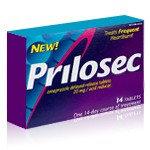
| Omeprazole (Prilosec) | 2-4 days | CYP2C19 major | 20-40 mg daily |
| Esomeprazole (Nexium) | 2-3 days | CYP2C19 | 20-40 mg daily |
| Lansoprazole (Prevacid) | 1-2 days | CYP2C19 | 15-30 mg daily |
| Dexlansoprazole (Dexilant) | 1-2 days | CYP2C19 | 30-60 mg daily; dual-release |
| Pantoprazole (Protonix) | 2-4 days | CYP2C19 | 20-40 mg daily |
| Rabeprazole (Aciphex) | 1-4 hours | Non-enzymatic mainly | 20 mg daily |
Rabeprazole distinctions
Unique features
Rabeprazole - rapid onset, less CYP2C19 dependence, more consistent response across CYP2C19 genotypes. Otherwise class effect predominates for long-term efficacy.
Omeprazole considerations
Original PPI
- First PPI (1988)
- Widely available generic - substantially inexpensive
- OTC availability in many countries
- Substantial CYP2C19 metabolism
- Multiple drug interactions
- Effective standard therapy
Esomeprazole considerations
S-isomer of omeprazole
Esomeprazole (Nexium) - S-isomer of omeprazole. Slightly better acid suppression in some studies. Marketing differentiated. Generic available. Modern practice - similar to omeprazole overall efficacy.
Pantoprazole considerations
Fewer interactions
- Pantoprazole (Protonix) - fewer drug interactions than omeprazole
- CYP2C19 metabolism but less clinical impact
- Available IV form
- Widely used in hospitals
- Generic widely available
Lansoprazole considerations
Alternative option
Lansoprazole (Prevacid) - moderate onset. Available OTC in some regions. Delayed-release. Standard PPI. Similar overall efficacy to class.
Dexlansoprazole considerations
Dual-release design
- Dexlansoprazole (Dexilant) - R-isomer of lansoprazole
- Dual-release formulation - two peaks
- Better nighttime acid control
- Not tied to meal timing
- More expensive
- Alternative for nocturnal GERD
Efficacy comparison
Similar long-term
Long-term efficacy comparable across PPIs for GERD control and ulcer healing. Studies show class effect predominates. Individual variation matters but not systematic between agents.
Cost considerations
Substantial differences
- Generic omeprazole, pantoprazole least expensive
- OTC omeprazole (Prilosec OTC) widely available
- Branded Aciphex more expensive; generic rabeprazole varies
- Newer PPIs (dexlansoprazole) more expensive
- Individual cost considerations
- Insurance formulary preferences
Selection factors
Individual choice
- Cost priority - generic omeprazole or pantoprazole
- Rapid onset priority - rabeprazole
- Fewer interactions - pantoprazole or rabeprazole
- Nighttime symptoms - dexlansoprazole (dual-release)
- IV availability needed - pantoprazole
- Individual response - trial and error sometimes
Switching between PPIs
Direct switch
Switching between PPIs straightforward. Equipotent doses across class approximately - omeprazole 20 mg equivalent to esomeprazole 20 mg, pantoprazole 40 mg, rabeprazole 20 mg, lansoprazole 30 mg, dexlansoprazole 30 mg. Direct switch typically. Monitor response.
The class effect view
Overall similar
Modern view - PPIs have similar overall efficacy. Individual differences in speed of onset, metabolism, cost matter for specific scenarios. Rabeprazole particular value for rapid onset and CYP2C19 independence. Individual choice based on clinical factors.
PPI comparison - similar long-term efficacy across class. Rabeprazole distinctive for rapid onset (1-4 hours) and CYP2C19 independence. Omeprazole widely available generic OTC. Pantoprazole fewer interactions, IV available. Dexlansoprazole dual-release for nighttime. Cost, availability, individual response guide selection. Class effect predominates for maintenance.
🤝 Aciphex Combined with Antibiotics and NSAIDs
Aciphex combined with antibiotics (H. pylori eradication) and considerations for NSAID co-therapy.
H. pylori combination therapy
Standard approach
H. pylori eradication - PPI plus multiple antibiotics. Standard triple or quadruple therapy. Rabeprazole 20 mg twice daily plus 2-3 antibiotics for 14 days. Section 4 covers detail.
Bismuth quadruple therapy detail
Modern first-line
- Rabeprazole 20 mg twice daily
- Bismuth subsalicylate 525 mg four times daily
- Tetracycline 500 mg four times daily
- Metronidazole 250 mg four times daily
- 14 days duration
- Complete adherence essential
Clarithromycin triple therapy
Low resistance areas only
Traditional first-line but only where clarithromycin resistance under 15 percent. Rabeprazole 20 mg twice daily + amoxicillin 1 g twice daily + clarithromycin 500 mg twice daily. 14 days.
Rifabutin triple therapy
Newer option
- Rabeprazole plus amoxicillin plus rifabutin
- Talicia - fixed-dose combination
- 14 days
- Newer option; rifabutin resistance low
- Cost consideration
Antibiotic considerations
Multiple drugs
Multi-drug regimens - substantial pill burden. Multiple side effects possible. Complex schedule. Client education essential. Written schedule. Family support helpful.
Alcohol with metronidazole
Disulfiram-like reaction
Metronidazole - disulfiram-like reaction with alcohol. Nausea, vomiting, flushing, headache. Avoid alcohol during metronidazole treatment plus 48 hours after. Substantial concern.
Tetracycline considerations
Multiple issues
- Take on empty stomach
- Avoid dairy, iron supplements (chelation)
- Photosensitivity - sun protection
- GI upset
- Not in pregnancy or young children
- Tooth discoloration risk
Bismuth considerations
Common with quadruple
Bismuth - dark stools (harmless but expected), black tongue possible, GI upset. Adherence sometimes challenging due to appearance changes. Client education prevents alarm.
NSAID co-therapy
Gastroprotection
Chronic NSAID users at increased ulcer risk - PPI gastroprotection reduces this. Rabeprazole 20 mg daily plus NSAID for high-risk clients. Reduces ulcer formation. Some regimens use combination (naproxen-esomeprazole).
NSAID risk factors requiring PPI
High risk
- Age over 65
- Prior ulcer or GI bleeding history
- Concurrent aspirin, anticoagulants
- Concurrent corticosteroids
- High-dose NSAIDs
- Chronic use
- Multiple comorbidities
Aspirin plus PPI
Common combination
Chronic low-dose aspirin (cardioprotection) - modest GI bleeding risk. PPI co-therapy for high-risk clients. Standard combination for cardiac clients with GERD or ulcer history.
Anticoagulant plus PPI
GI bleeding reduction
- Anticoagulants (warfarin, DOACs) increase GI bleeding risk
- PPI co-therapy for high-risk clients
- Standard combination in appropriate settings
- Substantially reduces upper GI bleeding
Corticosteroid consideration
Combined risk
Corticosteroids plus NSAIDs - substantially increased ulcer risk. PPI prophylaxis appropriate. Steroids alone modest ulcer risk. Combined with NSAIDs - PPI standard.
The comprehensive approach
Multi-modal management
Aciphex combined with various medications for specific indications. H. pylori eradication multi-drug. NSAID gastroprotection standard for high-risk. Anticoagulant/aspirin co-therapy for GI-vulnerable. Individual assessment for combinations.
Aciphex combined with antibiotics for H. pylori eradication (bismuth quadruple, clarithromycin triple, rifabutin therapy). NSAID gastroprotection for high-risk chronic users. Anticoagulant/aspirin co-therapy for vulnerable clients. Corticosteroid plus NSAID substantial concern. Multi-modal management common.
⏰ Aciphex Dose Schedule and Titration Guidelines
Aciphex dosing varies by indication and duration considerations.
Dosing by indication
| Indication | Dose | Duration |
|---|---|---|
| Erosive GERD (healing) | 20 mg once daily | 4-8 weeks |
| Erosive GERD (maintenance) | 20 mg once daily | Long-term |
| Symptomatic GERD | 20 mg once daily | 4-8 weeks; then reassess |
| Duodenal ulcer | 20 mg once daily | 4 weeks |
| Gastric ulcer | 20 mg once daily | 4-8 weeks |
| H. pylori eradication | 20 mg twice daily (with antibiotics) | 14 days |
| Zollinger-Ellison | 60-120 mg daily (individualized) | Lifelong |
| NSAID prophylaxis | 20 mg once daily | While NSAID continued |
Standard 20 mg once daily
Most common approach
Standard adult dose - 20 mg once daily. Take 30-60 minutes before breakfast. Delayed-release tablet - swallow whole (do not crush or chew). Consistent daily timing.
Timing before meals
Optimal absorption
Take 30-60 minutes before breakfast standard. Ensures peak plasma levels when meals activate proton pumps. Empty stomach absorption better. Delayed-release coating protects from stomach acid.
Twice daily dosing
Specific scenarios
- H. pylori eradication (with antibiotics)
- Refractory GERD with breakthrough symptoms
- Severe erosive esophagitis
- Zollinger-Ellison syndrome
- Extraesophageal GERD manifestations
- Take second dose before dinner
Dose adjustments
Individual titration
Most clients respond to standard 20 mg once daily. Inadequate response - increase to twice daily. Persistent symptoms after twice daily - reassess diagnosis, consider workup. Do not exceed 60 mg without specialist input (except ZES).
Available strength
Single strength typical
- 20 mg delayed-release tablet
- Some regions have sprinkle formulation for pediatric use
- No IV form of rabeprazole
- Alternative PPIs available IV (pantoprazole)
Delayed-release coating
Do not crush
Delayed-release enteric coating protects rabeprazole from stomach acid degradation. Must be swallowed whole. Crushing or chewing destroys coating - drug degraded in stomach - reduced effectiveness. If swallowing difficulty - discuss alternative PPI or sprinkle formulation.
Renal function
No adjustment typically
- Standard dosing acceptable in kidney disease
- Not renally cleared significantly
- Long-term PPI use has been associated with CKD risk
- Baseline kidney function assessment
- Section 24 covers monitoring
Hepatic function
Caution in severe
Severe hepatic disease - reduced metabolism potential. Caution. Standard dosing typically acceptable. Individual assessment for cirrhosis. Some regions recommend dose reduction in severe hepatic impairment.
Duration considerations
Reassess long-term
- Acute conditions - defined duration
- GERD - reassess after healing period
- Barrett esophagus - long-term
- Chronic maintenance - lowest effective dose
- Consider deprescribing when indication resolves
- Long-term safety considerations (Sections 17-19)
Step-down therapy
After initial healing
After initial healing period - consider stepping down. Options - reduce frequency (every other day), on-demand for mild GERD, switch to H2 blocker for maintenance, discontinue if H. pylori eradicated and no NSAID. Individualized approach.
On-demand approach
Mild GERD strategy
- After initial healing period
- Take when symptoms return
- Rabeprazole rapid onset useful
- Client-controlled
- Reduces unnecessary chronic use
- Not for erosive esophagitis or Barrett
Discontinuation approach
Consider tapering
Long-term PPI use - abrupt discontinuation can cause rebound acid hypersecretion. Gradual taper may help (reduce dose or frequency over weeks). Sometimes bridge with H2 blocker. Individual approach.
The consistent approach
Daily habit
Consistent daily timing supports adherence. Before breakfast standard. Pill organizer helpful. Alarms if needed. Complete prescribed duration.
Aciphex dosing 20 mg once daily standard. Take 30-60 minutes before breakfast. Delayed-release - swallow whole. Twice daily for specific indications (H. pylori, refractory GERD, Zollinger-Ellison). Duration by indication. Step-down after healing. On-demand for mild GERD. Discontinuation may need tapering. Consistent daily habit.
📅 Starting Aciphex - First Days and Weeks Timeline
Starting Aciphex - understanding first days sets appropriate expectations.
Rapid symptom relief
First days typical
Rabeprazole rapid onset - substantial symptom relief often within 1-4 hours of first dose. Continued improvement over days. Full effect at steady state (3-5 days).
Pre-treatment assessment
Baseline evaluation
- Confirmed indication - clear diagnosis
- Rule out alarm symptoms requiring workup
- Endoscopy if indicated
- H. pylori testing if peptic ulcer
- Medication review - interactions
- Baseline labs if planned long-term
Setting expectations
Practical points
- Take before breakfast 30-60 minutes
- Swallow whole - do not crush
- Rapid symptom relief often first day
- Complete prescribed duration
- Continue lifestyle modifications
- Report inadequate response
- Alarm symptoms warrant contact
Lifestyle modifications
Continue for GERD
- Weight loss if overweight
- Head-of-bed elevation
- Avoid meals within 3 hours bedtime
- Avoid trigger foods
- Smoking cessation
- Alcohol moderation
- Stress management
Warning signs
Contact team for
- Dysphagia or odynophagia
- Weight loss unintentional
- GI bleeding (hematemesis, melena)
- Anemia
- Persistent vomiting
- Severe abdominal pain
- No response to therapy
- Substantial diarrhea (C. difficile concern)
Follow-up schedule
| Indication | Follow-up |
|---|---|
| GERD initial | 4-8 weeks; assess response |
| Duodenal ulcer | 4 weeks; symptom check |
| Gastric ulcer | 8-12 weeks; repeat endoscopy |
| H. pylori eradication | 4-8 weeks post-treatment; confirm eradication |
| Long-term maintenance | Annual review |
Practical adherence tips
Supporting daily habit
- Take at same time daily (before breakfast)
- Pill organizer
- Alarm reminder
- Keep bottle in visible location
- Written schedule
- Complete prescribed course
The morning routine
Consistent timing
Morning routine - take rabeprazole on waking with water. Wait 30-60 minutes before eating. Pairs with morning coffee (after 30-60 min). Consistent daily practice supports adherence and effectiveness.
Combined with lifestyle
Multi-modal approach
GERD management combines PPI with lifestyle. Not either/or. Best outcomes with both. Discuss lifestyle changes at initiation.
H. pylori regimen start
Complex regimen
- Multi-drug regimen 14 days
- Written schedule critical
- Adherence essential for success
- Side effects common - persist
- Confirm eradication after completion
The expected response
Substantial improvement typical
Most GERD clients experience substantial improvement first days. Complete symptom resolution over 1-4 weeks typical. Erosive esophagitis heals 4-8 weeks. Ulcers heal 4-8 weeks. H. pylori eradicated with successful treatment.
Starting Aciphex - rapid symptom relief often first day. Take before breakfast, swallow whole. Continue lifestyle modifications. Watch for warning signs. Follow-up per indication. Written schedule for H. pylori regimen. Substantial improvement typical. Complete prescribed duration.
📏 Aciphex Response Assessment and Long-term Reevaluation
Aciphex response assessment and long-term reevaluation are important management components.
Response parameters
Symptom-based
Aciphex response primarily symptom-based - heartburn frequency and severity, regurgitation, dysphagia. Endoscopic response for erosive disease. H. pylori confirmed eradication for H. pylori therapy.
Signs of adequate response
Success indicators
- Substantial symptom reduction within days
- Complete resolution over weeks
- Reduced use of antacid rescue
- Improved sleep (less nighttime reflux)
- Erosive esophagitis healing on endoscopy
- Ulcer healing on endoscopy
- Confirmed H. pylori eradication
Signs of inadequate response
Reassess if
Persistent symptoms despite 4-8 weeks standard therapy. Substantial breakthrough symptoms. New alarm symptoms. Ulcer not healed on repeat endoscopy. H. pylori not eradicated. Adjustment needed.
Common adjustments for inadequate response
| Situation | Action |
|---|---|
| Standard once-daily inadequate | Increase to twice daily |
| Twice daily inadequate | Workup (endoscopy, pH monitoring, manometry) |
| Nighttime breakthrough | Add H2 blocker at bedtime; try dexlansoprazole |
| Timing issue | Confirm 30-60 min before breakfast |
| Compliance issue | Address barriers; simplified regimen |
| Wrong diagnosis | Consider eosinophilic esophagitis, functional heartburn, cardiac |
| H. pylori persistence | Salvage therapy with different regimen |
Refractory GERD workup
Specialist evaluation
Refractory GERD - endoscopy, pH monitoring (impedance-pH), esophageal manometry. Rule out non-acid reflux, functional heartburn, motility disorders, eosinophilic esophagitis, cardiac disease, gastroparesis. Gastroenterology involvement.
Long-term reassessment
Regular review
- Annual review of PPI necessity
- Confirm ongoing indication
- Consider step-down or deprescribing
- Assess for long-term risks
- Monitor magnesium, B12, iron periodically
- Bone density if long-term high-dose
Step-down attempt
After healing
After adequate healing period (4-8 weeks minimum) - consider step-down. Options - reduce to once daily if on twice, reduce frequency (every other day), switch to on-demand, switch to H2 blocker, discontinue. Individual assessment.
Long-term maintenance criteria
When to continue long-term
- Barrett esophagus - long-term maintenance
- Recurrent erosive esophagitis
- Complicated GERD (strictures, ulcers)
- Chronic NSAID users at high ulcer risk
- Zollinger-Ellison syndrome
- Aspirin/anticoagulant with GI bleeding history
Deprescribing considerations
When to stop
Original indication resolved - consider deprescribing. Ulcer healed and H. pylori eradicated. NSAIDs stopped. Symptoms controlled long-term. Balance benefits vs long-term risks. Individual assessment.
Rebound symptoms management
Common issue
Long-term PPI discontinuation - rebound acid hypersecretion. Symptoms return or worsen temporarily. Not indication of continuing PPI necessity. Options - gradual taper, H2 blocker bridge, antacid rescue. Weeks to resolve.
Monitoring for long-term risks
Regular checks
- Magnesium levels annually
- B12 levels periodically
- Iron levels if anemia
- Kidney function
- Bone density if risk factors
- C. difficile awareness during antibiotics
Symptom breakthrough management
Occasional symptoms
Well-controlled clients with occasional breakthrough - antacid rescue (Tums, Mylanta), alginate (Gaviscon), H2 blocker (famotidine) PRN. Address triggers. Reassess if frequent.
Age-related considerations
Older adults
Older adults - more vulnerable to long-term PPI risks. Reassessment particularly important. Deprescribing considerations. Section 25 covers detail.
Aciphex response assessed by symptoms, endoscopy for erosive/ulcer, H. pylori eradication confirmation. Inadequate response - increase to twice daily, workup, reconsider diagnosis. Long-term reassessment annual. Step-down after healing. Deprescribing when indication resolves. Rebound management. Monitoring for long-term risks.
💊 How to Take Aciphex Tablets Properly
Taking Aciphex properly is central to effectiveness.
The basics
Before breakfast
Take Aciphex 30-60 minutes before breakfast. Once daily typical. Swallow tablet whole with water. Do not crush, chew, or split. Same time each day for consistency.
Timing importance
Why before meals
- PPIs work best on activated proton pumps
- Meals activate proton pumps
- Peak plasma level at meal time optimal
- 30-60 minutes allows absorption before meal
- Before breakfast typical (largest morning meal effect)
Delayed-release tablet handling
Do not crush
Aciphex is delayed-release. Enteric coating protects drug from stomach acid. Crushing, chewing, or splitting destroys coating - drug degraded in stomach - substantial loss of effectiveness. Swallow whole with water.
Swallowing difficulty
Alternative options
Swallowing difficulty - discuss with clinical team. Options - sprinkle formulation (some regions), switch to lansoprazole (has ODT and sprinkle forms), esomeprazole granules, or liquid formulation of another PPI. Do not crush tablets.
Twice daily dosing
When applicable
- H. pylori eradication
- Refractory GERD
- First dose - 30-60 minutes before breakfast
- Second dose - 30-60 minutes before dinner
- Approximately 12 hours apart
- Do not take at bedtime (defeats purpose - no meal activation)
If forgot before breakfast
Take when remembered
Missed morning dose - take when remembered. Still take before your next meal for best effect. Better with a meal than skipping entirely. Section 23 covers detail.
With water
Adequate fluid
Swallow with full glass of water. Ensures tablet reaches stomach and passes through. Not with milk or juice necessarily - water standard.
Coffee timing
After 30-60 min
- Take rabeprazole first
- Wait 30-60 minutes
- Coffee then with breakfast
- Not before rabeprazole (acid stomach affects timing)
- Individual timing works
Antacid interaction
Space apart
Antacids can be used with rabeprazole for breakthrough symptoms. Space them - rabeprazole 30-60 minutes before meal, antacids as needed for symptoms. Antacids do not affect delayed-release rabeprazole substantially.
Practical adherence tips
Supporting habit
- Pill organizer weekly
- Alarm on waking or as reminder
- Keep bottle at bedside
- Take first thing on waking
- Same daily routine
- Refill early
Travel considerations
Practical planning
Travel - continue daily schedule. Time zone shifts - gradually adjust or immediately switch to local time. Carry-on if flying. Original bottle. Enough for trip plus extra.
Combining with lifestyle
Multi-modal
Rabeprazole works best with lifestyle modifications - weight loss, meal timing, trigger avoidance, smoking cessation, alcohol moderation, head-of-bed elevation. Combined approach for GERD.
The consistent daily habit
Success factor
Consistent daily timing before breakfast - central to Aciphex effectiveness. Simple habit. Pair with morning routine. Support with reminders.
Take Aciphex 30-60 minutes before breakfast. Swallow whole - do not crush. Once daily typical; twice daily for specific indications. Full water. Coffee after 30-60 minutes. Antacids can be used for breakthrough. Consistent daily timing. Alternative formulations if swallowing difficulty. Combined with lifestyle modifications.
🍴 Food Timing Before Breakfast Standard Approach
Food timing before breakfast is standard Aciphex approach.
Before breakfast standard
30-60 minutes before
Take Aciphex 30-60 minutes before breakfast. Empty stomach absorption better. Peak plasma level coincides with meal-activated proton pumps. Maximum acid suppression achieved.
Why timing matters
Physiology
- PPIs bind activated proton pumps
- Pumps activated by meals
- Peak PPI level should coincide with pump activation
- 30-60 min before meal allows absorption
- Less effective if taken with or after meals
- Substantially less effective at bedtime
With or without food
Before food better
Rabeprazole can technically be taken with food but empty stomach preferred for optimal absorption. If forgot before breakfast - take before lunch. Better with meal than skipping.
Dietary considerations for GERD
Trigger avoidance
- Individual triggers vary
- Common triggers - spicy foods, acidic (citrus, tomato), chocolate, mint, fatty foods, caffeine, alcohol
- Identify personal triggers - food diary helpful
- Avoid triggers
- Reduces GERD symptoms
Meal size and timing
Practical guidance
Smaller more frequent meals rather than large meals. Avoid meals within 3 hours of bedtime. Reduces nighttime reflux. Substantially improves symptoms combined with PPI.
Weight management
Substantial effect
- Overweight/obesity - major GERD risk factor
- Weight loss reduces GERD substantially
- Even modest weight loss (5-10 percent) helps
- Complementary to PPI
- Overall health benefits
Fluid intake
Standard
Standard fluid intake acceptable. Not specific to Aciphex. Water preferred for drinks. Carbonated drinks may worsen GERD in some clients.
Vitamin and mineral considerations
Long-term PPI effects
Long-term PPI use - reduced absorption of vitamin B12, magnesium, iron, calcium. Chronic users - dietary attention or supplementation may be needed. Section 19 covers detail.
Calcium considerations
Long-term concern
- PPIs reduce calcium carbonate absorption
- Calcium citrate less affected (acid-independent absorption)
- If calcium supplements needed - calcium citrate preferred
- Adequate dietary calcium
- Bone health consideration
Grapefruit considerations
Minimal interaction
Grapefruit - minimal interaction with rabeprazole (less CYP3A4 dependent than other PPIs). Standard consumption fine. Different from many other medications with substantial grapefruit interaction.
Alcohol timing
Alcohol - not directly related to rabeprazole timing. May worsen GERD symptoms. Section 15 covers detail.
Coffee and tea
Common GERD triggers
- Caffeine can worsen GERD
- Individual variation
- Take Aciphex first, then coffee 30-60 min later
- Reduce or eliminate if symptoms provoked
- Decaf may be alternative
DASH-style diet consideration
General health
DASH or Mediterranean diet - overall health benefits. Not specific for GERD but supports weight management and general wellness. Complementary to PPI therapy.
Meal timing before bed
Substantial GERD factor
Avoid meals within 3 hours of bedtime. Late meals substantially increase nighttime reflux. Even good PPI response may not overcome bad timing. Simple lifestyle change with substantial impact.
The straightforward approach
Timing plus lifestyle
Aciphex timing - 30-60 minutes before breakfast standard. Combined with GERD dietary modifications - trigger avoidance, meal timing, weight management. Substantial combined effect.
Aciphex 30-60 minutes before breakfast optimal. Empty stomach absorption. Peak level at meal-activated proton pumps. GERD dietary modifications - trigger avoidance, smaller meals, no late meals, weight management. Long-term PPI - vitamin/mineral considerations (calcium citrate, B12, magnesium). Coffee after Aciphex if used. Combined lifestyle plus PPI most effective.
🍷 Alcohol Rules During Aciphex Therapy
Alcohol rules during Aciphex therapy - moderation with GERD considerations.
The basic rule
Moderation appropriate
Alcohol can worsen GERD symptoms. Moderation appropriate. Not absolutely contraindicated with PPI but often triggers reflux. Individual assessment.
Alcohol and GERD
Multiple effects
- Alcohol relaxes lower esophageal sphincter
- Increases reflux episodes
- Stimulates acid production
- Directly irritates esophageal mucosa
- Worse with certain types (wine, spirits)
- Individual variation substantial
Guidelines for moderation
Standard limits
Men - up to 2 standard drinks daily. Women - up to 1 standard drink daily. Standard drink - 12 oz beer, 5 oz wine, 1.5 oz spirits. Individual GERD triggers may require less.
Metronidazole disulfiram interaction
During H. pylori therapy
H. pylori regimens with metronidazole - alcohol causes disulfiram-like reaction (severe nausea, vomiting, flushing, headache). Avoid alcohol during metronidazole treatment plus 48 hours after. Substantial concern during eradication therapy.
Direct rabeprazole interaction
Minimal
Rabeprazole itself - minimal alcohol interaction. Standard moderate consumption acceptable if GERD symptoms allow. Not an absolute contraindication.
Personal trigger identification
Individual variation
- Different alcoholic beverages affect differently
- Wine (particularly red) common GERD trigger
- Beer can worsen GERD
- Spirits sometimes tolerated better
- Food diary identifies personal patterns
- Timing matters (avoid evening)
Ulcer disease consideration
Delayed healing
Peptic ulcer clients - alcohol can delay healing and increase symptoms. Avoidance or substantial moderation during acute healing phase. After healing - moderate use acceptable.
Barrett esophagus consideration
Reduce alcohol
Barrett esophagus - alcohol associated with increased esophageal cancer risk. Reduce alcohol consumption. Not eliminate necessarily but moderate. Individual assessment.
Timing considerations
Practical guidance
- Avoid alcohol close to bedtime
- Nighttime alcohol worsens nocturnal reflux
- Earlier in day less problematic
- With food (not empty stomach)
- Adequate hydration
Special situations
Consider abstinence in
- During H. pylori eradication (metronidazole)
- Active peptic ulcer healing
- Substantial GERD symptoms
- Alcohol use disorder
- Pregnancy
- Liver disease
Reduction strategies
For heavy drinkers
- Track intake honestly
- Gradual reduction typically easier
- Alcohol-free days
- Support group or counseling
- Address underlying reasons
- Substantial GERD improvement possible
Practical guidance
If drinking
If choosing to drink - moderate amounts, avoid evening/bedtime, with food, identify personal triggers, adjust based on symptoms. Continue Aciphex normally.
The GERD-alcohol connection
Substantial trigger
Alcohol is common substantial GERD trigger. Reduction often improves symptoms. Combined with PPI - optimal control. Individual assessment supports appropriate consumption pattern.
Alcohol rules on Aciphex - moderation. Not direct drug interaction but substantial GERD trigger. Metronidazole disulfiram-like reaction during H. pylori therapy - absolute abstinence. Individual triggers vary by beverage type. Reduce evening consumption. Consider abstinence during acute healing. GERD improvement with reduction often substantial.
🚨 Aciphex Side Effects Complete Overview and Warnings
Aciphex side effects generally mild for short-term use; long-term considerations more substantial.
Common short-term side effects
Typically mild
- Headache - most common
- Diarrhea or constipation
- Abdominal pain
- Nausea
- Flatulence
- Dizziness
- Rash
- Upper respiratory symptoms
Serious short-term side effects
Substantial concerns (rare)
- Severe hypersensitivity - Stevens-Johnson, TEN (very rare)
- Acute interstitial nephritis
- Hepatic dysfunction
- Blood dyscrasias (rare)
- Angioedema
- Severe skin reactions
Long-term concerns
Substantial considerations
- Bone fracture risk increased with long-term use
- Vitamin B12 deficiency
- Magnesium deficiency
- Iron deficiency
- C. difficile infection increased risk
- Pneumonia possibly increased risk
- CKD progression associations
- Rebound acid hypersecretion on discontinuation
- Possibly dementia risk (debated)
- Possibly gastric cancer risk (debated)
Headache
Common but usually mild
Headache common initially. Usually mild and self-limiting. Rarely requires discontinuation. Acetaminophen preferred over NSAIDs. Substantial persistent headache warrants reassessment.
GI symptoms
Diarrhea concerning
- Mild diarrhea common
- Substantial or persistent diarrhea - C. difficile concern
- Especially post-antibiotic use
- Constipation possible alternative
- Abdominal pain occasional
- Usually mild and tolerable
Rash and hypersensitivity
Watch for
Mild rash occasional. Substantial rash, angioedema, difficulty breathing - hypersensitivity. Discontinue and seek care. Very rare severe reactions (SJS, TEN) - emergency.
Acute interstitial nephritis
Rare but serious
PPI-associated acute interstitial nephritis - rare but substantial. Presents with rising creatinine, sometimes rash and fever. Requires PPI discontinuation. Can lead to chronic kidney injury if unrecognized. Monitor kidney function periodically.
Hepatic effects
Very rare
- Hepatic dysfunction very rare
- Elevated liver enzymes possible
- Usually mild and resolves
- Substantial hepatic injury - very rare
- Discontinue if suspected
Blood dyscrasias
Very rare
Very rare blood cell changes - thrombocytopenia, leukopenia. Unusual bruising, bleeding, infections - report. Discontinue if confirmed. Reversible typically.
When to contact clinical team
Contact team for
- Substantial rash particularly with mucosal involvement
- Severe or persistent diarrhea
- Yellow skin or eyes
- Severe headache persistent
- Severe muscle weakness or cramps
- Confusion or unusual symptoms
- Substantial bleeding or bruising
- Unusual fatigue
- Severe abdominal pain
Overall short-term tolerability
Well-tolerated
Aciphex generally well-tolerated for standard short-term courses. Most side effects mild. Serious effects rare. Long-term considerations more substantial - Sections 17-19 cover detail.
Long-term perspective
Balance benefits
Long-term PPI risks warrant appropriate use - correct indication, appropriate duration, regular reassessment. Benefits typically outweigh risks for appropriate indications. Deprescribing when indication resolves.
Comparison with alternatives
Class safety
PPIs share class effects. Individual differences modest. Rabeprazole similar overall safety to other PPIs. H2 blockers alternative with different side effect profile.
Aciphex short-term side effects generally mild - headache, GI symptoms most common. Serious short-term effects (severe hypersensitivity, AIN, hepatic) rare. Long-term concerns more substantial - fractures, vitamin/mineral deficiencies, C. difficile, pneumonia, CKD associations. Balance benefits vs risks for appropriate use. Regular reassessment.
🦴 Aciphex Long-term Bone Fracture Risk Awareness
Long-term PPI use has associated bone fracture risk - important consideration.
The fracture concern
Observational data
Multiple observational studies - long-term PPI use associated with increased fracture risk (hip, wrist, spine). Increase approximately 25-50 percent for long-term users. FDA warning added 2010. Causation vs correlation debated.
Proposed mechanisms
How PPIs may affect bone
- Reduced calcium absorption (acid-dependent)
- Reduced vitamin B12 absorption
- Direct effects on osteoclasts (theoretical)
- Hypergastrinemia effects
- Confounding factors likely contribute
- Multiple mechanisms possible
Risk factors
Enhanced concern
Risk higher in - older adults, postmenopausal women, high-dose PPI use, long duration (over 1 year), concurrent bone-affecting medications, existing osteoporosis, low calcium intake, low vitamin D.
Risk magnitude
Modest but real
- Absolute risk increase modest for average client
- More substantial for high-risk populations
- Substantial for very long-term high-dose use
- Overall - appropriate use benefits typically outweigh risk
- Awareness supports informed decision
Calcium absorption
Acid-dependent
Calcium carbonate absorption requires gastric acid. PPI substantially reduces this. Calcium citrate less affected (acid-independent). Chronic PPI users - calcium citrate preferred for supplementation.
Bone density monitoring
Individual assessment
- Not routinely required for all PPI users
- DXA scan for high-risk long-term users
- Postmenopausal women particularly
- Baseline and periodic
- Combined with other osteoporosis risk factors
Bone health optimization
Support strategies
Adequate calcium (1000-1200 mg daily) - dietary preferred, supplement (citrate form) if needed. Vitamin D adequacy (600-800 IU minimum, higher if deficient). Weight-bearing exercise. Smoking cessation. Moderate alcohol. Overall bone-healthy lifestyle.
Vitamin D consideration
Adequate levels
- Vitamin D essential for calcium absorption
- Deficiency common
- Check level periodically
- Supplement to adequate level
- Not affected by PPI
- Sun exposure or supplementation
Osteoporosis therapy considerations
Standard approach
Established osteoporosis - standard therapy (bisphosphonates, denosumab, others). PPI use continues if indicated but assess necessity. Reassessment of long-term PPI needs. Consider deprescribing.
Duration considerations
Balance benefits
- Fracture risk relates to duration and dose
- Short courses - minimal fracture concern
- Long-term - reassess necessity
- Lowest effective dose
- Consider step-down
- Deprescribing when indication resolves
Falls prevention
Reduce fall risk
Falls prevention important for older adults on PPIs - home safety, vision correction, medication review for fall risk drugs, physical therapy, balance training. Complementary to bone health.
Individual risk-benefit
Personalized
Individual assessment - fracture risk, PPI necessity, alternative options. Postmenopausal women on chronic PPI - particularly reassess. Substantial GERD/Barrett - benefits likely outweigh risk.
Reassuring context
Moderation
- Association exists but modest for average client
- Causation not definitively established
- Appropriate use benefits typically outweigh risk
- Awareness supports informed decisions
- Standard bone health measures reduce risk
The comprehensive approach
Balanced management
Long-term PPI plus bone health measures - adequate calcium (citrate form) and vitamin D, weight-bearing exercise, standard bone-healthy lifestyle. Regular reassessment of PPI necessity. Osteoporosis workup for high-risk. Individual risk-benefit balance.
Long-term PPI associated with modest fracture risk increase. Multiple mechanisms proposed. Enhanced concern in older adults, postmenopausal women, long duration. Bone health optimization - calcium (citrate), vitamin D, exercise, lifestyle. Bone density monitoring for high-risk. Regular reassessment of PPI necessity. Individual risk-benefit balance.
🦠 Aciphex C Difficile and Infection Risks
PPI use associated with increased infection risks - particularly C. difficile and pneumonia.
The infection risk concern
Reduced gastric acidity
Gastric acid is major defense against ingested pathogens. PPI substantially reduces this defense. Increased risk of infections - particularly enteric (Salmonella, Campylobacter, C. difficile) and community-acquired pneumonia.
C. difficile infection
Substantial concern
C. difficile infection - substantial concern with PPI use. Reduced gastric acid allows spore survival. Combined with antibiotics - substantial risk. Presents with substantial diarrhea, abdominal pain, fever, dehydration. Can be severe. Testing (stool assay) if suspected.
C. difficile risk factors
Enhanced risk
- Concurrent antibiotic use (major)
- PPI use
- Older age
- Hospitalization
- Immunosuppression
- Prior C. difficile
- Recent GI surgery
C. difficile presentation
Watch for
Substantial diarrhea (3+ loose stools daily), foul-smelling, sometimes bloody. Fever. Abdominal pain and cramping. Dehydration. Substantial in older adults. Sepsis in severe cases.
Managing C. difficile
Treatment approach
- Stop offending antibiotics if possible
- Consider stopping PPI if not essential
- Oral vancomycin or fidaxomicin (first-line)
- Metronidazole for mild cases (less preferred now)
- Fecal microbiota transplantation for recurrent
- Substantial mortality in elderly
Pneumonia risk
Modest association
Community-acquired pneumonia - modestly increased risk with PPI use in some studies. Mechanism - microaspiration of gastric contents plus altered flora. Effect modest. Not typically reason to discontinue.
Enteric infections
Increased susceptibility
- Salmonella infections increased
- Campylobacter
- Shigella
- Traveler diarrhea more common
- Food safety attention important
- Hand hygiene
Food safety during PPI
Enhanced attention
Careful food handling - avoid raw eggs, undercooked meat, unwashed produce. Wash hands frequently. Adequate cooking temperatures. Travel food safety. Reduces enteric infection risk.
Small intestinal bacterial overgrowth (SIBO)
Possible association
- PPI-associated SIBO possible
- Bloating, gas, diarrhea, weight loss
- Overgrowth of small bowel flora
- Testing (hydrogen breath test) if suspected
- Treatment - antibiotics (rifaximin)
- Consider PPI discontinuation
Immunocompromised considerations
Enhanced attention
Immunocompromised clients (chemotherapy, transplant, HIV, immune deficiency) - enhanced infection risk from PPI. Individual assessment. Consider alternatives if PPI not essential.
Reducing infection risk
Practical measures
- Hand hygiene frequently
- Food safety precautions
- Travel precautions
- Complete vaccinations
- Antibiotic stewardship (minimize unnecessary use)
- Deprescribe PPI when appropriate
Concurrent antibiotic considerations
Substantial concern
PPI plus antibiotics - substantially increased C. difficile risk. Consider PPI necessity during antibiotic courses. Watch for diarrhea. Prompt testing if concerning. Probiotic supplementation considered.
Reporting infections
Contact for
- Substantial persistent diarrhea
- Bloody diarrhea
- Fever with GI symptoms
- Signs of severe pneumonia
- Food poisoning symptoms
- Substantial fluid loss
The awareness perspective
Balance risks
Infection risks with long-term PPI real but manageable. Standard precautions substantially reduce risk. Appropriate PPI use - benefits typically outweigh risks. Awareness supports early recognition and treatment.
Long-term PPI associated with infection risks - C. difficile substantial concern, enteric infections, community-acquired pneumonia modestly increased. Reduced gastric acid defense mechanism. Enhanced risk with concurrent antibiotics, immunocompromise. Food safety important. Prompt testing for concerning symptoms. Standard precautions reduce risk substantially.
🩸 Aciphex Vitamin B12 Magnesium Iron Deficiency
Long-term PPI use can cause deficiencies of vitamin B12, magnesium, and iron.
Vitamin B12 deficiency
Acid-dependent absorption
B12 absorption requires gastric acid to release B12 from protein. Long-term PPI - reduced release, reduced absorption. Substantial deficiency risk with over 2 years use. Presents with anemia, neuropathy, cognitive issues.
B12 monitoring
Periodic assessment
- B12 level annually for long-term PPI users
- Methylmalonic acid for confirmatory testing if borderline
- Baseline before starting particularly older adults
- Supplement if deficient (oral or injection)
- Dietary sources - meat, fish, dairy, fortified foods
- Vegetarians particularly vulnerable
B12 deficiency symptoms
Watch for
Fatigue, weakness, pale skin (anemia). Peripheral neuropathy - numbness, tingling. Cognitive changes - memory issues. Glossitis. Substantial deficiency - irreversible neurological damage possible. Early recognition important.
Magnesium deficiency
FDA warning
PPI-induced hypomagnesemia - FDA warning added 2011. Substantial deficiency with long-term use. Mechanism - reduced intestinal absorption. Presents with muscle cramps, seizures, arrhythmias, tetany. Can be severe.
Magnesium monitoring
Periodic checks
- Serum magnesium annually for long-term users
- More frequently if symptomatic or high risk
- Concurrent diuretics increase risk
- Baseline before starting
- Supplement if deficient
- Dietary sources - nuts, seeds, whole grains, leafy greens
Magnesium deficiency symptoms
Watch for
Muscle cramps, spasms, weakness. Tremor. Fatigue. Palpitations. Arrhythmias. Seizures in severe cases. Tetany. Concurrent hypokalemia and hypocalcemia often present.
Iron deficiency
Reduced absorption
- Iron absorption acid-dependent (non-heme iron)
- PPI reduces absorption
- Heme iron (meat) less affected
- Long-term risk of deficiency
- Presents with fatigue, pallor, restless legs
- Ferritin, iron studies for monitoring
Iron supplementation considerations
Reduced efficacy
Oral iron supplements less effective with concurrent PPI. Ferrous sulfate absorption substantially reduced. Take with vitamin C (ascorbic acid) to improve. Consider IV iron if oral inadequate.
Calcium consideration
Acid-dependent
- Calcium carbonate absorption acid-dependent
- Reduced by PPI
- Calcium citrate absorbed regardless of pH
- If supplement needed - calcium citrate preferred for PPI users
- Dietary calcium generally acceptable
- Bone health consideration (Section 17)
Monitoring schedule for long-term users
| Test | Frequency |
|---|---|
| Serum magnesium | Annually; more if high risk |
| Vitamin B12 | Annually after 2 years |
| Iron studies | If anemia or clinically indicated |
| Calcium and vitamin D | If bone concerns |
| Renal function | Annually |
| Bone density | Per age/risk factors |
Supplementation guidance
Practical approach
- Not routine for all PPI users
- Individualized based on levels
- B12 - oral 1000 mcg daily if deficient
- Magnesium - oral supplement if low
- Iron - based on levels
- Calcium citrate if calcium supplement needed
- Vitamin D adequacy separate consideration
High-risk populations
Enhanced attention
Older adults, vegetarians (B12), concurrent diuretics (magnesium), chronic diarrhea, malabsorption, prior GI surgery. More frequent monitoring. Lower threshold for supplementation.
Dietary optimization
Nutrient-rich foods
- B12 - meat, fish, dairy, eggs, fortified foods
- Magnesium - nuts, seeds, whole grains, leafy greens
- Iron - meat (heme), beans, fortified cereals
- Calcium - dairy, leafy greens, fortified foods
- Vitamin D - fatty fish, fortified foods, sunlight
- Balanced diet supports overall nutrition
Reassessing PPI necessity
Deprescribing consideration
Deficiencies identified during long-term PPI - opportunity to reassess necessity. Can indication be met with lower dose, on-demand, or H2 blocker? Discontinue if indication resolved. Section 31 covers detail.
The comprehensive approach
Regular monitoring
Long-term PPI plus regular monitoring plus dietary optimization plus supplementation if deficient plus reassessment of necessity. Comprehensive approach supports safe long-term use when indicated.
Long-term PPI - vitamin/mineral deficiency risks. B12 deficiency (acid-dependent absorption). Magnesium deficiency (FDA warning). Iron deficiency (reduced absorption). Calcium consideration (citrate preferred). Regular monitoring for long-term users. Dietary optimization. Supplementation when deficient. Reassess PPI necessity.
💉 Aciphex Drug Interactions Complete Overview and Warnings
Aciphex drug interactions - fewer than other PPIs due to less CYP2C19 dependence.
Interaction categories
Main mechanisms
Aciphex interactions through - acid-dependent absorption changes (reduced absorption of some drugs), CYP2C19 minor (fewer interactions than other PPIs), and specific pharmacodynamic interactions.
Absolute contraindication - rilpivirine
HIV medication
Rilpivirine (HIV medication) - contraindicated with all PPIs. Rilpivirine requires acidic stomach for absorption. PPI reduces absorption substantially - HIV treatment failure risk. Alternative antiretrovirals for clients needing PPI.
Substantial interactions
Notable interactions
- Rilpivirine - contraindicated
- Nelfinavir, atazanavir - reduced absorption
- Ketoconazole, itraconazole - reduced absorption
- Iron salts - reduced absorption
- Methotrexate - high-dose interaction
- Clopidogrel - lesser concern with rabeprazole
- Warfarin - modest INR changes possible
- Digoxin - increased absorption
- Mycophenolate - reduced absorption
Rabeprazole advantage - less CYP2C19
Fewer interactions
Rabeprazole primarily non-enzymatic metabolism. Less CYP2C19-dependent than omeprazole, esomeprazole. Fewer interactions through this pathway. Advantage for polypharmacy clients.
HIV medications
Multiple concerns
- Rilpivirine - contraindicated
- Atazanavir - acid-dependent absorption; substantial reduction
- Nelfinavir - substantial reduction
- Consult infectious disease if HIV plus PPI
- Alternative acid-independent antiretrovirals
Azole antifungals
Reduced absorption
Ketoconazole and itraconazole require acidic stomach for absorption. PPI substantially reduces. Alternative - fluconazole or voriconazole (less acid-dependent). Individual assessment.
Iron considerations
Reduced efficacy
- Oral iron supplements less effective with PPI
- Take with vitamin C for improved absorption
- Consider ferrous fumarate or gluconate
- IV iron if oral inadequate
- Section 19 covers deficiency
Methotrexate interaction
High-dose particularly
High-dose methotrexate (chemotherapy) - PPI reduces methotrexate clearance. Increased toxicity risk. Temporary PPI hold during high-dose methotrexate courses. Low-dose oral methotrexate for autoimmune - modest interaction; standard dosing typically fine.
Clopidogrel controversy
CYP2C19 activation
Clopidogrel activated by CYP2C19. Omeprazole and esomeprazole substantial CYP2C19 inhibition - theoretical reduced clopidogrel activation. Rabeprazole less concern (less CYP2C19). Section 21 covers detail. Clinical significance debated.
Warfarin
Modest interaction
PPIs can modestly increase INR. More concern with omeprazole (CYP2C19). Rabeprazole - less concern but monitor INR when starting or stopping.
Common concurrent medications
Typically acceptable
- Antihypertensives - continue
- Statins - fine
- Diabetes medications - continue
- Antidepressants - fine (rabeprazole less CYP2C19)
- DOAC anticoagulants - continue
- NSAIDs - actually indication for PPI
- Antibiotics - continue (H. pylori combinations)
The straightforward profile
Fewer than other PPIs
Rabeprazole has fewer drug interactions than other PPIs due to less CYP2C19 dependence. Rilpivirine absolute contraindication. Acid-dependent drug absorption reduced. Regular medication review supports safe therapy.
Aciphex interactions - fewer than other PPIs (less CYP2C19). Absolute contraindication rilpivirine. Substantial interactions - HIV drugs, azole antifungals, iron, high-dose methotrexate. Modest interactions - warfarin, digoxin. Clopidogrel less concern than omeprazole. Most concurrent medications acceptable. Regular medication review.
🛑 Aciphex Clopidogrel Methotrexate and Warfarin
Clopidogrel, methotrexate, and warfarin represent specific interaction categories.
Clopidogrel interaction
CYP2C19 mechanism
Clopidogrel prodrug activated by CYP2C19 to active metabolite. PPIs that inhibit CYP2C19 (omeprazole, esomeprazole) can reduce clopidogrel activation. Theoretical reduced antiplatelet effect. Clinical significance debated.
Rabeprazole advantage
Less concern
Rabeprazole - less CYP2C19 inhibition than omeprazole. Less concern for clopidogrel interaction. Reasonable choice for clients on clopidogrel needing PPI.
Alternative PPI choices
Less CYP2C19
- Pantoprazole - less CYP2C19; preferred for clopidogrel
- Rabeprazole - less CYP2C19
- Omeprazole/esomeprazole - more CYP2C19 inhibition
- Guidelines recommend PPI-alternative or lesser-interaction PPI for clopidogrel clients
Methotrexate interaction
High-dose particularly
High-dose methotrexate (chemotherapy) - PPI reduces methotrexate clearance. Increased toxicity risk. Temporary PPI hold during high-dose methotrexate courses. Alternative acid suppression during methotrexate.
Low-dose methotrexate
Autoimmune conditions
- Rheumatoid arthritis, psoriasis - low-dose weekly methotrexate
- Modest interaction with PPI
- Typically continues with monitoring
- Watch for toxicity signs
- Complete blood count and liver function monitoring
Warfarin interaction
Modest INR changes
PPIs can modestly increase INR through CYP2C9 pathway. Omeprazole most concern. Rabeprazole less concern. Monitor INR when starting or stopping PPI. Dose adjustment sometimes needed.
Managing warfarin plus PPI
Monitoring
- Baseline INR before starting PPI
- INR check at 1-2 weeks
- Adjust warfarin if needed
- Similar check when stopping PPI
- Rabeprazole less concern than omeprazole
DOAC considerations
Continue typically
Direct oral anticoagulants (apixaban, rivaroxaban, dabigatran, edoxaban) - continue with PPI. Modest concerns. Actually often combined for GI bleeding prevention in high-risk cardiac clients.
Antiplatelet plus PPI benefit
GI bleeding reduction
- Aspirin plus clopidogrel - substantially increased GI bleeding
- PPI substantially reduces this risk
- Standard combination for high GI-risk cardiac clients
- Benefits typically outweigh theoretical clopidogrel interaction
- Rabeprazole or pantoprazole preferred over omeprazole
Tacrolimus consideration
Transplant clients
Tacrolimus (immunosuppression) - PPI may increase levels. Particularly with CYP3A4 inhibitors. Rabeprazole less concern than omeprazole. Monitor tacrolimus levels. Adjust dose if needed.
Antidepressants
Fewer interactions
SSRIs (citalopram, escitalopram, sertraline) metabolized by CYP2C19 - other PPIs may increase levels. Rabeprazole less concern. Advantage for depression clients on PPIs.
The systematic approach
Comprehensive review
Comprehensive medication review at Aciphex prescription. Rabeprazole advantages for polypharmacy clients. Alternative PPI or approach if substantial interactions. Regular reassessment.
Clopidogrel plus rabeprazole - less concern than omeprazole due to less CYP2C19 inhibition. High-dose methotrexate - temporary PPI hold typically. Low-dose methotrexate acceptable with monitoring. Warfarin - modest INR changes possible; monitor. DOAC continue typically. Rabeprazole advantages for polypharmacy clients requiring PPI.
💊 Aciphex with Antacids and H2 Blockers Timing
Aciphex with antacids and H2 blockers - complementary approaches with timing considerations.
Antacid combination
Rescue therapy
Antacids (Tums, Rolaids, Mylanta, Maalox) - immediate neutralization of stomach acid. Rapid symptom relief. Aciphex - blocks acid production, longer duration. Combined - PPI baseline plus antacid rescue for breakthrough. Common effective combination.
Timing with antacids
Space or not
- Rabeprazole delayed-release - antacid does not affect substantially
- Space if convenient (30 minutes)
- Not critical for rabeprazole (unlike some other drugs)
- Antacids as needed for breakthrough symptoms
- No strict timing rule
Types of antacids
Multiple options
Calcium carbonate (Tums), aluminum/magnesium combinations (Maalox, Mylanta), sodium bicarbonate. Different profiles. Individual preference. Calcium carbonate may cause constipation; magnesium can cause diarrhea; aluminum can cause constipation.
Alginate consideration
Different mechanism
- Alginate (Gaviscon) - forms raft over stomach contents
- Different from acid neutralization
- Prevents reflux mechanically
- Useful for breakthrough
- Take after meals
- Complementary to PPI
H2 blocker combination
Nighttime coverage
H2 blockers (famotidine, cimetidine) - block histamine receptor. Different mechanism than PPI. Effective at reducing acid secretion. Can be added to PPI at bedtime for nighttime breakthrough symptoms.
H2 blocker bedtime addition
Nocturnal reflux
- PPI plus H2 blocker at bedtime
- For nocturnal breakthrough symptoms
- Famotidine 20-40 mg at bedtime
- Tolerance can develop to H2 blockers
- Consider as needed or short-term addition
H2 blocker tolerance
Diminishing effect
H2 blocker effect can diminish with continuous use (tolerance). PPI does not have this issue. Long-term continuous H2 blocker less effective than PPI. Short-term or intermittent use may retain effect.
Deprescribing to H2 blocker
Step-down option
Long-term PPI deprescribing - can transition to H2 blocker as intermediate step. Less potent than PPI but effective for mild GERD. Then discontinue if symptoms controlled. Section 31 covers detail.
Bismuth subsalicylate
Multiple uses
- Pepto-Bismol - antacid plus antimicrobial
- Part of H. pylori quadruple therapy
- Dark stools (harmless)
- Standard combination component
- Not for chronic GERD use
Sucralfate consideration
Ulcer coating
Sucralfate (Carafate) - forms protective barrier over ulcers. Complementary to PPI in some scenarios. Requires acidic environment - conflict with PPI. Alternative or occasional use. Space from PPI.
Vonoprazan - newer alternative
Potassium-competitive acid blocker
Vonoprazan (Voquezna) - newer class (P-CAB). Faster and more potent than PPIs. Alternative for refractory GERD, H. pylori. Available US and Japan. Growing use.
Practical combinations
Common scenarios
- Aciphex daily plus antacid PRN for breakthrough
- Aciphex plus H2 blocker at bedtime for nocturnal
- Aciphex plus alginate for postprandial
- H. pylori regimens (PPI + antibiotics + bismuth)
- Individualized combinations
The comprehensive approach
Multi-modal
Modern GERD management combines PPI as baseline with antacids for breakthrough, H2 blockers for nocturnal symptoms, alginate for mechanical protection, plus lifestyle. Individualized based on symptom pattern.
Aciphex with antacids - rescue therapy for breakthrough; minimal interaction; timing not critical. H2 blockers - bedtime addition for nocturnal; tolerance can develop; step-down option for deprescribing. Alginate mechanical protection. Bismuth for H. pylori regimens. Sucralfate space from PPI. Individualized multi-modal GERD management common.
⏱️ What to Do If You Miss Aciphex Dose
Missed Aciphex doses - handled simply; adherence matters for chronic use.
The basic rule
Take before next meal
Missed morning dose - take before next meal (lunch). If close to next scheduled dose - skip and continue normal schedule. Never double up. Try to maintain consistent daily habit.
Practical approach
Timing decisions
- Remembered before lunch - take before lunch
- Remembered afternoon - take before dinner
- Remembered evening - skip; take usual morning next day
- Better with meal than skipping
- Do not double
Twice daily dosing missed
Take when remembered
Twice daily regimen (H. pylori, refractory GERD) - take missed dose when remembered. Continue next dose at usual time. Do not compress doses close together.
H. pylori regimen missed doses
Substantial concern
H. pylori eradication requires strict adherence to complex 14-day multi-drug regimen. Substantial missed doses reduce eradication success. Try to maintain schedule. Discuss with team if multiple doses missed. Sometimes salvage therapy needed.
Steady state consideration
Recovery time
- Full acid suppression takes 3-5 days to reach
- Single missed dose - modest impact
- Multiple missed doses - substantial impact
- Resume normal schedule
- Symptoms may return before full recovery
Multiple missed doses
Reassess adherence
Multiple missed doses regularly - address adherence barriers. Consider simpler regimens. Alarms, pill organizers, family reminders. Frequent misses reduce treatment effectiveness.
If double dose accidentally
Usually inconsequential
- Single accidental double dose typically inconsequential
- Slight increase in acid suppression
- Skip next scheduled dose
- Continue normal schedule
- Contact team if substantial symptoms
Vomiting consideration
Timing matters
Vomited within 30 minutes of taking dose - can repeat. Beyond 30 minutes - drug likely absorbed. Do not repeat. Continue normal schedule next day.
Travel and time zones
Adjust schedule
- Time zone shifts - adjust to local morning
- Gradual or immediate switch acceptable
- Bring bottle in carry-on
- Have refills available
- Do not skip due to travel
Strategies to reduce misses
Adherence support
- Pill organizer weekly
- Bedside placement
- Alarm on waking
- Pair with morning routine
- Log if helpful
- Family reminders
The consistent daily habit
Success factor
Consistent daily timing supports effectiveness and reduces missed doses. Simple habit. Pair with morning routine. Support strategies help. Occasional misses acceptable; frequent misses concerning.
Missed Aciphex doses - take before next meal if remembered; skip if late in day. Never double. H. pylori regimen strict adherence critical. Multiple missed doses reduce effectiveness and may cause rebound. Adherence strategies support consistent use. Refill early. Isolated misses manageable; frequent misses warrant reassessment.
🩺 Aciphex Monitoring Long-term Use Considerations
Aciphex monitoring for long-term use includes multiple considerations.
Short-term monitoring
Symptom-based
Short-term Aciphex use - symptom monitoring primary. Response to therapy. Side effects. Complete prescribed course. Reassess at 4-8 weeks for GERD or 4 weeks for duodenal ulcer.
Long-term monitoring parameters
Multiple assessments
- Symptoms - GERD control, breakthrough
- PPI necessity - continuing indication
- Vitamin B12 level annually
- Magnesium level annually
- Iron studies if anemia
- Kidney function annually
- Bone density if risk factors
- Side effects
Annual reassessment
PPI necessity
Annual review of PPI necessity - central. Confirm indication continues. Consider step-down or deprescribing. Balance benefits vs long-term risks. Individual decision.
Laboratory monitoring schedule
| Test | Frequency |
|---|---|
| Serum magnesium | Baseline; annually |
| Vitamin B12 | Annually after 2 years use |
| Iron/ferritin | If anemia symptoms |
| Creatinine/eGFR | Annually |
| Bone density | Per age/risk factors |
| Vitamin D | If deficient |
| Liver enzymes | If clinical suspicion |
Symptom monitoring
Track
- Heartburn frequency and severity
- Regurgitation
- Nighttime symptoms
- Antacid use frequency
- Impact on daily activities
- Diet triggers identified
- Response to lifestyle changes
Bone density monitoring
Risk-based
Not routine for all long-term PPI users. DXA scan for - postmenopausal women, older adults, other osteoporosis risk factors, very long-term high-dose use. Standard bone density guidelines apply.
Alarm symptoms during long-term use
Warrant workup
- New dysphagia
- Weight loss
- GI bleeding
- New anemia
- Persistent vomiting
- Substantial change in symptoms
- Endoscopy indicated
Barrett esophagus surveillance
Cancer prevention
Barrett esophagus - surveillance endoscopy with biopsies. Frequency by dysplasia grade. No dysplasia - every 3-5 years. Low-grade dysplasia - closer follow-up or endoscopic therapy. High-grade dysplasia - endoscopic therapy or surgery.
Reporting concerning symptoms
Contact team for
- Substantial diarrhea (C. difficile concern)
- Muscle cramps/weakness (hypomagnesemia)
- Neurological symptoms (B12 deficiency)
- Fatigue and pallor (anemia)
- New rash
- Alarm GI symptoms
- Yellow skin (hepatic)
Comprehensive review
Annual approach
Annual comprehensive review - symptoms, PPI necessity, labs (magnesium, B12), medication interactions, lifestyle modifications. Consider deprescribing. Address complications. Individual assessment.
The stewardship perspective
Appropriate use
Regular monitoring supports appropriate PPI stewardship - correct indication, appropriate duration, deprescribe when possible. Balance benefits and long-term risks. Individual approach.
Aciphex monitoring - short-term symptom-based; long-term multiple parameters. Annual reassessment of PPI necessity central. Lab monitoring - magnesium, B12, iron, kidney function. Bone density risk-based. Alarm symptoms warrant endoscopy. Barrett surveillance for at-risk. Comprehensive annual review. Stewardship approach supports appropriate use.
👵 Aciphex in Older Adults Deprescribing Considerations
Aciphex in older adults - deprescribing considerations particularly relevant.
Common in older adults
Widely prescribed
PPIs widely prescribed in older adults. GERD, ulcers, NSAID prophylaxis, unclear indications. Substantial long-term use. Deprescribing particularly important in this population.
Age-related considerations
Multiple factors
- Enhanced fracture risk - already elevated baseline
- Enhanced C. difficile risk - higher morbidity
- Enhanced pneumonia risk
- B12 deficiency prevalence higher
- Polypharmacy - drug interactions
- Kidney function decline
- Cognitive considerations
- Osteoporosis risk
Deprescribing focus
Reassess necessity
Older adults on long-term PPI - reassess necessity. Original indication may no longer apply. Consider deprescribing. Balance benefits vs long-term risks. Individual decision.
Common inappropriate uses
Consider deprescribing
- Prophylaxis without indication
- Continued long after acute problem resolved
- Non-specific dyspepsia not tested for H. pylori
- Old NSAID prophylaxis when NSAIDs stopped
- Never had clear indication documented
Fracture risk in elderly
Substantial concern
Elderly baseline osteoporosis risk plus PPI-associated fracture risk - compounded concern. Hip fractures substantial morbidity/mortality. Careful benefit-risk assessment. Bone health optimization critical if PPI continued.
C. difficile risk in elderly
Substantial morbidity
C. difficile in elderly - substantial morbidity and mortality. PPI use adds risk beyond antibiotics. Reassess PPI necessity particularly when antibiotics needed. Deprescribe when possible.
Cognitive considerations
Debated dementia risk
- Some observational studies suggested dementia association
- More recent studies mixed - causation debated
- B12 deficiency (PPI-related) can cause cognitive issues
- Address B12 deficiency
- Reassess PPI in cognitive decline
Polypharmacy management
Substantial in elderly
Elderly commonly on multiple medications. PPI adds to burden. Consider necessity. Rabeprazole may be preferred over omeprazole (fewer interactions). Regular medication review essential.
Kidney function considerations
CKD common
- Age-related eGFR decline common
- Long-term PPI associated with CKD progression
- Acute interstitial nephritis possible
- Monitor kidney function
- Individual assessment for continuation
Deprescribing approach in elderly
Systematic
Elderly deprescribing - explain rationale, address rebound concerns, gradual taper often preferred, H2 blocker bridging option, follow-up for symptoms. Section 31 covers detail.
Bone health optimization
If PPI continued
Older adults on long-term PPI - bone health optimization essential. Adequate calcium (citrate form), vitamin D, exercise, fall prevention. Osteoporosis therapy if indicated. DXA scans.
End-of-life considerations
Deprescribing
- End-of-life care - deprescribe non-essential medications
- PPI often can be discontinued
- Symptom management focus
- Comfort over prevention
- Individual assessment
The comprehensive approach
Individual assessment
Aciphex in older adults - individualized assessment. Valid indication - continue with monitoring. No clear indication - deprescribe. Balance benefits vs long-term risks. Comprehensive geriatric perspective.
Aciphex in older adults - deprescribing focus particularly important. Enhanced fracture, C. difficile, pneumonia, B12 deficiency risks. Common inappropriate uses. Valid long-term indications (Barrett, high-risk NSAID users). Systematic deprescribing approach. Bone health optimization if continued. Caregiver support. End-of-life deprescribing consideration.
🤒 Sick Days and Illness During Aciphex Therapy
Sick days and illness during Aciphex therapy - continue drops through most illness.
Standard illness
Continue Aciphex
Standard illness (cold, flu, minor infection) - continue Aciphex normally. Systemic illness does not affect PPI schedule. Symptoms may worsen with illness - important to continue.
When unable to take orally
Practical difficulties
- Vomiting - wait until settled
- Cannot swallow tablet - contact team
- NPO status - alternative acid suppression (IV pantoprazole)
- Hospitalization - alternative PPI available IV
- Do not skip more than necessary
Vomiting considerations
Timing matters
Vomited within 30 minutes - can repeat dose. Beyond 30 minutes - drug likely absorbed. Continuous vomiting - contact team for alternative. Hospital may use IV PPI.
Illness and GERD
May worsen
- Illness can worsen GERD symptoms
- Coughing increases reflux
- Continue PPI
- Antacids for breakthrough
- Elevate head of bed
Antibiotic considerations
C. difficile risk
Illness requiring antibiotics - substantially increased C. difficile risk when combined with PPI. Watch for substantial diarrhea. Consider PPI necessity during antibiotic courses. Prompt testing if concerning symptoms.
Metronidazole interaction
Disulfiram-like
Metronidazole for illness - avoid alcohol during and 48 hours after. Substantial disulfiram-like reaction possible. Not PPI-specific but relevant during H. pylori regimen.
GI upset from illness
Distinguish causes
- Viral gastroenteritis
- C. difficile (concerning)
- Food poisoning
- PPI side effect
- Testing if severe or persistent
Hospitalization
IV alternative
Hospitalization - IV pantoprazole often used for acid suppression. No IV rabeprazole. Notify hospital team about chronic Aciphex use. Resume when eating and drinking.
Recovery from illness
Resume normally
When illness resolves - resume normal Aciphex schedule. Missed doses during illness typically manageable. Address any adherence gaps. Complete underlying course.
Contact team when
During illness contact for
- Substantial diarrhea (C. difficile concern)
- Bloody vomiting or stools
- Severe abdominal pain
- Substantial dehydration
- Persistent vomiting
- Concerning symptoms
The straightforward approach
Continue drops
Standard illness - continue Aciphex. Systemic illness does not require PPI changes. Distinguish complications. Contact team for concerning GI symptoms particularly diarrhea (C. difficile concern with concurrent antibiotics).
Sick days with Aciphex - continue through standard illness. Systemic illness does not affect PPI schedule. Vomiting management (repeat if within 30 min). Hospitalization - IV alternative (pantoprazole). Antibiotic use plus PPI - C. difficile concern. Contact team for substantial diarrhea, bloody GI, severe pain. Standard sick day rules not typically applied to PPI.
📅 Vaccinations While Taking Aciphex Considerations
Vaccinations proceed normally during Aciphex therapy - no interactions.
Vaccine safety
No interaction
Aciphex does not affect immune response to vaccines. All vaccines can be received on schedule. Continue Aciphex normally around vaccination.
Standard adult vaccinations
Recommended
- Influenza (annual)
- COVID-19 - per current guidance
- Tdap - every 10 years
- Pneumococcal - age 65+ or high-risk
- Zoster (shingles) - age 50+
- RSV - age 75+ (60+ high-risk)
Pneumonia consideration
Enhanced importance
Long-term PPI - modestly increased pneumonia risk. Pneumococcal vaccination particularly important. Influenza vaccine annual. Reduces pneumonia risk.
Live oral typhoid vaccine
Specific consideration
Oral live typhoid vaccine (Vivotif) - requires acidic stomach. PPI reduces effectiveness. Consider injectable typhoid vaccine (Typhim Vi) for PPI users needing travel prophylaxis. Alternative injectable vaccines for other oral live vaccines.
Timing considerations
Flexible
- Take Aciphex normal time
- Receive vaccine any time
- No need to hold PPI around vaccination
- Post-vaccine symptoms - continue drops
Post-vaccine symptoms
Common reactions
Post-vaccine fever, aches common. Continue Aciphex normally. Acetaminophen preferred over NSAIDs (NSAIDs may worsen GI symptoms). Typically resolves 1-2 days.
Travel vaccinations
Standard protocols
- Standard travel vaccines fine
- Yellow fever, hepatitis A - injectable
- Injectable typhoid preferred over oral for PPI users
- Travel clinic consultation
Live vaccine considerations
Injectable acceptable
Injectable live vaccines (MMR, varicella, zoster live, yellow fever) - acceptable. Not affected by PPI. Only oral live vaccines potentially affected.
Older adult vaccination
Age-specific
- High-dose influenza 65+
- Pneumococcal 65+ (particularly important for PPI users)
- Shingles 50+
- RSV 75+
The straightforward context
Continue drops
Aciphex has no vaccine interactions. All vaccine types acceptable. Continue drops normally. Pneumococcal particularly important for long-term PPI users. Oral live typhoid - use injectable alternative.
Vaccinations on Aciphex - no interactions. All standard vaccines acceptable. Continue drops normally. Pneumococcal vaccine particularly important (PPI-associated pneumonia risk). Oral live typhoid - use injectable alternative (acid-dependent absorption). Post-vaccine symptoms - continue drops; acetaminophen preferred.
🤰 Aciphex in Pregnancy Generally Acceptable Assessment
Aciphex in pregnancy - generally acceptable assessment based on available data.
Pregnancy category
Category B historically
Rabeprazole - FDA pregnancy category B historically. Animal studies not shown fetal harm. Human data limited but generally reassuring. Considered acceptable for use during pregnancy when benefits outweigh risks.
GERD in pregnancy
Very common
- GERD affects up to 80 percent of pregnancies
- Progesterone effects on LES
- Enlarging uterus increases pressure
- Substantial impact on quality of life
- Treatment needed for many clients
Stepped approach in pregnancy
Least first
Pregnancy GERD - stepped approach. Lifestyle modifications first. Antacids second. H2 blockers third. PPIs when other approaches inadequate. Most PPIs acceptable but H2 blockers often preferred first due to longer safety experience.
H2 blocker preference
Traditional first-line
- Famotidine - long-standing safety data
- First-line pharmacotherapy typically
- Effective for mild-moderate GERD
- PPI if inadequate response
- Discussion with obstetrics
PPI use in pregnancy
Acceptable when needed
Rabeprazole and other PPIs - generally considered acceptable during pregnancy when H2 blockers inadequate. Multiple studies not shown substantial harm. Individual assessment. Discussion with obstetrics.
Omeprazole most data
Best studied PPI
- Omeprazole - most pregnancy data
- Not shown to cause substantial harm
- Sometimes preferred based on data availability
- Rabeprazole - less specific pregnancy data but class effect assumed
- All PPIs generally considered acceptable
First trimester considerations
Standard caution
First trimester - period of organogenesis. Standard caution about all medications. PPI use if substantial GERD. Discussion with obstetrics. Lifestyle plus antacids preferred if adequate.
Hyperemesis gravidarum
Consideration
- Severe nausea and vomiting of pregnancy
- Substantial GERD-like symptoms
- PPI may help alongside antiemetics
- Individual assessment
- Specialist obstetrics
If inadvertent use in pregnancy
Reassurance
Rabeprazole used before pregnancy known - typically reassuring. Class not shown substantial teratogenicity. Discuss with obstetrics. Continue or adjust as appropriate.
Nutritional considerations
Pregnancy needs
- Adequate calcium (increased pregnancy needs)
- Iron (pregnancy anemia common)
- Vitamin B12
- PPI-related absorption reduced
- Prenatal vitamins
- Nutrition counseling
Postpartum considerations
Improvement common
Pregnancy GERD often resolves postpartum. Consider deprescribing. Breastfeeding considerations (Section 29). Reassess need.
The comprehensive approach
Individualized
Pregnancy PPI decisions individualized. Stepped approach - lifestyle, antacids, H2 blockers first. PPI when other approaches inadequate. Rabeprazole and other PPIs generally acceptable. Coordinated obstetric care.
Aciphex in pregnancy - generally acceptable, category B. Stepped approach with lifestyle, antacids, H2 blockers first. PPI when needed. Omeprazole most pregnancy data but class effect for others. Hyperemesis gravidarum consideration. Nutritional considerations. Postpartum often improvement - deprescribing opportunity. Obstetric consultation.
🍼 Breastfeeding While Taking Aciphex Rabeprazole Safely
Breastfeeding while taking Aciphex - generally acceptable given minimal transfer.
Rabeprazole in breast milk
Limited data
Rabeprazole - limited specific breastfeeding data. Small transfer expected based on class. Infant acid degradation of any transferred drug minimal exposure. Considered generally acceptable.
PPI class in breastfeeding
Generally acceptable
- Omeprazole most breastfeeding data
- Low milk transfer typical
- Infant absorption very low (gastric acid degradation)
- Not shown to cause infant harm
- Multiple sources rate acceptable
LactMed rating
Compatible
LactMed - considers PPIs compatible with breastfeeding. Minimal expected infant exposure. No specific concerns reported at maternal therapeutic doses.
Postpartum GERD
Often improves
- Pregnancy-related GERD typically resolves postpartum
- Consider deprescribing
- Reassess need before continuing
- Some continue for pre-pregnancy GERD
- Individual assessment
Alternative during breastfeeding
Options
Alternatives - famotidine (H2 blocker; substantial safety data), antacids (calcium carbonate), alginate. Lifestyle modifications continue. Rabeprazole acceptable if needed.
Omeprazole preference
Most data
- Omeprazole - most breastfeeding data among PPIs
- Sometimes preferred based on availability of data
- Rabeprazole class effect assumed
- All PPIs generally considered compatible
- Individual assessment
Infant monitoring
Standard care
Breastfed infant of mother on rabeprazole - standard pediatric care. Watch for any unusual signs (feeding, GI, unusual fussiness). Very unlikely at maternal doses. Report to pediatrician.
Timing considerations
Minimal impact
- No specific need to time around feeds
- Very minimal milk transfer
- Continue normal drop schedule
- Continue normal breastfeeding
Milk supply considerations
Not affected
Rabeprazole does not affect milk supply. Not concern for breastfeeding continuity. Continued breastfeeding supported.
Discussion with pediatrician
Reassurance
- Discuss with pediatrician if concerns
- Reassurance about minimal infant exposure
- Standard infant monitoring
- Report unusual symptoms
- Continued breastfeeding supported
Coordinated care
Multiple providers
Coordinated care between GI/primary care (mother's PPI needs), obstetrician (postpartum care), pediatrician (infant health), lactation consultant (breastfeeding support).
The overall assessment
Generally safe
Rabeprazole during breastfeeding - generally acceptable. Minimal expected infant exposure. Not typically requiring modification. Postpartum reassessment of PPI necessity opportunity.
Aciphex acceptable during breastfeeding - minimal milk transfer, infant gastric acid degrades any transferred. LactMed compatible. Omeprazole most data; class effect assumed for rabeprazole. Postpartum GERD often improves - deprescribing opportunity. Alternative options (famotidine, antacids) if preferred. Standard pediatric monitoring.
⚕️ Aciphex Around Procedures and Surgery Management
Aciphex around procedures and surgery - typically continues.
General surgery approach
Continue typically
Aciphex typically continues around surgery. Minimal bleeding effect. Standard practice. Take morning of surgery with sips of water if NPO. Or hold and use IV alternative.
Pre-operative aspiration prophylaxis
Sometimes given
PPI sometimes given pre-operatively to reduce gastric acid and volume - aspiration prophylaxis. Standard practice varies. Not universally used. Individual anesthesia team preferences.
Day of surgery approach
Practical management
- Take usual morning dose with sips of water
- Or hold and use IV alternative (pantoprazole)
- Per anesthesia team protocol
- Resume normal dosing when eating
IV alternative during hospitalization
Pantoprazole
No IV rabeprazole. Hospital typically uses IV pantoprazole for acid suppression. When client resumes oral - can switch back to rabeprazole. Ensure transition documented.
Endoscopy considerations
H. pylori testing
Endoscopy with H. pylori biopsy - stop PPI 2 weeks before. PPI reduces H. pylori detection. False negatives common. Coordinate testing timing with proceduralist.
Bariatric surgery
Continued need typical
- PPI often used post-bariatric surgery
- GERD common after sleeve gastrectomy
- Ulcer prevention
- Delayed-release tablets - swallowing considerations
- Coordinate with bariatric team
Colonoscopy prep
Continue typically
Colonoscopy bowel prep - continue Aciphex. Prep does not require holding PPI. Take normal morning dose day of procedure if possible.
Cardiac procedures
Continue
- Cardiac catheterization - continue
- Pacemaker/ICD - continue
- CABG surgery - continue or IV substitute
- Clopidogrel consideration - rabeprazole preferred over omeprazole
Dental procedures
Continue
Dental procedures - continue Aciphex. No procedure-related concerns.
Post-operative resumption
Resume normally
- Resume Aciphex when eating and drinking
- Standard dosing
- Continue home routine
- Communicate with team about resumption
Emergency surgery
Continue if possible
Emergency surgery - continue Aciphex if possible. IV pantoprazole substitute during NPO. Notify hospital about chronic PPI use.
Bleeding concerns
Minimal impact
Aciphex does not affect surgical bleeding. Not held for bleeding concerns. Distinct from anticoagulants and antiplatelets.
The straightforward approach
Continue typically
Aciphex around procedures - continue typically. IV pantoprazole substitute if NPO for prolonged period. H. pylori testing requires PPI hold. Communication with surgical/proceduralist team.
Aciphex around procedures - typically continue. Take morning of surgery with sips of water or IV substitute (pantoprazole) if NPO. H. pylori endoscopy testing - stop PPI 2 weeks before. Bariatric surgery - continued need. Cardiac procedures - continue. Post-operative resumption when eating. Not affected by bleeding concerns.
🔄 Switching PPIs and Deprescribing Strategies
Switching PPIs and deprescribing strategies - important management aspects.
Between PPIs
Class effect
Switching between PPIs - class effect predominates. Similar efficacy expected. Equipotent doses. Direct switch typically. Monitor response.
Common switch scenarios
Reasons for switch
- Cost considerations (to generic)
- Availability issues
- Formulary or insurance preferences
- Interactions (rabeprazole for clopidogrel)
- Individual response
- Rapid onset needed (rabeprazole)
- Nighttime symptoms (dexlansoprazole dual-release)
Equipotent doses
Standard conversions
Rabeprazole 20 mg is approximately equivalent to omeprazole 20 mg, esomeprazole 20 mg, pantoprazole 40 mg, lansoprazole 30 mg, dexlansoprazole 30 mg. Similar effect for GERD. Individual response may vary.
Direct switch approach
Simple
- Stop one PPI, start other next day
- No taper or overlap needed
- Similar timing (before breakfast)
- Monitor symptoms
- Adjust dose if inadequate response
To H2 blocker step-down
Milder acid suppression
Step-down from PPI to H2 blocker - reasonable for mild GERD after healing. Famotidine 20-40 mg twice daily. Less potent than PPI but effective for many. Intermediate step in deprescribing.
Deprescribing rationale
Multiple reasons
- Original indication resolved
- Long-term risks (bone, kidney, deficiencies, infections)
- No clear indication documented
- Simplify medication regimen
- Cost reduction
- Client preference
Deprescribing approach
Gradual taper
Systematic deprescribing - gradual dose reduction over weeks. Or step-down to H2 blocker then discontinuation. Address rebound acid hypersecretion. Support with lifestyle modifications. Antacid rescue as needed.
Taper strategies
Options
- Reduce to every other day for 2-4 weeks
- Reduce to every 3 days for 2 weeks
- Then discontinue
- Alternative - abrupt stop with symptom monitoring
- Individual approach
Rebound acid hypersecretion
Substantial issue
Long-term PPI discontinuation - rebound acid hypersecretion. Symptoms return or worsen temporarily. Not addiction but adaptive changes. Can last weeks. Explain to clients before deprescribing. Gradual taper may reduce.
Client education about rebound
Set expectations
Explain rebound before deprescribing. Symptoms temporary. Not indication PPI necessary. Weeks to resolve. Support with H2 blocker or antacids during transition. Reassure and support.
Success factors
Supportive approach
- Client buy-in
- Clear explanation of rationale
- Address rebound expectations
- Gradual taper
- H2 blocker or antacid rescue
- Lifestyle modification support
- Follow-up visits
When deprescribing fails
Restart
Substantial symptoms return despite adequate trial - restart PPI. Some clients require chronic therapy. Accept indication and continue with regular monitoring. Not failure of client or clinician.
Alternative acid suppression
If PPI stopped
If PPI stopped but symptoms recur - alternative acid suppression. H2 blocker maintenance for mild GERD. On-demand PPI for infrequent symptoms. Lifestyle modifications critical.
The systematic approach
Individualized
PPI switching and deprescribing individualized. Regular reassessment of necessity. Systematic taper approach. Client education about rebound. Support during transition. Some can deprescribe; others need continuation.
Switching PPIs - class effect; direct switch with equipotent doses. To H2 blocker step-down for mild GERD. Deprescribing - regular reassessment of necessity, gradual taper, address rebound acid hypersecretion, client education, support with lifestyle. If fails - restart. Accept ongoing need when appropriate.
🛑 Aciphex Contraindications When to Avoid Rabeprazole
Aciphex contraindications - specific situations requiring avoidance.
Absolute contraindications
Do not use Aciphex if
- Hypersensitivity to rabeprazole or other PPIs
- Concurrent rilpivirine (HIV medication)
- Prior anaphylaxis to PPIs
Relative contraindications
Requires careful assessment
- Undiagnosed alarm symptoms - workup first
- Non-acid GI symptoms - PPI ineffective; investigate
- Substantial osteoporosis - individual assessment
- Chronic hypomagnesemia at risk
- Advanced CKD - individual assessment
- Severe hepatic impairment - dose consideration
- Long-term without indication - deprescribe
- Concurrent drugs with substantial interactions
Rilpivirine absolute contraindication
HIV medication
Rilpivirine (HIV) requires acidic stomach for absorption. All PPIs substantially reduce absorption - HIV treatment failure. Alternative HIV regimen if PPI needed. Or alternative acid suppression for GERD.
Hypersensitivity considerations
Class effect
Prior anaphylaxis or severe hypersensitivity to any PPI - avoid all PPIs. Cross-reactivity within class common. Alternative acid suppression (H2 blockers). Consider allergy referral.
Alarm symptoms
Workup first
Undiagnosed alarm symptoms - dysphagia, weight loss, GI bleeding, anemia, persistent vomiting, age over 50 with new symptoms - do not empirically treat with PPI. Endoscopy first. Rule out cancer.
Long-term risk considerations
Relative concerns
Osteoporosis, CKD, prior C. difficile, chronic hypomagnesemia - not absolute contraindications but relative. Individual risk-benefit. Alternative acid suppression may be preferred.
Severe hepatic impairment
Caution
- Severe hepatic disease - reduced metabolism potential
- Rabeprazole primarily non-enzymatic - modest concern
- Individual assessment
- Some regions recommend dose reduction
- Alternative PPI or H2 blocker consideration
Drug interaction contraindications
Substantial concerns
- Rilpivirine - absolute contraindication
- High-dose methotrexate - temporary hold
- Atazanavir, nelfinavir - avoid or alternative
- Certain other HIV drugs - infectious disease consultation
Non-acid GI symptoms
Wrong indication
Functional dyspepsia, IBS, gastroparesis without acid component - PPI ineffective. Investigate cause. Appropriate therapy for underlying condition. Empiric PPI trial acceptable if unclear.
Substantial osteoporosis
Enhanced risk
Substantial established osteoporosis with fracture history - PPI adds risk. Consider deprescribing or alternative. If PPI essential - aggressive bone health optimization, calcium citrate, vitamin D, osteoporosis therapy.
Advanced CKD
Individual assessment
Long-term PPI associated with CKD progression. Advanced CKD - individual assessment. May continue if valid indication. Consider deprescribing if not essential.
Prior C. difficile
Increased recurrence risk
Prior C. difficile - PPI increases recurrence risk. Especially with concurrent antibiotics. Consider necessity. Deprescribe if possible. Alternative acid suppression.
Screening before initiation
Individual assessment
- Confirmed appropriate indication
- No alarm symptoms without workup
- PPI allergy history
- Concurrent medications review
- Rilpivirine screening
- Osteoporosis assessment for elderly
- Baseline function assessment
The comprehensive assessment
Individualized
Aciphex contraindications require individualized assessment. Absolute contraindications few (hypersensitivity, rilpivirine). Relative contraindications more common - individual balance. Deprescribing focus when long-term use without clear indication.
Aciphex absolute contraindications - hypersensitivity, concurrent rilpivirine. Relative contraindications - undiagnosed alarm symptoms (workup first), non-acid GI symptoms, substantial osteoporosis, chronic hypomagnesemia, advanced CKD, severe hepatic impairment, prior C. difficile, long-term without indication. Individual assessment supports appropriate use.
📦 Storage Travel and Long-term Care Approach
Storage, travel, and long-term care approach complete the practical Aciphex guide.
Standard storage
Room temperature
Store Aciphex at room temperature (68-77 degrees F / 20-25 C). Protect from moisture. Keep in original container. Away from children and pets.
Storage practical tips
Optimal storage
- Original bottle preferred
- Bedside for morning routine
- Not bathroom (humidity)
- Away from heat
- Check expiration dates
- Refill early
Travel considerations
Practical planning
Travel with Aciphex - carry-on luggage. Original bottle with pharmacy label. Enough for trip plus extra. Prescription documentation for international travel.
Time zone changes
Adjustment
- Small time changes (2-3 hours) - shift immediately
- Larger changes - gradual over 2-3 days
- Or take at new local morning time before breakfast
- Take before travel meal for continued effect
Long-term therapy review
Annual assessment
Annual comprehensive review for long-term users - PPI necessity, symptom control, labs (magnesium, B12), side effects, lifestyle modifications. Consider deprescribing. Update comprehensive plan.
Refills and continuity
Never run out
Refill before running out. Do not skip due to prescription lapse. 90-day supplies convenient for chronic use. Mail-order pharmacy option.
Cost considerations
Regional variation
- Generic rabeprazole varies
- Branded Aciphex more expensive
- Other generic PPIs (omeprazole) often less expensive
- OTC PPIs available in many regions
- Insurance formulary preferences
Signs to escalate
Contact team for
- New alarm symptoms
- Substantial diarrhea
- Muscle cramps
- Cognitive changes
- Substantial rash
- Yellow skin
- Unusual fatigue
- Any concerning symptoms
Deprescribing planning
When to consider
- Original indication resolved
- Substantial time since initiation
- Long-term risks concerning
- Multiple medications
- Client interest in reducing
- Section 31 covers approach
Lifestyle emphasis
Complementary
Continue GERD lifestyle modifications throughout PPI use. Weight management, meal timing, trigger avoidance, head-of-bed elevation, smoking cessation, alcohol moderation. Enable eventual deprescribing.
The comprehensive perspective
Balanced approach
Modern PPI use - appropriate indication, lowest effective dose, regular reassessment, comprehensive monitoring, lifestyle integration, consider deprescribing. Balance benefits and long-term risks.
Summary of key points
Aciphex essentials
- PPI class - rabeprazole sodium
- Standard 20 mg once daily before breakfast
- Rapid onset - 1-4 hours; class advantage
- Less CYP2C19 dependent - fewer interactions
- Standard therapy - GERD, ulcers, H. pylori, ZES
- Swallow whole - do not crush
- Long-term risks - fractures, deficiencies, infections
- Regular reassessment annually
- Consider deprescribing when indication resolves
- Combined with lifestyle - optimal outcomes
- Alarm symptoms warrant workup
Storage at room temperature. Travel with adequate supplies and prescription documentation. Time zone adjustment - shift to local morning before breakfast. Long-term annual reassessment. Consider deprescribing when appropriate. Lifestyle modifications throughout. Balanced approach - benefits vs long-term risks. Rabeprazole distinctive for rapid onset and fewer interactions. Standard therapy for acid-related conditions with modern stewardship approach.
Aciphex — Frequently Asked Questions
-
What is Aciphex (Rabeprazole)?
Aciphex is a proton pump inhibitor (PPI) that reduces stomach acid production. It's used to treat various gastrointestinal conditions. -
What conditions does Aciphex treat?
It treats gastroesophageal reflux disease (GERD), Zollinger-Ellison syndrome, peptic ulcers, and aids in eradicating Helicobacter pylori. -
How does Aciphex work?
Aciphex works by blocking the enzyme in the stomach wall that produces acid, thereby reducing acid levels. -
How should I take Aciphex?
Take it as prescribed, usually once a day, with or without food. -
Can Aciphex heal esophagus damage?
Yes, by reducing stomach acid, it can allow the esophagus to heal from acid damage. -
Is Aciphex effective for heartburn?
Yes, it's effective in relieving heartburn symptoms associated with GERD. -
Can Aciphex be used long-term?
Long-term use should be under medical supervision due to potential risks.
See all Aciphex questions (33)
📚 Drug Description Sources:
The information in this Aciphex (rabeprazole sodium) guide is drawn from gastroenterology, esophageal disease, and clinical pharmacology sources. Content reflects over 25 years of clinical experience with rabeprazole since introduction in 1999. Aciphex is manufactured by Eisai and Janssen. Rabeprazole is a proton pump inhibitor (PPI) - one of the most widely prescribed drug classes worldwide. Standard therapy for GERD, peptic ulcer disease, H. pylori eradication, and hypersecretory conditions.
🏛️ Regulatory and government agencies
- FDA (US Food and Drug Administration) - rabeprazole approved 1999 as Aciphex; current DailyMed prescribing information
- EMA (European Medicines Agency) - rabeprazole authorised across European Union as Pariet
- MHRA (UK) - rabeprazole summary of product characteristics
- Health Canada - rabeprazole product monograph
- CDSCO (India) - Cipla, Sun Pharma, and other manufacturer regulation
- PMDA (Japan) - rabeprazole originated from Japanese research
📚 Professional societies and clinical guidelines
- American College of Gastroenterology (ACG) GERD Guidelines (2022)
- American Gastroenterological Association (AGA) Guidelines
- ACG H. pylori Guidelines
- British Society of Gastroenterology (BSG) Guidelines
- European Society for Neurogastroenterology and Motility
- Maastricht Consensus H. pylori Guidelines
- WHO Essential Medicines List - omeprazole (PPI class representative)
🔬 Clinical research
- Multiple rabeprazole GERD trials - established efficacy for erosive and non-erosive reflux
- H. pylori eradication trials - rabeprazole-based triple therapy
- Zollinger-Ellison syndrome studies
- Barrett esophagus surveillance and PPI studies - Prateek Sharma Kansas VA
- Long-term PPI safety studies - fracture, kidney, dementia associations
- Comparative PPI trials - rabeprazole vs omeprazole, esomeprazole, others
📖 Medical references and textbooks
- Sleisenger and Fordtran Gastrointestinal and Liver Disease - standard GI reference
- Yamada Textbook of Gastroenterology
- Feldman Sleisenger and Fordtran - comprehensive GI reference
- Goodman and Gilman Pharmacological Basis of Therapeutics
- UpToDate - rabeprazole and PPI clinical monographs
- Gastroenterology, Gut, American Journal of Gastroenterology, Alimentary Pharmacology and Therapeutics - specialized journals
Note: This information is educational and does not replace consultation with a gastroenterologist or general practitioner. Rabeprazole has an established safety and effectiveness profile over 25+ years. Modern practice uses PPIs for appropriate indications and durations. Long-term use requires reassessment. Always follow the treating team specific instructions.
🩺 Medical Expert Review:
Content based on the published research and clinical practice of authorities in gastroesophageal reflux disease, esophageal motility, and gastroenterology research - the disciplines shaping PPI use worldwide.
Prof. Peter J. Kahrilas, MD
Gilbert H. Marquardt Professor of Medicine; Division of Gastroenterology and Hepatology; Northwestern University Feinberg School of Medicine — Chicago, Illinois, USA
Prof. Kahrilas is one of the foremost GERD authorities globally. His scholarship on gastroesophageal reflux disease, esophageal motility, and PPI therapy shaped modern GERD practice. Multiple leading contributions to ACG GERD Guidelines. Substantial impact on understanding refractory GERD and PPI use optimization.
Prof. John E. Pandolfino, MD, MSCI
Chief, Division of Gastroenterology and Hepatology; Hans Popper Professor of Medicine; Northwestern University Feinberg School of Medicine — Chicago, Illinois, USA
Prof. Pandolfino is a leading esophageal motility authority. His scholarship on high-resolution manometry, GERD pathophysiology, and functional esophageal disorders shaped modern esophageal disease practice. Multiple key contributions to Chicago Classification of esophageal motility disorders.
Prof. Michael F. Vaezi, MD, PhD, MSc
Professor of Medicine; Clinical Director, Division of Gastroenterology, Hepatology and Nutrition; Vanderbilt University Medical Center — Nashville, Tennessee, USA
Prof. Vaezi is a leading GERD and reflux authority. His scholarship on refractory GERD, extra-esophageal reflux, and PPI therapy optimization shapes contemporary GERD practice. Multiple key publications on PPI failure and alternative approaches.
Prof. Prateek Sharma, MD
Professor of Medicine; Kansas City VA Medical Center; University of Kansas School of Medicine — Kansas City, Missouri, USA
Prof. Sharma is a foremost Barrett esophagus authority. His scholarship on Barrett esophagus surveillance, esophageal cancer prevention, and PPI in chronic reflux shapes contemporary practice. Past President of American College of Gastroenterology. Multiple leading contributions to esophageal cancer prevention research.
Prof. David A. Katzka, MD
Professor of Medicine; Division of Digestive and Liver Diseases; Columbia University Irving Medical Center — New York, USA
Prof. Katzka is a leading esophageal disease scholar. His scholarship on eosinophilic esophagitis, GERD, and complex esophageal disorders shapes contemporary esophageal practice. Multiple key publications on PPI-responsive esophageal disease and non-erosive reflux disease.
More Gastrointestinal Medications