Buy Mysoline (Primidone) Online — Foundational Barbiturate-Related Anticonvulsant for Seizures & Essential Tremor

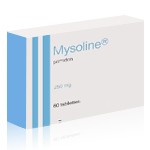
Mysoline is the original brand-name formulation of Primidone — one of the oldest anticonvulsants still in clinical use and the most established second-line oral therapy for essential tremor. Originally developed by Wyeth and FDA-approved since 1954, Primidone has continued to play important clinical roles despite the development of many newer anticonvulsants — particularly for refractory seizure disorders and as primary treatment for essential tremor when propranolol is insufficient or contraindicated.
The active ingredient is Primidone, a desoxybarbiturate that itself has anticonvulsant activity and is also metabolized in the body to two active metabolites: phenobarbital (the long-acting barbiturate) and PEMA (phenylethylmalonamide). All three compounds contribute to the overall anticonvulsant effect through enhancement of GABA-A receptor activity, with phenobarbital being responsible for much of the sustained long-term antiseizure activity due to its long half-life.
Mysoline is FDA-approved for treatment of generalized tonic-clonic (grand mal) seizures, psychomotor (complex partial) seizures, focal epileptic seizures, and as a component of multidrug regimens for refractory epilepsy. While newer anticonvulsants have largely replaced Primidone as first-line therapy for most seizure types, it remains valuable in specific refractory cases. Most importantly, Primidone is one of the two first-line oral therapies (along with propranolol) for essential tremor — particularly for upper limb tremor causing functional impairment.
The medication is available as 50 mg and 250 mg tablets. Standard adult dosing for epilepsy starts at 100-125 mg at bedtime, titrating slowly to 750-1500 mg daily in three or four divided doses. For essential tremor, much lower doses (50-250 mg daily) are typically effective and better tolerated.
Important safety considerations include significant sedation (particularly during initial weeks), cognitive impairment, ataxia, megaloblastic anemia (folate deficiency), osteomalacia (vitamin D depletion), strong CYP450 induction (extensive drug interactions due to phenobarbital metabolite), dependence with potential withdrawal seizures, and rare Stevens-Johnson syndrome. Suicidal ideation is a class warning for all anticonvulsants.
Free prescription
Discrete packaging
Have questions?
Quality Assurance

- Upper Limb Essential Tremor: For upper limb essential tremor causing functional impairment in handwriting and feeding;
- Head Voice Tremor Selective: Selective use for head and voice tremor though typically less responsive than limb tremor;
- Propranolol Failed Tremor: For essential tremor patients where propranolol has failed or is contraindicated (asthma, heart block);
- Familial Tremor: For familial essential tremor with positive family history;
- Generalized Tonic Clonic Seizures: FDA-approved for generalized tonic-clonic (grand mal) seizures — foundational therapy;
- Psychomotor Seizures: FDA-approved for psychomotor (complex partial) seizures;
- Focal Epileptic Seizures: For focal epileptic seizures with or without secondary generalization;
- Refractory Epilepsy Adjunct: As component of multidrug regimens for refractory epilepsy not responsive to newer agents;
- Treatment Resistant Seizures: For treatment-resistant seizures where newer anticonvulsants have failed;
- Mixed Seizure Disorder: For mixed seizure disorders requiring barbiturate-class anticonvulsant therapy;
- Pediatric Epilepsy Selective: Selective use for pediatric epilepsy where newer agents have failed or are unavailable;
- Adult Maintenance Epilepsy: For adult maintenance therapy in chronic epilepsy unresponsive to newer agents;
- Sleep Onset Seizures: Selective use for nocturnal seizures — sedating effect supports sleep;
- Alcohol Withdrawal Selective: Selective use for alcohol withdrawal management in selected refractory cases;
- Restless Legs Selective: Off-label use for severe refractory restless legs syndrome;
- Pediatric Generalized Seizures: For pediatric generalized seizures in selected refractory cases;
- Combination AED Therapy: As component of combination AED therapy in difficult-to-treat epilepsy;
- Long Term Epilepsy Maintenance: Long-term maintenance therapy for chronic epilepsy with established Primidone responsiveness;
- Resource Limited Settings AED: Affordable AED option in resource-limited healthcare settings worldwide.
- Better Handwriting: Improvement in handwriting affected by essential tremor;
- Better Eating: Improved ability to eat without spilling due to reduced tremor;
- Better Drinking: Improved ability to drink from cups and glasses with reduced tremor;
- Better Daily Activities: Restored ability to perform fine motor tasks affected by tremor;
- Less Seizures: Significant reduction in tonic-clonic and complex partial seizure frequency;
- Better Seizure Control: Long-term seizure control in refractory epilepsy unresponsive to newer agents;
- Less Status Epilepticus: Reduced risk of status epilepticus with effective long-term therapy;
- Better Sleep: Sedating effect supports sleep onset particularly with bedtime dosing;
- Less Falls: Reduced risk of falls from sudden seizures with effective control;
- Lifesaving Refractory Therapy: Critical therapy for refractory seizures where newer agents have failed;
- Better Quality of Life: Combined tremor reduction and seizure control restores functional capacity;
- Better Self Esteem: Resolution of visible tremor improves social confidence;
- Better Daily Function: Return to work and normal activities with effective treatment;
- Brand Mysoline: Original Wyeth (now Bausch Health) brand of Primidone with established clinical reputation since 1954;
- Generic Primidone: Affordable generic versions expand global access to foundational anticonvulsant and tremor therapy;
- Desoxybarbiturate Anticonvulsant: Foundational desoxybarbiturate class anticonvulsant related to barbiturates;
- Phenobarbital Active Metabolite: Metabolized to phenobarbital providing long-acting antiseizure activity;
- PEMA Metabolite: Also metabolized to PEMA (phenylethylmalonamide) contributing to therapeutic effects;
- GABA A Receptor Enhancement: Enhances GABA-A receptor activity increasing inhibitory neurotransmission;
- Essential Tremor First Line Therapy: First-line oral therapy alongside propranolol for essential tremor — signature use;
- Propranolol Alternative Tremor: Alternative to propranolol in essential tremor patients with asthma, heart block, or beta-blocker intolerance;
- Refractory Epilepsy Component: Standard component of multidrug regimens for refractory epilepsy;
- Long Half Life Anticonvulsant: Phenobarbital metabolite half-life ~80-100 hours supports sustained antiseizure activity;
- Slow Titration Primidone: Slow titration over weeks minimizes sedation and improves tolerability;
- Low Dose Tremor Primidone: Low doses (50-250 mg/day) typically effective for tremor with better tolerability;
- Bedtime Dosing Primidone: Bedtime dosing minimizes daytime sedation while supporting nocturnal seizure control;
- Affordable Anticonvulsant: Cost-effective anticonvulsant globally — supports access in resource-limited settings;
- WHO Essential Medicine: Listed on the WHO Model List of Essential Medicines for global epilepsy care;
- 70 Plus Year Anticonvulsant History: One of the oldest anticonvulsants in clinical use — extensive real-world experience since 1954;
- Significant Sedation: Significant sedation particularly during initial weeks — slow titration improves tolerability;
- Cognitive Impairment: Cognitive impairment with chronic use — particularly concerning in working adults and students;
- Ataxia Cerebellar Effects: Cerebellar ataxia and incoordination — dose-dependent side effect;
- Strong CYP450 Inducer: Strong CYP3A4/2C9/2C19 induction (via phenobarbital) — extensive drug interactions;
- Reduces Oral Contraceptives: Reduces effectiveness of oral contraceptives — use additional contraception during therapy;
- Megaloblastic Anemia Folate: Folate depletion can cause megaloblastic anemia — consider folate supplementation;
- Osteomalacia Vitamin D: Long-term use causes vitamin D depletion and osteomalacia — supplement vitamin D and calcium;
- Dependence Withdrawal Seizures: Physical dependence with risk of withdrawal seizures — never abruptly discontinue;
- Suicidal Ideation Class Warning: FDA class warning for all anticonvulsants — monitor for suicidal thoughts;
- Stevens Johnson Rare: Rare risk of Stevens-Johnson syndrome — discontinue if severe rash develops;
- Hyperammonemia Selective: Rare hyperammonemia particularly when combined with valproate;
- Stable Storage: Tablets stable at room temperature — convenient for long-term therapy;
- Globally Available: Widely supplied in international markets in branded (Mysoline) and generic forms.
Generic Mysoline (Primidon 250 mg) Medication guide:
📖 What is Mysoline - the barbiturate-related anticonvulsant
Mysoline is the original brand-name formulation of primidone, a foundational anticonvulsant that has been in continuous clinical use since 1952. Developed by Wyeth (now Bausch Health), primidone occupies a unique place in modern neurology as both a traditional antiepileptic drug for focal and generalized seizures and as one of the two first-line treatments for essential tremor globally.
📊 Mysoline at a glance
- Drug class
- Desoxybarbiturate anticonvulsant; a prodrug metabolised to phenobarbital and PEMA (phenylethylmalonamide)
- Active ingredient
- Primidone (also spelled primidon)
- Manufacturer
- Bausch Health (originally Wyeth); multiple generic manufacturers globally
- FDA approval
- 1954 in the US; 1952 in the UK — over 70 years of clinical use
- Formulations
- Tablets 50 mg and 250 mg (US); oral suspension available in some markets
- Typical adult dose
- Essential tremor: 25-250 mg at bedtime; Epilepsy: 750-1500 mg/day in divided doses
- Onset of effect
- Tremor: days to weeks; Seizures: gradual titration over weeks required for efficacy
- Position today
- Primarily used for essential tremor (first-line, AAN Level A evidence); increasingly displaced by newer AEDs for epilepsy
Primidone is classified as a desoxybarbiturate because it lacks the oxygen atom present in classical barbiturates like phenobarbital. However, in the body it is partially metabolised to phenobarbital and PEMA, both of which contribute to its clinical effects. This makes primidone functionally a three-drug system: the parent compound primidone itself, plus its two active metabolites.
✅ Two distinct clinical roles
- Essential tremor treatment — one of only two medications with strong Level A evidence per AAN guidelines (alongside propranolol); frequently first-line for troublesome tremor
- Antiepileptic therapy — historical mainstay for focal onset and generalized tonic-clonic seizures; largely displaced by newer AEDs but retains niche use
- Alcohol withdrawal support — off-label use in some settings for withdrawal seizure prophylaxis
- Chorea and other movement disorders — occasional off-label use for specific tremor-related conditions
⚖️ Modern context
Primidone has largely been superseded by newer antiepileptic drugs like levetiracetam, lamotrigine, and oxcarbazepine for new-onset epilepsy due to its sedative burden, complex pharmacokinetics with active metabolites, extensive drug interactions from enzyme induction, and less favourable teratogenic profile. However, it retains an essential position in essential tremor treatment where its efficacy at low doses (often 62.5-250 mg at bedtime) provides meaningful benefit for the most common adult movement disorder. In cost-constrained health systems and in patients with established stable primidone therapy, it remains a valuable therapy.
⚠️ The core tolerability challenge
Sedation, drowsiness, and unsteadiness are the defining tolerability issues with primidone. The classic strategy for essential tremor treatment is to start very low (25 or 62.5 mg at bedtime) and titrate slowly over weeks to minimise these effects. Approximately 20-30 percent of patients cannot tolerate primidone due to first-dose reactions or persistent sedation. Awareness of this challenge and appropriate patient counselling are central to successful primidone therapy.
🕰️ History - Wyeth 1952 UK and 1954 US approval
Primidone was developed in the early 1950s as a less-sedating alternative to phenobarbital at a time when barbiturate anticonvulsants dominated epilepsy therapy. Its introduction represented an early attempt to preserve barbiturate efficacy while reducing the substantial sedative burden.
| Year | Development milestone |
|---|---|
| 1949-1951 | Primidone synthesised as part of desoxybarbiturate exploration seeking non-sedating anticonvulsants; developed at Imperial Chemical Industries (ICI) UK |
| 1952 | Mysoline launched in the UK for focal and generalized tonic-clonic seizures |
| 1954 | FDA approval in US for focal and generalized seizures — marketed by Wyeth |
| Late 1950s-1960s | Widespread use in adults and children as first-line AED for focal and generalized seizures |
| 1960s | Recognition that primidone metabolises to phenobarbital and PEMA; understanding of three-drug pharmacology |
| 1970s | Recognition of teratogenicity; enzyme induction effects; drug interaction concerns |
| 1980 | Sellers Brain paper — foundational report of primidone efficacy in essential tremor |
| 1985 | Findley pivotal double-blind trial in JNNP confirms efficacy in essential tremor |
| 1986 | Koller dose-response study — low doses effective for tremor |
| 1990s | Newer AEDs (lamotrigine, gabapentin, topiramate, levetiracetam) increasingly displace primidone for epilepsy |
| 2005 | AAN Practice Parameter positions primidone as Level A evidence for essential tremor |
| 2008 | Multiple generic primidone manufacturers active; costs remain very low |
| 2011 | AAN Evidence-Based Guideline Update (Zesiewicz et al.) reaffirms primidone as first-line essential tremor treatment alongside propranolol |
| 2013 | Ferrer et al. head-to-head comparison with levetiracetam — primidone superior efficacy |
| 2020 | Zhou meta-analysis confirms robust essential tremor efficacy across trials |
| 2020s | Continued essential tremor use worldwide; declining but persistent epilepsy use in cost-constrained settings and legacy patients |
🔬 The desoxybarbiturate concept
In the late 1940s and early 1950s, researchers hoped to develop barbiturate-related compounds that retained anticonvulsant activity but reduced the profound sedation of phenobarbital. Primidone was one such compound — a barbiturate analogue lacking the oxygen at position 2 of the ring. Initial hopes for reduced sedation proved partly disappointing because primidone is metabolised in the body to phenobarbital, meaning patients receive both drugs. However, primidone offered a broader activity spectrum and became one of the mainstay AEDs of the 1950s-1980s.
🤝 The essential tremor discovery
Primidone's efficacy in essential tremor was a serendipitous clinical observation that transformed its position in neurology. In the 1970s, clinicians noticed that patients taking primidone for epilepsy who also had essential tremor experienced substantial tremor improvement, sometimes at doses well below anticonvulsant range. This observation was systematically investigated by Sellers and colleagues (Brain 1980), followed by the definitive Findley double-blind trial (JNNP 1985). These studies established primidone as one of the two treatments (with propranolol) that have withstood decades of scrutiny for essential tremor treatment.
💰 The persistence of generic primidone
Primidone has been generic since long before modern regulatory records. The extremely low cost (often under 5 USD per month for 250 mg once-daily therapy) has kept it accessible in cost-constrained settings globally. Its inclusion on the WHO Essential Medicines List and continued availability in most national formularies reflects its established role. For essential tremor patients where propranolol is contraindicated (COPD, bradycardia, hypotension), primidone remains the primary alternative first-line option worldwide.
⚖️ Chemistry - desoxybarbiturate structure vs phenobarbital
Primidone is a desoxybarbiturate — structurally related to phenobarbital but lacking the oxygen at position 2 of the barbiturate ring. This structural modification substantially changes both the metabolic fate and the clinical profile compared to phenobarbital itself.
⚖️ Chemical structure and properties
- IUPAC name
- 5-ethyl-5-phenyl-hexahydropyrimidine-4,6-dione
- Molecular formula
- C12H14N2O2
- Molecular weight
- 218.25 g/mol
- Solubility
- Very low water solubility (approximately 500 mg/L); moderately soluble in ethanol; complicates parenteral formulation
- Physical form
- White crystalline powder, odourless, tasteless; stable at room temperature
- Structural relationship to phenobarbital
- Identical carbon skeleton to phenobarbital; differs only in that primidone has CH2 at position 2 (methylene) while phenobarbital has C=O (carbonyl) at position 2
| Structural feature | Primidone | Phenobarbital |
|---|---|---|
| Position 2 of ring | CH2 (methylene) | C=O (carbonyl) |
| Chemical class | Desoxybarbiturate | Barbiturate |
| Ring oxygen count | 2 (at positions 4, 6) | 3 (at positions 2, 4, 6) |
| Position 5 substituents | Ethyl + phenyl | Ethyl + phenyl |
| Molecular weight | 218.25 g/mol | 232.24 g/mol |
| Direct anticonvulsant activity | Yes (independent of metabolites) | Yes |
| GABA-A receptor activity | Weaker than phenobarbital | Strong |
| Metabolic conversion | Converts to phenobarbital (25%) and PEMA (35%) | Terminal metabolite; not further converted |
🧪 The metabolites
- Primidone itself — the parent drug; has direct anticonvulsant activity independent of metabolites; approximately 40 percent of dose remains unchanged
- Phenobarbital (PB) — approximately 25 percent of primidone dose is converted to phenobarbital via hepatic oxidation; PB accumulates due to long half-life (80-100 hours)
- Phenylethylmalonamide (PEMA) — approximately 35 percent converts to PEMA; has weak anticonvulsant activity; contributes to but is not the main driver of clinical effect
- The combined effect of these three species produces the clinical response — a "three-drug system"
💡 Why the structure matters
The chemical difference between primidone and phenobarbital is small (removal of one oxygen atom) but has substantial clinical consequences. Primidone provides direct anticonvulsant activity through its own actions on GABA and sodium channels, then adds phenobarbital effect gradually over time as conversion occurs. This produces a slower onset than direct phenobarbital administration but provides broader activity spectrum. The clinical effect emerges from the sum of three active species with different half-lives, contributing to the complex pharmacokinetic profile that requires careful management.
🧬 Mechanism of action - GABA and sodium channels
Primidone acts through multiple mechanisms on both the parent compound and its metabolites. The primary mechanisms involve GABA-A receptor enhancement and voltage-gated sodium channel inhibition, though the exact contribution of primidone itself versus its phenobarbital metabolite remains a subject of ongoing pharmacological analysis.
🧬 Primary mechanisms
- GABA-A receptor modulation
- Both primidone and phenobarbital (its metabolite) enhance GABAergic inhibitory neurotransmission at the GABA-A receptor complex. Phenobarbital binds the barbiturate site of the GABA-A receptor, prolonging chloride channel opening. Primidone itself has weaker GABA-A activity than phenobarbital.
- Voltage-gated sodium channel inhibition
- Primidone reduces sodium channel-mediated depolarisation, contributing to reduced neuronal excitability. This mechanism is distinct from GABAergic effects and may contribute to broader spectrum activity.
- Effect on high-frequency neuronal firing
- Similar to phenytoin and carbamazepine, primidone preferentially reduces sustained high-frequency firing patterns characteristic of seizure activity while preserving normal synaptic transmission.
- Calcium channel effects
- Modest inhibition of certain calcium channels contributes to reduced neurotransmitter release at high frequencies.
- Glutamate release modulation
- Reduced presynaptic glutamate release during pathological firing patterns; less well-characterised than GABAergic effects.
🤝 Essential tremor mechanism - less clear
The mechanism by which primidone reduces essential tremor is not fully understood. Several observations inform current thinking: (1) tremor benefit occurs at doses well below anticonvulsant range (25-250 mg vs 750-1500 mg for epilepsy), suggesting distinct mechanisms; (2) tremor benefit persists whether the patient is a fast or slow metaboliser of primidone to phenobarbital, suggesting the parent drug's direct effects matter; (3) phenobarbital monotherapy has been tried for tremor with less consistent benefit than primidone. Current understanding is that primidone modulates central tremor networks in the cerebellum, brainstem, and thalamocortical circuits through poorly characterised effects distinct from its GABAergic anticonvulsant action.
| Mechanism | Contribution | Species involved |
|---|---|---|
| GABA-A enhancement | Major | Phenobarbital metabolite (dominant); primidone weakly |
| Sodium channel blockade | Moderate | Primidone itself |
| Calcium channel effects | Modest | Primidone and phenobarbital |
| Glutamate reduction | Modest | All three species |
| PEMA activity | Minor | Weak anticonvulsant; unclear tremor role |
💡 Two effects, different dose ranges
A key clinical observation is that primidone's tremor and seizure effects appear to require different doses. Tremor patients often achieve substantial benefit at 25-250 mg at bedtime, doses that produce very low serum phenobarbital levels and would be subtherapeutic for epilepsy. Seizure control typically requires 750-1500 mg daily in divided doses producing therapeutic phenobarbital levels. This dose-effect divergence supports the concept that primidone itself contributes to tremor effects through mechanisms distinct from those responsible for its anticonvulsant action.
🔬 Metabolism - prodrug to phenobarbital and PEMA
One of the most distinctive features of primidone is its metabolism to two active metabolites: phenobarbital (PB) and phenylethylmalonamide (PEMA). Because both metabolites have their own pharmacological activity, patients on primidone are effectively receiving three active drugs simultaneously. This has substantial implications for pharmacokinetics, drug interactions, and clinical management.
🧪 The metabolic pathway
- Primary metabolic route
- Hepatic oxidation via CYP2C9 and CYP2C19 to phenobarbital; ring-opening reaction to form PEMA
- Fractional conversion
- Approximately 25 percent to phenobarbital; approximately 35 percent to PEMA; approximately 40 percent remains unchanged (excreted or eliminated by other pathways)
- Time to phenobarbital steady state
- Approximately 3-4 weeks due to phenobarbital's long half-life (80-100 hours) and slow accumulation from primidone conversion
- Genetic variability
- CYP2C9 and CYP2C19 polymorphisms affect conversion rate; some patients are "fast metabolisers" producing more phenobarbital, others "slow metabolisers" producing less
- Enzyme autoinduction
- Primidone induces its own metabolism (autoinduction) over first weeks, gradually increasing conversion to phenobarbital
| Active species | Half-life | Therapeutic range | Contribution |
|---|---|---|---|
| Primidone | 6-12 hours | 5-12 mcg/mL | Direct anticonvulsant; tremor efficacy |
| Phenobarbital (metabolite) | 80-100 hours | 15-40 mcg/mL | Major anticonvulsant contribution; GABA-A |
| PEMA (metabolite) | 10-24 hours | Not defined | Weak anticonvulsant; unclear role |
🔬 The two clinical phases
Two distinct clinical phases emerge from this metabolism pattern:
- Early phase (first 1-3 weeks)
- Predominantly primidone activity; phenobarbital not yet at steady state. Clinical effect from primidone itself and modest PEMA contribution. First-dose sedation may be dramatic if starting dose too high.
- Steady state phase (after 3-4 weeks)
- Phenobarbital fully accumulated at expected concentrations. Combined effect of all three species. Clinical response better characterised at this point. Serum monitoring for both primidone and phenobarbital useful.
💡 Clinical implications
The three-drug pharmacology has substantial practical implications: (1) drug interactions include both primidone-specific and phenobarbital-specific interactions; (2) enzyme induction effects are primarily driven by the phenobarbital metabolite; (3) serum levels for both primidone and phenobarbital should be measured for TDM; (4) overdose management must account for prolonged phenobarbital half-life; (5) discontinuation requires very slow taper due to phenobarbital withdrawal risk; (6) genetic variability in metabolism explains why patients respond differently; (7) slow titration allows the metabolism system to establish steady state gradually.
📋 FDA-approved indications and international position
Primidone's formal FDA-approved indications have remained essentially unchanged since 1954 — a reflection of both the drug's established evidence base and the lack of newer clinical trial data. However, its actual clinical use has shifted substantially toward essential tremor treatment, which is an off-label but strongly evidence-supported indication.
📋 Current FDA-approved indications
- Primary indication (US label)
- Control of focal (partial) and generalized tonic-clonic seizures — approved as monotherapy or adjunctive therapy
- Population approved for
- Adults and children — pediatric use has been longstanding but is decreasing due to concerns about cognitive effects
- Essential tremor
- NOT formally FDA-approved for essential tremor but supported by AAN Level A evidence and is arguably the primary modern clinical use
- Absence seizures
- NOT effective for absence seizures; may worsen them — not recommended
- Status epilepticus
- NOT indicated for acute status epilepticus — only oral formulation available
🌐 International indication landscape
- UK: MHRA-licensed for focal and generalized tonic-clonic seizures; often used off-label for essential tremor
- EU: National authorisations for epilepsy indications
- Australia: TGA-approved for focal and generalized seizures
- Canada: Health Canada approved for seizures
- India, developing countries: Widely available generic; both epilepsy and tremor indications
- WHO Essential Medicines List: Included as anticonvulsant
- Movement disorder practice worldwide: Off-label essential tremor use is standard practice with AAN Level A evidence supporting it
| Modern clinical use frequency | Assessment |
|---|---|
| Essential tremor first-line | Most common indication in modern practice |
| Adjunctive epilepsy in stable long-term patients | Continued in patients doing well on established therapy |
| New-onset epilepsy first-line | Rare in modern practice — newer AEDs preferred |
| Refractory epilepsy add-on | Uncommon — other AEDs typically tried first |
| Alcohol withdrawal support | Very occasional; not standard |
| Chorea and dyskinesia | Very rare specialist use |
| Cost-constrained settings epilepsy | Still substantial use where newer AEDs unaffordable |
💡 The off-label vs on-label paradox
Primidone represents a striking example of a drug whose primary modern use is off-label. Essential tremor treatment is not part of the FDA label but is supported by decades of controlled trials and is positioned as Level A evidence (highest tier) in AAN guidelines. The disconnect exists because the manufacturer never pursued formal FDA approval for essential tremor, and given the drug's generic status and low cost, there is no commercial incentive to conduct the additional trials needed. Modern movement disorder practice worldwide relies on off-label primidone use with strong evidence base support — a common pattern with old generic drugs.
🤝 Essential tremor - primary modern indication
Essential tremor is the most common adult movement disorder, affecting approximately 1 percent of adults over age 40 and up to 5 percent of adults over age 65. Primidone and propranolol are the two treatments with Level A evidence per AAN guidelines, and primidone is often the preferred choice when propranolol is contraindicated or ineffective.
🤝 Essential tremor - the disorder
- Definition
- Progressive, largely isolated action tremor typically involving hands, arms, and sometimes head or voice; distinct from Parkinson tremor which occurs at rest
- Prevalence
- Approximately 1 percent overall, 5 percent in those over 65 (Louis and Ferreira Mov Disord 2010)
- Clinical features
- Postural and kinetic tremor (during activity); typically bilateral though often asymmetric; frequency 6-12 Hz; worsens with fatigue, caffeine, emotional stress; improves modestly with alcohol
- Progressive course
- Slowly progressive over decades; amplitude increases over time; may progress to substantial functional impairment
- Impact on daily life
- Handwriting; eating (soup, tea); drinking from glass; dressing; social embarrassment; occupational impact (professionals, artisans)
- Family history
- Present in 50-70 percent of cases; often autosomal dominant with variable penetrance
📈 Efficacy evidence in essential tremor
- Sellers Brain 1980 — foundational observational report showing substantial primidone benefit
- Findley JNNP 1985 — pivotal double-blind placebo-controlled trial confirming efficacy; approximately 60 percent reduction in tremor amplitude
- Koller Neurology 1986 — established that low doses (250 mg) provide substantial benefit
- Serrano-Duenas Park Rel Disord 2003 — low-dose (250 mg) essentially equivalent to high-dose (750 mg) with fewer adverse effects
- Ferrer Clin Neuropharmacol 2013 — head-to-head comparison showing primidone superior to levetiracetam
- Zhou meta-analysis Front Neurol 2020 — robust tremor reduction across trials; standardised mean difference approximately -0.7
- Multiple comparative studies — primidone and propranolol have similar efficacy; combination sometimes superior to either alone
| Essential tremor efficacy metric | Primidone typical result |
|---|---|
| Tremor amplitude reduction | Approximately 60 percent |
| Responder rate (meaningful improvement) | Approximately 60-70 percent |
| Non-responder rate | Approximately 30-40 percent |
| Time to noticeable effect | Days to 2 weeks |
| Time to peak effect | 3-6 weeks |
| Long-term efficacy maintenance | Sustained for years in most responders |
| Head tremor efficacy | Less consistent than hand tremor efficacy |
| Voice tremor efficacy | Minimal; consider alternatives |
✅ Advantages for essential tremor use
- Low effective doses (25-250 mg often adequate)
- Once-daily bedtime dosing (converts sedation to sleep aid)
- Very low cost (generic worldwide)
- WHO Essential Medicines listed — universal availability
- Level A evidence per AAN guidelines
- Alternative to propranolol when beta-blockers contraindicated
- Effective for hand tremor which is the primary functional concern
- Can be combined with propranolol for augmented effect
⚠️ The first-dose reaction
Approximately 20-30 percent of patients experience a substantial first-dose reaction to primidone: dramatic sedation, dizziness, ataxia, or nausea after the first dose. This is thought to relate to initial exposure to unmetabolised primidone before hepatic clearance mechanisms adapt. To minimise this: start at 25-62.5 mg at bedtime (half or quarter of 250 mg tablet), warn patient about possible first-night effects, take with food, avoid other CNS depressants that night, and have patient stay home the following day. This first-dose challenge can be a major reason for treatment discontinuation if not appropriately anticipated.
🧠 Focal onset seizures - traditional use
Primidone has been used for focal (partial) onset seizures since its 1954 US approval. While largely displaced by newer AEDs in modern practice, it remains a valid option in specific clinical scenarios including cost-constrained settings, patients with established stable therapy, and situations where phenobarbital-related activity is desired.
🧠 Focal onset seizures - primidone efficacy
- Historical role
- From 1954 through the 1980s, primidone was one of the standard first-line AEDs for focal onset seizures, alongside phenytoin, carbamazepine, and phenobarbital
- Efficacy in comparative trials
- VA cooperative studies of the 1980s (Mattson et al. NEJM 1985) showed carbamazepine and phenytoin had better tolerability than primidone and phenobarbital, though seizure control rates were similar
- Modern position
- Not first-line in modern guidelines; considered when newer AEDs are unavailable, unaffordable, or contraindicated
- Established stable patients
- Patients who have been well-controlled on primidone for years typically continue therapy rather than switching; substitution has risks including breakthrough seizures
| AED for new-onset focal epilepsy | Modern position |
|---|---|
| Levetiracetam | First-line |
| Lamotrigine | First-line |
| Oxcarbazepine | First-line |
| Carbamazepine | Second-line (still used) |
| Zonisamide, lacosamide | Second-line |
| Phenytoin | Legacy use only |
| Phenobarbital | Legacy use; cost-constrained settings |
| Primidone (Mysoline) | Rarely first-line; retained in specific scenarios |
💡 When primidone is still a reasonable choice for focal epilepsy
Despite modern positioning, there are scenarios where primidone remains reasonable: (1) established stable long-term patients — do not switch unless there is a compelling reason; (2) cost-constrained settings where newer AEDs are unaffordable; (3) developing countries where WHO Essential Medicines listing supports availability; (4) patients with concurrent essential tremor (dual benefit at moderate doses); (5) patients who have failed multiple newer AEDs; (6) resource-limited practice where TDM is available for both primidone and phenobarbital levels. In these scenarios, careful monitoring for sedation, cognitive effects, and drug interactions remains essential.
⚠️ Why primidone was displaced for new epilepsy
Primidone's decline in new-onset epilepsy prescribing reflects the combination of its sedative burden (both primidone itself and phenobarbital metabolite are sedating), the complexity of managing three active drug species, extensive drug interactions from enzyme induction, cognitive effects with chronic use particularly in children, teratogenic concerns, and the availability of better-tolerated alternatives. Newer AEDs like levetiracetam offer similar efficacy with dramatically better tolerability profiles. However, none of these newer drugs match primidone's essential tremor efficacy, which is why it retains its niche position in modern neurology.
🌀 Generalized tonic-clonic seizures adjunctive therapy
Primidone has been used for generalized tonic-clonic (grand mal) seizures since its introduction. It is effective for this seizure type through GABAergic mechanisms (via its phenobarbital metabolite) and direct primidone effects. Like focal onset use, its role has diminished with newer AED availability but retains value in specific scenarios.
🌀 Generalized tonic-clonic - primidone position
- FDA-approved indication
- Yes — part of original approval for control of generalized tonic-clonic seizures
- Effective for both types
- Primary generalized tonic-clonic (from idiopathic generalized epilepsy) and secondarily generalized (from focal onset)
- Mechanism relevance
- GABAergic effects via phenobarbital metabolite are particularly effective at reducing generalized seizure activity
- Efficacy comparison
- Efficacy comparable to phenobarbital in similar patients; less effective than valproate for primary generalized epilepsy syndromes
- Modern positioning
- Not first-line for primary generalized epilepsy; levetiracetam, lamotrigine, or valproate preferred based on patient factors
| Seizure type | Primidone efficacy | Notes |
|---|---|---|
| Focal onset seizures | Effective | Historical use; largely displaced |
| Secondarily generalized tonic-clonic | Effective | Both direct and via secondary spread |
| Primary generalized tonic-clonic | Effective | Not first-line; valproate or levetiracetam preferred |
| Absence seizures | Not effective | May worsen; avoid |
| Myoclonic seizures | Variable | Not first-line; valproate preferred |
| Status epilepticus | Not appropriate | No IV form; oral only |
💡 The idiopathic generalized epilepsy consideration
For idiopathic generalized epilepsy syndromes (JME, JAE, epilepsy with GTCS alone), primidone provides tonic-clonic seizure control but not the multiple-seizure-type coverage that valproate and levetiracetam offer. Its position is fifth or sixth-line in modern practice: after valproate (highest efficacy), levetiracetam (safety in women), lamotrigine (except JME myoclonic worsening), zonisamide, and topiramate. Primidone would be considered only after multiple newer AEDs have failed or are contraindicated. The exception is when a patient with idiopathic generalized epilepsy also has significant essential tremor, where primidone can address both.
🔴 Absence seizure worsening warning
Primidone (like phenytoin, carbamazepine, and oxcarbazepine) can worsen absence seizures. Patients with idiopathic generalized epilepsy syndromes that include absence seizures should not receive primidone as first-line. If used at all in these syndromes, primidone should be added only after seizure classification is clear and the patient has been stable on an absence-effective AED (ethosuximide, valproate) first.
🌐 Off-label neurological and psychiatric uses
Beyond FDA-approved epilepsy indications, primidone has evidence-based off-label uses, of which essential tremor is by far the most important. Other off-label uses exist but are supported by more limited evidence.
🌐 Established off-label uses
- Essential tremor — AAN Level A evidence; primary modern use; discussed in dedicated section
- Orthostatic tremor — rare condition; primidone sometimes provides modest benefit
- Task-specific tremors including writing tremor — occasional use
- Cerebellar tremor in multiple sclerosis and other conditions — modest benefit; often combined with other agents
- Enhanced physiologic tremor when severe — occasional use
🔬 Additional off-label applications
- Alcohol withdrawal support — occasional use; benzodiazepines remain standard
- Neonatal seizures — historical use; largely displaced by levetiracetam and phenobarbital
- Restless legs syndrome — very limited evidence; not standard use
- Trigeminal neuralgia — occasional adjunctive use; carbamazepine/oxcarbazepine remain first-line
- Anxiety — historical use similar to phenobarbital; not modern practice
- Insomnia — historical use; not appropriate as modern therapy
- Behavioural symptoms in developmental disability — occasional adjunctive use with epilepsy
| Off-label indication | Evidence strength | Clinical use |
|---|---|---|
| Essential tremor | RCTs; AAN Level A | First-line; standard practice |
| Orthostatic tremor | Case series | Specialist option |
| Cerebellar tremor | Limited | Occasional; often combination |
| Task-specific tremors | Case reports | Specialist use |
| Alcohol withdrawal | Historical | Not standard; benzodiazepines preferred |
| Trigeminal neuralgia adjunct | Very limited | Rare specialist use |
💡 Combined tremor and epilepsy patient
A specific niche remains for patients with concurrent essential tremor and epilepsy. In such patients, primidone at moderate doses (500-750 mg daily) can potentially address both conditions with a single medication. This is a scenario where primidone's dual mechanism — tremor benefit from primidone itself, seizure control from phenobarbital metabolite — provides a therapeutic advantage over separate treatment. Careful monitoring of both endpoints and adverse effects remains essential.
📊 Pharmacokinetics - the three-drug active system
Primidone's pharmacokinetics are uniquely complex due to its metabolism to two active species. Understanding this three-drug system (primidone + phenobarbital + PEMA) is essential for appropriate dosing, monitoring, and interpretation of clinical response.
📊 Primidone pharmacokinetics
- Oral bioavailability
- Approximately 90-100 percent — nearly complete absorption
- Time to peak (Tmax)
- Approximately 3-4 hours for primidone; delayed by food modestly
- Volume of distribution
- Approximately 0.7 L/kg — similar to total body water
- Protein binding
- Below 30 percent — relatively low; minimal displacement interactions
- Half-life (primidone itself)
- 6-12 hours in adults; longer in elderly and hepatic dysfunction
- Metabolism
- Hepatic oxidation via CYP2C9 and CYP2C19 to phenobarbital (25 percent); ring-opening to PEMA (35 percent); 40 percent excreted unchanged in urine
- Enzyme autoinduction
- Primidone induces its own metabolism over first 3-4 weeks, gradually increasing phenobarbital production
- Elimination
- Primarily renal (of both parent drug and metabolites); modest biliary excretion
| Species | Half-life | Time to steady state | Therapeutic range |
|---|---|---|---|
| Primidone (parent) | 6-12 hours | 1-3 days | 5-12 mcg/mL |
| Phenobarbital (metabolite) | 80-100 hours | 15-25 days | 15-40 mcg/mL |
| PEMA (metabolite) | 10-24 hours | 2-5 days | Not defined |
🔬 Population variability
- CYP2C9/2C19 genotype: Fast metabolisers produce more phenobarbital; slow metabolisers less. Wide variation in phenobarbital-to-primidone ratios across patients
- Pediatric: Faster metabolism; shorter half-lives; higher weight-based doses needed
- Elderly: Slower metabolism; higher levels at any given dose; start low
- Hepatic dysfunction: Reduced metabolism to phenobarbital; more parent drug; unpredictable effects
- Renal dysfunction: Slower clearance of both parent and metabolites; dose reduction needed
- Enzyme-inducing co-medications: Increased conversion to phenobarbital
- Enzyme-inhibiting co-medications: Decreased conversion; may increase primidone levels
💡 Practical implications for clinicians
Several practical implications flow from this PK: (1) early clinical effects (first 1-3 weeks) reflect primidone itself with modest PEMA contribution; (2) full clinical effects require 3-4 weeks for phenobarbital accumulation; (3) serum monitoring should measure both primidone and phenobarbital levels for informed decisions; (4) dose changes take 3-4 weeks to fully reflect at phenobarbital levels; (5) upon discontinuation, primidone clears quickly but phenobarbital persists for weeks; (6) overdose management must account for delayed phenobarbital accumulation and long half-life; (7) concurrent phenobarbital therapy should be avoided as it produces confusing levels and additive effects.
⚔️ Comparison with phenobarbital monotherapy considerations
Since primidone metabolises to phenobarbital, the question naturally arises: why not just prescribe phenobarbital directly? This comparison illuminates important pharmacological and clinical distinctions that inform which drug to choose in specific scenarios.
| Parameter | Mysoline (primidone) | Phenobarbital |
|---|---|---|
| Chemical class | Desoxybarbiturate | Barbiturate |
| Active species | Three (primidone + PB + PEMA) | One (phenobarbital only) |
| Half-life | 6-12 h (parent); 80-100 h (metabolite) | 80-100 hours |
| Dosing frequency | BID-TID for epilepsy; once-daily for tremor | Once-daily typical |
| Essential tremor efficacy | Highly effective (Level A) | Less consistent efficacy |
| Focal seizure efficacy | Effective | Effective |
| GTCS efficacy | Effective | Effective |
| Sedation profile | Substantial (especially first doses) | Substantial and persistent |
| Cognitive effects | Substantial with chronic use | Substantial with chronic use |
| Enzyme induction | Strong (via PB metabolite) | Strong (direct) |
| IV formulation | No | Yes |
| Status epilepticus use | Not appropriate | Traditional; less used now |
| Pediatric use | Historical | Historical; still first-line for neonatal seizures in some settings |
| Controlled substance status | Not scheduled | Schedule IV (US) |
| Prescription requirements | Standard prescription | Controlled substance prescription |
| Cost | Very low generic | Very low generic |
⚖️ When each is preferred
- Choose primidone (Mysoline) when
- Essential tremor is the primary indication (Level A evidence); tremor + epilepsy dual indication; direct primidone-specific effects desired; controlled substance restrictions to avoid
- Choose phenobarbital when
- Status epilepticus (IV form); neonatal seizures (historical); cost-constrained epilepsy where phenobarbital is more readily available; need once-daily dosing simplicity; no essential tremor concern
💡 The essential tremor divergence
The most striking clinical difference is in essential tremor efficacy. Studies comparing primidone to phenobarbital in essential tremor have consistently shown better tremor response with primidone despite similar phenobarbital levels achieved with either drug. This suggests that primidone itself has anti-tremor activity distinct from phenobarbital's contribution. This is the primary clinical justification for choosing primidone over direct phenobarbital administration in tremor patients. In pure epilepsy indications without tremor, the choice between them is often based on other factors (IV availability, controlled substance status, once-daily simplicity) rather than efficacy differences.
⚠️ Never combine primidone with phenobarbital
Concurrent administration of primidone and phenobarbital produces confusing serum levels (phenobarbital contribution from both sources), additive sedation, and no additional therapeutic benefit. If a patient on primidone develops phenobarbital-sensitive indications (status epilepticus, neonatal seizures), phenobarbital can be substituted after appropriate transition. Simultaneous use of both is a common medication error to avoid.
💊 Adult dosing regimen and titration
Mysoline adult dosing differs substantially between essential tremor and epilepsy indications. Essential tremor requires much lower doses (25-250 mg at bedtime) than epilepsy (750-1500 mg daily in divided doses). Slow titration is critical for both indications to minimise the substantial first-dose reactions and chronic sedation.
| Indication | Starting dose | Target dose | Max dose |
|---|---|---|---|
| Essential tremor | 25 mg once daily at bedtime (quarter of 50 mg tablet, or crush 250 mg) | 250 mg once daily at bedtime typical | 750 mg/day in divided doses |
| Focal onset seizures | 100-125 mg at bedtime for 3 days | 750-1500 mg/day in 2-3 divided doses | 2000 mg/day |
| Generalized tonic-clonic | 100-125 mg at bedtime for 3 days | 750-1500 mg/day in divided doses | 2000 mg/day |
🤝 Essential tremor titration schedule
- Week 1-2
- 25-62.5 mg at bedtime; assess tolerability; expect substantial first-night sedation
- Week 3-4 (if tolerated)
- Increase to 125 mg at bedtime; watch for sedation and dizziness
- Week 5-6 (if needed)
- Increase to 250 mg at bedtime — most common maintenance dose
- Week 8+ (if inadequate response)
- Consider higher doses up to 750 mg/day in divided doses; often reduced tolerability at these levels
- Optimal dose recognition
- Most patients achieve maximum benefit at 250-500 mg daily; higher doses often produce more sedation without proportional tremor benefit
💊 Epilepsy titration schedule
- Days 1-3
- 100-125 mg at bedtime
- Days 4-6
- 100-125 mg twice daily (breakfast and bedtime)
- Days 7-9
- 250 mg twice daily
- Day 10+
- 250 mg three times daily (750 mg/day) — typical epilepsy target
- Adjustments
- Further increases based on response and phenobarbital levels; typically max 250 mg QID (1000-1500 mg/day)
✅ Practical dosing tips
- Take with food — reduces first-dose GI upset and moderates absorption
- Bedtime dosing preferred for essential tremor — converts sedation to sleep aid
- Divide doses for epilepsy to maintain more consistent levels
- Never abrupt dose changes — taper up and down gradually
- Split tablets carefully using pill splitter for accurate 125 mg or 62.5 mg doses
- Consistency matters — take at same times daily
- Do not chew or crush tablets unnecessarily (crushing acceptable if needed for swallowing)
- Alcohol avoidance — strong additive sedation risk
- Warn about first-dose reactions before initial dose
💡 The bedtime dosing advantage
Once-daily bedtime dosing is standard for essential tremor treatment and offers several advantages: sedation coincides with sleep (turning a side effect into a benefit); simpler adherence than divided doses; peak drug levels during rest reduce daytime impairment; and tremor benefit typically lasts through the following day due to primidone's 6-12 hour half-life and phenobarbital's long half-life. For epilepsy, once-daily dosing is less optimal because peak-to-trough variation may allow breakthrough seizures — divided TID or QID dosing is typically preferred to maintain more consistent phenobarbital levels.
🧒 Pediatric dosing and weight-based schedule
Pediatric primidone dosing has been extensively used since the 1950s but has largely been displaced by newer AEDs due to concerns about cognitive and behavioural effects during development. When still used, weight-based schedules with slow titration are standard.
| Age group | Starting dose | Target dose |
|---|---|---|
| Under 8 years | 50 mg at bedtime days 1-3 | 10-25 mg/kg/day in divided doses (typical 125-250 mg TID) |
| 8-16 years | 100 mg at bedtime days 1-3 | 750-1000 mg/day divided doses |
| Adolescents 16+ | 100 mg at bedtime | Adult regimen 750-1500 mg/day |
| Neonates (rarely used) | Very individualised | Specialist supervision; phenobarbital or levetiracetam preferred first-line |
🧒 Pediatric titration principles
- Titration cadence
- Very slow increases — every 3-7 days rather than daily; assess behaviour and cognition at each step
- Weight considerations
- Reassess dose with growth; children clear primidone faster than adults; may need proportionally higher weight-based doses
- Formulation choice
- 50 mg tablet for smaller doses; can be crushed for administration; oral suspension available in some markets
- Faster metabolism in children
- Primidone half-life shorter (4-11 hours) than adults; phenobarbital half-life similar; more rapid conversion to phenobarbital
- Behavioural adverse effects
- Particularly important in children — may present as hyperactivity (paradoxical), aggression, learning difficulties, school performance decline
🔴 Cognitive concerns in pediatric use
Chronic primidone use in children has been associated with adverse effects on cognitive development, school performance, and behaviour. These effects are shared with phenobarbital and reflect the drug's barbiturate-related mechanism. Longitudinal studies have shown lower academic achievement and IQ scores in children on chronic phenobarbital compared to alternative AEDs. This is one of the primary reasons primidone has largely been replaced by newer AEDs (levetiracetam, lamotrigine, oxcarbazepine) for pediatric epilepsy. When still used in children, careful cognitive monitoring and family communication about school performance are essential.
💡 Modern pediatric positioning
Primidone is not first-line for pediatric new-onset epilepsy in modern practice. Levetiracetam, lamotrigine, or age-appropriate alternatives are preferred. Primidone may still be used in specific scenarios: (1) established stable long-term patients doing well; (2) cost-constrained settings where newer AEDs are unaffordable; (3) refractory epilepsy after failing multiple newer AEDs; (4) developmental disability patients where primidone has been well-tolerated historically. In all these scenarios, cognitive and behavioural monitoring remains central to safe use.
🐌 Slow titration - critical for tolerability
Slow titration is arguably the single most important aspect of primidone therapy. First-dose reactions and rapid escalation-related sedation are common causes of treatment discontinuation. Understanding titration principles is essential for successful primidone use in both essential tremor and epilepsy.
🔴 Why slow titration is critical
- First-dose reaction
- Approximately 20-30 percent of patients experience severe sedation, dizziness, ataxia, or nausea after the first dose — often disproportionate to what subsequent doses produce
- Enzyme autoinduction
- Primidone induces its own metabolism over first 3-4 weeks; initial doses have higher effective exposure than steady-state doses
- Phenobarbital accumulation
- Phenobarbital (long half-life metabolite) accumulates over 3-4 weeks; effects at final dose only manifest fully at steady state
- Cognitive adaptation
- CNS accommodation to sedative effects takes weeks; rapid escalation prevents this adaptation
- Elderly sensitivity
- Older patients have reduced CNS reserve; require even slower titration than younger adults
🐌 Standard slow titration protocol
- Start at 25-62.5 mg at bedtime for essential tremor (crush or split 250 mg tablet if needed)
- Take with food at initial dose to slow absorption
- Warn patient about possible first-night sedation, dizziness
- Take at bedtime — do not start during daytime
- No driving next day if starting new therapy
- No alcohol the day of first dose
- Stay home the day after first dose if possible
- Do not increase for 1-2 weeks even if tolerated well
- Increment slowly — typically 25 mg or 50 mg per step every 1-2 weeks
- Reassess at each step for cumulative effects
- Family support — involve family in monitoring during titration
✅ Managing first-dose reactions
- Reassure the patient — first-dose reactions are common and improve with continued therapy
- Do not abandon therapy after first-dose reaction if benefit is expected
- Reduce next dose if reaction was severe
- Extend titration interval to 2-3 weeks between increases in severely affected patients
- Bed rest and hydration for symptomatic management
- Antiemetic if severe nausea (ondansetron)
- Fall precautions if dizziness/ataxia significant
- Do not drive until fully cleared
- Contact prescriber for guidance if severe or persistent
| Titration approach | Rate | Use case |
|---|---|---|
| Standard tremor | 25-50 mg per 1-2 weeks | Most essential tremor patients |
| Slow tremor | 25 mg per 2-3 weeks | Elderly, high-risk for AE, prior barbiturate sensitivity |
| Standard epilepsy | 100-125 mg per 3-4 days | Newly diagnosed epilepsy |
| Emergency epilepsy | Faster titration acceptable | Poorly controlled epilepsy requiring rapid escalation |
| Pediatric | Slower proportionally | Children starting therapy |
💡 The clinical lesson
More primidone treatment failures are due to too-rapid titration than to true intolerance or inefficacy. Patients who cannot tolerate 250 mg started day one often tolerate the same dose after 4 weeks of careful titration from 25 mg. Investing time in slow titration usually yields patients who can benefit from primidone long-term. Rushing titration wastes the opportunity to establish an effective, well-tolerated regimen. This lesson applies across all barbiturate-related drugs and is particularly important for primidone due to its three-drug metabolism.
🔬 Serum level monitoring and interpretation
Therapeutic drug monitoring (TDM) for primidone is uniquely complex because both primidone itself and its phenobarbital metabolite have their own therapeutic ranges. Both should typically be measured, and interpretation requires understanding of the three-drug system.
🔬 Therapeutic ranges
- Primidone (parent drug)
- Therapeutic range approximately 5-12 mcg/mL; based on IEC and IUPAC guidelines
- Phenobarbital (metabolite)
- Therapeutic range approximately 15-40 mcg/mL for epilepsy; typically lower (10-20 mcg/mL) for tremor
- Ratio of PB to primidone
- Highly variable; typically 1:1 to 3:1 at steady state; reflects individual CYP2C9/2C19 activity
- PEMA levels
- Not routinely measured; therapeutic range not defined
- Timing of sample
- Trough level (before morning dose) most informative; consistent timing important for comparisons
| Level pattern | Interpretation |
|---|---|
| Low primidone, low PB, no efficacy | Consider adherence; may need dose increase |
| Low primidone, adequate PB, efficacy | Rapid metaboliser; monitor for adverse effects; may need lower doses |
| High primidone, low PB | Slow metaboliser or hepatic impairment; consider concurrent inhibitor |
| Adequate levels, no efficacy | Consider alternative therapy; primidone may not be effective for this patient |
| Toxic levels, symptomatic | Dose reduction; watch for prolonged toxicity from PB accumulation |
| Low PB despite therapeutic primidone | Check enzyme-inducing co-medications |
✅ When to measure levels
- Baseline steady state after 3-4 weeks of stable dosing to establish reference
- Breakthrough seizures on established therapy
- Suspected non-adherence or dose omissions
- Suspected toxicity — unusual sedation, confusion, ataxia
- Drug interaction concerns — before and after adding enzyme-inducing/inhibiting drugs
- Pregnancy monitoring — levels can change substantially
- Change of formulation or manufacturer — generic bioequivalence variation
- Dose adjustments — reassess levels 3-4 weeks after change
- Hepatic or renal function changes requiring dose reassessment
💡 TDM for essential tremor
For essential tremor patients, serum monitoring is less critical than for epilepsy because tremor benefit is typically evident clinically. Many essential tremor patients respond well at 250 mg/day producing modest phenobarbital levels (10-20 mcg/mL) — below traditional epilepsy therapeutic ranges. If tremor benefit is inadequate at typical doses, level checking can help distinguish inadequate exposure from true non-response. Toxicity assessment through levels is also useful when tolerability issues arise.
🫀 Renal and hepatic dose adjustment
Both renal and hepatic function influence primidone pharmacokinetics substantially. Renal impairment slows elimination of both parent drug and metabolites, while hepatic impairment reduces conversion to phenobarbital. Both scenarios require dose adjustment.
🫀 Renal impairment
- Elimination impact
- Both primidone (40 percent renally excreted unchanged) and phenobarbital (30 percent renally excreted) accumulate in CKD; PEMA also renally cleared
- CKD 3 (CrCl 30-59)
- Modest accumulation; reduce dose by 25-50 percent; monitor levels closely
- CKD 4 (CrCl 15-29)
- Substantial accumulation; reduce dose by 50-75 percent
- CKD 5 / dialysis
- Both drugs dialysed; supplemental dose after HD may be needed; specialist consultation preferred
- Monitoring
- Serum levels of both primidone and phenobarbital; adjust based on clinical response and levels
🪶 Hepatic impairment
- Metabolism impact
- Reduced CYP2C9/2C19 activity in hepatic dysfunction; less conversion to phenobarbital; more parent drug accumulates
- Mild hepatic impairment
- Typically no dose adjustment needed; monitor levels and clinical response
- Moderate hepatic impairment
- Reduce initial dose 25-50 percent; slower titration; monitor levels of both species
- Severe hepatic impairment
- Substantially reduced dose; specialist supervision; consider alternative AED if severe cirrhosis
- Unpredictable effects
- In advanced liver disease, ratio of primidone to phenobarbital may change substantially; some patients may need actual primidone-driven effects while phenobarbital contribution reduces
| Clinical scenario | Dose approach |
|---|---|
| Elderly with normal renal function | Standard doses; slower titration |
| Elderly with CKD 3 | Reduce initial dose 25-50%; monitor |
| Elderly with CKD 4-5 | Consider alternative AED; specialist supervision if used |
| Chronic hepatitis, compensated | Standard doses; monitor levels |
| Cirrhosis, Child-Pugh A | Reduce dose 25%; slower titration |
| Cirrhosis, Child-Pugh B/C | Alternative AED preferred; if used, substantial dose reduction |
| Combined hepatic + renal impairment | Complex; consider alternative therapy |
💡 Which alternative when primidone is problematic
For patients with substantial renal or hepatic impairment where primidone becomes difficult to manage, alternatives depend on the indication. For essential tremor: propranolol (if no cardiovascular contraindications) or gabapentin (renally excreted but linear PK). For epilepsy: levetiracetam has excellent hepatic tolerance and predictable renal dose adjustment; lamotrigine is another option requiring hepatic metabolism but with linear PK. The choice depends on the specific impairment pattern and clinical needs.
🔗 Drug interactions - major CYP inducer
Primidone is one of the strongest CYP inducers in the antiepileptic drug class, primarily through its phenobarbital metabolite. This produces extensive drug interactions affecting numerous concomitant medications. Every prescription of primidone requires careful medication reconciliation.
🔴 Major enzyme induction interactions
- CYP3A4 induction
- Strong induction affecting: oral contraceptives, warfarin, corticosteroids, calcium channel blockers, immunosuppressants, HIV medications, direct oral anticoagulants (DOACs)
- CYP2C9 induction
- Affecting: warfarin (S-enantiomer), phenytoin, NSAIDs
- CYP2C19 induction
- Affecting: proton pump inhibitors, clopidogrel, some SSRIs
- UGT (glucuronidation) induction
- Affecting: lamotrigine, morphine, oxazepam, valproate (partial)
- Time course
- Enzyme induction develops over 2-3 weeks of therapy; effects persist 2-3 weeks after discontinuation
| Concurrent medication | Interaction effect | Management |
|---|---|---|
| Oral contraceptives | Reduced efficacy; contraceptive failure risk | Alternative contraception (IUD, injectable) preferred |
| Warfarin | Reduced anticoagulation; unpredictable | More frequent INR monitoring; higher dose needed |
| Direct oral anticoagulants | Reduced levels; potential thromboembolism | Consider warfarin instead; specialist consultation |
| Corticosteroids | Reduced efficacy | Higher doses may be needed |
| Immunosuppressants (tacrolimus, cyclosporine) | Reduced levels; rejection risk | Frequent level monitoring; avoid combination if possible |
| HIV protease inhibitors | Reduced levels; therapeutic failure | Alternative HIV regimen; specialist ID input |
| Chemotherapy agents | Variable; often reduced levels | Oncology consultation; consider alternative AED |
| Other AEDs (lamotrigine, valproate) | Reduced levels of concurrent AEDs | Adjust doses of concurrent AEDs; monitor levels |
| Alcohol | Additive sedation | Counsel abstinence |
| Other CNS depressants | Additive sedation and respiratory depression | Avoid combinations; dose reductions if unavoidable |
| Valproate (adds to primidone) | Increases primidone/PB levels via inhibition | Reduce primidone dose; monitor levels |
| Phenytoin | Complex bidirectional; both can induce each other | Monitor levels of both; adjust as needed |
| Concurrent phenobarbital | Additive; confusing levels | Avoid combination |
🔗 Post-discontinuation considerations
Enzyme induction persists 2-3 weeks after primidone discontinuation. If primidone is stopped and concurrent medications require dose adjustment upward (which they did while on primidone), those medications may become supratherapeutic within weeks of primidone stop. Warfarin especially requires close monitoring during and after primidone discontinuation — INR can rise rapidly. Contraceptive efficacy improves after enzyme induction resolves. Chemotherapy timing may need to account for delayed enzyme deinduction if primidone was recently discontinued.
💡 The interaction lesson
Primidone's extensive drug interaction profile is a primary reason for its declining use in patients requiring multiple concurrent medications. In modern polypharmacy patients — elderly with cardiovascular disease, transplant recipients, oncology patients, HIV patients — primidone's interactions can compromise treatment of the concurrent conditions. This has driven substitution with newer AEDs like levetiracetam that lack these enzyme induction effects. In cost-constrained settings where alternative AEDs are unaffordable, primidone remains valuable but requires careful attention to concurrent medications and appropriate dose adjustments.
🤰 Pregnancy - Category D teratogenic risk
Primidone is FDA Pregnancy Category D based on established human evidence of increased teratogenicity. Its phenobarbital metabolite contributes to fetal exposure. This teratogenic risk is one of the reasons primidone has been largely replaced by newer AEDs for women of childbearing potential.
🔴 Teratogenic risk profile
- Malformation rate
- Approximately 6-8 percent major congenital malformation rate in registry data — substantially above background 2-3 percent
- Specific malformations
- Cardiac defects, cleft lip/palate, hypospadias, distal digital hypoplasia (fetal hydantoin-like syndrome)
- Neurodevelopmental effects
- Barbiturate-related; reduced cognitive test performance in exposed children compared to non-exposed
- Neonatal effects
- Neonatal withdrawal syndrome from chronic maternal use; hypersensitivity reactions; hemorrhagic disease of newborn (vitamin K deficiency)
- Polytherapy risks
- Combining with other AEDs (particularly valproate) further increases malformation risk substantially
📋 Pregnancy management principles
- Preconception planning: switch to safer AED (levetiracetam, lamotrigine) if possible before conception
- Reason to continue: if primidone provides seizure control that has failed with alternatives, continuing may be justified
- Folate supplementation: 4-5 mg daily from before conception through first trimester
- Monotherapy preferred: avoid polypharmacy to reduce cumulative teratogenic risk
- Lowest effective dose: minimise fetal exposure while maintaining maternal seizure control
- Level monitoring: pregnancy alters PK; measure both primidone and phenobarbital regularly
- Fetal ultrasound: anatomy scan 18-22 weeks; consider fetal echocardiography
- Vitamin K supplementation: for last month of pregnancy (10 mg oral daily) and newborn (1 mg IM)
- Delivery planning: coordinate with neonatology for withdrawal management
- Postpartum: expect increased levels; may need dose reduction
| AED pregnancy safety | Malformation rate |
|---|---|
| Levetiracetam | 2.8% (favourable) |
| Lamotrigine | 2.9% (favourable) |
| Oxcarbazepine | 3-5% |
| Carbamazepine | 5.5% |
| Phenytoin | 6.4% |
| Primidone/Phenobarbital | 6-8%; neurodevelopmental concerns |
| Topiramate | 4-7%; cleft lip/palate |
| Valproate | 10.3%; severe neurodevelopmental risk |
⚠️ Essential tremor in pregnancy
Essential tremor patients considering pregnancy face a choice: (1) discontinue primidone and accept tremor; (2) switch to propranolol (also has pregnancy considerations but generally lower risk); (3) continue primidone accepting teratogenic risk. Most guidance recommends discontinuing primidone if possible for the pregnancy duration or switching to propranolol. For patients with severe functional tremor where discontinuation is impractical, continued primidone with monitoring is a defensible choice with full informed consent. This decision requires individualised discussion with the patient.
💡 Modern practice pattern
Primidone is not preferred for women of childbearing potential in modern practice. Switching to levetiracetam or lamotrigine before conception is standard. When primidone is continued through pregnancy (for stable long-term epilepsy patients where change poses seizure risk), close monitoring, level checking, and folate supplementation are essential. Post-delivery, the reverse transition (back to pre-pregnancy dosing) needs attention as levels rise rapidly.
🍼 Breastfeeding considerations and infant monitoring
Primidone use during breastfeeding requires careful consideration. Both primidone and its phenobarbital metabolite pass into breast milk in clinically significant amounts, and infants receive substantial exposure. This is one of the more concerning barbiturate-related breastfeeding scenarios.
🍼 Breast milk transfer
- Milk-to-plasma ratio
- Primidone approximately 0.7-1.0; phenobarbital approximately 0.4-0.5 — both cross into milk substantially
- Relative infant dose (RID)
- Primidone approximately 4-8 percent; phenobarbital approximately 20-30 percent — the phenobarbital contribution is high enough to potentially cause infant sedation
- Infant serum levels
- Can reach 25-50 percent of maternal levels for phenobarbital — sometimes therapeutic ranges in the infant
- Clinical effects in breastfed infants
- Sedation, poor feeding, decreased weight gain, occasionally more severe CNS effects; especially in preterm and neonatal-age infants
- Infant metabolism
- Slow elimination of phenobarbital in first weeks of life due to immature hepatic and renal clearance
🔴 Breastfeeding considerations
- Weigh benefits vs risks individually — not automatically compatible
- Sedation in infants is the primary concern; watch for lethargy, poor feeding, decreased activity
- Poor weight gain requires investigation — check for sedation, feeding issues
- Withdrawal reactions if breastfeeding stops abruptly — infants may need gradual weaning
- Alternative infant feeding may be preferable for high-dose maternal therapy
- Monitor infant serum levels in high-risk cases
- Coordinate with pediatrics from time of delivery
- Preterm and neonatal infants at highest risk — typically avoid breastfeeding if possible
- Term healthy infants may tolerate breastfeeding better with careful monitoring
📋 When to be more cautious
- Preterm or ill neonate with immature metabolism
- High maternal doses (over 750 mg/day)
- Combined AED therapy including other sedating agents
- Infant showing sedation, poor feeding, or hypotonia
- Any concern from paediatrician or parent
- Concurrent maternal opioid or benzodiazepine use
- Family history of barbiturate sensitivity
💡 The postpartum period challenge
The postpartum period brings additional challenges: level changes with pregnancy reversal, sleep deprivation adding to primidone sedation, potentially reduced adherence, and infant care demands. If primidone must be continued, careful coordination between obstetrics, neurology, pediatrics, and lactation consultants is essential. Adequate maternal sleep support is critical because sleep deprivation is a major seizure trigger. Some women choose to switch to alternative AEDs (levetiracetam, lamotrigine) postpartum specifically to enable safer breastfeeding.
⚙️ Common adverse effects and tolerability
Primidone has a substantial adverse effect profile characteristic of its barbiturate mechanism. Common effects are predominantly CNS-related and dose-dependent. Some effects (sedation) tend to improve with time as tolerance develops; others (cognitive effects, mood changes) can persist.
| Adverse effect | Frequency | Onset | Course |
|---|---|---|---|
| Sedation, drowsiness | Very common (up to 60%) | First doses | Often improves; may persist |
| Dizziness | Common (30-40%) | First doses to weeks | Improves with time |
| Ataxia, unsteadiness | Common (20-30%) | Weeks | Dose-related |
| Nausea, vomiting | Common early (10-20%) | First doses | Usually improves |
| Cognitive slowing | Chronic (variable) | Weeks-months | Can persist chronically |
| Diplopia, visual disturbance | Occasional (5-10%) | Variable | Dose-related |
| Depression | Occasional (5-10%) | Weeks | Can persist |
| Anxiety, irritability | Occasional | Variable | Sometimes paradoxical |
| Sleep disturbance | Occasional | Variable | Rebound effects possible |
| Rash | 1-3% | First 4-8 weeks | Requires urgent assessment |
📊 Time course and evolution
- Initial phase (first 1-2 weeks): First-dose reactions dramatic; sedation, dizziness, nausea prominent
- Adaptation phase (weeks 2-6): Many effects improve as tolerance develops and phenobarbital reaches steady state
- Chronic use (months-years): Persistent effects reflect ongoing sensitivity; cognitive effects and mood changes may become more prominent
- Elderly patients: Cumulative CNS effects more prominent; less tolerance development
- Dose relationship: Higher doses (over 500 mg/day) generally produce more adverse effects
- Reversibility: Most adverse effects resolve within weeks of discontinuation as levels decline
✅ Practical mitigation strategies
- Slow titration in all patients particularly elderly
- Bedtime dosing for essential tremor to shift sedation to sleep
- Adequate sleep hygiene
- Address concurrent CNS depressants where possible
- Alcohol avoidance counselling
- Fall prevention in elderly
- Dose reduction if effects intolerable
- Family involvement in monitoring
- Consider switch to alternative if effects persist despite dose reduction
- Cognitive assessment in chronic users, particularly children and elderly
🚨 Side Effects Overview - Mysoline safety profile
This section serves as the Side Effects Overview anchor summarising the full adverse effect profile of Mysoline (primidone). Individual sections that follow explore specific effect categories in detail: sedation and cognitive effects, cerebellar ataxia, behavioural mood changes, serious skin reactions, hematologic effects including megaloblastic anemia, bone health and osteomalacia, and withdrawal syndrome management.
🚨 Serious adverse effects requiring immediate action
- Stevens-Johnson Syndrome / Toxic Epidermal Necrolysis (SJS/TEN)
- Rare but life-threatening. Widespread rash, blistering, mucosal involvement, fever. Discontinue immediately; emergency care.
- DRESS syndrome
- Rare but serious. Facial edema, lymphadenopathy, hepatitis, eosinophilia. Discontinue immediately.
- Suicidal ideation
- AED class warning applies to primidone. Monitor especially in first months.
- Severe respiratory depression
- Especially with concurrent CNS depressants, opioids, alcohol. Emergency response.
- Withdrawal seizures / delirium
- From abrupt discontinuation of chronic therapy. Prevented by gradual taper.
- Megaloblastic anemia
- Folate deficiency from long-term use. Requires folate supplementation and monitoring.
- Hepatotoxicity
- Rare but reported. Rising LFTs warrant discontinuation.
📋 Common adverse effects by category
- Neurological (most common)
- Sedation up to 60%; dizziness 30-40%; ataxia 20-30%; nausea 10-20% (early); diplopia 5-10%; cognitive slowing chronic (variable)
- Behavioural / psychiatric
- Depression 5-10%; irritability, mood changes; occasional paradoxical hyperactivity in children
- Constitutional
- Fatigue; sleep disturbance; occasional weight changes
- Gastrointestinal
- Nausea, vomiting (early); anorexia; usually improves
- Hematologic
- Megaloblastic anemia (folate deficiency; chronic use); rare thrombocytopenia, leukopenia
- Bone health
- Osteomalacia, osteoporosis with long-term use; vitamin D deficiency common
- Dermatologic
- Mild rash 1-3%; SJS/TEN/DRESS rare but serious
- Endocrine/metabolic
- Reduced free thyroxine; enzyme induction effects; occasional folate deficiency
| Adverse effect concern | Real-world discontinuation rate |
|---|---|
| Sedation-related (early) | Approximately 20-30 percent of starters |
| Sedation-related (chronic) | Approximately 10-15 percent |
| Cognitive effects | Approximately 5-10 percent |
| Behavioural / mood effects | Approximately 5-10 percent |
| Overall discontinuation | Approximately 30-40 percent |
| Serious cutaneous reactions | Below 0.5 percent |
| Long-term bone effects | Variable; requires monitoring |
💡 Perspective on tolerability
Primidone has a less favourable tolerability profile than newer AEDs. Approximately 20-30 percent of starters cannot continue primidone due to intolerable early adverse effects, and further 10-15 percent discontinue during chronic therapy due to persistent effects. However, patients who tolerate primidone often benefit substantially, particularly for essential tremor. The following sections examine each specific category in detail. Awareness of the specific effect profiles allows early identification, prompt intervention, and appropriate patient counselling. In cost-constrained settings and for specific indications (essential tremor), primidone remains valuable despite tolerability challenges.
✅ What is NOT common with primidone
Notable absent concerns compared to some other AEDs: No cardiac effects (unlike phenytoin, TCAs); no significant renal toxicity at usual doses; no gingival hyperplasia (unlike phenytoin); no hyponatremia (unlike carbamazepine, oxcarbazepine); no significant weight gain as prominent feature; no polycystic ovary syndrome risk (unlike valproate); no hepatotoxicity comparable to valproate; relatively low SCAR risk compared to carbamazepine and phenytoin (though not zero). These aspects can inform selection when other AEDs are relatively contraindicated.
😴 Sedation drowsiness and cognitive effects
Sedation and cognitive effects are the dominant adverse effects of primidone. Sedation is nearly universal at initiation and improves partially with continued therapy through tolerance development. Cognitive effects — slowing of thinking, memory difficulties, reduced processing speed — can persist through chronic therapy and represent one of the primary reasons primidone has been displaced by newer AEDs.
😴 Sedation spectrum
- First-dose sedation
- Up to 60 percent of patients experience notable sedation after first dose; approximately 20-30 percent describe it as severe
- Steady-state sedation
- Approximately 30-40 percent report continued drowsiness after 4-6 weeks; often improves further over months
- Chronic somnolence
- Approximately 15-20 percent have persistent sedation throughout long-term therapy; can be substantial issue affecting quality of life
- Elderly sensitivity
- Older patients accommodate to sedation less well; may have persistent daytime drowsiness affecting fall risk and quality of life
- Dose-response
- Strong dose-response relationship; doses above 500 mg/day substantially increase sedation without proportional therapeutic benefit
🧠 Cognitive effects
- Processing speed reduction
- Slower cognitive processing; delayed reactions; may affect work performance particularly in cognitively demanding tasks
- Memory difficulties
- Short-term memory concerns; recall difficulties; word-finding problems
- Attention and concentration
- Reduced sustained attention; difficulty with prolonged mental tasks
- Executive function
- Sometimes affected; may impact complex decision-making and planning
- Pediatric cognitive development
- Longitudinal studies of children on chronic phenobarbital/primidone show reduced academic achievement compared to alternative AEDs
🔴 Driving and safety implications
Primidone substantially impairs driving ability through combined sedation, cognitive slowing, and coordination effects. Patients starting primidone should not drive for at least 2-4 weeks until adjusted to therapy. Even at steady state, chronic users have reduced driving performance compared to non-users. Occupational safety implications include: safety-sensitive positions (heavy machinery, professional driving, aviation) generally contraindicated; jobs requiring rapid decision-making may be impacted; regular reassessment during therapy is essential.
✅ Management strategies
- Slow titration in all patients particularly elderly
- Bedtime dosing for essential tremor to shift sedation to sleep
- Adequate sleep hygiene to reduce compounding effects
- Rule out contributing factors: sleep disorders, other sedating medications, hypothyroidism
- Address concurrent CNS depressants: benzodiazepines, opioids, alcohol
- Dose reduction if sedation intolerable
- Consider alternative if persistent significant impairment
- Cognitive assessment if chronic changes concerning — distinguish from primary CNS disease
- Family involvement in monitoring cognitive changes
- Occupational adjustments where possible
🧍 Cerebellar effects ataxia and coordination
Cerebellar effects including ataxia, dysarthria, and coordination difficulties are prominent adverse effects of primidone particularly at higher doses. These effects reflect cerebellar cortex sensitivity to barbiturate-related compounds and can be dose-limiting.
🧍 Cerebellar effect spectrum
- Ataxia (broad-based gait)
- 20-30 percent of users at therapeutic doses; more common in elderly, high doses, renal impairment
- Dysarthria (slurred speech)
- 10-15 percent; particularly at higher doses; can affect social and professional functioning
- Nystagmus (eye movements)
- Common with high doses; horizontal or gaze-evoked; may cause visual complaints
- Diplopia (double vision)
- 5-10 percent; from cerebellar or brainstem effects; typically transient
- Fine motor coordination
- Handwriting deterioration; buttoning clothes; keyboard use
- Balance impairment
- Both static and dynamic balance affected; fall risk especially in elderly
🔴 Falls in elderly - substantial risk
Combined ataxia, dizziness, and sedation makes primidone one of the higher fall-risk AEDs in elderly. Consequences of falls include fractures (especially hip fracture in osteomalacic patients), head injury, and profound loss of independence. Fall prevention measures are essential:
- Baseline fall risk assessment before starting
- Home safety evaluation: remove hazards, adequate lighting, non-slip surfaces
- Grab bars in bathroom, non-slip mats
- Physical therapy assessment for balance and strength
- Vision correction, adequate glasses prescription
- Slower titration in elderly
- Lower target doses often adequate for tremor
- Consider bedtime-only dosing to shift effects to sleep
- Review other CNS depressants: minimise where possible
- Regular reassessment: gait, balance, cognitive function
| Situation | Response |
|---|---|
| Mild ataxia at target dose | Continue with monitoring; often improves with time |
| Moderate ataxia affecting daily activities | Dose reduction; assess renal function |
| Severe ataxia with fall | Substantial dose reduction; fall prevention; consider alternative |
| New ataxia on stable therapy | Check renal function; new interacting drug; adherence changes |
| Persistent dysarthria | Dose reduction; not indication for immediate discontinuation |
| Nystagmus with visual complaints | Ophthalmology consultation; likely dose reduction |
💡 Distinguishing drug from underlying disease
Cerebellar effects of primidone must be distinguished from underlying disease progression: cerebellar disease from other causes, cerebellar effects of concurrent AEDs, alcohol-related cerebellar dysfunction, vestibular disease, and orthopedic conditions. Serum level checking can help — primidone toxicity produces predictable levels; disease progression usually not. When ataxia is disproportionate to expected primidone effect, comprehensive evaluation for other causes is warranted.
💔 Behavioural mood changes and psychiatric effects
Behavioural and psychiatric effects with primidone are less well-characterised than with newer AEDs but include depression, anxiety, occasional paradoxical agitation particularly in children and elderly, and rare psychotic reactions. Assessment should be part of every follow-up visit.
💔 Depression and mood effects
- Frequency
- Depression in 5-10 percent; may be underrecognised particularly in patients with pre-existing conditions
- Onset
- Typically first months of therapy; can emerge later during chronic use
- Presentation
- Low mood, anhedonia, sleep disturbance, appetite change, decreased energy, feelings of hopelessness
- Distinguishing from underlying causes
- Both epilepsy and essential tremor have elevated depression rates independent of medication; timing (onset with primidone) and pattern help distinguish drug-related
- Reversibility
- Primidone-related depression typically improves with dose reduction or discontinuation over 4-8 weeks
🧠 Behavioural patterns in specific populations
- Children
- Paradoxical hyperactivity (10-15 percent); aggression; irritability; school behaviour changes; can substantially affect quality of life. Often reversible on discontinuation.
- Elderly
- Confusion, paradoxical agitation, delirium risk; combined with sedation makes management complex
- Cognitive impairment / dementia
- Especially prone to paradoxical reactions; worsening of dementia-related behavioural symptoms
- Prior psychiatric history
- Depression, anxiety, personality disorders — substantially increased risk of behavioural adverse effects
- Adolescents
- AED class suicidal ideation warning particularly relevant; screening at each visit
🔴 Suicidal ideation - AED class warning
Primidone falls under the FDA 2008 AED class warning about increased suicidal ideation and behaviour risk. Absolute risk difference: 4.3 per 1000 AED-treated vs 2.4 per 1000 placebo — small but real. Monitoring approach:
- Baseline mental health assessment before starting
- Ask about mood, thoughts of death or self-harm at each visit
- PHQ-2 or PHQ-9 during first months of therapy
- Family/caregiver awareness of warning signs
- Prompt psychiatric evaluation for concerning changes
- Emergency contact plan for crisis
- Coordination with mental health providers
✅ Management approach
- Baseline mental health assessment before initiation
- Standardised depression screening (PHQ-9) at follow-up visits
- Suicidal ideation screening in all patients particularly adolescents
- Family collateral information particularly helpful in adolescents and cognitive impairment
- Prompt psychiatric referral if concerning changes emerge
- Coordination of care with mental health providers
- Dose reduction if mild-moderate behavioural changes
- Discontinuation and switch if severe or persistent
- Address concurrent psychiatric issues that may exacerbate effects
- Emergency planning for crisis situations
💡 The paradoxical reactions in children
Paradoxical hyperactivity and behavioural disturbance in children on barbiturate-related drugs (primidone, phenobarbital) is well-recognised and affects approximately 10-15 percent of pediatric users. This can present as school problems, family disruption, hyperactivity, aggression, or mood swings. It typically emerges over first weeks of therapy and can be distressing for families. Recognition and appropriate response — dose reduction or alternative AED — often improves the situation. This is one of the primary reasons primidone has been displaced by levetiracetam and other newer AEDs for pediatric epilepsy.
🔴 Serious skin reactions - SJS TEN DRESS
Serious skin reactions with primidone are rare but potentially life-threatening. Stevens-Johnson syndrome (SJS), toxic epidermal necrolysis (TEN), and DRESS (drug reaction with eosinophilia and systemic symptoms) have been reported. Primidone shares this risk with other barbiturates and older AEDs, though at lower rates than carbamazepine or phenytoin.
🔴 Stevens-Johnson Syndrome / Toxic Epidermal Necrolysis
- Incidence with primidone
- Approximately 1-5 per 10,000 users per year; lower than carbamazepine or phenytoin but not negligible
- Timing
- Typically within first 4-8 weeks of therapy; rare cases later
- Cross-reactivity with other barbiturates
- Substantial cross-reactivity with phenobarbital (metabolite of primidone); patients with prior barbiturate SCAR should not receive primidone
- Clinical presentation
- Prodrome: fever, malaise, sore throat. Then widespread rash progressing to blistering, mucosal involvement (mouth, eyes, genitals), skin detachment
- Mortality
- SJS approximately 5-10 percent; TEN 30-50 percent; higher in older patients and with delayed recognition
🔴 DRESS syndrome
- Incidence
- Rare with primidone; approximately 1 per 10,000 to 5,000 users
- Onset
- Typically 2-8 weeks after starting; can be later
- Classic features
- Fever, widespread rash, facial edema, lymphadenopathy, eosinophilia (over 1500/mm3), internal organ involvement (hepatitis, myocarditis, nephritis, encephalitis)
- Diagnosis
- RegiSCAR criteria combining fever, rash, eosinophilia, atypical lymphocytes, lymphadenopathy, internal organ involvement
- Mortality
- Approximately 10 percent; often related to hepatitis or infections during immunosuppressive treatment
| AED class | Relative SCAR risk |
|---|---|
| Carbamazepine | Highest — classic AED for SJS/TEN, HLA-B*15:02 in Asians |
| Phenytoin | High — SJS/TEN and DRESS classical |
| Lamotrigine | High — SJS common with rapid titration |
| Oxcarbazepine | Moderate — cross-reactivity with carbamazepine |
| Phenobarbital | Moderate — SCAR reported |
| Primidone | Low-moderate — cross-reactive with phenobarbital |
| Levetiracetam | Very low — rare but reported |
| Gabapentinoids | Very low |
✅ Recognition and response
- Educate patients at initiation: any widespread rash with fever requires immediate assessment
- Emphasise mucosal symptoms: mouth sores, red painful eyes, genital ulcers, dysphagia
- Discontinue primidone immediately if SCAR suspected
- Emergency evaluation: dermatology consult; hospital admission usually required
- Supportive care: fluid and electrolyte management; wound care; ophthalmology for eye involvement
- Search for other causes: viral infections, other medications, autoimmune disease
- Report to MedWatch or national pharmacovigilance system
- Contraindication for future: never rechallenge with primidone or phenobarbital after SCAR reaction
- Avoid barbiturate-related drugs: mephobarbital, butalbital, methohexital — cross-reactivity concern
- Alert patient to lifetime avoidance of barbiturates and related compounds
💡 The barbiturate cross-reactivity issue
A critical point often overlooked: a patient who developed SCAR from phenobarbital should not receive primidone because primidone metabolises to phenobarbital in vivo. Similarly, a patient with primidone SCAR should not receive phenobarbital, mephobarbital, butalbital, or other barbiturates. Cross-reactivity within the barbiturate class is substantial. When a patient reports "barbiturate allergy" or SCAR history, careful medication review is essential to identify all related compounds to avoid.
🩸 Hematologic effects and megaloblastic anemia
Megaloblastic anemia from folate deficiency is a distinctive hematologic effect of chronic primidone therapy. Similar to phenytoin and phenobarbital, primidone interferes with folate absorption and utilisation, potentially causing anemia over months to years of use.
🩸 Megaloblastic anemia mechanism
- Folate metabolism disruption
- Primidone and phenobarbital reduce folate absorption from gut; enzyme induction affects folate metabolism; net folate deficiency develops with chronic use
- Time course
- Months to years of therapy; often diagnosed only when significant anemia develops or on routine screening
- Prevalence
- Approximately 20-40 percent of chronic primidone users have low folate; approximately 5-10 percent develop clinical anemia
- Populations at risk
- Poor dietary intake, alcohol use, malabsorption disorders, elderly, women of childbearing potential (also relevant to pregnancy)
- Presentation
- Fatigue, pallor, dyspnea on exertion; may be gradual; sometimes accompanied by glossitis, mild neurological symptoms
🔬 Other hematologic effects
- Pure red cell aplasia: Very rare but reported; typically reversible on discontinuation
- Thrombocytopenia: Occasional; usually mild; requires monitoring in chronic users
- Leukopenia and neutropenia: Uncommon; may present with recurrent infections
- Aplastic anemia: Very rare; specific to barbiturate class; requires urgent hematology evaluation
- Vitamin K deficiency: Enzyme induction may reduce vitamin K-dependent clotting factors; relevant in newborns of mothers taking primidone
- Bleeding tendency: Rare; related to platelet or clotting factor effects
| Monitoring parameter | Frequency | Action |
|---|---|---|
| Complete blood count (CBC) | Baseline; annually | Watch for anemia, MCV elevation |
| Serum folate | Baseline; annually or if anemic | Supplement if low |
| Serum B12 | Baseline; if megaloblastic | Rule out combined B12/folate deficiency |
| Platelet count | Baseline; if symptomatic | Investigate if reduced |
| Reticulocyte count | If anemia present | Distinguish etiologies |
✅ Folate supplementation approach
- Consider prophylactic folate 400-1000 mcg daily in chronic users
- Higher dose folate (4-5 mg daily) in women planning pregnancy
- Supplementation for established deficiency: 1-5 mg daily until levels normalise
- Do not supplement without measuring B12 — can mask B12 deficiency
- Continue folate throughout primidone therapy in high-risk patients
- Address underlying causes: poor diet, alcohol use, malabsorption
- Monitor response: CBC and folate levels 4-6 weeks after supplementation
💡 The folate management principle
Chronic primidone use should generally include either regular folate monitoring or prophylactic folate supplementation. For most patients, prophylactic supplementation (400-1000 mcg daily) is simpler than repeated monitoring and prevents megaloblastic anemia. Higher doses (4-5 mg) are indicated for women of childbearing potential due to both anemia prevention and neural tube defect prevention. Folate supplementation does not affect primidone efficacy for seizures or tremor.
🦴 Bone health and osteomalacia risk
Long-term primidone therapy substantially affects bone metabolism, similar to phenytoin, phenobarbital, and carbamazepine. Enzyme induction increases vitamin D metabolism, leading to vitamin D deficiency, osteomalacia in adults, rickets in children, and increased osteoporosis and fracture risk. This is a chronic effect requiring monitoring and intervention.
🦴 Bone health mechanism
- Vitamin D metabolism disruption
- CYP induction increases hydroxylation of vitamin D to inactive metabolites; net vitamin D deficiency develops
- Time course
- Years of therapy needed for clinical bone effects; earlier subclinical changes detectable by densitometry
- Vitamin D deficiency prevalence
- Approximately 30-50 percent of chronic primidone users have low 25-hydroxyvitamin D levels
- Secondary hyperparathyroidism
- Occurs in response to low vitamin D and calcium; increases bone turnover; contributes to bone loss
- Bone mineral density decline
- Approximately 1-2 percent per year in chronic users; accelerated in elderly and post-menopausal women
- Fracture risk
- 1.5-2 fold increased in chronic AED users on enzyme inducers
🦴 Clinical manifestations
- Adult osteomalacia
- Bone pain (particularly hips, low back); muscle weakness; walking difficulty; increased fracture risk
- Pediatric rickets
- Growing children on chronic primidone; delayed growth; bone deformities; rare in modern practice with vitamin D supplementation
- Osteoporosis
- Reduced bone mineral density; increased fracture risk; more prominent in post-menopausal women
- Fractures
- Hip, vertebral, wrist fractures with disproportionate frequency in chronic primidone users
- Muscle weakness
- Proximal muscle weakness particularly affects sitting to standing, climbing stairs
| Monitoring parameter | Frequency | Target |
|---|---|---|
| 25-hydroxyvitamin D | Baseline; annually | Above 30 ng/mL |
| Serum calcium | Baseline; annually | Normal range |
| Alkaline phosphatase | Baseline; annually | Watch for elevation |
| Parathyroid hormone (PTH) | If bone symptoms | Not elevated |
| DXA scan (bone density) | Baseline in high-risk; every 2-3 years | T-score above -1.0 ideal |
| Serum phosphate | Baseline | Normal range |
✅ Bone health management
- Vitamin D supplementation: 1000-2000 IU daily prophylactically; higher (4000-5000 IU) if deficient
- Calcium supplementation: 1000-1500 mg daily total intake including diet
- Weight-bearing exercise: walking, stair climbing, resistance training
- Adequate sunlight exposure where possible
- Bone density monitoring: DXA every 2-3 years in chronic users
- Bisphosphonates for established osteoporosis
- Fall prevention: home safety, physical therapy, vision correction
- Address other risk factors: smoking cessation, moderate alcohol, adequate protein intake
- Consider bone specialist consultation for advanced osteoporosis
- Alternative AED if bone health becomes major concern
💡 The chronic therapy consideration
Chronic primidone therapy substantially increases fracture risk over decades. In an older woman on chronic primidone with post-menopausal osteoporosis, the combined effect can be substantial. Every chronic primidone patient should have systematic bone health assessment and appropriate intervention. Prophylactic vitamin D and calcium are standard of care. This is particularly relevant for essential tremor patients where primidone may be continued for decades and where switching to alternative treatments (propranolol) can address bone concerns without loss of therapeutic benefit.
⬇️ Withdrawal syndrome and taper protocol
Abrupt discontinuation of chronic primidone can cause severe withdrawal syndrome, including breakthrough seizures, delirium, and rarely status epilepticus. The withdrawal risk relates primarily to phenobarbital metabolite dependence, which has classical barbiturate withdrawal characteristics. Slow taper is essential in all patients.
⬇️ Withdrawal syndrome characteristics
- Onset
- Typically 24-72 hours after last dose (delayed by phenobarbital's long half-life); can begin as early as 12 hours
- Common symptoms
- Anxiety, insomnia, restlessness, agitation, tremor, sweating, nausea, muscle pain, sensory disturbances
- Severe symptoms
- Confusion, disorientation, delirium, hallucinations. Breakthrough seizures in epilepsy patients (all seizure types possible). Rare status epilepticus.
- Cardiovascular effects
- Tachycardia, hypertension, occasionally hypotension; typically transient
- Duration
- Peak 2-5 days; total duration 1-3 weeks; occasionally protracted symptoms in chronic long-term users
- Risk factors
- Higher doses; longer duration of use; prior withdrawal experience; concurrent substance use; concurrent alcohol
📉 Recommended taper protocol
- Short-term use (under 2-4 weeks)
- Rapid taper acceptable: reduce by 50-125 mg every 3-5 days
- Moderate-duration use (1-6 months)
- Standard taper: reduce by 25-50 mg per week over 6-12 weeks
- Long-term use (over 6 months)
- Gradual taper: reduce by 25-50 mg every 2-4 weeks over 3-6 months
- Very long-term use (years)
- Extended taper: reduce by 25 mg every 4-8 weeks over 6-12 months
- Adjust based on symptoms
- If withdrawal symptoms develop during taper, hold or increase dose slightly, then resume slower taper
- Substituting alternative AEDs
- Initiate replacement AED before starting primidone taper; achieve therapeutic level of new AED before reducing primidone
🔴 Never stop abruptly in epilepsy patients
In patients using primidone for epilepsy, abrupt withdrawal can precipitate breakthrough seizures or status epilepticus. Always taper gradually over months. If a new AED is being substituted, achieve therapeutic level of new AED before starting primidone taper. This applies regardless of the seizure frequency history — even patients seizure-free for years can experience breakthrough seizures on rapid primidone withdrawal.
✅ Withdrawal management
- Planned taper: schedule follow-up during taper; adjust rate based on symptoms
- Emergency access: patient should have contact if symptoms are severe
- Supportive care: reassurance, sleep hygiene, gentle exercise
- Anxiety management: brief benzodiazepine (short-acting, low dose) if severe
- Physical symptoms: NSAIDs for muscle pain; hydration for GI symptoms
- Sleep support: melatonin, sleep hygiene; avoid new dependencies
- Behavioural support: cognitive behavioural therapy for anxiety symptoms
- Emergency planning: patient and family aware of seizure risk
- Communication with patient: expect symptoms, reassure about temporary nature
💡 Practical implications for prescribers
Every primidone prescription should include education about not stopping suddenly. Patients should be reminded to contact the prescriber if they need to discontinue for any reason. Emergency departments and inpatient services should recognise that primidone is not a drug they can simply hold at admission — withdrawal can develop within 24-72 hours and cause serious morbidity. Include primidone in medication reconciliation and continue during hospitalisation. Post-discharge coordination for taper if needed is essential.
⚔️ Mysoline vs Keppra levetiracetam comparison
Mysoline vs Keppra (levetiracetam) comparison illustrates the substantial evolution in AED prescribing over the past two decades. Levetiracetam has largely displaced primidone for new-onset epilepsy while primidone retains its essential tremor niche. Direct head-to-head comparisons in essential tremor show primidone superior to levetiracetam for this indication.
| Parameter | Mysoline (primidone) | Keppra (levetiracetam) |
|---|---|---|
| Approval year | 1954 | 1999 |
| Mechanism | GABA-A (via PB), sodium channels | SV2A binding |
| Seizure spectrum | Focal, GTCS (avoid absence) | Broad (focal, myoclonic, PGTC) |
| Essential tremor efficacy | Highly effective (Level A) | Modest effect only |
| Head-to-head ET trial | Superior (Ferrer 2013) | Inferior to primidone |
| Pharmacokinetics | Complex three-drug system | Linear, predictable, single drug |
| Half-life | 6-12 h (parent); 80-100 h (PB metabolite) | 6-8 hours |
| Protein binding | Below 30 percent | Below 10 percent |
| Enzyme induction | Strong (multiple interactions) | None |
| TDM required | Yes (both primidone and PB) | Not routinely |
| Sedation profile | Substantial (up to 60%) | Moderate (14-15%) |
| Cognitive effects | Substantial with chronic use | Minimal |
| Behavioural effects | Depression, sedation, cognitive | Irritability, aggression (behavioural signature) |
| Pregnancy risk | 6-8% (Category D) | 2.8% (favourable) |
| Bone health | Osteomalacia, osteoporosis | No effect |
| Folate effects | Megaloblastic anemia risk | None |
| SJS/TEN risk | Low-moderate | Very rare |
| IV formulation | No | Yes |
| Cost (generic) | Very low | Low |
⚖️ When to choose which
- Choose primidone (Mysoline) when
- Essential tremor is the indication (better efficacy); cost-constrained epilepsy; established stable long-term patients; combined tremor + epilepsy scenario
- Choose levetiracetam (Keppra) when
- New-onset epilepsy in modern practice; women of childbearing age; polypharmacy patients; elderly with multiple conditions; concurrent chemotherapy or transplant medications; where broad-spectrum coverage needed
💡 The essential tremor divergence
The head-to-head trial by Ferrer et al. (Clin Neuropharmacol 2013) is particularly informative. In essential tremor patients, primidone provided substantially better tremor reduction than levetiracetam despite similar dosing conventions. This confirmed that levetiracetam, while an excellent AED, does not translate its anticonvulsant efficacy into tremor benefit. This trial established primidone's continued primacy in essential tremor treatment even as levetiracetam displaced it for epilepsy indications. The mechanisms responsible for tremor efficacy (still not fully characterised) appear distinct from those responsible for anticonvulsant activity.
⚔️ Mysoline vs propranolol for essential tremor
Mysoline (primidone) vs propranolol for essential tremor is arguably the most important comparison in tremor pharmacotherapy. Both have Level A evidence per AAN guidelines and represent the two established first-line treatments for essential tremor. The choice between them — or combination therapy — drives modern movement disorder practice.
| Parameter | Primidone (Mysoline) | Propranolol |
|---|---|---|
| Drug class | Desoxybarbiturate anticonvulsant | Non-selective beta blocker |
| Essential tremor efficacy | Level A (60% amplitude reduction) | Level A (50% amplitude reduction) |
| Head-to-head efficacy | Slight advantage in some trials | Similar overall |
| Onset of effect | Days to weeks | Days |
| Typical dose | 62.5-250 mg at bedtime | 120-320 mg/day (immediate-release BID-QID; long-acting once daily) |
| Sedation risk | Substantial | Minimal |
| Cognitive effects | Substantial with chronic use | Minimal |
| Cardiovascular effects | None significant | Bradycardia, hypotension, fatigue, exercise intolerance |
| Contraindications | Barbiturate allergy, hepatic disease | Asthma, COPD, severe bradycardia, heart block, poorly controlled diabetes |
| Pregnancy risk | Category D (teratogenic) | Category C; safer than primidone but not without concerns |
| Bone health | Osteomalacia, osteoporosis risk | No effect |
| Drug interactions | Extensive (enzyme induction) | Moderate (cardiac drugs, insulin) |
| Withdrawal issues | Severe (must taper slowly) | Rebound tachycardia (taper needed) |
| Cost | Very low generic | Very low generic |
| Response prediction | 70% responders | 60-70% responders |
| Non-responder rate | 30% | 30-40% |
⚖️ When to choose which
- Choose propranolol when
- Younger patients; no cardiovascular contraindications; occupation requiring alertness (professionals, drivers); cognitive priority; safety-sensitive positions; concurrent essential hypertension (dual benefit); performance anxiety with tremor
- Choose primidone when
- Beta-blocker contraindicated (asthma, COPD, bradycardia); propranolol failed or intolerable; propranolol contraindications relevant (heart block, uncontrolled diabetes); combined tremor + epilepsy
- Combine both when
- Monotherapy inadequate; substantial functional impairment; both agents individually somewhat effective; can improve control over either alone
✅ Combination therapy advantage
Combination primidone plus propranolol produces additional tremor reduction beyond either agent alone. Studies show combined therapy provides approximately 15-20 percent additional tremor reduction compared to monotherapy. This is a reasonable approach for patients with substantial functional impairment where monotherapy provides insufficient benefit. Doses of each can often be lower than would be needed for monotherapy, potentially reducing adverse effects. Careful attention to cumulative sedation (primidone) and cardiovascular effects (propranolol) remains essential.
💡 The clinical decision approach
Most guidelines suggest starting with the drug better matched to the patient's comorbidities: propranolol first-line if no cardiovascular contraindications, primidone first-line if bronchospastic disease or heart block. Individual patient tolerance often determines which is preferred long-term. Younger patients may prefer propranolol's minimal cognitive impact; elderly may tolerate primidone's once-daily bedtime dosing better than propranolol's cardiovascular effects. Trial of each — sequential or combination — may be needed to find the optimal regimen.
⚔️ Mysoline vs Depakote valproate for tremor
Mysoline (primidone) vs Depakote (valproate) for tremor is less commonly discussed because valproate has weaker evidence for essential tremor and considerable adverse effect burden. However, valproate is sometimes used for tremor associated with generalized epilepsy syndromes and has specific niche utility.
| Parameter | Primidone (Mysoline) | Valproate (Depakote) |
|---|---|---|
| Essential tremor evidence | AAN Level A (strong) | AAN Level U (insufficient) |
| Mechanism | Barbiturate (via PB) + Na channels | Multiple: Na, Ca, GABA |
| Tremor efficacy magnitude | 60% amplitude reduction | Variable and less established |
| Seizure spectrum | Focal, GTCS | Broadest of all AEDs |
| Sedation | Substantial | Moderate |
| Cognitive effects | Substantial | Moderate; tremor as adverse effect |
| Paradoxical effect on tremor | Reduces tremor | Can cause postural tremor as adverse effect |
| Hepatotoxicity | Rare | Substantial (monitor LFTs; rare fatalities in children under 2) |
| Weight gain | Minimal | Common (5-30% of users) |
| Hair thinning | None | Common |
| Thrombocytopenia | Rare | Common (dose-related) |
| Pregnancy risk | Category D (6-8%) | Category D (10.3%; severe neurodevelopmental risk) |
| Polycystic ovary syndrome | None | Risk in women; endocrine effects |
| Enzyme induction | Strong inducer | Enzyme inhibitor (opposite) |
| TDM range | 5-12 mcg/mL primidone; 15-40 mcg/mL PB | 50-100 mcg/mL |
⚖️ When to choose which
- Choose primidone (Mysoline) when
- Essential tremor is the primary indication (better tremor efficacy); tremor without epilepsy; hepatic function normal; woman not planning pregnancy; propranolol contraindicated
- Consider valproate when
- Combined tremor + generalized epilepsy (particularly JME in men or post-menopausal women where valproate is preferred anyway); tremor associated with idiopathic generalized epilepsy syndromes; primidone failed; concurrent bipolar disorder or migraine benefit desired
⚠️ Valproate-induced tremor is common
A paradoxical situation with valproate: while sometimes tried for tremor, valproate itself commonly causes postural tremor as an adverse effect. Approximately 10-15 percent of valproate users develop tremor, which is typically fine action tremor of hands similar to essential tremor in appearance. This complicates using valproate for essential tremor treatment. If a patient develops or worsens tremor on valproate started for epilepsy, primidone can be effective for the tremor component while continuing valproate for seizures.
💡 The clinical positioning
Valproate is not first-line for pure essential tremor. It may be considered when: (1) essential tremor coexists with generalized epilepsy where valproate is otherwise indicated; (2) both primidone and propranolol have failed or are contraindicated; (3) coexisting migraine or bipolar disorder benefits from valproate. However, primidone remains more effective for pure essential tremor and has better tolerability in this narrow indication. The primary comparison for essential tremor treatment remains primidone vs propranolol.
👴 Elderly considerations and dose modification
Elderly patients on primidone face substantial challenges including reduced tolerance for CNS effects, fall risk, cognitive vulnerability, bone health concerns, and complex polypharmacy. In modern practice, primidone is used cautiously in older adults with careful dose adjustment.
🔴 Elderly-specific concerns
- Sedation vulnerability: reduced tolerance; more persistent daytime drowsiness
- Cognitive effects: may worsen existing mild cognitive impairment; harder to distinguish from dementia
- Fall risk: substantial; combined sedation, ataxia, coordination effects
- Fracture risk: elevated by osteoporosis, osteomalacia, and falls in combination
- Delirium risk: paradoxical agitation, confusion particularly with hospitalisation
- Reduced renal clearance: accumulation of primidone and phenobarbital
- Reduced hepatic function: variable effect on conversion to phenobarbital
- Polypharmacy interactions: enzyme induction affects many concurrent medications
- Depression risk: elevated in general elderly population; may be exacerbated
- Adherence challenges: cognitive changes may impact regimen compliance
👴 Elderly prescribing approach
- Reassess indication — is primidone still needed vs alternative
- Baseline assessment: cognitive status, gait, medication list, kidney function
- Very low starting dose: 25-50 mg at bedtime
- Extra-slow titration: every 3-4 weeks rather than 1-2 weeks
- Lower target doses: often 250 mg or less adequate for essential tremor
- Bedtime-only dosing when possible
- Concurrent CNS depressants: identify and minimise
- Bone health measures: vitamin D, calcium, DXA scan, fall prevention
- Folate supplementation: 400-1000 mcg daily prophylactically
- Regular reassessment: gait, cognition, sedation, medication list
- Family involvement: monitoring, adherence, safety
- Consider alternatives: propranolol if no contraindications; other options for epilepsy
| Elderly prescribing check | Action |
|---|---|
| Renal function | Adjust dose per CKD stage; monitor |
| Baseline cognitive assessment | MoCA or MMSE for later comparison |
| Falls risk assessment | Home safety, gait, balance evaluation |
| Bone health baseline | DXA scan, vitamin D level |
| Concurrent medications | Identify enzyme-induced interactions |
| Family engagement | Adherence support; safety monitoring |
| Regular reassessment | Efficacy, adverse effects, continued need |
💡 Alternative consideration
For elderly patients starting new essential tremor treatment, alternatives may be preferable to primidone: propranolol if no cardiovascular contraindications is often better tolerated in this age group; gabapentin has been used off-label for tremor with less cognitive burden; topiramate is another option though has its own tolerability concerns. Focused ultrasound thalamotomy has become an option for medically refractory severe tremor in older patients. Deep brain stimulation is another surgical option for select cases. The choice depends on individual patient factors including cardiovascular status, cognitive baseline, functional impairment severity, and treatment goals.
📦 Storage stability and shelf life
Primidone tablets have straightforward storage requirements similar to most solid oral formulations. Room-temperature storage in original packaging maintains stability for the labelled shelf life. Special handling considerations are minimal.
| Formulation | Storage conditions | Shelf life |
|---|---|---|
| Tablets 50 mg | Below 25 degrees C, dry, original packaging | Until printed expiry |
| Tablets 250 mg | Below 25 degrees C, dry, original packaging | Until printed expiry |
| Oral suspension (some markets) | Refrigerate; shake before each use | Follow manufacturer expiry |
📦 Storage rules
- Original blister or bottle for extended storage
- Cool dry location (not bathroom cabinet due to humidity)
- Keep out of reach of children — particularly important due to sedative properties
- Do not use damaged tablets
- Discard past printed expiration date
- Oral suspension: refrigerate; shake before each use
- Travel: tablets tolerate typical ambient temperatures
- Extra supply for travel to avoid running out (withdrawal risk)
- Do not repackage into non-original containers unless using validated pill organiser
✅ Practical tips
Primidone is very stable in normal storage conditions. Tablets can be safely split with pill splitter for small doses (25 mg or 125 mg fractions). Crushing acceptable if needed for administration though may affect taste. Emergency medication supply (extra week's worth) is prudent given the withdrawal risk from missed doses. Home storage in original blister or bottle with lid tightly closed is standard. For patients travelling, both prescription documentation and adequate supply for the trip plus buffer are recommended.
⏰ Missed dose management practical guidance
Missed dose management for primidone requires attention to prevent withdrawal effects. While single missed doses rarely cause acute problems, multiple missed doses can precipitate withdrawal symptoms or breakthrough seizures. The three-drug metabolism means both primidone and phenobarbital effects continue for some time after a missed dose.
⏰ Missed dose rules
- Once-daily bedtime dose (essential tremor)
- If less than 12 hours late: take as soon as remembered. If more than 12 hours late: skip and take next dose at usual time.
- BID regimen (essential tremor higher dose)
- If less than 6 hours late: take as soon as remembered. If more than 6 hours late: skip and take next dose at usual time.
- TID regimen (epilepsy)
- If less than 4 hours late: take as soon as remembered. If more than 4 hours late: skip and take next dose at usual time.
- Multiple doses missed
- If missed for 48+ hours, may experience withdrawal symptoms. Resume regular schedule at next dose time. Watch for withdrawal symptoms. Contact prescriber if significant symptoms.
🔴 Do not double dose
Doubling doses to compensate for missed ones can cause severe sedation, ataxia, cognitive effects, and increase toxicity. Continue with regular schedule after any missed dose. If concerned about breakthrough seizures or worsening tremor, contact prescriber — do not self-administer extra doses.
💡 Adherence tips
- Anchor doses to routine activities (breakfast, bedtime, etc.)
- Set phone alarms for each dose time
- Use weekly pill organiser
- Bedtime dose for essential tremor
- Take with food if GI upset
- Keep spare doses at work, in bag, at home
- Travel supply: extra week's worth beyond expected trip length
- Never share medication with others
- Do not stop suddenly — taper if discontinuing
- Contact prescriber for adherence issues rather than skipping doses
- Warn about interactions with alcohol at each dose
💡 Breakthrough seizure risk after missed doses
Missing one dose typically does not cause immediate breakthrough seizures because phenobarbital levels persist for days. However, missing multiple doses or complete discontinuation can precipitate breakthrough seizures within 2-4 days as phenobarbital levels decline. For epilepsy patients whose seizures were previously well-controlled, this can lead to serious injury (falls, drowning, motor vehicle crashes) or SUDEP. Emphasise the importance of consistent adherence at each visit. If adherence is problematic, address underlying causes (side effects, cost, complexity) rather than accepting occasional missed doses.
⛔ Contraindications and precautions final summary
Final consolidation of all situations where Mysoline (primidone) must not be used, or must be used only with specific safeguards.
⛔ Absolute contraindications
- Prior severe hypersensitivity to primidone
- Anaphylaxis, angioedema, SJS, TEN, DRESS — do not rechallenge.
- Prior SCAR from primidone, phenobarbital, or other barbiturate
- Cross-reactivity within barbiturate class; absolute contraindication.
- Porphyria
- Barbiturates including primidone contraindicated in porphyria — can trigger acute attacks with severe neurological/GI symptoms.
- Absence seizures alone
- Not effective; may worsen absence seizures.
- Concurrent phenobarbital use
- Additive effects; confusing levels; no clinical benefit.
🟡 Relative contraindications and cautions
- Renal impairment
- Dose adjustment required; specialist supervision for CKD 4-5.
- Severe hepatic impairment
- Alternative AED preferred; specialist supervision if used; dose reduction.
- Pregnancy
- Category D — 6-8% teratogenic risk; use only when alternatives inadequate; folate supplementation essential.
- Breastfeeding
- Substantial infant exposure; monitor for sedation; consider alternatives for lactating mothers.
- Elderly with high fall risk
- Cognitive and gait effects substantial; consider alternative.
- Prior psychiatric history
- Depression, suicidal ideation, psychosis — heightened monitoring.
- Children with existing behavioural conditions
- Paradoxical hyperactivity risk; consider alternative first-line.
- Concurrent alcohol use
- Additive CNS depression; counsel abstinence; risk of severe respiratory depression.
- Concurrent CNS depressants
- Benzodiazepines, opioids, sedating antihistamines — additive CNS depression.
- Concurrent hormonal contraception
- Reduced efficacy; alternative contraception needed.
- Osteopenia or osteoporosis
- Bone health monitoring; vitamin D and calcium supplementation; alternative consideration.
- Substance use disorder history
- Barbiturate abuse potential; careful supervision.
| Warning sign during therapy | Action |
|---|---|
| Widespread rash with fever, mucosal involvement | Emergency care; discontinue; assess for SJS/TEN |
| Facial swelling, lymphadenopathy | Discontinue; DRESS evaluation |
| New suicidal thoughts or severe depression | Urgent psychiatric evaluation; consider discontinuation |
| Marked confusion, myoclonus, ataxia | Check renal function; assess for accumulation |
| Falls with injury | Dose reduction; fall prevention measures |
| Rising LFTs | Rare hepatotoxicity; discontinue if severe |
| Breakthrough seizures on stable therapy | Check adherence, level, precipitants, drug interactions |
| Unexplained fatigue with pallor | Check CBC and folate; megaloblastic anemia possible |
| Fractures with minimal trauma | Assess bone density and vitamin D |
| Withdrawal symptoms on adherence lapse | Resume regular schedule; do not double up |
📋 Populations requiring extra care
- Prior barbiturate-related severe cutaneous reaction
- Porphyria (absolute contraindication)
- Pregnancy or planning pregnancy
- Breastfeeding mothers
- Elderly with polypharmacy
- Elderly with high fall risk
- Children with existing behavioural conditions
- Adolescents with mood disorders
- Prior significant psychiatric history
- Substance use disorder history
- Renal or hepatic impairment
- Concurrent alcohol use disorder
- Concurrent CNS depressants
- Osteoporosis or bone health concerns
- Complex polypharmacy patients
- Women on hormonal contraception
Used within these boundaries, Mysoline (primidone) remains a valuable and enduring therapy in modern neurological practice. Its foundational role as one of the two AAN Level A evidence-supported treatments for essential tremor (the other being propranolol) reflects seven decades of clinical experience since its 1954 FDA approval as an anticonvulsant for focal and generalized tonic-clonic seizures, and its recognition as an effective essential tremor therapy since the pivotal Sellers Brain 1980 and Findley JNNP 1985 trials. Its combination of proven efficacy in essential tremor with approximately 60 percent amplitude reduction in responders, distinctive three-drug pharmacology with the parent compound primidone contributing direct anticonvulsant activity through GABA-A and sodium channel effects plus its two active metabolites phenobarbital which accumulates to therapeutic levels through 3-4 weeks of hepatic conversion and phenylethylmalonamide, oral once-daily bedtime dosing that transforms sedation from side effect to sleep aid in essential tremor treatment, availability as extremely inexpensive generic globally with inclusion on the WHO Essential Medicines List providing near-universal access, sustained efficacy over decades of therapy in appropriate responders, effectiveness where beta-blockers are contraindicated by asthma, COPD, or cardiovascular disease, and continued utility in cost-constrained settings for both essential tremor and epilepsy have made it foundational to contemporary movement disorder and neurological practice. Its complex enzyme induction requires attention to concurrent medications including oral contraceptives, warfarin, direct oral anticoagulants, immunosuppressants, and HIV medications where dose adjustments or alternative choices may be needed. The 6-8 percent teratogenic risk from EURAP and other registry data with associated neurodevelopmental concerns positions primidone as a Category D drug requiring careful preconception planning and alternative therapies where possible. Substantial sedative burden with up to 60 percent of starters experiencing first-dose reactions, chronic cognitive slowing that can affect work performance and quality of life, cerebellar effects including ataxia and dysarthria at higher doses, megaloblastic anemia from folate deficiency requiring supplementation, osteomalacia and osteoporosis from vitamin D metabolism disruption, and complex withdrawal syndrome requiring months of gradual taper if discontinuation is needed all shape stewardship-informed prescribing that has increasingly emphasised newer anticonvulsants for epilepsy while retaining primidone's central role in essential tremor treatment. Rare but serious cutaneous reactions including SJS, TEN, and DRESS require immediate recognition and are cross-reactive with all barbiturates. For appropriate patients matched to appropriate indications with careful attention to dose adjustment for renal and hepatic function, slow titration to minimise adverse effects, planned gradual taper if discontinued, folate and vitamin D supplementation, bone health monitoring, and continued reassessment of therapeutic benefit, primidone delivers reliable therapy with a track record of benefit spanning seven decades and millions of prescribed courses globally. Since its 1954 FDA approval, Mysoline has retained its position as one of the essential medications for both epilepsy legacy management and modern essential tremor treatment in a way few other drugs from its era can match.
Mysoline — Frequently Asked Questions
-
What is Mysoline used for?
Mysoline is an anticonvulsant medication prescribed to control seizures, particularly in the treatment of epilepsy. -
How does Mysoline work?
Mysoline works by stabilizing electrical activity in the brain, preventing abnormal signals that can lead to seizures.
-
Is Mysoline a first-line treatment for epilepsy?
Mysoline is often considered after other antiepileptic drugs, and its use depends on individual patient factors. -
Can Mysoline be used in combination with other antiepileptic drugs?
Mysoline is sometimes prescribed in combination with other antiepileptic medications for enhanced seizure control. -
What is the recommended dosage for Mysoline?
Dosage varies based on individual patient needs and medical condition. Your doctor will determine the appropriate dose. -
How quickly does Mysoline start working?
The onset of action varies, but patients may start experiencing a reduction in seizures within a few weeks. -
Can Mysoline cause drowsiness?
Drowsiness is a possible side effect of Mysoline. Avoid driving or engaging in activities requiring alertness until you know how it affects you.
See all Mysoline questions (30)
📚 Drug Description Sources:
The Mysoline (primidone) content on this page is compiled from peer-reviewed clinical literature, regulatory documents, professional society guidelines, and pharmacology reference databases. Primidone has been in continuous clinical use since 1952 with an established evidence base spanning essential tremor treatment, focal and generalized epilepsy, and comparative pharmacology.
📚 Peer-reviewed clinical literature
- Sellers EM et al. Primidone therapy of essential tremor. Brain 1980;103:353-73 — the foundational essential tremor efficacy paper
- Findley LJ et al. Primidone in essential tremor of the hands and head: a double-blind controlled clinical study. Journal of Neurology, Neurosurgery, and Psychiatry 1985;48:911-15 — pivotal double-blind trial
- Koller WC, Royse VL. Efficacy of primidone in essential tremor. Neurology 1986;36:121-4 — comparative dose-response study
- Serrano-Duenas M. Use of primidone in low doses (250 mg/day) versus high doses (750 mg/day) in the management of essential tremor. Parkinsonism Related Disorders 2003;10:29-33 — dose optimisation
- Zesiewicz TA et al. Evidence-based guideline update: treatment of essential tremor. Neurology 2011;77:1752-5 — AAN guideline positioning primidone as first-line
- Ferrer T et al. Comparison of levetiracetam and primidone for essential tremor. Clinical Neuropharmacology 2013;36:22-6 — head-to-head comparison
- Zhou XR et al. Primidone in the treatment of essential tremor: a meta-analysis. Front Neurol 2020;11:585 — comprehensive meta-analysis
- Louis ED, Ferreira JJ. How common is the most common adult movement disorder? Update on the worldwide prevalence of essential tremor. Mov Disord 2010;25:534-41 — essential tremor epidemiology
🏛️ Regulatory sources
- US FDA Prescribing Information: Mysoline (primidone) 50 mg and 250 mg tablets — Bausch Health (formerly Wyeth)
- Generic primidone Prescribing Information — multiple US generic manufacturers
- European Medicines Agency: primidone national authorisations
- UK Electronic Medicines Compendium (eMC): Mysoline primidone SmPC
- Health Canada Product Monograph: primidone
- Australian TGA Product Information: primidone
- FDA MedWatch: post-marketing SJS/TEN reporting for primidone
- WHO Essential Medicines List: primidone (adjunctive AED)
📖 Professional society guidelines
- American Academy of Neurology (AAN): Practice parameter and evidence-based guideline updates on essential tremor treatment (2005, 2011) — primidone Level A evidence
- International Parkinson and Movement Disorder Society (MDS): essential tremor consensus statements
- Tremor Research Group of AAN: consensus documents
- NICE guideline NG217: Epilepsies in children, young people and adults (2022 update)
- Scottish Intercollegiate Guidelines Network (SIGN) 143: epilepsy management in adults
- ILAE evidence-based analyses of AED efficacy in monotherapy for adults with new-onset seizures
- American Epilepsy Society (AES) treatment guidelines
- European Federation of Neurological Societies pregnancy in epilepsy guidelines
📊 Pharmacology and safety databases
- Patsalos PN, Perucca E. Clinically important drug interactions in epilepsy: general features and interactions between antiepileptic drugs. Lancet Neurology 2003;2:347-56 — enzyme-inducer AED interactions
- Booker HE, Hosokowa K, Burdette RD. A clinical study of serum primidone levels. Epilepsia 1970;11:395-402 — foundational PK
- DrugBank: primidone entry (DB00794)
- Micromedex Solutions: primidone monograph
- LactMed (NIH): primidone in breastfeeding
- Reprotox: primidone reproductive toxicology
- Poisindex: primidone overdose management
- Patsalos PN et al. Antiepileptic drugs: best practice guidelines for therapeutic drug monitoring. Epilepsia 2008;49:1239-76 — TDM guidance for primidone and phenobarbital
🩺 Medical Expert Review:
The clinical content covering Mysoline (primidone) on this page has been guided by publications and clinical positions from established movement disorders neurologists and epileptologists whose work has shaped modern essential tremor and epilepsy therapeutics practice. The card summaries below reflect the professional focus and institutional affiliations informing our editorial standards.
Prof Elan D Louis, MD MS
Chair of Neurology, University of Texas Southwestern Medical Center, Dallas
Professor Louis is among the most prolific and cited authors in essential tremor research globally. His extensive epidemiological and clinical work has shaped modern understanding of essential tremor as a common progressive neurological disorder distinct from Parkinson disease. His publications on essential tremor prevalence, phenotypic variability, family aggregation, and pharmacological treatment including primidone efficacy inform current international movement disorder practice.
Prof Rodger J Elble, MD PhD
Professor of Neurology, Southern Illinois University School of Medicine, Springfield
Professor Elble is a founding member of the International Tremor Research Group and developer of widely used tremor rating scales including the Tremor Research Group Essential Tremor Rating Scale. His research on tremor pathophysiology, quantitative tremor assessment, and pharmacological response has advanced the scientific basis for essential tremor therapy including primidone dose-response characterisation.
Prof Peter G Bain, MD FRCP
Professor of Clinical Neurology, Imperial College London — Charing Cross Hospital
Professor Bain is a leading UK movement disorders specialist with significant contributions to tremor classification, clinical assessment, and pharmacological treatment research. His work on primidone efficacy in essential tremor, dose-response studies, and comparative effectiveness with beta blockers has helped establish current evidence-based approaches used in UK, European, and international movement disorder practice.
Prof Alfredo Berardelli, MD
Professor of Neurology, Sapienza University of Rome and IRCCS Neuromed
Professor Berardelli is a prominent European movement disorders neurologist with extensive contributions to tremor pathophysiology, dystonia, and neurophysiological assessment. His research on tremor mechanisms and pharmacological modulation informs contemporary understanding of primidone therapeutic effects on tremor circuits. His past presidency of the Italian Society of Neurology gives his voice weight in Southern European practice patterns.
Prof Kelly E Lyons, PhD
Professor of Neurology, University of Kansas Medical Center — Parkinson Disease and Movement Disorder Center
Professor Lyons has led extensive clinical research programs on essential tremor treatment outcomes, quality of life measures, and comparative effectiveness of first-line therapies including primidone and propranolol. Her work with the National Institute of Neurological Disorders and Stroke tremor treatment registries and clinical outcome measures has contributed to evidence-based approaches to essential tremor pharmacotherapy in current AAN guidelines.
More Anticonvulsants Medications