Buy Anafranil (Clomipramine) Online — First FDA-Approved Tricyclic Antidepressant for OCD, Premature Ejaculation & Cataplexy

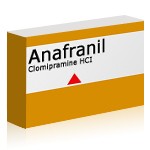
Anafranil is the original brand-name formulation of Clomipramine — a tricyclic antidepressant (TCA) historically distinguished as the most serotonergic of all tricyclics and the first FDA-approved medication specifically indicated for obsessive-compulsive disorder (OCD). Developed by Geigy (now Novartis) and FDA-approved for OCD since 1989, Anafranil remains a clinically important option for severe and treatment-resistant OCD. It is also widely used off-label for premature ejaculation, cataplexy in narcolepsy, panic disorder, and chronic neuropathic pain.
The active ingredient is Clomipramine, a tertiary amine tricyclic antidepressant that works primarily through strong serotonin reuptake inhibition — making it more SSRI-like in mechanism than other TCAs which focus on norepinephrine reuptake. Clomipramine's active metabolite (N-desmethylclomipramine) provides significant norepinephrine reuptake inhibition. Additional effects include H1 histamine antagonism, anticholinergic activity, and α1-adrenergic blockade.
Anafranil is FDA-approved exclusively for obsessive-compulsive disorder (OCD) — both pure obsessions and compulsive behaviors. Off-label uses include treatment-resistant depression, premature ejaculation (where the serotonergic delay of orgasm is therapeutically beneficial), cataplexy in narcolepsy, panic disorder, agoraphobia, trichotillomania, body dysmorphic disorder, and various chronic pain syndromes.
The medication is available as 25 mg, 50 mg, and 75 mg capsules. Standard adult OCD dosing starts at 25 mg daily, titrating slowly to a target of 100-250 mg/day with the maximum being 250 mg/day. For premature ejaculation, lower doses (25-50 mg taken 4-6 hours before intercourse, or daily) are typically effective.
Critical safety considerations include the FDA boxed warning for suicidal ideation in pediatric, adolescent, and young adult patients, significant cardiotoxicity risk including QT prolongation and arrhythmias, substantial anticholinergic side effects, sedation, orthostatic hypotension, weight gain, sexual dysfunction, lowered seizure threshold, and dangerous overdose toxicity. Serotonin syndrome risk is significant if combined with MAOIs (contraindicated) or other serotonergic agents.
Free prescription
Discrete packaging
Have questions?
Quality Assurance
- Severe OCD: For severe OCD with significant functional impairment requiring potent serotonergic therapy;
- Treatment Resistant OCD: For treatment-resistant OCD where multiple SSRIs have been ineffective;
- Pure Obsessions: For pure obsessional OCD without prominent compulsive behaviors;
- Compulsive Behaviors: For compulsive behaviors (washing, checking, ordering, counting) in OCD;
- Pediatric OCD Approved: FDA-approved for pediatric OCD in children over 10 years;
- Premature Ejaculation: Off-label use for premature ejaculation — serotonergic delay of orgasm therapeutically beneficial;
- On Demand Premature Ejaculation: 25-50 mg taken 4-6 hours before intercourse for on-demand therapy;
- Daily Premature Ejaculation: Daily low-dose therapy for premature ejaculation in patients preferring continuous treatment;
- Cataplexy Narcolepsy: Off-label for cataplexy in narcolepsy — effective alternative to sodium oxybate;
- Narcolepsy Cataplexy Adjunct: Adjunct for narcolepsy with prominent cataplexy episodes;
- Panic Disorder Off Label: Off-label use for panic disorder with or without agoraphobia;
- Agoraphobia Adjunct: Off-label for agoraphobia with panic disorder symptoms;
- Trichotillomania: Off-label for trichotillomania (compulsive hair-pulling disorder);
- Body Dysmorphic Disorder: Off-label for body dysmorphic disorder — OCD-spectrum condition;
- Skin Picking Disorder: Off-label for excoriation disorder (skin-picking) — another OCD-spectrum condition;
- Treatment Resistant Depression TCA: Off-label for treatment-resistant depression as alternative to other TCAs;
- Chronic Neuropathic Pain: Off-label for chronic neuropathic pain syndromes (less common than amitriptyline);
- Chronic Pain Adjunct: Off-label adjunct for chronic pain syndromes with comorbid OCD or depression;
- Fibromyalgia Off Label: Off-label use for fibromyalgia in selected patients;
- Sleep Disorders Off Label: Off-label sedating use for selected sleep disorders;
- Long Term OCD Maintenance: Long-term maintenance therapy for chronic OCD requiring sustained treatment.
- Less Compulsions: Reduction in compulsive behavior frequency and intensity (washing, checking, ordering);
- Better OCD Quality of Life: Restoration of normal functioning impaired by severe OCD symptoms;
- Less OCD Time Burden: Reduction in time spent on obsessive thoughts and compulsive rituals;
- Better Ejaculation Control: Off-label delay of ejaculation supports premature ejaculation management;
- Better Sexual Satisfaction: Improved sexual experience for patients with premature ejaculation;
- Less Cataplexy: Off-label reduction in cataplexy episodes in narcolepsy patients;
- Less Panic Attacks: Off-label reduction in panic attack frequency in panic disorder;
- Less Hair Pulling: Off-label reduction in trichotillomania hair-pulling behaviors;
- Less Skin Picking: Off-label reduction in excoriation disorder skin-picking behaviors;
- Better Body Image: Off-label improvement in body dysmorphic disorder body image preoccupations;
- Better Daily Function: Return to school, work, and normal activities with effective OCD control;
- Better Relationships: Reduction in OCD-related relationship strain and family burden;
- Less Anxiety: Anxiolytic effect from serotonergic and sedating properties;
- Better Sleep: Sedating properties support sleep onset in OCD with comorbid insomnia;
- Brand Anafranil: Original Geigy/Novartis brand of Clomipramine with established global clinical reputation since 1989;
- Generic Clomipramine: Affordable generic versions expand global access to OCD therapy;
- Tertiary Amine TCA: Foundational tertiary amine tricyclic antidepressant class;
- Most Serotonergic TCA: Most serotonergic tricyclic antidepressant — supports OCD efficacy unique to this class;
- Strong Serotonin Reuptake Inhibition: Strong serotonin reuptake inhibition — more SSRI-like than other TCAs;
- Desmethylclomipramine Active Metabolite: Active metabolite provides additional norepinephrine reuptake inhibition;
- First FDA OCD Medication: First medication ever FDA-approved specifically for OCD — historical clinical importance;
- OCD First Line Severe: First-line option for severe OCD particularly with SSRI treatment failure;
- Treatment Resistant OCD Therapy: Important option for treatment-resistant OCD where SSRIs have failed;
- Premature Ejaculation Therapy: Effective off-label therapy for premature ejaculation;
- Cataplexy Therapy: Effective off-label therapy for cataplexy in narcolepsy;
- Pediatric OCD Approved Over 10: FDA-approved for pediatric OCD in children over 10 years;
- Sedating Antidepressant: Sedating properties support nighttime dosing for sleep benefit;
- WHO Essential Medicine: Listed on the WHO Model List of Essential Medicines for OCD therapy;
- 35 Plus Year Antidepressant History: Extensive real-world safety and efficacy data since 1989 across millions of patient courses;
- Suicidal Ideation Boxed Warning: FDA boxed warning for suicidal ideation in pediatric, adolescent, and young adult patients;
- Cardiotoxicity TCA Risk: QT prolongation, conduction abnormalities, arrhythmias — class effect of TCAs requiring caution in cardiac disease;
- Anticholinergic Side Effects: Significant anticholinergic burden (constipation, dry mouth, urinary retention, blurred vision);
- Orthostatic Hypotension: α1-adrenergic blockade causes orthostatic hypotension — particularly concerning in elderly;
- Sexual Dysfunction: Significant sexual side effects including delayed/absent orgasm — benefit for premature ejaculation, problem for sexual function;
- Weight Gain: Significant weight gain over long-term therapy due to H1 antagonism and metabolic effects;
- Lowered Seizure Threshold: TCA class effect — caution in epilepsy and high-risk patients;
- Overdose Toxicity Dangerous: Narrow therapeutic index — dangerous in overdose with cardiac toxicity and seizures;
- MAOI Contraindicated: Contraindicated with MAOIs — risk of fatal serotonin syndrome;
- SSRI Combination Caution: Caution with SSRIs and other serotonergic agents — serotonin syndrome risk;
- Stable Storage: Capsules stable at room temperature — convenient for long-term therapy.
Generic Anafranil (Clomipramine HCI 10 mg) Medication guide:
📖 What is Anafranil - the Novartis TCA brand
Anafranil is the original brand-name formulation of clomipramine, a tricyclic antidepressant developed by Geigy (now Novartis) and approved for use in Europe in the 1970s. It received US FDA approval in 1989 as the first medication specifically indicated for obsessive-compulsive disorder. Its distinctive position as the most serotonergic tricyclic antidepressant underlies its unique clinical profile spanning OCD, depression, panic disorder, premature ejaculation, and cataplexy.
📊 Anafranil at a glance
- Drug class
- Tricyclic antidepressant (TCA); chlorinated derivative of imipramine; most serotonergic of the TCA class
- Active ingredient
- Clomipramine hydrochloride
- Originator manufacturer
- Geigy Pharmaceuticals (synthesised 1964); Ciba-Geigy merger 1970; Novartis 1996
- FDA approval
- 1989 for obsessive-compulsive disorder (OCD) — the first medication specifically approved for this indication
- Formulations
- Capsules 10, 25, 50, 75 mg (strengths vary by country)
- Typical adult dose
- OCD: 100-250 mg/day divided BID; Depression: 75-250 mg/day divided; Panic disorder: 25-150 mg/day; Premature ejaculation: 25-50 mg/day off-label
- Time to peak effect
- Depression: 2-4 weeks; OCD: 8-12 weeks (longer than depression); Premature ejaculation: hours to days
✅ Multiple established clinical roles
- Obsessive-compulsive disorder (OCD) — FDA-approved 1989; historically most effective single medication for OCD; APA recommended first-line or second-line depending on patient factors
- Major depressive disorder — effective TCA historically; largely displaced by SSRIs but remains useful for treatment-resistant depression
- Panic disorder — effective off-label; alternative to SSRIs and benzodiazepines
- Premature ejaculation — off-label but well-established; low-dose regimens
- Cataplexy in narcolepsy — off-label; suppresses cataplectic attacks
- Chronic pain syndromes — neuropathic pain, chronic headache prophylaxis
- Body dysmorphic disorder — off-label; part of OCD spectrum
- Trichotillomania — off-label; behavioural addictive disorders
🔑 The serotonergic TCA distinction
While all tricyclic antidepressants have some effect on serotonin reuptake, clomipramine is unique in the TCA class for its strong serotonin transporter inhibition, comparable to modern SSRIs. This distinctive serotonergic profile underlies clomipramine's efficacy in OCD (a condition uniquely responsive to serotonergic agents) and its stronger sexual side effects including delayed ejaculation. Its active metabolite desmethylclomipramine adds noradrenergic activity, creating a dual-mechanism profile combining SSRI-like OCD efficacy with TCA anticholinergic and sedating effects.
⚠️ The TCA adverse effect trade-off
Anafranil's efficacy comes with the classic TCA adverse effect burden: anticholinergic effects (dry mouth, constipation, urinary retention, blurred vision, cognitive slowing), orthostatic hypotension and cardiac conduction effects (QTc prolongation, arrhythmia risk), weight gain, sedation, seizure risk at higher doses, and lethality in overdose. This adverse effect profile has largely driven the shift toward SSRIs as first-line therapy for OCD and depression. However, clomipramine retains a role for patients who have failed SSRIs or where its distinctive efficacy is needed.
🕰️ History - Geigy 1970s and 1989 FDA approval
Clomipramine's development began in the 1960s at Geigy Pharmaceuticals in Basel, Switzerland, as chemists explored chlorinated derivatives of imipramine (the first tricyclic antidepressant, also from Geigy). Its serendipitous discovery of exceptional efficacy for obsessive-compulsive disorder transformed a previously untreatable condition into a manageable one, leading to the 1989 FDA approval as the first anti-OCD medication.
| Year | Development milestone |
|---|---|
| 1964 | Clomipramine synthesised at Geigy Pharmaceuticals as chlorinated derivative of imipramine (the first TCA developed by Geigy) |
| Late 1960s | Initial development for depression as more potent TCA |
| 1970 | Geigy launches Anafranil in Europe for depression; Ciba-Geigy merger forms |
| 1970s | Growing clinical recognition of clomipramine's unique efficacy for obsessive-compulsive symptoms distinct from other TCAs |
| 1976 | Guilleminault publishes first evidence of clomipramine efficacy for cataplexy in narcolepsy |
| 1980s | Systematic OCD trials confirm clomipramine efficacy; Judith Rapoport at NIMH publishes pediatric OCD research |
| 1989 | FDA approval of Anafranil for OCD in adults and children age 10+ — first medication specifically approved for OCD |
| 1989 | Rapoport publishes "The Boy Who Couldn't Stop Washing" — landmark public awareness of OCD and clomipramine treatment |
| 1989 | Goodman publishes Y-BOCS (Yale-Brown Obsessive Compulsive Scale) — standard OCD severity assessment |
| 1991 | Clomipramine Collaborative Study Group Arch Gen Psychiatry landmark trial of 520 patients confirms adult OCD efficacy |
| 1992 | DeVeaugh-Geiss pediatric OCD trial J Am Acad Child Adolesc Psychiatry establishes pediatric efficacy |
| 1990s | SSRIs (fluoxetine, sertraline, paroxetine, fluvoxamine) approved for OCD; largely displace clomipramine for first-line use due to better tolerability |
| 1995 | Greist meta-analysis Arch Gen Psychiatry shows clomipramine superior efficacy vs SSRIs for OCD despite tolerability disadvantage |
| 1996 | Ciba-Geigy merges with Sandoz to form Novartis |
| 1998 | Waldinger publishes clomipramine efficacy for premature ejaculation vs SSRIs |
| 2000s | Generic clomipramine widely available; costs collapse; continued specialist use for refractory OCD |
| 2010s | Deep brain stimulation and other advanced treatments emerge for treatment-resistant OCD; clomipramine remains valuable pharmacological option |
| 2020s | Continued global use particularly for SSRI-refractory OCD, premature ejaculation, cataplexy; recognised as classic gold-standard TCA |
🔬 The OCD revolution
Before clomipramine, OCD was considered essentially untreatable pharmacologically. Traditional TCAs and MAOIs showed little OCD-specific efficacy. Clomipramine's distinctive serotonergic activity produced substantial improvement in OCD symptoms — a discovery that transformed the condition from untreatable to manageable and led to broader understanding of serotonergic dysfunction in OCD. This mechanism-condition insight later informed the development of SSRIs for OCD (fluoxetine, sertraline, paroxetine, fluvoxamine all subsequently approved for this indication). Clomipramine remains historically important as the drug that established OCD as a treatable neuropsychiatric condition.
🔬 The Rapoport contribution
Judith Rapoport at NIMH conducted pioneering studies establishing clomipramine efficacy for childhood-onset OCD. Her landmark 1989 book "The Boy Who Couldn't Stop Washing" made OCD widely understood by clinicians, patients, and the public for the first time. Her work established that OCD is a common condition (approximately 2 percent lifetime prevalence), often begins in childhood, has neurobiological basis, and responds to serotonergic pharmacotherapy. The DeVeaugh-Geiss 1992 pivotal pediatric OCD trial extended FDA-approved use to children age 10 and older.
💡 The SSRI displacement
The 1990s introduction of SSRIs for OCD dramatically changed OCD treatment. Fluvoxamine (1994), sertraline (1997), paroxetine (1996), and fluoxetine (1994) all received FDA approval for OCD, with better tolerability than clomipramine. Modern guidelines position SSRIs as first-line for OCD, with clomipramine typically reserved for SSRI-refractory patients. Despite this, meta-analyses (Greist 1995) suggest clomipramine has slightly greater efficacy than SSRIs, making it valuable for severe or treatment-resistant OCD. This creates the modern paradox: clomipramine is more effective but harder to tolerate, positioning it as second-line despite its superior efficacy.
⚖️ Chemistry - chlorinated imipramine structure comparison
Clomipramine is a chlorinated derivative of imipramine — the world's first tricyclic antidepressant. Adding a chlorine atom to the imipramine dibenzazepine ring dramatically enhances serotonin transporter selectivity, transforming a mixed-mechanism TCA into the most serotonergic TCA available.
⚖️ Chemical properties
- IUPAC name
- 3-(3-chloro-10,11-dihydro-5H-dibenzo[b,f]azepin-5-yl)-N,N-dimethylpropan-1-amine hydrochloride
- Molecular formula
- C19H23ClN2 (free base); C19H23ClN2 HCl (hydrochloride salt)
- Molecular weight
- 314.85 g/mol (free base); 351.31 g/mol (hydrochloride)
- Structure
- Tricyclic dibenzazepine core (three fused rings including central 7-membered nitrogen ring) with dimethylaminopropyl side chain; single chlorine atom on position 3 of dibenzazepine ring
- Solubility
- Freely soluble in water as hydrochloride; lipophilic free base; good CNS penetration
- Physical form
- White to off-white crystalline powder; almost odourless; stable at room temperature
| Feature | Imipramine (parent TCA) | Clomipramine (chlorinated analog) |
|---|---|---|
| Ring structure | Dibenzazepine tricyclic | Dibenzazepine tricyclic (identical) |
| Position 3 substituent | Hydrogen (unsubstituted) | Chlorine atom (single Cl) |
| Serotonin transporter affinity | Moderate | Very high (SSRI-comparable) |
| Norepinephrine transporter affinity | Moderate | Weak (parent drug); moderate (metabolite) |
| OCD efficacy | Weak | High (FDA-approved) |
| Depression efficacy | High | High |
| Serotonergic side effects | Moderate | Prominent (delayed ejaculation, GI effects) |
| FDA approval | 1959 (depression) | 1989 (OCD) |
🧪 The TCA family - clomipramine's place
- Imipramine (Tofranil) — the parent TCA; the world's first antidepressant (1959)
- Clomipramine (Anafranil) — chlorinated derivative; most serotonergic TCA; OCD-approved
- Desipramine (Norpramin) — demethylated imipramine; noradrenergic-selective TCA
- Amitriptyline (Elavil) — different tricyclic backbone; balanced serotonin/norepinephrine; sedating
- Nortriptyline (Pamelor) — demethylated amitriptyline; noradrenergic-selective; less sedating
- Doxepin (Sinequan) — tricyclic with strong H1 antagonism; sedating; sleep aid at low dose
- Trimipramine (Surmontil) — sedating TCA; less commonly used
- Protriptyline (Vivactil) — activating TCA; less sedating
💡 Why one chlorine matters
The addition of a single chlorine atom to imipramine dramatically transforms the pharmacological profile: 10-fold enhancement of serotonin transporter affinity, decreased noradrenergic activity, prominent OCD efficacy. This example illustrates how minor structural modifications can produce major pharmacological differences. The chlorine substitution creates the most serotonergic member of the TCA class — a molecule that behaves functionally more like a hybrid between traditional TCA and modern SSRI. Its active metabolite desmethylclomipramine restores some noradrenergic activity, creating the distinctive dual-mechanism profile that underlies clomipramine's broad clinical utility.
🧬 Mechanism - serotonin dominant TCA action
Clomipramine has a distinctive dual-mechanism pharmacology: the parent drug is potent and selective for serotonin transporter inhibition (SSRI-like), while its active metabolite desmethylclomipramine adds norepinephrine transporter inhibition. This combination produces broader efficacy than pure SSRIs while retaining classic TCA anticholinergic, antihistaminergic, and alpha-adrenergic effects.
🧬 Primary mechanisms - dual serotonin plus norepinephrine
- Serotonin transporter (SERT) inhibition
- Clomipramine parent drug: potent and selective SERT inhibition comparable to SSRIs; ~200-fold selectivity for SERT over NET; underlies OCD and depression efficacy
- Norepinephrine transporter (NET) inhibition
- Desmethylclomipramine (active metabolite): potent NET inhibition; adds noradrenergic activity to overall clomipramine pharmacology; produces mixed SNRI-like effects at steady state
- Anticholinergic (muscarinic) antagonism
- Blockade of M1-M5 muscarinic acetylcholine receptors; produces dry mouth, constipation, urinary retention, blurred vision, cognitive slowing, tachycardia
- Antihistaminergic (H1) antagonism
- H1 receptor blockade; produces sedation, weight gain, increased appetite
- Alpha-1 adrenergic antagonism
- Alpha-1 receptor blockade; produces orthostatic hypotension, dizziness on standing, reflex tachycardia
- Sodium channel effects (at higher doses)
- TCA class effect; underlies cardiac conduction effects (QRS widening, QTc prolongation) and lethal cardiotoxicity in overdose
🧠 Mechanism-effect relationships
- OCD efficacy: Primary from serotonin transporter inhibition; slow onset (8-12 weeks) reflects downstream neuroplastic changes
- Depression efficacy: Combined SERT and NET inhibition; classic TCA antidepressant mechanism
- Panic disorder efficacy: SERT inhibition producing gradual anxiolytic effects over weeks
- Premature ejaculation efficacy: Direct SERT inhibition delays ejaculation; effect within hours to days at lower doses
- Cataplexy suppression: NET inhibition suppresses REM-sleep-like intrusions of muscle atonia
- Anticholinergic side effects: From muscarinic antagonism
- Sedation and weight gain: From H1 antagonism and serotonergic effects
- Orthostatic hypotension: From alpha-1 antagonism
- Cardiac toxicity in overdose: From sodium channel blockade and combined effects
| Receptor/transporter | Clomipramine affinity | Clinical relevance |
|---|---|---|
| Serotonin transporter (SERT) | Very high (parent drug) | OCD, depression, panic, PE efficacy |
| Norepinephrine transporter (NET) | High (via desmethyl metabolite) | Depression, cataplexy, pain |
| Muscarinic (M1-5) | High | Anticholinergic side effects |
| Histamine H1 | High | Sedation, weight gain |
| Alpha-1 adrenergic | Moderate-high | Orthostatic hypotension |
| Sodium channels | Moderate (dose-dependent) | Cardiac toxicity in overdose |
💡 Why mechanism matters for OCD
The specific requirement for potent serotonin transporter inhibition explains why: (1) all effective OCD medications are serotonergic (clomipramine, SSRIs); (2) non-serotonergic TCAs like desipramine or nortriptyline lack OCD efficacy despite similar structure; (3) other neurotransmitter interventions (dopamine, GABA) have limited direct OCD efficacy. The mechanism has informed the discovery of SSRIs for OCD and continues to guide research into next-generation OCD treatments including atypical serotonergic agents.
🔬 Pharmacokinetics - active desmethyl metabolite profile
Clomipramine has complex pharmacokinetics with a highly active metabolite desmethylclomipramine that contributes substantially to clinical effects. Extensive hepatic metabolism, wide interindividual variability from CYP2D6 polymorphism, and long half-lives of both parent and metabolite shape therapeutic monitoring and dosing considerations.
📊 Key pharmacokinetic parameters
- Oral bioavailability
- Approximately 50 percent (variable, ranges 36-62 percent) due to substantial first-pass hepatic metabolism
- Time to peak (Tmax)
- Approximately 2-6 hours after oral dose
- Volume of distribution
- Very large (approximately 12-17 L/kg); extensive tissue distribution
- Protein binding
- Approximately 97 percent; high binding to plasma proteins and tissues
- Half-life (parent drug)
- Approximately 32 hours (range 19-37 hours); longer in slow CYP2D6 metabolisers
- Half-life (desmethyl metabolite)
- Approximately 70 hours; substantially longer than parent drug; accumulates over 1-2 weeks
- Metabolism
- Extensive hepatic metabolism via CYP2D6 (major) with contributions from CYP3A4, CYP1A2, CYP2C19; substantial interindividual variability from CYP2D6 polymorphism
- Elimination
- Predominantly hepatic; approximately 60 percent excreted in urine as metabolites; approximately 30 percent in feces; minimal parent drug excreted unchanged
- Steady state
- Approximately 1-2 weeks at fixed dose (for parent + metabolite combined)
🔬 The active desmethyl metabolite
- Formation
- N-demethylation by CYP1A2 and CYP3A4; produces desmethylclomipramine (also called norclomipramine)
- Ratio at steady state
- Metabolite typically 2-3 times parent drug plasma concentration at steady state
- Pharmacological profile
- Potent norepinephrine transporter inhibitor; weaker serotonin transporter inhibitor than parent; contributes noradrenergic activity to overall clomipramine effect
- Clinical implications
- Overall clomipramine pharmacology is dual serotonergic (parent drug) plus noradrenergic (metabolite); explains SNRI-like clinical profile
- TDM considerations
- Both parent and metabolite typically measured for full picture; sum of both often correlates better with efficacy than either alone
| Population | PK change | Dosing implications |
|---|---|---|
| CYP2D6 poor metabolisers | Prolonged half-life; higher plasma levels | Consider lower doses; monitor levels |
| CYP2D6 ultra-rapid metabolisers | Reduced levels; may need higher doses | May require higher doses for efficacy |
| Elderly | Reduced metabolism; higher levels | Lower starting doses; slower titration |
| Hepatic impairment | Reduced metabolism; accumulation | Substantial dose reduction; monitor |
| Concurrent CYP2D6 inhibitors | Increased levels | Reduce dose; monitor for toxicity |
| Concurrent enzyme inducers | Reduced levels | May need higher doses |
| Pregnancy | Increased clearance; reduced levels | May need dose adjustment |
💡 The CYP2D6 pharmacogenetic consideration
CYP2D6 genetic polymorphism substantially affects clomipramine pharmacokinetics with clinically significant implications. Approximately 5-10 percent of European ancestry patients are poor metabolisers (PM) with reduced clomipramine clearance and higher plasma levels — requiring lower doses. About 1-2 percent are ultra-rapid metabolisers (UM) with substantially increased clearance, potentially requiring higher doses for efficacy. Pre-treatment CYP2D6 genotyping is not standard for clomipramine (as it is for some other TCAs) but can be considered in specific scenarios: unexplained toxicity at low doses, unexpected lack of response at standard doses, previous adverse effects with other TCAs, refractory conditions.
📋 FDA-approved indications and OCD focus
Anafranil's primary US FDA-approved indication is obsessive-compulsive disorder (OCD). This narrow official labeling contrasts with clomipramine's broad international approvals for depression, panic disorder, and other conditions. Numerous evidence-based off-label uses complement the formal US indication.
| Year | FDA indication | Population |
|---|---|---|
| 1989 | Obsessive-compulsive disorder (OCD) — adults | Adults 18+ |
| 1992 | Pediatric OCD extension | Children age 10 and older |
📑 US FDA-approved indication summary
- Obsessive-compulsive disorder (OCD)
- Only FDA-approved indication in the US; approved 1989 based on Clomipramine Collaborative Study Arch Gen Psychiatry 1991; pediatric extension 1992 based on DeVeaugh-Geiss trial
🌐 International indication landscape (broader than US)
- Depression — approved in Europe, UK, Canada, Australia, and many other countries; original 1970s indication
- Panic disorder — approved in many European countries
- Phobic disorders — approved in some jurisdictions
- Chronic pain syndromes — approved in some countries for specific pain indications
- Enuresis (bed-wetting) — approved in some jurisdictions for children
- Cataplexy in narcolepsy — approved in some countries
✅ Evidence-based off-label uses (US)
- Major depressive disorder — established TCA efficacy despite lack of formal US labeling; strong evidence base
- Panic disorder — effective off-label; alternative to SSRIs and benzodiazepines
- Premature ejaculation — low-dose off-label use; established efficacy
- Cataplexy in narcolepsy — suppresses cataplectic attacks; specialist use
- Chronic pain syndromes — neuropathic pain, chronic headache
- Body dysmorphic disorder — OCD spectrum; evidence base
- Trichotillomania — behavioural OCD spectrum condition
- Postpartum depression — alternative to SSRIs
- PTSD (adjunctive) — specialist use
💡 Why the narrow US label
Anafranil received FDA approval only for OCD in 1989 because that was the specific indication targeted in the US NDA submission by Ciba-Geigy. In Europe where clomipramine had been used for decades before US approval, broader depression and anxiety indications had been established through initial market authorisations. The narrower US labeling does not reflect narrower evidence base but rather the specific US regulatory pathway followed. In practice, US clinicians use clomipramine off-label for depression, panic disorder, and other conditions with substantial evidence support, though SSRIs have largely replaced it as first-line for these off-label indications.
🧠 OCD - the primary FDA indication
Obsessive-compulsive disorder is the primary FDA-approved indication for Anafranil and the condition where clomipramine has demonstrated its most distinctive clinical value. Historically, OCD was essentially untreatable pharmacologically before clomipramine. Modern guidelines position clomipramine as a first-line or second-line OCD therapy depending on patient factors and prior SSRI response.
🧠 OCD - the condition
- Definition
- Chronic condition characterised by intrusive unwanted thoughts (obsessions) and repetitive ritualistic behaviours (compulsions) that consume significant time and cause distress or impairment
- Lifetime prevalence
- Approximately 2-3 percent of adults globally; often begins in childhood or adolescence; equally common in men and women
- Common obsession themes
- Contamination fears; symmetry and order; harm to self or others; forbidden thoughts (religious, sexual, aggressive); hoarding
- Common compulsions
- Washing; checking; counting; arranging; mental rituals; hoarding; reassurance seeking
- Impact
- Substantial: time consumed by rituals (often hours daily); functional impairment; depression comorbidity common; family disruption; social isolation; economic impact
- Prognosis
- Chronic without treatment; approximately 50-70 percent respond meaningfully to pharmacotherapy plus CBT; often improves substantially with combination treatment
📈 OCD pivotal trials and evidence
- Clomipramine Collaborative Study Arch Gen Psychiatry 1991 — 520 patients with severe chronic OCD; clomipramine (mean 235 mg/day) produced approximately 42 percent Y-BOCS reduction vs 5 percent placebo; landmark trial leading to FDA approval
- DeVeaugh-Geiss J Am Acad Child Adolesc Psychiatry 1992 — 60 children/adolescents with OCD; clomipramine significantly superior to placebo; led to pediatric extension
- Greist meta-analysis Arch Gen Psychiatry 1995 — 12 studies compared clomipramine and SSRIs; clomipramine showed slightly superior efficacy but poorer tolerability
- Multiple long-term studies — sustained efficacy over years of therapy; recurrence common on discontinuation
- Combination with cognitive behavioural therapy (CBT/ERP) — superior to either alone for many patients
| OCD efficacy metric | Clomipramine typical result |
|---|---|
| Y-BOCS reduction from baseline | Approximately 40-45 percent |
| Meaningful response rate (over 25% reduction) | Approximately 50-60 percent |
| Time to noticeable effect | 4-6 weeks (starting to see improvement) |
| Time to peak effect | 8-12 weeks (compared to 4-8 for depression) |
| Effective dose range | 100-250 mg/day; average 200-250 mg/day |
| Complete remission rate | Uncommon (below 20 percent); substantial improvement more typical |
| Relapse rate on discontinuation | Approximately 90 percent within 6-12 months |
✅ OCD treatment approach
- First-line (moderate-severe OCD): SSRI (fluoxetine, sertraline, paroxetine, fluvoxamine, escitalopram) at higher doses than depression; typically 4-8 weeks trial
- First-line alternative: Clomipramine when SSRI intolerance history, prior positive response, or severe symptoms warrant most effective option
- Concurrent CBT/ERP: Exposure and Response Prevention therapy; combination often superior to medication alone
- Second-line: Different SSRI or switch between SSRI and clomipramine
- Third-line: Augmentation with atypical antipsychotic (risperidone, aripiprazole, olanzapine)
- Refractory (severe): IV clomipramine loading (studies show acceleration of response); deep brain stimulation; neurosurgical options
- Long-term: Continued therapy for years; high relapse rate on discontinuation
💡 The Y-BOCS scale
The Yale-Brown Obsessive Compulsive Scale (Y-BOCS), developed by Wayne Goodman and colleagues at Yale in 1989, is the standard assessment instrument for OCD severity globally. Scores range 0-40 based on time consumed, distress, resistance, and interference for both obsessions and compulsions. Categories: 0-7 subclinical; 8-15 mild; 16-23 moderate; 24-31 severe; 32-40 extreme. Response criteria typically defined as 25 percent reduction (partial response) or 35 percent reduction (good response). Y-BOCS is used across virtually all OCD clinical trials and clinical practice.
💔 Depression - historical primary TCA use
Depression was clomipramine's original 1970s indication in Europe and remains a valid clinical use, though largely displaced by SSRIs and SNRIs in modern first-line prescribing. Clomipramine retains a role for treatment-resistant depression, patients who have failed newer antidepressants, and specific clinical scenarios.
💔 Depression - clomipramine role
- Historical position
- First TCA indication (Europe 1970s); one of the more potent TCA antidepressants; effective across depression severity
- Efficacy in depression
- Comparable to other TCAs (amitriptyline, imipramine, nortriptyline); typically 50-60 percent response rate; classic TCA time course of 2-4 weeks to effect
- SSRIs displacement
- Since 1990s, SSRIs have largely replaced TCAs including clomipramine for first-line depression due to better tolerability and safety in overdose; not because of efficacy differences
- Modern positioning
- Second or third-line for depression; considered when SSRIs/SNRIs have failed; treatment-resistant depression; comorbid OCD + depression scenarios
- US labeling gap
- Not FDA-approved for depression in US (only OCD); off-label but evidence-supported use
| Depression treatment landscape | Position |
|---|---|
| SSRIs (fluoxetine, sertraline, escitalopram, etc) | First-line; good tolerability |
| SNRIs (venlafaxine, duloxetine) | First-line; broader mechanism |
| Atypical (mirtazapine, bupropion) | First or second-line |
| Serotonin modulators (vortioxetine, vilazodone) | Second-line |
| TCAs including clomipramine | Third-line; treatment-resistant depression |
| MAOIs | Third-line; treatment-resistant |
| Esketamine (Spravato) | Treatment-resistant; specialist use |
| ECT | Severe, refractory, catatonic |
💡 When clomipramine is still reasonable for depression
Modern scenarios favouring clomipramine for depression: (1) comorbid OCD + depression (dual efficacy at single medication); (2) treatment-resistant depression after multiple SSRI/SNRI failures; (3) previous good response to clomipramine or other TCAs; (4) severe melancholic depression where TCA efficacy documented; (5) low-income settings where clomipramine is cost-effective; (6) prominent chronic pain comorbid with depression. In these scenarios, clomipramine's established efficacy justifies its adverse effect profile. For most other depression cases, SSRIs or SNRIs are preferred first-line.
😰 Panic disorder and anxiety off-label
Panic disorder is an established off-label use of clomipramine. Its potent serotonergic activity is effective for panic prevention, though slower onset compared to benzodiazepines and less tolerable than SSRIs limit its first-line use. Clomipramine retains a role for treatment-resistant panic disorder and specific clinical scenarios.
😰 Panic disorder - the condition
- Definition
- Recurrent unexpected panic attacks (intense fear/discomfort with physical symptoms peaking within minutes) plus persistent concern about additional attacks or maladaptive behavioural changes
- Prevalence
- Lifetime prevalence approximately 2-3 percent; more common in women; typically onset late adolescence to early adulthood
- Clinical features
- Panic attacks: chest pain, palpitations, dyspnea, sweating, trembling, derealisation, fear of dying or losing control; agoraphobia common; anticipatory anxiety
- Impact
- Substantial: emergency department visits (often misdiagnosed as cardiac); functional impairment; agoraphobia limiting activities; depression comorbidity common
- Treatment approach
- SSRIs first-line; CBT effective; clomipramine or benzodiazepines as alternatives
🔬 Clomipramine efficacy in panic
- Multiple randomised trials establish efficacy in panic disorder
- Approximately 60-70 percent response rate at doses of 75-150 mg/day
- Slower onset than benzodiazepines (weeks vs hours); similar to SSRIs (4-6 weeks)
- Reduces both panic attack frequency and severity
- Effective for concurrent agoraphobia
- Lower doses may be effective than for depression (75-150 mg/day rather than 200-250 mg/day)
- Not FDA-approved for panic in US (off-label) but approved in some European countries
| Panic disorder treatment | Position |
|---|---|
| SSRIs (sertraline, paroxetine, escitalopram) | First-line pharmacotherapy |
| SNRIs (venlafaxine) | First-line alternative |
| Cognitive behavioural therapy (CBT) | First-line; can combine with pharmacotherapy |
| Benzodiazepines (short-term) | Adjunctive; caution regarding dependence |
| Clomipramine and other TCAs | Second or third-line; treatment-resistant |
| MAOIs | Third-line; specialist use |
💡 The stimulation trap
A distinctive clinical caution for panic disorder: TCAs and SSRIs can initially worsen anxiety before improving it. Patients starting clomipramine (or SSRIs) for panic disorder often experience increased anxiety, restlessness, and even panic attack exacerbation in the first 1-2 weeks. This is called "activation" or "jitteriness" syndrome. Preventive strategies: (1) start very low doses (10-25 mg for clomipramine); (2) titrate slowly; (3) short-term benzodiazepine bridging can help; (4) educate patient about expected initial worsening followed by improvement; (5) do not discontinue too early — efficacy emerges over 4-8 weeks. Understanding this pattern prevents premature treatment discontinuation.
💊 Premature ejaculation off-label sexual health use
Premature ejaculation (PE) is a well-established off-label use of clomipramine exploiting its potent serotonergic effects to delay ejaculation. Low-dose clomipramine on-demand or daily provides substantial ejaculatory latency improvement, making it one of the most effective pharmacological PE treatments.
💊 Premature ejaculation - the condition
- Definition
- Ejaculation occurring earlier than desired (typically within 1-3 minutes of vaginal penetration in acquired PE, or less than 1 minute in lifelong PE) with associated distress
- Prevalence
- Most common male sexual dysfunction; affects approximately 20-30 percent of men at some point; increases with age
- Types
- Lifelong (primary): from first sexual experience; may have neurobiological basis. Acquired (secondary): develops after normal sexual function; may relate to psychological factors or physical conditions
- Impact
- Substantial: relationship distress; sexual avoidance; psychological consequences including depression and anxiety; quality of life impact
- Treatment approach
- Behavioural techniques (start-stop, squeeze); topical anaesthetics (lidocaine/prilocaine); SSRIs off-label (dapoxetine approved specifically for PE in some countries); clomipramine off-label
🔬 Clomipramine efficacy in PE
- Mechanism: Serotonin transporter inhibition delays ejaculatory reflex; effect can be rapid (within hours to days at higher dose) or sustained (with daily use)
- On-demand dosing: 25 mg 4-6 hours before intercourse; effective for many patients; reduces adverse effect exposure
- Daily dosing: 25-50 mg daily; more consistent effect but continuous adverse effects
- Efficacy: 3-4 fold increase in intravaginal ejaculatory latency time (IELT); typically from 1-2 minutes baseline to 4-8 minutes on therapy
- Response rate: Approximately 70-80 percent achieve clinically meaningful improvement
- Waldinger 1998 J Clin Psychopharmacol — comparative study showing clomipramine and SSRIs (fluoxetine, paroxetine, sertraline) all effective for PE
| Premature ejaculation treatment | Position |
|---|---|
| Behavioural techniques | First-line; often combined with medication |
| Topical anaesthetics (lidocaine/prilocaine) | First-line; on-demand use |
| Dapoxetine (short-acting SSRI) | First-line where approved (not US) |
| SSRIs off-label (paroxetine, sertraline, fluoxetine) | First-line pharmacotherapy in US |
| Clomipramine (Anafranil) on-demand or daily | Second-line pharmacotherapy; effective alternative to SSRIs |
| Tramadol on-demand | Alternative; opioid-related concerns |
| Phosphodiesterase inhibitors (sildenafil, tadalafil) | Adjunctive; for concurrent ED |
💡 Practical PE prescribing
For PE, clomipramine offers effective off-label option: (1) Start 25 mg 4-6 hours before anticipated intercourse for on-demand use; (2) can increase to 50 mg if 25 mg inadequate; (3) or use 25-50 mg daily for continuous effect; (4) combine with behavioural techniques and possibly topical anaesthetics for optimal response; (5) monitor for adverse effects — sedation, dry mouth, delayed orgasm may occur; (6) counsel patient about expected 3-4 fold IELT improvement; (7) sexual side effects (delayed orgasm, decreased libido) may be problematic for some patients. For young otherwise healthy men, clomipramine is often well-tolerated at these low doses.
😴 Cataplexy in narcolepsy off-label treatment
Cataplexy in narcolepsy is an off-label indication for clomipramine documented since 1976. Its potent serotonergic and noradrenergic activity suppresses cataplectic attacks — the sudden loss of muscle tone triggered by strong emotions characteristic of narcolepsy type 1.
😴 Cataplexy in narcolepsy
- Definition
- Sudden brief episodes of muscle atonia or weakness triggered by strong emotions (laughter, anger, surprise); consciousness preserved; characteristic of narcolepsy type 1
- Prevalence
- Narcolepsy affects approximately 25-50 per 100,000 people; cataplexy occurs in narcolepsy type 1 (approximately 50-70 percent of narcolepsy cases)
- Clinical features
- Sudden weakness affecting face, neck, limbs (partial cataplexy) or whole body (complete cataplexy); duration seconds to minutes; consciousness intact; recovery complete
- Pathophysiology
- Loss of orexin/hypocretin-producing neurons in the hypothalamus; leads to REM-sleep-like intrusion of muscle atonia during wakefulness; strong emotional stimuli trigger episodes
- Impact
- Substantial: falls with potential injury; social embarrassment; sometimes disabling; often precludes activities where sudden weakness would be dangerous (driving, operating machinery)
🔬 Clomipramine efficacy in cataplexy
- Mechanism: Norepinephrine and serotonin transporter inhibition; suppresses REM-sleep-like features underlying cataplexy
- Effective dose: Typically 25-75 mg/day; often lower than for depression
- Response: Substantial reduction in cataplectic attack frequency and severity in most patients
- Guilleminault Arch Neurol 1976 — foundational report of clomipramine efficacy in cataplexy
- Long-term use: Sustained efficacy; typically lifelong therapy for narcolepsy patients with cataplexy
- Off-label: Not FDA-approved for cataplexy in US (approved in some European countries) but widely used based on evidence
| Cataplexy treatment option | Position |
|---|---|
| Sodium oxybate (Xyrem) | First-line; FDA-approved for cataplexy |
| Pitolisant (Wakix) | First-line alternative; H3 receptor antagonist |
| SNRIs (venlafaxine) | First-line off-label alternative |
| SSRIs (fluoxetine) | Second-line alternative |
| Clomipramine (Anafranil) | Second or third-line; effective TCA option |
| Other TCAs (imipramine, protriptyline) | Alternative TCA options |
💡 The narcolepsy management context
Cataplexy is one component of narcolepsy that requires specific treatment. Excessive daytime sleepiness is typically treated with wake-promoting agents (modafinil, armodafinil, or stimulants). Cataplexy responds to different medications including sodium oxybate (which also treats sleepiness), pitolisant, or antidepressants like clomipramine. For patients with mild cataplexy who cannot tolerate sodium oxybate or afford newer medications, clomipramine offers an effective off-label alternative at modest cost. Modern narcolepsy specialists often use multi-drug regimens tailored to individual patients' specific symptom profiles.
🌐 Chronic pain and other off-label uses
Beyond established indications, clomipramine has additional evidence-based off-label uses including chronic pain syndromes, OCD spectrum disorders, and other neuropsychiatric conditions. These uses reflect its dual serotonergic-noradrenergic mechanism producing effects across multiple neurotransmitter systems.
🌐 Chronic pain uses
- Neuropathic pain — postherpetic neuralgia, diabetic peripheral neuropathy; alternative to amitriptyline, nortriptyline, duloxetine
- Chronic tension headache prophylaxis — effective preventive; amitriptyline is more commonly used
- Migraine prophylaxis — secondary to topiramate, propranolol, TCAs; occasionally used
- Fibromyalgia — alternative to duloxetine, pregabalin, milnacipran
- Complex regional pain syndrome (CRPS) — component of multimodal approach
- Chronic low back pain — adjunctive when other measures fail
🌐 OCD spectrum and related disorders
- Body dysmorphic disorder (BDD) — OCD-spectrum condition; serotonergic response
- Trichotillomania — hair-pulling disorder; some response to clomipramine
- Skin picking disorder (excoriation) — behavioural disorder; SSRIs often preferred
- Compulsive shopping and other behavioural addictions — limited evidence
- Pathological jealousy — specialist psychiatric use
- Ritualistic behaviours in autism spectrum — specialist use
🔬 Other off-label uses
- Postpartum depression — alternative to SSRIs; monitor breastfeeding
- PTSD — adjunctive; SSRIs generally preferred
- Enuresis (bed-wetting) — nocturnal enuresis in children; imipramine more commonly used
- Bulimia nervosa — SSRIs preferred; occasional adjunctive use
- Chronic itch (pruritus) — particularly neuropathic itch
- Restless legs syndrome — occasional use; gabapentin/gabapentin enacarbil preferred
| Off-label indication | Evidence strength | Clinical use |
|---|---|---|
| Neuropathic pain | Moderate (TCA class evidence) | Second-line to amitriptyline/nortriptyline |
| Body dysmorphic disorder | Moderate | Second-line to SSRIs |
| Chronic tension headache | Limited | Amitriptyline preferred |
| Trichotillomania | Limited | Alternative to SSRIs |
| Fibromyalgia | Limited | Duloxetine/pregabalin preferred |
| Postpartum depression | Limited direct data | SSRIs first-line; breastfeeding considerations |
💡 The niche uses perspective
Clomipramine has largely been displaced by newer agents (SSRIs, SNRIs, gabapentinoids) for most off-label uses due to better tolerability and safety profiles. However, it retains niche value for specific scenarios: patients with previous positive response, treatment-resistant conditions, chronic pain requiring TCA-class benefit, comorbid conditions where clomipramine addresses multiple symptoms simultaneously. In cost-constrained settings, clomipramine as inexpensive generic provides accessible treatment for OCD, depression, and pain conditions. Modern specialty psychiatric practice includes clomipramine among the useful older medications despite its adverse effect burden.
💊 Adult dosing regimen and titration
Anafranil adult dosing varies substantially by indication. OCD requires higher doses (100-250 mg/day) than premature ejaculation (25-50 mg/day). Slow titration is essential to minimise anticholinergic, orthostatic, and cardiac adverse effects while allowing gradual therapeutic effect to emerge over weeks.
| Indication | Starting dose | Target dose | Maximum |
|---|---|---|---|
| OCD (adults) | 25 mg at bedtime | 150-250 mg/day divided BID | 250 mg/day (FDA maximum) |
| Depression (off-label US) | 25 mg at bedtime | 100-200 mg/day divided | 300 mg/day |
| Panic disorder (off-label) | 10-25 mg at bedtime (very low start) | 75-150 mg/day divided | 200 mg/day |
| Premature ejaculation (on-demand) | 25 mg 4-6 hours before intercourse | 25-50 mg on-demand | 50 mg on-demand |
| Premature ejaculation (daily) | 25 mg at bedtime | 25-50 mg daily | 50 mg/day |
| Cataplexy in narcolepsy (off-label) | 25 mg at bedtime | 25-75 mg/day | 100 mg/day typical |
| Chronic pain (off-label) | 10-25 mg at bedtime | 50-100 mg at bedtime | 150 mg/day |
📈 Standard OCD titration schedule
- Week 1
- 25 mg at bedtime with food
- Week 2
- 50 mg at bedtime
- Week 3
- 75 mg at bedtime; can start dividing (25 mg AM + 50 mg PM)
- Week 4
- 100 mg/day divided BID (50 mg BID)
- Weeks 5-8
- Titrate to 150-250 mg/day based on response and tolerability
- Assessment
- Evaluate OCD response with Y-BOCS at 4, 8, and 12 weeks; peak effect at 8-12 weeks
✅ Practical dosing tips
- Take with food to reduce GI upset and slow absorption
- Bedtime-weighted dosing initially shifts sedation to sleep time
- Divided doses at higher totals (over 100 mg) reduce peak-related adverse effects
- Consistent timing aids adherence
- Never abrupt discontinuation after chronic use — taper over weeks to prevent discontinuation syndrome
- Slower titration in elderly, cardiac disease, orthostatic hypotension history
- Warn about expected early adverse effects — dry mouth, sedation, dizziness — often improve over 2-4 weeks
- Emphasise OCD requires 8-12 weeks for peak effect — do not discontinue prematurely
- Baseline ECG in patients over 40 or with cardiac disease
- Monitor blood pressure for orthostatic changes particularly during titration
💡 Dose-response considerations
For OCD, doses of 150-250 mg/day are typically needed; lower doses often show partial response only. For depression, 100-200 mg/day is typical target. Panic disorder often responds at lower doses (75-150 mg/day). Premature ejaculation is effective at very low doses (25-50 mg on-demand or daily). Understanding indication-specific target dose ranges guides efficient titration. Higher doses (over 250 mg/day) substantially increase seizure risk, cardiac effects, and are rarely justified.
🧒 Pediatric dosing for OCD age 10+
Pediatric OCD is an FDA-approved Anafranil indication for children age 10 and older. The DeVeaugh-Geiss pivotal trial (J Am Acad Child Adolesc Psychiatry 1992) established efficacy in this population. However, SSRIs (sertraline, fluvoxamine, fluoxetine) are typically preferred first-line in modern pediatric OCD practice due to better tolerability.
| Age group | Starting dose | Target dose | Maximum |
|---|---|---|---|
| Under 10 years | Not FDA-approved | Specialist supervision if used | Individualised |
| Age 10-17 years (OCD) | 25 mg at bedtime | 3 mg/kg/day or 100 mg (whichever lower) | 200 mg/day or 3 mg/kg/day |
🧒 Pediatric titration principles
- Titration cadence
- Increase by 25 mg every 3-4 days over 2 weeks up to target; slower than adult titration
- Weight-based limits
- Maximum 3 mg/kg/day or 200 mg/day, whichever is lower — enforces conservative dosing
- Formulation choice
- Capsules 25 mg suitable for pediatric dosing; may need to open capsules for smaller starting doses in younger children (compounding pharmacy consultation)
- Cognitive and behavioural monitoring
- Regular assessment of school performance, mood, activation, sedation; TCAs can affect learning and behaviour
- Baseline ECG
- Recommended before starting; check for QTc prolongation or conduction abnormalities; repeat if dose changes or symptoms
🔴 Pediatric suicidality warning
TCAs and other antidepressants carry FDA black box warning about increased risk of suicidal thinking and behaviour in children, adolescents, and young adults up to age 24. Pediatric OCD patients on clomipramine require: (1) baseline mental health assessment; (2) close monitoring especially during first weeks and dose changes; (3) family and prescriber awareness of warning signs; (4) frequent follow-up visits initially (weekly first 4 weeks, biweekly next 4 weeks, monthly thereafter); (5) prompt discontinuation and psychiatric evaluation if concerning changes emerge. The suicidality risk (approximately 4 per 100 vs 2 per 100 placebo) must be balanced against benefits of untreated OCD.
💡 Modern pediatric OCD positioning
Clomipramine is approved for pediatric OCD but not typically first-line in modern practice. Preferred pediatric OCD medications: (1) sertraline (approved age 6+); (2) fluvoxamine (approved age 8+); (3) fluoxetine (approved age 7+ for OCD). These SSRIs have better tolerability profiles than clomipramine in children. Clomipramine remains valuable when: (1) SSRIs have failed or been intolerable; (2) severe OCD warranting most effective medication; (3) previous positive response; (4) specific clinical scenarios favouring TCA-class benefits. When used in children, close attention to cardiac monitoring, cognitive effects, and suicidality is essential. Combination with cognitive behavioural therapy (CBT with exposure and response prevention) remains standard.
🐌 Slow titration for tolerability optimization
Slow titration is essential for Anafranil tolerability. TCA class adverse effects (anticholinergic, orthostatic, sedative) can be intolerable if dose is increased too rapidly. Understanding titration principles is central to successful clomipramine therapy across all indications.
🔴 Why slow titration is critical
- Anticholinergic effects emerge quickly
- Dry mouth, constipation, urinary retention, blurred vision often prominent at initiation; rapid titration produces overwhelming effects
- Orthostatic hypotension
- Alpha-1 blockade produces orthostatic drops especially at rapid titration; fall risk substantial
- Sedation
- H1 antagonism produces sedation; substantial with rapid titration; may improve gradually with continued therapy
- Cardiac effects
- Higher doses reached rapidly increase QTc prolongation, arrhythmia risk; slow titration allows monitoring
- Long half-life
- Steady-state accumulation requires 1-2 weeks per dose step; rapid escalation ignores this and produces overshooting levels
🐌 Standard slow titration protocol
- Start 25 mg at bedtime with food
- Bedtime dosing initially shifts sedation to sleep time
- Take with food to reduce GI upset
- Wait 3-7 days between increases to allow tolerance to develop
- Increment by 25 mg at each step
- Slower in high-risk patients — elderly, cardiac disease, orthostatic hypotension
- Baseline ECG in patients over 40 or with cardiac disease
- Blood pressure monitoring particularly for orthostatic changes during titration
- Family/patient involvement in monitoring during titration
- Educate about early adverse effects: often improve with continued therapy over 2-4 weeks
- Adequate hydration reduces dry mouth and constipation impact
| Titration approach | Rate | Use case |
|---|---|---|
| Very slow (extra careful) | 25 mg per 2 weeks | Elderly, cardiac disease, prior TCA intolerance |
| Slow (standard OCD) | 25 mg per week | OCD; standard adult |
| Moderate | 25 mg per 3-5 days | Depression; younger adults |
| Very slow start (panic) | 10 mg per week initially | Panic disorder (activation risk) |
✅ Managing adverse effects during titration
- Dry mouth: hydration, sugar-free gum, saliva substitutes; usually improves
- Constipation: increased fibre, fluids, exercise; stool softeners if needed
- Orthostatic hypotension: rise slowly from sitting/lying; compression stockings; hydration
- Sedation: bedtime dosing; usually improves over 2-4 weeks
- Urinary retention: monitor especially in men with BPH; can be sight-threatening
- Blurred vision: usually mild; improves with time; caution driving
- Weight gain: monitor; dietary counselling
- Activation/jitteriness (panic patients): temporary benzodiazepine bridge if severe; continue with slower titration
- Do not abandon therapy in first 4 weeks based on early adverse effects unless severe/dangerous
💡 The clinical lesson
Many clomipramine treatment failures result from too-rapid titration causing intolerable adverse effects that lead to discontinuation before therapeutic effects develop. Patients who cannot tolerate 100 mg started rapidly often tolerate the same dose after 6-8 weeks of careful titration from 25 mg. Investing time in slow titration yields patients who can benefit long-term. For OCD specifically, the peak therapeutic effect requires 8-12 weeks — longer than most patients realise — and premature discontinuation for either lack of efficacy or adverse effects is a common preventable clinical error.
🔬 Serum level monitoring and therapeutic range
Therapeutic drug monitoring (TDM) for clomipramine is useful in specific scenarios. Wide CYP2D6-related interindividual variability, active metabolite contribution, and cardiac toxicity concerns make serum monitoring valuable for optimising therapy and preventing toxicity in specific patients.
🔬 Therapeutic ranges
- Parent clomipramine
- Therapeutic range approximately 100-250 ng/mL
- Desmethylclomipramine (active metabolite)
- Therapeutic range approximately 150-500 ng/mL; typically 2-3 times parent concentration at steady state
- Combined (parent + metabolite)
- Toxic threshold
- Combined levels above 1000 ng/mL associated with substantially increased cardiac toxicity risk; substantially above therapeutic range warrants dose reduction
- Timing of sample
- Trough level (12 hours after dose) most informative; consistent timing important for comparisons; steady state after 1-2 weeks at fixed dose
- Interpretation caveats
- Levels are guides not absolute thresholds; some patients respond at lower levels; others tolerate higher levels; clinical response and adverse effects paramount; CYP2D6 genetic variability substantial
| Level pattern | Interpretation |
|---|---|
| Low level, inadequate response | CYP2D6 rapid metabolism, adherence, interacting drug; may need dose increase |
| Therapeutic level, good response | Continue current dose; recheck if changes |
| Therapeutic level, poor response | Consider alternative or augmentation; may benefit from CBT combination |
| High level, toxicity symptoms | Dose reduction; check for CYP2D6 inhibitor drugs |
| High parent, low metabolite ratio | CYP2D6 poor metaboliser or CYP1A2 inhibition; reduce dose |
| Sudden level increase on stable therapy | New enzyme inhibitor, adherence changes |
✅ When to measure levels
- Inadequate response at standard doses (150+ mg/day for OCD)
- Suspected non-adherence
- Suspected toxicity particularly anticholinergic or cardiac
- Drug interaction concerns — before and after adding CYP2D6 inhibitor/inducer
- Elderly patients where PK variability substantial
- Pregnancy where PK changes may affect efficacy
- Pediatric patients where cardiac safety concerns are prominent
- Prior toxicity or intolerance to identify optimal dose
- CYP2D6 genotyping if available in complex cases
- Not routinely required for stable long-term patients doing well
💡 TDM interpretation nuances
Serum levels are guides, not absolute targets. Some OCD patients respond well at 100-150 ng/mL parent drug; others need 200-250 ng/mL. The metabolite contribution matters — low parent with high metabolite ratio suggests rapid metabolism, while high parent with low metabolite ratio suggests slow metabolism. Clinical response and adverse effects should always take precedence over absolute level values. TDM is most useful for: verifying adherence, guiding dose adjustments after interactions, investigating unexpected toxicity or lack of response, pregnancy monitoring where PK changes are substantial, elderly patients where PK varies widely.
🫀 Renal and hepatic dose adjustment
Both renal and hepatic function influence clomipramine pharmacokinetics. Extensive hepatic metabolism means liver disease has substantial effects; renal excretion of metabolites means CKD affects some aspects. Understanding these dose considerations is important in complex patients.
🪶 Hepatic impairment - primary concern
- Metabolism impact
- Extensive hepatic metabolism (CYP2D6, CYP3A4, CYP1A2); hepatic impairment substantially prolongs half-life and increases levels; substantial accumulation risk
- Mild hepatic impairment (Child-Pugh A)
- Modest dose reduction (25-50 percent); monitor closely; serum levels helpful
- Moderate hepatic impairment (Child-Pugh B)
- Substantial dose reduction (50 percent or more); slower titration; alternative preferred
- Severe hepatic impairment (Child-Pugh C)
- Avoid if possible; if used, very substantial dose reduction and specialist supervision
- Serum monitoring critical
- Wide interindividual variability in hepatic disease makes level monitoring particularly valuable
🫀 Renal impairment - secondary concern
- Elimination impact
- Metabolites excreted renally; parent drug minimal renal excretion; overall renal impairment has less impact than hepatic impairment
- CKD 3-4 (CrCl 15-60)
- Modest dose adjustment; monitor for metabolite accumulation; use lower end of dose range
- CKD 5 / dialysis
- Not effectively dialysed due to high protein binding and large volume of distribution; use lower doses; specialist consultation preferred
- Combined renal + hepatic impairment
- Substantial dose reduction and monitoring required; consider alternative therapy
| Clinical scenario | Dose approach |
|---|---|
| Elderly with normal renal/hepatic function | Reduce starting dose 50%; slower titration |
| Elderly with CKD 3 | Reduce initial dose; monitor levels |
| Chronic hepatitis, compensated | Monitor LFTs; standard doses acceptable |
| Cirrhosis Child-Pugh A | Reduce dose 25-50%; slower titration; monitor levels |
| Cirrhosis Child-Pugh B/C | Alternative preferred; if used, substantial dose reduction |
| Combined hepatic + renal impairment | Consider alternative; specialist involvement |
💡 The alternative consideration
For patients with substantial hepatic impairment where clomipramine becomes problematic, SSRIs are often preferred alternatives with less hepatic dependence. Sertraline and citalopram/escitalopram have relatively favourable profiles in liver disease. For OCD specifically, these SSRIs are FDA-approved and provide effective alternative to clomipramine. In renal impairment, gabapentin (predominantly renal excretion) requires dose adjustment but doesnt otherwise complicate SSRI/SNRI use. Clomipramine remains an option in liver disease when specific indications require it, with substantial dose reduction and specialist involvement.
🔗 Drug interactions and CYP2D6 metabolism
Clomipramine has an extensive drug interaction profile mediated primarily through CYP2D6 metabolism and additive pharmacological effects. Understanding these interactions is essential for polypharmacy patients and prevents both efficacy failure and toxicity.
🔴 Major interaction mechanisms
- CYP2D6 inhibition of clomipramine metabolism
- Fluoxetine, paroxetine, bupropion, quinidine, and other CYP2D6 inhibitors substantially increase clomipramine levels; can produce toxicity at low doses
- CYP3A4 inhibition
- Ketoconazole, ritonavir, clarithromycin, and other CYP3A4 inhibitors increase clomipramine levels
- CYP1A2 inhibition
- Fluvoxamine (also SSRI) substantially inhibits CYP1A2; affects metabolite formation ratio
- Serotonin syndrome risk with SSRIs/MAOIs
- Combining clomipramine with SSRIs, SNRIs, MAOIs, tramadol, triptans can produce serotonin syndrome; MAOI combination absolute contraindication
- QTc prolongation
- Additive with other QTc-prolonging drugs; risk factor for torsades de pointes
- Anticholinergic additivity
- Additive with other anticholinergics (older antihistamines, some antipsychotics, urological drugs); can precipitate delirium in elderly
| Concurrent medication | Interaction effect | Management |
|---|---|---|
| MAOIs (isocarboxazid, phenelzine, tranylcypromine) | Serotonin syndrome; potentially fatal | ABSOLUTE contraindication; 14 day washout required both directions |
| SSRIs (fluoxetine, paroxetine, sertraline) | CYP2D6 inhibition + serotonin syndrome risk | Reduce clomipramine dose; monitor for serotonin syndrome; consider switch |
| Fluvoxamine | Strong CYP1A2 inhibition; substantially increases clomipramine and metabolite levels | Avoid combination; substantial dose reduction if used together |
| Bupropion | CYP2D6 inhibition; increases clomipramine levels | Reduce clomipramine dose; monitor |
| Tramadol | Serotonin syndrome; seizure risk | Avoid combination |
| Triptans (sumatriptan etc) | Serotonin syndrome risk | Use with caution; monitor |
| Warfarin | May increase INR (variable) | More frequent INR monitoring |
| Clonidine | Reduces clonidine effect | Alternative if TCA used |
| Adrenergic drugs (epinephrine, phenylephrine) | Potentiated pressor response | Avoid or reduce dose |
| Anticholinergic drugs | Additive effects; delirium in elderly | Minimise anticholinergic burden |
| Alcohol | Additive CNS depression | Counsel abstinence or moderation |
| QTc-prolonging drugs | Additive QTc prolongation | ECG monitoring; avoid multiple if possible |
| Antipsychotics (haloperidol, ziprasidone) | QTc concerns; anticholinergic additivity | ECG monitoring; caution |
🔴 MAOI - absolute contraindication
Combining clomipramine with monoamine oxidase inhibitors (MAOIs including isocarboxazid, phenelzine, tranylcypromine, selegiline in high doses) can produce fatal serotonin syndrome or hypertensive crisis. Required transition protocols: (1) at least 14 days after stopping MAOI before starting clomipramine; (2) at least 14 days after stopping clomipramine before starting MAOI; (3) do NOT combine or overlap. This applies to all TCAs to varying degrees but is particularly critical for clomipramine due to its strong serotonergic activity. Rasagiline (selective MAO-B) has lower interaction risk but still requires washout. Linezolid and methylene blue also have MAOI activity and require similar caution.
💡 The interaction lesson
Clomipramine's extensive interaction profile requires careful medication reconciliation at each visit. In modern polypharmacy patients often taking multiple psychiatric medications, cardiovascular drugs, and pain medications, clomipramine interactions can be substantial. Newer alternatives (SSRIs, SNRIs) generally have cleaner interaction profiles, contributing to their first-line positioning for OCD and depression. When clomipramine is needed, careful review of all concurrent medications for CYP2D6 inhibition, serotonergic activity, QTc effects, and anticholinergic burden is essential.
🤰 Pregnancy Category C considerations and neonatal effects
Clomipramine is FDA Pregnancy Category C with limited human evidence but concerning animal data. Its extensive placental transfer and neonatal effects require careful risk-benefit assessment. For most pregnancies, alternative agents (particularly sertraline, escitalopram, or fluoxetine for OCD) are preferred first-line.
🔴 Pregnancy risk profile
- FDA category
- C — animal reproductive studies showed adverse effects at high doses; limited human data; use only if potential benefit justifies potential risk
- Malformation data
- Limited large-scale prospective data; some registries suggest slight increase in cardiac malformations; overall risk unclear; not clearly teratogenic like valproate
- Neonatal effects
- Withdrawal syndrome common if chronic maternal use through third trimester: jitteriness, tremor, hypertonia, irritability, feeding difficulty, respiratory distress, seizures rarely
- Serotonergic effects on newborn
- Similar to SSRIs; poor neonatal adaptation syndrome (PNAS) with respiratory distress, cyanosis, temperature instability
- Anticholinergic effects on newborn
- Delayed meconium passage; urinary retention; sedation
- Persistent pulmonary hypertension of newborn (PPHN)
- Serotonergic drugs including clomipramine associated with modest increase in this rare but serious condition
📋 Pregnancy management principles
- Preconception planning: consider switch to safer alternative (sertraline, escitalopram) before conception
- OCD in pregnancy: continued OCD treatment often necessary (untreated OCD in pregnancy has substantial impact); risk-benefit favours continuation with monitoring
- Lowest effective dose: minimise fetal exposure while maintaining maternal symptom control
- Monotherapy preferred: avoid polypharmacy to reduce cumulative risks
- Level monitoring: pregnancy PK changes may require dose adjustment
- Fetal ultrasound: anatomy scan 18-22 weeks; consider fetal echocardiography
- Third-trimester considerations: some clinicians reduce dose gradually before delivery to minimise neonatal withdrawal; balance against maternal recurrence risk
- Delivery planning: coordinate with neonatology for withdrawal monitoring
- Postpartum: high recurrence risk for OCD; continue therapy; adjust dose as needed
🔴 Neonatal withdrawal warning
Third-trimester clomipramine exposure produces neonatal withdrawal in 20-30 percent of exposed newborns:
- Jitteriness, tremor, irritability
- Hypertonia or hypotonia
- Feeding difficulty
- Sleep disturbance
- Respiratory distress
- Temperature instability
- Seizures rarely
- Onset within hours to days after birth
- Duration typically 1-2 weeks
- Requires supportive neonatal care
- Coordinate delivery with neonatology aware of exposure
💡 The OCD in pregnancy dilemma
OCD in pregnancy poses a specific challenge because untreated OCD often worsens during pregnancy and postpartum, with substantial impact on maternal and child outcomes (impaired mother-infant bonding, difficulty completing normal caregiving, worsening depression). Discontinuing effective OCD medication carries substantial recurrence risk. Modern approach favours continuing effective treatment through pregnancy with appropriate monitoring, choosing safer alternatives (sertraline preferred, escitalopram) over clomipramine when possible. For patients specifically responding to clomipramine who cannot tolerate SSRIs, continued treatment with careful monitoring is often the appropriate choice with informed consent.
🍼 Breastfeeding safety and infant monitoring
Clomipramine use during breastfeeding requires careful individual assessment. It transfers into breast milk in variable amounts, and infant serum levels can reach 10-20 percent of maternal levels. Adverse effects in breastfed infants are uncommon but require monitoring.
🍼 Breast milk transfer
- Milk-to-plasma ratio
- Approximately 0.8-1.5; substantial variability across studies
- Relative infant dose (RID)
- Approximately 2-8 percent of maternal weight-adjusted dose; typically below concerning threshold of 10 percent
- Infant serum levels
- Approximately 10-20 percent of maternal serum levels; typically below therapeutic range but detectable
- Clinical effects in breastfed infants
- Rare; occasional sedation, feeding difficulty, jitteriness reported; usually mild if present
- Newborn considerations
- Slower clearance in first weeks; more monitoring initially if exposed
✅ Practical breastfeeding management
- Breastfeeding is generally acceptable with clomipramine monitoring
- Individual counselling discussing benefits and modest risks
- Sertraline preferred alternative if switching to SSRIs feasible — less transfer, more data
- Monitor infant for sedation, poor feeding, unusual irritability, hypertonia
- Newborns (first month): slower clearance; watch particularly closely
- Preterm infants: more vulnerable; extra vigilance
- Higher-dose mothers (over 200 mg/day): consider infant serum monitoring if concerns
- Combined psychiatric therapy: assess additive infant exposure risk
- Alternative in high-risk situations: pumping and formula can be considered if infant symptomatic
⚠️ When to be more cautious
- Preterm or ill neonate with immature metabolism
- High maternal doses (over 250 mg/day)
- Combined psychiatric therapy
- Infant showing sedation, poor feeding, hypertonia
- Combined maternal opioid or benzodiazepine use
- Family history of adverse reactions to psychiatric medications
💡 The postpartum challenge
Postpartum period brings substantial risk of OCD recurrence, sleep deprivation, hormonal changes, and increased responsibility. Breastfeeding decisions must balance: maternal mental health treatment adherence; infant exposure through milk; feasibility of alternative feeding; family support. For patients with severe OCD or history of postpartum psychiatric decompensation, continuing clomipramine through breastfeeding is often the appropriate choice with careful infant monitoring. Sertraline is often the preferred alternative when switching is feasible. Coordinated care between obstetrics, psychiatry, and pediatrics is standard.
⚙️ Common adverse effects and tolerability
Anafranil has the classic TCA adverse effect profile characteristic of its multi-receptor mechanism: prominent anticholinergic effects, orthostatic hypotension, sedation, weight gain, sexual dysfunction, and cardiac effects. This substantial adverse effect burden is the primary reason SSRIs have largely displaced TCAs for depression and OCD despite comparable efficacy.
| Adverse effect | Frequency | Onset | Course |
|---|---|---|---|
| Dry mouth | Very common (60-80%) | First doses | Persists; often bothersome |
| Constipation | Very common (35-45%) | Weeks | Chronic; requires management |
| Sedation and drowsiness | Very common (30-50%) | First doses | Often improves 2-4 weeks |
| Orthostatic hypotension | Common (25-40%) | First doses | Improves with tolerance; fall risk in elderly |
| Dizziness | Common (25-30%) | Days-weeks | Improves with tolerance |
| Sweating | Common (25%) | Weeks | Persistent; can be bothersome |
| Weight gain | Common with chronic use | Months | Progressive; substantial in some (10+ kg) |
| Sexual dysfunction | Common (30-50%) | Weeks | Delayed orgasm, reduced libido |
| Blurred vision | Common (10-20%) | Days | Usually improves |
| Urinary retention | Occasional (5-15%; higher in men with BPH) | Days | May persist; concerning |
| Tremor | Occasional (10-15%) | Weeks | Dose-related |
| Nausea | Common (10-15%) | First doses | Usually improves |
📊 Time course and evolution
- Initial phase (first 1-2 weeks): Multiple anticholinergic and CNS effects prominent; sedation, dry mouth, dizziness peak
- Adaptation phase (weeks 2-8): CNS effects (sedation, dizziness) often improve with tolerance; anticholinergic effects (dry mouth, constipation) usually persist
- Chronic use (months-years): Weight gain becomes evident; sexual dysfunction persists; dry mouth and constipation typically ongoing management
- Elderly patients: Less accommodation; more prominent effects; higher fall risk from orthostatic hypotension
- Dose relationship: Strong dose-response for most effects; higher doses substantially worsen tolerability
- Reversibility: Most adverse effects resolve within weeks of dose reduction or discontinuation
✅ Practical mitigation strategies
- Slow titration in all patients particularly elderly
- Bedtime-weighted dosing shifts sedation to sleep
- Take with food for GI tolerability
- Adequate hydration for dry mouth and constipation
- Sugar-free gum, saliva substitutes for xerostomia
- Increased fibre and fluids for constipation
- Rise slowly to reduce orthostatic drops
- Compression stockings if orthostatic significant
- Dietary counselling for weight management
- Family involvement in monitoring behavioural or cognitive changes
- Baseline and periodic ECG monitoring
- Consider alternative if effects intolerable despite management
🚨 Side Effects Overview - Anafranil safety profile
This section serves as the Side Effects Overview anchor summarising the full adverse effect profile of Anafranil (clomipramine). Individual sections that follow explore specific effect categories in detail: anticholinergic effects, cardiac QTc and arrhythmia risk, orthostatic hypotension, sexual dysfunction, weight gain, sedation and cognitive effects, and overdose lethality.
🚨 Serious adverse effects requiring immediate action
- Overdose lethality (TCA class characteristic)
- Overdose can be fatal from cardiac arrhythmias, seizures, respiratory depression. Emergency treatment with sodium bicarbonate, cardiac monitoring, supportive care.
- Serotonin syndrome
- Particularly with MAOIs, SSRIs, tramadol. Emergency treatment; discontinue serotonergic drugs.
- Cardiac arrhythmias and QTc prolongation
- Torsades de pointes at high doses or with concurrent QTc-prolonging drugs.
- Seizures
- Dose-related; 0.5-1 percent at usual doses; higher at 300+ mg/day.
- Acute angle-closure glaucoma
- Rare but sight-threatening; anticholinergic effects can precipitate in susceptible patients.
- Neuroleptic malignant syndrome
- Very rare; hyperthermia, rigidity, altered mental status.
- Suicidal ideation
- FDA black box warning for antidepressants in patients under 25 — particularly first weeks and dose changes.
- Withdrawal syndrome
- From abrupt discontinuation; anxiety, insomnia, nausea, dysphoria; gradual taper prevents.
📋 Common adverse effects by category
- Anticholinergic (very common)
- Dry mouth 60-80%; constipation 35-45%; blurred vision 10-20%; urinary retention 5-15%; delirium in elderly
- CNS (very common)
- Sedation 30-50%; dizziness 25-30%; tremor 10-15%; confusion elderly
- Cardiovascular
- Orthostatic hypotension 25-40%; tachycardia 10-15%; QTc prolongation; conduction abnormalities
- Constitutional
- Sweating 25%; weight gain (chronic); fatigue
- Sexual/urogenital
- Delayed orgasm 30-50%; reduced libido; erectile dysfunction; anorgasmia
- Gastrointestinal
- Nausea 10-15%; anorexia; abdominal discomfort; constipation dominant
- Endocrine/metabolic
- Weight gain; SIADH rare; hyperglycemia
- Ophthalmologic
- Blurred vision; acute angle-closure glaucoma rare but serious
- Dermatologic (rare)
- Rash 1-3%; photosensitivity
| Adverse effect concern | Real-world discontinuation rate |
|---|---|
| Anticholinergic effects (dry mouth, constipation) | Approximately 10-15 percent |
| Sedation | Approximately 5-10 percent |
| Orthostatic hypotension/falls | Approximately 3-8 percent |
| Sexual dysfunction | Approximately 5-10 percent |
| Weight gain | Approximately 3-5 percent |
| Overall discontinuation | Approximately 30-40 percent |
| Cardiac events | Rare in healthy patients; higher in cardiac disease |
| Overdose (deliberate or accidental) | Potentially fatal — substantial concern |
💡 Perspective on tolerability
Clomipramine has a less favourable tolerability profile than SSRIs but comparable to other TCAs. Approximately 30-40 percent of starters discontinue therapy due to adverse effects. However, patients who tolerate clomipramine often benefit substantially from its superior OCD efficacy. The following sections examine specific serious concerns in detail: anticholinergic effects, cardiac effects, orthostatic hypotension, sexual dysfunction, weight gain, sedation, and overdose lethality. Awareness of these effects allows early identification, prompt intervention, and appropriate patient counselling. Clomipramine remains valuable for OCD despite tolerability challenges, particularly for SSRI-refractory patients.
✅ What is NOT common with clomipramine
Notable absent concerns compared to some other psychiatric medications: No metabolic syndrome at severity of atypical antipsychotics; no substantial dependence potential unlike benzodiazepines; no gingival hyperplasia (unlike some AEDs); no hepatotoxicity comparable to valproate; no direct extrapyramidal effects unlike antipsychotics; no thyroid effects like lithium; no distinctive sleep architecture disruption in most patients. These absences of some common problematic effects support clomipramine's continued role in specific indications despite its distinctive TCA adverse effect burden.
💧 Anticholinergic effects - dry mouth constipation
Anticholinergic effects are the most prominent and characteristic adverse effect burden of Anafranil. They emerge quickly, affect nearly all users to some degree, and often persist throughout therapy. Understanding and managing these effects is central to successful clomipramine therapy.
💧 Anticholinergic effect spectrum
- Dry mouth (xerostomia)
- 60-80 percent of users; often bothersome; can affect eating, speaking, dental health (accelerated tooth decay from reduced saliva); usually persists throughout therapy
- Constipation
- 35-45 percent of users; can be severe; risk of impaction in elderly; requires active management with fibre, fluids, sometimes laxatives
- Blurred vision
- 10-20 percent of users; from pupillary changes; may affect driving; usually improves with time
- Urinary retention
- 5-15 percent of users; higher rates in men with benign prostatic hypertrophy; can be sight-threatening if untreated (acute retention)
- Tachycardia
- Common; from muscarinic blockade; usually mild; may worsen underlying cardiac conditions
- Cognitive slowing / delirium (elderly)
- Rare in younger patients; substantial risk in elderly; can produce confusion, delirium, worsening dementia
- Acute angle-closure glaucoma (susceptible patients)
- Very rare; pupillary dilation can precipitate in patients with narrow anterior chamber angles
- Reduced sweating (rare)
- Occasional; can impair thermoregulation in hot conditions
✅ Management strategies
- Dry mouth: sugar-free gum or lozenges; frequent water sips; saliva substitutes (Biotene); pilocarpine mouthwash in refractory cases; increased dental care and fluoride treatment
- Constipation: increased dietary fibre (25-30 g/day); adequate fluids (2 L/day); regular exercise; stool softeners (docusate); osmotic laxatives (polyethylene glycol) if needed; avoid stimulant laxatives long-term
- Blurred vision: reassure typically improves; adjust reading distance; caution driving initially; consider dose reduction if persistent
- Urinary retention: prompt intervention if occurs; particularly monitor men with BPH; catheterisation for acute retention; consider alpha-blocker (tamsulosin) or clomipramine alternative
- Elderly cognitive effects: baseline cognitive assessment; monitor for confusion; consider alternative in dementia patients
- Anticholinergic additivity: minimise other anticholinergic drugs (antihistamines, urological drugs, some antipsychotics)
- Dose reduction if severe anticholinergic burden
- Alternative consideration: SSRIs have essentially no anticholinergic effects
🔴 Elderly anticholinergic delirium
Elderly patients on clomipramine can develop anticholinergic delirium presenting as: acute confusion, disorientation, agitation, hallucinations (visual or auditory), memory impairment, sometimes accompanied by fever, dry warm skin, urinary retention, tachycardia. This can be severe and mistaken for dementia progression or acute psychiatric decompensation. Recognition is important: hold clomipramine; supportive care; hospitalisation if severe. Physostigmine (anticholinesterase) can reverse severe cases in monitored settings but requires careful management. In elderly with cognitive concerns, alternative antidepressants (sertraline, escitalopram, mirtazapine) are preferred.
❤️ Cardiac effects - QTc and arrhythmia risk
Cardiac effects are among the most clinically significant TCA class concerns including QTc prolongation, conduction abnormalities, and arrhythmia risk. Baseline and periodic ECG monitoring is standard for clomipramine therapy particularly in older adults and patients with cardiac disease.
❤️ Cardiac effect spectrum
- QTc prolongation
- Dose-dependent; typically 10-20 ms at therapeutic doses; more substantial at higher doses; substantial variability between patients
- QRS widening
- Sodium channel blockade effect; QRS over 100 ms suggests toxicity; over 160 ms substantially increases arrhythmia risk
- Torsades de pointes (rare)
- Sudden cardiac arrhythmia from severe QTc prolongation; higher risk with concurrent QTc-prolonging drugs, electrolyte abnormalities, bradycardia
- Sinus tachycardia
- Common (10-15 percent); from anticholinergic effect on cardiac vagal tone; usually mild but can trigger palpitations
- AV block
- First-degree AV block occasional; higher grades rare but concerning particularly in patients with pre-existing conduction disease
- Orthostatic hypotension
- Alpha-1 blockade; 25-40 percent of users; fall risk particularly in elderly
- Sudden cardiac death (very rare)
- Historical concern from TCAs; primarily overdose or high-dose therapy in vulnerable patients
💡 Cardiac monitoring approach
- Baseline ECG before starting clomipramine in: patients over 40; cardiovascular disease history; family history of sudden death or arrhythmia; concurrent QTc-prolonging medications; electrolyte abnormalities
- Recheck ECG after reaching maintenance dose (typically 4-6 weeks)
- Annual ECG in stable long-term patients
- ECG after dose changes especially at higher doses
- Immediate ECG if symptoms: palpitations, syncope, dyspnea, chest pain
- QTc monitoring: hold if QTc over 500 ms; consider alternative or dose reduction if QTc over 470 ms (men) or 480 ms (women)
- QRS monitoring: values over 100 ms suggest developing toxicity; over 120 ms warrants intervention
- Cardiac consultation for patients with pre-existing significant heart disease
| ECG finding | Interpretation | Action |
|---|---|---|
| Normal ECG | No cardiac concern | Continue; standard monitoring |
| QTc 450-470 ms (men) / 470-480 ms (women) | Borderline | Monitor closely; recheck 2-4 weeks |
| QTc 470-500 ms | Prolonged | Dose reduction; check for other QTc drugs; consider alternative |
| QTc over 500 ms | Substantially prolonged; torsades risk | Discontinue; alternative therapy; cardiology consultation |
| QRS 100-120 ms | Mild widening | Monitor closely; consider dose reduction |
| QRS over 120 ms | Substantial widening; TCA toxicity | Discontinue or substantial reduction; check level |
| New arrhythmia | Concerning | Discontinue; cardiology urgently |
💡 The overdose cardiac concern
TCA overdose is one of the most dangerous psychiatric drug overdoses due to cardiac toxicity. Sodium channel blockade at toxic levels produces QRS widening, ventricular arrhythmias, cardiac arrest. Fatality rates from TCA overdose are substantial (approximately 3-4 per 1000 exposures reported to poison centers). Treatment involves sodium bicarbonate (reduces free drug binding to sodium channels), aggressive supportive care, cardiac monitoring, sometimes intralipid infusion. Prescribing considerations: limit quantities dispensed for patients with suicidality; involve family monitoring; consider alternative (SSRIs are much safer in overdose) for high-risk patients. Details in Section 29.
🧍 Orthostatic hypotension and fall risk
Orthostatic hypotension is a common and clinically significant clomipramine adverse effect particularly in older adults. Alpha-1 adrenergic blockade produces blood pressure drops on standing, dizziness, and fall risk. Prevention and management are important for elderly patient safety.
🧍 Orthostatic hypotension characteristics
- Mechanism
- Alpha-1 adrenergic receptor blockade preventing normal reflex vasoconstriction on standing; blood pooling in lower extremities; reduced cerebral perfusion
- Prevalence
- 25-40 percent of users; higher in elderly (up to 50 percent); dose-dependent
- Time course
- Can develop within days of initiation; peaks in first 1-2 weeks; often improves with tolerance over 4-6 weeks; may persist chronically
- Symptoms
- Dizziness on standing; lightheadedness; visual disturbance; presyncope; syncope; falls; injuries from falls
- Formal diagnosis
- Drop of over 20 mmHg systolic or over 10 mmHg diastolic within 3 minutes of standing; often symptomatic
- Risk factors
- Elderly age (over 65); dehydration; concurrent antihypertensives; diuretics; alcohol; heart disease; Parkinson disease; diabetes; supine hypertension
🔴 Fall risk implications
Orthostatic hypotension in elderly clomipramine users produces substantial fall risk with potentially serious consequences:
- Hip fractures
- Head injuries with intracranial hemorrhage
- Long-bone fractures
- Loss of independence and function
- Increased mortality
- Substantial healthcare costs
- Nursing home placement risk
✅ Prevention and management
- Baseline blood pressure assessment including standing measurements before starting
- Slow titration particularly in elderly and vulnerable patients
- Rise slowly: sit up for 30-60 seconds before standing; sit at edge of bed before standing in morning
- Hydration: adequate fluid intake (2 L/day) if not contraindicated
- Adequate salt intake: if not contraindicated by heart failure or hypertension
- Compression stockings: below-knee to full leg; helpful for many patients
- Elevate head of bed at night (10-20 degrees) to reduce nocturnal drops
- Avoid triggers: alcohol, hot showers/baths, prolonged standing, large meals, dehydration
- Review other blood pressure medications: coordinate with prescriber; reduce antihypertensives if orthostatic
- Dose reduction if severe orthostatic effects
- Alternative consideration: SSRIs have essentially no orthostatic effect
- Fall prevention measures: home safety; physical therapy; assistive devices
💡 The elderly consideration
For elderly patients requiring antidepressant therapy, clomipramine's orthostatic hypotension effect is substantial concern. Nortriptyline (less orthostatic effect among TCAs) is often preferred over clomipramine when TCA is indicated in elderly. For most elderly patients, SSRIs (sertraline, escitalopram) or other newer agents (bupropion, mirtazapine) are preferred first-line to avoid orthostatic concerns. Clomipramine remains reasonable for elderly with severe OCD where SSRI trials have failed, with careful attention to orthostatic monitoring, fall prevention, and dose optimisation.
💊 Sexual dysfunction and delayed ejaculation
Sexual dysfunction is a very common Anafranil adverse effect affecting 30-50 percent of users. Delayed orgasm, decreased libido, and erectile dysfunction reflect the potent serotonergic activity. Paradoxically, this same effect underlies clomipramine's off-label use for premature ejaculation.
💊 Sexual dysfunction characteristics
- Delayed or anorgasmia
- 30-50 percent of users; from serotonergic effects on ejaculatory reflex; more prominent than with SSRIs
- Reduced libido
- 25-35 percent of users; multifactorial: serotonergic, prolactin effects, sedation, depression itself
- Erectile dysfunction
- 15-25 percent of male users; from combination of alpha-adrenergic and anticholinergic effects
- Female sexual dysfunction
- Reduced arousal, lubrication, orgasm; often underreported
- Time course
- Emerges within weeks; often persistent throughout therapy; may cause treatment discontinuation
- Reversibility
- Generally reversible within weeks of discontinuation; PSSD (post-SSRI sexual dysfunction) can rarely persist
✅ Management strategies
- Direct assessment: ask about sexual function at each visit; patients often underreport
- Preventive counselling: discuss potential effects before starting
- Baseline sexual functioning: establish pre-treatment status
- Dose reduction: often reduces effects while maintaining efficacy
- Drug holidays: skipping doses on weekends can improve function (not recommended for OCD due to symptom breakthrough)
- Adjuncts: phosphodiesterase inhibitors (sildenafil, tadalafil) for erectile dysfunction; bupropion augmentation can improve libido and orgasm; cyproheptadine PRN for anorgasmia
- Switch to alternative: bupropion has less sexual dysfunction; mirtazapine relatively spared; some serotonin-modulators (vortioxetine) have less impact
- Timing: some patients benefit from taking dose after sexual activity
- Combination approach: address depression/OCD priority; sexual side effects may be worth managing
- Relationship counselling: couple education about medication effects; alternative sexual expression
💓 The PE paradox
Clomipramine's ability to delay orgasm is a distressing side effect for OCD/depression patients seeking sexual function, but it is the therapeutic mechanism for premature ejaculation. This paradox illustrates the mechanism-clinical value relationship: the same pharmacological effect can be beneficial or harmful depending on the clinical context. For PE patients, delayed orgasm at 3-4x baseline IELT represents therapeutic success. For OCD patients, the same delay may be treatment-limiting. This is why understanding indication-specific dosing matters — low-dose clomipramine (25-50 mg) for PE minimises other adverse effects while producing therapeutic ejaculatory delay.
💡 The alternative consideration
For patients where sexual function is priority, alternative antidepressants may be preferable to clomipramine for OCD: bupropion has minimal sexual side effects but limited OCD efficacy; mirtazapine has less sexual impact than SSRIs/TCAs; vortioxetine has intermediate profile. For OCD patients requiring effective treatment, sertraline or fluvoxamine have somewhat less sexual dysfunction than clomipramine. However, clomipramine's superior OCD efficacy often justifies its sexual side effects when patient values effective OCD treatment over sexual function preservation. This is a discussion for each patient individually with clear informed consent.
⚖️ Weight gain and metabolic effects
Weight gain is a common chronic adverse effect of clomipramine, characteristic of the TCA class. Multi-mechanism weight gain involving H1 antagonism, altered satiety, and metabolic effects can produce substantial weight increase over months to years of therapy.
⚖️ Weight gain characteristics
- Prevalence
- Approximately 20-40 percent of chronic users have clinically meaningful weight gain (5+ percent body weight); some patients gain substantially more
- Magnitude
- Typically 3-10 kg over first 6-12 months; some patients gain 10+ kg over years; less than atypical antipsychotics but substantial
- Time course
- Onset over first 6 months; progressive over 1-2 years; often plateaus but rarely reverses without intervention
- Mechanism (multi-factorial)
- H1 antagonism increases appetite; altered leptin and satiety signals; carbohydrate cravings; sedation reducing activity; treatment of depression improving appetite; potential metabolic changes
- Dose relationship
- More pronounced at higher doses; often less prominent at low-dose regimens (25-50 mg for PE)
- Metabolic effects
- Can contribute to hyperglycemia, dyslipidemia, insulin resistance; risk factor for metabolic syndrome development
- Reversibility
- Weight loss possible after discontinuation but may not fully reverse; requires ongoing lifestyle intervention
✅ Management strategies
- Baseline weight and BMI: establish pre-treatment
- Monthly weight monitoring during first year; quarterly thereafter
- Dietary counselling: preventive from initiation; caloric restriction if needed; carbohydrate limitation
- Exercise counselling: 150 minutes per week aerobic; strength training; if sedation permits
- Address contributing factors: sleep, mood, other medications
- Metabolic monitoring: fasting glucose, lipids, HbA1c annually; blood pressure
- Adjunctive weight loss agents: consider metformin, GLP-1 agonists in appropriate patients
- Behavioural interventions: cognitive behavioural therapy for eating; weight management programs
- Dose reduction if excessive weight gain and clinical stability
- Alternative consideration: SSRIs have less weight gain than TCAs; bupropion is weight-neutral or causes weight loss
🔴 When to consider alternative
Substantial weight gain (10+ percent body weight) on clomipramine warrants reassessment. If OCD control is inadequate, alternative may be preferable (SSRI trial). If OCD is well-controlled but weight is major concern, consider: switching to sertraline or fluvoxamine (still SSRI benefits, less weight impact); switching to fluoxetine (less weight gain among SSRIs); adding bupropion (weight-neutral, some appetite-suppressant effect); or continuing clomipramine with aggressive weight management. Patient preference and individual factors guide decision.
💡 The comparative TCA landscape
Among TCAs, clomipramine has moderate weight gain effect — less than amitriptyline (worst offender) but more than nortriptyline or desipramine (less H1 antagonism). SSRIs generally have less weight gain than TCAs, with fluoxetine having least effect and paroxetine potentially causing more. Newer antidepressants: bupropion is weight-neutral or slightly reducing; mirtazapine has substantial weight gain; vortioxetine has minimal weight impact. When weight is a major clinical concern, drug selection can substantially affect outcomes.
😴 Sedation drowsiness and cognitive effects
Sedation is a very common Anafranil adverse effect, occurring in 30-50 percent of users during initiation. It usually improves with continued therapy over 2-4 weeks but can persist chronically, affecting work performance and quality of life. Cognitive effects can also occur particularly in elderly and vulnerable patients.
😴 Sedation and cognitive effects
- Sedation and drowsiness
- 30-50 percent of users; peak in first 1-2 weeks; often improves with tolerance; can persist chronically; from H1 antagonism and cholinergic effects
- Cognitive slowing
- Reduced processing speed; word-finding difficulty; attention issues; more prominent in elderly; from anticholinergic effects and CNS depression
- Memory concerns
- Short-term memory impairment; may worsen underlying cognitive decline in elderly
- Confusion and delirium (elderly)
- Substantial risk in elderly especially with pre-existing cognitive impairment; anticholinergic delirium
- Fatigue
- General fatigue distinct from sedation; can be disabling in some patients
- Dizziness
- Related to both CNS effects and orthostatic hypotension; fall risk
🔴 Driving and safety considerations
Sedation can substantially impair driving ability, particularly during initiation and dose changes. Standard counselling: do not drive during initial titration until you know how clomipramine affects you. Wait at least 1-2 weeks at stable dose. If drowsiness persists, avoid driving. Additional considerations: assess concurrent alcohol (potentiates sedation substantially), other CNS depressants, and time of day when effects are worst. For patients with safety-sensitive occupations, dose scheduling and timing matter substantially.
✅ Management strategies
- Slow titration in all patients particularly elderly and cognitively vulnerable
- Bedtime dosing concentrates sedation during sleep time
- Adequate sleep hygiene reduces compounding effects
- Rule out contributing factors: sleep disorders, other sedating medications, mood, hypothyroidism
- Address concurrent CNS depressants: benzodiazepines, opioids, alcohol
- Dose reduction if intolerable sedation
- Consider modafinil or armodafinil for daytime sedation in specific cases (specialist use)
- Cognitive assessment if chronic changes concerning
- Elderly consideration: baseline MMSE or MoCA; monitor for progression
- Alternative consideration: SSRIs have minimal sedation; nortriptyline less sedating among TCAs; bupropion is activating
💡 Comparative cognitive profile
Clomipramine has substantial cognitive burden compared to modern alternatives. SSRIs (sertraline, escitalopram, fluoxetine) have minimal cognitive effects. Bupropion is activating and may improve concentration. Vortioxetine may have pro-cognitive effects. Among TCAs, nortriptyline is less sedating than clomipramine or amitriptyline. For cognitively demanding professionals or elderly with cognitive concerns, alternative antidepressants are often preferred over clomipramine. When clomipramine is used, low doses (particularly for PE indication at 25-50 mg) minimise cognitive impact.
🔴 Overdose lethality and safety considerations
Anafranil overdose is potentially fatal, one of the most dangerous psychiatric drug overdoses due to TCA-class cardiac toxicity. Understanding overdose lethality is essential for prescribing considerations, patient risk assessment, and emergency management.
🔴 Overdose lethality profile
- Fatal dose
- Typically 1000-3000 mg can be fatal (4-12 grams reported survivable in some cases); wide interindividual variability; even single week's supply can be dangerous
- Death mechanism
- Primary: cardiac arrhythmias (torsades de pointes, ventricular fibrillation) from sodium channel blockade. Secondary: seizures; respiratory depression; hyperthermia; metabolic acidosis
- Clinical progression
- Rapid onset within 1-2 hours; anticholinergic toxidrome (agitation, hallucinations, dry hot skin, dilated pupils, urinary retention, tachycardia); rapid deterioration to cardiac and CNS collapse
- Fatality rates
- Approximately 3-4 per 1000 poison center exposures reported; substantially higher than SSRIs (30 fold higher fatality risk)
- Risk populations
- Patients with depression, suicidal ideation; adolescents and young adults; substance use disorder; unstable psychiatric conditions; access to large medication quantities
🔑 Prescribing considerations
- Suicide risk assessment: baseline and periodic; consider alternative if elevated risk
- Limit quantities dispensed: 30-day supply maximum in high-risk patients; consider more frequent refills
- Family involvement: safe storage; limiting access; involved in monitoring
- Consider alternative: SSRIs are much safer in overdose (approximately 30-fold reduced fatality)
- Emergency contact information: provide crisis lines; poison control
- Depressive episode management: prioritise safety plan; frequent follow-up during vulnerable periods
- Family psychoeducation: recognise warning signs; emergency response
- Reasonable trust based on relationship: some patients can be trusted with larger supplies
🔴 Emergency management (first responders and ED)
- Immediate ECG monitoring; QRS over 100 ms suggests toxicity; over 120 ms severe
- IV sodium bicarbonate: 1-2 mEq/kg bolus; goal QRS narrowing and arrhythmia suppression; can repeat
- Supportive care: airway management; hemodynamic support; benzodiazepines for seizures
- Activated charcoal: if presentation within 1-2 hours; concerns about aspiration risk in CNS depression
- Cardiac monitoring: continuous; potential for lipid emulsion therapy in refractory cases
- Hyperventilation: to maintain pH 7.5-7.55; alkalosis reduces free drug and cardiac toxicity
- Avoid antiarrhythmics of Vaughan Williams Ia/Ic classes (procainamide, flecainide) — may worsen toxicity
- Avoid physostigmine: increased seizure and death risk in TCA overdose despite anticholinergic reversal
- Extracorporeal life support (ECMO) in refractory cardiac arrest
- Prolonged monitoring: 24-48 hours minimum in symptomatic patients; late arrhythmias possible
💡 The safer alternative consideration
The substantial overdose lethality of clomipramine and TCAs generally is a major reason for the shift toward SSRIs as first-line antidepressants. SSRIs are approximately 30-fold safer in overdose — ingestions of even large quantities rarely produce cardiac arrhythmias or death. For patients with depression, suicidal ideation history, or unstable psychiatric conditions, SSRI safety profile is a substantial advantage. Clomipramine's superior OCD efficacy justifies its use in appropriate patients, but suicide risk assessment and access limitation are essential considerations. Prescribers should routinely consider whether clomipramine is optimal given individual patient risk profile.
⚔️ Anafranil vs SSRIs for OCD treatment
Anafranil vs SSRIs for OCD treatment is one of the most important comparisons in modern psychiatric practice. Both effective; SSRIs preferred first-line due to better tolerability; clomipramine retains role for treatment-resistant cases where superior efficacy is needed.
| Parameter | Anafranil (clomipramine) | SSRIs (fluoxetine, sertraline, paroxetine, fluvoxamine) |
|---|---|---|
| Approval year (OCD) | 1989 (first) | 1994-2000 |
| OCD efficacy (meta-analysis) | Slightly superior (Greist 1995) | Effective; typically 30-35% Y-BOCS reduction |
| Mechanism | Multi-mechanism TCA with dominant serotonergic | Selective serotonergic |
| Time to peak effect (OCD) | 8-12 weeks | 8-12 weeks (similar) |
| Effective OCD dose | 150-250 mg/day | Higher than depression doses (fluoxetine 60-80 mg, sertraline 200 mg) |
| Dosing frequency | BID or QD | QD standard |
| Anticholinergic effects | Substantial | Minimal to none |
| Sedation | Substantial | Minimal (most SSRIs) |
| Orthostatic hypotension | Common | Minimal |
| Cardiac effects | QTc prolongation; arrhythmia risk | Minimal (some concern with citalopram at higher doses) |
| Weight gain | Substantial | Modest (varies by SSRI) |
| Sexual dysfunction | 30-50% | 30-50% (similar) |
| Overdose lethality | Substantial (TCA class) | Much safer (30-fold reduced fatality) |
| Drug interactions | Extensive (CYP2D6, cardiac) | Fewer; individual SSRI varies |
| Pregnancy risk | Category C | Category C (sertraline preferred) |
| Cost (generic) | Low | Very low |
| Overall discontinuation | 30-40% | 15-25% |
⚖️ When to choose which for OCD
- Choose SSRIs first-line when
- New OCD diagnosis; younger patients where tolerability important; elderly (avoid anticholinergic delirium); women of childbearing age (sertraline preferred pregnancy); comorbid cardiac disease; suicidality/overdose concerns; cognitive preservation priority
- Choose Anafranil (clomipramine) when
- Failed adequate SSRI trials (at least 2 SSRIs at high dose for 8-12 weeks); previous positive response to clomipramine; severe OCD requiring maximum efficacy; SSRI intolerance; comorbid conditions where TCA benefits complement (chronic pain, insomnia benefit from sedation); cost-constrained settings
- Combination approaches
- Refractory OCD: SSRI + augmentation with atypical antipsychotic (risperidone, aripiprazole); consideration of clomipramine after SSRI trials; deep brain stimulation for extreme refractory cases
💡 The modern OCD algorithm
Standard modern OCD treatment: (1) SSRI first-line at doses higher than for depression (sertraline 200 mg, fluvoxamine 300 mg, paroxetine 60 mg, escitalopram 20 mg, fluoxetine 60-80 mg); (2) If inadequate response at 8-12 weeks, switch to different SSRI; (3) Concurrent CBT with exposure and response prevention (ERP) throughout; (4) After 2 SSRI failures, consider clomipramine; (5) Augmentation with atypical antipsychotics (risperidone 0.5-2 mg, aripiprazole 5-15 mg) for partial responders; (6) Deep brain stimulation or other neurosurgical options for extreme refractory cases. Clomipramine retains its important second- or third-line role but has been largely displaced from first-line by SSRI advantages.
⚔️ Anafranil vs other TCAs for depression
Anafranil vs other TCAs for depression illustrates the TCA family diversity. Clomipramine's distinctive serotonergic activity distinguishes it from other TCAs, but for depression specifically (not OCD), other TCAs may be preferred based on side effect profile and patient factors.
| TCA | Primary mechanism | Distinctive features |
|---|---|---|
| Clomipramine (Anafranil) | Serotonin dominant (parent) + norepinephrine (metabolite) | Most serotonergic TCA; OCD indication; PE and cataplexy uses |
| Imipramine (Tofranil) | Balanced serotonin/norepinephrine | Original TCA; used for depression, panic, enuresis |
| Desipramine (Norpramin) | Norepinephrine selective | Less anticholinergic; less sedating; some depression preference |
| Amitriptyline (Elavil) | Balanced with substantial H1 antagonism | Very sedating; substantial weight gain; used for depression, insomnia, chronic pain |
| Nortriptyline (Pamelor) | Norepinephrine selective | Less anticholinergic than amitriptyline; less orthostatic; preferred TCA for elderly |
| Doxepin (Sinequan) | Balanced with strong H1 antagonism | Very sedating; low dose (3-6 mg) for insomnia; higher dose for depression |
| Trimipramine (Surmontil) | Balanced | Sedating; less commonly used |
| Protriptyline (Vivactil) | Norepinephrine selective | Activating (not sedating); less commonly used |
⚖️ When to choose which TCA
- Choose Anafranil (clomipramine) when
- OCD (only TCA FDA-approved for OCD); comorbid depression + OCD; premature ejaculation; cataplexy; strong serotonergic activity desired
- Consider nortriptyline when
- Elderly patients; anxiety-depression mixed presentation; established TCA for depression at lower anticholinergic burden; preferred TCA for pain
- Consider amitriptyline when
- Insomnia comorbid with depression; chronic pain conditions (neuropathic pain, migraine prophylaxis); comfort with substantial sedation
- Consider doxepin when
- Insomnia at low dose (3-6 mg); depression at higher doses
- Consider desipramine when
- Elderly patients preferring less anticholinergic burden; when noradrenergic-selective TCA is preferred
💡 The TCA family diversity
Different TCAs suit different clinical scenarios based on receptor profile and adverse effect burden. Nortriptyline is often preferred for depression in elderly due to less anticholinergic and orthostatic effects. Clomipramine's unique OCD role is unmatched among TCAs. Amitriptyline and doxepin excel for depression with insomnia. Desipramine offers less sedating alternative when noradrenergic activity is preferred. Understanding the TCA family diversity allows individualised selection when TCA class is chosen. Newer alternatives (SSRIs, SNRIs, mirtazapine, bupropion) have largely displaced TCAs for first-line depression but TCA family members retain valuable niches.
⚔️ Anafranil vs SSRIs for premature ejaculation
Anafranil vs SSRIs for premature ejaculation involves choice among effective serotonergic agents. Clomipramine on-demand is one of the most effective options; SSRIs have become widely used off-label. Dapoxetine (in some countries) is specifically PE-approved. Choice depends on patient factors and desired dosing pattern.
| Parameter | Clomipramine on-demand | SSRIs off-label |
|---|---|---|
| Efficacy magnitude | 3-4 fold IELT improvement | 2-4 fold IELT improvement |
| Dosing pattern | On-demand 25-50 mg 4-6h before intercourse; or daily 25-50 mg | Daily (paroxetine 20 mg, sertraline 50 mg, fluoxetine 20 mg); dapoxetine on-demand where approved |
| Onset of effect | Hours (on-demand) | 2-4 weeks (daily) or hours (dapoxetine) |
| Anticholinergic effects | Present but modest at low dose | Minimal |
| Sedation | Some; on-demand timing may be advantageous | Minimal |
| Overdose safety | Substantial risk at higher quantities (TCA) | Very safe |
| On-demand advantage | Yes — minimises daily adverse effect exposure | Dapoxetine specifically designed for on-demand; other SSRIs typically daily |
| Cost | Low (generic) | Very low (generic SSRIs); dapoxetine premium |
| FDA approval for PE | Off-label | Off-label (US); dapoxetine approved in some countries |
⚖️ When to choose which for PE
- Choose clomipramine on-demand when
- Occasional PE concerns; irregular sexual activity; preference for episodic vs daily therapy; failed SSRI trial; comorbid OCD; comfort with TCA
- Choose daily SSRI when
- Regular sexual activity; preference for continuous protection; concurrent depression or anxiety; established SSRI use
- Choose dapoxetine when
- Available in jurisdiction; PE-specific approval; short-acting on-demand SSRI
- Combine with behavioural therapy
- Behavioural techniques + pharmacotherapy often superior to either alone; couple counselling for relationship aspects
💡 The PE treatment landscape
Modern PE pharmacotherapy has diversified: dapoxetine (short-acting SSRI specifically for PE) approved in over 60 countries but not US; daily SSRIs (paroxetine, sertraline, fluoxetine) widely used off-label; clomipramine on-demand or daily; topical anaesthetics (lidocaine/prilocaine spray) as alternative or adjunct; tramadol as alternative; behavioural techniques throughout. For most patients, combination approach with pharmacotherapy plus behavioural techniques provides optimal results. Individual choice depends on patient factors, jurisdiction, prescriber preference, and financial considerations.
👴 Elderly considerations and dose adjustment
Elderly patients on Anafranil face substantial challenges including anticholinergic delirium, orthostatic falls, cardiac effects, cognitive decline, drug interactions, and reduced hepatic metabolism producing higher levels. In modern practice, clomipramine is used cautiously in older adults with alternatives typically preferred.
🔴 Elderly-specific concerns
- Anticholinergic delirium: substantial risk; can mimic dementia progression
- Orthostatic hypotension: elevated baseline risk; fall risk with fracture consequences
- Cardiac conduction: pre-existing conduction disease common; QTc concerns
- Cognitive vulnerability: pre-existing MCI or subclinical dementia amplified
- Drug interactions: polypharmacy common; CYP2D6 inhibitors frequent
- Reduced hepatic metabolism: higher levels at any given dose
- Constipation and urinary retention: elevated baseline; TCA effects worsen
- Beers Criteria: TCAs including clomipramine on the list of potentially inappropriate medications for elderly
- Suicide risk: elderly males have highest suicide rates; overdose lethality concern
👴 Elderly prescribing approach
- Reassess indication: is clomipramine necessary vs SSRI alternative?
- Baseline assessment: cognitive status, cardiac ECG, blood pressure with orthostatic, medication list, fall risk
- Very low starting dose: 10-25 mg at bedtime
- Extra-slow titration: every 2 weeks rather than 1 week
- Lower target doses: often 75-150 mg/day adequate
- Concurrent medication review: identify CYP2D6 inhibitors, additional anticholinergics, QTc-prolonging drugs
- ECG monitoring: baseline and periodic
- Blood pressure monitoring: including standing measurements
- Cognitive monitoring: MoCA baseline and yearly
- Bone health measures: fall prevention; DXA scan
- Family involvement: monitoring, safety, adherence
- Alternative preferred: sertraline, escitalopram, or nortriptyline (less anticholinergic TCA) preferred
💡 The alternative consideration
For elderly patients requiring OCD or depression treatment, SSRIs (particularly sertraline, escitalopram) are generally preferred over clomipramine due to substantially better tolerability in this age group. For depression specifically, nortriptyline is often preferred TCA over clomipramine in elderly due to less anticholinergic and orthostatic effects. Mirtazapine offers alternative with sedation and appetite stimulation benefits. Clomipramine remains reasonable for elderly with severe OCD refractory to SSRIs, with careful attention to cognitive, cardiac, orthostatic, and interaction concerns.
📦 Storage stability and shelf life
Anafranil capsules have straightforward storage requirements. Room-temperature storage in original packaging maintains stability for the labelled shelf life.
| Formulation | Storage conditions | Shelf life |
|---|---|---|
| Anafranil capsules 10, 25, 50, 75 mg | Below 25 degrees C; dry; original packaging; protect from light | Until printed expiry |
📦 Storage rules
- Original blister or bottle for extended storage
- Cool dry location (not bathroom cabinet due to humidity)
- Protect from light and moisture
- Keep out of reach of children — TCAs particularly dangerous to children in accidental ingestion
- Safe storage in homes with suicide risk patients — limit access to prescribed quantities
- Do not use damaged or discoloured capsules
- Discard past printed expiration date
- Travel-friendly at typical ambient temperatures
- Emergency supply (extra week) prudent for chronic OCD therapy
🔴 Child safety warning
TCAs including clomipramine are among the most dangerous medications to children in accidental ingestion. Even small quantities (as little as 15-20 mg/kg) can be fatal in children. Store in original child-resistant containers; keep out of reach; consider locked storage in homes with young children; educate family about danger. If accidental ingestion suspected: contact poison control immediately (1-800-222-1222 in US); do not induce vomiting; go to emergency department even if child appears well — delayed toxicity possible.
⏰ Missed dose management practical guidance
Missed dose management for Anafranil requires attention to prevent OCD symptom breakthrough or withdrawal effects. Single missed doses rarely cause acute problems due to long half-life, but multiple missed doses can precipitate withdrawal or OCD recurrence.
⏰ Missed dose rules
- BID regimen (every 12 hours)
- If less than 6 hours late: take as soon as remembered. If more than 6 hours late: skip and take next dose at usual time. Do not double up.
- Once-daily bedtime dose
- If less than 12 hours late (before next bedtime): take as soon as remembered. If more than 12 hours late: skip and take next dose at usual time.
- On-demand for PE
- Different pattern — take before anticipated sexual activity. If missed dose: no compensation needed; take before next planned activity.
- Multiple doses missed
- If missed for 48+ hours, may experience withdrawal symptoms and OCD symptom breakthrough. Resume regular schedule immediately. Contact prescriber if symptoms significant.
🔴 Do not double dose
Doubling doses to compensate for missed ones can cause substantial anticholinergic and cardiac adverse effects. TCA overdose is dangerous. Continue with regular schedule after any missed dose. If concerned about OCD breakthrough, contact prescriber — do not self-administer extra doses.
💡 Adherence tips
- Anchor doses to routine activities (breakfast and bedtime for BID)
- Set phone alarms for each dose time
- Use weekly pill organiser
- Take with food to reduce GI upset
- Bedtime dose leverages sedation for sleep
- Keep spare doses at work, in bag, at home
- Travel supply: extra week's worth beyond expected trip length
- Never share medication with others
- Do not stop suddenly — taper if discontinuing (discontinuation syndrome risk)
- Contact prescriber for adherence issues rather than skipping doses
💡 Discontinuation syndrome considerations
Abrupt discontinuation of chronic clomipramine can produce discontinuation syndrome: anxiety, insomnia, nausea, headache, dysphoria, dizziness, flu-like symptoms. Onset within days of stopping; duration 1-2 weeks. For planned discontinuation: taper over 4-8 weeks (or longer for long-term high-dose users); reduce by 25 percent every 1-2 weeks. If discontinuation symptoms emerge during taper, slow further reduction. For patients with OCD, recurrence of OCD symptoms is common on discontinuation (90 percent within 6-12 months) — long-term maintenance therapy is often needed.
⛔ Contraindications and precautions final summary
Final consolidation of all situations where Anafranil (clomipramine) must not be used, or must be used only with specific safeguards.
⛔ Absolute contraindications
- Concurrent MAOI use
- Fatal serotonin syndrome risk; 14-day washout required both directions; includes linezolid and methylene blue.
- Prior severe hypersensitivity to clomipramine or TCAs
- SJS, TEN, DRESS, severe rash — do not rechallenge.
- Acute recovery from myocardial infarction
- Cardiac effects can be dangerous; delay until stable.
- Prior clomipramine-induced acute angle-closure glaucoma
- Absolute contraindication to rechallenge.
🟡 Relative contraindications and cautions
- Pregnancy
- Category C; neonatal withdrawal; individualised assessment; SSRIs often preferred.
- Breastfeeding
- Generally acceptable with monitoring; sertraline preferred alternative when possible.
- Cardiovascular disease
- QTc prolongation, conduction abnormalities, arrhythmia history; cardiology consultation.
- Elderly with cognitive concerns
- Anticholinergic delirium risk; SSRIs preferred; Beers Criteria concern.
- Prior seizure history
- TCAs lower seizure threshold; caution particularly at higher doses.
- Narrow angle glaucoma
- Anticholinergic effects can precipitate angle closure.
- Benign prostatic hypertrophy
- Anticholinergic urinary retention risk.
- Hepatic impairment
- Substantial dose reduction; Child-Pugh C avoid.
- Suicidal ideation or history
- Overdose lethality; limit quantities; SSRI safer alternative.
- Concurrent CYP2D6 inhibitors
- Increased clomipramine levels; monitor for toxicity; reduce dose.
- Concurrent serotonergic drugs
- Serotonin syndrome risk; SSRIs, SNRIs, triptans, tramadol.
- Prior anticholinergic delirium
- Higher risk of recurrence.
- Autonomic neuropathy or orthostatic hypotension baseline
- Alpha-1 blockade may worsen substantially.
| Warning sign during therapy | Action |
|---|---|
| Confusion, agitation, hallucinations | Assess for anticholinergic delirium; hold therapy |
| Chest pain, palpitations, syncope | Emergency ECG; assess for arrhythmia |
| Sudden eye pain, redness, vision changes | Emergency ophthalmology; angle-closure assessment |
| Fever, sweating, rigidity, altered mental status | Assess for serotonin syndrome or NMS; emergency evaluation |
| New suicidal thoughts | Urgent psychiatric evaluation; consider discontinuation; limit access |
| Seizure | Discontinue; neurological evaluation; consider alternative |
| Urinary retention | Emergent catheterisation; urological evaluation |
| Falls with injury | Assess orthostatic; dose reduction; fall prevention |
| Widespread rash with fever | Emergency care; discontinue; SJS/TEN/DRESS assessment |
| Substantial weight gain | Nutritional assessment; consider alternative |
📋 Populations requiring extra care
- Concurrent MAOI (absolute contraindication)
- Cardiovascular disease
- Elderly (Beers Criteria list)
- Prior seizure history
- Narrow angle glaucoma
- BPH or urinary retention risk
- Suicidal ideation or history
- Pregnancy or breastfeeding
- Hepatic impairment
- Prior TCA-related severe cutaneous reaction
- Concurrent CYP2D6 inhibitors
- Concurrent serotonergic drugs
- Prior anticholinergic delirium
- Children (age under 10 not FDA-approved)
- Adolescents (suicidality black box warning)
Used within these boundaries, Anafranil (clomipramine) remains one of the most important psychiatric medications despite the emergence of newer alternatives. Its central position as the first FDA-approved medication specifically for obsessive-compulsive disorder in 1989 based on the Clomipramine Collaborative Study Arch Gen Psychiatry 1991 landmark trial and DeVeaugh-Geiss 1992 pediatric trial reflects clomipramine's distinctive place as the most serotonergic tricyclic antidepressant that established OCD as a treatable neuropsychiatric condition. Its combination of proven efficacy across obsessive-compulsive disorder with approximately 42 percent Y-BOCS reduction and 50-60 percent meaningful response rate at doses of 150-250 mg/day, effective off-label use for depression, panic disorder, premature ejaculation with 3-4 fold IELT improvement, cataplexy in narcolepsy since Guilleminault 1976 reports, and additional evidence-based off-label uses including body dysmorphic disorder and chronic pain, distinctive dual pharmacology with the parent drug providing potent SSRI-like serotonin transporter inhibition and the active desmethylclomipramine metabolite adding norepinephrine transporter inhibition producing an SNRI-like effect at steady state, availability in immediate-release capsules 25, 50, and 75 mg dispensed globally as inexpensive generic since 1990s patent expiration have made it foundational to contemporary psychiatric practice for OCD despite substantial TCA-class adverse effects. The classic TCA adverse effect burden including anticholinergic effects with dry mouth in 60-80 percent, constipation, urinary retention, and cognitive slowing particularly in elderly, orthostatic hypotension in 25-40 percent with substantial fall risk, cardiac effects including QTc prolongation and arrhythmia risk requiring baseline and periodic ECG monitoring, sexual dysfunction affecting 30-50 percent through the same serotonergic mechanism that provides therapeutic benefit for premature ejaculation, weight gain of 3-10 kg over months to years, sedation and cognitive effects limiting occupational function, seizure risk approximately 0.5-1 percent at usual doses and increasing at higher doses, and substantial overdose lethality reflecting TCA-class sodium channel blockade cardiotoxicity together shape appropriate prescribing that has increasingly positioned clomipramine as second- or third-line for OCD after SSRI failures despite its slightly superior efficacy per Greist 1995 meta-analysis. The FDA black box warning about suicidality in patients under 25 particularly during first weeks and dose changes requires careful monitoring. Multiple drug interactions particularly through CYP2D6 metabolism and the absolute contraindication with MAOIs requiring 14-day washouts create polypharmacy complexity. For appropriate patients matched to appropriate indications with careful attention to slow titration accommodating anticholinergic and orthostatic tolerability, dose adjustment for hepatic function, ECG monitoring for cardiac safety, drug interaction awareness particularly CYP2D6 inhibitors, careful assessment of suicidal ideation and access limitation, planned gradual taper if discontinued to prevent discontinuation syndrome, and continued reassessment of therapeutic benefit versus alternatives, clomipramine delivers reliable therapy with a track record spanning over three decades since Anafranil's 1989 FDA approval and over five decades since Geigy first synthesised it. In the era of SSRIs, SNRIs, and newer psychiatric medications, Anafranil retains its position as the medication that established OCD as pharmacologically treatable and remains valuable for treatment-resistant OCD, comorbid depression + OCD, premature ejaculation, cataplexy, and specific clinical scenarios where its distinctive TCA benefits justify its adverse effect profile.
Anafranil — Frequently Asked Questions
-
What is Anafranil (Clomipramine HCI)?
Anafranil is a medication containing Clomipramine HCI, belonging to the tricyclic antidepressant class. It is primarily used to treat obsessive-compulsive disorder (OCD) and other mood disorders. -
How does Anafranil work?
Anafranil works by affecting the balance of neurotransmitters in the brain, particularly serotonin. This helps alleviate symptoms associated with OCD and depression. -
What are the common uses of Anafranil?
Anafranil is commonly prescribed for the treatment of OCD, major depressive disorder, and panic disorder. -
How should I take Anafranil?
Follow your healthcare provider's instructions. It's usually taken orally, with or without food. Dosage may vary based on your medical condition and response to treatment. -
What should I do if I miss a dose?
If you miss a dose, take it as soon as you remember. However, if it's almost time for your next dose, skip the missed dose. Do not double up to make up for a missed dose. -
What are the potential side effects of Anafranil?
Common side effects include drowsiness, dizziness, dry mouth, constipation, and blurred vision. Notify your doctor if you experience severe side effects. -
Can Anafranil interact with other medications?
Inform your doctor of all the medications you are taking to avoid potential interactions. This includes prescription, over-the-counter, herbal, and vitamin supplements.
See all Anafranil questions (30)
📚 Drug Description Sources:
The Anafranil (clomipramine) content on this page is compiled from peer-reviewed clinical literature, regulatory documents, professional psychiatry society guidelines, and pharmacology reference databases. Clomipramine has been in continuous clinical use since the 1970s with an extensive evidence base spanning obsessive-compulsive disorder, depression, panic disorder, premature ejaculation, and cataplexy. Its distinctive position as the most serotonergic tricyclic antidepressant and the first FDA-approved medication specifically for OCD reflects decades of clinical experience.
📚 Peer-reviewed clinical literature
- DeVeaugh-Geiss J et al. Clomipramine hydrochloride in childhood and adolescent obsessive-compulsive disorder: a multicenter trial. J Am Acad Child Adolesc Psychiatry 1992;31:45-9 — pivotal pediatric OCD trial
- Clomipramine Collaborative Study Group. Clomipramine in the treatment of patients with obsessive-compulsive disorder. Arch Gen Psychiatry 1991;48:730-8 — landmark adult OCD trial leading to FDA approval
- Greist JH et al. Efficacy and tolerability of serotonin transport inhibitors in obsessive-compulsive disorder: a meta-analysis. Arch Gen Psychiatry 1995;52:53-60 — meta-analysis showing clomipramine superior to SSRIs
- Rapoport JL. The boy who couldnt stop washing: the experience and treatment of obsessive-compulsive disorder. Dutton 1989 — landmark clinical reference on OCD treatment
- Goodman WK et al. The Yale-Brown Obsessive Compulsive Scale (Y-BOCS). Arch Gen Psychiatry 1989;46:1006-11 — standard OCD severity assessment
- Waldinger MD et al. Effects of SSRIs on ejaculation: a double-blind, randomized, placebo-controlled study with fluoxetine, fluvoxamine, paroxetine, and sertraline. J Clin Psychopharmacol 1998;18:274-81 — premature ejaculation comparative research
- Guilleminault C et al. Clomipramine in the treatment of narcolepsy. Arch Neurol 1976;33:761-6 — cataplexy treatment evidence
- Barrickman L et al. Anxiety in dementia and clomipramine treatment. Am J Psychiatry 1994;151:1735-6 — elderly anxiety use
🏛️ Regulatory sources
- US FDA Prescribing Information: Anafranil (clomipramine HCl) capsules 25, 50, 75 mg — Mallinckrodt Inc (US labeling)
- US FDA Original NDA 19-906 for Anafranil 1989 OCD indication
- European Medicines Agency: clomipramine national authorisations
- UK Electronic Medicines Compendium (eMC): Anafranil clomipramine SmPC
- Health Canada Product Monograph: Anafranil clomipramine
- Australian TGA Product Information: Anafranil
- FDA MedWatch: post-marketing suicidality reports for TCA class
- FDA 2007 boxed warning: suicidality in pediatric and adolescent antidepressant users
📖 Professional society guidelines
- American Psychiatric Association (APA) practice guideline for treatment of obsessive-compulsive disorder
- American Psychiatric Association (APA) practice guideline for treatment of major depressive disorder
- International OCD Foundation (IOCDF) treatment recommendations
- NICE guideline CG31: Obsessive-compulsive disorder and body dysmorphic disorder
- NICE guideline CG90: Depression in adults recognition and management
- British Association for Psychopharmacology (BAP) consensus statements on anxiety disorders and OCD
- International Society for Sexual Medicine (ISSM) guidelines on premature ejaculation
- American Academy of Sleep Medicine (AASM) practice guidelines on narcolepsy treatment
📊 Pharmacology and safety databases
- Nierenberg AA et al. Clomipramine and OCD: clinical response and predictors. Psychopharmacology 1991 — pharmacological review
- Balant-Gorgia AE et al. Pharmacokinetics of clomipramine. Clin Pharmacokinet 1991;20:447-62 — foundational PK review
- DrugBank: clomipramine entry (DB01242)
- Micromedex Solutions: clomipramine monograph
- LactMed (NIH): clomipramine in breastfeeding
- Reprotox: clomipramine reproductive toxicology
- Poisindex: clomipramine overdose management including TCA toxicity
- Clinical Pharmacogenetics Implementation Consortium (CPIC): TCA pharmacogenetics guideline
🩺 Medical Expert Review:
The clinical content covering Anafranil (clomipramine) on this page has been guided by publications and clinical positions from established OCD and psychiatry specialists whose work has shaped modern clomipramine therapy. The card summaries below reflect the professional focus and institutional affiliations informing our editorial standards.
Prof Michael A Jenike, MD
Distinguished Professor of Psychiatry, Harvard Medical School; Founder, OCD Institute at McLean Hospital
Professor Jenike is among the most influential OCD clinicians and researchers globally with pivotal contributions to OCD diagnosis, treatment, and long-term outcomes. His research on clomipramine efficacy in refractory OCD, combination pharmacotherapy strategies, and treatment-resistant OCD has shaped international treatment guidelines. His founding of the OCD Institute at McLean Hospital and long-standing leadership in the International OCD Foundation informs contemporary OCD practice worldwide.
Prof Judith L Rapoport, MD
Chief, Child Psychiatry Branch, National Institute of Mental Health (NIMH)
Professor Rapoport led pioneering NIMH studies establishing clomipramine as effective treatment for childhood-onset obsessive-compulsive disorder, resulting in the DeVeaugh-Geiss 1992 pivotal pediatric OCD trial. Her landmark 1989 book "The Boy Who Couldn't Stop Washing" introduced OCD to broader clinical and public awareness. Her continued NIMH research on OCD, ADHD, and childhood-onset schizophrenia continues to shape pediatric psychiatry practice.
Prof Wayne K Goodman, MD
Chair, Menninger Department of Psychiatry and Behavioral Sciences, Baylor College of Medicine, Houston
Professor Goodman is best known for developing the Yale-Brown Obsessive Compulsive Scale (Y-BOCS) in 1989, which remains the standard assessment instrument for OCD severity globally. His extensive contributions to OCD clinical research including clomipramine and SSRI comparative studies have shaped treatment guidelines. His past leadership at NIMH-funded OCD research programs and current department chairmanship continue to influence US OCD practice standards.
Prof Eric Hollander, MD
Director, Autism and Obsessive Compulsive Spectrum Program, Albert Einstein College of Medicine and Montefiore Medical Center, New York
Professor Hollander is a leading OCD spectrum disorders researcher with substantial contributions to understanding OCD-related conditions including body dysmorphic disorder, hoarding, and impulse control disorders. His clinical experience with clomipramine across OCD spectrum conditions and his editorial roles with CNS Spectrums journal continue to shape modern psychiatric practice for obsessive-compulsive and related disorders.
Prof Dan J Stein, MD PhD
Distinguished Professor and Head, Department of Psychiatry and Mental Health, University of Cape Town
Professor Stein is a globally recognised OCD and anxiety disorders researcher with extensive contributions to psychopharmacology, obsessive-compulsive spectrum disorders, and low-and-middle-income country psychiatric practice. His work with the World Health Organization on mental health treatment guidelines and his leadership of international OCD research networks continues to inform global standards for clomipramine and SSRI use in OCD and anxiety disorders across diverse healthcare settings.
More Antidepressants Medications