Buy Celexa (Citalopram) Online — Selective SSRI Antidepressant for Major Depression & Anxiety Spectrum Disorders

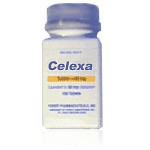
Celexa is the original brand-name formulation of Citalopram — a selective serotonin reuptake inhibitor (SSRI) antidepressant developed by H. Lundbeck Pharmaceuticals and FDA-approved since 1998. As one of the most clinically established SSRIs, Citalopram is widely used as a first-line antidepressant treatment due to its favorable tolerability profile, minimal drug interactions, and clean receptor binding profile that is highly selective for serotonin transporters.
The active ingredient is Citalopram Hydrobromide, a bicyclic phthalane derivative SSRI that works through selective inhibition of serotonin reuptake at the presynaptic membrane — increasing synaptic serotonin availability. Citalopram is the most selective SSRI for serotonin reuptake inhibition, with minimal effects on norepinephrine or dopamine reuptake, and no significant binding to histamine, acetylcholine, or adrenergic receptors. The racemic mixture contains both R- and S-enantiomers, with the S-enantiomer (escitalopram) responsible for nearly all therapeutic activity.
Celexa is FDA-approved for treatment of major depressive disorder (MDD) in adults. Off-label uses include generalized anxiety disorder, panic disorder, social anxiety disorder, obsessive-compulsive disorder, PTSD, premenstrual dysphoric disorder, menopausal hot flashes, eating disorders, and postpartum depression.
The medication is available as 10 mg, 20 mg, and 40 mg tablets and 10 mg/5 mL oral solution. Standard adult dosing starts at 20 mg once daily, with maximum dose limited to 40 mg/day due to FDA warning regarding QT prolongation. In elderly patients (over 60), patients with hepatic impairment, or those receiving CYP2C19 inhibitors, the maximum dose is limited to 20 mg/day.
Critical safety considerations include the FDA boxed warning for suicidal ideation in pediatric, adolescent, and young adult patients during treatment initiation, dose-dependent QT prolongation requiring dose limits, serotonin syndrome risk (particularly with MAOIs, other serotonergic agents, triptans), SIADH-related hyponatremia (especially elderly), platelet dysfunction with bleeding risk, sexual dysfunction, and the SSRI discontinuation syndrome with abrupt withdrawal.
Free prescription
Discrete packaging
Have questions?
Quality Assurance

- Adult Depression First Line: First-line SSRI therapy for adult depression with favorable tolerability profile;
- Moderate Severe Depression: For moderate to severe depression requiring antidepressant pharmacotherapy;
- Recurrent Depression Maintenance: For maintenance therapy in recurrent depression preventing relapse;
- Geriatric Depression Citalopram: For geriatric depression at limited 20 mg/day maximum due to QT prolongation risk;
- Postpartum Depression Off Label: Off-label for postpartum depression compatible with breastfeeding;
- Pediatric Depression Off Label: Off-label for pediatric depression with careful monitoring (other SSRIs typically preferred);
- Generalized Anxiety Disorder: Off-label first-line therapy for generalized anxiety disorder (GAD);
- Panic Disorder Off Label: Off-label for panic disorder with or without agoraphobia;
- Social Anxiety Disorder: Off-label for social anxiety disorder (social phobia);
- Obsessive Compulsive Disorder Off Label: Off-label for obsessive-compulsive disorder (OCD);
- PTSD Off Label: Off-label for post-traumatic stress disorder (PTSD);
- Premenstrual Dysphoric Disorder: Off-label for premenstrual dysphoric disorder (PMDD) with continuous or luteal dosing;
- Menopausal Hot Flashes: Off-label for menopausal hot flashes in women who cannot use hormone therapy;
- Eating Disorders Off Label: Off-label for eating disorders including binge eating and bulimia nervosa;
- Body Dysmorphic Disorder SSRI: Off-label for body dysmorphic disorder;
- Pathological Gambling: Off-label adjunct for pathological gambling and other impulse control disorders;
- Trichotillomania Off Label: Off-label for trichotillomania (hair-pulling disorder);
- Premature Ejaculation SSRI: Off-label for premature ejaculation — serotonergic delay of orgasm;
- Comorbid Anxiety Depression: For comorbid anxiety and depression in adults requiring SSRI therapy;
- Long Term Antidepressant Maintenance: Suitable for long-term maintenance therapy in chronic depression and anxiety;
- Stroke Post Depression: Off-label for post-stroke depression treatment.
- Less Anhedonia: Restoration of pleasure and interest in previously enjoyed activities;
- Better Energy: Improvement in depression-related fatigue and low energy;
- Better Concentration: Improvement in depression-related cognitive impairment and concentration;
- Better Sleep: Improvement in depression-related insomnia (though SSRIs can disturb sleep initially);
- Better Appetite: Normalization of appetite disturbances in depression;
- Less Anxiety: Off-label benefit in generalized anxiety disorder symptoms;
- Less Panic Attacks: Off-label reduction in panic attack frequency and severity;
- Less Social Anxiety: Off-label reduction in social anxiety symptoms;
- Less PMDD Symptoms: Off-label reduction in premenstrual dysphoric symptoms;
- Less Hot Flashes: Off-label reduction in menopausal hot flash frequency and severity;
- Less OCD Symptoms: Off-label reduction in obsessions and compulsions;
- Less PTSD Symptoms: Off-label reduction in PTSD hyperarousal and intrusion symptoms;
- Less Suicidal Ideation: Long-term reduction in suicidal thoughts with effective depression treatment;
- Better Daily Function: Return to school, work, and normal activities with effective antidepressant therapy;
- Better Quality of Life: Substantial improvement in overall quality of life with effective depression treatment;
- Brand Celexa: Original Forest Pharmaceuticals/Allergan brand of Citalopram with established US clinical reputation since 1998;
- Generic Citalopram: Affordable generic versions expand global access to first-line SSRI antidepressant therapy;
- Cipramil Equivalent: Same Citalopram molecule as international Lundbeck brand Cipramil — familiar across European markets;
- Lexapro Parent SSRI: Parent SSRI that gave rise to Lexapro (escitalopram) — pure S-enantiomer of Citalopram;
- SSRI Antidepressant: Foundational SSRI class antidepressant with established mechanism;
- Bicyclic Phthalane SSRI: Bicyclic phthalane derivative SSRI structurally distinct from other SSRI classes;
- Serotonin Reuptake Inhibition: Selective inhibition of presynaptic serotonin reuptake — increases synaptic serotonin;
- Most Selective SSRI: Most serotonin-selective SSRI — minimal effects on norepinephrine or dopamine;
- No Significant Receptor Binding: Minimal histamine/cholinergic/adrenergic binding — favorable side effect profile;
- MDD First Line SSRI: First-line SSRI for major depressive disorder per psychiatric guidelines;
- Anxiety Disorders Therapy: Off-label therapy for various anxiety disorders including GAD, panic disorder, social anxiety;
- OCD Off Label Therapy: Off-label therapy for obsessive-compulsive disorder (Fluvoxamine, Fluoxetine, Sertraline FDA-approved for OCD);
- PMDD SSRI Therapy: Effective off-label therapy for premenstrual dysphoric disorder;
- Hot Flash Non Hormonal: Non-hormonal off-label therapy for menopausal vasomotor symptoms;
- Once Daily SSRI: Convenient once-daily dosing supports excellent adherence;
- Geriatric Friendly SSRI: Suitable for elderly patients at limited 20 mg/day maximum dose;
- Predictable Pharmacokinetics: Predictable pharmacokinetics with relatively few significant drug interactions;
- WHO Essential Medicine: Listed on the WHO Model List of Essential Medicines for depression and anxiety care;
- 25 Plus Year SSRI History: Extensive real-world safety and efficacy data since 1998 across billions of patient courses;
- Suicidal Ideation Boxed Warning: FDA boxed warning for suicidal ideation in pediatric, adolescent, and young adult patients;
- QT Prolongation Dose Limits: Dose-dependent QT prolongation — max 40 mg/day adult, 20 mg/day elderly per 2011 FDA warning;
- Serotonin Syndrome Risk: Risk of serotonin syndrome with MAOIs (contraindicated), triptans, other serotonergic agents;
- Hyponatremia SIADH: SIADH-related hyponatremia particularly in elderly — monitor sodium periodically;
- Bleeding Risk: SSRI-induced platelet dysfunction increases bleeding risk — caution with anticoagulants/antiplatelets;
- Sexual Dysfunction: Significant sexual side effects including decreased libido, delayed orgasm, anorgasmia;
- Activation Syndrome Early: Early treatment activation syndrome — anxiety, insomnia, agitation during initiation;
- Discontinuation Syndrome: SSRI discontinuation syndrome with abrupt withdrawal — taper slowly;
- Stable Storage: Tablets stable at room temperature — convenient for long-term therapy.
Generic Celexa (Citalopram 10 mg) Medication guide:
📖 What is Celexa - the Lundbeck SSRI brand
Celexa is the original brand-name formulation of citalopram, a selective serotonin reuptake inhibitor (SSRI) antidepressant developed by H. Lundbeck A/S in Denmark and approved in Europe in 1989. It received US FDA approval in 1998, becoming one of the most widely prescribed antidepressants globally. Its distinctive combination of high serotonin selectivity, favourable tolerability profile, and predictable pharmacokinetics has made it a defining SSRI in modern depression and anxiety treatment.
📊 Celexa at a glance
- Drug class
- Selective serotonin reuptake inhibitor (SSRI); highly selective for serotonin transporter (SERT); minimal noradrenergic or dopaminergic effects
- Active ingredient
- Citalopram hydrobromide (racemic mixture of R- and S-citalopram)
- Originator manufacturer
- H. Lundbeck A/S (Danish pharmaceutical company); marketed as Cipramil in Europe, Celexa in US (Forest Laboratories, now Allergan/AbbVie)
- FDA approval
- 1998 for major depressive disorder in adults
- Formulations
- Tablets 10, 20, 40 mg; oral solution 10 mg/5 mL
- Typical adult dose
- Depression: 20-40 mg once daily; maximum 40 mg/day (20 mg in elderly per 2011 FDA warning)
- Time to peak effect
- Depression: 4-6 weeks; anxiety: 6-8 weeks; OCD off-label: 8-12 weeks
✅ SSRI class advantages
- Favourable safety profile — substantially safer than TCAs and MAOIs in overdose; no significant cardiac effects at approved doses
- Tolerability — minimal anticholinergic effects; no substantial sedation or orthostatic hypotension
- Simple dosing — once-daily, minimal titration needed; linear pharmacokinetics
- Broad indications — depression (FDA), anxiety disorders (off-label), OCD (off-label), other
- Well-established evidence base — hundreds of clinical trials, extensive post-marketing experience
- Generic availability — low cost since 2003 patent expiration
- WHO Essential Medicines Listed — globally recognised essential medication
- Established treatment guidelines — APA, NICE, CANMAT position SSRIs first-line
🔑 The SSRI class distinction from TCAs
SSRIs represent a paradigm shift from earlier tricyclic antidepressants (TCAs). While TCAs like clomipramine (Anafranil) and amitriptyline have broad receptor effects producing anticholinergic effects, sedation, orthostatic hypotension, cardiac effects, and lethality in overdose, SSRIs including citalopram achieve antidepressant efficacy through highly selective serotonin reuptake inhibition with substantially fewer off-target effects. This selectivity underlies SSRIs' displacement of TCAs as first-line antidepressants since the 1990s. Efficacy is generally comparable to TCAs but tolerability and safety are substantially better, particularly relevant for depression where patients may have suicidal ideation.
⚠️ The 2011 QTc dose limitation
A distinctive Celexa consideration is the August 2011 FDA safety communication limiting maximum dose to 40 mg/day (previously 60 mg/day) due to QTc prolongation concerns. For elderly patients (age over 60) and hepatic impairment patients, the maximum is further reduced to 20 mg/day. This dose limitation affects Celexa distinctively among SSRIs (escitalopram has similar but less restrictive limit; sertraline, fluoxetine, and paroxetine have no such specific dose limit). Understanding this restriction is essential for appropriate Celexa prescribing. Details in section 18.
🕰️ History - Lundbeck 1989 and 1998 FDA approval
Citalopram was developed at H. Lundbeck A/S in Copenhagen, Denmark during the 1970s and 1980s as part of a systematic SSRI research program. Its 1989 European launch and 1998 US FDA approval established it as one of the defining SSRIs of the modern antidepressant era. Its subsequent enantiomer analysis led to the development of escitalopram (Lexapro), one of the most successful line-extension products in pharmaceutical history.
| Year | Development milestone |
|---|---|
| 1972 | Citalopram synthesised at Lundbeck by chemist Klaus Bogeso as part of systematic SSRI research program |
| Late 1970s-1980s | Development of chemical scaffold; recognition as most selective SSRI available at the time |
| 1989 | European launch of Cipramil in Denmark for depression; subsequent EU rollout |
| Early 1990s | Growing evidence base across multiple European countries; extensive clinical trial program |
| 1998 | FDA approval of Celexa (US name) for major depressive disorder in adults; marketed by Forest Laboratories |
| 2000s | Widespread US clinical adoption; extensive use across depression and anxiety indications |
| 2002 | Escitalopram (Lexapro) FDA approval — the S-enantiomer of citalopram developed by Lundbeck; extends product life cycle |
| 2003 | US patent expiration; generic citalopram launch; costs collapse dramatically |
| 2004 | FDA black box warning on suicidality in pediatric and adolescent SSRI users (class effect) |
| 2006 | STAR*D trial publications in American Journal of Psychiatry with citalopram as level 1 initial therapy for depression — landmark real-world effectiveness data |
| 2011 | FDA August safety communication: QTc prolongation at high doses; maximum reduced from 60 mg to 40 mg (20 mg in elderly and hepatic impairment) |
| 2018 | Cipriani Lancet network meta-analysis of 21 antidepressants confirms citalopram efficacy and favourable acceptability profile |
| 2020s | Continued global widespread use; one of most prescribed antidepressants; extensive generic availability |
🔬 The Lundbeck legacy
H. Lundbeck A/S is a specialty pharmaceutical company focused on CNS disorders founded in 1915 in Copenhagen. Their systematic SSRI research program produced not only citalopram but also its S-enantiomer escitalopram, together representing one of the most commercially successful antidepressant families in history. Lundbeck also developed vortioxetine (Brintellix/Trintellix, 2013) as a next-generation serotonin modulator. Their focus on CNS therapy contrasts with broader pharmaceutical companies and has produced sustained contributions to depression and anxiety treatment over decades.
🔬 The STAR*D contribution
The 2006 STAR*D (Sequenced Treatment Alternatives to Relieve Depression) trial published simultaneously in the American Journal of Psychiatry by Trivedi and Rush established citalopram as reference initial therapy for depression in a real-world US population. Approximately 4000 patients received citalopram monotherapy as level 1 treatment; approximately 30 percent achieved remission (HAM-D below 7) and 47 percent achieved response (50 percent HAM-D reduction). Subsequent STAR*D levels examined sequenced treatment with combinations and switches for non-responders. This landmark trial informs modern US depression treatment algorithms and established citalopram as the reference against which subsequent antidepressants are compared for effectiveness.
💡 The 2011 QTc watershed
The August 2011 FDA safety communication about QTc prolongation with high-dose citalopram represented a significant shift in prescribing. Previously, doses up to 60 mg/day were routinely used. The 40 mg/day maximum (20 mg in elderly and hepatic impairment) substantially changed practice, particularly for refractory depression where higher doses were previously tried. This restriction contributed to increased escitalopram prescribing (which has similar but less restrictive limits), and to more careful dose selection with citalopram particularly in older adults. Understanding this history contextualises modern Celexa prescribing practices.
⚖️ Chemistry - phthalane racemic mixture structure
Citalopram is a phthalane-derived racemic mixture of R-citalopram and S-citalopram. This chirality is clinically important: the S-enantiomer (escitalopram) carries essentially all the therapeutic serotonin transporter binding, while the R-enantiomer may partially antagonise the S-enantiomer effects. This chemical understanding underlies the development of escitalopram as a purified therapeutic isomer.
⚖️ Chemical properties
- IUPAC name
- 1-[3-(dimethylamino)propyl]-1-(4-fluorophenyl)-1,3-dihydro-2-benzofuran-5-carbonitrile hydrobromide (racemate)
- Molecular formula
- C20H21FN2O (free base); C20H21FN2O HBr (hydrobromide salt)
- Molecular weight
- 324.39 g/mol (free base); 405.31 g/mol (hydrobromide)
- Structure
- Phthalane (2,3-dihydro-1-benzofuran) core with dimethylamino propyl chain, 4-fluorophenyl group, and cyano (nitrile) substituent; single chiral center creating R- and S-enantiomers
- Chirality
- Chiral compound; Celexa is 50:50 racemic mixture of R- and S-citalopram; escitalopram (Lexapro) is purified S-enantiomer
- Solubility
- Soluble in water as hydrobromide; moderately lipophilic free base; good CNS penetration
- Physical form
- White to off-white crystalline powder; stable at room temperature
| Enantiomer | SERT affinity | Clinical relevance |
|---|---|---|
| S-citalopram (escitalopram) | Very high | Therapeutic enantiomer; sold as Lexapro |
| R-citalopram | Substantially lower (~30-40x lower) | Minimal therapeutic contribution; may partially antagonise S-enantiomer |
| Racemic citalopram (Celexa) | Effectively half of pure S-enantiomer | 20 mg racemate approximately equivalent to 10 mg escitalopram |
🧪 The SSRI family - citalopram's place
- Fluoxetine (Prozac) — first SSRI; FDA 1987; long half-life (weeks with active metabolite); Eli Lilly
- Sertraline (Zoloft) — FDA 1991; balanced pharmacology; Pfizer
- Paroxetine (Paxil) — FDA 1992; some anticholinergic activity; substantial discontinuation syndrome; GlaxoSmithKline
- Fluvoxamine (Luvox) — FDA 1994; primarily OCD indication; less anxiety/depression use; Solvay
- Citalopram (Celexa) — FDA 1998; most selective SSRI at introduction; Lundbeck/Forest
- Escitalopram (Lexapro) — FDA 2002; S-enantiomer of citalopram; even more selective; Lundbeck/Forest
💡 The escitalopram spin-off
The 2002 escitalopram approval by Lundbeck represents a classic pharmaceutical enantiomer strategy. As citalopram approached patent expiration, isolating the S-enantiomer created a new patented product with modified pharmacology (higher potency per weight, potentially slightly better tolerability, distinctive dose-response). This "chiral switch" extended commercial life of the citalopram franchise for another decade. Clinically, escitalopram at half the citalopram dose produces similar effects with slightly better tolerability in some patients. However, generic citalopram remains substantially cheaper and effective for most patients. The choice between racemic citalopram and pure escitalopram involves cost-effectiveness considerations along with potential minor clinical differences.
🧬 Mechanism - selective serotonin reuptake inhibition
Citalopram is the most selective SSRI for serotonin transporter (SERT) inhibition among the original SSRIs (surpassed only by escitalopram, its S-enantiomer). This exceptional selectivity produces potent antidepressant and anxiolytic effects with minimal off-target activity, underlying citalopram's favourable tolerability profile.
🧬 Primary mechanism - serotonin transporter inhibition
- Serotonin transporter (SERT) binding
- Highly selective and potent SERT inhibition; blocks reuptake of serotonin (5-HT) from synaptic cleft back into presynaptic neuron; increases synaptic serotonin availability
- Selectivity ratio
- SERT:NET selectivity approximately 4000:1; SERT:DAT approximately 22000:1 — most selective original SSRI (escitalopram slightly more selective)
- Onset of antidepressant effect
- Reuptake inhibition immediate at receptor level; therapeutic antidepressant effect requires 4-6 weeks due to downstream neuroplastic adaptations including 5-HT1A autoreceptor desensitisation, BDNF upregulation, hippocampal neurogenesis
- Downstream effects
- Enhanced serotonin signalling through post-synaptic receptors (5-HT1A, 5-HT1B, 5-HT2A, 5-HT2C, 5-HT3, 5-HT4, others); modulation of mood, anxiety, sleep, appetite, sexual function, pain
🧠 What citalopram does NOT do at therapeutic doses
- No significant norepinephrine transporter (NET) inhibition — unlike SNRIs (venlafaxine, duloxetine)
- No significant dopamine transporter (DAT) inhibition — unlike bupropion
- No significant muscarinic receptor blockade — unlike TCAs; no anticholinergic effects
- No significant histamine H1 receptor blockade — unlike TCAs and mirtazapine; minimal sedation and weight gain
- No significant alpha-adrenergic receptor blockade — unlike TCAs and trazodone; minimal orthostatic hypotension
- No significant sodium channel effects — unlike TCAs; no cardiac conduction concerns at therapeutic doses (QTc concern separate mechanism)
- No significant seizure threshold lowering at approved doses
| Receptor/transporter | Citalopram effect | Clinical relevance |
|---|---|---|
| Serotonin transporter (SERT) | Very high affinity | Depression, anxiety, OCD efficacy |
| NET, DAT | Minimal | Clean SSRI profile |
| Muscarinic (M1-5) | Minimal | No anticholinergic effects |
| Histamine H1 | Minimal | Minimal sedation, weight gain |
| Alpha-1 adrenergic | Minimal | No orthostatic hypotension |
| Cardiac hERG channel (high doses) | Some effect | QTc prolongation at high doses (2011 FDA warning) |
💡 Why the delayed antidepressant effect
A central mystery of SSRIs is why antidepressant effect requires 4-6 weeks despite immediate serotonin transporter inhibition. Current understanding: initial SERT inhibition increases synaptic serotonin, which activates 5-HT1A somatodendritic autoreceptors causing negative feedback on serotonin neuron firing. Over 2-4 weeks, these autoreceptors desensitise, allowing sustained increased serotonin transmission. Downstream effects including BDNF (brain-derived neurotrophic factor) upregulation, hippocampal neurogenesis, and structural neuroplastic changes take additional time to develop. This model explains the delay and why abrupt discontinuation reverses these adaptations producing discontinuation syndrome.
🔬 Pharmacokinetics - long half-life and CYP metabolism
Citalopram has relatively predictable pharmacokinetics with linear kinetics, long half-life supporting once-daily dosing, and extensive but well-characterised hepatic metabolism. Its PK profile is favourable compared to some other SSRIs, though CYP2C19 polymorphism can substantially affect metabolism.
📊 Key pharmacokinetic parameters
- Oral bioavailability
- Approximately 80 percent; not substantially affected by food; can be taken with or without meals
- Time to peak (Tmax)
- Approximately 4 hours after oral dose
- Volume of distribution
- Approximately 12 L/kg — extensive tissue distribution
- Protein binding
- Approximately 80 percent; relatively low compared to some drugs
- Half-life
- Approximately 35 hours (range 24-48 hours); prolonged in elderly (up to 50 hours) and CYP2C19 poor metabolisers
- Steady state
- Approximately 1 week at fixed dose (5 half-lives)
- Metabolism
- Extensive hepatic metabolism primarily via CYP2C19 (major), CYP3A4 and CYP2D6 (minor); produces demethylcitalopram and other inactive/weakly active metabolites
- Elimination
- Predominantly hepatic; approximately 20 percent excreted unchanged in urine; approximately 10 percent as demethylated metabolite
- Linear kinetics
- Dose-proportional across therapeutic range; no autoinduction
✅ PK advantages
- Once-daily dosing from long half-life (35 hours)
- Linear pharmacokinetics allow predictable dose-response
- No autoinduction unlike carbamazepine
- Consistent absorption not substantially affected by food
- Predictable steady state at 1 week
- No routine TDM needed for most patients
- Multiple metabolic pathways reduces single CYP dependency
- Modest protein binding reduces displacement interactions
| Population | Half-life | Dosing implications |
|---|---|---|
| Healthy adult | Approximately 35 hours | Standard once-daily 20-40 mg |
| Elderly (over 60) | Up to 50 hours | Maximum 20 mg/day per 2011 FDA warning |
| CYP2C19 poor metabolisers | Substantially prolonged | Maximum 20 mg/day; escitalopram similar |
| CYP2C19 ultra-rapid metabolisers | Shortened | Standard doses may be less effective |
| Hepatic impairment | Substantially prolonged | Maximum 20 mg/day |
| CKD 3-4 | Modest prolongation | No specific adjustment usually needed |
| Concurrent CYP2C19 inhibitors | Increased levels | Reduce dose; monitor |
| Pregnancy | Modestly reduced levels | May need dose adjustment |
💡 The CYP2C19 pharmacogenetic consideration
CYP2C19 genetic polymorphism affects citalopram metabolism substantially. Poor metabolisers (approximately 2-15 percent varying by ancestry, higher in Asian populations) have reduced clearance, higher plasma levels, and increased QTc prolongation risk. FDA labeling recommends maximum 20 mg/day in known CYP2C19 poor metabolisers. Ultra-rapid metabolisers (approximately 2-4 percent) may have reduced efficacy at standard doses. Pre-treatment CYP2C19 genotyping is not standard practice but can be considered in specific scenarios: unexplained lack of response, previous adverse effects, or when maximum dose seems needed. Sertraline is largely CYP2D6 metabolised and may be alternative for CYP2C19 poor metabolisers where citalopram is problematic.
📋 FDA-approved indications and depression focus
Celexa's only US FDA-approved indication is major depressive disorder (MDD) in adults, approved in 1998. This narrow official labeling contrasts with citalopram's broad international approvals and numerous evidence-based off-label uses. In practice, Celexa is used extensively for anxiety disorders, OCD, PTSD, and other conditions where SSRIs have established efficacy.
| Year | FDA indication | Population |
|---|---|---|
| 1998 | Major depressive disorder (MDD) in adults — only FDA-approved indication | Adults 18+ |
📑 US FDA-approved indication summary
- Major depressive disorder
- Only FDA-approved indication in the US since 1998; adults 18 and older; monotherapy for acute treatment and maintenance
🌐 International indication landscape (broader than US)
- Major depressive disorder — approved globally
- Panic disorder — approved in many European countries and Canada
- Obsessive-compulsive disorder (OCD) — approved in Europe and Canada
- Social anxiety disorder — approved in some countries
- Generalized anxiety disorder — approved in some countries
- Post-traumatic stress disorder — approved in some jurisdictions
✅ Evidence-based off-label uses (US)
- Generalized anxiety disorder (GAD) — extensively supported; SSRIs first-line class
- Panic disorder — well-established efficacy
- Social anxiety disorder — effective for social phobia
- Obsessive-compulsive disorder (OCD) — effective though other SSRIs (sertraline, fluvoxamine, fluoxetine, paroxetine) formally FDA-approved for this
- Post-traumatic stress disorder (PTSD) — effective; sertraline and paroxetine formally FDA-approved
- Postpartum depression — sertraline preferred with breastfeeding data; citalopram acceptable
- Premenstrual dysphoric disorder (PMDD) — SSRIs effective; fluoxetine and sertraline formally FDA-approved for this
- Body dysmorphic disorder — OCD spectrum; SSRI response
- Bulimia nervosa — SSRIs effective (fluoxetine FDA-approved specifically)
- Chronic pain and neuropathic pain — some evidence for adjunctive use; SNRIs generally preferred
💡 Why the narrow US label
Celexa received FDA approval only for MDD in 1998 because that was the specific indication targeted in the US NDA submission by Forest Laboratories. Additional formal indications were not pursued in the US labeling process. In practice, US clinicians use Celexa off-label for anxiety disorders, OCD, PTSD, and other conditions with substantial SSRI class evidence. This is common for older SSRIs where manufacturers have not pursued additional formal indications post-generic entry. NICE and other international guidelines position SSRIs including citalopram as first-line across depression and anxiety disorders regardless of specific FDA labeling.
💔 Major depressive disorder - primary indication
Major depressive disorder (MDD) is Celexa's primary FDA-approved indication. Extensive clinical trial evidence and real-world experience including the landmark STAR*D trial establish citalopram as an effective first-line antidepressant. Modern APA guidelines position SSRIs including citalopram as first-line pharmacotherapy for depression.
💔 Major depressive disorder
- Definition
- DSM-5 criteria: 5 or more symptoms for at least 2 weeks including depressed mood or anhedonia; associated symptoms: sleep, appetite, energy, concentration, psychomotor, worthlessness, suicidal ideation
- Lifetime prevalence
- Approximately 15-20 percent of adults globally; more common in women (2:1); typical onset late adolescence to early adulthood; substantial recurrence rate
- Impact
- Leading cause of disability globally; substantial functional impairment; increased mortality (suicide plus medical comorbidity effects); economic burden
- Treatment approach
- Combination of pharmacotherapy plus psychotherapy typically most effective; SSRIs first-line for moderate-severe cases; CBT and other psychotherapies effective; lifestyle interventions supportive
- Prognosis
- Approximately 60-70 percent respond to first-line treatment; 30 percent achieve remission; treatment-resistant depression affects 30-40 percent
📈 Depression efficacy evidence
- Multiple placebo-controlled trials establish citalopram efficacy vs placebo
- STAR*D trial (Trivedi Am J Psychiatry 2006): 4041 patients received citalopram (20-60 mg) as level 1 initial therapy; 30 percent achieved remission; 47 percent achieved response; landmark real-world effectiveness data
- Cipriani Lancet 2018 network meta-analysis of 21 antidepressants: citalopram in the middle tier for both efficacy and acceptability; comparable to other SSRIs
- Comparable efficacy to other SSRIs in head-to-head trials; individual patient response varies
- Meta-analyses confirm SSRI class efficacy vs placebo; effect sizes modest but clinically meaningful
| Depression efficacy metric | Citalopram typical result |
|---|---|
| Response rate (50% HAM-D reduction) | Approximately 47-60 percent |
| Remission rate (HAM-D below 7) | Approximately 30-40 percent |
| Time to noticeable effect | 2-4 weeks |
| Time to peak effect | 6-8 weeks |
| Effective dose range | 20-40 mg/day; 20 mg often adequate |
| Maintenance therapy duration | Typically 6-12 months for first episode; longer for recurrent |
| Relapse rate on discontinuation | Approximately 40-50 percent within 1-2 years |
✅ Depression treatment approach
- First-line pharmacotherapy: SSRI (citalopram, sertraline, escitalopram, fluoxetine) or SNRI (venlafaxine, duloxetine); patient factors guide choice
- Concurrent psychotherapy: CBT particularly effective; combination often superior to either alone
- Second-line (SSRI failure): Switch to different SSRI, SNRI, or atypical (mirtazapine, bupropion)
- Third-line (multiple failures): Combination therapy, augmentation (aripiprazole, lithium, T3, atypical antipsychotics)
- Treatment-resistant depression: Esketamine (Spravato), ECT, TMS, ketamine infusions
- Long-term maintenance: For recurrent depression; continue therapy that produced response
💡 The STAR*D revelation
STAR*D was one of the most important antidepressant trials in history. Enrolling 4041 depressed patients receiving citalopram in real-world clinical settings, it revealed that: (1) approximately 30 percent achieve remission with initial SSRI; (2) subsequent switches or augmentations produce cumulative remission of ~67 percent through 4 levels of treatment; (3) each subsequent level of treatment produces diminishing returns; (4) many patients require multiple medication trials to achieve remission. STAR*D established citalopram as reference initial therapy and provided realistic expectations about depression treatment outcomes that inform modern practice.
😰 Anxiety disorders off-label spectrum treatment
Anxiety disorders are widely treated with Celexa off-label despite lacking specific FDA anxiety approval in the US. SSRI class effect and extensive clinical evidence support citalopram efficacy across generalized anxiety disorder, social anxiety disorder, and other anxiety spectrum conditions.
😰 Anxiety disorders spectrum
- Generalized anxiety disorder (GAD)
- Chronic excessive worry across multiple domains; 6+ months; physical and cognitive symptoms; lifetime prevalence approximately 5 percent; SSRIs first-line pharmacotherapy
- Social anxiety disorder (SAD)
- Persistent fear of social situations with negative evaluation; substantial functional impairment; lifetime prevalence approximately 7 percent; SSRIs (paroxetine, sertraline formal FDA approval) first-line
- Panic disorder
- Recurrent unexpected panic attacks with anticipatory anxiety; SSRIs first-line pharmacotherapy (details section 9)
- Specific phobias
- Fear of specific objects or situations; exposure therapy primary treatment; pharmacotherapy adjunctive
- Selective mutism
- Persistent inability to speak in specific social situations; SSRIs can help
🔬 Citalopram anxiety efficacy
- Effective across anxiety disorder spectrum; SSRI class evidence supports use
- Slower onset than for depression; typical 6-8 weeks for peak anxiety effect
- Effective doses typically similar to depression (20-40 mg/day; 20 mg often adequate)
- Combination with cognitive behavioural therapy typically most effective
- Long-term maintenance often needed for chronic anxiety disorders
- Response rates approximately 50-70 percent depending on specific disorder
| Anxiety disorder | First-line pharmacotherapy |
|---|---|
| Generalized anxiety disorder | SSRIs (citalopram, escitalopram, sertraline, paroxetine) or SNRIs (venlafaxine, duloxetine) |
| Social anxiety disorder | SSRIs (paroxetine, sertraline formal FDA); citalopram effective off-label |
| Panic disorder | SSRIs (sertraline, paroxetine, fluoxetine formal FDA); citalopram effective off-label |
| Specific phobias | Behavioural therapy first-line; SSRIs adjunctive |
| Mixed anxiety-depression | SSRIs address both symptom clusters simultaneously |
💡 SSRI anxiety dosing
Anxiety disorder treatment with SSRIs including citalopram follows similar dosing principles to depression: start low (10 mg citalopram), titrate to standard therapeutic dose (20 mg often adequate; 40 mg for refractory cases with attention to QTc). Anxiety often responds at doses lower than depression sometimes. The 4-6 week initial course is followed by continued therapy at effective dose. Long-term maintenance (typically 12+ months) is often needed for chronic anxiety disorders. Combination with CBT provides optimal outcomes for most patients. Discontinuation should be gradual to prevent both discontinuation syndrome and anxiety recurrence.
⚡ Panic disorder off-label treatment approach
Panic disorder is effectively treated with Celexa off-label. Multiple clinical trials establish SSRI efficacy in reducing panic attack frequency and severity. Citalopram is not formally FDA-approved for panic in the US but is widely used based on SSRI class evidence and international approvals.
⚡ Panic disorder
- Definition
- Recurrent unexpected panic attacks plus persistent concern about additional attacks or maladaptive behavioural changes; often with agoraphobia
- Prevalence
- Lifetime prevalence approximately 2-3 percent; more common in women; typical onset late adolescence to early adulthood
- Clinical features
- Panic attacks: chest pain, palpitations, dyspnea, sweating, trembling, derealisation, fear of dying or losing control; peak within minutes; agoraphobia common
- Impact
- Substantial: emergency department visits (often misdiagnosed as cardiac); functional impairment; agoraphobia limiting activities; depression comorbidity common
🔬 Citalopram efficacy in panic
- Multiple randomised trials establish efficacy in panic disorder
- Approximately 60-75 percent response rate at doses of 20-40 mg/day
- Effective for reducing both panic attack frequency and severity
- Effective for concurrent agoraphobia and anticipatory anxiety
- 4-6 weeks to noticeable effect; peak at 8-12 weeks
- Lower starting doses often necessary due to initial activation risk
- Approved in Europe and Canada for panic disorder; off-label in US
⚠️ The initial activation risk
A distinctive clinical caution for panic disorder: SSRIs can initially worsen anxiety before improving it. Panic patients starting citalopram often experience increased anxiety, restlessness, jitteriness, and sometimes panic attack exacerbation in the first 1-2 weeks. This is called "activation" or "jitteriness" syndrome. Prevention strategies: (1) start very low doses (10 mg for panic disorder); (2) slower titration than for depression; (3) short-term benzodiazepine bridging can help transition; (4) educate patient about expected initial worsening followed by improvement; (5) do not discontinue too early — efficacy emerges over 4-8 weeks. Understanding this pattern prevents premature treatment discontinuation and improves outcomes.
| Panic disorder treatment | Position |
|---|---|
| SSRIs (sertraline, paroxetine, fluoxetine FDA-approved) | First-line pharmacotherapy |
| Citalopram/escitalopram | First-line alternative (off-label US) |
| SNRIs (venlafaxine) | First-line alternative |
| Cognitive behavioural therapy (CBT) | First-line; can combine with pharmacotherapy |
| Benzodiazepines (short-term) | Adjunctive during SSRI initiation; caution regarding dependence |
| TCAs (clomipramine, imipramine) | Second-line; less tolerable |
💡 The panic treatment approach
Modern panic disorder management: (1) SSRI or SNRI first-line pharmacotherapy at low starting doses; (2) Concurrent CBT with exposure component; (3) Short-term benzodiazepine bridging (typically 4-6 weeks) can help during SSRI activation phase; (4) Maintenance therapy 6-12 months minimum after achieving stability; (5) Gradual taper if discontinuing. For patients who cannot tolerate initial SSRI activation, alternative approaches include starting even lower doses (5 mg citalopram), longer benzodiazepine bridge, or trial of different SSRI. Panic disorder responds well to appropriate treatment with sustained remission achievable in most patients.
🧠 OCD off-label use in Celexa
OCD is effectively treated with citalopram off-label. While other SSRIs (fluoxetine, sertraline, paroxetine, fluvoxamine) have formal FDA OCD approval, citalopram shows similar efficacy at higher doses. Modern OCD treatment guidelines position SSRI class as first-line, with clomipramine reserved for treatment-resistant cases.
🧠 OCD - citalopram role
- Efficacy
- Similar to other SSRIs; approximately 40-50 percent Y-BOCS response; effective for both obsessions and compulsions
- Effective doses
- Typically higher than for depression (40 mg/day often needed; up to previous limit of 60 mg before 2011 QTc restriction)
- Time to peak effect
- 8-12 weeks (longer than depression); adequate trial requires at least 12 weeks at target dose
- Combination with CBT
- Exposure and response prevention (ERP) therapy combined with SSRI provides optimal outcomes for OCD
- Not FDA-approved for OCD in US
- Off-label but supported by SSRI class evidence and international approvals
| SSRI for OCD | FDA-approved for OCD |
|---|---|
| Fluoxetine (Prozac) | Yes; adults and children age 7+ |
| Sertraline (Zoloft) | Yes; adults and children age 6+ |
| Paroxetine (Paxil) | Yes; adults |
| Fluvoxamine (Luvox) | Yes; adults and children age 8+ |
| Citalopram (Celexa) | Off-label US; approved in Europe and Canada |
| Escitalopram (Lexapro) | Off-label US; approved in Europe |
| Clomipramine (Anafranil) | Yes (only TCA approved for OCD) |
💡 The high-dose OCD challenge
A specific challenge for citalopram in OCD: effective OCD doses often exceed 40 mg/day, but the 2011 FDA QTc restriction limits maximum dose to 40 mg (20 mg in elderly). This may limit citalopram utility for severe OCD requiring higher doses. Escitalopram has similar but less restrictive dose limit (30 mg maximum) and may be preferred when higher effective doses are needed. Sertraline (up to 200 mg) or fluvoxamine (up to 300 mg) have no such QTc-based dose limits and may be preferred for severe OCD. Understanding these dose limitations is important when selecting SSRI for OCD.
🌐 PTSD and other off-label uses
Beyond established indications, citalopram has numerous evidence-based off-label uses across PTSD, various psychiatric conditions, and specific clinical scenarios. These uses reflect SSRI class efficacy and the accumulated real-world clinical experience with citalopram since 1998.
🌐 Well-supported off-label uses
- Post-traumatic stress disorder (PTSD) — SSRIs first-line; sertraline and paroxetine formal FDA approval; citalopram effective alternative
- Premenstrual dysphoric disorder (PMDD) — SSRIs effective; fluoxetine and sertraline FDA-approved for this; citalopram off-label
- Postpartum depression — SSRIs effective; sertraline preferred with breastfeeding evidence; citalopram acceptable
- Menopause-related depression and anxiety — SSRIs effective
- Bulimia nervosa — SSRIs effective; fluoxetine FDA-approved specifically
- Body dysmorphic disorder — OCD spectrum; SSRI response
- Compulsive shopping and behavioural addictions — SSRIs help for some patients
- Hoarding disorder — OCD-related; SSRI response modest
- Trichotillomania and skin picking — behavioural OCD spectrum
🔬 Additional off-label uses
- Premature ejaculation — low-dose SSRIs delay ejaculation; dapoxetine specifically approved in some countries
- Hot flashes (postmenopausal, breast cancer survivors) — SSRIs effective alternative to hormonal therapy
- Neuropathic pain — SNRIs (duloxetine, venlafaxine) preferred; SSRIs modest
- Fibromyalgia — SNRIs preferred; SSRIs limited efficacy
- Chronic pain syndromes — adjunctive for depression component
- Hypochondriasis and illness anxiety disorder — SSRIs helpful
- Premature ejaculation — low-dose delays ejaculation
- Vasovagal syncope — specialist use in specific settings
- Neurocardiogenic syncope — occasional use
| Off-label indication | Evidence strength | Clinical use |
|---|---|---|
| PTSD | Strong (SSRI class) | First-line SSRI class; sertraline formal FDA |
| PMDD | Strong (SSRI class) | Fluoxetine/sertraline preferred FDA-approved |
| Postpartum depression | Strong | Sertraline preferred with breastfeeding |
| Hot flashes | Moderate | Alternative to hormones |
| Premature ejaculation | Moderate | Second-line to dapoxetine or paroxetine |
| Bulimia nervosa | Fluoxetine FDA specific | Alternative SSRIs off-label |
💡 The SSRI class effect
SSRIs represent a class where individual medications have overlapping efficacy across multiple conditions. When one SSRI has FDA approval for a specific condition, others typically have similar efficacy for that condition based on class effect. Citalopram's narrow US label (only MDD) does not reflect narrower evidence base but the specific US regulatory pathway. In practice, citalopram is used across the spectrum of SSRI-responsive conditions with expected efficacy similar to specifically approved SSRIs. This class effect approach informs modern SSRI prescribing where selection often depends on tolerability, dosing convenience, cost, and prior response rather than specific FDA labeling.
⚔️ Celexa vs escitalopram Lexapro distinction
Celexa (racemic citalopram) vs Lexapro (escitalopram, S-enantiomer) is one of the most important comparisons in modern SSRI prescribing. Escitalopram is the purified therapeutic enantiomer of citalopram; understanding their pharmacological relationship and clinical differences guides appropriate selection.
| Parameter | Celexa (citalopram) | Lexapro (escitalopram) |
|---|---|---|
| FDA approval year | 1998 | 2002 |
| Chemistry | Racemic mixture (50:50 R+S) | Pure S-enantiomer |
| SERT selectivity | Very high | Even higher (most selective SSRI) |
| Typical dose (depression) | 20-40 mg/day | 10-20 mg/day |
| Maximum dose | 40 mg/day (20 mg elderly) | 20 mg/day (10 mg elderly) |
| Dose equivalence | 20 mg citalopram | 10 mg escitalopram |
| Efficacy (depression) | Established | Slightly superior in some meta-analyses |
| Tolerability | Good | Slightly better in some studies |
| QTc prolongation | Significant at high doses (2011 FDA warning) | Present but less prominent |
| Half-life | 35 hours | 27-32 hours |
| Metabolism | CYP2C19, CYP3A4, CYP2D6 | Similar profile |
| FDA indications | MDD only (US) | MDD, generalized anxiety disorder (US) |
| Cost (generic) | Very low (generic since 2003) | Low (generic since 2012) |
⚖️ When to choose which
- Choose Celexa (citalopram) when
- Cost is priority (typically cheapest SSRI generic); insurance formulary requires citalopram; established prior positive response; no strong preference otherwise; standard depression with modest QTc concerns
- Choose Lexapro (escitalopram) when
- Elderly patient (better tolerability); OCD or anxiety requiring higher effective dose (30 mg escitalopram less QTc than 40 mg citalopram); prior good response to escitalopram specifically; slightly better tolerability desired; formal generalized anxiety disorder US FDA approval preferred
💡 The evidence-based comparison
Head-to-head trials and meta-analyses suggest escitalopram may have slight advantages over citalopram in efficacy and tolerability, though the differences are modest. The Cipriani Lancet 2018 network meta-analysis positioned escitalopram slightly higher than citalopram for both efficacy and acceptability among 21 antidepressants. However, generic citalopram remains substantially cheaper, and for most patients citalopram provides equivalent clinical benefit. The choice often comes down to cost consideration (favouring citalopram), specific dose limitations (favouring escitalopram for higher-dose OCD needs), or prior response history. Both are excellent first-line SSRI options; either is reasonable initial choice for most patients.
⚠️ Do not switch between them mid-course
Since citalopram and escitalopram share the same active enantiomer, switching between them mid-course rarely provides new therapeutic benefit and can produce transient PK changes. Direct dose conversion: 20 mg citalopram = 10 mg escitalopram; 40 mg citalopram = 20 mg escitalopram. Switching may be reasonable for cost or formulary reasons but does not typically represent a therapeutic switch equivalent to trying different SSRIs. For patients who fail one, the other rarely produces different response.
💊 Adult dosing regimen and titration
Celexa adult dosing follows straightforward principles compared to more complex antidepressants. Once-daily administration, modest titration requirements, and predictable pharmacokinetics simplify prescribing. Understanding the 2011 FDA dose limitations is essential for appropriate Celexa use.
| Indication | Starting dose | Target dose | Maximum (post-2011) |
|---|---|---|---|
| Major depressive disorder (adults) | 20 mg once daily | 20-40 mg/day | 40 mg/day |
| Generalized anxiety disorder (off-label) | 10 mg once daily | 20-40 mg/day | 40 mg/day |
| Panic disorder (off-label) | 10 mg once daily (avoid activation) | 20-40 mg/day | 40 mg/day |
| OCD (off-label) | 20 mg once daily | 40 mg/day (higher often needed) | 40 mg/day (per 2011 limit) |
| Elderly (age 60+) | 10 mg once daily | 10-20 mg/day | 20 mg/day (per 2011 FDA warning) |
| Hepatic impairment | 10 mg once daily | 10-20 mg/day | 20 mg/day maximum |
| CYP2C19 poor metabolisers | 10 mg once daily | 10-20 mg/day | 20 mg/day maximum |
📈 Standard depression titration
- Week 1-2
- 20 mg once daily (with or without food)
- Week 3-4
- Assess tolerability and early response; adjust if needed
- Week 4-6
- If inadequate response and tolerating: increase to 40 mg once daily (maximum)
- Week 6-8
- Assess response at target dose; adequate trial requires at least 4-6 weeks at target
- Ongoing maintenance
- Continue effective dose for at least 6-12 months after remission; longer for recurrent depression
✅ Practical dosing tips
- Take once daily — morning or evening; whichever timing patient prefers
- Take with or without food — absorption not significantly affected
- Consistent timing aids adherence and stable levels
- Do not stop suddenly after chronic use — taper over 2-4 weeks to prevent discontinuation syndrome
- Educate about time course: initial mild adverse effects usually improve over 2-4 weeks; therapeutic effect emerges over 4-6 weeks
- Monitor QTc at baseline in patients over 60 or with cardiac disease
- Reassess indication for maintenance therapy annually
- Consider taper trial after 6-12 months of remission in first episode; longer for recurrent
- Adequate trial before considering failure: 4-6 weeks at 20-40 mg for depression; 8-12 weeks for anxiety
💡 Simple dosing advantages
Compared to more complex antidepressants like clomipramine (TCA requiring anticholinergic tolerance) or bupropion (multiple daily doses, seizure risk with high doses), citalopram dosing is remarkably simple: single daily dose, minimal titration, few interactions, straightforward dose limits. This simplicity contributes to citalopram's widespread use in primary care depression management. The 2011 FDA QTc restrictions add one important consideration (maximum 40 mg or 20 mg in elderly) but overall dosing remains straightforward.
🧒 Pediatric considerations off-label depression use
Celexa is not FDA-approved for pediatric use in the US — the only US indication is MDD in adults. Pediatric depression treatment typically uses fluoxetine (FDA-approved for depression age 8+) or escitalopram (FDA-approved age 12+). Citalopram in pediatric depression is off-label but widely used based on SSRI class evidence.
| Age group | Approved pediatric SSRIs for depression |
|---|---|
| Under 8 years | No SSRI FDA-approved for depression; specialist supervision if any used |
| Age 8-11 years | Fluoxetine (Prozac) FDA-approved for depression |
| Age 12-17 years | Fluoxetine and escitalopram FDA-approved for depression; sertraline for OCD; citalopram off-label |
🧒 Pediatric considerations
- Off-label pediatric use
- Widely used off-label based on SSRI class evidence; individualised risk-benefit assessment; family and patient consent about off-label status
- Starting dose
- 10 mg once daily initially in adolescents; 5 mg possible using oral solution or splitting tablets in younger children
- Target dose
- Typical 20 mg/day in adolescents; individualised based on response
- Titration
- Slower than adult titration; increase every 2-4 weeks; watch for behavioural activation and suicidality
- Response time
- Similar to adults: 4-6 weeks for depression response
- Formulation
- Oral solution 10 mg/5 mL allows precise low doses in younger patients
🔴 Pediatric suicidality black box warning
FDA 2004 boxed warning: SSRIs and other antidepressants may increase risk of suicidal thinking and behaviour in children, adolescents, and young adults up to age 24. Pediatric patients on citalopram require: (1) baseline mental health assessment; (2) close monitoring especially during first weeks and dose changes; (3) family and prescriber awareness of warning signs; (4) frequent follow-up visits initially (weekly first 4 weeks, biweekly next 4 weeks, monthly thereafter); (5) prompt discontinuation and psychiatric evaluation if concerning changes emerge. The suicidality risk (approximately 4 per 100 vs 2 per 100 placebo) must be balanced against benefits of untreated depression. Depressed children and adolescents have substantial baseline suicidality risk from depression itself, so treatment is often appropriate despite the warning.
💡 Modern pediatric depression positioning
Modern pediatric depression treatment: (1) Fluoxetine (Prozac) is preferred first-line SSRI with strongest pediatric evidence base and FDA approval from age 8; (2) Escitalopram is FDA-approved from age 12; (3) Sertraline commonly used for anxiety and OCD; (4) Citalopram is off-label but reasonable alternative particularly for adolescents; (5) Combination with CBT often provides best outcomes; (6) Close monitoring for suicidality mandatory during initial weeks. For pediatric OCD specifically, sertraline (age 6+), fluvoxamine (age 8+), and fluoxetine (age 7+) have FDA approval; citalopram off-label alternative.
👴 Elderly dose limitations and QTc concern
Elderly Celexa dosing has substantially changed since the 2011 FDA QTc warning. The maximum dose in patients over 60 was reduced to 20 mg/day due to prolonged citalopram half-life and increased QTc prolongation risk in this population. Understanding these age-specific limits is essential for safe elderly prescribing.
🔴 Elderly dose limitations (post-2011 FDA)
- Maximum dose age 60+
- 20 mg/day (previously 40 mg permitted; general max was 60 mg)
- Basis for restriction
- Elderly have prolonged citalopram half-life (up to 50 hours vs 35 hours in younger adults); accumulation risk; increased QTc prolongation risk
- Cumulative concerns in elderly
- Age-related QTc prolongation; polypharmacy with QTc-prolonging drugs common; electrolyte abnormalities (hypokalemia, hypomagnesemia) more common; baseline cardiac disease
- Sertraline alternative
- If elderly patient requires higher effective SSRI dose than 20 mg citalopram can provide, sertraline (no such dose limit) may be preferable
👴 Elderly prescribing approach
- Baseline assessment: cognitive status, cardiac ECG, blood pressure, electrolytes, hepatic function, medication list
- Very low starting dose: 10 mg once daily
- Slower titration: assess tolerability at 10 mg for 2-4 weeks before considering increase to 20 mg
- Maximum 20 mg/day per FDA 2011 warning
- ECG monitoring: baseline and periodic; especially if increasing to 20 mg
- Electrolyte monitoring: baseline potassium, magnesium; correct abnormalities before therapy
- Medication review: identify other QTc-prolonging drugs, CYP2C19 inhibitors, additional CNS depressants
- Fall risk assessment: SSRIs modestly increase fall risk in elderly through multiple mechanisms
- Bone health: chronic SSRI use associated with reduced bone density; monitor
- Hyponatremia risk: elderly higher risk; monitor sodium if symptomatic
- Regular reassessment: efficacy, adverse effects, continued need
- Alternative consideration: sertraline if higher doses needed; escitalopram at 10 mg elderly limit; mirtazapine for depression with insomnia and poor appetite
| SSRI elderly maximum | Dose |
|---|---|
| Citalopram (Celexa) | 20 mg/day (2011 FDA restriction) |
| Escitalopram (Lexapro) | 10 mg/day recommended in elderly |
| Sertraline (Zoloft) | 200 mg/day; no age-specific restriction |
| Fluoxetine (Prozac) | 80 mg/day; no age-specific restriction |
| Paroxetine (Paxil) | 40 mg/day; caution in elderly (Beers Criteria concern) |
💡 The elderly SSRI selection
For elderly patients requiring SSRI therapy, sertraline is often preferred first-line due to: no specific dose restrictions in elderly; favourable interaction profile; extensive geriatric evidence base. Escitalopram is reasonable alternative with slight QTc concerns at higher doses. Citalopram is acceptable for elderly at 20 mg maximum but may not provide adequate response for severe depression or OCD requiring higher effective doses. Fluoxetine (long half-life) is acceptable but discontinuation and switching can be complex. Paroxetine is generally avoided in elderly due to anticholinergic effects and Beers Criteria listing. Individual patient factors guide final selection.
🫀 Renal and hepatic dose adjustment
Hepatic function substantially affects citalopram pharmacokinetics requiring dose adjustment. Renal impairment has less impact due to predominantly hepatic metabolism. Understanding these considerations guides safe prescribing in patients with organ dysfunction.
🪶 Hepatic impairment - primary concern
- Metabolism impact
- Hepatic metabolism primary route (CYP2C19, CYP3A4, CYP2D6); impairment substantially reduces clearance and prolongs half-life; accumulation risk
- Mild hepatic impairment (Child-Pugh A)
- Maximum 20 mg/day recommended; monitor for adverse effects
- Moderate-severe hepatic impairment (Child-Pugh B/C)
- Maximum 20 mg/day; slower titration; consider alternative with different metabolism
- Increased QTc risk
- Higher plasma levels increase QTc prolongation risk; ECG monitoring appropriate
🫀 Renal impairment - secondary concern
- Elimination impact
- Approximately 20 percent renal excretion of unchanged drug; predominantly hepatic metabolism; renal impairment has less impact
- CKD 1-3 (CrCl over 20)
- No specific dose adjustment recommended; monitor for adverse effects
- CKD 4-5 (CrCl below 20)
- Caution advised; limited data; monitor closely; consider lower doses
- Dialysis
- Not effectively dialysed due to high protein binding and large volume of distribution; standard non-dialysis approach
| Clinical scenario | Dose approach |
|---|---|
| Elderly with normal renal/hepatic function | Maximum 20 mg/day (2011 FDA) |
| Elderly with CKD 3 | Maximum 20 mg/day; monitor |
| Chronic hepatitis, compensated | Standard doses; monitor LFTs |
| Cirrhosis Child-Pugh A | Maximum 20 mg/day |
| Cirrhosis Child-Pugh B/C | Maximum 20 mg/day; consider alternative |
| Combined hepatic + renal impairment | Substantial caution; specialist consultation |
💡 The alternative consideration
For patients with substantial hepatic impairment where citalopram dose limits become problematic, sertraline may be preferable due to similar hepatic metabolism but no specific dose limits from QTc concerns. Fluoxetine is another option though its long half-life and CYP metabolism have their own considerations. For renal impairment specifically, both citalopram and other SSRIs are relatively safe; specific dose reduction typically not needed. Non-SSRI options like mirtazapine can be considered for specific hepatic scenarios.
🔗 Drug interactions and CYP metabolism
Citalopram has a moderately clean drug interaction profile compared to some other antidepressants. Main concerns include CYP2C19 pharmacokinetic interactions, additive QTc prolongation, serotonin syndrome risk with serotonergic drugs, and bleeding risk with anticoagulants.
🔴 Major interaction mechanisms
- CYP2C19 inhibition of citalopram metabolism
- Omeprazole, esomeprazole, and other CYP2C19 inhibitors increase citalopram levels; combined with QTc concerns may warrant dose reduction
- Additive QTc prolongation
- Combining with other QTc-prolonging drugs (many antipsychotics, antibiotics, antiarrhythmics) increases torsades risk
- Serotonin syndrome risk
- Combining with MAOIs, other SSRIs, SNRIs, TCAs, tramadol, triptans, linezolid, methylene blue; MAOI absolute contraindication
- Bleeding risk
- SSRIs reduce platelet serotonin uptake; increased bleeding risk with concurrent anticoagulants, antiplatelet agents, NSAIDs; upper GI bleeding particularly noted
- Hyponatremia risk
- SSRIs can cause SIADH; additive with other SIADH-inducing drugs
| Concurrent medication | Interaction effect | Management |
|---|---|---|
| MAOIs | Fatal serotonin syndrome risk | Absolute contraindication; 14-day washout both directions |
| Other SSRIs, SNRIs, TCAs | Serotonin syndrome risk | Avoid combinations; wash out when switching |
| Tramadol, triptans | Serotonin syndrome risk | Caution; monitor; consider alternatives |
| Linezolid, methylene blue | MAOI-like activity; serotonin syndrome | Avoid combination; alternative antibiotic |
| Warfarin | Increased bleeding risk; INR variable | More frequent INR monitoring |
| DOACs (apixaban, rivaroxaban) | Additive bleeding risk | Monitor bleeding; consider gastroprotection |
| NSAIDs | Substantially increased GI bleeding | Add proton pump inhibitor; use lowest NSAID dose |
| Antiplatelet (aspirin, clopidogrel) | Increased bleeding risk | Monitor; consider gastroprotection |
| Omeprazole, esomeprazole | CYP2C19 inhibition; increased citalopram levels | Consider dose reduction; monitor |
| Other QTc-prolonging drugs | Additive QTc prolongation; torsades risk | ECG monitoring; avoid multiple if possible |
| Alcohol | Additive CNS depression; potential worsening depression | Counsel moderation or abstinence |
| Lithium | Additive serotonergic effects; possible increased lithium levels | Monitor lithium levels; watch for serotonin syndrome |
| Digoxin | Minimal interaction | Safe combination |
🔴 MAOI - absolute contraindication
Combining citalopram with monoamine oxidase inhibitors (MAOIs including isocarboxazid, phenelzine, tranylcypromine, selegiline in high doses) can produce fatal serotonin syndrome. Required transition protocols: (1) at least 14 days after stopping MAOI before starting citalopram; (2) at least 14 days after stopping citalopram before starting MAOI; (3) do NOT combine or overlap. Linezolid and methylene blue also have MAOI activity and require similar caution. This applies to all serotonergic antidepressants but is critical to remember with citalopram.
💡 The interaction lesson
Citalopram's interaction profile is moderate — cleaner than TCAs (clomipramine) but with specific important concerns. The main clinical considerations: MAOI absolute contraindication; bleeding risk with anticoagulants and NSAIDs (add PPI); QTc prolongation with concurrent QTc drugs; serotonin syndrome with other serotonergic agents; CYP2C19 pharmacokinetic interactions with PPIs. In polypharmacy patients, careful medication reconciliation at each visit is important. Sertraline has similarly clean profile with generally fewer specific dose limitations.
❤️ FDA 2011 QTc prolongation warning
The August 2011 FDA safety communication about citalopram QTc prolongation is one of the most important safety issues in modern SSRI prescribing. This warning fundamentally changed Celexa dosing practices and requires understanding for appropriate use.
❤️ The 2011 FDA warning details
- Issued
- August 24, 2011 FDA Drug Safety Communication
- Key finding
- Citalopram produces dose-dependent QTc prolongation; the previously permitted 60 mg/day maximum was found to produce clinically significant QTc effects
- Basis
- Thorough QT study showed 40 mg produced ~12 ms QTc prolongation; 60 mg produced ~19 ms QTc prolongation; substantially higher than smaller doses
- New maximum dose
- 40 mg/day maximum in general adult population (down from 60 mg)
- Special populations
- 20 mg/day maximum in patients over 60 years old, hepatic impairment, CYP2C19 poor metabolisers, or concurrent CYP2C19 inhibitors
- Contraindications
- Congenital long QT syndrome; do not use in patients with QTc over 500 ms at baseline
💡 Cardiac monitoring approach
- Baseline ECG: recommended in patients over 60, cardiovascular disease, cardiac risk factors, concurrent QTc-prolonging drugs, electrolyte abnormalities
- Baseline electrolytes: correct hypokalemia and hypomagnesemia before starting
- Repeat ECG: after reaching maintenance dose; annually in high-risk patients
- Immediate ECG if symptoms: palpitations, syncope, presyncope
- QTc thresholds: consider dose reduction if QTc rises above 470-480 ms; discontinue if QTc over 500 ms
- Torsades risk factors: female sex, bradycardia, heart failure, MI, hypokalemia, hypomagnesemia, older age, other QTc drugs, congenital long QT syndrome
- Cardiology consultation: for patients with significant baseline cardiac disease
| Citalopram dose | Expected QTc effect | Clinical concern |
|---|---|---|
| 10 mg | Minimal (~3 ms) | Very low |
| 20 mg | Modest (~6-8 ms) | Low; safe for most |
| 40 mg (current max) | Moderate (~12 ms) | Requires cardiac assessment |
| 60 mg (previous max) | Substantial (~19 ms) | No longer recommended |
| Toxic doses (overdose) | Substantial | Torsades and cardiac arrest risk |
🔴 The escitalopram similar but less restrictive limit
Escitalopram has similar QTc prolongation but less pronounced. FDA recommends maximum 20 mg/day for escitalopram; 10 mg/day in elderly. Since 10 mg escitalopram is approximately equivalent to 20 mg citalopram in serotonergic activity, and 20 mg escitalopram equivalent to 40 mg citalopram, the effective dose limits are similar. For situations where higher effective SSRI dose is needed (severe OCD, refractory depression), sertraline (up to 200 mg with no QTc-based limit) or fluoxetine (up to 80 mg) may be preferred over Celexa or Lexapro.
💡 The clinical significance
Absolute torsades de pointes risk with citalopram at recommended doses is low. The 2011 FDA warning represents precautionary approach to eliminate risk in vulnerable populations rather than response to widespread adverse events. Most patients tolerate citalopram at 40 mg (or 20 mg in elderly) without cardiac issues. Understanding the warning allows appropriate risk-benefit assessment: for patients where citalopram is uniquely effective, careful monitoring at maximum dose is acceptable; for patients where alternative SSRIs would be equally effective, choosing sertraline or another SSRI without dose restrictions may simplify management.
🤰 Pregnancy Category C considerations and neonatal effects
Citalopram is FDA Pregnancy Category C. While registry data suggest overall safety is reasonable, some studies show modest concerns for cardiac malformations, persistent pulmonary hypertension of the newborn (PPHN), and neonatal adaptation syndrome. Individual risk-benefit assessment is essential.
🔴 Pregnancy risk profile
- FDA category
- C — limited human data; not clearly teratogenic in most registries but some concerning findings
- Overall malformation rate
- Registry data suggest approximately 3-4 percent major malformation rate; not clearly elevated above background 2-3 percent
- Cardiac malformations
- Some studies suggest modest increase in cardiac septal defects with SSRI exposure; risk approximately doubled but absolute risk remains low
- Persistent pulmonary hypertension of newborn (PPHN)
- SSRI exposure late pregnancy associated with modest PPHN risk increase (approximately 2-6 per 1000 exposed vs 1-2 per 1000 unexposed)
- Neonatal adaptation syndrome
- Third-trimester exposure produces poor neonatal adaptation in 20-30 percent: jitteriness, tremor, hypertonia, feeding difficulty, respiratory distress; usually mild and self-limited over 1-2 weeks
- Neurodevelopmental effects
- Studies overall reassuring; some concerns about autism spectrum disorder that likely reflect maternal depression confounding rather than SSRI effect
📋 Pregnancy management principles
- Preconception planning: discuss risks; consider whether depression is currently well-controlled and treatment continuation makes sense
- Depression treatment often justified during pregnancy: untreated depression has substantial risks to mother and baby (preterm delivery, small for gestational age, worsening postpartum depression, suicide risk)
- Sertraline preferred SSRI in pregnancy with most extensive safety data
- Continue effective therapy if depression severity requires; sudden discontinuation risks relapse
- Monotherapy preferred: avoid polypharmacy where possible
- Lowest effective dose: minimise fetal exposure while maintaining maternal stability
- Fetal ultrasound: anatomy scan 18-22 weeks; consider fetal echocardiography if concerned
- Third-trimester considerations: some clinicians reduce dose before delivery to minimise neonatal effects; balance against maternal recurrence risk
- Delivery planning: coordinate with neonatology for adaptation monitoring
- Postpartum: high recurrence risk; continue therapy; adjust as needed
🔴 Neonatal adaptation syndrome
Third-trimester SSRI exposure produces neonatal adaptation syndrome in 20-30 percent of exposed newborns:
- Jitteriness, tremor, irritability
- Hypertonia or hypotonia
- Feeding difficulty
- Sleep disturbance
- Respiratory distress (mild)
- Temperature instability
- Onset within hours to days after birth
- Duration typically 1-2 weeks
- Usually mild and self-limited
- Coordinate delivery with neonatology aware of exposure
💡 The depression-in-pregnancy calculus
Untreated depression during pregnancy has substantial risks: preterm birth, small for gestational age, poor mother-infant bonding, worse maternal and child outcomes, suicide risk. These risks often exceed modest SSRI-related concerns. For patients with moderate-severe depression requiring pharmacotherapy, continuing effective SSRI treatment through pregnancy is often the appropriate choice with appropriate monitoring and informed consent. Sertraline has the most extensive pregnancy safety data and is often preferred over citalopram when a switch is feasible. However, for patients specifically responding to citalopram, continuation is defensible.
🍼 Breastfeeding safety and infant monitoring
Citalopram use during breastfeeding is generally acceptable with appropriate monitoring. It transfers into breast milk in modest amounts. Sertraline is often preferred SSRI when possible due to more extensive breastfeeding data and generally lower infant exposure, but citalopram is a reasonable option.
🍼 Breast milk transfer
- Milk-to-plasma ratio
- Approximately 1.8; substantial variability across studies
- Relative infant dose (RID)
- Approximately 3-10 percent of maternal weight-adjusted dose; generally below concerning threshold of 10 percent but variable
- Infant serum levels
- Approximately 6-15 percent of maternal serum levels; typically subtherapeutic but detectable
- Clinical effects in breastfed infants
- Rare; occasional restless sleep, irritability, feeding difficulty reported; usually mild if present
- Comparison with sertraline
- Sertraline has RID typically 1-2 percent and more extensive safety data; often preferred SSRI during breastfeeding when new therapy initiated
✅ Practical breastfeeding management
- Breastfeeding is generally acceptable with citalopram monitoring
- Individual counselling discussing benefits and modest risks
- Sertraline preferred alternative when initiating new therapy postpartum
- Monitor infant for sedation, poor feeding, irritability, hypertonia
- Newborns (first month): slower clearance; watch particularly closely
- Preterm infants: more vulnerable; extra vigilance
- Higher-dose mothers (over 40 mg/day): rare given 2011 FDA restriction
- Combined psychiatric therapy: assess additive infant exposure risk
- Alternative in high-risk situations: pumping and formula can be considered if infant symptomatic
💡 The postpartum challenge
Postpartum period brings substantial risk of depression recurrence (approximately 40 percent risk in patients with prior depression history), sleep deprivation, hormonal changes, and increased responsibility. Breastfeeding decisions must balance: maternal mental health treatment adherence; infant exposure through milk; feasibility of alternative feeding; family support. For patients with active depression requiring pharmacotherapy, breastfeeding on citalopram is generally acceptable with infant monitoring. For patients starting new SSRI therapy postpartum, sertraline is often preferred due to more extensive breastfeeding data. Coordinated care between obstetrics, psychiatry, and pediatrics is standard.
⚙️ Common adverse effects and tolerability
Celexa has a favourable adverse effect profile characteristic of the SSRI class. Most adverse effects are mild-moderate, emerge in first weeks, and often improve with continued therapy. Sexual dysfunction, initial nausea, and mild sedation are among most common effects.
| Adverse effect | Frequency | Onset | Course |
|---|---|---|---|
| Sexual dysfunction | Very common (30-70%) | Weeks | Often persistent |
| Nausea | Common (20-30%) | First doses | Usually improves 1-2 weeks |
| Dry mouth | Common (20%) | Days-weeks | May persist |
| Sweating | Common (10-20%) | Days-weeks | Often persistent |
| Somnolence | Common (15-20%) | Days | Often improves |
| Insomnia | Common (15%) | Days-weeks | Variable; can persist |
| Diarrhea | Common (10-15%) | First doses | Usually improves |
| Headache | Common (10-20%) | First doses | Usually improves |
| Fatigue | Common (10-15%) | Variable | Variable |
| Weight gain (chronic) | Occasional (5-15%) | Months | Progressive; less than TCAs |
| Anxiety, agitation (initial) | 10-15% | First 1-2 weeks | Usually resolves |
📊 Time course and evolution
- Initial phase (first 1-2 weeks): GI effects (nausea, diarrhea) prominent; some patients experience activation (jitteriness, anxiety); headache; mild sedation
- Adaptation phase (weeks 2-4): Most GI and CNS effects improve as tolerance develops
- Chronic phase (months): Sexual dysfunction typically persists; sweating may persist; weight changes emerge; mild fatigue may persist
- Discontinuation phase: Withdrawal symptoms if stopped abruptly
- Elderly considerations: More prominent side effects; higher hyponatremia risk; falls risk
- Dose relationship: Modest dose-response; higher doses associated with more effects but generally acceptable
✅ Practical mitigation strategies
- Take with food for GI tolerability
- Bedtime dosing if sedating; morning if activating
- Educate about expected initial adverse effects and typical resolution
- Adequate hydration for dry mouth and sweating
- Sexual dysfunction: openly discuss; adjunct therapies
- Weight monitoring during chronic therapy
- Monitor sodium in elderly for hyponatremia
- Never abrupt discontinuation — taper over weeks
- Address specific complaints rather than assuming resolution
- Alternative SSRI if intolerable side effects persist
🚨 Side Effects Overview - Celexa safety profile
This section serves as the Side Effects Overview anchor summarising the full adverse effect profile of Celexa (citalopram). Individual sections that follow explore specific effect categories in detail: sexual dysfunction, GI effects, hyponatremia, serotonin syndrome, suicidal ideation black box warning, discontinuation syndrome, and bleeding risk.
🚨 Serious adverse effects requiring immediate action
- Serotonin syndrome
- Particularly with MAOIs, other serotonergic drugs. Emergency treatment; discontinue serotonergic drugs.
- QTc prolongation and torsades de pointes
- 2011 FDA warning; dose-dependent; increased risk with high doses, elderly, hepatic impairment, concurrent QTc drugs.
- Severe hyponatremia and SIADH
- Can cause confusion, seizures, coma if severe; elderly higher risk.
- Suicidal ideation (pediatric and young adult)
- FDA black box warning; particularly first weeks and dose changes; close monitoring in patients under 25.
- Angle-closure glaucoma (rare)
- SSRIs can rarely precipitate in susceptible patients.
- Severe bleeding
- Upper GI bleeding particularly with concurrent NSAIDs or anticoagulants.
- Withdrawal / discontinuation syndrome
- From abrupt discontinuation; prevented by gradual taper.
- Overdose
- Safer than TCAs but not risk-free; QTc concerns; supportive care.
📋 Common adverse effects by category
- Sexual (very common)
- Delayed orgasm 30-70%; reduced libido; erectile dysfunction; anorgasmia; often persistent
- Gastrointestinal (early)
- Nausea 20-30% (early); diarrhea 10-15%; dry mouth 20%; often improves 1-2 weeks
- CNS
- Somnolence 15-20%; insomnia 15%; headache 10-20%; dizziness; fatigue
- Autonomic
- Sweating 10-20%; occasional tachycardia; sometimes orthostatic effects
- Constitutional
- Fatigue; weight changes (variable; less than TCAs); appetite changes
- Cardiovascular
- QTc prolongation (dose-dependent); mild BP changes rare
- Endocrine/metabolic
- Hyponatremia (SIADH); rare blood glucose changes
- Behavioural/psychiatric
- Initial activation, jitteriness; occasional emotional blunting; rare hypomania induction
- Dermatologic (rare)
- Mild rash 1-2%; SJS very rare
| Adverse effect concern | Real-world discontinuation rate |
|---|---|
| Sexual dysfunction | Approximately 10-15 percent |
| GI effects (early) | Approximately 5-10 percent |
| Sedation or insomnia | Approximately 5 percent |
| Weight gain | Approximately 2-3 percent |
| Overall discontinuation | Approximately 15-25 percent |
| Serious cutaneous reactions | Below 0.1 percent |
| Cardiac events at recommended doses | Rare |
| Overdose fatality | Substantially safer than TCAs (approximately 30-fold reduced) |
💡 Perspective on tolerability
Citalopram has favourable tolerability profile compared to TCAs (clomipramine, amitriptyline) and MAOIs. Approximately 15-25 percent of starters discontinue therapy due to adverse effects — substantially better than TCAs (30-40%). The following sections examine specific concerns in detail: sexual dysfunction (SSRI class), GI effects, hyponatremia, serotonin syndrome, suicidal ideation, discontinuation syndrome, and bleeding risk. Awareness of these effects allows early identification, prompt intervention, and appropriate patient counselling. For most patients, citalopram provides effective treatment with manageable adverse effect profile.
✅ What is NOT common with citalopram
Notable absent concerns compared to some other antidepressants: No significant anticholinergic effects (unlike TCAs and paroxetine); no substantial orthostatic hypotension; no substantial weight gain comparable to mirtazapine or TCAs; no cardiac conduction toxicity at therapeutic doses (QTc concerns different mechanism); no significant seizure threshold lowering; relatively safe in overdose; no dependence potential unlike benzodiazepines; no distinctive sleep architecture disruption in most patients; modest interaction profile compared to TCAs and MAOIs. These absences of some common problematic effects contribute to SSRI class first-line positioning.
💊 Sexual dysfunction from SSRI serotonergic effects
Sexual dysfunction is the most common persistent adverse effect of citalopram and SSRIs in general. Affecting 30-70 percent of patients, sexual side effects contribute substantially to treatment dissatisfaction and non-adherence. Open discussion and mitigation strategies are essential parts of SSRI management.
🔴 Sexual adverse effect pattern
- Delayed orgasm and anorgasmia
- Most common; 30-70 percent of patients; both men and women; often prominent complaint
- Reduced libido
- Common; may be from depression itself, from SSRI, or both
- Erectile dysfunction
- In men; substantial concern; 20-30 percent
- Genital anaesthesia
- Reduced genital sensation; may persist
- Onset
- Within days-weeks of starting therapy
- Persistence
- Usually persists throughout therapy; rarely improves with continued use
- Post-SSRI sexual dysfunction (PSSD)
- Rare persistent sexual dysfunction after discontinuation; recognised entity though pathophysiology unclear
✅ Management approaches
- Open discussion at every visit — patients often reluctant to mention
- Time and adaptation — occasional patients report gradual improvement
- Dose reduction if depression stable — may help some patients
- Drug holidays (weekend off) — controversial; risk of destabilisation
- PDE-5 inhibitors (sildenafil, tadalafil) — effective for men with erectile issues
- Bupropion augmentation — may improve sexual function alongside continued SSRI
- Buspirone augmentation — occasional benefit
- Switch to alternative: bupropion, mirtazapine, vilazodone, vortioxetine, moclobemide have lower sexual dysfunction rates
- Couples counselling for relationship impact
- Realistic expectations: SSRI sexual dysfunction often unavoidable trade-off for depression control
| Antidepressant | Sexual dysfunction rate |
|---|---|
| Bupropion (Wellbutrin) | ~10 percent (lowest) |
| Mirtazapine (Remeron) | ~10-15 percent |
| Vortioxetine (Trintellix) | ~10-15 percent |
| Vilazodone (Viibryd) | ~15-20 percent |
| Moclobemide (RIMA) | ~10-20 percent |
| SSRIs class (citalopram) | 30-70 percent |
| SNRIs (venlafaxine, duloxetine) | 30-50 percent |
| TCAs | 30-50 percent |
🤧 GI effects nausea and diarrhea
Gastrointestinal effects are among the most common early adverse effects of citalopram. Nausea, diarrhea, and dry mouth predominate in first weeks; most improve as tolerance develops. Understanding time course allows appropriate patient counselling.
🍴 GI adverse effect pattern
- Nausea (20-30 percent early)
- Peaks first 1-2 weeks; direct 5-HT3 receptor mediated; usually mild; improves substantially with tolerance
- Diarrhea (10-15 percent)
- Common early; 5-HT3 mediated intestinal motility; usually improves
- Dry mouth (20 percent)
- Common; may persist; mild-moderate; hydration and sugar-free gum help
- Constipation (occasional)
- Less common than diarrhea; sometimes noted
- Anorexia and weight loss (early)
- Modest early appetite reduction; usually transient
- Upper GI bleeding
- SSRI reduce platelet serotonin uptake; increased upper GI bleeding risk particularly with concurrent NSAIDs, anticoagulants
✅ GI mitigation strategies
- Take with food — reduces nausea substantially
- Split dose or take at night — sometimes helps GI tolerance
- Ginger, small frequent meals for nausea
- Loperamide as needed for early diarrhea
- Adequate hydration throughout
- Consider proton pump inhibitor if concurrent NSAIDs or anticoagulants (CYP2C19 interaction consideration)
- Reassure about transient nature of early effects
- Persistent GI effects after 2-4 weeks warrant reassessment; consider alternative if severe
🔴 GI bleeding risk
SSRIs including citalopram reduce platelet serotonin uptake, impairing platelet aggregation and increasing bleeding risk. Upper GI bleeding is particularly noted. Risk factors: elderly, prior GI bleeding history, concurrent NSAIDs, anticoagulants, antiplatelet agents, glucocorticoids, alcohol excess. Risk approximately doubled with SSRI alone; substantially higher with concurrent NSAIDs (approximately 4-6 fold). Prevention: PPI addition when NSAIDs or anticoagulants concurrent; monitor for melena, hematemesis; educate about warning signs; use lowest effective SSRI dose.
💧 Hyponatremia and SIADH risk factors
Hyponatremia via SIADH (syndrome of inappropriate antidiuretic hormone secretion) is an important SSRI adverse effect, particularly in elderly patients. While often subclinical, severe cases can produce confusion, seizures, and coma. Awareness and monitoring in vulnerable populations is essential.
🔴 Hyponatremia and SIADH profile
- Mechanism
- SSRI-induced inappropriate ADH secretion; water retention; dilutional hyponatremia
- Frequency
- Approximately 5-10 percent overall; substantially higher in elderly (up to 25 percent in some studies)
- Onset
- Usually first 2-4 weeks of therapy; can occur later
- Severity spectrum
- Most cases mild-moderate (Na 125-135); severe (Na below 125) uncommon but concerning
- Symptoms
- Mild: often asymptomatic; Moderate: confusion, headache, weakness; Severe: seizures, coma, respiratory depression
⚠️ Risk factors
- Elderly age (over 65) — primary risk factor
- Female sex
- Low body weight
- Concurrent diuretics (particularly thiazides)
- Other SIADH-inducing drugs
- Baseline hyponatremia
- Reduced dietary sodium
- Excess water intake
- Underlying medical conditions (heart failure, cirrhosis)
- Recent starting or dose increase
✅ Monitoring and management
- Baseline sodium in elderly and high-risk patients
- Repeat within 2-4 weeks of starting
- Immediate check if suspicious symptoms (confusion, fatigue, weakness)
- Educate patients about warning signs
- Mild asymptomatic (Na 130-135): monitor; consider fluid restriction
- Moderate (Na 125-130): discontinue SSRI; fluid restriction; alternative antidepressant
- Severe (Na under 125): hospitalisation; careful correction; avoid rapid correction (central pontine myelinolysis risk)
- After resolution: consider alternative (mirtazapine, bupropion have lower risk); rechallenge with different SSRI possible if uniquely responsive
🔴 Serotonin syndrome recognition and management
Serotonin syndrome is a potentially life-threatening condition from excessive serotonergic activity. While citalopram monotherapy at therapeutic doses rarely produces syndrome, combination with other serotonergic drugs substantially increases risk. Recognition and prompt management can be life-saving.
🔴 Serotonin syndrome features
- Mental status
- Agitation, restlessness, confusion, hallucinations, coma in severe cases
- Neuromuscular
- Clonus (spontaneous, inducible, ocular), tremor, hyperreflexia, muscle rigidity, myoclonus, seizures
- Autonomic
- Hyperthermia (can be extreme, over 41°C), tachycardia, hypertension, diaphoresis, mydriasis, diarrhea
- Diagnostic criteria (Hunter)
- Serotonergic agent plus one of: spontaneous clonus, inducible clonus with agitation/diaphoresis, ocular clonus with agitation/diaphoresis, tremor+hyperreflexia, hypertonia with temperature over 38°C plus ocular/inducible clonus
🔴 High-risk combinations
- MAOIs (isocarboxazid, phenelzine, tranylcypromine, high-dose selegiline) — absolute contraindication
- Linezolid, methylene blue (MAOI-like activity)
- Tramadol particularly with genetic CYP2D6 variability
- Triptans (sumatriptan and others) — clinical risk relatively low but caution
- Other SSRIs, SNRIs, TCAs particularly during transitions
- Fentanyl, meperidine (opioid interactions)
- Dextromethorphan in cough medications
- St John Wort (herbal)
- MDMA and other recreational serotonergic drugs
✅ Management
- Immediate discontinuation of all serotonergic drugs
- Supportive care: ABC, monitoring, IV fluids
- Aggressive cooling for hyperthermia (external cooling, IV fluids, sedation)
- Benzodiazepines for agitation, tremor, seizures
- Cyproheptadine (5-HT2A antagonist) in moderate-severe cases: 12 mg initial then 2 mg every 2 hours
- Avoid antipyretics — hyperthermia is not centrally-mediated
- Intensive care for severe cases requiring paralysis and ventilation
- Duration: symptoms usually resolve 24-72 hours with treatment
- Post-recovery: cautious reintroduction of essential serotonergic therapy after evaluation
💔 Suicidal ideation black box warning
The FDA black box warning about suicidal ideation and behaviour with antidepressants is one of the most important safety considerations. While the increased risk is modest and often outweighed by treatment benefit, appropriate monitoring is required particularly in young patients.
🔴 FDA black box suicidality warning
- Origin
- 2004 initial warning for pediatric patients; 2007 expanded to young adults through age 24
- Absolute risk
- Approximately 4 per 100 exposed vs 2 per 100 placebo (absolute increase 2 per 100); represents suicidal thinking and behaviour, not completed suicide
- Age gradient
- Highest concern under age 25; no increased risk over age 25; possible reduced risk over age 65
- Timing
- Highest risk first 4 weeks and during dose changes; particularly during activation phase before mood improvement
- Mechanism proposals
- Behavioural activation before mood improvement (energy returns before hopelessness lifts); paradoxical worsening in subset; possible impulsivity increase
👉 Monitoring protocol (under age 25)
- Baseline suicidality assessment
- Weekly visits first 4 weeks
- Biweekly visits weeks 5-8
- Monthly visits weeks 9-12
- Then routine schedule with vigilance
- Family and patient awareness of warning signs
- Written safety plan
- Emergency contact information
- Immediate contact if concerning changes
- Prompt psychiatric consultation for concerns
- Consider hospitalisation for active suicidality
💡 The clinical perspective
Untreated depression itself carries substantial suicide risk — often greater than the modest SSRI-associated increase. Overall population studies suggest antidepressant introduction has reduced suicide rates. For most young patients requiring depression treatment, benefits substantially exceed the black box warning risks. However, warnings require appropriate monitoring, family involvement, and prompt response to concerning changes. Any activation phenomenon (agitation, insomnia, restlessness) warrants immediate assessment. In particularly high-risk patients, initial cotherapy with benzodiazepine or antipsychotic can attenuate activation.
⬇️ Discontinuation syndrome and taper protocol
Discontinuation syndrome after abrupt SSRI cessation is common, distressing, but usually mild-moderate and self-limited. Citalopram (moderate half-life ~35 hours) has intermediate risk compared to fluoxetine (very long half-life, minimal syndrome) and paroxetine (short half-life, high risk).
🔄 Discontinuation syndrome features
- FINISH mnemonic
- Flu-like symptoms, Insomnia, Nausea, Imbalance (dizziness, vertigo), Sensory disturbances (electric shocks, tingling), Hyperarousal (irritability, agitation)
- Onset
- Usually 1-4 days after stopping or dose reduction
- Duration
- Usually 1-3 weeks; can persist longer particularly with prolonged prior use
- Severity
- Usually mild-moderate; occasionally severe requiring intervention
- Frequency
- 20-30 percent of SSRI users experience some discontinuation symptoms if abrupt
- Half-life comparison
- Fluoxetine (long half-life 4-6 days) — minimal syndrome; Citalopram (moderate 35h) — moderate; Paroxetine (short 21h) and Venlafaxine (5h) — substantial syndrome
✅ Taper protocol
- Short-term use (under 4-6 weeks): rapid taper acceptable; 50 percent dose reduction weekly
- Long-term use (over 6 weeks): gradual taper over 2-6 weeks minimum
- Standard citalopram taper: reduce by 10-20 mg per week
- Slow taper for sensitive patients: 20 mg to 10 mg over 2 weeks, then to 5 mg over 2 weeks, then discontinue
- Very slow taper if problems: use oral solution for smaller decrements
- Symptom-based adjustment: pause or slow if discontinuation symptoms emerge
- Bridging to fluoxetine: alternative for patients with severe syndrome
- Distinguish from relapse: discontinuation symptoms have distinctive features (electric shocks, dizziness) and quick response to reintroduction
- Patient education: expected symptoms, self-limited nature, distinction from relapse
💡 Discontinuation vs dependence
Discontinuation syndrome is distinct from addiction or dependence: patients do not develop cravings, tolerance requiring dose escalation for effect, or drug-seeking behaviour. However, physical adaptation occurs producing syndrome upon rapid cessation. Public education about this distinction reduces both stigma about SSRI use and unrealistic expectations about easy discontinuation. Some patients benefit from indefinite maintenance therapy given recurrent depression risk; others successfully discontinue after sustained remission using appropriate taper.
🩸 Bleeding risk from platelet effects
SSRI-associated bleeding risk stems from platelet serotonin depletion, impairing platelet aggregation. Upper GI bleeding is the most notable clinical manifestation. Risk is modest with SSRI alone but substantially increases with concurrent NSAIDs, anticoagulants, or antiplatelet agents.
🩸 Bleeding risk profile
- Mechanism
- Platelet lack their own serotonin synthesis; depend on SERT for uptake; SSRI blocks this producing serotonin-depleted platelets with impaired aggregation
- SSRI alone risk
- Approximately 2-fold increased upper GI bleeding; absolute risk still relatively low (approximately 1-2 per 1000 patient-years)
- With concurrent NSAID
- Approximately 4-6 fold increased bleeding risk; substantially higher combination effect
- With concurrent warfarin
- Additional bleeding risk plus potential INR variability
- Other bleeding sites
- Bruising more common; occasional epistaxis; rare intracranial haemorrhage association
⚠️ Risk factors
- Elderly age
- Prior GI bleeding history
- Peptic ulcer disease
- Helicobacter pylori infection
- Concurrent NSAIDs (particularly)
- Concurrent anticoagulants (warfarin, DOACs)
- Concurrent antiplatelet (aspirin, clopidogrel)
- Glucocorticoid use
- Chronic alcohol excess
- Chronic kidney disease
- Perioperative period
✅ Prevention and management
- Assess bleeding risk factors before initiation
- Proton pump inhibitor when concurrent NSAIDs, anticoagulants, or antiplatelet
- Minimise concurrent NSAID use; consider paracetamol or topical NSAID alternatives
- Educate about warning signs: melena, hematemesis, blood in stools, unusual bruising, epistaxis
- Perioperative considerations: discuss continuation vs holding around surgery with surgeon and psychiatrist
- Prompt investigation of GI bleeding symptoms
- Alternative in high-risk patients: bupropion, mirtazapine, agomelatine lower bleeding risk
- Continue SSRI in most patients — benefits usually exceed modest risks with appropriate mitigation
⚔️ Celexa vs Lexapro escitalopram comparison
Citalopram overdose is relatively safer than TCAs but not risk-free. QTc prolongation and torsades de pointes are the primary concerns given the 2011 FDA warning basis. Overall SSRI overdose is much better tolerated than older antidepressants.
🔴 Overdose profile
- Threshold for toxicity
- Doses over 400-600 mg produce serious effects; over 1000 mg high risk
- QTc prolongation
- Dose-dependent; substantial with overdose; torsades risk increases with QTc over 500 ms
- Seizures
- Uncommon at therapeutic doses; occur in some overdoses
- Serotonin syndrome
- Possible in isolated citalopram overdose; more likely with concurrent serotonergic agents
- CNS effects
- Sedation, ataxia, tremor, agitation
- Fatalities
- Substantially rarer than TCA overdose; typically require very large doses or coingestions
- Comparison
- Approximately 30-fold safer than TCAs in overdose fatality rates
✅ Overdose management
- Emergency stabilisation: ABC, IV access, cardiac monitoring
- Activated charcoal if within 1-2 hours of ingestion
- Continuous ECG monitoring for QTc prolongation and arrhythmias
- Correct hypokalemia and hypomagnesemia (support cardiac stability)
- Magnesium sulfate for torsades or prolonged QTc
- Isoproterenol or overdrive pacing for refractory torsades
- Sodium bicarbonate NOT effective (unlike TCA overdose)
- Benzodiazepines for agitation, seizures
- Serotonin syndrome management if features present
- Extended monitoring: 12-24 hours minimum given citalopram long half-life
- Psychiatric evaluation before discharge
- Substance and mental health assessment
💡 Overdose risk perspective
The favourable overdose profile of SSRIs compared to TCAs represents important safety advance. TCAs (like clomipramine) at 10-fold therapeutic dose produce cardiac toxicity, seizures, and death; SSRIs at similar overdose typically produce recoverable illness. This has particular relevance in depressed populations where overdose attempts occur. Citalopram is somewhat unique among SSRIs for its dose-dependent QTc concerns that also apply in overdose. Despite these concerns, overall SSRI overdose remains substantially safer than TCA or MAOI overdose. The 2011 FDA warning does not substantially change overdose management approach.
⚔️ Celexa vs other SSRIs sertraline paroxetine
Citalopram has modest weight and metabolic effects compared to some antidepressants. Modest weight gain over months is common with chronic use, but less pronounced than mirtazapine or TCAs. Metabolic parameter changes are usually minor.
⚖️ Weight effects
- Early phase (first weeks)
- Occasional appetite reduction and modest weight loss; nausea contribution; usually transient
- Chronic phase (months-years)
- Modest weight gain 2-4 kg over 1-2 years in many patients; multifactorial (appetite normalisation, activity changes, direct effects)
- Individual variability
- Substantial; some patients no change; others gain 5-10 kg; predictive factors unclear
- Comparison with other antidepressants
- Less than mirtazapine (5-10 kg), TCAs (5-8 kg), paroxetine (3-5 kg); similar to other SSRIs; more than bupropion (weight neutral or loss)
🔬 Metabolic parameters
- Glucose metabolism: minimal direct effects; occasional dysglycemia in diabetics warrants monitoring
- Lipid profile: no substantial direct effects
- Thyroid function: no direct effects; monitor thyroid in patients with baseline abnormalities
- Bone metabolism: chronic SSRI use associated with modest reduced bone density and slight fracture risk increase; mechanism unclear
- Prolactin: modest elevation possible; usually asymptomatic
- Cortisol: modest reduction in dysregulated depression; normalisation with recovery
✅ Weight management approaches
- Baseline weight and BMI
- Monitor at follow-up visits
- Educate about typical modest gain
- Dietary counselling if concerns
- Encourage regular physical activity
- Address underlying depression-related lifestyle factors
- Consider bupropion augmentation or switch if weight gain problematic
- Weight-neutral alternatives (bupropion) for weight-conscious patients
- Bone health assessment in long-term therapy elderly patients
⚔️ Celexa vs SNRIs for depression
Emotional blunting is an underappreciated SSRI adverse effect where patients report reduced emotional range including both negative and positive emotions. Recognition and open discussion are essential for informed treatment decisions.
😐 Emotional blunting features
- Reduced emotional intensity
- Both positive and negative emotions dampened; less able to feel joy, sadness, love, anger
- Emotional detachment
- Feeling distant from own experiences and relationships
- Reduced empathy
- Difficulty connecting emotionally with others
- Apathy
- Reduced motivation, drive, ambition
- Creativity concerns
- Some patients report reduced creative capacity
- Frequency
- 30-50 percent report some blunting; 15-20 percent find it substantially bothersome
- Distinction from depression
- Blunting reduces emotional range including capacity for joy; depression itself typically produces sadness with intact capacity for other emotions in principle
✅ Management
- Open discussion: ask about emotional experiences, not just depressive symptoms
- Distinguish from depression: assess capacity for positive emotions
- Dose reduction: may improve emotional range while maintaining benefit
- Switch consideration: bupropion, vortioxetine, agomelatine, moclobemide have lower blunting rates
- Adjunctive bupropion: may improve emotional and cognitive effects
- Time-limited treatment: for patients who value emotional range, discuss trial of successful discontinuation after sustained remission
- Realistic expectations: treatment often involves trade-offs; individual preferences matter
💡 The emotional blunting recognition
Emotional blunting has received increasing recognition as important SSRI adverse effect that shapes patient satisfaction. Some patients accept modest blunting in exchange for depression relief; others find it substantially bothersome and prefer alternatives. Being asked directly about emotional experiences (not just depressive symptoms) helps identification. For patients where creative work, emotional connection, or full emotional range is particularly important, alternatives like bupropion, vortioxetine, or moclobemide may be more suitable than typical SSRIs including citalopram.
👴 Elderly considerations and dose modification
Ongoing monitoring during citalopram therapy combines depression outcome assessment with safety surveillance. Structured follow-up allows early identification of both efficacy problems and adverse effects.
📊 Monitoring parameters
- Depression severity
- PHQ-9 or MADRS at baseline and follow-up; target 50 percent reduction (response) and near-baseline scores (remission)
- Anxiety symptoms
- GAD-7 for anxiety spectrum patients
- Suicidality
- Assessment at every visit; C-SSRS in high-risk patients; particularly first weeks and young patients
- Adverse effects
- Systematic screening for sexual dysfunction, GI effects, sleep, weight, emotional blunting
- Cardiac monitoring
- Baseline ECG in patients over 60, cardiac disease, cardiac risk factors, or concurrent QTc drugs; repeat after dose optimisation
- Sodium monitoring
- Baseline in elderly and vulnerable; repeat 2-4 weeks and as clinically indicated
- Weight
- Baseline and periodic; annually or more often
- Function and quality of life
- Work, relationships, activities; capture overall benefit
| Time point | Assessment focus |
|---|---|
| Baseline | Symptoms severity, suicidality, medical review, ECG in vulnerable, labs, medication reconciliation |
| Week 1-2 | Early tolerability, activation, sleep, adherence |
| Week 4 | Early response assessment; dose optimisation if needed; sodium in vulnerable |
| Week 6-8 | Response and remission assessment; adverse effect review |
| Week 12 | Continuation phase; maintenance plan |
| Every 3 months | Efficacy, tolerability, continued need |
| Annually | Comprehensive review; taper consideration if remission sustained |
💡 The maintenance duration question
Duration of maintenance therapy depends on episode history: (1) First episode with sustained remission: 6-12 months maintenance often sufficient; taper trial reasonable; (2) Recurrent depression (2+ episodes): 2+ years maintenance often warranted; (3) 3+ episodes or severe episodes: indefinite maintenance often appropriate. Individual factors including patient preference, functional impact of illness, and adverse effect tolerability shape decisions. Ongoing structured monitoring ensures continued benefit-risk assessment. Some patients successfully discontinue after many years; others benefit from lifelong maintenance.
📦 Storage stability and shelf life
Proper Celexa storage maintains potency throughout shelf life. Room temperature storage away from moisture and heat preserves tablet integrity. Standard pharmaceutical storage practices apply.
📦 Storage requirements
- Temperature
- Room temperature 20-25°C (68-77°F); brief excursions 15-30°C acceptable
- Humidity
- Below 60 percent relative humidity; avoid humid environments (bathroom cabinet not ideal)
- Light exposure
- Protect from direct sunlight; original packaging appropriate
- Container
- Keep in original bottle with cap tightly closed; blister packs maintain unit integrity
- Oral solution storage
- Room temperature; use within specified period after opening; do not freeze
- Shelf life
- Typically 24-36 months from manufacture; check expiration date
- Child safety
- Store out of reach of children; child-resistant caps for household containers
- Disposal
- Take-back programs, pharmacy return, or approved disposal methods; do not flush
✅ Storage practical tips
- Store in bedroom or kitchen cabinet away from moisture (not bathroom)
- Keep out of direct sunlight or hot areas (not car dashboard)
- Never transfer to unmarked containers
- Keep separate from other medications to avoid confusion
- Store away from children and pets
- Check periodically for expiration and physical changes
- Do not use tablets showing colour change, cracking, or crumbling
- Travel: keep in original container with prescription label
- Return excess to pharmacy at end of therapy rather than storing indefinitely
⏰ Missed dose management practical guidance
Comprehensive patient education improves Celexa outcomes through better adherence, adverse effect management, and appropriate expectations. Key counselling points cover expected timeline, adverse effects, safety issues, and lifestyle considerations.
🗣️ Essential counselling points
- Therapeutic timeline
- Full effect takes 4-6 weeks; initial improvement may be subtle; continue therapy through initial adjustment period
- Expected early effects
- Nausea, jitteriness, headache, mild GI effects common first 1-2 weeks; usually improve substantially
- Sexual dysfunction
- Very common; often persistent; discuss openly; options available if problematic
- Do not stop abruptly
- Discontinuation syndrome; always taper under medical supervision
- Alcohol
- Moderate to substantial reduction advisable; alcohol interferes with depression treatment
- Other medications
- Inform all providers about citalopram; check with pharmacist about new prescriptions and OTC drugs; NSAIDs increase bleeding risk
- Suicidality watch
- Especially first weeks and dose changes; particularly under age 25; family aware; contact clinician for concerning changes
- Cardiac monitoring
- If over 60 or cardiac disease; baseline ECG; report palpitations or fainting
- Missed dose
- Take as soon as remembered same day; skip if close to next dose; do not double
- Pregnancy planning
- Discuss preconception; sertraline preferred for new SSRI in pregnancy
✅ Lifestyle recommendations
- Regular sleep schedule supports mood regulation
- Physical activity has antidepressant effects; augments medication
- Balanced nutrition; avoid excessive processed foods
- Limit alcohol; consider abstinence during initial recovery
- Stress management: mindfulness, meditation, relaxation practices
- Social connection: important protective factor
- Consider therapy: CBT, IPT synergistic with medication
- Address specific stressors: work, relationships, financial
- Sun exposure: modest benefit for mood; vitamin D consideration
- Support groups: often helpful adjunct
🔴 When to seek immediate care
- Suicidal thoughts or plans
- Severe agitation or extreme restlessness
- Symptoms of serotonin syndrome (severe agitation, fever, muscle rigidity, rapid heart)
- Palpitations, fainting, or presyncope
- Signs of severe hyponatremia (confusion, seizures)
- Signs of GI bleeding (vomiting blood, black tarry stools)
- Severe allergic reaction (rash, breathing difficulty, swelling)
- New mania or hypomania symptoms
⛔ Contraindications and precautions final summary
This Contraindications anchor section consolidates absolute and relative contraindications to Celexa (citalopram) therapy. Understanding these limitations is essential before initiation and provides framework for safe prescribing.
🚫 Absolute contraindications
- Concurrent MAOI use
- Absolute contraindication; fatal serotonin syndrome risk; 14-day washout both directions required. Includes isocarboxazid, phenelzine, tranylcypromine, high-dose selegiline; also linezolid and IV methylene blue (MAOI-like activity)
- Known hypersensitivity
- Prior severe reaction to citalopram, escitalopram, or excipients
- Congenital long QT syndrome
- Given citalopram QTc effects; substantially increased torsades risk
- Concurrent pimozide
- Additive QTc prolongation; contraindicated combination
- Bradycardia (heart rate below 50)
- Substantially increased torsades risk; correct bradycardia first
- Baseline QTc over 500 ms
- Do not use; substantially elevated arrhythmia risk
- Uncorrected hypokalemia or hypomagnesemia
- Correct before initiation; substantially elevated torsades risk
⚠️ Relative contraindications
- Cardiac disease with prolonged QTc
- Baseline QTc 450-500 ms; consider alternative or cautious use with monitoring
- Multiple QTc-prolonging drugs
- Concurrent antipsychotics, antiarrhythmics, macrolides, fluoroquinolones; assess cumulative risk
- Severe hepatic impairment
- Child-Pugh C; limit to 20 mg/day; consider alternative
- Recent myocardial infarction
- Cautious approach; cardiology consultation
- Uncontrolled seizure disorder
- Slight seizure threshold lowering; consider alternative or ensure adequate anticonvulsant coverage
- Bipolar disorder
- Risk of mania induction if used without mood stabiliser
- High GI bleeding risk
- Prior significant bleeding, concurrent NSAIDs or anticoagulants; add PPI or consider alternative
- Narrow-angle glaucoma risk
- Susceptible patients; ophthalmology assessment
- Pregnancy
- Category C; assess benefit-risk; sertraline preferred for new therapy in pregnancy
| Contraindication category | Reason and management |
|---|---|
| Cardiac (long QT syndrome) | QTc concerns; use alternative SSRI without dose limits |
| Drug interactions (MAOI) | Absolute; serotonin syndrome; 14-day washout |
| Electrolytes (uncorrected) | Torsades risk; correct before use |
| Elderly age (limit not contraindicate) | 20 mg max per 2011 FDA |
| Hepatic disease | Dose limit; alternative if severe |
| Pregnancy Category C | Consider sertraline for new therapy |
💡 Pre-prescription checklist
Before initiating Celexa: (1) Verify MAOI absence and 14-day washout if switching from MAOI; (2) Assess cardiac history and consider baseline ECG in vulnerable patients (age over 60, cardiac disease, QTc drugs); (3) Correct electrolyte abnormalities; (4) Review current medications for QTc drugs, CYP2C19 inhibitors, other serotonergic agents; (5) Assess bleeding risk factors and consider PPI addition; (6) Evaluate hepatic function and adjust maximum dose; (7) Confirm no bipolar disorder without mood stabilisation; (8) Discuss pregnancy plans if relevant; (9) Obtain baseline suicidality assessment; (10) Educate patient about expected effects and warning signs. Structured approach ensures safety while optimising therapeutic benefit.
✅ When Celexa is well-suited
Celexa (citalopram) is particularly well-suited for: major depressive disorder in adults without cardiac disease; anxiety spectrum disorders; patients preferring simple once-daily dosing; patients unable to tolerate escitalopram cost; patients where lower-cost SSRI is priority; patients responding well to citalopram in past. It is less optimal for: severe OCD requiring high doses; elderly with cardiac disease; pregnancy (sertraline often preferred); high bleeding risk without gastroprotection; polypharmacy with multiple QTc drugs. Individualised risk-benefit assessment guides appropriate selection among many antidepressant options.
Celexa — Frequently Asked Questions
-
What is Celexa (Citalopram)?
Celexa is a prescription medication containing Citalopram, a selective serotonin reuptake inhibitor (SSRI) used to treat depression and related mood disorders. -
How does Celexa work?
Celexa works by increasing the levels of serotonin, a neurotransmitter in the brain that influences mood and emotions. -
What are the common uses of Celexa?
Celexa is commonly prescribed for the treatment of major depressive disorder, panic disorder, obsessive-compulsive disorder (OCD), and generalized anxiety disorder. -
How should I take Celexa?
Follow your doctor's instructions. Celexa is usually taken orally, with or without food. Dosage may vary based on your medical condition and response to treatment. -
Is Celexa suitable for all age groups?
Celexa is approved for use in adults and adolescents aged 12 to 17 years. It is not approved for use in children under 12. -
Can Celexa be taken with or without food?
Celexa can be taken with or without food. Follow your doctor's guidance on the best way to take it. -
What should I do if I miss a dose?
If you miss a dose, take it as soon as you remember. However, if it's almost time for your next dose, skip the missed dose and continue with your regular schedule.
📚 Drug Description Sources:
The Celexa (citalopram) content on this page is compiled from peer-reviewed clinical literature, regulatory documents, professional psychiatry society guidelines, and pharmacology reference databases. Citalopram has been in continuous clinical use since 1989 with an extensive evidence base for major depressive disorder, anxiety disorders, and various off-label uses. Its distinctive position as a highly selective SSRI developed by H. Lundbeck A/S underlies its widespread use across mood and anxiety disorders globally.
📚 Peer-reviewed clinical literature
- Trivedi MH et al. Evaluation of outcomes with citalopram for depression using measurement-based care in STAR*D. Am J Psychiatry 2006;163:28-40 — landmark STAR*D level 1 citalopram outcomes trial
- Rush AJ et al. Sequenced Treatment Alternatives to Relieve Depression (STAR*D). Am J Psychiatry 2006;163:1905-17 — landmark depression sequenced treatment study using citalopram as initial therapy
- Cipriani A et al. Comparative efficacy and acceptability of 21 antidepressant drugs for the acute treatment of adults with major depressive disorder: a systematic review and network meta-analysis. Lancet 2018;391:1357-66 — landmark network meta-analysis
- Feighner JP et al. Citalopram: a selective serotonin reuptake inhibitor for the treatment of major depression. Int Clin Psychopharmacol 1992;7:15-25 — early efficacy data
- Nemeroff CB. The clinical pharmacology and use of citalopram. Neuropsychopharmacology 1994;10:107-13 — comprehensive pharmacology review
- Wade A et al. Escitalopram versus citalopram: the surprising role of the R-enantiomer. Int Clin Psychopharmacol 2002;17:225-32 — enantiomer comparison
- Andersen SW et al. Comparative safety of antidepressants during pregnancy. multiple registry studies
- Rothschild AJ et al. Citalopram in geriatric depression. Am J Geriatr Psychiatry 1997;5:225-33 — elderly efficacy data
🏛️ Regulatory sources
- US FDA Prescribing Information: Celexa (citalopram hydrobromide) tablets and oral solution — Forest Laboratories (now Allergan/AbbVie)
- US FDA Original NDA 20-822 for Celexa 1998 depression approval
- FDA August 2011 safety communication: QTc prolongation with high-dose citalopram; maximum dose reduced to 40 mg/day (20 mg in elderly and hepatic impairment)
- European Medicines Agency: citalopram national authorisations
- UK Electronic Medicines Compendium (eMC): Cipramil (citalopram) SmPC
- Health Canada Product Monograph: Celexa citalopram
- Australian TGA Product Information: Cipramil citalopram
- FDA 2004 boxed warning: suicidality in pediatric and adolescent antidepressant users
📖 Professional society guidelines
- American Psychiatric Association (APA) practice guideline for treatment of major depressive disorder
- American Psychiatric Association (APA) practice guideline for treatment of anxiety disorders
- NICE guideline CG90: Depression in adults recognition and management
- NICE guideline CG113: Generalised anxiety disorder and panic disorder in adults
- British Association for Psychopharmacology (BAP) consensus statements on anxiety disorders and depression
- Canadian Network for Mood and Anxiety Treatments (CANMAT) guidelines for depression treatment
- World Federation of Societies of Biological Psychiatry (WFSBP) guidelines for unipolar depressive disorders
- American Academy of Child and Adolescent Psychiatry (AACAP) guidelines for pediatric depression
📊 Pharmacology and safety databases
- Milne RJ, Goa KL. Citalopram: a review of its pharmacodynamic and pharmacokinetic properties. Drugs 1991;41:450-77 — foundational review
- Bezchlibnyk-Butler K et al. Citalopram — a review of pharmacological and clinical effects. J Psychiatry Neurosci 2000;25:241-54
- DrugBank: citalopram entry (DB00215)
- Micromedex Solutions: citalopram monograph
- LactMed (NIH): citalopram in breastfeeding
- Reprotox: citalopram reproductive toxicology
- Poisindex: citalopram overdose management
- Clinical Pharmacogenetics Implementation Consortium (CPIC): SSRI pharmacogenetics guideline
🩺 Medical Expert Review:
The clinical content covering Celexa (citalopram) on this page has been guided by publications and clinical positions from established depression and anxiety disorders specialists whose work has shaped modern SSRI therapy. The card summaries below reflect the professional focus and institutional affiliations informing our editorial standards.
Prof Madhukar H Trivedi, MD
Betty Jo Hay Distinguished Chair in Mental Health, Director, Center for Depression Research and Clinical Care, UT Southwestern Medical Center, Dallas
Professor Trivedi led the STAR*D landmark depression treatment trial with citalopram as level 1 initial therapy, published in the American Journal of Psychiatry 2006. His extensive contributions to measurement-based care in depression, combination antidepressant therapy, and treatment-resistant depression have shaped modern US depression treatment standards. His work informs APA guidelines and CANMAT recommendations for citalopram positioning in depression pharmacotherapy globally.
Prof Michael E Thase, MD
Professor of Psychiatry, University of Pennsylvania Perelman School of Medicine; Chief, Mood Program at PENN Behavioral Health
Professor Thase is among the most prolific and cited US researchers in depression psychopharmacology with substantial contributions to antidepressant clinical trials including citalopram and other SSRIs. His work on treatment-resistant depression, combination therapies, and comparative effectiveness informs APA guidelines and contemporary US clinical practice. His editorial roles with multiple psychiatry journals continue to shape modern depression treatment standards.
Prof Charles B Nemeroff, MD PhD
Matthew P Nemeroff Endowed Chair, Professor and Chair, Department of Psychiatry and Behavioral Sciences, University of Texas Dell Medical School, Austin
Professor Nemeroff is a globally recognised depression and mood disorders researcher with pivotal contributions to SSRI pharmacology including citalopram characterisation. His extensive publication record on antidepressant mechanisms, treatment-resistant depression, and biological psychiatry continues to inform international treatment standards. His long-standing editorial contributions with multiple psychiatry journals influence contemporary clinical practice for SSRI therapy across depression and anxiety indications.
Prof Alan F Schatzberg, MD
Kenneth T Norris Jr Professor of Psychiatry and Behavioral Sciences, Stanford University School of Medicine
Professor Schatzberg is a leading depression researcher with extensive contributions to SSRI pharmacology and clinical trials, treatment-resistant depression, and mood disorders research. His past presidency of the American Psychiatric Association and continued editorial leadership with the American Journal of Psychiatry shape US clinical practice for SSRI therapy. His work on citalopram and other antidepressants informs contemporary depression treatment guidelines.
Prof David J Nutt, MD FRCP FRCPsych FMedSci
Edmond J Safra Professor of Neuropsychopharmacology, Head, Centre for Neuropsychopharmacology, Imperial College London
Professor Nutt is a globally recognised UK neuropsychopharmacologist with extensive contributions to anxiety and depression research including SSRI mechanisms and clinical use. His past leadership of the British Association for Psychopharmacology (BAP) and continued editorial work with international psychiatry journals inform UK, European, and international clinical practice for citalopram and other SSRIs. His work continues to shape modern anxiety and depression treatment standards.
More Antidepressants Medications