Buy Elavil (Amitriptyline) Online — Foundational TCA Antidepressant Widely Used for Chronic Pain, Migraine Prophylaxis & Insomnia

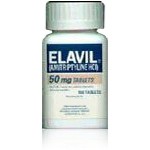
Elavil is the original brand-name formulation of Amitriptyline — one of the oldest and most clinically established tricyclic antidepressants (TCAs) in modern medicine, though now used far more often for chronic pain and migraine prophylaxis than for depression. Originally developed by Merck and FDA-approved since 1961, Amitriptyline remains one of the most-prescribed medications for various off-label pain conditions despite the development of newer antidepressants with better side effect profiles.
The active ingredient is Amitriptyline Hydrochloride, a tertiary amine TCA that works through strong dual inhibition of serotonin and norepinephrine reuptake. Amitriptyline's primary active metabolite is nortriptyline (itself a marketed TCA called Pamelor) providing predominantly norepinephrine reuptake inhibition. Additional receptor effects include strong H1 histamine antagonism (highly sedating), strong anticholinergic activity, α1-adrenergic blockade, and sodium channel blockade.
Elavil is FDA-approved for major depressive disorder. However, modern clinical practice has shifted Amitriptyline largely to off-label uses where its broad pharmacological profile provides unique benefits: chronic neuropathic pain, migraine prophylaxis, fibromyalgia, tension-type headache prophylaxis, low-dose insomnia, irritable bowel syndrome, interstitial cystitis, postherpetic neuralgia, painful diabetic peripheral neuropathy, and various functional pain syndromes.
The medication is available as 10, 25, 50, 75, 100, and 150 mg tablets. Standard adult dosing for depression is 75-150 mg daily, titrated up to 300 mg/day. For chronic pain or migraine prophylaxis, much lower doses (10-100 mg at bedtime) are typically effective and better tolerated. For insomnia off-label, 10-25 mg at bedtime suffices.
Critical safety considerations include the FDA boxed warning for suicidal ideation in pediatric/young adult patients, significant cardiotoxicity (QT prolongation, arrhythmias — dangerous in overdose), substantial anticholinergic side effects, orthostatic hypotension, marked sedation, weight gain, lowered seizure threshold, dangerous overdose toxicity, and Beers Criteria caution against use in elderly patients.
Free prescription
Discrete packaging
Have questions?
Quality Assurance

- Chronic Neuropathic Pain: Off-label for chronic neuropathic pain — signature modern indication;
- Migraine Prophylaxis: Off-label first-line for migraine prophylaxis at low bedtime doses;
- Tension Type Headache: Off-label first-line for chronic tension-type headache prophylaxis;
- Fibromyalgia: Off-label for fibromyalgia chronic widespread pain;
- Diabetic Neuropathy: Off-label for painful diabetic peripheral neuropathy;
- Postherpetic Neuralgia / PHN: Off-label for postherpetic neuralgia following shingles;
- Trigeminal Neuralgia: Off-label adjunct for trigeminal neuralgia;
- Insomnia: Off-label low-dose use for chronic insomnia particularly with pain or depression;
- Irritable Bowel Syndrome / IBS: Off-label for IBS-related visceral pain and altered bowel function;
- Interstitial Cystitis: Off-label for interstitial cystitis and chronic pelvic pain syndrome;
- Chronic Pelvic Pain: Off-label for chronic pelvic pain syndromes;
- Functional Dyspepsia: Off-label for functional dyspepsia with visceral hypersensitivity;
- Vulvodynia: Off-label for vulvodynia and chronic genital neuropathic pain;
- Cluster Headache: Selective off-label use for cluster headache prophylaxis;
- Atypical Facial Pain: Off-label for atypical facial pain syndromes;
- Chemotherapy Neuropathy: Off-label for chemotherapy-induced peripheral neuropathy;
- Phantom Limb Pain: Off-label for phantom limb pain in amputees;
- Pseudobulbar Affect / PBA: Selective off-label use for pseudobulbar affect;
- PMS / Premenstrual Syndrome: Off-label for premenstrual syndrome;
- Nocturnal Enuresis: Off-label for pediatric nocturnal enuresis (bedwetting);
- Bulimia Nervosa: Off-label adjunct for bulimia nervosa;
- Anxiety With Depression: For anxiety disorders with comorbid depression.
- Less Nerve Pain: Significant reduction in chronic neuropathic pain — foundational off-label benefit;
- Less Burning Pain: Reduction in characteristic burning quality of neuropathic pain;
- Less Shooting Pain: Reduction in shooting and lancinating neuropathic pain;
- Less Allodynia: Reduction in allodynia (pain from non-painful stimuli);
- Less Migraine Frequency: Off-label reduction in migraine attack frequency with bedtime dosing;
- Less Migraine Severity: Off-label reduction in migraine attack severity and duration;
- Less Tension Headaches: Off-label reduction in chronic tension-type headache frequency;
- Less Fibromyalgia Pain: Off-label reduction in chronic widespread fibromyalgia pain;
- Less Abdominal Pain: Off-label reduction in IBS-related visceral abdominal pain;
- Less Bladder Pain: Off-label reduction in interstitial cystitis bladder pain;
- Less Diabetic Foot Pain: Off-label reduction in painful diabetic peripheral neuropathy;
- Less Shingles Pain: Off-label reduction in postherpetic neuralgia following shingles;
- Better Sleep Onset: Sedating low-dose Amitriptyline supports falling asleep;
- Better Sleep Maintenance: Reduces nighttime awakenings — supports sleep maintenance;
- Better Pain Free Periods: Extended pain-free periods between neuropathic pain episodes;
- Better Daily Function: Return to school, work, and normal activities with effective pain control;
- Better Quality of Life: Combined mood, sleep, and pain improvement substantially improves quality of life;
- Less Opioid Need: Opioid-sparing effect in chronic neuropathic pain reduces need for opioid analgesics;
- Better Bowel Comfort: Off-label improvement in IBS-related bowel comfort and symptoms;
- Better Bladder Comfort: Off-label improvement in interstitial cystitis bladder comfort;
- Less Pediatric Bedwetting: Off-label reduction in pediatric nocturnal enuresis;
- Brand Elavil: Original Merck/AstraZeneca brand of Amitriptyline with established global clinical reputation since 1961;
- Generic Amitriptyline: Affordable generic versions expand global access to foundational TCA therapy;
- Endep Equivalent: Same Amitriptyline molecule as international brand Endep — familiar across European/Australian markets;
- Tricyclic Antidepressant: Foundational TCA class with established broad pharmacological mechanism;
- Tertiary Amine TCA: Tertiary amine TCA structure with strong serotonergic and noradrenergic activity;
- Dual Serotonin Norepinephrine Reuptake Inhibition: Dual reuptake inhibition supports both mood and pain benefits;
- Nortriptyline Metabolite: Active nortriptyline metabolite (marketed as Pamelor) provides additional noradrenergic activity;
- Chronic Pain Standard: Standard off-label therapy for chronic neuropathic pain in pain management practice;
- Migraine Prophylaxis Standard: Standard off-label migraine prophylaxis at low bedtime doses;
- Low Dose Insomnia Standard: Standard low-dose use for chronic insomnia particularly with pain or depression comorbidity;
- Once Daily Bedtime Dosing: Convenient once-daily bedtime dosing for off-label pain and insomnia indications;
- Combination Therapy Pain Sleep: Unique combination of chronic pain reduction plus sleep improvement at low doses;
- WHO Essential Medicine: Listed on the WHO Model List of Essential Medicines as a foundational antidepressant and pain medication;
- 60 Plus Year Antidepressant History: One of the oldest antidepressants in clinical use — extensive real-world experience since 1961;
- Affordable TCA: Highly affordable globally — supports access in resource-limited settings;
- Opioid Sparing Pain Therapy: Reduces need for opioids in chronic pain management.
Generic Elavil (Amitriptylin 10 mg) Medication guide:
📖 What Is Elavil and Its Vintage Tricyclic Antidepressant Legacy
Elavil is the vintage brand of amitriptyline, one of the first tricyclic antidepressants developed by Merck in the late 1950s and approved by FDA in September 1961. Despite being displaced as first-line depression therapy by SSRIs and SNRIs, amitriptyline remains widely prescribed in modern practice - predominantly off-label for chronic pain conditions, migraine prophylaxis, fibromyalgia, and other conditions where its multi-receptor mechanism provides therapeutic benefit.
📋 Elavil essentials
- Generic name
- Amitriptyline hydrochloride
- Original manufacturer
- Merck Sharp and Dohme (1961); brand Elavil discontinued in some markets; extensive generic availability worldwide
- Drug class
- Tricyclic antidepressant (TCA); tertiary amine subtype
- FDA-approved indication
- Major depressive disorder (September 1961); single formal indication despite widespread other uses
- Primary modern use
- Off-label chronic pain treatment (neuropathic pain, migraine prophylaxis, fibromyalgia, chronic headache, chronic pelvic pain) - more common than modern depression use
- Formulations
- Tablets 10 mg, 25 mg, 50 mg, 75 mg, 100 mg, 150 mg; IV formulation available in some markets
- Adult depression dose range
- 75-300 mg/day (typically 100-200 mg divided or at bedtime)
- Adult chronic pain dose range
- 10-75 mg at bedtime typically (much lower than antidepressant doses)
- Active metabolite
- Nortriptyline (itself marketed separately as Pamelor); secondary amine TCA with different receptor profile
| Elavil distinguishing features | Clinical implication |
|---|---|
| Six-decade clinical experience | Extensive real-world data; well-understood profile despite lack of modern industry advocacy |
| Multi-receptor mechanism | Simultaneous SERT, NET, H1, M1, alpha-1 effects from single molecule; explains both efficacy and side effects |
| Predominantly used off-label for chronic pain | Most modern prescriptions are for pain (10-75 mg bedtime), not depression (150-300 mg) |
| First-line for many neuropathic pain conditions | IASP/EFNS/AAN guidelines position TCAs including amitriptyline as first-line for neuropathic pain |
| Substantial anticholinergic burden | Dry mouth, constipation, urinary retention, cognitive effects; Beers Criteria inappropriate for elderly |
| Cardiac sodium channel blockade | QRS widening; substantial overdose fatality risk unlike SSRIs |
| Prominent sedation | Limits antidepressant dosing tolerability; useful for insomnia; fall risk in elderly |
| Common weight gain | Chronic use often associated with substantial weight gain; considered in prescribing decisions |
💡 The remarkable modern relevance of a 60-year-old drug
Amitriptyline is a striking example of a drug whose modern use has evolved dramatically from its original purpose. Approved in 1961 as a first-generation antidepressant, amitriptyline was widely prescribed for depression through the 1970s and 1980s. With the introduction of SSRIs (fluoxetine 1987, then paroxetine, sertraline, citalopram, and escitalopram), amitriptyline was largely displaced from first-line depression treatment due to its substantial side effect burden and dangerous overdose profile. However, clinicians observed that low-dose amitriptyline (10-75 mg at bedtime) was highly effective for various chronic pain conditions where SSRIs had minimal benefit. This led to a second life for amitriptyline as one of the most widely used medications for neuropathic pain, migraine prophylaxis, chronic tension headache, fibromyalgia, and other chronic pain conditions. Modern practice guidelines from IASP, EFNS, AAN, and other bodies position TCAs including amitriptyline as first-line neuropathic pain therapy alongside duloxetine and pregabalin.
📜 Amitriptyline History From Merck 1961 to Modern Off-Label Renaissance
The amitriptyline story is fundamental to the history of psychopharmacology. Emerging in the late 1950s as one of the first successful tricyclic antidepressants, amitriptyline defined an entire drug class and dominated depression treatment for two decades before the SSRI revolution. Its subsequent transformation into a chronic pain workhorse represents one of medicine's most remarkable off-label evolutions.
📅 Development timeline
- Late 1950s
- Merck Sharp and Dohme researchers synthesise amitriptyline as second-generation tricyclic antidepressant following imipramine (Tofranil, 1958)
- September 1961
- FDA approves Elavil for depression; becomes one of first widely used antidepressants alongside imipramine
- 1960s-1970s
- Dominant depression treatment alongside imipramine; extensive clinical use establishes TCA class as therapeutic standard
- 1970s
- Off-label use for chronic pain conditions begins emerging; initial evidence for postherpetic neuralgia and diabetic neuropathy
- Late 1970s
- Amitriptyline for migraine prophylaxis becomes established clinical practice (Couch et al. studies)
- 1980s
- Extensive off-label use for chronic pain, migraine, tension headache, fibromyalgia continues to grow
- December 1987
- Fluoxetine (Prozac) approved by FDA; begins SSRI era; amitriptyline displaced from first-line depression
- 1990s
- SSRIs, then SNRIs (venlafaxine 1993), take over depression treatment; amitriptyline settles into chronic pain and specific depression niches
- 1990s-2000s
- Cochrane reviews and formal guidelines confirm amitriptyline efficacy for various chronic pain conditions
- 2000s onwards
- Guideline-based positioning: IASP/EFNS/AAN place TCAs among first-line neuropathic pain therapies alongside gabapentinoids and duloxetine
- Modern era (2010s-2020s)
- Continues among top prescribed medications globally; predominantly at low pain doses (10-75 mg); occasional depression use particularly in specific situations
📌 Historical significance and context
- Second-generation TCA following imipramine (1958); together defined the drug class
- Dominated depression treatment from 1961 to late 1980s alongside imipramine
- Class effect discovery: TCAs also worked for chronic pain independently of antidepressant effect
- Cost-effective option since long-standing generic availability
- Shifted from primary antidepressant to chronic pain workhorse as safer alternatives emerged for depression
- Continues in guidelines as first-line neuropathic pain option
- Beers Criteria listing: American Geriatrics Society considers amitriptyline inappropriate for elderly due to anticholinergic burden
- Extensive comparative research against newer antidepressants confirms similar depression efficacy but worse tolerability
💡 The pain use transition
The transformation of amitriptyline from primary antidepressant to primary chronic pain treatment is one of medicine's most striking clinical evolutions. Several factors drove this shift: (1) SSRIs offered similar antidepressant efficacy with substantially better tolerability at antidepressant doses (150-300 mg amitriptyline produces prohibitive anticholinergic burden and sedation for many patients); (2) SSRIs had much safer overdose profile - critical in depressed populations where overdose attempts occur; (3) low-dose amitriptyline (10-75 mg bedtime) provided pain relief without the tolerability limits of antidepressant doses; (4) SSRIs showed minimal pain benefit, leaving TCAs as the antidepressant class for chronic pain; (5) generic availability made amitriptyline extremely cost-effective. Modern practice continues to leverage amitriptyline's unique pain efficacy while typically choosing safer alternatives for depression when depression is the primary indication.
⚗️ Chemistry - Dibenzocycloheptene Structure and Nortriptyline Metabolite
Amitriptyline has a distinctive dibenzocycloheptene tricyclic structure with a dimethyl-substituted propyl amine side chain. This tertiary amine tricyclic scaffold defines its multi-receptor pharmacology and produces the substantial receptor promiscuity that explains both its therapeutic effects and its adverse effect burden.
⚗️ Structural features
- Chemical name
- 3-(10,11-dihydro-5H-dibenzo[a,d]cyclohepten-5-ylidene)-N,N-dimethyl-1-propanamine hydrochloride
- Structural class
- Tricyclic dibenzocycloheptene; tertiary amine (has N,N-dimethyl group); classic TCA scaffold
- Stereochemistry
- Achiral (no chiral centres); single molecular entity
- Molecular weight
- Approximately 277 g/mol (base); 313 g/mol as hydrochloride salt
- Solubility
- Water-soluble hydrochloride salt; highly lipophilic base; excellent CNS penetration; extensive tissue distribution
- Active metabolite - nortriptyline
- N-demethylation produces nortriptyline (secondary amine TCA); nortriptyline itself is marketed separately as Pamelor; has different receptor affinity profile favouring NE reuptake inhibition with less anticholinergic burden
🔬 Receptor binding profile - substantial promiscuity
- Serotonin transporter (SERT): potent inhibitor (comparable to SSRIs)
- Norepinephrine transporter (NET): potent inhibitor (comparable to venlafaxine at higher doses)
- Muscarinic M1 receptors: potent antagonist - substantial anticholinergic effect (dry mouth, constipation, cognitive, urinary retention)
- Muscarinic M2-5 receptors: significant antagonism contributing to cardiac and GI effects
- Histamine H1 receptors: potent antagonist - substantial sedation and weight gain
- Alpha-1 adrenergic receptors: potent antagonist - orthostatic hypotension
- Alpha-2 adrenergic receptors: modest antagonism
- 5-HT2A receptors: antagonism - may contribute to sleep effects and receptor downregulation
- Sodium channels (cardiac and neuronal): blockade - QRS widening in overdose; also may contribute to pain effects
- NMDA receptors: modest modulation possibly contributing to pain effects
- Dopamine transporter (DAT): weak effect
| Receptor effect | Clinical manifestation |
|---|---|
| SERT and NET reuptake inhibition | Antidepressant effect; chronic pain benefit through descending inhibition |
| Muscarinic antagonism | Dry mouth, constipation, urinary retention, blurred vision, cognitive impairment, precipitation of narrow-angle glaucoma |
| H1 antagonism | Sedation (useful for insomnia; problematic for daytime function); weight gain |
| Alpha-1 antagonism | Orthostatic hypotension; dizziness; fall risk especially elderly |
| Sodium channel blockade | QRS widening; ventricular arrhythmias in overdose; pain effect contribution |
| 5-HT2A antagonism | May contribute to sleep architecture effects |
| NMDA modulation | Possible additional pain mechanism contribution |
💡 The tertiary amine burden
Amitriptyline is classified as a tertiary amine TCA (has N,N-dimethyl group). Tertiary amine TCAs including imipramine, amitriptyline, doxepin, and clomipramine have generally more anticholinergic burden and sedation than secondary amine TCAs (nortriptyline, desipramine, protriptyline). The active metabolite nortriptyline that amitriptyline converts to actually has less anticholinergic and antihistaminergic effects than the parent drug. In clinical practice, if TCA effects are desired with reduced side effect burden, nortriptyline is often preferred over amitriptyline. This is particularly relevant in elderly patients where anticholinergic burden and orthostasis are more problematic. However, amitriptyline may still be chosen when specific properties are desired (e.g., stronger sedation for insomnia component, established efficacy in specific indications).
🧠 Multi-Receptor TCA Mechanism - Reuptake Inhibition Plus Receptor Blockade
Amitriptyline exerts its complex therapeutic effects through simultaneous action on multiple receptor systems. Unlike SSRIs (single primary mechanism) or SNRIs (dual mechanism), amitriptyline engages at least 8-10 pharmacologically relevant receptor systems at therapeutic concentrations, producing both broad efficacy and substantial adverse effect burden.
🧠 Antidepressant mechanism
- Serotonin reuptake inhibition
- Blocks SERT preventing serotonin removal; increases postsynaptic 5-HT signalling; comparable to SSRI mechanism
- Norepinephrine reuptake inhibition
- Blocks NET preventing norepinephrine removal; increases postsynaptic NE signalling; comparable to SNRI mechanism at effective doses
- Combined effect
- Effectively an SNRI at all therapeutic doses, unlike venlafaxine which only becomes true SNRI at higher doses
- 5-HT2A antagonism
- May contribute to antidepressant effect through receptor downregulation and prefrontal cortex modulation
- Downstream adaptations
- Weeks of chronic therapy: receptor downregulation and desensitisation; BDNF upregulation; hippocampal neurogenesis; neuroplasticity
💉 Chronic pain mechanism
- Descending inhibitory pathway enhancement
- Combined SERT and NET inhibition enhances descending inhibitory pathways from brainstem to spinal cord dorsal horn; enhances pain gating
- Sodium channel modulation
- Blocks voltage-gated sodium channels in peripheral nerves; reduces ectopic firing that produces neuropathic pain
- NMDA receptor modulation
- Modest NMDA effect may reduce central sensitisation
- Opioid receptor modulation
- Some evidence of indirect opioid system effects
- Independent of antidepressant effect
- Pain benefit emerges at lower doses (10-75 mg) than antidepressant effect (150-300 mg); occurs earlier (1-2 weeks vs 4-6 weeks); occurs in non-depressed patients
🎯 Mechanism-condition mapping
- Major depressive disorder
- Combined SERT+NET+5-HT2A effects address monoamine hypothesis; requires higher doses (150-300 mg); overall efficacy comparable to SSRIs
- Neuropathic pain (postherpetic, diabetic, other)
- Descending inhibition + sodium channel blockade + NMDA modulation; low doses effective (25-75 mg)
- Migraine prophylaxis
- Central serotonergic modulation of trigeminovascular system; effective at 25-100 mg bedtime
- Chronic tension-type headache
- Similar mechanism; effective at 25-75 mg bedtime
- Fibromyalgia
- Central sensitisation modulation; descending inhibition enhancement; 10-50 mg bedtime
- Insomnia
- Primarily H1 antagonism + alpha-1 antagonism + 5-HT2A antagonism; effective at 10-25 mg bedtime
- Interstitial cystitis and chronic pelvic pain
- Central pain modulation; anticholinergic effects contribute; 25-50 mg bedtime
💡 The pain-antidepressant dose dissociation
The dissociation between amitriptyline's pain and antidepressant doses is one of its most clinically important features. For chronic pain conditions, effective doses are 10-75 mg at bedtime - substantially lower than the 150-300 mg needed for depression response. Pain benefit typically emerges within 1-2 weeks, while antidepressant response requires 4-6 weeks. Pain benefit occurs in patients without depression, confirming independent mechanism. This dose dissociation explains why amitriptyline is well-tolerated as pain treatment (low dose, minimal receptor engagement beyond desired effects) but often prohibitively toxic as antidepressant (high dose, substantial receptor promiscuity producing anticholinergic burden, sedation, orthostasis, cardiac effects). Modern low-dose pain use largely represents the practical reality of amitriptyline clinical use. The multiple pain-relevant mechanisms (descending inhibition, sodium channels, NMDA) explain its efficacy across diverse chronic pain conditions where SSRIs fail.
🔬 Pharmacokinetics - Long Half-Life and CYP2D6 Genetic Polymorphism
Amitriptyline has pharmacokinetic properties characterized by long half-life, extensive hepatic metabolism, and substantial CYP2D6 genetic polymorphism. These features simplify daily dosing but require attention to individual variability and drug interactions.
🔬 PK parameters
- Absorption
- Well-absorbed orally; Tmax approximately 4 hours; substantial first-pass metabolism
- Bioavailability
- Approximately 30-60 percent (substantial individual variation due to CYP2D6 polymorphism)
- Food effect
- Modest food effect; can be taken with or without food; taking with food may reduce dizziness and orthostasis
- Protein binding
- Very high: approximately 95 percent (primarily albumin)
- Volume of distribution
- Very large: approximately 1000 L or more; extensive tissue distribution including CNS; explains inability to remove effectively by dialysis
- Half-life
- Approximately 10-28 hours (mean ~17 hours); substantial individual variation due to CYP2D6 polymorphism; permits once-daily bedtime dosing
- Nortriptyline metabolite half-life
- Approximately 18-44 hours; longer than parent; contributes to overall duration of effect
- Steady-state
- Reached in approximately 5-7 days
- Metabolism
- Extensive hepatic: CYP2D6 primary (produces active nortriptyline); CYP2C19 also involved; CYP3A4 secondary
- Elimination
- Primarily renal excretion of metabolites; less than 5 percent unchanged parent in urine; large volume of distribution and high protein binding limit dialysis effectiveness
🧬 CYP2D6 pharmacogenomics - substantial impact
- Poor metabolisers (7-10 percent of Caucasians)
- Higher parent drug levels; lower nortriptyline formation; substantially enhanced anticholinergic and cardiac effects; often need lower doses
- Intermediate metabolisers
- Modestly higher parent levels; increased risk of side effects
- Extensive metabolisers (normal, most common)
- Standard PK; predictable exposure at typical doses
- Ultra-rapid metabolisers (1-2 percent)
- Lower parent levels; higher nortriptyline formation; may need higher doses; concurrent NE effects more prominent
- Concurrent CYP2D6 inhibitors
- Paroxetine, fluoxetine, bupropion, quinidine convert metabolic status effectively to poor metaboliser; higher parent levels
- Genetic testing
- Not routinely required; may be useful in inadequate response, unusual side effects, or planning higher-dose therapy
💡 Therapeutic drug monitoring option
Unlike newer antidepressants where therapeutic drug monitoring is rarely useful, TCAs including amitriptyline have well-established therapeutic ranges. For depression treatment, combined amitriptyline + nortriptyline plasma levels of 120-250 ng/mL are generally considered therapeutic range. Levels over 500 ng/mL are associated with substantially increased toxicity risk. TDM can be useful in: (1) inadequate response despite adequate dose; (2) suspected non-adherence; (3) suspected drug interactions; (4) unusual side effect profile; (5) high-dose therapy where cardiac safety is concern; (6) elderly patients with variable pharmacokinetics. For low-dose pain therapy, TDM is rarely needed. Baseline ECG combined with TDM guides safe amitriptyline use in depression treatment particularly when suicide risk or overdose concern exists.
📋 FDA-Approved Indication and Widespread Off-Label Modern Use
Elavil has a single FDA-approved indication - major depressive disorder in adults, approved September 1961. Despite widespread off-label use for chronic pain conditions (which vastly exceeds depression use in modern practice), amitriptyline has never received FDA approval for pain or any other indication in the United States.
| Indication category | Approval status | Typical dose range |
|---|---|---|
| Major depressive disorder (adult) | FDA approved September 1961 | 75-300 mg/day divided or at bedtime |
| Neuropathic pain (postherpetic, diabetic, others) | Off-label (guidelines first-line) | 25-75 mg at bedtime |
| Migraine prophylaxis | Off-label (guidelines recommend) | 25-100 mg at bedtime |
| Chronic tension-type headache | Off-label | 25-75 mg at bedtime |
| Fibromyalgia | Off-label | 10-50 mg at bedtime |
| Chronic insomnia | Off-label | 10-25 mg at bedtime |
| Interstitial cystitis | Off-label | 25-50 mg at bedtime |
| Irritable bowel syndrome | Off-label | 10-25 mg at bedtime |
| Chronic low back pain | Off-label | 25-75 mg at bedtime |
| PTSD nightmares (less common) | Off-label | 25-50 mg at bedtime |
| Nocturnal enuresis (pediatric) | Off-label (imipramine more common) | Weight-based low doses |
📋 Why pain lacks FDA approval despite widespread use
- Old drug with generic status: no economic incentive for industry-sponsored FDA submissions
- Off-label use developed organically through clinical observation rather than industry-sponsored trials
- Extensive independent evidence supports off-label use through academic research and guidelines
- Cochrane reviews and international guidelines (IASP/EFNS/AAN) formally recognize efficacy for various chronic pain conditions
- Practice standard established despite lack of FDA labelling for pain
- FDA approval process requires industry sponsor with financial motivation not present for old generics
- Insurance coverage generally intact despite off-label status due to guideline recognition
💡 The single-indication reality
Amitriptyline exemplifies an unusual regulatory situation - a widely prescribed medication where the majority of prescriptions are for indications other than the FDA-approved one. This reflects both the drug's extensive clinical evidence for pain conditions beyond FDA labelling, and the reality that old generic drugs without industry sponsors rarely receive label expansions. Modern clinicians must understand both the depression profile (higher doses, cardiac and anticholinergic concerns, gradual titration) and the pain profile (low doses, bedtime only, generally better tolerated) to prescribe appropriately. This dual identity reflects both the therapeutic value at different doses and the pharmaceutical economics of a decades-old generic medication.
🧩 Major Depressive Disorder - Historical Foundation Indication
Major depressive disorder was the founding FDA indication for Elavil in September 1961, and remained its primary use through the 1980s. In modern practice, amitriptyline for depression has been largely displaced by SSRIs, SNRIs, and other newer antidepressants due to tolerability and overdose safety concerns. However, it retains a niche role particularly for severe treatment-resistant depression and specific patient profiles.
🧩 Amitriptyline in MDD
- Approval basis
- Multiple trials in 1950s-1960s demonstrated efficacy comparable to imipramine (Tofranil, 1958); established TCAs as therapeutic standard
- Efficacy comparison
- Cipriani 2018 network meta-analysis ranks amitriptyline among more efficacious antidepressants; comparable to SSRIs and SNRIs for depression response and remission
- Tolerability comparison
- Substantially worse tolerability than SSRIs and SNRIs at antidepressant doses; higher discontinuation rates; substantial anticholinergic burden
- Response rate
- Approximately 50-65 percent response at 150-300 mg/day; 30-45 percent remission; typical for antidepressants
- Onset of effect
- Similar to other antidepressants: 2-4 weeks for initial improvement; 6-8 weeks for full effect
- Dosing for depression
- Start 25-50 mg at bedtime; titrate to 100-200 mg over 2-4 weeks; maximum 300 mg/day; many patients cannot tolerate high doses
🌟 Depression scenarios where amitriptyline monotherapy may be appropriate
- Severe treatment-resistant depression not responding to SSRIs, SNRIs, mirtazapine, augmentation
- Depression with chronic pain comorbidity: dual benefit through single medication
- Depression with severe insomnia: sedation useful component
- Depression with prominent weight loss: TCA-associated weight gain may be helpful
- Depression with previous TCA response: consistent individual response history
- Melancholic depression: some evidence of TCA advantage for melancholic subtype
- Depression with fibromyalgia: single medication addresses both
- Cost-conscious situations: inexpensive generic
🔴 Depression scenarios where amitriptyline is generally avoided
- Elderly patients: Beers Criteria inappropriate due to anticholinergic burden and orthostasis
- High suicide risk: overdose fatality concern substantially higher than SSRIs
- Cardiac disease: QRS widening and arrhythmia concerns
- Narrow-angle glaucoma: anticholinergic precipitation risk
- BPH/urinary retention: anticholinergic worsening
- Cognitive impairment: anticholinergic worsening; dementia risk with chronic use
- Recent MI: cardiac safety concern
- Uncomplicated MDD without specific compelling reason: SSRIs preferred first-line
| Antidepressant class in MDD | Modern positioning |
|---|---|
| SSRIs (sertraline, escitalopram, citalopram) | First-line general MDD; safest overdose profile |
| SNRIs (duloxetine, venlafaxine) | First or second-line; pain-comorbid or severe |
| Bupropion | Alternative for weight-neutral, energy-focused |
| Mirtazapine | Alternative for sedating profile, insomnia, appetite loss |
| Vortioxetine (Trintellix) | Alternative with cognitive benefit |
| Amitriptyline (Elavil) | Reserved for treatment-resistant or pain-comorbid depression; not first-line modern practice |
| Nortriptyline (Pamelor) | TCA alternative with better tolerability profile |
| MAOIs | Reserved for treatment-resistant depression |
💡 Modern amitriptyline depression positioning
Amitriptyline as sole antidepressant faces substantial tolerability challenges at effective doses. Reaching 200-300 mg/day (typical target for depression response) often produces prohibitive anticholinergic burden, sedation, orthostatic hypotension, weight gain, and other adverse effects for many patients. Most patients cannot achieve the full antidepressant dose without substantial tolerability issues. This is why SSRIs and SNRIs have become preferred first-line, offering similar efficacy with better tolerability. Amitriptyline monotherapy for depression remains reasonable for selected patients with specific profiles favouring its use (severe treatment-resistant depression, depression with substantial chronic pain, depression with severe insomnia component). The more common modern application is at low doses (10-75 mg) for chronic pain conditions where its distinctive multi-receptor mechanism provides benefit unavailable from newer antidepressants.
💉 Chronic Neuropathic Pain Treatment - Modern Primary Use
Chronic neuropathic pain treatment is now the most common amitriptyline application. IASP, EFNS, and AAN guidelines position tricyclic antidepressants including amitriptyline as first-line pharmacotherapy for neuropathic pain conditions. Low-dose amitriptyline (25-75 mg bedtime) provides effective pain relief with reasonable tolerability for many patients where SSRIs are ineffective.
💉 Amitriptyline in neuropathic pain
- Guideline position
- IASP NeuPSIG (Finnerup 2015): TCAs first-line alongside pregabalin/gabapentin and duloxetine/venlafaxine; EFNS 2010 similar; AAN 2011 recognizes TCAs for painful diabetic neuropathy
- Evidence base
- Moore Cochrane 2015 systematic review; multiple RCTs across postherpetic neuralgia, diabetic peripheral neuropathy, other neuropathic conditions; strongest evidence for postherpetic neuralgia
- Response rate
- Approximately 40-50 percent achieve substantial pain reduction; NNT approximately 3-4 for meaningful response - among most effective for neuropathic pain
- Dosing
- Start 10-25 mg at bedtime; increase weekly by 10-25 mg to 25-75 mg typical target; occasional patients benefit from higher doses
- Time course
- Some pain relief within 1-2 weeks; substantial improvement usually by 4-6 weeks; earlier onset than antidepressant effect
- Long-term efficacy
- Sustained benefit demonstrated; typical maintenance for chronic conditions
| Neuropathic pain condition | Amitriptyline evidence | Typical dose |
|---|---|---|
| Postherpetic neuralgia | Strong evidence; historically first-line | 25-75 mg bedtime |
| Painful diabetic peripheral neuropathy | Established evidence; AAN 2011 acceptable | 25-100 mg bedtime |
| Trigeminal neuralgia (adjunctive) | Less evidence; carbamazepine primary | 25-75 mg bedtime |
| Post-stroke central pain | Modest evidence | 25-75 mg bedtime |
| Chemotherapy-induced peripheral neuropathy | Duloxetine preferred per ASCO; TCA alternative | 25-50 mg bedtime |
| HIV-associated peripheral neuropathy | Modest evidence | 25-50 mg bedtime |
| Complex regional pain syndrome (CRPS) | Off-label; combination approach | 25-75 mg bedtime |
| Chronic radicular pain | Off-label | 25-75 mg bedtime |
🎯 Neuropathic pain treatment framework
- First-line pharmacotherapy per IASP NeuPSIG: TCAs (amitriptyline, nortriptyline); gabapentinoids (gabapentin, pregabalin); SNRIs (duloxetine, venlafaxine)
- Amitriptyline advantages: highly effective; inexpensive; established evidence; sleep benefit with bedtime dosing; addresses concurrent depression at higher doses
- Amitriptyline limitations: anticholinergic burden; not for elderly (per Beers); cardiac concerns; contraindications with narrow-angle glaucoma, BPH, cardiac disease
- Nortriptyline alternative: similar TCA efficacy with better tolerability profile; often preferred in elderly
- Duloxetine alternative: FDA-approved for painful diabetic neuropathy; better tolerability profile; more expensive
- Combination therapy: amitriptyline + gabapentinoid often provides additive benefit (Gilron research)
- Topical alternatives: capsaicin, lidocaine 5 percent patch for focal conditions
- Second-line: tramadol, opioids reserved
- Non-pharmacological: physical therapy, TENS, psychological approaches
💡 The neuropathic pain workhorse
Amitriptyline remains one of the most widely used medications for neuropathic pain despite six decades since its introduction. The NNT of 3-4 for meaningful pain response is among the best for any neuropathic pain treatment. When appropriately selected patients (younger age, without cardiac disease, no anticholinergic contraindications, willing to accept some side effects for pain relief) receive low-dose amitriptyline at bedtime, they often experience substantial pain reduction and improved sleep with reasonable tolerability. The cost advantage (inexpensive generic) makes it particularly valuable in resource-limited settings. Combination approaches (amitriptyline + pregabalin, or amitriptyline + gabapentin) often provide additive benefit for refractory cases per Gilron and colleagues' research. Nortriptyline (Pamelor) offers similar efficacy with modestly better tolerability and is often the TCA choice in elderly.
🧠 Migraine Prophylaxis and Chronic Tension Headache Treatment
Migraine prophylaxis is one of amitriptyline's most established off-label applications. Since Couch and colleagues' landmark 1970s trials, amitriptyline has been widely used and remains recommended in current migraine guidelines. It is particularly useful for migraine with comorbid chronic tension-type headache, insomnia, or depression.
🧠 Amitriptyline in migraine prophylaxis
- Evidence base
- Couch and Diamond 2000 landmark trial and multiple subsequent studies; historically established migraine prophylaxis role
- Guideline recognition
- AAN 2012 migraine prophylaxis guideline; European Headache Federation recommendations; considered established migraine prophylactic
- Efficacy
- Approximately 50 percent reduction in migraine frequency; approximately 40-50 percent of patients achieve 50 percent reduction in headache days
- Dosing
- Start 10-25 mg at bedtime; increase every 1-2 weeks by 10-25 mg to typical target 50-100 mg; higher doses (150 mg) occasionally beneficial
- Time course
- Effect emerges over 4-8 weeks; adequate trial requires 8-12 weeks at target dose
- Long-term use
- Sustained efficacy demonstrated; typical treatment duration 6-12 months minimum with periodic reassessment
| Migraine prophylactic | Level of evidence | Positioning |
|---|---|---|
| Propranolol, metoprolol (beta-blockers) | Level A | First-line |
| Topiramate | Level A | First-line; FDA-approved |
| Valproate/divalproex | Level A | First-line; FDA-approved |
| Amitriptyline | Level B | First or second-line; particularly with insomnia or tension headache comorbidity |
| Venlafaxine | Level B | Second-line |
| Candesartan, lisinopril | Level C | Alternative |
| CGRP monoclonal antibodies (erenumab, fremanezumab, galcanezumab) | Level A (newer) | FDA-approved; cost consideration |
| Onabotulinum toxin A | FDA-approved chronic migraine | Chronic migraine specific |
🌟 Migraine scenarios favouring amitriptyline
- Migraine with comorbid chronic tension-type headache: dual benefit
- Migraine with comorbid insomnia: sedation useful component
- Migraine with comorbid depression or anxiety: potential dual benefit at higher doses
- Migraine with weight loss desired (rarely appropriate consideration)
- Cost-conscious situations: inexpensive generic
- Migraine not responding to beta-blockers: alternative class
- Migraine in patients where topiramate side effects unacceptable: alternative
🎯 Chronic tension-type headache treatment
- Amitriptyline is first-line preventive for chronic tension-type headache
- Dosing similar to migraine prophylaxis (25-75 mg bedtime)
- Substantial evidence base including systematic reviews
- Alternative preventives: mirtazapine, venlafaxine
- Non-pharmacological approaches essential: stress management, physical therapy, biofeedback
- Address concurrent depression, anxiety, insomnia
- Address medication overuse headache if present (may complicate response)
💡 The migraine prevention landscape evolution
Modern migraine prophylaxis has expanded substantially with the introduction of CGRP monoclonal antibodies (erenumab, fremanezumab, galcanezumab) and gepants (small molecule CGRP antagonists including atogepant and rimegepant for prevention). These newer agents offer highly effective migraine prevention with generally excellent tolerability but at substantial cost. Amitriptyline retains a role particularly for patients with: (1) cost concerns; (2) comorbid tension headache; (3) comorbid insomnia; (4) partial response to other preventives; (5) preference for older established agents. Combination therapy (amitriptyline + beta-blocker, or amitriptyline + topiramate) is sometimes used for refractory cases. Non-pharmacological approaches (stress management, biofeedback, lifestyle modification) remain foundational alongside any pharmacotherapy.
🦴 Fibromyalgia and Chronic Widespread Pain Applications
Fibromyalgia and chronic widespread pain represent an important off-label application for amitriptyline. While duloxetine, milnacipran, and pregabalin have FDA approvals for fibromyalgia, amitriptyline remains widely used based on decades of clinical experience and modest evidence base at low bedtime doses.
🦴 Amitriptyline in fibromyalgia
- Evidence base
- Carette et al. 1994 landmark trial; multiple subsequent studies; not FDA-approved but reasonable evidence for symptom improvement
- Guideline position
- EULAR 2016 guidelines mention amitriptyline for fibromyalgia; AAPT 2019 diagnostic and treatment recommendations recognize TCAs
- Response profile
- Approximately 30-40 percent achieve meaningful pain improvement; also improves sleep quality; modest fatigue improvement
- Dosing
- Start 10-25 mg at bedtime; slow titration to 25-50 mg typical target; higher doses often not tolerated in fibromyalgia patients (particularly women who are majority)
- Time course
- Some benefit within 2-4 weeks; adequate trial 8-12 weeks
- Comparison with duloxetine
- Duloxetine FDA-approved; better tolerability profile; more expensive; amitriptyline alternative particularly cost-effective
| Fibromyalgia therapy | FDA status | Typical role |
|---|---|---|
| Duloxetine (Cymbalta) | FDA-approved | First-line especially with depression |
| Milnacipran (Savella) | FDA-approved | First-line NE-focused |
| Pregabalin (Lyrica) | FDA-approved | First-line; sleep benefit |
| Amitriptyline (Elavil) | Off-label | Established off-label; sleep benefit; cost-effective |
| Cyclobenzaprine | Off-label | Structurally similar to TCA; sleep and muscle benefit |
| Gabapentin | Off-label | Alternative to pregabalin |
| Nortriptyline | Off-label | TCA alternative with better tolerability |
| Non-pharmacological essential | Exercise, CBT, sleep hygiene | Foundation of fibromyalgia management |
🎯 Fibromyalgia management principles
- Multimodal approach essential: medication + non-pharmacological
- Graded exercise: aerobic and resistance; foundation per EULAR
- Cognitive behavioural therapy: pain coping skills
- Sleep optimisation: essential given sleep disturbance is core symptom; amitriptyline provides substantial sleep benefit
- Amitriptyline reasonable pharmacotherapy option particularly for cost-effective care or sleep-focused benefit
- Alternative pharmacotherapy: duloxetine, pregabalin, milnacipran per patient factors
- Combination therapy: amitriptyline + pregabalin sometimes used for refractory cases
- Address depression comorbidity: high prevalence in fibromyalgia
- Realistic expectations: 30-50 percent typical improvement; not cure
- Long-term therapy: fibromyalgia is chronic; continued treatment often needed
💡 The fibromyalgia amitriptyline position
Amitriptyline for fibromyalgia represents another example of a well-established but off-label use. When FDA-approved therapies (duloxetine, milnacipran, pregabalin) are unavailable due to cost, insurance coverage, or side effect intolerance, amitriptyline at 25-50 mg bedtime remains a reasonable option. Cyclobenzaprine (Flexeril, structurally similar to TCA amitriptyline) is sometimes used similarly. For patients where sleep component is prominent, amitriptyline's sedating effects can be therapeutic. For patients where anticholinergic burden is problematic (elderly, cognitive concerns), duloxetine or nortriptyline (better TCA tolerability) may be preferred. The comprehensive fibromyalgia treatment approach with exercise, CBT, sleep hygiene, and appropriate medication is more effective than any single medication alone.
😴 Insomnia and Sleep Disorder Off-Label Use
Chronic insomnia is a common off-label use for low-dose amitriptyline, particularly in patients with comorbid chronic pain, fibromyalgia, or depression. At very low doses (10-25 mg bedtime), amitriptyline provides sleep induction and maintenance through H1 antagonism, alpha-1 antagonism, and 5-HT2A antagonism without substantial daytime tolerability issues for many patients.
😴 Amitriptyline for insomnia
- Typical dose
- 10-25 mg at bedtime; occasionally up to 50 mg; much lower than depression or pain doses
- Mechanism relevance
- H1 antagonism (sedation); alpha-1 antagonism (calming); 5-HT2A antagonism (sleep architecture); minimal SERT/NET effect at low doses
- Time to effect
- 30-60 minutes to sleep effect onset
- Sleep benefits
- Reduces sleep latency; improves sleep maintenance; may increase slow-wave sleep; helps with pain-associated insomnia
- Non-addictive
- No dependence or tolerance development; unlike benzodiazepines and Z-drugs
- Doxepin comparison
- Doxepin (Silenor) low-dose 3-6 mg is FDA-approved specifically for insomnia; similar TCA mechanism at low dose; amitriptyline at 10-25 mg is off-label alternative
| Insomnia treatment option | Advantages | Concerns |
|---|---|---|
| CBT-I | First-line; durable benefit | Access, time commitment |
| Doxepin low-dose (Silenor) | FDA-approved for insomnia; sleep maintenance | Cost |
| Amitriptyline low-dose (off-label) | Inexpensive; sleep benefit; also helps chronic pain | Anticholinergic; not for elderly per Beers |
| Trazodone (off-label) | Non-addictive; established use | Orthostasis; priapism males |
| Zolpidem, eszopiclone (Z-drugs) | FDA-approved effective | Dependence, complex behaviours |
| Ramelteon | Non-addictive; safer profile | Modest efficacy |
| Suvorexant | Orexin antagonist; different mechanism | Cost; sleep paralysis |
| Mirtazapine (off-label low-dose) | Sedating; appetite stimulation | Weight gain; daytime sedation |
💡 The chronic pain plus insomnia efficiency
For patients with chronic pain (neuropathic pain, fibromyalgia, chronic tension headache, chronic back pain) who also have insomnia, amitriptyline provides an efficient single-medication approach addressing both conditions. At 25-50 mg bedtime, amitriptyline provides pain relief while promoting sleep. This is often preferable to combining separate medications for pain and sleep. The morning improvement in both pain and rested feeling improves overall function. For patients without significant chronic pain component, amitriptyline is often not preferred solely for insomnia given anticholinergic burden - alternatives (doxepin low-dose, ramelteon, trazodone) may have better risk-benefit for isolated insomnia. Beers Criteria consideration in elderly further limits amitriptyline utility for insomnia in older patients.
👤 Additional Off-Label Uses Including Interstitial Cystitis
Amitriptyline has additional off-label uses where multi-receptor mechanism provides therapeutic benefit. These include interstitial cystitis, irritable bowel syndrome, chronic pelvic pain, PTSD nightmares, and historically pediatric nocturnal enuresis. Understanding these additional applications reflects amitriptyline's versatility despite its FDA labelling limitations.
🌮 Interstitial cystitis and chronic pelvic pain
- Application
- Interstitial cystitis/bladder pain syndrome; chronic prostatitis/chronic pelvic pain syndrome; pudendal neuralgia
- Mechanism
- Central pain modulation; anticholinergic effect (bladder relaxation); descending inhibition
- Evidence
- American Urological Association 2015 IC guidelines recommend amitriptyline; reasonable evidence base
- Dosing
- Start 10-25 mg bedtime; titrate to 50-75 mg typically
🤦 Irritable bowel syndrome (IBS)
- Application
- IBS with pain; IBS-diarrhea predominant; mixed IBS
- Mechanism
- Central pain modulation; anticholinergic effect reduces GI motility (helpful for IBS-D); gut-brain axis modulation
- Evidence
- American College of Gastroenterology guidelines recognize TCAs including amitriptyline for IBS with pain
- Dosing
- Very low doses 10-25 mg bedtime typically effective; higher doses often not tolerated
📌 Additional off-label uses
- PTSD nightmares: prazosin preferred for combat-related PTSD; amitriptyline sometimes used
- Chronic low back pain: modest evidence; sometimes used adjunctively
- Sialorrhea (excessive salivation): anticholinergic effect useful in Parkinson disease, ALS
- Nocturnal enuresis in children: historically used (imipramine now more common; both largely displaced by desmopressin)
- Post-traumatic headache: prophylactic use after concussion
- Chronic idiopathic urticaria (adjunctive): H1 antagonism
- Cataplexy in narcolepsy (limited use): modest evidence; venlafaxine or SSRIs typically preferred
- Chronic itch/pruritus: H1 antagonism
- Temporomandibular disorders (TMD): pain and muscle tension
- Vulvodynia: central pain modulation
- Facial pain and atypical facial pain: central pain component
- Post-mastectomy pain syndrome: neuropathic pain component
💡 The multi-receptor versatility
Amitriptyline's extensive off-label use portfolio reflects its multi-receptor pharmacology. Different conditions exploit different receptor effects: (1) chronic pain and neuropathic pain use descending inhibition + sodium channel effects; (2) migraine uses serotonergic modulation of trigeminovascular system; (3) fibromyalgia uses central sensitisation modulation; (4) insomnia uses H1 + alpha-1 + 5-HT2A antagonism; (5) IBS uses gut-brain axis modulation + anticholinergic effect on motility; (6) interstitial cystitis uses central pain modulation + bladder anticholinergic effect; (7) chronic urticaria uses H1 antagonism. This receptor promiscuity that produces amitriptyline's adverse effect burden also enables its therapeutic versatility. Newer more selective drugs have often failed to replicate amitriptyline's effectiveness across these diverse indications because they lack the multi-receptor engagement. This is one reason amitriptyline retains clinical relevance despite six decades of newer alternatives.
📊 Adult Dosing for Depression Versus Pain Applications
Amitriptyline adult dosing follows two distinctly different regimens depending on indication - substantially high divided or bedtime doses for depression versus low single bedtime doses for chronic pain and other off-label uses. Understanding these divergent dosing profiles is essential for appropriate prescribing.
| Indication | Starting dose | Target dose | Maximum |
|---|---|---|---|
| Major depressive disorder (adult outpatient) | 25-50 mg bedtime | 100-200 mg/day divided or bedtime | 300 mg/day |
| Major depressive disorder (inpatient) | 50-100 mg bedtime | 150-300 mg/day divided | 300 mg/day |
| Neuropathic pain (off-label) | 10-25 mg bedtime | 25-75 mg bedtime | 150 mg (rarely needed) |
| Migraine prophylaxis (off-label) | 10-25 mg bedtime | 50-100 mg bedtime | 150 mg (rarely needed) |
| Chronic tension-type headache (off-label) | 10-25 mg bedtime | 25-75 mg bedtime | 100 mg |
| Fibromyalgia (off-label) | 10 mg bedtime | 10-50 mg bedtime | 75 mg |
| Chronic insomnia (off-label) | 10 mg bedtime | 10-25 mg bedtime | 50 mg |
| Interstitial cystitis (off-label) | 10-25 mg bedtime | 25-75 mg bedtime | 100 mg |
| Irritable bowel syndrome (off-label) | 10 mg bedtime | 10-25 mg bedtime | 50 mg |
📈 Depression titration protocol
- Week 1
- 25-50 mg at bedtime; assess sedation, anticholinergic effects, orthostasis
- Week 2
- 75-100 mg bedtime if tolerating; continue monitoring
- Week 3-4
- Titrate to 100-150 mg if tolerating; standard target dose for many patients
- Week 4-6
- Assess early response; verify cardiac tolerability with ECG if not done
- Week 6-8 if inadequate response
- Increase to 200 mg if tolerated; check plasma levels; consider ECG
- Week 8-12 if still inadequate
- Consider higher doses to 300 mg; TDM to guide; substantial tolerability concerns typical
- Adequate trial
- 6-8 weeks at effective tolerated dose with TDM verifying levels before considering treatment failure
- Maintenance
- Continue effective dose 6-12 months after remission; longer for recurrent depression
📈 Chronic pain titration protocol
- Week 1
- 10-25 mg at bedtime; assess morning grogginess and tolerability
- Week 2-3
- Increase by 10-25 mg weekly to target 25-75 mg based on response and tolerability
- Week 4-6
- Assess pain response; adjust based on response and tolerability
- Week 8-12
- Full assessment; many patients respond well at 25-50 mg
- Ongoing
- Continue effective dose; periodic reassessment for continued need
✅ Practical dosing tips
- Take at bedtime for all applications - sedation aligns with sleep; morning grogginess possible
- Take with food for GI tolerability if bothersome
- Rise slowly especially first 1-2 weeks - orthostatic hypotension prominent
- Do not stop suddenly - taper over 2-4 weeks (though less severe discontinuation than SNRIs)
- Missed dose: take same day if remembered; skip if closer to next dose; do not double
- Alcohol restriction: substantial additive CNS depression; avoid or substantially reduce
- Avoid concurrent anticholinergic drugs: additive burden problematic
- Assess pain response at 4-6 weeks; depression response at 6-8 weeks
- TDM for depression: target combined amitriptyline+nortriptyline 120-250 ng/mL
- ECG at baseline for depression doses or in vulnerable patients
🧒 Pediatric Considerations for Amitriptyline Off-Label Use
Amitriptyline is not FDA-approved for any pediatric indication in the US (though it was previously used for pediatric nocturnal enuresis). Off-label use in children and adolescents is limited and generally requires specialist supervision. Newer alternatives are typically preferred for pediatric depression, anxiety, and pain conditions.
🧒 Pediatric considerations
- FDA approval status
- No pediatric FDA approvals; all pediatric use is off-label
- Pediatric depression
- Meta-analyses show TCAs including amitriptyline do NOT clearly outperform placebo in pediatric depression; SSRIs (fluoxetine, escitalopram) preferred first-line; amitriptyline rarely used for pediatric depression modern practice
- Pediatric nocturnal enuresis (historical)
- Previously extensively used at 25-75 mg bedtime; imipramine more commonly used; largely displaced by desmopressin and behavioural interventions; TCAs still occasionally used
- Pediatric migraine prophylaxis
- CHAMP trial (Powers 2017 NEJM) showed amitriptyline NOT superior to placebo for pediatric migraine; use has declined; topiramate FDA-approved age 12+
- Pediatric chronic pain
- Limited evidence; occasional use in specialist chronic pain clinics; specialist supervision
- Pediatric dosing when used
- Weight-based; typically start 10 mg bedtime for adolescents; slow titration; specialist involvement essential
🔴 Pediatric black box suicidality warning and cardiac concerns
FDA 2004 boxed warning applies. Additional TCA-specific pediatric concerns: (1) cardiac conduction effects are proportionally more concerning in pediatric patients; (2) baseline ECG essential before pediatric TCA use; (3) TCA overdose fatalities have historically included pediatric accidental ingestions - keep out of reach; (4) anticholinergic effects may be more problematic in pediatric development; (5) pediatric MDD trials with TCAs consistently failed to show clear efficacy - this is a class limitation not specific to amitriptyline. Given these substantial concerns and lack of efficacy signal for pediatric depression, alternatives with better pediatric evidence are strongly preferred: SSRIs (fluoxetine age 8+, escitalopram age 12+); duloxetine (pediatric GAD age 7+); topiramate (migraine age 12+); melatonin (pediatric insomnia).
📋 Pediatric management principles
- Alternative therapies strongly preferred for pediatric depression, anxiety, pain, migraine
- Psychotherapy first-line for pediatric depression and anxiety
- SSRIs preferred pharmacotherapy with FDA pediatric approvals
- Amitriptyline reserved for specialist situations only
- Baseline ECG essential before initiation
- Family involvement: essential; parents in treatment planning; medications kept secure
- Start very low: 10 mg bedtime adolescents; even lower for younger
- Slower titration than adult
- Monitor closely: suicidality, cardiac effects, tolerability
- Growth monitoring: anticholinergic burden may affect development
- Duration and reassessment: brief trials with regular evaluation
👴 Elderly Dose Considerations and Anticholinergic Burden
Amitriptyline is listed on the American Geriatrics Society Beers Criteria as inappropriate for elderly due to substantial anticholinergic burden, orthostatic hypotension risk, sedation, cognitive effects, and association with increased dementia risk. When TCA therapy is truly needed in elderly, nortriptyline (Pamelor) with substantially better tolerability profile is preferred.
🔴 Beers Criteria - amitriptyline inappropriate for elderly
- AGS Beers Criteria classification
- American Geriatrics Society Beers Criteria lists amitriptyline as inappropriate for elderly (age 65+); strong evidence-based recommendation to avoid
- Primary reasons for Beers listing
- Substantial anticholinergic burden; orthostatic hypotension; sedation; cognitive impairment; fall risk; cardiac conduction concerns; anticholinergic-related dementia risk with chronic use
- Dementia risk association
- Wiese Neurology 2020 and other studies show anticholinergic burden including TCAs associated with increased dementia risk with chronic use; this is particularly concerning in elderly at baseline dementia risk
- Fall risk
- Substantially elevated fall risk from orthostasis + sedation + cognitive effects; hip fractures with 20-30 percent one-year mortality; devastating consequences
👴 When TCA truly needed in elderly
- Nortriptyline strongly preferred if TCA class needed: significantly less anticholinergic, less orthostatic, less sedating
- Amitriptyline should be avoided in elderly per Beers when alternatives available
- Very low starting dose if amitriptyline used: 10 mg bedtime
- Slow titration: rarely exceed 25-50 mg total
- Baseline ECG required: cardiac vulnerability
- Orthostatic vitals monitoring
- Cognitive assessment: baseline and periodic
- Anticholinergic burden score: assess cumulative burden from all medications
- Fall risk assessment: comprehensive
- Avoid combinations: other anticholinergics, sedatives, antihypertensives
- Reassess frequently: continued need, adverse effects
🌟 Preferred alternatives in elderly
- For elderly depression: sertraline, escitalopram, or mirtazapine (particularly for insomnia and appetite loss); duloxetine for pain-comorbid depression
- For elderly neuropathic pain: duloxetine (Cymbalta); pregabalin (Lyrica) or gabapentin at renal-adjusted doses; nortriptyline if TCA truly needed
- For elderly migraine prophylaxis: propranolol; topiramate; venlafaxine; CGRP mAbs if available
- For elderly fibromyalgia: duloxetine or pregabalin
- For elderly insomnia: doxepin low-dose (Silenor 3-6 mg has minimal anticholinergic at these doses); ramelteon; behavioural approaches
- For elderly IBS: gut-directed hypnotherapy; dietary approaches; peppermint oil; specific IBS-D or IBS-C medications
💡 The nortriptyline preference in elderly
When TCA effect is genuinely needed in elderly (particularly for neuropathic pain where TCAs have unique efficacy), nortriptyline (Pamelor) at low dose (10-25 mg bedtime) is substantially preferred over amitriptyline. Nortriptyline has: (1) approximately 30 percent less anticholinergic effect; (2) less alpha-1 antagonism producing less orthostasis; (3) less H1 antagonism producing less sedation and cognitive impairment; (4) similar therapeutic efficacy through NE reuptake inhibition; (5) not listed on Beers Criteria as inappropriate (though caution still warranted). This tolerability advantage makes nortriptyline the TCA of choice in elderly when TCA effect is truly needed. Modern practice increasingly favours duloxetine over TCAs for elderly neuropathic pain given even better tolerability profile, but nortriptyline remains reasonable option when duloxetine unsuitable.
🫀 Renal Impairment Considerations and Prescribing Cautions
Renal impairment has limited direct impact on amitriptyline pharmacokinetics given primarily hepatic metabolism and less than 5 percent unchanged renal excretion. However, elderly patients with CKD often have multiple factors compounding tolerability concerns, and careful monitoring is warranted.
🫀 Renal impairment approach
- Elimination pattern
- Primarily hepatic CYP2D6 metabolism; less than 5 percent unchanged renal excretion; metabolites renal but largely inactive
- Mild renal impairment (CrCl 60-90)
- No specific dose adjustment; monitor for adverse effects
- Moderate renal impairment (CrCl 30-60)
- No specific dose adjustment based on renal function alone; monitor for accumulation
- Severe renal impairment (CrCl below 30)
- Caution; consider dose reduction; monitor closely; other patient factors typically compound concerns
- End-stage renal disease/dialysis
- NOT effectively dialysed due to high protein binding (95 percent) and very large volume of distribution (>1000 L); standard non-dialysis approach with modest dose reduction
📋 Renal patient considerations
- Amitriptyline generally acceptable across CKD spectrum from pharmacokinetic perspective
- Elderly-CKD overlap concerns: many CKD patients are elderly; Beers Criteria and anticholinergic burden apply
- Cardiovascular considerations: elderly with CKD often have hypertension and cardiac disease compounding TCA cardiac risk
- Bladder function: CKD patients may have concurrent BPH or bladder issues worsened by anticholinergic effect
- Diabetic nephropathy: often coexisting cardiac autonomic neuropathy worsening orthostatic effects
- Pain in CKD: neuropathic pain common in diabetic and other CKD; amitriptyline reasonable option if other issues addressed
- Alternative for CKD patients: duloxetine avoided if CrCl below 30; gabapentin/pregabalin with substantial dose reduction; nortriptyline as TCA alternative
💡 TCA advantage in ESRD
Amitriptyline has one unusual advantage in ESRD compared to some alternatives: it is not effectively dialysed and does not require post-dialysis dose supplementation like gabapentin does. For dialysis patients with neuropathic pain or depression, amitriptyline at reduced doses can be used with standard bedtime dosing regardless of dialysis schedule. However, the tolerability concerns typical for TCAs remain. For most dialysis patients, alternatives are preferred: sertraline for depression; nortriptyline as safer TCA if TCA needed; pregabalin with dose adjustment for neuropathic pain (though also removed by dialysis requiring post-dialysis supplement). Individual patient factors including cardiovascular burden, cognitive status, and specific indication guide selection.
🪶 Hepatic Impairment Dose Adjustments and Monitoring
Hepatic impairment substantially affects amitriptyline pharmacokinetics given extensive CYP2D6 and CYP2C19 hepatic metabolism. Substantial dose reduction is needed in hepatic disease to prevent parent drug accumulation and associated toxicity including cardiac and anticholinergic effects.
🪶 Hepatic impairment considerations
- Metabolism impact
- CYP2D6 and CYP2C19 metabolism substantially reduced in hepatic impairment; increased parent drug and nortriptyline levels; prolonged half-life; accumulation risk
- Mild hepatic impairment (Child-Pugh A)
- Reduce dose approximately 50 percent; monitor for enhanced effects
- Moderate hepatic impairment (Child-Pugh B)
- Substantial dose reduction (50 percent or more); slower titration; monitor closely
- Severe hepatic impairment (Child-Pugh C)
- Substantial caution; consider alternative therapy; if used, very low doses only
- Cirrhosis
- Dose reduction essential; monitor closely; alternative may be preferable
- Chronic hepatitis
- Baseline LFTs; monitor during therapy; reduce dose if impaired function
- Hepatotoxicity risk
- Rare enzyme elevations; occasional cases of cholestatic or hepatocellular injury reported; not a defining safety concern
- Alcohol interaction
- Additive CNS depression; hepatic burden with heavy use; substantial reduction or avoidance
✅ Hepatic patient management
- Baseline LFTs before initiation
- Dose reduction based on Child-Pugh classification
- Slower titration than standard
- Monitor for enhanced side effects (anticholinergic, cardiac, sedation)
- ECG baseline and after dose changes
- Address concurrent hepatotoxic medications
- Address alcohol use
- Alternative choice for severe hepatic disease (sertraline reasonable for depression; pregabalin for pain)
- Repeat LFTs periodically or if concerning symptoms
💡 Alternative options in hepatic disease
For patients with hepatic disease requiring depression, pain, or migraine therapy: (1) sertraline reasonable for depression with generally acceptable safety in hepatic disease; (2) duloxetine contraindicated in any hepatic disease due to hepatotoxicity concerns; (3) venlafaxine requires dose reduction; (4) pregabalin and gabapentin acceptable across hepatic spectrum (minimal hepatic metabolism); (5) topiramate acceptable for migraine; (6) mirtazapine acceptable for depression with insomnia. For chronic pain in hepatic disease, gabapentinoids (with renal function assessment) are often preferred over TCAs given avoidance of both hepatic and anticholinergic burden. Amitriptyline in mild hepatic disease at reduced dose (10-25 mg bedtime) can be reasonable for pain indications; higher depression doses in hepatic disease are generally avoided.
💉 Drug Interactions Including CYP2D6 Metabolism Concerns
Amitriptyline has substantial drug interactions across multiple mechanisms: MAOI absolute contraindication; CYP2D6 metabolism affected by many drugs; additive anticholinergic and sedative effects; cardiac and QTc concerns; serotonergic effects; adrenergic interactions. Understanding these interactions is essential for safe prescribing.
🔴 Major interaction categories
- MAOI - absolute contraindication
- Serotonin syndrome risk; 14-day washout both directions required; includes isocarboxazid, phenelzine, tranylcypromine, high-dose selegiline; also linezolid and IV methylene blue
- CYP2D6 inhibitors
- Paroxetine, fluoxetine, bupropion, quinidine, propafenone, terbinafine, cinacalcet - substantially increase amitriptyline and nortriptyline levels; may enhance cardiac and anticholinergic effects
- CYP3A4 inhibitors
- Ketoconazole, itraconazole, clarithromycin, ritonavir, cobicistat - moderately increase amitriptyline levels through secondary metabolism pathway
- CYP inducers
- Carbamazepine, phenytoin, rifampin, St John Wort - substantially decrease amitriptyline levels; may reduce efficacy
- Additive anticholinergic effects
- Antihistamines (diphenhydramine, hydroxyzine); benztropine; oxybutynin, tolterodine; first-generation antipsychotics; other TCAs; carbidopa/levodopa; produces cumulative burden - dry mouth, constipation, urinary retention, cognitive impairment, precipitation of glaucoma
- Additive CNS depression
- Alcohol, benzodiazepines, opioids, other sedating antidepressants, sedating antihistamines - substantially increased sedation and impairment risk
- Additive QTc effects
- Class III antiarrhythmics, macrolides, fluoroquinolones, some antipsychotics, methadone; assess cumulative QTc risk
- Adrenergic drug interactions
- Sympathomimetics (epinephrine, norepinephrine); amitriptyline blocks NE reuptake enhancing sympathomimetic effect; concerning with local anesthetics containing epinephrine at high doses
- Antihypertensive antagonism
- Amitriptyline may antagonize centrally-acting antihypertensives (clonidine, methyldopa)
| Concurrent medication | Effect | Management |
|---|---|---|
| MAOIs | Fatal serotonin syndrome; hypertensive crisis | Absolute contraindication; 14-day washout |
| Paroxetine, fluoxetine | Strong CYP2D6 inhibition; substantial amitriptyline level increase | Avoid combination or substantially reduce dose |
| Bupropion | CYP2D6 inhibition; seizure threshold consideration | Monitor; consider dose reduction |
| Quinidine, propafenone | CYP2D6 inhibition; additive cardiac effects | Avoid combination or very cautious use |
| Ketoconazole, clarithromycin | CYP3A4 inhibition; modest level increase | Monitor |
| Rifampin, carbamazepine | CYP induction; reduced levels | Monitor efficacy; may need dose increase |
| Other TCAs, SSRIs, SNRIs | Serotonin syndrome risk | Avoid combinations |
| Tramadol | Serotonin syndrome risk; seizure risk | Caution; monitor |
| First-gen antihistamines (diphenhydramine) | Additive anticholinergic burden | Avoid; use second-gen (loratadine) |
| Bladder anticholinergics (oxybutynin, tolterodine) | Additive anticholinergic burden | Avoid combination; alternative bladder therapy |
| First-gen antipsychotics | Anticholinergic + QTc + orthostatic additive | Caution; alternative if possible |
| Clonidine, methyldopa | Antihypertensive antagonism | Monitor BP; alternative antihypertensive |
| Alcohol | Additive CNS depression; hepatic burden | Substantially reduce or avoid |
| Benzodiazepines, opioids | Substantial additive CNS depression | Minimise; monitor closely |
| QTc-prolonging drugs | Additive arrhythmia risk | Assess cumulative QTc; ECG monitoring |
| Sympathomimetics (epinephrine) | Enhanced pressor effect | Caution with high-dose or IV sympathomimetics; local dental anesthesia usually safe |
| Warfarin | Variable INR effect | Monitor INR more frequently |
| Grapefruit juice | Modest CYP3A4 inhibition | Limit consumption |
🔴 The anticholinergic burden reality
Amitriptyline contributes substantially to anticholinergic burden when combined with other anticholinergic medications. In elderly polypharmacy patients, cumulative anticholinergic effects from multiple medications (amitriptyline + diphenhydramine for sleep + oxybutynin for overactive bladder + hyoscyamine for GI cramping) can produce substantial cognitive impairment, confusion, urinary retention, constipation, and dementia risk. Anticholinergic burden scales (ACB, ADS) help quantify cumulative risk. Before prescribing amitriptyline, comprehensive medication review should identify existing anticholinergic burden; whenever possible, consolidate anticholinergic medications. Nortriptyline substituted for amitriptyline reduces contribution to burden. Elderly-specific alternative therapy strategies typically reduce total anticholinergic load.
🤰 Pregnancy Category C Considerations for Amitriptyline
Amitriptyline is FDA Pregnancy Category C. Substantial historical human data available given six decades of clinical use. While no clear teratogenic pattern identified, standard antidepressant class concerns apply including neonatal adaptation syndrome. For pregnancy depression treatment, sertraline is typically preferred over amitriptyline.
🔴 Pregnancy risk profile
- FDA category
- C - animal studies show some adverse effects; substantial human data suggest reasonable safety overall
- Human data
- Extensive historical data from decades of clinical use; not FDA-approved for pregnancy but not clearly teratogenic in available literature
- Congenital malformations
- Overall malformation rate not clearly elevated in registry data; some studies suggest modest cardiac malformation concerns similar to some SSRIs
- Neonatal adaptation syndrome
- Third-trimester exposure can produce adaptation problems: irritability, feeding difficulty, respiratory distress, urinary retention (anticholinergic); usually mild and self-limited over 1-2 weeks
- Neonatal anticholinergic effects
- Unique to TCAs: newborn may have anticholinergic effects including urinary retention, constipation, feeding difficulty
- Neonatal cardiac considerations
- Rare cardiac conduction concerns; usually mild
- Long-term neurodevelopment
- Overall reassuring in long-term follow-up studies
📋 Pregnancy management principles
- Preconception counselling: risk-benefit discussion; consider treatment goals
- Depression treatment often justified during pregnancy: untreated depression has substantial risks to mother and infant
- Sertraline typically preferred SSRI in pregnancy for depression with most extensive safety data
- Amitriptyline for chronic pain during pregnancy: sometimes continued if uniquely responsive; low-dose profile may be acceptable
- Consider alternatives for new pregnancy therapy: SSRI for depression; safer non-medication approaches for pain when possible
- Continue if uniquely responsive: some patients specifically respond to amitriptyline
- Monotherapy preferred: avoid polypharmacy
- Lowest effective dose: minimise fetal exposure
- Third-trimester considerations: some clinicians reduce dose modestly before delivery to minimise neonatal effects
- Delivery planning: coordinate with obstetrics and neonatology for adaptation monitoring including anticholinergic effects
- Postpartum: continue therapy if needed; adjust as needed
💡 Pregnancy pain treatment consideration
For chronic pain (neuropathic pain, migraine, fibromyalgia) during pregnancy, treatment approach is complex. Acetaminophen is generally considered safest for acute pain relief. For prophylactic treatment of chronic pain conditions: (1) non-pharmacological approaches (physical therapy, biofeedback, acupuncture, lifestyle modification) are foundational; (2) if pharmacotherapy needed, benefits must exceed risks; (3) amitriptyline at low dose (25-50 mg) has extensive historical use in pregnancy; (4) alternatives may include gabapentin (Category C, some data) or specific non-medication approaches. For migraine specifically, propranolol has more pregnancy safety data than amitriptyline. Individualised risk-benefit assessment with obstetric input guides selection. Continuation of pre-pregnancy amitriptyline for well-managed chronic pain often acceptable; new initiation during pregnancy requires more careful consideration.
🍼 Breastfeeding Safety and Infant Monitoring Approach
Amitriptyline use during breastfeeding is generally considered acceptable with appropriate monitoring, though sertraline remains preferred antidepressant for new therapy postpartum. Amitriptyline transfers into breast milk in modest amounts along with active nortriptyline metabolite.
🍼 Breast milk transfer
- Milk-to-plasma ratio
- Amitriptyline milk-to-plasma ratio approximately 1.0; nortriptyline metabolite ratio approximately 0.5-1.0
- Relative infant dose (RID)
- Combined amitriptyline plus nortriptyline approximately 2-3 percent of maternal weight-adjusted dose; generally below concerning threshold
- Infant serum levels
- Typically low or undetectable in reported cases
- Clinical effects in breastfed infants
- Rare in available reports; occasional feeding issues or irritability noted; anticholinergic effects rarely reported
- Comparison with sertraline
- Sertraline has RID typically 1-2 percent and more extensive breastfeeding safety data; often preferred SSRI
✅ Practical breastfeeding management
- Breastfeeding generally acceptable with amitriptyline and infant monitoring
- Individual counselling: discuss benefits and modest risks
- Sertraline preferred alternative for new SSRI initiation postpartum
- Monitor infant: sedation, feeding, growth, irritability, urinary output (anticholinergic effects)
- Newborns and preterm infants: more vulnerable; extra caution first month
- Continue if uniquely responsive: benefit often exceeds risk
- Low-dose pain therapy (10-50 mg): minimal infant exposure; usually acceptable
- Higher depression doses: greater infant exposure; consider alternatives
- Coordinate: obstetrics, psychiatry, pediatrics
💡 Postpartum considerations
Postpartum period brings substantial risk of depression recurrence, sleep deprivation, and physical challenges. For patients requiring amitriptyline during pregnancy for chronic pain, continuation postpartum with breastfeeding is often reasonable given modest infant exposure. For patients initiating new therapy postpartum for depression, sertraline is typically preferred first-line with most extensive safety data. For postpartum insomnia at low-dose (10-25 mg), amitriptyline provides sleep benefit with minimal infant exposure though may worsen daytime function needed for infant care. For chronic pain conditions during breastfeeding, low-dose amitriptyline can be reasonable with monitoring. Individual risk-benefit decisions consider maternal condition, infant health, alternative options, and family preferences.
📋 Common Adverse Effects and Anticholinergic Burden Profile
Elavil has a substantial adverse effect profile dominated by anticholinergic burden, sedation, orthostatic hypotension, and weight gain. These effects define both its therapeutic limitations (especially at high antidepressant doses) and its selection criteria. Adverse effects are dose-dependent - substantially better tolerated at low pain doses than high depression doses.
| Adverse effect | Frequency | Onset | Course |
|---|---|---|---|
| Sedation/drowsiness | Very common (40-60%) | First doses | Some tolerance; often persists |
| Dry mouth | Very common (40-50%) | Days | Persistent throughout therapy |
| Constipation | Common (20-30%) | Days-weeks | Persists |
| Orthostatic hypotension | Common (20-30%) | First doses | Persists; fall risk |
| Dizziness | Common (20-25%) | First doses | Often persists |
| Blurred vision | Common (15-20%) | Days-weeks | May persist |
| Weight gain | Common (25-50% chronic) | Months | Progressive; substantial concern |
| Sexual dysfunction | Common (25-35%) | Weeks | Persists |
| Urinary retention | Occasional (5-15%) | Days-weeks | Concerning in BPH |
| Sweating | Occasional (10-15%) | Days-weeks | Often persists |
| Cognitive effects | Common in elderly (20-40%) | Days-weeks | Concerning; may worsen with time |
| Cardiac conduction (QRS widening) | Dose-dependent (uncommon at low doses) | Weeks | Signature TCA concern |
📊 Time course and dose relationship
- Initial phase (first 1-2 weeks): sedation, dry mouth, dizziness, orthostatic hypotension prominent; slow rise from position essential
- Adaptation phase (weeks 2-4): some tolerance to sedation and orthostasis in many patients; anticholinergic effects tend to persist
- Chronic phase: sedation often persistent (may be therapeutic for sleep); anticholinergic effects persist; weight gain progressive
- Dose relationship: adverse effects strongly dose-dependent; substantial difference between low pain doses (10-75 mg) and high depression doses (150-300 mg)
- Pain dose profile (10-75 mg bedtime): generally acceptable tolerability for many patients
- Depression dose profile (150-300 mg): substantial adverse effect burden often prohibitive
- Elderly sensitivity: substantially enhanced adverse effects at any dose
✅ Practical mitigation strategies
- Bedtime dosing concentrates sedation during sleep hours
- Rise slowly especially at night for bathroom trips
- Adequate hydration and salt intake for orthostasis
- Sugar-free gum, hard candy for dry mouth
- Fiber-rich diet, adequate fluids, exercise for constipation
- Address urinary symptoms early - anticholinergic burden
- Weight monitoring throughout therapy; dietary counselling
- Cognitive assessment particularly in elderly
- Slower titration in elderly and vulnerable
- ECG at baseline for depression doses or with cardiac risk factors
- Address concurrent anticholinergic medications
- Alcohol restriction substantial
- Never abrupt discontinuation for chronic therapy
🚨 Side Effects Overview - Elavil TCA Safety Profile
This section serves as the Side Effects Overview anchor summarising the full adverse effect profile of Elavil (amitriptyline). Individual sections that follow explore specific effect categories in detail: anticholinergic effects (signature TCA concern), cardiac effects (sodium channel blockade), sedation, orthostatic hypotension, suicidality, discontinuation, serotonin syndrome, weight gain, sexual dysfunction, and overdose (critical cardiotoxicity concern).
🚨 Serious adverse effects requiring immediate action
- Overdose cardiotoxicity - CRITICAL concern
- Sodium channel blockade causes QRS widening, ventricular arrhythmias, cardiac arrest; TCA overdose remains among most fatal antidepressant overdoses
- Anticholinergic delirium
- Especially in elderly or with concurrent anticholinergics; confusion, hallucinations, severe agitation, hyperthermia
- Cardiac arrhythmias
- QRS widening, QTc prolongation, torsades de pointes, ventricular arrhythmias; particularly concerning at high doses or with predisposing factors
- Severe orthostatic hypotension and syncope
- Can cause falls with serious consequences particularly in elderly; hip fractures, subdural hematoma
- Serotonin syndrome
- Particularly with MAOIs, other serotonergic drugs; emergency treatment
- Suicidal ideation (pediatric and young adult)
- FDA black box warning; close monitoring first weeks
- Angle-closure glaucoma precipitation
- Anticholinergic effect can precipitate acute angle-closure in susceptible patients; ophthalmologic emergency
- Urinary retention
- Anticholinergic effect problematic in BPH; can require catheterization
- Discontinuation syndrome
- From abrupt cessation; less severe than SNRI syndromes but present
- Seizures
- Lowered threshold; concerning at high doses or with predisposing factors
📋 Common adverse effects by category
- Anticholinergic (very common)
- Dry mouth 40-50%; constipation 20-30%; blurred vision 15-20%; urinary retention 5-15%; cognitive impairment 20-40% elderly; anhidrosis (impaired sweating)
- CNS
- Sedation 40-60% (very common); dizziness 20-25%; fatigue; occasional confusion or delirium in elderly; occasional psychomotor slowing
- Cardiovascular
- Orthostatic hypotension 20-30%; tachycardia; QRS widening (dose-related); QTc prolongation; arrhythmias in overdose
- Metabolic
- Weight gain 25-50% chronic (H1 antagonism + metabolic effects); increased appetite; occasional blood glucose changes
- Sexual
- Delayed orgasm; reduced libido; erectile dysfunction 25-35%
- GI
- Constipation (prominent); dry mouth; occasional nausea; taste changes
- Endocrine
- Occasional hyponatremia (SIADH); modest prolactin changes; rare gynecomastia
- Ocular
- Blurred vision; dry eyes; risk of angle-closure glaucoma precipitation
- Behavioural
- Occasional emotional blunting; rare mania induction; suicidality (black box)
| Concern | Real-world impact |
|---|---|
| Anticholinergic burden | ~15-20% discontinuation; primary reason at depression doses |
| Sedation | Substantial impact; may be therapeutic or problematic |
| Weight gain | ~5-10% discontinue for weight; substantial chronic concern |
| Orthostatic hypotension | Fall risk substantial in elderly; ~10% discontinuation |
| Cardiac events at recommended doses | Uncommon at low doses; concerning at depression doses |
| Overdose fatality | Substantially higher than SSRIs; among most fatal antidepressant overdoses |
| Overall discontinuation at depression doses | ~30-40% within first year (higher than SSRIs) |
| Overall discontinuation at pain doses | ~15-25% within first year (comparable to alternatives) |
💡 Perspective on tolerability
Amitriptyline has substantial tolerability limitations at depression doses (150-300 mg) that led to its displacement by SSRIs and SNRIs for depression. At low pain doses (10-75 mg), tolerability is substantially better and generally acceptable for many patients. The signature concerns include anticholinergic burden (dry mouth, constipation, urinary retention, cognitive effects, dementia risk long-term) and cardiac overdose toxicity (sodium channel blockade, QRS widening, ventricular arrhythmias). These features are proportionally more concerning in elderly (leading to Beers Criteria inappropriate listing) and in high suicide risk populations (overdose fatality). For appropriate patients (younger, without cardiac disease or anticholinergic contraindications, using low doses for pain), amitriptyline remains a highly effective medication. The following sections explore each concern in detail.
✅ What is NOT common with amitriptyline
Notable absent concerns compared to some alternatives: No hepatotoxicity concerns unlike duloxetine; no dose-dependent hypertension unlike venlafaxine; no priapism concern unlike trazodone; no dependence potential unlike benzodiazepines; severe discontinuation syndrome less prominent than venlafaxine (long half-life protective); no substantial nausea unlike SNRIs; modest bleeding risk only from serotonergic component. However, the concerns present (anticholinergic burden, cardiac toxicity, weight gain, sedation) are substantial and define modern amitriptyline's limitations relative to newer alternatives.
👁️ Anticholinergic Effects - Signature TCA Concern
Anticholinergic effect is the defining amitriptyline safety concern beyond overdose toxicity. Potent muscarinic receptor blockade (M1 through M5) produces multiple system effects that limit tolerability, affect cognitive function, and contribute to long-term dementia risk. Understanding anticholinergic burden and mitigation is essential for appropriate amitriptyline use.
👁️ Anticholinergic effect profile
- Mechanism
- Potent muscarinic receptor blockade at M1-M5; amitriptyline has among the highest anticholinergic activity of any commonly used medication
- Peripheral effects
- Dry mouth (40-50%); constipation (20-30%); blurred vision (15-20%); urinary retention (5-15%; concerning in BPH); tachycardia; decreased sweating (impaired heat regulation particularly problematic in hot weather)
- Central effects
- Cognitive impairment; memory problems; confusion; sedation; delirium in vulnerable patients (elderly particularly); reduced attention; slowed processing speed
- Dose relationship
- Dose-dependent; substantially worse at depression doses (150-300 mg) than pain doses (25-75 mg); still significant even at low doses
- Time course
- Emerges within days; typically persists throughout therapy with modest partial adaptation
- Elderly amplification
- Substantially amplified effects in elderly due to decreased cholinergic reserve; primary basis for Beers Criteria inappropriate listing
🔴 Long-term dementia risk concern
Wiese et al. Neurology 2020, Coupland et al. BMJ 2019, and other studies have shown that chronic high anticholinergic burden including from TCAs is associated with increased dementia risk. Meta-analyses suggest cumulative anticholinergic burden over years may increase dementia risk by approximately 50 percent above baseline. This is particularly concerning for chronic use in aging populations. The mechanism likely involves reduction of central acetylcholine signalling important for memory and cognition, potentially unmasking or accelerating underlying neurodegenerative pathology. For chronic amitriptyline use, consider: (1) minimize dose to effective level; (2) reassess ongoing need periodically; (3) consider alternatives with lower anticholinergic burden if chronic use planned in older patients; (4) monitor cognition and function periodically; (5) minimise other anticholinergic medications concurrently. Younger patients using amitriptyline chronically face less immediate dementia concern but the same considerations apply for lifetime cumulative burden.
⚠️ Anticholinergic burden considerations
- Anticholinergic burden scales: ACB (Anticholinergic Cognitive Burden Scale), ADS (Anticholinergic Drug Scale) - amitriptyline scores maximum burden (3/3)
- Cumulative burden: patient's total anticholinergic exposure from all medications matters more than any single drug
- Common contributing medications: diphenhydramine, hydroxyzine, oxybutynin, tolterodine, benztropine, first-generation antipsychotics, hyoscyamine, some antiemetics
- Medication review essential: before starting amitriptyline, review all medications for anticholinergic contribution
- Consolidation opportunities: often multiple anticholinergic medications can be reduced or discontinued when amitriptyline provides overlapping effects
- Alternative less-anticholinergic options: nortriptyline for TCA with less burden; duloxetine for chronic pain; venlafaxine for depression; sertraline; etc.
✅ Anticholinergic effect management
- Dry mouth: sugar-free gum, hard candy, xylitol products, adequate hydration, saliva substitutes if severe
- Constipation: fiber-rich diet, adequate fluids, physical activity, PEG or other osmotic laxatives as needed
- Urinary retention: monitor for symptoms; concerning in BPH; alternative if severe
- Blurred vision: usually improves modestly with adaptation; may benefit from reading glasses
- Cognitive effects: assess cognition; consider dose reduction; alternative if significant
- Heat intolerance/anhidrosis: avoid extreme heat; adequate cooling; hydration
- Comprehensive medication review: consolidate anticholinergics
- Elderly-specific approach: prefer nortriptyline or non-TCA alternatives
❤️ Cardiac Effects - Sodium Channel Blockade and Conduction Concerns
Cardiac effects from amitriptyline are among its most concerning safety issues. Sodium channel blockade at cardiac Na+ channels causes QRS widening and can precipitate ventricular arrhythmias, particularly in overdose. Additional cardiac effects include QTc prolongation, orthostatic hypotension, and tachycardia. Understanding these effects and appropriate monitoring is essential.
❤️ Cardiac effect profile
- Sodium channel blockade
- Amitriptyline blocks cardiac voltage-gated sodium channels; slows depolarization; QRS widening on ECG; substantially concerning at high doses or overdose
- QRS widening
- Dose-related; minimal at low pain doses (10-75 mg); modest at depression doses (150-300 mg); substantial in overdose; QRS over 100 ms suggests toxicity; QRS over 160 ms high arrhythmia risk
- QTc prolongation
- Modest QTc prolongation at therapeutic doses; substantial in overdose; torsades de pointes risk
- Ventricular arrhythmias
- Ventricular tachycardia, ventricular fibrillation possible at high doses or overdose; principal mechanism of TCA overdose fatality
- Orthostatic hypotension
- Alpha-1 blockade mechanism; substantially common; fall and syncope risk
- Tachycardia
- Anticholinergic + reflex from orthostasis; common at therapeutic doses; substantial in overdose
- AV conduction effects
- May prolong PR interval; concerning with existing conduction disease
⚠️ Cardiac risk factors
- Congenital long QT syndrome
- Baseline QTc over 450 ms or QRS over 100 ms
- Structural heart disease (cardiomyopathy, heart failure)
- Coronary artery disease, recent MI
- Conduction disease (bundle branch block, AV block)
- Electrolyte abnormalities (hypokalemia, hypomagnesemia)
- Concurrent QTc-prolonging medications
- Concurrent sodium channel-blocking medications (class I antiarrhythmics)
- Elderly age
- Female sex (higher baseline QTc)
- High amitriptyline doses (depression range)
- CYP2D6 poor metaboliser status
✅ Cardiac monitoring approach
- Baseline ECG before initiation (essential for depression doses; recommended for pain doses in vulnerable patients)
- Baseline electrolytes (potassium, magnesium)
- Correct electrolyte abnormalities before initiation
- Baseline BP and orthostatic vitals
- Repeat ECG after dose stabilisation in vulnerable patients
- Immediate ECG if palpitations, syncope, presyncope, or overdose
- Review concurrent medications for additive QTc or sodium channel effects
- Consider dose reduction or alternative for QRS widening or QTc over 470 ms
- Discontinue if QRS over 160 ms or QTc over 500 ms
- Cardiology consultation for concerning cardiac profile
- Therapeutic drug monitoring for depression doses to avoid supratherapeutic levels
💡 The pain-dose cardiac safety
At low chronic pain doses (10-75 mg bedtime), amitriptyline cardiac risk is substantially reduced compared to depression doses. Sodium channel effects are minimal at these plasma levels, QRS widening is uncommon, and clinically significant arrhythmias are rare in appropriately selected patients. However, cardiac risk is not zero even at low doses in vulnerable patients (elderly, cardiac disease, electrolyte abnormalities). For most patients without cardiac risk factors at low pain doses, baseline ECG may not be strictly required but is often obtained. For depression doses or in vulnerable patients, baseline ECG is essential. The Buckley/McManus BMJ 2002 analysis confirming higher TCA overdose fatality index vs SSRIs primarily reflects overdose scenarios rather than therapeutic dose cardiac events.
😴 Sedation and CNS Effects Management
Sedation is among amitriptyline's most prominent effects - simultaneously its therapeutic advantage for insomnia and sleep-disturbed pain patients, and its principal limitation for daytime function. Substantial H1 antagonism combined with alpha-1 and 5-HT2A effects produces prominent sedation particularly at higher doses.
😴 Sedation profile
- Frequency
- Very common: 40-60 percent at depression doses; 25-40 percent at pain doses
- Mechanism
- Strong H1 antihistamine effect (primary); alpha-1 antagonism; 5-HT2A antagonism; anticholinergic contribution
- Onset
- 30-60 minutes after dose; peak sedation 2-4 hours; duration substantially longer than trazodone due to long half-life
- Dose relationship
- Substantially dose-dependent; low pain doses often minimal daytime carryover; high depression doses substantial impairment
- Time course
- Some tolerance develops but sedation typically persists throughout therapy; long half-life produces substantial daytime carryover concerns
- Daytime function impact
- May impair driving; occupational safety concerns; may worsen daytime cognition particularly with concurrent medications
🌟 The sedation therapeutic paradox
- Insomnia use: sedation is intended therapeutic effect at bedtime
- Chronic pain plus insomnia: dual benefit; excellent alignment for pain patients with sleep disturbance
- Depression at low doses: sedation may address concurrent insomnia while allowing eventual antidepressant benefit
- Migraine with sleep disturbance: dual benefit
- Fibromyalgia sleep disturbance: important therapeutic component
- Depression at high doses: substantial daytime carryover often prohibitive for function
- Working adults: sedation may impair employment; consider morning vs bedtime timing
- Elderly cognitive concerns: sedation may worsen daytime cognition and increase fall risk
- Motor vehicle operation: assess safety before driving after starting or increasing dose
✅ Sedation management strategies
- Bedtime dosing concentrates sedation during sleep hours
- Once-daily dosing at bedtime: preferred over divided doses for most patients
- Slow titration allows partial tolerance development
- Assess driving safety before resuming vehicle operation
- Educate about carryover: some patients need morning routine adjustment
- Address concurrent sedating medications: minimise polypharmacy CNS depression
- Alcohol restriction: substantial additive sedation
- Timing before shifts: adjust for shift workers
- Nortriptyline alternative: less sedating TCA if sedation problematic
- Consider alternative if excessive daytime sedation prevents function
📉 Orthostatic Hypotension - Alpha-1 Blockade Mechanism
Orthostatic hypotension is a substantial amitriptyline adverse effect resulting from potent alpha-1 adrenergic receptor blockade. Consequences include dizziness, falls, and syncope with substantial clinical impact particularly in elderly patients. Fall consequences (hip fractures, subdural hematoma, head trauma) are among the most concerning safety issues in appropriately selected elderly patients.
📉 Orthostatic hypotension profile
- Mechanism
- Alpha-1 adrenergic receptor blockade impairs peripheral vasoconstriction; reduces compensatory vasoconstriction on standing; blood pools in lower extremities
- Frequency
- 20-30 percent overall; substantially higher in elderly; more prominent at high depression doses
- Typical BP drop
- Systolic drop 20-30 mmHg on standing; may be substantial; diastolic drop also present
- Symptoms
- Dizziness on standing, lightheadedness, blurred vision, presyncope, syncope; can precipitate falls
- Onset
- Within days of starting; peaks early therapy; some adaptation over weeks but often persists
- Nighttime risk
- Particularly dangerous - patients rising from bed to bathroom experience severe orthostasis; falls common
⚠️ Risk factors for severe orthostasis
- Elderly age: primary risk factor; autonomic function declines with age
- Higher doses (depression range)
- Concurrent antihypertensives (particularly alpha-blockers)
- Diuretic use
- Volume depletion, dehydration
- Autonomic neuropathy (diabetic, Parkinson disease)
- Concurrent antipsychotics (particularly first-generation)
- Prazosin, doxazosin, tamsulosin (for BPH or PTSD)
- PDE-5 inhibitors (additive vasodilation)
- Alcohol use
- Prolonged bed rest
- Hot weather
✅ Prevention and management
- Baseline orthostatic vitals in vulnerable patients
- Educate about gradual position changes (sitting up 1 minute before standing)
- Rise slowly especially at night for bathroom trips
- Use bedside light for nighttime orientation
- Adequate hydration and salt intake unless contraindicated
- Compression stockings for severe cases
- Take dose with food to reduce peak effects
- Slower titration in elderly and vulnerable
- Address concurrent orthostatic medications
- Fall prevention: home hazards, footwear, mobility aids, bedside commode consideration for high-risk
- If severe or refractory: dose reduction or alternative therapy (nortriptyline less orthostatic; duloxetine minimal orthostatic effect)
- Fludrocortisone or midodrine rare intervention for symptomatic orthostatic hypotension
☠️ Suicidality Warning Boxed Notice for Antidepressants
The FDA black box warning about suicidal ideation and behaviour applies to amitriptyline. Additionally, amitriptyline overdose fatality risk is substantially higher than SSRIs - an important consideration in patients with active suicide risk. Understanding both the class warning and TCA-specific overdose concern guides appropriate use.
🔴 FDA black box suicidality warning
- Origin
- 2004 initial pediatric warning; 2007 expanded to young adults through age 24
- Absolute risk
- Approximately 4 per 100 exposed vs 2 per 100 placebo (absolute increase 2 per 100); represents suicidal thinking and behaviour, not completed suicide
- Age gradient
- Highest concern under age 25; no clear increased risk over age 25; possible reduced risk over age 65
- Timing
- Highest risk first 4 weeks and during dose changes; particularly during activation phase before mood improvement
- TCA-specific overdose concern
- TCAs have substantially higher overdose fatality index than SSRIs (Buckley/McManus BMJ 2002); amitriptyline in patients with active suicidality risk requires additional consideration beyond black box warning
👉 Monitoring protocol (under age 25)
- Baseline suicidality assessment
- Weekly visits first 4 weeks
- Biweekly visits weeks 5-8
- Monthly visits weeks 9-12
- Then routine schedule with vigilance
- Family and patient awareness of warning signs
- Written safety plan
- Emergency contact information
- Immediate contact if concerning changes
- Prompt psychiatric consultation for concerns
- Consider hospitalisation for active suicidality
- TCA-specific: consider prescribing limited quantities to reduce overdose risk; family may hold medication
💡 The TCA-suicidality decision
For patients with active suicidality, SSRIs are generally preferred over TCAs due to substantially safer overdose profile. The 30-fold safer overdose profile of SSRIs vs TCAs is a substantial consideration. For patients with treatment-resistant depression where amitriptyline may be considered, additional safety measures include: (1) limited prescription quantities (2-4 weeks vs longer supplies); (2) family holding medication when appropriate; (3) frequent visits during initiation; (4) baseline ECG and periodic monitoring; (5) full explanation of overdose risk to patient and family. For chronic pain applications at low doses in patients without active suicidality, standard antidepressant monitoring applies without heightened overdose concern given typical dose ranges. Nortriptyline has similar overdose concerns to amitriptyline as a TCA class effect.
🔄 Discontinuation Syndrome and Taper Approach
Discontinuation syndrome with amitriptyline is less severe than SNRI syndromes due to long half-life and multi-receptor mechanism. However, abrupt cessation particularly of high depression doses can produce meaningful withdrawal symptoms warranting appropriate taper. Additionally, cholinergic rebound from anticholinergic effect discontinuation is a distinctive feature.
🔄 Discontinuation syndrome features
- Symptoms
- Cholinergic rebound (nausea, headache, malaise, GI symptoms, sweating); dizziness; irritability; sleep disturbance; occasionally movement disorders; distinctive from SSRI syndrome
- Cholinergic rebound - unique to anticholinergic drugs
- Sudden restoration of cholinergic signalling produces symptoms opposite to typical anticholinergic effects: increased sweating, salivation, nausea, GI distress; dizziness
- Onset
- Usually 1-3 days after stopping or dose reduction; may be delayed due to long half-life
- Duration
- Usually 1-2 weeks; can persist longer with prolonged prior high-dose use
- Severity
- Usually mild-moderate; less severe than SNRI syndromes (venlafaxine particularly); can be problematic at high depression doses
- Frequency
- Approximately 30-50 percent of chronic users at high doses experience symptoms; less at low pain doses
- Comparison
- Milder than venlafaxine or paroxetine; comparable to sertraline; long half-life provides protective auto-tapering
✅ Taper protocol
- Short-term low-dose use (under 4 weeks at 10-25 mg): can stop without taper
- Chronic pain doses (25-75 mg): moderate taper over 1-2 weeks; reduce by 10-25 mg weekly
- Depression doses (100-300 mg): gradual taper over 2-4 weeks minimum; reduce by 25-50 mg every 3-7 days
- Very high doses: extended taper over weeks; consider specialist input
- Symptom-based adjustment: pause taper or slow if symptoms emerge; return to previous dose temporarily
- Educate about cholinergic rebound: expected symptoms; typically transient
- Distinguish from depression relapse: discontinuation symptoms transient and distinctive; relapse persists and requires treatment
- Reintroduction resolves symptoms rapidly if severe symptoms emerge
💡 Chronic pain discontinuation challenge
For chronic pain patients on long-term amitriptyline considering discontinuation, several considerations apply: (1) pain often recurs after discontinuation, particularly for chronic conditions like neuropathic pain, fibromyalgia, migraine; (2) taper allows assessment of whether pain returns; (3) if pain returns, reintroduction is straightforward; (4) some patients maintain benefit after successful discontinuation; (5) many patients require indefinite therapy. Unlike SSRI/SNRI discontinuation for depression where relapse is the main concern, amitriptyline discontinuation for chronic pain involves both potential mild withdrawal (cholinergic rebound + dizziness + GI symptoms) and return of the underlying pain condition. Gradual taper allows discrimination between these two possibilities. Success in discontinuation depends on stability of pain condition, presence of other pain-relief measures, and individual patient factors.
🔥 Serotonin Syndrome and Norepinephrine Interactions
Serotonin syndrome risk applies to amitriptyline as it has significant serotonergic effect through SERT inhibition. Additionally, TCA + MAOI combinations produce not only serotonin syndrome but also hypertensive crisis through combined NE effects. Concurrent MAOI use is absolutely contraindicated. Serotonin syndrome risk substantially increases with concurrent serotonergic drugs.
🔴 Serotonin syndrome features
- Mental status
- Agitation, restlessness, confusion, hallucinations, coma in severe cases
- Neuromuscular
- Clonus (spontaneous, inducible, ocular), tremor, hyperreflexia, muscle rigidity, myoclonus, seizures
- Autonomic
- Hyperthermia (can be extreme, over 41°C), tachycardia, hypertension, diaphoresis, mydriasis, diarrhea
- Diagnostic criteria (Hunter)
- Serotonergic agent plus one of: spontaneous clonus, inducible clonus with agitation/diaphoresis, ocular clonus with agitation/diaphoresis, tremor+hyperreflexia, hypertonia with temperature over 38°C plus ocular/inducible clonus
🔴 High-risk combinations with amitriptyline
- MAOIs (isocarboxazid, phenelzine, tranylcypromine, high-dose selegiline) - absolute contraindication; produces both serotonin syndrome AND hypertensive crisis
- Linezolid, IV methylene blue (MAOI-like activity)
- Tramadol particularly with genetic CYP2D6 variability; also lowers seizure threshold
- Triptans (sumatriptan and others) - caution particularly in migraine patients using amitriptyline for prophylaxis
- Other SSRIs, SNRIs, TCAs particularly during transitions
- Fentanyl, meperidine (opioid interactions)
- Dextromethorphan in cough medications
- St John Wort (herbal)
- MDMA and other recreational serotonergic drugs
- Lithium: additive serotonergic effects; monitor
🔴 The TCA-MAOI dual danger
TCA + MAOI combination is uniquely dangerous compared to SSRI + MAOI combinations. In addition to serotonin syndrome from serotonergic effects, the TCA + MAOI combination produces hypertensive crisis through NE reuptake inhibition (TCA) + NE metabolism inhibition (MAOI) leading to massive NE accumulation. This produces severe hypertension, often with severe headache, chest pain, arrhythmia. The combination is absolutely contraindicated with strict 14-day washout in both directions. Selegiline transdermal patch at low doses (6 mg/day) may have some MAOI selectivity but combination with TCA still not recommended. This dual toxicity mechanism is why TCA-MAOI combinations are among the most concerning drug interactions in psychiatric practice historically.
✅ Management
- Immediate discontinuation of all serotonergic drugs
- Supportive care: ABC, monitoring, IV fluids
- Aggressive cooling for hyperthermia
- Benzodiazepines for agitation, tremor, seizures
- Cyproheptadine (5-HT2A antagonist) in moderate-severe cases: 12 mg initial then 2 mg every 2 hours
- Avoid antipyretics - hyperthermia is not centrally-mediated
- Intensive care for severe cases
- Hypertensive crisis management: if from TCA-MAOI combination; short-acting agents (nitroprusside, phentolamine)
- Duration: symptoms usually resolve 24-72 hours with treatment
⚖️ Weight Gain - Common TCA Concern in Chronic Therapy
Weight gain is a common and often substantial adverse effect of chronic amitriptyline therapy. Both H1 antagonism (appetite stimulation) and metabolic effects contribute. Weight gain of 3-10 kg over 6-12 months is common at depression doses; less prominent but still present at pain doses.
⚖️ Weight gain profile
- Frequency
- 25-50 percent of chronic users experience clinically meaningful weight gain
- Magnitude
- Average 3-8 kg over 6-12 months; some patients gain 10-15+ kg; individual variation substantial
- Mechanism
- H1 antagonism increases appetite; possible direct metabolic effects; reduced physical activity from sedation; carbohydrate craving reported
- Time course
- Weight gain typically progressive over 6-12 months; may stabilise but rarely reverses without intervention or discontinuation
- Dose relationship
- Modest dose relationship; higher doses produce more weight gain; pain doses substantially less than depression doses
- Metabolic effects
- Can worsen glucose control in diabetes; occasional metabolic syndrome development
- Comparison
- TCAs (particularly amitriptyline) produce more weight gain than SSRIs, SNRIs; comparable to mirtazapine; less than some antipsychotics
| Antidepressant | Weight gain profile |
|---|---|
| Bupropion (Wellbutrin) | Weight neutral to modest loss |
| Fluoxetine (Prozac) | Weight neutral early; modest gain long-term |
| Sertraline (Zoloft) | Modest gain |
| Escitalopram (Lexapro) | Modest gain |
| Venlafaxine (Effexor) | Variable; often modest change |
| Duloxetine (Cymbalta) | Modest gain |
| Amitriptyline (Elavil) | Substantial gain (3-8 kg average) |
| Mirtazapine (Remeron) | Substantial gain |
| Nortriptyline (Pamelor) | Modest gain (less than amitriptyline) |
✅ Weight management approaches
- Baseline weight and BMI documentation
- Regular monitoring during therapy
- Educate about expected weight gain
- Dietary counselling early in therapy
- Encourage regular physical activity
- Address concurrent metabolic risk factors
- Weight-conscious patients: consider alternative
- Bupropion augmentation may attenuate weight gain
- Nortriptyline alternative (less weight gain)
- Switch to weight-neutral alternative (bupropion) if weight gain problematic
💔 Sexual Dysfunction and Endocrine Effects
Sexual dysfunction affects 25-35 percent of amitriptyline users. While less common than with SSRIs, TCA sexual dysfunction remains a meaningful clinical concern particularly at depression doses. Endocrine effects including modest prolactin changes and rare gynecomastia complete the endocrine adverse effect picture.
💔 Sexual adverse effect pattern
- Delayed orgasm and anorgasmia
- Common; 25-35 percent of patients; both sexes; SERT effect contribution
- Reduced libido
- Common; sedation and other effects contribute
- Erectile dysfunction
- In men; 20-30 percent; anticholinergic + alpha-1 blockade contribute
- Ejaculation problems
- Delayed or retrograde ejaculation possible
- Onset
- Within days-weeks of starting therapy
- Persistence
- Usually persists throughout therapy; rarely improves with continued use
🔬 Endocrine effects
- Prolactin changes
- Modest prolactin elevation possible; usually asymptomatic
- Gynecomastia (rare)
- Occasional reports; related to prolactin changes
- Galactorrhea (rare)
- Occasional; related to prolactin
- Menstrual irregularities
- Uncommon
- Testicular swelling (rare)
- Occasional reports
- Adrenal effects
- Minimal direct effects
- Blood glucose
- Occasional changes; may worsen diabetes control
- Hyponatremia (SIADH)
- Uncommon; elderly higher risk
✅ Management approaches
- Open discussion at every visit - patients often reluctant to mention
- Dose reduction if depression stable - may help some patients
- PDE-5 inhibitors for men with erectile issues (with caution about additive orthostatic effects)
- Bupropion augmentation - may improve sexual function
- Switch to alternative: bupropion, mirtazapine, vortioxetine lower sexual dysfunction rates; nortriptyline modestly less than amitriptyline
- Couples counselling for relationship impact
- Blood glucose monitoring for diabetic patients
- Report new lactation or breast changes: gynecomastia or galactorrhea warrant reassessment
🏥 Overdose - Critical Cardiotoxicity and Fatality Risk
Amitriptyline overdose is the most concerning safety issue for this medication and among the most fatal antidepressant overdoses. Buckley/McManus BMJ 2002 confirmed TCAs including amitriptyline have overdose fatality index approximately 10-30 fold higher than SSRIs. The signature toxicity mechanisms are cardiac sodium channel blockade producing QRS widening and ventricular arrhythmias, plus severe anticholinergic and CNS effects.
🔴 CRITICAL overdose concern - substantially higher fatality than SSRIs
- Threshold for toxicity
- Doses over 500 mg produce serious effects; over 1000 mg substantial toxicity; over 2500 mg (approximately 10-fold therapeutic) can be fatal; children particularly vulnerable
- Cardiac toxicity - signature TCA overdose mechanism
- QRS widening (over 100 ms indicates significant toxicity; over 160 ms high arrhythmia risk); QTc prolongation; ventricular tachycardia; ventricular fibrillation; asystole; cardiac arrest; often the cause of death
- CNS effects
- Sedation progressing to coma; seizures (common); anticholinergic delirium with agitation and hallucinations; hyperthermia
- Anticholinergic toxicity
- Severe: hyperthermia (dangerous); mydriasis; flushing; dry hot skin; urinary retention; ileus; delirium
- Circulatory effects
- Initial tachycardia; hypotension (often profound); shock
- Time course
- Symptoms typically emerge 1-2 hours after ingestion; peak toxicity 4-6 hours; delayed absorption possible; extended monitoring required
- Overall fatality rate
- Substantial - historically among most fatal medication overdoses; SSRIs have approximately 30-fold safer overdose profile per case fatality analysis
🔴 ECG in TCA overdose - diagnostic and prognostic
The ECG is the most important diagnostic and prognostic tool in TCA overdose. Key findings: (1) QRS widening over 100 ms indicates significant toxicity requiring treatment; (2) QRS over 160 ms suggests high risk of ventricular arrhythmia; (3) Terminal R wave in aVR greater than 3 mm and R/S ratio in aVR greater than 0.7 are specific TCA toxicity markers; (4) Right axis deviation of terminal QRS; (5) Sinus tachycardia is early sign but nonspecific; (6) QTc prolongation; (7) Bundle branch block patterns. Continuous ECG monitoring throughout stabilisation is essential. QRS widening typically responds to sodium bicarbonate therapy - this is the cornerstone TCA overdose treatment. Body Emerg Med J 2011 and other references describe ECG changes and management approach.
✅ Overdose management - specialized approach
- Emergency stabilisation: ABC, IV access, continuous cardiac monitoring, intubation if depressed consciousness
- Activated charcoal if within 1-2 hours of ingestion and airway protected
- Continuous ECG monitoring for QRS widening and arrhythmias
- Sodium bicarbonate - cornerstone treatment: 1-2 mEq/kg IV bolus, then continuous infusion; target arterial pH 7.45-7.55; reverses sodium channel blockade; indicated for QRS over 100 ms, ventricular arrhythmias, hypotension
- Fluid resuscitation for hypotension
- Norepinephrine preferred vasopressor (dopamine may be ineffective due to depleted NE stores from reuptake inhibition)
- Benzodiazepines for agitation and seizures
- Consider lipid emulsion therapy for refractory cases
- ECMO or cardiopulmonary bypass for severe refractory cardiovascular collapse
- Avoid class I antiarrhythmics (procainamide, quinidine) - additive sodium channel blockade worsens toxicity
- Not effectively dialysed due to high protein binding and huge volume of distribution
- Extended monitoring 12-24 hours minimum given delayed toxicity possibility
- Psychiatric evaluation before discharge
💡 Prescribing implications of overdose risk
The substantial overdose fatality risk with amitriptyline has multiple prescribing implications: (1) SSRIs preferred for depression in patients with active suicidality when possible; (2) if amitriptyline used, consider limited quantity prescriptions (2-4 weeks vs longer supplies); (3) family involvement in medication access when appropriate; (4) careful assessment of suicide risk before prescribing; (5) all household members should understand overdose risk - accidental pediatric ingestions have been fatal; (6) safe storage away from children essential; (7) mental health follow-up ongoing. For chronic pain patients without suicide risk, standard prescribing is appropriate. For depression treatment, careful patient selection guides amitriptyline vs safer alternative use. Historical high fatality rates from TCA overdoses were a major driver of SSRI development and adoption. Modern prescribers should be aware of this legacy safety concern.
📈 Monitoring Parameters Including ECG and Anticholinergic Screening
Ongoing monitoring during amitriptyline therapy combines efficacy assessment with safety surveillance including specific concerns (ECG, cardiac, anticholinergic burden, cognition in elderly). Structured follow-up allows early identification of both efficacy problems and adverse effects.
📊 Monitoring parameters
- Depression severity (if MDD indication)
- PHQ-9 or MADRS at baseline and follow-up
- Pain severity (if pain indication)
- Numeric rating scale, brief pain inventory, functional assessment; specific scales for migraine (headache diary), fibromyalgia
- Suicidality
- Assessment at every visit; C-SSRS in high-risk patients; particularly important given TCA overdose risk
- ECG - essential for depression doses
- Baseline before initiation for depression doses or vulnerable patients; repeat after dose stabilisation; monitor QRS, QTc, PR intervals
- Blood pressure and orthostatic vitals
- Baseline and periodic; particularly important in elderly and vulnerable
- Anticholinergic burden screening
- Systematic screening for dry mouth, constipation, urinary retention, cognitive effects, blurred vision at every visit
- Cognitive assessment (elderly)
- Baseline and periodic; screen for confusion or worsened cognition
- Weight monitoring
- Baseline BMI; periodic monitoring given weight gain concern
- Therapeutic drug monitoring (for depression doses)
- Target combined amitriptyline+nortriptyline 120-250 ng/mL; useful for inadequate response, high-dose therapy, elderly
- Sodium
- Baseline in elderly; monitor if symptoms suggestive of hyponatremia
- Function and quality of life
- Work, relationships, activities; capture overall benefit
| Time point | Assessment focus |
|---|---|
| Baseline | Symptoms, suicidality, BP/orthostatic vitals, ECG (for depression doses or vulnerable), medications for anticholinergic burden, weight, cognition (elderly) |
| Week 1-2 | Early tolerability (sedation, anticholinergic, orthostatic), adherence |
| Week 4-6 | Early response, orthostatic vitals, ECG for depression doses |
| Week 8-12 | Response/remission assessment, adverse effect review, TDM if depression dose |
| Every 3-6 months | Efficacy, tolerability, continued need, anticholinergic burden reassessment |
| Annually | Comprehensive review; consider taper trial if remission sustained; cognitive assessment elderly; ECG repeat |
💡 The pain-focused monitoring approach
For chronic pain patients on low-dose amitriptyline, monitoring focuses on: pain response and function; sleep quality; anticholinergic effects; weight; adherence; continued need. Baseline ECG may be optional for young patients without cardiac risk factors at low pain doses but is generally reasonable. Annual reassessment considers whether pain condition has improved or resolved permitting discontinuation trial. Some patients require indefinite therapy; others successfully discontinue after periods of stability. For depression patients on higher doses, monitoring is more intensive with regular ECG, TDM, and specific safety focus. The dual nature of amitriptyline use requires appropriate monitoring intensity matching the clinical situation.
📦 Storage and Stability Requirements for Amitriptyline
Proper amitriptyline storage maintains potency throughout shelf life. Given substantial overdose fatality risk, safe storage away from children and vulnerable individuals is particularly important.
📦 Storage requirements
- Temperature
- Room temperature 20-25°C (68-77°F); brief excursions 15-30°C acceptable
- Humidity
- Below 60 percent relative humidity; avoid humid environments
- Light exposure
- Protect from direct sunlight; original packaging appropriate
- Container
- Keep in original bottle with cap tightly closed; blister packs maintain unit integrity
- Tablet integrity
- Can be split for dose adjustment if scored; do not crush or chew for standard tablets
- Shelf life
- Typically 24-36 months from manufacture; check expiration date
- CRITICAL child safety
- Store securely away from children; TCA overdose in children can be fatal at relatively small doses; child-resistant caps essential; consider locked storage in households with children
- Suicide risk safety
- Consider limited prescription quantities in patients with suicide risk; family may hold medication when appropriate
- Disposal
- Take-back programs, pharmacy return, or approved disposal methods; do not flush; do not simply discard in trash where children or animals could access
✅ Storage practical tips
- Store in bedroom or kitchen cabinet away from moisture (not bathroom)
- Keep out of direct sunlight or hot areas (not car dashboard)
- Never transfer to unmarked containers
- Keep separate from other medications to avoid confusion
- Store away from children in secure location - critical given overdose fatality risk
- Consider locked storage in households with children
- Check periodically for expiration and physical changes
- Do not use tablets showing damage or discoloration
- Travel: keep in original container with prescription label
- Return excess to pharmacy at end of therapy rather than storing indefinitely
- Consider limited prescription quantities for suicide risk patients
🗣️ Patient Counseling and Education Essentials
Comprehensive patient education improves Elavil outcomes through better adherence, adverse effect management, appropriate expectations, and critical safety awareness. Key counselling covers dose-purpose relationship, anticholinergic effects, orthostasis prevention, sedation management, cardiac considerations, and CRITICAL overdose warning.
🗣️ Essential counselling points
- Purpose-dose clarity
- Explain whether prescription is for depression (higher doses) or chronic pain (low bedtime doses); very different therapeutic expectations
- Therapeutic timeline
- Pain: some benefit within 1-2 weeks, full effect 4-6 weeks; Depression: 4-6 weeks for initial response, 6-8 weeks for full effect
- Bedtime dosing preferred
- Sedation aligned with sleep; morning grogginess possible initially
- Anticholinergic effects expected
- Dry mouth, constipation common; management strategies discussed
- Orthostatic hypotension warning
- Rise slowly especially at night; nighttime bathroom trips high risk; falls prevention important
- CRITICAL: Store securely away from children
- Pediatric accidental ingestion can be fatal; considered locked storage; child-resistant caps
- CRITICAL: Overdose danger
- Amitriptyline overdose is medical emergency requiring immediate ER care; substantially more dangerous than newer antidepressants
- Alcohol restriction
- Substantial additive CNS depression; avoid or substantially reduce
- Other medications
- Inform all providers; check with pharmacist about new prescriptions and OTC drugs; avoid anticholinergic OTCs (diphenhydramine, sleep aids)
- Suicidality watch (under 25)
- Especially first weeks and dose changes; family aware; contact clinician for concerning changes
- Cardiac warning signs
- Palpitations, chest pain, fainting - immediate evaluation
- Weight monitoring
- Common; discuss dietary approach and physical activity
- Do not stop abruptly
- Taper over 2-4 weeks; cholinergic rebound possible
- Missed dose
- Take as soon as remembered same day; skip if close to next dose; do not double
- Pregnancy planning
- Discuss preconception; sertraline often preferred for new therapy in pregnancy for depression
✅ Lifestyle recommendations
- Regular sleep schedule supports mood, pain, and general health
- Physical activity has independent antidepressant, analgesic, and weight-management effects
- Balanced nutrition; avoid excessive processed foods; adequate fiber for constipation
- Limit alcohol substantially; consider abstinence
- Stress management: mindfulness, meditation, relaxation practices
- Social connection: important protective factor
- Consider therapy: CBT for depression, CBT for chronic pain, exposure therapy for specific conditions
- Address specific stressors: work, relationships, financial
- Realistic expectations: pain improvement common; complete elimination less common
- Long-term treatment planning: chronic conditions often require indefinite therapy; periodic reassessment
- Bone health: chronic use may modestly affect bone density
🔴 When to seek immediate care
- Overdose or suspected overdose (any amount): emergency room immediately
- Suicidal thoughts or plans
- Severe agitation or extreme restlessness
- Symptoms of serotonin syndrome (severe agitation, fever, muscle rigidity, rapid heart)
- Palpitations, chest pain, fainting, or presyncope
- Severe orthostatic hypotension causing falls or head injury
- Signs of anticholinergic delirium (confusion, agitation, hallucinations, fever)
- Signs of severe hyponatremia (confusion, seizures)
- Signs of angle-closure glaucoma (eye pain, blurred vision, halos around lights)
- Urinary retention
- Severe allergic reaction (rash, breathing difficulty, swelling)
- New mania or hypomania symptoms
🚫 Contraindications - Absolute and Relative Considerations
This Contraindications anchor section consolidates absolute and relative contraindications to Elavil (amitriptyline) therapy. Understanding these limitations is essential before initiation and provides framework for safe prescribing. Amitriptyline has more contraindications than most modern antidepressants due to its multi-receptor pharmacology and safety profile.
🚫 Absolute contraindications
- Concurrent MAOI use
- Absolute contraindication; fatal serotonin syndrome AND hypertensive crisis risk; 14-day washout both directions required; includes isocarboxazid, phenelzine, tranylcypromine, high-dose selegiline; also linezolid and IV methylene blue
- Recent myocardial infarction
- Cardiac conduction effects; typically within 3 months of MI; use alternative
- Known hypersensitivity
- Prior severe reaction to amitriptyline or other TCAs
- Uncontrolled narrow-angle glaucoma
- Anticholinergic effect precipitates acute angle-closure; ophthalmologic treatment first
- Severe BPH with urinary retention
- Anticholinergic worsens retention; catheterization risk; alternative preferred
- Congenital long QT syndrome
- Cardiac arrhythmia risk substantially elevated
- Baseline QTc over 500 ms or QRS over 100 ms
- Do not use; substantial arrhythmia risk
⚠️ Relative contraindications
- Elderly age (Beers Criteria)
- AGS Beers Criteria lists amitriptyline as inappropriate for elderly; use nortriptyline or non-TCA alternative when possible
- Cognitive impairment or dementia
- Anticholinergic burden worsens cognition; long-term dementia risk association
- Cardiac conduction abnormalities
- Bundle branch block, prolonged PR/QRS/QTc; substantial concern
- Structural heart disease
- Cardiomyopathy, heart failure; caution and specialist consultation
- Uncontrolled seizure disorder
- Seizure threshold lowering; consider alternative or adequate anticonvulsant coverage
- Bipolar disorder
- Risk of mania induction if used without mood stabiliser
- High GI bleeding risk
- Prior significant bleeding, concurrent NSAIDs or anticoagulants; add PPI or consider alternative
- Severe hepatic impairment
- Substantial dose reduction required; may prefer alternative
- Active suicide risk
- Overdose fatality risk substantially higher than SSRIs; consider safer alternative
- Concurrent anticholinergic medications
- Additive burden problematic; consolidate or use alternative
- Concurrent QTc-prolonging drugs
- Additive arrhythmia risk; assess cumulative risk
- Pregnancy
- Category C; sertraline often preferred for pregnancy new depression therapy
- Households with young children
- Overdose fatality risk in pediatric accidental ingestion; secure storage essential
| Contraindication category | Reason and management |
|---|---|
| Drug interactions (MAOI) | Absolute; serotonin syndrome + hypertensive crisis; 14-day washout |
| Recent MI | Absolute; use alternative |
| Uncontrolled narrow-angle glaucoma | Absolute; ophthalmology first |
| Severe BPH with retention | Absolute; alternative preferred |
| Elderly (Beers) | Relative; use nortriptyline or non-TCA alternative |
| Cardiac disease | Relative; assess and monitor with ECG |
| Active suicide risk | Relative; consider safer overdose profile alternative |
| Cognitive impairment | Relative; anticholinergic burden concerning |
| Pregnancy Category C | Relative; sertraline preferred for new therapy |
💡 Pre-prescription checklist
Before initiating Elavil: (1) Verify MAOI absence and 14-day washout if switching; (2) Assess cardiac history and obtain baseline ECG for depression doses or vulnerable patients - check QRS, QTc, PR intervals; (3) Assess for narrow-angle glaucoma (if unclear, ophthalmology consultation); (4) Screen for BPH and urinary retention symptoms in men; (5) Review current medications for anticholinergic burden, CYP2D6 inhibitors, QTc drugs, other serotonergic agents; (6) Assess baseline BP and orthostatic vitals particularly in elderly; (7) Assess cognitive status particularly in elderly; (8) Confirm no bipolar disorder without mood stabilisation; (9) Assess suicide risk carefully given overdose fatality risk; (10) Discuss pregnancy plans if relevant; (11) Educate patient about anticholinergic effects, orthostasis, and CRITICAL overdose danger; (12) Discuss safe storage particularly in households with children; (13) Establish limited prescription quantity for suicide risk patients. Structured approach ensures safety while optimising therapeutic benefit.
✅ When Elavil is particularly well-suited
Elavil (amitriptyline) is particularly appropriate for: (1) chronic neuropathic pain conditions (postherpetic neuralgia, diabetic peripheral neuropathy, chemo-induced neuropathy) - first-line per IASP/EFNS/AAN guidelines; (2) migraine prophylaxis particularly with tension headache or insomnia comorbidity; (3) chronic tension-type headache; (4) fibromyalgia particularly when duloxetine unsuitable; (5) chronic insomnia at low doses; (6) interstitial cystitis/bladder pain syndrome; (7) IBS with pain component; (8) treatment-resistant depression not responsive to SSRIs/SNRIs; (9) depression with chronic pain comorbidity where single medication approach efficient; (10) depression with severe insomnia component. Less optimal for: (1) elderly patients (Beers Criteria inappropriate); (2) active suicidality (overdose risk); (3) cardiac disease (conduction concerns); (4) narrow-angle glaucoma; (5) BPH with retention; (6) cognitive impairment; (7) uncomplicated MDD without pain component where safer SSRIs preferred; (8) pregnancy where SSRI alternatives preferred. Nortriptyline (Pamelor) provides similar therapeutic effects with better tolerability profile and is often preferred alternative when TCA effect is needed. Duloxetine may be preferred for pain-focused SNRI use.
Elavil — Frequently Asked Questions
-
What is Elavil (Amitriptyline)?
Elavil is a medication containing Amitriptyline, classified as a tricyclic antidepressant (TCA), primarily used to treat depression. -
How does Elavil work?
Elavil works by increasing the levels of certain neurotransmitters in the brain, such as serotonin and norepinephrine, helping to improve mood. -
What conditions does Elavil treat?
Elavil is prescribed for the treatment of major depressive disorder (MDD) and other mood disorders. -
Is Elavil suitable for all age groups?
Elavil is generally prescribed for adults. Pediatric use should be discussed with a healthcare provider. -
How should I take Elavil?
Follow your doctor's instructions. Elavil is usually taken orally, with or without food, and the dosage may vary based on your specific condition. -
Can Elavil be taken with or without food?
Elavil can be taken with or without food, depending on individual preferences or as advised by your doctor. -
What should I do if I miss a dose?
If you miss a dose, take it as soon as you remember. If it's close to the next scheduled dose, skip the missed one and continue with the regular dosing schedule.
📚 Drug Description Sources:
Elavil (amitriptyline) content is developed from primary FDA documentation, landmark clinical trials in depression and chronic pain, neuropathic pain literature, and extensive post-marketing safety surveillance across more than six decades of clinical use. Below are the specific references consulted for this medication guide.
📜 FDA Approvals and Regulatory History
- FDA Approval NDA 12-703 (September 1961) - Elavil approved for major depressive disorder by Merck
- FDA Prescribing Information (2024 current) - complete label including boxed suicidality warning, cardiac warnings, anticholinergic cautions
- FDA Drug Safety Communications - overdose fatality warnings, cardiac conduction effects, anticholinergic burden
- Generic amitriptyline availability - since 1970s; extensively available
- Discontinuation of brand Elavil in some markets; amitriptyline widely available as generic
- American Geriatrics Society Beers Criteria - amitriptyline listed as inappropriate for elderly due to anticholinergic burden
📈 Landmark Clinical Trials and Meta-Analyses
- Barbui and Hotopf Br J Psychiatry 2001 - amitriptyline versus SSRIs meta-analysis in depression
- Cipriani et al. Lancet 2018 - network meta-analysis of 21 antidepressants including amitriptyline efficacy and tolerability
- Moore et al. Cochrane Database Syst Rev 2015 - amitriptyline for neuropathic pain in adults
- Nurmikko et al. Pain 2007 - amitriptyline for chronic pain systematic review
- Sindrup et al. Basic Clin Pharmacol Toxicol 2005 - TCAs for painful neuropathy
- Couch and Diamond Headache 2000 - amitriptyline for migraine prophylaxis pivotal
- Carette et al. Arthritis Rheum 1994 - amitriptyline for fibromyalgia early evidence
- van Amerongen et al. J Clin Psychiatry 2019 - amitriptyline versus other treatments comparative effectiveness
💉 Chronic Pain and Neuropathic Pain Literature
- Finnerup et al. Lancet Neurol 2015 - neuropathic pain systematic review and recommendations: TCAs first-line
- Attal et al. Eur J Neurol 2010 - EFNS guidelines on pharmacological treatment of neuropathic pain
- Bril et al. Neurology 2011 - AAN evidence-based guideline on diabetic neuropathy treatment
- Cruccu et al. Eur J Neurol 2009 - EFNS guidelines on trigeminal neuralgia
- Rowbotham et al. N Engl J Med 2005 - amitriptyline for postherpetic neuralgia
- Silberstein et al. Neurology 2012 - AAN migraine prophylaxis guidelines
- Macfarlane et al. Ann Rheum Dis 2017 - EULAR fibromyalgia guidelines mentioning amitriptyline
⚠️ Safety and Post-Marketing Surveillance
- Buckley and McManus BMJ 2002 - TCA overdose fatality index compared to newer antidepressants
- Kerr et al. Emerg Med J 2001 - amitriptyline overdose management and cardiac effects
- Body et al. Emerg Med J 2011 - TCA overdose ECG changes and treatment
- Boyer and Shannon N Engl J Med 2005 - serotonin syndrome recognition and treatment
- Salzman et al. J Clin Psychiatry 2002 - anticholinergic burden and cognitive effects in elderly
- Fox et al. J Am Geriatr Soc 2011 - anticholinergic burden scale and cognitive outcomes
- Wiese et al. Neurology 2020 - anticholinergic burden and dementia risk long-term
- Preskorn et al. J Clin Psychiatry 1993 - CYP2D6 polymorphism and TCA metabolism
🩺 Medical Expert Review:
The Elavil (amitriptyline) medication guide is developed with input from clinical experts in neuropathic pain, chronic pain pharmacotherapy, headache medicine, pain research, and mood disorders. Below are the specialists who informed this content review.
Nanna B. Finnerup, MD, PhD, DMSc
Professor of Neurology, Aarhus University Hospital; Chair of the IASP NeuPSIG Neuropathic Pain Guidelines Committee
Professor Finnerup is one of the world's leading authorities on neuropathic pain. She chaired the International Association for the Study of Pain guidelines committee that established TCAs including amitriptyline as first-line therapy for neuropathic pain conditions.
Ian Gilron, MD, MSc, FRCPC
Professor and Director of Clinical Pain Research, Queen's University; Anesthesiologist, Kingston Health Sciences Centre
Dr. Gilron is an internationally recognized authority on chronic pain pharmacotherapy. His research on rational combination pharmacotherapy for chronic pain has advanced understanding of amitriptyline's role alongside gabapentinoids and other agents in modern chronic pain management.
Peter J. Goadsby, MD, PhD, FRCP
Professor of Neurology, King's College London; Director, NIHR-Wellcome Trust King's Clinical Research Facility
Professor Goadsby is one of the world's most influential headache researchers. His extensive contributions to headache medicine including migraine mechanisms, CGRP pathway discovery, and preventive treatment guidelines have shaped the modern positioning of amitriptyline in migraine prophylaxis.
Nathaniel P. Katz, MD, MS
Adjunct Assistant Professor, Tufts University School of Medicine; President, Analgesic Solutions
Dr. Katz is a distinguished pain researcher with extensive publications on analgesic pharmacology, clinical trial methodology, and post-marketing safety. His work on analgesic combinations including TCAs has contributed to modern pain management approaches.
Ian M. Anderson, MD, FRCPsych
Professor of Psychiatry, University of Manchester; Lead author of BAP Guidelines for Treating Depressive Disorders
Professor Anderson led the British Association for Psychopharmacology guidelines for treating depression across multiple editions. His extensive expertise in antidepressant pharmacotherapy including TCAs positions Elavil within evidence-based modern depression treatment sequences.
More Antidepressants Medications