Buy Tofranil (Imipramine) Online — First Tricyclic Antidepressant Ever Marketed for Depression & Childhood Bedwetting

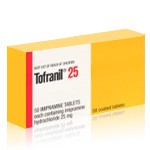
Tofranil is the original brand-name formulation of Imipramine — distinguished as the FIRST TRICYCLIC ANTIDEPRESSANT (TCA) ever marketed, launched by Geigy (now Novartis) in 1957 and FDA-approved since 1959. As the prototype of the entire tricyclic antidepressant class, Tofranil established the model for all subsequent TCAs. It also holds the unique distinction of being the first FDA-approved medication for childhood nocturnal enuresis (bedwetting).
The active ingredient is Imipramine Hydrochloride, a tertiary amine TCA that works through strong serotonin and norepinephrine reuptake inhibition. Imipramine's active metabolite desipramine (marketed separately as Norpramin) provides predominantly norepinephrine reuptake inhibition. Additional receptor effects include strong H1 histamine antagonism, strong anticholinergic activity, α1-adrenergic blockade, and sodium channel blockade.
Tofranil is FDA-approved for major depressive disorder and uniquely for childhood enuresis (nocturnal bedwetting) in children 6 years and older. Off-label uses include panic disorder (historically one of the first medications studied for panic disorder), chronic neuropathic pain, migraine prophylaxis, fibromyalgia, PTSD, ADHD adjunct, irritable bowel syndrome, bulimia nervosa, and postherpetic neuralgia.
The medication is available as Tofranil 10, 25, and 50 mg tablets (imipramine hydrochloride) and Tofranil-PM 75, 100, 125, and 150 mg capsules (imipramine pamoate — longer-acting once-daily formulation). Standard adult dosing for depression is 75-300 mg/day. For childhood enuresis, 10-25 mg at bedtime is typical (maximum 50 mg under 12 years, 75 mg over 12 years).
Critical safety considerations include the FDA boxed warning for suicidal ideation in pediatric/young adult patients, significant cardiotoxicity (QT prolongation, arrhythmias — dangerous in overdose), substantial anticholinergic side effects, orthostatic hypotension, sedation, weight gain, lowered seizure threshold, dangerous overdose toxicity (especially concerning given pediatric enuresis use), MAOI contraindication, and Beers Criteria caution in elderly.
Free prescription
Discrete packaging
Have questions?
Quality Assurance

- Childhood Enuresis / Nocturnal Bedwetting: FDA-approved for pediatric nocturnal enuresis in children 6+ years — signature unique pediatric indication;
- Pediatric Bedwetting Age 6: FDA-approved from age 6 — first medication approved for childhood enuresis;
- Refractory Pediatric Bedwetting: For refractory bedwetting where behavioral therapy and desmopressin have failed;
- Treatment Resistant Depression: For treatment-resistant depression where SSRIs/SNRIs have failed;
- Panic Disorder: Off-label for panic disorder — one of the first medications studied for panic disorder (1960s);
- Agoraphobia: Off-label for panic disorder with agoraphobia — historical evidence base;
- Chronic Neuropathic Pain: Off-label for chronic neuropathic pain;
- Migraine Prophylaxis: Off-label for migraine prophylaxis at low bedtime doses;
- Tension Type Headache: Off-label for chronic tension-type headache prophylaxis;
- Fibromyalgia: Off-label for fibromyalgia chronic widespread pain;
- Diabetic Neuropathy: Off-label for painful diabetic peripheral neuropathy;
- Postherpetic Neuralgia / PHN: Off-label for postherpetic neuralgia following shingles;
- PTSD / Post Traumatic Stress Disorder: Off-label for PTSD;
- ADHD Adjunct TCA: Off-label adjunct for ADHD when stimulants and atomoxetine ineffective;
- Irritable Bowel Syndrome / IBS: Off-label for IBS-related visceral pain;
- Bulimia Nervosa: Off-label for bulimia nervosa adjunct therapy;
- Cataplexy Narcolepsy: Off-label for cataplexy in narcolepsy — historical alternative to sodium oxybate;
- Insomnia With Depression: For depression with prominent insomnia — sedating bedtime dose addresses both;
- Anxiety With Depression: For anxiety disorders with comorbid depression;
- Geriatric Depression Selective: Selective use in geriatric depression — significantly cautious due to anticholinergic burden.
- Less Depression: Reduction in major depressive disorder symptoms;
- Less Anhedonia: Restoration of pleasure and interest in previously enjoyed activities;
- Better Energy: Noradrenergic activity supports restoration of energy in depression;
- Better Concentration: Improvement in depression-related cognitive impairment;
- Better Sleep: Sedating properties support sleep onset with bedtime dosing;
- Less Bedwetting: FDA-approved reduction in pediatric nocturnal enuresis episodes — signature unique benefit;
- Better Sleep Without Bedwetting: Restoration of dry nights and continuous sleep in children with enuresis;
- Better Child Self-Esteem: Resolution of bedwetting-related self-esteem and social issues;
- Less Panic Attacks: Off-label reduction in panic attack frequency — classic historical panic disorder therapy;
- Less Nerve Pain: Off-label reduction in chronic neuropathic pain;
- Less Migraine Frequency: Off-label reduction in migraine attack frequency;
- Less Tension Headaches: Off-label reduction in chronic tension-type headache frequency;
- Less Fibromyalgia Pain: Off-label reduction in chronic widespread fibromyalgia pain;
- Less Diabetic Foot Pain: Off-label reduction in painful diabetic peripheral neuropathy;
- Less Shingles Pain: Off-label reduction in postherpetic neuralgia following shingles;
- Less Abdominal Pain IBS: Off-label reduction in IBS-related visceral abdominal pain;
- Less Cataplexy: Off-label reduction in cataplexy episodes in narcolepsy;
- Better Daily Function: Return to school, work, and normal activities with effective therapy;
- Better Quality of Life: Combined mood and pain improvement substantially improves quality of life;
- Less Opioid Need: Opioid-sparing effect in chronic neuropathic pain reduces need for opioid analgesics;
- Brand Tofranil: Original Geigy/Novartis brand of Imipramine with established global clinical reputation since 1959;
- Generic Imipramine: Affordable generic versions expand global access to foundational TCA therapy;
- Tofranil PM Pamoate: Pamoate salt formulation provides longer-acting once-daily dosing;
- Tricyclic Antidepressant: Foundational TCA class with established broad pharmacological mechanism;
- Tertiary Amine TCA: Tertiary amine TCA structure with strong serotonergic and noradrenergic activity;
- First Tricyclic Antidepressant: Historically the first TCA ever marketed — prototype of the entire class;
- Dual Serotonin Norepinephrine Reuptake Inhibition: Dual reuptake inhibition supports both mood and pain benefits;
- Desipramine Active Metabolite: Active metabolite desipramine (marketed as Norpramin) provides additional noradrenergic activity;
- Childhood Enuresis FDA Standard: First medication FDA-approved for pediatric enuresis — historical standard;
- Panic Disorder Historical Standard: Historical first-line for panic disorder — foundational evidence base;
- Chronic Pain Standard: Standard off-label therapy for chronic neuropathic pain;
- Migraine Prophylaxis Standard: Standard off-label migraine prophylaxis at low bedtime doses;
- Once Daily Bedtime Dosing: Convenient once-daily bedtime dosing supports adherence and sleep benefit;
- WHO Essential Medicine: Listed on the WHO Model List of Essential Medicines;
- 60 Plus Year Antidepressant History: One of the oldest antidepressants in clinical use — the original TCA since 1959.
Generic Tofranil (Imipramine 25 mg) Medication guide:
📖 What Is Tofranil and Its Foundational TCA Position
Tofranil is the brand of imipramine, the first-ever tricyclic antidepressant and foundational medication that launched the entire modern antidepressant era. Discovered by Swiss psychiatrist Roland Kuhn in 1957 and FDA-approved in 1959, imipramine established the tricyclic class and defined depression pharmacotherapy for two decades before SSRIs emerged. Beyond its historic depression role, Tofranil holds unique FDA approval for pediatric nocturnal enuresis (age 6+) and played the foundational role in Donald Klein's 1962 discovery of panic disorder as distinct entity treatable with imipramine.
📋 Tofranil essentials
- Generic name
- Imipramine hydrochloride (and imipramine pamoate for extended release Tofranil-PM)
- Brand names
- Tofranil (Geigy/Novartis original); Tofranil-PM pamoate salt; extensive generic imipramine availability worldwide
- Drug class
- Tricyclic antidepressant (TCA) - the FIRST TCA; tertiary amine subtype; dibenzazepine chemical class
- FDA-approved indications
- Major depressive disorder (1959); Pediatric nocturnal enuresis age 6+ (unique among antidepressants)
- Historical significance
- First tricyclic antidepressant discovered (Kuhn 1957); launched modern antidepressant era; foundational to Klein's panic disorder discovery (1962)
- Original manufacturer
- Geigy Pharmaceuticals (Switzerland); became Ciba-Geigy 1970s, Novartis 1996; extensive generic availability since 1970s
- Formulations
- Tofranil tablets 10, 25, 50 mg (imipramine HCl); Tofranil-PM capsules 75, 100, 125, 150 mg (imipramine pamoate - once-daily bedtime)
- Adult depression dose range
- 75-300 mg/day; bedtime dosing typical given sedation
- Signature characteristics
- The original TCA; prototype of the class; unique pediatric enuresis approval; foundational panic disorder role; substantial anticholinergic and cardiac effects
| Tofranil distinguishing features | Clinical implication |
|---|---|
| The FIRST tricyclic antidepressant (Kuhn 1957) | Foundational medication - launched entire TCA class and modern antidepressant era |
| FDA approval 1959 - among first pharmaceutical psychiatric drugs | Six decades of clinical experience; extensive research base |
| Klein's 1962 panic disorder discovery | Established panic disorder as distinct entity; foundational to modern anxiety disorder classification |
| Unique pediatric nocturnal enuresis FDA approval | Only antidepressant with pediatric enuresis approval age 6+ |
| Dibenzazepine tricyclic (nitrogen bridge) | Different from amitriptyline (carbon bridge) and doxepin (oxygen bridge) |
| Tertiary amine with active metabolite desipramine | Active metabolite is separately marketed antidepressant (Norpramin) |
| Substantial anticholinergic effects | Substantial TCA class burden; particularly problematic elderly |
| Cardiac sodium channel blockade in overdose | TCA overdose fatality risk shared with class |
| AGS Beers Criteria potentially inappropriate elderly | Strong anticholinergic; alternatives preferred in elderly |
| Six decades clinical experience | Most extensive real-world data among antidepressants; well-understood profile |
💡 The foundational antidepressant positioning
Tofranil (imipramine) holds unique historical position as the first-ever tricyclic antidepressant and foundational medication of modern psychopharmacology. Roland Kuhn's 1957 discovery that imipramine relieved depression symptoms during clinical trials of what was intended as antipsychotic launched entirely new therapeutic paradigm - pharmacological treatment of depression. Modern practice generally uses SSRIs and SNRIs as first-line depression treatment given better tolerability and safer overdose profile, but imipramine retains specific clinical roles: (1) pediatric nocturnal enuresis - only FDA-approved antidepressant for this indication; (2) panic disorder - historic evidence and continued alternative when SSRIs inadequate; (3) treatment-resistant depression - established TCA option; (4) chronic pain - similar to amitriptyline off-label. For most contemporary depression patients, better-tolerated alternatives exist. However, imipramine's foundational status and specific indications ensure continued clinical relevance six decades after introduction. Understanding this historical context and modern positioning guides appropriate contemporary use.
📜 Imipramine History From Geigy Discovery in 1957
The imipramine story is one of pharmaceutical serendipity that transformed psychiatry. Originally synthesized by Geigy Pharmaceuticals in 1948 as potential antihistamine, imipramine's antidepressant effect was discovered by Swiss psychiatrist Roland Kuhn during trials investigating it as antipsychotic. His 1958 publication launched the modern antidepressant era and established the tricyclic class that would dominate depression treatment for two decades until SSRIs emerged in late 1980s.
📅 Development timeline
- 1948
- Geigy Pharmaceuticals (Switzerland) synthesizes imipramine (Compound G-22355) as potential antihistamine derivative of promethazine; original therapeutic intent unrelated to psychiatry
- Mid-1950s
- Following success of chlorpromazine as antipsychotic (1952), Geigy investigates imipramine as potential antipsychotic; Roland Kuhn agrees to test it at Munsterlingen psychiatric hospital, Switzerland
- 1956-1957
- Roland Kuhn observes that imipramine does not help psychotic patients but appears to substantially improve depressed patients - a completely unexpected discovery
- 1958
- Kuhn publishes findings in Am J Psychiatry describing imipramine's antidepressant effect - the foundational paper launching modern pharmacological depression treatment
- 1959
- FDA approves imipramine as Tofranil in United States for depression - the first tricyclic antidepressant approved
- 1962
- Donald Klein at Hillside Hospital observes that imipramine specifically relieves patients experiencing what would later be recognized as panic attacks - Klein's foundational discovery of panic disorder as distinct entity
- 1960s-1970s
- Imipramine becomes dominant depression treatment worldwide; extensive research on TCA mechanism (monoamine reuptake inhibition established by Sulser and others); other TCAs developed (amitriptyline, nortriptyline, desipramine, doxepin, clomipramine) based on imipramine template
- 1970s
- Imipramine established for pediatric nocturnal enuresis - unique pediatric indication among antidepressants
- Late 1980s-1990s
- SSRIs emerge (fluoxetine 1987, others follow); TCAs including imipramine gradually displaced from first-line depression treatment due to better SSRI tolerability and safer overdose profile
- 1996
- Ciba-Geigy becomes Novartis; imipramine continues as brand and generic
- 2000-2010
- Glazener Cochrane review confirms imipramine efficacy for pediatric nocturnal enuresis
- Modern era
- Imipramine remains available worldwide; reserved for specific indications (pediatric enuresis, treatment-resistant depression, panic disorder in specific circumstances)
📌 Historical significance
- First tricyclic antidepressant - established entire TCA class
- Kuhn's discovery through serendipity - unexpected antidepressant effect during antipsychotic trials
- Launched modern antidepressant era - all subsequent depression pharmacotherapy traces to imipramine
- Klein's panic disorder discovery - imipramine's specific effect on panic attacks led to recognition of panic disorder as distinct condition (later separated in DSM-III 1980)
- Established monoamine hypothesis - imipramine research contributed to understanding of monoamine neurotransmitter role in depression
- Template for TCA class - amitriptyline, nortriptyline, desipramine, doxepin, clomipramine all based on imipramine structure and pharmacology
- Unique pediatric enuresis approval - only antidepressant with this indication
- Extensive clinical experience - six decades of use, billions of patient-doses
💡 The Kuhn discovery story
Roland Kuhn's discovery of imipramine's antidepressant effect exemplifies the role of careful clinical observation in pharmaceutical breakthrough. Testing G-22355 (imipramine) as potential antipsychotic at Munsterlingen Hospital in the mid-1950s, Kuhn observed that while psychotic patients showed no improvement, several depressed patients unexpectedly improved substantially - some remarkably so. His careful documentation and 1958 Am J Psychiatry publication launched an entirely new therapeutic paradigm. This serendipitous discovery pattern (medication developed for one purpose showing benefit for another) appears throughout psychopharmacology history: chlorpromazine (antipsychotic effect discovered during anesthetic development), lithium (antimanic effect discovered during renal studies), sildenafil (erectile function benefit discovered during angina trials). Kuhn's achievement lies not just in luck but in careful clinical observation - noting patient responses that others might have dismissed or missed. The imipramine story thus represents both pharmaceutical serendipity and the enduring importance of thoughtful clinical observation in medical progress.
⚗️ Chemistry - Dibenzazepine Tricyclic Structure
Imipramine has the prototypical tricyclic antidepressant dibenzazepine structure that provided the template for all subsequent TCAs. The three-ring scaffold with central nitrogen-containing bridge distinguishes dibenzazepine class (imipramine, clomipramine, desipramine) from dibenzocycloheptene class (amitriptyline, nortriptyline, protriptyline) and dibenzoxepine class (doxepin).
⚗️ Structural features
- Chemical name
- 3-(10,11-dihydro-5H-dibenzo[b,f]azepin-5-yl)-N,N-dimethyl-1-propanamine hydrochloride
- Structural class
- Dibenzazepine tricyclic - central 7-membered ring containing nitrogen atom; distinguishes from amitriptyline (dibenzocycloheptene - carbon central ring) and doxepin (dibenzoxepine - oxygen central ring)
- Amine type
- Tertiary amine (dimethylamino) - like amitriptyline, doxepin, clomipramine; contrasts with secondary amine subtype (nortriptyline, desipramine, protriptyline)
- Related medications
- Desipramine (active metabolite, secondary amine, separately marketed as Norpramin); clomipramine (3-chloroimipramine, more serotonergic, for OCD)
- Molecular weight
- Approximately 280 g/mol (base); 317 g/mol as hydrochloride salt; imipramine pamoate substantially higher MW (used for extended release)
- Solubility
- Water-soluble hydrochloride; imipramine pamoate less soluble (basis for extended-release Tofranil-PM); lipophilic base; excellent CNS penetration
- Original synthesis
- Geigy 1948 - synthesized as antihistamine derivative of promethazine; structural relationship to chlorpromazine (both tricyclic) explored during antipsychotic evaluation
🔬 Receptor binding profile - prototype TCA
- Serotonin transporter (SERT): potent inhibitor; substantial serotonergic effect
- Norepinephrine transporter (NET): moderate inhibition; combined with SERT; balanced SERT+NET like amitriptyline
- Muscarinic receptors: potent antagonist; substantial anticholinergic effects
- Histamine H1 receptors: potent antagonist; substantial sedation
- Alpha-1 adrenergic receptors: potent antagonist; substantial orthostatic hypotension
- Alpha-2 adrenergic receptors: modest antagonism
- 5-HT2 receptors: modest antagonism
- Sodium channels (cardiac and neuronal): TCA class blockade; QRS widening in overdose
- Dopamine transporter (DAT): weak effect
| Structural aspect | Imipramine (Tofranil) | Amitriptyline (Elavil) | Doxepin (Sinequan) |
|---|---|---|---|
| Central bridge | Nitrogen (dibenzazepine) | Carbon (dibenzocycloheptene) | Oxygen (dibenzoxepine) |
| Amine type | Tertiary | Tertiary | Tertiary |
| Active metabolite | Desipramine (secondary amine) | Nortriptyline (secondary amine) | N-desmethyldoxepin |
| SERT vs NET selectivity | Balanced | Balanced | Balanced |
| H1 potency | Potent | Potent | Most potent among TCAs |
| Anticholinergic | Substantial | Most substantial | Substantial |
💡 The prototype TCA structure
Imipramine's dibenzazepine structure served as the foundational template for TCA class development. Subsequent TCAs modified this template: (1) amitriptyline replaced central nitrogen with carbon-carbon double bond (dibenzocycloheptene); (2) doxepin substituted oxygen for central bridge (dibenzoxepine); (3) clomipramine added chlorine to imipramine structure for enhanced serotonergic effect; (4) desipramine is the secondary amine (N-desmethyl) active metabolite of imipramine; (5) nortriptyline is analogous secondary amine of amitriptyline. This structural evolution reflects attempts to optimize efficacy while minimizing tolerability concerns of prototype imipramine. Modern TCA class encompasses both tertiary amines (imipramine, amitriptyline, doxepin, clomipramine) with substantial anticholinergic and antihistamine effects, and secondary amines (nortriptyline, desipramine) with somewhat cleaner tolerability profile. Imipramine's balanced SERT+NET reuptake inhibition, substantial anticholinergic burden, potent H1 antagonism, and cardiac sodium channel blockade define the prototype TCA pharmacology that shaped clinical understanding of the entire class.
🧠 TCA Mechanism - Original Multi-Target Antidepressant
Imipramine mechanism represents the prototype tricyclic antidepressant multi-target profile. Combined serotonin and norepinephrine reuptake inhibition provides antidepressant effect while additional receptor effects (muscarinic, H1, alpha-1) produce characteristic TCA side effect profile. Research on imipramine mechanism established the monoamine hypothesis of depression that guided psychopharmacology for decades.
🧠 Antidepressant mechanism
- Serotonin reuptake inhibition
- Blocks SERT preventing serotonin removal from synaptic cleft; substantial serotonergic effect
- Norepinephrine reuptake inhibition
- Blocks NET; particularly enhanced by desipramine metabolite which is more NE-selective; combined balanced SERT+NET effect
- Downstream adaptations
- Weeks of chronic therapy: 5-HT1A autoreceptor desensitization; postsynaptic receptor changes; BDNF upregulation; neuroplasticity
- Sulser research foundation
- Fritz Sulser and colleagues in 1960s-1970s established monoamine reuptake inhibition as basis for antidepressant effect, using imipramine as prototype; foundational to modern psychopharmacology
- Therapeutic effect timeline
- Sedation immediate (H1 antagonism); antidepressant effect 2-4 weeks initial, 6-8 weeks full
💥 Panic disorder mechanism (Klein's discovery)
- Klein's foundational observation
- 1962 Klein observed that imipramine specifically prevented spontaneous panic attacks while benzodiazepines primarily reduced anticipatory anxiety; suggested panic and generalized anxiety as distinct phenomena
- Serotonergic modulation
- Enhanced 5-HT signaling modulates brainstem panic circuit; amygdala and locus coeruleus regulation
- Impact on classification
- Klein's work led to recognition of panic disorder as distinct diagnostic entity in DSM-III (1980) - imipramine's specific effect on panic attacks defined the disorder
🚽 Pediatric nocturnal enuresis mechanism
- Anticholinergic bladder effect
- Muscarinic antagonism relaxes detrusor muscle; increases functional bladder capacity; primary enuresis mechanism
- Alpha-adrenergic bladder sphincter effect
- Enhanced sympathetic tone at bladder neck; secondary mechanism
- Sleep architecture
- Modest reduction in deep sleep periods (when enuresis typically occurs); may facilitate arousal from sleep-related bladder fullness
- ADH-like effect (modest)
- Weak antidiuretic effect may reduce nocturnal urine production
🔬 Secondary receptor effects (side effect basis)
- Muscarinic antagonism: substantial anticholinergic effects; dry mouth, constipation, blurred vision, urinary retention, cognitive effects elderly
- H1 antagonism: substantial sedation, weight gain
- Alpha-1 antagonism: substantial orthostatic hypotension, dizziness
- Sodium channel blockade: TCA class overdose cardiotoxicity
💡 The prototype TCA multi-target profile
Imipramine's mechanism represents the prototype TCA multi-target profile that later research would recognize as both therapeutic advantage (multi-mechanism antidepressant effect) and tolerability limitation (off-target receptor effects). Modern antidepressant development has emphasized selectivity - SSRIs target only SERT; SNRIs SERT+NET without off-target effects; mirtazapine works through different mechanism without reuptake inhibition. This selectivity provides better tolerability but sometimes at cost of efficacy - some patients respond to TCA multi-target effect who do not respond to selective agents. Imipramine mechanism thus represents both origin and comparison point for modern antidepressant pharmacology. Its unique pediatric enuresis effect reflects the multi-target profile: anticholinergic effect on bladder combined with sleep architecture effects. The panic disorder role reflects primarily serotonergic modulation of panic circuits. Understanding this mechanism-indication relationship guides appropriate contemporary imipramine use.
🔬 Pharmacokinetics - CYP2D6 Metabolism and Desipramine Metabolite
Imipramine has pharmacokinetics characterized by CYP2D6 primary metabolism, substantial active metabolite (desipramine), and moderate half-life. Desipramine is separately marketed antidepressant (Norpramin) - so imipramine effectively provides both parent drug and secondary amine TCA effects.
🔬 PK parameters
- Absorption
- Well-absorbed orally; Tmax approximately 2-4 hours for immediate release; longer for Tofranil-PM pamoate salt
- Bioavailability
- Approximately 40-70 percent (substantial first-pass metabolism)
- Food effect
- Modest food effect; can be taken with or without food
- Protein binding
- Approximately 85-95 percent
- Volume of distribution
- Large: approximately 15-30 L/kg; extensive tissue distribution including CNS
- Half-life
- Imipramine parent approximately 10-20 hours; active metabolite desipramine approximately 12-24 hours; combined active moiety longer
- Steady-state
- Reached in approximately 5-7 days for combined parent + metabolite
- Metabolism
- Extensive hepatic: CYP2D6 primary (N-demethylation to desipramine); CYP1A2, CYP3A4 also contribute; CYP2D6 also hydroxylates both imipramine and desipramine
- Active metabolite - desipramine
- Secondary amine TCA; more NE-selective than parent; approximately equal potency; separately marketed as Norpramin - so imipramine effectively provides dual TCA effect
- Elimination
- Primarily renal excretion of metabolites; less than 3 percent unchanged parent in urine
🧬 CYP2D6 pharmacogenomics - Serretti research relevance
- Poor metabolisers (7-10 percent of Caucasians)
- Higher imipramine parent levels; enhanced side effects; may need substantially lower doses; Serretti pharmacogenomic research supports genotype-guided dosing
- Extensive metabolisers (normal, most common)
- Standard PK; predictable exposure at typical doses
- Ultra-rapid metabolisers (1-2 percent)
- Lower parent levels but higher desipramine metabolite; different balance of tertiary vs secondary amine effect
- Concurrent CYP2D6 inhibitors
- Paroxetine, fluoxetine, bupropion, quinidine substantially increase imipramine levels; may need substantial dose reduction
- Therapeutic drug monitoring
- Combined imipramine + desipramine plasma level 150-300 ng/mL often targeted for depression; less commonly used than nortriptyline TDM
💡 The imipramine-desipramine dual TCA effect
Imipramine PK produces distinctive dual TCA effect - patients receive both tertiary amine (imipramine parent) and secondary amine (desipramine metabolite) TCA activity simultaneously. This provides balanced SERT+NET reuptake inhibition (parent) plus more NE-selective effect (metabolite). Clinically this means: (1) more balanced serotonergic/noradrenergic effect than pure tertiary or secondary amine TCAs; (2) genetic polymorphism substantially affects ratio - CYP2D6 poor metabolisers have relatively more parent effect; ultra-rapid metabolisers have relatively more desipramine effect; (3) drug interactions with CYP2D6 substrates or inhibitors can substantially alter this balance. For patients requiring pure secondary amine effect, desipramine (Norpramin) can be prescribed directly - avoiding tertiary amine concerns. For patients requiring imipramine's balanced effect, Tofranil provides both through single medication. Combined with therapeutic drug monitoring when helpful, imipramine PK considerations guide precision dosing.
📋 FDA-Approved Indications - Depression and Pediatric Enuresis
Imipramine has two distinct FDA-approved indications: major depressive disorder (1959) and pediatric nocturnal enuresis age 6+ (unique among antidepressants). Panic disorder is not formally FDA-approved for imipramine but has substantial historical evidence from Klein's foundational work. Modern imipramine use is limited compared to newer alternatives.
| Indication | Approval Year | Dose Range |
|---|---|---|
| Major depressive disorder (adult) | 1959 (first TCA approval) | 75-300 mg/day |
| Pediatric nocturnal enuresis (age 6+) | Established 1970s | Age-based; typically 25-75 mg bedtime |
| Anxiety (historically included) | Historical era | 75-150 mg/day |
📌 Off-label uses (evidence-based)
- Panic disorder - Klein's foundational discovery; substantial historical evidence though not formal FDA panic approval; still used when SSRIs inadequate
- Generalized anxiety disorder
- Post-traumatic stress disorder
- Chronic neuropathic pain - similar to amitriptyline; postherpetic neuralgia, painful diabetic neuropathy
- Migraine prophylaxis - TCA class effect
- Chronic tension-type headache
- Fibromyalgia - TCA class effect
- Chronic low back pain
- ADHD (in specific circumstances) - historical off-label; largely replaced by stimulants and atomoxetine
- Treatment-resistant depression augmentation
- Bulimia nervosa - some historical use
💡 The dual-indication foundational drug
Imipramine holds the distinctive combination of first-approved-antidepressant status and unique pediatric enuresis approval among antidepressants. Modern practice for depression generally uses SSRIs and SNRIs first-line given substantially better tolerability. Modern practice for pediatric nocturnal enuresis prioritizes non-pharmacological approaches (behavioural interventions, enuresis alarms, motivational therapy) as first-line, with desmopressin as first-choice pharmacotherapy - imipramine reserved for treatment-resistant cases where these alternatives have failed. Panic disorder treatment now generally uses SSRIs first-line (sertraline, paroxetine FDA-approved for panic; escitalopram off-label effective), with imipramine reserved for treatment-resistant panic. This overall pattern - foundational medication with continued but limited niche uses - characterizes imipramine's modern position. Understanding both historical significance and contemporary limited role guides appropriate use.
🧩 Major Depressive Disorder Treatment With Tofranil
Major depressive disorder was imipramine's founding FDA indication (1959) - the first-ever FDA approval for pharmacological depression treatment. Cipriani 2018 confirms imipramine among effective antidepressants. However, modern practice generally reserves imipramine for treatment-resistant depression or specific circumstances given SSRI/SNRI availability with better tolerability.
🧩 Imipramine in MDD
- Historical significance
- First TCA and first pharmacological antidepressant treatment; established depression as pharmacologically treatable condition
- Efficacy positioning
- Cipriani 2018 network meta-analysis includes imipramine among effective antidepressants; comparable to other TCAs and generally to SSRIs
- Response rate
- Approximately 55-65 percent response; comparable to other TCAs and SSRIs
- Onset of effect
- Sedation and anxiolytic effects immediate; antidepressant effect 2-4 weeks initial, 6-8 weeks full
- Dosing for depression
- Start 25-50 mg at bedtime; titrate to 75-200 mg over 2-4 weeks; maximum 300 mg; usually bedtime dosing given substantial sedation
- Therapeutic drug monitoring (optional)
- Combined imipramine + desipramine plasma level 150-300 ng/mL often targeted; less commonly used than nortriptyline TDM
- Modern positioning
- Reserved for treatment-resistant depression or specific patient profiles; SSRIs/SNRIs generally first-line
🌟 Depression scenarios where Tofranil may be appropriate
- Treatment-resistant depression not responding to SSRIs, SNRIs, mirtazapine
- Depression with panic disorder comorbidity: single medication addresses both (Klein tradition)
- Depression with chronic neuropathic pain: TCA analgesic effect combined with antidepressant
- Depression with severe insomnia: sedation therapeutic
- Depression with previous imipramine response: consistent individual response history
- Melancholic depression: some evidence of TCA advantage for melancholic subtype
- Cost-conscious situations: inexpensive generic option
- Patients requiring balanced SERT+NET effect: alternative to SNRIs
| Antidepressant class in MDD | Modern positioning vs imipramine |
|---|---|
| SSRIs (sertraline, escitalopram) | Preferred first-line; substantially better tolerability, safer overdose |
| SNRIs (duloxetine, venlafaxine) | First or second-line alternatives; balanced 5-HT/NE without off-target effects |
| Bupropion | Alternative; weight-neutral, activating |
| Mirtazapine | Alternative; insomnia+appetite benefit without TCA cardiotoxicity |
| Imipramine (Tofranil) | Historic prototype; reserved for treatment-resistant or specific circumstances |
| Amitriptyline | Similar TCA niche; Beers inappropriate elderly |
| Nortriptyline | Preferred TCA when TCA needed; secondary amine advantages |
| Desipramine | Imipramine's active metabolite; can be prescribed separately as secondary amine |
💡 Modern imipramine depression positioning
Imipramine for depression today occupies specific historical niche. Modern practice generally uses SSRIs and SNRIs first-line for depression given: (1) substantially better tolerability; (2) safer overdose profile; (3) fewer drug interactions; (4) preferred pregnancy safety data. When TCA is chosen for treatment-resistant depression, nortriptyline (secondary amine) is often preferred over imipramine due to better tolerability. However, imipramine retains role for: treatment-resistant depression, depression with panic disorder comorbidity (Klein tradition provides comfort with dual application), depression with chronic pain comorbidity, and specific patient response history. For patients with previous imipramine response, continuation of established therapy generally appropriate. For new depression treatment, alternatives should generally be tried first. Anderson meta-analyses and Cipriani 2018 confirm imipramine remains effective option though not first choice for most patients.
💥 Panic Disorder Treatment - Klein Historical Discovery
Panic disorder treatment via imipramine represents Klein's foundational discovery. In 1962, Donald Klein at Hillside Hospital observed that imipramine specifically relieved patients experiencing what would later be recognized as panic attacks - a discovery that led to recognition of panic disorder as distinct diagnostic entity. This historical role established SSRI panic treatment paradigm decades later.
💥 Imipramine in panic disorder
- Klein 1962 foundational discovery
- Donald Klein at Hillside Hospital observed that imipramine specifically prevented spontaneous panic attacks while benzodiazepines primarily reduced anticipatory anxiety - suggesting panic and generalized anxiety as pharmacologically distinct phenomena
- Impact on classification
- Klein's work led to recognition of panic disorder as distinct diagnostic entity; formally separated from generalized anxiety in DSM-III (1980)
- Evidence base
- Klein and Fink 1962; Zavodnick 1988; Cross-National Collaborative Panic Study 1992; substantial historical evidence though not formal FDA panic approval
- Response rate
- Approximately 60-75 percent achieve substantial panic reduction; established efficacy
- Dosing
- Start LOW: 10-25 mg initially (avoid activation which is prominent panic concern); increase slowly to 100-300 mg based on response
- Activation concern
- Panic patients particularly sensitive to activation; low start doses and slow titration essential
- Time to effect
- 4-6 weeks for panic frequency reduction; 8-12 weeks for substantial improvement
- Modern positioning
- SSRIs (sertraline, paroxetine, escitalopram) generally preferred first-line; imipramine reserved for treatment-resistant panic disorder or specific circumstances
🎯 Panic disorder treatment framework
- First-line pharmacotherapy: SSRIs (sertraline, paroxetine, escitalopram) or venlafaxine SNRI
- CBT combination: highly effective; often preferred combination approach
- Benzodiazepines: adjunct early therapy for bridging; not preferred monotherapy
- Imipramine (historic first-line): reserved for treatment-resistant panic; still substantial evidence base
- MAOIs: highly effective but reserved for treatment-resistant due to restrictions
- Long-term therapy typical: 12+ months minimum
- Milrod panic-focused psychodynamic psychotherapy: evidence-based option combining medication with focused therapy
💡 The Klein historical foundation
Klein's 1962 discovery of imipramine's specific panic effect is foundational to modern anxiety disorder classification and treatment. Before Klein, anxiety was viewed as unitary phenomenon - Klein's observation that imipramine specifically helped panic patients while benzodiazepines helped generalized anxiety established these as pharmacologically distinct. This distinction ultimately led to DSM-III (1980) recognition of panic disorder as distinct diagnosis and shaped SSRI panic disorder trials in 1990s that established modern first-line treatment. For modern panic disorder patients, SSRIs are generally preferred given better tolerability - Domschke and Milrod research supports SSRI/CBT combination as evidence-based approach. Imipramine remains established option for treatment-resistant cases and provides continued historical connection to the discovery that defined the disorder. For patients with previous imipramine response, continuation is often appropriate. Combined with panic-focused psychotherapy (Milrod approach) and appropriate CBT, imipramine provides evidence-based treatment option in specific circumstances.
🚽 Pediatric Nocturnal Enuresis - Unique FDA Approval
Pediatric nocturnal enuresis represents imipramine's unique FDA approval - the only antidepressant approved for this pediatric indication. Age 6+ approval established during 1970s. Modern practice reserves imipramine for treatment-resistant enuresis after non-pharmacological approaches and desmopressin have failed. Franco and Hoebeke research supports appropriate imipramine positioning in pediatric urology.
🚽 Imipramine in pediatric nocturnal enuresis
- FDA-approved indication
- Pediatric nocturnal enuresis age 6+; unique among antidepressants; established 1970s
- Evidence base
- Glazener Cochrane Database 2000 systematic review supports efficacy; substantial historical evidence; ICCS (International Children's Continence Society) guidelines position appropriately
- Response rate
- Approximately 40-60 percent short-term response; relapse common upon discontinuation (approximately 80 percent relapse without behavioural interventions)
- Mechanism
- Anticholinergic bladder relaxation (increased functional capacity); modest sleep architecture effects; some ADH-like activity
- Dosing by age
- Age 6-12: start 25 mg bedtime, maximum 50 mg; Age 12+: start 25-50 mg, maximum 75 mg; bedtime dosing 1 hour before sleep
- Time to effect
- Some improvement within 1-2 weeks; adequate trial 4-8 weeks; treatment duration typically 3-6 months
- Modern position - reserved
- Reserved for treatment-resistant enuresis after: behavioural interventions (motivational, reward systems) failed; enuresis alarms failed; desmopressin failed or contraindicated
🎯 Pediatric enuresis treatment framework
- First-line non-pharmacological: motivational therapy, reward systems, education about condition; often sufficient
- Enuresis alarms: effective for many patients; requires family commitment; ICCS-recommended
- Desmopressin (DDAVP): first-line pharmacotherapy; synthetic ADH analog; effective and safe; higher success in polyuric nocturnal enuresis
- Imipramine (TCA): reserved for treatment-resistant cases; requires cardiac assessment; monitor for anticholinergic effects
- Anticholinergic medications (oxybutynin): for overactive bladder component
- Combined therapy: often necessary for complex cases
- Specialist involvement: pediatric urology; pediatric psychiatry when needed
🔴 Critical pediatric safety considerations
- Cardiac assessment: baseline ECG essential before initiation; TCA class cardiac concerns
- Pediatric sudden cardiac death history: desipramine (imipramine's metabolite) has been associated with rare pediatric sudden death cases; imipramine class concerns apply
- Overdose risk: TCA overdose in children potentially fatal at relatively low doses; secure storage critical
- Suicidality black box warning: applies to imipramine as antidepressant class
- Anticholinergic sensitivity in children: pediatric patients may be more sensitive
- Behavioural activation possible: mania, aggression rare but reported
- Relapse upon discontinuation: approximately 80 percent without behavioural interventions
💡 The pediatric enuresis niche
Imipramine's pediatric nocturnal enuresis approval is unique among antidepressants but reserved for treatment-resistant cases in modern practice. First-line management per ICCS (Franco, Hoebeke research contributions) emphasizes: (1) education and reassurance; (2) motivational therapy and reward systems; (3) enuresis alarms as most effective non-pharmacological approach; (4) desmopressin as first-line pharmacotherapy given safety and efficacy; (5) imipramine only after these approaches inadequate. When imipramine is used, baseline ECG required, secure storage essential (TCA overdose potentially fatal to children), family education about warning signs critical. Time-limited treatment (3-6 months) with reassessment. Combined with behavioural interventions during pharmacotherapy to reduce relapse upon discontinuation. Specialist involvement (pediatric urology, pediatric psychiatry) is standard. For patients where imipramine is appropriate choice, careful pediatric approach provides therapeutic benefit for this challenging pediatric condition.
🌪️ Anxiety Disorders and Off-Label Applications
Anxiety disorders and various off-label applications extend imipramine's clinical utility. Beyond formal FDA indications, imipramine has substantial evidence for GAD, PTSD, and various other conditions. Modern practice generally uses SSRIs for anxiety but imipramine retains role for treatment-resistant cases.
🌪️ Anxiety disorder applications
- Generalized anxiety disorder (GAD)
- Off-label; Rickels and colleagues established TCA class efficacy for GAD; modern practice uses SSRIs, SNRIs first-line
- Post-traumatic stress disorder
- Off-label; TCA class historical use for PTSD; SSRIs (sertraline, paroxetine FDA-approved) preferred first-line
- Social anxiety disorder
- Off-label; SSRIs (paroxetine, sertraline FDA-approved) preferred
- Agoraphobia with panic disorder
- Klein tradition; historical use for combined panic + agoraphobia; SSRIs generally preferred modern
- Anxious depression
- Single medication for depression + anxiety component; TCA sedation may help
📌 Other off-label uses
- ADHD (historical off-label pediatric use before stimulants dominant)
- Bulimia nervosa (historical use)
- Chronic tension-type headache (TCA class effect)
- Chronic pelvic pain
- Interstitial cystitis
- Irritable bowel syndrome (TCA class benefit)
- Post-menopausal hot flashes (less established than SSRIs)
- Chronic itch/pruritus (some historical use)
- Insomnia (chronic pain component): sedation may be therapeutic
💡 The broad but limited modern utility
Imipramine's broad historical utility across depression, anxiety, panic disorder, and various other conditions reflects both its foundational status and multi-target TCA pharmacology. Modern practice generally uses SSRIs and SNRIs for most of these indications given better tolerability, safer overdose, and typically equivalent or better efficacy. However, imipramine retains historical evidence base across broad range of conditions and remains reasonable choice in specific circumstances: treatment-resistant cases; multiple comorbidities where single medication may address several; patients with established imipramine response; cost-conscious situations. For most contemporary patients requiring anxiety disorder treatment, SSRI/SNRI alternatives are preferred first-line - Domschke research supports SSRI panic disorder positioning. Combined with therapy (CBT, panic-focused therapy per Milrod), effective anxiety disorder treatment is achievable with better-tolerated alternatives than imipramine for most patients.
💉 Chronic Pain and Neuropathic Pain Applications
Chronic pain applications for imipramine parallel other TCA off-label uses similar to amitriptyline and nortriptyline. Established evidence supports TCA class effect for neuropathic pain, migraine prophylaxis, and fibromyalgia. Imipramine less commonly used than amitriptyline/nortriptyline for pain but reasonable alternative.
💉 Imipramine in chronic pain (off-label)
- Neuropathic pain
- Off-label; TCA class effect similar to amitriptyline; not preferred TCA for pain (amitriptyline/nortriptyline have stronger evidence base)
- Dosing for pain
- 25-100 mg at bedtime typically; lower than depression doses; similar range to amitriptyline pain dosing
- Migraine prophylaxis
- Off-label; TCA class effect; amitriptyline preferred with stronger evidence
- Chronic tension-type headache
- Off-label; TCA class effect
- Fibromyalgia
- Off-label; sleep+pain benefits combined
- Depression with chronic pain comorbidity
- Single medication for both indications advantage over combination therapy
💡 The chronic pain positioning
For chronic pain applications, amitriptyline and nortriptyline generally preferred TCAs given stronger evidence base and historical use. Imipramine represents reasonable alternative particularly when patient has established imipramine response history or when depression + panic + chronic pain combination benefits from single medication. For pure pain-focused TCA therapy, nortriptyline (secondary amine, better tolerability) generally preferred. For patients with imipramine's balanced SERT+NET effect being desirable (approximating SNRI effect), imipramine reasonable. Combined with physical therapy, multimodal pain management, and appropriate patient selection, imipramine provides reasonable chronic pain option though rarely first-choice TCA for pain.
📜 Tofranil Versus Newer TCAs - Historical Positioning
Understanding Tofranil positioning versus newer TCAs helps guide appropriate contemporary use. As the prototype tertiary amine TCA, imipramine served as template for subsequent TCAs (amitriptyline, doxepin) and gave rise to its own secondary amine metabolite (desipramine) which is separately marketed. Modern TCA prescribing generally favors secondary amines (nortriptyline, desipramine) over tertiary amines (imipramine, amitriptyline, doxepin, clomipramine).
| Feature | Imipramine (Tofranil) | Amitriptyline (Elavil) | Nortriptyline (Pamelor) |
|---|---|---|---|
| Amine type | Tertiary | Tertiary | Secondary |
| Structural class | Dibenzazepine | Dibenzocycloheptene | Dibenzocycloheptene |
| FDA approval year | 1959 (first TCA) | 1961 | 1964 |
| Unique indications | Pediatric enuresis | None unique | None unique |
| Historical role | First TCA + Klein panic discovery | Second TCA + chronic pain workhorse | Metabolite of amitriptyline; preferred TCA modern |
| Anticholinergic burden | Substantial | Most substantial | Moderate (30% less) |
| Sedation | Substantial | Substantial | Moderate |
| Orthostatic hypotension | Substantial | Substantial | Modest |
| Active metabolite | Desipramine (separately marketed) | Nortriptyline (separately marketed) | 10-hydroxy metabolites |
| AGS Beers positioning | Potentially inappropriate | Potentially inappropriate | Caution required (preferred TCA) |
| Modern preference | Reserved: pediatric enuresis, panic-resistant | Chronic pain, sleep+depression | Generally preferred TCA when TCA needed |
🌟 When to choose Tofranil over other TCAs
- Pediatric nocturnal enuresis: only TCA with FDA approval
- Panic disorder with depression comorbidity: Klein tradition; combined dual effect
- Depression with panic disorder + anxiety features: multi-target profile useful
- Patients with established imipramine response: continue effective therapy
- Balanced SERT+NET effect desired: parent + desipramine metabolite provides both
- Cost-conscious situations: inexpensive generic
- Historical treatment continuity: patients on imipramine for years
🌟 When other TCAs may be preferred
- Chronic neuropathic pain: amitriptyline has stronger evidence base
- Migraine prophylaxis: amitriptyline preferred
- Elderly depression when TCA needed: nortriptyline (Beers-preferred TCA)
- Pure secondary amine effect desired: nortriptyline or desipramine directly
- Depression with insomnia: doxepin low-dose (Silenor) for insomnia specifically
- Pruritus treatment: doxepin (topical Zonalon FDA-approved)
- OCD: clomipramine (only TCA with FDA OCD approval)
💡 The prototype TCA in modern practice
Imipramine occupies specific position in modern TCA prescribing based on unique attributes: (1) only TCA with pediatric enuresis approval; (2) historical foundation for panic disorder treatment (Klein tradition); (3) provides both tertiary amine parent and secondary amine desipramine metabolite; (4) prototype TCA with most extensive historical database. However, other TCAs have advantages for specific applications: amitriptyline for chronic pain, nortriptyline as Beers-preferred TCA for elderly, doxepin for insomnia (Silenor) and pruritus (Zonalon), clomipramine for OCD. Contemporary imipramine use is generally: (1) pediatric enuresis treatment-resistant to first-line approaches; (2) panic disorder in specific circumstances; (3) treatment-resistant depression; (4) patients with established imipramine response. For most other TCA-appropriate indications, alternative TCAs may be preferred. Combined with SSRI/SNRI first-line for most patients, imipramine represents important historical medication with continued but limited contemporary role.
📊 Adult Dosing Across Multiple Indications
Adult imipramine dosing varies by indication. Depression uses higher doses (75-300 mg), panic disorder requires careful low-start titration (10-300 mg), off-label pain uses lower doses (25-100 mg). Understanding indication-specific dosing prevents errors and optimizes therapy.
| Indication | Starting | Target | Maximum |
|---|---|---|---|
| Depression (outpatient) | 25-50 mg bedtime | 75-150 mg | 300 mg |
| Depression (hospitalized/severe) | 50-75 mg bedtime | 150-250 mg | 300 mg |
| Tofranil-PM (pamoate ER) | 75-100 mg bedtime | 100-200 mg | 200 mg outpatient |
| Panic disorder (off-label) | 10-25 mg (activation caution) | 100-200 mg | 300 mg |
| Pediatric enuresis age 6-12 | 25 mg bedtime | 25-50 mg | 50 mg |
| Pediatric enuresis age 12+ | 25-50 mg bedtime | 50-75 mg | 75 mg |
| Chronic pain (off-label) | 10-25 mg bedtime | 25-75 mg | 100 mg |
| GAD (off-label) | 25 mg | 75-150 mg | 200 mg |
📊 Dosing principles
- Starting dose depression
- 25-50 mg at bedtime for outpatient depression; substantial sedation at initiation
- Titration depression
- Increase by 25-50 mg every 3-7 days as tolerated to target 75-150 mg; higher doses over subsequent 2-3 weeks if needed
- Panic disorder low-start critical
- Panic patients particularly sensitive to activation; start 10-25 mg and titrate slowly; may take 8-12 weeks for full effect
- Timing
- Once daily at bedtime typical given substantial sedation; some patients tolerate divided BID dosing
- Tofranil-PM (pamoate)
- Extended-release capsules; slower absorption; suitable for once-daily bedtime dosing at higher single doses
- Response assessment
- Sleep and anxiolytic effects immediate; antidepressant response 6-8 weeks; panic 8-12 weeks
- Maintenance
- Depression: continue effective dose 6-12 months minimum; panic disorder: 12+ months typical; pediatric enuresis: 3-6 months typical
💡 The multi-indication dosing complexity
Imipramine dosing spans wide range across indications from pediatric enuresis (25-75 mg) to severe depression (up to 300 mg). Understanding indication-specific dose ranges prevents errors. For depression at higher doses, therapeutic drug monitoring (combined imipramine + desipramine 150-300 ng/mL) can guide dosing when response inadequate. For panic disorder, careful low-start titration is critical given activation sensitivity. For pediatric enuresis, dose limits are lower given anticholinergic sensitivity and cardiac concerns in children. Combined with appropriate patient counselling about dose-indication relationship, imipramine can be dosed appropriately across its various uses.
🧒 Pediatric Enuresis Dosing and Monitoring Approach
Pediatric enuresis dosing requires careful age-based approach with cardiac safety considerations. Baseline ECG required before initiation. Time-limited treatment (3-6 months) with behavioural interventions during pharmacotherapy to reduce relapse. Franco and Hoebeke pediatric urology guidelines position imipramine appropriately.
🧒 Pediatric enuresis dosing details
- Age 6-12 years
- Start 25 mg one hour before bedtime; if inadequate response after 1 week, may increase to 50 mg maximum
- Age 12+ years
- Start 25-50 mg one hour before bedtime; may increase to 75 mg maximum
- Timing
- Take one hour before bedtime; consistent nightly timing critical
- Adjustment for early evening enuresis
- Some children enurese early in night; divided dose (mid-afternoon + bedtime) may be more effective
- Treatment duration
- 3-6 months typical; longer courses require reassessment; discontinue every 3-6 months to assess spontaneous resolution
- Tapered discontinuation
- Gradual withdrawal reduces relapse risk; over 4-6 weeks; combined with behavioural interventions
- Relapse rate
- Approximately 80 percent relapse upon discontinuation without behavioural interventions; behavioural approaches during pharmacotherapy reduce relapse
🔴 Critical pediatric safety - baseline assessment
- Baseline ECG essential before initiation - TCA cardiac safety in pediatric patients particularly critical
- Cardiac history assessment - family history of sudden death, long QT syndrome, cardiac disease
- Rule out treatable causes before medication: urinary tract infection, diabetes mellitus, structural abnormalities
- Baseline urinalysis to rule out UTI and glucosuria
- Assess for behavioural approach adherence - has family tried non-pharmacological approaches?
- Family understanding of treatment expectations and limitations
- Secure storage discussion - critical given TCA overdose potentially fatal in children
- Suicidality black box awareness - even though enuresis indication, antidepressant class warning applies
📊 Pediatric enuresis monitoring
- Baseline ECG documented QRS, QTc within normal limits
- Weekly assessment first month for adverse effects and response
- Monthly assessment during ongoing therapy
- Repeat ECG if dose escalation to maximum
- Sleep diary for dry night frequency
- Adverse effect surveillance: anticholinergic effects, cardiac symptoms, mood changes
- Family education about warning signs
- Coordination between pediatric urology and prescribing psychiatrist/pediatrician when appropriate
💡 The pediatric enuresis treatment principles
Modern pediatric nocturnal enuresis management per ICCS guidelines (Franco, Hoebeke contributions) follows stepwise approach: (1) education, reassurance, and behavioural approaches first-line; (2) enuresis alarms as most effective non-pharmacological approach; (3) desmopressin as first-line pharmacotherapy; (4) imipramine reserved for treatment-resistant cases. When imipramine is used, baseline ECG essential, age-appropriate dose limits followed, treatment time-limited (3-6 months), behavioural approaches continued during pharmacotherapy, secure medication storage critical (TCA overdose potentially fatal in children), family involvement in monitoring, gradual taper upon discontinuation. Combined coordinated care with pediatric urology specialist involvement provides best outcomes. For most pediatric enuresis cases, first-line non-pharmacological and desmopressin approaches are sufficient - imipramine role is limited but important for select refractory cases.
👴 Elderly Considerations - Beers Inappropriate Positioning
Imipramine is potentially inappropriate for elderly per AGS Beers Criteria due to strong anticholinergic properties and orthostatic hypotension risk. Alternative antidepressants preferred in elderly. If TCA specifically needed, nortriptyline is preferred TCA choice per Beers.
🔴 AGS Beers Criteria positioning
- Beers positioning
- Imipramine potentially inappropriate for elderly; strong anticholinergic properties; similar to amitriptyline positioning
- Rationale
- Substantial anticholinergic burden; substantial orthostatic hypotension; substantial sedation; cardiac concerns; falls risk; cognitive impact particularly in dementia
- Preferred alternatives
- For elderly depression: SSRIs (sertraline, escitalopram), mirtazapine (also sleep+appetite benefits) generally preferred; if TCA needed, nortriptyline (preferred TCA per Beers)
- Anticholinergic burden concept
- Combined with other anticholinergic medications produces substantial cognitive impact, fall risk, mortality risk in elderly
👴 If imipramine used in elderly
- Starting dose elderly
- Start 10-25 mg bedtime; substantially reduced from younger adult starting dose
- Titration
- Very slow titration; every 2-4 weeks; target dose typically 25-75 mg maximum in elderly
- Cardiac assessment
- Baseline ECG essential; monitor for QRS/QT changes; repeat with dose increases
- Orthostatic monitoring
- Baseline lying/standing BP; monitor throughout therapy; fall prevention measures
- Cognitive monitoring
- Assess baseline cognition; monitor for anticholinergic cognitive impact; discontinue if problematic
- Concurrent anticholinergic burden
- Minimize other anticholinergic medications; ACB scale assessment
💡 The elderly avoidance principle
Imipramine is generally avoided in elderly per AGS Beers Criteria unless specific circumstances require TCA and alternatives are inadequate. For elderly depression, sertraline, escitalopram, and mirtazapine represent better first-line choices. When TCA is specifically needed in elderly (treatment-resistant, chronic pain comorbidity), nortriptyline is preferred TCA choice given caution-required (not inappropriate) Beers positioning. Doxepin low-dose Silenor for insomnia in elderly is also acceptable. Imipramine reserved for specific circumstances: pediatric enuresis transitioning to adolescence/adulthood; patients with established imipramine response continuing therapy into elderly years; treatment-resistant cases where other alternatives inadequate. When used in elderly, substantial dose reduction, careful monitoring, and awareness of anticholinergic burden accumulation are essential. Combined with alternatives assessment and appropriate patient selection, imipramine elderly use should be limited.
🫀 Renal Impairment Considerations and Prescribing Notes
Imipramine renal impairment considerations are modest since drug undergoes extensive hepatic metabolism with minimal renal excretion of unchanged parent.
🫀 Renal impairment approach
- Elimination pathway
- Primarily hepatic metabolism; less than 3 percent unchanged parent renal excretion
- Mild-moderate renal impairment
- No specific adjustment usually needed; standard adult dosing acceptable
- Severe renal impairment
- No specific adjustment usually needed for parent; monitor for metabolite accumulation and side effects
- Dialysis
- Not effectively removed (large Vd, high protein binding)
- Elderly with renal impairment
- Combined age + renal considerations; use elderly starting doses and slow titration
🪶 Hepatic Impairment Dose Adjustments and Monitoring
Hepatic impairment substantially affects imipramine pharmacokinetics given extensive hepatic metabolism through CYP2D6, CYP1A2, and CYP3A4. Dose reduction essential in moderate-severe liver disease.
🪶 Hepatic impairment approach
- Metabolism dependence
- Extensive hepatic metabolism CYP2D6 primary; hepatic impairment reduces clearance
- Mild hepatic impairment
- Standard dosing usually acceptable with monitoring; consider reduced starting dose
- Moderate hepatic impairment
- Reduce dose 25-50 percent; slower titration; monitor closely
- Severe hepatic impairment
- Substantial dose reduction; start low; very slow titration; consider alternative if possible
- Alcohol use considerations
- Substantial additive sedation and hepatotoxicity concern; substantial avoidance recommended
💉 Drug Interactions Including CYP2D6 Concerns
Imipramine drug interactions center on CYP2D6 metabolism and TCA pharmacodynamic effects. As potent tertiary amine TCA, imipramine has substantial interaction profile similar to other TCAs.
🚫 Absolute contraindications
- MAOIs (phenelzine, tranylcypromine, isocarboxazid, selegiline): fatal serotonin syndrome, hypertensive crisis; 14-day washout required both directions
- Linezolid, methylene blue: MAOI-like activity; same concern
- Cisapride, terfenadine, astemizole: QT prolongation risk; historical drugs largely withdrawn
🧬 CYP2D6 interactions - primary metabolism
- Potent CYP2D6 inhibitors
- Paroxetine, fluoxetine, bupropion, quinidine, terbinafine substantially increase imipramine levels
- CYP1A2 inhibitors
- Fluvoxamine, ciprofloxacin - modest imipramine increase via secondary pathway
- CYP3A4 inducers
- Rifampin, phenytoin, carbamazepine, phenobarbital may reduce imipramine levels
- Practical implication
- Concurrent SSRI may require substantially reduced imipramine dose; TDM guidance useful
⚠️ Pharmacodynamic interactions
- SSRIs, SNRIs: additive serotonergic effects; serotonin syndrome risk
- Tramadol, tapentadol: serotonergic + seizure threshold lowering
- Triptans, fentanyl, dextromethorphan: serotonergic combinations
- Anticholinergic drugs: substantially additive burden particularly concerning elderly
- CNS depressants (additive sedation): benzodiazepines, opioids, alcohol, sedating antihistamines
- QT-prolonging drugs: methadone, ondansetron, antipsychotics, antiarrhythmics
- Antihypertensives (clonidine, guanethidine): imipramine may reduce effectiveness
- Sympathomimetics: additive cardiovascular effects
- Antiepileptics: imipramine lowers seizure threshold
- Warfarin: may enhance anticoagulation; monitor INR
| Interaction category | Management |
|---|---|
| MAOI | Absolute avoid; 14-day washout |
| CYP2D6 inhibitors (SSRI, bupropion) | Reduce imipramine dose; TDM guidance |
| Anticholinergic drugs | Minimize additive burden; elderly concern |
| CNS depressants | Educate; avoid alcohol; caution |
| QT-prolonging drugs | ECG monitoring; alternative |
| CYP3A4 inducers | May reduce imipramine; adjust |
| Warfarin | INR monitoring |
| Sympathomimetics | Cardiovascular monitoring |
🤰 Pregnancy Considerations for Imipramine
Imipramine pregnancy considerations reflect TCA class. Pregnancy Category C: some animal studies show adverse effects but no clear controlled human data of increased major malformations. Extensive real-world experience over 6+ decades provides some reassurance though sertraline remains preferred SSRI for pregnancy.
🤰 Pregnancy considerations
- FDA pregnancy category (former)
- Category C; FDA transitioned to descriptive labelling; NOT Category D like paroxetine
- Malformation risk
- Most studies do not show substantially increased major malformation risk; extensive TCA class pregnancy experience without clear specific concerns
- Late pregnancy exposure
- Neonatal adaptation syndrome possible: irritability, feeding difficulties, tremor, hypertonia; anticholinergic effects on neonate
- Persistent pulmonary hypertension
- Concern extends to TCAs though data less consistent than SSRI PPHN concern
- Modern positioning
- Sertraline generally preferred SSRI for new depression therapy in pregnancy; established imipramine response may continue if benefits outweigh risks
💡 Pregnancy positioning
Imipramine during pregnancy is generally acceptable when clinical need justifies use though sertraline is preferred SSRI for new depression therapy. For patients established on imipramine with good response who become pregnant, individualized risk-benefit assessment guides decision. Untreated maternal depression carries substantial risks and should not be minimized. Team approach with obstetrician + psychiatrist essential.
🍼 Breastfeeding Safety and Monitoring Approach
Imipramine breastfeeding safety is generally acceptable. Small amounts transfer to breast milk with low relative infant dose. LactMed considers imipramine generally compatible with breastfeeding though sertraline preferred SSRI.
🍼 Lactation considerations
- Breast milk transfer
- Low relative infant dose (RID) approximately 0.1-4 percent; low infant plasma levels typically
- Infant plasma levels
- Usually low or undetectable
- LactMed classification
- Considered generally compatible with breastfeeding
- Preferred alternatives if new therapy
- Sertraline preferred SSRI for new therapy in breastfeeding mothers; nortriptyline preferred TCA
- Continuing established therapy
- Patients doing well on imipramine may continue during breastfeeding with monitoring
- Monitor infant
- Sedation, feeding difficulties, weight gain; usually not concerning
📋 Common Adverse Effects and Anticholinergic Burden Profile
Imipramine adverse effects reflect prototype TCA class pharmacology with substantial anticholinergic burden, prominent sedation, orthostatic hypotension, and TCA cardiac concerns. Understanding this profile helps set patient expectations.
📋 Common adverse effect frequencies
- Anticholinergic effects (substantial)
- Dry mouth 30-40 percent, constipation 20-30 percent, blurred vision 10-15 percent, urinary hesitancy occasional
- Sedation
- 30-40 percent; substantial H1 antagonism; useful for bedtime dosing
- Orthostatic hypotension
- 15-25 percent; alpha-1 blockade; fall risk elderly
- Weight gain
- Substantial with chronic use; typical 3-6 kg over year; H1 mechanism
- Fatigue
- Modest to substantial; may persist
- Tremor
- 5-10 percent; fine postural tremor
- Sexual dysfunction
- 20-30 percent; TCA class effect
- Cardiac effects
- Modest tachycardia, QT effects; ECG monitoring appropriate
- Sweating
- Increased sweating occasional
- Confusion (elderly)
- Anticholinergic-mediated; substantial concern high doses in elderly
| Adverse effect | Imipramine | Amitriptyline | Nortriptyline |
|---|---|---|---|
| Dry mouth | 30-40% | 50-70% | 30-40% |
| Sedation | 30-40% | 30-40% | 15-25% |
| Orthostatic hypotension | 15-25% | 20-30% | 10-15% |
| Constipation | 20-30% | 30-40% | 15-25% |
| Weight gain | Substantial | Substantial | Modest |
| Cognitive (elderly) | Substantial | Substantial | Modest |
| Cardiac (overdose) | TCA-typical | TCA-typical | TCA-typical |
💡 The prototype TCA adverse effect profile
Imipramine's adverse effect profile is comparable to amitriptyline as fellow tertiary amine TCA - substantial anticholinergic burden, prominent sedation, orthostatic hypotension, and cardiac concerns. Slightly less anticholinergic than amitriptyline but substantially more than secondary amine nortriptyline. Modern practice generally uses SSRIs first-line to avoid this substantial adverse effect profile. When TCA is chosen, nortriptyline (secondary amine, better tolerability) generally preferred over imipramine. Combined with appropriate patient selection and monitoring, imipramine can be used effectively but with expectation of substantial adverse effect burden compared to newer antidepressants.
🚨 Side Effects Overview - Tofranil TCA Safety Profile
This anchor section serves as overview and navigation point for detailed side effect discussions in subsequent sections. Tofranil (imipramine) has substantial TCA class adverse effect profile as prototype tertiary amine TCA.
🚨 TCA safety framework
- Anticholinergic effects (substantial)
- Dry mouth, constipation, blurred vision, urinary retention; concerning particularly elderly
- Cardiac effects
- Sodium channel blockade; QRS widening; QT prolongation; conduction effects; overdose cardiotoxicity primary fatality mechanism
- Sedation
- Substantial H1 antagonism; useful bedtime; problematic daytime function
- Orthostatic hypotension
- Alpha-1 blockade; substantial; fall risk elderly
- Suicidality warning
- Antidepressant class black box; particular concern under age 25
- Discontinuation syndrome
- Cholinergic rebound; gradual taper appropriate
- Serotonin syndrome
- Risk with serotonergic combinations; MAOI absolute contraindication
- Weight gain
- Substantial H1-mediated appetite; chronic therapy concern
- Sexual dysfunction
- TCA class effect; 20-30 percent
- Overdose - CRITICAL TCA cardiotoxicity
- Primary safety consideration; TCA class overdose fatality risk shared
| Section | Topic |
|---|---|
| 23 | Anticholinergic effects - substantial TCA class concern |
| 24 | Cardiac effects - sodium channel blockade |
| 25 | Sedation and CNS effects |
| 26 | Orthostatic hypotension |
| 27 | Suicidality warning boxed notice |
| 28 | Discontinuation syndrome |
| 29 | Serotonin syndrome recognition |
| 30 | Weight gain |
| 31 | Sexual dysfunction |
| 32 | Overdose - CRITICAL TCA cardiotoxicity |
💡 The prototype TCA safety profile
Imipramine's adverse effect profile is the prototype TCA class profile - substantial anticholinergic burden, cardiac concerns, sedation, orthostatic hypotension, weight gain, sexual dysfunction. As the first TCA, imipramine defined the class safety profile that shaped modern SSRI development toward selectivity avoiding these concerns. Combined with appropriate patient selection, careful monitoring (baseline ECG, orthostatic vitals), dose optimization, and consideration of alternatives (SSRIs for most patients), imipramine can be used effectively despite substantial adverse effect burden. Understanding this profile is essential for informed prescribing.
👁️ Anticholinergic Effects - Substantial TCA Class Concern
Anticholinergic effects are substantial concern with imipramine as prototype tertiary amine TCA. Substantial anticholinergic burden similar to amitriptyline. Particularly problematic in elderly and contributes to Beers Criteria inappropriate positioning.
👁️ Anticholinergic effect profile
- Dry mouth (xerostomia)
- 30-40 percent of patients; often persistent throughout therapy; dental caries and gingivitis risk with long-term dry mouth
- Constipation
- 20-30 percent; may worsen with chronic use; requires proactive management
- Blurred vision
- 10-15 percent; ciliary muscle affected; may impair reading; usually adaptation over weeks
- Urinary hesitancy/retention
- Occasional; particularly problematic elderly men with BPH; may require dose adjustment; paradoxically also mechanism for pediatric enuresis benefit
- Cognitive effects (elderly especially)
- Anticholinergic cognitive impact substantial; contributes to Beers inappropriate positioning; dementia patients particular concern
- Increased intraocular pressure
- Concerning in narrow-angle glaucoma; contraindication
- Delayed gastric emptying
- GI motility slowing; may complicate GERD, gastroparesis
- Anhidrosis
- Reduced sweating; heat intolerance particularly concerning children and elderly
✅ Management strategies
- Dry mouth: sugar-free gum, frequent water, artificial saliva, dental care
- Constipation: fiber, hydration, physical activity, stool softeners
- Blurred vision: reassure about adaptation; reading glasses; report if severe
- Urinary retention: monitor; alpha-blocker adjustment; may require dose reduction
- Cognitive effects: assess elderly regularly; reduce total anticholinergic burden; alternative if problematic
- Glaucoma: eye examination before initiation; narrow-angle contraindicated
- Heat exposure: caution in hot weather; hydration; recognize heat exhaustion (particularly critical for pediatric enuresis patients)
- Total burden assessment: minimize concurrent anticholinergic medications; ACB scale
💡 The anticholinergic burden
Imipramine anticholinergic burden is substantial at depression doses and among most concerning aspects of therapy. Combined with common anticholinergic medications (antihistamines, antipsychotics, antispasmodics) burden accumulates and associates with cognitive impairment, falls, and increased mortality particularly elderly. Modern practice recognizes anticholinergic burden as legitimate concern warranting: minimizing concurrent anticholinergic medications; considering alternatives with cleaner profiles for depression; preferring nortriptyline over imipramine when TCA needed; using low-dose formulations when possible. For pediatric enuresis use, anticholinergic effect is actually part of therapeutic mechanism (bladder relaxation) but still requires monitoring for excessive burden. Combined with careful patient selection and burden assessment, imipramine can be used despite substantial anticholinergic contribution.
❤️ Cardiac Effects - Sodium Channel Blockade and Conduction
Cardiac effects represent primary safety concern of TCAs including imipramine. Sodium channel blockade produces QRS widening, QT prolongation, conduction abnormalities. In overdose, cardiotoxicity is the primary cause of fatality - shared TCA class concern. Baseline ECG essential particularly for pediatric enuresis use.
🔴 Cardiac effect profile
- Sodium channel blockade
- Class 1A antiarrhythmic-like effect; slows myocardial conduction; QRS widening; primary electrophysiological concern
- QRS widening (therapeutic doses)
- Modest at depression doses; may worsen preexisting conduction abnormalities
- QT prolongation
- Dose-related; torsades risk at higher doses and with concurrent QT-prolonging medications
- Tachycardia
- Common; anticholinergic-mediated; 10-20 beats per minute increase typical
- Heart block
- Can worsen preexisting; caution with bundle branch block, atrioventricular block
- Pediatric cardiac concerns
- Historical pediatric TCA sudden cardiac death cases (particularly desipramine); baseline ECG mandatory for pediatric enuresis; monitor closely
- Overdose cardiotoxicity
- Primary fatality mechanism; QRS greater than 100 ms indicates severe toxicity; ventricular arrhythmias, cardiovascular collapse
- Sudden cardiac death risk
- Small but real increase particularly with concurrent cardiac disease
✅ Cardiac monitoring
- Baseline ECG mandatory for pediatric enuresis, elderly, cardiac history, depression doses
- Assess QRS width, QT/QTc interval, baseline rate and rhythm
- Repeat ECG after dose changes if depression doses or elderly
- Periodic ECG in patients with cardiac history
- Avoid dose escalation if QRS widening greater than 25 percent or QTc greater than 500 ms
- Discontinue if new cardiac symptoms or substantial ECG changes
- Emergency preparedness for overdose - sodium bicarbonate first-line treatment
- Family education about warning signs for pediatric patients
😴 Sedation and CNS Effects Management
Sedation is substantial imipramine adverse effect due to potent H1 histamine antagonism. Bedtime dosing takes therapeutic advantage but may impair daytime function. Comparable to amitriptyline sedation profile.
😴 Sedation profile
- Frequency
- 30-40 percent report substantial sedation; comparable to amitriptyline; more than nortriptyline
- Mechanism
- Potent H1 histamine antagonism; alpha-1 antagonism contribution; some 5-HT2A effect
- Onset
- Peak sedation 2-4 hours after dose; may persist through night
- Tolerance development
- Partial tolerance over 1-2 weeks; substantial sedation may persist
- Morning grogginess
- Common concern; longer-half-life metabolite (desipramine) contributes to persistent sedation
✅ Sedation management
- Bedtime dosing default; sedation aligns with sleep
- Avoid alcohol (additive)
- Educate about driving safety early therapy
- Minimize concurrent sedating medications
- Reassure about partial tolerance over 1-2 weeks
- Dose reduction if excessive
- Alternative (SSRI, mirtazapine for depression+insomnia) if problematic
📉 Orthostatic Hypotension - Prominent TCA Feature
Orthostatic hypotension is prominent imipramine feature due to potent alpha-1 adrenergic antagonism. Fall risk substantially increased in elderly. Contributes to Beers Criteria inappropriate positioning.
📉 Orthostatic hypotension profile
- Mechanism
- Alpha-1 adrenergic receptor blockade; substantial (similar to amitriptyline); impairs reflex vasoconstriction on standing
- Frequency
- 15-25 percent report orthostatic symptoms; higher in elderly
- Definition
- Systolic BP drop greater than 20 mmHg or diastolic drop greater than 10 mmHg within 3 minutes of standing
- Symptoms
- Lightheadedness, dizziness on standing, blurred vision, weakness, occasional syncope
- Fall risk
- Elderly fall and fracture risk substantially increased; contributes to Beers inappropriate positioning
✅ Prevention and management
- Baseline lying and standing BP
- Repeat orthostatic measurements early therapy and dose changes
- Educate about slow position changes
- Adequate hydration
- Compression stockings if severe
- Fall prevention measures particularly elderly
- Dose reduction if severe
- Alternative (SSRI, mirtazapine) if problematic
☠️ Suicidality Warning Boxed Notice for Antidepressants
The FDA black box warning about suicidal ideation and behaviour applies to imipramine. Warning applies to all antidepressant uses including pediatric enuresis given imipramine is antidepressant class member.
☠️ FDA black box suicidality warning
- Origin
- 2004 initial pediatric warning; 2007 expanded to young adults through age 24
- Absolute risk
- Approximately 4 per 100 exposed vs 2 per 100 placebo (absolute increase 2 per 100)
- Age gradient
- Highest concern under age 25
- Timing
- Highest risk first 4 weeks and during dose changes
- Pediatric enuresis special consideration
- Warning applies even for enuresis indication given antidepressant class; family education essential; monitor for mood changes
- TCA overdose lethality separate concern
- TCA overdose potentially fatal; SSRIs generally safer for suicidal patients
👉 Monitoring protocol (under age 25)
- Baseline suicidality assessment
- Weekly visits first 4 weeks
- Biweekly visits weeks 5-8
- Monthly visits weeks 9-12
- Then routine schedule with vigilance
- Family and patient awareness of warning signs
- Written safety plan
- Emergency contact information
- Consider small prescription quantities for suicidal patients
- Prompt psychiatric consultation for concerns
🔄 Discontinuation Syndrome and Taper Approach
Discontinuation syndrome with imipramine is generally moderate. Cholinergic rebound from anticholinergic effect discontinuation plus general TCA withdrawal features. Gradual taper recommended.
🔄 Discontinuation syndrome features
- Cholinergic rebound
- GI upset (nausea, diarrhea, cramping), sweating, salivation, rhinorrhea; opposite of anticholinergic effects experienced during therapy
- General withdrawal symptoms
- Restlessness, anxiety, insomnia, mood changes, headache, dizziness
- Onset
- Usually 1-3 days after stopping
- Duration
- Usually 1-3 weeks; often resolves without intervention
- Pediatric enuresis discontinuation
- 80 percent relapse without behavioural interventions; gradual taper reduces sudden relapse
✅ Taper protocol
- Short-term use (weeks): may stop without taper
- Longer-term use (months+): gradual taper over 2-4 weeks
- Depression doses: reduce by 25-50 mg every 1-2 weeks
- Pediatric enuresis: taper over 4-6 weeks to reduce relapse; combine with behavioural approaches
- Symptom-based adjustment
- Educate about expected symptoms distinct from relapse
🔥 Serotonin Syndrome Recognition and Management
Serotonin syndrome risk applies to imipramine as serotonergic medication. MAOI combinations produce highest risk - absolute contraindication.
🔥 Serotonin syndrome features
- Mental status
- Agitation, restlessness, confusion, hallucinations, coma in severe cases
- Neuromuscular
- Clonus, tremor, hyperreflexia, muscle rigidity, myoclonus, seizures
- Autonomic
- Hyperthermia, tachycardia, hypertension, diaphoresis, mydriasis, diarrhea
- Diagnostic criteria (Hunter)
- Serotonergic agent plus one of: spontaneous clonus, inducible clonus with agitation/diaphoresis, ocular clonus with agitation/diaphoresis, tremor+hyperreflexia, hypertonia with temperature over 38°C plus ocular/inducible clonus
🔴 High-risk combinations
- MAOIs - absolute contraindication; 14-day washout
- Linezolid, methylene blue (MAOI-like activity)
- Tramadol, tapentadol - serotonergic + seizure threshold
- Triptans
- SSRIs, SNRIs
- Fentanyl, meperidine
- Dextromethorphan
- St John Wort
- MDMA
✅ Management
- Immediate discontinuation of all serotonergic drugs
- Supportive care: ABC, monitoring, IV fluids
- Aggressive cooling for hyperthermia
- Benzodiazepines for agitation, tremor, seizures
- Cyproheptadine (5-HT2A antagonist) in moderate-severe cases: 12 mg initial then 2 mg every 2 hours
- Intensive care for severe cases
- Duration: symptoms usually resolve 24-72 hours with treatment
⚖️ Weight Gain - TCA Concern in Chronic Therapy
Weight gain is substantial TCA class concern with imipramine. Potent H1 antagonism increases appetite; combined with sedation-related reduced activity produces meaningful weight gain over chronic therapy.
⚖️ Weight gain profile
- Mechanism
- Potent H1 antagonism increases appetite; reduced physical activity from sedation; possible metabolic effects
- Frequency and magnitude
- Substantial weight gain in most patients over 6-12 months; typically 3-6 kg mean; some patients gain more
- Comparison
- Substantial - comparable to amitriptyline; more than nortriptyline; less than mirtazapine
- Chronic accumulation
- Cumulative effect over years of therapy
✅ Weight management strategies
- Baseline weight and periodic monitoring
- Nutritional counselling early therapy
- Regular physical activity emphasis
- Diabetes screening if substantial weight gain
- Consider alternative if weight becomes major concern
💔 Sexual Dysfunction and Endocrine Effects
Sexual dysfunction with imipramine is typical TCA class concern. Approximately 20-30 percent experience some form.
💔 Sexual dysfunction profile
- Frequency
- 20-30 percent report sexual dysfunction; typical TCA class rate
- Types
- Reduced libido, erectile dysfunction (males), delayed orgasm, anorgasmia, reduced arousal
- Onset
- May emerge within weeks; often persistent
- Endocrine effects
- Occasional galactorrhea, gynecomastia (rare)
✅ Management approaches
- Open discussion at every visit
- Dose reduction if depression stable
- PDE-5 inhibitors for erectile dysfunction
- Address underlying depression contribution
- Switch consideration if problematic (mirtazapine, bupropion have lower sexual dysfunction)
🏥 Overdose - Critical TCA Cardiotoxicity and Fatality Risk
Overdose is the most critical safety concern with imipramine and TCAs generally. Imipramine overdose carries the same fatal cardiotoxicity risk as other TCAs. Recognition, prompt intervention with sodium bicarbonate, and appropriate patient selection prevent tragic outcomes.
🏥 Overdose profile - critical concern
- Threshold for toxicity
- Doses over 500 mg produce moderate toxicity; over 1000 mg severe; over 2500 mg often fatal without intensive care; children particularly vulnerable at lower doses
- Cardiac cardiotoxicity - primary fatality mechanism
- Sodium channel blockade produces QRS widening; QRS greater than 100 ms indicates severe toxicity; greater than 160 ms often fatal without treatment; ventricular arrhythmias, cardiovascular collapse
- Anticholinergic effects (severe)
- Delirium, hallucinations, hyperthermia, ileus, urinary retention; substantial anticholinergic toxidrome
- CNS effects
- Sedation progressing to coma; seizures; usually within first 6-12 hours
- Pediatric overdose particular concern
- Children can experience fatal toxicity at relatively low doses; secure storage essential given pediatric enuresis use in same household as young children
- Comparison with other antidepressants
- TCA overdose fatality index approximately 15-20 times higher than SSRIs (Buckley BMJ 2002)
✅ Overdose management
- Emergency stabilization: ABC, IV access, cardiac monitoring, ICU care
- Activated charcoal if within 1-2 hours and airway protected
- Continuous ECG monitoring - watch for QRS widening progression
- Sodium bicarbonate: mainstay of treatment; IV boluses for QRS greater than 100 ms or severe acidosis; target pH 7.5-7.55
- Aggressive alkalinization with sodium bicarbonate infusion
- Benzodiazepines for seizures and agitation
- Hyperventilation for additional pH increase if intubated
- Vasopressors (norepinephrine preferred) for hypotension
- Consider lipid emulsion therapy for refractory cardiac toxicity
- Extended monitoring - 24-48 hours minimum for significant ingestions
- Not effectively dialysed
- Psychiatric evaluation before discharge
💡 The critical overdose concern
TCA overdose fatality (Buckley BMJ 2002 fatality index 15-20 times higher than SSRIs) has been fundamental to modern practice shift toward SSRIs as first-line antidepressants. For imipramine prescribing today, overdose consideration guides: (1) careful patient selection avoiding highest suicide risk when possible; (2) prescription of small quantities; (3) family involvement in medication supervision; (4) safety plan development; (5) baseline cardiac assessment; (6) secure storage particularly critical for pediatric enuresis use where children in household are vulnerable to accidental ingestion. TCAs remain valuable therapy for appropriate patients but overdose concern requires appropriate safety precautions.
📈 Monitoring Parameters Including ECG and Clinical Assessment
Ongoing monitoring during Tofranil therapy combines outcome assessment across indications with substantial TCA safety surveillance including cardiac evaluation, anticholinergic burden, and clinical assessment.
📈 Monitoring parameters by indication
- Depression severity
- PHQ-9 at baseline and follow-up; response = 50 percent reduction; remission = PHQ-9 less than 5
- Panic disorder
- Panic Disorder Severity Scale; panic frequency; anticipatory anxiety
- Pediatric enuresis
- Sleep diary for dry night frequency; family reporting
- Suicidality
- Assessment at every visit; particularly first weeks and dose changes
- Adverse effects
- Systematic screening: anticholinergic burden, sedation, orthostatic effects, weight changes, cardiac symptoms
- ECG monitoring
- Baseline mandatory for pediatric enuresis, elderly, cardiac history, depression doses; repeat after dose changes
- Orthostatic vitals
- Baseline and periodic; particularly elderly
- Therapeutic drug monitoring (optional)
- Combined imipramine + desipramine 150-300 ng/mL for depression when helpful
| Time point | Assessment focus |
|---|---|
| Baseline | Comprehensive assessment; ECG mandatory for pediatric/elderly/cardiac/depression; orthostatic vitals; symptom scales; suicidality |
| Week 1-2 | Early tolerability (anticholinergic, sedation, orthostatic); adherence |
| Week 4-6 | Response assessment; dose optimization; ECG if depression dose escalated |
| Week 8-12 | Full response assessment; adverse effect review |
| Every 3 months | Efficacy, tolerability, weight, medication changes |
| Annually | Comprehensive review; ECG if cardiac risk factors or long-term therapy |
📦 Storage and Stability Requirements for Tofranil
Proper Tofranil storage maintains potency throughout shelf life. Standard pharmaceutical storage practices apply with particular attention to child-safety given TCA overdose fatality risk - especially critical given pediatric enuresis use in households with young children.
📦 Storage requirements
- Temperature
- Room temperature 20-25°C (68-77°F); brief excursions 15-30°C acceptable
- Humidity
- Below 60 percent relative humidity
- Light exposure
- Protect from direct sunlight; original packaging appropriate
- Container
- Keep in original bottle with cap tightly closed
- Tofranil-PM (pamoate capsules)
- Stable at room temperature; keep dry
- Shelf life
- Typically 24-36 months from manufacture; check expiration date
- Child safety - CRITICAL
- Child-resistant caps essential; pediatric TCA overdose potentially fatal at low doses; store securely; lock box strongly recommended especially in households with young children; particularly critical when medication used for older child's enuresis with young siblings in household
- Disposal
- Take-back programs, pharmacy return, or approved disposal methods; do not flush; particularly important given overdose risk
✅ Storage practical tips
- Store in bedroom or kitchen cabinet away from moisture (not bathroom)
- Keep out of direct sunlight or hot areas
- Never transfer to unmarked containers
- Keep separate from other medications
- Critical: child-safety - lock box strongly recommended given TCA overdose fatality risk to children
- Consider small prescription quantities to reduce accumulation in home
- Check periodically for expiration and physical changes
- Return excess to pharmacy at end of therapy
🗣️ Patient Counseling and Education Essentials
Comprehensive patient education improves Tofranil outcomes through better adherence, adverse effect management, appropriate expectations, and overdose prevention. Key counselling covers TCA safety, indication-specific considerations, and particularly overdose risk for pediatric enuresis families.
🗣️ Essential counselling points
- Treatment expectations by indication
- Depression: 6-8 weeks for full effect; Panic disorder: 8-12 weeks; Pediatric enuresis: 1-2 weeks initial response, 3-6 months treatment duration
- Historical context
- The original tricyclic antidepressant - well-established medication with six decades of use; foundational to modern antidepressant therapy
- Bedtime dosing
- Take at bedtime; sedation aligns with sleep; pediatric enuresis dose one hour before bedtime
- Anticholinergic effects expected
- Dry mouth, constipation, blurred vision common; management strategies
- Substantial sedation
- Common; take at bedtime; avoid driving after dose; assess morning function
- Orthostatic hypotension
- Rise slowly from lying/sitting; particularly important elderly; report severe dizziness
- Weight gain
- Substantial with chronic use; lifestyle strategies
- Alcohol avoidance
- Substantial additive sedation; also increases overdose risk
- Do not stop suddenly
- Taper gradually; cholinergic rebound; for pediatric enuresis, gradual taper reduces relapse
- Suicidality watch (under 25)
- Especially first weeks; family aware; contact clinician for concerning changes; applies even for pediatric enuresis use
- CRITICAL - overdose risk emphasis
- Even accidental extra doses potentially dangerous especially for children; take exactly as prescribed; SECURE STORAGE away from children essential; call poison control immediately for suspected overdose
- Drug interactions
- Inform all providers; MAOI absolute avoid; anticholinergic burden accumulation; CYP2D6 interactions
- Pediatric enuresis specific
- Family involvement critical; combine with behavioural approaches to reduce relapse; time-limited treatment; ECG monitoring
- Missed dose
- Take as soon as remembered same day; skip if closer to next dose; do not double
🔴 When to seek immediate care
- Suicidal thoughts or plans
- Severe agitation or extreme restlessness
- Symptoms of serotonin syndrome (severe agitation, fever, muscle rigidity)
- CRITICAL: Any suspected overdose especially in children - call poison control (1-800-222-1222 in US) immediately
- Palpitations, chest pain, fainting, or new cardiac symptoms
- Signs of severe anticholinergic toxicity (confusion, hallucinations, high fever)
- Severe orthostatic symptoms with falls
- New mania or hypomania symptoms
- Severe allergic reaction
- Urinary retention
🚫 Contraindications - Absolute and Relative Considerations
This Contraindications anchor section consolidates absolute and relative contraindications to Tofranil (imipramine) therapy. Understanding these limitations is essential before initiation across all indications - depression, panic disorder, pediatric enuresis, and off-label uses.
🚫 Absolute contraindications
- Concurrent MAOI use
- Absolute contraindication; fatal serotonin syndrome and hypertensive crisis; 14-day washout both directions required
- Known hypersensitivity
- Prior severe reaction to imipramine or excipients; cross-sensitivity with other TCAs possible
- Acute recovery phase of myocardial infarction
- Cardiac conduction and arrhythmia concerns; contraindicated in early post-MI period
- Concurrent linezolid or IV methylene blue
- MAOI-like activity; serotonin syndrome risk
- Untreated narrow-angle glaucoma
- Anticholinergic effects may precipitate acute angle-closure attack
⚠️ Relative contraindications
- Preexisting cardiac disease
- CAD, cardiomyopathy, heart failure, conduction abnormalities; baseline ECG; consider alternative
- Prolonged QT/QTc interval
- Congenital or acquired long QT syndrome; increased torsades risk
- Concurrent QT-prolonging drugs
- Additive QT effects; alternative or careful ECG monitoring
- Benign prostatic hyperplasia
- Urinary retention risk from anticholinergic effects; caution
- Severe hepatic impairment
- Reduced clearance; substantial dose reduction; consider alternative
- Uncontrolled seizure disorder
- Slight seizure threshold lowering; adequate anticonvulsant therapy
- Bipolar disorder without mood stabilizer
- Risk of mania induction
- Elderly (Beers Criteria inappropriate)
- Strong anticholinergic; falls; cognitive impact; alternative preferred
- High suicide risk with overdose access
- Consider SSRI/SNRI given TCA overdose fatality risk; if TCA needed, secure storage and small quantities
- Substantial polypharmacy with anticholinergic drugs
- Additive anticholinergic burden
- Pediatric use general considerations
- Off-label for depression (fluoxetine preferred); pediatric enuresis reserved for treatment-resistant cases; cardiac assessment mandatory
- Pregnancy
- Category C; sertraline often preferred for new therapy
| Contraindication category | Reason and management |
|---|---|
| MAOI | Absolute; serotonin syndrome; 14-day washout |
| Acute post-MI period | Absolute; cardiac safety |
| Narrow-angle glaucoma untreated | Absolute; anticholinergic effect |
| Cardiac disease | Relative; ECG; alternative preferred |
| Elderly | Relative; Beers inappropriate; alternatives preferred |
| BPH | Relative; urinary retention concern |
| Seizure disorder | Relative; threshold lowering |
| Bipolar without stabilizer | Relative; add stabilizer first |
| Severe hepatic | Relative; dose reduction |
| High suicide risk | Relative; SSRI safer overdose |
| Pregnancy | Relative; sertraline often preferred |
💡 Pre-prescription checklist
Before initiating Tofranil: (1) Verify MAOI absence and 14-day washout; (2) Cardiac history assessment; baseline ECG mandatory for pediatric enuresis, elderly, cardiac history, depression doses; (3) Rule out narrow-angle glaucoma - eye examination if concern; (4) Rule out BPH with substantial urinary retention; (5) Comprehensive medication review including anticholinergic burden and CYP2D6 substrates; (6) Confirm no bipolar disorder without mood stabilization; (7) Assess suicide risk; consider small prescription quantities; (8) Evaluate hepatic function; (9) Discuss pregnancy plans if relevant; (10) For elderly, alternatives generally preferred per Beers Criteria; (11) Discuss overdose safety and secure storage critically important; (12) For pediatric enuresis specifically: rule out UTI and other treatable causes, ensure behavioural approaches have been tried, family education about warning signs and secure storage; (13) Establish monitoring plan. Structured approach ensures safety while optimising therapeutic benefit.
✅ When Tofranil is particularly well-suited
Imipramine is particularly appropriate for: (1) treatment-resistant pediatric nocturnal enuresis after non-pharmacological approaches and desmopressin have failed - unique FDA-approved indication; (2) treatment-resistant panic disorder not responding to SSRIs and CBT - Klein historical foundation; (3) treatment-resistant depression not responding to SSRIs, SNRIs, mirtazapine; (4) depression with panic disorder comorbidity where single medication may address both; (5) depression with severe insomnia where sedation therapeutic; (6) patients with previous imipramine response; (7) cost-conscious situations - inexpensive generic; (8) patients requiring balanced SERT+NET effect (parent + desipramine metabolite); (9) chronic neuropathic pain with depression comorbidity (though amitriptyline/nortriptyline preferred for pain). Less optimal for: (1) uncomplicated depression - SSRIs preferred first-line; (2) elderly (Beers inappropriate; nortriptyline preferred TCA); (3) high suicide risk without safety measures (SSRI safer overdose); (4) preexisting cardiac disease; (5) narrow-angle glaucoma; (6) BPH with substantial retention; (7) polypharmacy with substantial anticholinergic burden; (8) pediatric depression (fluoxetine preferred FDA-approved); (9) pediatric enuresis when first-line non-pharmacological approaches and desmopressin adequate; (10) pregnancy - sertraline preferred; (11) breastfeeding - sertraline preferred SSRI. Alternatives include: SSRIs/SNRIs for depression; nortriptyline preferred TCA when TCA needed; desmopressin first-line pediatric enuresis; SSRIs for panic disorder first-line. Individual patient factors, comorbidities, and treatment goals guide selection. In appropriate patients, imipramine provides established therapy with unique pediatric enuresis approval and historical foundation for panic disorder treatment.
Tofranil — Frequently Asked Questions
-
What is Tofranil (Imipramine), and what conditions is it prescribed for?
Tofranil (Imipramine) is a tricyclic antidepressant used to treat major depressive disorder and enuresis (bedwetting) in children. -
How long does it take for Tofranil (Imipramine) to start working?
The onset of action can vary, but patients may start to notice improvements within a few weeks. Full therapeutic effects may take longer. -
Can I stop taking Tofranil (Imipramine) once my symptoms improve?
It's crucial not to stop abruptly. Consult your doctor for a tapering plan to avoid withdrawal symptoms. -
What are the common side effects of Tofranil (Imipramine)?
Side effects may include dry mouth, constipation, blurred vision, and drowsiness. Contact your doctor if these persist. -
Does Tofranil (Imipramine) cause weight gain?
Weight changes can occur. Maintain a balanced diet and discuss concerns with your healthcare provider. -
Can Tofranil (Imipramine) be taken with other antidepressants?
Combination therapy should be approached cautiously and under the guidance of a healthcare professional. -
Is Tofranil (Imipramine) safe for use in children?
Tofranil may be prescribed for enuresis in children, but the dosage and safety should be discussed with a pediatrician.
See all Tofranil questions (30)
📚 Drug Description Sources:
Tofranil (imipramine) content is developed from historical foundational documentation, primary FDA labeling, landmark clinical trials establishing depression and panic disorder efficacy, pediatric nocturnal enuresis research, and extensive post-marketing safety surveillance over more than six decades of imipramine clinical use. Below are the specific references consulted for this medication guide.
📜 Historical Development and FDA History
- Kuhn 1958 - Roland Kuhn Am J Psychiatry publication describing imipramine antidepressant effect - foundational paper launching TCA class and modern antidepressant era
- Original Geigy synthesis 1948 - imipramine originally synthesized by Geigy Pharmaceuticals as potential antihistamine; antidepressant effect discovered by Kuhn during psychiatric trials
- FDA Approval 1959 - Imipramine approved as Tofranil in United States for depression; established TCA class
- Klein 1962 - Donald Klein published seminal imipramine panic disorder work at Hillside Hospital
- FDA Pediatric Enuresis approval - imipramine approved for pediatric nocturnal enuresis age 6+; only antidepressant with this pediatric approval
- Novartis acquisition - Geigy became Ciba-Geigy 1970s, then Novartis 1996; extensive generic availability since 1970s
- FDA Prescribing Information (2024 current) - includes boxed suicidality warning, cardiac warnings, anticholinergic cautions, pediatric ECG requirements
- American Geriatrics Society Beers Criteria - imipramine listed as potentially inappropriate for elderly (strong anticholinergic properties, comparable to amitriptyline)
📈 Landmark Clinical Trials and Historical Research
- Cipriani et al. Lancet 2018 - network meta-analysis includes imipramine among effective antidepressants
- Klein and Fink 1962 - Donald Klein imipramine panic disorder discovery at Hillside Hospital
- Zavodnick et al. Arch Gen Psychiatry 1988 - imipramine panic disorder efficacy
- Cross-National Collaborative Panic Study 1992 - large multinational imipramine panic disorder trial
- Rickels et al. - imipramine GAD trials
- Bostwick and Wilson J Clin Psychiatry 2000 - imipramine depression treatment review
- Elkin et al. NIMH Treatment of Depression Collaborative Research Program - imipramine as comparator in depression trials
- Glazener and Evans Cochrane Database 2000 - imipramine for nocturnal enuresis in children systematic review
💉 Pharmacology and Mechanism Literature
- Sulser and colleagues 1960s - foundational imipramine mechanism research establishing monoamine reuptake inhibition
- Preskorn et al. - imipramine CYP2D6 metabolism and desipramine active metabolite research
- Serretti et al. J Psychopharmacol - depression pharmacogenomics including imipramine
- Nurnberger et al. - pharmacogenomic considerations for TCAs
- Anderson J Affect Disord 2000 - TCA depression efficacy meta-analysis
⚠️ Safety and Special Population Literature
- Buckley and McManus BMJ 2002 - TCA overdose fatality index including imipramine
- Body et al. Emerg Med J 2011 - TCA overdose ECG changes and management
- Boyer and Shannon N Engl J Med 2005 - serotonin syndrome recognition
- Nevels et al. Ther Adv Psychopharmacol 2016 - imipramine in pediatric psychiatric use
- von Gontard and Neveus ICCS pediatric enuresis guidelines - imipramine positioning
- Franco et al. J Urol - pediatric urology enuresis management
- American Geriatrics Society Beers Criteria 2019 - imipramine positioning in elderly
- Milrod et al. - panic disorder treatment approaches
🩺 Medical Expert Review:
The Tofranil (imipramine) medication guide is developed with input from clinical experts reflecting imipramine's unique multi-application profile: panic disorder research, depression pharmacogenomics, panic-focused psychotherapy, and pediatric enuresis specialty. Below are the specialists who informed this content review.
Katharina Domschke, MD, PhD
Professor and Medical Director, Department of Psychiatry and Psychotherapy, Medical Center - University of Freiburg
Professor Domschke is an internationally recognized authority on panic disorder and anxiety disorder genetics research. Her extensive contributions to understanding panic disorder mechanisms and treatment have advanced modern positioning of imipramine and other antidepressants for anxiety disorders.
Alessandro Serretti, MD, PhD
Full Professor of Psychiatry, Department of Biomedical and Neuromotor Sciences, Institute of Psychiatry, University of Bologna
Professor Serretti is a distinguished authority on depression pharmacogenomics and antidepressant response. His extensive research on CYP2D6 polymorphism and TCA response has advanced understanding of imipramine dosing considerations across genetic backgrounds.
Barbara Milrod, MD
Professor of Psychiatry, Weill Cornell Medical College; Attending Psychiatrist, NewYork-Presbyterian Hospital/Weill Cornell Medical Center
Dr. Milrod is an internationally recognized authority on panic disorder treatment including panic-focused psychodynamic psychotherapy. Her extensive research has advanced integrated approaches combining pharmacotherapy (including historic imipramine) with focused psychotherapy for panic disorder.
Israel Franco, MD, FACS, FAAP
Professor of Urology, Yale School of Medicine; Director, Yale New Haven Children's Bladder and Continence Program
Dr. Franco is a leading authority on pediatric urology and nocturnal enuresis. His extensive contributions to pediatric bladder disorder management have advanced understanding of imipramine's appropriate positioning as pharmacotherapy option for treatment-resistant pediatric enuresis.
Piet Hoebeke, MD, PhD
Professor of Pediatric Urology, Head of Department of Urology, Ghent University Hospital
Professor Hoebeke is a leading European authority on pediatric urology and enuresis. His extensive contributions to ICCS (International Children's Continence Society) guidelines have shaped modern positioning of imipramine and other treatments for pediatric enuresis in refractory cases.
More Antidepressants Medications


