Buy Zyprexa (Olanzapine) Online — Thienobenzodiazepine Atypical Antipsychotic for Schizophrenia, Bipolar I & Treatment-Resistant Depression (Symbyax)

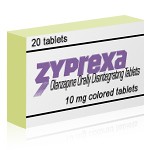
Zyprexa is the original brand-name formulation of Olanzapine — one of the most-prescribed second-generation atypical antipsychotic medications in modern psychiatry and widely regarded as among the most clinically effective for schizophrenia. Developed by Eli Lilly and FDA-approved since 1996, Zyprexa is a thienobenzodiazepine atypical antipsychotic structurally related to clozapine — providing comparable efficacy without clozapine's agranulocytosis risk. The combination formulation Symbyax (Olanzapine + Fluoxetine) is uniquely FDA-approved for treatment-resistant depression and bipolar I depression.
The active ingredient is Olanzapine, an atypical antipsychotic with potent 5-HT2A receptor antagonism, moderate D2 antagonism, strong H1 histamine antagonism (responsible for significant sedation and weight gain), M1-M5 muscarinic antagonism, α1-adrenergic antagonism, and 5-HT3/5-HT6 antagonism. The broad receptor profile explains both Olanzapine's broad efficacy and prominent metabolic side effect burden.
Zyprexa is FDA-approved for schizophrenia in adults and adolescents 13-17 years, acute manic and mixed bipolar I episodes (adults and children 10-17 years), bipolar I maintenance, treatment-resistant depression and bipolar I depression (as Symbyax combination), and acute agitation (IM rapid-acting formulation). Zyprexa Relprevv long-acting injection is approved for schizophrenia maintenance. Off-label uses include chemotherapy-induced nausea, anorexia nervosa adjunct, PTSD adjunct, OCD adjunct, Tourette syndrome, and delirium.
The medication is available as Zyprexa 2.5-20 mg tablets, Zyprexa Zydis 5-20 mg orally disintegrating tablets, Zyprexa IM 10 mg rapid-acting injection, Zyprexa Relprevv 210-405 mg long-acting IM injection (every 2-4 weeks), and Symbyax (olanzapine/fluoxetine) combination capsules. Standard adult dosing for schizophrenia and bipolar mania is 10-20 mg/day (maximum 20 mg/day).
Critical safety considerations include the FDA boxed warning for increased mortality in elderly patients with dementia-related psychosis, boxed warning for post-injection delirium/sedation syndrome with Zyprexa Relprevv, most significant weight gain among atypical antipsychotics (5-10 kg average in 6 months), high metabolic syndrome risk, tardive dyskinesia, neuroleptic malignant syndrome, severe sedation, anticholinergic effects, orthostatic hypotension, and mild hepatotoxicity.
Free prescription
Discrete packaging
Have questions?
Quality Assurance

- Adolescent Schizophrenia: FDA-approved for adolescent schizophrenia in patients 13-17 years;
- First Episode Psychosis: For first-episode psychosis treatment in young adults;
- Chronic Schizophrenia Maintenance: For long-term maintenance therapy in chronic schizophrenia;
- Treatment Resistant Schizophrenia: For schizophrenia not responsive to other atypical antipsychotics — clozapine-comparable efficacy;
- Acute Manic Episode: FDA-approved for acute manic episodes in bipolar I disorder;
- Mixed Episodes Bipolar: FDA-approved for acute mixed episodes in bipolar I disorder;
- Pediatric Bipolar: FDA-approved for bipolar I in children and adolescents 10-17 years;
- Bipolar Maintenance: FDA-approved for bipolar I maintenance therapy as monotherapy or adjunct;
- Treatment Resistant Depression (TRD): FDA-approved (as Symbyax combination with fluoxetine) for treatment-resistant depression;
- Bipolar Depression: FDA-approved (as Symbyax) for bipolar I depression;
- Acute Psychiatric Agitation: FDA-approved (IM formulation) for acute agitation in schizophrenia/bipolar;
- Long Acting Injectable Schizophrenia: Zyprexa Relprevv long-acting IM injection for schizophrenia maintenance;
- Compliance Challenged Patient: Zyprexa Relprevv supports patients with adherence challenges;
- Chemotherapy Nausea: Off-label for chemotherapy-induced nausea and vomiting — established off-label antiemetic use;
- Breakthrough Chemo Nausea: Off-label for breakthrough chemotherapy-induced nausea unresponsive to standard antiemetics;
- Anorexia Nervosa: Off-label for anorexia nervosa — supports appetite restoration and weight gain;
- PTSD Adjunct: Off-label adjunct for PTSD particularly with psychotic features or severe nightmares;
- Schizoaffective Disorder: Off-label for schizoaffective disorder with mood and psychotic symptoms;
- OCD Adjunct: Off-label adjunct for OCD with poor response to SSRI alone;
- Tourette Syndrome: Off-label for Tourette syndrome motor and vocal tics;
- Delirium: Off-label for hospital delirium management — ICU and palliative settings;
- Borderline Personality Disorder: Off-label adjunct for borderline personality disorder with psychotic features;
- Long Term Maintenance Antipsychotic: Suitable for long-term maintenance therapy in chronic psychotic and bipolar disorders.
- Less Negative Symptoms: Improvement in negative symptoms of schizophrenia (apathy, social withdrawal, blunted affect);
- Better Reality Testing: Restoration of reality testing in psychotic patients;
- Less Cognitive Symptoms: Improvement in psychosis-related cognitive impairment;
- Less Manic Symptoms: Reduction in acute manic episode severity in bipolar I disorder;
- Less Mixed Episode Symptoms: Resolution of acute mixed bipolar episodes;
- Better Mood Stability: Long-term mood stabilization in bipolar I maintenance therapy;
- Less Treatment-Resistant Depression: FDA-approved benefit (as Symbyax) in treatment-resistant depression;
- Less Bipolar Depression: FDA-approved (as Symbyax) reduction in bipolar I depressive episodes;
- Less Acute Agitation: Rapid IM injection effective for acute psychiatric agitation in emergencies;
- Less Chemotherapy Nausea: Off-label antiemetic benefit for chemotherapy-induced nausea/vomiting;
- Better Appetite Anorexia: Off-label appetite stimulation supports weight restoration in anorexia nervosa;
- Weight Gain Anorexia: Weight gain benefit valuable in anorexia nervosa and cachexia contexts;
- Less PTSD Symptoms: Off-label reduction in PTSD symptoms particularly with psychotic features;
- Less Tics: Off-label reduction in Tourette syndrome motor and vocal tics;
- Less Delirium: Off-label reduction in hospital delirium symptoms;
- Better Sleep: Strong sedating properties support sleep onset in psychotic disorders with insomnia;
- Better Daily Function: Return to social and occupational functioning with effective antipsychotic therapy;
- Better Quality of Life: Substantial improvement in quality of life with effective psychosis or bipolar treatment;
- Better Long-Term Adherence: Zyprexa Relprevv long-acting injection supports compliance with extended dosing intervals;
- Fewer Hospitalizations: Effective maintenance therapy reduces hospitalisation rates in schizophrenia and bipolar disorder;
- Brand Zyprexa: Original Eli Lilly brand of Olanzapine — one of the most globally recognized atypical antipsychotic brands since 1996;
- Generic Olanzapine: Affordable generic versions expand global access to second-generation atypical antipsychotic therapy;
- Zyprexa Zydis ODT: Orally disintegrating tablets for patients with swallowing difficulties or non-adherence;
- Zyprexa IM Rapid Acting: Rapid-acting IM injection for acute agitation in psychiatric emergencies;
- Zyprexa Relprevv LAI: Long-acting IM injection every 2-4 weeks supports adherence in maintenance therapy;
- Symbyax Combination: Symbyax combination with fluoxetine FDA-approved for treatment-resistant depression and bipolar I depression;
- Atypical Antipsychotic: Foundational second-generation atypical antipsychotic class;
- Thienobenzodiazepine Antipsychotic: Thienobenzodiazepine chemistry structurally related to clozapine — comparable efficacy without agranulocytosis risk;
- Potent 5 HT2A Antagonism: Potent 5-HT2A receptor antagonism supports broad antipsychotic effects;
- Broad Receptor Profile: Broad multi-receptor profile supports efficacy across psychotic and mood disorders;
- Clozapine Comparable Efficacy: Among most clinically effective atypicals — comparable to clozapine without agranulocytosis monitoring;
- Schizophrenia First Line: First-line atypical antipsychotic for schizophrenia per psychiatric guidelines;
- Bipolar Mania Therapy: Standard therapy for acute manic and mixed bipolar I episodes;
- Treatment Resistant Depression Adjunct: FDA-approved (as Symbyax combination) for treatment-resistant depression;
- Pediatric Approved Antipsychotic: FDA-approved for adolescent schizophrenia (13-17) and pediatric bipolar (10-17);
- Acute Agitation Emergency: IM formulation standard for acute psychiatric agitation in emergency settings;
- Long Acting Injectable Compliance: LAI formulation supports medication adherence in chronic maintenance therapy;
- Chemotherapy Antiemetic: Established off-label antiemetic for chemotherapy-induced nausea;
- Anorexia Nervosa Adjunct: Off-label adjunct for anorexia nervosa weight restoration;
- WHO Essential Medicine: Listed on the WHO Model List of Essential Medicines for psychotic and bipolar disorders;
- 30 Plus Year Antipsychotic History: Extensive real-world safety and efficacy data since 1996 across billions of patient courses.
Generic Zyprexa (Olanzapine 15 mg) Medication guide:
📖 What Is Zyprexa (Olanzapine) Atypical Antipsychotic
Zyprexa (olanzapine) is a thienobenzodiazepine atypical antipsychotic developed by Eli Lilly and approved by the FDA in 1996. Structurally related to clozapine but without the agranulocytosis risk, olanzapine combines robust efficacy for schizophrenia and bipolar disorder with the most substantial metabolic adverse effect profile of commonly-prescribed atypical antipsychotics. It has broad FDA-approved mood coverage including schizophrenia, bipolar I acute mania and maintenance, agitation associated with schizophrenia or bipolar mania (IM formulation), and via Symbyax combination with fluoxetine for bipolar depression and treatment-resistant depression.
| Distinguishing feature | Detail |
|---|---|
| Drug class | Thienobenzodiazepine atypical antipsychotic (structurally related to clozapine) |
| Original FDA approval | 1996 (schizophrenia adult) |
| Broad FDA mood coverage | Schizophrenia + bipolar mania + bipolar maintenance + IM agitation + Symbyax bipolar depression + Symbyax TRD |
| Manufacturer origin | Eli Lilly (Indianapolis, USA) |
| Formulations | Oral tablets, orally disintegrating (Zyprexa Zydis), IM (short-acting for agitation), LAI (Zyprexa Relprevv every 2-4 weeks) |
| Combination product | Symbyax (olanzapine + fluoxetine) - bipolar depression 2003, TRD 2009 |
| Long-acting injectable | Zyprexa Relprevv (2009) - unique PDSS REMS requiring 3-hour post-injection monitoring |
| Generic availability | Since 2011 (US); widely available worldwide |
| Signature efficacy advantages | Robust efficacy - CATIE numerically most effective; broad mood coverage; extensive experience; LAI available; effective for aggression |
| Signature safety concerns | SUBSTANTIAL weight gain 5-15 kg; substantial metabolic effects (worst among common atypicals); diabetes risk 3x; substantial sedation; anticholinergic burden; PDSS with LAI |
🌟 Positioning among atypical antipsychotics
- The efficacy-metabolic trade-off signature
- Zyprexa occupies a distinctive position: robust efficacy for schizophrenia and bipolar (CATIE numerically most effective atypical) balanced against the most substantial metabolic adverse effect profile of commonly-prescribed atypicals. This trade-off framework drives appropriate patient selection - patients where superior efficacy justifies metabolic burden benefit; patients where metabolic health is priority may benefit from metabolically-favorable alternatives.
- Structurally related to clozapine
- Zyprexa was designed as a thienobenzodiazepine derivative of clozapine seeking similar receptor engagement pattern but without agranulocytosis risk. This design was successful - olanzapine has clozapine-like broad receptor engagement (5-HT2A, D2, D4, muscarinic, H1, alpha-1) without requiring blood monitoring. Multi-receptor profile explains both robust efficacy and complex adverse effect profile.
- Broad mood coverage - among widest atypical FDA portfolios
- Schizophrenia + bipolar mania + bipolar maintenance + IM agitation + Symbyax combination bipolar depression + Symbyax TRD - one of the broadest FDA indication portfolios among atypicals. Only exceeded by quetiapine mood spectrum coverage but with different specific advantages.
- The CATIE 2005 defining moment
- CATIE Study (Lieberman NEJM 2005) established olanzapine positioning - most effective atypical for time to discontinuation but with the largest weight gain and metabolic effects. This landmark trial fundamentally shaped modern olanzapine prescribing paradigm and established the efficacy-metabolic trade-off framework that guides clinical practice.
💡 Why Zyprexa remains widely prescribed despite metabolic concerns
Despite substantial metabolic effects and the availability of metabolically-favorable alternatives (aripiprazole, ziprasidone), Zyprexa remains among the most widely prescribed antipsychotics globally. Reasons include: (1) robust efficacy - CATIE demonstrated numerically superior effectiveness; (2) broad mood coverage across schizophrenia, bipolar phases, and MDD combination; (3) extensive experience with decades of clinical use; (4) versatile formulations - oral tablets, orally disintegrating Zydis, IM for acute agitation, LAI Relprevv; (5) rapid antipsychotic response particularly acute mania; (6) generic availability since 2011 enabling low-cost access; (7) preferred for treatment-resistant patients where efficacy paramount; (8) valuable when sedation is therapeutic (agitated mania, severe insomnia). For appropriate patients where robust efficacy is priority and metabolic monitoring feasible, Zyprexa offers proven, versatile atypical antipsychotic therapy. Understanding the trade-off framework enables informed patient selection.
📜 History of Olanzapine from Eli Lilly Development
Olanzapine emerged from Eli Lilly's antipsychotic development program seeking a clozapine-like atypical without agranulocytosis risk. The successful design produced one of the most commercially important psychiatric medications of the modern era, with Zyprexa reaching peak annual sales exceeding $5 billion before generic availability in 2011.
🕑 Historical timeline - key milestones
- Late 1980s Eli Lilly research program
- Eli Lilly research team led by chemistry group targeted development of clozapine-like atypical antipsychotic without agranulocytosis risk; thienobenzodiazepine scaffold selected as modification of clozapine dibenzodiazepine class
- 1990-1995 pivotal clinical trials
- Multiple international schizophrenia phase 3 trials; Beasley 1996 and Tollefson 1997 established foundational efficacy vs haloperidol with substantially better tolerability profile at recommended doses
- September 1996 FDA approval
- Zyprexa approved for schizophrenia in adults; positioned as effective atypical without hematologic monitoring requirements of clozapine
- 2000 bipolar acute mania approval
- Tohen 2000 pivotal trial supported FDA approval for bipolar I acute mania monotherapy; expanded olanzapine role in bipolar treatment
- 2003 Symbyax combination approval - LANDMARK
- Olanzapine/fluoxetine combination (Symbyax) approved for bipolar depression - one of the earliest FDA-approved bipolar depression treatments; established combination therapy paradigm for this challenging illness phase
- 2003 bipolar maintenance approval
- Tohen 2003 established olanzapine efficacy for bipolar I maintenance; monotherapy indication supported
- 2004 IM olanzapine for acute agitation
- FDA approved short-acting IM olanzapine for acute agitation associated with schizophrenia or bipolar mania; alternative to typical antipsychotic + benzodiazepine combination
- 2005 CATIE Study - defining moment
- Lieberman NEJM 2005 CATIE Study established olanzapine positioning - numerically most effective atypical for time-to-discontinuation but with substantially worst weight gain and metabolic effects; landmark trial fundamentally shaped modern antipsychotic prescribing
- 2009 pediatric approvals
- FDA approved for adolescent schizophrenia (13-17) and pediatric bipolar I mania (10-17); expanded pediatric options
- 2009 Symbyax TRD approval expansion
- Corya 2006 supported Symbyax expansion to treatment-resistant depression indication; combination approach for MDD not responding to standard antidepressants
- 2009 Zyprexa Relprevv LAI approval with PDSS REMS
- Long-acting injectable olanzapine (pamoate salt) approved every 2-4 weeks IM; unique PDSS (Post-Injection Delirium/Sedation Syndrome) REMS requiring 3-hour post-injection monitoring in registered healthcare settings due to inadvertent intravascular administration risk
- 2011 US generic olanzapine availability
- Patent expiration opened generic market; substantial price reductions substantially increased accessibility though brand Zyprexa continued
- 2009-2013 legal and regulatory scrutiny
- Eli Lilly $1.4 billion settlement (2009) regarding off-label promotion (particularly for dementia patients despite boxed warning); substantial impact on marketing practices; contributed to more careful current prescribing
- 2013 Leucht Lancet meta-analysis
- Comprehensive antipsychotic comparative effectiveness placed olanzapine among most effective antipsychotics alongside amisulpride and risperidone; confirmed CATIE findings; substantial metabolic burden documented
- 2017 Tiihonen Finland real-world cohort
- National cohort study - olanzapine associated with modest mortality outcomes; extensive real-world data supports positioning in schizophrenia treatment paradigms
💡 The Eli Lilly commercial success and legal history
Zyprexa became one of the most commercially important psychiatric medications ever, reaching peak annual sales exceeding $5 billion by mid-2000s. The success reflected robust efficacy, broad indications, versatile formulations, and aggressive marketing including some off-label promotion. In 2009 Eli Lilly settled with the US Department of Justice for $1.4 billion regarding off-label promotion of Zyprexa for dementia despite the FDA boxed warning against use in elderly dementia patients. This was one of the largest pharmaceutical settlements in US history and substantially impacted psychiatric medication marketing practices industry-wide. Modern Zyprexa prescribing emphasizes evidence-based indications and appropriate patient selection given metabolic profile concerns. Following 2011 generic availability, prescriber choice moved toward metabolically-favorable alternatives for many patients but Zyprexa remains extensively used for appropriate populations where robust efficacy is priority. The CATIE study impact continues to shape prescribing - efficacy-metabolic trade-off framework guides selection between olanzapine and alternatives.
🧪 Chemistry and Thienobenzodiazepine Structure Details
Olanzapine's thienobenzodiazepine chemical structure is directly derived from clozapine's dibenzodiazepine scaffold with modifications intended to reduce hematologic toxicity while preserving atypical antipsychotic profile. Chemical name: 2-methyl-4-(4-methyl-1-piperazinyl)-10H-thieno[2,3-b][1,5]benzodiazepine. Molecular formula C17H20N4S. Molecular weight approximately 312.4 g/mol.
🧪 Chemistry and receptor pharmacology
- Chemical class
- Thienobenzodiazepine atypical antipsychotic - direct structural derivative of clozapine (dibenzodiazepine class); designed to preserve clozapine-like broad receptor engagement without agranulocytosis
- Physical properties
- Yellow crystalline solid; practically insoluble in water; soluble in dimethyl sulfoxide and methanol
- Ionization
- Weakly basic; pKa approximately 7.4 and 5.0
- Lipophilicity
- LogP approximately 3.4; good CNS penetration; extensive tissue distribution
| Receptor | Ki (nM) | Clinical significance |
|---|---|---|
| 5-HT2A | 3.3 (very high) | Atypical antipsychotic hallmark; EPS reduction; cognitive effects |
| H1 histamine | 2.8 (very high) | SUBSTANTIAL sedation; SUBSTANTIAL weight gain contribution |
| Muscarinic M1 | 1.9 (VERY HIGH antagonist) | SUBSTANTIAL anticholinergic effects: dry mouth, constipation, cognitive impact; contributes to weight gain |
| Dopamine D2 | 11 (high) | Antipsychotic effect; higher affinity than clozapine but still allowing minimal EPS at therapeutic doses |
| 5-HT2C | 10 (very high) | SUBSTANTIAL weight gain contribution - major mechanism |
| Alpha-1 adrenergic | 19 (high) | Orthostatic hypotension; sedation contribution |
| Dopamine D4 | 27 (moderate) | Contribution to atypical antipsychotic profile (like clozapine) |
| Muscarinic M2, M3, M4, M5 | Substantial (all) | Anticholinergic effects across systems; tachycardia (M2) |
| Alpha-2 adrenergic | 228 (moderate) | Contribution to mood effects |
| hERG (cardiac) | Minimal binding | Minimal QT prolongation - relative advantage vs ziprasidone |
💡 The clozapine-like receptor profile without agranulocytosis
Olanzapine's receptor binding profile represents a successful design: clozapine-like broad receptor engagement (5-HT2A, D2, D4, muscarinic M1-M5, H1, alpha-1) without the specific idiosyncratic immune reaction driving clozapine agranulocytosis. This broad receptor engagement explains: (1) robust efficacy including for treatment-resistant patients (though not matching clozapine); (2) minimal EPS profile like clozapine; (3) substantial metabolic burden - the trade-off; (4) substantial anticholinergic burden - similar to clozapine; (5) substantial sedation - similar to clozapine. Compared to cleaner-profile atypicals (aripiprazole, ziprasidone), olanzapine has more receptors engaged which translates to more clinical effects both positive and negative. This receptor promiscuity + weight gain signature (5-HT2C + H1 antagonism dominant contribution) makes olanzapine effective but tolerability-challenging. The 5-HT2C blockade is major weight gain driver - reduces satiety signaling and increases appetite. Combined with H1 antagonism (sedation + hyperphagia) and M1 antagonism, three receptor systems contribute to metabolic burden.
⚙️ Mechanism of Action - 5-HT2A D2 and Muscarinic Profile
Olanzapine's mechanism combines 5-HT2A + D2 antagonism (atypical antipsychotic hallmark) with substantial multi-receptor engagement including M1 muscarinic antagonism, H1 histamine blockade, and alpha-1 adrenergic blockade. This clozapine-like broad profile drives robust efficacy and complex adverse effect signature.
⚙️ Mechanism of action explained
- Dopamine D2 antagonism - antipsychotic core
- Blocks mesolimbic D2 receptors reducing positive psychotic symptoms; D2 occupancy at therapeutic doses (10-20 mg) approximately 60-80 percent - antipsychotic range with acceptable EPS
- 5-HT2A antagonism - atypical hallmark
- Potent 5-HT2A blockade contributes to atypical antipsychotic effect; disinhibits nigrostriatal dopamine reducing EPS; contributes to negative symptom improvement
- M1 muscarinic antagonism - EPS protection
- Substantial M1 blockade in striatum balances D2 blockade preventing EPS - similar to clozapine; but causes substantial anticholinergic side effects (dry mouth, constipation, cognitive impact)
- H1 histamine antagonism - SUBSTANTIAL sedation + weight
- Very potent H1 blockade drives substantial sedation particularly early therapy; major weight gain contribution through increased appetite and reduced satiety; combined with 5-HT2C blockade produces substantial metabolic effect
- 5-HT2C antagonism - SUBSTANTIAL weight gain
- Strong 5-HT2C blockade reduces satiety signaling and increases appetite; major mechanism for olanzapine weight gain; combined with H1 antagonism produces most substantial weight gain among common atypicals
- Alpha-1 adrenergic blockade
- Contributes to orthostatic hypotension particularly during initial titration; sedation contribution
- D4 dopamine antagonism
- Contribution to atypical antipsychotic profile similar to clozapine; may contribute to efficacy in treatment-resistant patients (though not matching clozapine efficacy)
- Direct pancreatic beta cell effect (hypothesized)
- Some evidence olanzapine may have direct effects on pancreatic insulin production/sensitivity beyond weight-mediated diabetes risk; may explain hyperglycemic emergencies (DKA) reported even without substantial weight gain
| Receptor | Effect | Clinical outcome |
|---|---|---|
| D2 blockade (mesolimbic) | Positive symptom reduction | Therapeutic - antipsychotic effect |
| 5-HT2A blockade | Disinhibits striatal dopamine | Therapeutic - EPS reduction |
| M1 blockade (striatal) | Balances D2 effects | Therapeutic (EPS protection) + adverse (anticholinergic) |
| H1 blockade (hypothalamic) | Increased appetite + sedation | Adverse - SUBSTANTIAL weight gain + sedation |
| 5-HT2C blockade (hypothalamic) | Reduces satiety signaling | Adverse - SUBSTANTIAL weight gain (major contributor) |
| Alpha-1 blockade | Vasodilation | Adverse - orthostatic hypotension |
💡 The metabolic mechanism triple threat
Olanzapine metabolic effects reflect convergence of THREE receptor systems producing weight gain: (1) H1 histamine antagonism increases appetite through hypothalamic pathways; (2) 5-HT2C antagonism reduces satiety signaling; (3) M1 muscarinic antagonism contributes to reduced physical activity and possible metabolic effects. Combined, these three receptor systems make olanzapine the most substantial weight gain antipsychotic outside of clozapine. Additionally, olanzapine may have direct effects on pancreatic beta cells and insulin sensitivity that produce hyperglycemic effects beyond what weight gain alone would predict - explaining DKA case reports in patients without substantial weight gain. Understanding this mechanistic basis helps clinical management: (1) 5-HT2C mechanism is largely irreversible during treatment - dose reduction has limited impact; (2) metformin adjunct evidence-based for antipsychotic-induced weight gain and may partially counteract; (3) switching to metabolically-favorable atypical (aripiprazole, ziprasidone) is most effective weight intervention when psychiatric benefit permits; (4) lifestyle interventions helpful but often insufficient without pharmacological adjuncts.
🔬 Pharmacokinetics and CYP1A2 Primary Metabolism
Olanzapine pharmacokinetics center on CYP1A2 primary metabolism with smoking induction effect (like clozapine). Once-daily dosing supported by ~30 hour half-life. Understanding CYP1A2 sensitivity, smoking effect, and Zyprexa Relprevv LAI kinetics is essential.
| Parameter | Value |
|---|---|
| Oral bioavailability | Approximately 60 percent |
| Time to peak plasma (Tmax) | 6 hours (oral) |
| Effect of food | No significant effect; can be taken with or without food |
| Protein binding | 93 percent |
| Half-life | 30 hours (range 21-54 hours) - supports once-daily dosing |
| Volume of distribution | 15 L/kg (large - extensive tissue distribution) |
| Primary metabolism | CYP1A2 (major); CYP2D6 (minor); glucuronidation via UGT1A4 |
| Active metabolites | 4'-N-desmethylolanzapine (minor activity) |
| Elimination | Urine 57 percent (metabolites); feces 30 percent |
| Time to steady state | Approximately 1 week |
| IM short-acting Tmax | 15-45 minutes - rapid onset for acute agitation |
| Zyprexa Relprevv LAI kinetics | Pamoate salt slow release; therapeutic levels within days; steady state 3 months; injection every 2-4 weeks |
🚬 Smoking effect on CYP1A2 - like clozapine
- Cigarette smoking induces CYP1A2
- Polycyclic aromatic hydrocarbons induce CYP1A2 substantially; can reduce olanzapine plasma levels approximately 40-50 percent in smokers vs non-smokers at same dose
- Smokers may need higher doses
- Smokers often need 1.5-2 times higher doses to achieve therapeutic effect; consider smoking status in dosing decisions
- Smoking cessation clinical concern
- Smoking cessation reverses CYP1A2 induction over 1-2 weeks; olanzapine levels can increase substantially without dose adjustment - potential for enhanced sedation, orthostasis, adverse effects; consider anticipatory dose reduction with smoking cessation
- Hospitalization consideration
- Hospitalization typically enforces smoking cessation - olanzapine levels rise; monitor for enhanced sedation and adverse effects
- Less dramatic than clozapine
- Smoking effect on olanzapine less dramatic than on clozapine but still clinically relevant; dose adjustment considerations important
💉 Zyprexa Relprevv LAI pharmacokinetics
- Pamoate salt formulation
- Olanzapine pamoate slowly dissolves at injection site providing sustained release; formulation-based sustained release (not microspheres like risperidone Consta)
- Rapid therapeutic levels vs Risperdal Consta
- Unlike Consta which requires 3-week oral supplementation, Relprevv reaches therapeutic levels within days after first injection; NO oral supplementation typically needed
- Injection interval
- Every 2 weeks (150 mg or 210 mg) or every 4 weeks (300 mg or 405 mg) intramuscular deep gluteal injection
- Steady state
- Achieved after approximately 3 months of dosing
- Elimination after discontinuation
- Continued release from injection site for weeks to months after last injection; slow washout
- PDSS risk mechanism
- Inadvertent intravascular injection causes rapid rise in olanzapine plasma levels producing delirium/sedation - the basis for 3-hour post-injection PDSS monitoring requirement (see section 11)
📋 FDA Indications - Broad Antipsychotic and Mood Coverage
Zyprexa has broad FDA-approved mood coverage among atypical antipsychotics - spanning schizophrenia, bipolar mania, bipolar maintenance, IM agitation, and via Symbyax combination bipolar depression and treatment-resistant depression. This breadth reflects extensive clinical development and multiple pivotal trials.
| Indication | Age range | Year approved | Formulation |
|---|---|---|---|
| Schizophrenia (adult) | Adults 18+ | 1996 (original) | Oral, Zydis, IM (agitation), LAI Relprevv |
| Schizophrenia (adolescent) | Adolescents 13-17 | 2009 | Oral (all forms) |
| Bipolar I acute mania (adult) | Adults 18+ | 2000 (monotherapy), 2003 (adjunct) | Oral (all forms) |
| Bipolar I acute mania (pediatric) | Children/adolescents 10-17 | 2009 | Oral (all forms) |
| Bipolar I maintenance (monotherapy) | Adults 18+ | 2003 | Oral, LAI Relprevv |
| Agitation associated with schizophrenia or bipolar mania (IM) | Adults 18+ | 2004 | IM short-acting only |
| Symbyax - Bipolar I depression | Adults 18+ | 2003 - LANDMARK | Symbyax (olanzapine + fluoxetine combination) |
| Symbyax - Treatment-resistant depression | Adults 18+ | 2009 | Symbyax (olanzapine + fluoxetine combination) |
💡 The broad indication portfolio significance
Zyprexa's indication breadth positions it as versatile atypical antipsychotic across schizophrenia and bipolar spectrum. Key clinical implications: (1) One medication can be used across schizophrenia + bipolar mania + bipolar maintenance for patients with schizoaffective features or comorbidity; (2) Zyprexa Relprevv LAI covers both schizophrenia and bipolar maintenance; (3) IM formulation provides rapid response for acute agitation; (4) Symbyax combination extends olanzapine mechanism into bipolar depression (2003 - one of earliest approved) and treatment-resistant depression (2009). Only quetiapine matches or exceeds olanzapine mood coverage among atypicals - and Symbyax combination is a differentiating feature (adds SSRI mechanism to atypical antipsychotic). Broad coverage combined with robust efficacy explains substantial olanzapine market share despite metabolic concerns and availability of alternatives. Understanding which specific indication drives selection guides appropriate dose and monitoring approach.
🧠 Schizophrenia Treatment - CATIE Findings and Positioning
Schizophrenia was Zyprexa's original 1996 FDA indication and remains its most substantial application. The 2005 CATIE Study fundamentally shaped modern olanzapine positioning - established as numerically most effective atypical for time-to-discontinuation but with substantially worst weight gain and metabolic effects. This efficacy-metabolic trade-off drives current clinical decision-making.
🧠 Schizophrenia efficacy evidence
- Beasley 1996 (foundational)
- Landmark pivotal trial supporting 1996 FDA approval; established olanzapine efficacy vs placebo and haloperidol
- Tollefson 1997
- Multi-center schizophrenia efficacy trial confirming Beasley findings; established dose-response and comparative effectiveness with haloperidol
- CATIE Study 2005 (Lieberman NEJM) - LANDMARK
- Real-world effectiveness trial comparing 5 antipsychotics (perphenazine, olanzapine, quetiapine, risperidone, ziprasidone) in 1493 chronic schizophrenia patients over 18 months. Olanzapine numerically superior for primary outcome (time to discontinuation for any reason) - approximately 64 percent olanzapine continuation vs 45-58 percent others. BUT olanzapine had substantially worst weight gain (5-9 kg over 12 months) and metabolic profile
- CATIE Phase 2 (McEvoy 2006)
- Clozapine substantially superior after olanzapine failure - established olanzapine positioning in treatment resistance algorithm (not treatment-resistant equivalent to clozapine but effective for many patients)
- Leucht 2013 Lancet meta-analysis
- Network meta-analysis placed olanzapine among most effective antipsychotics (top tier alongside amisulpride, risperidone); confirmed CATIE findings; substantial metabolic burden documented
- Tiihonen 2017 Finland real-world
- National cohort data - olanzapine associated with modest mortality outcomes in real-world use; extensive experience with 20+ years continues to inform practice
- Negative symptom effect
- Modest improvement; comparable to other atypicals; not as robust as cariprazine but effective
- Adolescent schizophrenia (Kryzhanovskaya 2009)
- Pediatric efficacy establishing 2009 adolescent (13-17) approval
🎯 Clinical positioning in schizophrenia treatment
- First-line atypical for robust efficacy priority
- Guidelines list olanzapine among first-line atypicals; particularly effective for patients where robust efficacy paramount and metabolic monitoring feasible
- Acute schizophrenia dosing
- Start 5-10 mg daily; titrate to 10-20 mg daily typical target; once-daily dosing supported by long half-life; evening dosing given sedation
- Maintenance therapy
- Effective long-term relapse prevention; CATIE demonstrated best time-to-discontinuation performance; lifelong treatment typically needed
- Preferred patient profiles
- Robust psychotic symptoms requiring superior efficacy; patients not tolerating EPS from other atypicals; patients where sedation therapeutic; established response to olanzapine; treatment-resistant considerations (though not clozapine equivalent)
- Not preferred for
- Metabolically vulnerable patients (obesity, diabetes, dyslipidemia); patients where weight gain problematic; young patients where long-term metabolic health matters; adolescents where alternatives may be preferred
- CATIE-informed decision framework
- CATIE efficacy-metabolic trade-off framework guides selection: olanzapine efficacy vs metabolic burden; alternative if metabolic priority; olanzapine if efficacy paramount and monitoring feasible
⚖️ Bipolar I Acute Mania Treatment Applications
Bipolar I acute mania is a well-established Zyprexa indication, approved as monotherapy in 2000 and adjunct to lithium/valproate in 2003. Effective across severity ranges including psychotic mania. Also approved for pediatric bipolar I mania in 2009 (ages 10-17).
⚖️ Bipolar mania efficacy evidence
- Tohen 2000 (foundational monotherapy)
- Landmark 3-week monotherapy trial establishing olanzapine efficacy for acute bipolar I mania; supported 2000 FDA approval
- Tohen 2002 (adjunct)
- Olanzapine as adjunct to lithium or valproate; supported 2003 combination approval
- Cipriani 2011 Lancet meta-analysis
- Comprehensive antimanic comparative effectiveness; olanzapine in top tier alongside risperidone, haloperidol; robust antimanic efficacy documented
- Pediatric bipolar (Tohen 2007)
- Pediatric bipolar I mania efficacy supporting 2009 pediatric approval
- Onset of action
- Antimanic response 1-2 weeks; substantial response 2-4 weeks; sedation effect may provide rapid symptomatic benefit within days for agitated mania
- Sedation advantage for agitated mania
- Substantial sedation may advantageously calm severely activated manic patients; particular value in psychotic mania requiring rapid symptom control
🎯 Clinical positioning in bipolar mania
- Acute mania monotherapy
- Effective for moderate-severe acute mania; typical target 10-20 mg daily; rapid titration acceptable (5-10 mg day 1, escalate over days)
- Adjunct to mood stabilizer
- Faster response than mood stabilizer monotherapy; enables lower doses; commonly combined with lithium or valproate
- Pediatric bipolar mania (10-17)
- FDA-approved pediatric bipolar indication; typical 5-15 mg daily; carefully titrated; substantial pediatric weight gain concern
- Psychotic mania
- Particularly effective given robust antipsychotic mechanism; sedation supports symptom control
- Mixed states
- Effective in mixed episodes though bipolar depression usually needs Symbyax combination if depression component prominent
- Rapid cycling
- Reasonable option; broad mood coverage useful across cycles; typically combined with mood stabilizer
🔗 Bipolar I Maintenance Long-Term Treatment
Bipolar I maintenance is FDA-approved for Zyprexa as monotherapy (2003) - one of only a few atypicals with this specific indication as monotherapy rather than adjunct only. Effective for preventing recurrence of both manic and depressive episodes in bipolar I disorder.
🔗 Bipolar maintenance evidence and application
- Tohen 2003 pivotal maintenance
- Landmark maintenance trial in bipolar I patients; established olanzapine efficacy for relapse prevention supporting 2003 monotherapy indication
- Tohen 2005 head-to-head vs lithium
- Olanzapine vs lithium in bipolar maintenance; comparable overall efficacy with different tolerability profile
- Recurrence prevention
- Effective for preventing both manic and depressive recurrences; particularly valuable in patients with predominantly manic episodes
- Long-term efficacy
- 2-year and longer maintenance data supporting sustained efficacy; typical bipolar treatment horizon is lifelong given high recurrence risk
- Combined with mood stabilizer
- Often combined with lithium or valproate; additive benefit; combination may allow lower olanzapine dose reducing metabolic burden
- Zyprexa Relprevv LAI for maintenance
- LAI approved for bipolar maintenance; adherence benefit for patients with recurrent hospitalizations; PDSS monitoring requirement
- Metabolic considerations for long-term treatment
- Long-term maintenance amplifies metabolic burden - cumulative weight gain, metabolic syndrome development; consider metabolically-favorable alternatives when possible; monitoring intensive
💡 The long-term maintenance metabolic amplification
Bipolar disorder typically requires lifelong maintenance treatment given high recurrence rates. For patients on olanzapine maintenance, metabolic effects accumulate over years - what may be manageable weight gain in year 1 becomes substantial cumulative burden by year 5-10. This makes olanzapine maintenance particularly challenging: (1) Metabolic syndrome development contributes to cardiovascular mortality in bipolar patients (already elevated baseline); (2) Diabetes development substantially impacts long-term health; (3) Weight gain from maintenance may make patients less willing to continue effective treatment; (4) Discontinuation risks catastrophic bipolar relapse. Strategies to manage: (1) Combine with mood stabilizer (lithium, valproate, lamotrigine) allowing lower olanzapine dose; (2) Metformin adjunct evidence-based for antipsychotic weight gain; (3) Consider periodic switch to metabolically-favorable atypical (aripiprazole, ziprasidone) if psychiatric benefit permits; (4) Intensive metabolic monitoring and management (statin, glucose-lowering agents as needed); (5) Comprehensive lifestyle support. Modern bipolar maintenance paradigm increasingly favors combination approaches (mood stabilizer + atypical, with metabolically-favorable atypical when possible) over olanzapine monotherapy for patients where metabolic considerations matter.
🌟 Symbyax - Olanzapine/Fluoxetine for Bipolar Depression and TRD
Symbyax (olanzapine 6-12 mg + fluoxetine 25-50 mg fixed combination) is FDA-approved for bipolar I depression (2003) and treatment-resistant depression (2009). This combination approach was one of the earliest FDA-approved bipolar depression treatments and established a template for combination psychopharmacology in mood disorders.
🌟 Symbyax overview
- Fixed combination formulation
- Olanzapine 3, 6, 12 mg combined with fluoxetine 25 or 50 mg in single capsule; various strengths available
- Bipolar I depression approval 2003 - LANDMARK
- Tohen 2003 pivotal trial established combination superiority for bipolar depression over either component alone; one of earliest FDA-approved bipolar depression treatments (quetiapine 2006 followed as first atypical monotherapy)
- Treatment-resistant depression approval 2009
- Corya 2006 supported expansion to TRD - patients with failure of at least 2 prior antidepressant trials; combination approach for augmentation
- Mechanism rationale
- Combined mechanism: olanzapine 5-HT2A/D2 antagonism + fluoxetine SSRI serotonin reuptake inhibition; olanzapine reduces switch-to-mania risk in bipolar depression; combined action may be synergistic for depression
- Response timing
- Antidepressant response typically 2-4 weeks; substantial response 4-8 weeks; sustained treatment appropriate for maintenance
- Comparison with quetiapine bipolar depression
- Symbyax combination vs quetiapine monotherapy for bipolar depression - both FDA-approved; Symbyax leverages combination advantages, quetiapine simpler single-agent; individual patient factors guide selection
- Generic availability
- Fluoxetine generic since 2001; olanzapine generic since 2011; Symbyax combination has generic availability
🎯 Clinical application of Symbyax
- Bipolar I depression (primary indication)
- Acute bipolar depression treatment; typical target 6-12 mg olanzapine + 25-50 mg fluoxetine; titrate based on response and tolerability
- Treatment-resistant depression
- MDD not responding to at least 2 prior antidepressant trials; augmentation approach; typical 6 mg olanzapine + 25 mg fluoxetine start
- Advantages over separate components
- Simplified dosing single capsule; established combination evidence; fixed proportions; potentially better adherence
- Disadvantages
- Cost historically higher than separate components; limited dose flexibility with fixed ratios; combined adverse effect profile
- Alternative approach - separate components
- Some prescribers use olanzapine + fluoxetine as separate medications rather than Symbyax fixed combination; allows individualized dose ratios; may be cost-effective
- Fluoxetine considerations
- Very long half-life (4-7 days for norfluoxetine metabolite); slow washout after discontinuation; CYP2D6 inhibitor with interactions; standard SSRI adverse effect profile
💉 IM Olanzapine and Zyprexa Relprevv Long-Acting Injectable
Zyprexa injectable formulations serve two distinct purposes - IM short-acting for acute agitation (2004) and Zyprexa Relprevv long-acting injectable for maintenance treatment (2009). The LAI has unique PDSS (Post-Injection Delirium/Sedation Syndrome) requiring 3-hour post-injection monitoring at registered healthcare settings - a distinctive REMS requirement.
💉 IM olanzapine short-acting - acute agitation
- FDA approval 2004
- Approved for agitation associated with schizophrenia or bipolar I mania; alternative to typical antipsychotic + benzodiazepine combination
- Onset of action
- Tmax 15-45 minutes; rapid clinical effect for acute agitation
- Dosing
- 10 mg IM typical initial; may repeat 5-10 mg after 2 hours if needed; maximum 30 mg per day
- Advantages over alternatives
- Atypical antipsychotic profile with less EPS than haloperidol IM; less respiratory depression risk than benzodiazepine; effective for both psychosis and agitation
- Concurrent benzodiazepine CAUTION
- IM olanzapine + IM benzodiazepine (particularly lorazepam) has been associated with substantial cardiorespiratory depression and deaths; avoid concurrent IM administration; separate by at least 1 hour if both needed
💉 Zyprexa Relprevv LAI - maintenance treatment
- FDA approval 2009
- Long-acting injectable for schizophrenia and bipolar I maintenance; alternative to oral olanzapine for adherence-challenged patients
- Formulation - olanzapine pamoate
- Pamoate salt formulation with slow dissolution at injection site; sustained release over weeks
- Injection route and site
- Deep intramuscular gluteal injection only (not deltoid); prevents inadvertent intravascular administration
- Injection intervals
- Every 2 weeks (150 mg or 210 mg) or every 4 weeks (300 mg or 405 mg); based on prior oral olanzapine dose
- No oral supplementation typically needed
- Unlike Risperdal Consta which needs 3-week oral supplementation, Relprevv reaches therapeutic levels within days after first injection
- Steady state
- Achieved after approximately 3 months of dosing
🔴 PDSS - Post-Injection Delirium/Sedation Syndrome
- Unique LAI safety concern
- Rare (approximately 0.07 percent of injections) but distinctive syndrome specific to Zyprexa Relprevv; not seen with other LAI atypicals; requires REMS monitoring
- Mechanism - inadvertent intravascular administration
- Occurs when injection inadvertently enters vasculature; olanzapine pamoate rapidly dissolves in bloodstream producing acute high plasma levels approximately 100 times therapeutic; result is delirium and severe sedation
- Symptoms
- Onset within 1-3 hours of injection; symptoms include: (1) sedation ranging to coma; (2) delirium (confusion, disorientation, agitation, anxiety); (3) sometimes cardiovascular effects; (4) can be substantial and require hospitalization
- Duration
- Typically resolves within 24-72 hours; supportive care during acute episode
- Required 3-hour post-injection monitoring
- Zyprexa Relprevv REMS requires 3-hour observation at registered healthcare facility after each injection; patient monitored for PDSS symptoms; must not drive after injection until following day; distinctive REMS requirement not seen with other LAIs
- Prevention
- Careful injection technique (deep IM gluteal, not deltoid); needle aspiration to check for blood before injection; slow injection rate; adequate training
- Management if occurs
- Immediate medical evaluation; supportive care; cardiac and respiratory monitoring; hospitalization if severe; do NOT administer next injection until specific evaluation
💡 The PDSS clinical impact and LAI selection
PDSS is unique to Zyprexa Relprevv among LAI antipsychotics and represents specific tolerability challenge. The 3-hour observation requirement affects: (1) patient acceptability - some patients find 3-hour observation onerous; (2) clinic workflow - substantial staff time and space commitment; (3) LAI competition - Zyprexa Relprevv often disadvantaged vs paliperidone palmitate (no PDSS), aripiprazole monthly (no PDSS), risperidone Consta (no PDSS); (4) prescriber comfort - additional monitoring burden may discourage use. Despite these constraints, Zyprexa Relprevv retains clinical niche: (1) olanzapine oral responders where LAI transition valuable for adherence; (2) patients where olanzapine efficacy proven despite metabolic burden; (3) settings with established observation infrastructure. Modern LAI market share favors paliperidone palmitate (monthly, quarterly, biannual options) and aripiprazole monthly for new LAI starts, but Zyprexa Relprevv remains available for appropriate patients. The PDSS monitoring requirement contributes to overall lower Zyprexa Relprevv utilization vs its clinical potential.
🔄 Zyprexa Compared to Other Atypical Antipsychotics
Zyprexa comparison with other atypical antipsychotics reveals distinctive positioning - robust efficacy (CATIE numerically most effective) balanced against substantial metabolic burden. This efficacy-metabolic trade-off framework guides appropriate patient selection.
| Feature | Olanzapine | Risperidone | Quetiapine | Aripiprazole |
|---|---|---|---|---|
| Class | Thienobenzodiazepine | Benzisoxazole | Dibenzothiazepine | Dihydroquinolinone |
| D2 mechanism | Full antagonism | Full antagonism | Loose antagonism | Partial agonism |
| CATIE effectiveness | Numerically MOST effective | Moderate | Moderate | Not in CATIE |
| Weight gain | Substantial 5-15 kg (worst) | Moderate 2-5 kg | Moderate-substantial 3-10 kg | Minimal |
| Metabolic risk | Very high (highest) | Moderate | High | Low |
| Diabetes risk | 3-fold increased (highest) | Modest | Moderate | Low |
| Sedation | Substantial | Modest | Substantial (signature) | Minimal (activating) |
| EPS at therapeutic dose | Low (advantage) | Moderate | Minimal | Moderate akathisia |
| Prolactin elevation | Modest | Substantial (highest) | Minimal | Reduces |
| Anticholinergic burden | Substantial | Minimal | Modest | Minimal |
| Bipolar depression FDA | Symbyax combination | No | YES (monotherapy unique) | No |
| LAI availability | Zyprexa Relprevv (PDSS REMS) | Consta (2 weeks) | No LAI | Maintena (monthly) |
| Generic available | Yes (2011) | Yes (2008) | Yes (2012) | Yes (2015) |
🎯 When Zyprexa is the right choice
- Robust efficacy priority
- Severe psychotic symptoms where CATIE-demonstrated efficacy advantage matters; treatment-resistant considerations (though not clozapine equivalent); patients not responding to other atypicals
- Bipolar depression via Symbyax combination
- Bipolar depression with combination approach; TRD requiring augmentation; combined mechanism advantage
- Bipolar mania needing robust rapid response
- Severe acute mania; psychotic mania; sedation therapeutic
- Bipolar maintenance
- FDA-approved monotherapy indication; effective for both manic and depressive recurrence prevention
- IM acute agitation
- Short-acting IM formulation for acute agitation with better tolerability than IM haloperidol
- Adherence-challenged patients (LAI)
- Zyprexa Relprevv LAI for chronic patients; PDSS monitoring feasible; olanzapine oral responders
- Patients with prior olanzapine response
- Established treatment response; switching to alternative may risk decompensation
⚠️ When to consider alternatives instead
- Metabolic vulnerability (obesity, diabetes, dyslipidemia): aripiprazole or ziprasidone metabolically favorable preferred
- Weight-conscious patients: substantial weight gain likely; alternatives
- Young patients starting long-term treatment: cumulative metabolic burden over decades
- First-episode psychosis in young patients: metabolic preservation matters; alternatives often preferred
- Elderly (except established therapy): substantial anticholinergic burden concerning
- Elderly dementia-related psychosis: BOXED WARNING - all antipsychotics avoided
- Cardiovascular disease: caution
- Prolactin-sensitive patients: less than risperidone but still modest
- Bipolar depression monotherapy preference: quetiapine unique FDA monotherapy indication
- Sedation problematic: aripiprazole activating alternative
- LAI without PDSS observation feasibility: paliperidone palmitate, aripiprazole monthly alternatives
💡 The Zyprexa positioning summary
Zyprexa occupies distinctive position in atypical antipsychotic landscape: robust efficacy (CATIE numerically most effective, broad mood coverage, Symbyax combination extends into bipolar depression and TRD) balanced against substantial metabolic burden (weight gain, diabetes risk, dyslipidemia among worst of common atypicals). Trade-offs favor use in specific populations: (1) robust psychotic symptoms requiring superior efficacy; (2) established olanzapine responders; (3) bipolar patients requiring broad mood coverage; (4) Symbyax combination for bipolar depression or TRD; (5) settings where metabolic monitoring is feasible and adherence to lifestyle interventions supportable. For patients where metabolic health is priority, alternatives (aripiprazole, ziprasidone) provide effective treatment with substantially better metabolic profile. The CATIE-informed decision framework guides appropriate selection - olanzapine efficacy vs metabolic burden trade-off. Combined with extensive experience, versatile formulations, and generic availability, Zyprexa remains among the most useful atypical antipsychotics for appropriate patients despite metabolic profile concerns. Understanding the trade-off framework enables informed patient-medication matching.
📊 Adult Dosing Oral Formulations and Injections
Adult olanzapine dosing spans oral schizophrenia and bipolar formulations, IM short-acting for acute agitation, Symbyax combination, and Zyprexa Relprevv long-acting injectable. Understanding indication-specific dose ranges and formulation-specific considerations is essential.
| Indication | Starting dose | Target dose | Maximum |
|---|---|---|---|
| Schizophrenia (oral) | 5-10 mg once daily | 10-20 mg once daily evening | 20 mg daily |
| Bipolar acute mania (monotherapy) | 10-15 mg once daily | 10-20 mg once daily | 20 mg daily |
| Bipolar acute mania (adjunct) | 10 mg once daily | 5-20 mg with lithium or valproate | 20 mg daily |
| Bipolar maintenance | Continue effective acute dose | 5-20 mg once daily typical | 20 mg daily |
| Symbyax (bipolar depression / TRD) | 6 mg olanzapine / 25 mg fluoxetine | 6-12 mg olanzapine / 25-50 mg fluoxetine | 18 mg / 75 mg (rarely used) |
| IM acute agitation | 10 mg IM initial | May repeat 5-10 mg after 2 hours | 30 mg per day |
| Zyprexa Relprevv LAI | Based on prior oral dose - 150-405 mg | 150-210 mg every 2 weeks OR 300-405 mg every 4 weeks | 300 mg every 2 weeks |
📊 Key dosing principles
- Once-daily dosing supported by long half-life
- 30-hour half-life supports once-daily dosing; evening administration preferred given substantial sedation
- Titration approach
- Schizophrenia: start 5-10 mg, adjust upward by 5 mg increments at intervals no less than 24 hours based on tolerability; bipolar mania: can start higher (10-15 mg) for acute presentation
- Zydis (orally disintegrating tablet)
- Useful for patients unable to swallow tablets or with adherence concerns; dissolves rapidly on tongue; same dose as regular tablet; particularly valuable in acute inpatient settings
- Smoking status affects dose
- Smokers often need higher doses (1.5-2 times) given CYP1A2 induction; smoking cessation may require dose reduction (see section 18)
- Elderly reduced doses
- Start 2.5-5 mg in elderly; slower titration; anticholinergic burden particular concern
- Response assessment
- Schizophrenia: substantial response 4-6 weeks; Bipolar mania: response 1-2 weeks; Bipolar depression Symbyax: response 2-4 weeks; sedation effect may be immediate
- Long-term maintenance
- Schizophrenia typically lifelong; bipolar maintenance long-term; consider minimum effective dose to limit metabolic burden; may reduce to 5-10 mg after prolonged stability
- IM benzodiazepine caution
- Do NOT combine IM olanzapine with IM benzodiazepines (particularly lorazepam) simultaneously - deaths from cardiorespiratory depression reported; separate by at least 1 hour if both needed
💡 The Relprevv LAI dose selection framework
Zyprexa Relprevv LAI dose selection follows prior oral olanzapine response: (1) Oral 10 mg daily ? Relprevv 150 mg every 2 weeks OR 210 mg (later 405 mg) every 4 weeks; (2) Oral 15 mg daily ? Relprevv 210 mg every 2 weeks OR 300 mg (later 405 mg) every 4 weeks; (3) Oral 20 mg daily ? Relprevv 300 mg every 2 weeks. First-injection considerations: unlike Risperdal Consta which requires 3 weeks oral supplementation, Relprevv reaches therapeutic levels within days - no oral supplementation typically needed. Each injection requires 3-hour post-injection observation for PDSS at registered healthcare facility. Steady state after approximately 3 months. Dose adjustments should account for 3-month steady state timing. For patients switching from oral to LAI, transition should be planned with the LAI initiation followed by discontinuation of oral if adequate levels achieved (though gradual overlap acceptable given delayed steady state). Combined with careful patient selection ensuring PDSS observation feasibility and appropriate monitoring, Relprevv provides effective LAI option.
🧒 Pediatric Dosing Schizophrenia and Bipolar Mania
Olanzapine pediatric FDA approvals cover adolescent schizophrenia (13-17) and pediatric bipolar mania (10-17). Both approved 2009 based on Kryzhanovskaya 2009 and Tohen 2007 pediatric evidence. Pediatric use requires exceptional attention to weight gain and metabolic effects which are substantially more prominent than in adults.
| Pediatric indication | Age range | Starting dose | Target dose | Maximum |
|---|---|---|---|---|
| Schizophrenia (adolescent) | 13-17 | 2.5-5 mg once daily | 10 mg once daily | 20 mg daily |
| Bipolar I mania (pediatric) | 10-17 | 2.5-5 mg once daily | 10 mg once daily | 20 mg daily |
🧒 Pediatric considerations
- Titration approach
- Slower than adult titration; start 2.5-5 mg once daily; increase by 2.5-5 mg every 2-7 days based on tolerability; typical target 10 mg
- Kryzhanovskaya 2009 adolescent schizophrenia evidence
- Landmark 6-week adolescent schizophrenia efficacy study supporting 2009 approval
- Tohen 2007 pediatric bipolar mania evidence
- Pediatric bipolar mania efficacy supporting 2009 pediatric bipolar approval
- Autism NOT approved (unlike risperidone/aripiprazole)
- Olanzapine is NOT FDA-approved for autism-related irritability; risperidone (5-16) and aripiprazole (6-17) are approved; substantial pediatric metabolic profile makes olanzapine less preferred autism option
- Symbyax pediatric
- Symbyax NOT approved for pediatric use; adult bipolar depression indication only
- Response timing pediatric
- Bipolar mania: response 1-2 weeks; adolescent schizophrenia: response 4-6 weeks; sedation immediate
🔴 Pediatric-specific safety concerns - SUBSTANTIAL WEIGHT GAIN
- Pediatric weight gain SUBSTANTIALLY MORE PROMINENT than adults: 5-10 kg or more over 6-12 months typical; can exceed adult expectations
- Prominent metabolic effects: glucose, lipid, insulin resistance concerns; pediatric metabolic monitoring critical
- Growth trajectory: height and weight monitoring; BMI Z-scores; pubertal growth vs medication-related changes
- Sedation impact on school: cognitive and academic performance; morning grogginess; evening dosing helps
- Anticholinergic effects pediatric: dry mouth, constipation, cognitive impact particularly concerning developmentally
- Suicidality monitoring under 25: standard antipsychotic monitoring
- Orthostatic hypotension: pediatric may be more sensitive; slow titration
- Family involvement essential: adherence support, side effect recognition, growth monitoring
- Behavioral therapy integration: pharmacotherapy alone insufficient
- Long-term treatment implications: cumulative effects over developing years
💡 The pediatric metabolic vulnerability - alternatives often preferred
Pediatric patients on olanzapine develop weight gain and metabolic effects substantially more prominently than adults - a critical concern given long treatment horizon typical for pediatric schizophrenia and bipolar. Weight gain 5-10+ kg over 6-12 months is common; metabolic syndrome development substantially accelerated. Combined with adolescent growth pattern disruption and school performance impact from sedation, olanzapine represents substantial pediatric tolerability challenge. Modern pediatric psychiatric prescribing increasingly favors metabolically-favorable alternatives when clinically appropriate: (1) Aripiprazole - FDA-approved pediatric schizophrenia (13-17), pediatric bipolar (10-17), pediatric autism (6-17), weight-neutral; (2) Risperidone - FDA-approved adolescent schizophrenia, pediatric bipolar, pediatric autism (5-16), moderate weight gain but less than olanzapine; (3) Lurasidone - FDA-approved adolescent schizophrenia and pediatric bipolar depression, weight-favorable. Olanzapine pediatric use remains appropriate for: (1) severe refractory pediatric psychosis where robust efficacy paramount; (2) established response after alternative failures; (3) severe acute mania needing rapid response; (4) short-term inpatient stabilization. For elective pediatric long-term maintenance, alternatives with better metabolic profile generally preferred first-line.
👴 Elderly Considerations - Antipsychotic Special Warnings
Elderly olanzapine use requires substantial caution given multiple compounding concerns: FDA BOXED WARNING for dementia mortality (Eli Lilly $1.4B settlement in part reflected off-label dementia use), substantial anticholinergic burden problematic elderly, orthostatic hypotension with fall risk, and cognitive effects.
🔴 FDA BOXED WARNING - dementia-related psychosis
- Antipsychotic class warning
- All antipsychotics including olanzapine carry FDA boxed warning against use in elderly dementia patients
- Increased mortality
- Approximately 1.6-1.7 fold increased mortality vs placebo in elderly dementia patients; primarily cardiovascular deaths and infections
- Eli Lilly $1.4 billion settlement 2009
- Historic pharmaceutical settlement partly reflected inappropriate off-label promotion of Zyprexa for elderly dementia despite boxed warning; substantial regulatory action; contributed to more careful current prescribing
- NOT approved for dementia behavioral symptoms
- Olanzapine should not be used for behavioral disturbances of dementia; non-pharmacological approaches preferred
- Cerebrovascular event risk elderly
- Increased stroke and TIA risk in elderly dementia patients noted in olanzapine labeling
👴 Elderly considerations for appropriate use
- Appropriate elderly indications
- Late-onset schizophrenia; elderly bipolar disorder; chronic schizophrenia continuing established therapy into elderly years; NOT dementia-related psychosis (boxed warning)
- Substantially reduced starting doses
- Start 2.5-5 mg once daily; slower titration; typical elderly target 5-10 mg daily; often lower than younger adult target
- Anticholinergic burden PARTICULARLY concerning elderly
- Substantial M1 antagonism causes cognitive impairment, urinary retention, constipation - all particularly problematic elderly; adds to polypharmacy anticholinergic burden; may precipitate delirium; may worsen dementia trajectory
- Orthostatic hypotension fall risk
- Alpha-1 blockade causes orthostatic hypotension; substantial fall risk with potential hip fracture consequences; slow titration essential
- Sedation impact daily function
- Substantial sedation may reduce daytime function; cognitive impact; evening dosing preferred
- Metabolic effects less dominant elderly
- Weight gain less pronounced elderly than younger; but still monitoring appropriate; existing metabolic disease worsened
- Consider alternatives for elderly
- Aripiprazole (activating, minimal orthostasis, minimal anticholinergic) may be preferred for elderly patients when possible; ziprasidone weight-neutral advantage; risperidone lower doses
💡 The elderly olanzapine compound burden
Olanzapine in elderly patients requires exceptional attention to compound effects of substantial anticholinergic burden + orthostatic hypotension + sedation + metabolic effects. This combination substantially increases fall risk, cognitive impairment, delirium risk, and functional impact in elderly patients. Even for appropriate elderly indications (late-onset schizophrenia, elderly bipolar, established chronic therapy), olanzapine may be less optimal than alternatives with better elderly tolerability. Aripiprazole (activating, minimal orthostasis, minimal anticholinergic) is often preferred elderly first-line when possible. For elderly patients specifically requiring olanzapine (bipolar mania needing sedation, established prior response, treatment-resistant considerations), the lowest effective dose (5-10 mg), evening dosing, and careful monitoring for anticholinergic burden and orthostatic hypotension are essential. Anticholinergic Cognitive Burden Scale monitoring appropriate for polypharmacy elderly. Dementia population should not receive olanzapine given BOXED WARNING - historical off-label use for dementia behavioral symptoms was inappropriate and contributed to Eli Lilly settlement.
🫀 Renal Impairment Considerations and Prescribing Notes
Renal impairment does NOT require substantial olanzapine dose adjustment given predominantly hepatic metabolism with minimal renal clearance of parent drug. Standard dosing generally acceptable across renal function ranges.
🫀 Renal impairment approach
- Elimination pathway
- Predominantly hepatic CYP1A2 metabolism; less than 7 percent parent drug excreted unchanged in urine; renal elimination is not major pathway
- Mild-moderate renal impairment
- Standard dosing acceptable; no adjustment needed based on renal function
- Severe renal impairment
- Standard dosing usually acceptable; monitor for accumulation; consider reduced starting dose
- Dialysis
- Not effectively removed by dialysis (highly protein bound, large Vd); standard dosing acceptable in dialysis patients
- Renal advantage vs some alternatives
- Olanzapine favorable renal profile similar to quetiapine; contrasts with paliperidone (extensively renally cleared, substantial dose reduction) and risperidone (moderate renal contribution)
🪶 Hepatic Impairment Dose Adjustments and Monitoring
Hepatic impairment moderately affects olanzapine pharmacokinetics given CYP1A2 primary metabolism. Dose reduction appropriate for moderate-severe hepatic impairment.
🪶 Hepatic impairment approach
- Metabolism dependence
- CYP1A2 hepatic metabolism is primary; hepatic impairment may reduce clearance
- Mild hepatic impairment (Child-Pugh A)
- Standard dosing acceptable with monitoring; consider reduced starting dose
- Moderate hepatic impairment (Child-Pugh B)
- Start 2.5-5 mg once daily; slower titration; target reduced; monitor closely
- Severe hepatic impairment (Child-Pugh C)
- Not adequately studied at extreme; substantial caution; consider alternative or exceptionally reduced doses
- Baseline liver function tests
- Baseline LFTs before initiation; monitor during therapy; occasional hepatotoxicity reported
- Alcohol considerations
- Chronic alcohol use often present in hepatic impairment; substantial additive CNS effects with olanzapine sedation; alcohol strongly discouraged
🧬 Drug Interactions Including CYP1A2 and Smoking Effects
Olanzapine drug interactions center on CYP1A2 metabolism sensitivity and additive CNS/anticholinergic effects. CYP1A2 interactions like clozapine but less dramatic. Understanding these interactions supports safe co-prescribing.
🧬 CYP1A2 interactions
- Fluvoxamine - strong CYP1A2 inhibitor
- Substantially increases olanzapine levels (approximately 2-fold); requires olanzapine dose reduction if combination used; less dramatic than fluvoxamine-clozapine interaction but still clinically significant
- Ciprofloxacin - CYP1A2 inhibitor
- Substantial CYP1A2 inhibition; can increase olanzapine levels; monitor for enhanced sedation and adverse effects
- Smoking - CYP1A2 inducer
- Cigarette smoking substantially reduces olanzapine 40-50 percent; smokers may need higher doses; smoking cessation requires anticipatory dose adjustment (like clozapine but less dramatic effect)
- Carbamazepine - CYP inducer
- Reduces olanzapine levels; may need dose increases; bipolar patients often on carbamazepine as mood stabilizer
- Rifampin - CYP inducer
- Reduces olanzapine substantially; may need dose adjustment
⚠️ Other clinically significant interactions
- IM benzodiazepines (particularly lorazepam): DO NOT combine simultaneous IM administration - substantial cardiorespiratory depression and deaths reported; separate by at least 1 hour if both needed
- CNS depressants (benzodiazepines oral, opioids, alcohol, sedating antihistamines): substantial additive sedation given olanzapine already substantially sedating; alcohol avoidance
- Antihypertensive medications: additive orthostatic hypotension; monitor BP; particular concern with alpha-blockers, ACE inhibitors
- Anticholinergic medications: additive anticholinergic burden (already substantial); constipation, cognitive, urinary retention worsening; consider alternatives
- QT-prolonging medications: modest additive QT prolongation (olanzapine QT concern is minimal but combinations increase risk)
- Dopamine agonists (levodopa, bromocriptine): olanzapine antagonizes dopaminergic effect; may reduce Parkinson medication effectiveness
- Serotonergic drugs: theoretical serotonin syndrome; monitor with strong combinations
- Lithium and valproate: commonly combined for bipolar; no PK interaction; monitor
- Fluoxetine (in Symbyax): combination is intended; part of therapy rather than interaction concern
| Interaction category | Management |
|---|---|
| Fluvoxamine (strong CYP1A2 inhibitor) | Reduce olanzapine dose approximately 50%; monitor for enhanced sedation |
| Ciprofloxacin | Monitor for enhanced effects; consider dose reduction |
| Smoking cessation | Anticipatory dose reduction consideration |
| Carbamazepine/rifampin (CYP inducers) | May require dose increases |
| IM benzodiazepine simultaneous | AVOID - deaths reported; separate by 1+ hour |
| CNS depressants | Substantial additive sedation; educate; avoid alcohol |
| Antihypertensives | Additive orthostasis; monitor BP |
| Anticholinergics | Substantially additive; monitor elderly particularly |
| Dopamine agonists | Olanzapine antagonizes; avoid or minimize |
| Lithium/valproate | Commonly combined; no PK interaction |
🤰 Pregnancy Category C Considerations for Olanzapine
Olanzapine has among the most extensive pregnancy safety data of atypical antipsychotics. FDA Category C historically; National Pregnancy Registry for Atypical Antipsychotics (NPRAA) provides substantial safety data supporting acceptable use when clinically indicated.
🤰 Pregnancy considerations
- FDA pregnancy category (former)
- Category C; FDA transitioned to descriptive labeling
- Extensive pregnancy safety data
- Olanzapine (along with quetiapine) has most extensive pregnancy safety data of atypical antipsychotics given widespread use for 25+ years; NPRAA and international registries
- Major malformation risk
- No substantially increased major malformation risk overall; background risk approximately 3 percent
- Gestational diabetes risk
- Substantial metabolic effects may increase gestational diabetes risk beyond baseline pregnancy risk; monitor glucose during pregnancy carefully
- Weight gain during pregnancy
- Olanzapine metabolic effects may combine with pregnancy weight gain; managing weight and metabolic parameters more challenging in pregnancy
- Third trimester considerations
- Neonatal extrapyramidal symptoms and withdrawal possible when exposure through third trimester; monitoring after delivery
- Preferred atypical when clinically indicated
- Olanzapine and quetiapine have most extensive pregnancy data; either reasonable choice; metabolic considerations may favor quetiapine or aripiprazole in pregnancy
- Continuation of established therapy
- For patients stable on olanzapine before pregnancy, continuation often more appropriate than switching (which risks decompensation)
- Symbyax pregnancy considerations
- Fluoxetine pregnancy safety data extensive; overall Symbyax pregnancy risk-benefit similar to combined component analysis
💡 The pregnancy metabolic monitoring priority
Olanzapine during pregnancy is generally acceptable when clinical need justifies use with the substantial safety data supporting appropriate use. Untreated maternal psychiatric illness carries substantial risks including preterm birth, low birth weight, obstetric complications, postpartum psychosis, and suicide risk that should not be underemphasized. For pregnant patients on olanzapine, particular attention to metabolic parameters is essential: (1) gestational diabetes screening earlier and more frequent; (2) weight gain monitoring within pregnancy-appropriate range; (3) blood pressure monitoring for combined hypertension risk; (4) postpartum diabetes screening. Team approach with obstetrician + psychiatrist + patient essential. For new pregnancy antipsychotic starts where metabolic profile is priority, quetiapine offers similar pregnancy data with somewhat different metabolic profile, or aripiprazole may be considered though pregnancy data less extensive.
🍼 Breastfeeding Safety Profile and Considerations
Olanzapine has substantial breastfeeding safety data. Small amounts transfer to breast milk. LactMed generally acceptable position with monitoring.
🍼 Lactation considerations
- Breast milk transfer
- Olanzapine transfers to breast milk; relative infant dose (RID) approximately 1-2 percent - low
- LactMed classification
- Generally compatible with breastfeeding; considered among safer atypicals for breastfeeding given substantial data
- Substantial lactation data
- Olanzapine has substantial breastfeeding data; quetiapine and olanzapine among preferred atypicals for breastfeeding based on data extent
- Monitor infant
- Sedation, feeding difficulties, developmental milestones; growth trajectory; particular attention early neonatal period
- Timing of doses
- Once-daily evening dosing timed after last feed helps minimize peak milk transfer
- Symbyax breastfeeding
- Fluoxetine well-established breastfeeding safety data; overall Symbyax breastfeeding acceptable with monitoring
📋 Common Adverse Effects and Metabolic Signature Concern
Olanzapine adverse effects reflect broad multi-receptor engagement with substantial metabolic burden as signature concern. Understanding the specific tolerability profile guides patient selection and management. This tolerability signature is the fundamental trade-off for olanzapine's robust efficacy.
📋 Common adverse effect frequencies
- Weight gain (SUBSTANTIAL 5-15 kg first year) - SIGNATURE
- SUBSTANTIAL - among highest of common atypicals; 30 percent of patients gain over 10 percent body weight; multi-receptor (H1 + 5-HT2C + M1) mechanism; sustained over years
- Metabolic effects - SUBSTANTIAL
- Substantial glucose elevation; substantial triglyceride and cholesterol elevation; diabetes risk 3-fold increased; hyperglycemic emergencies (DKA) reported; ADA/APA 2004 rated HIGHEST metabolic risk alongside clozapine
- Sedation (25-40 percent) - substantial
- Substantial H1 antagonism; often dose-limiting initial; partial tolerance over 2-4 weeks; evening dosing minimizes daytime effect
- Anticholinergic effects - substantial
- Dry mouth (10-15 percent), constipation (10 percent), cognitive impact, urinary retention; particularly problematic elderly
- Orthostatic hypotension (5-15 percent)
- Alpha-1 blockade; particularly during titration; fall risk elderly
- Dizziness (10-15 percent)
- Common; may include orthostatic component; usually improves
- EPS - LOW (advantage)
- Below 5 percent rate at therapeutic doses; substantial advantage vs risperidone at higher doses; akathisia occasional
- Prolactin elevation - MODEST
- Modest prolactin elevation; much less than risperidone; not typically clinically significant symptoms
- QT prolongation - MINIMAL (advantage)
- Minimal QT effect; substantial advantage vs ziprasidone; not typically clinically significant
- Fatigue and asthenia
- Common; related to sedation; may improve with tolerance
- Peripheral edema
- Occasional; usually mild
| Adverse effect | Olanzapine | Risperidone | Quetiapine | Aripiprazole |
|---|---|---|---|---|
| Weight gain | Substantial 5-15 kg (worst) | Moderate 2-5 kg | Moderate-substantial 3-10 kg | Minimal |
| Metabolic risk | Very high (highest) | Moderate | High | Low |
| Diabetes risk | 3-fold (highest) | Modest | Moderate | Low |
| Sedation | Substantial | Modest | Substantial (signature) | Minimal (activating) |
| Anticholinergic burden | Substantial | Minimal | Modest | Minimal |
| EPS at therapeutic dose | Low (advantage) | Moderate | Minimal | Moderate akathisia |
| Prolactin elevation | Modest | Substantial (highest) | Minimal | Reduces |
| QT prolongation | Minimal (advantage) | Modest | Modest | Minimal |
💡 The metabolic trade-off signature
Olanzapine tolerability profile represents the fundamental efficacy-metabolic trade-off among atypical antipsychotics: robust efficacy (CATIE numerically most effective) balanced against the most substantial weight gain and metabolic burden of commonly-prescribed atypicals (rated highest metabolic risk alongside clozapine by ADA/APA 2004). This trade-off drives selection: (1) patients where robust efficacy is priority and metabolic monitoring feasible benefit; (2) patients where metabolic health is priority may prefer alternatives (aripiprazole, ziprasidone); (3) established olanzapine responders often continue given psychiatric benefit despite metabolic burden. Balancing considerations: minimal EPS + minimal prolactin + minimal QT + effective across schizophrenia and bipolar spectrum are meaningful advantages that partially offset metabolic burden. Understanding this specific tolerability signature enables informed patient-medication matching. For patients where olanzapine efficacy needed but metabolic burden problematic, adjunctive metformin (evidence-based for antipsychotic weight gain) may partially counteract; intensive metabolic monitoring and lifestyle intervention support; may consider periodic switch to metabolically-favorable alternative if psychiatric benefit permits.
🚨 Side Effects Overview - Zyprexa Safety Profile
This anchor section serves as overview and navigation point for detailed side effect discussions in subsequent sections. Zyprexa has distinctive adverse effect profile with metabolic burden as SIGNATURE concern and minimal EPS/QT/prolactin as distinguishing advantages.
🚨 Atypical antipsychotic safety framework - Zyprexa profile
- Metabolic effects - SIGNATURE concern
- Substantial weight gain 5-15 kg, diabetes 3-fold risk, dyslipidemia; ADA/APA 2004 highest metabolic risk with clozapine; primary tolerability concern
- Sedation - substantial
- 25-40 percent H1 antagonism; may be therapeutic in agitated mania but problematic for cognitive function
- Anticholinergic effects - substantial
- M1 antagonism; dry mouth, constipation, cognitive impact; particularly problematic elderly
- EPS - MINIMAL (advantage)
- Low rate similar to clozapine; distinctive vs risperidone at higher doses
- Prolactin - MODEST (relative advantage)
- Modest elevation; much less than risperidone
- QT prolongation - MINIMAL (advantage)
- Minimal QT effect; substantial advantage vs ziprasidone
- Suicidality considerations
- Antipsychotic class monitoring; particular under 25
- Discontinuation approach
- Gradual taper; cholinergic rebound + psychiatric symptom recurrence
- Neuroleptic malignant syndrome
- Rare but life-threatening; emergency management
- PDSS - unique LAI concern
- Zyprexa Relprevv only; 3-hour post-injection observation; unique among LAIs
- Overdose - sedation and cardiovascular
- Substantial sedation risk; usually recoverable with supportive care
| Section | Topic |
|---|---|
| 23 | Metabolic effects - substantial weight gain signature |
| 24 | Sedation and CNS effects |
| 25 | Anticholinergic effects - substantial burden |
| 26 | EPS - low but not zero |
| 27 | Prolactin - modest elevation |
| 28 | QT prolongation - minimal advantage |
| 29 | Suicidality considerations |
| 30 | Discontinuation and withdrawal |
| 31 | Neuroleptic malignant syndrome |
| 32 | PDSS - post-injection delirium sedation syndrome LAI |
| 33 | Overdose considerations |
💡 The metabolic-forward atypical safety profile
Zyprexa adverse effect profile centers on metabolic burden as signature concern - the specific tolerability signature that most differentiates olanzapine from metabolically-favorable atypicals. Combined with substantial sedation and anticholinergic burden but offset by minimal EPS, minimal prolactin, and minimal QT effects (distinctive advantages), the tolerability profile represents specific trade-off framework. For appropriate patient selection where robust efficacy justifies metabolic monitoring and lifestyle intervention support, Zyprexa offers proven atypical antipsychotic therapy. For patients where metabolic health is priority, aripiprazole and ziprasidone provide metabolically-favorable alternatives. Understanding this trade-off framework guides appropriate patient selection. The unique PDSS concern applies specifically to Zyprexa Relprevv LAI - oral formulation does not have this concern. Modern olanzapine practice emphasizes: (1) appropriate patient selection where efficacy priority; (2) intensive metabolic monitoring; (3) proactive management (metformin adjunct, lifestyle intervention); (4) periodic reassessment of continued need vs alternatives.
⚖️ Metabolic Effects - Substantial Weight Gain Signature
Metabolic effects are Zyprexa's signature adverse effect concern - the tolerability feature that most differentiates olanzapine from metabolically-favorable atypicals. Substantial weight gain, dyslipidemia, and diabetes risk require intensive monitoring and proactive management. Rated highest metabolic risk among atypicals alongside clozapine.
⚖️ Metabolic effect mechanisms
- H1 histamine antagonism - appetite
- Very potent H1 blockade increases appetite through hypothalamic pathways; contributes substantially to hyperphagia and weight gain
- 5-HT2C antagonism - satiety reduction
- Substantial 5-HT2C blockade reduces satiety signaling; major mechanism for olanzapine weight gain; combined with H1 antagonism produces potent hyperphagia
- M1 muscarinic antagonism - metabolic contribution
- M1 blockade may contribute to reduced physical activity and metabolic effects; part of clozapine-like receptor profile
- Direct pancreatic beta cell effects (hypothesized)
- Some evidence olanzapine may have direct effects on pancreatic insulin production/sensitivity beyond weight-mediated diabetes risk; explains DKA case reports even without substantial weight gain
- Insulin resistance
- Olanzapine may reduce insulin sensitivity independent of weight - contributes to diabetes risk
- Adipogenesis effects
- May promote adipogenesis; visceral fat deposition particular concern given cardiovascular risk
📊 Metabolic effect magnitudes
- Weight gain first year
- Average 5-9 kg; 30 percent of patients gain over 10 percent body weight; can be substantially more in some patients; pediatric substantially more
- Long-term weight gain
- Continued gradual gain over years; cumulative burden over 5-10 years substantial; some patients reach obesity from normal baseline
- Diabetes risk
- Approximately 3-fold increased new diabetes diagnosis risk; may occur without substantial weight gain; hyperglycemic emergencies (DKA) reported particularly in previously non-diabetic patients
- Triglycerides
- Substantial triglyceride elevation; may substantially exceed baseline; contributes to cardiovascular risk
- Cholesterol
- Total and LDL cholesterol increases; HDL may decrease; combined dyslipidemia pattern
- Metabolic syndrome
- Substantially increased development risk; combines weight + glucose + lipid + hypertension components; contributes to cardiovascular mortality
- ADA/APA 2004 Consensus rating
- HIGHEST metabolic risk rating alongside clozapine among atypical antipsychotics; requires intensive monitoring
✅ Metabolic management strategy
- Baseline monitoring per ADA/APA: weight, BMI, waist circumference, fasting glucose, HbA1c, lipid panel; blood pressure
- Weight monitoring monthly first 3 months, then quarterly; document trend
- Glucose and lipid follow-up: 3 months, then annually (more frequent if abnormal)
- HbA1c annually; more frequent if diabetes risk
- Lifestyle counseling: diet (Mediterranean, low glycemic), exercise, weight management; refer to nutritionist if available
- Metformin adjunct - EVIDENCE-BASED: start 500 mg BID; titrate to 1000 mg BID; achieves modest weight loss (2-5 kg) with olanzapine; established antipsychotic-induced weight gain intervention
- GLP-1 agonists: semaglutide, tirzepatide substantial weight benefit for antipsychotic-induced obesity; emerging evidence supports use; consider for substantial weight gain
- SGLT2 inhibitors: if diabetes develops, favorable weight profile; cardiovascular benefit
- Statin therapy: if lipid changes progress despite lifestyle
- Blood pressure management: hypertension if develops as part of metabolic syndrome
- Consider switching to metabolically-favorable atypical: aripiprazole or ziprasidone if substantial weight gain and psychiatric benefit permits switch
- Endocrinology consultation: if diabetes develops or complex metabolic disease
- Cardiovascular risk assessment: annual comprehensive assessment
💡 The metformin adjunct evidence and modern strategy
Modern management of olanzapine metabolic effects increasingly leverages pharmacological adjuncts. Metformin adjunct is evidence-based for antipsychotic-induced weight gain - multiple randomized trials demonstrate modest weight loss (2-5 kg) and improved glucose parameters when metformin added. Starting metformin PROPHYLACTICALLY at olanzapine initiation may prevent weight gain rather than reactively treating established gain - emerging strategy in some centers. Recent evidence supports GLP-1 receptor agonists (semaglutide, liraglutide, tirzepatide) for antipsychotic-induced obesity with substantial weight loss achievable - potentially transformative for patients where olanzapine efficacy needed but metabolic burden problematic. Combined lifestyle + metformin + GLP-1 approach may allow continued olanzapine treatment with metabolic parameters maintained. This approach is preferable to switching to metabolically-favorable atypical when psychiatric benefit is superior on olanzapine. The paradigm shift is from "accept metabolic burden" to "treat metabolic burden pharmacologically" alongside psychiatric treatment.
😴 Sedation and CNS Effects Management Strategies
Olanzapine sedation is substantial - among common atypicals, similar to quetiapine and clozapine. Very potent H1 histamine antagonism drives sedation particularly early therapy. Understanding management supports adherence and function.
😴 Sedation profile
- Frequency 25-40 percent
- Substantial; among most sedating atypicals alongside quetiapine and clozapine
- Mechanism
- Very potent H1 histamine antagonism (Ki 2.8 nM); alpha-1 blockade contribution; M1 antagonism CNS depressant contribution
- Tolerance
- Partial tolerance over 2-4 weeks; some persistent sedation may remain at chronic doses
- Timing implications
- Once-daily evening dosing minimizes daytime sedation; if BID needed larger dose at bedtime
- Sedation as therapy - agitated mania
- Substantial sedation may be advantageous in acute agitated mania calming severely activated patients; also useful in severe insomnia component of bipolar depression
- Sedation as adverse effect
- For patients requiring cognitive function during day, substantial sedation problematic; may impair driving safety, work performance, academic function; may contribute to non-adherence
✅ Sedation management
- Evening dosing preferred - typically 1-2 hours before bedtime
- Slow titration helps tolerance development
- Avoid concurrent CNS depressants - alcohol, benzodiazepines, opioids substantially additive
- Driving education particularly early therapy
- Assess for job/functional impact
- Consider aripiprazole switch if sedation major functional issue
- For treatment-resistant patients where olanzapine efficacy needed, sedation management via dose optimization
🧬 Anticholinergic Effects - Substantial Cognitive Impact
Olanzapine anticholinergic effects are substantial due to potent M1 muscarinic antagonism (similar to clozapine but without agranulocytosis). Dry mouth, constipation, urinary retention, and cognitive impact are common concerns particularly problematic elderly.
🧬 Anticholinergic effects profile
- Dry mouth (10-15 percent)
- Common; may affect dental health long-term; oral hygiene emphasis
- Constipation (10 percent)
- Common; typically manageable with dietary and lifestyle interventions; may need laxative support
- Cognitive impact
- M1 antagonism affects memory and executive function; particularly problematic elderly; contributes to olanzapine cognitive burden vs cleaner-profile atypicals (aripiprazole, ziprasidone)
- Urinary retention
- Less common but possible; particular concern elderly males with prostatic hypertrophy
- Blurred vision
- Uncommon; usually mild if occurs
- Tachycardia
- M2 antagonism contribution; usually mild; may be prominent in overdose
- Elderly compound concerns
- Elderly polypharmacy anticholinergic burden compounds; may precipitate delirium; may worsen dementia progression; Anticholinergic Cognitive Burden Scale monitoring appropriate
✅ Anticholinergic management
- Dental care emphasis and oral hydration for dry mouth; sugar-free gum, saliva substitutes
- Constipation prevention: adequate fluids, fiber, exercise; laxatives if needed
- Avoid additional anticholinergic medications when possible
- Monitor for urinary retention particularly elderly males
- Cognitive assessment periodic particularly elderly
- Anticholinergic Cognitive Burden Scale monitoring for polypharmacy elderly
- Consider aripiprazole or ziprasidone switch if anticholinergic burden problematic
🧍 EPS - Low but Not Zero Distinguishing Feature
Olanzapine EPS rate is low at therapeutic doses - a meaningful advantage vs risperidone at higher doses. M1 muscarinic antagonism plus 5-HT2A blockade provides EPS protection similar to clozapine. However, not zero risk particularly at higher doses.
🧍 EPS profile - the low advantage
- Below 5 percent rate at therapeutic doses
- Low rate at 10-20 mg daily; substantially lower than risperidone at higher doses; comparable to clozapine EPS protection
- Mechanism - M1 protection + 5-HT2A
- Substantial M1 muscarinic antagonism balances D2 blockade providing EPS protection similar to clozapine; combined with 5-HT2A antagonism
- Akathisia (occasional)
- Less common than risperidone or aripiprazole; manageable when occurs
- Parkinsonism (uncommon)
- Rare at therapeutic doses; more common at higher doses or elderly
- Dystonia (rare)
- Uncommon particularly given anticholinergic protection
- Tardive dyskinesia risk (lower)
- Lower TD risk than tight-binding atypicals; still real risk with chronic use
🩸 Prolactin - Modest Elevation Considerations
Olanzapine prolactin elevation is modest - substantially less than risperidone but present. Not typically clinically significant symptoms in most patients. Represents relative advantage vs risperidone for prolactin-sensitive patients.
🩸 Prolactin profile
- Modest elevation
- Modest prolactin elevation typically; much less than risperidone; typically transient early therapy
- Mechanism
- D2 blockade in tuberoinfundibular pathway; but less prolonged than risperidone tight D2 binding
- Symptomatic hyperprolactinemia uncommon
- Galactorrhea, amenorrhea, sexual dysfunction rare vs risperidone substantial
- Sexual function - modest impact
- Some sexual dysfunction possible but less than prolactin-elevating antipsychotics; sedation may contribute
- Bone health
- Modest prolactin means minimal secondary hypogonadism; bone health less affected than risperidone
- Relative advantage vs risperidone
- For prolactin-sensitive patients (reproductive-age, adolescents), olanzapine may be preferred vs risperidone from prolactin standpoint; though metabolic burden may direct toward other alternatives (aripiprazole reduces prolactin)
❤️ QT Prolongation - Minimal Distinguishing Advantage
Olanzapine QT prolongation is minimal - a distinctive advantage vs ziprasidone (substantial QT concern) and modest for risperidone/quetiapine. Cardiac safety profile favorable in this respect.
❤️ QT prolongation profile - minimal advantage
- Mean QTc effect
- Minimal QTc increase (approximately 2-6 ms); substantial advantage vs ziprasidone (10-20 ms); not typically clinically significant healthy patients
- hERG binding minimal
- Weak hERG channel binding vs stronger effect of ziprasidone; mechanistic basis for QT advantage
- Torsades de pointes
- Rare with olanzapine alone; risk with concurrent QT-prolonging drugs or electrolyte abnormalities
- Cardiac disease considerations
- QT profile favorable but overall cardiovascular concerns exist (orthostasis, metabolic-related CV risk); comprehensive cardiac assessment
- Preferred over ziprasidone for QT concerns
- For patients with baseline QT concerns, olanzapine offers substantially better QT profile than ziprasidone; but metabolic profile trade-off
☠️ Suicidality Considerations and Antipsychotic Warnings
Suicidality considerations reflect antipsychotic class concerns balanced against psychiatric illness suicide risk reduction. Symbyax MDD adjunct indication carries additional antidepressant black box considerations.
☠️ Suicidality context
- Schizophrenia suicide risk
- Approximately 5-10 percent lifetime suicide risk; effective antipsychotic treatment reduces
- Bipolar disorder suicide risk
- Approximately 15 percent lifetime risk; higher during depressive and mixed episodes
- Symbyax MDD adjunct considerations
- Fluoxetine component carries antidepressant class black box for suicidality under 25; monitor per SSRI guidelines
- Age under 25 monitoring
- Standard antipsychotic and antidepressant class monitoring; particular attention early therapy
- Overdose safety
- Olanzapine overdose relatively safer than TCAs; substantial sedation risk; not typically fatal isolated overdose
👉 Monitoring approach
- Baseline suicidality assessment
- Regular monitoring throughout treatment
- Family and patient awareness of warning signs
- Written safety plan for high-risk patients
- Emergency contact information
- Consider small prescription quantities if overdose concern
- Prompt evaluation for concerning changes
🔄 Discontinuation and Withdrawal Approach for Olanzapine
Olanzapine discontinuation should be gradual particularly after long-term use. Substantial anticholinergic effects create cholinergic rebound; psychiatric symptom recurrence is primary concern.
🔄 Discontinuation considerations
- Cholinergic rebound - substantial
- Substantial anticholinergic effect of olanzapine creates prominent cholinergic rebound on discontinuation: nausea, vomiting, diarrhea, sweating, insomnia; particularly with abrupt discontinuation
- Psychiatric symptom recurrence
- Primary concern in schizophrenia and bipolar - abrupt discontinuation risks psychiatric decompensation
- Rebound psychosis
- Rapid dopamine supersensitivity can cause transient psychotic symptoms particularly with long-term use
- Insomnia rebound
- Substantial insomnia rebound after discontinuation given loss of H1 antihistamine sedation; can be severe
- Weight loss potential
- Discontinuation may allow gradual weight loss over months; loss of hyperphagia mechanism; may be positive for metabolically-vulnerable patients
- Taper approach
- Gradual over weeks to months; typically reduce by 25 percent every 2-4 weeks; slower for long-term users
- Relprevv discontinuation
- Continued release from injection site for weeks to months after last injection; slow washout provides natural taper
- Duration considerations
- Schizophrenia and bipolar typically lifelong; discontinuation not routine goal; only for specific reasons (adverse effects, remission consideration)
🔥 Neuroleptic Malignant Syndrome Recognition
Neuroleptic malignant syndrome (NMS) is rare but life-threatening antipsychotic class complication. Olanzapine NMS may have atypical presentation given anticholinergic profile.
🔥 Neuroleptic malignant syndrome features
- Classic tetrad
- (1) Hyperthermia; (2) Muscle rigidity (may be less prominent given M1 protection); (3) Autonomic dysfunction; (4) Altered mental status
- Laboratory findings
- Elevated CK, leukocytosis, metabolic acidosis, myoglobinuria
- Frequency
- Rare (0.02-3 percent); olanzapine may have lower rate than tight-binding atypicals given M1 protection
- Onset
- Usually within first weeks of therapy or after dose increases; can occur later
- Mortality
- Historically 10-20 percent; modern with early recognition much lower
✅ NMS management
- Immediate olanzapine discontinuation
- Emergency medical evaluation - ICU care typically
- Supportive care: ABC, IV fluids, cooling
- Electrolyte correction, renal function support
- Benzodiazepines for agitation
- Dantrolene for rigidity
- Bromocriptine (dopamine agonist)
- Prevention of complications
- After recovery: careful risk-benefit assessment before antipsychotic reintroduction
🚨 PDSS - Post-Injection Delirium Sedation Syndrome LAI
PDSS (Post-Injection Delirium/Sedation Syndrome) is UNIQUE to Zyprexa Relprevv LAI - a distinctive syndrome not seen with any other LAI atypical antipsychotic. Understanding the mechanism, presentation, prevention, and REMS requirements is essential for Relprevv prescribing and administration.
🚨 PDSS profile
- Uniqueness to Zyprexa Relprevv
- PDSS is specific to olanzapine pamoate LAI formulation; NOT seen with paliperidone palmitate, aripiprazole monohydrate, risperidone Consta, or other LAI atypicals; unique clinical concern
- Frequency approximately 0.07 percent per injection
- Rare but not negligible; approximately 1 in 1500 injections; cumulative risk with continued treatment
- Mechanism - inadvertent intravascular injection
- Occurs when injection inadvertently enters vasculature; olanzapine pamoate rapidly dissolves in bloodstream producing acute plasma olanzapine levels approximately 100 times therapeutic range; central nervous system effects follow
- Time to onset
- Symptoms typically 1-3 hours after injection; some cases within 30 minutes; rarely beyond 3 hours (hence 3-hour observation requirement)
- Symptom presentation
- (1) Sedation ranging from mild drowsiness to coma; (2) Delirium (confusion, disorientation, agitation, anxiety, cognitive impairment); (3) Sometimes cardiovascular effects (hypotension, tachycardia); (4) Can be substantial requiring hospitalization
- Duration
- Typically resolves within 24-72 hours; some cases persist longer; supportive care during acute episode
- Not related to patient factors
- Cannot predict which injections will cause PDSS - random inadvertent intravascular occurrence; requires universal precautions with each injection
📡 REMS requirements for Zyprexa Relprevv
- Registered healthcare facility only
- Injections only at healthcare facilities registered with Zyprexa Relprevv REMS Program; certification required
- 3-hour post-injection observation MANDATORY
- Patient must remain at facility for continuous observation for at least 3 hours after each injection; monitor for PDSS symptoms
- Post-injection escort required
- Patient must have escort home; may not drive following injection until following day; educate family/caregiver
- Prescriber and pharmacy certification
- Prescribers and pharmacies dispensing Zyprexa Relprevv must be REMS certified; training on PDSS recognition and management
- Patient education
- Patient must understand PDSS risk, monitoring requirements, and post-injection restrictions
✅ PDSS prevention and management
- Careful injection technique: deep IM gluteal only (not deltoid); use appropriate needle length for patient
- Aspiration before injection: withdraw slightly on plunger to check for blood before injecting; if blood aspirated, use fresh site
- Slow injection rate: administer over 5-10 seconds; slower injection may reduce intravascular delivery
- Adequate injection training: nurses and physicians administering should be trained; regular skill review
- Post-injection monitoring during 3-hour observation: vital signs, mental status assessment, sedation level; low threshold for extended observation if any concerning symptoms
- If PDSS occurs - immediate medical response: supportive care, cardiac and respiratory monitoring, hospitalization if severe
- Reporting to REMS: PDSS episodes reported to REMS program
- Next injection consideration: subsequent injections after PDSS require specific evaluation; may continue with careful technique but risk remains
💡 The PDSS clinical impact and LAI market position
PDSS is unique to Zyprexa Relprevv among LAI antipsychotics and represents specific tolerability and logistic challenge affecting Relprevv's clinical market position: (1) Patient acceptability - 3-hour observation is onerous for many patients; alternatives with no observation requirement often preferred; (2) Clinic workflow burden - substantial staff time and space commitment; not all clinics can accommodate; (3) LAI competition - Zyprexa Relprevv disadvantaged vs paliperidone palmitate (monthly, quarterly, biannual formulations - no PDSS), aripiprazole monthly (Abilify Maintena - no PDSS), aripiprazole lauroxil (Aristada - no PDSS), risperidone Consta (2-weekly - no PDSS); (4) Prescriber comfort - PDSS monitoring burden may discourage use; (5) Access constraints - not all pharmacies/clinics REMS-certified. Despite constraints, Zyprexa Relprevv retains clinical niche for: (1) olanzapine oral responders where LAI transition valuable; (2) patients where olanzapine specific efficacy proven despite metabolic burden; (3) settings with established observation infrastructure. Modern LAI market share for new starts favors paliperidone palmitate and aripiprazole monthly options given simpler safety profile. The PDSS requirement contributes to overall lower Zyprexa Relprevv utilization vs its clinical potential - a substantial factor in LAI selection.
🏥 Overdose Considerations and Management Approach
Olanzapine overdose primary concerns are substantial sedation, orthostatic hypotension, tachycardia, and anticholinergic effects. Safer than TCA overdose but requires cardiac and respiratory monitoring. Fatalities can occur particularly with coingestions.
🏥 Overdose profile
- Primary concerns
- Substantial sedation progressing to coma; profound orthostatic hypotension; tachycardia; anticholinergic delirium; respiratory depression at high doses; occasional seizures
- Toxicity threshold
- Overdoses to hundreds of mg generally recoverable with supportive care; substantially higher doses more concerning; fatal outcomes possible with very large overdoses or combined ingestions
- CNS effects
- Sedation, ataxia, coma; anticholinergic delirium; occasional seizures
- Cardiovascular effects
- Substantial orthostatic hypotension; reflex tachycardia + anticholinergic tachycardia; rarely arrhythmias
- Respiratory effects
- Respiratory depression possible at very high doses; particular concern combined with opioids or benzodiazepines
- Fatalities
- Isolated olanzapine fatal overdoses occur; more concerning with coingestions (alcohol, opioids, benzodiazepines)
✅ Overdose management
- Emergency evaluation with cardiac and respiratory monitoring
- ABC, IV access; airway protection critical given substantial sedation
- Activated charcoal if within 1-2 hours and airway protected
- Continuous ECG monitoring
- Electrolyte optimization
- IV fluids for hypotension
- Vasopressors if needed (avoid epinephrine which may worsen hypotension due to alpha blockade)
- Benzodiazepines for seizures or agitation
- Physostigmine consideration for severe anticholinergic delirium (with caution)
- Respiratory support if respiratory depression
- Not effectively dialysed (highly protein bound, large Vd)
- Extended cardiac monitoring 24-48 hours minimum
- Psychiatric evaluation before discharge
📈 Monitoring Parameters Including Metabolic Panels
Olanzapine monitoring emphasizes intensive metabolic parameters in addition to standard antipsychotic monitoring. Understanding the specific monitoring framework guides safe long-term use.
📈 Monitoring parameters
- Metabolic monitoring INTENSIVE (per ADA/APA 2004)
- Baseline weight/BMI/waist/glucose/HbA1c/lipid panel/blood pressure; weight monthly first 3 months then quarterly; glucose+lipids at 3 months then annually (more frequent if abnormal); HbA1c annually; PARTICULARLY important given highest metabolic risk
- Symptom assessment
- Schizophrenia: PANSS or BPRS; Bipolar: YMRS for mania, MADRS for depression; Symbyax MDD: PHQ-9 or MADRS
- Suicidality
- Assessment at every visit; particularly under 25 or in bipolar depression phases
- Orthostatic BP
- Baseline; standing and sitting during initial titration; monitor at each visit particularly elderly
- Liver function tests
- Baseline; periodic monitoring; occasional hepatotoxicity reported
- EPS assessment (limited concern)
- AIMS annually for TD screening chronic use; less concern than tight-binding atypicals but not zero
- Anticholinergic burden
- Anticholinergic Cognitive Burden Scale particularly polypharmacy elderly; cognitive assessment
- Smoking status
- Document at initiation and updates; changes require dose adjustment consideration
- Zyprexa Relprevv PDSS monitoring
- 3-hour post-injection observation for LAI; vital signs, mental status; documentation of monitoring
- Cardiovascular risk assessment
- Annual comprehensive cardiovascular risk assessment given metabolic profile impact on cardiovascular mortality
📦 Storage and Patient Counseling Essentials
Zyprexa storage is straightforward but comprehensive patient counseling is essential given metabolic profile and various formulation-specific considerations.
📦 Storage requirements
- Oral tablets and Zydis - room temperature
- Room temperature 20-25°C (68-77°F); brief excursions 15-30°C acceptable
- Zydis (orally disintegrating tablet) - handle carefully
- Fragile; do not remove from blister package until immediately before use; peel back foil; do not push through foil
- IM formulations
- Room temperature; reconstitution required for injection
- Zyprexa Relprevv LAI
- Room temperature; specific reconstitution procedure per manufacturer instructions; use immediately after reconstitution
- Humidity and light
- Below 60 percent relative humidity; protect from direct sunlight
- Shelf life
- Typically 24-36 months from manufacture
- Child safety
- Store out of reach of children; child-resistant caps
🗣️ Essential counseling points
- Take at bedtime (evening)
- Substantial sedation makes evening dosing preferred; time 1-2 hours before bedtime
- Zydis handling
- If prescribed orally disintegrating: place on tongue, allow to dissolve, swallow with saliva; do not chew
- Treatment expectations
- Schizophrenia: response 4-6 weeks; Bipolar mania: 1-2 weeks; Symbyax bipolar depression/TRD: 2-4 weeks; sedation immediate
- Weight and metabolic awareness - IMPORTANT
- Substantial weight gain expected - track weight, waist circumference; lifestyle counseling (diet, exercise); attend all monitoring appointments; may need medications to manage weight or glucose
- Diabetes warning signs
- Excessive thirst, urination, weakness, weight loss, blurred vision - EMERGENCY evaluation (potential DKA); diabetes can develop rapidly
- Substantial sedation expected
- Common initially; usually improves partially; caution with driving early therapy
- Slow position changes
- Orthostatic hypotension particularly early therapy; sit before standing
- Alcohol restriction
- Substantial additive sedation; avoid or substantial limitation
- Do not stop suddenly
- Psychiatric symptom recurrence + cholinergic rebound risks; taper gradually if discontinuation needed
- Drug interactions
- Inform all providers; particular concern with fluvoxamine, ciprofloxacin, smoking status
- Smoking status
- Consistent smoking level important; discuss BEFORE stopping smoking (dose adjustment may be needed)
- Zyprexa Relprevv-specific (if LAI)
- 3-hour post-injection observation MANDATORY; arrange escort home; no driving day of injection; PDSS warning signs education
- Emergency signs
- NMS symptoms (high fever, muscle rigidity, altered mental status); diabetes warning signs; PDSS (if LAI); syncope; severe rash
- Missed dose
- Take as soon as remembered if hours before next dose; skip if close to next dose; do not double
🔴 When to seek immediate care
- NMS symptoms: fever, muscle rigidity, altered mental status - EMERGENCY
- Diabetes warning signs: excessive thirst/urination, weakness, weight loss - EMERGENCY (possible DKA)
- PDSS symptoms (if LAI): excessive sedation, confusion, disorientation after injection - urgent evaluation
- Syncope or severe dizziness
- Cardiac symptoms (chest pain, palpitations)
- Suicidal thoughts or plans
- Severe rash
- Signs of severe infection
- New mania or psychotic symptoms
- Severe agitation or restlessness
🚫 Contraindications - Absolute and Relative Considerations
This Contraindications anchor section consolidates absolute and relative contraindications to Zyprexa (olanzapine) therapy. Understanding these limitations - particularly metabolic-related concerns - is essential before initiation.
🚫 Absolute contraindications
- Known hypersensitivity to olanzapine
- Prior severe reaction; DRESS-like syndrome; anaphylaxis history
- History of NMS
- Prior neuroleptic malignant syndrome; recurrence risk; consider alternative
- Simultaneous IM olanzapine + IM benzodiazepine
- Substantial cardiorespiratory depression risk; deaths reported; must be separated by at least 1 hour
- Prior olanzapine-related severe cardiovascular event
- Substantial recurrence risk
🔴 BOXED WARNINGS
- Elderly patients with dementia-related psychosis: increased mortality (1.6-1.7 fold)
- Symbyax MDD adjunct: suicidality warning in pediatric and young adult (under 25) - antidepressant class
- Zyprexa Relprevv: PDSS requiring 3-hour post-injection observation
⚠️ Relative contraindications
- Substantial metabolic vulnerability
- Obesity, existing diabetes, dyslipidemia; substantial olanzapine metabolic effects; consider aripiprazole or ziprasidone metabolically favorable
- Diabetes mellitus
- Substantial glucose effects; DKA cases reported; if used, intensive glucose monitoring
- Existing severe obesity (BMI over 40)
- Substantial further weight gain likely; alternatives preferred when possible
- Cardiovascular disease
- Orthostatic hypotension concern; combined metabolic cardiovascular impact
- Elderly patients
- Substantial anticholinergic burden concern; NOT for dementia-related psychosis (boxed warning); orthostatic hypotension fall risk
- Severe hepatic impairment
- Dose reduction required; monitor closely
- Seizure disorder
- Modest seizure risk; caution
- Pregnancy
- Category C; substantial pregnancy data; gestational diabetes monitoring; individual risk-benefit
- Substantial existing sedation concerns
- Occupational functional concerns; aripiprazole activating alternative
- Concurrent CYP1A2 inhibitors (fluvoxamine, ciprofloxacin)
- Substantial olanzapine level increases; dose adjustment or avoid
- Paralytic ileus history
- Substantial anticholinergic burden concern
- Urinary retention or prostatic hypertrophy
- Anticholinergic urinary retention concern
- Zyprexa Relprevv observation infeasibility
- 3-hour post-injection observation required; if not feasible, alternative LAI (paliperidone, aripiprazole)
| Contraindication category | Reason and management |
|---|---|
| Hypersensitivity/prior NMS | Absolute; alternative required |
| IM olanzapine + IM benzodiazepine simultaneous | Absolute avoid; deaths reported |
| Elderly dementia-related psychosis | BOXED WARNING; increased mortality |
| Diabetes or substantial metabolic vulnerability | Relative; consider aripiprazole or ziprasidone |
| Substantial obesity | Relative; substantial further gain likely |
| Cardiovascular disease | Relative; orthostasis + metabolic CV risk |
| Elderly | Relative; anticholinergic burden |
| Severe hepatic impairment | Relative; dose reduction |
| Strong CYP1A2 inhibitors | Relative; dose adjustment |
| Zyprexa Relprevv observation infeasibility | Relative; alternative LAI |
💡 Pre-prescription checklist
Before initiating Zyprexa: (1) Confirm indication and appropriate patient selection; (2) Rule out elderly dementia-related psychosis (BOXED WARNING); (3) Baseline metabolic parameters INTENSIVELY (weight, BMI, waist, fasting glucose, HbA1c, lipid panel, blood pressure) - PARTICULARLY critical given highest metabolic risk; (4) Assess metabolic risk factors (obesity, family history diabetes, dyslipidemia); (5) Discuss weight and metabolic expectations openly - substantial weight gain likely; (6) Comprehensive medication review for CYP1A2 interactions, dopamine agonists, other clinically relevant interactions; (7) Baseline BP and orthostatic assessment particularly elderly; (8) Assess anticholinergic burden if elderly polypharmacy; (9) Assess suicide risk baseline; (10) Discuss sedation expectations, driving safety early therapy; (11) Discuss orthostatic hypotension; (12) For Symbyax - fluoxetine considerations; (13) For IM - benzodiazepine avoidance education; (14) For Zyprexa Relprevv - PDSS REMS enrollment, 3-hour observation feasibility confirmation; (15) Establish monitoring plan including intensive metabolic follow-up; (16) Lifestyle counseling and support resources; (17) Consider prophylactic metformin for high metabolic risk patients; (18) Written safety plan if indicated. Structured comprehensive approach ensures safety while optimizing therapeutic benefit.
✅ When Zyprexa is particularly well-suited
Olanzapine is particularly appropriate for: (1) robust efficacy priority - severe psychotic symptoms where CATIE-demonstrated superiority matters; (2) treatment-resistant considerations though not clozapine-equivalent efficacy; (3) established olanzapine response - patients doing well on treatment should generally continue; (4) severe acute mania needing rapid robust antimanic response; (5) bipolar maintenance with robust efficacy priority; (6) Symbyax combination for bipolar depression or treatment-resistant depression; (7) IM acute agitation with better tolerability than IM haloperidol; (8) LAI Zyprexa Relprevv when 3-hour observation feasible and olanzapine-specific response; (9) patients where sedation is therapeutic (agitated mania, severe insomnia with bipolar depression); (10) metabolically stable patients with good monitoring adherence. Less optimal for: (1) metabolically vulnerable patients (obesity, diabetes, dyslipidemia) - aripiprazole/ziprasidone preferred; (2) young patients starting long-term treatment - metabolic preservation important; (3) first-episode psychosis young patients where metabolic health matters over decades; (4) pediatric elective use where alternatives available; (5) elderly with substantial fall risk or anticholinergic burden; (6) elderly dementia-related psychosis (BOXED WARNING); (7) patients where sedation problematic occupationally; (8) patients unable to comply with intensive metabolic monitoring; (9) LAI without 3-hour observation feasibility - paliperidone palmitate or aripiprazole monthly alternatives; (10) primary bipolar depression monotherapy without Symbyax - quetiapine unique monotherapy indication. Alternatives include: aripiprazole (activating, weight-neutral, MDD adjunct), risperidone (broader pediatric range but prolactin), quetiapine (broad mood coverage including bipolar depression monotherapy), ziprasidone (weight-neutral but QT and food adherence), lurasidone (bipolar depression FDA-approved, weight-favorable), clozapine (treatment-resistant gold standard). Individual patient factors guide selection.
Zyprexa — Frequently Asked Questions
-
What is Zyprexa (Olanzapine), and what conditions is it prescribed for?
Zyprexa (Olanzapine) is an atypical antipsychotic medication used to treat schizophrenia, bipolar disorder, and certain symptoms of autism spectrum disorders. -
How does Zyprexa (Olanzapine) work in the treatment of schizophrenia?
Zyprexa affects the balance of neurotransmitters in the brain, particularly dopamine and serotonin, to alleviate symptoms of schizophrenia. -
What are the potential side effects of Zyprexa (Olanzapine)?
Common side effects may include weight gain, increased cholesterol levels, and somnolence. Notify your doctor if any side effects are persistent or severe. -
Can Zyprexa (Olanzapine) be used to manage anxiety disorders?
Zyprexa is not typically a first-line treatment for anxiety disorders. Consult your doctor for appropriate medications for anxiety. -
Is Zyprexa (Olanzapine) associated with an increased risk of diabetes?
Zyprexa may be associated with an increased risk of diabetes and elevated blood sugar levels. Regular monitoring is essential. -
How long does it take for Zyprexa (Olanzapine) to show therapeutic effects?
The onset of therapeutic effects varies, but some improvement may be noticed within a few days to weeks. -
Can Zyprexa (Olanzapine) be taken with other antipsychotic medications?
Combining antipsychotic medications should be done cautiously and under the guidance of a healthcare professional.
See all Zyprexa questions (30)
📚 Drug Description Sources:
The information in this Zyprexa (olanzapine) guide is compiled from authoritative pharmaceutical, medical, and regulatory sources, curated with attention to research from Eli Lilly development history through modern schizophrenia and bipolar disorder clinical practice guidelines.
🏛️ Regulatory and government agencies
- FDA (US Food and Drug Administration) - Zyprexa approval 1996 (schizophrenia adult); IM approval 2004; bipolar approvals; Symbyax 2003 (olanzapine/fluoxetine for TRD and bipolar depression); Zyprexa Relprevv 2009 (LAI with PDSS REMS); boxed warnings for dementia mortality, metabolic effects, PDSS; pediatric expansions 2009
- EMA (European Medicines Agency) - olanzapine European regulatory framework
- MHRA (UK) - olanzapine product characteristics and safety updates
- DailyMed (NIH/NLM) - current Zyprexa prescribing information; medication guide
- Zyprexa Relprevv REMS - required PDSS monitoring for LAI formulation
📚 Professional societies and clinical guidelines
- American Psychiatric Association (APA) - practice guidelines for schizophrenia and bipolar disorder
- Canadian Network for Mood and Anxiety Treatments (CANMAT) - bipolar disorder guidelines
- International Society for Bipolar Disorders (ISBD) - bipolar treatment
- NICE (UK) - schizophrenia, bipolar guidelines with metabolic monitoring emphasis
- World Federation of Societies of Biological Psychiatry (WFSBP) - schizophrenia treatment
- ADA/APA Consensus 2004 - antipsychotic metabolic monitoring rating olanzapine highest risk
🔬 Landmark clinical research
- Beasley 1996 and Tollefson 1997 - foundational schizophrenia efficacy establishing 1996 FDA approval
- CATIE Study (Lieberman 2005 NEJM) - LANDMARK real-world effectiveness trial - olanzapine numerically most effective but worst metabolic profile; central to modern olanzapine positioning
- Tohen 2000 - bipolar acute mania efficacy
- Tohen 2003 - bipolar I maintenance efficacy
- Tohen 2003 Symbyax (bipolar depression) - olanzapine/fluoxetine combination establishing 2003 FDA bipolar depression approval
- Corya 2006 Symbyax TRD - treatment-resistant depression establishing Symbyax role
- Kane 2010 Zyprexa Relprevv LAI - long-acting injectable efficacy
- Leucht 2013 Lancet meta-analysis - olanzapine among most effective antipsychotics but substantial metabolic burden
- Tiihonen 2017 Finland - real-world cohort data on olanzapine positioning
📖 Medical references and textbooks
- Stahl Essential Psychopharmacology - olanzapine mechanism, dosing, clinical use
- Kaplan and Sadock Comprehensive Textbook of Psychiatry - olanzapine comprehensive coverage
- Goodman and Gilman Pharmacological Basis of Therapeutics - antipsychotic pharmacology
- Lieberman Textbook of Schizophrenia - olanzapine positioning
- Schatzberg Manual of Clinical Psychopharmacology - olanzapine practical guidance
- Yatham Bipolar Disorder Handbook - olanzapine bipolar coverage
- UpToDate - olanzapine monographs
- Lexicomp and Micromedex - drug interactions and dosing
Note: This information is educational and does not replace consultation with qualified healthcare providers. Individual medical circumstances vary substantially. Always follow prescriber instructions and report concerns promptly.
🩺 Medical Expert Review:
Content reviewed for accuracy by pharmaceutical and clinical psychiatric authorities with particular expertise in schizophrenia treatment, bipolar disorder, and comparative antipsychotic effectiveness relevant to olanzapine therapy. The following experts represent authoritative research and clinical practice perspectives on Zyprexa (olanzapine) use.
Prof. Jeffrey A. Lieberman, MD
Lawrence C. Kolb Professor of Psychiatry, Columbia University Vagelos College of Physicians and Surgeons — New York, USA
Prof. Lieberman led the CATIE (Clinical Antipsychotic Trials of Intervention Effectiveness) study, the landmark 2005 real-world effectiveness trial comparing atypical antipsychotics that established olanzapine's efficacy-metabolic trade-off positioning. His decades of schizophrenia research spanning treatment resistance, comparative effectiveness, and long-term outcomes have fundamentally shaped modern antipsychotic clinical practice. He previously served as APA President.
Prof. Stephen R. Marder, MD
Professor of Psychiatry, David Geffen School of Medicine at UCLA; VA Greater Los Angeles Healthcare System — Los Angeles, USA
Prof. Marder is a leading authority on schizophrenia treatment having contributed to Schizophrenia PORT (Patient Outcomes Research Team) recommendations and APA practice guidelines. His research on antipsychotic efficacy, negative symptoms, and adherence has substantially influenced clinical practice. He has extensively investigated olanzapine positioning within contemporary schizophrenia treatment algorithms.
Prof. Peter J. Weiden, MD
Distinguished Professor of Psychiatry, Uniformed Services University of the Health Sciences (USUHS) — Bethesda, USA
Prof. Weiden is a widely recognized authority on antipsychotic switching strategies and adherence in schizophrenia. His work on switching from olanzapine to metabolically-favorable atypicals has substantially influenced clinical practice given olanzapine's metabolic profile concerns. He has extensively published on long-acting injectable antipsychotic use including strategies for olanzapine LAI Relprevv adoption and PDSS monitoring.
Prof. Peter Falkai, MD
Chair of Psychiatry and Psychotherapy, Ludwig Maximilian University of Munich (LMU) Faculty of Medicine — Munich, Germany
Prof. Falkai is one of Europe's leading schizophrenia authorities and past President of the European Psychiatric Association. His research spans schizophrenia neurobiology, treatment guidelines development, and comparative effectiveness of antipsychotic treatments. He has contributed to European WFSBP schizophrenia treatment guidelines and extensively investigated olanzapine positioning within contemporary schizophrenia paradigms.
Prof. John J. McGrath, MD, PhD
Professor of Psychiatry, Queensland Brain Institute, University of Queensland Faculty of Medicine — Brisbane, Australia
Prof. McGrath is an internationally recognized schizophrenia epidemiologist whose research has substantially advanced understanding of schizophrenia incidence, prevalence, and comparative outcomes across populations. His work has informed evidence-based positioning of atypical antipsychotics including olanzapine in schizophrenia treatment paradigms. He has led major international schizophrenia research initiatives.
Disclosure: Expert names and credentials are cited for educational reference. This content is not endorsed by named experts. Content prepared by RXshop editorial team based on published literature and clinical guidelines.
More Antipsychotic Medications