Buy Desyrel (Trazodone) Online — Atypical SARI Antidepressant Widely Used for Depression & Off-Label Insomnia

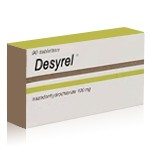
Desyrel is the original brand-name formulation of Trazodone — an atypical antidepressant that has become one of the most widely-prescribed medications globally, but ironically not primarily for its FDA-approved depression indication. Originally developed by Sigma Tau and FDA-approved since 1981, Trazodone is currently most-prescribed off-label as a non-benzodiazepine, non-controlled hypnotic for insomnia — particularly favored for elderly patients, depression-related insomnia, and patients with substance abuse history.
The active ingredient is Trazodone Hydrochloride, a triazolopyridine antidepressant classified as a serotonin antagonist and reuptake inhibitor (SARI). Trazodone works through multiple receptor mechanisms: 5-HT2A receptor antagonism (primary therapeutic effect), weak serotonin reuptake inhibition, α1-adrenergic blockade (causes orthostatic hypotension), and H1 histamine antagonism (responsible for sedating effects).
Desyrel is FDA-approved exclusively for major depressive disorder. Off-label uses include insomnia (by far the most common use), post-traumatic stress disorder (PTSD), generalized anxiety disorder, bulimia, alcohol withdrawal adjunct, and cocaine dependence. The sedating low doses (25-100 mg) used for insomnia have less antidepressant effect than higher depression doses (150-600 mg/day).
The medication is available as 50 mg, 100 mg, 150 mg, and 300 mg tablets, plus Oleptro extended-release 150 mg and 300 mg tablets. Standard adult dosing for depression is 150-300 mg daily (titrated up to maximum 600 mg/day in severe cases); for insomnia off-label, 25-100 mg at bedtime is typical.
Critical safety considerations include the FDA boxed warning for suicidal ideation in pediatric/young adult patients, the rare but serious risk of PRIAPISM (1 in 6000 men — male patients warned to seek emergency care for erection over 4 hours), orthostatic hypotension (particularly elderly), cardiac conduction abnormalities (QT prolongation), significant sedation, and serotonin syndrome risk with MAOIs or other serotonergic agents.
Free prescription
Discrete packaging
Have questions?
Quality Assurance

- Depression With Insomnia: Particularly valuable for depression with prominent insomnia or anxiety components;
- Adjunct Antidepressant Therapy: Low-dose adjunct to SSRI/SNRI therapy for sleep and sexual side effects;
- Off Label Insomnia: Most common off-label use — non-controlled hypnotic for primary and secondary insomnia;
- Sleep Maintenance Insomnia: For sleep maintenance insomnia — helps both falling asleep and staying asleep;
- Elderly Insomnia: Preferred hypnotic in elderly where benzodiazepines and Z-drugs carry fall risk;
- Substance Abuse History Insomnia: Non-controlled hypnotic for patients with substance abuse history;
- Depression Related Insomnia: For insomnia in depression patients — dual benefit at lower doses;
- PTSD Off Label: Off-label for PTSD particularly with nightmares and sleep disturbance;
- PTSD Nightmares: Off-label for PTSD-related nightmares with bedtime dosing;
- Generalized Anxiety Off Label: Off-label for generalized anxiety disorder with insomnia;
- Bulimia Nervosa Off Label: Off-label for bulimia nervosa as antidepressant therapy;
- Alcohol Withdrawal Adjunct: Off-label adjunct for alcohol withdrawal management with insomnia;
- Cocaine Dependence Off Label: Off-label adjunct for cocaine dependence with comorbid insomnia or depression;
- Fibromyalgia Sleep Adjunct: Off-label adjunct for fibromyalgia-related insomnia;
- Chronic Pain Sleep Adjunct: Off-label adjunct for chronic pain-related insomnia;
- Dementia Behavioral Insomnia: Off-label for dementia-related sleep disturbances and behavioral symptoms;
- SSRI Induced Insomnia: Low-dose adjunct for SSRI-induced insomnia in depression patients;
- Erectile Dysfunction Low Dose: Selective low-dose off-label use for erectile dysfunction (caution: priapism risk);
- Long Term Antidepressant Maintenance: Long-term maintenance therapy for chronic depression;
- Geriatric Depression Sedating: For geriatric depression with insomnia where sedating profile is beneficial.
- Better Sleep Onset: Off-label benefit for sleep onset insomnia at low doses (25-100 mg at bedtime);
- Better Sleep Maintenance: Off-label improvement in sleep maintenance — reduces nighttime awakenings;
- Less Insomnia: Effective off-label hypnotic for primary and secondary insomnia;
- Less Nightmares: Off-label reduction in PTSD-related nightmares;
- Less Anxiety: Off-label reduction in anxiety symptoms;
- Better Energy: Improvement in depression-related fatigue with effective antidepressant therapy;
- Better Appetite: Normalization of depression-related appetite changes;
- Better Concentration: Improvement in depression-related cognitive impairment;
- Less Anhedonia: Restoration of pleasure in previously enjoyed activities;
- Better Daily Function: Return to school, work, and normal activities with effective therapy;
- Better Quality of Life: Combined mood and sleep improvement for patients with depression-insomnia comorbidity;
- No Dependence Risk: Non-controlled, no dependence risk unlike benzodiazepines and Z-drug hypnotics;
- No Tolerance Sleep: Generally no tolerance development for hypnotic effect — suitable for chronic insomnia;
- Brand Desyrel: Original Sigma Tau brand of Trazodone with established global clinical reputation since 1981;
- Generic Trazodone: Affordable generic versions expand global access to atypical antidepressant and off-label hypnotic therapy;
- Oleptro Extended Release: Angelini extended-release formulation supporting smoother plasma levels;
- Trittico Equivalent: Same Trazodone molecule as Italian brand Trittico — familiar across European markets;
- Atypical Antidepressant: Atypical antidepressant class with unique multi-receptor mechanism;
- SARI Antidepressant: Serotonin antagonist and reuptake inhibitor class — signature unique mechanism;
- 5 HT2A Receptor Antagonist: Primary 5-HT2A receptor antagonism — key therapeutic mechanism;
- H1 Histamine Antagonism: Strong H1 antagonism explains widespread off-label hypnotic use;
- Non Controlled Hypnotic: Non-controlled, non-scheduled hypnotic alternative to benzodiazepines and Z-drugs;
- Most Prescribed Off Label Insomnia: Most-prescribed off-label hypnotic in modern medicine — signature insomnia use;
- Elderly Friendly Hypnotic: Preferred hypnotic in elderly avoiding benzodiazepine and Z-drug fall risk;
- SSRI Sleep Adjunct: Low-dose adjunct for SSRI-induced insomnia in depression patients;
- Substance Abuse Safe Hypnotic: Safe hypnotic for patients with substance abuse history;
- Active Metabolite m CPP: Active m-CPP metabolite provides additional serotonergic activity;
- Depression First Line Sedating: Useful first-line for depression with prominent insomnia or anxiety;
- Combination Therapy Antidepressant: Combines well with SSRIs for depression with sleep/sexual side effects;
- WHO Essential Medicine: Listed on the WHO Model List of Essential Medicines as a foundational antidepressant;
- 40 Plus Year Antidepressant History: Extensive real-world safety and efficacy data since 1981 across billions of patient courses;
- Affordable Antidepressant: Cost-effective antidepressant and hypnotic globally;
- Suicidal Ideation Boxed Warning: FDA boxed warning for suicidal ideation in pediatric, adolescent, and young adult patients;
- Priapism Rare Serious: Rare but serious priapism (1 in 6000 men) — emergency care for erection over 4 hours;
- Orthostatic Hypotension: α1-adrenergic blockade causes orthostatic hypotension — concerning particularly in elderly;
- QT Prolongation Risk: QT prolongation and rare ventricular arrhythmias — caution in cardiac disease;
- Significant Sedation: Significant sedation — therapeutic for insomnia, problematic for depression daytime function;
- Serotonin Syndrome Risk: Risk of serotonin syndrome with MAOIs (contraindicated) or other serotonergic agents;
- Stable Storage: Tablets stable at room temperature — convenient for long-term therapy.
Generic Desyrel (Trazodone 25 mg) Medication guide:
📖 What Is Desyrel and Its Unique SARI Mechanism
Desyrel is the original brand of trazodone, a unique atypical antidepressant with a distinctive multi-receptor pharmacology unlike typical SSRIs or TCAs. Classified as a serotonin antagonist and reuptake inhibitor (SARI), trazodone remains widely prescribed decades after its 1981 FDA approval — predominantly off-label for insomnia rather than its approved depression indication.
📋 Desyrel essentials
- Generic name
- Trazodone hydrochloride
- Original manufacturer
- Angelini Pharmaceutical (Italy 1966); brought to US by Bristol-Myers Squibb; generic since 1990s
- Drug class
- Serotonin antagonist and reuptake inhibitor (SARI); atypical antidepressant
- FDA-approved indication
- Major depressive disorder in adults (December 1981); single indication despite widespread other uses
- Primary current use
- Off-label insomnia treatment at low doses (25-100 mg at bedtime) — more common than depression use
- Formulations
- Immediate-release tablets 50 mg, 100 mg, 150 mg, 300 mg; extended-release (Oleptro) 150 mg, 300 mg
- Adult depression dose range
- 150-600 mg/day in divided doses (much higher than insomnia doses)
- Adult insomnia dose range
- 25-100 mg at bedtime (much lower than antidepressant doses)
| Desyrel unique positioning | Clinical implication |
|---|---|
| Multi-receptor SARI pharmacology | Distinctive mechanism unlike SSRIs, TCAs, or SNRIs |
| Predominantly used off-label for sleep | Most modern prescriptions are for insomnia at 25-100 mg, not depression at 150-600 mg |
| Minimal sexual dysfunction | Advantage over SSRIs for patients with sexual side effect concerns |
| No weight gain or minimal | Advantage over TCAs, mirtazapine, some antipsychotics |
| Preserves sleep architecture | Does not suppress REM sleep unlike most TCAs and SSRIs |
| Priapism risk (unique) | Rare but serious concern in men (approximately 1 in 6000) |
| Substantial sedation and orthostasis | Limits antidepressant dosing tolerability; useful for insomnia; fall risk in elderly |
💡 Why trazodone remains widely used
Despite being one of the older antidepressants, trazodone remains among the most commonly prescribed medications in modern practice — but for a purpose different from its FDA approval. As primary antidepressant monotherapy, trazodone has largely been supplanted by SSRIs and SNRIs due to tolerability issues at antidepressant doses. However, at low doses (25-100 mg at bedtime), trazodone provides sedation and sleep initiation benefits with minimal daytime effects, making it one of the most prescribed off-label insomnia treatments. Trazodone also serves as adjunct to SSRIs/SNRIs for the common combination of depression plus insomnia. Understanding both the depression-dose profile and the insomnia-dose profile is essential for appropriate prescribing.
📜 Trazodone History From Italy to Global Use
The trazodone story begins in 1960s Italy where Angelini Pharmaceutical researchers pursued antidepressants without the anticholinergic burden of tricyclic drugs. Trazodone emerged as one of the first successful atypical antidepressants and paved the way for later molecules with similar SARI pharmacology such as nefazodone.
📅 Development timeline
- 1966
- Angelini Pharmaceutical (Italy) synthesises trazodone; targeted development as non-tricyclic antidepressant
- Late 1960s to 1970s
- European clinical development; approvals across European markets
- December 1981
- FDA approves Desyrel (Bristol-Myers Squibb) for major depressive disorder in United States
- 1980s
- Widespread depression prescribing; recognition of sedation and orthostasis as limiting factors
- Late 1980s to 1990s
- SSRI era begins with fluoxetine 1987; trazodone monotherapy for depression declines but off-label sleep use emerges
- 1990s onwards
- Generic trazodone widely available; off-label insomnia use becomes primary application
- February 2010
- FDA approves Oleptro (trazodone extended-release) for once-daily depression dosing
- Modern era (2010s-2020s)
- Trazodone consistently among top 30 most prescribed medications in United States; predominantly at insomnia doses
📌 Historical significance and context
- First atypical antidepressant to gain widespread use; alternative to TCAs
- Preceded SSRI revolution that would begin with fluoxetine in 1987
- Pioneered SARI class later exemplified by nefazodone (withdrawn due to hepatotoxicity)
- Cost-effective option since generic availability
- Shifted from antidepressant to sleep aid as SSRIs became first-line for depression
- Remains widely prescribed despite lack of formal insomnia FDA approval
- Global availability across most developed and developing markets
💡 The insomnia use transition
The transformation of trazodone from antidepressant to sleep aid is a remarkable clinical trajectory. Initially prescribed at 300-600 mg/day for depression in the 1980s, trazodone caused substantial daytime sedation, orthostasis, and other adverse effects that limited its tolerability at antidepressant doses. Clinicians observed that patients using trazodone at bedtime experienced improved sleep as a side effect. This led to gradual adoption of low-dose (25-100 mg) trazodone at bedtime for insomnia, first as adjunct to SSRIs and then as primary insomnia therapy. The AASM 2017 clinical practice guideline actually gives trazodone for chronic insomnia a weak recommendation against based on limited evidence, yet it remains among the most prescribed insomnia medications due to perceived safety, non-addictive profile, and clinical experience.
⚗️ Chemistry - Triazolopyridine Structure and Metabolism
Trazodone has a distinctive triazolopyridine chemistry distinguishing it from tricyclic antidepressants, SSRIs, and other antidepressant classes. The molecular structure produces the unique multi-receptor SARI pharmacology that defines its clinical profile.
⚗️ Structural features
- Chemical name
- 2-[3-[4-(3-chlorophenyl)piperazin-1-yl]propyl]-[1,2,4]triazolo[4,3-a]pyridin-3(2H)-one hydrochloride
- Structural class
- Triazolopyridine with piperazine side chain; distinct from tricyclic scaffold
- Chirality
- Achiral (no chiral centres); single molecular entity without enantiomer considerations
- Molecular weight
- Approximately 372 g/mol (base); 408 g/mol as hydrochloride salt
- Solubility
- Water-soluble hydrochloride salt; well-absorbed orally
- Active metabolite
- m-Chlorophenylpiperazine (m-CPP) - active serotonergic metabolite that may contribute to effects; also a 5-HT2C agonist
🔬 Receptor binding profile
- 5-HT2A receptor: high-affinity antagonist (primary effect at low doses; drives sedation and sleep effects)
- 5-HT2C receptor: antagonist (contributes to appetite and mood effects)
- Serotonin transporter (SERT): modest-affinity inhibitor (only meaningful at higher antidepressant doses)
- Alpha-1 adrenergic receptors: potent antagonist (causes orthostatic hypotension and priapism)
- Histamine H1 receptor: moderate antagonist (contributes to sedation)
- Alpha-2 adrenergic receptors: modest antagonist
- Muscarinic receptors: minimal binding (advantage over TCAs; low anticholinergic effects)
- Dopamine receptors: minimal binding
- Norepinephrine transporter: minimal effect
| Receptor effect | Clinical manifestation |
|---|---|
| 5-HT2A antagonism | Sedation, sleep induction, anxiolysis |
| SERT inhibition (high doses) | Antidepressant effect at 150-600 mg/day |
| Alpha-1 antagonism | Orthostatic hypotension, priapism, dizziness |
| H1 antagonism | Sedation, sleep initiation, modest weight effect |
| Minimal muscarinic binding | Advantage - no anticholinergic burden (dry mouth, constipation, urinary retention, cognitive) |
| m-CPP metabolite (5-HT2C agonism) | May contribute to headache, anxiety, or paradoxical effects in some patients |
💡 The dose-dependent receptor engagement
Trazodone's clinical profile changes dramatically with dose because different receptors are engaged at different plasma concentrations. At low doses (25-100 mg), the high-affinity 5-HT2A antagonism, alpha-1 antagonism, and H1 antagonism predominate, producing sleep effects with minimal antidepressant activity. At depression doses (150-600 mg), SERT inhibition becomes clinically meaningful and produces antidepressant effects, but sedation and orthostatic effects also intensify. This unusual dose-dependent pharmacology explains why trazodone is used at very different doses for sleep versus depression — each dose range engages distinct pharmacological effects.
🧠 SARI Mechanism - 5-HT2A Antagonist Plus Reuptake Inhibitor
The SARI (Serotonin Antagonist and Reuptake Inhibitor) mechanism combines two distinct actions on the serotonin system: postsynaptic 5-HT2A receptor blockade and presynaptic serotonin reuptake inhibition. This dual action, plus additional receptor effects, distinguishes trazodone from SSRIs, TCAs, and SNRIs.
🧠 Primary mechanism components
- 5-HT2A receptor antagonism
- Blocks postsynaptic 5-HT2A receptors; reduces cortical arousal and hypervigilance; promotes deep sleep; may modulate depression pathophysiology; effect present at all doses
- 5-HT2C receptor antagonism
- Contributes to appetite regulation and possibly mood effects
- Serotonin reuptake inhibition
- Blocks SERT to increase synaptic serotonin; contributes to antidepressant effect; only meaningful at depression doses (150-600 mg)
- Alpha-1 adrenergic antagonism
- Reduces peripheral vascular tone; explains orthostatic hypotension; contributes to sedation via reduced arousal
- Histamine H1 antagonism
- Contributes to sedation; sleep-promoting effect
🌟 Sleep architecture effects - a distinguishing feature
- Preserves REM sleep
- Unlike TCAs and SSRIs (which suppress REM), trazodone maintains normal REM sleep architecture; important for restorative sleep quality
- Increases slow-wave sleep
- Enhances deep restorative sleep stages 3 and 4; unusual property among antidepressants
- Reduces sleep latency
- Falls asleep faster; typical benefit within 30-60 minutes of dose
- Reduces nighttime awakenings
- Improves sleep maintenance through H1 and alpha-1 effects
- Improves subjective sleep quality
- Patients typically report better quality of sleep after starting trazodone for insomnia
- Non-addictive profile
- Unlike benzodiazepines and Z-drugs, trazodone has minimal abuse potential and no dependence syndrome
| Sleep effect comparison | Trazodone | SSRIs | TCAs |
|---|---|---|---|
| REM sleep | Preserved | Suppressed | Suppressed |
| Slow-wave sleep | Increased | Reduced or minimal effect | Variable |
| Sleep latency | Reduced (helpful for initiation) | Variable; some cause insomnia | Reduced (sedating) |
| Sleep maintenance | Improved | Variable | Improved |
| Daytime sedation next day | Modest at 50-100 mg | Low | Substantial |
| Dependence potential | None | None (discontinuation syndrome different) | None |
💡 The 5-HT2A antagonism antidepressant hypothesis
Trazodone's antidepressant effect may involve more than just SERT inhibition. Postsynaptic 5-HT2A receptor blockade is proposed to contribute independently to antidepressant effect through modulation of prefrontal cortex activity and disinhibition of other monoaminergic systems. This mechanism is shared with newer atypical antipsychotics that have antidepressant augmentation properties (aripiprazole, quetiapine, brexpiprazole). The 5-HT2A hypothesis explains why trazodone maintains antidepressant effect despite relatively weak SERT inhibition compared to SSRIs, and why it may sometimes be effective for SSRI-refractory depression. The mechanism also underlies effects on sleep architecture, anxiety reduction, and possibly the sexual side effect profile difference from SSRIs.
🔬 Pharmacokinetics - Short Half-Life and CYP3A4 Metabolism
Trazodone has relatively simple pharmacokinetics with predictable absorption, moderate half-life, and hepatic CYP3A4 metabolism. The short half-life makes it well-suited for as-needed insomnia use but requires divided daily dosing for depression treatment.
🔬 PK parameters
- Absorption
- Well-absorbed orally; Tmax approximately 1-2 hours on empty stomach; food delays absorption modestly
- Bioavailability
- Approximately 65 percent (moderate first-pass metabolism)
- Food effect
- Food delays peak; can be taken with or without food; taking with food may reduce dizziness and orthostasis; empty stomach faster onset for insomnia
- Protein binding
- Approximately 89-95 percent (primarily albumin)
- Volume of distribution
- Moderate; extensive tissue distribution including CNS
- Half-life
- Approximately 5-9 hours (short-moderate); biphasic elimination; active metabolite m-CPP has longer half-life
- Steady-state
- Reached in approximately 3-7 days
- Metabolism
- Extensive hepatic via CYP3A4 primarily; produces m-CPP active metabolite; also minor CYP2D6 involvement in m-CPP disposition
- Elimination
- 70-75 percent renal excretion of metabolites; approximately 20 percent fecal; minimal unchanged drug in urine
🧬 CYP3A4 interactions - primary consideration
- CYP3A4 inhibitors (strong)
- Ketoconazole, itraconazole, clarithromycin, ritonavir, cobicistat - substantially increase trazodone levels; consider dose reduction
- CYP3A4 inhibitors (moderate)
- Erythromycin, fluconazole, diltiazem, verapamil, grapefruit juice - moderately increase levels
- CYP3A4 inducers
- Carbamazepine, phenytoin, rifampin, St John Wort - substantially decrease trazodone levels; may require dose increase
- Implications
- Review concomitant medications; adjust trazodone dose based on interactions; monitor clinical effect
💡 The short half-life dosing implications
Trazodone's short-moderate half-life of 5-9 hours has several practical implications: (1) For insomnia at bedtime dose, most drug is cleared by morning, minimising daytime sedation carryover (advantage); (2) For depression treatment, divided daily dosing is required to maintain therapeutic levels (limitation compared to once-daily SSRIs); (3) Extended-release Oleptro was developed to allow once-daily depression dosing; (4) The short half-life produces relatively mild discontinuation syndrome compared to SSRIs with similar half-lives — possibly due to the multi-receptor mechanism rather than pure SERT dependence. The pharmacokinetic profile matches trazodone's clinical positioning as evening or as-needed medication for insomnia rather than steady around-the-clock therapy.
📋 FDA-Approved Indication - Major Depressive Disorder Only
Desyrel has a single FDA-approved indication — major depressive disorder in adults, approved December 1981. Despite widespread off-label use for insomnia (which exceeds depression use in modern practice), trazodone has never received FDA approval for sleep or any other indication.
| Indication category | Approval status | Typical dose range |
|---|---|---|
| Major depressive disorder (adult) | FDA approved December 1981 | 150-600 mg/day divided doses |
| Chronic insomnia | Off-label (most common use) | 25-100 mg at bedtime |
| Generalized anxiety disorder | Off-label | 150-300 mg/day divided |
| Dementia-related agitation and behavior | Off-label | 25-150 mg/day (cautious) |
| PTSD nightmares and sleep disturbance | Off-label | 50-100 mg at bedtime |
| Chronic pain and fibromyalgia | Off-label | 50-150 mg at bedtime |
| Chronic migraine prophylaxis | Off-label (limited) | 100-300 mg/day |
| Alcohol dependence sleep support | Off-label | 50-100 mg at bedtime |
📋 Why insomnia lacks FDA approval despite widespread use
- No manufacturer submitted insomnia trials to FDA for approval application after generic era
- Off-label use grew organically from clinical observation rather than industry-sponsored trials
- Formal RCT evidence for insomnia is limited despite widespread clinical use
- AASM 2017 guideline gives weak recommendation against for chronic insomnia due to evidence limitations
- Real-world experience overwhelmingly positive for many patients
- Cost and generic status reduce incentive for industry-sponsored trials
- Alternative approved insomnia drugs (zolpidem, eszopiclone, ramelteon, suvorexant) available but with different risk profiles
💡 The single-indication paradox
Trazodone represents an unusual pharmaceutical situation: a widely prescribed medication where most prescriptions are for a condition (insomnia) other than the FDA-approved indication (depression). Modern clinicians must understand both the depression profile (higher doses, gradual titration, tolerability concerns) and the insomnia profile (low doses, bedtime only, favourable safety profile) to prescribe appropriately. This dual identity reflects both the therapeutic value at different doses and the pharmaceutical economics of a generic medication without ongoing industry advocacy for label expansion.
🧩 Antidepressant Use of Trazodone in Depression
Trazodone remains an option for major depressive disorder though it has largely been supplanted by SSRIs and SNRIs as first-line therapy. Understanding when trazodone monotherapy or adjunctive therapy is appropriate helps optimise antidepressant selection.
🧩 Trazodone in MDD treatment
- Approval basis
- Multiple trials in 1970s and 1980s demonstrated efficacy comparable to amitriptyline and imipramine (TCAs of the era)
- Response rate
- Approximately 45-60 percent response at 150-400 mg/day; typical for antidepressants; remission rates lower
- Comparison with SSRIs
- Similar overall efficacy in head-to-head trials but tolerability at antidepressant doses is worse; SSRIs preferred first-line
- Onset of effect
- Similar to other antidepressants: 2-4 weeks for initial improvement, 6-8 weeks for full effect
- Dosing for depression
- Start 50 mg twice or three times daily; titrate to 150-400 mg/day divided doses; maximum 600 mg/day
- Extended-release option
- Oleptro allows once-daily dosing 150-375 mg at bedtime; may improve adherence
🌟 Depression scenarios where trazodone monotherapy may be appropriate
- Depression with prominent insomnia: dual benefit for depression and sleep
- Depression with substantial anxiety: SARI mechanism addresses both
- Prior TCA response but poor tolerability: trazodone with less anticholinergic burden
- SSRI-induced sexual dysfunction concern: trazodone minimal sexual side effects
- Cost-conscious prescribing: inexpensive generic
- Elderly depression with sleep disruption: dose reduction and monitoring for orthostasis
- Depression with intolerable SSRI/SNRI side effects: alternative mechanism
🌟 Depression scenarios where trazodone is used as adjunct
- SSRI/SNRI plus low-dose trazodone at bedtime for depression-associated insomnia: extremely common combination
- Partial response to SSRI: augmentation with low-dose trazodone
- SSRI treatment with residual sleep disturbance: adding trazodone for sleep while continuing SSRI
- Anxiety component not fully addressed: trazodone as adjunct
- SSRI-emergent insomnia: paradoxical activation reduced with adjunctive trazodone
| Antidepressant class in MDD | Typical positioning |
|---|---|
| SSRIs (sertraline, escitalopram, citalopram) | First-line general MDD |
| SNRIs (duloxetine, venlafaxine) | First or second-line; pain-comorbid |
| Bupropion | Alternative; weight-neutral, energy focus |
| Mirtazapine | Alternative; sedating, insomnia, appetite loss |
| Trazodone (Desyrel) | Occasional monotherapy alternative; common adjunct for insomnia |
| Vortioxetine (Trintellix) | Alternative with cognitive benefit |
| TCAs | Reserved for treatment-resistant depression |
💡 The trazodone monotherapy limitation
Trazodone as sole antidepressant faces tolerability challenges at effective doses. Reaching 300-400 mg/day (typical target for depression response) often produces prohibitive sedation, orthostatic hypotension, and dizziness for many patients. Most patients cannot achieve the full antidepressant dose. This is why SSRIs and SNRIs have become preferred first-line, offering similar efficacy with better tolerability at therapeutic doses. Trazodone monotherapy remains reasonable for selected patients with specific profiles favouring its use, but the more common modern application is as low-dose sleep adjunct to another primary antidepressant.
😴 Off-Label Insomnia Use - Most Common Modern Application
Off-label insomnia use is now the most common trazodone prescription in modern practice. At low doses of 25-100 mg at bedtime, trazodone provides sleep initiation and maintenance benefits without daytime sedation carryover for most patients, without dependence risk of benzodiazepines, and with acceptable safety profile.
😴 Trazodone for insomnia
- Typical dose
- 25-100 mg at bedtime; start with 25-50 mg; adjust based on response and tolerability
- Time to effect
- 30-60 minutes to onset of sleep effect; peak sleep effect within 1-2 hours
- Sleep benefits
- Reduces sleep latency, reduces nighttime awakenings, increases slow-wave sleep, preserves REM; improves subjective sleep quality
- Daytime effects
- Minimal at 25-50 mg; occasional carryover at 100 mg; morning grogginess uncommon
- Non-addictive
- No tolerance development, no dependence syndrome, no abuse potential
- Duration of use
- Can be used long-term (unlike benzodiazepines and Z-drugs which have concerns with prolonged use)
- Discontinuation
- Can be stopped without significant withdrawal at these low doses; taper often not necessary though prudent for prolonged use
| Insomnia treatment option | Advantage | Concern |
|---|---|---|
| Cognitive behavioural therapy for insomnia (CBT-I) | First-line per guidelines; durable benefit | Access, time commitment |
| Trazodone (off-label) | Non-addictive, sleep architecture preserved, inexpensive | Orthostasis, priapism (men) |
| Zolpidem (Ambien) | FDA-approved, effective sleep initiation | Dependence, complex sleep behaviours, cognitive effects elderly |
| Eszopiclone (Lunesta) | FDA-approved; sleep initiation and maintenance | Similar to zolpidem |
| Ramelteon (Rozerem) | Melatonin agonist; non-addictive | Modest efficacy |
| Suvorexant (Belsomra) | Orexin antagonist; different mechanism | Cost; sleep paralysis |
| Mirtazapine (low dose off-label) | Sedating; appetite stimulation | Weight gain; daytime sedation |
| Doxepin low-dose (Silenor) | FDA-approved; sleep maintenance | Anticholinergic effects |
| Benzodiazepines (temazepam, others) | Effective; well-established | Dependence, tolerance, cognitive impairment, falls |
| Melatonin OTC | Available OTC; low risk | Modest efficacy; inconsistent formulations |
🎯 Insomnia treatment approach
- CBT-I first-line per AASM and international guidelines for chronic insomnia
- Sleep hygiene assessment and non-pharmacological interventions
- Rule out and treat underlying causes: depression, anxiety, sleep apnea, restless legs, medications
- Short-term pharmacotherapy often needed alongside behavioural approaches
- Trazodone advantages: non-addictive, sleep architecture preservation, cost, availability
- Trazodone limitations: modest evidence base, orthostatic effects, priapism risk in men, weak guideline recommendation
- Long-term use: acceptable if effective and tolerated; periodic reassessment
- Comorbid depression: single medication addressing both is efficient (though higher dose needed for depression)
💡 The guideline-practice gap
The AASM 2017 clinical practice guideline gives trazodone for chronic insomnia a weak recommendation against based on limited high-quality RCT evidence. However, trazodone remains one of the most prescribed insomnia medications in real-world practice. This gap reflects several factors: (1) clinician experience with trazodone tolerability at low doses; (2) preference for non-addictive alternatives to Z-drugs and benzodiazepines; (3) cost advantages of generic trazodone; (4) common concurrent depression benefit; (5) safety in long-term use where Z-drugs have concerns. The evidence base is genuinely limited for insomnia specifically, but real-world experience is generally positive. Individual patient response varies; some patients benefit substantially while others gain minimal effect.
🌪️ Anxiety Disorders Off-Label Trazodone Applications
Trazodone is used off-label for various anxiety disorders including generalized anxiety disorder (GAD) and panic disorder. The SARI mechanism provides anxiolytic effect through 5-HT2A blockade and modest SERT inhibition. While not first-line, trazodone can be useful in specific clinical situations.
🌪️ Trazodone for anxiety
- Generalized anxiety disorder (GAD)
- Some evidence for efficacy; typical dose 150-300 mg/day divided; less well-established than SSRIs/SNRIs
- Panic disorder
- Limited evidence; SSRIs preferred first-line; trazodone may be considered alternative
- Anxiety with insomnia
- Trazodone particularly appropriate for this combination; addresses both symptoms
- Anxiety with depression
- Trazodone monotherapy may address both if depression indication being treated
- Anxiety with SSRI-induced insomnia
- Low-dose trazodone at bedtime adjunctive to SSRI addresses insomnia while SSRI treats anxiety
- Onset of anxiolytic effect
- Some benefit within days; full effect requires weeks similar to other antidepressants
🌟 Anxiety scenarios where trazodone may be useful
- Anxiety with prominent sleep disturbance: dual benefit through single medication
- Anxiety with comorbid depression: FDA approval provides framework
- Anxiety in patient with SSRI sexual side effect concerns: alternative mechanism
- Anxiety in patient not tolerating SSRI activation: sedating alternative
- Anxiety in patient with benzodiazepine dependence history: non-addictive alternative
- Anxiety in patient with cost concerns: inexpensive generic
- Elderly with mixed anxiety-depression-insomnia: single medication approach
💡 Anxiety treatment context
SSRIs and SNRIs are first-line pharmacotherapy for GAD and most anxiety disorders based on strongest evidence base. Trazodone occupies a secondary position but may be appropriate for specific scenarios: (1) as monotherapy for depression-anxiety-insomnia clusters; (2) as adjunct to first-line SSRI/SNRI for the common problem of anxiety patients with residual sleep disturbance; (3) as alternative when SSRI/SNRI intolerable or contraindicated. Cognitive behavioural therapy remains foundational for anxiety disorders and provides most durable benefit. Combined approach (medication plus CBT) often produces best outcomes. Buspirone, pregabalin, and hydroxyzine are other non-benzodiazepine options for specific situations.
🧓 Dementia-Related Agitation and Behavior Off-Label Use
Trazodone is used off-label for dementia-related agitation and behavioural disturbance, particularly in Alzheimer disease and other neurodegenerative conditions. The Camargos et al. 2014 randomised trial and clinical experience support cautious use as alternative to antipsychotics for behavioural symptoms in dementia.
🧓 Trazodone in dementia care
- Target symptoms
- Agitation, verbal outbursts, physical aggression, sleep-wake reversal, sundowning, restless behaviour
- Evidence base
- Camargos et al. 2014 randomised trial in Alzheimer patients; case series and clinical experience; specific evidence for frontotemporal dementia agitation
- Advantages over antipsychotics
- No extrapyramidal effects; no stroke or mortality boxed warning (unlike antipsychotics in dementia); no dyskinesia risk; may improve sleep
- Dosing
- Very cautious in elderly with dementia; start 12.5-25 mg at bedtime; slow titration; typical range 25-100 mg/day; occasionally up to 150 mg
- Specific dementia types
- Frontotemporal dementia particularly responsive; Alzheimer with agitation moderate response; Lewy body dementia caution needed
- Response assessment
- Behavioural rating scales; caregiver reports; nurse observations in facilities
🔴 Special dementia considerations
- Non-pharmacological approaches first: environmental modification, behavioural interventions, addressing unmet needs
- Rule out delirium: infection, dehydration, medications, urinary retention, constipation, pain
- Rule out pain: often unrecognised cause of agitation in nonverbal patients
- Fall risk elevated: orthostatic hypotension particularly problematic in ambulatory dementia patients
- Cognitive side effects: sedation may worsen daytime functioning
- Consider brief trial: assess benefit vs adverse effects; discontinue if not effective
- Caregiver education: expected benefits and monitoring
- Regular reassessment: continued need, dose adjustment, adverse effects
💡 The antipsychotic alternative
Antipsychotics (risperidone, olanzapine, quetiapine) are commonly used off-label for dementia agitation but carry FDA black box warnings about increased stroke and mortality risk in elderly dementia patients. Trazodone provides an alternative option without these specific warnings, though itself has meaningful risks (falls from orthostasis, sedation, priapism in men). For frontotemporal dementia specifically, trazodone has better evidence base than antipsychotics. For Alzheimer disease with severe agitation not responsive to non-pharmacological approaches and trazodone, low-dose antipsychotic may still be appropriate with informed consent. The choice depends on symptom severity, specific dementia type, patient-specific risk factors, family preferences, and available support systems.
🌛 PTSD Nightmares and Sleep Disturbance Treatment
Trazodone is used off-label for PTSD-related nightmares and sleep disturbance. While prazosin has stronger evidence for PTSD nightmares specifically, trazodone provides broader sleep benefit and remains commonly prescribed for PTSD sleep problems including nightmares, insomnia, and hyperarousal.
🌛 PTSD sleep applications
- Target symptoms
- Nightmares, difficulty falling asleep, difficulty staying asleep, nighttime hyperarousal, sleep avoidance
- Mechanism relevance
- 5-HT2A antagonism may reduce dream vividness and nightmares; alpha-1 antagonism reduces hyperarousal; H1 antagonism promotes sleep
- Evidence base
- Retrospective studies and case series; limited RCT evidence specifically for PTSD; prazosin has stronger evidence for PTSD nightmares
- Dosing
- 50-150 mg at bedtime typically; may need higher doses for full sleep coverage
- Compared to prazosin
- Prazosin (alpha-1 antagonist) specifically targets nightmares with stronger PTSD-specific evidence; trazodone provides broader sleep benefit but less targeted anti-nightmare effect
📋 PTSD treatment framework
- Trauma-focused psychotherapy: first-line for PTSD (CBT-based interventions, prolonged exposure, EMDR)
- SSRI/SNRI first-line pharmacotherapy: sertraline and paroxetine FDA-approved for PTSD; venlafaxine off-label
- Prazosin for nightmares: strongest evidence for combat-related nightmares
- Trazodone for sleep: common adjunct for insomnia and nightmare reduction
- Cyproheptadine: alternative for nightmares
- Avoid benzodiazepines: may worsen PTSD outcomes long-term; increase depression risk
- Address concurrent conditions: substance use, depression, chronic pain
- Long-term therapy: PTSD often chronic; continued treatment usually needed
💡 The sleep-PTSD interaction
Sleep disturbance is core PTSD feature and often the most distressing symptom for patients. Poor sleep amplifies other PTSD symptoms including intrusion, avoidance, hyperarousal, and negative mood. Effective sleep intervention often produces broader PTSD symptom improvement. Trazodone at 50-150 mg at bedtime provides multiple sleep benefits: reduced sleep latency, decreased awakenings, and possibly reduced nightmare intensity. Combined with SSRI treatment for PTSD symptoms and trauma-focused psychotherapy for underlying trauma processing, sleep intervention can substantially improve overall function. Individual response varies; some patients benefit from prazosin plus trazodone combination for both nightmares and broader sleep issues.
🦾 Chronic Pain and Fibromyalgia Off-Label Applications
Trazodone has limited but occasional off-label use for chronic pain conditions, particularly fibromyalgia and chronic low back pain. Evidence is weaker than for SNRIs (duloxetine, milnacipran) and pregabalin, but trazodone may be considered adjunctively when sleep component prominent.
🦾 Trazodone in chronic pain
- Fibromyalgia
- Case series and small trials suggest modest benefit; limited direct evidence compared to duloxetine and pregabalin; may help sleep disturbance component
- Chronic low back pain
- Occasional use for pain with sleep disturbance; not first-line
- Chronic headache
- Limited evidence for prophylaxis; amitriptyline traditionally preferred
- Diabetic peripheral neuropathic pain
- Limited role; duloxetine and pregabalin FDA-approved and first-line
- Postherpetic neuralgia
- Not typically used; SNRIs, gabapentin/pregabalin, TCAs preferred
- Dose
- 50-150 mg at bedtime typically for adjunctive chronic pain use
🌟 Chronic pain scenarios where trazodone may help
- Chronic pain with prominent sleep disturbance: dual benefit
- Chronic pain with comorbid depression: may address both
- Chronic pain with anxiety: SARI anxiolytic effect
- Elderly with pain and insomnia: cost-effective option (with orthostasis caution)
- Patients intolerant of first-line pain therapies: alternative mechanism
- Adjunctive to primary pain therapy: complement duloxetine or pregabalin for sleep coverage
- Fibromyalgia patients with sleep dominant symptoms: reasonable trial
💡 The pain-sleep relationship
Chronic pain and sleep disturbance are strongly bidirectionally related. Pain interferes with sleep initiation and maintenance; poor sleep amplifies pain perception and reduces coping capacity. Interventions targeting both sleep and pain simultaneously often produce better outcomes than treating either alone. Trazodone's benefit in chronic pain likely reflects improved sleep quality more than direct analgesia. For patients with fibromyalgia or chronic low back pain where sleep disturbance is prominent, trazodone at 50-100 mg at bedtime may be reasonable adjunct to primary pain therapy (physical therapy, exercise, and medications like duloxetine or pregabalin). Evidence base is weaker than for SNRIs and gabapentinoids in these conditions, but individual patient benefit can be substantial when sleep component prominent.
📊 Adult Dosing for Depression Versus Insomnia
Trazodone adult dosing follows two distinctly different regimens depending on indication — substantially high divided doses for depression versus low single bedtime doses for insomnia. Understanding these divergent dosing profiles is essential for appropriate prescribing.
| Indication and setting | Starting dose | Target dose | Maximum |
|---|---|---|---|
| Major depressive disorder (adult inpatient) | 150 mg/day divided | 150-400 mg/day divided | 600 mg/day |
| Major depressive disorder (adult outpatient) | 150 mg/day divided | 150-300 mg/day divided | 400 mg/day |
| Extended-release (Oleptro) for depression | 150 mg once daily at bedtime | 150-300 mg once daily at bedtime | 375 mg/day |
| Off-label insomnia (adult) | 25-50 mg at bedtime | 50-100 mg at bedtime | 150 mg at bedtime (rarely needed) |
| Off-label anxiety (GAD adjunctive) | 50-100 mg/day divided | 150-300 mg/day divided | 400 mg/day |
| Off-label PTSD sleep and nightmares | 50 mg at bedtime | 50-150 mg at bedtime | 200 mg at bedtime |
| Off-label dementia agitation (elderly) | 12.5-25 mg at bedtime | 25-100 mg/day | 150 mg/day |
📈 Depression titration protocol
- Week 1
- 150 mg/day divided (50 mg three times daily or 75 mg twice daily); assess tolerability
- Week 2
- Increase to 200-225 mg/day if tolerating; continue monitoring
- Week 3-4
- Titrate to 300 mg/day if tolerated and inadequate response; assessment ongoing
- Week 4-6
- Higher doses to 400 mg/day outpatient or 600 mg inpatient if inadequate response and tolerating; many patients cannot tolerate high doses
- Full trial
- 6-8 weeks at effective tolerated dose before considering treatment failure
- Ongoing maintenance
- Continue effective dose 6-12 months after remission; longer for recurrent depression
✅ Practical dosing tips
- Take with food to reduce orthostatic effects and dizziness
- Insomnia dose: 30-60 minutes before intended sleep for optimal effect
- Divide depression doses: 2-3 times daily due to short half-life
- Extended-release Oleptro: once daily bedtime for simpler regimen
- Rise slowly especially in early therapy to prevent orthostatic falls
- Do not stop suddenly after high-dose depression therapy - taper over 1-2 weeks
- Low-dose insomnia use: can typically stop without significant discontinuation issues
- Missed dose insomnia: skip and take next scheduled dose (do not double)
- Missed dose depression: take as soon as remembered same day; skip if close to next
- Alcohol interaction: additive CNS depression; avoid or substantially reduce
💡 The dose distinction significance
Prescribing trazodone requires clarity about which dosing paradigm applies: depression doses (150-600 mg/day divided) engage SERT inhibition for antidepressant effect but produce substantial sedation, orthostasis, and other side effects that limit tolerability; insomnia doses (25-100 mg at bedtime) primarily engage 5-HT2A/H1/alpha-1 receptors for sleep effect without meaningful antidepressant effect but with much better daytime tolerability. Patients prescribed low doses for insomnia should not expect antidepressant benefit; patients prescribed high doses for depression will experience substantial adverse effects. Explicit patient counseling about dose-purpose relationship prevents confusion.
🧒 Pediatric Considerations for Trazodone Off-Label Use
Trazodone is not FDA-approved for any pediatric indication. Off-label use in children and adolescents is limited and generally reserved for specific situations under specialist supervision. Alternative treatments with better pediatric evidence are typically preferred.
🧒 Pediatric considerations
- FDA approval status
- No pediatric FDA approvals; all pediatric use is off-label
- Pediatric depression
- Fluoxetine and escitalopram FDA-approved and preferred; trazodone rarely used as primary depression therapy in children
- Pediatric insomnia
- Behavioural interventions first-line; when medication needed, melatonin often first choice; trazodone occasional off-label use particularly with concurrent depression or anxiety
- Autism spectrum disorder sleep disturbance
- Melatonin first-line; trazodone occasional off-label for severe cases
- Pediatric anxiety
- SSRIs FDA-approved and preferred (fluoxetine, sertraline for OCD); trazodone limited role
- Pediatric dosing when used
- Adolescents: 25-50 mg at bedtime for sleep; higher doses require specialist involvement; younger children rarely appropriate
🔴 Pediatric black box suicidality warning
FDA 2004 boxed warning applies to trazodone as with all antidepressants: SSRIs and other antidepressants may increase risk of suicidal thinking and behaviour in children, adolescents, and young adults up to age 24. Any pediatric or adolescent trazodone use requires: (1) careful assessment; (2) close monitoring particularly during first weeks; (3) family awareness of warning signs; (4) frequent follow-up visits; (5) prompt evaluation for concerning changes. Given lack of FDA pediatric approval for trazodone and availability of alternatives with better pediatric evidence, alternative therapies are usually preferred for pediatric depression and anxiety.
📋 Pediatric management principles
- Behavioural approaches first for insomnia (sleep hygiene, CBT-I adaptation)
- Address underlying causes: anxiety, ADHD, autism, medical conditions
- Melatonin first pharmacotherapy for pediatric insomnia
- Trazodone off-label only after other options exhausted or specific circumstances
- Specialist supervision: pediatric psychiatrist or sleep specialist
- Family involvement: essential; parents in treatment planning
- Start very low: 12.5-25 mg at bedtime for adolescents
- Monitor closely: suicidality, activation, sedation, growth, adverse effects
- Priapism warning: adolescent males should be counseled and understand
- Duration: brief trials with reassessment
💡 Pediatric alternatives
For most pediatric conditions where trazodone might be considered, alternative therapies are typically preferred: (1) Pediatric depression: fluoxetine (Prozac) age 8+ or escitalopram (Lexapro) age 12+; (2) Pediatric anxiety/OCD: sertraline, fluoxetine, escitalopram, fluvoxamine; (3) Pediatric insomnia: behavioural approaches and melatonin; (4) Autism sleep disturbance: melatonin first-line; (5) Pediatric ADHD-related sleep issues: address ADHD treatment timing and consider clonidine or guanfacine. Trazodone in pediatric practice is generally limited to specific specialist situations rather than first-line consideration.
👴 Elderly Dose Considerations and Fall Risk Assessment
Elderly trazodone use requires substantial dose reduction and careful fall risk assessment. Alpha-1 antagonism produces orthostatic hypotension that can precipitate falls, and sedation impairs cognitive function. Despite these concerns, low-dose trazodone remains widely used in elderly for insomnia and dementia agitation with appropriate precautions.
👴 Elderly trazodone considerations
- Insomnia dose in elderly
- Very low: 12.5-25 mg at bedtime; assess tolerability before any increase
- Depression dose in elderly
- Lower than younger adults: start 75 mg/day; titrate cautiously to 150-200 mg/day; higher doses often not tolerated
- Dementia agitation dose
- 12.5-25 mg at bedtime initially; may need daytime dose for agitation; typical range 25-100 mg/day divided
- Half-life extension
- Modestly prolonged in elderly; more accumulation potential
- Increased pharmacological sensitivity
- Elderly more sensitive to sedation, orthostasis, and cognitive effects at any given dose
🔴 Elderly-specific concerns
- Fall risk substantial
- Orthostatic hypotension particularly problematic; nighttime bathroom trips high risk; fall consequences (hip fracture, subdural hematoma, head trauma) severe in elderly
- Cognitive impairment
- Sedation may worsen daytime cognition; particularly problematic in already-cognitively-impaired elderly
- Hyponatremia risk
- SIADH possible; elderly higher risk; monitor sodium at baseline and 2-4 weeks
- Polypharmacy interactions
- CYP3A4 interactions common; elderly often on multiple medications; medication review essential
- Cardiac considerations
- Orthostatic hypotension worse with concurrent antihypertensives; QTc considerations; arrhythmia risk
- Priapism in elderly males
- Still possible though less common than younger men; educate patients
✅ Elderly prescribing approach
- Baseline assessment: fall history, orthostatic vitals, cognitive baseline, cardiac status, medications, comorbidities
- Very low starting dose: 12.5-25 mg at bedtime (using half-tablet for 25 mg or crushing 50 mg carefully)
- Slower titration: assess tolerability at low dose for 1-2 weeks before considering increase
- Orthostatic vitals: check at baseline and after dose increases
- Sodium monitoring: baseline and 2-4 weeks
- Medication review: identify CYP3A4 interactions, additive sedatives, antihypertensives
- Fall prevention: address home hazards, footwear, mobility aids, nighttime lighting, bedside commode consideration
- Cognitive monitoring: assess for worsened daytime cognition
- Regular reassessment: efficacy, adverse effects, continued need, alternative options
- Alternative considerations: melatonin for insomnia if trazodone poorly tolerated; ramelteon; behavioural approaches; avoid Z-drugs and benzos in elderly per Beers Criteria
💡 The elderly insomnia dilemma
Elderly insomnia is common but pharmacological treatment is complicated by multiple concerns: (1) Benzodiazepines contraindicated per Beers Criteria (falls, cognitive impairment, dependence); (2) Z-drugs (zolpidem, eszopiclone) also on Beers avoid list; (3) Anticholinergic sleep aids (diphenhydramine, doxepin) problematic in elderly; (4) Trazodone at very low doses is one of the most commonly used options despite orthostasis concerns; (5) Melatonin and ramelteon safer but modestly effective; (6) CBT-I most effective long-term but access limited. Trazodone at 12.5-25 mg at bedtime remains widely prescribed for elderly insomnia given lack of better alternatives, but requires careful risk-benefit assessment and monitoring.
🫀 Renal Impairment Dose Adjustments and Monitoring
Renal impairment considerations for trazodone are relatively modest due to predominantly hepatic metabolism. Standard dosing is generally appropriate across the CKD spectrum, though caution and monitoring are recommended in severe renal impairment.
🫀 Renal impairment approach
- Metabolism/elimination
- Extensive hepatic CYP3A4 metabolism; 70-75 percent renal excretion of metabolites; minimal unchanged drug in urine
- Mild renal impairment (CrCl 60-90)
- No specific dose adjustment; standard approach
- Moderate renal impairment (CrCl 30-60)
- No specific dose adjustment; monitor for adverse effects
- Severe renal impairment (CrCl below 30)
- Caution; consider dose reduction; monitor closely for accumulation of active metabolite m-CPP which is renally eliminated
- End-stage renal disease/dialysis
- Not effectively dialysed due to high protein binding and large volume of distribution; standard non-dialysis approach with lower doses
📋 Renal patient considerations
- Overall renal impairment tolerance: trazodone generally well-tolerated across CKD spectrum
- Cardiovascular considerations: elderly with CKD often have hypertension and cardiac disease; orthostatic hypotension concern
- m-CPP metabolite accumulation: potential in severe renal impairment; possible enhanced side effects
- Sleep disturbance common in CKD: trazodone reasonable option for insomnia
- Uremia-related depression: trazodone reasonable choice
- Renal transplant patients: interactions with immunosuppressants (calcineurin inhibitors via CYP3A4)
- Diabetic nephropathy: often coexisting cardiac autonomic neuropathy worsening orthostatic effects
💡 Trazodone advantage in CKD
Compared to some other antidepressants and sleep aids, trazodone has favourable positioning in CKD: (1) primarily hepatic metabolism means renal function has modest impact; (2) no active metabolites requiring renal dose adjustment (unlike gabapentin, pregabalin); (3) not effectively dialysed means no need for post-dialysis supplemental dose; (4) low addiction/dependence potential; (5) inexpensive. Comparison with other options: benzodiazepines and Z-drugs largely metabolised hepatically but have dependence concerns; SSRIs generally acceptable; SNRIs have their own considerations (duloxetine avoid in severe CKD); mirtazapine acceptable. For insomnia in CKD specifically, trazodone 25-50 mg at bedtime is often reasonable choice.
🪶 Hepatic Impairment Considerations and Prescribing Cautions
Hepatic impairment substantially affects trazodone pharmacokinetics given extensive CYP3A4 metabolism. Dose reduction is recommended in hepatic disease, and severe hepatic impairment warrants careful risk-benefit assessment.
🪶 Hepatic impairment considerations
- Metabolism impact
- CYP3A4 primary metabolism substantially reduced in hepatic impairment; increased plasma levels and prolonged half-life
- Mild hepatic impairment (Child-Pugh A)
- Reduce dose approximately 50 percent; monitor for enhanced sedation and orthostasis
- Moderate hepatic impairment (Child-Pugh B)
- Substantial dose reduction; cautious titration; consider alternative
- Severe hepatic impairment (Child-Pugh C)
- Not recommended; use alternative therapy
- Chronic alcohol use
- Caution due to combined hepatic burden and additive CNS depression
- Hepatotoxicity risk with trazodone
- Rare hepatic enzyme elevations; not a defining safety concern compared to some antidepressants (nefazodone was withdrawn for hepatotoxicity; trazodone does not share this concern)
✅ Hepatic patient management
- Baseline LFTs before initiation
- Dose reduction based on Child-Pugh classification
- Slower titration than standard
- Monitor for enhanced sedation and orthostasis
- Address concurrent hepatotoxic medications
- Address alcohol use
- Alternative choice for severe hepatic disease
- Repeat LFTs if concerning symptoms or 3-6 months
💡 Trazodone versus nefazodone historical context
Nefazodone, a closely related SARI drug, was withdrawn from the US market due to hepatotoxicity concerns (fulminant hepatic failure). Trazodone is chemically related but has substantially lower hepatotoxicity risk. Trazodone hepatic issues are typically limited to enzyme elevations rather than serious hepatocellular injury, and are not a defining safety concern for trazodone. However, in patients with pre-existing hepatic disease, reduced metabolism produces pharmacokinetic concerns (accumulation, enhanced side effects) that warrant dose reduction. This distinguishes trazodone from duloxetine, which has meaningful hepatotoxicity concerns and hepatic disease contraindication.
💉 Drug Interactions Including CYP3A4 Metabolism Concerns
Trazodone has clinically important drug interactions primarily related to CYP3A4 metabolism, MAOI absolute contraindication, additive CNS depression, and additive serotonergic effects. Understanding these interactions guides safe prescribing.
🔴 Major interaction categories
- MAOI - absolute contraindication
- Serotonin syndrome risk; 14-day washout both directions required; includes isocarboxazid, phenelzine, tranylcypromine, high-dose selegiline, linezolid, IV methylene blue
- CYP3A4 strong inhibitors
- Ketoconazole, itraconazole, clarithromycin, ritonavir, cobicistat substantially increase trazodone levels; enhance sedation, orthostasis, priapism risk
- CYP3A4 moderate inhibitors
- Erythromycin, fluconazole, diltiazem, verapamil, grapefruit juice moderately increase levels
- CYP3A4 inducers
- Carbamazepine, phenytoin, rifampin, St John Wort substantially decrease levels; may require dose increase or reduced efficacy
- Additive CNS depression
- Alcohol, benzodiazepines, opioids, other sedating antidepressants substantially increase sedation and impairment risk
- Additive serotonergic effects
- Other SSRIs, SNRIs, TCAs, tramadol, triptans; serotonin syndrome risk
- Additive orthostatic effects
- Antihypertensives (particularly alpha-blockers), other antipsychotics with alpha-1 antagonism
- Priapism additive risk
- Concurrent PDE-5 inhibitors, other alpha-1 antagonists, some antipsychotics may compound priapism risk in men
| Concurrent medication | Effect | Management |
|---|---|---|
| MAOIs | Fatal serotonin syndrome | Absolute contraindication; 14-day washout |
| Ketoconazole, itraconazole | Strong CYP3A4 inhibition; substantial level increase | Avoid or reduce trazodone dose 50 percent |
| Ritonavir, cobicistat, other HIV protease inhibitors | Strong CYP3A4 inhibition | Avoid or reduce trazodone dose substantially |
| Clarithromycin, erythromycin | CYP3A4 inhibition | Monitor; consider dose reduction |
| Grapefruit juice | Moderate CYP3A4 inhibition | Avoid or limit consumption |
| Carbamazepine, phenytoin | CYP3A4 induction; reduced trazodone levels | Monitor efficacy; may need dose increase |
| Rifampin | Strong CYP3A4 induction | Substantial efficacy loss possible; consider alternatives |
| St John Wort | CYP3A4 induction; possible serotonergic effects | Avoid combination |
| Other SSRIs, SNRIs, TCAs | Serotonin syndrome risk; additive sedation | Use with caution; monitor |
| Tramadol, triptans | Serotonin syndrome risk | Caution; monitor; consider alternatives |
| Alcohol | Additive CNS depression; increased impairment | Substantially reduce or avoid |
| Benzodiazepines, opioids | Substantial additive CNS depression | Minimise; monitor closely |
| Antihypertensives | Additive hypotensive effects | Monitor BP; adjust as needed |
| Warfarin | Variable INR effect reported | Monitor INR more frequently |
| NSAIDs | Additive bleeding risk (serotonergic effect on platelets) | Consider PPI; monitor for bleeding |
| Digoxin | Possible increased digoxin levels | Monitor digoxin levels |
🔴 MAOI - absolute contraindication
Combining trazodone with MAOIs (isocarboxazid, phenelzine, tranylcypromine, high-dose selegiline) can produce fatal serotonin syndrome. Required transition: (1) at least 14 days after stopping MAOI before starting trazodone; (2) at least 14 days after stopping trazodone before starting MAOI; (3) do NOT combine or overlap. Linezolid and IV methylene blue have MAOI activity and require similar precautions. This applies to all serotonergic antidepressants but must be remembered particularly when starting or switching therapy.
🤰 Pregnancy Category C Considerations for Trazodone Use
Trazodone is FDA Pregnancy Category C. Limited human data suggest overall reasonable safety, but concerns include shared antidepressant class risks (neonatal adaptation, PPHN) plus trazodone-specific considerations. Individual risk-benefit assessment guides use.
🔴 Pregnancy risk profile
- FDA category
- C — animal studies show some adverse effects; limited human data; benefits may justify risks
- Human data limitation
- Less pregnancy safety data than for SSRIs (sertraline has most extensive); older drug with fewer registries
- Malformation risk
- Available data do not suggest clearly elevated congenital malformation risk; limited by small sample sizes
- Persistent pulmonary hypertension of newborn
- Modest theoretical concern shared with SSRI class; less clear for trazodone specifically
- Neonatal adaptation syndrome
- Third-trimester exposure may produce mild adaptation problems; less clearly established than for SSRIs
- Trazodone-specific concerns
- Sedation and orthostatic effects in pregnancy; no specific unique concerns identified
📋 Pregnancy management principles
- Preconception counselling: risk-benefit discussion; consider treatment goals
- Depression treatment often justified: untreated depression has substantial risks to mother and infant
- SSRI often preferred over trazodone for pregnancy depression: sertraline has most extensive pregnancy safety data
- Consider switch to sertraline if planning pregnancy or during early pregnancy for depression
- For pregnancy insomnia: consider behavioural approaches first; occasional low-dose trazodone may be used if severe
- Continue if uniquely responsive: some patients respond specifically to trazodone
- Monotherapy preferred: avoid polypharmacy
- Lowest effective dose: minimise fetal exposure
- Third-trimester considerations: coordinate with obstetrics and neonatology
- Postpartum: continue therapy if needed; adjust as needed
💡 Pregnancy sleep considerations
Pregnancy commonly produces sleep disturbance particularly in third trimester. When trazodone considered for pregnancy insomnia: (1) non-pharmacological approaches first (sleep hygiene, body positioning, treating heartburn/reflux, addressing anxiety); (2) melatonin has limited data in pregnancy but sometimes used; (3) if trazodone used, low dose (25-50 mg) at bedtime with obstetric awareness; (4) alternatives include diphenhydramine (Category B, sometimes used short-term). For pregnant patients with depression requiring pharmacotherapy, sertraline is typically preferred first-line with most extensive safety data. Trazodone use during pregnancy requires informed consent about limited safety data and reasonable alternatives.
🍼 Breastfeeding Safety and Infant Monitoring Approach
Trazodone use during breastfeeding is generally acceptable though data are limited. It transfers into breast milk in modest amounts. Sertraline remains preferred antidepressant during breastfeeding due to more extensive safety data, but trazodone may be used when indication favours it.
🍼 Breast milk transfer
- Milk-to-plasma ratio
- Approximately 0.14; relatively low
- Relative infant dose
- Approximately 1-3 percent of maternal weight-adjusted dose; generally acceptable
- Infant plasma levels
- Low or undetectable in most reported cases
- Clinical infant effects
- Rare in available reports; occasional feeding difficulty or sedation noted
- Comparison
- Sertraline has RID typically 1-2 percent and more extensive breastfeeding data; often preferred SSRI
✅ Practical breastfeeding management
- Breastfeeding generally acceptable with trazodone at low insomnia doses
- Individual counselling: discuss data limitations and alternatives
- Sertraline preferred alternative for new SSRI initiation postpartum
- Monitor infant: sedation, feeding, growth
- Newborns and preterm infants: more vulnerable; extra caution
- Low-dose insomnia use: minimal infant exposure at 25-50 mg
- Higher depression doses: greater infant exposure; consider alternatives
- Coordinate: obstetrics, psychiatry, and pediatrics
💡 Postpartum sleep-depression cluster
Postpartum insomnia is common (partly from infant care, partly from mood changes) and often intersects with postpartum depression. For breastfeeding mothers with postpartum insomnia, low-dose trazodone (25-50 mg at bedtime) may be reasonable option with minimal infant exposure. For breastfeeding mothers with postpartum depression, sertraline is often preferred first-line antidepressant with most extensive safety data. Trazodone as adjunctive sleep therapy alongside sertraline is common combination. Coordinated care with obstetrics, psychiatry, lactation consultation, and pediatric monitoring guides individual decisions.
📋 Common Adverse Effects and Sedation Profile Overview
Trazodone has a distinctive adverse effect profile dominated by sedation, orthostatic hypotension, and dizziness. These effects define both its clinical utility (sleep induction) and its limitations (falls, difficulty reaching antidepressant doses). Sexual dysfunction is notably uncommon compared to SSRIs.
| Adverse effect | Frequency | Onset | Course |
|---|---|---|---|
| Sedation/drowsiness | Very common (40-50%) | First doses | Usually persistent; useful for insomnia |
| Dizziness | Common (20-30%) | First doses | Often persists |
| Orthostatic hypotension | Common (15-25%) | First doses | Persists; fall risk |
| Dry mouth | Common (15-20%) | Days-weeks | May persist |
| Nausea | Common (10-15%) | First doses | Usually improves |
| Headache | Common (10-15%) | First doses | Usually improves |
| Blurred vision | Occasional (5-10%) | First doses | Often improves |
| Fatigue (daytime carryover) | Common (10-20%) | Days-weeks | Variable |
| Weight gain | Occasional (5-10%) | Months | Modest overall |
| Priapism (males) | Rare (1 in 6000) | Variable | Emergency |
| QTc prolongation | Uncommon | Variable | Dose-related |
| Sexual dysfunction | Uncommon (5-10%) | Weeks | Less than SSRIs (advantage) |
📊 Time course and evolution
- Initial phase (first 1-2 weeks): sedation, dizziness, orthostatic hypotension prominent; slow rise from position essential
- Adaptation phase (weeks 2-4): some tolerance to orthostasis in many patients; sedation typically persists (useful for sleep)
- Chronic phase: sleep benefit maintained; orthostasis usually manageable; occasional weight changes
- Dose relationship: adverse effects generally dose-related; higher depression doses substantially more sedating and orthostatic
- Insomnia dose (25-100 mg) profile: much better tolerability than depression doses; often minimal daytime effects at 50 mg
- Depression dose (150-600 mg) profile: substantial sedation and orthostasis; difficulty reaching effective doses in many patients
✅ Practical mitigation strategies
- Take with food to reduce orthostatic effects and dizziness
- Rise slowly from sitting or lying position
- Bedtime dosing for insomnia use to align sedation with sleep
- Divided daily dosing for depression to smooth peak effects
- Adequate hydration and salt intake for orthostasis (unless contraindicated)
- Compression stockings occasionally helpful
- Very slow titration in elderly and vulnerable patients
- Address concurrent orthostatic medications
- Male patients: understand and report priapism warning signs
- Weight monitoring during chronic therapy
- Never abrupt discontinuation of high depression doses
🚨 Side Effects Overview - Trazodone Safety Profile
This section serves as the Side Effects Overview anchor summarising the full adverse effect profile of Desyrel (trazodone). Individual sections that follow explore specific effect categories in detail: sedation, orthostatic hypotension, priapism (signature concern), cardiac effects, suicidality warning, discontinuation, serotonin syndrome, bleeding, hyponatremia, and overdose.
🚨 Serious adverse effects requiring immediate action
- Priapism - unique trazodone concern
- Approximately 1 in 6000 men; medical emergency requiring immediate treatment; can cause permanent erectile dysfunction if not addressed
- Serotonin syndrome
- Particularly with MAOIs, other serotonergic drugs; emergency treatment; discontinue serotonergic drugs
- Severe orthostatic hypotension and syncope
- Can cause falls with serious consequences particularly in elderly; hip fractures, subdural hematoma
- Cardiac arrhythmias
- QTc prolongation; occasional serious arrhythmias particularly with predisposing factors
- Suicidal ideation (pediatric and young adult)
- FDA black box warning; close monitoring first weeks and under age 25
- Severe hyponatremia
- SIADH-mediated; elderly higher risk; can produce confusion, seizures
- Bleeding
- Serotonergic effect on platelets; upper GI bleeding particularly with NSAIDs
- Overdose
- Cardiac and CNS effects; supportive care; safer than TCA overdose
📋 Common adverse effects by category
- CNS (very common)
- Sedation 40-50% (dose-related; useful for insomnia); dizziness 20-30%; fatigue 10-20%; headache 10-15%
- Cardiovascular
- Orthostatic hypotension 15-25%; syncope; occasional tachycardia; QTc concerns; arrhythmias uncommon
- Gastrointestinal
- Dry mouth 15-20%; nausea 10-15%; less than SSRIs; occasional constipation
- Genitourinary (males)
- Priapism (rare but serious); occasional urinary retention; minimal sexual dysfunction unlike SSRIs
- Ocular
- Blurred vision 5-10%; angle-closure glaucoma very rare
- Metabolic
- Modest weight gain 5-10%; less than TCAs and mirtazapine; hyponatremia (SIADH)
- Musculoskeletal
- Occasional myalgia; incoordination
- Psychiatric
- Initial confusion or disorientation (elderly); rare paradoxical activation; occasional emotional blunting
| Concern | Real-world impact |
|---|---|
| Sedation (depression doses) | ~15-20 percent discontinuation of high-dose depression therapy |
| Sedation (insomnia doses) | Intended effect; low discontinuation |
| Orthostatic hypotension | ~5-10 percent discontinuation; substantial fall risk in elderly |
| Priapism | ~1 in 6000 men; medical emergency; some permanent ED |
| Weight gain (chronic) | Modest; less than TCAs |
| Overall discontinuation (depression) | ~25-30 percent within first year at depression doses |
| Overall discontinuation (insomnia) | ~10-15 percent within first year at insomnia doses |
| Cardiac events at recommended doses | Uncommon; primarily QTc-related in predisposed |
| Overdose fatality | Substantially safer than TCAs; overdose deaths rare in isolation |
💡 Perspective on tolerability
Trazodone has an unusual tolerability profile that varies dramatically with dose and indication. At low insomnia doses (25-100 mg), tolerability is generally good with sedation being the intended effect. At high depression doses (300-600 mg), sedation and orthostasis often become prohibitive. This bimodal tolerability profile explains the shift from depression to insomnia as primary use. The unique concerns include priapism (rare but serious in men) and orthostatic hypotension (particularly dangerous in elderly). Notable strengths include minimal sexual dysfunction, minimal anticholinergic burden, safer overdose profile than TCAs, and non-addictive nature. Individual patient response varies substantially.
✅ What is NOT common with trazodone
Notable absent concerns compared to some other antidepressants: No significant sexual dysfunction unlike SSRIs and SNRIs (major advantage); minimal anticholinergic effects unlike TCAs (dry mouth is mild rather than the severe TCA-pattern anticholinergic burden); no substantial weight gain comparable to mirtazapine or TCAs; no cardiac conduction toxicity like TCAs (though QTc concerns exist); relatively safer in overdose compared to TCAs; no dependence potential unlike benzodiazepines; preserves sleep architecture unlike TCAs and SSRIs which suppress REM; no hepatotoxicity concerns unlike duloxetine (Cymbalta) or the withdrawn nefazodone. These favourable features balance against the specific concerns (priapism, orthostasis, sedation) that define trazodone use.
😴 Sedation and CNS Effects - Signature Trazodone Concern
Sedation is the defining trazodone adverse effect - simultaneously its therapeutic advantage for insomnia and its principal limitation for depression treatment. Understanding the sedation profile, mitigation strategies, and dose-effect relationship allows optimal clinical use.
😴 Sedation profile characteristics
- Frequency
- Very common: 40-50 percent at depression doses; 25-35 percent at insomnia doses
- Mechanism
- H1 antihistamine + alpha-1 antagonism + 5-HT2A antagonism combined; multiple sedating receptor effects
- Onset
- 30-60 minutes after dose; peak sedation 1-2 hours; duration 4-8 hours
- Dose relationship
- Strongly dose-dependent; substantial increases at higher doses; 100 mg vs 300 mg produces markedly different sedation
- Time course
- Some tolerance develops but sedation typically persists throughout therapy at meaningful levels
- Daytime carryover
- Minimal at insomnia doses (25-50 mg); moderate at 100 mg; substantial at higher doses; morning grogginess uncommon at low doses
🌟 The therapeutic paradox
- Insomnia use: sedation is intended therapeutic effect at bedtime; excellent alignment
- Depression use: sedation is unwanted side effect; interferes with function; limits tolerable dose
- Depression with comorbid insomnia: sedation may be helpful at bedtime portion of divided dose
- Anxiety with insomnia: sedation helpful; supports rest and calming effect
- Dementia agitation: sedation may be helpful for behavioural control
- Motor vehicle operation: sedation impairs driving; morning driving usually acceptable at low doses
- Elderly cognitive concerns: sedation may worsen daytime cognition
- Working adults: sedation restricts daytime dosing possibilities
✅ Sedation management strategies
- Bedtime dosing concentrates sedation during sleep hours
- Divided depression dose spreads effect; larger dose at bedtime
- Slow titration allows partial tolerance development
- Assess driving safety before resuming vehicle operation
- Educate about carryover: some patients need morning routine adjustment
- Address concurrent sedating medications: minimise polypharmacy CNS depression
- Alcohol restriction: substantial additive sedation
- Timing before shifts: adjust for shift workers
- Consider alternative if excessive daytime sedation prevents function
📉 Orthostatic Hypotension - Alpha-1 Blockade Mechanism
Orthostatic hypotension is a signature trazodone adverse effect resulting from potent alpha-1 adrenergic receptor blockade. This produces vasodilation and impaired postural blood pressure compensation. Consequences include dizziness, falls, and syncope with substantial clinical impact particularly in elderly patients.
📉 Orthostatic hypotension profile
- Mechanism
- Alpha-1 adrenergic receptor blockade impairs peripheral vasoconstriction; reduces compensatory vasoconstriction on standing; blood pools in lower extremities
- Frequency
- 15-25 percent overall; substantially higher in elderly and at high depression doses
- Typical BP drop
- Systolic drop 20-40 mmHg on standing; may be substantial; diastolic drop also present
- Symptoms
- Dizziness on standing, lightheadedness, blurred vision, presyncope, syncope; can precipitate falls
- Onset
- Within days of starting; peaks early therapy; some adaptation over weeks but often persists
- Nighttime risk
- Particularly dangerous - patients rising from bed to bathroom experience severe orthostasis; falls common
⚠️ Risk factors for severe orthostasis
- Elderly age: primary risk factor; autonomic function declines with age
- Higher doses (depression range 150-600 mg)
- Concurrent antihypertensives (particularly alpha-blockers)
- Diuretic use
- Volume depletion, dehydration
- Autonomic neuropathy (diabetic, Parkinson disease)
- Concurrent antipsychotics (particularly first-generation, clozapine, quetiapine)
- Prazosin, doxazosin, tamsulosin (alpha-1 blockers for BPH or PTSD)
- PDE-5 inhibitors (additive vasodilation)
- Alcohol use
- Prolonged bed rest, sudden position changes
- Hot weather, hot showers
✅ Prevention and management
- Baseline orthostatic vitals in vulnerable patients
- Educate about gradual position changes (sitting up 1 minute before standing)
- Rise slowly especially at night for bathroom trips
- Use bedside light for nighttime orientation
- Adequate hydration and salt intake unless contraindicated
- Consider compression stockings
- Take dose with food to reduce peak effects
- Slower titration in elderly and vulnerable
- Address concurrent orthostatic medications
- Fall prevention: home hazards, footwear, mobility aids
- Bedside commode consideration for high-risk patients
- If severe or refractory: dose reduction or alternative therapy
- Fludrocortisone or midodrine for symptomatic orthostatic hypotension (rare intervention)
💡 The fall consequence in elderly
Falls in elderly are among the leading causes of morbidity and mortality. Hip fractures produce approximately 20-30 percent one-year mortality in elderly patients. Subdural hematomas from head trauma can be devastating. Orthostatic hypotension from trazodone can precipitate these serious events particularly when patients rise at night to use the bathroom. Comprehensive fall prevention approach for elderly on trazodone is essential: gradual position changes, nighttime lighting, bathroom accessibility, footwear, mobility aids, home hazard reduction, and dose optimisation. Some patients require alternative therapies if fall risk cannot be adequately mitigated. For elderly insomnia specifically, weighing trazodone fall risk against benzodiazepine dependence risk against Z-drug cognitive effects requires individualised assessment.
🔴 Priapism - Unique Serious Trazodone Concern in Men
Priapism is the unique defining serious adverse effect of trazodone and represents its most concerning safety consideration in male patients. Occurring in approximately 1 in 6000 men on trazodone, priapism is a urological emergency requiring immediate treatment to prevent permanent erectile dysfunction.
🔴 Priapism profile
- Frequency
- Approximately 1 in 6000 males on trazodone develop priapism at some point during therapy
- Definition
- Prolonged erection lasting more than 4 hours, usually unrelated to sexual stimulation; may be painful
- Mechanism
- Alpha-1 adrenergic blockade impairs venous drainage from corpora cavernosa; blood becomes trapped; erection persists
- Time to onset
- Unpredictable; can occur at any point during therapy; not limited to initiation phase
- Warning signs
- Prolonged, painful erections; erections lasting more than 1 hour without stimulation; often precede full priapism
- Consequences if untreated
- Permanent erectile dysfunction possible if not treated within 4-6 hours; fibrosis of corpora; severe cases require surgical intervention
🚨 Priapism - medical emergency
- Immediate action for patient
- Go to emergency department immediately for any erection lasting more than 3-4 hours; do not wait
- Emergency evaluation
- Urology consultation; assess for ischemic vs non-ischemic priapism; blood gas analysis of aspirate
- Initial treatment
- Corporal aspiration with irrigation; intracavernosal phenylephrine (alpha-1 agonist) injection to reverse trazodone effect
- If not resolving
- Surgical shunt procedure; ideally within 6-24 hours to prevent permanent damage
- After acute treatment
- Discontinue trazodone; find alternative therapy; long-term erectile function monitoring; possible rehabilitation
⚠️ Risk factors for priapism
- Male sex (obvious but essential)
- Young adult men (higher risk than elderly)
- Sickle cell disease or trait
- Prior history of priapism
- Concurrent PDE-5 inhibitors (sildenafil, tadalafil, vardenafil)
- Concurrent alpha-1 antagonists (prazosin, tamsulosin, doxazosin)
- Concurrent other antipsychotics with alpha-1 antagonism
- Higher trazodone doses
- Alcohol use with trazodone
- Substance use (cocaine, amphetamines)
- Penile trauma history
- Spinal cord injury
✅ Prevention and counseling
- Essential patient education: all male patients starting trazodone must understand priapism warning signs and emergency response
- Written information: reinforces verbal counseling
- Emergency department instructions: know that trazodone is the cause and requires phenylephrine treatment
- Report warning signs: prolonged unwanted erections (over 1 hour) require immediate clinician contact
- Assess risk factors: consider alternative if concurrent priapism-risk factors
- Screen for sickle cell trait in patients from vulnerable populations
- Avoid combinations: PDE-5 inhibitors, alpha-1 blockers when possible
- Address substance use: cocaine, amphetamines, alcohol
- Discontinue at first episode: even mild priapism warrants trazodone discontinuation
- Never rechallenge: patients who have had trazodone priapism should not be rechallenged
💡 The priapism paradox in prescribing
The very rare occurrence of priapism (1 in 6000 males) contrasts with the very serious consequences (permanent ED if not treated promptly). This creates a prescribing challenge: (1) most male patients on trazodone will never experience priapism; (2) those who do face potentially devastating consequence; (3) prevention through counseling is critical; (4) rapid emergency response prevents permanent harm. In population terms, trazodone remains widely prescribed because the absolute risk is low and the drug provides substantial benefit. In individual terms, adequate patient education about warning signs is essential, and any concurrent risk factors warrant reconsideration. For patients uncomfortable with priapism risk, alternative sleep aids (mirtazapine, doxepin, ramelteon) can be considered.
❤️ Cardiac Effects and QTc Prolongation Considerations
Trazodone has moderate cardiac considerations including QTc prolongation, orthostatic effects, and rare serious arrhythmias. While generally safer than TCAs cardiovascular profile, trazodone is not without cardiac concerns particularly in predisposed patients.
❤️ Cardiac effect profile
- QTc prolongation
- Modest dose-dependent QTc prolongation; less pronounced than citalopram or TCAs but clinically relevant particularly with predisposing factors
- Torsades de pointes
- Rare; can occur with high doses, concurrent QTc drugs, electrolyte abnormalities, or predisposing cardiac conditions
- Orthostatic hypotension
- Common (15-25%); alpha-1 antagonism mechanism; falls risk particularly elderly
- Tachycardia
- Occasional reflex tachycardia response to hypotension
- Other arrhythmias
- Ventricular premature complexes rarely reported; overall low arrhythmia risk at therapeutic doses
- Recent MI
- Caution in immediately post-MI period; not absolutely contraindicated but consider alternatives
⚠️ Cardiac risk factors
- Long QT syndrome (congenital or acquired)
- Baseline QTc over 450 ms
- Bradycardia (heart rate below 55)
- Hypokalemia, hypomagnesemia
- Concurrent QTc-prolonging medications
- Structural heart disease
- Recent myocardial infarction
- Heart failure
- Elderly age
- Female sex (higher baseline QTc)
- Hypothyroidism
- High trazodone dose
✅ Cardiac monitoring approach
- Baseline ECG in patients with cardiac disease, elderly, high doses, or concurrent QTc drugs
- Baseline electrolytes (potassium, magnesium)
- Correct electrolyte abnormalities before initiation
- Baseline BP and orthostatic vitals
- Repeat ECG after dose changes in vulnerable patients
- Immediate ECG if palpitations, syncope, or presyncope
- Review concurrent medications for additive QTc effects
- Consider dose reduction or alternative for QTc over 470 ms
- Discontinue if QTc over 500 ms
- Cardiology consultation for concerning cardiac profile
💡 Cardiac safety perspective
Trazodone has cardiac safety profile intermediate between SSRIs (generally clean) and TCAs (substantial cardiac toxicity). It lacks the sodium channel blockade that causes TCA cardiac conduction toxicity and its associated overdose fatalities. However, orthostatic hypotension and modest QTc effects create meaningful cardiac considerations. For most patients without predisposing factors at typical doses, cardiac safety is acceptable. For patients with known cardiac disease, high risk factors, or concurrent QTc drugs, careful assessment is warranted with baseline ECG and consideration of alternatives. The 2011 FDA warning about citalopram QTc concerns has increased general awareness about antidepressant QTc effects; trazodone is generally considered less concerning than citalopram in this regard.
☠️ Suicidality Warning Boxed Notice for Antidepressants
The FDA black box warning about suicidal ideation and behaviour applies to trazodone as with all antidepressants. Understanding this class warning, monitoring approach, and clinical context guides appropriate use particularly in young patients.
🔴 FDA black box suicidality warning
- Origin
- 2004 initial pediatric warning; 2007 expanded to young adults through age 24
- Absolute risk
- Approximately 4 per 100 exposed vs 2 per 100 placebo (absolute increase 2 per 100); represents suicidal thinking and behaviour, not completed suicide
- Age gradient
- Highest concern under age 25; no clear increased risk over age 25; possible reduced risk over age 65
- Timing
- Highest risk first 4 weeks and during dose changes; particularly during activation phase before mood improvement
- Applies to trazodone
- Class warning applies; trazodone has not been shown to specifically increase suicidality but shares the class warning
👉 Monitoring protocol (under age 25)
- Baseline suicidality assessment
- Weekly visits first 4 weeks
- Biweekly visits weeks 5-8
- Monthly visits weeks 9-12
- Then routine schedule with vigilance
- Family and patient awareness of warning signs
- Written safety plan
- Emergency contact information
- Immediate contact if concerning changes
- Prompt psychiatric consultation for concerns
- Consider hospitalisation for active suicidality
💡 Clinical context
The black box warning applies primarily to antidepressant use for depression. Trazodone at low doses for insomnia does not typically involve treatment of depression, though many patients with insomnia also have depression. For patients under 25 using trazodone for depression, standard antidepressant monitoring applies. For older patients or those using trazodone for insomnia at low doses without depression, suicidality monitoring is still appropriate but less intensive. Overall population data suggests antidepressant treatment reduces suicide rates by treating depression, but individual patients require monitoring during the initiation and dose adjustment phases. Any activation phenomenon (agitation, insomnia, restlessness) warrants immediate assessment.
🔄 Discontinuation Syndrome and Taper Approach
Discontinuation syndrome with trazodone is generally milder than with SSRIs and SNRIs due to trazodone's multi-receptor mechanism (not solely SERT-dependent). However, abrupt cessation of high depression doses can produce meaningful withdrawal symptoms warranting appropriate taper.
🔄 Discontinuation syndrome features
- Symptoms
- Rebound insomnia (most common), anxiety, nausea, dizziness, restlessness; typically milder than SSRI discontinuation
- Rebound insomnia
- Most consistent finding; sleep returns to poor pattern often worse than pre-treatment briefly
- Onset
- Usually 1-3 days after stopping or dose reduction
- Duration
- Usually 1-2 weeks; often shorter than SSRI syndromes
- Severity
- Usually mild-moderate at low insomnia doses; can be more prominent from high depression doses
- Comparison
- Milder than SSRIs, SNRIs, and TCAs; less severe than paroxetine or venlafaxine discontinuation
✅ Taper protocol
- Low-dose insomnia use (25-100 mg): often can be stopped without taper; consider brief 1-week taper for patients used for many months
- Depression doses (150-600 mg): gradual taper over 2-4 weeks minimum
- Standard depression taper: reduce by 50-75 mg every 3-7 days
- Rebound insomnia expected: educate patients about temporary sleep worsening; may resolve over 1-2 weeks
- Bridge with sleep hygiene: reinforce non-pharmacological approaches during taper
- Consider brief adjuncts: melatonin, ramelteon, hydroxyzine short-term for rebound insomnia
- Distinguish from depression relapse: discontinuation syndrome resolves; depression may return requiring treatment
- Symptom-based adjustment: pause or slow if problematic
- Patient education: expected symptoms, self-limited nature
💡 Chronic insomnia use discontinuation
For chronic insomnia patients on long-term trazodone (months to years), discontinuation should ideally be planned rather than abrupt: (1) discuss reasons for discontinuation attempt; (2) reinforce sleep hygiene and CBT-I principles; (3) taper gradually to allow adaptation; (4) expect rebound insomnia for 1-2 weeks; (5) have contingency plan if insomnia persists; (6) some patients ultimately benefit from resumed low-dose therapy. Unlike benzodiazepines and Z-drugs where taper is essential due to dependence, trazodone taper is more about preventing rebound insomnia than avoiding physical withdrawal. Many patients successfully discontinue trazodone after establishing good sleep habits; others benefit from ongoing therapy given persistent insomnia.
🔥 Serotonin Syndrome Recognition and Management
Serotonin syndrome risk applies to trazodone though the risk with monotherapy is lower than with SSRIs due to weaker SERT inhibition. Risk substantially increases with concurrent serotonergic agents, MAOIs, or drugs with MAOI-like activity.
🔴 Serotonin syndrome features
- Mental status
- Agitation, restlessness, confusion, hallucinations, coma in severe cases
- Neuromuscular
- Clonus (spontaneous, inducible, ocular), tremor, hyperreflexia, muscle rigidity, myoclonus, seizures
- Autonomic
- Hyperthermia (can be extreme, over 41°C), tachycardia, hypertension, diaphoresis, mydriasis, diarrhea
- Diagnostic criteria (Hunter)
- Serotonergic agent plus one of: spontaneous clonus, inducible clonus with agitation/diaphoresis, ocular clonus with agitation/diaphoresis, tremor+hyperreflexia, hypertonia with temperature over 38°C plus ocular/inducible clonus
🔴 High-risk combinations with trazodone
- MAOIs (isocarboxazid, phenelzine, tranylcypromine, high-dose selegiline) — absolute contraindication
- Linezolid, methylene blue (MAOI-like activity)
- Tramadol particularly with genetic CYP2D6 variability
- Triptans (sumatriptan and others) — caution
- Other SSRIs, SNRIs, TCAs particularly during transitions
- Fentanyl, meperidine (opioid interactions)
- Dextromethorphan in cough medications
- St John Wort (herbal)
- MDMA and other recreational serotonergic drugs
- m-CPP metabolite: has independent serotonergic activity contributing to potential syndrome
✅ Management
- Immediate discontinuation of all serotonergic drugs
- Supportive care: ABC, monitoring, IV fluids
- Aggressive cooling for hyperthermia
- Benzodiazepines for agitation, tremor, seizures
- Cyproheptadine (5-HT2A antagonist) in moderate-severe cases: 12 mg initial then 2 mg every 2 hours
- Avoid antipyretics — hyperthermia is not centrally-mediated
- Intensive care for severe cases
- Duration: symptoms usually resolve 24-72 hours with treatment
- Post-recovery: cautious reintroduction of essential serotonergic therapy after evaluation
🩸 Bleeding Risk and Platelet Serotonin Effects
Trazodone-associated bleeding risk stems from platelet serotonin depletion, though risk is somewhat lower than with pure SSRIs due to trazodone's modest SERT inhibition. Upper GI bleeding is the most notable clinical manifestation, particularly with concurrent NSAIDs or anticoagulants.
🩸 Bleeding risk profile
- Mechanism
- SERT inhibition depletes platelet serotonin; impaired aggregation; increased bleeding tendency; effect modest with trazodone due to weak SERT effect
- Trazodone alone risk
- Somewhat lower than SSRIs; still modestly increased upper GI bleeding
- With concurrent NSAID
- Approximately 3-4 fold increased bleeding risk; substantially higher combination effect
- With concurrent warfarin/DOACs
- Additive bleeding risk; possible INR variability with warfarin
- Postoperative bleeding
- Modest increased bleeding risk in surgical patients
⚠️ Risk factors
- Elderly age
- Prior GI bleeding history
- Peptic ulcer disease
- Helicobacter pylori infection
- Concurrent NSAIDs (particularly)
- Concurrent anticoagulants (warfarin, DOACs)
- Concurrent antiplatelet (aspirin, clopidogrel)
- Glucocorticoid use
- Chronic alcohol excess
- Chronic kidney disease
- Perioperative period
✅ Prevention and management
- Assess bleeding risk factors before initiation
- Proton pump inhibitor when concurrent NSAIDs, anticoagulants, or antiplatelet
- Minimise concurrent NSAID use
- Educate about warning signs: melena, hematemesis, blood in stools, unusual bruising, epistaxis
- Perioperative considerations
- Prompt investigation of GI bleeding symptoms
- Alternative in high-risk patients: mirtazapine or bupropion have lower bleeding risk
💧 Hyponatremia and SIADH Risk in Vulnerable Patients
Hyponatremia via SIADH occurs with trazodone similarly to SSRIs, particularly in elderly patients. While often subclinical, severe cases can produce confusion, seizures, and coma. Awareness and monitoring in vulnerable populations is essential.
💧 Hyponatremia profile
- Mechanism
- Serotonergic effect on inappropriate ADH secretion; water retention; dilutional hyponatremia
- Frequency
- Approximately 5 percent overall; substantially higher in elderly
- Onset
- Usually first 2-4 weeks of therapy; can occur later
- Severity spectrum
- Most cases mild-moderate (Na 125-135); severe (Na below 125) uncommon but concerning
- Symptoms
- Mild: often asymptomatic; Moderate: confusion, headache, weakness; Severe: seizures, coma
⚠️ Risk factors
- Elderly age (over 65) — primary risk factor
- Female sex
- Low body weight
- Concurrent diuretics (particularly thiazides)
- Other SIADH-inducing drugs
- Baseline hyponatremia
- Reduced dietary sodium
- Excess water intake
- Underlying medical conditions (heart failure, cirrhosis)
- Recent starting or dose increase
✅ Monitoring and management
- Baseline sodium in elderly and high-risk patients
- Repeat within 2-4 weeks of starting
- Immediate check if suspicious symptoms
- Educate patients about warning signs
- Mild asymptomatic: monitor; consider fluid restriction
- Moderate: discontinue trazodone; fluid restriction; alternative
- Severe: hospitalisation; careful correction
- After resolution: consider alternative
🏥 Overdose Management and Trazodone Toxicity Profile
Trazodone overdose has cardiovascular and CNS effects but is substantially safer than TCA overdose due to lack of cardiac sodium channel blockade. Management is largely supportive with attention to cardiac monitoring, hypotension, and possible serotonin syndrome.
🔴 Overdose profile
- Threshold for toxicity
- Doses over 500-1000 mg produce serious effects; higher doses substantial toxicity
- CNS effects
- Sedation, coma, ataxia, respiratory depression in severe cases
- Cardiovascular effects
- Substantial hypotension (alpha-1 blockade), tachycardia, QTc prolongation, occasional serious arrhythmias
- Priapism
- Possible with overdose in males
- Seizures
- Uncommon at therapeutic doses; occur in some overdoses
- Serotonin syndrome
- Possible in isolated trazodone overdose; more likely with concurrent serotonergic agents
- Fatalities
- Rare in isolation; more concerning with coingestions particularly alcohol, benzodiazepines, or other CNS depressants
✅ Overdose management
- Emergency stabilisation: ABC, IV access, cardiac monitoring
- Activated charcoal if within 1-2 hours of ingestion
- Continuous ECG monitoring for QTc and arrhythmias
- Fluid resuscitation for hypotension
- Vasopressors if refractory hypotension (norepinephrine preferred over dopamine)
- Benzodiazepines for agitation, seizures
- Serotonin syndrome management if features present
- Cyproheptadine for serotonin syndrome
- Extended monitoring: 12-24 hours minimum
- Not effectively dialysed
- Priapism management if present
- Psychiatric evaluation before discharge
💡 Overdose safety perspective
Trazodone overdose is generally more manageable than TCA overdose. Lack of cardiac sodium channel blockade means no wide-complex tachycardia or ventricular arrhythmia risk equivalent to TCAs. Main concerns are hypotension, CNS depression, and potential coingestions. Trazodone overdose deaths in isolation are rare; most fatal overdoses involve coingestion of alcohol, benzodiazepines, or other CNS depressants. This favourable overdose profile compared to TCAs is an important consideration in depression treatment where overdose risk is meaningful. For sleep aid use where overdose deaths from insomnia patients are less common, the safety profile is still relevant. Still, overdose remains a serious event requiring appropriate emergency response.
📈 Monitoring Parameters and Follow-Up Assessment Schedule
Ongoing monitoring during trazodone therapy combines efficacy assessment with safety surveillance. Structured follow-up allows early identification of both efficacy problems and adverse effects.
📊 Monitoring parameters
- Depression severity (if MDD indication)
- PHQ-9 or MADRS at baseline and follow-up
- Sleep quality (if insomnia indication)
- Sleep latency, awakenings, subjective quality; sleep diary useful
- Suicidality
- Assessment at every visit; C-SSRS in high-risk patients
- Blood pressure and orthostatic vitals
- Baseline and periodic; particularly important in elderly and vulnerable patients
- Fall assessment
- Baseline and periodic; particularly in elderly
- Adverse effects
- Systematic screening: sedation, orthostasis, priapism (males), sexual function, weight
- Sodium
- Baseline in elderly and vulnerable; repeat 2-4 weeks and as clinically indicated
- ECG
- Baseline in vulnerable patients (cardiac disease, high doses, concurrent QTc drugs, elderly)
- Function and quality of life
- Work, relationships, activities; capture overall benefit
| Time point | Assessment focus |
|---|---|
| Baseline | Symptoms, suicidality, BP+orthostatic vitals, ECG in vulnerable, medication reconciliation, priapism education (males) |
| Week 1-2 | Early tolerability (sedation, orthostasis), adherence, priapism warning signs |
| Week 4-6 | Early response, orthostatic vitals, sodium in vulnerable |
| Week 8-12 | Response/remission assessment (depression); sleep quality assessment (insomnia); adverse effect review |
| Every 3-6 months | Efficacy, tolerability, continued need |
| Annually | Comprehensive review; taper consideration if remission sustained |
💡 The insomnia versus depression monitoring difference
Trazodone monitoring approach differs by indication. For depression treatment, structured antidepressant monitoring applies with symptom scales, suicidality assessment, and typical follow-up schedule. For low-dose insomnia use, monitoring focuses on sleep quality and safety concerns: sedation, orthostasis, fall risk, priapism education, occasional sleep architecture assessment. Long-term low-dose trazodone for insomnia may involve fewer visits than depression treatment but should not be abandoned entirely - periodic reassessment of continued need, effectiveness, and adverse effects is appropriate. Some patients successfully discontinue trazodone after establishing better sleep habits; others benefit from indefinite use given persistent insomnia.
📦 Storage and Stability Requirements for Trazodone
Proper Desyrel storage maintains potency throughout shelf life. Standard pharmaceutical storage practices apply. Tablet formulations are stable at room temperature with routine care.
📦 Storage requirements
- Temperature
- Room temperature 20-25°C (68-77°F); brief excursions 15-30°C acceptable
- Humidity
- Below 60 percent relative humidity; avoid humid environments
- Light exposure
- Protect from direct sunlight; original packaging appropriate
- Container
- Keep in original bottle with cap tightly closed; blister packs maintain unit integrity
- Immediate-release tablets
- Can be split for dose adjustment (particularly useful for 25 mg dose using half of 50 mg tablet)
- Extended-release Oleptro
- Do NOT crush, chew, or split; must be swallowed whole to preserve extended-release properties
- Shelf life
- Typically 24-36 months from manufacture; check expiration date
- Child safety
- Store out of reach of children; child-resistant caps for household containers
- Disposal
- Take-back programs, pharmacy return, or approved disposal methods; do not flush
✅ Storage practical tips
- Store in bedroom or kitchen cabinet away from moisture (not bathroom)
- Keep out of direct sunlight or hot areas
- Never transfer to unmarked containers
- Keep separate from other medications to avoid confusion
- Store away from children and pets
- Check periodically for expiration and physical changes
- Do not use tablets showing discoloration, cracking, or crumbling
- Travel: keep in original container with prescription label
- Return excess to pharmacy at end of therapy rather than storing indefinitely
- Bedside storage acceptable for insomnia use if secure from children
🗣️ Patient Counseling and Education Essentials
Comprehensive patient education improves Desyrel outcomes through better adherence, adverse effect management, and appropriate expectations. Key counselling covers dose-purpose relationship, sedation and orthostasis, priapism (males), and lifestyle considerations.
🗣️ Essential counselling points
- Purpose-dose clarity
- Explain whether prescription is for depression (higher doses, divided daily) or insomnia (low dose at bedtime)
- Timing for insomnia use
- 30-60 minutes before intended sleep time; not earlier (daytime sedation) or later (delayed onset relative to intended sleep)
- Sedation expected
- Common and often intended; assess daytime driving safety; morning drowsiness possible
- Orthostatic hypotension warning
- Rise slowly especially at night; nighttime bathroom trips high risk; falls prevention important
- Priapism warning (males)
- CRITICAL: any erection lasting more than 3-4 hours is medical emergency; go to emergency department immediately; tell them trazodone is the cause
- Alcohol restriction
- Substantial additive CNS depression; avoid or substantially reduce
- Other CNS depressants
- Benzodiazepines, opioids, sedating antihistamines — additive effects; check with pharmacist
- Grapefruit juice
- CYP3A4 inhibition can increase trazodone levels; avoid or limit
- Do not stop abruptly (depression doses)
- Taper high depression doses; low insomnia doses can usually be stopped without taper
- Suicidality watch (under 25)
- Especially first weeks and dose changes; family aware; contact clinician for concerning changes
- Missed dose
- Insomnia: skip and take next scheduled dose; Depression: take as soon as remembered same day; skip if close to next; do not double
- Take with food
- Reduces dizziness and orthostatic effects
✅ Lifestyle recommendations
- Sleep hygiene foundational: consistent schedule, dark cool bedroom, no screens 1 hour before bed, limit caffeine, exercise (not late)
- Physical activity improves both depression and sleep
- Address underlying causes: anxiety, depression, medical conditions
- Limit alcohol substantially
- Stress management: mindfulness, meditation, relaxation
- Social connection: important protective factor
- Consider therapy: CBT for depression, CBT-I for insomnia
- Address specific stressors
- Realistic expectations: sleep improvement common; complete elimination of insomnia less common
- Long-term sleep habits: work on sustainable sleep patterns rather than only medication reliance
🔴 When to seek immediate care
- Priapism (males): erection over 3-4 hours — ER immediately
- Suicidal thoughts or plans
- Severe agitation or extreme restlessness
- Symptoms of serotonin syndrome (severe agitation, fever, muscle rigidity, rapid heart)
- Fainting or presyncope
- Substantial fall or head injury
- Palpitations or chest pain
- Signs of severe hyponatremia (confusion, seizures)
- Signs of GI bleeding (vomiting blood, black tarry stools)
- Severe allergic reaction (rash, breathing difficulty, swelling)
🚫 Contraindications - Absolute and Relative Considerations
This Contraindications anchor section consolidates absolute and relative contraindications to Desyrel (trazodone) therapy. Understanding these limitations is essential before initiation and provides framework for safe prescribing.
🚫 Absolute contraindications
- Concurrent MAOI use
- Absolute contraindication; fatal serotonin syndrome risk; 14-day washout both directions required; includes isocarboxazid, phenelzine, tranylcypromine, high-dose selegiline; also linezolid and IV methylene blue (MAOI-like activity)
- Known hypersensitivity
- Prior severe reaction to trazodone or excipients
- Concurrent alcohol intoxication
- Substantial additive CNS depression risk; assess and stabilise before initiation
- Severe hepatic impairment (Child-Pugh C)
- Not recommended; substantial pharmacokinetic changes; alternative therapy preferred
- Prior trazodone-induced priapism
- Do not rechallenge; permanent contraindication for that patient
- Congenital long QT syndrome with baseline QTc over 500 ms
- Arrhythmia risk; use alternative
⚠️ Relative contraindications
- Recent myocardial infarction
- Cautious approach; cardiology consultation; consider alternatives in immediate post-MI period
- Uncontrolled hypertension
- Address BP first; orthostatic concerns may be worsened
- Sickle cell disease or trait (males)
- Elevated priapism risk; use alternative if possible
- Prior priapism history (any cause)
- Elevated recurrence risk; consider alternative
- Uncontrolled seizure disorder
- Slight seizure threshold lowering; consider alternative
- Bipolar disorder
- Risk of mania induction if used without mood stabiliser
- Uncontrolled narrow-angle glaucoma
- Very rare precipitation risk; ophthalmology treatment first
- Chronic alcohol use disorder
- Additive CNS effects; hepatic considerations; consider alternative
- Elderly with fall history
- Substantially elevated fall risk from orthostasis; extra caution or alternative
- Baseline QTc 450-500 ms
- Consider alternative or cautious use with monitoring
- Multiple QTc-prolonging drugs
- Assess cumulative QTc risk
- Pregnancy
- Category C; sertraline often preferred for pregnancy new therapy
| Contraindication category | Reason and management |
|---|---|
| Drug interactions (MAOI) | Absolute; serotonin syndrome; 14-day washout |
| Prior trazodone priapism | Absolute for that patient; use alternative |
| Severe hepatic disease | Absolute; use alternative |
| Sickle cell disease (males) | Relative; elevated priapism risk |
| Elderly with fall history | Relative; substantial fall risk elevation |
| Cardiac disease (long QT syndrome) | Relative to absolute depending on severity |
| Bipolar without mood stabiliser | Relative; add mood stabiliser first |
| Pregnancy Category C | Relative; consider sertraline for new therapy |
💡 Pre-prescription checklist
Before initiating Desyrel: (1) Verify MAOI absence and 14-day washout if switching; (2) Assess cardiac history and consider baseline ECG in vulnerable patients (age over 65, cardiac disease, high dose planned, concurrent QTc drugs); (3) Review current medications for CYP3A4 inhibitors/inducers, additional CNS depressants, other serotonergic agents, alpha-1 antagonists, PDE-5 inhibitors; (4) Assess baseline BP and orthostatic vitals particularly in elderly; (5) Screen for prior priapism history in males; (6) Screen for sickle cell disease or trait in vulnerable populations; (7) Confirm no active substance use particularly alcohol; (8) Confirm no bipolar disorder without mood stabilisation; (9) Discuss pregnancy plans if relevant; (10) Educate male patients about priapism warning signs; (11) Educate all patients about orthostatic precautions and fall prevention. Structured approach ensures safety while optimising therapeutic benefit.
✅ When Desyrel is particularly well-suited
Desyrel (trazodone) is particularly appropriate for: (1) chronic insomnia at low doses (25-100 mg bedtime), especially when non-addictive option is desired; (2) depression with prominent insomnia component (adjunct to SSRI or monotherapy); (3) elderly with insomnia when Z-drugs and benzodiazepines are contraindicated (with careful orthostasis monitoring); (4) PTSD with sleep disturbance and nightmares; (5) dementia-related agitation as alternative to antipsychotics (particularly frontotemporal dementia); (6) depression in patients with SSRI-induced sexual dysfunction who need alternative mechanism. Less optimal for: (1) males with sickle cell trait, prior priapism, or PDE-5 inhibitor use; (2) elderly with substantial fall history; (3) uncontrolled cardiac disease or long QT syndrome; (4) severe hepatic disease; (5) patients requiring high-dose depression treatment where tolerability limits reaching effective doses. Individualised risk-benefit assessment guides appropriate selection.
Desyrel — Frequently Asked Questions
-
What is Desyrel (Trazodone)?
Desyrel is a medication containing Trazodone, categorized as a serotonin antagonist and reuptake inhibitor (SARI), primarily used to treat depression. -
How does Desyrel work?
Desyrel works by increasing serotonin levels in the brain, helping to restore the balance of neurotransmitters and alleviate symptoms of depression. -
What conditions does Desyrel treat?
Desyrel is indicated for the treatment of major depressive disorder, improving mood and overall well-being. -
Is Desyrel suitable for all age groups?
Desyrel is generally prescribed for adults. Pediatric use should be discussed with a healthcare provider. -
How should I take Desyrel?
Follow your doctor's instructions. Desyrel is usually taken orally, with or without food, once daily or as directed. -
Can Desyrel be taken with or without food?
Desyrel can be taken with or without food, depending on individual preferences or as advised by your doctor. -
What should I do if I miss a dose?
If you miss a dose, take it as soon as you remember. If it's close to the next scheduled dose, skip the missed one and continue with the regular dosing schedule.
See all Desyrel questions (30)
📚 Drug Description Sources:
Desyrel (trazodone) content is developed from primary FDA documentation, landmark clinical trials, sleep medicine literature, and post-marketing safety surveillance. Below are the specific references consulted for this medication guide.
📜 FDA Approvals and Regulatory Documents
- FDA Approval NDA 18-207 (December 1981) - Desyrel for major depressive disorder
- FDA Prescribing Information (2024 current) - complete label including boxed suicidality warning, priapism warning
- FDA Drug Safety Communications - priapism, QTc prolongation, serotonin syndrome
- Extended-release trazodone approval (Oleptro, 2010) - once-daily formulation
- Generic trazodone availability - substantial market since 1980s patent expiration
📈 Landmark Clinical Trials and Reviews
- Feighner et al. J Clin Psychiatry 1980 - initial trazodone efficacy in MDD
- Gerner et al. J Clin Psychopharmacol 1980 - trazodone comparison with amitriptyline
- Yamadera et al. Sleep Biol Rhythms 2007 - trazodone sleep architecture effects
- Roth et al. Curr Med Res Opin 2011 - trazodone extended-release efficacy
- Jaffer et al. Innov Clin Neurosci 2017 - trazodone for insomnia comprehensive review
- Camargos et al. Am J Geriatr Psychiatry 2014 - trazodone for insomnia in Alzheimer disease
- Warner et al. Am J Psychiatry 2001 - trazodone comparison with SSRIs
🌙 Sleep Medicine and Insomnia Literature
- Sateia et al. J Clin Sleep Med 2017 - AASM clinical practice guideline for chronic insomnia
- Wichniak et al. Neurosci Biobehav Rev 2017 - effects of antidepressants on sleep
- Mendelson J Clin Psychiatry 2005 - review of trazodone in insomnia treatment
- Krystal et al. Sleep Med Rev 2013 - trazodone mechanism in sleep
- Winokur et al. Biol Psychiatry 2001 - trazodone effects on sleep and depression
- Riemann et al. J Sleep Res 2017 - European guideline for the diagnosis and treatment of insomnia
⚠️ Safety and Post-Marketing Surveillance
- Warner et al. Am J Psychiatry 1987 - trazodone-induced priapism case series
- Thompson et al. J Urol 1990 - priapism incidence and management with trazodone
- Rausch et al. J Clin Psychopharmacol 1984 - orthostatic hypotension with trazodone
- Aronson and Hafez J Clin Psychiatry 1986 - trazodone cardiovascular effects
- Boyer and Shannon N Engl J Med 2005 - serotonin syndrome recognition and treatment
- Nierenberg et al. J Clin Psychiatry 1994 - trazodone as sleep aid in depression
- Vande Griend and Anderson J Am Pharm Assoc 2012 - trazodone for insomnia critical review
🩺 Medical Expert Review:
The Desyrel (trazodone) medication guide is developed with input from clinical experts in sleep medicine, geriatric psychiatry, mood disorders, and pharmacology. Below are the specialists who informed this content review.
Andrew D. Krystal, MD, MS
Professor of Psychiatry, University of California San Francisco; Director, UCSF Sleep Research Program
Dr. Krystal is a leading authority on insomnia pharmacotherapy and psychiatric aspects of sleep disorders. His research has advanced understanding of sedative antidepressant use for insomnia including trazodone mechanism and appropriate positioning in clinical practice.
Charles F. Reynolds III, MD
UPMC Endowed Professor in Geriatric Psychiatry, University of Pittsburgh School of Medicine
Dr. Reynolds is a distinguished authority on late-life depression and sleep disorders. His research on antidepressant use in elderly patients including trazodone has shaped modern geriatric psychiatry practice and evidence-based prescribing.
Michael J. Sateia, MD
Emeritus Professor of Psychiatry, Geisel School of Medicine at Dartmouth; Past-President, American Academy of Sleep Medicine
Dr. Sateia led the American Academy of Sleep Medicine clinical practice guideline for chronic insomnia treatment. His work has clarified the evidence base and appropriate positioning of pharmacological options including off-label trazodone use.
Anthony J. Rothschild, MD
Irving S. and Betty Brudnick Endowed Chair in Psychiatry, University of Massachusetts Chan Medical School
Dr. Rothschild is an authority on treatment-resistant depression and psychopharmacology. His extensive publications on antidepressant pharmacotherapy including trazodone use for depression and insomnia have contributed to clinical guidelines and prescribing practices.
Dieter Riemann, PhD
Professor of Clinical Psychology, University Medical Center Freiburg; Head of Department of Clinical Psychology and Psychophysiology
Professor Riemann led the European Sleep Research Society guideline for the diagnosis and treatment of insomnia. His research covers insomnia mechanisms, pharmacological and non-pharmacological treatments, and the interface between depression and sleep disorders.
More Antidepressants Medications